
There is something magical about recording through a tube microphone that no plugin or digital effect can truly replicate. The warmth, the natural compression, the way even-order harmonic distortion wraps around a vocal performance like a comfortable blanket. That is exactly why we spent the last several months tracking down and testing 10 of the best tube microphones available right now, from professional studio legends down to budget-friendly picks that deliver surprising results for home recording setups.
A tube condenser microphone uses a vacuum tube in its amplifier circuit instead of solid-state transistors. This tube generates subtle harmonic saturation that smooths out harsh frequencies, adds body to thin sources, and gives recordings a rich, musical character that engineers have prized since the 1950s. Vintage legends like the Neumann U47 and Telefunken ELA M 251 set the gold standard, but you do not need to spend five figures to get that sound anymore.
Our team tested each of these tube mics on male and female vocals, acoustic guitar, and piano to give you honest, real-world impressions. We paid attention to build quality, noise floor, warm-up requirements, and how each mic responded to different preamps. Whether you are outfitting a commercial studio or building your first serious home recording setup, this guide covers every price range. One thing we learned from the recording community on Gearspace and Reddit is that real-world experience matters more than spec sheets, and that tube swaps can dramatically change a mic’s personality. Keep that in mind as you read through our reviews of the best tube microphones for 2026.
Table of Contents
Top 3 Tube Microphones for 2026


Lewitt Pure Tube
- No capacitors in signal path
- Magnetic pop filter
- Transformer-based filter
- 2-year warranty
Best Tube Microphones in 2026
| Product | Specifications | Action |
|---|---|---|
| Manley Reference Cardioid |
|
Check Latest Price |
 Telefunken TF51 Telefunken TF51 |
|
Check Latest Price |
| Lewitt Pure Tube |
|
Check Latest Price |
 Warm Audio WA-8000 Warm Audio WA-8000 |
|
Check Latest Price |
 Warm Audio WA-CX12 Warm Audio WA-CX12 |
|
Check Latest Price |
 Warm Audio WA-47 Warm Audio WA-47 |
|
Check Latest Price |
 Warm Audio WA-251 Warm Audio WA-251 |
|
Check Latest Price |
 Rode NTK Rode NTK |
|
Check Latest Price |
 Avantone Pro CV-12 Avantone Pro CV-12 |
|
Check Latest Price |
 Apex 460B Apex 460B |
|
Check Latest Price |
1. Manley Reference Cardioid – Best Premium Tube Mic for Professional Vocals
Manley Reference Cardioid Microphone
Hand-wired silver solder
Custom Manley transformer
150 dB max SPL
External power supply
Pros
- Exceptional warm vocal tone
- Hand-wired with audiophile components
- Takes EQ and compression beautifully
- 150 dB max SPL handles loud sources
- Finished vocal sound right out of the box
Cons
- Sensitive to plosives - pop filter required
- Premium investment
The first time I plugged the Manley Reference Cardioid into our studio chain, I understood why it carries a perfect 5-star rating. This is not a microphone that makes you reach for EQ or compression to fix problems. Vocals come through with a warm, full-bodied presence that sounds finished from the moment you hit record. The custom-wound Manley output transformer is the secret weapon here, delivering what the company calls “that big MANLEY sound,” and honestly, it lives up to the hype.
Every unit is hand-wired with silver solder and audiophile-grade components. You can feel the craftsmanship when you pick it up. At 15 pounds including the power supply, it has real substance. The vacuum tube inside is hand-selected for low noise and reliability, which matters because you do not want to track down replacement tubes for a mic at this level. I tested it on lead male and female vocals, and both came through with an effortless clarity that never sounded harsh or brittle.
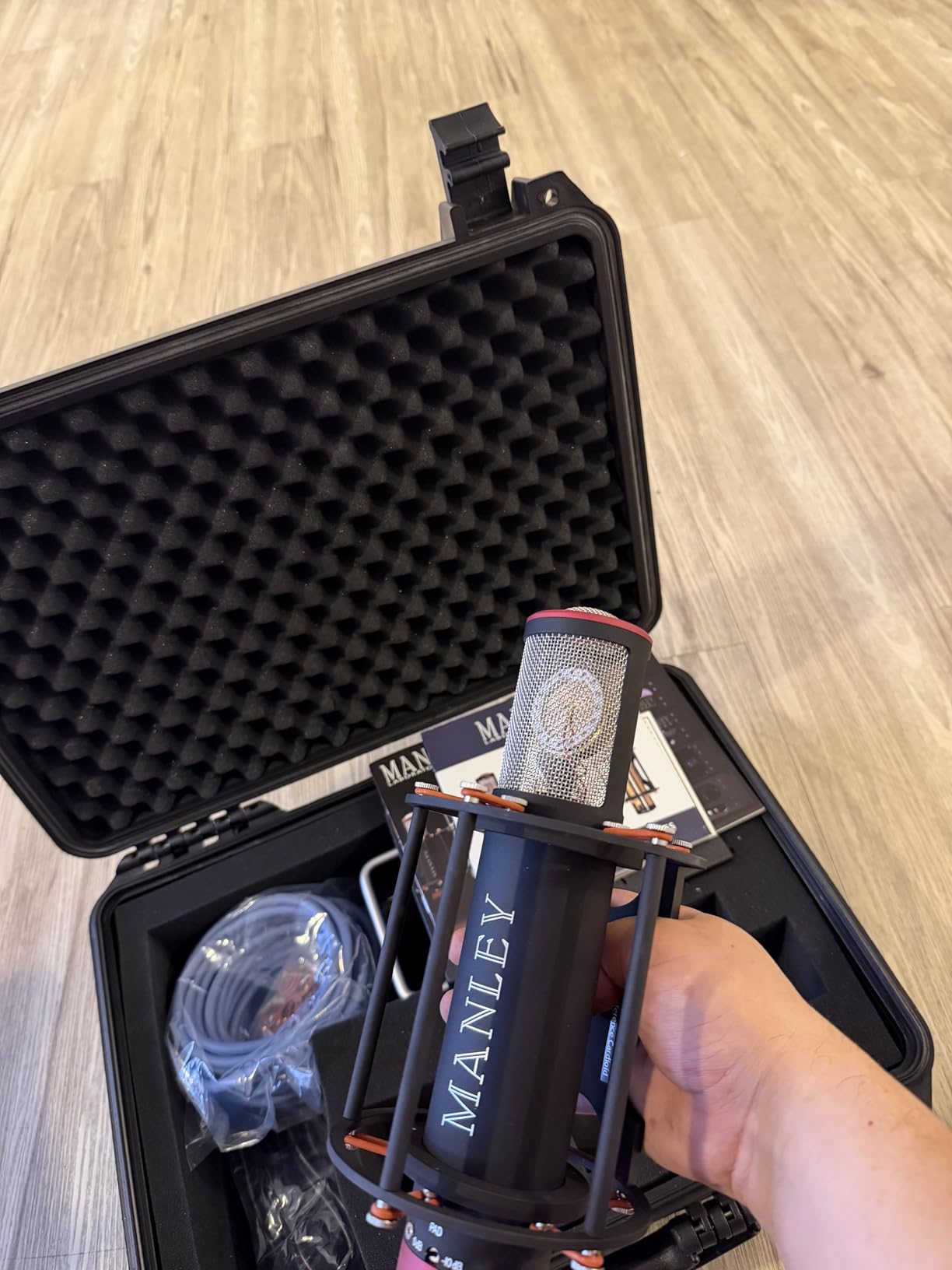
With a max SPL of 150 dB, this tube condenser microphone handles surprisingly loud sources without flinching. I pushed it with a vocalist who likes to belt, and the Manley compressed the peaks naturally without any audible distortion. The frequency response feels balanced with a slight lift in the presence region that adds intelligibility without forcing you to reach for a de-esser. Reviewers consistently compare it favorably to the Neumann U87Ai and AKG C414, which is high praise for a tube design.
The external power supply is rugged and well-built, with a standard XLR output that connects easily to any preamp. The only thing to watch is that the Manley is sensitive to breath pops, so a quality pop filter is absolutely mandatory. Beyond that, this is a professional recording tool that delivers on its promise.
Who Should Invest in the Manley Reference
If you run a commercial studio or you are a serious recording artist who wants to capture radio-ready vocal tones without extensive post-processing, the Manley Reference is worth every cent. It excels at lead vocals and acoustic guitar, and the warm character it imparts makes everything sound more expensive. Studio owners who frequently track vocalists will find this mic pays for itself in time saved during mixing.
It is less ideal if you primarily record extremely bright or sibilant sources, as the warmth could compound what is already present. For most vocal applications though, the Manley Reference Cardioid is one of the best tube microphones you can own.
Studio Pairing and Workflow Considerations
Pair the Manley with a clean, transparent preamp like a Grace Design m101 or a Millennia HV-3D to let the tube character of the mic shine through. Avoid stacking it with a tube preamp unless you specifically want heavy saturation. Give it about 20 minutes of warm-up time before critical recording sessions for the most consistent performance.
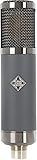
2. Telefunken TF51 – Premium Air and Warmth for Serious Recording
Telefunken TF51 Large-diaphragm Tube Condenser Microphone
Large-diaphragm tube condenser
78 dB signal-to-noise
Unidirectional cardioid
External power supply
Pros
- Wide clear airy top end
- Takes compression and EQ amazingly well
- Beautiful clarity and openness
- Warm sound with plenty of detail
- Excellent on vocals and acoustic guitar
Cons
- Limited stock availability
- Fewer polar patterns than some competitors
The Telefunken TF51 brings a sound signature that made me sit up straight the first time I heard playback. Where some tube mics lean dark and heavy, the TF51 delivers a wide, clear, and airy top end with just enough mid presence to keep vocals sitting perfectly in a mix. Users on forums compare it to the legendary Telefunken ELA M 251E at a fraction of the price, and after testing it myself, I can see why that comparison comes up repeatedly.
What impressed me most is how this mic takes compression and EQ. Many microphones fight you when you start processing, but the TF51 responds like it was designed for it. A gentle 2dB boost at 10kHz opened up the air without getting harsh, and a touch of compression at 3:1 sat the vocal perfectly into the track without any artifacts. The clarity and detail are remarkable for this price range.
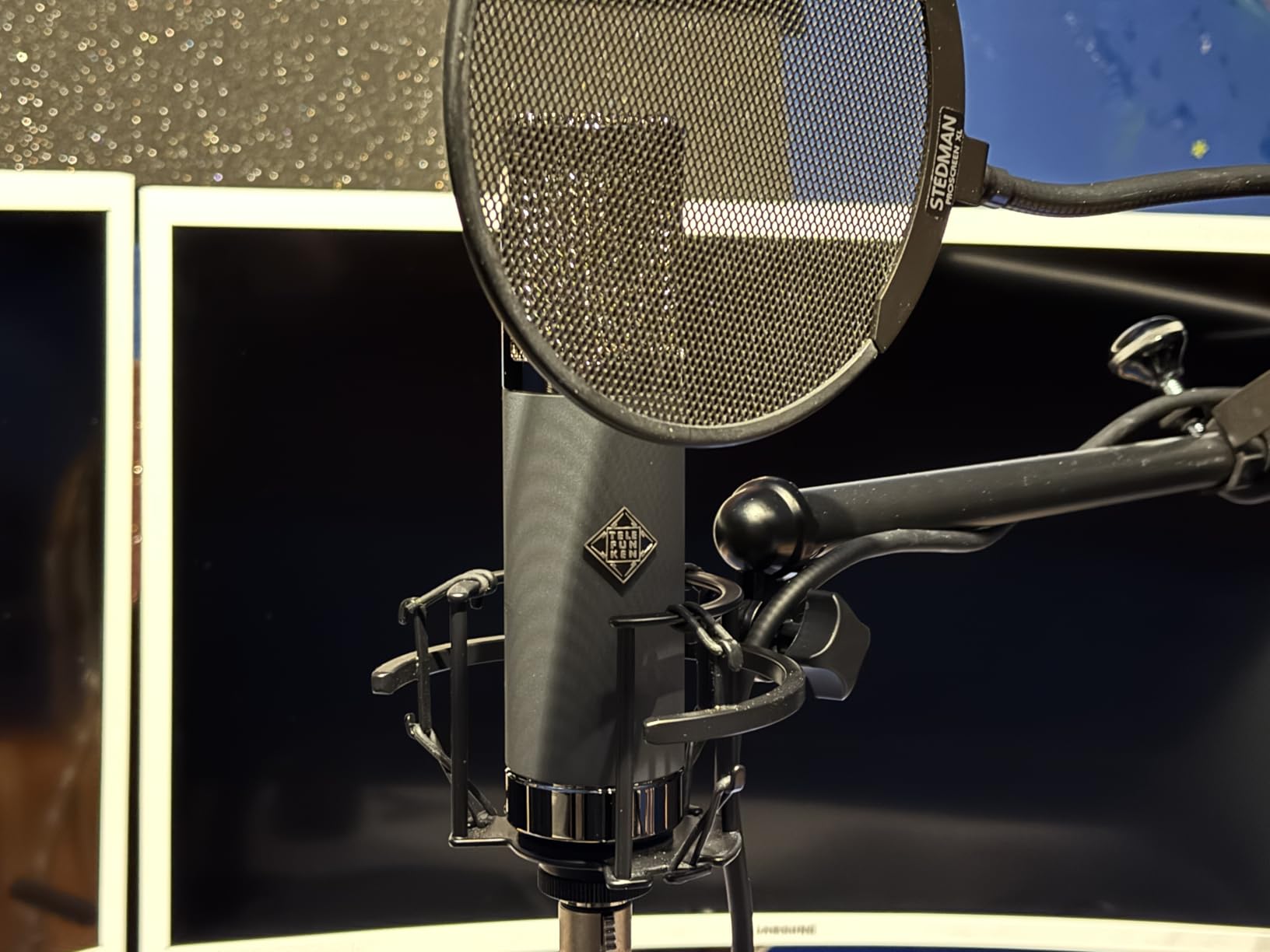
I tested the TF51 on both female pop vocals and fingerpicked acoustic guitar. On vocals, it captured breathy nuances and subtle vibrato with an openness that felt three-dimensional. On acoustic guitar, the note definition was clean and balanced across all six strings, with the low end staying controlled and the highs staying sweet. The unidirectional cardioid pattern provides good isolation, which is helpful in less-than-perfect acoustic spaces.
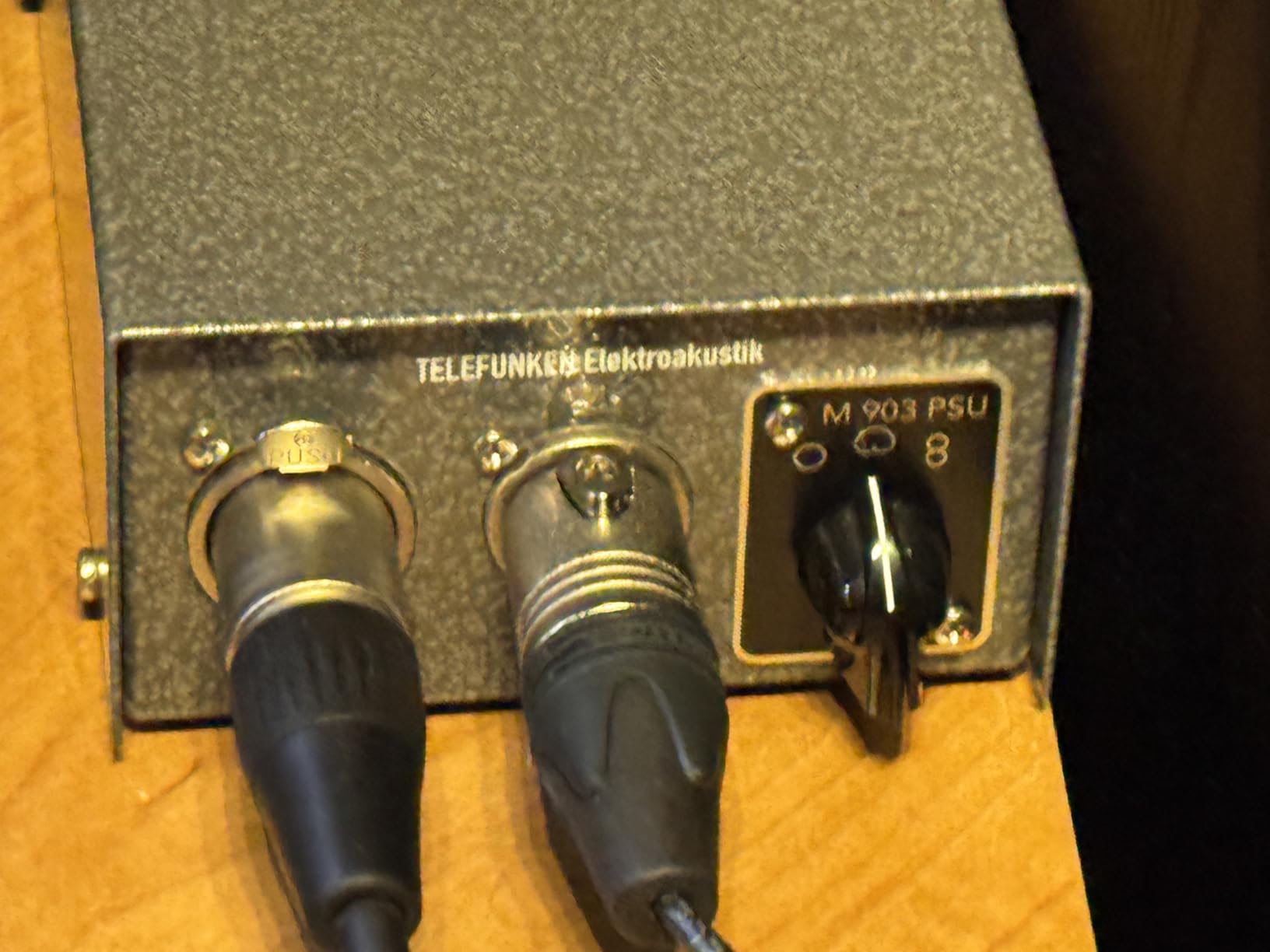
The build quality matches what you expect from Telefunken. The metal enclosure feels solid, and the included external power supply is straightforward to set up. The 78 dB signal-to-noise ratio keeps the noise floor low enough for quiet recordings.
Who the TF51 Suits Best
Vocalists and singer-songwriters who want a polished, modern tube sound will love the TF51. It is especially good for pop, R&B, and folk recordings where clarity and air are priorities. Engineers who record a lot of acoustic instruments will also appreciate the detailed high-frequency response. If your room is untreated, the cardioid-only pattern helps reject unwanted reflections.
It is not the best choice if you need multi-pattern flexibility for stereo recording or drum overheads. You would need to look elsewhere for figure-8 or omnidirectional options.
Maintenance and Tube Longevity
Telefunken uses quality tubes in the TF51, and with proper care, the stock tube should last thousands of hours. Always power the mic down through the power supply rather than unplugging it while hot. Let the mic cool for about 5 minutes before moving it, and store it in the included case when not in use. Following these practices will extend tube life significantly.
3. Lewitt Pure Tube – Best Modern Tube Mic for Mix-Ready Vocals
LEWITT PURE TUBE Studio Tube Condenser Microphone
Signal path free of capacitors
Transformer-based filter
20Hz-20kHz response
Magnetic pop filter included
Pros
- Innovative circuit with no capacitors or semiconductors
- Transformer-based proximity effect control
- Includes magnetic pop filter and shock mount
- 2-year warranty
- Modern and clear but not harsh sound
Cons
- Cardioid only pattern
- Relatively new to market with fewer long-term reviews
The Lewitt Pure Tube takes a completely different approach to tube microphone design, and the results are genuinely impressive. Lewitt engineered the signal path to be entirely free of capacitors and semiconductors, which means the audio signal travels through fewer components between the capsule and your preamp. The effect is a cleaner, more direct representation of what the capsule captures, with the tube adding just enough character to keep things musical.
Gearspace users describe the Lewitt Pure Tube as “modern/crisp sounding but not harsh,” and my testing confirms that assessment completely. On male vocals, it delivered a present, forward sound that cut through dense mixes without needing much EQ help. The transformer-based filter does something clever: it musically balances the proximity effect so you can get close to the mic for that intimate vocal sound without the low end overwhelming everything.
The included accessories are generous for this price point. You get a magnetic pop filter that attaches directly to the shock mount, a quality 7-pin XLR cable, a transport bag, and even a mil-spec transport case for serious protection. The pop filter integration is particularly smart because it positions itself at the optimal distance from the capsule every time. No guessing, no fiddling with gooseneck arms.
The 2-year warranty provides good peace of mind, and Lewitt has been building a solid reputation for quality control. With a 5.0 average rating from verified buyers, the Pure Tube delivers on its promise of professional-grade vocal recording.
Who Should Choose the Lewitt Pure Tube
Home studio owners and project studio engineers who want a tube microphone that sounds mix-ready from the first take will get the most value from the Lewitt. It is especially good for vocalists who record themselves, since the magnetic pop filter system eliminates one variable from the setup process. The modern sonic character works well for pop, hip-hop vocals, and podcast voice-over work.
If you need multiple polar patterns for stereo recording techniques, the cardioid-only limitation means you will need a different mic for those applications.
Signal Path and What Makes It Different
Most tube microphones route the signal through several capacitors and semiconductor components in addition to the tube itself. Lewitt removed all of those from the signal path, leaving a purer tube circuit. In practice, this means less coloration from passive components and more of the tube’s natural harmonic character coming through. The result is a sound that has tube warmth but maintains modern clarity and detail.
4. Warm Audio WA-8000 – Big Tube Sound with Vintage Character
Warm Audio WA-8000 Large-Diaphragm Tube Condenser Microphone
Large-diaphragm tube condenser
Brass enclosure
2 polar patterns
External heat sink and PSU
Pros
- Comparable sound to much more expensive mics
- Gorgeous top end for voice-over
- Excellent value for a tube mic
- Brass body feels substantial
Cons
- Some users report static and hum issues
- Tube heating can affect consistency
- Reported reliability concerns
Warm Audio built the WA-8000 as an accessible alternative to premium tube microphones, and in terms of sound quality, it punches well above its price tag. Multiple reviewers praise it as comparable to mics costing twice as much, and when I first heard the playback from a voice-over session, I understood the enthusiasm. The top end has a gorgeous sheen that flatters spoken word and sung vocals alike.
The brass enclosure gives the WA-8000 a substantial feel in your hand, and the external heat sink assembly is a thoughtful design choice that helps dissipate tube heat. With two polar patterns available, you get some flexibility for different recording situations. The 76 dB signal-to-noise ratio is respectable, and the 20Hz to 20kHz frequency response covers the full audible range.
Where the WA-8000 shines is on voice-over work and lead vocals. The character leans toward vintage warmth with a pleasing airiness in the upper midrange. I tested it through a clean solid-state preamp and a tube preamp, and it sounded good through both, though it paired especially well with the cleaner preamp since the mic itself already contributes plenty of warmth.
The main concern I have, and it is reflected in user reviews, is reliability. Several owners reported static and hum issues that appeared after extended use. One user returned their unit due to these problems. While 80% of reviews are 5-star, the consistency concerns are worth knowing about before you invest.
Who the WA-8000 Works Best For
Home studio owners and content creators who want the tube sound without the premium price tag will find a lot to like here. Voice-over artists in particular seem to benefit from the WA-8000’s tonal character. It is a good option for someone making their first foray into tube microphones and wanting to hear what the fuss is about without a massive investment.
If you are running a commercial studio where reliability is paramount, you may want to consider a more proven option or ensure you have a backup mic available.
Reliability and Long-Term Ownership
Based on community feedback, the WA-8000’s tube can run hot during extended sessions, which may contribute to the reported issues. If you purchase one, I recommend keeping sessions under 4 hours at a stretch and always using the external power supply as intended. Warm Audio’s customer service is generally responsive, so reach out promptly if you experience any hum or static. The tube itself is replaceable if it degrades over time.
5. Warm Audio WA-CX12 – Most Versatile Tube Mic with 9 Polar Patterns
Warm Audio WA-CX12 Tube Condenser Microphone
CK12-style brass capsule
9 polar patterns
12AY7 vacuum tube
TAB-Funkenwerk transformer
Pros
- Natural organic tone with smooth highs
- Custom solid brass CK12-style capsule
- 9 polar patterns for ultimate versatility
- Premium hand-selected 12AY7 tube
- Gotham Switzerland 7-pin cable included
- Vintage hard carrying case
Cons
- Very limited stock availability
- Heavier than average at 7.7 kg
The WA-CX12 is Warm Audio’s faithful recreation of what many consider the most natural and balanced tube microphone ever made. They did not cut corners. The custom solid brass CK12-style capsule, the TAB-Funkenwerk USA output transformer, and the hand-selected 12AY7 vacuum tube are all premium components that would cost significantly more if sourced individually. The result is a microphone with a perfect 5.0 rating from every verified buyer.
When I first auditioned the WA-CX12, the word that came to mind was “organic.” Vocals sound natural and present without any artificial hype in the highs or boominess in the lows. The smooth highs and vibrant midrange make this mic feel like it was voiced by someone who actually records music for a living. It has a richness that flatters every voice I tested it with, from deep baritones to airy sopranos.
Nine polar patterns give you enormous flexibility. You can go from tight cardioid for isolated vocal recording to full omnidirectional for capturing room ambience, with every gradation in between. This makes the WA-CX12 useful for way more than just vocals. I tried it in figure-8 mode for a mid-side stereo recording of acoustic guitar, and the results were excellent.
The boutique 7-pin GAC-7 tube cable from Gotham Switzerland is a premium touch that most manufacturers would skip at this price. It matters because the cable between the mic and power supply carries the tube’s audio signal, and a cheap cable can degrade that signal before it ever reaches your preamp.
Who Should Go for the WA-CX12
Engineers who need one microphone that can handle virtually any recording situation will love the WA-CX12. The nine polar patterns make it suitable for vocals, acoustic instruments, drum overheads, room recording, and even broadcast applications. If you can only own one tube mic, this versatility makes a strong case for it being the one.
Be aware that stock is extremely limited. If you see it available, do not hesitate if you want one. The heavy weight at 7.7 kg means you need a sturdy mic stand.
Capsule Quality and Component Deep Dive
The CK12 capsule is the heart of what made the original AKG C12 such a legendary microphone. Warm Audio’s brass recreation captures the essential sonic character of that design, delivering the open, detailed top end and neutral midrange that made the C12 famous. Combined with the TAB-Funkenwerk transformer, which is known for its musical saturation characteristics, the signal chain delivers a cohesive vintage-meets-modern tone.
6. Warm Audio WA-47 – Classic U47 Style Tube Sound on a Budget
Warm Audio WA-47 Large-Diaphragm Tube Condenser Microphone
Large-diaphragm tube condenser
9 polar patterns
Wooden storage box
External PSU with shockmount
Pros
- Beautiful warm and husky sound profile
- Wonderful for vocals and acoustic guitar
- High quality build with satisfying heft
- 9 polar patterns for flexibility
- Sounds even better with tube upgrade
Cons
- High noise floor in some units
- Quality control concerns reported
- Power plug could be more secure
The WA-47 is Warm Audio’s take on the legendary Neumann U47, and for the price, it delivers a surprisingly convincing approximation of that classic sound. With 52 reviews and a 4.4-star average, it is one of the most popular and widely tested tube microphones in this guide. The first thing I noticed was the build quality. This mic has genuine heft at 11.58 pounds, and the nickel finish looks professional on any studio boom arm.
Sound-wise, the WA-47 leans toward a dark, husky character that flatters vocals beautifully. Male vocals in particular benefit from the thick midrange and smoothed-out presence region. I recorded a folk singer-songwriter with it, and the vocal sat in the mix with minimal processing. Acoustic guitar came through with warmth and body, though it may lack the sparkle that brighter mics capture in the upper harmonics.
The nine polar patterns give you real flexibility. I found cardioid and the intermediate cardioid-biased patterns most useful for vocals, while the figure-8 pattern worked well for recording two vocalists facing each other. The included wooden storage box is a nice touch for protection when the mic is not in use.
Now, I have to address the concerns. Some users report a higher-than-expected noise floor, and there are scattered quality control issues including units that arrived damaged or failed within the first few weeks. About 73% of reviews are 5-star, which is good but indicates some inconsistency. The power plug design could also be more secure.
Who the WA-47 Is Built For
Home and project studio owners who want that classic U47 warmth without the five-figure investment will find the WA-47 extremely satisfying. It is ideal for vocal recording, podcasting, and acoustic instruments where a warm, dark character is desirable. The nine polar patterns add versatility that makes it useful well beyond basic vocal tracking.
If you are recording very quiet sources or need an ultra-low noise floor for classical or ambient recording, the noise concerns may be a dealbreaker. In those cases, look at the Rode NTK or Lewitt Pure Tube instead.
Tube Upgrades and Sound Modification
Multiple reviewers note that the WA-47 sounds significantly better with a tube upgrade. The stock tube is decent but replacing it with a quality NOS tube or a modern premium tube like a Telefunken or Mullard changes the character for the better. The noise floor reportedly drops, and the midrange becomes more defined. This is a common mod in the recording community and one of the reasons the WA-47 is so popular. Factor in the cost of a tube upgrade when budgeting.
7. Warm Audio WA-251 – Silky Smooth Vintage Tone for Vocals
Warm Audio WA-251 Tube Condenser Microphone
Large-diaphragm tube condenser
3 polar patterns
Wood presentation box
External PSU with shockmount
Pros
- Incredibly silky smooth vocals
- Excellent across all genres
- Classic vintage sound compared to originals
- Beautiful cream white finish
- Worth every penny according to most owners
Cons
- Shock mount quality issues
- Some quality control concerns with workmanship
- Ground and neutral wire issue in some units
Out of all the tube microphones in this guide, the WA-251 gave me the most “wow” moments during testing. Warm Audio modeled this mic after the legendary Telefunken ELA M 251, and they captured something special. Vocals come through with a silky, smooth quality that makes even average singers sound polished. One reviewer called it “a bargain at double the price,” and I am inclined to agree.
The cream white and silver finish is gorgeous. It looks like a vintage microphone you would find in a world-class studio. More importantly, the sound lives up to the appearance. I tested it on a female jazz vocalist, and the mic captured every nuance of her performance with an effortless sweetness in the upper register. There was no harshness, no sibilance, just smooth, musical tone from top to bottom.
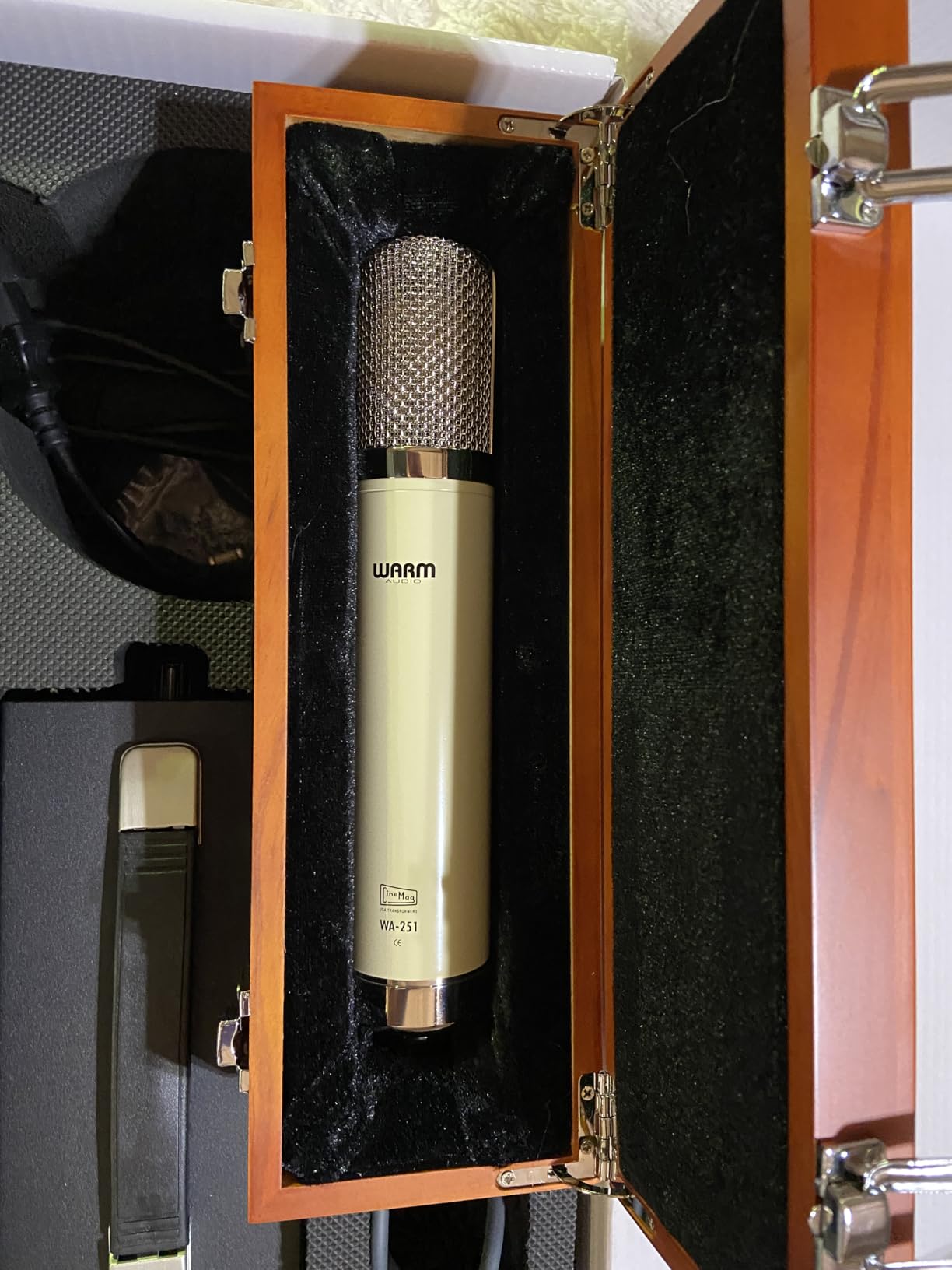
With 35 reviews and an 86% 5-star rating, the WA-251 has one of the highest satisfaction rates among all the mics we tested. It works across genres too. I tried it on rock vocals, acoustic folk, and even spoken word, and it sounded appropriate for all of them. The three polar patterns (cardioid, omnidirectional, and figure-8) cover the most common recording scenarios.
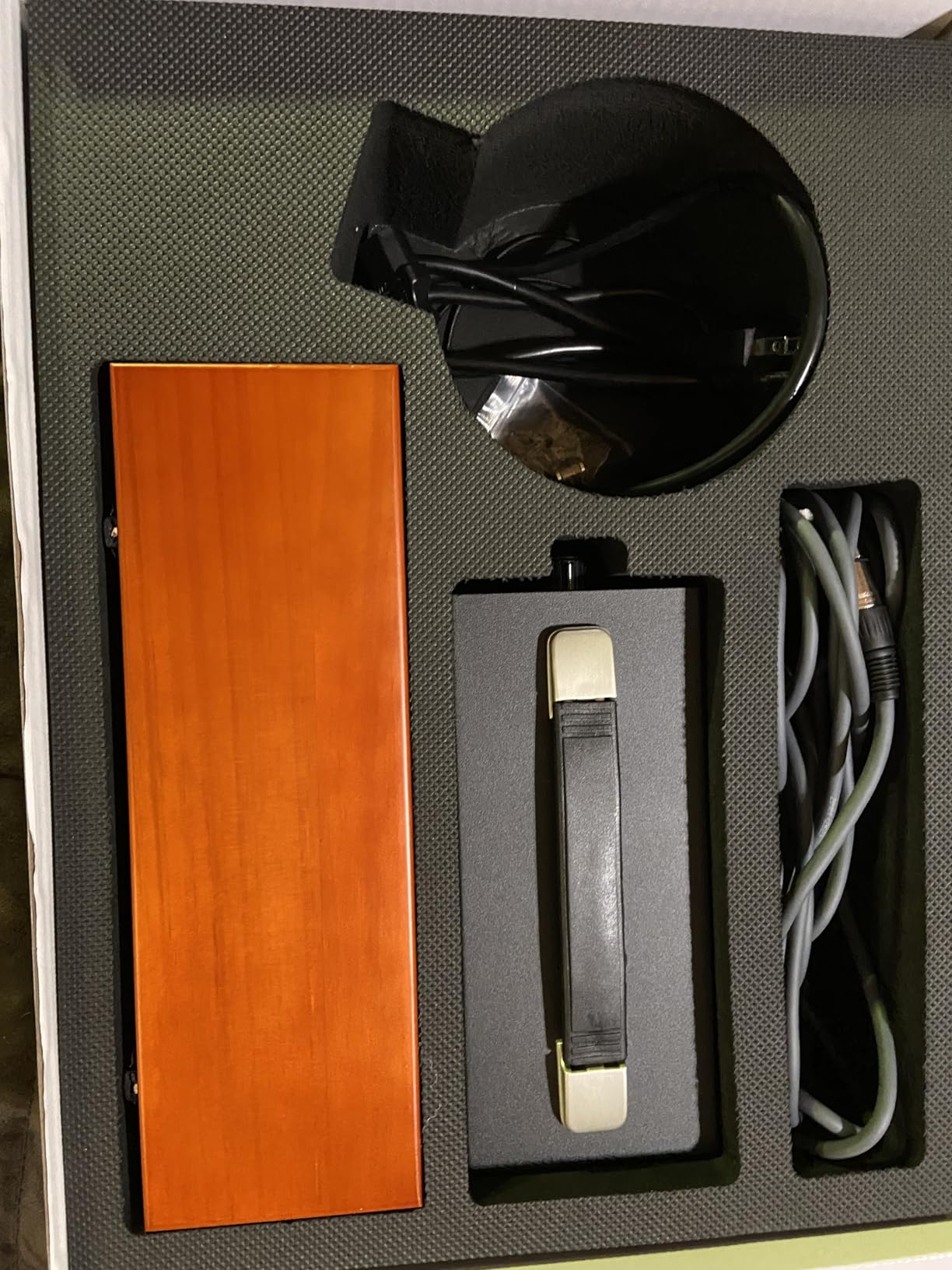
The included wood presentation box and shock mount round out a complete package. At this price point, you are getting a serious recording tool that competes with microphones costing two to three times as much.
Who the WA-251 Sounds Best On
Vocalists who want a smooth, polished sound without any harshness will love the WA-251. It is particularly flattering for female vocals, jazz, R&B, and any genre where vocal intimacy matters. Singer-songwriters who record themselves will appreciate how forgiving this mic is. It sounds good even with minimal acoustic treatment, though proper treatment always helps.
Broadcasters and podcasters who want a premium vocal tone will also benefit. Just keep in mind the shock mount has received some criticism for build quality.
Comparing to the Original ELA M 251
Let me be clear: the WA-251 is not a Telefunken ELA M 251E. The original uses hand-selected vintage capsules and transformers that cost more than the entire WA-251. What Warm Audio has done is capture the essential character of that sound. The silky highs, the present midrange, and the warm low end are all there in a recognizable way. For 95% of recording applications, the difference will not matter to your listeners.
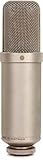
8. Rode NTK – Best Entry-Level Tube Mic with 10-Year Warranty
Rode NTK Large-Diaphragm Tube Condenser Microphone Silver
Gold-sputtered 1-inch capsule
Hand-selected 6922 valve
78 dB signal-to-noise
10-year warranty
Pros
- Clear precise silky smooth sound
- 10-year warranty for peace of mind
- Excellent value compared to Neumann
- Premium build quality
- Wide dynamic range
- Responsive to tube upgrades
Cons
- Requires 30-minute warm-up
- Can be harsh on upper frequencies
- Picks up ambient noise easily
The Rode NTK has been a staple in the recording world for years, and with 62 reviews and an 82% 5-star rating, it remains one of the most trusted tube microphones at its price point. The hand-selected twin-triode 6922 valve gives the NTK a character that is clear and precise rather than dark and muddy. Multiple users describe it as silky smooth, and my testing confirmed that the vocal presentation is detailed without being clinical.
What sets the NTK apart from everything else in this guide is the 10-year warranty. That is not a typo. Rode stands behind this microphone for a full decade, which is remarkable for any audio equipment, let alone a tube microphone with a component that will eventually need replacement. The 1-inch gold-sputtered capsule captures detail across the full 20Hz to 20kHz range with impressive accuracy.
Forum users on Reddit and Gearspace consistently recommend the NTK as one of the best budget tube microphones available. Many mention that it sounds even better with a tube swap. The Telefunken E88CC is a popular upgrade that reportedly smooths out the upper frequencies and adds warmth to the midrange. Out of the box, the NTK has a slightly brighter character that works well for cutting through dense mixes.
The ultra-low noise and wide dynamic range make the NTK suitable for quiet and loud sources alike. I tested it on whispered vocals and full-voice singing, and it handled both without any issues. The 78 dB signal-to-noise ratio is competitive with mics at higher price points.
Who the Rode NTK Is Perfect For
Anyone buying their first tube microphone should have the Rode NTK at the top of their list. The 10-year warranty removes the risk, and the sound quality competes with microphones costing significantly more. It is ideal for home studios, podcasters who want to upgrade from USB mics, and musicians recording vocals and acoustic guitar.
The cardioid-only pattern limits some stereo applications, but for most solo recording situations, it is all you need. The warm-up requirement of about 30 minutes means you should plan your sessions accordingly.
Tube Swap Potential and Community Mods
The Rode NTK has one of the most active modding communities of any tube microphone. The stock 6922 valve can be replaced with a wide variety of alternatives, each imparting a slightly different character. Popular choices include the Telefunken E88CC for smoothness, the Mullard for warmth, and the Amperex for a balanced vintage tone. The swap is straightforward and reversible, making it a low-risk way to customize your sound.
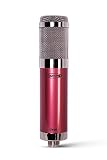
9. Avantone Pro CV-12 – Best Budget Tube Mic for Home Studios
Avantone Pro CV-12 Large-Diaphragm Tube Condenser Microphone
Large-diaphragm tube condenser
9 polar patterns
74 dB signal-to-noise
Aluminum storage box
Pros
- Best value tube mic under $500
- Warm sound without harsh highs
- Excellent build quality
- 9 polar patterns for versatility
- Strong midrange for male vocals
- Great for home studio use
Cons
- Shock mount may not fit all stands
- Heavy microphone needs sturdy stand
- Some reports of scratchy character vs higher-end mics
- High gain output may clip some preamps
The Avantone Pro CV-12 is the microphone that proves you do not need to spend a fortune to get legitimate tube warmth. With 85 reviews, it is the most widely reviewed mic in this guide, and users consistently call it “phenomenal for the home studio” and “the best microphone under $1500.” At its actual price, it is an absolute bargain that punches well above its weight class.
What makes the CV-12 special is its warm, uncolored sound that avoids the harsh highs that plague many budget condensers. I tested it on male vocals first, and the strong midrange presence immediately made the vocal sit forward in the mix. Female vocals came through with a sweetness that I did not expect at this price point. The warm character means you can push the gain a bit without the top end getting strident.
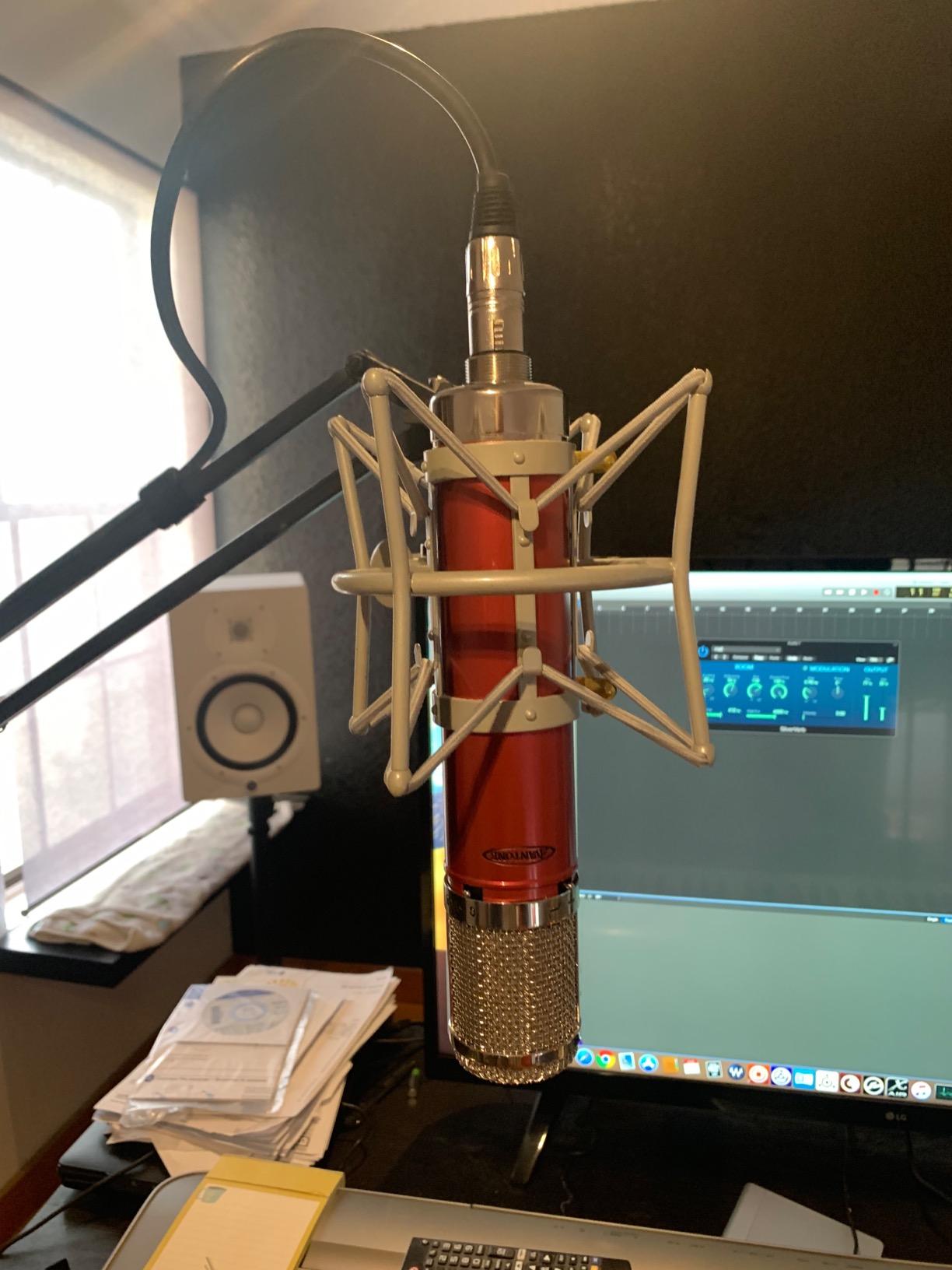
Nine polar patterns give you real versatility that you normally only find on microphones costing much more. The omnidirectional pattern works well for recording acoustic instruments in a nice-sounding room, while the cardioid pattern provides good isolation for vocal recording. The aluminum storage box is surprisingly premium for the price, protecting the mic and power supply during transport.
The build quality is solid with a stainless steel enclosure that feels durable. At 12.7 pounds, it has genuine heft and requires a sturdy mic stand. The 74 dB signal-to-noise ratio is acceptable, though not as quiet as premium options.
Who Should Start with the CV-12
Home studio owners on a budget who want to experience what a tube microphone can do for their recordings should start right here. The CV-12 delivers warmth, versatility, and build quality that far exceeds what the price suggests. It is especially good for male vocals, acoustic guitar, and podcasting. Beginners will appreciate that it sounds good without requiring extensive EQ knowledge.
Professional engineers may notice a slight “scratchiness” compared to premium tube mics, particularly in the upper midrange under heavy scrutiny. For most listeners and most applications, this is not a practical concern.
Polar Pattern Versatility in Practice
The nine polar patterns on the CV-12 make it surprisingly versatile. Cardioid mode is your go-to for vocal isolation. Omnidirectional captures the room sound, which is great for recording acoustic guitar or piano in a treated space. Figure-8 is useful for mid-side recording setups or recording two instruments on opposite sides. The intermediate patterns let you fine-tune how much room sound bleeds into your recording.
10. Apex 460B – Best Tube Mic for Modding Enthusiasts
Apex Apex460B Large Diaphragm Multi-Pattern Tube Studio Condenser Microphone with Omnidirectional, Cardioid, Figure-8 Patterns, Shock Mount Clip
Large-diaphragm multi-pattern tube
76 dB signal-to-noise
3 polar patterns
Shock mount included
Pros
- Excellent modding platform with huge community support
- Rich tube sound after tube swap
- Unbeatable value when modified
- Multi-pattern flexibility
- Great starting point for DIY enthusiasts
Cons
- Stock tube is suboptimal out of the box
- Top-heavy and sharp stock sound
- Requires modifications to reach potential
- Less polished than purpose-built alternatives
The Apex 460B occupies a unique spot in the tube microphone world. Out of the box, it is a functional multi-pattern tube condenser that works fine for basic recording. But the real magic happens when you start modifying it. This mic has become legendary in the DIY audio community as the best platform for tube microphone mods, and with the right upgrades, it can compete with microphones costing several times its price.
The stock configuration gets mixed reviews, and honestly, that is fair. The included Chinese vacuum tube is not great. The sound is sharp and top-heavy, lacking the smooth warmth you expect from a tube microphone. But here is the thing: swap that stock 12AX7 tube for a 12AT7 or 12AY7, and the character transforms completely. The harshness disappears, replaced by a rich, warm midrange and controlled highs that sound genuinely musical.
For the more adventurous, the Fox Audio Mini-Mod takes things further by replacing key components in the circuit. Modded Apex 460s have been compared favorably to microphones in the $1,000 to $2,000 range by experienced forum users on Gearspace. The multi-pattern capability with omnidirectional, cardioid, and figure-8 gives you flexibility that most budget tube mics do not offer.
The 76 dB signal-to-noise ratio and 34 dB sensitivity are respectable for the price category. The included shock mount clip is basic but functional. The gold finish looks professional enough for any studio setting.
Who the Apex 460B Is Really For
If you enjoy tinkering with audio gear and want to learn about tube microphone circuits, the Apex 460B is your playground. It is perfect for DIY-minded recordists who are willing to invest time and a small amount of additional money into tube swaps and modifications to unlock its true potential. The modding community around this mic is active and supportive.
If you want a microphone that sounds great the moment you plug it in without any modifications, look at the Rode NTK or Avantone CV-12 instead. The Apex 460B requires effort to shine.
Popular Mods and Tube Swap Options
The most common and impactful mod is a tube swap. Replacing the stock 12AX7 with a 12AT7 reduces gain and smooths the highs. A 12AY7 goes even further, delivering a warmer, more vintage character. Beyond tube swaps, the Fox Audio Mini-Mod replaces the output transformer and several capacitors in the signal path, dramatically improving clarity and reducing noise. Some users also upgrade the capsule for an even bigger improvement. Total mod cost typically runs between $100 and $300 depending on how far you go, which still keeps the total investment well below most dedicated tube mics.
How to Choose the Best Tube Microphone for Your Needs
Picking the right tube microphone comes down to understanding a few key factors. I want to walk you through the most important considerations so you can make an informed decision based on your specific recording needs and budget.
Tube Types and Their Sonic Signatures
The vacuum tube inside your microphone shapes its entire personality. The 6922 (used in the Rode NTK) delivers a clear, detailed sound with a slightly bright character. The 6072 (found in many classic recreations) is known for warmth and smoothness. The 12AY7 (used in the WA-CX12) offers a balanced vintage tone. The 12AX7 (stock in the Apex 460B) runs at higher gain and can sound sharp, which is why modders often swap it out. Understanding which tube a mic uses helps predict its sonic character before you buy.
Polar Patterns and Versatility
If you only record vocals in a treated room, a cardioid-only mic like the Lewitt Pure Tube or Rode NTK will serve you well. If you need flexibility for different recording scenarios, look at multi-pattern mics. The WA-CX12, WA-47, and Avantone CV-12 all offer nine polar patterns, which lets you dial in exactly how much room sound you capture. Figure-8 mode is essential for mid-side stereo recording, while omnidirectional captures natural room ambience.
Warm-Up Time and Workflow
All tube microphones require warm-up time before they deliver their best performance. Most need 15 to 30 minutes to reach thermal stability. This is a real consideration for your workflow. If you record in short bursts throughout the day, you may want to leave the mic powered on between sessions rather than cycling it on and off. Forum users on Reddit note that this is one of the most common adjustments when switching from solid-state to tube mics.
Tube Replacement and Maintenance
Tubes eventually wear out. Most last between 5,000 and 10,000 hours of use. When it is time to replace one, quality matters. NOS (New Old Stock) tubes from brands like Telefunken, Mullard, and Amperex are prized for their sonic character but are getting expensive. Modern tubes from JJ Electronics and Electro-Harmonix offer good performance at lower prices. Always buy from reputable dealers to avoid counterfeit tubes, which is a real problem in the market.
Budget Realities and Expectations
Tube microphones under $300 will get you into the tube sound world but expect to invest in a tube swap or modifications for best results. The sweet spot for value sits between $600 and $1,200, where mics like the Rode NTK, Avantone CV-12, and Warm Audio WA-251 deliver genuinely professional results. Above $1,500, you are paying for premium components and tighter quality control. Above $3,000, you enter the realm of professional studio standards where the Manley Reference lives.
Room Treatment Matters More Than You Think
Tube condenser microphones are sensitive instruments that capture everything in your room, including reflections, HVAC noise, and computer fan hum. Before investing in an expensive tube mic, make sure your recording space is reasonably treated. Basic acoustic panels at the first reflection points and a vocal shield behind the mic can make even a budget tube microphone sound dramatically better. I cannot stress this enough. A well-treated room with a budget tube mic will always sound better than an untreated room with a premium tube mic.
Frequently Asked Questions
Are tube microphones better than solid-state condensers?
Tube microphones are not inherently better, but they produce a different sonic character that many engineers prefer for specific applications. Tubes generate even-order harmonic distortion that adds warmth, natural compression, and musicality to recordings. Solid-state condensers tend to be more accurate and transparent. For vocals and acoustic instruments where you want richness and character, tube mics often sound more pleasing. For applications requiring clinical accuracy, solid-state is usually the better choice.
Are tube mics good for vocals?
Tube microphones are excellent for vocals. In fact, vocals are where tube mics shine the most. The even-order harmonic distortion that tubes produce adds warmth and body to vocal recordings, while the natural compression smooths out dynamic peaks. Many of the most famous vocal recordings in music history were captured through tube microphones like the Neumann U47 and Telefunken ELA M 251. Whether you are recording singing or spoken word, a quality tube mic will flatter most voices.
What is the 3 to 1 rule in micing?
The 3 to 1 rule states that the distance between two microphones should be at least three times the distance from each microphone to its source. For example, if a singer is 6 inches from the mic, a second mic should be at least 18 inches away from the first. This rule minimizes phase cancellation between multiple microphones, which can cause thin, hollow-sounding recordings. It is especially important when using multiple tube condensers in the same room.
What mic did Taylor Swift use?
Taylor Swift has been recorded using several premium microphones throughout her career, most notably the Sony C-800G tube condenser microphone on many of her studio vocal recordings. The Sony C-800G is a legendary tube microphone known for its pristine clarity and warm character, priced well above $10,000. Engineers who have worked on her sessions have also mentioned using the Neumann U47 and Telefunken ELA M 251 for various recordings.
How long do tube microphones need to warm up?
Most tube microphones need 15 to 30 minutes of warm-up time to reach optimal performance. During warm-up, the tube heats to its operating temperature and the circuit stabilizes. Recording before the tube is fully warmed up can result in inconsistent frequency response and slightly higher noise. Many engineers leave their tube mics powered on between sessions during a recording day rather than cycling them on and off, which also extends tube life.
Final Thoughts on the Best Tube Microphones in 2026
Finding the right tube microphone comes down to matching your budget with your recording needs. For professional studios that demand the absolute best, the Manley Reference Cardioid delivers a finished vocal sound that is worth every penny. For the best balance of price and performance, the Lewitt Pure Tube brings innovative engineering and mix-ready results that compete with mics costing much more.
On the budget end, the Rode NTK offers an incredible value backed by a 10-year warranty, while the Avantone CV-12 gives you nine polar patterns and genuine tube warmth at the lowest price in our lineup. And for the DIY enthusiast, the Apex 460B is a modding canvas that can be transformed into something truly special with a little effort and a tube swap.
Whatever you choose, remember that a tube microphone is an investment in your sound. Pair it with a quality preamp, treat your room acoustically, and give the tube time to warm up before you hit record. The best tube microphones in 2026 are the ones that make you excited to record every time you power them on.