

If you have ever tried stuffing a full-size dreadnought into an overhead bin or lugging a Les Paul on a cross-country road trip, you already know why travel guitars exist. These compact instruments let you keep playing no matter where life takes you, without the bulk, weight, or anxiety of traveling with a standard guitar. I have spent months testing portable guitars in airports, hotel rooms, camp sites, and living rooms to find the ones that actually sound good and feel right in your hands.
Travel guitars come in a few flavors: small-bodied acoustics with short scale lengths, headless electrics with full-scale necks, foldable designs with detachable necks, and innovative carbon fiber builds that shrug off humidity and temperature swings. The best travel guitars balance portability with playability, giving you enough of a real guitar experience that you actually want to pick it up and practice.
In this guide, our team rounded up 12 of the best travel guitars available in 2026, covering acoustic, electric, foldable, and carbon fiber options. Whether you need something that fits under a plane seat, a silent practice companion for hotel rooms, or a rugged carbon fiber guitar for backpacking trips, we have you covered with real hands-on impressions and honest assessments.
Table of Contents
Top 3 Travel Guitars for 2026

Best Travel Guitars in 2026
| Product | Specifications | Action |
|---|---|---|
| Taylor GS Mini Sapele |
|
Check Latest Price |
 Traveler Guitar Escape Mark III Traveler Guitar Escape Mark III |
|
Check Latest Price |
 Traveler Guitar Ultra-Light Electric Traveler Guitar Ultra-Light Electric |
|
Check Latest Price |
 Yamaha SLG200S Silent Guitar Yamaha SLG200S Silent Guitar |
|
Check Latest Price |
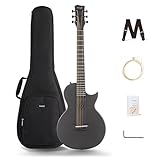
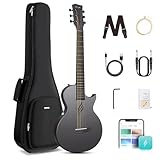 Enya NOVA GO SP1 Carbon Fiber Enya NOVA GO SP1 Carbon Fiber |
|
Check Latest Price |
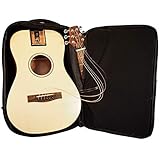 Journey Instruments PJ410N Journey Instruments PJ410N |
|
Check Latest Price |
 Yamaha APXT2 3/4-Size Yamaha APXT2 3/4-Size |
|
Check Latest Price |
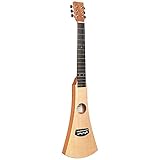 Martin Backpacker Martin Backpacker |
|
Check Latest Price |
 Donner HUSH I PRO Donner HUSH I PRO |
|
Check Latest Price |
| Donner HUSH X Electric |
|
Check Latest Price |
 LAVA ME AIR Carbon Fiber LAVA ME AIR Carbon Fiber |
|
Check Latest Price |
| Enya Nova Go Carbon Fiber |
|
Check Latest Price |
1. Taylor GS Mini Sapele – Best Overall Travel Guitar
Taylor GS Mini Sapele Acoustic Guitar – Natural with Black Pickguard
Solid Spruce Top
Layered Sapele Back/Sides
23.5in Scale
Ebony Fretboard
Includes Gig Bag
Pros
- Surprisingly big sound for compact size
- Excellent Taylor craftsmanship
- Comfortable neck profile
- Smooth frets and low action
- Lifetime warranty
Cons
- Premium price point
- Limited stock available
- Heavier than some travel guitars
The Taylor GS Mini is one of those rare guitars that feels like a “real” guitar in every way that matters. I picked one up expecting a compromise on tone, and honestly, the sound that came out of this compact body surprised me. The solid spruce top paired with layered sapele back and sides produces a warm, balanced tone with enough projection to fill a small room.
At 23.5 inches, the scale length is slightly shorter than a standard dreadnought, but Taylor designed the neck so well that your fingers barely notice. The ebony fretboard is silky smooth, and the action arrived low and comfortable right out of the box. Chords ring clear, and single-note runs feel natural.
Where the GS Mini really shines is portability without sacrificing the playing experience. It is not the smallest or lightest travel guitar on this list, but that is because it sounds genuinely good. I took it on a week-long road trip, and it fit comfortably behind the passenger seat in a compact car. The included gig bag is well-padded and has backpack-style straps.
On the downside, this is one of the more expensive options at its tier, and stock can be hard to find. At around 9 pounds, it is heavier than headless or foldable designs. But for musicians who want a travel guitar that doubles as a serious practice and even recording instrument, the GS Mini is tough to beat.

Who Should Buy the Taylor GS Mini
Guitarists who refuse to compromise on tone and build quality will love the GS Mini. It is ideal for experienced players who travel frequently and want an instrument that feels like home. The lifetime warranty from Taylor adds long-term peace of mind.
It is also a great choice if you want one guitar that works for both travel and everyday couch practice. This is not a specialty travel tool; it is a real guitar that happens to be compact.
Who Should Look Elsewhere
If you need something that fits in an airplane overhead bin without question, the GS Mini might be too large. Frequent flyers who want maximum compactness should consider foldable or headless options like the Journey Instruments PJ410N or Traveler Guitar Ultra-Light instead.
Players on a tighter budget can get similar portability from the Yamaha APXT2 at a significantly lower cost, though the sound and feel will not match the Taylor.
2. Traveler Guitar Escape Mark III – Best Full-Scale Acoustic
Traveler Guitar Escape Mark III Mahogany Acoustic Guitar | Portable Acoustic with Built-in Headphone Amp | Full 25.5″ Scale Headless Guitar | Custom Gig Bag Included
Full 25.5in Scale
Mahogany Body
Headphone Amp
Built-in Tuner
4.4 lbs
Pros
- Full scale length feels like a standard guitar
- Built-in headphone amp and tuner
- Custom padded gig bag
- Excellent tuning stability
- Solid mahogany body
Cons
- Sharp body edge uncomfortable on forearm
- Thin piezo sound amplified
- No acoustic projection
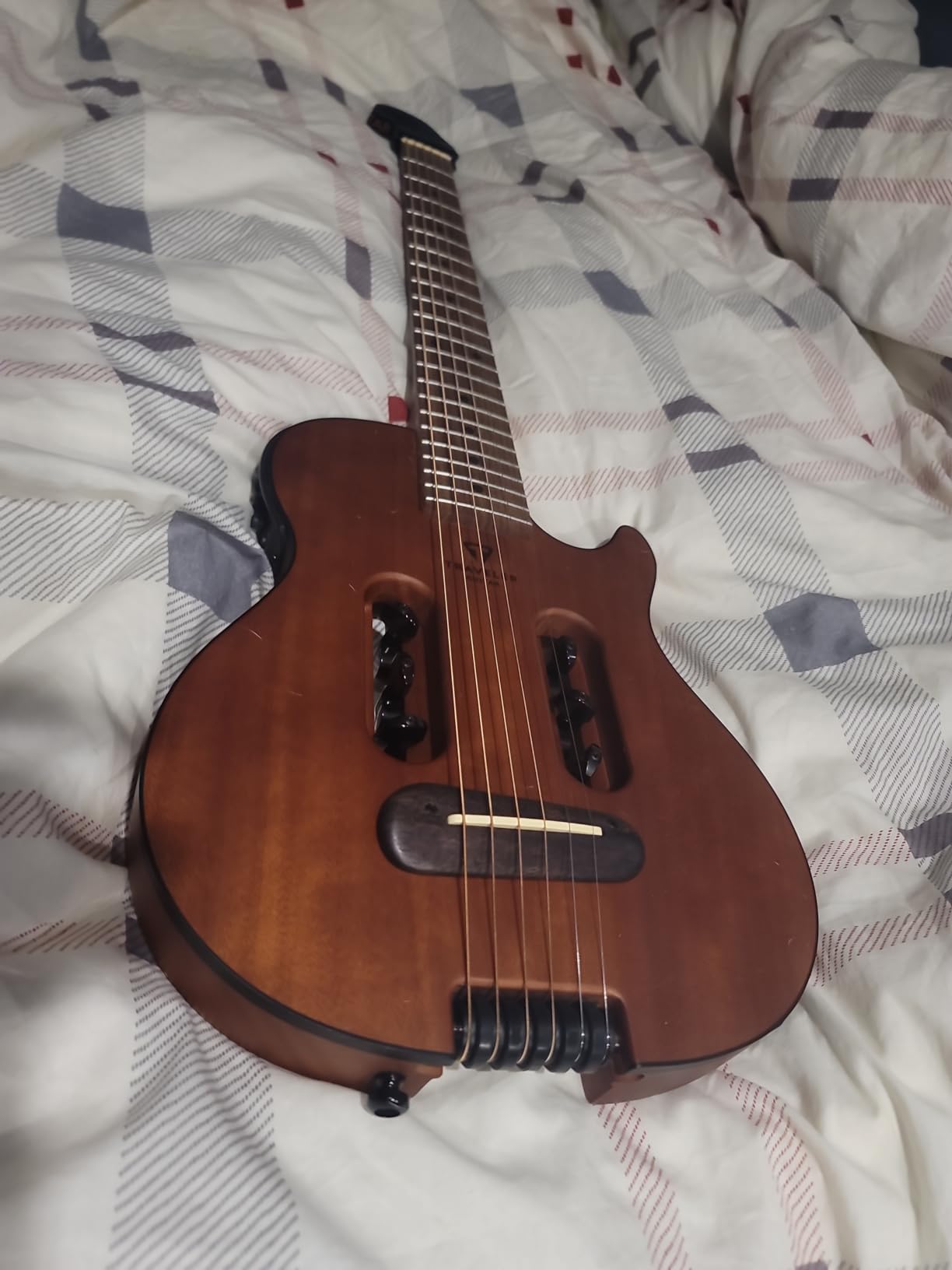
The Escape Mark III solves a problem that bothers many travel guitar players: short scale length. This guitar gives you a full 25.5-inch scale with 22 frets, so your muscle memory from your main guitar transfers without adjustment. I found that chord shapes, barre positions, and lead lines all felt exactly where they should be.
The in-body tuning system keeps the headstock area compact, and the whole thing weighs just 4.4 pounds. Traveler Guitar has been making travel instruments for over three decades, and that experience shows in the design. The built-in headphone amp means you can practice silently in a hotel room at 2 AM without waking anyone.
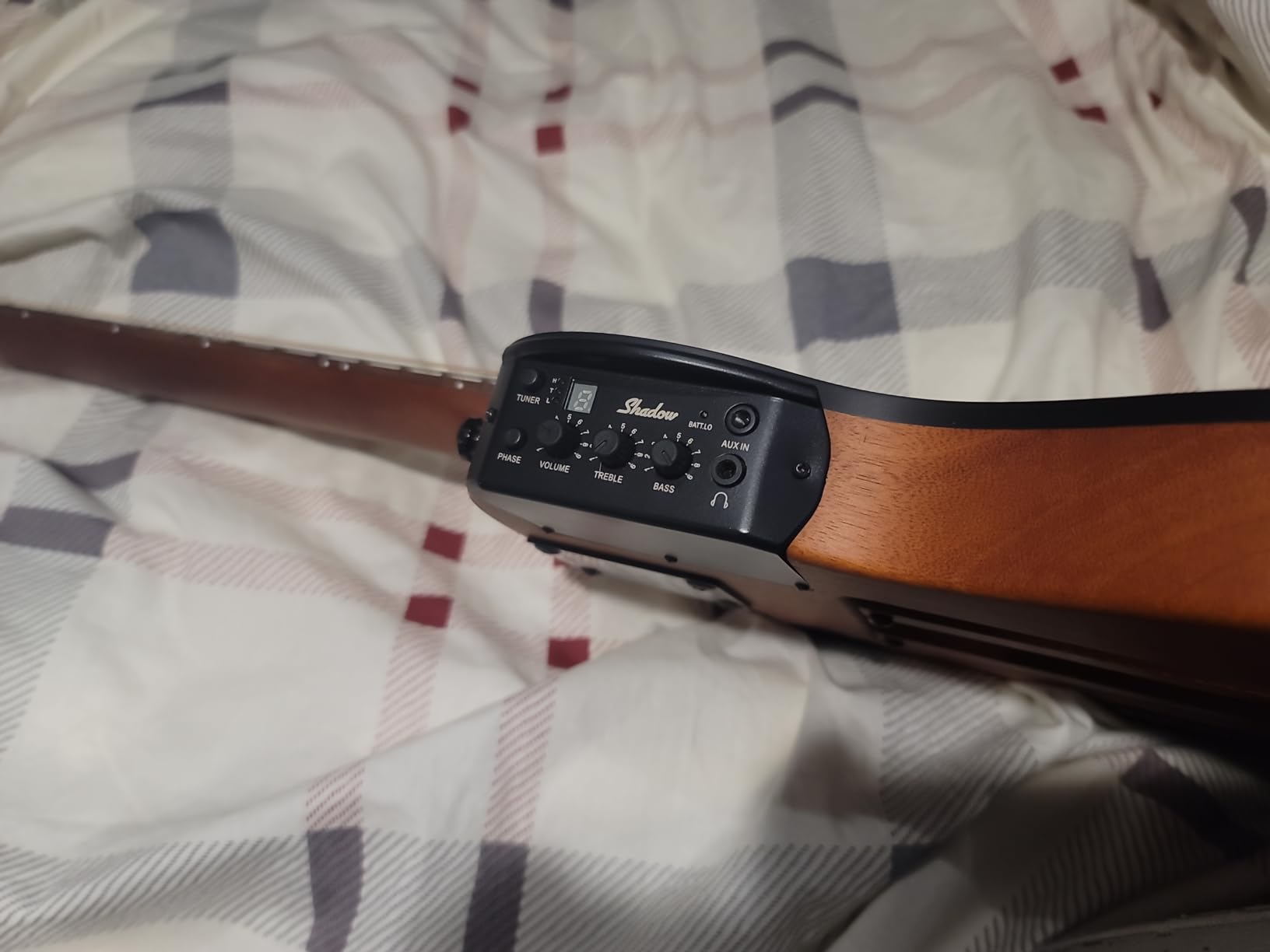
The Shadow NanoFlex pickup and 2-band EQ give you some tonal control, and there is an aux-in jack so you can plug in your phone and jam along with backing tracks. That feature alone makes it a fantastic practice tool. The custom gig bag has padded shoulder straps and storage pockets.
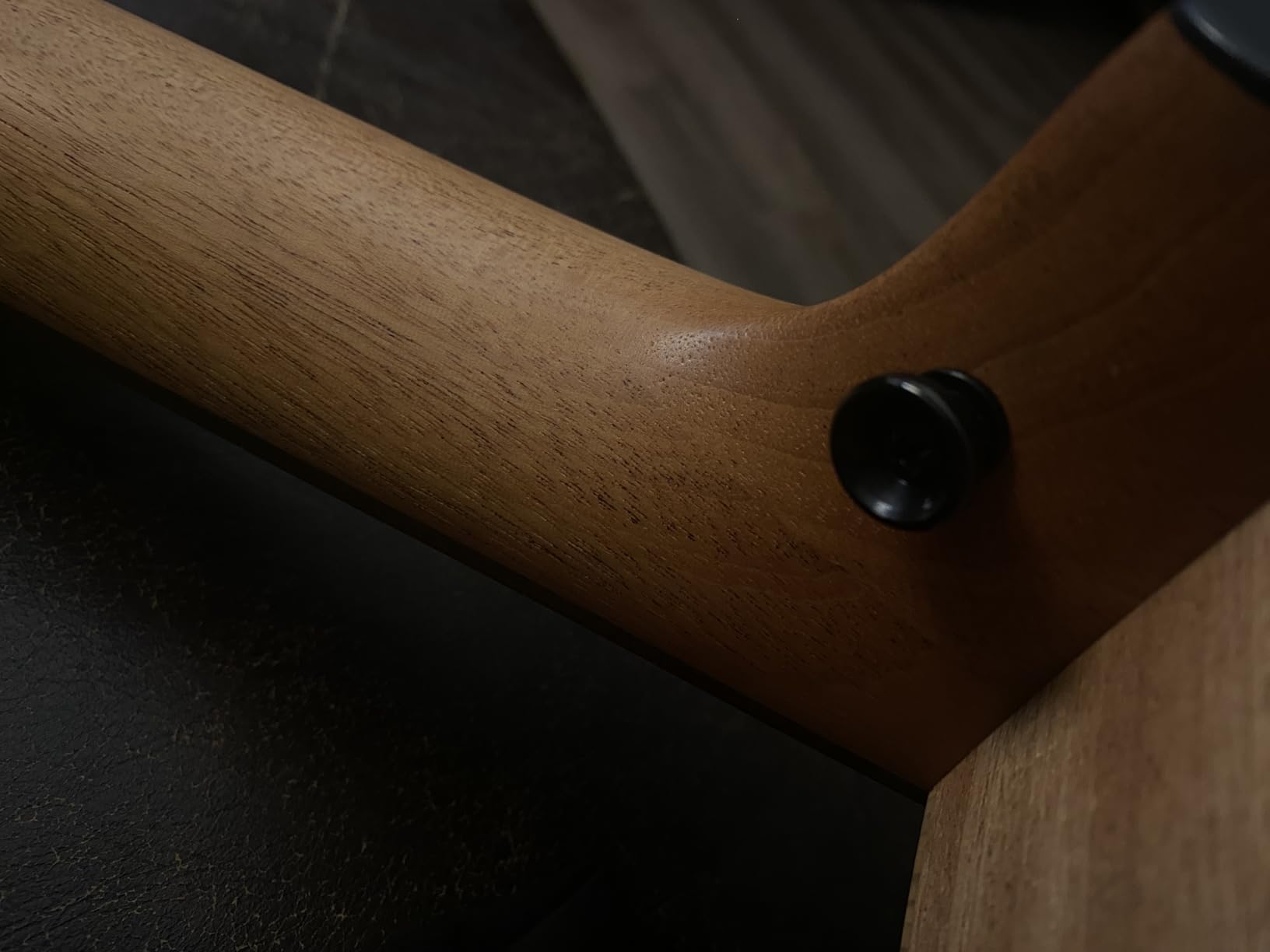
The main drawback is the body shape. The top edge is quite sharp and can dig into your forearm during longer sessions. I wrapped a small towel over the edge during one extended practice and it helped, but it is something to be aware of. Also, without a resonant body cavity, this guitar has almost no acoustic sound on its own. You need headphones or an amp.
Who Should Buy the Escape Mark III
Players who absolutely need a full-scale neck will appreciate this guitar more than any short-scale option. If you are working on technique, scales, or complex chord voicings while traveling, the familiar 25.5-inch scale length is a major advantage. The headphone amp and aux-in make it one of the best practice companions available.
Van-lifers and long-term travelers who want a durable, quiet practice tool will also find a lot to love here.
Who Should Look Elsewhere
If you want a travel guitar that actually produces acoustic sound without amplification, this is not it. The Escape Mark III is essentially a silent practice instrument. Look at the Taylor GS Mini or Yamaha APXT2 for real acoustic projection.
Gigging musicians who need a natural amplified tone should also be cautious, as the piezo pickup can sound thin through a PA system.
3. Traveler Guitar Ultra-Light Electric – Best Travel Electric
Traveler Guitar Ultra-Light Electric Guitar Matte Black | Portable Electric with Removable Lap Rest | Full 24 3/4″ Scale Headless Guitar | Custom Gig Bag Included
Full 24.75in Scale
Headless Design
3 lbs
Dual-Rail Humbucker
Maple Body
Pros
- Only 3 lbs and 28 inches long
- Fits in overhead bins
- Full-scale playability
- In-body tuning system
- Durable solid maple construction
Cons
- No volume or tone controls on guitar
- Requires strap for balance
- Tuning pegs hard to access
The Ultra-Light Electric is exactly what it sounds like: an electric guitar that weighs just 3 pounds and measures only 28 inches long. I have taken this on multiple flights, and it fits in the overhead compartment every time. The headless design with in-body tuners eliminates the most fragile part of any travel guitar.
Despite its tiny footprint, you get a full 24.75-inch scale with 22 frets and a dual-rail humbucker pickup. Plugged into a small practice amp or even a headphone amp, it sounds surprisingly good. The solid Eastern American hard maple construction feels indestructible, which is reassuring when you are tossing it in and out of cars and overhead bins.
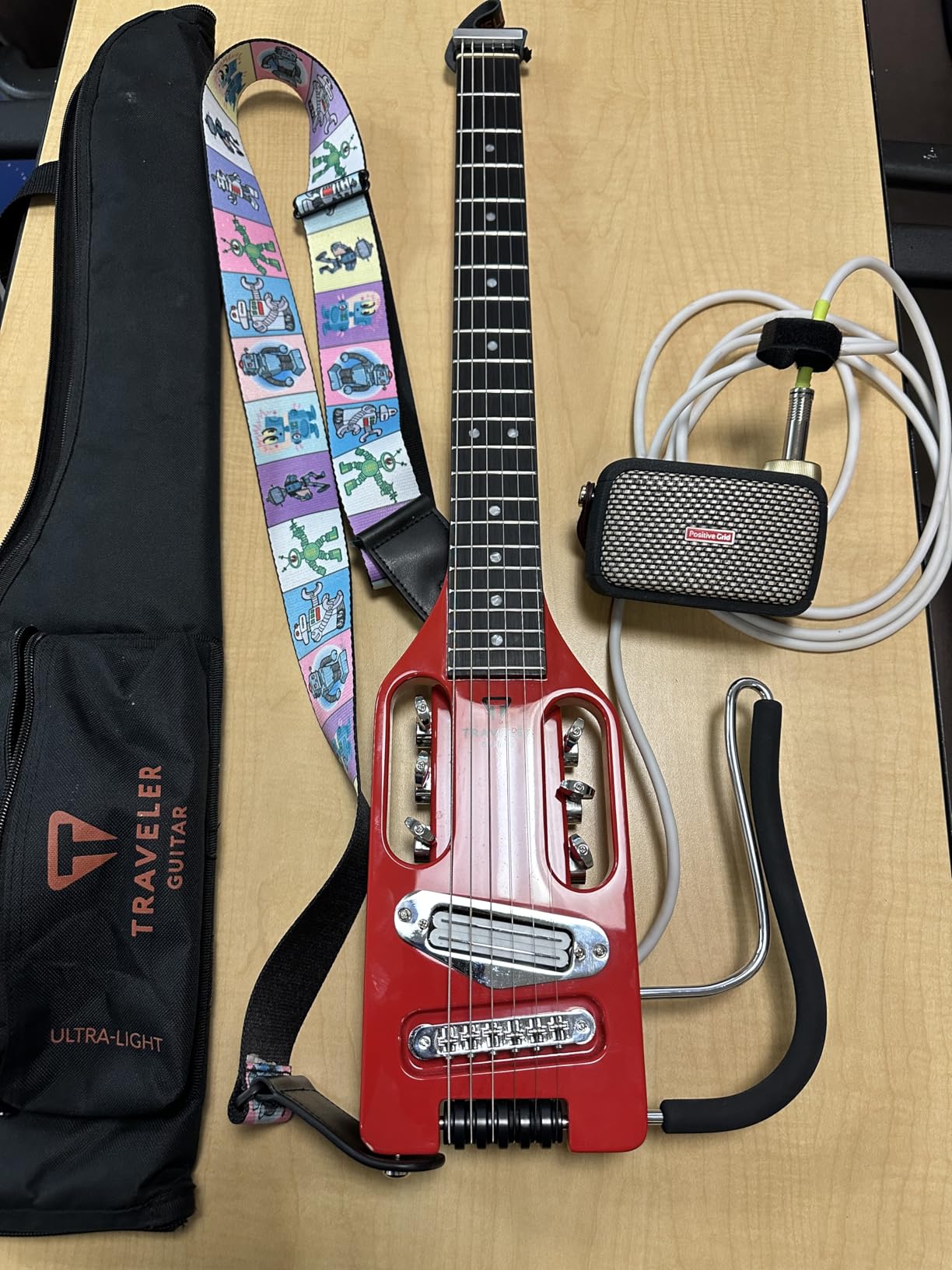
The detachable lap rest helps with playing position, and the included gig bag is decent for the price. Tuning stability is solid once you get the hang of the in-body tuners. I found that the guitar holds tune well even after being jostled around in transit.
There are some compromises. There are no volume or tone knobs on the guitar itself, so you are completely dependent on your amp for those controls. The rectangular body shape is neck-heavy, so a strap is basically mandatory for comfortable playing. And accessing the tuning pegs takes some finger dexterity, especially if you have larger hands.
Who Should Buy the Ultra-Light Electric
Frequent flyers who need a guitar that fits in overhead bins without negotiation should put this at the top of their list. The combination of full-scale playability and ultra-compact size is hard to find. It is also a great option for electric guitar players who want to maintain their technique while traveling.
Backpackers and minimalists will appreciate that it weighs less than many laptops.
Who Should Look Elsewhere
If you want onboard tone shaping or the ability to practice without an amp, look at the Donner HUSH X instead. It has active/passive circuitry, volume and tone controls, and up to 50 hours of headphone practice. Players who prefer a traditional Strat or Les Paul feel might also find the Ultra-Light’s body shape a bit too unconventional.
4. Yamaha SLG200S Silent Guitar – Best for Silent Practice
Yamaha SLG200S NT Steel String Silent Guitar with Hard Gig Bag, Natural
Steel Strings
SRT Powered Pickup
Detachable Frame
Built-in Effects
Hard Gig Bag
Pros
- Near-silent for discrete practice
- SRT pickup sounds natural through headphones
- Built-in tuner and effects
- Comfortable neck profile
- Detachable frame for packing
Cons
- Gig bag not a hard case
- Makes about as much sound as an electric guitar
- Headstock is very small
The Yamaha SLG200S is in a category almost by itself. It looks like a piece of modern art with its minimalist frame and no traditional body, but that is the whole point. This is a silent guitar designed for players who need to practice without disturbing anyone. I used it in a thin-walled apartment for a month, and my neighbor never once complained.
The SRT-Powered pickup system is the real star here. Through a good pair of headphones, it produces a surprisingly natural acoustic tone with studio-quality effects built right in. You get reverb and chorus that make practice sessions feel immersive rather than dry. The built-in tuner is accurate and convenient.
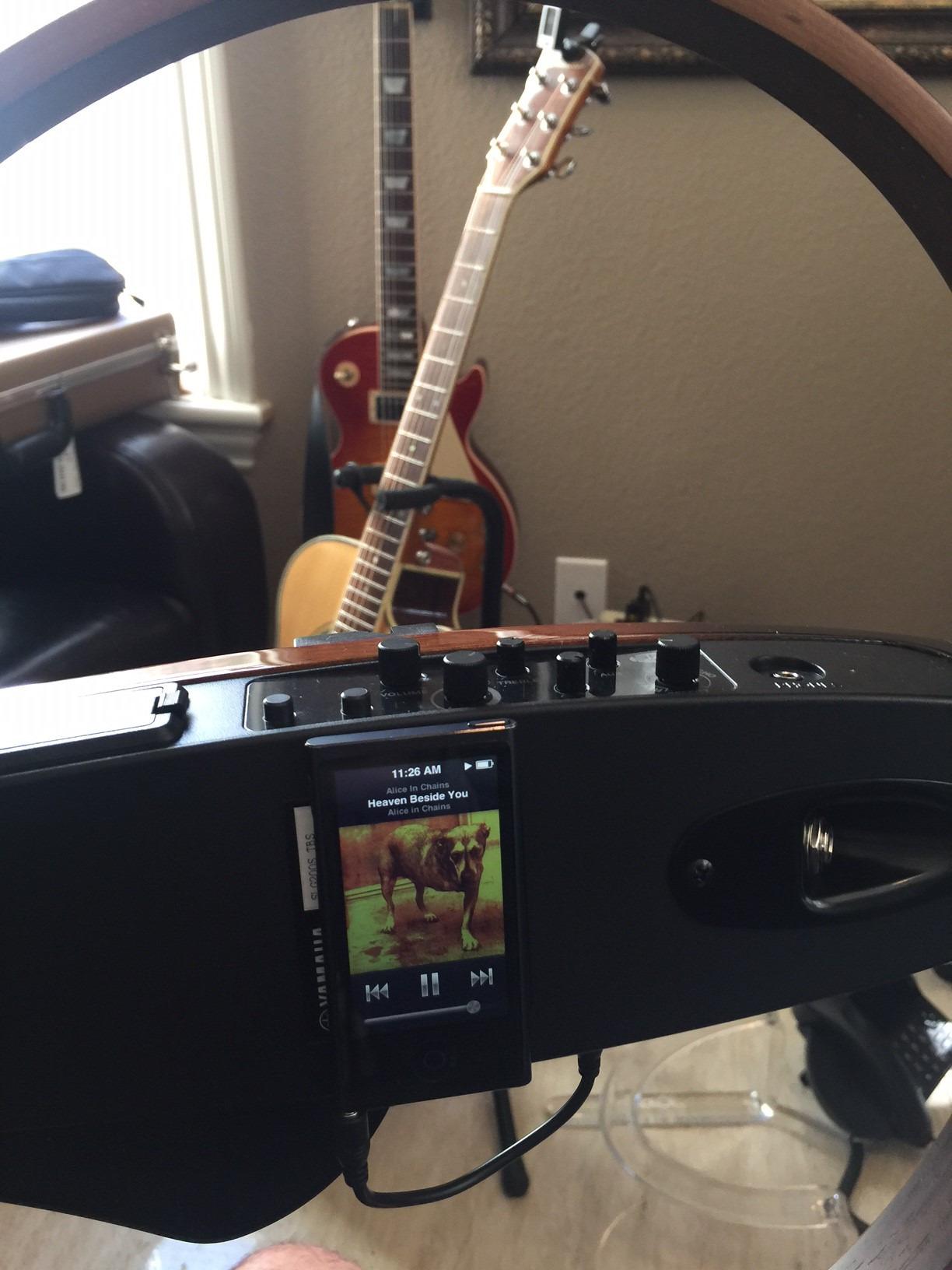
The frame detaches for packing, and the included gig bag keeps everything protected. At about 4.6 pounds, it is manageable for travel. The neck has a comfortable profile with smooth rosewood fretboard, and the 23.5-inch scale is forgiving for most hand sizes. Battery life on standard AA batteries is generous.
It is not completely silent, though. Unplugged, it makes about as much sound as a solid-body electric guitar with no amplification. Not loud enough to disturb neighbors, but not whisper-quiet either. And the gig bag, while padded, is not a hard case, so you need to be careful during air travel.
Who Should Buy the Yamaha SLG200S
Apartment dwellers, hotel-room warriors, and late-night practicers will get the most out of this guitar. If you need to play at 11 PM without waking your family or neighbors, the SLG200S delivers. The headphone experience is genuinely enjoyable thanks to the SRT pickup and built-in effects.
Classical and fingerstyle players who appreciate a clean, natural amplified tone will also find a lot to like here.
Who Should Look Elsewhere
If you want a travel guitar that produces real acoustic sound for campfire jams or outdoor playing, the SLG200S cannot do that. You would be better served by the Taylor GS Mini or even the Yamaha APXT2. The price point is also higher than most options on this list, so budget-conscious travelers may want to consider the Donner HUSH I PRO for a similar silent-practice experience at a lower cost.
5. Enya NOVA GO SP1 Carbon Fiber – Best Smart Travel Guitar
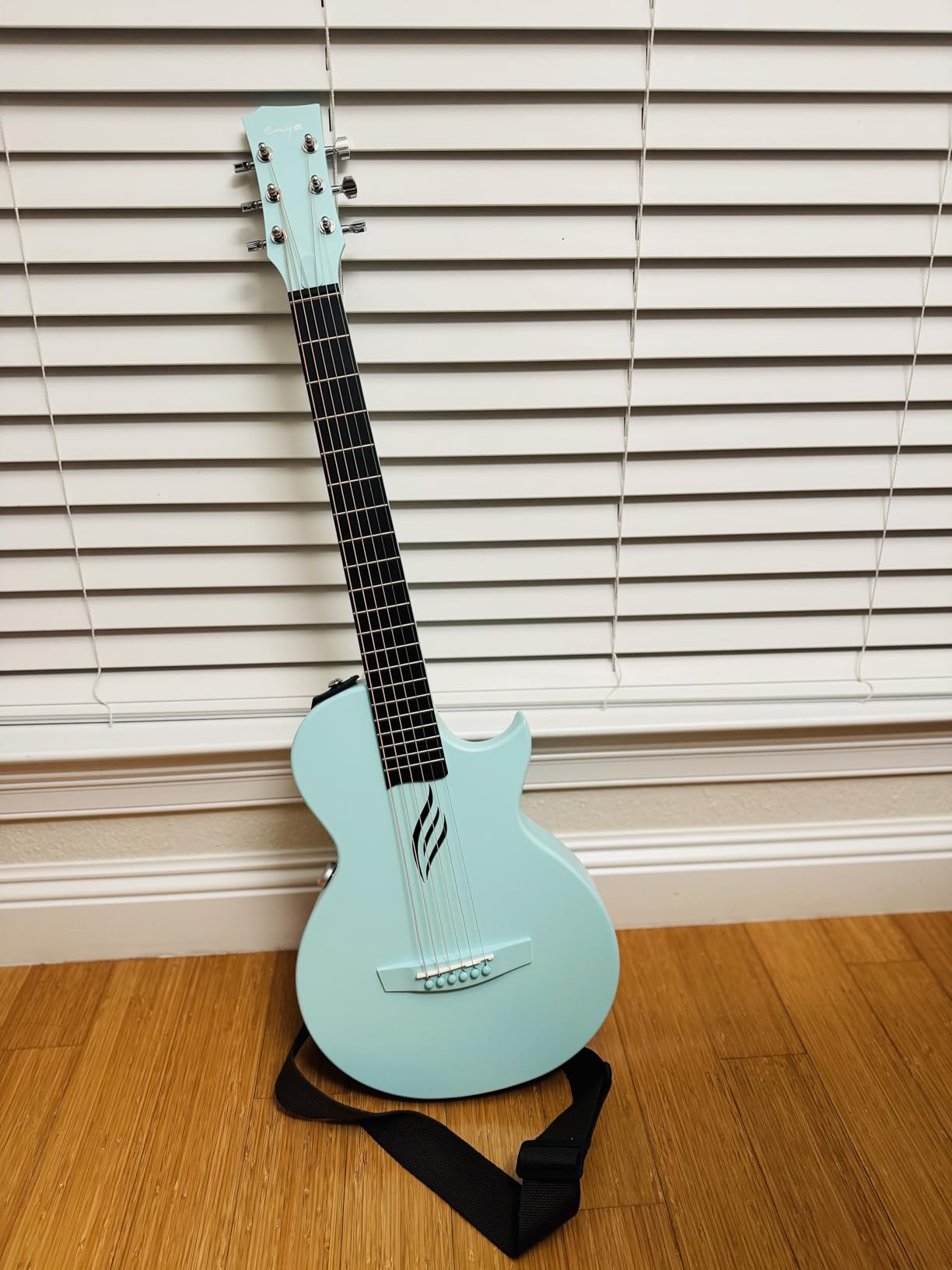
Enya NOVA GO SP1 Carbon Fiber 35-Inch Smart Acoustic-Electric Travel Guitar
100% Carbon Fiber
SP1 Pickup System
Built-in Reverb/Delay
Bluetooth
USB Recording
Pros
- Weather and humidity resistant
- Built-in effects without needing amp
- Bluetooth speaker for playback
- USB recording capability
- Carbon fiber durability
Cons
- Tinny acoustic tone unplugged
- Action may be high from factory
- Battery dependent for effects
The Enya NOVA GO SP1 pushes the boundaries of what a travel guitar can do. Built entirely from carbon fiber composite, this guitar is impervious to humidity and temperature changes. I left it in a hot car for several hours, and it was still perfectly in tune when I came back. That kind of durability is a game-changer for anyone traveling through different climates.
The real differentiator is the SP1 pickup system. You get built-in reverb, delay, and fusion effects that work without an external amp. There is even a Bluetooth speaker built in so you can stream music through the guitar or play along with backing tracks. The USB On-The-Go port lets you record directly to your phone or computer.
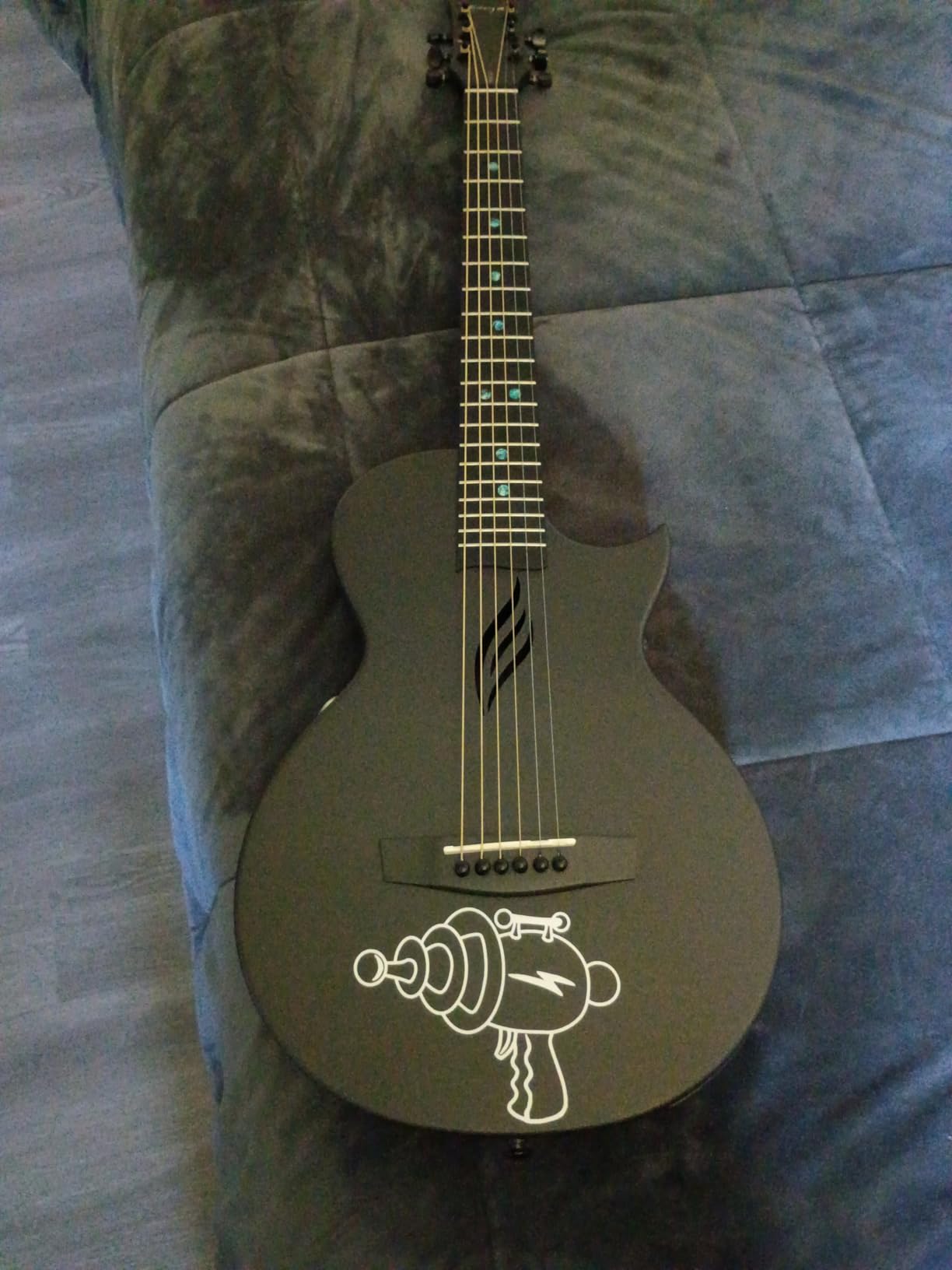
For a travel guitar, the feature set is remarkable. The zero-fret design helps with tuning stability, and the one-piece molded body construction feels solid and consistent. Enya includes a gig bag, hex wrench, USB cable, and instrument cable, so you have everything you need right out of the box.
The downsides are mostly around unplugged sound quality. Without amplification, the tone is thin and somewhat tinny, which is common for carbon fiber guitars. The action can also be higher than ideal straight from the factory, so a saddle adjustment might be needed for comfortable play. Effects are battery-dependent, so you need to keep it charged.
Who Should Buy the Enya NOVA GO SP1
Tech-savvy guitarists and travelers heading into humid or extreme climates will love this guitar. The carbon fiber construction means you never worry about warping, cracking, or finish damage from environmental exposure. The built-in effects and Bluetooth speaker make it a self-contained practice system.
Anyone who records on the go will appreciate the USB recording capability, which eliminates the need for a separate audio interface.
Who Should Look Elsewhere
Players who prioritize natural acoustic tone should look at wooden alternatives like the Taylor GS Mini or Martin Backpacker. The Enya sounds best when amplified, and unplugged playing is not its strength. If you want a simpler carbon fiber option without the smart features, the Enya Nova Go (non-SP1) costs less and focuses on basics.
6. Journey Instruments PJ410N – Best Foldable Travel Guitar
Journey Instruments Solid Sitka Acoustic Collapsible Travel Guitar PJ410N
Foldable Neck
Solid Sitka Spruce Top
23in Scale
3.7 lbs
TSA-Compliant Backpack
Pros
- Assembles in 20 seconds
- TSA-compliant backpack fits under seats
- Full acoustic tone from compact body
- Solid Sitka spruce top
- Stainless steel neck lock guaranteed for life
Cons
- No pickup or electronics
- String buzz if neck screw not tightened
- No clip-on tuner mounting spot
The Journey Instruments PJ410N takes a completely different approach to travel guitar design: it folds. The patented detachable neck system lets you break the guitar down and pack it into the included ballistic nylon backpack, which is TSA-compliant and fits under airplane seats. I timed myself, and assembly genuinely takes about 20 seconds once you get the hang of it.
What impressed me most is how full the acoustic sound is for a guitar this compact. The solid Sitka spruce top with layered African mahogany back and sides produces a warm, resonant tone that does not sound like a compromise. The 23-inch scale keeps things comfortable, and the satin-finish neck feels great in hand.
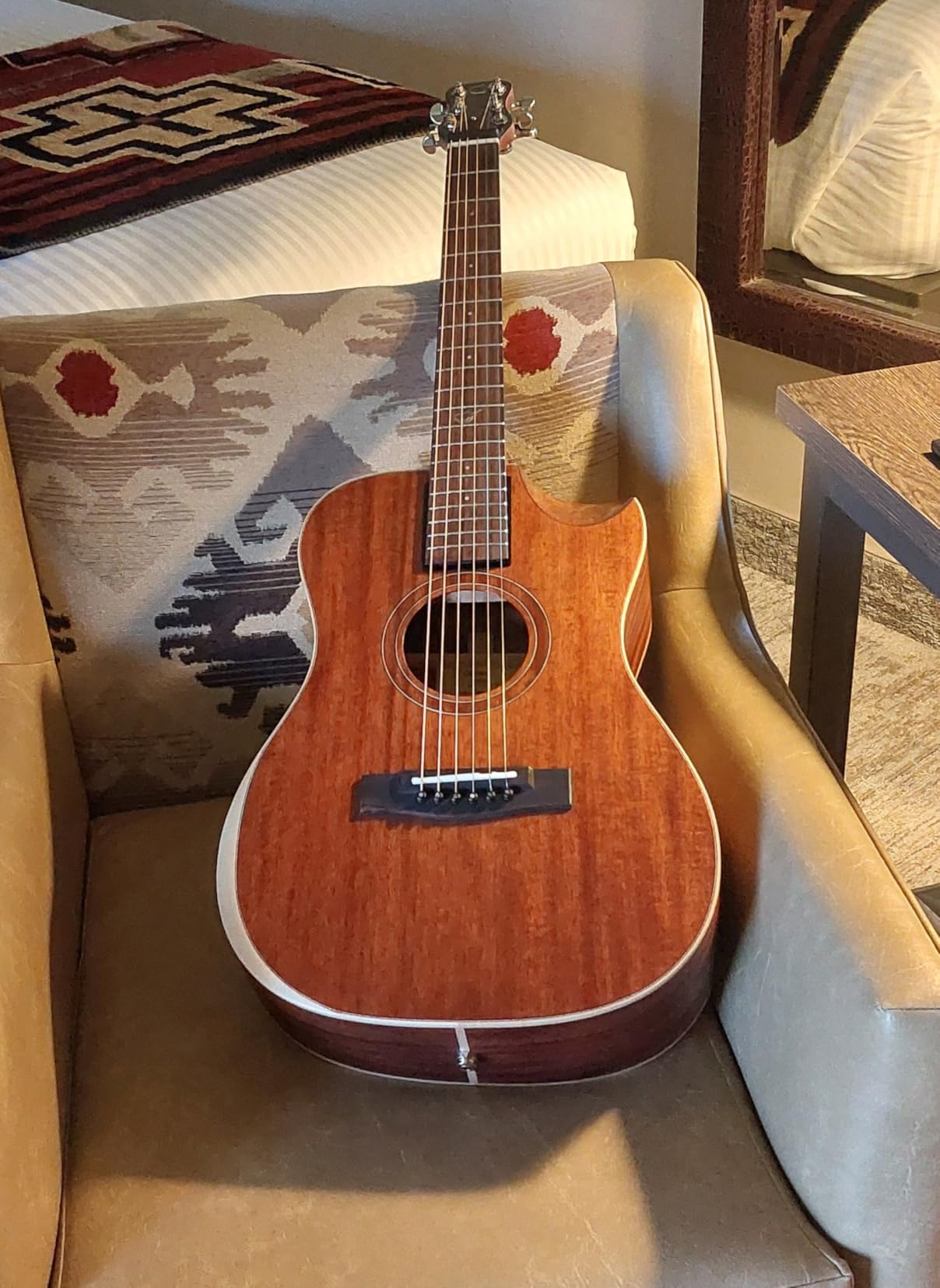
At just 3.7 pounds, this is one of the lightest guitars on the list that still produces genuine acoustic sound. The carbon-reinforced mahogany neck with dual-action truss rod stays stable even with travel-related temperature changes. The stainless steel neck locking components are guaranteed for life, which speaks to the build confidence.
The main trade-off is that this is a purely acoustic instrument. No pickup, no electronics, no headphone output. If you need amplification for live performances or recording, you will need to add an aftermarket pickup system. Also, the neck joint requires proper tightening to avoid string buzz, and there is no convenient spot to attach a clip-on tuner.

Who Should Buy the Journey Instruments PJ410N
Frequent flyers who need a guitar that can go under an airplane seat without paying extra fees will find this is exactly what they need. The TSA-compliant backpack makes airport security straightforward. Backpackers and hikers will also appreciate the combination of light weight and real acoustic tone.
Players who want the most authentic acoustic guitar experience in a travel-friendly package should put this near the top of their list.
Who Should Look Elsewhere
If you need built-in electronics for plugging in, recording, or silent headphone practice, this is not the right choice. The Traveler Guitar Escape Mark III or Yamaha SLG200S offer those features. Players who prefer not to assemble and disassemble their guitar regularly might also prefer a one-piece design like the Taylor GS Mini.
7. Yamaha APXT2 – Best Value Travel Guitar
Yamaha APXT2 3/4-Size Acoustic-Electric Guitar – Black
3/4 Size
Spruce Top
Piezo Pickup
Built-in Tuner
Gig Bag Included
Pros
- Great value for the price
- Built-in tuner is convenient
- Good sound through an amp
- Stays in tune well
- Yamaha craftsmanship quality
Cons
- Small body produces thinner sound
- Gig bag is minimal quality
- Tuning pegs could be better
- Frets may need polishing
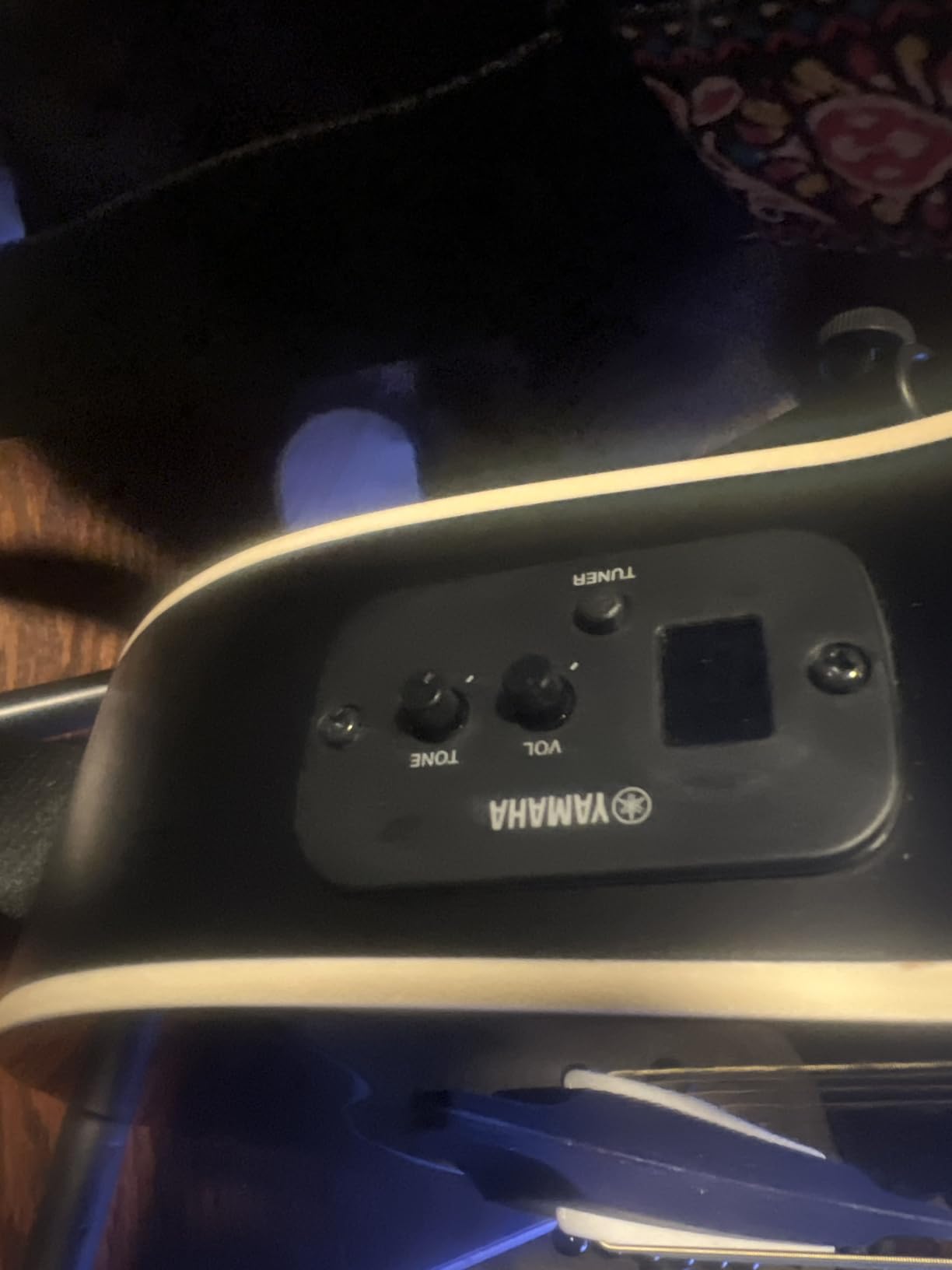
The Yamaha APXT2 has been a staple in the travel guitar world for years, and for good reason. This 3/4-size acoustic-electric offers remarkable value, packing a built-in tuner, piezo pickup, and a comfortable playing experience into one of the most affordable packages on this list. I have recommended this guitar to more traveling friends than any other, and the feedback is always positive.
The spruce top with meranti back and sides gives you a bright, clear tone that works well for strumming and fingerpicking. Through an amp or PA, the System 68 pickup sounds surprisingly natural for the price. The built-in tuner saves you from packing a separate one, and it is accurate enough for casual practice and even small gigs.
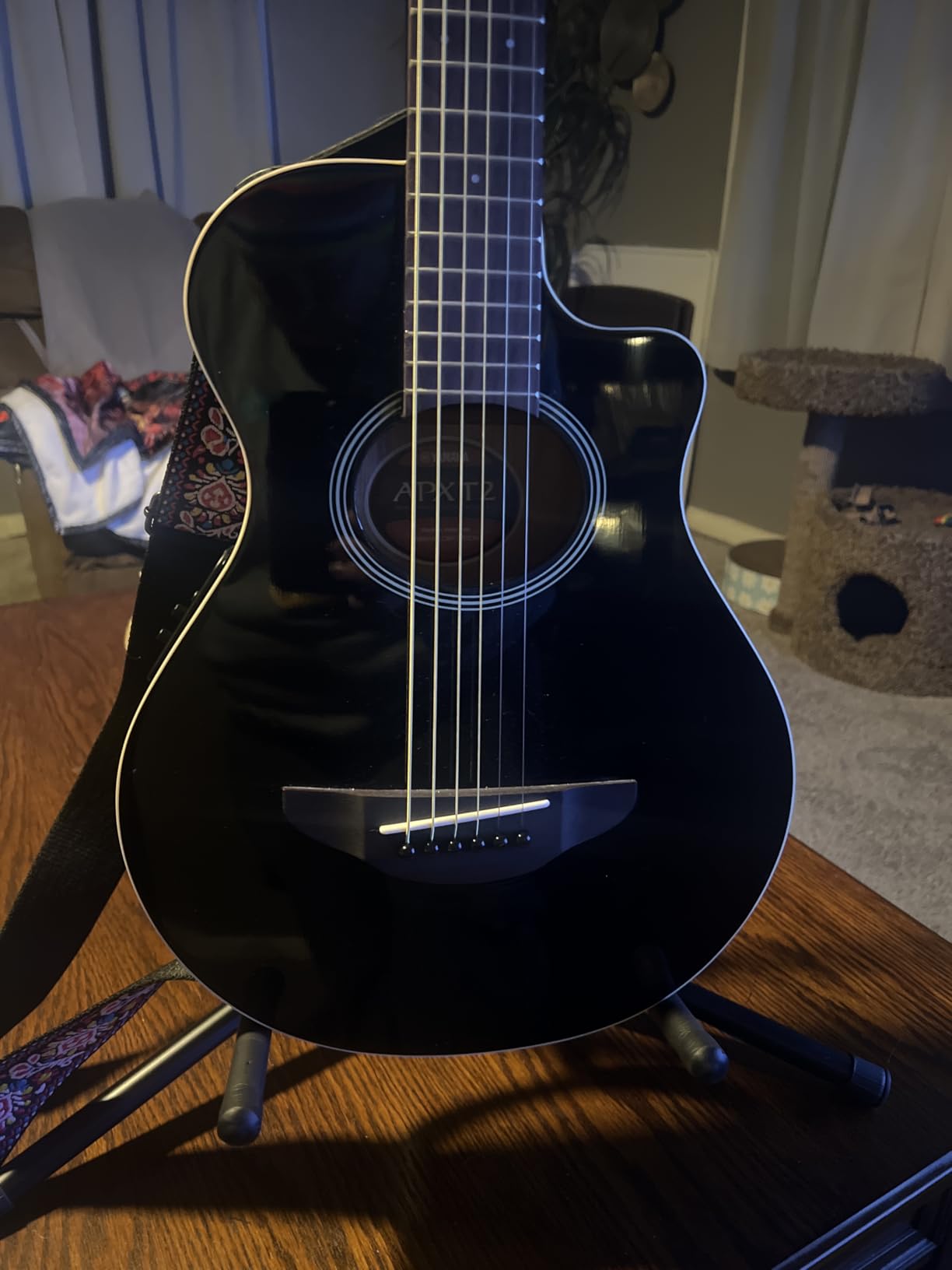
At 5.3 pounds, the APXT2 is light enough for travel but not as compact as headless or foldable designs. The 25.6-inch scale is actually close to full-size, which is a nice surprise. The action arrived comfortable out of the box, though barre chords may need a slight setup adjustment. The rosewood fretboard and bridge are quality touches at this price.
The included gig bag is serviceable but thin. If you plan to check this guitar on a flight, you will want to upgrade to a hard case or at least a padded gig bag. The tuning pegs are functional but not the smoothest, and some users report that the frets need polishing for optimal feel.
Who Should Buy the Yamaha APXT2
Beginners looking for an affordable first guitar and experienced players on a budget will both find a lot to like here. The built-in tuner and pickup make it versatile enough for practice, small gigs, and recording on a budget. It is also an excellent choice for younger players or anyone with smaller hands who finds full-size guitars uncomfortable.
Anyone who wants a reliable travel guitar without spending over $300 should start here.
Who Should Look Elsewhere
Players who need maximum portability for air travel should consider the Journey Instruments PJ410N or Traveler Guitar Ultra-Light, both of which are much more compact. If you want a richer, fuller acoustic tone and have more to spend, the Taylor GS Mini is a significant upgrade in sound quality.
8. Martin Steel String Backpacker – The Classic Travel Guitar
Martin Steel String Backpacker Travel Guitar with Bag
Solid Spruce Top
Mahogany Neck
24in Scale
5.15 lbs
Padded Gig Bag
Pros
- Fits in overhead bins
- Solid Martin craftsmanship
- Great sound for its size
- Stays in tune well
- Low action easy to play
Cons
- Neck-heavy requires strap
- Unique body shape takes getting used to
- Not full-sized guitar sound
The Martin Backpacker is the travel guitar that started it all. This iconic stick-shaped guitar has been a travel companion for musicians for decades, and it still holds up. The solid spruce top with solid tonewood back and sides delivers a surprisingly rich tone for such an unusual body shape. It is not a dreadnought, but it sounds better than it looks like it should.
At 24 inches of scale length with 15 frets, this is a compact instrument. The unique contour neck shape is comfortable once you get used to it, and the action arrives low from the factory. Martin’s craftsmanship is evident in the details, and the guitar stays in tune remarkably well for a travel instrument.
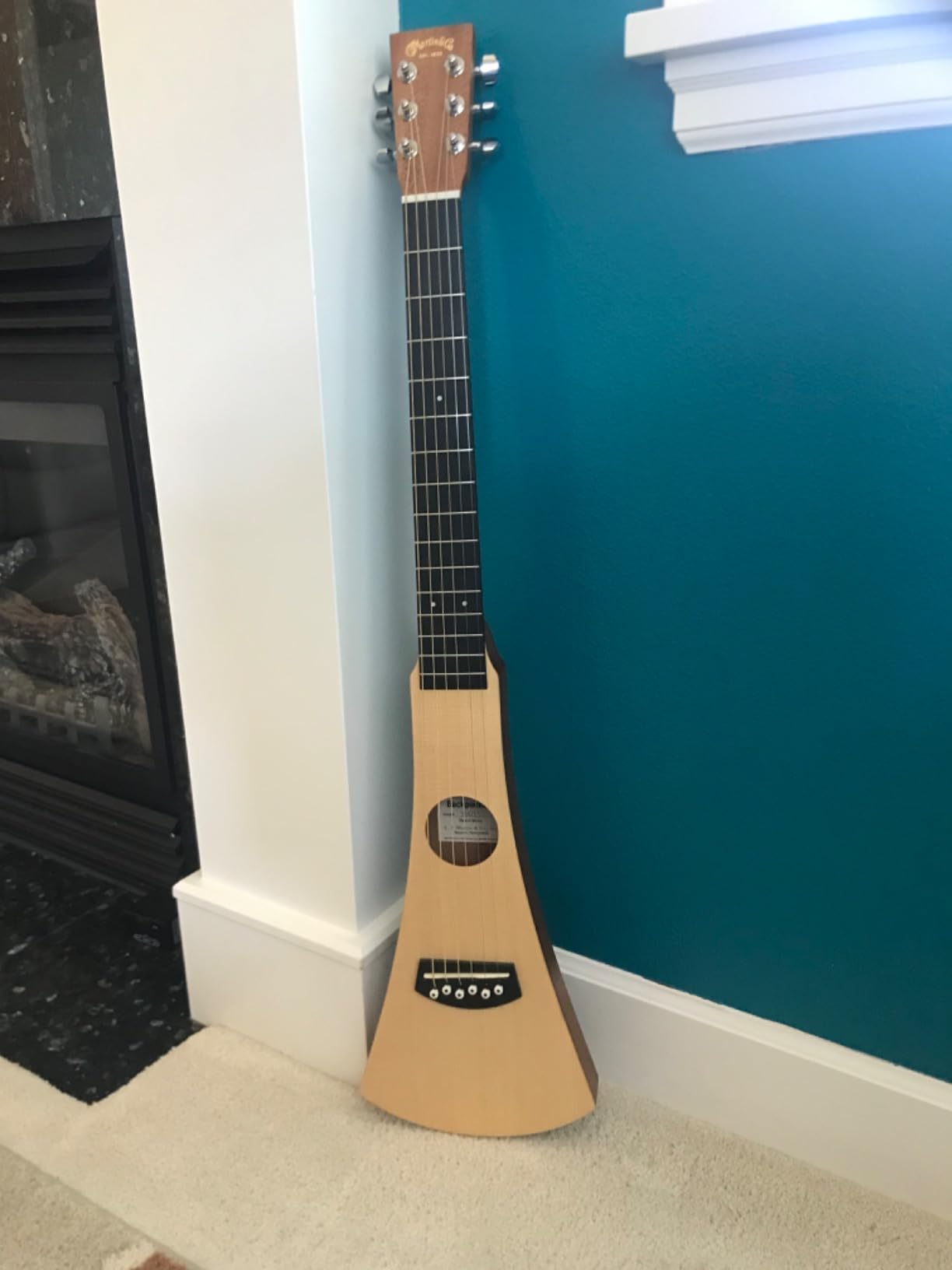
The included padded gig bag is decent quality and has enough protection for car travel and careful handling. At 5.15 pounds and about 37 inches long, it fits in overhead bins on most airlines. I have personally carried it onto flights without issue, though you may get some curious looks from fellow passengers.
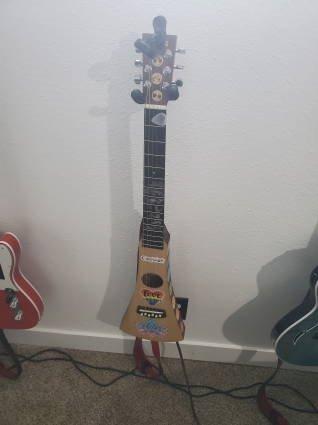
The biggest downside is the balance. The body is so small and light that the guitar is extremely neck-heavy. A strap is mandatory unless you want to wrestle with it the entire time. The body shape also takes getting used to; it does not rest against your body the way a standard guitar does, so your right arm positioning will need some adjustment.
Who Should Buy the Martin Backpacker
Traditionalists who trust the Martin name and want a proven travel guitar will feel right at home with the Backpacker. It is a great choice for campers, hikers, and outdoor enthusiasts who want a rugged guitar that can take some bumps. The solid wood construction means the tone will actually improve with age and playing.
Fans of Ed Sheeran, who famously uses a Little Martin for live performances, will appreciate the Martin pedigree at a much more accessible price point.
Who Should Look Elsewhere
Players who find unconventional body shapes uncomfortable should try before buying. The stick-like design is not for everyone. If you need a guitar for serious practice sessions, the neck-heavy balance can become fatiguing. The Yamaha APXT2 offers a more traditional body shape at a lower price.
9. Donner HUSH I PRO – Best Feature-Packed Travel Guitar
Donner HUSH I PRO Acoustic Electric Travel Guitar (Natural)
18 Built-in Effects
8 Body Simulations
20 IR Slots
8hr Battery
Mahogany Body
Pros
- 18 effects including delay reverb overdrive
- 8 body tone simulations
- 20 IR slots for custom sounds
- Resonance-free quiet design
- Headphone practice with wireless BGM
Cons
- Frame bars can be wobbly
- Built-in presets may need adjustment
- Small knobs hard to adjust
- BT/PC connection may have noise
The Donner HUSH I PRO is a feature-packed travel guitar that feels like a portable recording studio disguised as an instrument. It packs 18 built-in effects (modulation, delay, reverb, overdrive, compressor, booster), 8 legendary guitar body tone simulations, and 20 IR slots for loading custom sounds. I spent an entire afternoon just exploring the effects and tone options.
The resonance-free chamber design makes this incredibly quiet for unplugged practice, which is perfect for hotel rooms and apartments. At just 2.2 kilograms, it is light enough for any travel scenario. The H1 preamp system with upgraded sound algorithm delivers clean tones through headphones, and the wireless BGM accompaniment feature lets you play along with songs from your phone.
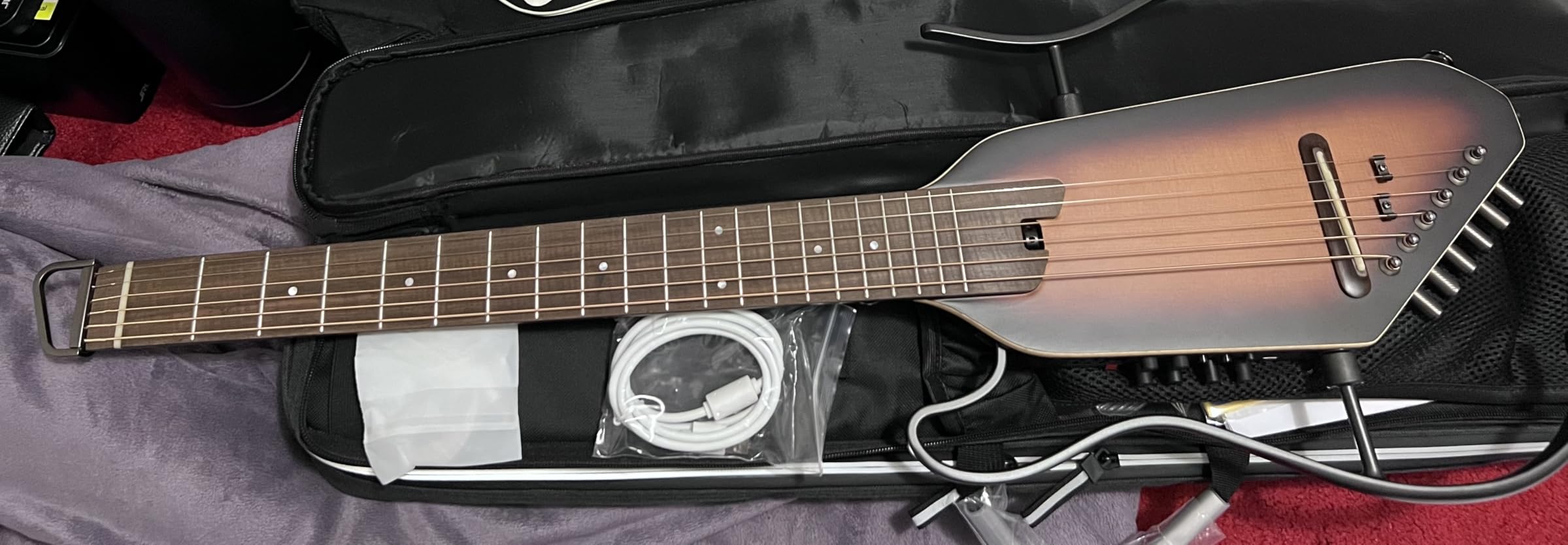
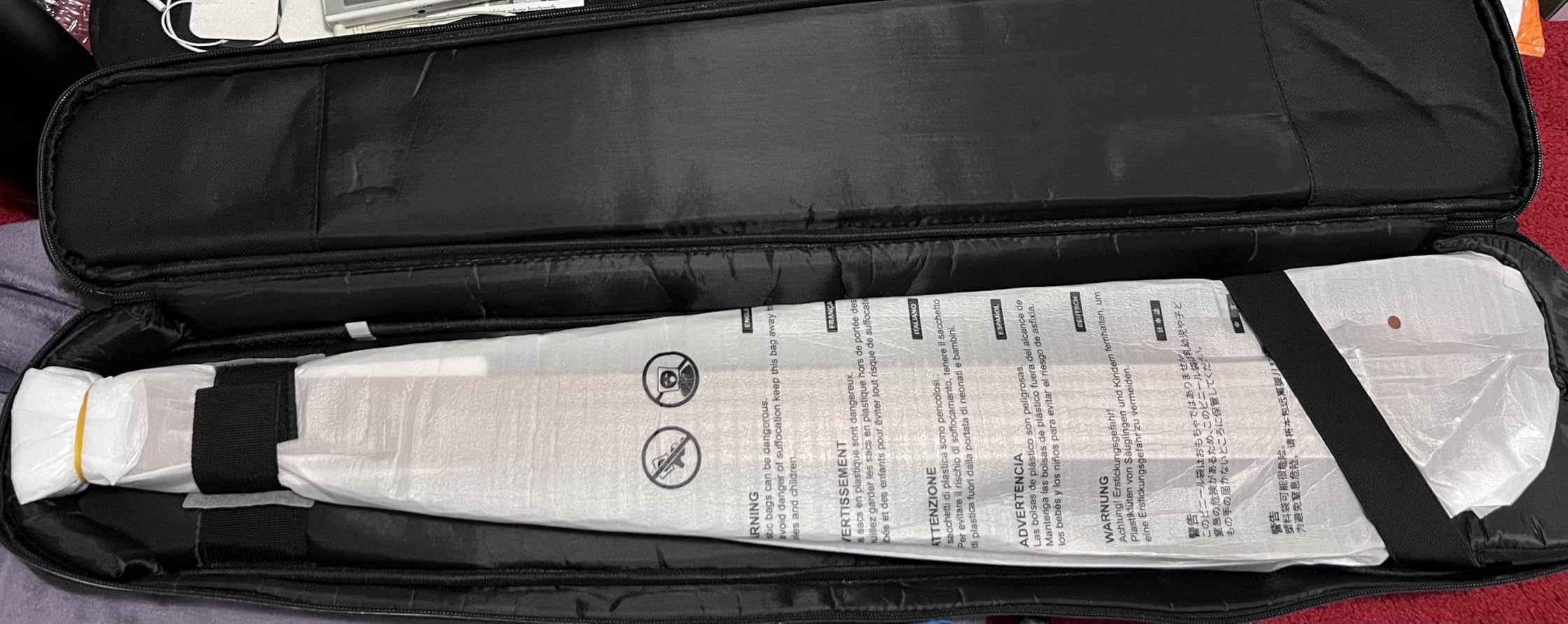
The spruce top with mahogany body gives the guitar a warm base tone that works well with the built-in effects. USB-C fast charging gives you about 8 hours of battery life, which covers a full day of practice. The quick-disconnect zinc alloy bracket makes it easy to pack down small.
There are some build quality concerns worth noting. The frame bars can feel wobbly after extended use, and the small control knobs are tricky to adjust mid-play. The tuner has been reported to register sharp on certain strings, and Bluetooth or PC connections may introduce digital noise. These are not dealbreakers, but they reflect the budget-friendly price point.
Who Should Buy the Donner HUSH I PRO
Guitarists who love experimenting with tones and effects will find the HUSH I PRO irresistible. It eliminates the need for external pedals, amps, and audio interfaces for practice. If you are traveling and want to explore different sounds without carrying a pedalboard, this is your guitar. The headphone practice experience is genuinely fun.
Players who record demos or ideas on the go will appreciate the USB-C connectivity and the range of tone simulations available.
Who Should Look Elsewhere
If you want a straightforward, no-fuss acoustic guitar for travel, the effects and electronics here are overkill. The Taylor GS Mini or Martin Backpacker offer simpler, more traditional experiences. Players who need reliable build quality for rigorous touring should also consider whether the HUSH I PRO’s frame stability meets their standards.
10. Donner HUSH X Electric – Best Budget Travel Electric
Headless Design
4.4 lbs
Active/Passive Circuits
50hr Battery
H-S Pickup Config
Pros
- Excellent value with full accessory kit
- Active and passive circuit modes
- Up to 50 hours of headphone play
- Ergonomic asymmetrical neck
- Custom string locking system
Cons
- Some quality control issues
- Gig bag handles may fail
- High E string breaks during changes
- G-string tuning issues reported
The Donner HUSH X is a headless electric guitar that punches well above its weight class in terms of included accessories and features. For the price, you get the guitar, a gig bag, tuner, headphones, picks, strap, and battery. That is everything you need to start playing the moment the box arrives. I appreciated not having to hunt for compatible accessories.
The mahogany body with H-S pickup configuration delivers decent tones through an amp or headphones. The active/passive circuit switch gives you tonal flexibility, and the built-in 9V battery provides up to 50 hours of headphone play time. That battery life is exceptional and means you can travel for days without worrying about charging.
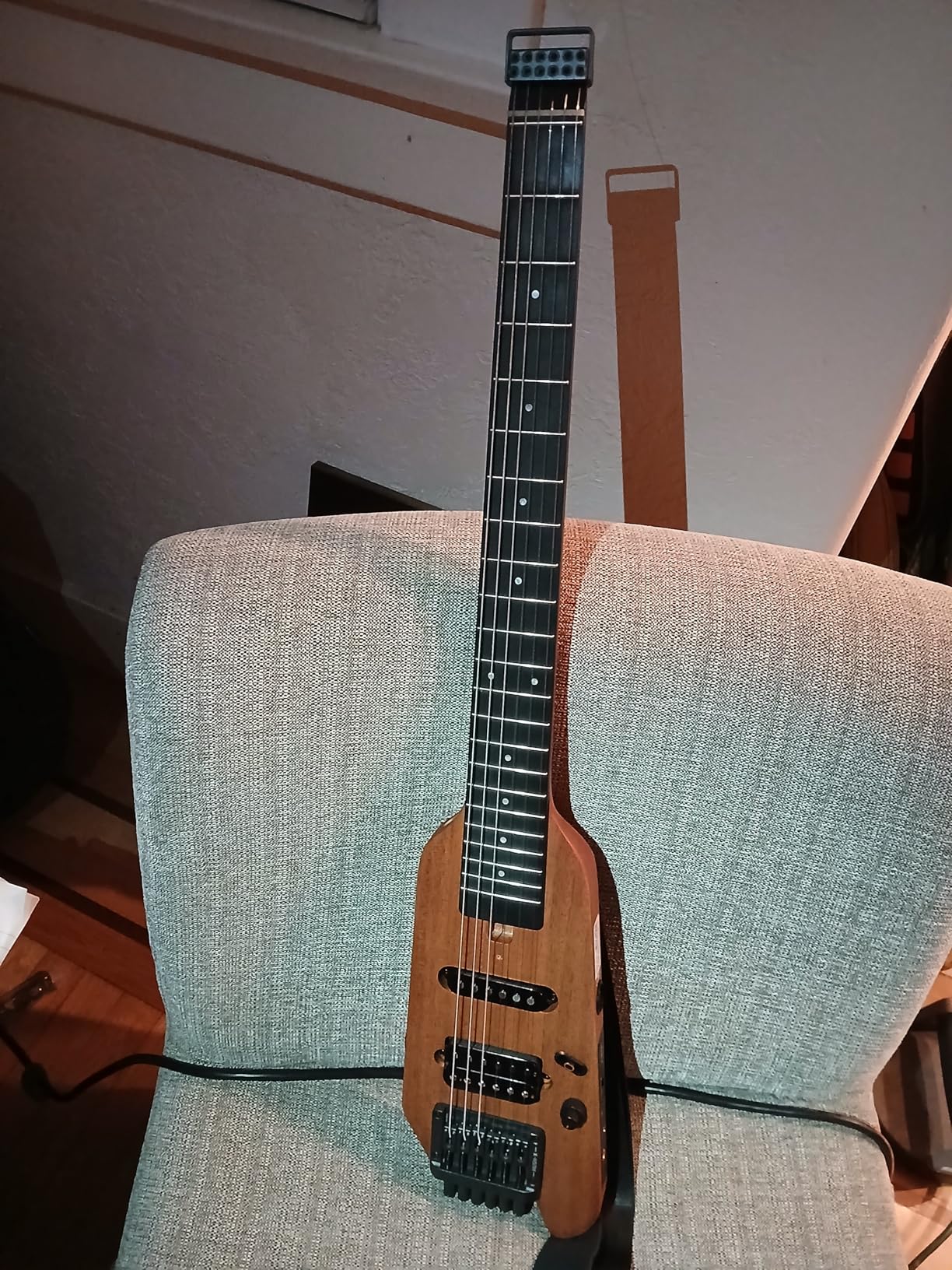
The ergonomic asymmetrical neck is comfortable for extended playing sessions, and the custom string locking technology keeps things stable. At 4.4 pounds, it is portable enough for most travel scenarios. The 3-way switch with volume and tone controls gives you more onboard control than pricier options like the Traveler Guitar Ultra-Light.
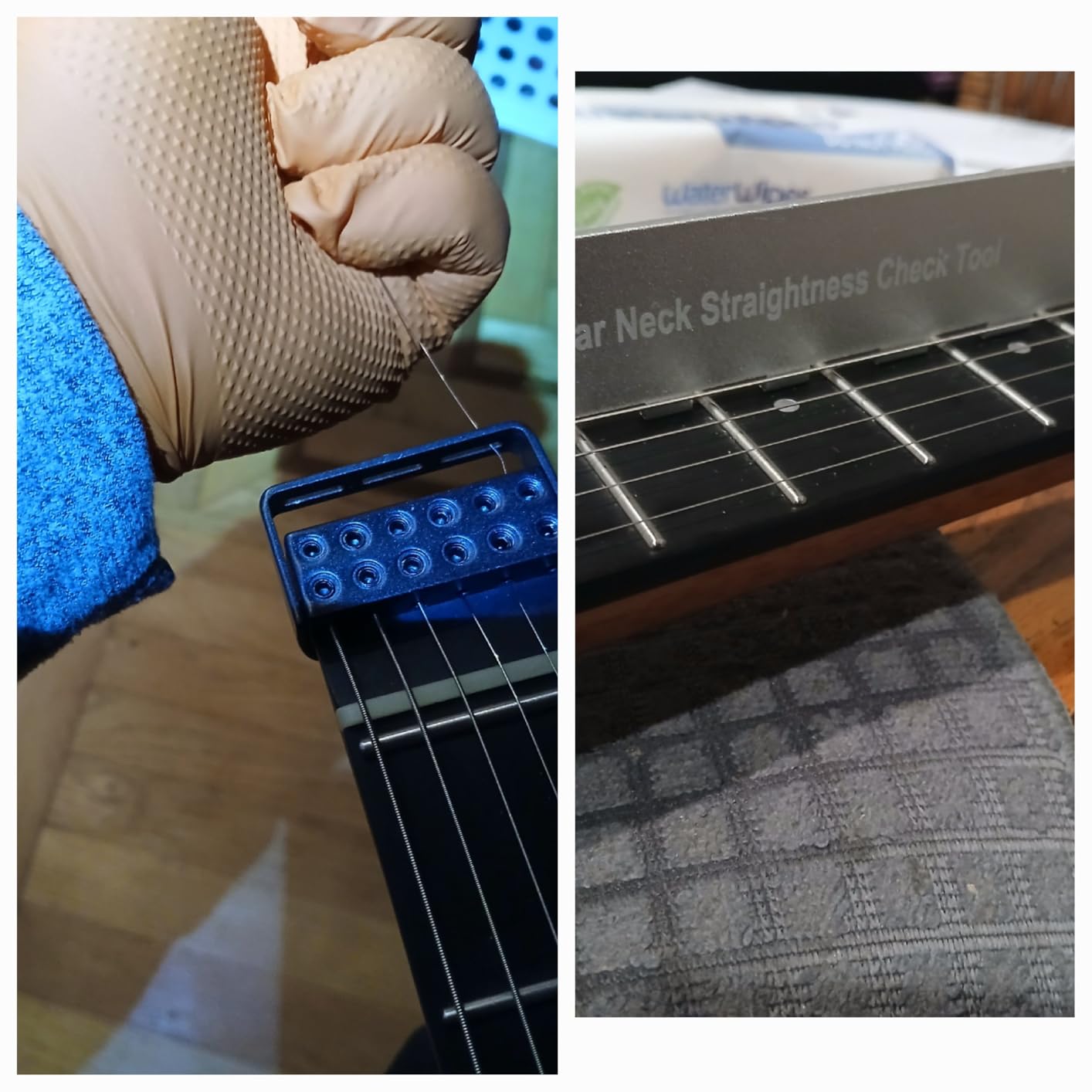
Quality control is the main concern here. Some users report issues with gig bag handles failing, high E strings breaking during changes, and G-string tuning instability. The plastic electronics components feel cheaper than those on premium guitars. The neck profile is on the thicker side, similar to a Les Paul, which may not suit players who prefer slim necks.
Who Should Buy the Donner HUSH X
Budget-conscious electric guitar players who want a complete travel package without shopping for separate accessories will love the HUSH X. The included headphone output and 50-hour battery life make it perfect for silent practice in dorms, apartments, or hotel rooms. Beginners who want to try a headless design without a large investment should start here.
Anyone who values having volume and tone controls on the guitar itself will prefer this over the Traveler Guitar Ultra-Light.
Who Should Look Elsewhere
Players who need professional-grade build quality and consistent quality control should invest in the Traveler Guitar Ultra-Light Electric instead. If you are rough on your gear during travel, the gig bag durability issues could be a problem. Professional musicians who need reliable performance night after night may want a more proven option.
11. LAVA ME AIR Carbon Fiber – Best Premium Carbon Fiber
LAVA ME AIR Portable Carbon Fiber Electric-Acoustic Guitar. Travel Guitar for Beginners with Onboard Effects and Magnetic Pickup. Black
Carbon Fiber Unibody
Magnetic Pickup
Onboard Effects
Honeycomb Structure
3.5 kg
Pros
- Thin and light carbon fiber design
- Onboard effects usable unplugged
- Weather-resistant unibody
- Honeycomb structure for better vibration
- Adjustable truss rod
Cons
- Pickup durability concerns
- Support response can be slow
- Does not work with wireless systems
- Bass strings can sound boomy
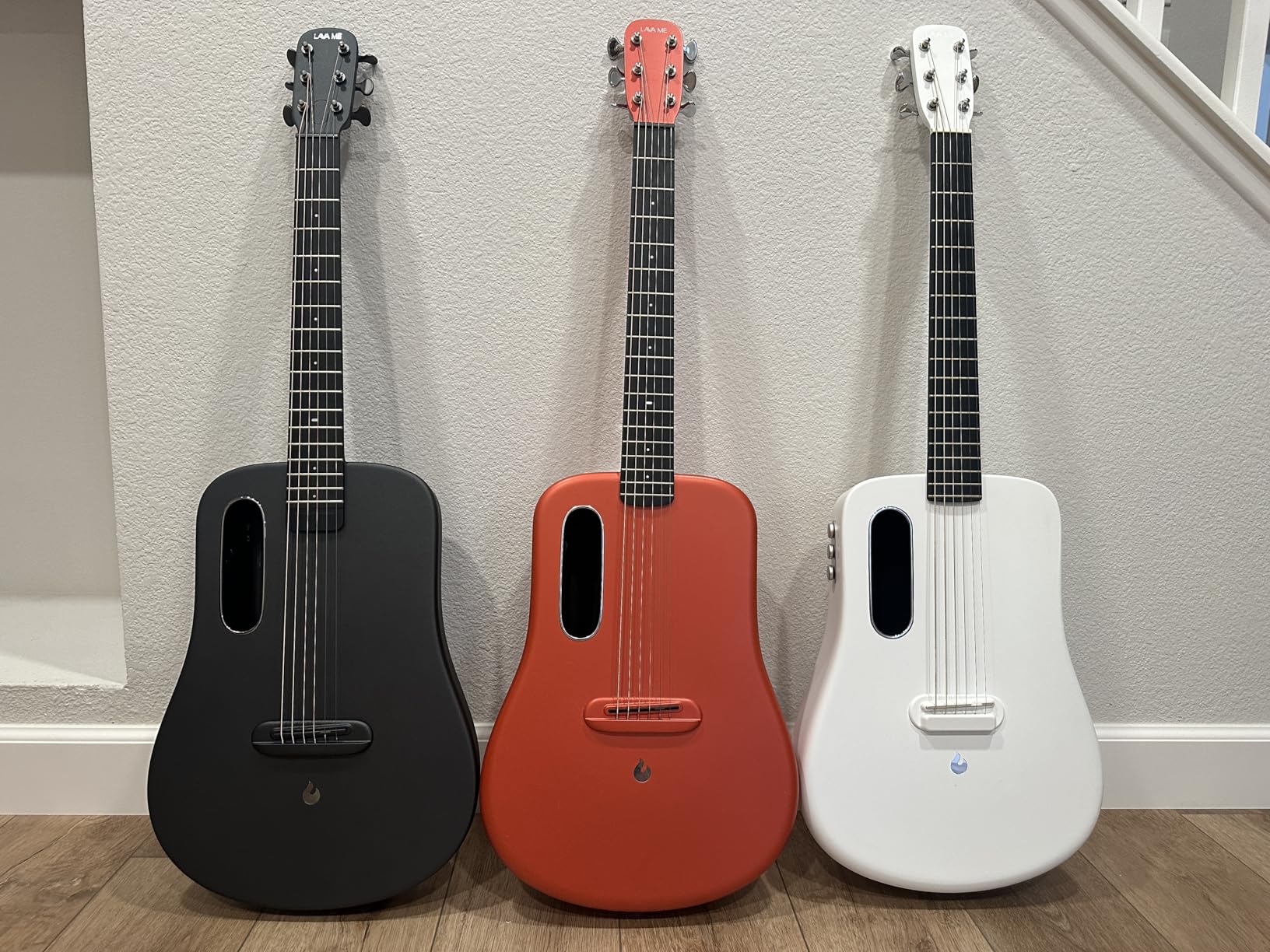
The LAVA ME AIR is one of the most visually striking travel guitars on the market. Its carbon fiber unibody is nearly half the thickness of a traditional acoustic guitar, and at about 4.3 pounds, it is surprisingly comfortable to hold for long sessions. The honeycomb bionic structure inside the body increases stiffness while reducing weight, which helps with vibration and sustain.
The built-in magnetic pickup with low feedback is a nice touch, and the onboard effects (delay, reverb, drives) work even when you are playing unplugged. The effects knob lights up with different colors to indicate which effect is active, which is both useful and visually cool. I found myself reaching for this guitar during couch practice because it is just so easy to pick up and play.
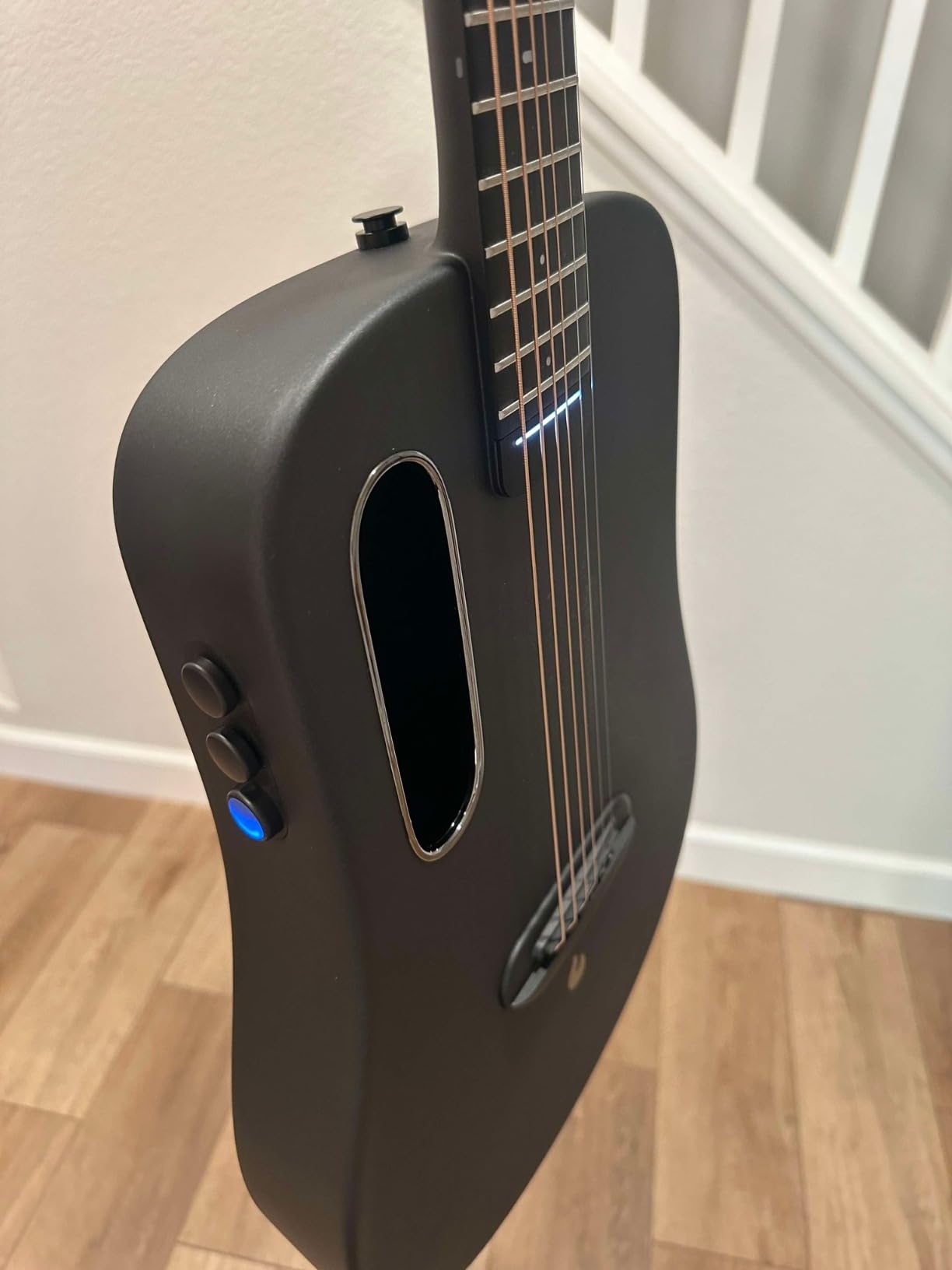
Carbon fiber construction means this guitar is completely weather-resistant. Rain, humidity, extreme temperatures, none of it will warp or crack the body. That makes it a solid choice for outdoor adventures, camping trips, and tropical vacations where a wooden guitar might suffer.
Durability concerns are worth noting, though. Some users report the pickup dying after just a few months, and LAVA’s customer support response times have been criticized. The guitar does not work with wireless transmitter or receiver systems, which limits live performance options. Bass strings can also sound boomy and muddled, especially with heavier strumming.
Who Should Buy the LAVA ME AIR
Design-conscious guitarists who want a premium, head-turning travel instrument will love the LAVA ME AIR. The carbon fiber construction is perfect for outdoor enthusiasts and travelers heading to challenging climates. The onboard effects and magnetic pickup make it a versatile practice tool that sounds good without any external gear.
Anyone who values aesthetics and innovation in their instrument collection will find this guitar hard to resist.
Who Should Look Elsewhere
Players who need reliable electronics for professional use should be cautious given the reported pickup durability issues. If you need a guitar that works with wireless systems for live performance, this is not the right choice. Budget-conscious buyers can get similar carbon fiber benefits from the Enya Nova Go at a lower price point.
12. Enya Nova Go Carbon Fiber – Best Budget Carbon Fiber
Enya NOVA GO Carbon Fiber 35-Inch Acoustic Travel Guitar, Black
1/2 Size Carbon Fiber
Aerospace-Grade
Weather-Proof
Zero-Fret Design
7.35 lbs
Pros
- Impervious to temperature and humidity
- 30% reduced dimensions for travel
- Zero-fret technology for tonal clarity
- Enhanced bass response
- Beginner-friendly polished frets
Cons
- No pickup or electronics
- Tuners can be finicky
- Action may be too high out of box
- Side sound hole takes getting used to
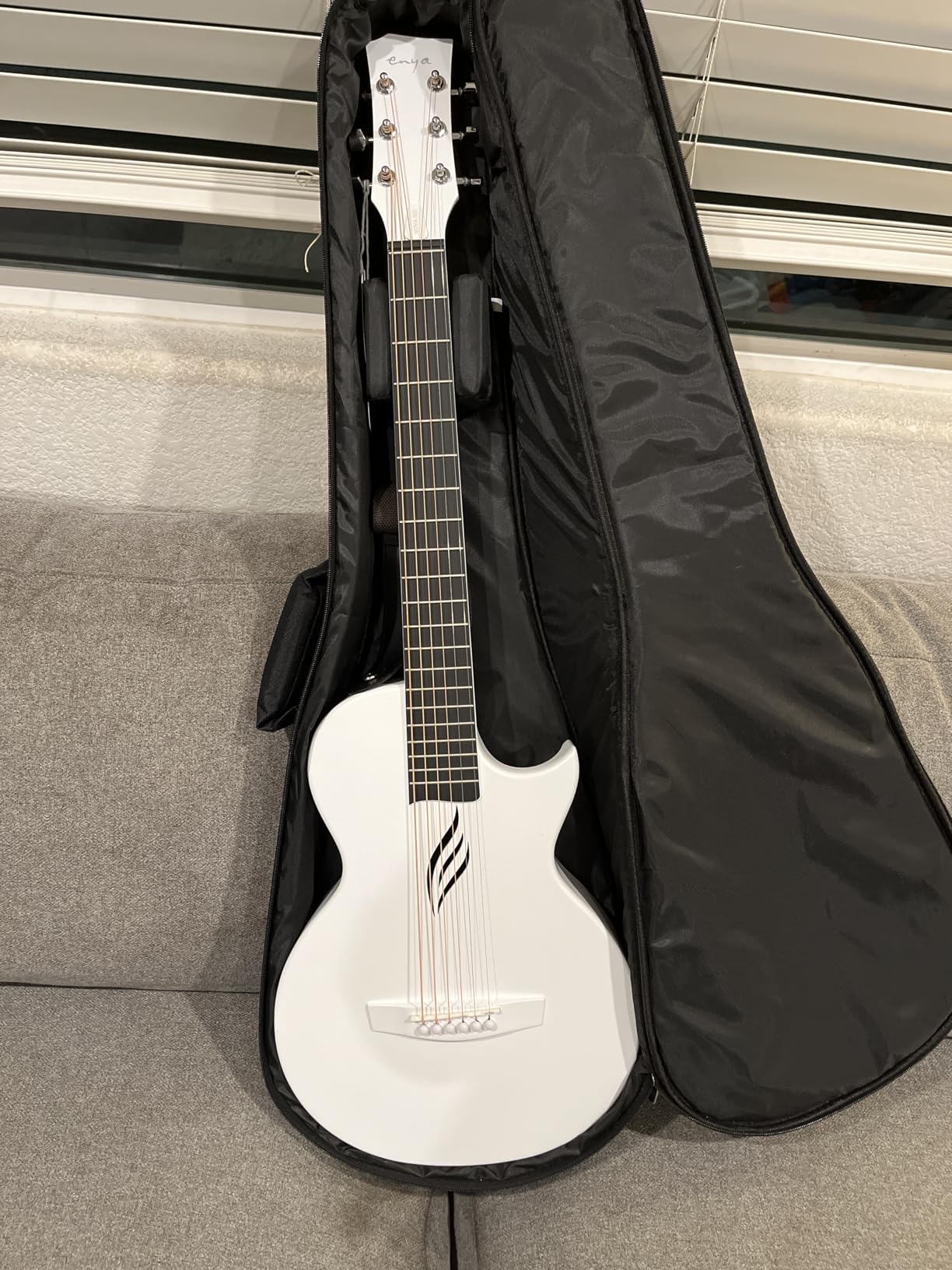
The Enya Nova Go brings carbon fiber construction to a price point that makes it accessible to almost everyone. This 1/2-size guitar uses aerospace-grade carbon fiber that is completely impervious to temperature and humidity. I took it from an air-conditioned hotel room to 95-degree outdoor heat in the same day, and the tuning barely moved.
The one-piece molding with zero-fret technology gives the Nova Go surprisingly good tonal clarity for its size. Bass response is enhanced, and treble notes come through articulate and clear. The fret edges are polished smooth, making it comfortable for beginners who are still building calluses and hand strength.
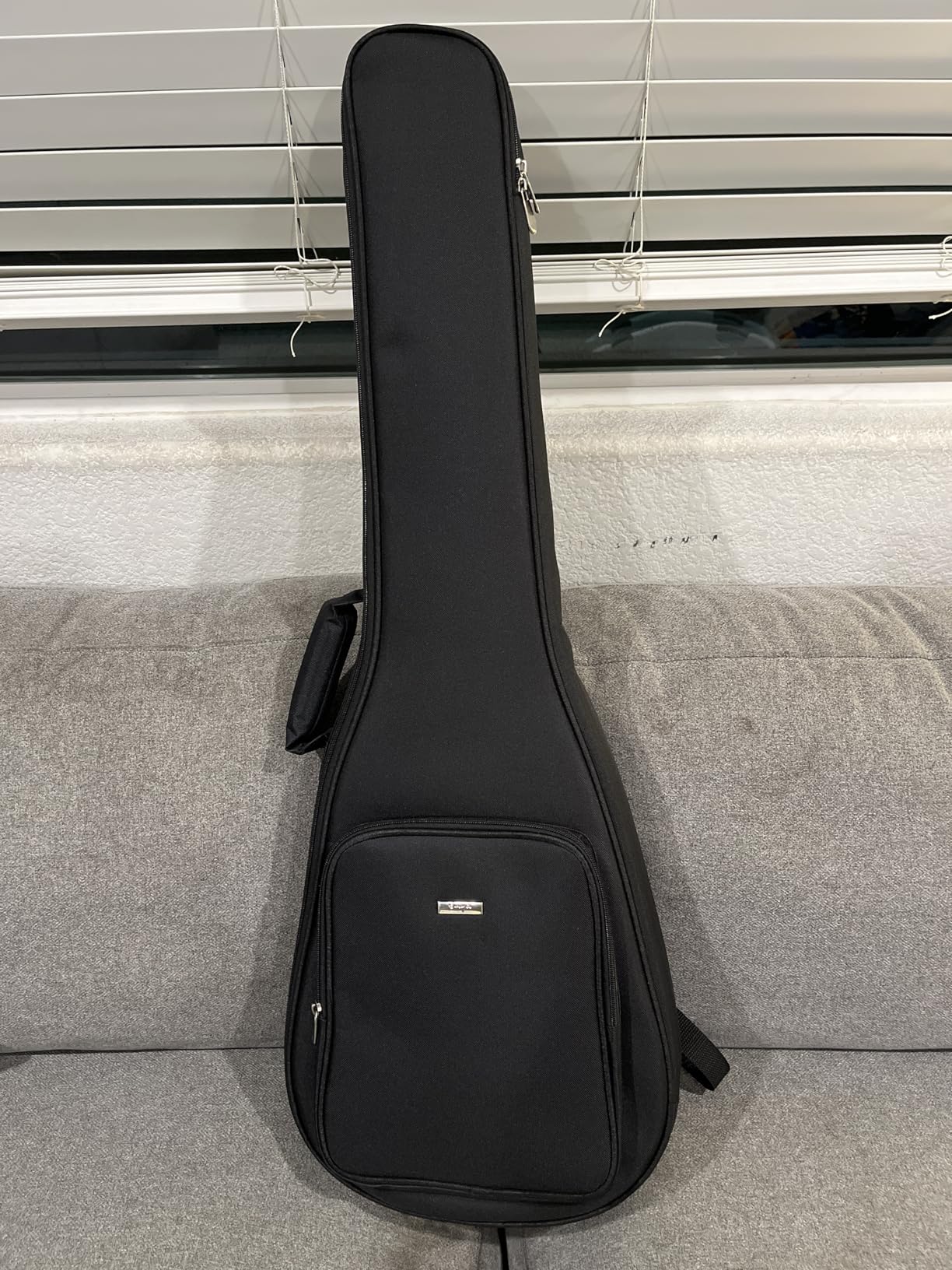
The 30% reduced dimensions compared to a full-size guitar make it genuinely portable. It fits in the back seat of a car, in a tent, or under a desk at the office. Enya includes a deluxe accessory kit with a gig bag, strap, cleaning cloth, and spare strings, which is generous at this price.
There are trade-offs that come with the budget price. There are no electronics or pickup, so this is purely acoustic. The tuners can be finicky and may need patient adjusting. The action was a bit high on my review unit, though a saddle adjustment resolved that. The side sound hole design is unconventional and takes some getting used to, especially if you are accustomed to hearing your guitar from a front-facing sound hole.
Who Should Buy the Enya Nova Go
Beginners who want a durable, travel-friendly first guitar that can survive being left in a hot car or a damp basement will find the Nova Go perfect. The carbon fiber build removes all the environmental worries that come with wooden guitars. It is also an excellent choice for travelers heading to tropical or humid destinations where wooden instruments can suffer.
Anyone on a budget who still wants the durability benefits of carbon fiber should look no further. This is the most affordable entry point into carbon fiber guitars.
Who Should Look Elsewhere
If you need a pickup for amplification or recording, the step-up Enya NOVA GO SP1 adds the full SP1 effects system with Bluetooth and USB recording for a bit more. Players who want a more traditional acoustic guitar experience with a front sound hole and richer projection might prefer the Yamaha APXT2 at a similar price.
How to Choose the Best Travel Guitar for Your Needs
Picking the right travel guitar comes down to understanding your priorities. Every option on this list makes some kind of trade-off between portability, sound quality, playability, and price. Here is what to think about before making your decision.
Scale Length Matters More Than You Think
Scale length is the distance from the nut to the bridge, and it directly affects string tension, fret spacing, and how the guitar feels under your fingers. Standard acoustic guitars use a 25.5-inch scale. Most travel guitars shorten this to between 23 and 24 inches, which makes the guitar smaller but also reduces string tension. Some players find this “slinky” feel uncomfortable, while others adapt quickly.
If maintaining your technique is critical, consider a full-scale travel guitar like the Traveler Guitar Escape Mark III (25.5 inches) or Ultra-Light Electric (24.75 inches). Your muscle memory will transfer directly. If you are more casual about practice or a beginner, a shorter scale length like the Taylor GS Mini (23.5 inches) or Journey Instruments PJ410N (23 inches) will feel comfortable and forgiving.
Acoustic vs Electric vs Silent
Think about where and how you will play. If you want a guitar for campfire singalongs and outdoor sessions, you need a real acoustic body like the Taylor GS Mini, Martin Backpacker, or Journey Instruments PJ410N. These produce actual sound from the body resonance.
If you mostly practice with headphones in hotel rooms and apartments, silent guitars like the Yamaha SLG200S or Donner HUSH I PRO are more practical. They are designed specifically for quiet practice and often include built-in effects and headphone outputs.
Electric travel guitars like the Traveler Guitar Ultra-Light Electric and Donner HUSH X need an amp or headphones to produce meaningful sound, but they offer the most compact designs. Electric players who want to maintain their chops on the road should lean toward these.
Carbon Fiber vs Wood Construction
Carbon fiber guitars from Enya and LAVA are virtually indestructible. They do not warp, crack, or react to humidity and temperature changes. If you are traveling through different climates or leaving your guitar in a car, carbon fiber removes a major source of worry. The trade-off is that unplugged tone tends to be thinner and less resonant than wood.
Wooden guitars from Taylor, Martin, and Yamaha produce richer, more complex tones thanks to the natural resonance of tonewoods. But they require more care during travel. Extreme temperatures, humidity changes, and physical impacts can damage a wooden guitar. If you are willing to take reasonable care of your instrument, the sound reward is worth it.
Portability Factors
Weight and packed size determine how easily you can travel with a guitar. The lightest options are the Traveler Guitar Ultra-Light Electric at 3 pounds and the Journey Instruments PJ410N at 3.7 pounds. Foldable designs like the PJ410N pack down smallest and are the most airline-friendly.
Consider your mode of travel. For flying, headless and foldable designs that fit in overhead bins or under seats are ideal. For road trips, a GS Mini or APXT2 works fine since space is less constrained. For backpacking, every ounce matters, so prioritize the lightest options with included carrying cases.
Electronics and Extras
Built-in pickups, tuners, headphone amps, and effects can turn a travel guitar into a complete practice system. The Donner HUSH I PRO and Enya NOVA GO SP1 lead in this category with extensive effects libraries and recording capabilities. If you want to record ideas on the go or practice with effects without carrying extra gear, these are worth the investment.
Simpler options like the Martin Backpacker and Journey Instruments PJ410N skip electronics entirely, which keeps the weight down and the price lower. Decide whether the extra features justify the added complexity and cost for your situation.
Frequently Asked Questions
Is it worth getting a travel guitar?
Yes, a travel guitar is worth it if you travel frequently or have limited space. They let you maintain your practice routine without the hassle of transporting a full-size instrument. Modern travel guitars from brands like Taylor, Martin, and Yamaha offer surprisingly good tone and playability in compact packages. If you would otherwise go weeks without playing because your main guitar is too big to bring along, a travel guitar pays for itself quickly.
Are travel guitars harder to play?
Travel guitars with shorter scale lengths can feel different because the string tension is lower and frets are closer together. This takes some adjustment, but most players adapt within a few days. Full-scale travel guitars like the Traveler Guitar Escape Mark III eliminate this issue entirely by maintaining a standard 25.5-inch scale length. The smaller body size is actually more comfortable for many players, especially those with smaller hands.
Can you fly with a travel guitar?
Most travel guitars are designed to fit in airplane overhead compartments, and some like the Journey Instruments PJ410N come with TSA-compliant cases that fit under seats. Headless designs from Traveler Guitar and Donner are particularly airline-friendly due to their compact dimensions. Always check your airline’s carry-on size restrictions before flying, and consider a hard case if you plan to check your guitar as luggage.
What is the best travel guitar for beginners?
The Yamaha APXT2 is one of the best travel guitars for beginners because it offers a complete package at an affordable price with a built-in tuner, pickup system, and gig bag. The Enya Nova Go Carbon Fiber is another strong beginner option because its carbon fiber construction eliminates maintenance worries like humidity damage. Both guitars have comfortable neck profiles and are forgiving for players still developing their technique.
Final Thoughts on the Best Travel Guitars in 2026
Finding the right travel guitar is about matching the instrument to your lifestyle. If you want the best overall experience with genuine acoustic tone and premium craftsmanship, the Taylor GS Mini Sapele is our top pick. For budget-conscious travelers who still need built-in electronics, the Yamaha APXT2 delivers outstanding value. And if you want maximum portability with carbon fiber durability, the Enya Nova Go Carbon Fiber is a smart, affordable choice.
The best travel guitars in 2026 are better than ever. Whether you choose a compact acoustic, a headless electric, a foldable design, or a high-tech carbon fiber model, you no longer have to choose between traveling light and keeping your music going. Pick the one that fits how and where you travel, and start playing everywhere.