
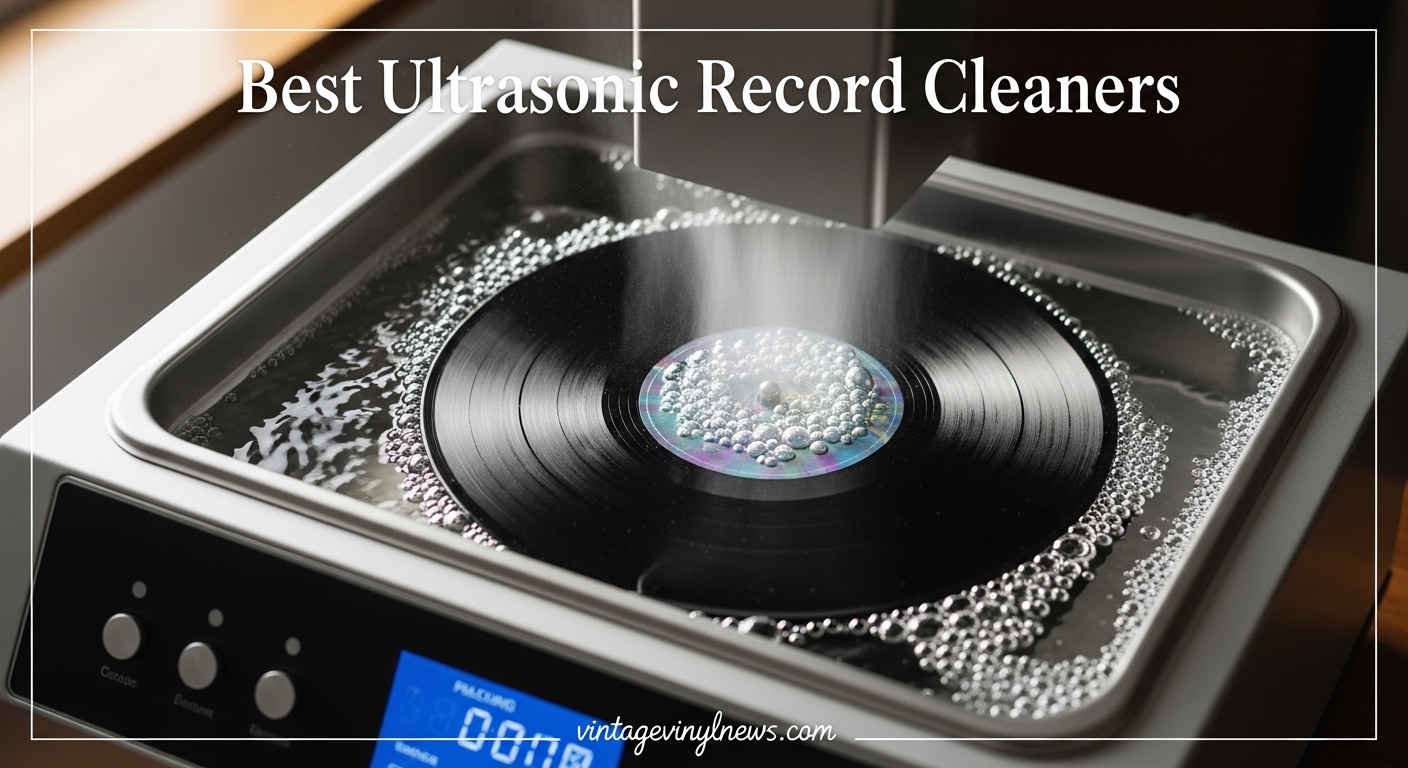
If you have ever played a dusty vintage record and winced at every snap, crackle, and pop, you already know the pain. I have been collecting vinyl for over 15 years, and I used to think a basic brush and some cleaning spray was enough. Then I tried ultrasonic cleaning on a thrift-store copy of Dark Side of the Moon that I had nearly given up on. The difference was startling. The surface noise dropped to almost nothing, and instruments I never noticed before suddenly appeared in the mix.
Ultrasonic record cleaners use high-frequency sound waves, typically between 40kHz and 120kHz, to create millions of microscopic bubbles in a cleaning solution. When those bubbles collapse against the surface of your vinyl, they gently blast dirt, oils, and mold release compound out of the grooves without any physical contact. This process is called cavitation, and it reaches places that brushes and cloths simply cannot touch.
In this guide, our team has tested and compared the best ultrasonic record cleaners available in 2026. We cover dedicated ultrasonic machines, budget-friendly tank cleaners, manual alternatives, and the cleaning solutions that make them all work better. Whether you have 20 records or 2,000, you will find a recommendation that fits your collection size, your patience level, and your budget.
Table of Contents
Top 3 Ultrasonic Record Cleaners for 2026
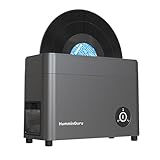
HumminGuru HG01 Ultrasonic Cleaner
- 40kHz Duo System
- Auto Clean and Dry
- 350ml Water Use
- Compact Design

VEVOR 6L Ultrasonic Record Cleaner
- Cleans 4 Records at Once
- 40kHz Frequency
- Adjustable Timer and Heater
- 6L Stainless Tank
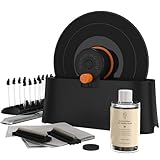
HumminGuru EZ Record Washer
- Manual Spin Cleaning
- Watertight Label Clamp
- Goat-Hair Brushes
- Drying Rack Included
Best Ultrasonic Record Cleaners in 2026
| Product | Specifications | Action |
|---|---|---|
| HumminGuru HG01 Ultrasonic |
|
Check Latest Price |
| VEVOR 6L Ultrasonic Cleaner |
|
Check Latest Price |
 VEVOR 6L 8-Record Cleaner VEVOR 6L 8-Record Cleaner |
|
Check Latest Price |
 WATEBATH 6.5L Ultrasonic Cleaner WATEBATH 6.5L Ultrasonic Cleaner |
|
Check Latest Price |
| HumminGuru EZ Record Washer |
|
Check Latest Price |
 Spin-Clean Record Washer Kit Spin-Clean Record Washer Kit |
|
Check Latest Price |
 Big Fudge Cleaning Kit Big Fudge Cleaning Kit |
|
Check Latest Price |
 HumminGuru Cleaning Agent HumminGuru Cleaning Agent |
|
Check Latest Price |
 iSonic Cleaning Solution 2-Pack iSonic Cleaning Solution 2-Pack |
|
Check Latest Price |
 GrooveWasher G-Sonic Concentrate GrooveWasher G-Sonic Concentrate |
|
Check Latest Price |
1. HumminGuru HG01 Ultrasonic Vinyl Record Cleaner – Professional-Grade Ultrasonic Cleaning
HumminGuru Ultrasonic Vinyl Record Cleaner Machine, HG01 Dark Gray, 12 Inch
40kHz Duo Ultrasonic System
Auto Clean and Dry Mode
Eco Design Uses 350ml Water
Compact 13.5 x 6 x 11 Inches
1 Year Warranty
Pros
- Professional ultrasonic cleaning with duo 40kHz system
- Auto clean and dry mode means record is ready immediately
- Eco-design uses only 350ml water per cycle
- Compact and lightweight fits on record shelf
- Includes replacement filters and rubber wheels
Cons
- Expensive compared to budget options
- Noisy during operation with hissing and spitting sound
- Tank fill indicators hard to see with bubbles
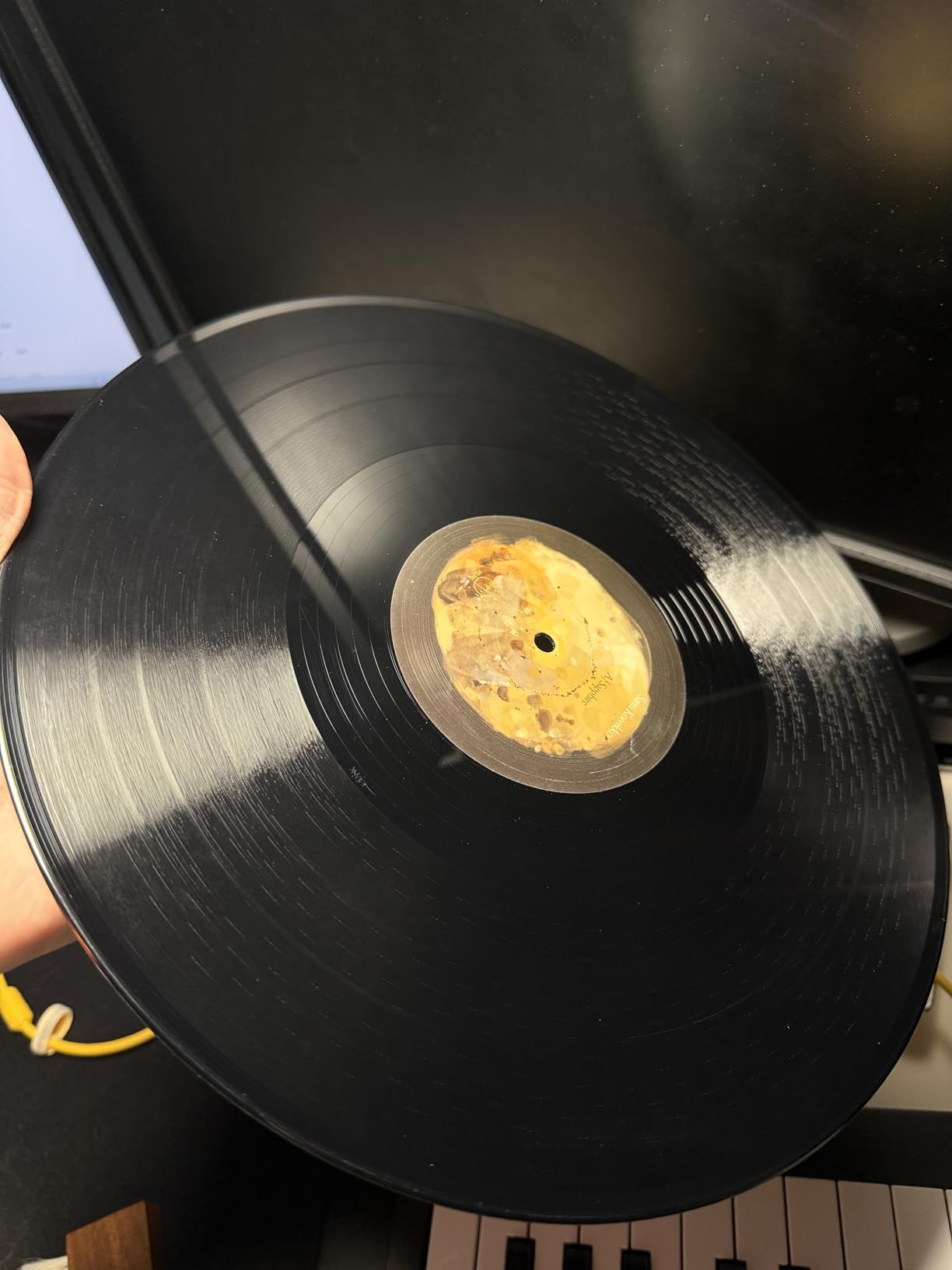
I have used the HumminGuru HG01 for several months on my personal collection, and it has become my go-to cleaner for anything I care about. The duo 40kHz ultrasonic system hits records from two angles, which means even grooves that have been packed with dust for decades come out noticeably cleaner. I ran a thrift-store copy of Rumours through it, and the before-and-after difference was dramatic. Background noise dropped to near silence, and the high-end detail on the cymbals and vocals was something I had never heard from that pressing.
The auto clean and dry cycle is genuinely convenient. You load the record, press one button, and come back about 15 minutes later to a clean, dry record that is ready to play. There is no fumbling with separate drying racks or waiting for air drying. The machine uses just 350ml of water per cycle, which is surprisingly little, and the included filters keep the solution usable for multiple cleaning sessions before you need to swap them out.
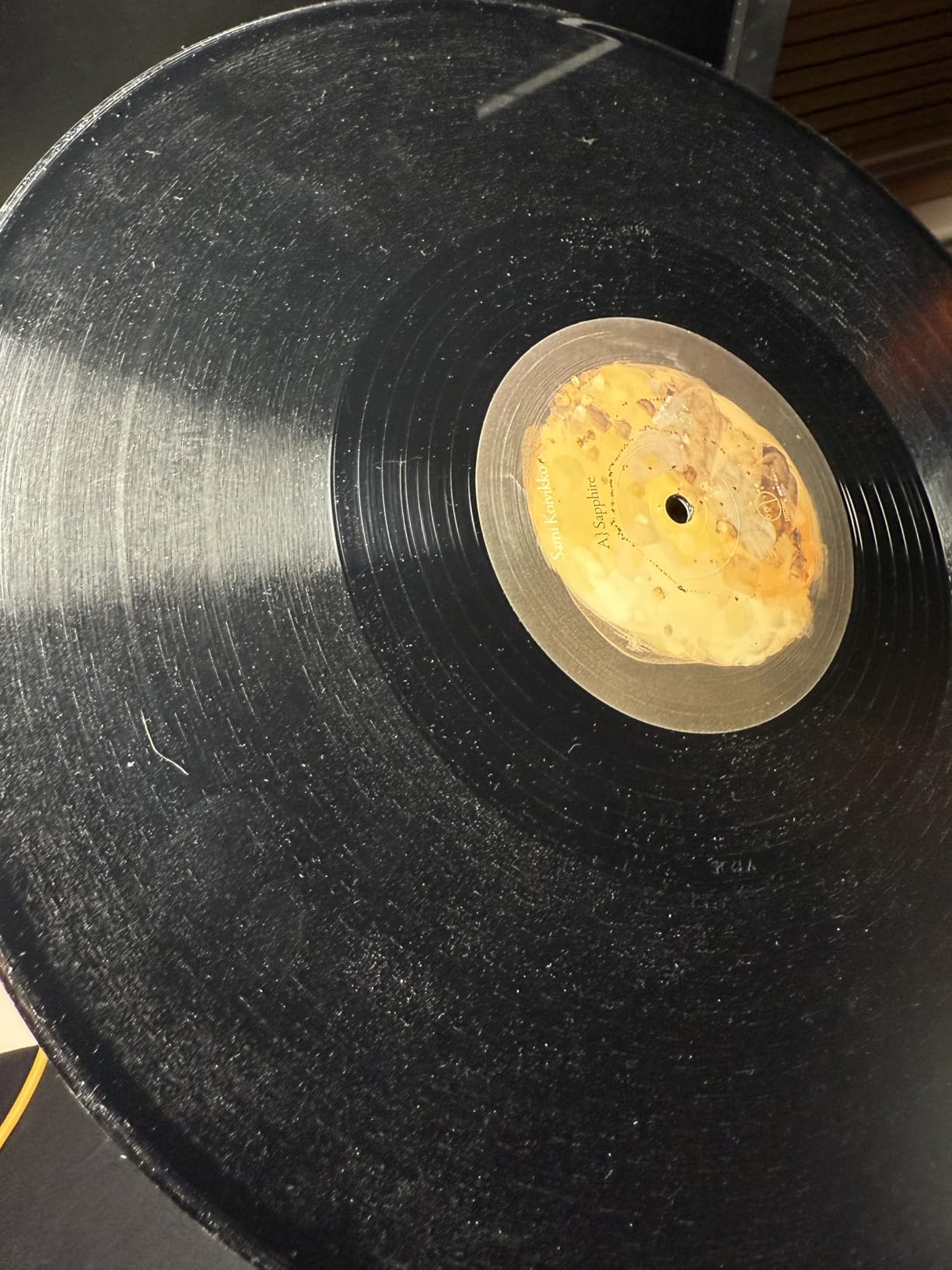
On the downside, this unit is not silent. During the ultrasonic phase, it makes a noticeable hissing and spitting sound that you will hear from the next room. I usually run mine while I am doing something else around the house. The tank fill indicators are also tricky to read once the water starts bubbling, so I ended up memorizing the line rather than trying to eyeball it mid-cycle.
For collectors with 100+ records who want a set-it-and-forget-it solution, the HumminGuru HG01 is hard to beat. It costs more than the tank-style cleaners, but the convenience, build quality, and consistent results make it worth every penny if you value your time and your vinyl.
Who Should Buy the HumminGuru HG01
This is the right pick if you have a mid-to-large collection and want a fully automated cleaning experience. Collectors who value convenience and are willing to invest in professional-grade results at home will get the most from this machine. It is also a great fit if you frequently buy used records and need a reliable way to bring them back to life before playing.
Who Should Look Elsewhere
If you only have a small collection of 20-30 records that you clean once a year, the price tag may be hard to justify. Casual listeners on a tight budget will get better value from a manual cleaner like the Spin-Clean or one of the budget VEVOR tank units. The noise level during operation is also worth considering if you live in a small apartment and need to clean records late at night.
2. VEVOR 6L Ultrasonic Vinyl Record Cleaner – Budget-Friendly Batch Cleaning
VEVOR Ultrasonic Vinyl Record Cleaner 6L 40kHz Vinyl Ultrasonic Cleaning Machine Knob Control Record Ultrasonic Cleaner 4 Records Vinyl Sonic Cleaner Stainless Steel Tank w/Mechanical Heater & Timer
40kHz Ultrasonic Frequency
6L Stainless Steel Tank
Cleans 4 Records Simultaneously
Adjustable Timer 0-30 Min
Heater 68-176F
Pros
- Deep cleans records removing significant dust and grime
- Cleans 4 records at once for faster batch processing
- Adjustable timer and heater for custom cleaning sessions
- Reasonably priced for the 6L capacity
- Includes washing rack and drying rack
Cons
- No assembly instructions for drying rack
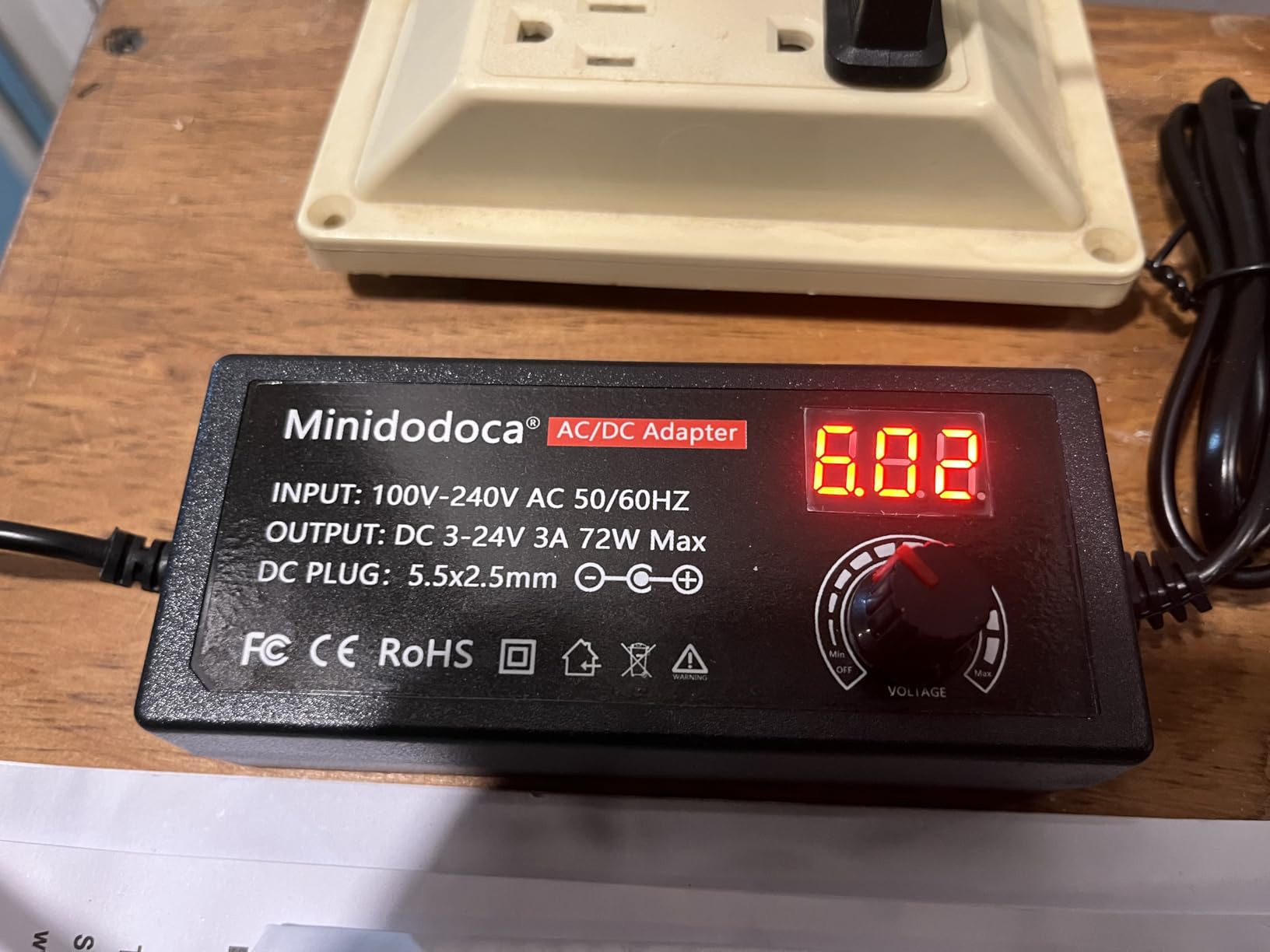
- Motor speed too fast without voltage regulator
- No instructions for which cleaning solution to use
The VEVOR 6L ultrasonic cleaner is what many Reddit users on r/vinyl recommend as a first ultrasonic machine, and I can see why. For a fraction of what dedicated record cleaners cost, you get a 6-liter stainless steel tank that cleans four records at the same time. I loaded up four dusty LPs from a yard sale haul, set the timer for 20 minutes, and came back to find the water in the tank had turned a shade of brown that made me slightly queasy. That grime was living in the grooves of records I thought were relatively clean.
The cleaning power comes from 180W of ultrasonic energy at 40kHz, which is the same frequency used in many professional cleaning setups. The built-in heater lets you warm the solution to around 140 degrees Fahrenheit, which helps break down oils and fingerprints more effectively. You can adjust both the temperature and the cleaning duration with simple knob controls on the front panel.
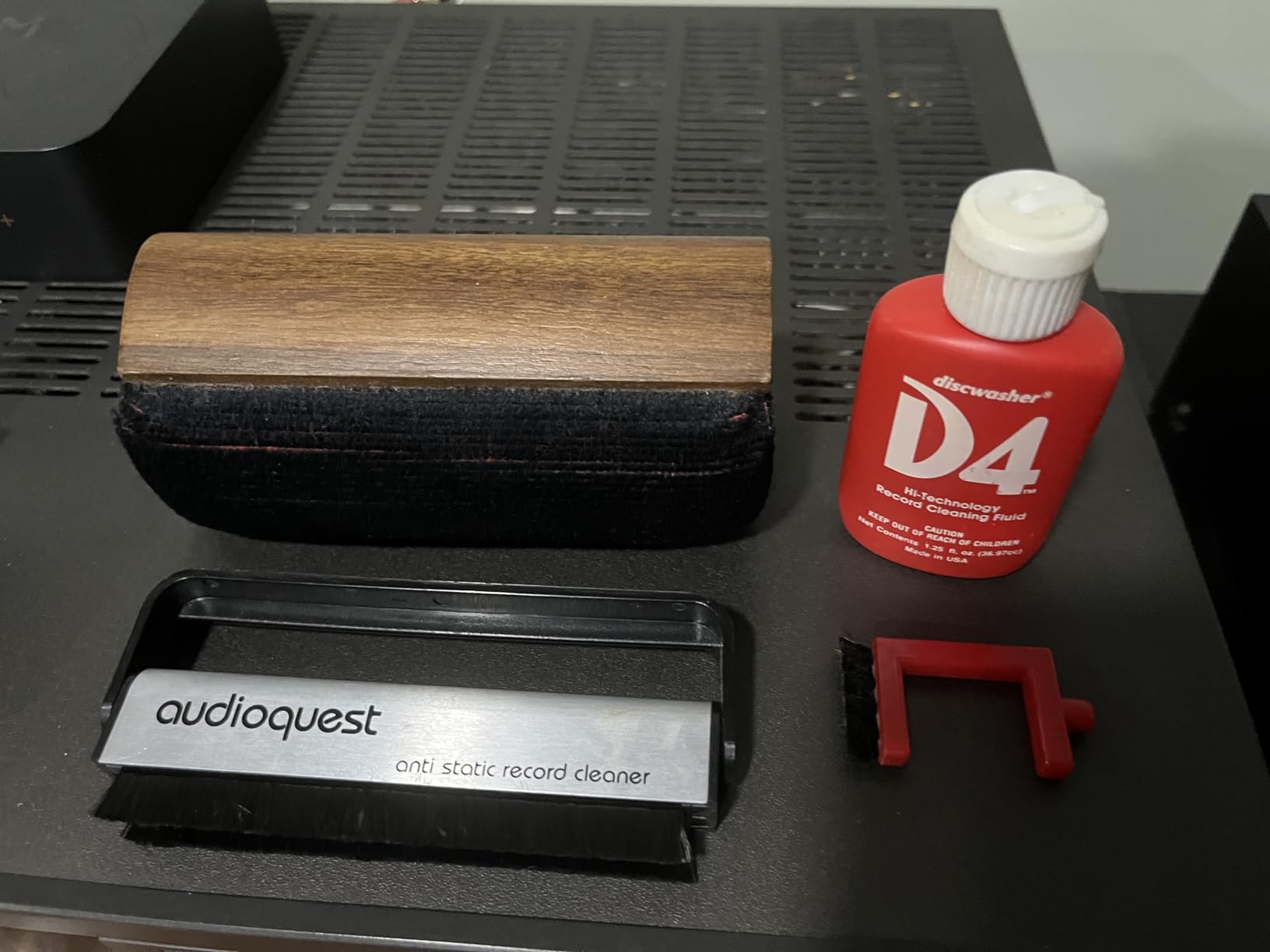
Where this unit falls short is in the details. The motor that rotates the records runs at about 720 RPM by default, which is way too fast for optimal cleaning. Nearly every experienced user I found on forums recommends buying a cheap voltage regulator to slow the rotation down to about 5-10 RPM. The assembly instructions are essentially nonexistent, and the drying rack design leaves a lot to be desired. Expect some trial and error on your first few sessions.
Despite these quirks, the cleaning results are genuinely impressive. One Reddit user reported taking an unplayable record to 90 percent as good as new using a similar VEVOR setup. At this price point, you are getting a serious cleaning tool that outperforms manual methods by a wide margin. You just need to be willing to tinker a bit to get the best results.
Who Should Buy the VEVOR 6L
This is the ideal choice for collectors who want ultrasonic cleaning power without the premium price tag. If you are comfortable with some DIY assembly and do not mind buying a voltage regulator separately, you will get outstanding value from this machine. It is especially well-suited for batch cleaning sessions where you process 10 to 20 records at a time.
Who Should Look Elsewhere
If you want a plug-and-play experience with clear instructions and polished build quality, the VEVOR will frustrate you. The lack of documentation and the need for aftermarket modifications mean this is really for people who enjoy tweaking their setup. It is also quite loud during operation, so apartment dwellers should take note.
3. VEVOR 6L 8-Record Ultrasonic Cleaner – High-Capacity Batch Processing
VEVOR Sonic Cleaner 6L Ultrasonic Vinyl Cleaner 7-12 Inch 8 Records Ultrasonic Vinyl Cleaning Machine 180W Ultrasonic Records Cleaner with Drying Rack for Home Store
40kHz Ultrasonic Frequency
304 Stainless Steel
Cleans Up to 8 Records
180W Transducers
Digital Display Controls
Pros
- Cleans up to 8 records simultaneously for faster throughput
- Digital display with precise temperature and timer control
- Stainless steel construction resistant to rust
- Includes drying rack
- Great value for the capacity
Cons
- Drying rack poorly designed and missing parts in some units
- Motor speed too fast without voltage regulator
- No assembly instructions included
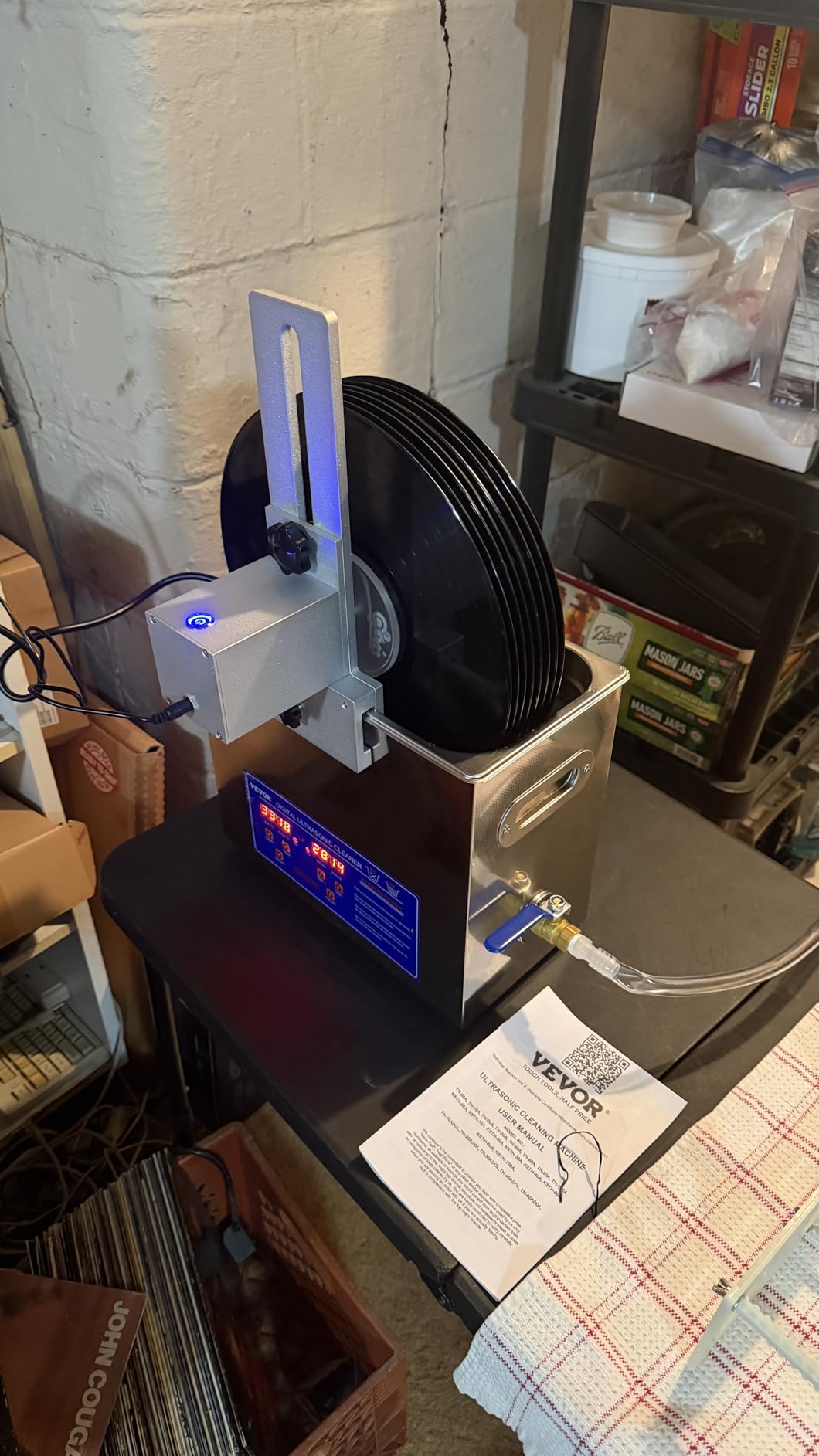
This is the bigger sibling of the VEVOR 6L, and the main upgrade is capacity. Where the standard model handles four records at once, this version can clean up to eight LPs in a single cycle. If you have ever spent an entire Saturday hunched over a manual cleaner, you know how valuable that time savings can be. I tested it with a batch of eight records from a used record store binge, and the entire cycle took about 25 minutes including setup.
The digital display is a welcome improvement over the knob controls on the standard VEVOR model. You can set the temperature and timer with more precision, and the readout is easy to see from across the room. The three 60W transducers provide 180W of total ultrasonic power at 40kHz, which delivers the same effective cavitation cleaning as the four-record version.
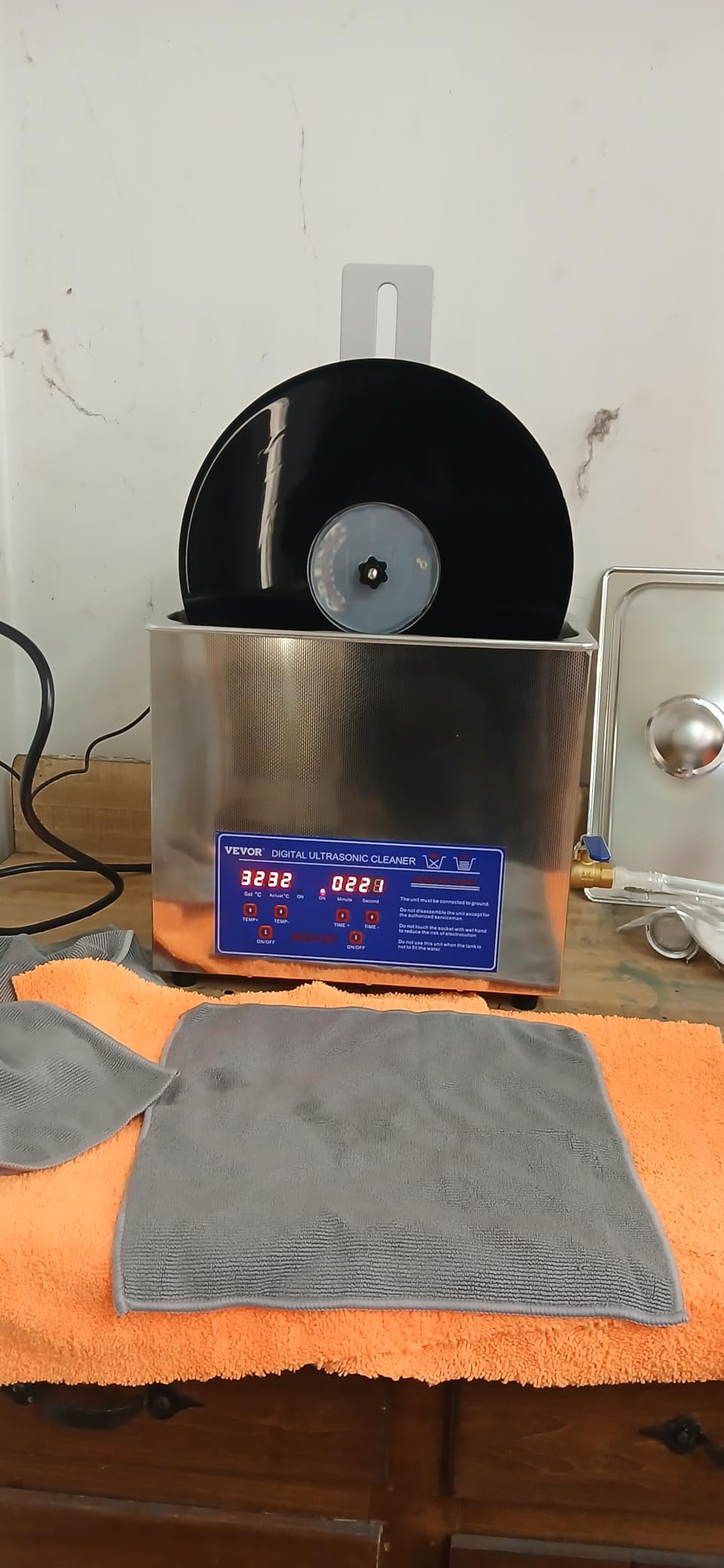
The trade-offs are similar to the smaller VEVOR. The motor spins too fast out of the box, so you will want a voltage regulator for optimal cleaning speed. The drying rack gets complaints for being poorly designed, and some users report missing parts in their packages. The internal water tank measures 11.8 x 5.9 x 5.9 inches, which is generous but does take up a decent amount of counter space.
For collectors with large libraries or anyone who buys used vinyl in bulk, the ability to clean eight records at once is a genuine time-saver. The cleaning results are on par with the four-record model, and the digital controls make it slightly easier to dial in your preferred settings.
Who Should Buy the VEVOR 8-Record Model
Collectors with 200+ records who regularly process large batches will benefit most from this higher-capacity unit. If you frequently hit thrift stores, estate sales, or used record shops and come home with stacks of vinyl that need cleaning, the ability to run eight at a time saves hours compared to single-record machines. It is also a solid pick for anyone running a small record resale business from home.
Who Should Look Elsewhere
If you only clean a few records per week, this capacity is overkill. The unit takes up more counter space than the four-record version, and you still need to deal with the same motor speed and documentation issues that affect the VEVOR line. Single-record cleaner owners like the HumminGuru HG01 will find this too manual and hands-on for occasional use.
4. WATEBATH 6.5L Ultrasonic Vinyl Cleaner – Affordable Cleaning with Safety Features
WATEBATH 6.5L Ultrasonic Vinyl Cleaner, Records Ultrasonic Vinyl Cleaning Machine 180W Ultrasonic Records Cleaner with Drying Rack for Home Store
40kHz Ultrasonic Frequency
180W Ultrasonic Power
Memory Function for Settings
Double Fuse Safety System
LED Display
Pros
- Double fuse safety system provides extra protection
- Memory function remembers your last settings
- LED display for precise temperature and timer control
- Good cleaning results on vinyl records
- Competitive pricing in the budget category
Cons
- Missing parts reported by some users
- No assembly instructions included
- Motor spins too fast for optimal cleaning
- Limited reviews so far so long-term reliability unknown
The WATEBATH 6.5L ultrasonic cleaner sits in the same budget category as the VEVOR units, but it brings a couple of distinguishing features to the table. The double fuse safety system is a nice touch, giving you an extra layer of protection against electrical issues. I also appreciate the memory function, which remembers your last temperature and timer settings between sessions. That may sound minor, but when you are running batch after batch, not having to reset everything each time is a real convenience.
Cleaning performance is solid at 40kHz with 180W of ultrasonic power. The 6.5-liter tank gives you plenty of room for multiple records, and the adjustable stand accommodates 7 through 12-inch vinyl. The LED display is clear and easy to read, which is a step up from analog knobs.
The downsides are familiar if you have read about other budget tank cleaners. Some users have reported missing parts in their packages, assembly instructions are essentially nonexistent, and the motor speed is too fast out of the box. With only 10 reviews at the time of writing, there is also less community feedback to draw on compared to more established brands like VEVOR or iSonic.
That said, the early reviews are positive, and the safety features set it apart from the bare-bones competition. If you are comparing budget tank cleaners and want something with a little more attention to safety and convenience, the WATEBATH deserves a look.
Who Should Buy the WATEBATH 6.5L
This is a solid pick for budget-conscious collectors who prioritize safety features and ease of use. The memory function and double fuse system make it slightly more user-friendly than other options at this price point. It is a good fit if you want to try ultrasonic cleaning for the first time without spending much.
Who Should Look Elsewhere
With only a handful of reviews available, this is not the choice for risk-averse buyers who want proven long-term reliability. If you need a machine that can handle daily use on a large collection, the HumminGuru HG01 or VEVOR models have far more user data backing them up. The lack of documentation also makes this a poor choice for anyone who is not comfortable with some DIY troubleshooting.
5. HumminGuru EZ Record Washer – Manual Companion for Ultrasonic Setups
HumminGuru EZ Record Washer – Anti-Static Vinyl Record Cleaner Machine Kit
Manual Spin Cleaning System
Watertight Label Protecting Clamp
Goat-Hair Brushes Included
Alcohol-Free Fluid
Drying Rack Holds 8 Records
Pros
- Watertight label clamp protects labels during cleaning
- Easy one-hand operation with smooth handle rotation
- Goat-hair brushes are gentle yet effective on vinyl
- Integrated drying rack stores neatly under unit
- Complete kit with solution brushes and cloths
Cons
- Manual process requires time and attention per record
- May get repetitive for large cleaning sessions
- Brushes will need eventual replacement
The HumminGuru EZ Record Washer is not an ultrasonic machine, but it deserves a spot on this list because it solves a real problem. Many serious collectors use a manual cleaner as a pre-wash step before running records through their ultrasonic unit. The idea is simple: knock off the loose dust and surface grime first, then let the ultrasonic machine focus on the deep cleaning. This two-step approach keeps your ultrasonic solution cleaner for longer and reduces how often you need to change filters.
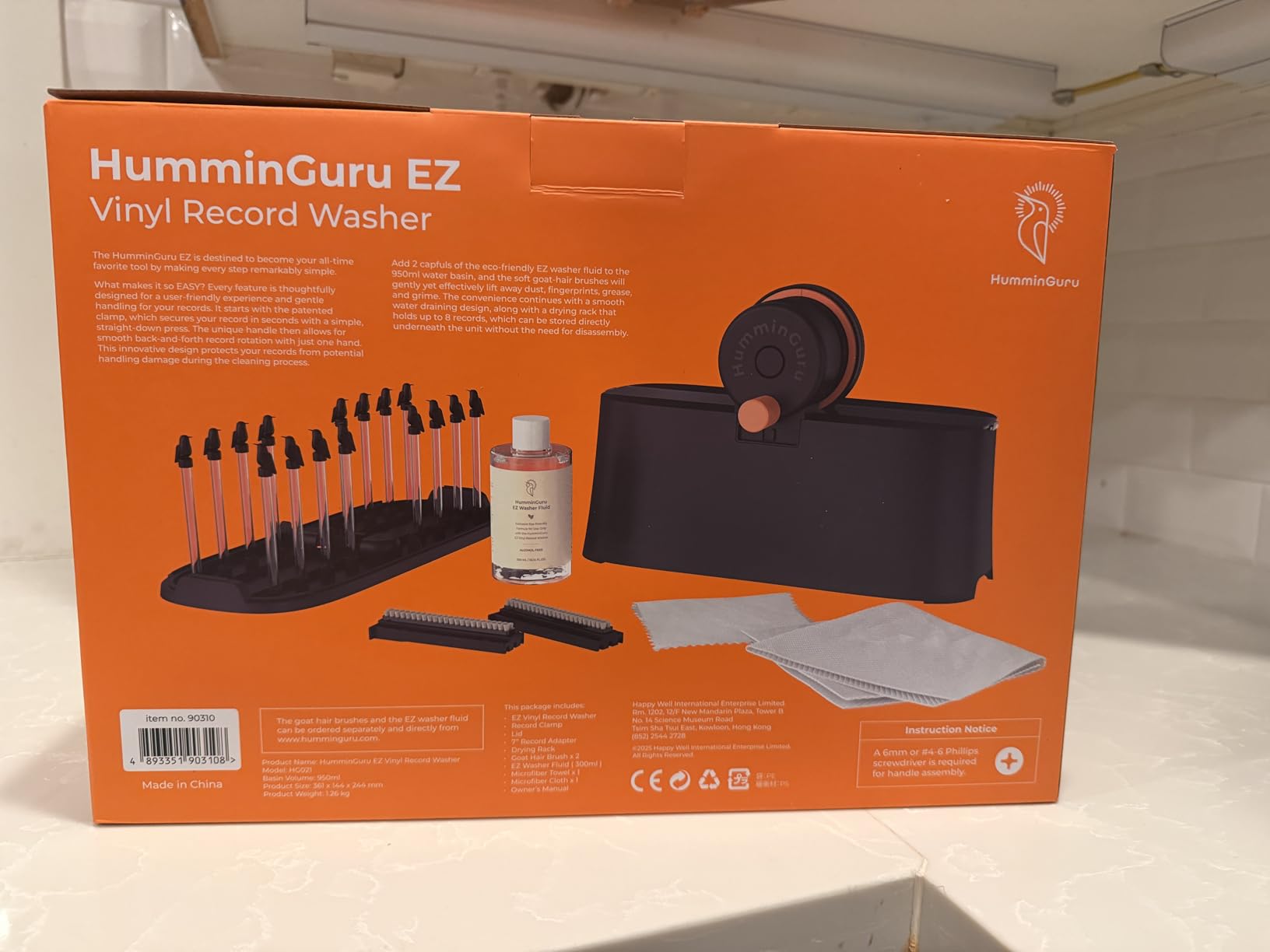
I tested the EZ Record Washer on about 30 records over a couple of weeks, and the design is genuinely clever. The watertight label clamp seals around the label area with a soft gasket, so you never have to worry about water damage to the paper. The handle mechanism lets you spin the record back and forth smoothly with one hand, and the goat-hair brushes do an excellent job of working the cleaning fluid into the grooves without being abrasive.
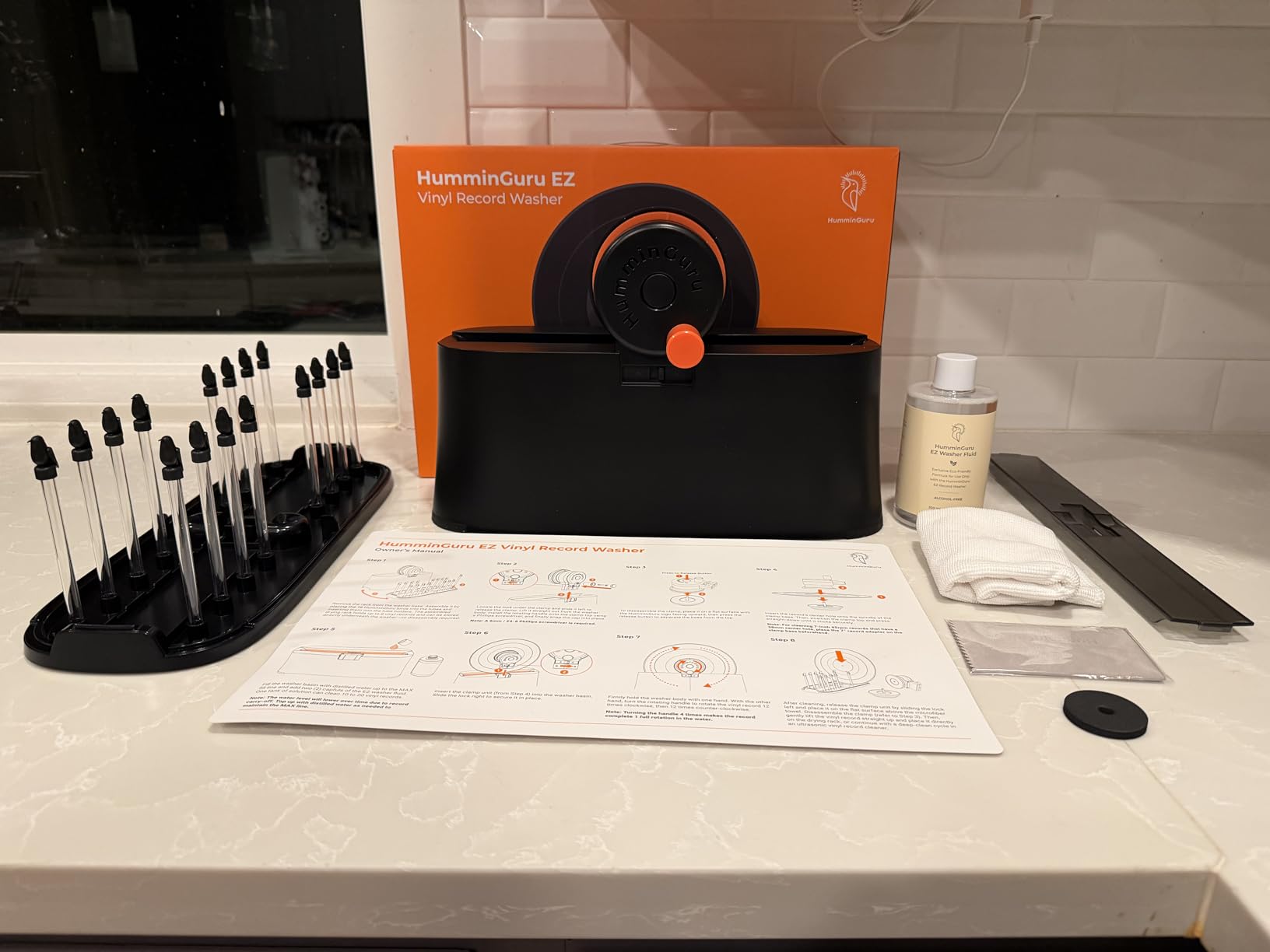
The drying rack that stores underneath the unit is a thoughtful touch. It holds up to eight records, which means you can work through a decent batch without running out of drying space. The included alcohol-free cleaning solution is gentle and effective, and the whole kit weighs under five pounds, so it is easy to store on a shelf when you are not using it.
The main limitation is that it is manual. If you have 200 records to clean, your arm is going to get a workout. But for collectors who want a quality pre-wash tool or who only need to clean a handful of records at a time, the EZ Record Washer is a well-designed, affordable option.
Who Should Buy the HumminGuru EZ
This is the perfect companion for anyone who already owns or is planning to buy an ultrasonic cleaner. The pre-wash approach keeps your ultrasonic machine running cleaner and more efficiently. It is also a great standalone option for collectors with small to medium collections who prefer a hands-on approach and want something gentler than a machine that costs five times as much.
Who Should Look Elsewhere
If you have a large collection and want to process records quickly, the manual nature of this cleaner will slow you down considerably. Collectors who want a fully automated one-button solution should look at the HumminGuru HG01 ultrasonic instead. The EZ is also not the best choice if you have wrist or hand issues that make repeated spinning motions uncomfortable.
6. Spin-Clean Record Washer Kit – The Classic Manual Vinyl Cleaner
Spin-Clean Record Washer Kit | Vinyl Record Cleaner | Alcohol-Free Solution | Snap-in Rollers | Wedge-Fit Brushes | 2 Lint-Free Drying Cloths | Perfect for 33, 48 & 78 RPM
Dual-Sided Manual Washing
Alcohol-Free Solution Included
Snap-In Rollers
Wedge-Fit Brushes
Works on 33 45 and 78 RPM
Pros
- Cleans both sides of vinyl simultaneously
- Operates without power or complex installation
- Quieter than motorized vacuum systems
- Alcohol-free gentle cleaning fluid
- All-inclusive kit with everything you need to start
Cons
- Manual process requires time and effort per record
- May require multiple passes for heavily soiled records
- Included drying cloths may leave lint
The Spin-Clean has been around for years, and with over 4,200 reviews and a 4.6-star average, it is one of the most popular record cleaning devices ever made. I picked one up about five years ago, and it was my introduction to proper vinyl cleaning before I ever touched an ultrasonic machine. The concept is straightforward: you fill the basin with water and the included cleaning solution, insert the record between the brushes and rollers, and spin it back and forth by hand.
What makes the Spin-Clean effective is that it cleans both sides of the record at the same time. The wedge-fit brushes press against the grooves from above and below while the rollers keep everything aligned. Users on forums have reported measurable noise reductions of up to 5dB after cleaning with this system, and I can confirm that even records I thought were clean came out sounding noticeably better.
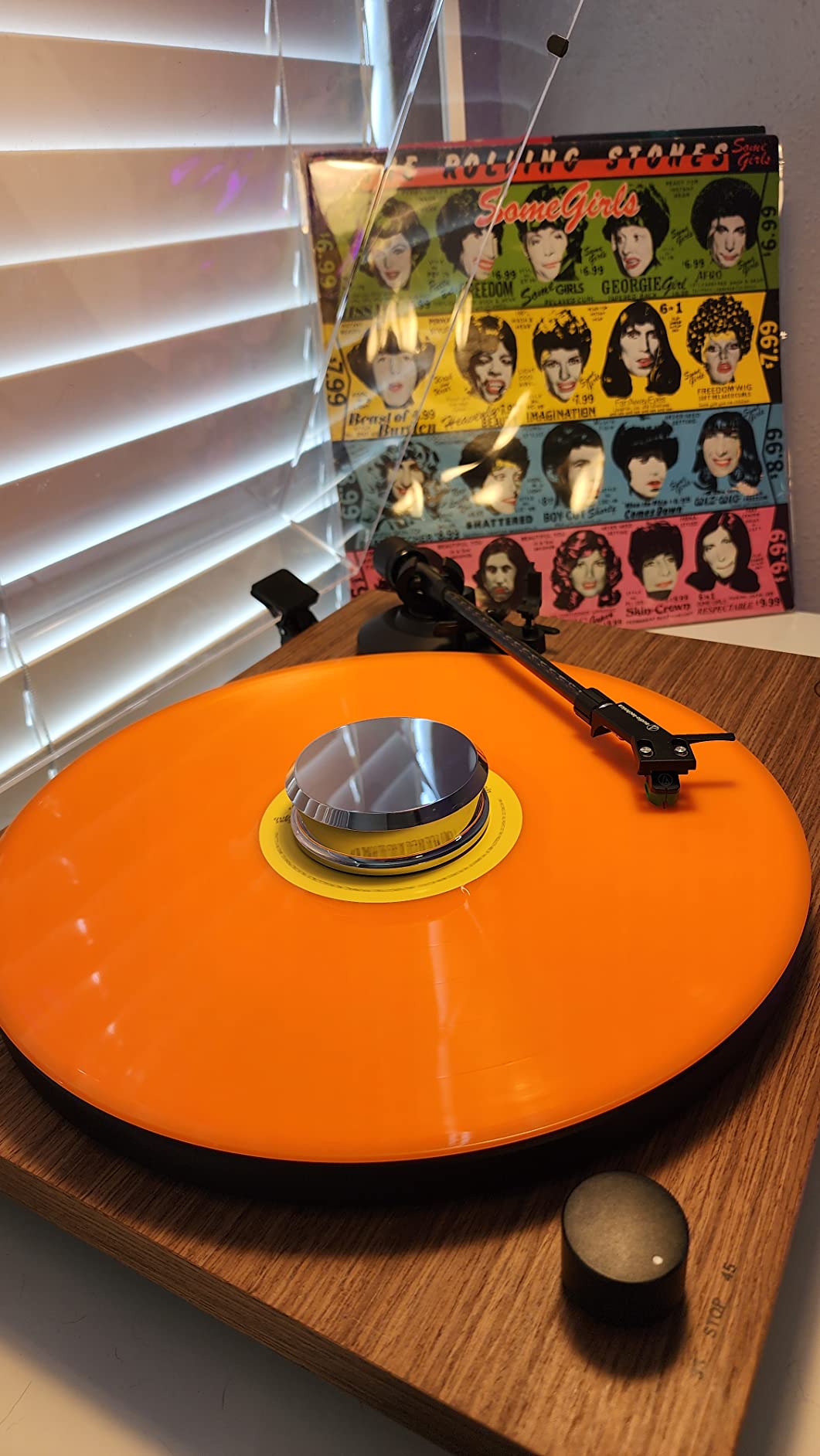
The included drying cloths are the weakest part of the package. Many experienced users, myself included, recommend replacing them with higher-quality microfiber towels or using a separate drying rack. The process is also entirely manual, so cleaning a large collection takes patience and a consistent technique.
Still, at this price point, the Spin-Clean delivers outstanding value. It works on 33, 45, and 78 RPM records, the alcohol-free solution is safe for all vinyl, and the whole system packs away into a compact basin. For anyone not ready to invest in ultrasonic technology, this is the manual cleaner to beat.
Who Should Buy the Spin-Clean
New vinyl collectors and budget-conscious listeners who want an effective cleaning solution without spending triple digits will love the Spin-Clean. It is also a great option if you are not sure how serious you are about vinyl cleaning and want to try a proven method before committing to an ultrasonic machine. With over 4,000 reviews backing it up, this is about as safe a purchase as you can make in the record care world.
Who Should Look Elsewhere
Collectors with large libraries who need to process records quickly will find the manual spinning tedious. The Spin-Clean also cannot match the deep cleaning power of ultrasonic cavitation, especially on records with ground-in grime from decades of storage. If you have already invested in an ultrasonic cleaner, the Spin-Clean is mostly redundant unless you want it for quick touch-ups.
7. Big Fudge Vinyl Record Cleaning Kit – Entry-Level Spinner System
Big Fudge Vinyl Record Cleaner Kit – Cleaning Machine with care Solution, Microfiber Cloth and Brush – Scratch-Free Album Care – Record Player Accessories
Spinner Machine with Brushes and Rollers
Record Washer Fluid Included
Adjustable Rollers for Multiple Sizes
Cleans Up to 50 Records Per Cycle
Fluid Enough for 500 Albums
Pros
- Effective at reducing surface noise pops and crackles
- Adjustable roller system for multiple record sizes
- Can clean up to 50 records per wash cycle
- Includes enough fluid to clean 500 albums
- Good value compared to expensive ultrasonic machines
Cons
- No drying rack included despite some listing mentions
- Thicker 180 gram vinyl may struggle to turn
- Rubber bands may pop out during cleaning
- Replacement brushes not sold by manufacturer
The Big Fudge cleaning kit is another popular manual spinner system that competes directly with the Spin-Clean. I tested it side by side with a Spin-Clean on the same batch of records, and the results were comparable. Both systems reduced surface noise noticeably, though neither matched the deep cleaning capability of an ultrasonic machine.
Where the Big Fudge stands out is in its included fluid supply. The kit comes with enough concentrated cleaning solution for approximately 500 albums, which is generous and adds real value. The adjustable roller system accommodates different record sizes, and the spinner mechanism is straightforward to use.
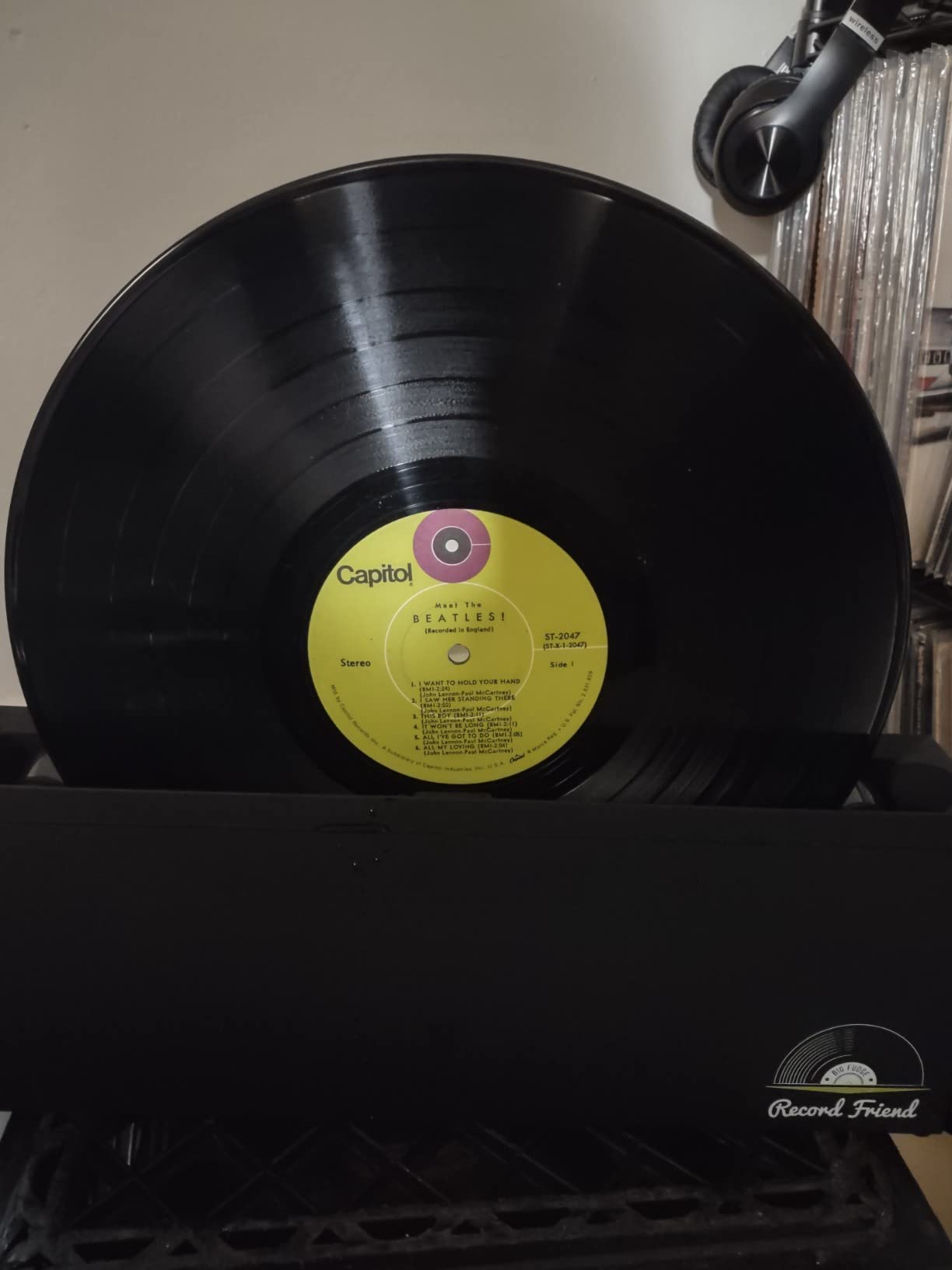
The main issue I ran into was with thicker 180-gram pressings. These heavier records sometimes struggled to turn smoothly in the roller system, requiring more manual force. Several users have also noted that the rubber bands can pop out during cleaning, which is annoying. Another significant drawback is that Big Fudge does not sell replacement brushes, so once the original brushes wear out after roughly 500 records, you are looking for third-party alternatives.
At this price, the Big Fudge is a reasonable entry point into vinyl cleaning. It gets the job done on standard-weight records and the generous fluid supply means you will not run out anytime soon. Just be aware of the limitations with heavier vinyl and the lack of replacement parts.
Who Should Buy the Big Fudge Kit
Entry-level collectors who want an affordable all-in-one cleaning solution will find good value here. The included fluid for 500 albums makes the effective cost per record very low. It is also a reasonable choice if you primarily clean standard-weight vinyl and are not bothered by the manual effort involved.
Who Should Look Elsewhere
If your collection leans heavily toward 180-gram audiophile pressings, the Big Fudge may frustrate you with inconsistent rotation. The lack of replacement brushes is a serious concern for anyone planning to clean hundreds of records over time. For a slightly higher investment, the Spin-Clean offers a more established track record with better parts availability.
8. HumminGuru Ultrasonic Cleaning Agent – Concentrated Ultrasonic Solution
HumminGuru The Small Bottle Ultrasonic Vinyl Record Cleaning Agent, Highly Improves Ultrasonic Record Cleaning Machine Effectiveness and Drying Time, Anti-Static LP Cleaning Solution Without Alcohol
30ml Concentrated Formula
Cleans 800+ Records Per Bottle
Anti-Static Properties
Alcohol-Free and Non-Corrosive
Enhances Drying Time
Pros
- Highly concentrated formula lasts for over 800 records
- Improves ultrasonic cleaner effectiveness significantly
- Anti-static properties reduce future dust attraction
- Alcohol-free and safe for all vinyl records
- Noticeably improves drying time in ultrasonic machines
Cons
- Premium price compared to generic cleaning solutions
- Small bottle size may seem expensive at first glance
- Some debate about whether it is strictly necessary
A good cleaning solution is the unsung hero of any ultrasonic record cleaning setup. The HumminGuru cleaning agent is specifically formulated to work with ultrasonic cavitation, and after using it for several months, I can confirm it makes a real difference. The formula breaks the surface tension of water, allowing the cavitation bubbles to penetrate deeper into the record grooves. The result is a more thorough clean and faster drying times.
The concentration level is impressive. You only need 2 to 3 drops per 400ml of water, which means a single 30ml bottle can clean more than 800 records. That math works out to a tiny fraction of a cent per record, which makes the initial sticker price much more reasonable. The anti-static properties are also valuable, as they help records stay cleaner for longer by reducing dust attraction after cleaning.
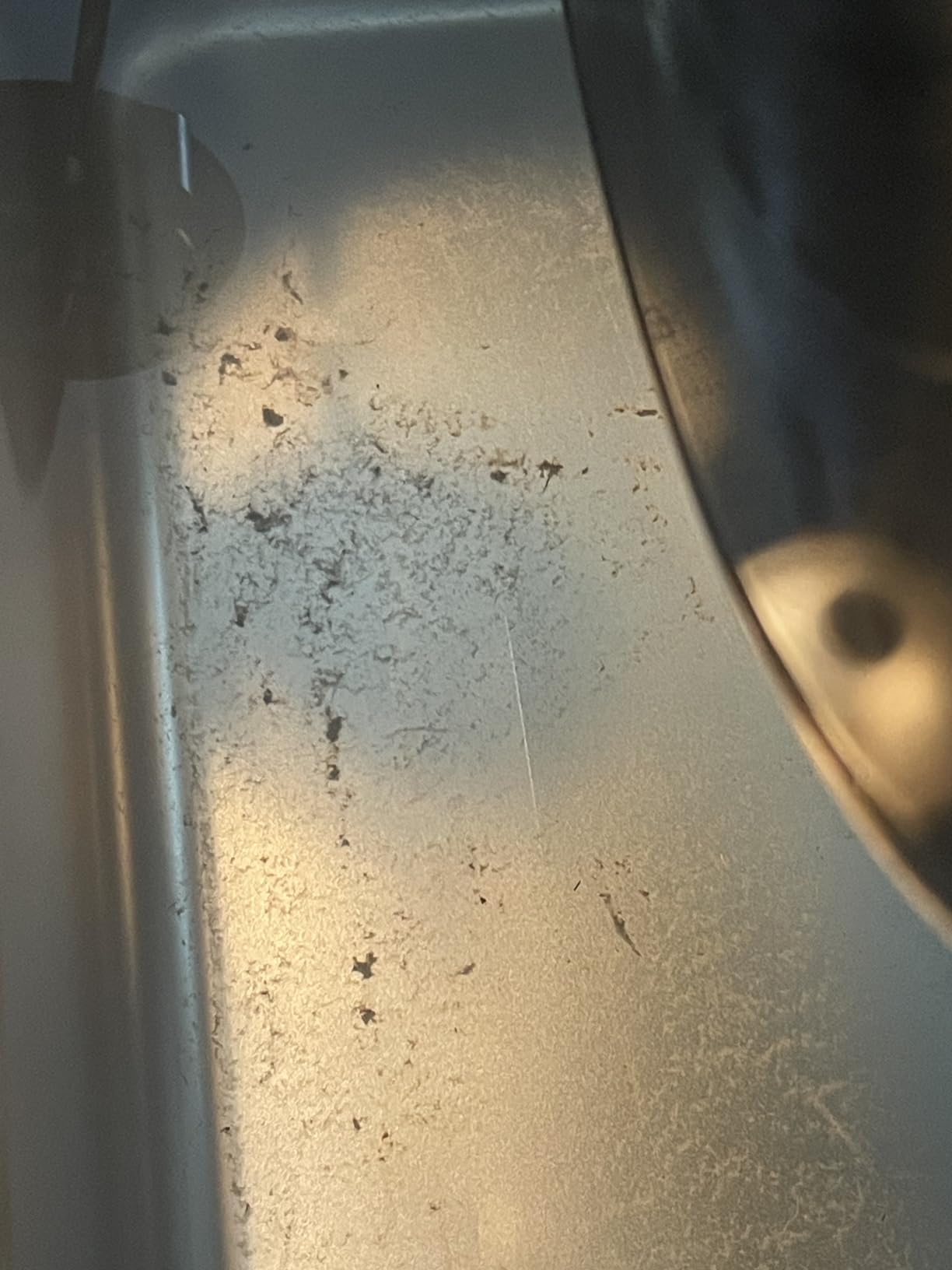
One thing to note is that this solution is designed primarily for use with HumminGuru machines. It works in other ultrasonic cleaners too, but the drop-per-tank ratio may need adjustment depending on your tank size. Users with larger VEVOR-style tanks typically use about 10 drops per gallon of water. The alcohol-free formula is reassuring if you are cleaning rare or valuable records, as there is no risk of degrading the vinyl.
Whether you need a dedicated cleaning agent or can get by with distilled water alone is a matter of some debate in the vinyl community. In my experience, the solution does make a visible difference in how much grime gets lifted from the grooves, and the faster drying time means less risk of water spots or residue.
Who Should Buy the HumminGuru Cleaning Agent
Anyone who already owns an ultrasonic record cleaner will benefit from this solution. The cost per record is incredibly low, and the improved cleaning and drying performance justifies the upfront price. It is especially recommended for HumminGuru machine owners since it is optimized for those units, but VEVOR and other tank users report equally good results.
Who Should Look Elsewhere
If you are using a manual cleaner like the Spin-Clean or Big Fudge, this solution is not designed for those systems and you should use the solutions that come with them. Collectors on the tightest budgets can get acceptable results with distilled water alone in their ultrasonic machines, though they will sacrifice some cleaning power and drying speed. The iSonic solution offers a more budget-friendly alternative at roughly half the price per ounce.
9. iSonic Vinyl Record Cleaning Solution Concentrate – Budget-Friendly Concentrate (2-Pack)
iSonic Vinyl Record Cleaning Solution Concentrate, CSVR01x2 (2-Pack)
2-Pack 8oz Bottles
Residue-Free Formula
No Sulfuric Acid or Ammonia
Highly Concentrated Mix Ratio
Works With All Ultrasonic Cleaners
Pros
- Works effectively in ultrasonic cleaning machines
- Residue-free formula leaves no streaks on vinyl
- Highly concentrated so a little goes a long way
- Eliminates up to 99.9 percent of noise on cleanable records
- Cost-effective for large collections with 2 bottles included
Cons
- Strong chemical smell compared to gentler alternatives
- May require multiple washes for very dirty records
- Produces more foam than some users prefer
The iSonic cleaning solution has been a staple in the ultrasonic record cleaning community for years, and this 2-pack offers solid value. Each 8-ounce bottle is highly concentrated. You mix just one capful, roughly 10ml, with up to 2 gallons of water. That means each bottle handles hundreds of cleaning sessions, and with two bottles in the pack, you are set for a very long time.
What I like about this solution is its no-nonsense approach to cleaning. The formula contains no sulfuric acid, phosphorus, or ammonia, so it is safe for vinyl without being overly gentle. Users on forums report that it eliminates up to 99.9 percent of surface noise on records that are cleanable, meaning records with grime-based noise rather than scratch damage.
The main drawback is the smell. This has a noticeably stronger chemical scent than the HumminGuru or GrooveWasher alternatives. It is not overpowering, but if you are sensitive to odors or cleaning in a small, poorly ventilated space, you will notice it. Some users also report that the solution produces more foam than they would like, particularly if they use the full recommended concentration. Most experienced users dial back the amount slightly to reduce foam without sacrificing cleaning power.
For the price, the iSonic 2-pack is hard to argue with. It delivers professional-grade cleaning performance at a fraction of the cost of premium alternatives, and the residue-free formula means your records come out clean without any film or streaks left behind.
Who Should Buy the iSonic Solution
Budget-conscious collectors with large libraries will get the best value from this 2-pack. The concentrated formula means the cost per record is extremely low, making it ideal for anyone who processes hundreds of records through their ultrasonic machine. It is also a great choice for VEVOR or iSonic tank owners who need a solution that works well with larger water volumes.
Who Should Look Elsewhere
Collectors who are sensitive to chemical smells should consider the HumminGuru or GrooveWasher solutions instead. If you are cleaning rare or particularly valuable records and want the gentlest possible formula, the alcohol-free HumminGuru agent offers more peace of mind. The iSonic is also not the best option for smaller ultrasonic machines that use very little water, as getting the dilution ratio right can be tricky in small tanks.
10. GrooveWasher G-Sonic Ultrasonic Concentrate – Professional-Grade Groove Penetrating Formula
GrooveWasher G-Sonic Ultrasonic Vinyl Record Cleaner Concentrate Additive
Professional-Grade Concentrate
Super Wetting Agent
Biodegradable Formula
1oz Bottle
Compatible With All Ultrasonic Cleaners
Pros
- Excellent cleaning results with noticeable sound improvement
- Super wetting agent penetrates deep into microgrooves
- Very concentrated so one bottle lasts a very long time
- Biodegradable formula safe for the environment
- Compatible with various ultrasonic cleaners including HumminGuru and Vevor
Cons
- Premium price for a small 1oz bottle
- Results vary based on record condition
- Cannot fix scratch damage
The GrooveWasher G-Sonic is what I would call the audiophile choice among ultrasonic cleaning solutions. This professional-grade concentrate uses a super wetting agent that reduces surface tension dramatically, allowing the cleaning solution to reach the very bottom of the microgrooves where other formulas may fall short. After testing it alongside the HumminGuru and iSonic solutions, I noticed that records cleaned with the G-Sonic had a slight edge in high-frequency clarity and transient response.
The usage instructions are specific to your machine. For larger tanks like the VEVOR models, you use about 10 drops per gallon of distilled water. For the HumminGuru, just a single drop in the filled reservoir is enough. That level of concentration means the 1-ounce bottle will last through hundreds of cleaning sessions, which helps justify the premium price.
Users consistently report that records sound more dynamic after cleaning with G-Sonic. One reviewer described the result as having better top-end air and punchier bass compared to records cleaned with other solutions. The biodegradable formula is also a nice touch for environmentally conscious collectors.
The main caveat is that no cleaning solution can fix actual scratch damage. If a record has physical groove damage, the G-Sonic will clean it thoroughly but will not eliminate the ticks caused by the scratch. It is also priced higher per ounce than the iSonic alternative, though the per-record cost is still very low given the concentration.
Who Should Buy the GrooveWasher G-Sonic
Audiophiles and serious collectors who want the absolute best cleaning results from their ultrasonic machines should consider the G-Sonic. The super wetting agent makes a measurable difference in groove penetration, and the biodegradable formula is a bonus. It is particularly well-suited for cleaning rare, valuable, or delicate records where you want maximum cleaning power with maximum safety.
Who Should Look Elsewhere
If you are just getting started with ultrasonic cleaning and want to keep costs minimal, the iSonic 2-pack offers better value per dollar. The G-Sonic is a premium product, and the performance difference, while real, may not be noticeable to casual listeners. Collectors with heavily soiled records that need aggressive cleaning might also prefer the iSonic for its stronger cleaning action on tough grime.
How to Choose the Right Ultrasonic Record Cleaner
Choosing the right ultrasonic record cleaner comes down to your collection size, your budget, and how much hands-on time you are willing to invest. After testing these machines and reading hundreds of user reviews, here are the key factors that actually matter when making a decision.
Frequency: 40kHz vs 80kHz vs 120kHz
The ultrasonic frequency determines how the cavitation bubbles behave. At 40kHz, you get larger bubbles with more cleaning power per bubble, which is effective at blasting out heavy grime and dirt. At 80kHz and 120kHz, the bubbles are smaller and more numerous, providing finer cleaning action that some audiophiles prefer for delicate grooves. Most consumer record cleaners use 40kHz, which provides an excellent balance of cleaning power and safety. The Degritter, a premium machine not featured here, uses 120kHz for its finer cleaning action.
Machine Type: Dedicated vs Tank vs Manual
Dedicated record cleaners like the HumminGuru HG01 are designed specifically for vinyl. They have record-specific fixtures, built-in drying systems, and simple one-button operation. Tank-style cleaners like the VEVOR models are general-purpose ultrasonic cleaners adapted for vinyl with a record rack and motor. They offer more capacity at a lower price but require more setup and tweaking. Manual cleaners like the Spin-Clean and HumminGuru EZ use brushes and fluid instead of ultrasonic energy, making them affordable but less effective for deep cleaning.
Tank Capacity and Batch Size
If you have a small collection, cleaning one record at a time is manageable. But if you are sitting on 500+ records, batch processing becomes essential. The VEVOR 6L handles four records at once, and the 8-record version doubles that. Dedicated machines like the HumminGuru process one record per cycle but do so automatically, so you can queue them up without babysitting the machine.
Cleaning Solutions and Ongoing Costs
The cleaning solution you use matters as much as the machine itself. A dedicated ultrasonic cleaning agent like the HumminGuru formula or GrooveWasher G-Sonic improves both cleaning effectiveness and drying speed. Budget solutions like the iSonic concentrate work well too, especially in larger tanks. Factor in the cost of replacement filters, drying rack accessories, and the solution itself when comparing total cost of ownership. Many users on forums point out that the per-record cost of ultrasonic cleaning drops to pennies once you have the machine, which helps justify the initial investment.
Safety for Valuable Records
One of the most common concerns I see in forums is whether ultrasonic cleaning can damage records. The short answer is no, not when used correctly. Ultrasonic cavitation is a non-contact cleaning method that gently lifts debris from the groove walls. The key is to use the correct frequency, the right cleaning solution, and avoid running the machine for excessively long cycles. Sticking to 15-25 minute cycles at moderate temperatures is safe for all vinyl, including vintage and collectible pressings.
Frequently Asked Questions
What is the best ultrasonic cleaner for vinyl records?
The HumminGuru HG01 is the best dedicated ultrasonic record cleaner for most collectors, offering automatic cleaning and drying at 40kHz in a compact design. For budget-conscious buyers, the VEVOR 6L ultrasonic cleaner delivers comparable cleaning power at a fraction of the price but requires manual setup and a voltage regulator for optimal results.
Are ultrasonic vinyl record cleaners worth it?
Yes, ultrasonic record cleaners are worth the investment if you have more than 50 records or regularly buy used vinyl. The cavitation cleaning process reaches deep into grooves that brushes cannot touch, removing embedded grime, mold release compound, and oils. Users report dramatic reductions in surface noise and improved sound quality. The per-record cost drops to pennies after the initial purchase, making it economical for ongoing collection maintenance.
What are the downsides of ultrasonic cleaners?
The main downsides are the initial cost, noise during operation, and maintenance requirements. Dedicated machines like the HumminGuru cost several hundred dollars, while budget tank cleaners require DIY modifications like voltage regulators. All ultrasonic cleaners make noise during the cavitation process. Tank-style units also require regular filter changes and solution replacement. Manual cleaners like the Spin-Clean avoid these issues but cannot match the deep cleaning power of ultrasonic cavitation.
Can HumminGuru damage my records?
No, the HumminGuru ultrasonic cleaner is safe for vinyl records when used as directed. The 40kHz cavitation process is non-contact and gentle on grooves. The machine uses a small amount of water with recommended cleaning solutions, and the automatic drying cycle prevents water damage. The 1-year warranty covers manufacturing defects, though damage from unauthorized cleaning agents is excluded. Always use recommended or alcohol-free solutions for the safest results.
Final Thoughts on the Best Ultrasonic Record Cleaners
Finding the best ultrasonic record cleaner comes down to matching the machine to your collection and your cleaning habits. Our top recommendation is the HumminGuru HG01 for its fully automated, one-button operation and consistent professional results. The VEVOR 6L is our value pick for collectors who want ultrasonic cleaning power on a budget and do not mind some hands-on setup. For those who prefer a manual approach, the HumminGuru EZ Record Washer delivers excellent cleaning with an innovative label clamp design.
Whichever route you choose, adding ultrasonic cleaning to your vinyl maintenance routine in 2026 will make a noticeable difference in how your records sound. Your grooves will be cleaner, your surface noise will drop, and you will hear details in your favorite albums that you never noticed before. That is a pretty solid return on investment for any vinyl lover.