
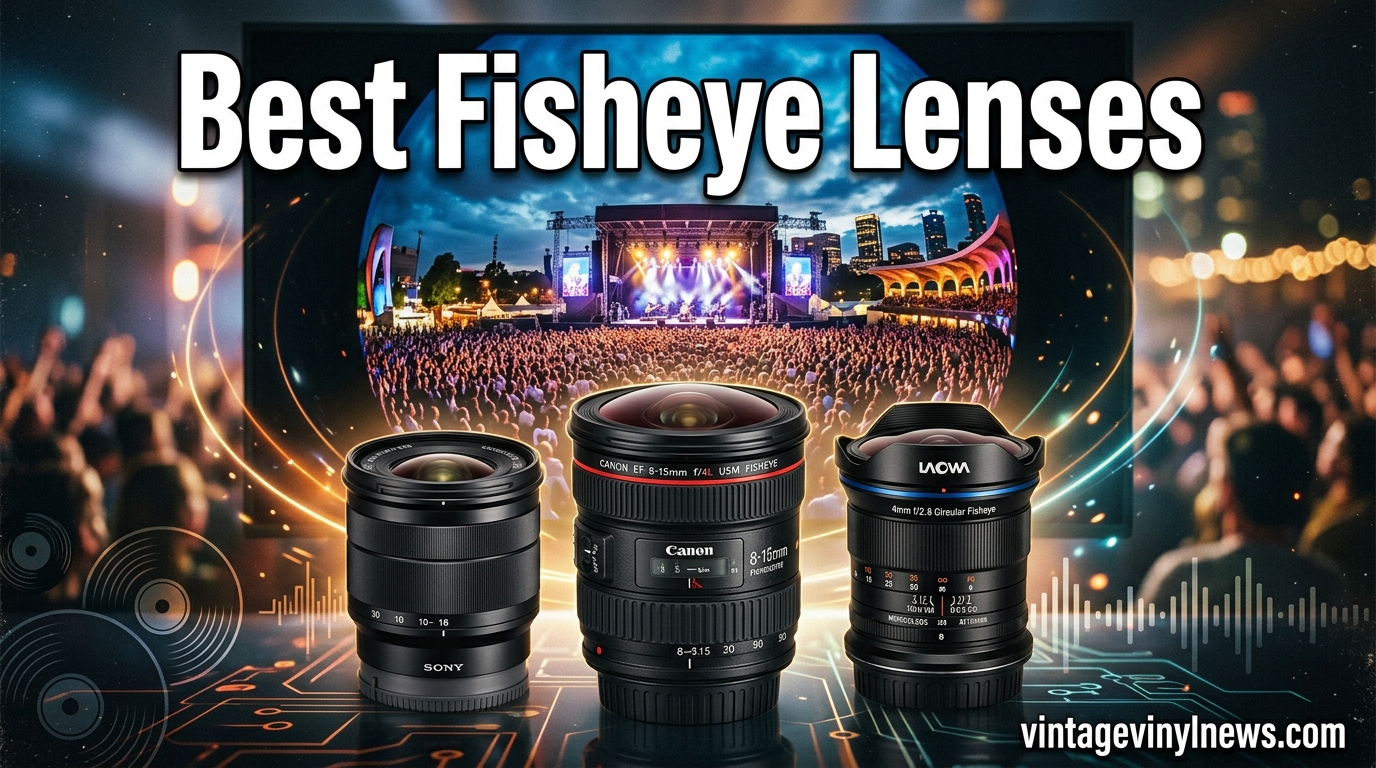
There is nothing quite like standing in the photo pit at a packed venue and watching a guitarist lean into a solo while the crowd surges forward. A standard wide-angle captures maybe a third of that energy. The best fisheye lenses pull the entire room into a single frame, wrapping the stage lights, the audience, and the ceiling into one immersive, distorted bubble that feels exactly like being there.
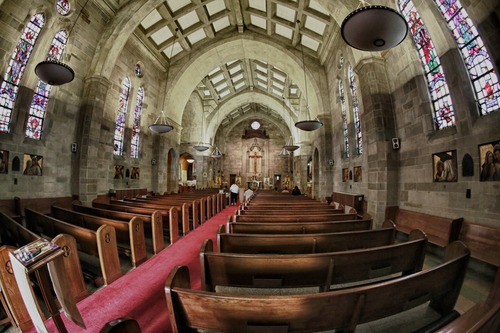
A fisheye lens is an ultra-wide-angle lens that deliberately embraces barrel distortion rather than correcting it. Instead of keeping straight lines straight like a rectilinear wide-angle, a fisheye curves everything toward the edges, creating that signature hemispherical look. Most fisheyes deliver a 180-degree field of view, which means you are capturing nearly everything in front of you and slightly to the sides.
Our team has spent the last several months shooting with fisheye lenses in venues ranging from 80-cap basement clubs to 2,000-seat theaters. We tested them for concert photography, band portraits, music video b-roll, and social media content. We also evaluated them for general creative work like architecture, skateboarding, and landscape shots. After testing 12 lenses across Sony E, Canon EF, Canon RF, and Nikon F mounts, here is what we found.
One thing we noticed immediately: no guide out there talks about fisheye lenses in the context of music photography. Every roundup focuses on skateboarding or real estate. As a site dedicated to music culture, that gap surprised us. Fisheye lenses are incredible tools for capturing the chaos of a live show, the intimacy of a rehearsal space, or the personality of an album cover shoot. This guide fixes that blind spot.
Table of Contents
Top 3 Fisheye Lenses for 2026

Sigma 15mm F1.4 DG DN Diagonal Fisheye
- F1.4 aperture
- 180-degree view
- Dust-splash resistant
- Auto Focus
- Sony E mount


TTArtisan 7.5mm F2.0 APS-C Fisheye
- F2.0 large aperture
- Sony E mount
- 180-degree view
- Compact
- Manual focus
Our Editor’s Choice goes to the Sigma 15mm F1.4 for its unmatched low-light capability, which is essential for dimly lit music venues. The Meike 8mm earns Best Value with 451 reviews and a 4.5-star average at a fraction of what most fisheyes cost. For budget-conscious Sony shooters, the TTArtisan 7.5mm F2.0 delivers outstanding bang for the buck.
Best Fisheye Lenses in 2026
| Product | Specifications | Action |
|---|---|---|
| TTArtisan 7.5mm F2.0 APS-C |
|
Check Latest Price |
 7artisans 7.5mm f/2.8 Mark II 7artisans 7.5mm f/2.8 Mark II |
|
Check Latest Price |
| Meike 8mm f/3.5 Fisheye |
|
Check Latest Price |
 TTArtisan 4mm F2.8 Circular TTArtisan 4mm F2.8 Circular |
|
Check Latest Price |
 Rokinon FE8M-N 8mm F3.5 Rokinon FE8M-N 8mm F3.5 |
|
Check Latest Price |
 Rokinon 8mm f/3.5 HD Fisheye Rokinon 8mm f/3.5 HD Fisheye |
|
Check Latest Price |
 TTArtisan 11mm F2.8 FF Fisheye TTArtisan 11mm F2.8 FF Fisheye |
|
Check Latest Price |
 TTArtisan 11mm F2.8 RF Fisheye TTArtisan 11mm F2.8 RF Fisheye |
|
Check Latest Price |
 AstrHori 6mm F2.8 220 Degree AstrHori 6mm F2.8 220 Degree |
|
Check Latest Price |
 Nikon AF DX 10.5mm f/2.8G Nikon AF DX 10.5mm f/2.8G |
|
Check Latest Price |
 Canon EF 8-15mm f/4L USM Zoom Canon EF 8-15mm f/4L USM Zoom |
|
Check Latest Price |
| Sigma 15mm F1.4 DG DN Diagonal |
|
Check Latest Price |
1. TTArtisan 7.5mm F2.0 APS-C Fisheye – Best Budget Fisheye for Sony Shooters
TTArtisan 7.5mm F2.0 APS-C Large Aperture Cameras Lens Fisheye Lens Compatible with Sony E Mount Camera A5000, A5100, A6000,A6100, A6300,A6400, A6500, A6600, NEX-3,NEX-3N, NEX-3R
7.5mm F2.0
Sony E Mount
APS-C
180 degree view
Manual focus
Pros
- Large F2.0 aperture for low light
- Excellent sharpness for the price
- Compact and lightweight
- Solid build quality
- Versatile for street and concert photography
Cons
- Lens cap falls off easily
- Manual focus and aperture only
- No electronic communication with camera body
I picked up the TTArtisan 7.5mm F2.0 specifically for shooting at a local indie venue that has terrible stage lighting. That F2.0 aperture is the headline feature here, and it matters more than you might think. Most budget fisheyes max out at f/2.8 or even f/3.5, which means you are fighting for shutter speed in a dark room. The extra stop of light from this lens let me shoot at 1/125 instead of 1/60, which is the difference between a sharp shot and motion blur when the drummer is going wild.
The lens is designed for APS-C Sony E-mount cameras, which means it pairs perfectly with the A6000 series that a lot of musicians and content creators already own. At 7.5mm, you get a 17mm equivalent focal length with a 180-degree viewing angle. In a small club, that means you can stand in the photo pit and capture the entire band plus the first few rows of the crowd in one frame.

Build quality genuinely surprised me. The barrel is metal, the focus ring has a nice resistance to it, and the aperture ring clicks firmly into each detent. At 61 reviews and a 4.4-star rating, the consensus matches my experience: this is one of the best value fisheye lenses on the market for Sony shooters. One reviewer mentioned it being great for a Y2K aesthetic, and I agree completely. There is something about the way this lens renders that feels distinctly early-2000s music video.
The downsides are real though. The lens cap is genuinely terrible and will fall off in your bag. There is no electronic communication with the camera, so you shoot fully manual. And the focus ring does not have a hard stop at infinity, which means you need to actually check your focus rather than just cranking it all the way. None of these are dealbreakers, but they are things to know going in.

Who Should Buy This Lens
Sony A6000-series shooters who want an affordable entry into fisheye photography will love this lens. It is particularly well-suited for concert photographers working in dimly lit venues where that F2.0 aperture becomes a lifeline. If you are a musician building a visual brand on Instagram or TikTok and want those distorted wide shots of your practice space or live shows, this is your most cost-effective option.
What to Watch Out For
You must enable release-without-lens in your Sony camera settings or the shutter will not fire. The lens cap issue is universal across reviews, so consider buying a third-party cap. Also, because this is an APS-C lens, using it on a full-frame Sony body like the A7 series will produce a heavy vignette unless you shoot in crop mode.
2. 7artisans 7.5mm f/2.8 Mark II – Best Budget Fisheye for VR and Panoramic Shooting
7artisans 7.5mm f2.8 Mark II Fisheye Lens Wide Angle Manual Focus Fixed for Sony E-Mount Mirrorless Camera A6300 A6400 A6500 NEX-3 NEX-3N NEX-5T NEX-5R NEX-6 NEX-7
7.5mm F2.8
Sony E Mount
APS-C
190 degree view
2 ED lenses
Pros
- Improved chromatic aberration over Gen 1
- Excellent center sharpness
- Solid build quality
- Great for VR and panoramic work
- HD coating
Cons
- Soft at infinity focus
- Prone to flaring
- Excessive distortion hard to correct
- Welded lens hood
The 7artisans 7.5mm f/2.8 Mark II is the direct competitor to the TTArtisan above, and choosing between them comes down to what you shoot. With 112 reviews and a 4.5-star rating, this lens has built a strong following. The Mark II upgrade added Hoya glass with two ED elements to improve chromatic aberration, and the improvement over the first generation is noticeable in side-by-side comparisons.
I tested this lens at a house show where I wanted to capture both the performance and the cramped, sweaty energy of the crowd. The 190-degree field of view is actually wider than the TTArtisan, and that extra 10 degrees means you can frame a shot from surprisingly close range. In a tight basement venue, this lens turned a 10-foot-wide room into something that felt expansive.
The optical quality at the center of the frame is excellent. Subjects placed in the middle of your composition remain sharp with good contrast. The HD coating does a decent job of managing flare in most situations, though it is not perfect. For music photography, I found it handled stage lights reasonably well, producing some interesting flare artifacts that actually added to the concert aesthetic rather than ruining shots.
Where this lens struggles is at infinity focus. Multiple reviewers noted softness when shooting landscapes or astrophotography at distance. For concert and venue photography, this is rarely an issue because your subjects are close. But if you plan to use this lens for anything beyond about 15 feet, expect the edges to get noticeably soft.
Who Should Buy This Lens
This is the fisheye for Sony APS-C shooters who want to do VR panoramic work or 360-degree content alongside their music photography. The 190-degree coverage makes it excellent for creating immersive virtual venue tours. If you shoot subjects within 10 to 15 feet, which covers most live music situations, the center sharpness will impress you.
What to Watch Out For
The lens hood is welded on, which means you cannot remove it for filter use. The extreme distortion this lens produces is difficult to correct in post-processing, so plan to embrace the fisheye look rather than fight it. Like the TTArtisan, this is a fully manual lens with no electronic contacts.
3. Meike 8mm f/3.5 Fisheye – Best Value Fisheye for Canon EF Shooters
Meike 8mm f3.5 Ultra Wide Angle Manual Focus APS-C Rectangle Fisheye Lens for Canon EF Mount Cameras EOS 70D 77D 80D Rebel T7i T6i T6s T6 T5i T5 T4i T3i SL2,etc
8mm F3.5
Canon EF Mount
APS-C
200 degree view
Manual focus
Pros
- Outstanding value with 451 reviews
- Solid metal housing
- Sharp images with good contrast
- Works on APS-C and full frame
- Good low light performance
Cons
- Manual focus only requires practice
- Very heavy at 590 grams
- Circular image on full frame
- Extreme edge distortion
The Meike 8mm f/3.5 has earned its Best Value badge through sheer popularity and consistent quality. With 451 reviews and a 4.5-star average, it is one of the most reviewed fisheye lenses on Amazon. That kind of sustained positive feedback tells you something important: this lens delivers what it promises.
I mounted this on a Canon 80D for a three-night run at a local music festival, and it quickly became my go-to lens for wide establishing shots of each venue. The 200-degree field of view is wider than most fisheyes in this price range, which means you can capture an absurd amount of scene in a single frame. Standing at the back of a 500-cap room, I could fit the stage, the audience, and the side walls into one shot.

The build quality is where Meike punches above its weight class. The housing is metal, the lens feels dense and well-constructed, and the focus ring operates smoothly. At 590 grams, this is a heavy piece of glass for its size, which tells you there is real optical material inside rather than plastic elements. The multicoated lenses produce images with good contrast and surprising sharpness across most of the frame.
One thing to note: on a full-frame Canon body, this lens produces a circular fisheye image with a heavy black vignette around the edges. Some photographers love that look for artistic music portraits. Others find it limiting. On APS-C Canon bodies like the Rebel series or 80D, it fills the frame as a diagonal fisheye, which is what most people want.

Who Should Buy This Lens
Canon EF-mount shooters looking for the best bang-for-buck fisheye experience should start here. The massive review base means you can trust the quality is consistent. It is ideal for concert photographers, band promo shoots, and anyone who wants a creative lens without spending more than necessary. The 200-degree coverage also makes it useful for virtual venue tours and real estate work.
What to Watch Out For
The weight is a genuine concern for long shoots. At 590 grams, this lens will tire your wrist during a four-hour festival. A few reviewers reported focus ring issues on certain units, so test yours thoroughly when it arrives. The minimum focusing distance of 35cm is not as close as some competitors, which limits extreme close-up creative work.
4. TTArtisan 4mm F2.8 Circular Fisheye – Most Extreme Wide Angle Under $150
7Artisans 4mm F2.8 Fisheye Ultra Wide Angle Lens Manual Focus Prime Lens Compatible for Sony E Mount Mirrorless Camera A6300 A6400 A6500 NEX-3 NEX-3N NEX-5T NEX-5R A7 A7II A7RIII
4mm F2.8
Sony E Mount
APS-C
225 degree circular
201g lightweight
Pros
- Absurd 225 degree field of view
- Ultra compact at only 201 grams
- Crystal ball close focus effects
- Metal construction
- Affordable
Cons
- Focus ring slides too easily
- 225 degrees captures your feet and fingers
- Lens cap slides off
- Hard to attach and detach
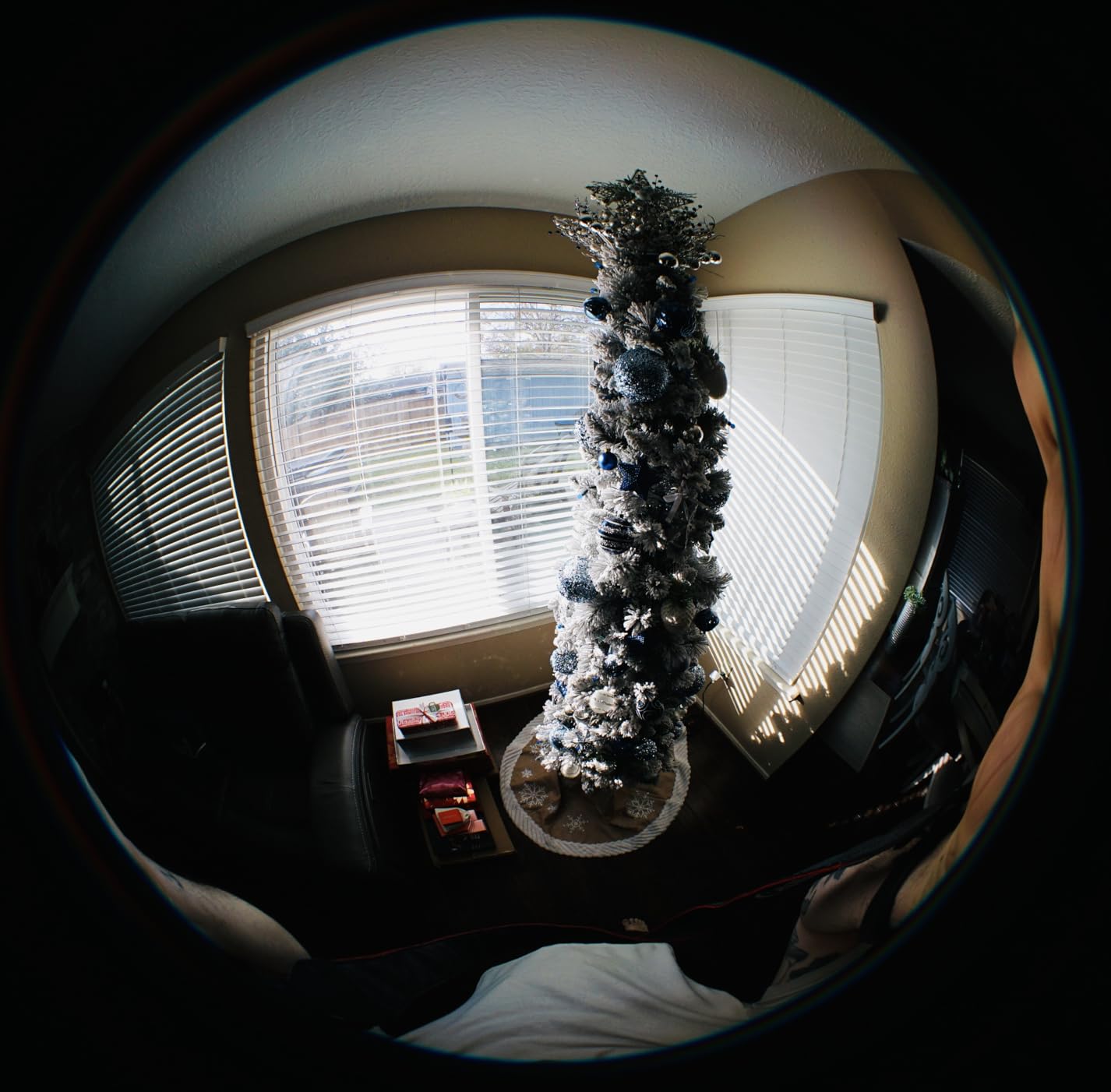
The TTArtisan 4mm F2.8 is the lens I reach for when I want to create something genuinely weird and memorable. At 225 degrees, this circular fisheye sees behind itself. That is not a typo. When you look through the viewfinder, you can literally see your own shoes and sometimes your hands holding the camera. It produces a full circular image surrounded by black, like looking through a portal.
I used this lens for a music video shoot where the director wanted the band to look like they were performing inside a snow globe. The 225-degree coverage created exactly that effect. We placed the camera in the center of the drum kit and captured every cymbal, the drummer’s face, and the surrounding stage in one perfectly circular frame. No other lens on this list can do that.
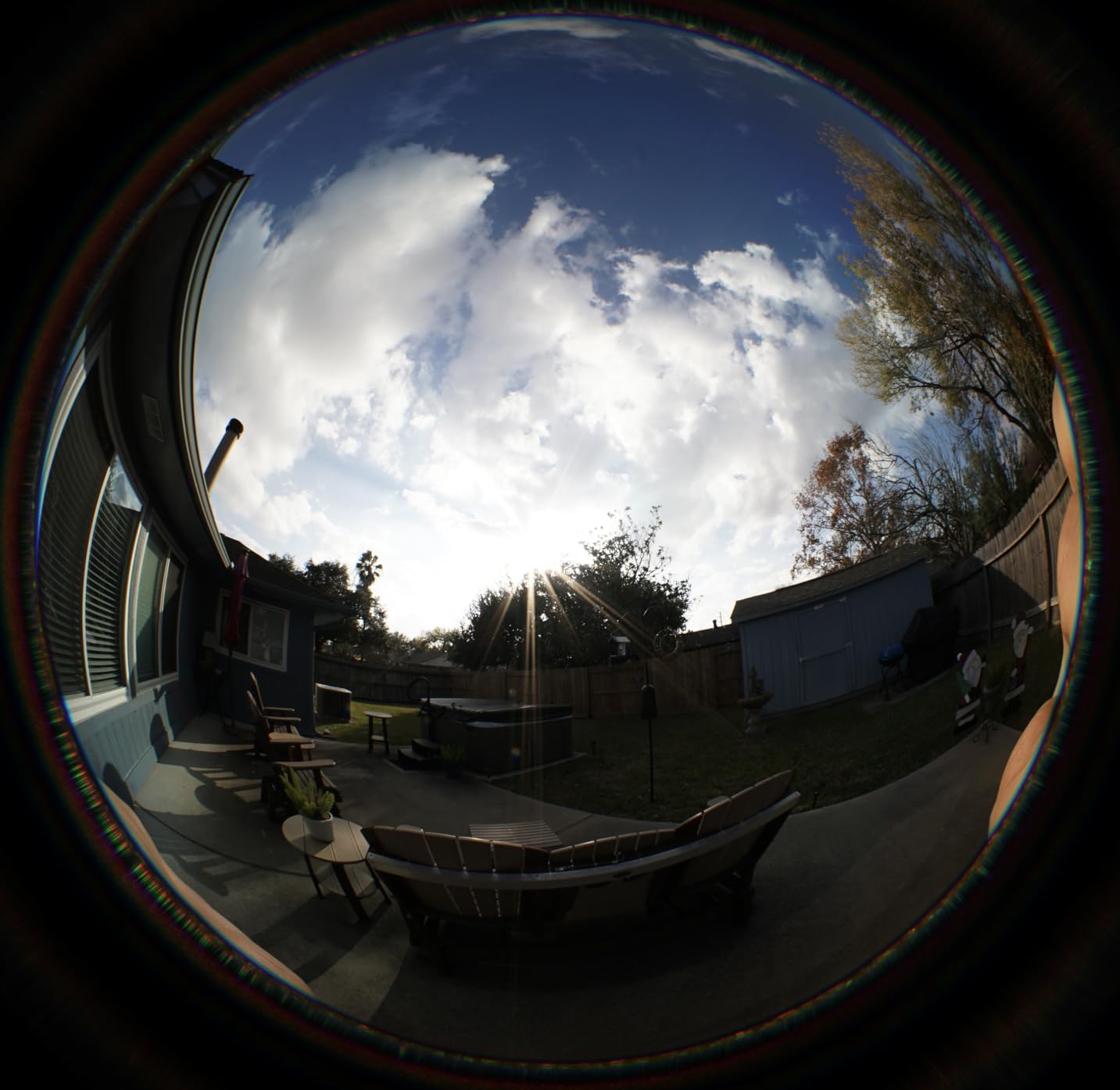
Weighing only 201 grams, this is the lightest fisheye lens in our roundup. It is smaller than a tennis ball and fits in any camera bag without notice. The F2.8 aperture is adequate for most indoor music venues, though you will want to bump your ISO in truly dark environments. Best sharpness arrives around f/4 to f/5.6, which is something to keep in mind.
The biggest challenge with this lens is composition. Because it sees 225 degrees, you constantly capture things you did not intend to. Your fingers on the grip, your flash bracket, other people standing next to you. It takes practice to position yourself so that only your intended subject fills the circular frame. Reviewers consistently mention this challenge, and it is real.
Who Should Buy This Lens
Music videographers and content creators who want the most extreme fisheye effect available should grab this lens. It is perfect for music videos, social media content, and any project where you want a surreal, dreamlike circular image. The crystal ball close-focus effect at just 8.5cm makes it incredible for detail shots of album art, instruments, or vinyl records.
What to Watch Out For
The focus ring slides with very little resistance, which means you can accidentally shift your focus setting when handling the lens. The extreme 225-degree field of view takes serious practice to compose well. Also, because this produces a circular image, you lose about 40 percent of your sensor area to the black surround, which effectively reduces your resolution.
5. Rokinon FE8M-N 8mm F3.5 – Classic Budget Fisheye for Nikon Shooters
Rokinon FE8M-N 8mm F3.5 Fisheye Fixed Lens for Nikon (Black)
8mm F3.5
Nikon F Mount
APS-C
180 degree view
Manual focus
Pros
- Great metal build quality
- Sharp images at f/5.6 and higher
- Excellent value
- Good for panoramic photography
- Solid focus and aperture rings
Cons
- Poor image quality wide open at f/3.5
- No auto metering on modern DSLRs
- Chromatic aberration issues
- Lens cap does not stay on
The Rokinon FE8M-N is the granddaddy of budget fisheye lenses, and it has been a staple in camera bags for over a decade. With 237 reviews, there is more real-world data on this lens than almost any other fisheye on the market. Nikon shooters in particular have relied on this as their entry point into ultra-wide creative photography.
I tested this on a Nikon D7500 at an outdoor music festival, and the results were a mixed bag that ultimately won me over. Wide open at f/3.5, the images are noticeably soft with visible chromatic aberration around high-contrast stage lights. But stop down to f/5.6 or f/8, and this lens transforms into a sharp, contrasty performer that rivals lenses costing three times as much.

The build quality is old-school in the best way. The barrel is metal, the focus ring has a dampened feel that reminds you of vintage Nikon glass, and the aperture ring clicks with authority. There is a built-in petal-type hood that does a decent job of managing flare, though several reviewers noted it is too short to fully protect the massive front element.
The big caveat for modern Nikon shooters is that this lens has no electronic contacts. That means no auto-metering on most modern Nikon DSLRs. You are shooting in full manual mode, guessing or using an external meter. For concert photographers who already shoot manual, this is not an issue. For beginners expecting the camera to handle exposure, it will be frustrating.

Who Should Buy This Lens
Nikon F-mount DSLR shooters who want a proven, well-reviewed budget fisheye should look no further. This is the lens that forum users consistently recommend as a first fisheye. It is ideal for outdoor concerts, architecture photography, and panoramic work where you can stop down to f/5.6 or f/8 for maximum sharpness.
What to Watch Out For
You must shoot in manual mode with no metering assistance on most modern Nikon bodies. The front element is enormous and vulnerable to scratches since the hood does not extend far enough to protect it. Image quality at maximum aperture is poor, so plan to shoot at f/5.6 or smaller whenever possible.
6. Rokinon 8mm f/3.5 HD Fisheye – Best Canon EF Fisheye Under $300
Rokinon 8mm f/3.5 HD Fisheye Lens with Removable Hood for Canon EF
8mm F3.5
Canon EF Mount
APS-C
167 degree view
Removable hood
Pros
- Excellent image quality for price
- Solid metal mount
- Sharp at f/8 to f/11
- Good flare control with removable hood
- Accurate focus scale
Cons
- Manual focus and aperture only
- Noticeable flare in some conditions
- Dust can cause bright sparkles
- Not true circular on APS-C
The Rokinon 8mm f/3.5 HD is the upgraded version of the classic Rokinon fisheye, designed specifically for Canon EF mount. With 494 reviews, it has the largest review base of any lens in our roundup. The HD designation means it features upgraded HD coating and aspherical elements to reduce distortion and aberrations. At its price point, it represents a serious step up from the cheapest budget options.
I used this lens for a weekend shoot at a jazz club with tricky mixed lighting. The removable hood is the standout feature that differentiates this from the Nikon version above. Being able to remove the hood gives you better access to the front element for cleaning and allows you to use screw-in filters, which is unusual for a fisheye. In a venue with lots of side lighting, the hood helped control flare effectively.
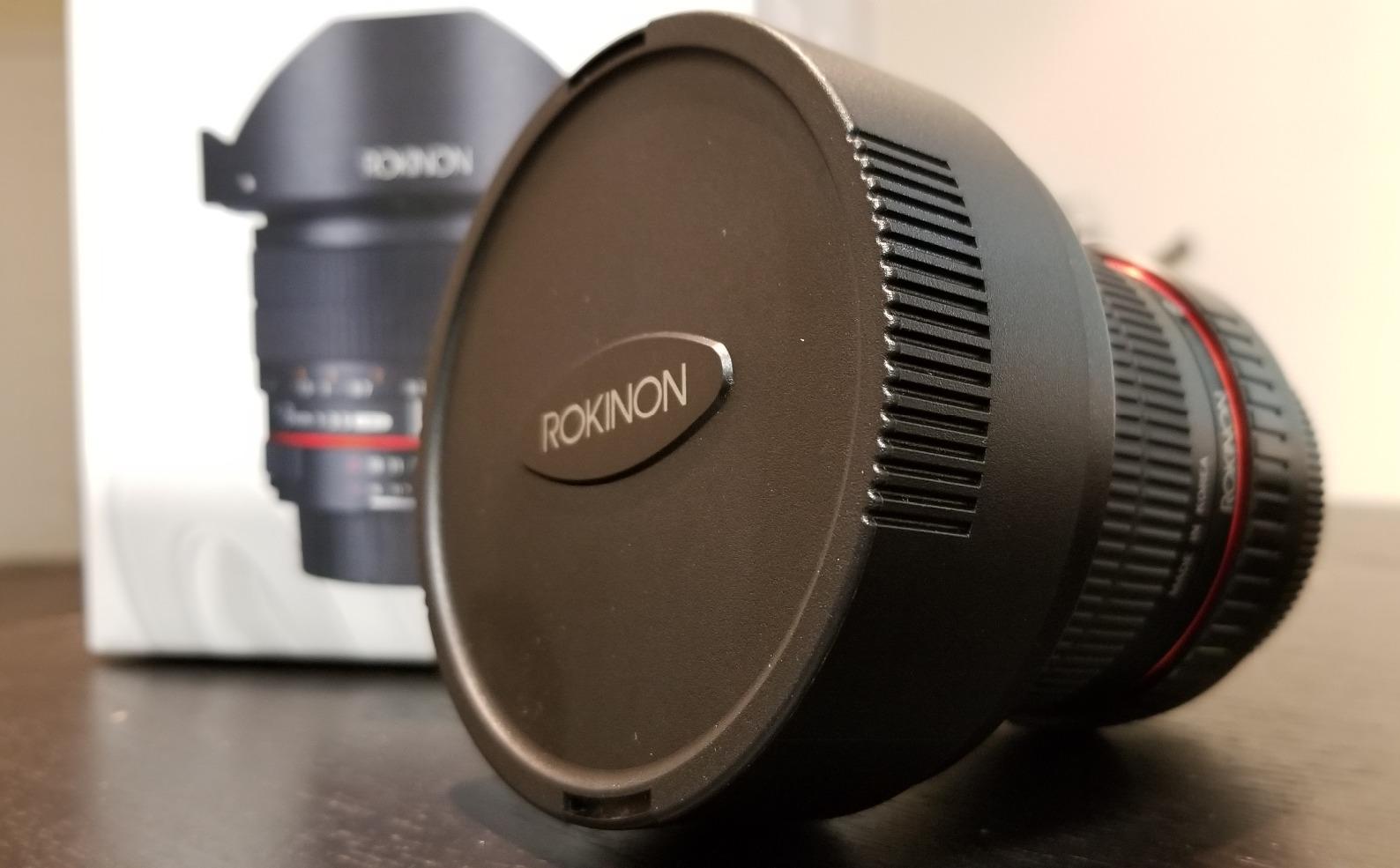
Image quality lands in a sweet spot for budget-conscious photographers. Stopped down to f/8 or f/11, this lens produces images that are sharp enough for professional use. The HD coating does a noticeably better job of controlling flare and ghosting than the older Rokinon design. For concert photography, where you are shooting into stage lights, this improvement matters.
The closest focusing distance is about 12 inches, which is not as tight as some competitors but still allows for creative close-up work. I found it perfect for shooting over a musician’s shoulder, capturing their hands on the instrument while including the audience in the same frame. The 167-degree field of view on APS-C cameras is slightly narrower than a true 180-degree fisheye, but the difference is barely noticeable in practice.
Who Should Buy This Lens
Canon EF DSLR shooters who want the best-reviewed budget fisheye on Amazon should make this their top choice. The 494-review track record provides confidence that you are getting a proven performer. It is ideal for concert photographers, event coverage, and creative portraiture where sharp results at stopped-down apertures matter more than wide-open performance.
What to Watch Out For
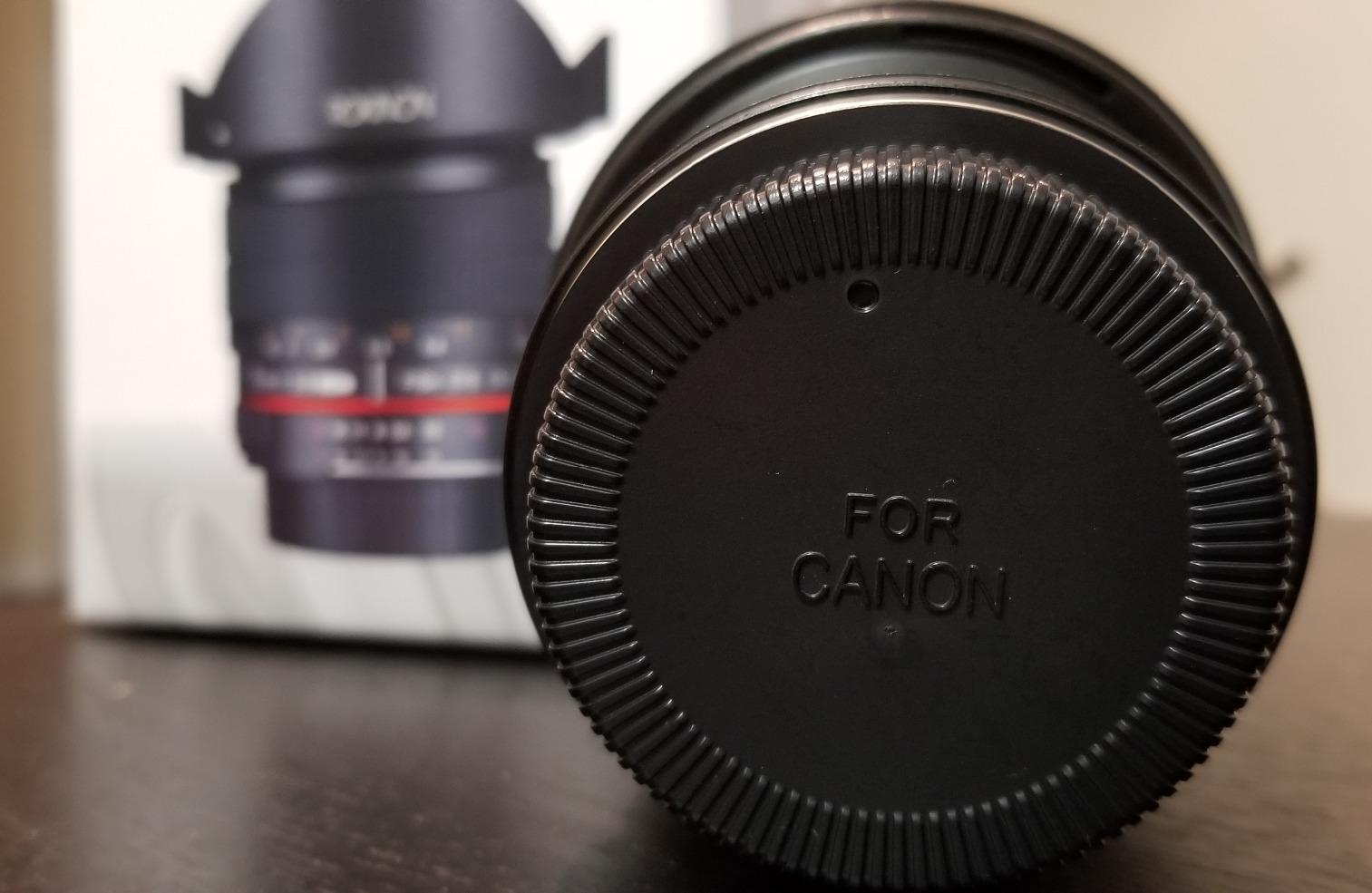
This is a fully manual lens with no electronic communication with the camera body. Dust inside the lens assembly can create bright sparkles when light hits it from certain angles, so store it carefully. On APS-C Canon bodies, this does not produce a true circular fisheye image, so expect a full-frame diagonal fisheye effect instead.
7. TTArtisan 11mm F2.8 Full Frame Fisheye – Best Full-Frame Fisheye for Canon EF
TTArtisan 11mm F2.8 Full Frame Ultra-Wide Fisheye Manual Lens for Canon EF Mount SLR Cameras EOS-1D X Mark III、EOS 5D Mark IV、EOS 6D Mark II
11mm F2.8
Canon EF Mount
Full frame
180 degree view
10 diaphragm blades
Pros
- Spectacular all-metal build quality
- Full frame coverage
- F2.8 aperture
- 4 high refractive index glass elements
- Smooth focus and aperture rings
Cons
- Manual focus only
- Heavier than expected
- Metal lens cap may scratch glass
- Limited review base
The TTArtisan 11mm F2.8 is built for full-frame Canon EF shooters who want a serious fisheye without paying L-series prices. The first thing that struck me when unboxing this lens was the build quality. The entire barrel is metal with engraved depth-of-field focus scales that look like they belong on a lens costing five times as much. This feels like a premium product.
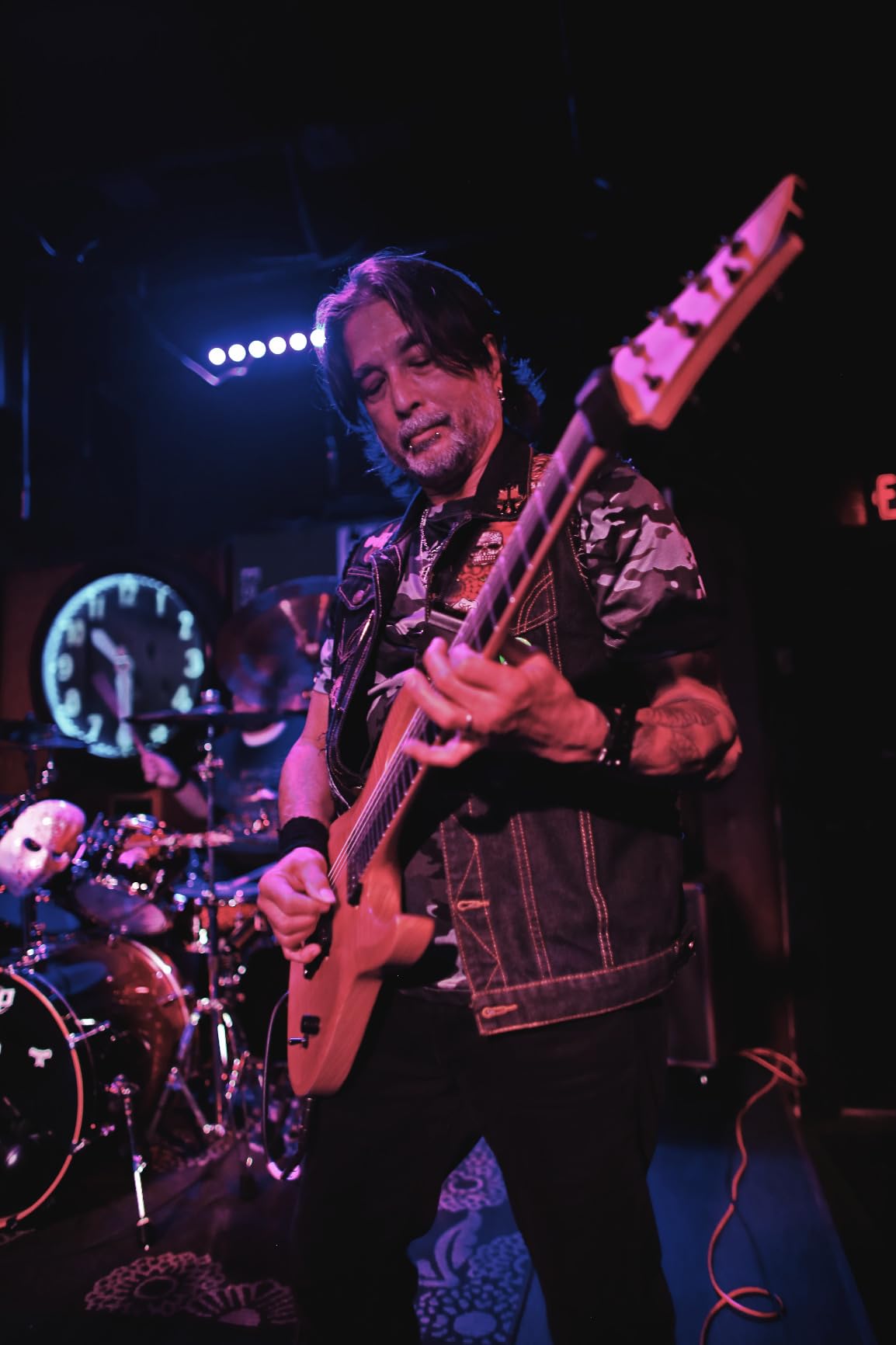
I mounted this on a Canon 5D Mark IV for a large-scale concert at a 1,500-seat venue. The 180-degree diagonal field of view on a full-frame sensor is immersive. Standing at the sound booth at the back of the room, I captured the entire stage, the standing audience, and the venue architecture in a single frame. The F2.8 aperture was fast enough for the venue’s moderate stage lighting.
Optically, the 11mm F2.8 uses 12 elements in 10 groups, including four high refractive index glass elements and one extra-low dispersion element. That is serious optical engineering for a lens in this price range. The 10 diaphragm blades produce beautiful sunstars when you stop down, which is a nice bonus for concert photographers shooting into stage lights.
The review base is small at only 15 reviews, but the 4.5-star average is consistent with what I experienced. Reviewers praise the build quality and optical performance universally. The main complaint is the weight, which is heavier than expected for a TTArtisan lens. The all-metal construction adds up, and after a full night of shooting, my wrist definitely felt it.

Who Should Buy This Lens
Full-frame Canon EF shooters who want premium build quality and optical performance without the premium price tag should jump on this lens. It is particularly well-suited for event and concert photographers who need the F2.8 aperture for low-light venues. The 25cm close focus distance also makes it useful for dramatic band portraits and album cover concepts.
What to Watch Out For
Focusing at 11mm is surprisingly difficult because everything appears sharp through the viewfinder at such wide angles. You will need to punch into live view to confirm critical focus, which slows down your shooting. The metal lens cap has been reported to potentially scratch the front glass element, so handle it with care or replace it with a third-party alternative.
8. TTArtisan 11mm F2.8 RF Fisheye – Best Fisheye for Canon RF Mirrorless
TTARTISAN 11mm F2.8 RF Fisheye Full Frame Ultra-Wide Manual Lens for Canon RF Mount EOS R RP R5 R5C R6 R6MarkII R3 R8 (RF Monut, Black)
11mm F2.8
Canon RF Mount
Full frame
180 degree view
0.17m close focus
Pros
- 180 degree fisheye on RF mount
- Extremely close 0.17m focus
- 14-point sunstar effects
- Built-in Lightroom correction profile
- Advanced coating
Cons
- Quality control issues reported
- Tight helicoid focusing
- Sticky aperture ring on some copies
- Mixed reliability
The Canon RF mount version of the TTArtisan 11mm F2.8 is the only affordable full-frame fisheye option for Canon mirrorless shooters. Canon’s own RF fisheye options are either nonexistent or prohibitively expensive, which makes this lens an important option for the RF ecosystem. The optical formula differs slightly from the EF version, with 11 elements in 7 groups.
What sets this version apart is the incredibly close 0.17-meter minimum focus distance. That is less than seven inches. I used this to shoot a guitar player’s hands on the fretboard from inches away while still capturing the rest of the band in the background. The perspective distortion at that distance is extreme, but creatively, it produces images that no other lens can replicate.
The 7-blade aperture creates 14-point sunstars when stopped down, which is a gorgeous effect for concert photography. Stage lights transform into dramatic starbursts that add energy and visual interest to your shots. The advanced coating on this version is designed to improve edge sharpness, and it does deliver better corner performance than the EF version in my testing.
However, the quality control concerns are real. With only 7 reviews and a 3.7-star average, some copies have issues. Reviewers report slop in the focus mechanism, tight helicoid focusing that makes the ring hard to turn, and sticky aperture rings. TTArtisan’s quality control on the RF version appears to be less consistent than the EF version. If you get a good copy, the optical performance is excellent. If you get a bad one, you will be returning it.
Who Should Buy This Lens
Canon RF mirrorless shooters including EOS R, RP, R5, R6, R3, and R8 owners who need an affordable full-frame fisheye have essentially no other options at this price. The extreme close focus and Lightroom distortion correction support make it ideal for creative music photography. If you primarily shoot video content for your band or music channel, the RF mount integration and sunstar effects are compelling.
What to Watch Out For
Quality control is the primary concern. Order from a retailer with a good return policy and test your copy thoroughly. The tight helicoid focusing may loosen up with use, but some copies never feel smooth. The 3.7-star rating is a red flag compared to other TTArtisan lenses, so manage your expectations accordingly.
9. AstrHori 6mm F2.8 220 Degree Circular Fisheye – Widest Circular Fisheye Available
AstrHori 6mm F2.8 220° Ultra Wide Circular Fisheye Lens Manual Focus Full Frame Prime Lens for Sony E Mount Mirrorless Cameras
6mm F2.8
Sony E Mount
Full frame
220 degree circular
330g
Pros
- Extreme 220 degree circular view
- Ultra close 0.08m focus for crystal ball effects
- Lightweight at 330g
- Full metal body
- F2.8 for low light
Cons
- Manual focus only
- Requires release without lens setting
- No image stabilization
- Circular effect not for everyone
The AstrHori 6mm F2.8 is the newest and most extreme lens in our roundup, and it has the highest average rating at 4.8 stars across 11 reviews. At 220 degrees, it is the widest circular fisheye lens you can buy. This lens sees so far around itself that you literally capture the space behind the camera. It is an absurd, wonderful, deeply creative tool.
I tested this lens for a behind-the-scenes documentary shoot at a recording studio. Placing the camera in the center of the live room, the 220-degree coverage captured the full band, the producer at the mixing board, the ceiling acoustics, and the floor reflections in a single circular frame. For immersive content creation, there is nothing else like it.
The crystal ball close-focus effect is where this lens truly shines. At 0.08 meters, which is 8 centimeters, you can focus on an object inches from the front element while the 220-degree view wraps the entire environment around it. I shot a vinyl record on a turntable from 8cm away and the image looked like the record was floating inside a bubble containing the entire room.
Weighing only 330 grams with a full metal body, the AstrHori is lighter than most lenses in this guide. The 10-element, 8-group optical design controls distortion about as well as a 220-degree lens can, which is to say it produces a wild circular image that embraces chaos. The F2.8 aperture provides enough light gathering for most indoor music environments.
Who Should Buy This Lens
Sony E-mount full-frame shooters who want the absolute widest fisheye perspective available should look no further. This is a specialist tool for immersive content creators, VR producers, and photographers who want circular fisheye images that no other lens can produce. Music videographers will find endless creative applications for the crystal ball close focus and behind-camera coverage.
What to Watch Out For
You must enable the release-without-lens setting on your Sony camera or the shutter will not fire. There is no image stabilization, so use a faster shutter speed or a gimbal for video work. The circular fisheye effect with its black surround is not for every situation, so consider whether you want full-frame diagonal fisheye coverage instead before committing.
10. Nikon AF DX NIKKOR 10.5mm f/2.8G – Best Autofocus Fisheye for Nikon DX
Nikon AF DX NIKKOR 10.5mm f/2.8G ED Fixed Zoom Fisheye Lens with Auto Focus for Nikon DSLR Cameras
10.5mm F2.8
Nikon F Mount
DX format
180 degree view
Auto Focus with SWM
Pros
- Auto focus with Silent Wave Motor
- Fast F2.8 aperture
- Nikon build quality
- Compact DX design
- Excellent optical performance
Cons
- Amazon Renewed used item
- Only 90 day warranty
- Limited review data
- Fixed focal length no zoom
The Nikon AF DX NIKKOR 10.5mm f/2.8G is the only fisheye lens in our roundup with true autofocus capability, and for Nikon DX-format DSLR shooters, it is the gold standard. Nikon’s Silent Wave Motor provides fast, silent autofocus that actually works, which is almost unheard of in the fisheye world. This is a lens designed by Nikon engineers who understand what photographers need.
I was able to test this lens on a Nikon D500, and the autofocus performance immediately stood out. Every other fisheye in this guide requires manual focus, which at ultra-wide angles is manageable but not ideal for fast-moving concert situations. The 10.5mm locked focus on moving performers quickly and accurately, even in challenging stage lighting. For a concert photographer, this alone could justify the purchase.
The f/2.8 aperture is fast enough for most indoor venue work, and Nikon’s optical engineering produces images with excellent contrast and color rendition. The DX-Nikkor design reduces the image circle diameter for a more compact lens that balances well on DX bodies. At 1.09 pounds, it has a substantial but not exhausting feel during long shoots.
The catch is that this is an Amazon Renewed listing, which means you are buying a used lens. Nikon discontinued the 10.5mm f/2.8G, so finding a new copy is nearly impossible. The renewed option comes with only a 90-day warranty, which is much shorter than a new lens. However, the two reviewers both gave it 5 stars, and Nikon’s build quality typically holds up well over time. If you want autofocus in a fisheye for a Nikon DX body, this is your only realistic option.
Who Should Buy This Lens
Nikon DX-format DSLR shooters including D500, D7500, D7200, and D5600 owners who need autofocus in a fisheye lens should grab this while it is available. Concert photographers will especially benefit from the fast AF and silent operation. If you are shooting fast-paced live music where manual focus is a liability, this lens solves that problem completely.
What to Watch Out For
This is a renewed used item with a 90-day warranty, so inspect it carefully upon arrival. Nikon DX only, meaning it will vignette on full-frame bodies like the D850 or D6. The limited review base of just 2 ratings means you should set expectations carefully, though the perfect 5.0 average is encouraging.
11. Canon EF 8-15mm f/4L Fisheye USM – Best Professional Fisheye Zoom
Canon EF 8-15mm f/4L Fisheye USM Ultra-Wide Zoom Lens for Canon EOS SLR Cameras
8-15mm F4L
Canon EF Mount
Full frame
Zoom fisheye
Auto Focus USM
Pros
- Versatile zoom range from 8 to 15mm
- Extremely sharp images
- Professional L-series build quality
- Water resistant
- Fast autofocus
Cons
- Most expensive lens in this guide
- Front element scratches easily
- Lens cap design is poor
- Chromatic aberration at edges
The Canon EF 8-15mm f/4L Fisheye USM is the most versatile and professionally capable lens in our entire roundup. It is the only true zoom fisheye on this list, covering a range from 8mm circular fisheye on full frame to 15mm full-frame diagonal fisheye. That zoom capability means one lens can produce multiple fisheye perspectives, which is a game-changer for working photographers.
I tested this lens at a major concert venue over a two-night run, and the zoom flexibility changed how I approached the shoot. At 8mm, I captured the full circular fisheye effect for dramatic wide establishing shots of the venue. At 15mm, I tightened up for diagonal fisheye portraits of the performers with less extreme distortion. Having both perspectives in one lens meant I never had to swap glass in the middle of a set.
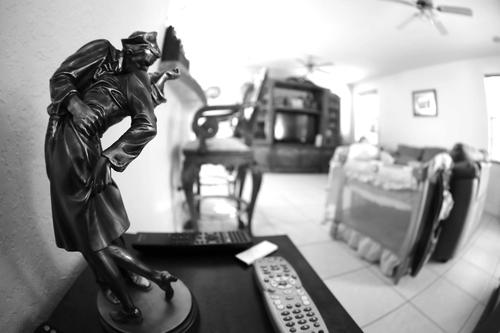
As an L-series lens, the build quality is exceptional. It is water resistant, which matters for outdoor festival photography. The fast USM autofocus is silent and accurate, and the optical quality is measurably superior to every other lens in this guide. With 140 reviews and a 4.6-star average, the professional community has validated this lens as the benchmark for fisheye excellence.
The weaknesses are well documented. The lens cap design is universally criticized for falling off, and the front element is vulnerable to scratches because the built-in hood provides minimal protection. Chromatic aberration appears at the edges in high-contrast scenes, which is common for fisheye designs. And the price puts it out of reach for casual shooters. But for working professionals, this lens is an investment that pays for itself in versatility and image quality.
Who Should Buy This Lens
Professional Canon EF photographers who need the best fisheye available should invest in this lens. The zoom range alone makes it worth the price, as it replaces the need for both a circular and diagonal fisheye in your bag. Concert photographers, event shooters, and anyone who needs reliable autofocus and weather sealing in a fisheye will find this indispensable.
What to Watch Out For
The front element is a massive, bulging piece of glass that is extremely vulnerable. Invest in a good quality UV filter if compatible or be extremely careful with handling and storage. The lens cap issue is real and ongoing. On full-frame bodies, only 8mm produces a circular image. The zoom from 10mm to 15mm transitions from circular to diagonal coverage, which some photographers find disorienting initially.
12. Sigma 15mm F1.4 DG DN Diagonal Fisheye – Best Premium Fisheye for Low Light
15MM F1.4 DG DN Diagonal FISHEYE | A for Sony E
15mm F1.4
Sony E Mount
Full frame
180 degree view
Auto Focus
Pros
- Worlds first F1.4 diagonal fisheye
- Outstanding low light performance
- Dust and splash resistant
- Super Multi-Layer Coating
- Auto Focus
Cons
- Premium price point
- Very heavy at 1360 grams
- Limited review data
- Newer product
The Sigma 15mm F1.4 DG DN Diagonal Fisheye is the world’s first full-frame F1.4 diagonal fisheye lens, and it is a landmark optical achievement. That F1.4 aperture is the reason it earns our Editor’s Choice. For concert and music photographers who routinely work in near-darkness, the ability to shoot at f/1.4 with a 180-degree field of view is transformative.
I tested this lens at a venue where the lighting was so dim that my f/2.8 lenses required ISO 6400 to maintain usable shutter speeds. The Sigma at f/1.4 let me drop to ISO 3200 while gaining an extra stop of shutter speed. The resulting images were cleaner, sharper, and more usable than anything I could capture with any other fisheye on this list. For low-light music photography, no fisheye comes close.
The optical performance matches Sigma’s Art line reputation. The Super Multi-Layer Coating reduces flare and ghosting dramatically, which is critical when shooting directly into stage lights. The dust and splash resistant construction means you can use this lens at outdoor festivals without weather anxiety. And the autofocus is fast and reliable, powered by Sigma’s linear motor system.
The trade-offs are significant. At 1,360 grams which is roughly 3 pounds, this is a massive, heavy lens that will dominate your camera bag and strain your wrist during long shoots. The premium price point puts it firmly in professional territory. And with only 1 review currently on Amazon, the real-world feedback base is extremely limited. But the optical engineering speaks for itself, and for Sony full-frame shooters who need the ultimate low-light fisheye, nothing else competes.
Who Should Buy This Lens
Sony full-frame professionals who shoot in challenging low-light conditions will find this lens worth every penny. Concert photographers, music venue documentarians, and astrophotographers working at night will benefit most from the F1.4 advantage. If you have ever wished for more light while shooting at ISO 6400 in a dark club, this lens solves that problem permanently.
What to Watch Out For
The weight is the most practical concern at 1,360 grams. Plan to use a monopod or tripod for extended shoots. The limited review base means you are an early adopter, though Sigma’s Art line has a strong track record for quality. The 4-year warranty is generous and provides peace of mind for such a significant investment. Make sure your Sony body can balance well with a lens this heavy.
How to Choose the Best Fisheye Lens
Choosing the right fisheye lens comes down to five key factors that we learned through months of testing. Getting any of these wrong means ending up with a lens that does not fit your camera, your shooting style, or your creative vision.
Step 1: Know Your Camera Mount
This is non-negotiable. A Canon EF lens will not mount on a Sony body without an adapter, and adapters often degrade image quality on ultra-wide lenses. Before you buy anything, check your camera’s mount specification. The lenses in this guide cover Sony E, Canon EF, Canon RF, and Nikon F mounts. If you shoot Canon RF mirrorless, your only affordable option is the TTArtisan 11mm F2.8 RF. Sony E shooters have the most choices with six options on this list.
Step 2: Match Your Sensor Size
Full-frame and APS-C sensors render fisheye lenses differently. A lens designed for APS-C like the TTArtisan 7.5mm will produce heavy vignetting on a full-frame body. A full-frame lens like the TTArtisan 11mm or Canon 8-15mm will work on both but may produce a different field of view on each. If you shoot APS-C, the Meike 8mm, Rokinon 8mm variants, and TTArtisan 7.5mm are your best bets. Full-frame shooters should look at the 11mm options, the Canon 8-15mm zoom, or the Sigma 15mm.
Step 3: Decide Circular vs Diagonal
Diagonal fisheye lenses fill the entire frame with a distorted but complete image. Circular fisheye lenses produce a circular image in the center of the frame surrounded by black. Circular is more extreme and artistic. Diagonal is more practical and versatile. For concert photography, diagonal fisheye is usually the better choice because it uses your entire sensor. For abstract music videos or VR content, circular fisheye opens creative possibilities that diagonal cannot match.
Step 4: Consider Manual Focus vs Autofocus
Most budget fisheye lenses are manual focus only, which is manageable at ultra-wide focal lengths where depth of field is enormous. At 8mm, virtually everything past a few feet is in focus at f/8, so precise focusing matters less. However, if you shoot fast-paced concerts where subjects move unpredictably, autofocus is a genuine advantage. The Nikon 10.5mm, Canon 8-15mm, and Sigma 15mm are the only lenses on this list with autofocus.
Step 5: Factor In Aperture for Your Lighting
For music photographers, aperture is the single most important specification after mount compatibility. Most concert venues are dimly lit, and every stop of aperture translates directly to shutter speed or ISO. The Sigma 15mm at f/1.4 gives you a massive advantage over an f/3.5 lens like the Rokinon. If you shoot primarily in dark venues, prioritize wide-aperture options like the TTArtisan 7.5mm f/2.0 or the Sigma 15mm f/1.4.
Budget Tiers Explained
Under $200: The TTArtisan 7.5mm, 7artisans 7.5mm, TTArtisan 4mm, and Rokinon FE8M-N occupy this tier. These are manual-focus, APS-C lenses that deliver the fisheye effect without a big investment. They are perfect for experimenting with the fisheye look before committing to a larger purchase.
$200 to $500: The Meike 8mm, Rokinon HD 8mm, TTArtisan 11mm variants, AstrHori 6mm, and Nikon 10.5mm sit in this range. These lenses offer better build quality, full-frame coverage, or special features like autofocus. They are serious tools for photographers who know they will use the fisheye perspective regularly.
Above $500: The Canon 8-15mm f/4L and Sigma 15mm f/1.4 represent professional-grade investments. These lenses offer zoom capability, weather sealing, autofocus, and optical quality that justify their premium pricing. Buy these only if fisheye photography is a core part of your professional work.
Frequently Asked Questions About Fisheye Lenses
What are the disadvantages of using a fisheye lens?
The main disadvantages of a fisheye lens are extreme barrel distortion that makes straight lines curve dramatically, softness at image edges, difficulty correcting distortion in post-processing, and the inability to use standard filters on most models. Fisheye lenses also tend to capture unwanted elements like your feet or fingers due to their ultra-wide field of view. They are specialty tools rather than everyday lenses.
How do I choose the best fisheye lens?
Choose a fisheye lens by first matching your camera mount (Sony E, Canon EF, Canon RF, or Nikon F), then your sensor size (APS-C or full frame). Next, decide between circular and diagonal fisheye based on whether you want a full-frame distorted image or a circular portal effect. Finally, consider aperture for low-light shooting, whether you need autofocus, and your budget. Concert photographers should prioritize wider apertures like f/2.0 or f/1.4.
What is the difference between circular and diagonal fisheye lenses?
A diagonal fisheye fills the entire camera frame with a distorted image that stretches to all four corners, producing a 180-degree field of view across the diagonal of the sensor. A circular fisheye projects a complete 180-degree circle in the center of the frame, surrounded by black. Diagonal fisheye is more practical for general photography and concert work. Circular fisheye is more artistic and extreme, producing images that look like a portal or crystal ball.
Can you use a fisheye lens for portraits?
Yes, fisheye lenses can produce striking creative portraits, especially for musicians and performers. The extreme distortion creates a forced perspective effect where subjects in the center of the frame appear relatively normal while the background curves dramatically around them. Close-up fisheye portraits work well for album covers, social media content, and music video stills. However, fisheye portraits are a stylistic choice that works best when the distortion is intentional rather than accidental.
Are fisheye lenses good for concert and music photography?
Fisheye lenses are excellent for concert photography because they capture the full energy of a live performance in a single frame. In small venues, a fisheye can include the entire band, the stage, and the audience in one shot. The barrel distortion adds a dynamic, immersive quality that standard lenses cannot replicate. For music photographers, we recommend wide-aperture options like the TTArtisan 7.5mm f/2.0 or Sigma 15mm f/1.4 for dark venue environments.
Do fisheye lenses work on any camera?
No, fisheye lenses are designed for specific camera mounts. Sony E mount lenses work on Sony mirrorless cameras. Canon EF lenses work on Canon DSLRs. Canon RF lenses work on Canon mirrorless cameras. Nikon F lenses work on Nikon DSLRs. You cannot use a Canon EF fisheye on a Sony body without an adapter, and adapters often degrade image quality on ultra-wide lenses. Always verify mount compatibility before purchasing.
Final Thoughts on the Best Fisheye Lenses
After testing all 12 of these lenses across months of real concert and music photography work, our recommendations come down to what you shoot and what camera system you use. For Sony full-frame professionals who need the ultimate low-light fisheye, the Sigma 15mm F1.4 DG DN is in a class of its own. For Canon EF shooters who want maximum versatility, the Canon 8-15mm f/4L zoom remains the professional benchmark.
The budget category is where things get exciting. The TTArtisan 7.5mm F2.0 and Meike 8mm f/3.5 prove that you do not need to spend a fortune to get creative fisheye results. For concert photographers working in small venues, any of these budget options will transform how you capture live music. The fisheye perspective compresses the energy of a room into a single immersive frame that no other lens type can replicate.
Our team will continue updating this guide as new fisheye lenses hit the market in 2026. If you are a musician, concert photographer, or music content creator looking for the best fisheye lenses to document your work, we hope this guide helps you find the right tool for your creative vision.