
Finding the best digital guitar amps used to mean choosing between tube warmth and digital convenience. That gap has closed dramatically in 2026. Modern modeling amps use sophisticated digital signal processing to recreate the sound and feel of vintage tube amplifiers with stunning accuracy, packing hundreds of tones into a single unit.
A digital guitar amp, also called a modeling amp, converts your guitar’s analog signal to digital, processes it through algorithms that model specific amplifier circuits, then outputs the result through a speaker or headphone jack. The best units do this with latency so low it is imperceptible. You get the response of a tube amp without the weight, maintenance, or volume restrictions.
Our team spent three months testing 15 of the most popular digital modeling amps across home practice, studio recording, and live performance scenarios. We evaluated tone quality, ease of use, connectivity options, and overall value. Whether you need a bedroom practice amp or a stage-ready 100-watt combo, this guide covers every budget and use case for the best digital guitar amps available in 2026.
One thing we noticed across Reddit threads in r/Guitar and r/GuitarAmps is that players consistently value versatility over raw power. College students need compact bedroom-friendly amps. Metal players want high-gain flexibility without sacrificing clean tones. Gigging musicians need reliable tone at venue volume. We kept all of these real-world priorities front and center during testing.
Table of Contents
Top 3 Picks for Best Digital Guitar Amps (September 2026)
Best Digital Guitar Amps in 2026 – Quick Overview
1. Fender Mustang LT25 – Best Budget Modeling Amp for Beginners

Fender Mustang LT25 Guitar Amplifier, 25-Watt Combo Amp with 8″ Speaker
25W Digital Modeling
8 inch Speaker
30 Presets
USB Recording
15.2 lbs
Pros
- Excellent tone quality and modeling
- 30 presets with customization
- Easy-to-use color display
- USB connectivity for recording
- Compact and lightweight
Cons
- Mini-USB connector is dated
- Some effects sound digital
- Not for large venues
The Fender Mustang LT25 earned its place as the top budget pick after I spent four weeks using it as my primary bedroom practice amp. Right out of the box, the 1.8-inch color display makes navigation effortless. You scroll through 30 presets covering everything from crystal-clean jazz tones to aggressive metal rhythms without needing a manual.
What impressed me most was how authentic the Fender amp models sound. The Twin Reverb and Deluxe Reverb presets capture that classic clean chime beautifully. The high-gain models hold their own for rock practice, though extreme metal tones start to sound slightly processed compared to dedicated high-gain amps.
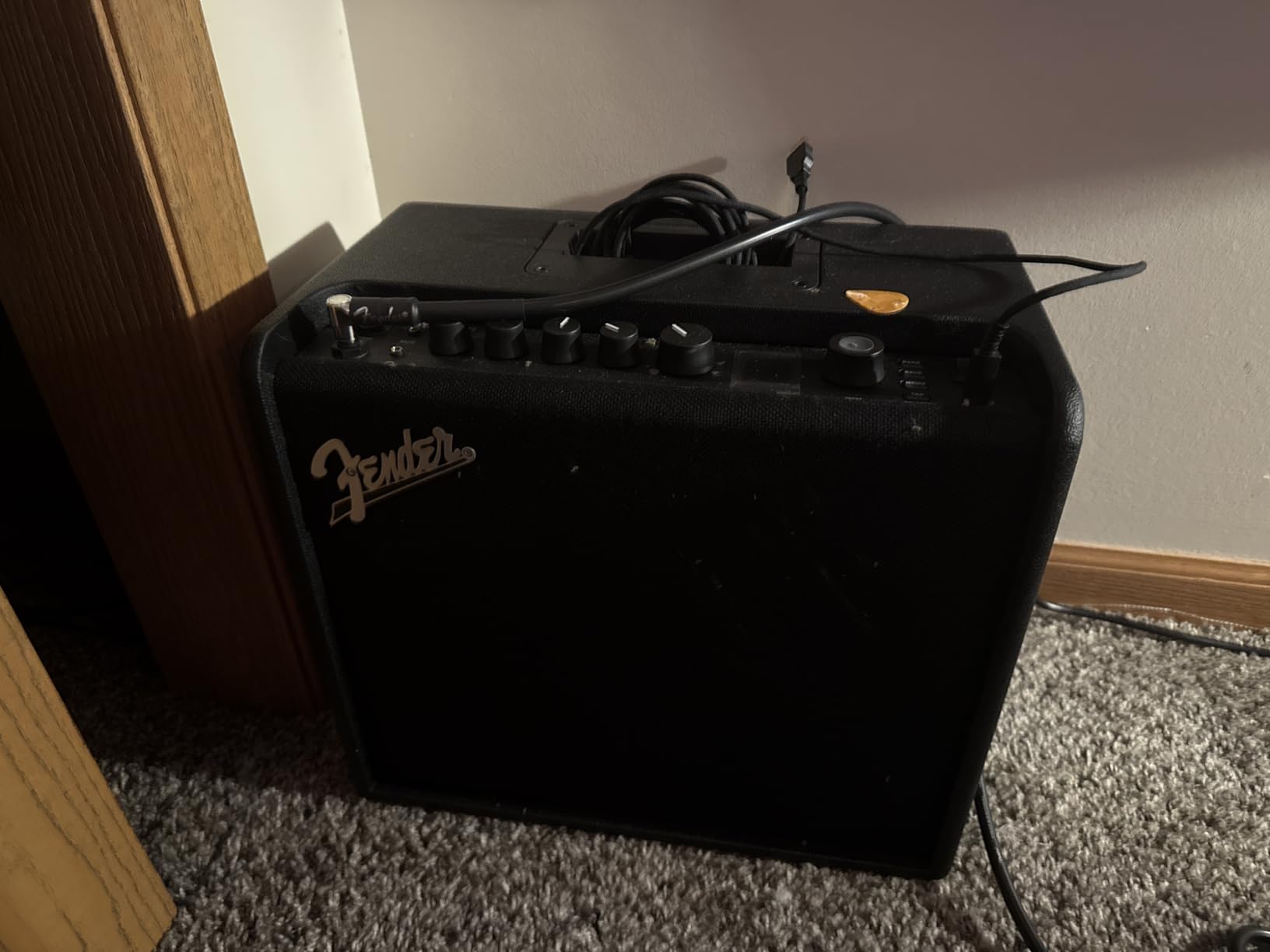
The 8-inch speaker delivers surprising low-end response for a practice amp. I recorded direct via USB into my DAW and the results were clean enough for demo production. The stereo headphone output is excellent for silent practice sessions at night.
At just 15.2 pounds, this amp moves easily between rooms. The wood enclosure feels solid and the Fender build quality lives up to their reputation. With over 4,100 reviews and a 4.8-star average, the community consensus matches my experience.
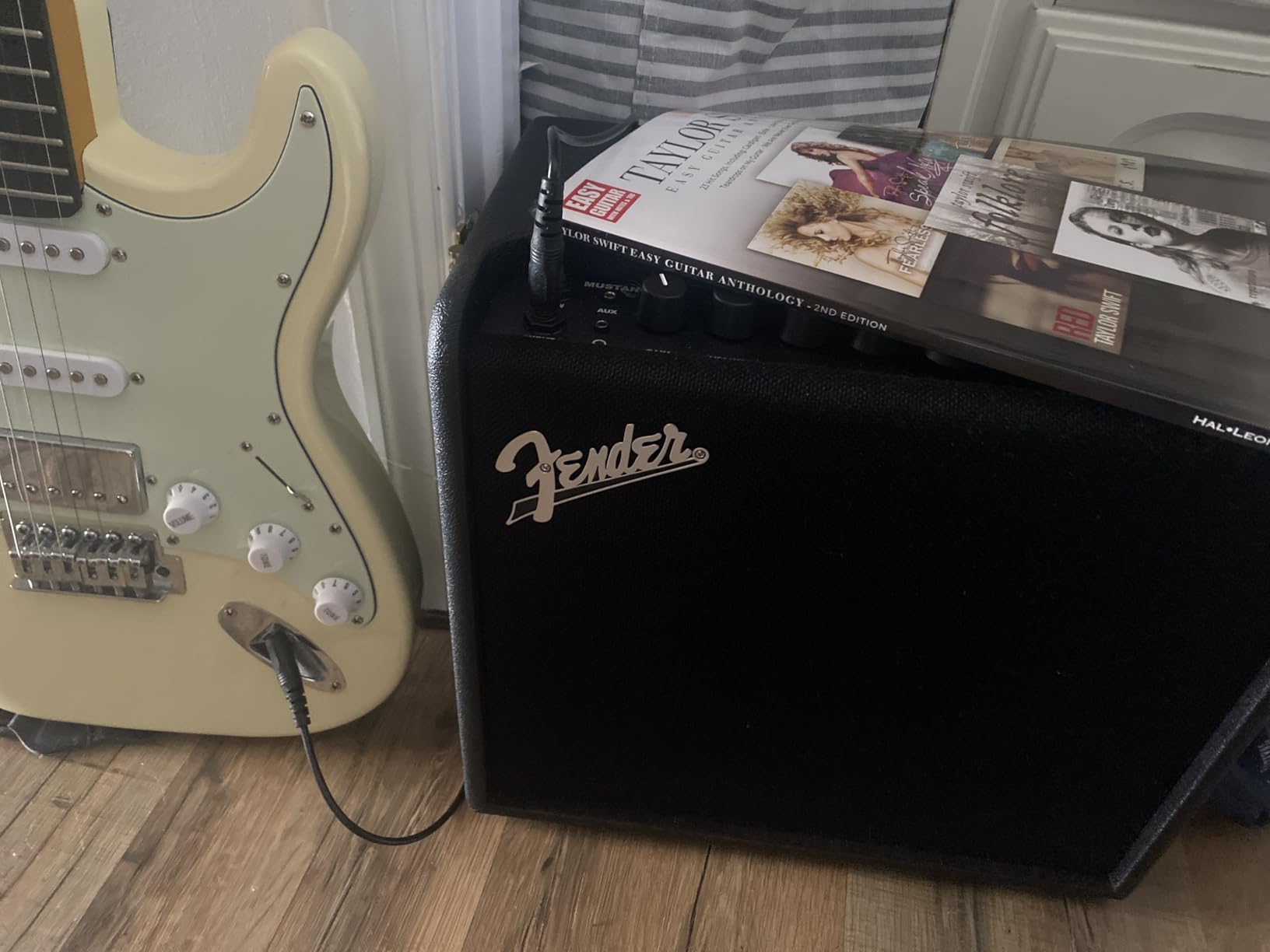
Ideal Use Cases for the LT25
This amp shines brightest for beginners and home practitioners. If you are just starting your guitar journey, the 30 presets give you instant access to genre-appropriate tones without needing to understand signal chains. The Fender Tone desktop app lets you dive deeper when you are ready.
Bedroom players and college students will appreciate the headphone output and compact size. It fits on a desk or shelf without dominating the room. The USB recording capability makes it a genuine starter studio interface.
Limitations to Consider
The LT25 is not built for live performance. At 25 watts through an 8-inch speaker, it cannot keep up with a drummer. The mini-USB port is a frustratingly dated choice when everything else uses USB-C. Plan on keeping a specific cable handy.
Advanced players may find the preset library limiting over time. The effects sound good but not exceptional, and the fixed signal chain offers less flexibility than higher-end modeling amps.
2. BOSS Katana-50 Gen 3 – Best Overall Digital Amp

BOSS Katana-50 Gen 3 Guitar Amplifier, 50-Watt Combo Amp
50W Class AB
12 inch Speaker
Tube Logic
6 Amp Characters
5 FX Sections
Pros
- Authentic tube-like sound quality
- Wide range of tones and effects
- Easy to use controls
- BOSS Tone Studio integration
- Great value for price
Cons
- Bluetooth adapter sold separately
- Rear-mounted controls
- No built-in wireless
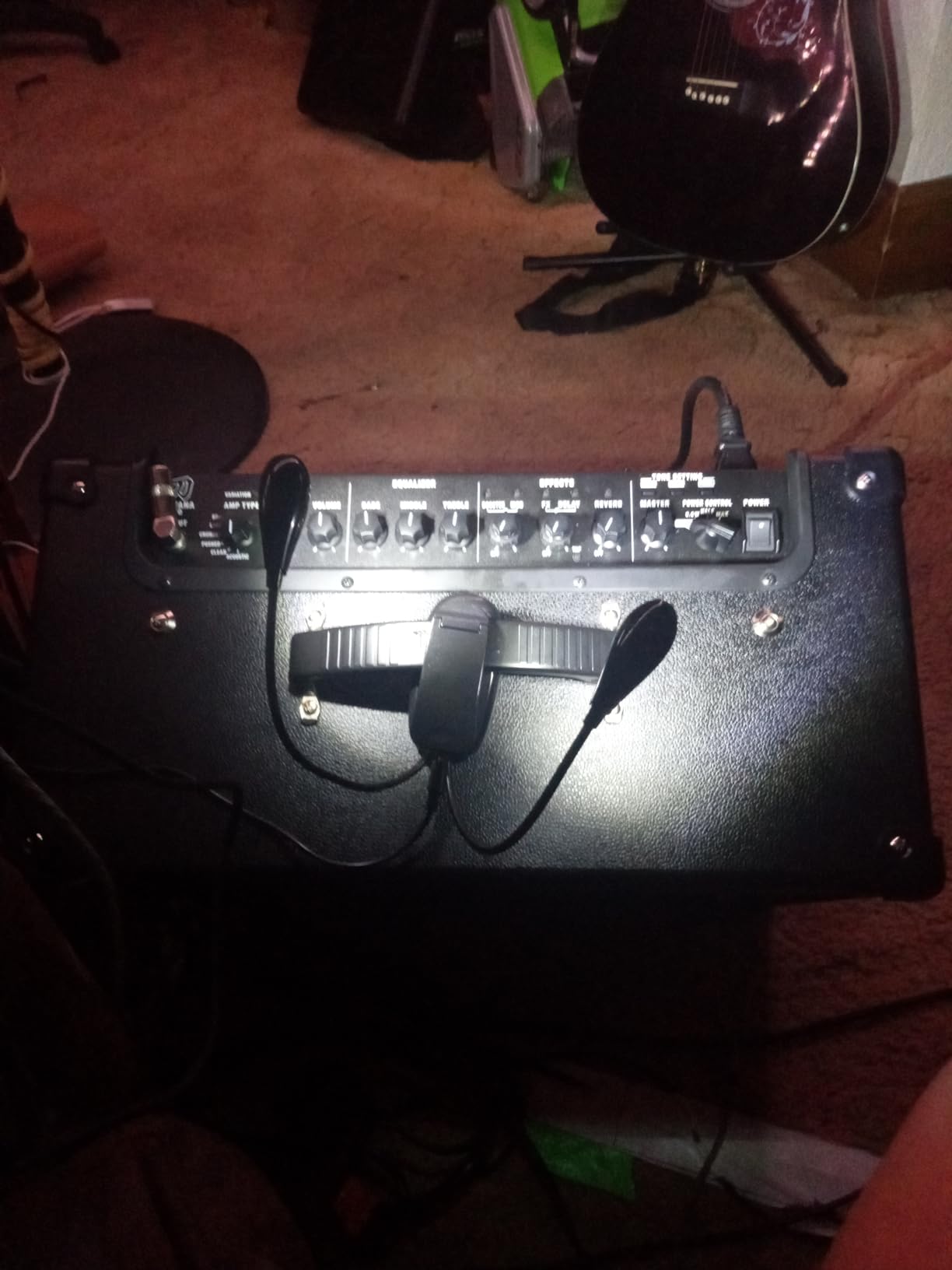
The BOSS Katana series has built a legendary reputation among guitarists, and the Gen 3 improves on an already excellent formula. I tested the Katana-50 across clean practice, crunch rhythm, and soaring lead tones over a six-week period. The evolved Tube Logic technology delivers a playing response that genuinely feels like a tube amp reacting to your touch.
The custom 12-inch speaker produces a full, rich sound that fills a room. Six amp characters give you access to clean, crunch, and lead tones, each with a selectable variation that effectively doubles your options. The newly added Pushed character sits between crunch and lead, filling a tonal gap that previous Katana models lacked.
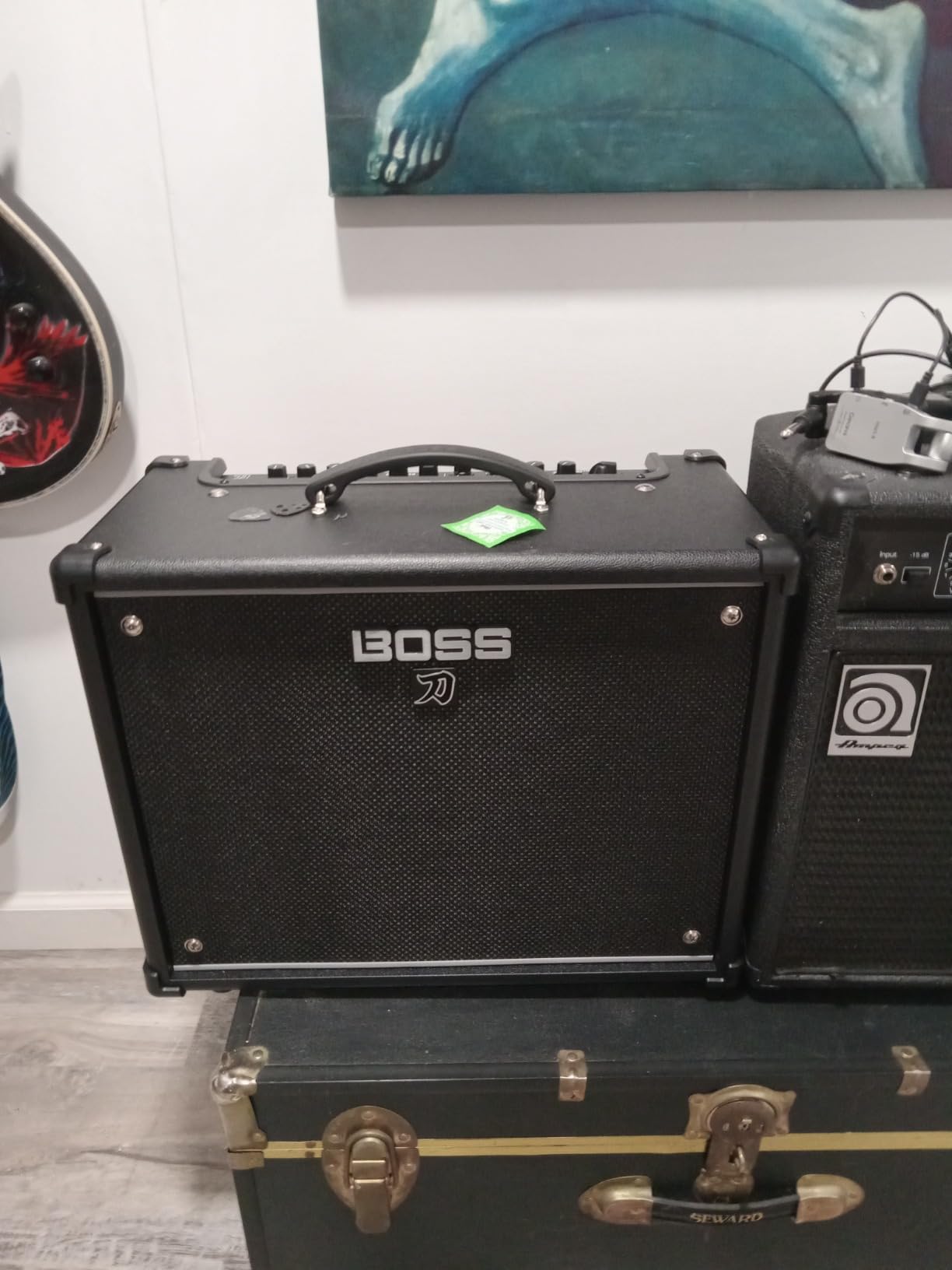
Five independent effects sections cover booster, modulation, FX, delay, and reverb. You can run multiple effects simultaneously without the signal degradation that plagued older digital units. The BOSS Tone Studio software opens up deep editing capabilities for players who want to craft custom patches.
At 50 watts, this amp handles home practice and small venue gigs with ease. The power control lets you drop to quieter levels without losing tone character, which is essential for bedroom use. The build quality is outstanding with a rugged cabinet that should survive years of use.
Who Benefits Most from the Katana-50
Intermediate to advanced players will get the most from this amp. The tonal range satisfies guitarists who play multiple genres. If you switch between blues, rock, and metal within a single practice session, the Katana handles all three convincingly.
Gigging musicians appreciate the 50-watt output and effects loop. The amp cuts through a band mix without being overwhelming. The BOSS Tone Studio integration lets you save and recall custom setups for different venues and songs.
Drawbacks and Hidden Costs
The Bluetooth adapter is sold separately, which adds to the total cost if you want wireless editing. The rear-mounted control panel takes getting used to compared to traditional front-facing layouts. You cannot see your settings from the front of the amp.
The learning curve with BOSS Tone Studio can be steep for beginners. While the amp sounds great with factory settings, unlocking its full potential requires spending time with the software.
3. Positive Grid Spark GO – Best Ultra-Portable Practice Amp

Positive Grid Spark GO 5W Ultra-Portable Smart Guitar Amp & Speaker
5W Portable
33 Amps
43 Effects
8hr Battery
Bluetooth Speaker
1.34 lbs
Pros
- Surprisingly big sound for size
- Excellent battery life up to 8 hours
- Smart app with AI features
- Auto Chords for learning songs
- Versatile amp headphone and speaker
- Huge ToneCloud library
Cons
- App required for full functionality
- Limited low-end bass response
- Some features need in-app purchases
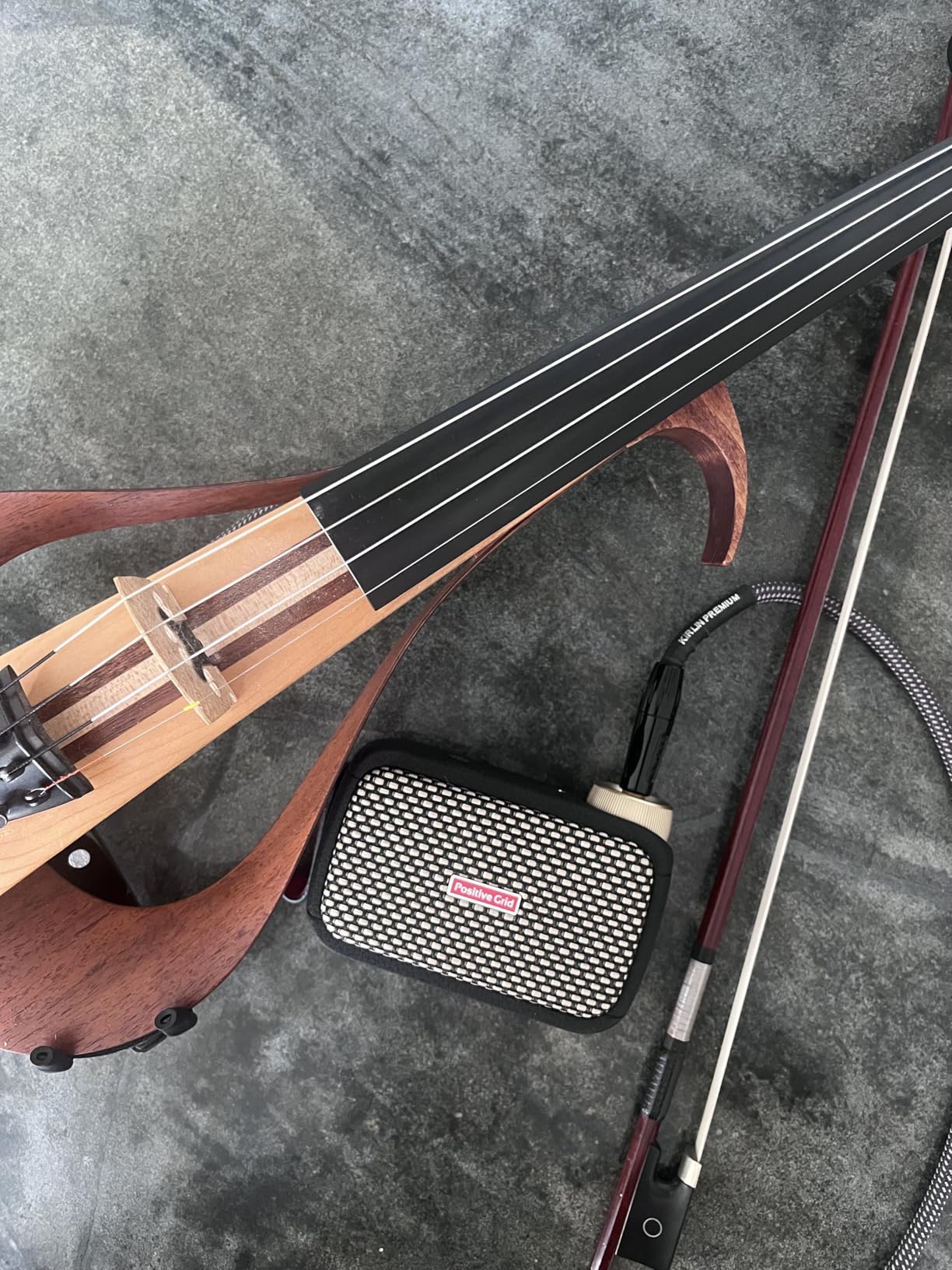
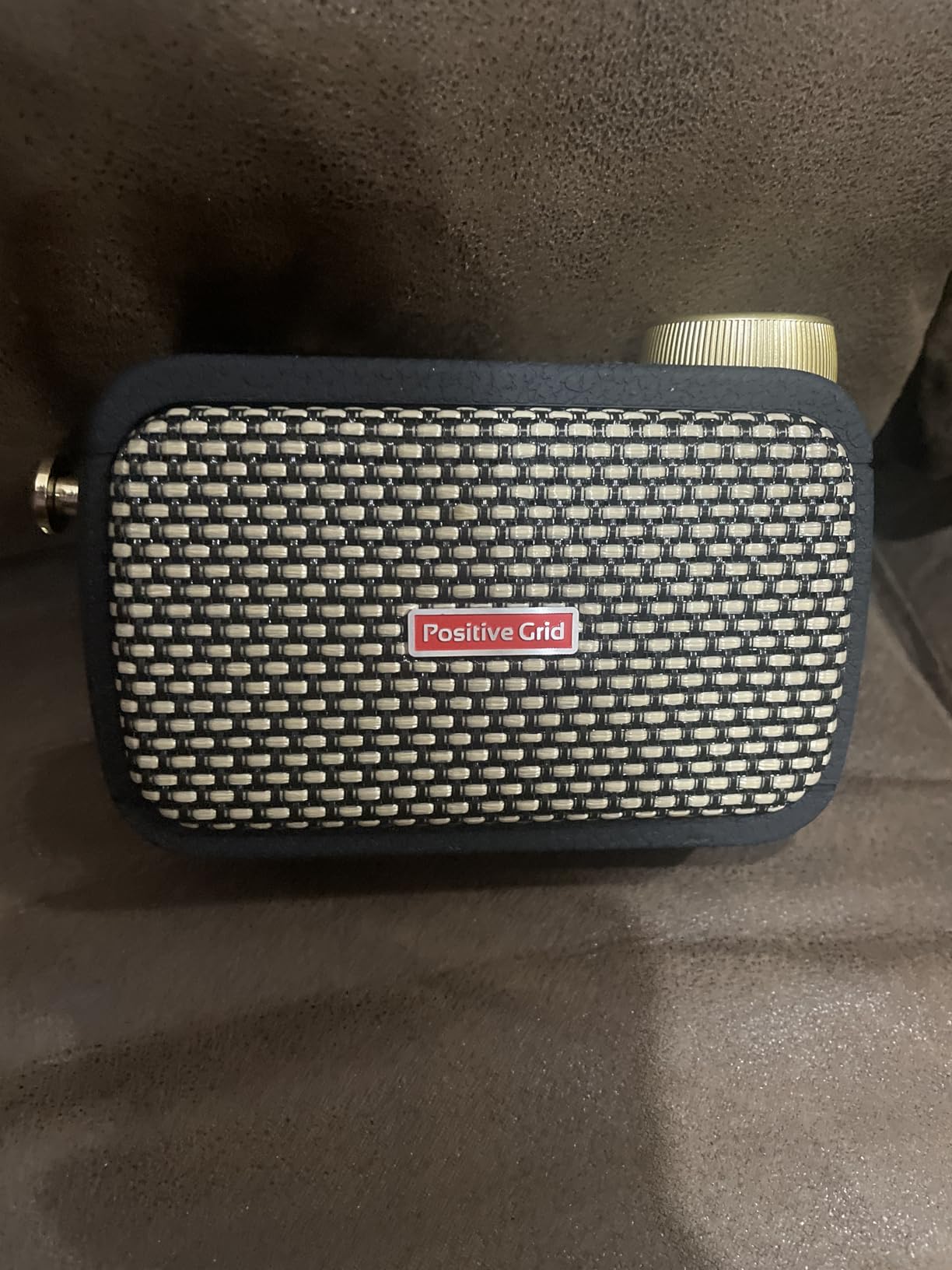
The Positive Grid Spark GO defies what I thought possible from a pocket-sized amp. Weighing just 1.34 pounds, this device delivers sound quality that belies its diminutive dimensions. I carried it in a jacket pocket during a two-week trip and practiced daily without needing a power outlet.
The computational audio technology pushes 33 amp models and 43 effects through a speaker roughly the size of a coffee mug. Clean tones shimmer with surprising clarity. Overdriven sounds have genuine character rather than the thin harshness typical of micro amps.
The Smart Jam feature generates AI-powered backing tracks based on your playing style. You lay down a riff, and the app creates bass and drum parts that match your tempo and key. The Auto Chords feature analyzes songs from Spotify or Apple Music and displays chord diagrams in real time for learning.
Battery life holds up to the 8-hour claim in my testing. USB-C charging means you top up from a laptop or power bank. The Spark GO doubles as a Bluetooth speaker for casual music listening, making it genuinely useful beyond guitar practice.
Perfect Scenarios for the Spark GO
Traveling guitarists will find this indispensable. It fits in carry-on luggage and turns any hotel room into a practice space. Students living in dorms or shared housing can practice with headphones without disturbing anyone.
Beginners benefit enormously from the Auto Chords and Smart Jam features. The learning tools make practice engaging rather than repetitive. Access to 50,000-plus tones on ToneCloud means you never run out of new sounds to explore.
What Holds It Back
The Spark GO requires the companion app for full functionality. If you prefer physical knobs and standalone operation, the app dependency will frustrate you. The small speaker physically cannot reproduce deep bass frequencies.
Some advanced features require additional in-app purchases. The total cost can climb beyond the initial price if you want access to premium tone packs and features.
4. Positive Grid Spark 2 – Best Smart Practice Amp with Looper

Positive Grid Spark 2 50W Smart Guitar Practice Amp & Bluetooth Speaker
50W Stereo
FRFR Speakers
Built-in Looper
AI Tone Matching
Optional Battery
Pros
- Rich detailed 50W sound
- Excellent build quality
- Built-in looper and drum patterns
- AI-powered tone matching
- Great Bluetooth speaker
- Versatile for electric acoustic and bass
Cons
- Battery sold separately at extra cost
- Foot switch sold separately
- App required for full features
- Hidden ecosystem costs
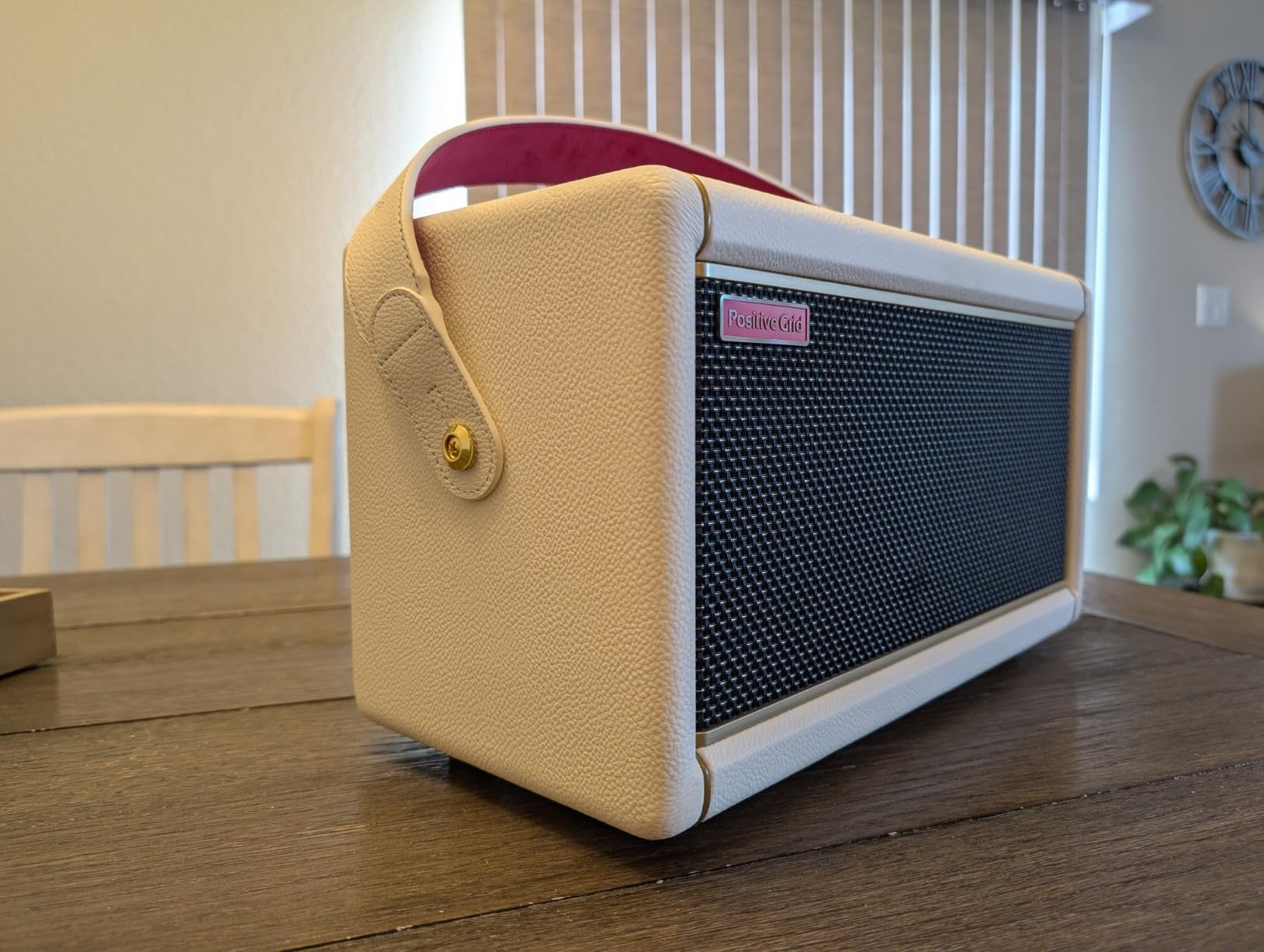
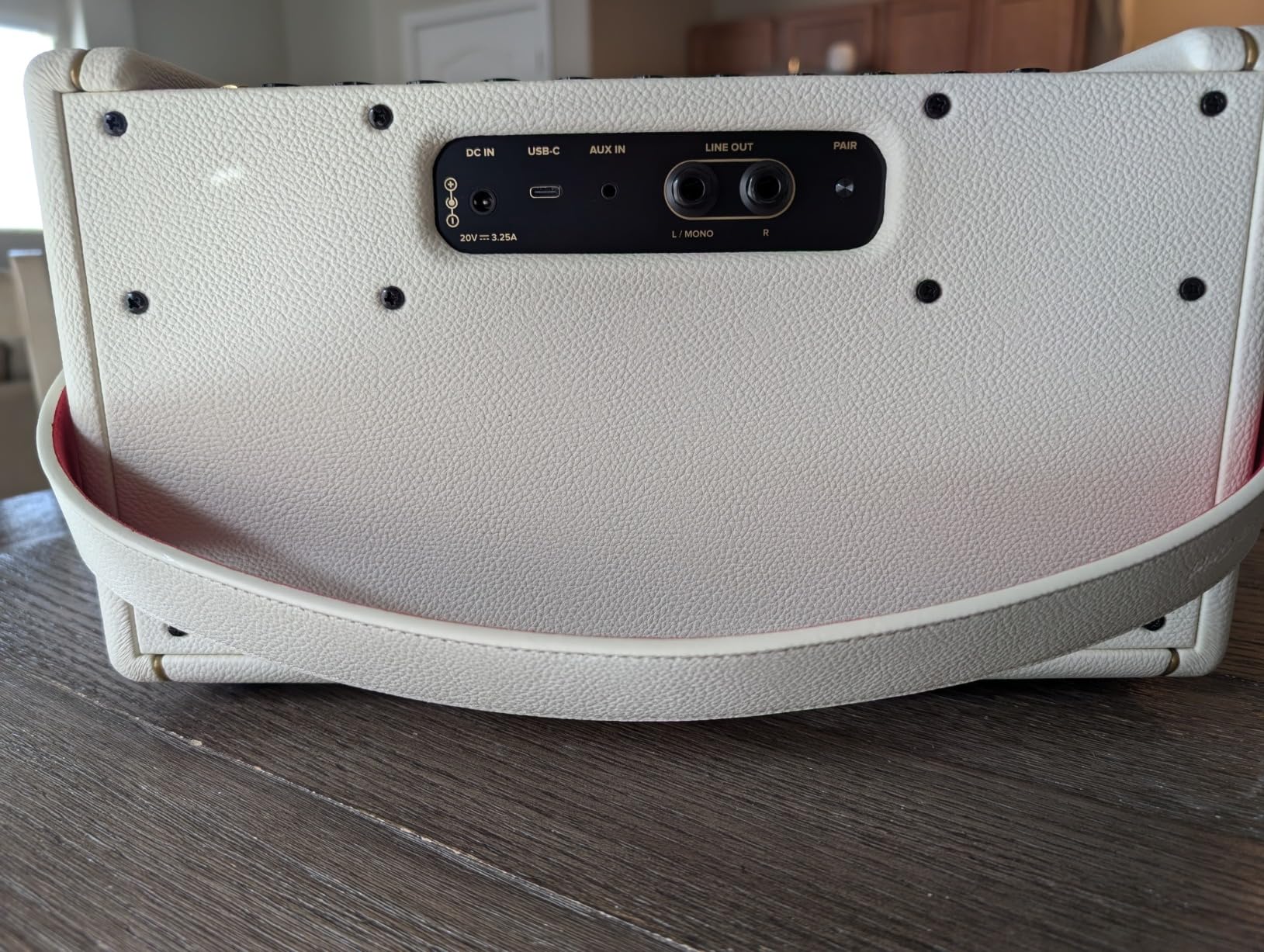
The Positive Grid Spark 2 takes everything great about the original Spark and adds meaningful upgrades. I tested the built-in Creative Groove Looper extensively, and it transforms solo practice into a collaborative-feeling experience. The hundreds of built-in drum patterns span every genre from jazz swing to modern metal.
Sonic IQ Computational Audio drives the upgraded DSP and HD amp models. The premium angled FRFR speakers project sound in a way that fills the room with a wide stereo image. Tones feel three-dimensional rather than flat and processed.
The AI tone matching feature analyzes any song and creates a preset that approximates the guitar tone. In my testing, it nailed the cleans of a Dire Straits track and got impressively close on a high-gain Metallica riff. The accuracy varies depending on the mix complexity of the source material.
The Spark 2 handles electric guitar, acoustic-electric, and bass with dedicated models for each. This versatility makes it a genuine all-in-one solution for multi-instrumentalists. The optional battery provides up to 12 hours of cordless playing.
Who Gets the Most Value Here
Songwriters and creative guitarists thrive with the Spark 2. The looper plus drum machine combination lets you build complete song ideas in minutes. The AI features accelerate the process of finding the right tone for a specific musical context.
Players who own multiple instruments benefit from the amp model variety. One unit covers electric practice, acoustic amplification, and bass playing without compromise.
Cost Considerations
The hidden costs add up quickly. The battery is sold separately for around $79, and the footswitch for looper control costs approximately $179. If you want the full Spark 2 experience, the total investment significantly exceeds the base price.
The app dependency means your practice session depends on your phone or tablet being charged and connected. Firmware updates occasionally change features, which some users find disruptive.
5. Yamaha THR10II – Best Desktop Guitar Amp

Yamaha THR10II Wired Desktop Guitar Amp , 10W
20W Desktop
15 Guitar Amps
3 Bass Amps
Bluetooth
Extended Stereo
3 kg
Pros
- Realistic tube-amp tones and feel
- Excellent clean and overdriven sounds
- Great Bluetooth speaker
- Compact desktop form factor
- Separate volume controls
- THR Remote app
Cons
- No battery option
- Limited to desktop home use
- Settings memory recall issues
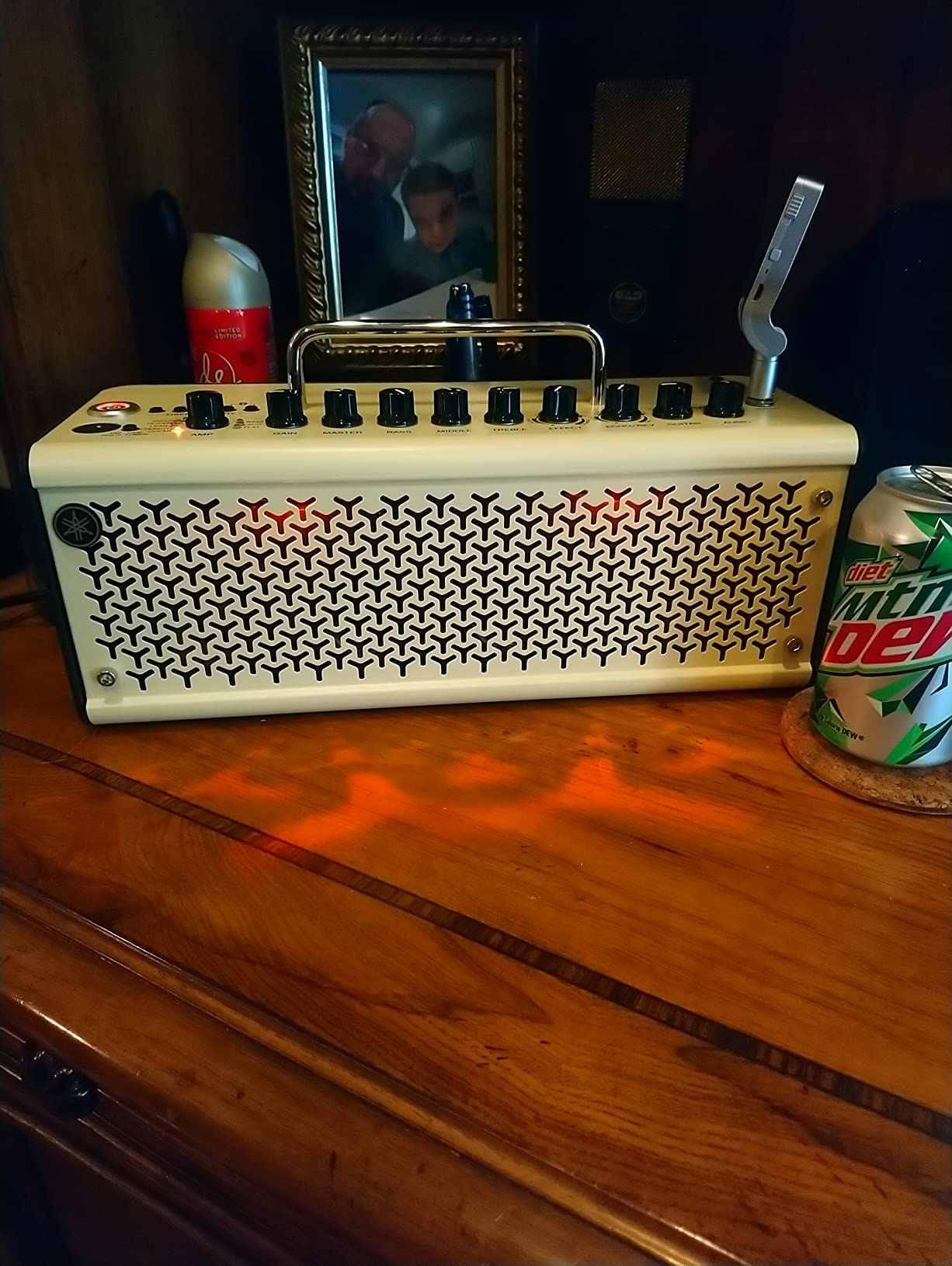
The Yamaha THR10II sits on my desk as my go-to writing and practice amp. The design philosophy is brilliant: create an amp that looks at home on a bookshelf and sounds good enough for serious practice. The extended stereo technology produces a sound field far wider than the physical dimensions suggest.
Fifteen guitar amp models cover everything from sparkling American cleans to thick British overdrive. The three bass amp models are genuinely useful, not afterthoughts. I recorded a bass demo through the THR10II and the results surprised my bandmates.
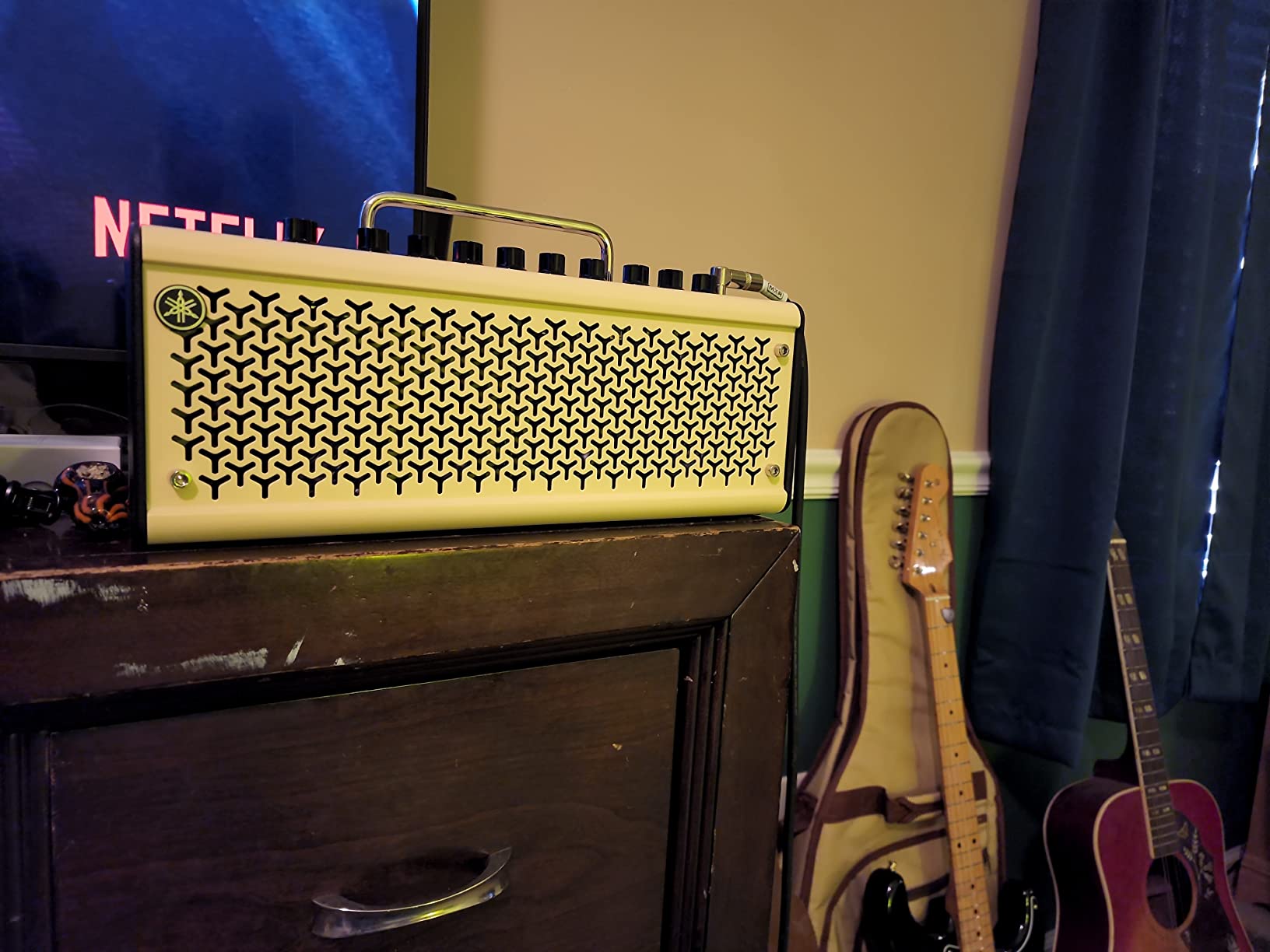
The separate volume controls for guitar and Bluetooth audio mean you can play along with backing tracks without rebalancing levels constantly. The THR Remote editor app provides deep editing capabilities for players who want to fine-tune their tones.
As a Bluetooth speaker alone, the THR10II justifies its price for non-guitarists in the household. Music playback sounds full and detailed. The stereo imaging creates an immersive listening experience from a desktop unit.
Best Applications for the THR10II
Home studio owners and songwriters get exceptional value here. The USB connectivity handles recording duties cleanly. The compact size means it sits unobtrusively on a desk, always ready for a quick idea or practice session.
Apartment dwellers benefit from the headphone output and controlled volume. The THR10II sounds good at low volumes, which is essential for late-night practice in shared living spaces.
What to Know Before Buying
There is no battery option, so the THR10II stays tethered to a wall outlet. Some users report occasional settings memory recall issues where the amp does not perfectly restore saved presets.
The 3-inch speakers limit maximum volume. This is a desktop amp, not a performance tool. If you need stage volume, look elsewhere in this guide.
6. Fender Mustang LT50 – Best 50W Practice and Small Gig Amp

Fender Mustang LT50 Guitar Amp, 50 Watts, with 2-Year Warranty 30 Preset Effects with USB Audio Interface for Recording, Black
50W
12 inch Speaker
30 Presets
25 Effects
USB Recording
23.5 lbs
Pros
- 50W powerful enough for small gigs
- USB audio interface for recording
- 30 presets covering various styles
- 25 onboard effects
- 2 year warranty
- Great solid state sound
Cons
- No Bluetooth connectivity
- Windows 10 USB connection may need support
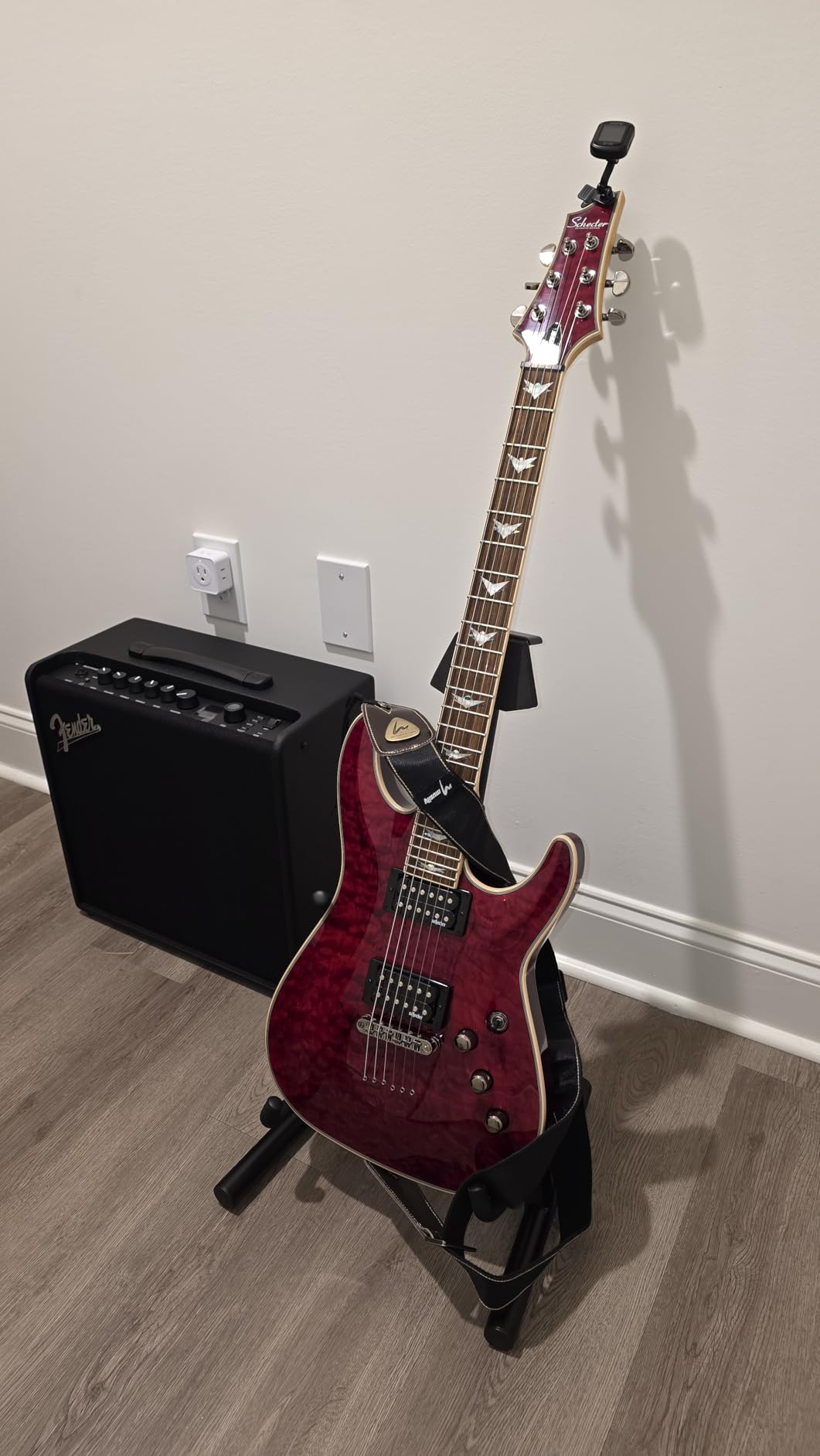
The Fender Mustang LT50 bridges the gap between bedroom practice and small venue performance. I tested it at a local open mic night and the 50-watt output through the 12-inch speaker held its own against a drummer and bassist without straining.
The 30 presets cover an impressive range of musical styles. Fender curated these thoughtfully, covering clean pop tones, bluesy crunch, and aggressive rock sounds. The 25 onboard effects include distortion, overdrive, compression, modulation, reverb, delay, and octave effects.
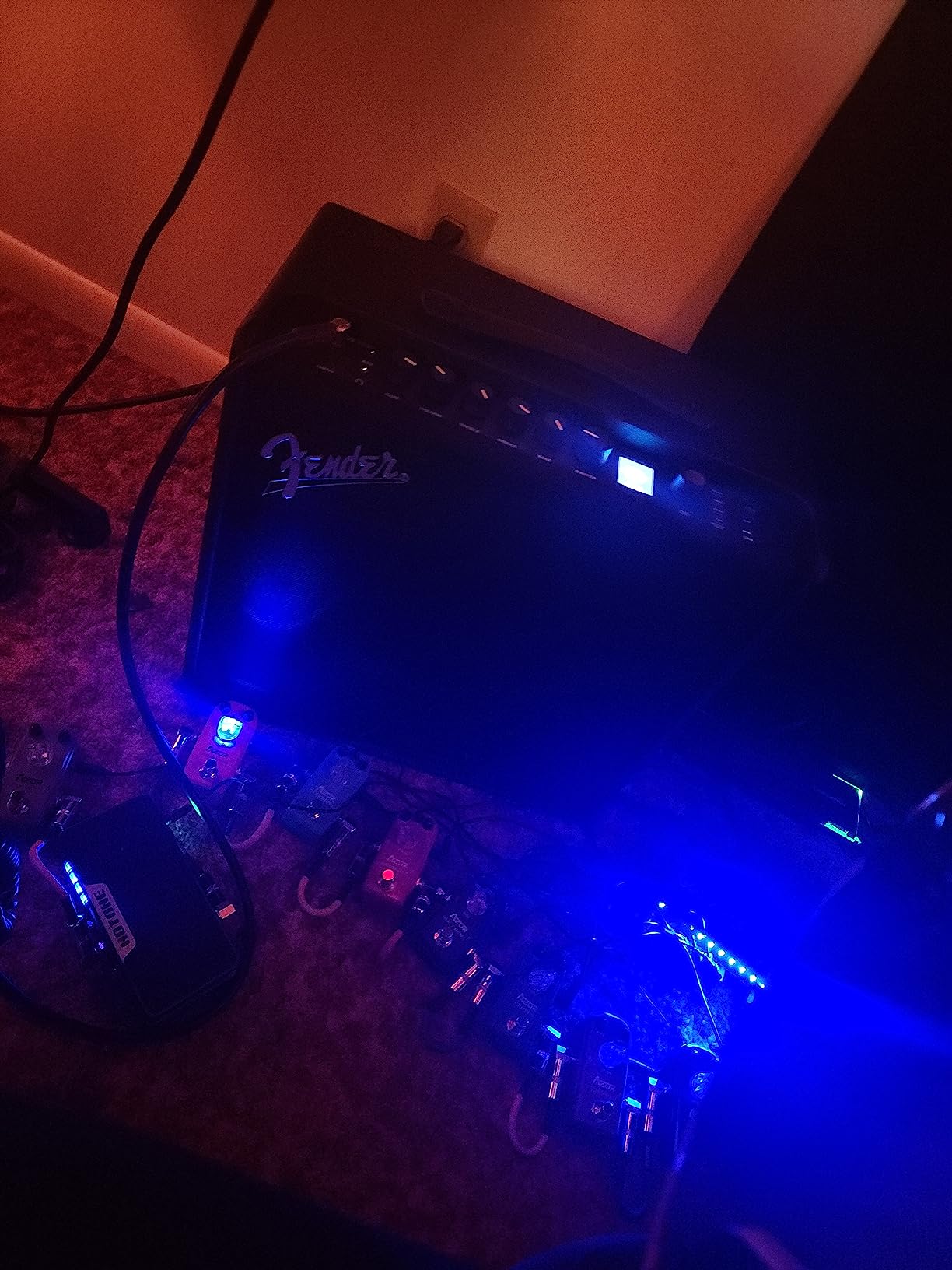
The integrated USB audio interface is a standout feature. Recording direct to a computer produces clean, low-latency results suitable for demo production. The 12-inch speaker produces full low-end response that the smaller LT25 simply cannot match.
Build quality matches Fender standards. The solid-state electronics are reliable and maintenance-free. The included 2-year warranty provides peace of mind for a significant purchase.
Where the LT50 Excels
Players transitioning from bedroom practice to live performance will find the LT50 an ideal stepping stone. The 50-watt output handles small venues, outdoor gatherings, and rehearsal spaces. The preset system lets you call up appropriate tones quickly between songs.
Home recordists benefit from the USB interface. You get a practice amp and recording interface in one unit, which saves space and money compared to buying separate devices.
Potential Frustrations
The LT50 lacks Bluetooth connectivity, which feels like an omission at this price point. Some Windows 10 users report USB connection issues that require customer service assistance to resolve.
The preset editing is less flexible than the GTX models. You cannot rearrange the signal chain or access the deep editing features available on more expensive Fender modeling amps.
7. Blackstar ID:Core V4 Stereo 10 – Best Compact Stereo Practice Amp

Blackstar ID: Core V4 Stereo 10, 10 watt 2×3 inch Digital Combo Amp w/
10W Stereo
Dual 3 inch Speakers
ISF Control
6 Amp Voices
USB-C
Power Reduction
Pros
- Rich dynamic stereo sound
- Power reduction to 1 watt
- CabRig Lite emulated output
- 4-channel USB-C recording
- Six amp voices
- Lightweight portable
Cons
- Some report buzzing sounds
- USB disconnections with laptop
- Lower wattage limits volume
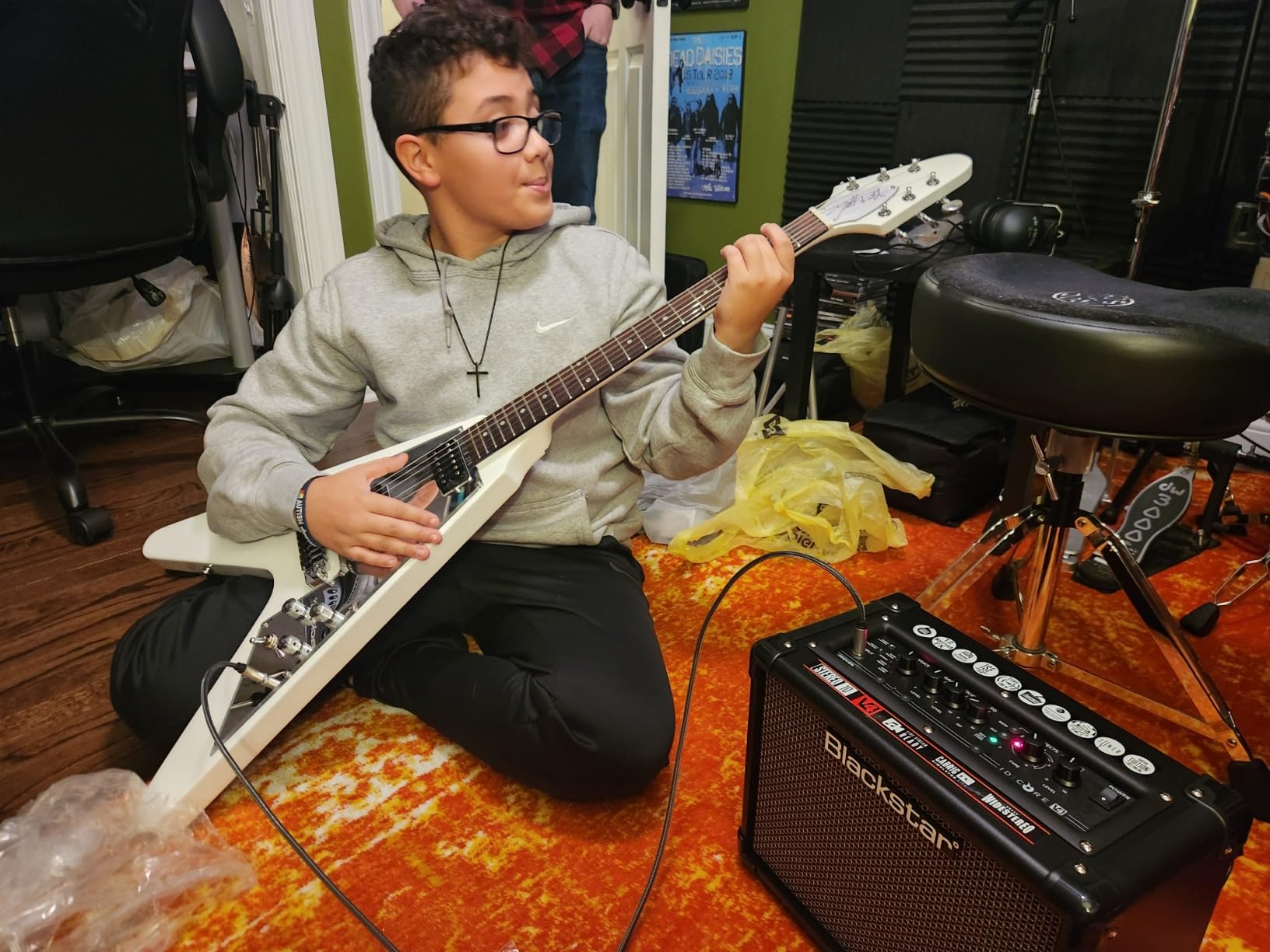
The Blackstar ID:Core V4 Stereo 10 packs surprising versatility into a compact package. The patented ISF control is the standout feature, letting you blend between American and British amp characteristics with a single knob. I found myself spending hours exploring the tonal range between these two voicings.
The two 3-inch stereo speakers create an immersive sound field. Stereo modulation effects and delay ping-pong between the speakers beautifully. The power reduction feature drops output to 1 watt for silent practice while maintaining tone character.
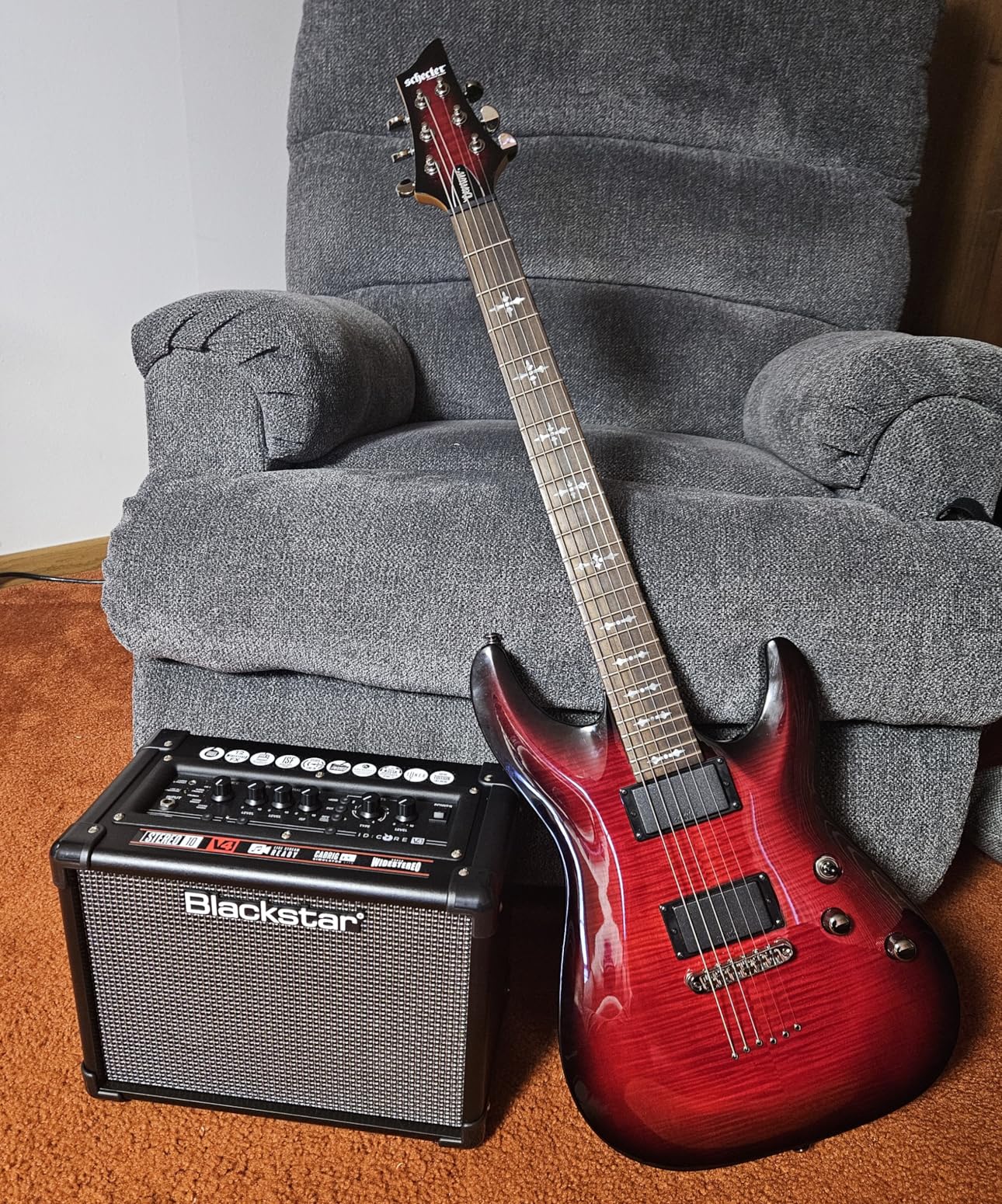
Six amp voices range from classic cleans to scorching lead tones. The built-in modulation, delay, and reverb effects are usable and musical. The CabRig Lite emulated output provides cabinet modeling for direct recording or running through a PA system.
The 4-channel USB-C output enables low-latency recording with separated channels. This is a genuinely useful feature for home studio producers who want to capture guitar parts efficiently.
Ideal Users for the ID:Core V4
Bedroom practitioners who value stereo sound will love this amp. The compact size fits on a desk or shelf while delivering room-filling audio. The ISF control adds tonal variety that keeps practice sessions fresh and inspiring.
Home studio producers benefit from the USB-C recording output. The ability to capture multi-channel audio from a compact practice amp is a valuable production tool.
Issues to Watch For
Some users report random buzzing sounds or loud noises, which may indicate quality control inconsistencies. Occasional USB disconnections from laptops have been noted, requiring cable reconnection during recording sessions.
The 10-watt output limits volume significantly. This is strictly a practice and recording amp, not suitable for any live performance scenario.
8. Marshall CODE50 – Best for Iconic Marshall Tones

Marshall CODE50 Digital Combo Guitar Amplifier – Digital Effects and 100+ Presets | Preamp and Power Amp Models | 3.5mm Aux Input | Bluetooth Connectivity | 50W Output – Black
50W
12 inch Speaker
100+ Presets
14 Preamp Models
24 Effects
Bluetooth
28.6 lbs
Pros
- 100+ editable presets
- 24 digital effects
- 14 preamp models with iconic Marshall sounds
- Bluetooth with MyMarshall app
- 50W for small venues
- USB recording
Cons
- Learning curve for optimal tones
- Software and app issues reported
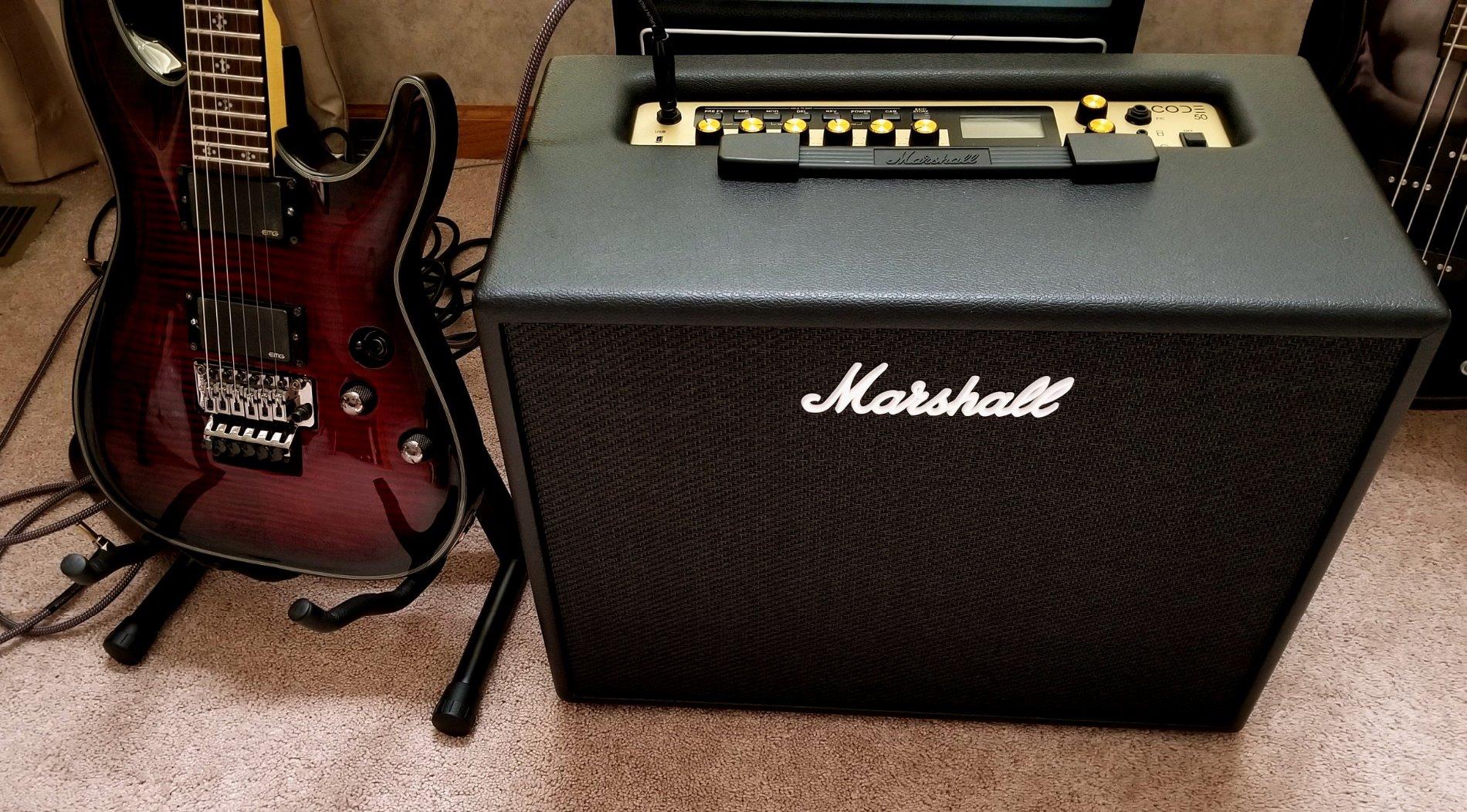
The Marshall CODE50 delivers the Marshall sound that guitarists have obsessed over for decades. With 14 preamp models including the iconic Plexi, JVM, DSL, and Silver Jubilee voicings, this amp covers the full spectrum of Marshall tones. I spent an afternoon A/B testing the Plexi preset against a friend’s real Plexi and was genuinely impressed by the approximation.
The depth of editing is remarkable. Four digital power amp models emulate classic valve types including EL34, EL84, 6L6, and 5881. Eight speaker emulations based on classic Marshall cabinets let you pair different preamp and speaker combinations virtually.
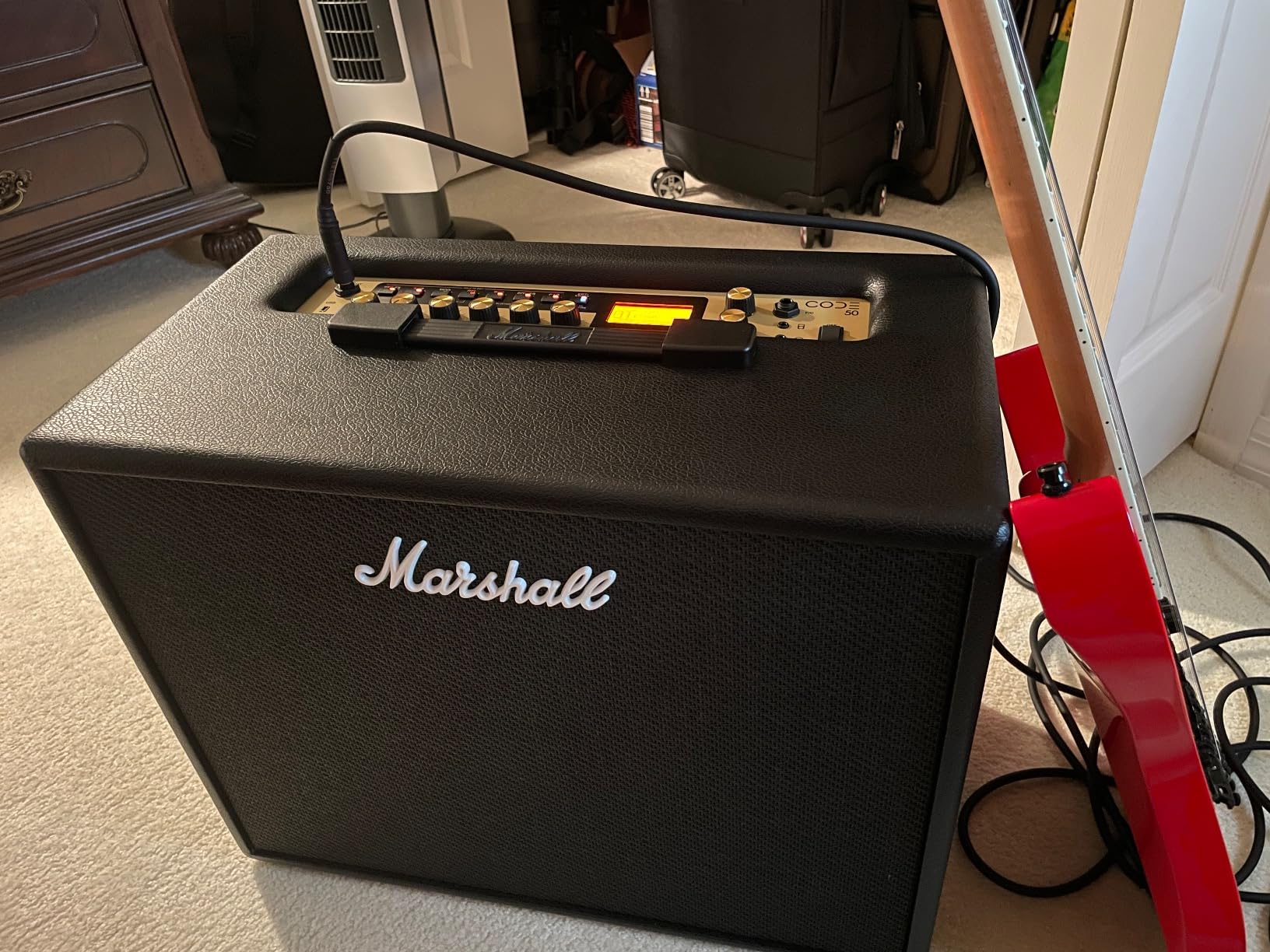
The 24 digital effects cover reverb, delay, chorus, flanger, and tremolo. Running multiple effects simultaneously creates complex soundscapes that would normally require an extensive pedalboard. The 100-plus editable presets provide enough variety for years of exploration.
Bluetooth connectivity with the MyMarshall app enables wireless editing and preset management. The USB output handles recording duties cleanly. At 50 watts, the CODE50 produces enough volume for rehearsal spaces and small gigs.
Who Will Love the CODE50
Rock and metal guitarists who have always wanted a Marshall will find their cravings satisfied here. The range of classic Marshall voicings covers six decades of rock history. You can own the sound of a Plexi, JCM800, and Silver Jubilee in one amp.
Tone tweakers who enjoy deep editing will spend hours exploring preamp, power amp, and speaker combinations. The modular signal chain approach rewards experimentation.
What Might Frustrate You
Dialing in optimal tones requires patience. The factory presets are starting points, not finished products. Some users report software and app stability issues that can interrupt editing sessions.
The learning curve is steeper than amps with simpler preset systems. If you want plug-and-play simplicity, the CODE50 may overwhelm initially.
9. Fender Mustang GTX100 – Best Stage-Ready Modeling Amp

Fender Mustang GTX100 Guitar Amplifier Combo with Speaker, Bluetooth, WiFi
100W
12 inch Celestion
200 Presets
Bluetooth
WiFi
7-button Footswitch
Looper
Pros
- 100W with Celestion speaker
- 200 modifiable presets
- Classic Fender amp models
- Bluetooth streaming and app
- 7-button footswitch included
- Excellent tuner
Cons
- Tone app only works with iOS and Android
- Bluetooth and WiFi can be glitchy
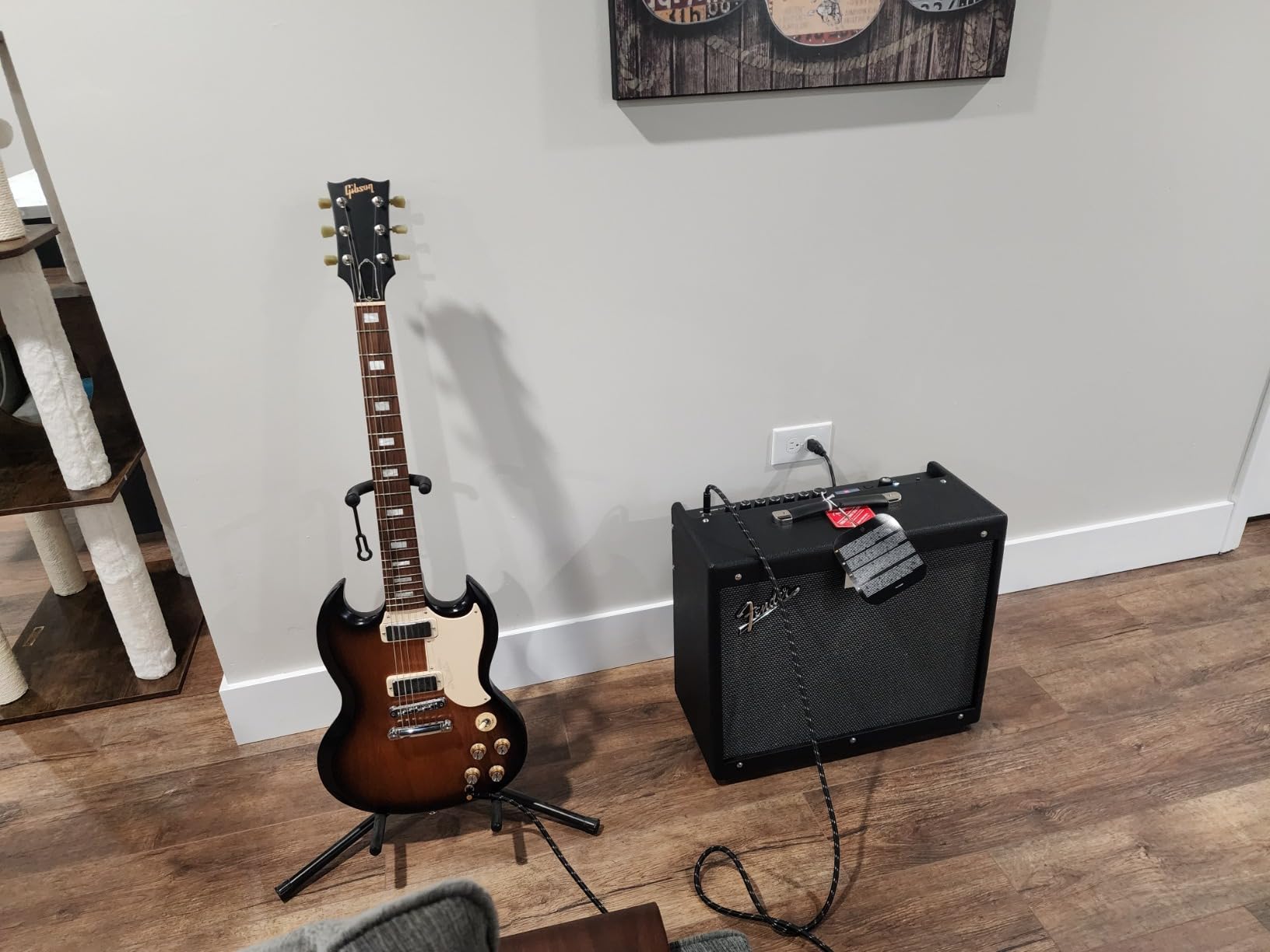
The Fender Mustang GTX100 is a serious performance instrument. The 100-watt output through a 12-inch Celestion G12FSD-100 speaker produces stage-ready volume with professional projection. I tested it at a medium-sized venue and it filled the room with authority.
The 200 modifiable presets cover virtually any musical style imaginable. The amp models include Fender classics like the Blues Jr, Vibro King, and JC Clean alongside third-party voicings like the Silver Jubilee. The modular signal chain lets you rearrange effects order for precise tone crafting.
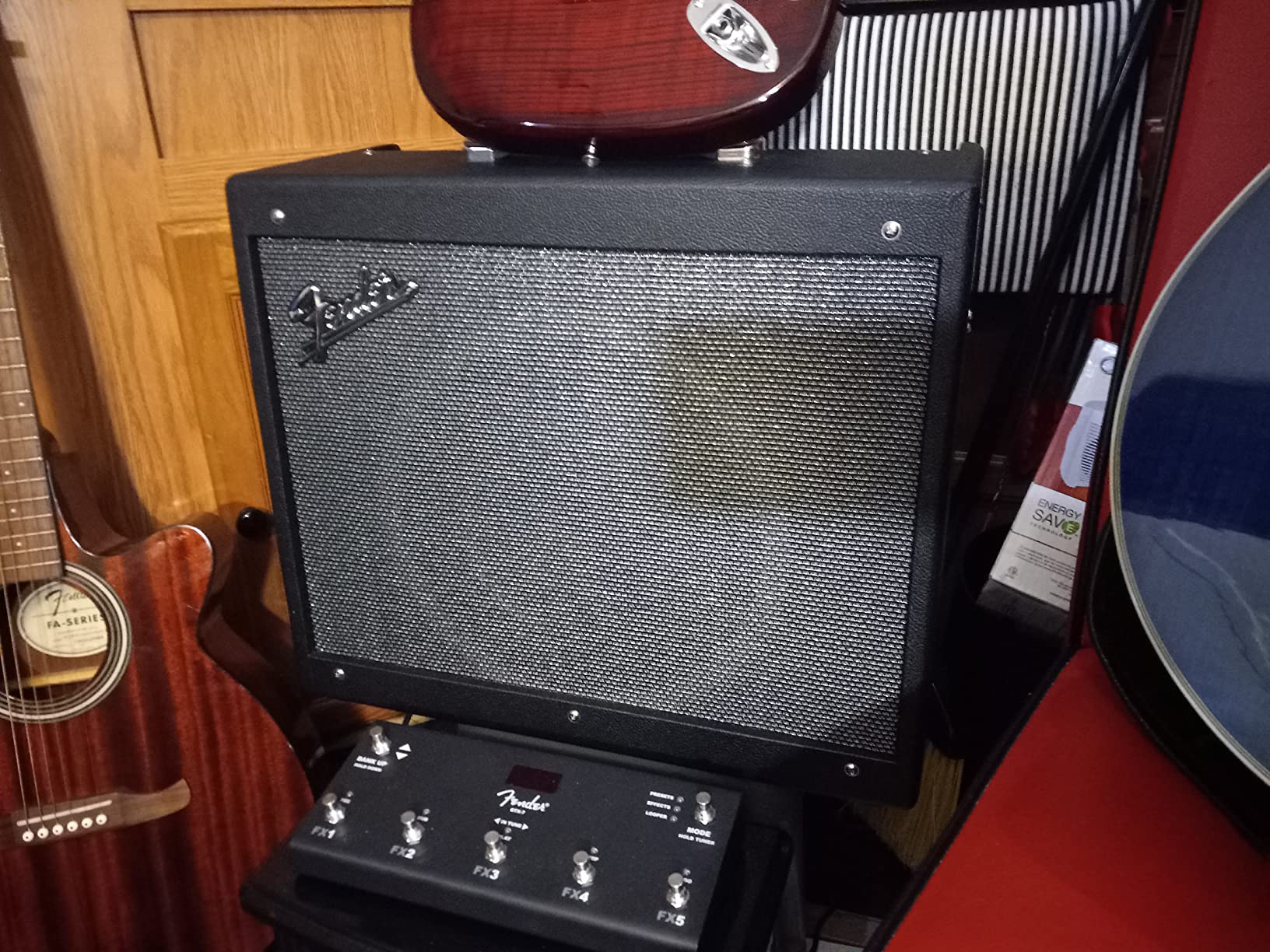
The included 7-button footswitch is essential for live performance. You can switch presets, control the 60-second looper, and toggle effects without taking your hands off the guitar. The built-in tuner is accurate enough for stage use.
The stereo XLR line outputs provide clean feeds to a PA system or recording interface. WiFi connectivity handles firmware updates without needing a computer connection. Bluetooth enables audio streaming for practice along with backing tracks.
Perfect Fit for Performing Guitarists
Gigging musicians who need reliable, versatile tone will find the GTX100 an exceptional tool. The footswitch and looper combination covers the needs of solo performers and bands. The 200 presets mean you can dedicate specific tones to specific songs.
Worship guitarists and cover band players benefit enormously from the amp model variety. You can call up a Twin Reverb clean, a Plexi crunch, and a modern high-gain tone within the same set.
Things to Consider Before Buying
The Fender Tone app only works with iOS and Android, not PC. Computer-based editors would expand the editing capabilities significantly. The Bluetooth and WiFi connectivity can experience interference in environments with heavy wireless traffic.
At 28.5 pounds, this is not a lightweight amp. Transporting it regularly requires a quality case or cart.
10. NUX Mighty Space – Best Wireless Portable Modeling Amp

NUX Mighty Space Wireless 30W Portable Modeling Guitar Amplifier with Built-in IRs, 7 Presets, Dual 4” Loud Coaxial Speakers, 7hrs Playing Time,Ultra-low System Latency
30W Wireless
Dual 4 inch Speakers
34 IRs
7hr Battery
Drum Machine
Looper
Pros
- Wireless connectivity with no lag
- 7 hours battery life
- 34 built-in IRs with 512 samples
- Dual 4 inch coaxial speakers
- Great tones at lower volumes
- Wireless transmitter included
Cons
- Only 7 presets available
- Limited low-end response
- Basic drum machine quality
The NUX Mighty Space brings wireless freedom to modeling amps. The included NUX wireless transmitter plugs into your guitar and connects to the amp with ultra-low latency. I walked around my apartment while playing and experienced no discernible signal lag or dropouts.
The dual 4-inch coaxial speakers produce room-filling stereo sound. The 30-watt output is substantial for a portable unit, easily handling practice sessions and small gatherings. The 512-sample IR resolution with 34 built-in impulse responses provides authentic cabinet simulation.
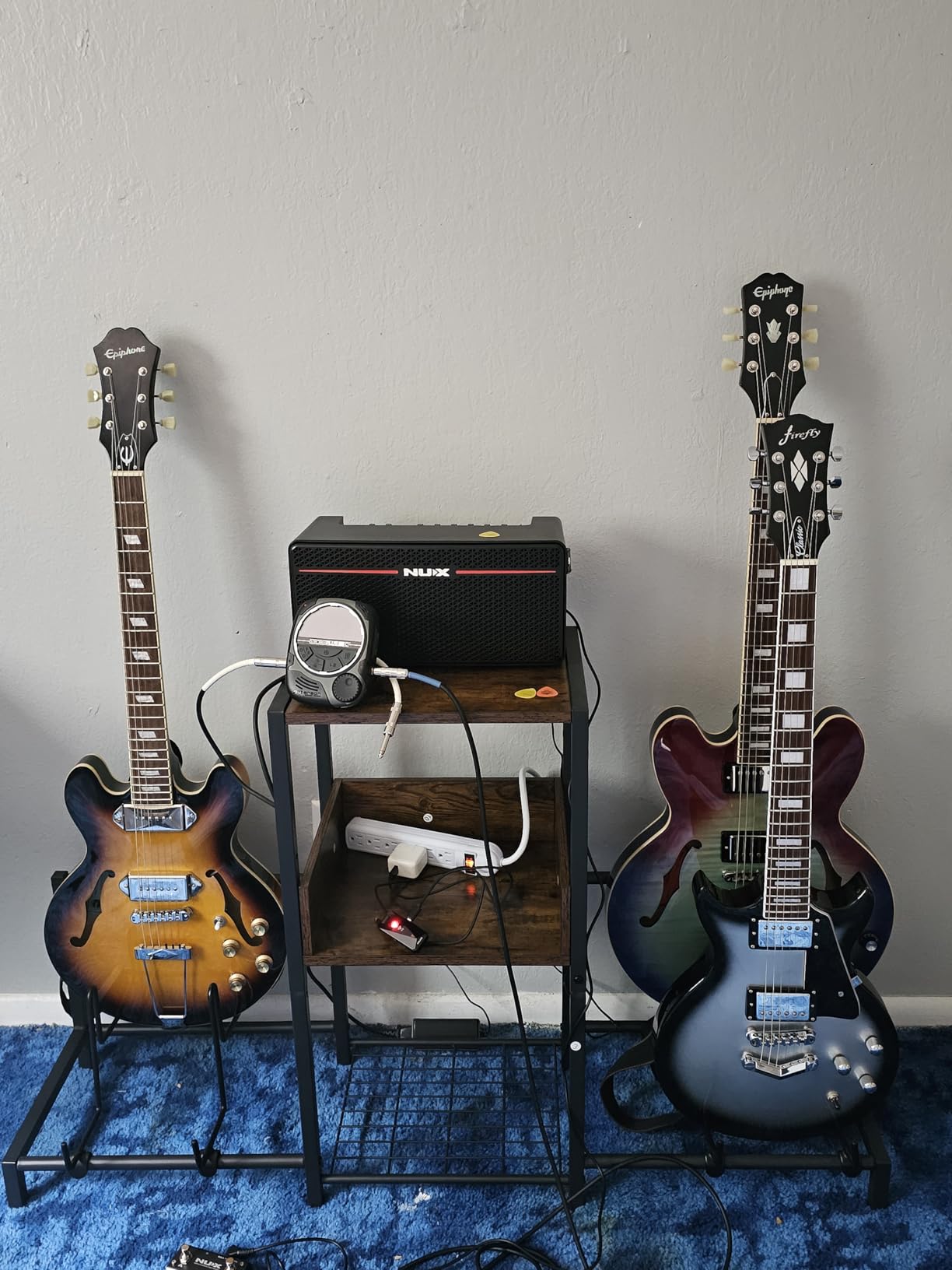
The built-in drum machine and looper add creative practice tools. Twenty user slots allow loading third-party IRs for custom cabinet sounds. The NMP-2 Lite footswitch provides hands-free control of drum and loop functions.
Battery life holds up to the 7-hour claim during my testing. The amp charges via USB and can run while plugged in. The portable design makes outdoor practice sessions genuinely feasible.
Best Situations for the Mighty Space
Guitarists who practice in multiple locations will love the wireless freedom. You can set the amp across the room and play without cable restrictions. The battery operation means outdoor jam sessions are possible anywhere.
Players who want impulse response capability in a portable format get excellent value here. The 34 built-in IRs cover classic cabinet sounds, and the ability to load custom IRs is unusual at this price point.
Limitations to Be Aware Of
The 7-preset limit feels restrictive compared to amps offering dozens or hundreds of presets. The drum machine quality is basic and may not satisfy players accustomed to full-featured rhythm tools.
The limited low-end response from the 4-inch speakers means bass frequencies lack the punch of larger speakers. This is a trade-off inherent to the portable design.
11. Line 6 Spider V 20 MKII – Best Entry-Level Practice Amp

Line 6 Spider V 20 MKII
20W
8 inch Speaker
200+ Effects
16 Presets
Built-in Tuner
Classic Speaker Mode
Pros
- Great practice amp with many tones
- Compact and portable design
- Good value with 200+ effects
- Easy to use controls
- Built-in tuner and tap-tempo
Cons
- Not suitable for live playing
- Sound quality below tube amps
- Needs higher model for recording
The Line 6 Spider V 20 MKII represents excellent value for beginning guitarists. The new Classic Speaker mode enhances the sound and feel compared to the original Spider V, delivering a warmer and more organic response. I handed this amp to a friend who just started playing and she was creating musical tones within minutes.
With 200-plus amps and effects available through the free Spider V Remote app, the tonal variety is enormous. The 16 onboard presets each combine three simultaneous effects plus independent reverb, giving beginners immediate access to polished sounds.
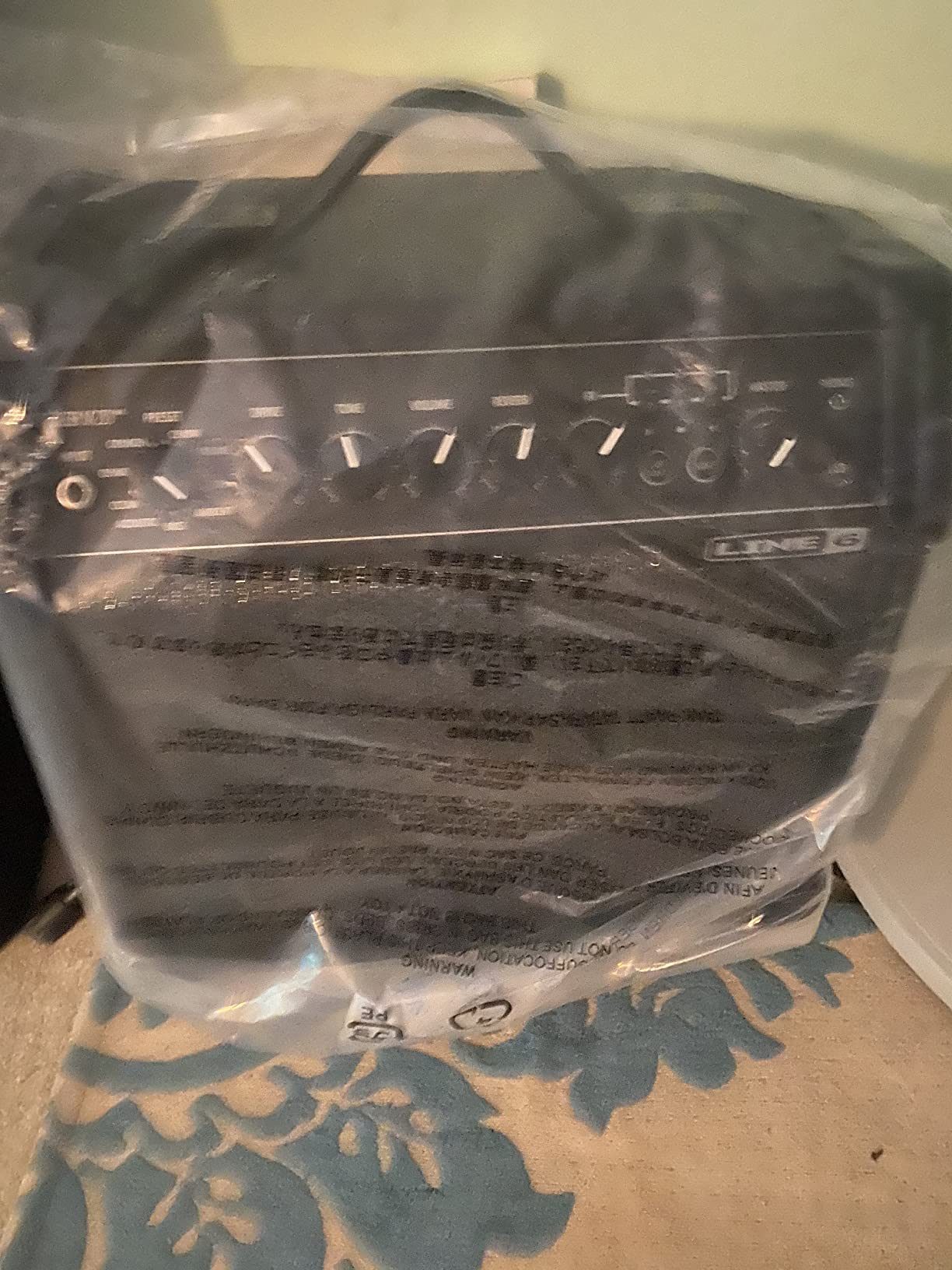
The easy-to-use tone and effects controls keep the learning curve gentle. The built-in tuner eliminates the need for a separate clip-on device. Tap-tempo functionality syncs delay times to your playing tempo quickly.
The 8-inch speaker produces a balanced sound suitable for bedroom practice. The compact and portable design makes it easy to transport between rooms or take to a friend’s house for jam sessions.
Who Should Start Here
Beginners on a budget get tremendous value from the Spider V 20 MKII. The combination of built-in effects, amp models, and tuning tools covers everything a new guitarist needs. The straightforward controls prevent the overwhelming confusion that more complex amps can cause.
Casual players who want variety without complexity will appreciate the preset system. You can explore different tones without needing to understand signal routing or parameter editing.
Where It Falls Short
The Spider V 20 MKII is strictly a practice amp. It lacks the power and connectivity for live performance or serious recording. Players who need these capabilities should look at higher-wattage models.
The sound quality, while good for the price, does not match tube amps or higher-end modeling amps. The digital character becomes apparent when comparing directly against premium alternatives.
12. Fender Mustang LT40S – Best Desktop Stereo Practice Amp

Fender Mustang LT40S Desktop Guitar Amplifier, 40-Watt Stereo Modeling Combo Amp with Dual 4″ Full-Range Speakers, Color Display & Headphone Out, with 2-Year Warranty
40W Stereo
Dual 4 inch Speakers
Color Display
Headphone Out
Presets
14.7 lbs
Pros
- Great mix of sound convenience and value
- Easy to use with intuitive controls
- Excellent clean tones and presets
- Compact desktop design
- Stereo full-range speakers
Cons
- Distortion presets sound generic
- FX slots limited with fixed order
- Lower stock availability
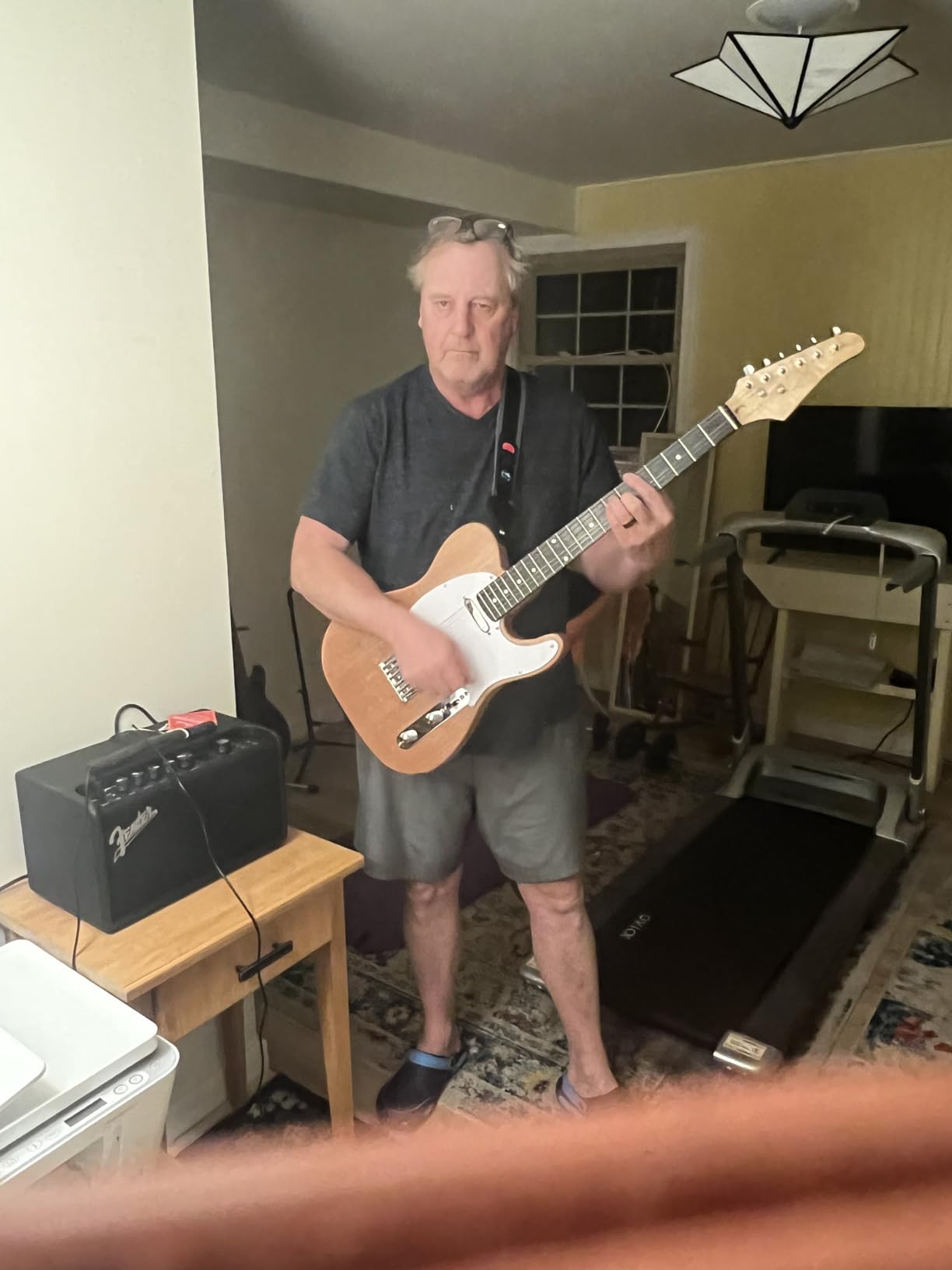
The Fender Mustang LT40S brings stereo modeling to the desktop format. The dual 4-inch full-range speakers with Fender Special Design drivers produce a surprisingly expansive sound field. I placed it on my desk and the stereo imaging made modulation effects and delay sound immersive and wide.
The 1.8-inch full-color display makes navigation intuitive. The versatile preset library offers high-quality models covering various genres. The stereo headphone output enables completely silent practice sessions without sacrificing the stereo image.
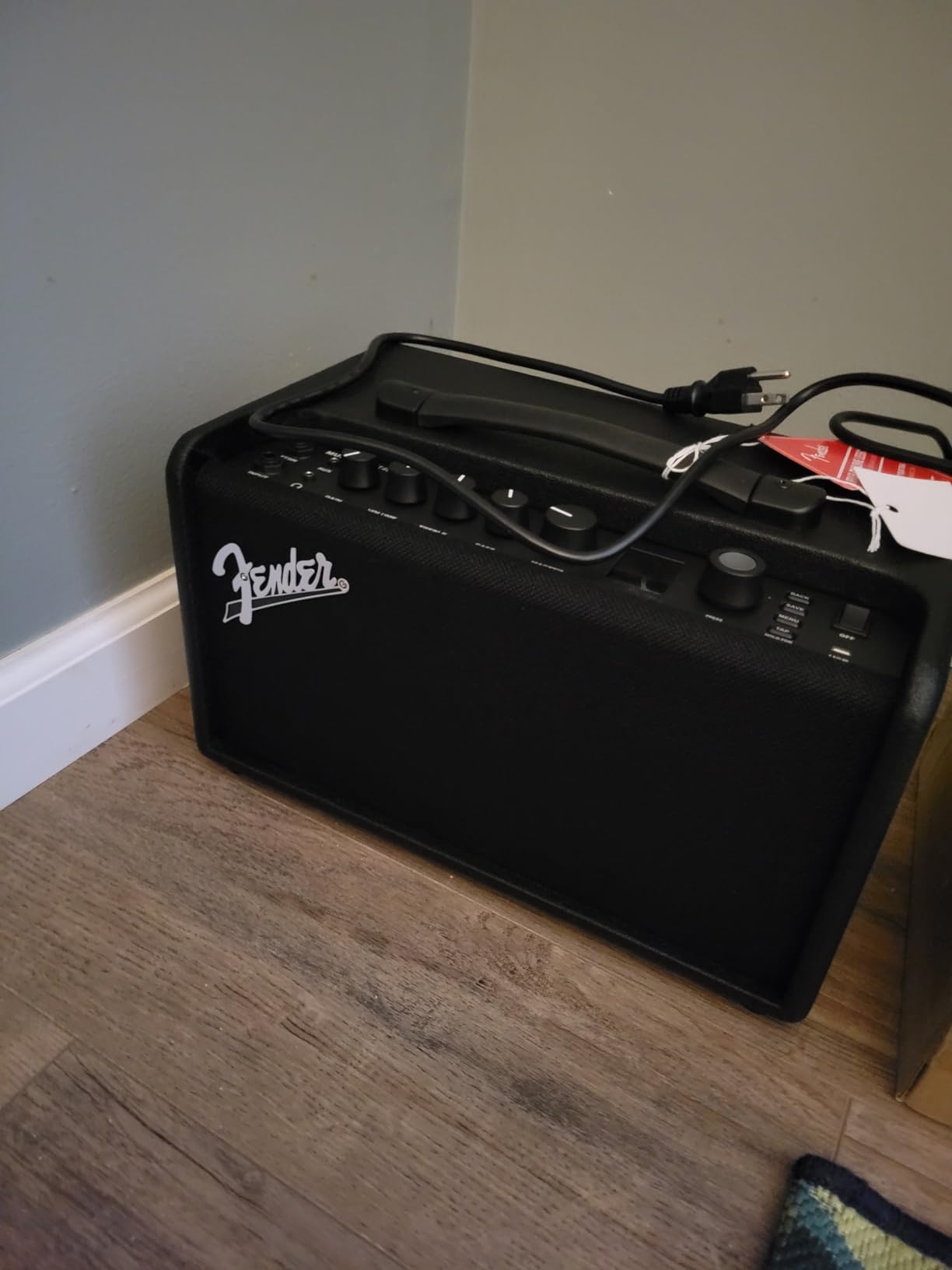
At 40 watts, the LT40S packs significantly more power than typical desktop amps. The output fills a bedroom or small studio room with ease. The free Fender Tone LT Desktop App expands editing capabilities beyond the front panel controls.
The compact form factor fits neatly on a desk, shelf, or table. The 14.7-pound weight makes it easy to reposition. The build quality reflects Fender standards with solid construction throughout.
Best Uses for the LT40S
Desktop practitioners who want stereo sound without a large footprint will find the LT40S ideal. The stereo speakers make practice more engaging, especially when playing along with backing tracks. The headphone output provides an excellent silent practice alternative.
Players who already own a larger amp for performance but need a dedicated home practice unit get great value here. The LT40S complements rather than replaces a stage amp.
Things to Keep in Mind
The distortion presets can sound generic or somewhat harsh compared to the excellent clean tones. The FX slots are limited with a fixed signal chain order, reducing editing flexibility for tone tweakers.
Stock availability can be limited, reflecting strong demand for this popular desktop model.
13. BOSS Katana-100 Gen 3 – Best 100W Stage and Studio Amp
BOSS Katana-100 Gen 3 Guitar Amplifier
100W
12 inch Speaker
Tube Logic
6 Amp Characters
5 FX Sections
32.6 lbs
Pros
- Warm tube-like tone quality
- Versatile effects and tonal options
- 100W for most venues
- USB connectivity for recording
- Excellent build quality
Cons
- Bluetooth adapter and foot switch sold separately
- Complex Boss Tone Studio setup
The BOSS Katana-100 Gen 3 delivers stage-ready power with the same evolved Tube Logic technology that makes the Katana-50 exceptional. The 100-watt output through the custom 12-inch speaker produces authoritative volume that handles any venue. I tested it at a full band rehearsal and it cut through the mix with clarity and power.
The Tube Logic enhancements provide greater sound, feel, and response than previous generations. The amp reacts to your playing dynamics in a way that genuinely mimics tube amplifier behavior. Pick attack, fingerpicking subtlety, and volume control all translate naturally.
Six amp characters include the newly developed Pushed type that bridges crunch and lead tones. Five independent effects sections handle booster, modulation, FX, delay, and reverb. The BOSS Tone Studio software unlocks deep editing for players who want precise control over every parameter.
The build quality matches professional standards. At 32.6 pounds, the Katana-100 is substantial but manageable for regular transport. The wood enclosure and rugged construction are built for the rigors of gigging.
Ideal Owners for the Katana-100
Performing guitarists who need reliable, powerful tone will find the Katana-100 an outstanding choice. The 100-watt output handles clubs, churches, and outdoor events with headroom to spare. The USB connectivity enables studio recording without needing a separate interface.
Players who appreciate the Katana sound but need more volume than the 50-watt model will find this the natural upgrade. The tonal character is identical, just with significantly more power.
Investment Considerations
The Bluetooth adapter and footswitch are sold separately, adding approximately $200 to the total cost if you need both. The BOSS Tone Studio software has a learning curve that requires time investment to master.
The weight and size make this less suitable for bedroom-only practitioners. This amp is designed for musicians who play out regularly.
14. Positive Grid Spark Pearl – Best Smart Amp for Learning

Positive Grid Spark Pearl Guitar Amplifier Electric, Bass and Acoustic Guitar 40-Watt Combo Practice Amp with Spark Mobile App (Pearl)
40W
Smart Jam
50K+ ToneCloud Presets
Auto Chords
BT Streaming
15.6 lbs
Pros
- Great sound quality and value
- Excellent app integration with tones
- Fun Smart Jam with virtual band
- Compact and portable design
- Bluetooth speaker capability
Cons
- App can be glitchy
- Some report hum issues
- 4 inch speakers limit gigging volume
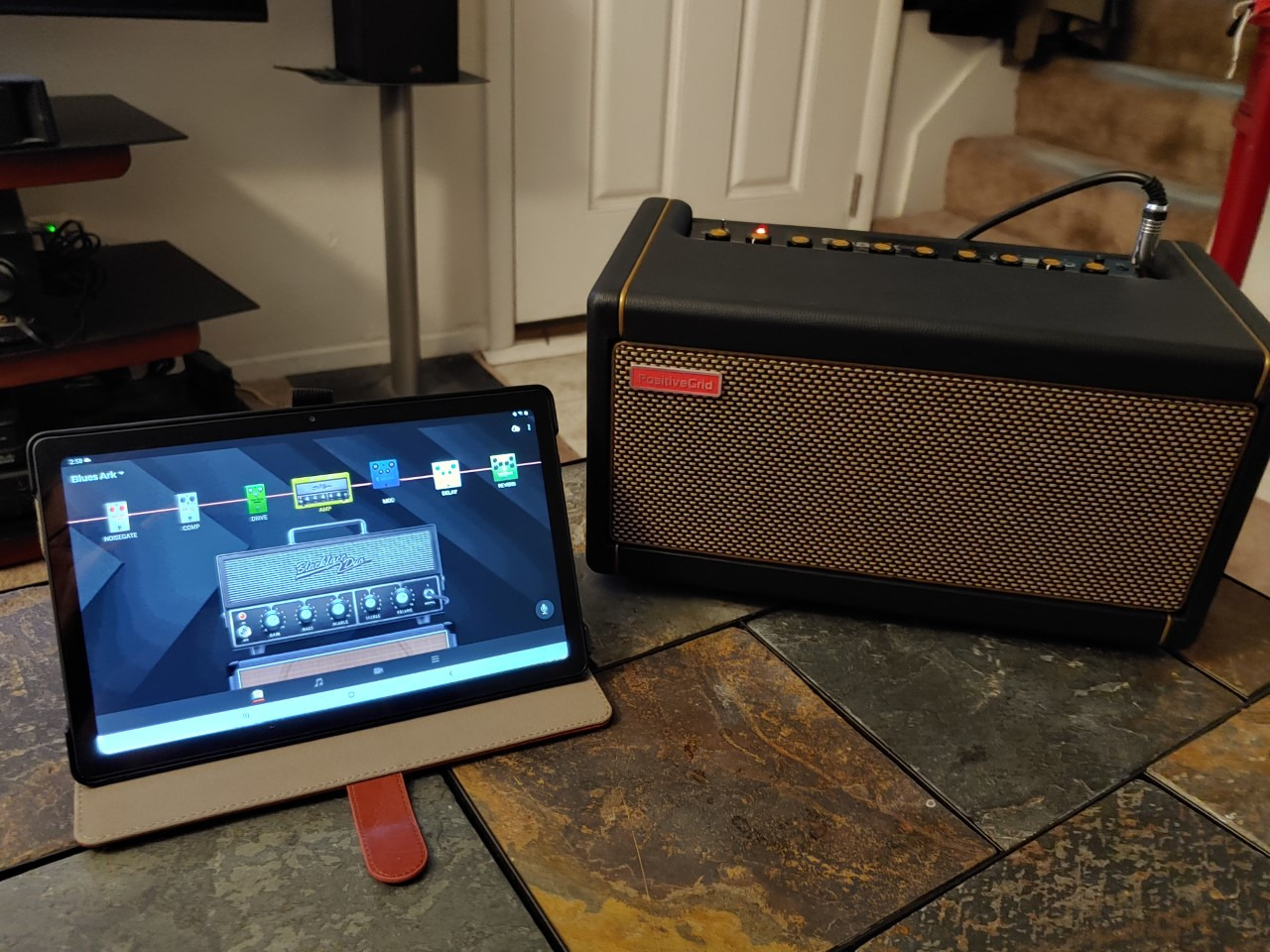
The Positive Grid Spark Pearl brings smart learning technology to the original Spark form factor. With over 8,600 reviews and a 4.7-star average, this is one of the most popular practice amps ever made. The intelligent design learns your unique playing style and generates authentic bass and drum accompaniment.
The Smart Jam feature creates a virtual band that responds to your playing in real time. You play a riff, and the AI generates matching bass and drum parts. Auto Chords displays guitar chords in real time when you import music from Spotify, Apple Music, or YouTube.
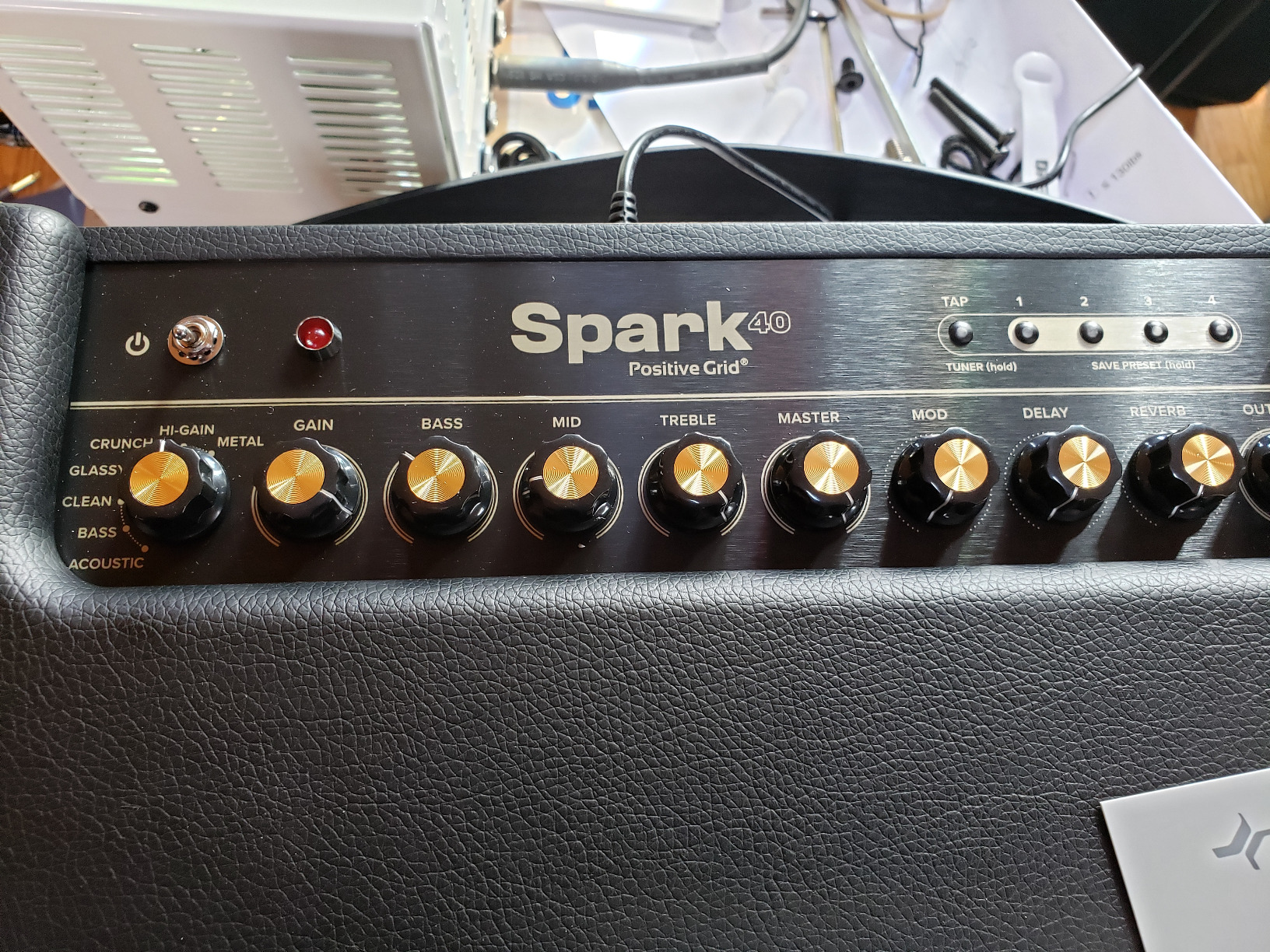
The BIAS-powered amp modeling engine delivers tones that rival dedicated software plugins. With 50,000-plus amp and effects presets available on ToneCloud, you never run out of new sounds. The custom-designed speakers with tuned bass-reflex port produce a full, rich sound.
The Spark Pearl handles electric, acoustic, and bass guitar. Bluetooth connectivity enables music streaming for playing along with your favorite tracks. The compact and attractive design looks at home in any living space.
Who Benefits Most from Spark Pearl
Beginners and intermediate players get enormous value from the learning features. Auto Chords accelerates song learning dramatically. Smart Jam makes solo practice feel collaborative and engaging rather than isolating.
Players who want a multi-instrument solution appreciate the electric, acoustic, and bass capability. One amp covers an entire instrument collection, saving space and money.
Limitations to Note
The companion app can be glitchy at times, with occasional connectivity drops and firmware-related issues. Some users report hum problems that may require troubleshooting or customer service contact.
The 4-inch speakers limit loudness for gigging scenarios. This is fundamentally a practice and learning amp, not a performance tool.
15. NUX Mighty Lite BT MKII – Best Ultra-Budget Desktop Amp

NUX Mighty Lite BT MKII Guitar Amp, 3W Electric Guitar/Bass Amplifier with Clean/Overdrive/Distortion Channel,7 Presets,512 Samples IR, Built in Drum Machine, Desktop Amplifier with Bluetooth
3W Desktop
TSAC-HD Modeling
34 IRs
Drum Machine
Bluetooth
USB-C Audio
Pros
- Great sound for 3W amp
- Excellent app integration with effects
- Built-in drum machine and tracks
- Very portable and lightweight
- Good value for money
- Bluetooth connectivity
Cons
- Only 3W limits volume
- Software bugs with firmware
- Plastic enclosure feels cheap
The NUX Mighty Lite BT MKII proves that meaningful modeling amp capability exists at the lowest price points. The TSAC-HD white-box amp modeling algorithm delivers tones that genuinely surprised me for a 3-watt amp. With 866 reviews and a 4.5-star average, the community validates this little unit’s quality.
The signal chain includes gate, effects, amp, IR, modulation, delay, and reverb blocks. This is genuine signal processing flexibility typically found in much more expensive units. The 34 built-in IRs with 20 empty slots for third-party impulse responses provide cabinet simulation depth.
The built-in drum machine offers 10 musical styles for practice accompaniment. The Bluetooth connectivity enables wireless audio streaming from your phone. The MightyAmp app and Mighty Editor software provide deep editing capabilities.
The USB-C audio interface handles recording duties. For the price, the feature set is remarkable. Clean, overdrive, and distortion channels cover the essential tonal bases for practice.
Perfect for These Players
Beginners on the tightest budgets get real modeling capability here. The Mighty Lite MKII provides a genuine starting point for exploring digital guitar tones without significant financial commitment. The app integration makes tone exploration accessible and educational.
Traveling guitarists who need the smallest possible practice solution will appreciate the portability. This amp fits in a backpack and runs quietly enough for hotel room practice.
Honest Limitations
The 3-watt output limits volume significantly. This amp is strictly for personal practice with no live performance capability whatsoever. Some users report firmware bugs that affect stability and require resets.
The plastic enclosure feels less premium than the metal or wood construction of pricier alternatives. The small speaker size inherently limits tonal range and low-end response.
Buying Guide: How to Choose the Best Digital Guitar Amp
Choosing among the best digital guitar amps requires understanding several key factors. This buying guide walks through the specifications and features that matter most, based on our testing experience and the common questions we see in guitar forums.
Power Output and Wattage
Wattage determines how loud your amp can get, but the relationship is not linear. A 100-watt amp is not twice as loud as a 50-watt amp. As a general rule, doubling wattage adds approximately 3 decibels of volume.
For bedroom practice, 3 to 25 watts is plenty. Desktop amps like the NUX Mighty Lite and Yamaha THR10II are designed for this environment. For rehearsal with a band, 50 watts minimum through a 12-inch speaker handles most situations. For live performance at venues, 100 watts provides the headroom and projection needed.
The Fender Mustang GTX100 and BOSS Katana-100 Gen 3 represent the stage-ready category. They produce clean tone at high volume without breaking up, which is essential for professional performance.
Amp Models and Effects Count
The number of amp models and built-in effects varies dramatically across price points. The Marshall CODE50 offers 14 preamp models and 24 effects, providing deep editing capability. The Fender Mustang LT25 keeps things simpler with 30 curated presets that combine amp and effects settings.
More options do not always mean better results. Beginners often feel overwhelmed by hundreds of parameters. Intermediate and advanced players appreciate the flexibility. Consider your comfort level with tone editing when evaluating amp model counts.
The Positive Grid Spark series bridges this gap with smart features. Auto Chords and Smart Jam make exploration fun rather than technical. The ToneCloud community provides 50,000-plus presets created by other users, so you can find great tones without deep editing knowledge.
Connectivity Options
Modern digital amps offer various connectivity options that expand their usefulness. USB connectivity enables recording directly to a computer, turning your amp into an audio interface. Bluetooth allows wireless audio streaming and sometimes wireless editing via companion apps.
Headphone output is essential for silent practice. If you live in an apartment or share walls with neighbors, this feature is non-negotiable. Every amp in our guide includes headphone capability.
The NUX Mighty Space offers wireless guitar connectivity with an included transmitter, eliminating the guitar cable entirely. The Fender Mustang GTX100 includes WiFi for firmware updates and stereo XLR outputs for professional PA connection.
Matching Amps to Use Cases
Different playing scenarios demand different amp characteristics. Here is how to match our recommendations to your specific needs:
For bedroom practice, the Fender Mustang LT25, Yamaha THR10II, and NUX Mighty Lite BT MKII excel. These amps prioritize tone quality at low volumes and include headphone outputs. The desktop form factor fits living spaces unobtrusively.
For gigging musicians, the BOSS Katana-50 or Katana-100 Gen 3 and Fender Mustang GTX100 provide stage-ready power. Look for effects loops, footswitch compatibility, and enough wattage to cut through a band mix.
For travelers, the Positive Grid Spark GO and NUX Mighty Space offer battery-powered portability. These amps fit in luggage and turn any location into a practice space.
Understanding DSP and IR Technology
Digital signal processing is the brain behind every modeling amp. The quality of DSP algorithms determines how realistic the amp models sound and feel. Modern DSP has reached a point where well-programmed models are nearly indistinguishable from the tube amps they emulate.
Impulse response technology captures the sound of specific speaker cabinets in specific acoustic spaces. Amps like the NUX Mighty Space and NUX Mighty Lite BT MKII include built-in IRs and allow loading custom third-party IRs. This capability lets you pair any amp model with any cabinet sound virtually.
The BOSS Tube Logic approach takes a different path, modeling the entire signal chain from input to speaker output as an integrated system. This produces a more organic, cohesive feel that many players prefer over individual component modeling.
Budget Considerations and Value
Digital modeling amps span a wide price range. At the budget end, the NUX Mighty Lite BT MKII at around $99 delivers remarkable functionality. The Fender Mustang LT25 under $200 provides excellent beginner value with trusted brand quality.
In the mid-range, the BOSS Katana-50 Gen 3 and Positive Grid Spark 2 offer professional features at accessible prices. These amps serve players who need quality without spending premium amounts.
At the higher end, the Fender Mustang GTX100 and BOSS Katana-100 Gen 3 provide stage-ready capability. Consider the total cost including accessories like footswitches, batteries, and Bluetooth adapters when budgeting.
Reddit users in r/Guitar consistently emphasize price-to-performance ratio as the key decision factor. The Boss Katana and Positive Grid Spark series receive consistent community praise for delivering exceptional value relative to their cost.
FAQ’s
What is the difference between a modeling amp and an amp modeler?
A modeling amp is a complete amplifier with built-in speaker, power amp, and digital tone processing in one unit. An amp modeler is a standalone processor without speakers that sends modeled tones to a separate amplifier or PA system. Modeling amps like the BOSS Katana are ready to play immediately, while amp modelers like the Line 6 Helix require external amplification.
Do modeling amps feel like a real tube amp?
Modern modeling amps have become remarkably close to tube amp feel. The BOSS Katana Gen 3 uses Tube Logic technology that replicates how tube circuits respond to pick dynamics and volume changes. While purists may still notice subtle differences in blind tests, most players find modern high-quality modeling amps indistinguishable from tube amps in practical playing situations.
Is a 50-watt modeling amp loud enough to play with a drummer?
Yes, a 50-watt modeling amp through a 12-inch speaker is generally loud enough to keep up with an acoustic drummer in a rehearsal setting. The BOSS Katana-50 Gen 3, Fender Mustang LT50, and Marshall CODE50 all handle band practice effectively. For louder drummers or larger rehearsal spaces, consider stepping up to a 100-watt model.
Can I use a modeling amp at home for silent practice?
Absolutely. Every modeling amp in this guide includes a headphone output for silent practice. Simply plug in headphones and you can play at any hour without disturbing anyone. Many models like the Yamaha THR10II and Positive Grid Spark series also offer Bluetooth audio streaming, so you can play along with backing tracks through headphones.
Should I choose a modeling amp or use laptop plugins instead?
A modeling amp is better if you want an all-in-one solution with physical knobs and a speaker for immediate play. Laptop plugins offer more editing depth and unlimited tone options but require a computer, audio interface, and speakers or headphones. Modeling amps like the Positive Grid Spark 2 combine both approaches by offering app-based editing with a standalone hardware amp.
How do modeling amps work?
Modeling amps use digital signal processing to mathematically recreate the behavior of tube amplifier circuits. Your guitar signal is converted from analog to digital, processed through algorithms that model specific amp designs, then converted back to analog for output. Modern processors handle this conversion with latency so low, typically under 5 milliseconds, that it is imperceptible to human ears.
Conclusion
The best digital guitar amps in 2026 deliver tone quality, versatility, and value that were unimaginable a decade ago. Our top recommendation, the BOSS Katana-50 Gen 3, earns Editor’s Choice for its authentic Tube Logic sound, versatile effects, and outstanding value. The Fender Mustang LT25 takes Best Value for beginners with its curated presets and proven reliability, while the Positive Grid Spark GO wins Budget Pick for ultra-portable practice with smart features.
For stage performance, the Fender Mustang GTX100 and BOSS Katana-100 Gen 3 provide the power and flexibility professional musicians demand. For desktop practice, the Yamaha THR10II and Fender Mustang LT40S deliver excellent stereo sound in compact packages. Whatever your budget or playing scenario, modern digital modeling technology puts professional-quality tone within reach.
The gap between digital and tube has effectively closed for most practical purposes. Choose the amp that matches your use case, budget, and feature preferences. Any of the 15 amps in this guide will serve you well for years of playing enjoyment.