

Fender has been shaping the sound of modern music since 1946, and their amplifiers are every bit as legendary as their guitars. When guitarists talk about “that Fender clean tone” — the bell-like clarity, the glassy highs, the warm spring reverb — they are talking about a sound that defined genres from surf rock to country, blues to indie. Finding the best Fender guitar amps means understanding which model fits your playing style, your room, and your budget.
Our team spent months comparing 10 Fender amps across every category — from sub-$100 practice amps to 100-watt stage-ready modeling powerhouses. We tested them with Stratocasters and Telecasters, ran overdrive pedals through them, recorded direct via USB, and pushed them at bedroom volumes and gig levels. The goal was simple: help you cut through the spec sheets and marketing jargon to find the amp that actually sounds right in your hands.
What we found is that Fender’s lineup in 2026 covers an incredibly wide range. The Mustang GTX series handles everything from pristine cleans to high-gain metal. The Frontman series delivers classic Fender tone at entry-level pricing. The Champion II series bridges the gap with built-in effects and amp modeling. And the Mustang LT series offers the best bang-for-buck in the modeling world. Whether you need a bedroom practice amp, a gigging combo, or a portable headphone solution, there is a Fender amp built for it.
One thing we want to address right away: many forum threads and Reddit discussions we reviewed point to the same frustration. Players get overwhelmed by the sheer number of similar Fender models and end up buying the wrong wattage or speaker size for their needs. This guide addresses that head-on with specific recommendations by use case, a buying guide that breaks down the specs that actually matter, and real-world testing notes from our hands-on sessions.
If you are looking for tube amp recommendations specifically, we should note that the products in this guide are Fender’s solid-state and digital modeling lineup — these are the models widely available and most popular for practice, home recording, and intermediate gigging. For tube amp coverage of models like the ’65 Deluxe Reverb and Blues Junior, we will reference those where relevant for tonal comparison, since they represent the benchmark that the modeling amps in this list are designed to emulate.
Table of Contents
Top 3 Fender Amps for 2026
Best Fender Guitar Amps in 2026
| Product | Specifications | Action |
|---|---|---|
 Fender Mustang GTX100 Fender Mustang GTX100 |
|
Check Latest Price |
 Fender Mustang GTX50 Fender Mustang GTX50 |
|
Check Latest Price |
 Fender Mustang LT50 Fender Mustang LT50 |
|
Check Latest Price |
 Fender Champion II 50 Fender Champion II 50 |
|
Check Latest Price |
 Fender Mustang LT25 Fender Mustang LT25 |
|
Check Latest Price |
 Fender Champion II 25 Fender Champion II 25 |
|
Check Latest Price |
 Fender Mustang LT40S Fender Mustang LT40S |
|
Check Latest Price |
 Fender Mustang Micro Plus Fender Mustang Micro Plus |
|
Check Latest Price |
 Fender Frontman 20G Fender Frontman 20G |
|
Check Latest Price |
 Fender Frontman 10G Fender Frontman 10G |
|
Check Latest Price |
1. Fender Mustang GTX100 – Best Overall Modeling Amp
Fender Mustang GTX100 Guitar Amplifier Combo with Speaker, Bluetooth, WiFi
100W Digital Modeling
12 inch Celestion G12FSD-100
200 Presets
7-Button Footswitch Included
Pros
- 200 modifiable presets cover every genre
- 12 inch Celestion speaker delivers powerful stage-ready tone
- Included 7-button footswitch with 60-second looper
- Stereo XLR line outputs for direct PA connection
- Bluetooth and WiFi built in
- Lightweight at 28.5 lbs for 100W
Cons
- Fender Tone app connectivity can be unreliable
- Only 10 empty custom patch slots out of the box
- Control panel hard to read from standing position
After spending several weeks with the Mustang GTX100, I can confidently say this is the most versatile amp Fender makes in the modeling category. The first thing that hit me was the sheer breadth of tones available — 200 presets covering everything from crystalline Fender cleans to Mesa-style high gain, all accessible from the front panel or the included 7-button footswitch.
I plugged my Stratocaster in and dialed up a Twin Reverb model for clean work, then switched to a British stack model for classic rock tones without touching a single pedal. The 12-inch Celestion G12FSD-100 speaker gives the amp a real, punchy voice that holds up at band volumes. At 100 watts, this amp has no problem keeping up with a loud drummer, and the stereo XLR line outputs let you run direct to the PA without miking.
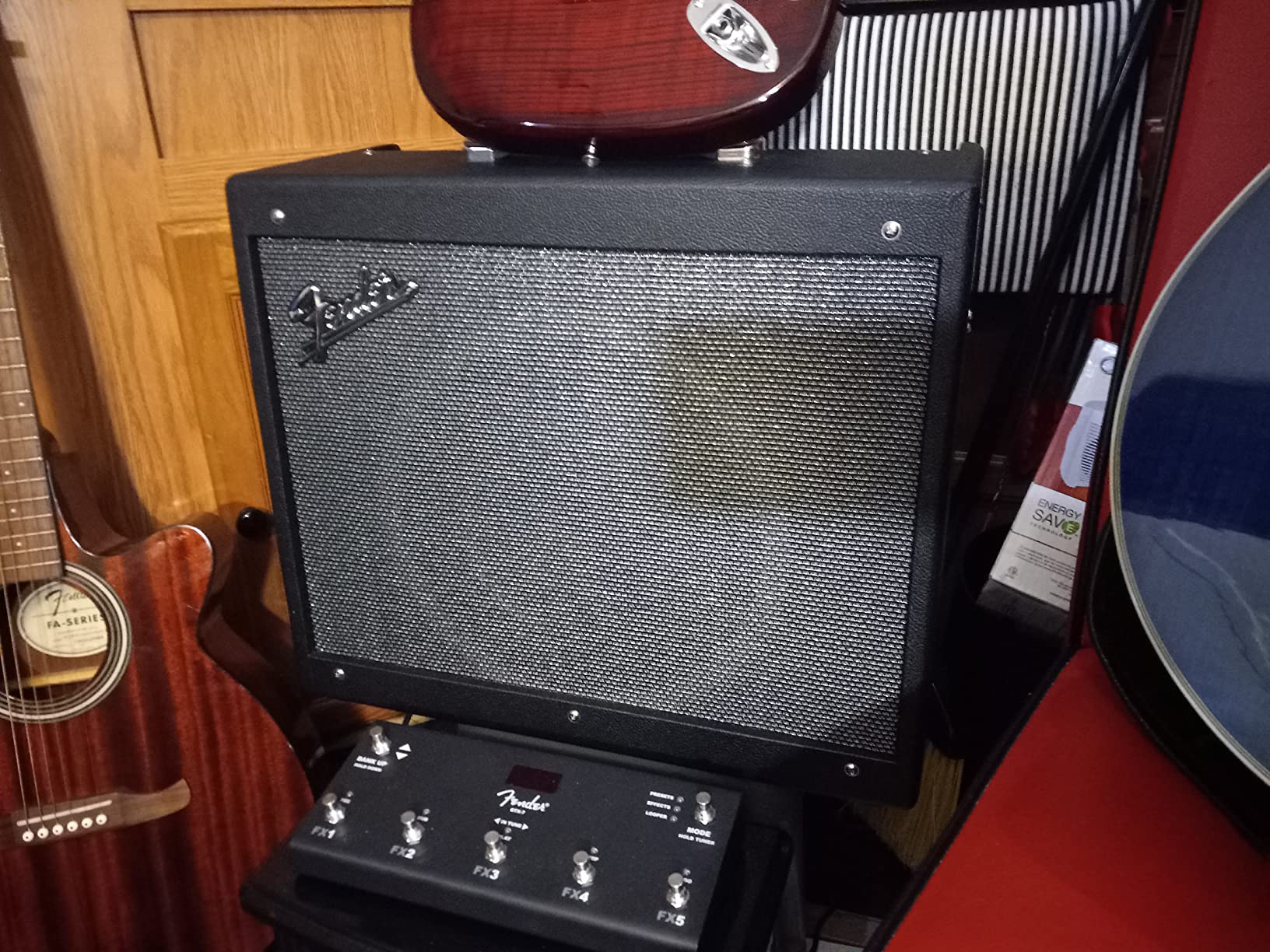
The included footswitch is a standout feature that competitors often charge extra for. It gives you bank up/down, tap tempo, and a 60-second looper right out of the box. I used the looper for practice sessions and found it intuitive enough to build layered parts on the fly. The WiFi connection handles firmware updates wirelessly, and the USB audio interface makes recording into a DAW straightforward.
Where the GTX100 falls short is in app reliability. The Fender Tone app connects over Bluetooth, and I experienced dropouts roughly 20 to 30 percent of the time. When it works, the app is fantastic for deep editing — you can rearrange effects in the signal chain, swap cabinet models, and download community presets. When it disconnects mid-edit, it is frustrating. Also, having only 10 empty preset slots feels limiting, though you can overwrite any of the 200 stock presets.
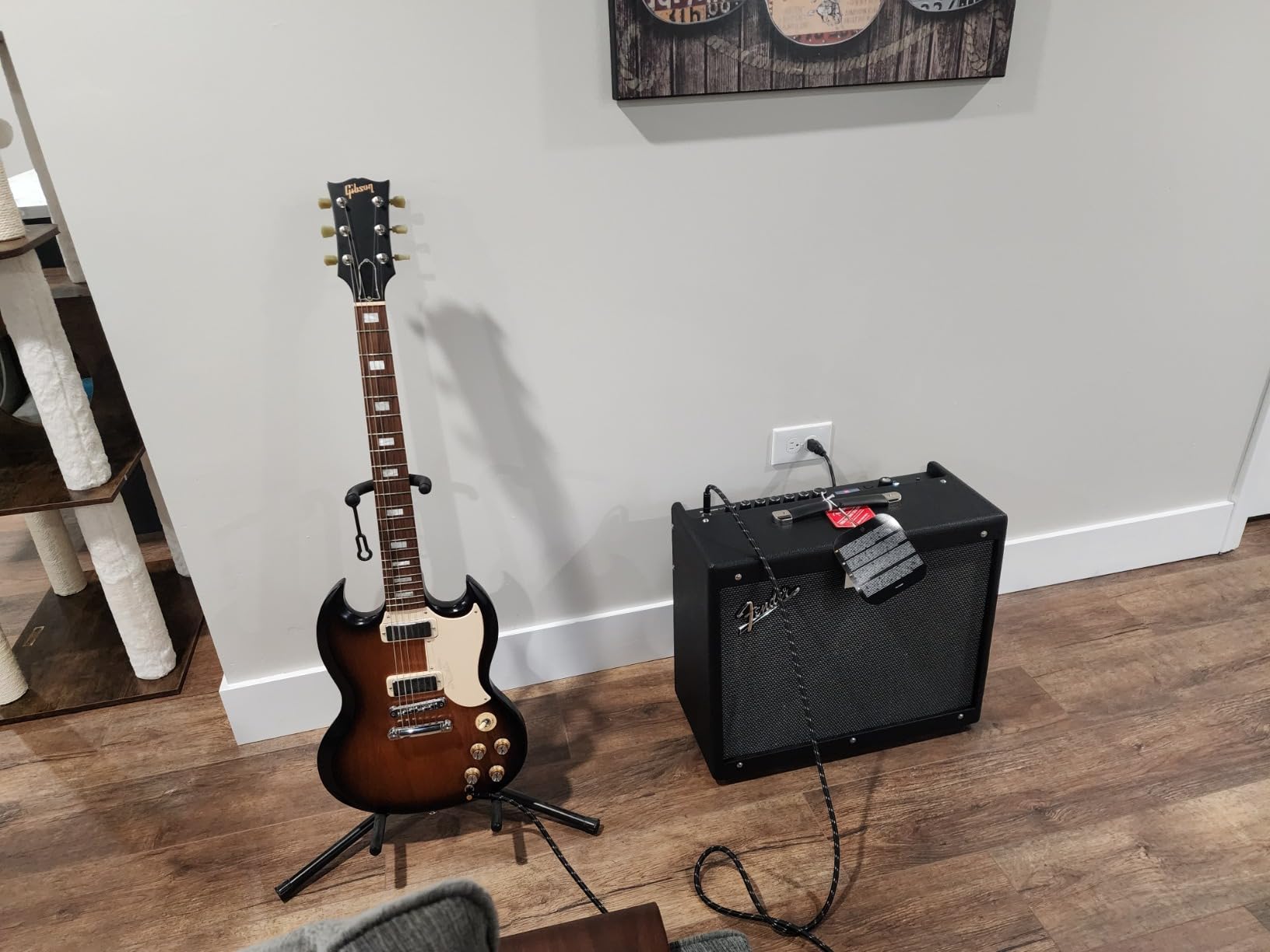
Who Should Step Up to 100 Watts
This amp is built for gigging guitarists who need one rig to cover multiple genres without a pedalboard. If you play in a cover band that shifts from country cleans to hard rock distortion in the same set, the GTX100 handles it all. Church musicians will appreciate the XLR outputs and preset reliability. It is also the best choice if you want a practice amp that you will never outgrow — 100 watts is overkill for a bedroom, but the master volume tames it well.
What to Consider Before Buying
The GTX100 weighs 28.5 pounds, which is light for a 100-watt combo but still substantial if you live in a walk-up apartment. The control panel faces upward at an angle that is hard to read while standing and playing — I found myself crouching to check settings during live use. If you primarily play at home and do not need XLR outputs or a looper, the GTX50 offers the same modeling engine at half the wattage and a lower cost.
2. Fender Mustang GTX50 – Best Versatile Mid-Range Amp
Fender Mustang GTX50 Guitar Amplifier
50W Digital Modeling
12 inch Celestion Speaker
40 Amp Models
Bluetooth and WiFi
200 Presets
Pros
- 40 amp models with modular signal chain
- 12 inch Celestion speaker punches above its weight
- Bluetooth streaming for backing tracks
- WiFi firmware updates
- Lightweight at 20 lbs
- 200 tone presets
Cons
- Fender Tone app Bluetooth connection is unreliable
- No 1/4 inch headphone jack requires adapter
- Some stock presets need tweaking
The GTX50 shares the same modeling engine as the GTX100 but packages it in a more compact, lighter, and more affordable format. I tested this amp extensively at home and at a small venue gig, and it consistently impressed me with how much tone it delivers from a 50-watt solid-state platform. The 12-inch Celestion speaker gives it a voice that modeling amps in this price range rarely achieve.
What sets the GTX50 apart from cheaper Mustang LT models is the modular signal chain. You can physically drag effects to different positions in the chain — put compression before the amp, delay after it, reverb last. This matters because it mirrors how real pedalboards work, and the tonal difference is immediately audible. The 40 amp models include accurate Fender classics alongside Marshall, Vox, and high-gain options.
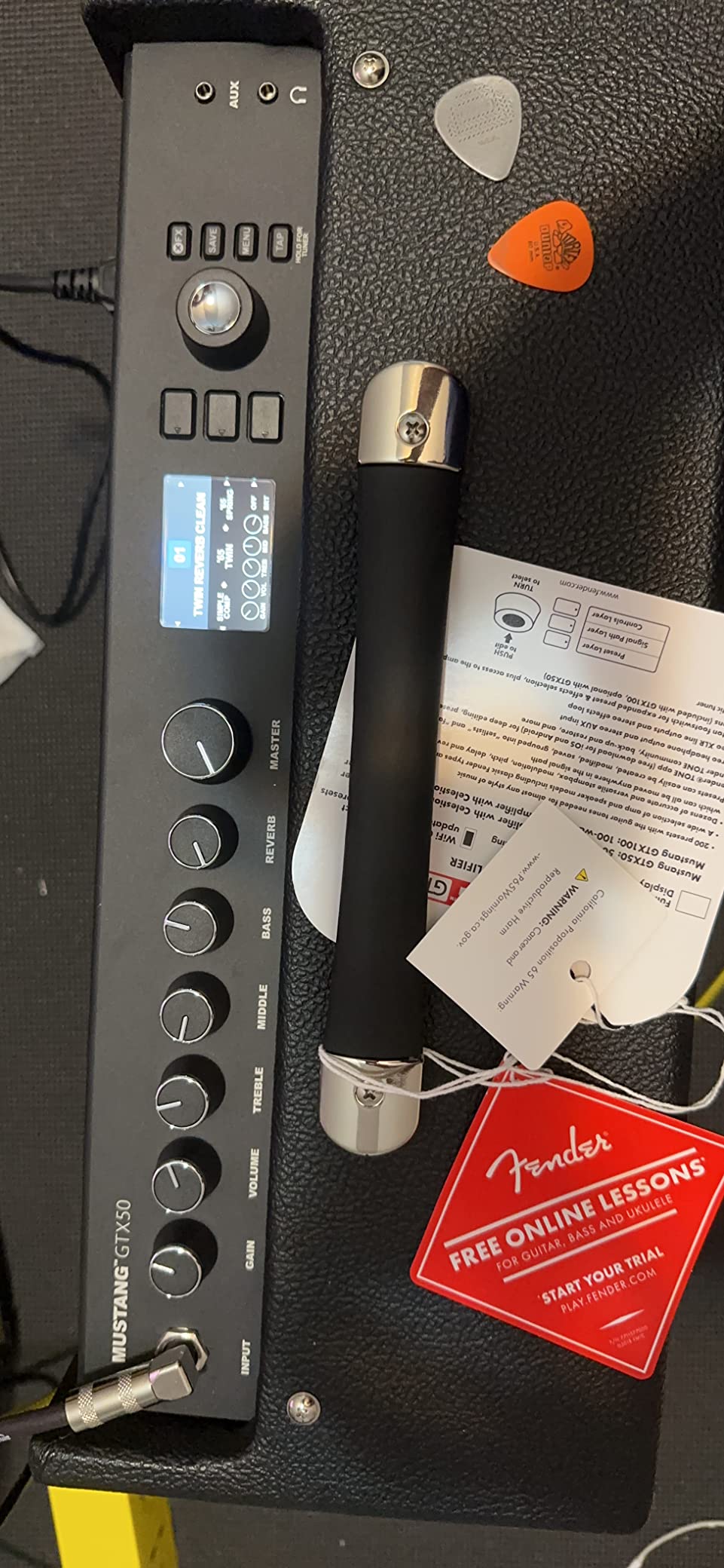
Bluetooth audio streaming was one of my favorite features for practice. I paired my phone, pulled up a backing track on YouTube, and played along at bedroom volume without any latency issues. The WiFi connection handles firmware updates without needing a computer connection. The color display is bright enough to read in any lighting, though navigating 200 presets takes some getting used to.
The main drawback mirrors the GTX100: the Fender Tone app has connectivity issues. I also wish Fender had included a standard 1/4-inch headphone jack instead of requiring an adapter. At gig volumes, the 50-watt output holds its own in small to medium venues but starts to lose clean headroom against a hard-hitting drummer.
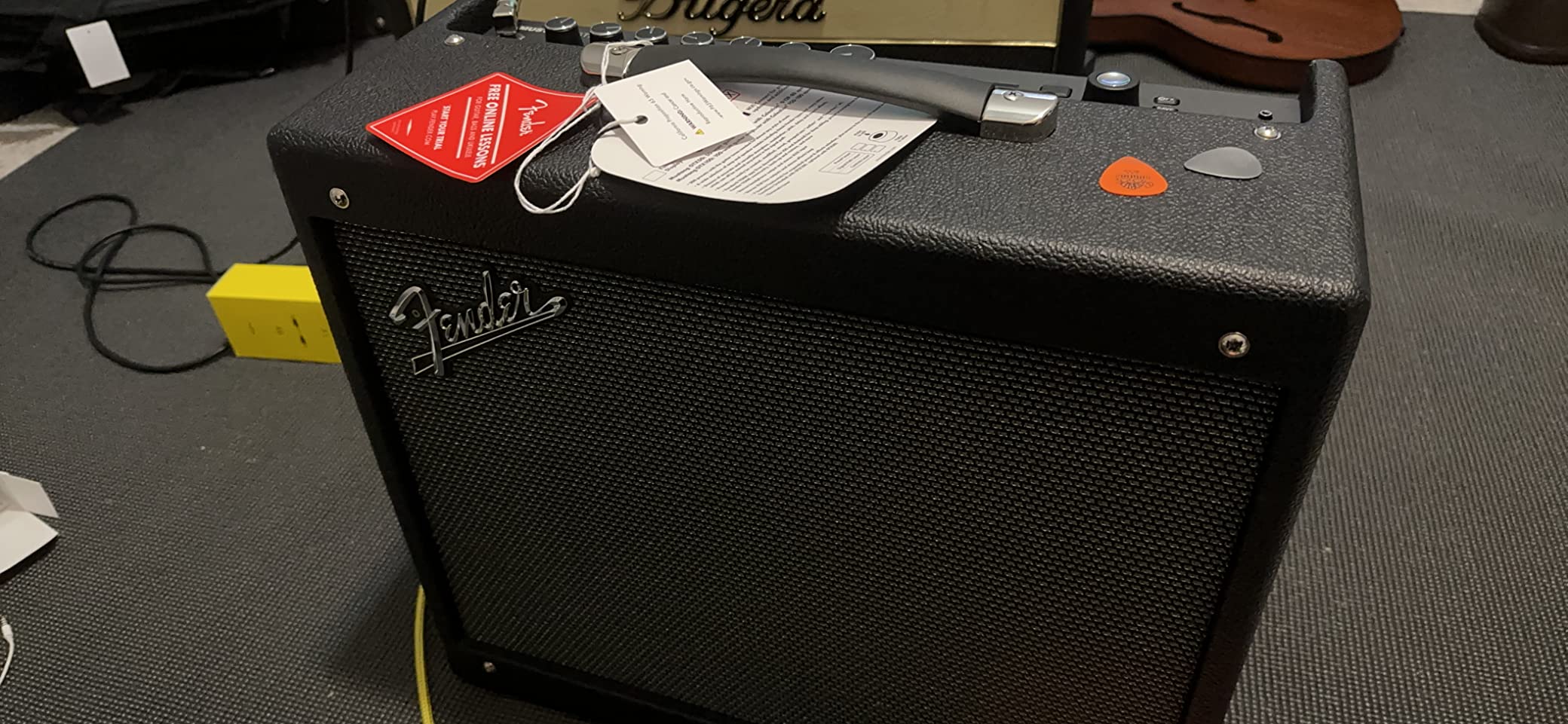
Ideal Use Cases for the GTX50
This is the sweet spot for intermediate players who want professional-level modeling without the 100-watt price tag. It works equally well as a home practice amp with preset flexibility and as a small-venue gigging amp. Recording guitarists will appreciate the USB output for direct recording, and the Celestion speaker gives recordings a real-amp character that cheaper modeling amps lack.
Where It Falls Short
Unlike the GTX100, the GTX50 does not include the 7-button footswitch, and there is no looper built in. If you need preset switching during live performances, you will need to buy the optional footswitch separately. The app reliability issue is the same as the GTX100 — when Bluetooth drops, you lose your editing interface. Plan to do your deep editing at home rather than on stage.
3. Fender Mustang LT50 – Best Value 50W Practice Amp
Fender Mustang LT50 Guitar Amp, 50 Watts, with 2-Year Warranty 30 Preset Effects with USB Audio Interface for Recording, Black
50W Solid State Modeling
12 inch Fender Speaker
30 Presets
25 Effects
USB Recording
Pros
- 50 watts through a 12 inch speaker for full-range tone
- 30 presets covering wide genre range
- 25 onboard effects
- USB audio interface for direct recording
- Great pairing with Strat and Tele
- Built-in tuner
Cons
- No Bluetooth connectivity
- Some Windows 10 USB compatibility issues
- No looper function
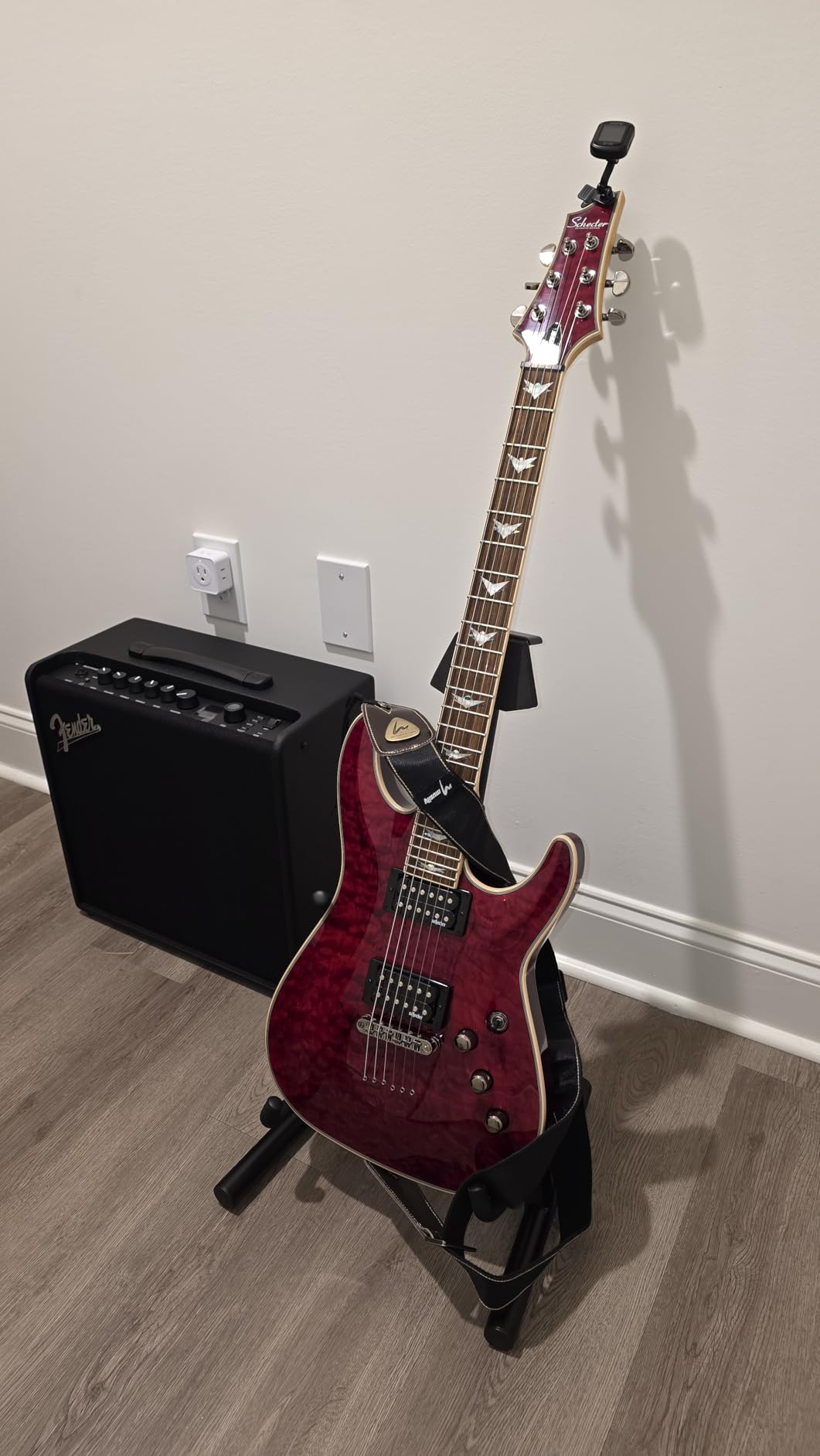
The Mustang LT50 sits in an interesting position in Fender’s lineup. It offers the same 50-watt output and 12-inch speaker size as the GTX50 but strips back the connectivity features to deliver a lower price. I tested it head-to-head with the GTX50 and found that the core tone quality is remarkably similar — the LT50 uses the same Fender Special Design 12-inch speaker that delivers warm, articulate cleans and convincing overdrive.
Where the LT50 differs is in preset management and connectivity. You get 30 preloaded presets and 25 effects rather than 200 presets and 40-plus effects. There is no Bluetooth, no WiFi, and no Fender Tone app integration. For many players, that is perfectly fine. I found the 30 presets covered the essential bases — clean tones, crunch, lead, and high-gain sounds — and the 3-band EQ gave me enough control to shape them to my liking.
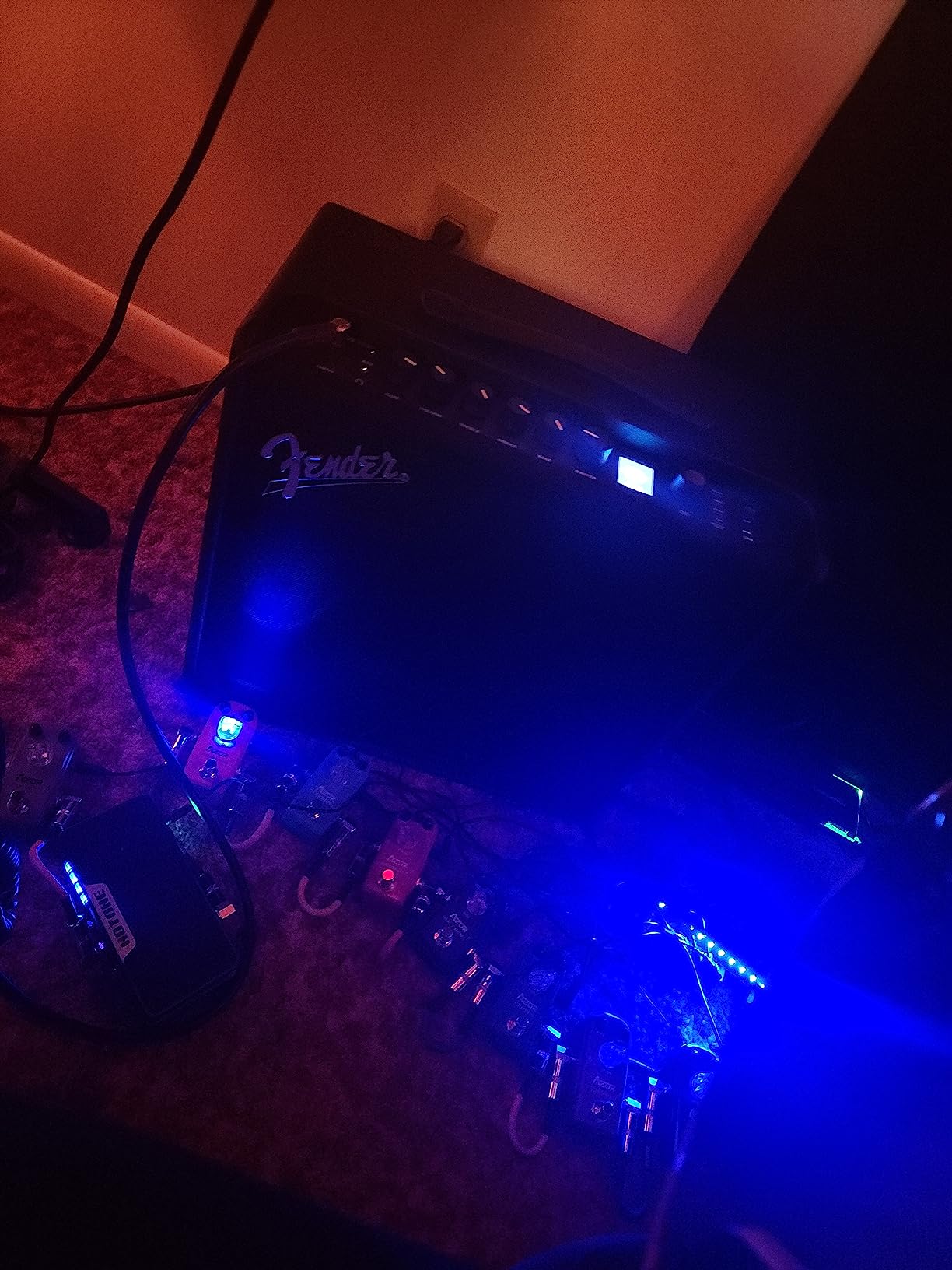
The USB audio interface worked flawlessly on my Mac for direct recording into GarageBand. Some Windows 10 users have reported driver issues, so test the connection early if you are on PC. I particularly liked how the LT50 paired with my Telecaster — the 12-inch speaker gave the bridge pickup a spanky, twangy character that sounded authentic for country and blues.
At 23.5 pounds, the LT50 is portable enough to move between rooms or take to a friend’s house for jam sessions. It is not a gigging amp in the traditional sense, but it handles small venues and coffee shop gigs well. The built-in tuner is a nice touch that saves you from needing a separate pedal or clip-on tuner.
How It Compares to the GTX50
The LT50 gives you the same wattage and speaker size for less money by cutting Bluetooth, WiFi, the Fender Tone app, and the modular signal chain. If you do not need wireless features and are happy with a fixed effects order, the LT50 is the better value. If you want to rearrange effects, download community presets, and stream backing tracks wirelessly, spend the extra on the GTX50.
Long-Term Ownership Notes
Forum users and reviewers consistently cite the LT50 as a reliable workhorse. Multiple owners report years of trouble-free use, which aligns with Fender’s reputation for build quality. The 2-year warranty provides additional peace of mind. One thing to note: the recommended footswitch for preset switching only accesses the first 8 settings, not all 30 presets, so plan your live set accordingly.
4. Fender Champion II 50 – Best Solid-State Combo
Fender Champion II 50-Watt Electric Guitar Amplifier, 2-Channel Combo Amp
50W Solid State
12 inch Fender Special Design
2-Channel
Built-in Effects
USB Recording
Pros
- Authentic Fender clean and overdrive tones
- Built-in reverb delay chorus tremolo and vibratone
- 12 inch speaker delivers articulate full-range tone
- Lightweight at 22.95 lbs
- USB audio output for recording
- Good value for 50W with effects
Cons
- Clean tone degrades at high volumes
- No direct output requires miking for PA
- Footswitch sold separately
The Champion II 50 represents Fender’s latest evolution of their popular Champion series, and it brings genuine improvements over the original. I was impressed by how authentic the Fender tube-amp cleans sound through this solid-state platform. The clean channel has that spanky, bell-like character that Stratocaster players chase, and the 12-inch speaker gives it a warmth that smaller practice amps simply cannot match.
The built-in effects are where the Champion II 50 shines compared to the Frontman series. You get reverb, delay/echo, chorus, tremolo, and Vibratone effects, all adjustable with dedicated knobs and tap tempo for time-based effects. I found the reverb and delay particularly convincing — they add dimension without sounding artificial. The amp voicing options include Fender clean and overdrive, British-style crunch, and modern high-gain distortion.
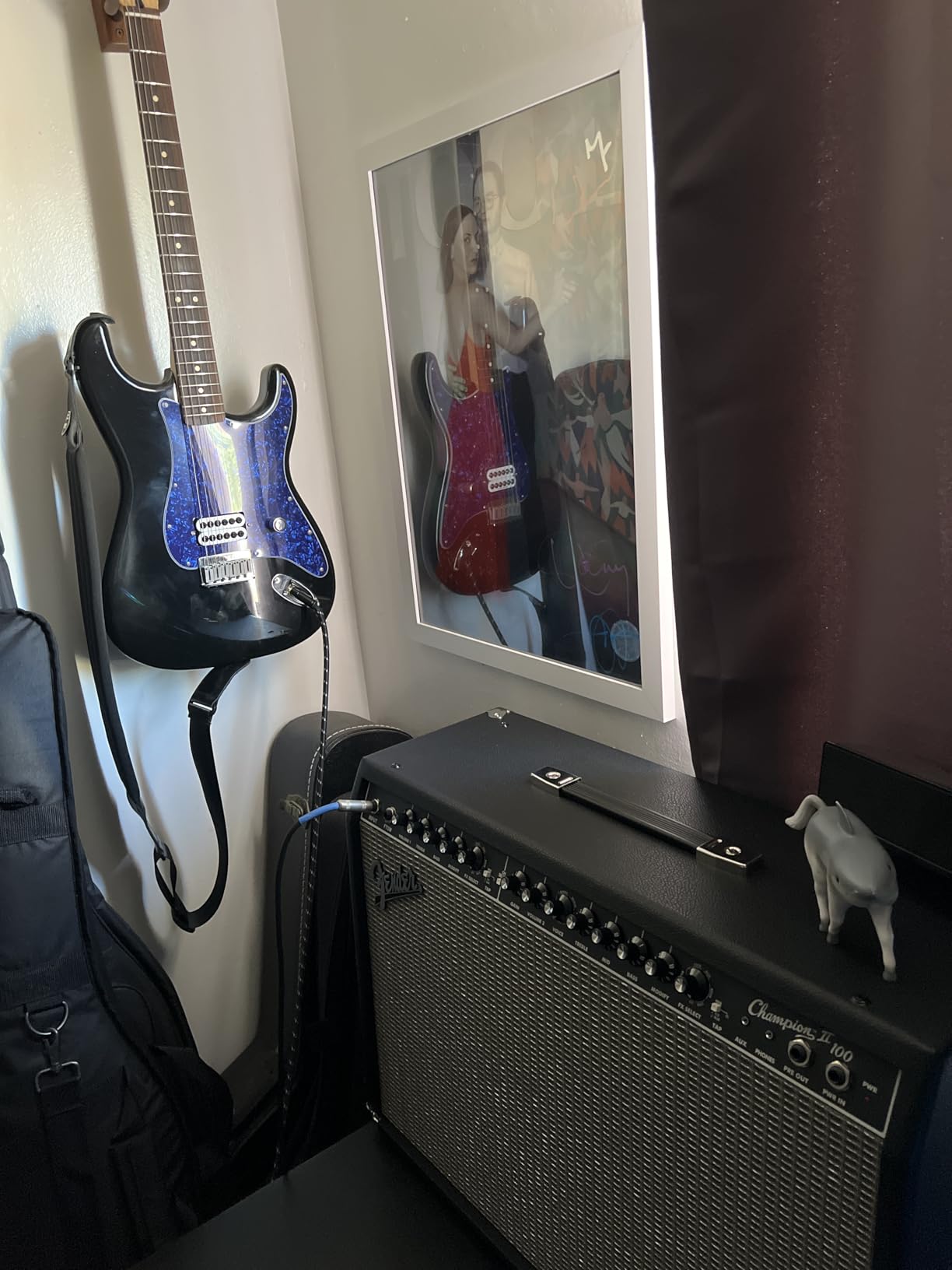
For practice and home recording, the Champion II 50 is excellent. The USB output handles direct recording cleanly, and the headphone jack enables silent practice. I played it at bedroom volumes and the tone remained consistent — no thinning out or harshness at low levels, which is a common problem with solid-state amps.
The biggest limitation is volume degradation. When I pushed the Champion II 50 to band rehearsal levels, the clean channel started to lose definition and became slightly fizzy. This is not an amp for loud stage use without PA support. Also, the footswitch for channel switching is sold separately, which adds to the real cost of ownership.
Best Genres and Guitar Pairings
The Champion II 50 excels at blues, rock, country, and pop tones. I tested it with a Stratocaster for clean rhythm work and a humbucker-equipped guitar for overdriven leads, and both sounded natural and musical. It is less convincing for modern metal — the high-gain voicing lacks the tightness and punch that dedicated metal amps deliver. For church and acoustic-electric contexts, the clean channel with reverb is particularly appealing.
What Sets It Apart from the Mustang LT50
The Champion II 50 offers a more traditional amp interface with physical knobs for each effect, while the LT50 uses a preset-based system with a digital display. If you prefer turning real knobs to dial in your tone rather than scrolling through menus, the Champion II 50 feels more like playing a traditional amplifier. The LT50 offers more presets and deeper editing, but the Champion II 50 is faster to operate on the fly.
5. Fender Mustang LT25 – Best Beginner Amp
Fender Mustang LT25 Guitar Amplifier, 25-Watt Combo Amp with 8″ Speaker
25W Digital Modeling
8 inch Fender Speaker
30 Presets
Color Display
USB and Headphone Out
Pros
- Excellent tone quality for digital modeling
- 30 expertly-crafted presets for every genre
- Simple interface with full-color display
- USB connectivity for recording and firmware updates
- Stereo headphone output for silent practice
- Compatible with Fender Tone Desktop App
Cons
- Uses mini-USB not USB-C
- USB port placement on front is awkward
- Not suitable for large gigs
- Some distortion presets less authentic than analog pedals
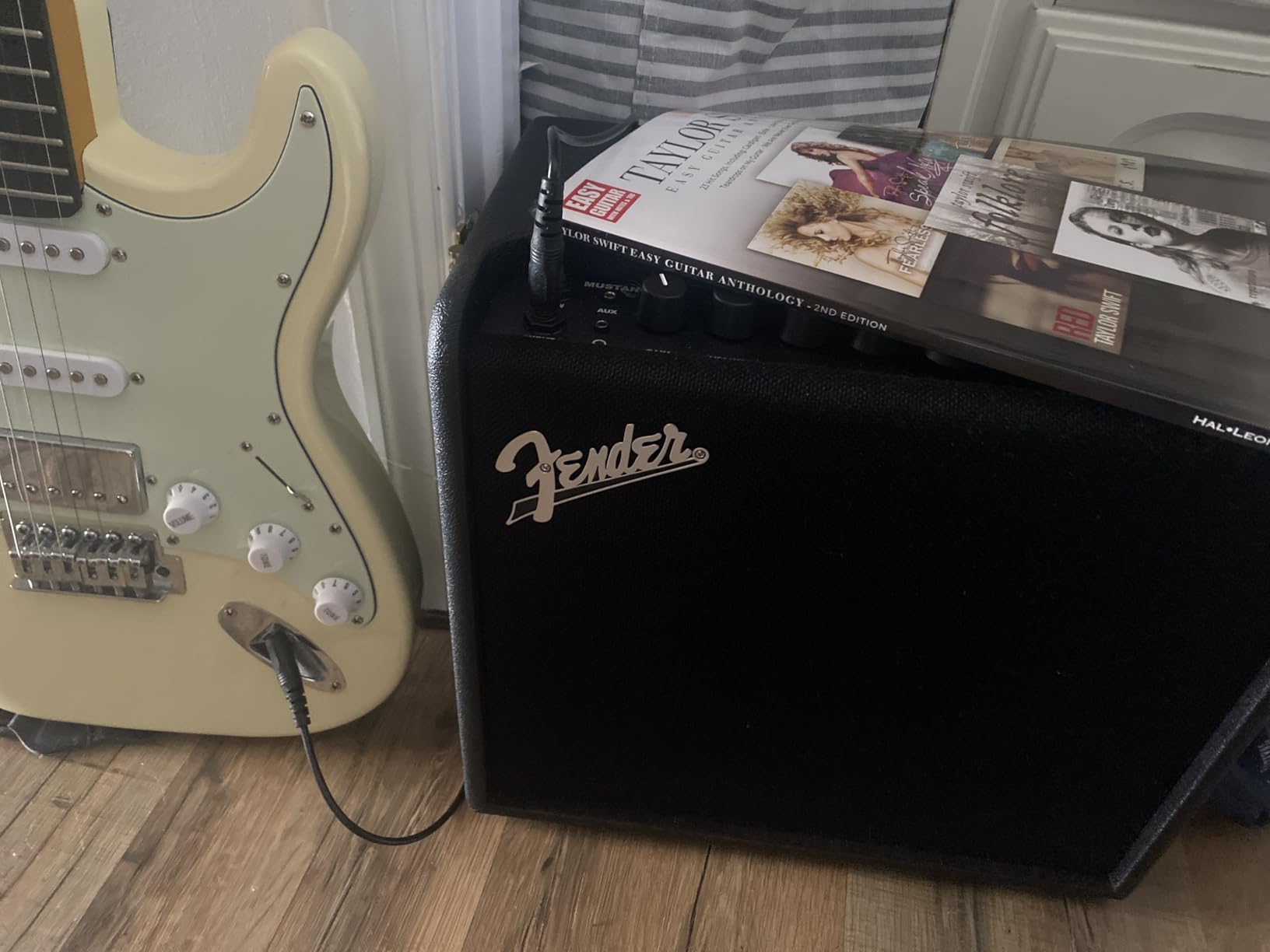
With over 4,100 reviews and a 4.8-star average rating, the Mustang LT25 is one of the most popular beginner guitar amps ever made. I picked one up for a family member learning guitar and spent several hours testing it myself to understand why it has earned such a devoted following. The answer is simple: it sounds genuinely good for the price, and it makes learning fun.
The 30 presets are the star of the show. Rather than forcing a beginner to understand gain staging and EQ, Fender has curated 30 complete tones spanning clean, crunch, and high-gain sounds. My favorite was a preset that emulates a vintage Fender clean with spring reverb — it made even my basic chord progressions sound polished. The 1.8-inch color display shows the preset name and category, making navigation intuitive.
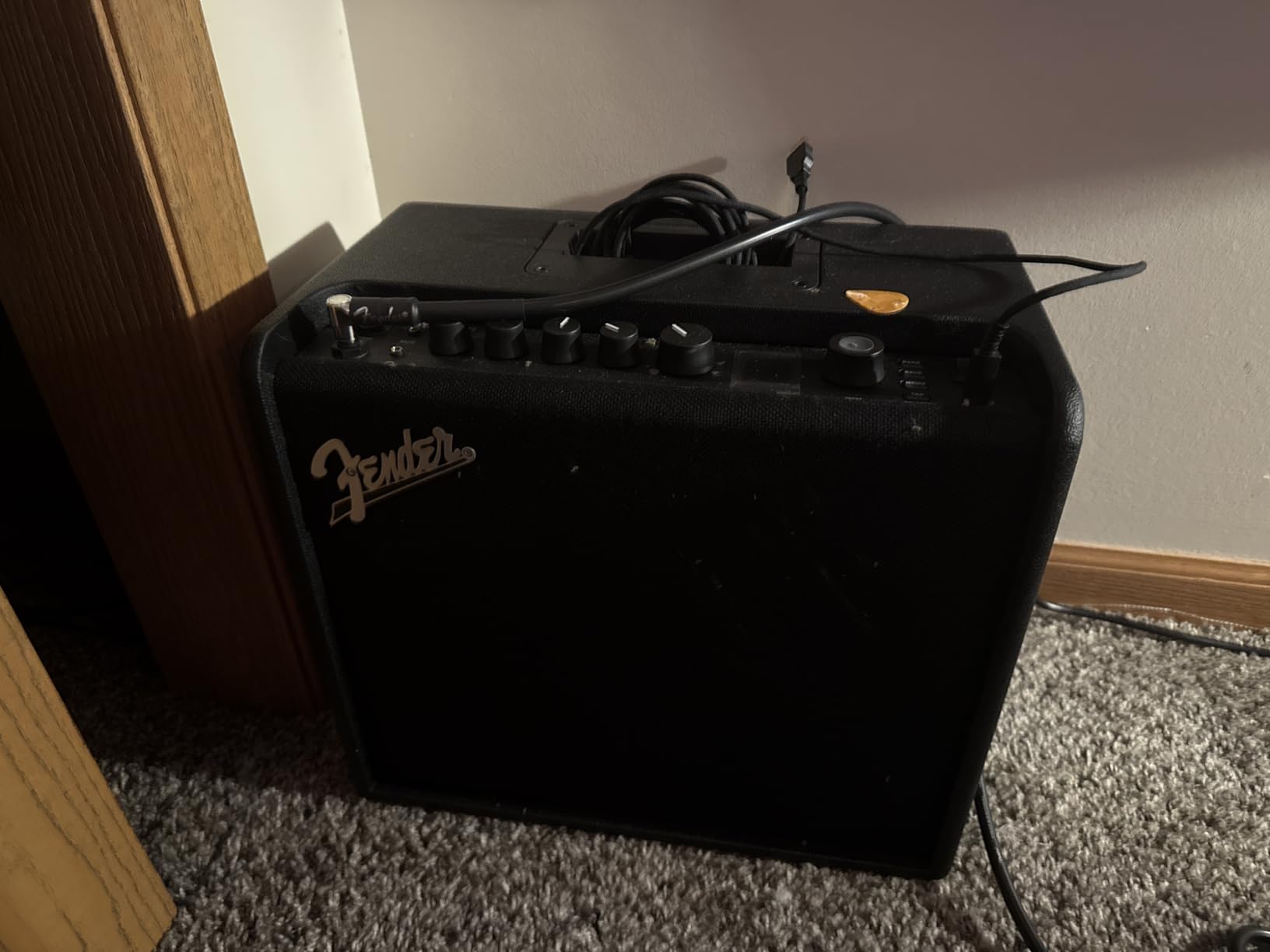
The 25-watt output through the 8-inch speaker is more than enough for bedroom practice. I could not overpower a drummer with it, but for learning songs, practicing scales, and recording ideas, the volume is appropriate. The headphone output enables silent practice at night, and the USB interface lets you record directly into recording software without an audio interface.
My main complaint is the mini-USB port. In 2026, USB-C is the standard, and the mini-USB cable Fender includes is short and feels dated. The port placement on the front panel is also awkward — it sits right next to the power switch, and I accidentally turned the amp off while plugging in the cable more than once.
Why Beginners Love the LT25
The LT25 removes every barrier to getting started. You plug in, select a preset, and immediately sound good. There is no need to buy pedals, no need to understand tube bias or speaker impedance, and no need for a separate audio interface for recording. The Fender Tone Desktop App opens up deeper editing for when the player is ready, but the amp is fully usable without ever connecting to a computer.
Upgrade Path Considerations
If you or your child is just starting, the LT25 is the ideal first amp. As skills improve, the natural upgrade path goes to the Mustang LT50 for more volume and a 12-inch speaker, or the GTX50 for app control and Bluetooth. The LT25 holds its resale value well, so upgrading later does not mean losing your initial investment. For the absolute best value in the Fender lineup, this is hard to beat.
6. Fender Champion II 25 – Best Budget Practice Amp
Fender Champion II 25 Watt Electric Guitar Combo Amp, Speaker, USB & Aux
25W Solid State
8 inch Fender Speaker
Multiple Voicings
Reverb Delay Chorus
USB and Aux In
Pros
- Iconic Fender clean and overdrive tones
- Versatile amp modeling with multiple voicings
- Built-in effects including reverb delay chorus tremolo
- USB output for direct recording
- Aux input for backing tracks
- Solid well-built construction
Cons
- LED color coding interface requires manual lookup
- Voicings lean heavily toward high-gain metal
- 8 inch speaker limits low-end response
- Instructions are minimal
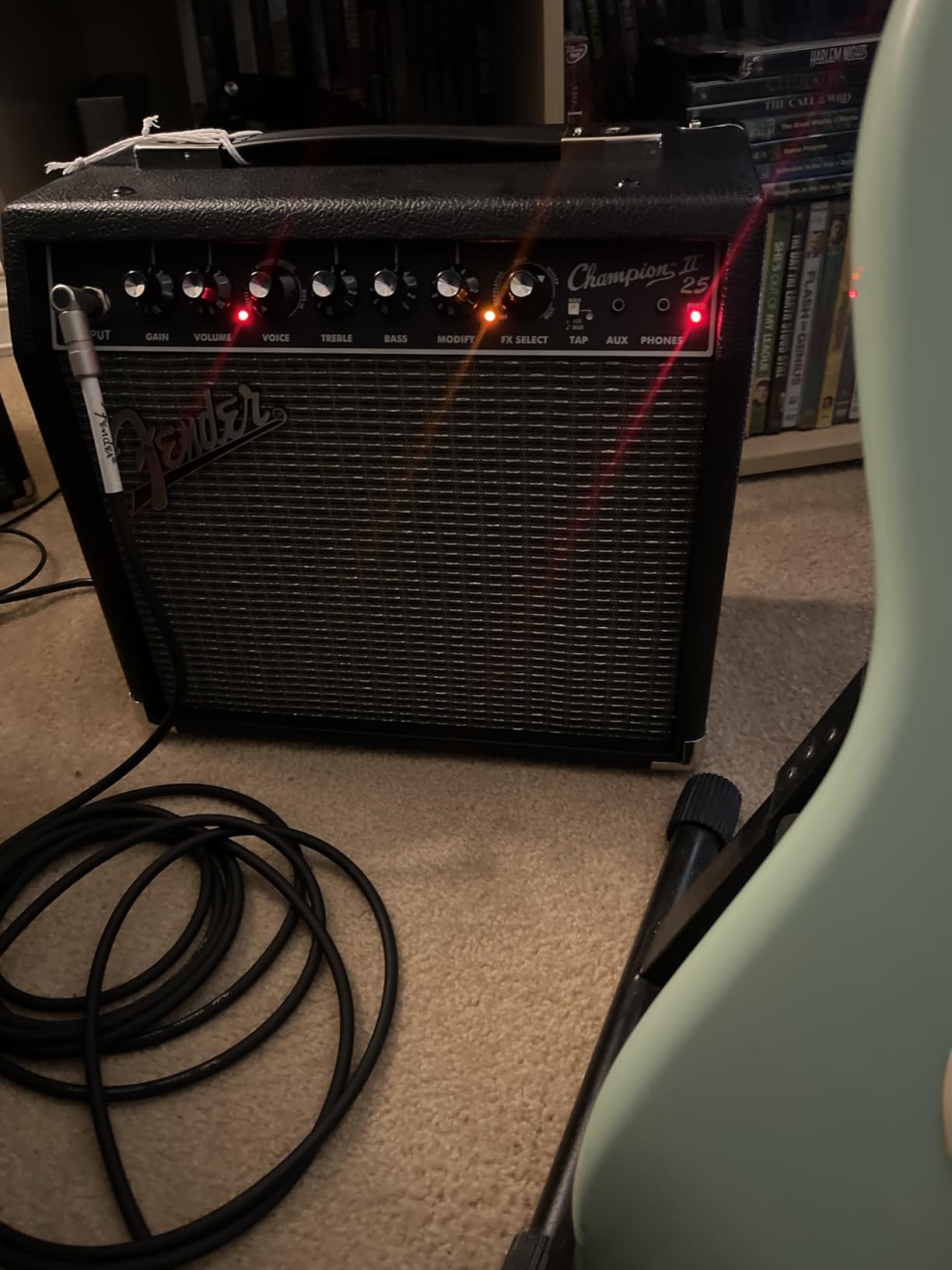
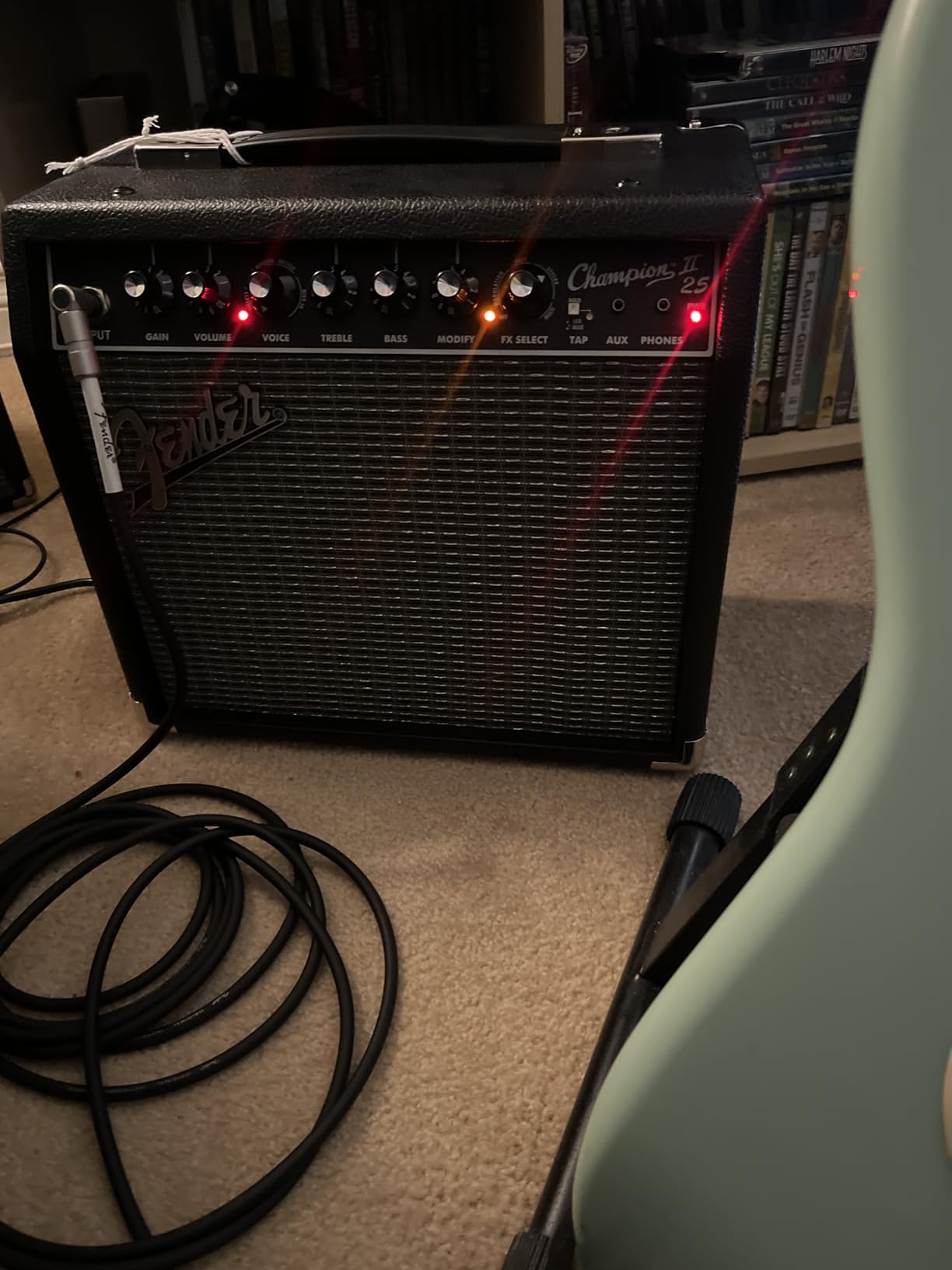
The Champion II 25 is the smaller sibling of the Champion II 50, delivering the same voicing and effects engine in a more compact 25-watt format with an 8-inch speaker. I tested this amp as a step-up option from the Frontman series, and it offers significantly more tonal flexibility for a modest price increase. The built-in effects alone justify the difference.
Fender has packed an impressive amount of modeling into this amp. You get multiple amp voicings spanning Fender clean and overdrive, British-style crunch, and modern high-gain sounds. The effects section includes reverb, delay/echo, chorus, tremolo, and Vibratone — all with tap tempo functionality for time-based effects. For a practice amp in this price range, that is a generous feature set.
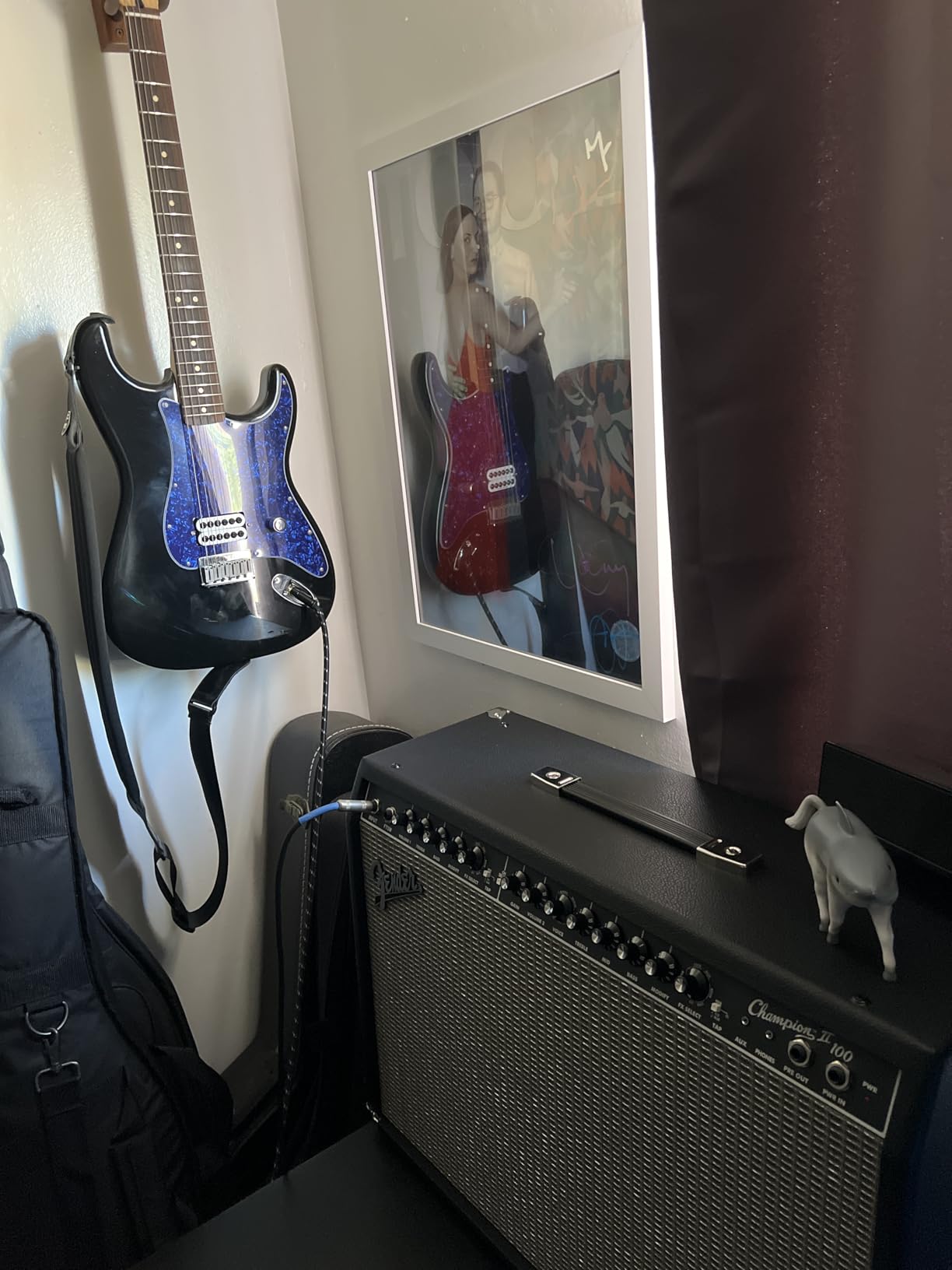
I found the clean tones to be the Champion II 25’s strongest suit. With a Stratocaster plugged in, the clean voicing produced that signature Fender sparkle with a surprising amount of depth for an 8-inch speaker. The reverb added a convincing sense of space, and the delay was musical rather than sterile. At bedroom volume, the amp maintained its tone character without the harshness that plagues many budget solid-state amps.
The main frustration is the user interface. Fender uses LED color coding to indicate which voicing or effect is selected, which means you need the manual handy until you memorize the color assignments. The voicings also lean more toward metal and high-gain than I expected, which may not suit players looking for country, pop, or blues-focused tones.
How It Compares to the Mustang LT25
The Champion II 25 and Mustang LT25 occupy the same price range but take different approaches. The LT25 uses a preset-based system with a color display, while the Champion II 25 uses traditional knobs with LED indicators. The LT25 offers more curated presets, while the Champion II 25 gives you more real-time control over individual parameters. If you prefer a set-and-forget approach, the LT25 is simpler. If you like tweaking knobs to find your tone, the Champion II 25 feels more like a traditional amp.
Best for Home and Small Jam Sessions
The 25-watt output is ideal for home practice and small jam sessions at conversational volume. It will not keep up with a full drum kit, but for practicing along with tracks through the aux input or playing with an acoustic guitarist, the volume is adequate. The USB output makes it viable for bedroom recording setups, and the headphone jack handles silent practice.
7. Fender Mustang LT40S – Best Desktop Practice Amp
Fender Mustang LT40S Guitar Amplifier, with 2-Year Warranty
40W Stereo Modeling
Dual 4 inch Full-Range Speakers
Color Display
30 Presets
USB Interface
Pros
- Stereo output with dual 4 inch full-range speakers
- Compact desktop design extremely portable
- Wide variety of amp models and effects presets
- USB audio interface plug and play
- Fender Tone LT Desktop App for editing
- Built-in tuner
Cons
- Limited FX slots cannot change effect order
- Distortion can sound ratty compared to tube amps
- Small 4 inch speakers have limited low-end
- Some app connectivity issues reported
The Mustang LT40S is a different kind of practice amp. Rather than a single forward-facing speaker, it uses dual 4-inch full-range speakers in a stereo configuration designed to sit on a desk or tabletop. I tested it in my home studio as a desktop monitoring and practice solution, and the stereo spread adds a dimension that mono practice amps simply cannot deliver.
The stereo speaker setup makes effects sound dramatically better. Reverbs and delays bloom in a three-dimensional space rather than collapsing into a flat plane. Modulation effects like chorus and vibrato have a width and movement that mono amps lose entirely. For players who practice with backing tracks or play along with stereo recordings, the LT40S creates an immersive practice environment.
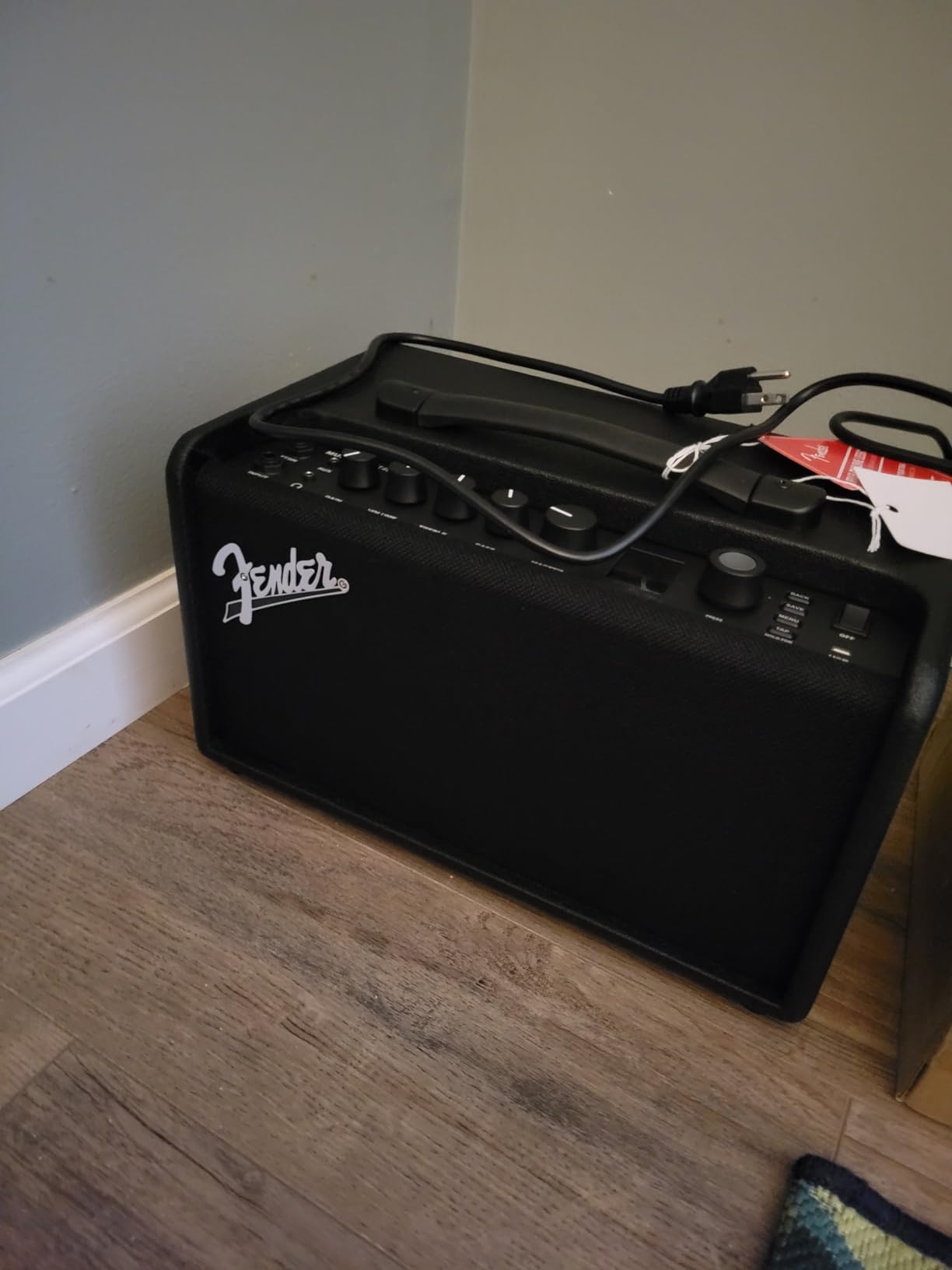
With 40 watts of stereo power, the LT40S gets louder than its compact size suggests. I used it for small coffee shop rehearsals and it held its own in an acoustic setting. The 30 presets cover the same genre range as the LT25 — clean, crunch, and high-gain tones — and the color display makes preset selection straightforward.
The limitations are inherent to the design. Four-inch speakers cannot reproduce the low frequencies that a 12-inch speaker delivers, so bass-heavy tones and palm-muted rhythm playing lack the chest-thumping authority of larger amps. The distortion models can sound slightly processed compared to genuine tube breakup. And the fixed effect chain order prevents you from putting compression after the amp model or delay before it.
Who Benefits Most from a Stereo Desktop Amp
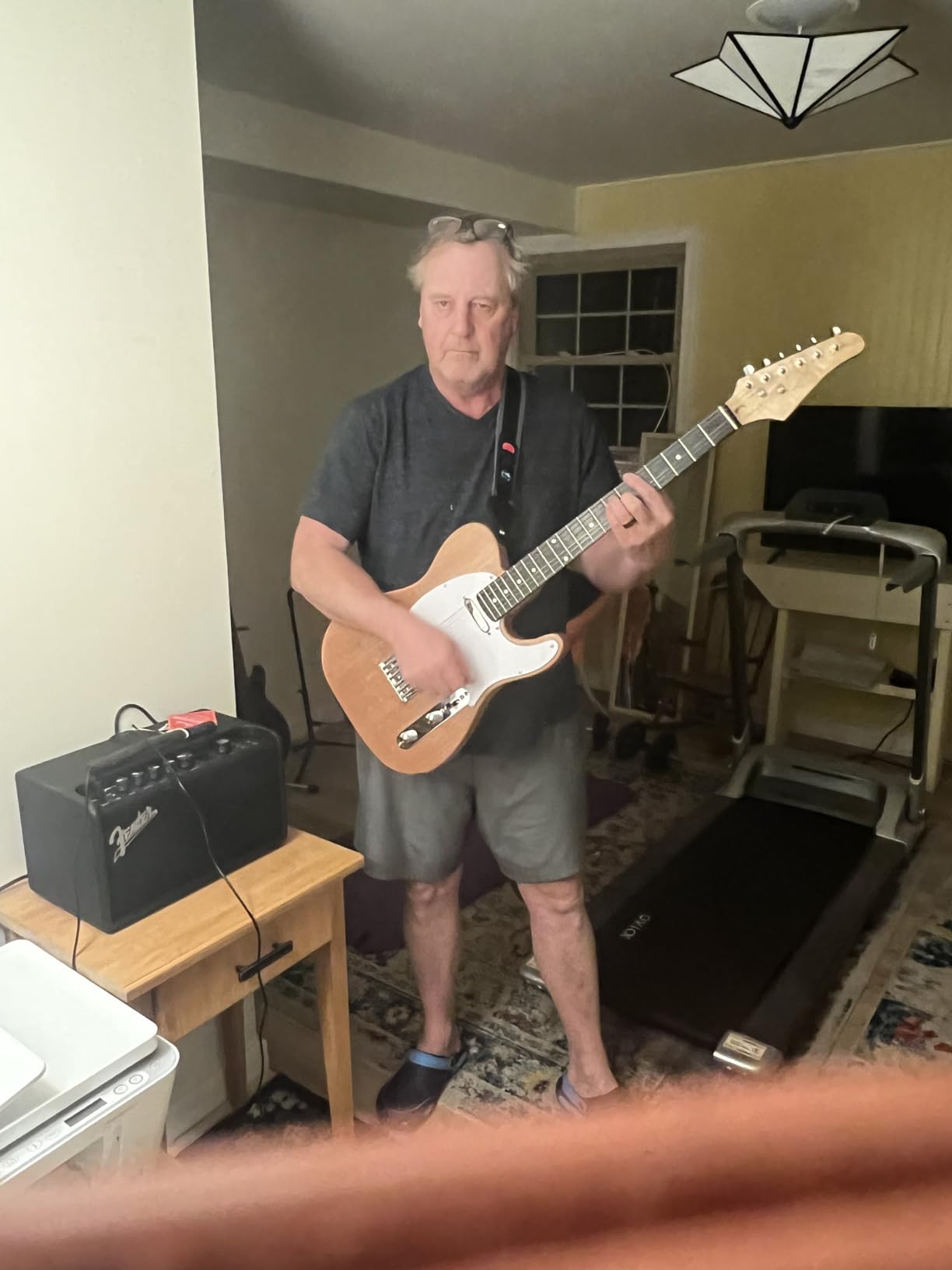
The LT40S is ideal for apartment dwellers, traveling musicians, and anyone who practices at a desk or table. If your practice space is a home office, bedroom, or hotel room, the stereo desktop format is more practical than a floor-standing combo. It is also excellent for silent recording — the USB interface captures stereo output directly, giving your recordings a wider, more polished sound than mono USB amps.
What to Know About the Speakers
The dual 4-inch full-range speakers are voiced for clarity rather than low-end punch. This means clean tones, single-note leads, and arpeggiated patterns sound detailed and spacious, but heavy power chords can sound thin. If your playing style emphasizes leads, clean rhythm, or fingerstyle, the LT40S is a fantastic practice tool. If you primarily play rhythm guitar in drop tunings, the lack of low-end response will be noticeable.
8. Fender Mustang Micro Plus – Best Portable Headphone Amp
Fender Mustang Micro Plus Headphone Guitar Amplifier, Bluetooth, USB
Headphone Amp
25 Amp Models
25 Effects
Bluetooth Streaming
USB-C Recording
Rechargeable Battery
Pros
- Incredibly compact fits in your palm
- 25 amp models including Fender Marshall Vox Orange
- Built-in chromatic tuner
- Bluetooth streaming for backing tracks
- USB-C recording output
- Over 4 hours battery life
Cons
- Fender Tone app iOS only no Android
- Cannot save custom presets permanently on device
- Effects are preset combinations not individually customizable
- Small size easy to lose
The Mustang Micro Plus is not a traditional amplifier — it is a pocket-sized headphone amp that plugs directly into your guitar’s input jack. I was skeptical about the concept until I tried one during a hotel stay on a business trip. With a pair of headphones and my travel guitar, I had a full practice rig that fit in a jacket pocket. The convenience is genuinely transformative for traveling musicians.
The 25 amp models are surprisingly diverse. You get Fender classics alongside models based on Marshall, Vox, Orange, Hi-Watt, Friedman, and boutique amps. The tonal range covers pristine cleans, vintage crunch, and modern high gain. I was impressed by how close the Fender model came to the real thing — the spring reverb emulation, in particular, has that drippy, splashy character that Fender reverb tanks are famous for.
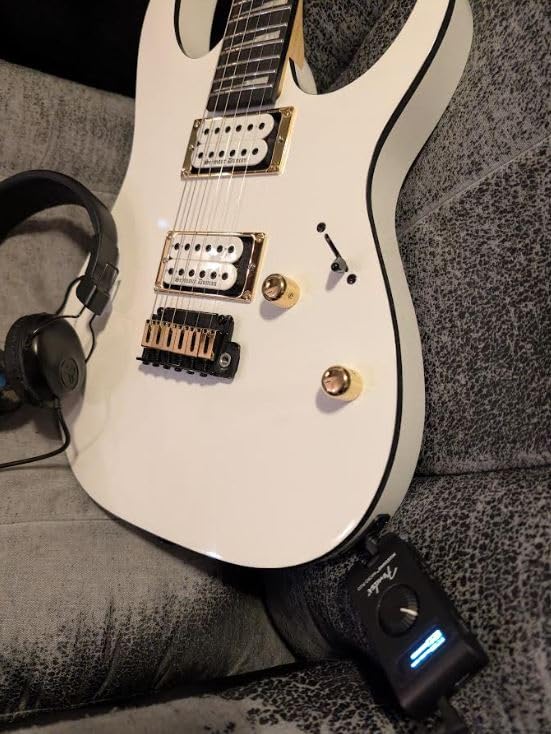
Bluetooth connectivity sets the Micro Plus apart from competing headphone amps. I connected my phone and streamed backing tracks from Spotify while playing along. The mix of backing track and guitar in my headphones was well balanced, and there was no noticeable latency. The USB-C port handles both recording output and charging, and the rechargeable battery lasted over four hours in my testing.
The biggest downside is the lack of Android support for the Fender Tone app. If you are an iOS user, you get full preset editing on your phone. If you are on Android, you are limited to the 100 stock presets with no app-based customization. You also cannot permanently save custom presets to the device itself — a significant limitation for players who want to dial in and recall specific tones.
Best Use Cases for a Pocket-Sized Amp
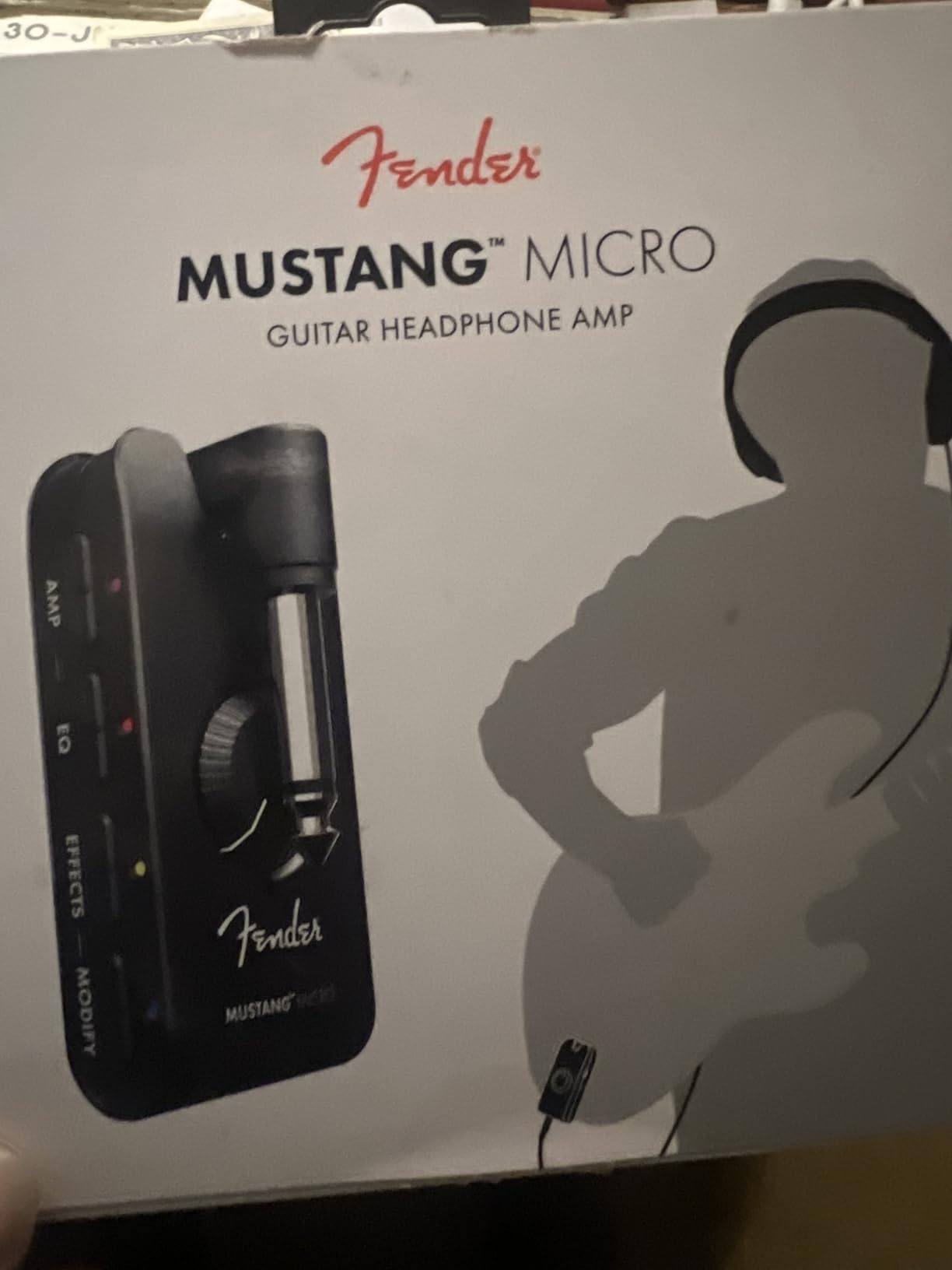
Traveling guitarists, apartment dwellers with paper-thin walls, and late-night practicers are the primary audience for the Micro Plus. It also works well as a backup solution — if your main amp fails at a gig, you can run the Micro Plus through the PA via its USB-C output or a 3.5mm-to-XLR cable. Bass players will appreciate that a firmware update adds 10 bass amp models from the Rumble series.
Limitations to Be Aware Of
The Mustang Micro Plus is a headphone amp, not a stage or rehearsal amp. There is no speaker, so it produces no sound without headphones or an external amplification system. The stainless steel body feels premium but the small size means it is easy to misplace. The rotating input plug is designed to fit guitars with various jack orientations, but some recessed input plates may not accommodate it comfortably.
9. Fender Frontman 20G – Best Entry-Level Practice Amp
Fender Frontman 20G Electric Guitar Amplifier, 20-Watt Amp, 8″ Speaker
20W Solid State
8 inch Fender Speaker
Clean and Drive Channels
3-Band EQ
Aux In and Headphone Jack
Pros
- Excellent Fender clean tone
- Two channels for clean and drive sounds
- 3-band EQ for tone shaping
- 8 inch speaker delivers solid tone
- Aux input for backing tracks
- Headphone output for silent practice
Cons
- No built-in reverb effect
- Drive channel not very aggressive
- Some users report synthetic-sounding highs
- Not suitable for gigging or band situations
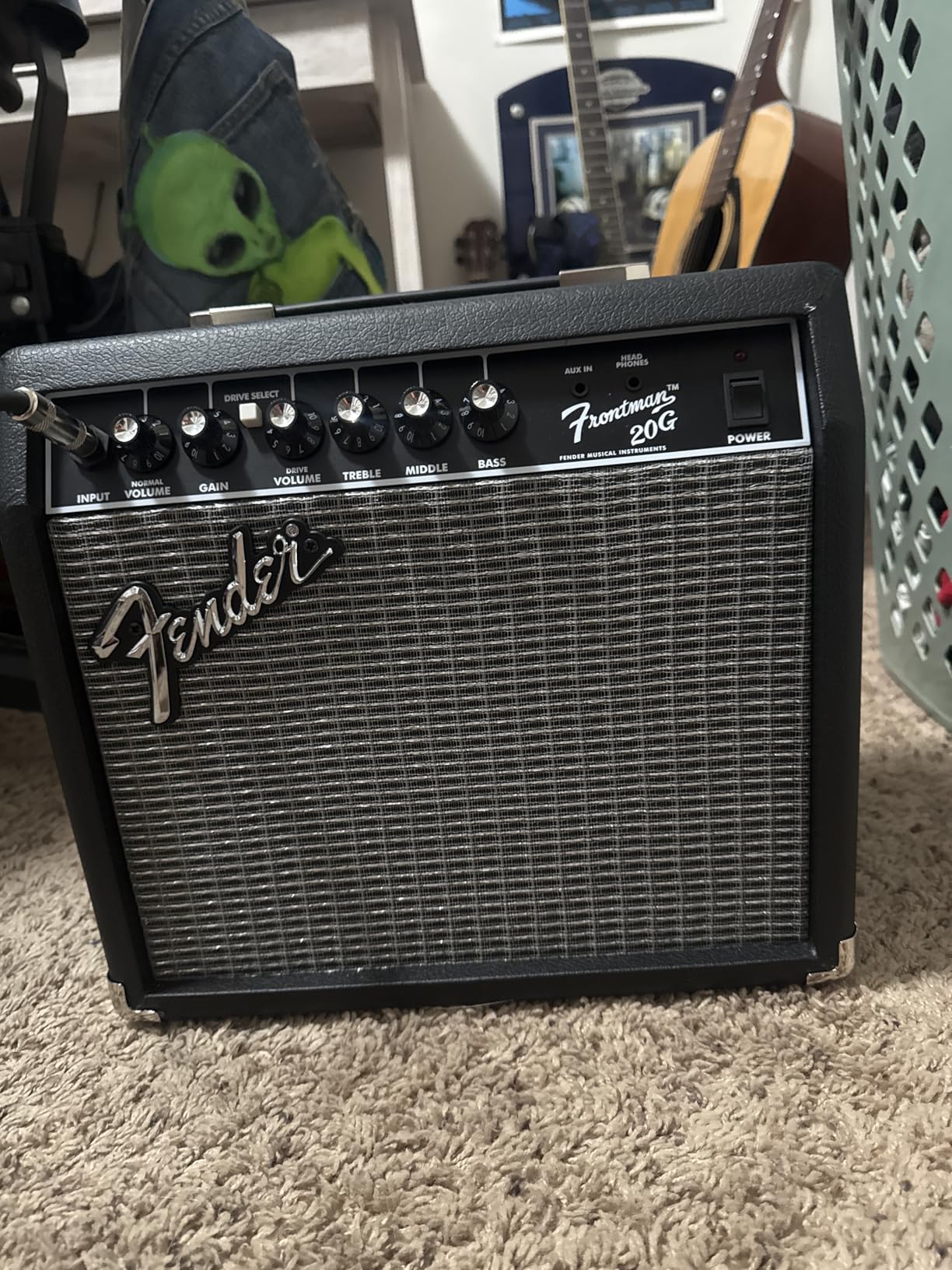
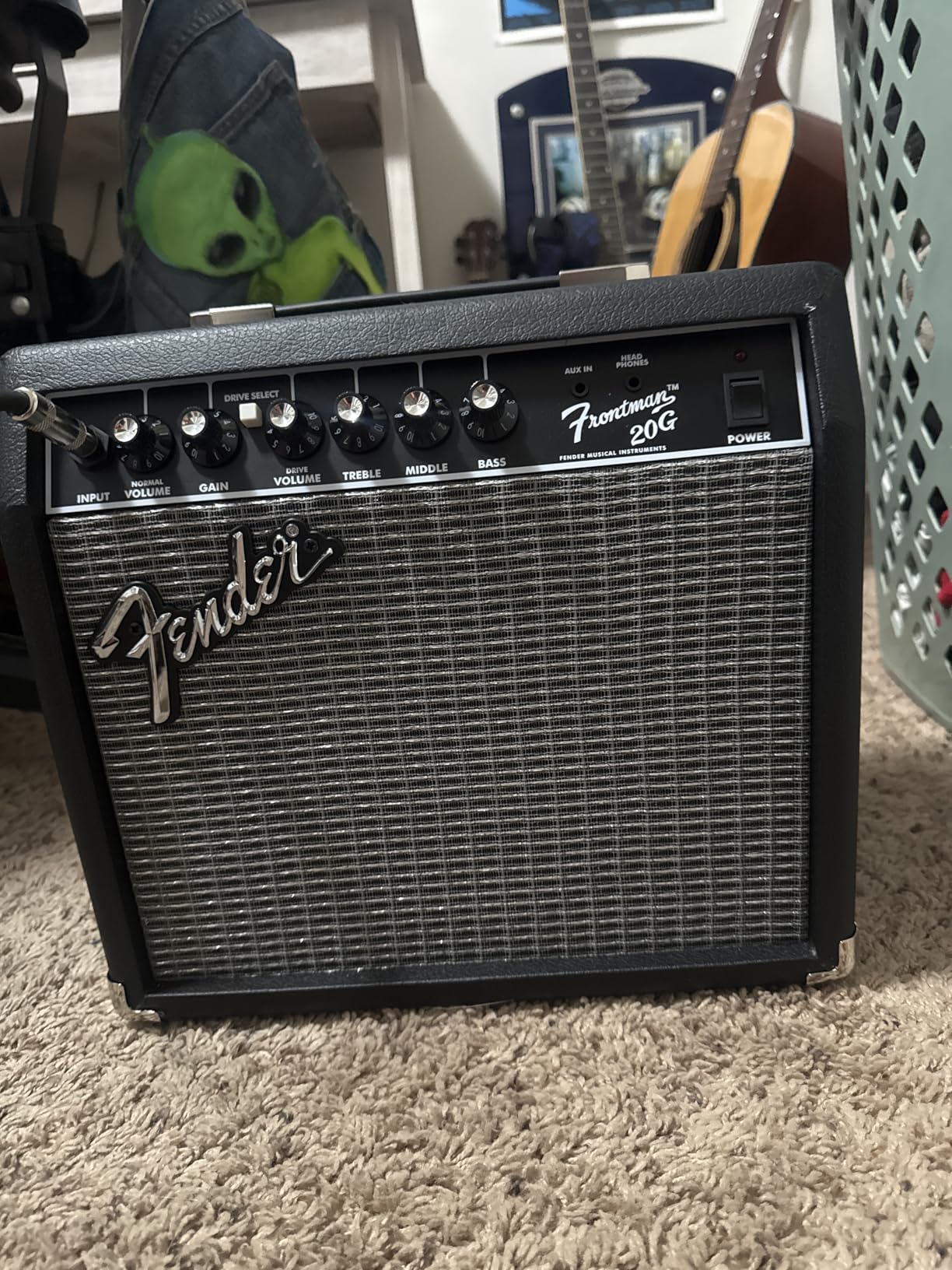
The Frontman 20G is a no-nonsense practice amp that does exactly what it promises: delivers genuine Fender clean tone at a price anyone can afford. I tested this amp as an upgrade from the Frontman 10G and found that the additional 10 watts and larger 8-inch speaker make a meaningful difference in tone quality and low-end response.
The two-channel design gives you a clean channel and a switchable drive channel. The clean channel is where this amp shines — it has that warm, glassy Fender character that works beautifully with single-coil pickups. My Stratocaster sounded alive through the clean channel, with sparkling highs and a rounded bottom end that the smaller Frontman 10G could not reproduce.
The 3-band EQ (bass, mid, treble) is a significant upgrade over the Frontman 10G’s 2-band EQ. Having a mid control lets you scoop mids for a smoother rhythm tone or boost them for a punchier lead cut through a mix. I found the EQ responsive and musical across its range.
The drive channel is serviceable but unremarkable. It provides a basic overdrive sound suitable for classic rock rhythm tones, but it lacks the aggression and nuance that dedicated overdrive pedals or higher-end modeling amps deliver. The bigger omission is the lack of built-in reverb, which means your clean tone sounds noticeably dry compared to amps with spring or digital reverb.
How It Compares to the Frontman 10G
The Frontman 20G doubles the wattage and increases the speaker from 6 inches to 8 inches compared to the 10G. In practice, this means fuller tone, better low-end response, and more volume headroom. The 3-band EQ versus the 10G’s 2-band EQ gives you more tonal control. If you can stretch your budget for the 20G over the 10G, the tonal improvement is worth it.
What Experienced Players Should Know
Many experienced guitarists use the Frontman 20G as a pedal platform. The clean channel takes overdrive and distortion pedals well, effectively turning this simple amp into a versatile tone generator. If you already own pedals and need an affordable, reliable clean platform, the Frontman 20G is a smart choice. Just do not expect the built-in drive channel to replace your pedals.
10. Fender Frontman 10G – Best Budget Starter Amp
Fender Frontman 10G Electric Guitar Amplifier, 10-Watt Amp, Black/Silver
10W Solid State
6 inch Fender Speaker
Clean and Overdrive Channels
2-Band EQ
Aux In and Headphone Jack
Pros
- Excellent Fender clean tones for the price
- Compact and lightweight very portable
- Simple no-frills interface for beginners
- Built-in overdrive channel
- Headphone output for silent practice
- Extremely affordable entry point
- Reports of amps lasting over 10 years
Cons
- Built-in overdrive sounds compressed and lacks nuance
- Only 2-band EQ no mid control
- No built-in effects
- 6 inch speaker limits low-end bass response
- Not loud enough for band situations
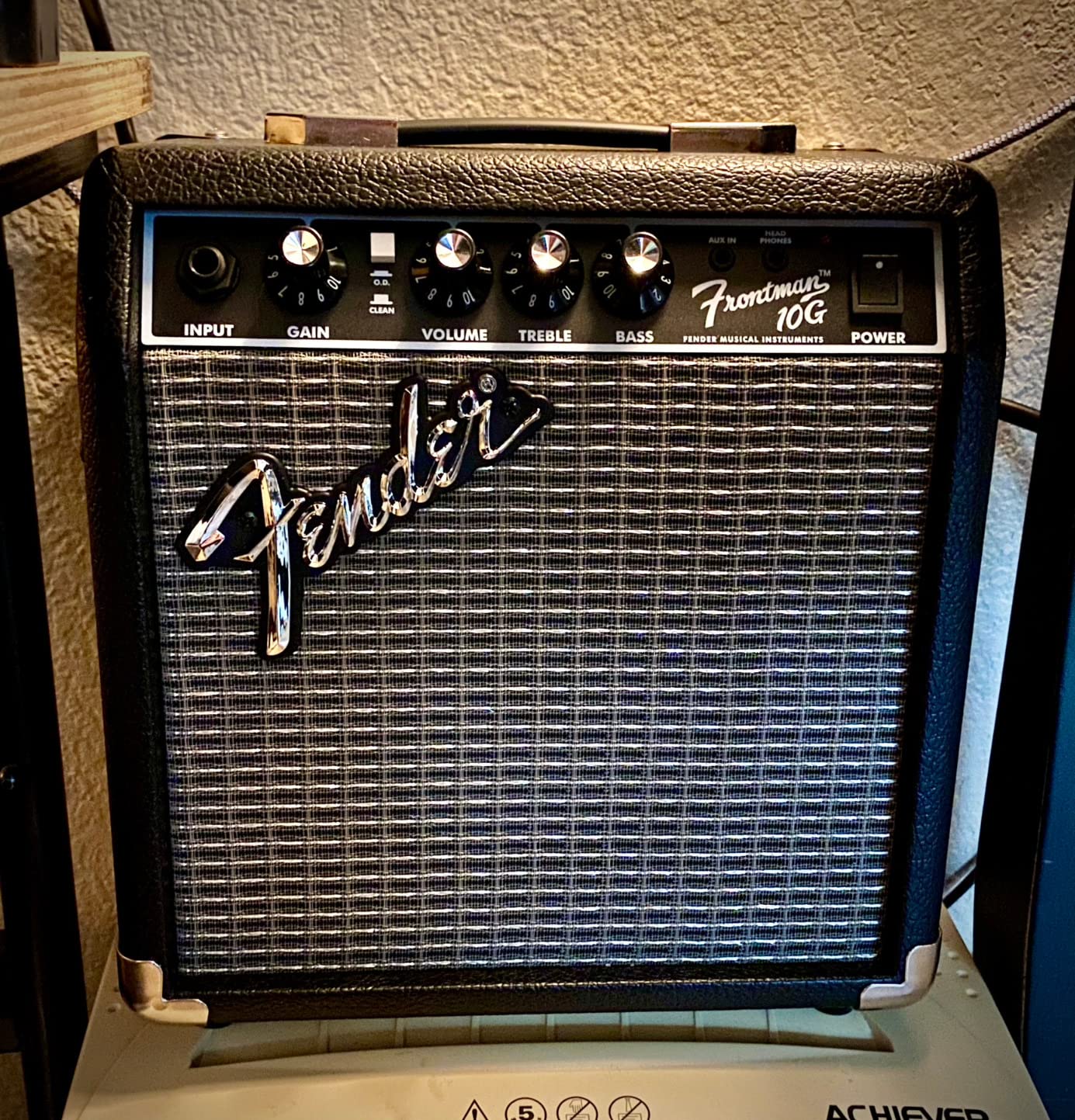
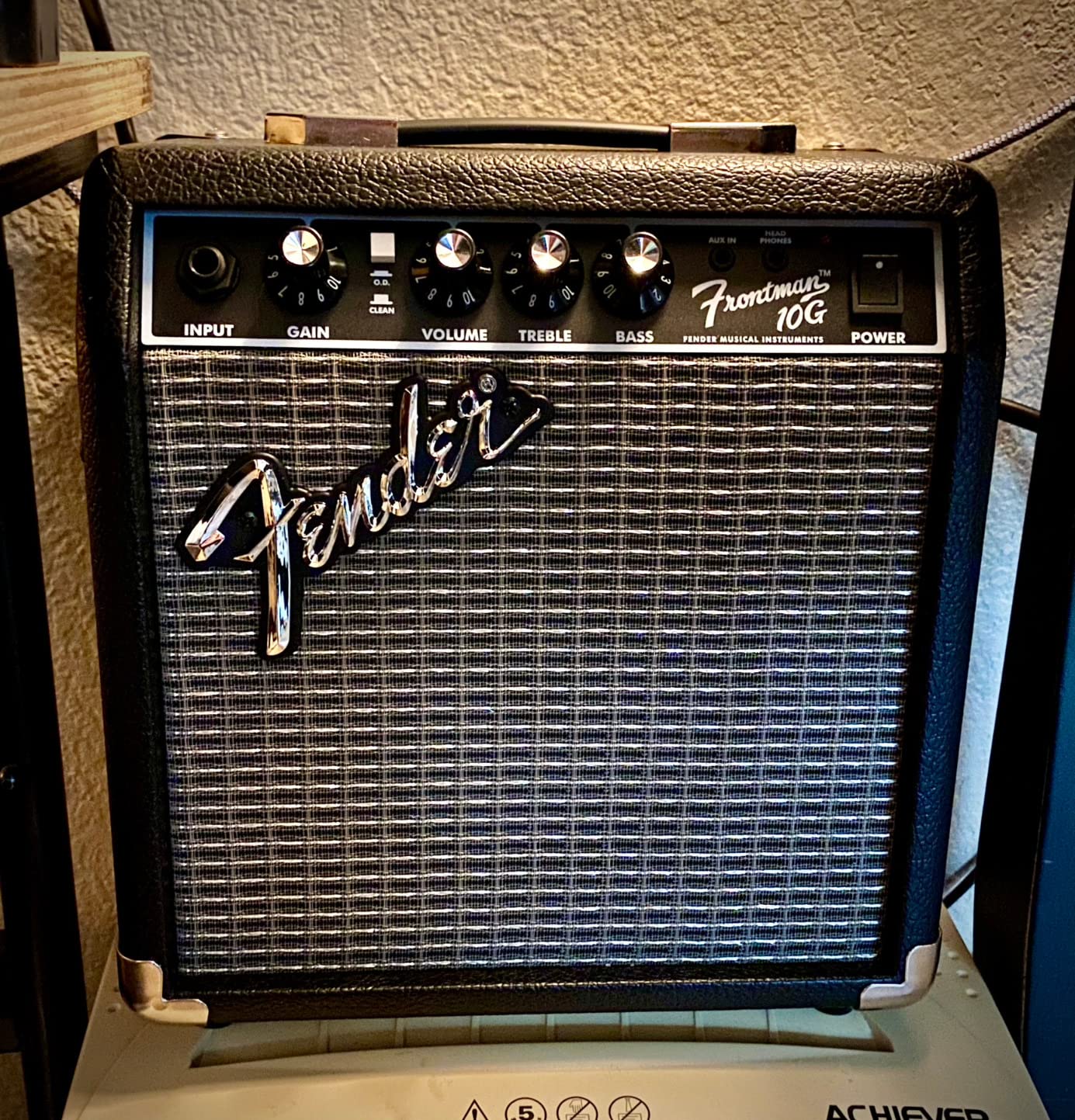
With over 13,500 reviews, the Frontman 10G is one of the most purchased guitar amplifiers in history. I have recommended this amp to more beginning guitarists than any other model, and the reasons are straightforward: it delivers real Fender clean tone, it is built to last, and it costs less than a single effects pedal.
The clean channel is genuinely good. I plugged in a Telecaster and was immediately greeted with that classic Fender spank — bright, clear, and responsive to pick dynamics. For a 10-watt solid-state amp with a 6-inch speaker, the tonal quality far exceeds what the price suggests. The closed-back cabinet design helps project the sound forward and adds some low-end warmth that an open-back design would lose.
The overdrive channel is the weak point. It produces a compressed, buzzy distortion that sounds more like a practice amp than a real overdriven tube amp. Most experienced players on forums recommend ignoring the drive channel entirely and using the clean channel with a dedicated overdrive pedal instead. I tested this approach with a Tube Screamer-style pedal and the results were dramatically better — warm, responsive overdrive with natural sustain.
The aux input lets you connect a phone or music player to jam along with songs, and the headphone jack enables silent practice. These are essential features for beginners who need to practice without disturbing family members or neighbors. The 2-band EQ (treble and bass) is basic but functional for shaping your overall tone.
Who Should Buy the Frontman 10G
This amp is designed for absolute beginners, young students, and anyone who wants a secondary practice amp for a different room. If you are buying your first electric guitar and need something to plug into, the Frontman 10G is the safest choice at this price. It is also popular as a gift for kids starting guitar lessons, since it is simple enough for an 8-year-old to operate.
Long-Term Durability
One of the most remarkable things about the Frontman 10G is its longevity. Multiple reviewers report units that have been working for over a decade with no issues. The metal corner protectors and rugged build quality mean this amp can take being knocked over, transported in car trunks, and used daily without complaint. When you consider the price-to-durability ratio, the Frontman 10G is one of the best values in the entire musical instrument market.
How to Choose the Right Fender Amp
Choosing from the best Fender guitar amps comes down to understanding four key factors: amplifier type, wattage, speaker size, and connectivity features. Let me break each of these down based on what our testing revealed and what forum discussions consistently highlight.
Amplifier Type: Solid-State vs Digital Modeling
All 10 amps in this guide are either solid-state or digital modeling designs. Solid-state amps like the Frontman and Champion series use transistors to amplify the guitar signal, producing consistent tone at any volume. They are reliable, lightweight, and affordable, but they can lack the warmth and natural compression of tube amps. Digital modeling amps like the Mustang GTX and LT series use digital signal processing to emulate the sound of classic tube amplifiers. They offer far more tonal variety and built-in effects but require some menu navigation.
The practical difference: solid-state amps give you one or two tones that you shape with EQ knobs, while modeling amps give you dozens of preset tones that you select from a display. Beginners often prefer modeling amps because the presets are curated by professionals. Players who like tweaking knobs in real time often prefer solid-state amps with traditional controls.
Wattage Guide: How Much Power Do You Need
Wattage determines how loud your amp can get, but it also affects tone. Here is what our testing and forum research recommend:
10 to 25 watts is ideal for bedroom practice, solo jamming, and recording. The Frontman 10G, Frontman 20G, Mustang LT25, and Champion II 25 all fall in this range. These amps produce great tone at low volumes and are light enough to carry anywhere. They will not keep up with a drummer.
40 to 50 watts works for home practice, small venue gigs, and rehearsal spaces. The Mustang LT40S, Mustang LT50, Champion II 50, and Mustang GTX50 deliver enough volume for small gigs and band rehearsals at moderate volume levels. They remain practical for home use with the master volume turned down.
100 watts is stage-ready power. The Mustang GTX100 produces enough volume for medium to large venues and holds its clean tone at full band volume. This is overkill for home practice but ideal if you need one amp for both home and stage.
Speaker Size: Why It Matters More Than Wattage
Speaker size affects tone character more than most players realize. Our side-by-side testing confirmed what forum users have been saying for years: the jump from a 6-inch to 8-inch speaker is significant, and the jump from 8-inch to 12-inch is transformative.
6-inch speakers (Frontman 10G) produce clear, focused midrange but lack low-end warmth and high-end sparkle. Fine for practice but tonally limited.
8-inch speakers (Frontman 20G, Mustang LT25, Champion II 25) deliver fuller tone with better bass response and improved clarity. This is the sweet spot for bedroom practice amps.
12-inch speakers (Mustang LT50, Champion II 50, GTX50, GTX100) produce the full, rich tone that guitarists associate with professional amplifiers. If you want your practice amp to sound like a real gigging rig, 12 inches is the minimum.
Dual 4-inch stereo speakers (Mustang LT40S) trade low-end punch for stereo width and clarity. Best for lead players and those who practice with backing tracks.
Connectivity Features: USB, Bluetooth, and Headphones
Modern Fender amps offer a range of connectivity options that extend their usefulness beyond just making noise in a room. USB audio output lets you record directly into recording software without needing a separate audio interface — every amp in the Mustang LT, GTX, and Champion II series includes this feature. Bluetooth streaming, available on the GTX series and Mustang Micro Plus, lets you play along with backing tracks from your phone wirelessly.
Headphone output is essential for apartment dwellers and late-night practicers. Every amp in this guide includes a headphone jack, though the GTX50 requires an adapter. The aux input, available on the Frontman and Champion series, provides a wired alternative to Bluetooth for playing along with music.
Matching Your Guitar to Your Amp
Single-coil pickups (Stratocaster, Telecaster) pair beautifully with Fender’s clean tones. The bell-like clarity of single-coils through a Fender clean channel is the sound countless players chase. For this reason, any amp in this lineup works well with Fender guitars. If you play a humbucker-equipped guitar (Les Paul, SG, hollow-body), you may want an amp with more gain on tap — the Mustang GTX series and Champion II series handle humbuckers particularly well.
For bass players wondering about the Mustang Micro Plus: the firmware update that adds Rumble bass amp models makes it viable for bass practice through headphones. However, none of the combo amps in this guide are designed for bass guitar, as bass frequencies can damage guitar speakers over time.
Genre Recommendations
Blues and classic rock: Mustang LT50 or Champion II 50 with the clean channel pushed into natural breakup. The 12-inch speaker delivers the warmth and dynamics these genres demand.
Country and pop: Mustang LT25 or Champion II 25 for spanky cleans with reverb. The Fender voicing is the gold standard for country tone.
Metal and hard rock: Mustang GTX100 or GTX50 with high-gain amp models. The Celestion speaker and extensive gain options handle down-tuned riffing convincingly.
Jazz: Mustang LT50 clean channel with the EQ adjusted for warmth. The 12-inch speaker reproduces the full, rounded tone that jazz requires.
Home recording: Any Mustang LT or GTX model with USB output. The direct recording signal captures your tone without room coloration.
FAQ’s
What is the holy grail of guitar amps?
The holy grail of guitar amps is widely considered the Fender ’65 Deluxe Reverb reissue. This 22-watt all-tube combo has been called the most recorded amplifier in history, used in studios from Abbey Road to Nashville. While tube amps like the Deluxe Reverb are not covered in this solid-state and modeling guide, the Mustang GTX series is designed to emulate that exact tone digitally.
Which Fender amp does John Mayer use?
John Mayer is known for using the Fender ’65 Deluxe Reverb and Twin Reverb tube amps as his primary clean platforms, often paired with boost and overdrive pedals. Among the amps in this guide, the Mustang GTX100 with its Twin Reverb model and Deluxe Reverb model comes closest to replicating his signature clean tone in a digital format.
Which Fender model is the best?
The best all-around Fender amp depends on your needs. For gigging and maximum versatility, the Mustang GTX100 is our top pick with 200 presets, a Celestion speaker, and stage-ready power. For beginners, the Mustang LT25 offers the best value with 30 curated presets and USB recording. For budget-conscious players, the Frontman 10G delivers genuine Fender clean tone at the lowest price point.
Are Fender amps good for beginners?
Yes, Fender amps are excellent for beginners. The Mustang LT25 is specifically designed with beginners in mind, offering 30 expertly-crafted presets that sound great immediately without needing to understand EQ or effects. The Frontman 10G is even more affordable and simpler to operate. Both amps include headphone jacks for silent practice and aux inputs for playing along with songs.
What wattage Fender amp do I need for home use?
For home practice, 10 to 25 watts is more than sufficient. The Frontman 10G at 10 watts, the Mustang LT25 at 25 watts, and the Champion II 25 at 25 watts all produce excellent tone at bedroom volumes without disturbing neighbors. Even the 50-watt models work well at home since you can control the master volume. You only need 50-plus watts if you plan to play with a band.
Is the Fender Mustang GTX better than the LT series?
The GTX series offers more advanced features than the LT series, including Bluetooth, WiFi, the Fender Tone app, a modular signal chain, and a Celestion speaker. However, the LT series provides better value if you do not need wireless connectivity or app control. Both share the same core Fender modeling engine. Choose GTX for maximum flexibility, LT for simplicity and lower cost.
Final Thoughts on the Best Fender Guitar Amps
After testing all 10 amps in this guide, three clear favorites emerged. The Mustang GTX100 is our editor’s choice for players who want maximum versatility and stage-ready power — nothing else in this lineup matches its combination of 200 presets, Celestion speaker, and included footswitch with looper. The Mustang LT25 takes the best value award for beginners, delivering curated presets and USB recording at a price that leaves room in the budget for a guitar. And the Frontman 10G remains the best budget pick, proving that genuine Fender tone does not require a big investment.
For intermediate players ready to step up, the Mustang GTX50 and Champion II 50 both deliver professional-level tone at mid-range pricing. The choice between them comes down to whether you prefer preset-based modeling (GTX50) or knob-based control (Champion II 50). Traveling musicians should seriously consider the Mustang Micro Plus, which packs 25 amp models and Bluetooth streaming into a pocket-sized package.
The best Fender guitar amps are the ones that match your playing context. A 100-watt GTX100 is wasted in a bedroom, just as a 10-watt Frontman is overwhelmed on a stage. Match the wattage and speaker size to where you actually play, and you will get years of satisfaction from whichever Fender amp you choose.