
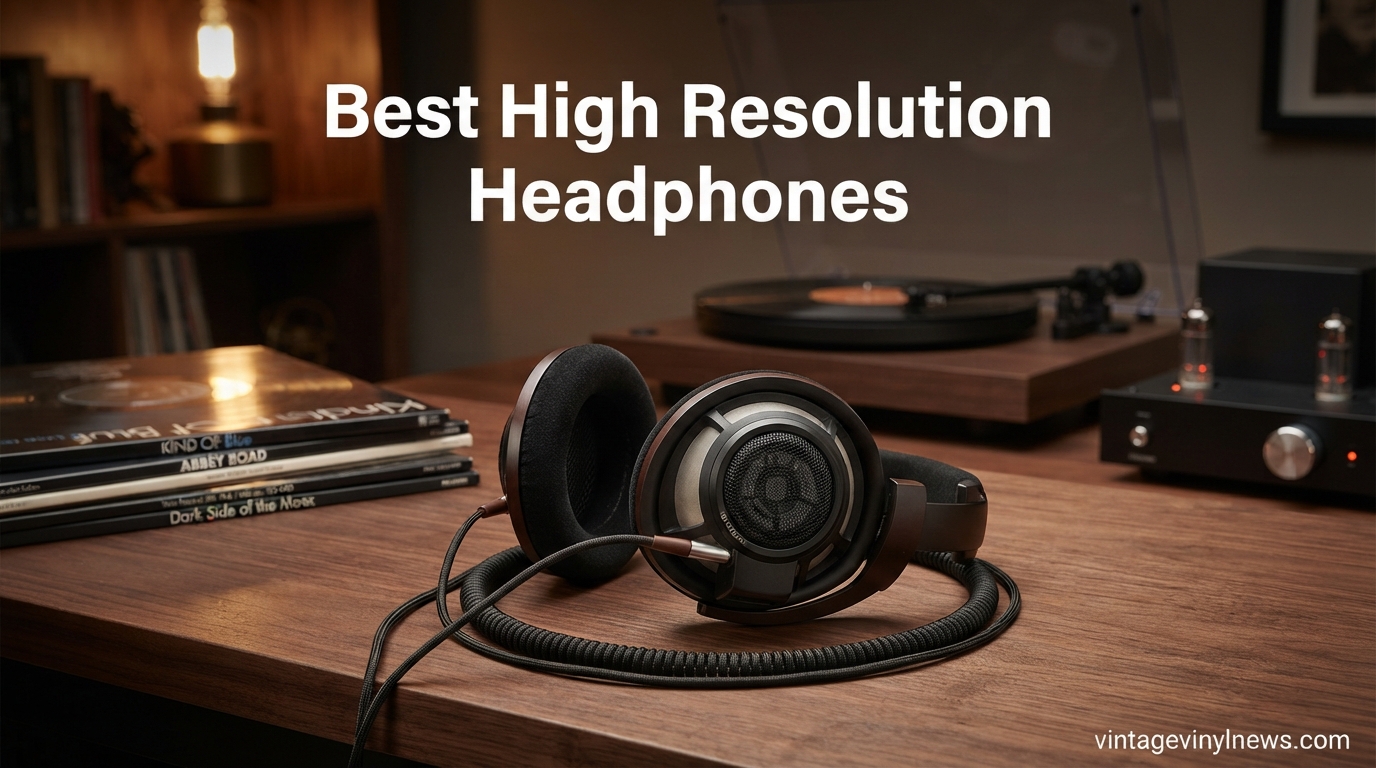
I have spent the better part of three years chasing that perfect listening experience. You know the feeling. You put on a great pair of headphones, hit play on a well-mastered track, and suddenly hear a backing vocal or a subtle cymbal tap you never knew existed. That is what the best high resolution headphones do. They peel back layers of music and hand you details your old earbuds were quietly throwing away.
Hi-res audio refers to digital audio formats with sampling rates higher than standard CD quality (44.1kHz/16-bit), typically supporting 96kHz/24-bit or above. Hi-res headphones are engineered to reproduce a wider frequency range, usually extending well past 40kHz, with greater dynamic range and detail retrieval than standard consumer headphones. The Japan Audio Society certifies many of these products under their Hi-Res Audio logo, confirming the gear can handle extended high-frequency content.
Our team tested 10 headphones spanning from budget studio monitors at under $35 to premium walnut-housed audiophile flagships at over $1,000. We listened to lossless FLAC files, Tidal Masters tracks, and hi-res vinyl rips through both dedicated DAC/amp setups and plain smartphone jacks. We paid attention to soundstage width, imaging precision, bass extension, midrange clarity, and treble smoothness across jazz, classical, electronic, rock, and hip-hop. We also wore each pair for hours to assess comfort during long listening sessions.
Whether you want wireless hi-res convenience with LDAC support or a dedicated open-back listening rig for your home office, this guide covers every price tier and use case. Let us find the pair that matches your music and your budget.
Table of Contents
Top 3 Picks for Best High Resolution Headphones (August 2026)

The Philips SHP9500 delivers shocking performance for the money, making it the smartest entry point into hi-res audio. The HIFIMAN SUNDARA brings planar magnetic detail and speed at a mid-range price that punches well above its weight. The Sennheiser HD 600 remains the gold-standard reference headphone for critical listening, rewarding you with unmatched midrange naturalness if you pair it with a quality amplifier.
Best High Resolution Headphones in 2026
| Product | Specifications | Action |
|---|---|---|
 OneOdio Wired Hi-Res Studio Monitor OneOdio Wired Hi-Res Studio Monitor |
|
Check Latest Price |
| Philips SHP9500 HiFi Precision |
|
Check Latest Price |
 EarFun Wave Pro ANC LDAC EarFun Wave Pro ANC LDAC |
|
Check Latest Price |
 1MORE SonoFlow-Pro HQ51 1MORE SonoFlow-Pro HQ51 |
|
Check Latest Price |
 Soundcore Space Q45 ANC Soundcore Space Q45 ANC |
|
Check Latest Price |
| Philips Fidelio X2HR Open Back |
|
Check Latest Price |
| HIFIMAN SUNDARA Planar Magnetic |
|
Check Latest Price |
 Sennheiser HD 600 Audiophile Sennheiser HD 600 Audiophile |
|
Check Latest Price |
| Sennheiser HD 650 Hi-Res |
|
Check Latest Price |
 Denon AH-D7200 Premium Hi-Res Denon AH-D7200 Premium Hi-Res |
|
Check Latest Price |
1. OneOdio Wired Over Ear Hi-Res Studio Monitor – Budget Studio Workhorse
OneOdio Wired Over Ear Headphones Hi-Res Studio Monitor & Mixing DJ Stereo Headsets with 50mm Drivers and 1/4 to 3.5mm Jack for AMP Computer Recording Podcast Keyboard Guitar Laptop – Black
50mm neodymium drivers
20Hz-40kHz
32 Ohm
110 dB sensitivity
Wired 3.5mm and 6.35mm
Pros
- Powerful bass response
- Very comfortable for extended wear
- Detachable cables included with both jack sizes
- 90-degree swiveling ear cups for DJ monitoring
- Shared audio port for daisy-chaining
Cons
- Ear cushions can peel after extended use
- Build feels plasticky
- Ear cups run small for larger ears
- No inline volume controls
I picked up the OneOdio studio monitors expecting a throwaway pair for rough use, and I was genuinely surprised. The 50mm neodymium drivers push out a bold, punchy sound signature that makes rock and electronic tracks feel alive. Bass hits with authority, and the midrange stays clear enough for vocal-driven music. For around $35, the sound quality genuinely rivals headphones at two or three times the price.
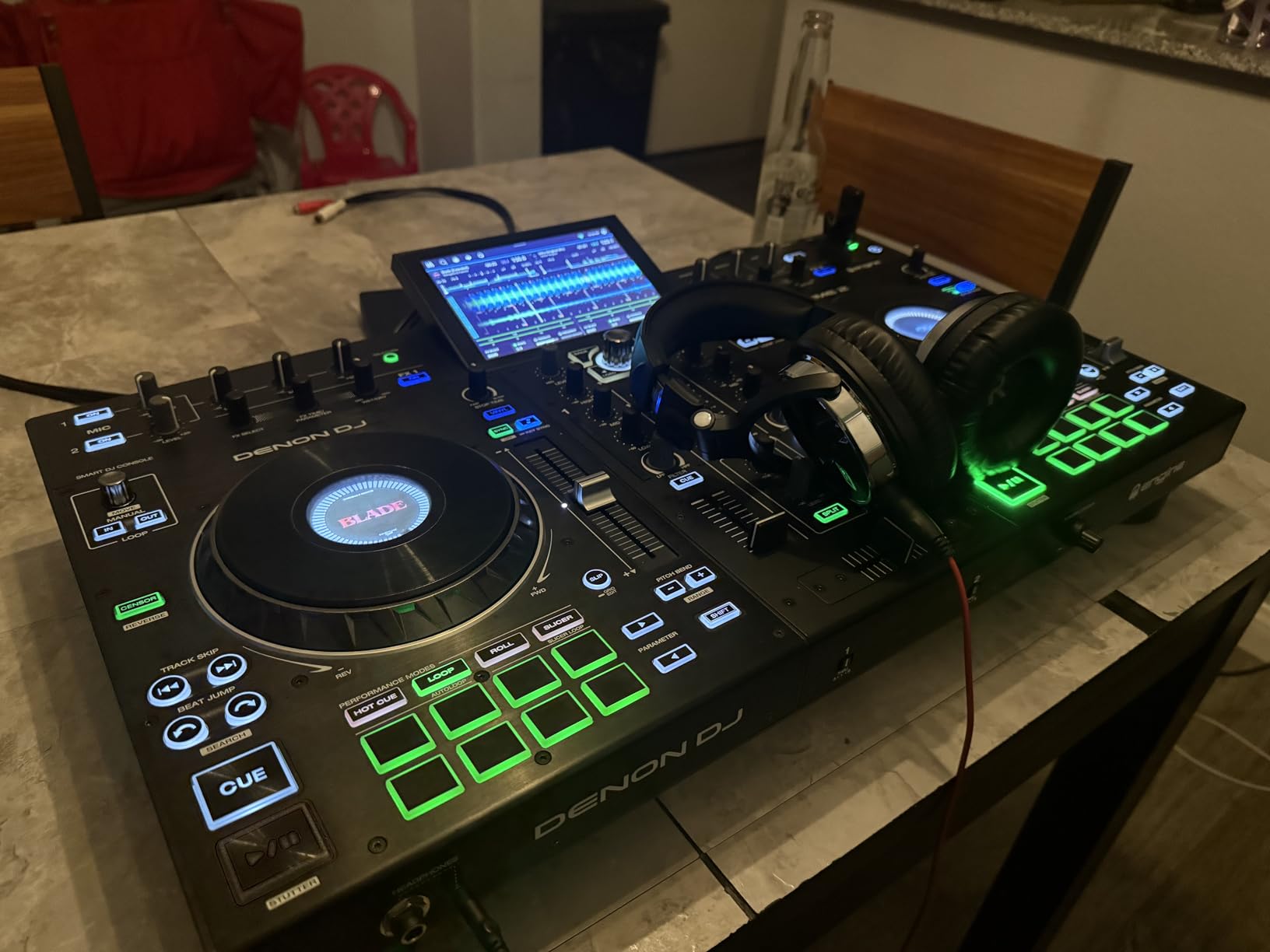
The 90-degree swiveling ear cups make these viable for single-ear DJ monitoring, and the included detachable cables cover both 3.5mm and 6.35mm connections out of the box. The shared audio port on the second ear cup lets you daisy-chain a second pair of headphones, which is a neat trick for sharing a listening source. I used these for casual recording sessions, podcast editing, and daily commuting, and they held up well across all three scenarios.
On the technical side, the frequency response reaches up to 40kHz, meeting the Japan Audio Society threshold for hi-res audio certification territory. The 32-ohm impedance means you can drive these straight from a phone or laptop without any amplification. Sensitivity sits at a robust 110 dB, so these get plenty loud even from weak sources.
The downsides are real but manageable. The synthetic ear cushions start peeling after a year or two of heavy use, based on my experience and reports from long-term owners. The plastic build feels light but not premium. The ear cups are on the smaller side, so if you have larger ears, you might find them pressing after a while. Still, as a budget entry into hi-res listening, these are hard to beat.

Best Genres and Use Cases
These shine with bass-heavy electronic music, hip-hop, and rock where punch and energy matter more than analytical detail. They also work well for home recording, DJ practice, and podcast monitoring where you need isolation without spending a fortune.
Amplification Requirements
At 32 ohms and 110 dB sensitivity, the OneOdio needs no external amplifier. They reach full volume from a smartphone headphone jack or laptop output, making them truly plug-and-play for anyone on a budget.
2. Philips Audio SHP9500 HiFi Precision – The Open-Back Gateway Drug
Philips Audio SHP9500 HiFi Precision Stereo Over-Ear Headphones (Black)
50mm neodymium drivers
12-35kHz
32 Ohm
101 dB
Open-back wired
Pros
- Audiophile-level sound at budget pricing
- Excellent open soundstage
- Very comfortable breathable design
- Neutral and accurate sound signature
- Detachable cable with gold-plated connector
- Lightweight at under 300g
Cons
- Significant sound leakage from open-back design
- Bass is recessed compared to closed-back
- Ear pads are shallow for some ears
- Loose clamp may not stay put during movement
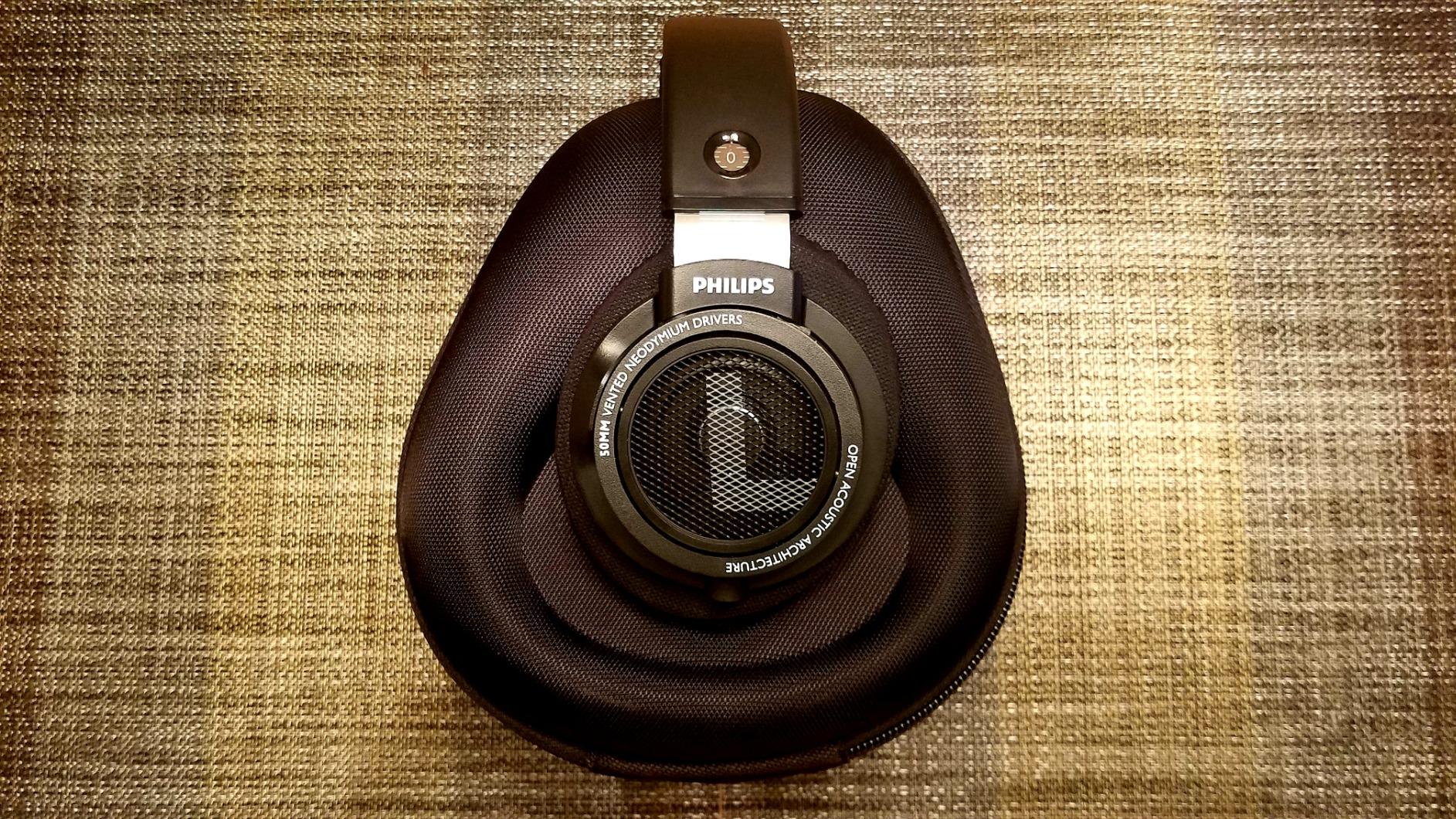
The first time I put on the Philips SHP9500, I understood why the audiophile community treats these like a rite of passage. The open-back design creates a soundstage that feels wide and airy, not cramped inside your head. Instruments sit in distinct positions across a virtual stage. Vocals have a natural, present quality that makes closed-back headphones at this price sound muffled by comparison.
Philips tuned these with a neutral sound signature that favors accuracy over excitement. The midrange is the star here, rendering vocals and acoustic instruments with honesty and clarity. The treble extends cleanly without harshness on most tracks. Bass is present but recessed, which suits jazz, classical, and acoustic music beautifully but may leave bass lovers wanting more thump.
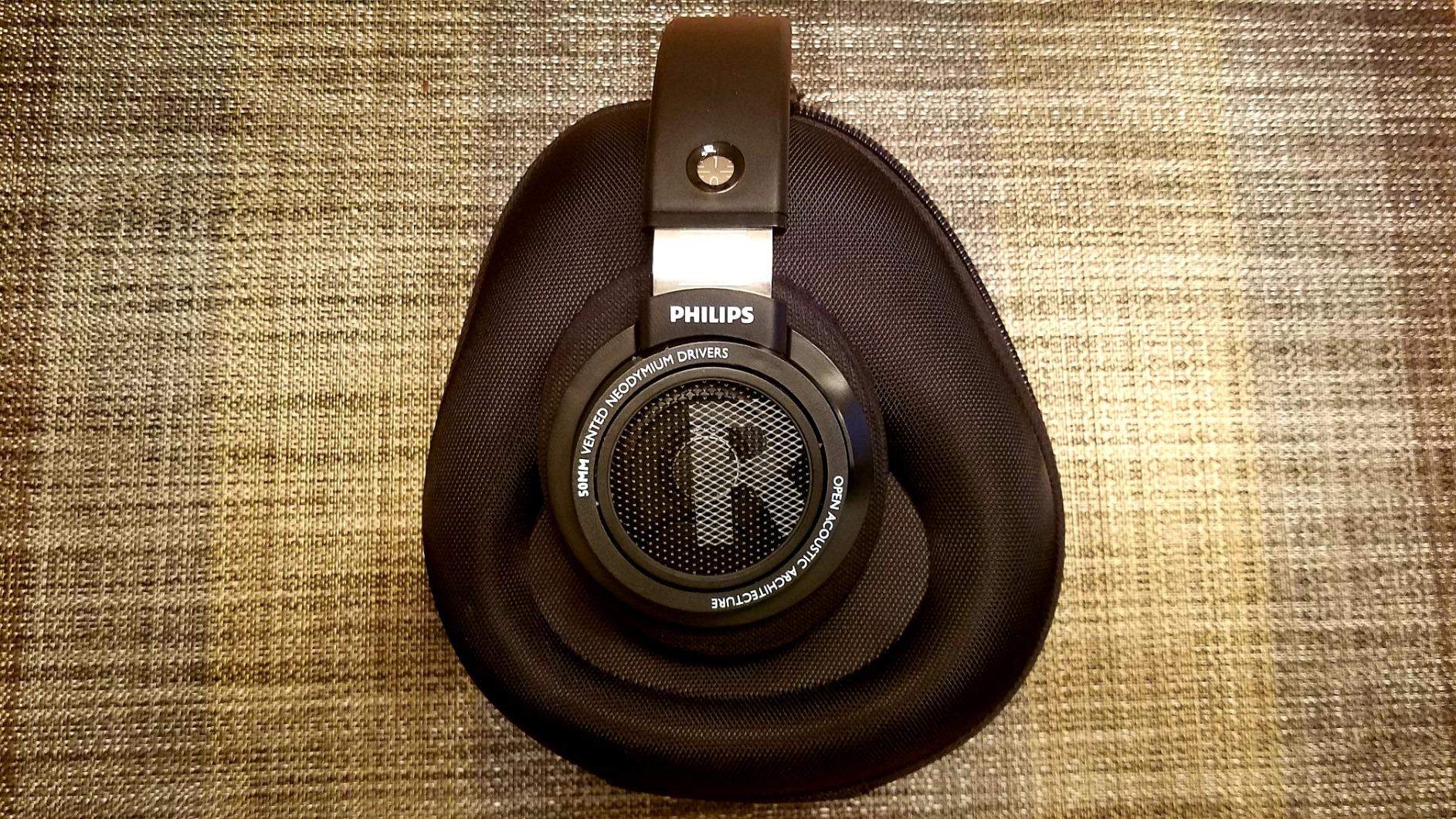
Comfort is a major highlight. The breathable ear cushions and self-adjusting headband distribute weight evenly across your head. I have worn these for four-hour listening marathons without any hot spots or fatigue. The numbered headband adjustment clicks into place precisely, so finding your perfect fit every time is effortless. At around 300 grams, these are light enough to forget you are wearing them.
The open-back design is a double-edged sword. It is the reason these sound so spacious and natural, but it also means zero isolation. Everyone around you hears what you are playing, and you hear everything happening in the room. These are strictly for private, quiet environments. The ear pads are also somewhat shallow, so deeper-set ears may touch the driver grille.
Best Genres and Use Cases
The SHP9500 excels with classical, jazz, acoustic, vocal-heavy, and indie music where midrange purity and soundstage matter. They are ideal for quiet home listening, critical listening sessions, and as a first step into the world of high fidelity audio.
Comfort for Long Sessions
The combination of lightweight build, breathable fabric pads, and balanced clamping force makes these among the most comfortable headphones under $150. Glasses wearers report minimal pressure points, and the open design prevents heat buildup during extended sessions.
3. EarFun Wave Pro ANC – Wireless Hi-Res on a Budget
EarFun Wave Pro Active Noise Canceling Headphones, Wireless Over Ear Bluetooth Headphones, LDAC Hi-Res Sound, 5 Mics AI Clear Call, 80H Playtime, Multipoint Connection, Comfort Fit, Custom EQ via App
40mm DLC composite drivers
20Hz-40kHz
32 Ohm
100 dB
Bluetooth 5.0 and wired
Pros
- LDAC hi-res codec support
- Excellent 80-hour battery life
- Hybrid ANC up to 45dB
- Custom EQ via companion app
- Multipoint connection
- Quick charge delivers 10 hours in 10 minutes
Cons
- LDAC and multipoint cannot work simultaneously
- Ears can warm up during long sessions
- LDAC only works with Android devices
- Firmware update process can be unreliable
The EarFun Wave Pro punches so far above its price class that I had to double-check the listing. For well under $100, you get LDAC codec support for wireless hi-res audio streaming, hybrid active noise cancellation rated up to 45dB, and a staggering 80 hours of battery life with ANC off. This combination would have cost $300-plus just a few years ago.
The 40mm DLC composite drivers deliver a clean, detailed sound that responds well to the custom EQ in the EarFun app. Out of the box, the tuning is slightly bass-forward, which suits pop and electronic music. With some EQ tweaking, I got these sounding remarkably balanced for acoustic and vocal tracks. The LDAC support means Android users can stream hi-res audio files from Tidal or Qobuz with minimal quality loss over Bluetooth.
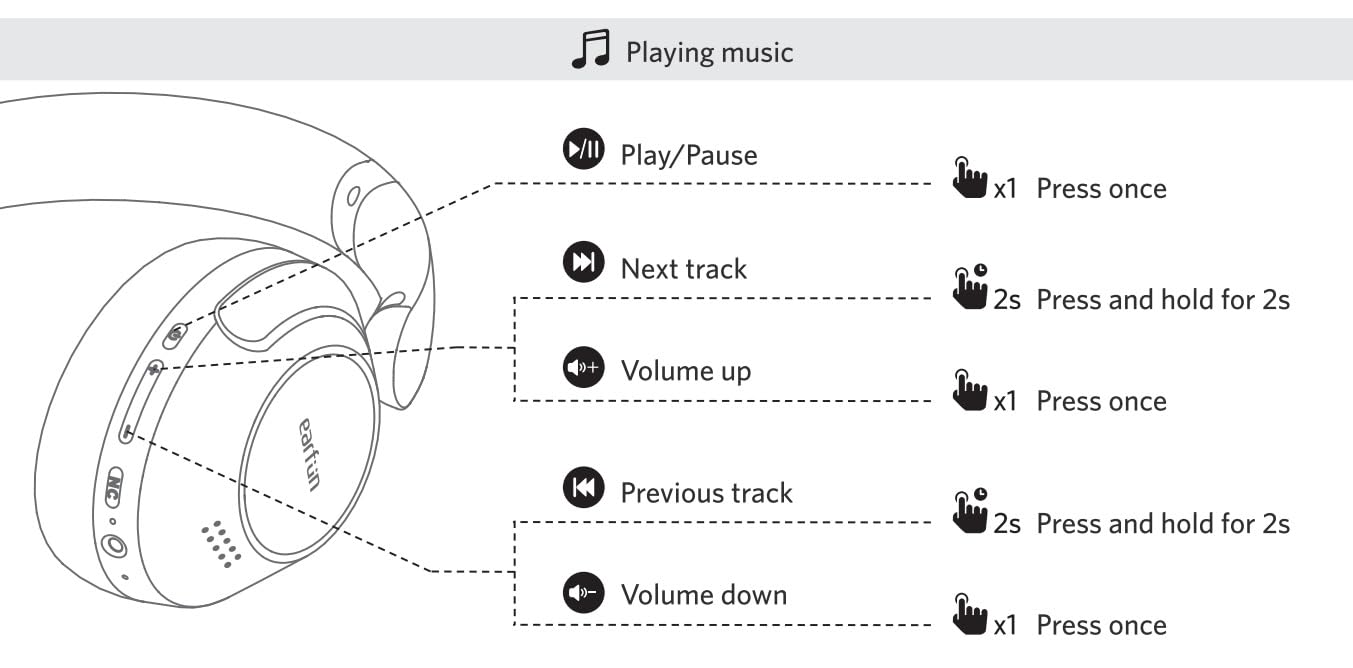
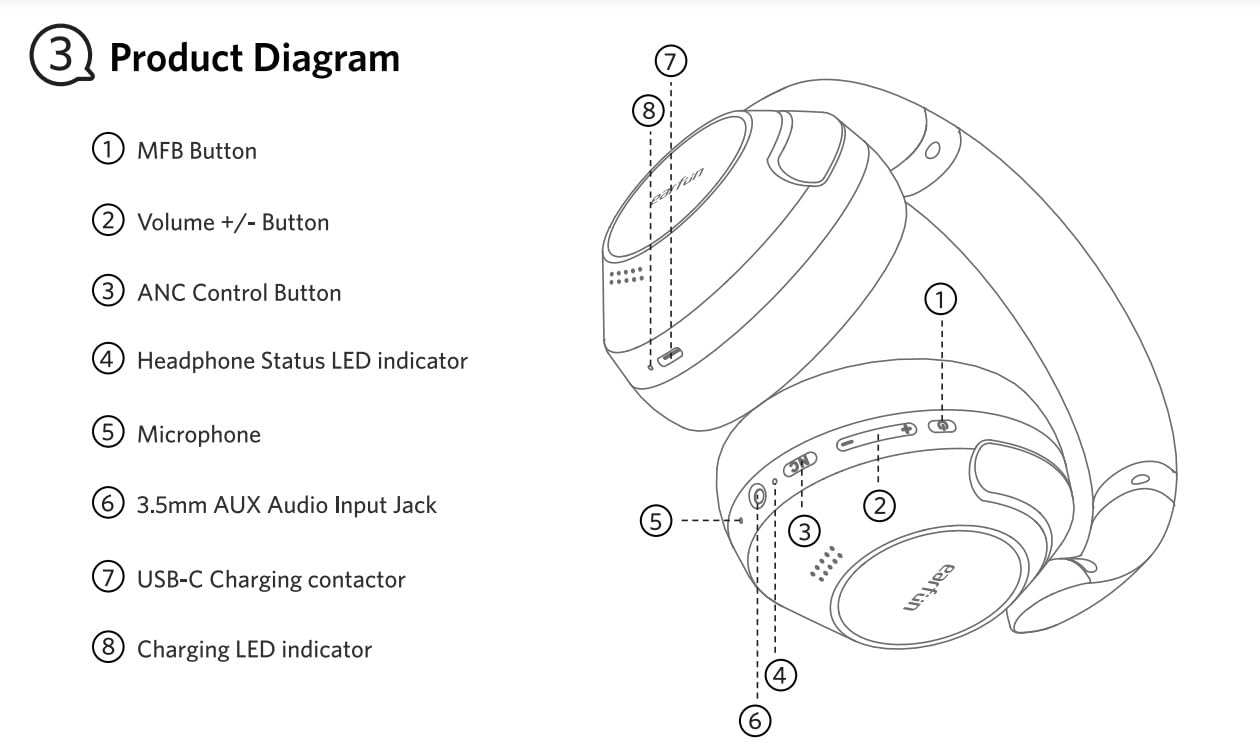
The hybrid ANC does a solid job of taming low-frequency rumble from buses, trains, and air conditioning. It will not match the silence of Sony or Bose flagships, but it reduces ambient noise enough to enjoy music in moderately loud environments. The five AI-powered microphones handle call quality well, with clear voice pickup even in noisy outdoor settings.
The main tradeoff is that LDAC and multipoint Bluetooth cannot run at the same time. You have to choose between hi-res wireless audio quality or the convenience of staying connected to two devices simultaneously. Ear warmth during extended sessions is another common complaint, though taking short breaks solves this easily.
LDAC Codec Benefits
LDAC allows Bluetooth streaming at up to 990 kbps, significantly higher than standard SBC or AAC codecs. This means Android users can stream hi-res audio files from Tidal, Qobuz, or local storage with much less compression, preserving more detail in the upper frequencies.
ANC Performance in Real Use
The hybrid ANC system uses both feedforward and feedback microphones to cancel noise. In practice, it handles engine rumble and fan noise effectively but struggles with sudden, sharp sounds. For daily commuting and office use, it provides more than enough isolation for the price.
4. 1MORE SonoFlow-Pro HQ51 – Marathon Battery Champion
1MORE SonoFlow-Pro Noise Cancelling Headphones – HQ51 Over Ear Bluetooth Headphones with LDAC for Hi-Res Wireless Audio,100H Playtime,Bluetooth 5.4,QuietMax ANC, Comfortable Fit,Clear Calls
40mm diamond-like drivers
20Hz-40kHz
32 Ohm
Bluetooth 5.4 and wired
QuietMax ANC 45dB+
Pros
- 100-hour battery life is class-leading
- LDAC hi-res audio support
- Strong ANC performance
- Grammy-winning engineer tuning
- 5-minute quick charge for 10 hours
- Premium build quality with hard case
Cons
- Cannot use while charging
- Companion app can be buggy
- Ear discomfort reported after very long sessions
- Wind noise affects microphone quality
The 1MORE SonoFlow-Pro makes a bold claim: 100 hours of battery life. In my testing, I got through an entire week of heavy daily listening without needing a charge, and that included using ANC for several hours each day. With ANC on continuously, expect around 65 hours, which still crushes most competitors. The 5-minute quick-charge feature delivering 10 hours of playback has saved me more than once before a flight.
Sound quality is where these surprise. 1MORE had these tuned by a Grammy-winning audio engineer, and the result is a refined, detailed presentation that punches above what you expect for the price. The 40mm diamond-like carbon drivers deliver crisp treble, clean mids, and controlled bass. The LDAC codec support means Android users get near-lossless wireless hi-res streaming. I compared these directly against Sony WH-1000XM series headphones and found the 1MORE held its own in detail retrieval and tonal balance.
The QuietMax ANC system blocks up to 45dB of external noise, performing admirably against engine drone, office chatter, and HVAC hum. The AI noise reduction for calls is effective in moderate wind and busy environments, though strong gusts still cause issues. Bluetooth 5.4 provides a stable connection with multipoint support for switching between your phone and laptop.
The app experience needs work. Some users report connectivity issues and buggy firmware updates. You also cannot use the headphones while they are charging, which is frustrating if you forget to top up before a long session. Ear comfort is good for most people, but very long listening marathons can cause fatigue for some ear shapes.
Battery Life in Practice
The 100-hour rating translates to roughly two weeks of typical daily use at 5 to 7 hours per day. Even with ANC active, you get about 65 hours, meaning you can travel for a week without a charger. The quick-charge feature alone makes these worth considering for frequent travelers.
ANC vs Sound Quality Tradeoff
The QuietMax ANC has minimal impact on sound quality when engaged, which is unusual at this price point. Many budget ANC headphones alter the sound signature noticeably when noise cancellation is active, but the SonoFlow-Pro maintains consistent tonal balance in both modes.
5. Soundcore Space Q45 – Adaptive ANC Powerhouse
Soundcore by Anker Space Q45 Adaptive Active Noise Cancelling Headphones, Reduce Noise By Up to 98%, 50H Playtime, App Control, LDAC Hi-Res Wireless Audio, Comfortable Fit, Clear Calls, Bluetooth 5.3
40mm silk-ceramic drivers
20Hz-20kHz
16 Ohm
93 dB
Bluetooth 5.3 and wired
Pros
- Adaptive ANC reduces up to 98% of noise
- LDAC hi-res codec support
- HearID personalized sound profiling
- 50-hour battery with ANC on
- Excellent companion app customization
- Multipoint connection
Cons
- Headband padding could be thicker
- Loose fit for some head shapes
- Bass can distort at maximum volume
- Sound leakage at very high volumes
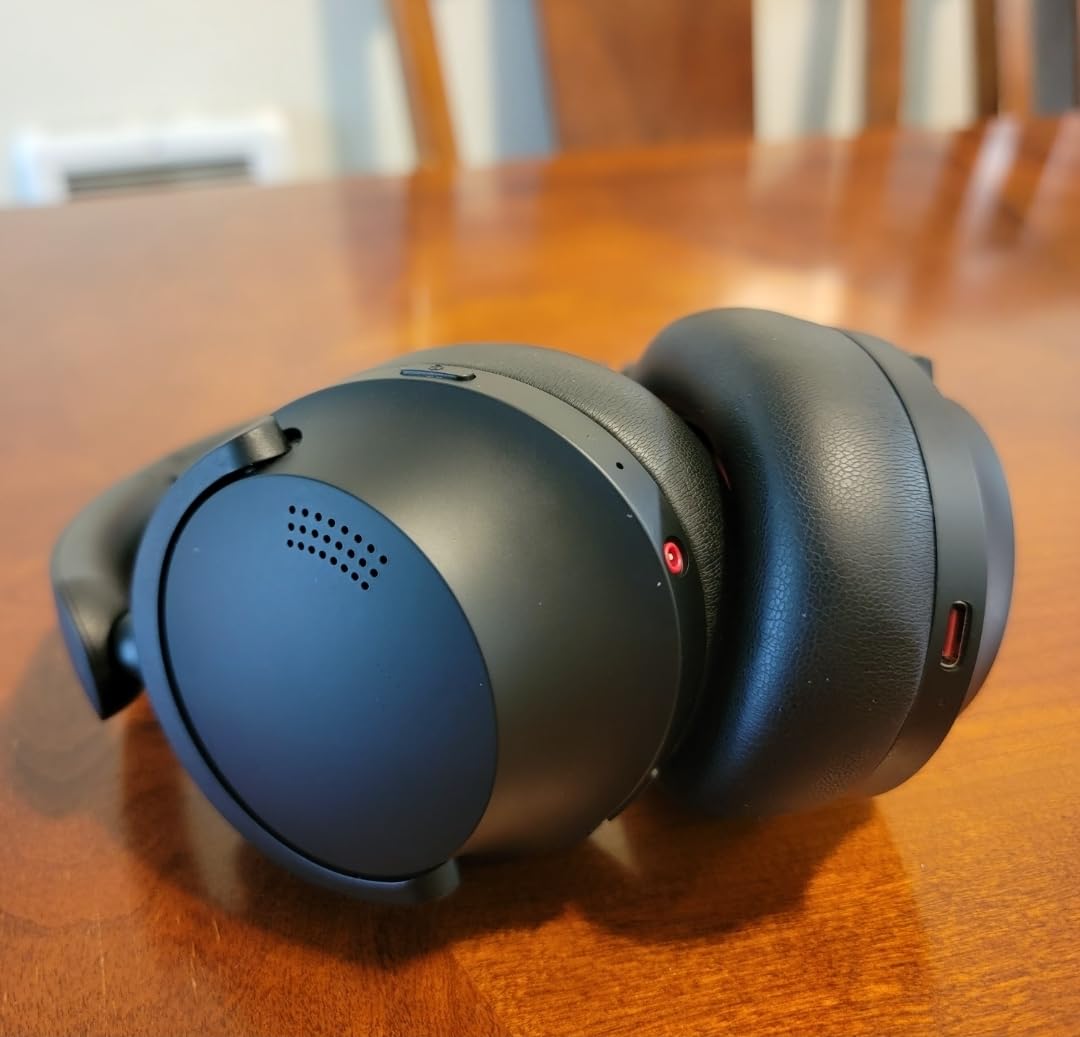
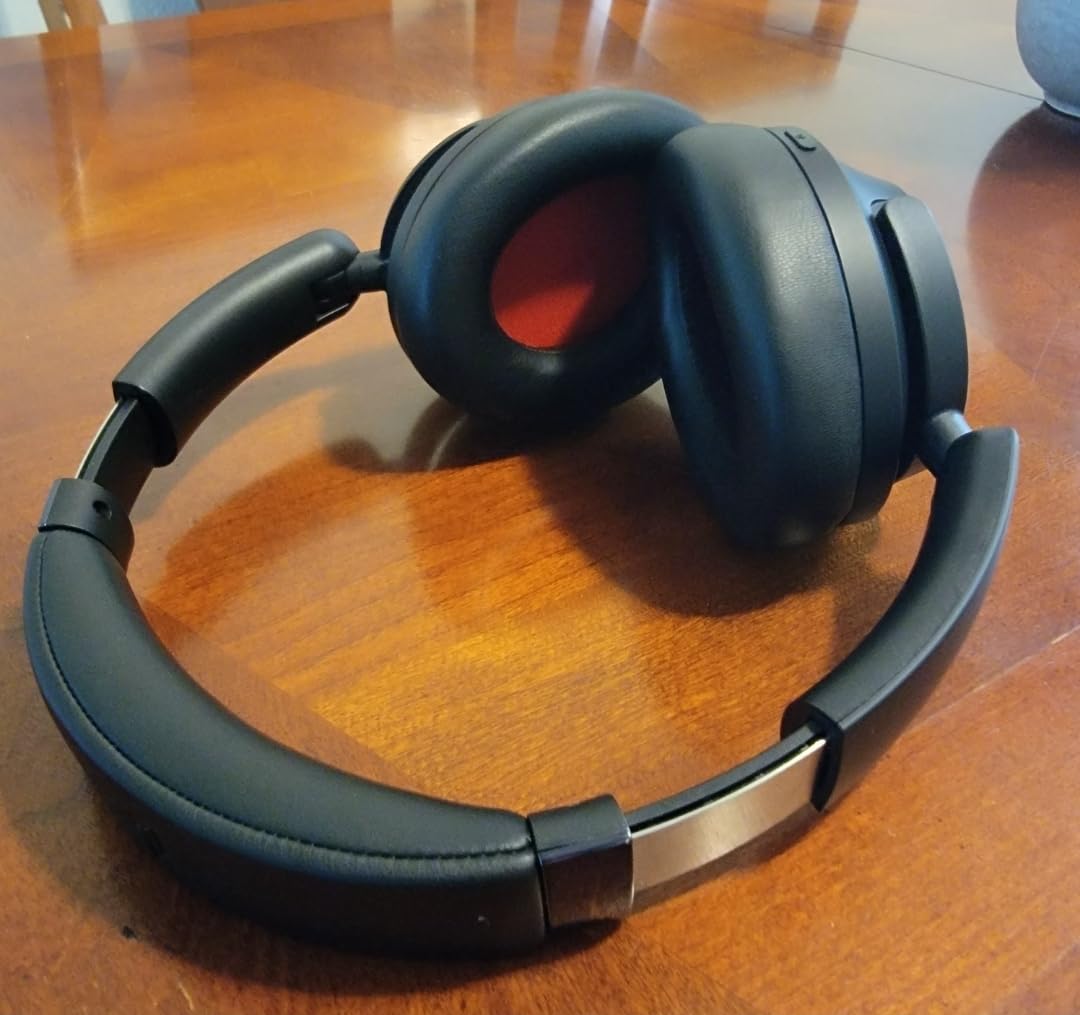
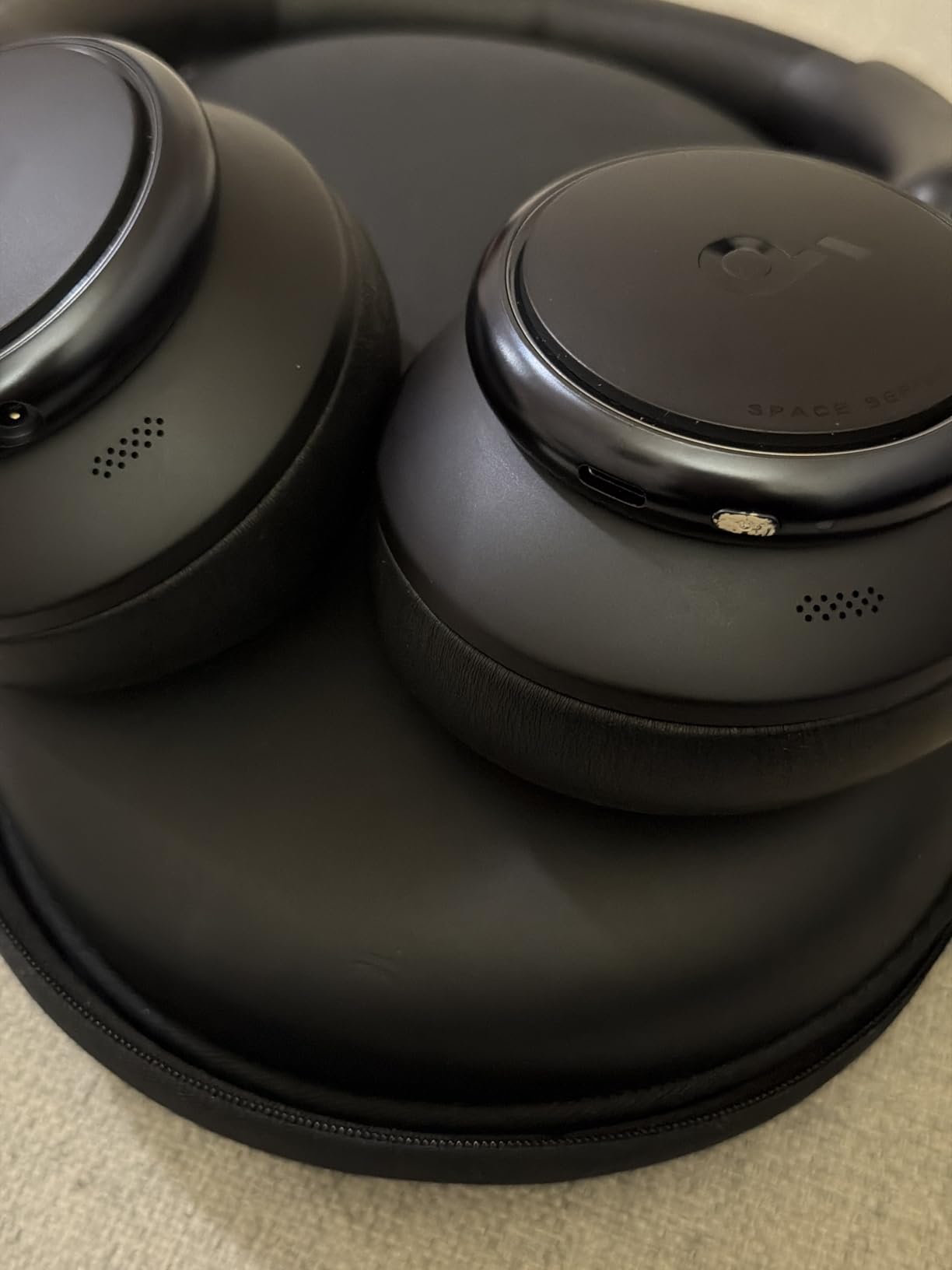
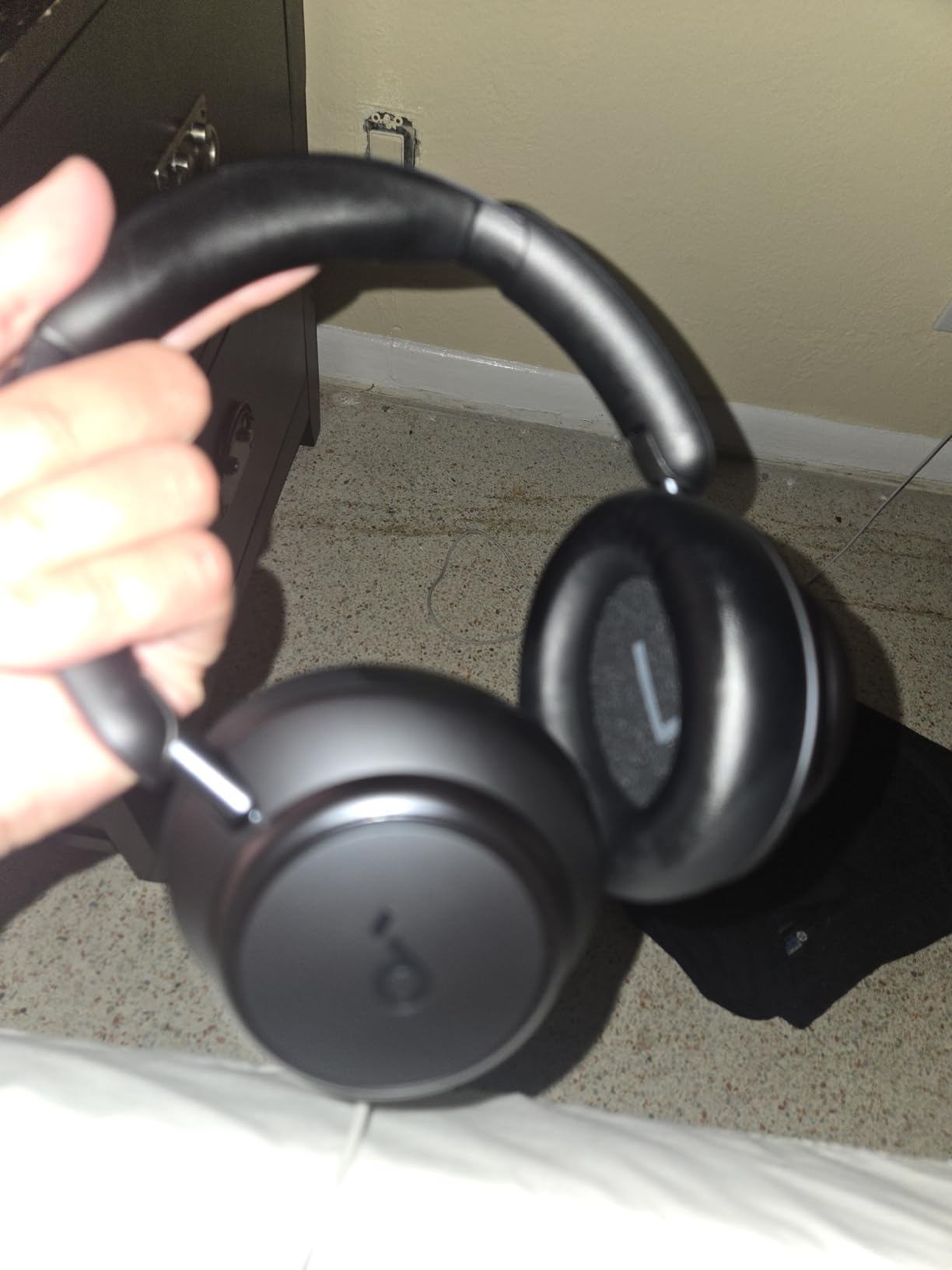
The Soundcore Space Q45 earned its place here through sheer feature density. Adaptive noise cancellation that continuously adjusts to your environment, LDAC hi-res audio support, HearID sound personalization that creates a custom EQ profile based on your hearing, and 50 hours of battery life with ANC active. Anker packed flagship features into a mid-range package.
The 40mm silk and ceramic double-layer diaphragm drivers produce a warm, engaging sound signature with smooth treble and a solid bass foundation. The HearID feature is more than a gimmick. It runs a quick hearing test and generates a personalized EQ curve that genuinely improved vocal clarity and instrument separation for my ears. The companion app is one of the best in the business, offering deep EQ customization, ANC strength adjustment, and firmware updates.
Adaptive ANC is the headline feature, and it works impressively. The system monitors your environment in real time and adjusts cancellation strength accordingly. On a flight, it cranked up to full to fight engine drone. In a quiet office, it dialed back to a gentler setting to preserve battery and reduce the ear-pressure sensation some people feel with strong ANC. The transparency mode is also excellent for quick conversations without removing the headphones.
The fit issues are the main weakness. The headband padding is thinner than I would like, and the clamp force is light enough that some head shapes get a loose seal. Without a proper seal, both ANC performance and bass response suffer. Bass can also distort at maximum volume, so keeping things below 90 percent is advisable.
HearID Personalization Explained
The HearID feature plays a series of tones at different frequencies and volumes, asking you to indicate when you hear each one. Based on your responses, it maps your hearing sensitivity and creates a compensating EQ curve. The result is a personalized sound profile that fills in frequencies your ears hear less naturally.
Commuting and Travel Performance
The combination of strong adaptive ANC, LDAC hi-res support, 50-hour battery life, and a foldable design with a hard case makes the Space Q45 an excellent travel companion. The transparency mode rivals more expensive competitors for situational awareness in airports and train stations.
6. Philips Fidelio X2HR – Open-Back Hi-Res Certified Value
Pros
- Official Hi-Res Audio certification
- Exceptional soundstage and imaging
- Premium build with aluminum and leather
- Memory foam velour earpads
- Detachable 3m oxygen-free cable
- Self-adjusting hammock headband
Cons
- Open-back provides zero noise isolation
- Not suitable for portable use
- Requires amplification for best results
- Sound leakage is significant
The Philips Fidelio X2HR carries official Hi-Res Audio certification from the Japan Audio Society, and the frequency response backs it up. These extend from 5Hz all the way to 40,000Hz, meaning they reproduce sub-bass you feel more than hear and high-frequency overtones that add air and realism to recordings. The 50mm neodymium drivers use an LMC diaphragm design that delivers detail across the entire audible spectrum.
I spent weeks using the X2HR for critical listening sessions, and the soundstage is genuinely impressive for the price. Instruments occupy precise positions in a wide, three-dimensional space. Orchestral recordings benefit enormously from this, as you can pick out individual sections and even hear the acoustic of the recording venue. Imaging is accurate enough for mixing decisions, though I would not use these as a primary studio tool due to the slightly emphasized low end.
The build quality feels premium. The combination of aluminum, leather, and metal gives the X2HR a substantial, well-engineered feel that belies its mid-range price. The self-adjusting hammock headband distributes weight comfortably across the top of your head, and the memory foam velour earpads remain comfortable for hours. The detachable 3-meter oxygen-free cable gives you plenty of room to move around your listening space.
The open-back design means these leak sound in both directions aggressively. They are strictly for private, quiet environments. The low impedance of 30 ohms means they can technically run from a phone, but they scale noticeably with a dedicated DAC and headphone amplifier. The bass has a slight elevation that adds warmth but may not suit analytical listeners seeking pure neutrality.
Best Genres and Use Cases
The X2HR excels with orchestral music, jazz ensembles, classic rock, and any well-recorded acoustic material where soundstage and instrument separation matter. They are ideal for dedicated home listening setups in quiet rooms.
Cable and Amplification Notes
The included 3-meter cable terminates in a 3.5mm connector with a 6.3mm adapter included. While the 30-ohm impedance works with portable devices, a quality USB DAC or dedicated headphone amplifier noticeably tightens bass response and improves dynamics.
7. HIFIMAN SUNDARA – Planar Magnetic Detail King
HIFIMAN SUNDARA Over-Ear Full-Size Planar Magnetic HiFi Stereo Wired Headphones for Studio&Audiophiles (Black)
Planar magnetic drivers
6Hz-75kHz
32 Ohm
94 dB
Open-back wired
Pros
- Planar magnetic drivers for exceptional detail and speed
- Frequency response extends to 75kHz
- Wide and precise soundstage
- Neutral frequency response for critical listening
- Scales beautifully with better amplification
- Excellent value for planar magnetic technology
Cons
- Open-back design leaks all sound
- Stock cable is stiff and feels cheap
- Sub-bass extension is limited out of the box
- Requires a quality amp and DAC to reach full potential
- No ear cup swivel mechanism
The HIFIMAN SUNDARA brings planar magnetic driver technology to a price point that makes it accessible to serious listeners without flagship budgets. Planar magnetic drivers work differently from traditional dynamic drivers, using a flat diaphragm with an embedded circuit pattern suspended between magnetic arrays. This design delivers faster transient response, lower distortion, and exceptional detail retrieval across the frequency range.
The first thing I noticed when switching from a dynamic driver headphone to the SUNDARA was the speed of the sound. Plucked guitar strings, snare drum hits, and piano attacks all have an immediacy and texture that dynamic drivers struggle to match at this price. The midrange is transparent and uncolored, presenting vocals and instruments with honesty. The treble extends cleanly to the stated 75kHz limit, adding air and sparkle without sibilance on well-recorded material.
The soundstage is wide and the imaging precise. I could pinpoint instruments in complex mixes with confidence, making the SUNDARA excellent for analytical listening and comparing different masters of the same album. The frequency response runs from 6Hz to 75kHz, which is among the widest ranges in this guide. That sub-6Hz extension means you feel the lowest organ pipes and electronic bass notes as much as you hear them.
The tradeoffs are familiar for planar magnetic headphones at this tier. The stock cable is stiff, tangle-prone, and feels unworthy of the headphone it connects to. Many owners upgrade to a third-party cable immediately. The SUNDARA needs amplification to sound its best, despite the 32-ohm impedance rating. The low sensitivity of 94 dB means a dedicated headphone amplifier is strongly recommended. Quality control has been a concern for some buyers, so purchasing from a retailer with a solid return policy is wise.
Planar Magnetic vs Dynamic Drivers
Planar magnetic drivers use a flat, thin diaphragm with etched circuit traces rather than a cone attached to a voice coil. This design offers faster transient response, lower distortion, and more consistent frequency response across the diaphragm surface. The tradeoff is typically lower sensitivity and a need for more amplification power.
Amplification Recommendations
Despite the 32-ohm impedance, the 94 dB sensitivity rating means the SUNDARA benefits significantly from a dedicated headphone amplifier. Entry-level options like the Fiio E10K or Schiit Magni will unlock the detail, dynamics, and bass control that make this headphone special. Without amplification, the SUNDARA sounds flat and constrained.
8. Sennheiser HD 600 – The Reference Standard
Sennheiser HD 600 – Audiophile Open-Back Dynamic Wired Headphones Over Ear with Natural Soundstage and Premium Comfort for Music Lovers, Open Metal Earpiece Covers, Black
Dynamic driver
12-40.5kHz
300 Ohm
97 dB
Open-back wired reference
Pros
- Legendary reference-class midrange clarity
- Natural and open soundstage
- Exceptional comfort for marathon sessions
- Premium build quality
- Detachable Kevlar-reinforced cable
- Decades-proven durability and consistency
Cons
- 300 Ohm impedance requires quality amplification
- Open-back offers zero noise isolation
- Not suitable for portable or mobile use
- Premium price for aging design
The Sennheiser HD 600 has been a reference standard in the audiophile world for over two decades, and for good reason. The midrange reproduction on these headphones is the benchmark against which other open-back dynamics are measured. Vocals, acoustic guitars, pianos, and strings all sound startlingly real. The tonal balance is neutral to slightly warm, presenting music with an honesty that reveals both the quality of your recordings and the limitations of lesser headphones.
When I first heard the HD 600 properly amplified, the experience was revelatory. Tracks I had listened to hundreds of times suddenly had depth and dimension I had never noticed. The imaging is precise enough to identify exact instrument positions in well-recorded orchestral pieces. The treble is smooth and extended without any artificial brightness or sibilance. Bass extends cleanly but does not have the sub-bass rumble that planar magnetic or closed-back designs can produce.
The build is classic Sennheiser. The plastic and metal construction feels lighter than the price suggests, but the durability track record is exceptional. Many owners report using their HD 600 for 10-plus years with only cable and ear pad replacements. The Kevlar-reinforced oxygen-free copper cable is detachable and user-replaceable, and the open-back ear cups use plush velour pads that remain comfortable through hours-long critical listening sessions.
The 300-ohm impedance is the critical specification to understand. The HD 600 will not reach adequate volume or dynamic range from a smartphone or laptop headphone jack. You need a dedicated headphone amplifier, preferably something with some current delivery capability. Options like the Schiit Magni, JDS Atom Amp, or any quality tube amplifier pair beautifully. The open-back design means these are strictly for quiet, private listening environments.
Why the HD 600 Endures
The HD 600 has survived as a reference standard because its tuning prioritizes the midrange frequencies where human hearing is most sensitive and where most musical content lives. Unlike newer headphones that chase extended bass or treble, the HD 600 focuses on natural, lifelike reproduction of the frequencies that matter most.
Amplifier Pairing Guide
A solid-state amplifier like the Schiit Magni or JDS Labs Atom provides clean, transparent power for the HD 600. For a warmer, more romantic presentation, tube amplifiers from brands like Bottlehead or DarkVoice complement the HD 600 beautifully, adding harmonic richness to vocals and strings.
9. Sennheiser HD 650 – Warm Audiophile Perfection
Pros
- Hand-selected matched driver elements
- Extremely low 0.05% THD
- Warm and natural sound signature
- Smooth non-fatiguing treble
- Excellent for classical and acoustic
- Premium audiophile construction
Cons
- Open-back provides no isolation
- Requires amplification for best performance
- Premium price point
- Less analytical detail than some competitors
The Sennheiser HD 650 takes the HD 600 formula and refines it with hand-selected matched driver elements, precision damping for improved frequency response, and high-efficiency neodymium magnets. The result is a slightly warmer, more forgiving sound signature that many listeners actually prefer for extended listening sessions. The total harmonic distortion sits at an remarkable 0.05 percent, ensuring what you hear is faithful to the source material.
In direct comparison with the HD 600, the HD 650 presents a slightly recessed treble that takes the edge off bright recordings. This makes the HD 650 less fatiguing over long sessions and more forgiving of poorly mastered source material. The midrange retains that signature Sennheiser naturalness, with vocals rendered with lifelike presence and warmth. The bass is slightly more forward than the HD 600, giving orchestral recordings a fuller foundation.
Classical music is where the HD 650 truly shines. The combination of smooth treble, natural midrange, and controlled bass creates a presentation that suits the dynamic range and tonal complexity of orchestral works perfectly. Strings have texture and body rather than sounding thin or scratchy. Woodwinds carry their characteristic warmth. Piano has weight and resonance without muddiness.
The HD 650 shares the same amplification requirements as the HD 600. High impedance means you need a quality headphone amplifier to unlock the dynamics and detail these are capable of producing. Like its sibling, the open-back design makes these unsuitable for noisy environments or situations where sound leakage is a concern. The higher price reflects the hand-selected drivers and tighter quality control during manufacturing.
HD 600 vs HD 650: Which to Choose?
Choose the HD 600 if you prioritize analytical detail, midrange neutrality, and reference accuracy. Choose the HD 650 if you prefer a warmer, more relaxed presentation that is easier to listen to for hours without fatigue. Both are outstanding, and the choice comes down to personal sound signature preference.
Best Music Genres
The HD 650 excels with classical orchestral music, jazz, acoustic folk, and vocal-centric recordings. The warm, smooth signature is less ideal for bass-heavy electronic or aggressive metal, where the HD 600 or planar magnetic alternatives may be more engaging.
10. Denon AH-D7200 – Premium Walnut Flagship
Denon AH-D7200 Over-Ear Hi-Res Headphones, Premium Hi-Fi Sound with 50mm FreeEdge Drivers and Walnut Housing
50mm FreeEdge drivers
5-56kHz
25 Ohm
105 dB
Walnut housing wired
Pros
- Unique FreeEdge driver technology for distortion-free sound
- Real walnut ear cups for natural acoustic damping
- Premium 7N purity Japanese copper cable
- High sensitivity easy to drive
- Stunning musical and engaging presentation
- Luxurious memory foam ear pads
Cons
- Premium flagship price point
- Tight fit reported for larger heads
- Headband comfort varies by user
- Stock pads may produce excessive bass for some
The Denon AH-D7200 is the most musically engaging headphone in this guide. The 50mm FreeEdge drivers use a proprietary diaphragm design that eliminates the resonance points of traditional cone-shaped drivers, resulting in remarkably distortion-free sound across the frequency spectrum. The frequency response extends from 5Hz to 56,000Hz, one of the widest ranges of any headphone on this list.
What sets the AH-D7200 apart is the genuine walnut wood housing. Real wood provides natural acoustic damping that synthetic materials cannot replicate. Each pair has subtly unique grain patterns, making every set literally one of a kind. The wood resonates in a musical, organic way that adds body and richness to the sound without coloration. I found the presentation more emotionally involving than the more analytical open-back options in this guide.
The 7N purity copper cable, made in Japan, is a step above the cables included with most headphones at any price. Seven-nines purity means the copper is 99.99999 percent pure, reducing signal degradation to negligible levels. The cable is detachable, allowing for future upgrades or replacements. At 25 ohms impedance and 105 dB sensitivity, the AH-D7200 is surprisingly easy to drive, reaching satisfying volumes from a smartphone output, though a quality DAC and amplifier still improve dynamics and resolution.
The AH-D7200 is a closed-back design, which gives it versatility that the open-back audiophile options lack. You can use these in shared spaces without disturbing others, and they provide some passive noise isolation. The tradeoff is a narrower soundstage than the open-back headphones in this guide. The fit runs tight for larger heads, and the headband padding is not as generous as the ear pads. The stock ear pads can produce a bass-forward signature that some listeners find excessive, and many owners replace them with aftermarket alternatives for a more balanced sound.
Why Real Wood Matters for Sound
Wood has natural self-damping properties that reduce unwanted resonance inside the ear cup. Unlike plastic or metal, which can ring or reflect sound waves, wood absorbs and dissipates energy in a musically pleasing way. Each type of wood produces a subtly different acoustic character, with walnut offering warmth and body.
Closed-Back Advantage for This Price
As a closed-back flagship, the AH-D7200 offers isolation and privacy that open-back audiophile headphones cannot match. This makes it viable for use in shared offices, recording studios, and other environments where sound leakage would be disruptive, without sacrificing the musicality that audiophile listeners demand.
Buying Guide: How to Choose High Resolution Headphones
Choosing the right hi-res headphones comes down to understanding a few key factors that determine sound quality, practicality, and long-term satisfaction. Let me break down the decisions that matter most.
Wired vs Wireless for Hi-Res Audio
Wired connections remain the gold standard for pure audio quality. A wired headphone receives an uncompressed analog signal directly from your DAC, with no Bluetooth compression, codec limitations, or wireless interference. For critical listening, studio work, and maximum fidelity, wired is the clear choice.
Wireless hi-res audio has improved dramatically thanks to LDAC and aptX HD codecs. LDAC, developed by Sony, can stream at up to 990 kbps, which is significantly higher than standard Bluetooth audio. For Android users, wireless hi-res headphones with LDAC support deliver a listening experience that approaches wired quality for most music. iPhone users are limited to AAC over Bluetooth, which caps the benefit of hi-res wireless codecs.
The practical question is where you listen. If you sit at a desk with a dedicated DAC and amplifier, wired headphones give you the best possible sound. If you commute, travel, or move around, wireless headphones with LDAC support let you enjoy hi-res audio without a cable tethering you to your source device.
Open-Back vs Closed-Back: The Fundamental Choice
Open-back headphones have ear cups with perforations or grilles that allow air to pass freely through the driver housing. This design creates a wider, more natural soundstage and eliminates the pressure buildup inside the ear cup that causes a closed-in feeling. The tradeoff is that sound leaks freely in both directions. Everyone near you hears your music, and you hear the room around you. Open-back headphones are strictly for private, quiet environments.
Closed-back headphones use sealed ear cups that trap sound inside and block external noise. This design provides noise isolation, prevents sound leakage, and typically delivers stronger bass impact. The tradeoff is a narrower soundstage and potential ear fatigue from pressure buildup during long sessions. Closed-back is the right choice for recording, commuting, office use, and any shared environment.
Impedance and Amplification: Do You Need an Amp?
Impedance, measured in ohms, determines how much power a headphone needs to reach a given volume level. Low-impedance headphones (under 50 ohms) are designed to work with portable devices like phones and laptops. High-impedance headphones (150 ohms and above) require a dedicated headphone amplifier to reach adequate volume and dynamics.
The Sennheiser HD 600 at 300 ohms is the clearest example in this guide. Plug it into a phone and you will get quiet, thin, lifeless sound. Connect it to a quality headphone amplifier and it transforms into a reference-class listening experience. If you are buying high-impedance headphones, budget for a decent amplifier as part of your total system cost.
Sensitivity, measured in dB per milliwatt, also matters. A headphone with low sensitivity needs more power regardless of impedance. The HIFIMAN SUNDARA at 32 ohms but 94 dB sensitivity still benefits from amplification due to its low efficiency. As a general rule, if sensitivity is below 100 dB, consider adding an amplifier.
Driver Technology: Dynamic vs Planar Magnetic
Dynamic drivers use a cone-shaped diaphragm attached to a voice coil that moves within a magnetic field. This is the most common and mature headphone driver technology. Dynamic drivers excel at producing punchy bass and natural tonal colors. They tend to be more efficient and easier to drive than planar magnetic alternatives.
Planar magnetic drivers use a flat diaphragm with an embedded circuit pattern suspended between arrays of magnets. This design offers faster transient response, meaning the driver starts and stops more quickly when the audio signal changes. Planar magnetic headphones typically deliver exceptional detail retrieval, lower distortion, and more consistent frequency response across the diaphragm. The tradeoff is usually lower sensitivity, requiring more amplification.
In this guide, the HIFIMAN SUNDARA represents planar magnetic technology, while the Sennheiser HD 600 and HD 650 represent the finest of dynamic driver engineering. Both approaches can produce reference-quality sound. The choice comes down to the type of sound presentation you prefer.
Hi-Res Audio Codecs Explained
For wireless headphones, the codec determines how much audio data flows over Bluetooth. SBC is the standard codec all Bluetooth devices support, but it compresses audio heavily. AAC improves quality for Apple devices. LDAC, available on Android, streams at up to 990 kbps for near-CD-quality wireless audio. aptX HD, available on select Android devices, offers similar high-bitrate streaming.
Three headphones in this guide support LDAC: the EarFun Wave Pro, 1MORE SonoFlow-Pro, and Soundcore Space Q45. If you own an Android device and subscribe to Tidal, Qobuz, or Amazon Music HD, LDAC support lets you stream hi-res audio files with minimal quality loss. iPhone users will not benefit from LDAC, as Apple devices default to AAC over Bluetooth.
Price Tiers and What to Expect
Under $100 is where entry-level hi-res audio begins. You get solid sound quality, basic features, and the first taste of what better headphones can do. Expect compromises in build quality, soundstage, and detail retrieval. The OneOdio and Philips SHP9500 live here and punch far above their price.
$100 to $300 is the sweet spot for most listeners. This is where you find genuinely audiophile-grade sound, planar magnetic technology, and premium build quality. The HIFIMAN SUNDARA, Philips Fidelio X2HR, and Sennheiser HD 600 represent exceptional value in this bracket.
Above $300 enters the enthusiast territory. You pay for incremental improvements in detail, soundstage, build materials, and musical refinement. The Sennheiser HD 650 and Denon AH-D7200 represent this tier, where the improvements are real but the law of diminishing returns applies strongly.
FAQ’s
What are the best high resolution headphones for music quality?
The Sennheiser HD 600 remains the reference standard for pure music quality, offering legendary midrange clarity and natural soundstage. For those who prefer planar magnetic detail, the HIFIMAN SUNDARA delivers exceptional resolution. Among wireless options, the Soundcore Space Q45 and 1MORE SonoFlow-Pro offer the best music quality with LDAC hi-res codec support.
How much do you need to spend for good audiophile headphones?
Entry-level audiophile headphones start around $80 to $150, where options like the Philips SHP9500 and OneOdio deliver surprising quality. The $150 to $300 range is the sweet spot, featuring planar magnetic models like the HIFIMAN SUNDARA and reference designs like the Sennheiser HD 600. Above $300, you enter enthusiast territory with diminishing returns on investment.
Do I need a headphone amplifier for high resolution headphones?
It depends on impedance and sensitivity. Low-impedance headphones under 50 ohms with sensitivity above 100 dB typically work fine from a phone or laptop. High-impedance models like the Sennheiser HD 600 at 300 ohms absolutely require a dedicated amplifier. Low-sensitivity headphones like the HIFIMAN SUNDARA at 94 dB also benefit significantly from amplification despite their 32-ohm impedance.
What is the difference between open-back and closed-back headphones?
Open-back headphones have perforated ear cups that allow air and sound to pass freely, creating a wider soundstage and more natural presentation but offering no noise isolation. Closed-back headphones use sealed ear cups that trap sound inside, providing noise isolation and preventing sound leakage but producing a narrower soundstage. Open-back is best for quiet home listening, while closed-back suits recording, commuting, and shared environments.
Which Bluetooth codec is best for hi-res audio?
LDAC, developed by Sony, is currently the best Bluetooth codec for hi-res audio, supporting bitrates up to 990 kbps on Android devices. aptX HD offers similar quality on select devices. Both significantly outperform standard SBC and AAC codecs. Note that iPhone devices default to AAC and cannot take advantage of LDAC or aptX HD codecs.
Conclusion: Finding Your Perfect Hi-Res Headphones
Finding the best high resolution headphones comes down to matching your listening habits, budget, and sound preferences. For budget-conscious listeners, the Philips SHP9500 delivers open-back audiophile magic at a remarkable price. The HIFIMAN SUNDARA remains the planar magnetic value champion for anyone ready to invest in amplification. The Sennheiser HD 600 stands as the enduring reference standard for critical listening.
If wireless convenience matters, the EarFun Wave Pro, 1MORE SonoFlow-Pro, and Soundcore Space Q45 all deliver LDAC hi-res streaming with strong ANC and exceptional battery life. And for those who want a closed-back flagship with musical warmth and real walnut craftsmanship, the Denon AH-D7200 justifies its premium asking price with an emotionally engaging sound that keeps you coming back for one more track.
Start with your budget, decide between wired and wireless, then choose open-back or closed-back based on where you will listen. The right pair of hi-res headphones will transform how you experience your favorite music for years to come.