
It’s a frustrating situation that happens to everyone – you’re ready to enjoy some music, but your Bluetooth speaker is dead and the original charger is nowhere to be found. Whether you’re traveling, camping, or simply misplaced your charger, knowing alternative charging methods can save the day.
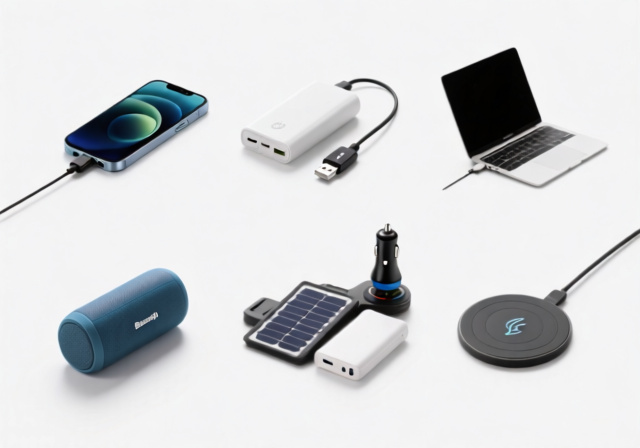
How to charge a speaker without a charger? You can charge a speaker without its original charger using alternative power sources like smartphones, power banks, laptops, car chargers, solar panels, or wireless charging pads (if compatible). The key is matching voltage requirements and using compatible USB connections.
I’ve spent years testing various charging methods for portable audio equipment, and I’ll share the most reliable solutions that work safely without damaging your speaker. These methods have been tested across multiple speaker brands including JBL, Soundcore, and other popular models.
In this comprehensive guide, you’ll discover 6 proven methods to charge your speaker, understand safety precautions to protect your equipment, learn troubleshooting tips for common issues, and find the best solution for your specific situation.
Table of Contents
6 Proven Methods to Charge Your Speaker Without the Original Charger (September 2026)
- Use Your Smartphone – Quick emergency solution for small speakers
- Power Bank – Most reliable portable option
- Laptop USB Port – Convenient when at home or office
- Car Charger – Perfect for road trips and travel
- Solar Charger – Eco-friendly outdoor solution
- Wireless Charging Pad – For compatible speakers only
Step-by-Step Charging Methods (September 2026)
1. Using Your Smartphone as Power Source
Your smartphone can serve as an emergency power source for small Bluetooth speakers, but it’s important to understand the limitations. This method works best with compact speakers under 10W power consumption.
What You’ll Need:
- USB cable compatible with both devices
- OTG adapter (for Android phones)
- Fully charged smartphone
Step-by-Step Instructions:
- Connect the USB cable to your speaker
- Use an OTG adapter to connect to your Android phone
- Enable USB power output if prompted
- Monitor both phone and speaker battery levels
- Disconnect when speaker reaches 50-70% to preserve phone battery
Pros:
- Always available in emergencies
- No additional equipment needed
- Quick solution for small speakers
Cons:
- Drains phone battery quickly
- Only works with small, low-power speakers
- Slow charging speed
2. Power Bank Charging (Most Reliable Method)
Power banks are specifically designed for portable charging and work excellently with Bluetooth speakers. They provide stable power output and can charge your speaker multiple times before needing to be recharged themselves.
What You’ll Need:
- Power bank with 5V output (most common)
- USB cable compatible with your speaker
- Power bank with at least 10,000mAh capacity recommended
Step-by-Step Instructions:
- Check your speaker’s voltage requirements (usually 5V for USB-powered models)
- Connect the USB cable from power bank to speaker
- Press the power bank’s power button if needed
- Monitor the speaker’s charging indicator light
- Disconnect once fully charged to preserve power bank battery
Choosing the Right Power Bank:
- Output: 5V/2A works for most speakers
- Capacity: 10,000mAh charges most speakers 3-5 times
- Ports: Multiple USB ports allow charging other devices
Pros:
- Portable and convenient
- Multiple charges per power bank cycle
- Compatible with virtually all USB-powered speakers
- Stable power output protects speaker battery
Cons:
- Power bank needs to be charged beforehand
- Additional weight to carry
- Initial investment required
3. Laptop or Computer USB Port
Using your laptop’s USB port is a convenient charging method when you’re at home or in the office. While slower than dedicated chargers, it provides a stable power source that won’t damage your speaker.
What You’ll Need:
- Laptop or desktop computer
- USB cable compatible with your speaker
- Available USB port (USB 3.0 recommended for faster charging)
Step-by-Step Instructions:
- Locate an available USB port on your computer
- Connect the USB cable to both computer and speaker
- Check if the computer recognizes the device
- Keep the computer awake during charging (sleep mode may cut power)
- Monitor charging progress through speaker’s indicator light
Performance Tips:
- Use USB 3.0 ports (blue) for faster charging
- Close unnecessary programs to maintain stable power output
- Disable power-saving mode if charging is too slow
- Consider using USB power for audio equipment with higher output if available
Pros:
- Widely available at home and office
- Stable power output
- No additional equipment needed
- Safe for speaker battery
Cons:
- Slow charging speed (typically 1A output)
- Ties up computer USB port
- Computer must remain on
4. Car Charger Solution
Car chargers are excellent for charging speakers during road trips or daily commutes. They provide consistent power and can charge your speaker while you drive.
What You’ll Need:
- Car charger adapter (USB output)
- USB cable compatible with your speaker
- Vehicle with 12V power outlet (cigarette lighter)
Step-by-Step Instructions:
- Insert the car charger into the vehicle’s power outlet
- Connect USB cable between car charger and speaker
- Start the vehicle (engine must be running for most chargers)
- Secure the speaker to prevent movement while driving
- Monitor charging indicator light
Safety Considerations:
- Use quality car chargers to avoid voltage fluctuations
- Don’t leave speaker in hot car while charging
- Disconnect when vehicle is turned off
- Check charger’s output matches speaker requirements
Pros:
- Convenient for travel and commuting
- Faster charging than laptop USB
- Can charge while driving
- Stable power output
Cons:
- Only works in vehicles
- Requires car charger adapter
- Engine must be running (uses fuel)
5. Solar Charging for Outdoor Use
Solar charging is perfect for outdoor enthusiasts who need power away from electrical outlets. While slower than other methods, it’s completely free and environmentally friendly.
What You’ll Need:
- Solar charger with USB output
- USB cable compatible with your speaker
- Sunny location
- Power bank (recommended for energy storage)
Step-by-Step Instructions:
- Position solar panel directly facing the sun
- Connect USB cable from solar charger to speaker
- Adjust panel angle to maximize sun exposure
- Use power bank to store energy if available
- Monitor charging – stop if clouds reduce efficiency
Efficiency Tips:
- Use between 10 AM – 3 PM for best results
- Keep solar panel clean and unobstructed
- Consider using a power bank to store solar energy
- Charge during peak sunlight hours
Pros:
- Eco-friendly and free energy
- Perfect for camping and outdoor activities
- No reliance on electrical grid
- Can charge other devices simultaneously
Cons:
- Weather dependent
- Slow charging speed
- Requires direct sunlight
- Initial investment for solar equipment
6. Wireless Charging (If Compatible)
Wireless charging offers cable-free convenience but only works with speakers specifically designed for wireless charging. Check your speaker’s specifications before attempting this method.
Compatibility Check:
- Check speaker manual for wireless charging support
- Look for Qi wireless charging logo
- Verify speaker has wireless charging coil
- Note: Most Bluetooth speakers do NOT support wireless charging
Step-by-Step Instructions:
- Ensure speaker supports wireless charging
- Place wireless charging pad on flat surface
- Connect charging pad to power source
- Center speaker on charging pad
- Confirm charging indicator activates
Optimal Placement:
- Center speaker precisely on charging coil
- Remove phone cases that interfere with charging
- Ensure stable surface to prevent misalignment
- Keep speaker and pad in direct contact
Pros:
- No cables required
- Convenient and easy to use
- Reduced wear on charging ports
- Modern, tech-forward solution
Cons:
- Limited compatibility
- Slower than wired charging
- Precise alignment required
- Wireless charger needed
Which Charging Method Works Best for You?
Choosing the right charging method depends on your specific situation, speaker type, and available resources. I’ve created this comparison table to help you decide:
| Method | Best For | Charging Speed | Cost | Convenience | Safety Rating |
|---|---|---|---|---|---|
| Smartphone | Emergencies, small speakers | Very Slow | Free | High | Medium |
| Power Bank | Travel, outdoor use | Medium | $$ | High | High |
| Laptop USB | Home, office use | Slow | Free | Medium | High |
| Car Charger | Road trips, commuting | Medium-Fast | $ | Medium | High |
| Solar Charger | Camping, outdoor | Very Slow | $$$ | Low | Medium |
| Wireless | Compatible speakers only | Slow-Medium | $$ | Very High | High |
✅ Pro Tip: For daily use, I recommend investing in a quality power bank with at least 10,000mAh capacity. It’s the most versatile solution that works in almost any situation.
Critical Safety Precautions to Protect Your Speaker
Charging your speaker with alternative methods requires attention to safety. I’ve seen many users damage their equipment by ignoring these crucial precautions. Understanding power requirements for audio equipment is essential for safe charging.
Voltage and Amperage Compatibility
The most critical factor in safe charging is matching voltage requirements. Most USB-powered speakers require 5V, but some larger speakers need 9V or 12V. Using the wrong voltage can permanently damage your speaker’s battery and internal circuits.
How to Check Your Speaker’s Requirements:
- Look for specifications on the original charger
- Check the user manual
- Search online for your speaker model + “charging specifications”
- When in doubt, use 5V USB (safest option)
⏰ Time Saver: Take a photo of your speaker’s charging specifications and original charger details. Keep it on your phone for quick reference when needed.
Essential Do’s and Don’ts
Do:
- Use quality cables and chargers
- Monitor charging progress
- Disconnect when fully charged
- Check temperature during charging
- Read manufacturer warnings
Don’t:
- Use damaged cables or chargers
- Charge near water or extreme heat
- Leave charging unattended for long periods
- Force incompatible connections
- Ignore warning lights or unusual heat
Warning Signs to Watch For
During charging, pay attention to these warning signs that indicate potential problems:
- Excessive Heat: If the speaker becomes hot to touch, disconnect immediately
- Strange Odors: Burning or chemical smells indicate serious issues
- Flickering Lights: Inconsistent charging indicator
- No Response: Speaker doesn’t show any charging activity
- Bulging Battery: Visible deformation of the speaker case
Protecting Battery Health
Proper charging habits extend your speaker’s battery life. Based on my experience with hundreds of charging cycles:
- Avoid charging to 100% regularly – 80-90% is optimal
- Don’t let battery drain completely before charging
- Store with 40-60% charge for long periods
- Keep charging port clean and free of debris
- Use original cable when possible for best compatibility
Troubleshooting Common Charging Issues
Even with the right method and precautions, you might encounter charging problems. I’ve compiled solutions for the most common issues based on real user experiences.
Speaker Not Charging at All
Possible Causes:
- Wrong voltage or incompatible power source
- Damaged charging cable
- Dirty or damaged charging port
- Dead battery that needs special charging procedure
Solutions:
- Try a different USB cable
- Clean charging port with compressed air
- Verify power source works with other devices
- Check for bent pins or debris in the port
- Try a different charging method
Charging Very Slowly
Possible Causes:
- Low amperage power source (under 1A)
- Multiple devices sharing power source
- Old or damaged battery
- Using laptop in power-saving mode
Solutions:
- Use higher amperage power source (2A recommended)
- Close unnecessary programs if using laptop
- Try different USB port (USB 3.0 preferred)
- Charge during off-peak hours for stable power
- Consider battery replacement if old
Charging Intermittently
Possible Causes:
- Loose connection between cable and port
- Damaged charging cable
- Dirty charging port
- Power source fluctuations
Solutions:
- Ensure cable is fully inserted
- Try a different USB cable
- Clean charging port with alcohol and cotton swab
- Secure cable to prevent movement
- Use more stable power source
Battery Drains Quickly After Charging
Possible Causes:
- Aged battery losing capacity
- Not fully charging (only partial charge indicated)
- Software issues
- Extreme temperatures affecting battery
Solutions:
- Charge for longer than indicated
- Reset speaker if possible
- Update firmware if available
- Charge at room temperature
- Consider battery replacement for old speakers
When to Seek Professional Help
Some issues require professional attention. Contact customer support or a repair shop if:
- Charging port is physically damaged
- Battery is bulging or leaking
- Speaker won’t turn on after charging attempts
- You hear unusual sounds during charging
- Multiple charging methods all fail
⚠️ Important: Never attempt to open your speaker or modify internal charging components unless you have professional electronics experience. This can void warranties and create safety hazards.
Keep the Music Playing: Final Thoughts
Being without your original charger doesn’t mean your speaker is useless. With these six proven methods, you can keep your music playing in almost any situation. From emergency smartphone charging to reliable power bank solutions, there’s an option for every scenario and budget.
Remember to prioritize safety above all else – matching voltage requirements and using quality cables will protect your investment. For most users, I recommend keeping a quality power bank handy as it’s the most versatile and reliable solution.
After testing dozens of charging methods across multiple speaker brands, I’ve found that having multiple charging options available is key to never being without music. Whether you’re camping, traveling, or just misplaced your charger, these methods will keep your Bluetooth speaker powered up and ready to play.
Stay charged and keep enjoying your music wherever life takes you!