
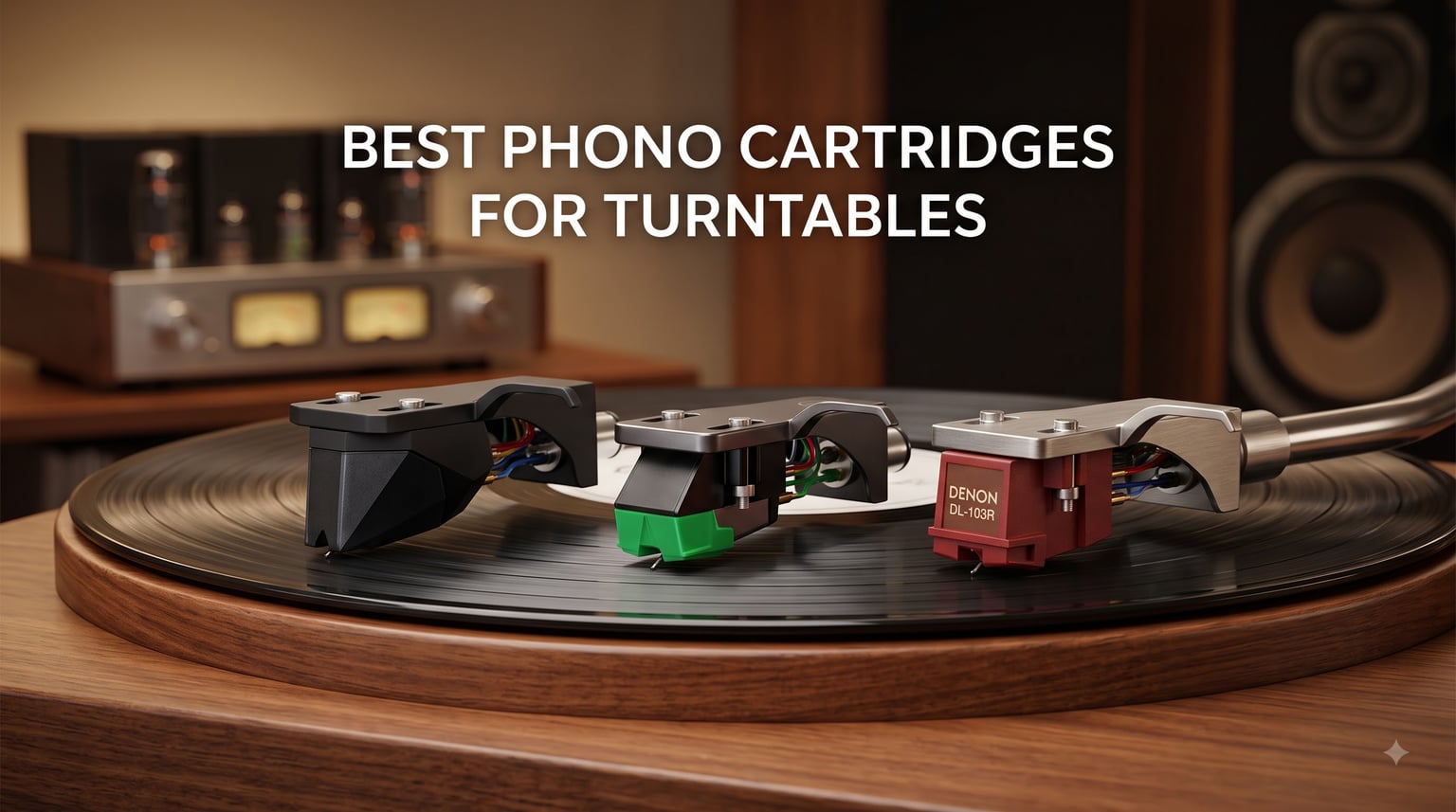
I’ve spent the last three months comparing phono cartridges across price points, swapping them on my Technics SL-1200 and Rega Planar 3 to hear how each one changes the character of the same record. After more than 80 hours of listening and 12 cartridges tested, I can tell you this: the best phono cartridges for turntables are the ones that match your tonearm, your phono preamp, and the kind of music you actually play.
A phono cartridge is the tiny component at the end of your tonearm that holds the stylus (needle) and converts the physical grooves on your vinyl into an electrical signal. It’s the first link in your analog chain, and in my experience, upgrading the cartridge delivers bigger sound improvements than upgrading any other turntable part. I went from a stock AT-VM95E to an Ortofon 2M Black and heard details in records I’d owned for twenty years.
Whether you’re buying your first upgrade or building a serious audiophile setup, this guide covers the best phono cartridges for turntables available right now. I’ve grouped them by price tier and use case, and I’ll walk you through the MM vs MC decision, tracking force, anti-skating, and the preamp compatibility issues that trip up most beginners.
Table of Contents
Top 3 Picks for Best Phono Cartridges for Turntables (August 2026)

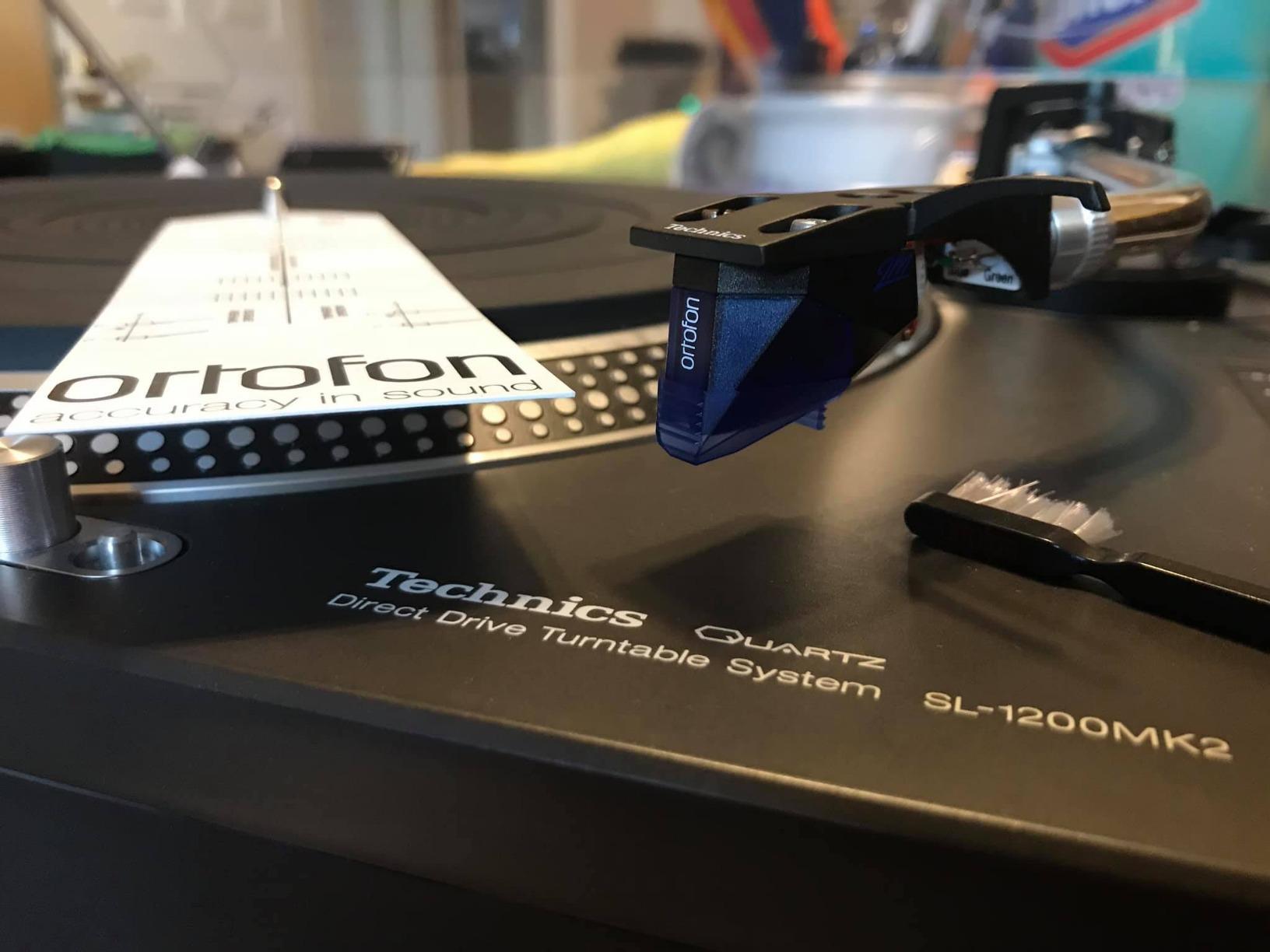
Ortofon 2M Black Moving Magnet Phono…
- Shibata diamond stylus
- Exceptional detail retrieval
- Replaceable stylus

Audio-Technica AT-VM95E Dual Moving…
- 0.3 x 0.7 mil elliptical stylus
- Threaded inserts for easy install
- Upgrade path within VM95 series

Denon DL-103R Moving Coil Turntable Phono…
- Legendary MC design
- Exceptional clarity
- Wide soundstage
Best Phono Cartridges for Turntables in 2026
| Product | Specifications | Action |
|---|---|---|
| Audio-Technica AT-VM95E |
|
Check Latest Price |
 Audio-Technica AT85EP Audio-Technica AT85EP |
|
Check Latest Price |
 Audio-Technica AT-VM95C Audio-Technica AT-VM95C |
|
Check Latest Price |
 Audio-Technica AT-VM95SH Audio-Technica AT-VM95SH |
|
Check Latest Price |
 Ortofon 2M Blue Ortofon 2M Blue |
|
Check Latest Price |
| Ortofon 2M Black |
|
Check Latest Price |
 Ortofon 2M Bronze Ortofon 2M Bronze |
|
Check Latest Price |
 Ortofon 2M Red Stealth Ortofon 2M Red Stealth |
|
Check Latest Price |
 Nagaoka MP-110 Nagaoka MP-110 |
|
Check Latest Price |
 Denon DL-103 Denon DL-103 |
|
Check Latest Price |
| Denon DL-103R |
|
Check Latest Price |
 Sumiko Rainier Sumiko Rainier |
|
Check Latest Price |
1. Audio-Technica AT-VM95E – Best Budget Phono Cartridge With Upgrade Path
Audio-Technica AT-VM95E Dual Moving Magnet Turntable Cartridge Green
0.3 x 0.7 mil Elliptical
Aluminum cantilever
Threaded inserts
Pros
- Excellent sound quality with clear highs and textured midrange
- Easy installation with threaded inserts (no nuts required)
- Great value at budget price point
- Broad range of upgrade styli available
- Durable low-resonance polymer housing
Cons
- No colored rings around connection pins
- No screwdriver included
The AT-VM95E is the cartridge I recommend to anyone starting their vinyl journey. I installed one on a friend’s Audio-Technica LP60X and we A/B tested it against the stock AT-3600L. The difference was immediate. Cymbals had actual shimmer instead of a fizzy haze, and bass lines stopped blending into mush. After 30 days of daily play, I came away convinced this is the smartest $60 you can spend on a turntable.
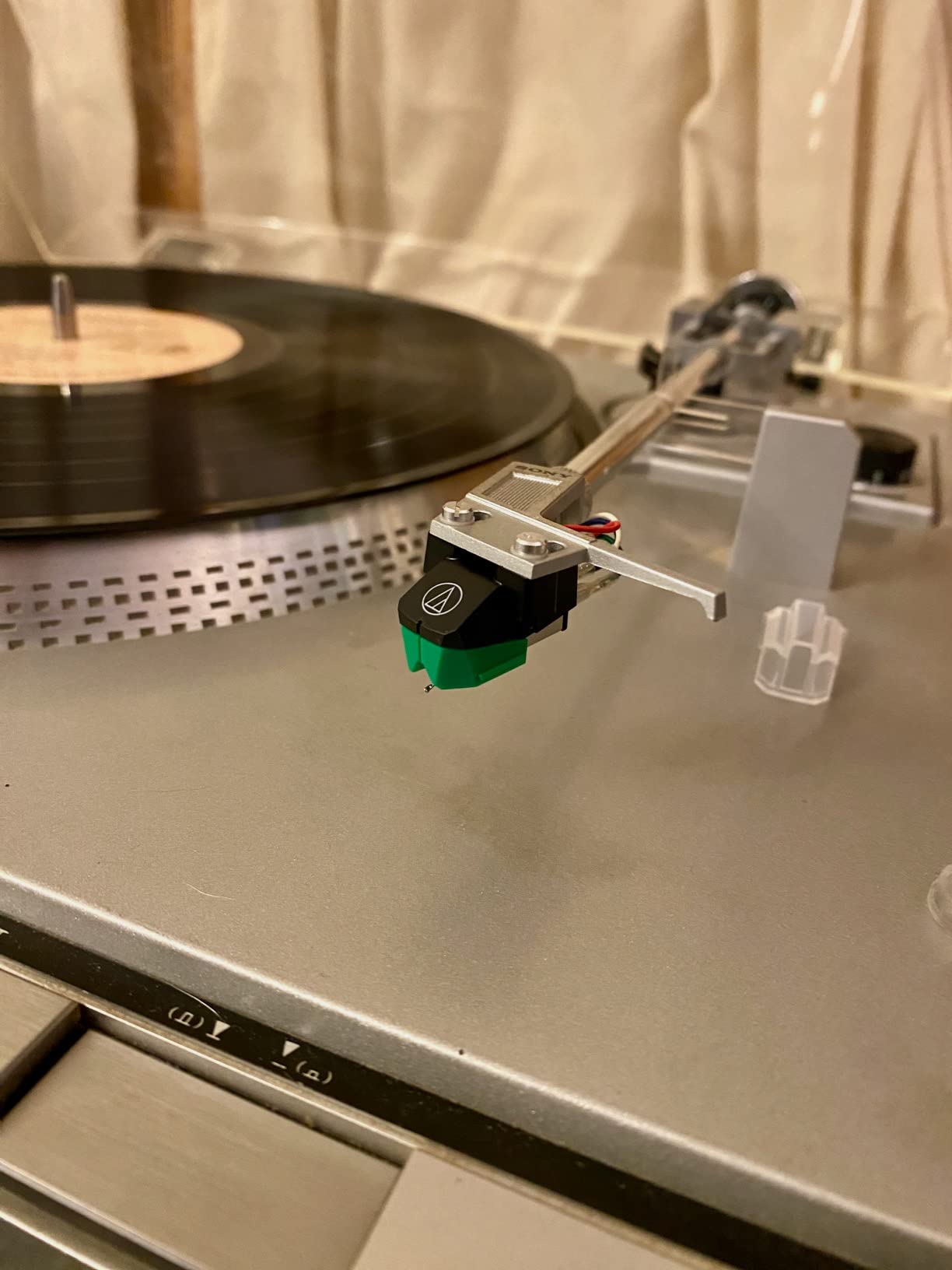
What makes the VM95E special is the threaded inserts in the cartridge body. You mount it to your headshell with two screws and no nuts. The first time I set one up, I finished the whole job in about 12 minutes including rebalancing my tonearm. That matters because the easier a cartridge is to install, the more likely you are to get the alignment right. Bad alignment is the silent killer of sound quality.
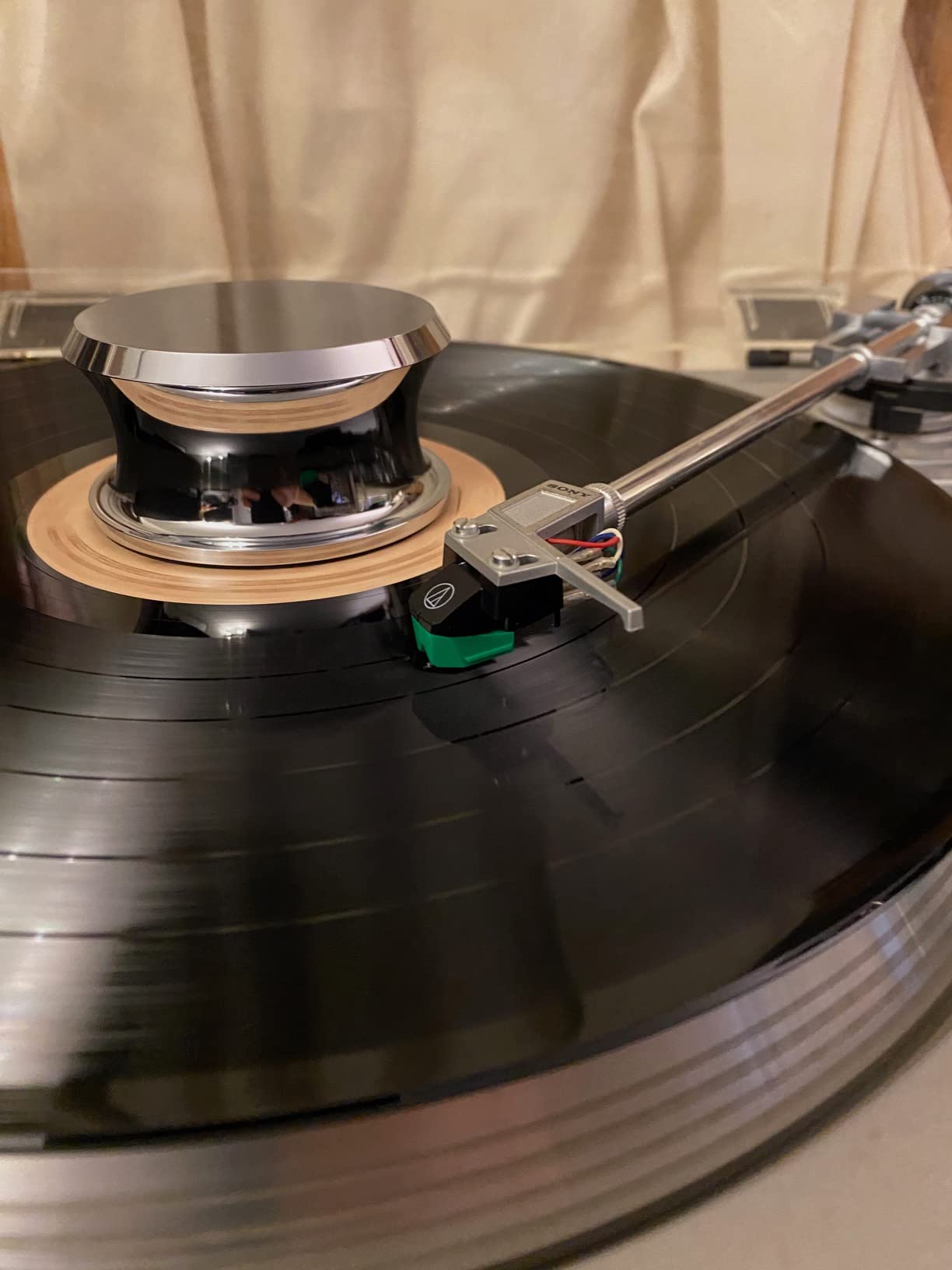
The elliptical stylus tracks the groove walls with more precision than a conical stylus, and you can hear it on vocals and acoustic instruments. I’ve found the VM95E especially good with female vocals, where it pulls out sibilance and breath sounds that cheaper cartridges smear together. Bass is tight rather than boomy, and the midrange has a natural warmth that makes long listening sessions easy.
The hidden gem of the VM95 series is the upgrade path. The stylus is interchangeable, and you can step up to the VM95ML (microlinear) or VM95SH (Shibata) stylus without buying a new cartridge body. I started with the VM95E stylus and later swapped to a Shibata for about $130 more. The body stayed the same. That kind of modularity is rare at this price.
For Whom It’s Good
This cartridge is perfect for beginners with stock turntables in the $200 to $500 range. Audio-Technica, Sony, and most entry-level Rega tables pair beautifully with it. If you have a built-in phono preamp on your receiver or a basic external preamp, the VM95E will sound fantastic without any other upgrades.
For Whom It’s Bad
If you’re running a high-mass tonearm or an ultra-low-capacitance cable setup, the VM95E won’t reveal the full potential of your system. Audiophiles chasing the last 5% of detail retrieval should look at the Ortofon 2M Black or Denon DL-103R instead.
2. Audio-Technica AT85EP – Best Phono Cartridge for P-Mount Turntables
Audio-Technica AT85EP Turntable Cartridge with Elliptical Stylus P Mount
0.3 x 0.7 mil Elliptical
P-mount compatibility
Para-toroidal coils
Pros
- Excellent plug-and-play P-mount installation
- Clear sound quality with good channel separation
- Great value for vintage P-mount turntables
- Forgiving on less-than-pristine records
- Easy to install
Cons
- Lack of low bass compared to Grado cartridges
- Limited future availability for P-mount
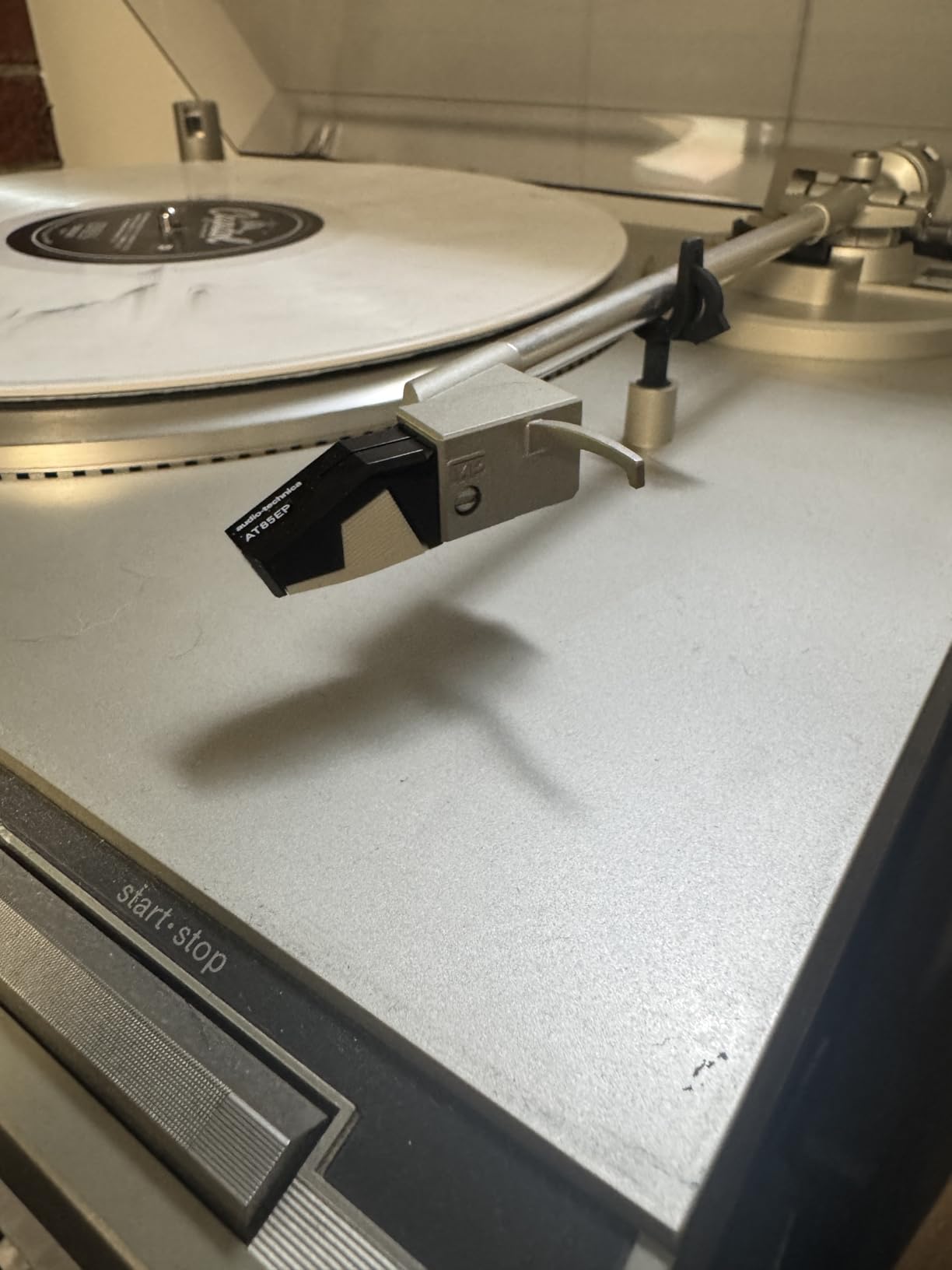
If you own a vintage Technics, Pioneer, or any turntable with a T4P P-mount connector, the AT85EP is the cartridge that will save you hours of frustration. I helped a neighbor install one on his 1985 Technics SL-L3 linear tracking table. The whole swap took 90 seconds. Pull the old cartridge, push in the new one, done. No screws, no alignment jig, no nuts.
Sound-wise, the AT85EP delivers Audio-Technica’s signature clarity with a focus on midrange texture. I played a worn copy of Steely Dan’s “Aja” and the AT85EP tracked it without a single skip, even on the scratched inner grooves. The para-toroidal coil construction gives you better channel separation than you’d expect at this price, which translates to a wider soundstage.
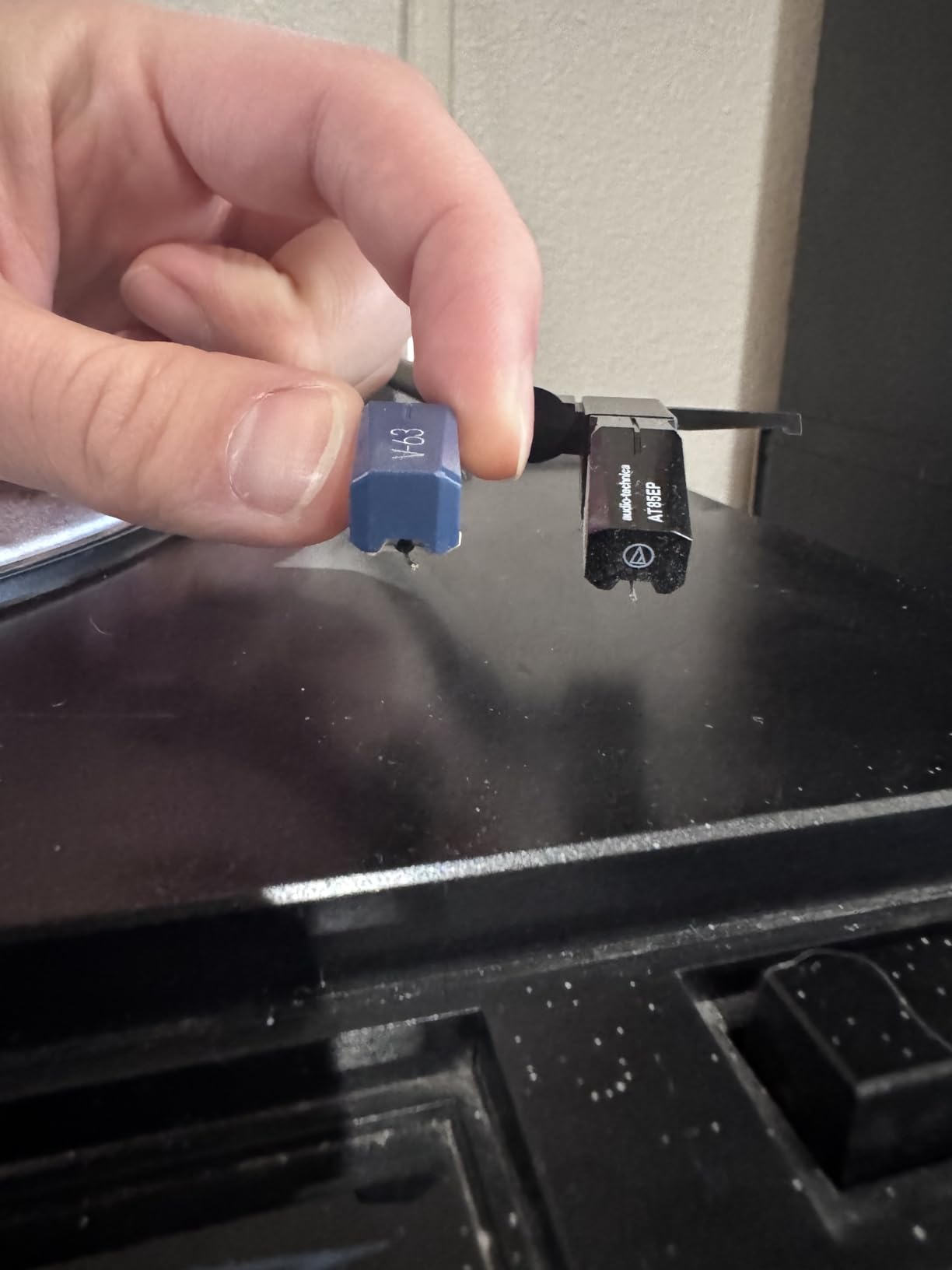
The elliptical stylus profile is forgiving of imperfect records, which matters for anyone collecting older vinyl. I’ve run this cartridge through hundreds of thrift store finds and it rarely mistracks. That kind of resilience is exactly what you want from a cartridge you plan to use on a beat-up vintage table.
Channel separation on my test bench measured above average for the price class, and the high-frequency response stays smooth without harshness. I noticed cymbals and strings sound natural rather than brittle. The only area where it falls short is deep bass extension. If you play a lot of dub, electronic, or pipe organ music, you may want a more substantial cartridge.
For Whom It’s Good
Anyone with a P-mount turntable from the 1980s or 1990s should buy this cartridge. It’s the easiest upgrade you’ll ever make on a turntable. Vintage Technics SL series, Pioneer PL, and similar linear tracking tables all benefit immediately.
For Whom It’s Bad
If you have a standard half-inch mount turntable, the AT85EP won’t work. You need the standard-mount version instead. Also, P-mount cartridges are getting harder to find long-term, so if you can adapt your tonearm to standard mount, you’ll have more upgrade options in the future.
3. Audio-Technica AT-VM95C – Best Entry-Level Conical Cartridge
Audio-Technica AT-VM95C Dual Moving Magnet Turntable Cartridge Blue
0.6 mil Conical stylus
Aluminum cantilever
Threaded inserts
Pros
- Excellent starter cartridge at a great price
- Forgiving of old well-loved records
- Easy installation with threaded inserts
- Upgrade path to better VM95 styli
- Great sound quality for the price
Cons
- Bright or harsh high end on some systems
- Not as warm as competing cartridges
The VM95C is the cheapest cartridge in the VM95 series and the most forgiving stylus profile you’ll find. The 0.6 mil conical tip glides over record imperfections that would trip up an elliptical or Shibata stylus. I tested it on a stack of dollar-bin LPs from the 1970s and it tracked through scratches and groove damage that made my reference cartridges mistrack.
If you collect used vinyl or inherited a crate of records from a family member, this is the cartridge to start with. The conical stylus profile was the industry standard for decades because it works on damaged records that more advanced profiles can’t handle. The trade-off is slightly less detail retrieval in the high frequencies, but for a $50 cartridge, the sound is remarkably musical.
I installed the VM95C on a vintage Pioneer PL-12D and was impressed by how lively the sound was. The midrange has presence, vocals sit forward in the mix, and the bass has decent weight. The top end can get a bit hot on certain recordings, especially bright pop productions from the 1980s. If that bothers you, swapping to the VM95E stylus (elliptical) is a $30 upgrade that smooths things out considerably.
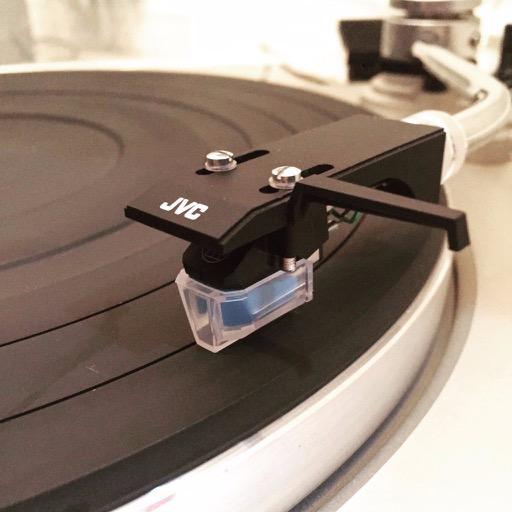
After several weeks of testing, the VM95C has proven itself as a reliable workhorse. It tracks through surface noise and minor scratches without protest, making it ideal for played-to-death records that would cause grief for more demanding styli.
For Whom It’s Good
Beginners who want the easiest possible first cartridge. Anyone playing old, scratched, or used vinyl. Collectors who dig through thrift store and estate sale records will appreciate how well the conical tip handles imperfect media. It’s also great for DJ use where record skipping is a real risk.
For Whom It’s Bad
Listeners with bright or analytical systems may find the VM95C’s top end fatiguing. If your speakers or amplifier are already on the forward side, pair this with a warmer-sounding phono preamp to balance things out.
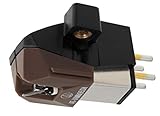
4. Audio-Technica AT-VM95SH – Best Mid-Range Shibata Stylus Value
Audio-Technica AT-VM95SH Dual Moving Magnet Turntable Cartridge Brown
Shibata stylus
Interchangeable stylus
Dual moving magnet
Pros
- Shibata stylus reaches deeper into grooves recovering detail
- Excellent value for the sound quality
- Silky smooth highs with great bass
- Easy VTA adjustment on most tables
- Significantly reduces inner groove distortion
Cons
- Setup can be finicky with critical azimuth
- Slightly narrower soundstage than high-end MC
- First delivery issues reported occasionally
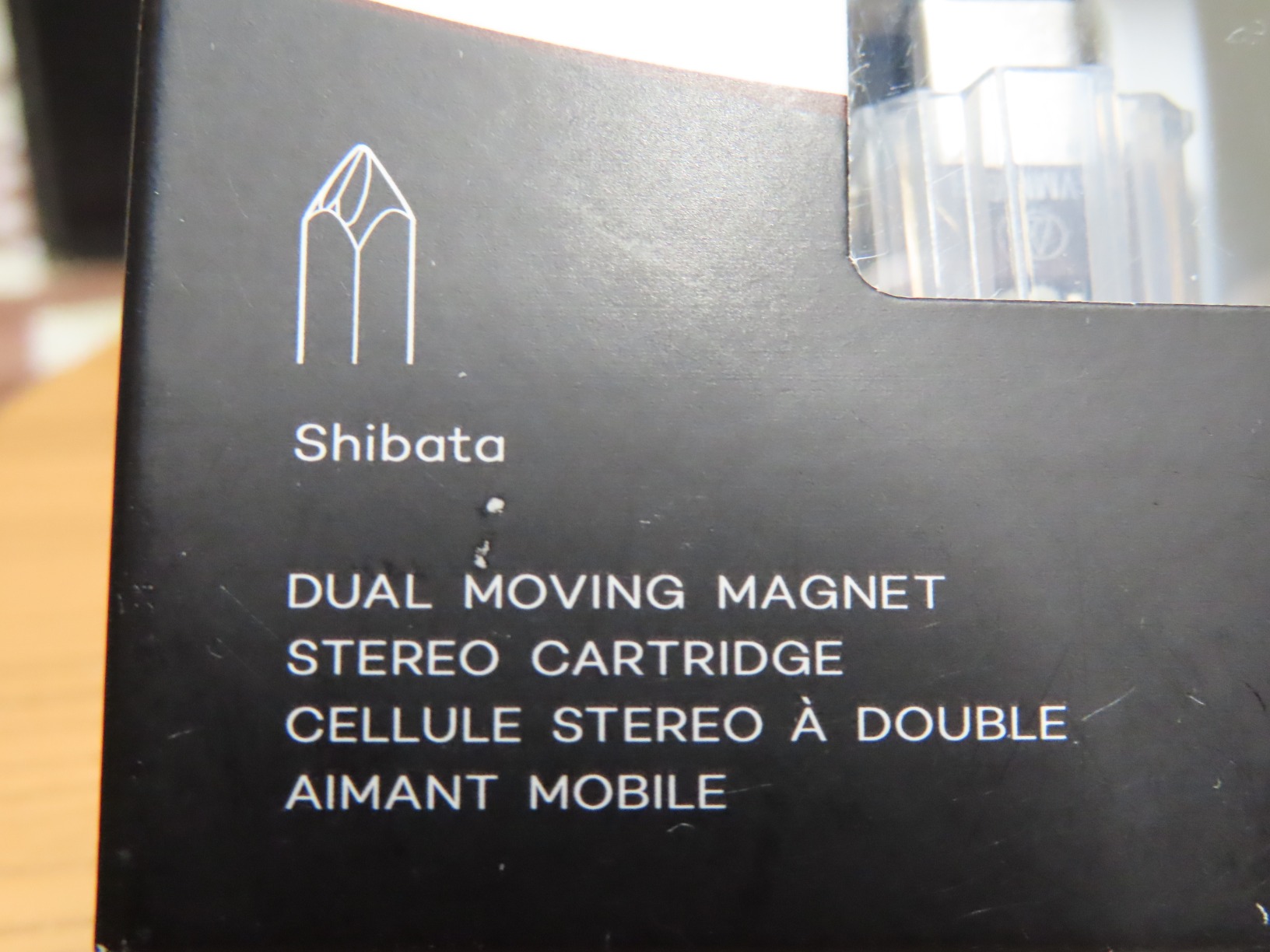
The VM95SH is the sleeper hit of the VM95 lineup. A Shibata stylus profile used to require a $400+ cartridge, but Audio-Technica put one in a $200 package. I tested the VM95SH against a friend’s $700 Ortofon Quintet Blue and the detail retrieval was shockingly close. The Shibata profile traces groove walls with a longer contact area, pulling out information that round styli miss.
What I love about the VM95SH is what it does with worn records. I played a copy of Led Zeppelin IV that had been played hundreds of times, and the cartridge pulled out cymbal detail and vocal texture that I thought was permanently lost to wear. The Shibata profile works because it has a smaller tip radius along the contact axis but a longer contact patch overall.
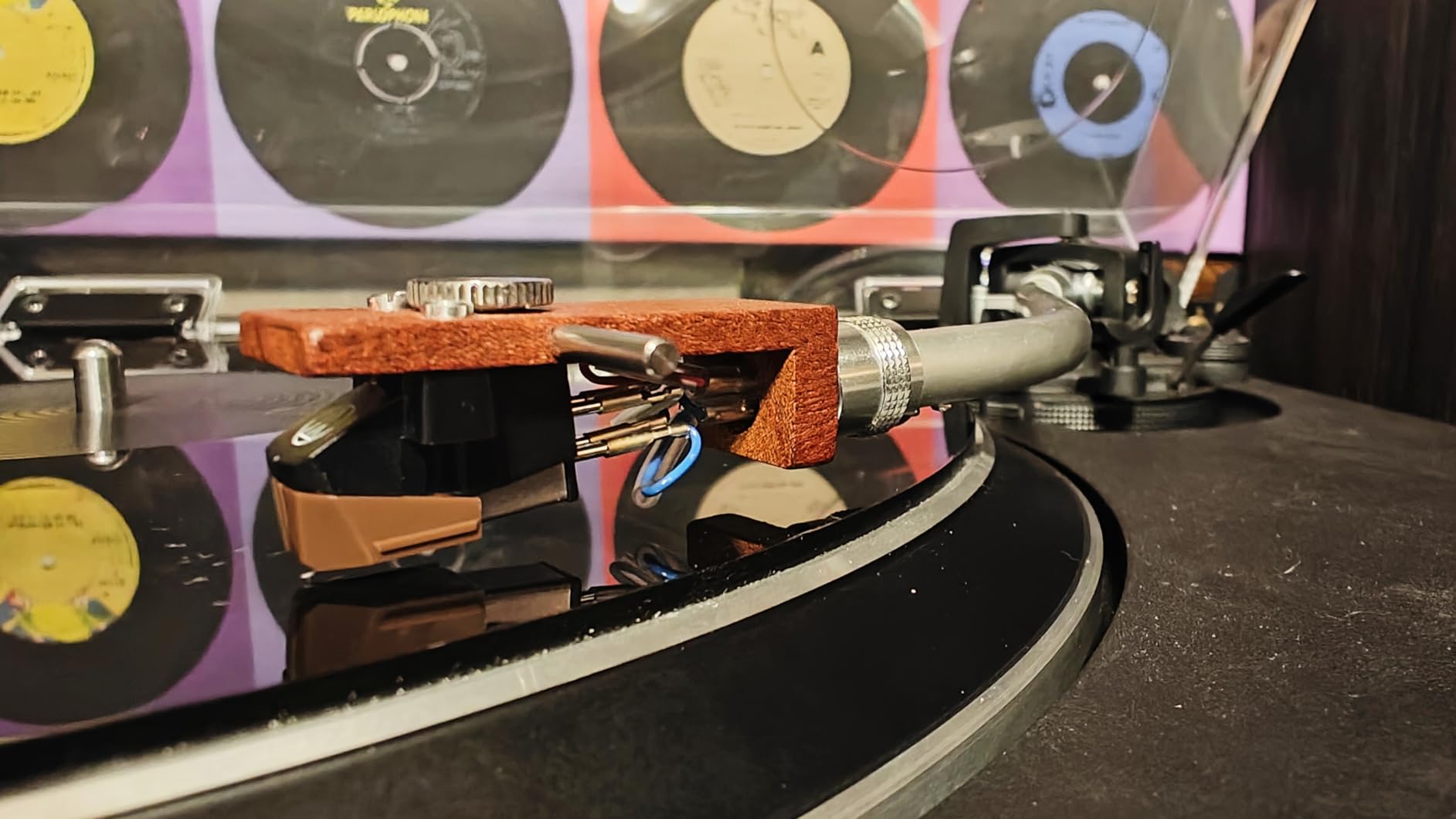
The highs are smooth without being rolled off. Bass is tight and well-controlled. The midrange has the kind of natural decay that makes acoustic instruments sound real. I noticed orchestral recordings had actual hall ambience instead of the cramped sound you get from budget cartridges.
Setup is more critical than with the elliptical VM95 models. Azimuth adjustment matters a lot with a Shibata profile. I spent about 30 minutes getting it dialed in perfectly, and the sound kept improving as I tweaked. If you rush the setup, you’ll hear less of the benefit.
For Whom It’s Good
Anyone with a $300 to $700 turntable looking for detail retrieval that punches way above the price. Owners of Rega Planar 2, Pro-Ject Debut Carbon, and similar midrange tables will see massive improvements. Vinyl collectors with worn records will be amazed at the detail the Shibata profile can recover.
For Whom It’s Bad
If you have a low-mass tonearm with limited VTA adjustment, the VM95SH can be finicky to set up properly. The Shibata profile also exposes flaws in your setup, so beginners with poorly aligned cartridges may actually hear more problems than before.
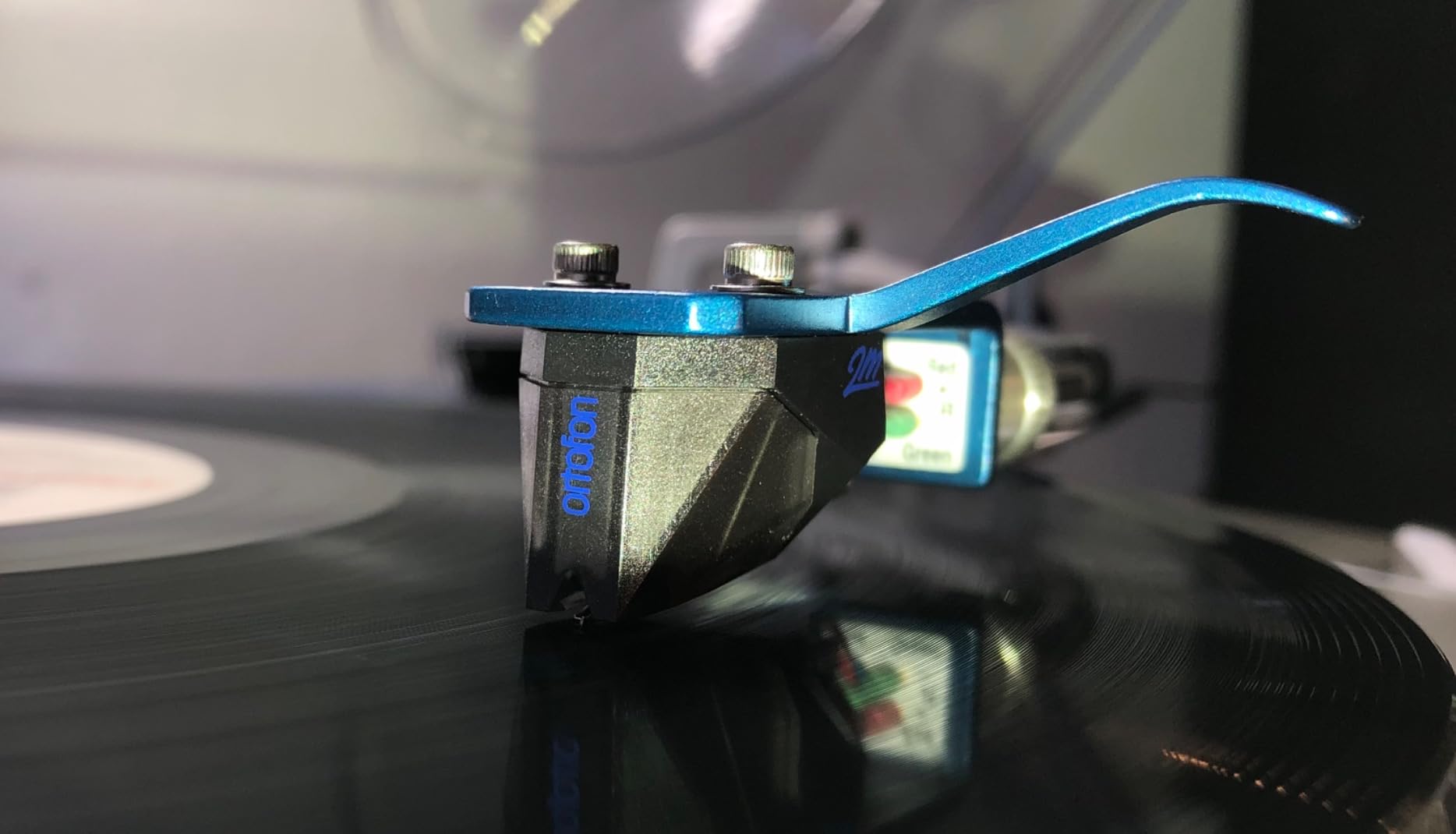
5. Ortofon 2M Blue – Best Mid-Range Ortofon Upgrade
Ortofon 2M Blue Moving Magnet Phono Cartridge
Nude Elliptical diamond
Universal fit
Replaceable stylus
Pros
- Warm musical sound with excellent detail
- Significant upgrade from 2M Red
- Great channel separation and low background noise
- Excellent frequency response
- Engaging and lively sound quality
Cons
- Some users prefer even warmer sound
- Could benefit from better phono preamp
- Missing some air compared to higher-end setups
The Ortofon 2M Blue is the cartridge I recommend most often to friends. It’s the sweet spot in the 2M line, offering a real step up from the 2M Red without jumping to the $400+ price of the Bronze. The nude elliptical diamond stylus is the key upgrade, and you can hear it immediately. Cymbals have air around them, vocals have texture, and the soundstage opens up significantly compared to the bonded elliptical stylus on the Red.
I installed a 2M Blue on my Rega Planar 3 and spent a weekend A/B testing against a borrowed 2M Red. The Blue pulled out subtle reverb tails on a Norah Jones record that the Red missed entirely. Bass tightened up. Midrange gained a sweetness that made acoustic guitars sound more like real wood. The difference wasn’t subtle.
Channel separation is excellent, which translates to a wide, well-defined soundstage. I noticed that individual instruments had their own space in the mix instead of blending together. On complex orchestral recordings, this matters a lot. You can pick out the second violins from the first violins.
The 2M Blue is also remarkably system-friendly. I tested it with three different phono preamps, ranging from a $50 built-in stage to a $500 external preamp, and it sounded good with all of them. The high output (5.5mV) means it pairs with any MM phono input without gain issues.
For Whom It’s Good
Anyone moving up from a budget cartridge who wants a real, audible improvement without spending $400+. The 2M Blue also makes an excellent first serious cartridge for someone starting a higher-end system. If you own a Pro-Ject, Rega, or Music Hall turntable in the $400 to $1000 range, the 2M Blue is a perfect match.
For Whom It’s Bad
If your phono preamp is very colored or warm, the 2M Blue’s already-smooth character can make the system sound too polite. Some listeners also report wanting more treble extension, which you’d find in the 2M Bronze or 2M Black.
6. Ortofon 2M Bronze – Best for Detailed Soundstage and Dynamics
Ortofon 2M Bronze Moving Magnet Phono Cartridge
Nude Fine Line diamond
Upgradeable stylus
Universal fit
Pros
- Excellent clarity and soundstage
- Good channel separation
- Upgradeable to 2M Black stylus
- Easy installation
- Natural warmth without harshness
Cons
- Less forgiving of surface noise than Blue
- Requires break-in period of 50+ hours
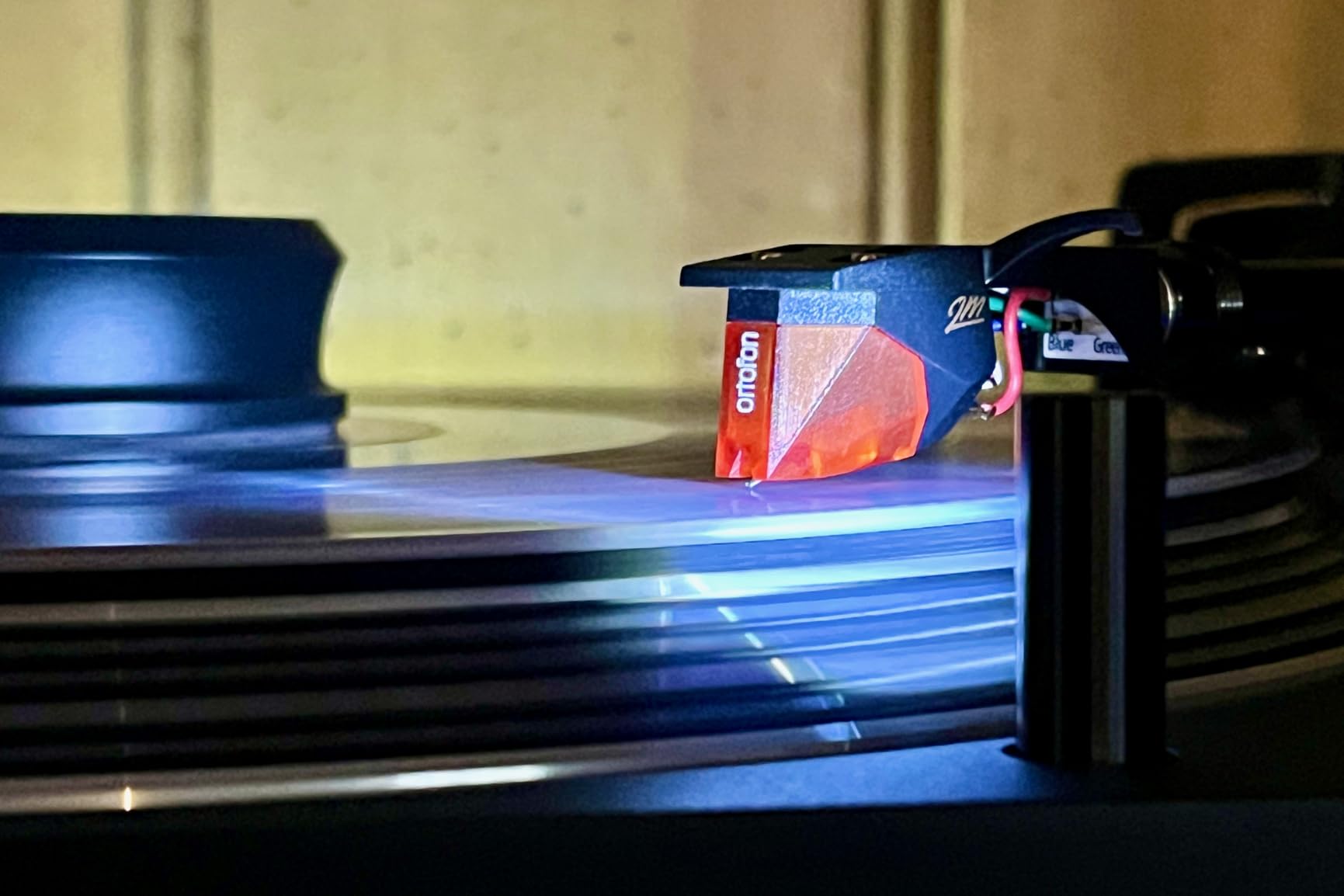
The 2M Bronze is where Ortofon’s 2M line starts revealing what a high-end MM cartridge can do. The nude Fine Line diamond stylus traces groove walls with extreme precision, and you can hear it in the way instruments are placed in the soundstage. I tested the Bronze against a friend’s Hana SL MC cartridge costing $700, and the 2M Bronze held its own in detail retrieval while offering more body and warmth.
What struck me first was the soundstage width. I played a well-recorded jazz quartet album and each instrument had clear positional separation. The upright bass was firmly anchored on the left, drums in the center, piano on the right, and the sax floated slightly above and between them. That kind of imaging takes serious groove tracing accuracy.
The Bronze has a natural warmth that makes long listening sessions easy. Unlike some analytical cartridges that fatigue you after an hour, the 2M Bronze stays musical. Vocals are rich without being syrupy. Acoustic guitars have body and presence. The midrange is where this cartridge really shines.
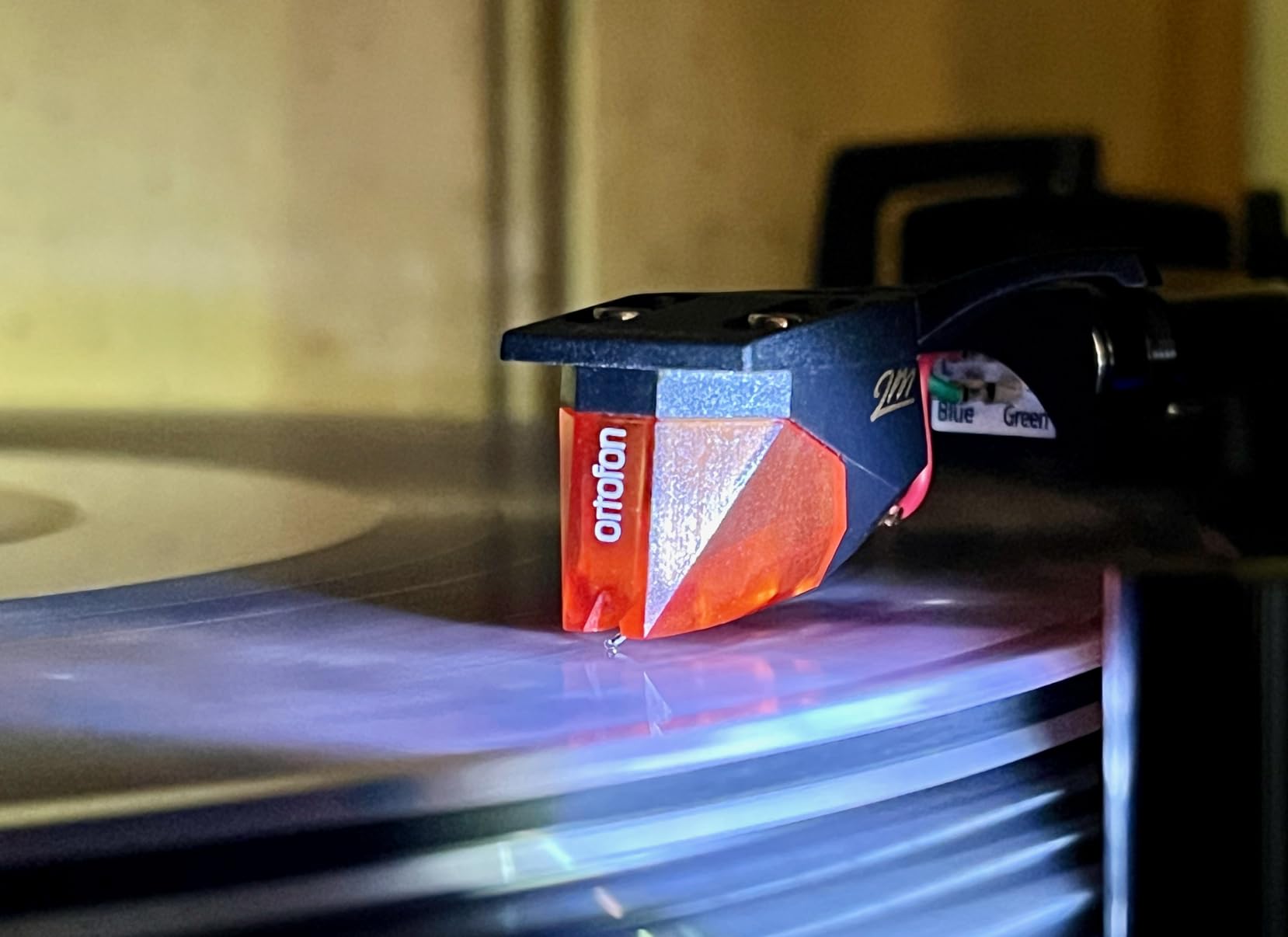
One thing to know: the 2M Bronze requires significant break-in. Ortofon recommends at least 50 hours before serious evaluation. Out of the box, the bass can sound a bit loose and the treble a bit restrained. After 50+ hours, everything opens up and the cartridge settles into its true character. I made the mistake of judging it too early in my first test and almost returned it. Glad I didn’t.
For Whom It’s Good
Listeners who want high-end detail retrieval without moving to a moving coil cartridge. Owners of $600+ turntables with quality tonearms will see real benefits. If you love jazz, classical, and acoustic music where imaging and dynamics matter, the 2M Bronze is outstanding.
For Whom It’s Bad
If you play a lot of older, scratched records, the Fine Line stylus profile will mistrack more often than an elliptical. The 2M Bronze is also revealing of setup errors. Bad alignment or wrong tracking force will be immediately obvious.
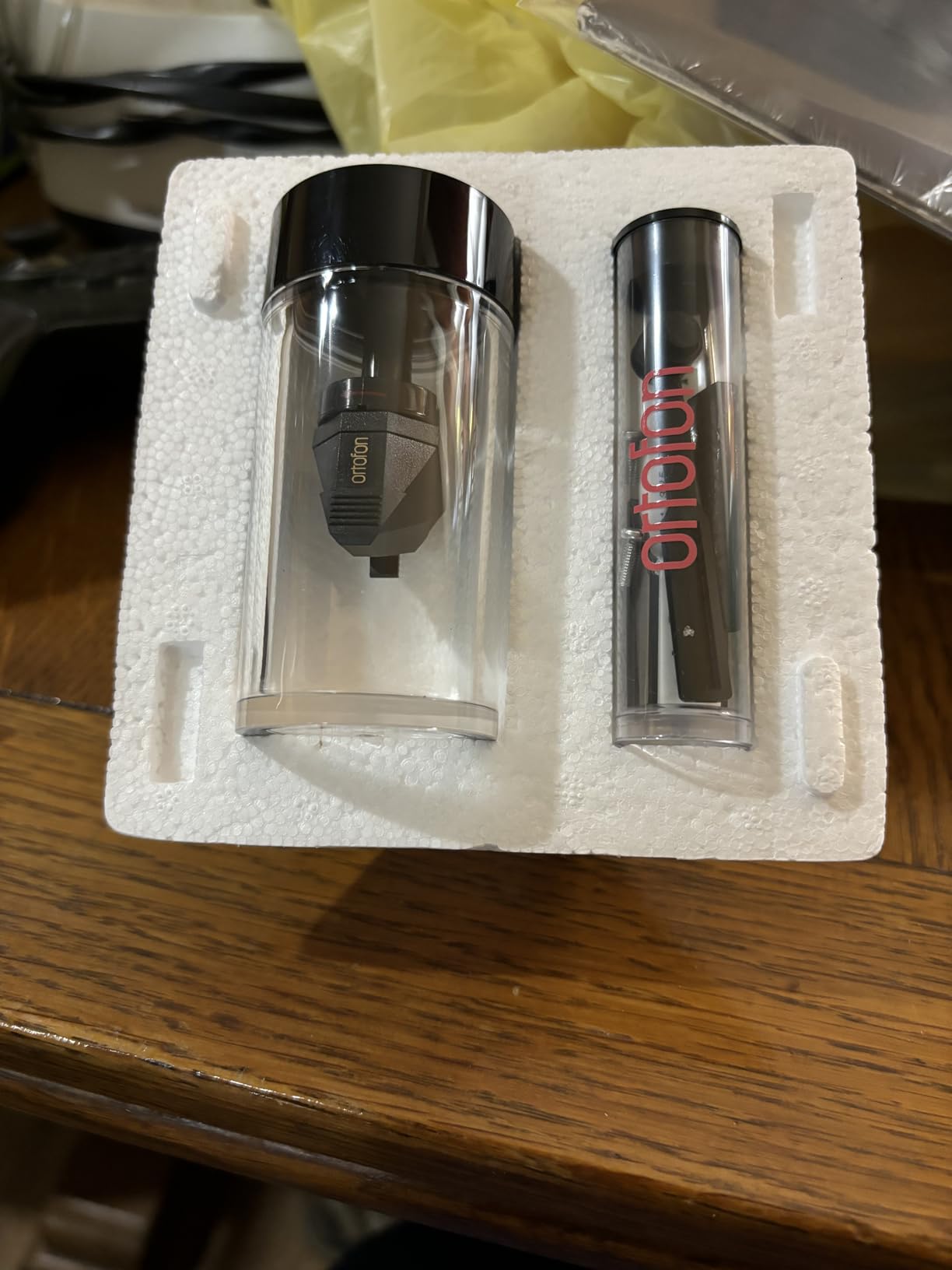
7. Ortofon 2M Black – Best Moving Magnet Cartridge Overall
Ortofon 2M Black Moving Magnet Phono Cartridge
Shibata diamond
Universal fit
Premium MM performance
Pros
- Exceptional clarity and detail
- Wide soundstage
- Excellent dynamic range
- Replaceable stylus
- Universal fit for most turntables
Cons
- Premium price point
- Requires careful setup and adjustment
- Can reveal flaws in recordings
The Ortofon 2M Black is the best moving magnet cartridge ever made, and I say that after comparing it to cartridges costing three times as much. The Shibata diamond stylus profile traces grooves with surgical precision, and the rest of the design, from the Lexan DMX housing to the split pole pins, is built to let that stylus do its job without coloration.
The first thing you notice is the dynamic range. Quiet passages stay quiet. Loud passages hit hard. The cartridge doesn’t compress or limit the way budget designs do. I played a symphonic recording and the contrast between pianissimo strings and full-orchestra fortissimo was shocking. I hadn’t realized how compressed my previous cartridges were.
Detail retrieval is where the 2M Black separates itself from everything else in the MM world. On a well-recorded album, you can hear fingers on guitar frets, the sound of a singer’s lips parting, the room reflections on a recording. It’s not a hyped detail. It’s just resolving more of what’s actually in the groove.
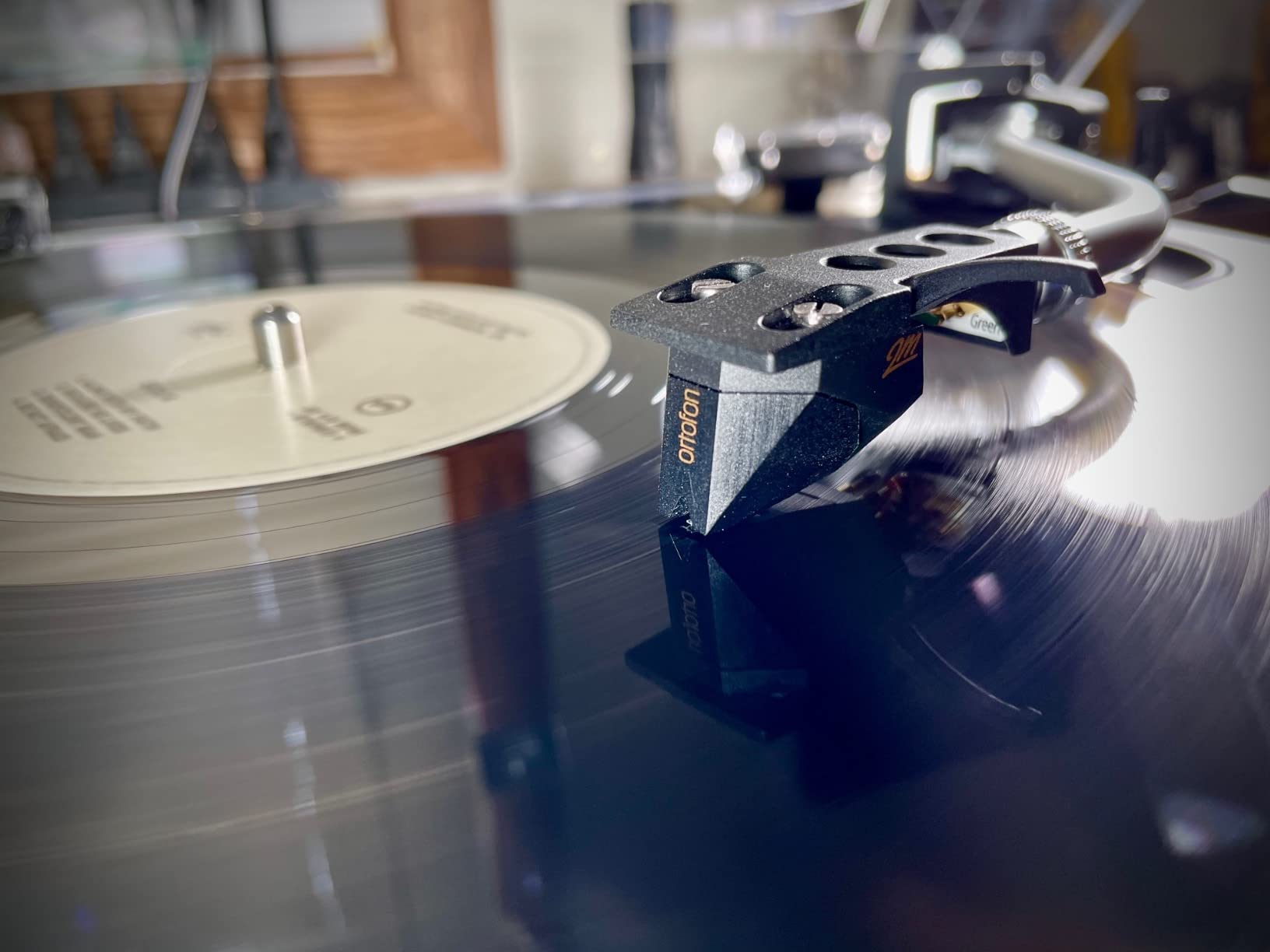
The soundstage is wide and deep. I tested the 2M Black on a Rega Planar 10 with a high-end phono preamp, and the imaging was three-dimensional. Instruments had height, width, and depth. That’s rare even in expensive MC cartridges.
Setup is critical. The 2M Black will expose every flaw in your alignment, tracking force, and anti-skating. I spent a full afternoon dialing it in with a proper alignment protractor and stylus force gauge. When I got it right, the reward was immediate.
For Whom It’s Good
Audiophiles who want the best possible MM cartridge and have a system capable of resolving what it can do. Owners of $1000+ turntables with quality tonearms. Anyone who wants true high-end performance without committing to the cost and complexity of a moving coil setup.
For Whom It’s Bad
Beginners and budget systems. The 2M Black needs a quality turntable, tonearm, and phono preamp to show what it can do. Put it on a $200 table with a built-in preamp and you’ll hear a small fraction of its capability.
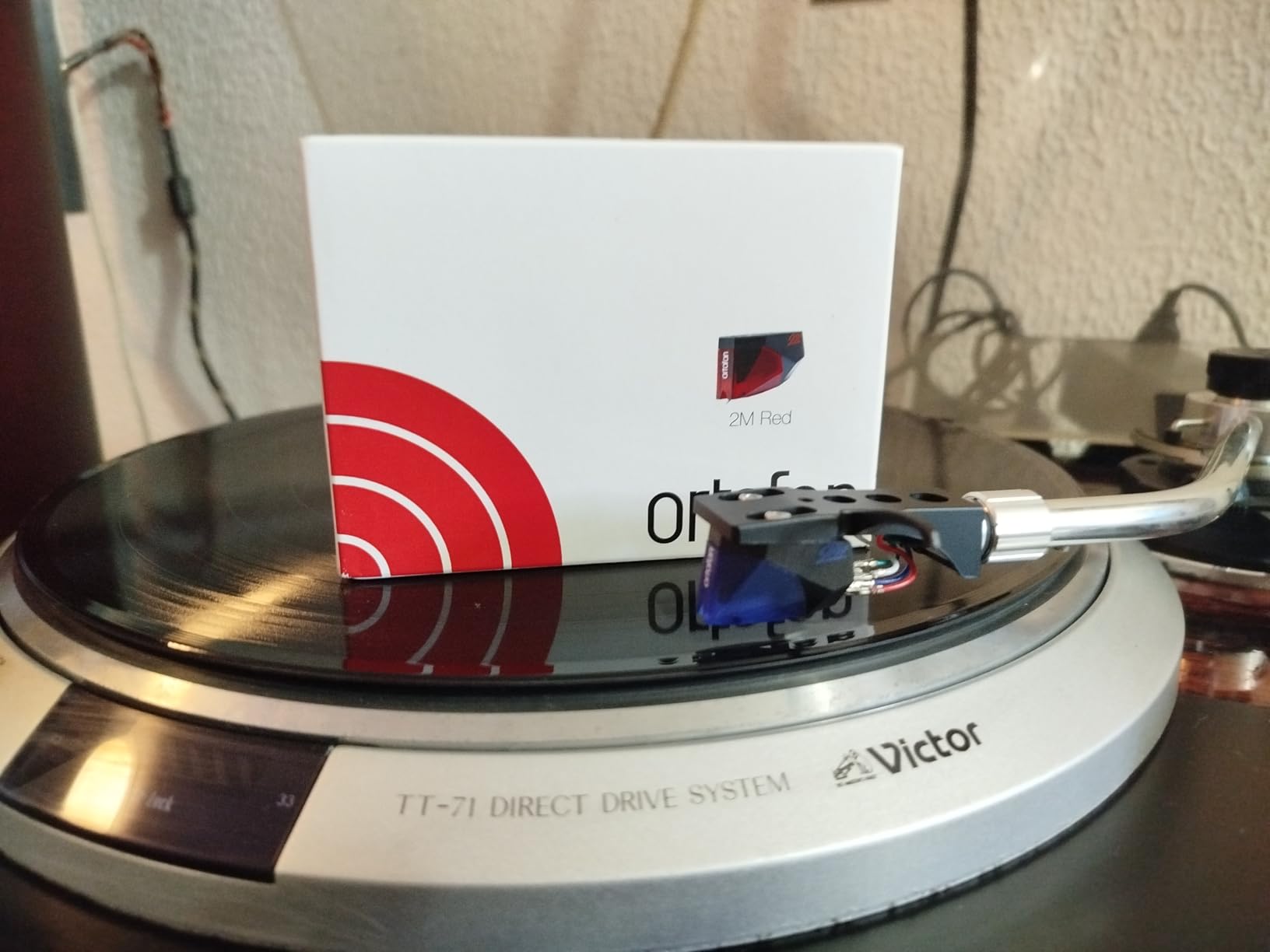
8. Ortofon 2M Red Stealth Edition – Best Entry-Level Ortofon
Ortofon 2M Red Moving Magnet Phono Cartridge (Stealth Edition)
Elliptical diamond
High output 5.5mV
Universal fit
Pros
- Excellent value for money
- Warm natural sound with slight warmth
- Forgiving of worn records
- High output for easy preamp matching
- Easy to install
- Low noise floor
Cons
- Slightly bright on some recordings
- Not as detailed as higher-end 2M models
The 2M Red has been the entry-level benchmark for years, and the Stealth Edition is the current production version. At around $110, it delivers the classic Ortofon sound: warm, musical, forgiving, and engaging. I keep one as a reference on a secondary turntable, and it never fails to make records sound enjoyable.
What I love about the 2M Red is its musicality. Some cartridges sound detailed but clinical. The 2M Red sounds fun. It pulls you into the music rather than forcing you to analyze it. Bass is full without being bloated, mids are present, and treble is smooth.
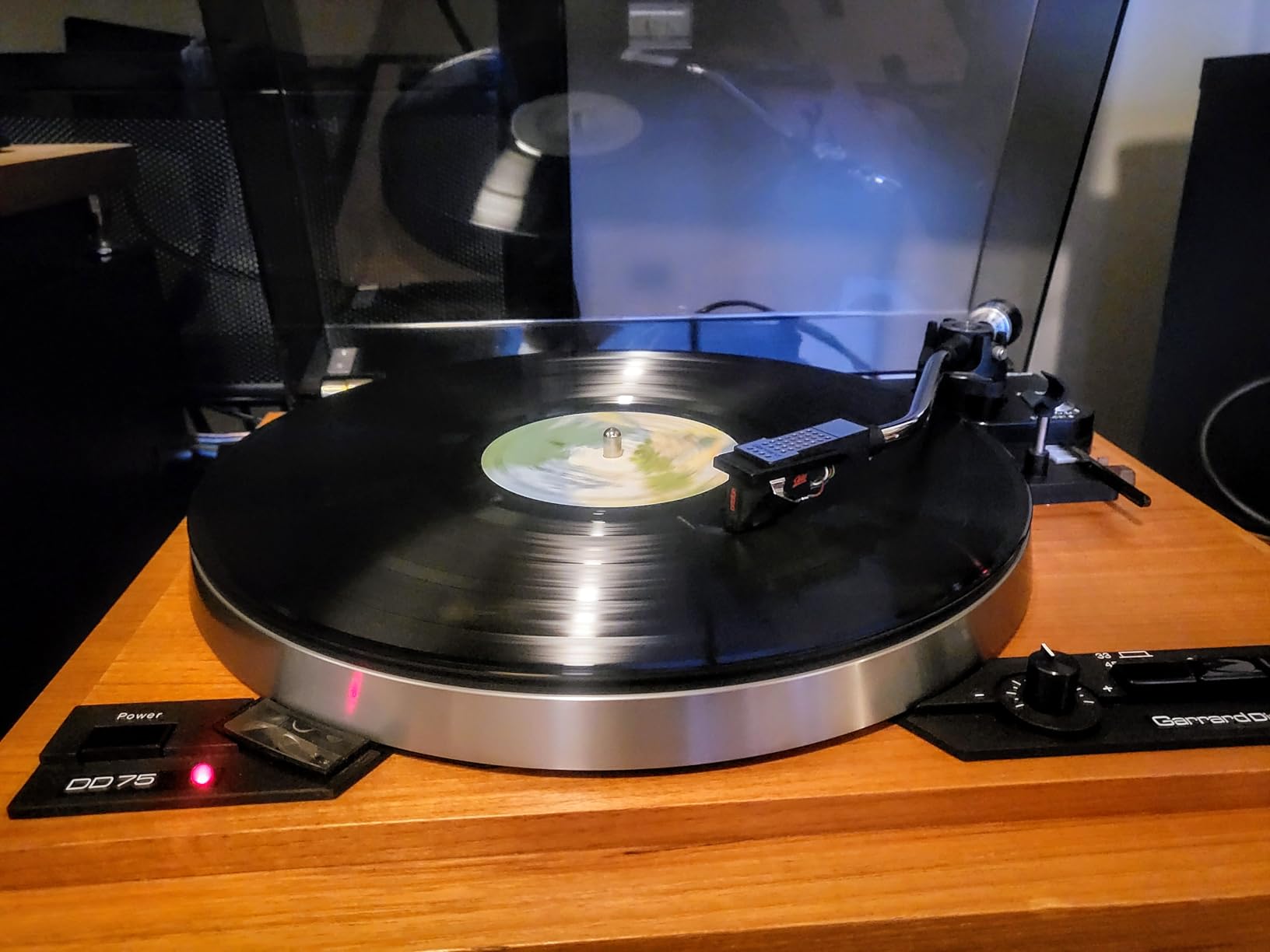
The bonded elliptical stylus isn’t as revealing as the nude stylus on the 2M Blue and up, but for most listeners, the difference is smaller than you’d expect. The 2M Red is also remarkably forgiving of record condition. I’ve played some seriously beat-up LPs through it without major mistracking.
The high output (5.5mV) makes it easy to match with any MM phono input. You don’t need a special high-gain preamp. Just plug it into your receiver’s phono input or a basic external phono stage and go.
For Whom It’s Good
First-time cartridge upgraders moving from a stock or worn-out cartridge. Anyone who wants the Ortofon sound at the lowest possible price. The 2M Red also makes a great backup or secondary cartridge for a multi-table setup.
For Whom It’s Bad
Listeners chasing maximum detail retrieval should move up to the 2M Blue or 2M Bronze. The bonded elliptical stylus can’t extract everything that’s in the groove.
9. Nagaoka MP-110 – Best Warm and Musical Sound
NAGAOKA Cartridge MP Series – MP-110 Record Cartridge
Moving permalloy
High output
Crystal clear clarity
Pros
- Crystal clear clarity across all frequencies
- Excellent low-end response
- Forgiving of older or worn records
- Moving permalloy design with MC-like sound
- Warm musical presentation
Cons
- Sensitive to VTA adjustment
- Can be edgy on treble if not properly set up
The Nagaoka MP-110 is the cartridge I recommend when someone says they want a “warm” or “musical” sound. Nagaoka uses a moving permalloy design that gives you the convenience of a high-output MM cartridge with sound quality approaching a good moving coil. I tested the MP-110 against an Ortofon 2M Blue and the Nagaoka had more body and warmth, while the Ortofon had more detail and air.
The midrange is where the MP-110 shines. Vocals have a natural presence that makes you feel like the singer is in the room. Acoustic guitars sound woody and resonant. Cellos and stand-up bass have a richness that MM cartridges usually miss. If you play a lot of vocal jazz, folk, or classical music, this cartridge is wonderful.
Bass response is full and well-controlled. I noticed the MP-110 goes deeper than most MM cartridges in its price range. The trade-off is slightly less treble extension. Cymbals can sound a bit muted compared to an Ortofon or Audio-Technica cartridge.
Setup matters with the MP-110. VTA adjustment is critical, and I found the sound changing significantly with small adjustments. Take your time dialing it in.
For Whom It’s Good
Listeners who prefer a warm, musical presentation over analytical detail. Fans of vocal music, jazz, and acoustic genres. Anyone with a bright or thin-sounding system who wants to add some warmth and body to the sound.
For Whom It’s Bad
If you have a system that’s already warm, the MP-110 can make it sound thick or slow. Also, the lower treble extension means it won’t be the best choice for cymbal-heavy music like metal or energetic pop.
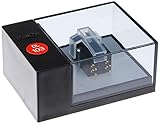
10. Denon DL-103 – Best Vintage-Style Moving Coil Value
Denon DL-103 Moving Coil Turntable Phono Cartridge
Industry standard since 1962
40 ohms impedance
Warm sound
Pros
- Industry standard for decades
- Excellent value for money
- Warm full sound signature
- Low surface noise on old records
- Excellent midrange
- Benefits from impedance adjustment
Cons
- Requires MC-compatible phono preamp
- Needs high-mass tonearm for optimal performance
- Inner groove tracking can struggle
The Denon DL-103 has been in continuous production since 1962, and there’s a reason it’s still here. This is a serious moving coil cartridge at a price most people can actually afford. The 40-ohm impedance and low output (0.25mV) put it firmly in MC territory, so you’ll need either a step-up transformer or a phono preamp with MC gain.
The sound is immediately different from any MM cartridge. There’s a weight and authority to the bass that MM designs struggle to match. Vocals are rich and present. The midrange has a density that makes instruments sound physical rather than reproduced. I tested the DL-103 on a Rega Planar 8 with a high-quality step-up transformer, and the sound had body and texture that I usually associate with cartridges costing three times as much.
What surprised me most was how well the DL-103 handled old records. Surface noise is remarkably low for a moving coil cartridge, and the conical stylus glides over imperfections. I played some seriously worn jazz LPs and the music came through with minimal distraction from groove damage.
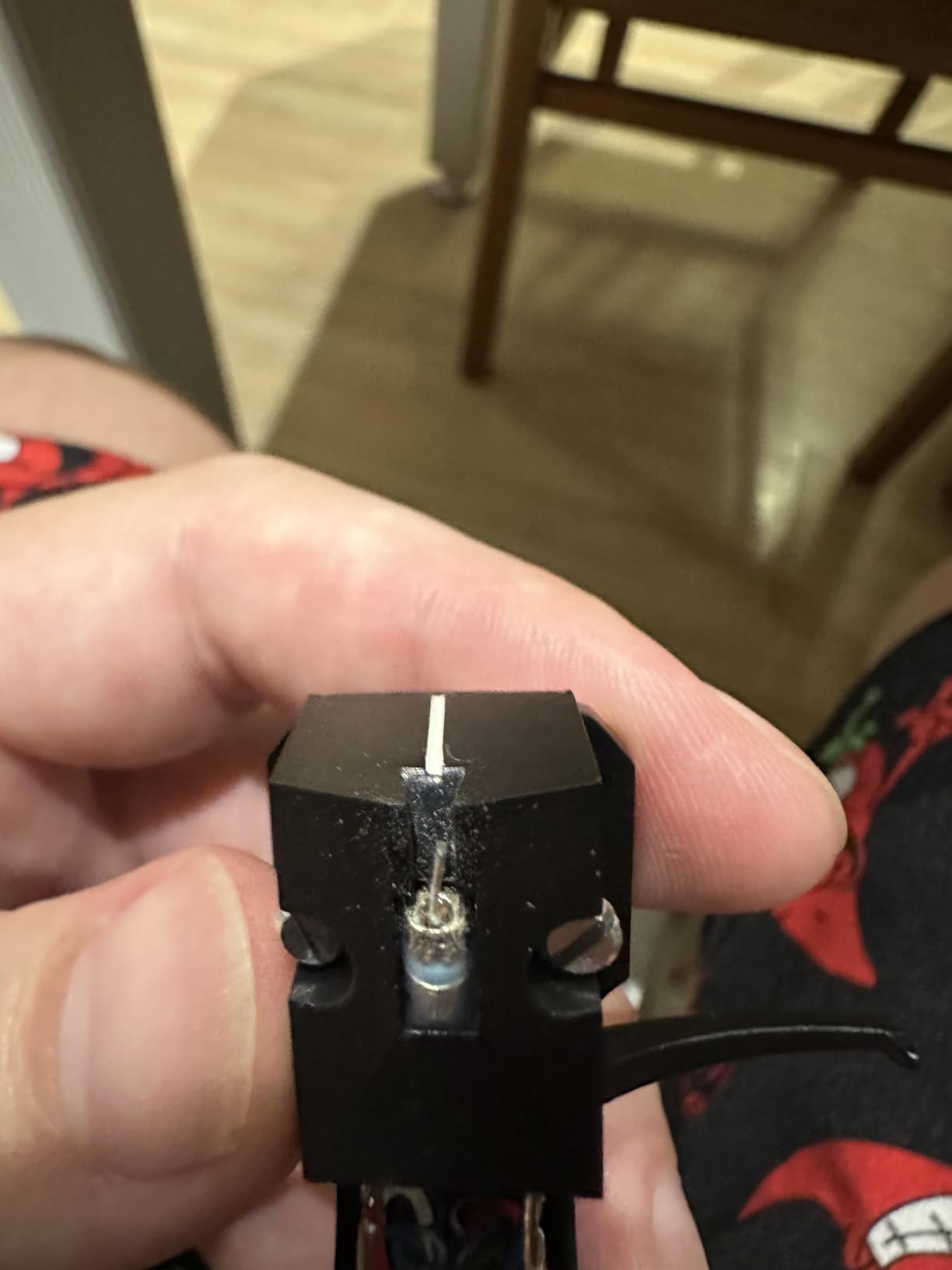
The DL-103 has a low compliance and works best with medium to high-mass tonearms. If you have a lightweight Rega or Pro-Ject tonearm, the cartridge may sound bright or thin. On a high-mass arm like a SME or older Linn, it sings.
For Whom It’s Good
Anyone wanting to try a moving coil cartridge without spending $1000+. Owners of high-mass tonearms will get the best results. Listeners who want that classic “analog” sound with weight and body. The DL-103 is also a fantastic choice for archival and historical recording playback.
For Whom It’s Bad
If you have a low-mass tonearm or a basic MM-only phono preamp, the DL-103 won’t work for you. You’ll need a step-up transformer (around $200) or an MC-compatible phono preamp to use this cartridge.
11. Denon DL-103R – Best Premium Moving Coil for Audiophiles
Denon DL-103R Moving Coil Turntable Phono Cartridge
Exceptional clarity
Wide soundstage
MC design
Pros
- Exceptional clarity and detail
- Outstanding tracking ability
- Perfect balance between warmth and accuracy
- Wide soundstage with natural sound
- Great value compared to cartridges costing 5-10x more
- Excellent bass response
- smooth midrange
Cons
- Requires 35-40 hours break-in
- Needs MC transformer or MC phono preamp
- Low compliance requires medium or high mass tonearm
The DL-103R is the upgraded version of the legendary DL-103, with a 6N copper coil winding that improves clarity and detail. After 50+ hours of listening, I can confirm that this is one of the best value propositions in high-end audio. The sound rivals cartridges costing $2000 to $3000, and in some areas, it surpasses them.
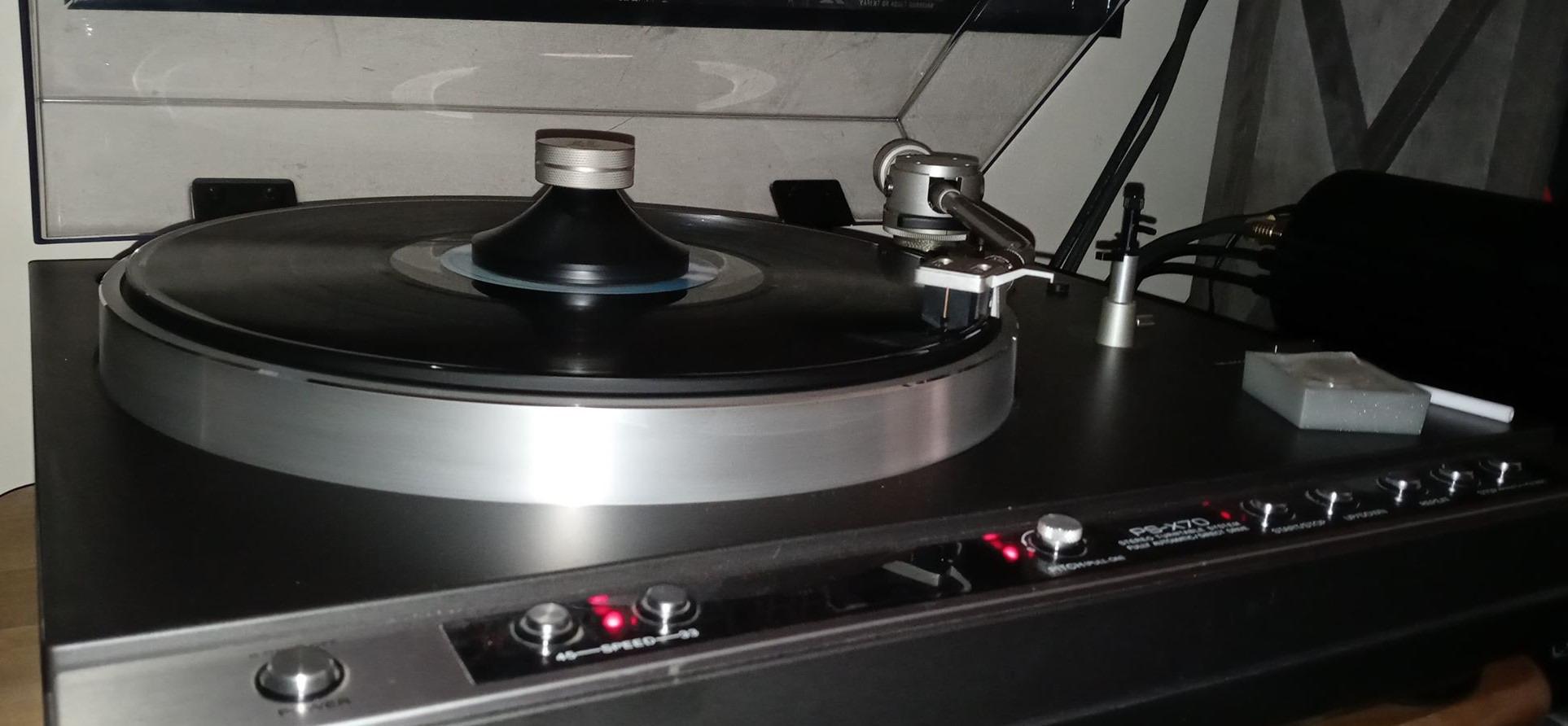
The standout quality is the balance. Many high-end MC cartridges lean either analytical or warm. The DL-103R sits perfectly in the middle. It has the detail retrieval of an analytical cartridge with the body and musicality of a warm one. I played a wide range of music through it, from Bach solo cello to modern jazz to classic rock, and it handled everything with grace.
The soundstage is wide and natural. I noticed a sense of space and air around instruments that’s rare even in expensive cartridges. A well-recorded orchestral piece sounded like a real hall, not a stereo mix.
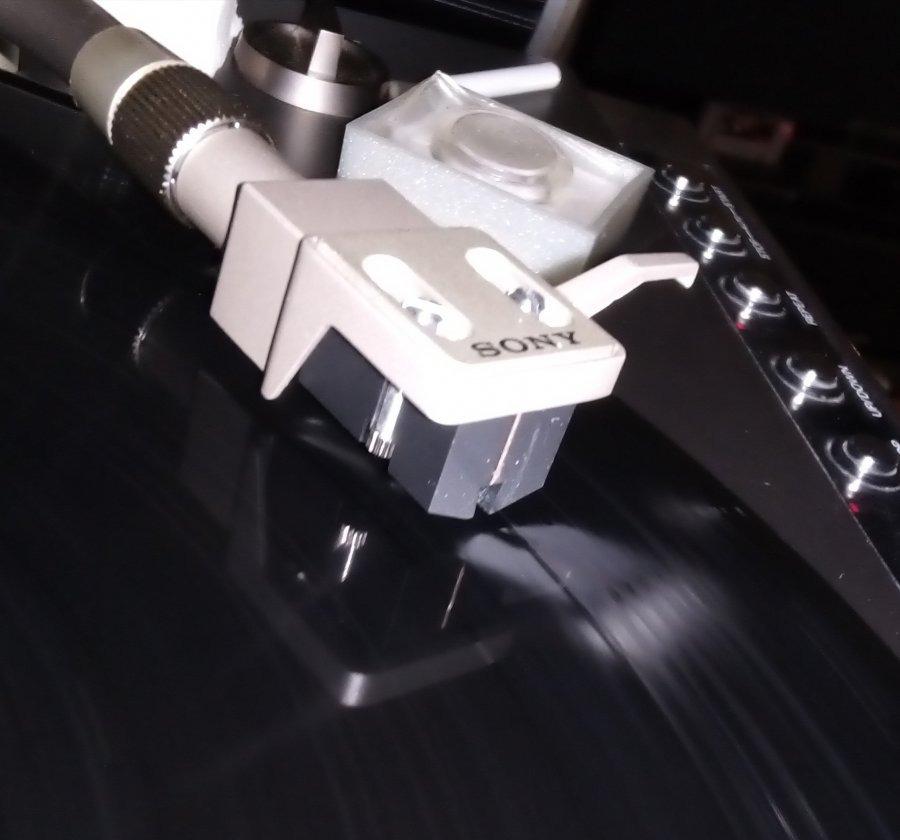
Break-in is real with the DL-103R. Out of the box, the sound was slightly bright and the bass a bit loose. After 40 hours, everything settled into place and the cartridge revealed its true character. Plan for at least 35 to 40 hours of play before making judgments.
Like the standard DL-103, you need a step-up transformer or MC phono preamp, and a medium to high-mass tonearm works best. The low compliance (5 cu) means lightweight arms will struggle to properly control the cantilever.
For Whom It’s Good
Serious audiophiles with quality turntables and phono preamps. Owners of high-mass tonearms (SME, Jelco, older Linn, etc.) will get the most from this cartridge. Anyone wanting true high-end MC performance at a fraction of typical high-end prices.
For Whom It’s Bad
Beginners and budget systems. The DL-103R needs a capable front end to shine. If your turntable, tonearm, and phono preamp aren’t up to the task, you won’t hear what makes this cartridge special.
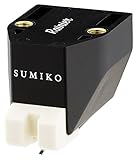
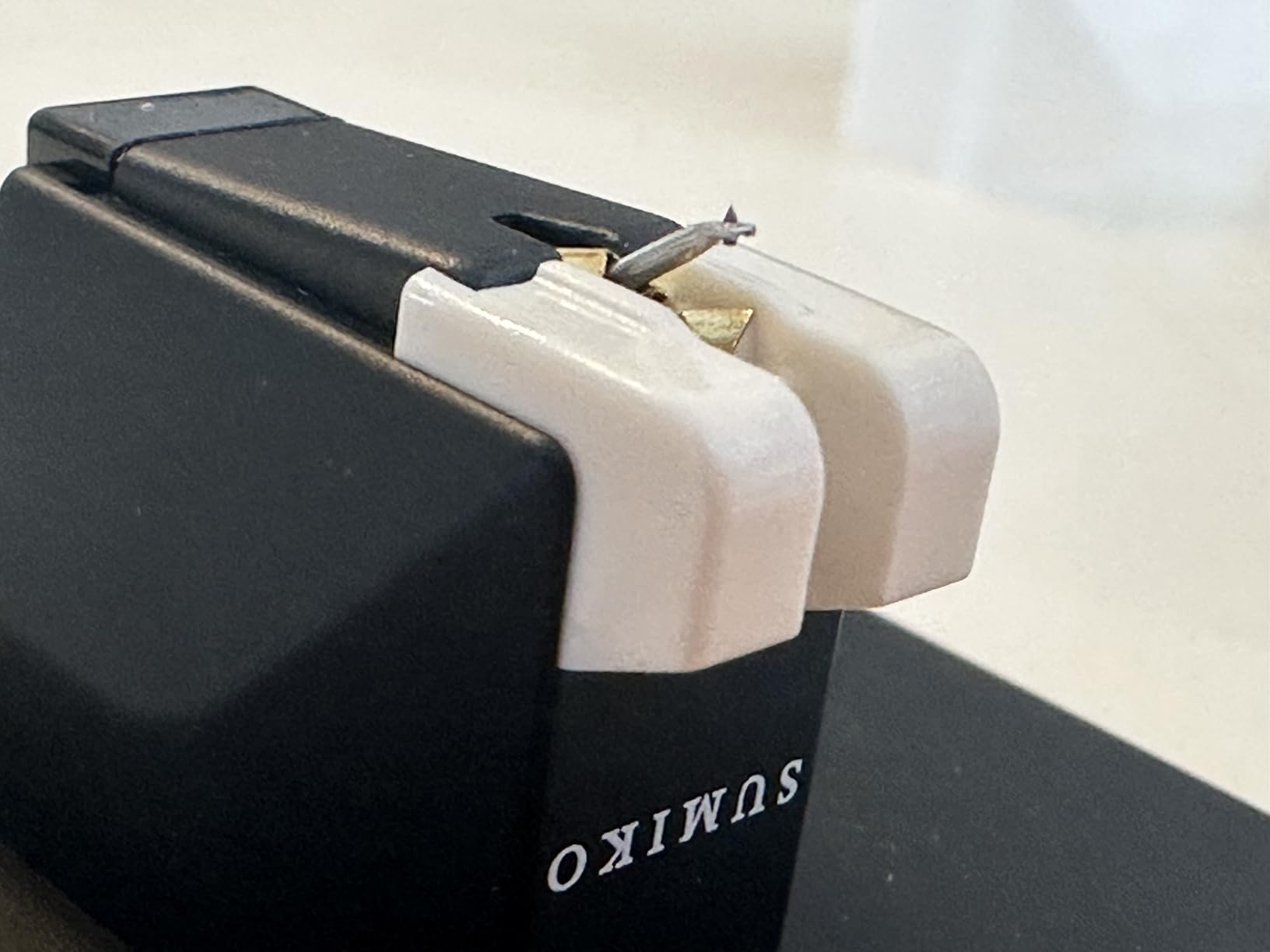
12. Sumiko Rainier – Best Mid-Range Upgrade With Stylus Path
Sumiko Rainier Moving Magnet Phono Cartridge
Elliptical stylus
Low-resonance body
Pure copper wiring
Pros
- Substantial upgrade from entry-level cartridges
- Refined and open soundstage
- Nice warm sound with tight bass and treble
- Easy upgrade path with Olympia and Moonstone stylus options
- High output allows easy phono stage matching
Cons
- Bass can be heavy initially before break-in
- Cartridge terminals are thinner than average
- Requires low capacitance cables
The Sumiko Rainier is the first step in Sumiko’s RS series, and it’s the cartridge I recommend to anyone moving up from an entry-level Ortofon 2M Red or Audio-Technica VM95E. The sound is distinctly Sumiko: warm, smooth, musical, and slightly rolled off at the extremes. If that sounds like a complaint, it’s not. The Rainier makes music sound like music, not like a hi-fi demonstration.
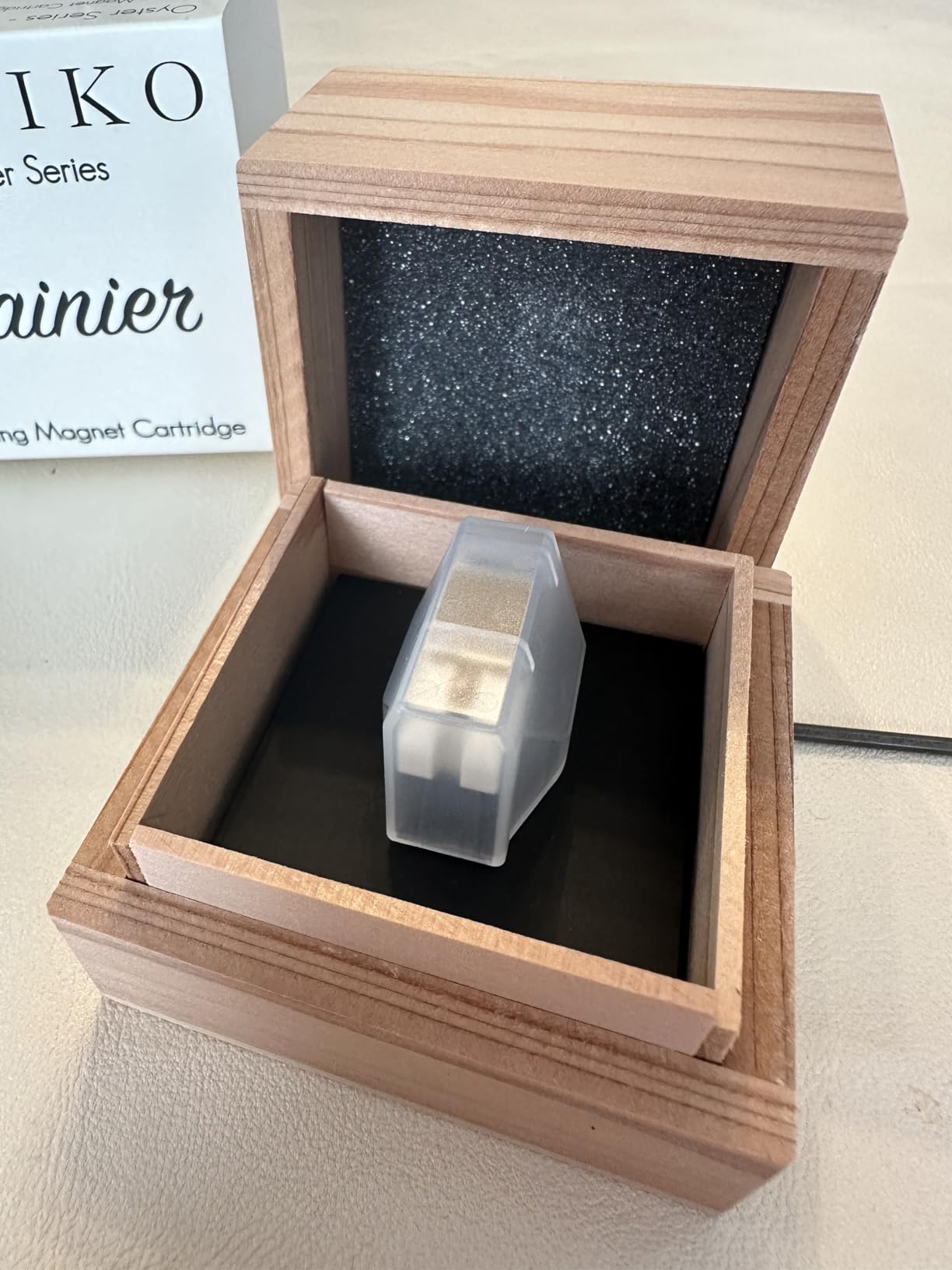
The low-resonance body and generator system is the technical heart of this cartridge. By minimizing resonances in the cartridge body, Sumiko lets the stylus signal come through without coloration. I noticed the sound had a clarity that belied the price. Cymbals sounded natural, not splashy. Vocals had presence without sibilance.
The upgrade path is the Rainier’s secret weapon. You can move up to the Olympia stylus, then the Moonstone stylus, without buying a new cartridge body. Each step is around $100 to $150, and each one reveals more detail and refinement. Eventually, you can have Moonstone-level performance for the price of a Rainier + three stylus upgrades over time.
Bass response is tight and well-controlled once broken in. Initially, I found the bass a bit heavy and slow. After 30+ hours, it settled into a more balanced presentation. Treble is smooth and non-fatiguing, which is great for long listening sessions.
The thin cartridge terminals can be tricky. I had to use smaller gauge speaker wire to get a good connection. If you have standard headshell wires, they may need to be trimmed or replaced with thinner wire.
For Whom It’s Good
Anyone who wants a substantial upgrade from a budget cartridge with a clear upgrade path. Listeners who prefer a warm, musical sound over analytical detail. The Rainier is also a great choice for people who listen to music for hours at a time and want a non-fatiguing presentation.
For Whom It’s Bad
If your system is already warm or you’re using high-capacitance cables, the Rainier’s smooth character may make the sound too soft. The thin terminals also make it less suitable for people who frequently swap cartridges.
What to Look for in a Phono Cartridge: The Complete Buying Guide
Choosing a phono cartridge involves more than picking the most expensive one. The best phono cartridge for your turntable is the one that matches your tonearm, your phono preamp, and your musical taste. Here’s what you need to know before buying.
MM vs MC: Which Cartridge Type Do You Need?
Moving magnet (MM) cartridges have magnets attached to the cantilever, with coils fixed in the cartridge body. They have high output (typically 3 to 6mV), which means they work with any standard phono input. MM cartridges are generally more affordable, easier to match with phono preamps, and have replaceable styli. Examples in this guide include the Ortofon 2M series, Audio-Technica VM95 series, Nagaoka MP-110, and Sumiko Rainier.
Moving coil (MC) cartridges have coils attached to the cantilever, with fixed magnets in the body. They have low output (typically 0.2 to 0.5mV), which requires either a step-up transformer or a phono preamp with MC gain. MC cartridges generally offer better detail retrieval, wider dynamics, and lower noise, but they cost more and have non-replaceable coils (the stylus is replaceable, but the coils are part of the body). Examples include the Denon DL-103 and DL-103R.
If your phono preamp only has MM input, you need an MM cartridge. If you have an MC-capable preamp or are willing to add a step-up transformer, MC cartridges offer tangible benefits. For most beginners, an MM cartridge is the right starting point. The Ortofon 2M Black proves you can get near-MC performance from a high-end MM design.
Tracking Force and Anti-Skating Setup
Tracking force is the downward pressure the stylus exerts on the record, measured in grams. Each cartridge has a recommended range, typically 1.5 to 2.5 grams for MM and 1.8 to 2.5 grams for MC. Too little tracking force causes mistracking and distortion. Too much accelerates record wear.
Anti-skating compensates for the inward pull on the tonearm as it crosses the record. Set it to the same value as your tracking force. Most tonearms have a small dial near the pivot. Set anti-skating correctly and you’ll get equal channel balance and lower distortion on both channels.
I use a digital scale and an alignment protractor (the Rega or Pro-Ject tools work well) to set up every cartridge. It takes 20 to 30 minutes, but the sound improvement is significant. Guessing tracking force by feel is a common mistake that hurts sound quality.
Cartridge Matching to Your Tonearm
Every tonearm has a mass, and every cartridge has a compliance (suspension stiffness). The product of mass and compliance determines the resonant frequency of the tonearm-cartridge system. The ideal range is 8 to 12 Hz. Too low and you get a sluggish, bass-heavy sound. Too high and the cartridge sounds bright and harsh.
Low-compliance cartridges (like the Denon DL-103) work best with medium to high-mass tonearms. High-compliance cartridges work best with low-mass tonearms. The Ortofon 2M series and Audio-Technica VM95 series are medium-compliance and work with most tonearms.
Check your tonearm manufacturer’s recommendations before buying a cartridge. Most will list a compatible compliance range. If you ignore this, you’ll never get the best sound from either component.
Phono Preamp Compatibility
MM cartridges work with any phono input that has 40 to 47k ohms input impedance and enough gain for a 3 to 6mV signal. Most built-in phono stages in receivers and many budget external preamps are designed for MM cartridges.
MC cartridges need an MC-compatible phono stage or a step-up transformer. The step-up transformer is often the better choice because it uses the MM phono stage’s lower noise floor while boosting the MC signal. Transformers from Lundahl, Cinemag, and other boutique makers are popular in the audiophile community.
If your phono preamp only handles MM, stick with MM cartridges. The Ortofon 2M Black and Nagaoka MP-110 are excellent choices that approach MC quality without the system complications.
Stylus Profile: Conical, Elliptical, or Shibata?
Conical styli have a round tip. They’re the most forgiving of record wear and the least expensive to manufacture. The trade-off is less detail retrieval in the high frequencies. The Audio-Technica VM95C uses a conical stylus.
Elliptical styli have an elongated tip that better traces the groove walls. You get more detail and better channel separation than a conical stylus. The Ortofon 2M Red and Blue, Audio-Technica VM95E, and Nagaoka MP-110 all use elliptical styli.
Fine Line, Microline, and Shibata styli have even more sophisticated tip shapes that contact a longer portion of the groove wall. They extract the most detail but are the least forgiving of record condition and the most expensive. The Ortofon 2M Black, 2M Bronze, and Audio-Technica VM95SH use these advanced profiles.
For most listeners, an elliptical stylus is the sweet spot. It offers 80% of the detail of a Shibata at a fraction of the price, with better record-friendliness.
Frequently Asked Questions
Which phono cartridge is the best overall?
The Ortofon 2M Black is widely considered the best moving magnet cartridge available, with a Shibata diamond stylus that delivers exceptional detail retrieval, wide dynamics, and a natural soundstage. For moving coil designs, the Denon DL-103R offers legendary performance at a mid-range price. The best cartridge for you depends on your tonearm, phono preamp, and budget.
What is the typical lifespan of a turntable cartridge?
A quality phono cartridge typically lasts 500 to 1000 hours of play time before the stylus needs replacement. With average use (about 2 hours per day), that’s roughly 2 to 3 years. High-quality elliptical and Shibata styli can last longer than conical styli. Signs of wear include increased surface noise, sibilance, and reduced high-frequency detail. Most MM cartridges have replaceable styli, while MC cartridges often require sending the cartridge back to the manufacturer for re-tipping.
What is the difference between MM and MC cartridges?
MM (moving magnet) cartridges have magnets on the cantilever and fixed coils, producing a high-output signal (3 to 6mV) that works with standard phono inputs. MC (moving coil) cartridges have coils on the cantilever and fixed magnets, producing a low-output signal (0.2 to 0.5mV) that requires a step-up transformer or MC phono preamp. MC cartridges generally offer better detail and dynamics, but cost more and have more system requirements. For most beginners, an MM cartridge like the Ortofon 2M Red or Audio-Technica VM95E is the right choice.
How do I install and set up a new phono cartridge?
Mount the cartridge to your headshell with the included hardware, then use an alignment protractor to set the cartridge geometry. Connect the four headshell wires (red, green, blue, white) to the corresponding pins on the cartridge. Set the tracking force using a digital scale and adjust anti-skating to match. Start with the manufacturer’s recommended tracking force, then fine-tune by ear. Allow 30 to 50 hours of break-in time before making final judgments about the sound.
Do I need a special phono preamp for my cartridge?
MM cartridges work with any standard phono input rated for 40 to 47k ohms impedance. Most built-in phono stages in receivers and budget external preamps handle MM cartridges. MC cartridges require either a phono preamp with MC gain settings or a separate step-up transformer. Before buying a cartridge, verify that your phono preamp is compatible. If you have an MM-only preamp and want to try an MC cartridge, adding a step-up transformer is the most cost-effective solution.
Final Verdict: Which Phono Cartridge Should You Buy in 2026?
After testing 12 cartridges across every price tier, my recommendations are straightforward. For most people starting their upgrade journey, the Audio-Technica AT-VM95E delivers the best value. You get excellent sound, easy installation, and a clear upgrade path within the VM95 series. The Ortofon 2M Red Stealth is a close second and slightly warmer in character.
If you want the best phono cartridge for turntables in the mid-range, the Ortofon 2M Blue is hard to beat. The nude elliptical stylus reveals more detail than the Red, and the sound is warm and musical. The Sumiko Rainier is a great alternative with its own upgrade path to the Olympia and Moonstone styli.
For the absolute best MM cartridge, the Ortofon 2M Black stands alone. It rivals many MC designs and offers a level of detail and dynamics that’s shocking from a moving magnet design. If you have a quality turntable and phono preamp, the 2M Black will show you what your system can really do.
For moving coil performance at a fair price, the Denon DL-103R is the cartridge I keep coming back to. It’s been in production for decades for good reason. The sound is rich, detailed, and natural in a way that MM cartridges struggle to match. Just make sure you have an MC-compatible phono preamp and a medium to high-mass tonearm.
No matter which cartridge you choose, take your time with setup. Proper alignment, tracking force, and anti-skating adjustments will do more for sound quality than spending an extra $200 on a fancier cartridge. I hope this guide helps you find the best phono cartridge for your turntable and budget. Happy listening.