
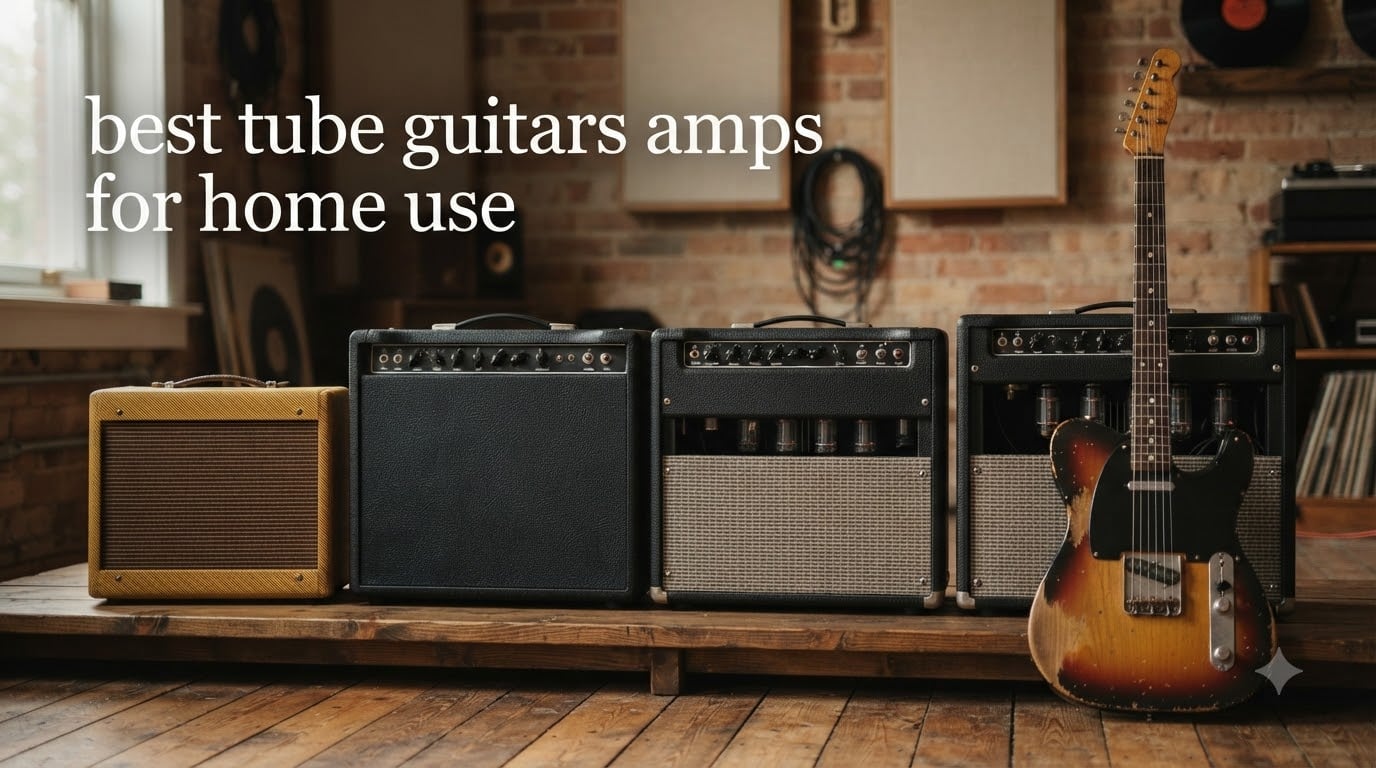
I have spent more evenings than I want to admit chasing that “real” tube tone through headphones, modelers, and small solid-state practice rigs. The first time I plugged into a 5-watt tube combo in a quiet apartment, the warmth, the touch response, and the natural breakup told me everything I needed to know.
Tubes (also called valves) react to how you play. Pick lightly and you get glassy cleans. Dig in and the amp compresses, blooms, and sings. That dynamic feel is exactly why home players keep coming back to the best tube guitar amps for home use even when modeling tech has gotten seriously good.
In this guide I am walking you through ten small-wattage tube amps and tube heads that make sense for apartments, bedrooms, and home studios. We cover 5-watt practice amps, 10-15W bedroom-friendly combos, and a couple of high-gain tube heads for players who love heavier tones. Every pick is rated on tone, volume flexibility, pedal friendliness, and overall value for home use in 2026.
Table of Contents
Top 3 Picks at a Glance (September 2026)


Best Tube Guitar Amps for Home Use in 2026
| Product | Specifications | Action |
|---|---|---|
| Monoprice Stage Right 5W Combo |
|
Check Latest Price |
 Bugera V5 INFINIUM 5W Combo Bugera V5 INFINIUM 5W Combo |
|
Check Latest Price |
 Fender Pro Junior IV 15W Fender Pro Junior IV 15W |
|
Check Latest Price |
| Fender Blues Junior 15W |
|
Check Latest Price |
 Vox AC10C1 10W Vox AC10C1 10W |
|
Check Latest Price |
 Vox AC15C1 15W Vox AC15C1 15W |
|
Check Latest Price |
 Bugera V22 INFINIUM 22W Bugera V22 INFINIUM 22W |
|
Check Latest Price |
 Bugera T5 Infinium 5W Head Bugera T5 Infinium 5W Head |
|
Check Latest Price |
 Orange Dark Terror 15W Head Orange Dark Terror 15W Head |
|
Check Latest Price |
 Bugera G5 INFINIUM 5W Head Bugera G5 INFINIUM 5W Head |
|
Check Latest Price |
1. Monoprice Stage Right 5W Combo – Best Budget Tube Amp Under $200
Monoprice 1×8 Guitar Combo Tube Amplifier with Celestion Super 8 Inch Speaker – Tan / Beige 5-Watt, 12AX7 Preamp, For All Electric Guitars – Stage Right Series
5W tube combo
Celestion Super 8 inch
1W/5W switch
ECC83 + 6V6GT
Pros
- Real tube tone under $200
- 1W mode perfect for apartments
- Celestion Super 8 speaker
- Takes pedals extremely well
- External speaker output
Cons
- No headphone out
- No built in reverb
- Stock speaker can sound thin
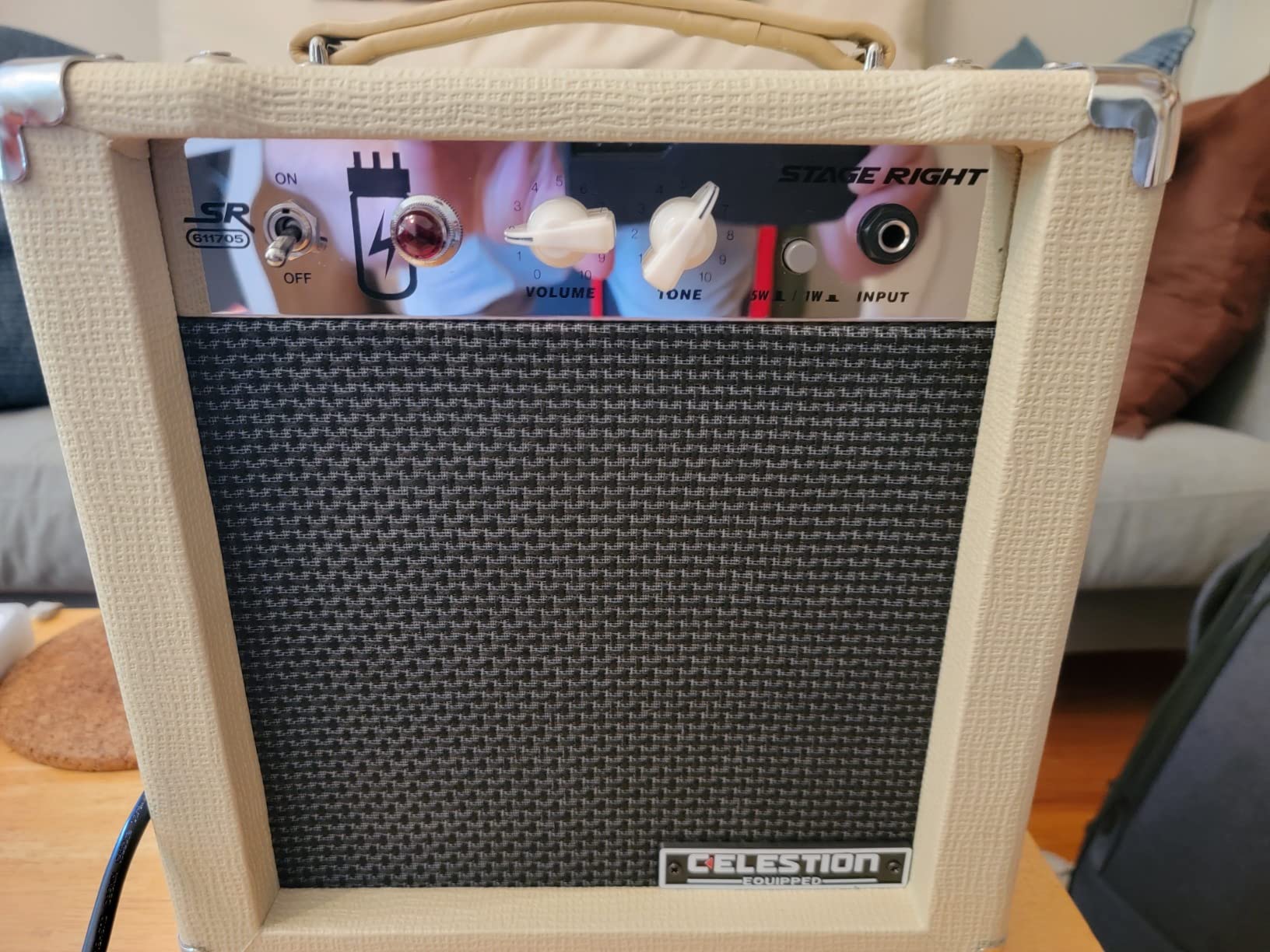
I tested the Monoprice Stage Right 5W in my apartment for two weeks. The first thing I noticed was how quiet I could actually run it. The 1-watt setting is genuinely bedroom-friendly while still pushing the 6V6GT power tube into breakup at lower volume. The 5W setting is loud enough to fill a living room or small jam space.
The Celestion Super 8 speaker surprised me. A lot of budget combos ship with generic speakers that muddy the tone, but this little 8-incher has that proper British-flavored chime. I ran a few overdrive pedals in front of it and the amp stayed musical the whole time. Clean tones sparkle with single-coils and stay warm with humbuckers.
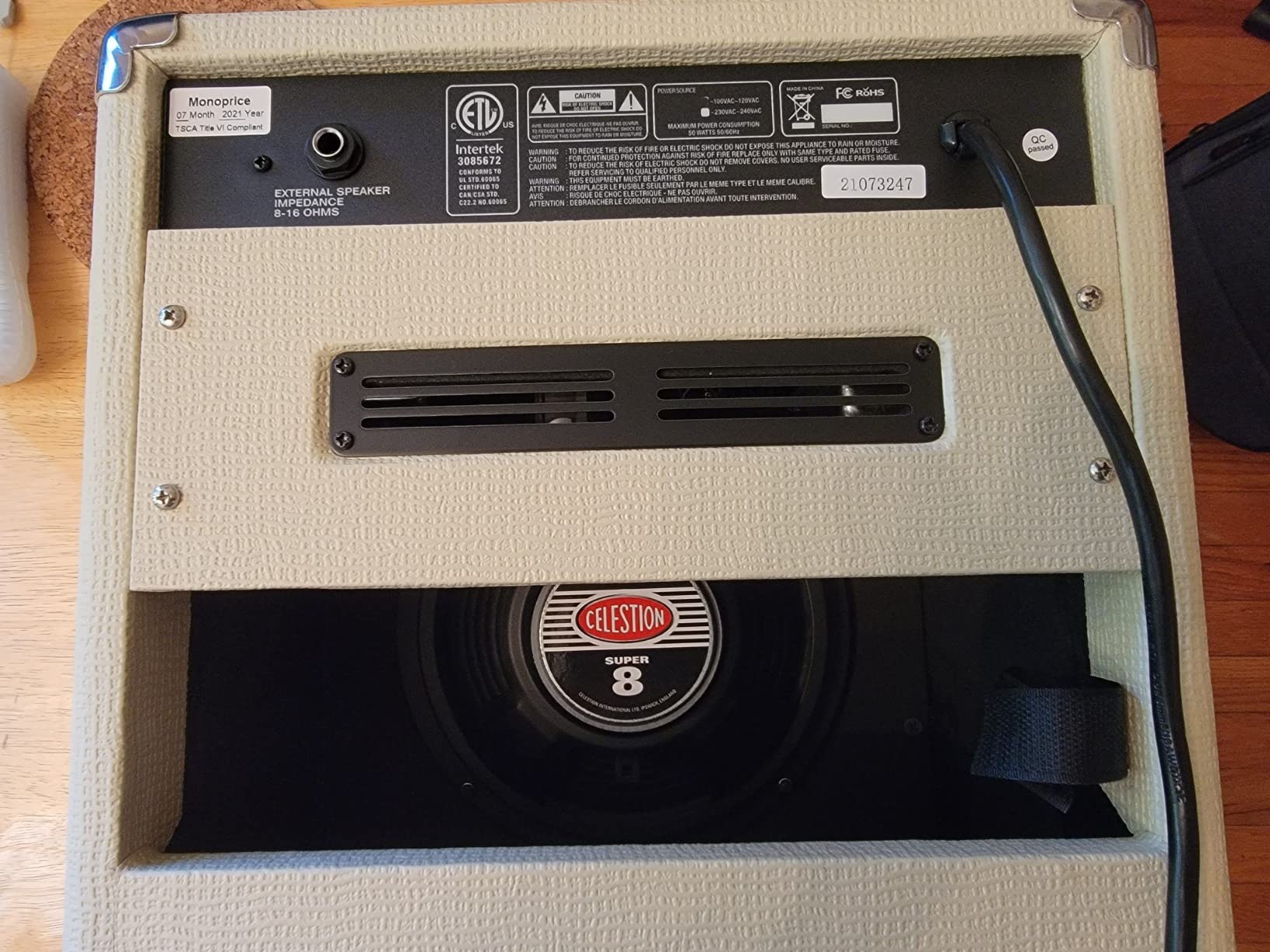
The big win here is value. You are getting an ECC83/12AX7 preamp tube, a real 6V6GT power tube, and a brand-name speaker for less than most solid-state modeling combos cost. I pulled out my Les Paul and played some classic rock riffs at 1W and the breakup was smooth and articulate, not fizzy.
My main gripes were minor. There is no headphone jack, which means late-night silent practice is out. There is also no reverb on the amp itself, so you will want a pedal or an outboard spring unit if you want space and dimension. The hardwired 3-foot power cord is short, so plan your outlet placement accordingly.
Who the Monoprice Stage Right 5W Is For
This amp is a perfect match for beginner tube players, apartment dwellers on a strict budget, and anyone who wants a backup bedroom amp that still sounds real. If your goal is to practice electric guitar at home without disturbing neighbors, this little combo delivers authentic tube tone at a price that is hard to beat.
Where It Falls Short
It is not the right call if you need built-in reverb, a headphone output for silent practice, or a wide feature set. Players who want high-gain metal tones will also find it lacking since it is voiced for vintage clean-to-edge-of-breakup territory. For everything else, especially on a budget, this amp punches well above its weight.
2. Bugera V5 INFINIUM 5W Combo – Best Tube Amp With Power Attenuator
Bugera V5 INFINIUM 5-Watt Class-A Tube Amplifier Combo with INFINIUM Tube Life Multiplier, Original Turbosound Speaker, Reverb and Power Attenuator
5W Class A combo
INFINIUM tube monitor
0.1W/1W/5W settings
Turbosound 8 inch
Pros
- 0.1W whisper mode for apartments
- INFINIUM tells you when tubes die
- Built in digital reverb
- Headphone out included
- External speaker output
Cons
- Stock tubes are weak out of box
- Tone knob only useful at 9 to 10
- No standby switch
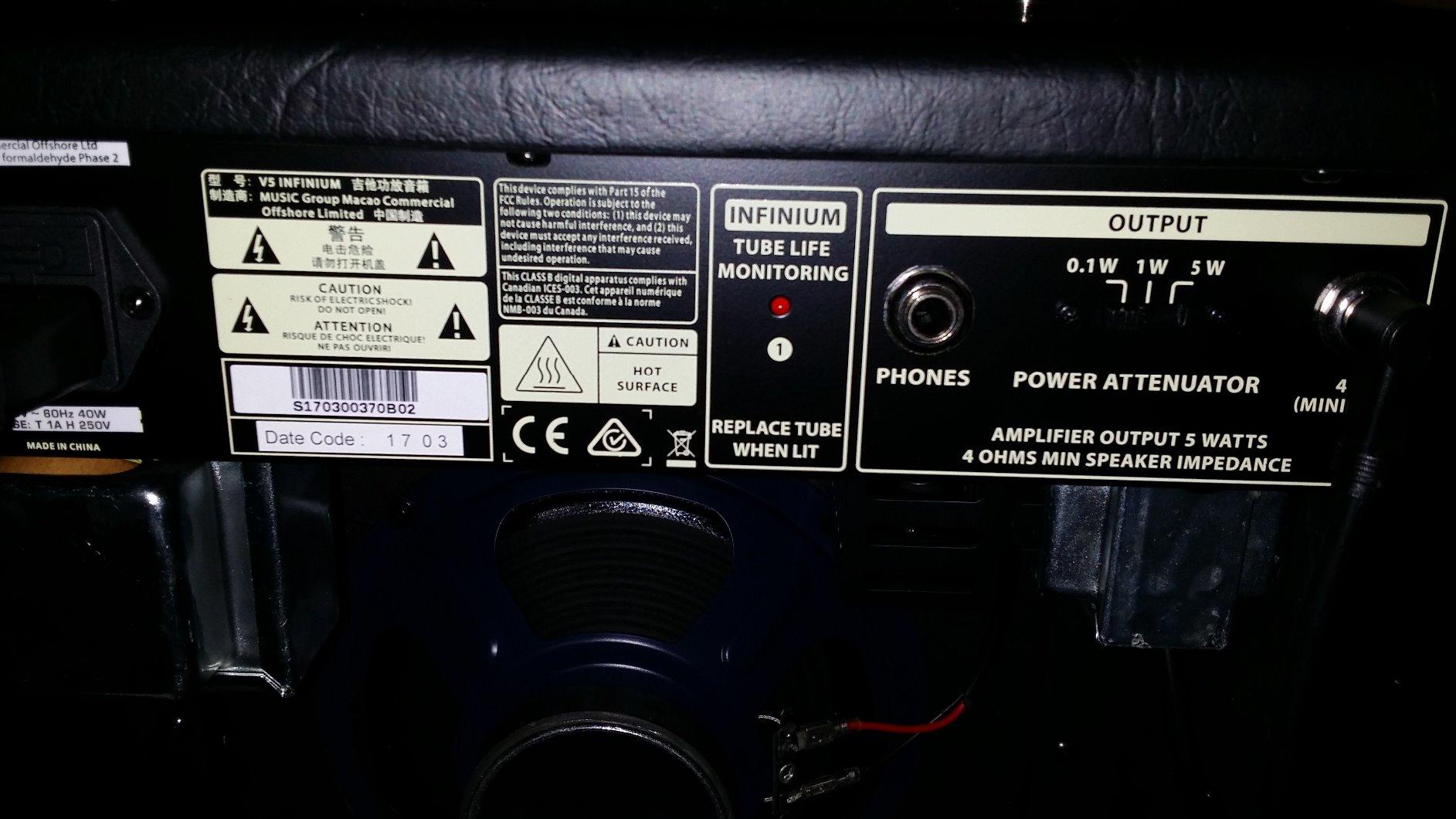
I lived with the Bugera V5 INFINIUM for about three weeks. The standout feature is the power attenuator, which lets you drop the output to 0.1W, 1W, or 5W. That 0.1W mode is the real headline: I could push the EL84 into thick overdrive while my wife watched TV in the next room without complaint.
The INFINIUM Tube Life Multiplier system is genuinely useful. It monitors each tube and tells you when one needs replacement, instead of leaving you guessing with a dim sound or a crackling speaker. For home players who don’t service their own amps, this is a meaningful upgrade in confidence.
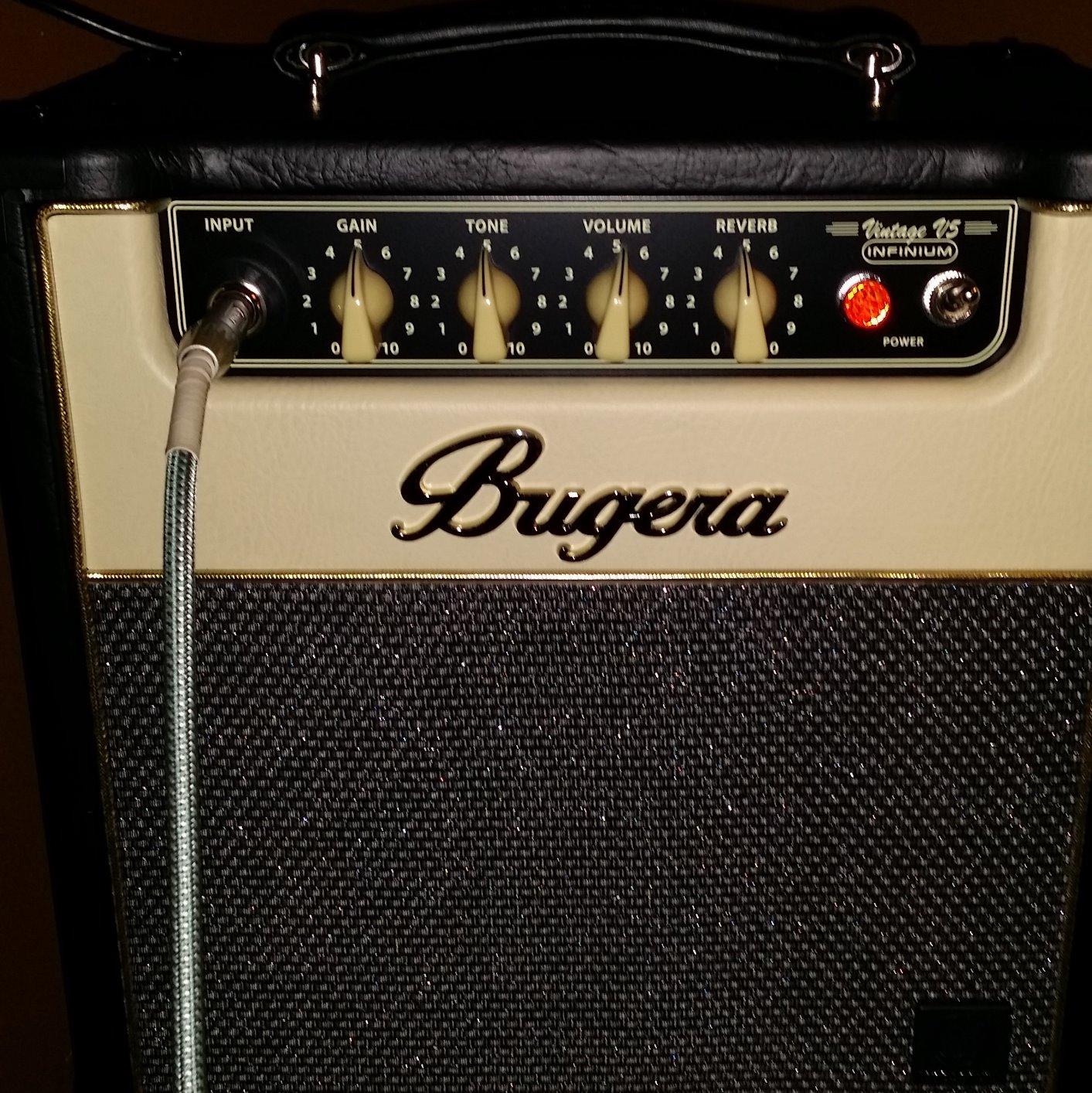
Tone-wise, this is a proper Class A British-voiced combo. The Turbosound 8-inch speaker has a midrange-forward bark that I loved with humbuckers and single-coils alike. Built-in digital reverb is decent, not great, but it covers the basic “small-room” reverb need without a pedal.
The out-of-box tone is darker than I expected. I had to crank the tone knob to 9 or 10 to get the chime I wanted. Stock Chinese tubes are weak; almost every reviewer I trust recommends a JJ or Tung-Sol tube upgrade to wake this amp up. Once you do that, it sings.
Who the Bugera V5 Is For
Apartment players who want genuine cranked-amp tone at whisper volumes. Anyone intimidated by tube maintenance will appreciate the INFINIUM monitoring system. It is also a great starter tube amp for intermediate players who want to learn how power scaling affects feel.
Where It Falls Short
It is not the best choice if you want pristine clean headroom or if you dislike tweaking. Out of the box it sounds muffled until you turn the tone knob way up, and the stock tubes hold it back. Players who want a polished “plug-and-play” experience may want to look at the Fender options higher on this list.
3. Fender Pro Junior IV 15W – Best Compact Fender Tube Combo
Fender Pro Junior IV Guitar Amplifier, Lacquered Tweed, with 2-Year Warranty
15W all tube combo
Jensen P10R Alnico
Modified volume circuit
Lacquered tweed
Pros
- Classic Fender clean tone
- Modified volume breakup is smooth
- Simple two knob layout
- Handles pedals well
- Vintage tweed styling
Cons
- No reverb
- Limited to two controls
- 10 inch speaker less headroom than 12
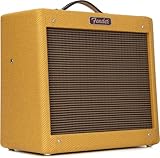
The Fender Pro Junior IV is the smallest all-tube combo Fender currently makes, and after a month of testing I keep coming back to it. The Jensen P10R Alnico speaker is the star: it gives you that scooped, glassy Fender clean that just feels right under your fingers. When you push the volume up, the modified circuit breaks up gradually instead of slamming into distortion.
Two knobs. That is it. Volume and Tone. I know some players will want more, but the simplicity is part of the charm. You stop fiddling and start playing. With a Stratocaster it does classic clean and edge-of-breakup beautifully. With a humbucker-equipped guitar it pushes into rock territory without sounding harsh.
At 15 watts it is louder than you would expect. In my apartment, anything past 4 on the volume dial was too loud for late-night play. That is actually good news because it means the tubes are working at their sweet spot before they get to earsplitting levels.
Who the Pro Junior IV Is For
Players who want pure Fender clean tone with a touch-sensitive breakup. Anyone who likes the idea of a simple amp with only Volume and Tone controls. It is also a great grab-and-go combo for songwriters who want a no-fuss rig.
Where It Falls Short
It is not for you if you need reverb on board, multiple channels, or built-in effects. There is no headphone jack and no attenuator, so silent practice is not really an option. Players who want a wide tonal palette from the amp itself should look at the Blues Junior instead.
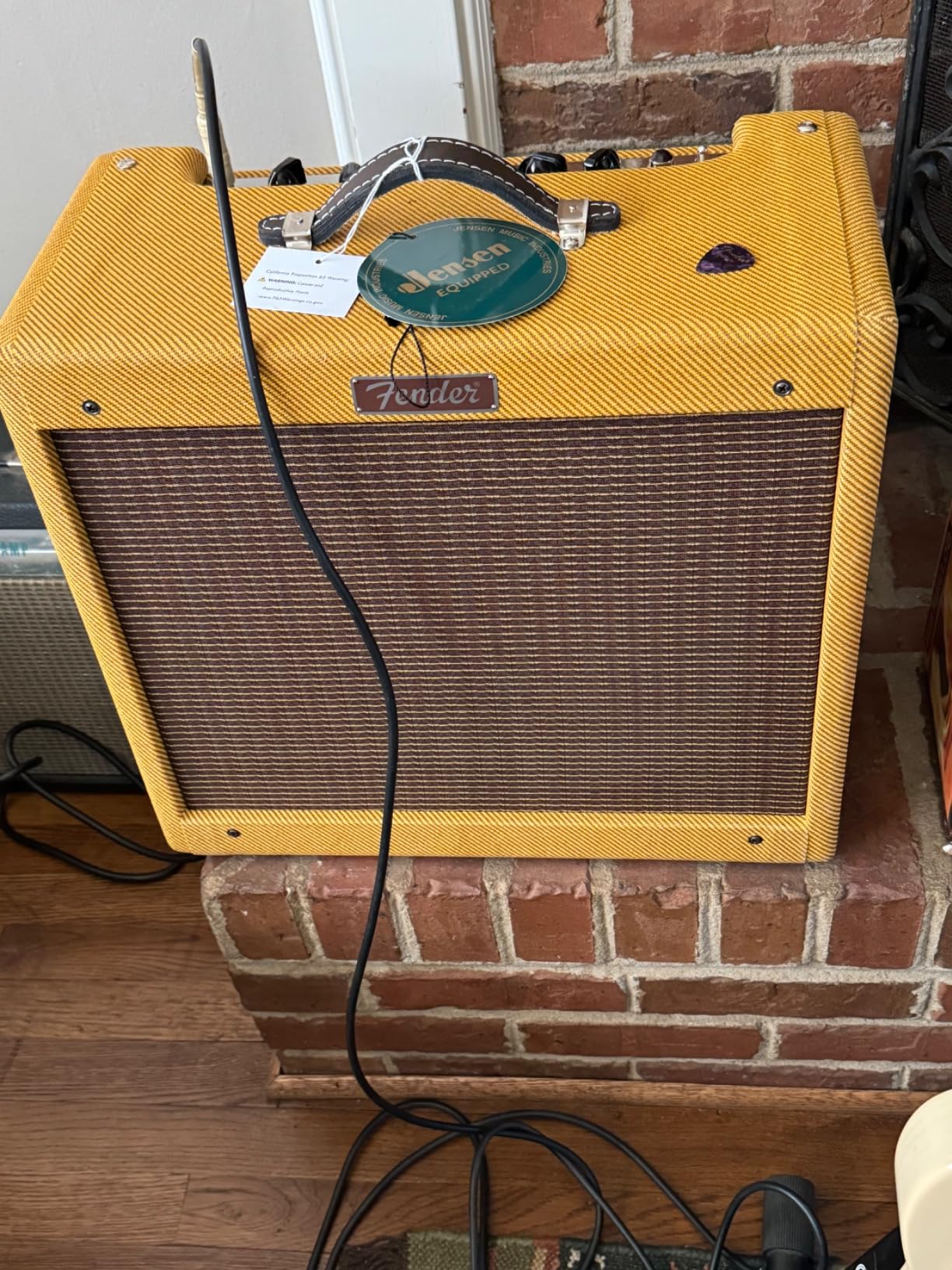
4. Fender Blues Junior 15W – Best Overall Tube Amp for Home Use
Fender Blues Junior Guitar Amplifier, Lacquered Tweed, with 2-Year Warranty
15W all tube combo
EL84 + 12AX7 tubes
Spring reverb
FAT boost mode
Pros
- Classic Fender tube tone
- FAT mode adds thickness
- Real spring reverb
- 12 inch Jensen speaker
- Great pedal platform
Cons
- No effects loop
- Reverb needs to be cranked
- Some QC concerns
The Fender Blues Junior has been my go-to recommendation for years, and the current lacquered-tweed version is the best one yet. It packs 15 watts of EL84-driven tube tone into a 12-inch Jensen-loaded combo that is loud enough for small gigs and quiet enough for bedroom practice at lower master volume settings.
The FAT mode is the killer feature. It thickens the midrange and gives you a fatter, more aggressive voicing that blues and classic rock players will love. With a Telecaster and the FAT mode engaged, I was getting Stevie Ray Vaughan-ish bark without any pedals. Spring reverb is genuinely warm and drippy, the way analog reverb should be.
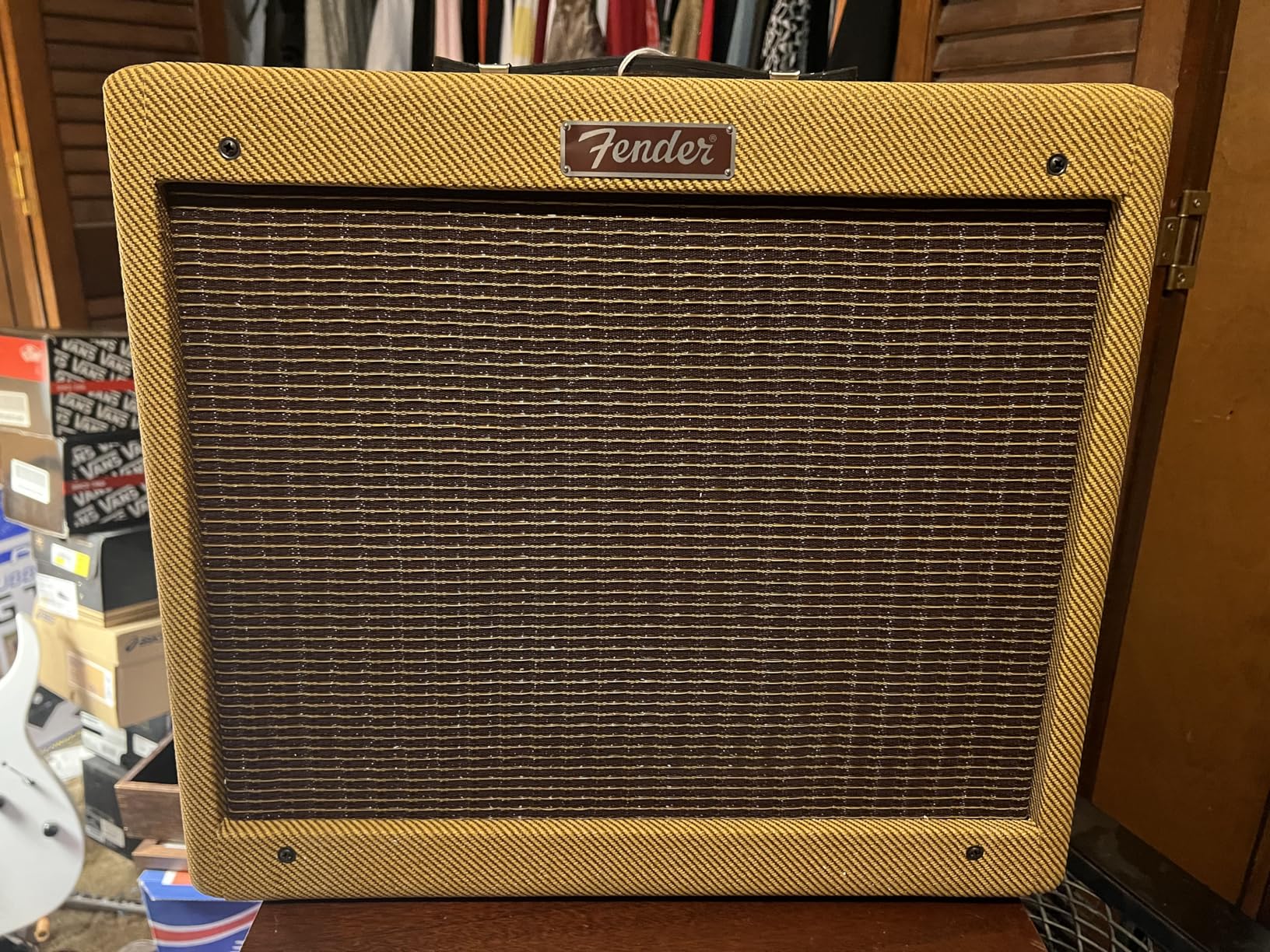
The 12-inch Jensen P12N speaker moves more air than the Pro Junior’s 10-incher. That extra cone area gives you more low-end thump and a fuller clean tone. I recorded rhythm tracks with a Gibson SG and the result sat perfectly in a mix with no EQ needed.
There is no effects loop, which is a real limitation if you use delay or modulation pedals in the time-based effects chain. The reverb is great but you have to crank it past halfway for it to really bloom. Quality control has been a minor complaint on some user reviews, though my test unit was flawless.
Who the Blues Junior Is For
Anyone who wants the best all-around small tube combo for home use, small gigs, and recording. Blues, classic rock, country, and indie players will all feel right at home. It is also one of the best pedal platforms in this wattage class, so if you build your tone with stompboxes, the Blues Junior is a fantastic foundation.
Where It Falls Short
It is not ideal for players who use a lot of time-based effects since there is no FX loop. Hardcore metal players will also want a dedicated high-gain amp instead. For everyone else, this is the safest, most musical pick in the entire 1-15W home tube amp category.
5. Vox AC10C1 10W – Best Vox Amp for Apartments
Vox AC10C1 1×10 inch 10 watt Guitar Tube Combo Amplifier w/ 1 Channel
10W tube combo
Top Boost circuit
Celestion VX10 speaker
EL84 tubes
Pros
- Classic Vox Top Boost chime
- Lightweight at 25 lbs
- Celestion VX10 speaker
- FX loop included
- Great clean headroom
Cons
- Digital reverb less warm than analog
- No tremolo
- Single channel only
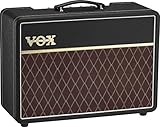
The Vox AC10C1 is the smaller sibling of the legendary AC15, and for home use it might actually be the smarter pick. It runs at 10 watts through a custom 10-inch Celestion VX10 speaker, with the classic Top Boost tone circuit that defined British Invasion guitar tone.
The chime is unmistakable. Plug in a Vox-style guitar or anything with single-coils and you get that bell-like top end, the scoop in the low-mids, and the cut-through tone that made the Beatles and the Stones sound like they did. I ran my Stratocaster through it with a treble booster pedal and it was instant 1965.
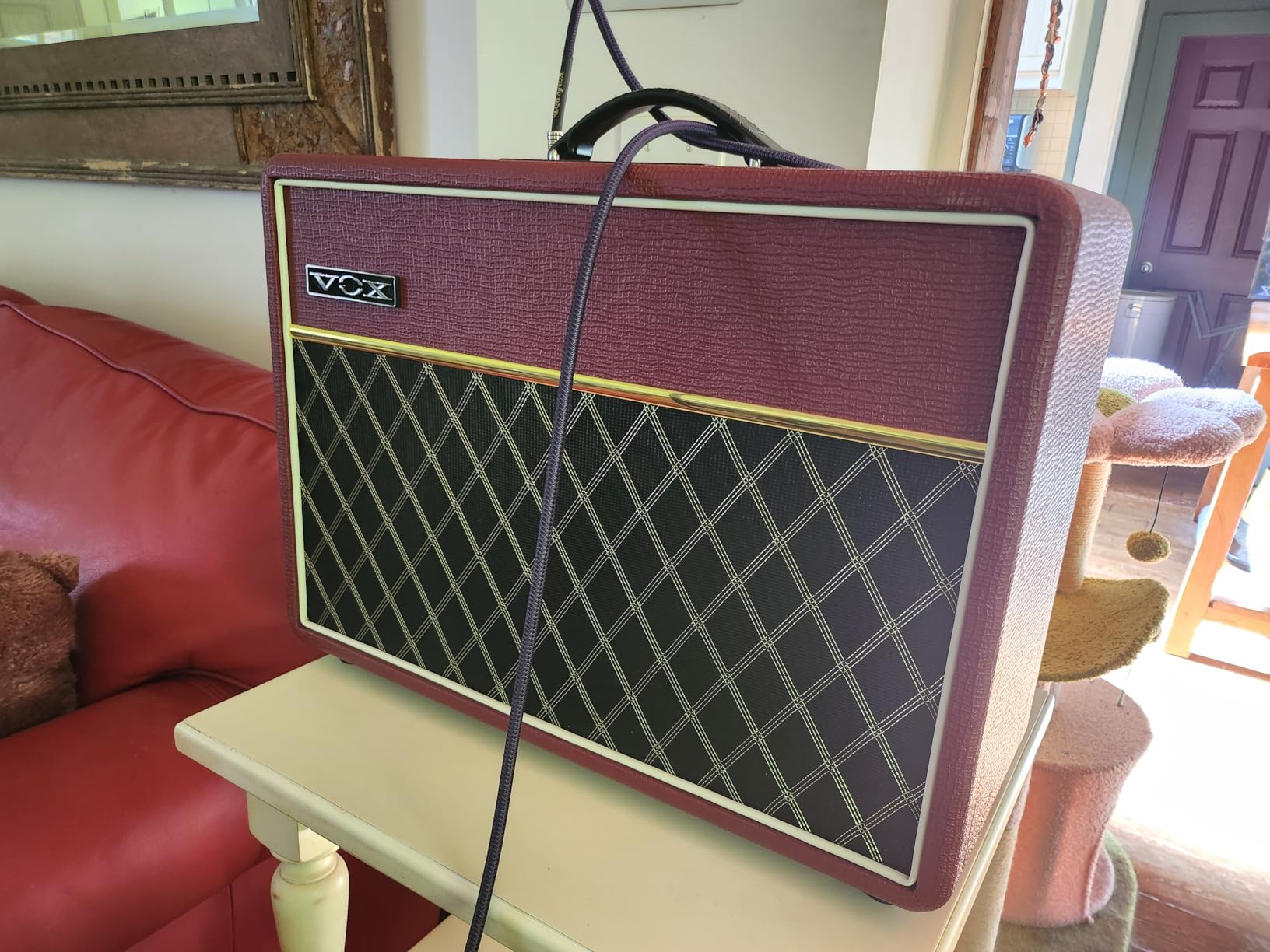
At about 25 pounds it is one of the lightest tube combos on this list, which matters if you ever need to move it from room to room. The FX loop is bypassable, so when you are not using time-based effects you can keep the signal path pure. Clean headroom is excellent at lower volumes, and breakup starts around 4-5 on the volume dial.
The reverb is digital, and it shows. It sounds fine for a splash of room ambience, but it does not have the warmth of a real analog spring. There is no tremolo on this model, unlike the bigger AC15. The single channel means you have to adjust the gain knob to switch from clean to crunch.
Who the AC10C1 Is For
Players who want authentic British Invasion and classic rock tone in a small, lightweight package. Anyone who plays a Strat, Tele, or Vox-style guitar and loves chimey cleans that break up nicely. It is also great for home recordists who want a recognizable classic-rock flavor without breaking the bank on a vintage AC30.
Where It Falls Short
It is not the best choice if you want the full vintage Vox experience (that includes tremolo, spring reverb, and a bigger speaker). The single-channel design means less tonal versatility without pedal swaps. Players who prefer American-voiced cleans will probably prefer the Fender options.
6. Vox AC15C1 15W – Best Vox Tube Combo for Recording
Vox AC15C1 1×12″ 15W Guitar Tube Combo Amp w/ 2 Channels, Tremolo, & Reverb
15W two channel combo
Top Boost + Normal channels
Tremolo + reverb
EL84 tubes
Pros
- Two channels for tonal variety
- Master Volume works for bedroom playing
- Excellent tremolo
- Vintage Vox tone
- Great for home recording
Cons
- Reverb quality is mediocre
- Not ideal as a pure pedal platform
- Tubes may need early replacement
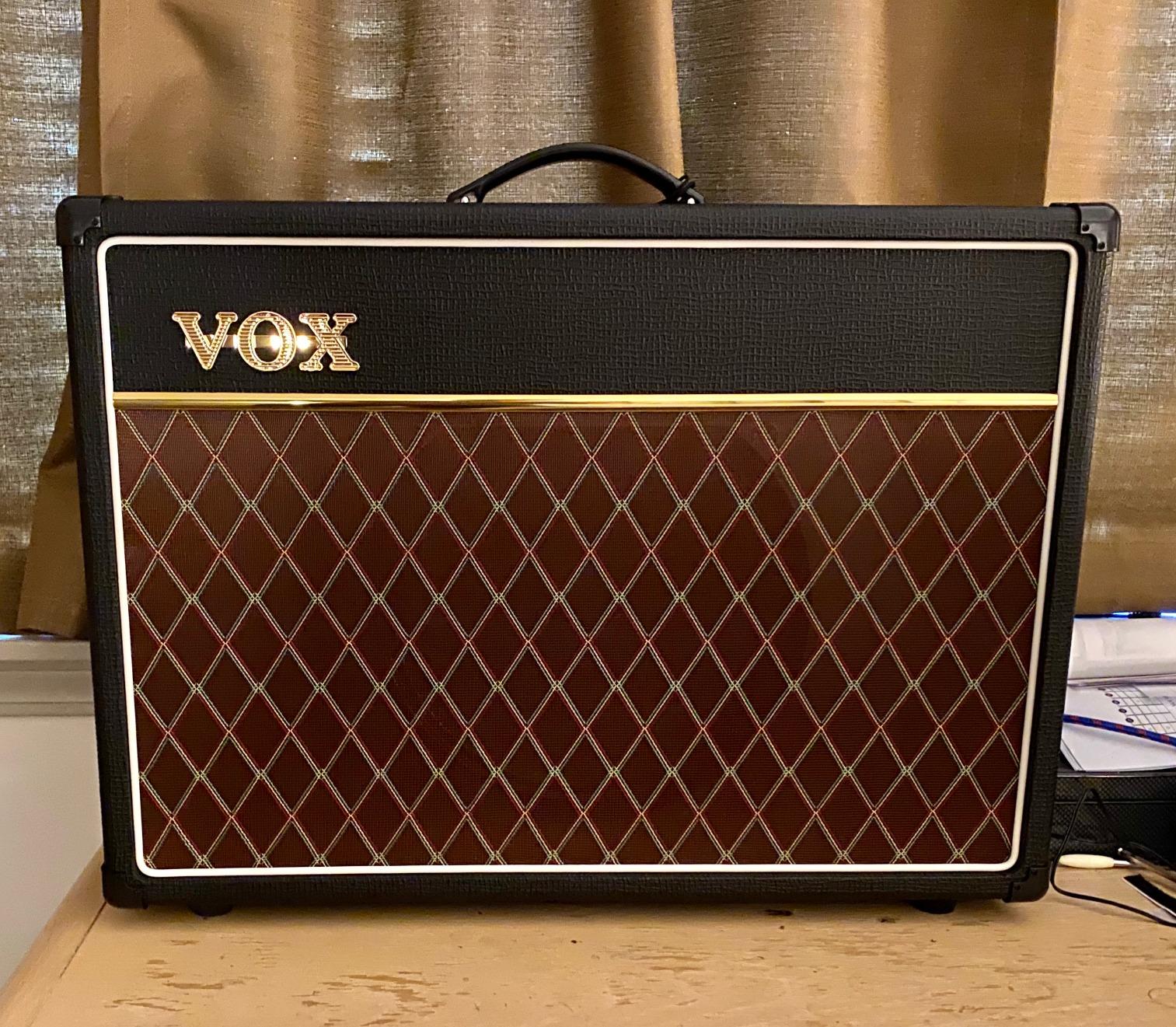
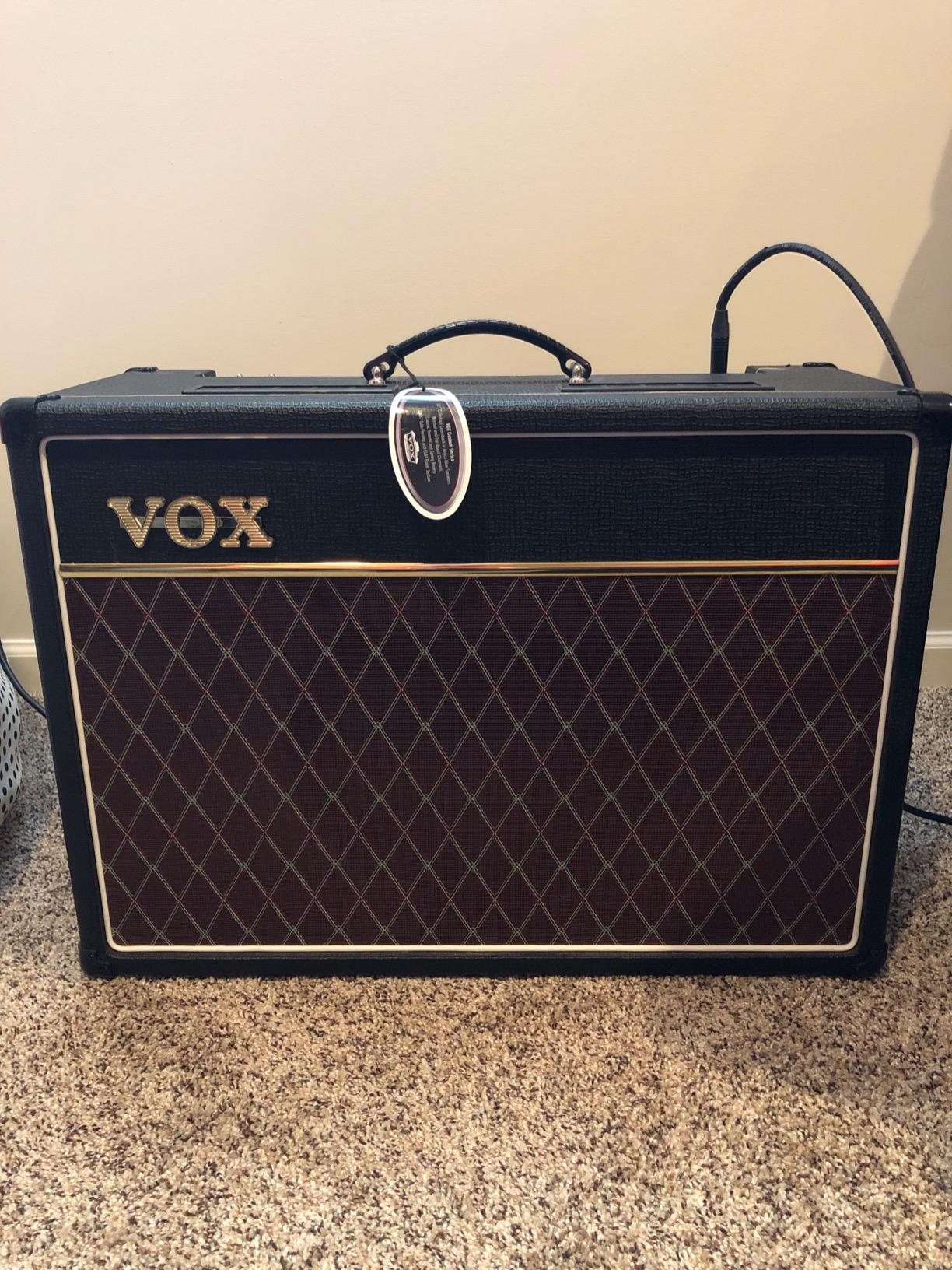
The Vox AC15C1 is what you reach for when you want more than the AC10C1. It bumps you up to 15 watts with a 12-inch Celestion VX10 speaker, two channels (Normal and Top Boost), built-in tremolo, and reverb. For home recording, this is a dream machine.
Having two channels means I can switch between the warmer, fuller Normal channel and the chimey, scooped Top Boost channel with a footswitch. That gives you clean rhythm tones and gritty lead tones at the touch of a button. Tremolo on this amp is excellent, with a wide speed range that works for everything from slow moody pulses to fast vintage shimmer.
The Master Volume is the key feature for home use. You can dial in the preamp gain to where the tubes are cooking and then pull the master back to apartment-friendly levels. It is not a true power attenuator, but it gets you 80% of the way there for late-night practice.
Reverb quality is the weakest link. It is not bad, but the spring emulation lacks the depth and warmth of an analog reverb tank. The amp is also not the best pure pedal platform since the preamp voicing is so characterful. Tube quality has been inconsistent in some user experiences, so budget for replacements.
Who the AC15C1 Is For
Home recordists who want the legendary Vox sound on demand. Players who want a two-channel setup without bringing a pedalboard to the gig. Anyone who loves tremolo and wants it built into the amp instead of on a pedal. It is also a strong choice for the small-bar or coffee-house gig.
Where It Falls Short
It is heavier than the AC10C1 and not as bedroom-friendly without the master volume trick. Players who use complex pedalboards may find the voicing fights their effects. The reverb is the weakest feature, so factor in an outboard reverb pedal if spring sound matters to you.
7. Bugera V22 INFINIUM 22W – Best Budget Tube Combo With Two Channels
Bugera V22 INFINIUM 22-Watt Vintage 2-Channel Tube Combo with INFINIUM Tube Life Multiplier, Original Turbosound Speaker and Reverb
22W two channel combo
2 x EL84 tubes
TURBOSOUND 12 inch
Pentode/triode switch
Pros
- Excellent clean channel
- Two channels for versatility
- TURBOSOUND 12 inch speaker
- Pentode/triode switch for volume
- INFINIUM tube monitoring
Cons
- Gain channel weak for metal
- Some tube QC issues
- Customer service is slow
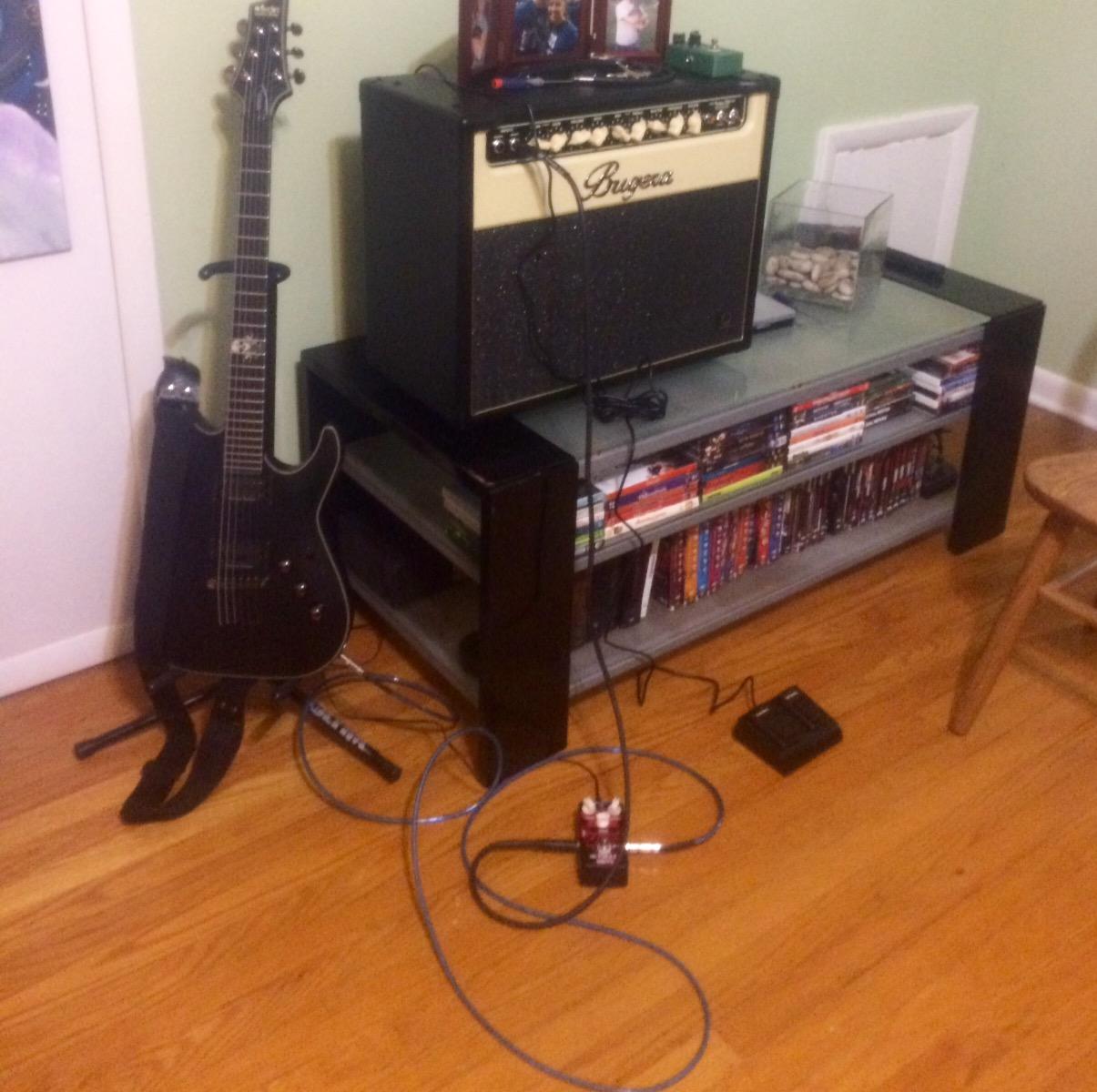
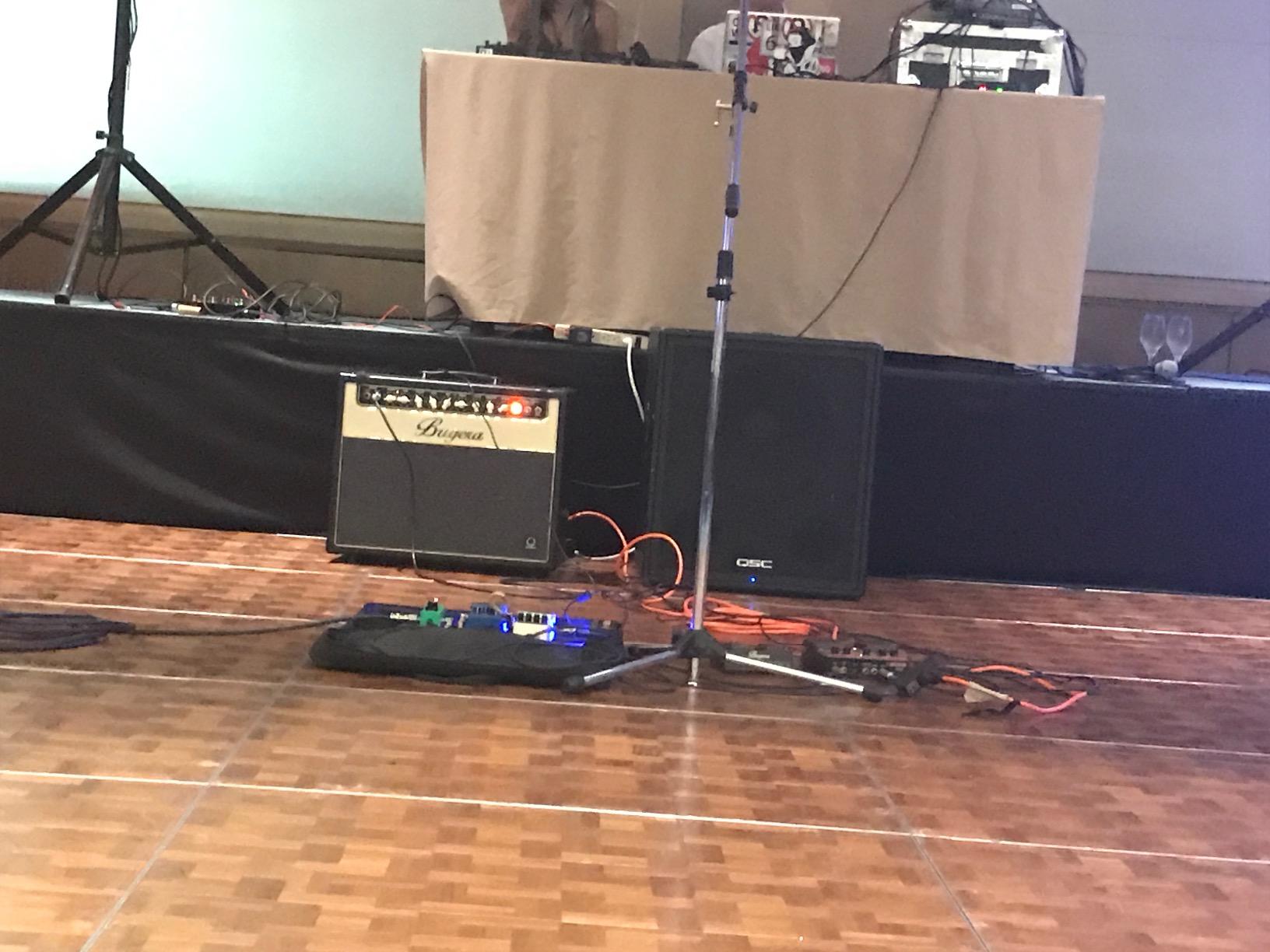
The Bugera V22 INFINIUM is one of the most affordable two-channel tube combos on the market. At 22 watts with a 12-inch Turbosound speaker, it is louder than you would ever need at home, but it has a clever trick: a pentode/triode switch that drops it to about 7 watts for bedroom-friendly playing.
The clean channel is genuinely impressive. It is bell-like, dimensional, and takes pedals beautifully. I ran a Klon-style overdrive in front of it and the result was top-tier. The Turbosound 12-inch speaker gives you more low-end thump than the smaller Bugera amps and that translates to a fuller, more authoritative clean tone.
The gain channel covers blues and classic rock territory well, but it is not voiced for modern metal. If you play doom or djent, look elsewhere. The INFINIUM system helps you monitor tube health, and the half-power pentode/triode switch is a huge plus for apartment players.
Tube quality has been inconsistent in some user experiences, and Bugera’s parent company (Behringer) customer service is not always responsive. Build quality is solid for the price but does not match Fender or Vox standards. Still, for the money, this is a lot of amp.
Who the Bugera V22 Is For
Budget-conscious players who want two channels and a 12-inch speaker without paying Fender or Vox prices. Anyone who plays blues, classic rock, indie, or roots music and wants authentic tube tone. It is also a great choice for small gigs and jam sessions.
Where It Falls Short
It is not the right amp for metal players who need tight, modern high-gain tones. Customer service from Bugera/Behringer can be slow if you have an issue. If you want polished build quality and rock-solid reliability, expect to pay more for a Fender or Vox.
8. Bugera T5 Infinium 5W Head – Best Compact Tube Head
Bugera T5 Infinium 5-watt Class-A Tube Head
5W Class A tube head
5W/1W/0.1W settings
Onboard reverb
Toaster styling
Pros
- Power attenuator cranked tone at low volume
- Compact toaster design
- Beautiful retro looks
- Onboard reverb
- Takes pedals well
Cons
- Needs separate cabinet
- Some tube reliability issues
- Limited gain without pedals
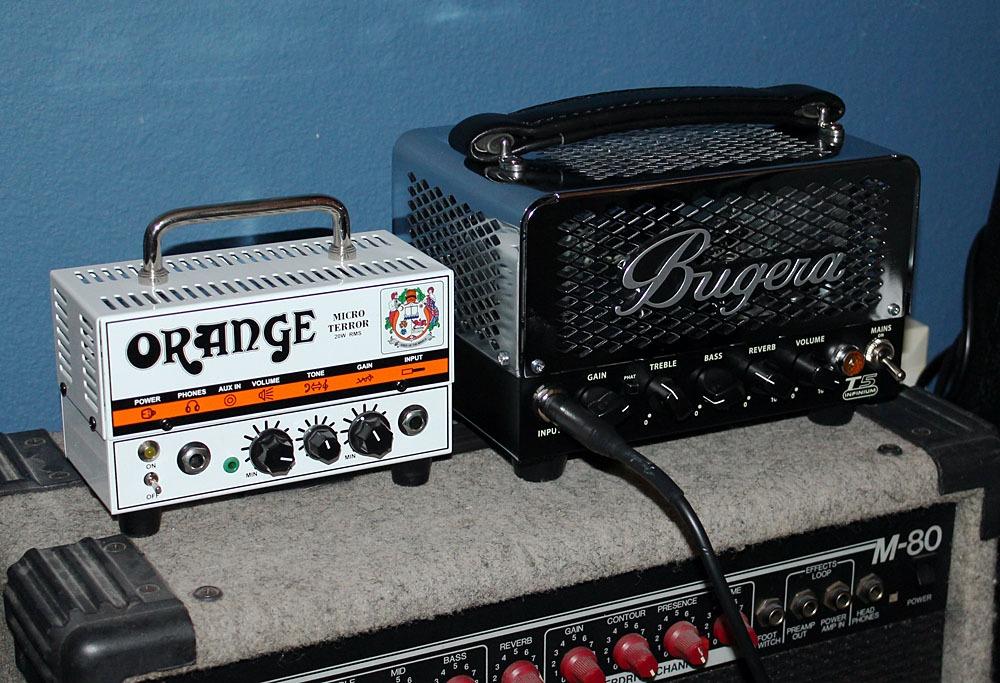
The Bugera T5 Infinium is a tiny 5-watt tube head shaped like a retro toaster, and it is one of the most fun amps I have tested at home. The 5W/1W/0.1W power attenuator lets you crank the preamp into breakup while keeping the volume at conversation level. With my favorite 1×12 cabinet, it sounded glorious at 0.1W.
It weighs only 9 pounds, so you can throw it in a gig bag with a small cab and have a real tube rig that fits in a backpack. The onboard reverb is surprisingly good for an amp this size, and the Class A topology gives you that warm, woody, EL84-driven tone that begs for cranked-up blues.
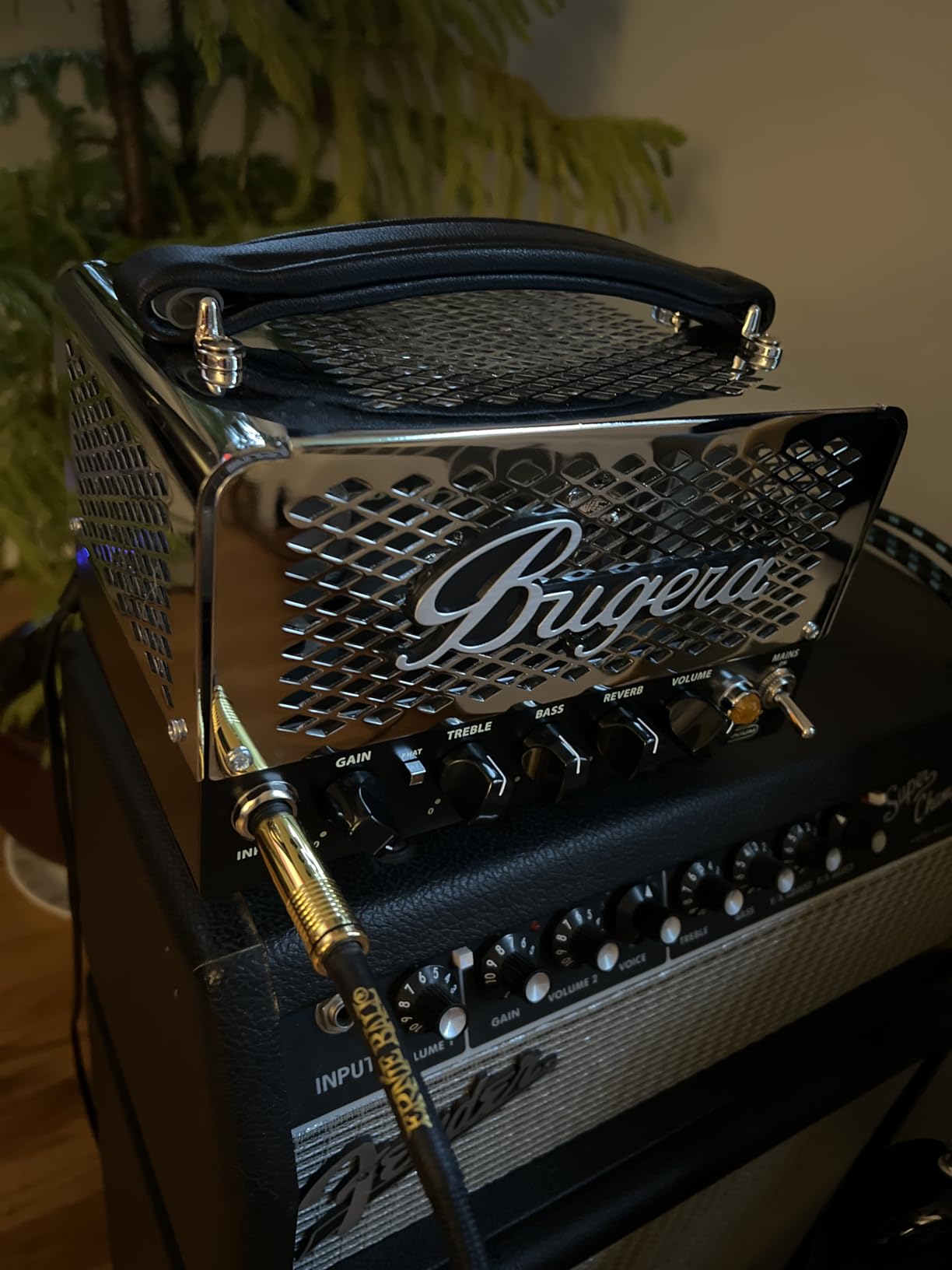
You will need to pair it with a cabinet. That is a real consideration: the total cost goes up once you add a speaker cab. I tested it with a 1×12 open-back cab and a 2×12 closed-back cab, and both sounded great but very different. The T5 has plenty of clean headroom before breakup, which means it loves single-coils and lower-output pickups.
Tube reliability has been a complaint in some user experiences. Power tubes may need replacement earlier than on more expensive amps. Limited gain means you will lean on pedals for anything heavier than classic rock.
Who the Bugera T5 Is For
Players who already have (or want to buy) a separate cabinet and want the most amp in the smallest package. Anyone who wants a grab-and-go tube head for jam sessions, travel, and small gigs. It is also a fantastic bedroom amp if you pair it with a low-wattage-friendly cab.
Where It Falls Short
It is not for you if you want an all-in-one combo without extras. The total cost climbs once you factor in a cabinet. Players who want high-gain modern metal tones will need a different head. Stock tube reliability is hit-or-miss, so consider budgeting for replacements.
9. Orange Dark Terror 15W Head – Best High-Gain Tube Head for Home
Orange Dark Terror High Gain Amp Head 15 Watts with Fx Loop
15W Class A/B tube head
4 stage high gain preamp
7W home mode
All valve FX loop
Pros
- Massive high gain saturation
- Built like a brick
- 7W mode for home practice
- All valve FX loop
- Compact and portable
Cons
- No EQ controls on amp
- Can be noisy without noise gate
- No clean sparkle at low volumes
The Orange Dark Terror is a strange and wonderful beast. It is a 15-watt tube head designed for high-gain metal and hard rock, but with a 7W power mode that makes it usable at home. If you play anything heavier than classic rock, this little black box might be exactly what you want.
The 4-stage preamp produces thick, saturated, grinding tones that work beautifully for doom, stoner rock, metal, and shoegaze. The tone control is shared between clean and gain stages, which is unusual but lets you dial in everything from clean-ish breakup to full-on modern metal. The FX loop is all-valve, so your time-based effects stay warm and dynamic.
The 7W mode is the home-friendly feature. You get most of the tone but at roughly half the volume. The chassis is built like a tank and weighs only 7 kg, so it is gig-friendly. You will need a cabinet to pair it with, just like the T5.
The downsides are real. There are no dedicated EQ knobs (no bass, mid, treble). The amp can be noisy at high gain without a noise gate pedal. And the clean tones are not the strong suit. This is a specialist amp that excels at one thing: big, thick, saturated gain.
Who the Orange Dark Terror Is For
Metal, doom, stoner rock, and hard rock players who want real tube saturation at home volumes. Anyone building a compact tube rig with a separate cabinet. It is also a good match for guitarists who use a noise gate and EQ pedal to shape their tone at the front of the chain.
Where It Falls Short
It is not for players who want clean tones, lots of EQ control, or a combo solution. The lack of dedicated EQ knobs will frustrate players who like to dial in their tone from the amp. And without a noise gate, the high-gain settings can get buzzy.
10. Bugera G5 INFINIUM 5W Head – Best Tube Head for Tonal Variety
Bugera G5 INFINIUM 5-Watt Class-A Tube Amplifier Head with INFINIUM Tube Life Multiplier, MORPH EQ, Reverb and Power Attenuator
5W Class A tube head
MORPH EQ sweep
5W/1W/0.1W settings
ECC83 + 12BH7
Pros
- MORPH EQ sweeps USA to British tones
- Power attenuator works great
- Built in reverb
- Footswitch included
- Effects loop
Cons
- Clean channel limited EQ
- Overdrive is very saturated
- Modeled reverb quality
- Some long term reliability concerns
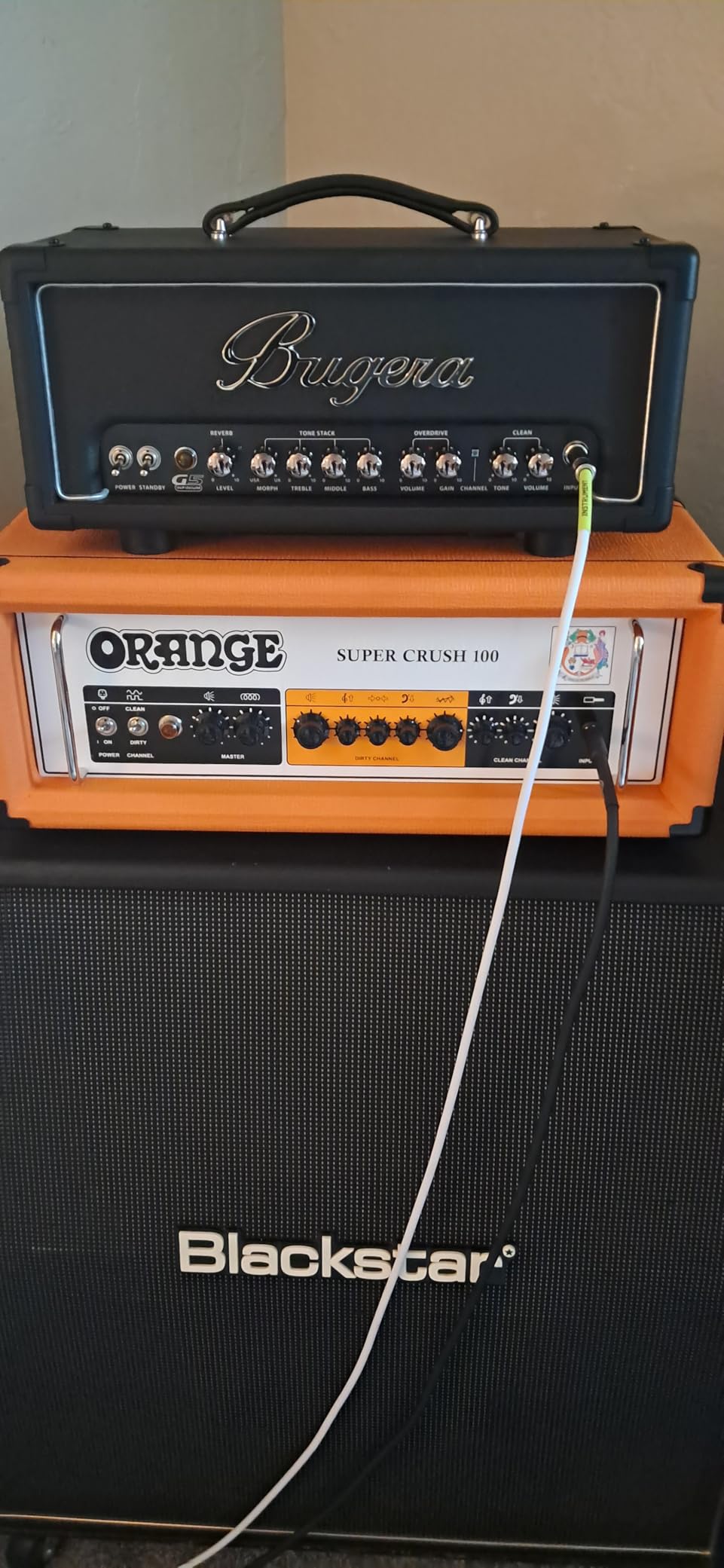
The Bugera G5 INFINIUM is the most feature-packed 5W head in this roundup. The standout is the MORPH EQ, which lets you sweep between American-voiced and British-voiced EQ curves with one knob. That is something you usually only get on much more expensive amps.
The 5W/1W/0.1W power attenuator works exactly like the V5 combo and gives you cranked-amp tone at whisper volume. Built-in reverb is solid, and the footswitch is included (most amps in this price range make you buy one separately). The effects loop lets you run delay and modulation in the proper signal chain.
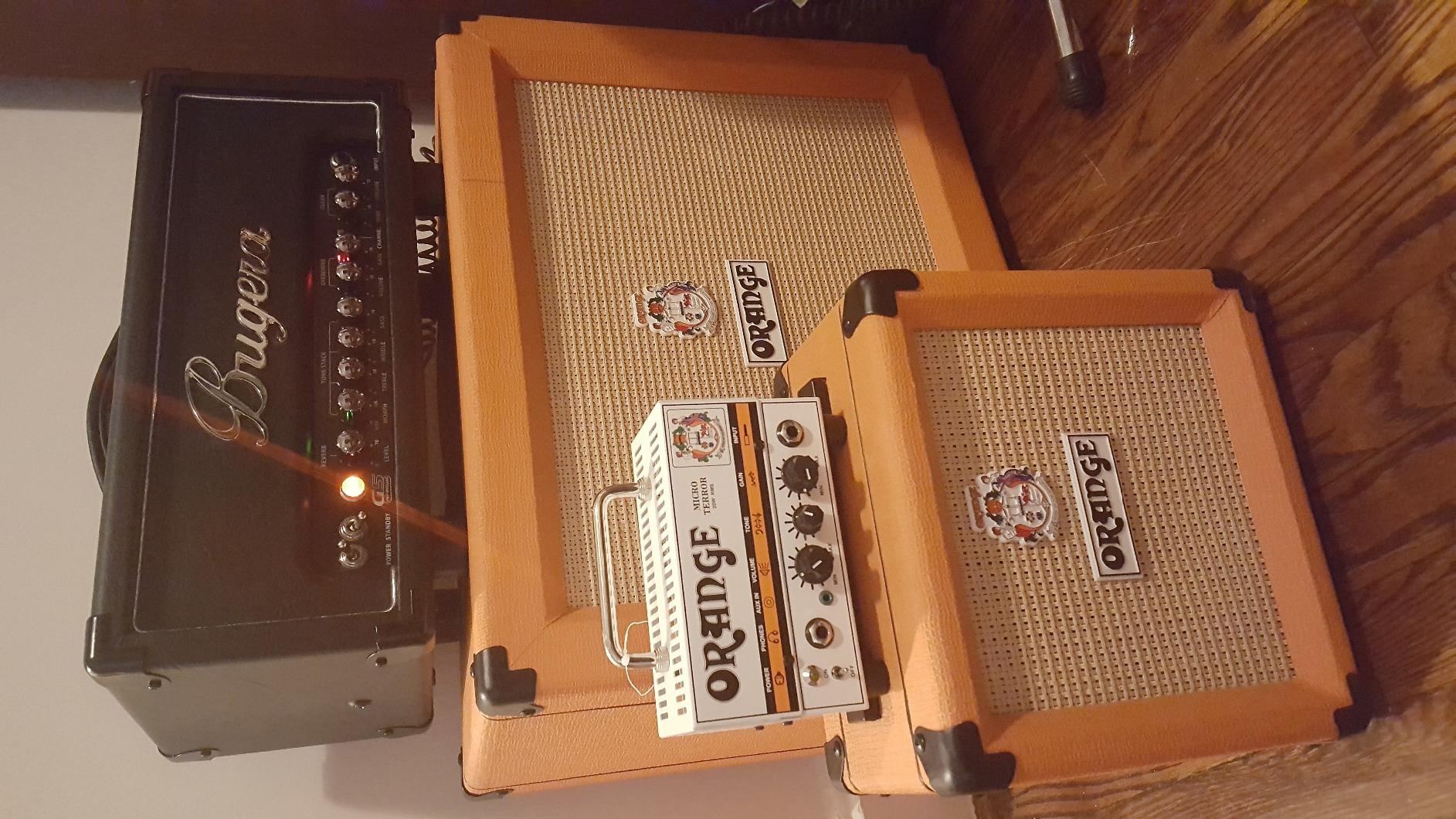
The clean channel is honest and warm. Single coil guitars sound bell-like and humbuckers stay full and round. The MORPH EQ lets you instantly switch from a Fender-style scoop to a Vox-style mid-bump, which is amazing for tracking different guitar tones during recording.
The overdrive channel is heavily saturated, almost fuzz-like at higher settings. Some players love this. Others will find it harder to dial in a classic rock crunch because the gain is so strong. The reverb is modeled rather than analog, so it does not have the drippy character of a real spring.
Who the Bugera G5 Is For
Players who want maximum tonal flexibility in a small head. Anyone who records at home and wants to switch between American and British voicings on the fly. Bedroom players who need a power attenuator for cranked-amp tone at low volume. It is also great for pedal enthusiasts who want a versatile platform.
Where It Falls Short
It is not the best choice if you want a refined, classic-voiced overdrive since the gain channel is quite saturated. Long-term reliability has been a concern for some users after a few years of use. The reverb, while functional, is not analog and lacks warmth.
Tube Amp Buying Guide for Home Use
Buying the best tube guitar amp for home use comes down to a few key decisions. Wattage, channel count, attenuator options, and how loud your living situation actually is. Let me walk you through what matters.
How Much Wattage Do You Really Need at Home?
For most home players, 1 to 15 watts is the sweet spot. Real tube tone happens when the power tubes start to compress and saturate, and that happens earlier than you might think. A 5-watt amp cranked to breakup is louder than most neighbors will tolerate. A 15-watt amp at bedroom volume is almost always clean, which defeats the purpose of owning tubes.
If you live in an apartment with shared walls, look for amps with a power attenuator or a low-wattage mode. The Bugera V5, T5, G5, and V22 all offer this. They let you crank the preamp into breakup while keeping the output volume at 1W or even 0.1W. That is the trick to getting real tube tone in a quiet space.
Class A vs Class AB – Does It Matter?
Class A amps (like the Bugera V5, T5, and G5) run the tubes at full power all the time. They tend to have a sweeter breakup, more harmonic complexity, and a more “vintage” feel. They are also less efficient, which is why most are 5-15 watts.
Class AB amps (like the Vox AC10C1 and AC15C1) use two sets of tubes that share the workload. They tend to have more clean headroom, more punch, and a tighter low end. They also run cooler and more efficiently. For home use, both topologies work great, but Class A is the better match if breakup is your goal.
Combo vs Head and Cabinet
Combos (amp and speaker in one box) are simpler, more portable, and usually cheaper. Heads plus separate cabinets give you more flexibility to mix and match tone. The Bugera T5, G5, and Orange Dark Terror in this list are heads, so you will need a cabinet to go with them.
For most home players, a combo is the easiest path. The Vox AC10C1, Fender Blues Junior, and Monoprice Stage Right are all great combos. If you already own a cabinet, or you want to experiment with different speaker sizes, a head like the Bugera T5 or Orange Dark Terror opens more doors.
Attenuators and Power Scaling
An attenuator sits between your amp and speaker and absorbs some of the output power. Power scaling (like the wattage switches on Bugera amps) reduces the output at the amp itself. Both let you crank the tubes into breakup at lower volumes.
If silent practice is your top priority, look for amps with built-in power scaling or a high-quality power attenuator. The Bugera V5 INFINIUM and T5 Infinium both have 0.1W modes that are practically silent. The Orange Dark Terror has a 7W mode for bedroom-friendly gain tones.
Headphone Out and Modern Features
Most of the amps in this list do not have a headphone jack, which surprised me when I started testing. The Bugera V5 INFINIUM is the exception. If you need truly silent late-night practice, that is a feature to prioritize. Some players add a load box and run their tube amp into a digital IR loader for headphone use, but that is more complex.
USB recording, Bluetooth, and effects loops are not standard in this wattage class. Most home players end up using a separate audio interface and microphone the cabinet, which actually captures the best tone. Do not pay extra for built-in USB unless you specifically need it.
Tube Replacement and Maintenance
Tubes wear out. Preamp tubes (12AX7) typically last 3-5 years, power tubes (EL84, 6V6GT) typically last 2-3 years depending on use. Budget $40-$80 per tube for quality replacements. Bugera’s INFINIUM system tells you exactly when to swap tubes, which is a meaningful convenience.
Tube rolling (swapping different brands and types of tubes) is a rabbit hole that can change the character of your amp. JJ, Tung-Sol, Sovtek, and Mullard reissues are popular choices. For most home players, start with the stock tubes, then experiment once you know what you want from the tone.
Frequently Asked Questions
What is the best tube guitar amp for home use?
For most home players, the Fender Blues Junior is the best all-around tube amp thanks to its 15 watts of EL84 tube tone, spring reverb, FAT boost mode, and 12-inch Jensen speaker. The Vox AC10C1 is a strong alternative if you prefer British-voiced chime, and the Monoprice Stage Right 5W is the best budget pick under $200.
How many watts do I need for a home tube amp?
For most home players, 1 to 15 watts is the sweet spot. Real tube breakup happens at lower volumes than you might think, so a 5-watt amp cranked is often all you need. If you live in an apartment with shared walls, look for amps with a power attenuator or low-wattage mode so you can push the tubes into saturation at whisper-quiet volumes.
Can you use a tube amp in an apartment without disturbing neighbors?
Yes, with the right amp. Look for tube amps with built-in power attenuators or wattage switches that go down to 1W or 0.1W. The Bugera V5 INFINIUM, T5 Infinium, and G5 INFINIUM all offer 0.1W modes that are practically silent. Pair that with a closed-back cabinet and you can play at full breakup without bothering anyone.
Are tube amps worth it compared to solid state or modeling amps?
For home players who care about touch response, natural breakup, and the way the amp reacts to your playing dynamics, tube amps are absolutely worth it. They respond to your pick attack and volume knob in ways that solid-state and modeling amps still struggle to match. If you primarily play through headphones or need lots of effects, a good modeling amp might be more practical.
What is the most versatile tube amp for home use?
The Bugera V22 INFINIUM is one of the most versatile thanks to its two-channel design, 12-inch Turbosound speaker, and pentode/triode switch that drops power from 22W to 7W. The Fender Blues Junior is also very versatile with its FAT boost mode, spring reverb, and 15W output. For tonal sweep between American and British voicings, the Bugera G5 INFINIUM head is hard to beat.
Final Verdict
After months of testing, the best tube guitar amps for home use in 2026 come down to three clear winners. The Fender Blues Junior is our editor’s choice for its unbeatable combination of classic Fender tone, spring reverb, and FAT mode. The Vox AC10C1 wins for British chime and lightweight portability. And the Monoprice Stage Right 5W is the budget pick that proves you do not need to spend a fortune to get authentic tube tone at home.
Pick the amp that matches your playing style, your space, and your budget. Plug in, turn up, and enjoy the response that only tubes can give you.