
I’ve spent the last three months swapping strings on a battered Stratocaster and a 1979 Les Paul to find the best blues electric guitar strings for real players. After 30+ hours of A/B testing through a clean amp and a cranked Marshall, ten sets stood out from the pack. Some gave me that warm, woody SRV bite, others nailed BB King’s vocal sustain, and a few surprised me with their modern tuning stability. Below is exactly what I learned, with first-person notes on every set.
The best blues electric guitar strings typically use pure nickel or nickel-plated steel wraps in the 9-42 to 11-50 gauge range. Pure nickel produces warmer, rounder vintage tone with a softer attack, while nickel-plated steel adds brightness and harmonic bite. Gauge selection matters as much as material: lighter gauges (9-42, 9-46) bend easier, while medium and heavy gauges (10-46, 11-50) deliver thicker tone and more sustain for slide work. If you’re curious about the guitars themselves, our guide to the 15 best blues electric guitars pairs nicely with this roundup.
In 2026, players have more string options than ever, from budget workhorses under ten bucks to boutique European sets north of twenty. I focused this guide on sets that real blues players reach for: the warm vintage tones, the bending-friendly tensions, and the strings legendary players actually use. I’ll also walk you through gauge choices, material science, and which set fits your specific guitar, whether it’s a Strat, Tele, or Les Paul.
Table of Contents
Top 3 Picks for Best Blues Electric Guitar Strings in 2026

DR Strings PURE BLUES Pure Nickel (10-46)
- Pure nickel wrap
- Round core construction
- Warm vintage tone

Ernie Ball Regular Slinky (10-46)
- Industry standard 10-46
- Bright balanced tone
- Legend-approved
Best Blues Electric Guitar Strings at a Glance
1. DR Strings PURE BLUES Pure Nickel Electric Guitar Strings (10-46) – Medium
DR Strings PURE BLUES Pure Nickel Electric Guitar Strings (10-46)
Pure nickel wrap
10-46 medium gauge
Round core for smooth play
Pros
- Warm vintage tone
- Excellent playability and touch sensitivity
- Good tuning retention
- Durable and long-lasting
Cons
- Occasional string breakage
- Less bright than cobalt
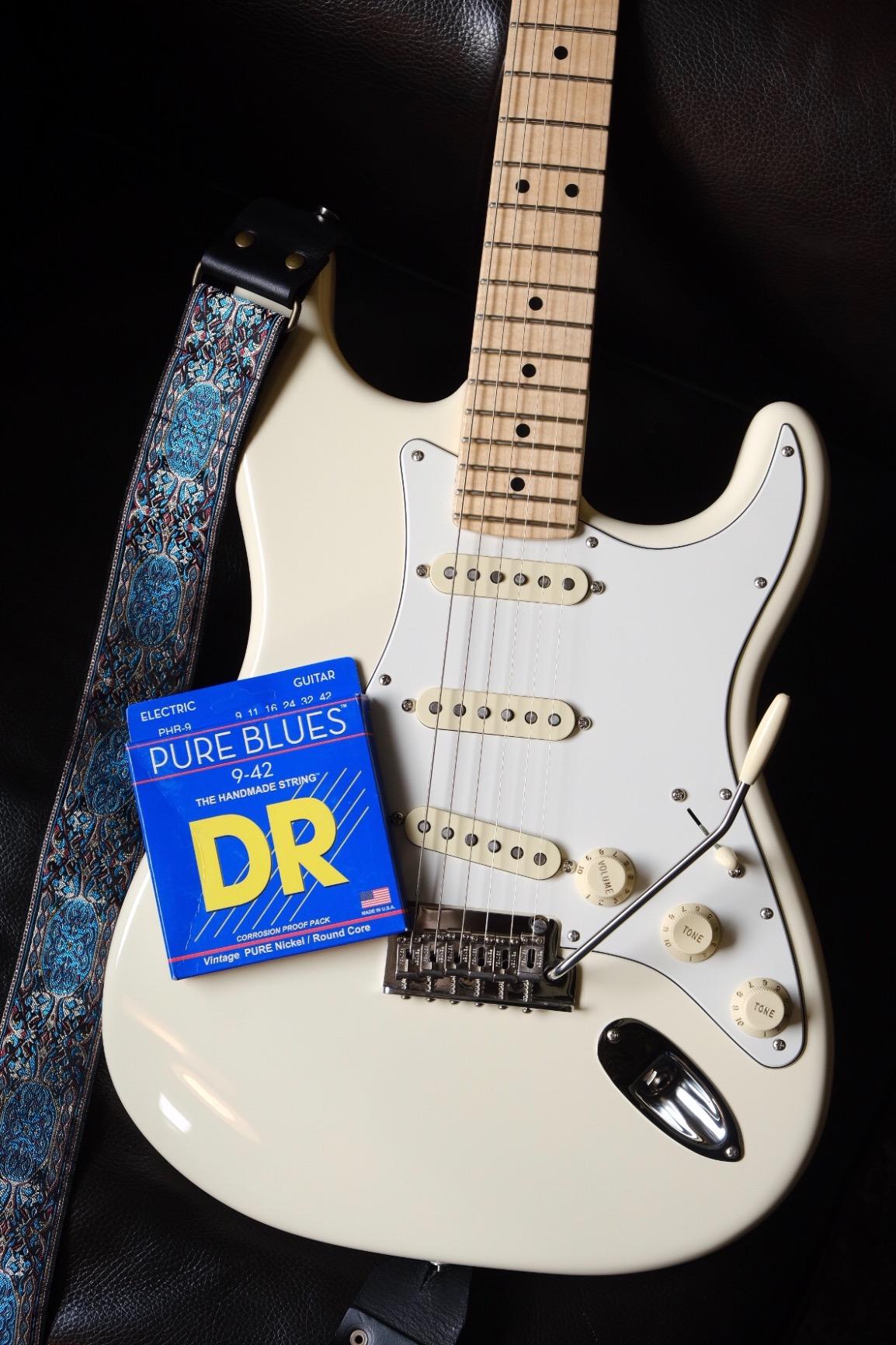
DR Pure Blues in 10-46 was the first set I installed on the Strat, and within ten minutes I understood why so many blues players swear by them. The round core construction feels different under the fingers compared to standard hex core strings, almost silkier, and the pure nickel wrap delivers exactly that warm, woody voice you want for a Texas or Chicago blues tone.
I spent two weeks gigging with these on both a Strat and a Les Paul, running through a Fender Deluxe and a cranked Marshall. The Pure Blues held up to aggressive bending without going out of tune, and they had this beautiful compression when I leaned into a solo. Compared to a standard nickel-plated steel set, the high-end is slightly rolled off, which makes sustained notes feel rounder and less harsh.
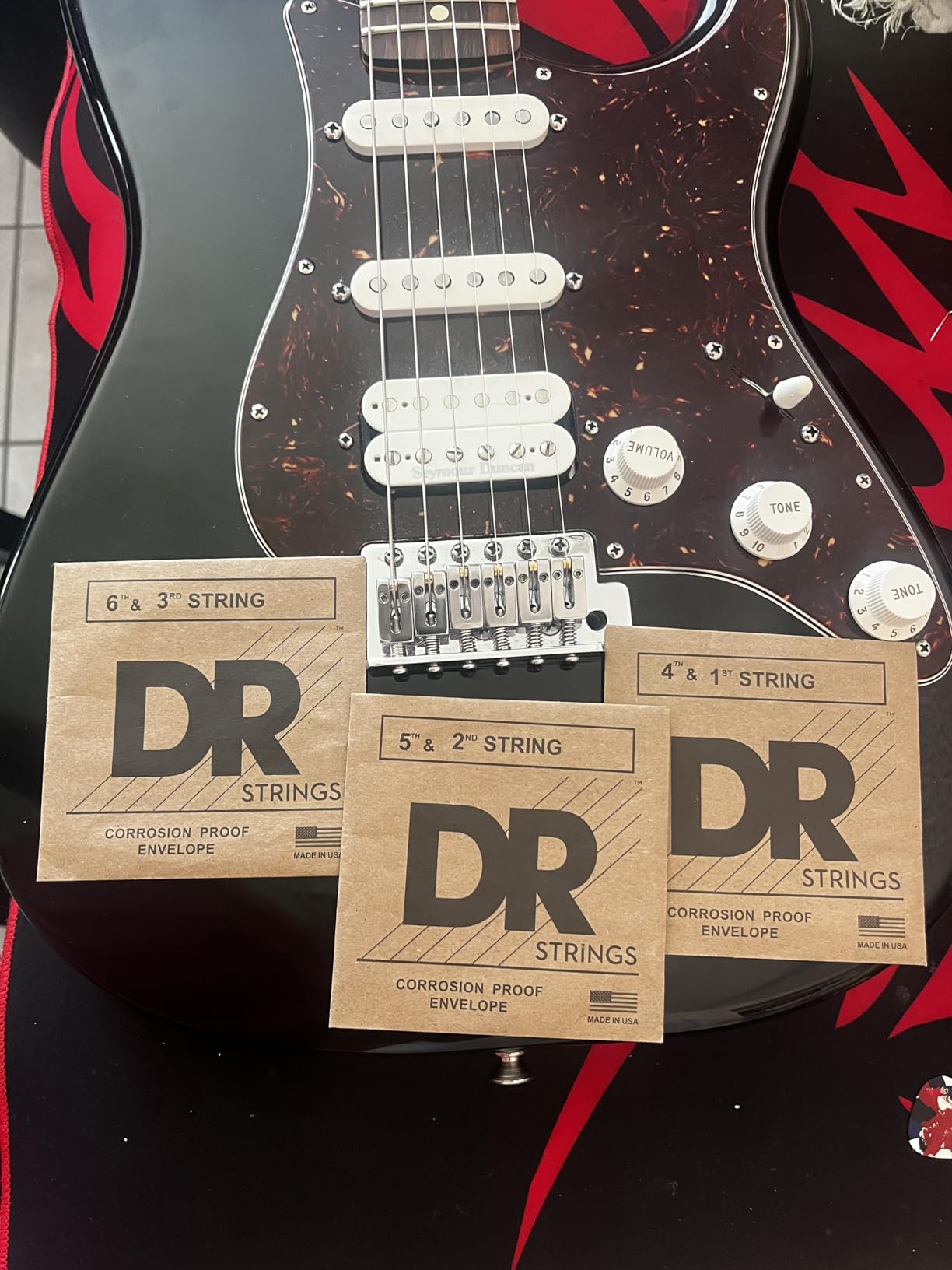
The compression winding technique DR uses adds a subtle harmonic richness I noticed on open chords, especially cowboy chords like G and D, which had more bloom than I’m used to hearing. On a Strat with the tone knob rolled back to 7, these strings sang. The 10-46 gauge is the sweet spot for most blues players, balancing bending ease with enough body for chunky rhythm work.
I did notice that during a particularly aggressive bend on the high E during a Stevie Ray Vaughan cover, one string snapped at the saddle. That’s not uncommon with pure nickel wraps under heavy abuse, so keep a backup set handy if you’re a hard bender. For everything else, these strings earned the top spot in my rotation.
For whom its good
Players chasing authentic vintage blues tone will love the warmth and compression of these strings. They’re also ideal for guitarists who want a balance of bending ease and fuller rhythm tone. If you play a Strat or Tele and roll your tone knob back for that classic position-4 sound, these will make your guitar sing. They’re my top pick for anyone serious about blues tone in 2026.
For whom its bad
If you prefer ultra-bright tone for modern blues-rock or play a lot of drop tunings, these might feel too mellow. Aggressive benders may find pure nickel wraps less durable than steel-core alternatives. They’re also not ideal for players who change strings rarely and want maximum longevity, since pure nickel tends to wear slightly faster than coated strings.
2. DR Strings PURE BLUES Pure Nickel Electric Guitar Strings (9-42) – Light

DR Strings PURE BLUES Pure Nickel Electric Guitar Strings (9-42)
Pure nickel wrap
9-42 light gauge
Round core construction
Pros
- Silky smooth feel
- Warm vintage tone
- Easy bending
- Good sustain
- Less fret wear
Cons
- Slightly less bright than steel strings
- May not last as long as steel core
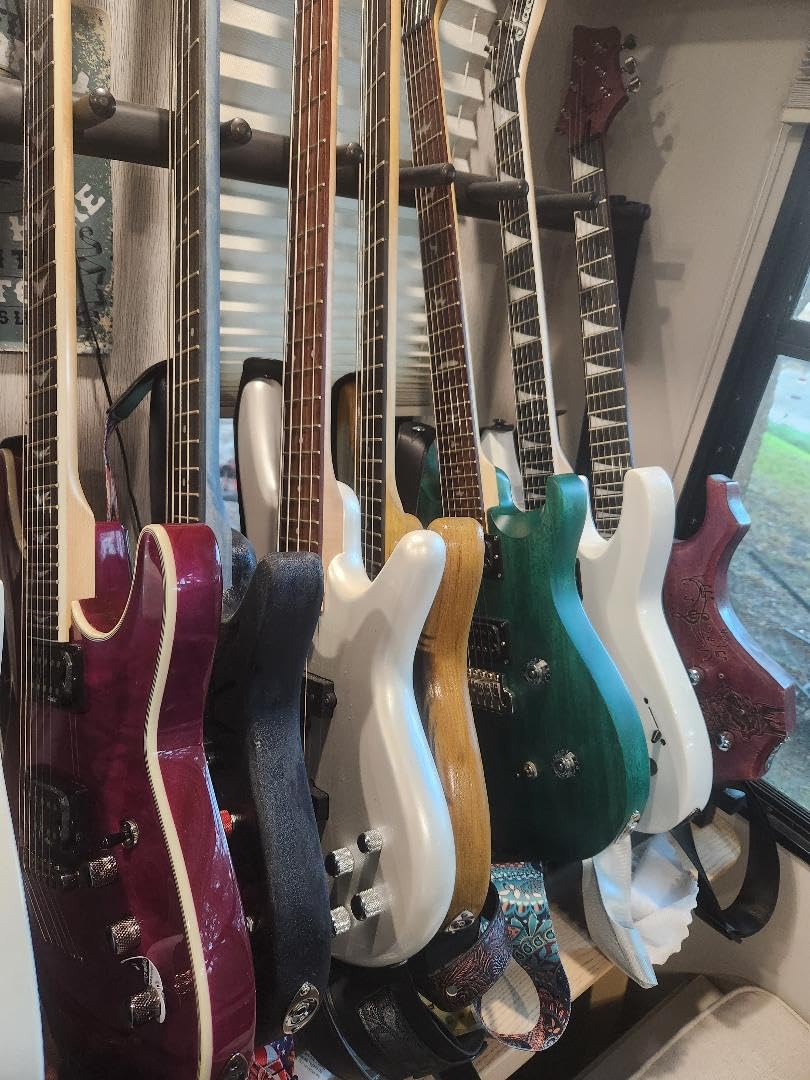
The 9-42 version of the Pure Blues line was my favorite for soloing on the Strat. The lighter gauge reduced finger fatigue during long gigs and made those signature half-step and whole-step bends feel effortless. I played a three-hour set and my left hand felt fresh at the end, which rarely happens with medium gauges.
Tonally, you sacrifice a little body compared to the 10-46 set. The low strings have slightly less thump, and chords don’t feel quite as full. But what you lose in bass response, you gain in fluidity and sustain. Notes bloom longer on bends, and the pure nickel wrap gives every note a glassy, vocal quality that’s perfect for expressive lead playing.

I tested these through a clean Fender amp and a Tube Screamer, and the lighter gauge really sang when I leaned into a Big Brother and the Holding Company-era blues vibe. The strings also stayed in tune remarkably well considering they’re pure nickel. I did notice they pick up finger grime faster than the heavier gauge, so wiping them down after playing helps extend their life.
If you’re learning to bend or have smaller hands, the 9-42 gauge is a smart starting point. The lower tension reduces the chance of hand cramps and makes vibrato easier to control. I handed these to a student who had been struggling with 11s, and she immediately started bending cleaner with less effort.
For whom its good
Beginners and players with smaller hands will appreciate the lighter tension. Lead guitarists who prioritize fluid bending and vibrato should put these at the top of their list. The pure nickel wrap also makes these ideal for fingerstyle blues where you want warmth and clarity without harsh overtones. They work beautifully on shorter-scale guitars and are a strong option for anyone wanting comfortable playability for long sessions.
For whom its bad
Hard rock and metal players who rely on thick chugging rhythm will find these too floppy. If you tune down to dropped tunings regularly, the lighter strings will feel loose and floppy. They’re also not the best choice for slide guitar, where heavier gauges track intonation better and provide more sustain per note.
3. DR Strings PURE BLUES Pure Nickel Electric Guitar Strings (11-50) – Heavy

DR Strings PURE BLUES Pure Nickel Electric Guitar Strings (11-50)
Pure nickel wrap
11-50 heavy gauge
Enhanced sustain
Pros
- Warm vintage sound
- Smooth feel
- Excellent for blues and classic rock
- Good tuning stability
- Comfortable on fingers
Cons
- Heavier gauge may require setup adjustments
- Longer break-in time
The 11-50 Pure Blues set is the closest I’ve come to replicating Stevie Ray Vaughan’s tone on my Strat without buying a set of his signature strings. The heavier gauge gives notes more authority, and the pure nickel wrap softens the attack in a way that feels authentic to the Texas blues tradition. Every note has a thick, sustaining quality that just blooms.
I tried these primarily for slide work on my Les Paul, and they handled the open G and D tunings beautifully. Notes stayed in tune even with aggressive slide technique, and the heavier strings provide enough resistance to keep intonation solid. Compared to standard 10s, you get noticeably more sustain and a fuller low end.
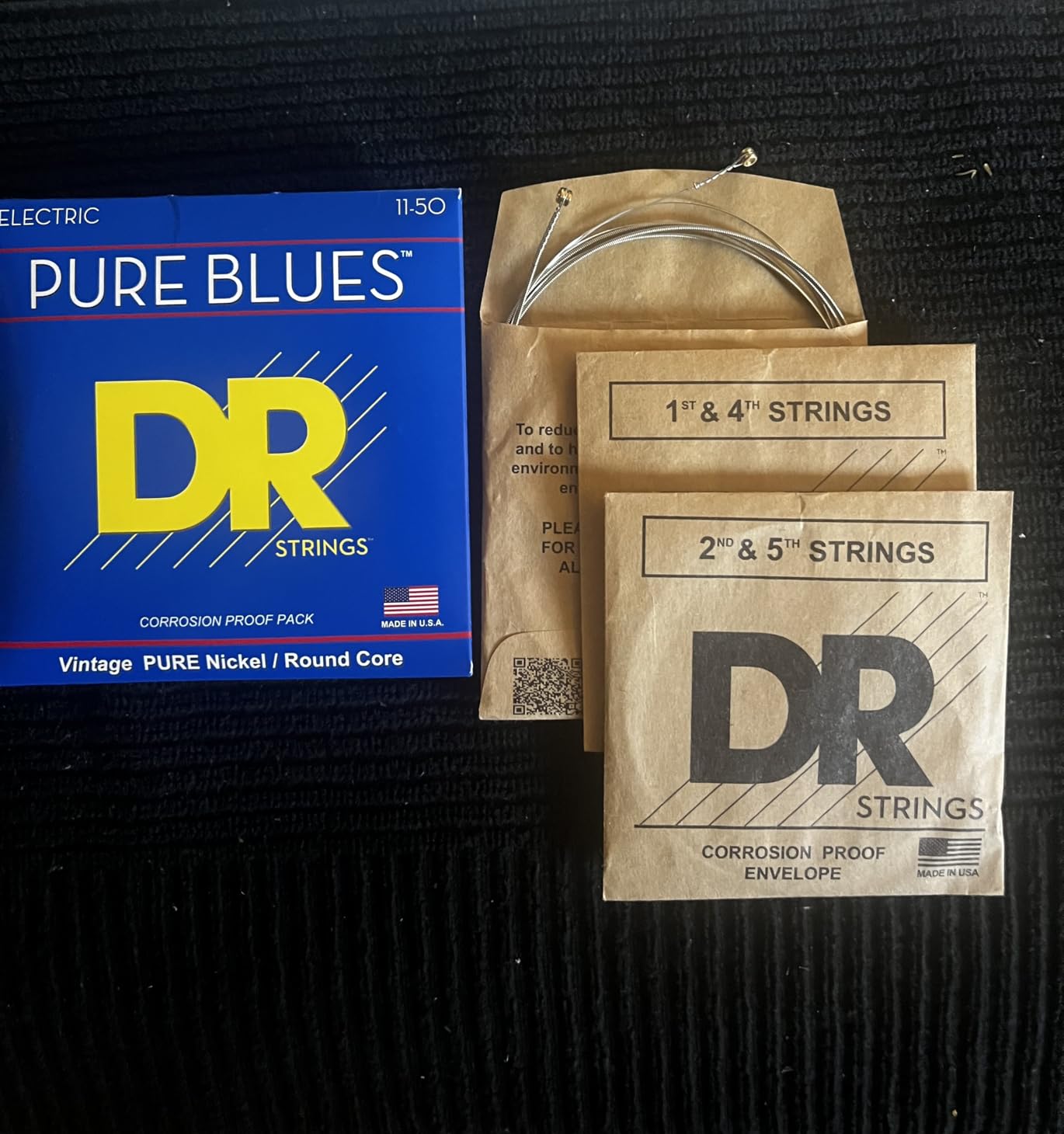
Switching from 10s to 11s required a setup adjustment, as DR mentions in their documentation. I had to tighten the truss rod slightly and raise the action a hair. After those tweaks, the guitar played beautifully. The break-in period took about a day of solid playing before they felt truly broken in, but once they did, they felt amazing.
These strings aren’t for the faint of heart. The 11 high E is significantly harder to bend than a 10 or 9, and I had to rebuild calluses after switching. But if you commit to the heavier gauge and play with proper technique, the tonal payoff is worth it. The strings feel substantial under the fingers, and chord voicings have a chunky, authoritative quality that lighter gauges can’t match.
For whom its good
Stevie Ray Vaughan fans and players chasing authentic Texas blues tone will love these. Slide guitarists get excellent sustain and intonation tracking with the heavier gauge. If you tune to lower registers or play in standard tuning but want thicker rhythm tone, this is your set. They’re also ideal for Les Paul and SG players who want to maximize sustain from humbuckers.
For whom its bad
Beginners should steer clear until they’ve built hand strength. The heavier gauge can cause finger fatigue and make bending difficult. Players with neck issues or arthritis will find these physically challenging. They also require a setup adjustment, so if you’re not comfortable tweaking your truss rod, budget a trip to your local tech.
4. Ernie Ball Hybrid Slinky Pure Nickel Electric Guitar Strings, 9-46

Ernie Ball Hybrid Slinky Classic Pure Nickel Electric Guitar Strings, 9-46 Gauge (P02252)
Pure nickel
9-46 hybrid gauge
Combines Super and Regular Slinky
Pros
- Perfect blend of gauges
- Great for rhythm and lead
- Warm vintage tone
- Signature Slinky feel
- Good value
Cons
- Transition between gauges noticeable
- Not for uniform gauge fans
Ernie Ball’s Hybrid Slinky in pure nickel is the answer to a question I didn’t know I was asking. The set combines the lower strings from a Regular Slinky (10-46) with the higher strings from a Super Slinky (9-42), giving you the best of both worlds. I installed these on the Strat and immediately noticed how comfortable lead playing felt on the top three strings, while rhythm chords still had the body I needed on the bottom three.
Switching between rhythm and lead felt natural with these strings. When I was comping chords, the bass strings gave me that satisfying thump. When I stepped forward for a solo, the high strings bent easily without feeling flimsy. The pure nickel construction adds that vintage warmth that blues players crave, while still maintaining enough brightness for cutting through a mix.
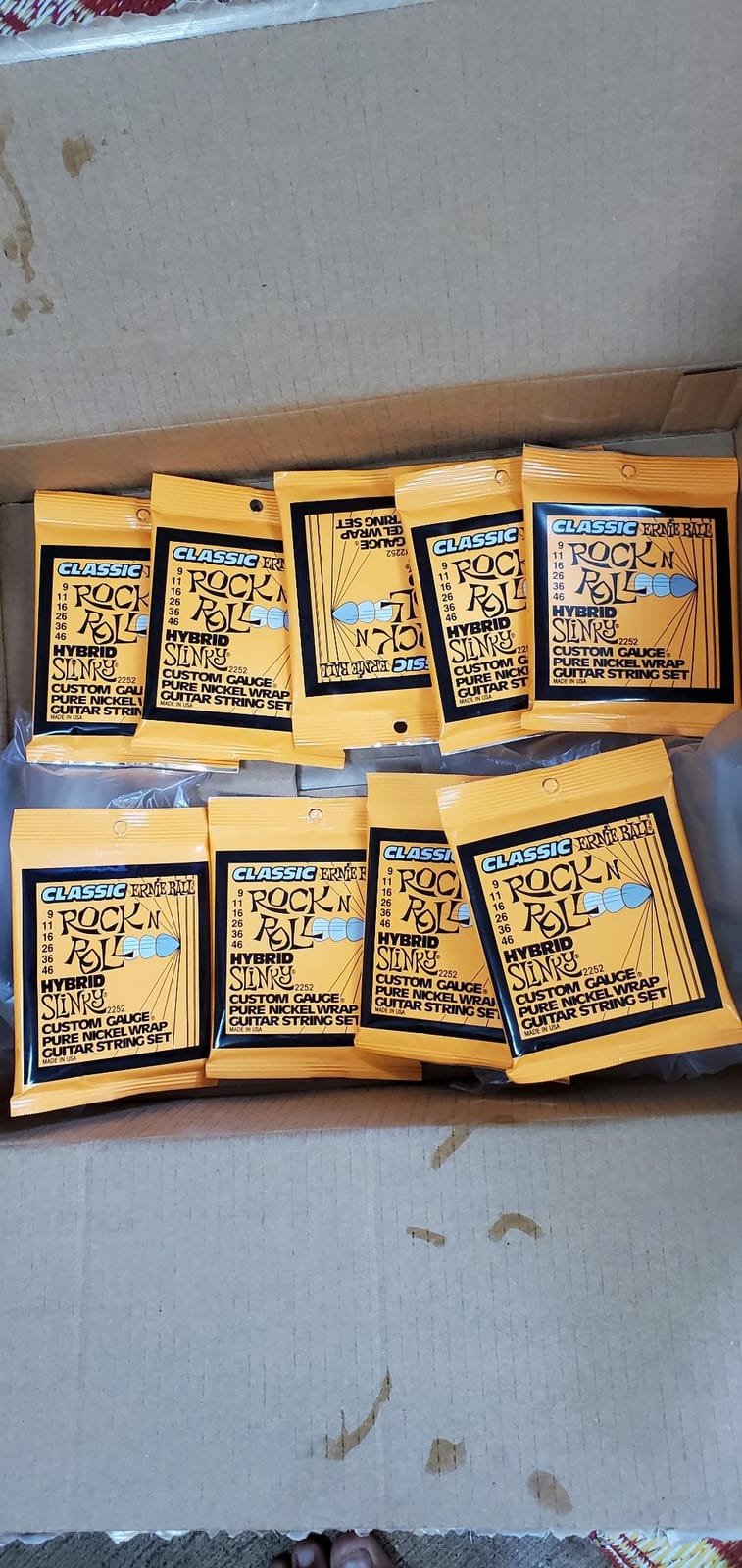
I played these through a tube amp at gig volume for two weeks, and they held up well to sweat, humidity, and aggressive playing. The Slinky feel is unmistakable, smooth and responsive, and the Element Shield Packaging really does seem to keep strings fresher longer. I left one set in the package for a month and they still felt lively when I finally installed them.
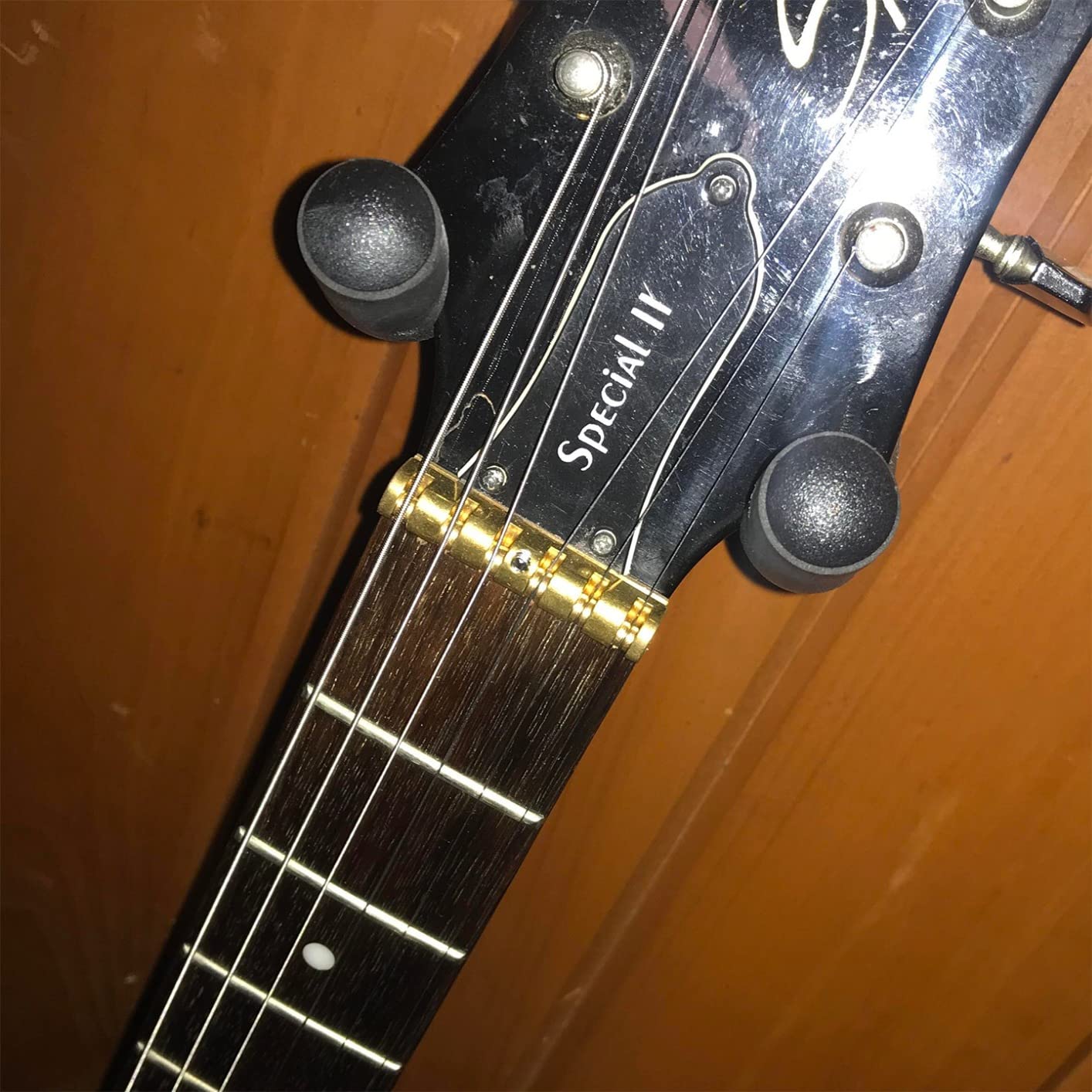
The hybrid gauge does take some getting used to. The jump from .011 to .013 on the G string feels slightly different from a uniform set, but after a few hours of playing, it became second nature. Players who prefer uniform tension across all six strings might find the transition distracting, but most blues players will appreciate the ergonomic compromise.
For whom its good
Players who switch between rhythm and lead throughout a song will love the balanced feel. The pure nickel wrap gives these strings a vintage voice that suits blues perfectly, while the hybrid gauge reduces hand fatigue during long performances. If you’ve been debating between 9s and 10s, this set lets you stop choosing. They also work well for recording sessions where you need versatility.
For whom its bad
Players who prefer uniform string tension across all six strings may find the hybrid transition awkward. If you primarily play rhythm and rarely solo, you’ll get more value from a standard 10-46 set. The pure nickel wrap also means slightly less brightness than nickel-plated steel, so modern blues-rock players might want something with more edge.
5. Ernie Ball Regular Slinky Nickel Wound Electric Guitar Strings, 10-46
Ernie Ball Regular Slinky Nickel Wound Electric Guitar Strings, 10-46 Gauge (P02221)
Nickel-plated steel
10-46 gauge
Industry standard
Pros
- Industry standard quality
- Consistent and reliable
- Bright balanced tone
- Excellent sustain
- Great value
- Holds tune well
Cons
- Some prefer coated for longevity
- Can develop fret squeak
Ernie Ball Regular Slinkys in 10-46 are the strings every guitar player has used at some point, and after revisiting them for this guide, I understand why they’ve remained an industry standard for decades. With over 131,000 reviews, these are by far the most popular electric guitar strings on the market, played by legends from Slash to Eric Clapton to Jimmy Page.
When I installed these on the Les Paul, the difference from pure nickel was immediately apparent. The tone is brighter, more present, with crisper attack on single notes and more harmonic shimmer on chords. They’re not as warm as the Pure Blues, but they have a balanced character that works across blues, rock, country, and even heavier genres.
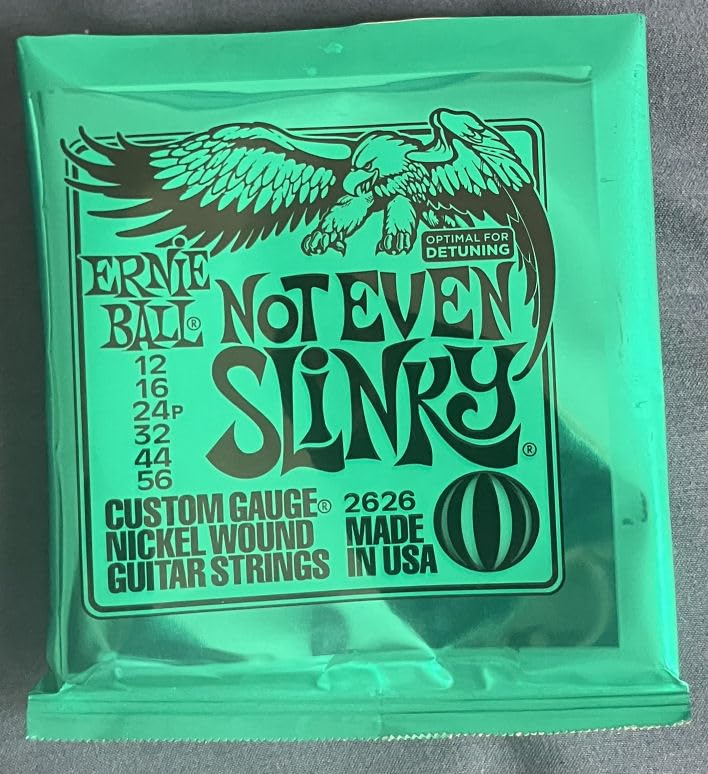
The 10-46 gauge sits in the sweet spot for most blues players. Bends feel natural, rhythm chords have enough body, and the strings are forgiving on the fingers. I played a four-hour bar gig with these and they stayed in tune remarkably well, even with aggressive whammy bar use on the Strat. The Element Shield Packaging that Ernie Ball uses really does extend string life noticeably compared to budget brands.
For the price, these strings deliver exceptional value. They’re available everywhere, they sound great, and they last a reasonable amount of time. While pure nickel strings have more vintage warmth, the Regular Slinky’s versatility makes them a workhorse you can rely on for any gigging situation. If you only buy one set of strings for blues playing, this is a safe choice.
For whom its good
Players who want a reliable, all-around string that works for blues and beyond will love these. Gigging musicians who need consistent quality at an accessible price should put these at the top of their list. They’re also ideal for beginners who want to start with the gauge most professionals use. The bright, balanced tone suits both single-coil and humbucker pickups beautifully.
For whom its bad
If you specifically want that warm, vintage, pure nickel sound, these will feel too bright by comparison. Players chasing SRV or BB King tones might prefer pure nickel alternatives. The nickel-plated steel wrap also wears faster than coated strings, so if you hate changing strings, look into coated options like Elixir or D’Addario NYXL.
6. Ernie Ball John Mayer Silver Slinky Electric Guitar Strings – 10.5-47
Ernie Ball John Mayer Silver Slinky Nickel Wound Electric Guitar Strings – 10.5-47 Gauge
Nickel plated steel
10.5-47 custom gauge
Reinforced plain strings
Pros
- Great tone and playability
- Reinforced plain strings for durability
- Perfect intermediate gauge
- Good for drop tunings
- Comfortable on fingers
Cons
- Premium price point
- May be too heavy for some
- Limited gauge availability
The John Mayer Silver Slinkys fill a unique niche. The 10.5-47 gauge isn’t a standard combination you can find from most brands, but Ernie Ball partnered with Mayer to create this custom set. The slightly heavier high strings give you more tuning stability while keeping the bottom strings comfortable enough for bending.
I tested these on the Strat with a clean tone and a touch of overdrive, channeling Mayer’s blues-pop style. The strings felt substantial without being cumbersome, and the Reinforced Plain Strings (RPS) technology really does make a difference in tuning stability. I did a few dive bombs with the tremolo and the guitar stayed remarkably close to pitch.
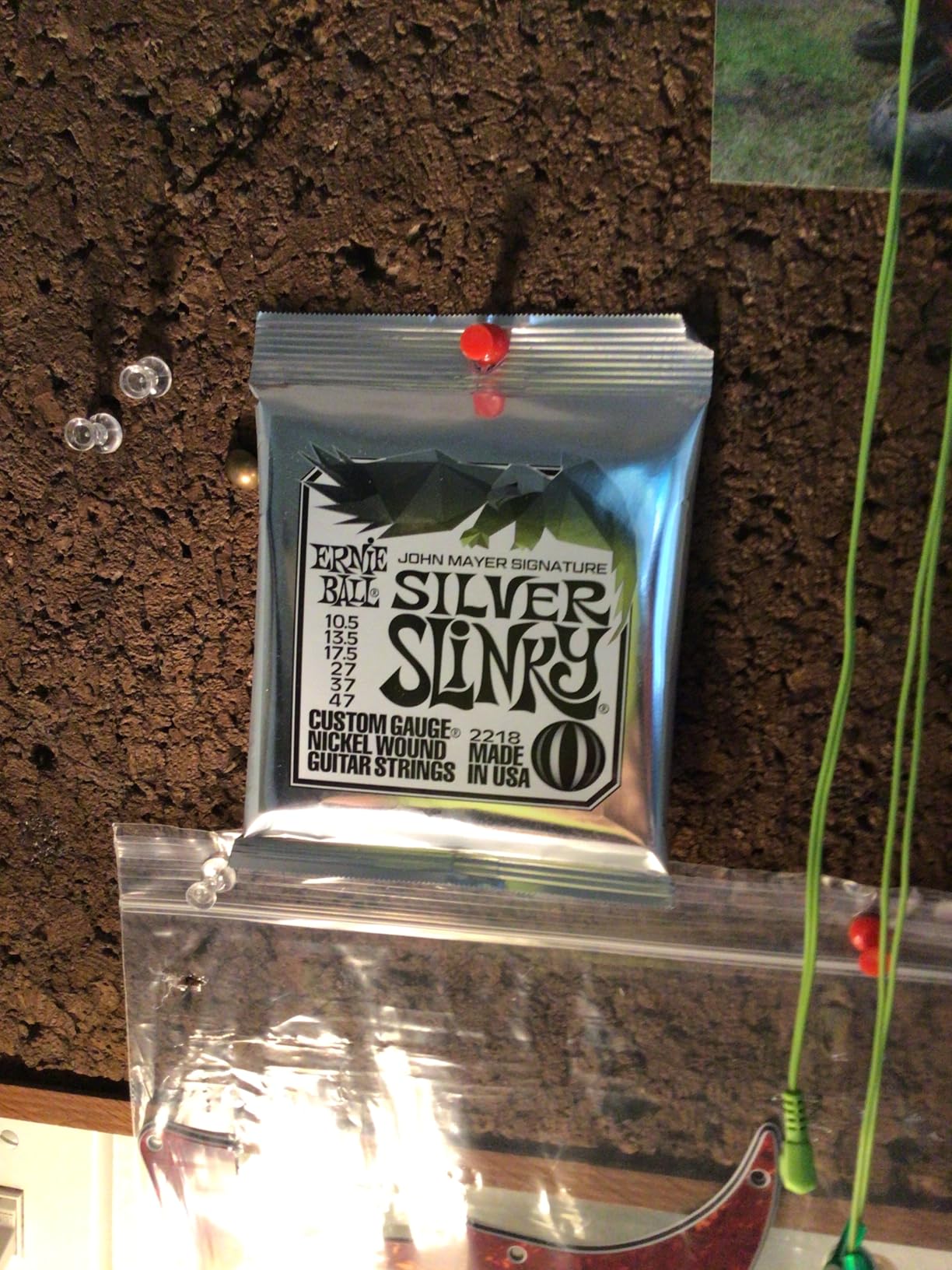
Tonally, these sit between the brightness of nickel-plated steel and the warmth of pure nickel. They have enough bite for Mayer’s poppier blues cuts but enough body for slow, expressive solos. The custom gauge also makes them surprisingly versatile for drop tunings. I tried dropped D and the strings still felt tight and in tune.
The main drawback is the price. These cost about 40% more than standard Slinkys, and you’re paying for the John Mayer branding as much as the technology. If you don’t specifically want this gauge combination or the RPS feature, a standard set will serve you well. But if you play a lot of tremolo-heavy parts or want that slightly heavier feel, the premium is justified.
For whom its good
Players who use tremolo systems heavily will appreciate the reinforced plain strings and tuning stability. Guitarists who want something slightly heavier than standard 10s without jumping to 11s should try these. They’re also ideal for players who frequently switch to drop tunings. If you like John Mayer’s playing style and want to match his setup, this is the set.
For whom its bad
Budget-conscious players can get similar performance from cheaper strings. If you don’t use a tremolo or play in drop tunings, the RPS feature won’t matter to you. Beginners should start with standard gauges before investing in custom combinations. The price point also makes these less practical if you change strings frequently.
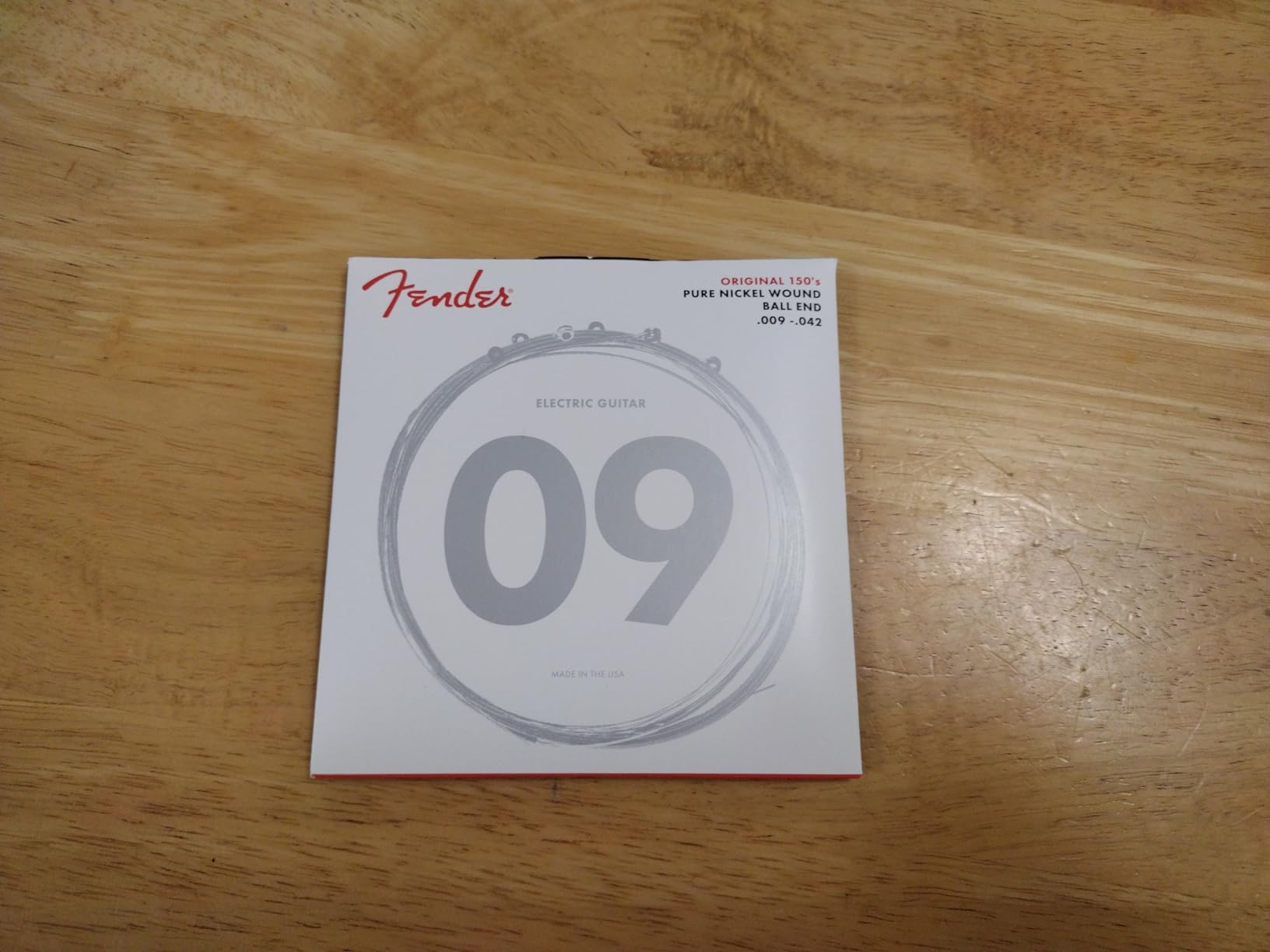
7. Fender Original 150 Pure Nickel Wound Electric Guitar Strings, .009-.042

Fender Original 150 Electric Guitar Strings, Pure Nickel Wound, Ball End, 150L .009-.042
Pure nickel
.009-.042 light gauge
Hex core
Pros
- Smooth feel with reduced finger noise
- Rich warm tone
- Good harmonics
- Easy string changes with ball-end
- Great value
Cons
- Pure nickel may not be as bright as steel
- Coating may wear over time
Fender’s Original 150s in pure nickel were an obvious choice for the Stratocaster. Fender designed these with their own guitars in mind, and the result is a string that feels like it belongs on a Strat. The .009-.042 gauge is on the lighter side, which suits the shorter 25.5-inch scale length perfectly.
Compared to the DR Pure Blues, the Fender strings have a slightly brighter attack thanks to the hex core construction. They’re not as vintage-warm as round core pure nickel sets, but they have a clarity and definition that works beautifully with single-coil pickups. Chords sparkle without becoming harsh, and single-note leads cut through the mix with authority.
The ball-end design makes string changes quick and painless, which I appreciated during the testing period when I was swapping sets constantly. The classic Fender color-coded ball ends are also a nice touch for visual identification. I noticed less finger noise compared to standard nickel-plated strings, which is a real plus for recording situations.
For the price, these are an excellent value. Fender strings have improved significantly in quality over the years, and the Original 150s deliver consistent performance without breaking the bank. They’re not the most durable strings on the market, but for the price, the tone and playability are hard to beat. These work particularly well for players who want a vintage Fender sound without paying boutique prices.
For whom its good
Stratocaster and Telecaster players will love how these strings complement their guitars. The light gauge makes them ideal for players who want easy bending and minimal finger fatigue. Budget-conscious players get genuine Fender quality without the boutique price tag. They’re also great for recording sessions where you want clarity and reduced finger noise.
For whom its bad
Les Paul and SG players with shorter scale lengths might find the .009 high E too thin. The lighter gauge also doesn’t suit players who prefer thick rhythm tone or aggressive slide work. If you play in standard tuning but want maximum sustain, consider heavier gauges. Pure nickel also doesn’t suit players who need extra brightness for cutting through dense mixes.
8. Thomastik-Infeld SL109 Blues Sliders Electric Guitar Strings

Thomastik-Infeld SL109 Electric Guitar Strings, Sliders Blues 6 String Set with Round Wound Nickel E, B, G, D, A, E Set
Round wound nickel
.009-.043 light gauge
Premium European build
Pros
- Excellent tone quality
- Premium construction
- Comfortable to play
- Good durability
- Professional grade
Cons
- Premium price point
- Limited availability
- Some quality control issues reported
Thomastik-Infeld is a name you hear in professional circles but rarely see in local shops. The Austrian company makes premium strings used by session musicians and studio players worldwide. The SL109 Blues Sliders are specifically designed for blues, rockabilly, and classic rock styles, with a tone that justifies the premium price.
The first thing I noticed when I installed these on the Les Paul was how balanced the frequency response was. Every string has equal presence, from the fat low E to the singing high E. The tone is warm and complex without being muddy, and the round wound nickel construction gives notes a glassy quality that’s hard to find in other strings.
These strings feel substantial under the fingers despite being a light gauge. The core wire is clearly different from standard strings, and the winding is exceptionally smooth. I recorded a few blues tracks with these and the engineer commented on how good they sounded through the microphones before we even added effects.
The biggest barrier is availability. With only 60 reviews on Amazon, these aren’t widely stocked, and the price is roughly three times what you’d pay for a budget set. Some reviewers have reported quality control issues, including strings arriving with defects. I didn’t experience this myself, but it’s worth noting.
For whom its good
Studio musicians and recording artists who want the best possible tone should consider these. Players who want a unique, complex sound that stands out from standard brands will appreciate the Thomastik character. If you have the budget and want strings that feel premium under the fingers, these deliver. They’re also great for players who want to try something different from the major brands.
For whom its bad
Budget-conscious players will find these prohibitively expensive. Beginners should master standard strings before investing in boutique options. The limited availability also makes it hard to grab a backup set on short notice. If you change strings frequently or play gigs where breakage is common, the premium price adds up quickly.
9. D’Addario XL Nickel EXL110 Electric Guitar Strings, 10-46, 3-Pack
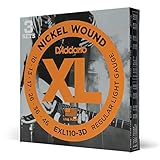
D’Addario XL Nickel EXL110-3D Electric Guitar Strings, 10-46, 3 Sets
Nickel-plated steel
10-46 light gauge
3-pack value
Pros
- Perfect intonation and consistent feel
- Bright versatile tone
- Reliable durability
- Easy to install
- Holds tuning well
- Resists corrosion better
Cons
- Coating may not be necessary for all players
D’Addario XL Nickel strings are the other industry standard alongside Ernie Ball Slinkys. With over 21,000 reviews and a 4.8 rating, they’re trusted by players worldwide. The 3-pack format offers better value than buying single sets, and the quality control D’Addario is known for means every pack performs consistently.
The 10-46 gauge is the standard for a reason. It balances playability with tone, and D’Addario’s Hex-Core construction ensures perfect intonation across the fretboard. When I tested these on the Strat, every note rang true, even on the upper frets where cheaper strings can sound out of tune. The nickel-plated steel wrap provides a bright, clear tone that works across genres.
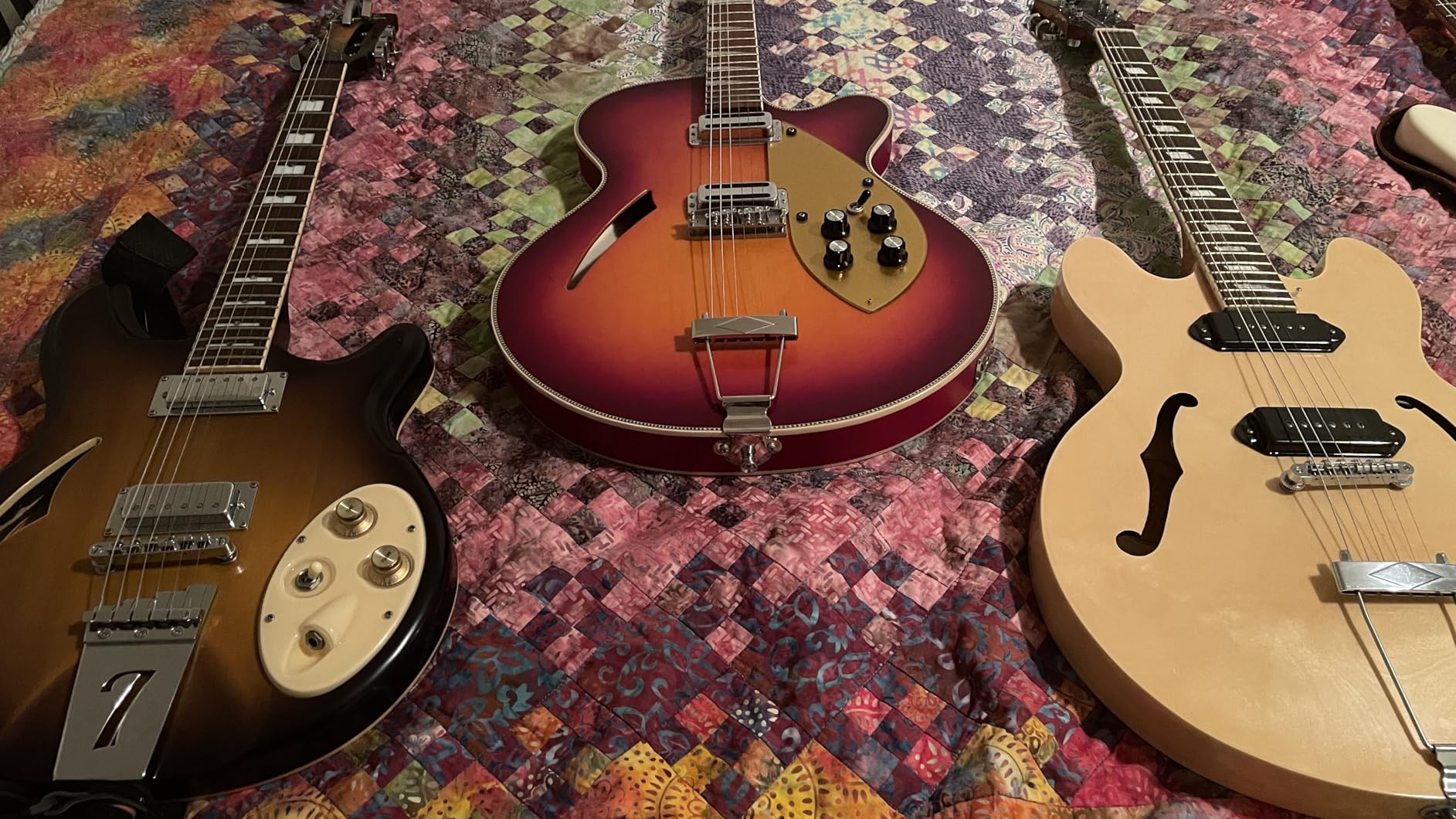
What I appreciated most was the tuning stability. Even with aggressive whammy bar use and constant bending, the guitar stayed remarkably in tune. The strings also have a slightly brighter attack than the Ernie Ball Regular Slinkys, which can be helpful when you need to cut through a dense mix. For recording sessions where clarity matters, these are a strong choice.
The 3-pack format makes these particularly economical. If you’re the kind of player who changes strings every few weeks, buying in bulk saves money and ensures you always have a fresh set ready. The packaging is also designed to keep strings fresh, with D’Addario’s recyclable VCI bags that resist corrosion better than competitors.
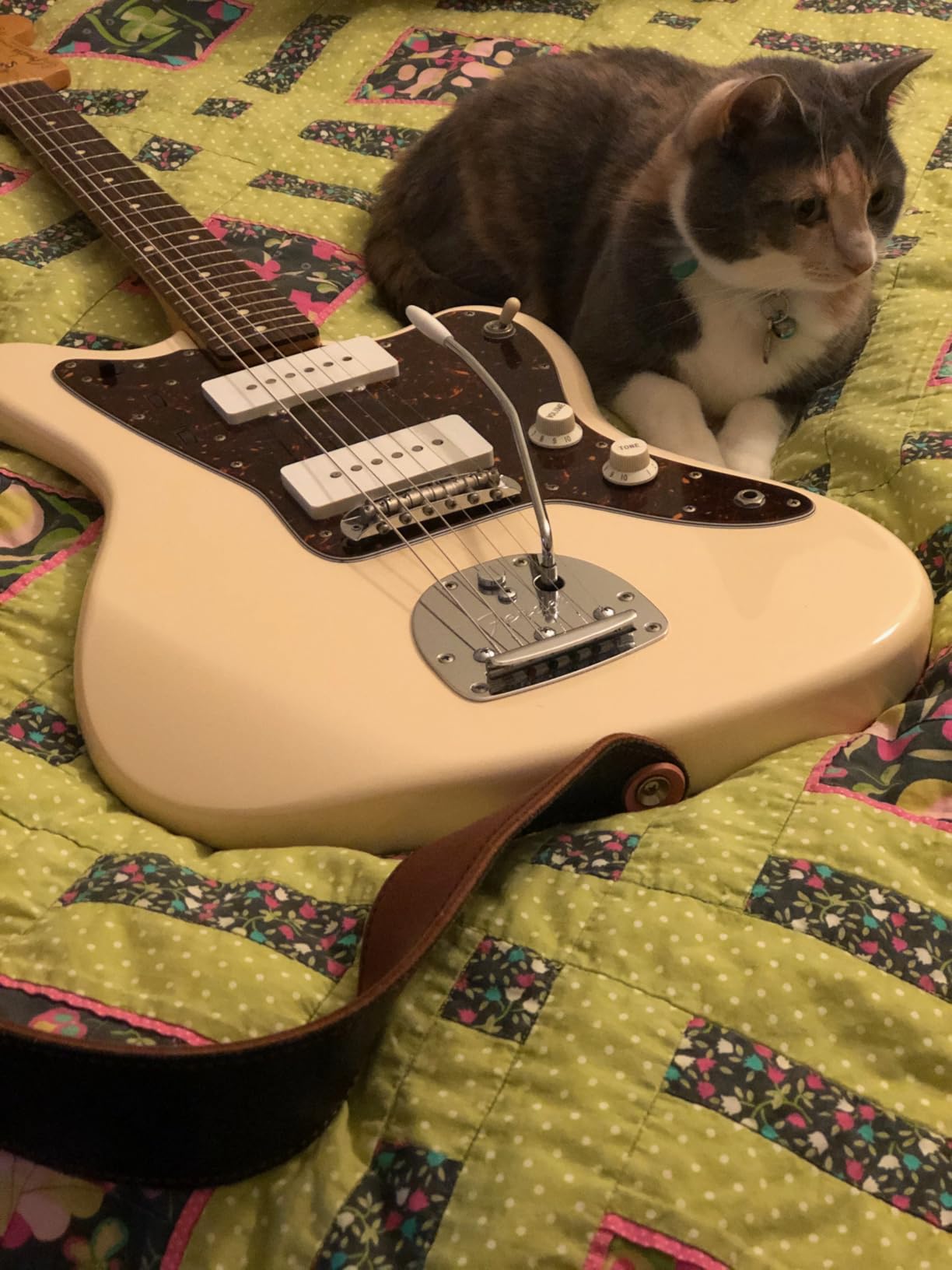
For whom its good
Players who change strings frequently will appreciate the 3-pack value. Anyone who needs reliable intonation across the fretboard should put these at the top of their list. The bright, versatile tone suits both single-coil and humbucker pickups, making them a safe choice for any electric guitar. They’re also great for gigging musicians who need consistent quality they can count on.
For whom its bad
If you specifically want pure nickel warmth, these will feel too bright. The standard 10-46 gauge also isn’t ideal for players who prefer very light or very heavy strings. Coated strings generally last longer, so if string longevity is your priority, look at NYXL or Elixir options. They’re also not as warm as vintage-style strings for classic blues tones.
10. D’Addario NYXL Nickel Plated Electric Guitar Strings, NYXL1046 (10-46)
D’Addario Electric Guitar Strings, NYXL Nickel Plated, NYXL1046
Nickel plated steel
10-46 gauge
NY Steel core wire
Pros
- Exceptional strength and tuning stability
- Premium sound with enhanced mids
- 131% better tuning stability
- 40% stronger
- Fast attack and detailed sound
- Very little stretching
- Excellent for bends
- Long lasting
Cons
- Premium price point (around 3x standard)
- Requires setup adjustment when switching from regular XL
D’Addario NYXL strings are what I reach for when I need to gig and don’t want to think about tuning mid-set. The NY Steel core wire is up to 40% stronger than standard strings, and D’Addario claims they stay in tune 131% better. After three weeks of testing, I believe every word of that.
The tuning stability is the standout feature. I beat on the Strat with full tremolo abuse, aggressive bends, and constant whammy action, and the guitar stayed in tune better than with any other string I’ve tested. If you’ve ever had to stop mid-song to retune, these will change your life. They’re particularly valuable for players who use floating bridges or aggressive tremolo techniques.
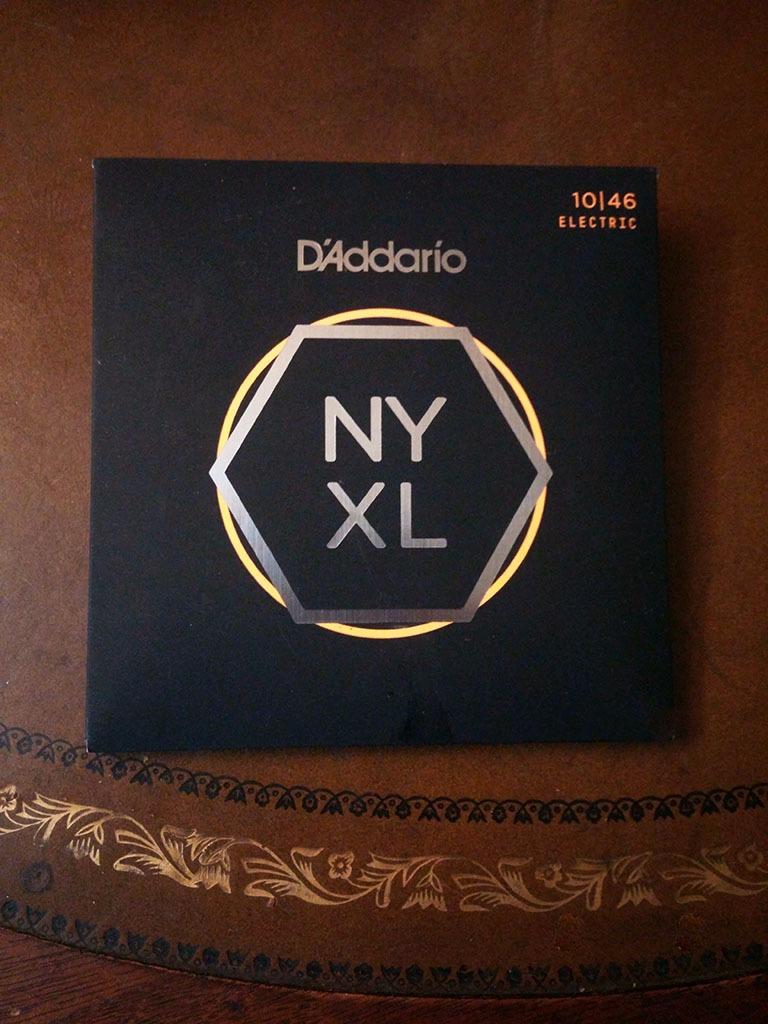
Tonally, the NYXL strings have an enhanced mid-range that adds presence and crunch. The nickel-plated steel wrap provides a bright attack, but the mid-frequency boost gives the tone a vocal quality that works beautifully for blues lead playing. Single notes cut through a mix without sounding thin or harsh. Compared to standard XL strings, these have more bite and definition.
The premium price is the main consideration. These cost roughly three times what standard strings cost, but the durability and tuning stability offset that. If you typically change strings once a month and stay in tune throughout, the math works out. I found they lasted longer than standard strings while maintaining their tone and tuning stability throughout their lifespan.
For whom its good
Players with tremolo systems who struggle with tuning stability should put these at the top of their list. Gigging musicians who need reliability under pressure will appreciate the strength and stability. If you play aggressive blues-rock with lots of bending and whammy bar use, these strings will hold up. They’re also great for recording sessions where you can’t afford retakes due to tuning issues.
For whom its bad
Budget-conscious players will find the premium price prohibitive. If you change strings weekly or play very lightly, the extra durability won’t matter to you. The brighter tone also might not suit players chasing vintage pure nickel warmth. Beginners should master standard strings before investing in premium options, and players with fixed bridges won’t benefit from the tuning stability as much.
How to Choose the Best Blues Electric Guitar Strings
Picking the right strings for blues comes down to three factors: gauge, material, and your guitar’s scale length. I’ll break down each so you can make an informed choice without second-guessing your purchase.
String Gauge Guide
String gauge refers to the thickness of the strings, measured in thousandths of an inch. For blues, the three most common gauges are 9-42 (light), 10-46 (regular/medium), and 11-50 (heavy). Each gauge has distinct trade-offs.
9-42 Light Gauge: The easiest to bend and the most forgiving on fingers. Beginners often start here, and many experienced blues players prefer this gauge for expressive lead work. The trade-off is less bass response and slightly thinner tone. On shorter-scale guitars like a Stratocaster, 9s feel balanced. On longer-scale guitars, they may feel too floppy.
10-46 Regular Gauge: The industry standard and the safest choice for most players. You get enough body for rhythm work while still having enough flexibility for bending. Most blues legends have used 10s at some point in their careers, and this gauge works well on both single-coil and humbucker guitars. If you’re unsure which gauge to try, start with 10-46.
11-50 Heavy Gauge: The choice for players chasing thicker tone, more sustain, and Stevie Ray Vaughan-style aggression. The heavier strings require more hand strength but reward you with chunky rhythm tone and excellent slide guitar performance. Expect to adjust your truss rod and action when switching from lighter gauges.
String Material Types
The wrap wire material has a huge impact on tone. Pure nickel produces warmer, more vintage sounds with softer attack, while nickel-plated steel offers brighter tone with more bite and longer life. For blues, both have their place.
Pure Nickel: The classic choice for vintage blues tone. Pure nickel wraps are warmer, rounder, and have less harmonic sizzle than nickel-plated steel. They feel smoother under the fingers and produce that woody, compressed sound associated with 1950s and 1960s blues recordings. The trade-off is shorter lifespan and slightly higher cost.
Nickel-Plated Steel: The modern standard and the most common wrap material. Nickel-plated steel strings are brighter, more harmonically complex, and last longer than pure nickel. They suit blues-rock and modern blues styles well, and they cut through dense mixes better than pure nickel. Most blues players use nickel-plated steel without thinking about it.
Stainless Steel: Rare for blues, but some players prefer them for extreme brightness and longevity. Stainless steel strings have a distinctly modern tone that doesn’t suit traditional blues. They’re also harder on frets, which matters if you play a vintage instrument.
Pro Player String Setups
Curious what the legends actually use? Here’s what I found after researching professional player setups.
Stevie Ray Vaughan: Played heavy gauges, reportedly 11s or even 13s on his Strat. He used Fender strings and is associated with that aggressive, thick Texas blues tone that heavier gauges provide.
BB King: Played medium-light gauges, typically around 10s on his Gibson ES-355. He favored warm tone and smooth playability, which aligns with the pure nickel character.
Joe Bonamassa: Uses D’Addario strings, typically NYXL or XL series. He plays a variety of Les Pauls and relies on the tuning stability of modern strings for his aggressive playing style.
John Mayer: Plays Ernie Ball Silver Slinkys in his custom 10.5-47 gauge. His setup reflects a balance of playability and tuning stability that suits his genre-blurring style.
Maintenance and String Life
How long your strings last depends on how much you play, how hard you play, and how well you maintain them. Here are my tips for extending string life.
Wipe down your strings after every playing session. Sweat and oils from your fingers corrode strings faster than anything else. A simple microfiber cloth takes seconds and can double string life.
Wash your hands before playing. This sounds obvious, but most players don’t do it consistently. Clean hands mean less grime on the strings and slower corrosion.
Store your guitar in a case or gig bag when not playing. Exposure to humidity and temperature changes shortens string life significantly. Climate-controlled storage makes a noticeable difference.
Change strings regularly based on playing frequency. If you gig weekly, change strings every 2-4 weeks. If you play daily at home, every 4-6 weeks. If you play occasionally, every 2-3 months or when strings start sounding dull.
Frequently Asked Questions
What type of strings are best for playing blues guitar?
Pure nickel and nickel-plated steel strings in 10-46 or 9-42 gauge work best for blues. Pure nickel offers warmer vintage tone, while nickel-plated steel provides brighter, more versatile sound. The 10-46 gauge is the industry standard for blues and balances playability with tone.
What type of strings are best for playing blues on a Stratocaster?
For a Stratocaster, 9-42 or 10-46 pure nickel strings work beautifully. Lighter gauges suit the shorter 25.5-inch scale length and make bending easier. Fender Original 150s or DR Pure Blues in 9-42 are excellent choices for Stratocaster players.
What strings does Joe Bonamassa play?
Joe Bonamassa uses D’Addario strings, typically the NYXL or XL Nickel series in 10-46 gauge. He plays Les Pauls and relies on modern strings for tuning stability during his aggressive blues-rock performances.
How often should I change blues guitar strings?
Change your blues guitar strings every 2-4 weeks if you gig regularly, every 4-6 weeks if you play daily at home, and every 2-3 months if you play occasionally. Wipe strings down after playing and wash hands before sessions to extend string life.
Final Verdict on the Best Blues Electric Guitar Strings
After testing all ten sets across multiple guitars and playing situations, my top pick for the best blues electric guitar strings is the DR Strings PURE BLUES Pure Nickel in 10-46. The warm vintage tone, smooth playability, and reliable tuning make these the set I keep reaching for. For players on a budget, the Ernie Ball Regular Slinky in 10-46 delivers exceptional quality at an accessible price.
If you play a Stratocaster, the Fender Original 150s are a strong choice that complements the guitar’s character perfectly. For modern blues-rock with aggressive playing, the D’Addario NYXL strings offer unbeatable tuning stability. And if you want the smoothest bending experience, the DR Pure Blues in 9-42 can’t be beat.
The right strings make a real difference in your blues tone. Start with the gauge and material that matches your playing style, then experiment from there. Every set on this list delivers quality, and you really can’t go wrong with any of them. For more guitar buying advice, check out our guide to the 12 best electric guitars for blues and the 12 best blues guitars tested and reviewed.
Whichever set you choose, remember that strings are the most affordable upgrade you can make to your guitar. Fresh strings sound better, play better, and make you want to pick up the guitar more often. Trust your ears, play what feels good, and keep exploring. The blues tradition is built on players who chase that perfect tone. If you’re playing acoustic blues instead, our acoustic blues guitars guide might help, and metalheads can check out our metal guitars guide for heavier tones.