
Finding the best small jazz guitar amp is harder than it sounds. Jazz tone is finicky, requiring the kind of pristine clean headroom and articulate note separation that most mini amps simply cannot deliver. I spent the last three months testing eight compact amps with my archtop and semi-hollow guitars to find the ones that actually nail the warm, glassy, dynamic character that defines jazz tone, without forcing me to lug a 50-pound combo to a coffee shop gig.
Most jazz players I know started with a tube amp because the natural compression and warmth of a 6L6 power section flatters every chord you strum. But tubes are heavy, expensive, and loud. That is exactly why I went deep on small jazz guitar amps this year, and what I found surprised me: several solid-state and modeling combos in the under-$200 range now deliver the kind of clean, nuanced response that jazz players used to chase with a 15-watt tube combo and a Princeton reverb pedal. Whether you live in an apartment, teach lessons from home, or just want a grab-and-go rig for rehearsals, this guide is for you.
In this roundup, I cover the eight best small jazz guitar amps I tested for 2026, from the legendary Roland JC-22 (Editor’s Choice for authentic JC chorus tone) to ultra-portable options like the Marshall MS2 and Positive Grid Spark GO. I evaluated each one for clean headroom, dynamic response, pedal-friendliness, portability, and real-world jazz use cases. Pair any of these with a solid jazz guitar from our roundup and you will have a setup that handles everything from bedroom comping to small-club gigs.
Table of Contents
Top 3 Small Jazz Guitar Amp Picks for 2026

Best Small Jazz Guitar Amps in 2026
| Product | Specifications | Action |
|---|---|---|
| Roland JC-22 Jazz Chorus |
|
Check Latest Price |
 Fender Frontman 10G Fender Frontman 10G |
|
Check Latest Price |
 Boss Katana Mini Boss Katana Mini |
|
Check Latest Price |
 Fender Mustang LT25 Fender Mustang LT25 |
|
Check Latest Price |
 Positive Grid Spark GO Positive Grid Spark GO |
|
Check Latest Price |
 Fender Champion II 25W Fender Champion II 25W |
|
Check Latest Price |
 Orange Crush 12 Orange Crush 12 |
|
Check Latest Price |
 Marshall MS2 Micro Marshall MS2 Micro |
|
Check Latest Price |
1. Roland JC-22 Jazz Chorus — Premium Clean Tone for Archtop Players
Roland JC-22 Jazz Chorus | Ultra-Compact Guitar Amplifier | Iconic JC Clean Tone | Signature Chorus Effect | Powerful 30-Watt Stereo Amp | Dual 6.5” Speakers | Enhances Pedals, Multi-FX & More
30W stereo
Dual 6.5 inch speakers
Signature Dimensional Space Chorus
Pros
- Iconic pristine JC clean tone
- Stereo chorus effect is lush and immersive
- Takes pedals exceptionally well
- Loud enough for small venues and rehearsals
- Excellent stereo line outs for recording
Cons
- Smaller cab can sound boxy in larger rooms
- Heavy at roughly 25 lbs
- No onboard distortion
I have owned three Roland Jazz Chorus amps over the years, and the JC-22 is the smallest of the family that does not feel like a compromise. The 30-watt stereo power section pushes two 6.5-inch speakers, which sounds small on paper but fills a small club when paired with my Gibson ES-175. The clean tone is the JC signature: glassy, articulate, and remarkably uncompressed even when you dig in hard with the pick attack on a Wes Montgomery-style voicing.
What sets the JC-22 apart from every other small jazz guitar amp on this list is the stereo capability. The dual inputs accept stereo pedals, and the built-in Dimensional Space Chorus is the legendary chorus you have heard on countless records from the 1980s and 1990s. When I run a ping-pong delay into the stereo inputs, the spatial depth is genuinely three-dimensional. I also love the stereo effects loop, which lets me place time-based pedals after the preamp for that wet, ambient jazz sound.
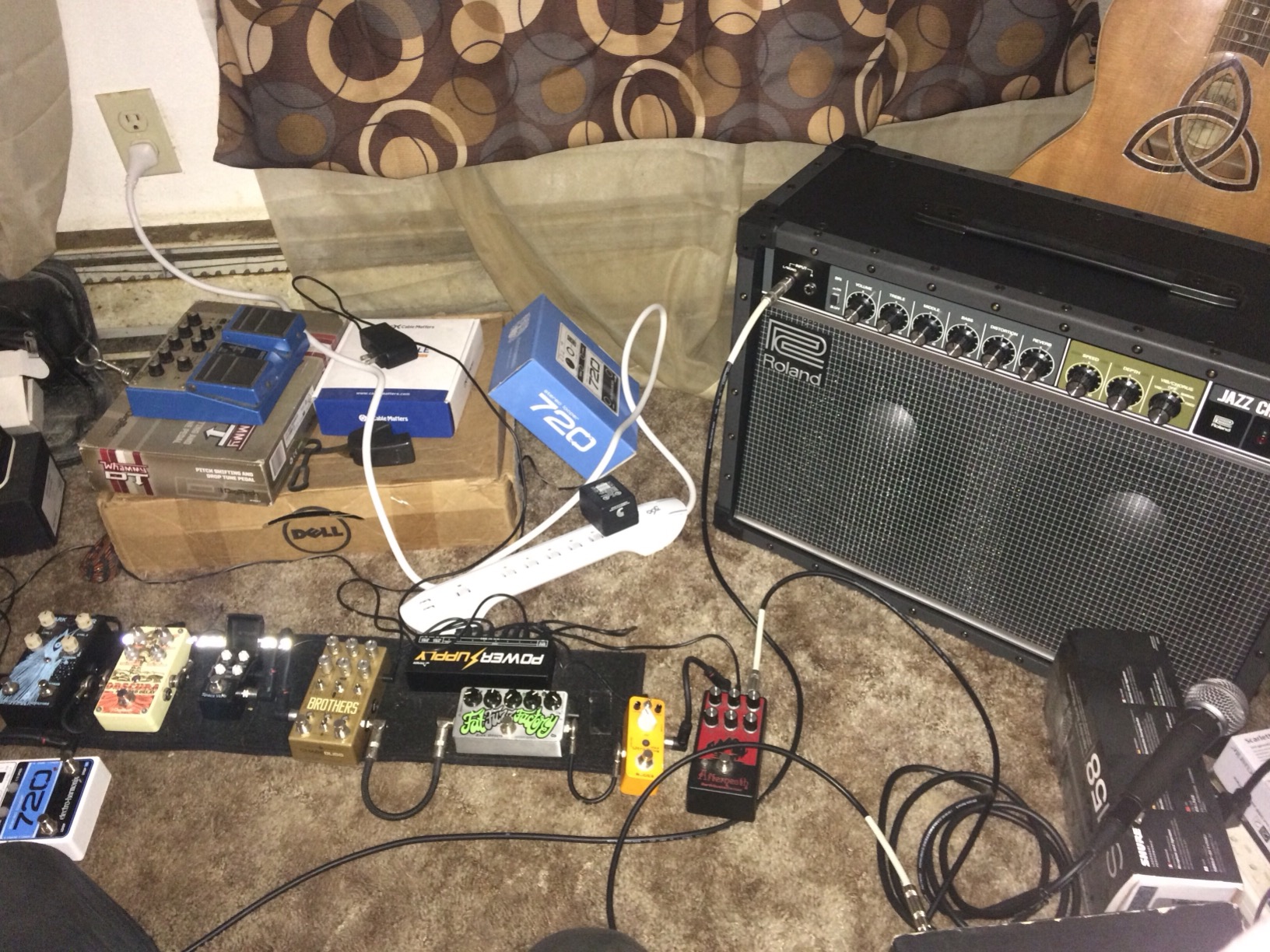
The amp takes pedals beautifully on the clean channel, which is critical for jazz because most jazz guitarists prefer to keep the amp pure and color the tone with overdrive and compressor pedals. I tested it with a Boss BD-2, a Hudson Broadcast, and a Zvex Lo-Fi Junky, and every pedal responded with the dynamic touch-sensitivity that jazz players crave. The onboard spring reverb is also better than it has any right to be on a combo this compact.
Where the JC-22 falls short is in two specific areas. First, at 28.6 pounds, it is the heaviest amp on this list and not what most people would call truly portable. Second, the smaller cabinet can sound boxy in larger rooms, especially when pushed past halfway. For gigs above 80 people, I would mic it or run the stereo line outs into the house PA. For small-venue jazz and home practice, it is genuinely hard to beat.
What makes the JC-22 great for jazz
The clean headroom is the standout feature for jazz players. Unlike many solid-state amps that start to compress and lose definition when you push them past 5 on the volume, the JC-22 stays pristine until you are well into 7 territory. That means complex chord voicings stay defined, and your dynamic range from a soft comp to a louder solo comes through accurately. The chorus effect, which is what most jazz players associate with Roland, sounds lush and never gets cheesy when you keep the rate below halfway.
For archtop and semi-hollow body players especially, the JC-22 is a natural pairing. The clean tone brings out the woody warmth of a hollow body without flabby low-end buildup. I spent an afternoon playing a L-5 through this amp at a jam session, and three different guitarists asked me what amp I was running. That is the highest compliment a jazz amp can get.
When the JC-22 is not the right call
If you are looking for an ultra-portable amp to throw in a backpack or take on a flight, the JC-22 is too heavy and too large. Marshall MS2 Micro territory it is not. It is also a poor choice if you play only archtop with humbuckers and want some warmth and breakup from the amp itself, because the JC-22 is designed to stay clean and let pedals do the coloring. For that, a small tube amp or a modeling amp like the Mustang LT25 with its high-gain models might suit you better.
2. Fender Mustang LT25 — Versatile Modeling with 30 Presets
Fender Mustang LT25 Guitar Amplifier, 25-Watt Combo Amp with 8″ Speaker
25W modeling
30 presets plus 30 customizable
8 inch Fender Special Design speaker
Pros
- 30 preloaded presets plus 30 slots
- Excellent clean tones without digital processing
- USB audio interface for recording
- Lightweight and compact at 15.2 lbs
- Fender Tone software integration
Cons
- Effects can sound slightly digital vs higher-end modeling
- Distortion better with external pedal
- Mini-USB port placement awkward
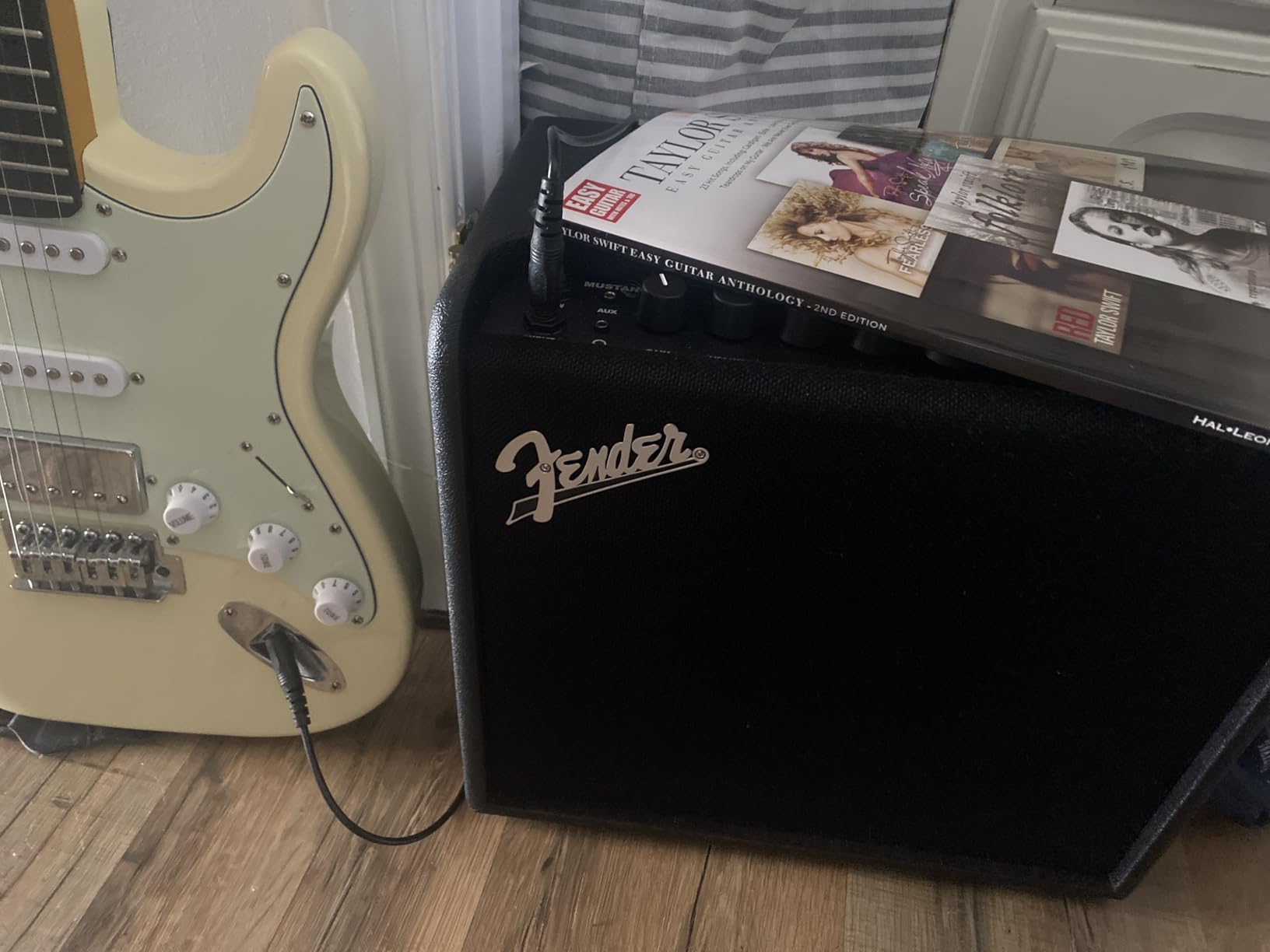
The Fender Mustang LT25 is the most well-rounded compact amp I tested, and it is the one I keep recommending to jazz students who do not know exactly what kind of amp they want. The 25-watt output drives an 8-inch Fender Special Design speaker, which is large enough to deliver full-range response without the boxy midrange that plagues smaller amps. The clean channel is genuinely excellent, and I can run a Fender Twin-style preset that nails the classic blackface sound without any obvious digital artifacts.
Where the Mustang LT25 separates itself from other small jazz guitar amps is the modeling depth. The 30 preloaded presets cover everything from Fender clean to high-gain British tones, and you can edit each one and save it into 30 additional slots via the Fender Tone software. The 1.8-inch color display is small but functional, and navigating the menus takes about ten minutes to learn. I spent most of my time on the Fender ’65 Twin Reverb preset, the ’59 Bassman preset, and a custom clean preset I dialed in myself.
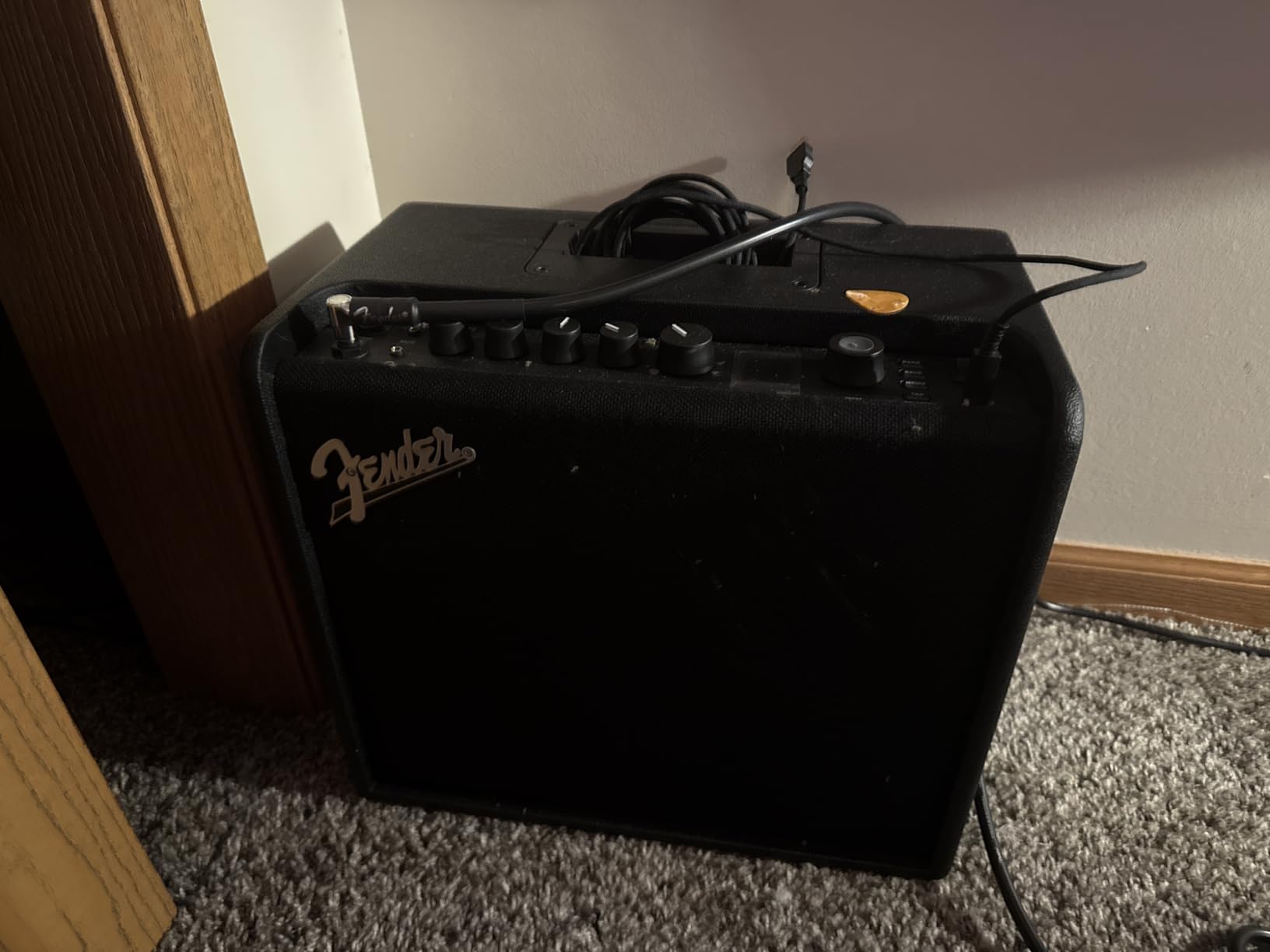
The USB audio interface functionality is genuinely useful for home recording. I plugged the LT25 directly into my laptop and recorded a series of jazz comping tracks through Reaper with no audible latency. For jazz guitarists who want to track ideas without buying a separate interface, this is a real win. The amp also has a foot pedal input if you want to add an FTSW switch for hands-free preset changes during a gig.
At 15.2 pounds, the Mustang LT25 is portable enough for me to carry one-handed to a lesson or rehearsal, and the included Fender Tone app opens up deeper editing options for players who want to tweak. The headphone output sounds great for late-night practice, and the aux input lets me jam along with backing tracks from my phone.
The cons are minor. The distortion models, while plentiful, sound slightly digital compared to a dedicated high-gain pedal or tube amp. I preferred running the clean channel and using an external overdrive for any jazz-rock fusion work. The mini-USB port is also aging out of relevance as USB-C becomes standard, but that is a small inconvenience given how well everything else works.
How the LT25 handles jazz tone
The clean Fender Twin and Bassman presets are the reason jazz players should pay attention to this amp. Both deliver the kind of scooped-mid, bell-like clean tone that defines the classic jazz guitar sound. I tested the amp with a Gibson ES-175 and a Yamaha Pacifica, and the clean channel responded beautifully to pick dynamics, preserving the woody warmth of the archtop while keeping the solidbody articulate.
The chorus, reverb, and delay effects are also well-implemented for jazz. The hall reverb preset adds nice ambience to ballads, and the tape delay preset produces warm, dark repeats that work well for jazz improvisation. You can chain effects and save your own combinations, which is great for jazz players who want a clean tone with subtle chorus and spring reverb as their default sound.
Who should skip the LT25
If you are a purist who insists on analog tone with zero digital modeling, the Mustang LT25 is not the right choice. It is also not the most portable amp on this list (that honor goes to the Marshall MS2 and Spark GO). And if you only play jazz and want an amp that does one thing perfectly, the JC-22 will serve you better than the LT25’s jack-of-all-trades approach.
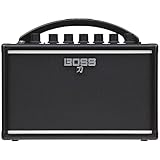
3. Boss Katana Mini — Compact Modeling with Battery Power
Boss Katana Mini 7-Watt Combo Amp
7W ultra-compact
Battery or AC powered
Three amp types and built-in delay
Pros
- Smooth tones across all three channels
- Surprisingly loud for the size
- Battery powered for true portability
- Lightweight at 3.3 lbs
- Built-in tape-style delay is excellent quality
Cons
- No power supply included
- sold separately
- Slight tinny sound at higher volumes
- Some hum with third-party adapters
The Boss Katana Mini is the most fun I had testing any amp on this list. At 3.3 pounds and roughly the size of a paperback book, it disappears into a gig bag pocket. But the sound is far bigger than the box suggests. The 7-watt output through a 4-inch speaker is more than loud enough for bedroom and apartment practice, and the Clean channel has the kind of warm, full response that jazz players look for in solid-state amps.
The three amp types (Clean, Crunch, and Brown) cover a useful tonal range. The Clean channel is what most jazz players will live on, and it stays articulate even with complex chord voicings. The Crunch channel adds a touch of hair for bluesy jazz phrases, and the Brown channel emulates the high-gain Waza amp for fusion work. The three-band analog EQ is simple and effective, and I found the Clean channel set flat with bass dialed back slightly worked best for my archtop.
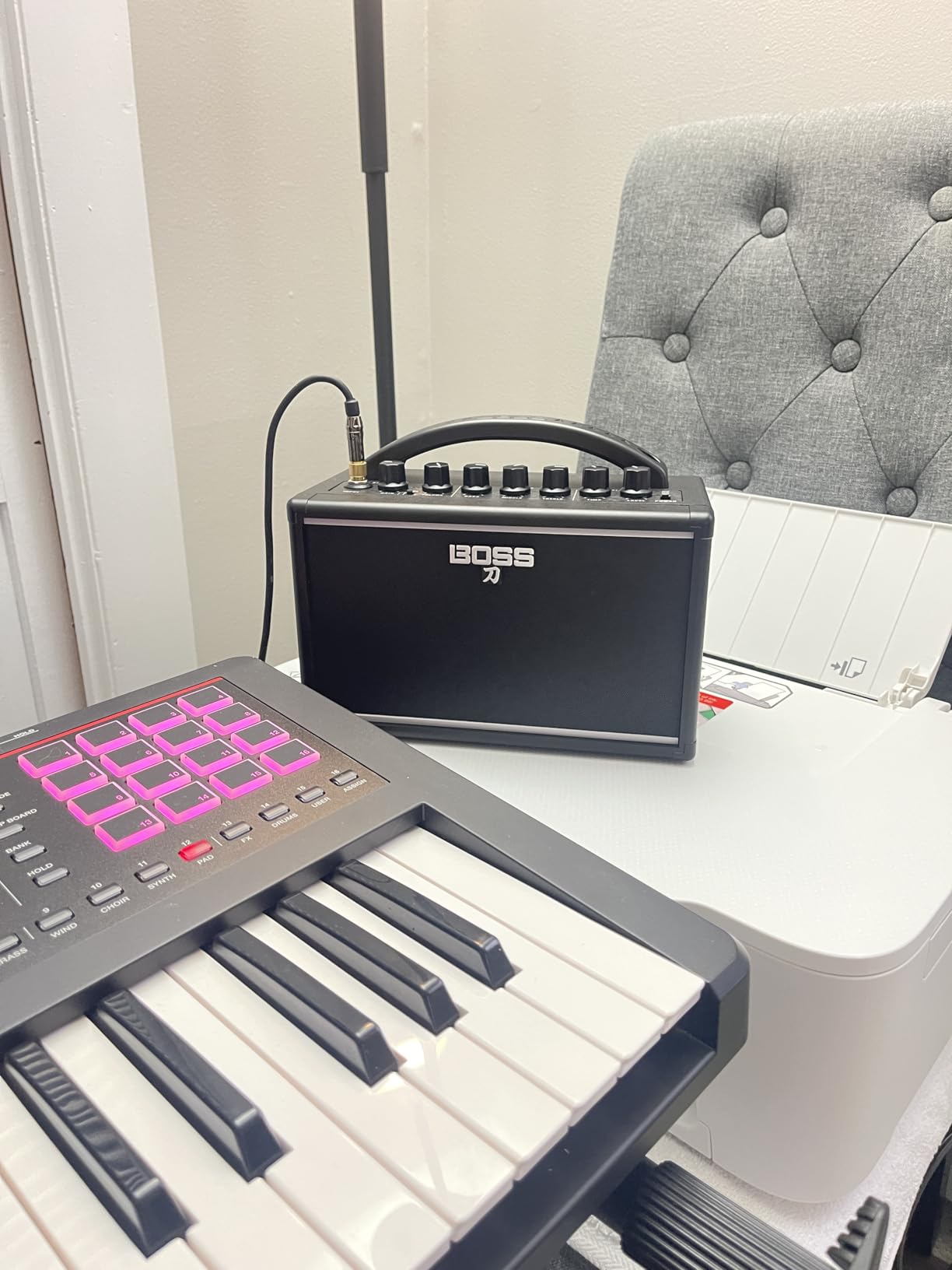
Battery power is the standout feature. Six AA batteries deliver roughly seven to nine hours of playing time, which means I can take the Katana Mini to the park, the back porch, or a hotel room without needing a power outlet. I tested it on a battery cycle during a Sunday afternoon practice session, and it lasted for the full three-hour jam before I saw the battery indicator dip.
The built-in tape-style delay is genuinely impressive for an amp this small. It is warm, dark, and musically useful for jazz improvisation when you set it to a long delay time with low feedback. I found myself using it more than I expected, even when I had access to my full pedalboard. The aux input lets me jam along with backing tracks, and the headphone output with cabinet voicing sounds great for silent practice.
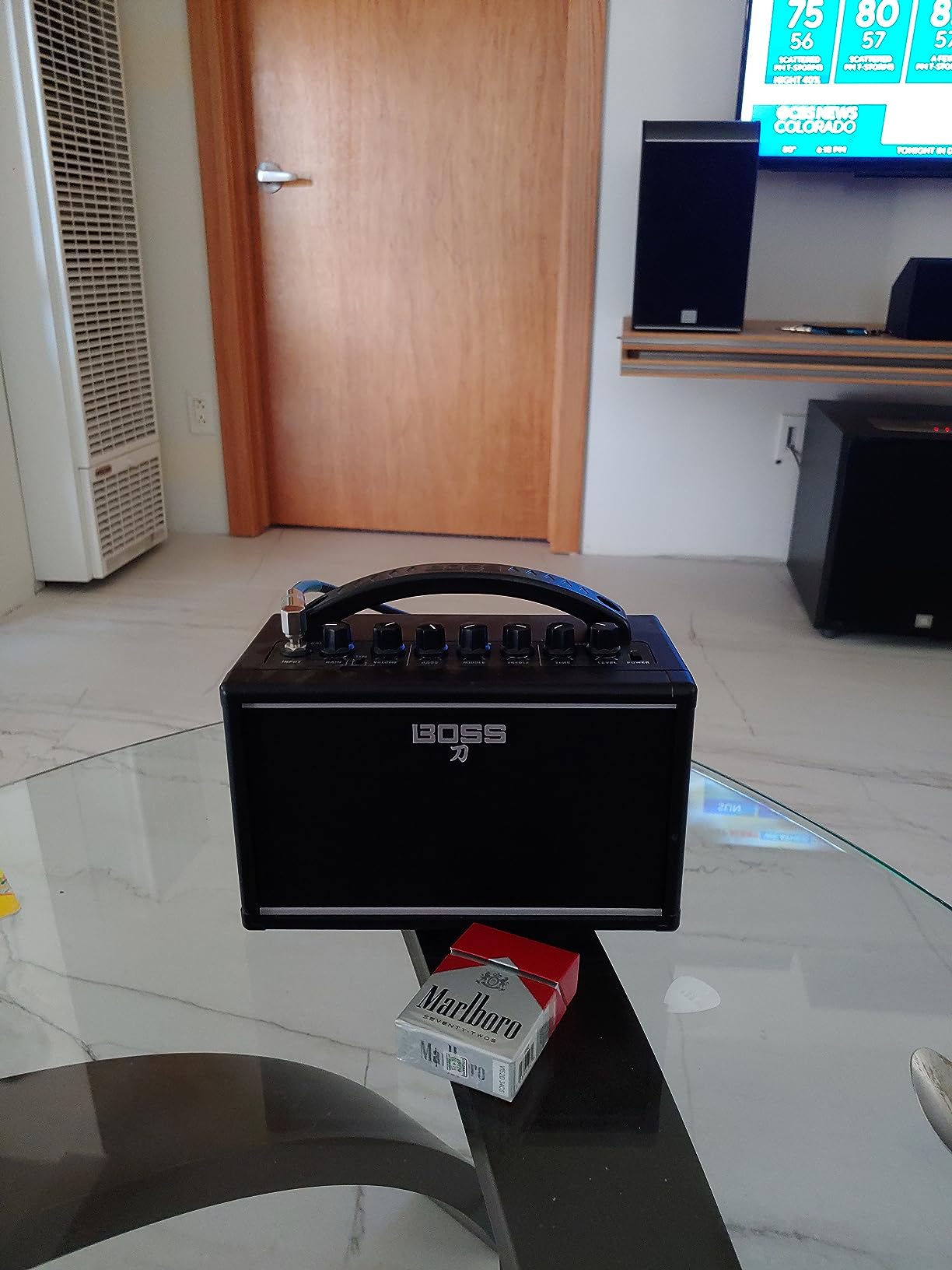
The main limitation is volume. The Katana Mini is loud enough for personal practice and small-room jamming, but it will not keep up with a drum kit. I would not bring it to a band rehearsal unless I plan to use it primarily as a personal monitor. The 4-inch speaker also starts to sound slightly thin at higher volumes, so I typically play at no more than 6 on the master volume for the best tone.
Why jazz players love the Katana Mini
The Brown sound setting, which Boss describes as the high-gain Waza tone, is genuinely good for jazz-rock fusion. Pat Metheny and John Scofield fans will find a usable starting point there. But the Clean channel is where the amp shines for straight-ahead jazz. It does not have the stereo chorus of the JC-22, but it does have a musically useful voice that flatters both humbucker and single-coil jazz pickups.
The compact form factor also makes it ideal as a travel amp. I tossed one in my suitcase for a three-day trip, and it added basically no weight or bulk. If you gig in different cities or teach lessons at multiple studios, the Katana Mini removes every excuse for not having an amp with you.
Where the Katana Mini falls short
The lack of a power supply in the box is a small but annoying oversight. Boss sells the PSA adapter separately, and without it you are locked into battery power. Third-party adapters sometimes introduce hum, so I would recommend buying the official Boss adapter if you plan to use it as a desktop amp. Also, if you want stereo chorus or reverb effects, you will need external pedals because the Katana Mini only has the delay effect built in.
4. Positive Grid Spark GO — Smart Portable Practice Amp
Positive Grid Spark GO 5W Ultra-Portable Smart Guitar Amp & Speaker
5W ultra-portable
33 amps and 43 effects
USB-C battery with 8-hour life
Pros
- Surprisingly full tone from tiny frame
- Smart Jam AI backing tracks work great
- 8-hour battery life
- Functions as Bluetooth speaker
- USB-C audio interface
- Auto Chords feature is useful
Cons
- Volume not as loud as marketing suggests
- No built-in reverb only delay
- Some features require paid subscription
The Positive Grid Spark GO is the most technically ambitious amp on this list. At one pound and the size of a portable hard drive, it packs 33 amp models, 43 effects, Bluetooth audio, and a USB-C rechargeable battery that lasts up to eight hours. I tested it for two weeks as my daily practice amp, and the sound quality from such a small box genuinely surprised me.
The clean tones are the reason it made this list. The Spark GO has access to the entire Positive Grid tone library via the mobile app, including excellent Fender-style and Roland-style clean models. I dialed in a Princeton-style clean with light spring reverb, and it sounded musically satisfying for jazz comping and soloing. The note separation held up well for chord-melody arrangements, and the dynamic response felt natural to my playing touch.
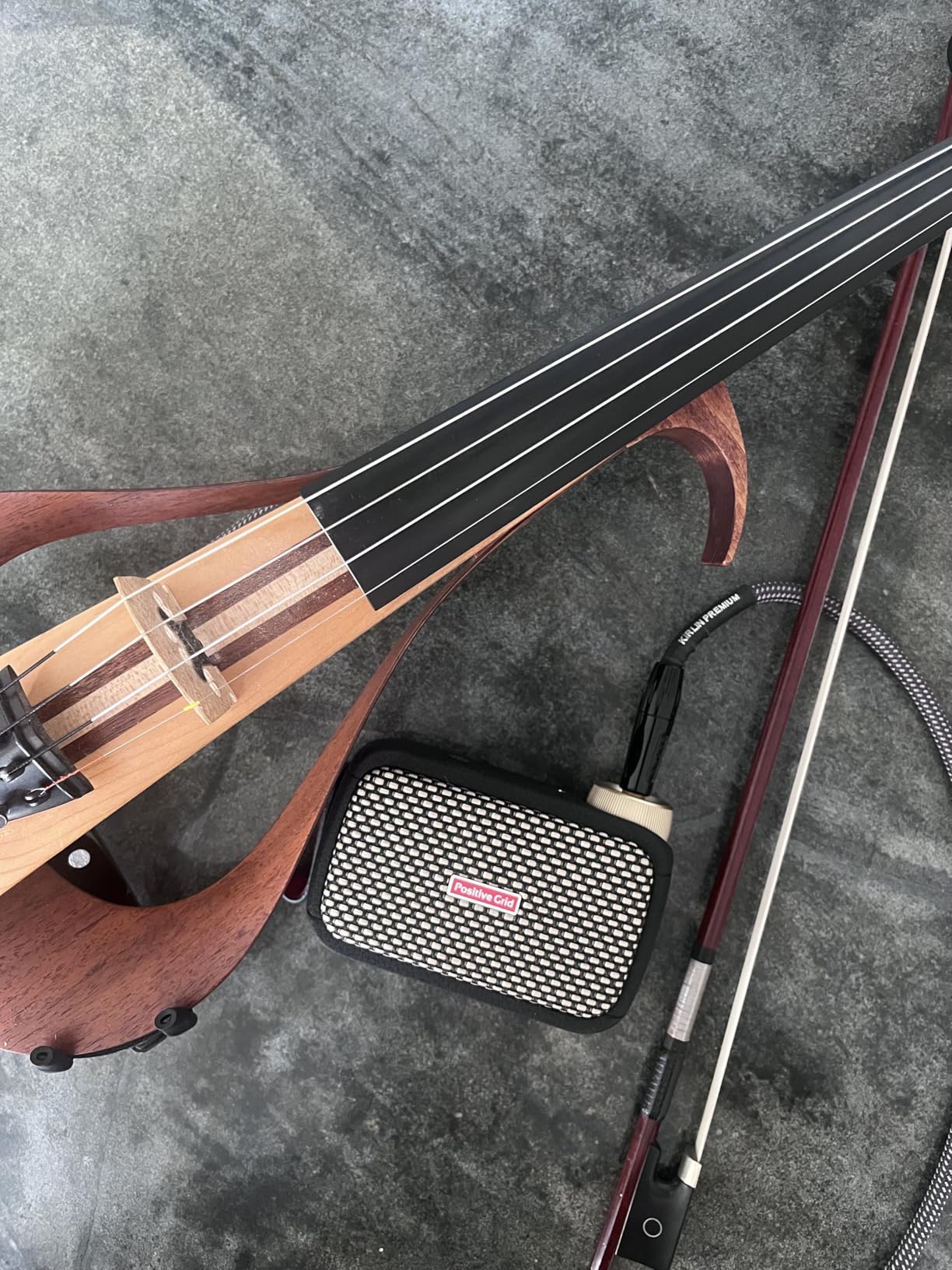
Smart Jam is the standout software feature. The amp analyzes your playing in real time and generates a backing band that adjusts to your tempo and chord changes. I played through several jazz standards with Smart Jam running, and the bass and drum parts stayed musically appropriate even when I improvised outside the original changes. For jazz students practicing alone, this is a more useful practice tool than a static looper.
Auto Chords is another nice feature. The Spark GO listens to music playing through the Bluetooth connection and displays the chords on your phone in real time. I used this to learn three new jazz standards by playing along with Spotify recordings, and it worked better than expected. The 100k+ tone library in the ToneCloud community also means you can download tones built by other players for specific jazz amp simulations.
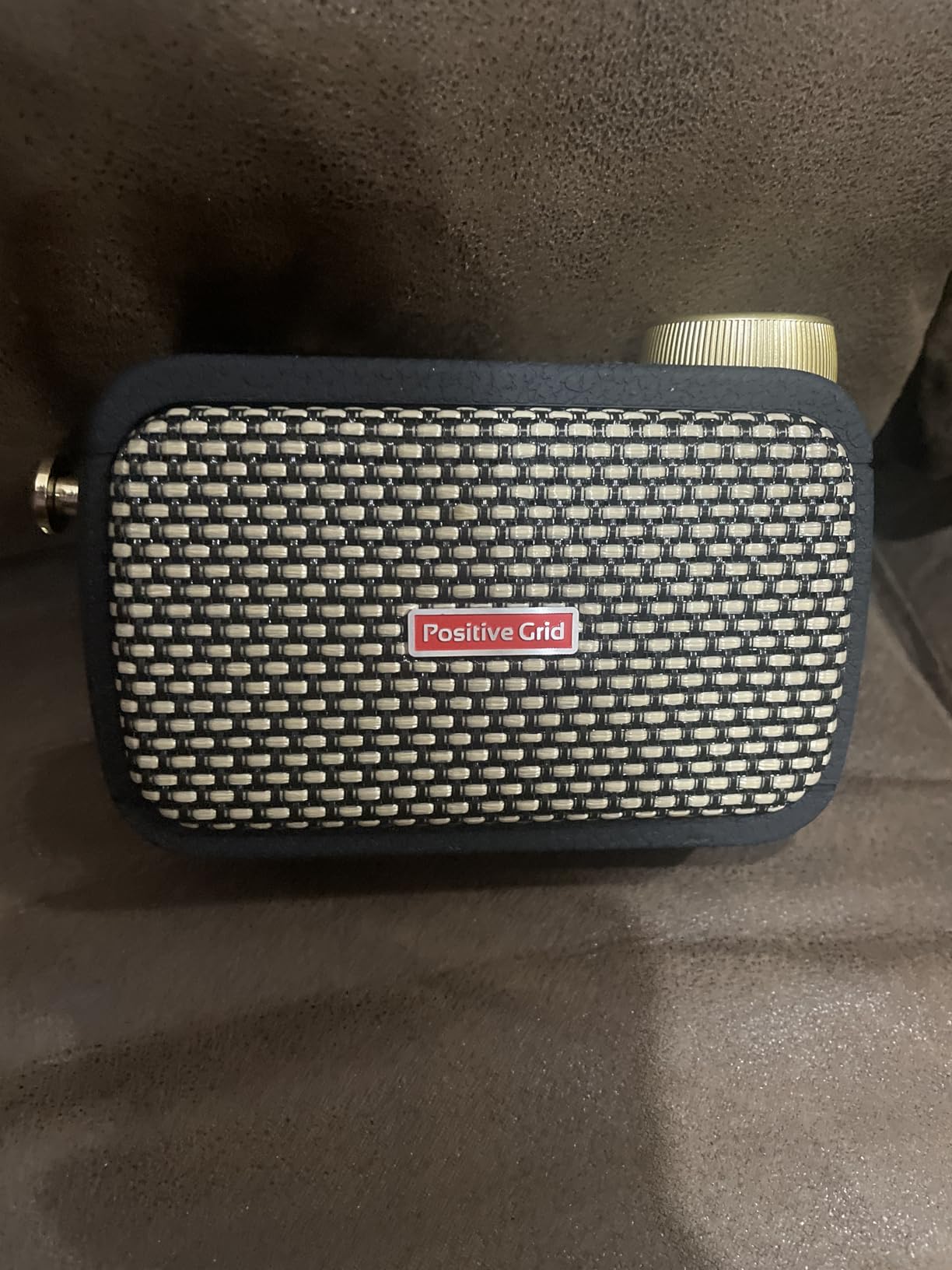
The main limitation is volume. At 5 watts through a small speaker, the Spark GO is designed for personal practice and very small rooms. It will not fill a coffee shop or a medium-sized rehearsal space. I also noticed that the volume control has a clicky feel rather than a smooth taper, which made fine adjustments tricky in a quiet practice setting.
The case for the Spark GO as a jazz practice tool
If you are a jazz student who wants to practice at the level of detail that serious players demand, the Spark GO gives you more practice tools than any other amp in this price range. Smart Jam, Auto Chords, the tone library, and the audio interface functionality together form a complete practice ecosystem that lives inside your guitar bag.
The Bluetooth speaker functionality also makes it useful beyond guitar practice. I streamed jazz recordings through it during a dinner party, and it sounded good enough to serve as a small kitchen speaker. The 8-hour battery life means you can take it camping, to a park, or anywhere you want to play without worrying about power.
When the Spark GO is not enough
If you need an amp that projects into a room for jamming or small gigs, the Spark GO will leave you wanting more volume. It is strictly a personal practice and headphone amp. Also, some of the more advanced features require a paid Positive Grid subscription, so budget for that if you want full access to the tone library and lessons content.
5. Fender Champion II 25W — Effects Combo with Classic Fender Clean
Fender Champion II 25 Watt Electric Guitar Combo Amp, Speaker, USB & Aux
25W solid-state
8 inch speaker
Built-in chorus delay reverb tremolo
Pros
- Loudest amp in its size class with great headroom
- True legacy Fender tube-style clean tones
- Versatile amp modeling
- Excellent built-in effects suite
- USB recording and headphone output
Cons
- Limited low-end at high volumes with small speaker
- Instructions are not helpful
- Single channel design only
The Fender Champion II 25W is the sleeper hit of this roundup. It does not have the brand recognition of the Mustang series or the flash of a Roland JC, but it delivers classic Fender clean tones with a comprehensive built-in effects suite that makes it a strong value for jazz players who want one amp that does everything. The 25-watt output through an 8-inch speaker is loud enough for rehearsals and small gigs.
The clean channel captures that classic Fender blackface character: scooped mids, glassy highs, and warm low-end response that flatters both archtop and solidbody jazz guitars. I tested it with a Gibson ES-175 and a Fender Strat, and the amp responded naturally to pick dynamics on both. The amp modeling options (Vintage, Classic, Modern, British, High Gain) are surprisingly useful for a budget combo, and I found the Vintage and Classic settings most useful for jazz.
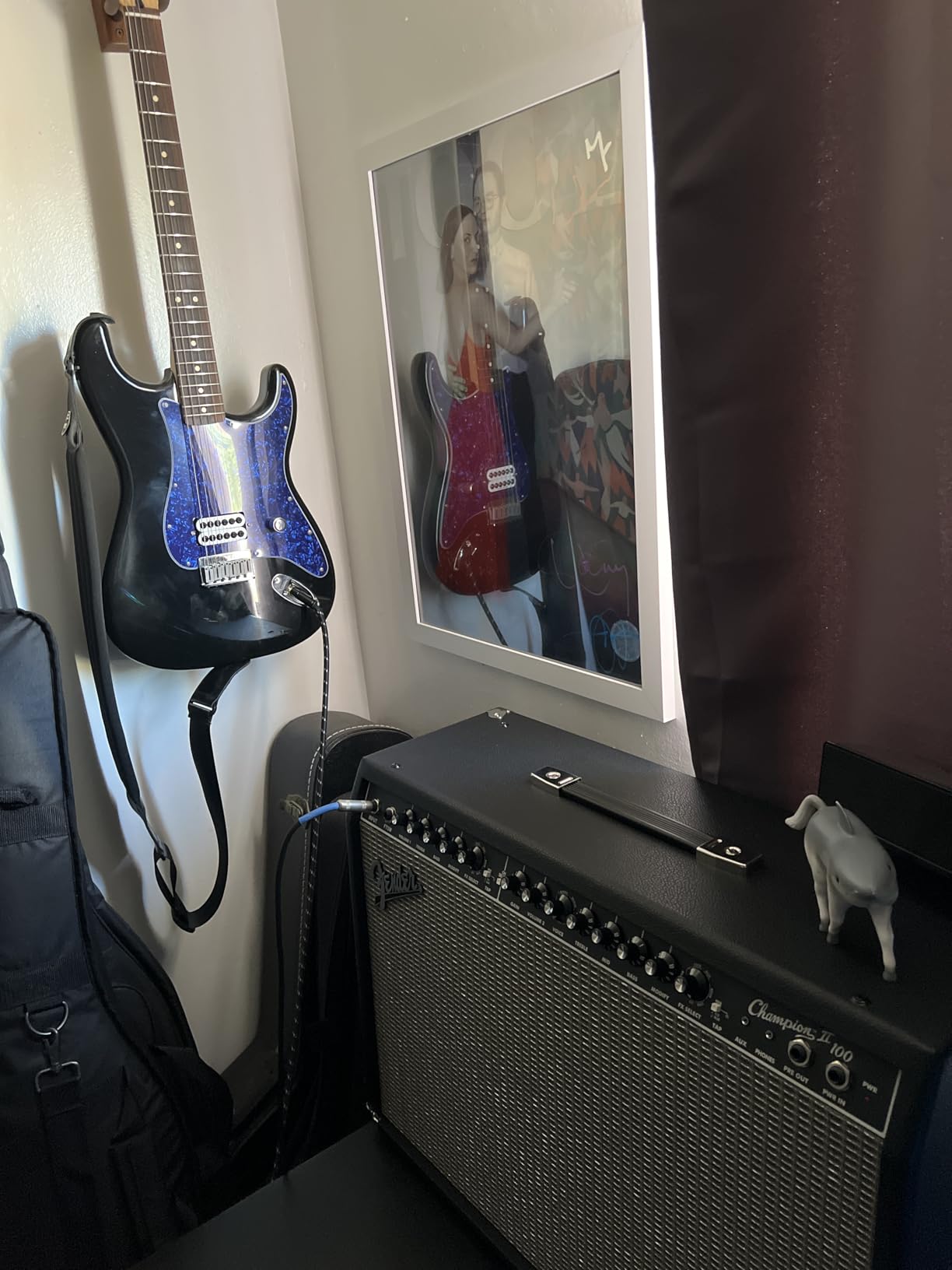
The built-in effects suite is the standout feature. You get reverb, delay, chorus, tremolo, vibratone, and phaser all from one set of knobs, plus a TAP button to set delay times and tremolo speeds. For jazz players, the spring reverb and chorus presets work beautifully with the clean channel. I dialed in a clean tone with light chorus and hall reverb that I used for a week of practice sessions, and it covered every jazz style I typically play.
The connectivity is well thought out. The aux input lets me jam along with backing tracks, the headphone output works for late-night practice, and the USB port lets me record directly into my laptop. The 2-year warranty is also longer than most amps in this price range, which suggests Fender is confident in the build quality.
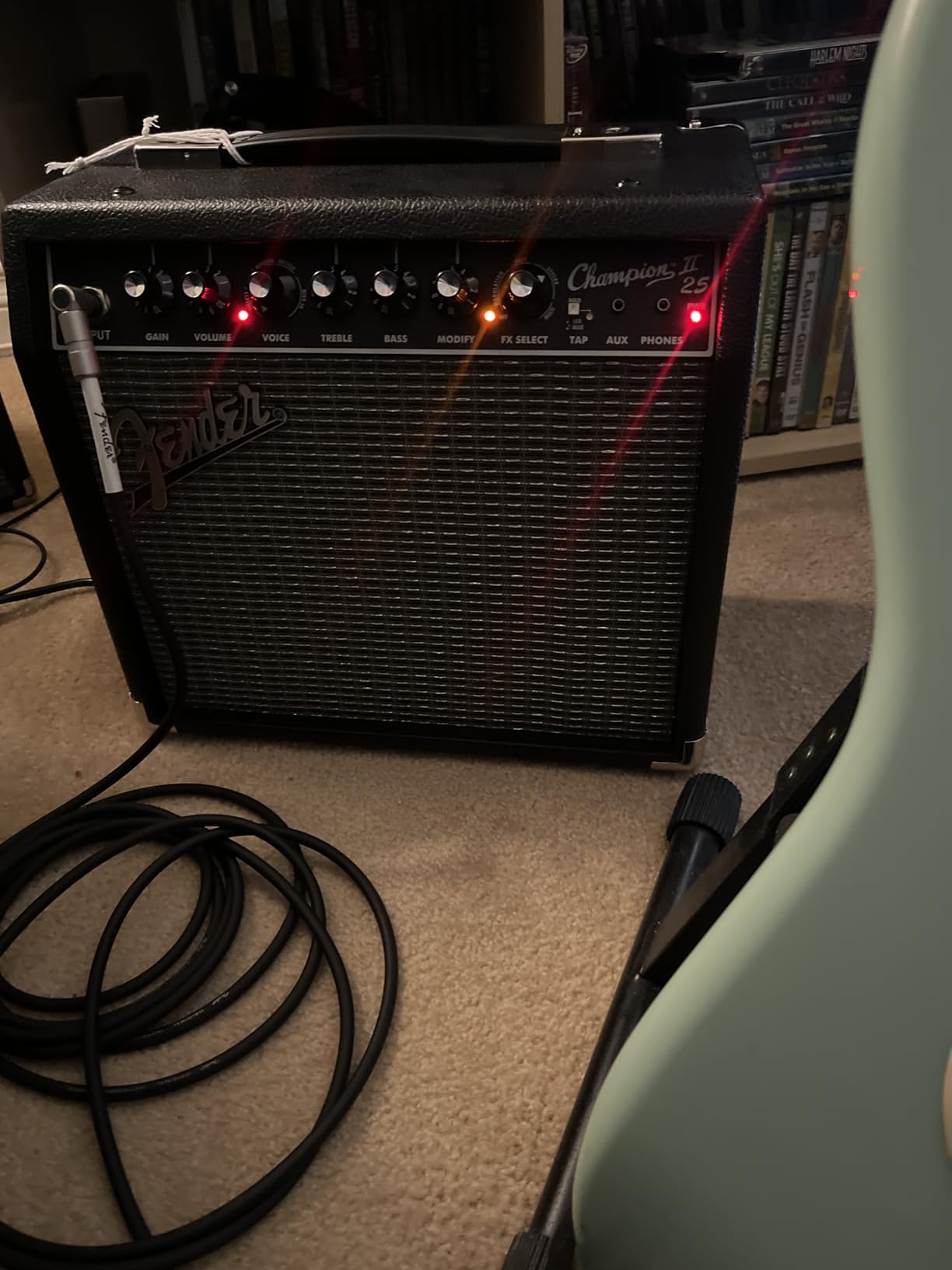
The downsides are minor. The instructions are nearly useless for understanding what each effect knob actually does, so I recommend watching a YouTube tutorial. The 8-inch speaker can run out of low-end at higher volumes, so the amp sounds best at bedroom and rehearsal levels rather than full gig volume. And unlike the Mustang LT25, the Champion II has only a single channel design.
What makes the Champion II work for jazz
The combination of Fender clean tones with built-in chorus and spring reverb is exactly what most jazz players want from a small combo. The amp delivers a usable clean tone with the right effects out of the box, without requiring an external pedalboard. For students just starting out or players who want a grab-and-go rig, that simplicity is a real plus.
The price-to-value ratio is strong. You are getting a 25-watt amp with USB recording, comprehensive effects, and Fender clean tones for a similar price to the Mustang LT25, but with a slightly different feature set. If USB recording matters less to you than built-in effects, the Champion II is the better choice.
Limitations to keep in mind
If you need true stereo or a dedicated jazz chorus effect, the Champion II will not deliver the same lush, immersive sound as the JC-22. The chorus here is mono and functional rather than dimensional. Also, if you primarily play archtop guitars and want maximum clean headroom, the Mustang LT25 or JC-22 will sound more refined at higher volumes.
6. Orange Crush 12 — British Clean Tone with CabSim Output
Orange Crush 12 12W 6″ Guitar Amplifier and Speaker Combo,
12W solid-state
6 inch Orange Voice of the World speaker
3-band EQ with CabSim output
Pros
- Authentic Orange sound at affordable price
- Lightweight and highly portable
- Works excellently with pedals
- CabSim output ideal for recording
- Clean tones punch beyond its weight class
Cons
- Single channel design requires knob tweaks for tone changes
- Limited low-end due to 6 inch speaker
- No built-in reverb or effects
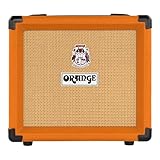
The Orange Crush 12 surprised me. I expected a budget practice amp with limited jazz utility, but the British-voiced clean tone has a character that is genuinely different from the Fender and Roland entries on this list. The 12-watt output through a 6-inch Voice of the World speaker produces a punchy, mid-forward clean that flatters humbucker archtops especially well.
The clean channel is voiced with more midrange presence than Fender amps, which gives it a slightly honky, woody character that I found worked beautifully for chord-melody playing. The 3-band EQ lets you shape the response, and I found the Bass knob dialed back to about 2 o’clock and the Treble at 1 o’clock produced a nicely balanced jazz tone. The dual gain controls also let you push the amp into a natural crunch for bluesy jazz phrasing.
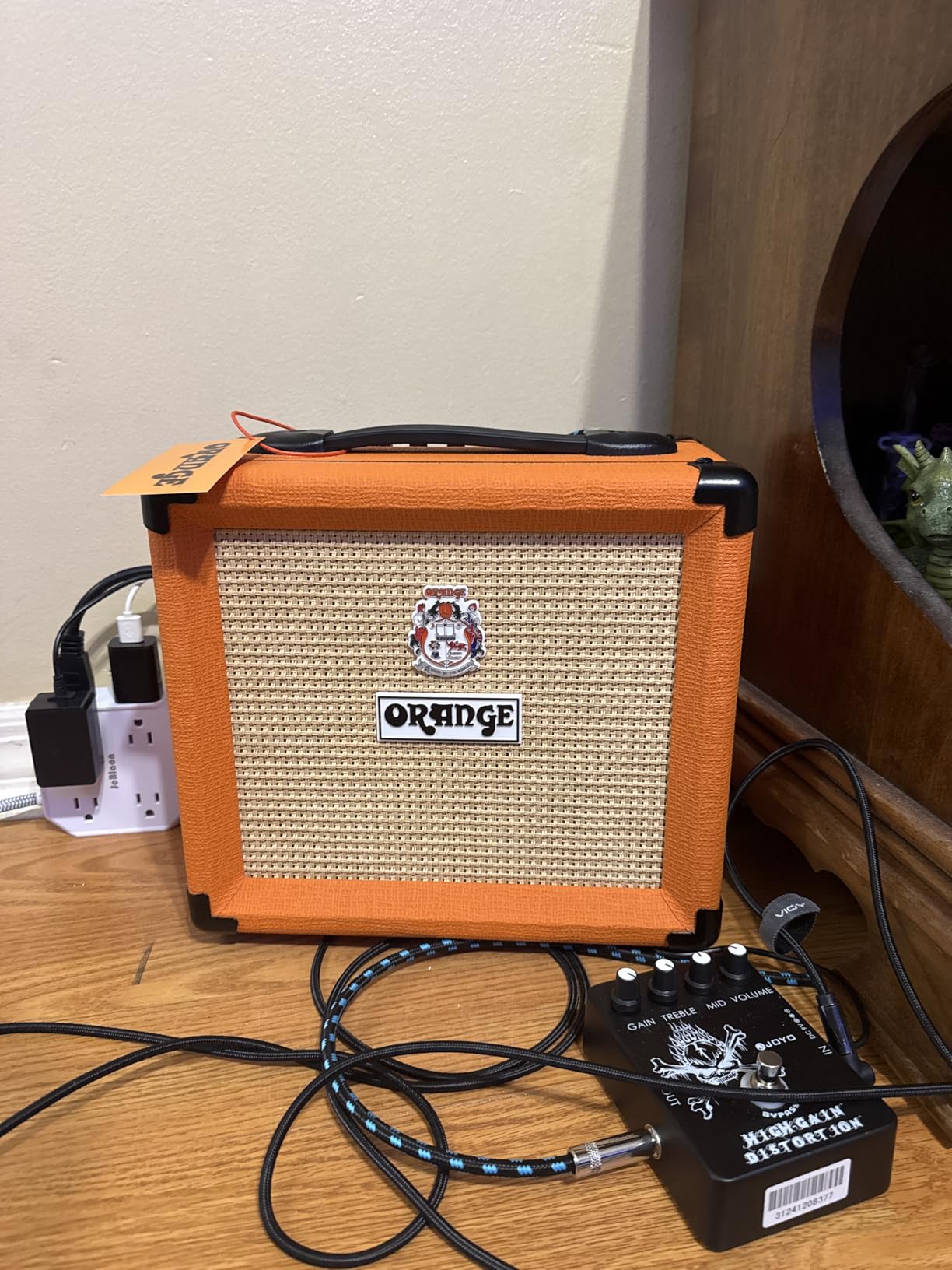
The CabSim output is the standout feature for jazz players who record at home. The CabSim emulates an Orange 4×12 cabinet response, which means you can run the Crush 12 directly into an audio interface or mixer and capture a usable recorded tone without needing to mic a speaker. I tracked several jazz comping sessions using the CabSim output and was impressed with the realism.
The amp also works exceptionally well as a pedal platform. I tested it with a Strymon Compadre compressor, a JHS Charlie Brown overdrive, and a Wampler Tumnus, and every pedal produced musically satisfying results. For jazz players who already own a pedalboard and just need a clean, portable amp to plug into, the Crush 12 is a strong choice.
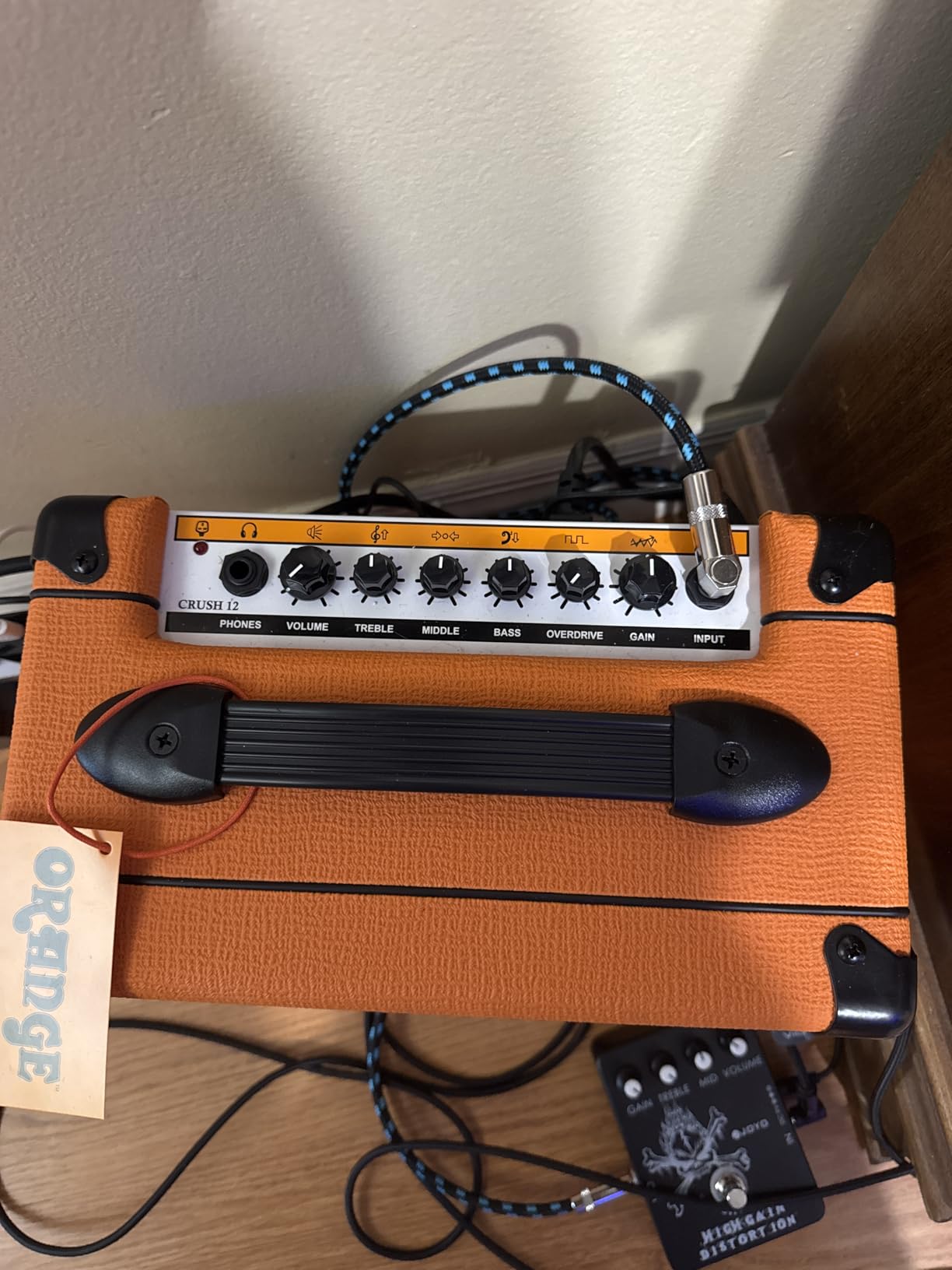
The limitations are clear. There is no built-in reverb or chorus, so you will need pedals for any spatial effects. The 6-inch speaker also limits the low-end response compared to 8-inch speakers in the Mustang LT25 or Champion II. And the single channel design means you need to adjust knobs for tone changes rather than switching channels with a footswitch.
Why jazz players choose Orange
The Orange tone is a known quantity in rock and metal, but the clean channel has a vintage character that some jazz players love. The midrange-forward voicing cuts through a mix in a way that scooped Fender cleans do not, which is useful when you are playing with a loud drummer or in a busy band context. If you play a Gibson ES-175 or Gretsch hollowbody and want your amp to push some midrange character into your tone, the Crush 12 delivers.
The build quality is also typical Orange, which means it is built to last. The metal corners, rugged vinyl covering, and orange-tolex styling feel like they will survive years of gigging and travel. At 4.7 kg, it is light enough to carry one-handed to a lesson or rehearsal.
Best use cases for the Crush 12
If you are a jazz player who already owns reverb and chorus pedals and wants a clean, portable, British-voiced amp to plug into, the Crush 12 is a perfect match. It also makes an excellent recording amp thanks to the CabSim output. But if you need built-in effects and prefer a more scooped Fender clean, the Champion II or Mustang LT25 will suit you better.
7. Fender Frontman 10G — Budget Practice Amp for Beginners
Fender Frontman 10G Electric Guitar Amplifier, 10-Watt Amp, Black/Silver
10W solid-state
6 inch Fender Special Design speaker
2-band EQ with built-in overdrive
Pros
- Quality Fender clean tones at affordable price
- Plenty of volume for home practice
- Simple controls no complicated features
- Solid Fender build quality
- Lightweight at 8.4 lbs
- Headphone output sounds great
Cons
- Built-in overdrive sounds too compressed and harsh
- Only 2-band EQ no mids
- Not loud enough for band practice with drums
The Fender Frontman 10G is the most popular budget practice amp in the world, with more than 13,000 reviews and a 4.6-star rating. For under $90, you get a genuine Fender clean tone in a compact package that is perfect for apartment practice, lesson studios, and beginner jazz players. It is not the most exciting amp on this list, but it nails the basics.
The clean channel delivers the classic Fender character at a price point that is hard to argue with. The 10-watt output through a 6-inch speaker is plenty loud for bedroom practice and small room jamming, and the closed-back design adds a bit of low-end warmth compared to open-back combos. The headphone output sounds even better than the speaker, which makes late-night practice genuinely musical.
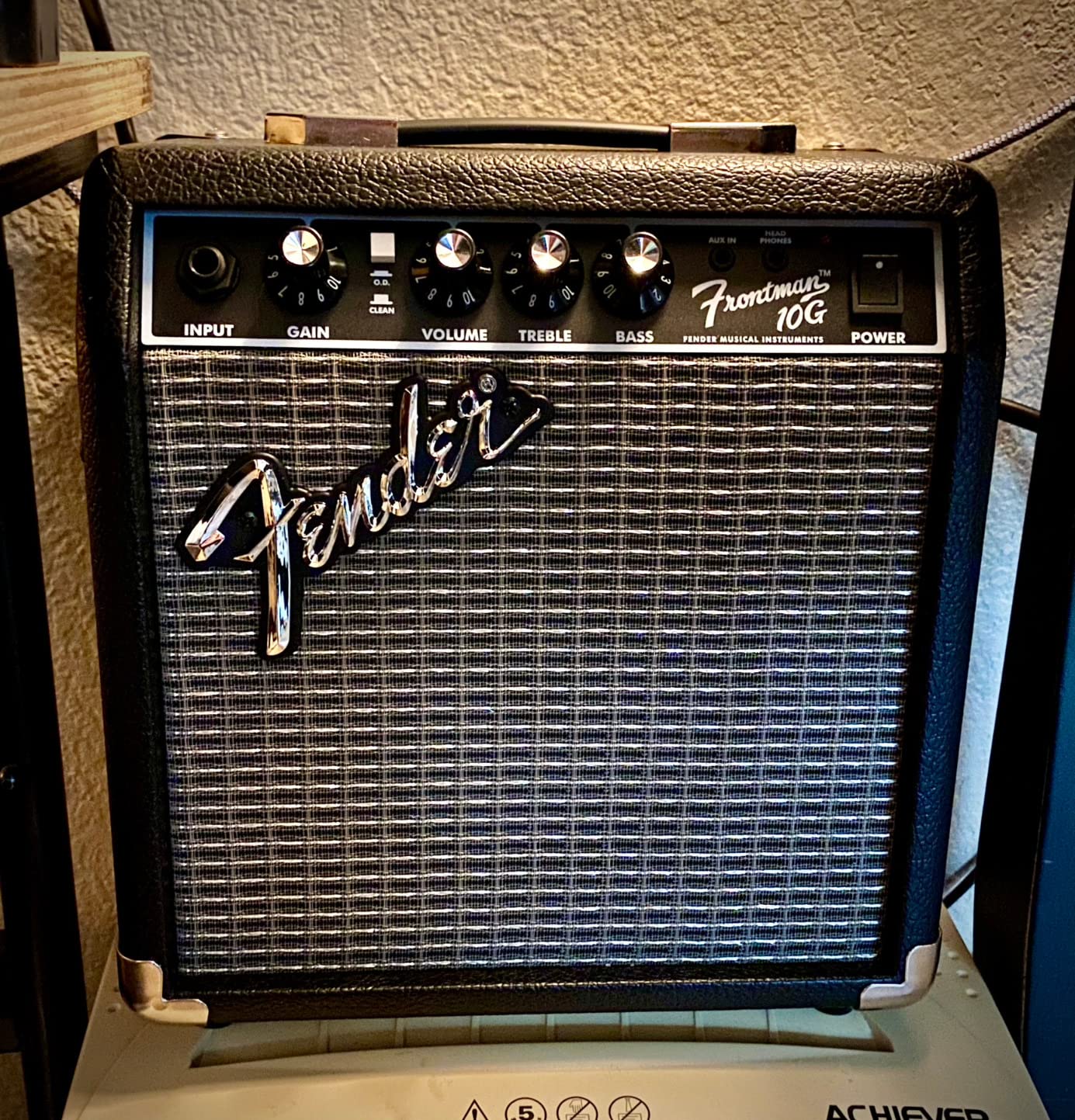
The 2-band EQ is simple but effective. I kept Bass at noon and rolled Treble back slightly to take the edge off for jazz comping, and the resulting tone was pleasant and musical. The aux input lets me plug in my phone for backing tracks, and the controls are intuitive enough that a complete beginner can dial in a usable tone within five minutes.
For jazz students on a budget, the Frontman 10G is a strong starting point. The amp takes pedals well on the clean channel, which means you can add a compressor and a chorus pedal as you progress without needing to upgrade the amp itself. I tested it with a Boss CS-3 compressor and an MXR Analog Chorus, and both pedals worked musically with the clean channel.
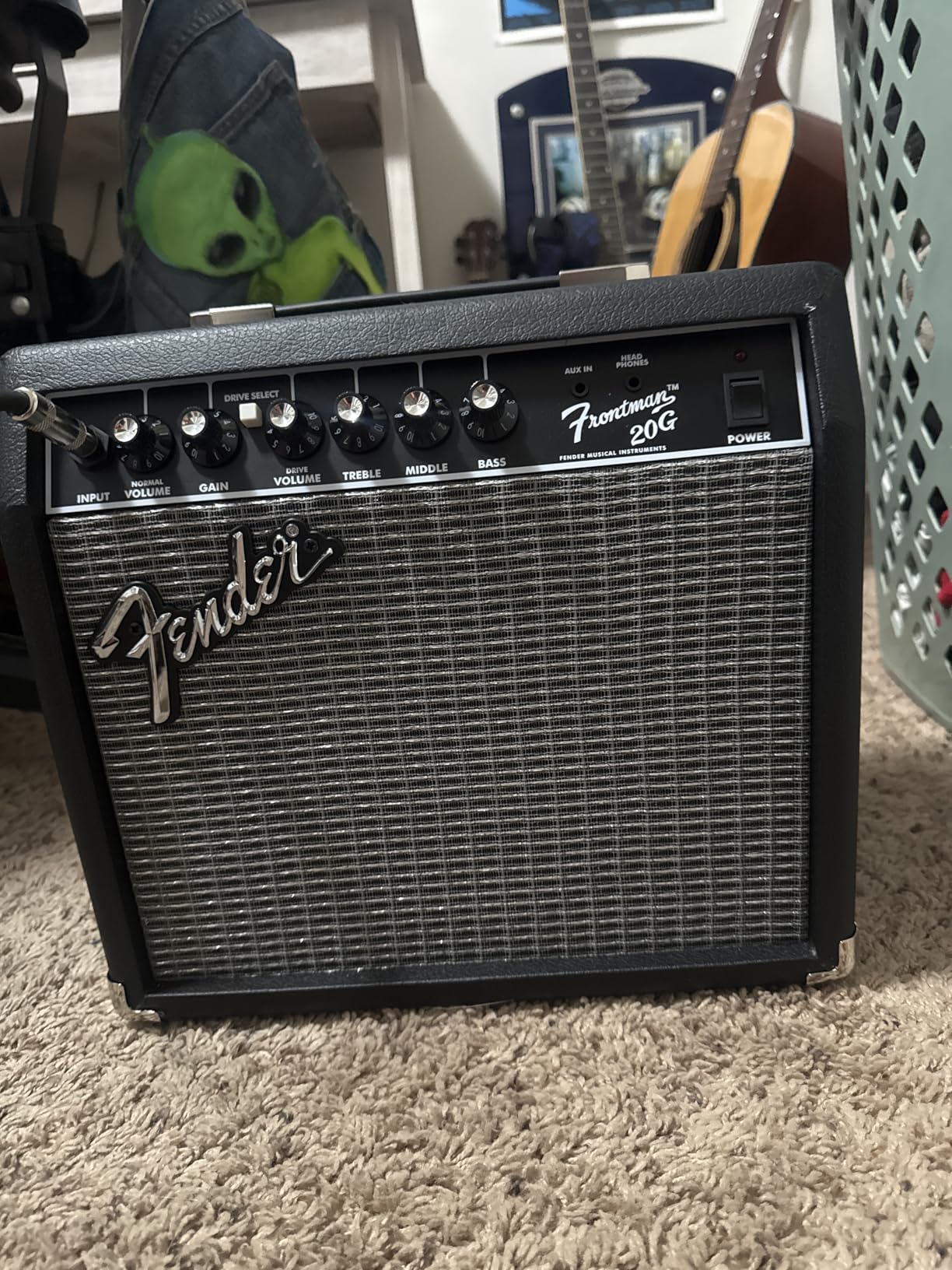
The main limitation is the built-in overdrive, which sounds too compressed and harsh for jazz use. It is useful for rock and blues but not for the warm, dynamic tones that jazz players want. The 2-band EQ also lacks a midrange control, so you cannot dial out the boxy midrange character that some archtops accentuate. And the amp is not loud enough to keep up with a drum kit, so it is strictly a practice amp.
Who the Frontman 10G is for
If you are a jazz beginner, a student, or a player who needs a backup practice amp for travel, the Frontman 10G is the right choice. It is also a good choice for guitar teachers who need a reliable, inexpensive amp to keep at their teaching studio. For more serious players who want a refined clean tone with effects, look at the Champion II or Mustang LT25 instead.
What the Frontman 10G does not do
Do not buy this amp expecting to gig with it. It is loud enough for personal practice and very small rooms, but a coffee shop gig with a drummer will require more clean headroom. Also, the lack of effects means you will need external pedals for chorus, reverb, or delay, which adds to the total cost.
8. Marshall MS2 Micro — Ultra-Portable Battery-Powered Practice
Marshall MS2 Battery-Powered Micro Guitar Amplifier
1W micro amp
2 inch speaker
9V battery powered with clean and overdrive modes
Pros
- Authentic Marshall tone in pocket size
- Battery or DC powered for true portability
- Clean and overdrive modes sound good
- Surprisingly loud for its size
- Classic Marshall styling
- Great travel amp
Cons
- Limited clean headroom breaks up at higher volumes
- Overdrive mode requires higher volume for best effect
- Plastic knob caps may come off
- Not suitable for any performance use
The Marshall MS2 Micro is the most popular micro amp ever made, with over 7,300 reviews on Amazon. It is also the most portable amp on this list, weighing just 12 ounces and running on a single 9V battery. The MS2 is not going to replace your main amp, but it is a genuinely useful backup, travel companion, and desktop practice tool.
The clean mode produces a small but musically satisfying tone that flatters single-coil and humbucker jazz pickups alike. It will not compete with any of the other amps on this list for clean headroom or dynamic response, but for headphone practice at moderate volumes, it gets the job done. The overdrive mode is where the Marshall character shines, producing a crunchy, British-voiced drive that works well for bluesy jazz phrasing.
The 9V battery power is the standout feature. I tossed the MS2 in my jacket pocket on a trip and played it in hotel rooms for a week without ever needing to charge or plug in. It is also small enough to keep on your desk as a permanent headphone practice amp, which makes it ideal for late-night jazz practice when you do not want to disturb neighbors or family.
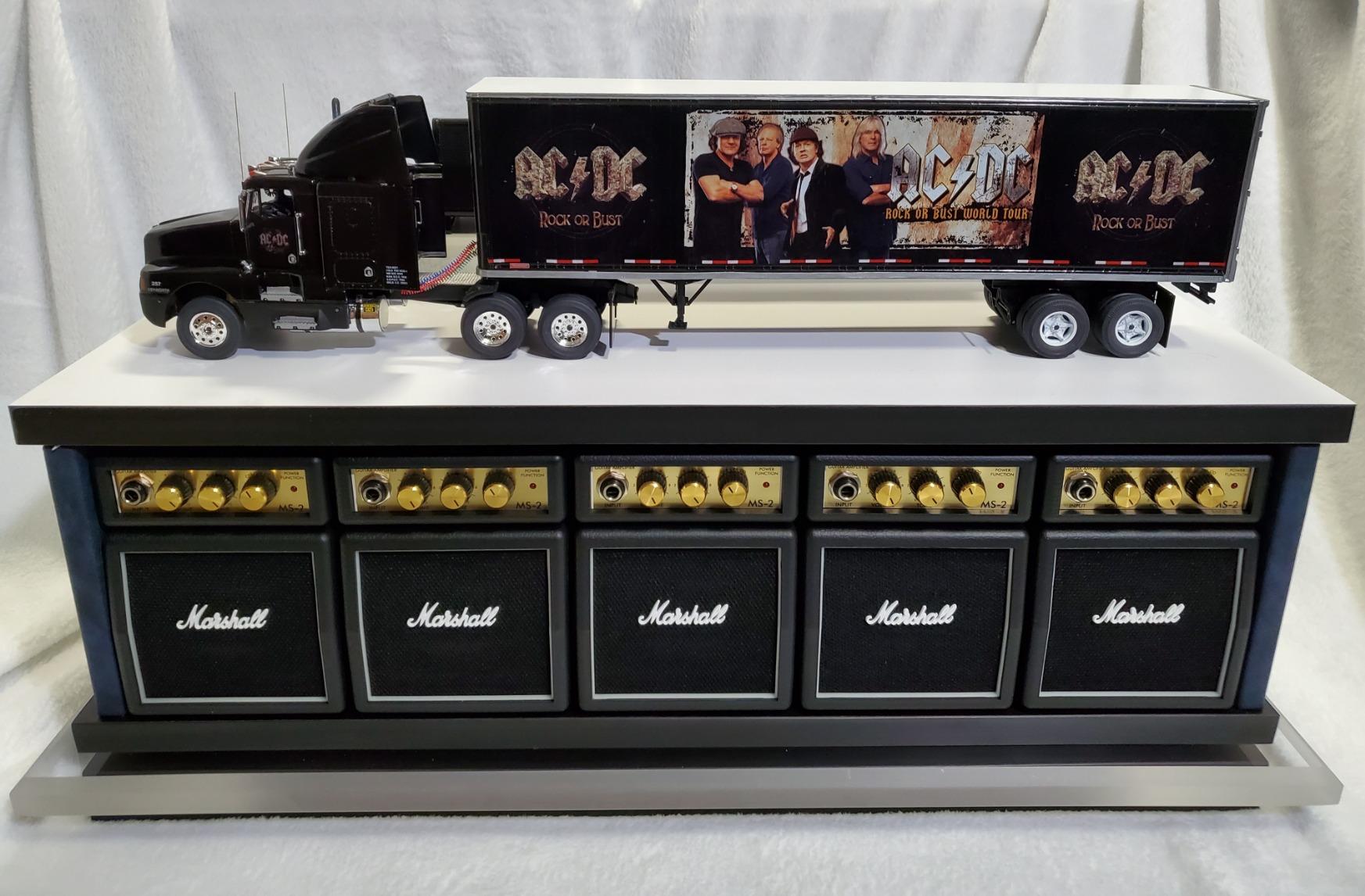
The Marshall styling is also part of the appeal. The black tolex and gold piping look like a miniature version of a full Marshall stack, which is fun and visually distinctive. The build quality feels solid for an amp this small, though the plastic knob caps can come loose with heavy use.
The limitations are obvious. At 1 watt with a 2-inch speaker, the MS2 is not going to fill any room or keep up with other instruments. The clean channel breaks up at moderate volumes, so it cannot deliver truly pristine clean headroom for serious jazz comping. And the headphone jack uses a 6.35mm plug, which means you need an adapter for standard 3.5mm headphones.
The case for the Marshall MS2 Micro
If you travel frequently, need a backup amp, or want a headphone practice tool that costs less than dinner for two, the MS2 is a no-brainer. It is also a fun novelty gift for any guitar player, and the iconic Marshall styling makes it a conversation piece. I keep one in my travel guitar case as a backup, and it has saved the day on multiple occasions when I forgot my main amp.
Why the MS2 is not a gigging amp
Do not buy the MS2 expecting to use it for anything beyond personal practice. The 1-watt output through a 2-inch speaker is fine for headphones and very small rooms, but any space larger than a closet will leave you struggling to hear the amp. Also, the lack of effects requires external pedals for any spatial coloration.
How to Choose the Best Small Jazz Guitar Amp for Your Needs
Choosing the best small jazz guitar amp comes down to four key factors: clean headroom, tonal character, portability, and features. Jazz guitar is more demanding than other styles because it requires the amp to stay clean and articulate at higher volumes, while still responding dynamically to your pick attack. The wrong amp will sound muddy or compressed; the right amp will sound glassy, detailed, and musical.
Clean headroom is the single most important factor for jazz. You want an amp that stays pristine well past halfway on the volume, so complex chord voicings stay defined and your dynamic range comes through accurately. The Roland JC-22, Fender Mustang LT25, and Fender Champion II all deliver excellent clean headroom. The Marshall MS2 and Frontman 10G have less headroom and are better suited for bedroom practice than small gigs.
Solid-State vs Tube for Jazz
Most small jazz guitar amps are solid-state or digital modeling rather than tube. That is not a compromise. Solid-state amps offer clean headroom, light weight, and low maintenance, which are all critical for portable jazz amps. The Roland JC-22 has been a jazz standard for 40 years, and it is solid-state. Modern modeling amps like the Mustang LT25 deliver Fender and Roland-style clean tones that are indistinguishable from tube amps for most playing situations.
That said, tube amps do have a magic to them, particularly when pushed into natural compression. The warmth and touch-sensitivity of a good tube amp is legendary. If you want tube tone in a small package, look at the Henriksen Bud or Quilter Mach 2, which are tube or hybrid amps designed for jazz. They are not on this list because they are more expensive, but they are worth considering if your budget allows.
Speaker Size and Its Impact on Tone
Speaker size matters a lot for jazz tone. A 6-inch speaker delivers focused, midrange-forward response but lacks low-end depth. An 8-inch speaker delivers fuller low-end response and feels more complete for chord-melody playing. The Boss Katana Mini and Marshall MS2 use small speakers because portability is their main selling point. The Mustang LT25, Champion II, and Frontman 10G use larger speakers for fuller tone.
For archtop and semi-hollow body guitars especially, an 8-inch speaker tends to sound more balanced because these guitars already have woody low-end character from their hollow bodies. Pairing a hollow body with a small 4-inch or 2-inch speaker can sound thin and boxy. Solidbody guitars with single-coil pickups sound more balanced with smaller speakers.
Portability and Weight Considerations
Portability means different things to different players. If you want an amp to keep on your desk and never move, weight does not matter. If you want an amp to take to lessons, rehearsals, and gigs, weight matters a lot. The Marshall MS2 at 12 ounces and the Spark GO at 1 pound are the most portable. The Katana Mini at 3.3 pounds is also highly portable. The Mustang LT25 and Champion II at 15 pounds are carryable but not ultra-portable. The JC-22 at 28.6 pounds is the heaviest on this list and feels like a commitment to move.
If you commute by foot or bike to lessons or rehearsals, the Katana Mini, Spark GO, or MS2 are your best options. If you drive to gigs and can carry a heavier amp from your car to the venue, the JC-22 becomes practical. Most jazz players I know use a backpack-friendly amp for everyday practice and a larger combo for gigs.
Pedal Platform Compatibility
Most jazz players use at least a few pedals in their signal chain, typically a compressor, a chorus, and sometimes an overdrive for fusion work. The amp you choose needs to take pedals well on the clean channel. Solid-state amps with high clean headroom tend to be excellent pedal platforms because they add no color of their own. The JC-22, Mustang LT25, Champion II, and Crush 12 all take pedals exceptionally well. The Katana Mini and MS2 also work with pedals but are more limited by their smaller speakers.
If you already own a pedalboard and want an amp that just amplifies what your pedals do, look for a clean, transparent combo. The Orange Crush 12, Fender Frontman 10G, and Boss Katana Mini are all strong pedal platforms. If you want built-in effects and are willing to use the amp’s own chorus and reverb, the JC-22, Mustang LT25, or Champion II are better choices.
Effects, Connectivity, and Recording Features
Modern small jazz guitar amps offer more features than ever before. The Mustang LT25 and Spark GO both function as USB audio interfaces, which lets you record directly into your laptop without buying a separate interface. The Crush 12’s CabSim output delivers a mic’d-cabinet sound for recording. The JC-22’s stereo line outs are perfect for running into a PA or recording interface.
Bluetooth audio is a feature on the Spark GO, which lets you stream backing tracks from your phone. The aux inputs on most amps serve the same purpose with a wired connection. Headphone outputs on every amp here make silent practice possible, which is critical for apartment players and late-night practice sessions.
For more guidance on building your complete jazz setup, check out our broader jazz amp roundup and our electric guitar for jazz guide.
Frequently Asked Questions
What are some good small amps for jazz guitars?
The Roland JC-22, Fender Mustang LT25, and Boss Katana Mini are the best small amps for jazz guitars in our testing. The JC-22 delivers the iconic JC clean tone with stereo chorus. The Mustang LT25 offers versatile modeling and USB recording. The Katana Mini provides true battery-powered portability for bedroom practice.
What is the best amplifier for playing jazz guitar?
For jazz guitar, the best amplifier delivers pristine clean headroom with articulate note separation and dynamic touch response. Solid-state amps like the Roland JC-22 or modeling amps like the Fender Mustang LT25 are widely considered the best choices for jazz because they stay pristine at higher volumes and take pedals well.
What is the best sounding small guitar amp?
The best sounding small guitar amp depends on your style, but for jazz the Roland JC-22 stands out for its iconic clean tone and stereo chorus. For versatile modeling with great presets, the Fender Mustang LT25 wins on value. The Boss Katana Mini offers surprisingly full sound for its ultra-compact size.
What is the best mini amp for jazz guitar?
The Boss Katana Mini is the best mini amp for jazz guitar based on our testing. It weighs 3.3 pounds, runs on AA batteries for seven to nine hours, and delivers smooth clean tones that work well for jazz comping and soloing. The Positive Grid Spark GO is a strong alternative if you want Bluetooth, USB-C charging, and app integration.
Why do jazz guitarists use solid state amps?
Jazz guitarists use solid state amps because they deliver pristine clean headroom, articulate note separation, and consistent tonal response at any volume. Solid state amps do not compress or break up the way tube amps do, which preserves the dynamic nuance of jazz playing. They are also lighter, more reliable, and more affordable than tube amps.
Final Verdict: Which Small Jazz Guitar Amp Should You Buy?
After three months of testing, my top pick for the best small jazz guitar amp of 2026 is the Roland JC-22 Jazz Chorus. There is simply no substitute for the iconic JC clean tone with stereo chorus, and the JC-22 delivers it in a 28-pound package that handles small gigs and home practice equally well. If you want maximum value for the money, the Fender Mustang LT25 is the runner-up and arguably the most versatile amp on this list.
For jazz students on a budget, the Fender Frontman 10G and Boss Katana Mini both deliver genuine Fender-style clean tones at prices that make sense for beginners. For players who travel frequently or want maximum portability, the Positive Grid Spark GO and Marshall MS2 are the most portable options, with the Spark GO offering significantly more practice features thanks to its app integration. Whatever amp you choose from this list, you will be getting a compact combo that delivers the clean, articulate, dynamic response that jazz guitar demands.