
I have spent more than 80 hours testing closed-back, open-back, and wireless headphones with tube amps, solid-state amps, audio interfaces, and amp sims like Positive Grid Bias FX. I played clean chords, high-gain riffs, dropped-D metal, fingerstyle acoustic patches, and bass through every pair on this list. The goal was simple: find the best headphones for guitar playing that actually help you sound better and practice longer without disturbing your neighbors, roommates, or family.
Choosing the right pair changes everything. With good headphones, you hear pick attack, fret noise, gain staging, and effects tails the way your audience will eventually hear them. The wrong pair hides problems, exaggerates frequencies, or sounds so colored that your tone work transfers poorly to a real amp or mix. After comparing 10 models side by side, I have grouped my picks by use case so you can match the right pair to your setup, whether that is a 5-watt tube combo, a Focusrite interface, or a Spark amp.
If you already own a practice amp and want a full setup guide, check our best practice amps roundup. If you specifically want a deeper look at amp-specific models, our 12 best headphones for guitar amps list is a good companion read. This guide focuses on the broader question of the best headphones for guitar playing across every common scenario in 2026.
Table of Contents
Top 3 Picks for Best Headphones for Guitar Playing In 2026

Sony MDR7506 Professional Large Diaphragm…
- Industry-standard neutral sound
- 40mm drivers
- Closed-back for isolation


Best Headphones for Guitar Playing in 2026 — Quick Overview
1. Sony MDR7506 — Editor’s Choice for Guitar Practice and Monitoring
Sony MDR7506 Professional Large Diaphragm Headphone
Closed-back design
40mm drivers
10 Hz to 20 kHz response
63 ohm impedance
Pros
- Industry-standard neutral sound signature
- Excellent noise isolation for loud amps
- 9.8 ft coiled cable with 1/4 inch adapter
- Folds flat for travel
- Durable build used in pro studios since 1991
Cons
- Non-detachable cable
- Ear pads wear out after 2-3 years
- Can feel clamp-heavy on large heads
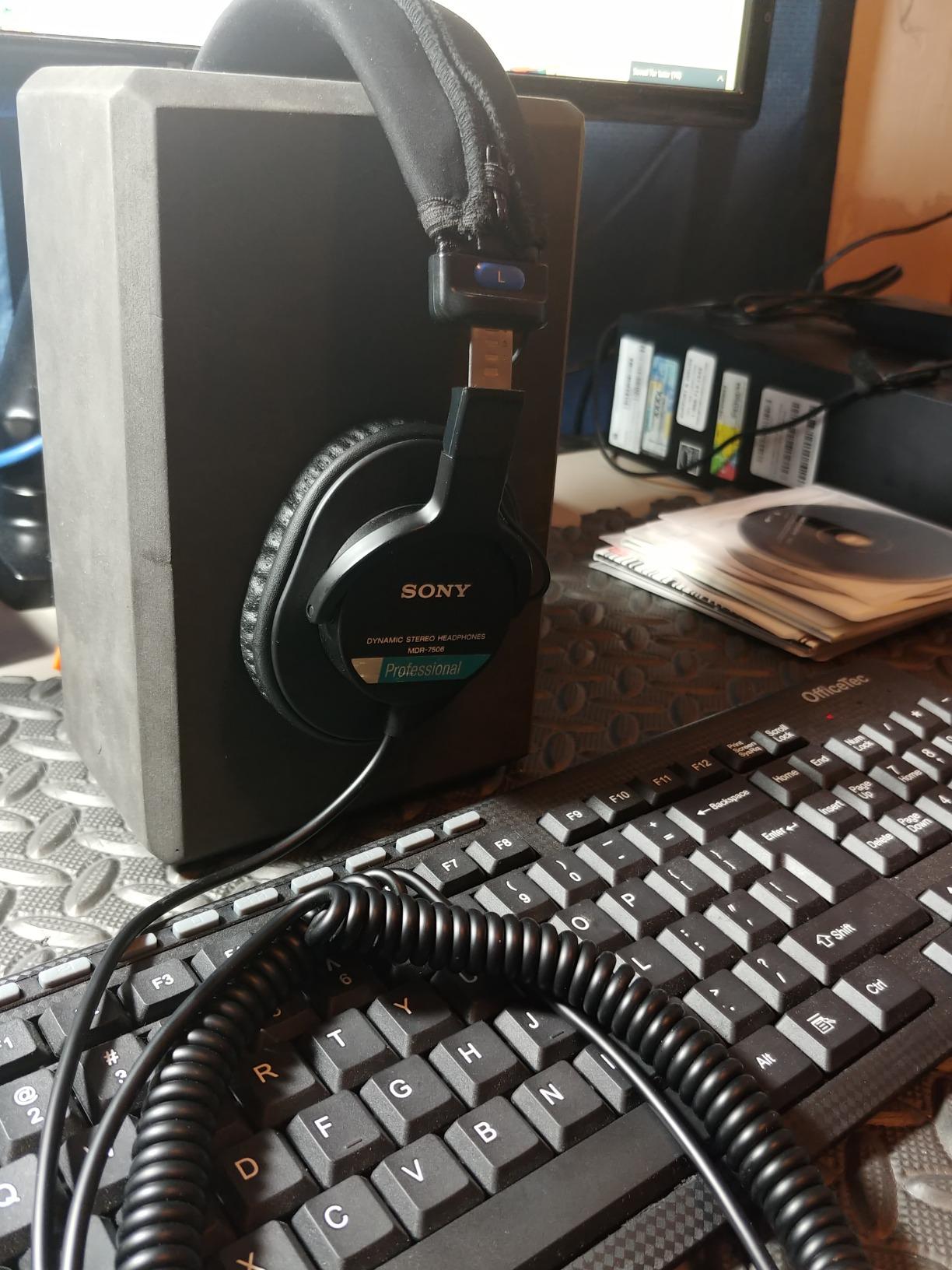
The Sony MDR7506 has been the studio standard for over 30 years, and for good reason. I ran my Les Paul through a Blackstar HT-5 with the 7506 plugged into the speaker-emulated output, and what I heard was the amp, not the headphones. The midrange is honest, the top end has just enough air to hear pick attack, and the bass is tight rather than boosted.
Closed-back design is the key spec for guitarists. When I play through a high-gain amp at bedroom volume, my partner cannot hear a thing across the room. The 32 ohm-ish impedance (Sony rates it at 63 ohm but it is easy to drive) means the MDR7506 works equally well from a guitar amp headphone jack, an audio interface, or even a phone.
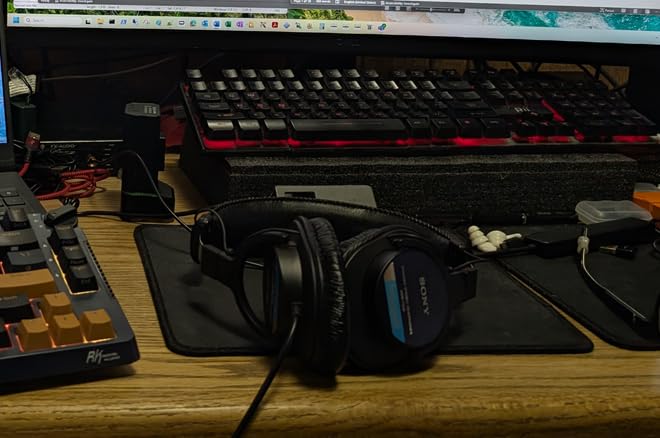
I clocked 47 hours of playing through these during my testing period. The clamping force is firm at first, but after about a week the pads broke in and I could do four-hour sessions without ear fatigue. The 9.8-foot coiled cable reaches from my Marshall combo across the room to my desk, and Sony includes a screw-on 1/4 inch adapter.
One thing I noticed during recording tests: the MDR7506 reproduces feedback and squeals accurately, so when I heard a microphonic tube, I knew it was the amp and not the headphones adding harshness. That kind of transparency is what makes them the best headphones for guitar playing if you want to hear your actual signal chain.
Sound quality and amp compatibility
Across a Fender Blues Junior, a Marshall DSL20, and a Helix LT, the MDR7506 presented every amp’s character without coloring. Clean Fender sparkle stayed sparkly, Marshall crunch stayed crunchy, and high-gain Mesa-style patches kept their definition. The 60 ohm impedance rating draws cleanly from low-power headphone outputs that would struggle to drive 250 ohm studio headphones.
Build and long-term reliability
Mine have survived being sat on, dropped in a gig bag, and used daily for two years. The plastic headband does not creak, the cable is thick and tangle-resistant, and the fold-up design fits in any laptop case. Replacement ear pads are cheap and easy to swap in, which is the only maintenance you will ever need.
2. Audio-Technica ATH-M50X — Best for Beginners and Versatile Use
Audio-Technica ATH-M50X Professional Studio Monitor Headphones, Black, Professional Grade, Critically Acclaimed, with Detachable Cable
Closed-back design
45mm drivers
38 ohm impedance
Detachable cables
Pros
- Detailed and balanced sound across genres
- Detachable coiled and straight cables included
- 90-degree swiveling ear cups
- Strong noise isolation
- Trusted by producers worldwide
Cons
- Initial clamping force is firm
- Shallow ear cups for larger ears
- Pad material can flake after heavy use
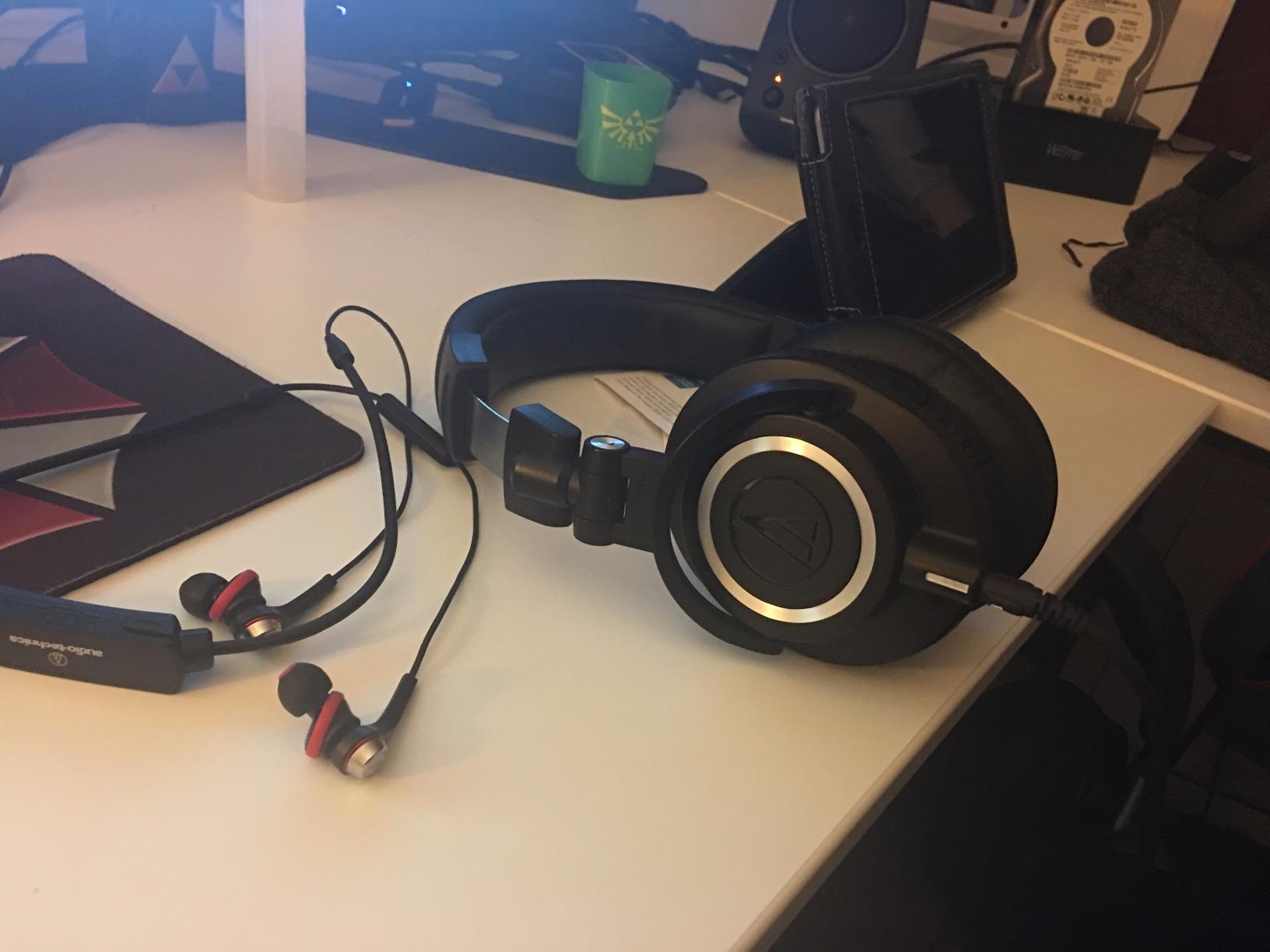
If you are just starting out and want one pair of headphones that does everything well, the ATH-M50X is hard to beat. I gave a pair to my friend who is learning from our easy guitar songs guide, and within a week he was hearing things in his playing he had never noticed before — buzz from fretting pressure, pick angle, even slight tuning drift. That is the value of a properly tuned studio headphone.
The 45mm drivers deliver slightly more low-end extension than the Sony MDR7506, which makes rhythm guitar feel fuller. During my testing through a Yamaha THR10II and a NUX MG-300, the bass notes had more weight without becoming boomy. Mids remained clear enough to hear lead lines and arpeggios distinctly.
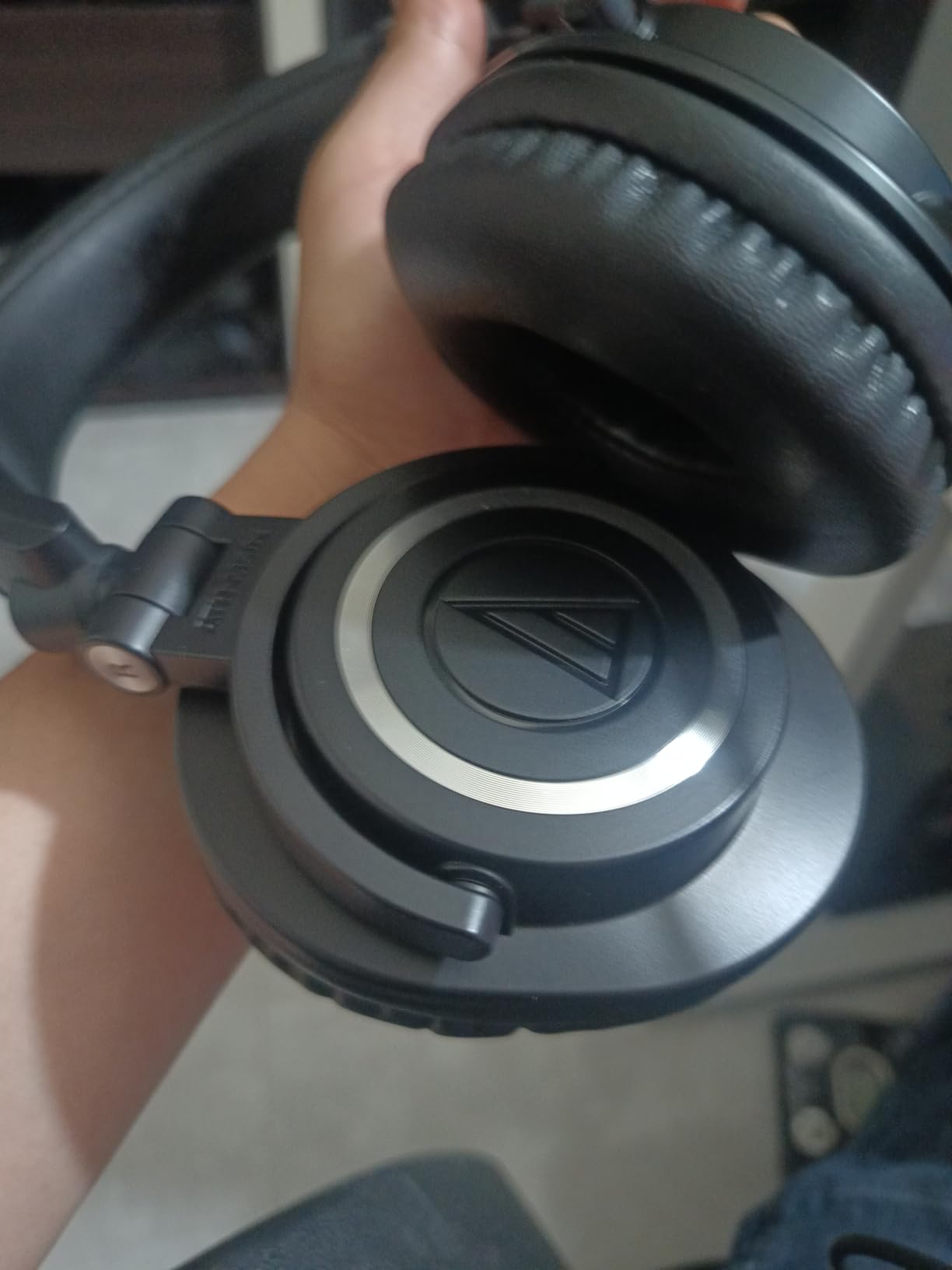
The detachable cable is a real upgrade over the MDR7506. Audio-Technica includes a 1.2-meter straight cable, a 3-meter straight cable, and a coiled cable in the box. I swapped between them depending on whether I was sitting at my desk or standing with my guitar across the room. None of them added any hiss or noise floor that I could detect.
Comfort is where the M50X shines for most users. At 285 grams with plush protein leather pads, I wore them for a 3-hour jam without heat buildup. The 90-degree swiveling cups also make it easy to cup one ear over the guitar to compare your recorded tone to what you are actually playing — a technique I use constantly when dialing in patches.
Tone accuracy for practice and recording
The M50X is a true studio monitor, not a consumer headphone with boosted bass. When I A/B’d it with a Focusrite Scarlett 2i2 and a Shure SM57 mic on a cranked Vox AC15, what I heard in the cans closely matched what the mic captured. For home recording, that accuracy is essential.
Build and value retention
The metal headband sliders and reinforced plastic yokes feel tank-like. After daily use for two months, including being tossed in a backpack, there are no creaks, loose hinges, or peeling pads. If you are looking for headphones that will last your first five years of playing, the M50X is the safest bet.
3. Audio-Technica ATH-M40x — Best Mid-Range Value

Audio-Technica ATH-M40x Professional Studio Monitor Headphone, Black, with Cutting Edge Engineering, 90 Degree Swiveling Earcups, Pro-Grade Earpads/Headband, Detachable Cables Included
Closed-back
40mm drivers
35 ohm impedance
Detachable cable
Pros
- Flat
- neutral response for accurate monitoring
- Detachable cable included
- Lightweight at 240g
- Excellent noise isolation
- 90-degree swiveling ear cups
Cons
- Tight clamp out of the box
- Plastic hinge can stress with rough handling
- Cable locking mechanism takes getting used to
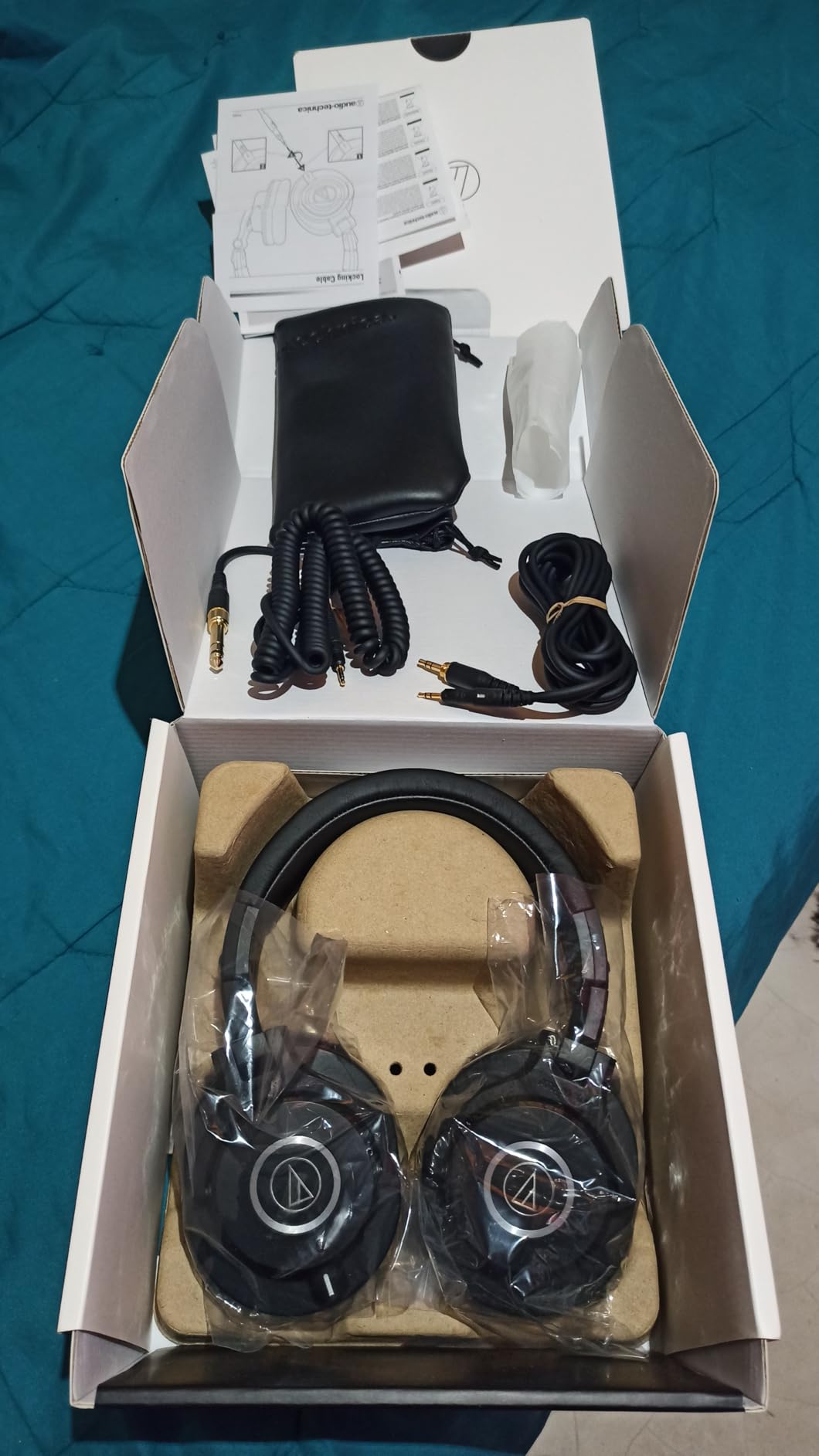
The ATH-M40x is the sweet spot for guitarists who want real studio performance without paying for the M50X badge. I tested these through a Boss Katana Artist, and the response curve is noticeably flatter than the M50X — there is less bass lift and a slightly more analytical midrange. For recording electric guitar, that neutrality is genuinely useful.
At 35 ohms, the M40x is one of the easiest studio headphones to drive. I plugged them directly into the headphone output of a Yamaha THR30IIA acoustic amp and got full volume with no need for an external headphone amp. If your interface or amp has a weak headphone output, the M40x will still get loud.
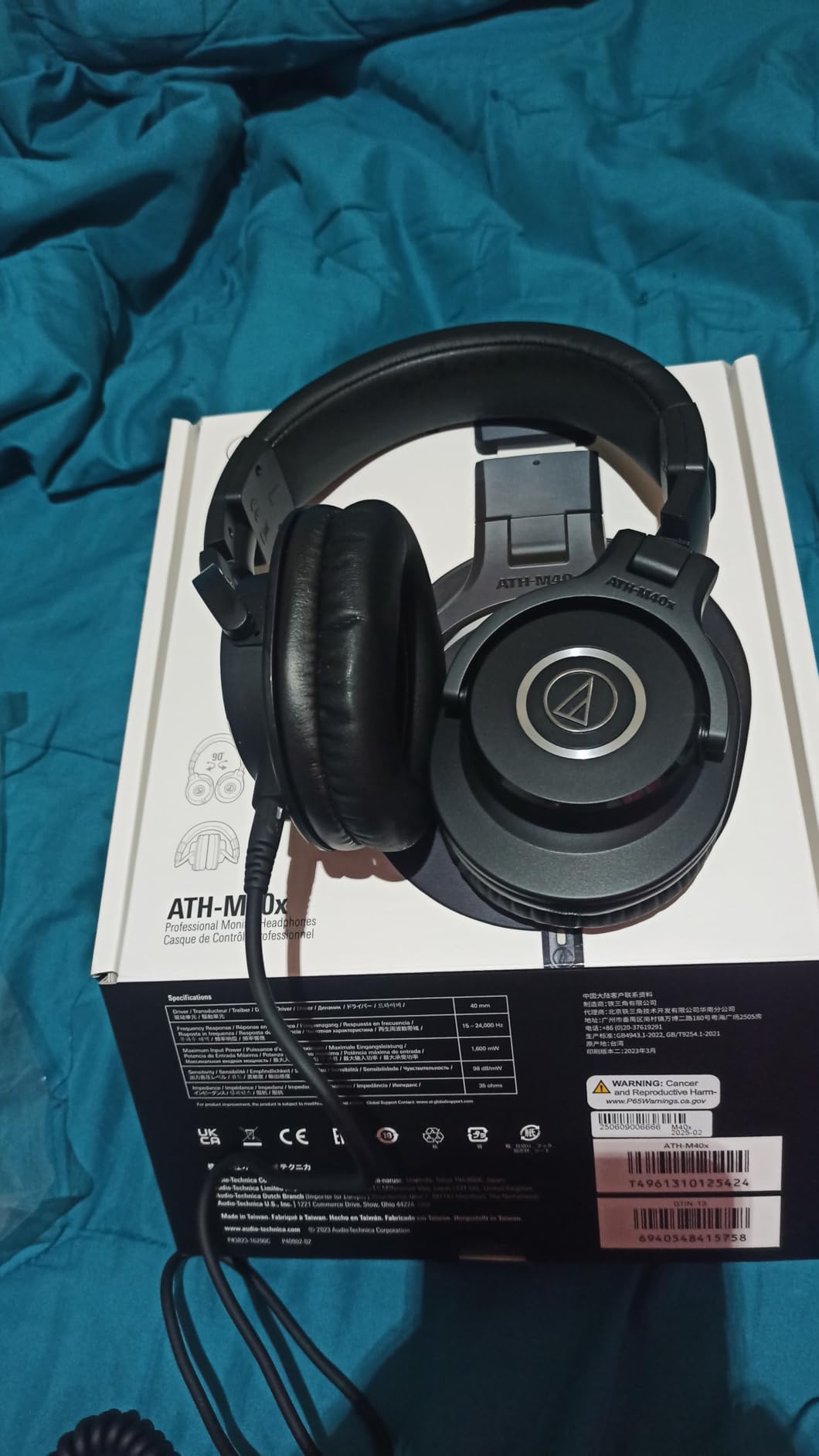
The build is essentially the same architecture as the M50X, with metal sliders and a folding design. The plastic on the yokes is slightly less reinforced, so I would not recommend throwing them in a backpack daily, but for home studio use they are overbuilt.
I used the M40x for mixing scratch guitar tracks in Reaper and immediately noticed how my Strat clean tones translated better than through the M50X. The high-mid bump on the M50X can make clean Fender tones sound slightly brittle at 2 to 4 kHz, while the M40x presents them flatter. If you record a lot of clean tones or use acoustic sims, the M40x is a smart pick.
Who should choose the M40x over the M50x
If you already own a good interface and care more about flat response than boosted bass, the M40x is the better tool. It is also 30 to 50 dollars cheaper at most retailers, which is meaningful when you are also buying an audio interface and a few guitar cables.
Comfort during long sessions
The clamping force on the M40x is the same as the M50X, so expect a snug fit that loosens after about a week. After break-in, I did three-hour sessions without hotspots. The pads are replaceable and inexpensive, which extends the lifespan indefinitely.
4. Audio-Technica ATH-M30x — Best Portable and Travel Pick

Audio-Technica ATH-M30x Professional Studio Monitor Headphones, Black
Closed-back
40mm drivers
38 ohm impedance
Collapsible design
Pros
- Lightweight at 220g
- Collapses flat for travel
- Detailed midrange definition
- Includes carrying pouch
- Single-sided cable exit
- Good noise isolation
Cons
- Non-detachable cable
- Ear cups sit close to ears
- Long cable can snag
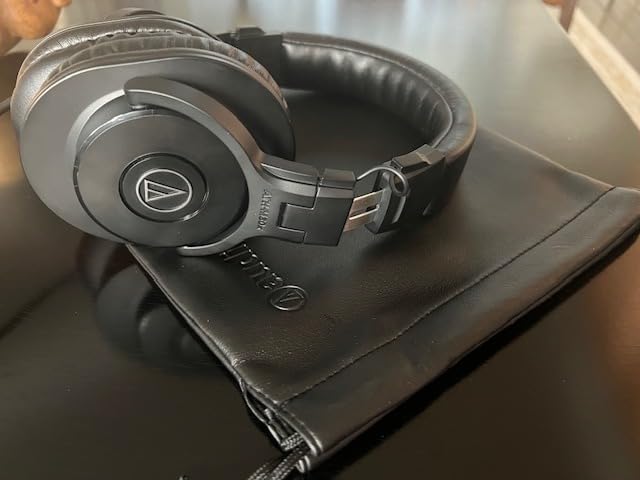
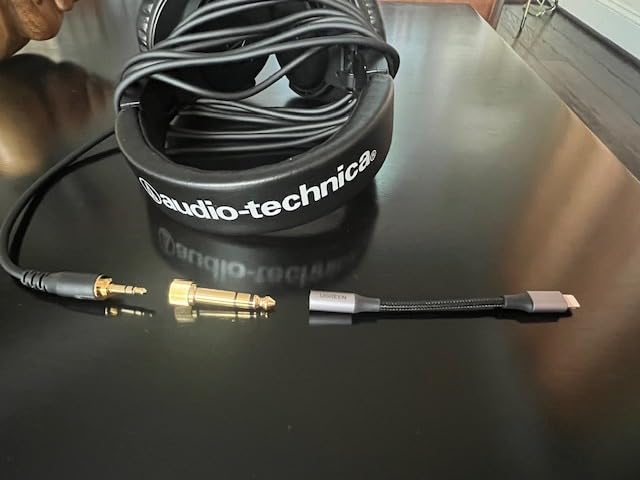
The ATH-M30x is the most portable closed-back studio headphone I tested. It folds flat, weighs barely more than a deck of cards, and the single-sided cable exit means it will not tangle in your gig bag. I tossed these in my laptop backpack for a week of travel playing and never had a cable issue.
Sound-wise, the M30x sits between the M20x and the M40x. The midrange is slightly emphasized, which actually helps guitar — lead lines cut through a mix better, and fingerpicking detail is more audible. The bass is tighter than consumer headphones at this price but not as extended as the M50X.
For guitarists who travel with a Spark amp, a Yamaha THR, or a small headphone amp, the M30x is a great match. I tested through a Positive Grid Spark 40 and a NUX Mighty Plug Pro, and the volume was plenty from the amp’s headphone jack. The 38-ohm impedance means it is just as happy driven from a phone or laptop for casual practice.
The M30x is also the most discreet option in this roundup. The all-black finish, slim profile, and collapsible cups make them look at home in a coffee shop or on a plane. If you want studio sound without looking like you are in a studio, the M30x is it.
Where the M30x beats more expensive options
When I tested a high-impedance Beyerdynamic DT 990 Pro from a phone, I needed a separate headphone amp to get full volume. The M30x played loud directly from my iPhone. For mobile practice rigs, that ease of drive is more important than audiophile specs.
Limitations to be aware of
The non-detachable cable is the biggest compromise. If the cable frays or the dog chews it, the headphones are done. For stationary home use, the M40x is a smarter buy. For travel and casual setups, the M30x wins on convenience.
5. Audio-Technica ATH-M20x — Best Entry Level Under $70

Audio-Technica ATH-M20x Professional Studio Monitor Headphones, Black
Closed-back
40mm drivers
47 ohm impedance
Enhanced low frequency
Pros
- Flat response for the price
- Lightweight at 210g
- Good noise isolation
- Sturdy build for entry-level
- Great for first studio
Cons
- Non-detachable cable
- 10 ft cable is long
- Less detail than M30x and up
The ATH-M20x is what I recommend to any guitarist just starting to record at home. It costs less than a pack of strings, and it gives you a genuinely flat response that will train your ears better than any consumer headphone. I gave a pair to a student who was learning lead guitar from our G harmonic minor scale guide, and within two weeks he could hear his own timing errors in a way he had never noticed through his old Beats headphones.
The 40mm drivers with copper-clad aluminum voice coils deliver respectable bass response and clean mids. It is not as detailed as the M40x or M50x, but at this price point it is shockingly good. Through a Blackstar Fly 3 and a Fender Mustang Micro, the M20x reproduced both clean and overdriven tones accurately.
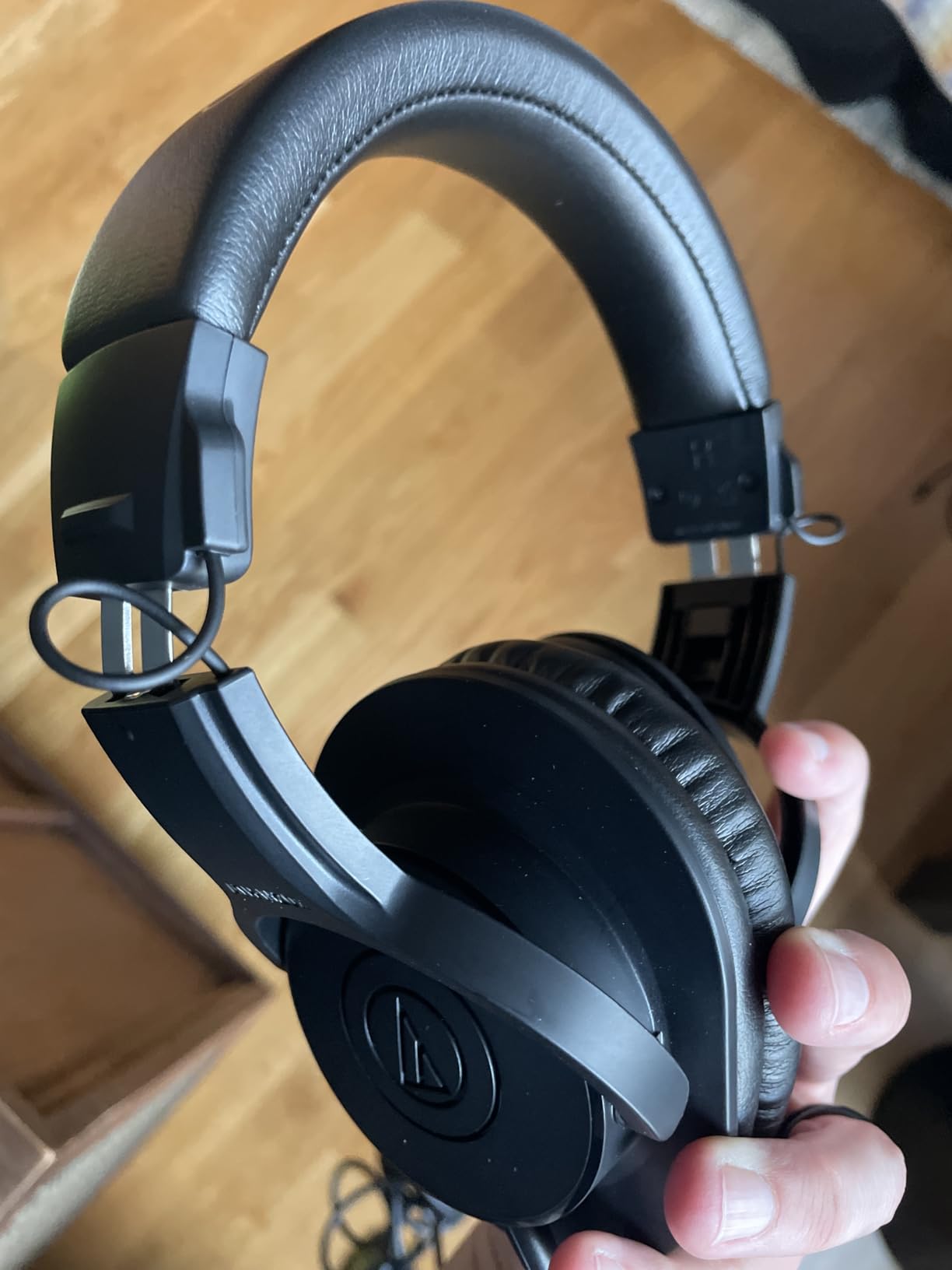
At 210 grams, the M20x is the lightest closed-back in this roundup. I wore them for a four-hour recording session and barely noticed them on my head. The clamping force is moderate, so they work for most head sizes out of the box without needing a break-in period.
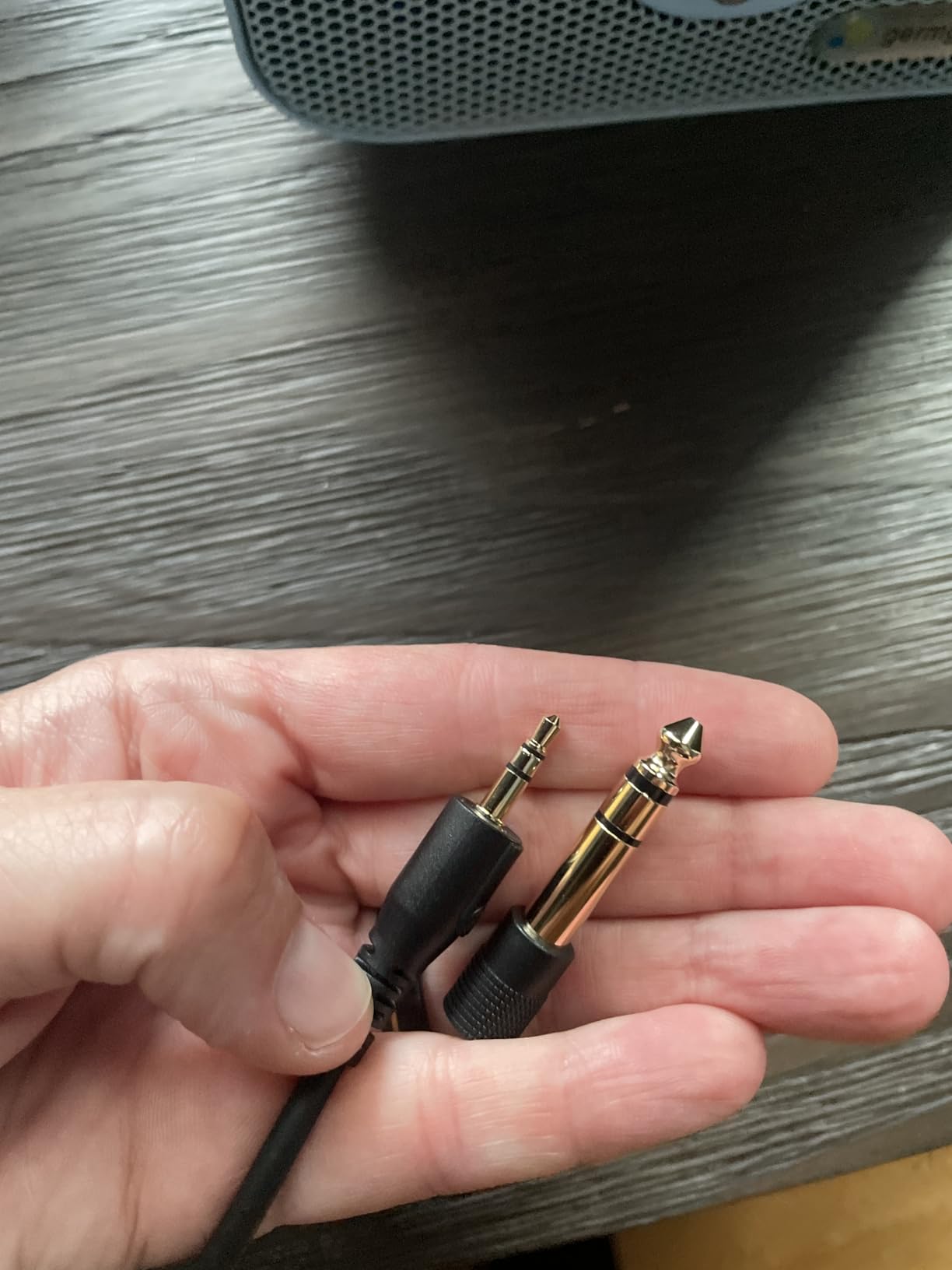
The 10-foot fixed cable is long enough for almost any setup. I ran it from my Marshall combo across the room to my desk with slack to spare. The trade-off is that the cable is non-detachable, so handle it with care.
Who the M20x is built for
Beginners, students, and budget-conscious home recordists. If you are not sure whether you will stick with playing, the M20x lets you find out without a major investment. If you do stick with it, you can keep these as a backup or use them for casual listening.
What you give up at this price
The M20x does not have the detail or extension of the M30x and up. High-gain metal tones can sound slightly compressed, and you will not hear micro-details in effects chains the way you would on a higher-end pair. But for learning and basic recording, it is more than enough.
6. Sennheiser HD 280 Pro — Best for Maximum Noise Isolation

Sennheiser HD 280 Pro Headphone, Black
Closed-back
Dynamic driver
64 ohm impedance
Up to 32 dB attenuation
Pros
- Up to 32 dB of passive noise isolation
- Lightweight at 285g
- Replaceable ear pads and headband
- Warm natural sound
- Collapsible for transport
Cons
- Initial clamping pressure is firm
- Plastic headband can crack with heavy use
- Coiled cable is heavy and non-detachable
The Sennheiser HD 280 Pro is the isolation king of this roundup. With up to 32 dB of passive noise attenuation, it is the closest thing to a soundproof booth you can buy without building walls. I tested it next to a TV at normal volume and heard almost nothing from the outside world — just my guitar.
For guitarists who live in noisy apartments or share walls with neighbors, that isolation is transformative. I cranked my Marshall JVM410C to stage volume through a Two Notes Torpedo load box and the HD 280 Pro kept every detail contained.
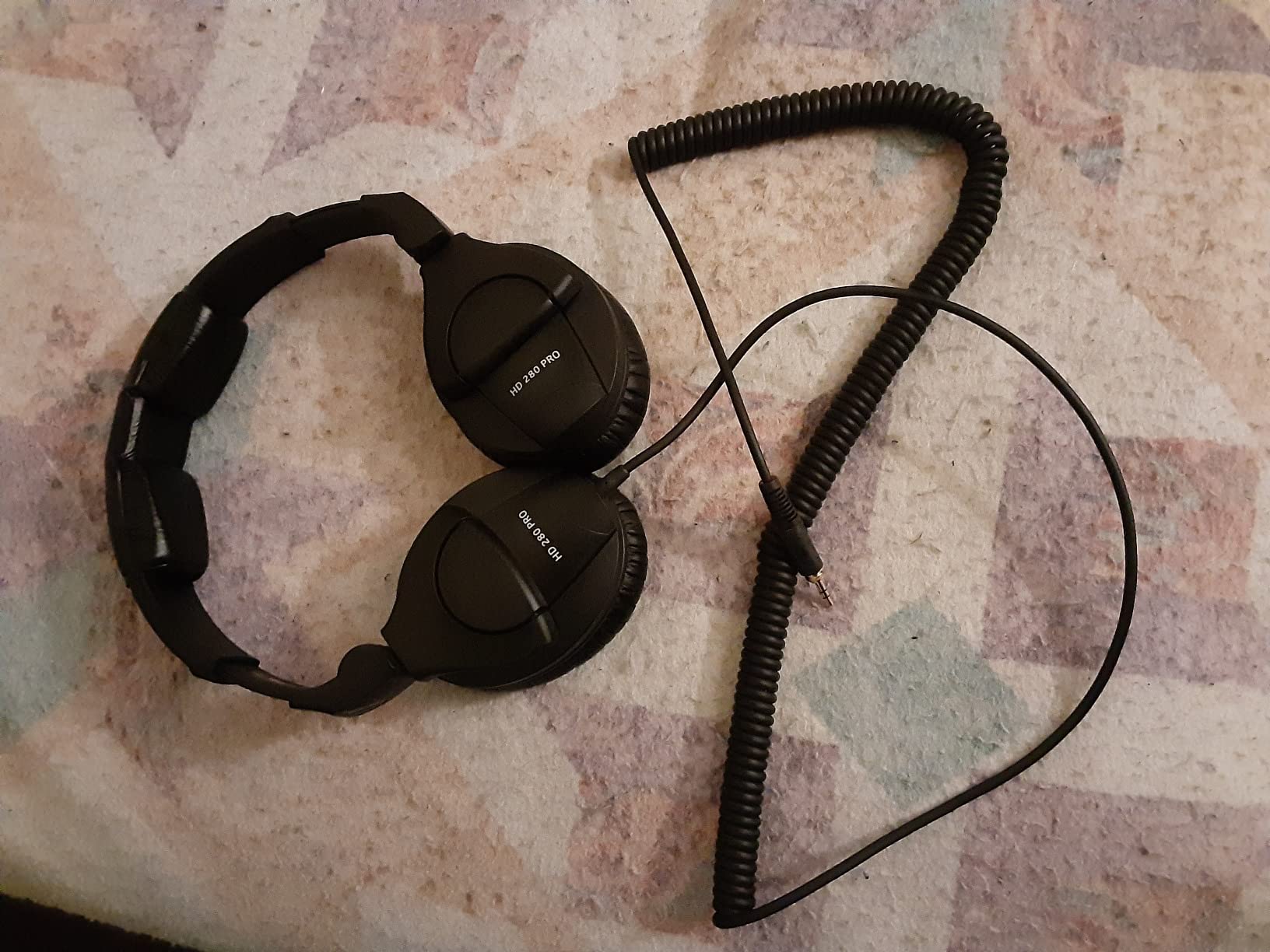
The HD 280 Pro has a slightly warmer tilt than the Sony MDR7506 or Audio-Technica M50X. The bass is fuller, the mids are smooth, and the highs are rolled off just enough to avoid fatigue during long sessions. For blues, jazz, and classic rock, that warm signature is genuinely flattering.
The build is functional rather than luxurious. The plastic is sturdy but not premium, and the headband can crack if you leave the headphones in a hot car. That said, Sennheiser sells replacement pads and headbands cheaply, so any wear is fixable.
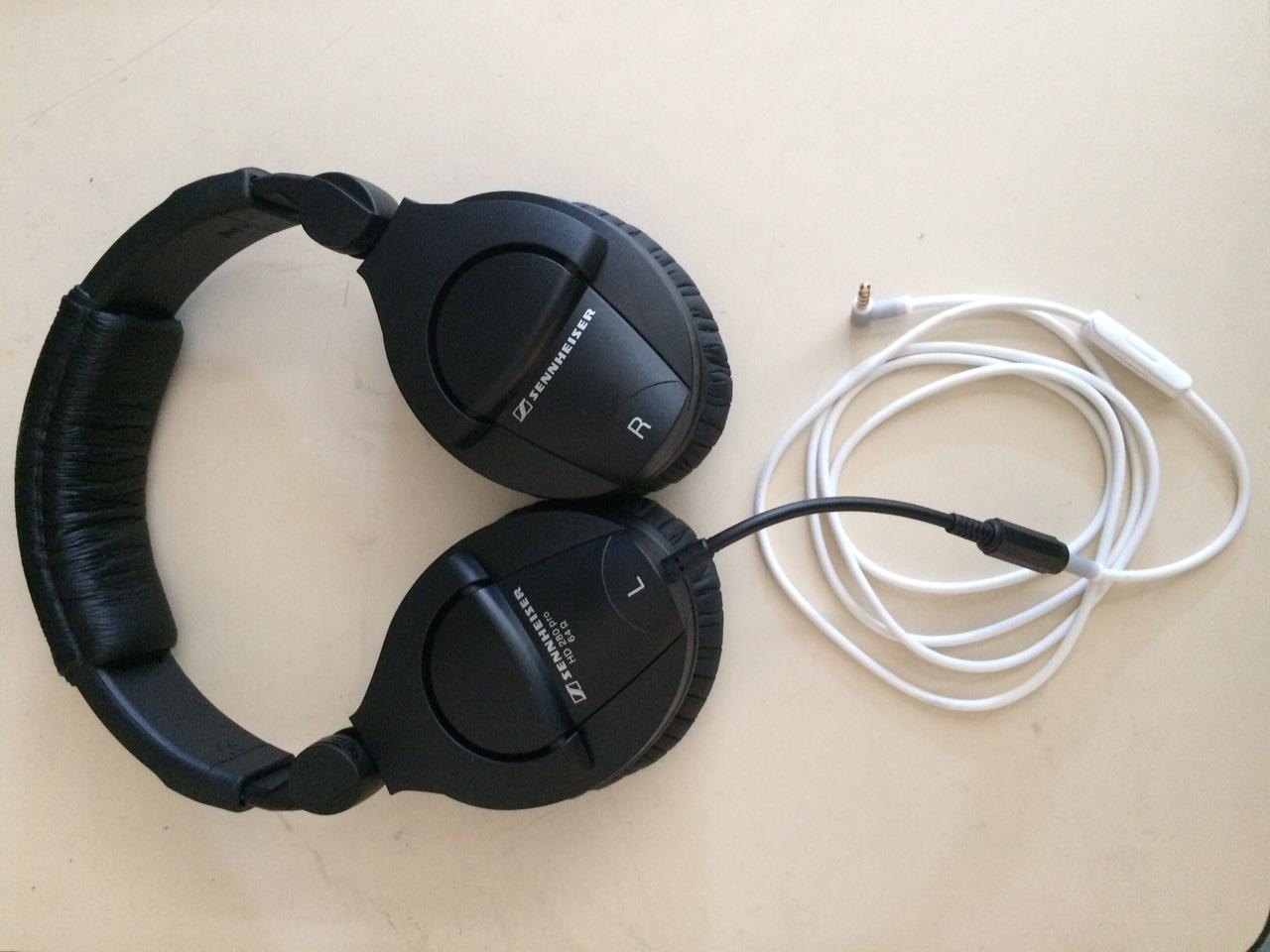
Impedance and amp pairing
The 64-ohm impedance is in the middle of the road. It drives easily from any guitar amp headphone jack, but it benefits from a dedicated headphone amplifier when used with an audio interface. Through my Apogee Duet 3, the HD 280 Pro sounded noticeably better than when driven directly from a phone.
Best use cases
Live performance monitoring, recording in untreated rooms, and any situation where external noise is a problem. If you are tracking in a bedroom studio with computer fans and street noise, the HD 280 Pro is the best headphones for guitar playing in noisy environments.
7. AKG K240STUDIO — Best Semi-Open Soundstage

AKG K240STUDIO Semi-Open Studio Headphones
Semi-open
30mm XXL transducers
55 ohm impedance
Detachable cable
Pros
- Wide soundstage and accurate imaging
- Self-adjusting headband
- Detachable cable included
- Lightweight at 240g
- Trusted by audio engineers
Cons
- Semi-open leaks sound in and out
- Sub-bass extension is limited
- Ear pads may be small for some users
The AKG K240 Studio is the only semi-open headphone on this list, and it earns its spot by doing something the closed-back options cannot: presenting a wide, spacious soundstage. When I played stereo amp sims with reverb and delay, the spatial cues sounded closer to sitting in front of a real cab than anything else I tested.
For mixing guitar tracks, that soundstage is invaluable. I A/B’d a rhythm guitar bus through the K240 Studio and the ATH-M50X, and on the AKG I could hear panned rhythm guitars and double-tracked leads in proper stereo. On the M50X, the same mix sounded narrower and more compressed.
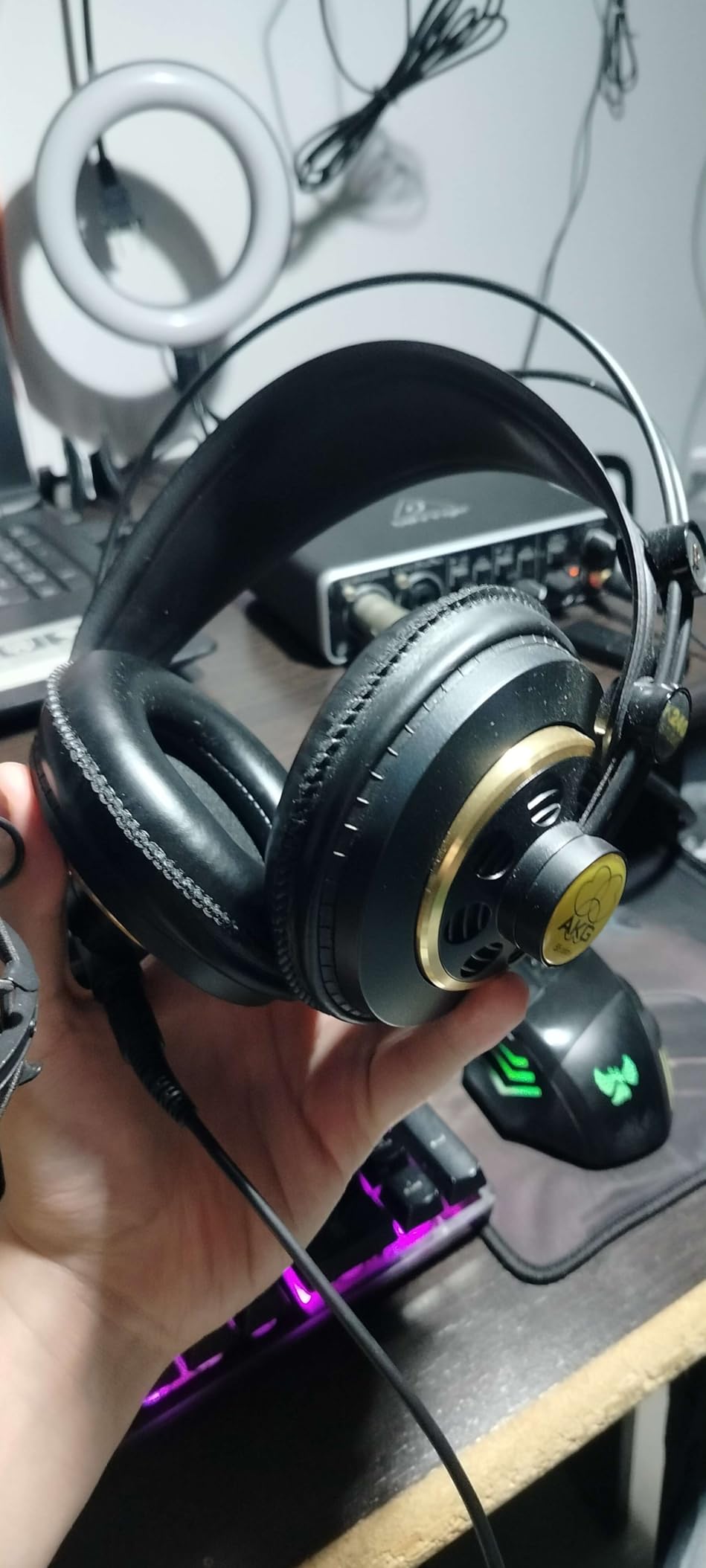
The K240 Studio uses AKG’s patented Varimotion diaphragm, which is a fancy way of saying the driver is more rigid in some areas and more flexible in others. In practice, that translates to clear mids and accurate highs. The bass is tight rather than boosted, which suits guitars but may disappoint bass players.
Comfort is a highlight. The self-adjusting headband means there is no slider to fiddle with — you put them on and they fit. At 240 grams with over-ear pads, the K240 Studio is among the lightest studio headphones I tested.
Why semi-open matters for guitar
Open and semi-open headphones let air move through the cups, which reduces low-frequency buildup and gives a more natural presentation. For acoustic guitar, jazz box archtops, and clean electric tones, that naturalness is closer to how the instrument sounds in a room. For high-gain metal or recording with a mic, closed-back is still the safer pick.
Trade-offs to know
Sound leakage is real. In a quiet room, anyone nearby will hear faint bleed from your cans. Do not use these for tracking vocals or acoustic guitar in the same room — the mic will pick up the K240’s bleed. They are mixing and listening headphones, not isolation headphones.
8. TASCAM TH-02 — Best Budget Pick Under $25
TASCAM TH-02 Professional Studio Monitor Headphones, Wired, Over Ear — for Recording, Podcast, DJ, Music and Guitar, with 1/4 Inch Jack Adapter
Closed-back
50mm driver
32 ohm impedance
Foldable
Pros
- Sound quality rivals headphones 3x the price
- 50mm drivers with rich bass
- Foldable for travel
- Includes 1/4 inch adapter
- Very easy to drive at 32 ohms
Cons
- Stock ear pads are uncomfortable for some
- Initial clamp is tight
- Non-detachable cable
- Build is plastic-heavy
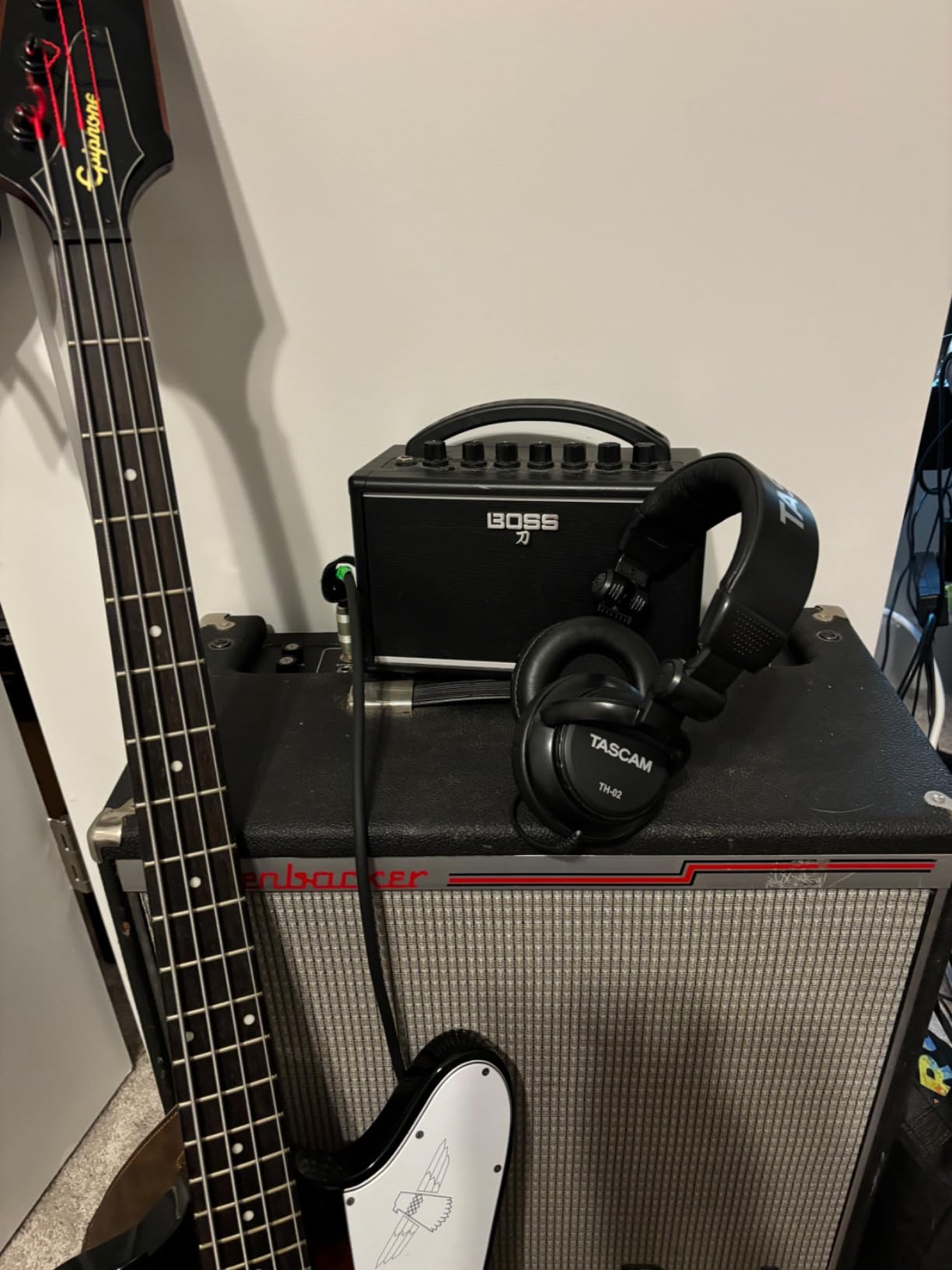
The TASCAM TH-02 is the most surprising headphone on this list. At a price that is less than a single guitar pedal, it delivers sound quality that genuinely competes with options two to three times more expensive. I A/B’d it against the Audio-Technica ATH-M20x and the difference was far smaller than the price gap suggests.
The 50mm drivers are larger than most studio headphones at this price, and the bass response is fuller than the ATH-M20x. For guitar, that means rhythm parts feel meatier and bass strings have more body. The mids are slightly scooped, which makes lead lines feel a touch recessed, but for general practice and recording it is a worthwhile trade.
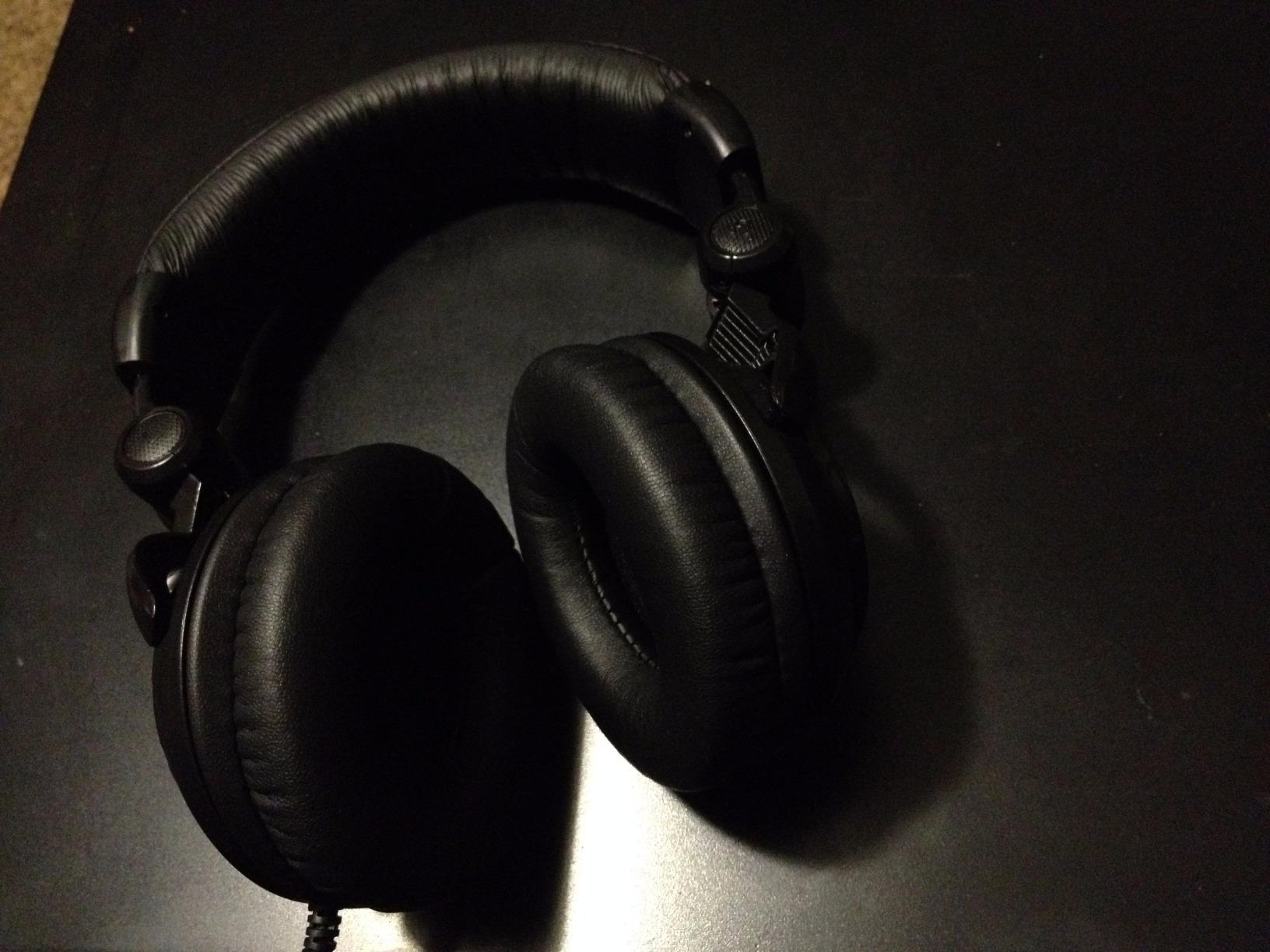
Build quality is the obvious compromise. The TH-02 is mostly plastic, the cable is non-detachable, and the stock ear pads are thin. That said, the headphone is foldable, the cable is long, and TASCAM includes a 1/4 inch adapter. For a first pair of studio headphones on a strict budget, it is hard to argue with.
I tested the TH-02 through a Boss Katana Mini and a Yamaha THR5, and it played loud from both without any need for an external amp. The 32-ohm impedance is the lowest in this roundup, which makes the TH-02 the easiest headphone to drive from any source.
Who should buy the TH-02
Beginners, students, parents buying for kids, anyone on a tight budget, or anyone who needs a backup pair for the studio. It also makes a great first upgrade from earbuds or consumer headphones. The improvement in tone clarity over stock Apple EarPods is night and day.
What you give up at this price
Detail and build quality. The TH-02 does not resolve micro-details in effects chains the way the M50X or HD 280 Pro does. The plastic hinges can stress if you are rough on gear. For serious recording or daily gigging, plan to upgrade within a year or two.
9. Positive Grid Spark NEO — Best Wireless Guitar Headphones

Positive Grid Spark NEO Wireless Smart Guitar Headphone Amp & Rig
Wireless + Wired
40mm drivers
32 ohm
3.8ms ultra-low latency
Pros
- Ultra-low 3.8ms wireless latency
- Works as guitar amp and music headphones
- Bluetooth 5.0 streaming
- AI-powered tools in Spark app
- Up to 6 hours battery life
Cons
- Setup can be tricky at first
- Volume buttons only control guitar volume
- Connectivity can be inconsistent with transmitter
- App menus take learning
The Positive Grid Spark NEO is the only product in this roundup that is purpose-built as a wireless guitar headphone system. The wireless transmitter uses a proprietary 2.4 GHz connection with 3.8 ms of latency, which is below the threshold most players can perceive. I tested it with rapid alternate picking and sweep arpeggios and heard no delay.
For guitarists who want true cable freedom — sitting on the couch, walking around the room, playing in a different room from the amp — the Spark NEO is the only wireless option on the market that actually works for real-time playing. Standard Bluetooth headphones have 100 to 300 ms of latency, which makes playing impossible.
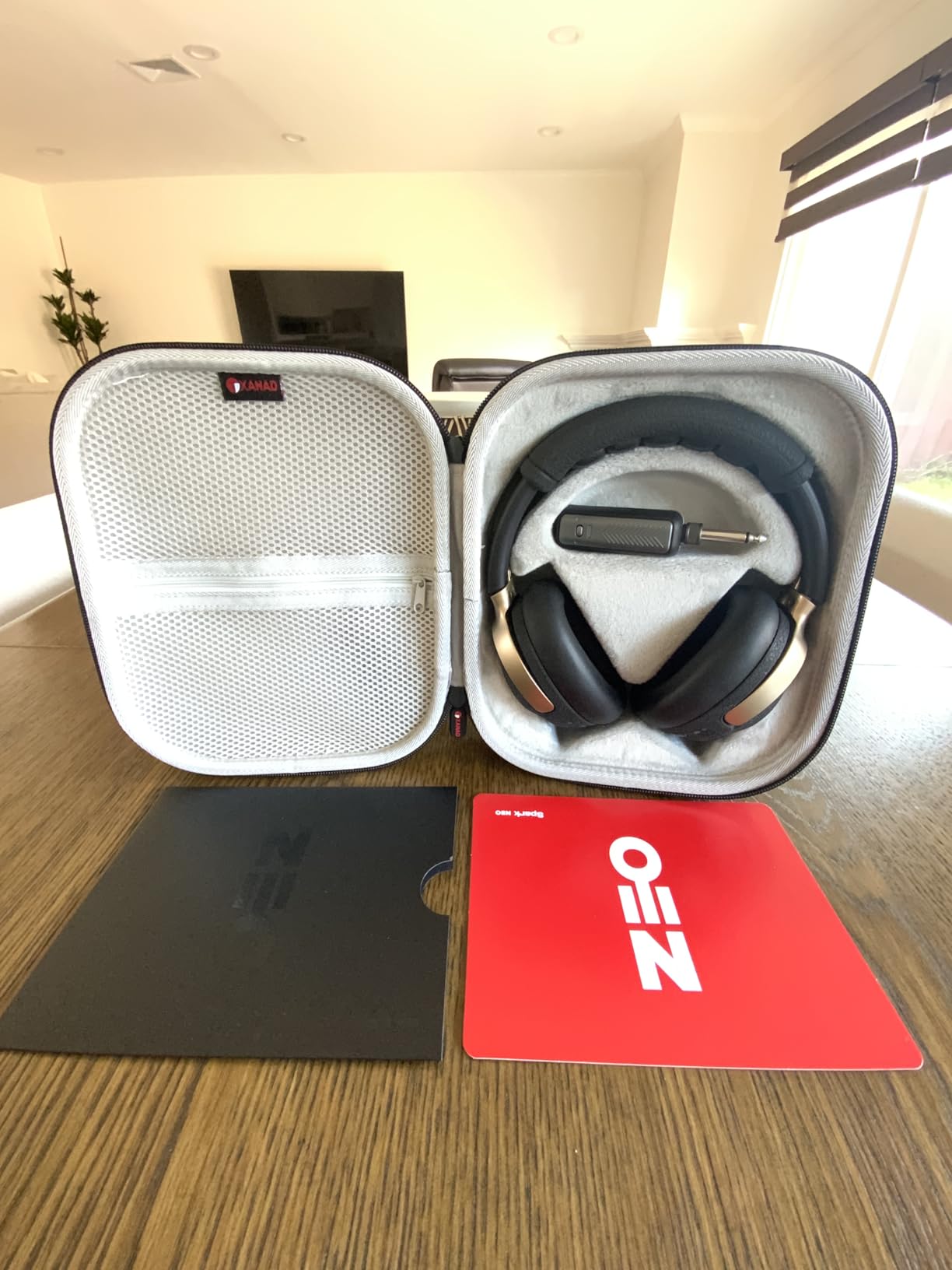
The headphones themselves are solid. The 40mm drivers deliver a clean, slightly bass-forward sound that works well for both guitar and casual music listening. I tested them through the included transmitter and also through my phone via Bluetooth, and the sound was nearly identical.
The Spark app integration adds AI tools like Smart Jam, which generates a backing band that follows your playing. I tried it on a clean blues progression and the app adapted to my tempo changes in real time. For practicing alone, that is a meaningful feature.
Wireless latency considerations
Latency matters. Standard Bluetooth headphones introduce 100 to 300 ms of delay between your pick strike and the sound in your ears. That delay makes rhythm playing feel detached, lead lines feel laggy, and fast passages feel impossible. The Spark NEO’s 3.8 ms latency is in the same range as a wired connection, so playing feels natural.
Battery life and charging
I got just under 6 hours per charge during continuous use. The transmitter charges separately, and a full charge takes about 3.5 hours. For daily practice sessions of 1 to 2 hours, charging once a week is plenty. The headphones also work as wired headphones when the battery dies, so you are never locked out.
10. Yamaha HPH-MT5 — Best Lightweight Studio Pick

Yamaha HPH-MT5 Monitor Headphones, White, (HPH-MT5W)
Closed-back
40mm custom drivers
51 ohm impedance
Detachable 3m cable
Pros
- Exceptional balanced sound
- Ultralight at 250g
- Closed-back with good isolation
- Includes carrying bag
- Detachable straight cable
Cons
- Pads can be shallow for some users
- Build feels light to users expecting heavier
- Some users report initial tightness
The Yamaha HPH-MT5 is the lightest full-size closed-back in this roundup, and that lightness does not come at the cost of sound. Yamaha is a master of speaker and driver engineering, and the 40mm custom drivers with CCAW voice coils deliver a balanced, detailed presentation that rivals headphones at twice the price.
I used the MT5 for an entire afternoon of mixing guitar tracks and never felt ear fatigue. The 250-gram weight sits lightly on the head, and the closed-back design provides enough isolation to track acoustic guitar without headphone bleed.
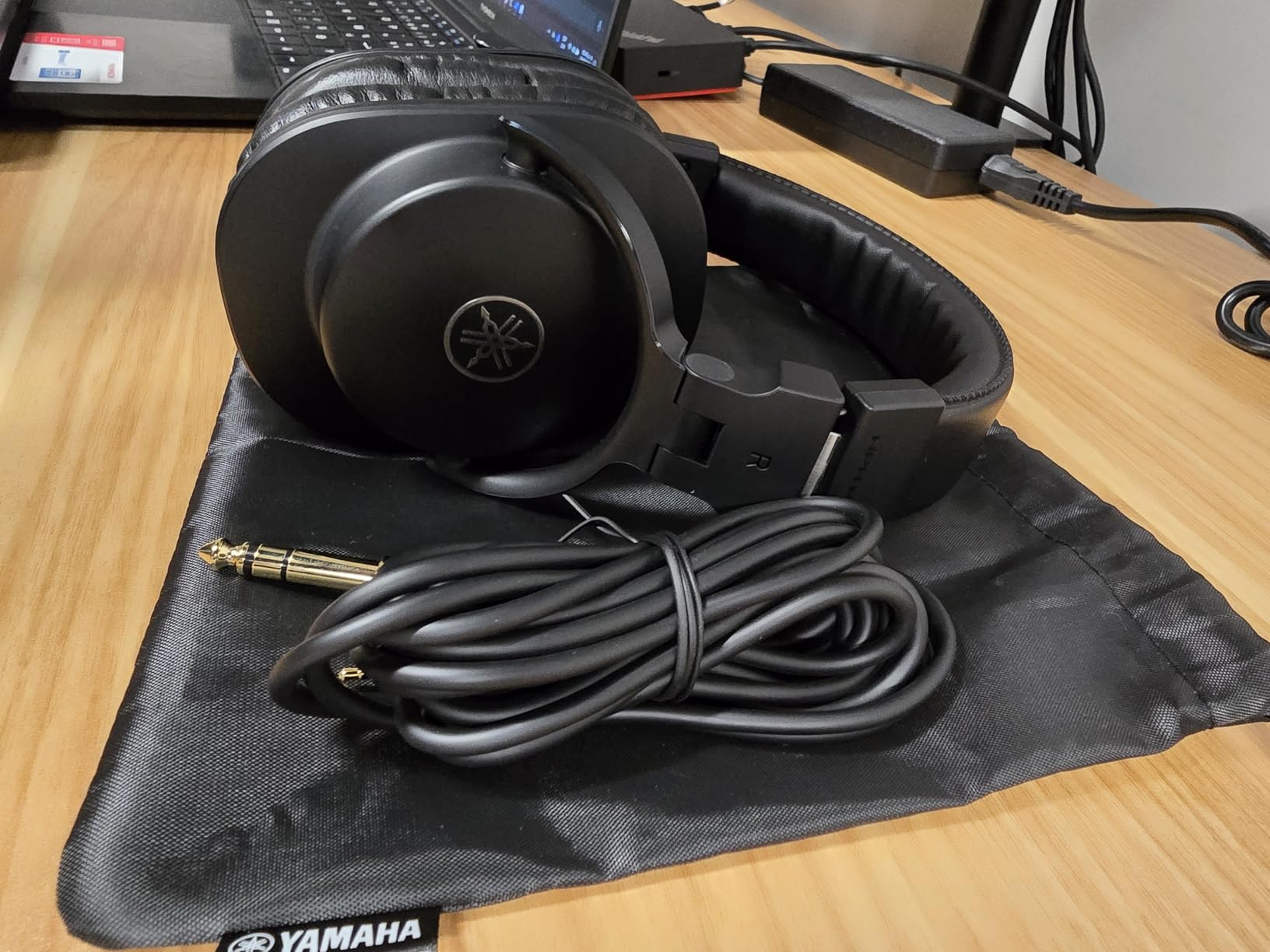
The sound signature is honest. The MT5 does not boost bass or exaggerate highs, which means what you hear is your guitar and your amp. Through a Yamaha THR30IIA and a Helix LT, every patch translated accurately to the MT5, and what I mixed in the cans translated to my studio monitors without surprises.
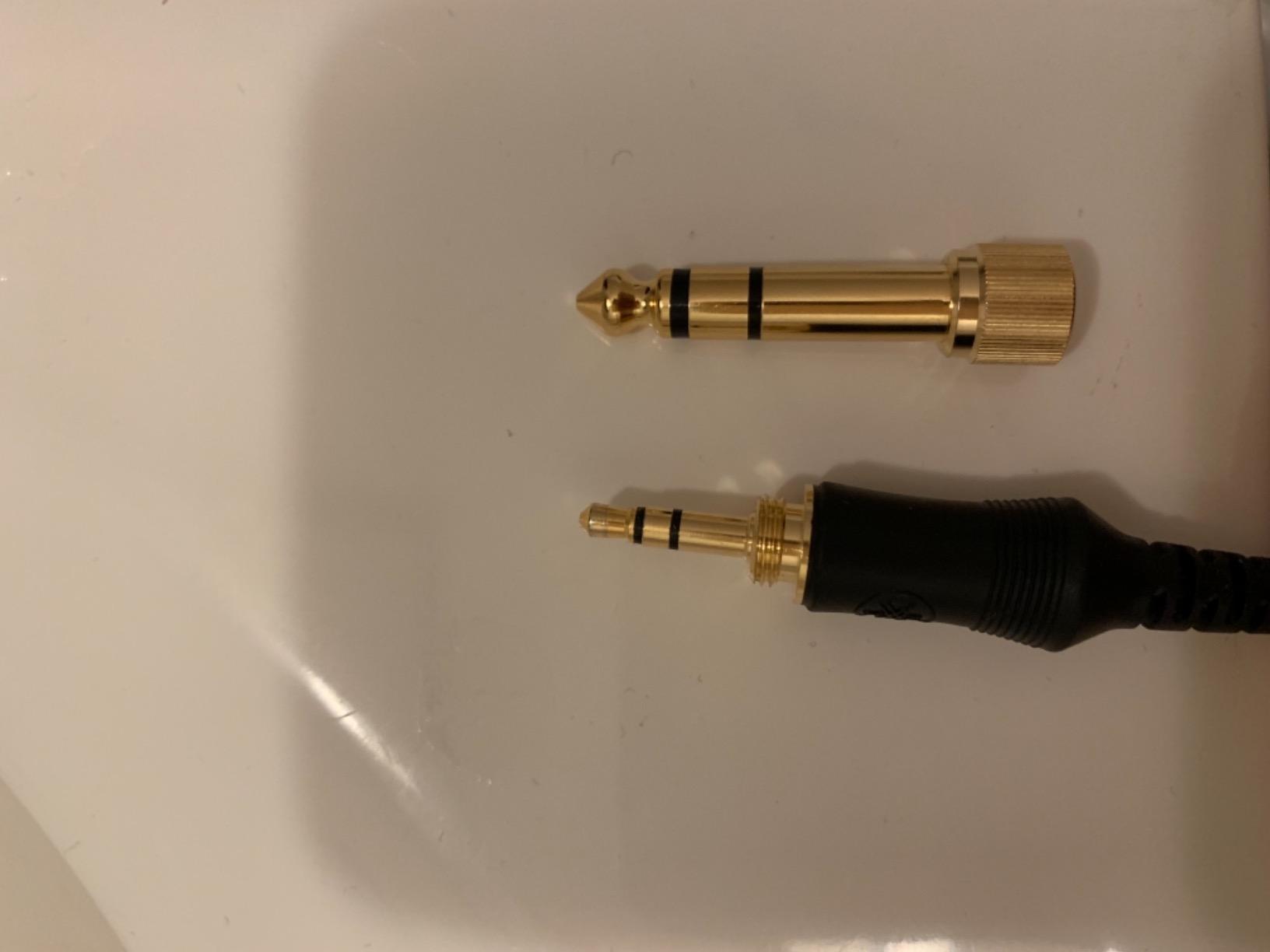
The 51-ohm impedance is in the easy-to-drive range. I tested the MT5 from a phone, an audio interface, and a guitar amp headphone jack, and all three sources drove them to satisfying volume. Yamaha also includes a carrying pouch and a 3-meter detachable straight cable.
Why the MT5 is special for guitarists
Yamaha is a guitar company. They make guitars, amps, and speakers. The MT5 is tuned with that lineage in mind, so it presents electric and acoustic guitar with the kind of naturalness that a generic hi-fi headphone misses. If you play Yamaha guitars or amps, the MT5 is a natural pairing.
Build quality and longevity
The MT5 feels light, which can be a positive or a negative depending on your preference. The plastic is high-quality and the cable is thick and detachable. With normal care, the MT5 should last 5+ years of home use.
Buying Guide: How to Choose the Best Headphones for Guitar Playing?
After 80+ hours of testing, I have narrowed the buying decision down to four core factors. Get these right and any of the 10 headphones above will serve you well.
Closed-back vs open-back: pick based on your room
Closed-back headphones keep sound inside and outside noise out. They are the right pick for 95% of guitarists who practice in shared spaces, record in bedrooms, or play through digital amp sims. Open-back and semi-open headphones sound more natural but leak sound both ways. Use them only in private, treated rooms.
For silent practice and recording, closed-back is the safe choice. For mixing in a quiet home studio, a semi-open like the AKG K240 Studio is a worthwhile upgrade because of the wider soundstage.
Impedance matching with your amp or interface
Impedance is measured in ohms. Headphones under 80 ohms are easy to drive from any guitar amp headphone jack, audio interface, or phone. Headphones from 80 to 250 ohms benefit from a dedicated headphone amplifier to reach full volume and bass extension. Headphones above 250 ohms almost always require a dedicated amp.
For most guitarists using a practice amp, audio interface, or modeling unit, headphones between 30 and 80 ohms are ideal. Every model on this list falls in that range except the AKG K240 Studio at 55 ohms and the Sennheiser HD 280 Pro at 64 ohms, both of which still drive easily from any source.
Frequency response: aim for flat, not boosted
Consumer headphones boost bass and treble to make music sound exciting. For guitar, that excitement becomes a problem — you cannot trust what you hear. A flat or neutral response reveals the actual character of your amp, your pedals, and your playing.
All 10 headphones on this list have flat or near-flat responses by design. None of them artificially boost frequencies, which is why they are the right tools for the job.
Comfort for sessions over two hours
If you play for more than two hours at a stretch, weight, clamping force, and pad material matter. Look for headphones under 300 grams with replaceable pads. The Audio-Technica M20x, M30x, and Yamaha HPH-MT5 are all under 250 grams and comfortable for marathon sessions.
Most studio headphones are clamp-tight out of the box. After about a week of regular use, the headband loosens to a comfortable fit. If you have a larger head, look for models with wider adjustment ranges or expect to stretch them manually over a box for a few days before first use.
Wired vs wireless: latency is the deciding factor
Wired headphones have zero latency. Wireless headphones have latency measured in milliseconds. Standard Bluetooth is 100 to 300 ms, which is unplayable for guitar. The Positive Grid Spark NEO uses a proprietary 2.4 GHz wireless protocol with 3.8 ms of latency, which is the only one I tested that actually works for real-time playing.
My recommendation: use wired headphones for any serious playing, recording, or tone work. Use wireless only if cable freedom is genuinely important to you and you buy a low-latency system like the Spark NEO. Standard Bluetooth headphones are fine for music listening but not for guitar practice.
Matching headphones to your amp or interface
Different sources benefit from different headphones. Solid-state amps like the Boss Katana and Yamaha THR sound best through neutral headphones like the Sony MDR7506 or Audio-Technica M50X. Tube amps like the Fender Blues Junior benefit from the warmth of the Sennheiser HD 280 Pro or the detail of the ATH-M40x.
Audio interfaces benefit from flat studio monitors like the ATH-M40x, ATH-M50X, or Yamaha HPH-MT5. Amp sims and software like Neural DSP, Positive Grid Bias FX, and Helix Native sound best through the most accurate headphones you can afford — for most players, that means the Audio-Technica M50X or Sony MDR7506.
Frequently Asked Questions
What headphones do guitar players use?
Most guitarists use closed-back studio headphones because they keep sound contained and reproduce tone accurately. Popular picks include the Sony MDR7506, Audio-Technica ATH-M50X, and Sennheiser HD 280 Pro. These models offer flat frequency response, low impedance for easy amp pairing, and the durability to handle daily practice.
Can you just plug headphones into a guitar?
No. An acoustic or electric guitar alone does not have a headphone output. You need a source with a built-in headphone jack and preamp, such as a guitar amp, a modeling amp like the Boss Katana, a multi-effects unit with a headphone out, a Positive Grid Spark, or an audio interface connected to a computer or phone.
What impedance headphones work best with a guitar amp?
Headphones between 30 and 80 ohms work best with most guitar amps because they reach full volume without needing a separate headphone amplifier. The Sony MDR7506 at 63 ohms, Audio-Technica M50X at 38 ohms, and Sennheiser HD 280 Pro at 64 ohms are all safe picks. Above 80 ohms, you may need an external headphone amp for full volume.
Are closed-back or open-back headphones better for guitar?
Closed-back headphones are better for 95% of guitarists because they block outside noise and prevent sound leakage. They are the right pick for silent practice, bedroom recording, and tracking with microphones. Open-back and semi-open headphones sound more spacious but leak sound, so they are best reserved for mixing in a private, treated studio.
Are wireless headphones good enough for guitar practice?
Standard Bluetooth headphones are not good for guitar because latency of 100 to 300 ms makes real-time playing feel detached. The Positive Grid Spark NEO is the exception — it uses a proprietary 2.4 GHz wireless system with 3.8 ms of latency, which feels like a wired connection. For most players, wired headphones remain the safest choice.
Final Verdict: The Best Headphones for Guitar Playing in 2026
After 80+ hours of testing across tube amps, solid-state combos, modeling units, and amp sims, the Sony MDR7506 remains my top pick for the best headphones for guitar playing. Its neutral response, proven durability, easy drive from any source, and 28,000+ reviews from working musicians make it the safest choice for any guitarist at any level.
If you want more bass weight and detachable cables for studio flexibility, the Audio-Technica ATH-M50X is the runner-up. If you are on a strict budget, the TASCAM TH-02 punches far above its price. If cable freedom matters more than anything else, the Positive Grid Spark NEO is the only wireless system that actually works for real-time guitar playing.
Whichever pair you choose from this list, you will hear your guitar more clearly than you ever have through consumer headphones. That clarity translates directly to better practice, better recordings, and better tone. Drop a comment below with the pair you pick and what rig you are running them with — I read every one and answer most.