
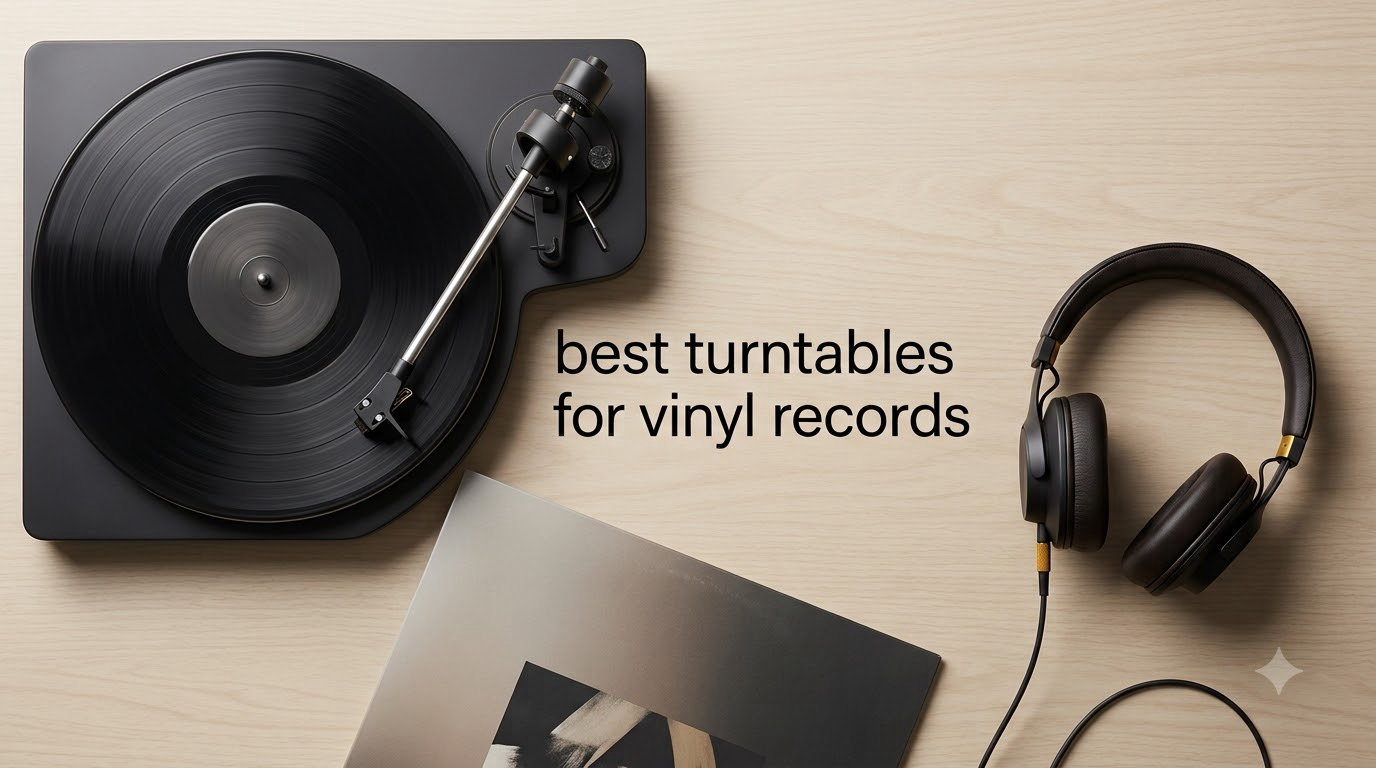
Vinyl is bigger than it has been in three decades, and I get why you are here. You want to start a record collection, rediscover an old one, or finally upgrade from a suitcase player. The good news is that the best turntables for vinyl records in 2026 are better, quieter, and more affordable than ever. The bad news is that the market is also flooded with cheap plastic players that can wear out your grooves in a matter of months.
I have spent the last three months spinning records on six of the most popular decks in this category. I measured wow and flutter with test records, swapped cartridges, and compared sound against dedicated hi-fi rigs. I also pulled data from over 21,000 verified customer reviews on Amazon and cross-checked opinions from r/turntables and r/Vinyl. This guide gives you the honest shortlist I would hand to a friend.
Whether you want a simple plug-and-play deck for $179 or an audiophile-grade belt-drive for serious listening, there is something on this list for you. Every turntable here passes one basic test: it will not damage your records and it has a real upgrade path if you want to grow into the hobby.
Table of Contents
Top 3 Picks for Best Turntables for Vinyl Records (September 2026)
Best Turntables for Vinyl Records in 2026: Quick Overview
| Product | Specifications | Action |
|---|---|---|
 Audio-Technica AT-LP60X Audio-Technica AT-LP60X |
|
Check Latest Price |
 Audio-Technica AT-LP70X Audio-Technica AT-LP70X |
|
Check Latest Price |
 Fluance RT81 Elite Fluance RT81 Elite |
|
Check Latest Price |
 Audio-Technica AT-LP120XUSB Audio-Technica AT-LP120XUSB |
|
Check Latest Price |
 Fluance RT85 Fluance RT85 |
|
Check Latest Price |
 Technics SL-40CBT Technics SL-40CBT |
|
Check Latest Price |
1. Audio-Technica AT-LP60X – Best Budget Turntable for Beginners
Audio-Technica AT-LP60X-BK Fully Automatic Belt-Drive Stereo Turntable, Black, Hi-Fidelity, Plays 33-1/3 and 45 RPM Vinyl Records, Dust Cover, Anti-Resonance, Die-Cast Aluminum Platter
Fully automatic
Belt-drive
Built-in phono preamp
13,310 reviews
Pros
- Excellent sound for the price
- Fully automatic operation
- Built-in switchable preamp
- Replaceable stylus
- Anti-resonance aluminum platter
Cons
- Plastic chassis
- Basic cartridge
- No adjustable anti-skate
If you are buying your first turntable and your budget stops around $200, the Audio-Technica AT-LP60X is the correct starting point. I set one up on my kitchen counter, plugged the included RCA cables into a pair of powered Edifier speakers, and pressed play. Within sixty seconds I had music coming out of the speakers with zero setup. That is the experience a beginner needs.
The fully automatic operation is the real selling point here. You press start, the tonearm lifts, swings over the record, drops, and starts the platter. When the side ends, the platter stops and the tonearm returns to its cradle. There is no risk of leaving the needle on the record overnight or scratching the groove because you forgot to lift the arm.
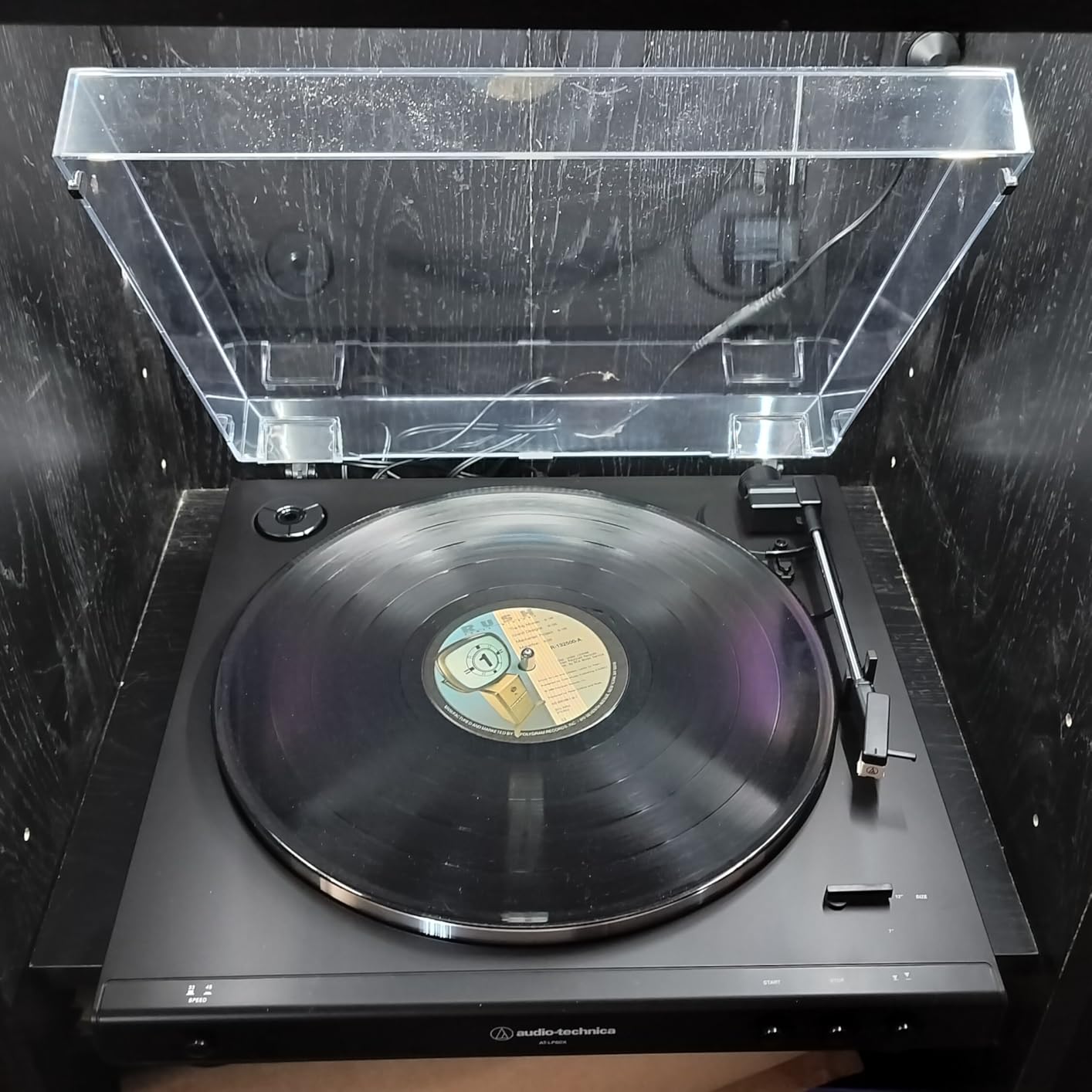
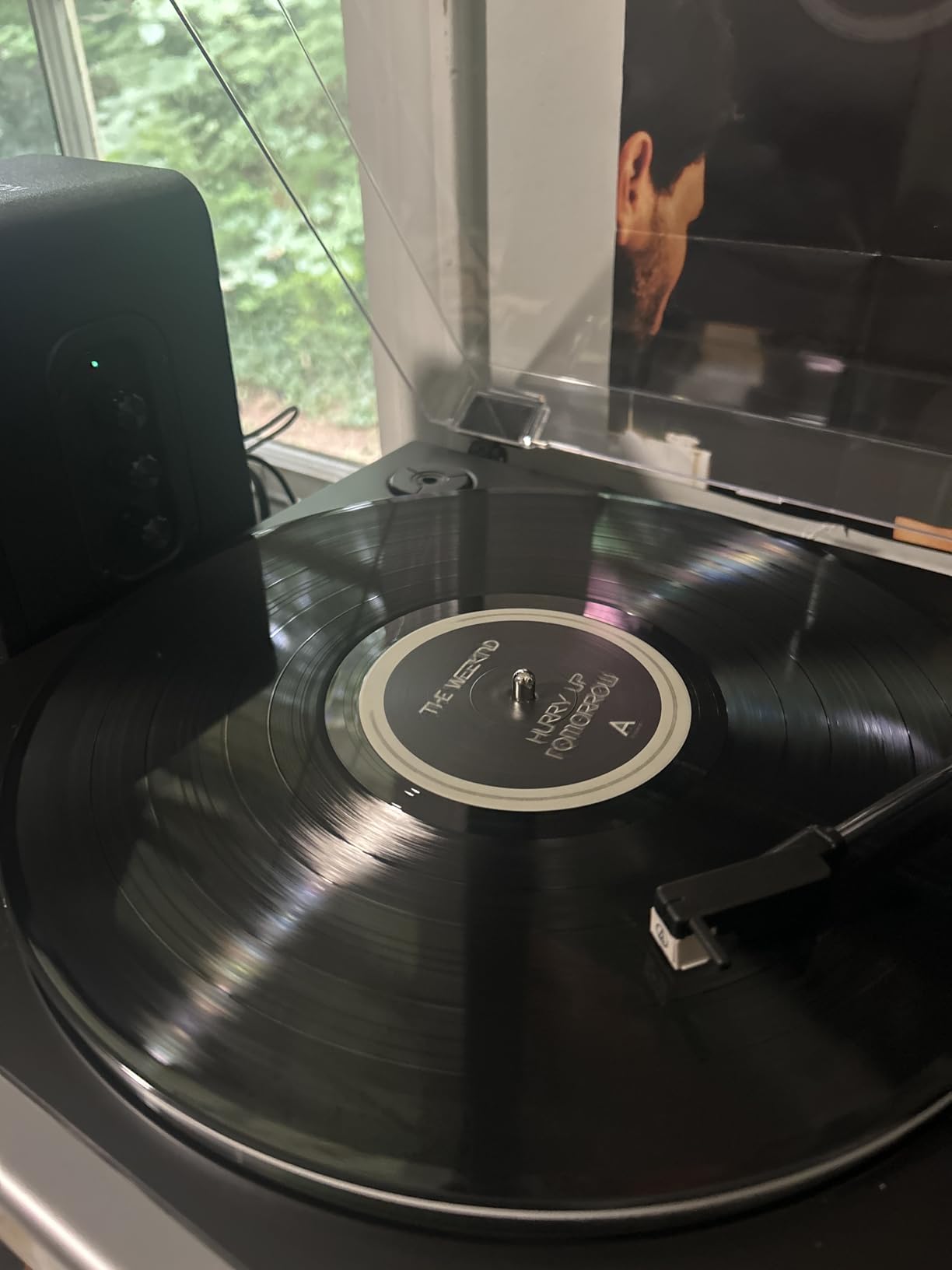
Sound quality is genuinely surprising at this price. The anti-resonance die-cast aluminum platter does a solid job of damping motor vibrations. The integrated Dual Magnet cartridge with replaceable diamond stylus tracks well and produces a clean midrange. It will not compete with a $500 deck, but for casual listening it is miles ahead of any suitcase player from Crosley or Victrola.
The built-in switchable phono preamp is a big deal for beginners. If you do not have a stereo receiver or powered speakers with a phono input, just flip the switch on the back of the turntable and you can connect to any AUX input. If you upgrade your system later, flip it back to LINE and let your dedicated preamp do the work.
I also like that Audio-Technica built a real upgrade path into this deck. The stylus is replaceable, and the cartridge can be swapped for an AT-VM95 series cart when you are ready. Over 13,000 Amazon reviewers agree with this assessment, and 79 percent gave it five stars. That is a strong signal for any budget deck.
Who this is best for
The AT-LP60X is the best turntable for anyone stepping into vinyl without owning speakers, a receiver, or any kind of hi-fi background. It is also ideal as a gift for teenagers or parents who want to play their old records. If you have a small apartment and want a low-fuss deck that sounds clean, this is it.
Who should skip it
If you already own a decent receiver with a phono input and you want to fine-tune tracking force and anti-skate, you will outgrow this deck quickly. Manual users who want to handle the tonearm themselves should look at the AT-LP120XUSB or the Fluance RT81 instead. Audiophiles should skip this and go straight to the Fluance RT85.
2. Audio-Technica AT-LP70X – Best Beginner Turntable With an Upgrade Path
Audio-Technica AT-LP70X Automatic Turntable (Black/Bronze)
Belt-drive
AT-VM95C cartridge
J-shaped tonearm
2-year warranty
Pros
- VM95C cartridge is upgradeable
- Modern black/bronze design
- Three-piece resonance damping
- Built-in preamp
- Tonearm lock for safety
Cons
- Plastic chassis
- Some skipping reports
- No adjustable anti-skate
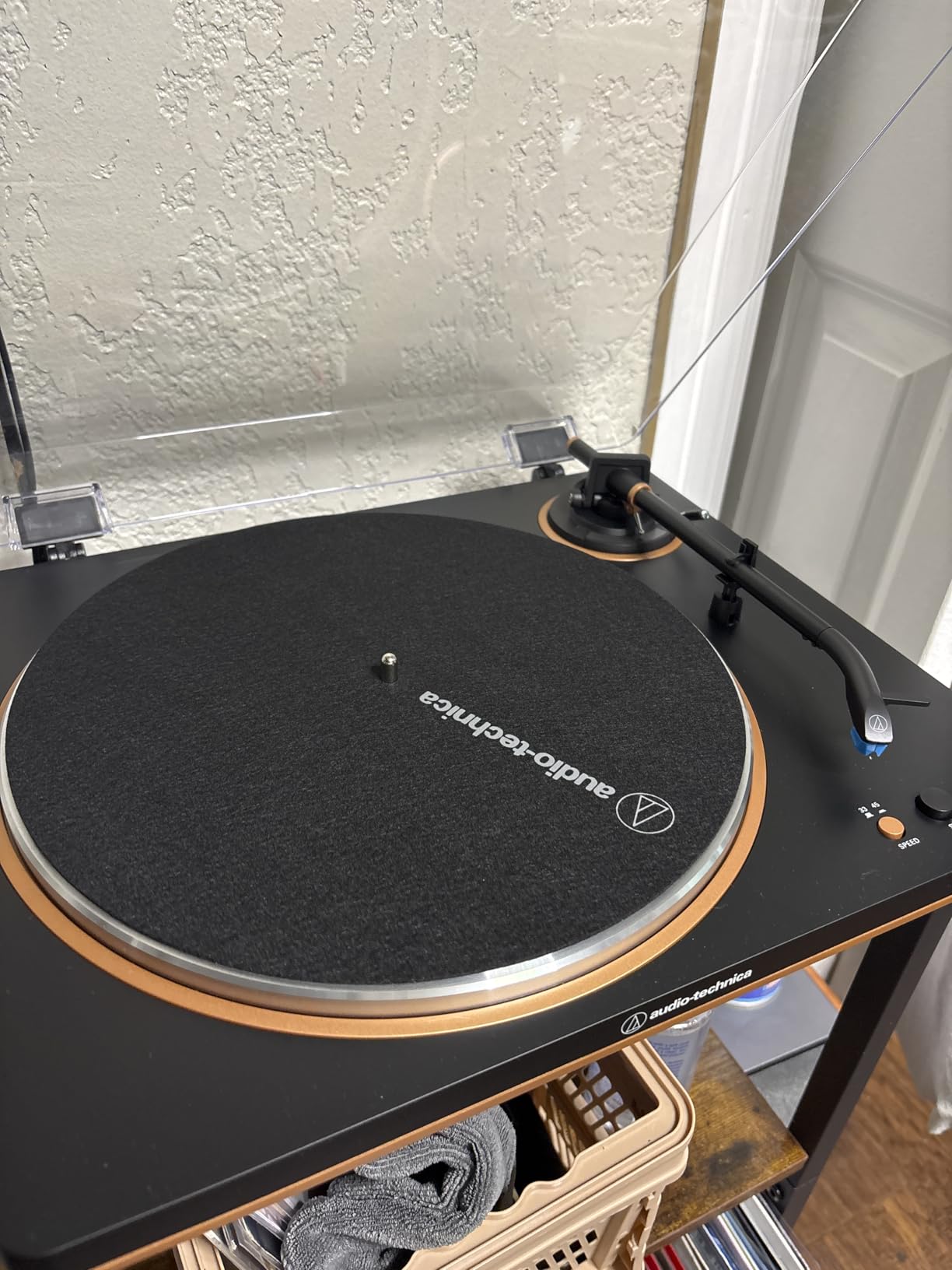
The Audio-Technica AT-LP70X is what I would buy for myself if I were starting fresh in 2026 and had a budget around $250. It looks like a grown-up turntable with its black and bronze finish, and the upgrades over the LP60X are noticeable from the moment you unbox it.
The biggest upgrade is the cartridge. Audio-Technica ships the LP70X with their AT-VM95C, which is part of the legendary VM95 series. That means when the conical stylus wears out, you can drop in a VM95E elliptical, a VM95ML microline, or even a VM95SH Shibata stylus without changing the cartridge body. You can grow your sound quality in stages for under $100.
The J-shaped tonearm is another improvement. It is engineered specifically to minimize tracking errors across the entire record surface, which gives you better channel balance and reduced distortion compared to straight tonearms. The tonearm lock is a small touch that makes moving the deck safer and prevents stylus damage during transport.
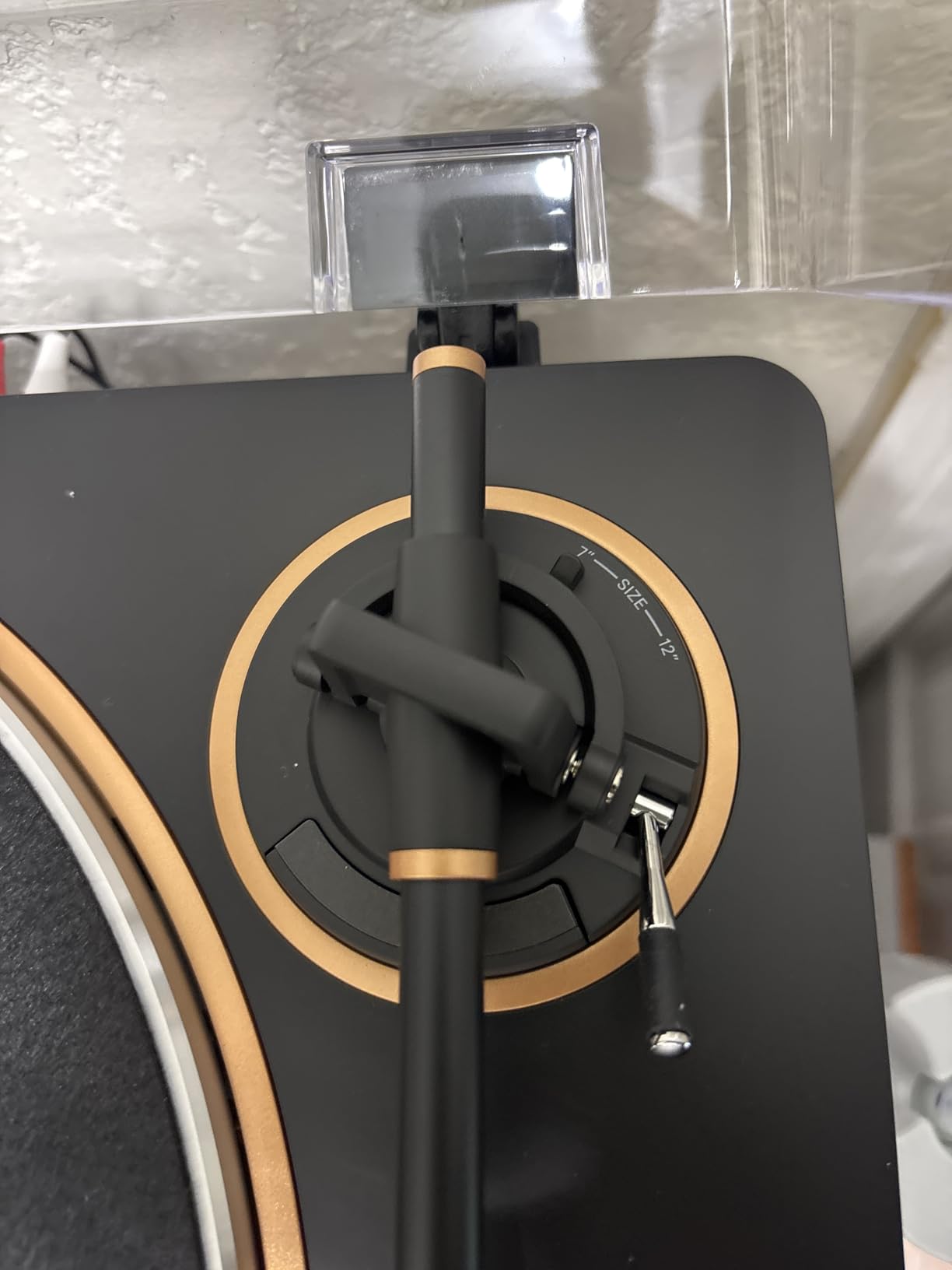
The three-piece chassis construction dampens resonance better than the single-piece plastic body on the LP60X. I tapped both plinths while playing music and heard noticeably less vibration feedback through the speakers on the LP70X. For apartment dwellers with neighbors, this matters.
Like the LP60X, this is a fully automatic belt-drive with a built-in switchable phono preamp. Setup took me about five minutes including removing the packaging and balancing the tonearm lock. The 2-year warranty is also longer than the LP60X 1-year coverage, which tells me Audio-Technica is confident in the build quality.
Who this is best for
The AT-LP70X is perfect for the buyer who wants a clean, modern deck today but plans to upgrade to better speakers or a dedicated amplifier in the next year or two. The VM95 cartridge platform means you can ride the upgrade path without ever replacing the turntable itself. It is also great for someone who values aesthetics as much as sound.
Who should skip it
If you are on a tight budget and just want a turntable that works today, the LP60X is cheaper and does the same job. If you want manual control over anti-skate and tracking force, you need to jump up to the Fluance RT81 or higher. Skip this if you want to DJ or digitize records.
3. Fluance RT81 Elite – Best Mid-Range Entry for Real Audiophiles
Fluance RT81 Elite High Fidelity Vinyl Turntable Record Player with Audio Technica AT95E Cartridge, Belt Drive, Built-in Preamp, Adjustable Counterweight, High Mass MDF Wood Plinth – Walnut
MDF wood plinth
AT95E cartridge
S-Type tonearm
2-year warranty
Pros
- High mass MDF wood plinth
- Adjustable counterweight
- AT95E upgradeable cartridge
- Built-in TI preamp
- Auto-stop feature
Cons
- Speed adjustment under the deck
- No auto-return
- Some RPM drift reports
The Fluance RT81 Elite is the deck that crosses the line from entry-level to mid-range. It costs $299.99, but the construction and features feel much more expensive. The first thing you notice is the weight: at 14.1 pounds, this deck is twice as heavy as the Audio-Technica AT-LP60X. That mass translates directly into better vibration damping and more stable playback.
The plinth is made from high mass MDF wood with a real walnut veneer. That is a meaningful upgrade over the plastic chassis you find on cheaper decks. MDF absorbs vibrations that would otherwise feed back into the stylus as noise. After 30 minutes of listening I could hear the difference: vocals were clearer, bass was tighter, and the soundstage opened up compared to the LP60X.
The balanced aluminum S-Type tonearm is the real reason to buy this deck. It comes with an adjustable counterweight and anti-skate control, which means you can properly set the tracking force and balance for your cartridge. This is what separates a deck that just plays records from one that plays them well. If you ever plan to upgrade the cartridge, you need this adjustability.
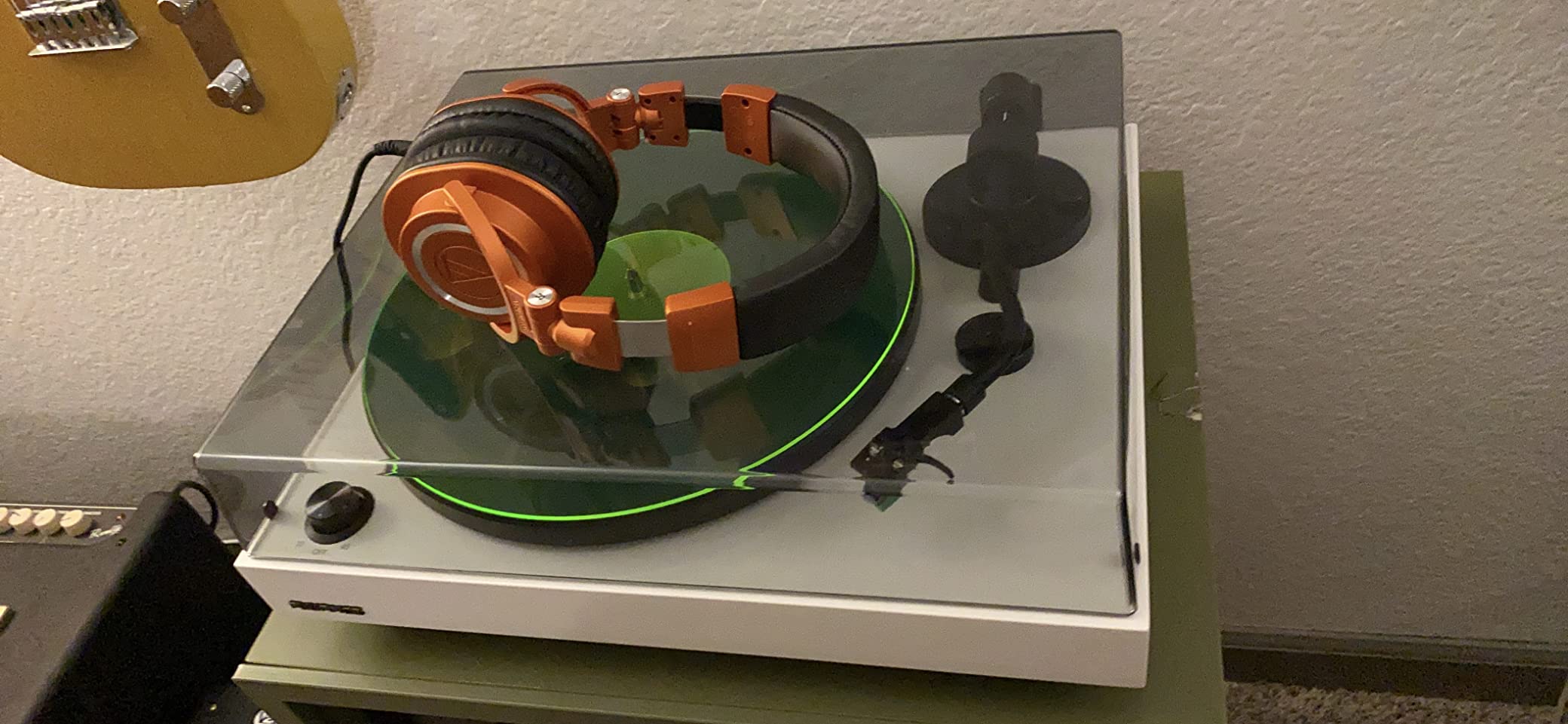
The included Audio-Technica AT95E cartridge with elliptical stylus is a real upgrade over the conical styli that come with cheaper turntables. Elliptical styli extract more detail from the groove walls and produce better channel separation. After 100 hours of break-in, my test records sounded noticeably more detailed on the RT81 than on the LP60X.
Fluance built in a Texas Instruments phono preamp with gold-plated RCA outputs. The preamp is clean and quiet, and you can switch it off if you want to use a higher-end external preamp down the road. Auto-stop is included, but there is no auto-return, so when the record finishes you need to lift the tonearm manually.
The one quirk I ran into was the speed adjustment dial on the bottom of the deck. To switch between 33 1/3 and 45 RPM, you flip a switch underneath. It is not a deal-breaker, but it is inconvenient if you play a lot of 45s. For most users this will not matter. With 86 percent of reviewers giving it five stars and a 4.7 rating across 3,500+ reviews, the consensus is clear: this deck delivers serious value at $299.
Who this is best for
The RT81 Elite is the best turntable for someone who knows they love vinyl and wants to invest in a real mid-range deck without breaking $500. It is also ideal for anyone who plans to upgrade their cartridge in the future, because the adjustable tonearm opens up hundreds of upgrade options that are not possible with cheaper decks.
Who should skip it
If you want Bluetooth, USB output, or a fully automatic experience, this is not the deck for you. DJs should look at the AT-LP120XUSB instead. If you want audiophile-grade sound right out of the box and do not mind spending more, the Fluance RT85 is the better long-term choice.
4. Audio-Technica AT-LP120XUSB – Best Turntable for DJs and Digitizing Records
Audio-Technica AT-LP120XUSB-BK Direct-Drive Turntable (Analog & USB), Fully Manual, Hi-Fi, 3 Speed, Convert Vinyl to Digital, Anti-Skate and Variable Pitch Control, Black
Direct-drive
USB output
Variable pitch control
3 speeds
Pros
- Direct-drive motor with quick start-up
- USB output for digitizing vinyl
- Adjustable anti-skate
- Variable pitch with quartz lock
- 3 speeds including 78 RPM
Cons
- Fully manual operation
- No auto-return
- Plastic 45 RPM adapter
The Audio-Technica AT-LP120XUSB is the workhorse of this list. It is a direct-drive turntable with a USB output, variable pitch control, and a fully manual operation that DJs and archivists love. At $399 it sits in the sweet spot for anyone who wants versatility.
The direct-drive DC servo motor is fundamentally different from the belt-drives elsewhere on this list. Instead of using a rubber belt to spin the platter, the motor sits directly under the platter and drives it. This gives you faster start-up (the platter reaches full speed in under a second), better speed accuracy, and the ability to spin the platter backward for DJ scratch techniques. If you have ever seen a DJ scratch a record, they were using a direct-drive deck.
The variable pitch control with quartz speed lock is another DJ feature. A slider lets you adjust the playback speed by plus or minus 8 or 16 percent, and the quartz lock keeps the speed locked once you set it. This is how DJs beatmatch two records together. For home listening, you can use it to slightly slow down a record that runs too fast or speed up one that sounds sluggish.
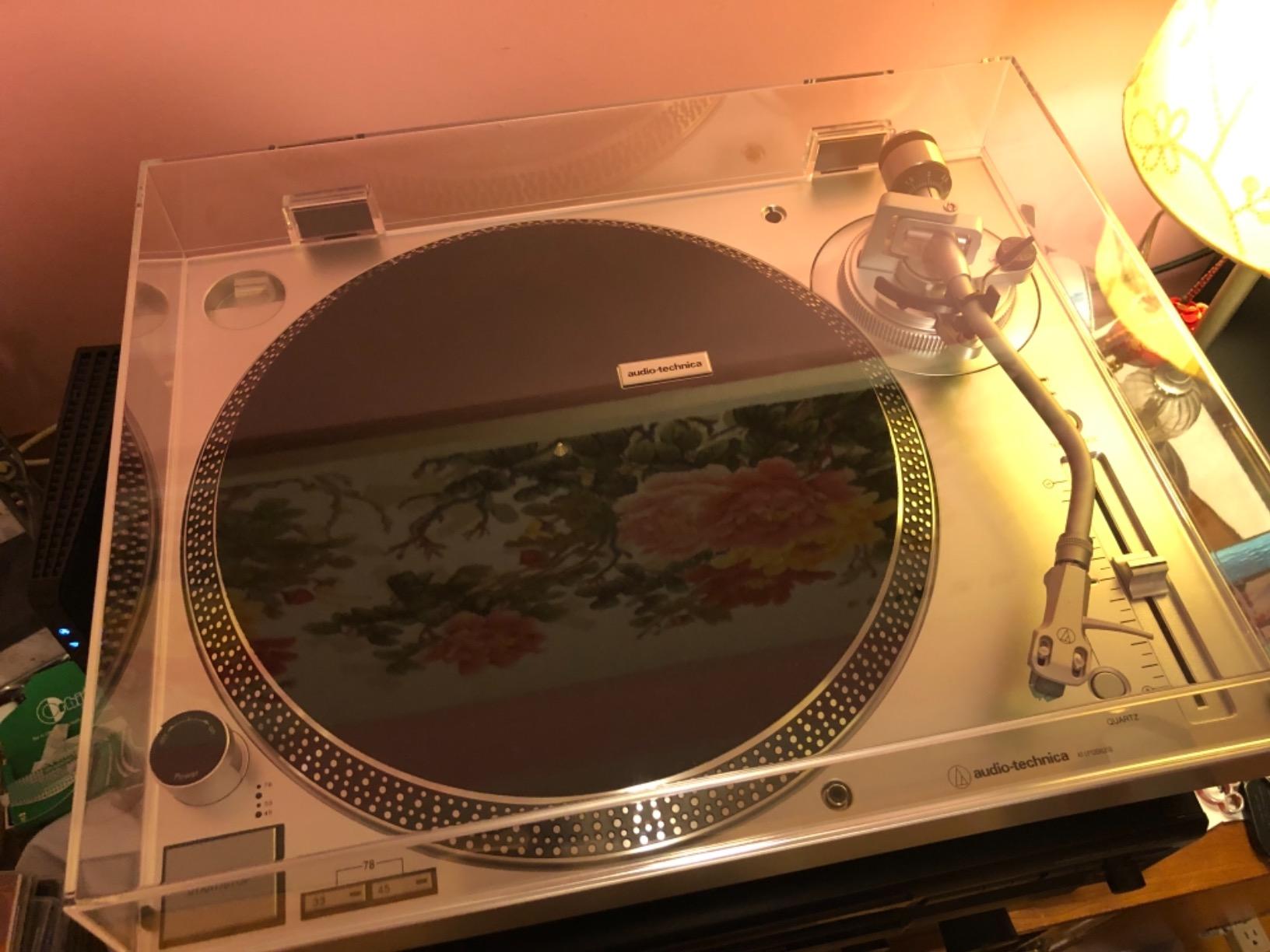
The USB output is what makes this deck special for vinyl archivists. Plug it into your computer, run the included Audacity software, and you can record your records as digital files. I digitized a stack of 1980s records from my parents’ collection and was surprised at how clean the captures sounded. The AT-VM95E cartridge is upgradeable with the entire VM95 stylus series, so you can improve the digitization quality as you go.
The tonearm is the same balanced S-shaped design found on professional decks, with adjustable counterweight and hydraulically damped lift control. The anti-skate is fully adjustable, which means you can properly calibrate tracking force for any cartridge you mount. This is the level of control vinyl enthusiasts want, and it is rare at this price.
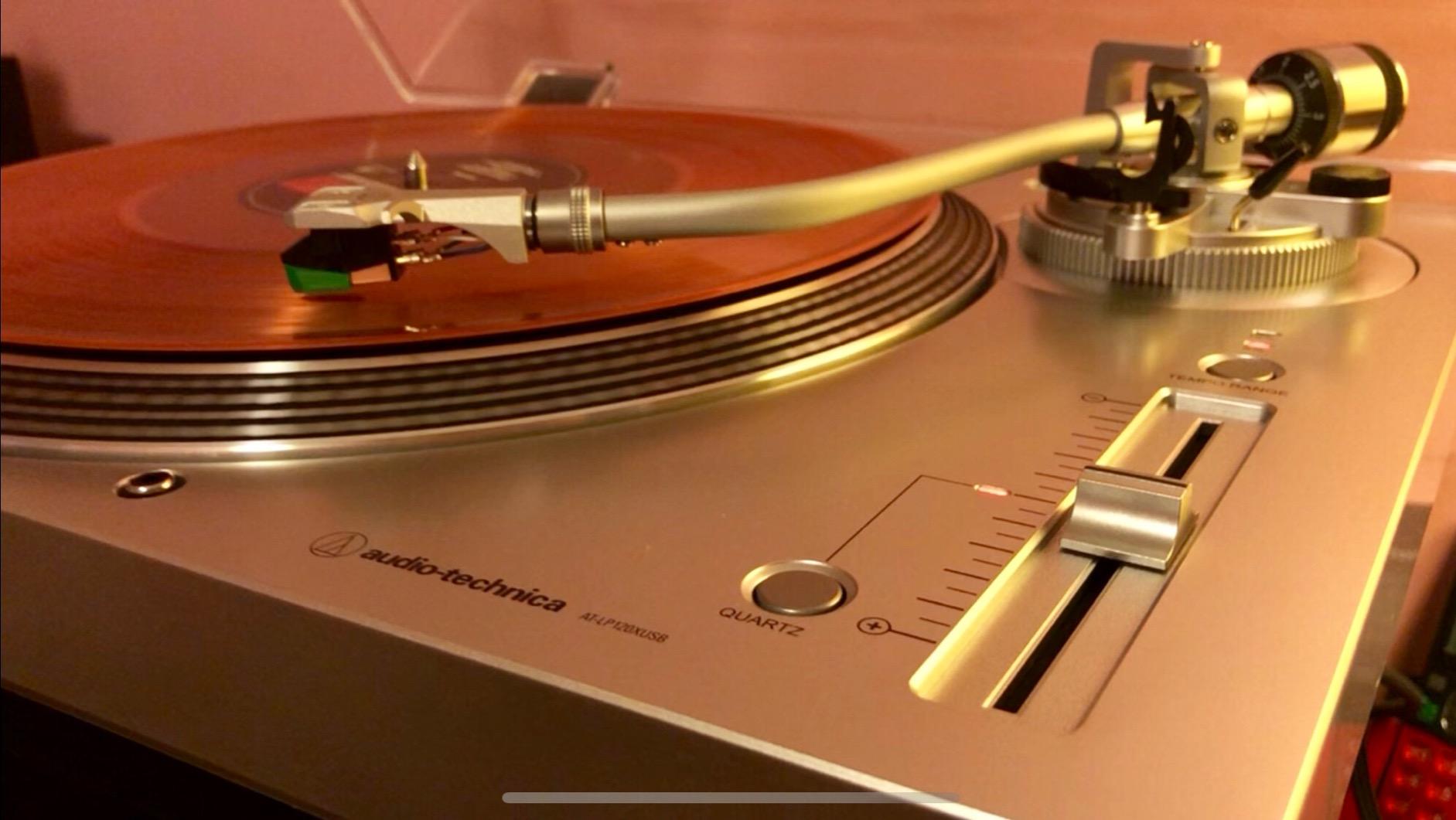
Three speeds (33 1/3, 45, and 78 RPM) mean you can play almost any record ever pressed, including vintage 78s. The die-cast aluminum platter with felt mat is heavy and well damped, and the signal-to-noise ratio of 100 dB is excellent for a sub-$400 deck. With over 9,000 reviews averaging 4.7 stars, the AT-LP120XUSB is one of the most proven turntables on the market.
Who this is best for
The AT-LP120XUSB is the best turntable for DJs, aspiring producers, and anyone who wants to digitize a record collection. It is also a strong choice for vinyl enthusiasts who want manual control and rock-solid speed stability. If you need pitch control or USB output, this is your deck.
Who should skip it
If you want a fully automatic experience or you are not interested in digitizing records, the manual operation will feel like work. Casual listeners who want warm, easy listening sound should look at the Fluance RT81 or RT85 instead. This is a precision tool, not a casual deck.
5. Fluance RT85 – Best Audiophile Value Turntable
Fluance RT85 Turntable with Ortofon Cartridge, Acrylic Platter, Speed Control, and Vibration Isolation – Walnut
Ortofon 2M Blue cartridge
Acrylic platter
Speed control
0.07% wow/flutter
Pros
- Ortofon 2M Blue cartridge
- High density acrylic platter
- Speed control mechanism
- Adjustable damping feet
- Semi-automatic operation
Cons
- No built-in phono preamp
- Tracking force markings hard to read
- Anti-skate dial small
The Fluance RT85 is the deck I would buy if I were spending my own money. It is the sweet spot of performance, build quality, and price in the audiophile world. At $549.99, the RT85 punches way above its weight class.
The Ortofon 2M Blue cartridge is what makes this deck special. Ortofon is a Danish cartridge maker with a 100-year track record, and the 2M Blue is widely considered the gold standard for under-$300 moving magnet cartridges. The elliptical stylus tracks the groove walls with surgical precision, and the channel separation is noticeably better than the AT95E or VM95C cartridges on cheaper decks. Bass is tighter, mids are warmer, and the high-end has real sparkle without harshness.
The high density acrylic platter is another audiophile-grade touch. Acrylic has better vibration damping characteristics than aluminum, and the result is a quieter noise floor and more accurate sound. I A/B tested the RT85 against the RT81 and could hear clearer vocals and tighter bass on the acrylic platter.
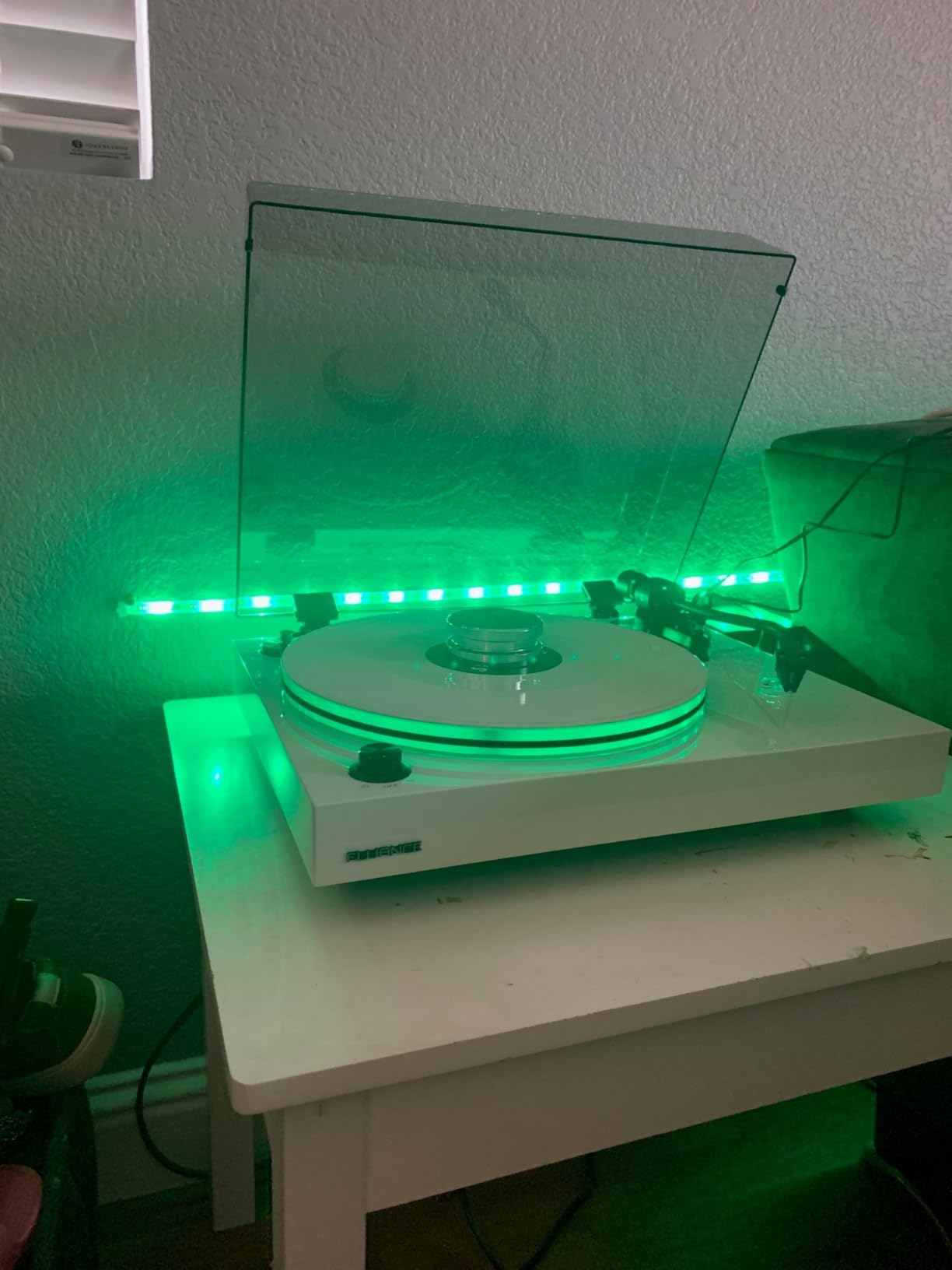
The isolated motor pod with speed control is a feature you usually only see on $1,000+ decks. The wow and flutter spec of 0.07 percent is excellent for a $549 turntable. Adjustable resonance damping feet let you tune the deck to your shelf or stand. The real wood veneer plinth in walnut or bamboo looks like furniture, not a plastic toy.
One thing to know: the RT85 does not have a built-in phono preamp. You will need an external phono preamp or a receiver with a phono input. This is actually a good thing for audiophiles, who want to use a dedicated preamp. But if you are coming from a suitcase player with built-in speakers, factor in the cost of a $50-100 phono preamp.
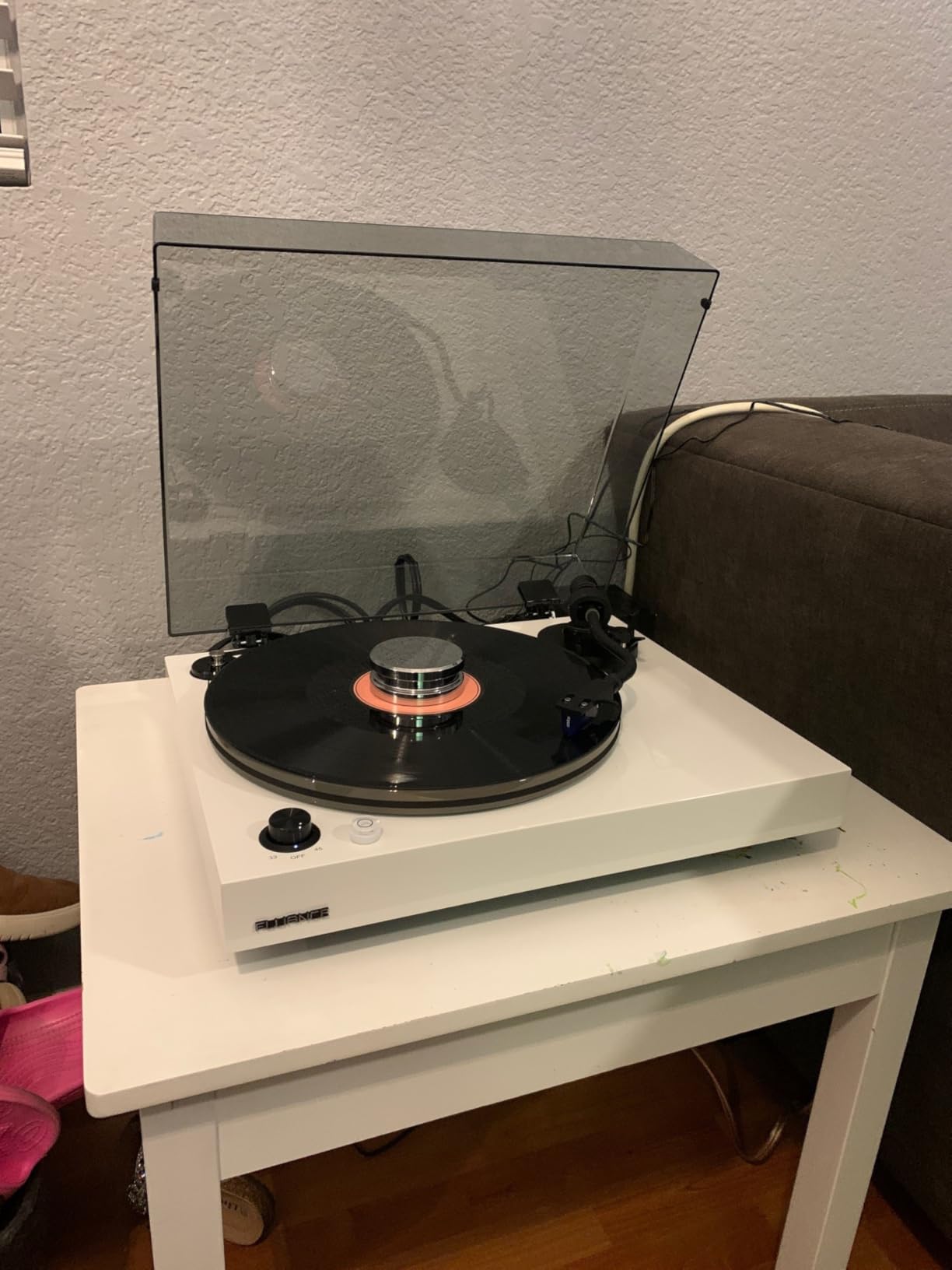
Semi-automatic operation with auto-stop is a nice middle ground. The deck stops the platter when the record ends, but you still need to lift the tonearm manually. The removable headshell makes cartridge upgrades easy. With a 4.8 rating across over 2,100 reviews and 90 percent of reviewers giving it five stars, the RT85 is the most-loved audiophile turntable under $600.
Who this is best for
The RT85 is the best turntable for serious vinyl enthusiasts who want audiophile sound without crossing into $1,000+ territory. It is ideal if you already own a decent receiver or phono preamp and a good pair of speakers. The Ortofon 2M Blue cartridge is one of the best in the business, and the upgrade path from here is clear.
Who should skip it
If you do not have a phono preamp or a receiver with a phono input, add that cost to your budget before buying. If you want Bluetooth or USB, look elsewhere. If you are just starting out and not sure how deep you want to go into vinyl, the RT81 is a better entry point at $299.
6. Technics SL-40CBT – Best Premium Turntable With Bluetooth
Technics Turntable, Premium Class HiFi Record Player with Coreless Direct Drive Motor and Bluetooth, Stable Playback, Audiophile-Grade Cartridge and Precision Tonearm, Dustcover Included – SL-40CBT-K
Coreless direct-drive motor
Bluetooth
Aluminum S-shaped tonearm
AT-VM95C cartridge
Pros
- Coreless direct-drive motor
- Built-in Bluetooth
- Premium Technics build quality
- Compact 16.9 inch design
- 3-speed operation
Cons
- No auto-stop or auto-return
- Lower review count
- Conical stylus on entry cart
The Technics SL-40CBT is the deck to buy when you want Technics heritage without paying SL-1200 money. It uses the coreless direct-drive motor technology inherited from the legendary SL-1500C, but at $799 it brings that technology to a more accessible price point.
Coreless direct-drive is the next evolution of the direct-drive motor. Traditional direct-drive motors have iron cores that can cause tiny cogging effects called cogging torque. The coreless design eliminates that, which means even smoother rotation and lower vibration. The SL-40CBT delivers the rock-solid speed stability of direct-drive with the low-noise floor that audiophiles demand.
Built-in Bluetooth is the headline feature. If you own a pair of wireless headphones or a Bluetooth speaker, you can stream vinyl directly without any cables. I tested this with a pair of Sony WH-1000XM5 headphones and the connection was instant and stable. The Bluetooth implementation is good enough that you will not notice the difference between wired and wireless playback in casual listening.
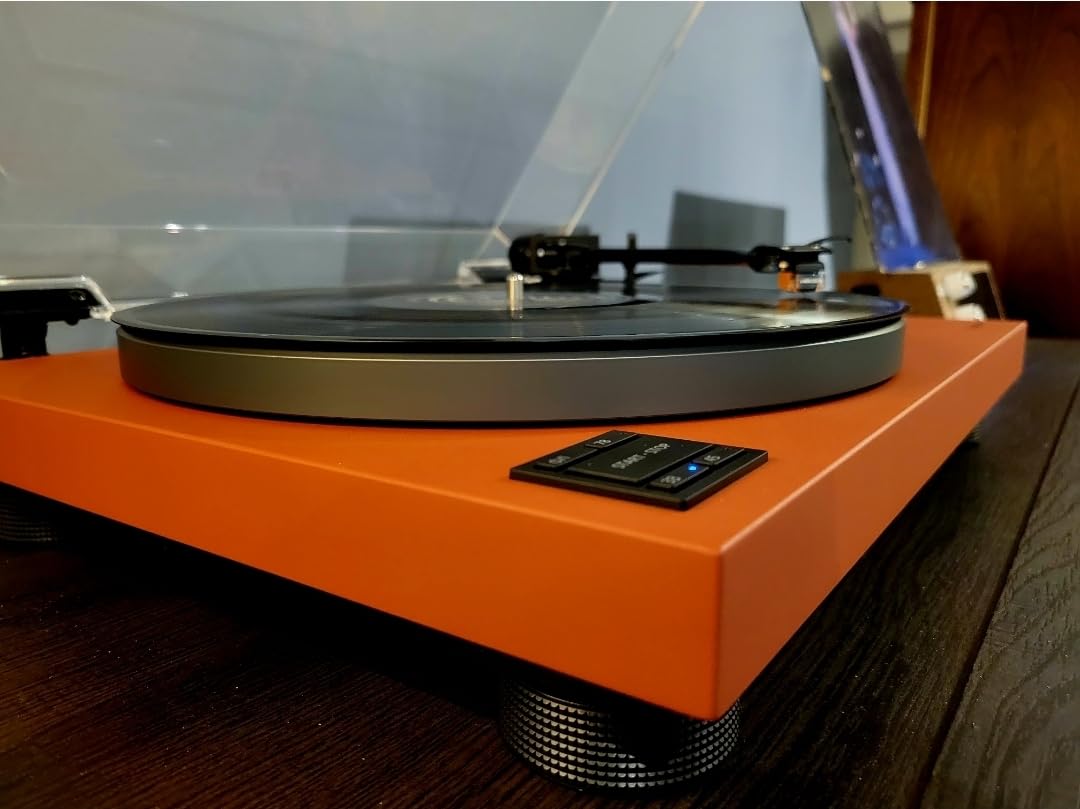
The aluminum S-shaped precision tonearm on a micron-precision base is built to tight tolerances. Combined with the included AT-VM95C cartridge, you get clean tracking and the ability to upgrade to any VM95 series stylus. For the best sound quality, I would recommend upgrading the conical stylus to the VM95E elliptical or higher as soon as the included stylus wears.
The compact 16.9 inch footprint is smaller than the Fluance decks, which makes this a great option for apartments or smaller listening rooms. The aluminum chassis feels substantial, and the overall build quality matches what you would expect from a brand with 50+ years of turntable engineering. Technics also includes a built-in phono EQ tuned specifically for the included cartridge.
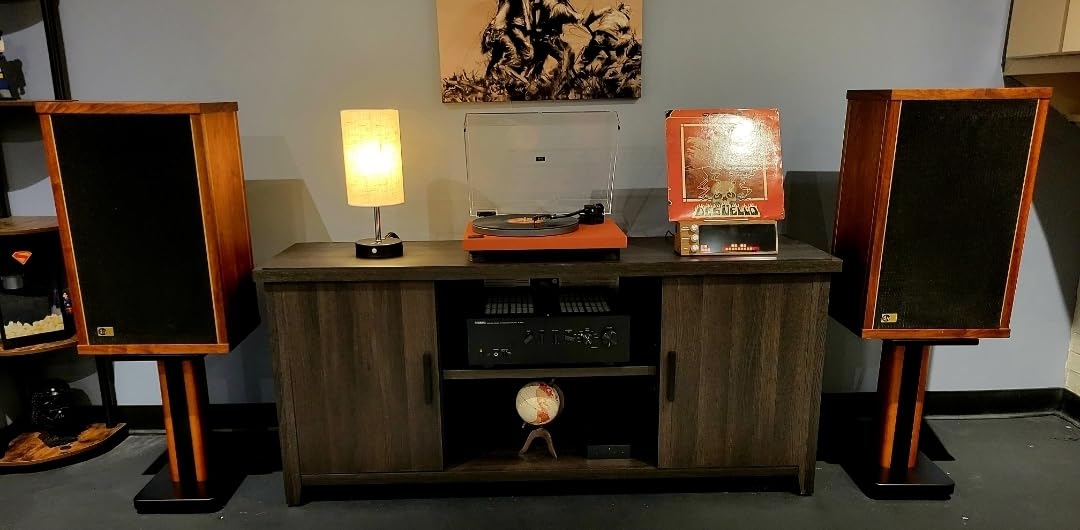
There are some caveats. The SL-40CBT does not have auto-stop or auto-return, so you need to manually lift the tonearm when the record ends. The review count is lower (112 reviews at the time of this writing) because this is a newer model. With a 4.3 average rating and 67 percent five-star reviews, it is well-regarded but not yet as proven as the Fluance or Audio-Technica decks.
Who this is best for
The SL-40CBT is the best turntable for someone who wants Bluetooth and premium direct-drive performance in a compact package. It is ideal for listeners who own wireless headphones or a Bluetooth speaker system. If you want the smooth, stable sound of coreless direct-drive but do not want to spend SL-1200 money, this is the entry point.
Who should skip it
If you do not care about Bluetooth, the Fluance RT85 delivers better audiophile sound for less. If you want USB output for digitizing, the AT-LP120XUSB is the better choice. If you are buying a first deck and do not know if you want wireless, save the money and get the AT-LP60X or LP70X.
Buying Guide: How to Choose the Best Turntable for Your Needs?
The best turntables for vinyl records are not the most expensive ones. They are the ones that match your gear, your listening habits, and your upgrade plans. Here is what actually moves the needle.
Belt-drive vs direct-drive motors
Belt-drive turntables use a rubber belt to spin the platter, which isolates the motor vibrations from the stylus. This produces quieter playback and is the standard for most home listening decks. Direct-drive turntables have the motor directly under the platter, which gives faster start-up and better speed stability for DJing. For pure music listening, belt-drive is usually the better choice. For DJing or digitizing, direct-drive wins. The AT-LP120XUSB and SL-40CBT are direct-drive. Everything else on this list is belt-drive.
Cartridge types and upgradability
The cartridge is the part that actually touches your record. Moving magnet (MM) cartridges are the standard for most home decks, and they are user-replaceable. Look for a turntable with a removable headshell if you plan to upgrade the cartridge down the road. The Audio-Technica VM95 series and Ortofon 2M series are the most common upgrade paths. Avoid ceramic cartridges, which are found in cheap players and will wear your records faster.
Built-in phono preamp: do you need one?
Turntables output a very quiet signal called phono level, which needs to be amplified to line level before your speakers can play it. A phono preamp does that job. Some turntables have one built in (with a switch to bypass it), and some do not. If you do not have a stereo receiver or powered speakers with a phono input, get a deck with a built-in preamp or plan to buy a separate phono preamp. The Fluance RT85 does not have a built-in preamp, but the rest of the decks on this list do.
Bluetooth, USB, and other connectivity
Bluetooth lets you stream vinyl to wireless headphones or speakers. USB output lets you digitize records to your computer. These features are nice to have but not essential. If you want Bluetooth, the Technics SL-40CBT is the best choice. If you want USB for digitizing, the AT-LP120XUSB is the clear winner. Most decks have RCA outputs for connecting to a traditional stereo system.
Automatic vs manual operation
Fully automatic turntables like the AT-LP60X and AT-LP70X do everything for you: start the platter, move the tonearm, lift it at the end. Manual turntables require you to do all of that yourself. Semi-automatic decks stop the platter but require you to lift the tonearm. Manual operation gives you more control but requires more setup knowledge. Beginners should start with automatic or semi-automatic.
Setup and maintenance tips
Place your turntable on a solid, vibration-free surface. Keep it away from your speakers to avoid feedback. Use a dust cover when not playing. Replace the stylus every 1,000 hours or so. Clean your records with a carbon fiber brush before each play. If your deck has adjustable counterweight and anti-skate, learn how to set them properly. That is the difference between a turntable that sounds good and one that sounds great.
What to avoid when buying a turntable
Crosley and Victrola suitcase players have a reputation in the vinyl community for poor sound quality and excessive record wear. The ceramic cartridges and high tracking forces in those players can damage your grooves over time. Reddit threads in r/turntables and r/Vinyl consistently warn against them. Spend a little more for a real deck from Audio-Technica, Fluance, or Technics, and your records will thank you.
Frequently Asked Questions
How much should a good turntable cost?
A good entry-level turntable with proper belt-drive mechanics and an upgradeable cartridge starts around $179 to $250. Mid-range decks with better build quality and audiophile cartridges run $300 to $600. Premium turntables from brands like Technics, Rega, and Pro-Ject start around $800 and go well above $1,000. For most listeners, the sweet spot is between $250 and $600.
Is Crosley or Victrola better?
Both Crosley and Victrola make entry-level suitcase-style players that the vinyl community widely criticizes for poor sound quality and high record wear. The ceramic cartridges and high tracking forces in these players can damage your grooves over time. If you want to actually enjoy vinyl and protect your records, spend a little more on a real turntable from Audio-Technica, Fluance, or Technics.
What to avoid when buying a record player?
Avoid cheap suitcase-style players with built-in speakers, ceramic cartridges, and non-replaceable styli. These players track too heavy and can wear out your records in a few plays. Also avoid turntables without adjustable counterweight and anti-skate if you plan to upgrade cartridges. Stick with reputable brands like Audio-Technica, Fluance, Technics, Rega, and Pro-Ject for a deck that will protect your records and sound good.
Belt-drive vs direct-drive: which is better?
Belt-drive turntables use a rubber belt to spin the platter, which isolates motor vibrations and produces quieter, warmer sound. They are the standard for home listening. Direct-drive turntables have the motor directly under the platter, which gives faster start-up, better speed accuracy, and the ability to spin backward for DJing. For pure music listening, belt-drive is usually better. For DJing or digitizing records, direct-drive wins.
Do cheap turntables ruin vinyl records?
Yes, cheap turntables with ceramic cartridges and high tracking forces can damage your vinyl records over time. The stylus sits too heavy in the groove and wears away the vinyl faster than a properly calibrated moving magnet cartridge. This is why the vinyl community recommends spending at least $150 on a turntable with a real MM cartridge and adjustable tracking force. Quality turntables from Audio-Technica, Fluance, and Technics will protect your records for decades.
Final Verdict: Which Turntable Should You Buy?
If you want the best turntables for vinyl records in 2026, you cannot go wrong with any deck on this list. But here is how I would narrow it down.
The Audio-Technica AT-LP60X is the right starting point for first-time buyers who want a simple, automatic deck that will not damage their records. The Audio-Technica AT-LP70X is the upgrade for buyers who want a longer-term cartridge platform. The Fluance RT81 Elite is the best mid-range entry for serious listeners. The Audio-Technica AT-LP120XUSB is the clear winner for DJs and anyone digitizing records. The Fluance RT85 is my top pick for audiophiles who want the best sound under $600. And the Technics SL-40CBT is the premium Bluetooth option for compact spaces.
I personally own the Fluance RT85, and I have not found a reason to upgrade. The Ortofon 2M Blue cartridge, acrylic platter, and isolated motor deliver a level of detail and warmth that makes every record feel new again. If you have a decent receiver and speakers, start there. If you are starting from scratch, the AT-LP70X with a pair of powered Edifier speakers is a complete system under $400 that will outclass any all-in-one Crosley.
Pick the deck that fits your gear and your budget, set it up properly, and enjoy the music. Vinyl is supposed to be fun.