

A hand water pump for a well is a machine that lifts groundwater to the surface with nothing but muscle, and the first thing you need to know is where the ceiling sits. Any pump that works by sucking water up a pipe stops at roughly 25 to 30 feet, because that is as far as atmospheric pressure can push a column of water. Below that depth the pump is a completely different design: a piston and cylinder lowered into the casing with a pump rod running back to a handle at the top.
Get that distinction right before you spend anything, because a listing that says “25 ft maximum lift” is describing a physics limit it cannot engineer around. The eight pumps in this roundup are all honest suction-lift pitcher pumps, which means the best hand water pumps for wells here will serve you well if your water sits within about 20 feet of the surface and will disappoint you if it sits deeper.
We compared eight hand pumps across maximum lift, cast iron or stainless construction, connection size, weight, flow rating, and customer feedback. Every one of them is a manually operated, above-ground unit with a 1-1/4 inch NPT inlet, so they install on the same drop pipe and work the same way. The differences are in the metal, the seals, the flow claims, and how well each one holds its prime.
For context on other pumping hardware, our picks for the [best RV water pumps](https://vintagevinylnews.com/best-rv-water-pumps/) cover a different job entirely, since those move water between tanks rather than lifting it out of the ground.
Table of Contents
How Hand Pumps Work: The 25-Foot Rule
How deep of a well will a hand pump work? A suction-lift pitcher pump works to about 25 to 30 feet in theory and becomes genuinely useful past about 20 feet. A piston lift pump, where the cylinder sits below the water inside the casing and a pump rod connects it to a surface handle, has no such limit and can lift from 100 to 300 feet and beyond.
The reason is straightforward. A pitcher pump has an internal piston moving water up a pipe that stands open to atmosphere at the top. The weight of the falling handle stroke creates suction, and the only thing pushing the water column upward is the pressure of the atmosphere on the pump’s reservoir. Once the column gets tall enough, the weight of the water in the pipe cancels out that pressure and the pump simply stops pulling. The physics ceiling is somewhere near 30 feet in a lab and closer to 20 feet in the field, where friction in the pipe, drawdown, and aging valves all eat into what you started with.
A piston lift pump sidesteps the limit entirely. Instead of pulling water upward from above, it sends a piston down inside a cylinder that is already submerged, and each stroke displaces a fixed volume of water upward a fixed distance. The work comes from the weight of the pump rod hanging on the surface lever, which means the deeper the well the heavier the rod and the harder the pumping. That is the trade you make when you go past the 25 ft line.
A third architecture, the ram pump, uses the energy of flowing water rather than your arms. It needs a roughly 3 foot vertical drop from a natural water source and wastes about half the water it moves, which rules it out for most well situations. None of the pumps below are ram pumps, and none of them will pull from a deep well no matter what the listing claims.
One practical detail worth knowing before you buy: pitcher pumps lose their prime. The water above the valve drains back into the well when you stop pumping, so you refill and prime the pump before every use. Installing a check valve on the discharge side holds that prime and saves you the most common complaint about this category.
Top 3 Picks for 2026

Simmons 1160 No.2 Pitcher Pump
- 10 gpm rated flow
- 25 ft maximum lift
- Close grain cast iron
- 999 customer reviews

VEVOR 25 ft Cast Iron Pitcher Pump
- 25 ft maximum lift
- NPT 1-1/4 in connection
- Rust resistant coating
- 400 customer reviews

Samger Cast Iron Pump with Leather Kit
- 25 ft maximum lift
- Leather repair kit included
- Adjustable handle cap
- 356 customer reviews
Best Hand Water Pumps for Wells (September 2026)
| Product | Specifications | Action |
|---|---|---|
| Simmons 1160/PM500 No.2 Pitcher Pump |
|
Check Latest Price |
| VEVOR 25 ft Cast Iron Hand Pump |
|
Check Latest Price |
| Samger Cast Iron Pump with Leather Kit |
|
Check Latest Price |
 XtremepowerUS 25 ft Pitcher Pump XtremepowerUS 25 ft Pitcher Pump |
|
Check Latest Price |
 Locci Stainless Steel Hand Pump Locci Stainless Steel Hand Pump |
|
Check Latest Price |
 SWP 300 Cast Iron Pitcher Pump SWP 300 Cast Iron Pitcher Pump |
|
Check Latest Price |
 Boshart Pe-Hp(110) Cast Iron Pump Boshart Pe-Hp(110) Cast Iron Pump |
|
Check Latest Price |
 HFS 25 ft Cast Iron Pitcher Pump HFS 25 ft Cast Iron Pitcher Pump |
|
Check Latest Price |
1. Simmons 1160 No.2 Pitcher Pump: The One With 999 Reviews Behind It
Simmons 1160/PM500 No.2 Pitcher Pump
10 gpm flow
25 ft max lift
Close grain cast iron
1-1/4 in NPT
Pros
- Most reviewed pump in this roundup at 999 ratings
- Close grain cast iron with reinforced bolt lugs
- 10 gpm rated flow
- Cap adjusts for wide range of handle positions
Cons
- Factory leather seals may need replacing for best priming
- Loses prime without a check valve installed
- Needs periodic seal soaking and oiling
The Simmons 1160/PM500 is the pump I keep coming back to, and the reason is as plain as the review count. This is the only unit here with close to a thousand customer ratings behind it, which means the failure modes are well documented rather than mysterious. It is a cast iron body, a 25 foot maximum lift rating, a 1-1/4 inch NPT connection, and a listed flow rate of 10 gpm.
It weighs 6.8 pounds, which makes it the second-lightest cast iron option here and noticeably easier to carry to a wellhead than the 16 lb units. The dimensions are listed at 15.95 by 8.87 by 7.55 inches, so it fits under a standard pump housing without a custom platform.
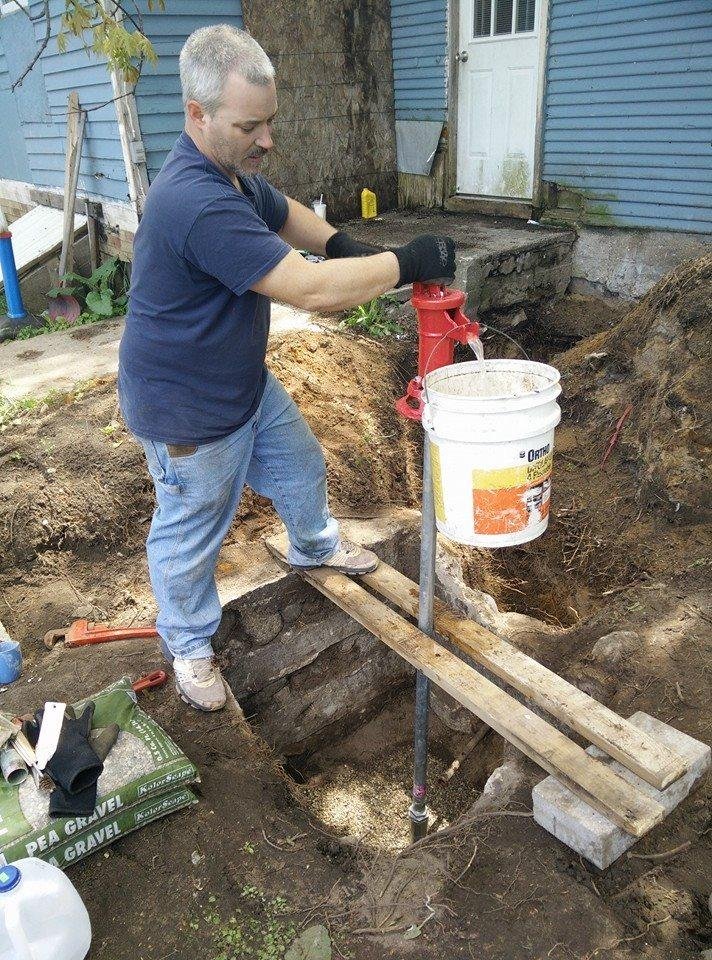
What stands out in the customer feedback is consistency rather than excitement. Reviewers repeatedly describe reliable performance on shallow wells, straightforward installation, and cast iron durability. The single most common theme in the negative reviews is not the pump body at all, it is the factory leather seals and the absence of a check valve.
Those are fixable problems rather than design flaws. Soak the leather cups in warm water before first prime, oil them afterward, and fit a check valve on the discharge side so the pump holds prime between uses. Reviewers who did both report the pump performing the way the spec sheet suggests.
What tells you it will fit your setup
The 1-1/4 inch NPT inlet matches the drop pipe size most shallow wells already use, so the connection is not the constraint. If your water sits inside 20 feet, the suction lift works with margin to spare and you get a genuinely useful flow rate rather than a trickle.
At 6.8 pounds it is also the easiest of the heavy cast iron units to lift onto a raised wellhead platform solo, which matters if you are installing without help.
Where it falls short
It will not reach a deep well, and no amount of assembly will change that. The leather seals need maintenance on a schedule, and reviewers who ignore this end up re-priming the pump constantly.
If your water is hard or high in iron, cast iron will eventually show rust staining at the spout. That is cosmetic, but it is worth knowing if appearance matters to you.
2. VEVOR 25 ft Cast Iron Hand Pump: Best Value for a Shallow Well
VEVOR Well Hand Pitcher Pump, 25 ft Maximum Lift, Antique Cast Iron Manual Hand Water Pump, NPT 1-1/4 in Connection, Easy Installation, Old Fashioned for Outdoor Garden, Pond, Backyard, Farm, Red
25 ft max lift
Cast iron with coating
NPT 1-1/4 in
12.9 lb
Pros
- Very affordable entry point
- Easy installation in minutes
- Good flow for shallow wells
- Offered in several colors and two heights
Cons
- Some quality control complaints
- May need a check valve for prime retention
- Heavier at 12.9 lb than the Simmons
The VEVOR HC-1005 covers the same basic job as the Simmons at a lower entry point, and its 400 customer ratings make it the second most proven pump in this roundup. It is a cast iron body with a rust resistant coating, a 25 foot maximum lift, and the same 1-1/4 inch NPT connection every other pitcher pump here uses.
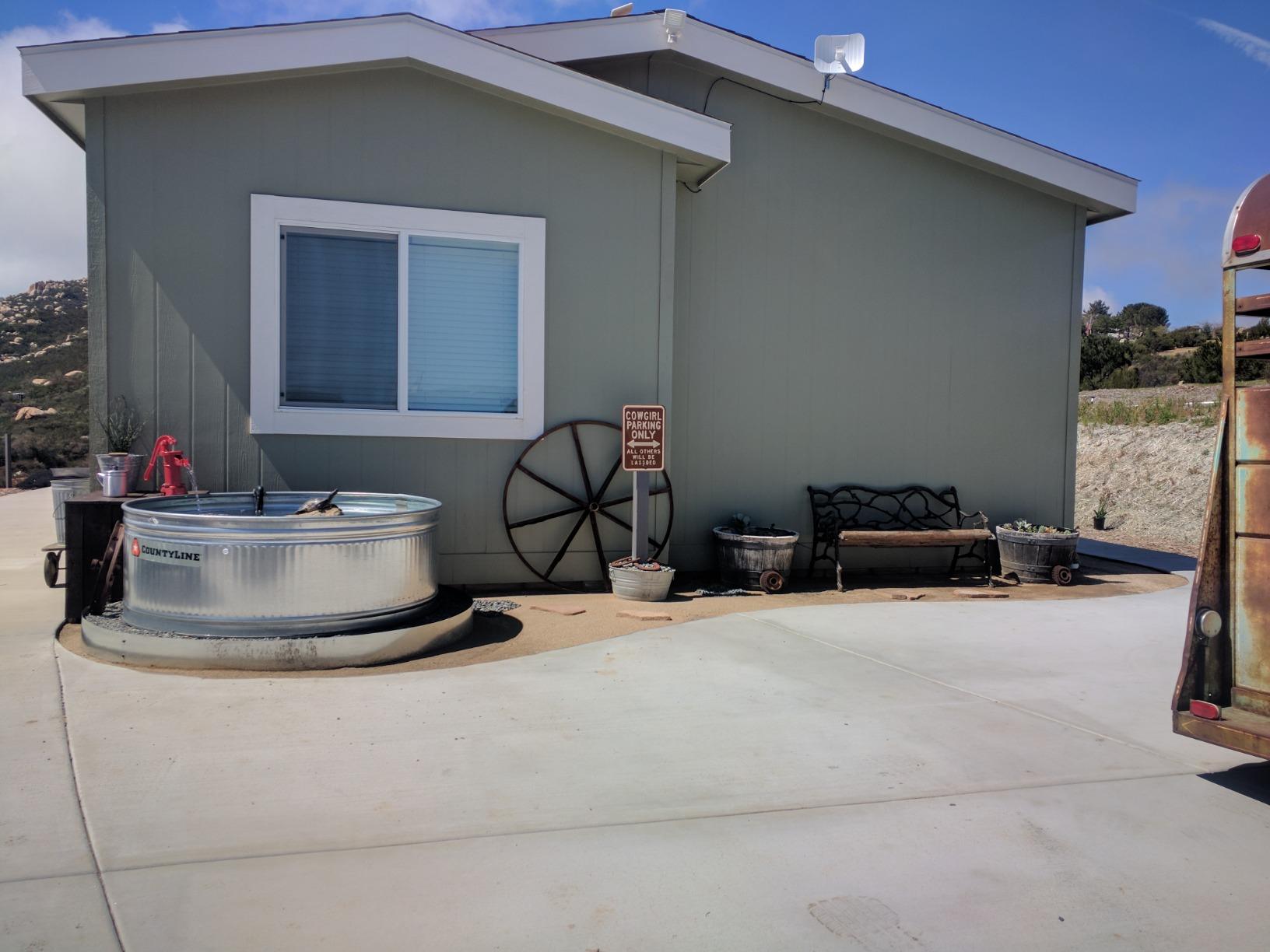
One feature deserves a mention because most sellers never mention it: this pump is offered in several color finishes and in two heights, a 15.75 inch version and a 50.79 inch version. The tall variant is genuinely useful if you are raising the handle to comfortable height above a slab or a raised wellhead.
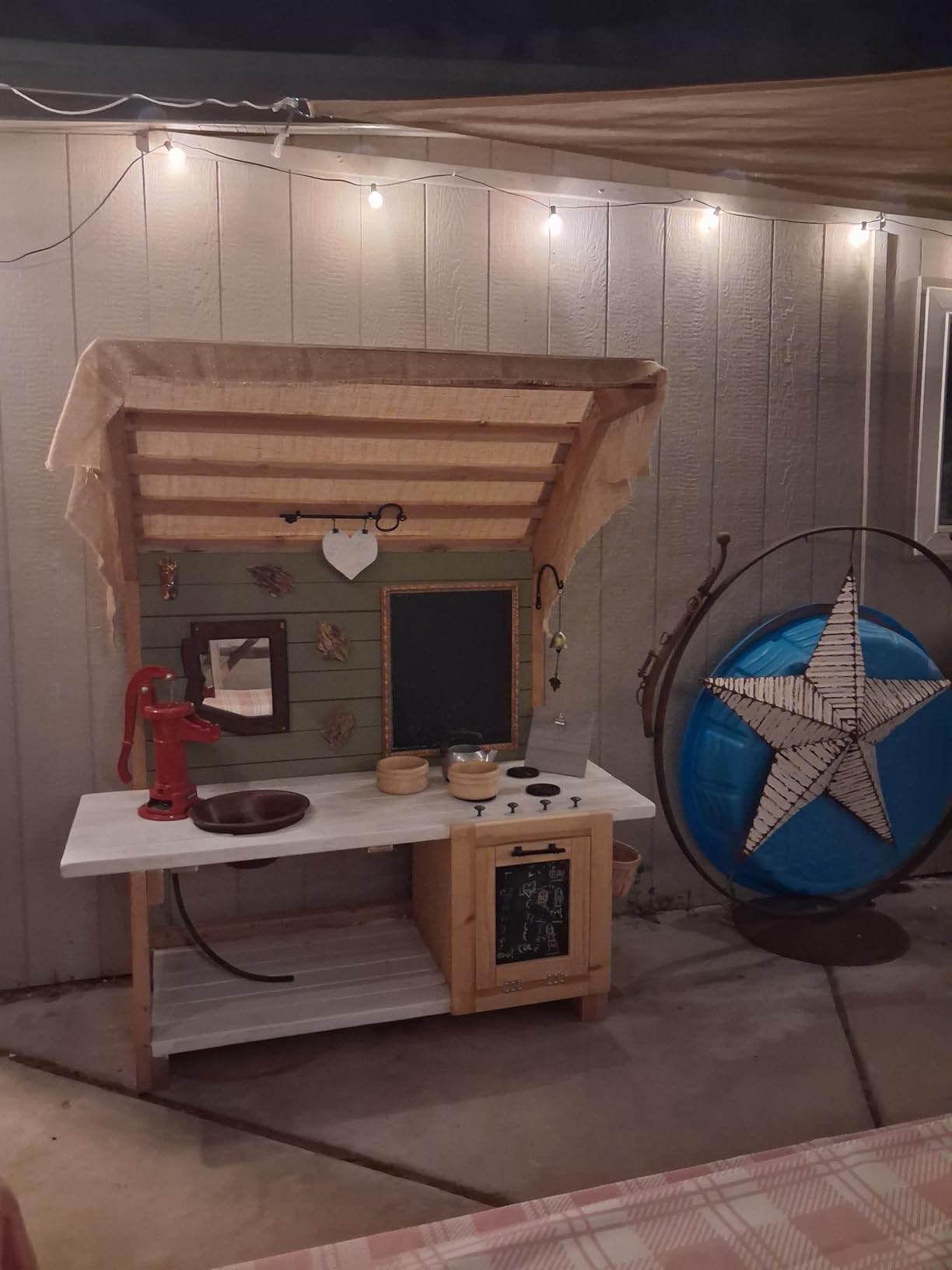
Feedback splits into two camps. Buyers focused on the vintage look and easy installation rate it highly, with several describing a two or three minute setup. Buyers who needed sustained volume report good shallow well flow. A smaller group reports quality control issues on arrival, mostly missing hardware or finish defects.
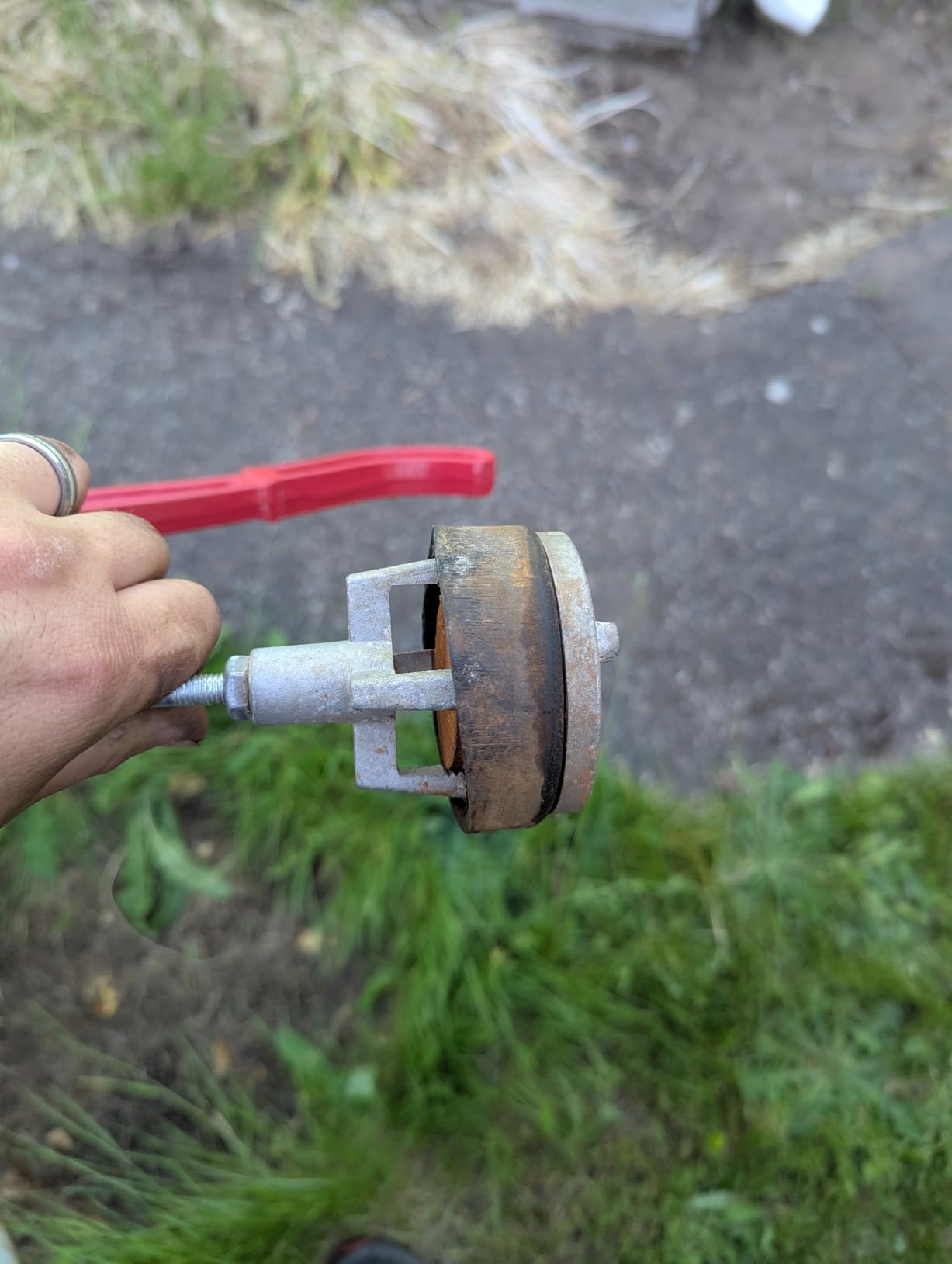
At 12.9 pounds it is heavier than the Simmons but lighter than the 16 lb SWP 300. The added weight is a fair trade for the coating, which reviewers credit for slowing surface rust on the body.
Why this one and not the cheaper models
The deciding factor is review depth. Two hundred to four hundred ratings is enough to expose a pattern, and the pattern here is a pump that works correctly on shallow wells with the usual pitcher pump caveat about priming. Models with a handful of reviews tell you very little about what arrives in the box.
The 15.75 inch height also means less reach strain than the tall version, which some users prefer for a garden or fountain application near ground level.
Where it falls short
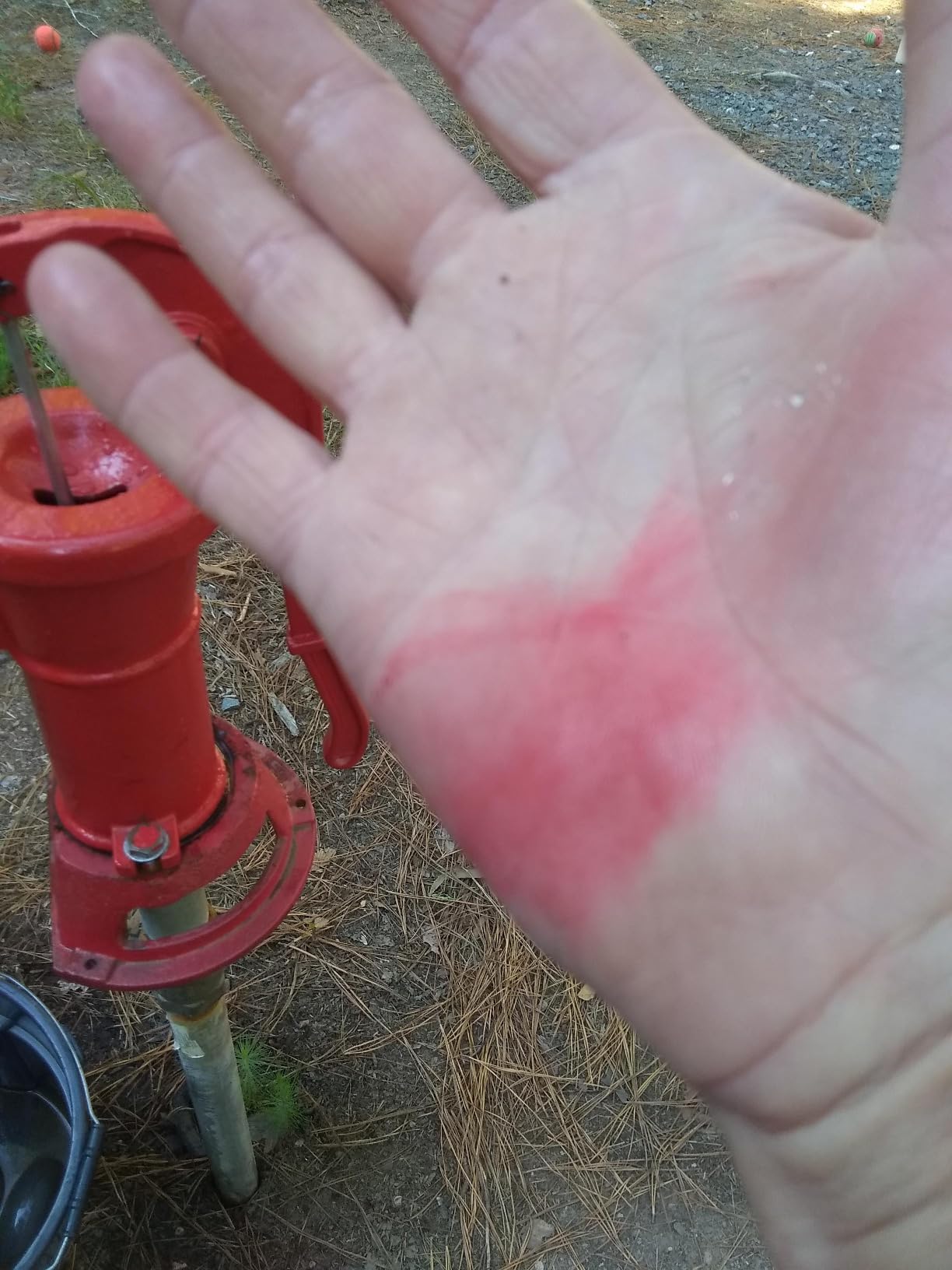
Prime retention is the recurring complaint, the same issue that affects every pitcher pump without a check valve. And the quality control reports mean you should inspect the bolts and fittings before you commit it to a permanent wellhead.
It is a shallow well machine. On a well where the water sits at 22 feet, expect disappointing output rather than a full stream.
3. Samger Cast Iron Pump with Leather Kit: Best for Off-Grid Homes
Antique Cast Iron Well Pitcher Pump with Leather Kit, Max. 25ft Lift, Red
25 ft max lift
Leather kit included
Cast iron
1-1/4 in NPT inlet
Pros
- Leather repair kit included in the box
- Cast iron body rated for 25 ft
- Adjustable cap for handle positions
- Good for off-grid and emergency water
Cons
- Leather kit occasionally reported missing from the box
- Seals degrade over time and need replacement
- Mixed durability with some units failing within a year
The Samger 25 ft hand well pump stands out for a reason no other budget model matches: the well pump leathers repair kit is included in the box, covering both the lower valve leather and the cup leather. On a pitcher pump those two pieces are the parts you will replace eventually, so having spares on hand removes the most common reason a hand pump ends up sitting unused.
Everything else follows the standard pattern. Cast iron construction, a 25 foot maximum lift rating, a 1-1/4 inch NPT inlet, and an adjustable cap so you can set the handle position. Weight is listed at 13.8 pounds, with dimensions around 6.69 by 5.51 by 14.76 inches.
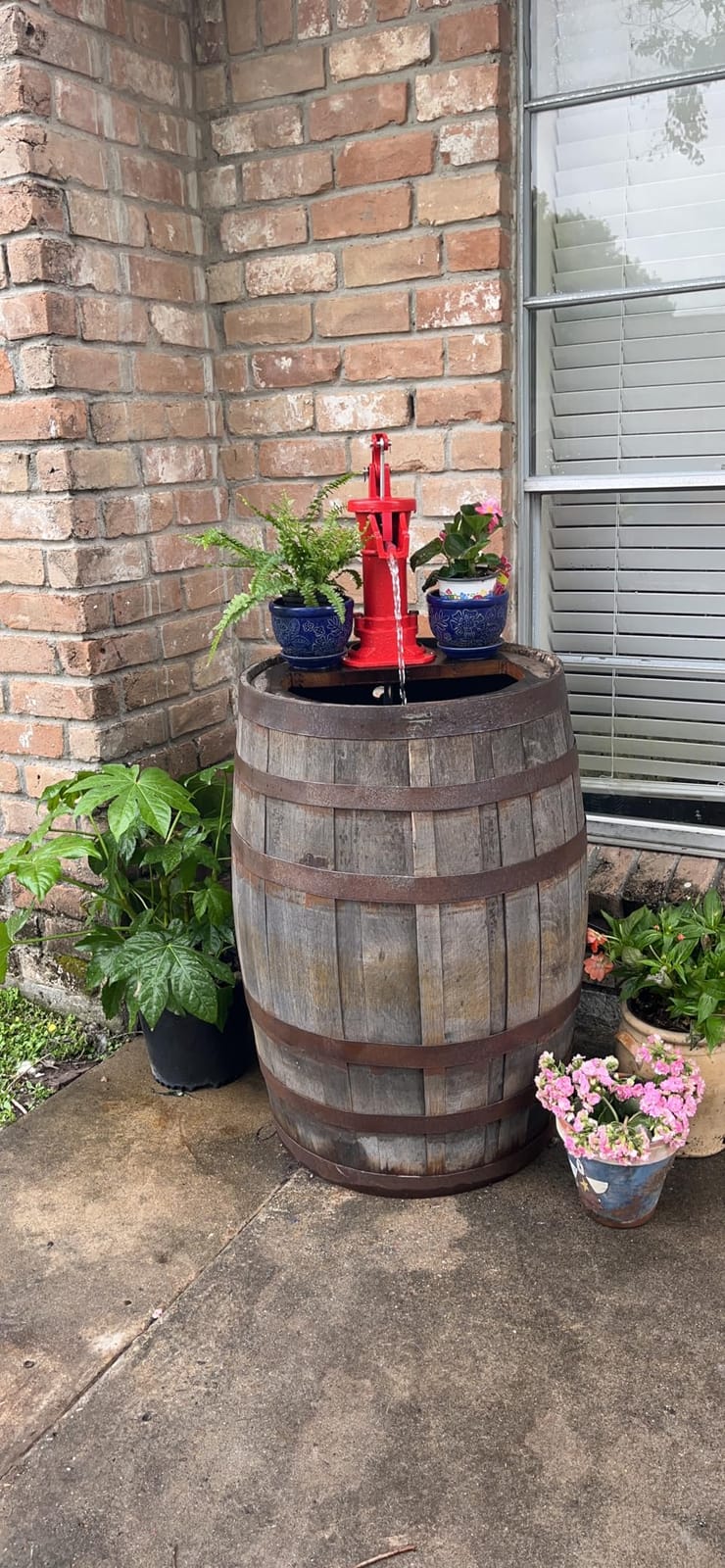
Owners on off-grid properties mention it favorably as backup water, and the decorative vintage styling gets positive mentions as well. The durability feedback is genuinely mixed, which is the honest headline here: some units last, some do not, and the seal is the part that gives out first in either case.
The missing leather kit reports are worth taking seriously even though they are not the majority. Open the box and count the parts before you fit the pump, because the kit is the reason this pump is more useful than its price category peers.
What makes it suited to a homestead
Spare seals plus a cast iron body plus a 25 ft rating is exactly the combination you want on a well that has to work when nothing else does. The included leathers mean you can repair it in the field without ordering anything, which matters more than the specifications do on a remote property.
The adjustable handle cap also lets you tune the leverage to the people using it, which is useful on a shared rural household where more than one person draws water.
Where it falls short
The durability spread is real. Some pumps last, others do not, and the seal is the part that gives out first in either case.
It is also a 25 ft suction machine, so the same depth limit applies as with every other pitcher pump in this list.
4. XtremepowerUS 25 ft Pitcher Pump: Best for Garden and Pond Work
XtremepowerUS Well Hand Pitcher Antique Pitcher Manual Hand Pump Operated up to 25′ ft Max Lift Patio Water Well Fountain for Outdoor Garden, Pond, Backyard, Farm
25 ft max lift
Cast iron and aluminum
NPT 1-1/4 in
19 in tall
Pros
- Tall 19 in body suits a raised spout
- Vintage styling that suits garden settings
- Easy installation
- Cast iron build with rust resistant coating
Cons
- Aluminum alloy internals may wear sooner than brass or iron
- Weight listing on the product page is wrong
- Some quality control complaints
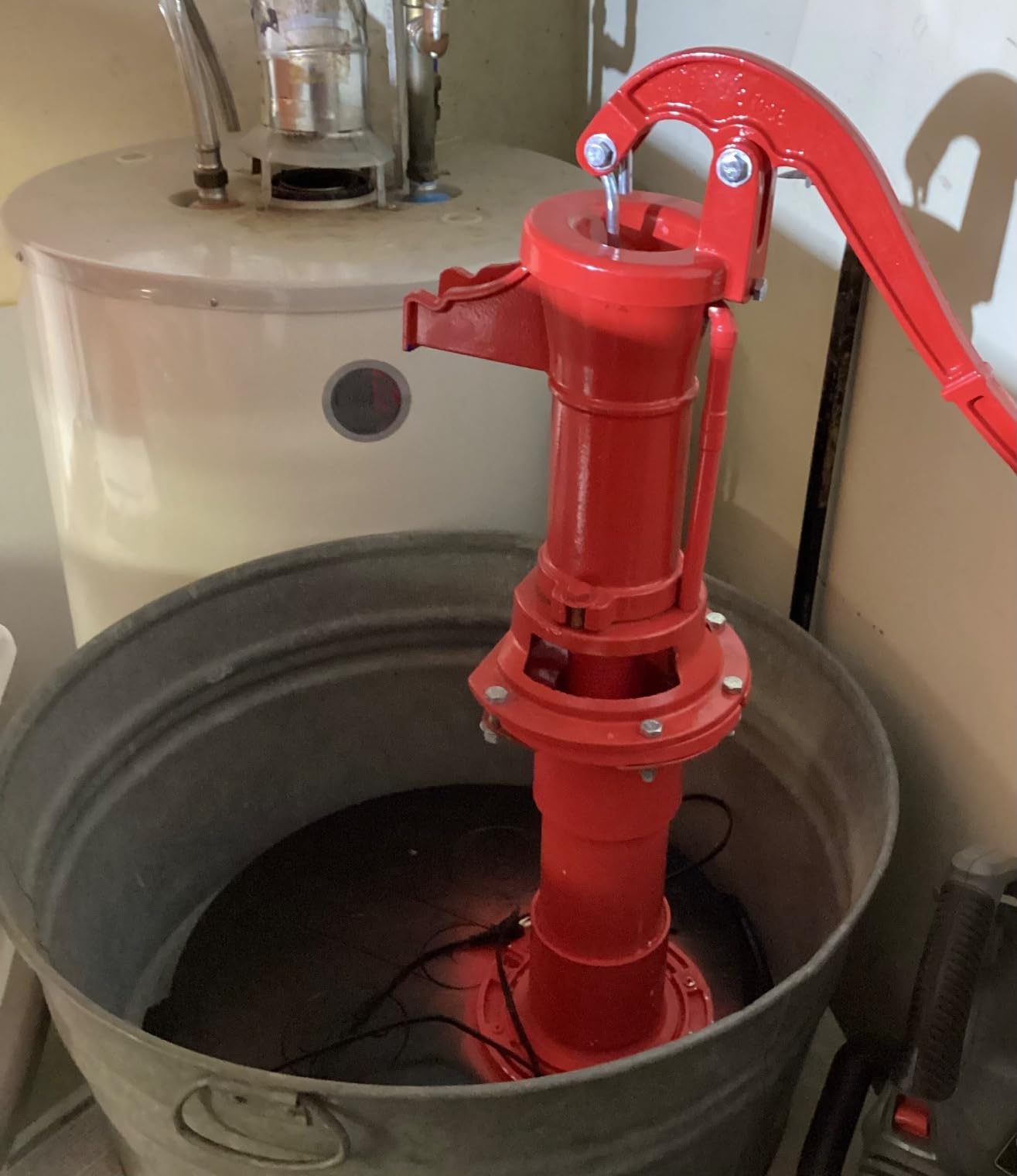
The XtremepowerUS model 71004 is the tallest of the standard pitcher pumps here at 19 inches, and that height is the reason it earns its place. If you are building a garden fountain, filling a pond, or setting the spout at a comfortable working height, a taller body means a longer discharge and less awkward lifting of full buckets.
It is built from cast iron with a rust resistant coating, rates to a 25 foot maximum lift, and uses the standard 1-1/4 inch NPT connection. The listing describes the build as cast iron and aluminum together, so the body is iron and some internal pieces are aluminum.
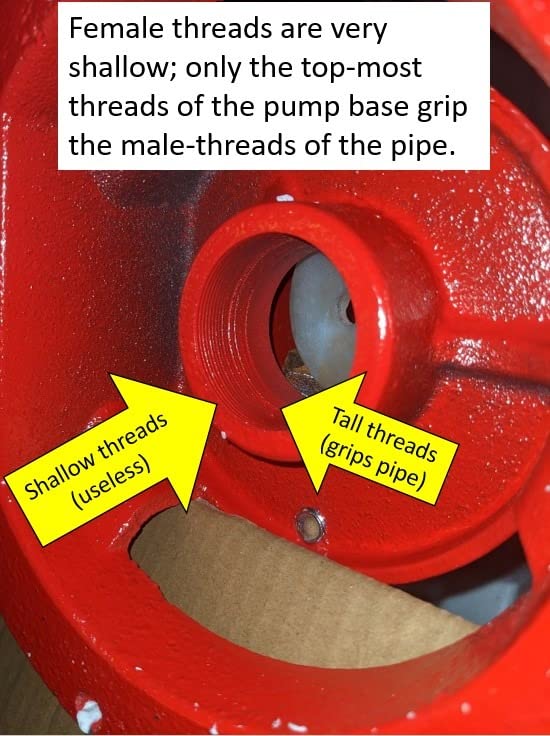
Buyers rate it as a good balance of appearance and function for garden and pond use, with 279 ratings backing that up. The recurring reservation is the mixed metal construction. Aluminum internals can wear faster than iron or brass, and that is the detail I would want to know about before relying on this pump for drinking water rather than irrigation.
One more heads up: the weight field on the product page reads 0.27 g, which is a data error. Plan on roughly 15 to 20 pounds rather than trying to lift it as if it were a small part.
Where it makes sense
Garden and pond duty is forgiving. You are moving water into a low container, the volume demand is moderate, and the pump sits outdoors where a coat of paint matters more than internal longevity.
Its 19 inch height also makes it a good match for a decorative wellhead where the spout needs clearing a raised rim.
Where it falls short
Mixed metal internals are the concern if this becomes your drinking water pump. The aluminum parts are the ones that wear, and they are the ones that are harder to find replacements for.
The published weight being wrong is a small thing, but it means you should confirm the unit handles well for you before you commit to it as a daily water source.
5. Locci Stainless Steel Hand Pump: Best Where Water Is Corrosive
Locci Stainless Steel Manual Hand Well Pump, Heavy Duty Deep Well Hand Pitcher Pump with Integrated Base Design, Corrosion-Resistant Water Pump for Farm, Garden, Homestead & Emergency Water Supply
26 ft max lift
Stainless steel body
4 lb
Accessory kit included
Pros
- Stainless steel resists rust and mineral staining
- Lightest pump here at 4 lb
- Kit includes leathers pads screws tape and PVC
- Integrated base improves stability
Cons
- Lower 4.1 rating with a 10 percent one star share
- Some report less durability than cast iron
- Accessory-heavy package with many small parts
The Locci is the only stainless steel hand pump in this roundup, and that single fact changes which jobs it suits. If your water is hard, iron heavy, or slightly acidic, cast iron will darken and pit over time while stainless shrugs it off. It also lists a 26 foot maximum lift, the highest figure of the standard pitcher pumps here.
It is also the lightest unit in the lineup by a wide margin at 4 pounds, which makes it the one to carry to a stream bank, a rain barrel, or a remote wellhead without arranging help.
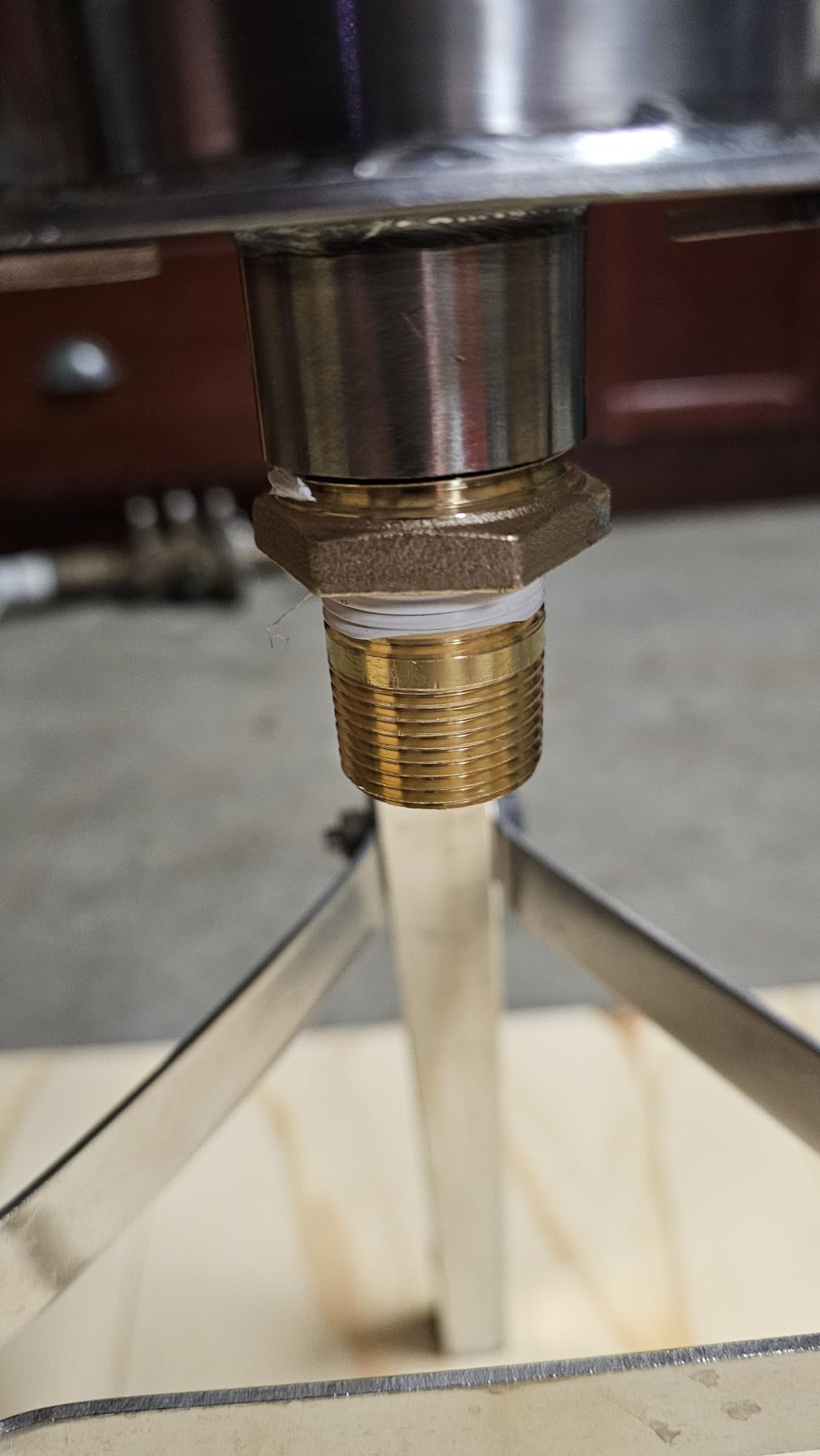
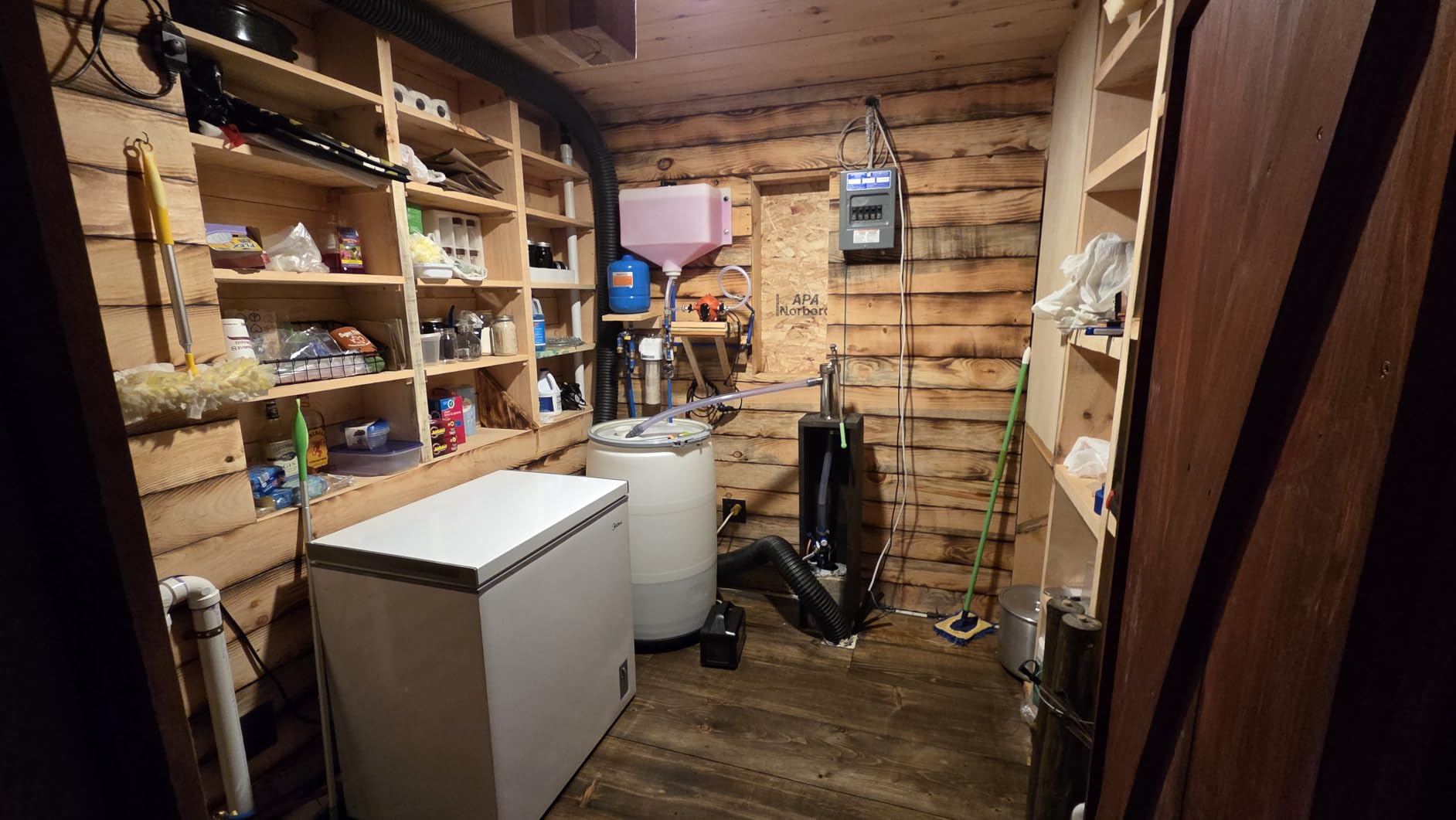
The accessory package is unusually complete. You get the pump, five leather bowls, five water stopping pads, three fixing screws, PTFE tape, a PVC fitting, and a conversion handle. That is everything needed to seal it and mount it except the drop pipe itself.
The 4.1 rating is the lowest among the well-reviewed pumps here, and 10 percent of ratings are one star. Reviewers who are happy praise the material and the accessories. Reviewers who are unhappy mostly question long term durability compared to cast iron, and that is a fair point: thin stainless sheet does not have the same mass as a cast iron body.
Why stainless earns its place
Hard water and iron heavy water are common in rural well country, and those are exactly the conditions that chew cast iron. A stainless pump will not develop the rust staining that makes a cast iron spout look dirty after a few seasons.
The integrated base is the other quiet advantage. Many pitcher pumps rock on an uneven wellhead pad, and a base that spreads the load keeps the seal seated and the pump from wandering.
Where it falls short
The 10 percent one star share is the highest meaningful defect rate among the pumps with real review volume, and durability is the reason given. If you want the unit to sit outside untouched for a decade, cast iron is the safer bet.
At 4 pounds it is also the least planted of the cast iron units, so on a soft or uneven surface it benefits more from a proper base than the heavier models do.
6. SWP 300 Cast Iron Pitcher Pump: Best for Well Restoration and Volume
6699 Durable Cast Iron Pitcher Pump Antique Manual Hand Shake Suction Well Pump Water Transfer Pump 25ft Maximum Lift Easy Installation for Outdoor Garden Pond Backyards SWP 300 Black
300 GPH or 5 GPM
25 ft max lift
16 lb cast iron
3 in cylinder
Pros
- Highest customer rating in this roundup
- Flow rate stated at 300 GPH or 5 GPM
- Solid 16 lb cast iron body
- Mounting hardware included in the box
Cons
- Smallest review base here at 202 ratings
- Cork plunger needs soaking before first use
- Heaviest pump in the lineup to install
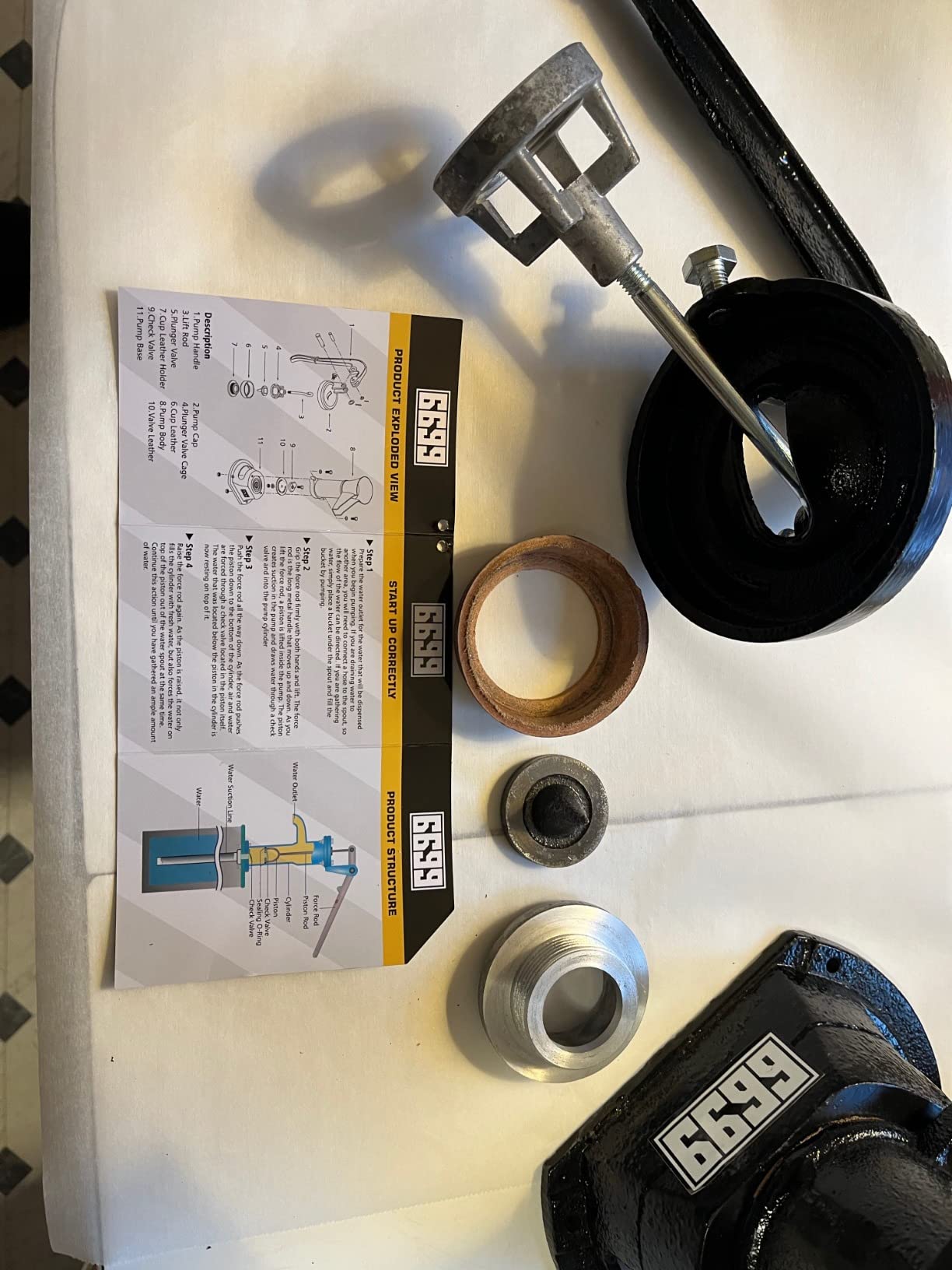
The SWP 300 has the highest customer rating of any pump in this roundup, sitting at 4.5 across 202 ratings. It is also the only one that publishes a specific flow figure, 300 gallons per hour or 5 gpm, rather than leaving flow unquantified, which makes it easier to match to a real watering job.
The rest of the spec sheet is substantial. Cast iron construction in black, a 16 pound body weight, a 3 inch diameter cylinder, a 25 foot maximum lift, and a 1-1/4 inch NPT pipe connection. Mounting hardware including anchors, screws, bolts, and nuts is included, and there is an integrated hook for hanging a bucket at the spout.
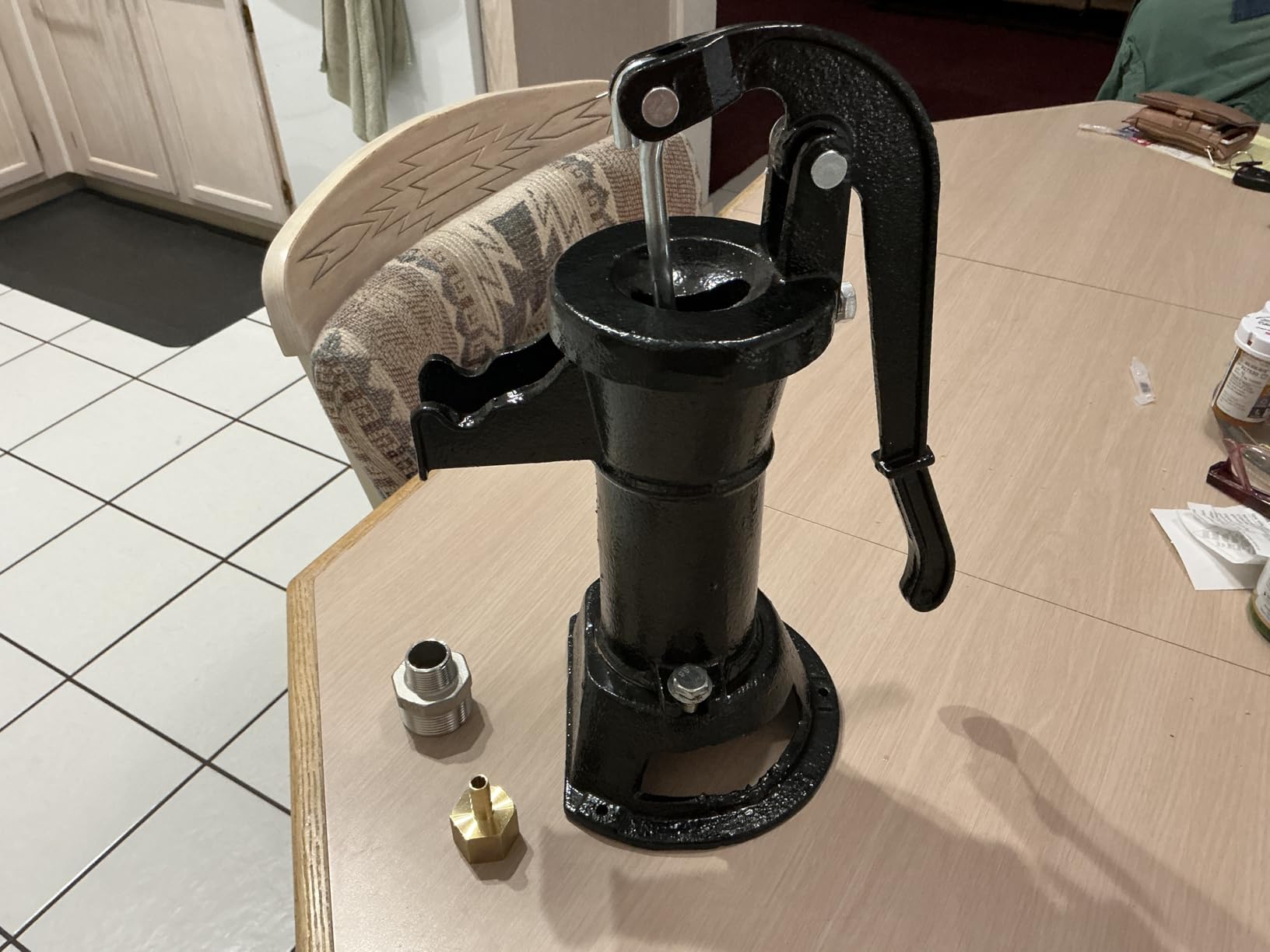
Owners using it on well restoration and fountain projects report strong results. The 3 inch cylinder and the published flow rate are the reasons it delivers more per stroke than the smaller pumps in this list, which is what you want when you are filling a trough or flushing a well line rather than filling a bucket.
Two caveats. The cork plunger needs soaking before first use to form a proper seal, so read the instructions and do not judge it on a cold dry first attempt. And 202 ratings is the second thinnest review base here, so the 4.5 figure carries less weight than the Simmons 4.4 across 999 ratings.
Why the published flow rate matters
Most pitcher pump listings give you a lift figure and nothing else, which leaves you guessing about volume. This one tells you 300 GPH at peak, so you can estimate how long filling a stock tank or a garden bed actually takes before you buy.
For well restoration work, where you are moving water in volume rather than topping up a glass, that published number is the most useful spec on the page.
Where it falls short
Sixteen pounds is the heaviest unit here. Installing it on a raised wellhead platform is a two person job, and it is not the pump to carry to a remote site.
Soak the cork. A dry cork plunger will prime poorly and leave you thinking the pump is faulty when it is not.
7. Boshart Pe-Hp(110) Cast Iron Pump: Best Where Winters Are Harsh
Pe-Hp(110) Cast Iron Pitcher Pump 033308 Boshart
30 ft max lift
Antifreeze equipped
Trip valve freeze protection
3 in cylinder
Pros
- Only pump here with built in freeze protection
- 30 ft lift is the highest rated figure available
- 3 inch cylinder supports good flow
- From an established plumbing manufacturer
Cons
- Highest cost in the roundup by a wide margin
- Smallest but one review base at 66 ratings
- Product page weight and dimensions data are wrong
The Boshart Pe-Hp(110) answers the problem that ends most hand pump installations in northern climates: the water trapped in the body splits the casting or the pipe when it freezes. This model is antifreeze equipped and uses a trip valve mechanism, where raising the handle drains the pump body instead of leaving water sitting in it.
It is also rated to a 30 foot maximum lift, the highest figure of any pump here, and it uses a 3 inch diameter cylinder with a 1-1/4 inch standard pipe tap. Boshart is an established plumbing manufacturer rather than a general garden goods brand, which matters when you want a rebuild kit years from now.
Buyers in cold regions report the freeze protection as the reason they bought it, and the response is exactly what you would hope for. The 4.4 rating is solid, but 66 ratings is a thin base and you should weight it accordingly. If your pumping happens on a freezing morning, a pair of [hand warmers](https://vintagevinylnews.com/best-hand-warmers/) will do more for your hands than a thicker glove ever will.
Why freeze protection changes the decision
Every other pump in this roundup needs a deliberate winterization routine. Drilling a small weep hole roughly four or five feet down the riser so water drains back into the well instead of freezing in the pipe is the standard field fix, and it works. Having a trip valve built into the pump means you do not have to remember, and forgetting is how pumps crack.
The 30 ft rating also gives a little more margin than the standard 25 ft figure, though remember that the useful real world ceiling is closer to 20 feet regardless of what the label claims.
Where it falls short
This is the most expensive unit in the roundup by a wide margin, and for a garden or backup application that cost is hard to justify. The freeze protection is the feature you are paying for, and if you live somewhere the pipe does not freeze, you are paying for nothing.
Also check the product page data before you order. The weight field reads 0.27 g, which is wrong, and the listed power source says AC/DC on a manual pump. These are listing errors, but they mean the specifications deserve a call to the manufacturer before a big install.
8. HFS 25 ft Cast Iron Pitcher Pump: Best as a Decorative Piece
HFS(R) Hand Water Well Pump Manual Pitcher Pump Antique 25 FT Max. Lift Red Cast Iron for Home, Yard, Garden, Farm, Pond
25 ft max lift
12 oz per stroke
14 lb cast iron
11 by 9 by 17 in
Pros
- Holds up well as a decorative vintage piece
- Ergonomic handle and reinforced bolt lugs
- Painted finish resists rust
- Published output of 12 oz per stroke
Cons
- Highest one star share at 14 percent
- Reports of loose fittings leaks and breakage on arrival
- Aluminum alloy internals in a cast iron body
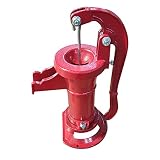
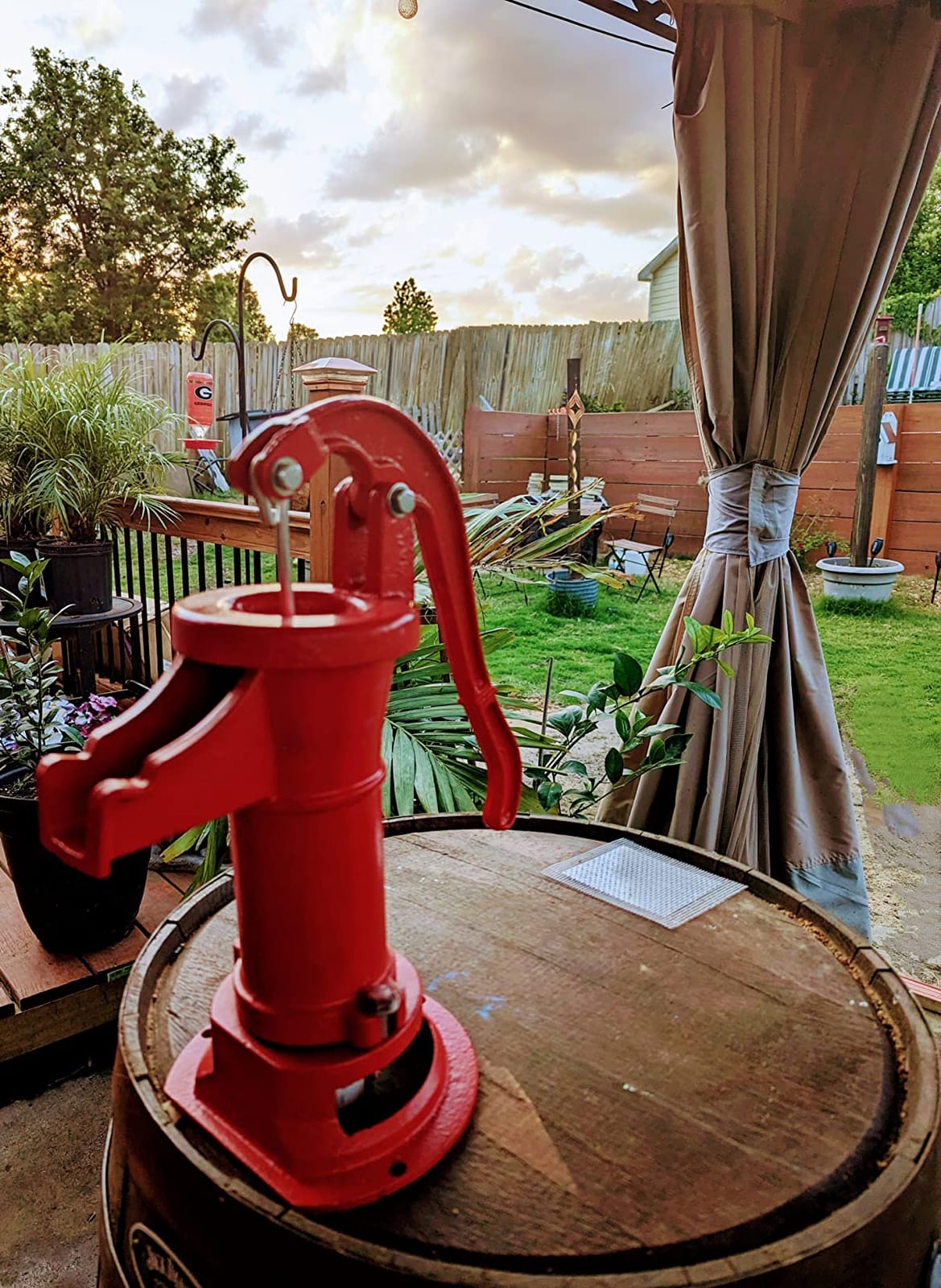
The HFS PPUMP-NO2 is the pump in this roundup I would describe honestly as decorative first. It looks the part, with a hooked antique spout, a painted finish, and an ergonomic handle, and decorative buyers rate it more favorably than functional well users do.
On paper the specification is fine. Cast iron with aluminum alloy internals, a 25 foot maximum lift, a 1-1/4 inch NPT inlet, reinforced bolt lugs, and a published output of 12 oz per stroke. Weight is 14 pounds with dimensions around 11 by 9 by 17 inches.
The 14 percent one star share is the highest defect rate of any pump here, and the reviews describe why. Multiple owners report units arriving with loose nuts and bolts, leaking joints, or parts breaking within the first week. That is an assembly quality problem rather than a design problem, but it still lands on you the day the box opens.
At 58 ratings this is also the thinnest review base in the roundup, so both the 4.1 score and the 14 percent one star figure come from a small sample and could move either way.
Where it genuinely works
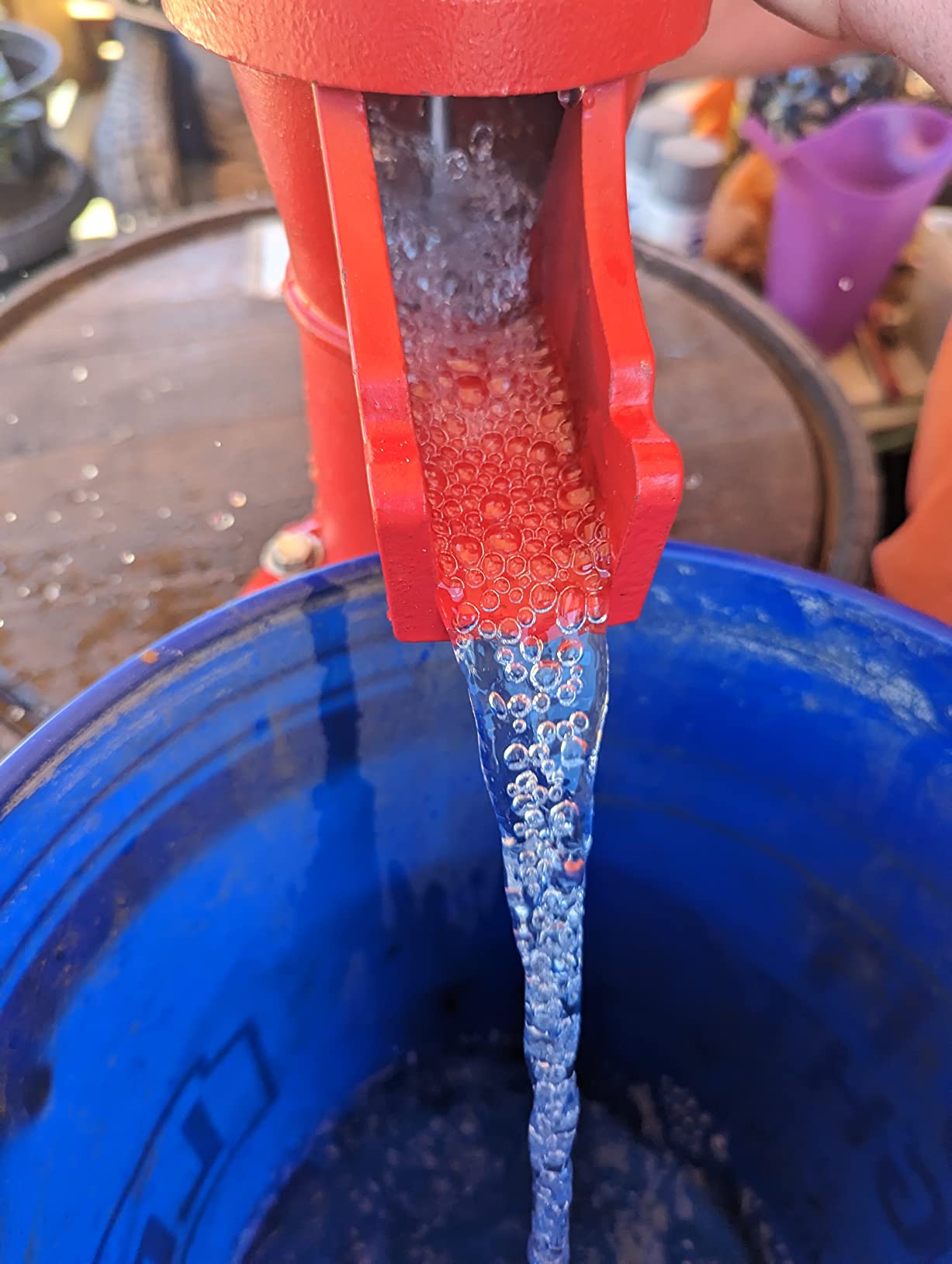
As a garden feature, a rain barrel topper, or a fountain accent where the water comes from a shallow source, it does the job and looks right doing it. The ergonomic handle and the painted rust resistant finish are the details reviewers praise most.
Published output of 12 oz per stroke gives you a real number to plan around, which is more than most listings in this category offer.
Where it falls short
If you are counting on this as your water source when the power fails, the assembly complaint rate is the wrong risk profile. Inspect every fitting before you rely on it, and re-torque the bolts after the first few strokes.
The aluminum alloy internals inside a cast iron body are the same mixed metal concern as the XtremepowerUS, and the same advice applies about long term wear.
How to Choose a Hand Pump for Your Well
Start with one number: your static water level. That is the depth of standing water in the well when nothing is pumping, and it is the only number that determines which class of pump you can use. Everything else is preference.
Find it by lowering a weighted tape on a string into the well until it touches water, or by watching the well during a dry spell when the level is naturally lowest. If you have no way to measure it, the top of the pump cylinder on your existing electric setup is a decent approximation.
Then match the depth to the machine. Inside about 20 feet, any of the pitcher pumps above will deliver a usable stream. Between 20 and 25 feet you are working against the limit and should fit a check valve and expect reduced output. Past 25 feet, none of these pumps will help you and you need a piston lift pump with the cylinder lowered into the casing.
Next, size for daily demand rather than peak enthusiasm. A hand pump running about 5 gpm at full effort is a serious workout, not a household supply. If you are filling a stock tank, a garden bed, or a cistern, a storage tank is not optional. Without one, hand pumping becomes a full time job, and most people abandon the pump within a month.
Then pick the material. Cast iron is heavier and tougher, holds up better to impact, and is the right default for a working well pump. Stainless is lighter and resists rust and mineral staining, and it earns its place when your water is hard, iron heavy, or slightly corrosive. Both connect with 1-1/4 inch NPT, so pipe size is rarely the deciding factor.
Finally, think about your climate and your people. Below freezing winters, freeze protection or a disciplined winterization habit is essential. For a shared household or an older user, handle adjustability and effective leverage decide whether the pump gets used at all. Our broader guides to [water cooling pumps for custom loops](https://vintagevinylnews.com/best-water-cooling-pumps-for-custom-loop-systems/) cover a different class of hardware, but the same principle applies: match the tool to the actual job rather than the spec sheet.
Installation, Priming, and Winterizing
You can install any of these pumps alongside an existing electric pump on the same drop pipe, using a tee near the wellhead. The hand pump feeds a hose bib or a storage tank, and the electric pump keeps running normal household pressure. Survivors of grid-down planning report this paired setup as the arrangement that finally makes a hand pump feel usable rather than decorative.
Fit a check valve on the hand pump discharge side. This is the single highest value step in the whole install, because it is what stops the pump losing its prime every time you stop pumping, and re-priming on every use is the reason most people give up on pitcher pumps.
Prime the pump by filling the body through the spout until water runs steadily out, then start the handle. If it sputters and loses suction, the water level is deeper than the pump can usefully reach and no further adjustment will fix it.
For winterizing, either use a pump with a trip valve and antifreeze protection, or drill a weep hole about four or five feet down the riser pipe. A sixteenth of an inch hole is enough to let the water drain back down into the well instead of freezing in the pipe and splitting it. Close the hole with a removable plug in the summer months so you do not lose your prime during heavy use.
For anything past the 25 ft line, stop reading this guide and research piston lift pumps. The physics is not negotiable, and the equipment is a different category of purchase.
Frequently Asked Questions
How deep of a well will a hand pump work?
A suction-lift pitcher pump works to about 25 to 30 feet in theory and stays genuinely useful past about 20 feet. That limit comes from atmospheric pressure, not from the pump design, so no pitcher pump exceeds it. Below 25 feet you need a piston lift pump with the cylinder lowered into the casing, which can lift from 100 to 300 feet and more.
Which water pump is best for a well?
It depends entirely on your static water level. Inside about 20 feet, a cast iron pitcher pump is the answer, and the Simmons 1160 has the deepest review history of any model here. Between 25 and 100 feet you need a mid-range piston lift pump. Past 100 feet, look at a high-lift piston pump designed for that depth.
Can I put a hand pump on my well?
Yes. Most hand pumps install on the same drop pipe as an existing submersible or jet pump, using a tee near the wellhead. The hand pump feeds a hose bib or storage tank while the electric pump runs normal household pressure, and the hand pump can be removed later without disturbing the electric setup.
Do hand pumps freeze in winter?
They can, and a split casting or pipe is the usual result. Two options prevent it. A pump with a trip valve and antifreeze protection drains its own body when you raise the handle. Otherwise drill a weep hole about four or five feet down the riser, roughly a sixteenth of an inch, so water drains back into the well instead of freezing in the pipe.
What is a good hand crank pump for a well?
For a well, a hand crank pump is not the right category. True hand crank pumps are portable surface water devices for streams and ponds. If you need a well pump, a pitcher pump on a drop pipe covers shallow wells, and a piston lift pump covers deep ones. A portable crank pump is the right choice for moving water from an open water source.
Why does my hand well pump lose suction?
A pitcher pump drains back into the well when you stop pumping, so it loses prime by design. Fit a check valve on the discharge side to hold prime between uses. If suction still fails, the water level is likely deeper than the pump can usefully reach, or the leather seals have dried out and need soaking and oiling.
Final Verdict
The Simmons 1160 No.2 is the best hand water pump for wells on this list, and the reason is the review record rather than the spec sheet. With 999 ratings at 4.4, a close grain cast iron body, a 10 gpm flow rating, and a 25 foot lift, it is the only pump here where the failure modes are well known and fixable rather than a surprise.
Take the VEVOR if the budget is the deciding factor, the Locci if your water is hard or corrosive, the SWP 300 if you need published flow numbers for volume work, and the Boshart if your winters split pipes. Whatever you pick, measure your static water level first, add a check valve on day one, and pair it with storage.
Updated for September 2026. If you want the short version of the depth question: if your water is inside 20 feet, any of these will serve you. If it is deeper, you are shopping in the wrong category and need a piston lift pump.