
Are you a music educator working hard to help your students develop a strong sense of rhythm? If so, you’re in the right place!
In this article, I will share effective and proven methods that can help you teach rhythm to your students.
So, how to teach rhythm? Let’s explore some practical strategies that can make your music lessons engaging, interactive, and successful.
When it comes to teaching rhythm, it is essential to start with the basics. Introduce your students to the concept of beats, the way music is divided into equal parts.
A great way to do this is by using clapping exercises or body percussion. Encourage your students to clap along with you as you demonstrate different rhythms and patterns.
By engaging their bodies and kinesthetic senses, they will have a better understanding of how beats work and how they can create different rhythms through physical movements.
This hands-on approach creates a strong foundation for further learning and builds their confidence in their rhythmic abilities.
Table of Contents
What Is Rhythm and Why Is It Important?
Rhythm is an essential element of music that provides structure, coherence, and movement. It is the pattern of sounds and silences organized in time.
Think of it as the heartbeat of music. Just like a heartbeat keeps our bodies in sync, rhythm keeps a piece of music flowing and gives it a sense of groove and pulse.
The Importance of Rhythm
Rhythm serves several crucial functions in music education:
- Foundation for Musicality: Rhythm lays the groundwork for all other musical elements, such as melody and harmony. Without a solid sense of rhythm, it becomes challenging to play an instrument or sing accurately.
- Enhanced Listening Skills: Learning rhythm helps students develop their listening skills by training their ears to discern different patterns and durations within the music.
- Physical Coordination: Studying rhythm encourages physical coordination as students learn to synchronize their movements with the beat. This coordination extends beyond music and can benefit other activities requiring multitasking and timing.
- Expressive Communication: Rhythm allows musicians to convey emotions and feelings through subtle variations in timing and phrasing. It adds depth and texture to musical performances.
- Group Dynamics: Playing with others requires a shared sense of rhythm so that the ensemble remains tight, unified, and in sync.
By teaching students about rhythm from the beginning stages of their musical journey, educators can provide them with a strong foundation for further musical development while fostering skills that are transferable to many other aspects of life.
What Are the Most Effective Rhythm Teaching Techniques?

Teaching rhythm effectively is crucial for music educators, as it forms the foundation for musical understanding and performance.
Here are some tried and tested techniques that can help you teach rhythm clearly and engagingly:
1. Clapping and Body Percussion
Using clapping exercises or body percussion is a highly effective method to introduce students to rhythm. Start by demonstrating simple patterns with claps or taps, and encourage students to imitate your movements. Gradually increase the complexity of the patterns as their rhythmic skills progress.
2. Rhythm Games
Incorporating games into your lessons can make learning rhythm more enjoyable for students. Try games like “Simon Says” with rhythmic patterns, where students need to mimic your claps or rhythms only when given a specific cue.
Another fun game is “Musical Statues,” where students freeze in different poses representing different rhythms as they play music.
3. Rhythm Notation
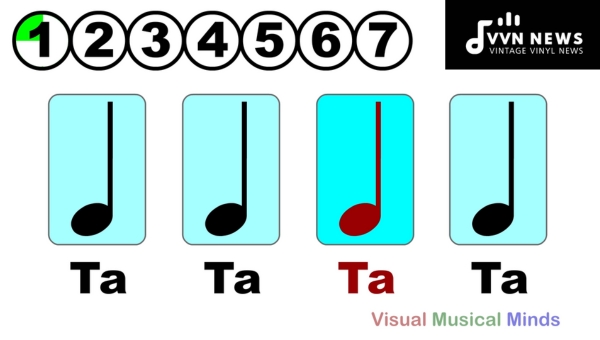
Introducing basic rhythm notation, such as quarter notes, eighth notes, and rests, is essential for students to read and understand written music.
Teach them the symbols and their corresponding durations using visual aids like flashcards or posters. Practice reading simple rhythms together and gradually progress to more complex ones.
4. Metronome Practice
Using a metronome is an invaluable tool for teaching rhythm accuracy and tempo control.
Start with slower tempos and gradually increase the speed as students become comfortable with each tempo setting.
Encourage them to internalize the beat and feel how it relates to their body movements or playing instruments.
5. Ensemble Playing
Group activities are a fantastic way for students to experience how different rhythms fit together within an ensemble setting.
Have them play simple rhythmic patterns together on various instruments or coordinate their claps in unison or rounds.
Remember that everyone learns at their own pace, so be patient and provide ample opportunities for practice and reinforcement.
By incorporating these effective rhythm teaching techniques into your lessons, you can help your students develop a strong sense of rhythm and lay a solid foundation for their musical journey.
Also Read: How Much Should You Work As A Music Teacher? [Find Balance]
How Can Technology Assist in Teaching Rhythm?
In this digital age, technology has become an integral part of education, including music education.
When it comes to teaching rhythm, various technological tools and resources can greatly enhance the learning experience.
Here are some ways technology can assist music educators in teaching rhythm effectively:
1. Interactive Apps and Software
There are numerous interactive apps and software available that specifically target rhythm instruction.
These tools provide a fun and engaging way for students to practice their rhythmic skills independently.
They often include exercises, games, and interactive lessons that allow students to learn at their own pace while receiving instant feedback on their performance.
2. Online Metronomes
Metronomes are essential tools for developing a strong sense of timing and accuracy in rhythm. With advancements in technology, metronomes can now be accessed online through websites or apps.
Online metronomes offer features like adjustable tempo, different sounds, and visual cues to help students practice rhythm with precision.
3. Digital Recording Tools
Digital recording tools can be incredibly beneficial for students as they allow them to listen back to their performances and assess their rhythmic accuracy.
Students can record themselves playing different rhythms or accompanying tracks, enabling them to identify areas where they need improvement.
4. Virtual Workshops and Masterclasses
Technology provides opportunities for students to attend virtual workshops and masterclasses conducted by renowned musicians from around the world.
These online sessions give students exposure to different musical styles, rhythms, and techniques from various cultures, expanding their rhythmic vocabulary.
5. Online Resources and Tutorials
The internet offers a vast array of resources such as articles, tutorials, videos, and worksheets that can assist teachers in designing engaging rhythm lessons for their students.
Teachers can incorporate these resources into their lessons to provide additional practice materials or expand on specific topics related to rhythm.
By incorporating technology into your teaching methods, you can create a dynamic and interactive learning environment for your students.
Technology not only makes the learning process more enjoyable but also provides instant feedback and opportunities for self-assessment, accelerating the development of rhythmic skills.
Also Read: What Does An Ethnomusicologist Do? 2026 [Careers & Salary]
Addressing Common Challenges in Teaching Rhythm

Teaching rhythm can sometimes pose challenges for music educators, but with the right strategies and approaches, these hurdles can be overcome.
Let’s dive into some effective methods to address these common challenges:
1. Breaking Down Complex Rhythms
Complex rhythms can intimidate students and hinder their progress. To tackle this, break down the rhythm into smaller parts for easier understanding.
Start with simple rhythms and gradually introduce more complex ones. Utilize count-along exercises where students say the counts out loud while clapping or tapping to reinforce their understanding.
2. Reinforcing Steady Tempo
Maintaining a steady tempo is vital in developing a strong sense of rhythm. To address this, incorporate metronome usage during practice sessions. Encourage students to tap or play along with the metronome to internalize a consistent pulse.
3. Incorporating Variations and Styles
Music encompasses various genres and styles, each with its unique rhythmic characteristics. To make lessons engaging, introduce different musical styles such as jazz, Latin, or rock that highlight diverse rhythms and patterns.
Teaching pupils about syncopation or polyrhythms enhances their understanding of rhythmic variation.
4. Providing Visual Aids
Visual aids can significantly assist in teaching rhythm concepts effectively. Use notation software or interactive whiteboards to display musical notation alongside animated visuals of beats or movement patterns.
This visual reinforcement reinforces comprehension and encourages active participation.
5. Creative Practice Techniques
Engaging students with creative practice techniques can make learning rhythmic concepts more enjoyable and effective.
Improvise rhythm games, where students create their beats within specific parameters or solve rhythmic puzzles using flashcards or mobile apps designed for rhythm practice.
6. Individualized Instruction
Every student learns differently, so providing individualized instruction is essential. Tailor your teachings to accommodate their unique challenges, strengths, and learning styles.
Offer one-on-one sessions or create small group activities to address specific rhythmic difficulties.
By implementing these strategies, you can navigate the common challenges in teaching rhythm and equip your students with a solid foundation in this crucial aspect of music education.
Also Read: How To Teach Breath Control? [Easy Exercises For Singers]
How to Evaluate and Enhance Rhythmic Skills Progress?
As a music educator, it is crucial to assess the progress of your students’ rhythmic skills and provide them with growth opportunities.
Here are some effective methods to evaluate and enhance their rhythmic abilities:
- Observation and Feedback: Observe your students during lessons or practice sessions and provide constructive feedback. Pay attention to their timing, accuracy, and execution of rhythms. Encourage them to listen to recordings of their performances and self-critique.
- Metronome Practice: Introduce metronome exercises to help students develop a steady sense of tempo. Start with slower tempos, gradually increasing the speed as they become more proficient. This will improve their timing precision.
- Rhythm Games: Incorporate interactive rhythm games into your teaching approach. Use apps or online platforms that offer rhythm training exercises or create your games using flashcards or rhythm pattern cards. These games will engage students while reinforcing their understanding of rhythm.
- Sight-reading Practice: Include sight-reading exercises in your curriculum to improve students’ ability to read and play rhythms accurately on the spot.
- Ensemble Playing: Encourage students to participate in ensemble playing or group activities where they have to synchronize their rhythms with others. This experience will enhance their listening skills, coordination, and ability to maintain a steady beat within a group setting.
- Composition Exercises: Assign composition projects where students have to create their rhythmic patterns or melodies. This encourages creativity while reinforcing their understanding of rhythm.
- Slow Practice and Subdivision: Encourage students to practice difficult rhythms at a slower pace before gradually increasing the tempo. Breaking down complex rhythms into smaller units (subdivisions) helps students grasp challenging patterns more effectively.
By incorporating these methods into your teaching repertoire, you’ll create a more captivating and effective learning experience for your students.
FAQs About How To Teach Rhythm
How do I make rhythm lessons engaging for my students?
Incorporate interactive activities like clapping exercises and body percussion to help students physically experience different rhythms.
Are there any effective technology tools for teaching rhythm?
Yes, there are various apps and online resources available that can assist in teaching rhythm, such as metronome apps and rhythm training games.
How can I address challenges when teaching students with different levels of rhythmic abilities?
Differentiate your instruction by offering a range of challenging rhythmic exercises and providing individualized support to students who might struggle.
How do I assess my students’ progress in developing their rhythm skills?
Use regular assessments like playing rhythm patterns or performing rhythmic compositions to evaluate their understanding and improvement.
What are some effective strategies to enhance rhythmic skills progression in my students?
Gradually introduce more complex rhythmic patterns, encourage improvisation, and provide opportunities for students to collaborate and perform together.
Conclusion
Teaching rhythm is a fundamental aspect of music education, and the methods discussed in this article can greatly enhance your effectiveness as a music educator.
By starting with basic clapping exercises and gradually introducing more complex rhythms, you can help your students develop a strong sense of rhythm and improve their overall musicality.
Incorporating technology can also make the learning process more engaging and interactive for your students.
Remember to address common challenges and provide individualized support when needed.
By regularly assessing their progress and providing constructive feedback, you can ensure that your students continue to grow and excel in their rhythmic skills.