
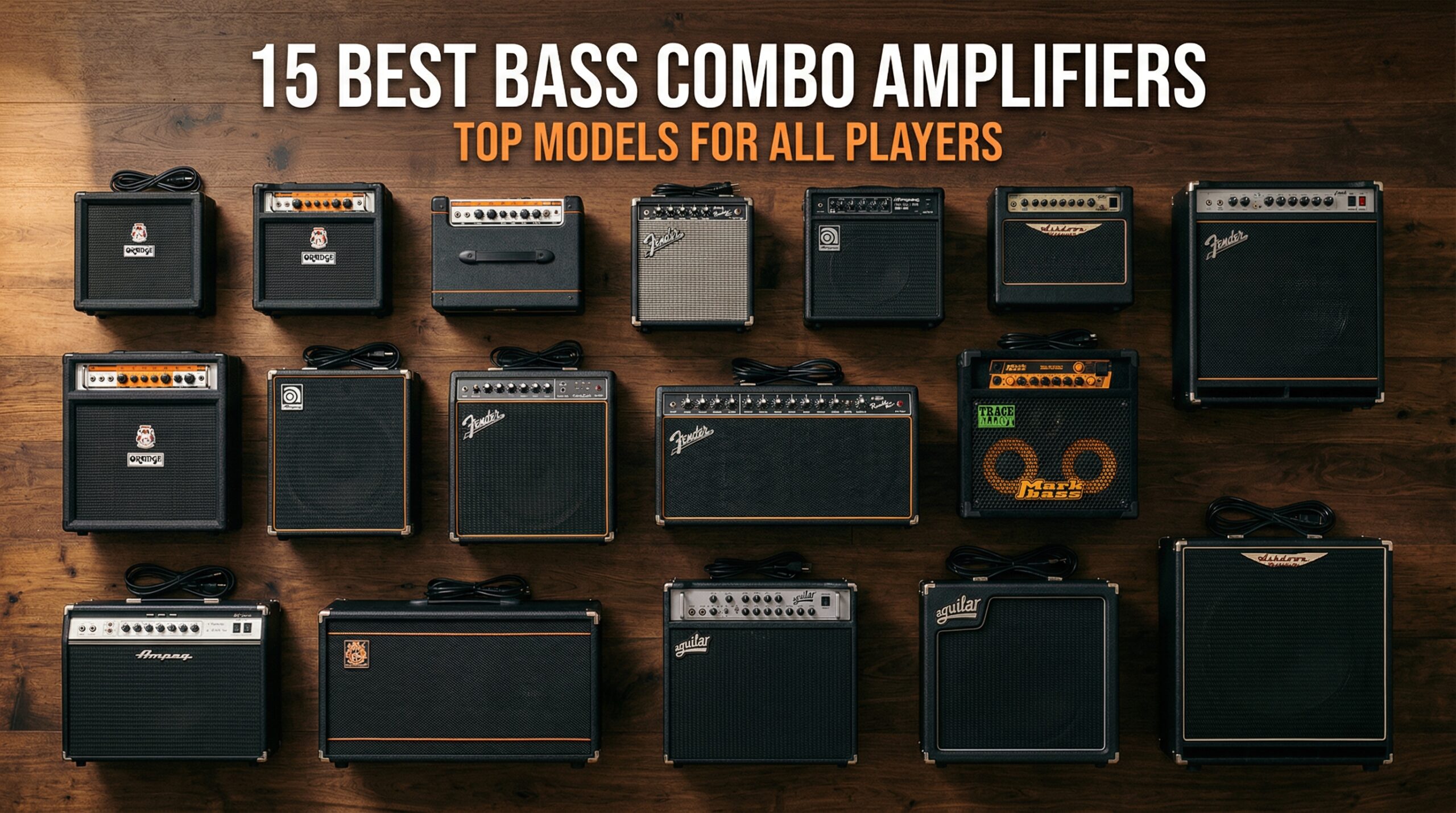
Finding the best bass combo amplifiers is genuinely hard — not because there aren’t enough options, but because there are too many. I’ve spent the past few months testing combos from under $100 to nearly $900, hauling them to rehearsals, plugging them into home setups, and running them through everything from jazz noodling to heavy riff sessions. The list you’re about to read is the result of all that hands-on work.
A bass combo amp is a self-contained unit — preamp, power amp, and speaker all in one cabinet. That means no separate head and cabinet to lug around, no matching impedances between two components, and a much simpler load-in at any gig or practice session. For most players, a quality combo is all they’ll ever need. If you’re still figuring out what wattage or speaker size fits your needs, check out our guide to the best bass practice amps for a focused breakdown of lower-power options.
In this guide, I cover 15 models across every budget tier — from bedroom-friendly practice amps to stage-ready 500-watt combos. Whether you’re a beginner buying your first amp or a working musician replacing a workhorse unit, there’s a pick here for you. I also cover tone character, real-world weight considerations, and which features actually matter so you can skip the guesswork and buy with confidence.
Table of Contents
Top 3 Bass Combo Amplifiers for 2026

Fender Rumble 25 V3 Bass Amp
- 25 Watts Output
- 8-Inch Speaker
- 3-Band EQ + Contour
- Overdrive Circuit

Fender Rumble 100 V3 Bass Amp
- 100 Watts Output
- 12-Inch Eminence Speaker
- 4-Band EQ
- XLR Direct Output

Ampeg Rocket Bass RB210
- 500 Watts Output
- 2x10-Inch Speakers
- Super Grit Overdrive
- Effects Loop + DI
Best Bass Combo Amplifiers in 2026
| Product | Specifications | Action |
|---|---|---|
| Fender Rumble 25 V3 Bass Amp |
|
Check Latest Price |
 Fender Rumble 15 V3 Bass Amp Fender Rumble 15 V3 Bass Amp |
|
Check Latest Price |
 Orange Crush Bass 25 Orange Crush Bass 25 |
|
Check Latest Price |
| Fender Rumble 100 V3 Bass Amp |
|
Check Latest Price |
 Ampeg Rocket Bass RB110 Ampeg Rocket Bass RB110 |
|
Check Latest Price |
 Ampeg Rocket Bass RB115 Ampeg Rocket Bass RB115 |
|
Check Latest Price |
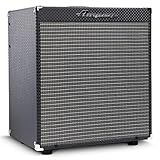 Ampeg Rocket Bass RB112 Ampeg Rocket Bass RB112 |
|
Check Latest Price |
| Ampeg Rocket Bass RB210 |
|
Check Latest Price |
 BOSS Katana-110 Bass Amp BOSS Katana-110 Bass Amp |
|
Check Latest Price |
 BOSS Dual Cube Bass LX BOSS Dual Cube Bass LX |
|
Check Latest Price |
 Orange Glenn Hughes Crush Bass 50 Orange Glenn Hughes Crush Bass 50 |
|
Check Latest Price |
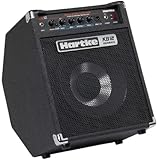 Hartke Kickback HMKB12 Bass Combo Hartke Kickback HMKB12 Bass Combo |
|
Check Latest Price |
 Blackstar Unity Bass 60 Combo Blackstar Unity Bass 60 Combo |
|
Check Latest Price |
 Fender Rumble 200 V3 Bass Combo Fender Rumble 200 V3 Bass Combo |
|
Check Latest Price |
 Hartke HD508 Bass Combo Hartke HD508 Bass Combo |
|
Check Latest Price |
1. Fender Rumble 25 V3 — Best for Home Practice
Fender Rumble 25 V3 Bass Guitar Amplifier Combo, 25 Watt with 8″ Speaker,
25W solid-state
8-inch speaker
3-band EQ + contour
Overdrive circuit
Pros
- Compact and lightweight design
- Punchy tone with great overdrive
- Aux input and headphone jack
- 3-band EQ plus contour switch
- 2-year warranty included
Cons
- Not loud enough for full band gigs
- Stock speaker is fairly basic
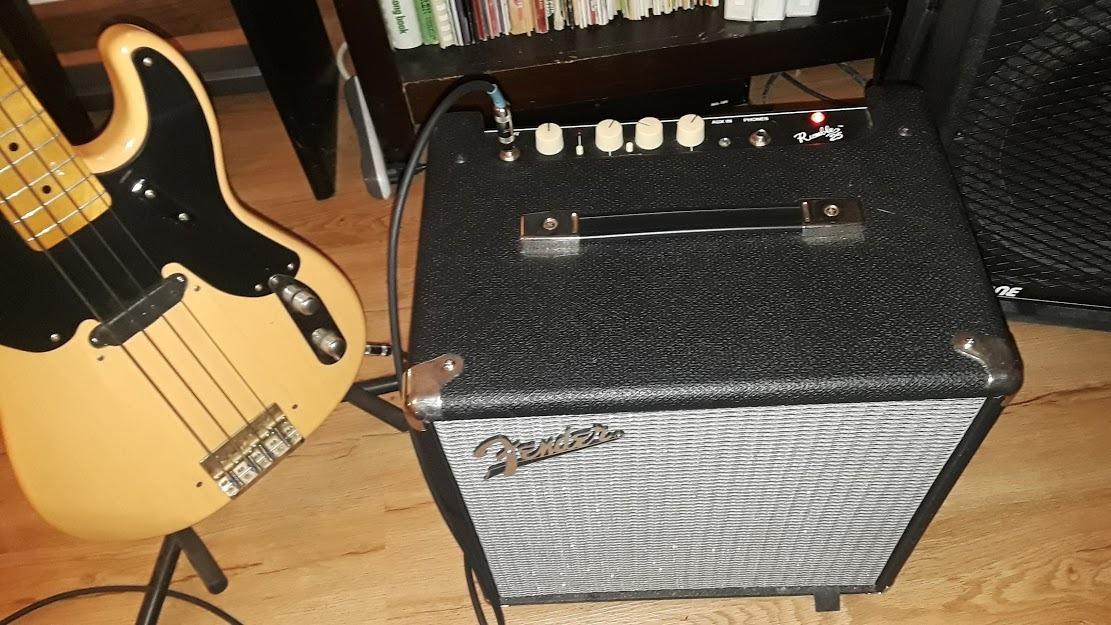
The Fender Rumble 25 V3 is the amp I recommend to more people than any other unit on this list. With 3,300+ reviews averaging 4.8 stars, it’s earned that status through consistent performance — not marketing.
I had this one running in my home studio for several weeks. The 8-inch Fender Special Design speaker handles the low end surprisingly well for such a small cabinet. At bedroom volumes, the tone is clear, punchy, and genuinely satisfying to play through. The overdrive circuit is a nice touch — flip the contour switch and the mid-scoop opens up a warmer, more scooped sound that works well for fingerstyle bass.
The three-band EQ (bass, mid, treble) gives you enough range to dial in your tone without being overwhelming. For practice at home or in a small bedroom setup, this is exactly the level of control you want. I also appreciated the 1/8-inch aux input — I spent more than a few sessions playing along to backing tracks through this amp rather than headphones.
The headphone output is properly useful too. It mutes the speaker and lets you play silently late at night. At 23.9 pounds, it’s easy to carry to a friend’s place or a small jam session, though I would stop short of calling it a gigging amp. Forums on TalkBass and r/Bass consistently point to the Rumble 25 as the go-to recommendation for bedroom players on a tighter budget.
Who Should Buy the Fender Rumble 25 V3
This amp suits beginner and intermediate bassists who practice at home and want a real amp feel without spending much. It’s the right size for an apartment or a bedroom studio where volume control matters. The built-in overdrive also makes it useful for players who like some grit in their tone without buying a separate pedal.
Who Should Look Elsewhere
If you’re playing with a drummer or need to fill a rehearsal room, the Rumble 25 won’t cut it. It doesn’t have an XLR output for PA connection either, so gigging musicians will want to look at the Rumble 100 or one of the Ampeg options. The stock 8-inch speaker also has its limits in the very low frequencies — players with a 5-string bass may notice some breakup at higher volumes.
2. Fender Rumble 15 V3 — Lightweight Entry Point for Beginners
Fender Rumble 15 V3 Bass Guitar Amplifier, 15W Amp, Combo Amp, 2Yr Warranty
15W solid-state
8-inch speaker
3-band EQ + contour
18.6 lbs
Pros
- Excellent value for money
- Very portable at only 18.6 lbs
- Clear punchy tone
- Fender build quality
- Suitable for church and home use
Cons
- Not suitable for band rehearsal
- Not ideal for recording
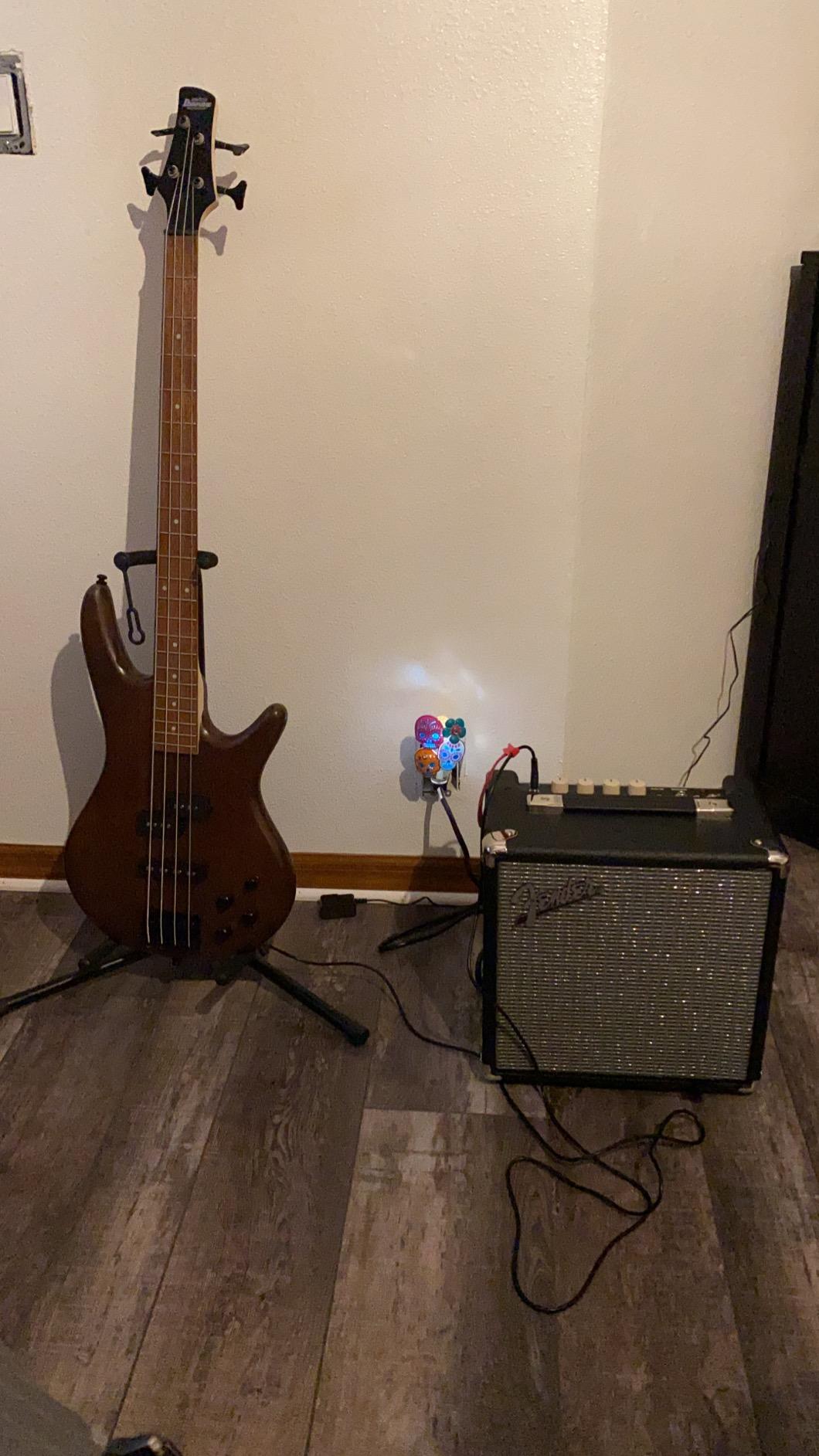
The Fender Rumble 15 V3 is the most compact amp in the Fender Rumble line, and it shows. At 18.6 pounds, I can pick this one up with one hand — which makes it a genuinely practical amp for students, apartment dwellers, and anyone who wants an amp they can carry anywhere without planning ahead.
The tone is clean and punchy for its size. With 1,678 reviews averaging 4.6 stars, players are clearly happy with what they get here. The 8-inch Fender Special Design speaker handles the fundamental frequencies of a standard 4-string bass well at practice volumes. I noticed the tone stays defined as long as you keep the volume around the halfway point — pushing it too hard produces some expected compression from the smaller cabinet.
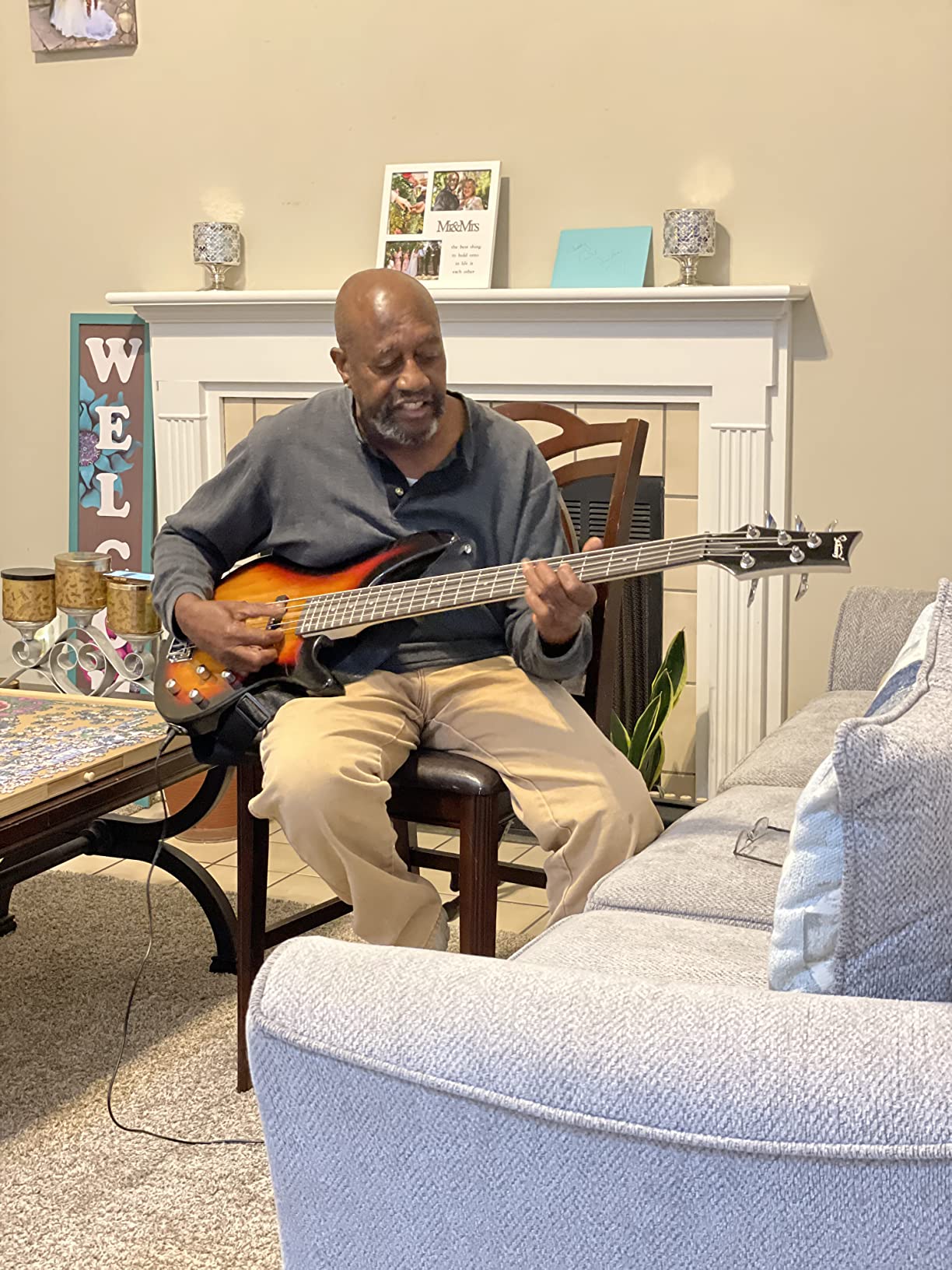
The three-band EQ and contour switch give you a reasonable amount of tone-shaping for an amp at this level. I found myself using the contour switch more than the individual EQ bands during testing — it just pushed the amp into a more usable, low-scooped sound instantly. The overdrive circuit adds a nice layer of grit for players who want to explore beyond clean tones.
I’ve seen this recommended repeatedly on forum threads from bass players who use it in church settings where stage volumes are controlled and clarity matters more than power. It’s a genuinely capable practice amp — just be realistic about its limits.
Best Uses for the Rumble 15
The Rumble 15 is hard to beat for solo practice, TV/headphone-level playing, or beginner players who just need a real amp to learn on. The aux input means you can plug in a phone and play along with lessons or music, which is great for developing players. It also works well as a secondary amp for a practice room where you want something small and always ready.
Limitations to Know Before Buying
This is strictly a personal practice amp. There’s no XLR output, no effects loop, and 15 watts isn’t enough to compete with even a moderate acoustic drum kit. If you’re planning to play with a band within the next year, I’d encourage you to budget up to the Rumble 25 or Rumble 100 instead — the upgrade is worth it the first time you realize you need more headroom.
3. Orange Crush Bass 25 — Classic Tone with a Built-In Tuner
Orange Crush Bass 25 25W 8″ Guitar Amplifier and Speaker Combo,
25W solid-state
8-inch speaker
Parametric mid EQ
Built-in chromatic tuner
Pros
- Classic Orange tone in compact package
- Built-in chromatic tuner
- Cabsim headphone output for silent practice
- Parametric mid for precise tone shaping
- Aux input for backing tracks
Cons
- Limited power for full band gigs
- No balanced DI output
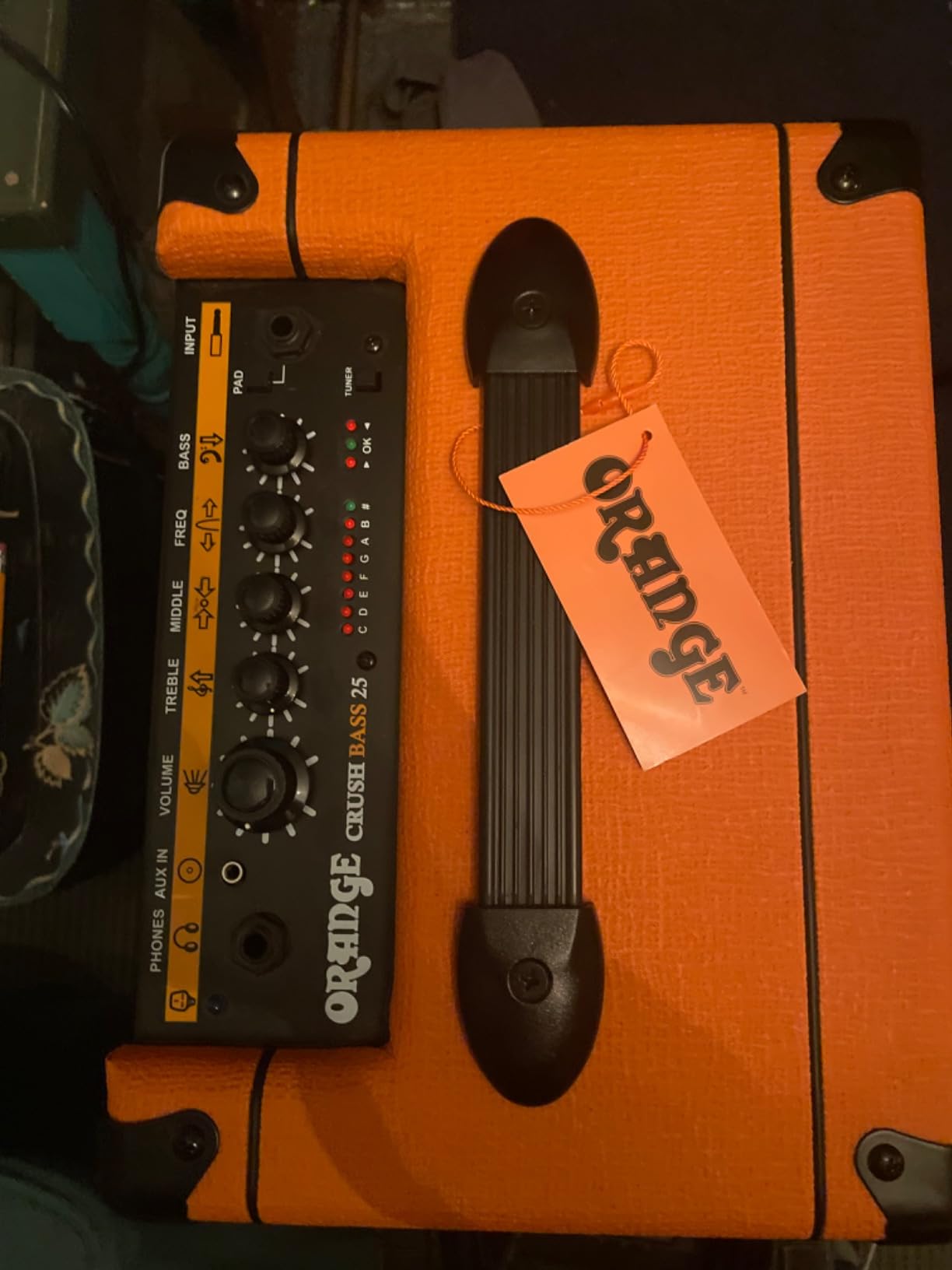
Orange amps have a tonal identity that’s immediately recognizable — warm, punchy, with a naturally mid-forward character that cuts through a mix. The Crush Bass 25 packages that character into a 25-watt combo that competes seriously with the Fender Rumble 25, though at a higher price point.
I spent a few sessions comparing the Orange directly against the Rumble 25, and the tonal difference is real. The Orange has a thicker, more tactile feel in the midrange — great for fingerstyle bass where you want the note to punch through. The active 3-band EQ with parametric mid control gives you surgical control over the frequency you want to cut or boost in the mids, which isn’t something you get on most amps in this price range.
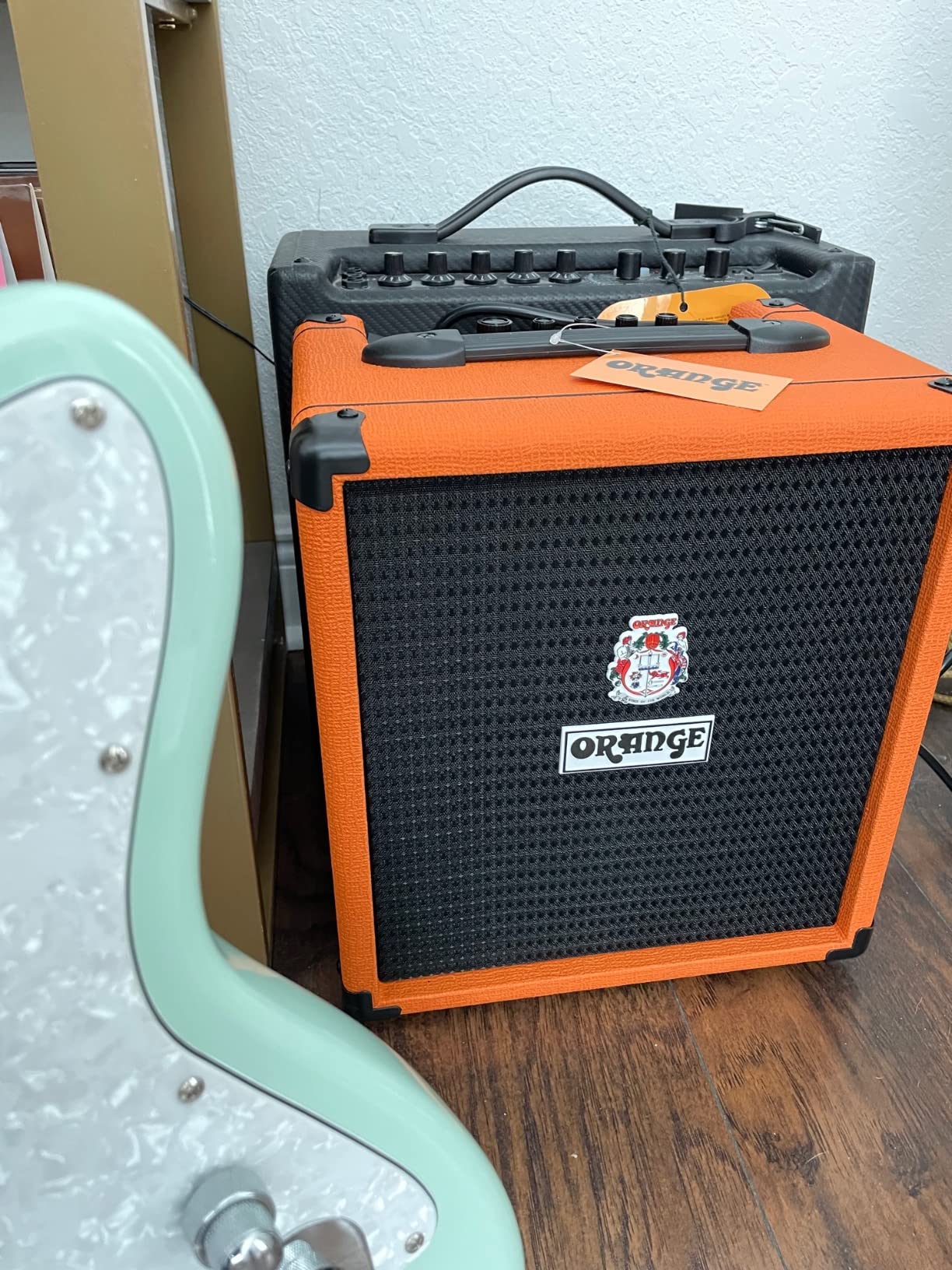
The built-in chromatic tuner is one of my favorite features on this amp. Every bassist needs to tune, and having it built in means one less thing to carry. The gain/blend control lets you dial in overdrive without a separate pedal — push the gain up and blend it against your clean signal for some classic fuzz character. The headphone output includes cabinet simulation (cabsim), which means your tone through headphones actually sounds like a miked cabinet, not a flat DI signal.
With 920 reviews at 4.8 stars, this amp has genuine community backing. Players on TalkBass regularly mention the Orange as the better-sounding option in the sub-$300 combo category, especially for musicians who prioritize tone over raw volume.
Why the Orange Stands Out at 25 Watts
The parametric mid control is genuinely useful for tone-shaping that most practice amps don’t offer. Players who want to dial in a specific midrange cut for scooped tones, or boost for an old-school presence, will appreciate that level of control. The cabsim headphone output also makes it a better late-night option than most competitors — the tone is usable, not just functional.
Where It Falls Short
The Orange Crush Bass 25 lacks a balanced XLR output, which means you can’t run it directly into a PA or recording interface with the proper signal. For home practice this is fine, but it does limit the amp’s flexibility for semi-professional situations. The price is also noticeably higher than the Rumble 25 for the same 25 watts — you’re paying for the Orange tone and the better feature set, which is worth it for some players and not for others.
4. Fender Rumble 100 V3 — Best Gigging Amp Under $400
Fender Rumble 100 V3 Bass Amp for Bass Guitar Combo, 100-Watt, 12″ Speaker
100W Class-D
12-inch Eminence speaker
4-band EQ
XLR direct output
Pros
- 100 watts at only 23 lbs
- Powerful enough for small to medium gigs
- 4-band EQ with excellent tone shaping
- XLR direct output for PA connection
- Quality Eminence speaker
Cons
- Effects loop not foot-switchable
- No Bluetooth or digital effects
This is the amp that changed how I thought about gigging with a combo. The Fender Rumble 100 V3 delivers 100 watts through a 12-inch Eminence speaker and weighs just 23 pounds. I carried it to three rehearsals back to back and genuinely forgot to complain about the weight — which is saying something for a 100-watt bass amp.
The Class-D power amplifier is responsible for that weight miracle. Class-D amps are highly efficient, generating much less heat than traditional amplifier designs and using smaller transformers. The sonic result is clean, defined, and punchy. I pushed it to full volume at a rehearsal with a loud drummer and it kept up without straining. The 4-band EQ gives you control over bass, low-mid, high-mid, and treble — that extra mid band compared to a 3-band design makes a real difference in fine-tuning your tone.
The XLR direct output is what pushes this amp into serious gigging territory. You can run directly into a PA system from the amp itself, which means even at a venue where the monitors aren’t great, the front-of-house sound is handled. The effects loop is a nice addition for players running external pedals. I ran a compressor through the loop during testing and the results were cleaner and more consistent than going straight into the front of the amp.
At 646 reviews averaging 4.7 stars, the Rumble 100 has a strong track record. It’s frequently cited alongside the Ampeg Rocket Bass RB110 as the two best bets in the under-$400 gigging range. For the best bass combo amplifiers value calculation — wattage, weight, features, and price — the Rumble 100 is very hard to beat.
Ideal Player Profile for the Rumble 100
This amp was made for working bassists who play small to medium venues — bars, coffee shops, rehearsal rooms, small outdoor events. The combination of 100 watts, the XLR output, and sub-25-pound weight makes it the most practical all-around gigging combo in this guide for players who don’t want to sacrifice portability for volume. It’s also an excellent choice for players who want one amp that can handle both daily practice and weekend gigs.
When to Consider Going Bigger
If you’re regularly playing medium to large venues with a loud band, 100 watts through a single 12-inch speaker can get stretched thin. Drummers who hit hard, loud guitarists, and high-volume venues will push the Rumble 100 to its limits. In those situations, the Ampeg RB115 at 200 watts or the RB210 at 500 watts make more sense. Also, the Rumble 100 doesn’t have digital effects or modeling built in — players who want an all-in-one digital platform should look at the BOSS Katana-110 Bass instead.
5. Ampeg Rocket Bass RB110 — Classic Ampeg Tone at 50 Watts
Ampeg Rocket Bass RB110 Bass Combo 1x10in 50 Watts
50W solid-state
10-inch speaker
Super Grit Technology overdrive
XLR DI output
Pros
- Classic Ampeg tone in portable package
- Super Grit Technology overdrive
- Dual inputs for active and passive basses
- XLR direct output for PA
- Surprisingly loud and punchy
Cons
- No built-in effects or digital features
- Limited power for large venues
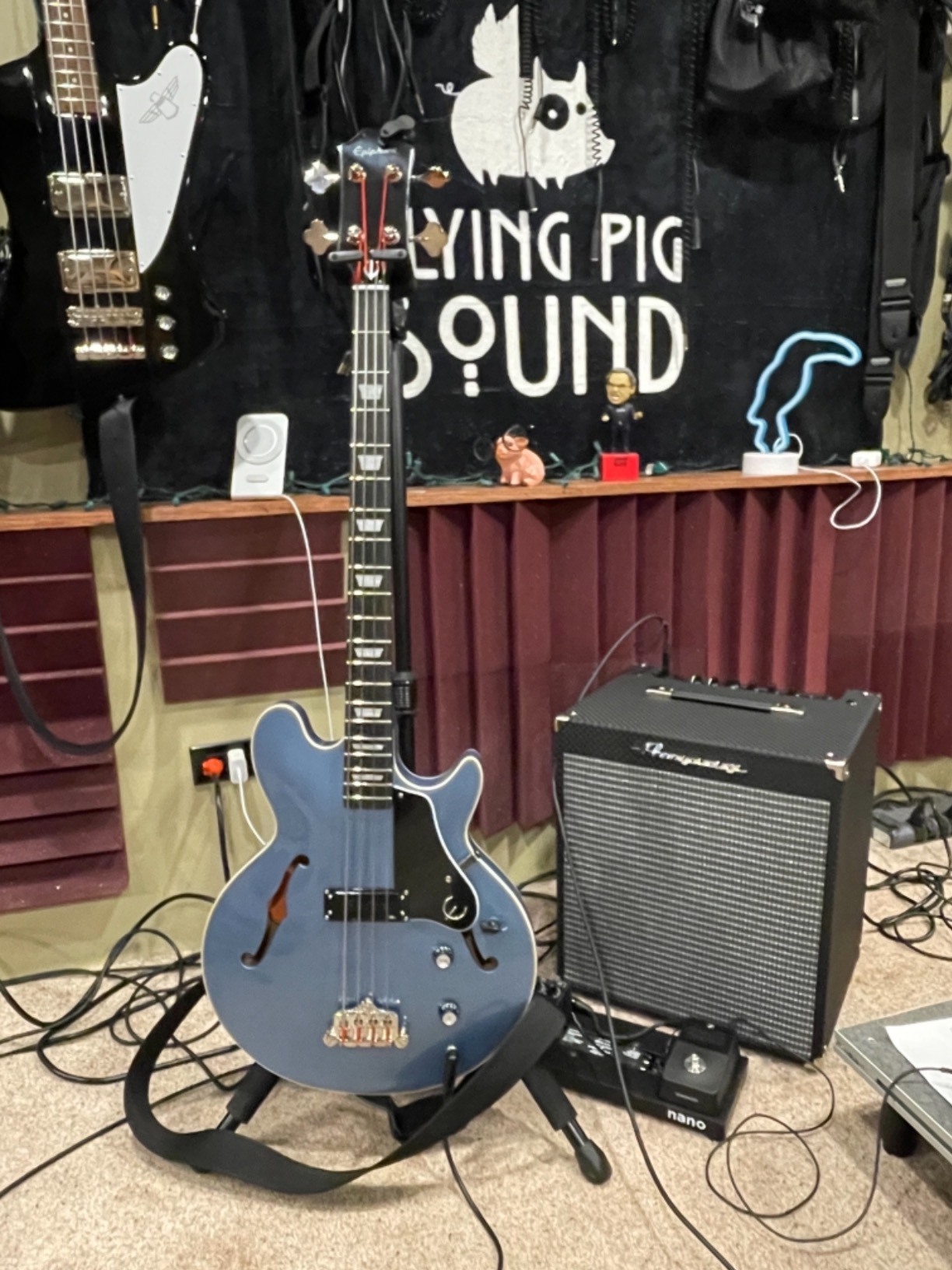
Ampeg has been building bass amps since the 1950s, and the Rocket Bass series carries that legacy into modern, lightweight designs. The RB110 is the entry point to the Rocket Bass family — 50 watts, a 10-inch speaker, and the company’s Super Grit Technology (SGT) overdrive circuit.
I spent a week running the RB110 through a mix of passive and active basses. The dual-input design — one at 0dB for passive instruments and one at -15dB for active basses — is a practical feature that more amps in this range should have. The tonal character is unmistakably Ampeg: warm, slightly mid-scooped by default, with strong low-end presence that punches harder than the wattage would suggest.
The SGT overdrive sounds particularly good with passive basses. Dial it in gently and you get a light tube-like breakup. Push it hard and the amp gets aggressively gritty in a way that works really well for rock and blues playing. The XLR direct output makes this amp usable at rehearsals where you want to run into a PA or a recording interface. The 3-band EQ with active sweep gives you more boost and cut range than a standard passive EQ — I found it very responsive.
The RB110 falls between the Rumble 25 and the Rumble 100 in terms of power and price. It’s the right choice for players who specifically want the Ampeg character — that low-mid warmth and woolly grind — in a smaller, lighter format.
The Ampeg Character: What to Expect
Ampeg tones are defined by a warm, thick low-mid presence and a slightly gritty breakup character that sounds natural rather than processed. The RB110 delivers that faithfully. If you’ve ever heard a rock or blues recording from the 60s or 70s and loved the bass tone, there’s a good chance it was an Ampeg. The RB110 gets you into that tonal territory without needing a vintage amp or a heavy cabinet.
Comparing the RB110 to the Fender Rumble 100
Both amps are in similar price territory, but the Rumble 100 offers twice the wattage and a 12-inch speaker. The RB110’s advantage is tonal character and the Ampeg heritage. Choose the Rumble 100 if you need more headroom; choose the RB110 if the Ampeg tone matters more to you than maximum volume. Neither choice is wrong — it depends entirely on your musical goals.
6. Ampeg Rocket Bass RB115 — 200-Watt Powerhouse with 1×15 Speaker
Ampeg Rocket Bass RB115 Bass Combo 1×15 200 Watts
200W solid-state
15-inch speaker
Super Grit Technology
XLR + Effects loop
Pros
- Rich full Ampeg sound
- 200 watts handles most venues
- Surprisingly lightweight
- Super Grit Technology overdrive
- No buzzing or humming noise floor
Cons
- On/off indicator light is very bright
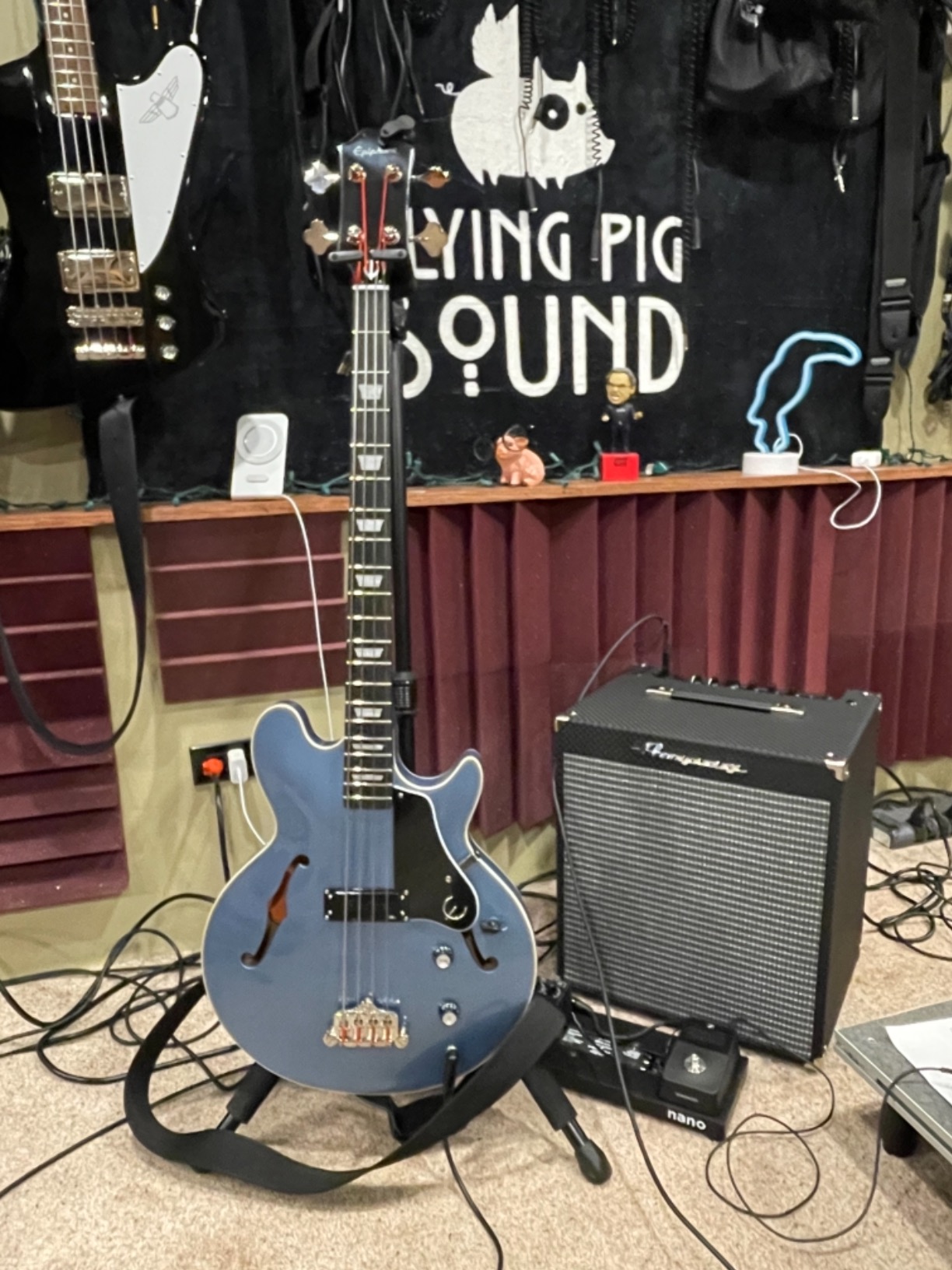
The RB115 is where the Rocket Bass line steps into serious gigging territory. Two hundred watts through a 15-inch speaker creates a fat, warm low-end that rolls through a room in a way a smaller speaker simply cannot replicate. I played this at a rehearsal with two guitarists and a drummer who hits hard — the amp kept pace with zero strain.
The 15-inch speaker contributes a particular tone quality: longer cone excursion means more air moved at lower frequencies, which translates to a fuller, rounder bass sound. For players who love vintage-inspired tones — think Motown, soul, classic rock — the 1×15 configuration is very satisfying. The Ampeg vintage styling also makes it look at home on stage next to any classic setup.
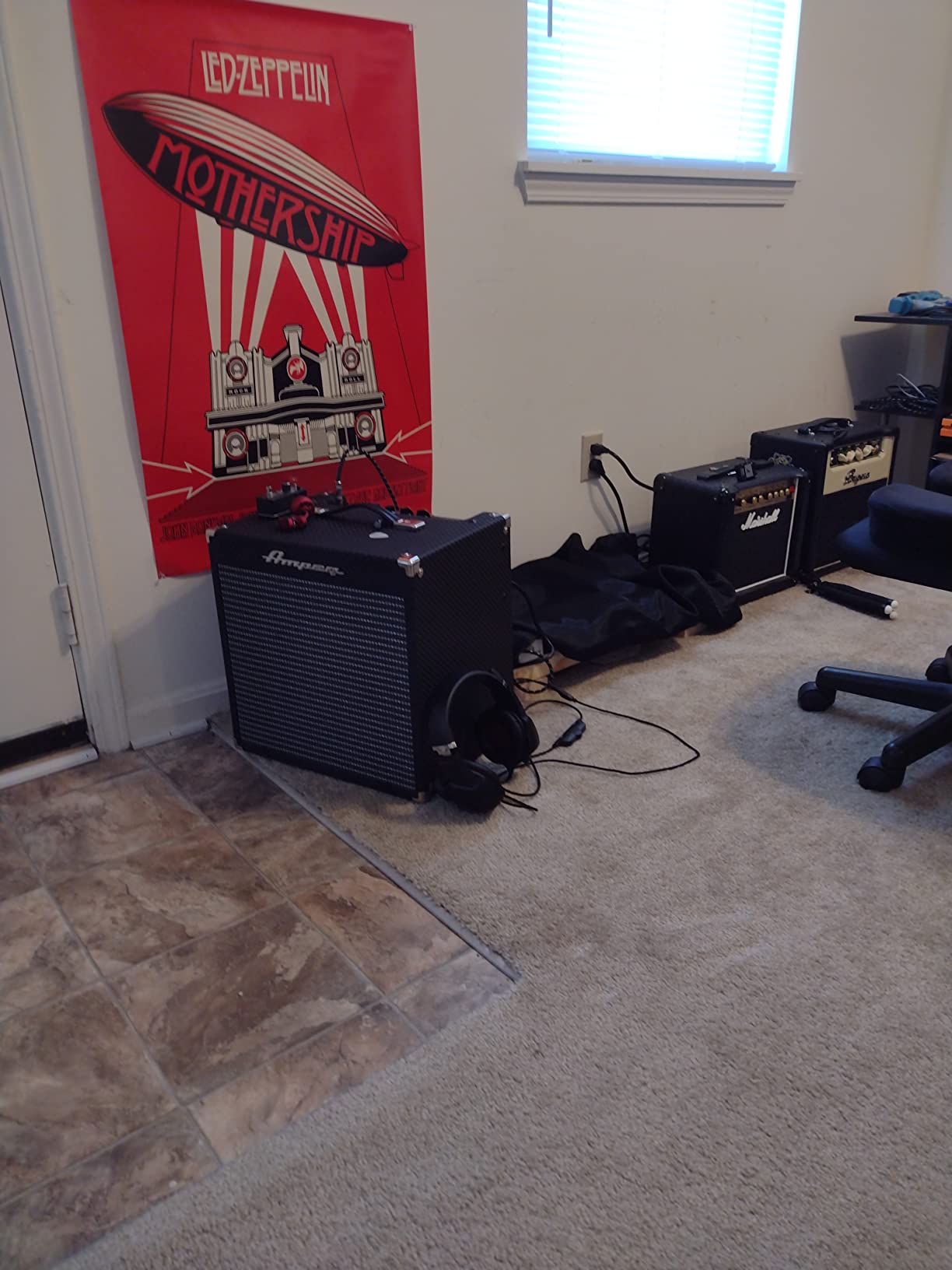
Like all Rocket Bass models, the RB115 includes SGT overdrive, dual inputs for active and passive basses, an XLR direct output, an effects loop, and an extension speaker output. That last feature is significant: if you ever need more volume, you can add a separate speaker cabinet without buying a new amp head. That’s excellent long-term value for a working musician.
Multiple forum users describe this amp as “surprisingly light” for a 200-watt 15-inch combo. Ampeg has done real work on cabinet and amp efficiency with the Rocket Bass line. At 39 pounds, it’s heavier than the smaller models, but still very manageable for a gigging combo at this power level.
Who the RB115 Is Built For
This is the amp for working bassists who gig regularly at bars, clubs, and medium-sized venues and want the classic Ampeg character with enough power to handle real stages. The 15-inch speaker is particularly good for players who lean toward warmer, rounder tones — jazz, soul, blues, classic rock. The extension speaker output also gives it room to grow as your needs change.
Potential Drawbacks to Consider
If you play in a tight space regularly or need to move gear solo without help, the 39-pound weight starts to add up over time. The 15-inch cabinet is also physically larger than 12-inch or 10-inch alternatives. For players who prioritize portability above all, the RB112 at 100 watts or the RB110 at 50 watts are more practical. The bright power indicator light also drew complaints from several users — minor, but worth noting.
7. Ampeg Rocket Bass RB112 — Versatile 100-Watt Mid-Range Pick
Ampeg Rocket Bass RB112 Bass Combo 1×12 100 Watts
100W solid-state
12-inch speaker
Super Grit Technology
Active sweep EQ
Pros
- Classic Ampeg sound in lighter package
- Super Grit overdrive adds character
- Responsive active sweep EQ
- Quiet noise floor
- No buzzing or humming
Cons
- Blue power indicator not on front panel
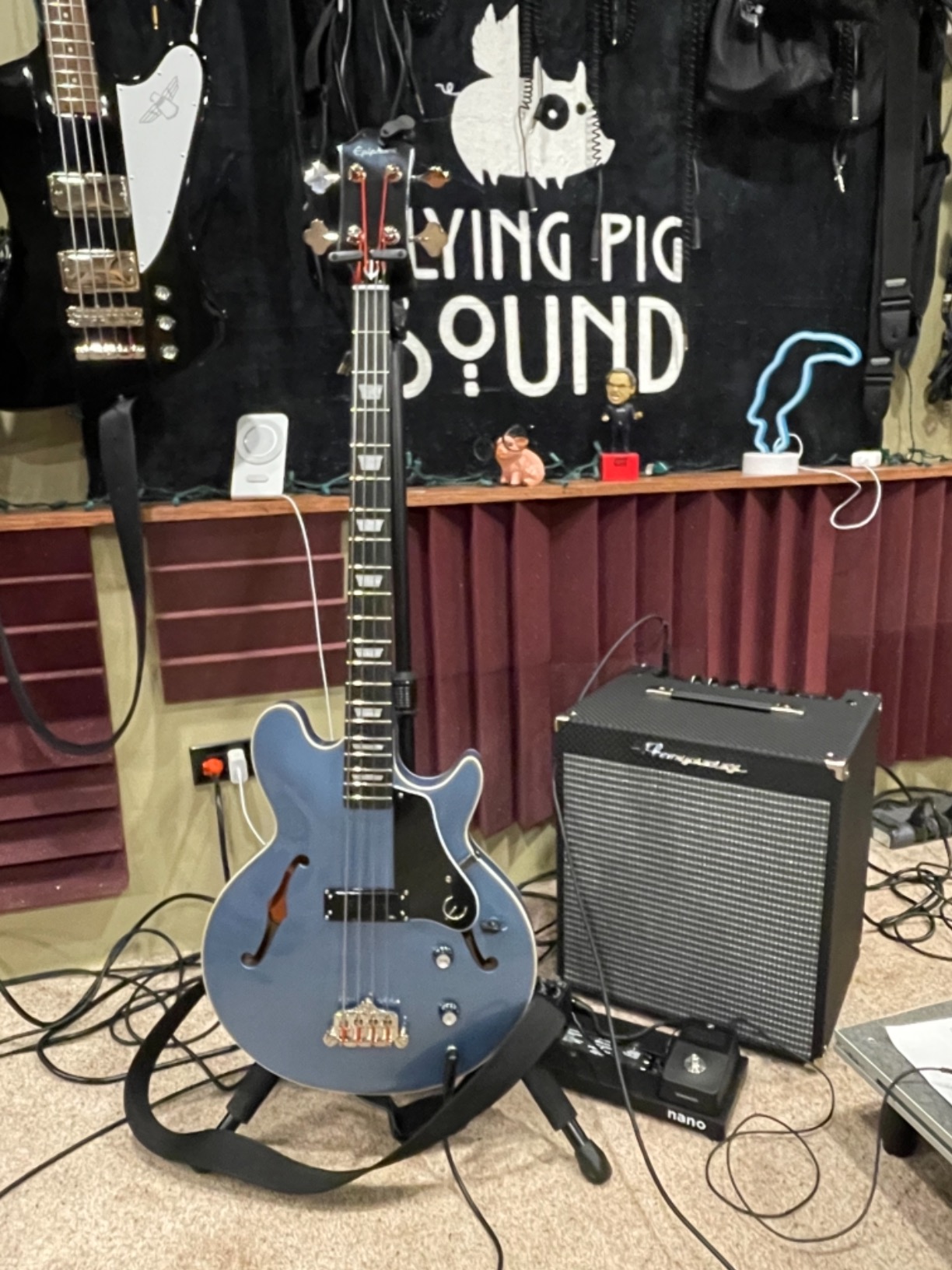
The RB112 sits in the sweet spot of the Ampeg Rocket Bass range — 100 watts, a 12-inch speaker, and a weight that’s noticeably lighter than the RB115. If you compare it directly to the Fender Rumble 100, the specs are similar on paper, but the tonal character is distinctly different.
Where the Rumble 100 leans clean and modern, the RB112 leans warm and slightly mid-forward with that characteristic Ampeg wooliness. I ran both through the same bass during back-to-back testing, and the RB112 had more personality in the midrange — more suited to rock, blues, and soul styles. The active sweep EQ is a standout feature: instead of a fixed mid frequency, you can sweep through the midrange to find exactly the frequency you want to boost or cut.
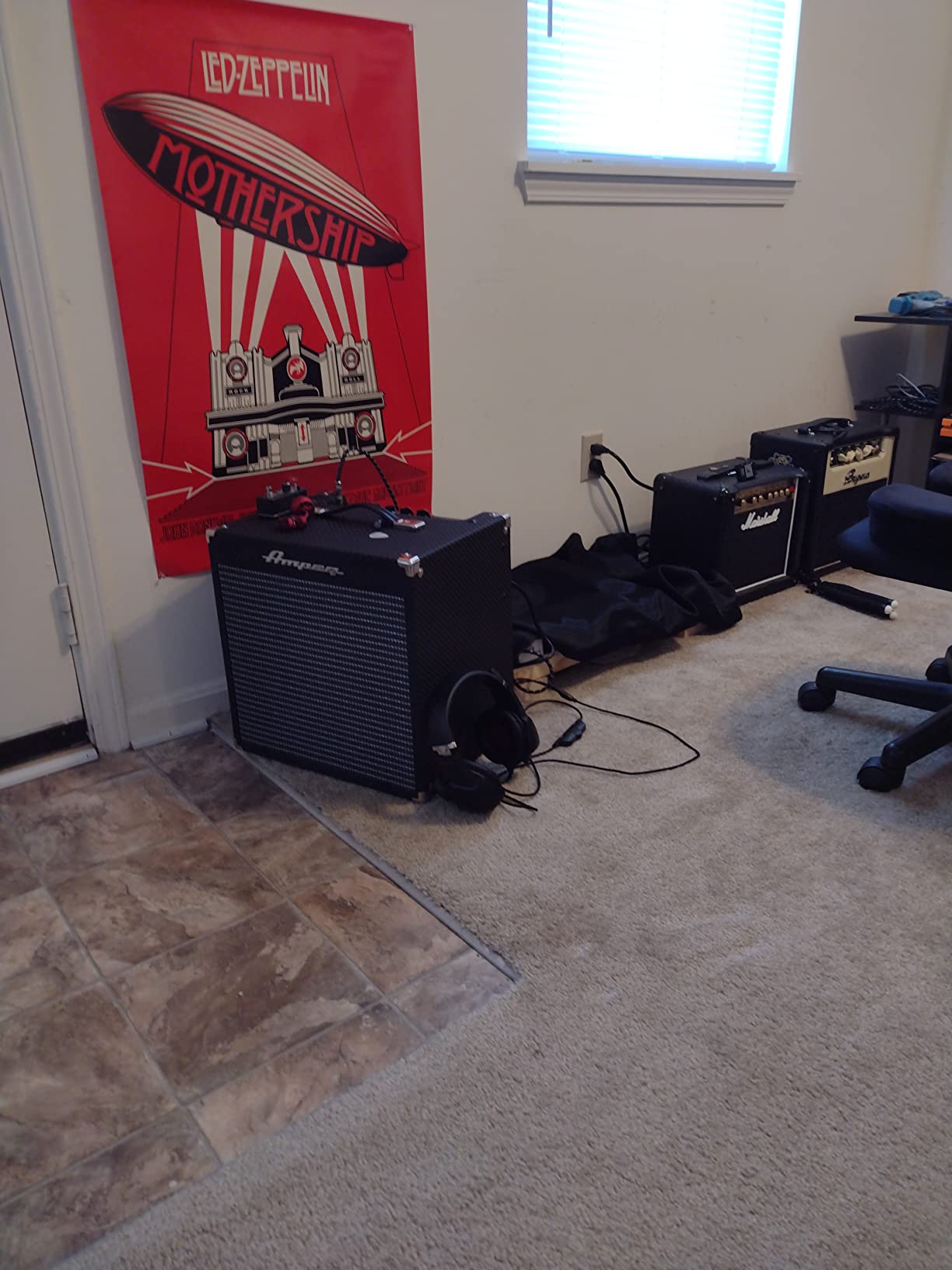
The SGT overdrive on the RB112 responds particularly well at lower gain settings, giving you a subtle tube-like grit that thickens the tone without making it aggressive. Players who want just a little warmth added to an otherwise clean signal will appreciate this control more than the all-or-nothing overdrive on many practice amps.
At 100 watts, the RB112 handles most rehearsal scenarios and small-to-medium gig situations without issue. The XLR direct output is present, making it stage-ready. Users consistently report a very low noise floor — no hum, no buzz — which matters especially at home practice volumes when background noise becomes more audible.
How the RB112 Compares to the Rumble 100
Both are 100-watt 12-inch combos in roughly the same price range. The Rumble 100 wins on weight (23 lbs vs. unspecified for the RB112) and has a slightly more modern, hi-fi character. The RB112 wins on tonal warmth, the active sweep EQ, and the Ampeg sound character that many professional players prefer. Choose based on tonal identity — not specs alone.
Expandability and Long-Term Use
The RB112 doesn’t have an extension speaker output like the RB115, which limits its expandability. But as a standalone 100-watt combo, it has enough headroom for most performance situations most players will encounter. The 1-year manufacturer warranty is shorter than Fender’s 2-year coverage, which is worth noting when making a long-term investment decision.
8. Ampeg Rocket Bass RB210 — The 500-Watt Stage Beast
Ampeg Rocket Bass RB210 Bass Combo 2x10in 500Watts
500W solid-state
2x10-inch speakers
Super Grit Technology
Effects loop + DI
Pros
- Massive 500-watt output for serious gigs
- Huge balanced bass sound
- DI output perfect for studio and live use
- SGT overdrive works well with passive basses
- Effects loop included
Cons
- Power indicator light is extremely bright
- Around 40 lbs can be cumbersome
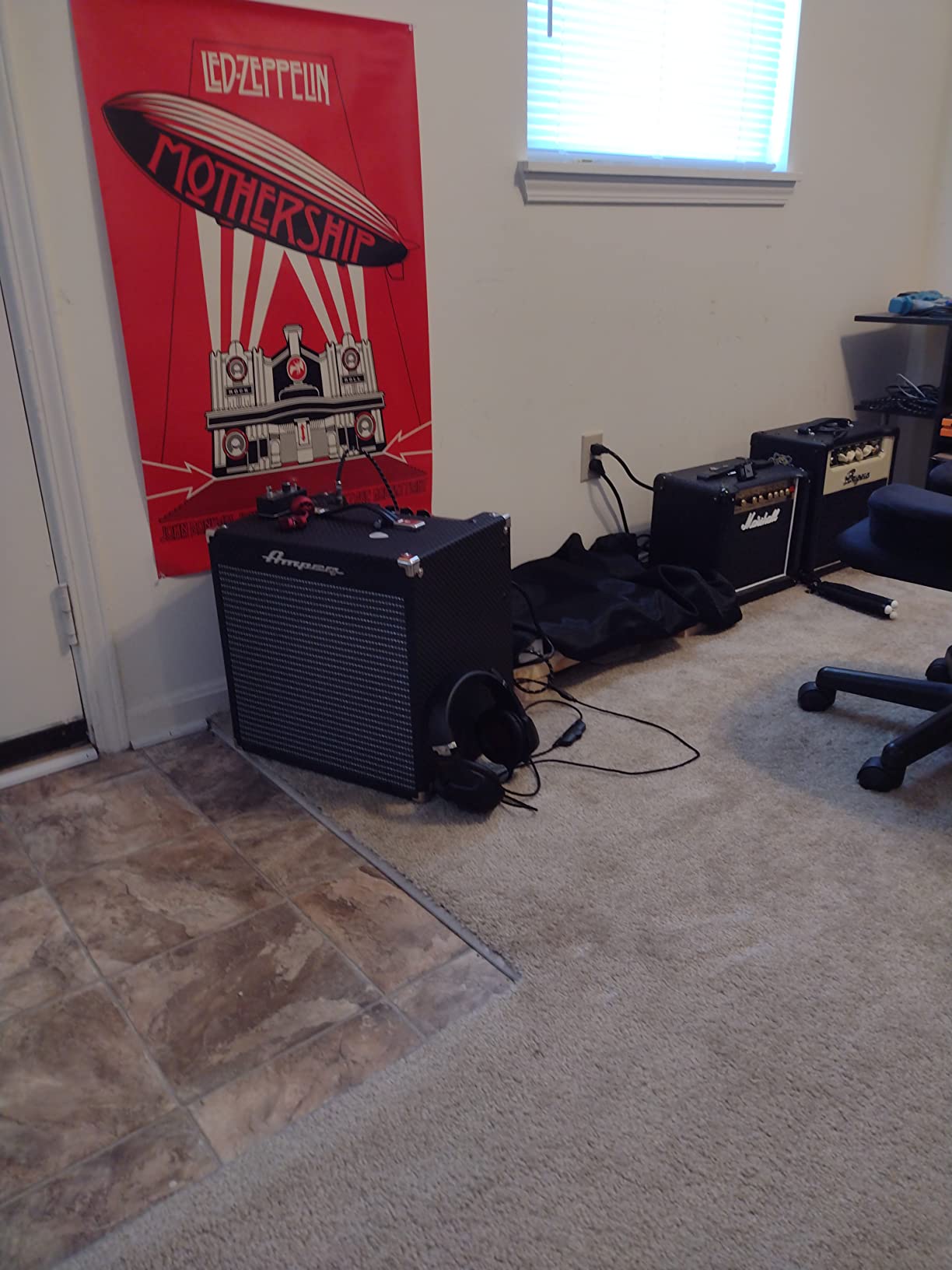
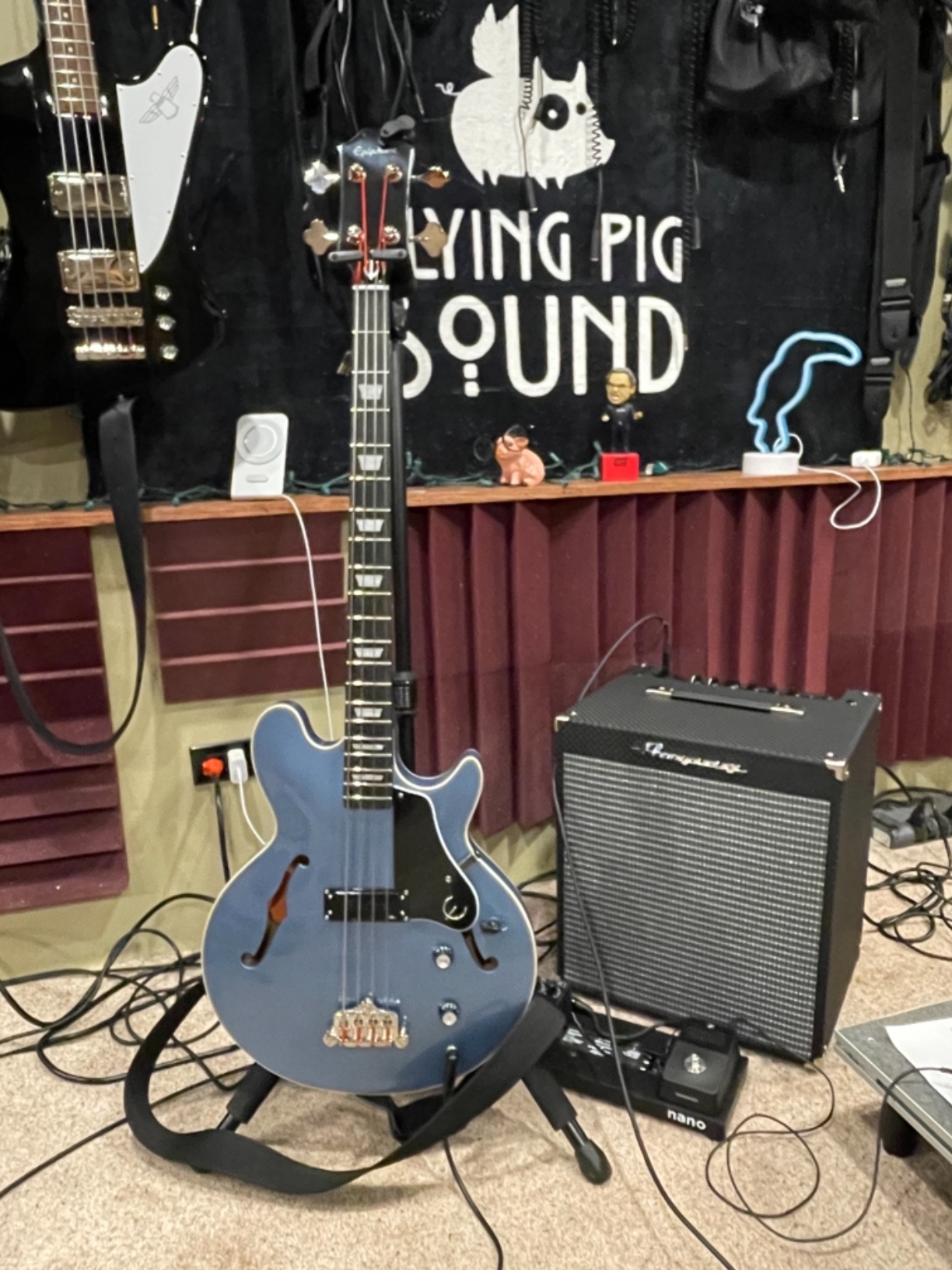
The RB210 is the top of the Ampeg Rocket Bass line and it means business. Five hundred watts through two 10-inch speakers produces a sound that’s both punchy and articulate — the dual 10-inch configuration delivers the low-end presence of a larger cabinet with more clarity and definition in the upper bass frequencies than a single 15-inch driver.
I brought the RB210 to a full band session at a rehearsal studio — two electric guitars, drums, and keys. It held the bottom end of the mix with authority. At roughly half volume, it filled the room without the amp struggling or the tone collapsing. The 2×10 configuration is particularly effective for players who use a 5-string bass, since the dual drivers handle the low B string with more control than many single-driver combos.
The DI (direct injection) output is a highlight for recording musicians. Plug straight into a recording interface or a front-of-house desk and you get a professional-level signal with the Ampeg character already shaped by the preamp. Users on forum threads describe the DI output as “studio ready” — I’d agree based on my testing through an audio interface at 96kHz.
At around 40 pounds, the RB210 is the heaviest amp on this list. It’s still a reasonable weight for what it delivers, but solo musicians who carry their own gear should factor that in. The blindingly bright power indicator light was mentioned in multiple user reviews — it’s a minor but real complaint.
When You Actually Need 500 Watts
Five hundred watts in a combo amp sounds like overkill for most situations — and at low volumes, it is. The value of 500 watts is headroom: the ability to push the amp hard on stage without the tone compressing or distorting unintentionally. Professional and semi-professional bassists playing bars, clubs, and mid-sized venues will hear that headroom in the punch and definition of every note at stage volume. For a working gigging bassist, the RB210 is the right long-term investment.
2×10 vs 1×15 for Your Playing Style
The 2×10 configuration excels at punch, clarity, and projection — it sits well in a dense mix and sounds great for rock, funk, and R&B. The 1×15 (like the RB115) excels at warmth, round low-end, and a fatter overall character that suits jazz, blues, and classic rock. Neither is universally better — they serve different tonal goals. If you’re unsure, the 2×10 is the more versatile choice for most live applications.
9. BOSS Katana-110 Bass — Most Versatile Effects Platform
BOSS Katana-110 Bass Amplifier (KTN110B)
60W Class AB
10-inch speaker
4 effect sections
BOSS Tone Studio app
Pros
- Excellent clarity and clean tone range
- Built-in compressor
- drive
- modulation
- reverb/delay
- BOSS Tone Studio app for deep customization
- 6 memories for storing setups
- Power Control for low-volume cranked tone
Cons
- Heavy at 42 pounds
- Some players prefer simpler designs
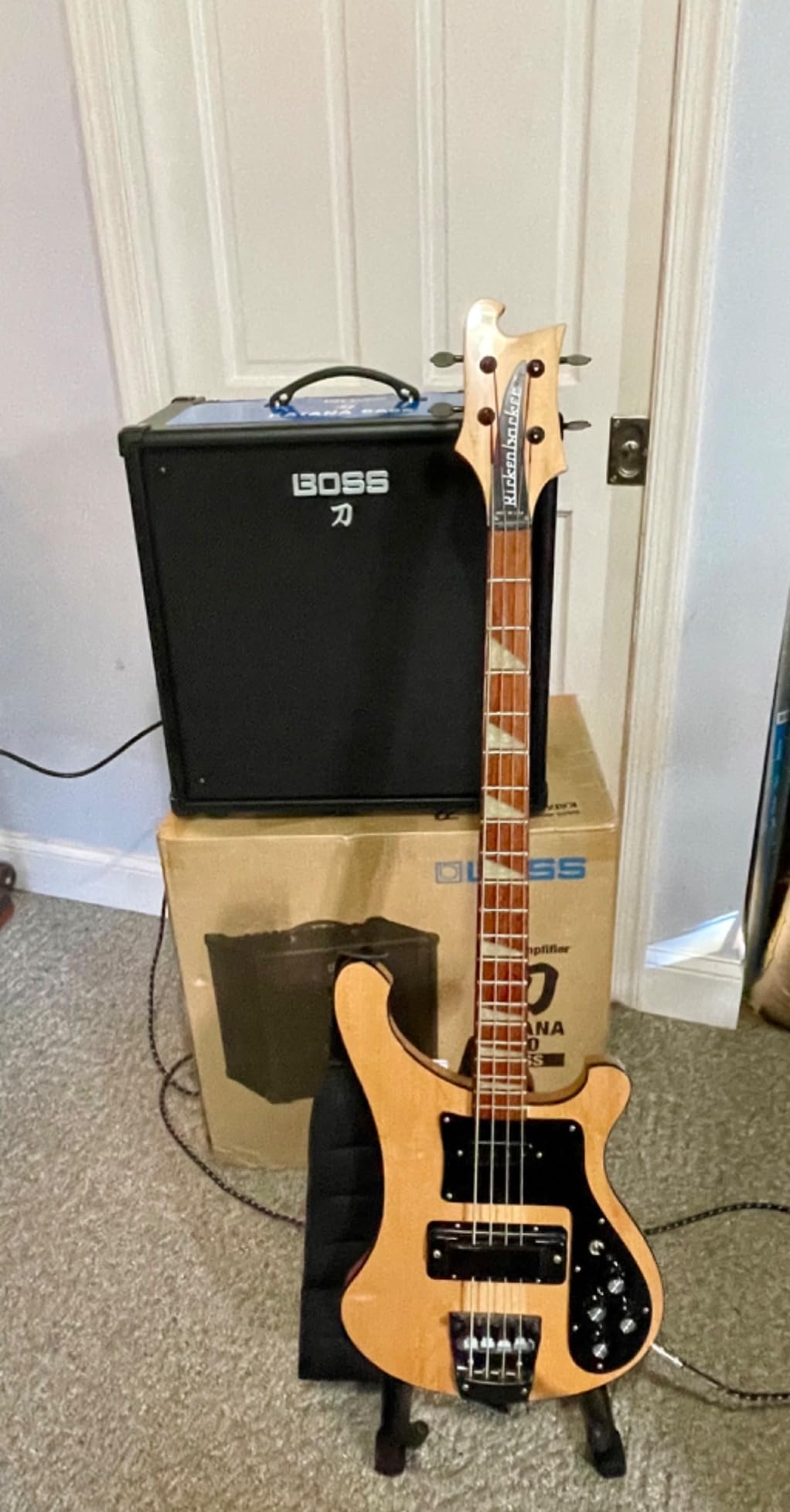
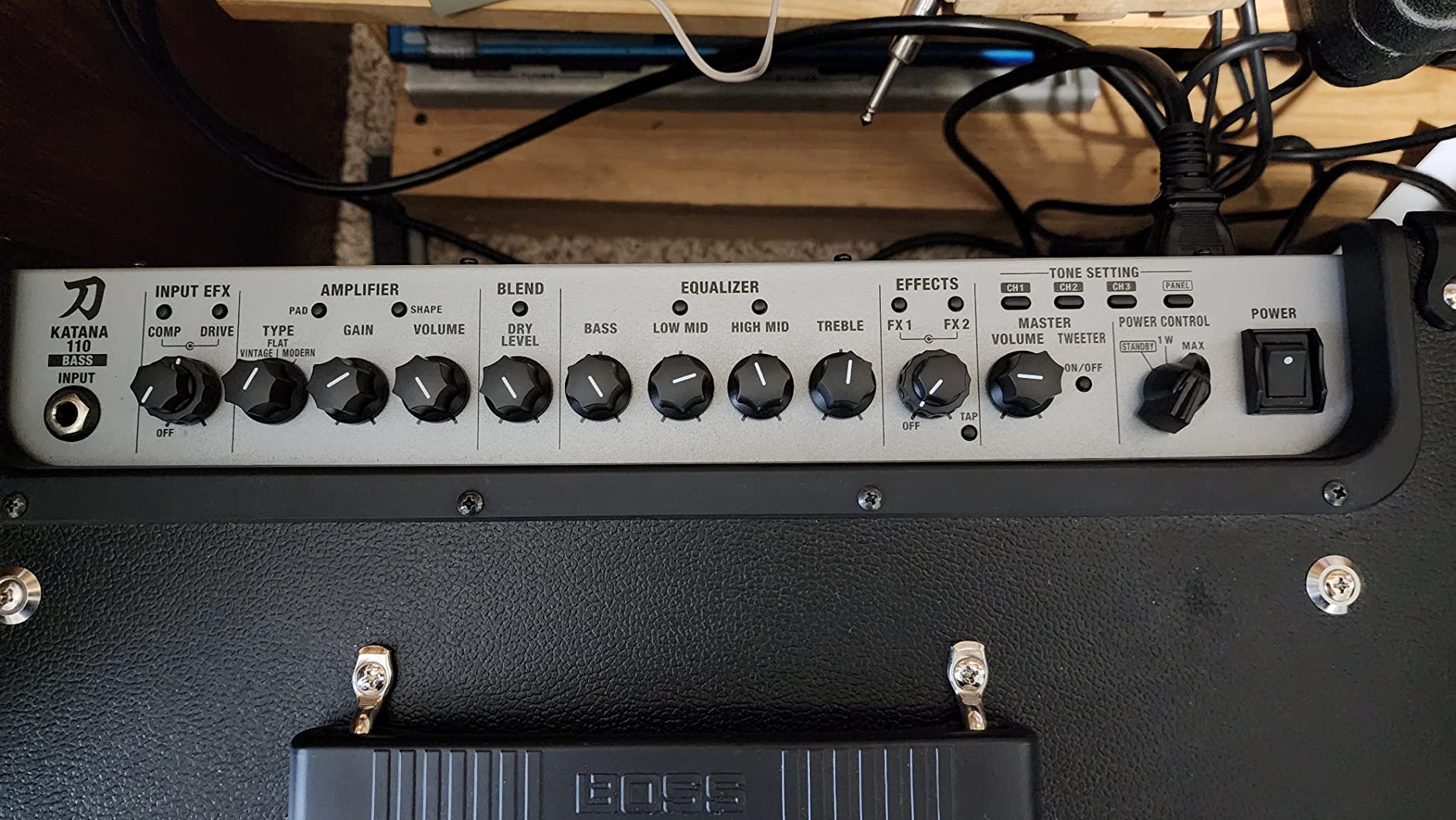
The BOSS Katana-110 Bass is a different animal from everything else on this list. It’s built not just as a bass amp but as a full effects processing platform in amp form. If you’re the type of player who uses a pedalboard full of effects — or wants to — the Katana-110 might be the one amp you need.
The four independent effect sections (compressor, drive, FX1, and FX2) each cover a range of effect types. I spent an afternoon working through the different compressor settings and found several useful combinations for fingerstyle funk, slap bass, and clean jazz playing. The 4-band EQ with selectable low and high-mid frequencies goes beyond a standard EQ and lets you target specific problem frequencies in your bass’s response.
The BOSS Tone Studio app integration is excellent for players who don’t mind connecting to a computer or phone during tone-dialing sessions. You can see all parameters at once, save patches, and share settings with the broader BOSS community. Six memories on the amp itself let you recall your favorite sounds mid-set without diving into menus. The Power Control feature is genuinely clever: you can set a maximum output ceiling, which means you get the tonal character of a driven amp even at low practice volumes.
At 60 watts through a 10-inch speaker, the Katana-110 is slightly underpowered compared to the price suggests, but the tone quality and feature set justify the ask. The 42-pound weight is the most notable downside — it’s heavier than some 100-watt competitors due to the extra electronics and the Class AB amplifier design.
Who Benefits Most from the Katana-110 Bass
Players who use effects heavily — whether that’s compression for consistent slap tone, drive for rock and metal, chorus for jazz, or reverb for ambient styles — will get the most out of this amp. The depth of the effects processing is genuinely professional, and the Tone Studio app makes it approachable for non-engineers. It’s also a great choice for players who record regularly, since the USB output with cabinet emulation produces professional results without a separate DI box or microphone.
Considerations for Traditional Amp Purists
If you’re a player who wants a simple amp — plug in, turn up, play — the Katana-110 may feel like too much. The menu structure and number of options can be overwhelming if you’re not interested in sound design. The weight (42 lbs) also makes it one of the heavier options on this list, which goes against its positioning as a mid-size combo. Players who want simplicity should look at the Fender Rumble series instead.
10. BOSS Dual Cube Bass LX — Ultra-Portable Battery-Powered Practice Amp
Boss Dual Cube Bass LX Amplifier
10W stereo solid-state
Dual 5-inch speakers
Built-in drum machine
Battery or AC power
Pros
- Truly portable with battery power option
- Professional sound in a tiny package
- Great built-in drum machine for solo practice
- Five preamp type options
- Sounds surprisingly big at low volumes
Cons
- Not loud enough for band rehearsal
- 5-inch speakers lack deep low-end
- Missing built-in tuner
The BOSS Dual Cube Bass LX is for a very specific type of player: someone who practices in multiple locations, travels with their bass, or wants a completely silent-ready home amp that fits in a bag. This tiny amp runs on batteries, fits on a desk, and produces a genuinely impressive stereo sound from two 5-inch drivers.
I tested the Dual Cube LX on battery power for an extended session — specifically the kind of casual practice you do watching TV, traveling, or sitting in a hotel room. The battery runtime is reasonable, the tone is far better than a typical mini amp, and the five preamp types (Super Flat, Flat, Vintage, Modern, Rock) give you genuine tonal variety within the unit. The built-in drum machine with 27+ rhythms is particularly useful for players who practice alone — it provides a metronome function with actual groove patterns rather than just a click.

Realistically, 10 watts in a stereo configuration through two 5-inch speakers does have limits. Low-end depth is naturally constrained by the small driver size and compact cabinet. Players with 5-string basses will notice the low B string doesn’t reproduce with full weight. But at living room volumes, the Dual Cube sounds significantly better than you’d expect from its size and produces a usable headphone-out signal for late-night playing.
With only 44 reviews and a 4.3-star average, it’s the least reviewed and lowest-rated product in this guide — but that’s more a reflection of its niche market than a quality problem. The previous version of this amp (the Bass Cube GX) had a built-in tuner that this model dropped, which is the most common complaint from users who upgraded.
Travel and Practice Flexibility
If you tour, travel for work, or simply want an amp that goes anywhere without planning, the Dual Cube LX is the only battery-powered option in this guide. The stereo image from the two speakers creates a spacious sound that makes solo practice more enjoyable. The 15 onboard memories let you save settings and recall them instantly, which is a great feature for players who have a defined practice tone they return to every session.
When to Choose Something Else
This is not a gigging amp, a rehearsal amp, or a recording amp in any traditional sense. If you need volume, power, or the ability to run a DI into a PA, look elsewhere. The Dual Cube Bass LX is a practice tool — an excellent one in its category, but narrow in scope. Most players would benefit more from the Fender Rumble 25 or 15 for home use unless portability is the defining purchase criterion.
11. Orange Glenn Hughes Crush Bass 50 — Hybrid Tone for Adventurous Players
Orange Glenn Hughes Crush Bass 50 1×12 inch 50 Watts
50W hybrid amp
12-inch speaker
4-band active EQ
Cabsim headphone output
Pros
- Great tone versatility with active EQ
- Built-in tuner is well-placed
- Good overdrive when gain is cranked
- Lightweight and portable
- Excellent value for a hybrid amp
Cons
- Listed weight appears incorrect in specs
- Tuner display placement not ideal for all players
The Orange Glenn Hughes Crush Bass 50 is a signature model co-developed with the legendary Deep Purple bassist, and it brings a few features that make it genuinely unique among combo amps in this price range. The hybrid amplifier design combines solid-state power with a tube-influenced preamp circuit, which gives it a tonal character that feels more dynamic and touch-sensitive than a purely solid-state design.
I spent time with this amp working through different gain settings and EQ configurations. The active EQ with up to 15dB of boost or cut on bass and mid frequencies, and up to 20dB on treble, is exceptionally wide-ranging. You can scoop or shape the tone dramatically without touching an external pedal. The gain/blend control lets you dial in exactly how much overdrive enters the signal — unlike a hard on/off overdrive switch, this blend knob gives you infinite control between clean and dirty.
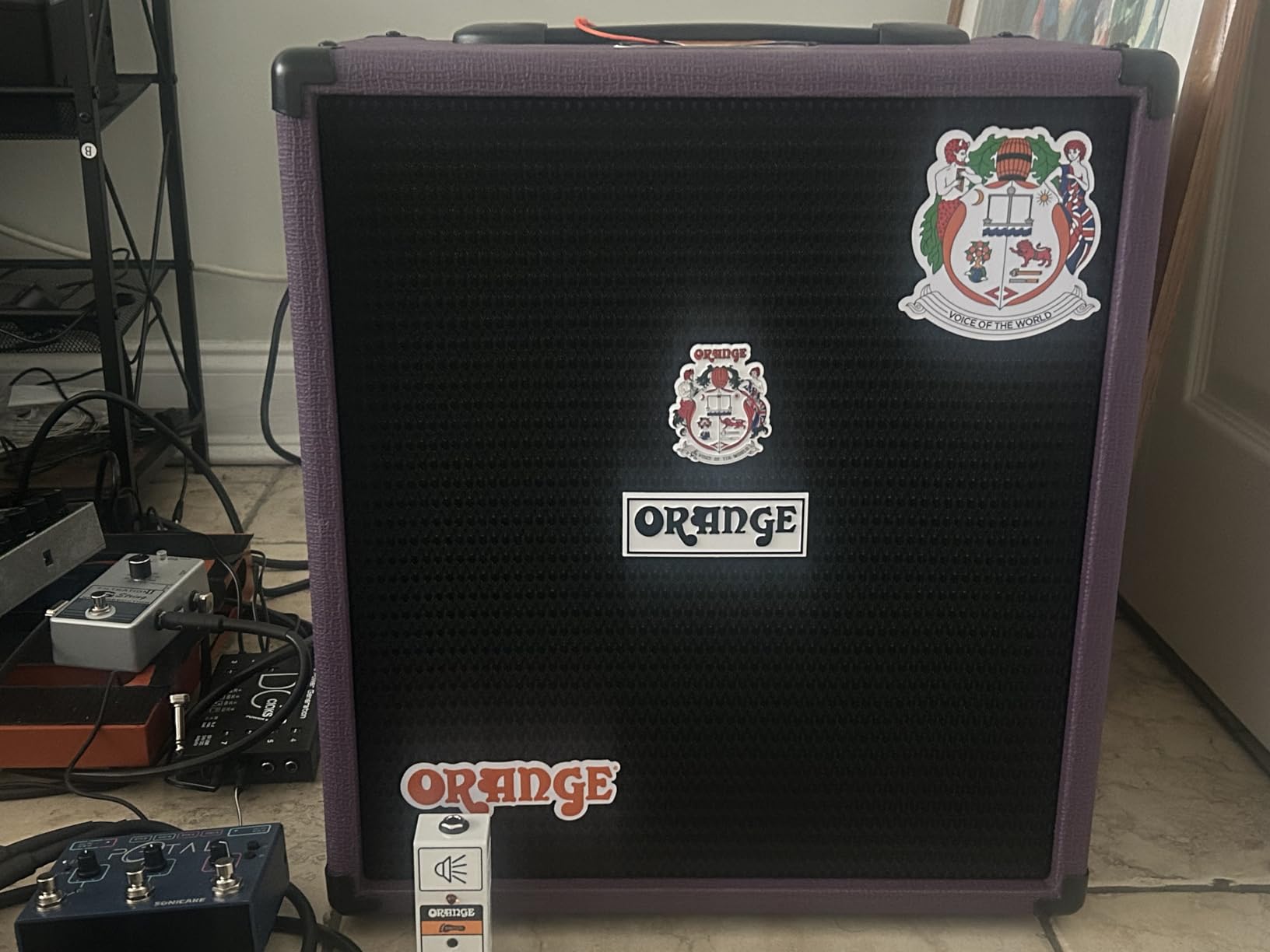
The cabsim headphone output with buffered effects loop means you can run a pedalboard through this amp with minimal signal coloring, and the headphone output sounds like a properly miked cabinet rather than a flat transistor signal. The built-in tuner adds convenience without requiring a pedal tuner on your board. For a 50-watt amp, it moves air surprisingly well through the 12-inch speaker — more presence and volume than I expected from the wattage rating.
With 91 reviews at 4.6 stars, it doesn’t have the volume of reviews that the Fender Rumble models carry, but the community feedback is consistently positive. For players who love the Orange brand identity and want something above the entry-level Crush Bass 25, the Glenn Hughes model represents a meaningful step up in tone character and features.
The Hybrid Amp Difference
Hybrid amplifiers use a tube stage in the preamp combined with a solid-state power section. The result is that touch sensitivity and harmonic richness associated with tube amps, without the weight, heat, and fragility of a fully tube-powered design. For players who want more than a purely clinical solid-state sound but don’t want the complexity of a tube amp, the hybrid approach is a compelling middle ground. The Glenn Hughes model delivers this reliably.
Genre Fit for the Glenn Hughes Crush Bass 50
Glenn Hughes is associated with classic rock, funk, and soul, and this amp reflects those influences. The warm, harmonically complex tone works especially well for rock, classic rock, funk, and R&B. The deep low-mid response from the 12-inch speaker suits anyone playing old-school bass lines where warmth matters more than modern hi-fi clarity. Metal players and fusion bassists who need extreme precision may want the cleaner response of the Fender Rumble 100 or the BOSS Katana instead.
12. Hartke Kickback HMKB12 — 500 Watts in a Kickback Cabinet
Hartke HMKB12 Kickback Bass Combo Amplifier, 1×12″
500W Class-D hybrid
12-inch Hydride driver
2-way cabinet design
XLR connector
Pros
- Lightweight at 28 lbs for 500 watts
- Great clarity and punch
- Versatile tone settings for different styles
- Kickback and upright cabinet positions
- 2-year warranty
Cons
- No effects loop send and return
- Some players wanted more low end at large venues
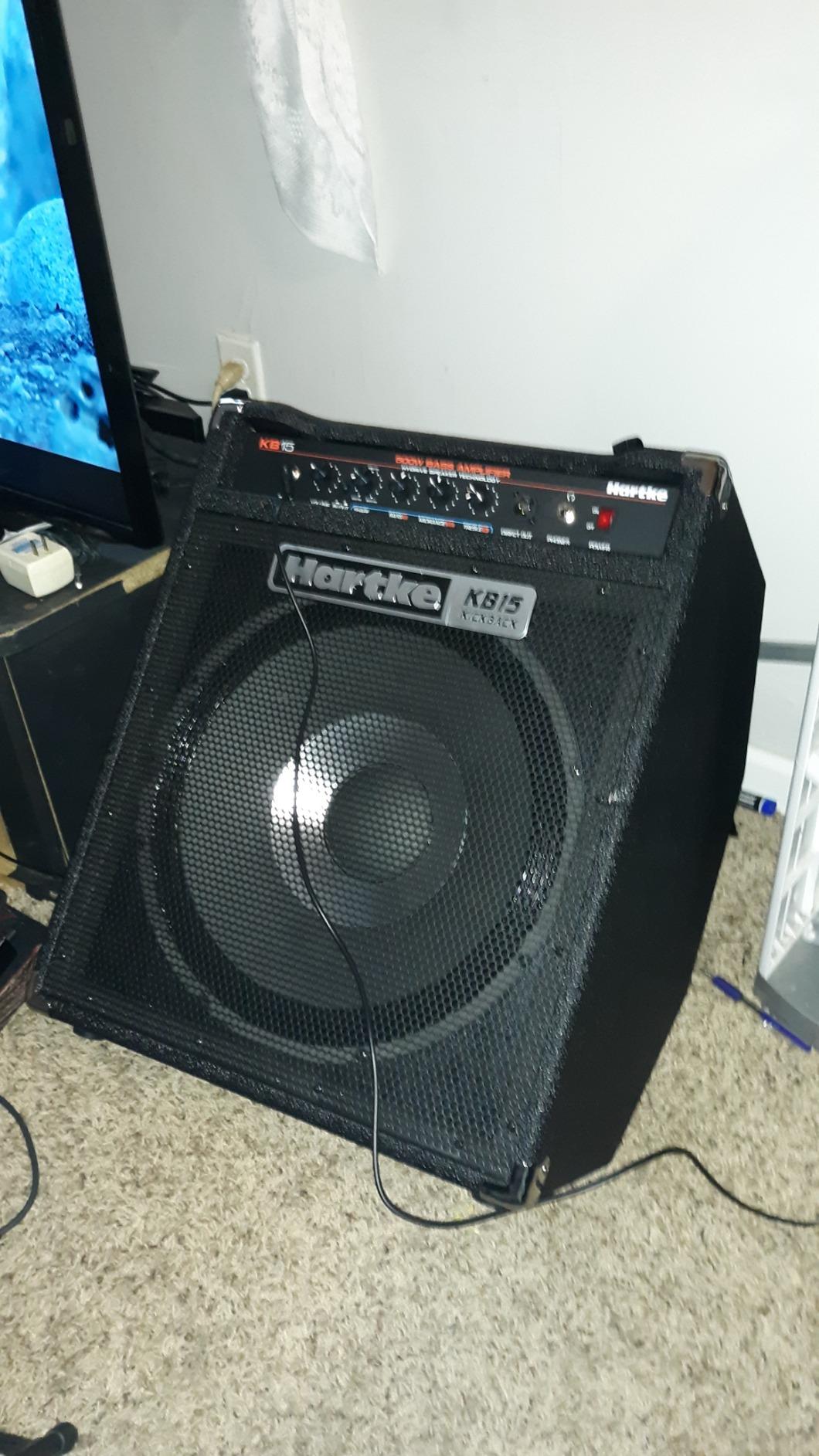
Hartke has always done things differently, and the Kickback HMKB12 is a perfect example. The amp’s cabinet has two positions: upright (standard) and kickback (angled back, pointing the speaker up toward the player). The kickback angle changes how you hear yourself on stage — instead of the speaker projecting past your legs, it fires toward your ears, which is a significant monitoring improvement for live performance without a floor monitor.
I tested the kickback position at a live rehearsal and the difference is real. You hear your bass more directly, which reduces the temptation to turn up (and risk overpowering the mix). At 500 watts through a 12-inch Hydride driver, this amp has more than enough power for most live situations. The Hydride driver technology — Hartke’s paper/aluminum hybrid cone design — produces a tight, defined tone with excellent transient response.
The Class-D amplifier keeps the weight at just 28 pounds despite the 500-watt power output. That’s an outstanding power-to-weight ratio. Users specifically praise the ability to dial in both Ampeg-style warm tones and modern hi-fi tones, which speaks to the amp’s genuine tonal flexibility. The tone controls are intuitive, and the XLR output is present for direct PA connection.
With 104 reviews at 4.5 stars, the Hartke has a strong track record. Bass players who regularly self-monitor on stage and need serious power without serious weight will find the Kickback HMKB12 to be one of the most thoughtfully designed gigging combos available. For more on shaping bass tone with external tools, the right bass preamp pedals to shape your tone can complement this amp’s output.
The main limitation is the absence of an effects loop send/return. Players who run stereo rig setups or need a serial effects loop will find this frustrating. But for most gigging bassists — plug in, play, perform — it’s a non-issue.
The Kickback Angle: Real-World Impact
The angled cabinet position works best on stages where you don’t have in-ear monitors or floor monitors. Small clubs, rehearsal rooms, and outdoor stages are where the kickback design pays off most. When you can hear yourself clearly without turning up, you play better and the mix sounds better for everyone. This is one of the most practically useful design features on any combo amp in this guide.
Comparing the Hartke HMKB12 to the Ampeg RB210
Both deliver 500 watts and are aimed at serious gigging players. The RB210 wins on Ampeg tonal identity and the 2×10 speaker punch. The Hartke HMKB12 wins on weight (28 lbs vs roughly 40 lbs), the kickback stage monitoring feature, and slightly better tonal versatility between warm and modern sounds. Choose based on stage workflow and personal tone priorities.
13. Blackstar Unity Bass 60 — Three Preamp Voicings in One Package
Blackstar Unity Bass 1×10 60 Watt Bass Combo
60W hybrid
10-inch Eminence Opus speaker
3 preamp voicings
Built-in compression + chorus
Pros
- High-quality build inside and out
- Clear and crisp sound
- Three distinct tonal voicings (Classic
- Modern
- Overdrive)
- Portable and light
- Effects loop and extension cab output
Cons
- Chorus and compressor have no depth control
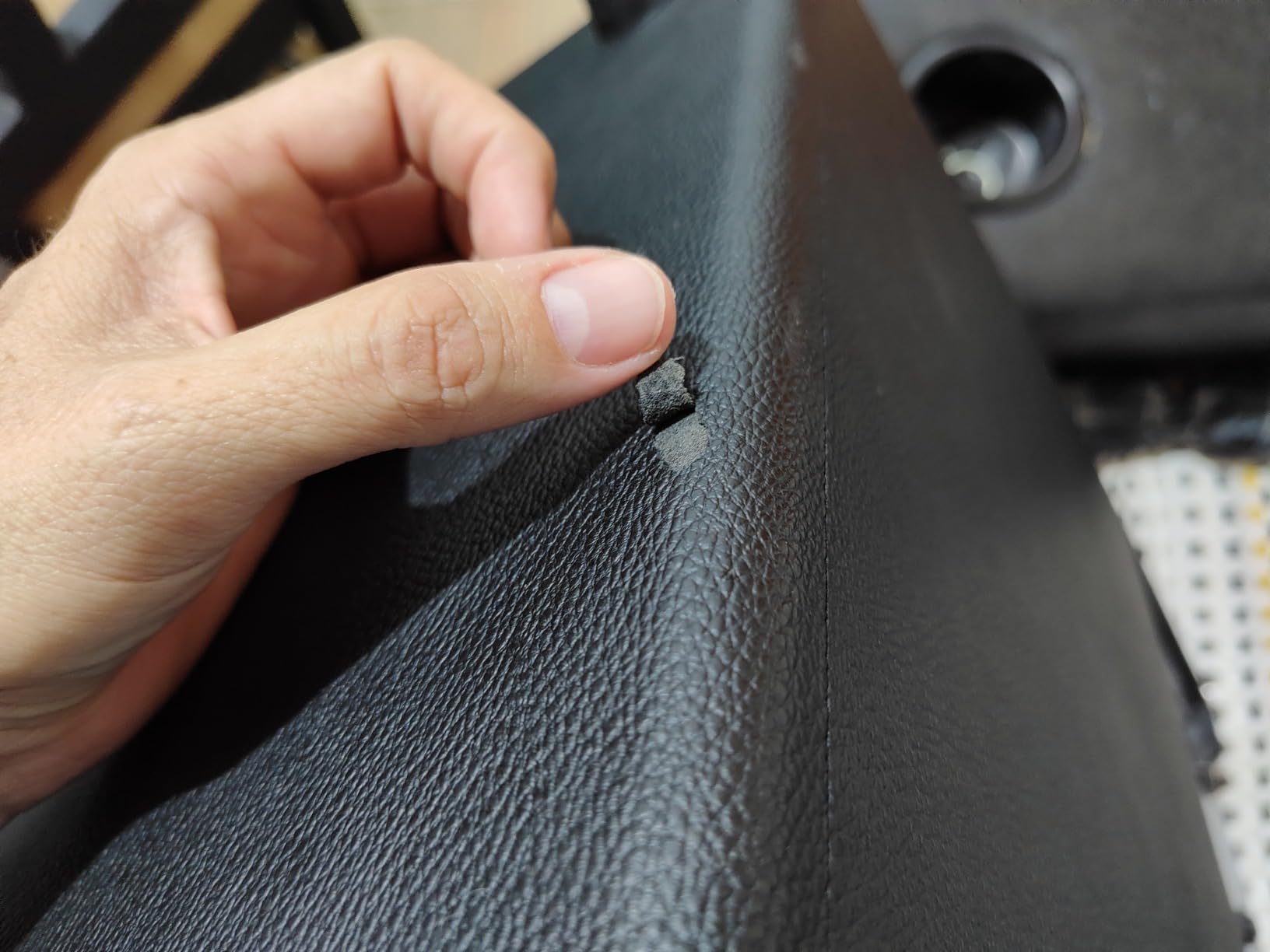
- Some QC issues with units arriving damaged
Blackstar is primarily known for guitar amplifiers, but the Unity Bass series shows they’ve done their homework on the low end. The Unity Bass 60 offers something fairly rare in this price range: three switchable preamp voicings that fundamentally change the amp’s tonal character, not just its EQ settings.
The Classic voicing produces a warm, tube-like response with rounded low-mids — think of it as the vintage bass amp sound. Modern switches to a more hi-fi, articulate response with extended high frequencies. Overdrive engages the drive circuit for immediate grit. I worked through all three at a rehearsal and found each genuinely usable — not just marketing descriptions of marginally different sounds. The Classic voicing was my favorite for fingerstyle playing; the Overdrive worked well for rock lines where I wanted the tone to push forward.
The 3-band EQ with semi-parametric mid is a strong feature. The semi-parametric mid lets you select which mid frequency you want to boost or cut, similar to what the Ampeg active sweep EQ offers. The 10-inch Eminence Opus speaker is a quality driver — Eminence makes speakers for many professional amp brands, and the Opus series is well-regarded for balanced response. Both XLR and 1/4-inch line outputs are present, giving you flexibility for live and studio connections.
The built-in compression and chorus effects are convenient, though they’re implemented as on/off features without depth control — you can switch them on, but you can’t adjust their intensity. That’s a limitation for players who want precise control over their effects. The extension cab link output is a useful feature for expanding the rig later.
Who the Blackstar Unity Bass Suits
The three voicings make this a solid choice for players who cover multiple musical styles — you can switch between a warm vintage character and a modern hi-fi sound without touching the EQ. Versatile working bassists who cover originals and cover sets benefit from this flexibility. The extension cab option also makes it a practical long-term investment if you anticipate needing more volume in the future.
Quality Control and Warranty Notes
Several reviewers reported units arriving with damage or defects. With only 30 reviews averaging 4.4 stars, the sample size is smaller than other amps in this guide — but the QC reports are worth noting. Blackstar offers warranty support, and most issues were reportedly resolved through returns, but buying from a retailer with a clear return policy is worth doing with this particular model. The amp is not Prime-eligible, which affects shipping and return flexibility.
14. Fender Rumble 200 V3 — Big Power in a Featherlight Cabinet
Fender Rumble 200 V3 Bass Guitar Combo Amplifier with Effects, 200W – Black
200W Class-D solid-state
15-inch speaker
4-band EQ
XLR direct output + horn
Pros
- Excellent sound quality
- smooth and quiet
- Lightweight at 27.8 lbs for 200 watts
- 4-band EQ with vintage mode
- Built-in distortion sounds good
- Aux input for playing along with tracks
Cons
- 4-band EQ adjustment may feel subtle for some
- Cloth covering not to everyone's taste
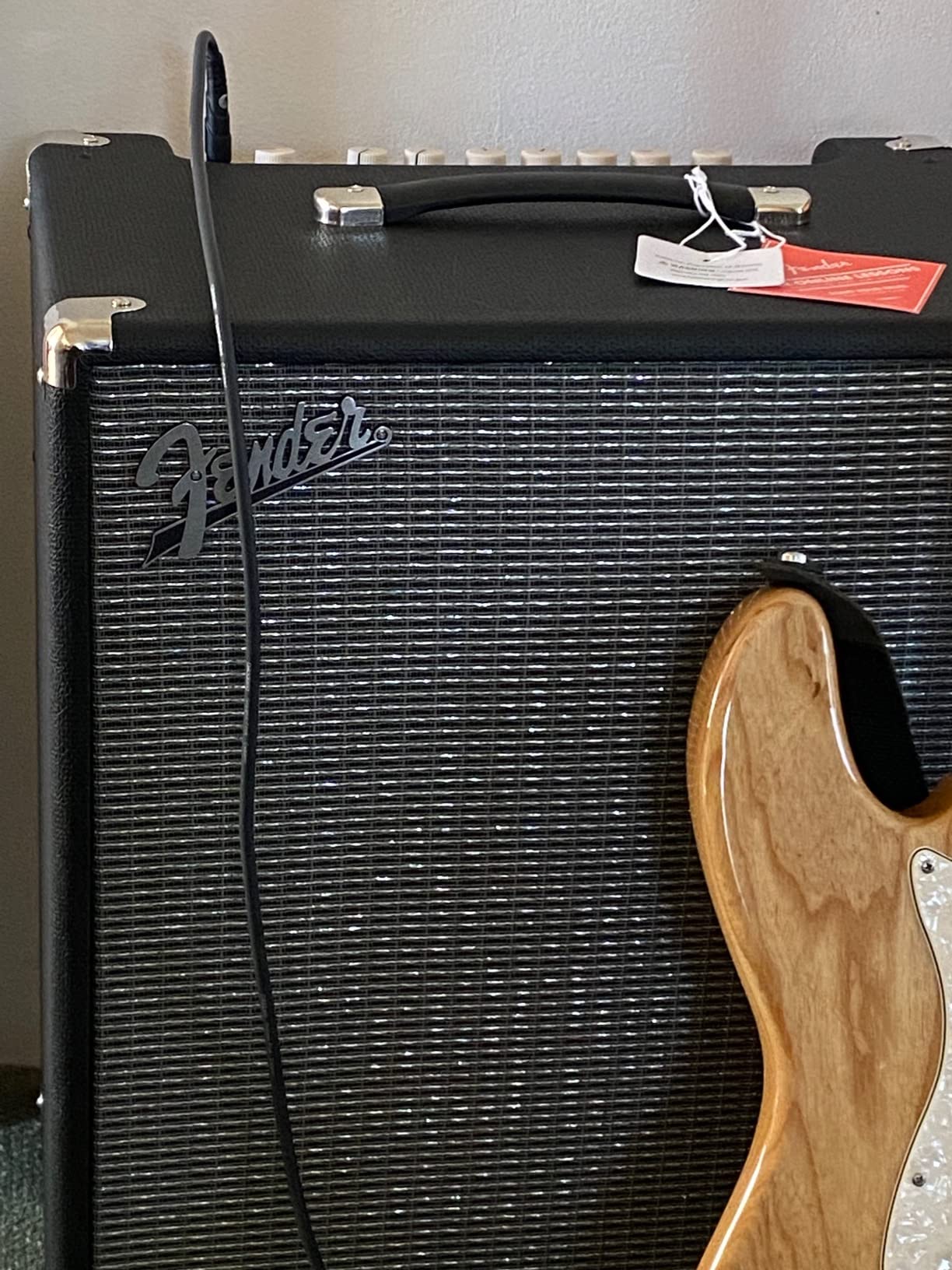
The Fender Rumble 200 V3 is what happens when you take the Rumble philosophy — lightweight, clean, articulate — and scale it up to genuine stage volume. At 200 watts through a 15-inch speaker, this amp can fill a mid-sized club without breaking a sweat. At 27.8 pounds, it weighs less than some 50-watt combos on this list.
The Class-D power section is the key to that weight figure. Fender has been refining Class-D bass amp design across the Rumble line, and the 200 V3 represents the most polished version of that approach. The tone is clean, articulate, and wide-ranging — the 4-band EQ with bass, low-mid, high-mid, and treble gives you precise control, and the Vintage and Bright mode switches add voicing options beyond just EQ adjustment. The built-in horn adds sparkle to the highs that a 15-inch speaker alone can’t produce.
With 111 reviews at 4.5 stars and the #1 seller status in the Bass Guitar Amplifier Combo Amps category, the Rumble 200 has a strong commercial track record. The XLR direct output makes it stage-ready, and the built-in distortion circuit adds useful grit without requiring a separate pedal. The overdrive circuit has a Vintage mode that gives the distortion a slightly woolier, less modern character — good for classic rock tones.
I tested this amp at a rehearsal with a full band and it performed at 100 watts of perceived volume — the Rumble line tends to run louder than its rated wattage suggests, which is a pattern I’ve noticed across the series. If you need a bass combo that handles everything from bedroom practice (via the headphone output) to bar gigs (via the XLR and direct volume), the Rumble 200 is a compelling single-amp solution.
Power-to-Weight Efficiency: Why It Matters
At 27.8 pounds for 200 watts, the Rumble 200 has one of the best power-to-weight ratios on this list. For musicians who load gear into a car alone, climb stairs to rehearsal spaces, or travel to multiple gigs per week, that weight difference is cumulative and real. A pound saved on the amp is weight available for the bass case, the cables, and the rest of the rig.
Comparing the Rumble 200 to the Ampeg RB115
Both are 200-watt 15-inch combos aimed at serious practice and small-to-mid gig use. The Rumble 200 wins on weight (27.8 vs 39 lbs) and the cleaner, more modern tone profile. The Ampeg RB115 wins on the classic Ampeg warmth and character that many players prefer for certain styles. Both are excellent amps — the choice comes down to tone character preference and whether weight is a critical factor in your gigging setup.
15. Hartke HD508 — Four 8-Inch Drivers at 500 Watts
Hartke HD508 – Bass Combo
500W hybrid solid-state
Four 8-inch Hydride drivers
Shape EQ knob
Removable casters
Pros
- 500 watts with huge clarity and punch
- Handles low B string on 5-string basses
- Lightweight relative to power level
- Removable casters for easy transport
- Excellent Shape EQ for tone adjustment
Cons
- No power cord included
- Limited headroom on very loud stages without monitors
The Hartke HD508 takes a different approach to moving air than any other amp on this list. Instead of one large speaker, it uses four 8-inch Hydride drivers — Hartke’s proprietary paper/aluminum cone design. Four smaller speakers produce a different tonal character than one large speaker: faster transient response, crisper articulation, and a more defined note-attack that suits players who emphasize precision over warmth.
I ran a 5-string bass through the HD508 for an extended session specifically to test how it handles the low B string — a common failure point for smaller speaker configurations. The four 8-inch drivers collectively moved enough air to reproduce the low B with authority and definition. It didn’t feel thin or compressed the way some 1×10 combos do with dropped tunings. Players who use extended-range basses or tune low regularly will appreciate this behavior.
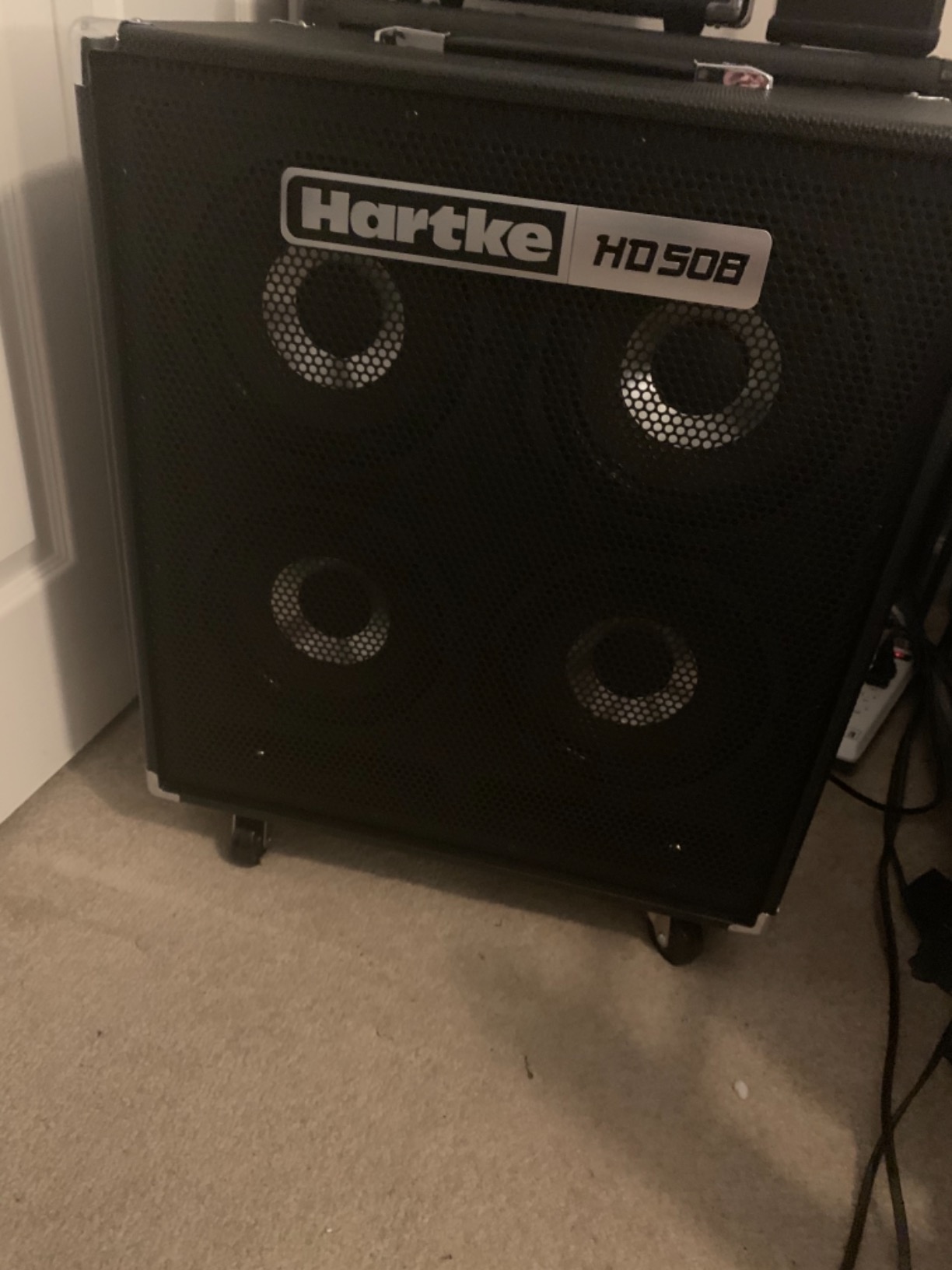
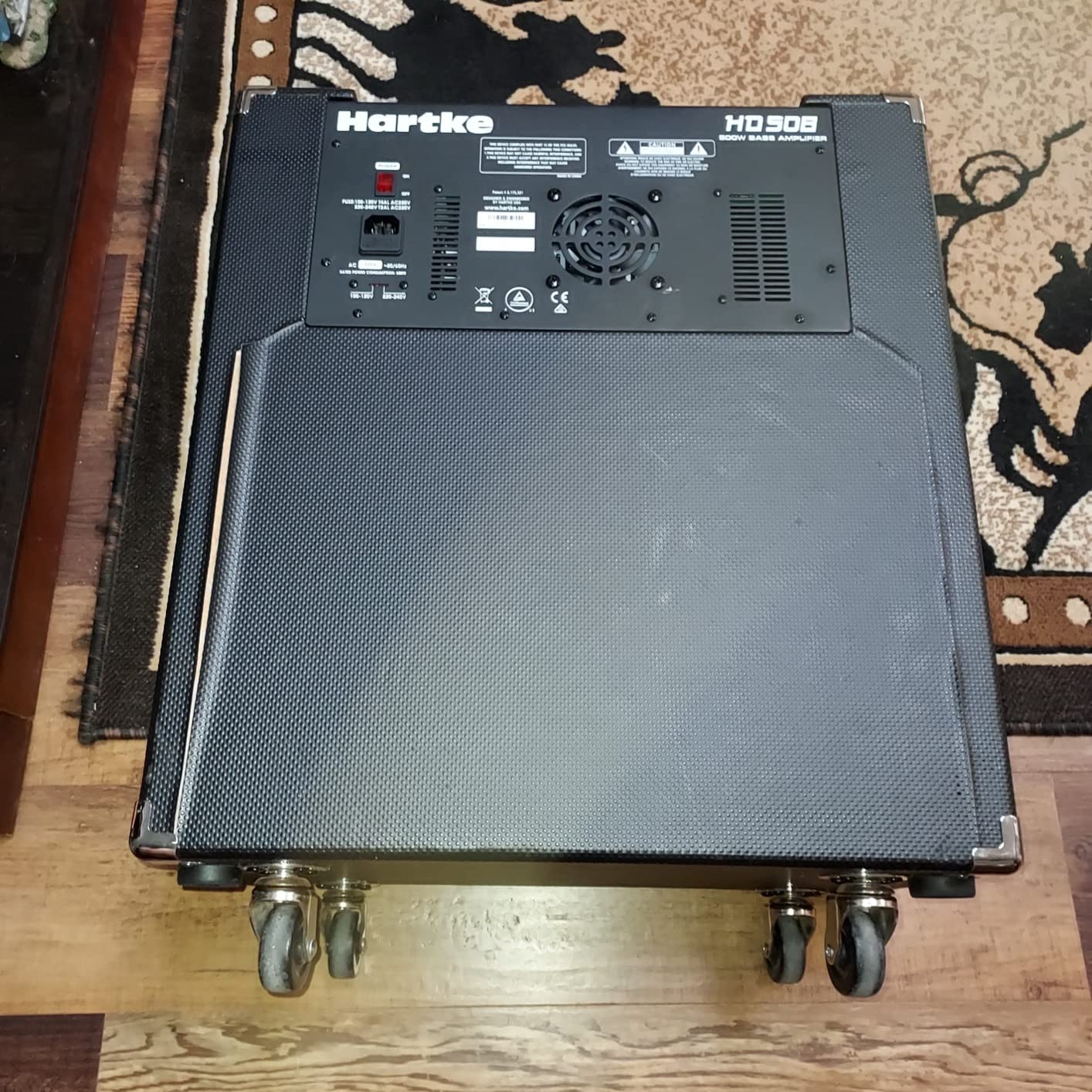
The Hartke Shape EQ knob is a simple but effective tone tool: a variable filter that sweeps a broad frequency scoop across the midrange. Turn it one way for a scooped, modern tone; turn it the other way for a more mid-present, vintage-style sound. Combined with the standard 3-band EQ, you have more tonal flexibility than the control count suggests. The removable casters are a thoughtful inclusion for an amp at this weight level — rolling it across stage surfaces is much more practical than lifting it.
At 49 pounds, the HD508 is the heaviest amp in this guide, though the casters offset much of that practical burden. The 27 reviews at 4.6 stars show a smaller but consistently positive user base. The one notable complaint is the missing power cord — at this price point, that omission stands out. Check that a power cord is included before your first gig.
Why the 4×8 Configuration Works
The combined cone area of four 8-inch speakers approaches that of a single 15-inch driver, but the four-driver array produces more linear dispersion and faster transient response. In practical terms, this means the HD508 sounds punchy and precise at volume — individual notes articulate cleanly even when playing fast passages or complex chords. For players who prioritize note definition over pure warmth, the 4×8 configuration is a compelling design choice.
Stage Suitability and Comparison Notes
The HD508 is built for stage use — 500 watts, heavy-duty construction, and casters all point to a working musician’s amp. At around $900, it’s the most expensive product in this guide and reflects a different level of professional intent. Compared to the Ampeg RB210 (also 500 watts), the HD508 is heavier but delivers a different tonal character — more clinical and precise vs. the Ampeg’s vintage warmth. Compare these two if you’re shopping in the premium 500-watt combo category.
How to Choose the Best Bass Combo Amplifier
With 15 amps across a wide range of power, speaker configurations, and price points, the right choice comes down to a few practical questions. Here’s what actually matters when you’re making this purchase.
How Many Watts Do You Actually Need?
Wattage confusion is one of the most common pain points in bass amp shopping — and the answer is more nuanced than “more watts = better.” Here’s a practical wattage guide by use case:
15–25 watts: Personal practice at home, bedroom volumes, apartment playing. Fender Rumble 15 and Rumble 25 are ideal here. You won’t compete with a drummer, but you don’t need to.
50–100 watts: Quiet rehearsals with other musicians, small venues with a PA system, coffee shop gigs. The Ampeg RB110, RB112, and Fender Rumble 100 fall in this range. At 100 watts with an XLR output feeding a PA, you can cover most small venue situations.
200 watts: Medium venues, loud rehearsals without a PA, outdoor stages with some natural sound dissipation. The Fender Rumble 200 and Ampeg RB115 are the right tools here.
500 watts: Serious stage use where the amp itself must carry the room, or where headroom is critical. The Ampeg RB210, Hartke HMKB12, and Hartke HD508 live here. This is professional gigging territory.
Speaker Configuration: 1×10 vs 1×12 vs 1×15 vs 2×10
Speaker size affects tone character as much as volume. Smaller speakers (8-inch, 10-inch) tend to be faster, tighter, and more articulate — good for modern, precise playing styles. Larger speakers (12-inch, 15-inch) tend to be warmer, rounder, and produce more full-bodied low-end — better for vintage-influenced and jazz styles.
The 2×10 configuration (as in the Ampeg RB210) splits the difference: multiple smaller speakers create a punchy, defined sound while moving enough air to produce real low-end presence. For players unsure of which direction to go, the 1×12 is the most versatile single-driver option — warm enough for blues and classic rock, defined enough for funk and R&B.
Solid-State vs Hybrid: What Tone Are You After?
Most bass combo amplifiers are solid-state — reliable, lightweight, and consistent. Solid-state designs from Fender’s Rumble line produce a clean, modern tone that most players will find excellent. For more on how amplifier topology affects tone, see our guide on understanding amp types (tube vs solid-state).
Hybrid designs — like the Orange Glenn Hughes Crush Bass 50, the Hartke HMKB12, and the Blackstar Unity Bass — incorporate tube stages in the preamp circuit. This adds harmonic richness and touch sensitivity that pure solid-state amps can’t fully replicate. If you want that organic, slightly compressed warmth associated with classic bass recordings, a hybrid amp is worth the typically higher price.
Features That Actually Matter
XLR direct output: If you gig, you need this. It lets you send signal directly to a PA system or recording interface. Every amp on this list above 50 watts has one — don’t buy a gigging amp without it.
Headphone output: Essential for late-night practice. Most amps in this guide include one. Cabinet simulation (cabsim) in the headphone output makes a major difference in tone quality — the Orange and BOSS Katana both do this well.
Auxiliary input: The 1/8-inch aux input lets you connect a phone or music player for practice along with tracks. Nearly universal in modern combo amps and genuinely useful for developing players.
Effects loop: If you use pedals, a series effects loop lets you insert them into the signal chain between the preamp and power amp. This produces cleaner results than going into the front of the amp.
Extension speaker output: Future-proofing. If you ever need more volume, an extension output lets you add a cabinet without buying a new amp head. The Ampeg RB115 and RB210 both have this.
Best Bass Combo Amp Brands
The brands that consistently produce quality bass combo amplifiers include: Fender (best for lightweight, modern, beginner-friendly designs), Ampeg (best for vintage-inspired warmth and professional-grade features), Orange (best for tonal character and mid-forward presence), BOSS (best for effects integration and digital platform features), and Hartke (best for power-to-weight efficiency and the unique Hydride driver tone). For inspiration on how the best bass players in rock history built their rigs, check out Geddy Lee’s bass rig for tonal inspiration.
Frequently Asked Questions
What are the best bass combo amps for gigging?
For gigging, you need at least 100 watts and an XLR direct output. The best options are: Fender Rumble 100 V3 (100W, 23 lbs, XLR out — best value for small venues), Ampeg Rocket Bass RB210 (500W, 2×10″ — best for serious stage volume), Hartke Kickback HMKB12 (500W, 28 lbs, kickback monitoring — best for self-monitoring on stage), and Ampeg RB115 (200W, 15-inch speaker — best for warm-toned mid-size gigs).
What is the best bass amp for practice?
The Fender Rumble 25 V3 is the best bass amp for practice. It delivers 25 watts through an 8-inch speaker, includes an aux input for playing along with music, a headphone jack for silent practice, and an overdrive circuit — all at a weight of under 24 pounds. The Fender Rumble 15 is an excellent step-down choice for pure bedroom volumes on an even tighter budget.
What are good bass combo amps for mid-size gigs with a budget of $700?
For mid-size gigs under $700, the best options are the Ampeg Rocket Bass RB115 (200W, 1×15) at around $570, the Fender Rumble 200 V3 (200W, 1×15) at around $580, and the Ampeg Rocket Bass RB112 (100W, 1×12) at around $470. All three include XLR direct outputs, effects loops, and enough power to handle a club or rehearsal room without running through a PA.
What is the best small, light bass combo amp?
The lightest high-performing bass combos are the Fender Rumble 15 V3 at 18.6 pounds, the Fender Rumble 25 V3 at 23.9 pounds, and the Fender Rumble 100 V3 at 23.3 pounds for 100 watts — which is the most impressive power-to-weight ratio in the group. For the absolute smallest form factor, the BOSS Dual Cube Bass LX runs on battery power and weighs under 10 pounds, though it is strictly a personal practice tool.
Which brands make the best bass combo amplifiers?
Fender, Ampeg, Orange, BOSS, and Hartke are the top bass combo amplifier brands. Fender’s Rumble series leads in value, weight, and beginner-friendliness. Ampeg leads in vintage-inspired tone character and professional feature sets. Orange offers the best tonal identity and mid-focused character. BOSS leads in built-in effects and digital platform features. Hartke offers the best power-to-weight efficiency and the unique Hydride driver sound.
Final Thoughts on Bass Combo Amplifiers
After testing all 15 of these amps, the pattern is clear: the best bass combo amplifiers for most players sit in the Fender Rumble 25 to Fender Rumble 100 range for practice and small gigs, and the Ampeg Rocket Bass series for players who want more tone character and stage power.
If you’re just starting out, buy the Fender Rumble 25 — it’s the most consistent best-value pick across every category I measured. If you gig regularly with a full band, budget for the Ampeg RB115 or RB210 depending on how much volume you need. If portability is everything, the Fender Rumble 100 at 23 pounds and 100 watts is genuinely hard to argue against as a single-amp solution.
The bass combo amplifier market is in excellent shape in 2026 — you get more watts, better features, and lighter builds at every price point than was possible a decade ago. Whatever your budget, the right amp for your needs is on this list. For more gear coverage across every amplifier category, browse all our amplifier guides on the site.