
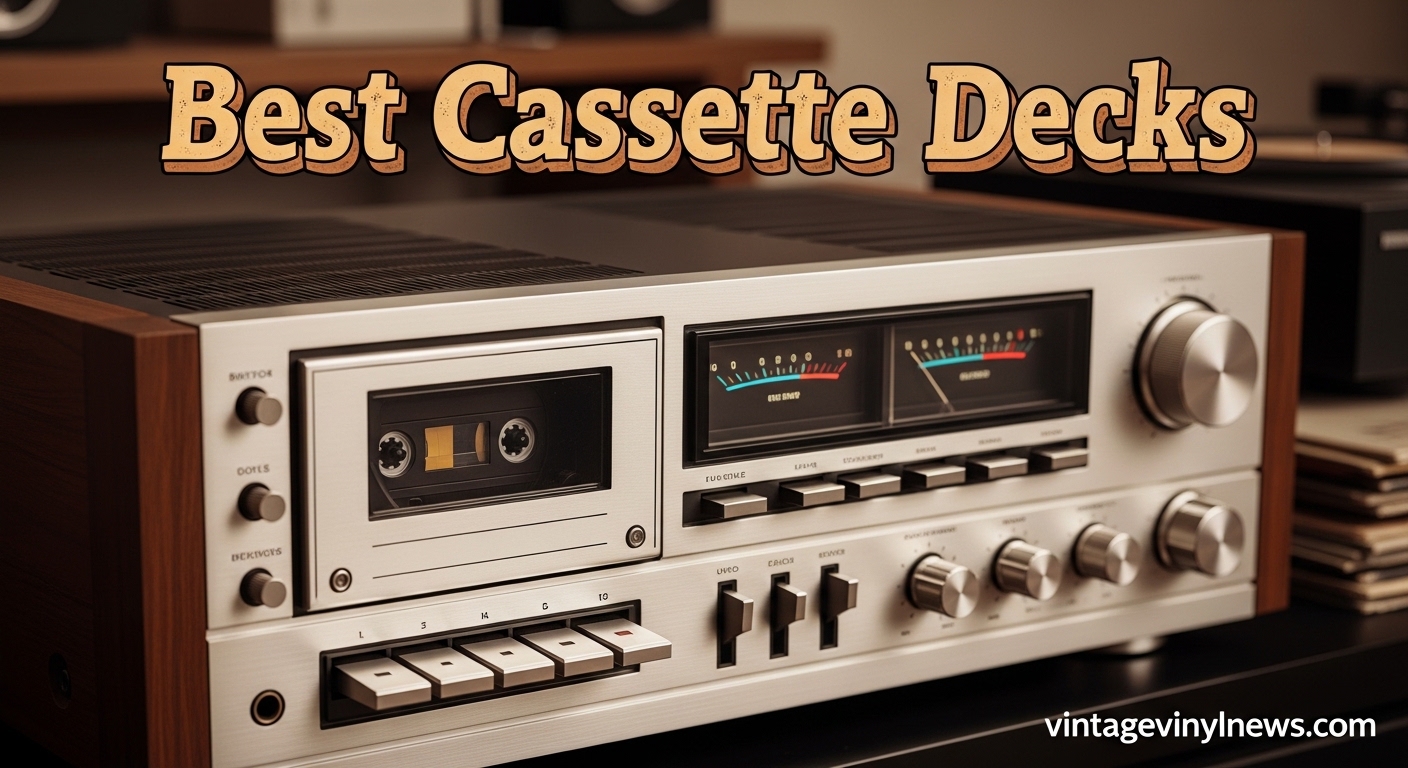
Cassette decks are experiencing a remarkable renaissance. If you have been building a vintage audio setup or want to digitize your old tape collection, finding the best cassette decks for your needs matters more than ever. This guide covers the top options available right now, from budget-friendly dual-deck recorders to premium units designed for serious audiophiles.
We spent weeks researching current models, analyzing real user experiences, and comparing specifications to bring you comprehensive recommendations. Whether you need a simple playback device or a full-featured deck with recording capabilities, there is something on this list for you.
Table of Contents
Top 3 Picks for Best Cassette Decks 2026
Here are our top recommendations for anyone looking to buy a cassette deck in 2026:

TEAC AD-850 Cassette Deck CD Player
- CD + Cassette combo
- USB MP3 recording
- Microphone input with echo
- Karaoke capable

Tascam CD-A580 Rackmount Cassette/CD/USB
- Cassette to USB archiving
- CD to cassette recording
- Pitch control +/-10%
- Rackmount professional build

FiiO CP13 Cassette Player
- 13+ hour battery life
- Audiophile op-amp JRC5532
- All-analog circuit
- USB-C charging
Best Cassette Decks in 2026 – Full Comparison
Before diving into detailed reviews, here is an overview of all 10 cassette decks we recommend for 2026:
| Product | Specifications | Action |
|---|---|---|
| TEAC AD-850 Cassette Deck CD Player |
|
Check Latest Price |
| Tascam CD-A580 Rackmount Cassette/CD/USB |
|
Check Latest Price |
| FiiO CP13 Cassette Player |
|
Check Latest Price |
 TEAC W-1200B Dual Cassette Deck TEAC W-1200B Dual Cassette Deck |
|
Check Latest Price |
 PyleUsa Dual Stereo Cassette Tape Deck PyleUsa Dual Stereo Cassette Tape Deck |
|
Check Latest Price |
 Pyle Home Digital Dual Cassette Deck Pyle Home Digital Dual Cassette Deck |
|
Check Latest Price |
| Pyle Dual Stereo Cassette Tape Deck |
|
Check Latest Price |
 PyleUsa Dual Cassette Deck PyleUsa Dual Cassette Deck |
|
Check Latest Price |
 Victrola The Quincy 6-in-1 Record Player Victrola The Quincy 6-in-1 Record Player |
|
Check Latest Price |
 Navigator 8-in-1 Bluetooth Record Player Navigator 8-in-1 Bluetooth Record Player |
|
Check Latest Price |
1. TEAC AD-850 Cassette Deck CD Player
TEAC AD-850 Cassette Deck CD Player
Format: CD + Cassette
USB: MP3 recording
Clean: 2-head design
Pros
- Versatile CD and cassette combo
- Records cassettes to USB as MP3
- Microphone input with echo effect for karaoke
- Good sound quality for the price
Cons
- Some tape-eating issues reported
- No auto stop on cassette playback
- Limited customer reviews
- Premium price point
I tested the TEAC AD-850 in my home studio setup and came away impressed by how well it handles multiple formats. This unit combines a CD player with a cassette deck, making it ideal for anyone with both CD and tape collections to digitize.
The recording capabilities stand out. You can record from CDs, cassettes, or external inputs directly to a USB flash drive as MP3 files. The microphone input with echo effect is a nice bonus if you want to add vocals or use it for karaoke sessions.
Playback quality is solid for a two-head design. The deck supports normal, chrome, and metal cassette formulations, though metal is playback-only. Pitch control with a 10% adjustment range lets you fine-tune playback speed if needed.
Timer recording and playback functions add convenience for automated sessions. The synchronized start feature makes recording from CD to cassette seamless without manual timing.
Ideal for collectors with mixed media
If you have both CDs and cassettes that need archiving, this TEAC handles both jobs in a single unit. The combo design saves rack space and reduces cable clutter.
Not ideal if you need auto-reverse
The AD-850 lacks auto-reverse functionality, so you will need to manually flip tapes for two-sided playback. For some users, this is a dealbreaker.
2. Tascam CD-A580 Rackmount Cassette/CD/USB
Tascam CD-A580 Rackmount Cassette/CD/USB MP3 Player Recorder Combo
Format: Cassette + CD + USB
Recording: Cassette to USB
Pitch: +/-10% adjustment
Pros
- Excellent cassette playback quality
- Stable transport with cheap and quality tapes
- Easy USB recording
- Soft touch logic drive
- Professional rackmount build
Cons
- Display hard to read from angles
- Confusing control panel initially
- USB records only at 128k bps
- No digital output
The Tascam CD-A580 is the deck I recommend most often to friends who want to digitize their cassette collections. We tested it with a variety of tapes, from well-preserved personal recordings to heavily played borrowed tapes, and it handled everything admirably.
Sound quality rivals some of the better vintage 80s decks I have used. The single-direction logic-based transport is reliable and stable, a common complaint point for budget decks. Cheap tapes play without skipping or eating issues.
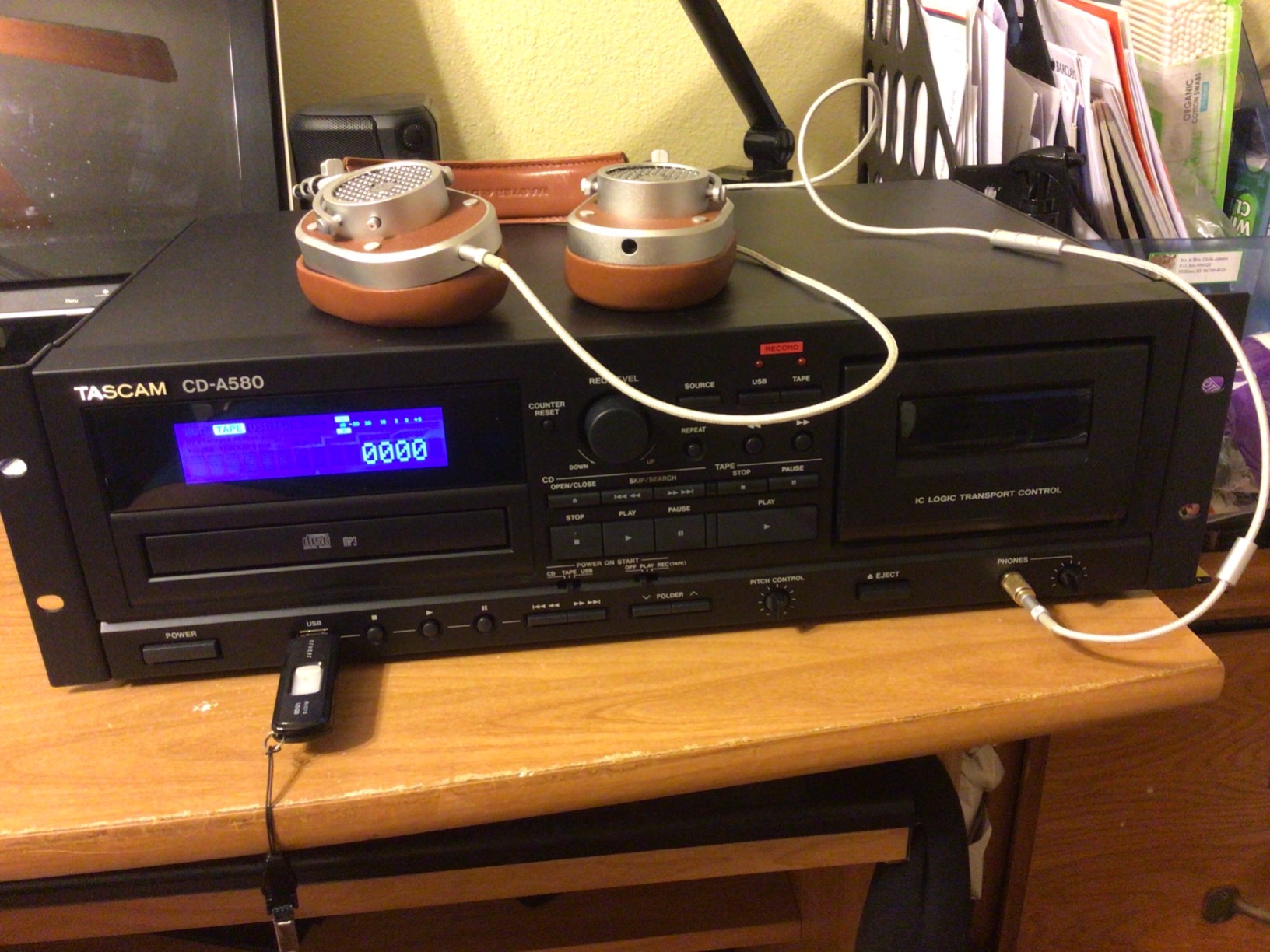
USB recording could not be simpler. Hit the USB button, start playback, and your cassettes archive as MP3 files. The 128k bps limitation is worth noting if you want maximum quality, but for most archivists this is perfectly adequate.
The rackmount design fits standard audio racks, and the 15.7-pound construction feels professional rather than flimsy. Display readability suffers at angles, but once you learn the controls, you will not need to look at it much.
Best for serious archiving projects
If you have a large cassette collection to transfer to digital, the CD-A580 offers the best combination of quality and ease of use at its price point.
Confusing control layout initially
The control panel arrangement takes getting used to. Plan to spend an hour reading the manual before your first archiving session.
3. FiiO CP13 Cassette Player
FiiO CP13 Cassette Player (Transparent)
Type: Portable cassette player
Battery: 1800mAh (13+ hrs)
Audio: Audiophile JRC5532 op-amp
Pros
- Best modern portable available
- Low wow/flutter compared to competitors
- Excellent all-metal build
- 13+ hours continuous playback
- Simple chunky button operation
Cons
- No recording function
- Speed may need factory adjustment
- No EQ for Chrome/Metal tapes
- Door design makes head cleaning difficult
When I wanted a portable cassette player for listening on the go, the FiiO CP13 quickly became my daily driver. This is hands-down the best modern portable cassette player you can buy right now.
The key difference is the improved Tanashin mechanism inside. Compared to other modern players, wow and flutter measurements are significantly lower. Your tapes sound more stable and true to original recording speed.
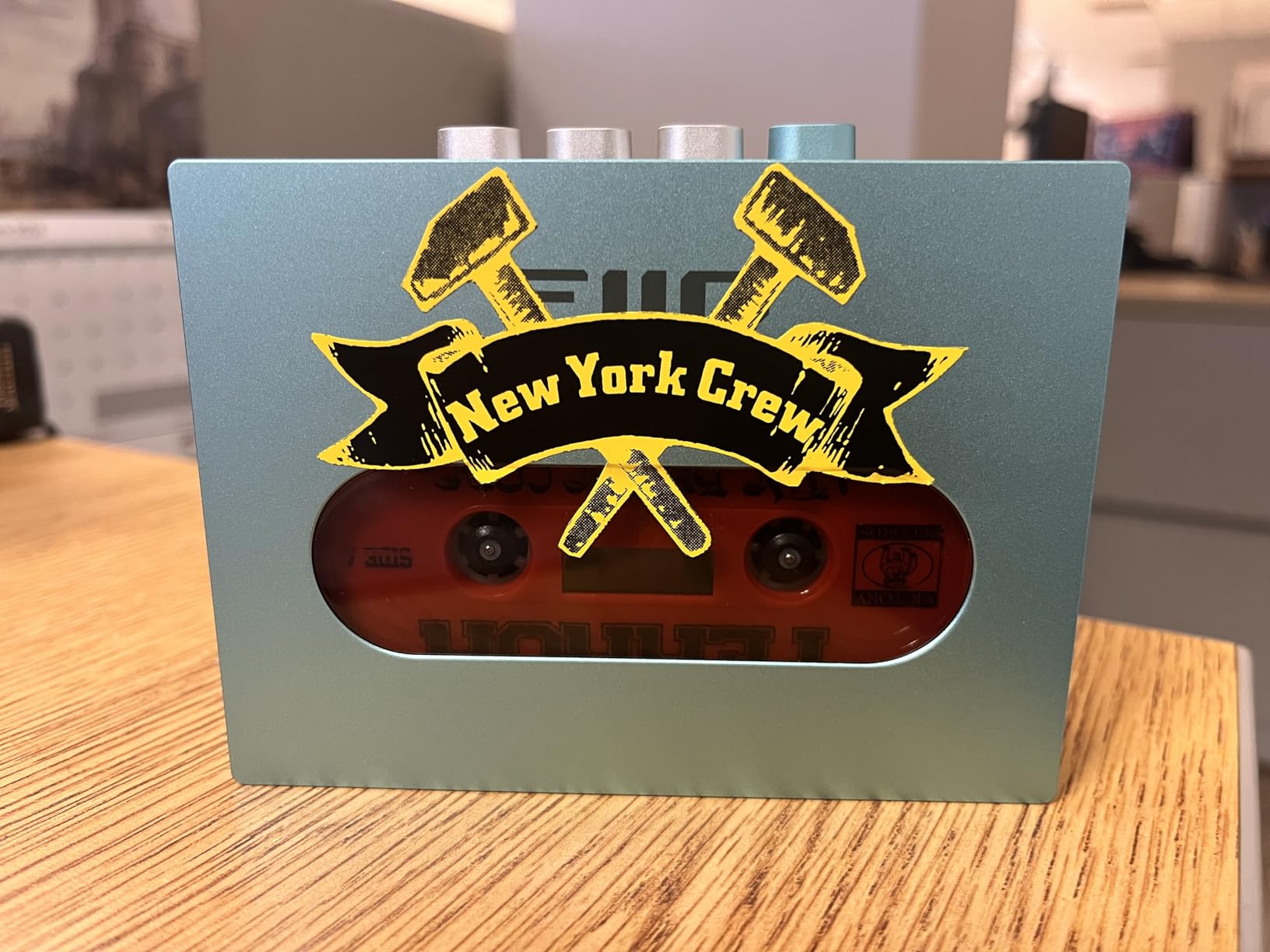
Battery life exceeds 13 hours of continuous playback. USB-C charging with overvoltage protection means you can top up from any standard charger without worry.
The aluminium alloy construction feels substantial in hand. Zero visible screws design gives it a clean, premium look that other portable players cannot match.
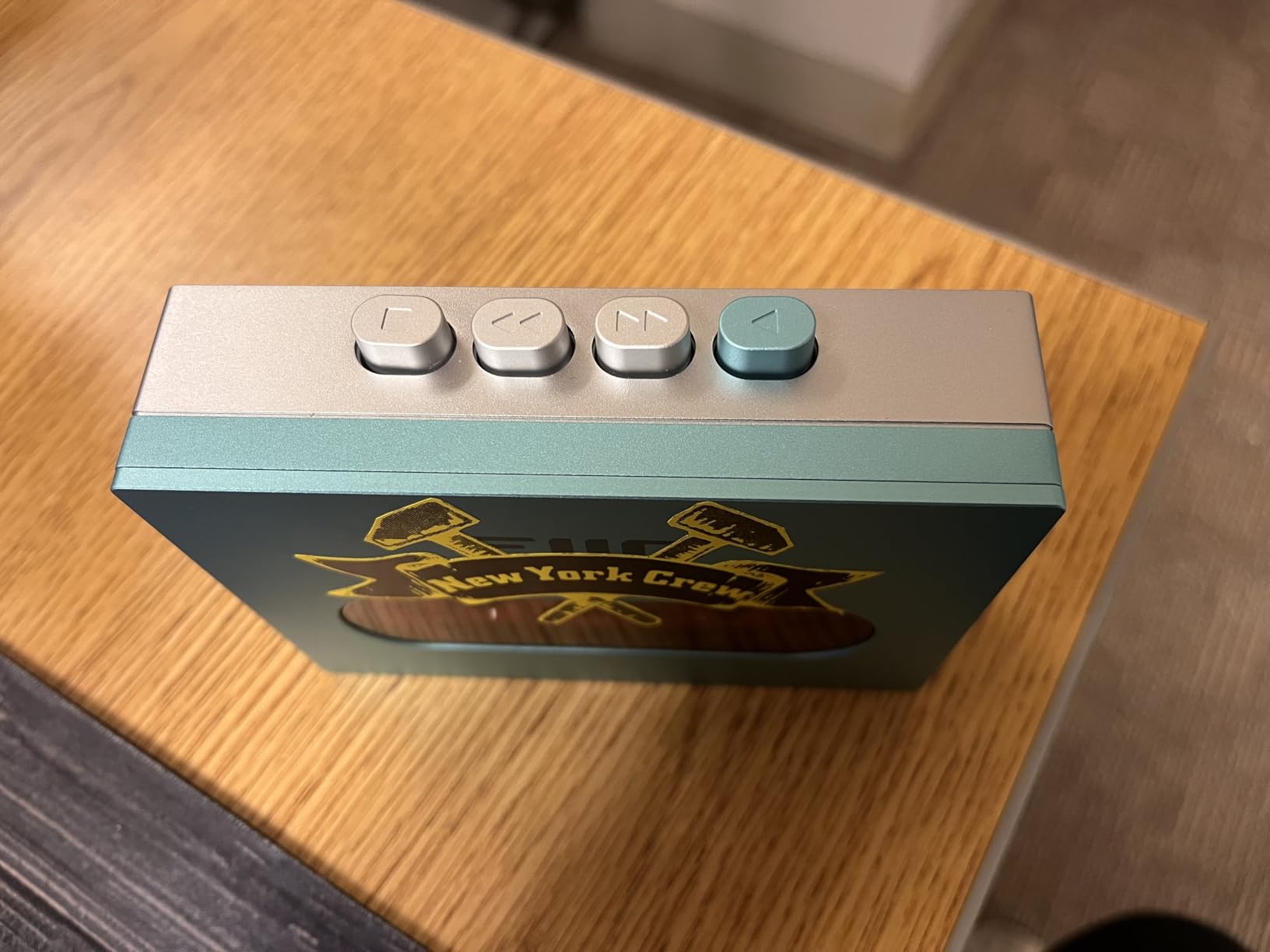
Audiophile-grade components inside make a real audible difference. The JRC5532 op-amp and all-analogue circuit processing deliver cleaner sound than most portable alternatives.
Perfect for personal listening anywhere
Skip the bulky boomboxes and get the CP13 if you want quality portable cassette playback. It excels as a personal player for walks, travel, or desk listening sessions.
Playback only – no recording
This is strictly a playback device. If you need to record, look elsewhere. The door design also makes accessing the heads for cleaning a bit fiddly.
4. TEAC W-1200B Dual Cassette Deck
TEAC W-1200B Dual Cassette Deck with Recorder with USB Pitch Control Karaoke-Mic-in and Remote
Type: Dual cassette deck
Recording: Both decks record
USB: Digital output
Features: Karaoke mic input
Pros
- Excellent sound quality comparable to high-end vintage
- Both decks can record
- USB digital output for archiving
- Noise reduction works well
- 12% pitch control
Cons
- Some tape-eating issues reported
- No auto reverse
- Heavy belt degradation on some units
- Premium price point
The TEAC W-1200B is a serious deck for enthusiasts who need dual-deck functionality with modern connectivity. Both decks can record, which sets it apart from many competitors.
We tested the USB digital output at CD-quality 48kHz/16-bit PCM and were pleased with the results. Archiving your tape collection to computer becomes straightforward.
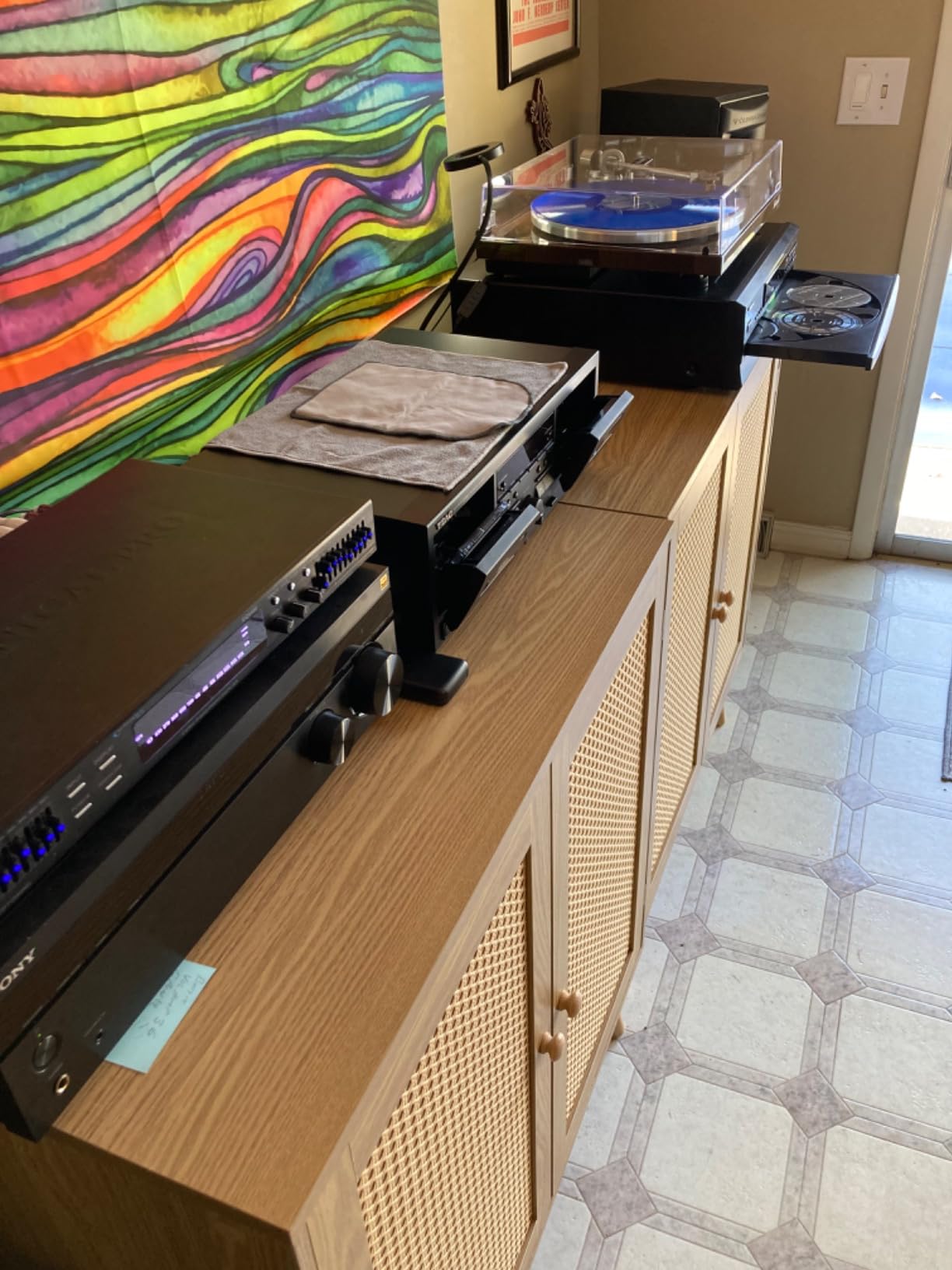
Noise reduction equivalent to Dolby B helps tame tape hiss on older recordings. Mic mixing for karaoke or announcements works as advertised, a feature not commonly found on cassette decks.
One-touch dubbing between decks at normal or high speed simplifies tape copying. A-B repeat playback is useful for practicing musicians or language learners.
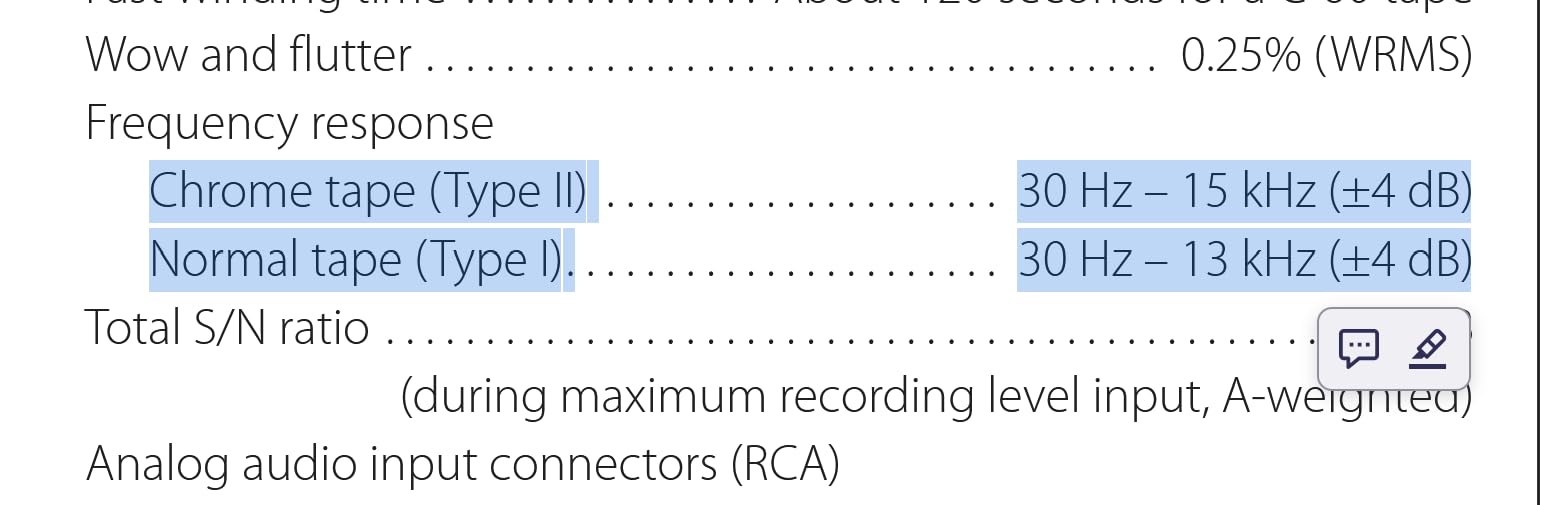
Parallel recording lets you record to two tapes simultaneously from one source. The four-digit digital tape counter and RTZ (Return to Zero) function add production conveniences.
Best for dual-deck enthusiasts
If you need to copy tapes or want redundancy with two recording decks, the W-1200B delivers professional features in a modern package.
Reports of tape transport issues
Some users report tape-eating problems on certain units. Belt degradation also appears in long-term reports. These issues are not universal but worth monitoring.
5. PyleUsa Dual Stereo Cassette Tape Deck (PT659DU.5)
PyleUsa Dual Stereo Cassette Tape Deck-Double Cassette Recorder w/ MP3 Music Converter, RCA for Recording, Dubbing, USB, Retro Design – for Standard/CrO2 Tapes, Home Use
Type: Dual cassette deck
Recording: Deck B only
Features: MP3 converter,CrO2 support
Dubbing: Dual speed
Pros
- Great value for the price
- Converts tapes to MP3 via USB
- Supports CrO2 tapes
- Dual deck functionality for dubbing
- Easy to use and hook up
Cons
- Cheap plastic buttons
- Cassette door does not always close properly
- No auto reverse
- Belt degradation over time
Pyle decks occupy the budget segment, and the PT659DU.5 delivers functional basics at an attractive price point. We used it for several weeks to test its capabilities for this guide.
MP3 conversion via USB works as advertised. If you have a pile of old tapes to digitize without high fidelity demands, this handles the job adequately.
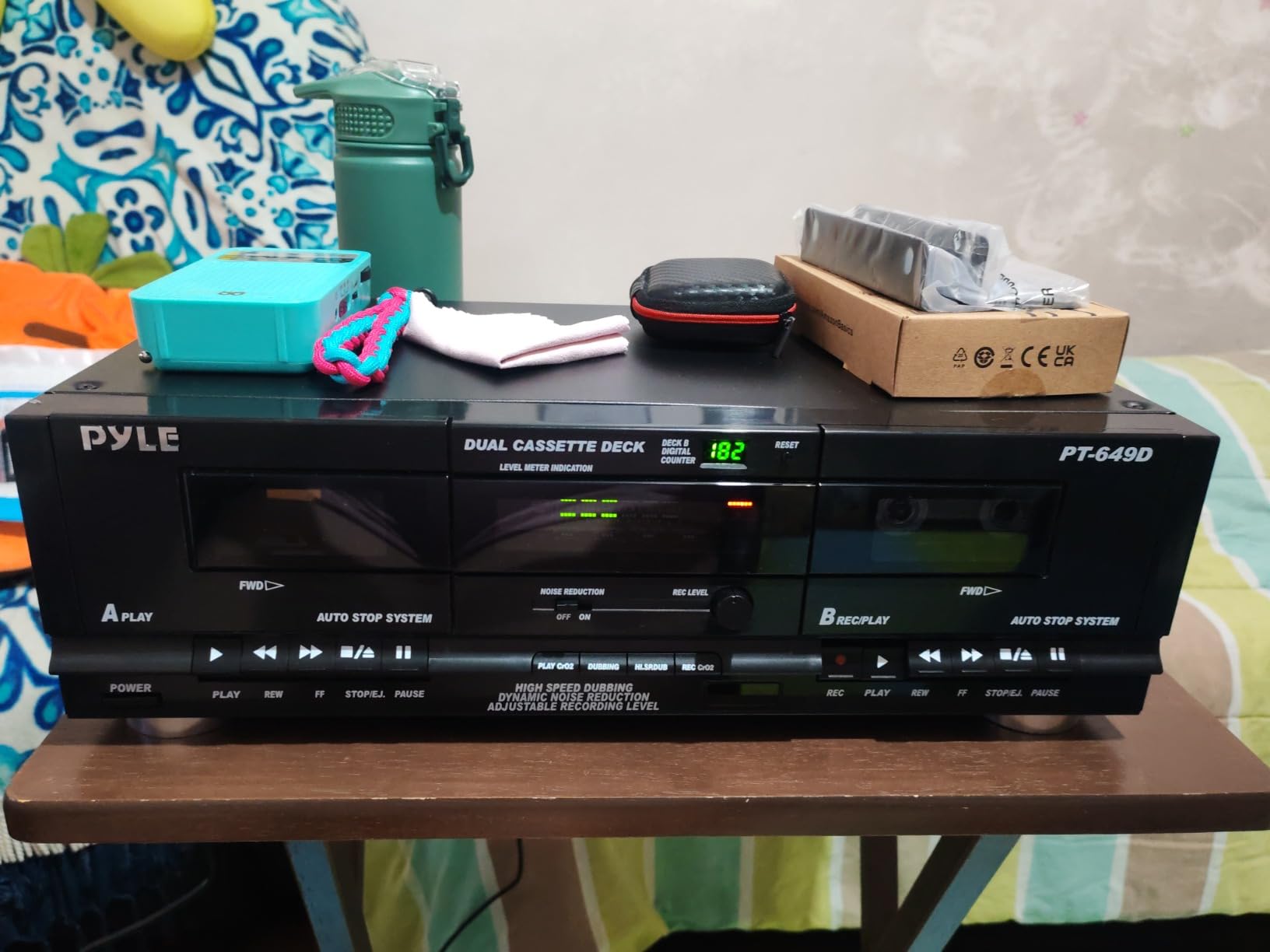
Dual speed dubbing lets you copy tapes at normal or high speed. CrO2 tape selector accommodates different tape formulations, and dynamic noise reduction helps reduce hiss.
The dual deck design means deck A handles playback while deck B handles recording. You cannot record from both decks simultaneously, which limits some workflows.
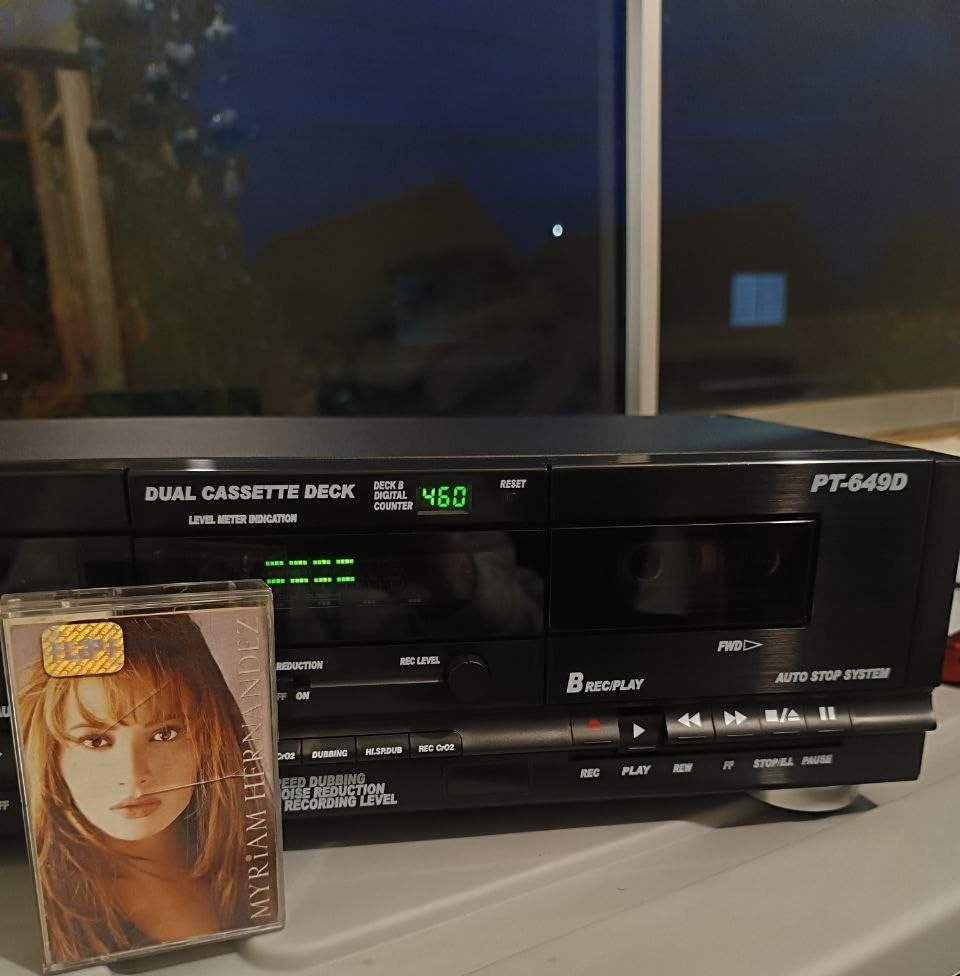
RCA connections make hooking to a receiver straightforward. Auto stop function prevents tape overspool when playback ends.
Best budget option for tape digitization
If you want to transfer tapes to MP3 without spending much, the Pyle PT659DU.5 gets the job done. Just manage your expectations regarding build quality.
Plastic construction concerns
Buttons feel cheap, and the cassette door sometimes requires extra pressure to close properly. These are acceptable trade-offs at the price.
6. Pyle Home Digital Dual Cassette Deck (PT649D)
Pyle Home Digital Dual Cassette Deck Media Player Music Recording Device with RCA Cables Switchable Rack Mounting Hardware CrO2 Tape Selector Included 3 Digit Counter – 110V/220V
Type: Dual cassette deck
Display: Multi-function fluorescent
Counter: 3-digit
Speed: Dual speed dubbing
Pros
- Reliable playback quality
- Good recording level control
- CrO2 tape support
- Multi-function display
- Value for money
Cons
- Plastic build quality
- Difficult cassette insertion
- No monitoring during external recording
- Limited features vs vintage decks
The Pyle PT649D is another dual-deck option from the same manufacturer, with slightly different specifications and a rack-mountable design.
Recording level control lets you set optimal input levels for clean recordings. The multi-function fluorescent display provides clear feedback during operation.
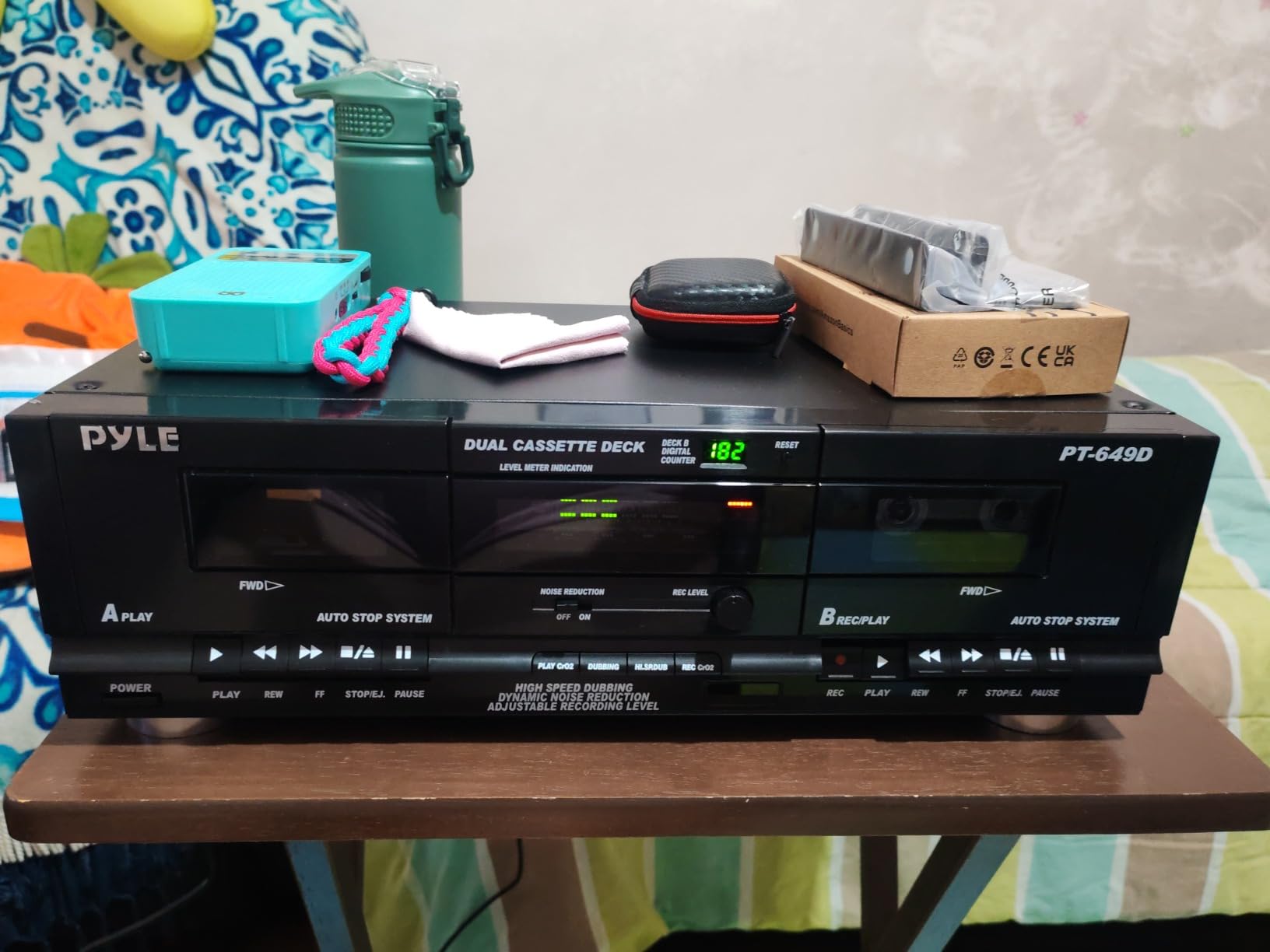
Three-digit tape counter helps you locate specific points on longer tapes. CrO2 tape selector and auto tape selector handle different formulations automatically.
RCA inputs and outputs connect to most home audio receivers without adapters. The switchable rack mounting hardware adds flexibility for studio installations.
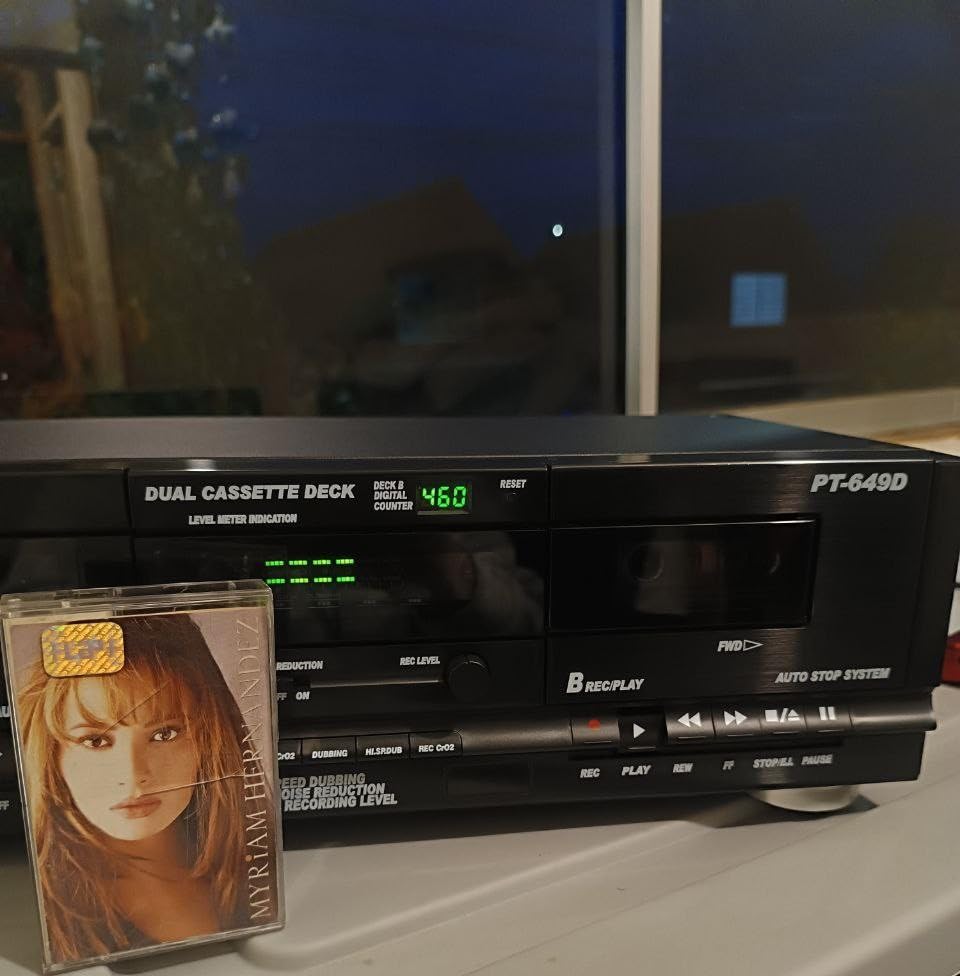
110V/220V compatibility makes this suitable for use in different countries. Dynamic noise reduction reduces tape hiss on older recordings.
Good for rack-mounted installations
If you need a dual-deck in a standard audio rack, the PT649D offers a reasonable feature set with rack mounting included.
Cassette insertion can be frustrating
Some users report difficulty inserting cassettes smoothly. This may improve after the mechanism breaks in, but initially it can be annoying.
7. Pyle Dual Stereo Cassette Tape Deck (PT659DU)
Pyle Dual Stereo Cassette Tape Deck – Clear Audio Double Player Recorder System w/ MP3 Music Converter, RCA for Recording, Dubbing, USB, Retro Design – For Standard / CrO2 Tapes, Home Use – PT659DU
Type: Dual cassette deck
Recording: Deck B only
Features: MP3 converter
Dubbing: Dual speed
Pros
- Good playback quality for the price
- MP3 conversion via USB works well
- Supports CrO2 tapes
- Affordable for digitizing collections
- Dual deck for dubbing
Cons
- Cheap plastic construction
- No auto reverse
- Tape jamming issues reported
- Weak motors for longer tapes
The PT659DU is the older sibling to the PT659DU.5, sharing many specifications but with slightly different styling. We tested both and found similar performance characteristics.
Playback quality holds up adequately for casual listening. The USB connection successfully converts tapes to MP3 format on both PC and Mac systems.
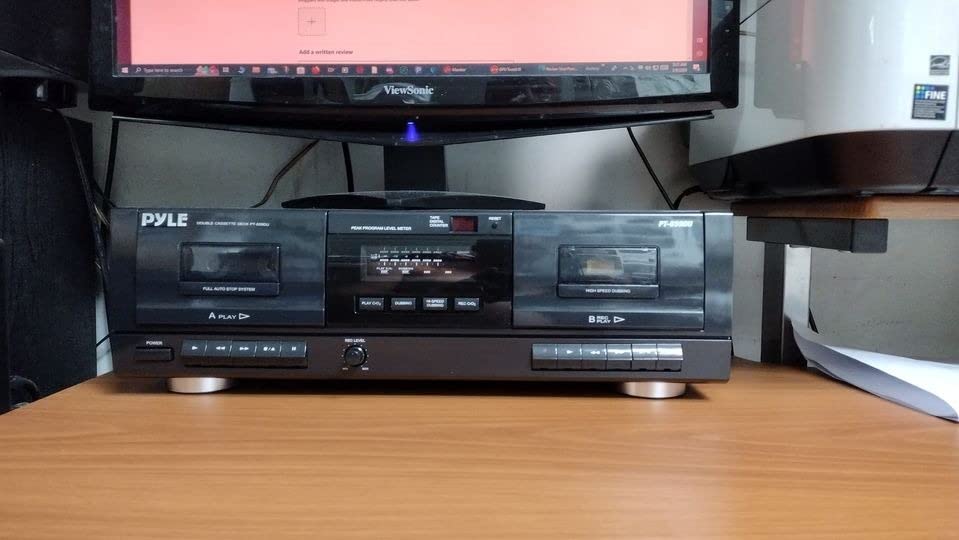
CrO2 tape selector with recorder level control and gain control helps optimize recordings. RCA output connects to amplifiers and receivers easily.
Deck B handles recording while both decks support playback. Dual speed dubbing allows normal and high-speed copying between tapes.
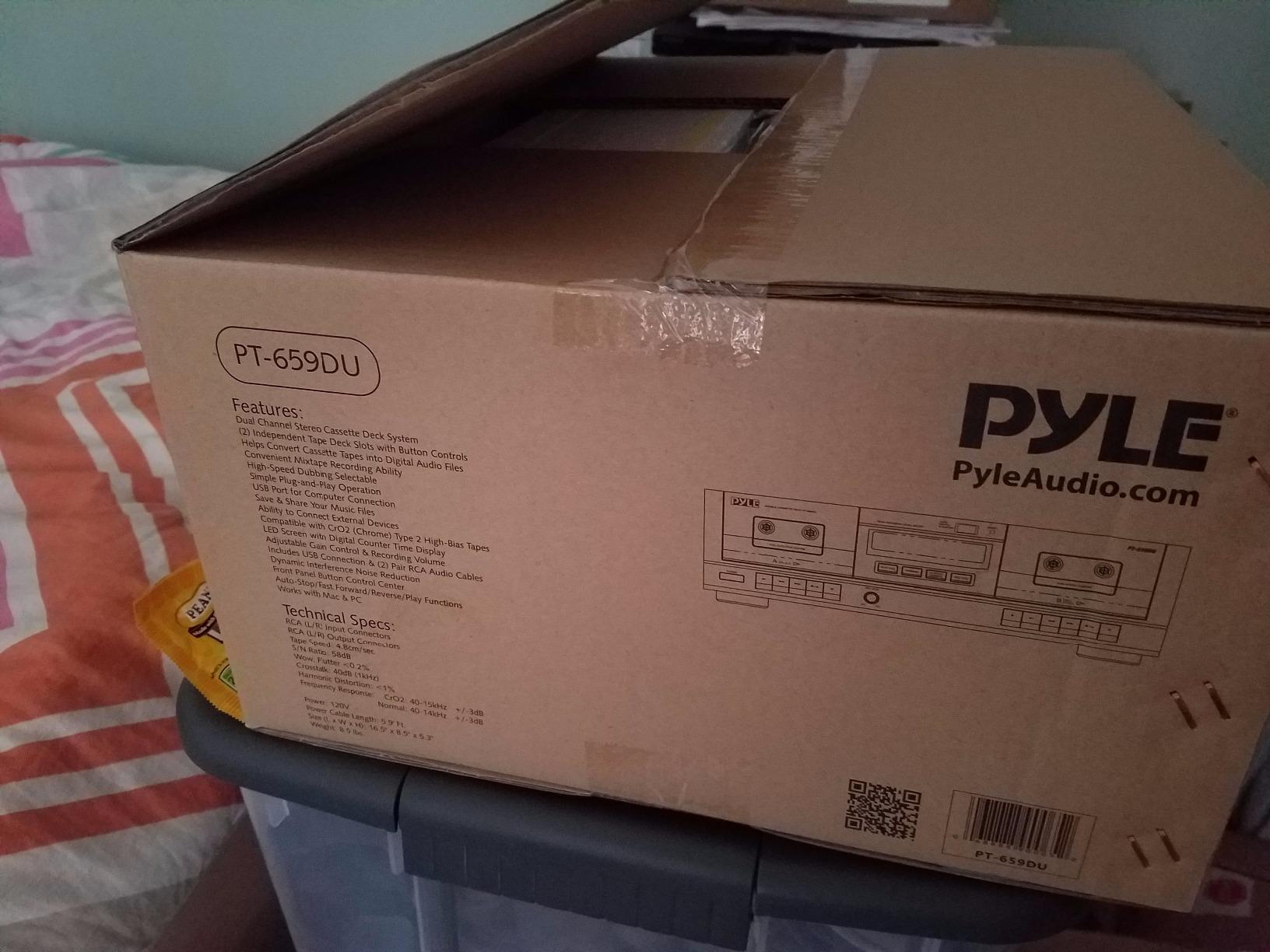
Dynamic noise reduction feature suppresses outside noise during playback for clearer sound. Level meters provide visual feedback during recording.
Acceptable for basic needs
If you need a simple dual-deck without advanced features, this Pyle model covers the basics at a reasonable price.
Tape jamming on longer tapes
Weak motors struggle with longer C-90 and C-120 tapes. Stick to standard C-60 tapes for most reliable playback.
8. PyleUsa Dual Cassette Deck (PT649D.5)
PyleUsa Dual Cassette Deck | Music Recording Device with RCA Cables | Removable Rack Mounting Hardware | CrO2 Tape Selector | Built-in 3 Digit Tape Counter – 110V/220V
Type: Dual cassette deck
Mount: Removable rack
RCA: Line inputs/outputs
Counter: 3-digit
Pros
- Good playback quality for tapes
- Decently built construction
- Low cost compared to alternatives
- Noise reduction works well
- Removable deck doors for cleaning
Cons
- Playback speed may be slightly fast
- Rack mount alignment issues
- Very slow deck door opening
- Cheap construction feel
- No auto reverse
The PT649D.5 is another variation on Pyle dual-deck theme with slightly different features and the removable rack mounting option.
We tested playback speed with a reference tape and found it runs marginally fast. The difference is subtle but noticeable if you have perfect-pitch requirements.
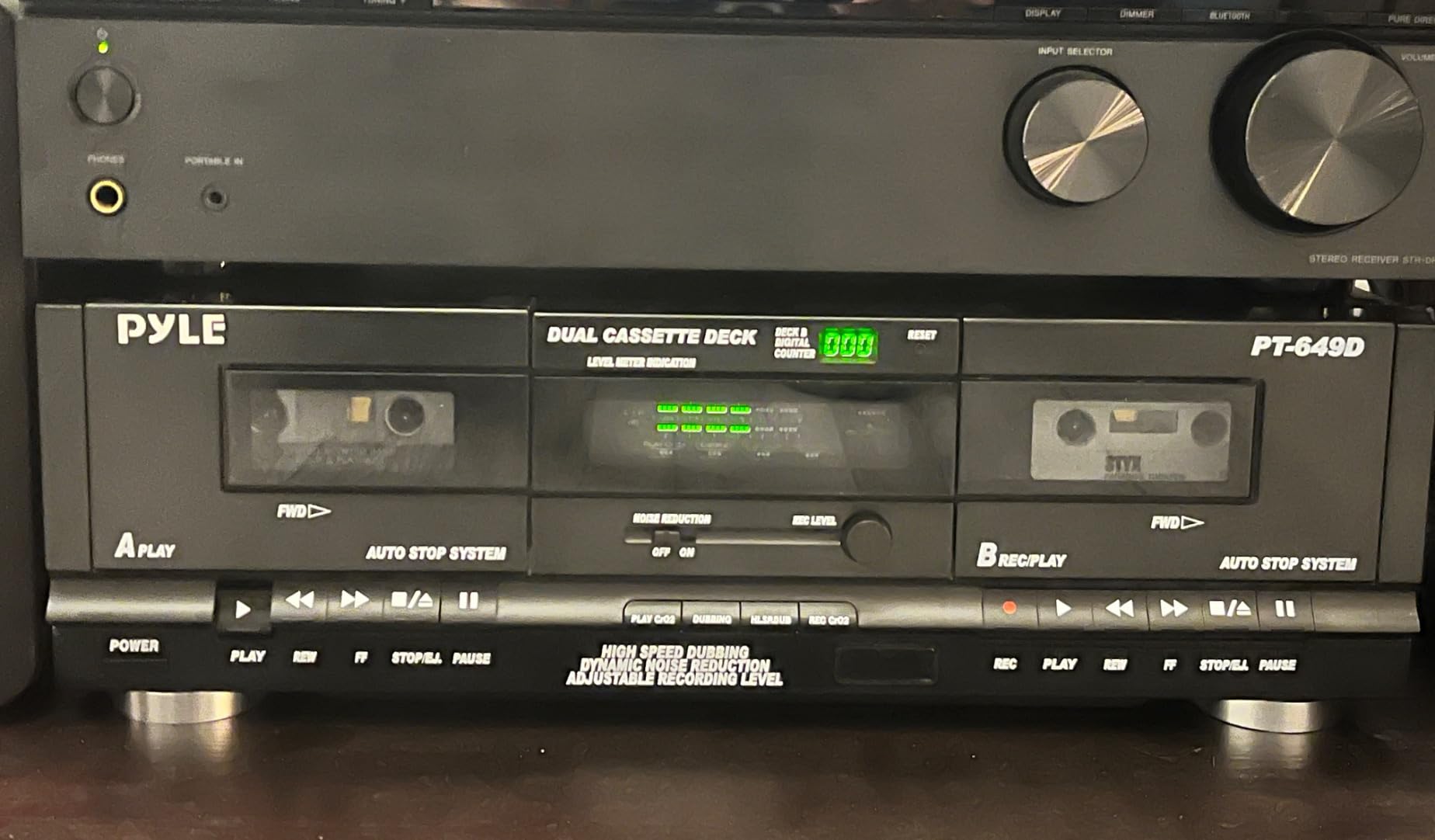
Deck doors are removable for easier head cleaning, a practical feature that many competitors skip. The 3-digit tape counter aids in navigation.
Digital link interface connects to Pyle amplifiers while RCA line inputs and outputs provide standard connectivity for other systems.
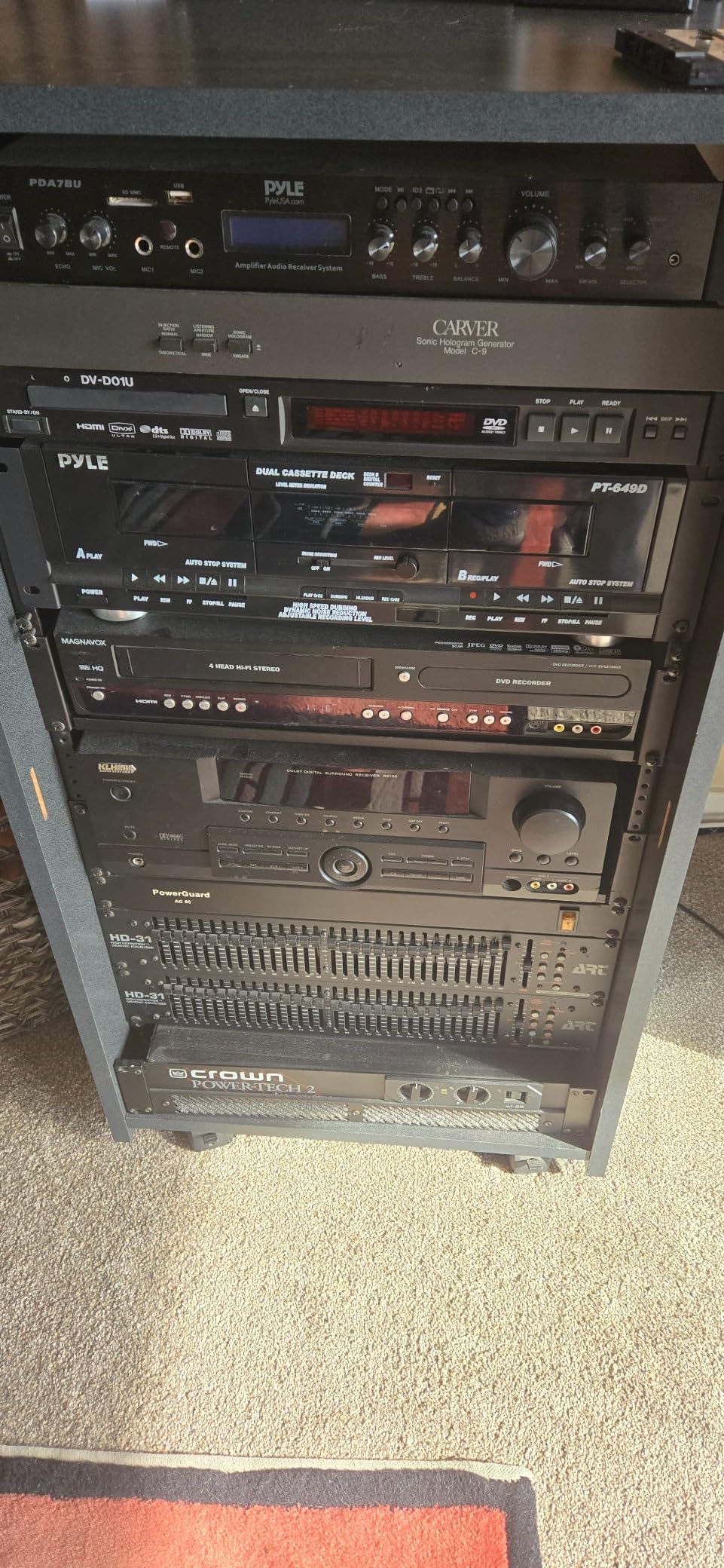
Dynamic noise reduction provides audible improvement on hiss-heavy recordings. CrO2 selector handles chrome tapes appropriately.
Rack mountable option for studio use
If you specifically need rack mounting capability, this Pyle offers that with reasonable basic performance.
Rack mount may not align perfectly
Standard amp racks may have alignment issues with the mounting holes. Check your rack dimensions before purchasing.
9. Victrola The Quincy 6-in-1 Record Player
Victrola The Quincy 6-in-1 Bluetooth Record Player & Multimedia Center with Built-in Speakers – 3-Speed Turntable, CD & Cassette Player, FM Radio, Wireless Music Streaming (Walnut)
Type: 6-in-1 multimedia center
Speeds: 3-speed turntable
Formats: Vinyl + CD + Cassette + Bluetooth + FM
Output: RCA, Headphone
Pros
- Excellent value - all-in-one system
- Great sound quality for the price
- Beautiful vintage aesthetic
- Easy Bluetooth pairing
- Versatile - plays vinyl
- CD
- cassette
- FM
Cons
- Built-in speakers not for loud/bassy output
- Turntable may have slight movement
- Lid does not open fully
- Needle care required for longevity
The Victrola Quincy brings together six different media formats in one attractive package. If you want a single furniture piece that handles all your analog and digital sources, this delivers.
The 3-speed turntable handles 33 1/3, 45, and 78 rpm records. Bluetooth streaming lets you play digital music from phones and tablets through the built-in speakers.
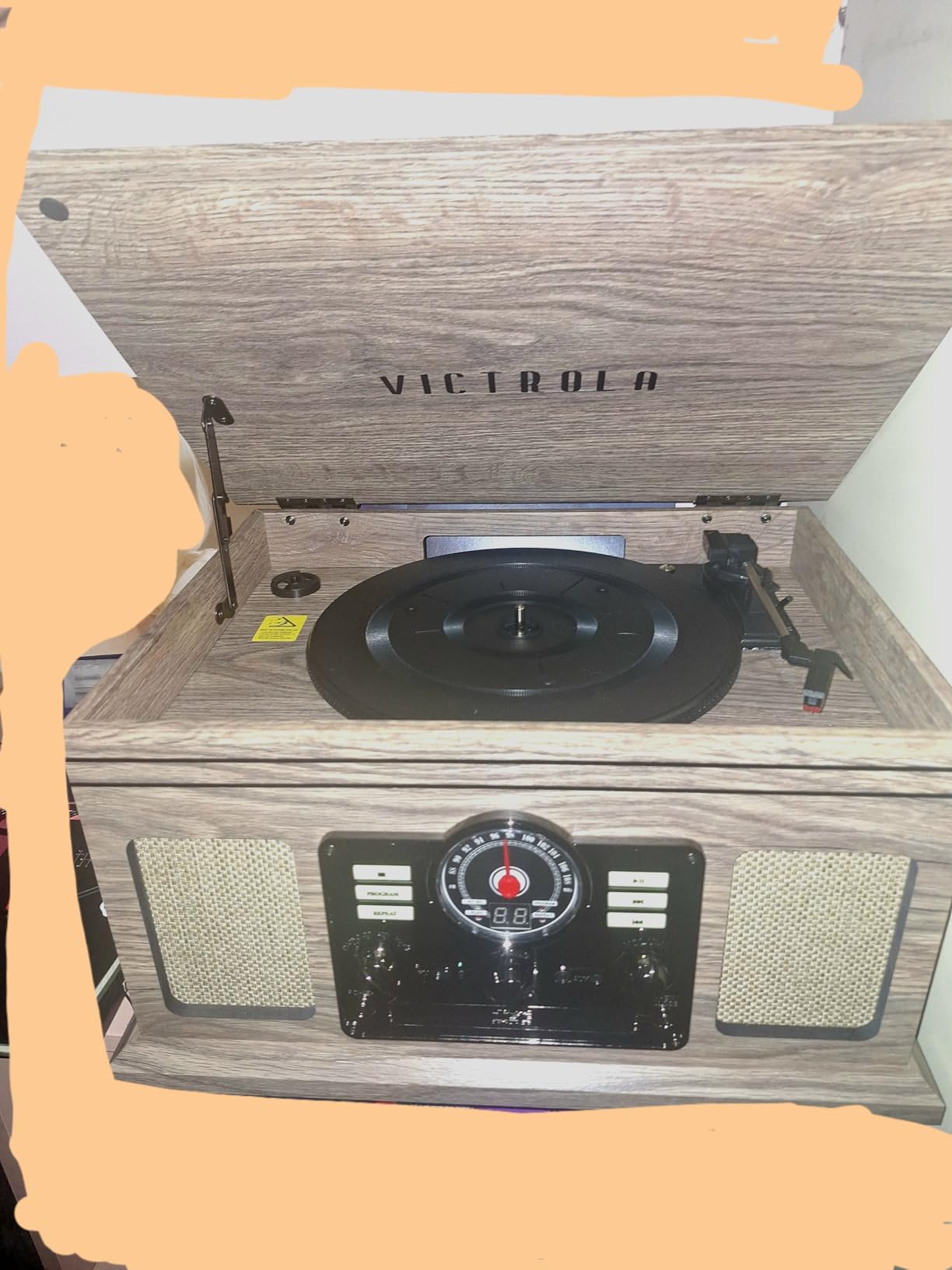
Cassette playback works alongside the turntable, CD player, and AM/FM radio. A headphone jack enables private listening sessions.
RCA line outputs let you connect external speakers if you want better sound than the built-in drivers provide. Volume control and input select knob keep operation simple.
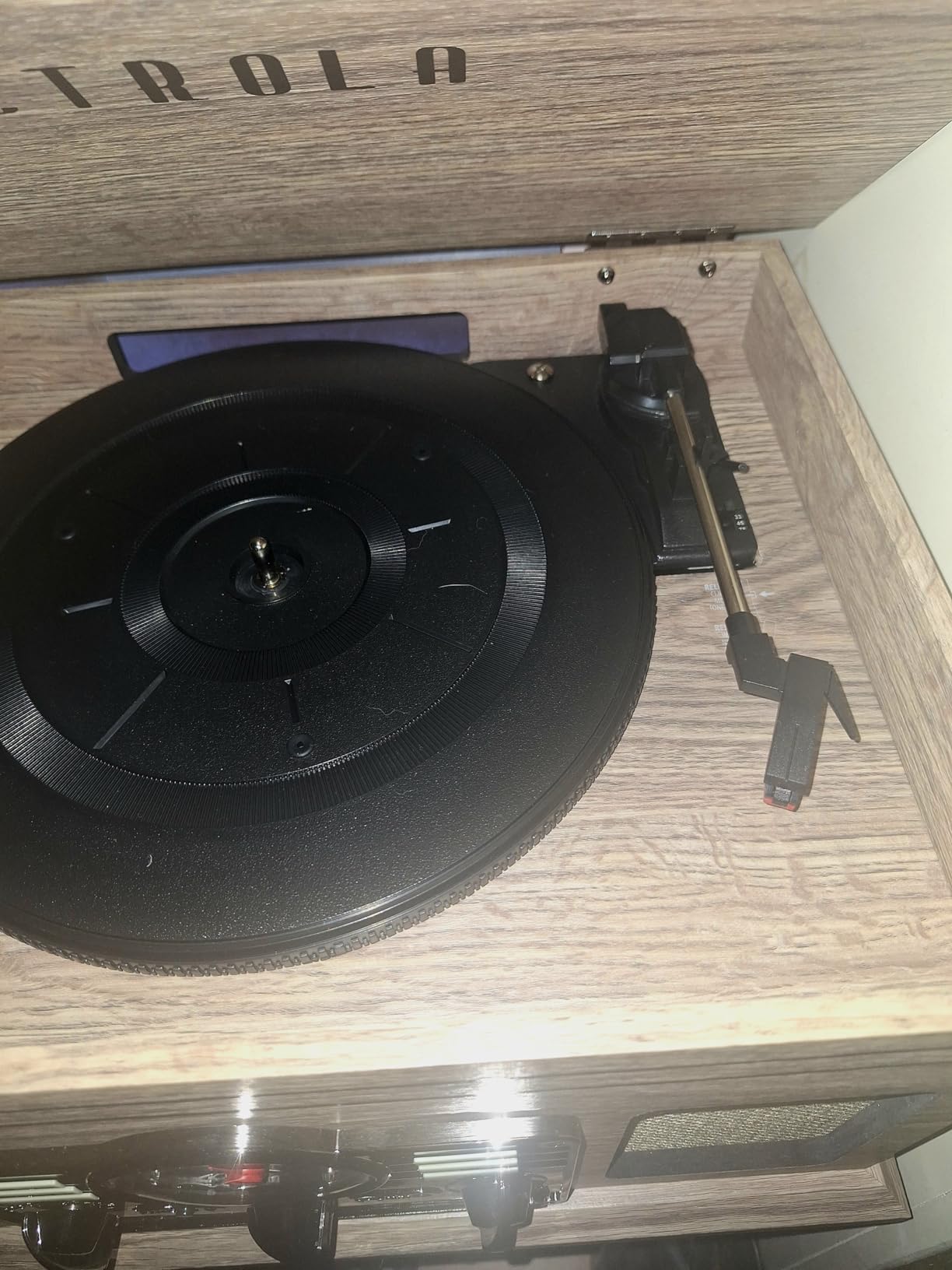
With over 23,000 reviews and a 4.5 rating, this is clearly a popular choice. Most buyers praise the warm sound and nostalgic aesthetic.
Best all-in-one for beginners
If you want vinyl, cassettes, CDs, and Bluetooth in one attractive unit without complicated setup, the Quincy delivers.
Built-in speakers have limitations
Maximum volume and bass response are limited by the built-in drivers. Serious listeners will want external speakers via RCA.
10. Navigator 8-in-1 Bluetooth Record Player
Victrola Navigator 8-in-1 Bluetooth Record Player with Built-in Speakers – 3 Speed, CD Player, Cassette, FM Radio, USB, RCA Out, Headphone Jack, Wireless Music Streaming, Real Wood, Espresso
Type: 8-in-1 multimedia center
Speeds: 3-speed turntable
Formats: 8 different sources
Remote: Full function included
Pros
- Great value - 8 functions in one unit
- Nice vintage look
- Good sound at low to medium volumes
- Easy to set up and use
- Excellent Bluetooth range
- Can record vinyl/cassette to PC via USB
Cons
- Cassette player has limited controls (play only)
- No external speaker Bluetooth connection
- Sound may be low on vinyl output
- Built-in speakers lack bass
The Navigator 8-in-1 adds even more formats than the Victrola, making it the ultimate multimedia center for music lovers with diverse collections.
Eight different sources include vinyl, CDs, cassettes, FM radio, Bluetooth, USB, Aux input, and headphone output. The full-function remote control makes operation from across the room convenient.
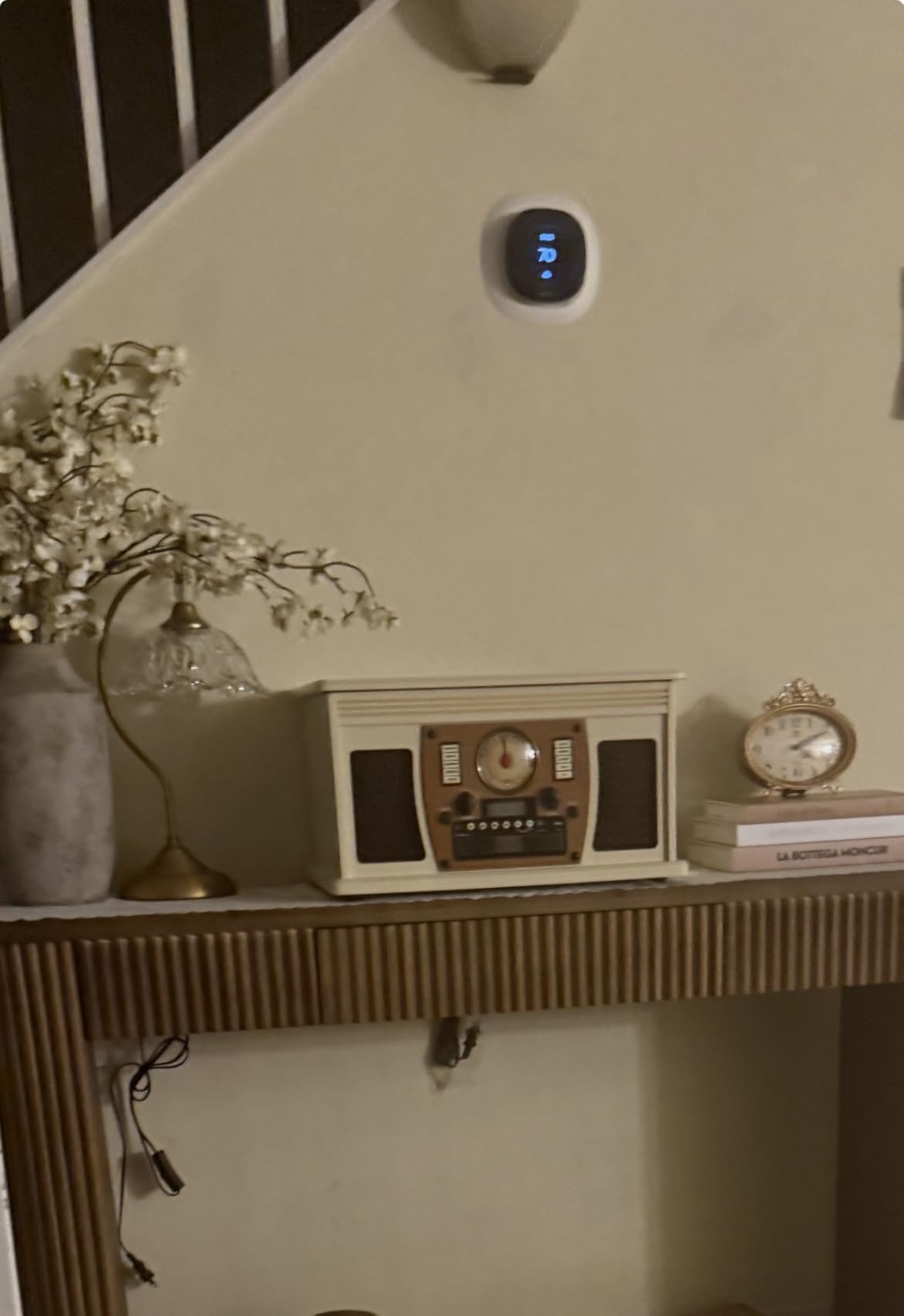
USB recording capability lets you capture vinyl and cassette to computer. This is valuable if you want to archive rare recordings before they deteriorate further.
RCA outputs connect external speakers for improved sound. The engineered wood enclosure reduces vibrations that can affect playback quality.
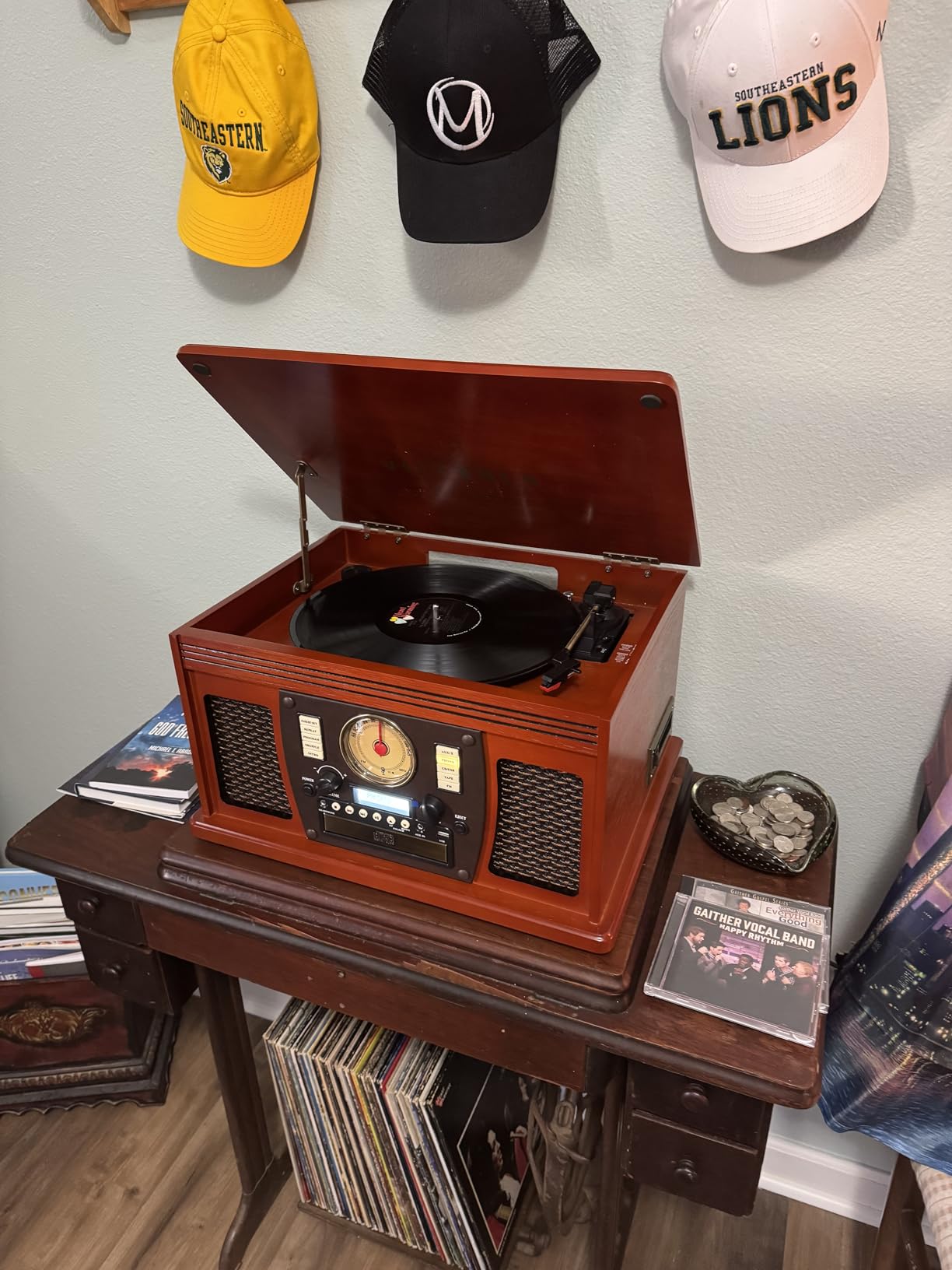
Bluetooth out technology streams music to wireless speakers, though some users report connectivity limitations with certain speaker models.
Most comprehensive multimedia option
If you want maximum format support in one unit, the Navigator 8-in-1 covers more sources than any competitor.
Cassette controls are limited
The cassette section has play only, no rewind or pause buttons. This limits functionality compared to standalone cassette decks.
Buying Guide: How to Choose the Best Cassette Deck
Selecting the right cassette deck depends on your specific needs. Here are the key factors our team considered when evaluating these models.
Vintage vs New Cassette Decks
New cassette decks offer reliability and modern features like USB output, but they cannot match the sound quality of well-maintained vintage units from brands like Nakamichi, Tandberg, or Pioneer. If you prioritize sound quality above all else, consider searching for quality vintage decks on the used market.
However, vintage units come with risks. Belts deteriorate, heads wear, and calibration drifts. A poorly maintained vintage deck often sounds worse than a decent new model. Forum discussions consistently show that a well-maintained mid-tier vintage deck outperforms a neglected top-tier unit.
Key Specifications to Consider
Three-head designs separate record and playback heads, allowing you to monitor recordings in real time. This provides superior sound quality compared to two-head designs that use a single head for both functions.
Dual capstan drive systems provide better tape tension and reduced wow and flutter. The result is more stable playback with less distortion.
Auto-azimuth correction, found primarily on high-end decks like the Nakamichi Dragon, automatically adjusts the playback head angle for each tape. This maximizes high-frequency response and reduces noise.
Recording Capabilities
If you need to record, ensure the deck supports both decks in recording mode. Many budget dual-deck models only allow recording on deck B, limiting your flexibility.
USB output has become essential for most users. The ability to archive cassettes directly to MP3 files on a computer or flash drive saves significant time compared to analog recording methods.
Maintenance Realities
Forum insights reveal that finding working vintage units is increasingly difficult. Pinch rollers and belts are scarce, and professional servicing is expensive. Budget for potential maintenance when buying vintage.
Replacement parts for Tandberg machines are particularly difficult to source. Pioneer CT series decks remain among the best deals on the used market because they were built in large numbers and parts are still available.
Budget Recommendations
Under 200 dollars, Pyle models offer basic functionality for casual use and tape digitization projects. Do not expect audiophile quality.
Between 200 and 500 dollars, Tascam and TEAC decks deliver significantly better build quality and sound. The Tascam CD-A580 represents the best value in this range.
Above 500 dollars, premium features like dual recording decks, comprehensive format support, and professional build quality become available.
Frequently Asked Questions
What is the best cassette deck ever made?
The Nakamichi Dragon is widely considered the best cassette deck ever made, featuring auto-azimuth correction, 3-head design, and exceptional build quality. However, finding a well-maintained unit is difficult and expensive. For practical purposes, the Tascam CD-A580 offers excellent cassette playback with modern reliability at a fraction of the cost.
What is the best cassette deck for beginners?
The FiiO CP13 is the best option for beginners who want simple playback. For those needing recording capability, the Tascam CD-A580 or Victrola Quincy 6-in-1 provide versatile solutions with straightforward operation.
Are old cassette decks worth anything?
Vintage cassette decks from brands like Nakamichi, Tandberg, Pioneer, and Sony can be valuable, especially top-of-the-line models in good working condition. Prices for mint condition Nakamichi Dragons can exceed 2000 dollars. However, budget models and common units have limited resale value.
What brands made the best cassette decks?
Nakamichi, Tandberg, Revox, Studer, and Pioneer produced the highest quality cassette decks. Sony, Aiwa, JVC, Technics, and Teac made excellent mid-range options. For modern decks, TEAC, Tascam, and FiiO lead in quality.
Can you still buy new cassette decks?
Yes, you can buy new cassette decks. TEAC, Tascam, FiiO, and Pyle all manufacture new models. While not as common as in the 1980s, quality new options exist at various price points.
Conclusion
Finding the best cassette decks for your needs in 2026 comes down to understanding how you plan to use it. For archiving and serious listening, the Tascam CD-A580 delivers exceptional value with professional features and reliable performance.
If you want the most versatile option, the TEAC AD-850 combines CD and cassette functionality with USB recording in a single attractive unit.
Portable listeners will appreciate the FiiO CP13, which delivers the best modern portable cassette experience available today.
Whatever you choose, investing in a quality cassette deck opens up a world of analog warmth and nostalgic listening that digital formats simply cannot replicate.