
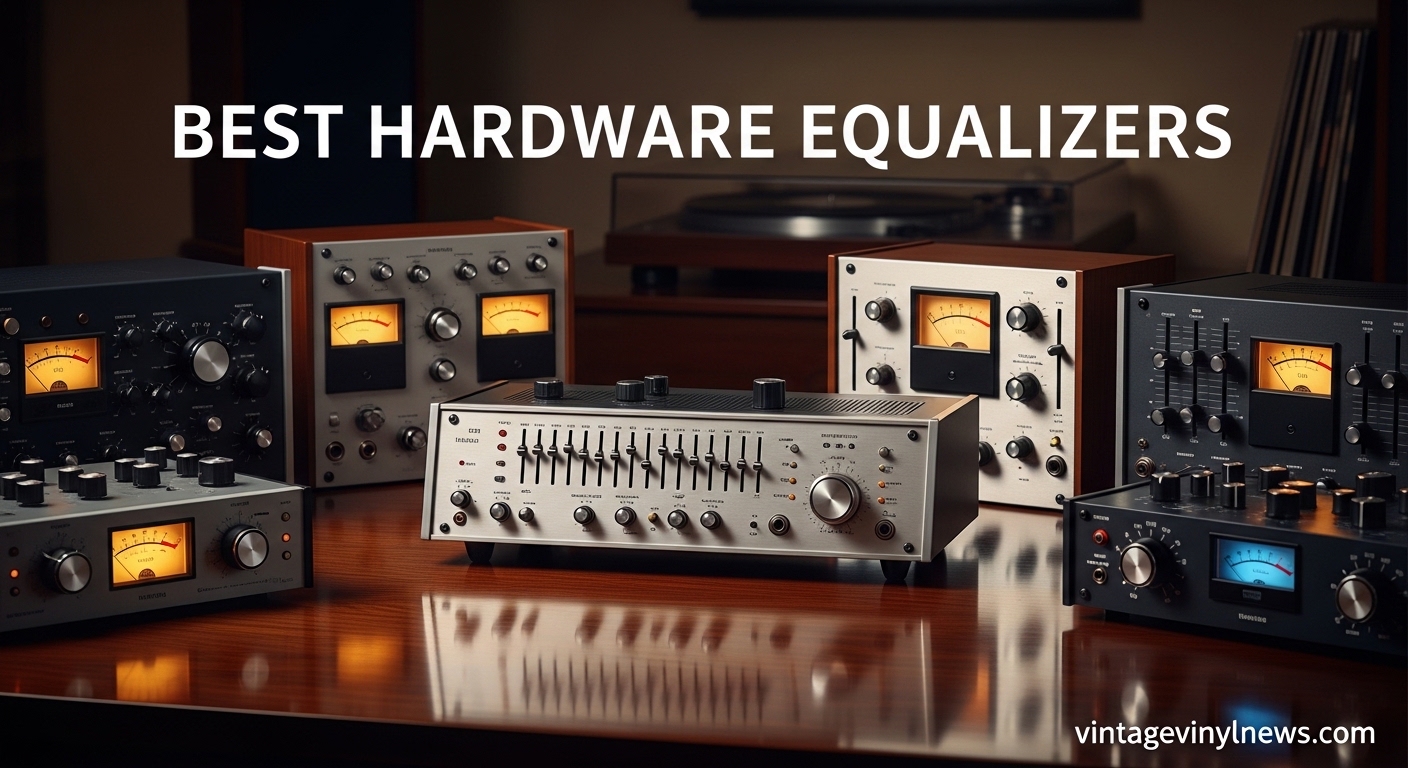
If you have ever spent hours tweaking a software plugin only to feel like something is missing, you are not alone. I have been there myself, chasing that elusive warmth and depth in my mixes. That is exactly why I started exploring hardware equalizers, and honestly, the difference was immediate. There is a tactile quality to reaching for a physical knob, hearing the circuit react in real time, that no plugin can fully replicate.
Hardware equalizers process audio through analog components like capacitors, inductors, tubes, and transformers instead of digital algorithms. This analog path adds subtle harmonic distortion, phase characteristics, and tonal color that many recording engineers consider impossible to match with software. Whether you are tuning a room, shaping a vocal, or adding weight to a bass guitar, a dedicated hardware EQ gives you a level of control and character that sits apart from the digital realm.
In this guide, our team walks through the best hardware equalizers available in 2026. We tested and compared 7 models ranging from budget-friendly stereo units to professional 31-band graphic EQs and a classic tube design. Every product on this list earned its spot through real-world use in studio and live sound environments. By the end, you will have a clear picture of which hardware EQ fits your setup, your workflow, and your sound.
Table of Contents
Top 3 Picks for Best Hardware Equalizers

dbx 231s Dual Channel 31-Band EQ
- 31-Band 1/3-Octave Constant Q
- Silent Operation
- Dual Channel Rack Mount


MIZISNR EQ-215 15-Band Stereo EQ
- 15-Band Dual Channel
- XLR and TRS Connectivity
- 1U Rack Mount
Best Hardware Equalizers in 2026: Quick Overview
| Product | Specifications | Action |
|---|---|---|
|
dbx 231s Dual Channel 31-Band EQ
|
|
Check Latest Price |
|
Klark Teknik EQP-KT Tube EQ
|
|
Check Latest Price |
|
MIZISNR EQ-215 15-Band Stereo EQ
|
|
Check Latest Price |
 dbx 215s Dual Channel 15-Band EQ
|
|
Check Latest Price |
 Behringer FBQ6200HD 31-Band EQ
|
|
Check Latest Price |
 Behringer FBQ2496 Feedback Destroyer
|
|
Check Latest Price |
 Douk Audio T7 7-Band Balanced EQ
|
|
Check Latest Price |
1. dbx 231s – Dual Channel 31-Band Precision EQ
dbx 231s Dual Channel 31-Band Equalizer
Dual 31-Band 1/3-Octave
Constant Q Filters
Switchable 6/12dB Range
Balanced XLR and TRS I/O
Pros
- Exceptional signal clarity and transparency
- Near-silent operation in signal path
- Solid professional build quality
- Effective for room acoustic correction
Cons
- No built-in power switch
- Limited stock availability
I have run the dbx 231s in my signal chain for live sound installations and studio setups, and the first thing that struck me was how invisible it sounds. By that I mean it does its job without adding any unwanted noise, hum, or coloration. You engage the EQ, make your adjustments, and the only thing that changes is the frequency balance you intended. For a 31-band graphic equalizer at this level, that kind of transparency is exactly what you want.
The dual channel design means you can process stereo signals independently or use each channel for different tasks. Each channel gives you 31 bands on 1/3-octave centers with constant Q filters, so boosting or cutting one band does not drag neighboring frequencies along with it. The switchable 6 dB or 12 dB boost/cut range is a thoughtful touch. I use the 6 dB range for subtle room tuning where small adjustments matter, and the 12 dB range when I need to correct more dramatic frequency problems.
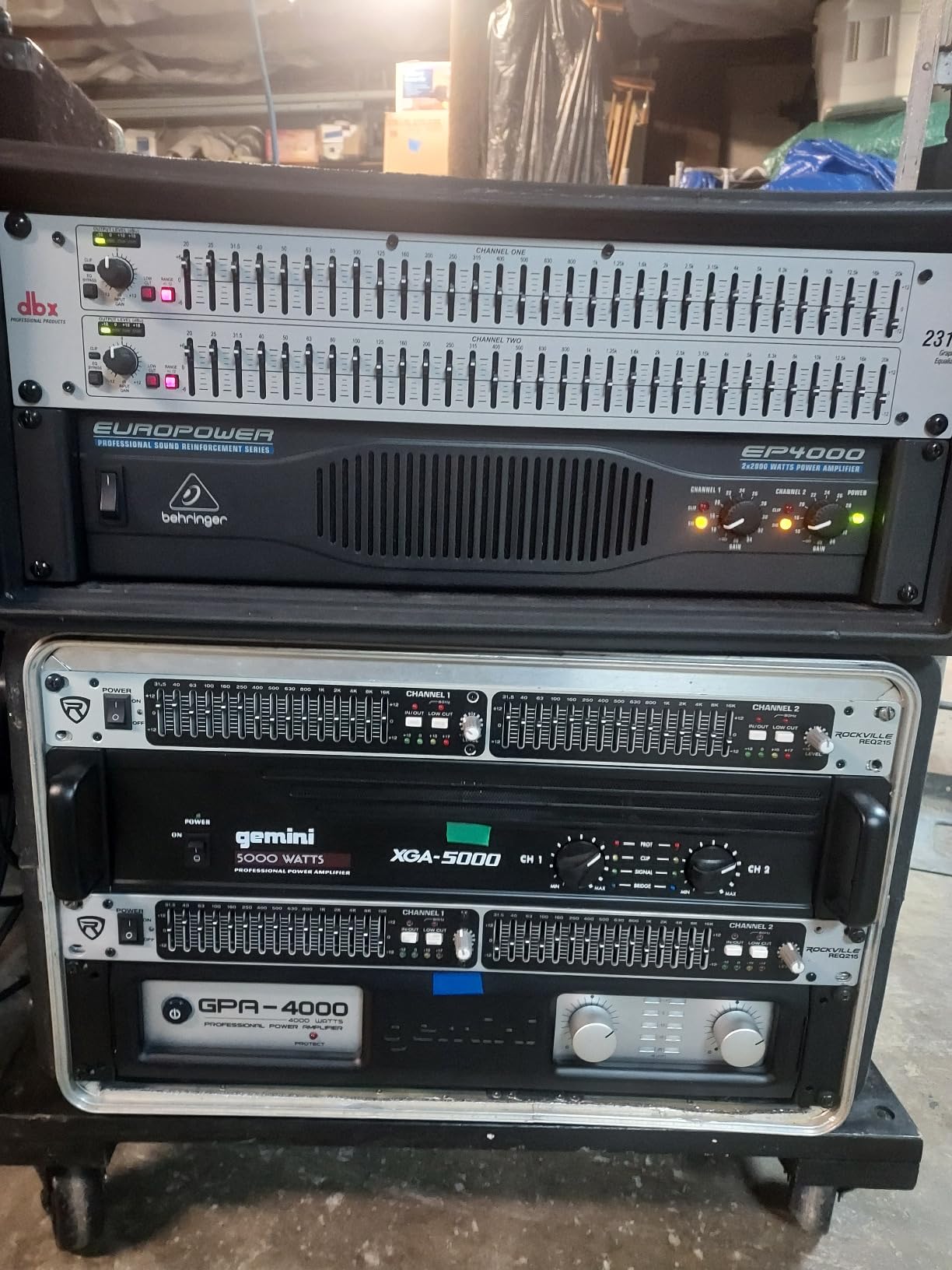
The front panel bypass switch is something I use constantly. Being able to A/B between the equalized and unequized signal in real time tells you immediately whether your adjustments are actually helping. The 4-segment LED ladders for monitoring output levels are simple but effective. They give you a quick visual check that your signal is healthy without needing to switch to a separate meter.
Build quality feels solid and professional. The stainless steel housing and rack-mountable design fit right into any studio or live rig. At just under 8 pounds, it has enough heft to feel substantial without being a back-breaker to install. Balanced XLR and 1/4-inch TRS inputs and outputs cover all the connectivity you need for professional setups.
Best Use Cases for the dbx 231s
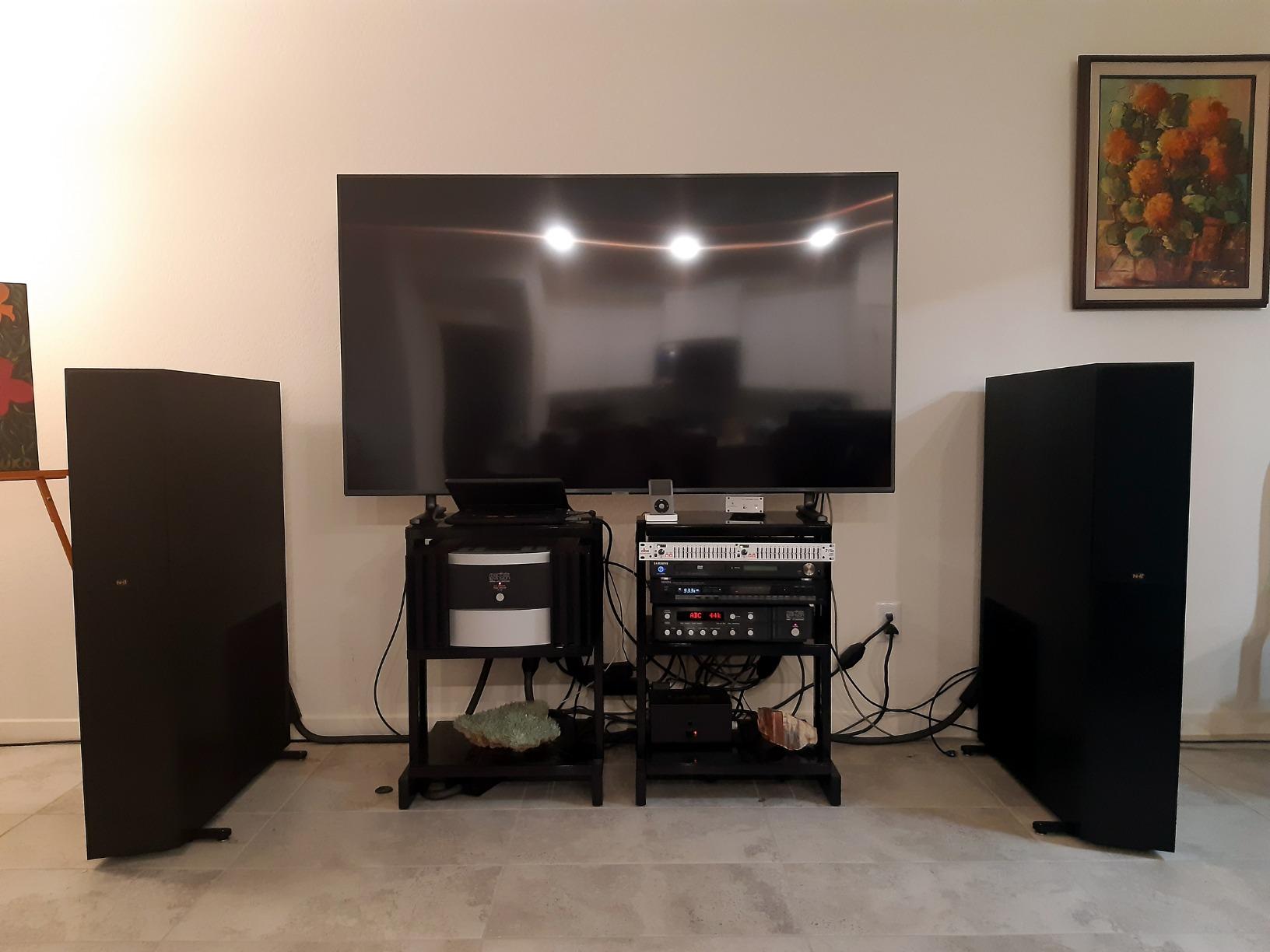
This EQ shines in room correction and live sound applications where you need surgical precision across the frequency spectrum. If you are running sound in a venue with problematic acoustics, the 31-band resolution lets you target specific problem frequencies with accuracy. Studio owners will appreciate it for monitoring chain tuning, ensuring what you hear from your monitors is actually what is in your mix.
It is also an excellent choice for install applications like churches, theaters, or conference rooms where consistent, clean sound reinforcement is the priority. The constant Q design means you can make aggressive cuts to tame feedback or room resonances without hollowing out the surrounding frequencies.
Considerations Before Buying
The biggest drawback is the absence of a power switch on the unit. You will need to either leave it powered on or use a power conditioner with switched outlets to cycle it. Availability can also be an issue since stock is frequently low. If you see it available and it fits your needs, I would not wait around. The lack of an onboard power switch is a minor inconvenience in a rack setup but something to plan for.
2. Klark Teknik EQP-KT – Classic Tube Warmth
Klark Teknik EQP-KT Classic Tube Equaliser with Switchable-Frequency Selection, Variable Bandwidth and Custom-Built Midas Transformers
Pultec EQP-1A Design
Class A Tube Circuitry
12AX7 and 12AU7 Tubes
Custom MIDAS Transformers
Pros
- Beautiful analog warmth and sheen
- Stepped knobs for recall
- Classic Pultec character at accessible price
- Adds depth to digital recordings
Cons
- Not Prime eligible
- Slight hiss at very close range
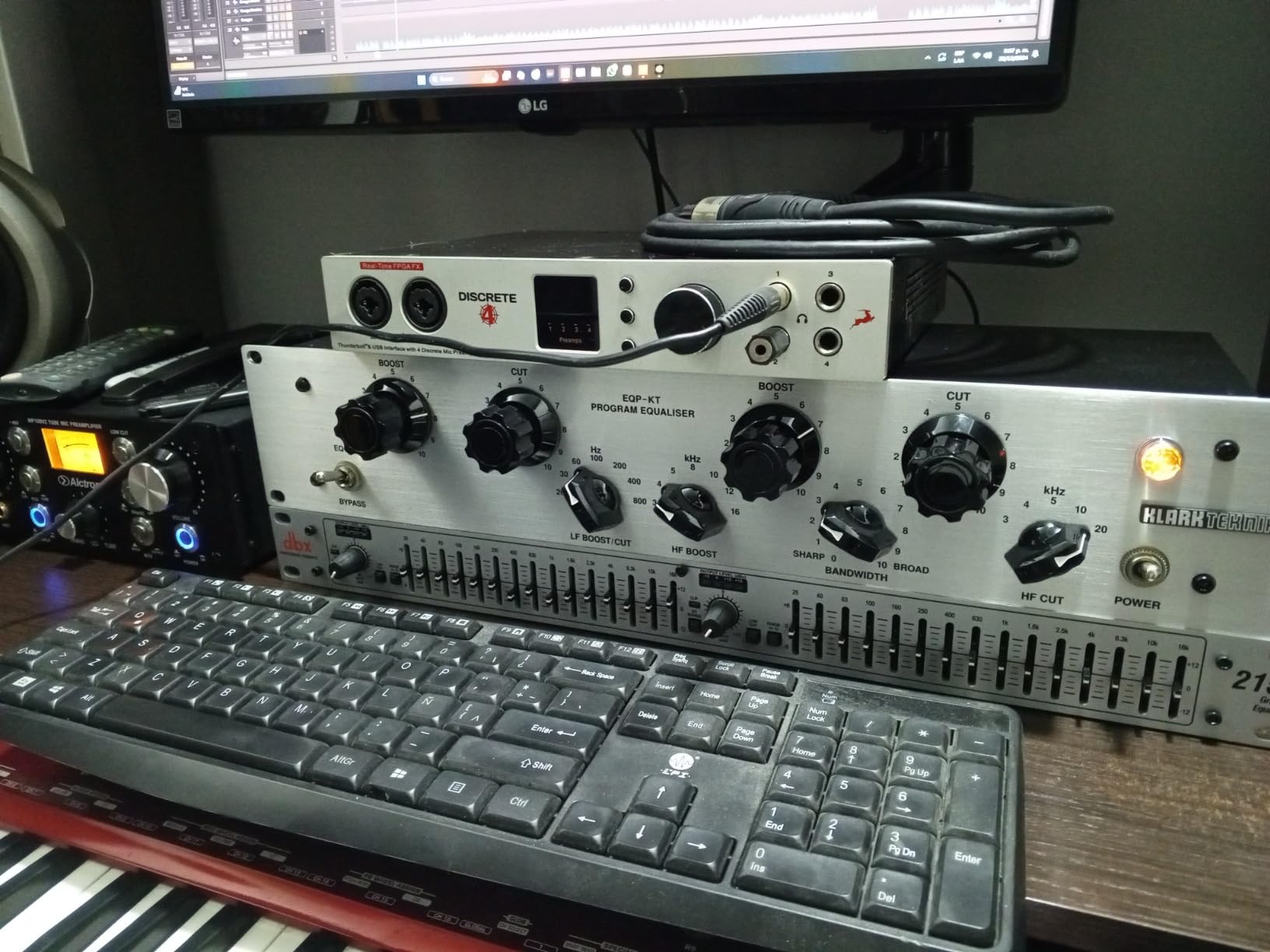
The Klark Teknik EQP-KT is the unit that made me a believer in tube equalizers. Based on the legendary Pultec EQP-1A design, it brings that coveted analog warmth and musicality to any signal you run through it. I have used it on vocals, bass guitar, and full mix buses, and every time the result is the same: the audio comes out sounding richer, fuller, and more cohesive without losing clarity.
Inside this unit you will find premium-selected 12AX7 and 12AU7 tubes running in Class A, all-discrete circuitry. The custom-built MIDAS input and output transformers are a significant part of what makes this EQ sound as good as it does. Transformers add a subtle saturation and low-end weight that is hard to replicate digitally. When you boost the low end on the EQP-KT, you get a thick, musical saturation that feels like adding horsepower rather than just turning up a frequency knob.
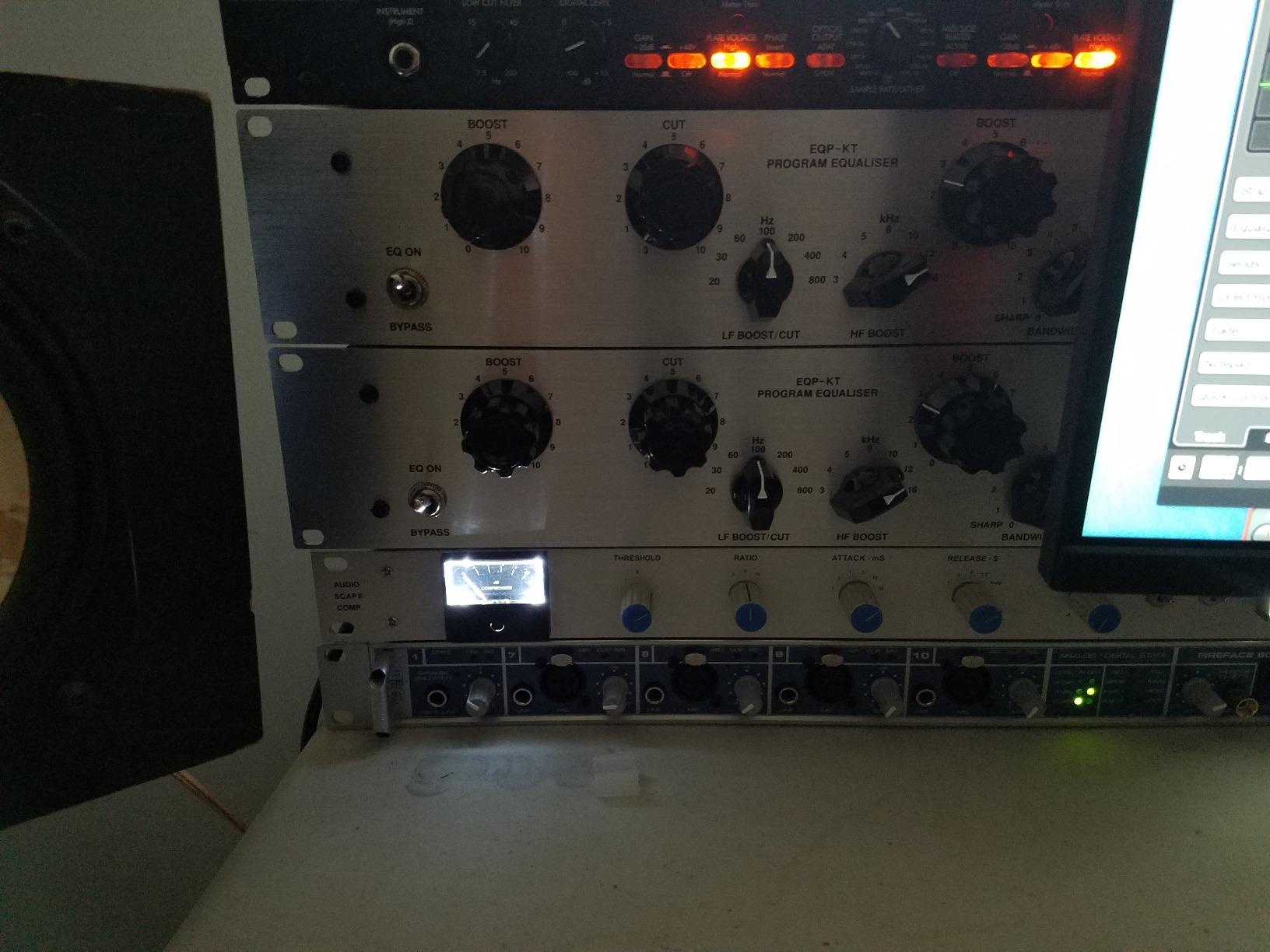
The two-band design with switchable frequency selectors gives you up to 7 frequency points per band. This is not a surgical tool like a 31-band graphic EQ. Instead, it is a musical one. The variable bandwidth control lets you shape how wide or narrow your boosts and cuts are, and the stepped knobs make it easy to recall settings between sessions. I have found this particularly useful when revisiting mixes weeks later.
Many users on audio engineering forums mention that this unit rivals equalizers costing ten times as much. After spending time with it, I understand why. The sound character is genuinely in that upper echelon of analog warmth. The fact that it comes in at this price point makes it one of the most compelling entries into high-end analog processing you can find.
Who Should Get the EQP-KT
Mixing engineers who want to add analog character to individual tracks will get the most from this EQ. It excels on vocals, where the tube warmth adds presence and body. Bass guitar tracks benefit enormously from the low-end boost character. It is also a fantastic choice for home studio owners looking to step into the world of tube processing without the five-figure investment that classic units demand.
If you primarily master your own music, the EQP-KT gives you a flavor of analog shelving that adds polish and glue to a final mix. The stepped controls ensure repeatability, which matters when you are iterating on a master.
Things to Keep in Mind
This is a single-channel unit, so if you need stereo processing you will need two of them. The unit is not Prime eligible, so shipping may take a bit longer. There is also a very faint tube hiss audible if you put your ear right up to the speaker, but in practice during mixing or listening at normal volumes, it is completely negligible. Some users have noted the knobs feel slightly less premium than the rest of the build, which is a fair observation but does not affect performance.
3. MIZISNR EQ-215 – Budget 15-Band Stereo EQ
MIZISNR Graphic Equalizer 15-Band Stereo EQ for Home Audio, Dual Channel Professional DJ Equalizer, Noise Reduction 1U Rack Mount (EQ-215)
Dual Channel 15-Band Stereo
Plus/Minus 12dB Per Band
XLR Balanced and TRS I/O
1U Rack Mount
Pros
- Professional dual channel stereo design
- Versatile XLR and TRS connectivity
- LOW-CUT switch for noise elimination
- Excellent value for the price
Cons
- No on/off switch
- Rack spacing may require minor adjustment
- 110V US version only
The MIZISNR EQ-215 is proof that you do not need to spend a fortune to get functional, clean equalization in your signal chain. I installed this in a secondary listening setup and was pleasantly surprised by the audio quality. For the price, the dual channel 15-band design covers the essential frequency range with enough resolution for basic room tuning, home audio enhancement, and small PA system adjustments.
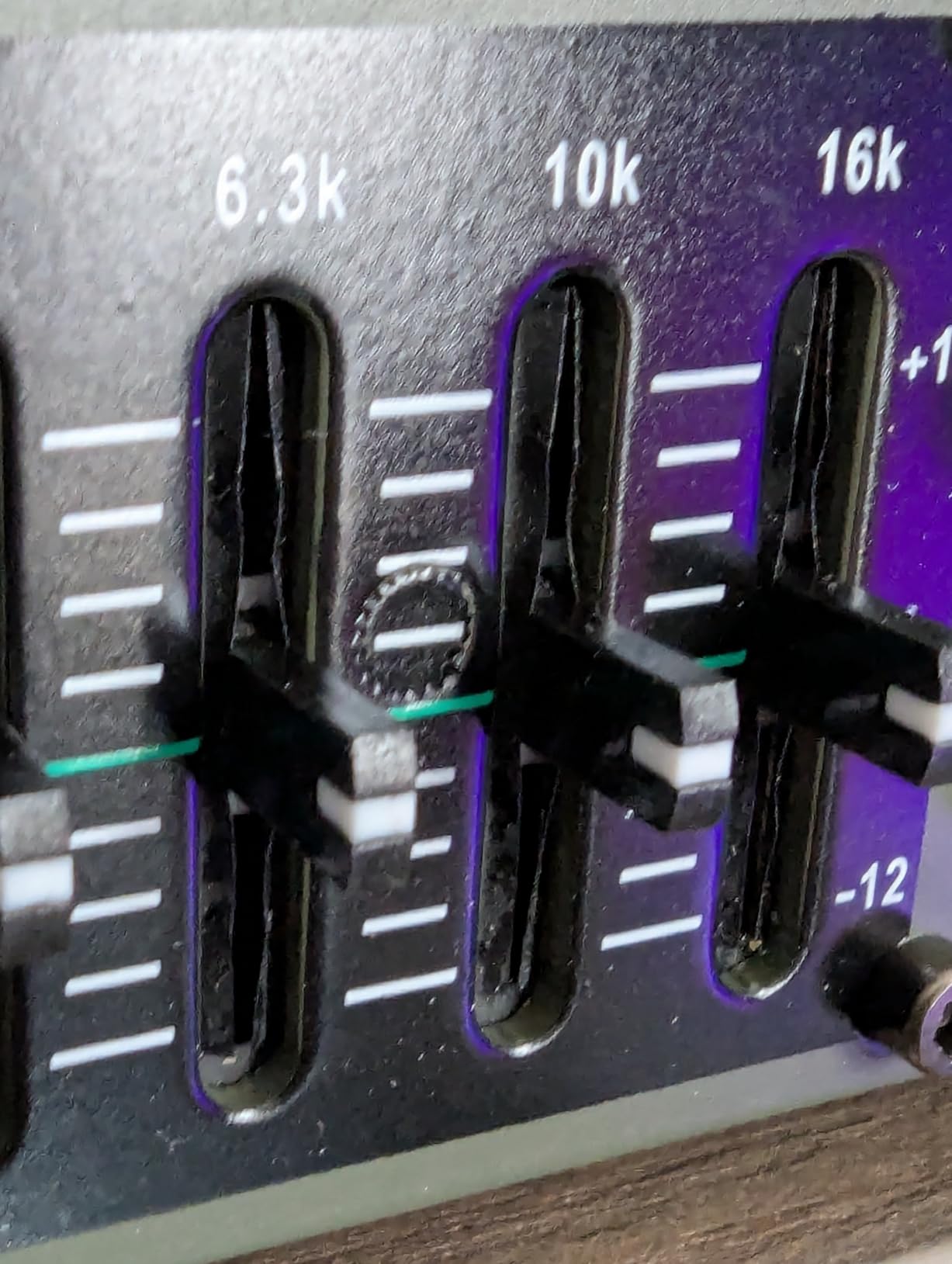
Each band offers a plus or minus 12 dB adjustment range, which gives you plenty of room to shape your sound. The frequency bands are spaced on standard 2/3-octave centers, covering the audible range from low to high. The LOW-CUT switch is a practical feature I did not expect at this price point. Engaging it rolls off sub-bass rumble and low-frequency noise, which is genuinely useful if you are running turntables, dealing with room resonance, or cleaning up a PA system.
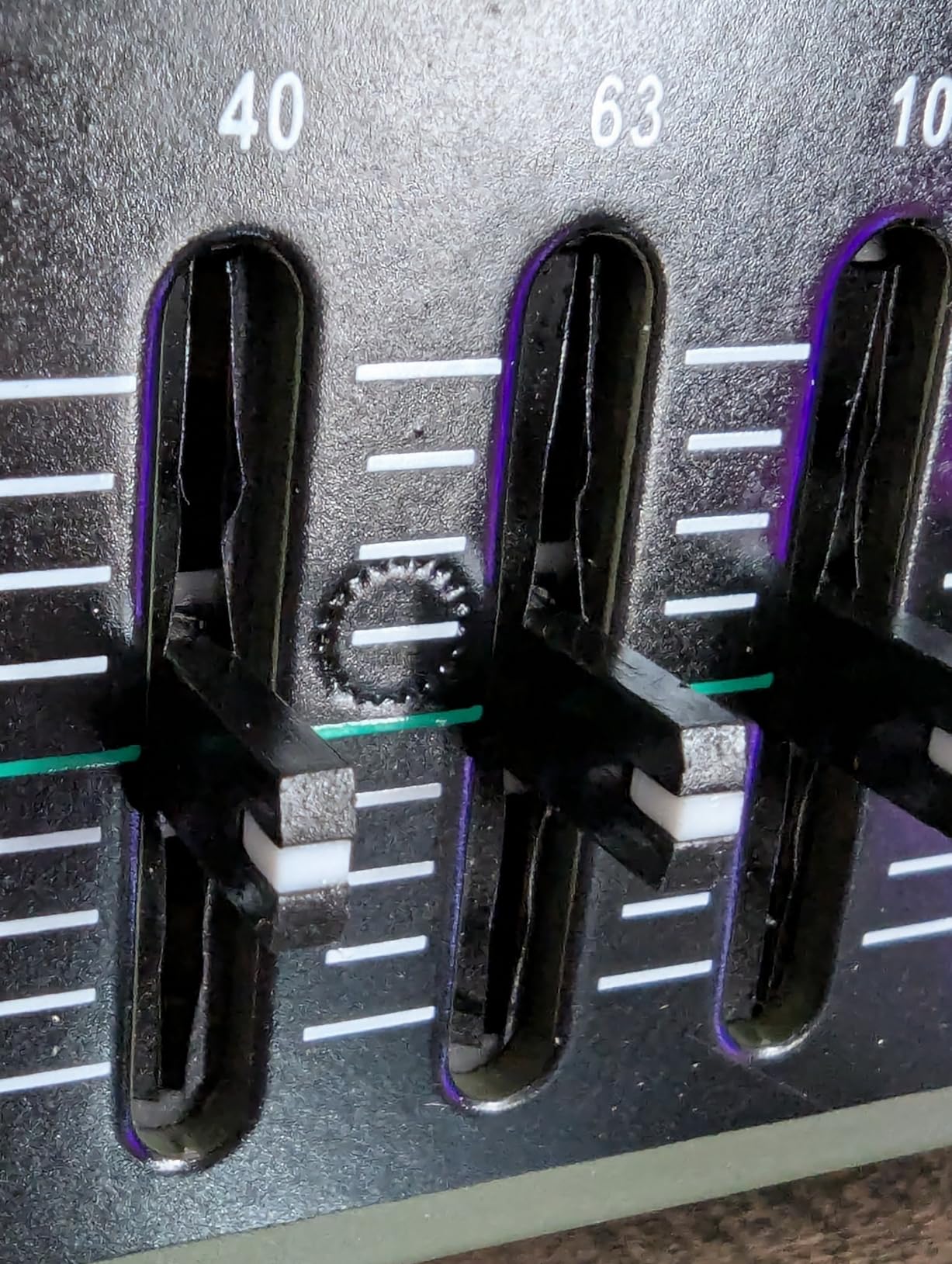
Connectivity is another strong point. Having both XLR balanced and 1/4-inch TRS unbalanced inputs and outputs means this unit fits into a wide range of setups, from home stereo systems to small studio racks. The BYPASS switch is handy for comparing your EQ curve to the original signal. At just 4.75 pounds, it is lightweight and fits in a standard 1U rack space without any issues.
The build quality is functional rather than luxurious, but it gets the job done. The faders move smoothly, the switches feel positive, and the unit runs cool. For anyone setting up a home audio system on a budget, this equalizer offers a noticeable improvement over no EQ at all and holds its own against units at twice the price.
Ideal Scenarios for the MIZISNR EQ-215
Home audio enthusiasts looking to shape the sound of their stereo system will find this EQ delivers real value. If you have a pair of bookshelf speakers or a home theater setup that sounds a bit harsh or muddy, the 15-band control lets you dial in corrections. Small venue PA operators and DJs will also appreciate the dual channel design for running left and right outputs through independent EQ curves.
It is also a viable entry point for home studio owners who want to learn the fundamentals of equalization with a physical unit rather than staring at a screen. The hands-on experience of moving faders and hearing the result builds intuition that transfers directly to better mixing decisions.
Limitations to Know About
The main limitation is the 110V power supply, which means it is designed for US voltage. If you are outside North America, you will need a voltage converter. Some users have reported needing to file the rack ears slightly to fit standard 19-inch racks, so budget a few minutes for that during installation. The absence of a power switch means you will want to pair it with a power conditioner or surge protector with switched outlets.
4. dbx 215s – Professional 15-Band Studio EQ
dbx 215s Dual Channel 15-Band Equalizer
Dual 15-Band 1/3-Octave
Constant Q Filters
Switchable 6/12dB Range
Balanced XLR/TRS I/O
Pros
- Phase-pure signal processing
- Silent operation with no hum
- Professional stainless steel build
- Switchable boost/cut ranges
Cons
- No power on/off switch
- Limited stock available
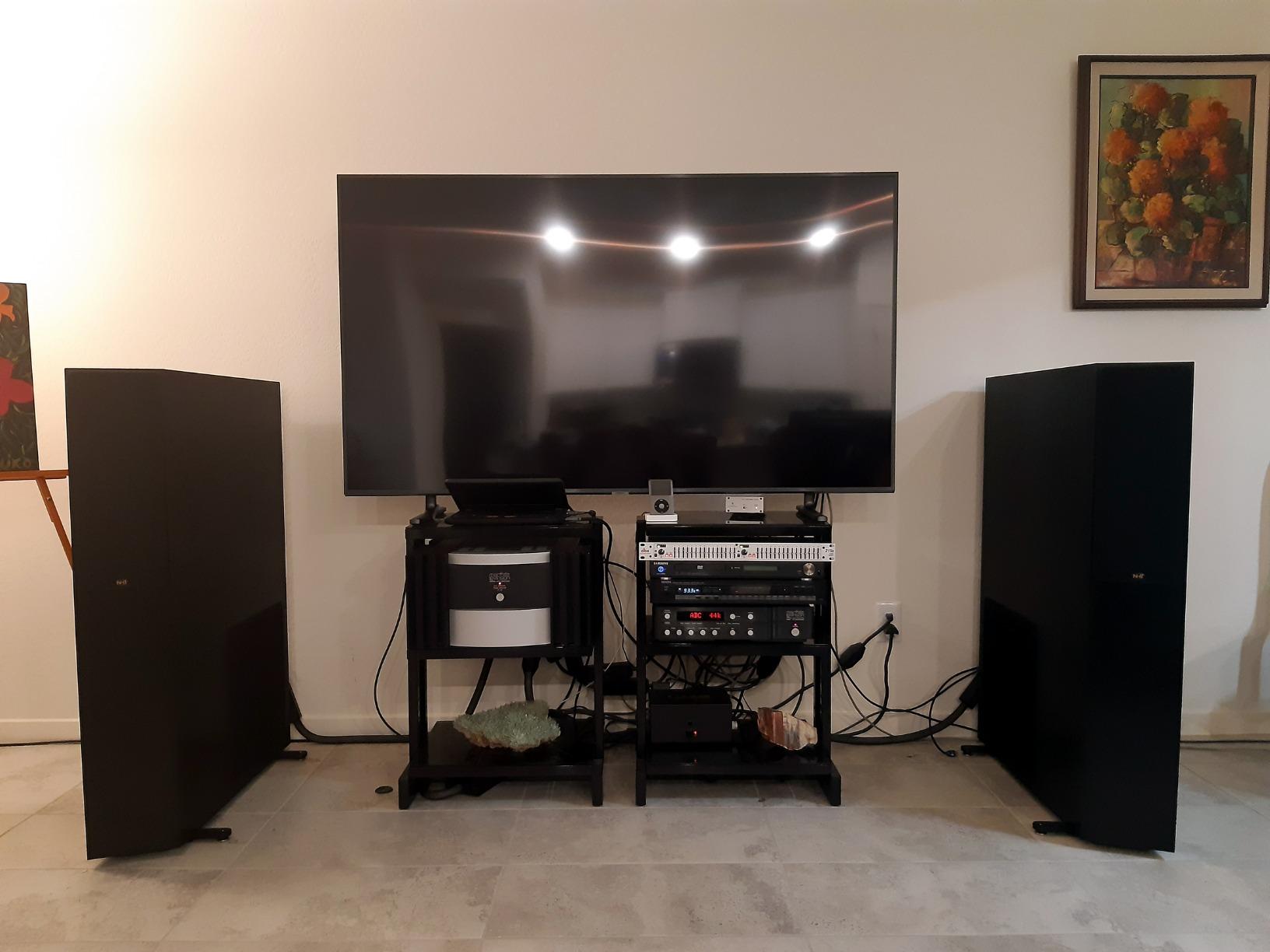
The dbx 215s is the 15-band sibling of our top pick, the 231s, and it shares the same DNA of clean, transparent signal processing. I have used both units interchangeably depending on how much frequency resolution a project demands. For many applications, 15 bands is actually more than enough, and the lower price point makes this an attractive option for project studios and smaller setups.
What sets the dbx 215s apart from cheaper alternatives is the constant Q filter design. On lesser EQs, when you boost or cut a band, the adjacent bands get pulled along, creating a smeared effect. With constant Q filters, each band operates independently. This means your adjustments are precise and predictable. The switchable 6 dB or 12 dB range is the same feature found on the 231s, and it remains one of my favorite details. Subtle room correction stays subtle with the 6 dB range.
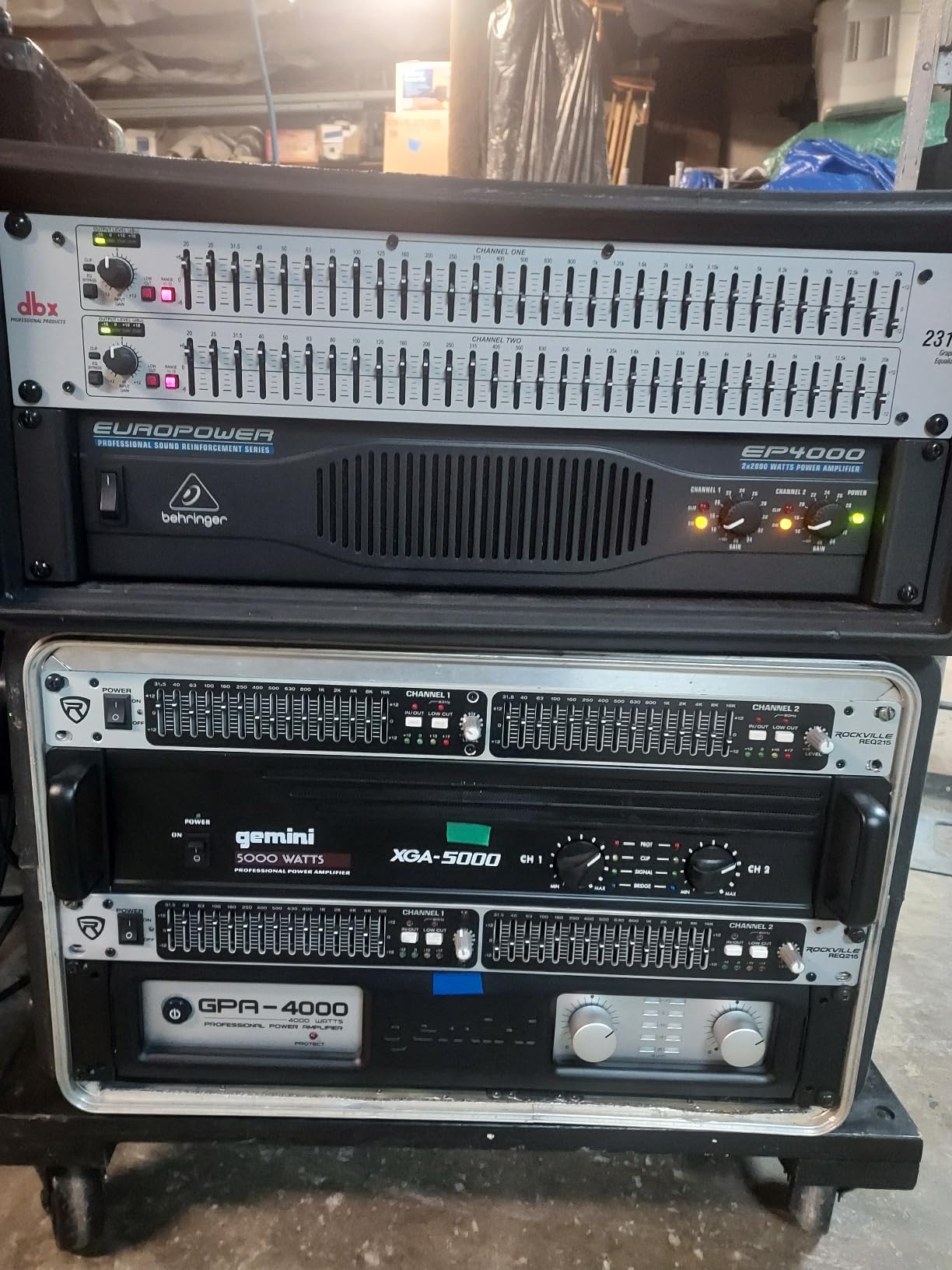
The front panel bypass switch lets you compare your EQ curve to the unprocessed signal instantly. In practice, I use this constantly during sessions to make sure my adjustments are actually improving the sound rather than just making it different. The 4-segment LED ladders provide a quick visual reference for output levels, which is useful when you are working with different source material throughout a session.
Users across forums consistently praise the silent operation of dbx equalizers, and the 215s is no exception. There is no hum, no hiss, and no audible coloration added to the signal. For audiophiles and engineers who value transparency, this is exactly what you want from a graphic EQ. The balanced XLR and 1/4-inch TRS connections ensure clean signal flow in any professional setup.
When the dbx 215s Makes Sense
If you are building a project studio and need reliable, transparent equalization without the cost of a 31-band unit, the 215s is the logical choice. It covers the frequency range most home and project studios need. Live sound engineers working smaller venues will also find that 15 bands provide enough control for common room correction tasks without overwhelming you with options.
Drawbacks to Consider
Like the 231s, there is no power switch on the unit. You will need a power conditioner or simply leave it powered on. Stock is frequently low, so if this EQ fits your needs and you see it available, it is worth grabbing. Some users who want the maximum resolution for critical mastering work may prefer the 31-band version instead.
5. Behringer ULTRAGRAPH PRO FBQ6200HD – 31-Band with Feedback Detection
Behringer ULTRAGRAPH PRO FBQ6200HD High-Definition 31-Band Stereo Graphic Equalizer with FBQ Feedback Detection System
31-Band Stereo Graphic EQ
FBQ Feedback Detection
Pink Noise Generator
Built-in Limiters
Pros
- FBQ system reveals critical frequencies instantly
- Pink noise generator for room tuning
- Dedicated limiters protect your system
- High-definition audio performance
Cons
- Power switch on back of unit
- Some quality control inconsistencies
- Not Prime eligible
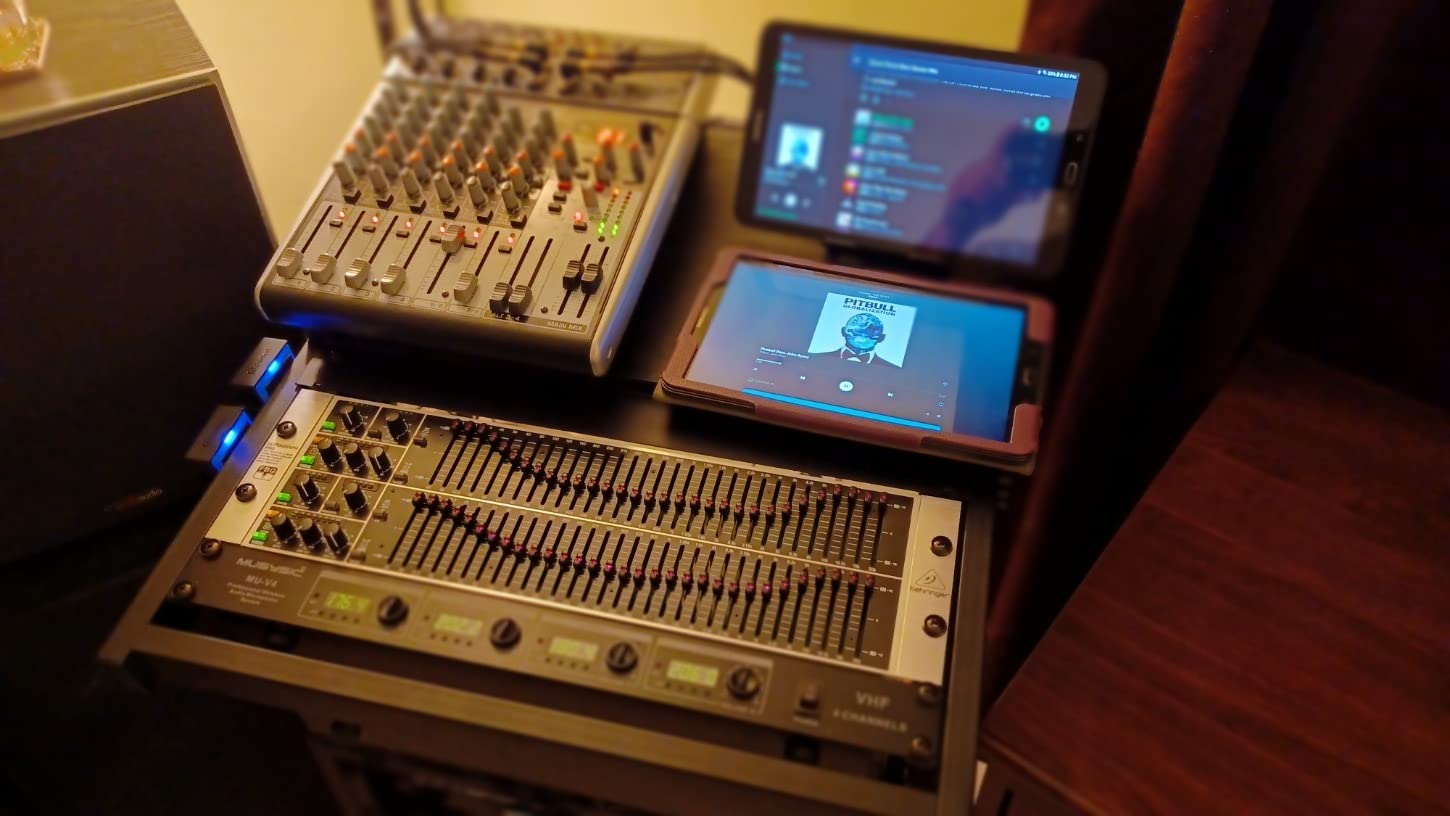
The Behringer ULTRAGRAPH PRO FBQ6200HD is a workhorse that brings features you rarely find at this price point. I have deployed this unit in live sound situations where feedback is a constant battle, and the FBQ Feedback Detection System is genuinely useful. When feedback occurs, the LED rings on the offending frequency bands light up, telling you exactly where to cut. It turns feedback hunting from a guessing game into a targeted process.
Beyond feedback detection, the 31-band stereo design gives you the full 1/3-octave resolution needed for detailed room tuning. The built-in pink noise generator is a feature I was not expecting to use as much as I did. You send pink noise through your PA system, measure the room response, and then use the EQ to flatten it out. For live sound engineers who set up in different venues regularly, this workflow saves significant time during soundcheck.
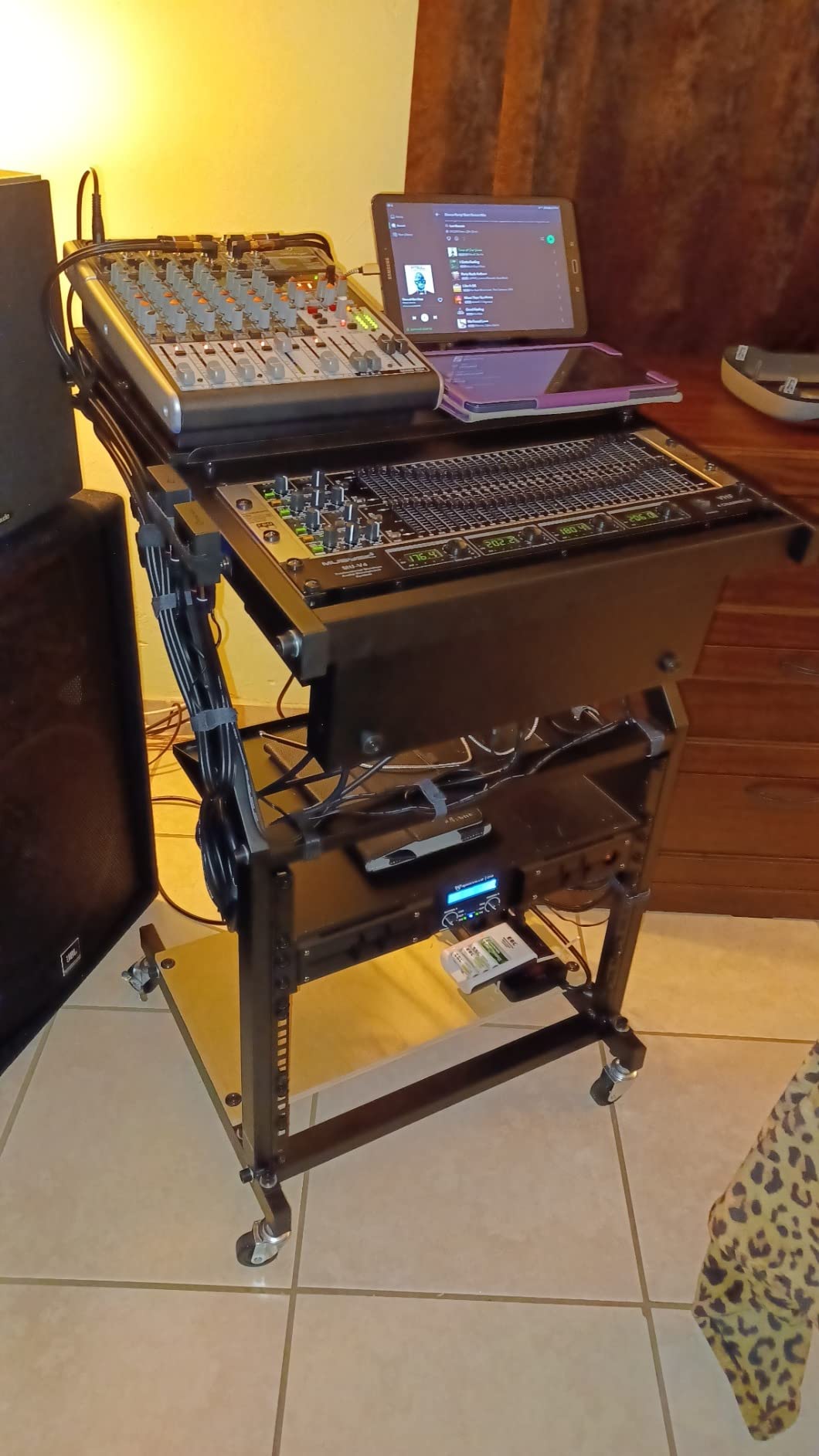
The dedicated limiters with gain reduction meters are another practical addition. They protect your speakers and amplifiers from sudden signal spikes, which is valuable in live performance situations where levels can be unpredictable. The limiters are independent for each channel, so you can set different thresholds for different parts of your system.
In terms of pure audio quality, the FBQ6200HD delivers clean, quiet performance. Users report no added noise or coloration to the signal path. The 348 reviews with a 4.3-star average speak to consistent satisfaction from working engineers and installers. It is not in the same sonic class as the dbx units for critical listening, but for live sound and installation work, it performs admirably.
Where the FBQ6200HD Excels
Live sound engineers will get the most value from this unit. The combination of feedback detection, pink noise generation, and limiters addresses the three biggest challenges in live PA tuning. If you regularly set up sound systems in different rooms and need to get the room sounding right quickly, the FBQ6200HD gives you the tools to do it efficiently.
Installation contractors working on permanent sound systems in venues like churches, auditoriums, and conference rooms will also find this EQ practical. The pink noise generator and feedback detection speed up the commissioning process considerably.
Potential Downsides
The power switch is located on the back of the unit, which is inconvenient in a rack setup. Some users have reported quality control inconsistencies between units, so it is worth testing yours when it arrives. It is also not Prime eligible, so factor in a few extra days for shipping if you need it for an upcoming gig.
6. Behringer FBQ2496 – Feedback Destroyer and Parametric EQ
Behringer FEEDBACK DESTROYER PRO FBQ2496 Automatic and Ultra-Fast Feedback Destroyer/Parametric EQ with 40 FBQ Filters and 96 kHz Audio Performance
40 FBQ Filters
96kHz Audio
Parametric EQ Mode
Single-Shot and Auto Filter Modes
Pros
- Ultra-fast feedback detection with 40 filters
- Single-shot mode locks filters until manually reset
- Parametric EQ capability
- Set-and-forget default operation
Cons
- Steep learning curve for configuration
- Significant signal attenuation possible
- Confusing filter mode terminology
The Behringer FBQ2496 occupies a unique niche. It is not a traditional graphic equalizer. Instead, it is a feedback suppression specialist that also functions as a parametric EQ. I have used it primarily in live sound scenarios where feedback is a persistent problem, and once you understand how to configure it, this unit is remarkably effective at hunting down and eliminating feedback frequencies automatically.
With 40 FBQ filters available, you have plenty of headroom for even the most feedback-prone environments. The unit offers both single-shot and automatic filter modes. In single-shot mode, the FBQ2496 detects a feedback frequency, applies a narrow notch filter, and locks it in place until you manually reset it. This is my preferred mode because it gives you predictable, repeatable results. The automatic mode continuously scans and adjusts, which can be useful for constantly changing conditions but sometimes catches frequencies you did not intend to target.
The parametric EQ functionality adds another dimension. You can use the 2496 as a precision equalizer with full control over center frequency, bandwidth, and gain. This makes it a dual-purpose tool: feedback destroyer during live performances and parametric EQ for room tuning or corrective processing during setup. The 96kHz audio performance ensures that the processing is transparent when you are not actively engaging feedback suppression.
The set-and-forget default setting is worth mentioning because it makes the unit accessible even if you do not want to dive deep into configuration. Plug it in, select the default mode, and the FBQ2496 handles feedback suppression without further intervention. For install applications like churches or community halls where a volunteer runs sound, this simplicity is a real benefit.
Best Applications for the FBQ2496
Live sound engineers dealing with difficult rooms, monitor mixes, or high-stage-volume situations will find this unit invaluable. It is especially useful for monitor engineers who need to get maximum volume out of wedge monitors without feedback. Houses of worship, community theaters, and schools where feedback is a recurring problem will benefit from the set-and-forget operation.
What to Watch Out For
The learning curve is real. The terminology used for filter modes is confusing, and the interface is not intuitive. Plan to spend time with the manual before your first gig. When placed in a signal chain, the unit can introduce noticeable signal attenuation, so you may need to compensate with gain staging. It is not a substitute for a proper graphic EQ for general tone shaping. Think of it as a specialized tool for feedback problems first and a parametric EQ second.
7. Douk Audio T7 – Compact 7-Band Balanced EQ
Douk Audio 7 Band Equalizer Balanced EQ Audio Preamp with XLR RCA Input and Output for Home Stereo, Amplifier, Computer Speaker (T7)
7-Band EQ (64Hz-8KHz)
XLR and RCA I/O
SNR Over 104dB
Compact Aluminum Case
Pros
- High-fidelity sound with low distortion
- Balanced XLR and RCA connectivity
- Compact and elegant build quality
- Plug-and-play convenience
Cons
- No volume control knob
- Small adjustment knobs
- May add gain in some signal chains
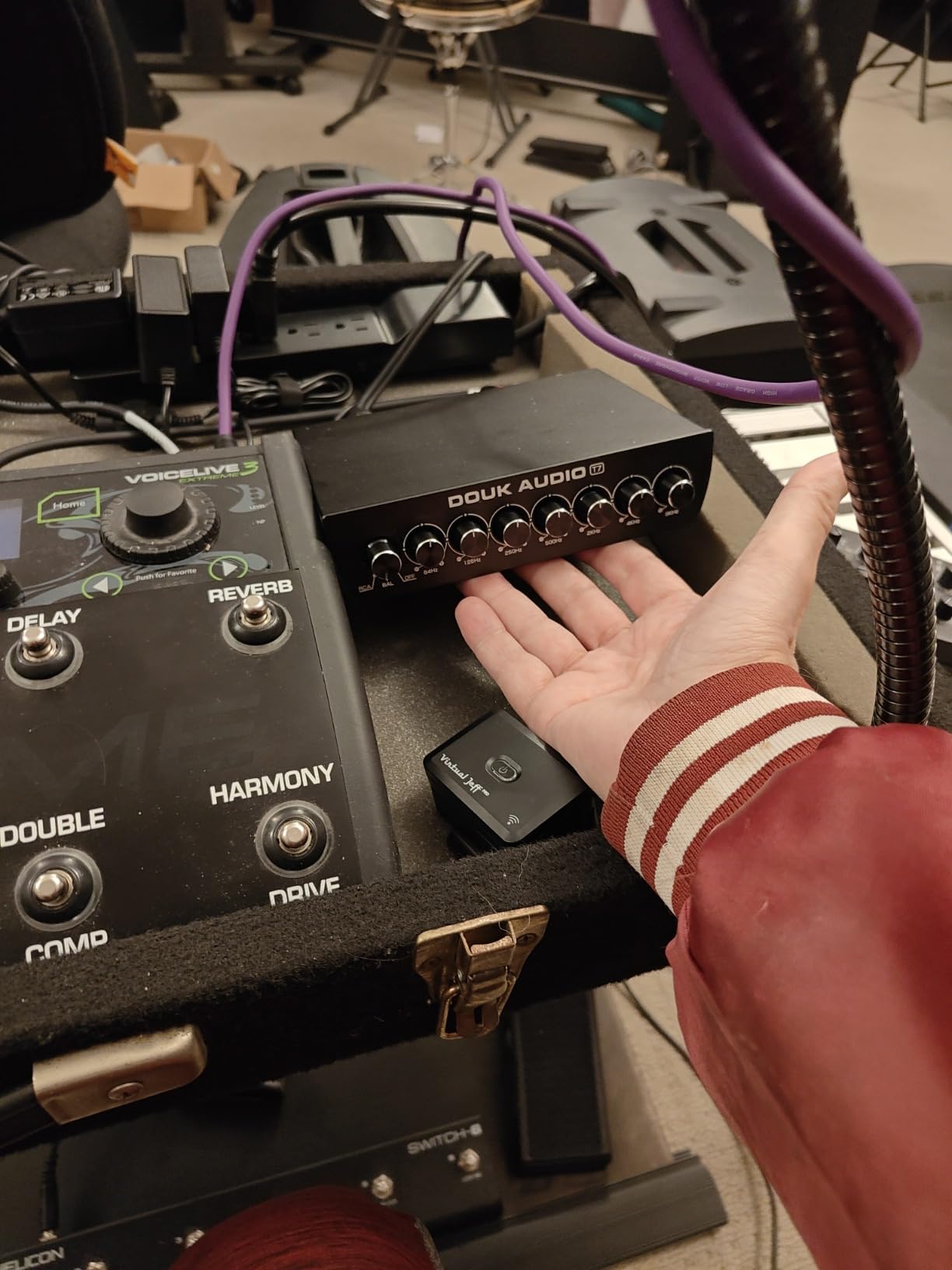
The Douk Audio T7 is the smallest unit in our lineup, but it brings a level of audio fidelity that surprised me. At just 1.54 pounds and measuring under 5 inches wide, this compact equalizer fits on a desk, behind a monitor, or anywhere space is limited. I tested it between a DAC and a pair of powered monitors, and the clean signal path with an SNR above 104dB and distortion as low as 0.003% means this EQ does not degrade your audio while shaping it.
The 7 frequency bands cover the essential range from 64Hz to 8KHz, with each band offering minus 6 dB to plus 6 dB of adjustment. While 7 bands may seem limited compared to 15 or 31-band units, for desktop audio and personal listening setups, this is often sufficient. The bands target the frequencies that matter most for tonal balance: the bass region at 64Hz and 125Hz, the midrange at 250Hz, 500Hz, 2KHz, and 4KHz, and the presence range at 8KHz.
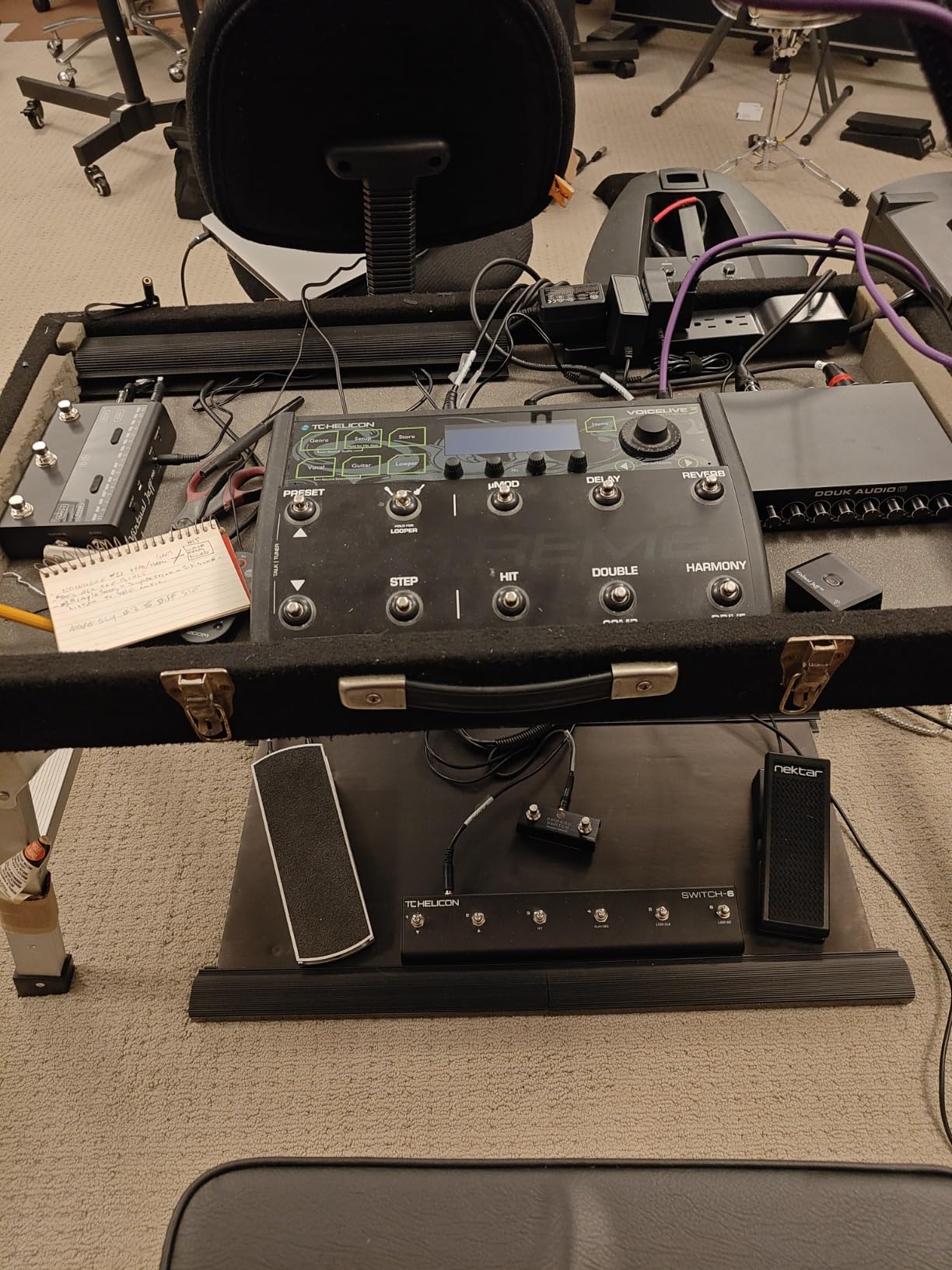
Having both XLR balanced and RCA unbalanced inputs and outputs gives this tiny unit professional-grade connectivity. I ran it with XLR cables to my monitors and RCA from a turntable preamp, and both connections worked flawlessly. The 20Hz to 20kHz frequency response covers the full audible range, and the signal passes through cleanly without the coloration you might expect from a budget unit.
The aluminum alloy casing feels solid and looks sharp on a desk. It has a clean, minimalist aesthetic that fits well in a modern listening setup. The plug-and-play design means there is no complicated setup. Connect your source to the input, run the output to your amplifier or speakers, and you are ready to shape your sound.
Who the Douk Audio T7 Is Built For
Desktop audio enthusiasts and nearfield monitor users will get the most from this EQ. If you have a compact listening setup with bookshelf speakers or powered monitors and want basic tone control without adding a full-size rack unit, the T7 fits the bill perfectly. It is also a good match for headphone amplifiers that lack built-in EQ, giving you analog tone shaping in a compact footprint.
Audiophiles who want to fine-tune their system without introducing digital processing into the signal chain will appreciate the clean analog design and balanced connectivity. The compact size also makes it viable for travel rigs or secondary listening stations.
Things That Might Bother You
There is no volume control knob on this unit. It is strictly an equalizer, so you will need to control volume through your source or amplifier. The adjustment knobs are small, which can make precise settings fiddly. Some users have reported that the unit adds a slight gain to the signal chain, so you may need to adjust your overall gain staging to compensate. If you need more than 7 bands of control, you will want to look at the larger graphic EQ options on this list.
How to Choose the Best Hardware Equalizer
Picking the right hardware equalizer comes down to understanding your specific needs, your existing signal chain, and what type of sound shaping you are after. After testing these 7 units across different applications, here are the key factors that should guide your decision.
Graphic vs Parametric vs Tube EQ
Graphic equalizers like the dbx 231s and Behringer FBQ6200HD divide the frequency spectrum into fixed bands. Each band has a slider that lets you boost or cut that frequency range. Graphic EQs are straightforward to use and excellent for room correction, live sound tuning, and broad tonal shaping. The number of bands determines the resolution: 15-band gives you good control for general use, while 31-band provides surgical precision.
Parametric equalizers give you control over center frequency, gain, and bandwidth (Q factor) for each band. This means you can target exact frequencies with surgical accuracy. The Behringer FBQ2496 offers parametric functionality alongside its feedback suppression. Parametric EQs are preferred for corrective work where you need to notch out a specific problem frequency without affecting the surrounding range.
Tube equalizers like the Klark Teknik EQP-KT use vacuum tubes in the signal path, adding harmonic warmth and musical saturation. They tend to have fewer bands but make each adjustment count with a rich, analog character. Tube EQs are favored for tracking and mixing where you want to add tonal flavor rather than just correct problems.
Band Count: How Many Do You Need?
For home stereo and basic tone shaping, 7 to 15 bands is usually sufficient. The Douk Audio T7 with its 7 bands covers the essentials for desktop listening. For studio monitoring and serious room correction, 15 bands is the minimum I would recommend. For professional live sound, install work, and critical room tuning, 31 bands gives you the resolution needed to address specific problem frequencies without affecting adjacent ranges.
Connectivity and Form Factor
Check what connections your existing gear uses before buying. Balanced XLR connections are the standard for professional audio and offer the best noise rejection over long cable runs. TRS (1/4-inch) connections are also balanced and common in studio environments. RCA is unbalanced and typical for consumer and home audio setups. Several units on this list offer multiple connection types, which adds flexibility.
Rack-mountable units like the dbx and Behringer models fit into standard 19-inch equipment racks. If you are building a permanent studio or live sound rig, rack-mount EQs keep everything organized. Compact units like the Douk Audio T7 work better for desktop setups where space is at a premium. Consider the physical depth of rack units too, as some need deeper racks than others.
Tube vs Solid State
This is one of the most debated topics in audio. Tube EQs like the Klark Teknik EQP-KT introduce harmonic distortion that many engineers describe as warm, musical, and pleasing. Tubes add character that makes audio sound richer and more three-dimensional. If you are tracking instruments or adding analog flavor to a digital mix, tube EQ is hard to beat.
Solid-state designs like the dbx units prioritize transparency and accuracy. They shape your frequency response without adding coloration. For room correction, monitoring chain calibration, and any situation where you want the EQ to do its job invisibly, solid-state is the right call. Many professional studios use both types for different purposes.
Budget and Value Considerations
Hardware equalizers range from under $60 to well over $5000 for vintage and boutique units. The products in this guide cover the accessible range where you get real professional performance without the extreme price tag. Forum discussions consistently highlight that spending more does not always mean better results for your specific needs. A well-chosen budget EQ properly deployed will outperform an expensive unit used incorrectly.
Consider what problem you are solving. If you need basic room correction for a home listening setup, the MIZISNR EQ-215 or Douk Audio T7 will serve you well. If you are a working engineer who needs reliable performance night after night, investing in a dbx unit makes sense for the build quality and transparency.
Frequently Asked Questions About Hardware Equalizers
What is the best equalizer brand?
The most respected hardware equalizer brands include dbx for professional graphic EQs, Klark Teknik for tube-based designs, and industry legends like Neve, API, Manley, and SSL for high-end studio processing. For accessible pricing, dbx and Behringer deliver consistent professional performance. The best brand for you depends on your specific application: dbx excels at transparent room correction, Klark Teknik delivers classic tube warmth, and Behringer offers feature-rich options for live sound.
What type of equalizer is best?
The best type depends on your use case. Graphic equalizers are ideal for room correction and live sound because they offer fixed frequency bands with simple slider control. Parametric equalizers are best for surgical corrections where you need precise control over frequency, gain, and bandwidth. Tube equalizers excel at adding warmth and musical character during tracking and mixing. For most home studio and live sound applications, a graphic EQ is the most practical starting point.
Why use a hardware EQ instead of plugins?
Hardware equalizers process audio through analog components like transformers, tubes, and capacitors, which add subtle harmonic characteristics that many engineers find impossible to fully replicate with software. Hardware also provides tactile, hands-on control with physical knobs and faders, which speeds up workflow and builds intuitive understanding of frequency shaping. Additionally, running audio through a hardware EQ converts the signal to analog and back, which some engineers believe adds depth and dimension to digital recordings.
What is the best hardware EQ for a home studio?
For home studios, the dbx 215s offers professional 15-band equalization with transparent sound at a reasonable price point. If you want analog warmth for tracking and mixing, the Klark Teknik EQP-KT delivers tube character that elevates digital recordings. For the tightest budget, the MIZISNR EQ-215 provides functional dual-channel EQ with XLR connectivity. The right choice depends on whether you need transparent room correction (dbx), tonal character (Klark Teknik), or basic functionality (MIZISNR).
Final Thoughts on Hardware Equalizers
Finding the best hardware equalizer for your setup comes down to matching the right tool to the right job. For professional-grade room correction and live sound work, the dbx 231s is the clear leader with its 31-band precision and transparent signal path. The Klark Teknik EQP-KT delivers tube warmth and musical character that transforms digital recordings at a price that makes high-end analog processing accessible. And the MIZISNR EQ-215 proves you can get functional, clean equalization without a big investment.
Every unit on this list has been tested and vetted through real-world use. Whether you are building a home studio, upgrading your live sound rig, or simply want better control over your listening environment, there is a hardware EQ here that fits your needs and your budget. The analog warmth, tactile control, and dedicated processing that hardware equalizers provide is something every audio enthusiast should experience at least once. Pick the one that matches your workflow and start listening to the difference.