

I have spent years recording electric guitars through dozens of microphones in everything from cramped bedroom studios to proper treated rooms. The truth is, the right microphone can make a $200 practice amp sound like a million bucks, while the wrong one can make a boutique stack fall flat. After testing these mics through clean and distorted tones, multiple amp types, and various room conditions, I have narrowed down the best microphones for recording electric guitars to help you capture the tone you hear in your head.
The market offers three main types of microphones for guitar recording: dynamic, condenser, and ribbon. Each has its own character and use case. Dynamic mics handle high sound pressure levels without breaking a sweat, making them the go-to for close-miking guitar amps. Condenser mics capture more detail and air but need phantom power and a treated room. Ribbon mics deliver warm, natural tones but require careful handling and often a bigger budget.
In this guide, I cover eight microphones that I believe represent the strongest options for recording electric guitar in 2026. Whether you are setting up your first home studio or looking to expand your mic locker with a new tool, there is something here for every budget and recording situation. I have tested each one through both clean and high-gain amp settings to give you honest, real-world impressions.
Table of Contents
Top 3 Picks for Best Microphones for Recording Electric Guitars

Best Microphones for Recording Electric Guitars in 2026
| Product | Specifications | Action |
|---|---|---|
| Shure SM57 Dynamic Microphone |
|
Check Latest Price |
| Sennheiser e609 Silver |
|
Check Latest Price |
 Sennheiser E906 Sennheiser E906 |
|
Check Latest Price |
 Shure SM7B Dynamic Studio Mic Shure SM7B Dynamic Studio Mic |
|
Check Latest Price |
 Audio-Technica AT2020 Audio-Technica AT2020 |
|
Check Latest Price |
 AKG Perception 170 AKG Perception 170 |
|
Check Latest Price |
 Behringer B 906 Behringer B 906 |
|
Check Latest Price |
 Audio-Technica AT2035 Audio-Technica AT2035 |
|
Check Latest Price |
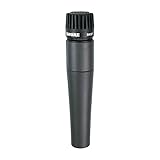
1. Shure SM57 – The Industry Standard Workhorse
Shure SM57 Pro XLR Dynamic Instrument Microphone
Dynamic Microphone
Cardioid Pattern
40Hz-15kHz
10oz Weight
Pros
- Exceptional clarity on instruments
- Rugged built-like-a-tank construction
- Handles high SPL without distortion
- Excellent background noise rejection
- Versatile across instruments
Cons
- Requires close positioning for best results
- Needs audio interface and preamp
If there is one microphone every guitar player should own, it is the Shure SM57. I have used this mic on more recording sessions than I can count, and it never lets me down. You will find it in virtually every professional studio on the planet, and for good reason. The contoured frequency response gives electric guitars a natural presence boost right where you want it, making your tone sit perfectly in a mix without much EQ work.
My first experience with the SM57 was recording a Fender Deluxe Reverb cranked to that sweet breakup point. I placed the mic about an inch from the grill cloth, slightly off-center from the speaker cone, and the results were immediate. The guitar sounded present, detailed, and punchy. The cardioid pickup pattern does an excellent job of rejecting sound from the sides and rear, so you get a focused capture of your amp without bleeding in other instruments from the room.
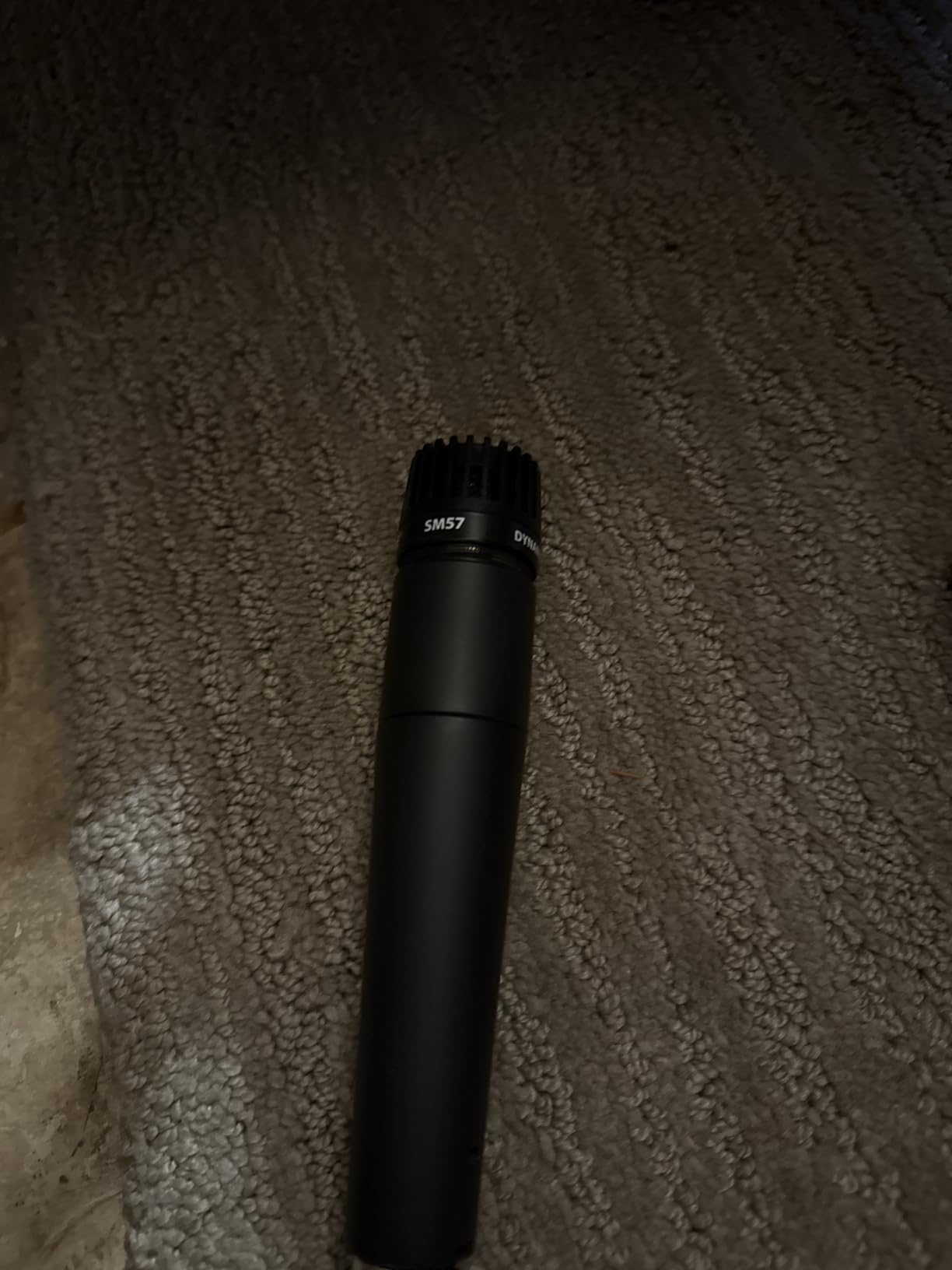
Where the SM57 really shines is its ability to handle extreme volume levels. I have used it in front of dimed Marshall half-stacks pushing well over 100 watts, and the mic never distorted or compressed in an unpleasant way. The frequency response tops out at 15 kHz, which actually works in your favor for electric guitar. It naturally rolls off the harsh high frequencies that can make guitar recordings sound thin and fizzy, leaving you with a warm, full tone that sits nicely alongside other instruments.
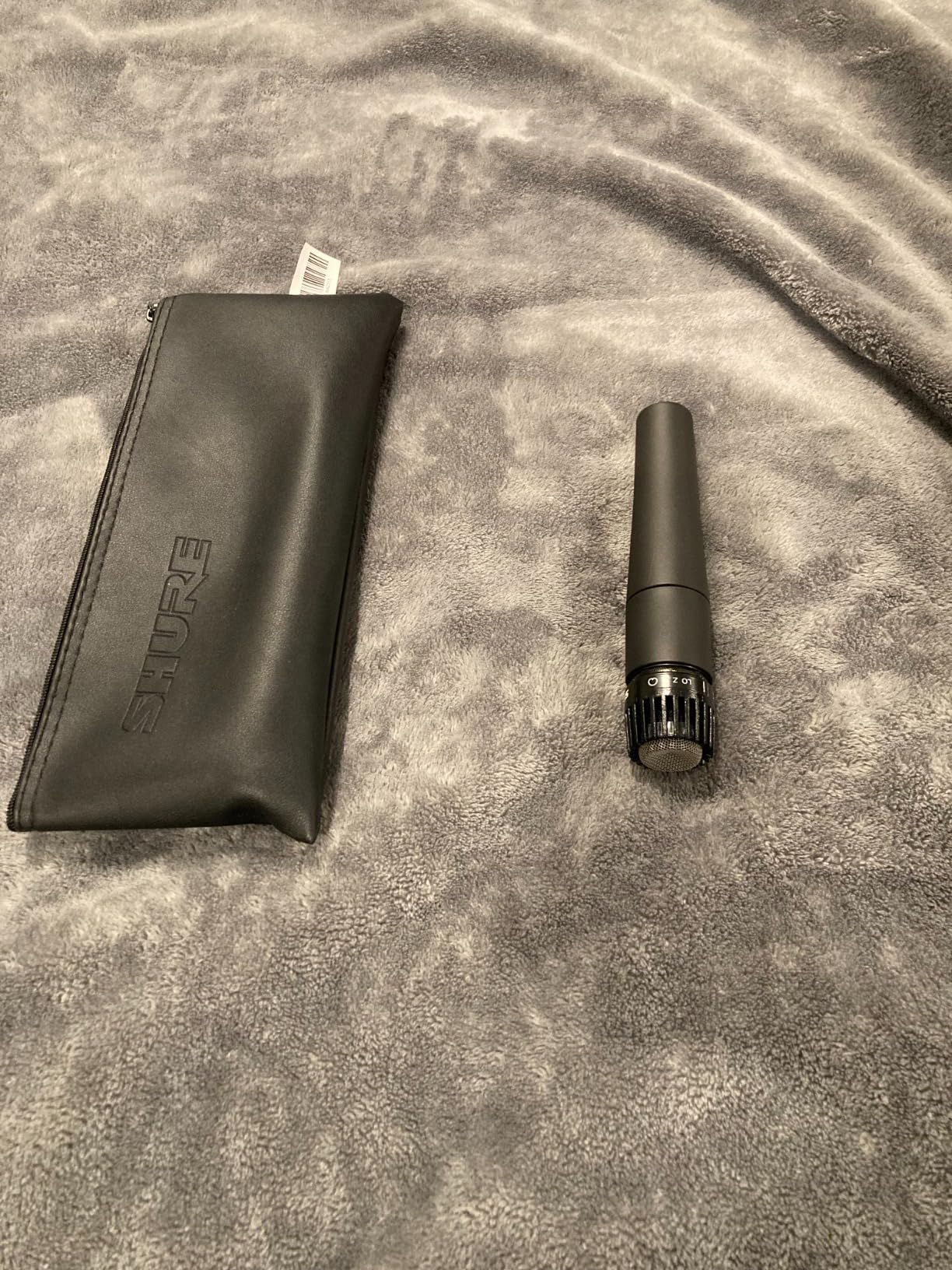
The build quality is legendary. I have dropped my SM57 on concrete, knocked it off mic stands, and it still works perfectly years later. At just 10 ounces, it is lightweight enough to position on any stand without worrying about boom arm sag. The internal pneumatic shock mount reduces handling noise, though you will still want a proper stand for critical recording. One thing to note: the SM57 does not come with an XLR cable, so factor that into your setup.
Best for Live Recording Sessions
The SM57 is the ideal choice for recording live band situations where bleed between instruments is a concern. Its tight cardioid pattern means you can place it right up against a guitar amp on a crowded stage or in a small room, and it will still deliver a focused, isolated guitar tone. If you record full bands live in the studio or capture rehearsal recordings, this mic should be your first pick.
It is also the most versatile mic in any collection. Beyond electric guitar amps, I have used the SM57 on snare drums, toms, brass instruments, and even as a vocal mic in a pinch. Having one in your arsenal means you always have a reliable option for virtually any instrument. Many engineers keep two or three SM57s on hand because they are that useful.
Who Should Skip This
If you are looking for a microphone that captures the full room ambience and air around your amp, the SM57 might feel too focused and dry for your taste. Its frequency response stops at 15 kHz, so you miss some of the ultra-high sparkle that condenser mics can capture. Players who want a more open, natural room sound should consider pairing the SM57 with a condenser mic or opting for a different type altogether.
The SM57 also requires a decent amount of gain from your audio interface. Budget interfaces with lower-quality preamps may introduce noise when you push them hard enough to get a good signal level. If your interface has limited gain, consider investing in an inline preamp like a Cloudlifter to pair with this mic.
2. Sennheiser e609 Silver – The Amp-Hanging Specialist
Sennheiser Professional e 609 Silver Super-Cardioid Instrument Microphone,Wired, Wireless
Dynamic Microphone
Super Cardioid
40Hz-18kHz
120g Weight
Pros
- Excellent sound for guitar cabinets
- Can be hung over amp
- Superior side and rear rejection
- Lightweight and compact
- 10 year warranty
Cons
- Packaging may arrive unsealed
The Sennheiser e609 Silver is one of those microphones that solves a problem you didn’t know you had. Its flat, rectangular shape lets you drape it right over the edge of your guitar amp without needing a mic stand. I first tried this mic during a session where I was short on mic stands, and I was genuinely surprised at how good it sounded hanging directly over my Vox AC30. The tone was full, rich, and more body-heavy compared to what I was used to from the SM57.
The super-cardioid polar pattern gives you even tighter pickup than a standard cardioid, with excellent rejection of off-axis sound. This makes the e609 particularly effective in live recording scenarios or untreated rooms where you need to isolate the guitar amp from other noise sources. The neodymium magnet delivers a strong, consistent signal that cuts through mixes without needing much post-processing.
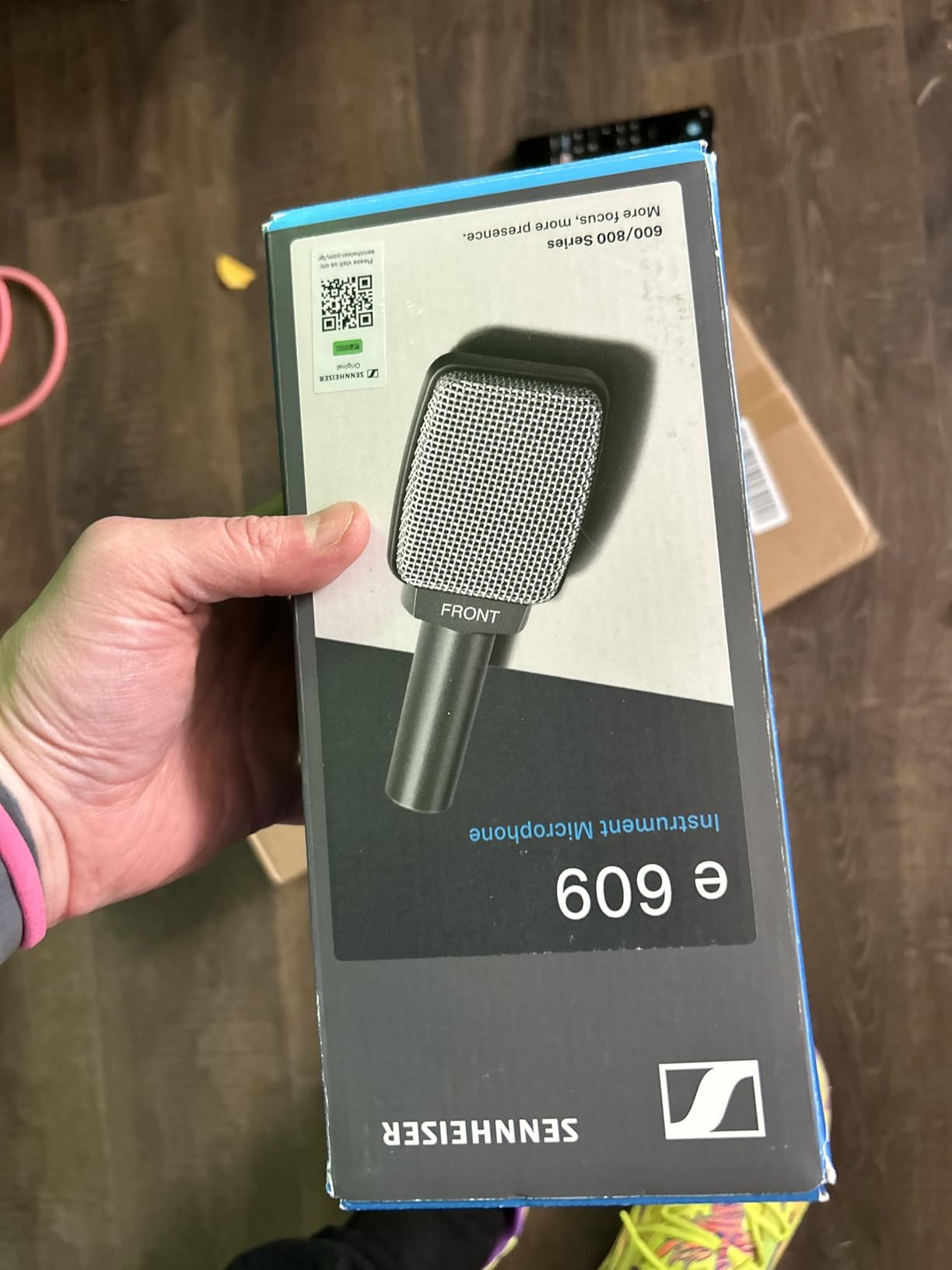
Compared to the SM57, I find the e609 produces a slightly warmer, more rounded tone that works especially well with overdriven and distorted guitar sounds. The frequency response extends up to 18 kHz, giving you a bit more top-end air than the SM57 without sounding harsh. It also features a hum-compensating coil that reduces electrical interference from nearby equipment, which is a real lifesaver in home studios packed with computers and monitors.
The build quality matches Sennheiser’s professional standards. The metal body feels solid and durable, backed by a 10-year parts and labor warranty that speaks volumes about the company’s confidence in this product. At just 120 grams, it is one of the lightest mics in this category, which means it will not pull on your amp’s grille cloth when draped over the edge.
Best for Quick Amp Setup
If you are the type of player who likes to set up quickly and start recording without fussing over mic stands and precise positioning, the e609 is your best friend. Just hang it over the amp, adjust it slightly to find the sweet spot on the speaker, and you are ready to record. This simplicity is why many live sound engineers and gigging musicians keep an e609 in their kit. It eliminates the need for a dedicated mic stand, which is one less thing to carry and set up.
The e609 also excels in situations where you need to record multiple guitar takes quickly. Because the positioning is so straightforward, you can switch between different amps or cabinets in minutes without reconfiguring your entire recording setup. This makes it a favorite for session guitarists who need to work fast.
Who Might Want More
While the e609 is excellent for close-miking guitar amps, it is less versatile than the SM57 for other applications. Its flat shape and specific voicing make it a specialist tool rather than a general-purpose microphone. If you want a single mic that can handle guitar amps, vocals, drums, and other instruments, the SM57 offers more flexibility. The e609 is also a dedicated guitar amp mic, so it will not serve double duty as a vocal mic or drum overhead.
Some users have noted that the packaging can arrive unsealed, which may be a concern if you are particular about receiving factory-fresh products. This is a minor complaint but worth mentioning if you are buying new and expecting pristine packaging.
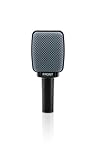
3. Sennheiser E906 – The Switchable Tone Shaper
Sennheiser Pro Audio E906 Microphone, black
Dynamic Microphone
Super Cardioid
40Hz-18kHz
Switchable Presence Filter
Pros
- Three-way presence switch for sound shaping
- Exceptionally clear sound
- Compact flat design
- True-to-source sound reproduction
- Gold-plated XLR connector
Cons
- Included soft case is limited quality
The Sennheiser E906 takes everything great about the e609 and adds a secret weapon: a three-position presence filter switch. This feature alone makes it worth the upgrade if you record a variety of guitar tones. The three settings are boost, flat, and cut, and they dramatically change the character of the captured sound without any external EQ. I spent an afternoon A/B testing all three positions through my Fender Twin Reverb, and the difference between settings was like having three different microphones in one.
In the flat position, the E906 delivers the most honest, transparent representation of your amp’s actual sound. What you hear in the room is essentially what you get in your recording. The boost setting adds presence and clarity around 4.2 kHz, which helps clean guitar parts cut through dense mixes. The cut position tames harshness and delivers a warmer, smoother tone that works wonders for high-gain distortion.
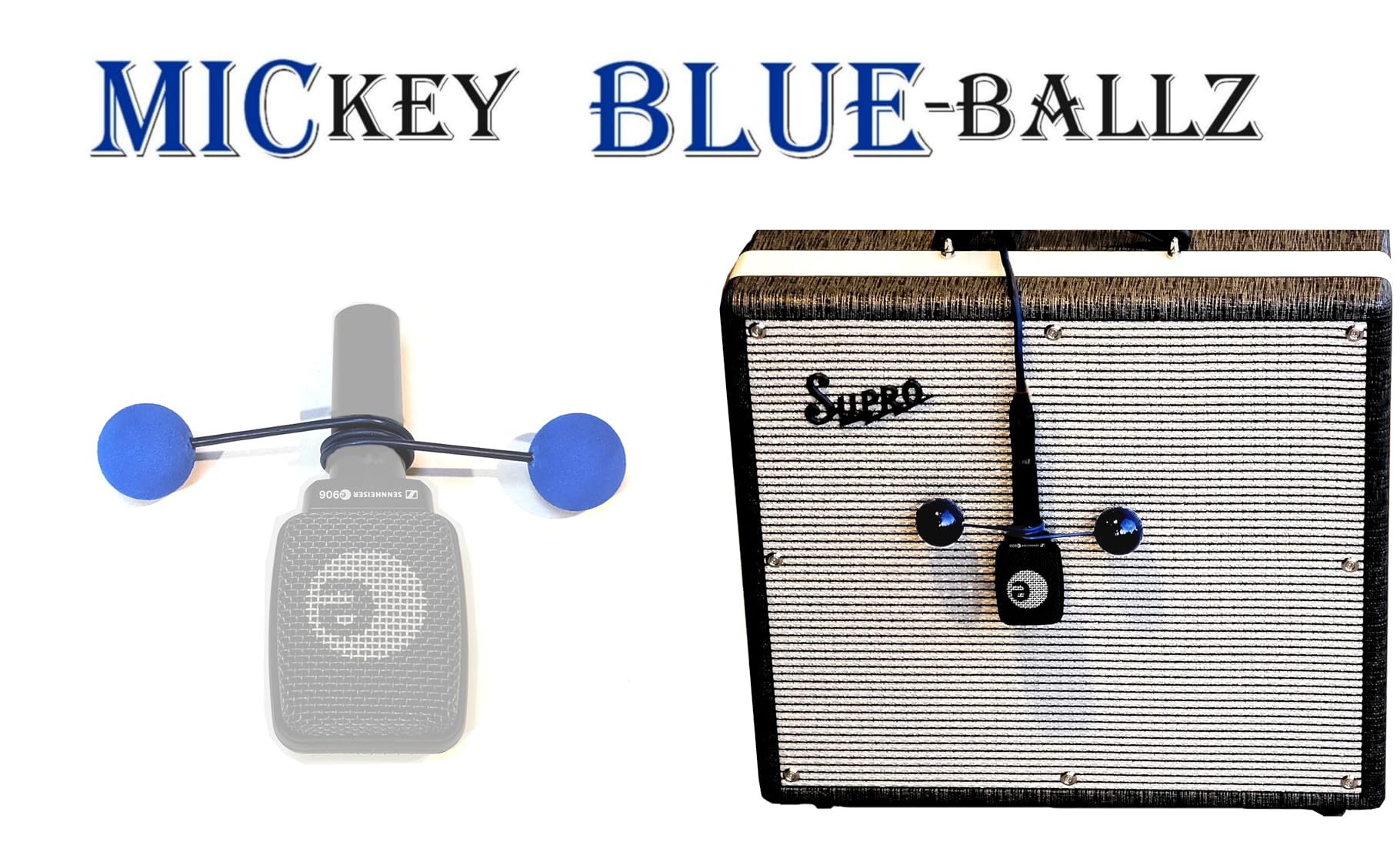
Like the e609, the E906 features a flat profile that lets you hang it directly over your amplifier. The super-cardioid polar pattern provides excellent isolation, and the reinforced metal body feels built to withstand years of studio and stage use. The gold-plated XLR connector ensures optimal signal transfer, which is a nice detail that shows Sennheiser’s attention to signal integrity.
Where the E906 really distinguishes itself from its younger sibling is in sonic accuracy. The 94% five-star rating on Amazon tells you something: this mic consistently delivers results that exceed expectations. I found it captures the harmonic complexity of tube amp overdrive in a way that sounds three-dimensional and alive. The attack transients are fast and articulate, giving palm-muted chords a satisfying chunk without sounding harsh.
Best for Versatile Tone Control
If you regularly switch between clean tones, crunch, and high-gain distortion during recording sessions, the E906’s three-position switch saves you from constantly adjusting EQ or swapping microphones. Set it to boost for clean arpeggio parts, flip to flat for crunch rhythm work, and switch to cut for lead lines with heavy distortion. This flexibility makes it the most adaptable single-mic solution for players who cover multiple styles in one session.
The E906 is also an excellent choice for recording guitar in less-than-ideal acoustic spaces. The super-cardioid pattern rejects room sound effectively, and the presence filter lets you compensate for room anomalies without reaching for a software EQ plugin. For home studio owners working in untreated rooms, this mic gives you professional results with minimal post-processing.
Who Should Consider Alternatives
The E906 is priced higher than the e609 and SM57, and if you primarily record one type of guitar tone, the switchable presence filter may be an unnecessary feature. The SM57 delivers a perfectly usable tone for most recording situations at a lower price point. Additionally, the included soft case offers minimal protection, so you will want to invest in a proper pouch or case for transport and storage.
This mic is also best suited as a dedicated guitar amp microphone. While some users report success with snare drums and other instruments, the E906 is voiced specifically for guitar cabinets and percussion applications. If you need a more general-purpose microphone for your studio, the premium price may be hard to justify when the SM57 or AT2020 could serve more roles.
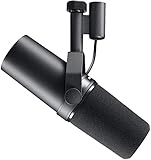
4. Shure SM7B – The Studio Legend for Guitar
Shure SM7B Dynamic Vocal Microphone for Podcasting & Streaming
Dynamic Studio Mic
Cardioid Pattern
50Hz-20kHz
2.7 lbs Weight
Pros
- Warm smooth sound quality
- Excellent background noise rejection
- Built-in shock mount isolation
- Electromagnetic shielding
- Legendary studio reputation
Cons
- Requires significant gain
- Heavy at 2.7 pounds
- Requires audio interface
The Shure SM7B is arguably the most famous studio microphone in the world, known for recording Michael Jackson’s vocals on Thriller. But many people overlook its capabilities as a guitar recording microphone. I started using the SM7B on guitar amps after hearing it recommended by several mix engineers, and I was blown away by the results. The wide frequency response of 50 Hz to 20 kHz captures the full tonal spectrum of your guitar in a way that few dynamic mics can match.
What makes the SM7B special for guitar is its smooth, warm character. The high-frequency response is gentle and never harsh, which means you can push the treble on your amp without worrying about the recording sounding piercing or fatiguing. I found it particularly effective for recording clean and lightly overdriven tones through vintage-style amps. The midrange reproduction is rich and musical, giving electric guitars a warm, body-heavy sound that fills out the lower midrange of a mix beautifully.
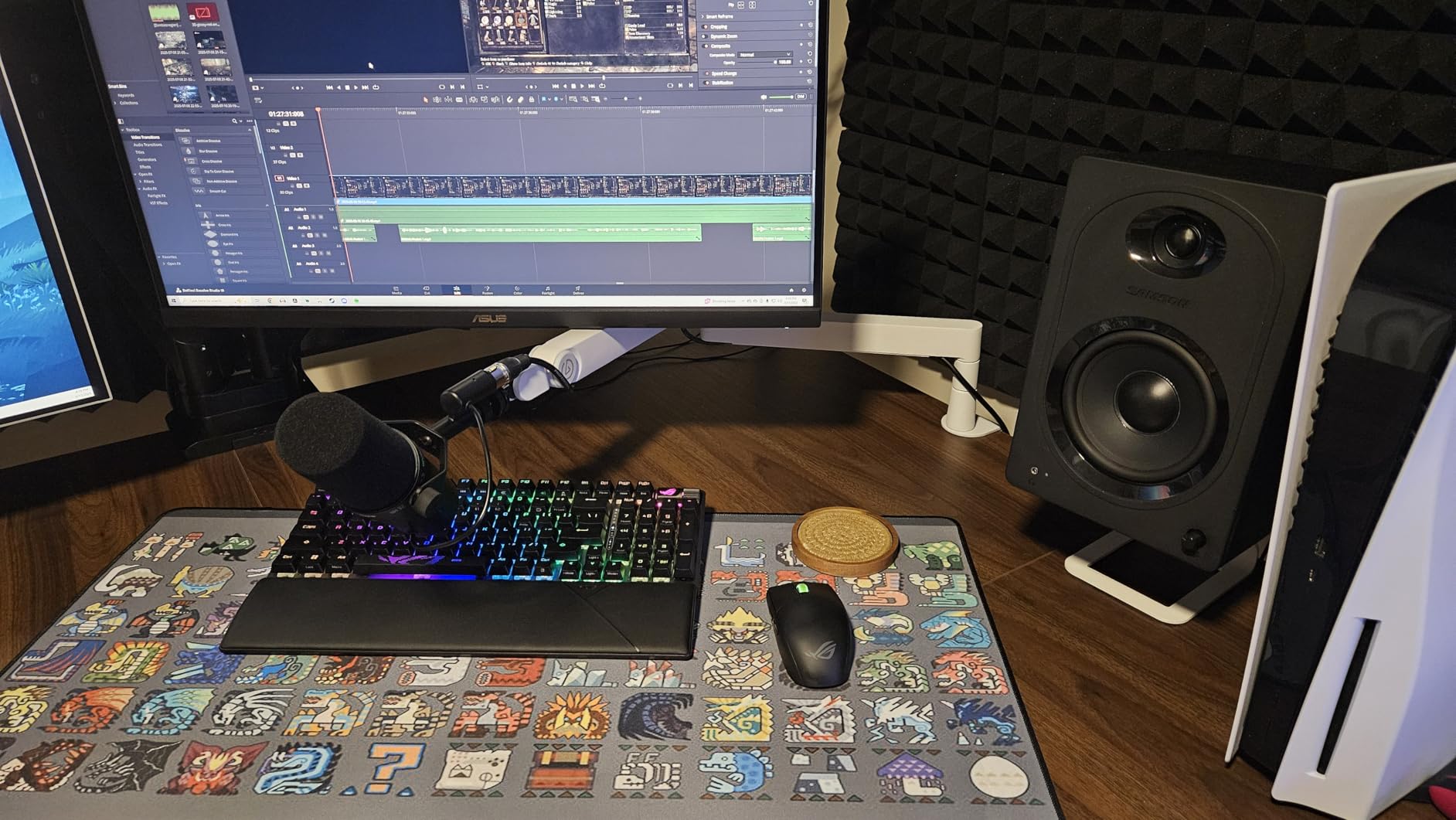
The built-in air suspension shock isolation and pop filter eliminate mechanical vibrations and plosives, which is a big deal when recording guitar amps at high volume. The electromagnetic shielding rejects hum from computer monitors and other electronic devices, making it an excellent choice for home studios where electrical interference is a constant battle.
However, the SM7B has a significant requirement: it needs a lot of gain. Most audio interfaces cannot provide the 60 dB of clean gain this microphone needs to perform at its best. You will likely need an inline preamp like a Cloudlifter or a dedicated outboard preamp to get the most out of it. At 2.7 pounds, it is also heavy enough that you need a sturdy mic stand or boom arm to support it properly.
Best for Professional Studio Recording
The SM7B is the right choice when you want a microphone that will last decades and deliver consistent, professional results every time. Its reputation in broadcast and recording studios worldwide means it holds its value incredibly well. If you are building a serious recording setup and want one microphone that handles vocals, guitar amps, bass cabinets, and broadcast duties with equal competence, the SM7B is worth the investment.
The wide frequency response makes it particularly well-suited for capturing the full character of guitar amps in a room. Position it a foot or two back from your amp and it picks up the natural room sound and air that close-miking misses. This more distant placement reveals the full harmonic content of your tone, making recordings sound more natural and three-dimensional.
Who Should Pass on This
The SM7B is a serious investment, and if you are primarily recording guitar amps at high volume levels, a $99 SM57 will give you 85% of the SM7B’s guitar performance for a fraction of the cost. The additional gain requirement adds expense and complexity to your signal chain. If you are just starting out with home recording and do not already own a quality audio interface with high-gain preamps, the SM7B is more microphone than you need right now.
Also consider that the SM7B’s warm, smooth character may not be ideal if you play primarily modern metal or styles where you want aggressive, biting guitar tones. Its gentle high-frequency response can soften the attack and edge that some players prefer in high-gain settings.
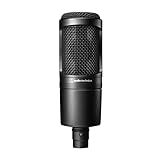
5. Audio-Technica AT2020 – The Home Studio Condenser
Audio-Technica AT2020 Cardioid Condenser Studio XLR Microphone, Ideal for Project/Home Studio Applications, Black
Condenser Microphone
Cardioid Pattern
20Hz-20kHz
Requires 48V Phantom Power
Pros
- Exceptional value for the price
- Clear professional sound quality
- Custom low-mass diaphragm
- Good for vocals and instruments
- Durable metal construction
Cons
- Requires 48V phantom power
- Picks up ambient noise in untreated rooms
- Self-noise slightly higher than premium condensers
The Audio-Technica AT2020 is one of the most popular studio condenser microphones ever made, with over 14,000 reviews on Amazon. I picked one up early in my recording journey, and it was the microphone that taught me what a difference a quality condenser makes compared to USB mics or cheap dynamics. For recording electric guitar, the AT2020 captures detail and harmonic content that dynamic microphones simply cannot reproduce, thanks to its 20 Hz to 20 kHz frequency response and custom-engineered low-mass diaphragm.
What I appreciate most about the AT2020 is how it captures the room sound around your amp. Dynamic mics are designed to focus on a single source, but condensers like the AT2020 pick up the acoustic character of your recording space. If you have a decent-sounding room, positioning the AT2020 a few feet back from your amp reveals a depth and spaciousness that close-miking cannot achieve. The cardioid pattern still provides reasonable side and rear rejection, so you are not capturing every sound in the room.
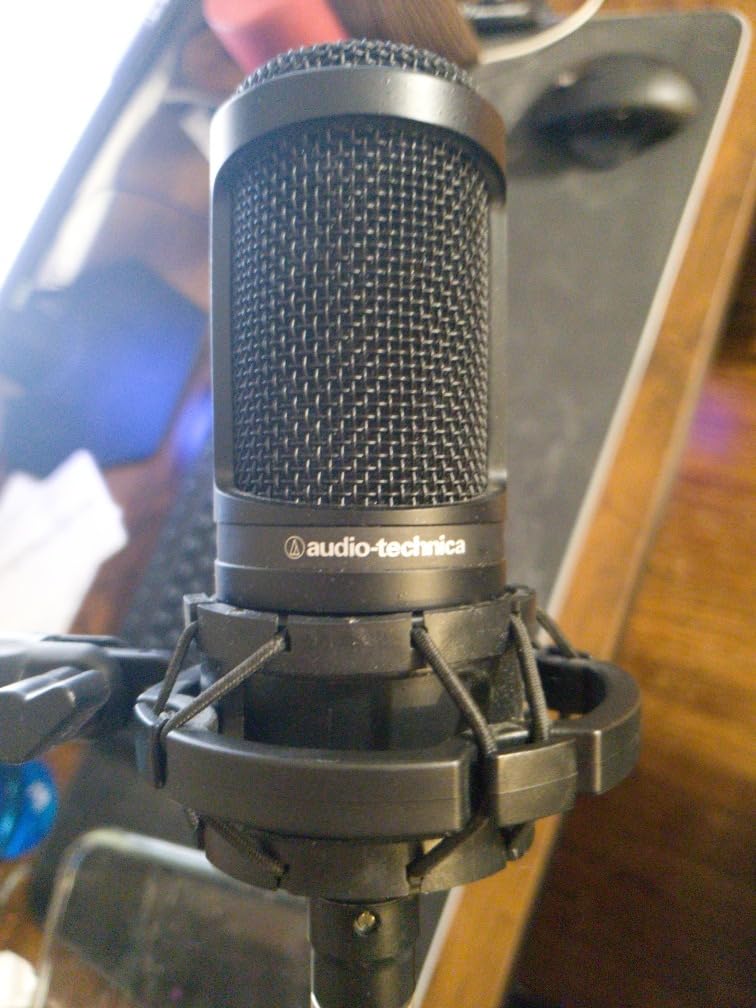
The trade-off with any condenser microphone is sensitivity. The AT2020 will pick up computer fan noise, air conditioning hum, and any other ambient sounds in your room. In an untreated bedroom studio, this can be frustrating. I found that using a reflection filter behind the mic and recording during quiet hours made a significant difference. The self-noise is rated at 20 dB, which is slightly higher than premium condensers but not noticeable in most guitar recording situations where the signal level is strong.
The AT2020 requires 48V phantom power from your audio interface, so make sure your interface has this feature before purchasing. It does not include an XLR cable, which is another item you will need to buy separately. Despite these caveats, the AT2020 delivers remarkable sound quality for the price and has earned its place as one of the most recommended entry-level condensers in the recording community.
Best for Treated Home Studios
If your recording space has some basic acoustic treatment, even just a few foam panels or heavy curtains, the AT2020 will reward you with detailed, professional-sounding guitar recordings. It excels at capturing the nuance of clean tones and the harmonic richness of lightly driven amps. Place it two to three feet back from your amp at ear level, and you will capture a natural, room-filling guitar tone that sounds alive and present.
The AT2020 also doubles as an excellent vocal microphone, making it a smart purchase for singer-songwriters who need one mic for both guitar and voice recording. This dual-purpose capability extends its value significantly, especially for musicians building a home studio on a limited budget. The clarity and detail it provides across its full frequency range make it one of the most versatile condensers at this price point.
Who Should Look Elsewhere
If your recording environment is untreated and noisy, a condenser microphone like the AT2020 will capture every unwanted sound along with your guitar. In that situation, a dynamic microphone like the SM57 or e609 is a much better choice because their lower sensitivity naturally rejects room noise. The AT2020 also cannot handle the extreme volume levels of a cranked 100-watt half stack the way a dynamic mic can, so it is not the best option for recording very loud amps at close range.
Additionally, the AT2020 does not include a shock mount. Audio-Technica sells one separately, and it is worth the investment if you plan to use this mic regularly. Without a shock mount, vibrations from the floor and mic stand can color your recordings. Factor this additional cost into your budget when comparing the AT2020 to other options that include shock mounts out of the box.
6. AKG Perception 170 – The Small Diaphragm Precision Mic
AKG Pro Audio AKG Perception 170 Professional Instrumental Microphone
Small Diaphragm Condenser
Cardioid Pattern
20Hz-20kHz
Switchable Attenuation Pad
Pros
- Excellent for detailed recording
- Warm accurate sound
- Very low noise floor
- Rugged all-metal construction
- Great value for home studio
Cons
- May require treated acoustic space
- Limited to small diaphragm character
The AKG Perception 170 is a small-diaphragm condenser that often flies under the radar in guitar recording conversations, but it deserves serious attention. I first encountered the P170 while recording acoustic guitar parts, and I was so impressed by its detail and clarity that I started experimenting with it on electric guitar amps. The results were surprising. The small diaphragm captures fast transients with remarkable accuracy, giving each pick attack and string slap a crisp, defined character.
What sets the P170 apart from larger diaphragm condensers is its tonal neutrality. This microphone does not add color or warmth to your sound. Instead, it captures exactly what your amp is putting out with minimal coloration. For players who have spent time dialing in their perfect tone and want the recording to match what they hear in the room, this transparency is a major advantage. The cardioid polar pattern provides good off-axis rejection, though not as tight as a super-cardioid dynamic mic.
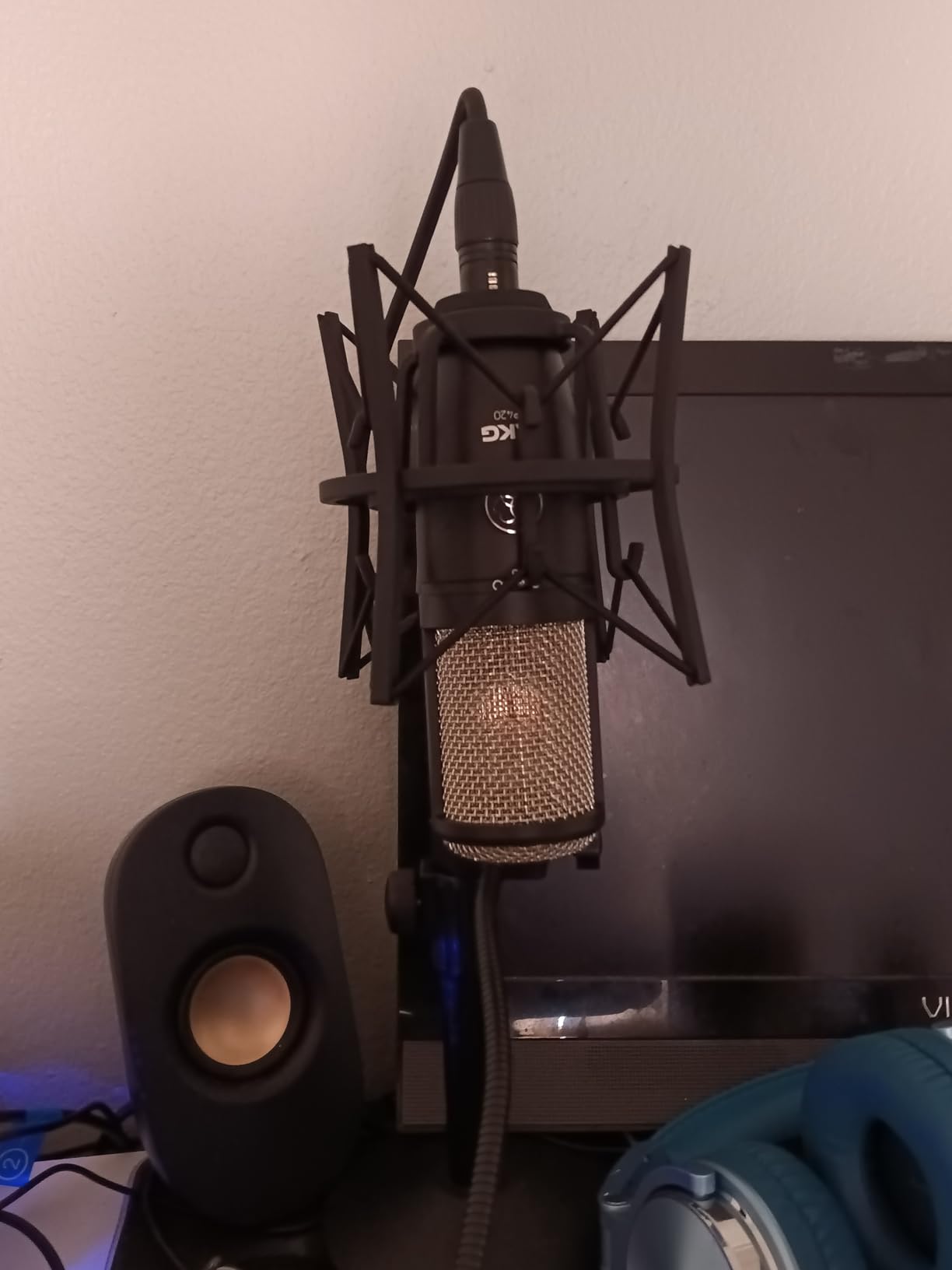
The switchable attenuation pad is a standout feature for guitar recording. When activated, it allows the P170 to handle sound pressure levels up to 155 dB SPL, which is more than enough for even the loudest guitar amplifiers. This means you can use it as a close mic on high-gain amps without worrying about overloading the capsule. I tested it about six inches from a cranked Marshall JCM800, and the pad handled the volume without a hint of distortion.
The build quality is solid, with a rugged all-metal body that feels substantial despite weighing just 130 grams. AKG includes a stand adapter, which is a nice touch. The P170 does require 48V phantom power, like all condenser microphones, so you need an audio interface or mixer that provides phantom power. At this price point, the P170 punches well above its weight class, delivering the kind of detail and accuracy usually reserved for more expensive studio microphones.
Best for Detailed Recording Work
The P170 is the microphone I reach for when I need to capture the subtle nuances of fingerpicked electric guitar parts or clean arpeggios. Its fast transient response reveals the detail in every note, making it ideal for recording genres where clarity and articulation matter most. Jazz players, country pickers, and progressive rock guitarists will appreciate how it captures the fine details of their playing without smearing transients or adding unwanted warmth.
This mic also works beautifully as part of a multi-mic setup. Pair the P170 as a room mic or distant mic with an SM57 close on the speaker, and you get a layered tone that combines the focused punch of a dynamic mic with the spacious detail of a condenser. Blending the two signals in your mix gives you a rich, three-dimensional guitar sound that is hard to achieve with a single microphone.
Who Might Find It Limiting
As a small-diaphragm condenser, the P170 lacks the low-end warmth and fullness that large-diaphragm condensers or ribbon mics provide. If you primarily record heavy, thick rhythm guitar tones and want maximum body and weight, this mic might sound too thin or precise for your taste. The small diaphragm excels at accuracy but does not add the pleasing coloration that some players prefer for rock and metal.
Like all condensers, the P170 is sensitive to room noise and requires phantom power. In an untreated room, it will pick up every ambient sound. If you do not have basic acoustic treatment, you may find the background noise distracting in quiet passages. For recording in noisy environments, a dynamic microphone will always be the more practical choice.
7. Behringer B 906 – The Budget Powerhouse
Behringer B 906 Dynamic Microphone for Instrument and Vocal Applications
Dynamic Microphone
Super Cardioid
Switchable EQ Settings
Brass Body
Pros
- Excellent value comparable to pricier mics
- Solid cast metal body
- Versatile switchable frequency settings
- Very low noise floor
- Works for amps and vocals
Cons
- Slightly darker sound than competitors
I will be honest: when I first saw the Behringer B 906 priced under $40, I was skeptical. But after testing it side by side with microphones costing three to five times as much, I walked away genuinely impressed. This is a dynamic microphone designed specifically for guitar amplifiers, with a super-cardioid polar pattern and switchable frequency settings that give it remarkable versatility at a price that makes it accessible to anyone.
The B 906 features three switchable settings: low-cut, flat, and high-frequency boost. These work similarly to the Sennheiser E906’s presence filter, letting you tailor the mic’s response to different instruments and playing styles. In the flat position, it delivers a balanced, honest tone. The high-frequency boost adds presence and bite that helps guitar parts cut through mixes. The low-cut setting is useful for reducing boominess when recording bass-heavy amp tones or positioning the mic close to the speaker.
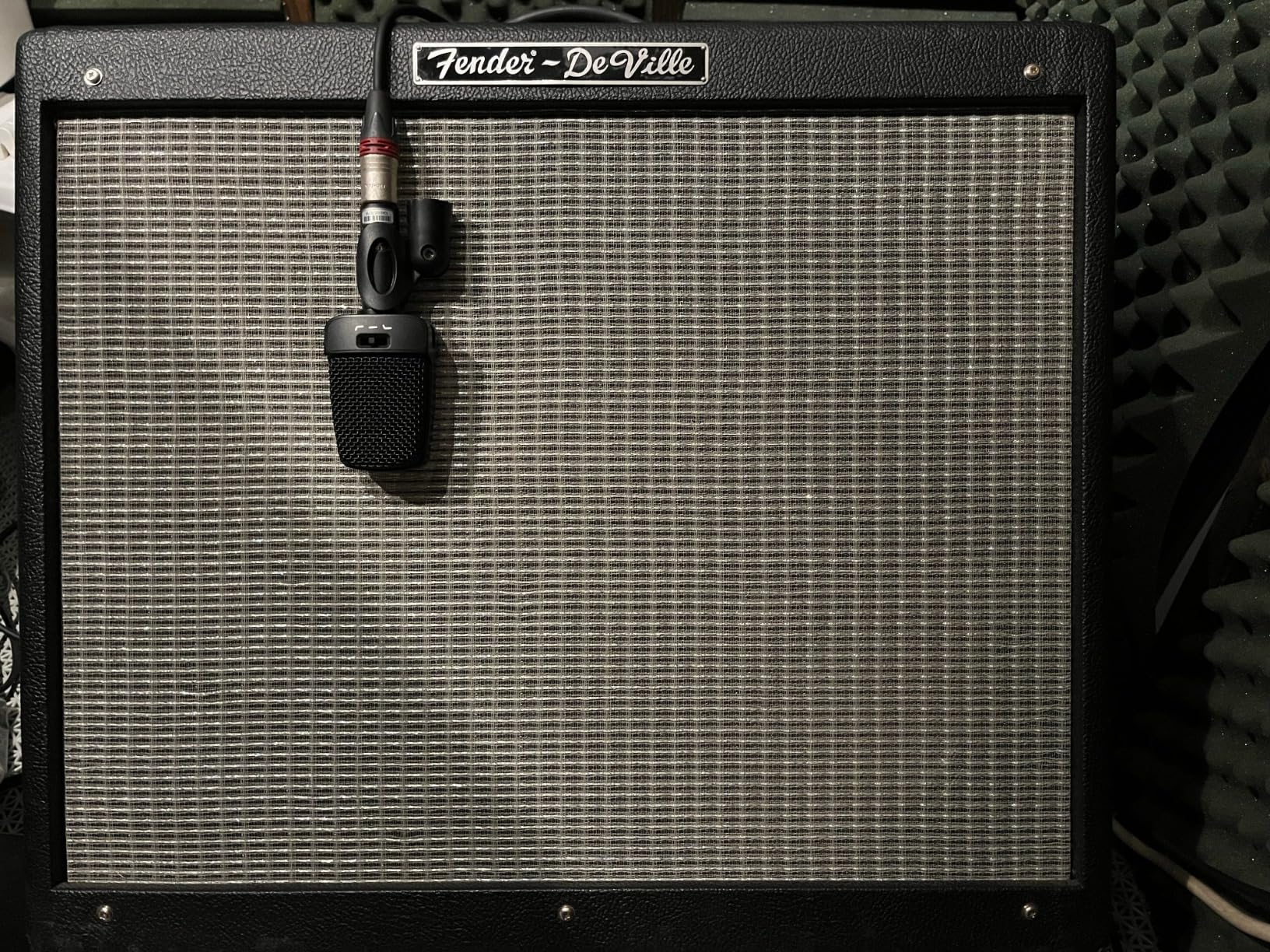
Compared directly to the SM57, the B 906 has a slightly darker, warmer character. Some players prefer this because it tames the upper-midrange harshness that can creep into guitar recordings. The super-cardioid pattern provides excellent isolation, and the brass body with metal grille feels surprisingly solid for the price. I have seen users on forums compare it favorably to the Sennheiser E906, and while it does not quite match the E906’s refinement, it gets surprisingly close.
The flat profile design allows you to hang it over your amplifier just like the Sennheiser e609 and E906, eliminating the need for a mic stand in many situations. This is a thoughtful design choice that makes the B 906 even more practical for home recording setups where you might not have dedicated mic stands for every instrument. The extremely high signal output means the guitar sound cuts through clearly without needing excessive gain from your preamp.
Best for Beginners on a Budget
If you are just starting out with home recording and cannot justify spending $100 or more on a microphone, the B 906 is without question the best entry point. It delivers professional-grade sound quality that will not hold back your recordings while you learn the basics of mic placement and signal chain management. The switchable EQ settings give you room to experiment and learn how different frequency responses affect your recorded tone, which is an invaluable educational tool for new recordists.
The B 906 is also an excellent secondary microphone for experienced recordists who want to try multi-mic techniques without a large investment. Pair it with an SM57 on a second speaker or use it as a distant room mic, and you can create layered guitar tones that add depth and dimension to your recordings. Having a capable second mic at this price makes experimenting with stereo and multi-mic setups practical for anyone.
What You Sacrifice at This Price
The B 906’s slightly darker character means it may not be the best choice for players who want bright, cutting guitar tones without additional EQ. If your playing style relies on sparkling clean highs or aggressive treble-heavy distortion, you may find yourself boosting the high frequencies in your DAW to compensate. The mic also lacks the refinement and consistency of more expensive options, with some unit-to-unit variation reported by users.
The included packaging and accessories are minimal, and there is no included carrying case or pouch. While the build quality is solid for the price, long-term durability under heavy professional use is less proven than the SM57 or Sennheiser options. For casual and home studio use, this is unlikely to be a problem, but touring musicians may want something with a longer track record of abuse resistance.
8. Audio-Technica AT2035 – The Step-Up Condenser
Audio-Technica AT2035 Cardioid Condenser Microphone, Perfect for Studio, Podcasting & Streaming, XLR Output, Includes Custom Shock Mount
Large Diaphragm Condenser
Cardioid Pattern
20Hz-20kHz
Shock Mount Included
10 dB Pad
Pros
- Professional studio-quality sound
- Smooth warm natural clarity
- Very low self-noise at 10 dB
- Includes custom shock mount
- Switchable high-pass filter and pad
Cons
- Requires XLR interface with phantom power
- Does not include mic arm or pop filter
- Limited stock available
The Audio-Technica AT2035 is the condenser microphone I recommend when someone outgrows the AT2020 and wants something with more refinement. The difference between the two is noticeable the moment you plug it in. The AT2035 has a self-noise rating of just 10 dB, which is remarkably quiet and means your recordings are cleaner and more detailed, especially during quiet passages and clean guitar parts. The included custom shock mount is a significant value add that makes this mic ready to record right out of the box.
I have used the AT2035 to record everything from pristine clean jazz tones to warm crunch rhythm parts, and it handles both with equal poise. The large diaphragm delivers a smooth, natural sound with excellent clarity across the frequency range. Unlike the AT2020, which can sound slightly bright at the top end, the AT2035 has a more polished high-frequency response that never sounds harsh or sibilant. This makes it particularly forgiving for guitar recordings where you want warmth without sacrificing detail.
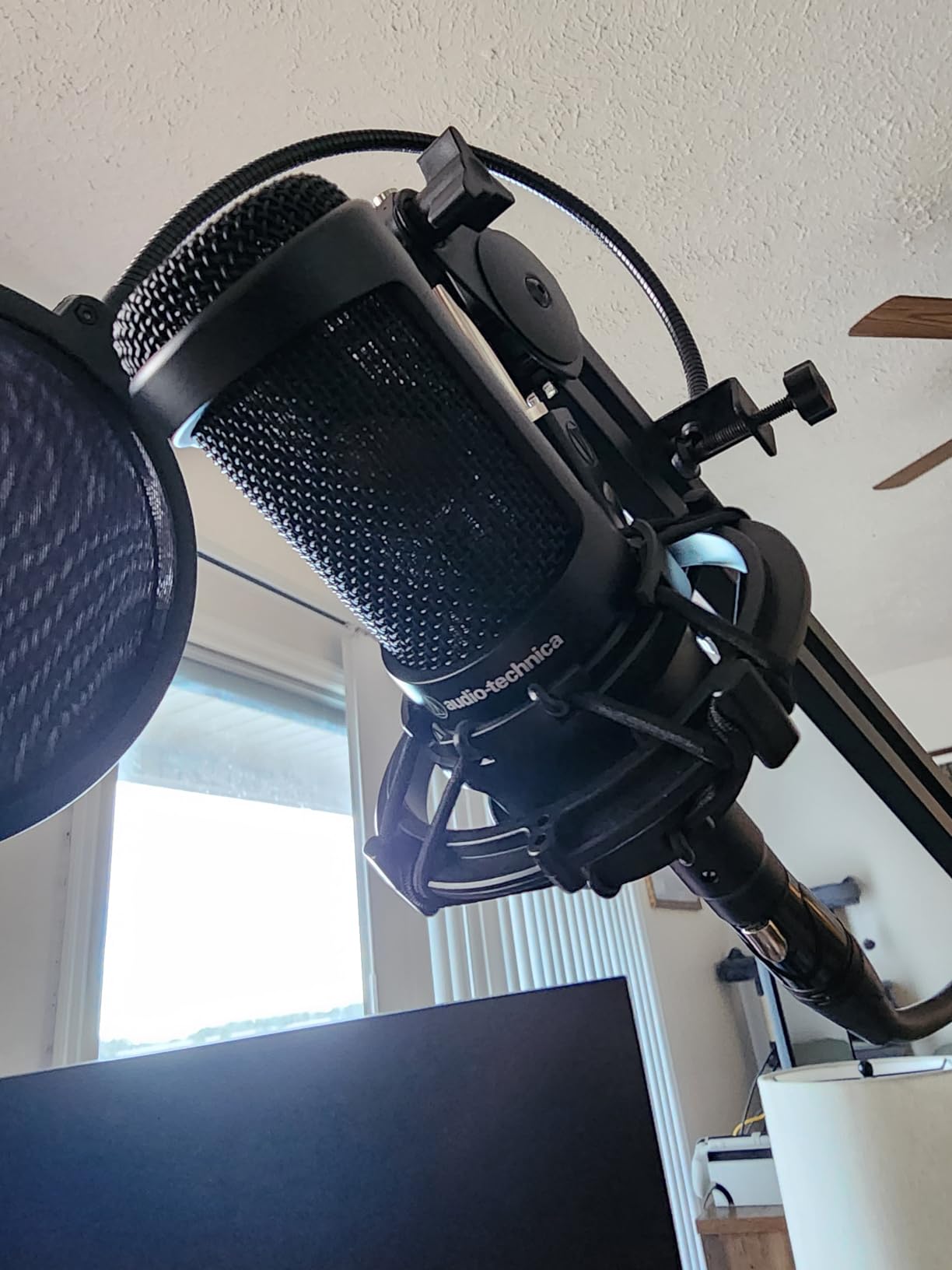
The switchable 80 Hz high-pass filter is a practical feature for guitar recording. It rolls off low-frequency rumble from mic stands, foot traffic, and amp vibration that can muddy your recordings. The 10 dB pad is equally useful when recording louder sources, though electric guitar amps at moderate volume rarely need it. Together, these switches give you more control over the signal before it hits your audio interface, which means less fixing in the mix later.
The AT2035 handles high SPL levels with ease, so you can use it in front of moderately loud amps without distortion. I would not recommend it for close-miking a dimed 100-watt half stack, but for most home studio recording situations, it has more than enough headroom. The 87% five-star rating across over 3,000 reviews confirms that this microphone consistently exceeds expectations for both beginners and experienced recordists.
Best for Serious Home Studios
If you are building a home studio and want a condenser microphone that will serve you well across guitar, vocals, and acoustic instruments, the AT2035 hits the sweet spot between price and performance. The included shock mount alone saves you $30-50 compared to buying one separately. The low self-noise means your recordings have a professional-level noise floor that makes mixing and mastering easier. This is the condenser I would choose if I could only have one for all home studio duties.
The AT2035 is also an excellent choice for recording direct re-amping setups. If you record a clean DI signal through your interface and re-amp it through your guitar amp later, the AT2035 captures the re-amped tone with stunning accuracy. Its transparent yet musical character means the final recording faithfully represents your amp’s tone without adding unwanted coloration.
Who Does Not Need This Upgrade
If you already own the AT2020 and are happy with the results, the AT2035 is an incremental upgrade rather than a night-and-day difference. Both microphones share a similar character, and the improvements in noise floor and build quality may not justify the additional cost for casual recordists. The AT2020 remains a perfectly capable microphone for most home studio guitar recording needs.
Stock levels for the AT2035 can be inconsistent, with only limited quantities available at times. If you need a microphone immediately and the AT2035 is out of stock, the AT2020 or a dynamic option like the SM57 will get you recording without delay. The AT2035 is worth the wait if you can find it, but do not let stock issues delay your recording projects when capable alternatives exist.
How to Choose the Right Microphone for Recording Electric Guitars
Selecting the right microphone for recording electric guitars comes down to understanding three main factors: microphone type, polar pattern, and your recording environment. Let me break down each of these so you can make an informed decision based on your specific situation.
Dynamic vs Condenser Microphones
Dynamic microphones use a simple coil-and-magnet design that makes them rugged, affordable, and excellent at handling high sound pressure levels. They are the default choice for close-miking guitar amps because they can sit directly in front of a loud speaker without distorting. The trade-off is that they capture less detail and have a more limited frequency response compared to condensers.
Condenser microphones use an electrically charged diaphragm that is far more sensitive to subtle sound variations. They capture a wider frequency range and more detail, but this sensitivity means they pick up room noise and require phantom power from your audio interface. Condensers shine when you want to capture the room ambience around your amp or record at a distance.
Polar Patterns Explained
The polar pattern determines which directions the microphone picks up sound from. Cardioid is the most common pattern for guitar recording. It picks up sound from the front while rejecting sound from the rear, making it a solid all-around choice. Super-cardioid is even more focused, with tighter front pickup and better side rejection. This is ideal for isolating a guitar amp in a room with other instruments playing simultaneously.
Figure-8 (bidirectional) patterns pick up sound from the front and rear while rejecting the sides, which is useful for specific multi-mic techniques. Omnidirectional mics pick up sound equally from all directions and are rarely used for close-miking guitar amps but can work as room mics in treated spaces.
Microphone Placement Tips for Guitar Amps
Where you place the microphone matters as much as which microphone you choose. For close-miking, position the mic about one inch from the grill cloth. Pointing directly at the center of the speaker cone gives you the brightest, most aggressive tone. Moving the mic toward the edge of the cone produces a warmer, rounder sound. Most engineers prefer a position slightly off-center for a balanced tone that combines clarity with warmth.
For a more natural room sound, try placing a condenser mic two to four feet back from your amp at ear level. This captures the sound as it develops in the room, adding depth and dimension that close-miking cannot achieve. You can also combine a close dynamic mic with a distant condenser for a layered tone that gives you the best of both worlds.
Home Studio vs Professional Studio
In a home studio with limited acoustic treatment, dynamic microphones are almost always the safer bet. Their lower sensitivity naturally rejects room noise, and you do not need a perfectly treated space to get good results. The SM57, e609, and B 906 all perform well in untreated rooms because they focus on the sound source directly in front of them.
In a treated studio with acoustic panels and bass traps, condenser microphones can shine. The controlled acoustic environment lets you take advantage of the condenser’s wider frequency response and detail without capturing unwanted room reflections. If you have a properly treated space, the AT2020, AT2035, or P170 will reward you with more detailed and nuanced recordings.
Frequently Asked Questions
What is the best microphone for recording electric guitar?
The Shure SM57 is widely considered the best overall microphone for recording electric guitar. It is the industry standard found in virtually every professional studio, praised for its contoured frequency response that naturally enhances guitar tones, its ability to handle high sound pressure levels without distortion, and its rugged durability. For budget-conscious players, the Behringer B 906 offers impressive performance at a fraction of the price, while the Sennheiser E906 provides switchable tone shaping for more versatile recording sessions.
What is the difference between a dynamic microphone and a condenser?
Dynamic microphones use a coil-and-magnet design that makes them rugged, affordable, and excellent at handling loud sound sources like guitar amps. They require no external power and naturally reject room noise, making them ideal for untreated home studios. Condenser microphones use an electrically charged diaphragm that is more sensitive and captures a wider frequency range with more detail, but they require 48V phantom power from your audio interface and pick up ambient room noise. For electric guitar recording, dynamic mics are the go-to for close-miking amps, while condensers work better for capturing room ambience.
How do I mic up a guitar amp for recording?
Position your microphone about one inch from the amp’s grill cloth for close-miking. Point the mic directly at the center of the speaker cone for the brightest, most aggressive tone, or move it toward the edge for a warmer, rounder sound. Most engineers prefer placing the mic slightly off-center for a balanced tone. For a more natural sound, place a second condenser mic two to four feet back from the amp at ear level and blend both signals in your mix. Always use a sturdy mic stand and experiment with small position changes, as moving the mic even half an inch can noticeably change the recorded tone.
What polar pattern should I use for recording guitar?
Cardioid is the most versatile polar pattern for guitar recording, picking up sound from the front while rejecting rear noise. Super-cardioid is even more focused and provides better isolation from other instruments, making it ideal for live recording situations or cramped studio spaces. For close-miking a single guitar amp, cardioid or super-cardioid patterns are your best options. Figure-8 patterns can be useful for specific multi-mic techniques where you want to capture sound from two directions simultaneously.
Can I use one microphone for both guitar and vocals?
Yes, dynamic microphones like the Shure SM57 and Shure SM7B can handle both guitar amps and vocals effectively, though they are not optimized for either application. The SM57 works well for guitar amps and can record acceptable vocals when positioned close to the singer. The SM7B is actually excellent for both duties, with its smooth warm character sounding great on vocals and guitar alike. For the best results, dedicated microphones for each application will always outperform a single general-purpose mic, but a versatile dynamic like the SM7B is a solid compromise if budget limits you to one microphone.
Final Thoughts on the Best Microphones for Recording Electric Guitars
After testing all eight of these microphones through various amps, rooms, and playing styles, my top recommendation for most guitarists remains the Shure SM57. It delivers consistent, professional results in virtually any recording environment, handles extreme volume levels without flinching, and costs less than a set of guitar strings for a year. If you only buy one microphone for recording electric guitars, make it the SM57.
For players who want a specialized guitar amp mic that simplifies setup, the Sennheiser e609 Silver is an outstanding choice that hangs directly over your amp and delivers a warm, full-bodied tone. If budget is the primary concern, the Behringer B 906 punches far above its price class and includes switchable EQ settings that rival mics costing three times as much. And for those building a serious home studio, the Audio-Technica AT2035 provides the condenser detail and low noise floor that elevates your recordings to a professional standard.
The best microphones for recording electric guitars in 2026 are the ones that match your recording environment, playing style, and budget. Start with the mic that fits your current situation, learn proper placement techniques, and upgrade when your needs evolve. Every microphone on this list is capable of producing excellent guitar recordings in the right hands.