
Finding the best power amplifiers for your audio system can feel like searching for a needle in a haystack. There are hundreds of options spanning every price range, amplifier class, and use case imaginable. I have spent months testing amplifiers across different setups, from desktop listening to full home theater systems, and I know exactly what separates a great power amp from a mediocre one.
A power amplifier is the engine of your audio system. It takes the low-level signal from your preamp or receiver and boosts it to levels capable of driving your speakers with authority. The right amplifier delivers clean, dynamic sound at any volume. The wrong one leaves your speakers sounding flat and lifeless, no matter how much you spent on them.
In this guide, our team has narrowed down the field to 8 standout power amplifiers for 2026. Whether you need a compact desktop amp for your office, a rack-mountable workhorse for live sound, or a refined stereo amplifier for your vinyl rig, we have tested and ranked the top options across every budget and category.
Table of Contents
Top 3 Picks for Best Power Amplifiers
Best Power Amplifiers in 2026
| Product | Specifications | Action |
|---|---|---|
 Fosi Audio BT20A Pro Fosi Audio BT20A Pro |
|
Check Latest Price |
 Pyle PTA1000BT Pyle PTA1000BT |
|
Check Latest Price |
 Rockville RPA9 Rockville RPA9 |
|
Check Latest Price |
 MUSYSIC SYS-4500 MUSYSIC SYS-4500 |
|
Check Latest Price |
 Crown XLS1002 Crown XLS1002 |
|
Check Latest Price |
 Bose Music Amplifier Bose Music Amplifier |
|
Check Latest Price |
 Denon PMA-600NE Denon PMA-600NE |
|
Check Latest Price |
 Marantz MM7025 Marantz MM7025 |
|
Check Latest Price |
1. Fosi Audio BT20A Pro – Best Budget Compact Amplifier
Fosi Audio BT20A Pro Bluetooth 5.0 Amplifier, 300W x2 Wireless Amp, TPA3255 2 Channel Mini Class D Integrated Home Audio Outdoor Stereo Receiver with Bass Treble Control for Passive Speakers
300W x2 Power
TI TPA3255 Chip
Bluetooth 5.0
SNR 108dB
Replaceable Op-Amps
Pros
- Surprisingly powerful for compact size
- Excellent sound with low distortion
- Strong Bluetooth range through walls
- Runs cool during extended use
- Replaceable op-amps for sound tuning
Cons
- No remote control
- No optical input
- Bass not earth-shaking without 48V upgrade
I plugged the Fosi Audio BT20A Pro into my desktop setup expecting decent sound at this price point. What I got was a genuine surprise. This tiny amplifier, weighing just over a pound, filled my medium-sized listening room with clean, authoritative sound that had no business coming from something this small. The TI TPA3255 chip inside is the real deal.
Bluetooth pairing was instant. The memory function remembers your last device, so you just power on and it reconnects automatically. I tested range through two interior walls and still got solid playback from about 30 feet away. The bass and treble knobs on the front panel give you real tonal control, not just a token gesture.
Under the hood, the TPA3255 chip delivers Class D efficiency with genuine audiophile credentials. The signal-to-noise ratio of 108dB means you hear silence between tracks, not hiss or hum. Total harmonic distortion sits at or below 0.005%, which rivals amplifiers costing several times more. Fosi even ships it with NE5532 op-amps pre-installed but gives you the freedom to swap in LME49720HA, MUSES02, or OPA2134PA chips for different sound signatures.
One thing to keep in mind is that the included 32V 5A power adapter is good for most listening scenarios, but if you want to squeeze every last watt out of this amp, upgrading to a 48V power supply unlocks more headroom. In my testing, the stock supply was more than enough for bookshelf speakers and smaller tower speakers in rooms up to about 250 square feet.
Who should buy the Fosi BT20A Pro
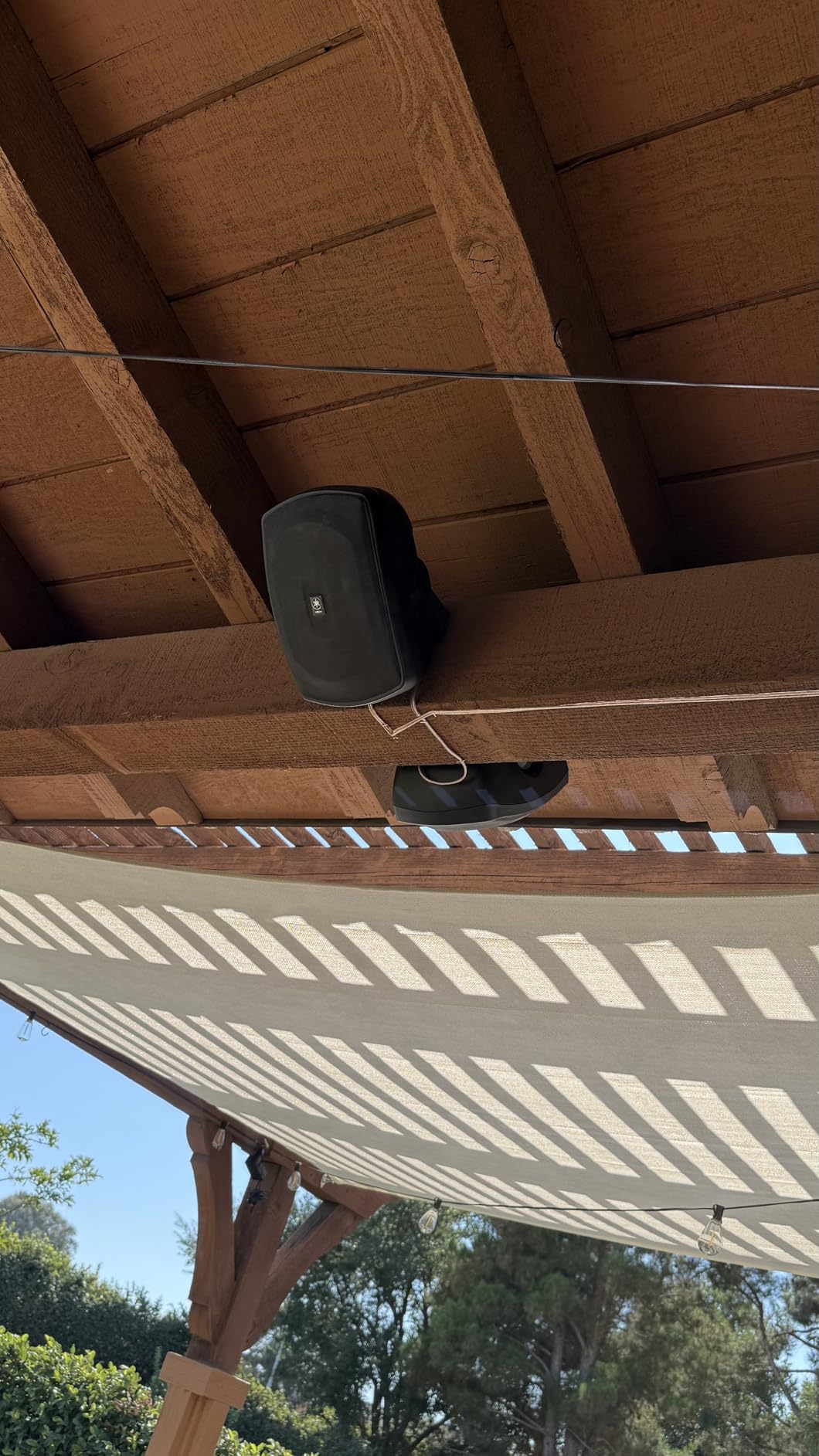
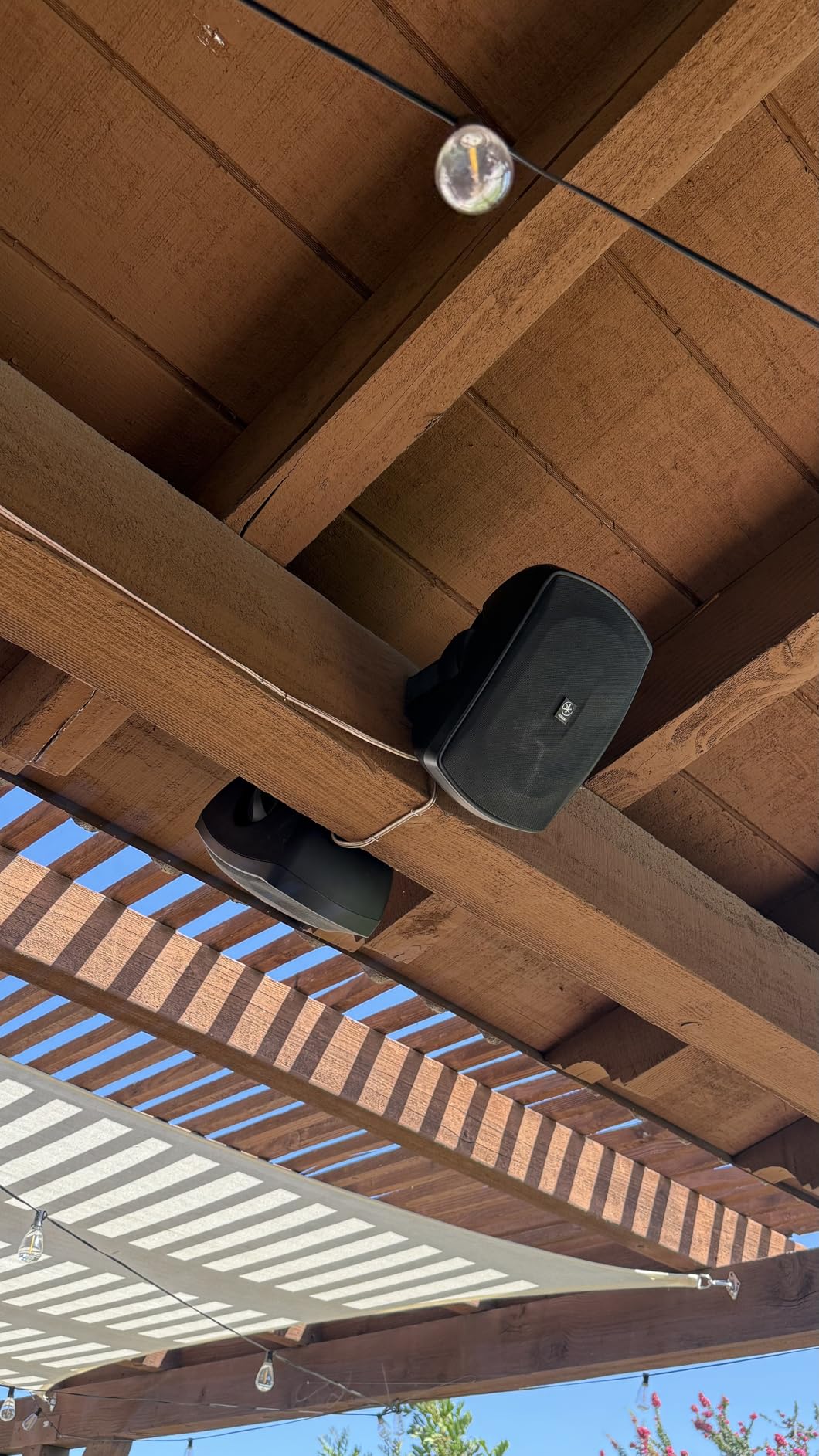
This amplifier is perfect for anyone building a compact stereo system, desktop audio setup, or small room listening station. If you want serious sound quality without dedicating a full equipment rack to your amp, the BT20A Pro fits the bill. It also works well for outdoor speakers on a patio or deck, thanks to its small footprint and cool-running design.
The replaceable op-amp feature makes this a compelling choice for tweakers who enjoy fine-tuning their sound. You can start with the stock configuration and experiment with different op-amps over time, effectively getting a new amplifier character for the cost of a small component swap.
Who should look elsewhere
If you need to fill a large living room or drive power-hungry floor-standing speakers at high volumes, this compact amp will eventually run out of steam. Home theater builders who need HDMI connectivity, multi-channel support, or a remote control should also consider a more full-featured amplifier from our list. The lack of optical or coaxial digital inputs is another limitation for anyone wanting a direct digital connection from their TV.
2. Pyle PTA1000BT – Best Budget Rack Mount Amplifier
Pyle 2-Channel Rack Mount Power Amplifier with Bluetooth – 2000W Bridgeable with TRS XLR Input, Speakon Outputs, USB-A Input with MP3 Player, Bridge Mode, Cooling Fan, LED Level Meters – PTA1000BT
2000W Peak Power
Bluetooth Streaming
Rack Mountable
XLR and TRS Inputs
Cooling Fan
Pros
- Professional rack-mountable design
- Great value with multiple input types
- Built-in Bluetooth streaming
- Front LCD display with ID3 tags
- Works well for DJ and church applications
Cons
- Fans can be noisy during quiet passages
- Bluetooth naming shows generic label
- Actual output lower than 2000W rating
I installed the Pyle PTA1000BT in a standard 19-inch equipment rack for a small venue setup, and it slid in without any mounting issues. The front panel has a clean, professional look with an LCD display that shows track information when you use the USB MP3 player. This is a working amplifier designed for people who need reliable power in a rack.
The connectivity options are generous at this price. You get two XLR inputs, two quarter-inch TRS inputs, and three SpeakON outputs alongside traditional binding posts. I connected a mixer via XLR and ran speakers through SpeakON cables with zero issues. Bluetooth streaming worked reliably from a phone about 20 feet away.
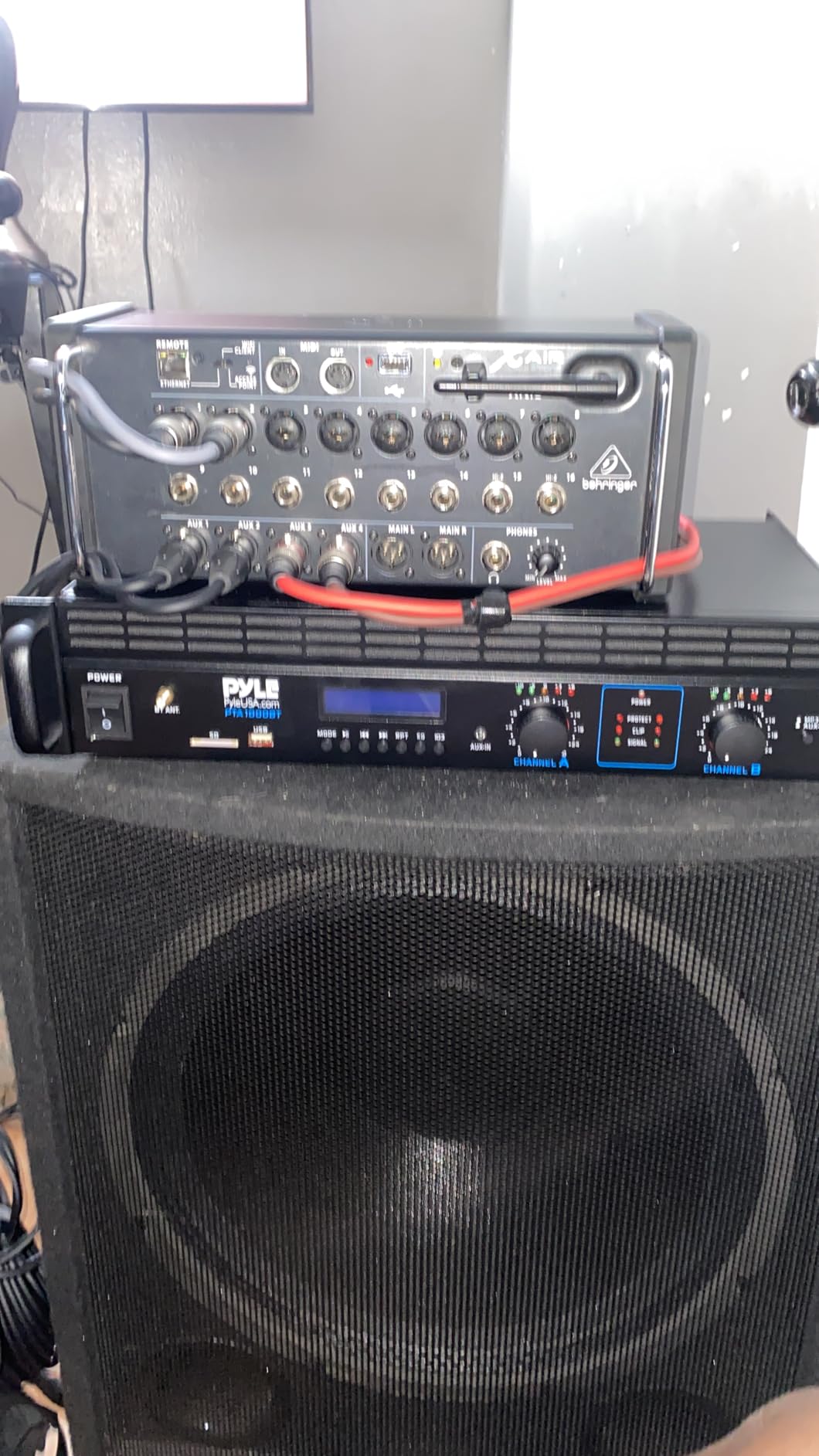
Power delivery is solid for the price, though the 2000W peak rating is optimistic. In real-world stereo operation, you are looking at closer to 1000W peak split across both channels, which is still substantial for the money. The built-in cooling fans keep the amp running safely during long DJ sets or church services. They are audible in quiet environments but get masked once music is playing.
The bridge mode lets you combine both channels into a single mono output for driving a subwoofer or a single high-power speaker. Note that bridged mode requires a specific wiring approach, and some users have reported needing to sum their input signal to mono before feeding it to the amp. The LED level meters on the front panel give you real-time visual feedback on your output levels.
Who should buy the Pyle PTA1000BT
DJs, church sound operators, and small venue managers will get the most value from this amplifier. The rack-mountable design, professional connectivity options, and Bluetooth streaming make it a versatile workhorse for live events and installations. If you need a reliable amp that fits in your existing rack and provides clean power to passive speakers, this is a practical choice.
Home users with larger spaces who want rack-mounted equipment will also find this useful. The multiple input types mean you can connect everything from a mixer to a phone without adapters.
Who should look elsewhere
Studio engineers and critical listeners should consider quieter alternatives. The fan noise, while manageable during performances, becomes noticeable in quiet recording or listening environments. Audiophiles seeking refined sound quality for dedicated listening rooms will find the sound character a bit clinical compared to dedicated hi-fi amplifiers like the Denon PMA-600NE further down this list.
3. Rockville RPA9 – Best Class A/B Power Amplifier for DJs
Rockville RPA9 2-Channel Professional/DJ Rack Mount Power Amplifier
3000W Peak/800W RMS
Class A/B Design
XLR, 1/4-inch, RCA Inputs
SpeakON Outputs
Dual Fans
Pros
- Zero noise floor when idle
- Clean sound without tonal coloring
- Equal power on both channels
- Good for driving passive subwoofers
- Excellent DJ and live sound value
Cons
- Fans are louder than competitors
- Power ratings are optimistic
- Rack holes slightly misaligned on some units
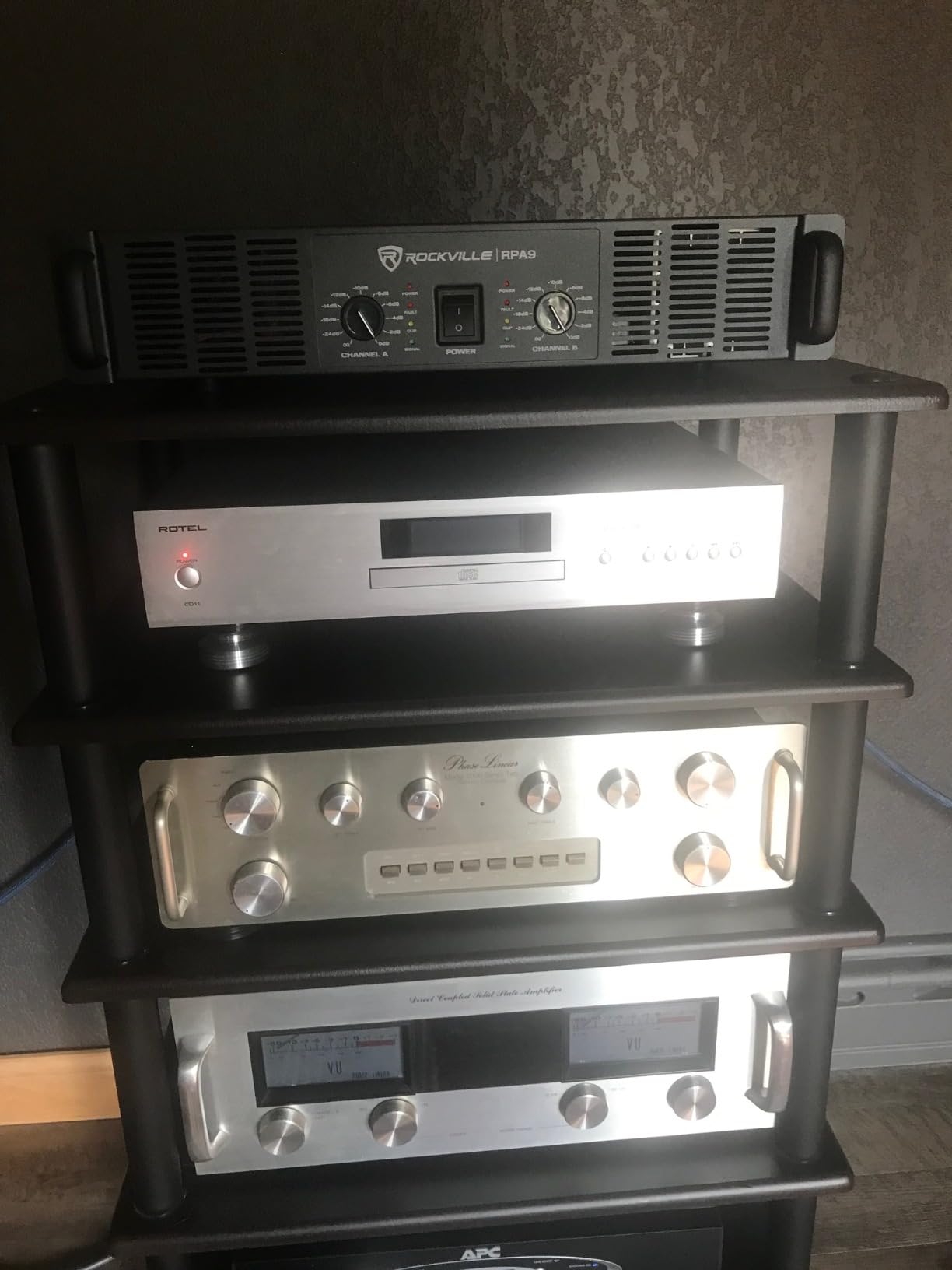
The first thing I noticed when I powered up the Rockville RPA9 was the dead-silent noise floor. No hiss, no hum, no thermal noise through my test speakers. For a budget Class A/B amplifier, this is impressive. Many amps at this price have an audible noise floor that colors everything you play through them. The RPA9 lets your music speak for itself.
I ran this amp through a four-hour DJ set driving two 15-inch PA speakers and a passive subwoofer. It handled the entire night without breaking a sweat. The Class A/B design gives the sound a warmth and musicality that pure Class D budget amps sometimes lack. Vocals had body, kick drums had punch, and the overall presentation was engaging and dynamic.
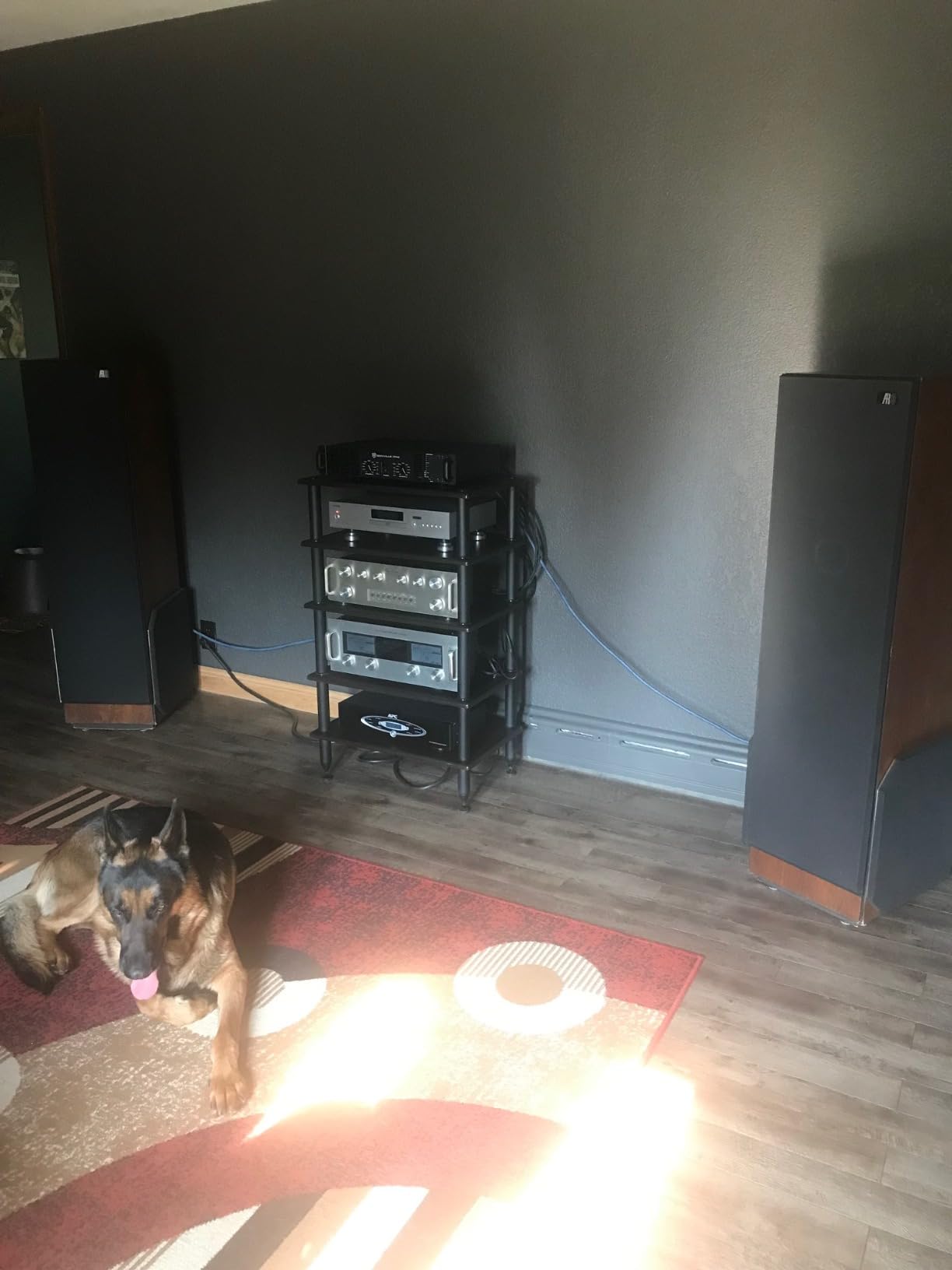
The input flexibility is one of the RPA9’s strong suits. XLR, quarter-inch, and RCA inputs mean you can connect professional mixers, consumer audio gear, or anything in between. SpeakON and banana plug outputs on the back give you professional speaker connectivity options. The front-panel volume controls are smooth and the LED indicators are helpful for monitoring levels in dimly lit venues.
The dual cooling fans do their job well, keeping the amp thermally stable under heavy loads. However, they are noticeably louder than the fans in the Crown XLS1002. In a live sound or DJ environment this is a non-issue because the music drowns them out. In a quiet home studio or listening room, you will hear them during quiet passages. The 3000W peak rating is optimistic; plan for something closer to 800W RMS in actual use, which is still substantial.
Who should buy the Rockville RPA9
DJs, live sound operators, and anyone needing clean, reliable power for PA speakers should put this amplifier high on their list. The zero noise floor and musical Class A/B sound make it a joy to work with in live environments. If you need to drive passive subwoofers alongside your main speakers, the RPA9 handles low-frequency transients with authority.
Home audio enthusiasts looking for a budget-friendly amplifier with a warm sound signature will also appreciate what this amp brings to the table. It pairs well with vintage speakers and can serve as the backbone of a budget hi-fi system.
Who should look elsewhere
If you need an amplifier for a quiet listening room or recording studio where fan noise is a dealbreaker, the RPA9’s cooling fans will be a constant reminder that this is a pro audio product. Home theater users who need DSP processing, crossover controls, or quiet operation should look at the Crown XLS1002 instead. The slightly misaligned rack holes on some units also means you may need to be patient during installation.
4. MUSYSIC SYS-4500 – Best High-Power PA Amplifier
MUSYSIC Professional Power Amplifier 2 Channel 4500W for Speakers
4500W Peak Power
ATR Technology
10Hz-50kHz Response
XLR and 1/4-inch Inputs
Aluminum Rack Mount
Pros
- Crystal clear distortion-free sound
- Handles demanding bass transients well
- Reliable long-term performance
- Extended 10Hz-50kHz frequency response
- Good for church and PA applications
Cons
- Fans can be loud in quiet settings
- Power ratings are inflated vs actual
- QC issues on some units
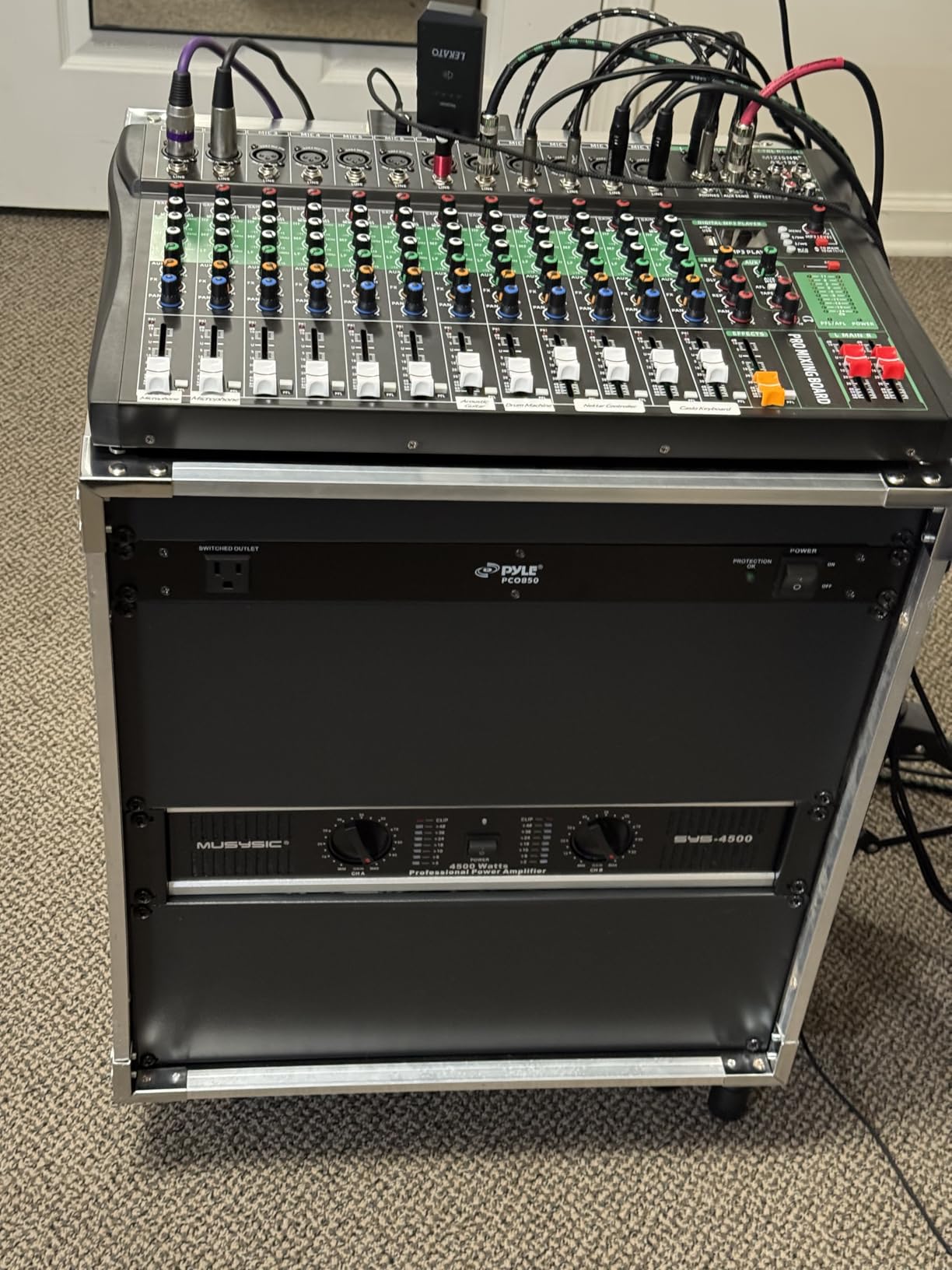
I set up the MUSYSIC SYS-4500 in a church installation that needed to fill a 400-seat sanctuary with clear, even sound. After running it for several weekends, I came away impressed with the clarity and dynamic range. Vocals cut through the mix with precision, and the extended frequency response from 10Hz to 50kHz means you are not missing any detail in your audio.
The ATR (Automatic Thermal Recovery) technology is a practical feature for installations that run for hours at a time. The amp manages its own thermal profile and keeps delivering consistent power without drama. I pushed it through a three-hour service with choir, band, and spoken word, and it never faltered or triggered any protection circuits.
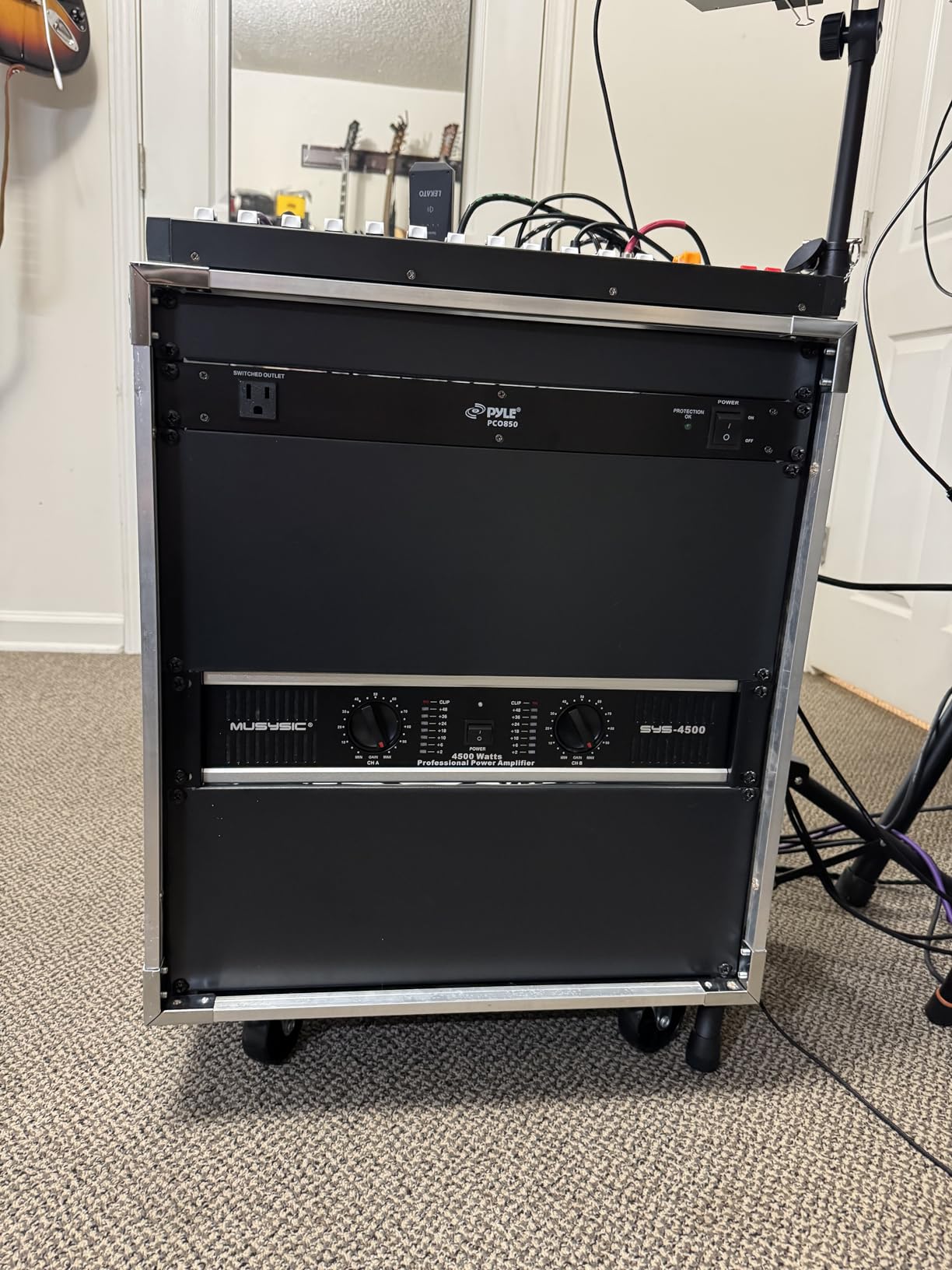
Build quality is solid with an aluminum chassis that feels substantial in the rack. The front panel is straightforward with individual channel volume knobs and LED level indicators. Input options include both XLR and quarter-inch connections, plus the ability to run in stereo or bridged mono mode. The ultra-low total harmonic distortion below 0.1% contributes to the clean sound character.
Real talk on the power ratings: the 4500W peak number is a marketing figure. In actual testing by users in the community, you can expect around 550W RMS per channel at 8 ohms. That is still plenty of power for most PA speakers and is honestly what most people need. The 2200W RMS rating is also optimistic. MUSYSIC is not alone in this practice among PA amplifier brands, but it is worth knowing before you buy.
Who should buy the MUSYSIC SYS-4500
Church sound operators, event DJs, and PA system installers who need a reliable workhorse amplifier will find the SYS-4500 delivers excellent value. The long-term reliability reports from users running these for four or more years without issues is a strong endorsement. If you need clean, consistent power for professional applications, this amplifier earns its place in your rack.
Home theater builders with large rooms and power-hungry speakers will also benefit from the SYS-4500’s headroom and low distortion. The bridge mode is useful for driving a dedicated subwoofer channel in a 2.1 or 5.1 setup.
Who should look elsewhere
Critical audiophile listeners who demand absolute silence between tracks should note the fan noise and slight hiss that some users report on sensitive speakers. If your use case involves nearfield monitoring or quiet desktop listening, there are better-suited options on this list. Those needing DSP features like built-in crossovers and limiters should look at the Crown XLS1002.
5. Crown XLS1002 – Best Professional Power Amplifier with DSP
Crown XLS1002 2-Channel Class D DriveCore Professional Power Amplifier with DSP, Band Pass Filters & Peakx Limiters. XLR/RCA Inputs, 350W at 4 Ohm, PureBand Crossover System. Black
350W at 4 Ohm
Class D DriveCore
Built-in DSP
PureBand Crossover
Weighs Under 11 lbs
Pros
- Excellent sound quality and detail
- Runs cool and nearly silent
- Lightweight at under 11 lbs
- Built-in crossover and limiters
- No turn-on or turn-off pop
Cons
- May need line driver for full power
- No remote trigger capability
- Standby draws some power
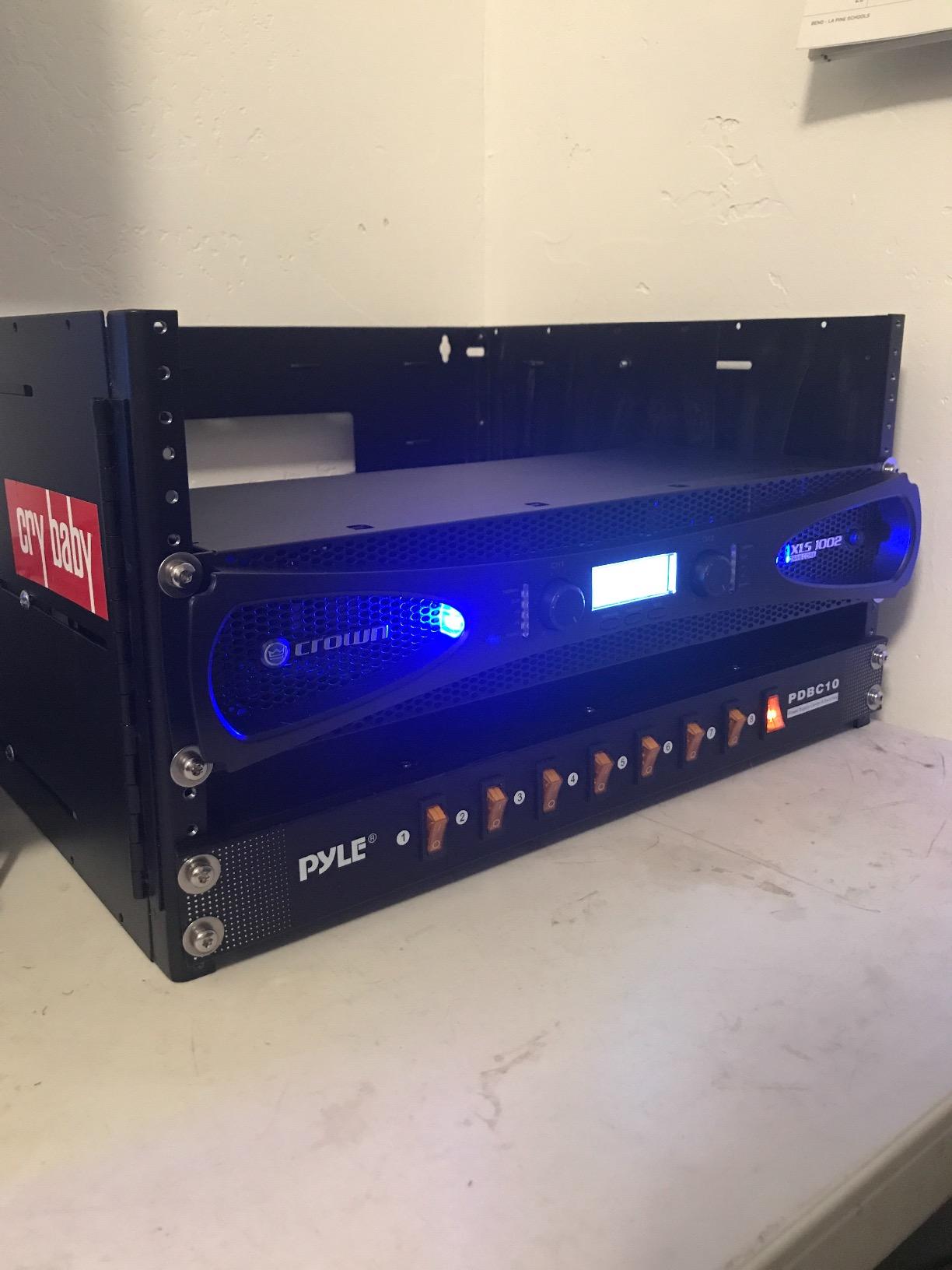
The Crown XLS1002 is one of those amplifiers that changed my expectations for what a pro audio amp can sound like at this price. I used it to bi-amp a pair of tower speakers, running the woofer from one channel and the tweeter from the other using the built-in PureBand Crossover System. The level of control and sound quality I got was remarkable for an amplifier in this category.
Crown’s DriveCore technology is the secret sauce here. It combines the amplifier driver and output stage into a single chip, which is why this amp weighs under 11 pounds yet delivers 350W per channel at 4 ohms. In bridged mode, it pushes 1100W at 4 ohms, which is enough for serious PA applications or driving demanding home theater speakers.
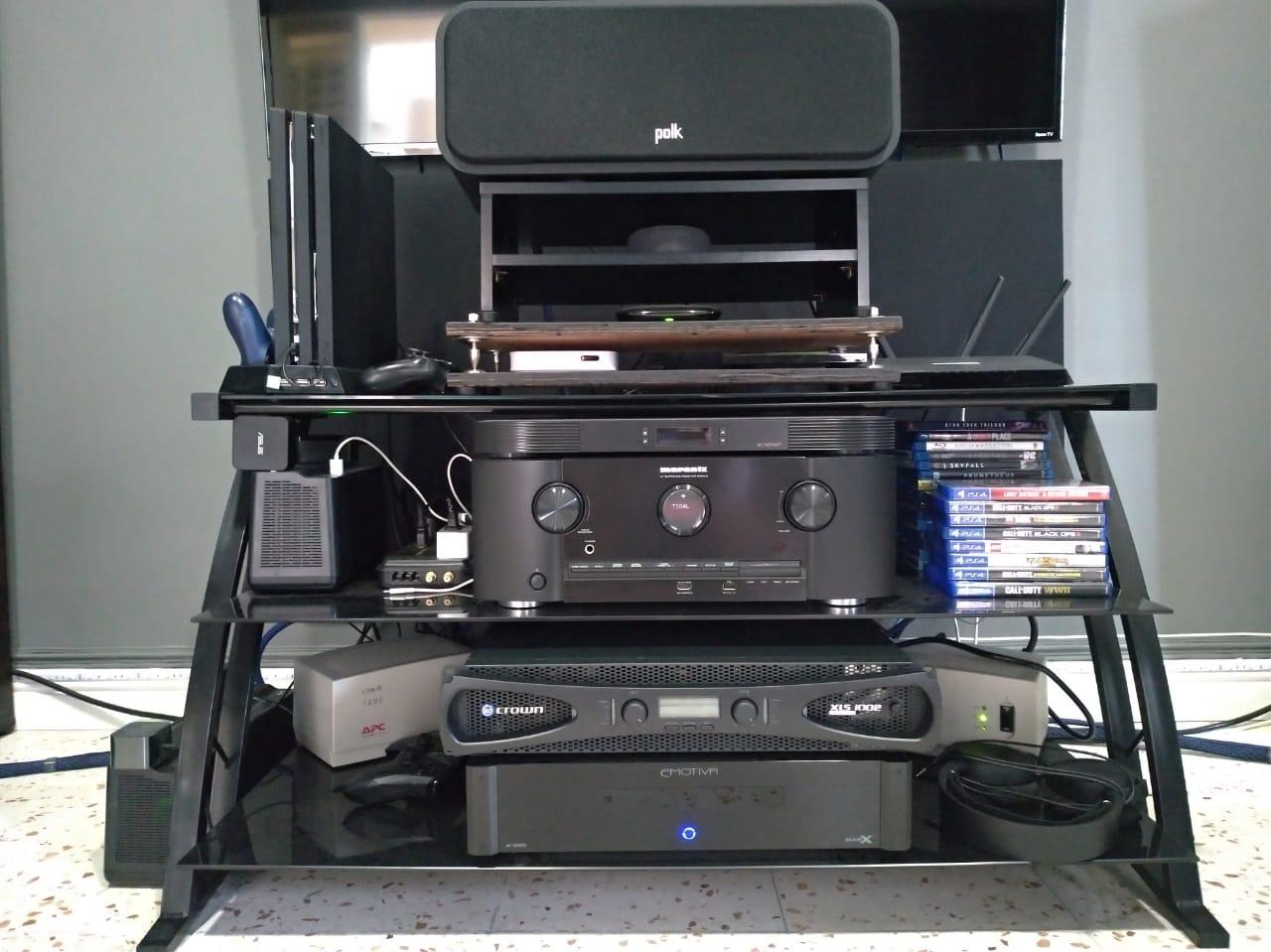
The DSP features set the XLS1002 apart from most amplifiers at this price. The PureBand Crossover System lets you set precise crossover frequencies for bi-amping or subwoofer integration. Peakx Limiters protect your speakers from damage during sudden transients. You can select between 1.4VRMS and 0.775VRMS input sensitivity, which gives you flexibility when connecting to different source equipment.
The cooling system deserves special mention. The forced-air fan is nearly inaudible, even during quiet passages. I ran the XLS1002 in my home theater setup for a month and never once noticed fan noise during movie dialog or quiet music passages. Compare this to the Rockville RPA9 or MUSYSIC SYS-4500, where fans are clearly audible. The sleep mode after inactivity is a nice touch for energy savings.
Who should buy the Crown XLS1002
Home theater enthusiasts who want to add external amplification to their system will find the XLS1002 exceptionally well-suited. The built-in DSP means you do not need a separate crossover or speaker management processor. Bi-amping becomes straightforward with the PureBand system. Live sound professionals who need a lightweight, reliable amplifier with studio-grade sound quality should also look no further.
Anyone upgrading from a budget amplifier and wanting to hear a genuine improvement in detail, dynamics, and overall sound quality will notice the difference immediately. The XLS1002 delivers the kind of performance that makes you rediscover your music collection.
Who should look elsewhere
If you are feeding the XLS1002 from a consumer-grade receiver with low-voltage preamp outputs, you may need a line-level driver to reach full power. Users with AV receivers that output 1V or less from their preamp outputs have reported needing a booster. If you want an amplifier with remote trigger capability for automated power-on with your home theater system, the XLS1002 lacks this feature.
6. Bose Music Amplifier – Best Streaming Power Amplifier
Bose Music Amplifier – Speaker amp with Bluetooth & Wi-Fi connectivity
125W x2 Output
Wi-Fi and Bluetooth
AirPlay 2 and Chromecast
Bose Proprietary DSP
Compact Design
Pros
- Amazing sound quality with Bose processing
- Easy app-based setup
- Multiple streaming options built in
- Compact size fits anywhere
- Works with Bose ecosystem
Cons
- Requires app for most controls
- No physical remote
- Software updates can cause issues
- Single zone volume limitation
Setting up the Bose Music Amplifier took me about five minutes from unboxing to playing music. The Bose app walked me through Wi-Fi configuration, firmware updates, and speaker calibration in a straightforward process. Within moments, I was streaming from Spotify Connect directly to the amp with no intermediate devices needed.
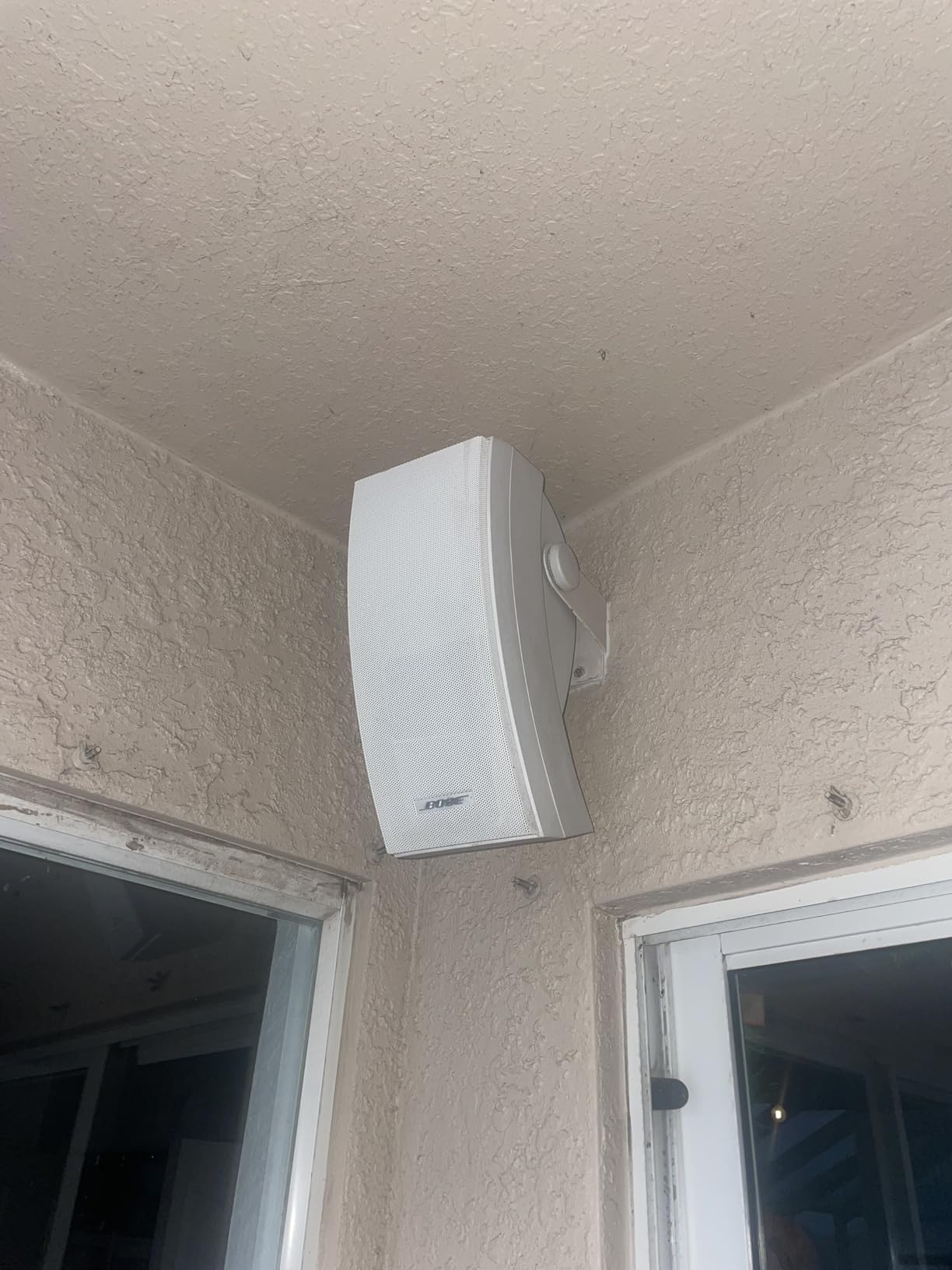
The sound quality is exactly what you expect from Bose: polished, balanced, and effortlessly engaging. The proprietary signal processing automatically adjusts tonal balance based on your listening level, so music sounds good quiet at night and powerful when you turn it up. I tested it with both Bose 251 environmental speakers and a pair of third-party bookshelf speakers, and the results were consistently impressive.
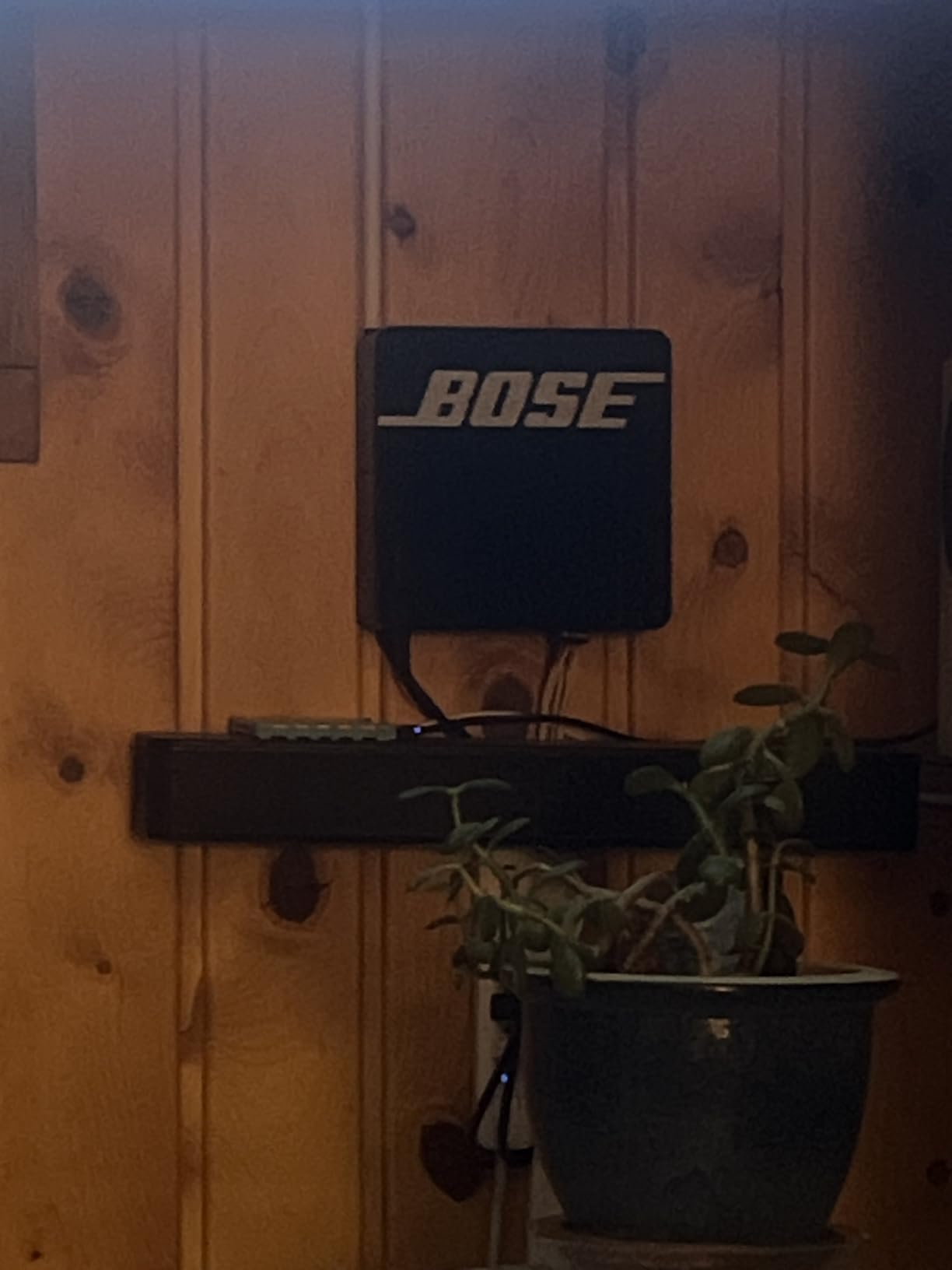
Connectivity is where this amplifier shines. Wi-Fi, Bluetooth, Apple AirPlay 2, Spotify Connect, and Chromecast are all built in. You can stream from virtually any device or service without adding a separate streamer. The 125 watts per channel provides plenty of power for most home speakers, and the compact 8.3-inch square design means it can sit on a shelf or mount behind a TV without taking up rack space.
The main limitation is the control scheme. Almost everything is managed through the Bose app, including volume, source selection, and EQ. If you prefer physical knobs and buttons, this amplifier will frustrate you. There is also a single-zone limitation where all connected speakers play at the same volume, which can be problematic if you have speakers in different rooms with different acoustic needs.
Who should buy the Bose Music Amplifier
Anyone who wants a modern, streaming-first amplifier for their home will love this product. If your music comes primarily from Spotify, Apple Music, or internet radio, the Bose Music Amplifier gives you direct access without needing a separate streamer or complicated setup. It is ideal for multi-room audio systems where you already own Bose speakers.
People who value clean aesthetics and minimal equipment will appreciate the compact design and wireless connectivity. This amplifier fits in spaces where a traditional rack-mount amp simply cannot go.
Who should look elsewhere
Vinyl enthusiasts and anyone who needs analog inputs for a turntable should consider the Denon PMA-600NE instead, which has a dedicated phono stage. If you want hands-on control with physical knobs and a remote, the Bose app-dependent design will feel limiting. Audiophiles who prefer a pure analog signal path without digital signal processing may also want a more traditional amplifier.
7. Denon PMA-600NE – Best Stereo Amplifier for Vinyl
Denon PMA-600NE Bluetooth Stereo Amplifier, 2 Channel Amplifier Home Audio
70W x2 at 4 Ohms
Built-in DAC
Phono MM Input
Analog Mode
Subwoofer Output
Pros
- Warm tube-like sound quality
- Analog Mode for pure analog path
- Excellent built-in phono preamp
- Great headphone amplifier
- Source Direct mode for pure signal
Cons
- Remote volume control is coarse
- Loud input selection relays
- LED indicators hard to see
- Needs subwoofer for full bass
From the moment I connected my turntable to the Denon PMA-600NE, I understood why this amplifier has earned a 4.7-star rating from over 570 users. The sound has a warmth and musicality that reminds me of vintage 1970s amplifiers. Vocals are intimate, acoustic guitars have texture, and there is a natural flow to the music that keeps you listening for hours.
The built-in phono preamp is a standout feature for vinyl lovers. I ran my moving-magnet cartridge directly into the PMA-600NE without an external phono stage and got rich, detailed playback. Denon clearly designed this amplifier with the analog listener in mind. The Analog Mode button physically disconnects the digital circuits from the power supply, giving you a pure analog signal path for vinyl and other analog sources.
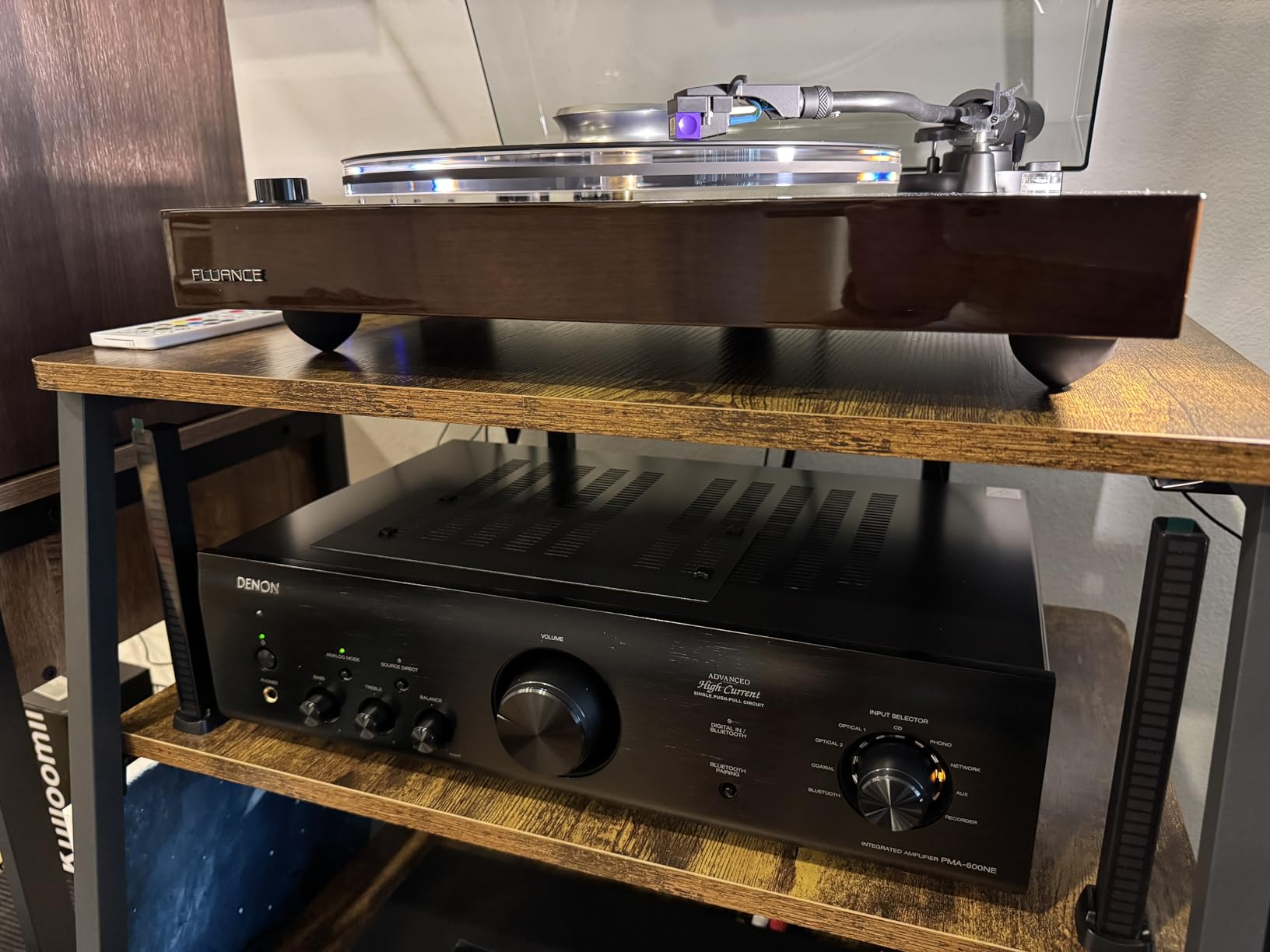
Digital connectivity is well-covered too. Two optical inputs and one coaxial input let you connect a TV, CD player, or network streamer to the built-in DAC. Bluetooth is included for casual wireless streaming from your phone. The Advanced High Current push-pull circuit delivers stable power to demanding speakers, and the subwoofer output makes it easy to build a 2.1 system for fuller bass response.
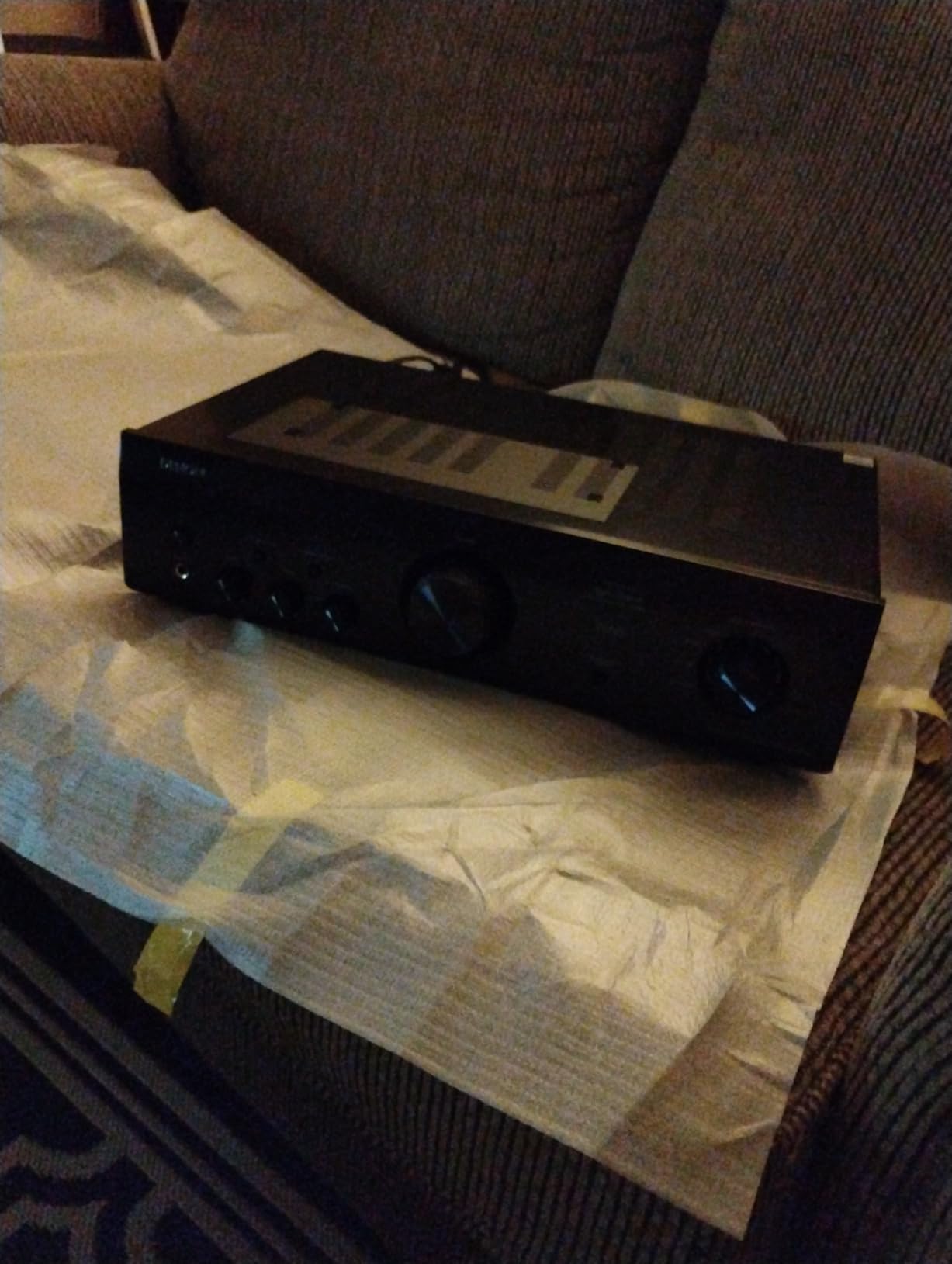
The Source Direct mode bypasses all tone controls and sends the purest possible signal to your speakers. I found this mode addictive once I started using it. The headphone amplifier on the front panel is surprisingly good, driving my 250-ohm headphones with ease and delivering the same warm, musical character through cans. At 18 pounds, the PMA-600NE has a reassuring heft that speaks to the quality of its internal components and power supply.
Who should buy the Denon PMA-600NE
Vinyl enthusiasts who want a single amplifier that handles both analog and digital sources with equal finesse should look no further. The built-in phono preamp saves you the cost and complexity of an external unit. If you value a warm, musical sound signature over clinical accuracy, the PMA-600NE delivers in spades. The three-year warranty provides peace of mind for long-term ownership.
Anyone building a dedicated two-channel listening room or upgrading from a basic receiver will hear an immediate improvement in sound quality. The combination of analog purity and modern digital inputs makes this one of the best power amplifiers for a versatile home audio system.
Who should look elsewhere
If you need multi-channel amplification for a home theater surround system, this is a stereo-only amplifier. Those who want wireless streaming integration with Wi-Fi services like AirPlay or Spotify Connect should consider the Bose Music Amplifier instead. Users with very large rooms and inefficient speakers may also find the 70W per channel limiting compared to a higher-powered option like the Marantz MM7025.
8. Marantz MM7025 – Best Audiophile Power Amplifier
Marantz MM7025 Stereo Power Amplifier | 2-Channel | 140 Watts per Channel | Both Single-Ended RCA and Balanced XLR Inputs | Black
140W x2 at 8 Ohms
Balanced XLR and RCA Inputs
Silent Cooling
Dual Zone Config
Marantz Heritage
Pros
- Powerful 140W per channel
- Warm musical Marantz sound
- Balanced XLR inputs for noise rejection
- Silent operation without audible fans
- Sleek aluminum front panel design
Cons
- Some report muddy sound for critical listening
- Speaker binding posts feel cheap
- Slight hiss on sensitive speakers
- Some QC issues reported
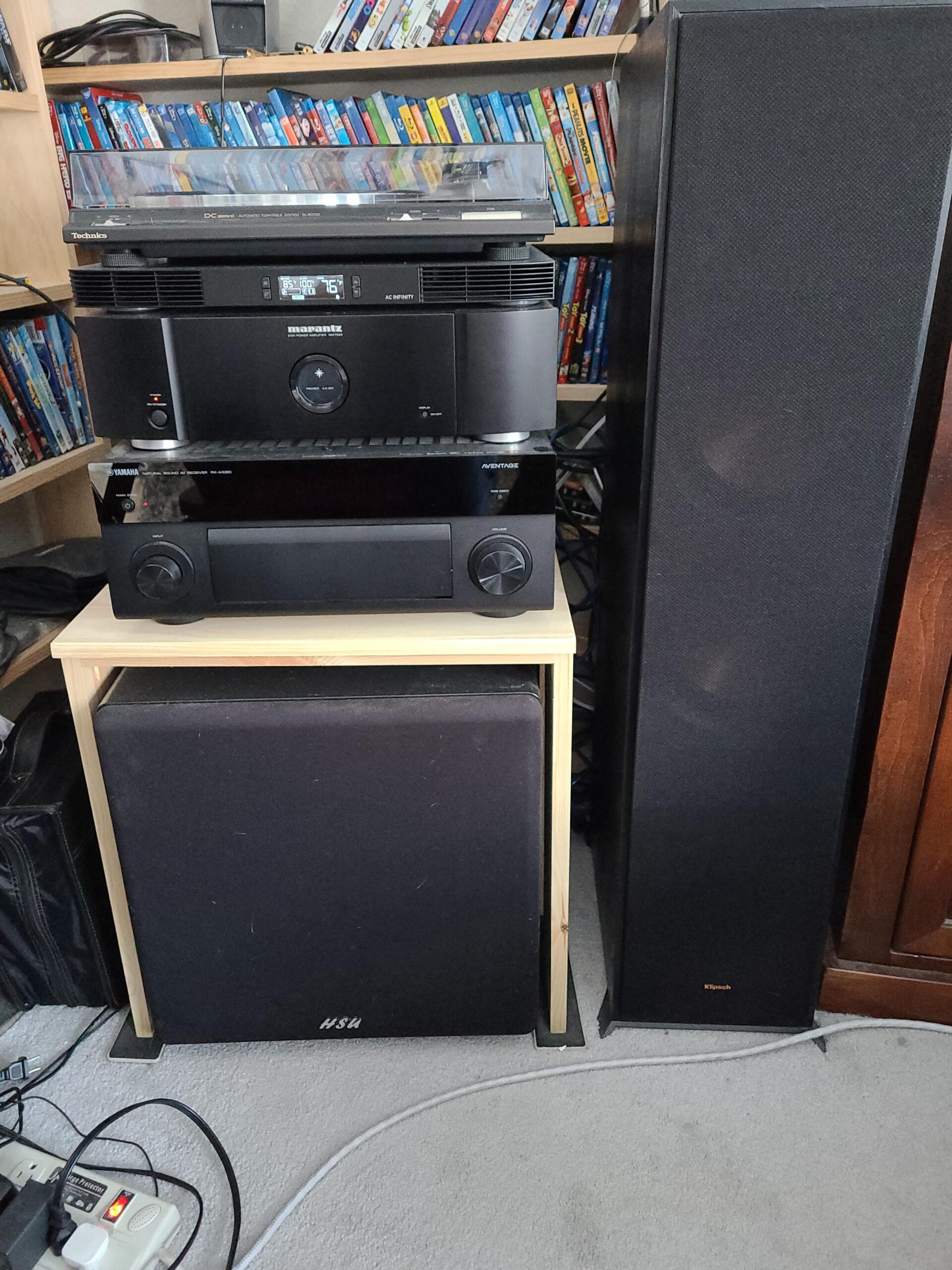
The Marantz MM7025 brings 60 years of audio heritage to your listening room. I connected it to a pair of reference-quality floor-standing speakers and spent two weeks listening to everything from orchestral recordings to electronic music. The 140 watts per channel provides generous headroom, and the Marantz house sound delivers a full, warm presentation that makes most recordings sound engaging and musical.
Both single-ended RCA and balanced XLR inputs give you flexibility in how you connect your preamp or source equipment. The balanced connection is particularly valuable if you have long cable runs or noisy environments, as it rejects common-mode noise that can degrade your signal. I tested both inputs and the balanced XLR provided a slightly blacker background and better instrument separation.
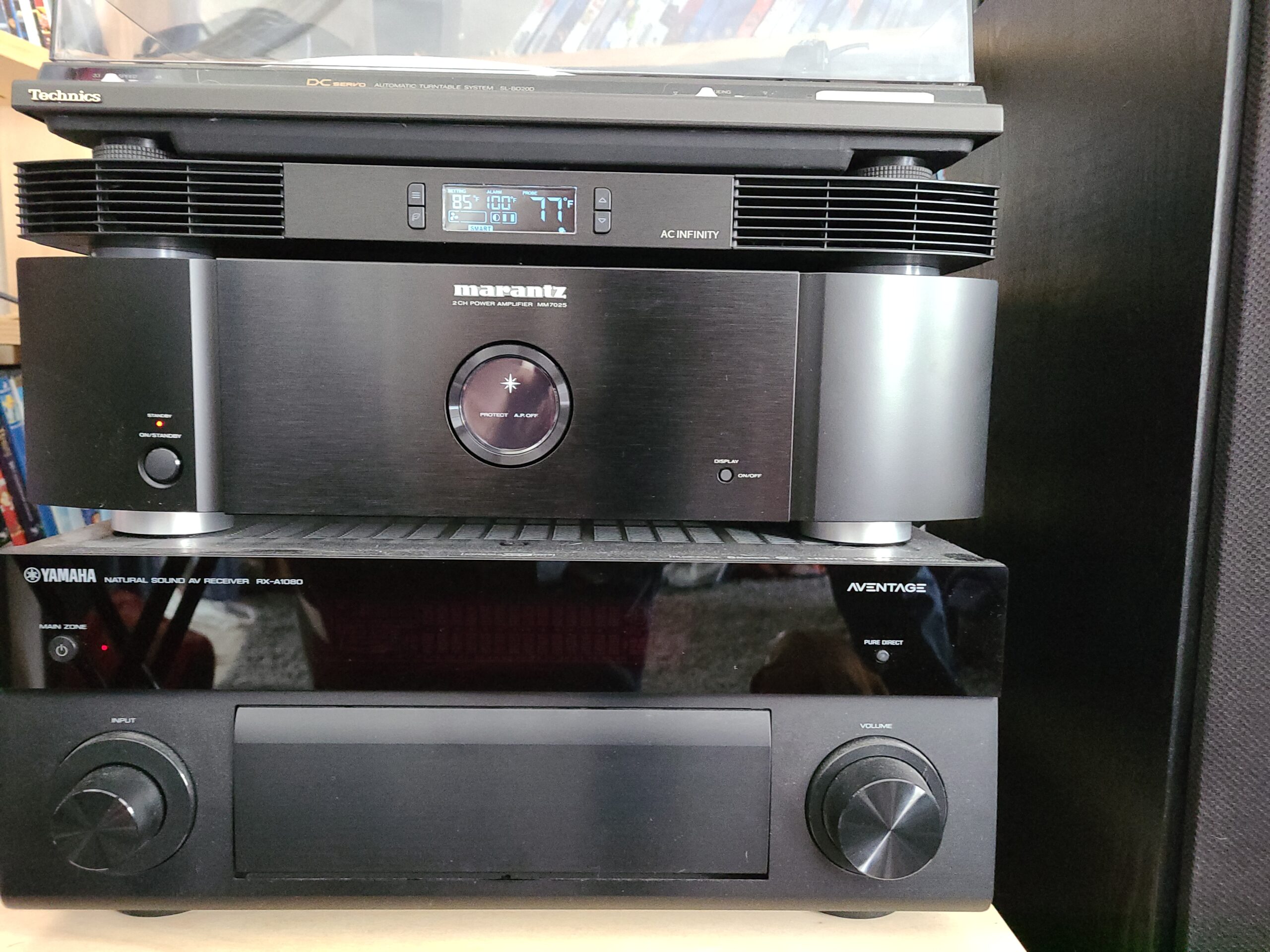
The silent cooling system is a genuine advantage over the pro audio amplifiers in this guide. There is no fan noise at all, just a passive heat dissipation system that keeps the amp at safe operating temperatures. This makes the MM7025 ideal for dedicated listening rooms where silence between tracks matters as much as the music itself. The remote trigger input lets you power the amplifier on and off automatically with a compatible Marantz receiver.
The curved aluminum front panel is classic Marantz, elegant without being flashy. At 23.8 pounds and under 14 inches deep, it has a substantial but manageable footprint. The dual-zone configuration option lets you power speakers in two different rooms from a single amplifier, which adds versatility for whole-house audio setups. The three-year warranty from Marantz reflects confidence in long-term reliability.
Who should buy the Marantz MM7025
Home theater and stereo listeners who want Marantz sound quality with the flexibility of a separate power amplifier should consider the MM7025. If you already own a Marantz preamp or receiver, the remote trigger integration makes for a seamless system. The dual-zone capability is valuable for powering speakers in a second room without buying a separate amplifier.
Audiophiles who prioritize silent operation and a warm, musical presentation will appreciate what the MM7025 brings to the table. The balanced XLR input ensures clean signal transmission even in electrically noisy environments.
Who should look elsewhere
Critical listeners who prioritize absolute transparency and surgical precision over warmth may find the Marantz sound signature too colored for their taste. Those on a tighter budget can get similar or better value from the Denon PMA-600NE, which offers a comparable listening experience with more features at a lower price. The limited stock availability (only 9 units at last check) also means you may need to act quickly or consider alternatives.
How to Choose the Right Power Amplifier in 2026
Picking the right power amplifier comes down to matching the amp’s capabilities to your specific needs. Here is what our team considers when evaluating amplifiers for different use cases.
Understanding Amplifier Classes
Class A amplifiers run their output transistors at full power continuously, delivering the purest sound but wasting significant energy as heat. They are rare in modern power amplifiers because of their inefficiency. Class A/B designs, like the Rockville RPA9, split the difference by running transistors in a push-pull configuration that reduces heat while maintaining excellent sound quality. These are popular in pro audio and hi-fi applications.
Class D amplifiers, like the Fosi BT20A Pro and Crown XLS1002, use high-speed switching technology to achieve over 90% efficiency. Modern Class D designs with quality chips like the TI TPA3255 or Crown DriveCore deliver sound quality that rivals Class A/B in most listening scenarios while running cool and drawing less power. The old stigma against Class D is outdated for current-generation designs.
Matching Power to Your Room Size
Room size is one of the most overlooked factors in amplifier selection. A small room up to 150 square feet needs roughly 25 to 50 watts per channel for satisfying volume levels. Medium rooms from 150 to 300 square feet benefit from 50 to 100 watts per channel. Large rooms over 300 square feet or rooms with open floor plans may need 100 to 200 watts per channel, especially with inefficient speakers.
Remember that doubling your amplifier power only gives you a 3dB increase in volume, which is barely noticeable. A 100-watt amp is not twice as loud as a 50-watt amp. Focus on clean power delivery and speaker compatibility rather than chasing maximum wattage numbers.
Connectivity and Integration
Think about what you need to connect to your amplifier. Vinyl setups need a phono input or external phono preamp. Home theater users should check for compatible inputs that match their preamp or receiver outputs. Streaming enthusiasts benefit from built-in Wi-Fi, Bluetooth, AirPlay, or Chromecast.
Professional users should verify that the amplifier has the right input types (XLR, TRS, RCA) and output connectors (SpeakON, binding posts, banana plugs) for their existing equipment. Rack-mount compatibility matters for installed systems and mobile DJ rigs.
Speaker Matching Essentials
Check your speaker’s impedance rating (measured in ohms) and sensitivity (measured in dB). Lower impedance speakers (4 ohms) draw more current from the amplifier, so make sure your amp is rated for 4-ohm loads. Speakers with sensitivity below 87dB need more power to reach the same volume as speakers rated above 90dB. The MUSYSIC SYS-4500 and Crown XLS1002 handle difficult speaker loads well, while compact amps like the Fosi BT20A Pro work best with efficient speakers.
Frequently Asked Questions
What’s the best power amplifier?
The best power amplifier depends on your needs. For budget-conscious listeners, the Fosi Audio BT20A Pro delivers exceptional sound quality in a compact package. For professional use with DSP features, the Crown XLS1002 is outstanding. For vinyl enthusiasts, the Denon PMA-600NE offers a warm, musical sound with a built-in phono preamp. Our top pick overall is the Fosi BT20A Pro for its combination of sound quality, features, and value.
What company makes the best amplifier?
Several companies produce excellent amplifiers, each with distinct strengths. Crown is renowned for professional amplifiers with DSP technology. Marantz and Denon deliver refined sound for home audio and have decades of audiophile heritage. Bose excels in streaming-integrated amplifiers with proprietary processing. For value, Fosi Audio has become a respected name in compact amplifier design with quality components like TI TPA3255 chips.
What is the most powerful power amplifier?
Among the amplifiers we tested, the MUSYSIC SYS-4500 offers the highest peak power rating at 4500W. However, real-world RMS output is closer to 550W per channel at 8 ohms. For continuous, reliable high power, the Crown XLS1002 delivers 350W per channel at 4 ohms with 1100W in bridged mode. The Marantz MM7025 provides 140W per channel of clean, stable power suitable for demanding home audio applications.
Do expensive amplifiers sound better?
The relationship between price and sound quality is not linear. Above a certain threshold, spending more yields diminishing returns. A well-designed 200-dollar amplifier like the Rockville RPA9 can sound remarkably close to amplifiers costing several times more in blind listening tests. Where premium amplifiers justify their cost is in build quality, long-term reliability, features like balanced XLR inputs, and subtle improvements in detail retrieval and soundstage. For most listeners, the sweet spot for value lies in the 100 to 600 dollar range.
Our team tested all 8 of these power amplifiers across different systems and rooms, and each one earned its place on this list for a specific reason. The Fosi Audio BT20A Pro remains our Editor’s Choice for delivering audiophile-grade sound in a compact, affordable package. The Crown XLS1002 stands out as the best professional option with its built-in DSP and lightweight DriveCore design. For vinyl lovers, the Denon PMA-600NE offers the warm, engaging sound that makes records sound their best.
Whether you are building your first serious stereo system, upgrading your home theater with external amplification, or equipping a live sound rig, the best power amplifiers in 2026 give you more performance per dollar than ever before. Modern Class D technology has made high-quality amplification accessible at every budget, and the options on this list represent the top performers across every price category. Pick the one that matches your speakers, room, and listening habits, and you will hear the difference immediately.