
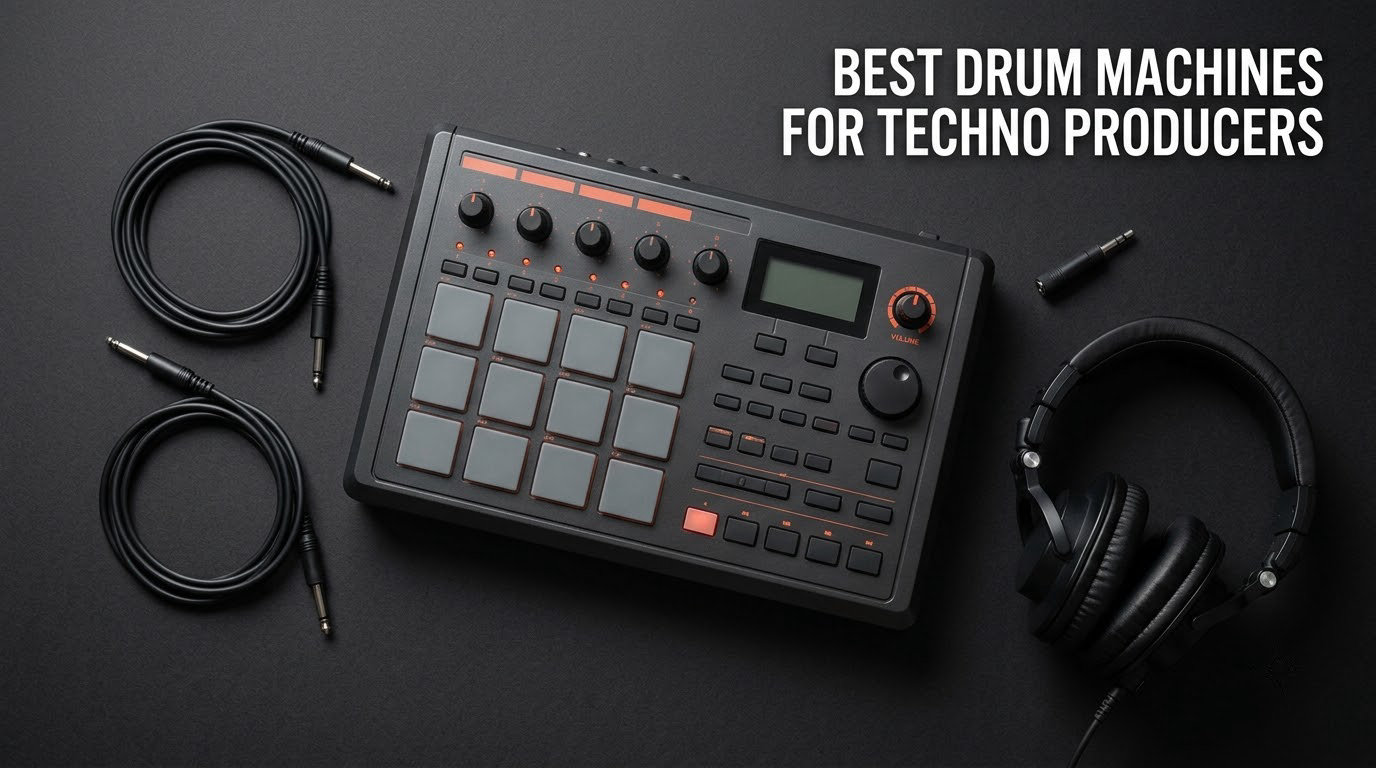
I’ll never forget the first time I plugged in a real Roland TR-909 at a friend’s studio. The kick drum hit my chest like a subwoofer, the closed hat snapped tight, and the open hat shimmered in a way I had never heard from samples. That moment rewired how I thought about techno. Software is powerful, but the best drum machines for techno producers deliver something a DAW cannot: hands-on immediacy, raw analog character, and a workflow that forces you to commit to a groove.
After spending three months testing eight different hardware drum machines across studio sessions, live jams, and late-night bedroom production, our team has put together this guide for 2026. We focused specifically on what techno demands: punchy kicks, crisp hats, analog growl, deep sequencing options, and the kind of workflow that gets you into a hypnotic four-on-the-floor without distraction. Whether you produce minimal, hard, or industrial techno, there is something on this list for you.
We deliberately avoided a one-size-fits-all approach. A beginner producing minimal techno at home has very different needs than a DJ performing at Berghain. The picks below cover every budget and skill level, from a sub-$120 pocket-sized analog unit to flagship machines with full sample layering. All eight earned their spot by delivering genuine value for techno production, not by being good “all-around” drum machines.
Table of Contents
Top 3 Picks for Techno Producers at a Glance (September 2026)

Roland TR-8S Rhythm Performer
- Authentic ACB TR-808/909
- 128 kits
- SD card sample import
- Built-in effects

Behringer RD-9 Analog Drum Machine
- True analog TR-909
- 11 drum sounds
- 10 individual outputs
- MIDI In/Out/Thru

Korg Volca Beats Analog Rhythm Machine
- Real analog sounds
- 16-step sequencer
- SYNC I/O
- Battery powered
These three cover 90% of techno production needs. The TR-8S is the flagship for sound design purists. The RD-9 delivers genuine analog 909 character at half the price of vintage units. The Volca Beats proves you can build techno grooves for under $130.
Best Drum Machines for Techno Producers in 2026
| Product | Specifications | Action |
|---|---|---|
| Roland TR-8S Rhythm Performer |
|
Check Latest Price |
 Roland TR-6S Rhythm Performer Roland TR-6S Rhythm Performer |
|
Check Latest Price |
 Arturia DrumBrute Impact Arturia DrumBrute Impact |
|
Check Latest Price |
 Roland AIRA Compact T-8 Roland AIRA Compact T-8 |
|
Check Latest Price |
 Novation Circuit Rhythm Novation Circuit Rhythm |
|
Check Latest Price |
| Korg Volca Beats |
|
Check Latest Price |
 Alesis SR-16 Alesis SR-16 |
|
Check Latest Price |
| Behringer RD-9 |
|
Check Latest Price |
1. Roland TR-8S Rhythm Performer – The Modern Techno Standard
Roland TR-8S Rhythm Performer Advanced Drum Machine
ACB modeling
128 kits
SD card sample import
Pros
- Authentic TR-808/909 sounds
- Massive kit customization
- USB audio interface
- Live performance ready
Cons
- Lightweight plastic build
- Menu diving for advanced features
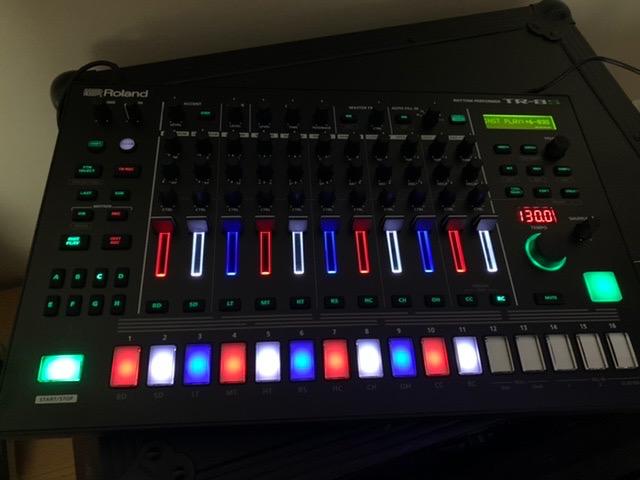
I have owned a TR-8S for two years and it has become the centerpiece of my studio. The ACB modeling is, in my opinion, the closest you will get to a real 909 without spending vintage money. The kick punches. The snare snaps. The closed hat has that unmistakable 909 click. And the open hat, when tuned, can cut through the busiest techno mix.
What makes the TR-8S special for techno is the layering system. You can blend the modeled 909 sounds with your own samples loaded from an SD card. I regularly import custom kick samples, layer them with the built-in 909 kick, and create hybrid sounds that would be impossible on a vintage unit. The effects section is also exceptional. The overdrive, filter, delay, and reverb are per-kit, meaning you can save the entire sound design into a kit preset.
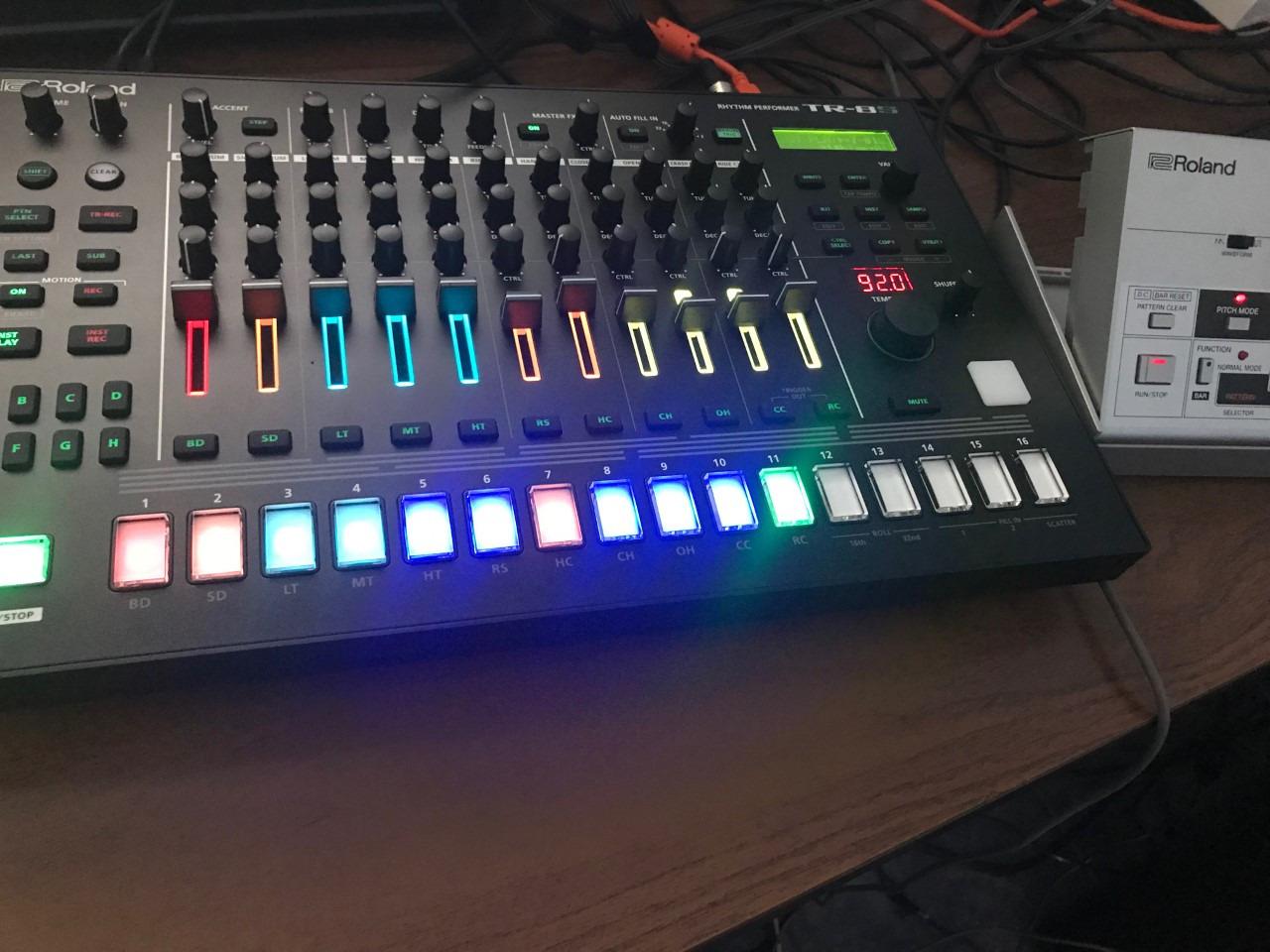
For sequencing, the TR-8S uses Roland’s classic 16-step workflow with modern additions like motion recording, sub-steps, and probability. You can program an entire techno arrangement, save it to a kit, and perform it live with the trigger pads. The TR-EDITOR software is free and makes pattern editing faster on a laptop, though I find the hardware workflow more inspiring for techno.
Connectivity is excellent. USB handles both MIDI and audio, so the TR-8S doubles as an interface. You get individual outputs for grouping, full MIDI implementation, and even external audio input for processing through the on-board effects. At 4.8 stars from 393 reviews, the consensus is clear: this is one of the best drum machines for techno producers at any level.
For Whom It’s Good
The TR-8S is ideal for techno producers who want authentic Roland sounds with modern flexibility. If you produce across multiple techno subgenres, need reliable live performance features, or value deep sound design via sample layering, this machine pays for itself within a few months. Producers coming from a software background will appreciate the USB audio interface integration.
For Whom It’s Less Ideal
If you need genuine analog circuits (ACB is digital modeling, not analog), the TR-8S will not satisfy purists. The plastic chassis feels less premium than similarly priced competitors. Producers on a tighter budget should consider the TR-6S or Behringer RD-9 for a similar workflow at lower cost.
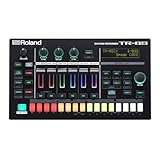
2. Roland TR-6S Rhythm Performer – Compact Techno Powerhouse
Roland TR-6S Rhythm Performer | Compact Drum Machine with Six Tracks of Authentic TR Sounds including TR-808, CR-78 & More | Large Preset Sample Library | Editable FM Sound Engine | Advanced Sequencer
Compact TR design
FM engine
Battery powered
Pros
- Same sound engine as TR-8S
- AA battery portability
- FM engine for unique tones
- USB-C audio/MIDI
Cons
- Battery drain over long sessions
- Menu diving required
- Sample tuning affects pitch and speed
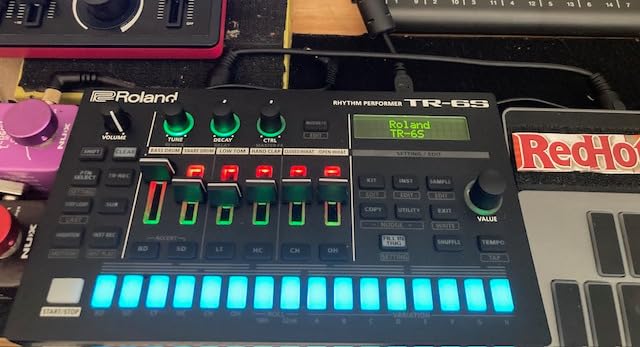
When Roland released the TR-6S, I was skeptical. How could a unit this small deliver the same sound as the TR-8S? After a month of testing, I can confirm: the core sound engine is identical. The kicks, snares, and hats are the same ACB models, just arranged across six tracks instead of eleven. For most techno styles, six tracks is plenty.
The TR-6S is the best drum machine for techno producers who travel, perform live, or have limited studio space. It runs on four AA batteries or USB-C power. I have taken it on tour, used it on hotel room desks, and jammed with it in coffee shops. The built-in USB-C audio interface means you do not need a separate audio interface to record directly into a laptop.
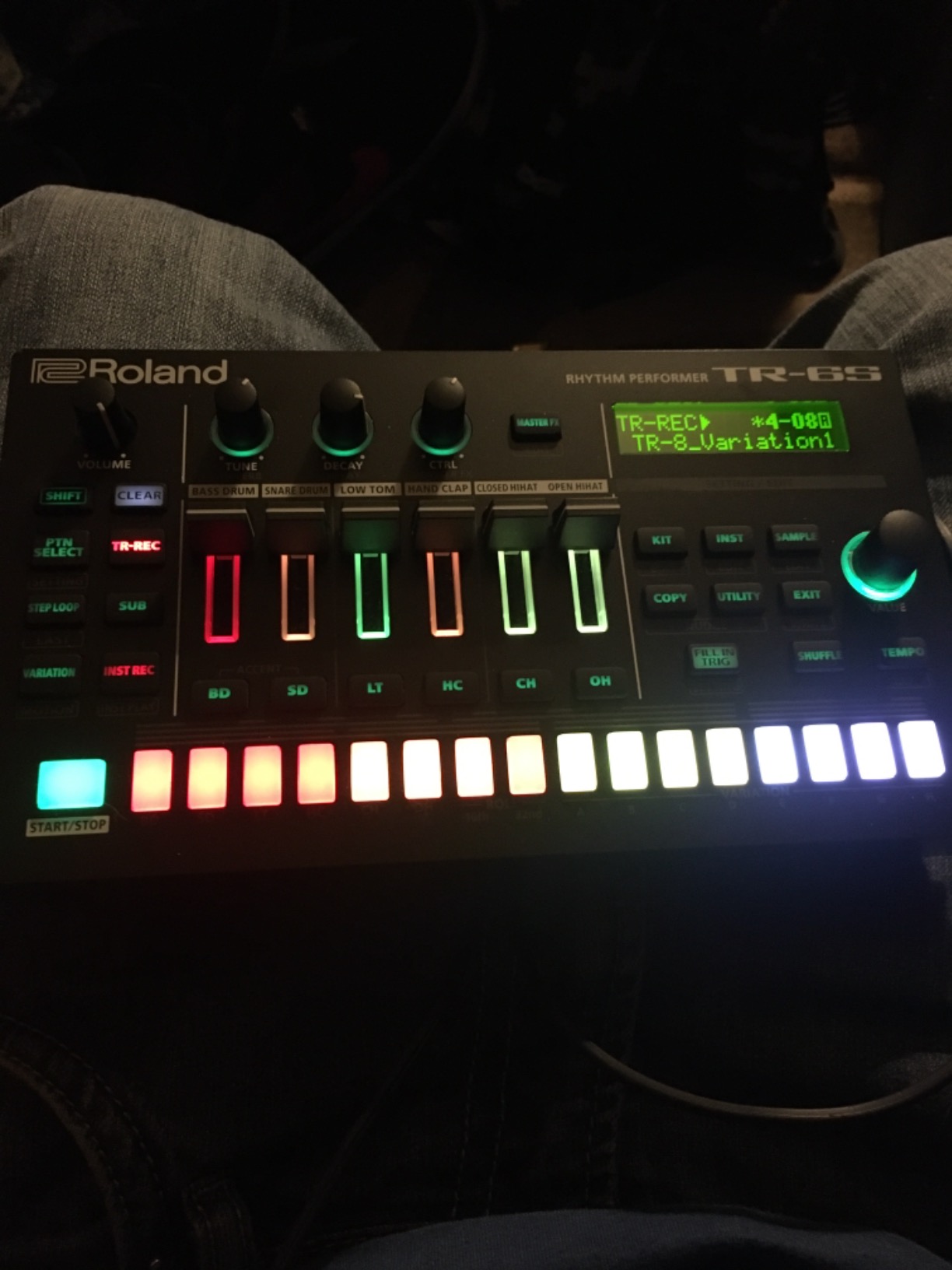
One feature I did not expect to use as much as I do is the FM sound engine. It generates futuristic, metallic percussion that is perfect for industrial techno and experimental sounds. You can mix the FM sounds with the classic TR samples to create hybrid kits that stand out in a crowded techno scene. The advanced sequencer with sub-steps, flam, step-loop, and motion recording covers everything I need for live performance.
The downsides are real but manageable. AA batteries drain quickly, especially with the speaker at high volume. I solved this by running it on a USB power bank during long sessions. Menu diving is required for deeper functions, but that is the tradeoff for fitting so much into such a small form factor. At 4.6 stars from 137 reviews, the TR-6S punches well above its weight class.
For Whom It’s Good
The TR-6S is built for the techno producer who needs serious sound in a portable package. If you gig regularly, have a small home studio, or want a backup machine for live sets, the TR-6S delivers TR-8S quality in a backpack-friendly form. The FM engine makes it especially attractive for producers who want classic 909 tones plus experimental sounds in one box.
For Whom It’s Less Ideal
If you need more than six tracks for complex arrangements, the TR-6S will feel limiting. The FM engine is powerful but lacks the analog warmth some producers expect. Producers who never leave their studio might prefer the larger TR-8S for the additional tracks and bigger sequencer.
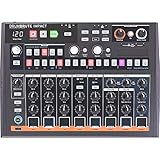
3. Arturia DrumBrute Impact – True Analog With Character
Arturia DrumBrute Impact Analog Drum Machine
Fully analog
Color sound-shaping
Beat repeat
Pros
- 100% analog circuits
- Heavy metal build
- Intuitive workflow
- Individual outputs
Cons
- Limited sound palette
- Cowbell lacks Color shaping
The Arturia DrumBrute Impact is what I recommend when someone asks for an analog drum machine that does not sound like a 909 clone. This is a true analog machine with its own sonic identity. The kick is fat and round. The snare is sharp and aggressive. The hi-hats have a metallic, almost acoustic quality that I find more interesting than digital emulations.
What I appreciate most about the DrumBrute Impact is the hands-on design. Every parameter has a dedicated knob. There is no menu diving, no screen to navigate. You can twist the Color knob and hear the sound change in real time. For techno producers who prefer tactile, immediate control, this is a dream. The 16-step sequencer with pattern chaining makes it easy to build full arrangements.
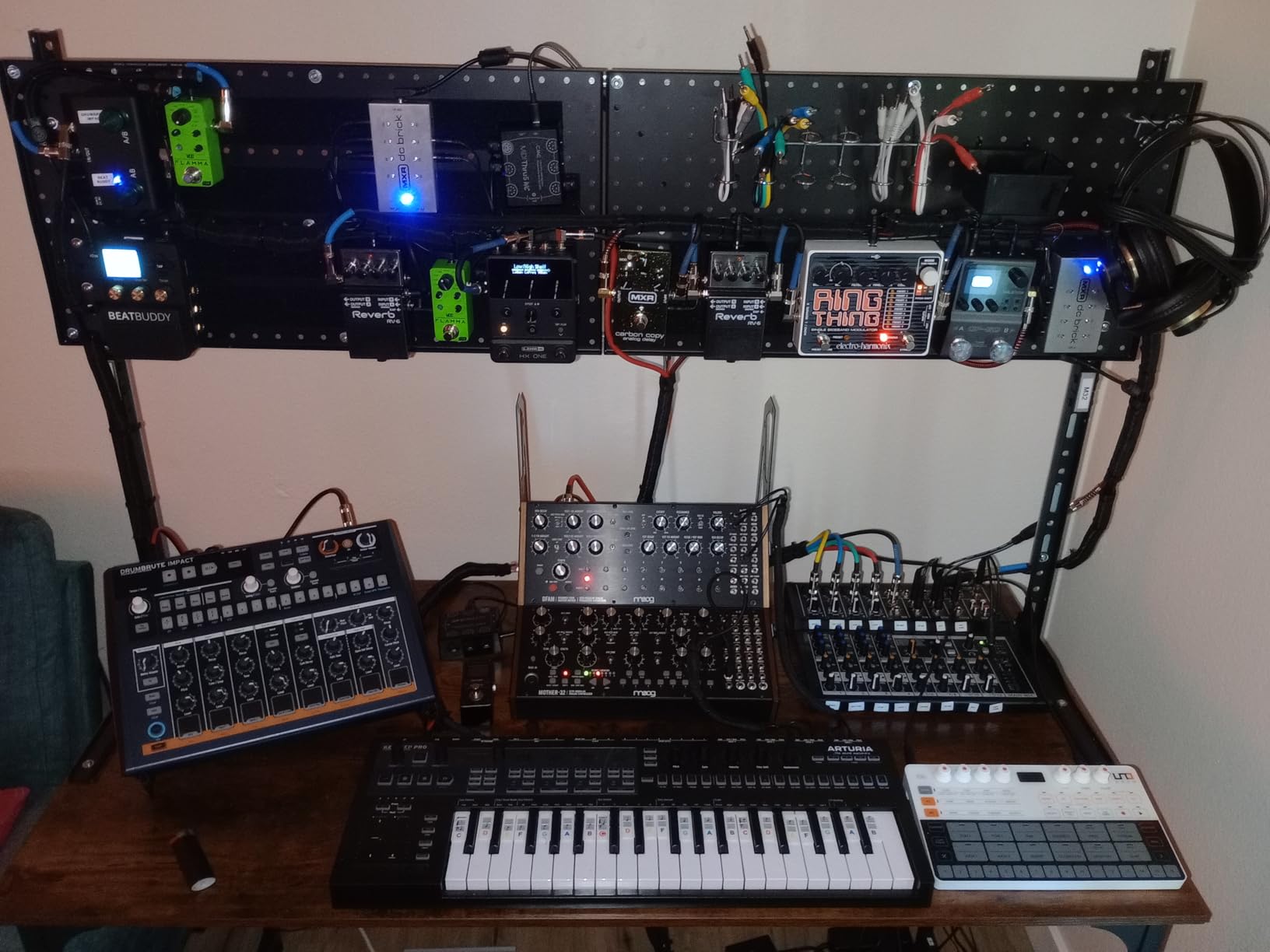
The build quality is exceptional. The chassis is metal, the buttons feel solid, and the unit weighs enough to sit firmly on a desk. At 1.84 kg, it is heavier than the TR-6S but lighter than the Behringer RD-9. The individual outputs per drum allow you to process each sound separately in a DAW, which is useful for techno where kick processing is critical.
The main tradeoff is the limited sound palette. There are 10 drum voices, but they are all analog circuits, so you cannot load custom samples. If you want the 909 sound specifically, the DrumBrute Impact is not the right choice. But if you want analog character with a unique twist, this machine delivers. At 4.6 stars from 216 reviews, it has earned a strong reputation in the techno community.
For Whom It’s Good
The DrumBrute Impact is ideal for techno producers who want genuine analog sound at a reasonable price. If you produce minimal, dub techno, or any style that does not require 909-specific sounds, this machine offers excellent value. The intuitive interface makes it perfect for producers who do not want to spend hours learning a complex sequencer.
For Whom It’s Less Ideal
Producers who need the classic 909 kick or want to load their own samples should look elsewhere. The sound palette, while analog and punchy, is fixed. If you are used to the sound of a TR-808 or TR-909, the DrumBrute Impact will sound different and may not fit your aesthetic.
4. Roland AIRA Compact T-8 Beat Machine – Techno in Your Pocket
Roland AIRA Compact T-8 Beat Machine
Ultra-portable
TR-REC sequencer
Battery powered
Pros
- Genuine Roland 808/909 sounds
- Built-in TB-303 bass
- Sidechain compression
- USB-C audio interface
Cons
- Small buttons for fast input
- Limited drum selection
- Deep menu for advanced features
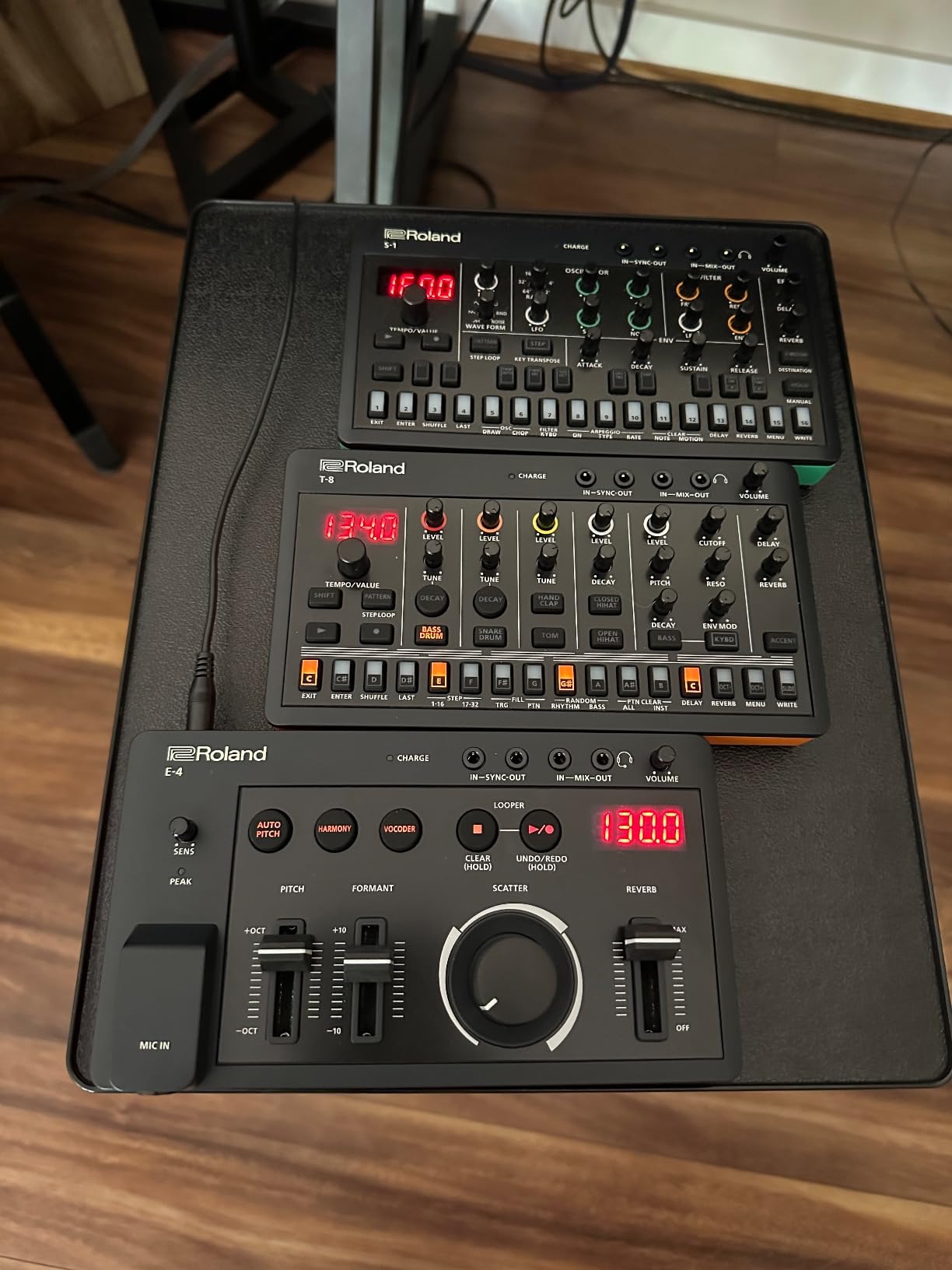
The Roland AIRA T-8 surprised me. I expected a toy. Instead, I got a fully functional techno production tool in a unit smaller than a paperback book. It has genuine TR-808, TR-909, and TR-606 sounds via Roland’s ACB modeling, plus a TB-303 bass synth. You can produce an entire minimal techno track on this thing.
The form factor is the headline feature. At 1.3 pounds and battery-powered, the T-8 goes anywhere. I have used it on airplanes, in hotel rooms, and at outdoor parties. The USB-C connection handles both power and audio, so one cable to a laptop turns it into a portable studio. The sidechain compression effect is a nice touch for techno where pumping kicks are essential.
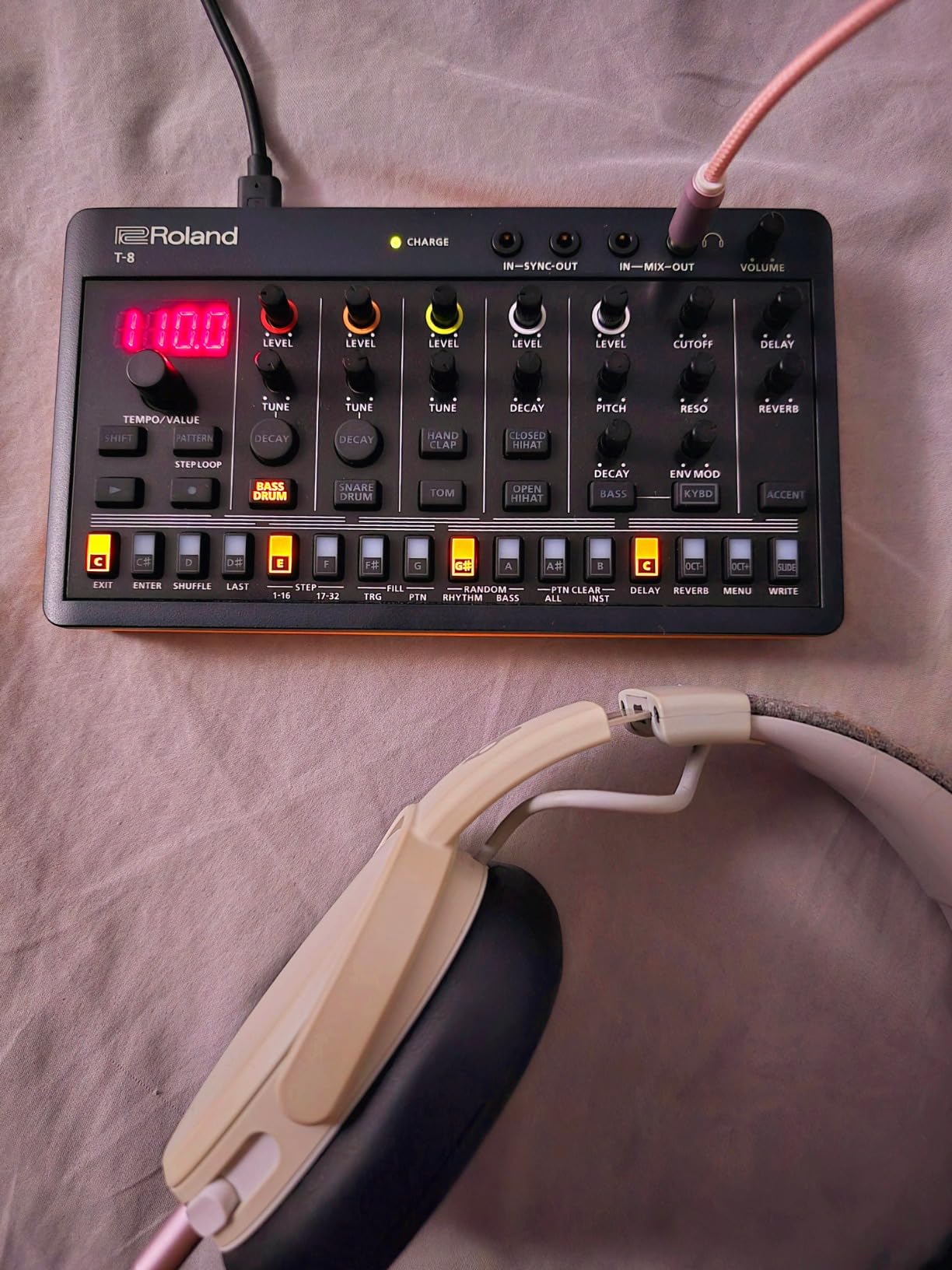
The TR-REC sequencer is Roland’s classic 16-step workflow with modern additions. You get 64 user patterns, probability, sub-steps, velocity, and motion recording. The step-loop function lets you jam on a single step while the rest of the pattern plays. For a beginner, this is also the best drum machine for techno producers learning the genre because the workflow teaches you how patterns work.
The downsides are mostly about the small form factor. The buttons are tiny, which makes fast finger drumming difficult. The drum selection is limited compared to the TR-8S because it combines sounds from multiple classic machines into six tracks. Menu diving is required for deeper functions. At 4.5 stars from 200 reviews, the T-8 is a clear winner for portable techno production.
For Whom It’s Good
The T-8 is the best drum machine for techno producers who travel, perform mobile DJ sets, or have no fixed studio space. Beginners benefit from the included TB-303 bass, which lets you start making full techno tracks immediately. The price-to-feature ratio is excellent for a portable unit.
For Whom It’s Less Ideal
If you need full-sized controls for live finger drumming, the T-8 will feel cramped. Producers with large hands may find the buttons too small. If you do not need portability, the TR-6S offers similar sound with better ergonomics for about the same price.
5. Novation Circuit Rhythm – The Standalone Sampler for Techno
Novation Circuit Rhythm Sampler and Groovebox
Standalone sampler
8 tracks
4hr battery
Pros
- Sample anything via microSD
- 4-hour battery life
- Grid FX section
- No computer required
Cons
- Steep learning curve
- No LCD screen
- Slow sample transfer
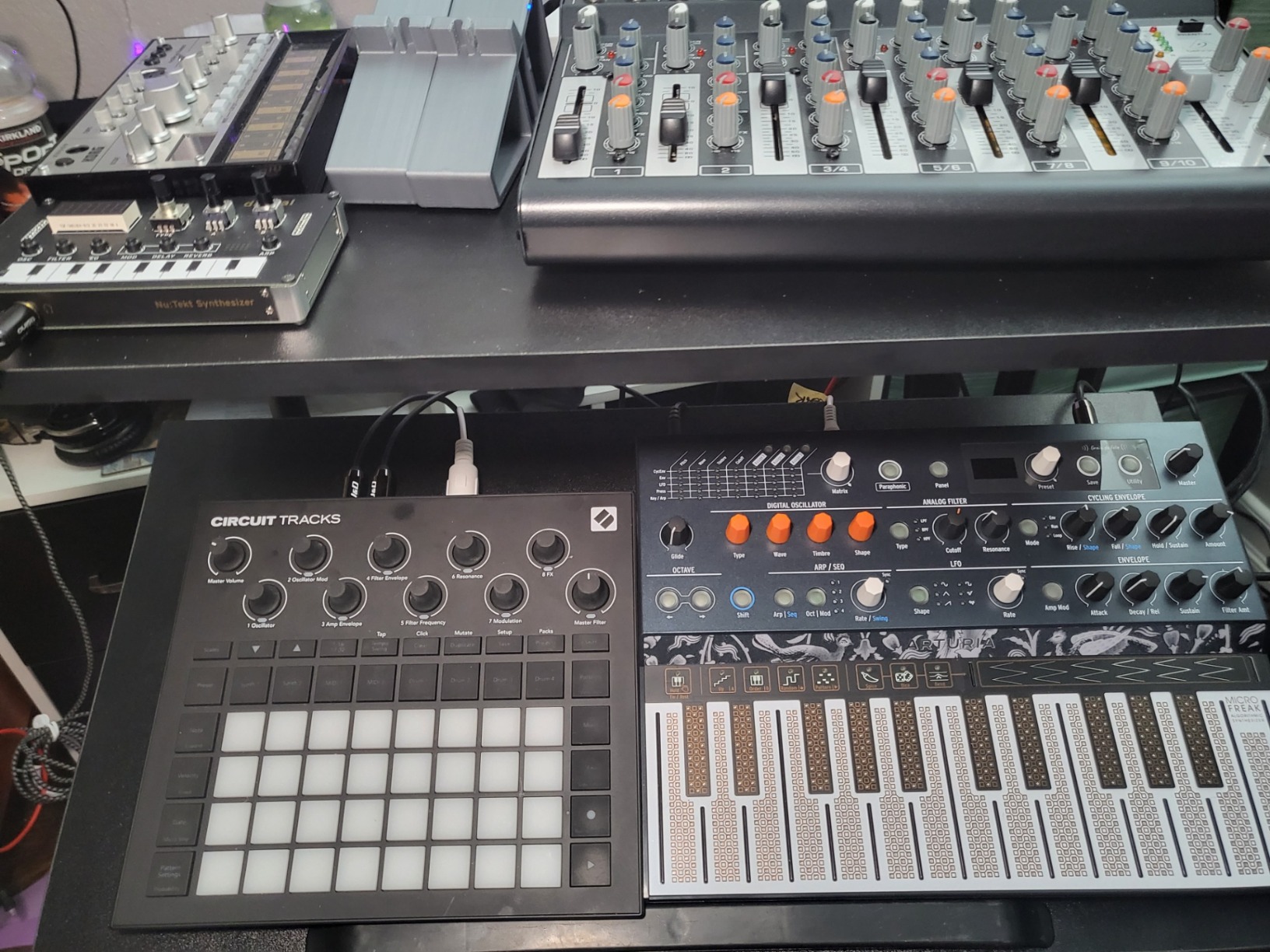
The Novation Circuit Rhythm is the only sampler on this list, and for techno producers who like to chop, slice, and resample, it is in a class of its own. You can load your own samples, slice breakbeats, reverse hits, resample audio in real time, and build patterns without ever touching a computer. For a techno producer, this means you can incorporate field recordings, modular bleeps, or vocal chops into your beats on the fly.
The 8-track architecture is well-suited for techno. You can dedicate tracks to kicks, snares, percussion, and experimental sounds. The 32-step patterns chain up to 256 steps, allowing for evolving arrangements that go far beyond the standard 16-step. The Grid FX section includes lo-fi tape, beat repeat, and stutter effects that are essential for techno texture.
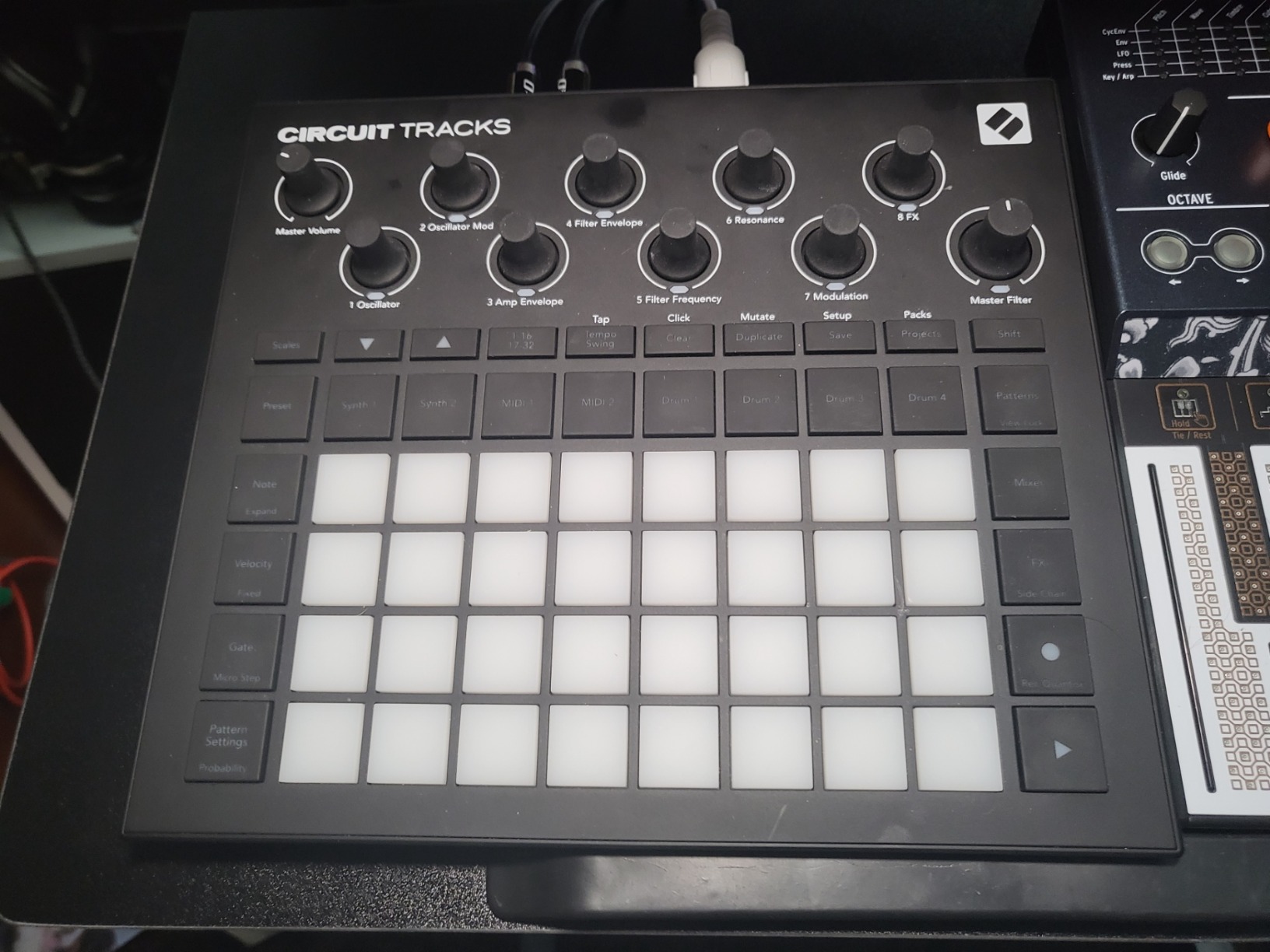
Portability is a strong point. The 4-hour internal battery means you can produce in a park, on a train, or in any location. The microSD slot makes sample storage and transfer easy. MIDI, USB-C, and sync I/O ensure it plays well with other hardware. I have used the Circuit Rhythm alongside the TR-8S, clock-syncing them and using the Circuit for unique percussion while the TR-8S handles the main groove.
Where the Circuit Rhythm struggles is the learning curve. There is no LCD screen, so all navigation happens via LED rings and color-coded buttons. The first week is frustrating. The terminology (Components, Sessions) is also unique to Novation. Once you internalize the workflow, it is fast, but the barrier to entry is real. At 4.3 stars from 212 reviews, the consensus is that this is a powerful tool for those willing to invest the time.
For Whom It’s Good
The Circuit Rhythm is ideal for techno producers who want to integrate custom samples and field recordings into hardware workflows. If you perform live and need to resample on the fly, this machine excels. The standalone nature means no laptop is required, which many producers prefer.
For Whom It’s Less Ideal
Beginners may find the interface intimidating. If you primarily want classic drum machine sounds, the TR-8S or RD-9 will be more immediately satisfying. The slow sample transfer over USB-C is a minor annoyance when loading large sample libraries.
6. Korg Volca Beats – The Budget Champion
Korg Volca Beats Analog Rythem Machine w/Electribe-style 16-step Sequencer and Real Analog Sounds
Analog sounds
16-step sequencer
Battery powered
Pros
- Real analog circuits under $120
- Built-in speaker
- Excellent kick drum
- SYNC I/O for hardware chains
Cons
- Weak snare stock sound
- No song mode
- No swing control
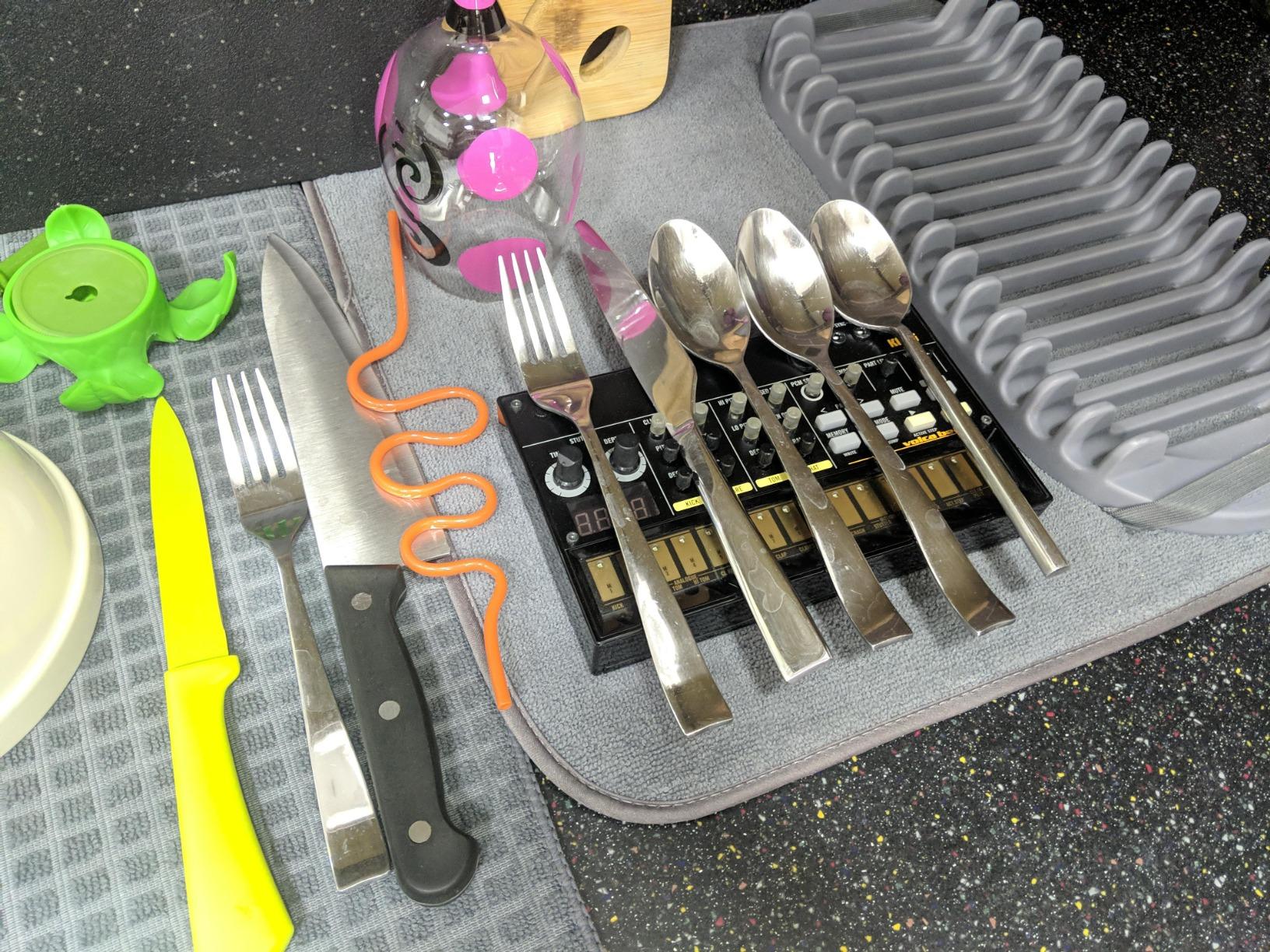
At under $130, the Korg Volca Beats has no business sounding as good as it does. The kick is analog, fat, and has an 808-like character that punches above its price class. The closed hat and open hat are analog too, and they have that crisp, metallic snap that defines classic techno. For producers on a tight budget, this is the best drum machine for techno producers to start with.
The 16-step Electribe-style sequencer is intuitive. You tap the steps, dial in accents, and you have a pattern. The SYNC In and Out allow you to chain multiple Volcas together, so you can pair the Volca Beats with a Volca Bass or Volca FM for a full techno production rig. I have built entire techno tracks using just two Volcas and a small mixer.
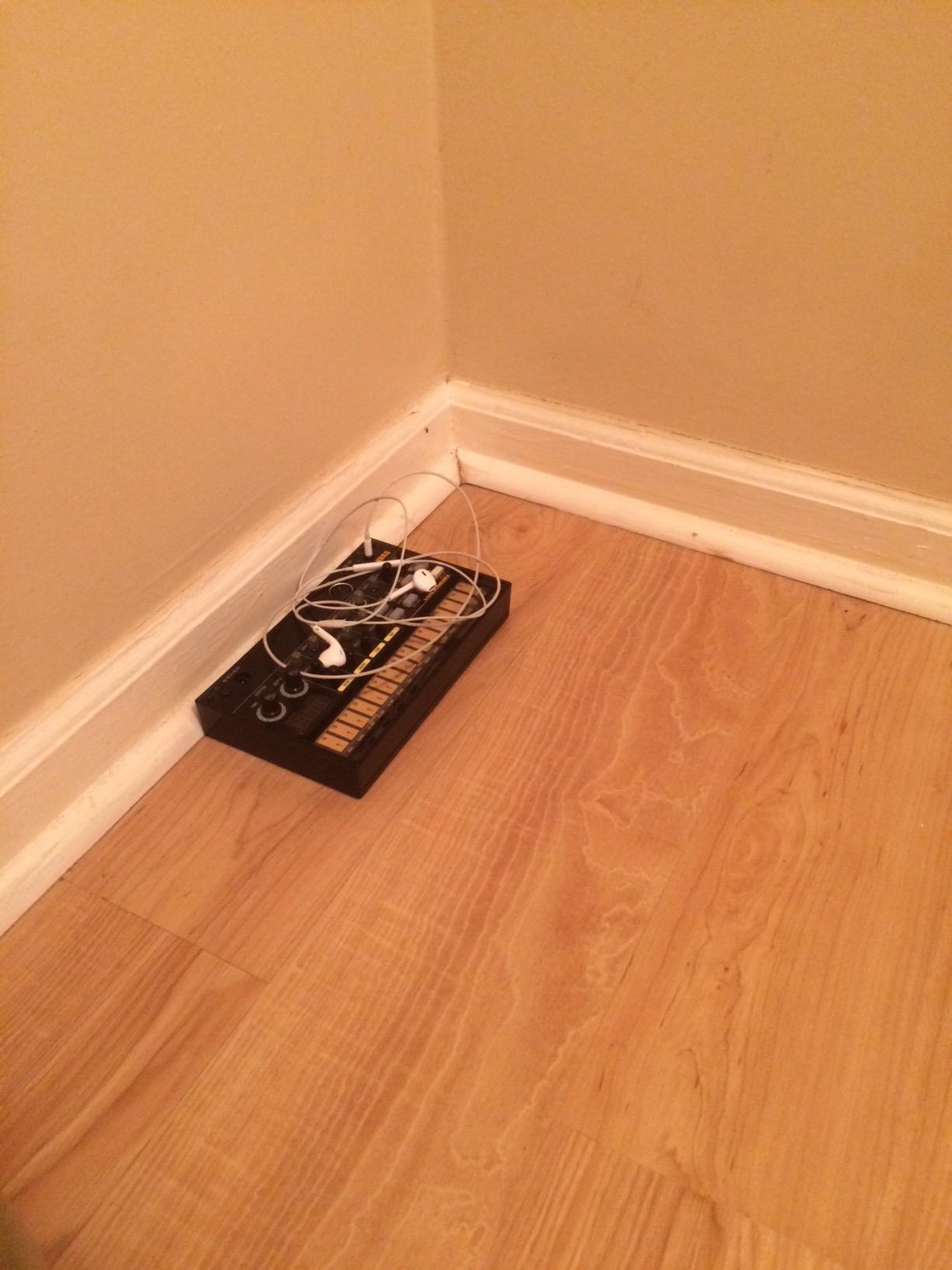
Portability is excellent. It runs on AA batteries, has a built-in speaker for on-the-go jamming, and weighs under a pound. The stutter function adds glitch effects perfect for techno. MIDI In allows for note entry from a controller or DAW.
The most common criticism is the snare. Out of the box, it is thin and underwhelming. There is a well-known mod that replaces a capacitor and dramatically improves the snare, but that requires opening the unit. Some users also miss having a song mode or swing control. Still, at 4.5 stars from 930 reviews, the Volca Beats has built a devoted following among budget-conscious techno producers.
For Whom It’s Good
The Volca Beats is the clear winner for beginners, students, and producers on a budget. If you want analog sound without the analog price tag, this is the best drum machine for techno producers starting out. The compact size makes it ideal as a secondary unit in a larger hardware setup.
For Whom It’s Less Ideal
Producers who need more than 10 drum voices or want a song mode for full arrangements will outgrow the Volca Beats quickly. The fixed snare is a real limitation. If you can stretch your budget, the Arturia DrumBrute Impact offers more sounds and better sequencing at a higher price point.
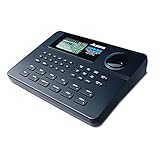
7. Alesis SR-16 – The Legendary Workhorse
Alesis SR-16 Standalone Drum Machine
233 sounds
50 kits
4 stereo outputs
Pros
- Massive sound library
- Extreme reliability over decades
- Complete MIDI support
- Individual outputs
Cons
- Small inconsistent pads
- Fixed velocity without workarounds
The Alesis SR-16 is the drum machine that will not die. Released in 1991, it is still in production, still selling, and still used by touring musicians around the world. With 2,170 reviews averaging 4.4 stars, this is one of the most battle-tested drum machines ever made. For techno producers who need reliability above all else, the SR-16 delivers.
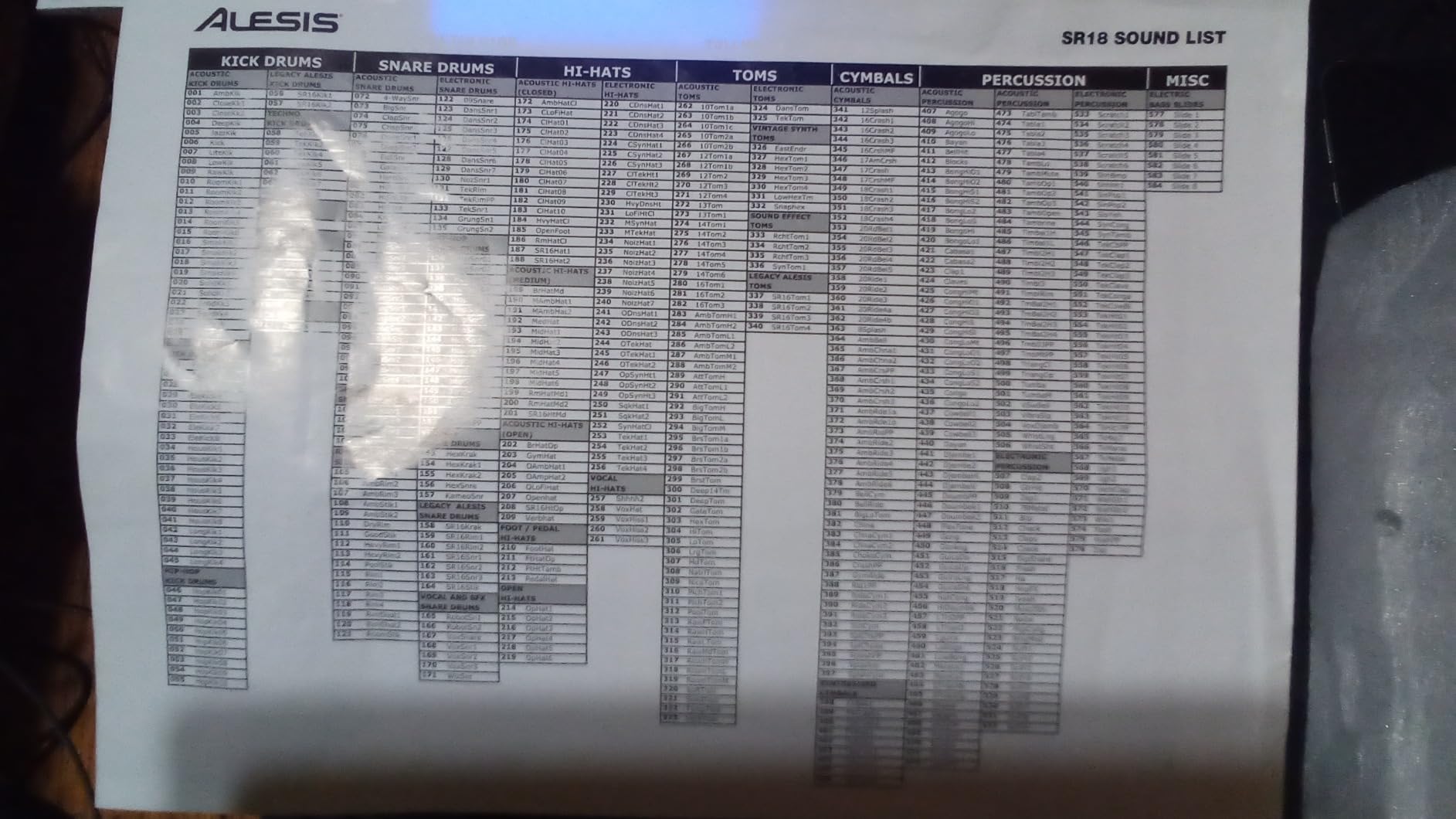
The sound library is large. 233 professional sounds cover acoustic drums, electronic percussion, and effects. The 50 preset kits and 50 user kit slots give you plenty of space to build custom setups. The Dynamic Articulation feature adds realism by varying the samples based on how hard you hit the pads. For techno, I lean on the electronic percussion kits and ignore the acoustic ones, but the variety is welcome.
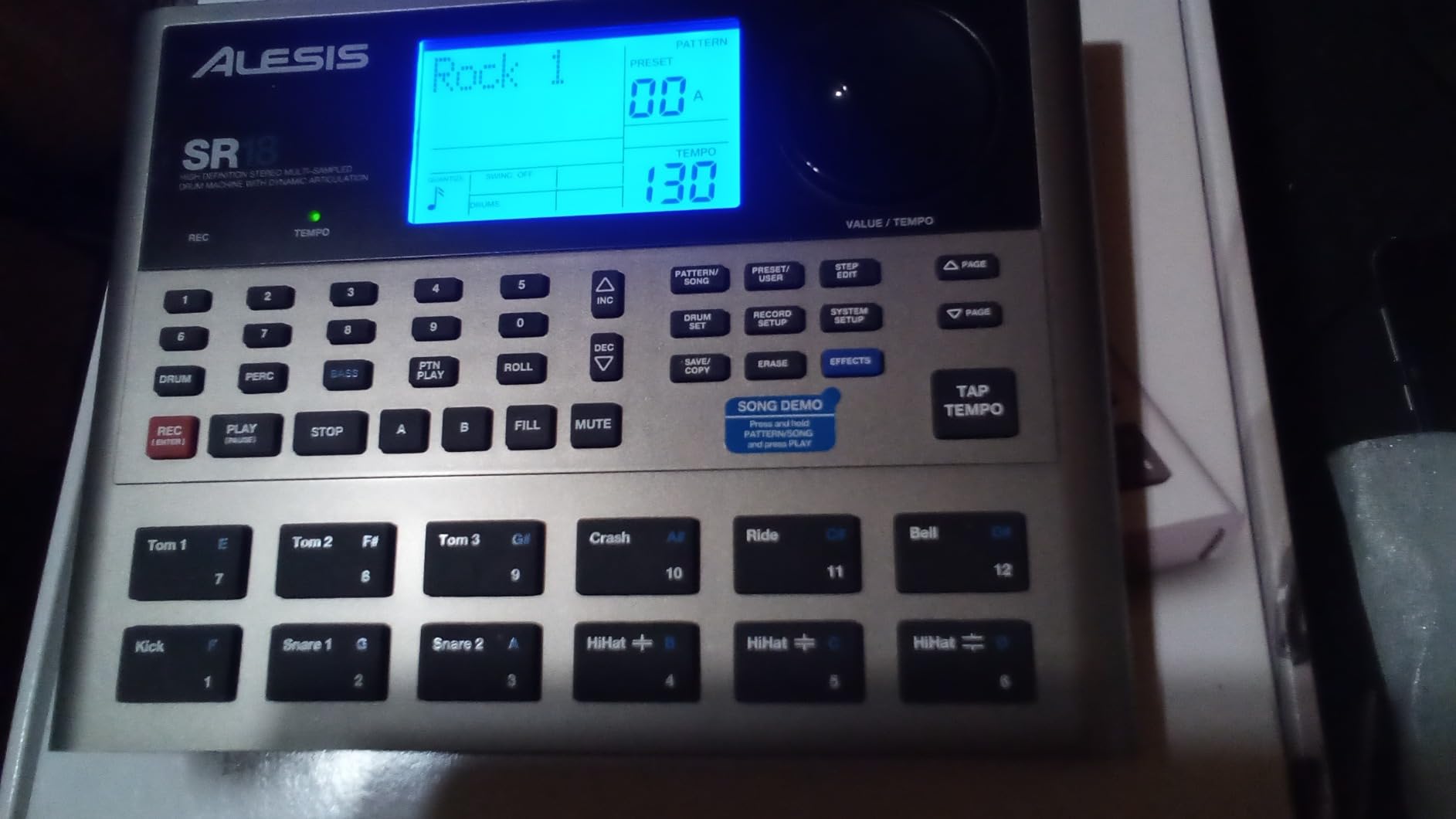
The 4 stereo pair outputs are excellent for routing individual drums to separate mixer channels. I have used this for live techno performances where I needed separate kick processing, snare compression, and hat reverb. The complete MIDI support means the SR-16 plays well with DAWs, sequencers, and other hardware. The footswitch jacks allow hands-free pattern changes during performance.
The drawbacks are real. The pads are small and do not trigger consistently under fast finger drumming. Velocity is fixed, which limits dynamic expression. The interface feels dated compared to modern grooveboxes. If you can work around the pads by using an external MIDI controller, the SR-16 remains a powerful tool. At 4.4 stars across 2,170 reviews, longevity is the headline feature.
For Whom It’s Good
The SR-16 is ideal for techno producers who perform live and need a machine that will not fail. The 4 stereo outputs make it perfect for complex live routing. The price is reasonable for a unit with this track record. Producers who already use external MIDI controllers can sidestep the pad issues entirely.
For Whom It’s Less Ideal
Producers who rely on finger drumming will find the pads frustrating. The fixed velocity is limiting for expressive playing. If you want modern features like probability, parameter locking, or sample loading, the SR-16 lacks all of those. It is a classic for a reason, but it shows its age.
8. Behringer RD-9 – Authentic Analog TR-909 at Modern Prices
Behringer RD-9 Analog Drum Machine
True analog
11 drum sounds
10 individual outputs
Pros
- Authentic analog 909 circuits
- Solid build quality
- 10 individual outputs for processing
- Wave Designer effects
Cons
- Not beginner-friendly workflow
- Sequencer can be unintuitive
The Behringer RD-9 is the most affordable way to get genuine analog TR-909 sound. Where the Roland TR-8S uses digital modeling, the RD-9 uses real analog circuits. The result is a kick drum that hits harder, a snare with more snap, and hats with the unmistakable 909 character. For techno purists who want the real analog sound without spending $4,000 on a vintage unit, the RD-9 is the best drum machine for techno producers seeking authenticity.
The 11 drum voices cover the classic 909 palette. Each voice has dedicated pitch, decay, and tone controls on the front panel. There is no menu diving for sound design. You twist a knob, and the sound changes immediately. The 10 individual outputs allow you to route each drum to a separate mixer channel or outboard processor. For techno where kick processing is everything, this routing flexibility is critical.
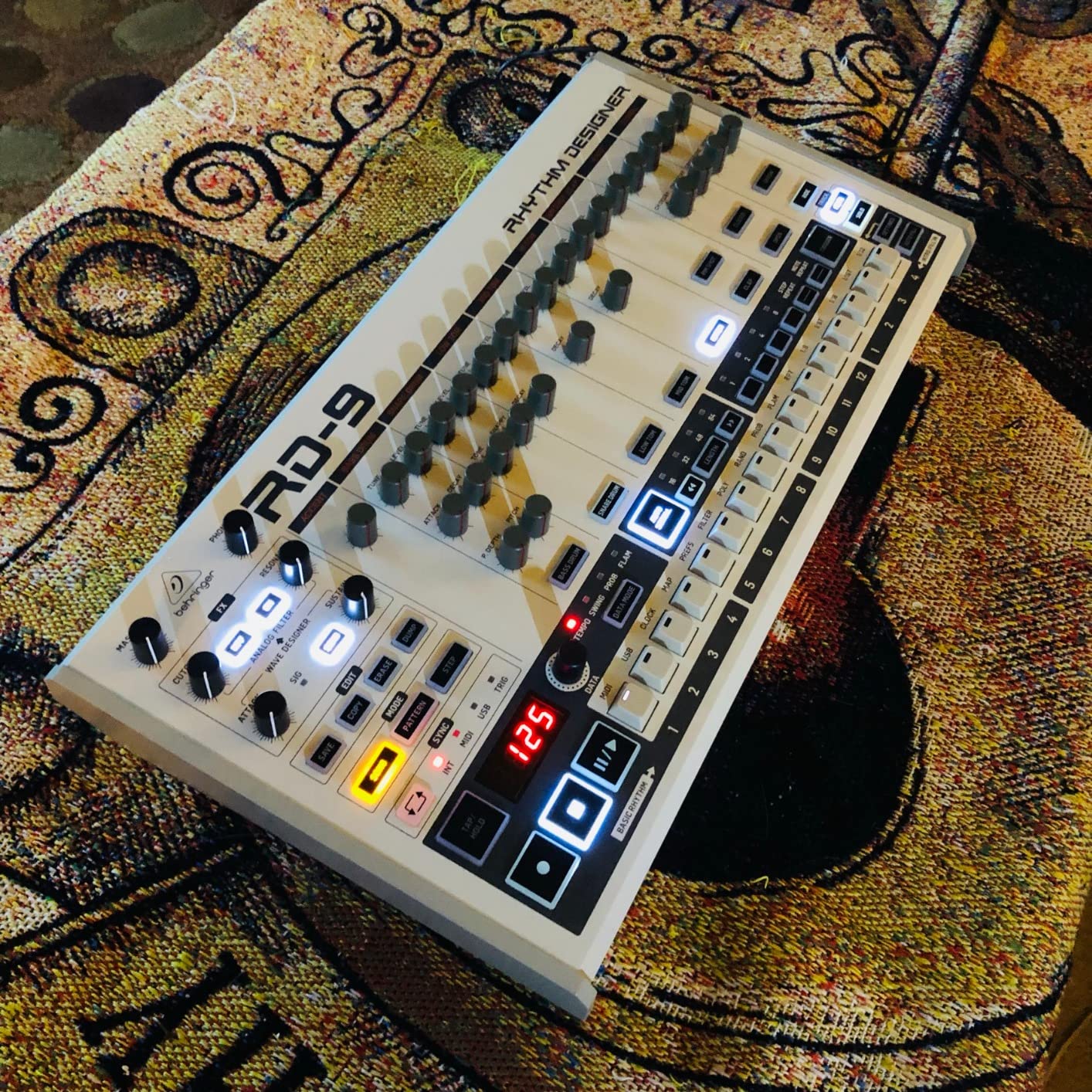
Build quality is solid. The basswood chassis is heavy at 8.3 pounds, which means the unit stays firmly on a desk during aggressive pattern programming. The Analog Filter Wave Designer adds a unique effect that is not on the original 909, allowing for further sound shaping. MIDI In/Out/Thru and 3 trigger outputs ensure compatibility with any setup.
The main weakness is the sequencer workflow. It is functional but not as polished as the TR-8S or Circuit Rhythm. Beginners may find the interface unintuitive. The unit is also best used with an external sequencer for complex arrangements. At 4.5 stars from 35 reviews, the RD-9 is still building its reputation, but the early consensus is very positive.
For Whom It’s Good
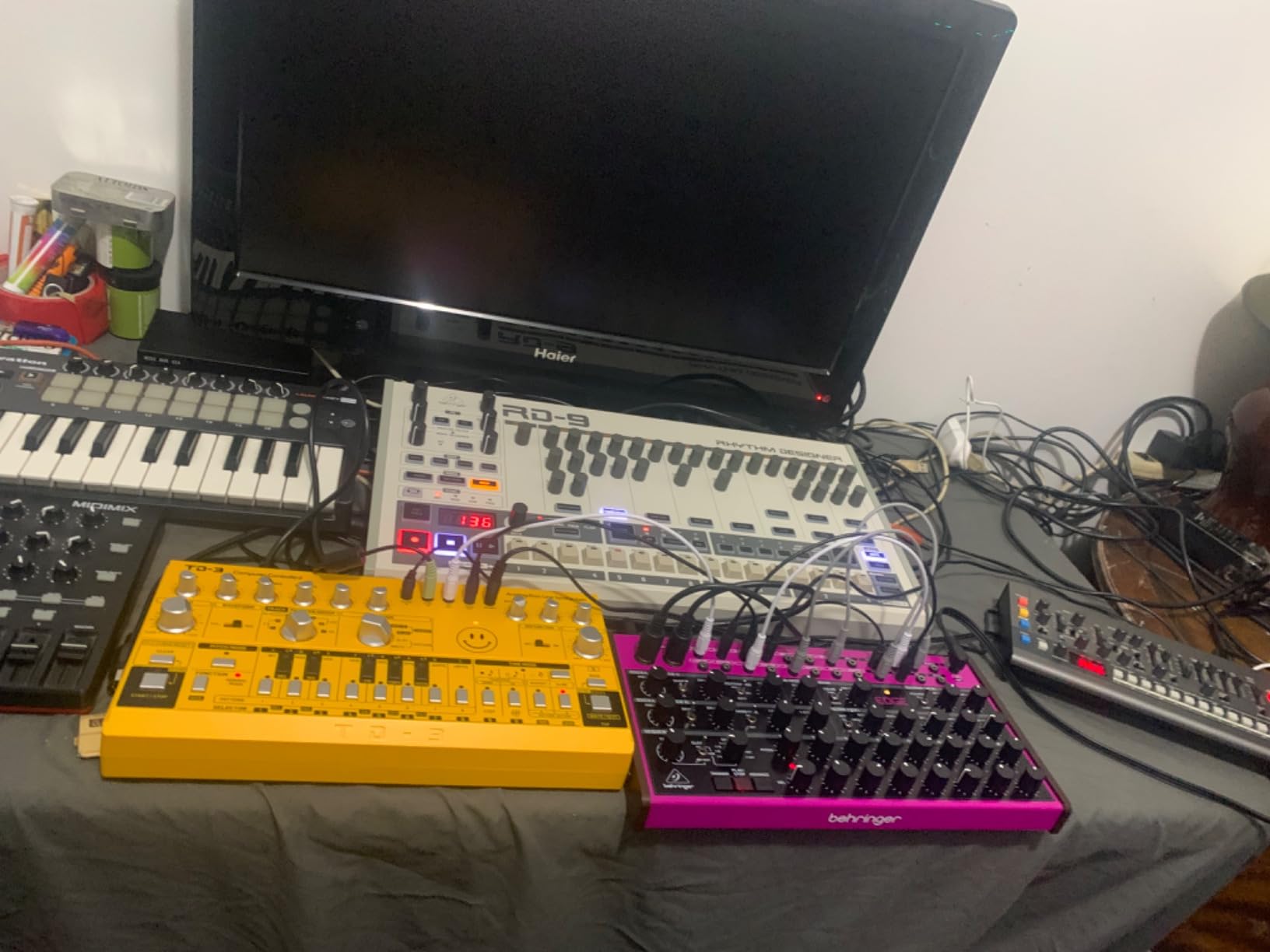
The RD-9 is perfect for techno producers who prioritize authentic analog sound and individual drum routing. If you want genuine 909 circuits without the vintage price tag, the RD-9 delivers. It pairs well with an external sequencer like a laptop DAW or a dedicated hardware sequencer for more complex arrangements.
For Whom It’s Less Ideal
Producers who need an all-in-one sequencer and sound module will be disappointed. The workflow is not beginner-friendly. If you are new to hardware, the TR-8S or AIRA T-8 offer gentler learning curves. The unit is also heavy and takes up significant desk space.
What to Look for in a Drum Machine for Techno?
Choosing the best drum machine for techno producers comes down to a few key factors. Sound character, sequencing depth, connectivity, and form factor all matter. Let me break down what to prioritize based on your production style and budget.
Sound Engine: Analog vs Digital Modeling
The eternal debate in hardware drum machines is analog versus digital. True analog circuits, like those in the Behringer RD-9 and Arturia DrumBrute Impact, deliver the warm, punchy, slightly unpredictable character that defined the original TR-808 and TR-909. Digital modeling, like Roland’s ACB technology in the TR-8S and TR-6S, recreates the same sounds using software emulation. The difference is subtle but audible to trained ears.
For most techno producers, digital modeling is more than sufficient. The TR-8S sounds 95% identical to a real 909 in a mix. However, if you are a sound design purist or perform on a high-end club system where every nuance is audible, the analog circuits of the RD-9 or DrumBrute Impact may justify the tradeoff in workflow.
Sequencer Features That Matter for Techno
Techno is built on the 16-step sequencer, but modern features elevate the workflow. Look for swing control, probability, parameter locking, and motion recording. Swing adds groove to straight patterns. Probability creates randomness that makes programmed beats feel more human. Parameter locking lets you automate sounds per step, which is essential for evolving techno arrangements. Motion recording captures knob movements in real time.
The TR-8S, TR-6S, and Circuit Rhythm all have these modern features. The Volca Beats and SR-16 are more traditional 16-step machines without probability or parameter locking. For minimal techno, a simple sequencer is often enough. For industrial or hard techno with complex patterns, modern features become more important.
Connectivity and DAW Integration
Modern hardware drum machines need to play well with your DAW. USB audio/MIDI interfaces built into units like the TR-8S, TR-6S, and AIRA T-8 eliminate the need for a separate audio interface. MIDI In/Out/Thru is essential for clock sync with other hardware. Sync I/O via DIN sync or analog clock is useful for vintage setups.
If you produce entirely in a DAW and want hardware for sound generation only, prioritize USB audio interface capability. If you perform live, prioritize full MIDI implementation and multiple outputs. If you build hybrid setups with synths and modular gear, look for DIN sync or analog clock.
Form Factor and Portability
The best drum machine for techno producers is the one you will actually use. A flagship machine sitting in a closet does you no good. If you have a fixed studio, a full-sized unit like the TR-8S or RD-9 makes sense. If you travel or perform, consider the TR-6S, AIRA T-8, or Volca Beats. The Circuit Rhythm hits a sweet spot for producers who want sampling and portability in one unit.
Matching to Techno Subgenres
Different techno styles demand different tools. For minimal techno, the Volca Beats or DrumBrute Impact deliver the warm, stripped-down sound that defines the genre. For hard techno, the TR-8S or RD-9 provide the punchy kicks and aggressive snares that cut through a busy mix. For industrial techno, the FM engine in the TR-6S or the sampling capabilities of the Circuit Rhythm offer the metallic, experimental textures that define the style. Match your drum machine to your subgenre for the best results.
Frequently Asked Questions
Which Elektron drum machine is best for techno?
While no Elektron units appear in this guide due to availability, the Elektron Analog Rytm MKII is widely regarded as one of the best drum machines for techno producers. It combines analog sound engines with deep sampling, overbridge DAW integration, and parameter locking. For producers on a budget, the Elektron Digitakt offers pure sampling with a powerful sequencer.
What drum machine do most techno producers use?
The Roland TR-909 remains the most influential drum machine in techno history. Today, the Roland TR-8S is the most popular modern choice because it accurately models the 909, 808, 606, and other classics. The Behringer RD-9 is increasingly popular for producers who want genuine analog 909 circuits at a lower price. Both appear in our roundup of the best drum machines for techno producers.
Is the Roland TR-8S worth it for beginners?
The TR-8S is a strong choice for beginners who can afford it. The hands-on workflow teaches classic 16-step programming, and the ACB modeling delivers authentic sounds without requiring deep synthesis knowledge. However, beginners on a budget should start with the Roland AIRA T-8 or Korg Volca Beats to learn the fundamentals before investing in a flagship unit.
Do I need analog for techno production?
No. Digital modeling, especially Roland ACB technology, sounds excellent in a mix and is used by professional techno producers worldwide. True analog circuits offer slightly more character and unpredictability, but the difference is subtle. Focus on workflow, sequencing features, and sound design capability rather than obsessing over analog versus digital.
Final Verdict
After testing all eight units, the Roland TR-8S remains our top pick as the best drum machine for techno producers in 2026. It delivers authentic sounds, deep customization, and reliable live performance features that suit any techno subgenre. The Behringer RD-9 is the best choice for analog purists on a budget. The Korg Volca Beats proves you can start making techno for under $130.
Your final choice depends on your budget, your subgenre, and your workflow preferences. Beginners should start with the Volca Beats or AIRA T-8. Intermediate producers will find the most value in the TR-6S or DrumBrute Impact. Advanced producers and live performers will appreciate the TR-8S, RD-9, or Circuit Rhythm. Any of these eight machines will serve you well. Pick the one that matches your production style, and start making techno.