
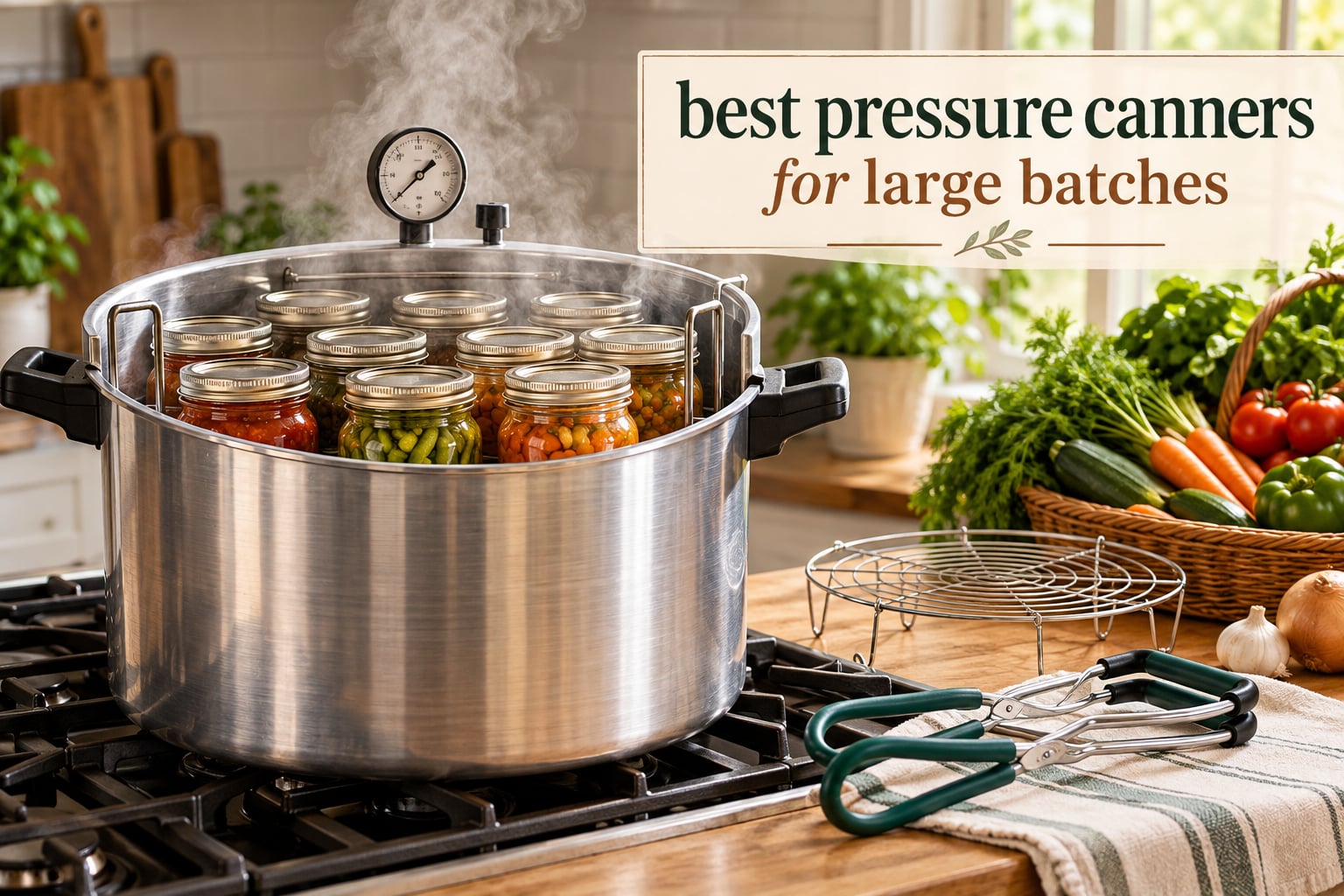
Most people buy the wrong size of pressure canner. They read a capacity number, translate it into jars in a way that has nothing to do with how their kitchen is laid out, and then spend a season lifting a pot that is either half empty or genuinely too heavy to move off the burner.
That is what this roundup fixes. We compared 10 pressure canners with enough volume to process a whole harvest in one run, from a 20-quart unit that still manages a useful batch to a 41.5-quart cast aluminum model that takes 19 quart jars at once. For each one we looked at real jar counts, gauge type, empty weight, seal design and the failure modes owners actually report. If you want the broader picture first, our general pressure canner roundup covers the small and mid-size units too.
One thing up front: this article does not publish processing times. Canning times change with food type, pack size, jar size and elevation, and a wrong number here is a food safety problem rather than a typo. Every time-related instruction should come from the National Center for Home Food Preservation, the USDA Complete Guide to Home Canning, or your state extension office. What we can do is help you pick equipment that can do the job safely.
Table of Contents
Top 3 Best Pressure Canners for Large Batches (October 2026)

Presto 01781 23-Quart
- 7 quart or 20 pint jars per load
- Deluxe dial gauge
- USDA-recommended method
- 12-year limited warranty

All American 941 41.5-Quart
- 19 quart or 32 pint jars
- Gasket-free metal-to-metal seal
- Cast aluminum build
- Made in the USA

All American 925 25-Quart
- 7 quart or 19 pint jars
- Gasket-free machined seal
- Audible weighted gauge
- Made in the USA
What Counts as a Large-Batch Pressure Canner?
For this list, a large-batch pressure canner is a stovetop canner with roughly 20 quarts of working volume or more. Below that threshold you are choosing between pints and quarts, not between a single run and two runs.
The specific answer to the question people search most often: the All American 941 at 41.5 quarts is the largest stovetop pressure canner widely available, and it holds up to 19 quart jars when double-stacked or about 32 pint jars. A conventional 40-quart water bath pot cannot substitute for it, because a water bath pot never reaches canning pressure.
Capacity is also not the same as jar count. Liquid volume includes the water you add up to the fill line, and jars displace space. A 23-quart canner typically holds 7 quart jars or 20 pints, not 23 quarts of food. Manufacturers list both numbers for a reason.
One more reason the 16-quart size is excluded here. As the manufacturer’s own comparison states, the 16-quart canner only holds pint and smaller jars; it is not tall enough to accommodate quart jars. If your harvest produces quarts, a 16-quart unit makes you run everything twice, and the second run is a second hour of lifting, venting and cooling down.
Best Pressure Canners for Large Batches in 2026
| Product | Specifications | Action |
|---|---|---|
| Presto 01781 23-Quart Pressure Canner |
|
Check Latest Price |
| All American 941 41.5-Quart Pressure Canner |
|
Check Latest Price |
| All American 925 25-Quart Pressure Canner |
|
Check Latest Price |
 T-Fal 22-Quart Aluminum Pressure Canner T-Fal 22-Quart Aluminum Pressure Canner |
|
Check Latest Price |
 Hawkins Bigboy 22-Liter Pressure Cooker Hawkins Bigboy 22-Liter Pressure Cooker |
|
Check Latest Price |
 Granite Ware 20-Quart Pressure Canner Granite Ware 20-Quart Pressure Canner |
|
Check Latest Price |
 Mirro 22-Quart Pressure Canner Mirro 22-Quart Pressure Canner |
|
Check Latest Price |
 WantJoin 23-Quart Pressure Cooker WantJoin 23-Quart Pressure Cooker |
|
Check Latest Price |
 Presto 02153 23-Quart Digital Canner Presto 02153 23-Quart Digital Canner |
|
Check Latest Price |
 Presto 01784 23-Quart Induction Canner Presto 01784 23-Quart Induction Canner |
|
Check Latest Price |
1. Presto 01781 23-Quart Pressure Canner – The Best Place to Start
Presto 01781 23-Quart Pressure Canner and Cooker
21.8 liter capacity
7 quart or 20 pint jars
12 pounds empty
Deluxe dial gauge
12-year warranty
Pros
- USDA-recommended pressure canning method for vegetables
- meats
- poultry and seafood
- Doubles as a boiling-water canner and large-capacity pressure cooker
- War-resistant heavy-gauge aluminum heats fast and evenly
- Deluxe dial gauge is useful at higher altitudes
- Over 20000 reviews at a 4.8 average
Cons
- Manual stovetop model needs constant heat adjustment to hold the weight's jiggle
- Aluminum body reacts with acidic foods such as vinegar
- Will not work on induction ranges
With 7 quart jars or 20 pints in a single load, this is the canner most people end up buying, and for good reason. It is the reference stovetop pressure canner in the United States, with more than 20,000 reviews behind it and a 4.8 average that has barely moved in years.
Weighing 12 pounds empty, it is light enough to move from a cabinet to a burner without planning the route first. Owners who have had one for years describe it as the piece of equipment they would replace first, which is high praise for a pot that also works as a 23-quart pressure cooker on the same burner.
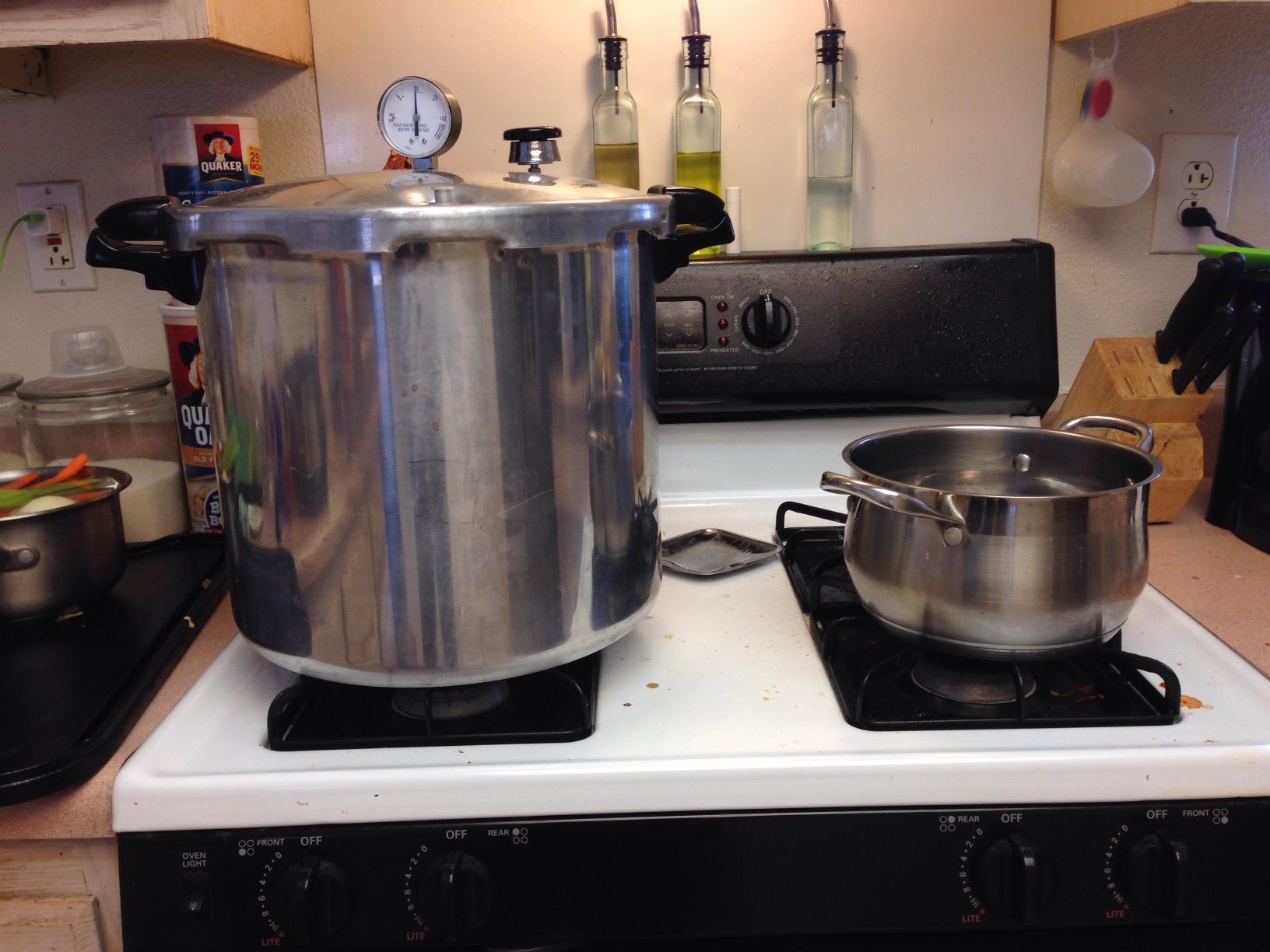
The deluxe dial gauge is the feature experienced canners argue about most. It reads across the full processing range rather than a single target, so it is useful if you live at altitude, where the required processing pressure changes. Several users report that they simply prefer listening to a weight jiggle and not watching a dial at all, so this is a preference rather than a quality gap.
The honest drawback is heat management. This is a manual stovetop canner, so somebody has to stand near the stove and keep the flame under the weight’s rocking point. It is a real attention cost, and it is the single biggest reason people eventually buy an electric canner instead.
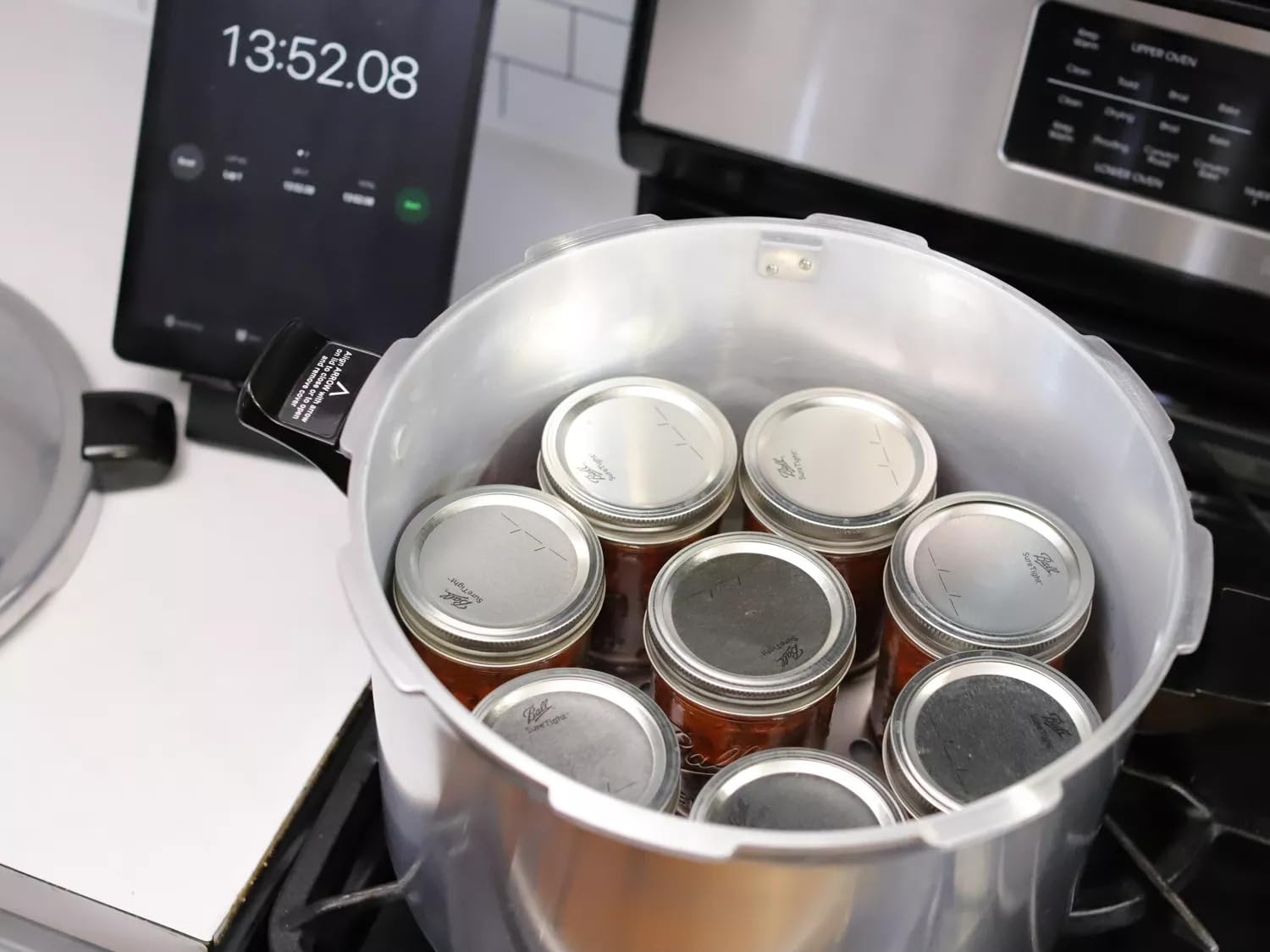
How it handles a full batch
One load of 20 pints is a serious session of food preservation. For beans, greens, corn or stock, that is roughly a full weekend of eating from the shelf, and it finishes faster than two cycles of a 7-quart canner.
Fill water only to the line moulded into the pot. Owners who fill to the brim report the liquid displaces the jars and the top row never gets properly submerged, which is the most common cause of a jar that will not seal in a big pot.
Who should skip it
If you cook with vinegar, tomatoes or citrus heavily, the aluminum body is a poor fit. Metal reacts with acidic food and can discolour the pot and the contents.
If you have an induction range, this canner simply will not work on it. The Presto 01784 further down is the induction-capable version of the same basic idea, at a similar weight.
2. All American 941 41.5-Quart Pressure Canner – The Biggest Load You Can Buy
All American 1930: 41.5qt Pressure Cooker/Canner (The 941) – Exclusive Metal-to-Metal Sealing System – Easy to Open & Close – Suitable for Gas or Electric Stoves – Made in the USA
41.5 quart capacity
19 quart or 32 pint jars
33 pounds empty
15.25 by 15.25 by 19 inches
Gasket-free
Pros
- Holds about 19 quart or 32 pint jars
- the largest batch in this roundup
- Gasket-free metal-to-metal seal never needs replacing
- First-class machining and cast aluminum build rated to last generations
- Same gauge weight and knobs as the 921 so parts interchange
- One 20-quart load finishes faster than two cycles of a 7-quart canner
Cons
- Very heavy when loaded so jars should be loaded and unloaded on the stove
- Long heat-up and cool-down times from the cast aluminum mass
- Burner diameter and overhead clearance need checking
- Aluminum can pit or corrode from acidic foods and harsh cleaners
The 941 is the answer whenever someone asks which pressure canner holds the most jars. It holds approximately 19 quart jars or 32 pint jars, and there is no larger stovetop pressure canner on the mainstream market. Its 4.9 rating sits on nearly 9,800 reviews, which is an unusual amount of long-term feedback for a unit this specialised.
What makes it different mechanically is the sealing system. The cover seals metal to metal against a machined rim, so there is no replaceable rubber gasket to dry out, harden or split. That single design choice removes the maintenance item that generates the most forum complaints about aluminium canners.
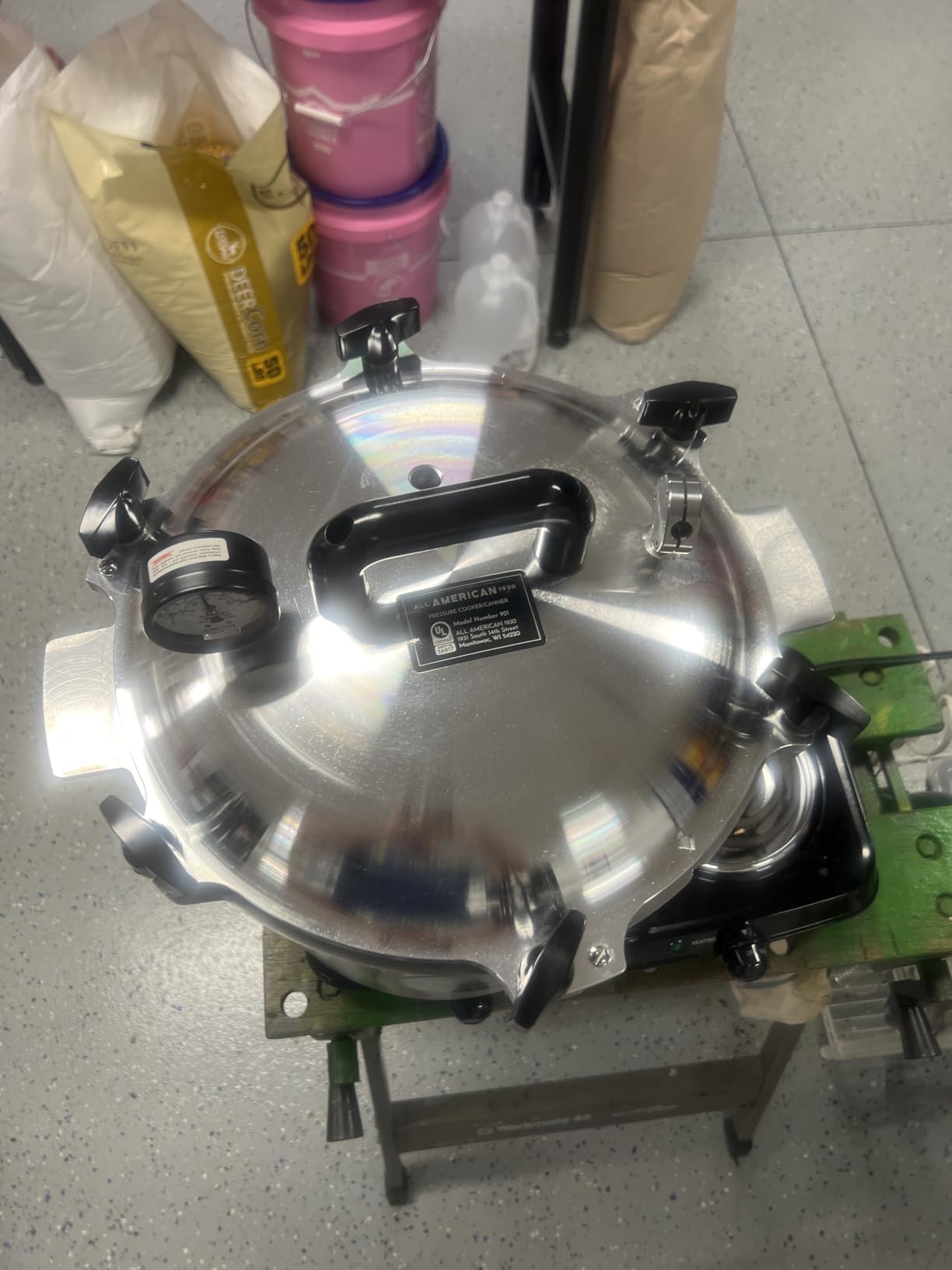
The gauge, the machined regulator weight and the hold-down knobs are the same parts used on the smaller 921, so a single set of spares and a single knowledge of the controls covers both sizes. It also uses a snap-style closure rather than a screw rim, so opening it is a different motion from most Presto and Mirro models.
Buyers commonly describe this unit as the benchmark large-batch canner and mention the same tradeoff almost every time: it is a serious physical object. At 33 pounds empty and roughly 19 inches tall, this is a two-person lift once jars are in it.
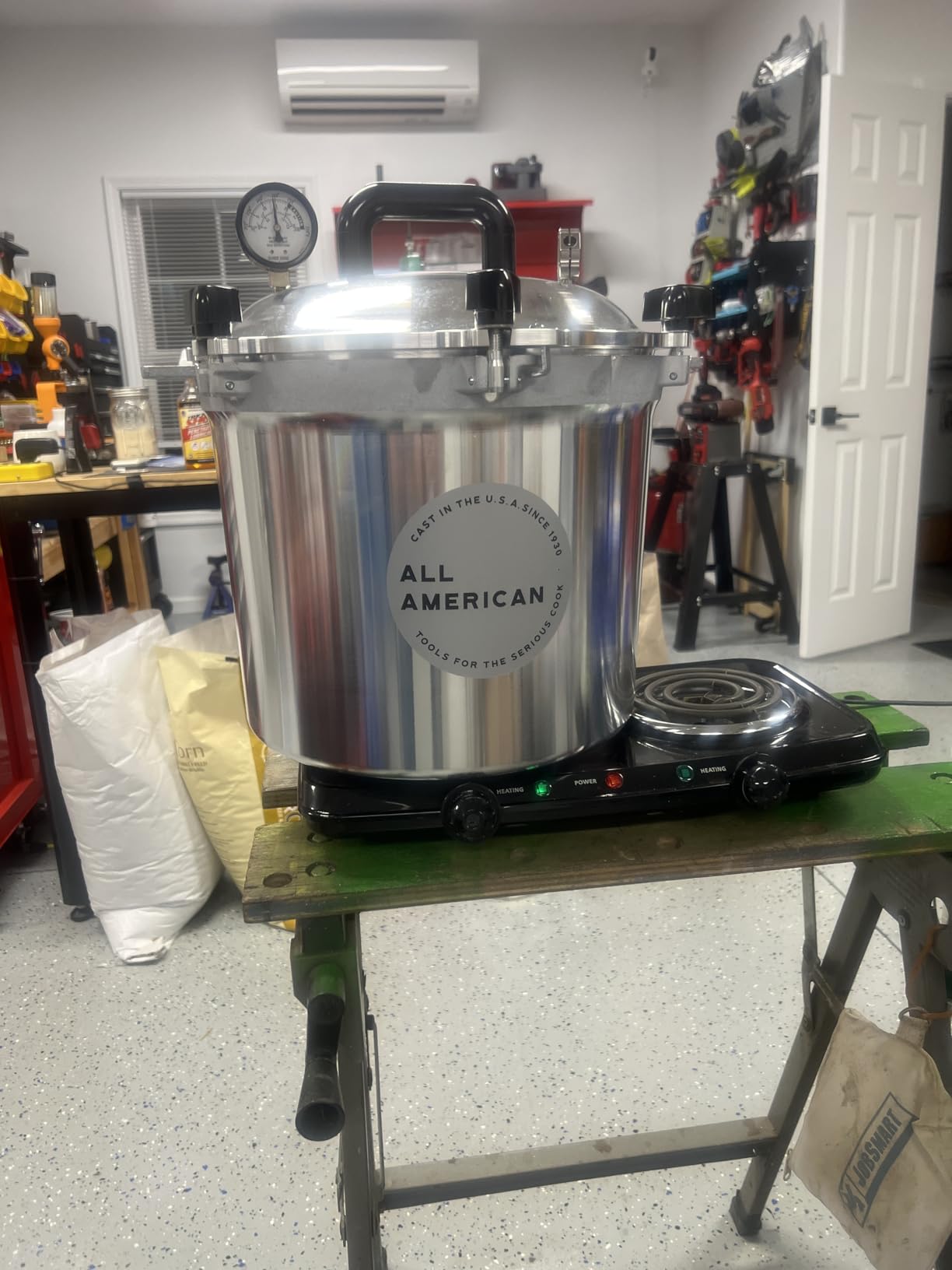
Is the weight worth it for a home kitchen?
For a homestead that processes a garden, a whole flock or a bulk meat buy at once, yes. One 19-quart load is a genuinely different scale of output than seven quart jars, and the cast aluminium mass is a large part of why owners keep it for decades.
For a household canning 30 jars a year, no. The weight is the dominant forum complaint, and if you do not need 19 quart jars at once, a lighter canner will be more pleasant to use far more often.
Setup problems nobody mentions until later
Before you buy, measure your burner. A pot with a 15.25 inch footprint needs a burner that can heat the base evenly, and a domestic range with a small rear element will scorch the middle before the sides come up to temperature.
Also measure your clearance. At 19 inches tall with the lid on, this needs a tall cabinet space and a sink you can actually get it into. Plan to load and unload it where it cooks.
3. All American 925 25-Quart Pressure Canner – Gasket-Free and US-Made
All American 1930: 25qt Pressure Cooker/Canner (The 925) – Exclusive Metal-to-Metal Sealing System – Easy to Open & Close – Suitable for Gas, Electric, or Flat Top Stoves – Made in the USA
23.66 liter capacity
7 quart or 19 pint jars
24 pounds empty
Gasket-free metal-to-metal seal
Weighted gauge
Pros
- Gasket-free metal-to-metal seal opens easily and needs no replacement parts
- Built like a tank with owners reporting years of use and no measurable wear
- Weighted gauge is audible so you can confirm pressure from another room
- US-made with in-country service and free replacement safety labels
- Works on gas
- electric or flat top stoves
Cons
- Heavy even when empty so loading and unloading is best done on the stove
- Slow to heat up and cool down
- Tightening the six star-shaped hold-down wing nuts takes practice
- Aluminum can pit with acidic foods such as vinegar
The 925 sits at the sweet spot for most large-batch buyers. It holds approximately 7 quart jars or 19 pint jars, and at 24 pounds empty it is eleven pounds lighter than the 941 while keeping the same gasket-free machined seal and the same US-based service.
Owners rate the 925 at 4.9 across close to 9,800 reviews, the largest review base of any unit in this roundup after the Presto. The recurring description is that it is built like a tank, with users reporting years of service and no measurable wear.
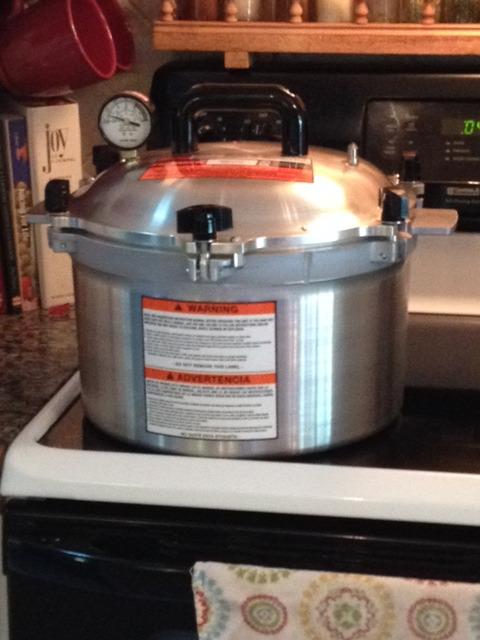
It runs a weighted gauge rather than a dial, so the pressure signal is audible and the lid is easy to open once pressure is gone. Several canners on forums describe this as the reason they stopped watching dials: you hear the weight and you can step away to prep the next batch.
The six hold-down wing nuts on the cover are the part people need a week to get used to. They tighten in a star pattern, and an uneven pass is the main reason a first-time owner thinks the seal is leaking.
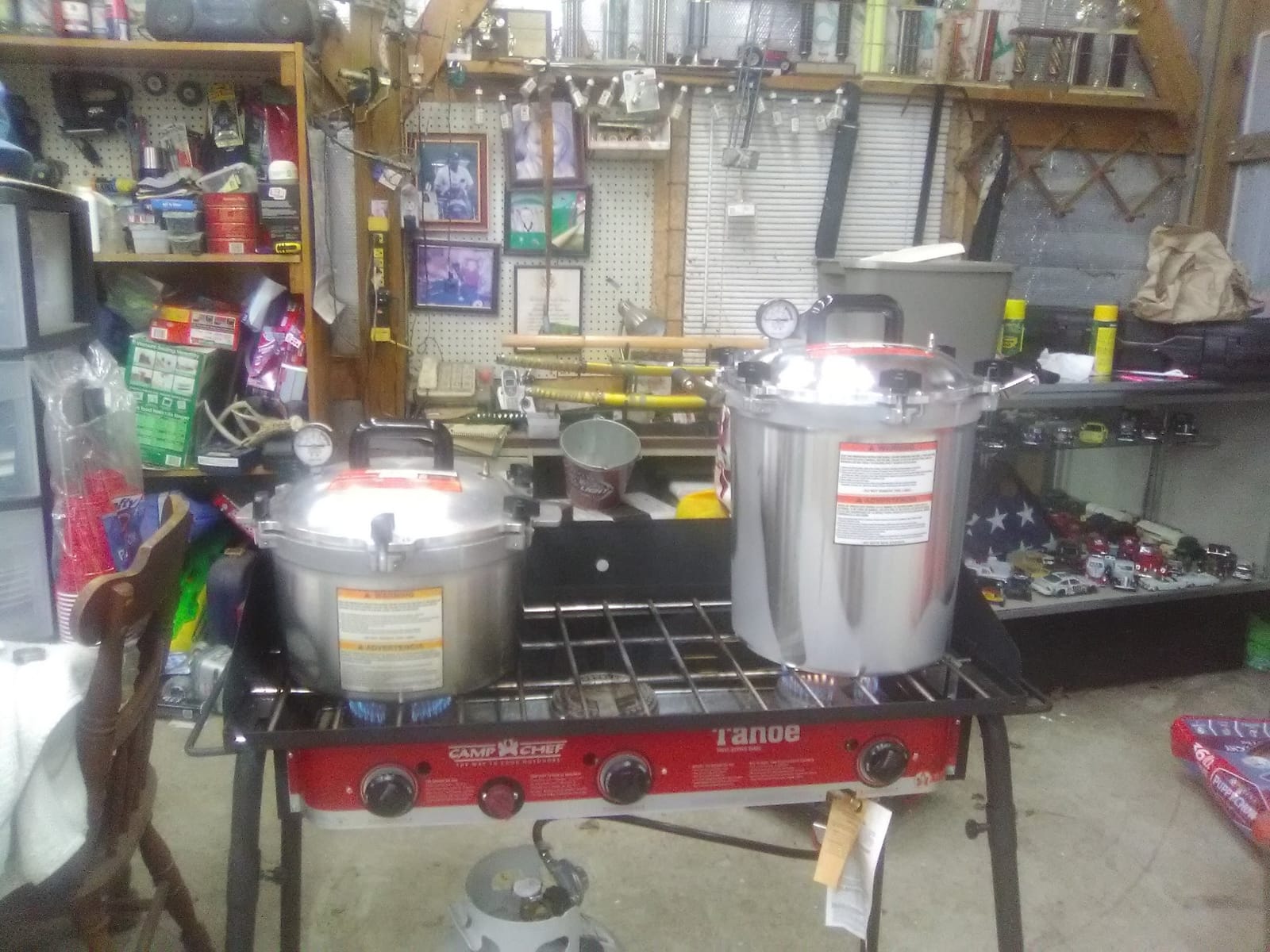
Where the pint count matters more than the quart count
Nineteen pints in one load is a strong result for a canner you can still move between kitchens. It is roughly forty jars of greens or beans from a single cycle, which covers a serious weekend of preserving without a second burn.
Because the body is tall and narrow rather than wide and shallow, pint jars stack more efficiently than they do in the squat Presto designs. If your harvest is mostly greens, beans or cut fruit, that geometry is worth more than the extra quart capacity of a bigger pot.
Who should look elsewhere
If you can only lift around 20 pounds comfortably, this is past the line even empty. Most owners load and unload it on the stove rather than carrying it to the counter, and that is the pattern to expect.
If you need more than 7 quart jars in a run, you are looking at the 941 or at double-stacking, neither of which the 925 is designed for.
4. T-Fal 22-Quart Aluminum Pressure Canner – Best for First-Time Canners
T-fal 22-Quart Aluminum Pressure Canner, 3 PSI Settings, Home Canning, Includes Racks & Canning Guide, Large Capacity, Pressure & Water Bath Canning for Vegetables, Meats, Seafood & Fruits, Silver
22 quart capacity
7 quart or 18 pint jars
14.8 pounds empty
Three PSI weight settings
Two racks included
Pros
- Simple dial-based weight selection removes guesswork about which weight to use
- Holds 7 quart jars and up to 18 to 24 pint or half-pint jars
- Two racks included for stacking jars plus a stepwise canning guide
- Users report consistent pressure on gas and electric coil cooktops
- Widely recommended as a low-cost first canner
Cons
- Gauge markings read 1/2/3 rather than 5/10/15 PSI so pressure is harder to verify
- Some units auto-vent before full pressure and need a re-seated lid if the gasket weeps
- Handles must be aligned carefully or steam escapes at the joint
- Very tall at 16.26 inches so it needs overhead clearance and a large sink
The T-Fal 22-quart answers one question better than anything else here: how do I stop worrying about which weight goes on top. Instead of a separate 5, 10 or 15 PSI part, the weight selector is built into the lid and you set a numbered level.
Jar counts are strong for the size. Up to 24 half-pints, 16 wide-mouth pints, 18 pints or 7 quarts, and the box includes two canning racks, so you can stack small jars from day one rather than buying a second rack later.
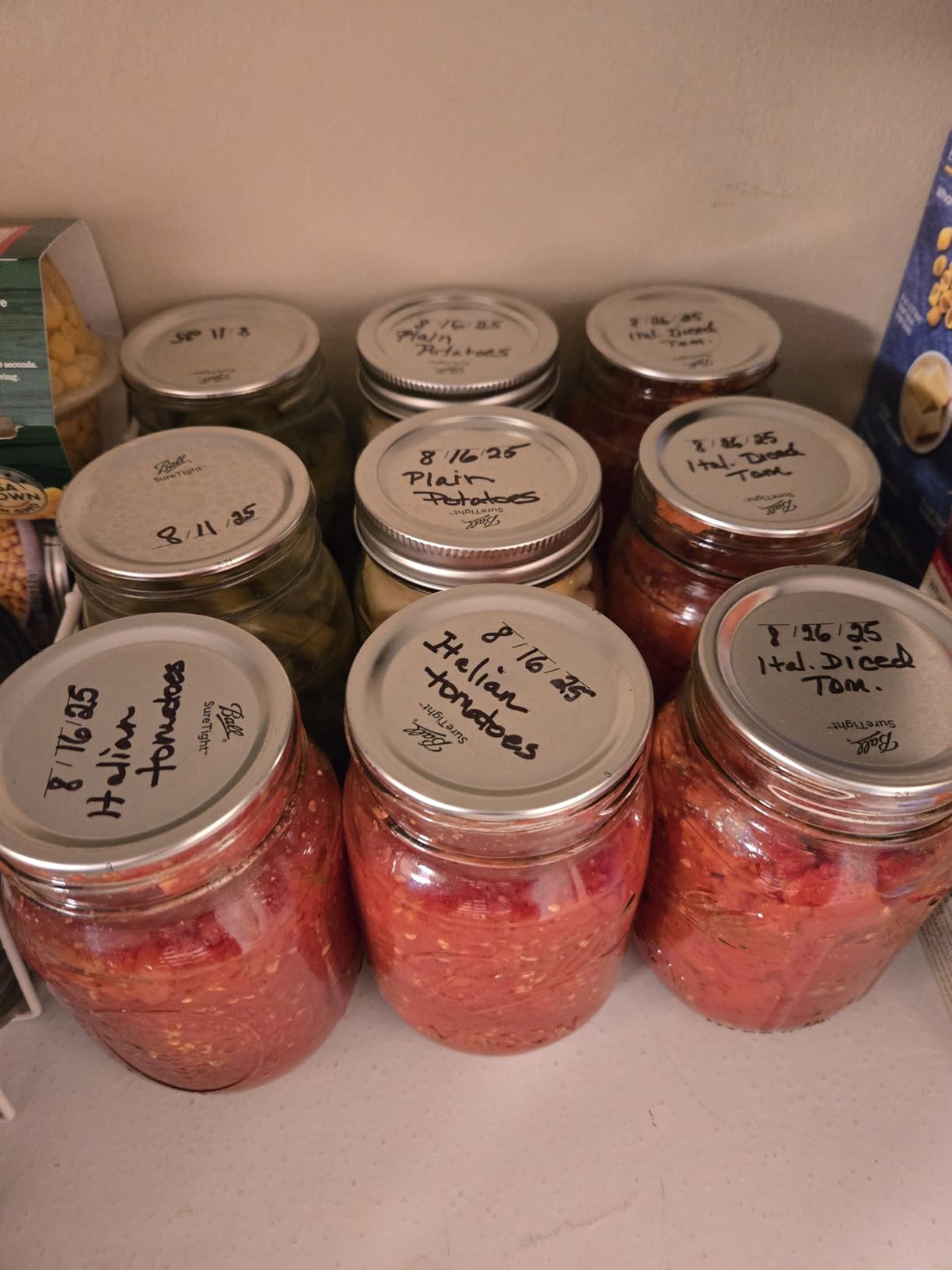
First-time canners report successful large-batch runs with this unit, and it is the one most often recommended in forums as a starter. It is also the lightest canner here that still takes 7 quart jars, at 14.8 pounds empty.
The 4.4 average across nearly 6,800 reviews sits below the Presto and All American units, and the 9 percent one-star share is mostly manufacturing variance rather than a design problem. Buyers mention a dead gauge or a gauge damaged in transit, and discolouration of the body after use.
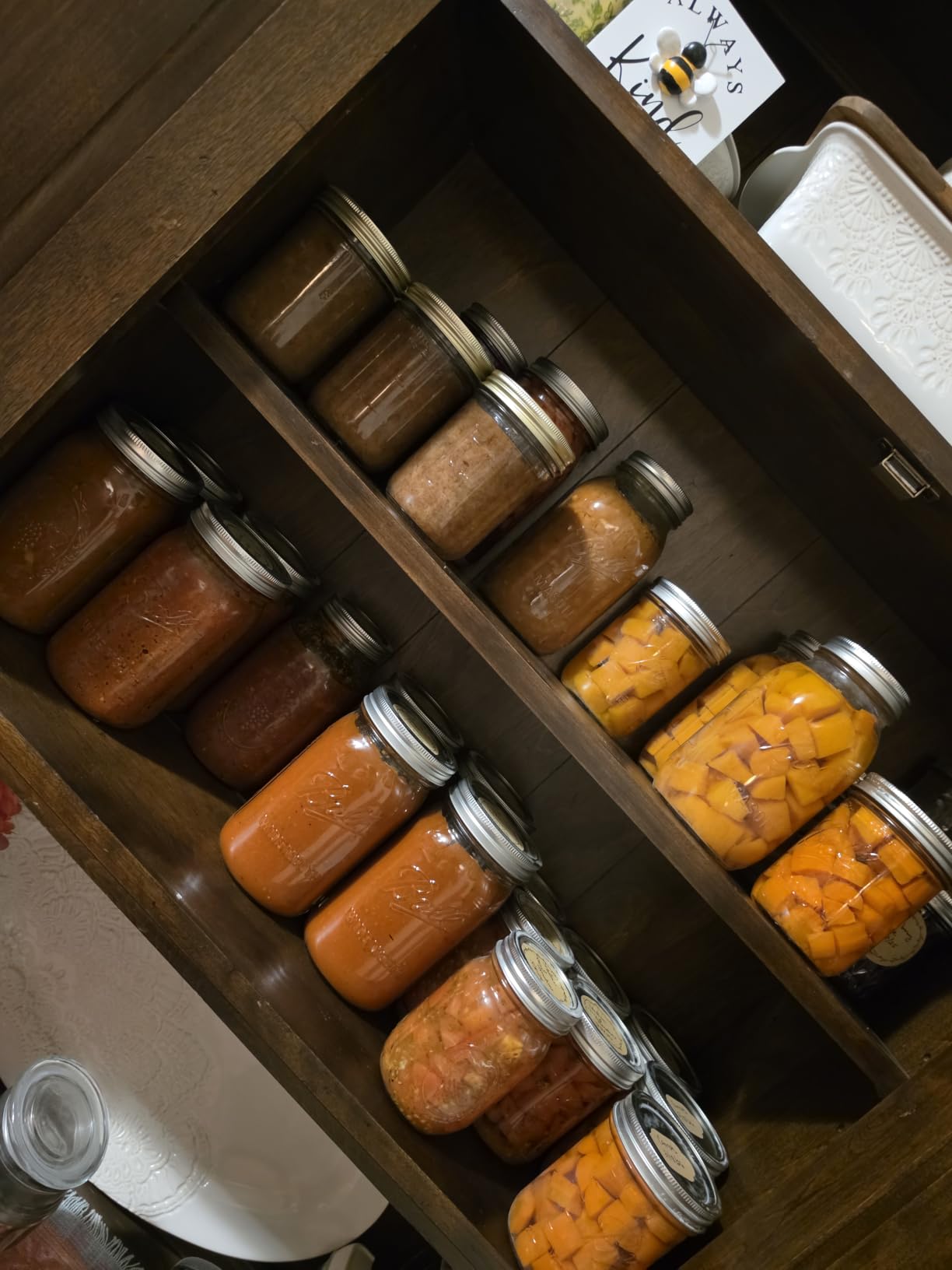
Why the gauge numbering matters for a beginner
The lid weight is marked 1, 2 and 3 rather than 5, 10 and 15 PSI. Experienced canners read that as a disadvantage because you cannot see the real pressure value at a glance, which is exactly what a first-timer is not yet able to judge by ear anyway.
For most users that trade is worth it. The T-Fal removes the single most common beginner error, which is fitting the wrong weight, and the beginner-friendly steam release valve gives you a visible and audible signal rather than silence.
Check your kitchen before you commit
At 16.26 inches tall this is one of the taller units in the list, and it needs real overhead clearance and a sink deep enough to receive it. Check the handle joint alignment too, since a misaligned inner lid is the main reported source of escaping steam.
5. Hawkins Bigboy 22-Liter Pressure Cooker – Tank-Built Batch Cooking
Hawkins Bigboy Aluminum Pressure Cooker, 22 Litres
22 liter capacity
Holds 4 quart jars
21.35 pounds empty
Base 4.06 to 4.88 mm thick
Extra safety valve
Pros
- Very tall body fits four quart jars and multiple jar sizes in one load
- Lid sits under the pot upper lip so it cannot blow off on release
- Built like a tank and holds consistent pressure over many uses
- Reinforced fibreglass handles and a thick base for commercial-style durability
- Good value for high-volume batch cooking
Cons
- Hawkins states it does not make a canner though some buyers do use it for canning
- One reviewer measured the 15 PSI weight popping at roughly 10 PSI
- Listed capacity sometimes does not match the size variant received
- Manufacturer support was reported as unresponsive for warranty claims
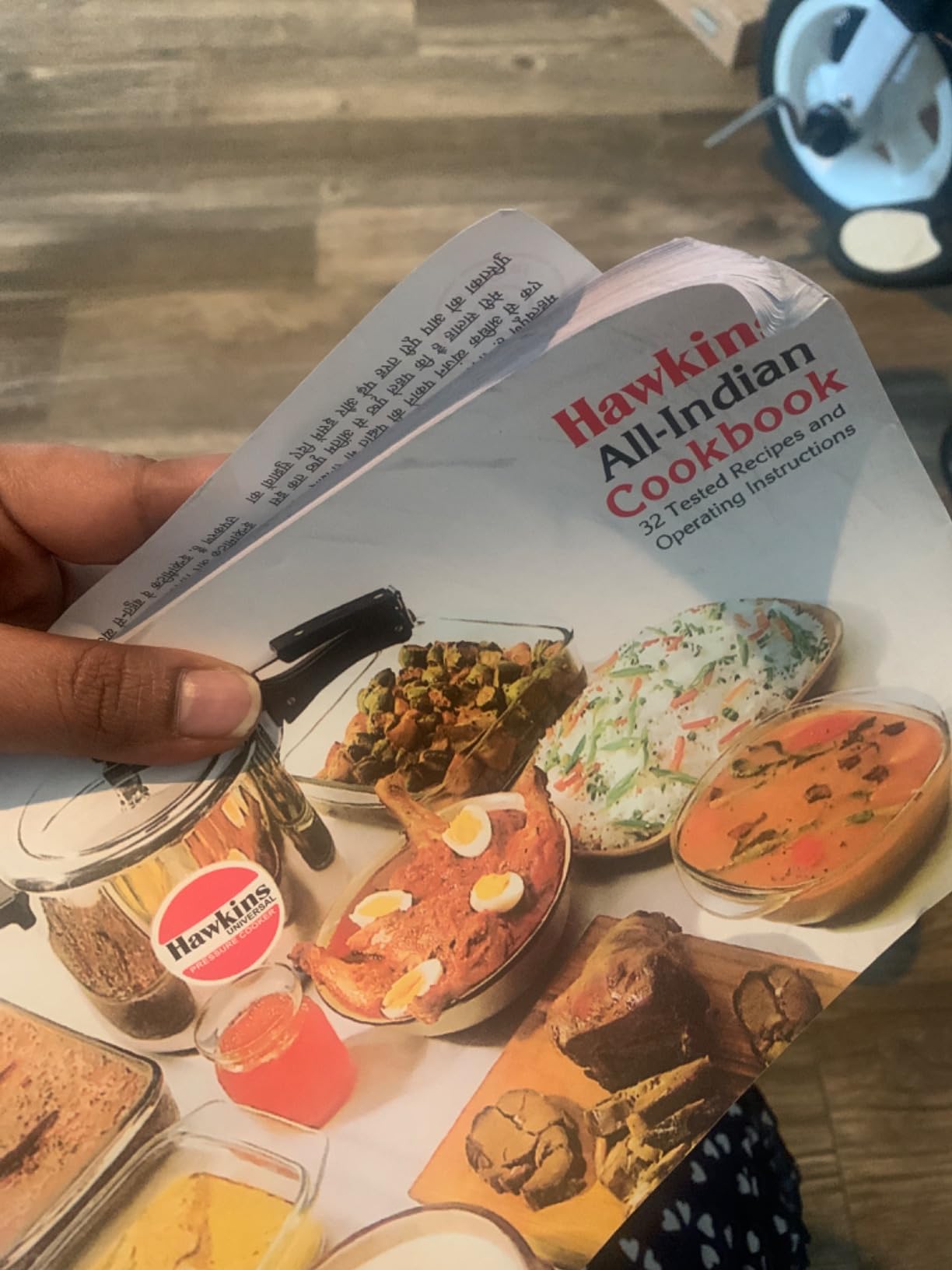
The Hawkins Bigboy is a pressure cooker first. It is marketed for 22 to 30 persons and for hotels, restaurants and large families, and the build reflects that brief, with a base measured at 4.06 to 4.88 mm and reinforced fibreglass handles.
What interests large-batch canners is the geometry. At 15 inches tall it fits four quart jars plus additional sizes in a single load, which is more than most 22-quart squat designs manage on a single rack.

Buyers consistently call it built like a tank and report it holding consistent pressure across many uses. The lid sits under the pot’s upper lip, so it cannot lift off when pressure is released, which is a real design advantage over lids that rely on a clamp alone.
Be clear-eyed about the category, though. Hawkins itself states it does not make a canner, and a 4.2 average across 1,343 reviews is the lowest in this list. One reviewer measured the 15 PSI weight popping off at roughly 10 PSI, and others report warranty support that did not respond.
Who this is genuinely for
If you are batching beans, stock or chickpeas for a large household, this pot does that job well. The thick base and the extra safety valve are real features, and the reinforced handles are built for repeated handling by more than one person.
That is different from processing low-acid vegetables in a validated canner. If your intent is food preservation rather than batch cooking, choose a canner whose manufacturer documents a USDA-recommended pressure canning method and follow the NCHFP for process guidance.
The regulator question to settle first
If you do decide to use it for canning, the accuracy of the weight matters more than the capacity. Have the weight checked rather than trusting the stamped number, and never substitute a weight from another cooker.
6. Granite Ware 20-Quart Pressure Canner – Hard Anodized and Regulator-Flexible
Granite Ware Pressure Canner/Cooker/Steamer, 20-Quart
20 quart capacity
10.5 pounds empty
Hard anodized aluminum
3-piece regulator at 5, 10 and 15 PSI
Canner, cooker and steamer
Pros
- Hard anodized aluminum resists rust and staining better than bare aluminum
- Three interchangeable regulators give 5
- 10 and 15 PSI options
- Doubly useful as a pressure canner
- pressure cooker or steamer
- Familiar 20-quart size that fits a standard kitchen range
Cons
- Smallest jar capacity in this roundup at 20 quarts
- Mechanical knob control with no altitude compensation
- Aluminum body is unsuitable for highly acidic dishes
The 20-quart Granite Ware is the smallest canner here, and that is the honest headline. The manufacturer does not publish a jar count for it, and reviewers treat it as a lighter, smaller alternative to a 22- or 23-quart unit rather than a batch maximiser.
What it does offer is surface durability. The body is heavy gauge hard anodized aluminium, which resists rust and staining noticeably better than the bare polished aluminium used by most competitors in this range.
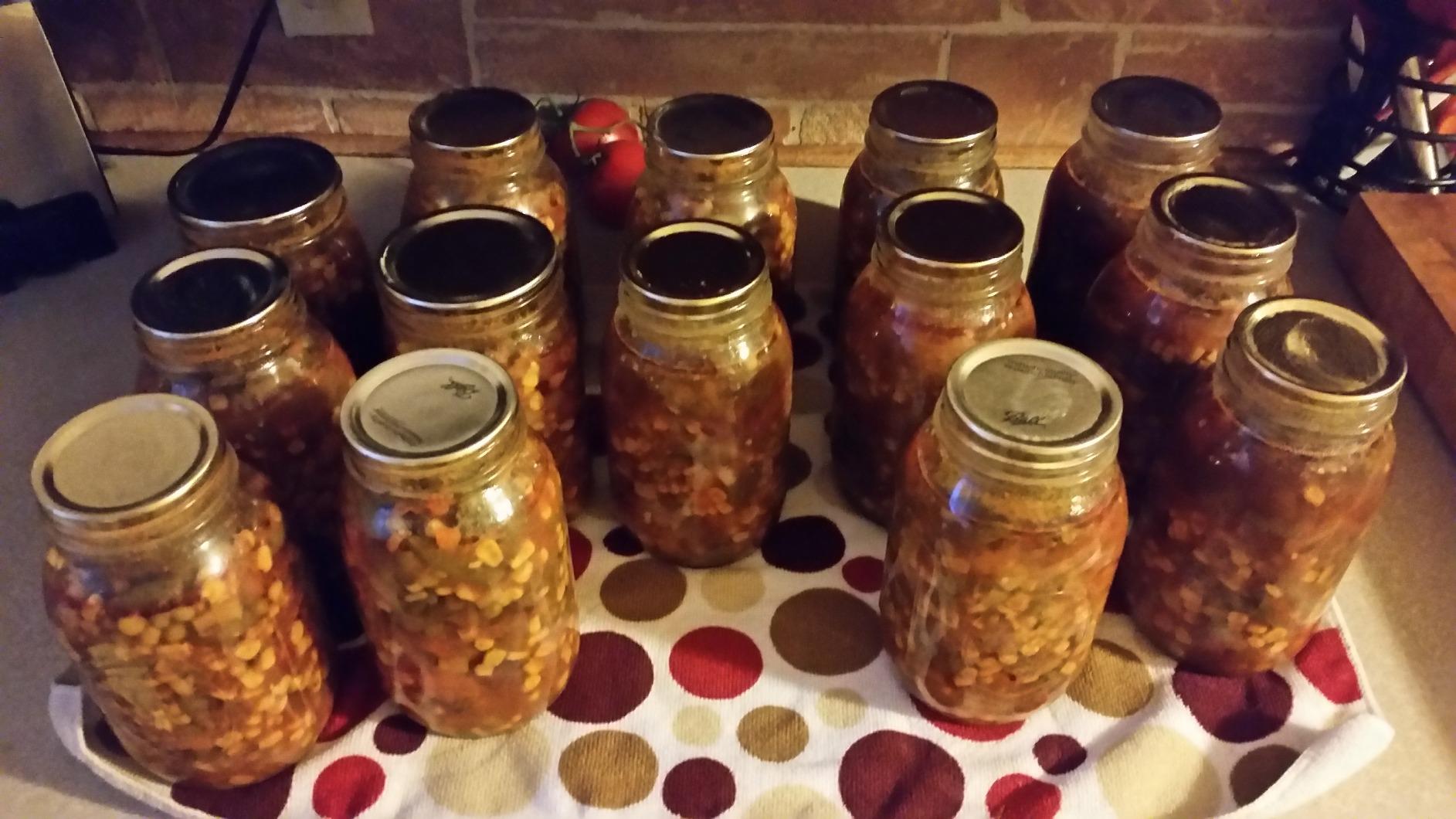
The adjustable three-piece regulator is calibrated at 5, 10 and 15 PSI, so you can swap the weight rather than live with a single fixed target. It also works as a canner, a pressure cooker and a steamer, which owners mention as the reason it earns a permanent spot on the stove.
At 10.5 pounds empty it is among the lightest units in this roundup, and its 4.6 average across 801 reviews is positive, though on a much smaller sample than the Presto or All American numbers.
Where it fits and where it does not
Choose it if you can a moderate amount, cook a lot of beans and pulses, and want one vessel that handles steaming as well as canning. The regulator swap gives you more pressure options than a fixed-weight canner gives you.
Skip it if a single large harvest is the goal. The gap between a 20-quart and a 23-quart canner becomes very real when you count the number of hours of heating and cooling across a season.
Altitude is the gap to know about
There is no altitude compensation on this unit. The mechanical knob control and the plain regulators mean the processing pressure has to be interpreted for your elevation, so if you live high, check the current NCHFP elevation adjustment guidance before your first run.
7. Mirro 22-Quart Pressure Canner – A Weighted Gauge for Steady Batches
MIRRO 22 Qt Aluminum Pressure Canner with 3 Regulators, 5, 10 & 15 PSI
22 quart capacity
7 quart jars per load
13.69 pounds empty
Three regulators at 5, 10 and 15 PSI
Two racks for stacking
Pros
- Weighted gauge design so you monitor by the jiggle rather than staring at a dial
- 22-quart body holds 7 quart jars and this version includes a stacking rack
- Heats quickly and holds a steady temperature with little adjustment
- Strong value with many users reporting all jars sealing and virtually no siphoning
- Available in 16-quart and 22-quart sizes
Cons
- The regulator must be pushed firmly onto the stem with two audible pops to seat correctly
- The weight can leave a rust-colored stain around the steam vent
- Not recommended on glass cooktops
- Some reviews mixed with the older T-fal model note the listing can show a different canner than the photos
The Mirro 22-quart is the pick for anyone who has decided they prefer a weighted gauge to a dial. Experienced canners who made that switch cite even heating, 7 quart jar capacity and reliable seals as the reasons it stuck.
Its 22-quart body holds 7 quart jars, and unlike several competing units this version of the 22-quart model includes a stacking rack in the box. Two racks plus dual cool-touch handles means small jars can be doubled from the first session.
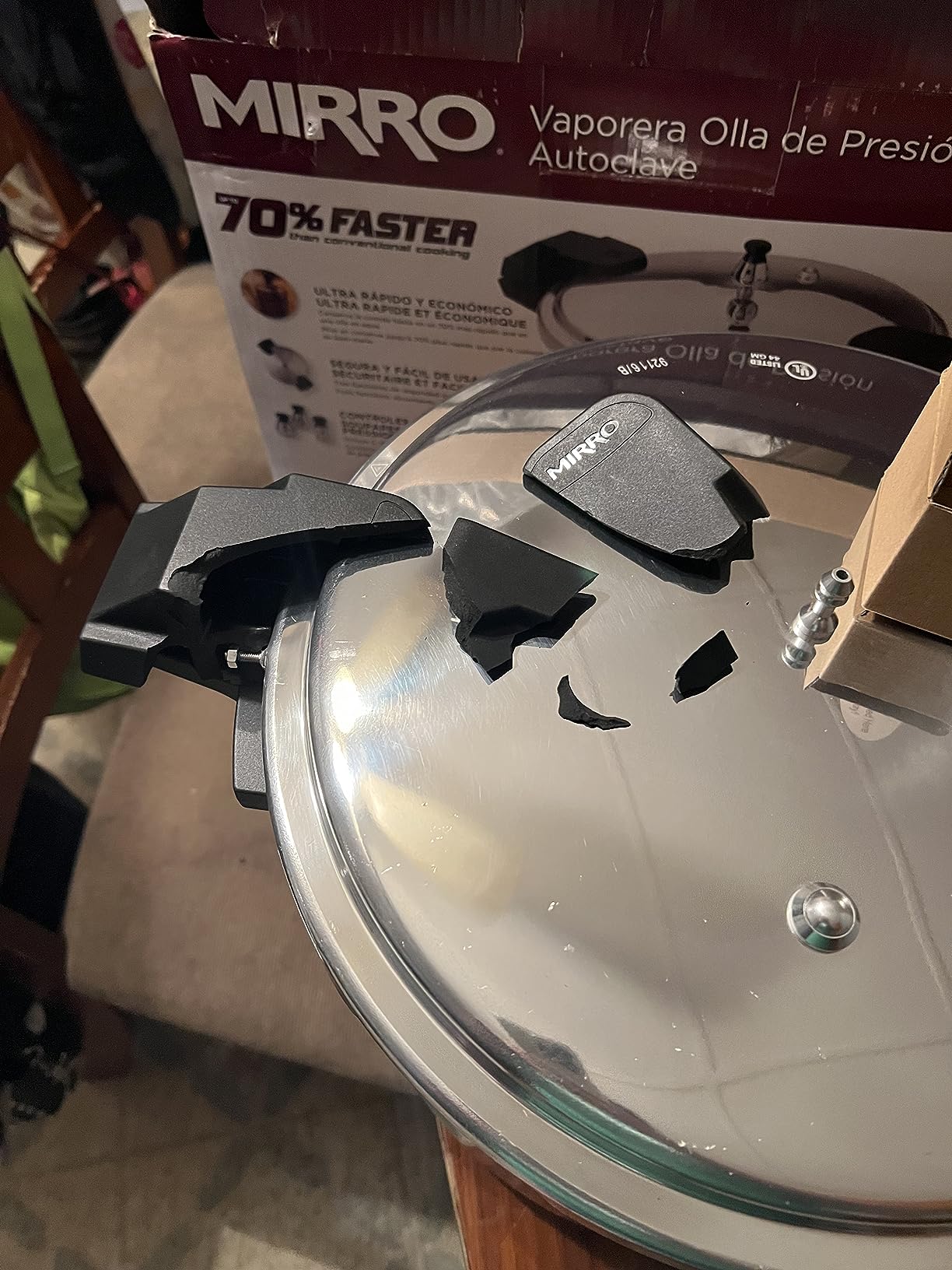
Three regulators at 5, 10 and 15 PSI are included, so you are not buying a weight separately to get the pressure range you need. At 13.69 pounds empty it sits between the Presto 01781 and the All American 925 on weight.
Users frequently report all jars sealing with virtually no siphoning, and the 4.5 average across 741 reviews is a solid result for a unit with a much smaller review pool than the two Presto models.
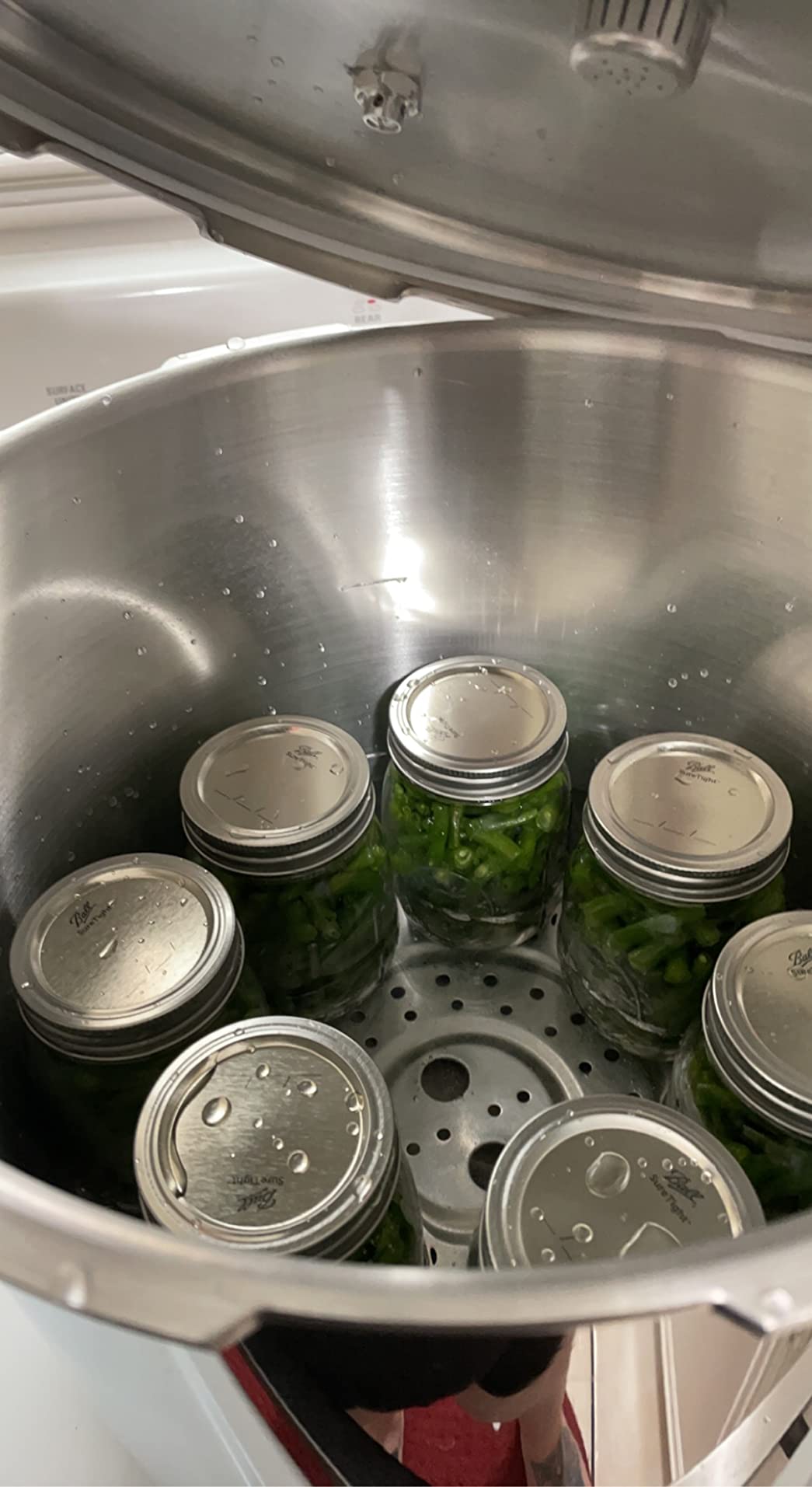
The regulator seating is the one real learning curve
The regulator has to be pushed firmly onto the stem until you hear two audible pops. Owners who skip that step report steam escaping around the vent and a batch that never reaches pressure, so it is worth thirty seconds of attention every time.
Expect a rust-coloured ring around the steam vent over time. It is cosmetic staining from the weight, not corrosion of the pot, and it is the most common minor complaint on this model.
Cooktop limits to check first
Do not put this on a glass cooktop. Direct burner contact is not what these enamelled or bare aluminium bodies are designed for, and the manufacturer does not recommend it. Gas and coil electric are the safe choices.
8. WantJoin 23-Quart Pressure Cooker – An Induction Base on a Budget
Wantjoin Aluminum Pressure Cooker 23Qt Pressure Canner, Pressure Pot with Pressure Control for Home Kitchen or Restraurant, Commercial Pressure Cooker with Gauge
23 quart capacity
13.29 pounds empty
Induction compatible base
Six safety protections
Silver stainless finish
Pros
- Induction-compatible thickened composite base
- unusual at this price
- 23-quart capacity in a relatively light and affordable body
- Six listed safety protections including an alarm valve and anti-blocking cover
- Uncoated food-grade aluminum that resists scratching
- Works as a steamer
- stew pot and pressure cooker in one vessel
Cons
- Listed as a pressure cooker rather than a USDA canning-focused canner
- Sits at 4.3 stars with a 9 percent one-star share
- Documentation and troubleshooting detail are thin compared with established brands
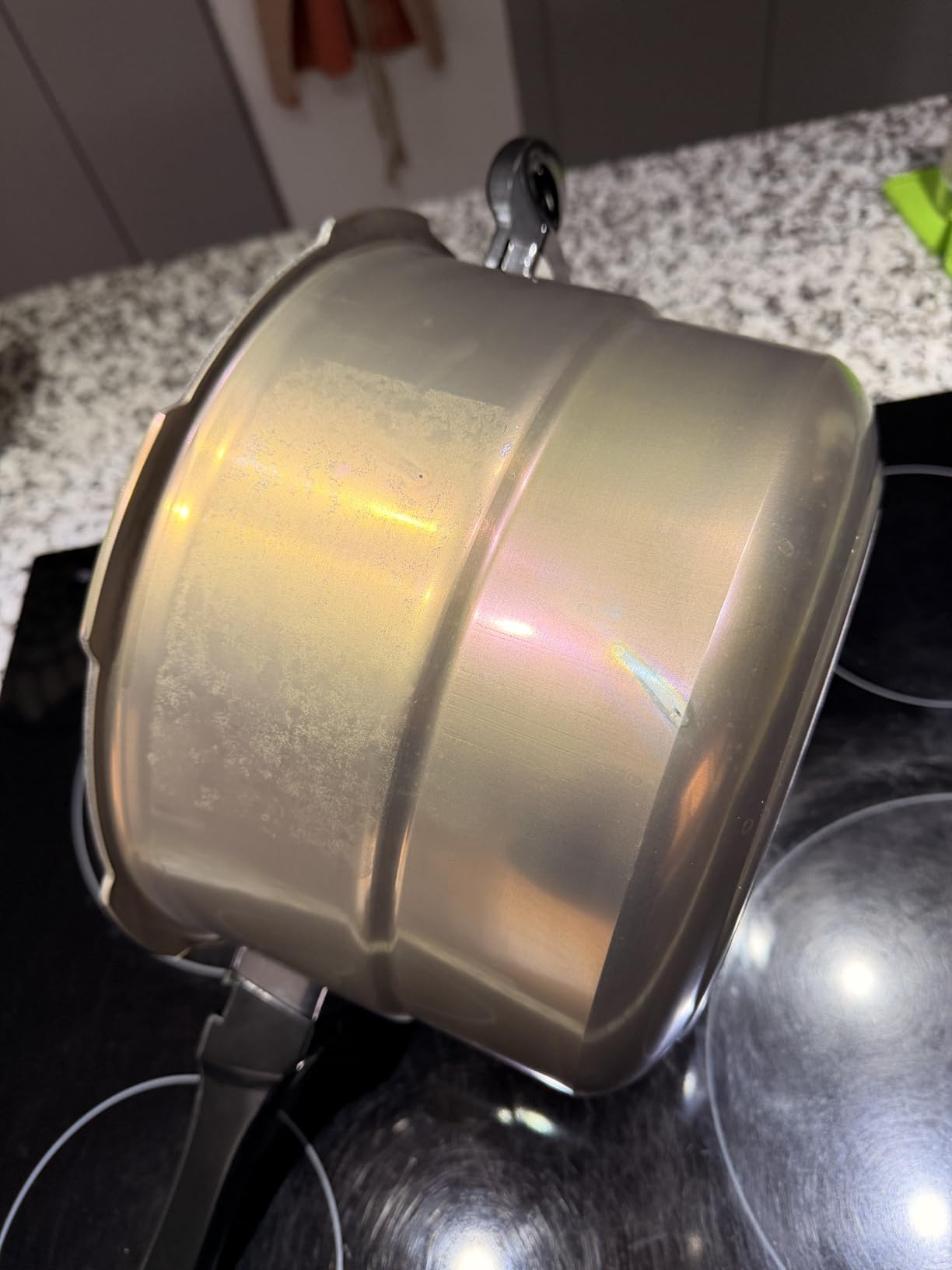
The WantJoin 23-quart exists because of one feature: a thickened composite base that works on gas and induction. That is unusual at this price, and it is the entire reason to consider it over a conventional aluminium canner.
It is listed as a pressure cooker, not as a USDA canning-focused canner, and that distinction matters. Nothing in the listing documents a USDA-recommended pressure canning method, so treat it as a high-capacity cooker rather than validated canning equipment.
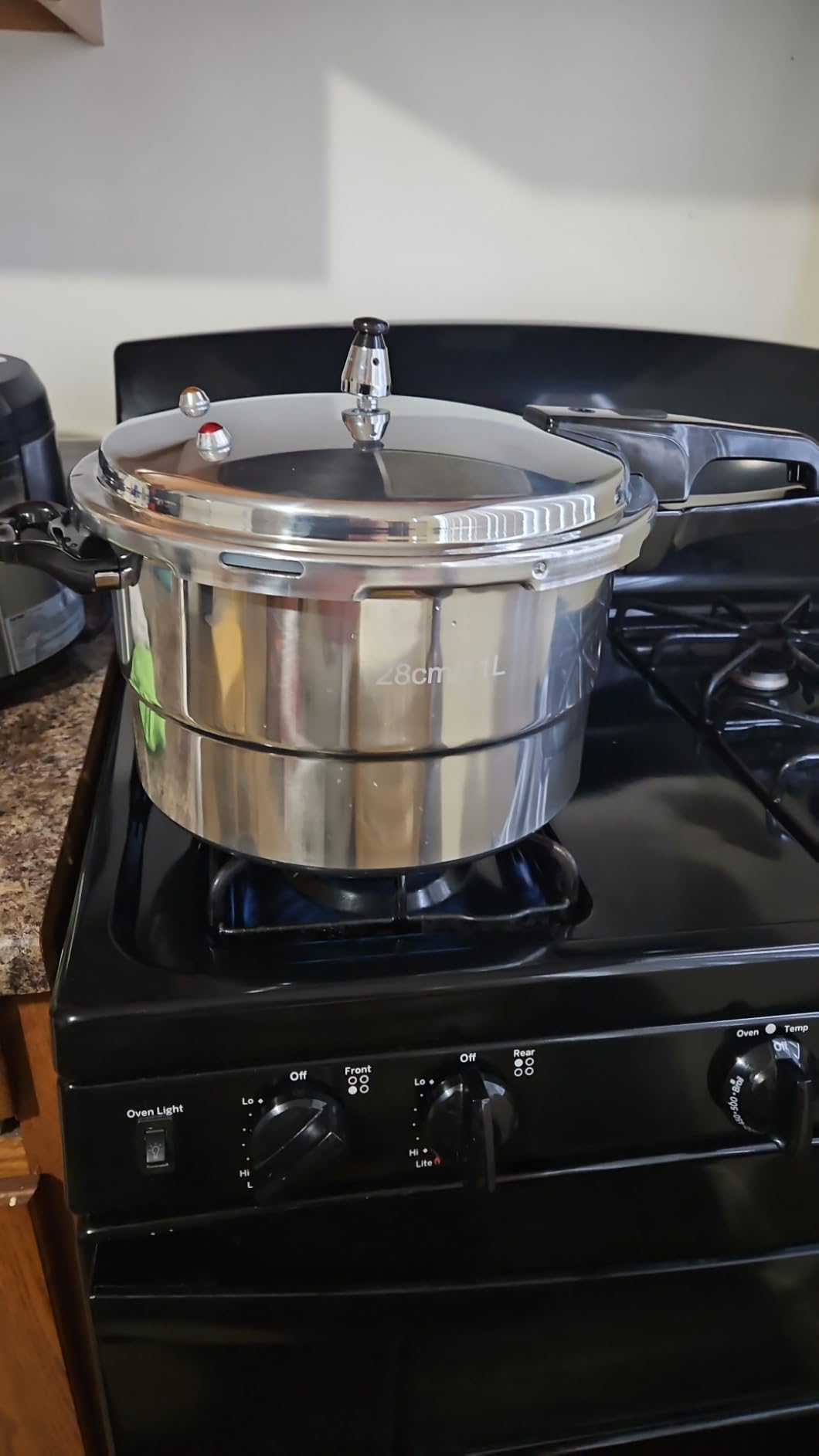
Six safety protections are claimed, including an automatic lock, a check valve, a pressure limiting valve, a safety valve, an alarm valve and an anti-blocking cover. The contact material is uncoated, high-hardness food-grade aluminium that resists scratching.
At 23 quarts and 13.29 pounds empty, it delivers a large volume in a light body. The 4.3 average across 777 reviews is softer than the Presto and All American models, which reviewers attribute to a smaller brand with thinner documentation.
Is induction compatibility worth the trade-offs?
If your only range is induction, this solves a problem the Presto 01784 also solves with a more established canning pedigree. If you have gas or coil, pay the extra for the canner that documents a USDA-recommended method.
The 9 percent one-star share and the thin documentation are the real costs. When something goes wrong at processing pressure, you want a manual that tells you what to check, and this is not where to find one.
Where it works well anyway
For beans, pulses, stocks and batch cooking for a large household, it is a capable and inexpensive vessel. The alarm valve and the locking lid cover the basics that matter for cooking you are not standing over.
9. Presto 02153 23-Quart Digital Canner – Hands-Off Electric Processing
Presto 02153 23-Quart Digital Pressure Canner
23 quart capacity
Up to 7 quart jars
16.1 pounds empty
Digital sensor control
Automatic altitude adjustment
Pros
- No stovetop monitoring because sensors hold the processing temperature automatically
- Audible beeps at each cycle change so you can work elsewhere in the kitchen
- Handles both pressure and boiling-water canning in a 7-quart-jar unit
- Metal-to-metal closure that opens easily once pressure is released
- Quiet operation and simple clean-up
Cons
- Settings and time cannot be adjusted once a cycle has started
- The jar warming cycle is not intuitive to skip
- Only one rack is included so pint jars cannot be stacked out of the box
- Tall body creates a burn risk when reaching into a hot canner
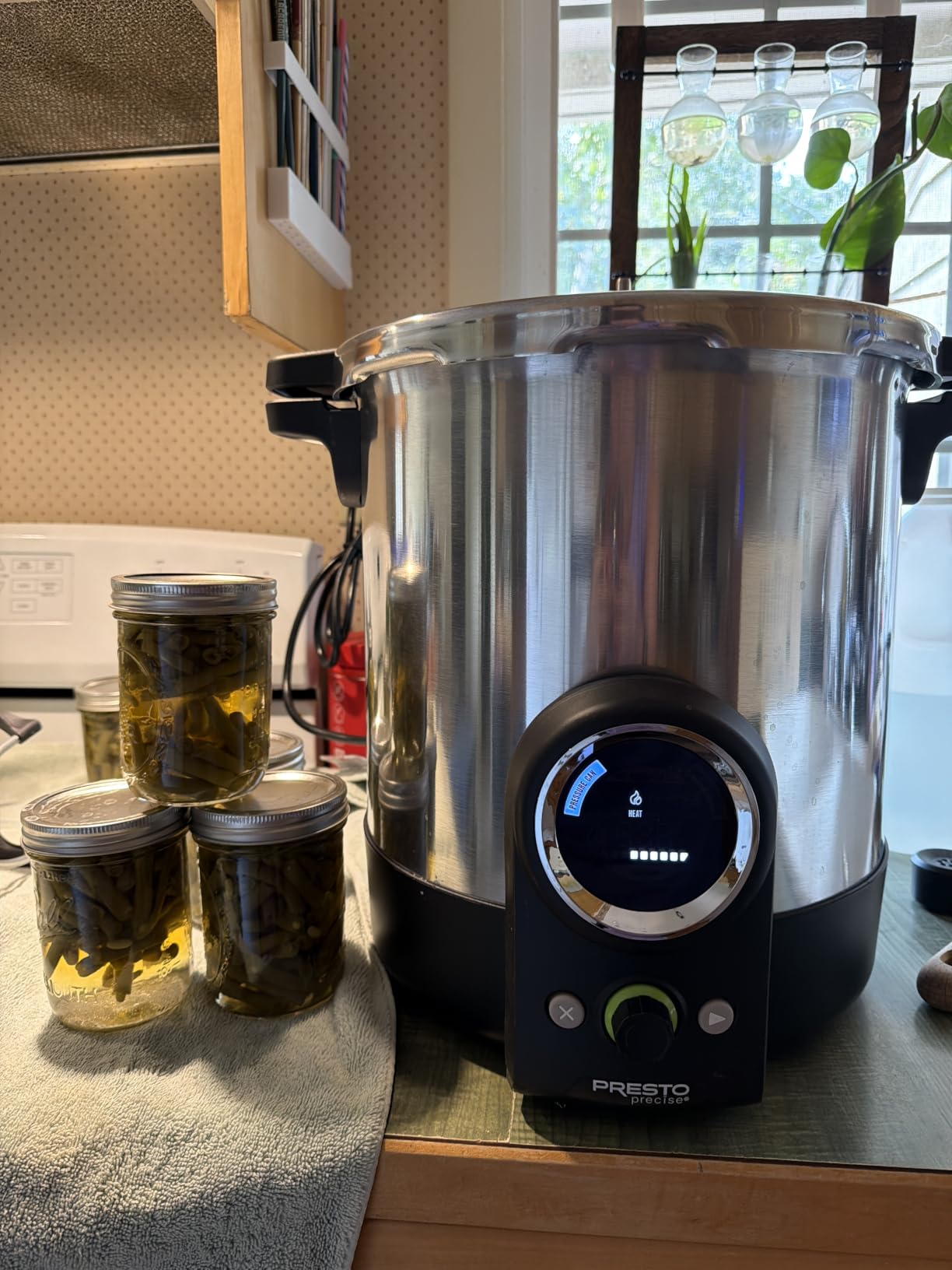
This is the newest canner on this list, with 276 reviews at a 4.5 average. It is also the only true hands-off large-batch option here: sensor technology maintains the processing temperature without anyone watching a stove.
Capacity is 23 quarts for up to 7 quart jars, so it matches the manual Presto on jar count while removing the heat adjustment entirely. It handles pressure and boiling-water canning in the same vessel.
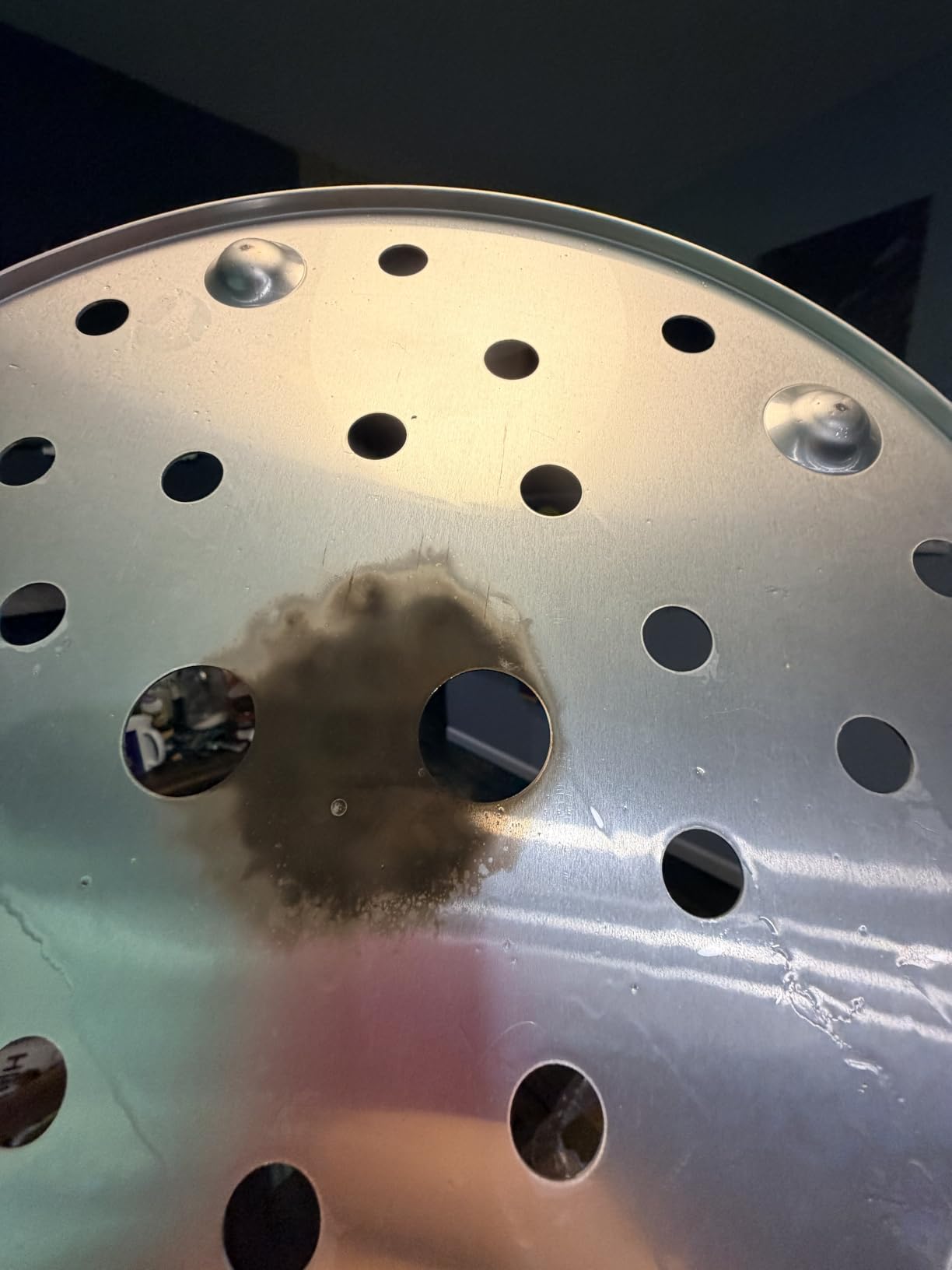
The guided digital controls, step-by-step prompts, LED display and automatic altitude adjustment are what separate it from everything else in this roundup. Audible beeps at each cycle change mean you can be at the sink packing lids instead of standing over the stove.
The trade is control. Settings and time cannot be adjusted once a cycle has started, the jar warming cycle is not intuitive to skip, and only one rack is included, so pint jars cannot be stacked out of the box.
Is an electric canner right for large batches?
If your concern is attention rather than capacity, yes. Nobody has to stand beside the pot, and the unit handles its own altitude adjustment, which is a real variable for many gardeners.
If your concern is raw output, look at the numbers. Seven quart jars per run is the same as the Presto 01781, so you are buying convenience and precision rather than capacity.
Handle it like a hot appliance
At 17 inches tall the body is a burn risk when you reach into a hot canner, and one owner reported a long heat-up time that scorched stock. Treat the tall reach and the fixed cycles as the two things to plan around.
10. Presto 01784 23-Quart Induction Canner – Full-Size Canning on Modern Ranges
Presto 01784 23-Quart Induction Compatible Pressure Canner
23 liter capacity
7 quart or 20 pint jars
12.5 pounds empty
Stainless clad induction base
12-year limited warranty
Pros
- Induction
- gas
- electric and smooth-top compatible in one unit
- Stainless-clad base gives noticeably more even heating than the plain-aluminum 01781
- Not as heavy as the All American while offering similar 7-quart capacity
- Lid alignment is simple by matching the arrows then turning clockwise
- Backed by a 12-year limited warranty with US-based parts support
Cons
- Ships with only a 15 lb weight so 5 and 10 PSI regulators are sold separately
- Only one canning rack included so stacking pints requires a second rack
- Manual stovetop heat adjustment is still required
- Aluminum body reacts with acidic foods
The Presto 01784 is the answer for anyone on an induction range who still wants a full-size canner with a USDA-recommended method behind it. It is the same 23-quart format as the 01781 with a stainless steel-clad base added at the bottom.
That base makes a measurable difference. Owners moving to induction report noticeably more even heating than the plain-aluminium model, and at 12.5 pounds empty it stays far lighter than the All American units while still taking 7 quart jars.
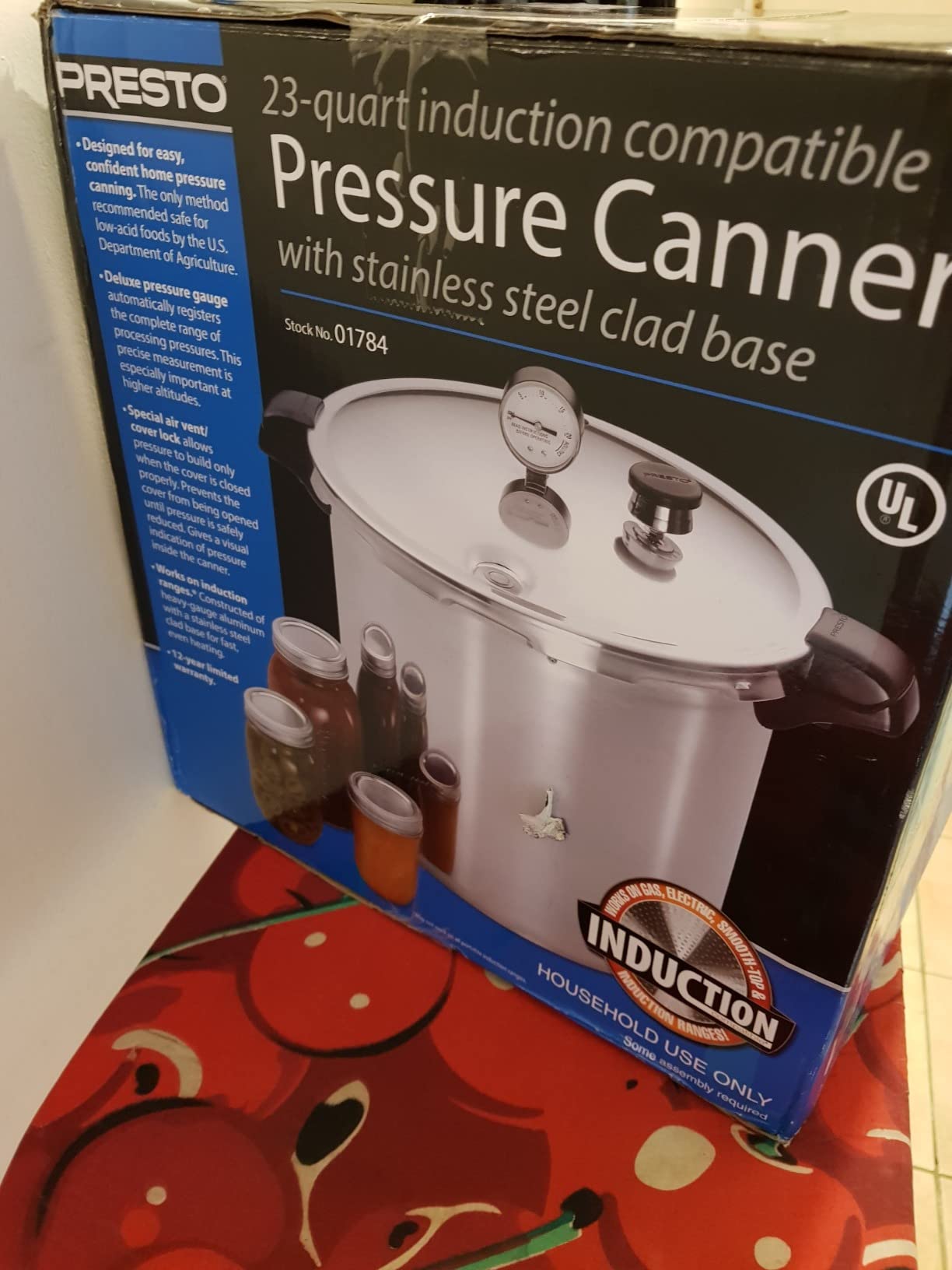
It ships with a 15 lb pressure weight and a dial gauge, and the 4.8 rating across 5,514 reviews is almost identical to the 01781. The air vent and cover lock build pressure only when the lid is properly closed, and lid alignment is a matter of matching the arrows and turning clockwise.
The widely repeated advice is to add two accessories: the OEM 5, 10 and 15 PSI regulator set, and a second rack. The stock 15 lb weight and the single rack are what limit flexibility out of the box.
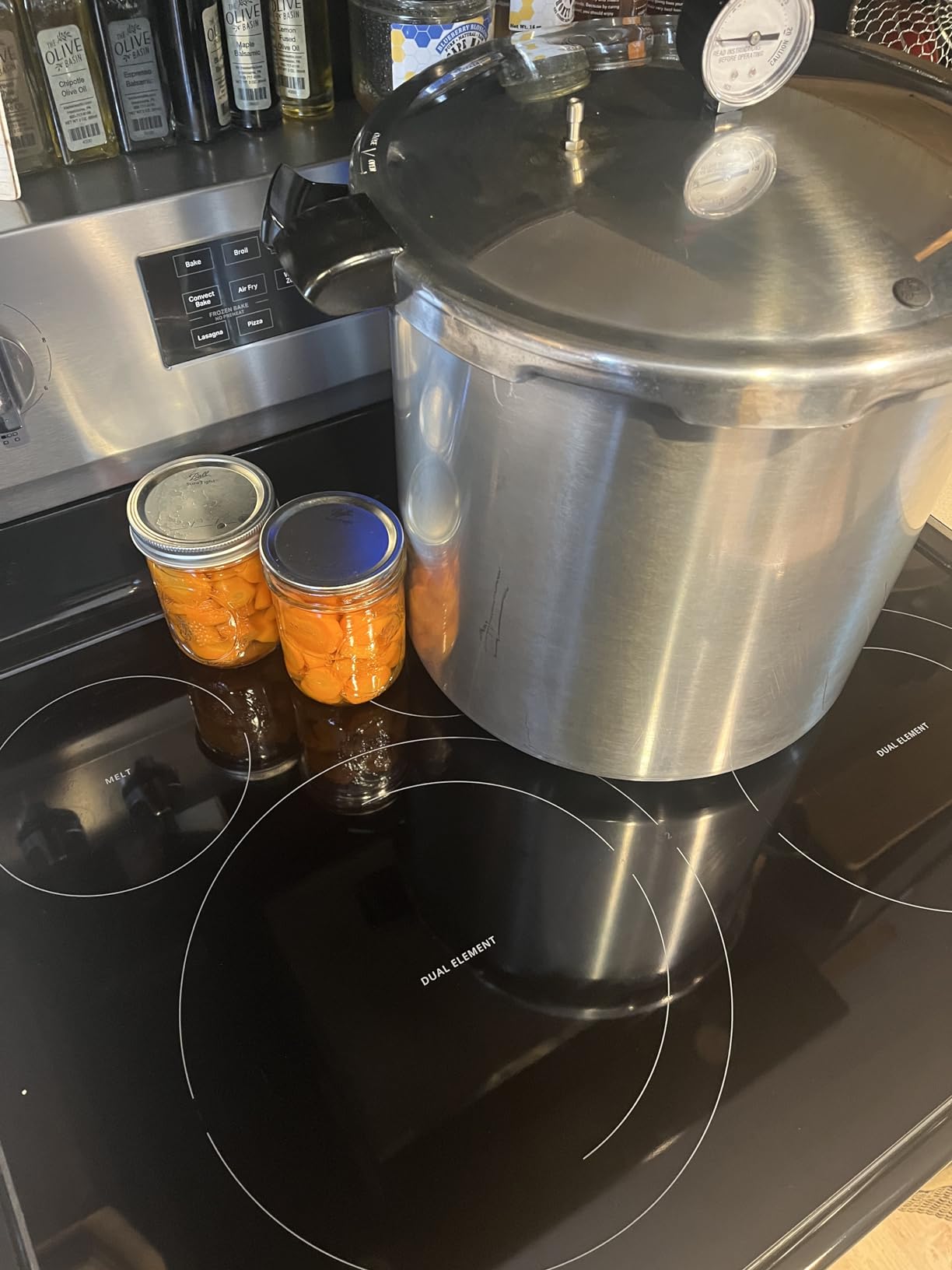
Presto 01781 or Presto 01784?
Choose the 01784 if your range is induction. It costs marginally more, weighs about the same, takes the same 7 quart jars or 20 pints and adds nothing else you need to think about.
Choose the 01781 for everything else. The plain-aluminium body heats fast, it has the larger review base, and it is the cheaper of the two.
Buy the regulator and the rack at the same time
The 15 lb weight alone does not give you the pressure options you may need. Add the OEM regulator set and a second rack in the same order, and this unit does everything the 01781 does on a modern range.
Dial Gauge vs Weighted Gauge for Big Loads
A dial gauge reads actual pressure, a weighted gauge tells you pressure is right by rocking. For a big batch, the dial wins on measurement and the weighted gauge wins on attention.
Every dial-gauge canner here needs a person standing near the stove adjusting the flame. That is the honest cost of the Presto 01781, the 01784 and the T-Fal 22-quart, and it is why forum threads are full of people saying they did not like watching a gauge.
Every weighted-gauge canner here, meaning the All American 925, the Mirro 22-quart and the Granite Ware 20-quart, tells you audibly that pressure is reached so you can step away. Several experienced canners describe that freedom as the reason they moved.
If you live above about 1,000 feet, the dial gauge has a real argument in its favour. It reads across the full processing range, which is the point of the deluxe gauge on the Presto 01781 and the reason it is specified for higher altitudes.
If you are new to pressure canning, a weighted gauge gives you a clearer yes-or-no signal, while a dial gives you more information than you can currently interpret.
Loading a Big Batch Safely – Racks, Fill Lines and Jar Clearance
Jars may sit against each other but must not touch the canner wall. Clearance is required for water to circulate and for pressure to equalise, and a rack is not optional in a 20-quart-plus canner.
Always use a jar rack, and on a large batch a second rack is what lets you stack pints or half-pints. The Mirro 22-quart and the T-Fal 22-quart both ship with two racks, which is why they suit a first large run better than the Presto 01784, which ships with one.
Fill water to the line moulded into the pot and no further. Users who fill a large canner to the brim report the water displaces the jars and the top row never gets properly covered, which is a common cause of a jar that will not seal.
For double-stacking, follow the rack design rather than improvising. A rack engineered for a second layer keeps weight off the jar shoulders, and an improvised stack in a pot that was not designed for it is a jar-break risk.
How to Choose a Large-Batch Pressure Canner
Start with the harvest, not the pot. Count the jars you expect to process in a single session, then pick the canner that holds that number in one load with room for water and rack clearance.
Seven quart jars is the standard large-batch answer and the ceiling for most 22- and 23-quart units. If your harvest regularly exceeds that, the 41.5-quart All American 941 with 19 quart jars is the only mainstream option, and you need to be honest about whether you can move it.
Second, check your cooktop. Induction rules out plain aluminium bodies such as the Presto 01781 and the Mirro 22-quart. Gas, coil electric and smooth-top all work with most units in this roundup.
Third, weigh the loaded canner honestly. Empty weights here run from 10.5 pounds to 33 pounds, and a full 41.5-quart pot with 19 quart jars is a two-person lift. If you cannot get it off the burner and onto the counter, plan to load and unload it in place.
Fourth, decide stovetop or electric. Stovetop canners cost less, process more jars per load and need attention. Electric units like the Presto 02153 handle their own temperature and altitude adjustment, cost more, and cap out at the same 7 quart jars.
Fifth, look at the warranty and the seal. The Presto 01781 and 01784 carry 12-year limited warranties, the T-Fal carries one year, and the All American units are made in the USA with a metal-to-metal seal that never needs replacing.
On materials, know that every large-batch canner in this roundup is aluminium. That keeps weight down and price reasonable, and it means acid-heavy foods are a poor match. If you can a lot of tomatoes, pickles or vinegar-based products, keep them out of the aluminium pot.
Finally, count cost per finished jar rather than cost per quart of capacity. A 23-quart canner at 7 quart jars per run and a 41.5-quart canner at 19 quart jars per run are not comparable on sticker price, but they are comparable on the number of hours your harvest will take.
Whatever you choose, pair it with the right companions. Our water bath canner roundup covers high-acid foods, and our steam canner guide covers the other validated approach many canners run alongside a pressure canner.
Gasket Care: What To Do When the Seal Fails
A gasket that will not seal is the most common complaint on any gasketed canner, and the fix is usually to replace it rather than repair it. Hardened rubber will not return to pliability, and a canner that will not hold pressure is not a canner.
Check the gasket itself. Press it firmly between your fingers. If it feels hard, cracked, flattened or crumbly rather than soft and pliable, replace it.
Inspect the lid rim and the sealing surfaces for scratches, warping, food residue or a warped rubber edge. Clean both surfaces with warm soapy water and dry them fully.
Confirm the gasket is seated correctly. A twisted or pinched gasket in the channel is the second most common cause of a leak and is easy to check by eye.
Check that the vent is clear. A blocked or food-coated vent is a pressure hazard, not just a performance problem.
Replace rather than reuse a hardened gasket. Never process food with a suspect seal, and never substitute a gasket from another cooker.
Gasket-free designs sidestep this entirely. The All American 925 and 941 seal metal to metal against a machined rim, so there is nothing to dry out, and that is a genuine long-term advantage for anyone who cans for decades.
Canning Safety: Mistakes That Can Be Fatal
Never force pressure down. Running cold water over the canner, opening the vent early, creating a draft or lifting the weight before pressure is fully released can cause a boilover, a broken jar or a scald, and it is the most commonly repeated warning across every canning forum.
Forcing pressure down with cold water, a draft or an early vent opening.
Overfilling a large canner past the moulded fill line, so the water displaces the jars and the top row is not covered.
Processing with a hardened or leaking gasket, or on a unit that is not in the USDA-recommended equipment class.
Fitting the wrong weight, or a weight from a different cooker, so the canner never reaches the required pressure.
Overfilling jars, packing at the wrong headspace, or lifting jars out before pressure is fully released.
Using jars or lids that are not canning-grade, including counterfeit off-brand lids that have not been tested for seal reliability.
We do not publish processing times in this article, and we would be doing you a disservice if we did. Times change with the food, the pack size, the jar size and your elevation, and the number must come from the National Center for Home Food Preservation, the USDA Complete Guide to Home Canning, or your state extension office.
If you remember only one rule from this section, make it this: every jar in the pot gets the same careful treatment, and if anything looks wrong with the seal or the pressure, you stop.
Frequently Asked Questions
What is the biggest pressure cooker I can use for canning?
The All American 941 at 41.5 quarts is the largest stovetop pressure canner widely available, holding up to 19 quart jars when double-stacked or about 32 pint jars on a single rack. A 40-quart water bath pot cannot substitute, because it never reaches canning pressure.
Which pressure canner has the highest rating?
It depends on the metric. By review volume the Presto 01781 23-quart leads with a 4.8 average across more than 20,000 reviews. By raw star rating the All American 925 and 941 sit at 4.9 across roughly 9,700 reviews each. The All American holds the highest rating of any large-batch unit with a meaningful sample.
Is there a pressure canner that doesn’t require a gasket?
Yes. Gasket-free designs using a machined metal-to-metal seal exist, and the All American 925 and 941 are the primary examples in this roundup. The trade-off is that the seal is harder to verify as leak-free by eye, and a metal-to-metal seal has a narrower pressure range than some gasketed designs.
Can jars touch the side of a pressure canner?
Jars may sit against each other but must not touch the canner wall. Clearance is required for water to circulate and for pressure to equalise. Always use a jar rack, and use a second rack when you want to stack pints or half-pints in a large batch.
My pressure canner gasket isn’t sealing. What should I do?
Press the gasket between your fingers. If it is hard, cracked or crumbly rather than soft and pliable, replace it. Then clean and dry the lid rim and sealing surfaces, check the gasket is seated untwisted in its channel, and confirm the vent is clear. Never process with a suspect seal.
What are some canning mistakes that can be fatal?
The big ones are forcing pressure down with cold water, a draft or an early vent opening, overfilling a large canner past its moulded fill line, processing with a hardened or leaking gasket, and fitting the wrong weight or a weight from a different cooker. Also avoid non-canning jars and lids and counterfeit off-brand lids.
How much does a full pressure canner weigh?
Empty weights in this roundup run from 10.5 pounds for the Granite Ware 20-quart to 33 pounds for the All American 941. Add roughly two pounds for every quart jar of food and water. Anything above about 30 pounds loaded should be loaded and unloaded where it cooks.
Do the Amish use pressure canners?
Yes. Many Amish households preserve large home gardens and do use pressure canners alongside very large water bath kettles. The pressure canner is there specifically for low-acid vegetables, beans, meat and soups that a water bath cannot reach temperature for.
Final Verdict
The Presto 01781 23-quart remains the best pressure canner for large batches for most people. It takes 7 quart jars or 20 pints, weighs 12 pounds empty, carries a 12-year warranty and has more than 20,000 reviews holding it at a 4.8 average.
If your harvest is big enough that 7 quart jars is never enough, the All American 941 holds 19 quart jars and is the only mainstream answer, provided you can lift it. If you want zero attention at the stove, the Presto 02153 digital canner runs the same 7-quart load hands-free. Check current processing guidance from the NCHFP before your first run, and pick the size you will actually lift every week rather than the size that looks most impressive.