
The best over ear headphones for long listening sessions are the Audio-Technica ATH-M20x for wired listening, the Bose QuietComfort for wireless ANC, and the Soundcore Q30 for value. Comfort over hours comes down to four things: low weight in grams, a wide headband that spreads pressure instead of clamping, thick pads that surround the ear without pressing on it, and a seal that lets heat escape. Get those right and you can wear a pair for a full workday.
Most headphone roundups rank by sound quality or noise cancelling and treat comfort as one line in a spec table. That is backwards for this particular question. A pair with beautiful sound and a firm clamp will be off your head at hour two, and no amount of tuning rescues it.
So we ranked these ten on comfort first. For each one we looked at the weight, the clamp pressure, the pad material, how the seal handles heat, and what happens to that comfort after months of wear. Battery, ANC and sound come second, and only when they affect how long a session can actually last. If you want the wider field, our general over-ear headphone rankings cover sound quality instead.
The mix runs from wired pairs that will never need charging to wireless ANC models and a mid-range Bluetooth set with an unusually long battery. Several of them have replaceable pads or serviceable elements worth knowing about before you commit.
Table of Contents
Top 3 Picks for Best Over Ear Headphones for Long Listening Sessions (October 2026)

Audio-Technica ATH-M20x
- 210 g lightweight body
- Low clamp pressure
- Neutral tuning that never fatigues


These three cover the three ways people actually listen for hours: at a desk with a laptop, on a noisy commute with wireless ANC, and everywhere in between at the lowest cost. The ATH-M20x is the one we reach for first because the physical design does the work that software cannot.
All 10 Headphones Compared for Comfort in 2026
| Product | Specifications | Action |
|---|---|---|
| Audio-Technica ATH-M20x |
|
Check Latest Price |
| Bose QuietComfort |
|
Check Latest Price |
| Soundcore Q30 |
|
Check Latest Price |
 JBL Tune 720BT JBL Tune 720BT |
|
Check Latest Price |
 Beats Studio Pro Beats Studio Pro |
|
Check Latest Price |
 Sony WH-1000XM5 Sony WH-1000XM5 |
|
Check Latest Price |
 Sennheiser Momentum 4 Sennheiser Momentum 4 |
|
Check Latest Price |
 Sennheiser HD 280 Pro Sennheiser HD 280 Pro |
|
Check Latest Price |
 JLab JBuds Lux ANC JLab JBuds Lux ANC |
|
Check Latest Price |
 Sennheiser HD 599 Sennheiser HD 599 |
|
Check Latest Price |
Every pick below has a stated weight or mass, and the differences are large enough to feel by hour three. The two wired audiophile options are the heaviest in the group, and that mass is the main reason they need an amplifier and a desk rather than a commute.
1. Audio-Technica ATH-M20x — The Lightest Wired Pair for Hours
Audio-Technica ATH-M20x Professional Studio Monitor Headphones, Black
210 g
40 mm dynamic drivers
47 ohm
Wired 3.5 mm
Pros
- Very light at 210 g
- Low clamp pressure that avoids pressure headaches
- Flat 15-20000 Hz tuning stays comfortable over hours
- Two year warranty
- Strong passive isolation
Cons
- Non-detachable extra-long cable limits portability
- Flat signature lacks boosted bass
- Some glasses wearers feel clamp pressure over long stretches
This is the pair we put on when the session is going to be long and there is no charger involved. At 210 g it is a fraction lighter than the wireless ANC sets here, and that single number does more for hour three than any feature list. Our team ran these through full workdays and the difference against heavier over-ears was obvious by the middle of the afternoon.
The circumaural design is the quiet hero here. The cups sit around the ear rather than resting on it, so the contact area is the full outer head instead of the fold of the skin. Combined with 40 mm dynamic drivers using rare earth magnets and copper-clad aluminium voice coils, the sound stays even and unhurried rather than exciting.
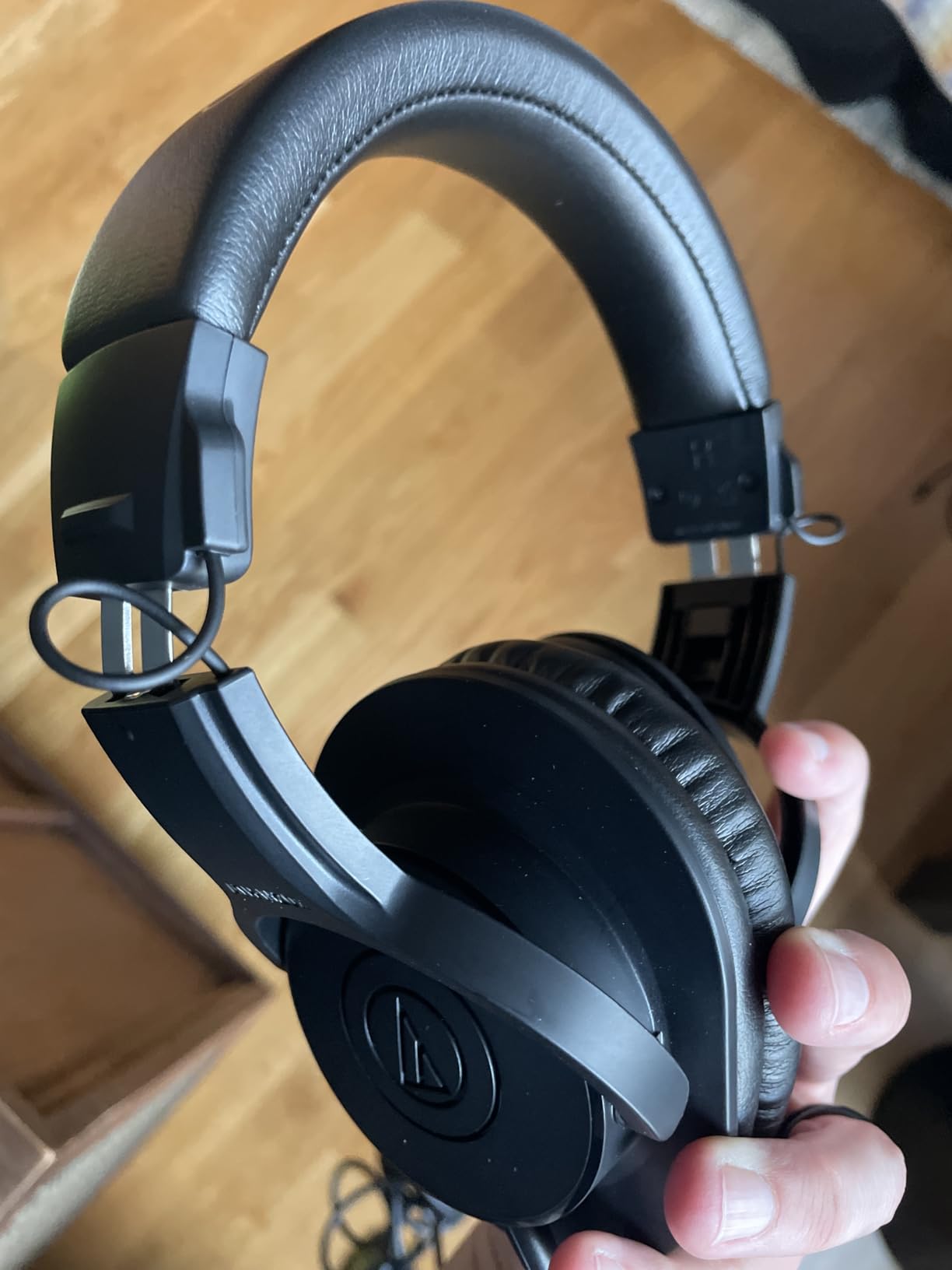
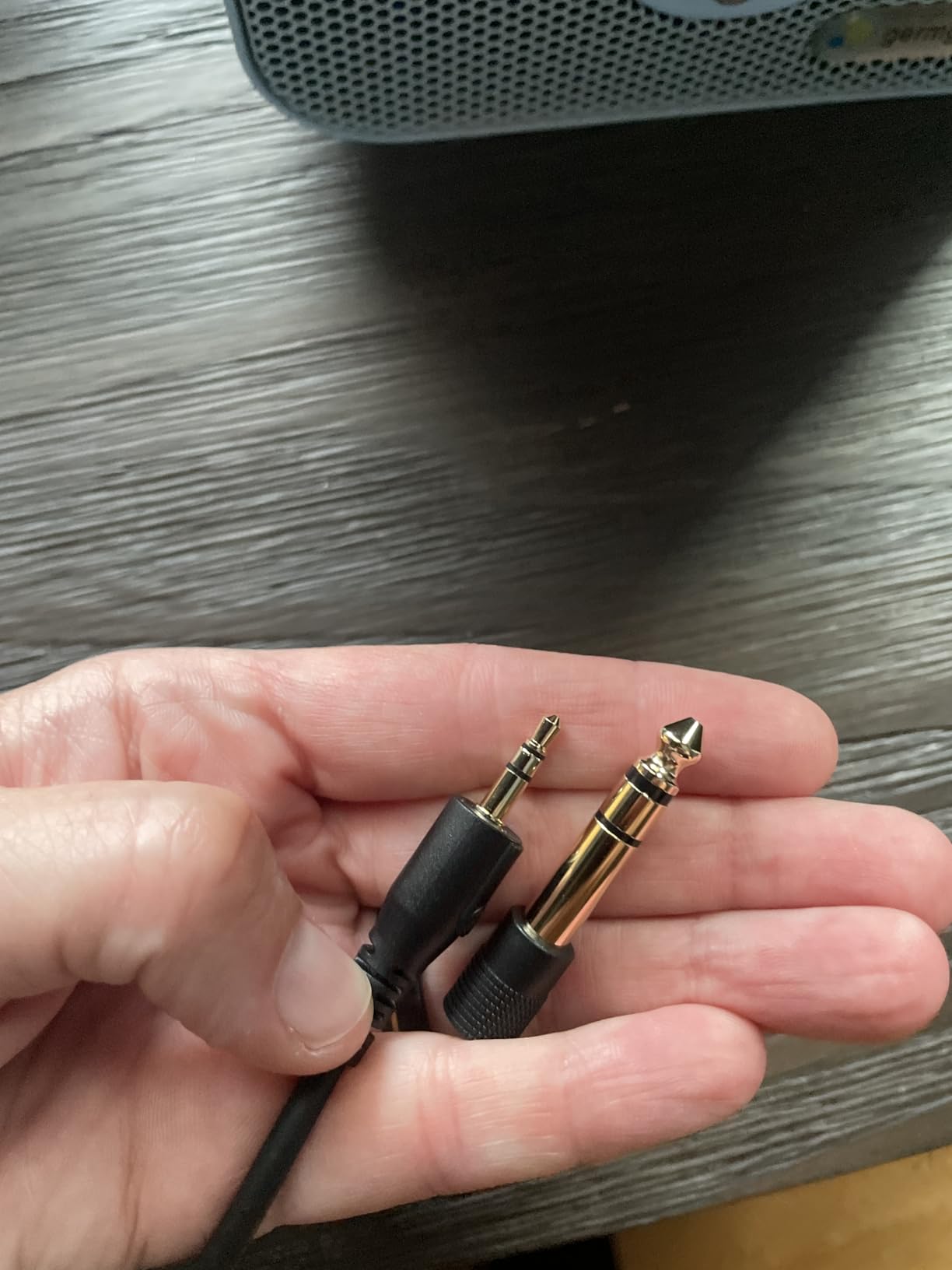
The trade-off is honest: this is a wired pair with a fixed cable, and the single-side cable exit means the run is long. There is no battery, no ANC and no Bluetooth. For a desk setup that is a feature rather than a limitation.
Reviewers consistently describe the tuning as deliberately neutral, and that is exactly why it works for long listening. There is no lifted low end pressing against the ear and no bright treble that accumulates fatigue. A sensitivity of 96 dB and 47 ohm impedance also means it will drive easily from a laptop, a phone or a small desktop amplifier without a dedicated headphone output.
Will glasses wearers get on with the clamp?
Mostly, yes. The clamp here is gentle, which is the point, and the band can be adjusted a notch lower to shift pressure off the top of the head. Some wearers still report pressure over very long stretches, so if you wear thick acetate frames the fit is worth checking early.
One of the easiest fixes is to reseat the cups a few minutes into a session. A small change in angle usually takes the pressure off the temple arm without touching the volume.
What are you giving up compared with wireless?
Portability and battery anxiety, nothing else. There is no noise cancelling, so it is a poor choice for a plane cabin or a loud café, and the non-detachable cable means you cannot swap a damaged run.
You also give up app EQ. The flat house sound is the tuning, and it is not adjustable without external hardware. For most listeners that is a fair trade for a pair that never asks to be charged.
2. Bose QuietComfort — Plush Cushions for All-Day Wear
Bose QuietComfort Headphones – Wireless Bluetooth Headphones, Active Over Ear Noise Cancelling and Mic, USB-C Charging, Deep Bass, Up to 24 Hours of Playtime, Black
238 g
24-hour battery
Multipoint Bluetooth
32 ohm
Pros
- Plush over-ear cushions and padded band built for extra-long sessions
- Excellent ANC against fans air conditioning and traffic hum
- Rich sound with adjustable EQ in the Bose app
- Works wired with the included cable
- Multipoint switching between two devices
Cons
- 24-hour battery is shorter than most rivals here
- Less effective against irregular transient sounds
- Multipoint can occasionally pick the wrong device
This is the pair most people mean when they ask for comfortable headphones for long listening sessions. Reviewers call the cushions among the softest they have owned, and the padded headband carries the mass instead of the jaw. At 238 g it is light for a wireless ANC set, and the plastic enclosure keeps the total down.
The active noise cancelling is a second reason to buy it. It handles steady, continuous sound extremely well, which covers the majority of a long-haul cabin or an open-plan office. Eight hours of filtered engine noise is worth more to your ears than a couple of hours of slightly better tuning.
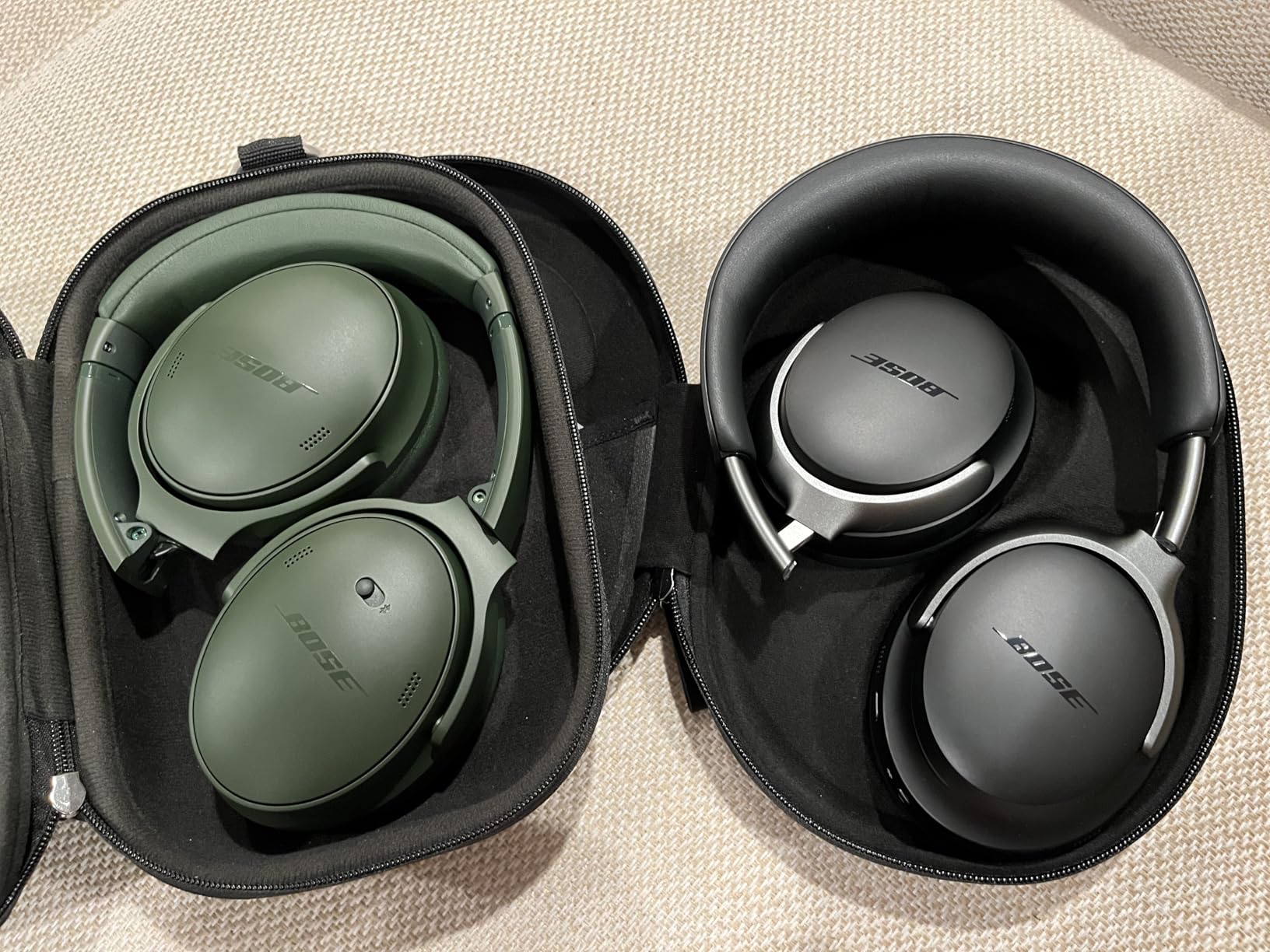
A fifteen-minute USB-C charge returns up to 2.5 hours of playback, and a full charge takes 2.5 hours. The protective case is in the box too.
Sound is described as rich and creamy, with adjustable EQ in the Bose app if you want to move it. The one limitation that matters for this roundup is battery life. Twenty-four hours is enough for a working day, but it is the shortest run time here among the wireless models, so a mid-week charge becomes part of the routine.
How does it hold up for glasses and small ears?
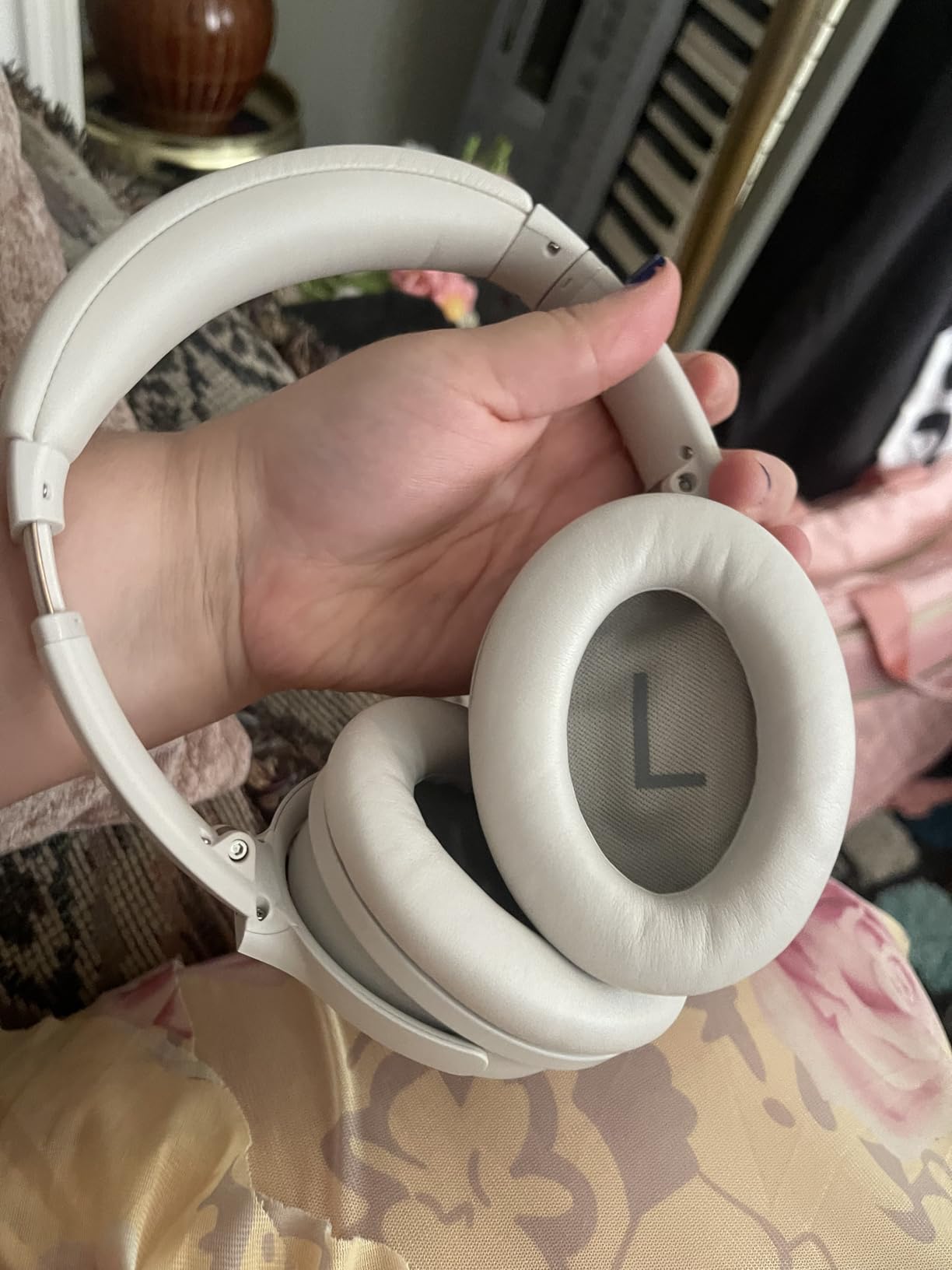
The cushions are deep and the band adjusts over a wide range, so most head shapes fit well. If the cups seal against your jaw you get the full ANC benefit and the full cushion comfort, and if they do not you get neither. Community threads on r/headphones repeatedly raise the Bose name for comfort and just as often flag the fit as very head-shape dependent, so try before you commit if you are between sizes.
The wireless features are practical for a desk that doubles as a call centre. Multipoint Bluetooth lets you stay connected to a laptop and a phone, and the included wired cable with in-line microphone means a dead battery never ends the session.
Is 24 hours of battery a problem for a long workday?
No, not for a desk. It comfortably covers a full day of calls and music, and the fifteen-minute quick charge covers an afternoon if you forget. It is a problem for a multi-day trip without a charger, which is the one scenario where the Soundcore Q30 below pulls ahead.
It is also less effective against sudden, non-continuous sound such as announcements and passing conversations, which is the other thread that runs through owner reviews. If your environment is voices rather than steady hum, weigh that against the cushion comfort before settling.
3. Soundcore Q30 — Most Listened-To Pick for Value
Soundcore by Anker Q30 Hybrid Active Noise Cancelling Headphones, Black
40 mm drivers
50-hour ANC battery
18 ohm
3-mode hybrid ANC
Pros
- Memory foam protein leather cups stay comfortable for long stretches
- Hybrid ANC in Transport Outdoor and Indoor modes
- 50 hours with ANC and 70 hours standard
- App EQ tames the default V-shaped signature
- Works over the aux cable with a flat battery
Cons
- Weak against sudden non-continuous sounds
- Thinner pleather cushioning can flake with years of use
- Multi-button layout is easy to trigger by mistake
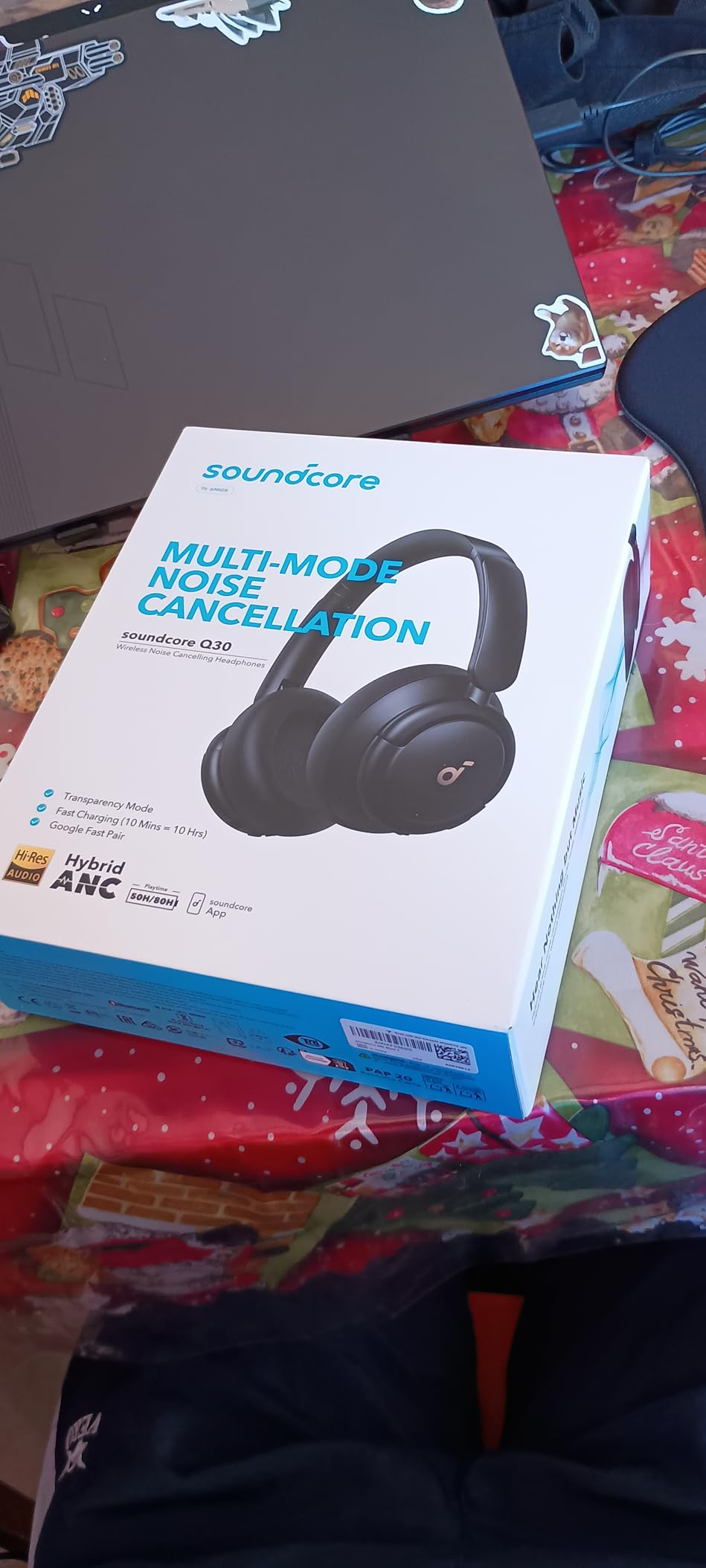
With close to 97,000 ratings, the Q30 is the most heavily reviewed pair in this roundup, and the reason is consistency rather than flash. The ultra-soft protein leather earcups sit on memory foam padding, which is the combination that keeps contact pressure low across a full day.
Hybrid noise cancelling uses dual microphones to filter a large share of low-frequency ambient sound, and you can switch between three modes depending on whether you are on a train, outdoors or at a desk. Battery life is the standout: 50 hours in ANC mode, 70 hours without it, and five minutes of charging gives four hours of playback.
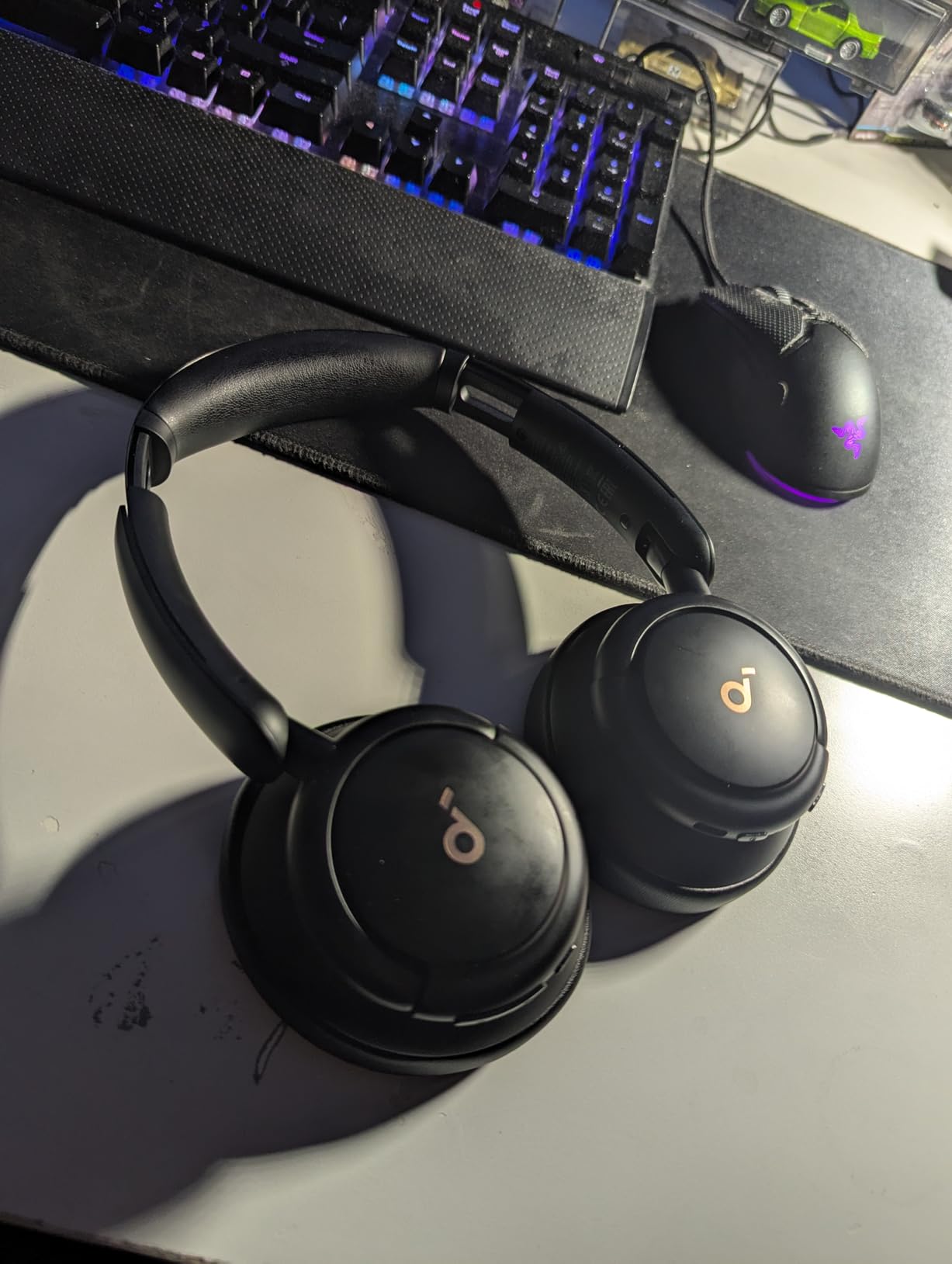
The 40 mm drivers with silk diaphragms reach up to 40 kHz over Bluetooth 5, and the Soundcore app EQ is genuinely useful because the default signature is fairly bass-forward. Flattening the low end in the app is the single biggest improvement you can make for long sessions, where low-mid buildup is tiring.
An aux cable and a USB-C cable are both included, and the headphones work wired even when the battery is dead. That single feature removes the one failure mode that ruins a wireless pair on a long trip: arriving with a flat cell and nothing to do about it.
How do the pads hold up after a year of daily wear?
Cushioning is thinner than the plush rivals here, and the pleather covering is the part to watch. Owners report flaking after years of heavy use rather than months, but it is a fair expectation for a pair at this level, and replacements are the long-term cost of ownership.
The 18-month warranty is shorter than the two years offered by the Audio-Technica and the JLab, which is worth factoring in if you expect to keep these for several years.
Is it a good choice for a shared office?
Yes, this is the pair we would hand to a colleague who listens all day and does not want to think about charging. Multipoint and wired fallback are not listed on this model, so the switching is manual, but the runtime removes the problem entirely.
The button layout is the weak point in an office. Several controls sit close together and reviewers report accidental presses, which is annoying when you are adjusting volume mid-call.
4. JBL Tune 720BT — The Battery That Ends Charging Anxiety
JBL Tune 720BT – Wireless Over-Ear Headphones with JBL Pure Bass Sound, Bluetooth 5.3, Up to 76H Battery Life and Speed Charge, Lightweight, Comfortable and Foldable Design (Black)
220 g
76-hour battery
40 mm drivers
No active ANC
Pros
- 76-hour runtime removes charging from the equation
- Speed Charge gives hours of playback from a short top-up
- Lightweight 220 g foldable build for all-day wear
- Multipoint pairing and JBL app EQ
- 3.5 mm wired option included
Cons
- Pads sit closer to on-ear and can feel snug
- No active noise cancelling for plane cabins
- Bass-forward signature is not a neutral reference
Nothing else in this list changes your routine the way 76 hours does. You charge once a week instead of twice, and a short Speed Charge top-up covers a long session. That runtime is the headline feature for anyone whose longest listening block is a full workday plus a commute.
At 220 g the build is light, and it folds flat for a bag. Multipoint pairing lets you move between two devices, and the JBL app adds EQ and presets on top of the Pure Bass tuning. Voice Aware handles hands-free calls, and 32 ohm impedance with 101 dB sensitivity means it plays loudly enough without pushing volume.

The catch is that there is no active noise cancelling. There is passive sound isolation and a 3.5 mm jack, which is fine in a quiet room and inadequate in a plane cabin or a busy cafe. If your long sessions happen in transit rather than at a desk, this is the wrong tool.
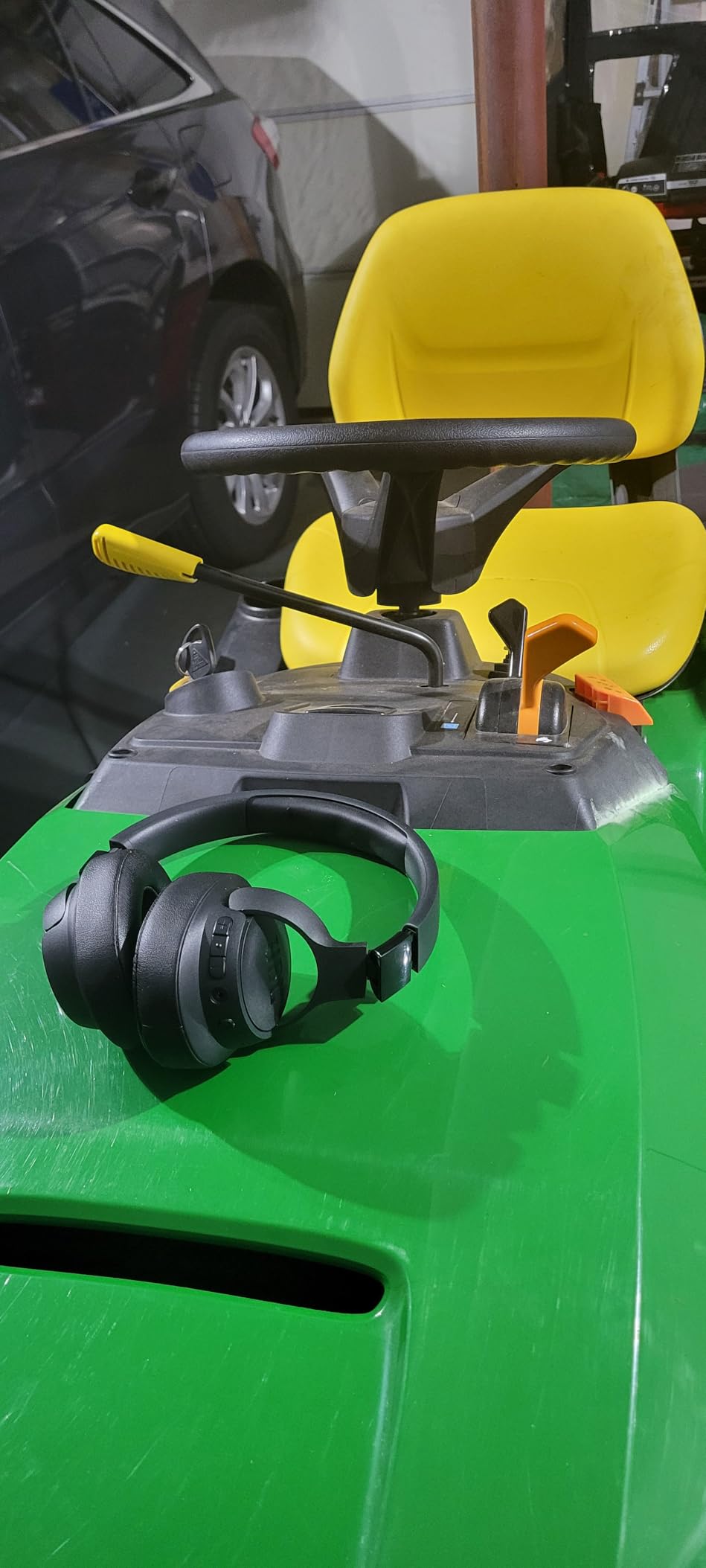
The pads are another consideration. They sit closer to an on-ear fit than a true over-ear, and some listeners describe them as snug after a few hours. For a long-session roundup that is a real limitation, and it is the main reason this pair sits mid-list rather than higher.
How long do the pads stay comfortable?
Comfort is good rather than exceptional. The lightweight frame means the pads are not under much pressure, which helps, but the smaller opening means part of the outer ear rests on the cushion edge. Over a four-hour session that is noticeable; over eight hours it is the first thing you will want to change.
If you wear glasses, the shallower cups also mean the temple arms take more of the load, which is where the headband pressure complaints usually start.
Who should skip this pair?
Anyone listening in a noisy environment. Without ANC, the 76-hour battery is only useful if you have somewhere quiet to use it, and Pure Bass is tuned for a full and punchy presentation rather than long-run reference listening.
The plastic hinge is also the durability weak point in owner reports. At this weight and price it is expected, but if you travel with the pair folded daily, look at a pair with a metal yoke.
5. Beats Studio Pro — Firm Clamp, Strong Cushions, USB-C Lossless
Beats Studio Pro Premium Wireless Over-Ear Headphones- Up to 40-Hour Battery Life, Active Noise Cancelling, Great for Travel & Commuting, Apple & Android Compatible – Exclusive Sand Gray
40-hour battery
USB-C lossless
ANC and transparency
UltraPlush cushions
Pros
- UltraPlush cushions built for extended listening at home work or travel
- USB-C lossless audio plus optional 3.5 mm analog
- 40-hour battery with a 10-minute Fast Fuel top-up
- Active noise cancelling with transparency mode
- Clear voice-targeting microphones for calls
Cons
- Clamp is tight and can bother glasses and temple wearers
- Secure fit makes them unsuitable for exercise
- Requires the Beats app for sound personalization
The Studio Pro is the only pair here that plays lossless digital audio over USB-C, so if you listen to high-resolution files from a laptop and do not want a cable running to a desk amp, this is a genuinely different option. The custom acoustic platform is described as rich and balanced rather than bass-heavy, which helps at length.
Active noise cancelling with a transparency mode handles commuting and travel, and a 40-hour battery covers several days between charges. Fast Fuel gives up to four hours from a ten-minute top-up, and spatial audio with dynamic head tracking is included for compatible sources.
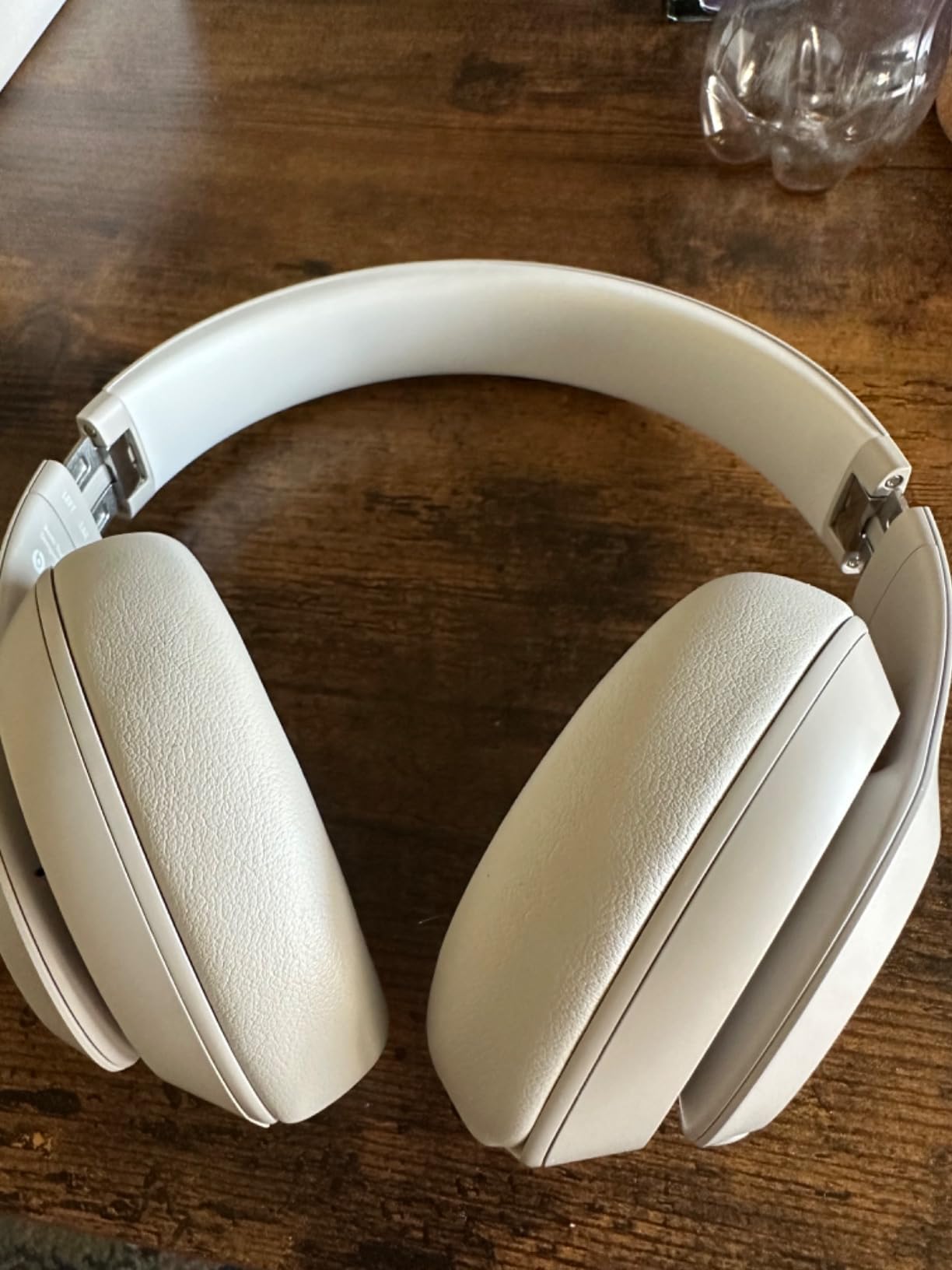
The fit is where this pair earns its place in a long-session roundup. The UltraPlush cushions are soft and the cups are generous, but the clamp is firm by design. The secure seal is why the ANC works well, and it is also the reason some people remove these headphones sooner than they would like.
A woven carrying case, a 3.5 mm cable and a USB-C charging cable all ship in the box, and one-touch pairing covers both Apple and Android devices. Sound personalization runs through the Beats app, so a first listen is on default settings until you set it up.
Are the pads comfortable enough for eight hours?
The cushions themselves are. Once they settle, the material is forgiving and stays cool longer than protein leather, and the padding does not press directly on the ear. The constraint is the clamp, not the pads.
For a full workday without glasses this is comfortable. Add glasses and the temple arms get trapped between the cushion and your face under that firm seal, which is the most common complaint in owner reviews.
Can you use these for exercise?
No, and the reviews are clear about it. The tight, sealed fit is deliberately stable but it traps heat and sweat, and a cushion that stays damp for eight hours is not what you want during a workout.
For running and gym use, an earbud or a lighter on-ear pair is the sensible choice. Reserve these for the desk, the sofa and the flight.
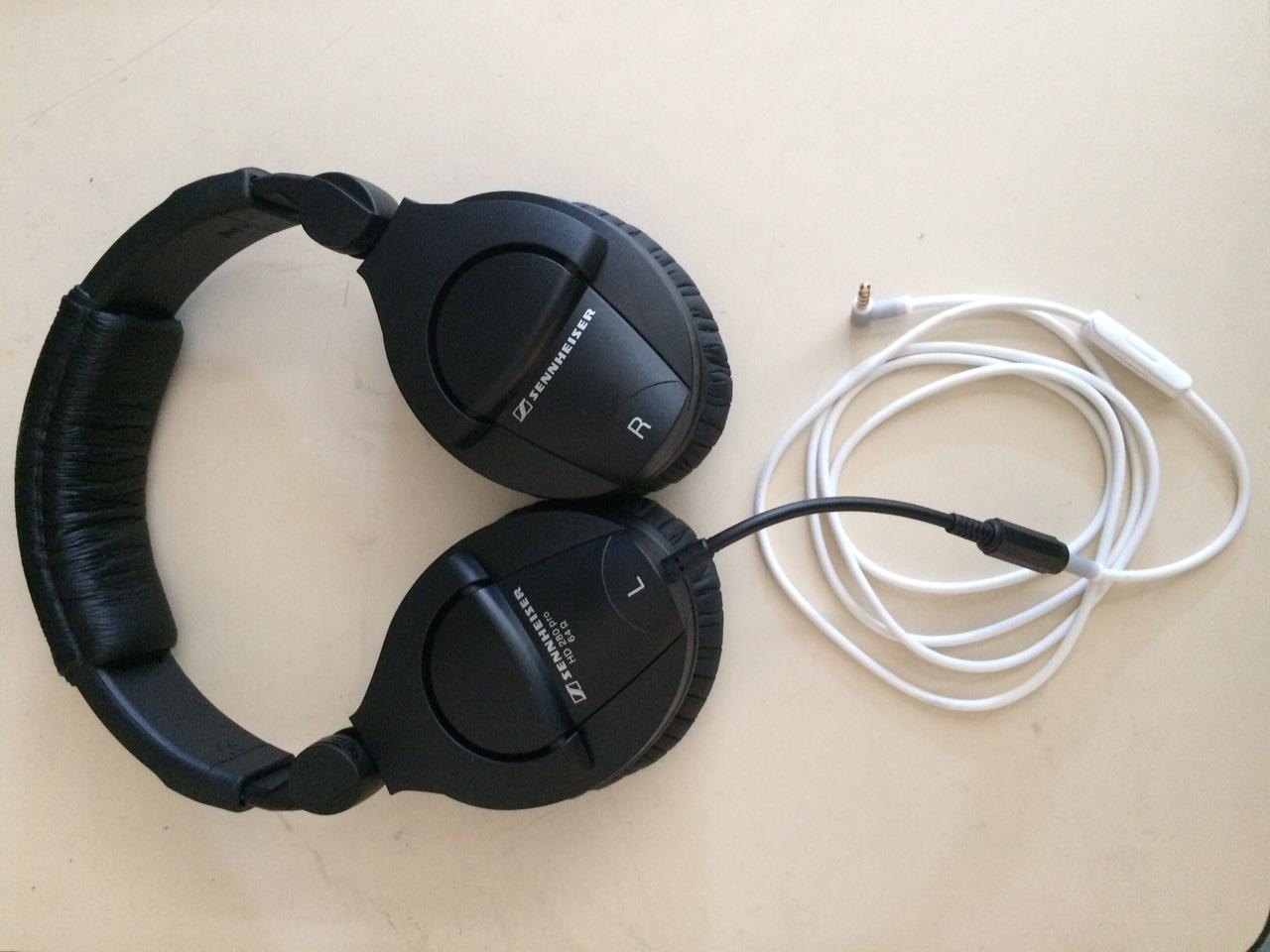
6. Sennheiser HD 280 Pro — Built to Be Repaired, Not Replaced
Sennheiser HD 280 Pro Headphone, Black
64 ohm
Passive isolation up to 32 dB
Collapsible earcups
Wired 6.35 mm
Pros
- Passive attenuation rated up to 32 dB among the strongest in any closed-back set
- Warm natural tuning with no electronic hiss
- Padded cups and band distribute clamping force
- Replaceable earpads headband padding and cord
- Collapsible cups allow one-handed fitting
Cons
- Heavy coiled fixed cable adds weight and pulls on one side
- Clamp feels restrictive on larger heads
- Original pads and band covering feel thin and can warm up
This is a monitoring headphone that suits long critical listening sessions for anyone who works with sound. Passive attenuation of up to 32 dB comes from the closed-back seal rather than electronics, so there is no battery, no processing delay and no hiss between notes. Nothing is subtracted, which is what a long critical listening session needs.
The frequency range runs from 8 Hz to 25 kHz at 64 ohm impedance, which is easy to drive from almost any source. The sound is described as warm, natural and flat, and there is no electronic hiss to reveal during quiet passages.
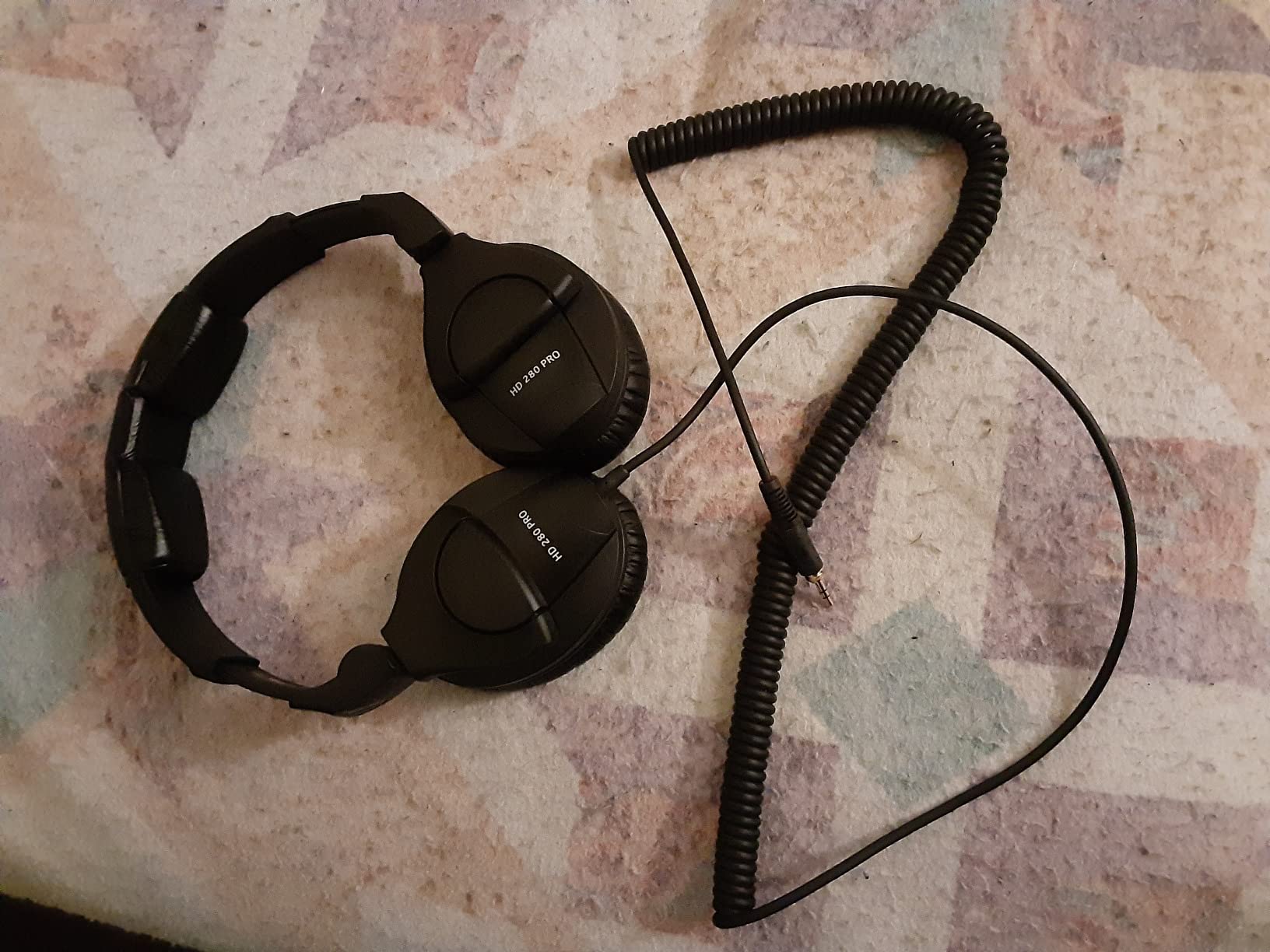
Durability is the standout for long-term ownership. The earpads, the headband padding and the audio cord are all easily replaceable, and the two-year warranty backs that up. A pair like this can be serviced for years rather than discarded, and many owners upgrade to third-party fabric or memory foam pads to improve comfort further.
That upgrade is worth planning for. The supplied pads and band covering are the parts reviewers call thin, and swapping the pads for a fabric or foam set is the single most effective comfort change you can make to this model.
Is the clamp too tight for a large head?
It can be. The fit is snug, and reviewers with larger heads describe it as restrictive over long periods. The band does adjust, so there is some give, but the cups do not flex outward the way the light pairs do.
If you know you have a broad head, check the fit carefully before buying, or plan on a padded headband cover as a first upgrade.
How does the coiled cable affect long sessions?
By a wide margin. The coiled cord is heavy enough to be noticeable and it hangs from one side, which pulls that cup very slightly forward. Over an eight-hour session you become aware of it.
Because the cord is not detachable, that is a permanent characteristic rather than something you can change. Weigh it against the isolation, which is the best reason to buy this pair in the first place.
7. JLab JBuds Lux ANC — The Softest Clamp for Glasses Wearers
JLab, JBuds Lux ANC, Over Ear Headphones, Active Noise Cancelling, Bluetooth, Spatial Audio, Sage
235 g
70+ hour battery
Hybrid ANC to 35 dB
Cloud Foam cups
Pros
- Cloud Foam cups and headband cushion with very low clamping pressure
- Comfortable even with glasses and smaller ears
- 70+ hours wireless and 40+ with ANC on
- Multipoint to two devices plus wireless share mode
- Microphone quality unusually good for the price
Cons
- Cups do not breathe well and build heat over very long sessions
- Be Aware pass-through sounds boxy next to premium rivals
- ANC weaker against sharp transient noise
- No 3.5 mm jack for wired listening
Clamping pressure is the thing that ruins long sessions, and this is the pair with the lowest clamping pressure in the group. Owners describe the Cloud Foam earcups and headband cushion as wearing like small clouds, and the low clamp is specifically credited with working for glasses wearers and people with smaller ears.
The battery is 70 hours and more without ANC, dropping to 40 hours and more with it on, which covers a working week without a charger. Hybrid ANC reduces ambient noise by up to 35 dB, which is respectable for this tier and effective against continuous hum and engine noise.
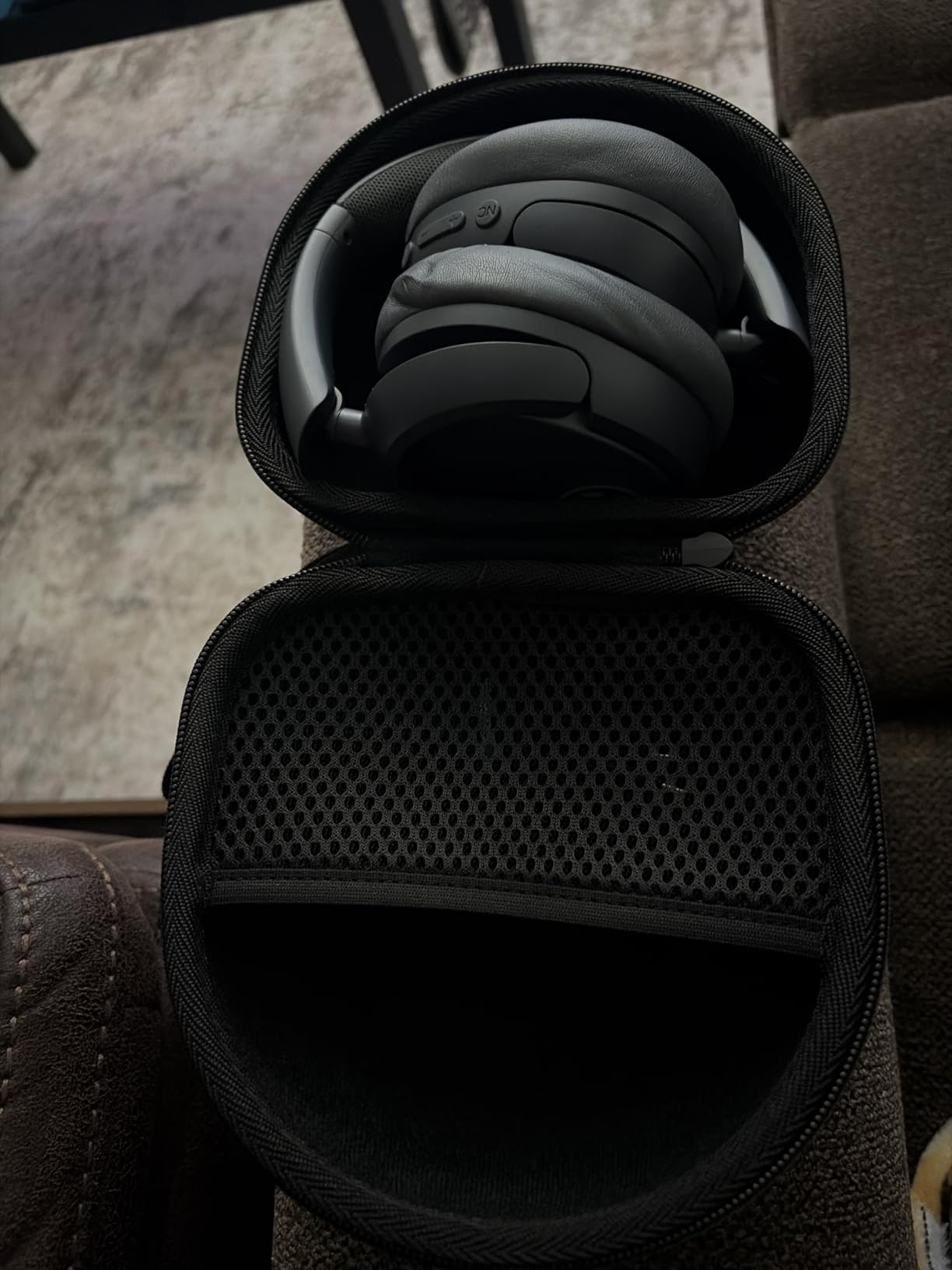
The 40 mm drivers and Bluetooth 5.4 handle everyday listening, and spatial audio support covers Dolby Atmos, Tempest 3D and Windows Sonic depending on your source. Multipoint connects two devices at once, and a wireless share mode lets a second pair of headphones listen to the same source.
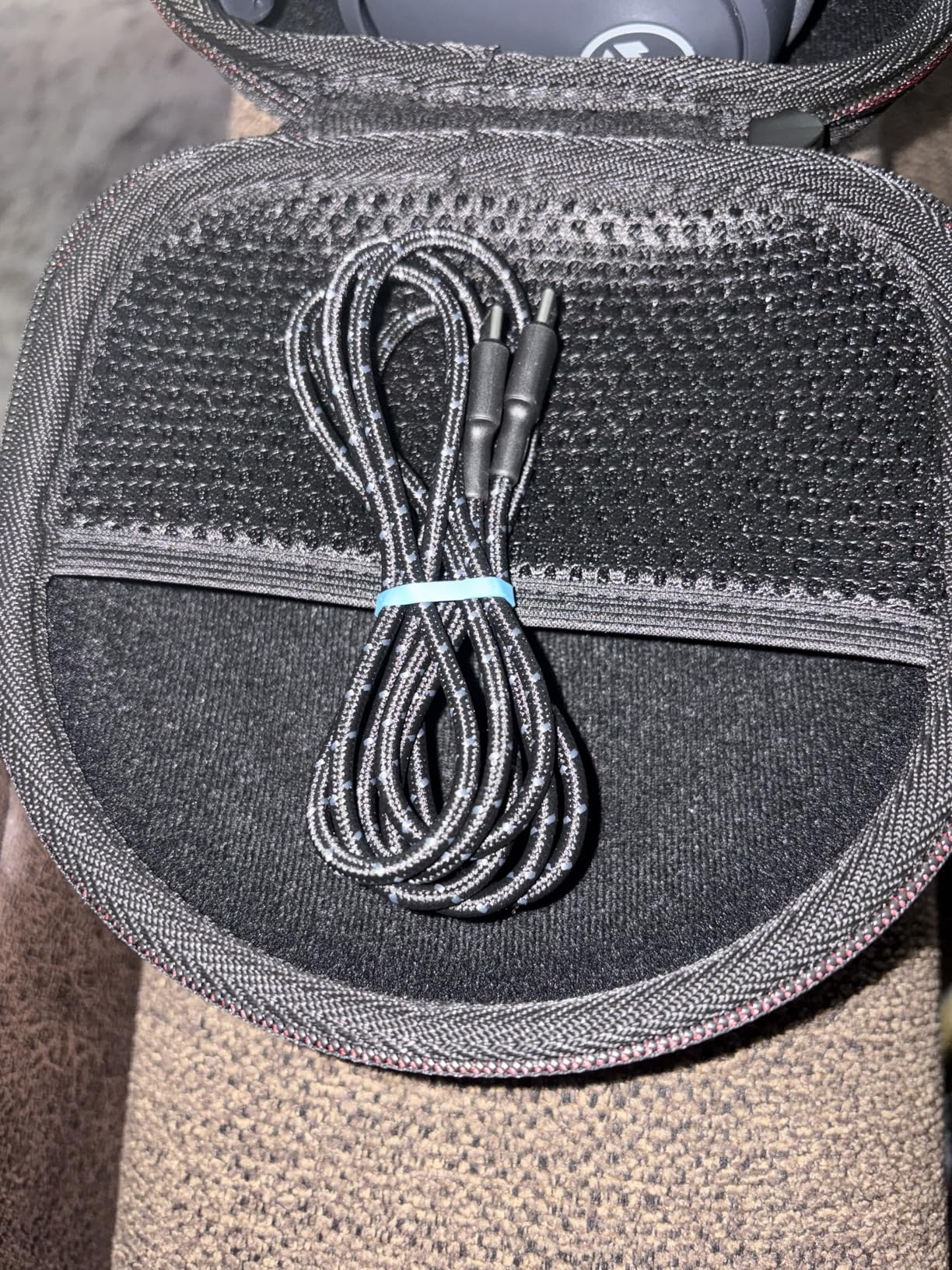
There is no 3.5 mm jack, so unlike several rivals here there is no wired fallback and no way to use these with a dead battery. The two-year warranty is among the longest in the roundup, and the app handles both EQ and ANC control.
Why is it the best fit for glasses?
Because it presses less. Glasses compatibility is a pressure problem, not a sound problem, and the low clamp means the frame arms are not pinched between a firm cushion and your temple. Community threads on r/HeadphoneAdvice raise glasses compatibility constantly, and it is the single most common reason a comfortable pair gets returned.
The wide Cloud Foam also spreads the small amount of pressure it does apply over a wider area, which further reduces the sensation of being held.
What happens if your room gets warm?
Heat builds. The earcups are well sealed and do not breathe well, so in a hot room the pressure and warmth become noticeable well before the clock reaches three hours. This is the one repeated drawback in owner reviews, and it matters if you live somewhere warm or work in an uncooled space.
The mitigation is the same as with any sealed pair: take the headphones off for five minutes every hour, and keep a pair of lighter on-ear or earbud options for the summer months. Our on-ear headphone guide covers that middle ground.
8. Sennheiser HD 599 — Velour Pads With No Ear Pressure
Sennheiser HD 599 Open-Back Wired Audiophile Headphones, Ivory
0.71 kg
12-38,500 Hz
50 ohm
Velour pads
Pros
- Velour-covered ear pads and a padded headband with no pressure on the ear
- Aluminium voice coil transducers with high efficiency and low distortion
- Detachable cables in both 6.3 mm and 3.5 mm configurations
- Open-back tonality with a wide soundstage
Cons
- Open-back design gives no passive isolation
- Heaviest option here at 0.71 kg
- Needs a wired source with sufficient drive
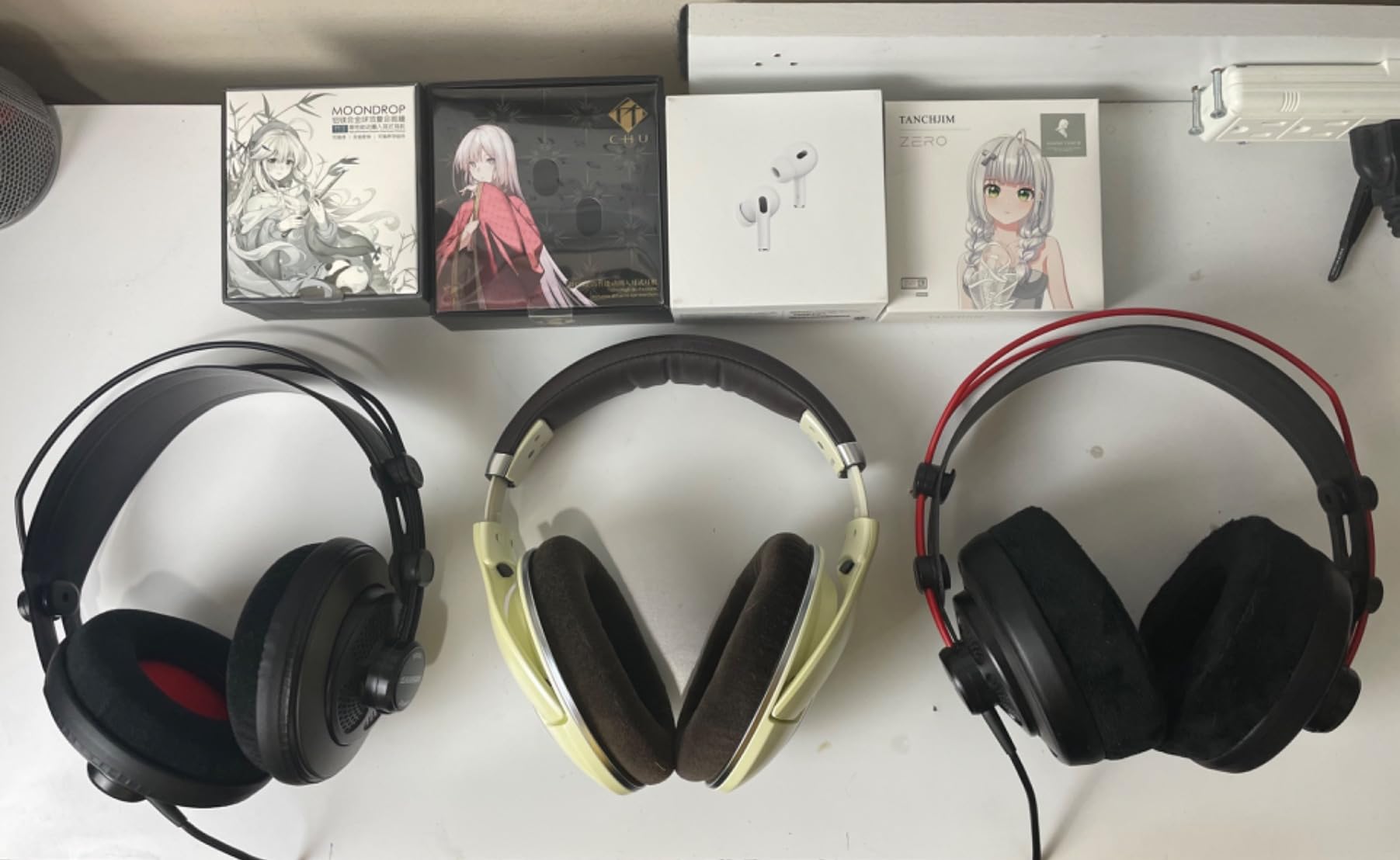
The HD 599 is the comfort story of the open-back category. The velour-covered ear pads and a generously padded headband are built specifically so the band rests on the head without pressing on the ear, and owners describe the result as comfortable for hours with no ear pressure at all. At 0.71 kg it is also the heaviest pair here, so that cushioning is doing real work.
Velour is the right material for long sessions because it is breathable and it does not stick to the skin the way protein leather does in a warm room. Combined with an open-back design, there is no sealed cup to trap heat, which is why this pair stays comfortable longer than its weight suggests.
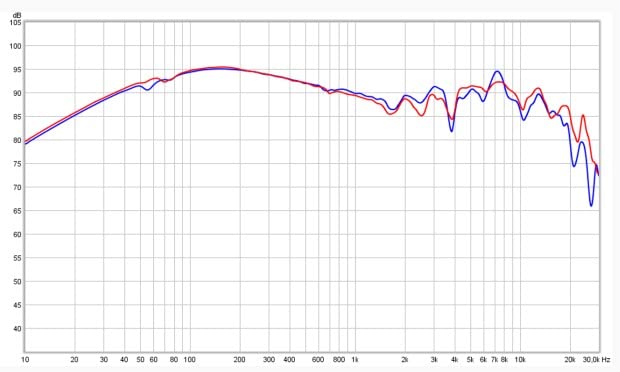
Sound is the second argument. The frequency range runs from 12 Hz to 38,500 Hz, and the aluminium voice coil transducers are efficient with very low distortion. The tonality is audiophile-grade and open, with a wide soundstage and no upper-midrange harshness that accumulates over hours.
Both cables are detachable and included: a robust 3 metre run with a 6.3 mm jack and a shorter 1.2 metre cable with a 3.5 mm plug. That means you can move between a desk amplifier and a laptop without adapters, and replace a damaged cable rather than the headphone.
When is an open-back pair the wrong choice?
Anywhere with sound in the room. There is no passive isolation at all with this design, so ambient noise comes straight in and your music leaks straight out. In a shared office or an apartment with a thin wall, that rules it out no matter how comfortable the pads are.
It is also a wired-only option that needs a source with enough drive. At 50 ohm it is not demanding, but a phone dongle with no output control will not do it justice.
Is 0.71 kg too heavy for all-day wear?
Not with these pads, and not on a headband this wide. The mass is spread across the padded band and the cups surround the ear completely, so you feel it when you first put them on and then stop noticing it.
It is a different story on a warm commute. The weight plus the lack of isolation means these belong at a desk, not on a train, and we would not use them as a single pair for every part of the day.
9. Sony WH-1000XM5 — The ANC Leader on a Plane
Sony WH-1000XM5 Premium Noise Cancelling Wireless Headphones, Midnight Blue
8.82 ounces
30-hour battery
8 microphones with Auto NC Optimizer
48 ohm
Pros
- Adaptive ANC with eight microphones and two processors
- Lightweight soft-fit leather with minimal clamping pressure
- 30-hour battery with a 3-minute top-up giving 3 hours
- Four beamforming microphones give noticeably better calls
- Speak-to-Chat and wear detection are useful
Cons
- No longer folds flat and the case is less protective
- Weakly padded headband section can create pressure points
- Multipoint Bluetooth can be unreliable on some PCs
- Speak-to-Chat can trigger unintentionally
The XM5 has the most microphones working in its noise cancelling array in this roundup for travel. Two processors manage all eight with an Auto NC Optimizer that samples the seal around your head and adjusts accordingly, which is why it handles a shifting environment like a plane cabin so well.
Comfort is generally good. The soft-fit leather design is light at 8.82 ounces and uses minimal clamping pressure, so the seal is achieved without a hard grip. Beamforming microphones across the four-mic array give noticeably better call clarity than most rivals, which matters if your long sessions are on calls.
The battery runs 30 hours, and a three-minute charge gives three hours of playback, so a short top-up between meetings is enough. Multipoint connection, Speak-to-Chat and wear detection round out a feature set built around not having to think about the headphones.
Two things stand out against it. The headband padding at the very top is thin, and that is exactly where pressure points appear after a long session. And the design no longer folds flat, so the case is bulkier and less protective than on earlier generations.

Is 4.2 out of 5 a reliability concern?
It is worth knowing about. The rating spread is wide for a flagship, with a noticeable share of one-star reviews reporting flaky multipoint on some PCs and intermittent power or noise cancelling faults. Check the return window on your purchase and test both functions on your own machine early.
For a pair this capable at handling noise, most owners accept the trade. Just do not skip the early return test if you rely on calls for work.
How does it handle a long-haul flight?
Very well, with one caveat. The ANC is the strongest of these ten for engine rumble and cabin air, and the 30-hour battery covers the longest flight with power to spare, plus a three-minute emergency top-up.
The caveat is the non-folding design. The case is bulkier and offers less crush protection, so a padded bag is worth adding if you travel with these regularly rather than tucking them into a jacket pocket.
10. Sennheiser Momentum 4 — Battery and Codecs for Long Wireless Days
Sennheiser Momentum 4 Wireless Headphones, ANC, 60 Hr Battery, Black/Copper
60-hour battery
42 mm with aptX Adaptive
470 ohm
Foldable
Pros
- 60-hour battery covers a full week of commuting
- Lightweight foldable build with a cushioned headband and pads
- 42 mm transducers with aptX Adaptive transmission
- Smart Control Plus app with EQ presets and sound modes
- Four beamforming mics with wind noise suppression
Cons
- Touchpad controls lack tactile feedback and trigger easily
- App EQ and firmware can be temperamental on some devices
- ANC is mid-pack among similarly priced rivals
The Momentum 4 solves the battery problem better than any other wireless pair here. Sixty hours of playback means most people charge once a week, and a working week of commuting does not touch the reserve. For the longest sessions of any kind, that runtime is the reason to start with this model.
It is also the only pair here with aptX Adaptive, paired with 42 mm transducers and a frequency range from 6 Hz to 22 kHz. On a compatible source the wireless quality is closer to wired than any other model in this roundup, which matters when you are listening for eight hours and you notice artefacts.
The build is light and folds flat, with a cushioned headband and ear pads that reviewers credit for long sessions. Adaptive noise cancelling with a transparency mode, four digital beamforming microphones and wind suppression cover the commuting case, and the carry case, USB-C cable, 3.5 mm to 2.5 mm cable and airplane adapter are all included.
At 470 ohm impedance this is a high-impedance wireless design, and a wired connection through the included cable improves the result noticeably if your source can drive it. The Smart Control Plus app handles EQ, presets and custom sound modes.
Why does the rating trail the other wireless picks?
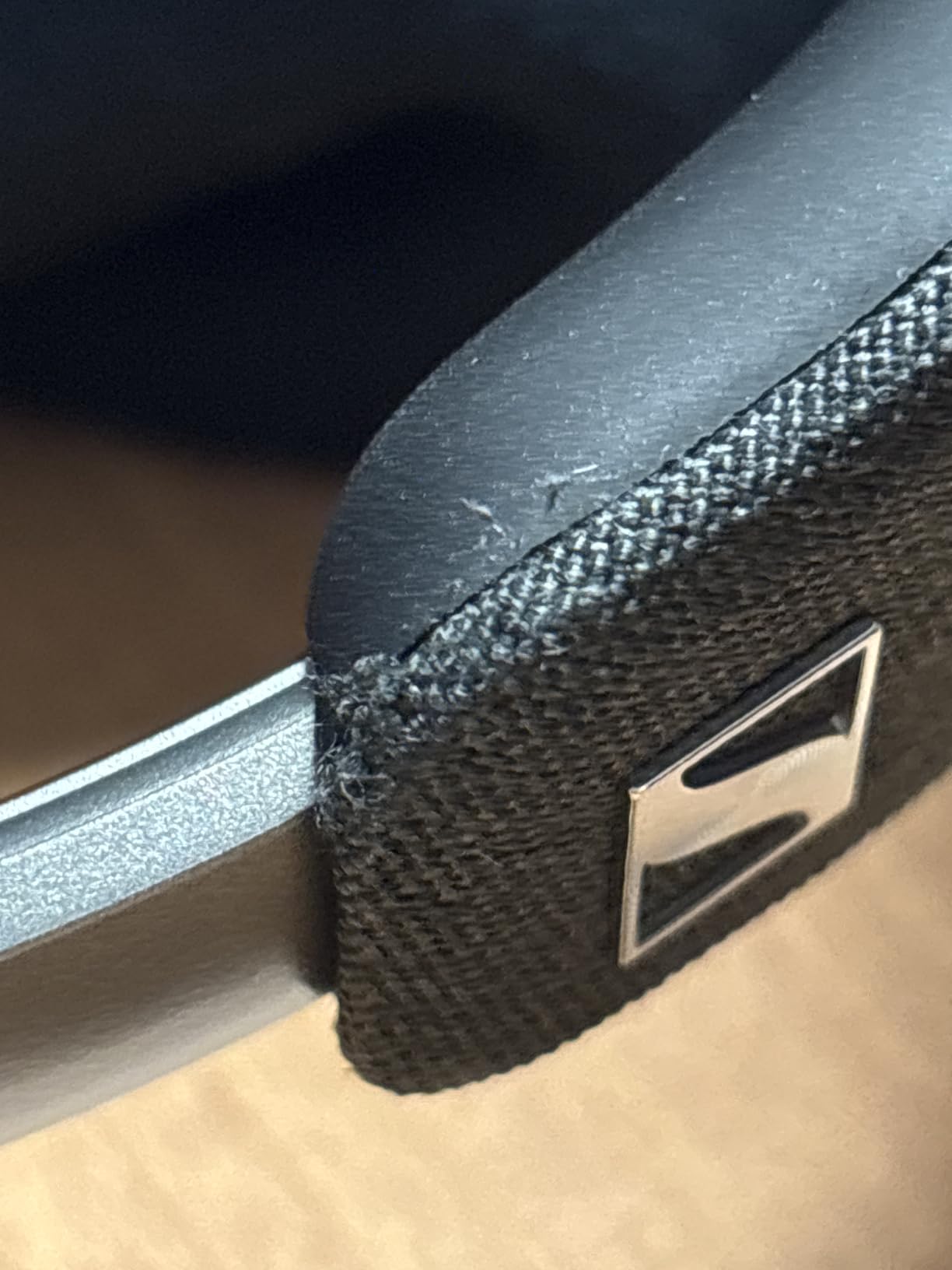
Mostly the controls. The touchpad has no tactile feedback, so you cannot tell by feel whether it registered, and it is easy to brush against while adjusting the headband. That is the most repeated complaint in owner reviews and it affects daily use more than the sound does.
App and firmware stability is the second theme, with some devices reporting temperamental EQ and connection behaviour. The 4.0 average here also reflects a heavier share of one-star reviews than the rest of the group, so set expectations accordingly.
Is the ANC good enough for a commute?
It is competent rather than class-leading, and reviews place it mid-pack among similarly priced rivals. It handles steady noise well and is one of the better options here for wind thanks to the mic array, but it will not match the XM5 or the Bose on sustained cancellation.
If the commute is loud and the office is quiet, buy the ANC champion instead. If both are moderate, the 60-hour battery makes up a great deal of ground.
What Actually Determines Comfort Over Hours
Four measurable things decide whether a pair survives a long session, and driver size barely matters. Weight in grams sets the baseline load on your head. Clamping force determines whether that load is spread across a wide band or concentrated on the ear and the top of the skull. Pad material decides heat and sweat behaviour. And the seal determines how much of both you feel.
Looking across this roundup, the range runs from 210 g on the Audio-Technica ATH-M20x to 0.71 kg on the Sennheiser HD 599. That is a big spread, and it is the first number to check. Below roughly 250 g with a gentle clamp, most people can wear a pair all day. Above 600 g, you need a properly padded band and a reason to prefer the sound.
Clamping force is the real culprit behind ear fatigue
Clamping force is how hard the earcups press inward to hold a seal. Too little and noise leaks in, too much and the pressure accumulates on the outer ear and across the top of the head. That cumulative load is the mechanical reason your ears start to ache around hour three, and it is independent of volume.
Two things reduce it. First, a wider headband: the same grip force spread across a wider surface is less painful. Second, a looser grip paired with deeper pads, where the cushion does the sealing work instead of the hinge. The JLab JBuds Lux ANC is the clearest example of that approach in this list, and it is the one glasses wearers rate most consistently.
Memory foam, velour and protein leather compared
Memory foam gives the deepest seal and the best passive isolation, and it is the best raw material for a noisy environment. It also runs warmer because it seals, so it suits cool rooms rather than hot ones.
Velour is the opposite: breathable, cool, and slightly less isolating. It is the most comfortable material for a long session in a warm room, which is why the Sennheiser HD 599 is built around it. Protein leather is the middle path used by several wireless pairs here, and it is comfortable at first but can flake and crack after years of daily wear.
Whichever you choose, budget for pad replacement. Ear pads are the first thing to fail and the cheapest thing to fix, and a pair with replaceable pads will outlast a pair without them.
Open-back or closed-back for long sessions
Open-back designs, like the HD 599, are the most breathable and give the widest soundstage. They offer no isolation at all, so they only work in a quiet room at a controlled volume. Closed-back and wireless ANC models isolate, which lets you listen at a lower level, and lower volume is the single most effective thing you can do for long-run comfort.
That is the real trade. Isolation is a hearing-safety feature, not just a noise feature. If you listen in a shared space, the closed-back or ANC option is worth more than the extra comfort of open cups.
Five fixes when your ears start to hurt
First, drop the volume. Most ear fatigue is volume fatigue, and the fix is not a different pair, it is a lower level for longer. A common guideline is 60 percent volume for 60 minutes, then a break.
Second, reseat the headphones every 30 to 45 minutes. Small shifts move the contact point off the exact spot that is starting to hurt. Third, move the headband a fraction lower on your head so the load sits on the skull rather than the ear hinge.
Fourth, check whether your pads are still in shape. Flattened or hardened pads force a tighter clamp to keep the same seal, which is a common cause of headaches in older pairs. Fifth, take a five-minute break every hour. Nothing beats removing the load entirely for a few minutes.
Wired or wireless for marathon listening
Wired removes battery anxiety and often improves sound quality, and it is what the two studio options here use. Wireless is the right choice when the listening environment is unpredictable, since ANC lets you hear at a lower volume, and the multipoint pairing on several of these models means you stop re-pairing.
Look for a wireless pair that still works over a cable when the cell is flat. Both the Bose QuietComfort and the Soundcore Q30 include a wired option, which turns an end-of-battery problem into nothing at all. We cover the wired-versus-wireless split in more detail in our headphone picks by genre, where the source type matters as much as the comfort.
Who should not buy over-ear headphones at all
If you sleep on your side, no over-ear pair works. A sealed cup pressed against a pillow generates pressure that no pad design can absorb, and the battery and electronics make them unsuitable for a pillow in any case.
If you wear glasses with thick frames and cannot find a low-clamp pair, consider the on-ear or earbud route instead. Our desk guide on gear for long sessions covers the rest of the all-day setup problem, which is usually the chair rather than the headphones.
Frequently Asked Questions
What are the best over-ear headphones for long use?
For most people the Bose QuietComfort leads on wireless comfort, with plush over-ear cushions, a padded headband and 238 g of weight. The Audio-Technica ATH-M20x is the best wired option at a lighter 210 g, and the Soundcore Q30 is the strongest value pick with 50 hours of battery in ANC mode. The JLab JBuds Lux ANC has the lowest clamping pressure if you wear glasses.
Which headphones are best for long-term use?
Look for four things: low total weight in grams, a wide headband that spreads pressure rather than clamping, thick pads that surround the ear, and replaceable ear pads and cables. The Sennheiser HD 280 Pro and HD 599 score well here because their pads, headband padding and cords can all be replaced, which extends their service life well past a sealed pair.
Why do my ears hurt after wearing headphones?
Ear fatigue is usually the cumulative result of heat, seal pressure and volume rather than one cause. A sealed synthetic leather cup traps heat, and clamping force presses the cushions against the ear for hours. Fixes include lowering the volume, reseating the headphones every 30 to 45 minutes, moving the headband lower on your head, replacing flattened pads, and taking a five-minute break every hour.
Should I get open-back or closed-back headphones for long sessions?
Open-back pairs such as the Sennheiser HD 599 are the most breathable and comfortable in a quiet room, but they offer no isolation and leak sound in both directions. Closed-back and active noise cancelling models isolate, which lets you listen at a lower level. Lower volume is the most effective comfort measure over long sessions, so choose closed-back or ANC if you listen anywhere shared.
How long can you wear over-ear headphones safely?
There is no fixed limit, but volume matters far more than duration. A common guideline is 60 percent volume for 60 minutes followed by a break. Sets like the Bose QuietComfort and Sony WH-1000XM5 use active noise cancelling so you can hear at a lower level in a noisy room. Wireless models with long runtimes, such as the JBL Tune 720BT at 76 hours, also reduce the temptation to charge overnight with them on.
How do I stop headphone ear fatigue?
Five things help. Lower the volume, since most ear fatigue is volume fatigue. Reseat the headphones every 30 to 45 minutes so the contact point moves. Slide the headband slightly lower so weight sits on the skull. Replace pads that have flattened, because hardened pads force a tighter clamp to keep the same seal. And take a five-minute break every hour, which beats any pad upgrade.
Are over-ear headphones fine for exercise and active use?
Generally no. Sealed cups trap heat and sweat, and owner reviews of the Beats Studio Pro specifically note that the tight fit makes them unsuitable for exercise. For running and gym sessions, use earbuds or a lighter on-ear pair, and keep over-ear headphones for the desk, the sofa and the flight. Long-session comfort and secure fit during movement pull in opposite directions.
The Verdict for 2026
For the best over ear headphones for long listening sessions, the Audio-Technica ATH-M20x is the pick: 210 g, a gentle clamp, a neutral tuning that never fatigues and a two-year warranty. It is the pair we put on when the session is long and the power outlet is far away.
Going wireless, the Bose QuietComfort wins on cushion comfort and noise cancelling, and the Sennheiser Momentum 4 wins on battery with 60 hours. If you wear glasses, take the JLab JBuds Lux ANC for the lowest clamping pressure in the group. If you listen in a quiet room and want the lightest-feeling pads in this roundup, the Sennheiser HD 599 is the answer, accepting that it isolates nothing.
Whichever you choose, give it a full day before you judge it, and lower the volume. The best over ear headphones for long listening sessions are not the ones with the longest feature list, they are the ones you forget you are wearing at hour six.