

Jazz is one of those genres that rewards careful listening. The brush of a snare drum, the breath behind a saxophone note, the subtle interplay between piano and upright bass — these details separate a good listening session from a genuinely moving one. But you need the right headphones to hear all of it.
Finding the best headphones for jazz listening means prioritizing midrange clarity, instrument separation, and a soundstage wide enough to place each musician in their own space. Jazz recordings are often sparse and acoustic, which means your headphones need to reproduce timbre accurately rather than just pumping up the bass or treble.
Our team spent weeks comparing 15 different models — from budget studio monitors to audiophile open-backs and even a premium wireless option — to find which ones truly deliver for jazz. We tested with classic recordings from Miles Davis, John Coltrane, Bill Evans, and modern artists like Kamasi Washington. Here is what we found.
Table of Contents
Top 3 Picks for Best Headphones for Jazz Listening


Best Headphones for Jazz Listening in 2026
| Product | Specifications | Action |
|---|---|---|
| OneOdio Pro Studio Monitor |
|
Check Latest Price |
 AKG K240 Studio AKG K240 Studio |
|
Check Latest Price |
 Audio-Technica ATH-M20x Audio-Technica ATH-M20x |
|
Check Latest Price |
 Sennheiser HD 280 Pro Sennheiser HD 280 Pro |
|
Check Latest Price |
| Sony MDR7506 Professional |
|
Check Latest Price |
 Audio-Technica ATH-M40x Audio-Technica ATH-M40x |
|
Check Latest Price |
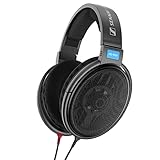
| Sennheiser HD 560S |
|
Check Latest Price |
 Audio-Technica ATH-M50x Audio-Technica ATH-M50x |
|
Check Latest Price |
 beyerdynamic DT 990 PRO beyerdynamic DT 990 PRO |
|
Check Latest Price |
| Philips Fidelio X2HR |
|
Check Latest Price |
| Sennheiser HD 600 |
|
Check Latest Price |
 beyerdynamic DT 900 PRO X beyerdynamic DT 900 PRO X |
|
Check Latest Price |
 Sennheiser HD 490 PRO Sennheiser HD 490 PRO |
|
Check Latest Price |
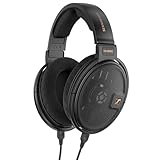 Sennheiser HD 660S2 Sennheiser HD 660S2 |
|
Check Latest Price |
| Bowers & Wilkins Px8 S2 |
|
Check Latest Price |
1. OneOdio Pro Studio Monitor – Best Budget Entry for Jazz
OneOdio Wired DJ Hi-Res Over-Ear Headphones for PC, Keyboard Guitar – Black
50mm Drivers
32 Ohm
20Hz-40kHz
Wired
Detachable Cable
Pros
- Excellent bass clarity
- Comfortable for extended wear
- 90-degree swiveling ear cups
- Compatible with 3.5mm and 6.35mm jacks
- Share audio port
Cons
- Ear cushion coating may wear over time
- Can feel heavy for some users
- Circular pads may not fit all ears
I picked up the OneOdio Pro expecting a basic budget headphone, but I was genuinely surprised by how well it handles jazz. The 50mm neodymium drivers deliver a warm, full-bodied sound that pairs nicely with acoustic instruments. Listening to Miles Davis’ “Kind of Blue,” the trumpet had a natural presence without sounding harsh or thin.
The bass response is punchy without overwhelming the mids, which matters a lot when you are trying to hear the subtle interplay between an upright bass and a drum kit. These headphones do not have the razor-sharp detail of models costing five times as much, but they present jazz in a way that feels enjoyable rather than analytical.
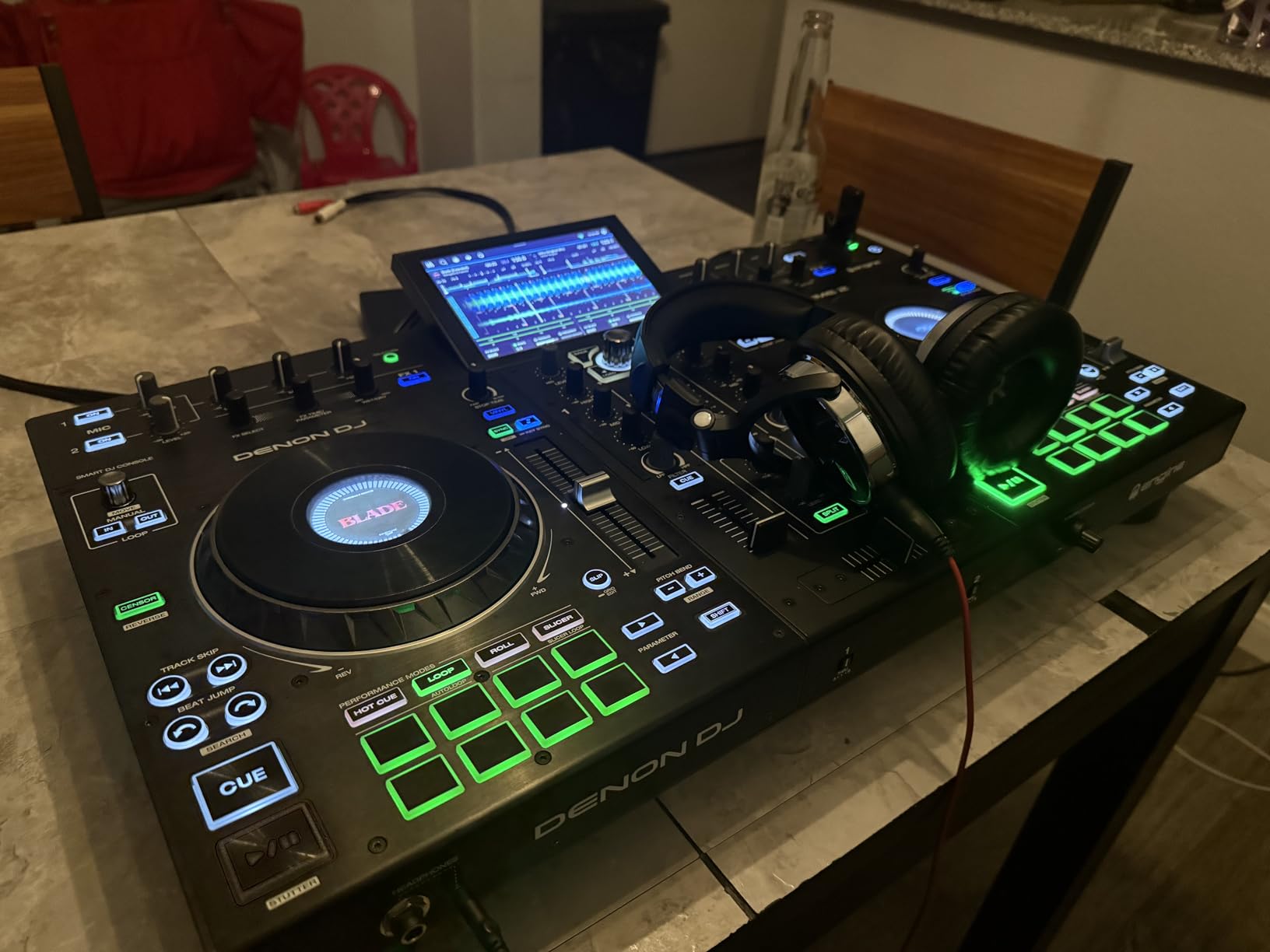
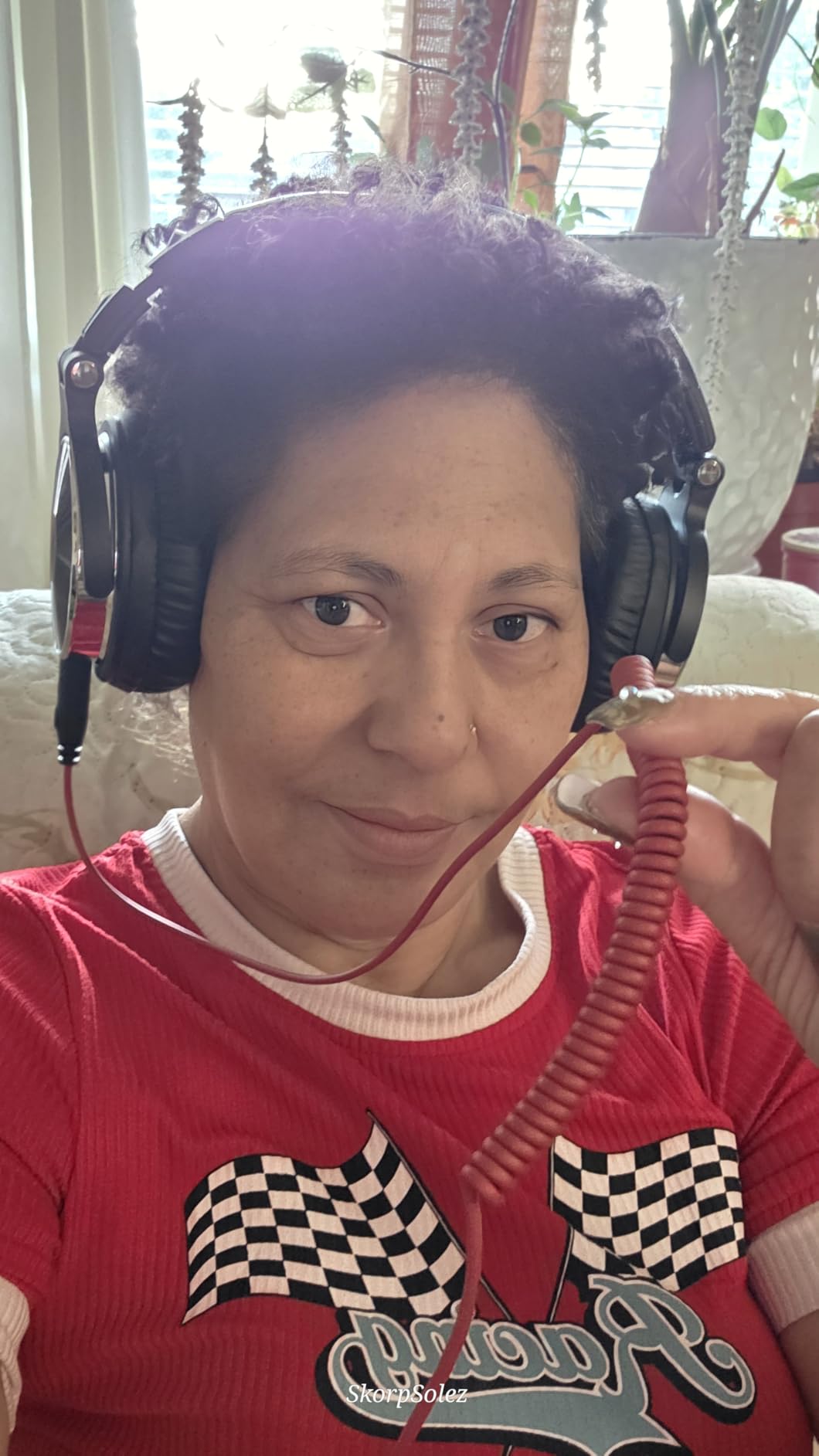
Comfort is solid for the price. The soft ear cushions kept me comfortable through a two-hour listening session, though the circular pads do press a bit on larger ears. The 90-degree swiveling ear cups are a nice touch if you want to monitor with one ear. At just 0.66 pounds, these are manageable but not the lightest in our lineup.
Build quality is surprisingly decent for the price range. The self-adjusting headband has a flexible feel, and the detachable cable adds to the longevity. You also get a share port that lets someone else plug in and listen along, which is a fun feature for shared listening sessions.
Who should buy the OneOdio Pro
If you are new to jazz and want an affordable way to experience the genre without spending hundreds, the OneOdio Pro is a smart starting point. It handles acoustic instruments well and delivers a fun, warm sound signature that suits classic and modern jazz recordings.
Who should look elsewhere
If you need the kind of detailed instrument separation that lets you hear every breath behind a saxophone, you will eventually want to upgrade. The soundstage is also fairly closed-in compared to open-back models, so you lose some of that live-room feel.
2. AKG K240 Studio – Semi-Open Classic With a Wide Soundstage
AKG K240STUDIO Semi-Open Studio Headphones
55 Ohm
15Hz-25kHz
Semi-Open
Wired
Detachable Cable
Pros
- Neutral flat studio sound
- Very comfortable and lightweight
- Large soundstage for semi-open
- Excellent mid and high clarity
- Professional grade at affordable price
Cons
- Sub bass not pronounced
- Semi-open design leaks sound
- Ear pads may be small
- Requires headphone amp for best results
The AKG K240 Studio has been a studio staple for decades, and after testing it with jazz, I understand why. The semi-open design gives you a surprisingly wide soundstage that places instruments in a natural, spacious layout. When I cued up Bill Evans’ “Waltz for Debby,” the piano sat center-stage with the drums spread out behind it in a way that felt remarkably close to being in the Village Vanguard.
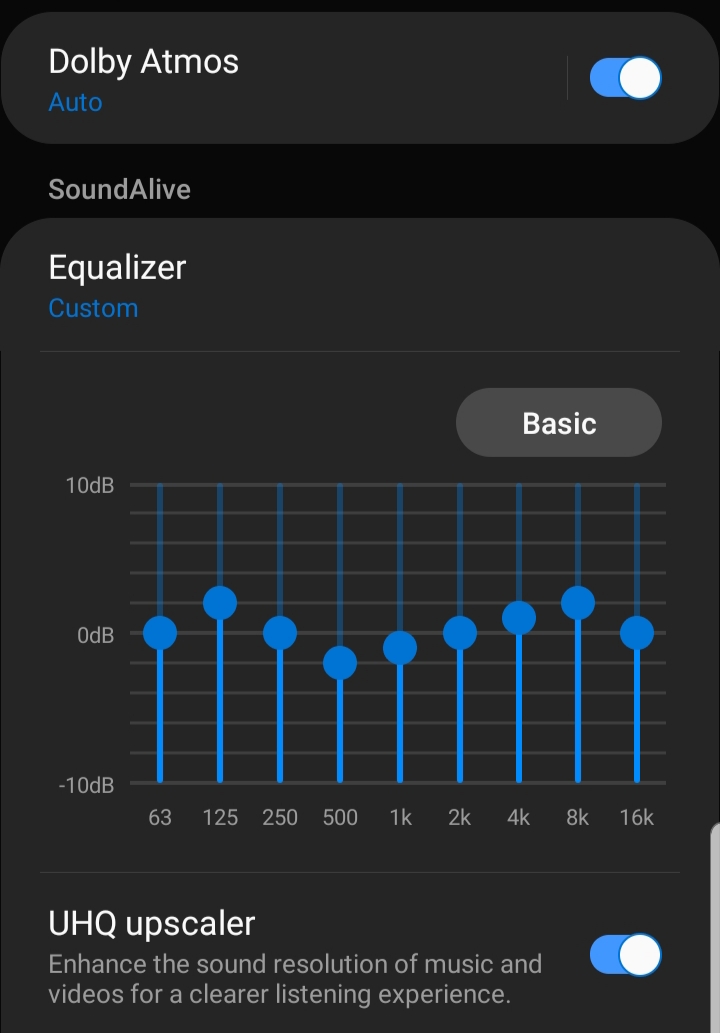
The neutral flat response is exactly what jazz needs. Nothing is boosted or artificially enhanced — you hear the recording as it was mixed. This matters for genres like jazz where the tonal accuracy of acoustic instruments is the whole point. The midrange is where the K240 really shines, presenting vocals and brass with clarity and warmth.
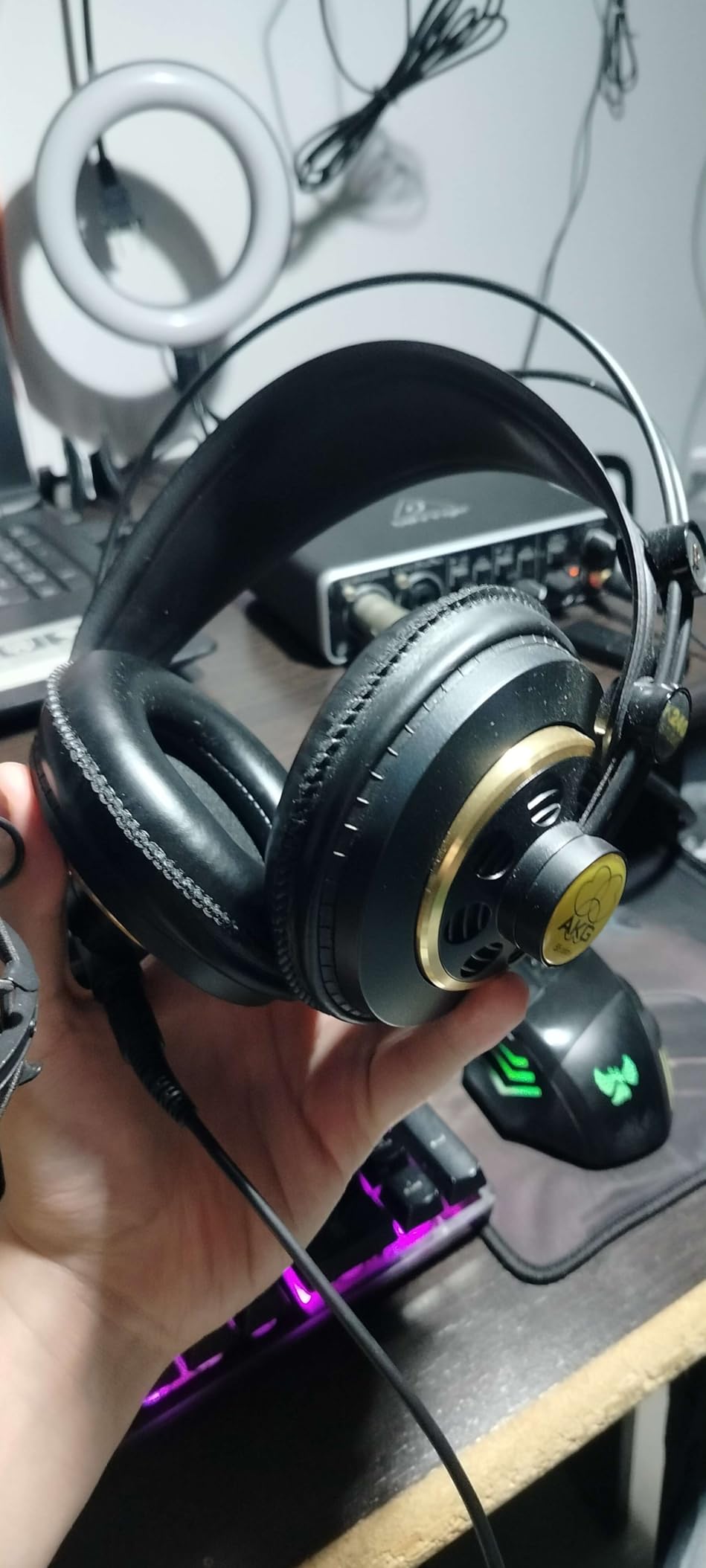
At just 240 grams, these are among the lightest headphones in our test group. The self-adjusting headband settles on your head without any manual adjustment, and I found them comfortable for sessions lasting several hours. The semi-open design does leak sound, so these are not ideal for shared office spaces or public transit.
One thing to note: the 55-ohm impedance means you will get better results with a headphone amp. Plugged directly into a laptop, they sound fine but lack the dynamics and headroom that a dedicated amp provides. With a decent amp, the soundstage opens up even further.
Who should buy the AKG K240 Studio
Jazz listeners who want a taste of professional studio sound without spending a fortune will love the K240. The semi-open design strikes a nice balance between the isolation of closed-backs and the spaciousness of full open-backs, making it a versatile pick for home listening.
Who should look elsewhere
If your jazz collection includes a lot of modern recordings with heavy bass elements, the K240’s sub-bass may leave you wanting more. You should also skip this if you need isolation from outside noise or if you do not plan to use a headphone amplifier.
3. Audio-Technica ATH-M20x – Budget Studio Monitor With Clarity
Audio-Technica ATH-M20x Professional Studio Monitor Headphones, Black
40mm Drivers
47 Ohm
15Hz-20kHz
Wired
Tangle-Free Cable
Pros
- Excellent value for the price
- Crisp and clear audio quality
- Good noise isolation
- Long cable included
- Lightweight at 210g
Cons
- Bass heavy for mixing
- Not noise-canceling
- Can be uncomfortable with glasses
- Ear cups may be small
The ATH-M20x is Audio-Technica’s entry-level studio monitor, and it punches well above its price point. I found the sound to be tuned for enhanced low frequencies, which actually works surprisingly well for certain jazz styles. The upright bass in Charles Mingus’ recordings had a satisfying weight and body that made the music feel grounded and full.
The 40mm drivers with rare earth magnets and copper-clad aluminum wire voice coils deliver clean, distortion-free audio. High-frequency details like cymbal overtones and the breathiness of a saxophone come through with reasonable clarity. The circumaural design provides decent sound isolation, blocking out enough ambient noise to keep you focused on the music.
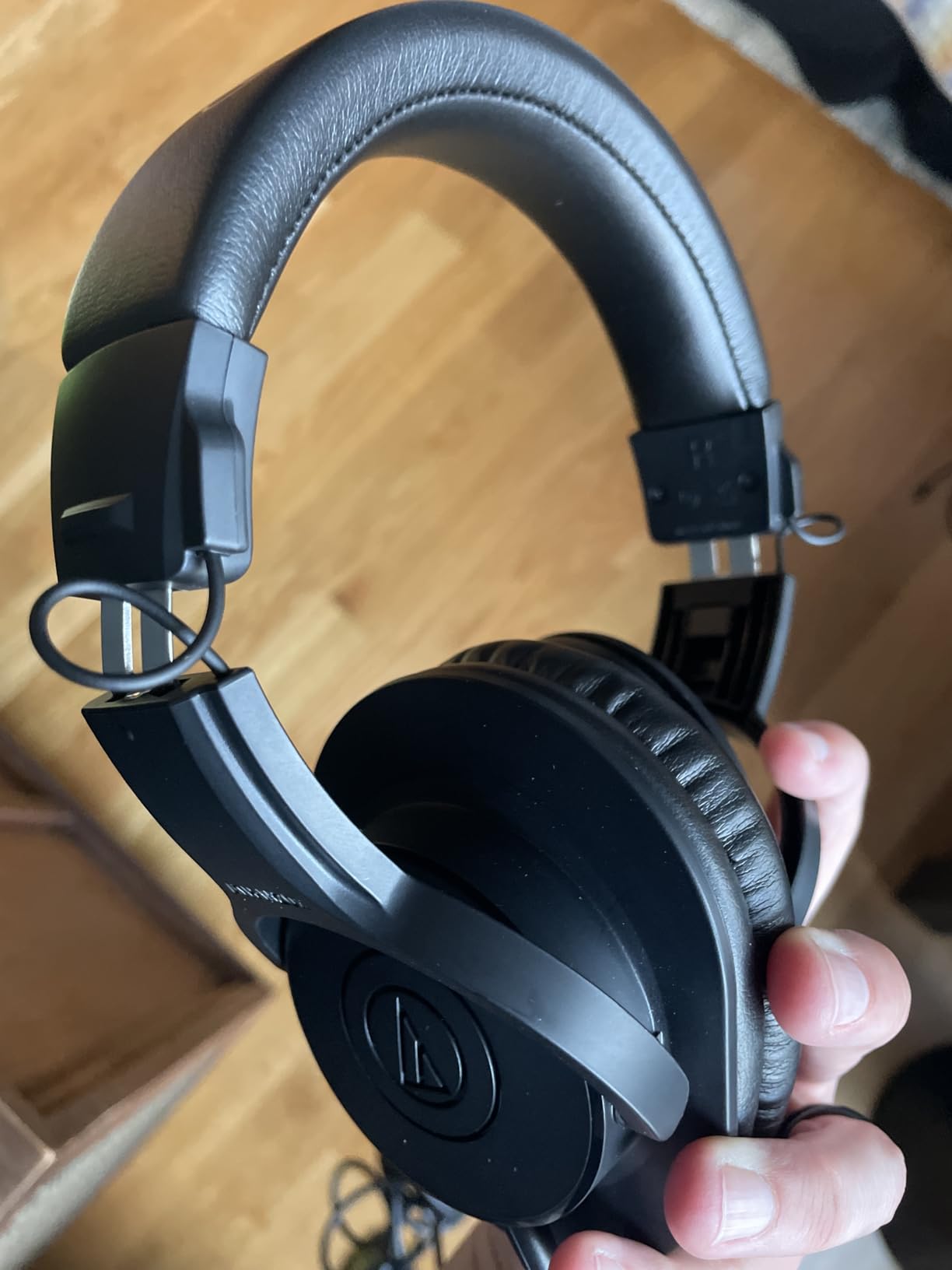
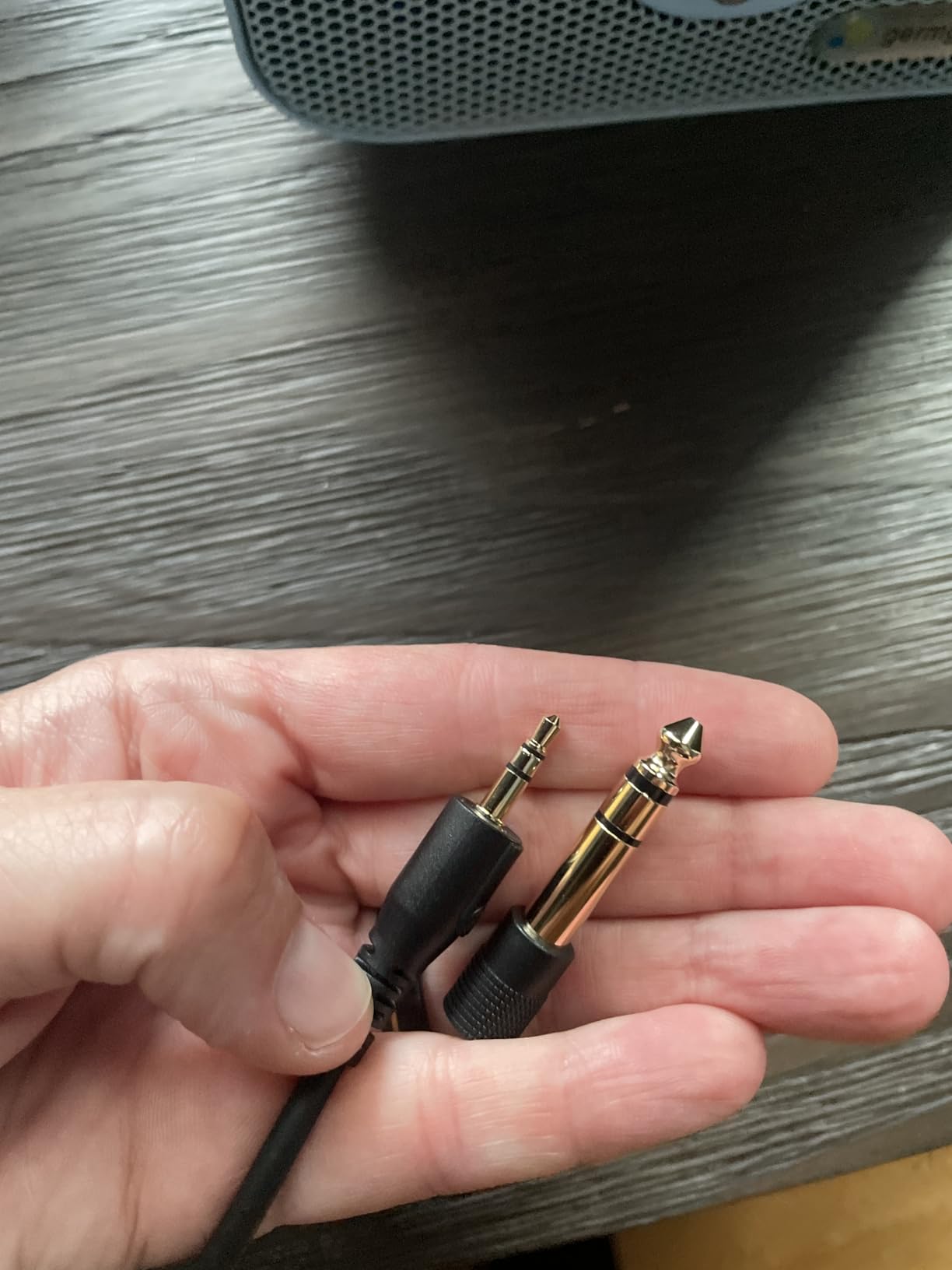
At just 210 grams, these are the lightest headphones in our lineup. I wore them for a three-hour listening marathon without any fatigue. The long tangle-free cable gives you freedom to move around your listening space. However, the ear cups run slightly small, and I found them less comfortable when wearing glasses.
The build feels sturdy despite the low weight. Audio-Technica has been making the M-series for years, and the construction reflects that experience. These are not the most resolving headphones for jazz, but they deliver a fun, engaging sound that works well for casual and enthusiast listening alike.
Who should buy the ATH-M20x
Anyone looking for an affordable, well-built headphone that handles jazz with a slightly warm, bass-friendly sound. These are ideal for students, beginners, or anyone who wants a reliable pair for everyday listening without a big investment.
Who should look elsewhere
Listeners who want flat, neutral accuracy for critical listening should look at the M40x or M50x instead. The bass-heavy tuning, while enjoyable, colors the sound in a way that does not suit analytical jazz listening.
4. Sennheiser HD 280 Pro – Closed-Back Isolation for Focused Listening
Sennheiser HD 280 Pro Headphone, Black
64 Ohm
8Hz-25kHz
Closed-Back
Wired
Detachable Cable
Pros
- Excellent noise isolation (~32dB)
- Neutral accurate sound
- Very good build quality
- Replaceable parts
- Comfortable for long sessions
Cons
- Tight clamp force can cause discomfort
- Coiled cable is heavy
- Limited soundstage
- Ear pad material could be better
The Sennheiser HD 280 Pro has been a studio workhorse for tracking and monitoring, and its strengths translate well to jazz listening. The standout feature is the noise isolation — at roughly 32dB of ambient noise attenuation, you can lose yourself in a Coltrane session without the outside world intruding. This makes it one of the best closed-back options when your environment is not perfectly quiet.
The sound signature is neutral and accurate, which is exactly what jazz demands. Sennheiser’s linear reproduction means you hear the recording without added coloration. Piano tones sound like piano tones, and brass instruments have the natural bite and warmth you would expect from a live performance. The frequency range extends down to 8Hz, giving you plenty of low-end reach for bass-heavy jazz recordings.
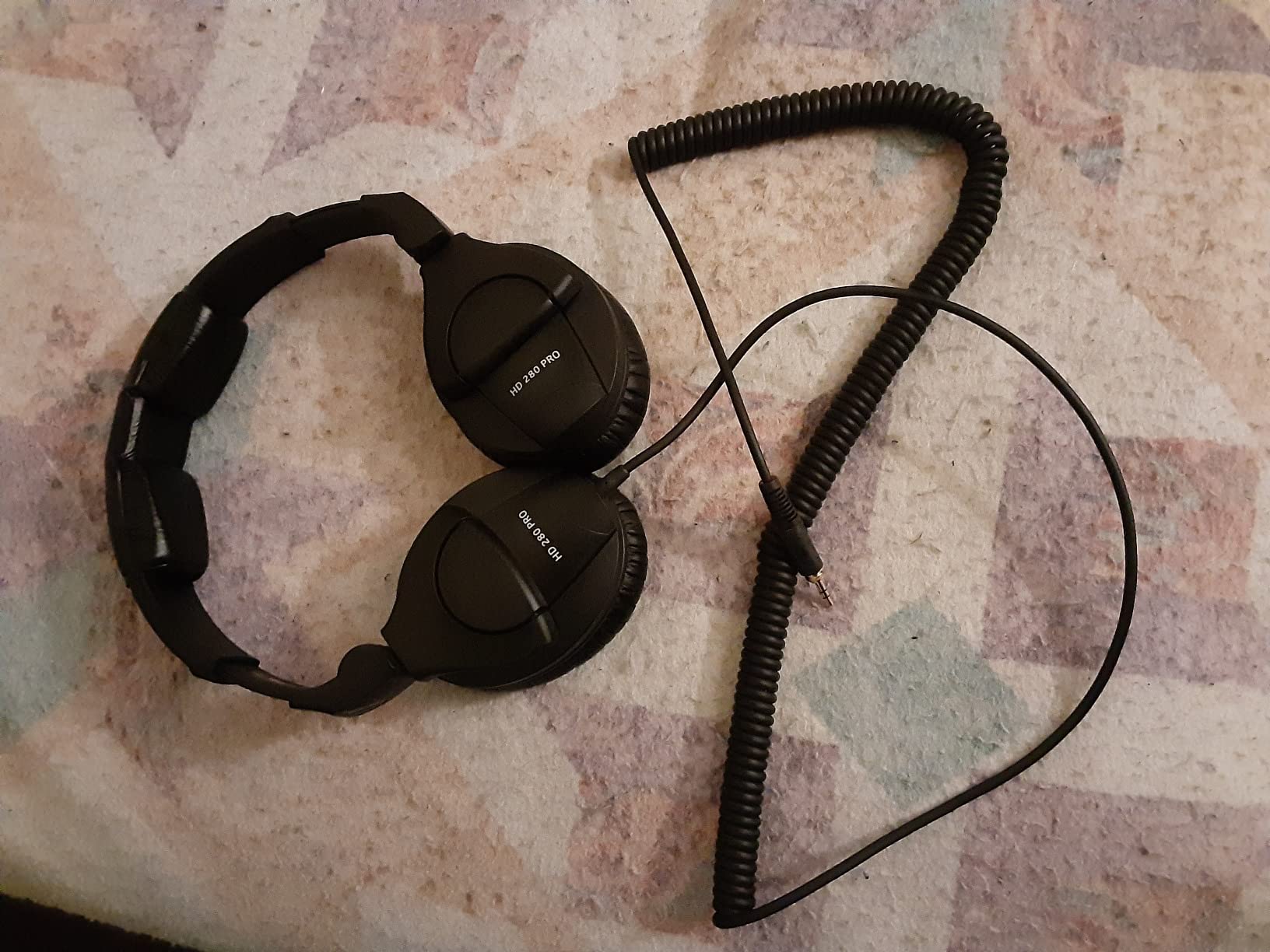
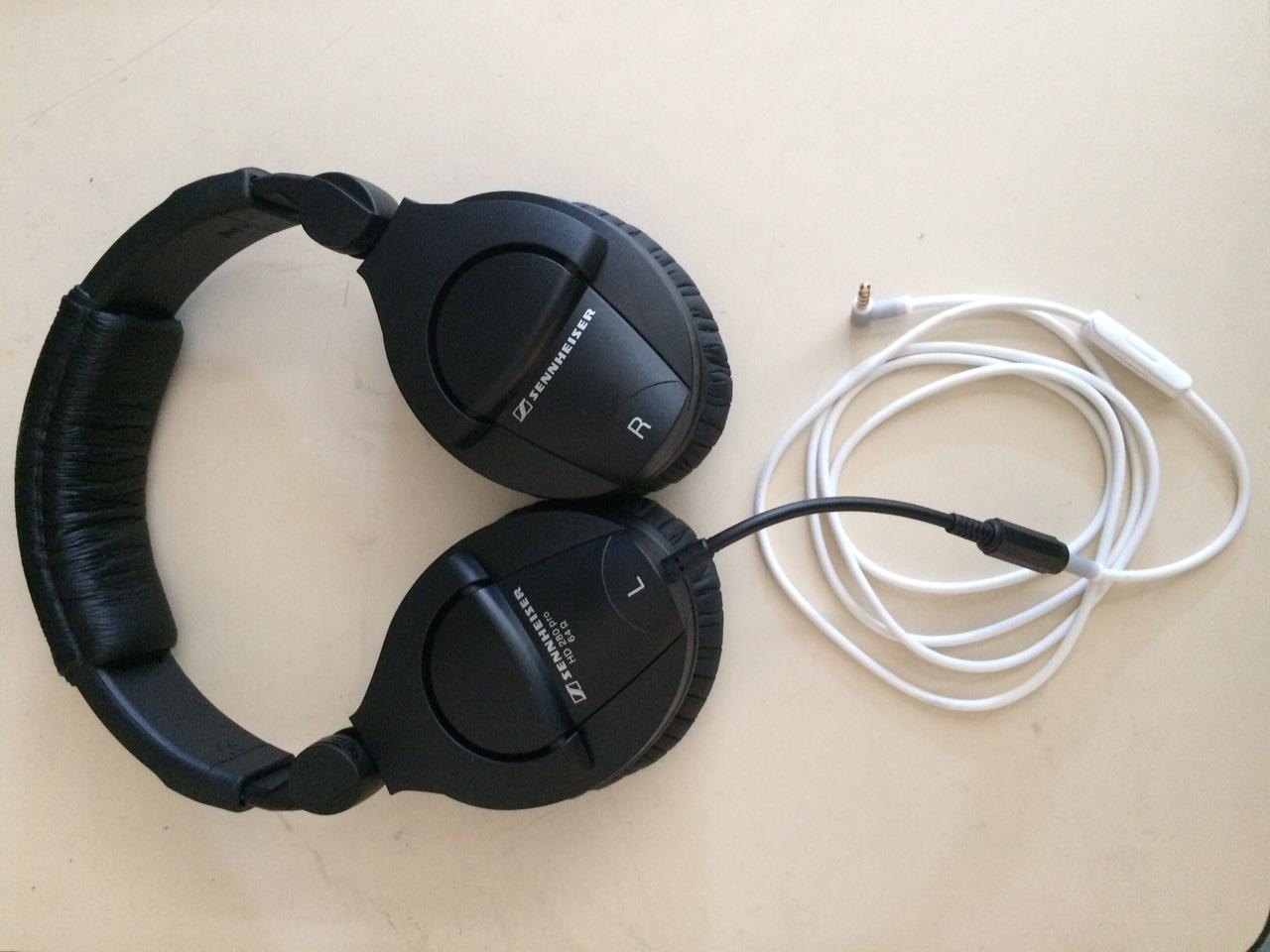
Build quality is tough and professional. These headphones were designed for studio abuse, and it shows. The folding and rotating ear cups make them portable, and Sennheiser offers replaceable parts so you can swap out ear pads and cables as they wear. The 2-year warranty adds confidence.
My main complaint is the clamp force. Out of the box, the HD 280 Pro grips your head firmly, which helps with isolation but can cause discomfort after extended sessions. The coiled cable is also heavier than a straight cable, adding to the weight. The closed-back design limits the soundstage compared to open models, so you sacrifice some of that spacious, live-room feel.
Who should buy the Sennheiser HD 280 Pro
If you listen to jazz in a noisy environment — a shared apartment, an office, or anywhere with background noise — the HD 280 Pro gives you the isolation you need without sacrificing sound quality. It is also a great choice if you use the same headphones for recording or podcasting.
Who should look elsewhere
Pure jazz enthusiasts with a quiet listening room will likely prefer an open-back headphone for the wider soundstage. The tight clamp force also makes these less appealing for listeners who are sensitive to head pressure during long sessions.
5. Sony MDR7506 – The Industry Standard Studio Headphone
Sony MDR7506 Professional Large Diaphragm Headphone
40mm Neodymium Drivers
63 Ohm
10Hz-20kHz
Closed-Back
9.8ft Cable
Pros
- Exceptional clarity and detail
- Flat neutral response
- Very comfortable
- Rugged durable construction
- Excellent noise isolation
Cons
- Cable is not detachable
- Headband adjustment can slip
- Ear pads wear over time
- Highs may be bright for some
The Sony MDR7506 has been an industry standard since 1991, and it remains one of the most trusted headphones in recording studios worldwide. For jazz listening, it delivers exceptional clarity that reveals details in recordings you might have missed before. Listening to Thelonious Monk’s “Solo Monk,” I could hear the subtle pedal work and room ambiance that lesser headphones completely obscure.
The neutral, flat response is ideal for jazz. Nothing is exaggerated — you get an honest, accurate reproduction of whatever is on the recording. The 40mm neodymium drivers resolve fine details with impressive precision, and the closed-ear design provides excellent passive noise isolation. At just 8 ounces, these are among the lightest and most comfortable headphones I tested.
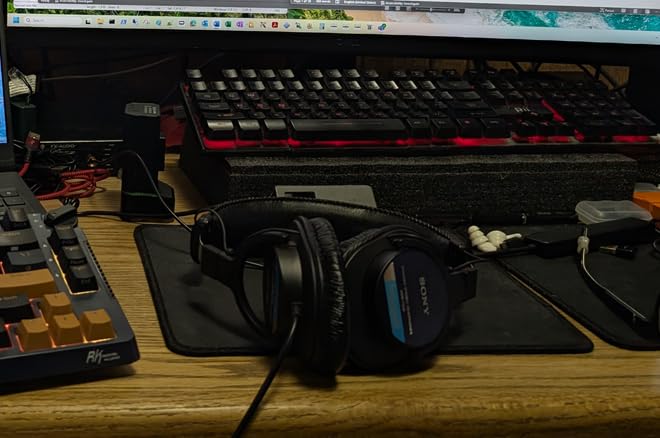
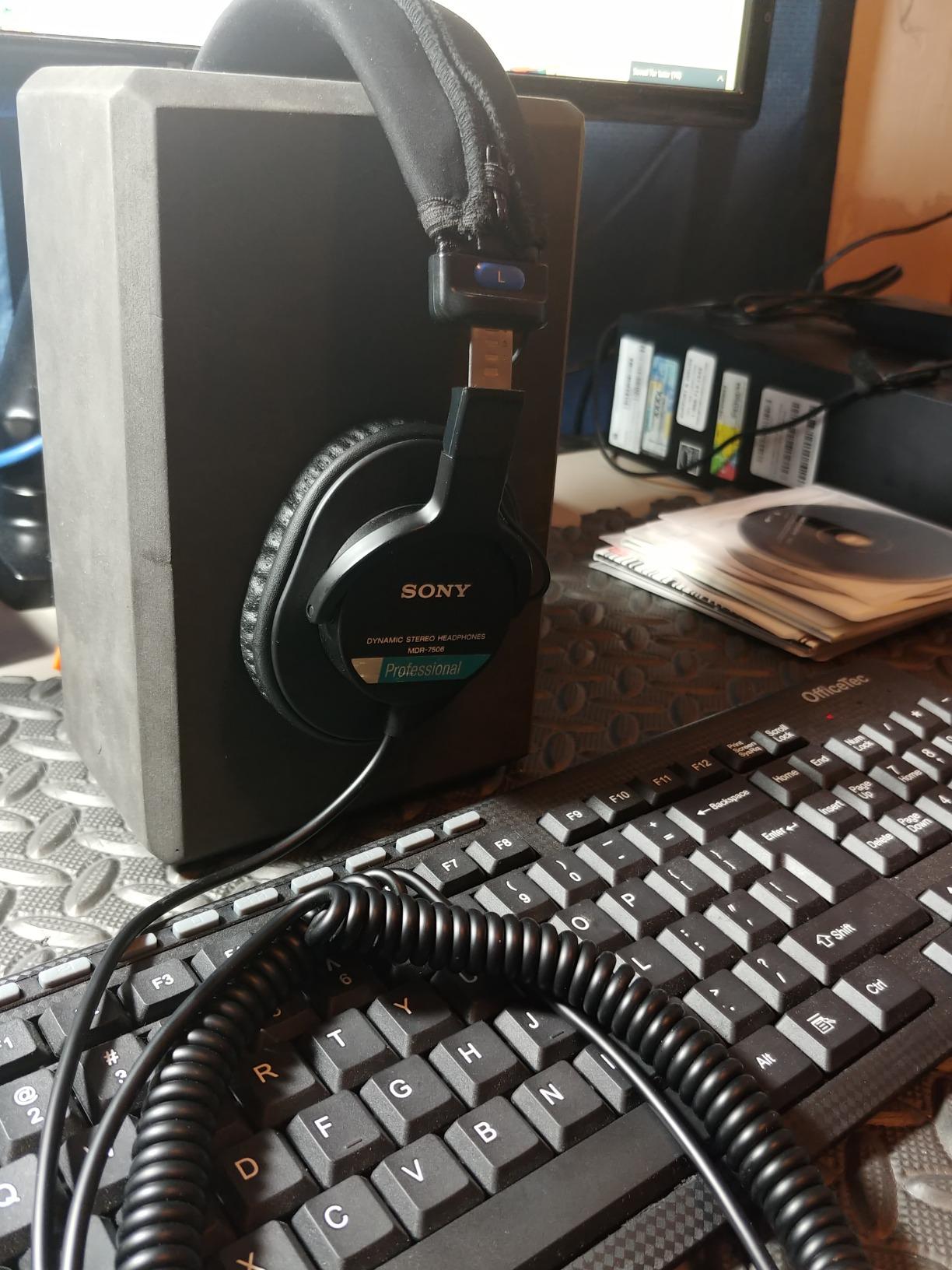
The build is rugged and utilitarian. These headphones were designed for professional studio use, and they have the durability to prove it. The 9.8-foot cable gives you plenty of reach, and the folding design with included soft case makes them surprisingly portable. The gold-plated plug and included 1/4-inch adapter round out a professional feature set.
There are a few downsides to be aware of. The cable is permanently attached, so you cannot swap it out if it gets damaged. The treble can sound slightly bright on certain recordings, which might fatigue some listeners during very long sessions. And the ear pads, while comfortable, tend to wear out after a year or two of heavy use. Fortunately, replacement pads are inexpensive and easy to install.
Who should buy the Sony MDR7506
Anyone who wants a proven, professional-grade headphone for jazz listening at a reasonable price. The MDR7506 works equally well for studio monitoring, critical listening, and casual enjoyment, making it one of the most versatile picks in our lineup.
Who should look elsewhere
If you want the wide, spacious soundstage that open-back headphones provide for jazz, the closed design of the MDR7506 will feel limiting. Listeners who are sensitive to bright treble might also find the upper frequencies a bit much on certain recordings.
6. Audio-Technica ATH-M40x – Studio Accuracy Without the Price Tag
Audio-Technica ATH-M40x Professional Studio Monitor Headphone, Black, with Cutting Edge Engineering, 90 Degree Swiveling Earcups, Pro-Grade Earpads/Headband, Detachable Cables Included
40mm Drivers
35 Ohm
15Hz-24kHz
Closed-Back
Detachable Cable
Pros
- Excellent tonal accuracy and neutral sound
- Great sound isolation
- Detachable cables with twist-lock jack
- Durable aluminum build
- Comfortable for extended sessions
Cons
- Stock ear pads may be small
- Requires break-in period
- Not ideal for portable use without case
The ATH-M40x sits in that sweet spot between affordability and professional-grade sound. I found its tonal accuracy to be a step up from the M20x, with a more neutral sound signature that suits jazz perfectly. The midrange has a clean, uncolored quality that lets instruments speak for themselves. Jazz piano through the M40x sounds natural and well-defined, with each note having distinct weight and character.
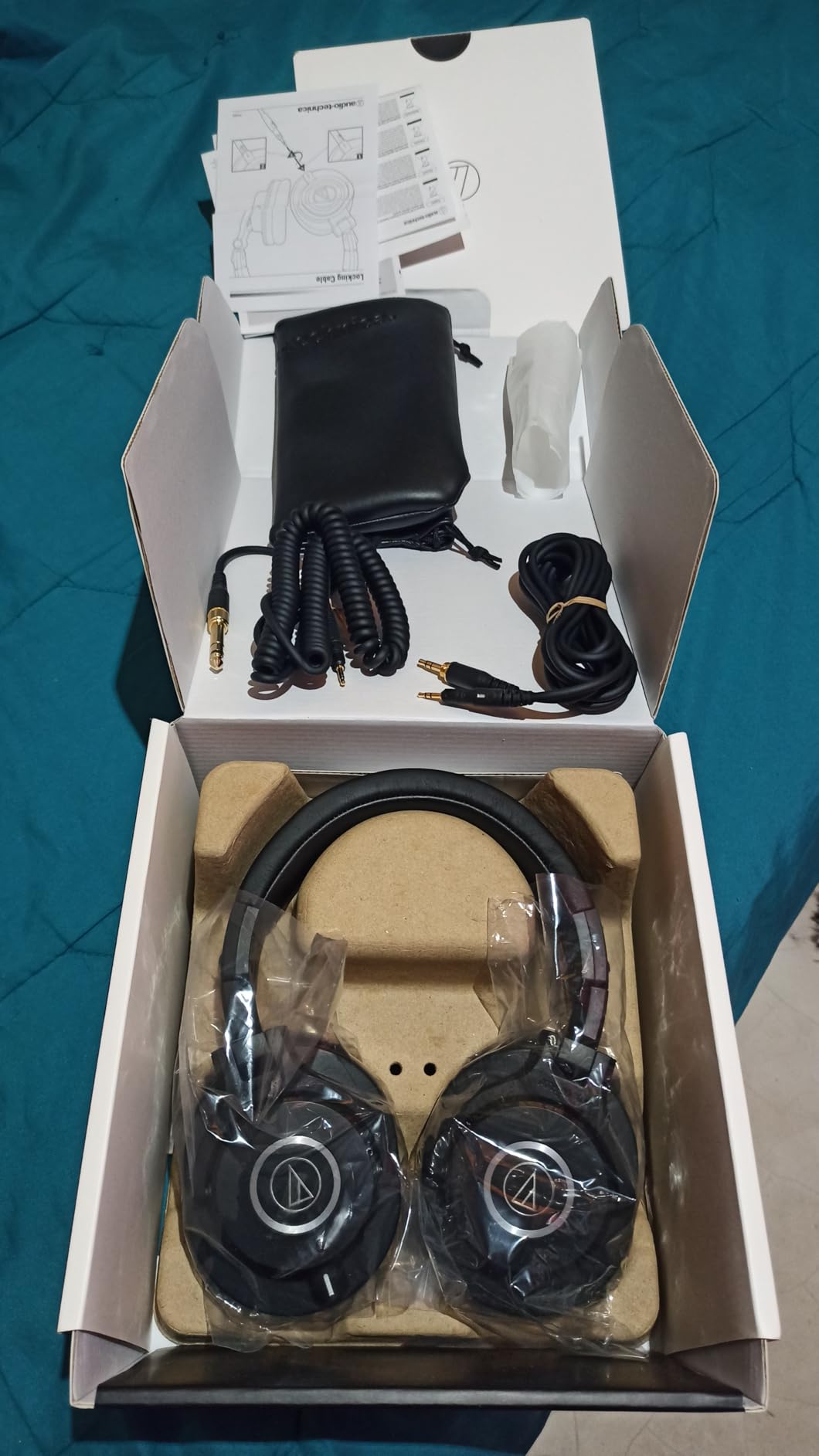
The 40mm drivers with rare earth magnets and copper-clad aluminum wire voice coils deliver clear, detailed audio across the frequency range. The circumaural design provides excellent sound isolation, which helps when you want to focus on complex jazz arrangements without distraction. The twist-lock detachable cable system is a great feature — you get two cables in the box, and the secure connection means no accidental disconnections.
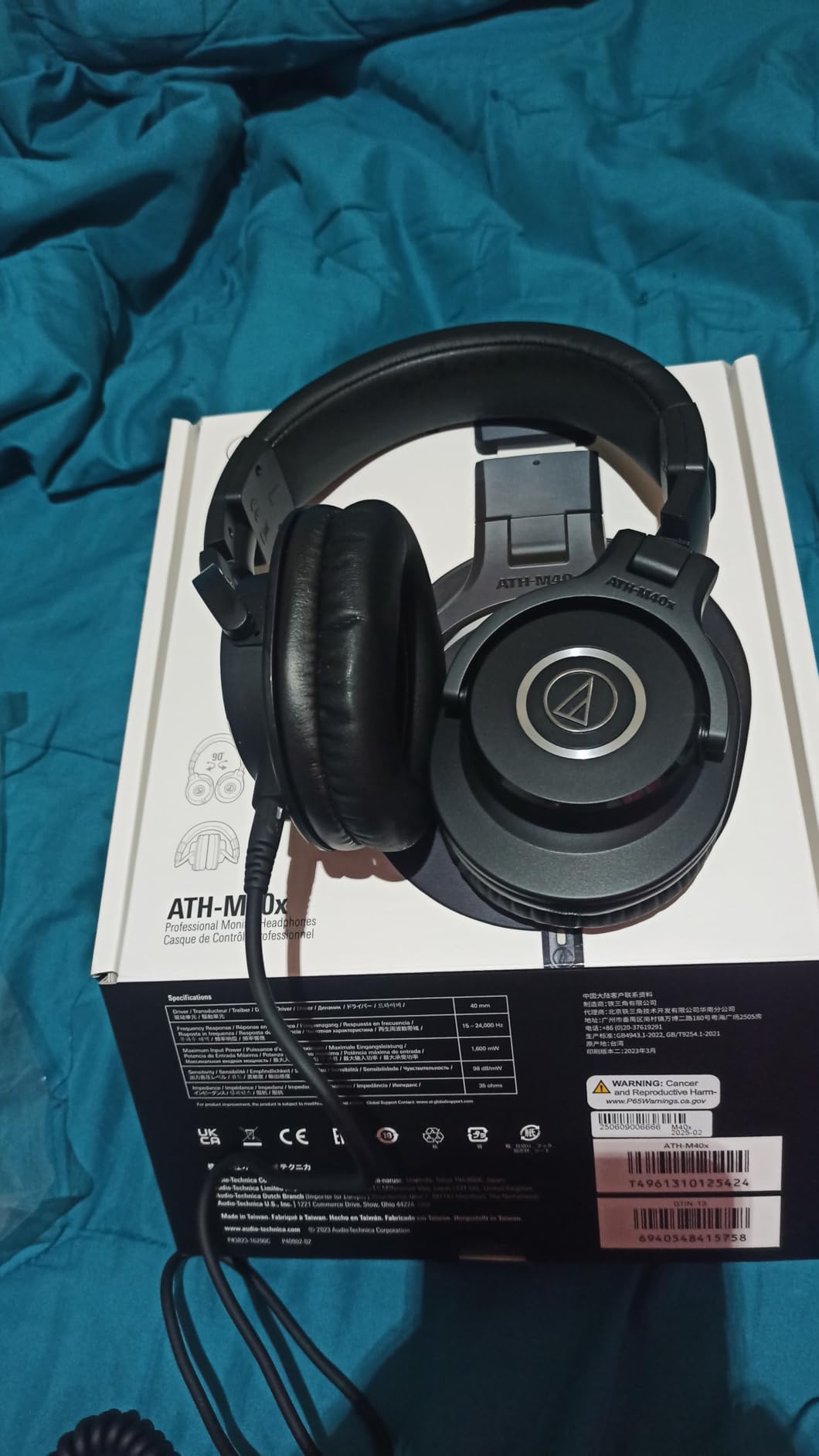
Build quality is solid thanks to the aluminum enclosure. These feel like they can take years of daily use without issue. The 90-degree swiveling ear cups are convenient for single-ear monitoring, and the foldable design makes storage simple. At just 240 grams, they are lightweight enough for marathon listening sessions.
The main drawback is the stock ear pads. They are on the small side, and some users will find them pressing against their ears after extended use. A quick pad swap solves this completely, and many M40x owners upgrade to larger aftermarket pads. There is also a noticeable break-in period — the sound opens up and becomes smoother after about 20-30 hours of use.
Who should buy the ATH-M40x
Jazz listeners who want a neutral, accurate sound signature at a mid-range price point. The M40x is especially good for listeners who also use their headphones for studio work, podcasting, or any task where tonal accuracy matters.
Who should look elsewhere
If you prioritize soundstage above all else for your jazz listening, the closed-back M40x cannot compete with open models like the HD 560S or DT 990 PRO. You should also consider alternatives if you have large ears and do not want to deal with swapping ear pads.
7. Sennheiser HD 560S – The Open-Back Entry Into Audiophile Jazz
Pros
- Neutral accurate sound
- Wide natural soundstage
- Lightweight and comfortable
- Easy to drive from most devices
- Detachable cable
Cons
- No microphone
- Open-back leaks sound
- Bass may feel light
- Proprietary connector
The Sennheiser HD 560S is where jazz listening starts to get really immersive. The open-back design creates a wide, natural soundstage that makes you feel like you are sitting in a small jazz club rather than wearing headphones. When I played Art Blakey and the Jazz Messengers’ “Moanin’,” the spatial separation between the horn section and the rhythm section was remarkable — each instrument had its own place in the room.
The precision-tuned transducers deliver a neutral, accurate sound that reveals subtle details in jazz recordings. The frequency response extends from 6Hz to 38kHz, giving you plenty of range to capture everything from the deepest bass notes to the highest overtones of a ride cymbal. At 120 ohms, these are surprisingly easy to drive — I got excellent results from both a headphone amp and a direct laptop connection.
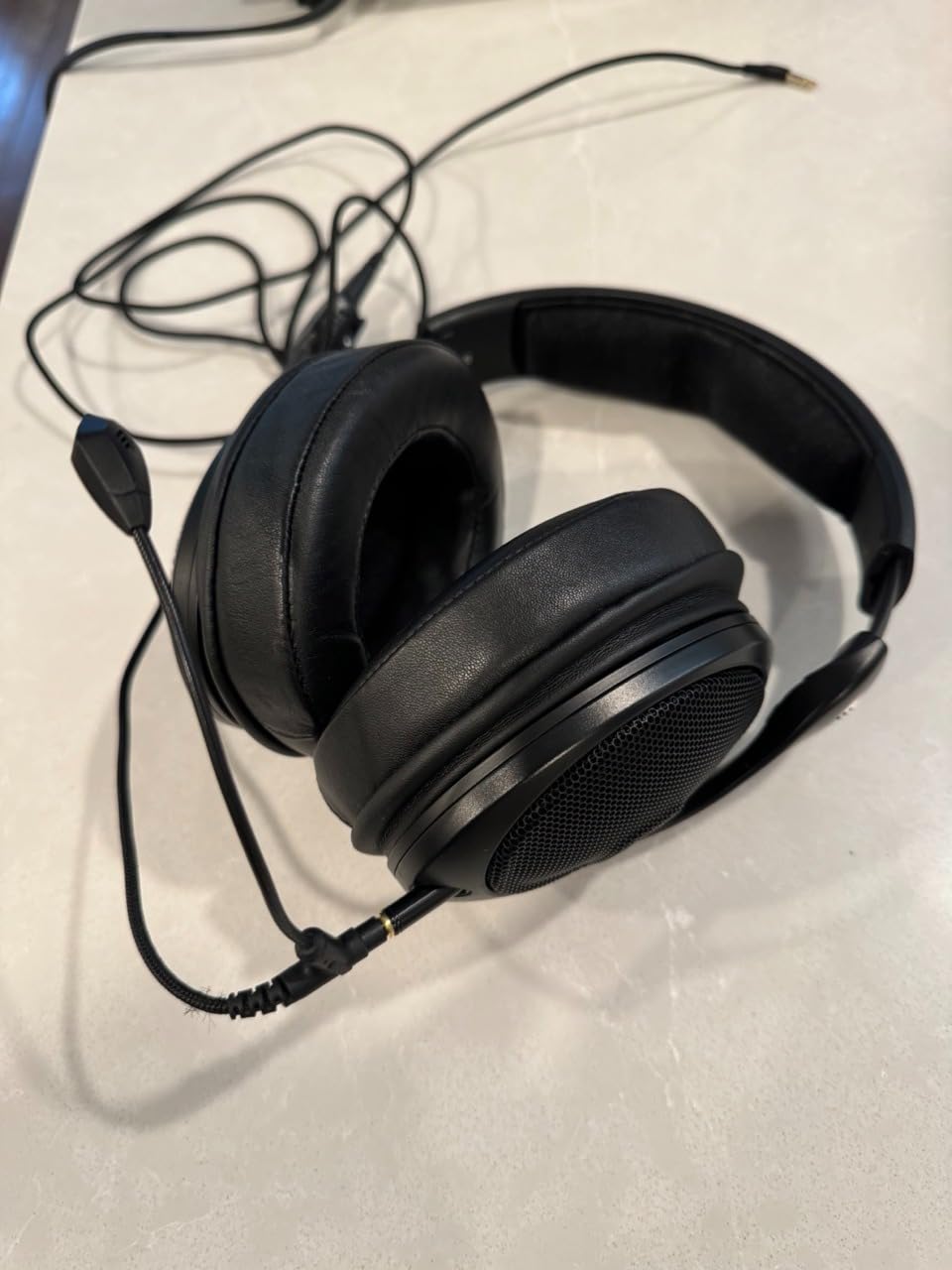
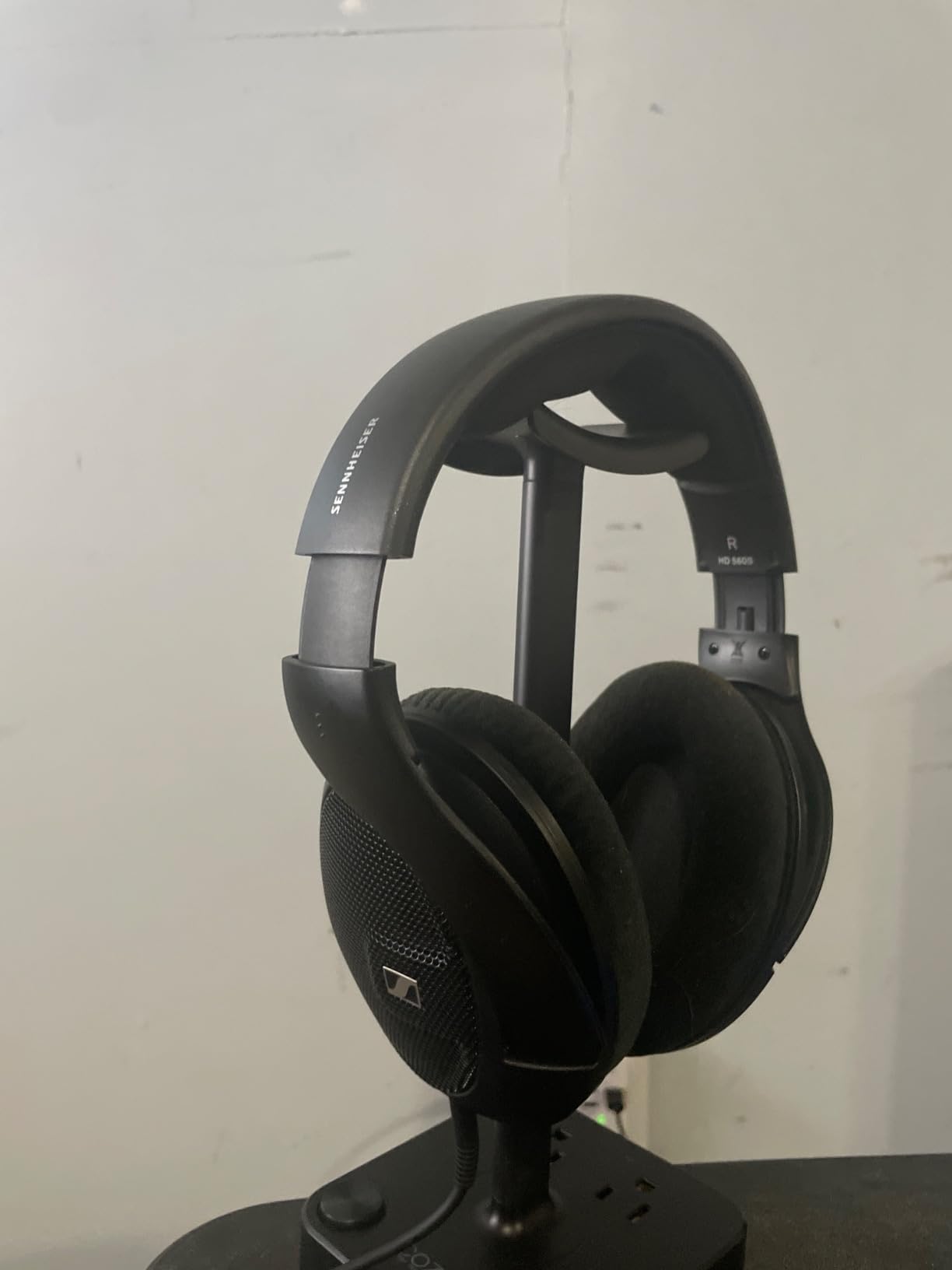
Comfort is a major strength. The velour ear pads and ventilated ear cups keep things cool and comfortable for hours. At 293 grams, they feel light on the head. The self-adjusting headband distributes pressure evenly, and I never felt the need to adjust them during long sessions. The detachable cable with both 6.35mm and 3.5mm connectors adds convenience.
The open-back design means these headphones leak sound in both directions — people nearby will hear your music, and you will hear them. This makes the HD 560S strictly a home-listening headphone. The bass also runs slightly lean compared to closed-back models, which some jazz listeners might miss on recordings with prominent upright bass.
Who should buy the Sennheiser HD 560S
Jazz enthusiasts who want an affordable entry into open-back, audiophile-grade listening. If you have a quiet listening space and want to hear your jazz collection with exceptional clarity and a wide, natural soundstage, the HD 560S is one of the best values available.
Who should look elsewhere
If you need isolation — whether from room noise, family members, or coworkers — the open-back design makes these impractical. Listeners who prefer a warmer, bass-heavier sound for their jazz might also find the HD 560S a bit too neutral.
8. Audio-Technica ATH-M50x – The Critically Acclaimed Studio Standard
Audio-Technica ATH-M50X Professional Studio Monitor Headphones, Black, Professional Grade, Critically Acclaimed, with Detachable Cable
45mm Drivers
38 Ohm
20Hz-28kHz
Closed-Back
Detachable Cable
Pros
- Critically acclaimed sonic performance
- Excellent clarity and detailed bass
- Great sound isolation
- Professional durability
- Detachable cable system
Cons
- Can expose poor recordings
- Treble can be harsh on certain tracks
- Initial tightness requires break-in
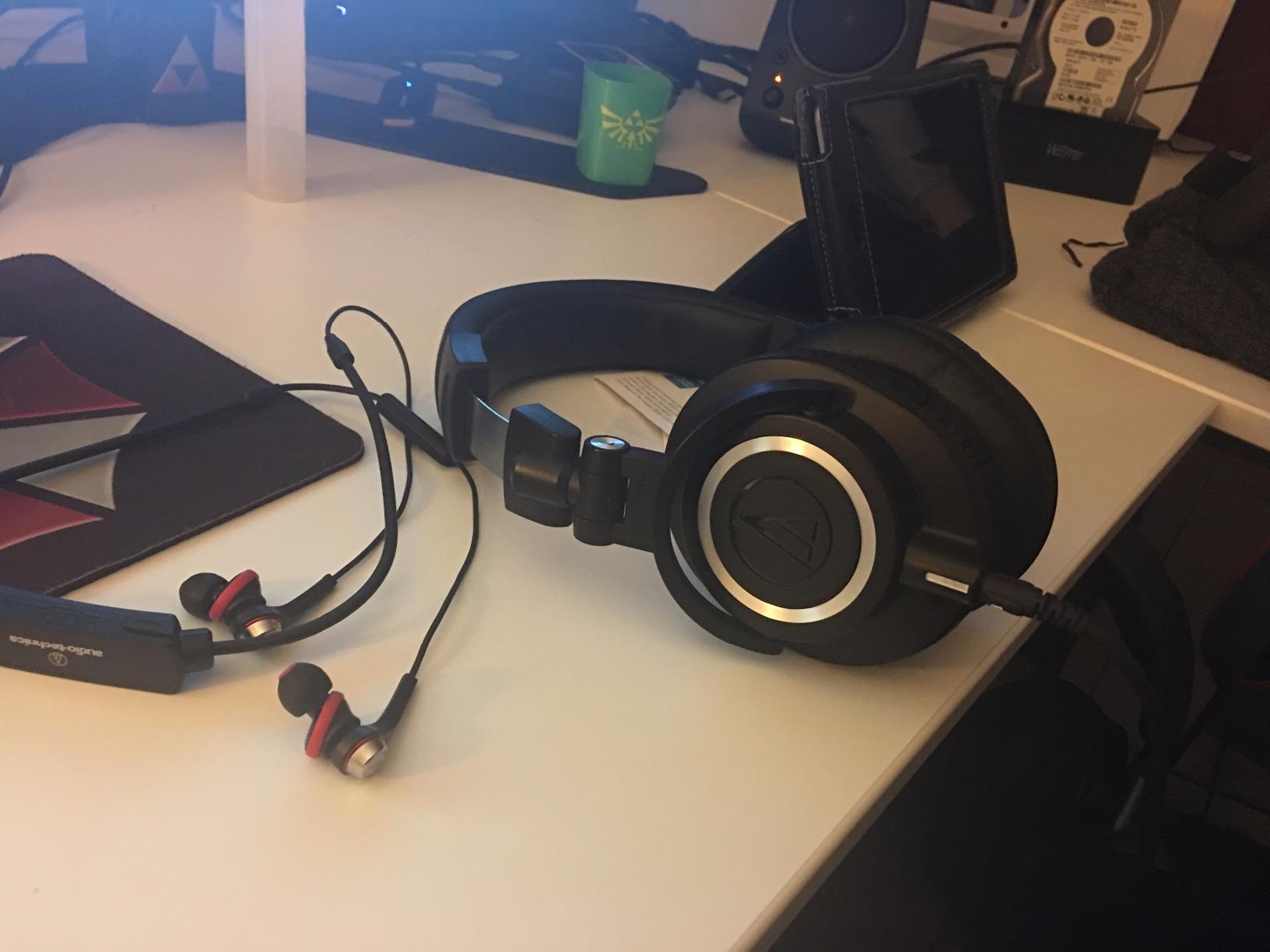
The ATH-M50x is one of the most popular studio headphones ever made, and for good reason. The proprietary 45mm large-aperture drivers deliver exceptional clarity with deep, accurate bass response. For jazz, this means you get the full weight of the rhythm section while still hearing every nuance of the lead instruments. I tested these with Herbie Hancock’s “Head Hunters” and was impressed by how well they handled the fusion of electric and acoustic sounds.
The sound signature is slightly more colored than the M40x, with a gentle V-shaped curve that adds energy to the low and high ends. This tuning works surprisingly well for modern jazz and jazz fusion, where the music has more dynamic range and rhythmic complexity. The midrange, while slightly recessed compared to the M40x, still delivers clean vocals and brass tones.
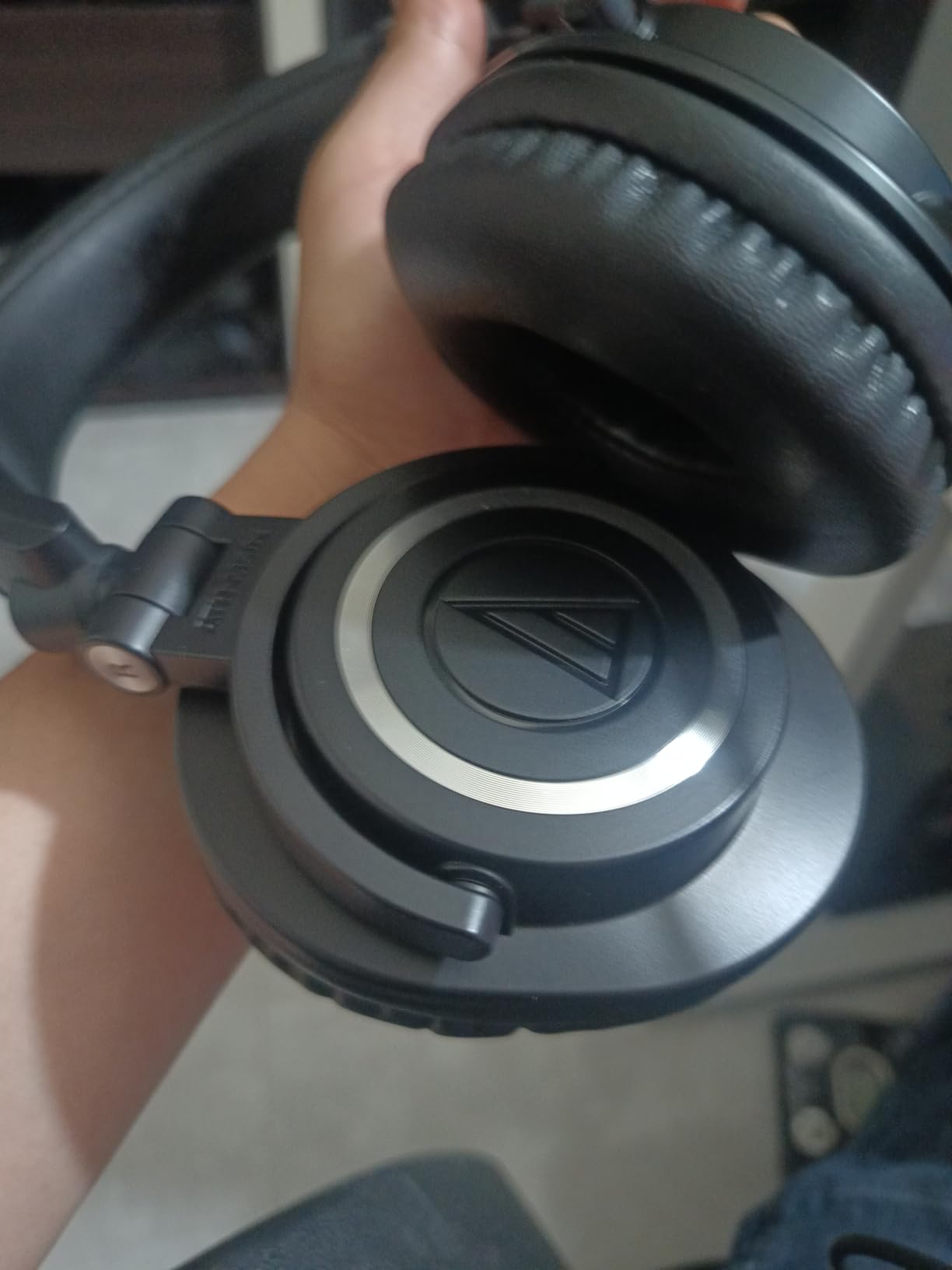
Build quality is professional-grade with an aluminum enclosure that feels built to last. The 90-degree swiveling ear cups make single-ear monitoring easy, and the foldable design with a included pouch makes transport simple. The detachable cable system includes three cable options — straight, coiled, and short — which is a thoughtful touch. At 290 grams, they are comfortable but not the lightest.
The M50x does have a slightly polarizing sound for jazz purists. Because it is so revealing, poorly recorded or low-bitrate jazz files will sound noticeably worse. The treble can also be harsh on bright recordings, particularly older jazz remasters with aggressive high-end. A break-in period of 20-40 hours smooths things out considerably.
Who should buy the ATH-M50x
Jazz listeners who want a versatile, well-built headphone that works for everything from casual listening to studio work. The M50x is especially good for fans of modern jazz, fusion, and electrified jazz where a slightly more energetic sound signature keeps things exciting.
Who should look elsewhere
If you listen primarily to classic acoustic jazz and want the most neutral, uncolored sound possible, the M40x or an open-back model would be a better fit. The slightly V-shaped tuning of the M50x adds coloration that traditionalists might not appreciate.
9. beyerdynamic DT 990 PRO – Open-Back Soundstage Champion
beyerdynamic DT 990 Pro (250 Ohm), Open-Back Studio Headphones, Black
250 Ohm
5Hz-35kHz
Open-Back
Wired
Velour Ear Pads
Pros
- Wide natural soundstage
- Extremely comfortable velour pads
- Excellent clarity and detail
- Replaceable parts
- Handcrafted in Germany
Cons
- 250 Ohm requires headphone amp
- Open-back does not isolate
- Treble can be sibilant
- Coiled cable may be heavy
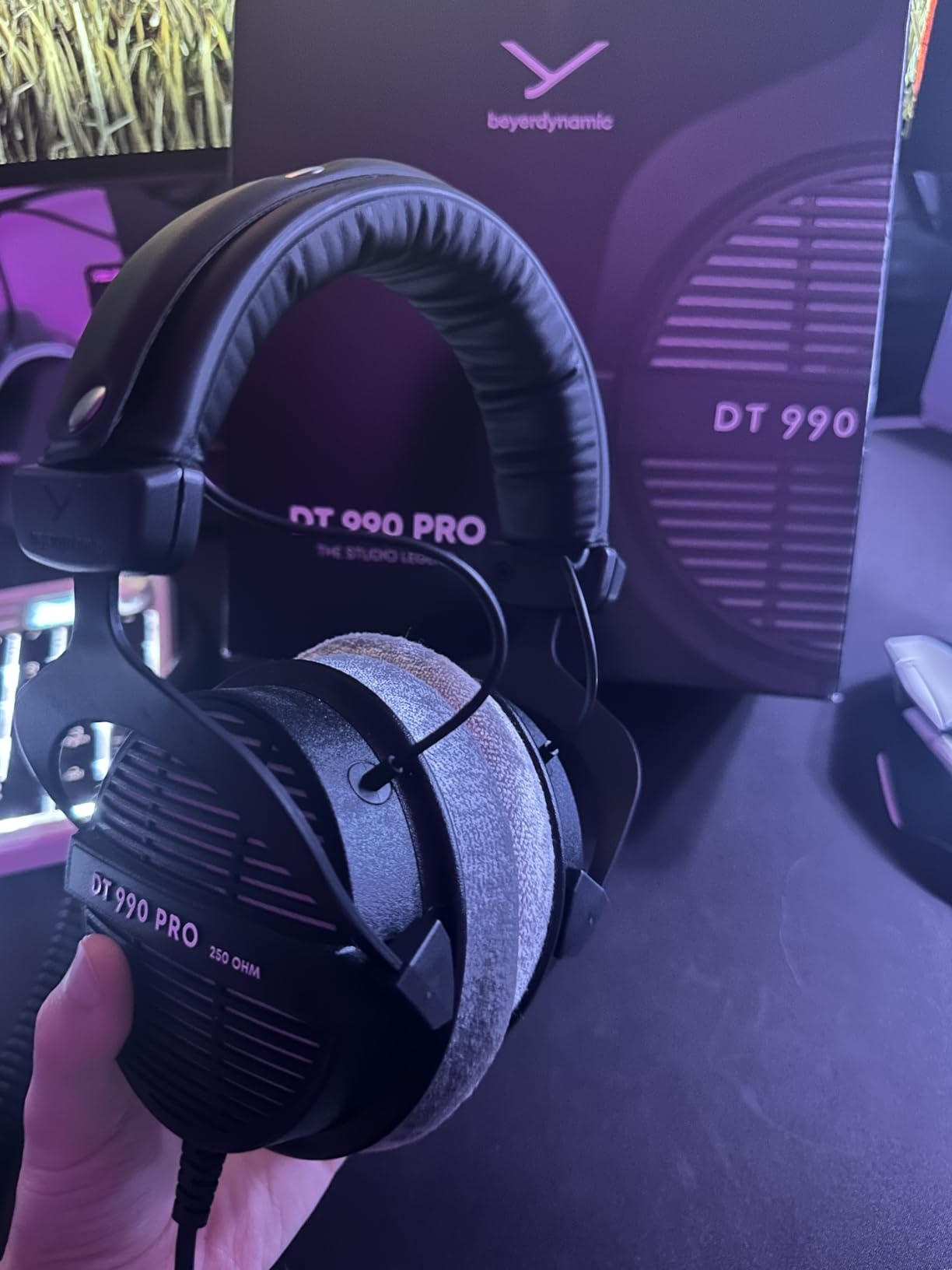
The beyerdynamic DT 990 PRO is an open-back headphone that was built for critical listening, and it shows. The wide, natural soundstage is one of the best in its price range, giving jazz recordings a spacious, three-dimensional quality. When I listened to Dave Brubeck’s “Time Out,” the spatial placement of each instrument was striking — Paul Desmond’s alto sax sat cleanly on one side while the rhythm section filled the space behind it.
The frequency response extends from 5Hz to 35kHz, capturing a huge range of detail. The mids are clear and articulate, which is essential for hearing the texture of jazz instruments. The soft velour ear pads are among the most comfortable in any headphone I have tested, and they are replaceable, which extends the life of the product. Being handcrafted in Germany gives the DT 990 PRO a level of build quality that is immediately apparent when you pick it up.
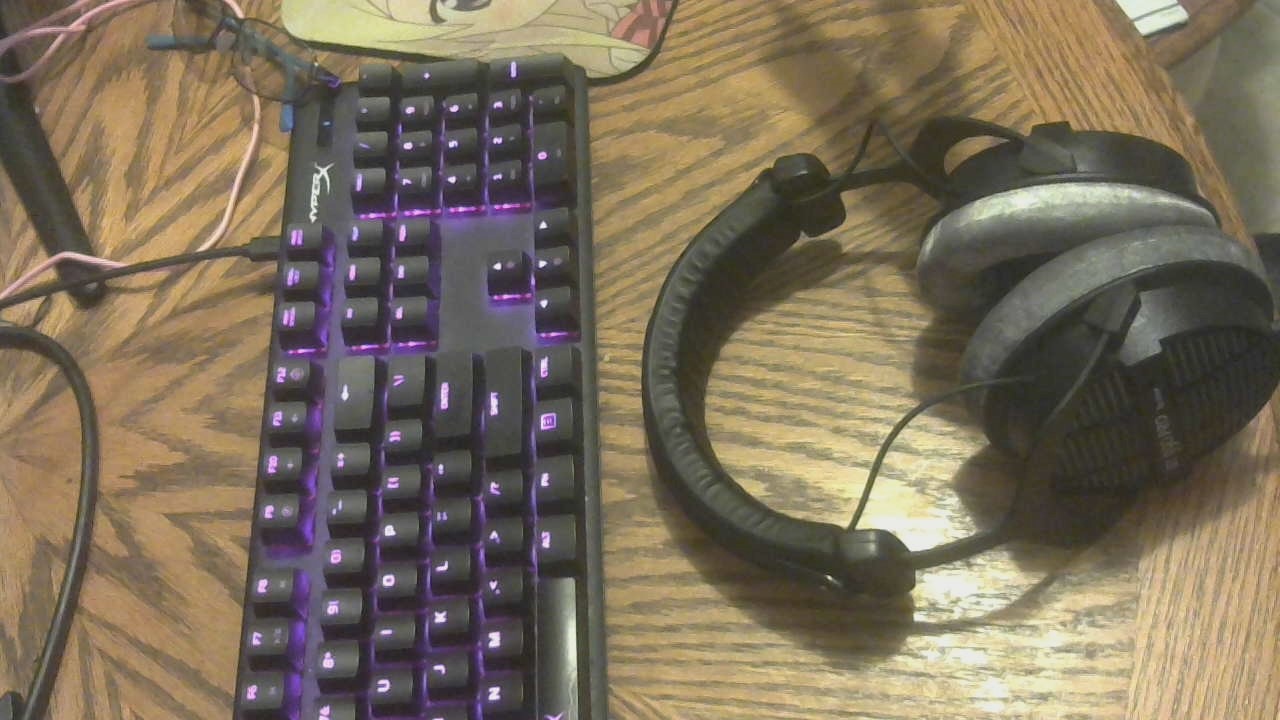
At 380 grams, these are not the lightest headphones, but the weight is distributed so well that I forgot I was wearing them during a two-hour session. The spring steel headband provides consistent, gentle clamping force without hot spots. The 3-meter coiled cable gives you plenty of room to move around your listening space.
The 250-ohm impedance is the big caveat. You really need a headphone amplifier to drive these properly. Plugged into a phone or laptop, they sound thin and lack dynamics. With a proper amp, they transform into something special. The treble can also be bright to the point of sibilance on certain recordings, which is a known characteristic of the DT 990 PRO.
Who should buy the DT 990 PRO
Jazz listeners who already own — or are willing to buy — a headphone amplifier and want a wide, immersive soundstage for their home listening setup. The comfort and sound quality make these an outstanding value for serious jazz enthusiasts.
Who should look elsewhere
If you do not have a headphone amp and are not planning to get one, the 250-ohm impedance makes these a poor choice for casual listening. The bright treble may also bother listeners who are sensitive to high frequencies, especially with certain jazz recordings.
10. Philips Fidelio X2HR – Audiophile Open-Back at a Fair Price
Pros
- Exceptional soundstage and imaging
- Rich impactful bass
- Very comfortable hammock headband
- Excellent build with metal components
- Great audiophile value
Cons
- Can be heavy for some users
- Velour ear pads collect dust
- Open-back leaks sound
- Treble can be harsh on some recordings
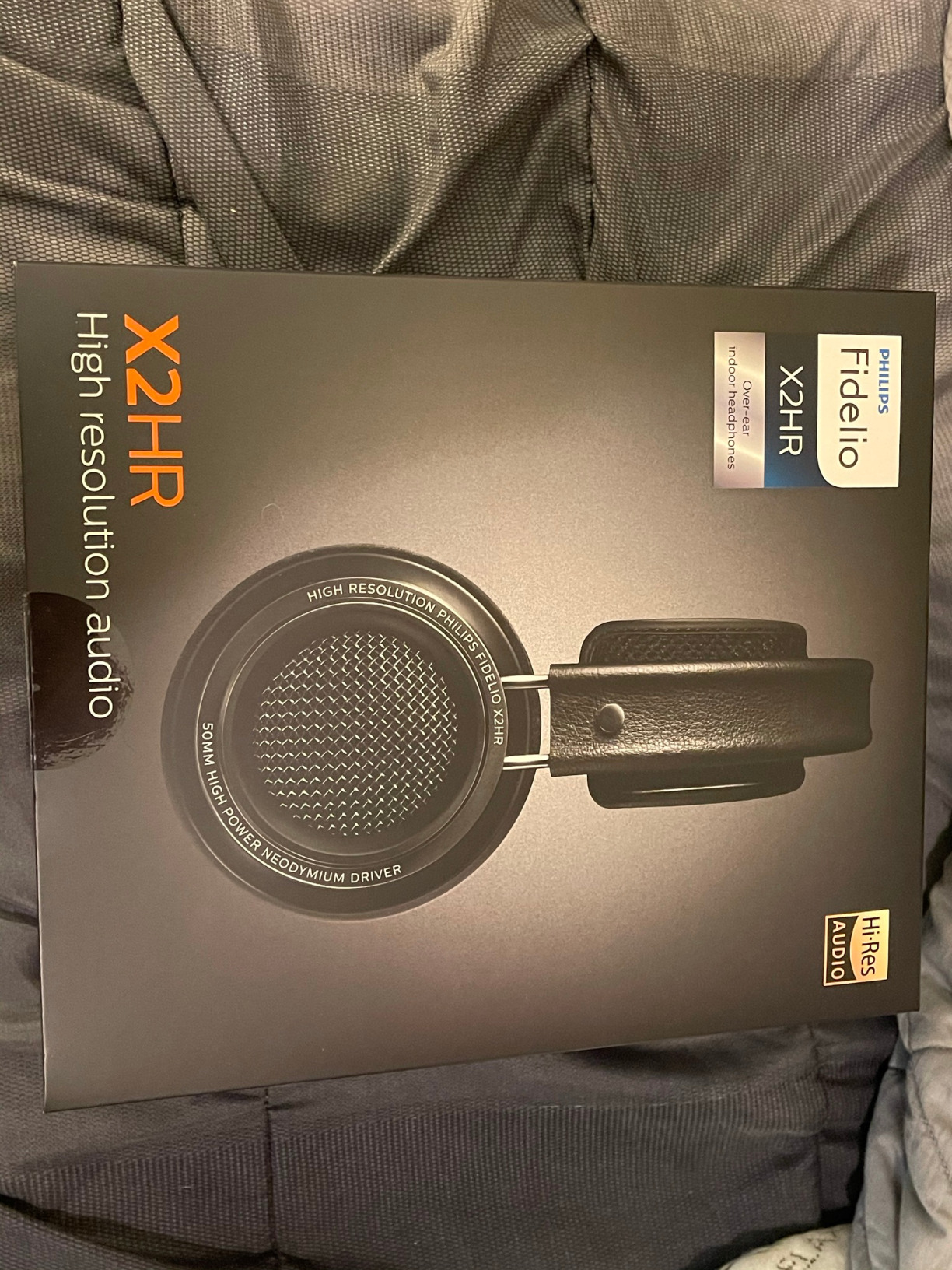
The Philips Fidelio X2HR is one of those headphones that consistently over-delivers for its price. The 50mm high-definition neodymium drivers with LMC diaphragm technology produce a sound that is rich, detailed, and remarkably spacious. For jazz, this translates into an engaging, immersive listening experience. I played Ella Fitzgerald and Louis Armstrong’s duets through the X2HR and was struck by how natural and present both voices sounded.
The soundstage is genuinely impressive for this price tier. The open-back acoustic architecture creates a wide, deep sound image that gives jazz recordings room to breathe. Instrument separation is excellent — you can easily pick out individual players in a combo, which is critical for understanding the musical conversation that happens in jazz. The bass is rich and impactful without becoming muddy or overwhelming the mids.
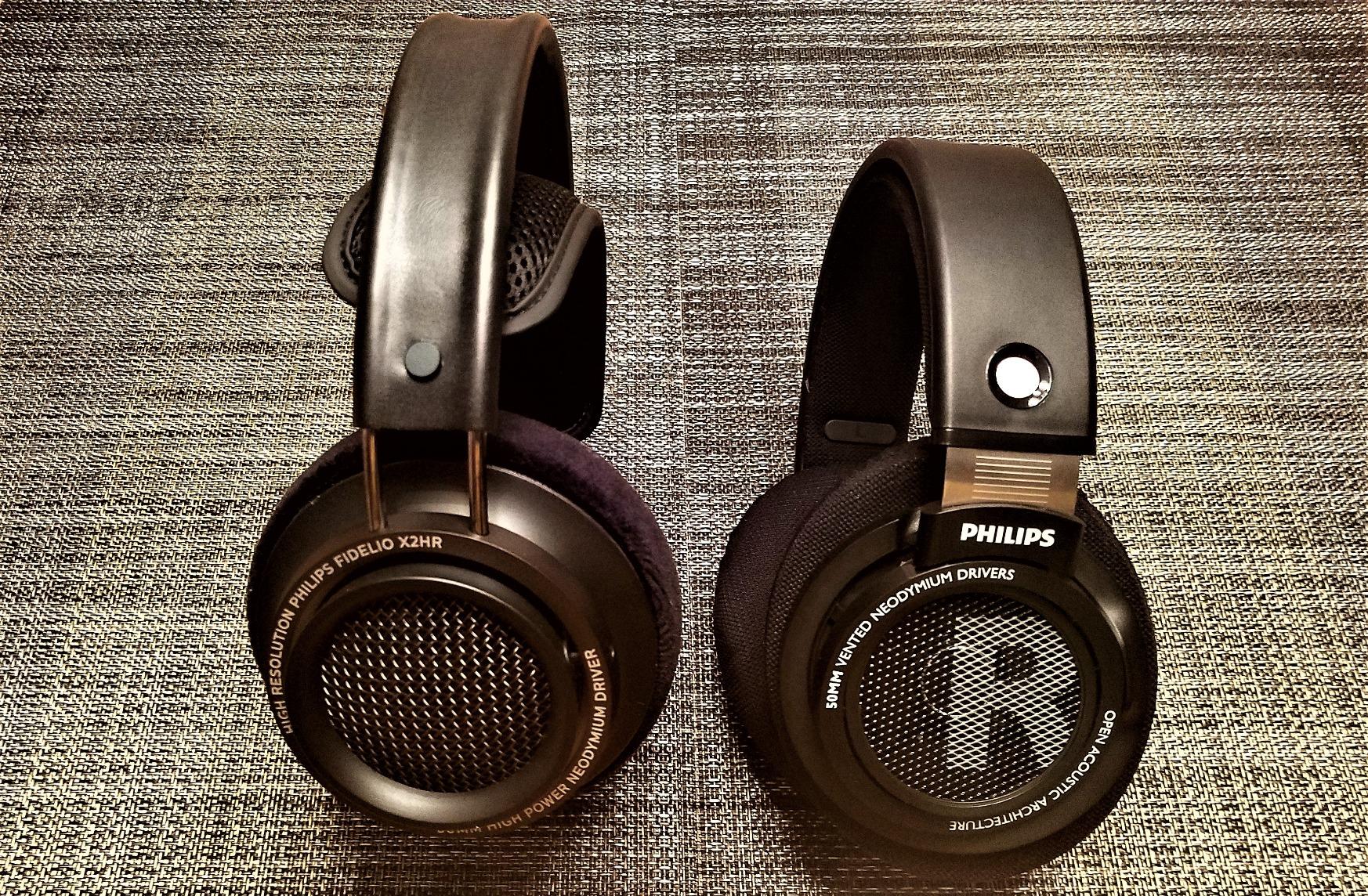
The self-adjusting hammock headband with 3D mesh and genuine leather outer is one of the most comfortable designs I have encountered. It distributes weight evenly and adjusts automatically to any head size. The replaceable memory foam ear pads with breathable velour are soft and cool, even during long listening sessions. Build quality uses a combination of aluminum, leather, and metal that feels premium.
At 13.4 ounces, the X2HR is on the heavier side, and some users will notice the weight during extended sessions. The velour pads also tend to collect dust and pet hair, which requires occasional cleaning. The 30-ohm impedance means these are easy to drive without a dedicated amp, which is a real advantage for listeners who want audiophile sound without extra equipment.
Who should buy the Philips Fidelio X2HR
Jazz fans who want a big, immersive soundstage and rich bass without needing a headphone amplifier. The X2HR is ideal for listeners who want a plug-and-play audiophile experience that works straight from a laptop, phone, or DAC.
Who should look elsewhere
If you are sensitive to headphone weight or prefer a lighter, more minimal design, the X2HR might feel cumbersome. The treble can also be sharp on certain bright recordings, which could be fatiguing during very long sessions.
11. Sennheiser HD 600 – The Audiophile Legend for Jazz
Sennheiser HD 600 – Audiophile Open-Back Dynamic Wired Headphones Over Ear with Natural Soundstage and Premium Comfort for Music Lovers, Open Metal Earpiece Covers, Black
300 Ohm
12Hz-40.5kHz
Open-Back
Wired
Kevlar Cable
Pros
- Audiophile-grade clarity
- Natural soundstage and neutral tuning
- Extended listening comfort
- Detachable Kevlar cable
- Premium build quality
Cons
- Requires headphone amplifier
- 300 ohm needs extra power
- Open-back not for public use
- Packaging could be improved
The Sennheiser HD 600 is our Editor’s Choice, and for jazz listening, it earns that title. This is a headphone that has been revered by audiophiles for decades, and one listening session with a great jazz recording tells you exactly why. The midrange is where the HD 600 delivers its magic — vocals, piano, and brass instruments have a natural, lifelike quality that is hard to find at any price point. John Coltrane’s saxophone through the HD 600 has a breathy, textured realism that sent chills down my spine.
The soundstage is wide and natural, placing instruments in a convincing three-dimensional space. The neutral tuning means you hear the recording exactly as it was intended, with no artificial boosting or enhancement. The open-back design with metal mesh earpiece covers contributes to an airy, spacious presentation that makes jazz feel live and immediate. Every subtle brush stroke, every fingering on a bass string, every exhale between phrases — the HD 600 reveals all of it.
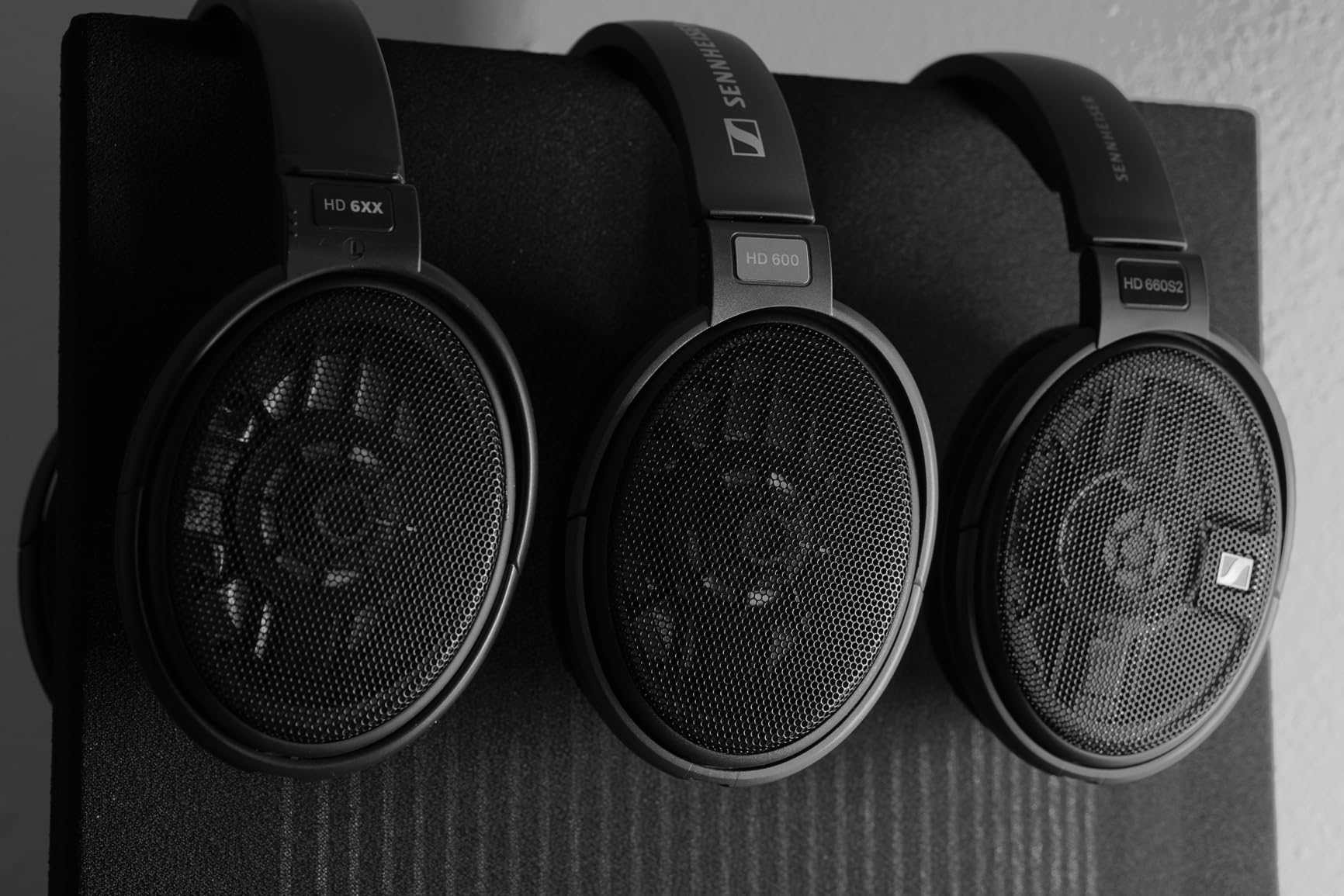
Comfort is outstanding. The plush ear pads and lightweight construction at 9.1 ounces mean you can wear these for an entire evening without fatigue. The detachable Kevlar-reinforced cable is both durable and replaceable, and the open metal mesh earpiece covers add a touch of elegance. These headphones have been in production for good reason — the design is timeless.
The 300-ohm impedance is the main barrier to entry. You absolutely need a quality headphone amplifier to unlock the HD 600’s potential. Without one, they sound flat and lifeless. With a good amp — even a modest one like the Schiit Magni or Fiio K5 — they transform into one of the best jazz listening experiences you can have. This is a headphone that scales with your equipment, rewarding better source gear with better sound.
Who should buy the Sennheiser HD 600
Any serious jazz listener who wants the most natural, uncolored presentation of their music and is willing to invest in a headphone amplifier. The HD 600 is the gold standard for jazz — it has been recommended on Reddit forums and audiophile communities for years, and for good reason.
Who should look elsewhere
If you do not plan to buy a headphone amp, look at lower-impedance options like the HD 560S or Fidelio X2HR instead. The HD 600 also requires a quiet listening environment since the open-back design provides zero isolation.
12. beyerdynamic DT 900 PRO X – Modern Studio Open-Back Precision
beyerdynamic DT 900 PRO X Studio Mixing Open Back Headphones
STELLAR.45 Drivers
48 Ohm
5Hz-40kHz
Open-Back
Mini-XLR Cable
Pros
- Wide open soundstage
- STELLAR.45 drivers consistent performance
- Detachable mini-XLR cables
- Comfortable velour ear pads
- All parts serviceable
Cons
- Can feel clampy initially
- Slightly heavy
- Basic design
- Highs can be sibilant
The beyerdynamic DT 900 PRO X takes the classic beyerdynamic sound and updates it with modern STELLAR.45 driver technology. The result is an open-back headphone with excellent bass response — something that traditionally has been a weakness of open designs. For jazz, this means you get the spacious soundstage of an open-back headphone plus enough low-end weight to make the upright bass and kick drum sound convincing.
I spent several days with these, listening to everything from bebop to contemporary jazz. The imaging is precise — instruments lock into specific positions in the soundstage, which makes complex arrangements easier to follow. The midrange is clean and well-balanced, presenting piano, vocals, and brass with accuracy and detail. The frequency range of 5Hz to 40kHz covers everything you could possibly need for jazz recordings.
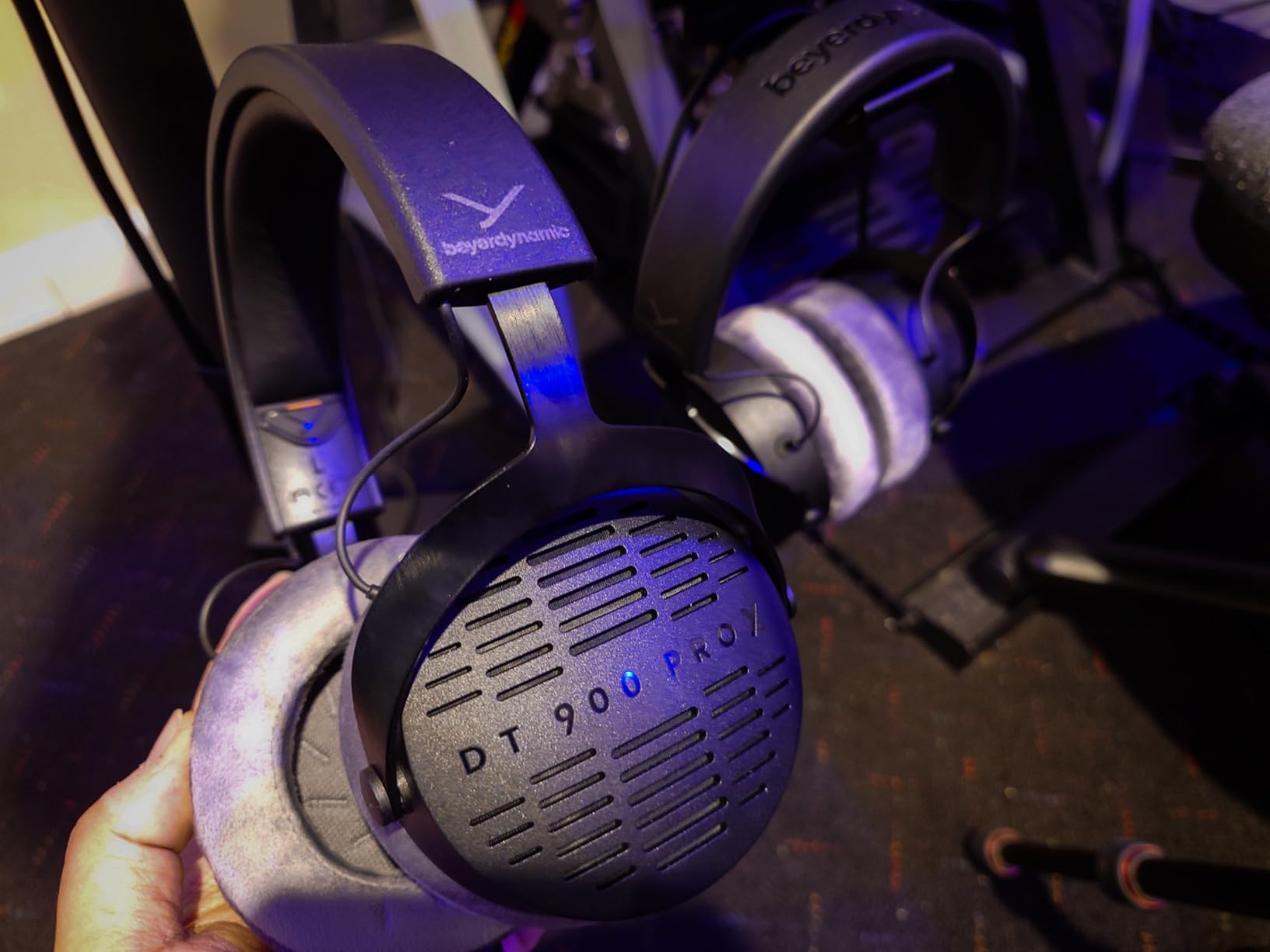
The 48-ohm impedance is a sweet spot — low enough to work well with laptops and mobile devices, but high enough to benefit from a dedicated amp. Beyerdynamic includes two detachable mini-XLR cables (3 meters and 1.8 meters), which is generous. The velour ear pads are soft and comfortable, and the fact that all parts are serviceable means these headphones can last for years.
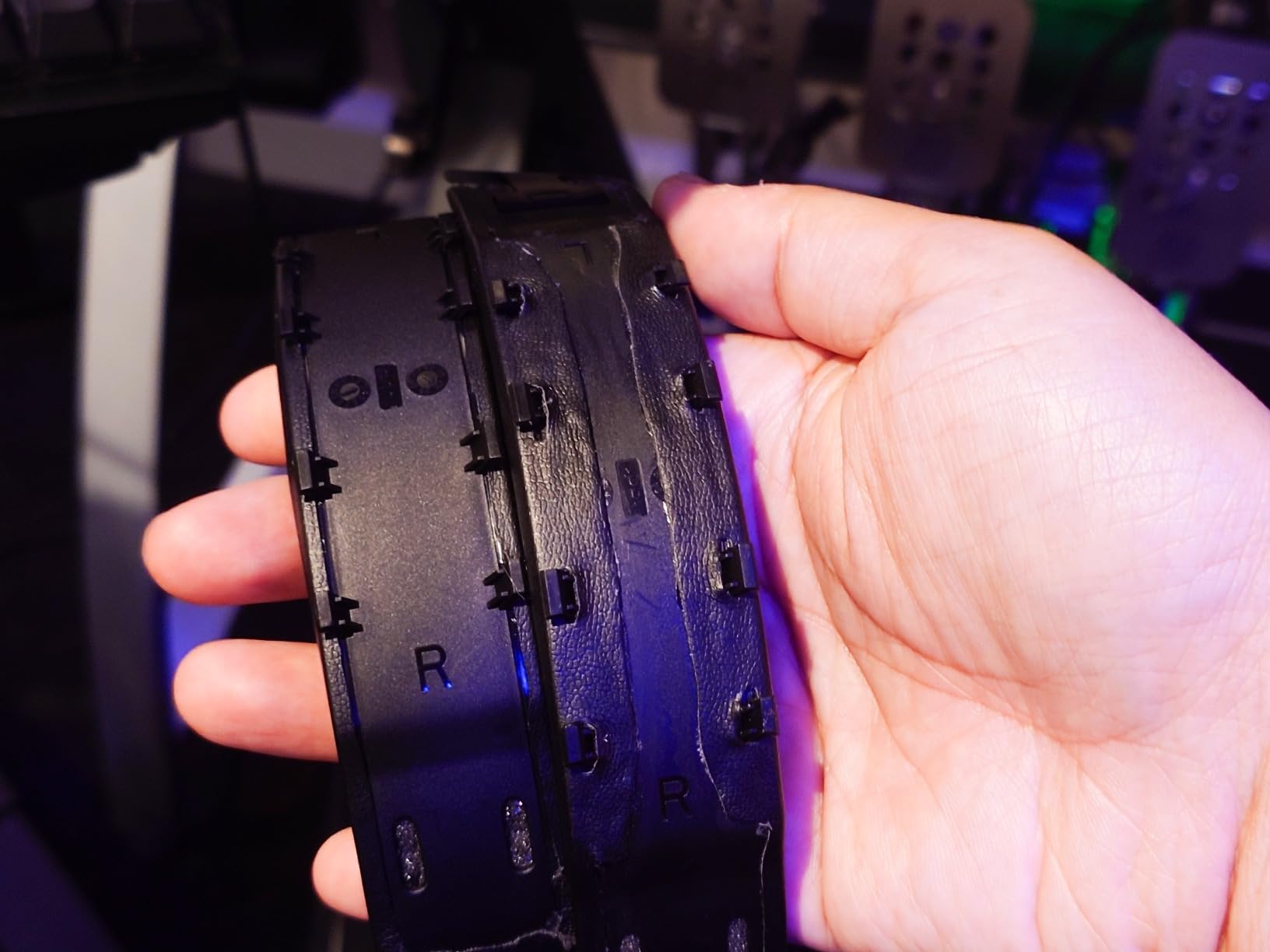
The initial clamp force is on the tight side, and it took about a week of use for the headband to relax to a comfortable level. At 1 pound, these are slightly heavy for very long sessions. The treble also has some of that characteristic beyerdynamic brightness, which can be fatiguing with certain bright jazz recordings. These are minor issues that improve with use.
Who should buy the DT 900 PRO X
Jazz listeners and studio professionals who want a modern, well-built open-back headphone that delivers strong bass along with a wide soundstage. The easy-to-drive impedance makes these a practical choice for listeners who want quality sound without a complicated setup.
Who should look elsewhere
If you prefer a more relaxed, warmer sound signature for your jazz listening, the DT 900 PRO X’s brightness might not be your preference. Listeners who want a premium aesthetic might also find the utilitarian design underwhelming compared to competitors.
13. Sennheiser HD 490 PRO – Professional Open-Back With Dual Ear Pads
HD 490 PRO Open-Back Professional Headphone
130 Ohm
5Hz-36kHz
Open-Back
Wired
Dual Ear Pads
Pros
- Exceptional soundstage and spatial audio
- Rich deep bass for open-back
- Two sets of ear pads included
- Lightweight at 200g
- Innovative low-frequency cylinder
Cons
- Can get warm during extended use
- Proprietary pad design
- Requires amp for best performance
The Sennheiser HD 490 PRO is a newer addition to the Sennheiser professional lineup, and it brings some innovative design choices. The most notable is the inclusion of two sets of ear pads — one pair tuned for mixing and another for producing. For jazz listening, I preferred the producing pads, which deliver a slightly richer, more engaging sound that suits acoustic instruments beautifully.
The soundstage is genuinely exceptional. Sennheiser’s open-back design with wide dimensional soundstage technology creates a sense of space that makes jazz recordings feel alive. The uncolored frequency response from 5Hz to 36kHz means you hear every detail without coloration. An innovative low-frequency cylinder system delivers bass extension that rivals some closed-back designs — something I did not expect from an open-back headphone.
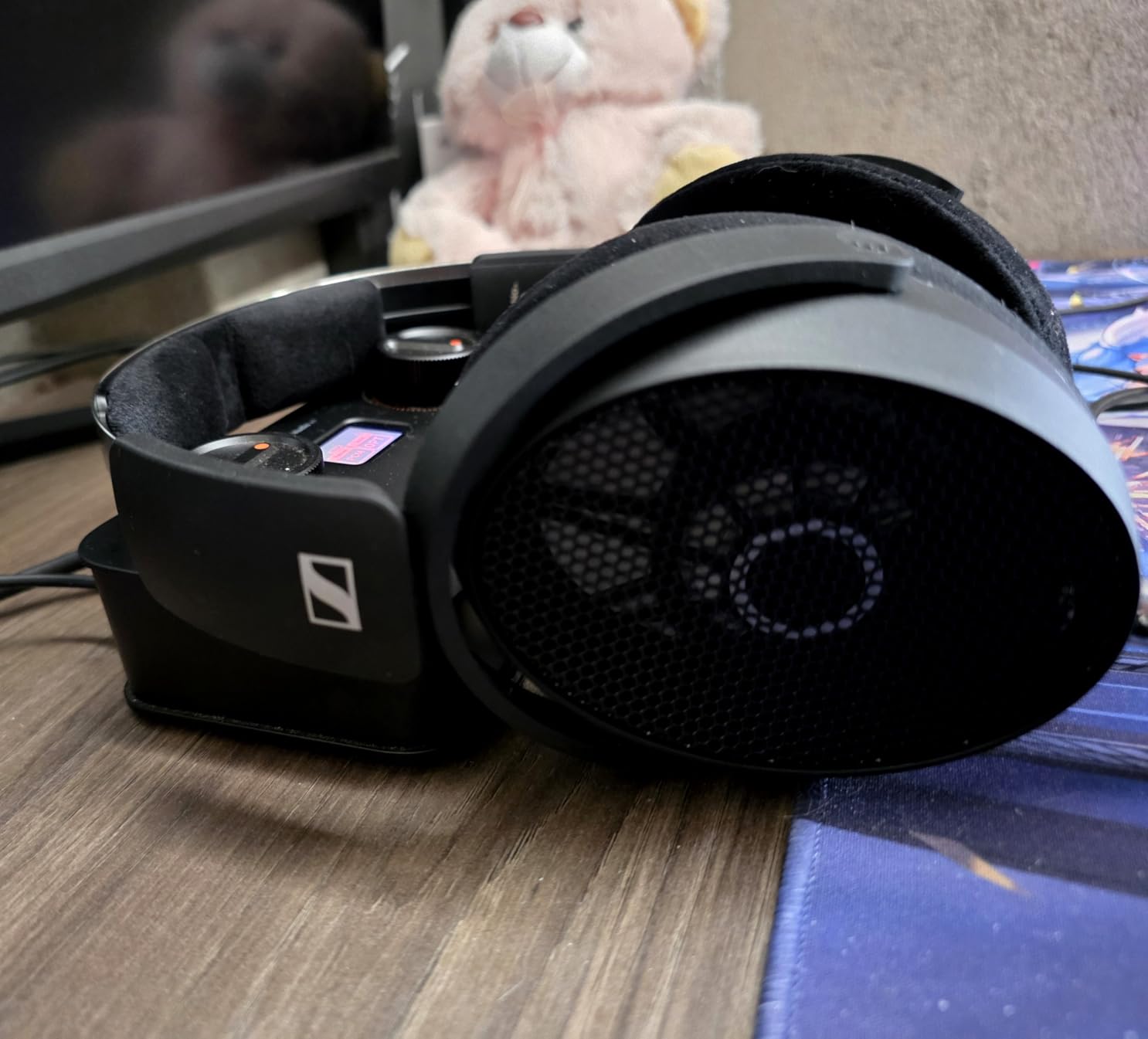
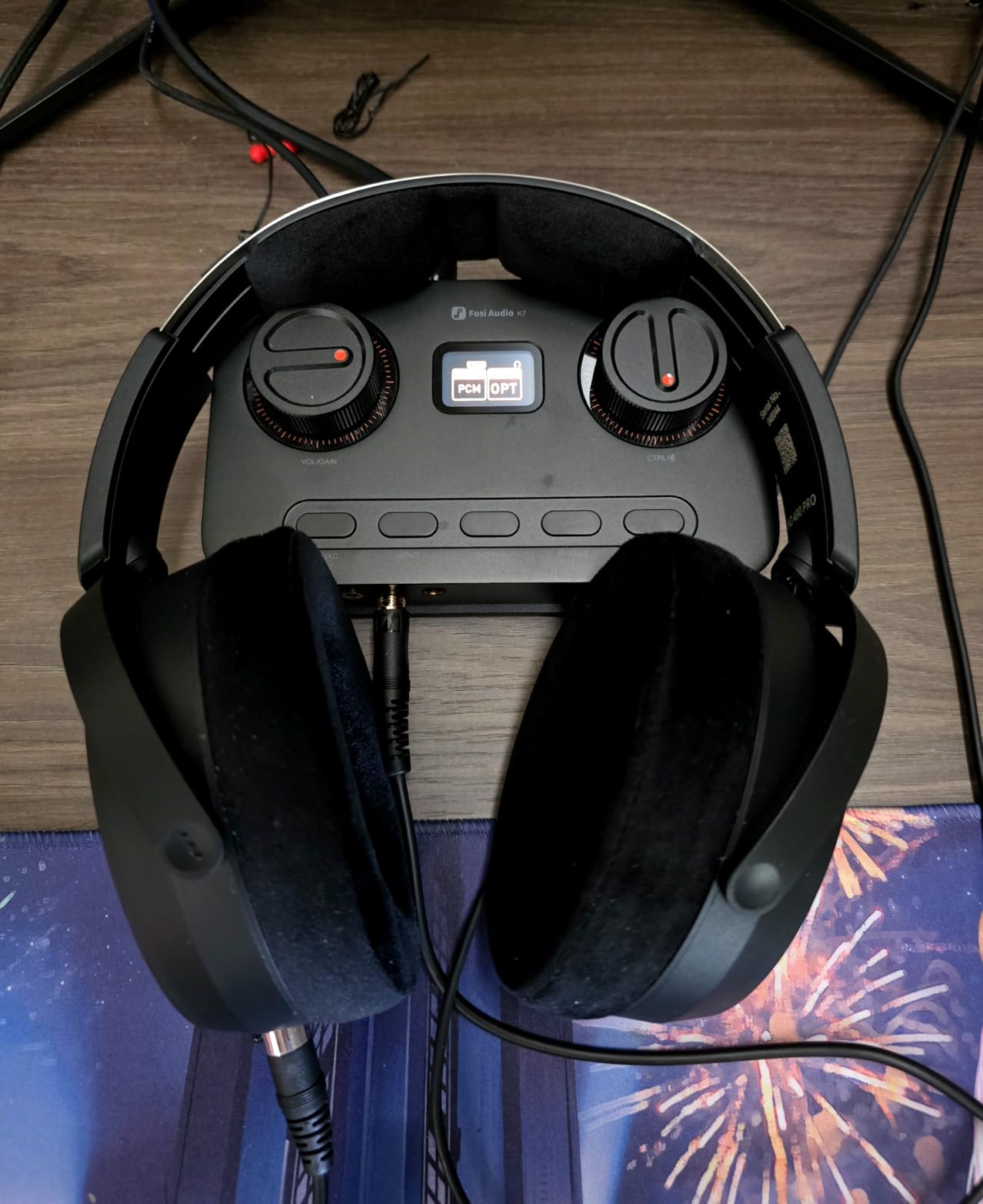
At just 200 grams, the HD 490 PRO is the lightest open-back headphone in our lineup. The aluminum enclosure feels solid without adding unnecessary weight. The dual ear jack design with detachable cable is convenient, and the overall build quality is what you would expect from a professional Sennheiser product. The 2-year manufacturer warranty provides additional peace of mind.
The 130-ohm impedance means these benefit from a headphone amplifier, though they are not as demanding as the 300-ohm HD 600. Plugged into a decent DAC/amp combo, the HD 490 PRO delivers a smooth, detailed sound that handles everything from intimate jazz trios to big band arrangements with equal skill. My only real complaint is that the proprietary ear pad design limits aftermarket options.
Who should buy the HD 490 PRO
Jazz listeners who want professional-grade open-back sound with the flexibility of two different ear pad options. The lightweight design and excellent soundstage make these a great choice for long, focused listening sessions with your favorite jazz recordings.
Who should look elsewhere
If you want to customize your sound with aftermarket ear pads, the proprietary design limits your options. The 130-ohm impedance also means you should plan to use these with a headphone amp for the best results, which adds to the total investment.
14. Sennheiser HD 660S2 – Premium Audiophile Jazz Experience
Sennheiser HD 660S 2 Open-Back Audiophile Headphones
42mm Drivers
300 Ohm
8Hz-41.5kHz
Open-Back
Detachable Cable
Pros
- Exceptional soundstage and lifelike vocals
- Deep controlled bass extension
- Premium build with aluminum voice coil
- Includes 4.4mm balanced and 6.3mm cables
- Excellent instrument separation
Cons
- Requires quality headphone amplifier
- Sound can be harsh on mid-highs without EQ
- Cables can be microphonic
- Expensive at full MSRP
The Sennheiser HD 660S2 takes the beloved HD 6XX family sound and refines it with deeper bass extension and improved acoustic performance. For jazz, the difference is immediately noticeable. The 42mm transducers with aluminum voice coils deliver intimate, lifelike vocals that make you feel like the singer is in the room with you. Billie Holiday through the HD 660S2 is an emotional experience — her voice has a texture and presence that lesser headphones simply cannot reproduce.
The deep bass extension reaching down to 27.5Hz is a significant improvement over the standard HD 660S. This matters for jazz because the upright bass and kick drum finally have the full-bodied weight they deserve. The midrange remains the star of the show, though, with exceptional instrument separation that lets you follow each player in a jazz ensemble with ease. Piano has weight and resonance, horns have bite and air, and cymbals shimmer with realistic decay.
The package includes both a 6.3mm cable and a 4.4mm balanced cable, which is a thoughtful inclusion for listeners with balanced amplifier setups. The premium build quality with breathable ear cushions ensures comfort during long sessions. At 300 grams, the weight is well-balanced and never feels cumbersome.
Like the HD 600, the 300-ohm impedance demands a quality headphone amplifier. The HD 660S2 scales impressively with better gear — the difference between driving it from a basic amp versus a high-end balanced setup is substantial. The mid-highs can sound slightly harsh without careful EQ or a warm-sounding amp. The cables also tend to transmit physical noise when they rub against clothing, which is a minor annoyance.
Who should buy the HD 660S2
Dedicated jazz audiophiles who want the most emotionally engaging listening experience and already have (or plan to invest in) a quality headphone amplifier. The HD 660S2 rewards a good setup with truly exceptional jazz reproduction.
Who should look elsewhere
If you do not have a headphone amp, the 300-ohm impedance makes these impractical for direct device connections. The high price also means you should be confident about your commitment to jazz listening before making this investment.
15. Bowers & Wilkins Px8 S2 – Premium Wireless Jazz Without Compromise
Pros
- Reference-quality sound with Carbon Cone drivers
- Premium real leather and aluminum build
- Excellent noise cancellation
- 30-hour battery with quick charging
- aptX Lossless support
Cons
- Heavy with headband pressure
- ANC not as effective as Sony or Bose
- Expensive price point
- Headband may be tight initially
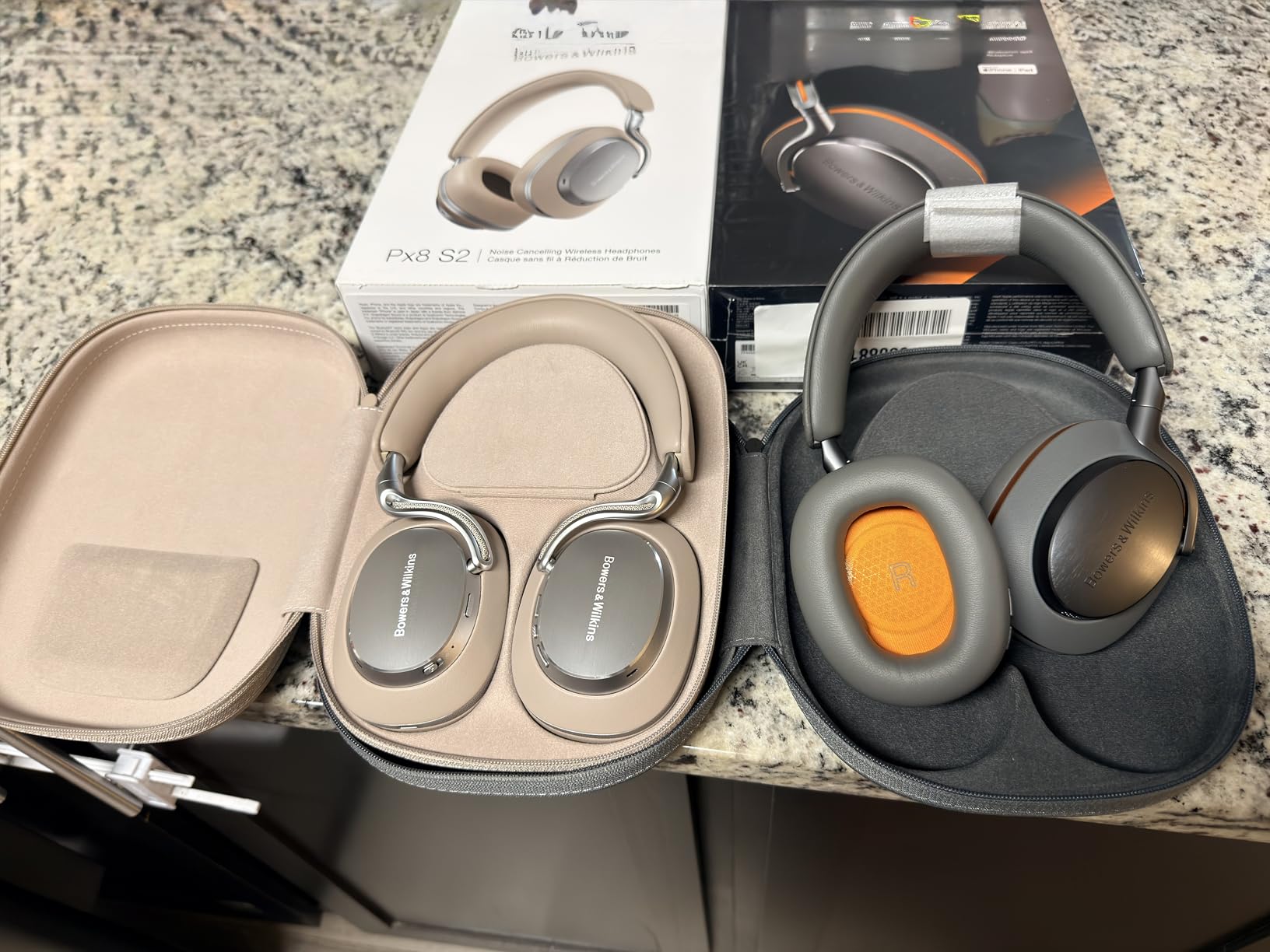
The Bowers & Wilkins Px8 S2 is the only wireless headphone in our lineup, and it earns its place through genuinely impressive sound quality. The custom 40mm Carbon Cone drivers with 24-bit DSP and a dedicated DAC amplifier produce a level of audio fidelity that rivals many wired headphones. For jazz, the Px8 S2 delivers a balanced, detailed presentation with excellent instrument separation and a surprisingly wide soundstage for a closed-back design.
I tested the Px8 S2 both wirelessly via aptX Lossless and wired through the 3.5mm jack. In both modes, jazz sounds refined and engaging. The midrange has the clarity and warmth that jazz demands, and the bass is controlled without overwhelming the rest of the spectrum. Listening to Kamasi Washington’s “The Epic,” the layers of horns, strings, and rhythm came through with impressive resolution for a wireless headphone.
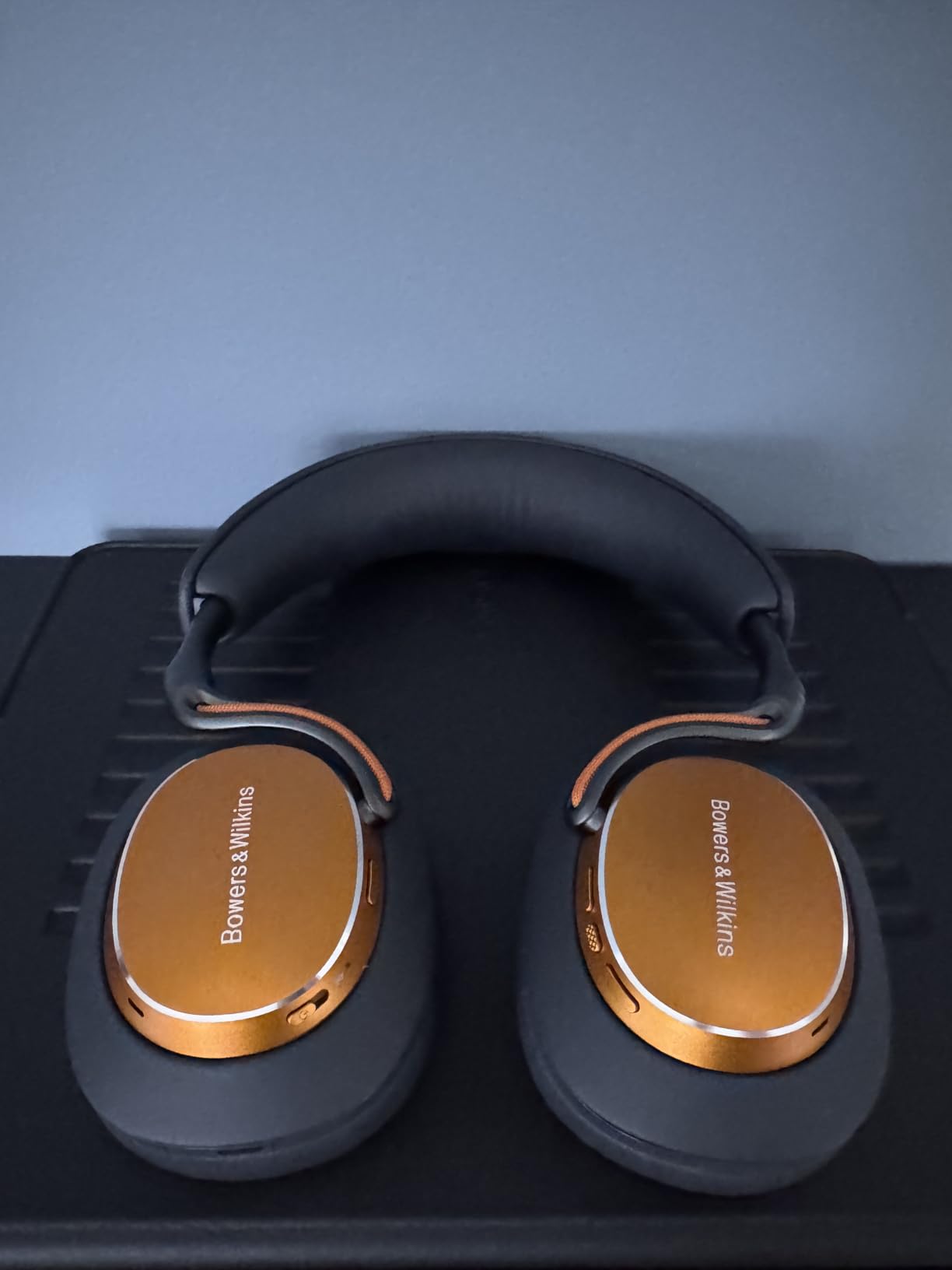
The build quality is premium through and through — real leather, aluminum, and attention to detail that matches the price tag. The 30-hour battery life with 15-minute quick charging means you can go for days without worrying about power. The 8-microphone active noise cancellation system does a solid job of blocking environmental noise, though it is not quite on par with the Sony WH-1000XM5 or Bose 700 in absolute ANC performance.
The main drawbacks are physical rather than acoustic. The Px8 S2 is heavy, and the headband creates noticeable pressure on the top of the head during long sessions. The headband also runs tight initially and takes time to break in. These are not dealbreakers, but they are worth knowing about before investing at this price point. The personalizable EQ through the B&W Music app lets you fine-tune the sound to your preference, which is useful for dialing in the perfect jazz tuning.
Who should buy the Bowers & Wilkins Px8 S2
Jazz listeners who want a premium wireless headphone that does not compromise on sound quality. The Px8 S2 is ideal for those who want the convenience of Bluetooth and ANC without giving up the audio fidelity that jazz demands. Perfect for commuting, travel, and listening on the go.
Who should look elsewhere
If you primarily listen at home in a quiet space, a wired open-back headphone at half the price will deliver equal or better sound quality for jazz. The weight and headband pressure may also be an issue if you are sensitive to these factors during long sessions.
Buying Guide: How to Choose the Best Headphones for Jazz Listening
Choosing headphones for jazz is different from picking headphones for pop, rock, or electronic music. Jazz recordings are often sparse and acoustic, with minimal studio processing. This means your headphones need to be accurate rather than exciting, and detailed rather than bass-heavy. Here is what matters most.
Sound Signature and Frequency Response
Jazz lives in the midrange. The most important frequencies for jazz are between 200Hz and 5kHz — this is where vocals, piano, saxophone, trumpet, and guitar all live. Headphones with a neutral or slightly warm sound signature work best because they reproduce these frequencies accurately without artificial boost or cut.
Look for headphones described as “neutral,” “flat,” or “reference.” Studio monitor headphones are often a great fit because they are designed to reproduce sound as accurately as possible. Avoid headphones with heavily boosted bass, as this will muddy the low-midrange where the upright bass and lower piano notes reside.
Open-Back vs Closed-Back Design
This is one of the most important decisions for jazz listening. Open-back headphones have perforated ear cups that allow air and sound to pass through, creating a wider, more natural soundstage. They make jazz recordings feel spacious and live, as if you are in the same room as the musicians. The trade-off is that they leak sound and provide no isolation from external noise.
Closed-back headphones seal the ear cups, providing isolation from outside noise and preventing sound leakage. They typically have a more intimate, focused soundstage. If you listen in a shared space or noisy environment, closed-back is the practical choice. For a quiet home setup dedicated to jazz listening, open-back headphones deliver a superior experience.
Impedance and Amplification
Impedance determines how much power your headphones need to perform at their best. Low-impedance headphones (under 50 ohms) work well with phones, laptops, and other consumer devices. High-impedance headphones (150 ohms and above) generally require a dedicated headphone amplifier to deliver their full potential.
For jazz listening, the best headphones often fall in the higher impedance range — models like the Sennheiser HD 600 (300 ohms) and beyerdynamic DT 990 PRO (250 ohms) need an amp to sound their best. If you do not want to invest in a separate amplifier, look for models under 64 ohms that are easy to drive directly from your device.
Soundstage and Imaging
Soundstage refers to the perceived width, depth, and height of the sound around your head. Imaging is the ability to place individual sounds in specific locations within that space. Both are critical for jazz because the genre often features small ensembles where you need to hear each instrument separately.
Open-back headphones generally offer the best soundstage and imaging. If you want to hear the exact position of each player in a jazz quartet, prioritize headphones known for their spatial presentation. Reddit communities consistently recommend open-back headphones for jazz for exactly this reason.
Comfort for Long Sessions
Jazz albums often run 45-60 minutes, and serious listening sessions can stretch for hours. Comfort matters more than most people realize. Look for headphones with soft, breathable ear pads (velour is excellent for this), lightweight construction, and a headband that distributes pressure evenly. Replaceable ear pads and cables add to long-term value.
Frequently Asked Questions About Jazz Headphones
What are the best headphones for jazz listening?
The best headphones for jazz listening prioritize midrange clarity, a wide soundstage, and neutral frequency response. Our top pick is the Sennheiser HD 600, which delivers natural, lifelike instrument reproduction that jazz demands. The Sony MDR7506 is the best value option with professional-grade clarity at an accessible price.
Are open-back headphones better for jazz?
Open-back headphones are generally better for jazz listening in a quiet environment. They provide a wider, more natural soundstage that makes jazz recordings feel spacious and live, as if you are in the room with the musicians. However, closed-back headphones are more practical if you listen in noisy environments or shared spaces.
Do I need a headphone amplifier for jazz headphones?
It depends on the impedance of your headphones. Low-impedance models (under 50 ohms) like the Sony MDR7506 and Philips Fidelio X2HR work well without an amp. High-impedance models like the Sennheiser HD 600 (300 ohms) and beyerdynamic DT 990 PRO (250 ohms) require a dedicated headphone amplifier to deliver their full sound quality.
What sound signature is best for jazz music?
A neutral or slightly warm sound signature works best for jazz. Jazz relies heavily on midrange frequencies where vocals, piano, saxophone, and trumpet reside. You want headphones that reproduce these frequencies accurately without boosting bass or treble. Studio monitor headphones with flat frequency response are often ideal for jazz.
Can wireless headphones sound good for jazz?
Yes, modern wireless headphones with high-quality codecs can deliver excellent jazz sound. The Bowers & Wilkins Px8 S2 with aptX Lossless support delivers reference-quality audio that rivals many wired headphones. However, at the same price point, wired open-back headphones will generally provide better sound quality for critical jazz listening.
Conclusion: Finding Your Perfect Jazz Headphones
Finding the best headphones for jazz listening comes down to understanding what matters most for the genre: midrange clarity, instrument separation, and a soundstage that lets the music breathe. Whether you are spinning classic vinyl or streaming high-resolution files, the right pair of headphones can transform how you experience jazz.
For the purist who wants the most natural, uncolored sound, the Sennheiser HD 600 remains our top recommendation. It has been a community favorite on audiophile forums for years, and one listen tells you why. If you want professional-grade quality at a more accessible price, the Sony MDR7506 delivers exceptional value. And for listeners who need wireless convenience without sacrificing sound quality, the Bowers & Wilkins Px8 S2 proves that wireless jazz listening has come of age in 2026.
Take your time choosing — jazz deserves headphones that do justice to every note, every breath, and every moment of musical conversation between the players. Your ears will thank you.