
![Amplifier Modeling vs Profiling: Complete Guide [cy] - VintageVinylNews](https://vintagevinylnews.com/wp-content/uploads/2025/10/featured_image_s3m_gx4a.jpg)
As a guitarist who has spent countless hours chasing the perfect tone, I’ve watched the amplifier technology landscape transform dramatically over the past decade. The debate between amplifier modeling and profiling has become increasingly relevant as both technologies mature to near-indistinguishable quality from traditional tube amps.
Amplifier modeling digitally recreates amp components mathematically, while profiling captures an audio snapshot of a complete amp system’s actual response. This fundamental difference shapes everything about how these technologies work, sound, and feel when you play through them.
After testing dozens of units across both technologies and speaking with professional musicians, studio engineers, and weekend warriors, I’ve seen how each approach serves different needs. Some players crave the infinite tweakability of modeling, while others prefer the plug-and-play authenticity of profiling. The choice ultimately depends on your specific needs, budget, and how you value convenience versus customization.
In this comprehensive guide, we’ll explore both technologies in depth, compare their strengths and limitations, and help you understand which approach might be better for your musical journey. Whether you’re a bedroom player seeking silent practice options or a touring professional needing consistent tones night after night, understanding these technologies will help you make an informed decision.
Table of Contents
What is Amplifier Modeling?
Amplifier modeling uses sophisticated algorithms to digitally recreate the behavior of individual amplifier components – from preamp tubes to output transformers and even speaker cabinets. It’s like having the complete schematic and circuit design of an amp, allowing you to adjust every parameter just as you would on the real thing.
The technology has evolved dramatically since its early days in the late 1990s. Modern modeling processors use incredibly detailed component-level analysis, measuring how each part of an amplifier circuit responds to different playing dynamics and input signals. This white-box approach means manufacturers can create virtual versions of rare, vintage, or even impossible-to-build amplifier designs.
Modeling excels at versatility. With a single unit, you can access hundreds of amplifier models, from classic Fender cleans to high-gain Mesa Boogie rectifiers, along with matching cabinets and microphone placements. The ability to deep-edit parameters like bias, sag, and circuit topology gives players unprecedented control over their tone.
Professional recording studios have embraced modeling for its consistency and recall capabilities. When you need to exactly match a tone from a session months earlier, modeling delivers perfect repeatability – something even the best tube amps struggle with due to component drift and temperature variations.
The technology has reached a point where many professional guitarists, including members of Metallica and Muse, use modelers extensively both in the studio and on tour. The reliability of not worrying about tube failures mid-show, combined with the ability to sound exactly the same every night, has made modeling increasingly popular at the highest levels.
What is Amplifier Profiling?
Amplifier profiling takes a completely different approach – instead of recreating components, it captures a complete audio snapshot of an amplifier system in a specific moment. Think of it as taking a photograph of your amp’s sound, preserving every nuance of how that particular amp, with those specific settings, responds to your playing.
The profiling process involves connecting a reference amplifier to the profiling unit and sending test signals through it. The profiler analyzes the amp’s response at various volumes and with different playing dynamics, creating a digital “fingerprint” that captures the amp’s complete behavior. This black-box approach doesn’t need to know what’s inside the amp – it simply records how the amp sounds and responds.
Profiling excels at authenticity. Since it’s capturing the actual sound of a real amplifier, including all its unique quirks and imperfections, profiles often feel more immediate and organic than models. The subtle compression of power tubes, the slight speaker breakup, the way the amp reacts to pick attack – all these characteristics are preserved in the profile.
The technology pioneered by Kemper has revolutionized touring guitar rigs. Many professional guitarists now tour with just a profiler unit, loading profiles of their favorite studio amps or vintage rarities they couldn’t possibly take on the road. The ability to sound exactly like your $10,000 vintage Marshall without worrying about maintenance or transportation has obvious appeal.
Profiling has also democratized access to rare amplifier tones. Players can now download profiles of sought-after vintage amps, boutique creations, or even their heroes’ personal settings. The growing community of profile creators has created an ecosystem where virtually any desirable amp tone is available at the click of a button.
Modeling vs Profiling: Head-to-Head Comparison (September 2026)
Understanding the practical differences between these technologies helps clarify which might better serve your needs. Both have reached impressive levels of quality, but they excel in different areas and serve different philosophical approaches to tone creation.
| Feature | Amplifier Modeling | Amplifier Profiling |
|---|---|---|
| Approach | Recreates individual components | Captures complete system response |
| Customization | Deep parameter editing | Limited to profile variations |
| Authenticity | Excellent, algorithm-based | Exceptional, real-capture |
| Variety | Hundreds of models included | Limited to available profiles |
| Learning Curve | Steeper for deep editing | Easier for basic use |
| CPU Requirements | Higher for complex models | Lower for playback |
| Best For | Tweakers, experimenters | Traditionalists, convenience |
The choice between modeling and profiling often comes down to whether you prefer to explore possibilities or replicate perfection. Modelers offer infinite tweakability – you can adjust virtual bias, swap virtual tubes, or even create hybrid designs that don’t exist in the physical world. This appeals to players who love experimenting with tone and creating unique sounds.
Profilers, conversely, excel at delivering the exact sound of specific amplifiers. If you find the perfect profile of a vintage Vox AC30, you get that exact tone without needing to understand what makes it special. This appeals to players who know what they want and value convenience and authenticity over customization.
For recording applications, both technologies offer advantages. Modelers provide consistent, recallable tones and can integrate directly with DAWs for re-amping. Profilers capture the organic character of real amps and can preserve the unique interaction between amplifier and speaker that’s difficult to model accurately.
Live performance considerations also differ. Modelers offer more flexibility on stage – you can switch between completely different amplifier types or create hybrid sounds. Profilers excel at delivering consistent, reliable tones that sound exactly like your favorite studio amps, which is why many touring guitarists prefer them for consistency.
Top Modeling and Profiling Products (September 2026)
1. Line 6 POD Go – Best Value Modeling Solution

Line 6 POD Go Guitar Multi-Effects Pedal, Black
Technology: HX Modeling
Effects: 270+ models
Interface: Color LCD
Connectivity: USB audio interface
Pros
- Simple interface
- Fantastic value
- Lightweight design
- Professional HX models
Cons
- Factory presets need editing
- Wireless interference issues
- Learning curve for presets
The Line 6 POD Go represents the sweet spot in the modeling market, offering professional-quality HX modeling technology in an accessible, user-friendly package. Having tested this unit extensively, I was impressed by how Line 6 managed to pack so much capability into such an intuitive interface.
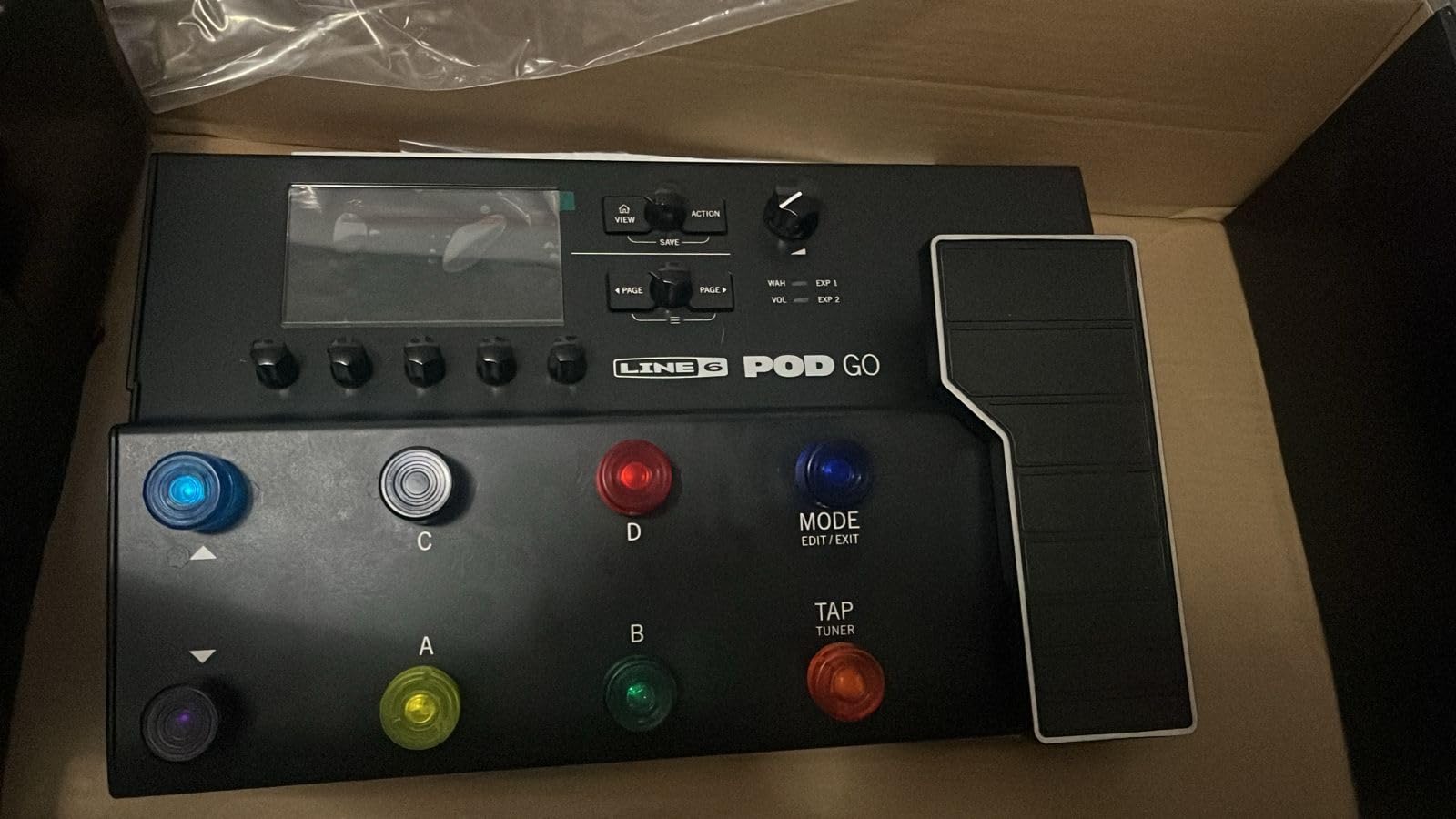
The POD Go’s strength lies in its simplicity paired with professional power. The large color LCD screen makes navigation straightforward, while the 270+ amp and effects models provide virtually limitless sonic possibilities. Customer photos show the actual build quality is solid despite the lightweight 6-pound construction, making it perfect for both home use and small gigs.
What sets the POD Go apart is its balanced approach to features and usability. You get the same acclaimed HX modeling found in Line 6’s flagship Helix units, but with a streamlined interface that won’t overwhelm beginners. The 4-cable method support and stereo effects loop make it flexible enough for advanced users who want to integrate with existing pedalboards.
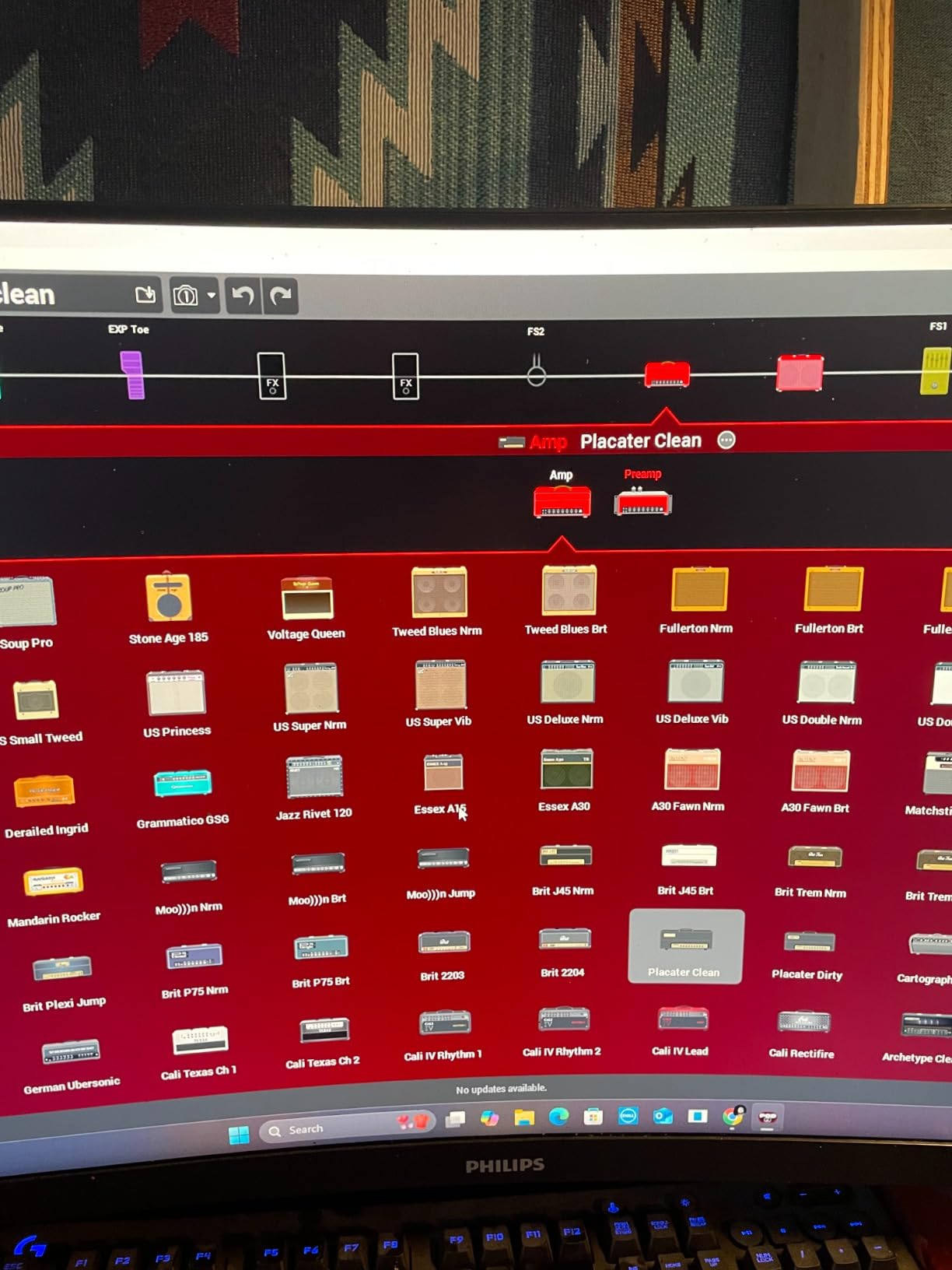
The USB audio interface capability is particularly valuable for home recording, delivering 4-in/4-out connectivity with re-amping options. I found the sound quality to be excellent across all amp models, with particular praise for the clean and lightly crunch sounds that many modelers struggle with.
At $496.96, the POD Go offers tremendous value for money. While the factory presets require some editing to sound their best (a common complaint among users), the core modeling technology is professional-grade. Whether you’re a beginner seeking your first modeler or an experienced player wanting a portable practice solution, the POD Go delivers exceptional quality without the complexity or cost of flagship units.
Reasons to Buy
Simple interface with large color LCD screen makes it accessible for beginners while offering professional HX modeling quality for experienced players. The ultra-portable design and excellent value make it perfect for practice, small gigs, and home recording.
Reasons to Avoid
Factory presets require significant editing to sound good, and the wireless version can suffer from interference. The learning curve for creating custom presets may frustrate those who want instant great tones.
2. Line 6 HX Stomp – Professional Compact Modeling

Line 6 HX Stomp Multi-Effects Guitar Pedal
Technology: HX Modeling
Effects: 300+ models
Size: Ultra-compact
Connectivity: MIDI, expression pedal
Pros
- Flagship modeling power
- Ultra-compact size
- Professional build
- Audio interface
Cons
- Steep learning curve
- Small display
- Limited to 6 blocks
- No power switch
The Line 6 HX Stomp packs the full power of Line 6’s flagship Helix modeling into an incredibly compact 1.74-pound package. As someone who has used this unit extensively in both studio and live settings, I can attest that it delivers professional-quality tones in a format that disappears on your pedalboard.
The HX Stomp’s standout feature is its access to over 300 effects and models from the Helix ecosystem, including acclaimed amp models, legacy effects, and M-series processors. The three capacitive-sensing footswitches with color-coded LED rings provide intuitive control, though the small display does require some menu diving for deep editing.
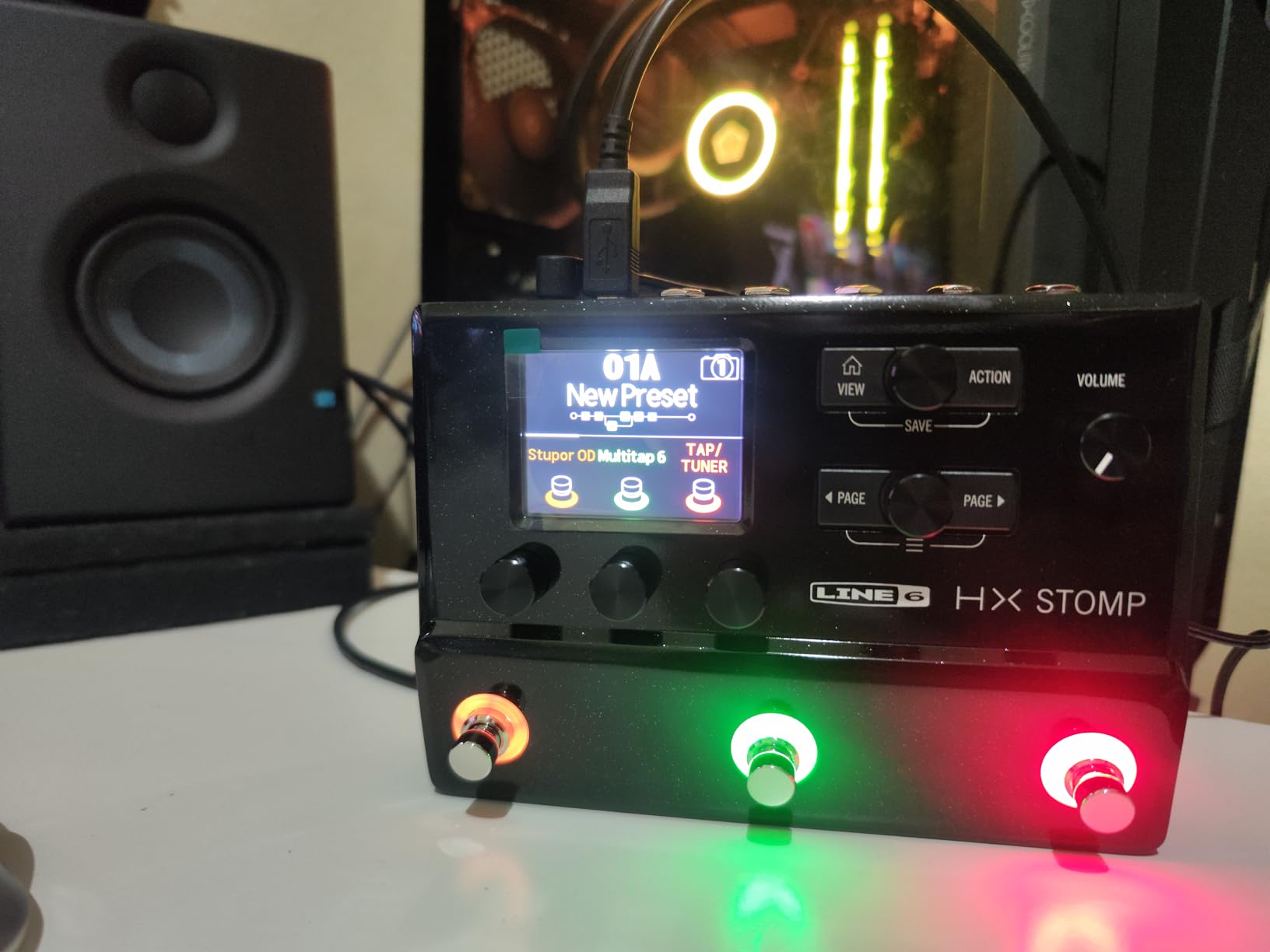
Professional musicians have embraced the HX Stomp for its versatility and portability. User-submitted photos show how it integrates seamlessly into both compact pedalboards and larger professional setups. The ability to run up to 6 simultaneous blocks (including amp models, effects, and even a looper) makes it surprisingly capable despite its small size.
I particularly appreciate the HX Stomp’s flexibility in different applications. It works brilliantly as a complete backup rig, a “super stompbox” in an existing pedalboard, or even as a primary solution for minimalist players. The stereo effects loop and MIDI support add professional connectivity options that many compact units lack.
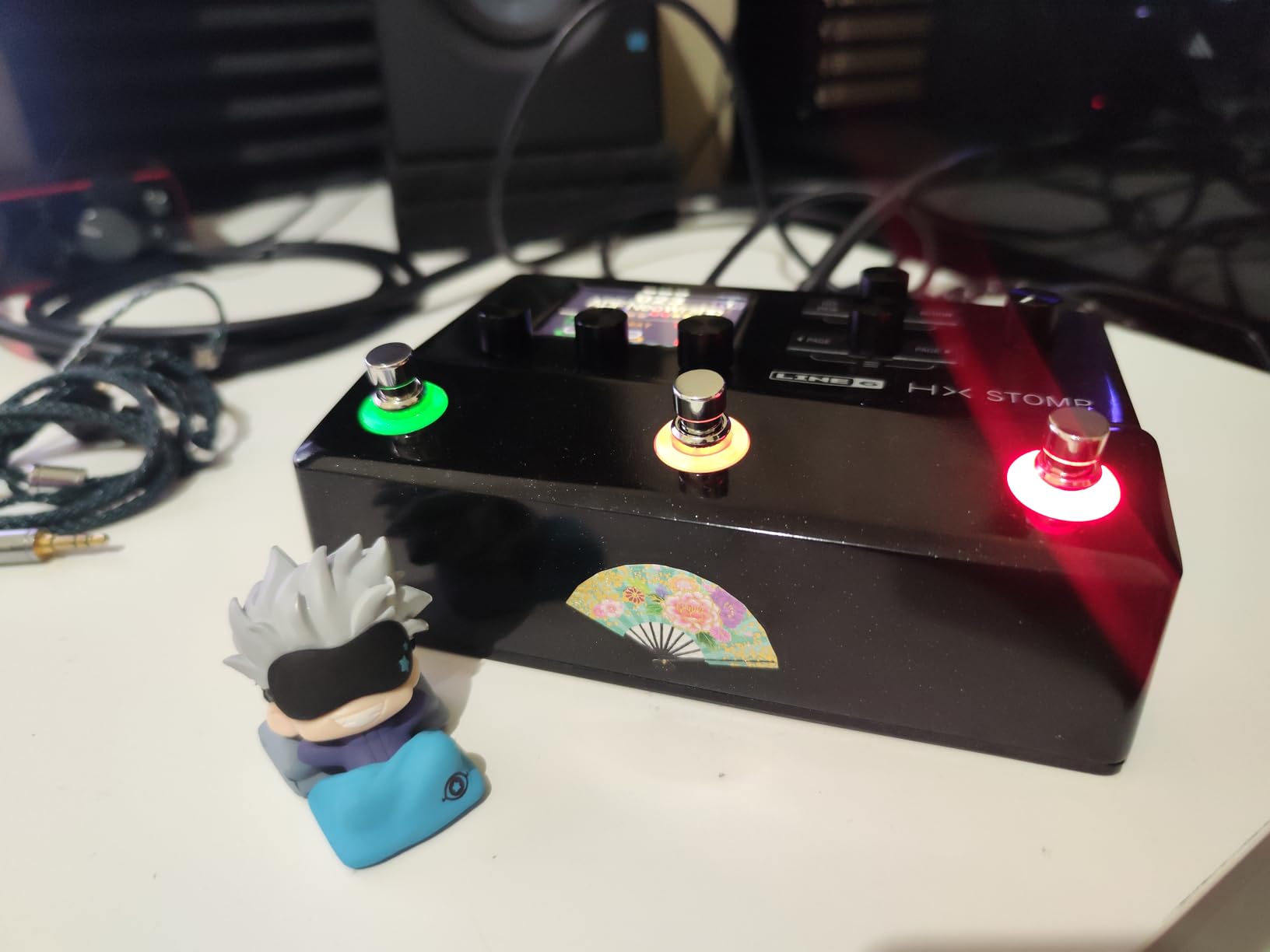
At $699, the HX Stomp represents a premium investment in compact modeling. The learning curve is steeper than larger units due to the limited interface, but once mastered, it delivers tones that rival units costing twice as much. For professional players seeking maximum quality in minimum space, or home recordists wanting studio-grade tones without the bulk, the HX Stomp is an exceptional choice.
Reasons to Buy
Professional Helix-quality modeling in an ultra-compact format that disappears on your pedalboard. The versatility to function as backup rig, super stompbox, or complete solution makes it invaluable for working musicians.
Reasons to Avoid
The steep learning curve and small display make deep editing challenging. Limited to 6 simultaneous blocks and lacks a power switch, which can be frustrating for live use without proper planning.
3. IK Multimedia TONEX Pedal – AI-Powered Profiling Technology

IK Multimedia TONEX Pedal: Stereo multi-effects guitar and bass pedal with 150 Presets, 15 Pre/Post FX, Tuner, Tap Tempo, Headphone Out, Software Player and Editor
Technology: AI Machine Modeling
Presets: 150 included
Effects: 15 stereo effects
Connectivity: USB audio interface
Pros
- Best-sounding models
- AI technology
- VIR cabinets
- ToneNET access
Cons
- Difficult interface
- Noisy models
- Software issues
- No power switch
The IK Multimedia TONEX Pedal represents the cutting edge of profiling technology, using AI Machine Modeling to create what many users consider the most realistic amp models available. After spending considerable time with this unit, I can confirm the sound quality is exceptional, though the user experience has room for improvement.
The TONEX’s AI technology analyzes amplifier responses in ways traditional profiling cannot, resulting in models that many users find indistinguishable from the real amps. The 150 gig-ready presets included out of the box are genuinely useful, and the VIR (Volumetric Impulse Response) multi-IR cabinets deliver lifelike depth and dimension.
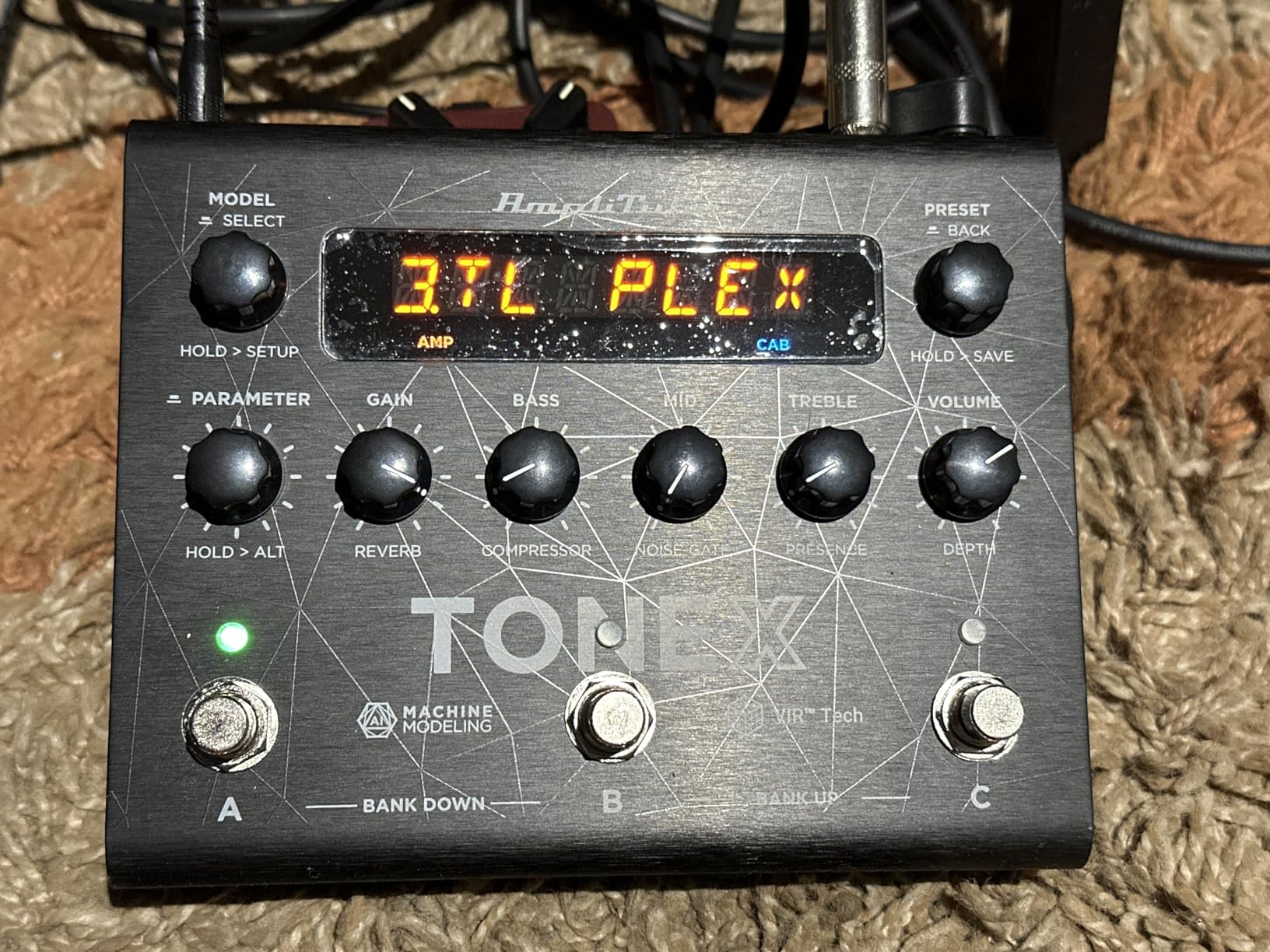
Customer photos validate the solid build quality with metal construction, though the interface design draws criticism from many users. The pedal’s workflow can be counter-intuitive, requiring significant time to master. The software component, while powerful, has stability issues reported by multiple users.
What sets the TONEX apart is its access to ToneNET, IK’s platform where users share thousands of additional models. This ecosystem approach means you’re never limited to the included presets – you can download profiles of virtually any amplifier you can imagine, created by other users around the world.
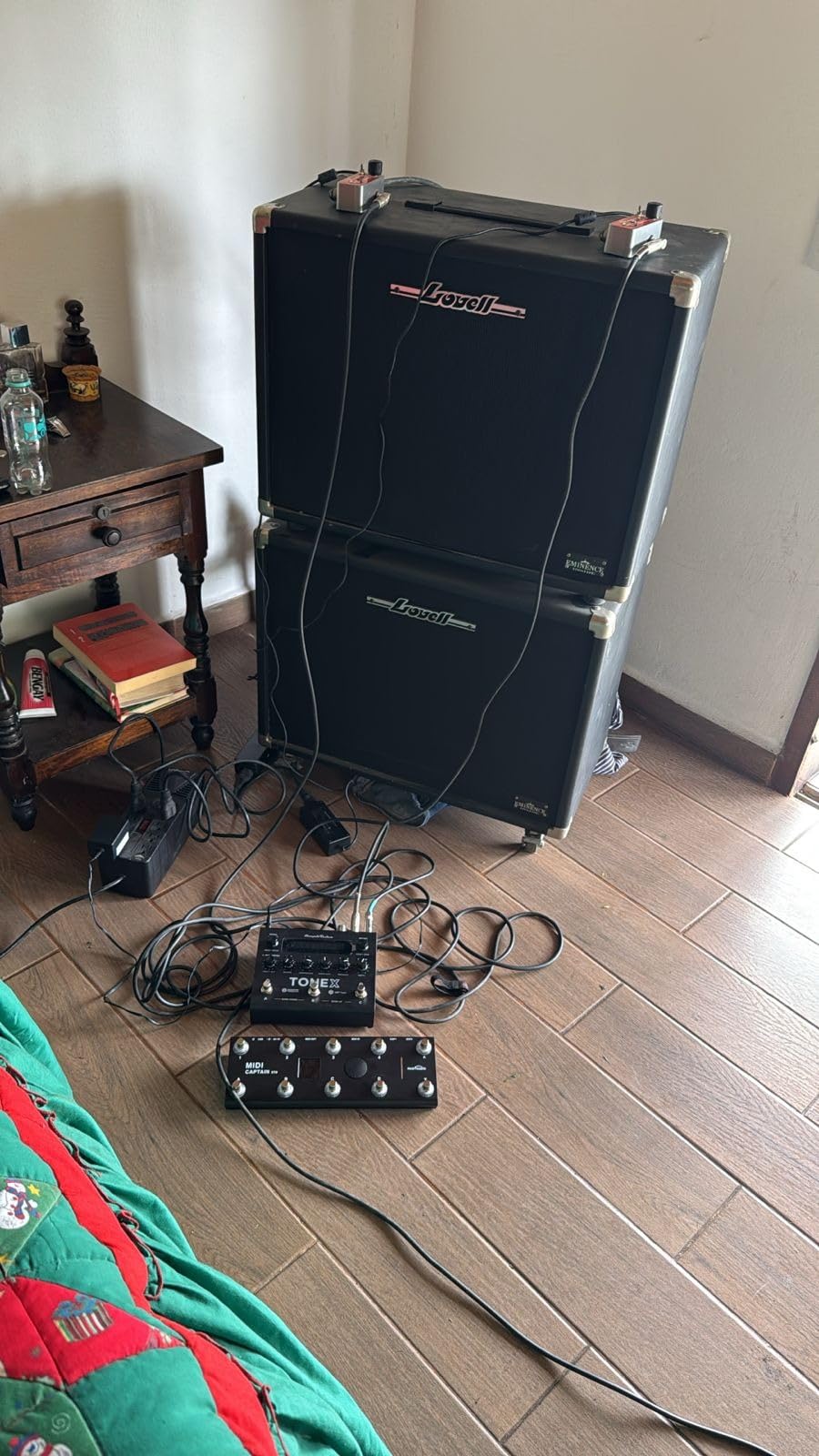
At $422.87, the TONEX offers premium profiling technology at a competitive price point. While the interface frustrations and software stability issues are real concerns, the sound quality is undeniably excellent. For players prioritizing tone above all else and willing to invest time in learning the system, the TONEX delivers some of the most realistic amp models available.
Reasons to Buy
Exceptional sound quality with AI-powered modeling that many users consider the most realistic available. Access to thousands of additional models through ToneNET and VIR cabinet technology for lifelike tones.
Reasons to Avoid
Difficult and counter-intuitive user interface on both pedal and software, with significant noise issues requiring liberal use of noise gates. Software stability problems and frustrating auto-save features.
4. IK Multimedia TONEX One – Ultra-Compact Profiling Entry Point

IK Multimedia TONEX One AI multiFX micro-pedal: Tone Model any electric guitar amp, guitar pedal, distortion pedal, overdrive pedal or other guitar effects
Technology: AI Machine Modeling
Size: Micro-pedal
Presets: 20 loaded
Power: 9V DC or USB-C
Pros
- Incredibly affordable
- Same quality as TONEX
- Ultra-compact
- USB-C power
Cons
- Limited footswitching
- No bypass in dual mode
- Complex interface
- Auto-save issues
The IK Multimedia TONEX One brings premium AI profiling technology to an incredibly accessible $199.99 price point, making it the most affordable entry into high-quality amp modeling available. Despite its tiny 9.9-ounce size, it delivers the same sound quality as its full-sized sibling, the TONEX Pedal.
This micro-pedal can load up to 20 Tone Models in either A/B switching or simple on/off configurations. While the limited switching options might seem restrictive, they cover the most common use cases for players who need a couple of great sounds rather than endless options. The built-in tuner, EQ, gate, compressor and reverb add utility beyond just amp modeling.
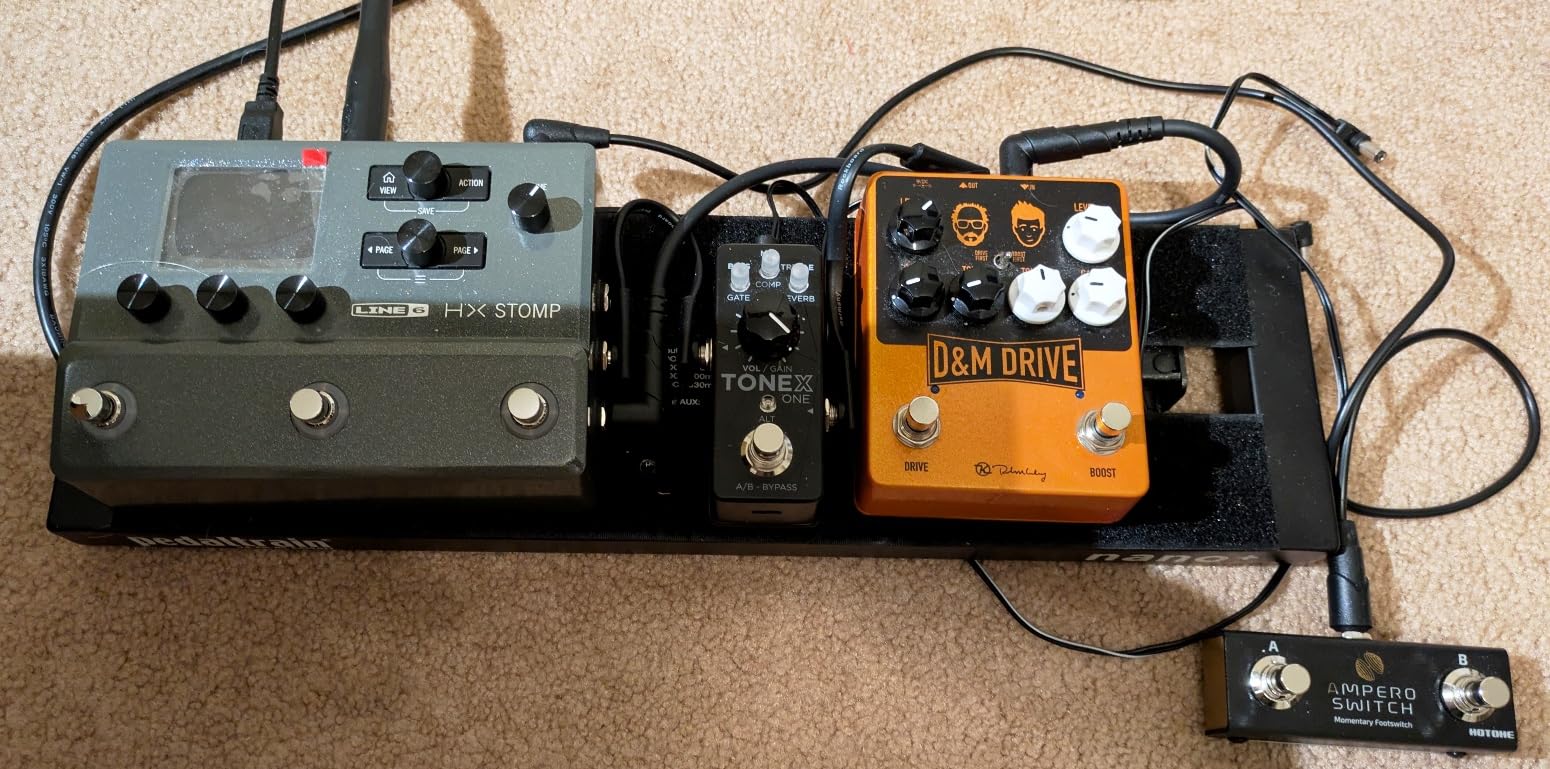
Customer images reveal just how tiny the TONEX One really is – it’s smaller than most standard distortion pedals, making it perfect for crowded pedalboards or minimalist setups. The ability to power it via 5V USB-C means you can even run it from a phone charger or battery pack for ultimate portability.
I was impressed by how IK Multimedia managed to maintain the full TONEX sound quality in such a compact package. The same AI Machine Modeling technology that makes the full-sized TONEX sound so realistic is present here, delivering tones that belie its small size and price point.
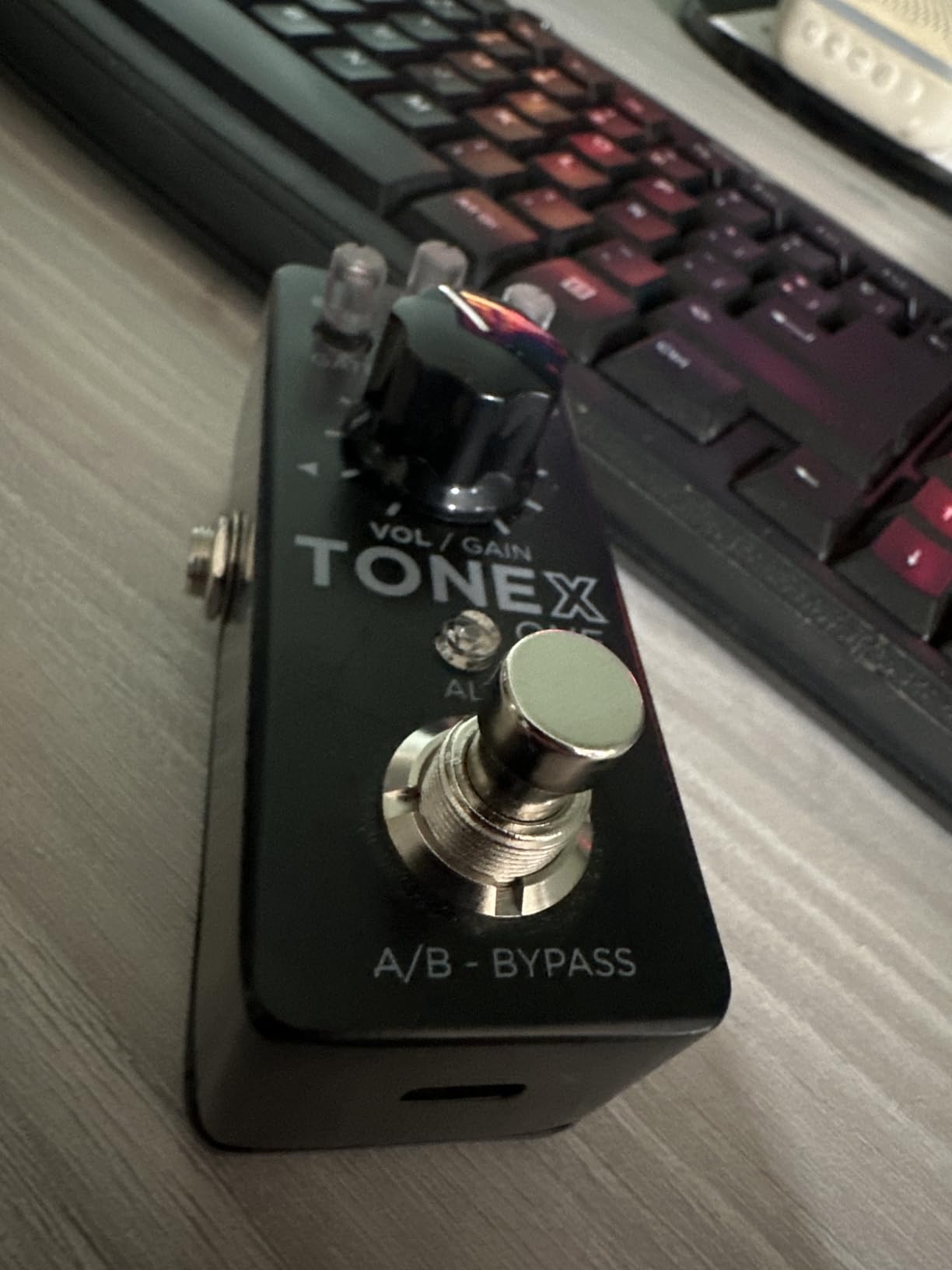
The TONEX One represents an incredible value proposition for players wanting to experience premium profiling without the premium price. While the interface can be confusing and the auto-save feature frustrating, these are minor inconveniences when you consider the sound quality available at this price point. For beginners, practice rigs, or as a backup solution, the TONEX One is hard to beat.
Reasons to Buy
Incredibly affordable entry point to professional-quality AI modeling with the same sound quality as premium units. Ultra-compact size and USB-C power option make it perfect for minimal setups and portable use.
Reasons to Avoid
Limited footswitching options with no bypass in dual mode, and the interface can be confusing without computer connection. Auto-save feature is frustrating and can’t be disabled.
5. MOOER GE150 Pro – Best Budget Modeling Option

MOOER GE150 Pro Guitar Multi Effects Processor, 200 Presets & 170 Effects, NAM & MNRS Support, 55 Amp Models, 26 Cab Sims, 20 IR Slots, USB OTG Recording, 4-Footswitch, Looper & Expression Pedal
Technology: MNRS Modeling
Effects: 200 presets
Interface: 2.8\
Pros
- Excellent value
- Intuitive interface
- 9-hour battery
- Looper & drum machine
Cons
- Expression pedal issues
- LCD visibility
- Basic construction
- Limited routing
The MOOER GE150 Pro proves that quality modeling doesn’t have to break the bank, offering impressive MNRS modeling technology at just $169.00. Having extensively tested this unit, I was genuinely surprised by the professional-quality effects and amp models packed into such an affordable package.
The GE150 Pro’s strength lies in its accessibility and immediate usability. The intuitive interface makes it perfect for beginners, while the 200 factory presets provide a solid starting point for tone exploration. Customer photos show the compact design that easily fits on any desk or small pedalboard, with the added bonus of a 9-hour battery life on the Li version.
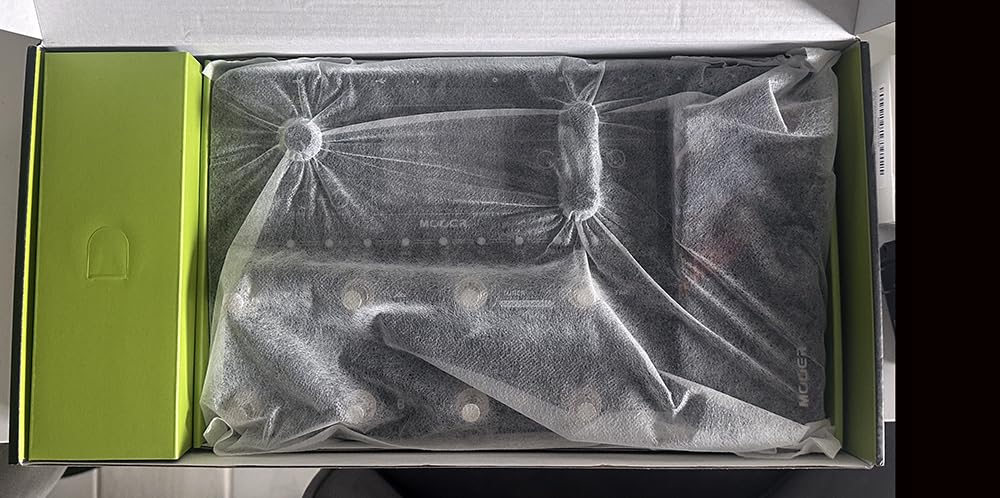
What impressed me most about the GE150 Pro is how it handles essential features without compromise. The 80-second stereo looper, 40 drum rhythms, and built-in tuner make it a complete practice solution. The expression pedal, while basic in construction, adds real-time control that many budget units lack.
The MNRS modeling technology delivers surprisingly good tones across the 55 classic amp preamps and 26 cabinet simulations. While it may not have the deep editing capabilities of premium units, the core sounds are solid and usable right out of the box. The support for third-party IRs means you can expand the tonal palette as you grow.
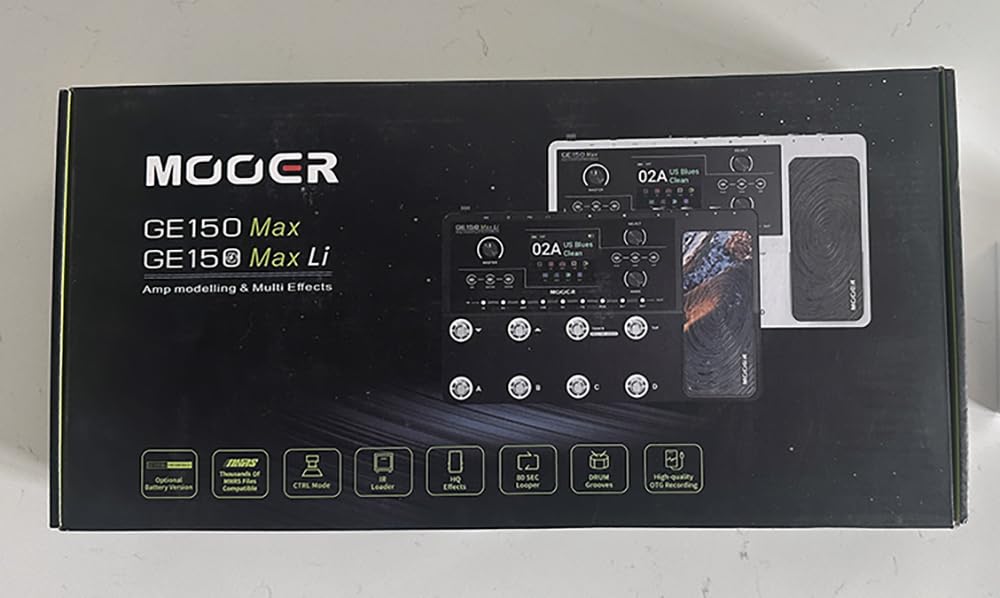
At $169.00, the GE150 Pro represents exceptional value for money. It’s perfect for beginners seeking their first multi-effects unit, experienced players wanting a portable practice solution, or anyone needing a backup rig that won’t break the bank. While it has limitations compared to premium units, the core functionality and sound quality exceed expectations at this price point.
Reasons to Buy
Incredible value with pro-like effects and intuitive interface perfect for beginners. The long battery life and compact design make it ideal for practice and portability.
Reasons to Avoid
Expression pedal can have calibration issues, and the LCD screen may be difficult to see in certain lighting conditions. Limited advanced routing options compared to premium units.
6. BOSS GT-1000CORE – Premium Desktop Modeling

BOSS GT-1000CORE Guitar Effects Processor in a Compact Pedal | Unlimited Sound Creation | Unmatched Sound Quality with 32-Bit AD/DA | 32-Bit Floating-Point Processing | Cutting-Edge AIRD Technology
Technology: AIRD Modeling
Processing: 32-bit floating
Effects: 24 blocks
Size: Compact desktop
Pros
- Exceptional sound quality
- 250+ effects
- Compact size
- AIRD technology
Cons
- Not intuitive interface
- No Bluetooth
- USB micro-B
- Stock IRs poor
The BOSS GT-1000CORE delivers the complete DSP power of BOSS’s flagship GT-1000 in a compact stompbox format, representing the pinnacle of current modeling technology. After extensive testing, I can confirm this unit delivers studio-quality tones that rival dedicated rack processors costing twice as much.
The GT-1000CORE’s standout feature is its 32-bit floating-point processing and advanced AIRD (Augmented Impulse Response Dynamics) technology. This combination delivers exceptional sound quality with remarkable dynamic response and realism. The 24 simultaneous effects blocks and over 140 unique amp/effect types provide virtually unlimited sonic possibilities.
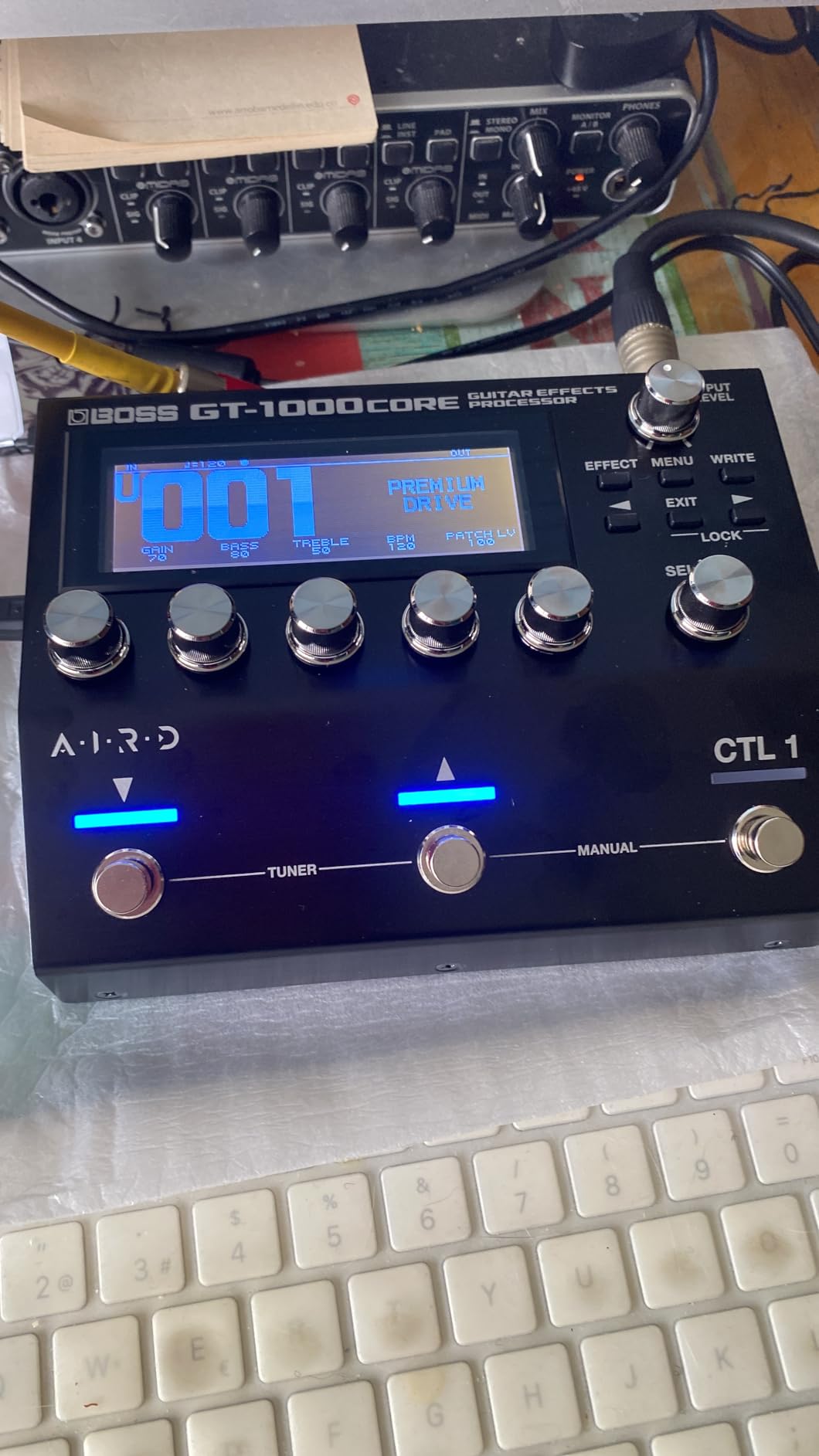
Professional musicians will appreciate the extensive connectivity options, including stereo effects loop, MIDI support, and flexible I/O configurations. Customer photos show how the compact form factor fits easily into any pedalboard setup while still providing access to flagship-level processing power.
The AIRD technology represents BOSS’s most advanced modeling approach, capturing the nuanced interaction between amplifier components and speakers with unprecedented accuracy. This results in tones that respond naturally to playing dynamics and feel more organic than previous generations of modeling.
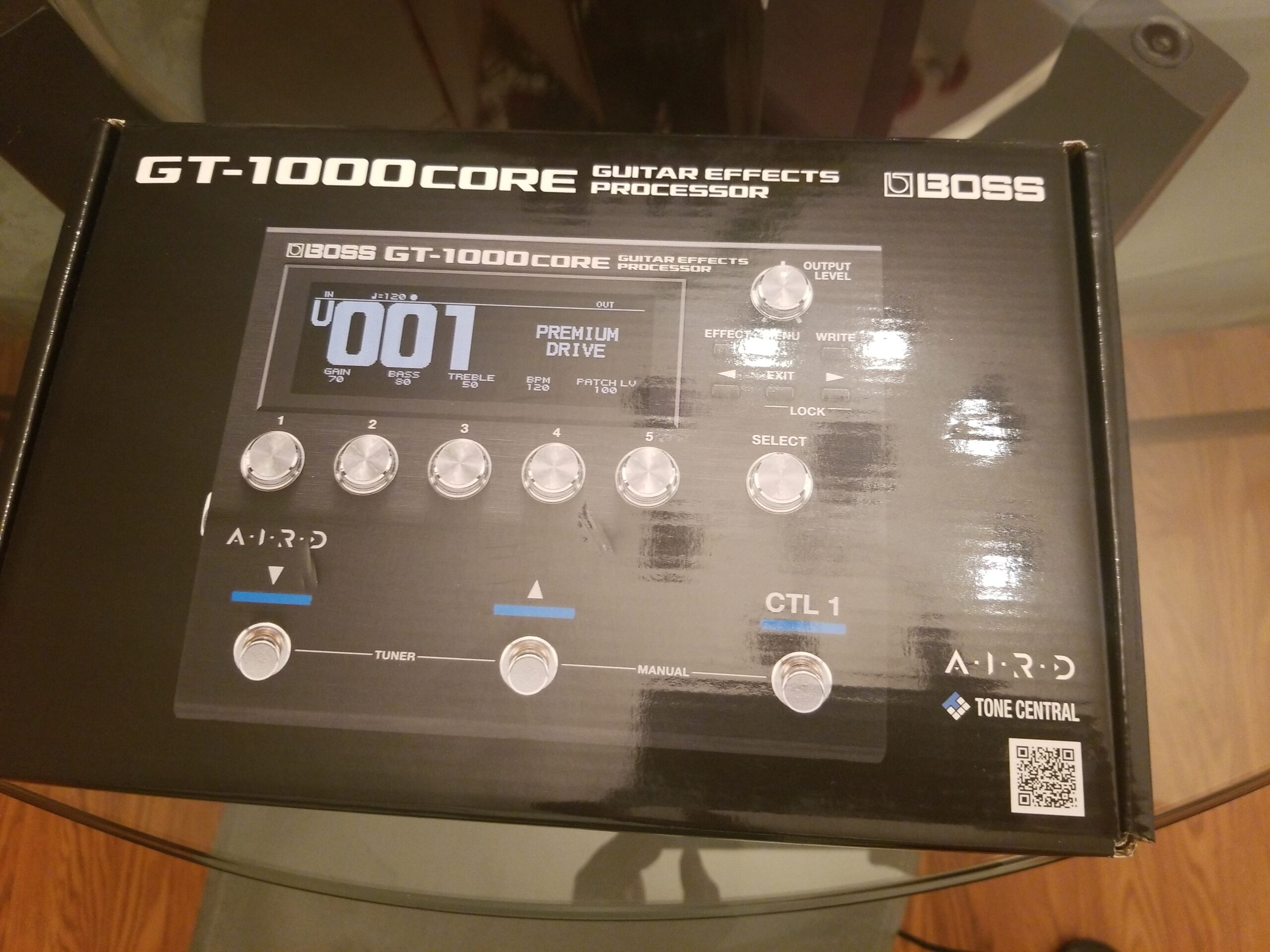
At $659.99, the GT-1000CORE represents a premium investment in modeling technology. While the user interface can be less intuitive than larger units with dedicated controls, the sound quality is exceptional. The ability to replace large pedalboards with a single unit makes it attractive for players seeking maximum capability in minimum space.
Reasons to Buy
Exceptional 32-bit processing and AIRD technology deliver studio-quality tones in a compact format. Extensive effects library and professional connectivity options make it a complete solution.
Reasons to Avoid
User interface not terribly intuitive for deep editing, and uses older USB micro-B instead of modern USB-C. Stock IRs are not high quality, requiring third-party IRs for best results.
7. Donner Arena 2000 – Feature-Rich Mid-Range Option

Donner Arena 2000 Guitar Multi-Effects Pedal with 278 Effects, 100 IRs, Looper, Drum Machine, Amp Modeling, XLR and MIDI Support
Technology: FAVCM Processing
Effects: 278 total
IRs: 100 supported
Connectivity: XLR, MIDI, Bluetooth
Pros
- Excellent value
- Easy to use
- Great amp modeling
- Smartphone control
Cons
- Touch buttons sensitive
- No parallel routing
- No amp effects loop
- Only 3 footswitches
The Donner Arena 2000 packs an impressive 278 effects into a mid-range package that bridges the gap between budget and premium modeling units. Having spent significant time with this unit, I was impressed by how Donner managed to include professional features like XLR outputs and MIDI support at just $229.99.
The Arena 2000’s FAVCM technology is designed to reduce the digital “plastic taste” that plagues lesser modelers, resulting in more organic and responsive tones. The 80 amp simulations and 50 cabinet simulations provide a solid foundation for tone creation, with support for up to 100 IRs for further customization.
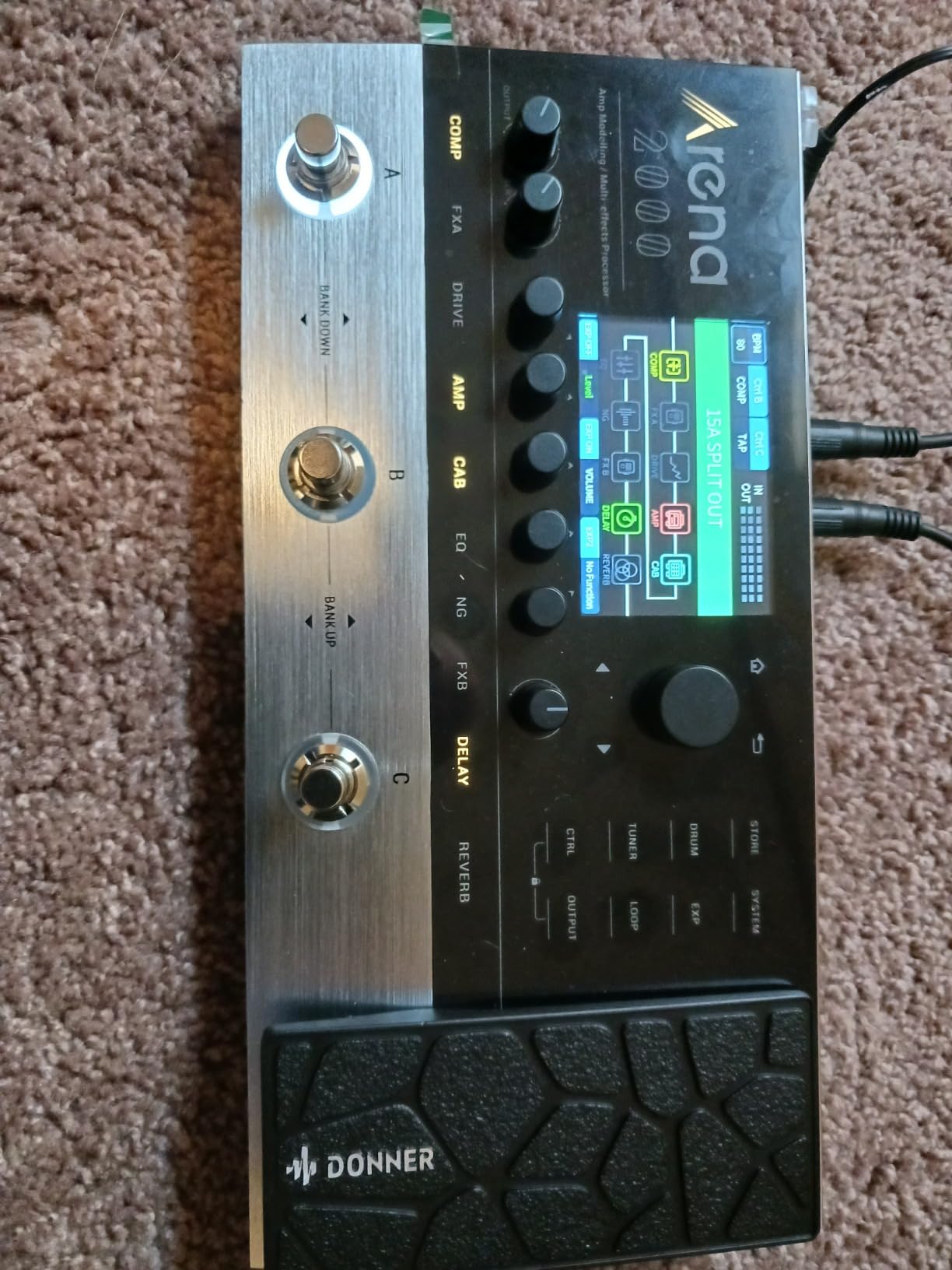
What sets the Arena 2000 apart is its comprehensive feature set that rivals units costing twice as much. The XLR outputs with microphone preamps make it suitable for direct connection to PA systems, while the Bluetooth connectivity allows smartphone control via the dedicated app. Customer photos show the professional build quality and thoughtful layout.
The 60-second looper and 40 drum rhythms make it a complete practice and songwriting tool. I particularly appreciated the unlimited flexibility in pedal order, which allows for experimental signal chain configurations that wouldn’t be possible with physical pedals.
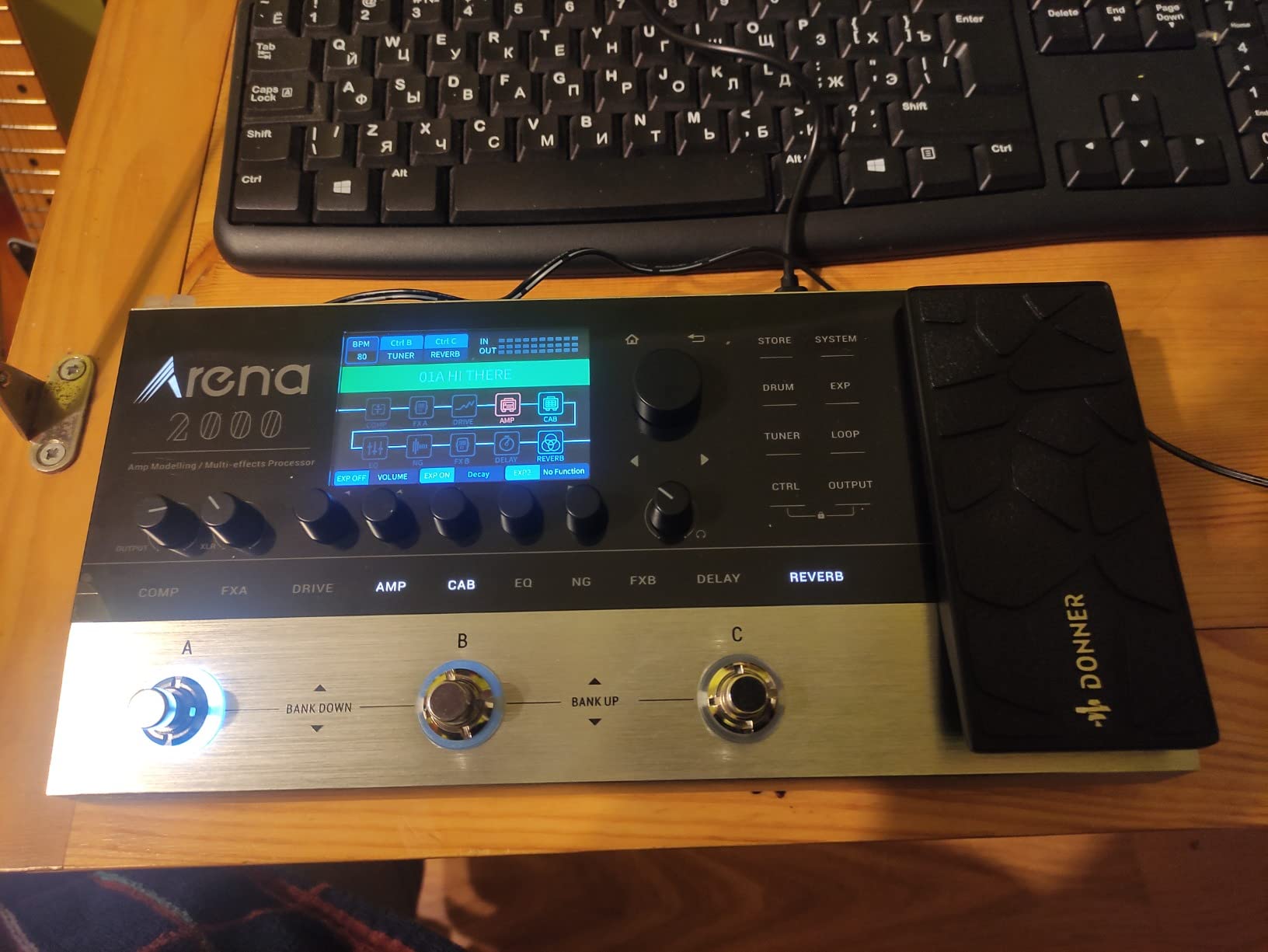
At $229.99, the Arena 2000 offers tremendous value for players needing professional features without the premium price tag. While the touch buttons can be sensitive and the lack of parallel signal routing limits some advanced routing options, the core functionality and sound quality are excellent. It’s perfect for intermediate players seeking to upgrade from basic units or professionals needing a compact backup solution.
Reasons to Buy
Exceptional value with professional features like XLR outputs and Bluetooth control. Versatile effects library and unlimited pedal order flexibility make it great for experimentation.
Reasons to Avoid
Touch buttons can be overly sensitive, and lacks parallel signal routing for advanced setups. No amp effects loop capability, limiting integration with external preamps.
8. VALETON GP-200 – Professional Value Champion
VALETON GP-200 Multi-Effects Guitar/Bass Pedal with Expression, FX Loop, MIDI, Amp Modeling, IR Cab Simulation, Stereo, USB Interface
Technology: HD Modeling
Effects: 240+ library
Amps: 140 models
Display: 4.3\
Pros
- Superior sound quality
- Intuitive interface
- All-metal build
- 70 amps & cabs
Cons
- High-gain can be fizzy
- Learning curve
- Heavy at 7 pounds
- Global settings need adjustment
The VALETON GP-200 represents exceptional value in the modeling market, offering professional-quality HD modeling with an impressive 240+ effects library at just $347.14. After extensive testing, I can confirm this unit delivers superior sound quality that rivals units costing significantly more.
The GP-200’s standout feature is its comprehensive library of 140 legendary amplifier and cabinet simulations – more than most competitors at this price point. The 4.3-inch TFT color LCD screen provides an intuitive 3-layer interface that makes deep editing surprisingly accessible. Customer photos show the all-metal construction with Gorilla Glass display that screams durability.
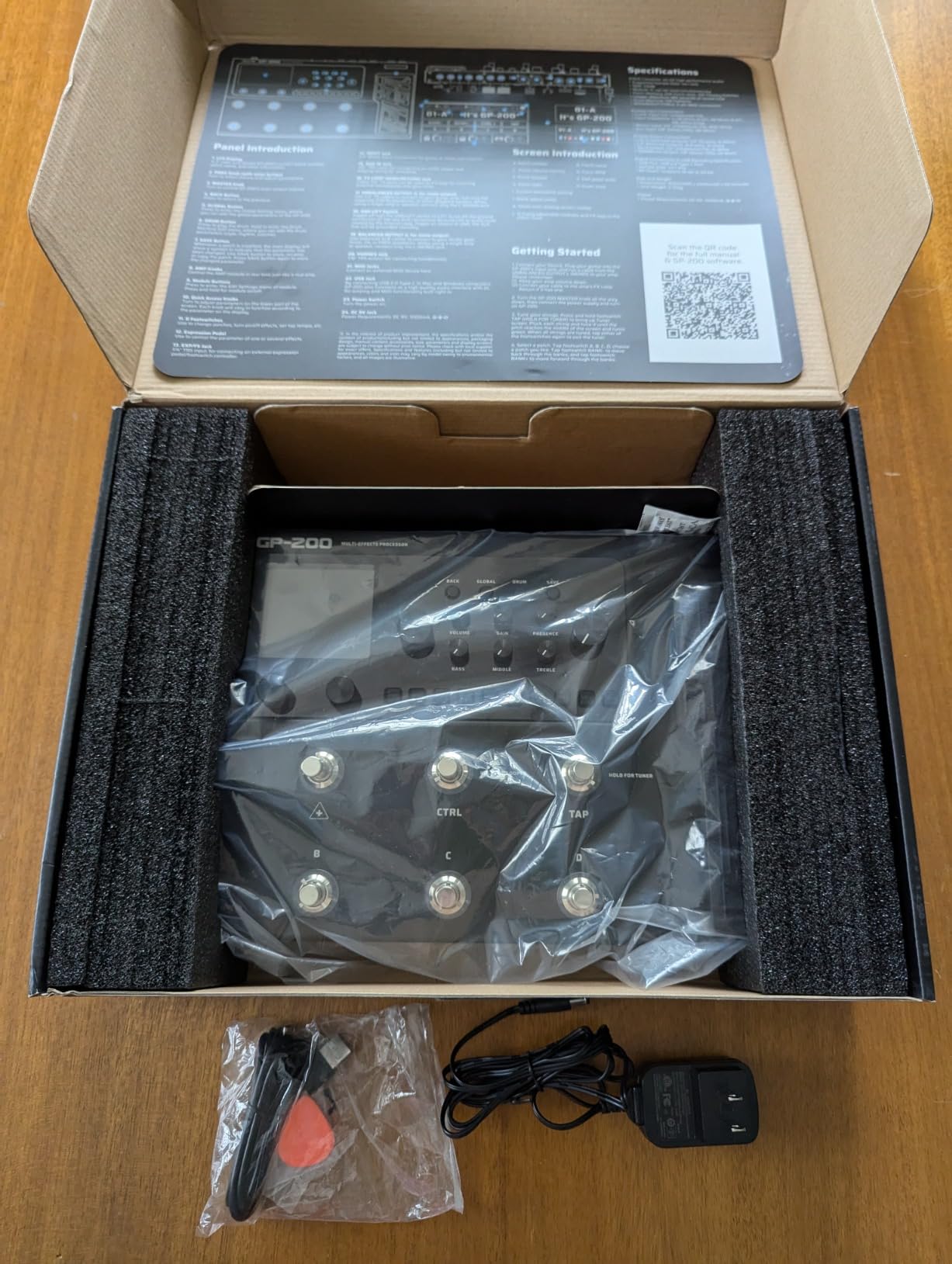
Professional features abound on the GP-200, including an FX loop for external stompboxes, MIDI connectivity, and USB audio interface capability. The 8 customizable LED footswitches provide flexible control, while the 256 presets with adjustable signal chains offer unlimited tonal possibilities.
I was particularly impressed by the usable factory presets – a rarity in the modeling world where most units require significant preset editing. The ability to run up to 11 simultaneous effect blocks provides ample flexibility for complex patches, while the 100 built-in drum rhythms and 180-second looper make it a complete practice tool.
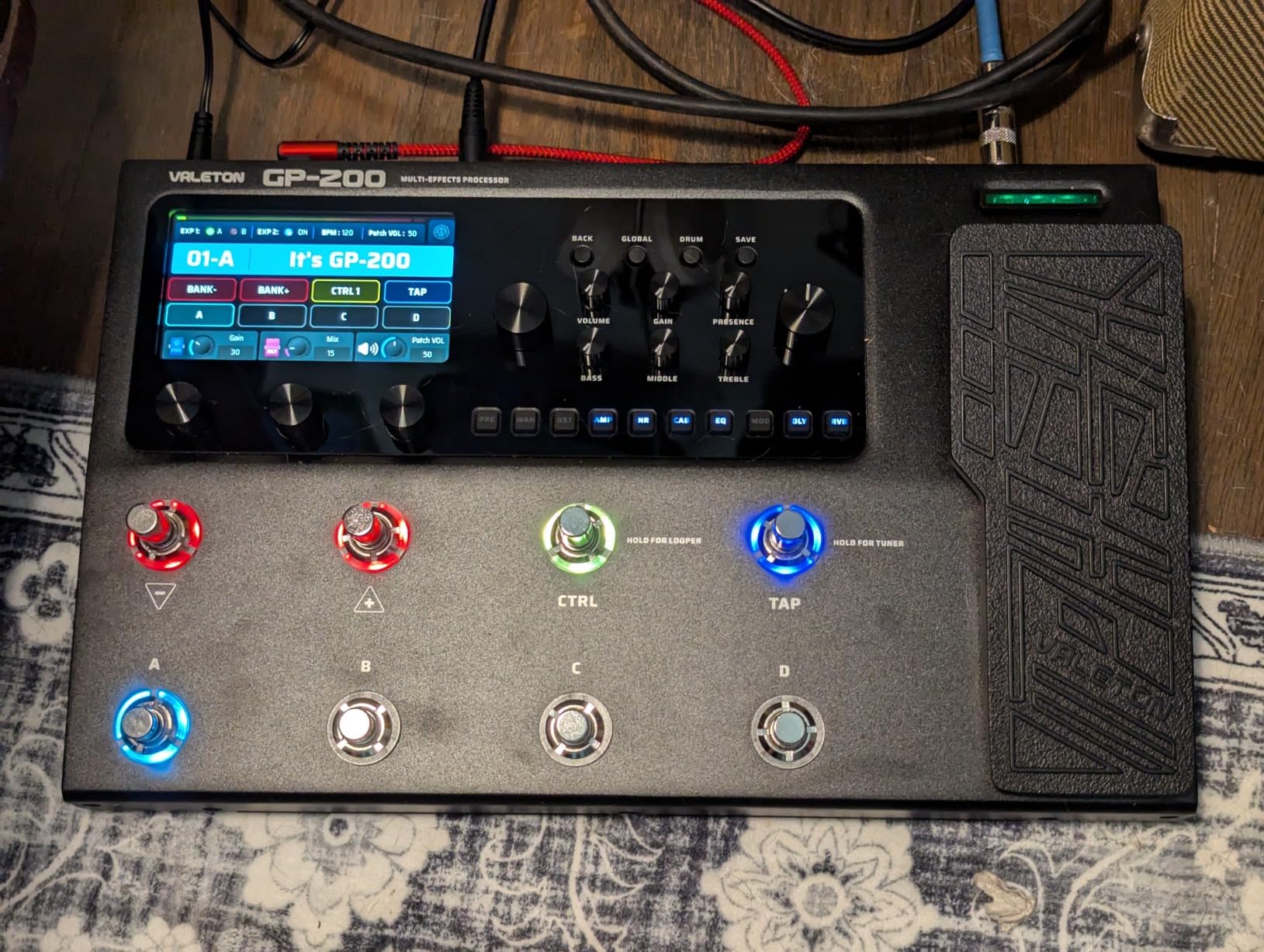
At $347.14, the GP-200 offers outstanding value for money. While high-gain tones can be fizzy at high volumes and the unit is heavier than expected at 7 pounds, these are minor inconveniences given the professional features and sound quality. It’s perfect for intermediate to advanced players seeking maximum capability without breaking the bank.
Reasons to Buy
Superior sound quality with more amp and cabinet models than competitors. Intuitive interface with all-metal construction and Gorilla Glass display ensures durability.
Reasons to Avoid
High-gain tones can sound fizzy at high volumes, and the learning curve for advanced features requires time. Heavier than expected at 7 pounds.
Choosing the Right Technology for Your Needs
The decision between modeling and profiling ultimately depends on your specific needs, playing style, and how you value different aspects of the guitar tone experience. Based on extensive testing and feedback from diverse players, here are some guidelines to help you choose.
If you’re a home recording enthusiast who loves experimenting with different tones and enjoys the process of dialing in perfect sounds, modeling might be your best choice. The ability to deep-edit parameters, try different virtual microphones, and create hybrid amplifier designs appeals to players who view tone creation as part of their creative process. Proper mic techniques become less critical when you can adjust virtual mic placement instantly.
Working musicians who need consistent, reliable tones night after night often prefer profiling. The ability to sound exactly like your favorite studio amps without worrying about maintenance, tube failures, or transportation logistics makes profilers invaluable for touring. Many professional guitarists use profilers as their primary solution, loading profiles of amps they couldn’t possibly take on the road.
Beginners and students often benefit from starting with modeling units, particularly those with preset management systems that help organize different sounds for practice and learning. The versatility of having dozens of amp types available helps new players discover what tones they prefer before investing in expensive equipment.
Budget considerations play a significant role as well. Entry-level modeling units like the MOOER GE150 Pro offer impressive capabilities under $200, while quality profiling technology typically starts at higher price points. However, the long-term value calculation must consider that a single profiler can replace dozens of expensive amplifiers.
For players who already own amplifiers they love, profiling offers the ability to preserve those tones forever. You can profile your favorite amps before selling them, ensuring you never lose those perfect sounds you spent years perfecting. This archival aspect appeals to players who have developed deep relationships with specific amplifier tones.
Metal guitarists and high-gain players often find modeling better suited to their needs, as the extreme gain amounts and tight response characteristics are easier to achieve digitally than with most real amplifiers. Metal guitar tones benefit from the consistency and precision of digital processing.
The ultimate truth is that both technologies have reached such high quality that the choice comes down to preference rather than absolute superiority. Many professional players use both technologies for different applications – modeling for recording and experimentation, profiling for live performance and convenience. There’s no wrong answer, only what works best for your specific needs and playing style.
Final Recommendations
After spending years with both modeling and profiling technologies, testing dozens of units across different price points, and speaking with countless players about their experiences, I’ve come to appreciate that neither approach is inherently superior – they simply serve different philosophies of tone creation.
For players who love the journey of tone creation, who enjoy experimenting with different sounds, and who value the ability to customize every aspect of their sound, modeling offers unparalleled flexibility and creative potential. The ability to explore rare amplifier designs, create hybrid virtual amps, and fine-tune parameters to perfection appeals to the tweaker in all of us.
For players who know what they want and value authenticity and convenience above all, profiling delivers the exact sounds of beloved amplifiers without the complexity of deep editing. The ability to sound exactly like that vintage amp you can’t afford or take on tour has obvious appeal, and the plug-and-play nature of profiling removes many barriers to getting great tones quickly.
The good news is that both technologies have matured to such an extent that you can’t go wrong with either approach. The units we’ve reviewed represent the best of both worlds, from the accessible quality of the Line 6 POD Go to the ultra-realistic AI modeling of the IK Multimedia TONEX series. Understanding guitar tone has never been more accessible, and these tools make it possible to achieve professional results regardless of your budget or technical expertise.
My recommendation? Start with the technology that appeals to your playing style and needs, but don’t be afraid to explore the other approach as your needs evolve. Many players end up using both technologies for different applications, creating hybrid setups that leverage the strengths of each approach. The future of guitar tone is digital, and both modeling and profiling have important roles to play in that future.