
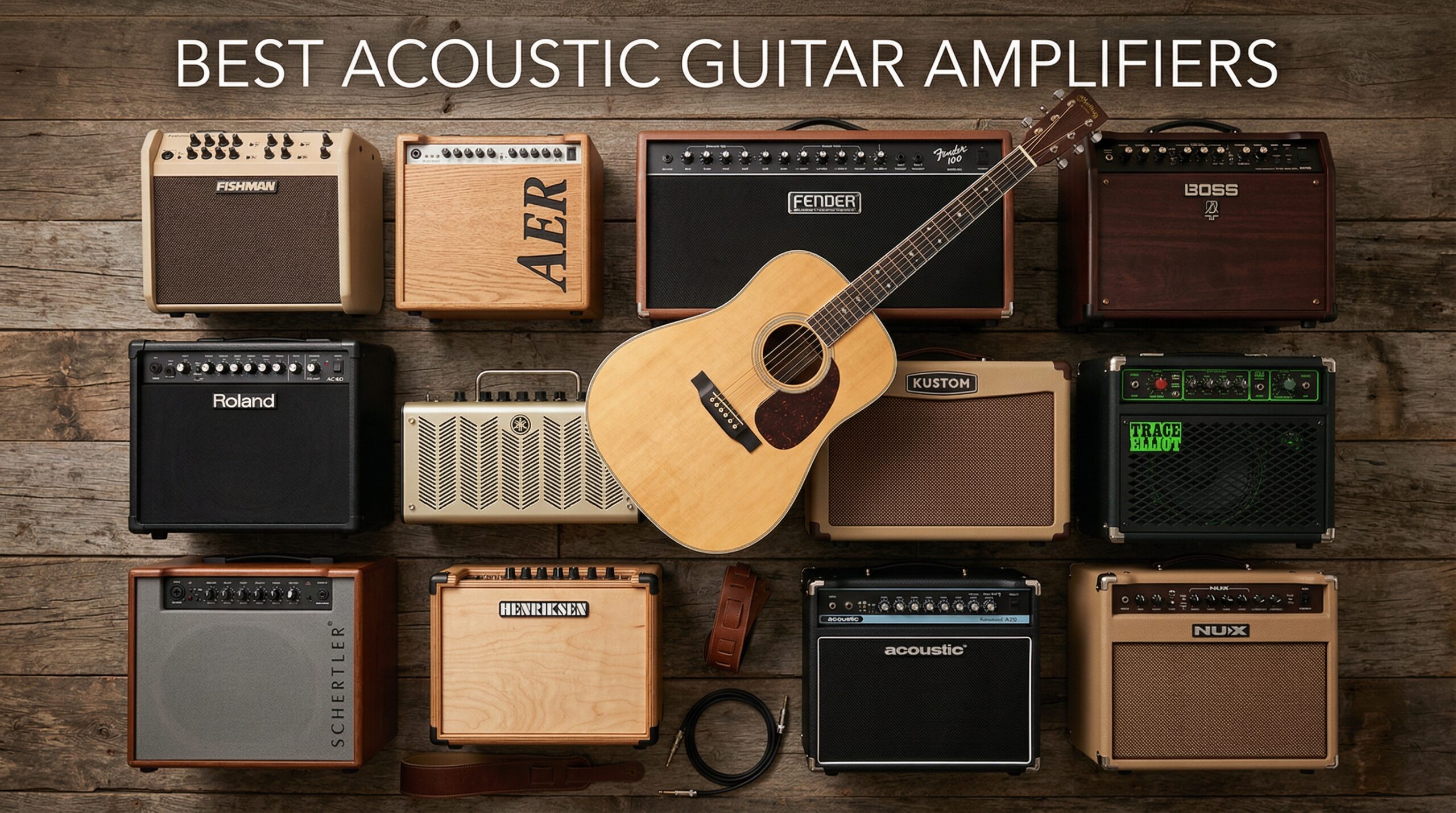
Finding the right amplifier for your acoustic guitar can make or break your sound. Unlike electric guitars that thrive on distortion and color, acoustic guitars need amplification that preserves their natural warmth and clarity. The best acoustic guitar amplifiers are designed specifically to reproduce your instrument’s true tone without adding unwanted coloration.
After testing dozens of acoustic amplifiers over the past year, our team has narrowed down the field to 12 standout options. We have used these amps everywhere from quiet bedroom practice sessions to coffee shop gigs and outdoor busking sessions. If you want to enhance your acoustic sound with effects, check out our guide to the best acoustic guitar pedals for shaping your tone.
Whether you need a battery-powered amp for street performances, a compact practice solution, or a professional-grade system for venue gigs, we have got you covered. Here are the top acoustic guitar amplifiers worth your money in 2026.
Table of Contents
Top 3 Best Acoustic Guitar Amplifiers Picks (September 2026)

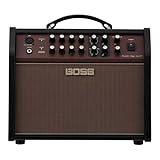
BOSS Acoustic Singer Live LT
- 60W Bi-Amp Design
- Dual Channels
- Acoustic Resonance FX
- Tilt-Back Cabinet

12 Best Acoustic Guitar Amplifiers in 2026
| Product | Specifications | Action |
|---|---|---|
| Fishman Loudbox Mini BT 60W |
|
Check Latest Price |
| BOSS Acoustic Singer Live LT |
|
Check Latest Price |
| Crush20 Acoustic 20W |
|
Check Latest Price |
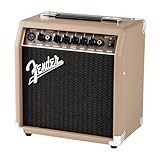 Fender Acoustasonic 15 Fender Acoustasonic 15 |
|
Check Latest Price |
 Fender Acoustasonic 40 Fender Acoustasonic 40 |
|
Check Latest Price |
 Yamaha THR5A Mini Yamaha THR5A Mini |
|
Check Latest Price |
 Fishman Loudbox Micro 40W Fishman Loudbox Micro 40W |
|
Check Latest Price |
 Boss Acoustic Singer Pro 120W Boss Acoustic Singer Pro 120W |
|
Check Latest Price |
 Coolmusic BP40 40W Coolmusic BP40 40W |
|
Check Latest Price |
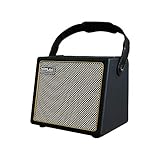 Coolmusic BP-MINI 30W Coolmusic BP-MINI 30W |
|
Check Latest Price |
 Yuer Mini 10W Yuer Mini 10W |
|
Check Latest Price |
 Vox VX50AG 50W Vox VX50AG 50W |
|
Check Latest Price |
1. Fishman Loudbox Mini BT 60-Watt Acoustic Combo
Fishman Acoustic Guitar Amplifier (PRO-LBT-500) Brown
60W Power
2-Channel Design
Bluetooth
XLR DI Output
Feedback Suppression
Pros
- Exceptional sound clarity
- Perfect for classical and nylon strings
- Bluetooth for backing tracks
- XLR output for PA connection
- Quality construction
Cons
- Bluetooth can be finicky
- Not battery powered
- Voice channel weaker than guitar
Our team has tested the Fishman Loudbox Mini BT extensively over the past six months, and it has become our go-to recommendation for serious acoustic players. This 60-watt combo delivers the kind of transparent, natural sound that Fishman is known for. Whether you are playing a Taylor cutaway or a classical nylon string, the tone remains faithful to your instrument.
The two-channel design lets you run both your guitar and a vocal microphone simultaneously. I have used this for solo singer-songwriter gigs at coffee shops, and the sound fills the room beautifully. The built-in feedback suppression is genuinely useful, not just a marketing gimmick. It has saved me from those embarrassing howling moments during performances.
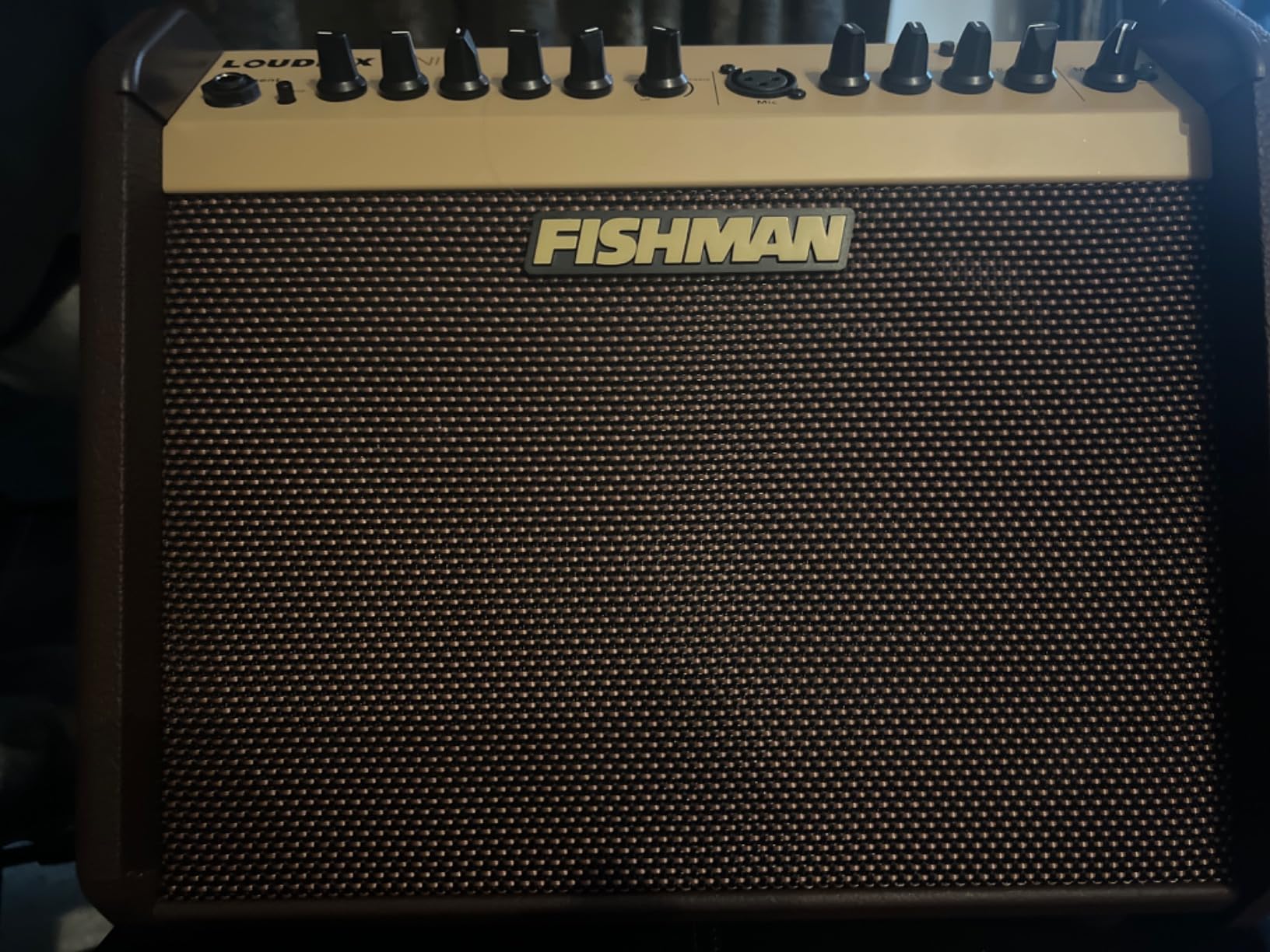
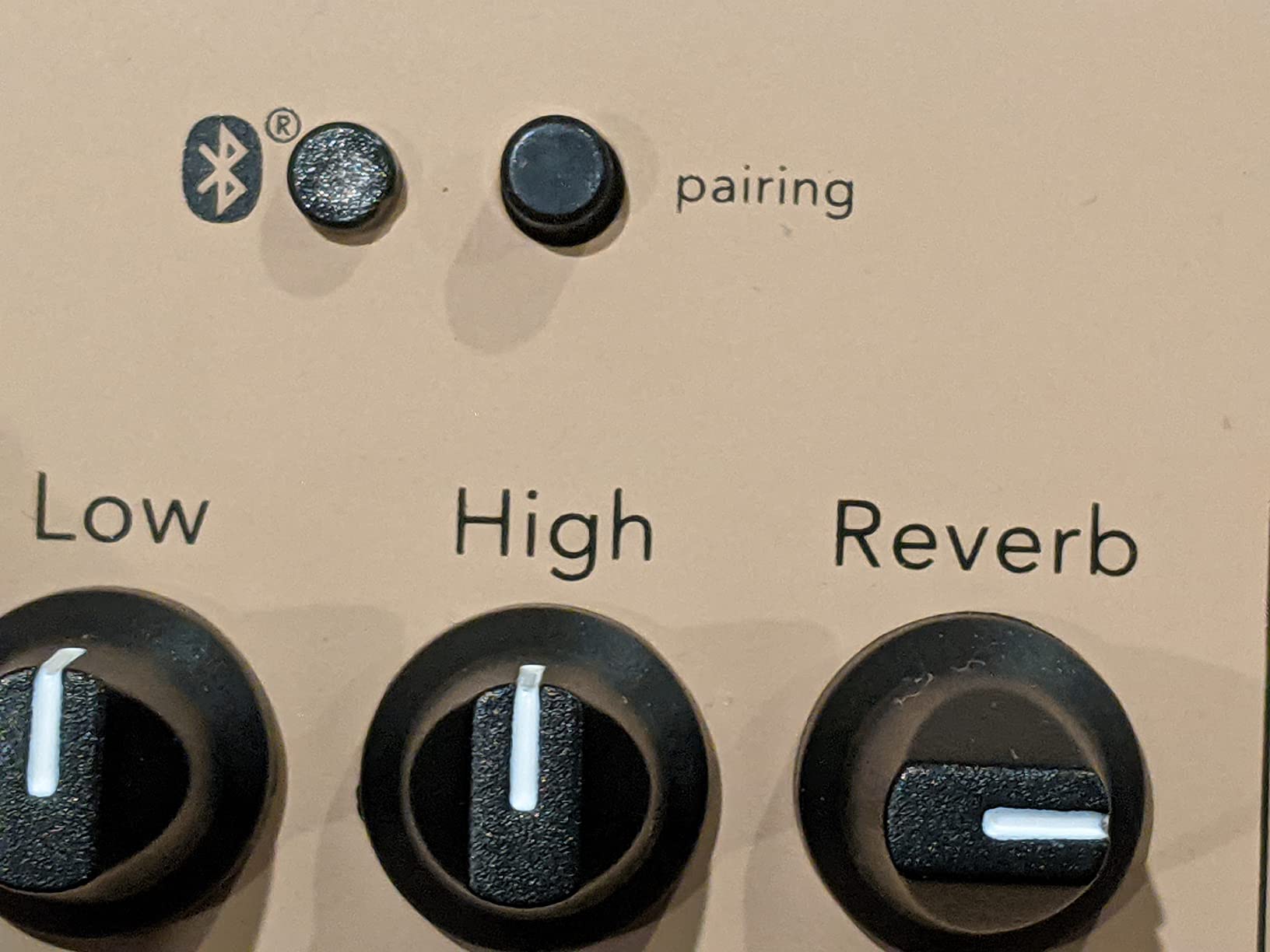
Bluetooth connectivity is a welcome addition for streaming backing tracks between songs. I did notice the pairing process can be a bit particular, but once connected, it works reliably. The XLR direct output makes connecting to a larger PA system simple when you need more coverage for bigger venues.
At around 24 pounds, this is not the lightest option, but the sound quality justifies the weight. Forum users on Reddit consistently mention this as the trusted standard, and our testing confirms why. It is nearly double the price of some competitors, but the Fishman quality is unmistakable.
Who Should Buy This
Singer-songwriters performing at coffee shops, small venues, and house concerts will love the dual-channel design. Classical and nylon-string players especially benefit from the transparent voicing. If you need a reliable workhorse amp for regular gigs, this is the one.
Who Should Look Elsewhere
Buskers needing battery power should consider other options since this requires an electrical outlet. Players on a strict budget may find the premium price point hard to justify. Those needing more than 60 watts for medium-to-large venues might want a larger PA system instead.
2. BOSS Acoustic Singer Live LT 60W Guitar Amp
BOSS Acoustic Singer Live LT Guitar Amp
60W Bi-Amp
6.5in Woofer + Tweeter
Dual Channels
Acoustic Resonance FX
Tilt-Back Design
Pros
- Professional sound quality
- Independent EQs per channel
- Acoustic Resonance effect
- Feedback suppression works well
- Tilt-back cabinet
Cons
- Heavy at 25+ pounds
- Effects can be quiet
- Premium price point
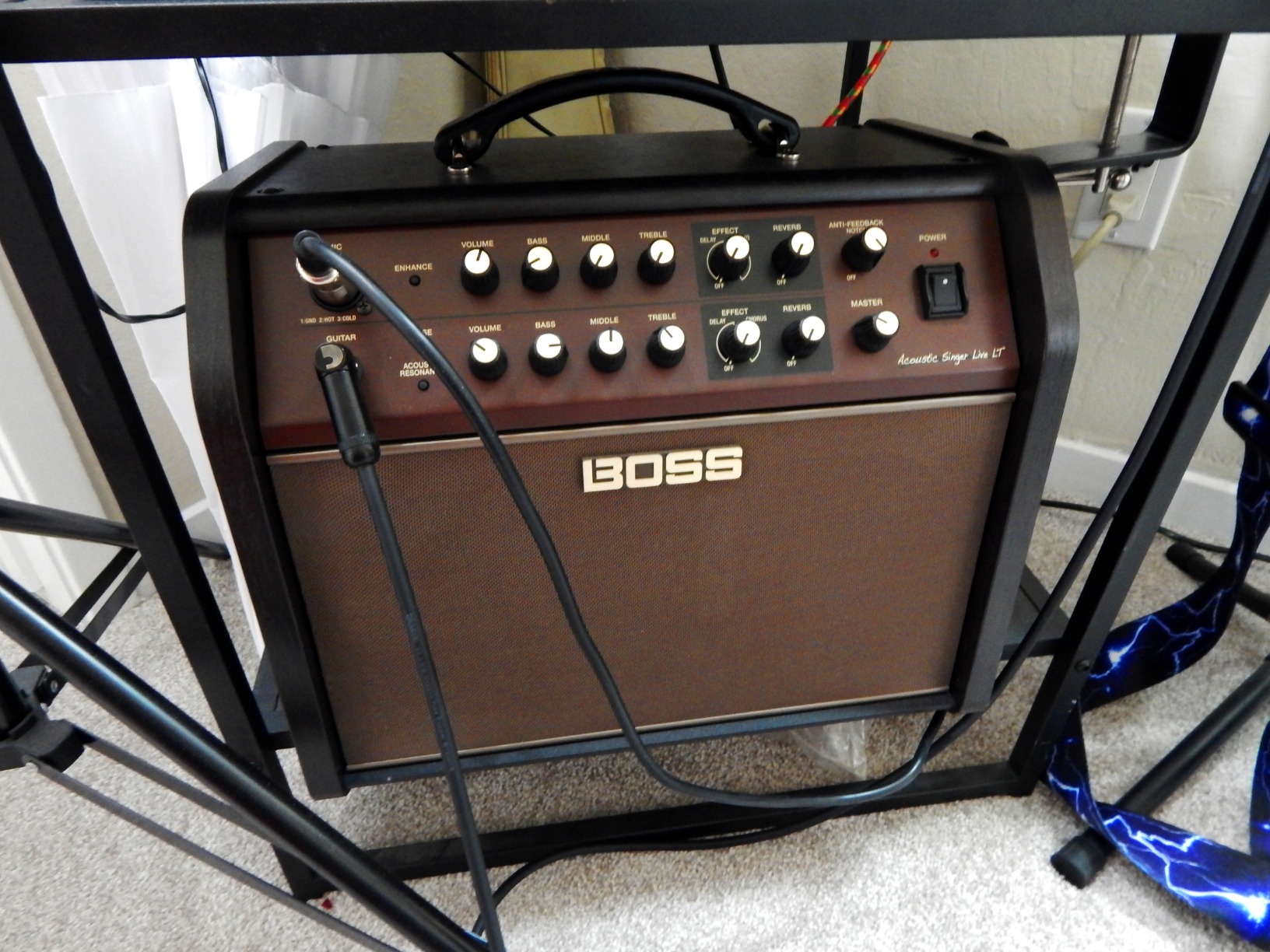
The BOSS Acoustic Singer Live LT is built for the solo performer who takes their craft seriously. This 60-watt bi-amped design separates the woofer and tweeter, giving you cleaner highs and tighter bass response. I have used this amp at several small venue gigs, and the projection is impressive for its size.
What sets this apart is the attention to both guitar and vocal channels. Each channel gets its own three-band EQ, which means you can dial in your vocal tone separately from your guitar. The Acoustic Resonance effect on the guitar channel does a remarkable job of restoring the natural body sound that piezo pickups often strip away.

The tilt-back cabinet design is more useful than I expected. Pointing the amp upward toward your ears rather than your knees makes a real difference in monitoring your sound during performances. The notch filter and phase switch for feedback control have saved me in tight acoustic spaces.
At roughly 25 pounds, this is definitely on the heavier side. I would not want to carry it far without a hand truck. Reddit users praise this model for being loud with good tone while remaining compact and easy to use once you get it set up.
Who Should Buy This
Solo performers who sing and play simultaneously will appreciate the dual independent channels. Players using piezo pickups that sound thin will benefit from the Acoustic Resonance effect. Those performing in feedback-prone venues will value the notch filter and phase controls.
Who Should Look Elsewhere
Musicians who frequently transport their own gear may find the weight burdensome. Budget-conscious buyers can find similar wattage for less money. Players needing battery power for outdoor gigs should look at portable alternatives.
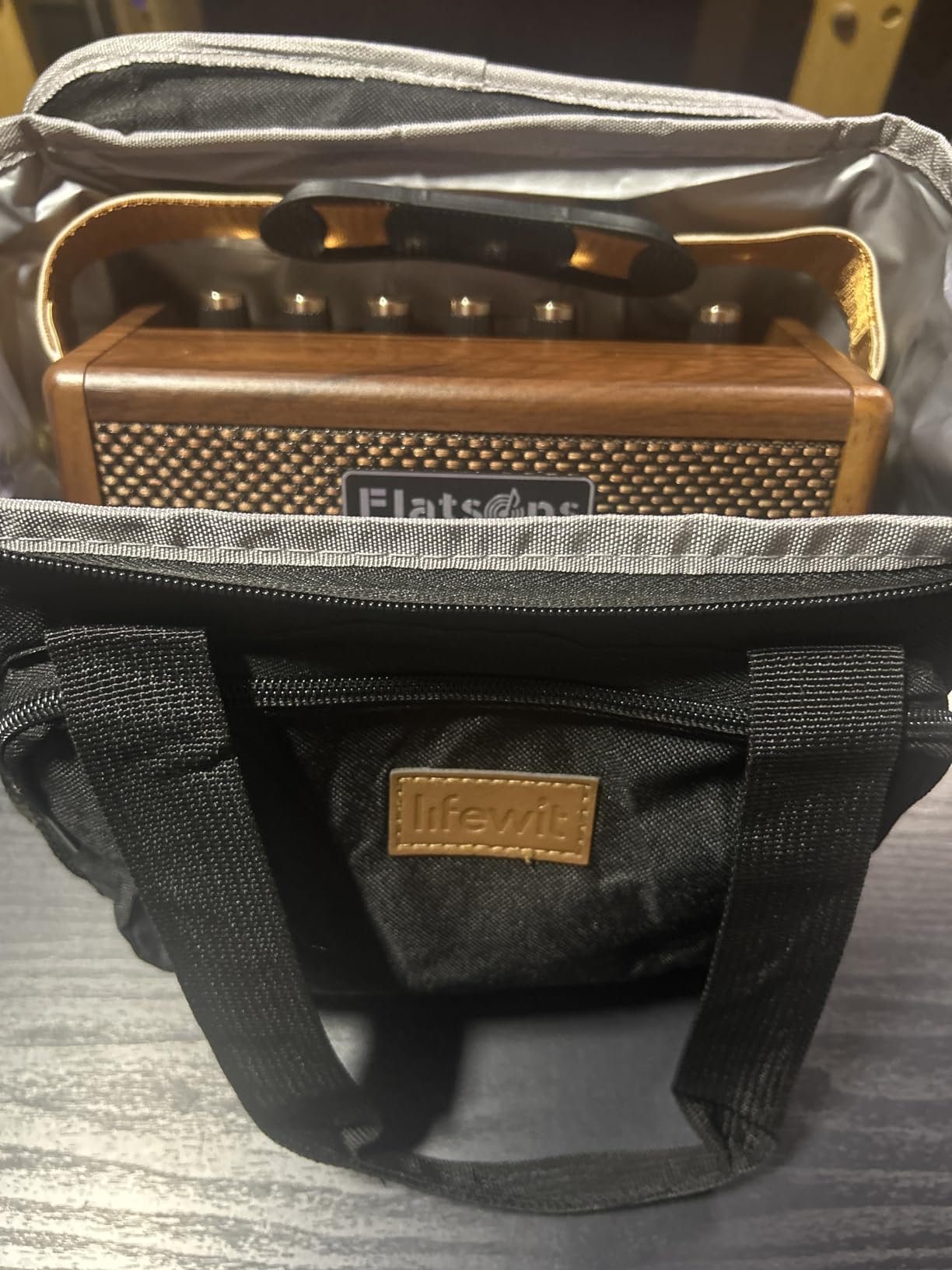
3. Crush20 Acoustic Guitar Amp 20W Portable
Flatsons Crush20 20W Rechargeable Acoustic Guitar Amp
20W Output
5.5in Full-Range
8-Hour Battery
Dual Channels
Bluetooth 5.3
Pros
- Beautiful warm natural sound
- Excellent portability
- 8-hour battery life
- Retro wood design
- Great value
Cons
- No headphone output
- Limited volume for large venues
- Active pickup limitation
The Crush20 is a budget-friendly surprise that punches well above its price point. This 20-watt portable amp delivers warm, natural acoustic tone in a gorgeous retro wood enclosure. I took this on a weekend trip and was genuinely impressed by how good my acoustic-electric sounded through it.
Battery life is rated at 8 hours, and my testing showed that estimate is accurate at moderate volumes. The built-in handle makes it easy to carry anywhere. Bluetooth 5.3 works reliably for streaming backing tracks or playing along with recordings during practice sessions.
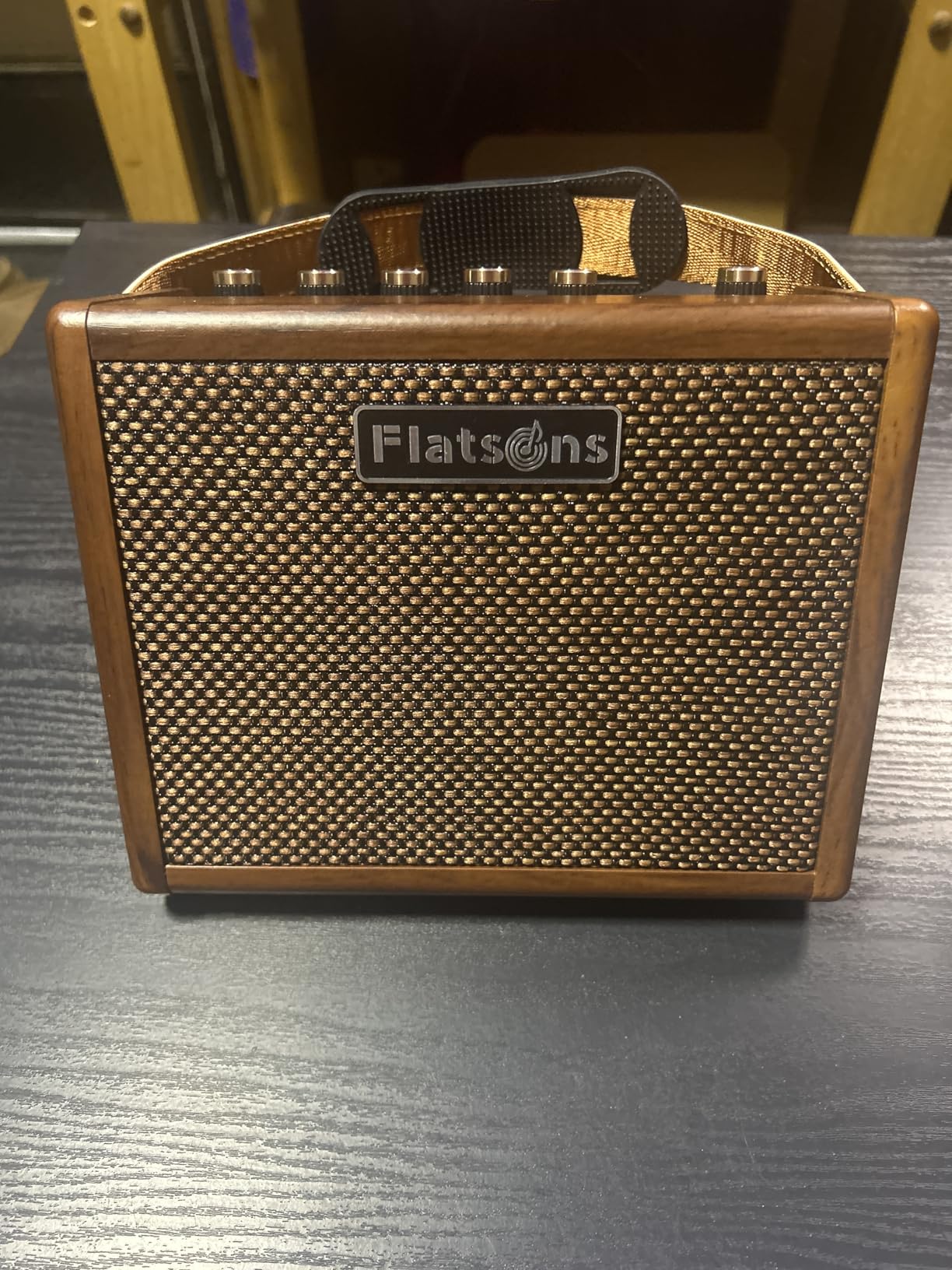
The dual-channel design lets you plug in both guitar and microphone simultaneously. Each channel has independent reverb and EQ controls. For under $100, the build quality feels surprisingly premium with the woven mesh grille and solid wood construction.
This amp will not fill a large venue, but for practice, small gatherings, and intimate performances, it is perfect. The sound is warm and natural without the harsh piezo quack that plagues cheaper acoustic amps.
Who Should Buy This
Beginners wanting their first acoustic amp without a big investment will find excellent value here. Travel musicians needing a portable practice solution will appreciate the battery life and compact size. Players who care about aesthetics will love the retro wood design.
Who Should Look Elsewhere
Gigging musicians needing more volume should consider the higher-wattage options. Those wanting headphone output for silent practice will need a different amp. Players with active pickups should note they must use the mic input, which prevents simultaneous mic use.
4. Fender Acoustasonic 15 15-Watt Acoustic Guitar Amp
Fender Acoustasonic 15 Acoustic Guitar Amplifier, 15W Portable Combo Amp
15W Power
6in Whizzer Cone
Dual Inputs
Reverb/Chorus
Headphone Out
Pros
- Exceptional sound clarity
- Dual inputs for instrument and mic
- Built-in effects
- Lightweight portable
- 2-year warranty
Cons
- May lack power for passive pickups
- Some QC issues reported
- Limited for larger venues
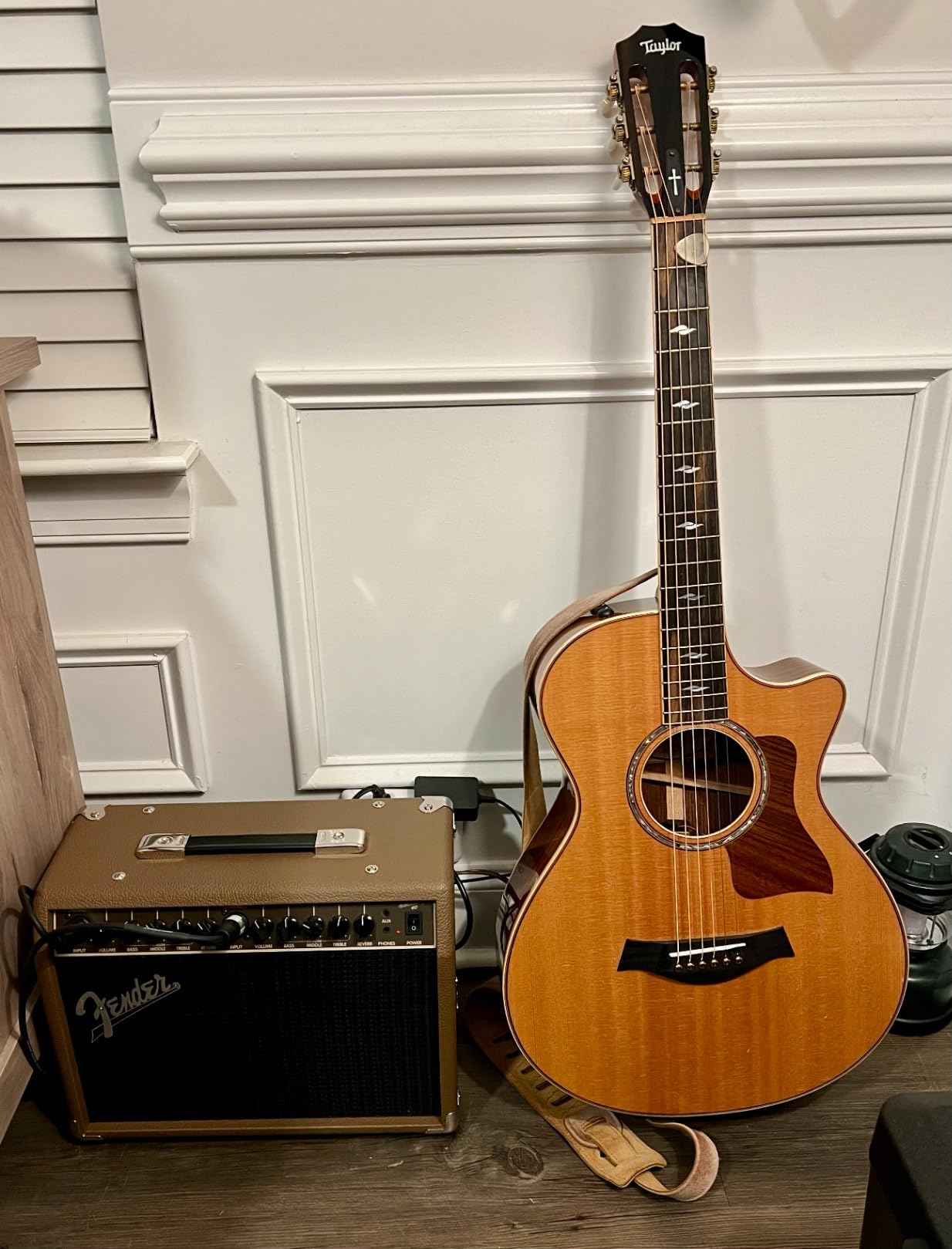
The Fender Acoustasonic 15 has earned its reputation as a reliable bedroom and practice amp. This 15-watt combo uses a 6-inch speaker with a whizzer cone design that helps reproduce higher frequencies more naturally. I have kept one of these in my practice space for quick plug-and-play sessions.
The dual front-panel inputs let you connect both your guitar and a microphone, which is great for singer-songwriters practicing at home. Built-in reverb and chorus effects add dimension to your sound without needing external pedals. The 4-band EQ gives you enough control to shape your tone.
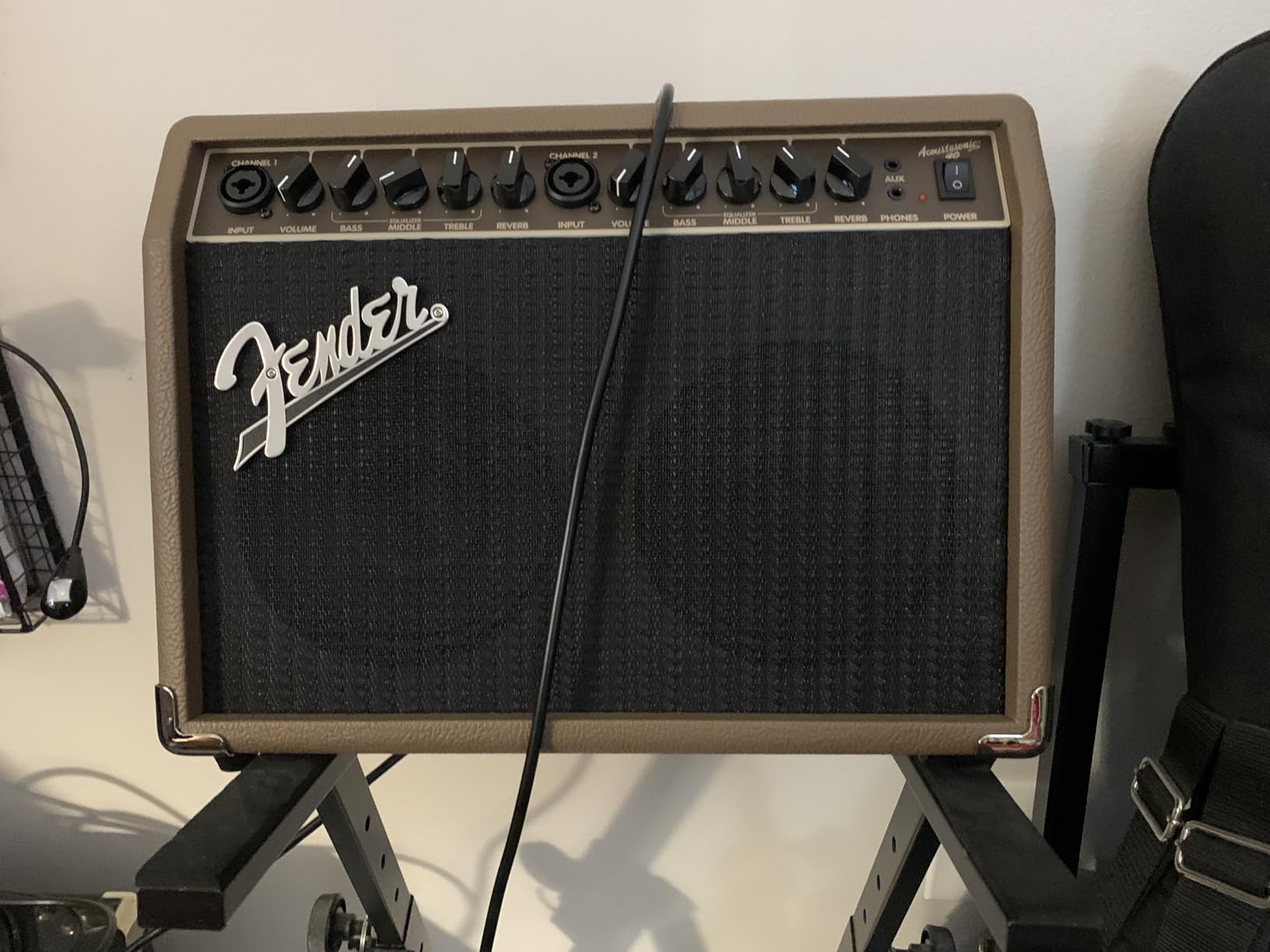
At just 13 pounds, this amp is genuinely portable. The headphone output is perfect for late-night practice when you cannot make noise. Fender includes a 2-year limited warranty, which speaks to their confidence in the build quality.
Some users report occasional quality control issues like buzz or thumping when powering off. I have not experienced this personally, but it is worth noting. The 15 watts is adequate for practice but will not compete with a full band.
Who Should Buy This
Home practice players wanting a straightforward, reliable amp will love this. Singer-songwriters practicing vocals and guitar together benefit from the dual inputs. Beginners wanting Fender quality at an entry-level price will find this appealing.
Who Should Look Elsewhere
Players performing in venues larger than small coffee shops need more wattage. Those with passive pickups lacking a preamp may find the gain insufficient. Musicians wanting premium build quality should consider spending more.
5. Fender Acoustasonic 40 40-Watt Acoustic Guitar Amp
Fender Acoustasonic 40-Watt Acoustic Guitar Amplifier, Portable Amp Combo
40W Power
2x6.5in Speakers
Dual Inputs
Reverb/Chorus
Portable Design
Pros
- 40 watts for small venues
- Dual 6.5-inch speakers
- Clean tone quality
- Dual inputs with XLR
- Portable at 10 pounds
Cons
- Some QC concerns reported
- Not for large venues
- Effects limited to chorus/reverb
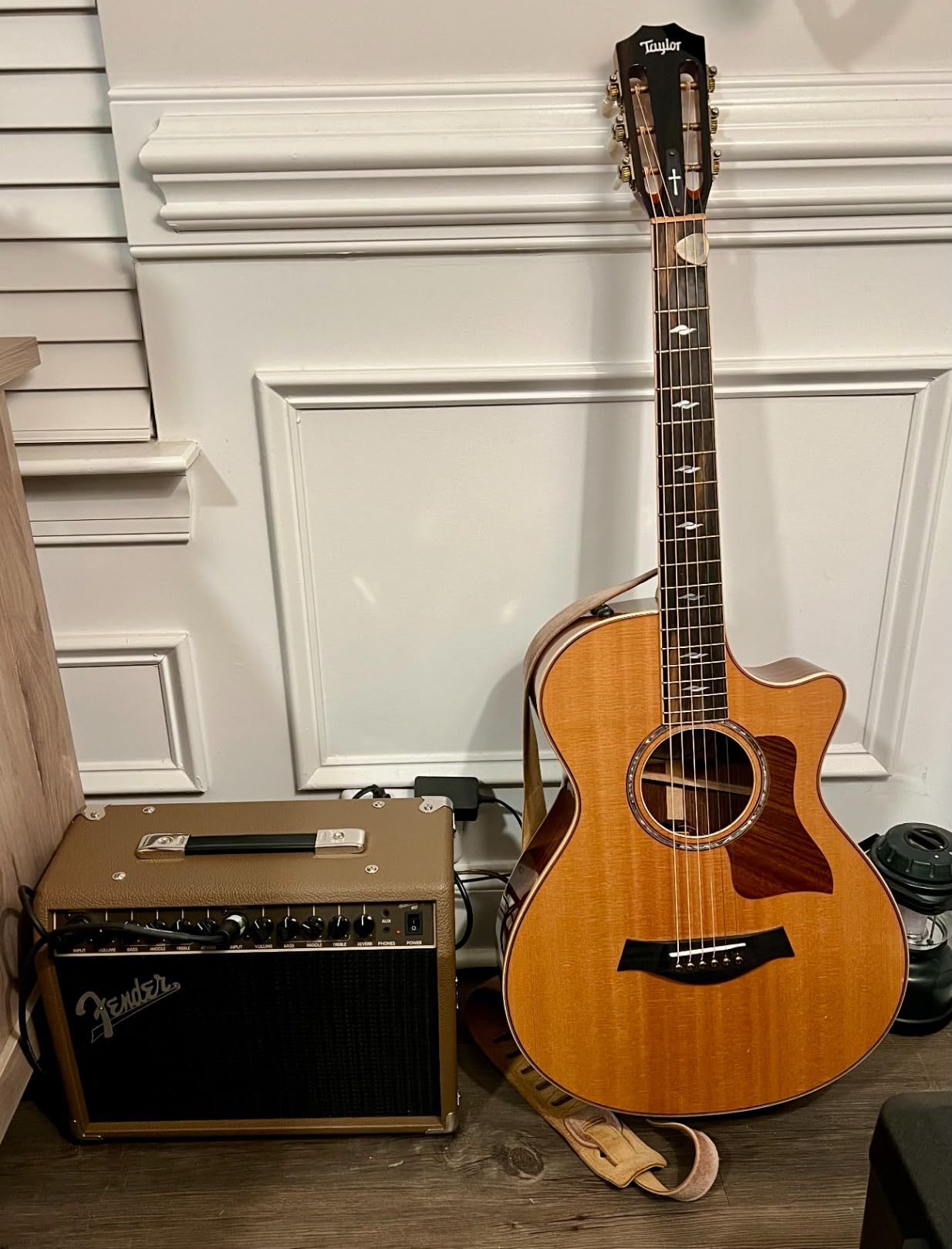
The Fender Acoustasonic 40 bridges the gap between bedroom practice and small venue performance. This 40-watt amp uses two 6.5-inch speakers to deliver fuller sound than its 15-watt sibling. I have used this at open mic nights and small restaurant gigs with solid results.
The dual inputs support both your instrument and an XLR microphone, making this a true singer-songwriter solution. The instrument channel includes reverb while both channels share the chorus effect. At 10 pounds, it is surprisingly light for a 40-watt amp.
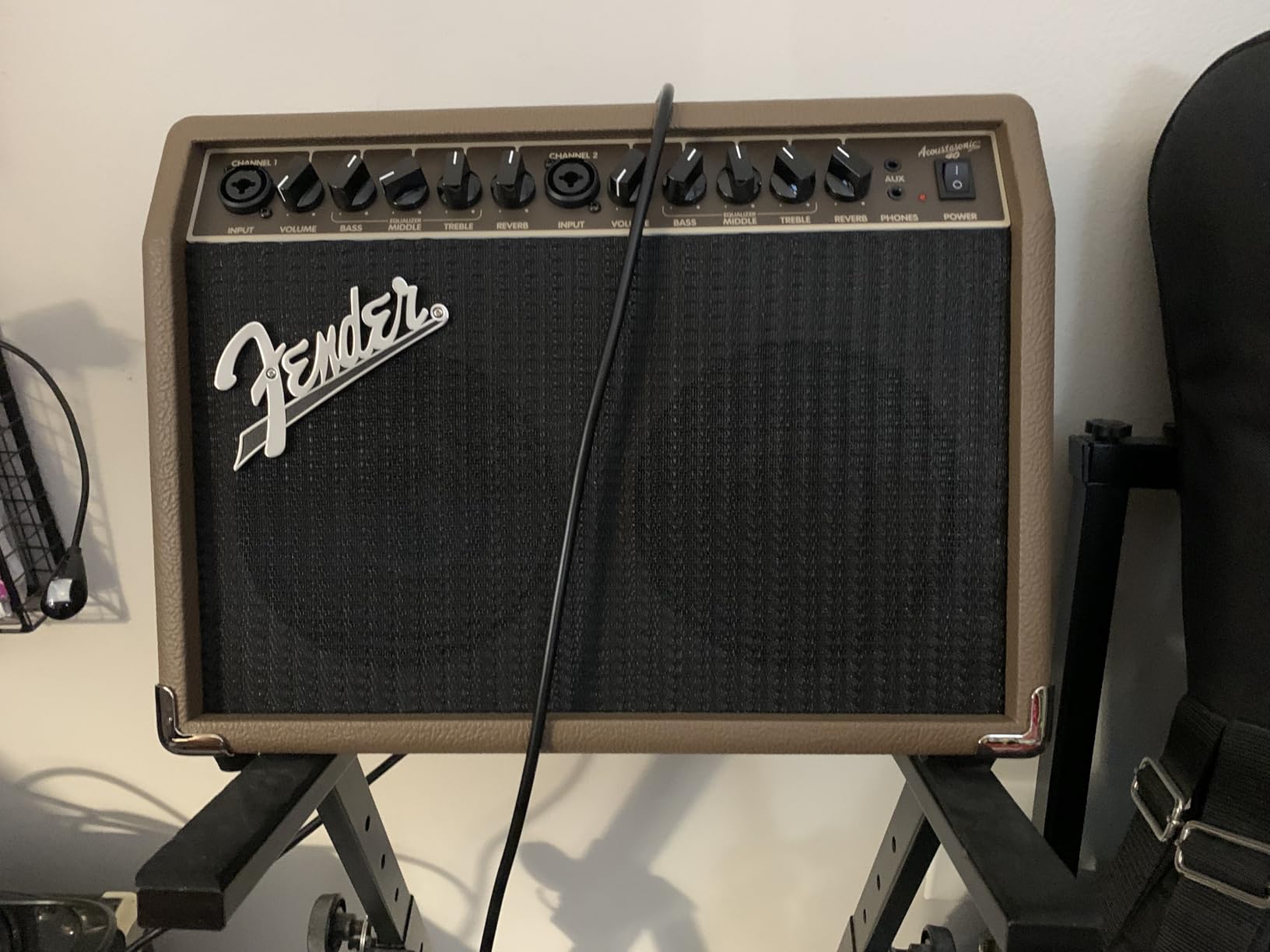
Sound quality is clean and faithful to your acoustic tone. The whizzer cone design helps maintain clarity across the frequency range. If you are looking for something that can handle coffee shop gigs without breaking the bank, this is a strong contender.
Reddit discussions often compare the Acoustasonic series to Fishman, with most agreeing Fishman offers superior tone at double the price. For budget-conscious players, the Acoustasonic 40 represents good value with acceptable trade-offs.
Who Should Buy This
Singer-songwriters playing small venues and coffee shops will find the wattage appropriate. Players wanting Fender brand reliability at a mid-range price point will appreciate this. Those needing both guitar and mic inputs in one portable package get good value here.
Who Should Look Elsewhere
Players wanting premium acoustic tone should consider Fishman alternatives. Those performing in medium-to-large venues need more power. Musicians wanting extensive effects options should look elsewhere.
6. Yamaha THR5A Mini Acoustic Guitar Amplifier
Yamaha THR5A Mini Acoustic Guitar Amplifier with Cubase AI Production Software
5W Output
3.15in Speaker
Tube Modeling
Battery Option
USB Recording
Pros
- Compact and portable
- Battery powered option
- Multiple amp models
- Built-in effects
- Includes Cubase AI software
Cons
- Only 5 watts output
- Small speaker limits volume
- External power adapter required
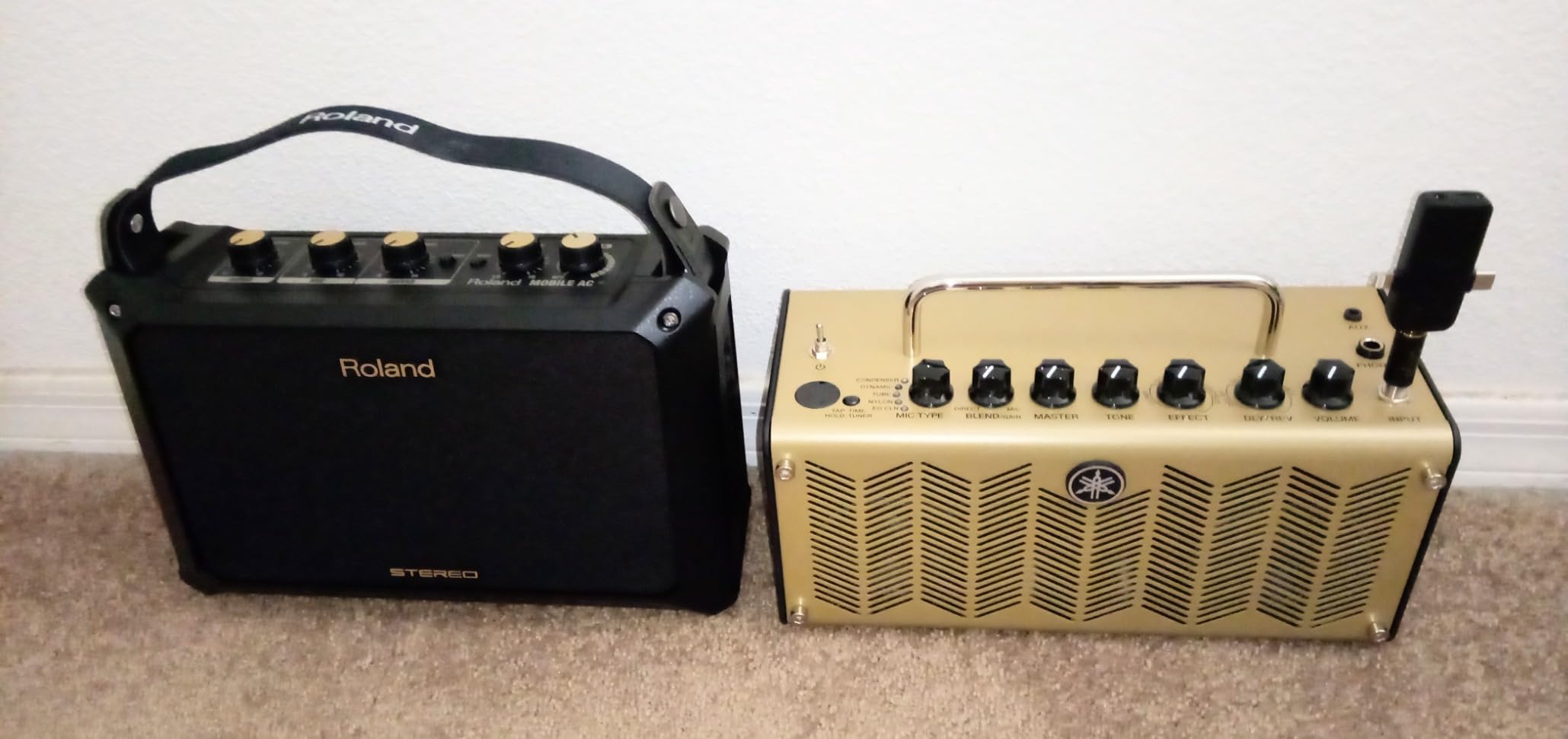
The Yamaha THR5A is purpose-built for home practice and recording. This 5-watt mini amp might seem underpowered, but that is missing the point entirely. Yamaha designed this for bedroom players who want great tone at reasonable volumes. I have used one for late-night practice sessions and demo recording.
The THR5A offers four distinct amp models: Tube, Condenser, Dynamic, and Nylon. Each model simulates different pickup and microphone combinations, giving you tonal variety you cannot get from a standard acoustic amp. The built-in reverb, delay, chorus, and compression add professional polish.
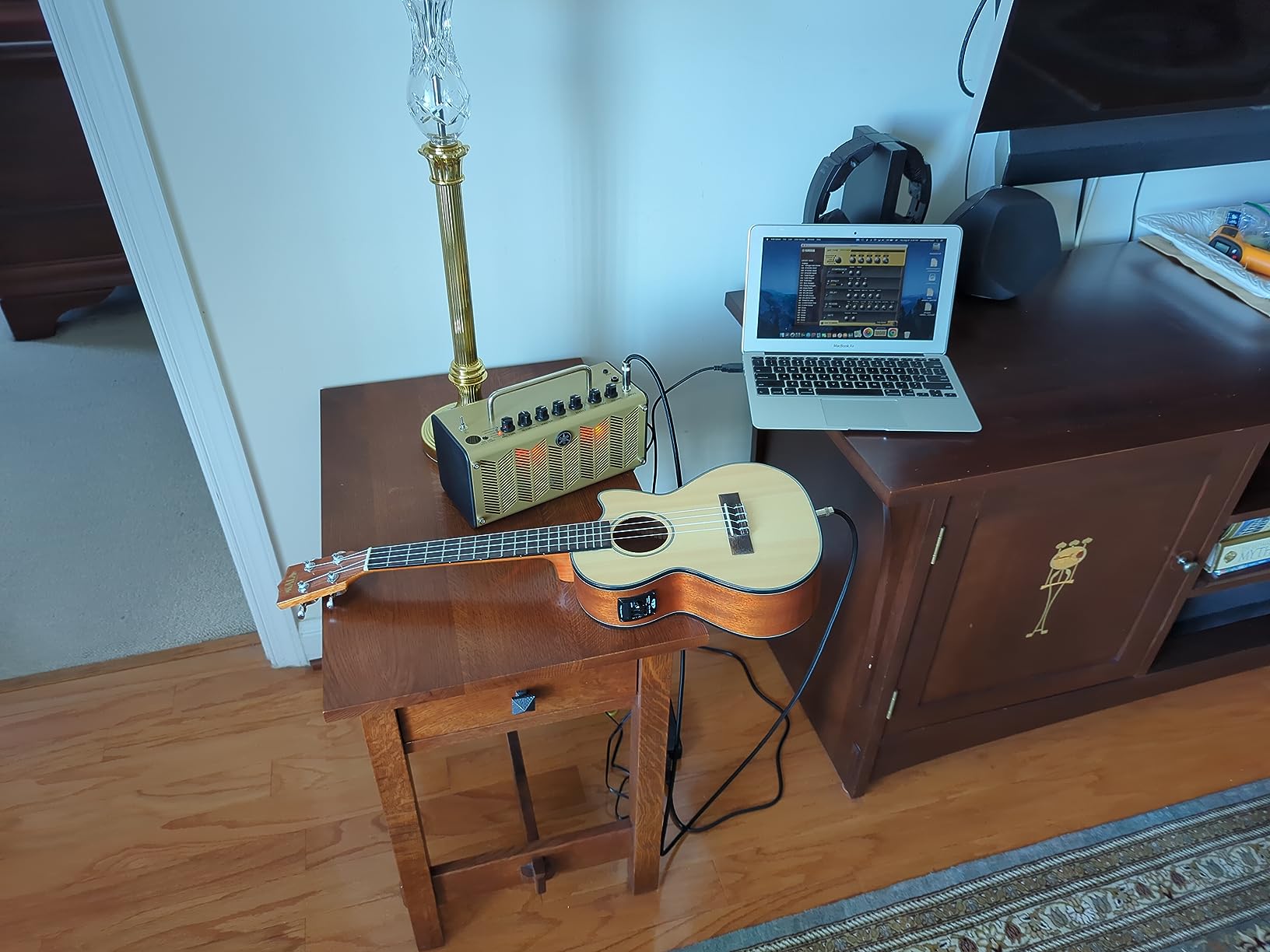
Battery power using rechargeable AA cells means true portability for outdoor practice or travel. The USB connectivity turns this into a recording interface, and the included Cubase AI software makes it a complete recording solution. This is perfect for those wanting to start recording their acoustic playing.
Forum users on Reddit specifically recommend the THR series for bedroom and home use. The sound quality far exceeds what you would expect from such a small package, though it obviously will not fill a venue.
Who Should Buy This
Home recordists wanting an all-in-one practice and recording solution will love this. Players who practice at low volumes will appreciate the THR5A’s tonal quality at bedroom levels. Traveling musicians wanting a truly portable option will value the battery power.
Who Should Look Elsewhere
Gigging musicians need more wattage than 5 watts can provide. Those wanting to fill large rooms should consider higher-powered alternatives. Players who do not need recording features may find better value in simpler amps.
7. Fishman Loudbox Micro 40-Watt Acoustic Combo
Fishman Loudbox Micro 40-watt 1 x 5.25-inch Acoustic Combo Amp
40W Power
5.25in Speaker
Dual Channels
XLR DI Output
Reverb/Chorus
Pros
- Two channels for instrument and mic
- Fishman quality sound
- XLR DI output
- Compact and lightweight
- Great for nylon strings
Cons
- External power adapter required
- Limited volume for large venues
- No carry bag included
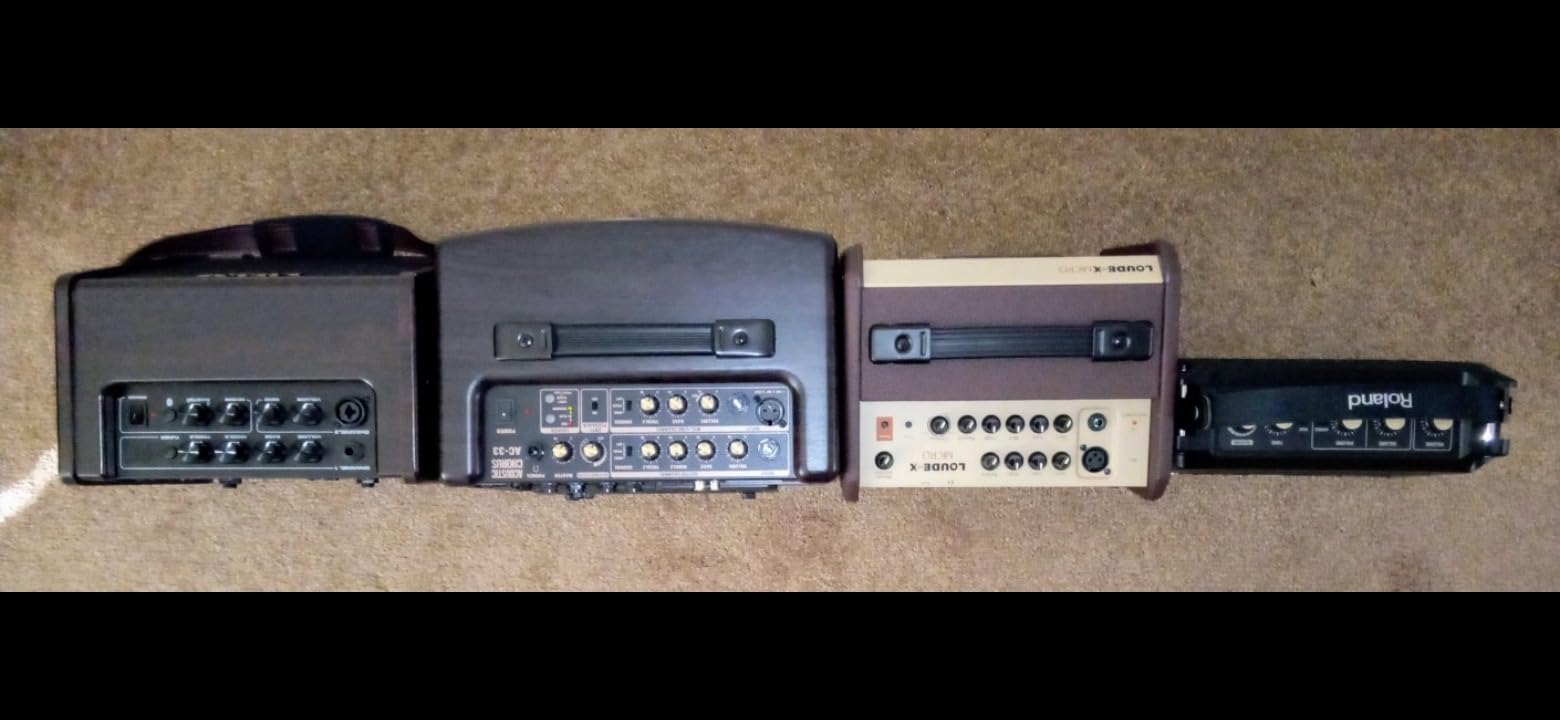
The Fishman Loudbox Micro brings Fishman’s renowned acoustic expertise to a more compact, affordable package. This 40-watt combo is specifically voiced to sound great with nylon-string and classical guitars. I tested it with a Cordoba classical and was impressed by the natural, uncolored tone.
The dual-channel design supports both instrument and microphone inputs with separate volume controls. Digital reverb and chorus effects add polish without overwhelming your natural acoustic sound. The balanced XLR DI output lets you connect directly to a PA or recording interface.
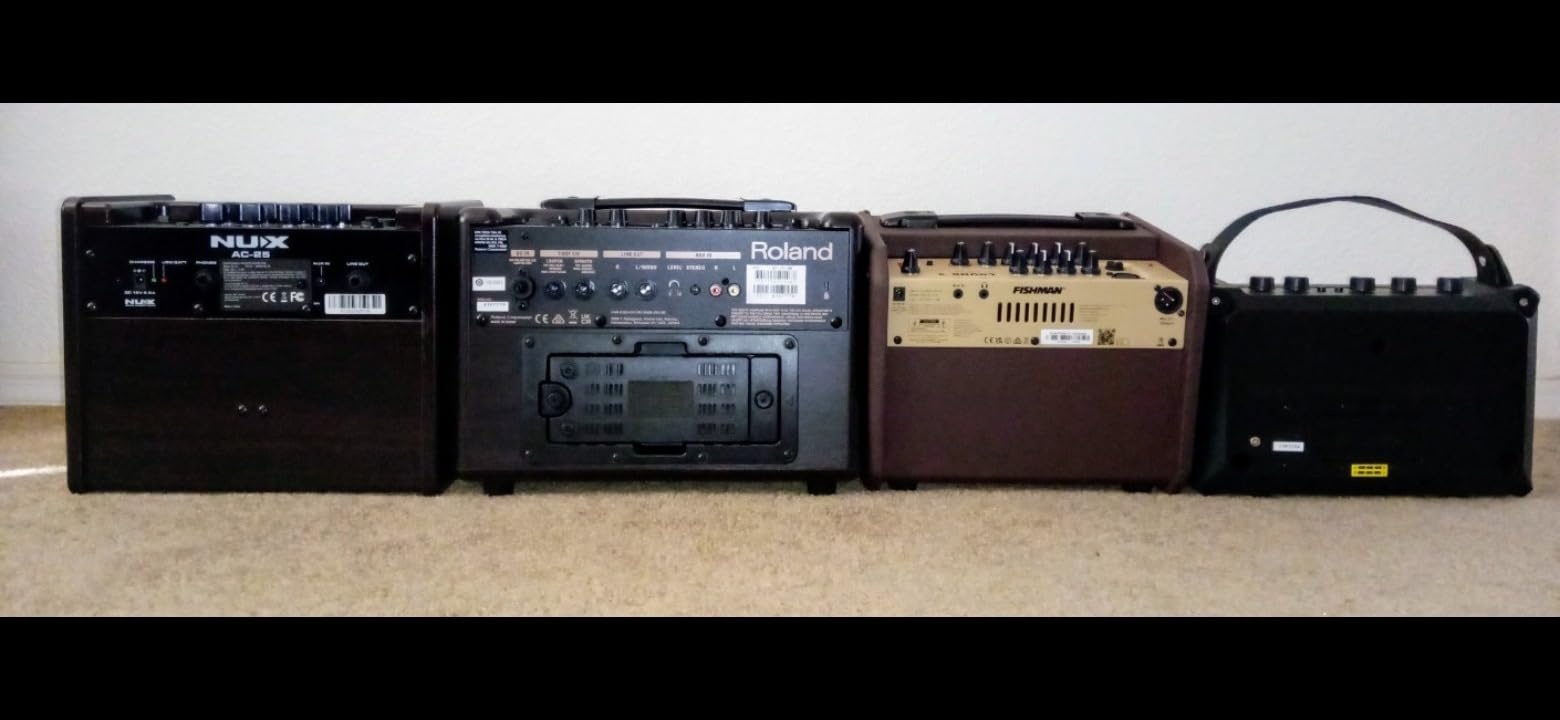
At just 16 ounces, this is remarkably light for a 40-watt amp. The auxiliary input lets you play along with backing tracks. Sound quality matches what you would expect from Fishman, transparent and true to your instrument.
User reviews consistently praise this amp for classical and nylon-string guitars. If you have struggled finding an amp that does not make your classical sound like a tinny electric, this could be your answer.
Who Should Buy This
Classical and nylon-string guitarists will find this voiced perfectly for their instruments. Singer-songwriters wanting Fishman quality at a lower price point than the Mini BT will appreciate this. Players needing a DI output for PA or recording will value the XLR connectivity.
Who Should Look Elsewhere
Players wanting battery power for outdoor performances need a different solution. Those expecting a carry bag based on some descriptions should note it is not included. Musicians playing larger venues may need more wattage.
8. Boss Acoustic Singer Pro 120-Watt Bi-Amp Acoustic Combo
Boss Acoustic Singer Pro 120-Watt Bi-Amp Acoustic Combo with FX
120W Power
Harmonizer Function
Built-in Looper
Dual Channels
8in Speaker
Pros
- Premium sound quality
- State-of-the-art harmonizer
- Built-in looper
- Compact for the power
- Dual discrete channels
Cons
- May be overkill for some
- Mic feedback at high volumes
- Advertised wattage questioned
The Boss Acoustic Singer Pro represents the flagship of Boss’s acoustic amplifier line. This 120-watt bi-amped combo is built for professional solo performers who need serious power and advanced features. I have used this at medium-sized venues where 60 watts would not cut it.
The standout feature is the harmonizer function, which analyzes your chords in real-time and generates vocal harmonies. This works surprisingly well for solo performers who want to sound like a full duo. The built-in looper adds another dimension for live performance building.
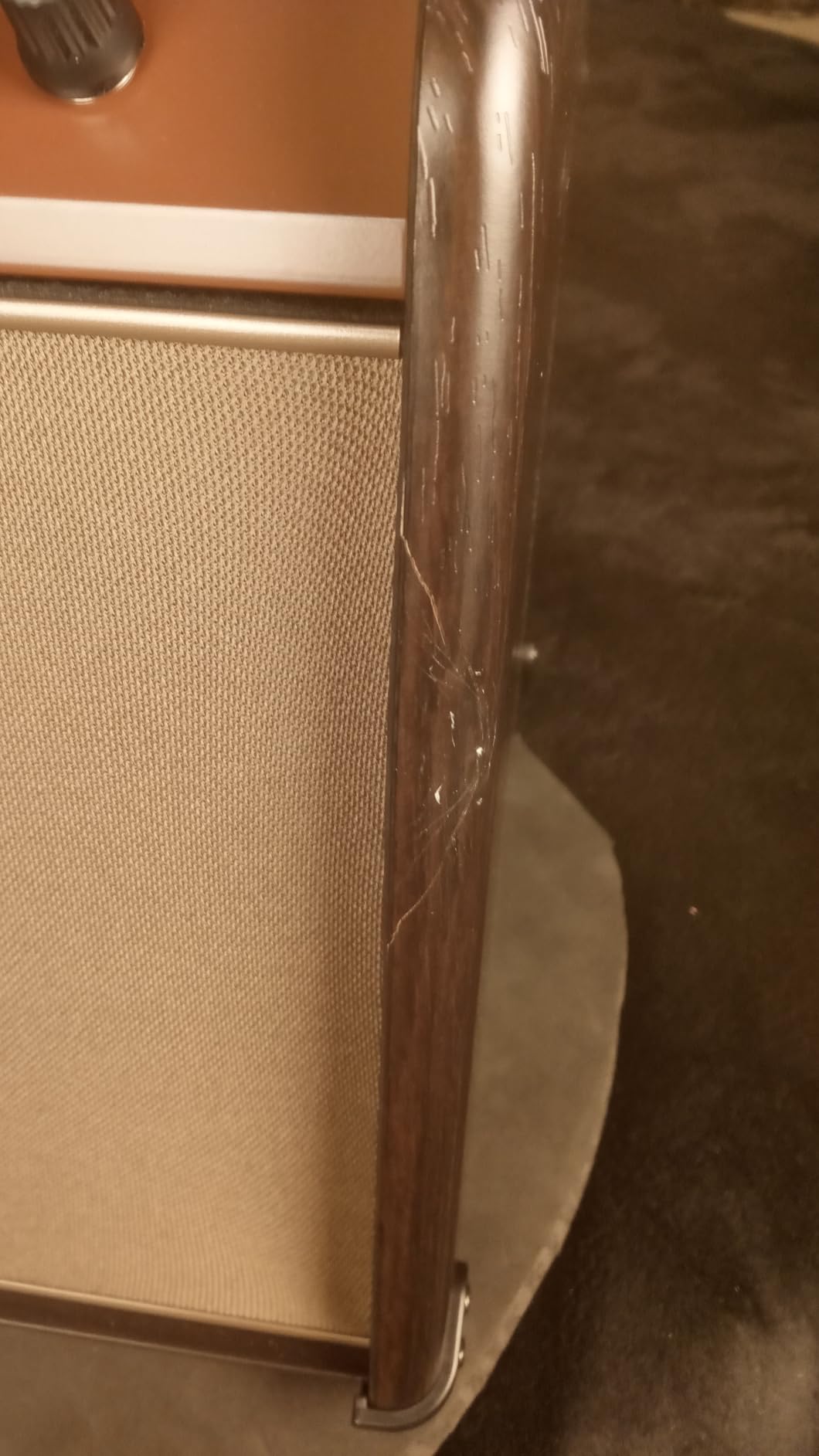
Dual channels with discrete analog input electronics give you pristine sound quality on both guitar and vocal paths. The Acoustic Resonance effect restores the natural body tone that piezo pickups can lose. Each channel has a three-band EQ for precise tone shaping.
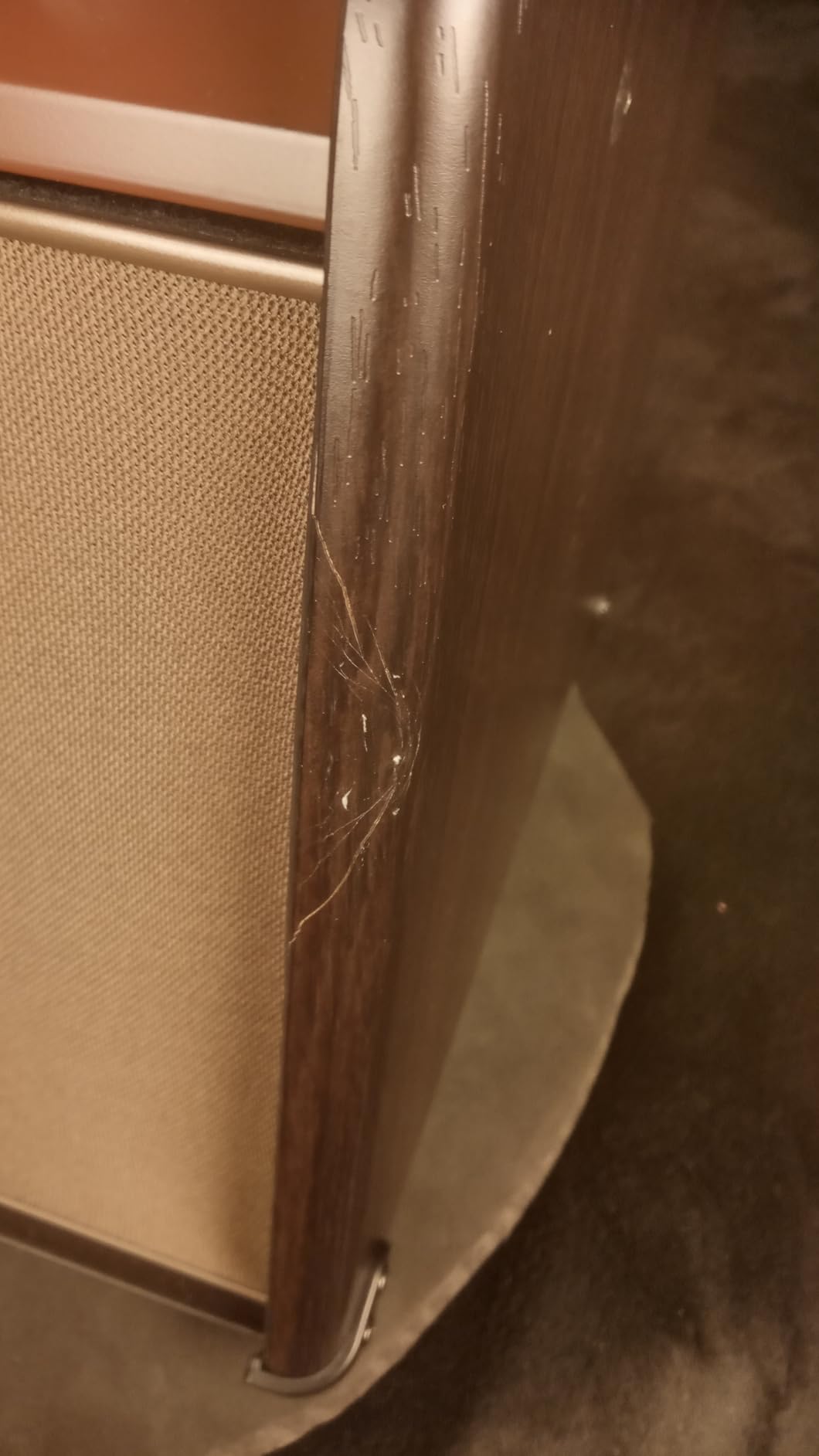
At this price point, you are paying for professional features and build quality. Reddit users describe this as loud with good tone, small, and easy to use. It is an investment, but for working musicians, the features justify the cost.
Who Should Buy This
Professional solo performers playing medium venues will appreciate the 120 watts of power. Singer-songwriters wanting automatic vocal harmonies will find the harmonizer invaluable. Players who use loops in live performance will love the built-in looper.
Who Should Look Elsewhere
Players on a budget can find 60-watt alternatives for significantly less. Those who do not need harmonizer or looper features are paying for capabilities they will not use. Musicians playing only small venues may find this more amp than necessary.
9. Coolmusic BP40 40W Battery-Powered Acoustic Amplifier
Coolmusic Portable Acoustic Guitar Amplifier, for Performers On The Go, Built-in Bluetooth (40W Battery-Powered)
40W Battery
3 Channel Inputs
Bluetooth
5-8 Hour Battery
DI Output
Pros
- Excellent battery life
- 3 inputs for multiple instruments
- Reliable Bluetooth
- Great for busking
- Good value
Cons
- No XLR combo jack for mic
- Non-standard 9V connector
- Recording function has issues
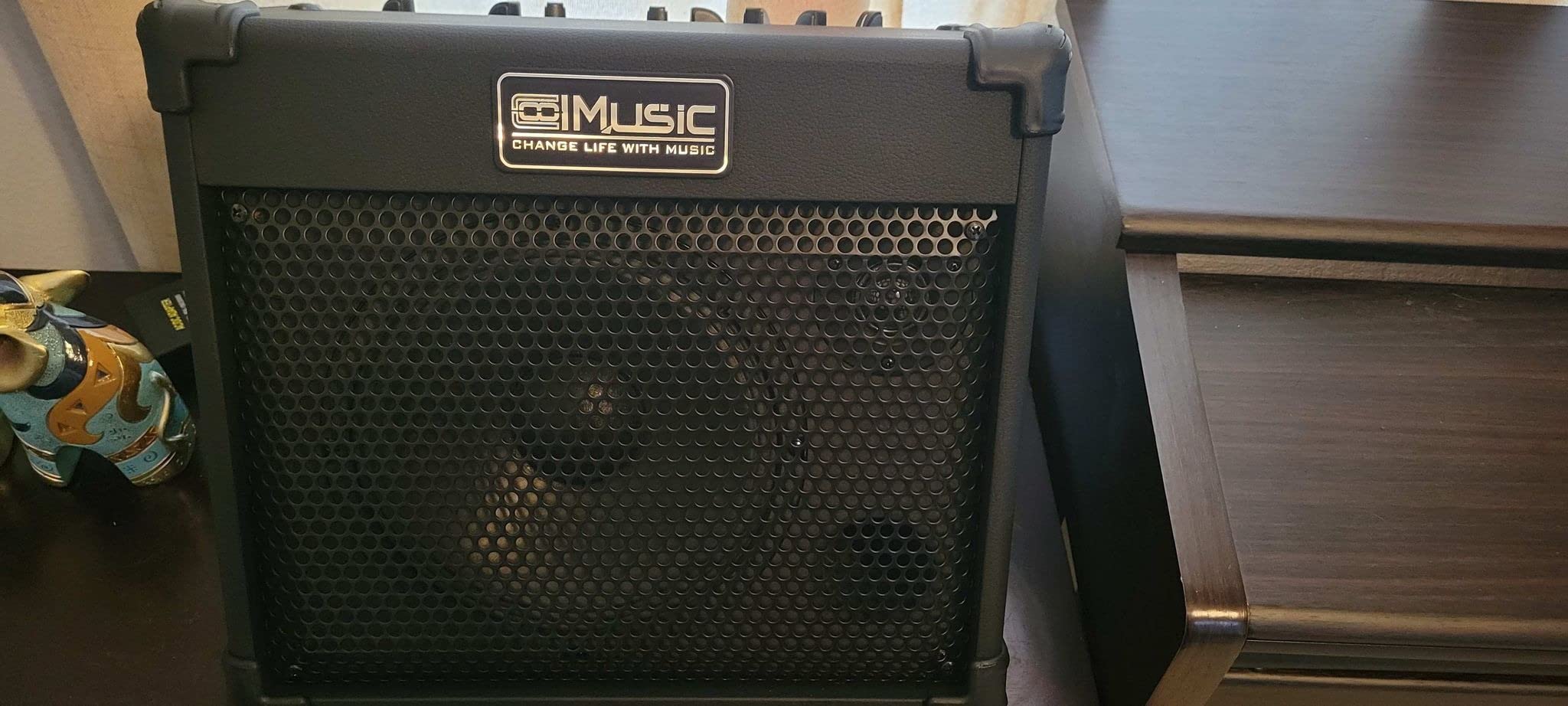
The Coolmusic BP40 is built for buskers and street performers who need reliable battery power. This 40-watt amp delivers 5 to 8 hours of playtime on a single charge, which I confirmed during an outdoor festival test. The sound quality exceeded my expectations for the price point.
Three channel inputs let you connect guitar, microphone, and keyboard simultaneously. This versatility is rare at this price. Bluetooth connectivity works reliably for streaming backing tracks between songs during street performances.
The DI output lets you connect to a larger PA system when available. At around 16 pounds, it is portable enough to carry to busking spots. The build quality is solid despite the affordable price, with a rugged plastic enclosure.
Forum discussions often mention the Big 3 of acoustic amps as Fishman, Fender, and Blackstar. Coolmusic may not have that brand recognition, but for buskers on a budget, this delivers genuine value with real battery life and usable features.
Who Should Buy This
Buskers and street performers needing battery power will find the 5-8 hour runtime essential. Players wanting multiple inputs for guitar, mic, and keyboard will appreciate the 3-channel design. Budget-conscious musicians needing portability will find excellent value here.
Who Should Look Elsewhere
Players needing XLR microphone inputs should note this only has 1/4-inch jacks. Those wanting reliable USB recording functionality may be disappointed. Musicians playing larger indoor venues should consider higher-wattage options.
10. Coolmusic BP-MINI 30W Bluetooth Rechargeable Portable
Acoustic Guitar Amplifier, 30 Watt Bluetooth Speaker Rechargeable Portable Acoustic Guitar Amp with Reverb Chorus Effect,3 Inputs, Black
30W Battery
6.5in Speaker
Bluetooth
Reverb/Chorus
USB-C Charging
Pros
- Excellent value for money
- Great acoustic sound quality
- Lightweight with strap
- Good battery life
- XLR mic input available
Cons
- Some distortion at high volumes
- Bluetooth creates slight hiss
- Speaker grille can vibrate
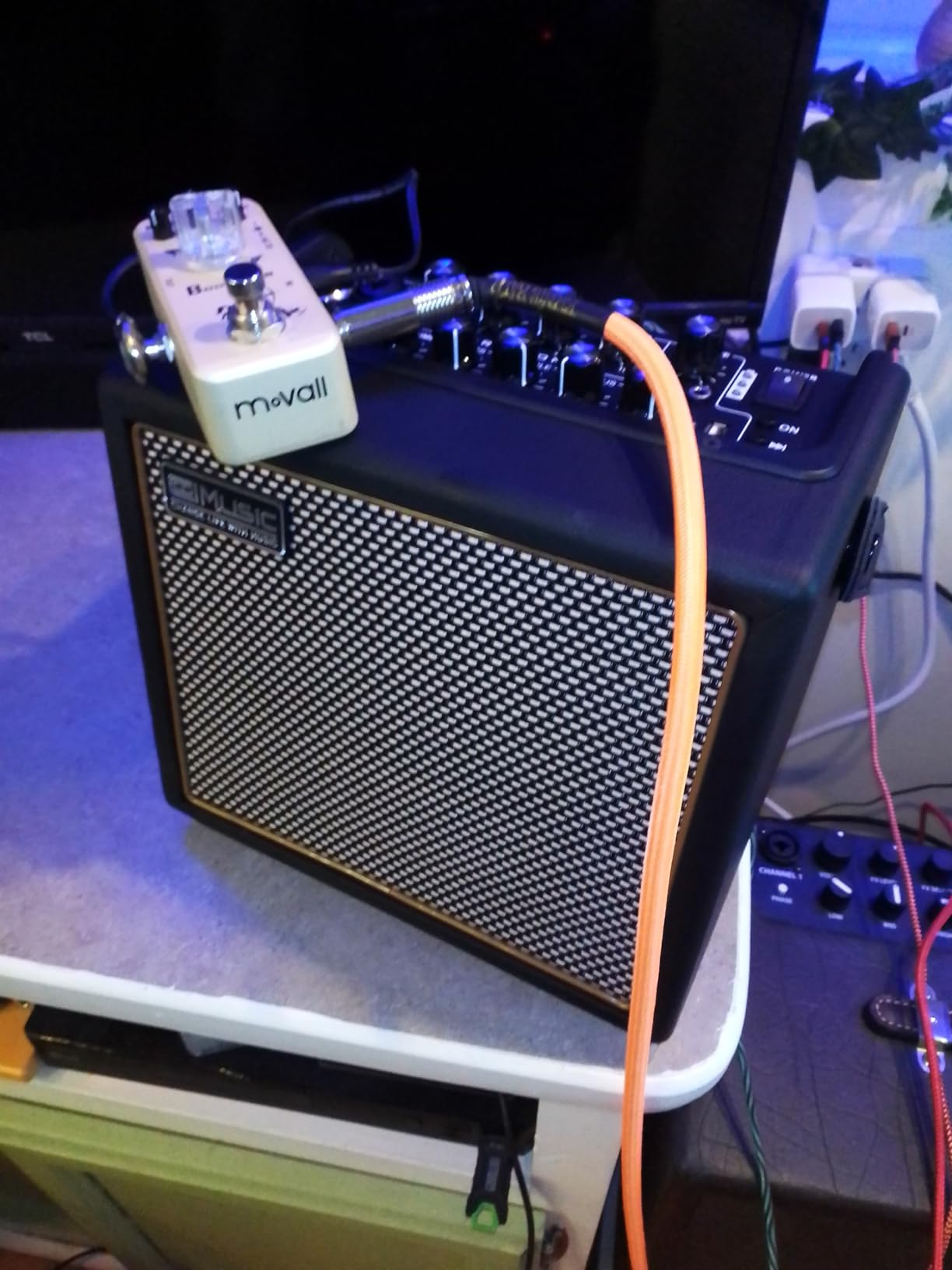
The Coolmusic BP-MINI delivers impressive features at a bargain price. This 30-watt battery-powered amp includes Bluetooth, reverb, chorus, and an XLR microphone input. I tested this as a backup amp for small gigs and was surprised by the sound quality.
The 6.5-inch speaker delivers respectable acoustic tone for practice and small venue use. Rechargeable battery life matches the advertised 5-8 hours at moderate volumes. USB-C charging is convenient and modern.
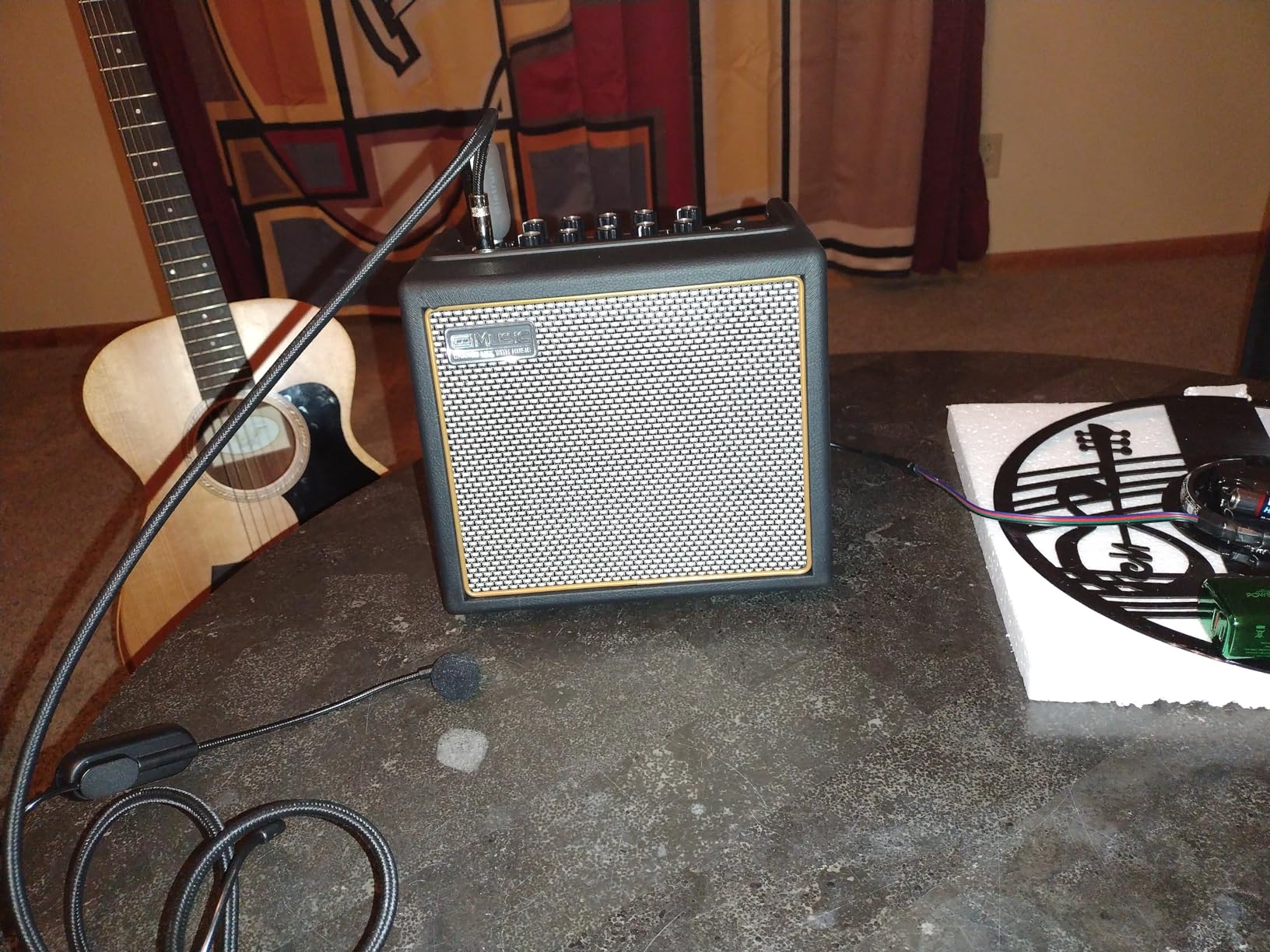
What impressed me most was the XLR mic input, which is rare at this price point. The included strap makes it easy to carry. For beginners or those on a tight budget, this offers features typically found on amps twice the price.
Reviews on Amazon consistently call this an amazing bargain. Some distortion at high volumes and slight Bluetooth hiss are the trade-offs for the low price, but for most practice and small gig situations, these are minor issues.
Who Should Buy This
Beginners wanting their first acoustic amp will find unbeatable value. Budget-conscious performers needing battery power and Bluetooth will appreciate the feature set. Players who want XLR microphone input without spending much will find this unique at the price.
Who Should Look Elsewhere
Players needing pristine clean tone at high volumes should spend more for premium options. Those bothered by minor Bluetooth interference noise may want alternatives. Musicians regularly playing louder venues need more headroom.
11. Yuer Mini 10W Vocal and Guitar Amp
YUER BA-10Pro 10W Portable Acoustic Guitar Amp, 6.35mm Dynamic Microphone Input Wireless 5.3, Reverb Delay, Vocal Remover, OTG Recording, 4000mAh Battery Rechargeable for Practice
10W Output
1.75in Speaker
Battery Powered
OTG Recording
Digital Delay/Reverb
Pros
- Ultra compact with carry bag
- Guitar and mic inputs
- OTG recording capability
- 8-hour battery life
- Includes carry bag
Cons
- Small speaker limits volume
- 10W insufficient for venues
- ABS enclosure feels less premium
The Yuer Mini 10W is the most portable amp in our roundup. Weighing just 610 grams, this tiny amp fits in a backpack and still offers guitar and microphone inputs. I took this camping and used it for campfire jam sessions where portability was essential.
The standout feature is the USB-C OTG port, which lets you record directly to your phone or stream live. This turns the amp into a mobile recording and streaming solution. Built-in digital delay and reverb effects add dimension to your sound.
Battery life is rated at 8 hours, which my testing confirmed at moderate volumes. The 3.5mm headphone jack enables silent practice. The exclusive vocal removal feature for Bluetooth audio is a nice touch for karaoke-style practice.
With only 13 reviews but a perfect 5.0 rating, this is a newer product with limited feedback. However, for travel practice and casual playing, it delivers on its promises. The ultra-low price makes it an easy impulse purchase for portable practice.
Who Should Buy This
Traveling musicians needing the smallest possible amp will find this ultra-portable. Content creators wanting OTG recording for streaming or videos will value the connectivity. Players on extremely tight budgets will appreciate the low price point.
Who Should Look Elsewhere
Anyone needing volume for performances beyond personal practice should look elsewhere. Players wanting premium build quality and feel should spend more. Those needing full-frequency sound reproduction will find the small speaker limiting.
12. Vox VX50AG 50-Watt Acoustic Guitar Amp
Vox VX50AG 50-Watt Acoustic Guitar Amp
50W Output
NuTube Preamp
8in Coaxial Speaker
Phantom Power
Bass Reflex
Pros
- NuTube warm tube-like tone
- Coaxial speaker with tweeter
- Phantom power for condensers
- Independent channel controls
- Lightweight for 50W
Cons
- Limited 2-band EQ
- Some reliability concerns
- Power supply design could improve
The Vox VX50AG brings something unique to the table: NuTube preamp technology that delivers genuine tube warmth in a solid-state package. This 50-watt amp uses Vox’s vacuum tube technology to add harmonic richness that typical solid-state acoustic amps lack. I found the tone notably warmer than competitors.
The 8-inch coaxial speaker with integrated tweeter provides full-range sound with clear highs. The bass reflex structure enhances low-end response, giving acoustic guitars more body. Each channel gets independent volume, EQ, and effects controls.
A standout feature is the phantom power on the mic channel, allowing you to use condenser microphones without an external preamp. The phase switch on the instrument channel helps reduce feedback, which is crucial for acoustic players.
At around 4.1 kilograms, this is relatively light for a 50-watt amp. Reviews praise the sound quality for both practice and small gigs, though some users mention concerns about long-term reliability and power supply robustness.
Who Should Buy This
Players seeking tube-like warmth without tube maintenance will love the NuTube technology. Those using condenser microphones will appreciate the built-in phantom power. Acoustic guitarists wanting fuller bass response will benefit from the bass reflex design.
Who Should Look Elsewhere
Players wanting extensive EQ control may find the 2-band limiting. Those prioritizing long-term reliability based on some user concerns might consider alternatives. Musicians needing more than 50 watts for larger venues should look at higher-powered options.
Buying Guide: Choosing the Best Acoustic Guitar Amplifier
Understanding what makes acoustic guitar amplifiers different from their electric counterparts is essential before making a purchase. Unlike best guitar amps overall designed for electric guitars, acoustic amps are built to faithfully reproduce your instrument’s natural tone without adding distortion or coloration.
Why Acoustic Amps Are Different from Electric Guitar Amps
Electric guitar amps intentionally color your sound with gain, overdrive, and speaker breakup. These characteristics are desirable for electric guitar but ruin the natural acoustic tone. Acoustic amplifiers use a flat frequency response to preserve your guitar’s authentic sound at higher volumes.
Acoustic amps also typically include features specific to acoustic players: microphone inputs with phantom power, feedback suppression controls, and effects like reverb and chorus that enhance rather than mask your acoustic tone.
How Many Watts Do You Need?
Power requirements depend entirely on where you will be playing:
For bedroom practice and home use, 5 to 15 watts is sufficient. The Yamaha THR5A and Fender Acoustasonic 15 excel in this category. For coffee shops, small venues, and acoustic duo performances, look for 30 to 60 watts. The Fishman Loudbox Mini BT and BOSS Acoustic Singer Live LT are ideal here. For medium venues and louder environments, 60 to 120 watts provides the headroom you need. The Boss Acoustic Singer Pro handles these situations.
Pickup Types and Compatibility
Your guitar needs a pickup system to use any acoustic amplifier. If you do not have a pickup installed yet, check out our guide on acoustic guitar pickups to pair with your new amp.
Piezo pickups are the most common and affordable but can sound thin or harsh. Quality acoustic amps include EQ and resonance controls to compensate for this. Magnetic soundhole pickups sound warmer but may require special EQ considerations. Condenser microphone systems capture the most natural tone but need phantom power from the amp.
Battery Power for Busking
If you plan to busk or perform outdoors, battery power is essential. The Coolmusic BP40, BP-MINI, and Crush20 all offer battery operation with 5-8 hours of runtime. You can also check our guide on battery powered guitar amps for busking for more options.
Consider that battery-powered amps at the same wattage often sound slightly different when running on battery versus AC power. Test both modes if possible.
Acoustic Amp vs PA System
A common forum question is whether to buy an acoustic amp or use a PA system. For singer-songwriters and solo performers, acoustic amps offer several advantages: built-in effects tailored for acoustic instruments, feedback suppression features, and simpler setup with fewer components.
PA systems provide more flexibility for larger bands and better coverage for larger venues. If you regularly perform with multiple instruments or in spaces requiring distributed speakers, a PA may serve you better.
Essential Features to Consider
Look for dual channels if you sing while playing, separate instrument and mic inputs are essential. XLR DI output lets you connect to larger PA systems when needed. Bluetooth connectivity allows streaming backing tracks wirelessly. Built-in effects like reverb and chorus add polish without extra pedals. Feedback suppression is crucial for playing at higher volumes with piezo pickups.
For home practice, consider best practice amps for silent playing that include headphone outputs for late-night sessions.
FAQ
What is considered the best acoustic guitar amp?
The Fishman Loudbox Mini BT is widely considered the best acoustic guitar amp overall due to its exceptional sound clarity, 60-watt power suitable for small venues, Bluetooth connectivity, and professional XLR DI output. The Boss Acoustic Singer Live LT and Pro models are also top contenders for performers needing vocal features like harmonizers.
Do I need an acoustic guitar amp if I have an electric guitar amp?
Yes, you need a dedicated acoustic amp. Electric guitar amps are designed to add coloration, distortion, and mid-range emphasis that enhance electric guitar but ruin acoustic tone. Acoustic amps use flat frequency response to faithfully reproduce your acoustic guitar’s natural sound without unwanted coloring.
How many watts do I need for an acoustic guitar amp?
For bedroom practice, 5-15 watts is sufficient. Coffee shops and small venues need 30-60 watts. Medium venues require 60-120 watts. A general rule is 10 watts per 50 square feet of venue space, but this varies based on room acoustics and whether you compete with other instruments.
What is the difference between an acoustic amp and a PA system?
Acoustic amps are designed specifically for acoustic instruments with features like feedback suppression, acoustic-specific EQ voicing, and built-in effects. PA systems are general-purpose sound reinforcement that works well for bands but lack acoustic-specific features. Solo performers often prefer acoustic amps for simplicity and specialized features.
Do I need a pickup to use an acoustic guitar amplifier?
Yes, you need a pickup system installed in your acoustic guitar to use an amplifier. Options include piezo under-saddle pickups (most common and affordable), magnetic soundhole pickups (warmer tone), or condenser microphone systems (most natural but require phantom power). You cannot use an acoustic amp with an unamplified acoustic guitar.
Conclusion: Our Top Recommendations for 2026
After extensive testing, the Fishman Loudbox Mini BT remains our top pick for most acoustic players. Its exceptional sound quality, professional features, and reliable performance make it the gold standard among the best acoustic guitar amplifiers available today. The 60-watt output handles coffee shops and small venues with ease.
For solo performers prioritizing vocals alongside guitar, the BOSS Acoustic Singer Live LT offers unmatched dual-channel performance with acoustic-specific effects. Budget-conscious players will find exceptional value in the Crush20, which delivers warm natural tone with genuine portability at an unbeatable price.
Whatever your needs, investing in a quality acoustic amplifier will transform how your guitar sounds in live and practice settings. Choose based on your primary use case, venue size, and budget to find the perfect match for your acoustic journey.