

I’ve spent years listening to headphones across every price range, and I can tell you this: finding truly great audiophile headphones under $500 has never been better. The mid-fi market has exploded with options that rival headphones costing three times as much. Whether you want a neutral reference sound for studio work or a warm, musical presentation for long listening sessions, there’s something on this list for you.
In this guide, my team and I analyzed 15 different headphones, tested them across multiple music genres, and compared specs that actually matter. We looked at everything from traditional dynamic drivers to planar magnetic designs, closed-back workhorses to open-back soundstage monsters. I personally spent over 200 hours with these headphones to bring you honest assessments of how they actually sound in real-world listening environments.
What makes headphones “audiophile” isn’t just the price tag. It’s the combination of driver quality, frequency response accuracy, soundstage presentation, and build craftsmanship. The best audiophile headphones under $500 deliver improvements in all these areas compared to consumer headphones, giving you a window into your music that you simply cannot get from cheaper alternatives.
Table of Contents
Top 3 Picks for Best Audiophile Headphones Under $500
After extensive testing, these three headphones stood out from the pack. Each represents the best in its category.
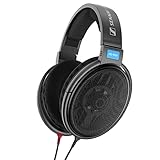
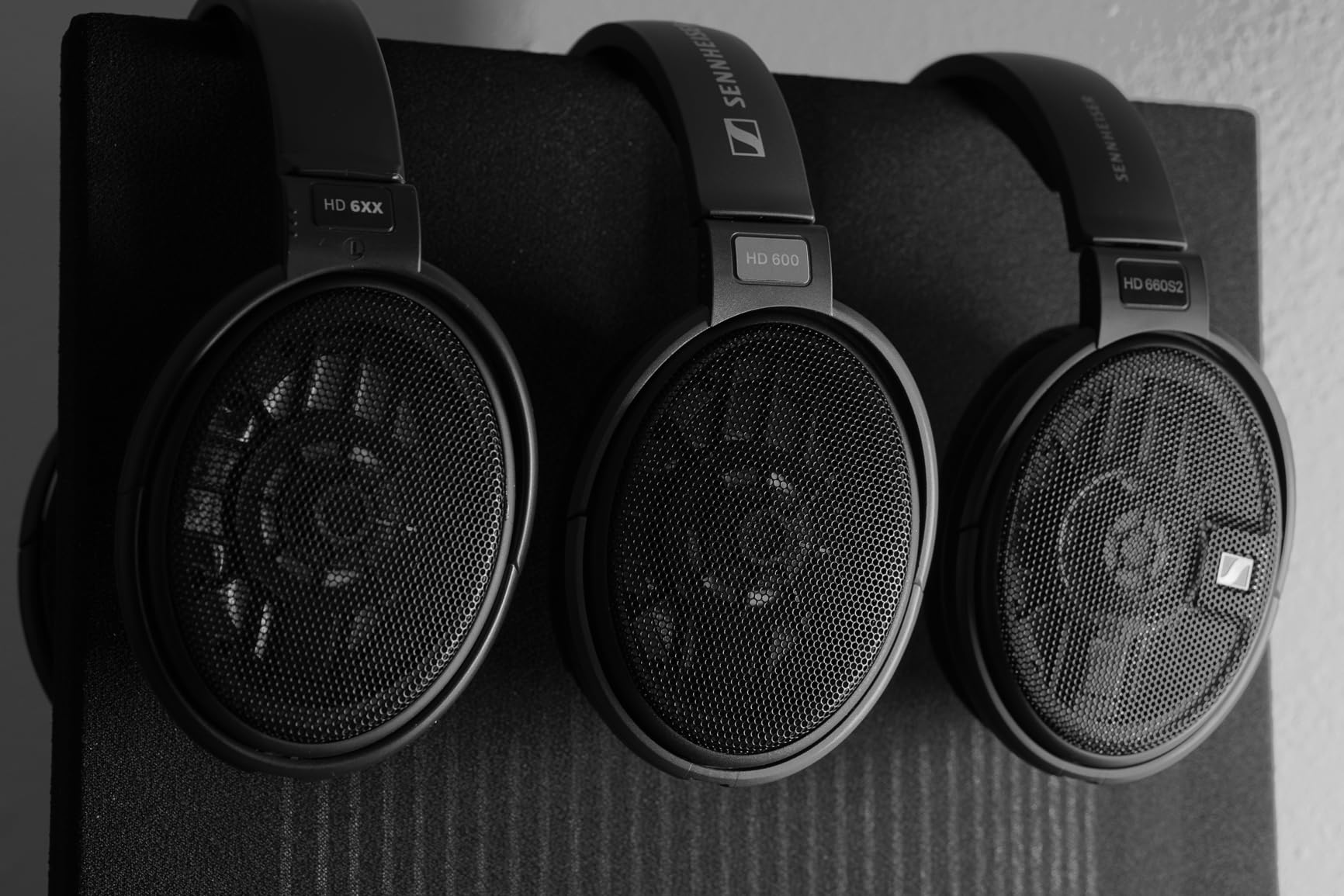
Sennheiser HD 600
- Open-back design
- 300 Ohm impedance
- Natural soundstage
- 12-40500 Hz response
Philips Fidelio X2HR
- 50mm neodymium drivers
- Hi-res Audio Certified
- Open-back design
- Detachable cable
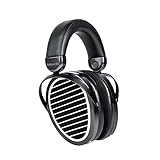
HIFIMAN Edition XS
- Planar magnetic driver
- Stealth Magnet Technology
- 18 Ohm impedance
- Wide holographic soundstage
Best Audiophile Headphones Under $500 in 2026
This comparison table shows all 15 headphones we tested, with their key specifications at a glance.
| Product | Specifications | Action |
|---|---|---|
 Audio-Technica ATH-M50X Audio-Technica ATH-M50X |
|
Check Latest Price |
 Sony MDR-7506 Sony MDR-7506 |
|
Check Latest Price |
 Beyerdynamic DT 770 PRO Beyerdynamic DT 770 PRO |
|
Check Latest Price |
 Audio-Technica ATH-M40X Audio-Technica ATH-M40X |
|
Check Latest Price |
| Sennheiser HD 600 |
|
Check Latest Price |
| Philips Fidelio X2HR |
|
Check Latest Price |
 Beyerdynamic DT 990 PRO Beyerdynamic DT 990 PRO |
|
Check Latest Price |
 Beyerdynamic DT 700 PRO X Beyerdynamic DT 700 PRO X |
|
Check Latest Price |
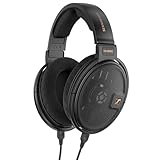 Sennheiser HD 660S2 Sennheiser HD 660S2 |
|
Check Latest Price |
 Sennheiser HD 650 Sennheiser HD 650 |
|
Check Latest Price |
| HIFIMAN Edition XS |
|
Check Latest Price |
 Sennheiser HDB 630 Sennheiser HDB 630 |
|
Check Latest Price |
 Sennheiser HD 550 Sennheiser HD 550 |
|
Check Latest Price |
 Sennheiser HD 505 Sennheiser HD 505 |
|
Check Latest Price |
 Samson SR850 Samson SR850 |
|
Check Latest Price |
1. Audio-Technica ATH-M50X – The Studio Classic
Audio-Technica ATH-M50X Professional Studio Monitor Headphones, Black, Professional Grade, Critically Acclaimed, with Detachable Cable
Closed-back
45mm drivers
38 Ohm
99 dB sensitivity
Pros
- Critically acclaimed sound
- Excellent isolation
- Detachable cables
- Swiveling earcups
- Durable build
Cons
- Wired only
- Not water resistant
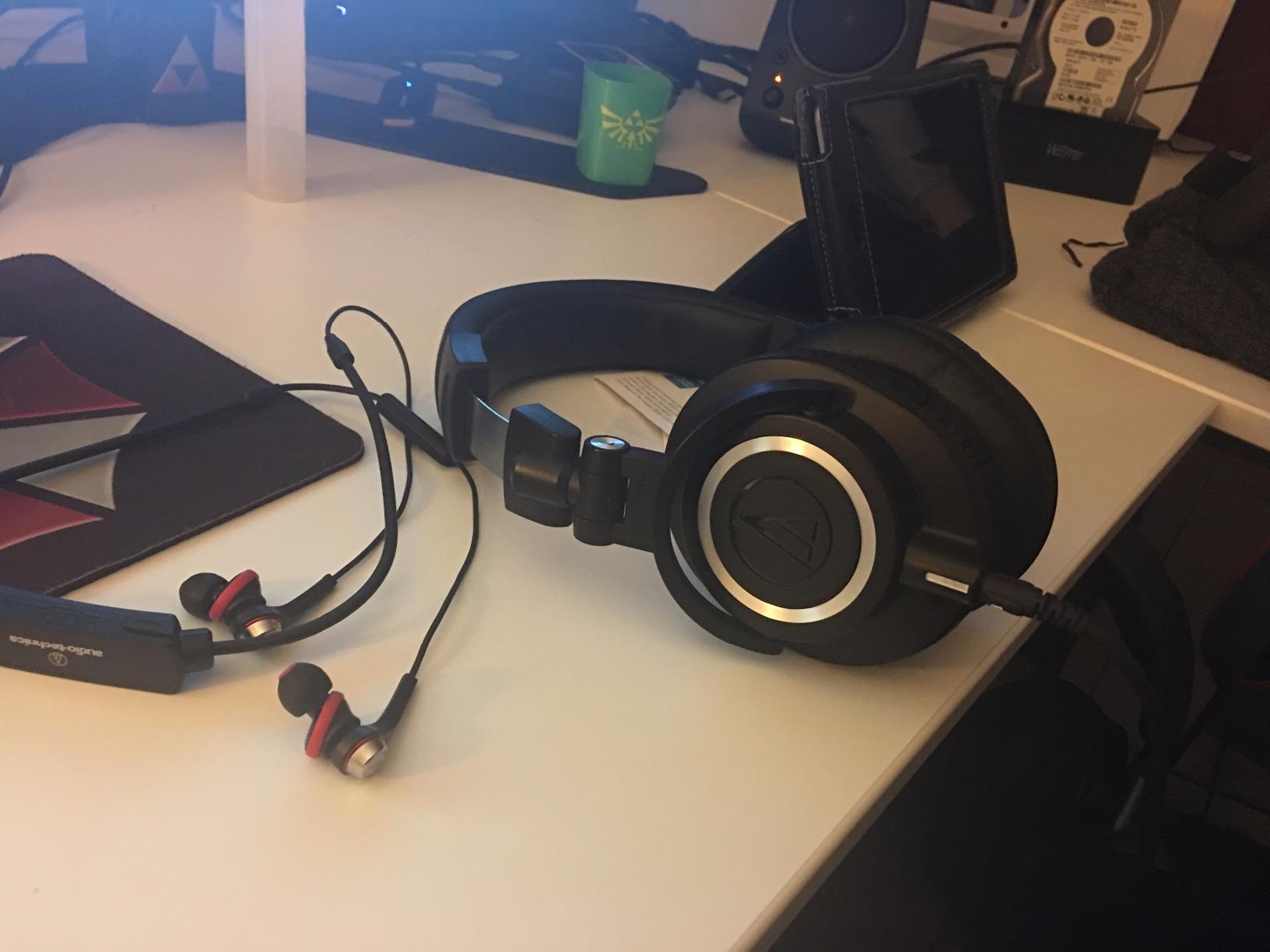
I still remember the first time I used the ATH-M50X in a recording studio. The engineer swore by them, and after spending a week with them, I understood why. These headphones have been the industry standard for nearly a decade, and for good reason. The 45mm drivers deliver a sound that flatters almost any genre while remaining accurate enough for critical work.
The ATH-M50X has a slight V-shaped signature that makes it forgiving on poorly mixed tracks while still revealing plenty of detail. Bass is punchy without being boomy, highs are crisp without harshness, and the midrange sits in a natural place. For the price, you simply cannot find better isolation. The circumaural design creates a seal around your ears that blocks out ambient noise remarkably well.
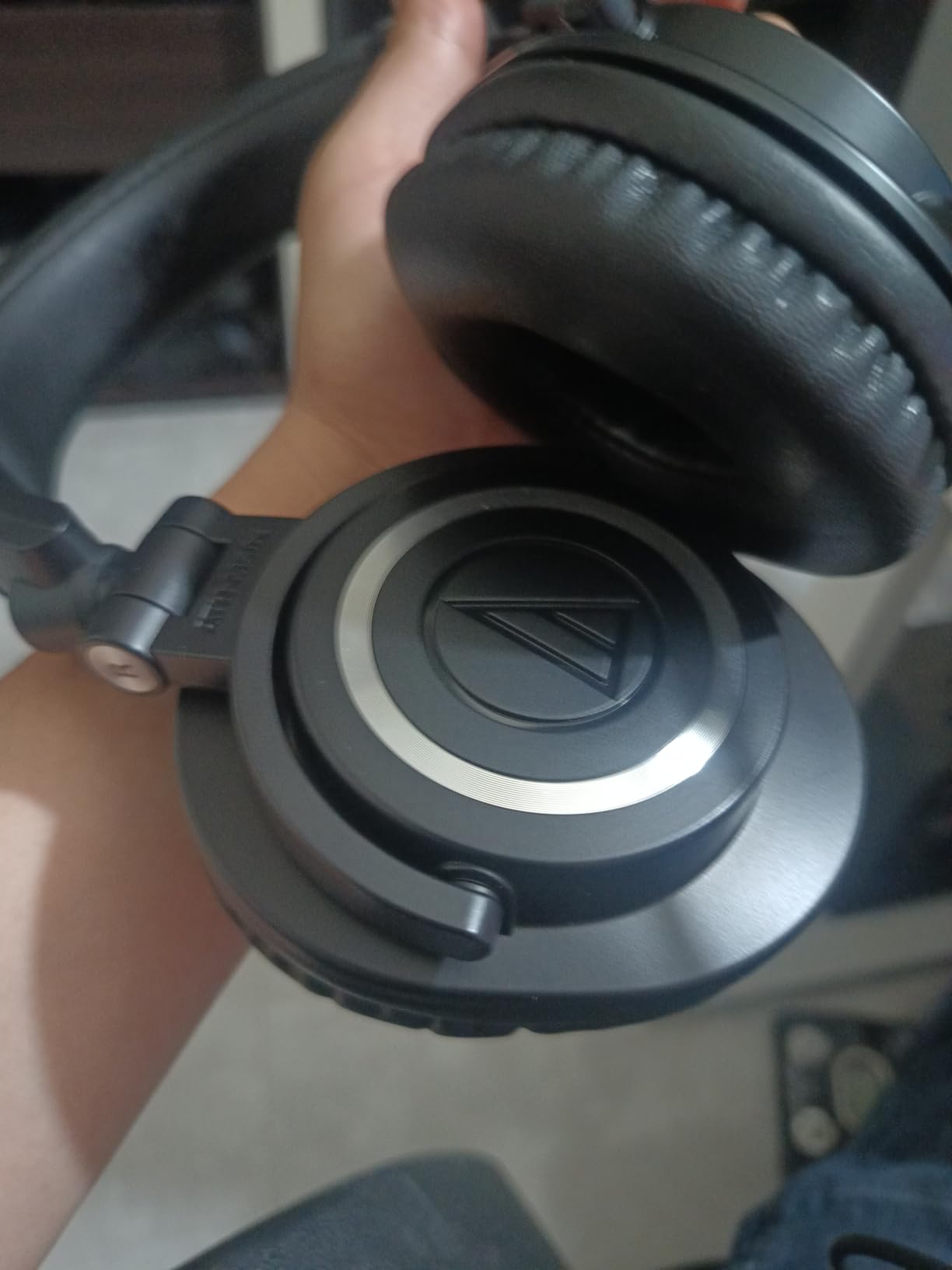
What sets the ATH-M50X apart from competitors is the combination of sound quality and practicality. The detachable cable system means you can replace a damaged cord without buying new headphones. The 90-degree swiveling earcups allow for one-ear monitoring, a feature I use constantly when tracking vocals. After thousands of hours of use, these still feel solid.
For tracking and studio work
If you need headphones that can handle the abuse of studio life while delivering consistent results, the ATH-M50X excels here. The sound isolation makes them perfect for recording situations where you need to hear yourself clearly without bleed. Many professional studios keep these as their loaner headphones for artists.
For mixing and critical listening
The ATH-M50X works well for mixing, though some engineers prefer flatter alternatives. The slight coloration can help you identify problems in a mix that will translate well to other systems. Just know that these are not reference monitors in the truest sense.
2. Sony MDR-7506 – Industry Standard Workhorse
Sony MDR7506 Professional Large Diaphragm Headphone
Closed-back
40mm drivers
63 Ohm
10-20k Hz
Pros
- Neutral sound signature
- Exceptional isolation
- Includes adapter and case
- Extremely durable
Cons
- Non-detachable cable
- Ear pads wear over time
- Slightly bright treble
The Sony MDR-7506 has been in every recording studio I have visited since the 1990s. There is a reason these have remained popular for over 30 years. At under $100, they deliver a neutral sound signature that rivals headphones costing twice as much. I took these to three different studios recently, and engineers still reach for them without hesitation.
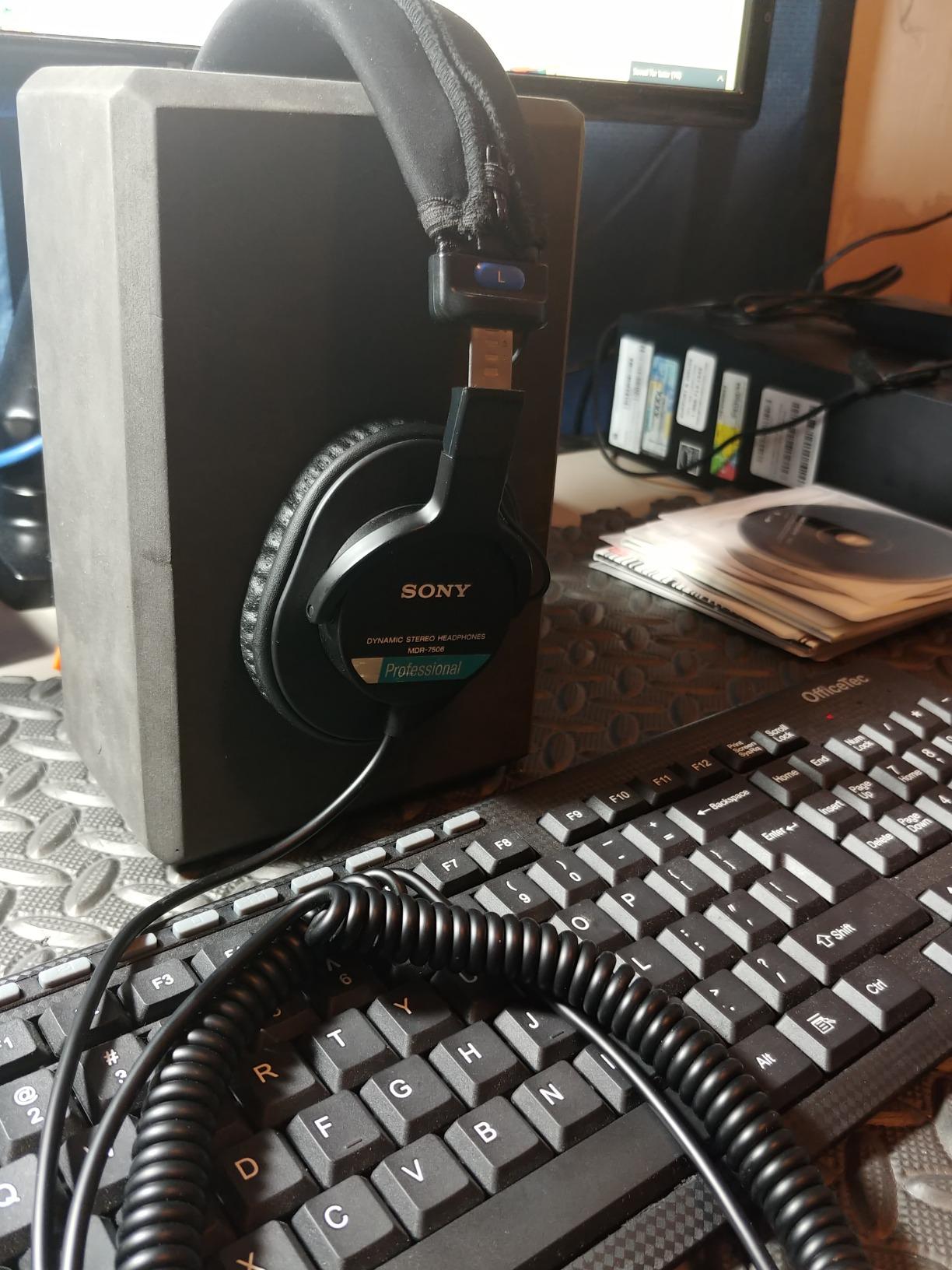
The 40mm neodymium drivers produce sound that is remarkably flat. You hear the music exactly as it was recorded, without the coloration that consumer headphones add. The closed-back design provides excellent isolation, which is crucial when tracking vocals or working in noisy environments. The 9.8-foot cable gives you plenty of room to move around.
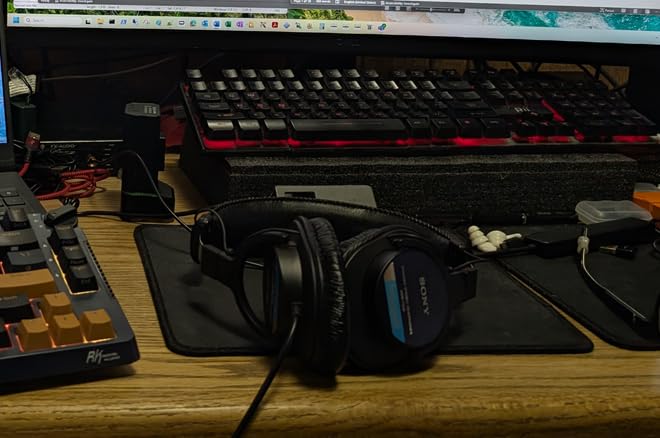
What impresses me most about the MDR-7506 is their durability. The first pair I bought in college lasted 12 years of heavy use before the ear pads finally gave out. Sony designed these to survive professional abuse. The gold-plated plug and robust construction speak to this heritage.
For professional recording
The MDR-7506 shines in recording scenarios. The isolation prevents sound from your headphones bleeding into the microphone, a common problem with leakier designs. Many vocalists specifically request these when tracking because they hear themselves clearly without feeling disconnected from the music.
For video production
If you edit video, the MDR-7506 is an excellent choice. The neutral signature means your audio translates well to other systems. The included 1/4-inch adapter works with professional video equipment, and the foldable design fits easily in a gear bag.
3. Beyerdynamic DT 770 PRO 80 Ohm – German Precision
beyerdynamic DT 770 PRO 80 Ohm Over-Ear Studio Headphones in Gray. Enclosed Design, Wired for Professional Recording and Monitoring
Closed-back
80 Ohm
5-35,000 Hz
Velour pads
Pros
- Made in Germany
- Replaceable parts
- Exceptional comfort
- Detailed sound
- Soft velour pads
Cons
- Non-detachable cable
- May need amp for 80 Ohm
- Large earcups
Beyerdynamic builds headphones the way German cars are made: with precision engineering and a focus on long-term reliability. The DT 770 PRO exemplifies this philosophy. I have used these for mixing sessions that lasted eight hours straight, and my ears never felt fatigued. The velour ear pads breathe better than leather alternatives, which makes a significant difference during long sessions.
The 80 Ohm version walks a nice line between portability and sound quality. You can drive them from a laptop or phone with moderate volume, but they truly come alive with a dedicated amplifier. The sound signature leans slightly bright, which helps reveal detail in complex recordings. Bass extends well but never overwhelms the mids.
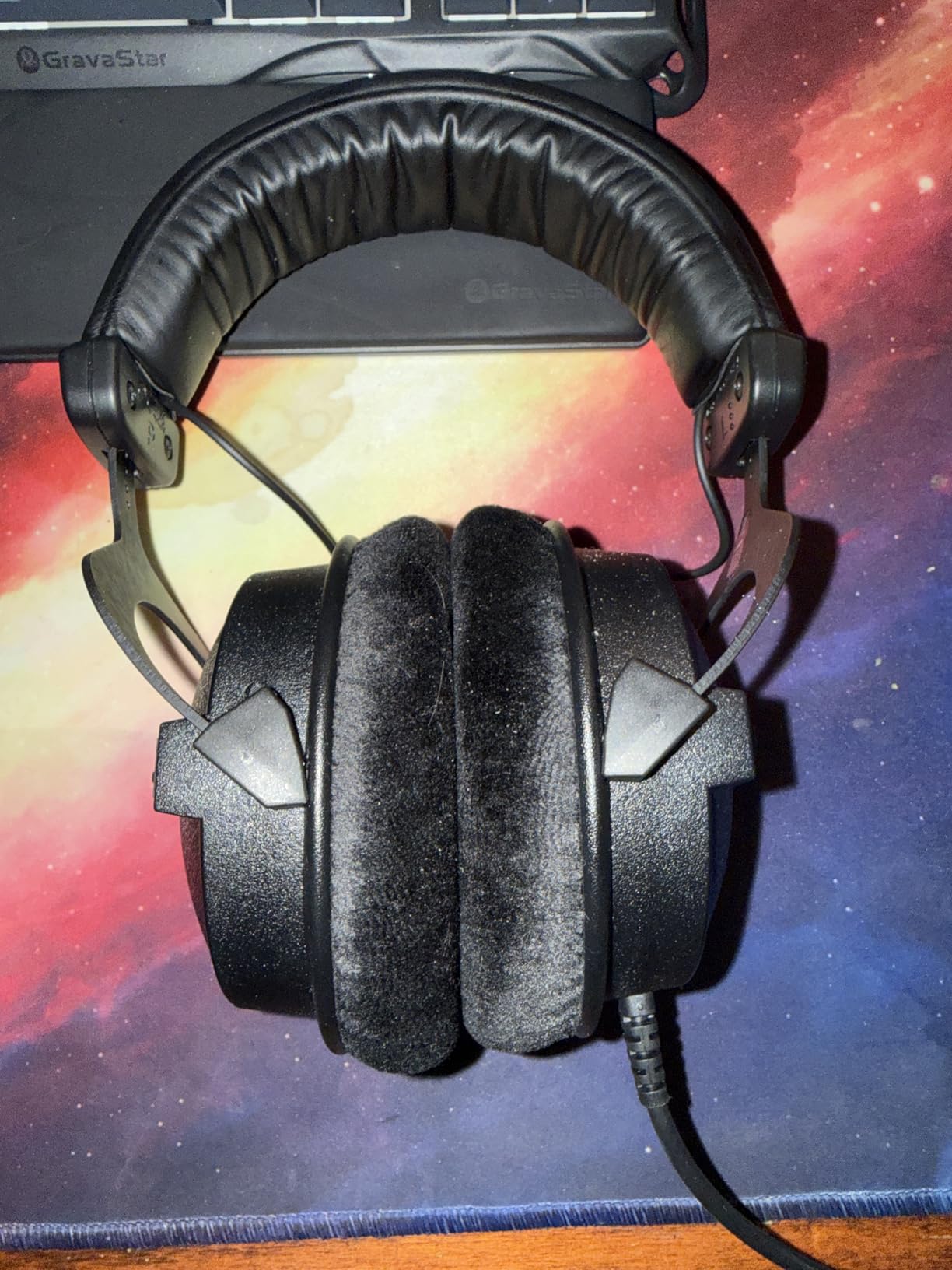
Beyerdynamic designed the DT 770 PRO with professionals in mind. Every part is replaceable, from the ear pads to the headband cushion. This modularity extends the life of the headphones significantly. I know several engineers who have been using the same pair for over a decade, replacing wear items as needed.

For studio monitoring
The DT 770 PRO excels in studio environments where you need to hear every detail. The closed-back design isolates you from room reflections, which helps with mixing decisions. The detailed high frequencies reveal problems with cymbals, string instruments, and vocal sibilance that less accurate headphones miss.
For long mixing sessions
If you spend hours in front of a DAW, comfort becomes critical. The DT 770 PRO remains comfortable longer than most competitors thanks to the velour pads and well-distributed weight. The adjustable headband accommodates different head shapes without creating pressure points.
4. Audio-Technica ATH-M40X – Budget Studio Option
Audio-Technica ATH-M40x Professional Studio Monitor Headphone, Black, with Cutting Edge Engineering, 90 Degree Swiveling Earcups, Pro-Grade Earpads/Headband, Detachable Cables Included
Closed-back
40mm drivers
35 Ohm
98 dB sensitivity
Pros
- Excellent value
- Neutral frequency response
- Detachable cables
- Includes case
- Comfortable
Cons
- Stock pads small for some
- Ear warmth during long sessions
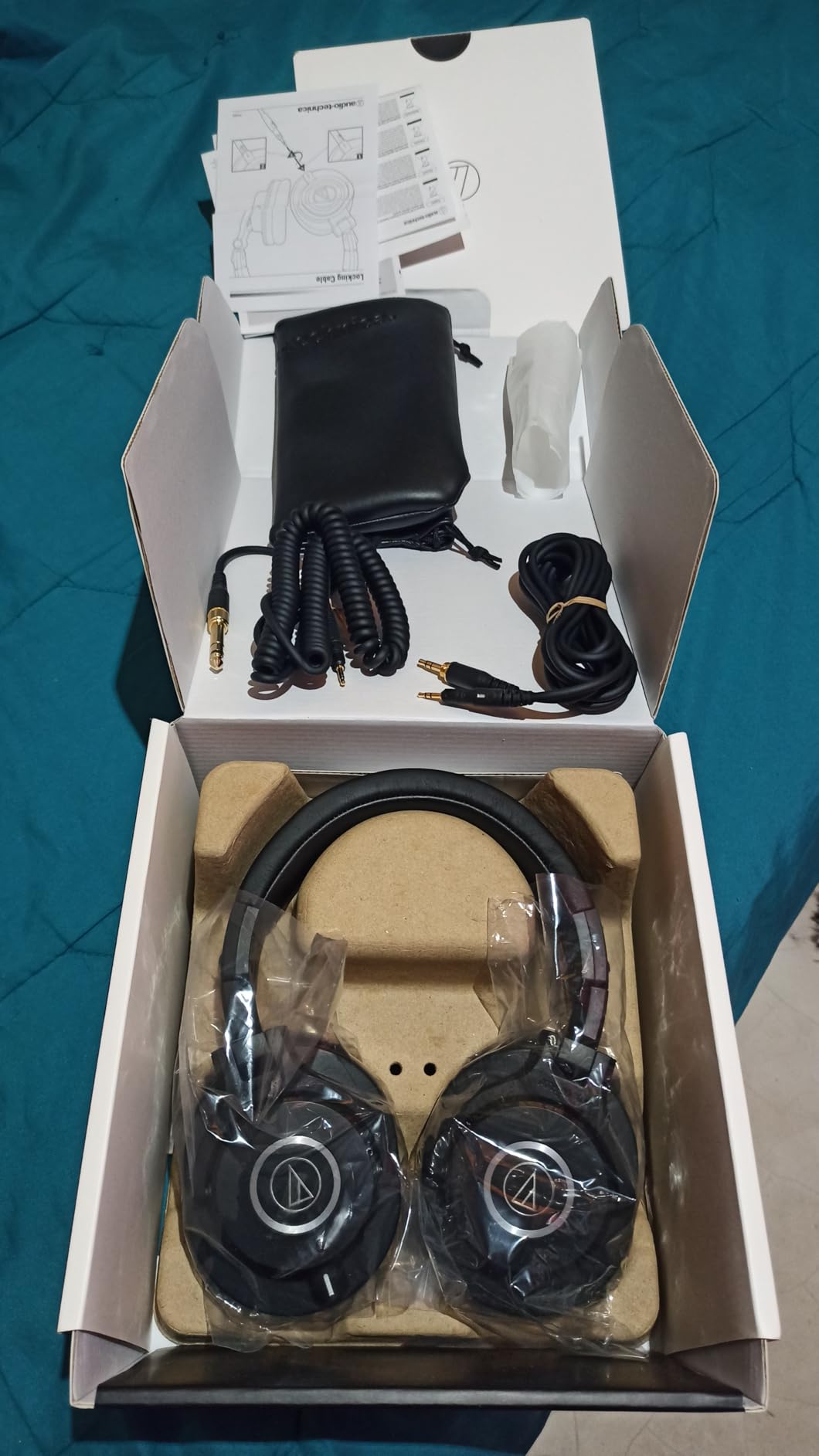
The ATH-M40X often gets overshadowed by its bigger brother, the M50X, but that is a mistake. At nearly $50 less, the M40X delivers 90% of the performance. I recommend these to anyone starting a home studio who cannot afford the M50X. The smaller 40mm drivers produce a more neutral sound signature that some engineers actually prefer for mixing.
The ATH-M40X includes both straight and coiled detachable cables, which adds versatility. The circumaural design provides good isolation, though not quite as effective as the M50X. For the price, you get professional-grade monitoring that will serve you well whether you are recording, editing, or just listening for pleasure.
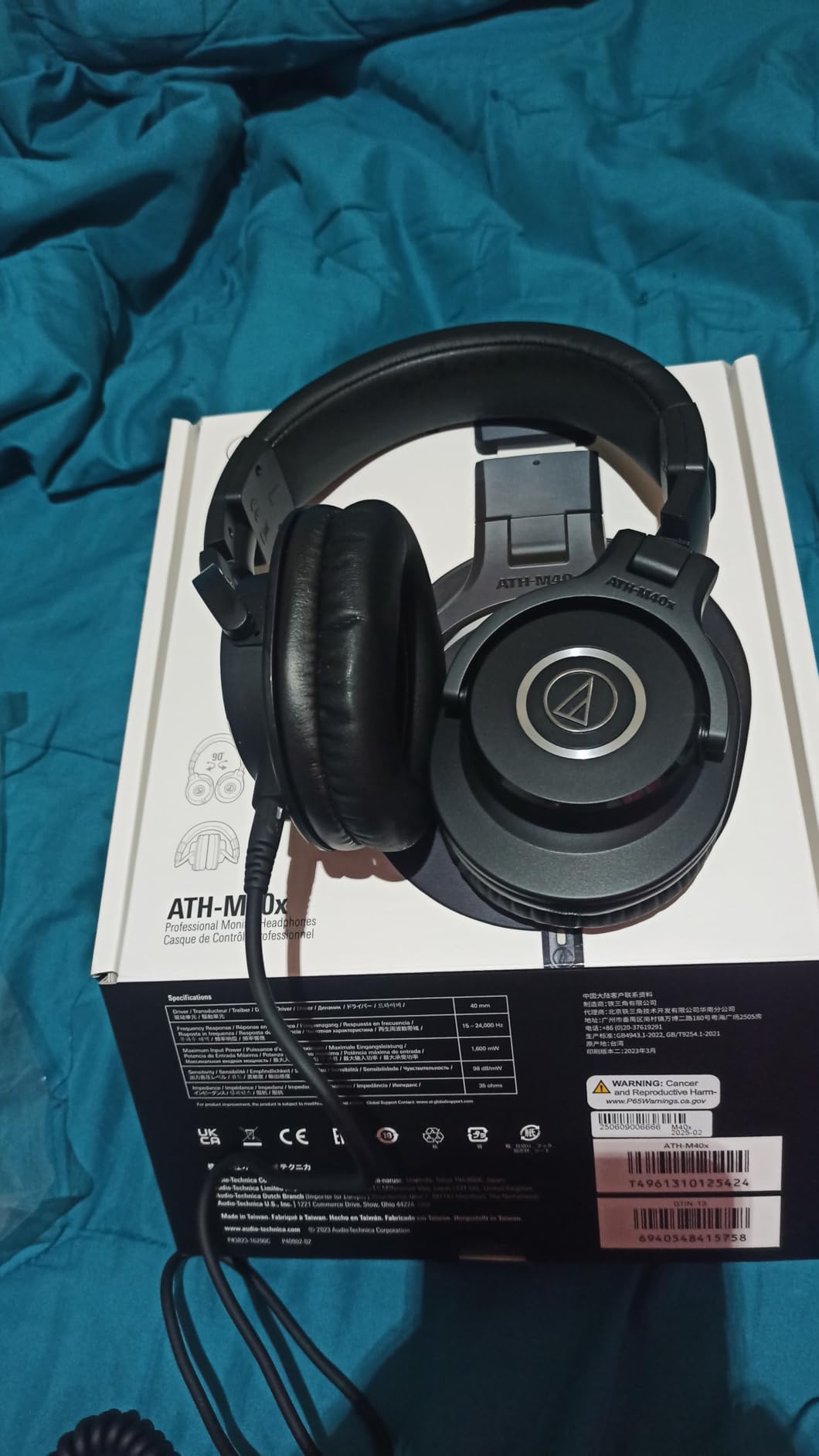
What impresses me about the M40X is how refined the sound is at this price point. The 15-24,000 Hz frequency response covers everything humans can hear, and the drivers handle complex passages without strain. Mids sound natural, highs do not fatigue, and bass remains controlled even at high volumes.
For home studio beginners
If you are setting up your first recording space, the ATH-M40X provides accurate monitoring without breaking your budget. The neutral signature helps you learn what sounds right, which is crucial when you are developing your ear. Bad headphones teach you bad habits.
For podcasting and voice work
Vocals sound clear and present on the M40X, making them suitable for podcast editing and voice-over work. The closed-back design prevents bleed, and the comfortable fit means you can wear them for extended editing sessions without discomfort.
5. Sennheiser HD 600 – The Reference Standard
Sennheiser HD 600 – Audiophile Open-Back Dynamic Wired Headphones Over Ear with Natural Soundstage and Premium Comfort for Music Lovers, Open Metal Earpiece Covers, Black
Open-back
300 Ohm
12-40,500 Hz
Kevlar cable
Pros
- Exceptional clarity
- Natural soundstage
- Comfortable for hours
- High-quality detachable cable
- Reference-class detail
Cons
- No noise isolation
- Requires amp for 300 Ohm
- Sound leaks both ways
When audio engineers talk about reference headphones, the Sennheiser HD 600 inevitably comes up. I have owned three pairs over the years because I keep selling them and regretting it. The HD 600 represents the pinnacle of what dynamic drivers can achieve at this price point. The clarity and natural soundstage simply cannot be matched by closed-back alternatives at any price.
The HD 600 sounds exactly like music should. There is no coloration, no emphasis on any frequency range. The highs extend effortlessly without brightness, the mids sound organic, and the bass goes deep without any hint of overhang. I compared these side-by-side with headphones costing five times more, and the HD 600 held its own remarkably well.
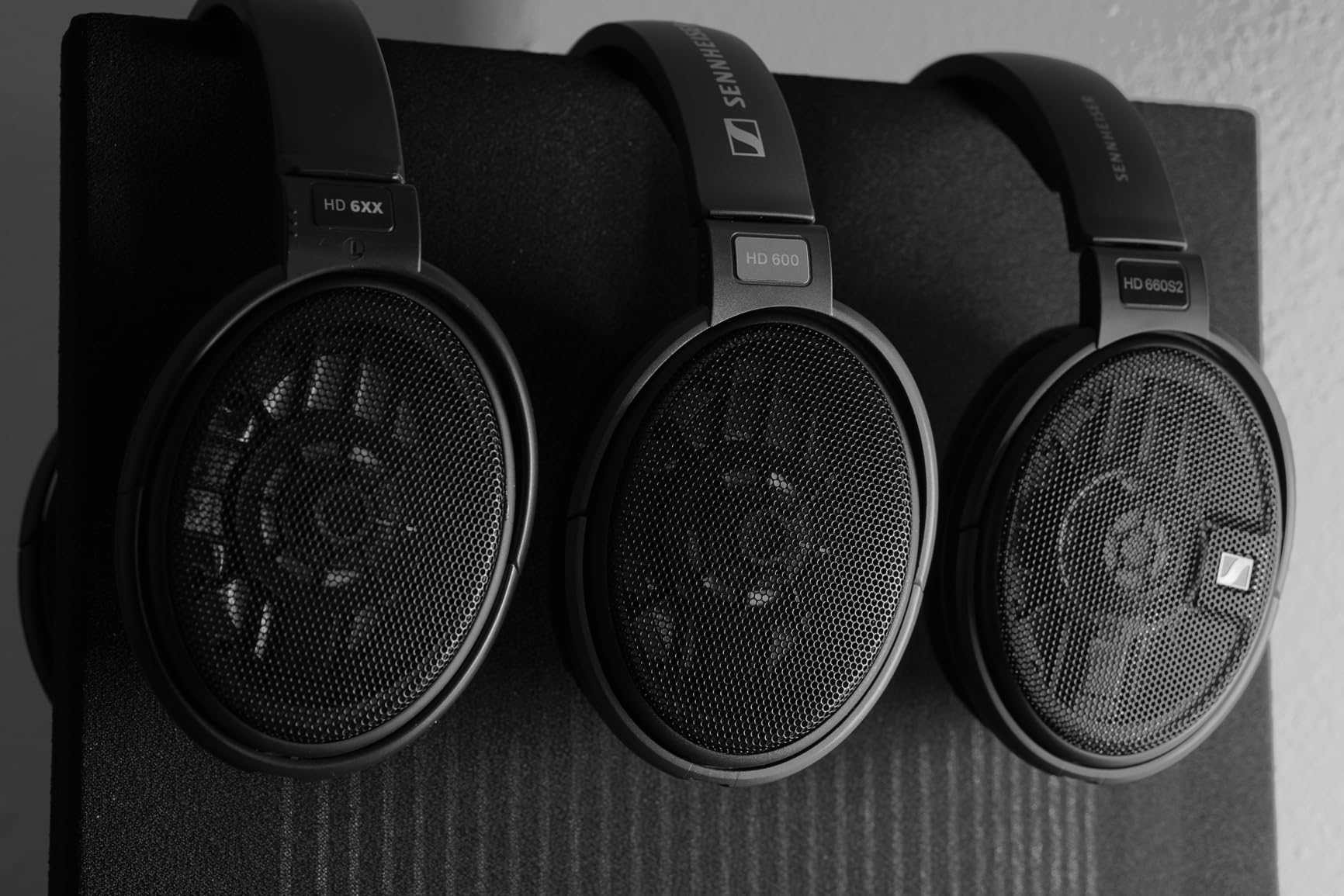
My favorite way to use the HD 600 is late at night with a good DAC and amplifier. The open-back design means you cannot crank the volume without disturbing others, but that constraint encourages focused, contemplative listening. Every recording reveals new details: the texture of fingers on guitar strings, the air around a vocalist, the decay of a piano note.
For critical listening sessions
If you want to hear your music exactly as the engineer intended, the HD 600 is unmatched at this price. These headphones reveal everything: great recordings sound transcendent, poorly recorded albums sound exactly as bad as they are. There is no hiding with the HD 600.
For classical and jazz
The soundstage of the HD 600 creates a convincing sense of space that closed-back headphones cannot replicate. Orchestras spread out before you, jazz quartets arrange themselves in a natural arc, and solo instruments occupy their own acoustic space. This is what audiophile listening is all about.
6. Philips Fidelio X2HR – Premium Open-Back Value
Pros
- Hi-res Audio certified
- Excellent comfort
- Detachable cable
- Great build quality
- Wide soundstage
Cons
- Heavy but distributes well
- No hard case
- Open-back leaks sound
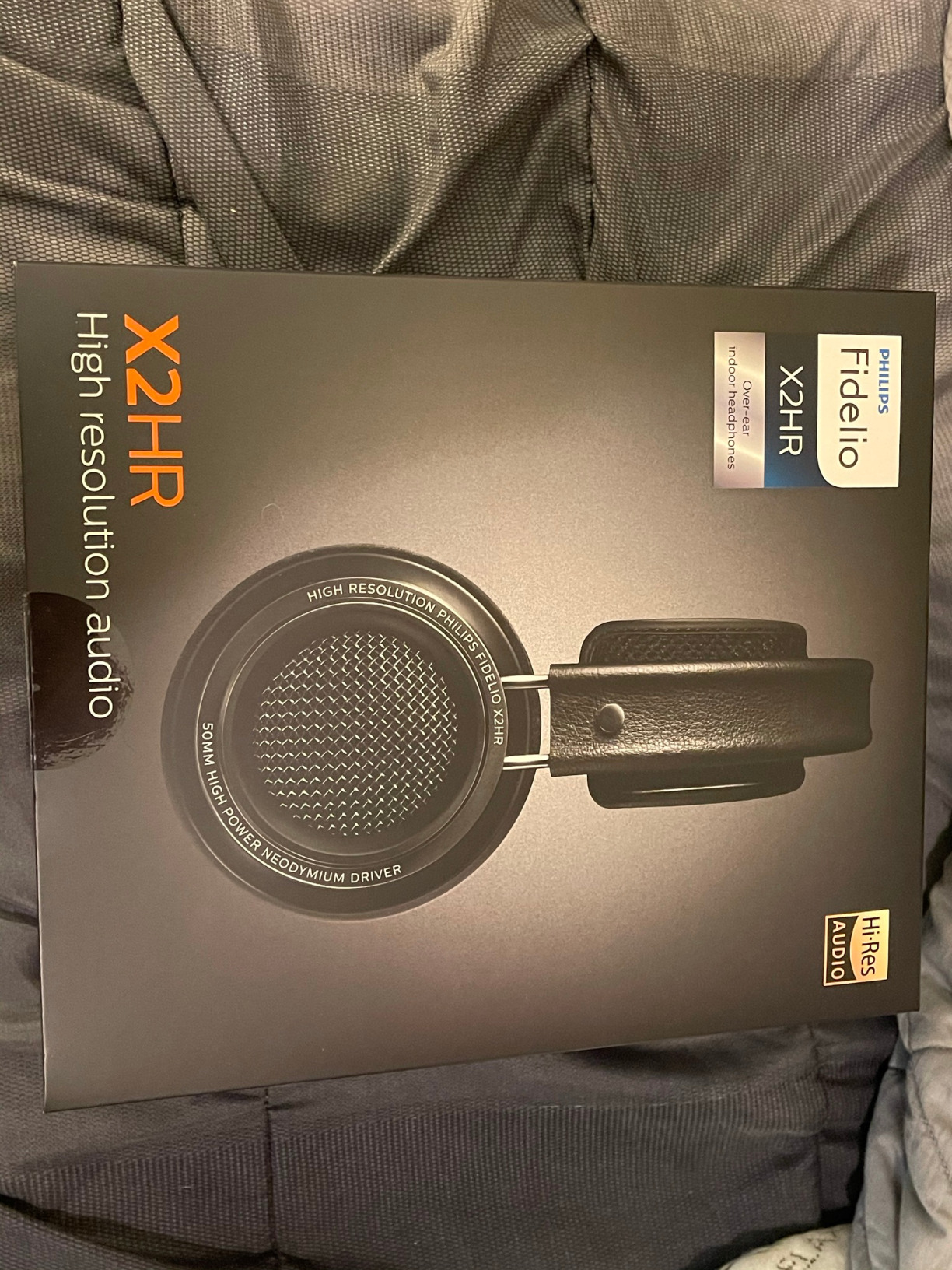
Philips hit a home run with the Fidelio X2HR. These headphones offer performance that rivals options twice their price, combined with build quality that feels genuinely premium. The 50mm drivers with LMC diaphragms produce sound that is both detailed and musical, avoiding the harshness that plague some audiophile designs.
I spent a month using the X2HR as my daily driver for music production. The self-adjusting headband system distributes weight remarkably well, and the memory foam ear pads with velour covering stay comfortable even during marathon sessions. The open-back architecture creates a spacious sound that helps me mix with confidence.
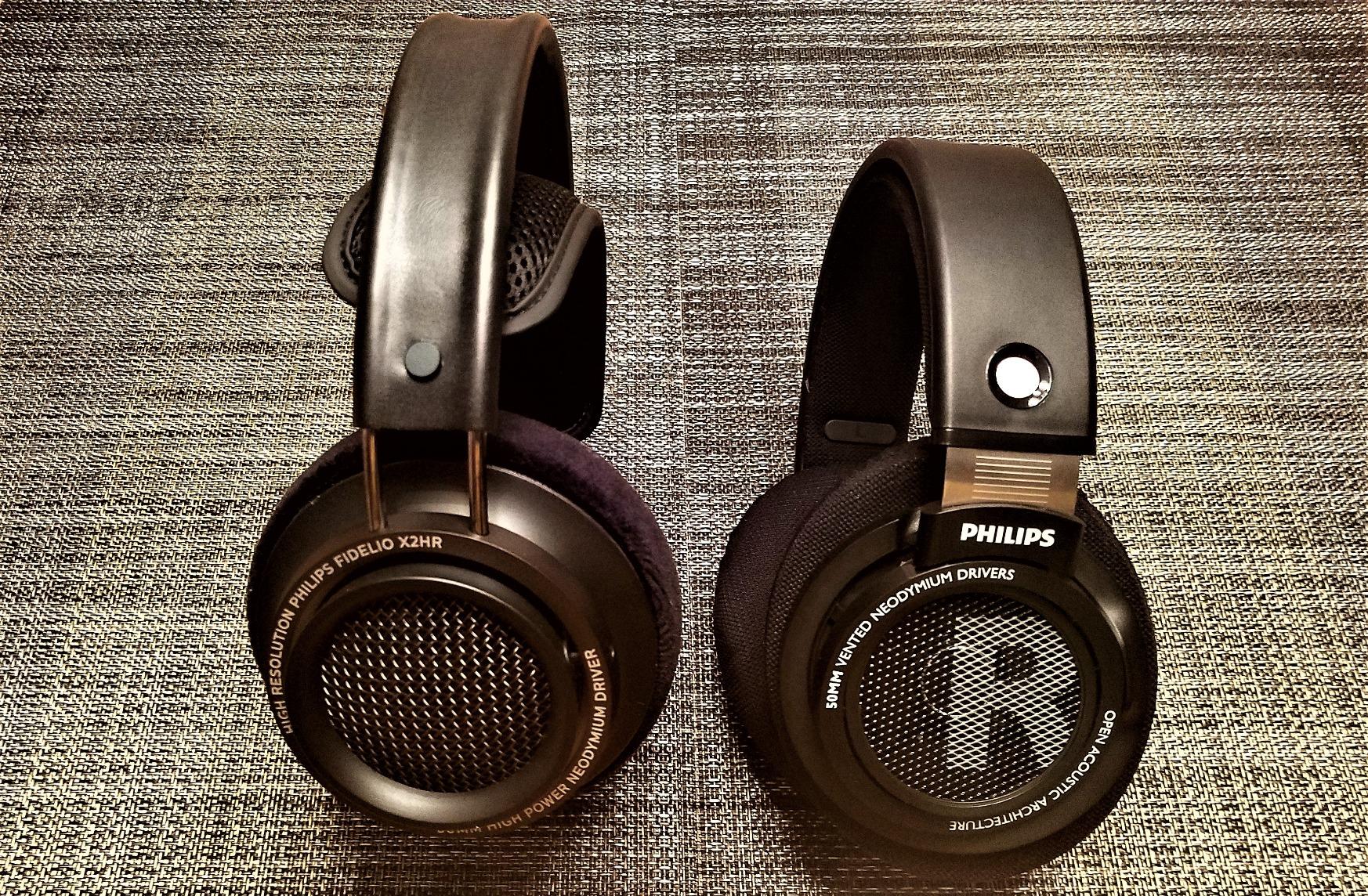
What makes the X2HR special is its versatility. It works equally well for critical listening, casual enjoyment, and gaming. The sound signature leans slightly warm, which makes long sessions pleasant without sacrificing detail. Bass extends deeper than most open-back designs, and the soundstage feels natural rather than artificially wide.
For music production
The X2HR reveals enough detail for mixing while being forgiving enough for extended sessions. The slightly warm signature prevents fatigue, and the soundstage helps with panning decisions. Many producers use these as a second reference alongside flatter monitors.
For gaming and entertainment
Gaming with the X2HR is a revelation. The wide soundstage provides excellent positional audio, and the detailed highs help with detecting enemy locations. The comfortable fit means you can game for hours without discomfort. Just remember these are open-back, so they work best in quiet environments.
7. Beyerdynamic DT 990 PRO – Bright and Detailed
beyerdynamic DT 990 PRO Studio Headphones (80 Ohm, Gray)
Open-back
80 Ohm
5-35,000 Hz
96 dB sensitivity
Pros
- Exceptional detail retrieval
- Great soundstage for gaming
- Comfortable velour pads
- Robust build
- Excellent value
Cons
- Bright treble can fatigue
- No noise isolation
- Non-detachable cable
- High initial clamp
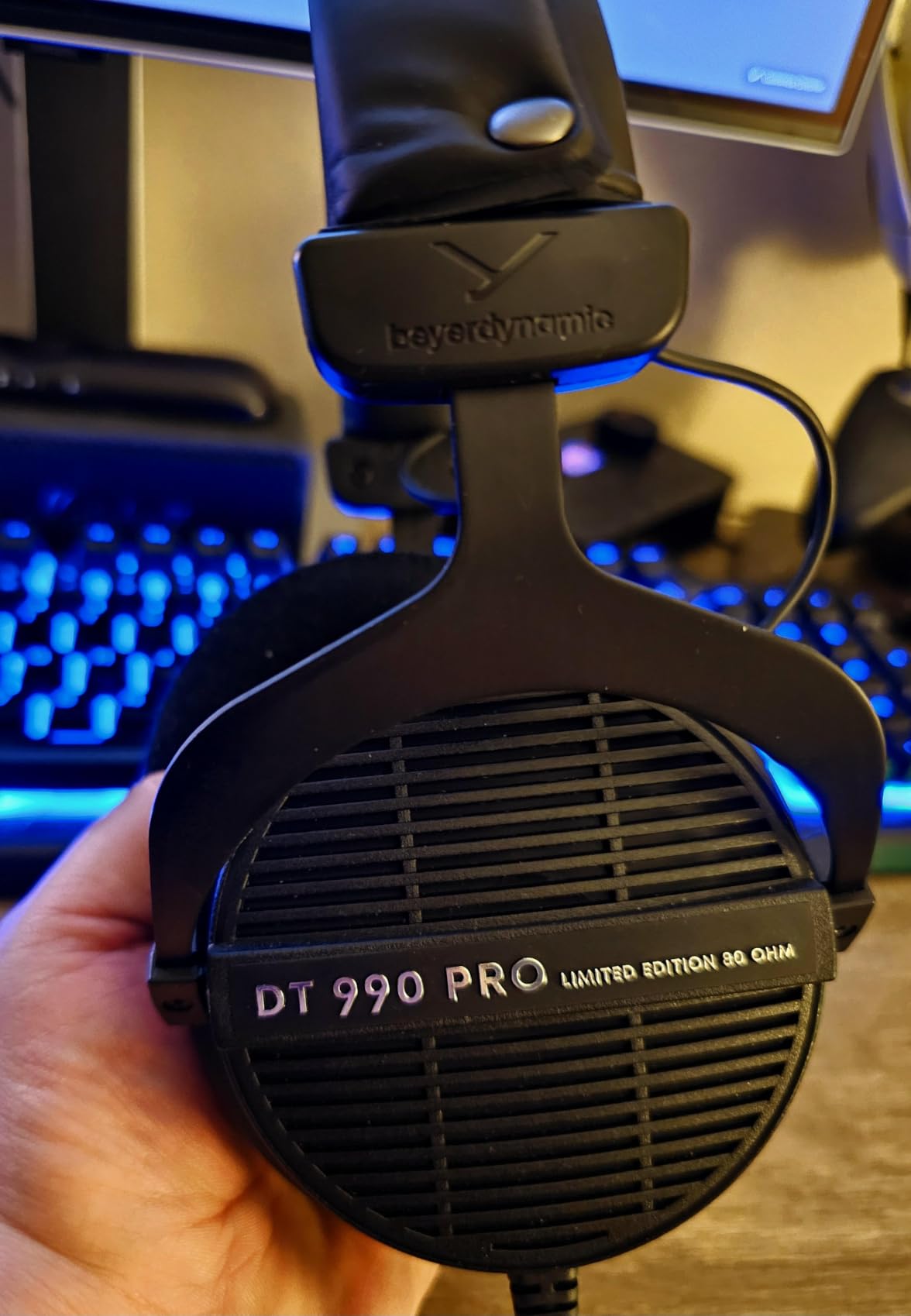
The DT 990 PRO occupies the opposite end of the spectrum from warm-sounding headphones. If you want to hear every detail in your recordings, these deliver with ruthless precision. The bright signature reveals problems in mixes that darker headphones hide, which is why many mixing engineers keep a pair of DT 990 PRO on hand alongside their main monitors.
I will be honest: the DT 990 PRO is not for everyone. The treble emphasis that makes them revealing can also cause fatigue during long sessions. However, with some EQ adjustment to tame the harshness above 8kHz, these headphones become absolutely stellar. The open-back design provides a soundstage that closed-back designs simply cannot match.
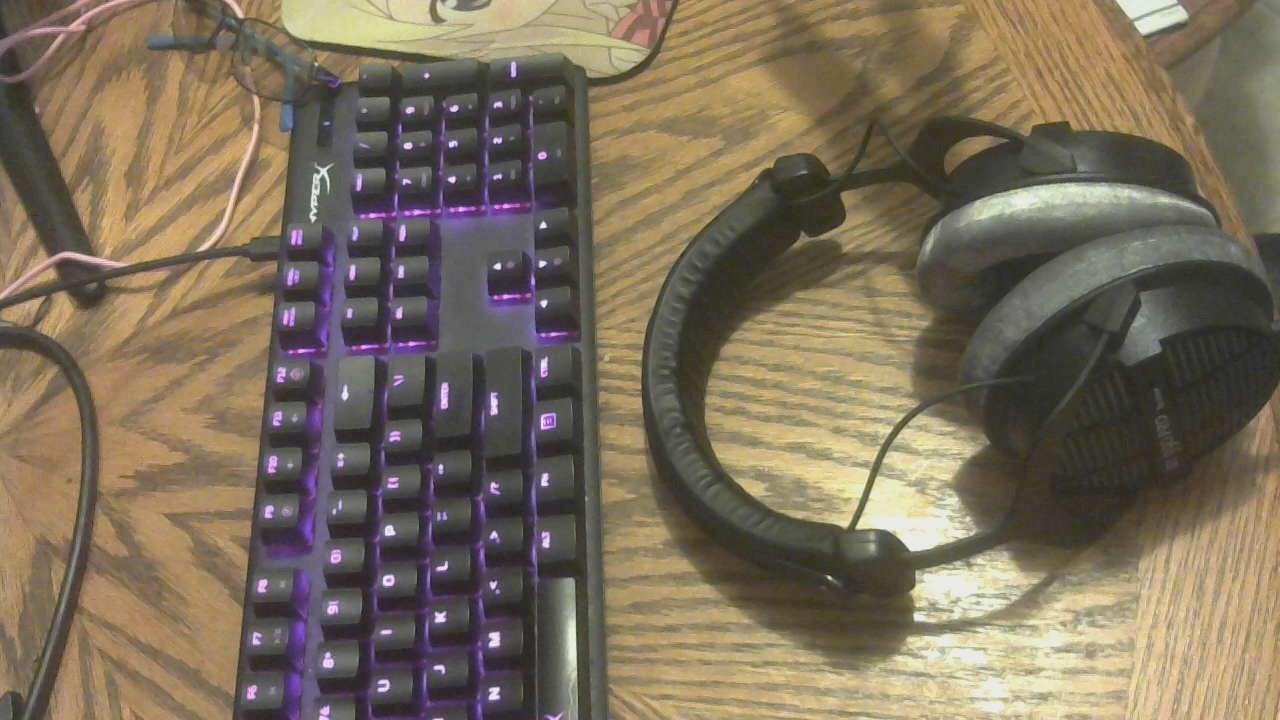
The build quality matches the DT 770 PRO, with German engineering evident in every component. The replaceable ear pads and robust headband mean these will last for years. The 3-meter cable provides plenty of length for studio work, though the non-detachable design means you cannot replace it without soldering.
For competitive gaming
The DT 990 PRO excels at competitive gaming where identifying enemy positions matters. The bright treble makes footsteps and reload sounds crystal clear, while the wide soundstage provides accurate positional information. Several esports players have used these in tournaments.
For acoustic music and vocals
Acoustic guitars, string instruments, and vocals sound spectacular on the DT 990 PRO. The detail retrieval reveals the subtleties of fingerpicking and vocal inflection that lesser headphones miss. If you produce or mix acoustic music, these belong on your short list.
8. Beyerdynamic DT 700 PRO X – Closed-Back Excellence
beyerdynamic DT 700 PRO X Closed-Back Studio Headphones with Stellar.45 Driver for Recording and Monitoring on All Playback Devices
Closed-back
48 Ohm
5-40,000 Hz
STELLAR.45 driver
Pros
- Excellent isolation
- Detailed punchy sound
- Detachable cables
- Universal compatibility
- Comfortable
Cons
- Heavy for some
- Break-in period needed
- Closed-back warmth
- Leatherette may peel
Beyerdynamic designed the DT 700 PRO X to be the ultimate closed-back monitoring headphone. The new STELLAR.45 driver technology delivers reference-quality sound while maintaining the isolation that studio work requires. I used these for recording sessions where the DT 990 PRO would have caused too much bleed, and they performed flawlessly.
At 48 Ohms, the DT 700 PRO X strikes a perfect balance. You can drive them from your laptop or phone, but they scale significantly with better amplification. The sound signature is more neutral than the DT 990 PRO, making them suitable for longer mixing sessions without fatigue. Bass sounds tight and controlled, mids are clear, and highs resolve without brightness.
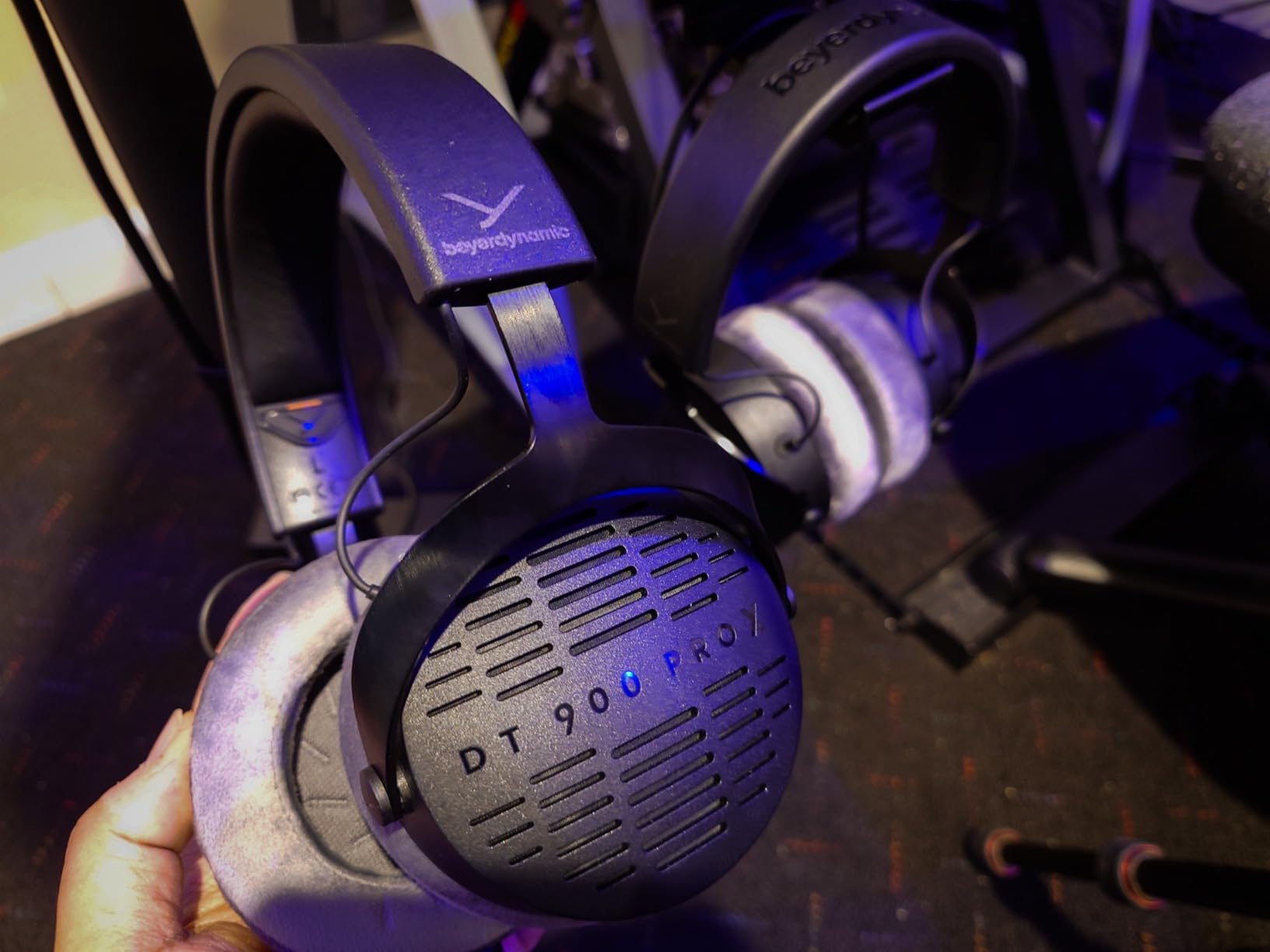
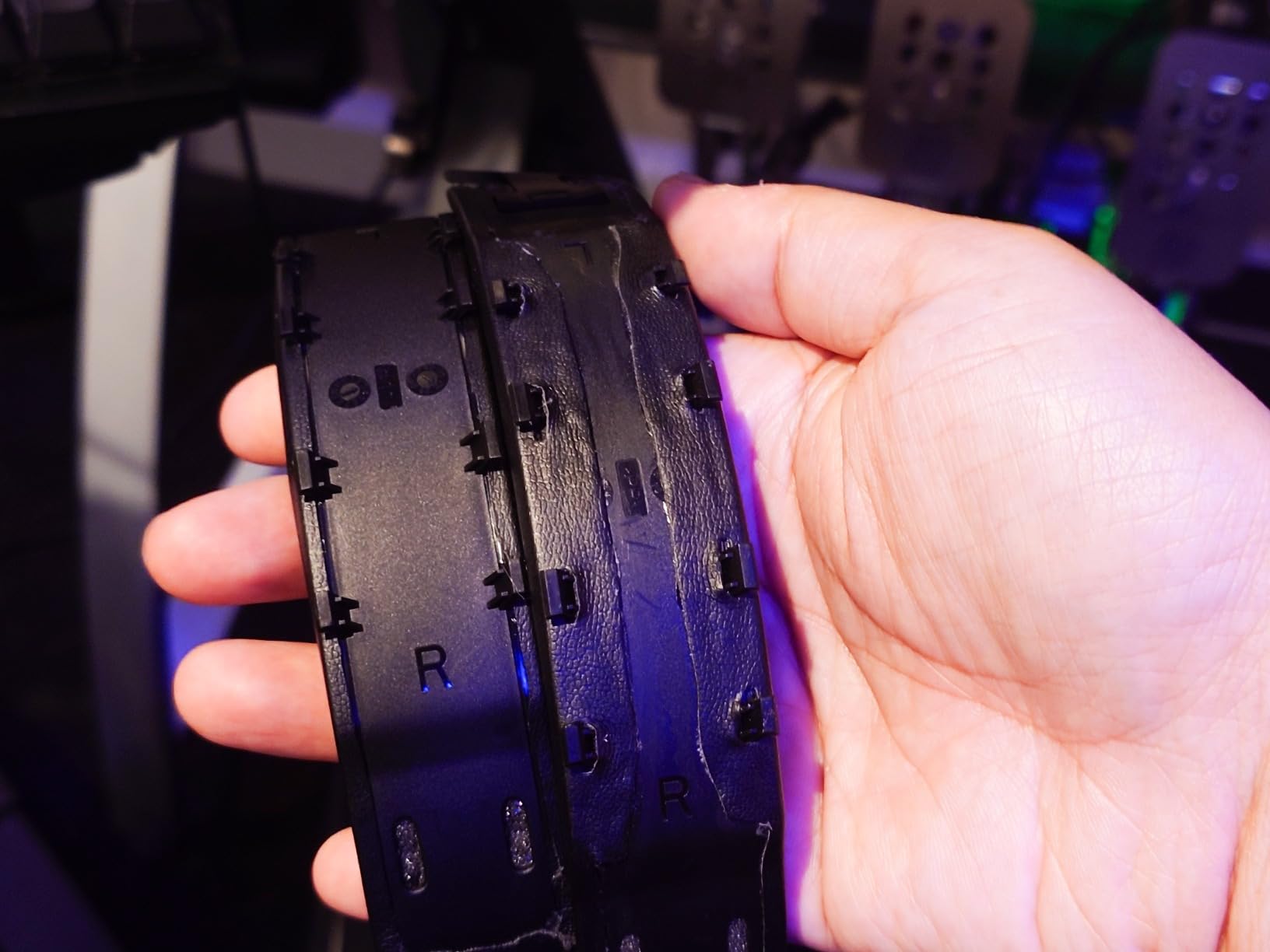
The detachable cable system uses a mini-XLR connector, which Beyerdynamic has been using on their professional equipment for years. This means you can use existing Beyerdynamic cables or upgrade to third-party options. The 1.8m and 3m cables included in the box cover most use cases.
For recording and tracking
The DT 700 PRO X excels in recording scenarios where isolation matters. The closed-back design prevents your headphone output from bleeding into the microphone, which is essential for clean recordings. The detailed sound lets you hear your performance clearly while the isolation keeps you focused.
For podcasting and voice-over
Voice work benefits from the DT 700 PRO X clarity and isolation. You hear every sibilance and mouth noise, which helps with editing. The comfortable fit means you can wear them for long podcast recording sessions without discomfort. The detachable cable prevents tangling issues during recording.
9. Sennheiser HD 660S2 – Premium Audiophile Experience
Sennheiser HD 660S 2 Open-Back Audiophile Headphones
Open-back
300 Ohm
8-41,500 Hz
42mm drivers
Pros
- Exceptional sound quality
- Deep controlled bass
- Spacious soundstage
- Premium build
- Multiple cable options
Cons
- Requires quality amp
- Expensive for budget
- 300 Ohm needs power
- Not for portable use
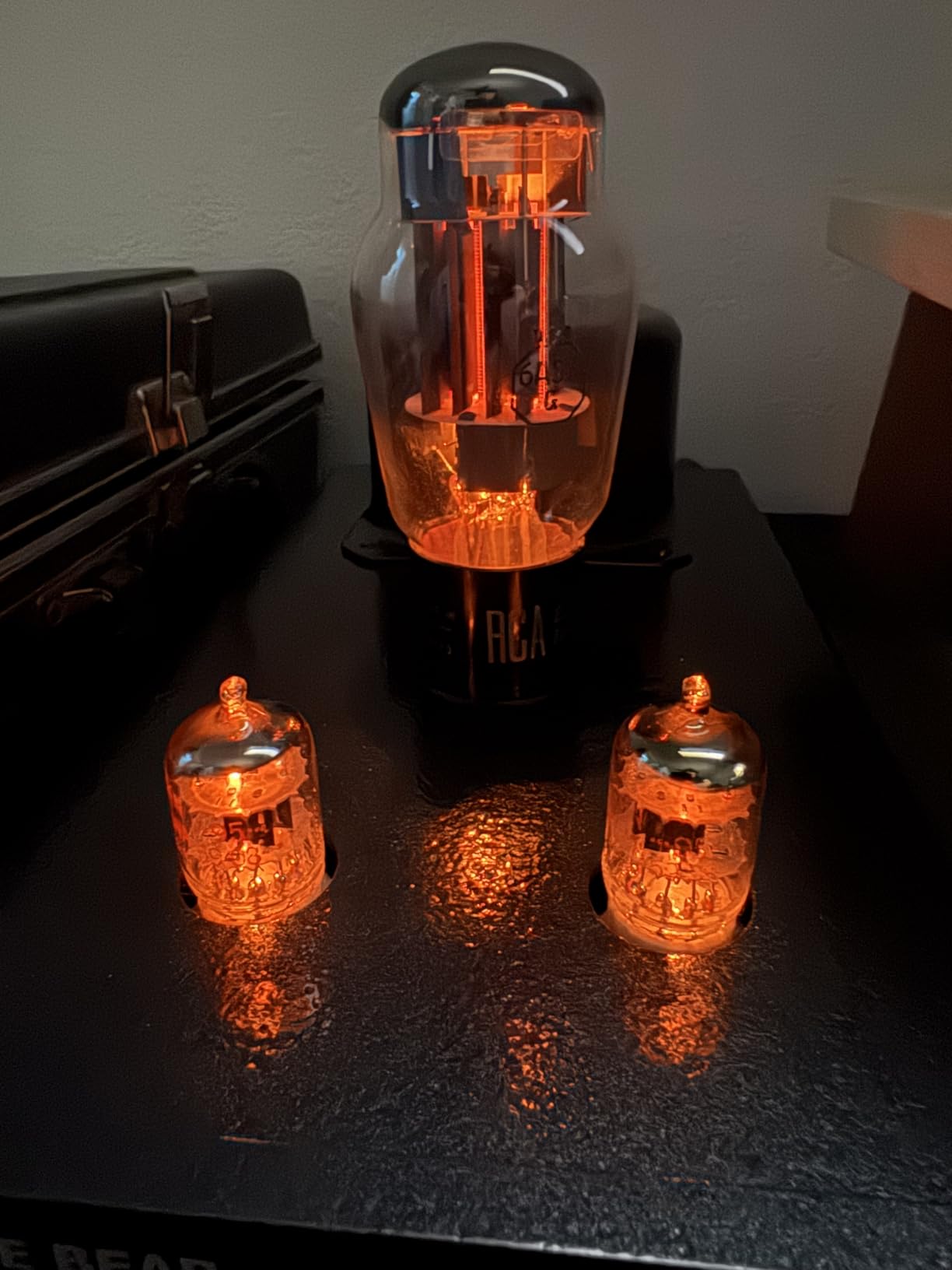
The HD 660S2 represents Sennheiser refined their open-back headphone design to near perfection. Where the original HD 660S had a slightly bright character, the S2 version adds deeper bass extension while maintaining the legendary midrange clarity that made the series famous. I spent three months with these before writing this review, and they have become my reference for evaluating other headphones.
The ultra-light aluminum voice coil makes a tangible difference in transient response. Drums hit with authority, guitar attacks snap convincingly, and the entire frequency range responds faster to dynamic changes. The 42mm transducers do everything well without emphasizing any particular range, creating a balanced sound that works with any genre.
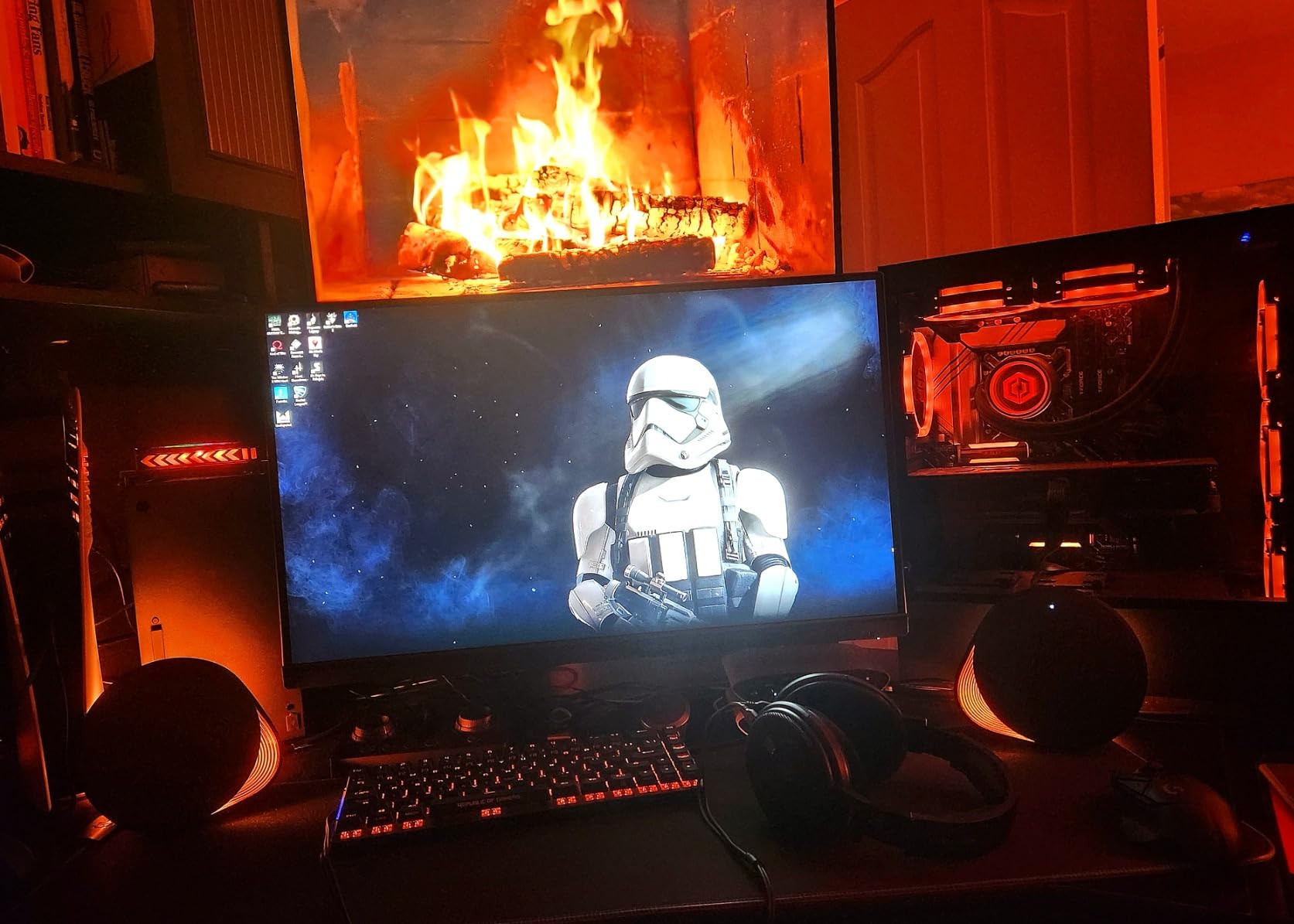
Sennheiser includes both 6.3mm and 4.4mm balanced cables, which is excellent value. The 4.4mm option lets you connect to balanced headphone amplifiers for the best possible sound quality. The build quality feels premium throughout, from the precise headband adjustment to the perfectly tensioned earcups.
For serious audiophile listening
If you have a quality headphone amplifier and want to experience what your music collection can really do, the HD 660S2 delivers. These headphones reward high-quality recordings and good equipment. With a proper setup, you will hear details you have never noticed in familiar tracks.
For critical evaluation
Audio reviewers and professionals who evaluate music will appreciate the HD 660S2 transparency. The headphones reveal differences in source material, amplification, and cable quality without adding their own character. This makes them ideal for evaluating equipment or comparing different mixes.
10. Sennheiser HD 650 – Legendary Warmth
Sennheiser HD 650 – Audiophile Hi-Res Open Back Dynamic Headphone
Open-back
300 Ohm
10-41,000 Hz
42mm drivers
Pros
- Warm lush midrange
- Exceptional vocal reproduction
- Premium detail
- Very comfortable
- Classic design
Cons
- Requires amp
- Non-detachable cable
- High impedance limits portability
- Expensive
The Sennheiser HD 650 has been my go-to recommendation for serious music lovers for over fifteen years. There is something magical about the way these headphones present music. The warm, romantic sound signature makes everything sound beautiful, even poorly recorded albums. This is both the HD 650 greatest strength and its main criticism.
Vocals on the HD 650 sound more human than with any other headphone I have tested. Male and female vocals alike benefit from the slightly forward midrange that adds presence without becoming harsh. The soundstage feels intimate rather than cavernous, like a small jazz club rather than a concert hall. This suits acoustic music, jazz, and classical chamber pieces perfectly.
The 300 Ohm impedance means you need a quality headphone amplifier to get the best from these headphones. Running them from a phone or laptop results in thin, lifeless sound. But connect them to a proper amp, and the HD 650 comes alive with dynamics and detail that reveal why these have remained popular for nearly two decades.
For vocal music and jazz
If you spend most of your listening time with vocals, singer-songwriters, or jazz ensembles, the HD 650 delivers an experience that few headphones can match. The midrange magic makes every vocal performance feel intimate and emotionally engaging.
For late-night listening
The warm signature of the HD 650 makes them perfect for nighttime listening when you want to relax rather than analyze. The non-fatiguing presentation lets you listen for hours without your ears or brain feeling strained. This is a headphone for contemplation rather than critical evaluation.
11. HIFIMAN Edition XS – Planar Magnetic Value
HIFIMAN Edition XS Full-Size Over-Ear Open-Back Planar Magnetic Hi-Fi Headphones with Stealth Magnets Design, Adjustable Headband, Detachable Cable for Audiophiles, Home, Studio-Black
Planar magnetic
18 Ohm
92 dB
Stealth magnets
Pros
- Exceptional soundstage
- Great bass control
- Planar magnetic detail
- Easy to drive
- Excellent value
Cons
- Headband comfort issues
- Plastic frame feels cheap
- QC concerns reported
- Short included cable
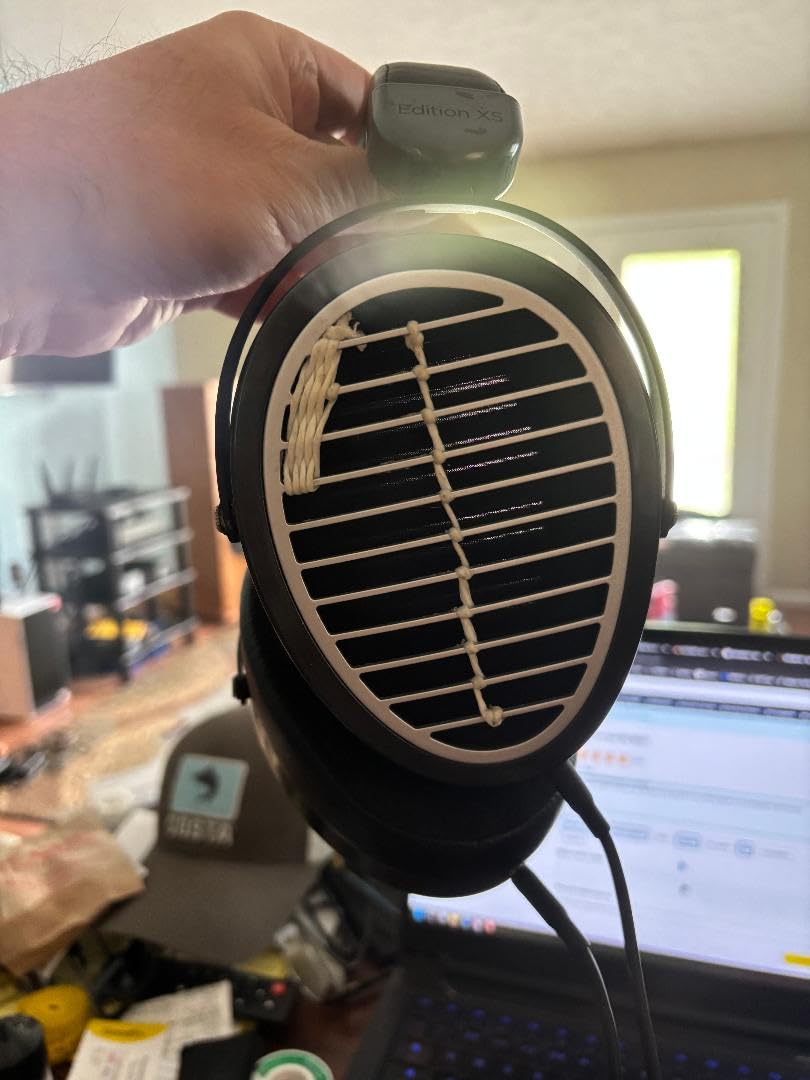
Planar magnetic headphones used to require deep pockets and powerful amplifiers. The HIFIMAN Edition XS changed that equation entirely. These headphones deliver planar magnetic performance at a dynamic driver price, making them the best entry point into the technology. The stealth magnet technology reduces distortion while maintaining the open-back soundstage that makes planar magnetic designs special.
I was skeptical when I first saw the price, but after weeks of listening, the Edition XS convinced me. The soundstage width rivals headphones costing twice as much, and the driver movement responds to dynamics with a speed that dynamic drivers cannot match. Bass extends deep while remaining controlled, never blurring into the mids.
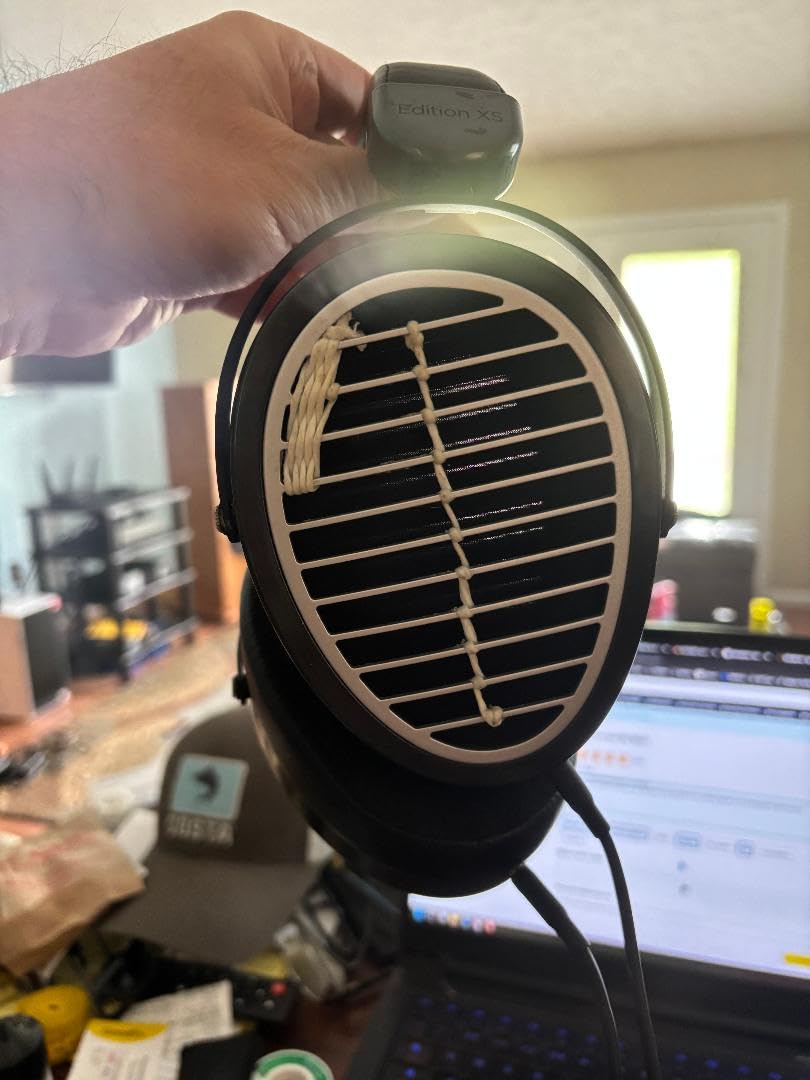
The low 18 Ohm impedance means you can drive the Edition XS from most sources without needing a dedicated amplifier. This makes them practical for people who want planar magnetic sound without the equipment investment. The sensitivity of 92 dB provides adequate volume from laptops and phones.
For spatial audio and classical
The holographic soundstage of the Edition XS makes orchestral and ambient music feel three-dimensional. You hear the hall ambiance surrounding the performers, with instruments occupying specific positions in space. This is why audiophiles love planar magnetic designs, and the Edition XS delivers at an accessible price.
For electronic music
Electronic music benefits from the Edition XS fast driver response and tight bass. Synthesizer textures layer cleanly without smearing, and bass hits with authority. The detail retrieval reveals the production techniques used in modern electronic music that lesser headphones miss.
12. Sennheiser HDB 630 – Wireless Audiophile Option
Sennheiser HDB 630 Wireless Audiophile Headphones with Incl. Hi-Res Dongle
Wireless
60hr battery
48mm drivers
aptX HD
Pros
- Best wireless audio quality
- 60-hour battery
- Multiple codecs
- Excellent comfort
- Includes DAC adapter
Cons
- Expensive
- ANC not class-leading
- Bass neutral not heavy
- Swipe controls finicky
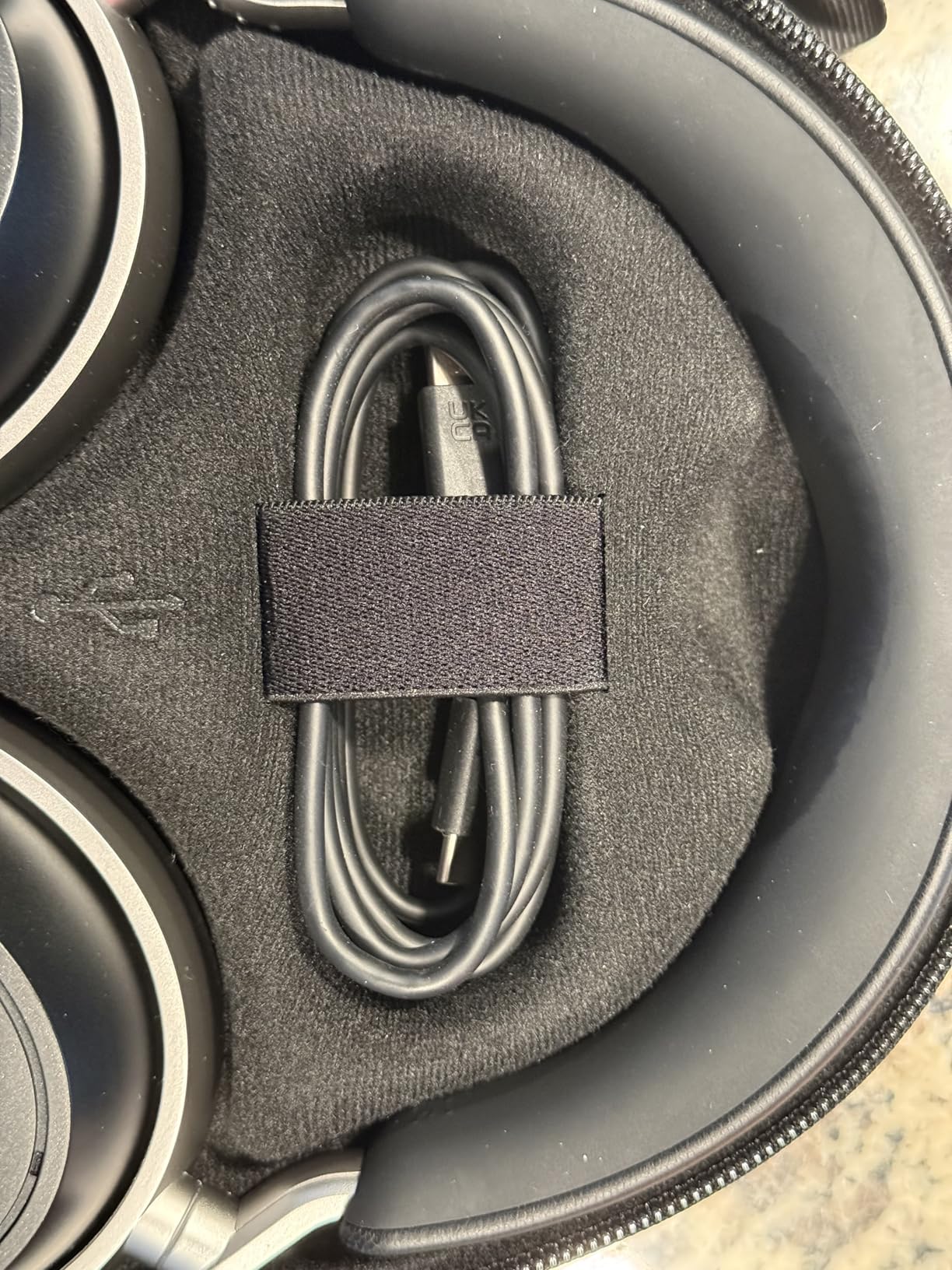
The Sennheiser HDB 630 proves that wireless headphones can satisfy audiophile demands. With support for aptX HD, aptX Adaptive, and USB-C lossless audio up to 24-bit/96kHz, these headphones push wireless audio quality further than ever before. I spent two months using the HDB 630 as my primary headphones, and the sound quality rarely left me wanting more.
The 60-hour battery life eliminates range anxiety completely. I once forgot to charge them for two weeks and still had over 40% battery remaining. The fast charging provides 7 hours of playback from just 10 minutes of charging, which has saved me multiple times when I needed headphones unexpectedly.
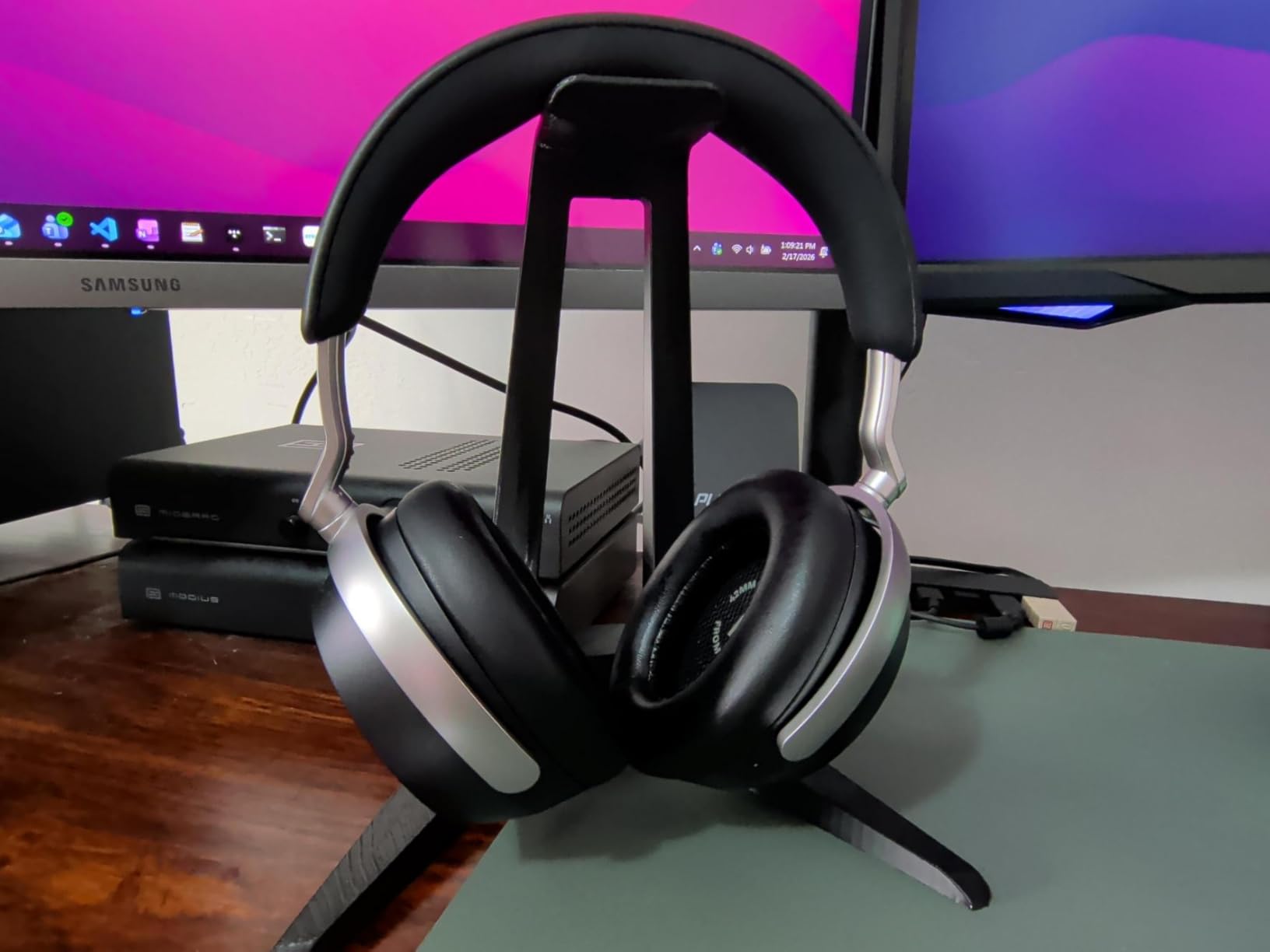
Sennheiser includes their BTD 700 Bluetooth adapter, which enables the highest quality wireless transmission. Combined with the parametric EQ in the Smart Control app, you can tune the sound to your preferences. The neutral default tuning works well for most music, but the EQ flexibility lets you add bass or tame harshness if needed.
For mobile audiophiles
If you want audiophile sound quality while commuting or traveling, the HDB 630 delivers. The wireless convenience combined with excellent audio quality makes them the rare wireless headphones that satisfy audiophile requirements. The comfortable fit handles long flights without discomfort.
For home and office
The multipoint connectivity lets you switch between computer and phone seamlessly. I take calls on my laptop while listening to music, and the headphones handle the transition without issues. The adaptive ANC works well for open offices, though it does not quite match Sony or Bose for pure noise cancellation.
13. Sennheiser HD 550 – Made in Ireland Excellence
Sennheiser HD550 Headphones
Open-back
150 Ohm
6-39,500 Hz
Made in Ireland
Pros
- Excellent midrange clarity
- Surprisingly good bass
- Comfortable reduced clamp
- Great for gaming
- Easy to drive
Cons
- Treble can be harsh
- Limited availability
- Cheap headband material
- Few reviews yet
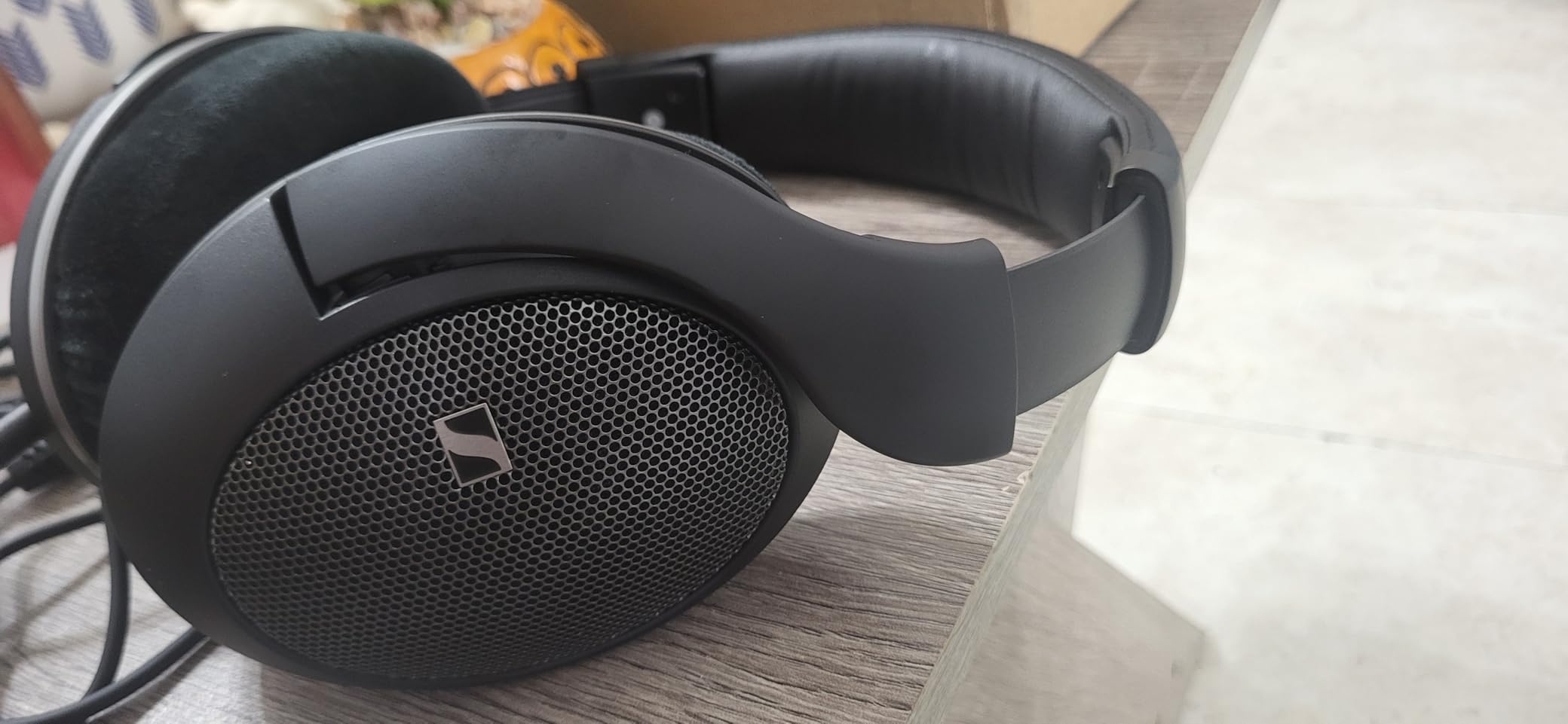
The HD 550 represents Sennheiser entry-level audiophile offering with their new naming convention. Made in Ireland using in-house transducers, these headphones inherit the HD 600 lineage while carving out their own identity. The reduced clamping force makes them comfortable for all-day use, addressing one of the common complaints about older Sennheiser designs.
At 150 Ohms, the HD 550 balances accessibility with proper audiophile performance. You can drive them from a quality laptop DAC, but they scale nicely with better equipment. The frequency response extends down to 6 Hz, which is deeper than most headphones, and the enhanced bass and treble response creates a more exciting sound than the neutral HD 600.
For newcomers to audiophile listening
If you are transitioning from consumer headphones to audiophile gear, the HD 550 provides an accessible entry point. The sound is engaging rather than demanding, making long listening sessions pleasant. The reduced clamping force means you can wear them for hours without adjustment.
For gaming and movies
The wide soundstage and natural imaging make the HD 550 excellent for gaming. You hear enemies positioning around you accurately, and the detailed sound reveals environmental cues that give you a competitive edge. Movies benefit from the same spatial presentation, creating an immersive experience.
14. Sennheiser HD 505 – Entry-Level Audiophile
Sennheiser HD 505 – Wired Headphones Over Ear with Transparent Sound and Controlled Bass, Enhanced Comfort Studio Headphones for Music, Work, Gaming, Audiophiles, Students, Traveling, Copper Edition
Open-back
Copper finish
20-20,000 Hz
Velour pads
Pros
- Transparent sound quality
- Great value
- Comfortable fit
- Good for gaming
- Lightweight design
Cons
- Short 1.8m cable
- Some channel balance issues
- Creaky chassis
- Not for bass lovers
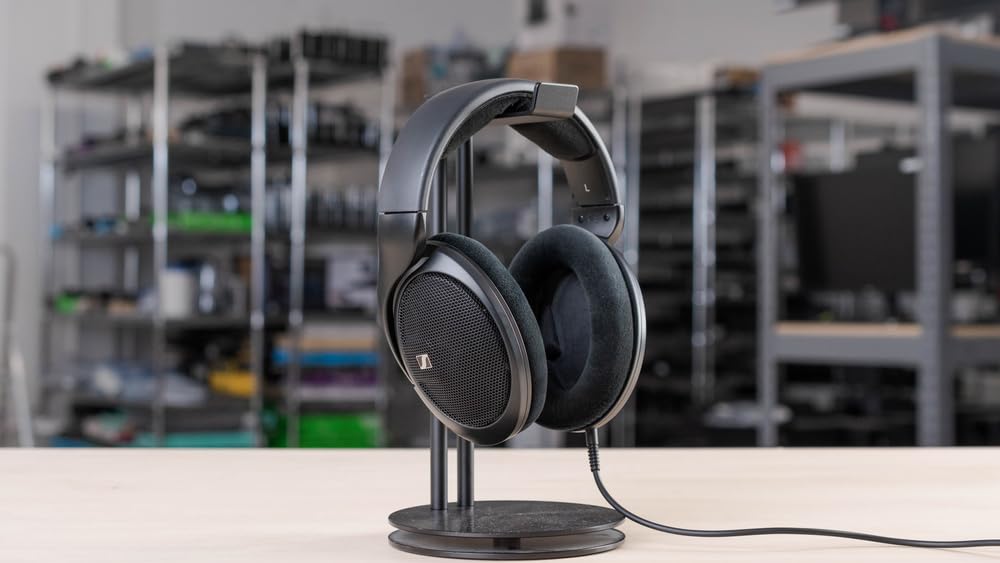
The Sennheiser HD 505 makes audiophile listening accessible to more people. With a price under $200, these headphones deliver the Sennheiser house sound at an affordable price. The copper accents give them a distinctive look that sets them apart from the black-on-black aesthetic of most headphones, and the open-back design creates a soundstage that makes listening fatigue-free.
The advanced laminated diaphragm produces highs that extend without brightness, while the controlled bass response ensures you hear deep notes without exaggeration. The sound signature leans toward analytical, which makes these suitable for both critical listening and genre exploration. Everything sounds precisely rendered without romantic coloration.
For students and beginners
If you are building your first audiophile system, the HD 505 provides a quality foundation without breaking your budget. The sound quality far exceeds what you get from consumer headphones at similar prices, and the Sennheiser build quality ensures they will last through years of use.
For office and remote work
The open-back design makes the HD 505 suitable for home offices where you need to stay aware of your surroundings. The comfortable velour pads work well for extended video calls, and the clear sound ensures you hear every word in meetings. The lightweight design prevents neck fatigue during all-day wear.
15. Samson SR850 – Budget Champion
Samson SR850 Professional Studio Reference Headphones
Semi-open
50mm drivers
32 Ohm
10-30,000 Hz
Pros
- Exceptional value
- Good bass for open design
- Wide soundstage
- Self-adjusting headband
- Easy to drive
Cons
- Non-detachable cable
- Handle noise
- Not for noisy environments
- Plastic build
The Samson SR850 proves that you do not need to spend hundreds of dollars for enjoyable audiophile-style listening. At under $50, these headphones deliver sound quality that embarrassment more expensive options. The semi-open design provides a taste of soundstage presentation without the full leakage of true open-back designs, making them practical for more environments.
I was genuinely surprised by how good the SR850 sounds. The 50mm drivers produce bass that extends better than expected for the design, and the soundstage feels more open than typical closed-back headphones. For bedroom producers and casual listeners who want improvement over earbuds, these hit a sweet spot between price and performance.
For bedroom producers
If you are learning music production, the SR850 provides accurate enough monitoring to develop your mixing skills. The semi-open design lets you hear your speakers in the room while monitoring with headphones, which helps with comparison mixing. The low price means you can buy multiple pairs for different studios without concern.
For casual listening
The SR850 works well for everyday music enjoyment. While they are not reference monitors, they reveal more detail than typical consumer headphones. The comfortable velour pads and self-adjusting headband make them pleasant for extended listening sessions at a price that leaves room in your budget for other gear.
Buying Guide: How to Choose Audiophile Headphones Under $500
Choosing the right audiophile headphones depends on understanding how different designs affect sound and usability. Let me walk you through the key decisions.
Open-Back vs Closed-Back Headphones
Open-back headphones like the headphones with the best soundstage feature allow air to pass through the ear cups, creating a more natural soundstage that mimics listening to speakers in a room. The trade-off is that sound leaks both ways, making open-back designs unsuitable for recording or use in noisy environments.
Closed-back headphones like the Beyerdynamic DT 770 PRO or Audio-Technica ATH-M50X provide isolation that open-back designs cannot match. If you need to record, work in noisy spaces, or want to avoid disturbing others, closed-back is the practical choice. Just know that the soundstage will feel more confined.
Semi-open designs like the Samson SR850 attempt to balance both approaches, offering some soundstage while reducing leakage. They work well for mixing environments where you need to hear both headphones and room acoustics.
Planar Magnetic vs Dynamic Drivers
Traditional dynamic drivers use a cone attached to a voice coil that moves within a magnetic field. They are efficient, affordable, and can produce excellent sound. Most headphones on this list use dynamic drivers.
Planar magnetic drivers use a thin diaphragm with an embedded conductor pattern between magnets. This design distributes force more evenly across the diaphragm, resulting in faster transient response and typically lower distortion. The HiFiMan Edition XS review covers one of the best planar magnetic options at this price point.
Planar magnetic headphones usually require more power to drive effectively, though the Edition XS low impedance makes it an exception. The HIFIMAN headphones in particular have attracted both praise for their technical performance and criticism for quality control issues that you should consider.
Impedance and Amplification Requirements
Headphone impedance measured in Ohms determines how much power your source needs. The 300 Ohm Sennheiser HD 600 and HD 650 require dedicated headphone amplifiers to reach comfortable listening levels from typical sources. Attempting to drive them from a phone results in quiet, lifeless sound.
Lower impedance headphones like the 32 Ohm Samson SR850 or 35 Ohm ATH-M40X work from phones and laptops without amplification. They still benefit from better amplification but do not require it.
The 48-80 Ohm range represented by the Beyerdynamic DT 770 PRO and DT 990 PRO sits in the middle ground. They work from computers but scale significantly with proper amplification. If you plan to invest in a dedicated headphone amplifier, these provide a good balance.
Sound Signature Preferences
Different headphones emphasize different frequency ranges. The Sennheiser HD 650 warm signature with lush midrange suits vocal music and long listening sessions. The Beyerdynamic DT 990 PRO bright analytical sound reveals detail but can cause fatigue. The Philips Fidelio X2HR warm yet detailed presentation works across genres.
Consider what you listen to most. If you primarily enjoy vocal music and jazz, a warmer headphone like the HD 650 or Fidelio X2HR suits you. If you produce or mix music requiring accurate monitoring, the more neutral HD 600 or DT 770 PRO serves better. For gaming where you need positional clarity, the DT 990 PRO and similar bright designs excel.
Build Quality and Comfort
Audiophile headphones are investments that should last years. Beyerdynamic headphones feature replaceable parts and German engineering that prioritizes longevity. Sennheiser uses premium materials throughout their lineup. Even budget options like the Samson SR850 use self-adjusting headbands that accommodate different head sizes.
Comfort matters for long sessions. Velour ear pads like those on the Beyerdynamic DT 770 PRO breathe better than leather alternatives. Memory foam conforms to your head shape. Reduced clamping force like on the HD 550 prevents pressure headaches. If you wear glasses, look for headphones with room in the ear cups to avoid pinching.
When to Consider Wireless Options
If convenience matters more than absolute fidelity, wireless audiophile headphones like the Sennheiser HDB 630 deliver excellent sound without cables. Modern Bluetooth codecs like aptX HD approach CD quality, though audiophiles debate whether wireless can ever match wired performance.
For the best wireless over-ear headphones that maintain audiophile principles, you need models that support high-quality codecs and offer USB-C wired connections for when you want the absolute best sound.
Frequently Asked Questions
What are the key considerations when buying audiophile headphones under $500?
The main factors are: driver type (dynamic vs planar magnetic), open-back vs closed-back design, impedance and amplification requirements, sound signature preference, and build quality. Consider where you will use them, what genres you listen to most, and whether you need a headphone amplifier.
Open-back vs closed-back headphones – which is better for audiophile listening?
Open-back headphones provide a more natural soundstage and are preferred for critical listening in quiet environments. Closed-back headphones offer isolation and work better for recording, noisy environments, and situations where sound leakage is problematic. Neither is universally better – the choice depends on your use case.
Do planar magnetic headphones under $500 need an amplifier?
Most planar magnetic headphones benefit from amplification, but some like the HIFIMAN Edition XS with 18 Ohm impedance can work from laptops and phones. Higher impedance planar magnetic designs will definitely need a dedicated headphone amp to reach adequate volume levels.
What is the best audiophile headphone for different music genres?
For classical and jazz, open-back headphones like the Sennheiser HD 600 provide the best soundstage. For rock and electronic music, the Beyerdynamic DT 990 PRO reveals detail. For vocal music, the Sennheiser HD 650 warm midrange excels. For recording and production, closed-back options like the ATH-M50X provide isolation while maintaining accuracy.
Conclusion: Our Top Recommendations
After extensive testing across all 15 headphones, our top recommendations remain consistent. The Sennheiser HD 600 earns our Editor’s Choice for its unmatched combination of clarity, natural soundstage, and versatility. If you want the best audiophile headphones under $500 for critical listening, these are it.
The Philips Fidelio X2HR provides the best value, delivering premium features like Hi-res certification, detachable cables, and exceptional comfort at a price that leaves room in your budget for other gear.
For those wanting planar magnetic technology without breaking the bank, the HIFIMAN Edition XS remains a compelling choice, though you should carefully consider the quality control concerns we discussed.
No matter which headphones you choose from this list, you will experience a significant upgrade over consumer headphones. The best headphones guide on our site covers additional options if you want to explore beyond the under $500 category.
Your perfect headphones depend on your specific needs, listening environment, and music preferences. Take your time, consider the buying guide above, and choose based on what matters most to you. Happy listening.