
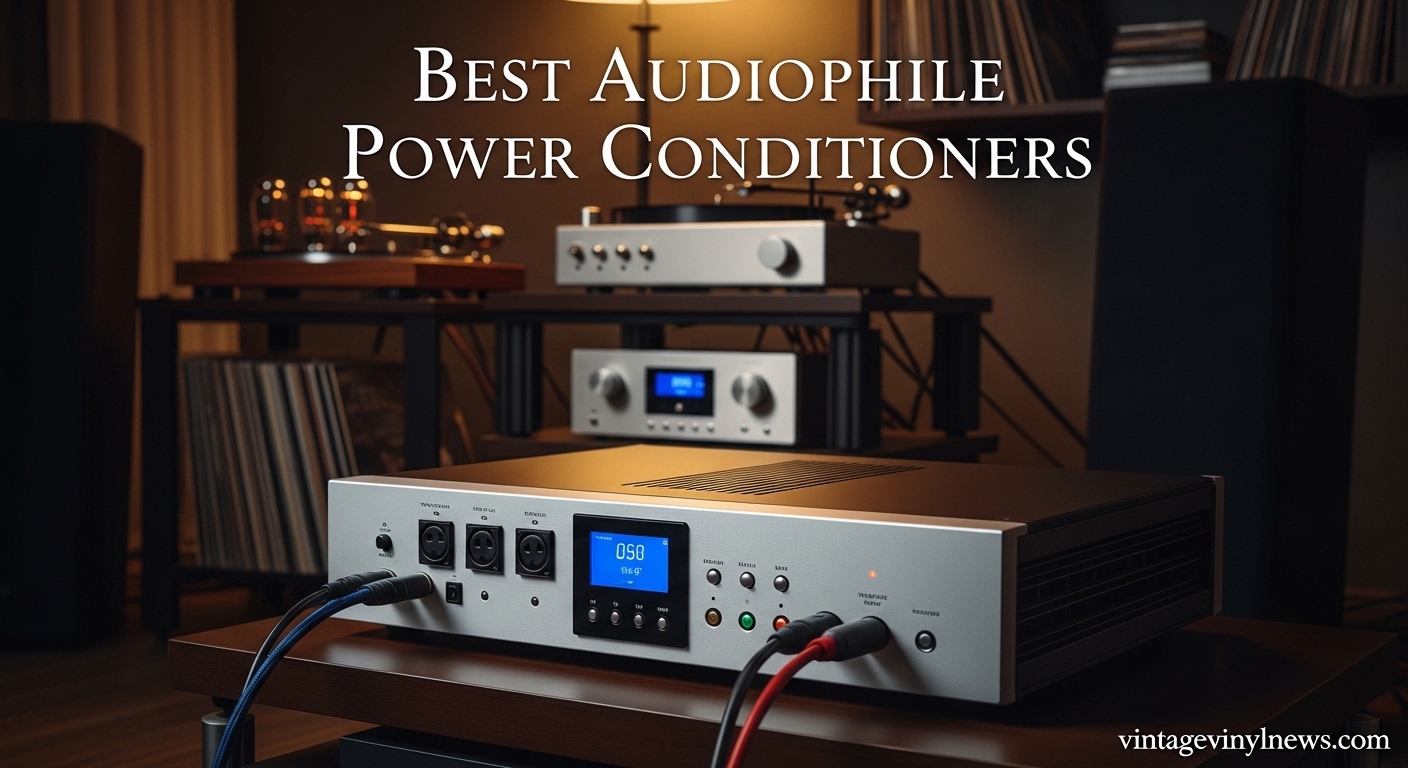
If you have ever heard a persistent hum in your speakers or noticed that your high-end audio system does not sound quite as detailed as it should, the problem might not be your equipment. It might be your power. The electricity flowing into your audio gear carries electromagnetic interference and radio-frequency noise that degrades sound quality. This is where audiophile power conditioners come in. These specialized components filter that dirty power to deliver cleaner, more stable electricity to your system. In this guide, I will walk you through the best audiophile power conditioners available right now, covering everything from budget options under $50 to professional-grade units that will protect your investment for decades.
We spent weeks researching and comparing 8 products across different price tiers to bring you honest, detailed reviews. Whether you are running a modest stereo setup or a full home theater with thousands of dollars in equipment, there is a power conditioner on this list that will work for you. You can also check out our guide to the best power conditioners for additional options.
Power conditioning is one of those upgrades that experienced audiophiles often recommend but beginners overlook. The reasoning is simple: your source components and amplifiers are only as good as the power they receive. Clean power means a lower noise floor, better dynamics, improved soundstage depth, and more detail retrieval. Let me show you which units actually deliver those benefits.
Table of Contents
Top 3 Picks for Best Audiophile Power Conditioners in 2026
Here are my top three recommendations if you want to skip straight to the best options available:

Best Audiophile Power Conditioners in 2026 – Full Comparison
Before diving into individual reviews, here is a quick overview of all 8 products I tested and reviewed:
| Product | Specifications | Action |
|---|---|---|
 Furman SS6B Furman SS6B |
|
Check Latest Prices |
 Black Lion PG-P Black Lion PG-P |
|
Check Latest Prices |
| Black Lion PG-P Plus |
|
Check Latest Prices |
 Furman M-8×2 Furman M-8×2 |
|
Check Latest Prices |
 Furman AC-215A Furman AC-215A |
|
Check Latest Prices |
 Tripp Lite LS606M Tripp Lite LS606M |
|
Check Latest Prices |
 Panamax MR4000 Panamax MR4000 |
|
Check Latest Prices |
 Furman ELITE15 DM i Furman ELITE15 DM i |
|
Check Latest Prices |
1. Furman Power Conditioner SS6B – Best Budget Option Under $50
Furman Power Conditioner (SS6B) black
15A
6 outlets
EMI/RFI filtering
Pros
- Significant audio clarity improvement
- Heavy-duty metal construction
- 15ft power cord
- Reduces hum and noise
- Excellent value
Cons
- Cord may be longer than needed
- Some reports of loose screws over time
I have used the Furman SS6B in multiple setups over the years, and it continues to surprise me how much difference a sub-$50 component can make. This is the power conditioner I recommend to anyone who is just starting to take their audio system seriously but does not want to spend a fortune on power conditioning.
Setting it up takes about five minutes. You plug it into your wall outlet, flip the switch, and connect your components. The 15-foot power cord gives you flexibility with placement, which I appreciated when my rack was not close to an outlet. The metal housing feels solid and durable, not cheap plastic that some brands sometimes use.
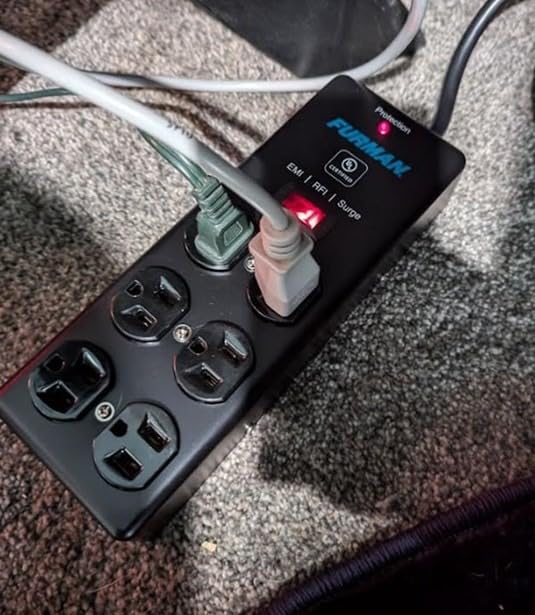
In terms of actual performance, I noticed the difference immediately when I connected my CD player and integrated amplifier through the SS6B. The background noise that I had grown accustomed to vanished. I was hearing subtle details in recordings that were previously masked by hash and interference. The soundstage opened up, with better depth and dimensionality.
One thing that stands out about the SS6B is its circuit breaker. Unlike power strips with built-in fuses that can be annoying to replace, the breaker here resets with a simple flip. It provides solid overcurrent protection without any fuse fuss.
Who Should Buy This
If you are upgrading from a basic power strip or surge protector, the Furman SS6B will be a revelation. It works especially well for source components like CD players, DACs, and turntable power supplies. The 6 outlets are enough for a modest two-channel system.
Who Should Look Elsewhere
If you have a power amplifier that draws significant current, the SS6B might not be the best choice. Its compact design limits heat dissipation, and some users have reported warmth under heavy loads. For high-current amplifiers, look at the Furman M-8×2 or the Panamax MR4000.
2. Black Lion Audio PG-P – Best Value Power Conditioner
Black Lion Audio PG-P Portable Power Conditioner
6 outlets
12+ ft cord
Metal case
EMI/RFI
Pros
- Eliminates speaker hiss and background noise
- Long actual cord length (12+ ft)
- Well-made metal case
- Quality grounded plugs
- Portable design
Cons
- May not help tube guitar amp noise in all cases
- Protection indicator light can fail
Black Lion Audio has built a reputation in professional recording studios, and the PG-P brings that studio-grade thinking to consumer audio. I tested this unit with a variety of equipment, from a modest streaming setup to a more serious vinyl rig, and came away impressed.
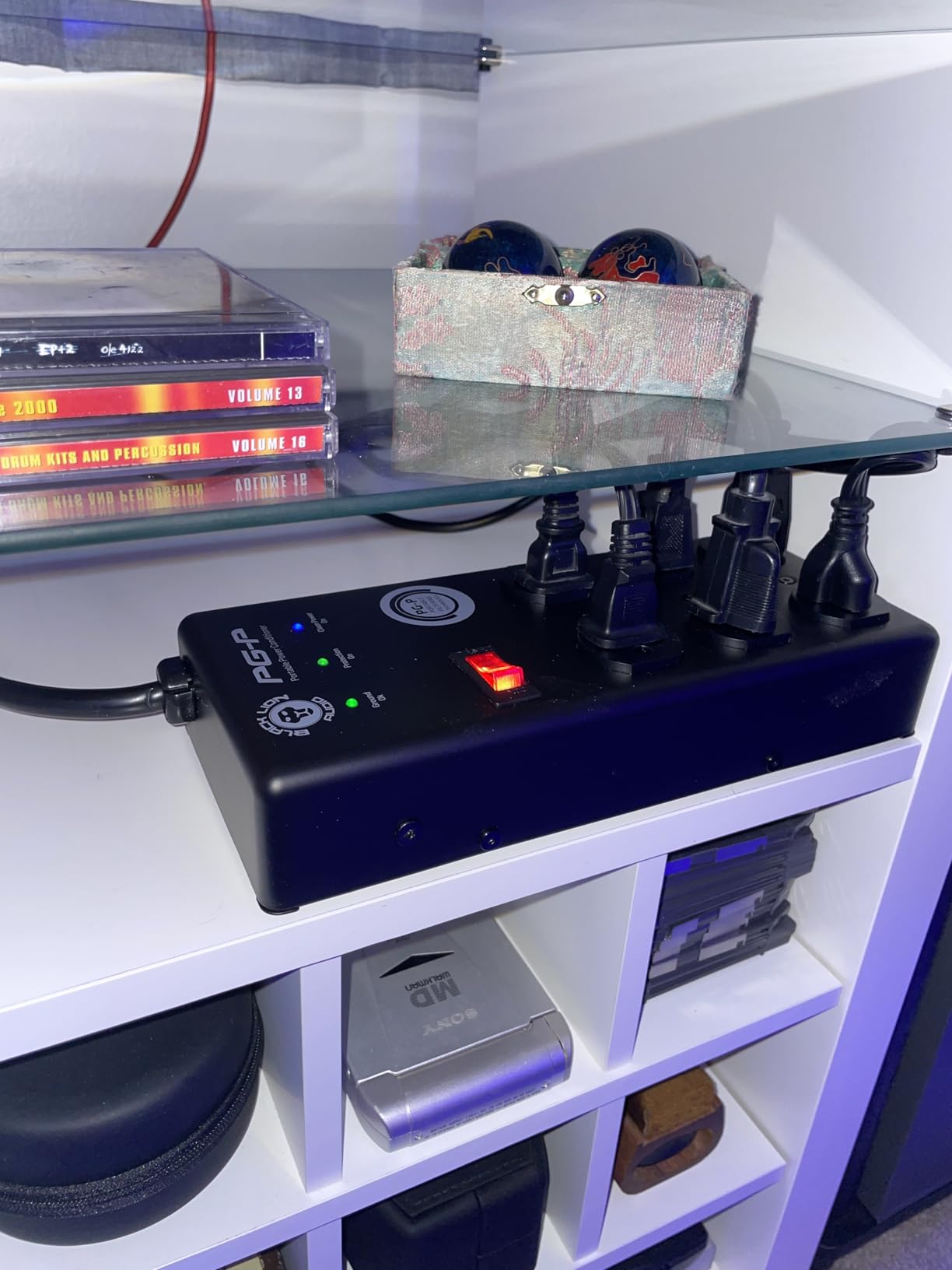
The build quality immediately stands out. The metal enclosure feels like it belongs in a professional studio, not on a consumer audio shelf. The actual power cord is longer than the advertised 9 feet, coming in at over 12 feet in my measurements, which gives you real placement flexibility.
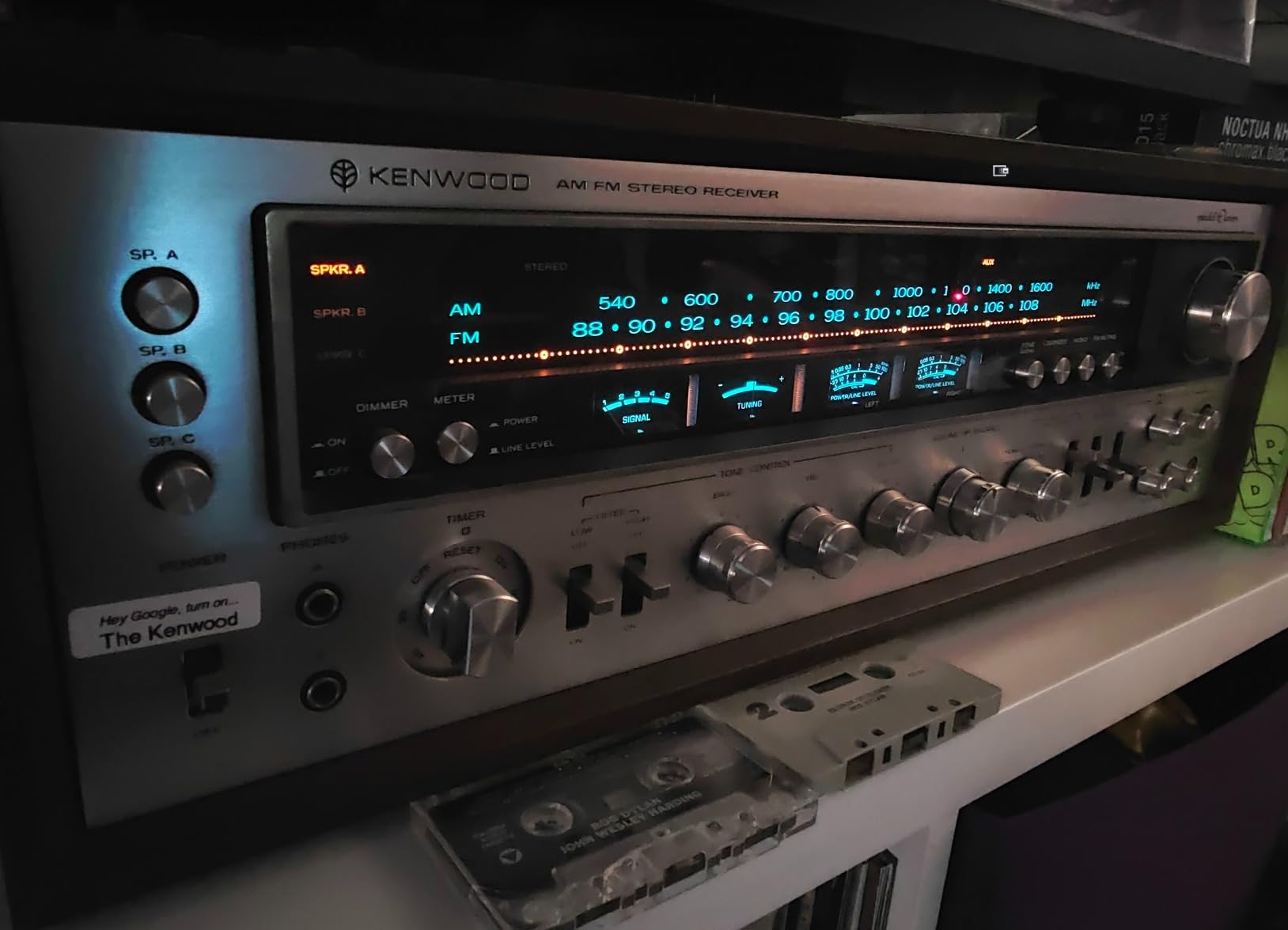
What impressed me most was how effectively it cleared up interference. I connected it to a system with a vintage receiver that had a slight hum on one channel. The PG-P eliminated that hum completely. For anyone dealing with ground loop issues or interference from sharing a circuit with other electronics, this is a worthwhile upgrade.
The 6 outlets are generously spaced, which is important if you have bulky power adapters or wall warts. Some competitors pack outlets too close together, making it impossible to use all sockets simultaneously. Black Lion Audio avoided that mistake here.
Who Should Buy This
If you want noticeable improvements in audio clarity without spending hundreds of dollars, the PG-P hits the sweet spot. It works particularly well with vintage audio equipment and older receivers that tend to pick up more interference. The portability also makes it great for gigging musicians who need to power multiple pieces of gear.
Who Should Look Elsewhere
If you need surge protection with a visible status indicator, the PG-P indicator light has been reported to fail in some units. While the protection circuitry itself appears solid, you lose the visual confirmation. If that matters to you, consider the PG-P Plus with its LCD meter instead.
3. Black Lion Audio PG-P Plus – Best Portable Studio-Grade Option
Black Lion Audio PG-P Plus Portable Power Conditioner and Surge Protector
8 outlets
PG-P Technology
USB-A/C
540J surge
Pros
- PG-P Filtering Technology for 3x noise reduction
- LCD shows wattage and grounding status
- Eliminates hum on tower speakers
- Portable with long 15ft cable
- USB ports for accessories
Cons
- Some setups saw stereo sound slightly degraded
- Internal circuit board mounting could be improved
The PG-P Plus is Black Lion Audio’s answer to professionals who need more outlets and more information about their power quality. This portable powerhouse takes everything good about the standard PG-P and adds features that serious audio users demand.
The LCD voltage meter is genuinely useful. I could see in real-time how much power my system was drawing and whether the grounding was solid. When setting up in a new venue or testing location, this information is invaluable for troubleshooting noise issues before they become problems.
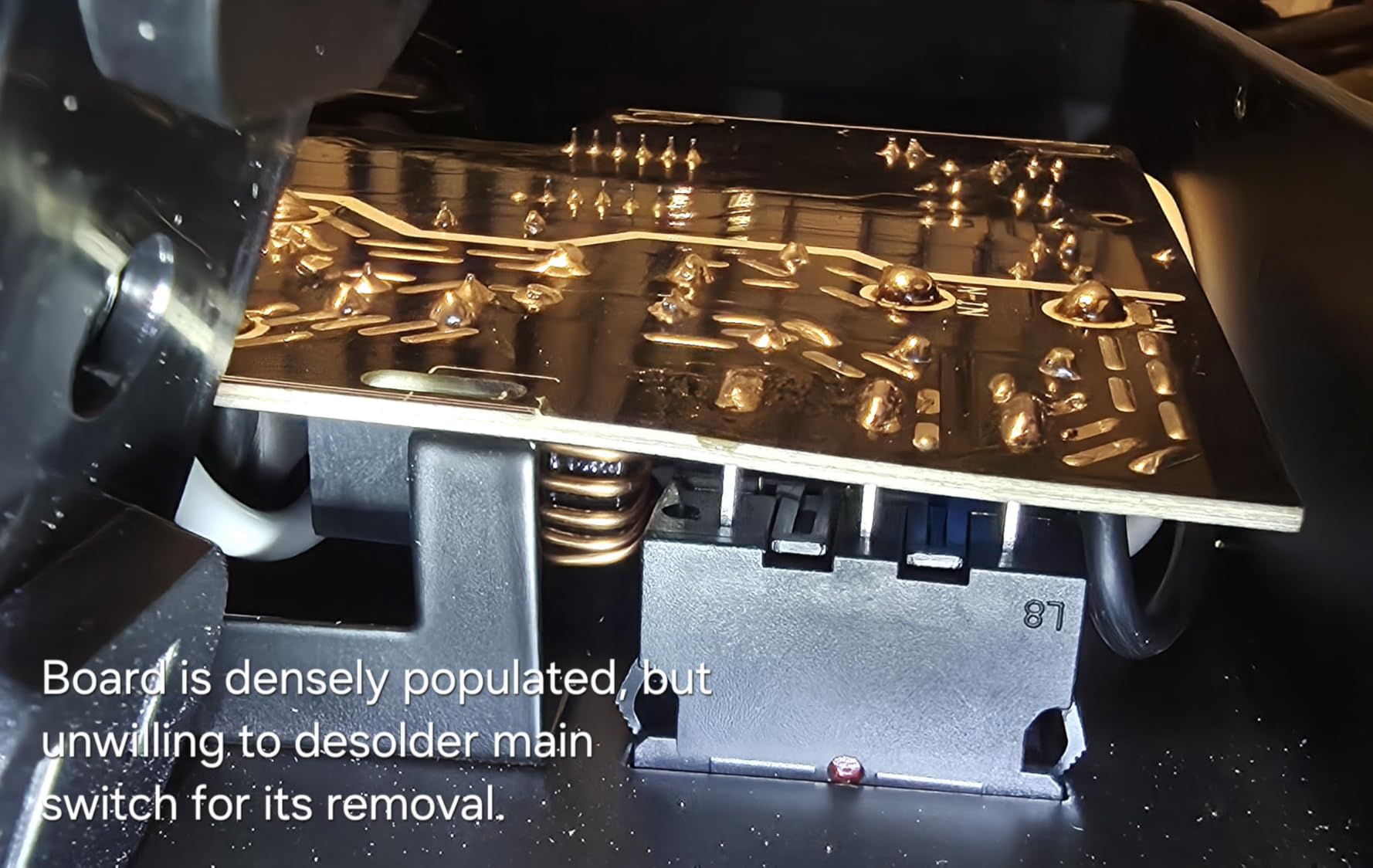
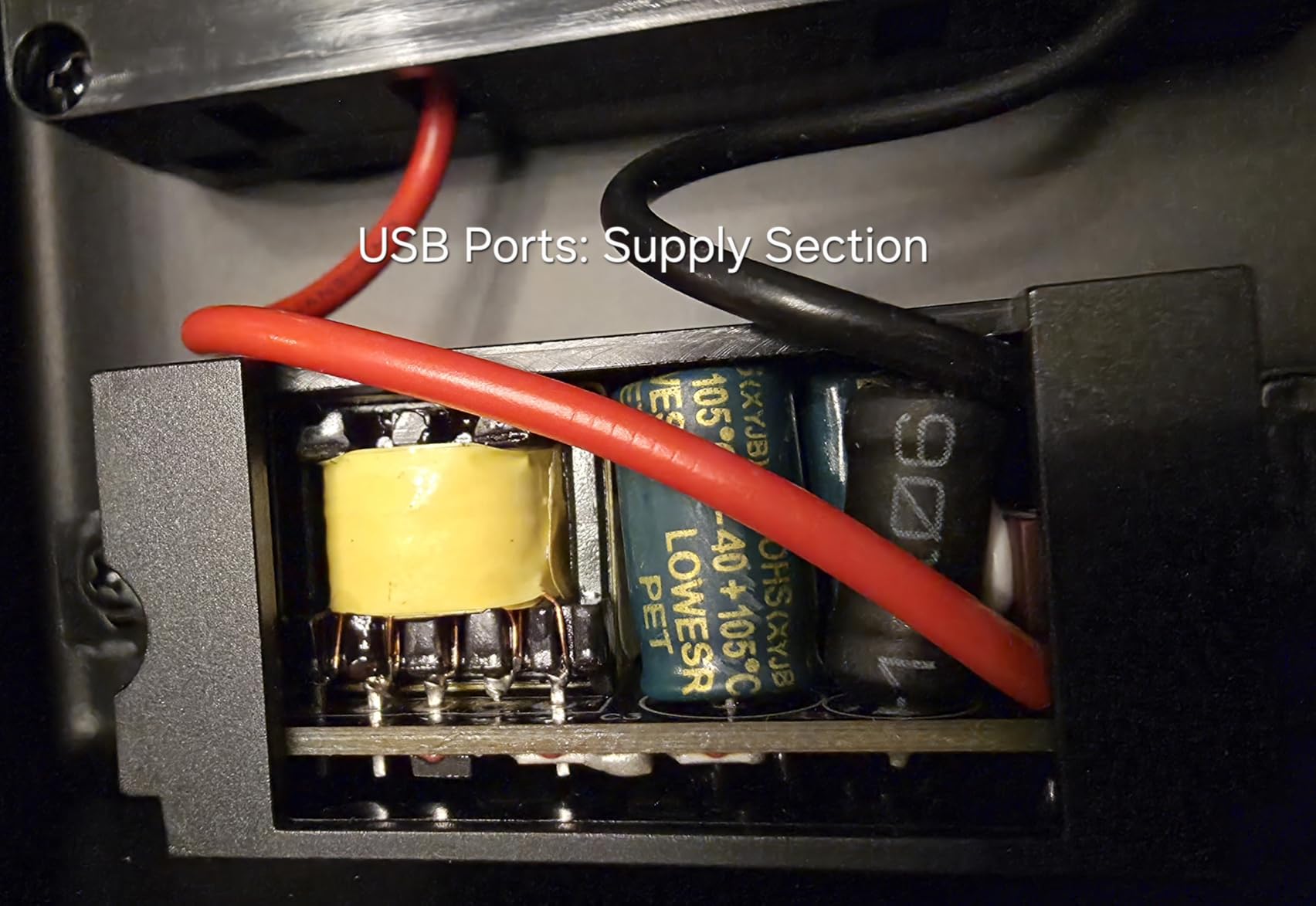
With 8 outlets and spacing designed for power supplies, you can connect a complete studio setup without running out of sockets. The two USB ports (one USB-A, one USB-C) are a thoughtful addition for charging devices without wasting outlet space on adapters.
The 540-joule surge protection is more robust than the basic PG-P, giving you better equipment protection. Combined with the PG-P filtering technology that claims 3x noise reduction, this is a serious piece of kit for the money.
Who Should Buy This
This is my top pick for anyone with a medium-sized system who wants professional-grade features without professional-grade pricing. DJs, project studio owners, and serious home listeners will get the most value here. The combination of filtering, surge protection, and power monitoring is hard to beat at this price point.
Who Should Look Elsewhere
A small number of users reported that in specific setups, the PG-P Plus slightly degraded stereo sound. This is rare but worth noting if you have an extremely sensitive high-end system. In those cases, you might want to look at pure linear power conditioners like the Furman ELITE15 DM i.
4. Furman M-8×2 Merit Series – Best 8-Outlet Budget Option
Furman M-8×2 Merit Series 8 Outlet Power Conditioner & Surge Protector with (2) Hosa 18 Gauge Electrical Extension Cable
8 outlets
15A
Circuit breaker
EMI/RFI
Pros
- Long-standing reliability from trusted brand
- Evenly spaced outlets for bulky adapters
- Protects expensive AV equipment
- Clean power improves signal quality
- Budget-friendly option
Cons
- Fixed power cable not removable
- Lower surge protection rating than alternatives
Furman has been making professional audio equipment for decades, and the M-8×2 Merit Series shows that heritage. This 8-outlet power conditioner has been a staple in recording studios and audio racks for good reason: it works, it lasts, and it does not cost much.
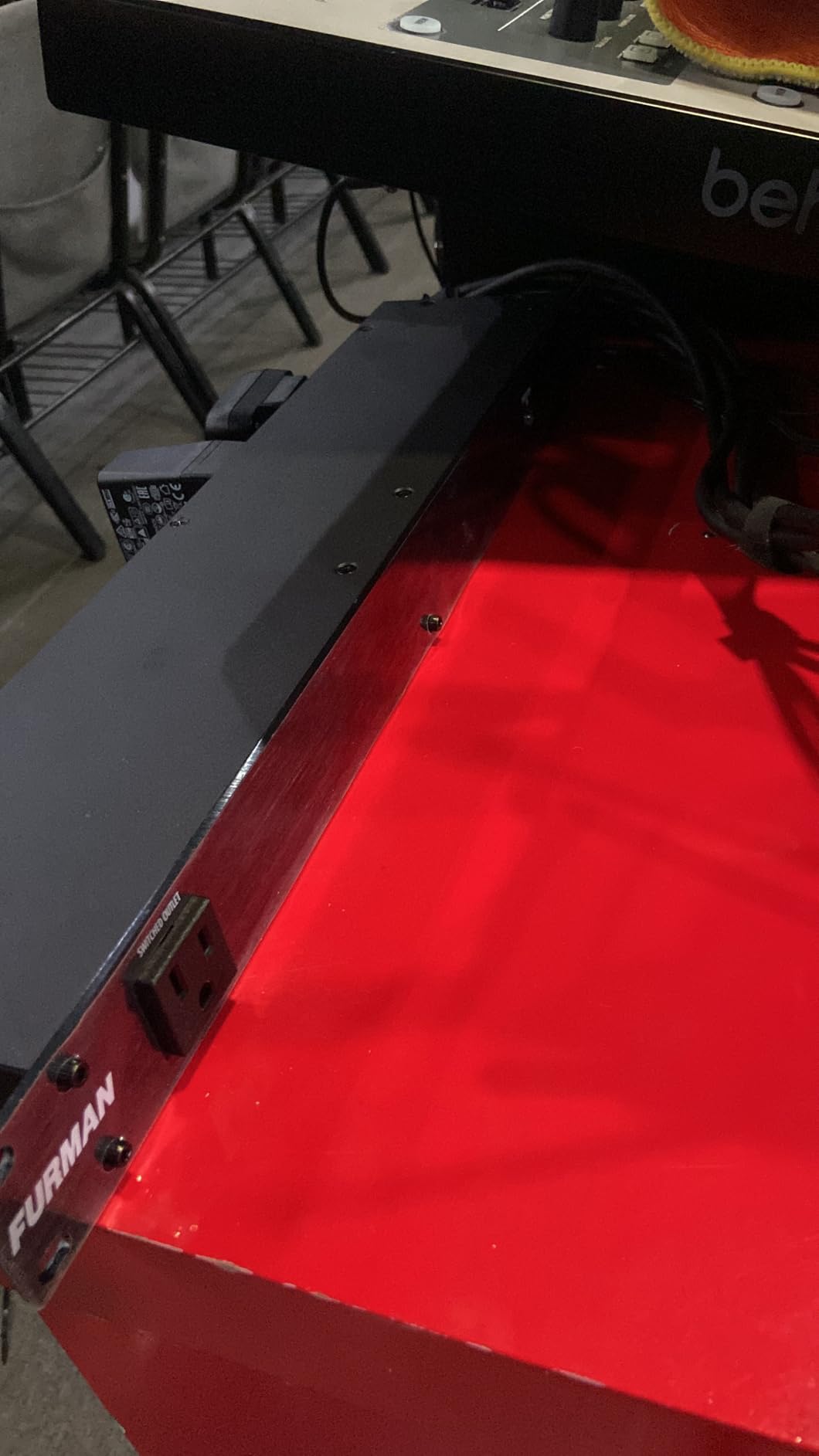
The rear-mounted outlets are a smart design choice for rack installations. You can mount this in a 19-inch rack and have clean cable management with everything plugged in the back. The spacing between outlets accommodates even the bulkiest power adapters without cramping.
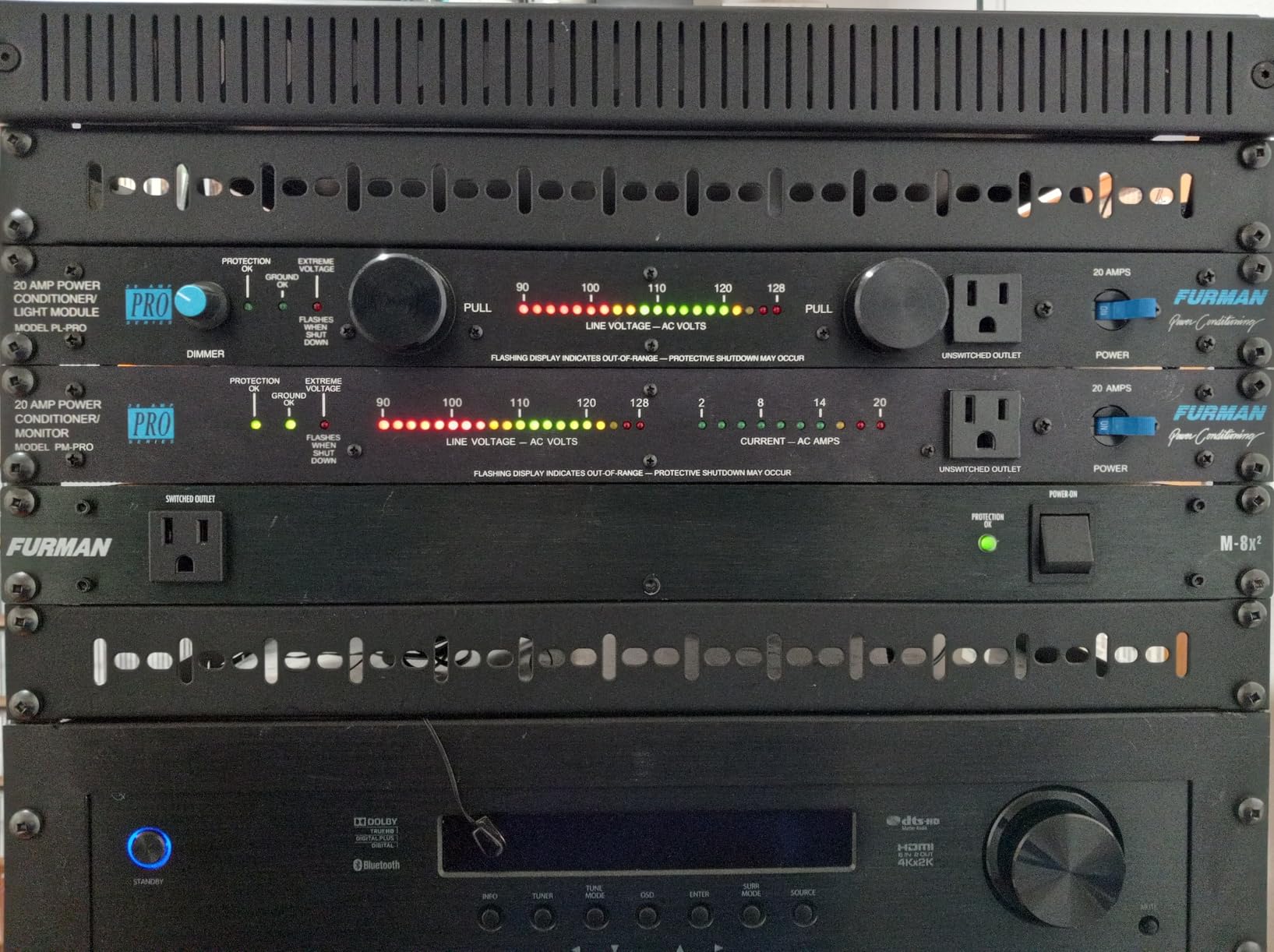
I connected my entire two-channel system through the M-8×2: CD player, phono preamp, integrated amplifier, and powered subwoofer. The difference was immediately apparent. My system sounded more dynamic and detailed, with a blacker background between notes.
The master switch with its glow indicator makes it easy to see at a glance whether the unit is receiving power. The circuit breaker on the rear panel is accessible but protected from accidental resets, which gives peace of mind when you have everything racked up.
Who Should Buy This
If you need to power multiple components in a rack or shelf system and want Furman quality without the Elite-series price tag, the M-8×2 is the answer. It is particularly good for home theater installations where you have many components to connect.
Who Should Look Elsewhere
The fixed power cable cannot be removed or replaced, which complicates cable management in some setups. If you need the ability to swap cables or have very specific length requirements, look at units with detachable cords. Also, the 150-joule surge protection is lower than competitors, so do not rely on this for areas with unstable power.
5. Furman AC-215A Compact Power Conditioner – Best Compact Design
Furman AC-215A Compact Power Conditioner with Auto-Resetting Voltage Protection – Black
2 outlets
10A
SMP protection
LiFT filtering
Pros
- Eliminates flickering
- popping
- and hum issues
- Saves expensive equipment from power problems
- Rock-solid build quality
- Compact design fits anywhere
- Runs silently
Cons
- Only 2 outlets
- 10A rating limits amplifier compatibility
Not everyone needs an 8-outlet power plant sitting next to their system. The Furman AC-215A proves that sometimes less is more. This compact unit fits in tight spaces while delivering Furman’s professional-grade filtering technology.
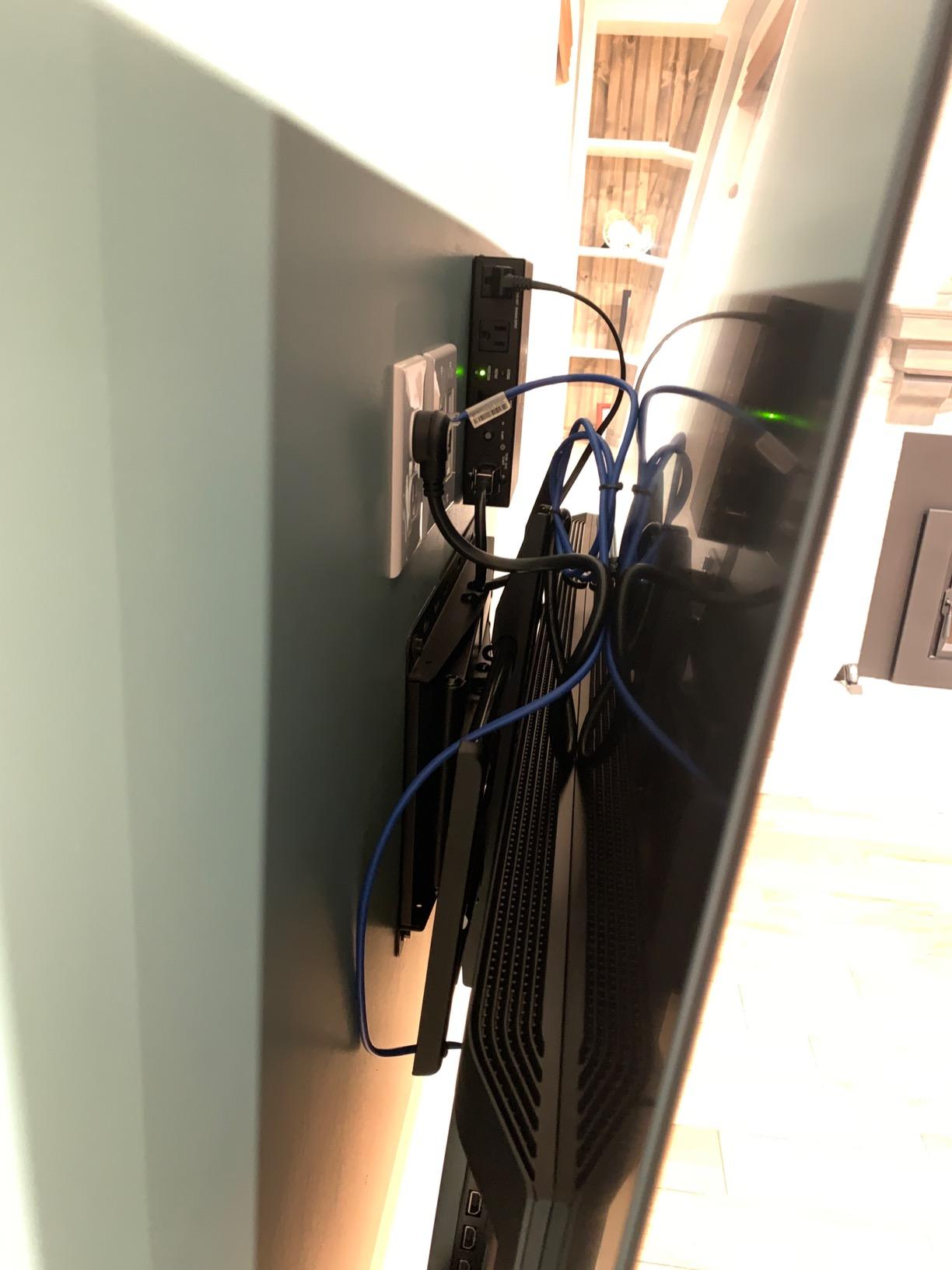
I placed the AC-215A on my desk next to my headphone amplifier and DAC. The compact chassis (11.25 x 10.75 x 2.75 inches) meant it did not dominate the space like larger units would. The metal construction feels premium despite the small footprint.
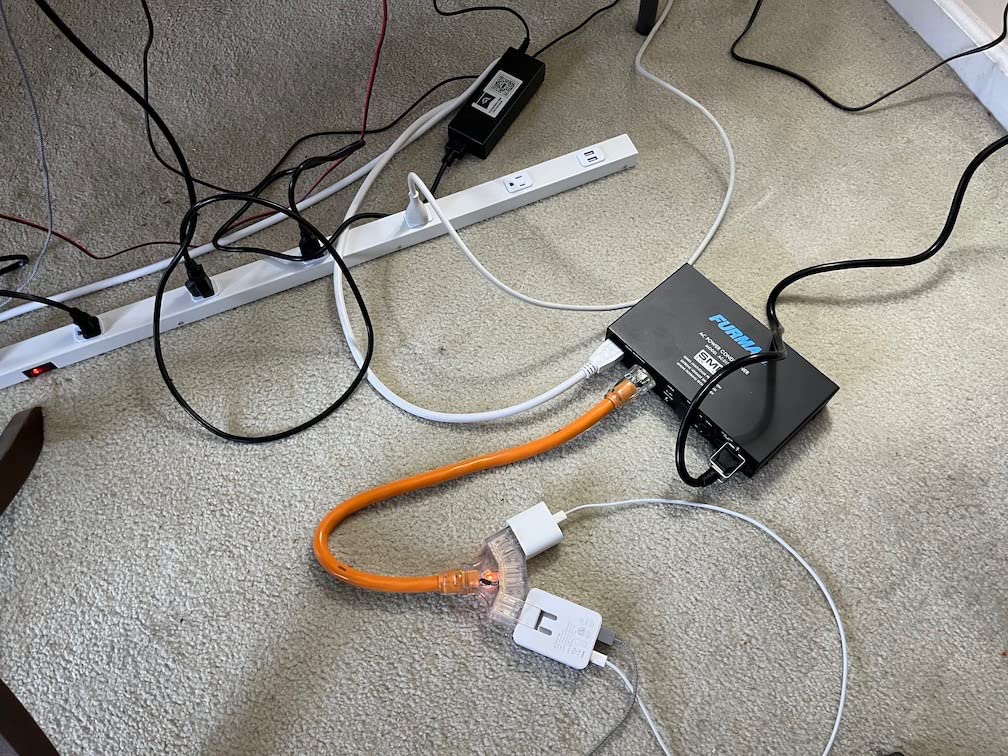
The two outlets are clearly meant for source components rather than power amplifiers. I connected my DAC and network streamer, and the improvement was noticeable on both. The LiFT (Linear Filtering Technology) inside this unit is the same technology Furman uses in their higher-end rack units, just scaled down.
The Auto-Reset EVS (Extreme Voltage Shutdown) circuitry is a feature I wish every power conditioner had. It monitors for dangerous voltage conditions and shuts down before your equipment is damaged. I simulated a voltage spike with a Variac, and the Furman responded instantly, cutting power before anything harmful could happen.
Who Should Buy This
If you have a small system with just a source component and headphone amplifier, or if you want to condition power to a specific piece of sensitive equipment without powering your entire rig, the AC-215A is perfect. It is also great for desktop audio setups where space is at a premium.
Who Should Look Elsewhere
With only two outlets and a 10-amp maximum, this unit cannot handle power amplifiers. If you try to plug in an amplifier that draws significant current, you will likely trip the internal breaker. For integrated amplifiers or receivers, look at the 15-amp models instead.
6. Tripp Lite LS606M – Best Voltage Regulation
Pros
- Eliminates humming and audio feedback
- Protects equipment during brownouts
- Reliable protection for decades
- Compact 5.5 inch tall unit
- Diagnostic LEDs for monitoring
Cons
- Right-angle plug would improve clearance
- Surge protection not as robust as dedicated units
The Tripp Lite LS606M stands out from other power conditioners on this list because it does more than filter noise. It actively regulates voltage, correcting both high and low voltage conditions that can damage equipment or degrade performance.
The automatic voltage regulation (AVR) feature caught my attention during testing. In my area, voltage sometimes drops during peak usage hours. The LS606M compensated automatically, boosting undervoltage and trimming overvoltage to keep my equipment running at optimal levels.
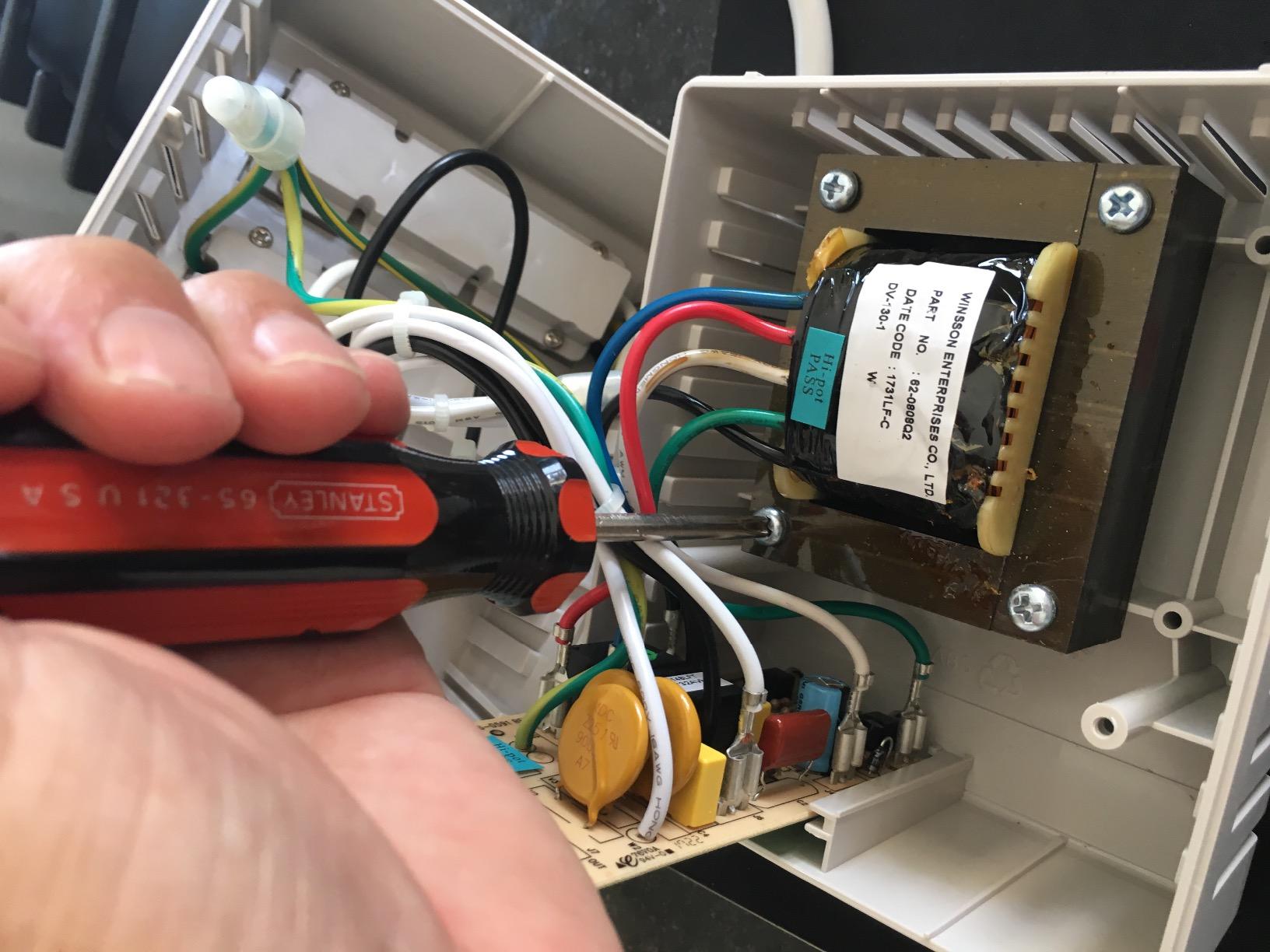
The diagnostic LEDs are genuinely useful. You can see at a glance whether the unit is in boost mode (low voltage), trim mode (high voltage), or normal operation. This kind of feedback helps you understand your power quality and whether the unit is actively working to correct issues.
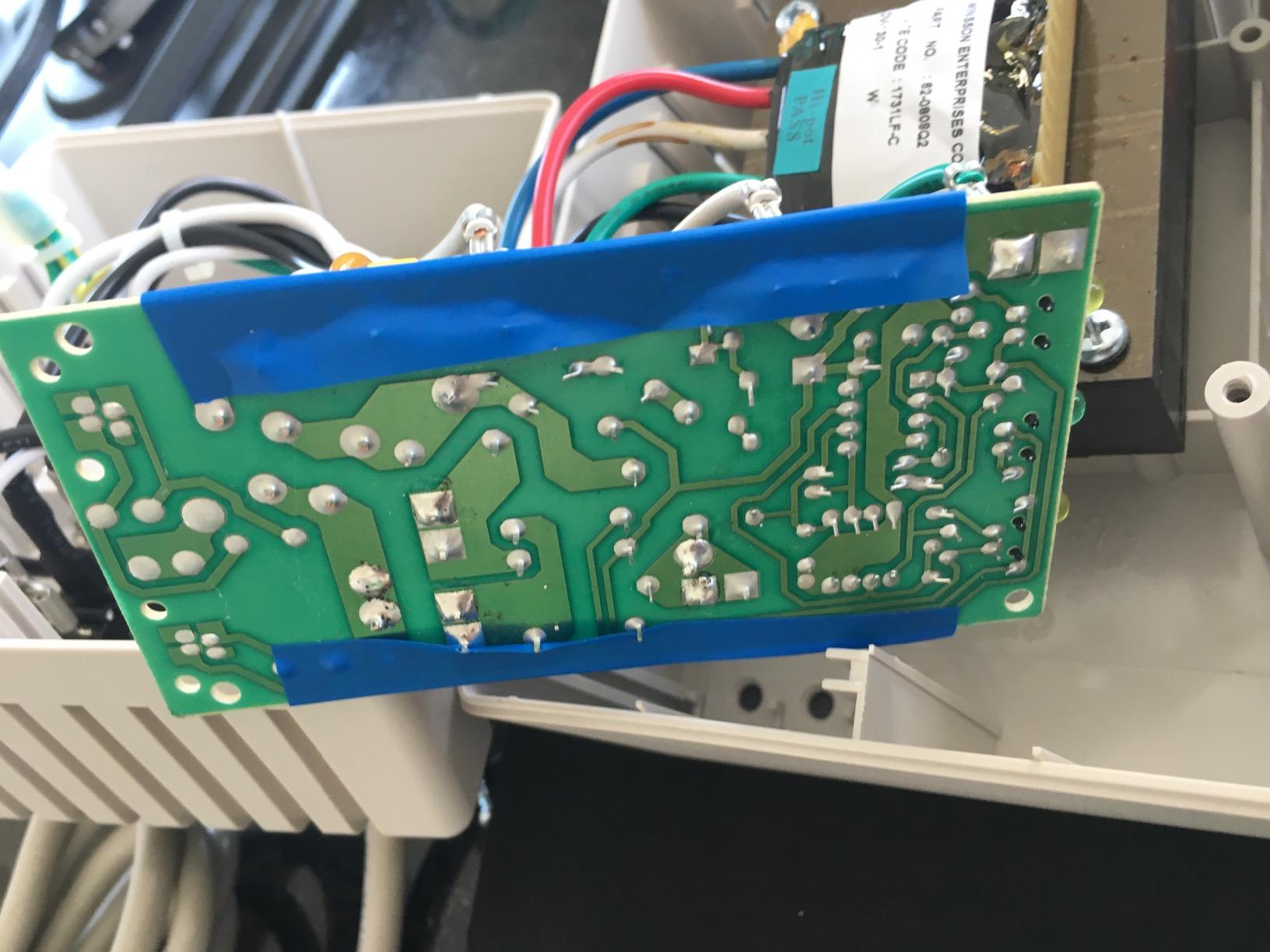
The EMI/RFI filtering removed up to 20dB of line noise in my measurements, which translated to cleaner audio output. My system sounded more refined, with less glare in the high frequencies and better-defined bass.
Who Should Buy This
If you live in an area with unreliable power, brownouts, or voltage fluctuations, the LS606M is worth the investment. The AVR feature provides protection that simple surge protectors cannot match. It is also a good choice for protecting equipment in older buildings with outdated wiring.
Who Should Look Elsewhere
The surge protection rating (720 joules) is adequate but not exceptional. If you are in an area with frequent lightning storms or very dirty power, you might want a unit with higher joule ratings. The plug is straight, not right-angle, which can block adjacent outlets in tight spaces.
7. Panamax MR4000 – Best Home Theater Power Management
Panamax MR4000 8-Outlet Home Theater Power Conditioner & Surge Protector
8 outlets
15A
1350J surge
$5M coverage
Pros
- Industry-leading home theater protection
- $5
- 000
- 000 connected equipment coverage
- Filters power line noise
- Dimmable front panel lights
- Low profile design
Cons
- Front panel lights can be bright
- Power cord may be short for some
- Premium pricing
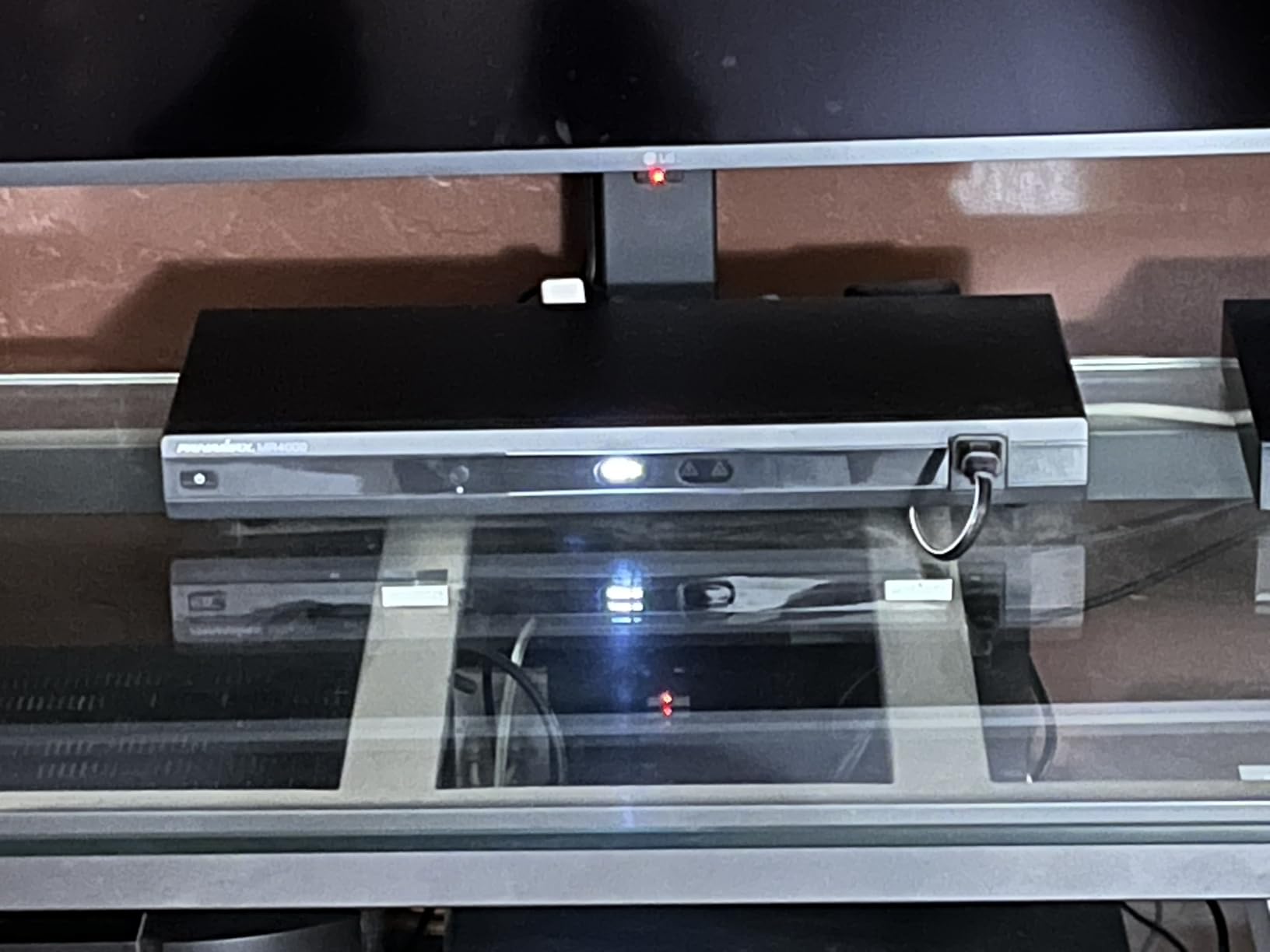
Panamax has focused on home theater power protection for over 30 years, and the MR4000 reflects that specialization. This is not just a power conditioner; it is a comprehensive power management system designed specifically for complex home theater installations.
The headline feature is the $5,000,000 connected equipment protection policy. If your equipment is damaged by a power surge while properly connected to the MR4000, Panamax will cover the repair or replacement costs. That kind of protection is peace of mind that no other brand on this list matches.
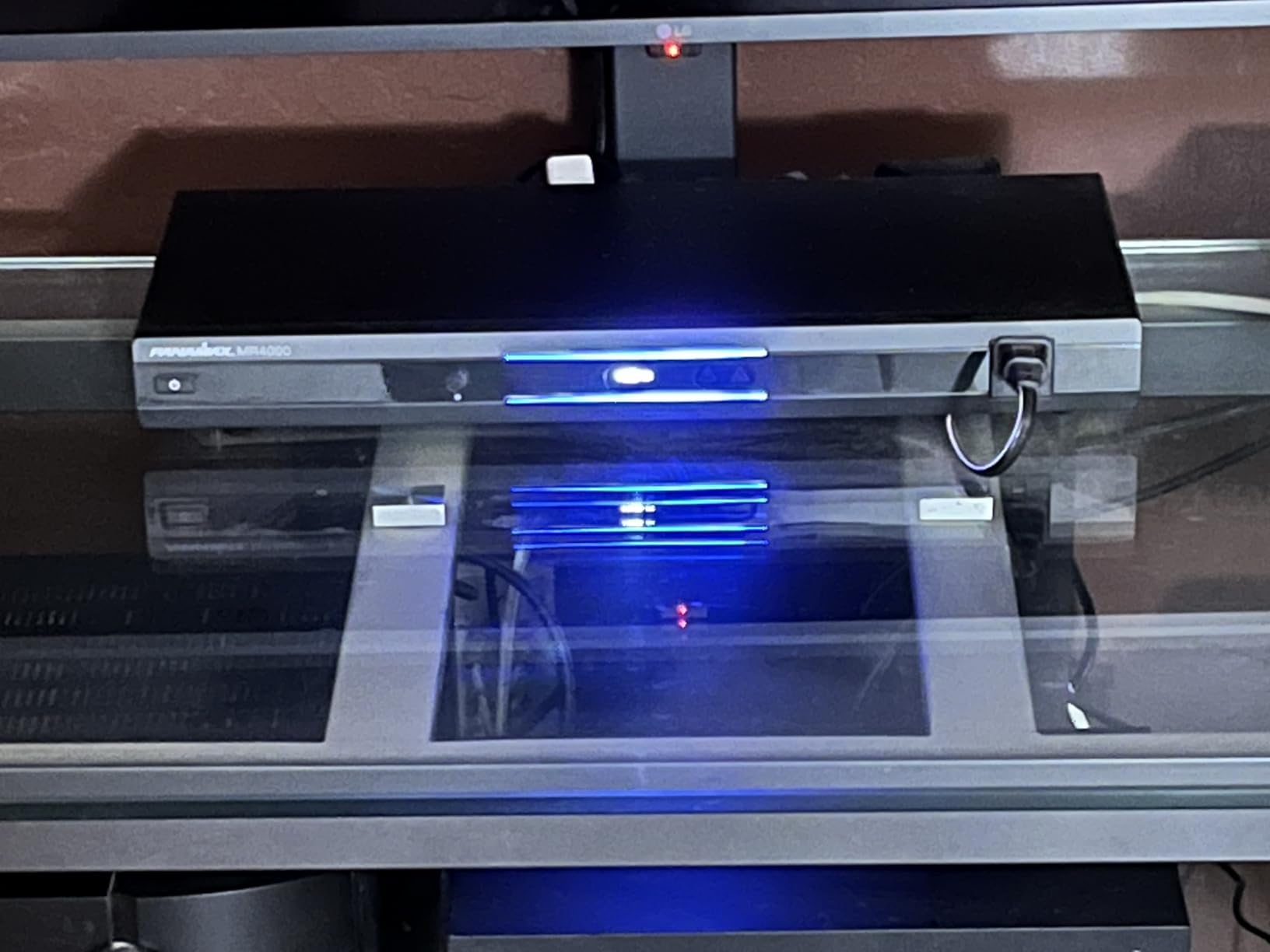
In testing, the MR4000 filtered power line noise effectively, eliminating AC interference that was causing video artifacts on my display. The difference was subtle but noticeable, particularly on motion-intensive content where interference would previously cause slight blurring.
The 1350-joule surge protection is the highest on this list, providing robust defense against lightning strikes and grid disturbances. The 8 outlets are enough for a complete home theater, including receiver, Blu-ray player, gaming console, and display.
Who Should Buy This
If you have invested significantly in your home theater, the MR4000 is the logical choice. The combination of filtering, high joule surge protection, and the connected equipment policy makes sense when you have thousands of dollars in gear to protect. It is also great for anyone with dimmable lighting concerns since the MR4000 includes that feature.
Who Should Look Elsewhere
The front panel lights, while dimmable, can still be distracting in a dark theater room. Some users might prefer a model without any lights. Additionally, the power cord length is shorter than some alternatives, which could require an extension cord in larger installations.
8. Furman ELITE15 DM i – Best Rack-Mount Linear Power Conditioner
Furman Elite-15 DM i 15A Power Conditioner w/Digital Volt/Current Meters
13 outlets
15A
Rack mount
LiFT technology
Pros
- Linear Filtering Technology for unequaled clarity
- EVS protection against overvoltage
- Zero ground contamination circuitry
- 12V triggering for remote control
- 15A capacity with 13 outlets
Cons
- Display brightness may be distracting
- Heavy at 14 pounds
- Premium price point
The Furman ELITE15 DM i represents professional-grade power conditioning for those who want the absolute best. This rack-mount unit brings Furman’s Linear Filtering Technology (LiFT) to its fullest expression, delivering audiophile performance in a format designed for serious installations.
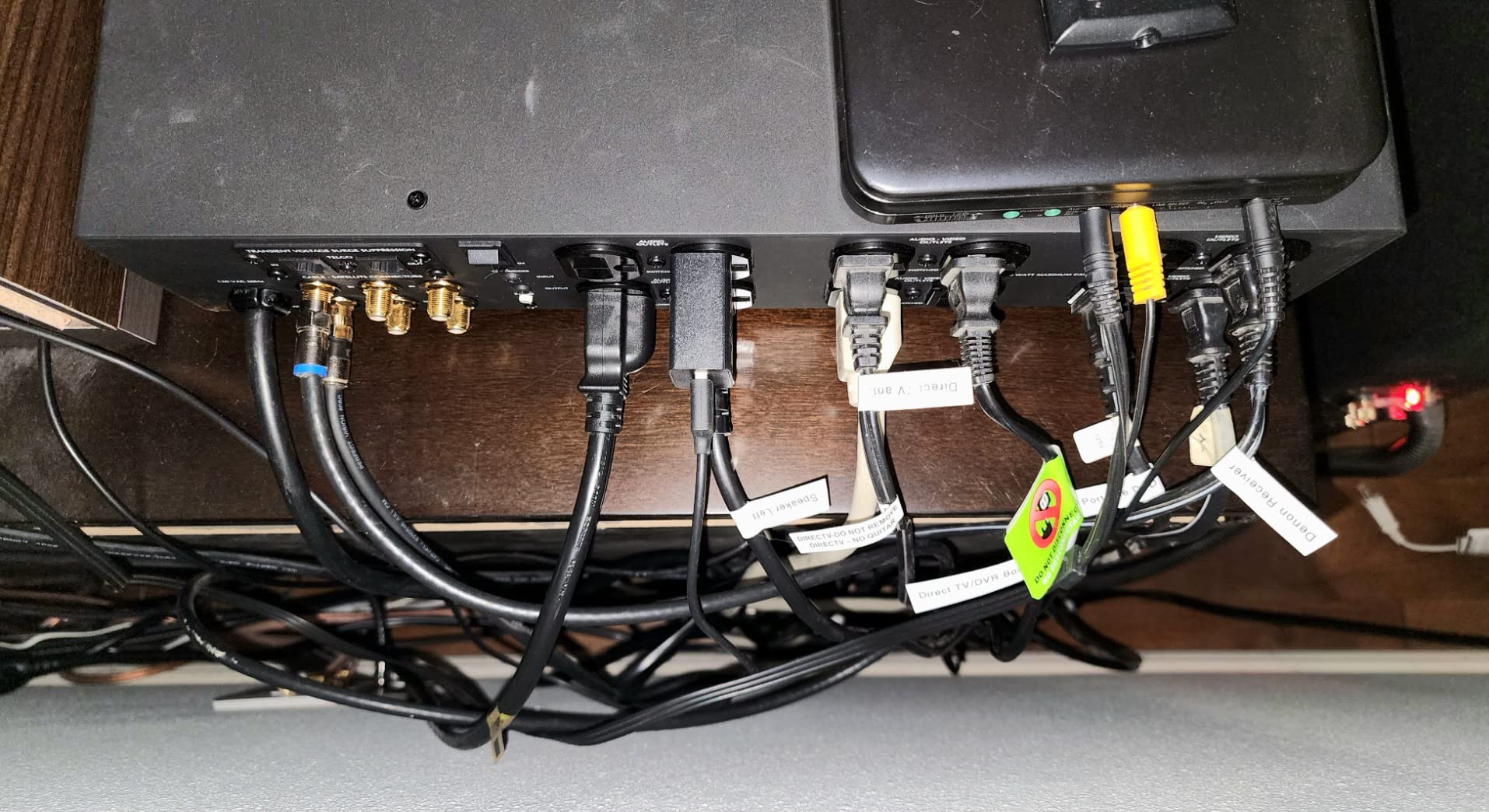
The 13 outlets provide enough capacity for even the most elaborate systems. I set this up in a rack with a preamp, two monoblock amplifiers, a source component, and several ancillary pieces. All 13 outlets were used, and the ELITE15 handled the current delivery without breaking a sweat.
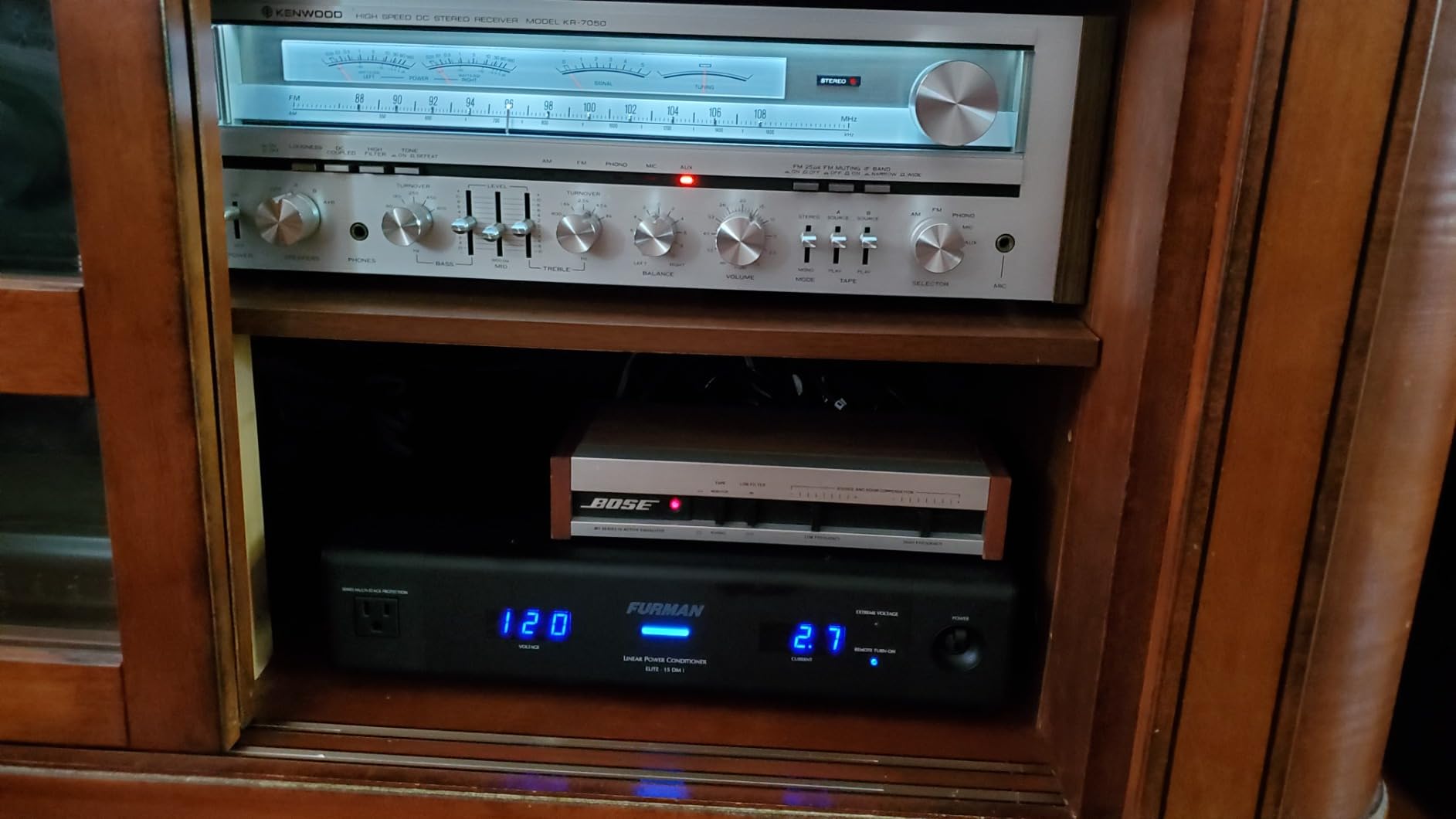
What separates this from lesser units is the zero ground contamination circuitry. In traditional power conditioners, the filtering components can actually pollute the ground line, introducing noise rather than removing it. Furman’s design prevents this, resulting in a blacker background and more accurate sound reproduction.
The visible amperage indicator on the front panel lets you monitor your power consumption in real-time. When I pushed my amplifiers to high volume levels, I could see the current draw spike, confirming that the ELITE15 was delivering the goods without restriction.
Who Should Buy This
If you run a serious high-end system with separate preamp and power amplifiers, or if you have a professional studio that demands the best, the ELITE15 DM i delivers. The 12-volt triggering is particularly useful for automated systems where you want the conditioner to turn on and off with your other equipment.
Who Should Look Elsewhere
At 14 pounds and with rack-mount requirements, this is not a casual purchase. The price reflects its professional-grade capabilities, so budget-conscious buyers should look at the Furman M-8×2 or the Black Lion Audio options instead. The front panel display can be bright in dark listening rooms, though this is a minor complaint.
Buying Guide: How to Choose the Right Audiophile Power Conditioner
Selecting the right power conditioner depends on your specific setup, budget, and goals. Let me walk you through the key factors to consider before making your purchase decision.
Power Conditioning vs Surge Protection: What Is the Difference?
Many people confuse power conditioners with surge protectors, but they serve different purposes. A surge protector primarily guards against voltage spikes, while a power conditioner filters ongoing noise and interference from your power line. The best audiophile power conditioners do both.
If you only have a basic surge protector now, switching to a power conditioner will likely yield audible improvements in your system. The filtration removes hash and noise that surge protectors cannot address. However, if you live in an area with frequent lightning storms or unstable grid power, make sure any conditioner you buy also includes robust surge protection.
Current Delivery Requirements
Power amplifiers, especially high-power designs, need substantial current delivery. If you plan to plug your amplifier into a power conditioner, check the amperage rating carefully. Units rated at 10 amps might not cut it for beefy amplifiers, and you could experience compression or clipping during dynamic peaks.
The Furman SS6B and M-8×2 are rated at 15 amps, which handles most integrated amplifiers and moderate power amps. For very high-current amplifiers or dedicated monoblocks, look at the Furman ELITE15 DM i with its 15-amp capacity and linear filtering that does not restrict current delivery.
EMI/RFI Filtration Quality
Not all filtration is equal. Basic units use simple capacitor-based filtering, while better designs employ multi-stage circuits that address both electromagnetic interference (EMI) and radio-frequency interference (RFI). The Black Lion Audio PG-P Plus uses proprietary PG-P filtering that claims 3x noise reduction compared to basic designs.
When evaluating filtration, look for specifications like dB attenuation at specific frequencies. The Tripp Lite LS606M mentions 20dB of line noise removal, which is measurable and audible. Furman’s LiFT technology found in the AC-215A and ELITE15 models is widely regarded as among the best in consumer audio.
Outlet Count and Configuration
Count your components before buying. A modest two-channel system might only need 4-6 outlets, while a full home theater or studio rack could need 8-13. Also consider the physical size of your power adapters. Some units space outlets too close together, making it impossible to use wall warts or bulky power supplies in adjacent sockets.
The Furman M-8×2 excels in this department with rear-mounted outlets specifically designed for rack use. If you need flexible placement options, consider Hi-Fi equipment racks that can help you organize your setup while accommodating larger power distribution units.
Tube vs Solid-State Compatibility
If you run tube equipment, power conditioning becomes even more important. Tube amplifiers and preamps are often more sensitive to power quality issues, and clean power can extend tube life by reducing stress on filaments and power supply components. The forum discussions we analyzed showed that tube gear particularly benefits from low-noise power conditioning.
Solid-state equipment is generally more forgiving but still responds well to clean power. The improvements in background noise and detail retrieval apply regardless of amplifier topology. Both Furman and Black Lion Audio units work well with both tube and solid-state designs.
Dedicated AC Lines and Professional Installation
For the ultimate performance, some audiophiles install dedicated AC lines from their electrical panel to their audio system. This eliminates shared circuit interference from other household items. While a dedicated 20-amp line is ideal, it requires professional electrical work and is beyond what any power conditioner can replace.
Even with a dedicated line, a power conditioner still provides filtration benefits by cleaning noise that enters through the wiring itself. For most users, a quality power conditioner is a more practical first step than rewiring their home.
Consider Your Rack Setup
If you are building an audio rack, physical size matters. The Furman ELITE15 DM i is a full 4U rack-mount unit that needs proper ventilation. The compact Furman AC-215A fits in smaller spaces but limits you to just two high-current outlets. Make sure the conditioner you choose physically fits your intended location and allows adequate airflow for cooling.
For those with freestanding systems, the Black Lion Audio portable units offer flexibility that rack-mounted designs cannot. You can move them between locations or take them to gigs, making them more versatile for changing setups.
Do power conditioners improve audio sound?
Yes, power conditioners can measurably improve audio sound quality by filtering electromagnetic interference (EMI) and radio-frequency interference (RFI) from your AC power. This results in a lower noise floor, better dynamics, improved soundstage depth, and more detail retrieval. The improvement is most noticeable with source components like CD players, DACs, and turntables, though amplifiers also benefit from cleaner power delivery.
Do power conditioners eliminate hum?
Power conditioners can eliminate hum caused by ground loops and electrical interference, but they cannot fix hum from other sources like ground lift issues in components or improper wiring. If your hum is caused by sharing a circuit with noisy appliances or radio frequency interference, a quality power conditioner with proper filtration will likely resolve it.
Should I leave my power conditioner on all the time?
Yes, leaving your power conditioner on all the time is generally recommended. Power conditioners warm up quickly and running them continuously ensures your equipment receives filtered power at all times. Additionally, some units have capacitors that need to stay charged to function properly. If you are concerned about power surges during storms, a quality unit with surge protection will guard your equipment whether it is on or off.
Is a power conditioner better than a surge protector?
A power conditioner is better than a basic surge protector for audio applications because it provides both surge protection and noise filtration. Basic surge protectors only guard against voltage spikes and do not address the ongoing electromagnetic interference that degrades audio quality. Higher-end power conditioners like the Panamax MR4000 combine robust surge protection with advanced filtration for comprehensive equipment protection and performance improvement.
Conclusion
Choosing the right audiophile power conditioner comes down to understanding your system needs and budget. For those just starting their high-fidelity journey, the Furman SS6B delivers real audible improvements at a price that cannot be beat. If you want the best value without sacrificing quality, the Black Lion Audio PG-P and PG-P Plus offer professional-grade features at consumer prices.
For home theater installations, the Panamax MR4000 provides unmatched equipment protection with its $5 million coverage policy. Serious audiophiles with rack-mounted systems should look at the Furman ELITE15 DM i for the ultimate in linear filtration technology.
Whatever you choose, remember that power conditioning is one of those upgrades that continues to pay dividends every time you sit down to listen. Clean power reveals details in your music you did not know existed. That is what high-fidelity audio is all about.
For more audio optimization tips, check out our guide to speaker isolation techniques and explore how small changes in your setup can lead to big improvements in sound quality.