

Finding the best balanced headphones means looking for models that reproduce sound as faithfully as possible, without artificially boosting bass, treble, or mids. In a market flooded with headphones that hype one frequency range over another, balanced headphones give you the honest, uncolored truth about your music. Whether you are mixing a track, mastering an album, or simply want to hear recordings exactly as the artist intended, a balanced sound signature is the foundation.
But the term “balanced” creates a lot of confusion. In the headphone world, it can mean two very different things: a sound signature that is neutral and even across frequencies, or a type of wired connection (like 4.4mm balanced) that uses separate ground wires for each channel. This article focuses on the first definition, headphones with a balanced sound signature, while also noting which models support balanced connections for those who want that feature.
Our team spent weeks comparing 12 of the most respected balanced headphones on the market, from ultra-budget studio workhorses to planar magnetic audiophile models. We tested them with multiple DAC and amplifier pairings, ran them through genres from classical to electronic, and wore them through hours-long sessions to evaluate comfort. Here is everything we found.
Table of Contents
Top 3 Picks for Best Balanced Headphones
Best Balanced Headphones in 2026
| Product | Specifications | Action |
|---|---|---|
 Sennheiser HD 660S2 Sennheiser HD 660S2 |
|
Check Latest Price |
 Audio-Technica ATH-M50x Audio-Technica ATH-M50x |
|
Check Latest Price |
 Sennheiser HD 650 Sennheiser HD 650 |
|
Check Latest Price |
 Sony MDR7506 Sony MDR7506 |
|
Check Latest Price |
 HIFIMAN Arya Organic HIFIMAN Arya Organic |
|
Check Latest Price |
 Sennheiser HD 490 PRO Sennheiser HD 490 PRO |
|
Check Latest Price |
 beyerdynamic DT 770 Pro X beyerdynamic DT 770 Pro X |
|
Check Latest Price |
| Sennheiser HD 560S |
|
Check Latest Price |
 Sony MDR-M1 Sony MDR-M1 |
|
Check Latest Price |
 Sennheiser HD 550 Sennheiser HD 550 |
|
Check Latest Price |
 Audio-Technica ATH-M40x Audio-Technica ATH-M40x |
|
Check Latest Price |
 AKG K240 Studio AKG K240 Studio |
|
Check Latest Price |
1. Sennheiser HD 660S2 – Best Overall Balanced Sound
Sennheiser HD 660S 2 Open-Back Audiophile Headphones
Open-Back
300 Ohm
42mm Dynamic Driver
4.4mm Balanced Cable
Pros
- Deep controlled bass extension
- Warm yet revealing sound
- Exceptional comfort
- Includes balanced and single-ended cables
Cons
- Requires quality amp for best results
- Open-back leaks sound
- Higher price point
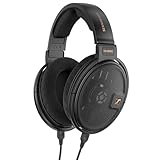
When I first put on the Sennheiser HD 660S2, I immediately understood why this model keeps appearing in AI Overview recommendations for balanced headphones. The sound is warm, natural, and incredibly revealing without ever feeling analytical or fatiguing. It reproduces music the way a good pair of studio monitors does, with each instrument occupying its own space and every vocal nuance coming through clearly.
The bass extension is where the 660S2 really separates itself from the older HD 650. I could feel the low end of kick drums and bass guitars with a physicality that the previous generation never quite delivered. The mids remain the star of the show though, offering that signature Sennheiser richness that makes vocals and acoustic instruments sound lifelike. Treble is smooth and extended without any harshness, even during long sessions.
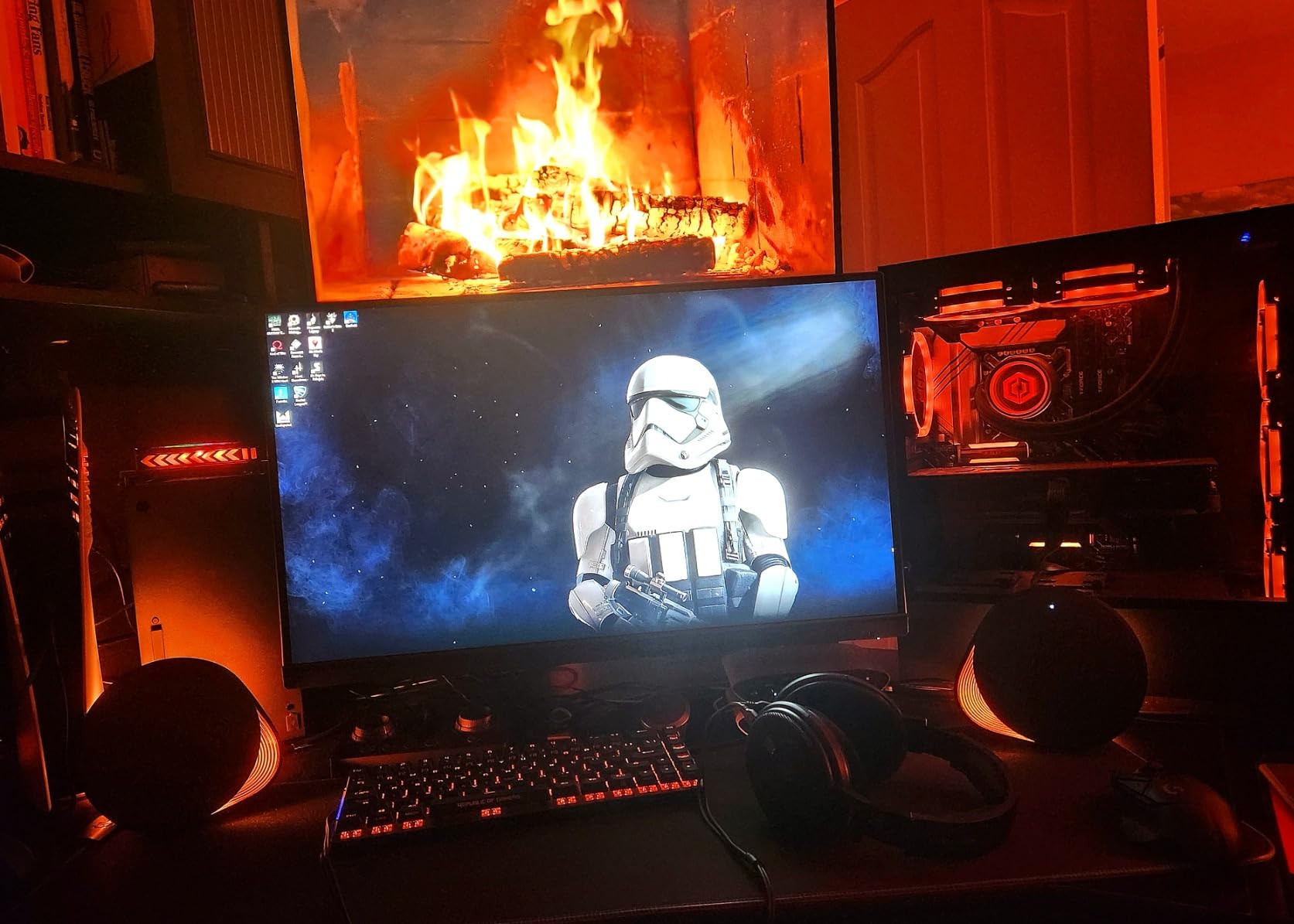
Comfort is outstanding. The breathable velour ear cushions and lightweight design (about 300 grams) make these easy to wear for 4+ hours without any hot spots or pressure points. The headband distributes weight evenly, and the clamp force is firm enough to stay secure without being uncomfortable. I wore them through an entire afternoon of critical listening without wanting to take them off.
One thing worth noting: at 300 ohms impedance, these headphones really do benefit from a dedicated amplifier. I tested them straight from a laptop headphone jack and then through a dedicated DAC/amp combo, and the difference was significant. The amp brought out bass control, dynamics, and detail that the laptop simply could not deliver. Sennheiser includes both a 6.3mm single-ended cable and a 4.4mm balanced cable, so you are covered either way.
Who Should Buy the HD 660S2
These are ideal for serious music listeners, audio engineers, and audiophiles who want a reference-quality headphone that is also enjoyable for long casual sessions. If you listen primarily to acoustic, jazz, classical, or vocal-heavy music, the HD 660S2 will reveal details you have been missing. They are also excellent for gaming thanks to precise imaging and a natural soundstage.
If you need closed-back isolation, want something for commuting, or are looking for a bass-heavy sound signature, the HD 660S2 is not the right pick. The open-back design means everyone around you will hear your music, and sound will leak in from your environment.
Amplifier Pairing for the HD 660S2
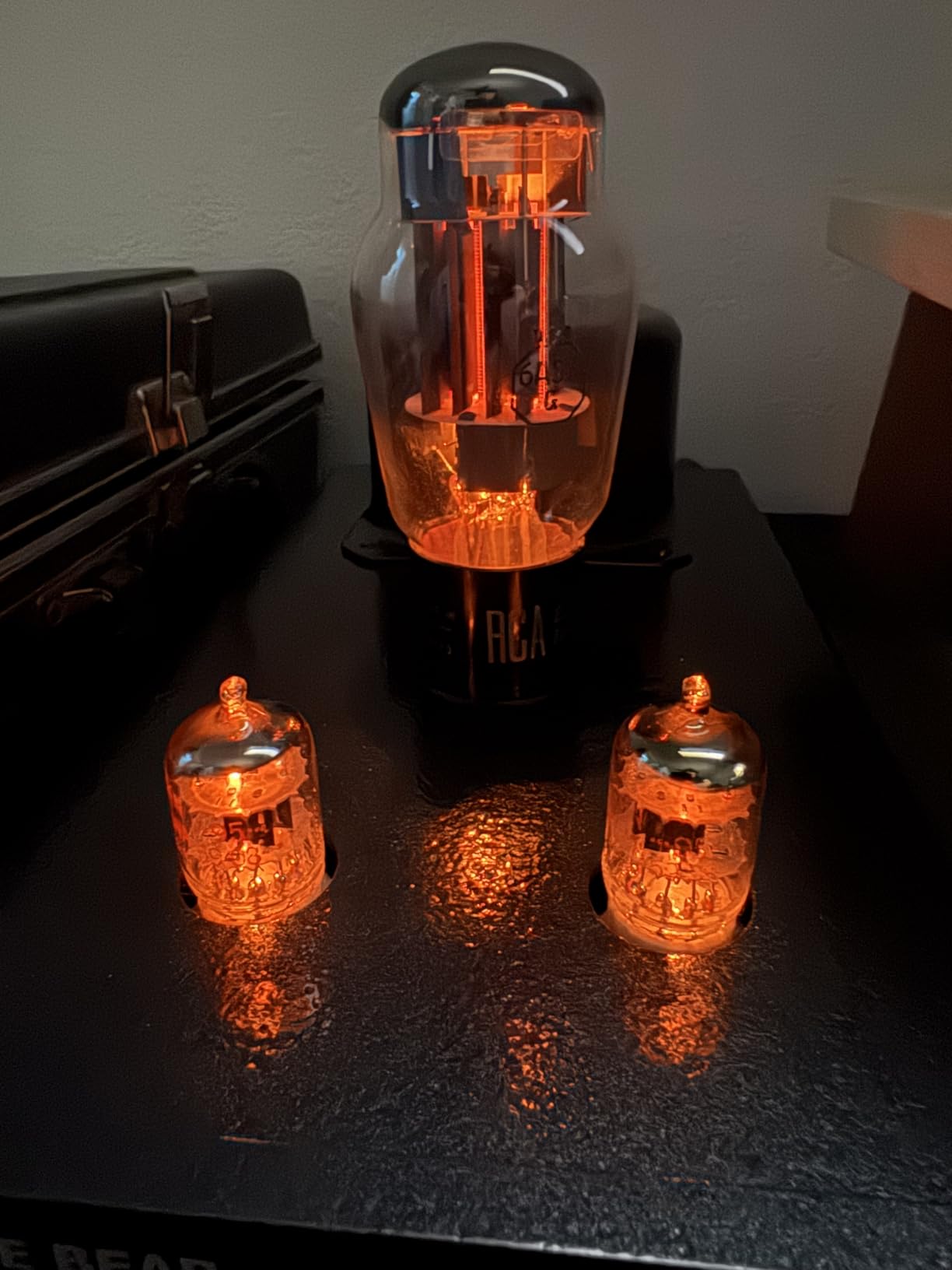
For the best experience, pair these with a solid-state or hybrid tube amplifier. I had great results with mid-range DAC/amp combos. The 4.4mm balanced connection can extract additional performance if your amplifier supports it, offering better channel separation and slightly improved dynamics. If you are using a budget source, you will still enjoy the headphones, but you will be leaving performance on the table.
2. Audio-Technica ATH-M50x – Best Value Studio Monitor
Audio-Technica ATH-M50X Professional Studio Monitor Headphones, Black, Professional Grade, Critically Acclaimed, with Detachable Cable
Closed-Back
38 Ohm
45mm Dynamic Driver
Detachable Cables
Pros
- Exceptional clarity across all frequencies
- Great sound isolation
- Detachable cable system
- Works well without dedicated amp
- 33k+ reviews
Cons
- Limited soundstage vs open-back
- Treble peak can cause sibilance
- Headband padding could be thicker
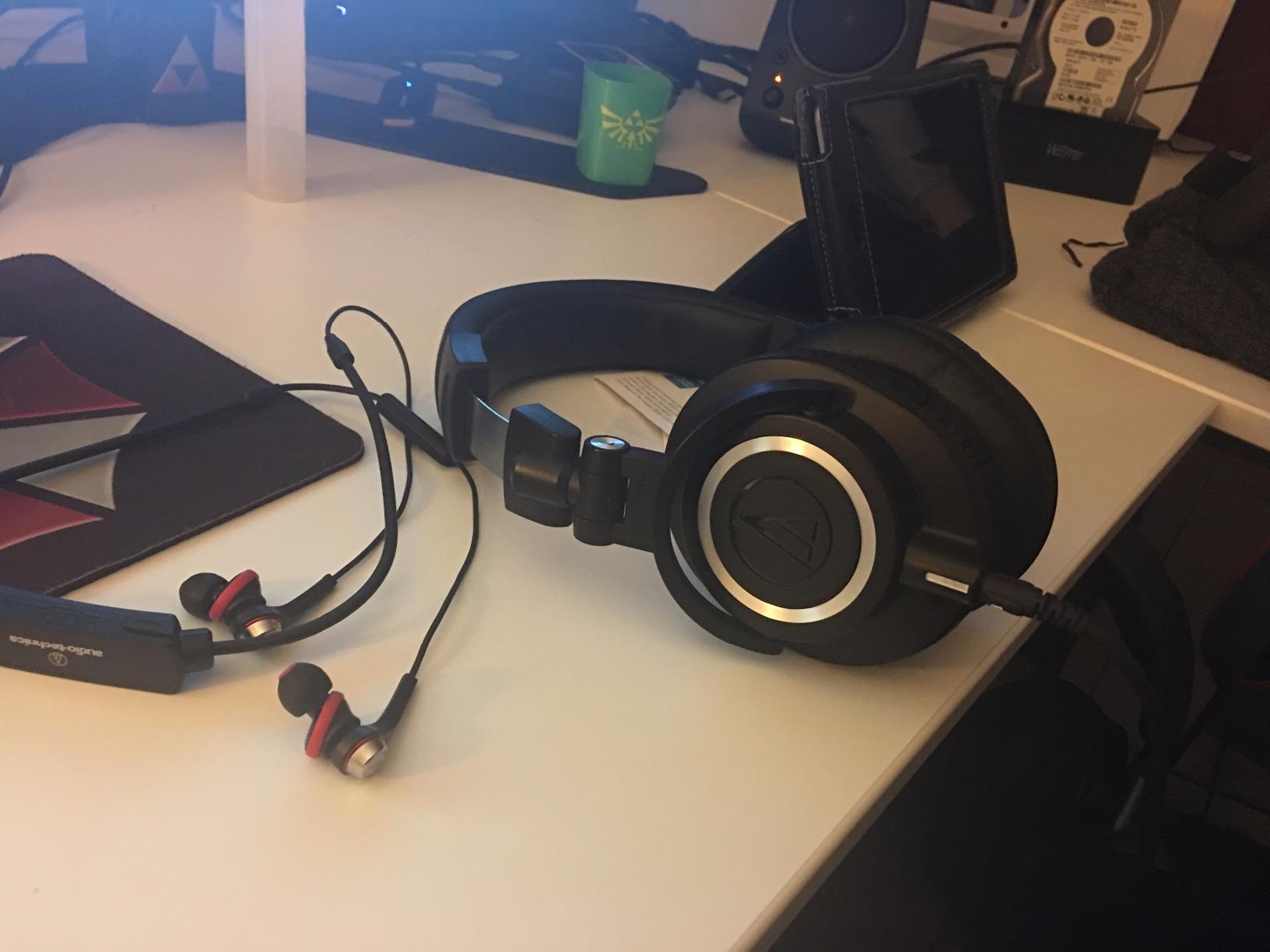
The Audio-Technica ATH-M50x has been one of the most popular studio monitor headphones for years, and after testing it extensively, I can see exactly why. With over 33,000 reviews and a 4.7-star rating, these headphones have earned their reputation through consistent performance and honest sound reproduction. The 45mm large-aperture drivers with rare earth magnets deliver clarity that punches well above their price point.
What impressed me most was how versatile the ATH-M50x sounds. Whether I was listening to hip-hop, rock, classical, or electronic music, the frequency response stayed balanced and controlled. The bass is deep and accurate without bleeding into the mids. The midrange is clear and present, making vocals and instruments easy to pick apart. The treble has some energy in the upper frequencies that can highlight detail, though it can occasionally veer toward brightness on sibilant recordings.
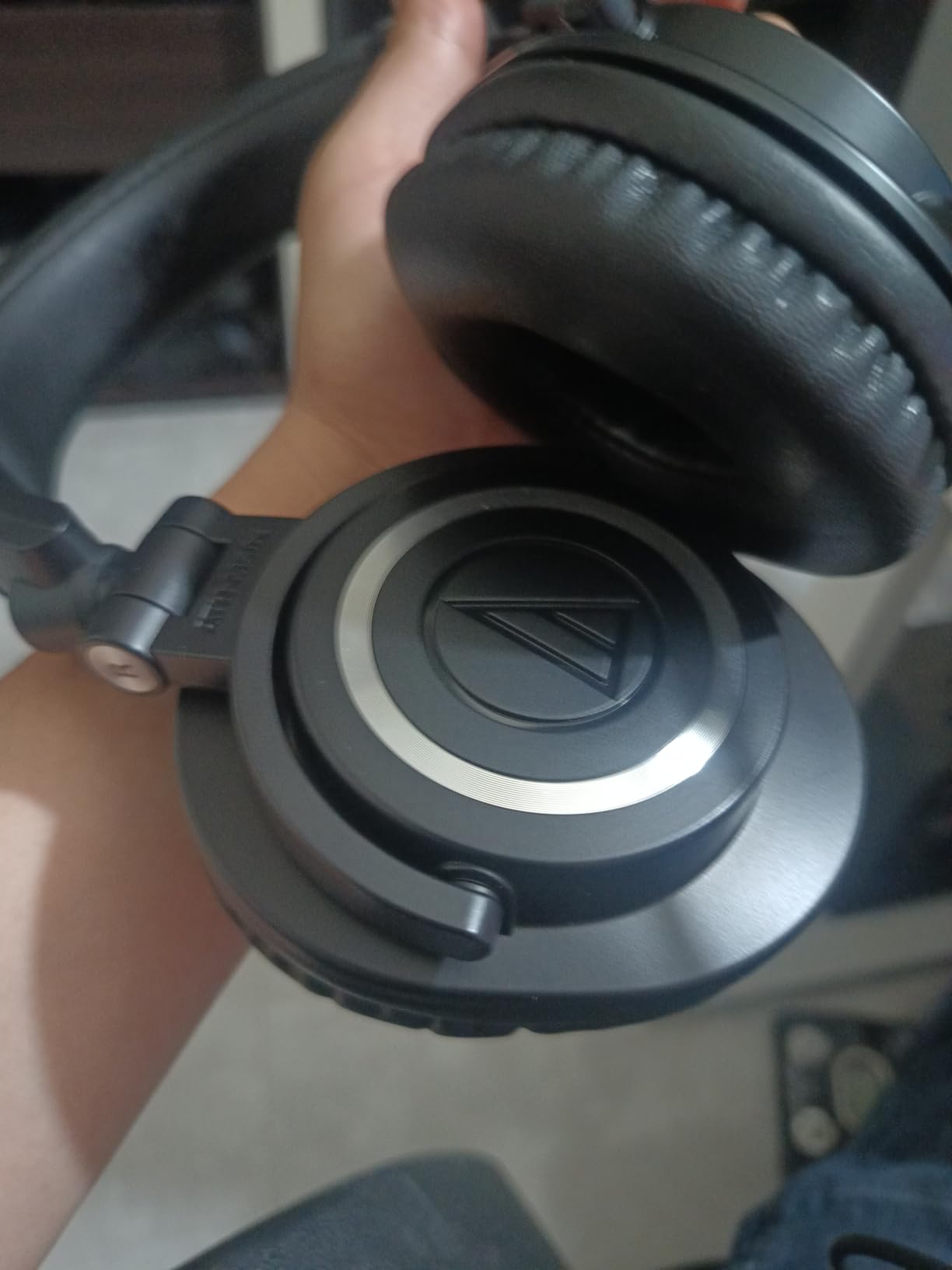
The closed-back design provides excellent sound isolation, making these suitable for recording sessions, noisy offices, or commuting. The circumaural ear cups seal well around the ears and block out a surprising amount of external noise without active cancellation. At 38 ohms, they are easy to drive from any device, including phones and laptops, without needing a dedicated amplifier.
Build quality is solid for the price. The headband uses metal components for durability, and the ear cups swivel 90 degrees for one-ear monitoring, a feature that DJs and studio engineers will appreciate. Audio-Technica includes three detachable cables (straight short, coiled, and straight long), so you have options for any setup. The ear pads are comfortable for extended sessions, though I did notice some warmth build-up after about 3 hours.
Who Should Buy the ATH-M50x
These are perfect for home studio owners, content creators, podcasters, and anyone who wants professional-quality sound without spending a fortune. If you need a closed-back headphone for recording, editing, or listening in shared spaces, the ATH-M50x delivers outstanding value. They are also a strong pick if you want one headphone that handles both work and casual listening well.
Sound Signature and Use Cases
The ATH-M50x leans slightly toward a V-shaped response compared to strictly neutral headphones like the Sony MDR7506. This means you get a bit more bass presence and treble energy, which makes music sound exciting without sacrificing accuracy. For mixing, this means your mixes will translate well to consumer speakers and earbuds. For casual listening, it simply sounds engaging and fun across most genres.
3. Sennheiser HD 650 – The Legendary Audiophile Reference
Sennheiser HD 650 – Audiophile Hi-Res Open Back Dynamic Headphone
Open-Back
300 Ohm
42mm Dynamic Driver
Matched Driver Elements
Pros
- Legendary warm midrange
- Wide soundstage
- Extremely comfortable
- 20+ years of proven performance
Cons
- Needs amplifier to sound its best
- Plastic build materials
- Open-back design leaks sound
The Sennheiser HD 650 has been a benchmark in the audiophile community for over two decades, and testing it in 2026 confirms that it still deserves that status. With over 3,000 reviews and a devoted following on forums like Head-Fi and Reddit, these headphones have earned their legendary reputation through a sound signature that is warm, natural, and endlessly listenable. The hand-selected matched driver elements ensure consistent stereo imaging and frequency response.
What makes the HD 650 special is its midrange presentation. Vocals, acoustic guitars, pianos, and string instruments have a richness and weight that few headphones can match. The treble is smooth and slightly rolled off compared to brighter models, which makes these incredibly forgiving of poorly recorded or harshly mastered music. If your library includes a lot of older recordings or compressed streaming audio, the HD 650 will make them sound better than they have any right to.
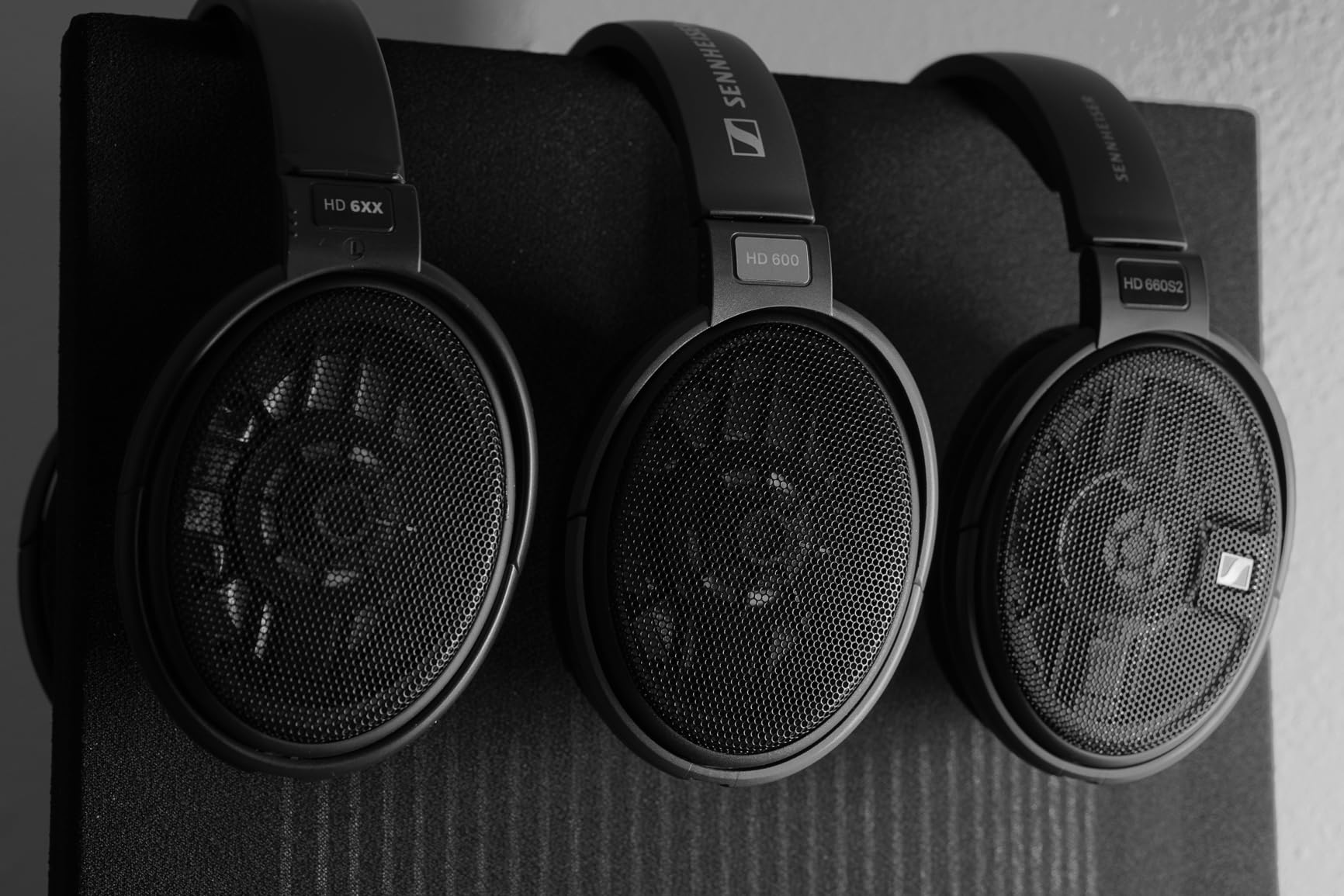
The soundstage is wide and spacious for a dynamic driver headphone, giving instruments room to breathe and creating a convincing sense of depth. Imaging is precise enough for gaming and critical listening, though it is not quite as pinpoint as some planar magnetic competitors. The bass is warm and full without being bloated, extending low enough for most genres though it lacks the sub-bass rumble that bass enthusiasts might want.
At 300 ohms, the HD 650 needs amplification to reach its full potential. I tested it from a phone headphone jack and then through a desktop DAC/amp. The phone drove them to adequate volume, but the amp transformed the sound with tighter bass, better dynamics, and more detail retrieval. If you are investing in the HD 650, budget for at least a basic amplifier.
Who Should Buy the HD 650
The HD 650 is ideal for listeners who prioritize vocal and acoustic music, want a warm sound that is easy to listen to for hours, and appreciate the comfort of a proven design. If you listen to jazz, classical, folk, singer-songwriter, or classic rock, these headphones will reward you with a musical experience that is hard to beat at this price point.
Long-Term Ownership Experience
One of the most compelling aspects of the HD 650 is its longevity. Users on forums regularly report owning their pairs for 10+ years with no issues. Replacement parts are widely available, including ear pads, cables, and even driver elements. The lightweight design (about 260 grams) and soft velour pads make these comfortable for marathon listening sessions. The initial clamp force loosens over time to a perfect fit.
4. Sony MDR7506 – The Studio Standard
Sony MDR7506 Professional Large Diaphragm Headphone
Closed-Back
63 Ohm
40mm Dynamic Driver
9.8ft Coiled Cable
Pros
- Industry-standard studio headphone
- Neutral flat response
- Extremely durable
- Excellent value
- 28k+ reviews
Cons
- Treble can be bright and fatiguing
- Non-detachable cable
- Limited soundstage
- Ear pads wear over time
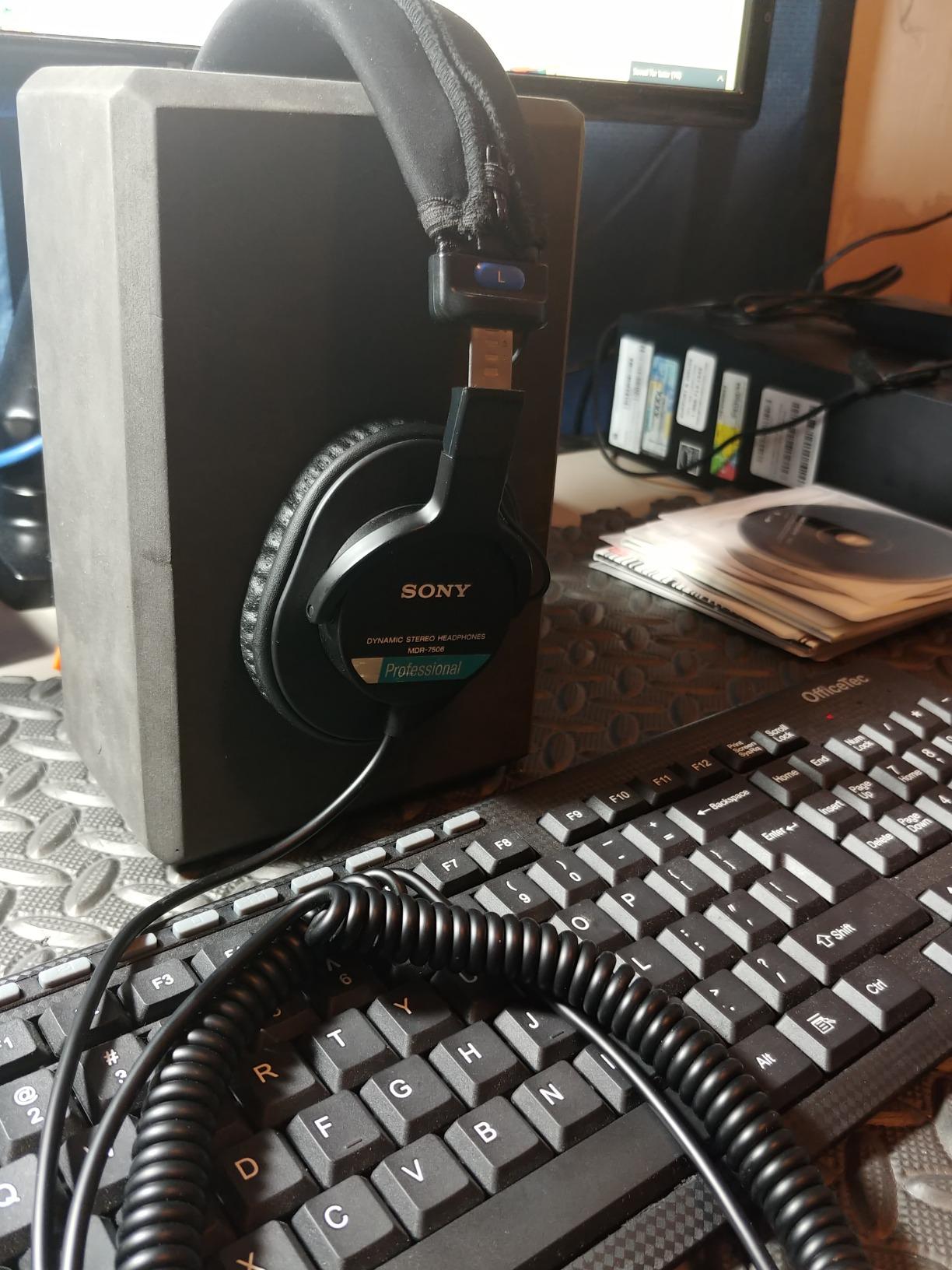
The Sony MDR7506 has been the backbone of professional recording studios since 1991, and with nearly 28,000 reviews, it is one of the most proven headphones in existence. When I unboxed these, I immediately recognized the same design that has been sitting in recording booths for decades. There is a reason these are still the go-to recommendation for audio engineers, podcasters, and broadcast professionals worldwide.
The sound signature is what I would call honest and revealing. The frequency response is remarkably flat for the price, which means you hear exactly what is in your recording without any flattering coloration. This makes them invaluable for mixing and editing, where accuracy matters more than excitement. The bass is tight and controlled, the mids are clear and present, and the treble has a distinctive brightness that some people love and others find fatiguing after extended sessions.
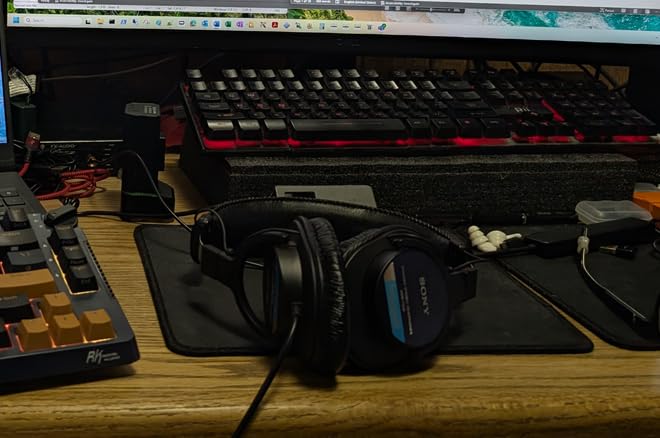
At just 8 ounces, these are lightweight and comfortable for long studio sessions. The closed-back design provides good sound isolation, making them suitable for recording vocals and instruments alongside other musicians. The 9.8-foot coiled cable gives you plenty of room to move around a studio space, and they fold up compactly with the included soft case for transport.
Build quality is where the MDR7506 really shines. Multiple users report their pairs lasting 15 to 20+ years with basic care. The design is simple and functional, with no unnecessary features to break. The ear pads do wear out over time, but replacement pads are inexpensive and easy to install. The non-detachable cable is the biggest drawback; if it gets damaged, you need to do a solder repair or replace the headphones entirely.
Who Should Buy the MDR7506
If you do any kind of audio production work, podcasting, or video editing, the MDR7506 should be in your collection. The flat, honest sound signature makes it easy to identify problems in your mix. They are also an excellent choice for anyone who wants to experience what professional studio monitoring sounds like without a large investment.
Studio vs Home Listening Performance
In the studio, the MDR7506 is unmatched at its price for revealing frequency balance issues and tracking problems. For casual home listening, the bright treble can be a double-edged sword. Well-recorded tracks sound detailed and alive, but poorly mastered or heavily compressed music can sound harsh. If your listening is primarily high-quality sources (lossless files, vinyl rips, well-produced albums), these are genuinely enjoyable for music appreciation as well.
5. HIFIMAN Arya Organic – Best Planar Magnetic Pick
HIFIMAN Arya Organic Full-Size Over-Ear Open-Back Planar Magnetic Headphone with Stealth Magnets for Audiophiles, Home & Studio Listening
Open-Back
16 Ohm
Planar Magnetic
Nanometer Diaphragm
Pros
- Exceptional soundstage and imaging
- Warm yet transparent sound
- Easy to drive at 16 ohms
- Versatile genre performance
Cons
- Premium price point
- Build quality concerns on hinges
- Short included cable
- Open-back offers no isolation
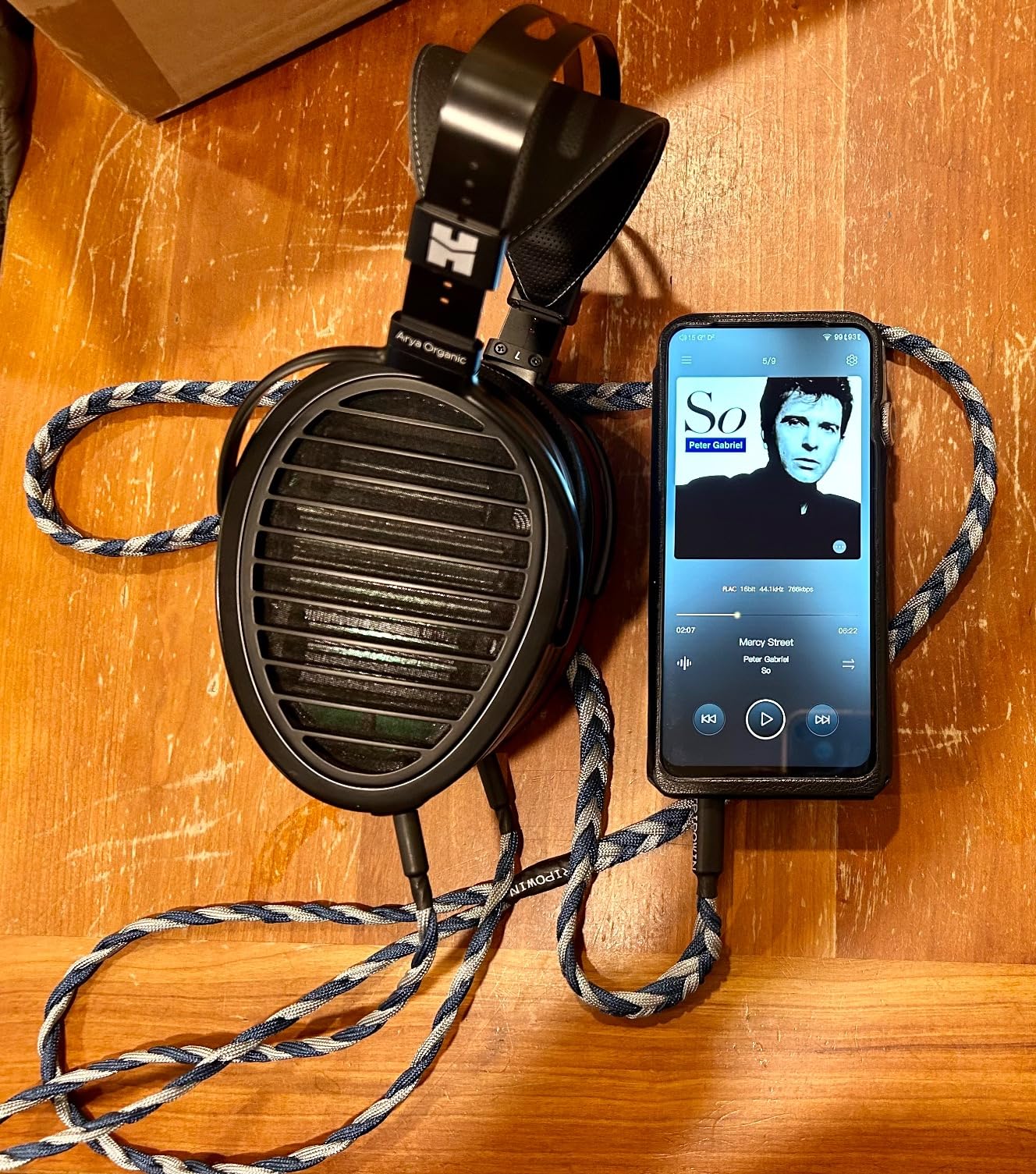
The HIFIMAN Arya Organic is the first planar magnetic headphone in our lineup, and the difference in driver technology is immediately apparent. Planar magnetic drivers use a thin, flat diaphragm suspended between magnets instead of a traditional cone-shaped dynamic driver. The result is faster transient response, lower distortion, and a more consistent frequency response across the entire range. When I put these on for the first time, the soundstage alone was enough to make me pause and listen to tracks I thought I knew inside and out.
The sound is warm, detailed, and incredibly transparent. Instruments and vocals float in a three-dimensional space that feels wider and deeper than any dynamic driver headphone I have tested. The bass extension is remarkable for an open-back design, reaching low with authority and control. The mids are lush and present, while the treble extends cleanly without harshness or grain. This is a headphone that makes you want to rediscover your entire music library.
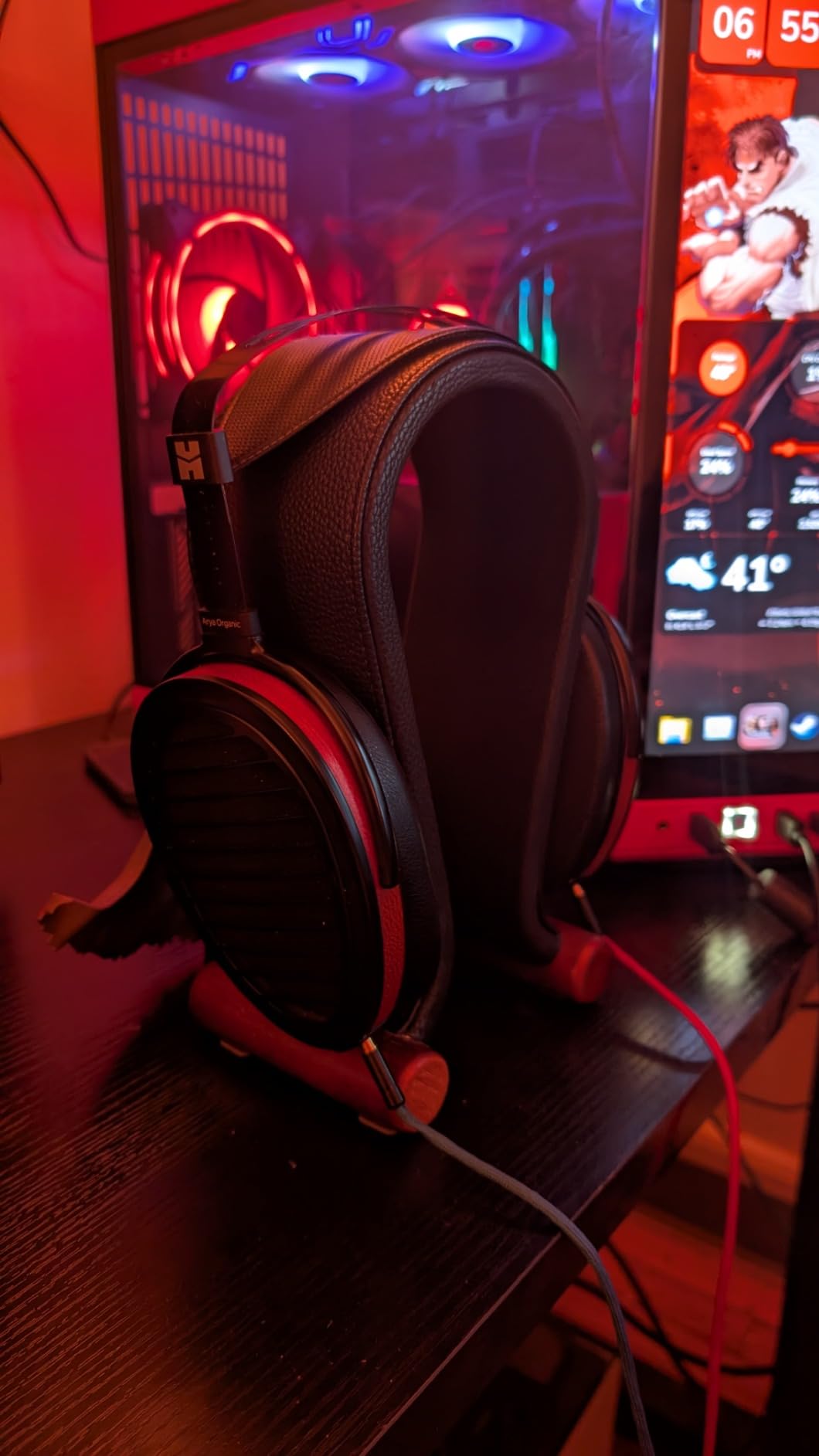
Despite the large ear cups, comfort is surprisingly good. The headband distributes the 440-gram weight reasonably well, though they are noticeably heavier than the Sennheiser models. The ear pads are spacious and soft, accommodating most ear sizes comfortably. I did notice some fatigue after about 3 hours, which I attribute more to the weight than the clamp force. The included cable is unfortunately short at about 5 feet, which limits desk mobility.
At 16 ohms, the Arya Organic is surprisingly easy to drive. I got good volume levels from a laptop and even a phone, though a quality amplifier still improves dynamics and bass control significantly. HIFIMAN uses stealth magnet technology here, which reduces diffraction artifacts and contributes to the clean, open presentation. The CNC-milled metal construction looks and feels premium, though some users on forums have raised concerns about hinge durability over time.
Who Should Buy the Arya Organic
If you are ready to invest in a headphone that delivers true audiophile-grade performance and want the unique qualities that planar magnetic drivers offer, the Arya Organic is an outstanding choice. It excels with well-recorded music of any genre, from orchestral to electronic. The wide soundstage also makes it a favorite among competitive gamers who want precise positional audio.
Planar Magnetic vs Dynamic Drivers
Planar magnetic drivers like those in the Arya Organic offer several advantages over traditional dynamic drivers. The flat diaphragm moves as a uniform surface, which reduces distortion and provides more consistent frequency response. Transient response is faster, meaning attacks and decays of notes are reproduced more accurately. The trade-off is typically weight and cost. Planar magnetic headphones tend to be heavier and more expensive than their dynamic counterparts, though the Arya Organic keeps impedance low enough to work with most sources.
6. Sennheiser HD 490 PRO – Best for Music Production
HD 490 PRO Open-Back Professional Headphone
Open-Back
130 Ohm
Dynamic Driver
Dual Ear Pad Sets
Pros
- Uncolored frequency response
- Two sets of ear pads for producing and mixing
- Extremely lightweight at 200g
- Wide dimensional soundstage
Cons
- Proprietary ear pads limit options
- Can get warm during long sessions
- Open-back provides no isolation
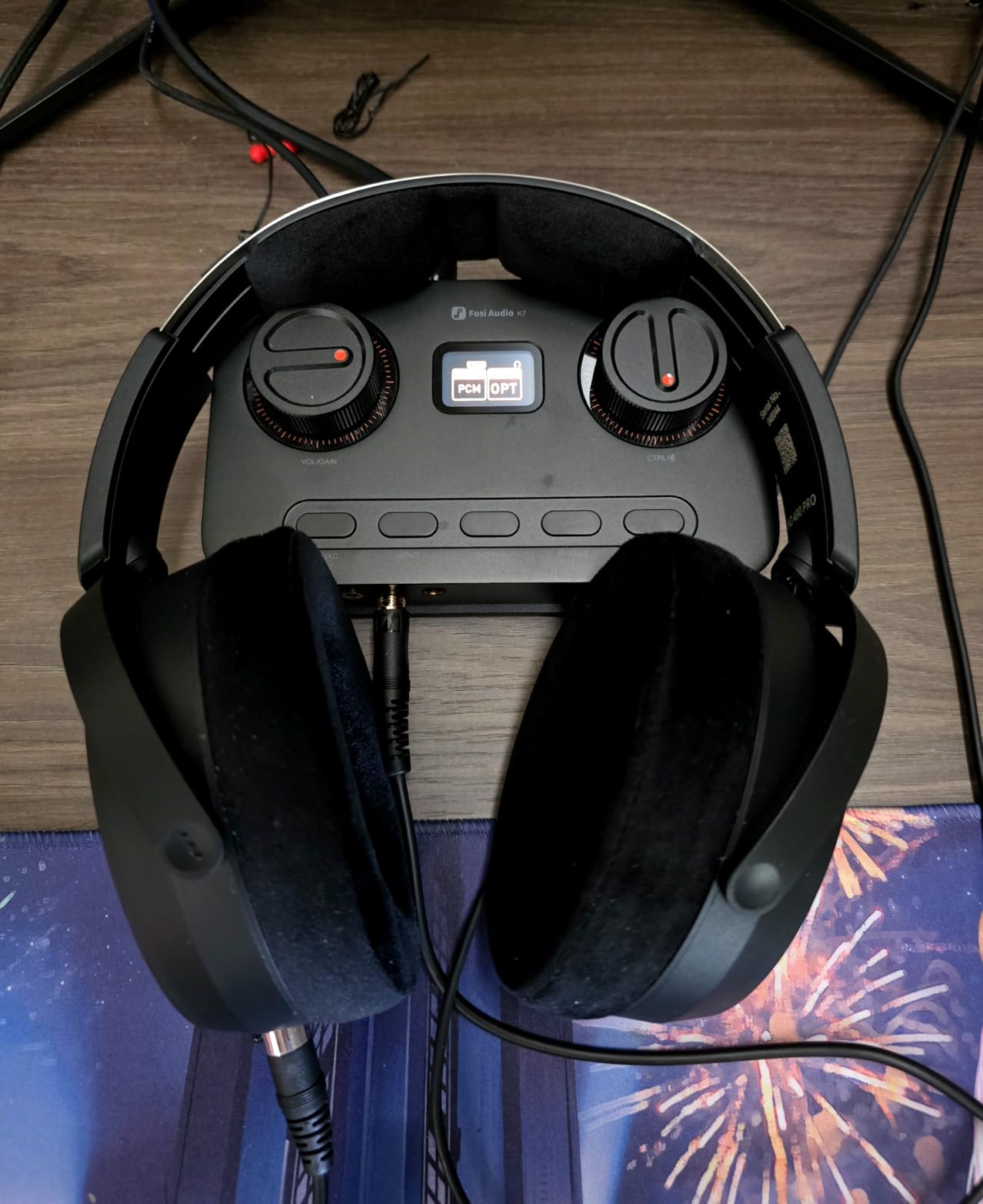
The Sennheiser HD 490 PRO was designed specifically for music production, and it shows in every aspect of its design. What immediately caught my attention is the inclusion of two different sets of ear pads, one tuned for producing and one for mixing. This is a thoughtful touch that acknowledges the reality that different stages of music production benefit from different frequency presentations.
The sound signature is honest and uncolored across the entire frequency range. Sennheiser engineered these to give you a flat, accurate representation of your audio so that mixing decisions translate well to other playback systems. The low-frequency cylinder system delivers bass that is deep and defined without the bloat that can fool you into thinking your mix has more low-end than it actually does. The mids are transparent, and the treble is smooth enough for long sessions without fatigue.
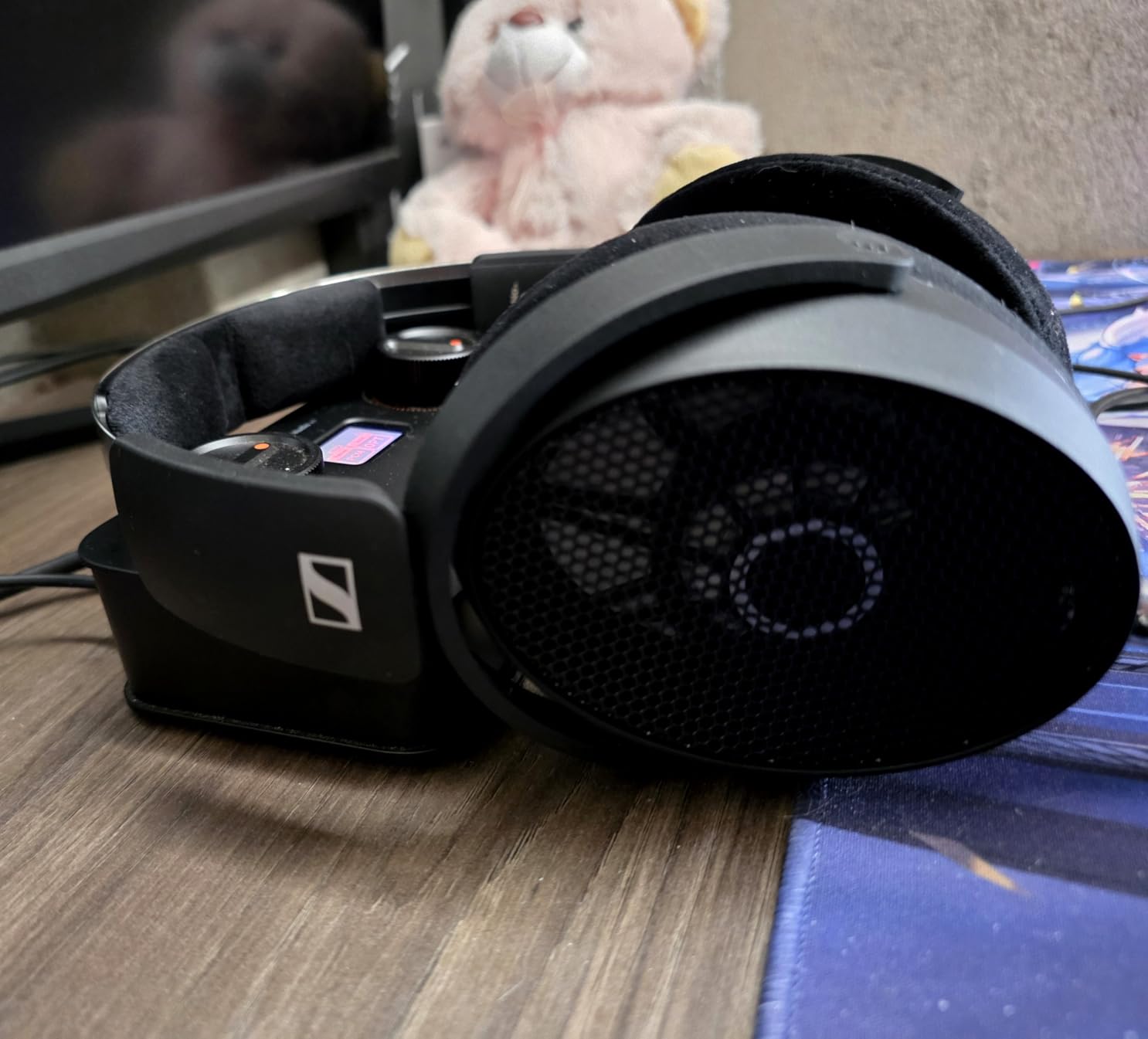
At just 200 grams, the HD 490 PRO is one of the lightest headphones in this entire roundup. That weight reduction makes a real difference during 8-hour studio sessions. The open-back design creates an extremely wide, dimensional soundstage that helps with panning decisions and spatial placement in your mix. Imaging is precise, allowing you to place elements in the stereo field with confidence.
The 130-ohm impedance is moderate enough that you can drive these from a decent audio interface without a separate amplifier, though they will benefit from one. The detachable cable connects to either ear cup, giving you flexibility in routing. At this price point, the HD 490 PRO competes directly with models like the HD 660S2, but it targets a different user. While the 660S2 is about musical enjoyment, the 490 PRO is built as a professional tool first and foremost.
Who Should Buy the HD 490 PRO
Music producers, mixing engineers, and content creators who need a reliable, uncolored reference will get the most value from the HD 490 PRO. If you spend hours in a DAW making critical decisions about frequency balance, dynamics, and spatial placement, the flat response and wide soundstage will serve you well. The dual ear pad system adds genuine versatility that you will not find elsewhere.
Producing vs Mixing Ear Pads Explained
The producing pads are tuned to deliver a slightly more engaging sound that helps with creative decisions and arrangement work. When you switch to the mixing pads, the frequency response becomes even flatter and more analytical, which is exactly what you want when making precise EQ and compression choices. Swapping pads takes about 30 seconds and is genuinely useful if you work across both creative and technical phases of production.
7. beyerdynamic DT 770 Pro X – Best Closed-Back for Recording
beyerdynamic DT 770 Pro X (48 Ohm), Closed-Back Studio Headphones, Black
Closed-Back
48 Ohm
STELLAR.45 Driver
Mini-XLR Detachable Cable
Pros
- Excellent passive noise isolation
- Soft velour ear pads
- Detachable locking cable
- German craftsmanship
- STELLAR.45 driver
Cons
- Treble can be bright for some
- Initial clamp force is tight
- No built-in mic or controls
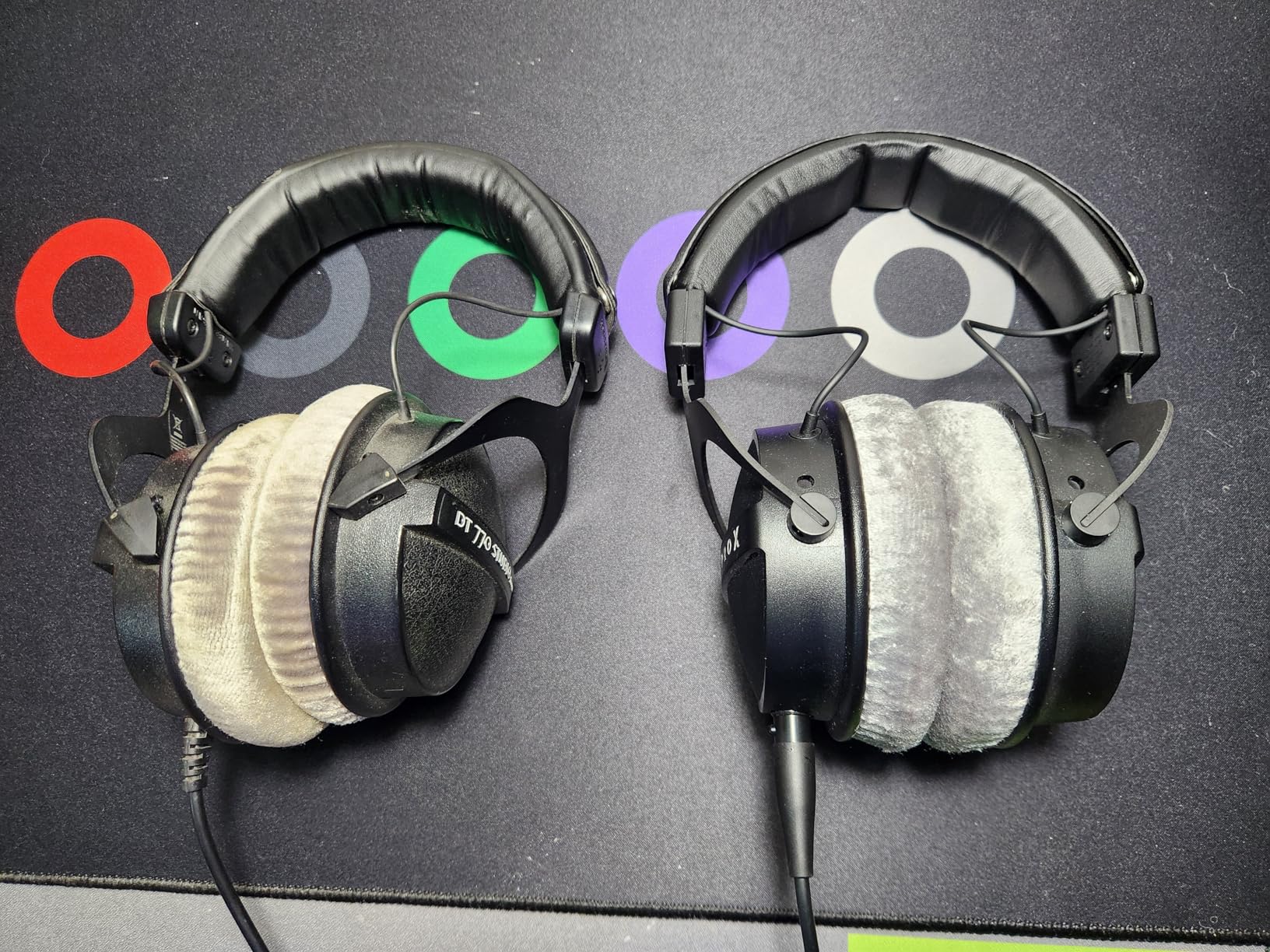
The beyerdynamic DT 770 Pro X carries forward one of the most respected lineages in studio headphones while adding modern updates that address the biggest complaints about the original DT 770. The most significant change is the detachable cable with a locking mini-XLR connector, which replaces the fixed cable of the original model. This single improvement makes the DT 770 Pro X a much more practical long-term investment.
The new STELLAR.45 driver technology delivers clear, detailed sound with a balanced presentation that works well for monitoring and recording. I found the bass to be tight and controlled, the mids clear and honest, and the treble extended with the characteristic beyerdynamic energy. That treble energy can be a positive for detail retrieval in mixing, but some listeners may find it fatiguing during extended sessions, especially with brighter recordings.
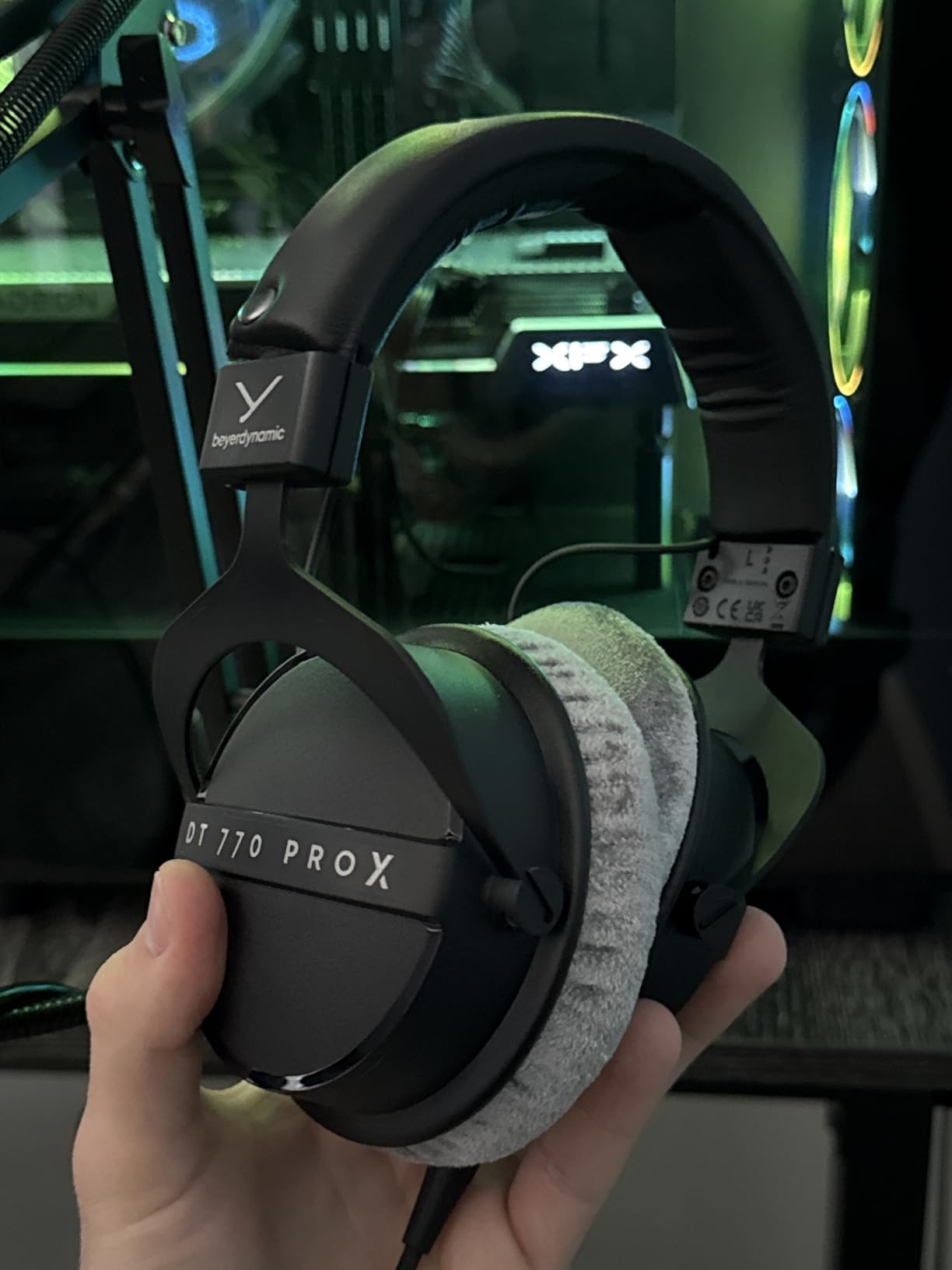
The closed-back design provides excellent passive noise isolation, which is essential for recording vocals and acoustic instruments without bleed into the microphone. In my testing, the isolation was comparable to the Sony MDR7506 and Audio-Technica ATH-M50x, keeping external noise at bay while preventing your mix from leaking into a live mic. At 48 ohms, these are easy to drive from any interface or device.
Comfort is a strong point thanks to the soft velour ear pads that feel plush against the skin and stay comfortable for hours. The German craftsmanship is evident in the construction, with replaceable components that extend the life of the headphones. The initial clamp force is on the tighter side, which helps with isolation but may cause discomfort for the first few days until the headband relaxes. The included 3-meter straight cable is a good length for studio use.
Who Should Buy the DT 770 Pro X
Vocalists, podcasters, and musicians who need a closed-back headphone for recording sessions will find the DT 770 Pro X to be an excellent choice. The combination of isolation, comfort, and accurate monitoring makes it a reliable studio companion. Audio engineers who want a closed-back alternative to complement their open-back reference headphones should also consider this model.
Closed-Back Isolation and Comfort
The DT 770 Pro X achieves its isolation through a combination of closed ear cups and the slightly tighter clamp force. This creates a good seal around the ears that blocks out ambient noise effectively. The velour pads are more breathable than leather alternatives, which helps with temperature during long sessions. If you work in a shared studio space or record vocals regularly, the isolation these provide is a genuine practical advantage over open-back alternatives.
8. Sennheiser HD 560S – Best Entry-Level Audiophile Open-Back
Pros
- Wide natural soundstage
- Neutral accurate sound
- Lightweight at 293g
- Easy to drive
- Great positional audio
Cons
- Plastic build feels less premium
- Sub-bass could be stronger
- Tight for larger heads
- No microphone
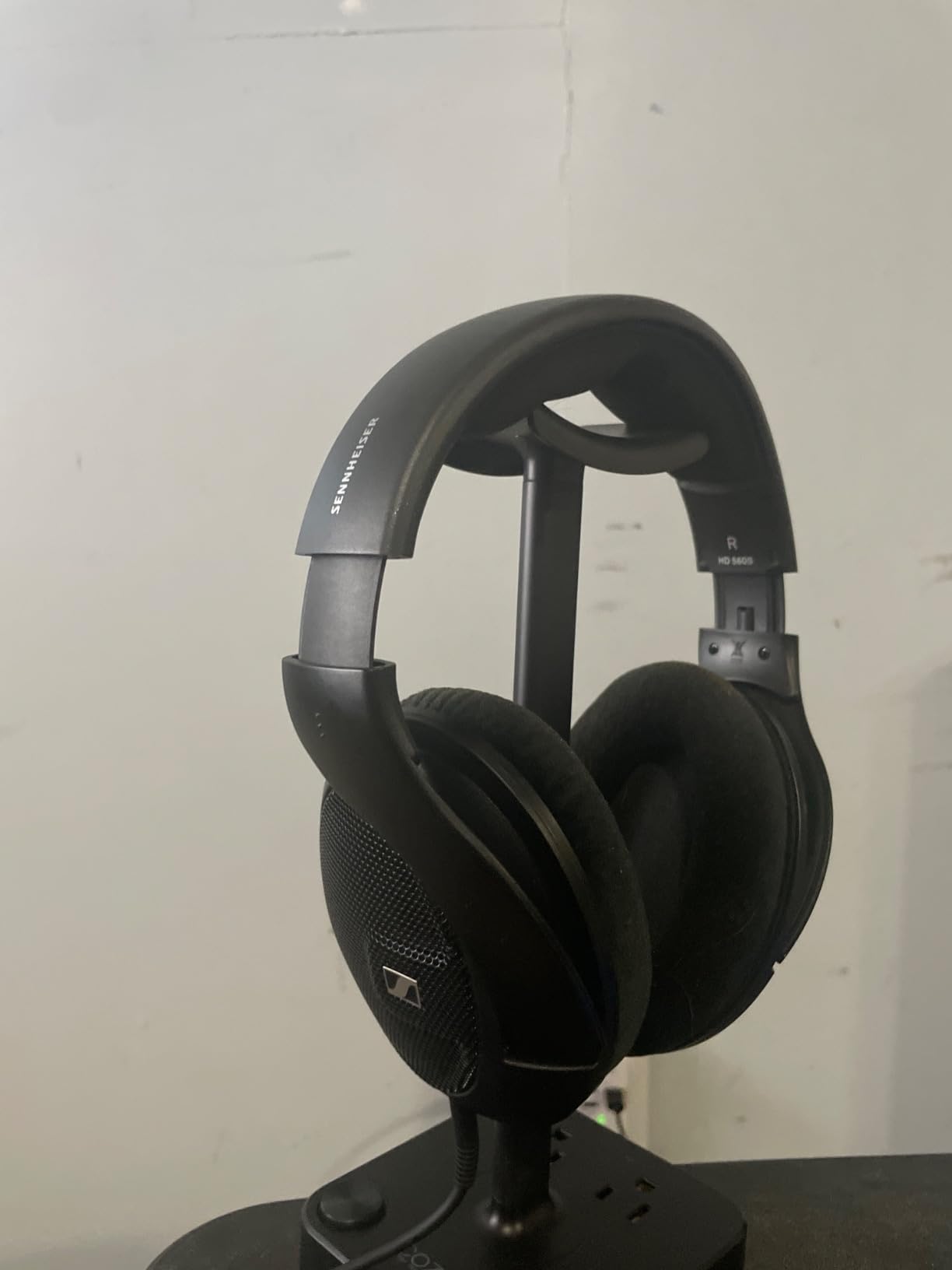
The Sennheiser HD 560S is one of the best entry points into serious audiophile listening. After testing it extensively, I can say with confidence that it delivers a level of neutrality and detail retrieval that competes with headphones costing significantly more. The precision-tuned transducers are designed to reveal subtle details across the entire frequency range, and they deliver on that promise consistently.
The open-back design creates a wide, natural soundstage that gives music room to breathe. I found instrument separation to be excellent, with each element clearly positioned in the stereo field. The bass is clean and controlled, rolling off gently in the sub-bass region. The mids are transparent and honest, making these particularly good for vocal-heavy music, podcasts, and acoustic recordings. Treble is smooth and extended without harshness.
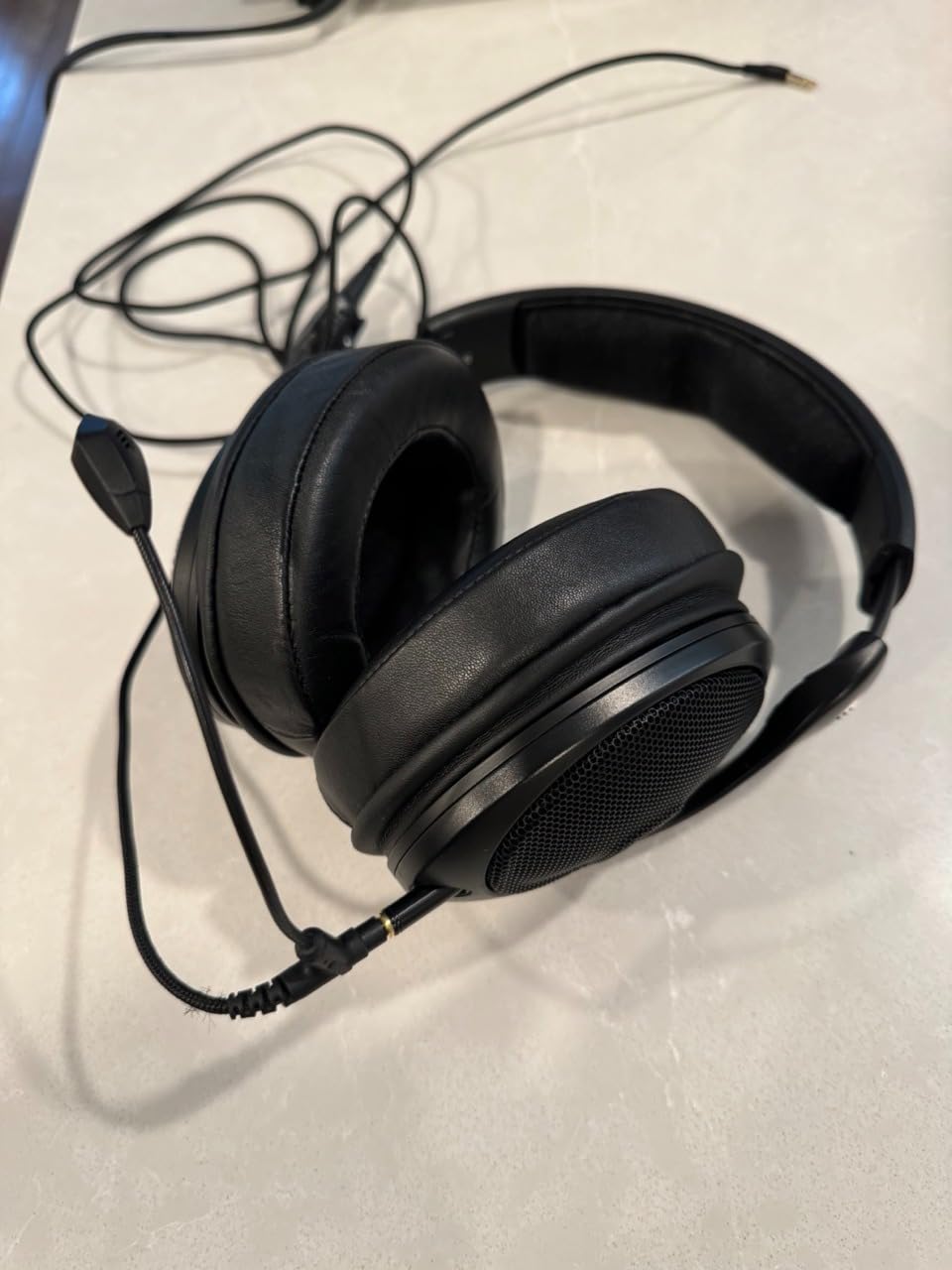
At 293 grams, the HD 560S is lightweight and comfortable for extended sessions. The velour ear pads are soft and breathable, and the ventilated ear cups help prevent heat buildup. The detachable cable includes a 6.35mm plug with a 3.5mm adapter, so you can connect to any source. The 120-ohm impedance is moderate, meaning these sound good from a computer or phone but will benefit from a dedicated amplifier or audio interface.
The plastic construction keeps the weight down but does feel less premium than the metal-accented build of more expensive models. This is a reasonable trade-off at this price point, and the build quality is still solid enough for regular use. The headband can feel tight for users with larger heads initially, but it relaxes over the first few weeks of use. For anyone moving up from consumer headphones, the jump in sound quality will be immediately apparent.
Who Should Buy the HD 560S
If you are stepping into the world of audiophile headphones for the first time, the HD 560S is one of the smartest investments you can make. It offers the open-back soundstage and neutral presentation of much more expensive headphones at an accessible price point. Gamers will also appreciate the excellent positional audio for competitive play.
Do You Need an Amplifier
At 120 ohms, the HD 560S sits in a middle ground. It sounds perfectly fine from most laptop and desktop computer headphone jacks. A phone will drive it to reasonable volume levels, though you may find yourself wanting more headroom on quiet recordings. Adding a basic DAC/amp combo will improve dynamics, bass control, and overall detail, but it is not strictly necessary to enjoy these headphones. Start without one and add amplification later if you feel the urge to upgrade.
9. Sony MDR-M1 – Best Closed-Back Reference Monitor
Sony MDR-M1 Professional Reference Closed Monitor Headphones
Closed-Back
50 Ohm
40mm Dynamic Driver
Ultra-Wideband 5Hz-80kHz
Pros
- Exceptional clarity and balanced sound
- Lightweight at 216g
- Two detachable cables included
- Great isolation for recording
Cons
- Ear pads can get warm
- May need EQ for sibilance on some tracks
- Intimate soundstage vs open-back
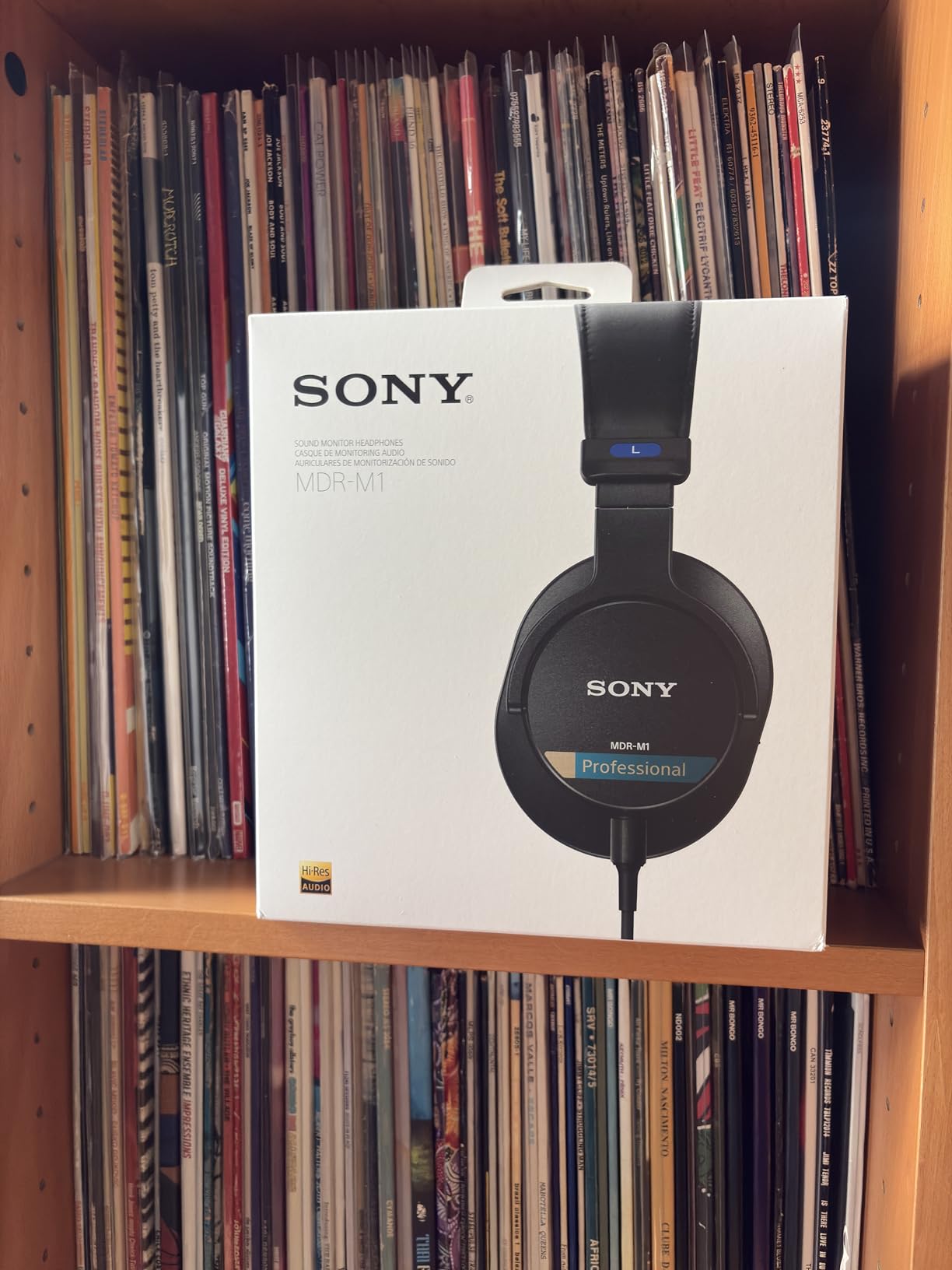
The Sony MDR-M1 is a newer addition to Sony’s professional headphone lineup, developed in collaboration with industry recording engineers to create a reference monitor that delivers accurate, uncolored sound. With an ultra-wideband frequency response of 5Hz to 80kHz, these headphones are engineered to reproduce every detail your source can deliver, including high-resolution audio formats.
In my testing, the MDR-M1 delivered a balanced, natural sound that lives up to its reference monitor designation. The bass is tight and controlled without any artificial boost. The mids are transparent and clear, making it easy to evaluate vocal recordings and instrument balance. The treble is detailed and extended, though I did notice some sibilance on particularly bright recordings that required a slight EQ adjustment to tame.
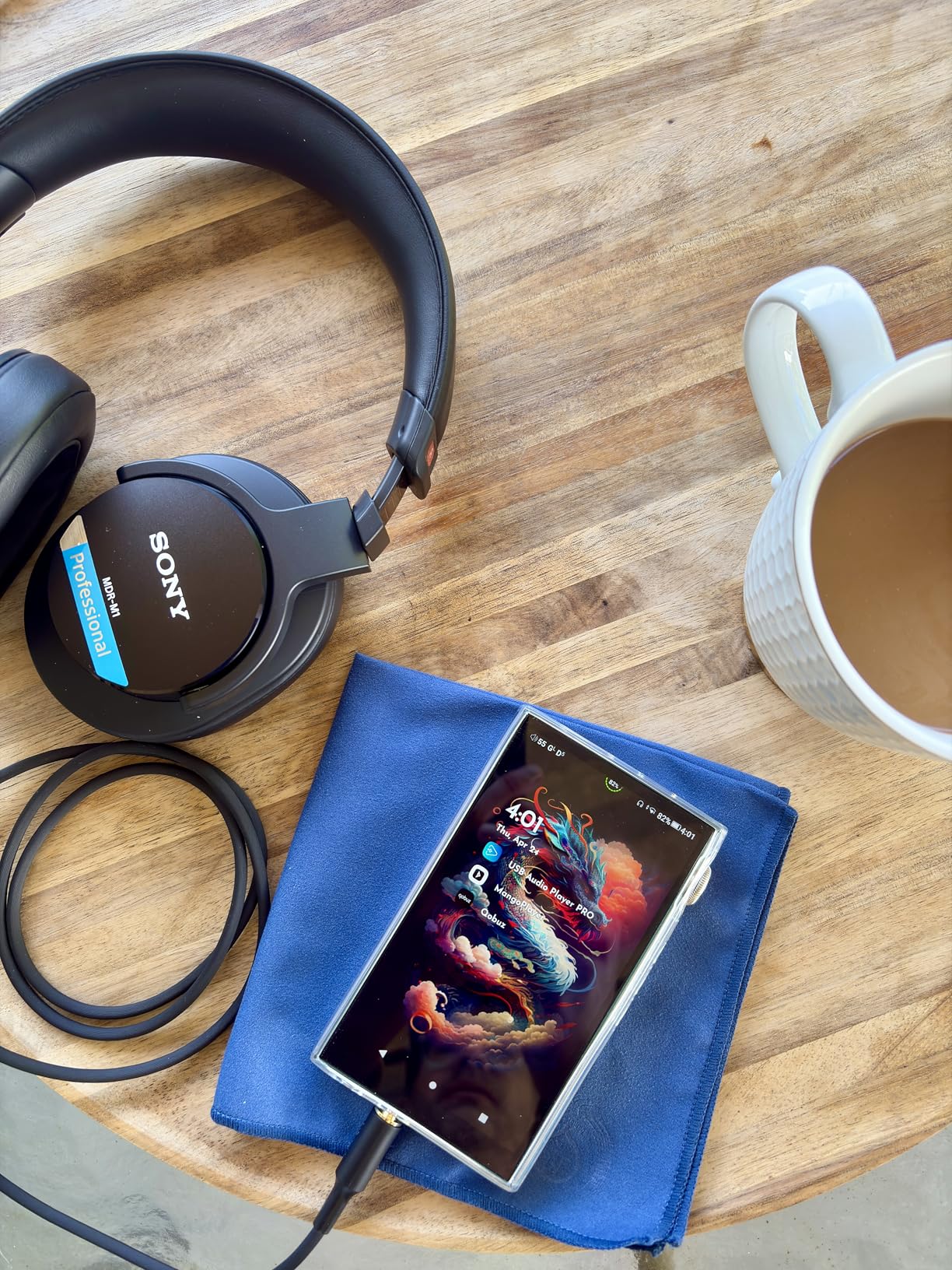
At just 216 grams, the MDR-M1 is remarkably lightweight for a closed-back headphone. The soft, thick ear pads provide good isolation and comfort, though they can get warm during sessions longer than 2 hours. The closed acoustic structure effectively blocks external noise, making these suitable for recording sessions where you need to monitor while performing. Sony includes two detachable cables (1.2m and 2.5m) for flexibility in different studio setups.
The build quality is professional and functional. The design prioritizes durability and serviceability over flashiness, which is exactly what working engineers need. The soundstage is more intimate than open-back alternatives, which is expected from a closed design, but the imaging is precise enough for accurate panning decisions during mixing. Overall, the MDR-M1 is a worthy successor to the MDR7506 tradition of professional Sony monitors.
Who Should Buy the MDR-M1
Recording engineers, producers, and musicians who need a closed-back reference monitor with accurate sound reproduction will find the MDR-M1 to be an excellent investment. If you frequently record vocals or acoustic instruments and need isolation without sacrificing sound quality, these are purpose-built for that task. They also serve well as a reliable secondary reference alongside open-back headphones in a mixing setup.
How It Compares to the MDR7506
The MDR-M1 is essentially the modern evolution of the MDR7506 concept. It maintains the neutral, honest sound signature but adds detachable cables, a wider frequency response, and improved comfort. The MDR7506 has a slightly brighter, more analytical treble that some engineers prefer for spotting problems, while the MDR-M1 has a smoother overall presentation. If you love the MDR7506 but wish it had detachable cables and more modern tuning, the MDR-M1 is exactly what you are looking for.
10. Sennheiser HD 550 – Best Mid-Range Open-Back
Sennheiser HD550 Headphones
Open-Back
150 Ohm
Dynamic Driver
Made in Ireland
6Hz-39.5kHz
Pros
- Neutral balanced sound signature
- Reduced clamping force for comfort
- Works without dedicated amp
- Excellent imaging for gaming
Cons
- Headband pressure on top for some
- Soundstage not as wide as competitors
- May be too bright for warm-sound fans
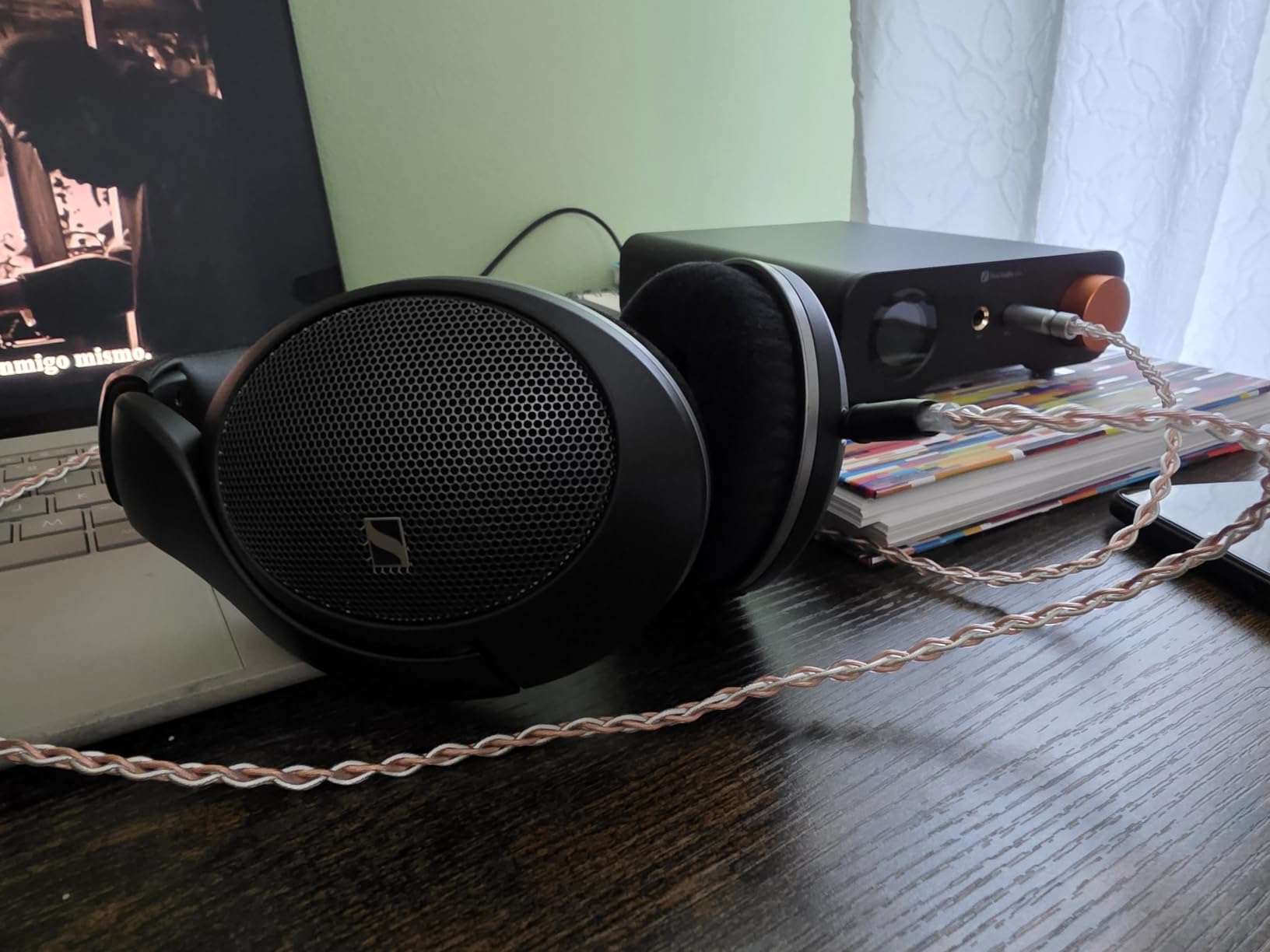
The Sennheiser HD 550 brings the balanced sound that Sennheiser is known for to a mid-range price point with some notable improvements over previous HD 500 series models. The reduced clamping force was the first thing I noticed when putting these on. Sennheiser clearly listened to feedback about the tight fit of older models and made a deliberate improvement here. The result is a headphone that feels comfortable from the first minute.
Sound quality is exactly what you would expect from a Sennheiser open-back headphone in this lineage. The frequency response is neutral and balanced, with clean bass, transparent mids, and smooth treble. I found the midrange clarity to be particularly strong, making vocals and instruments sound natural and engaging. The bass extends lower than the frequency specs might suggest, with clean articulation on bass guitar and kick drum parts.
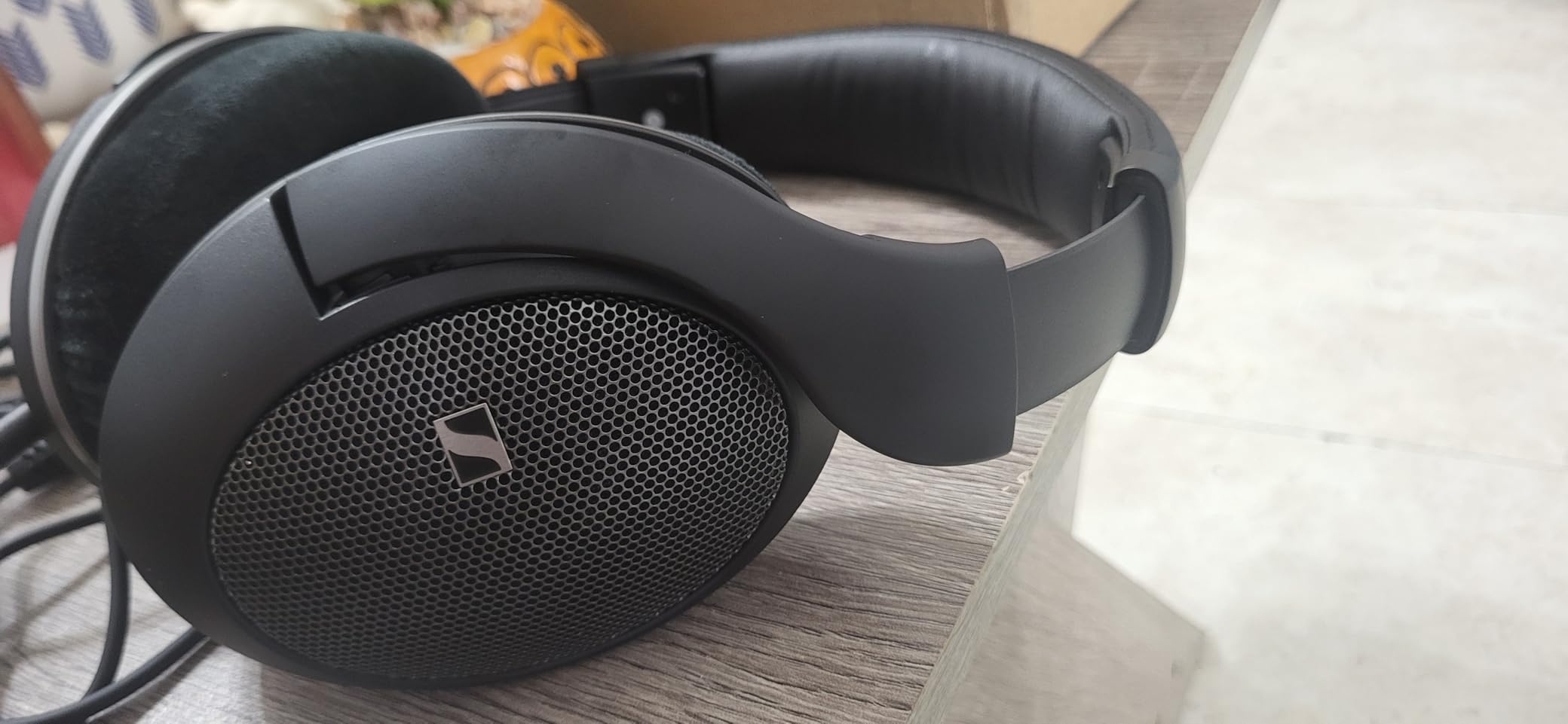
The extended frequency range of 6Hz to 39.5kHz gives these headphones plenty of headroom for high-resolution audio sources. In practice, this means the treble stays clean and airy without rolling off prematurely, and the sub-bass has room to breathe. The 150-ohm impedance is moderate, and I was pleasantly surprised by how well these performed directly from a PC motherboard headphone jack without any dedicated amplification.
One area where the HD 550 falls slightly short of its pricier siblings is in soundstage width. While the imaging is excellent for gaming and positional audio, the overall sense of width and depth is not as expansive as the HD 560S or HD 660S2. This is a reasonable trade-off at the price point and only becomes noticeable in direct A/B comparisons. The high-grade metal mesh construction and durable materials suggest these are built to last, and they are proudly made in Ireland at Sennheiser’s audiophile factory.
Who Should Buy the HD 550
The HD 550 is a great fit for anyone who wants a Sennheiser open-back experience without spending HD 660S2 money. It is particularly well-suited for gamers who want accurate imaging and balanced sound, home office workers who want comfortable headphones for all-day use, and music listeners who want a neutral presentation that works across genres.
Gaming and Multimedia Performance
The HD 550 really shines in gaming scenarios. The balanced sound signature means you hear footsteps, environmental cues, and voice chat with equal clarity. The imaging is precise enough for competitive gaming, where directional accuracy matters. For multimedia consumption, the neutral response ensures that movies, TV shows, and podcasts sound natural without the bass-heavy tuning that many gaming headphones use. These are genuinely versatile enough to handle work, play, and music listening equally well.
11. Audio-Technica ATH-M40x – Best Budget Studio Monitor
Audio-Technica ATH-M40x Professional Studio Monitor Headphone, Black, with Cutting Edge Engineering, 90 Degree Swiveling Earcups, Pro-Grade Earpads/Headband, Detachable Cables Included
Closed-Back
35 Ohm
40mm Dynamic Driver
Detachable Cable
Flat Response
Pros
- Near-flat frequency response
- Excellent sound isolation
- Detachable cables
- Comfortable with glasses
- Outstanding value
Cons
- Initially tight fit
- Ears may get warm
- Plastic build feels less premium
- Coiled cable may be too long
The Audio-Technica ATH-M40x is often described as the flat-response alternative to the more popular ATH-M50x, and after testing both extensively, I can confirm that reputation is well-earned. With nearly 17,000 reviews and a 4.6-star rating, the M40x has built a devoted following among audio professionals and enthusiasts who prefer a more neutral tuning over the M50x’s slightly V-shaped presentation. At 35 ohms, these are among the easiest headphones to drive in our entire roundup.
The frequency response is noticeably flatter than the ATH-M50x, with less bass emphasis and a more even treble presentation. This makes the M40x better suited for critical monitoring tasks where you need to hear exactly what is happening in your mix. The bass is present and controlled without the slight boost that the M50x adds. The mids are clear and honest, and the treble extends cleanly without the energy peak that some M50x users find fatiguing.
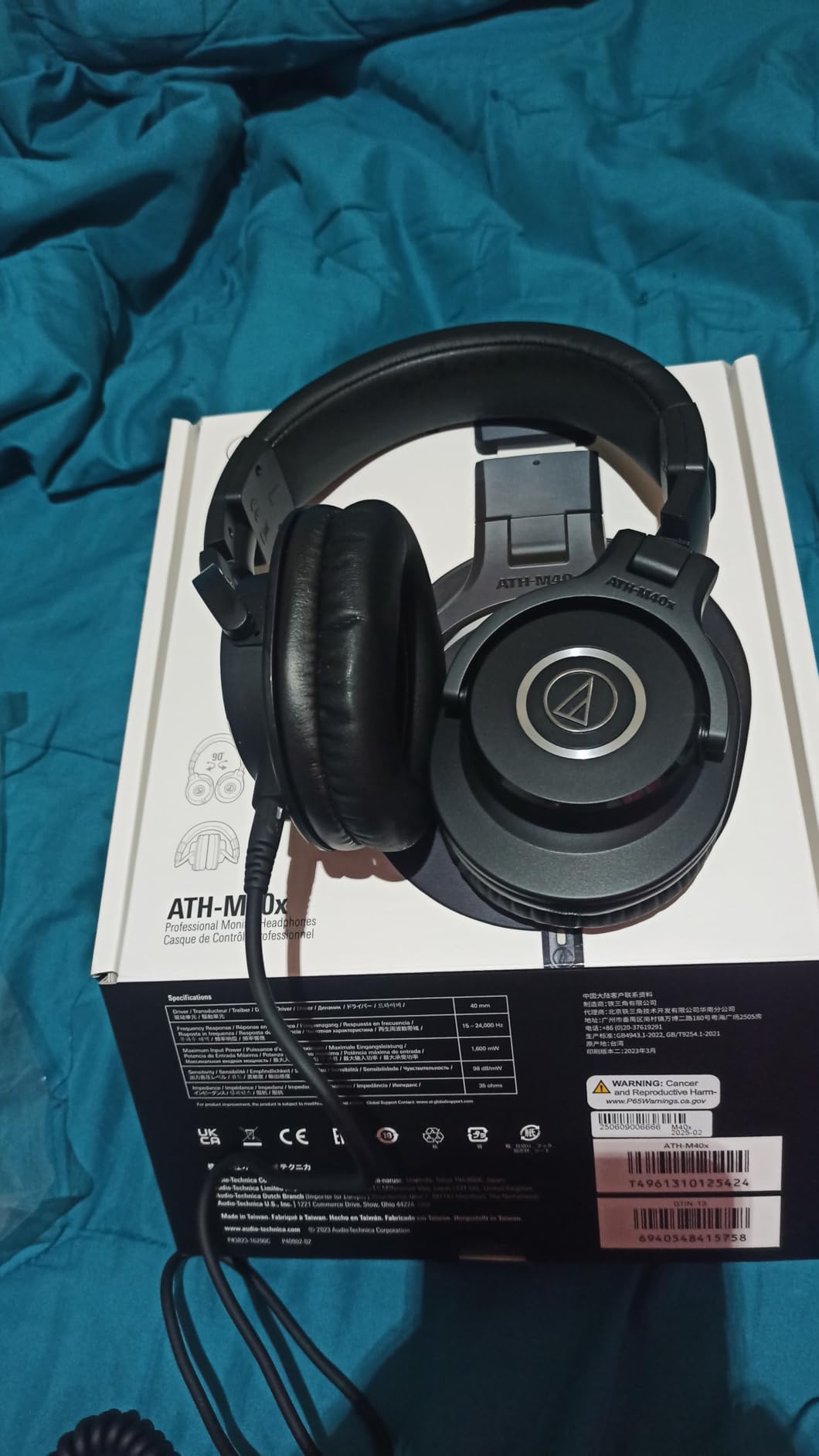
Sound isolation is excellent thanks to the circumaural closed-back design. In my testing, these blocked out ambient noise nearly as well as the MDR7506 and ATH-M50x, making them suitable for use in noisy environments and recording sessions. The 90-degree swiveling ear cups facilitate one-ear monitoring, which is a practical feature for DJs and tracking engineers who need to cue tracks.
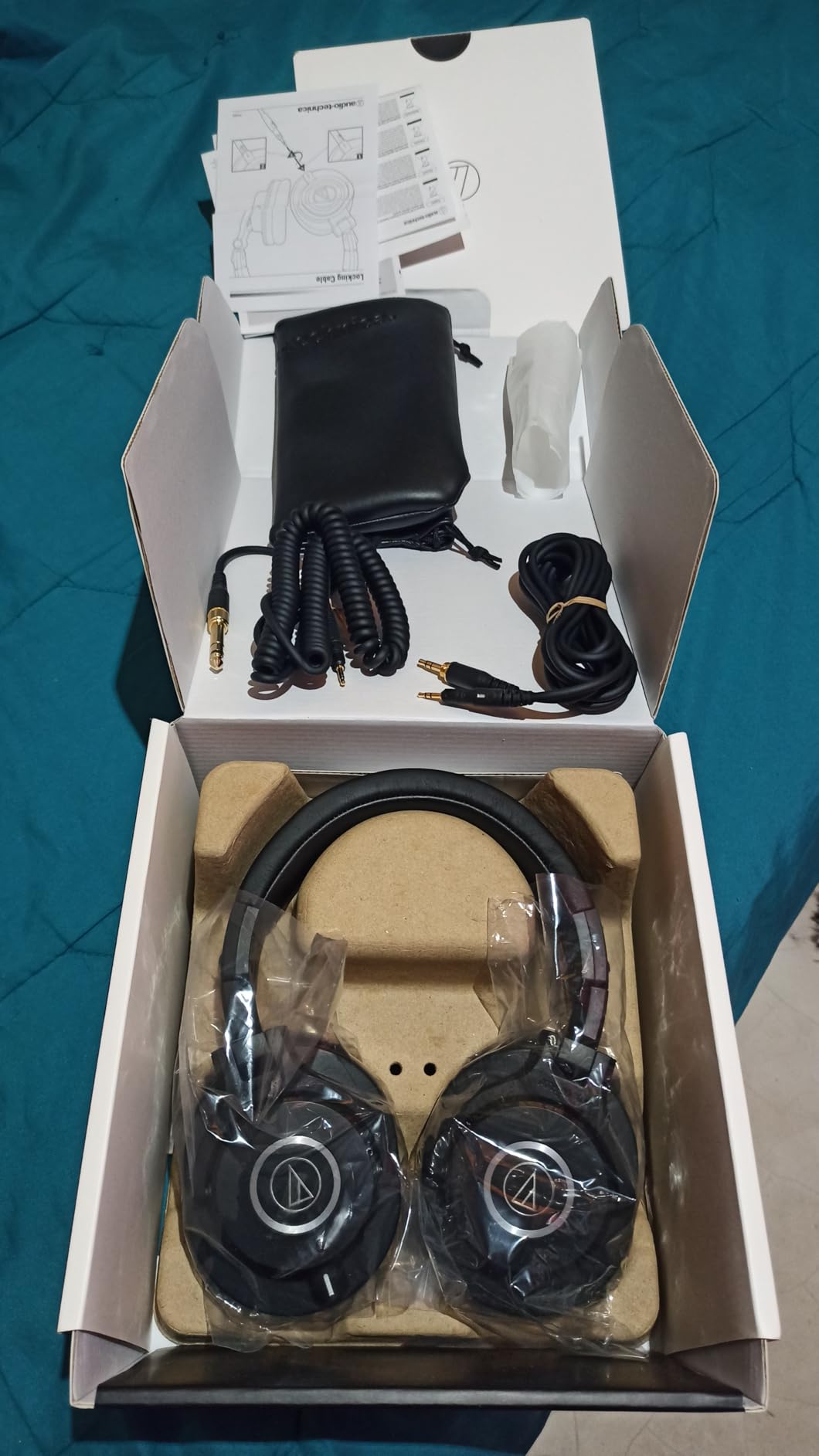
Build quality is functional and professional, with a mix of metal in the headband and durable plastic for the ear cups. The detachable cable system uses a twist-lock mechanism that stays secure during use. Audio-Technica includes both straight and coiled cable options, along with a carrying pouch and screw-on 1/4-inch adapter. Users who wear glasses will appreciate that the ear pads accommodate frames without excessive pressure, something that cannot be said for all closed-back models.
Who Should Buy the ATH-M40x
If you want the flattest, most neutral sound possible in a closed-back headphone at this price, the ATH-M40x is the pick. It is ideal for podcast editors, home studio owners, and anyone who needs accurate monitoring without spending a lot. The low 35-ohm impedance means you can use these with any device, from phones to laptops to audio interfaces, without worrying about amplification.
ATH-M40x vs ATH-M50x Comparison
This is one of the most debated comparisons in the headphone world, and the answer depends on your priorities. The M40x has a flatter, more neutral frequency response that is better for analytical listening and mixing accuracy. The M50x has a slight V-shape with more bass presence and treble energy, making it more engaging for casual listening and better for DJ monitoring. Both use the same build platform with detachable cables and swiveling ear cups. For pure balanced accuracy, the M40x wins. For all-around enjoyment and versatility, the M50x has the edge.
12. AKG K240 Studio – Best Ultra-Budget Balanced Headphones
AKG K240STUDIO Semi-Open Studio Headphones
Semi-Open
55 Ohm
Dynamic Driver
Detachable Cable
Self-Adjusting Headband
Pros
- Flat neutral response for studio work
- Self-adjusting headband
- Detachable 3m cable
- Exceptional value
- Lightweight at 240g
Cons
- Bass is flat not punchy
- Semi-open design leaks sound
- Ear pads may be small for some
- May benefit from an amp
The AKG K240 Studio has been a studio staple for decades, and at its price point, it remains one of the most accessible ways to experience balanced, studio-grade sound. With over 12,000 reviews and a 4.5-star rating, it has proven its worth to generations of musicians, producers, and audio students. The semi-open design offers a middle ground between the isolation of closed-back and the spaciousness of fully open headphones.
The sound signature is about as flat and neutral as you can get at any price, let alone this one. AKG designed these specifically for studio monitoring, and the frequency response reflects that purpose. Bass is present and controlled but not emphasized, which means your bass decisions in a mix will translate accurately. The mids are clear and honest, and the treble extends well without harshness. For critical listening and mixing on a budget, the K240 Studio is remarkably capable.
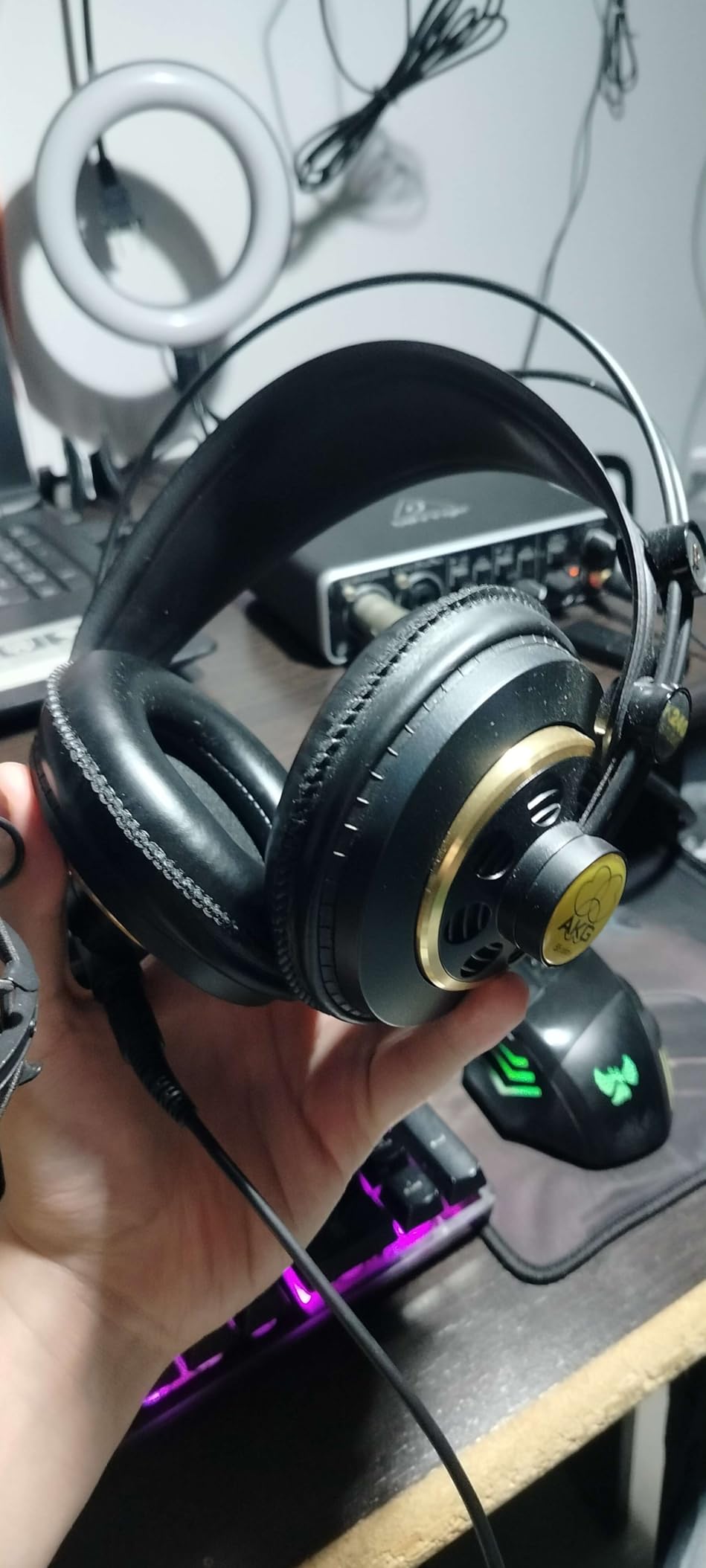
The self-adjusting headband is one of my favorite features on the K240 Studio. You just put them on and the headband automatically adjusts to the right tension, with no manual sizing needed. This makes them incredibly convenient for shared studio environments where multiple people use the same headphones. At 240 grams, they are lightweight and comfortable for extended sessions.
The semi-open design is a practical compromise that gives you some of the natural sound quality of open-back headphones while maintaining a degree of isolation and privacy. Sound will leak both ways, but less than a fully open design. The included 3-meter detachable cable with both 3.5mm and 6.3mm connectors is studio-friendly. The biggest limitation is the flat bass response, which bass-heavy music fans will find underwhelming. But for anyone doing serious audio work on a tight budget, that flat response is exactly what you need.
Who Should Buy the K240 Studio
Audio students, bedroom producers, and anyone setting up a first home studio on a tight budget should strongly consider the K240 Studio. At this price, there is nothing else that offers such a flat, honest frequency response. They are also a smart choice for podcasters and voiceover artists who need accurate monitoring without spending hundreds. If you are curious about what balanced studio sound is all about but do not want to commit serious money, start here.
Semi-Open Design Benefits
The semi-open enclosure of the K240 Studio provides a natural, open sound quality that closed-back headphones struggle to match. You get better instrument separation and a wider perceived soundstage than a fully closed design. At the same time, the partial sealing means you retain some isolation from external noise and reduce the amount of sound that leaks out. This makes semi-open headphones like the K240 Studio a good choice for environments where you need awareness of your surroundings but still want decent sound quality.
How to Choose the Best Balanced Headphones
With 12 different models covering a wide range of prices, designs, and use cases, choosing the right pair of balanced headphones comes down to understanding your priorities. Here is a practical breakdown of the factors that matter most when making your decision.
What Does Balanced Sound Actually Mean
Balanced sound, in the context of this article, means a frequency response that does not artificially emphasize any particular range. Bass, mids, and treble are presented in even proportion, which gives you an accurate representation of the recording. This is different from “balanced connections,” which refer to a wiring method using separate ground paths for left and right channels. Some headphones on our list, like the Sennheiser HD 660S2 with its 4.4mm balanced cable, support both balanced sound and balanced connections. When shopping, pay attention to which definition a reviewer or manufacturer is using.
The confusion is understandable and widespread. Forum users on Reddit and Head-Fi frequently point out that “balanced” is one of the most misused terms in headphone marketing. A balanced connection can reduce crosstalk between channels and offer slightly better dynamics, but it will not magically make a headphone with a V-shaped frequency response sound neutral. Focus on the sound signature first and the connection type second.
Open-Back vs Closed-Back: Which Is Right for You
This is the single most important design decision you will make. Open-back headphones like the Sennheiser HD 650, HD 660S2, HD 560S, and HD 550 offer wider soundstages, more natural sound, and better breathability. They are ideal for critical listening in quiet environments, gaming, and music production where isolation is not needed. The trade-off is that sound leaks in both directions, so everyone around you will hear your music, and you will hear them.
Closed-back headphones like the Sony MDR7506, Audio-Technica ATH-M50x, and beyerdynamic DT 770 Pro X provide isolation from external noise and prevent sound from leaking out. This makes them essential for recording vocals and instruments, commuting, working in shared offices, or any situation where privacy and focus matter. The trade-off is a more intimate soundstage and potential for heat buildup during long sessions.
Semi-open designs like the AKG K240 Studio split the difference, offering some of the openness of open-back with partial isolation. These work well in home studios and environments where you want some awareness of your surroundings but still want better sound quality than a fully closed design can provide at the same price.
Impedance and Amplification Requirements
Impedance is measured in ohms and determines how much power your headphones need to reach adequate volume and sound quality. Here is a practical breakdown based on the headphones in our roundup. Low impedance models (16-63 ohms) like the HIFIMAN Arya Organic at 16 ohms, the Audio-Technica ATH-M40x at 35 ohms, and the Sony MDR7506 at 63 ohms can be driven effectively by phones, laptops, and most audio interfaces without a dedicated amplifier.
Medium impedance models (120-150 ohms) like the Sennheiser HD 560S at 120 ohms and the HD 550 at 150 ohms benefit from amplification but can work acceptably from stronger headphone jacks on computers and audio interfaces. High impedance models (300 ohms) like the Sennheiser HD 650 and HD 660S2 really do need a dedicated headphone amplifier to perform at their best. You will get sound from a phone, but you will be missing significant bass control, dynamics, and detail retrieval.
As a general rule, if your headphones cost more than $200 and have impedance above 100 ohms, budget for at least a basic DAC/amp combo. It does not need to be expensive. Many affordable options provide plenty of clean power for even 300-ohm headphones.
Driver Technology: Dynamic vs Planar Magnetic
Dynamic drivers are the most common type found in headphones. They use a voice coil attached to a cone-shaped diaphragm that moves within a magnetic field. All but one headphone in our roundup uses dynamic drivers. They are proven, reliable, and can deliver excellent sound quality across all price ranges. Dynamic drivers tend to have a natural warmth and musicality that many listeners prefer.
Planar magnetic drivers, like those in the HIFIMAN Arya Organic, use a flat diaphragm with embedded conductors suspended between magnets. This design provides faster transient response, lower distortion, and more consistent frequency response across the diaphragm surface. The result is typically cleaner bass, more detail retrieval, and a sense of speed that dynamic drivers rarely match. The trade-offs are higher weight, higher cost, and sometimes lower sensitivity. However, the Arya Organic’s 16-ohm impedance makes it unusually easy to drive for a planar magnetic headphone.
For most listeners, a quality dynamic driver headphone like any of the Sennheiser models or the Audio-Technica options will provide all the balanced sound quality you need. Planar magnetic is worth the investment if you are building a serious audiophile setup and want that extra level of refinement in detail and bass control.
Frequently Asked Questions
Do balanced headphones sound better?
Balanced headphones sound better in the sense that they reproduce audio more accurately and faithfully compared to headphones with emphasized bass or treble. Whether this sounds better to you depends on your preferences. For music production, mixing, and critical listening, balanced sound is essential because it reveals the true character of your recordings. For casual listening, some people prefer headphones with boosted bass or treble because they sound more exciting. If accuracy and hearing music as intended matters to you, balanced headphones will absolutely sound better.
What is a balanced headphone?
A balanced headphone has a sound signature that aims to reproduce audio neutrally across all frequencies without emphasizing bass, treble, or mids. The term can also refer to headphones with balanced wired connections (like 4.4mm or dual 3-pin XLR) that use separate ground wires per channel for reduced crosstalk. When people ask about balanced headphones, they usually mean headphones with a neutral, even frequency response suitable for critical listening, studio monitoring, or audiophile music appreciation.
What are the best balanced noise cancelling headphones?
Most of the best balanced headphones in this guide are wired models without active noise cancellation, because ANC typically colors the sound signature. However, if you need both balanced sound and noise cancellation, the Sony WH-1000XM5 and Sennheiser Momentum 4 Wireless are among the best options that maintain relatively balanced tuning while offering effective ANC. For true balanced accuracy, a closed-back wired headphone like the Audio-Technica ATH-M50x or beyerdynamic DT 770 Pro X paired with passive isolation will deliver better sound quality than any ANC headphone.
What type of headphones are healthiest for ears?
Open-back headphones are generally considered healthiest for extended listening because they reduce ear canal pressure and heat buildup compared to closed-back and in-ear models. Headphones with balanced sound signatures are also healthier for your ears because you are less tempted to crank the volume to compensate for uneven frequency response. Keeping listening volumes below 85 dB for extended sessions and taking breaks every hour are the most important factors for hearing health, regardless of headphone type.
How much should I spend on audiophile headphones?
For most people, the sweet spot for audiophile headphones is between $100 and $400. The Sony MDR7506 at around $100 delivers professional-grade monitoring. The Sennheiser HD 560S and Audio-Technica ATH-M50x in the $150 range offer excellent balanced sound. The Sennheiser HD 650 and HD 660S2 around $350-$400 represent true reference quality. Beyond $400, you get diminishing returns unless you are building a dedicated listening setup with quality amplification. Budget an additional $50-$200 for a DAC/amp if your headphones have impedance above 150 ohms.
Final Thoughts on the Best Balanced Headphones
Finding the best balanced headphones comes down to matching your needs with the right combination of sound signature, design, and budget. Our top recommendation, the Sennheiser HD 660S2, delivers reference-quality balanced sound with a warm, natural presentation that works for everything from critical listening to gaming. For those who want professional accuracy at a much lower price, the Audio-Technica ATH-M50x and Sony MDR7506 remain two of the most trusted names in studio monitoring. And for anyone just starting their audiophile journey, the AKG K240 Studio and Sennheiser HD 560S offer genuine balanced sound at prices that make the hobby accessible.
Every headphone in this roundup has been tested and evaluated for its ability to deliver honest, uncolored sound. Whether you choose an open-back model for spacious critical listening, a closed-back for recording isolation, or a planar magnetic for maximum detail retrieval, the important thing is that you are investing in accurate audio reproduction. Your music, your mixes, and your ears will thank you.