
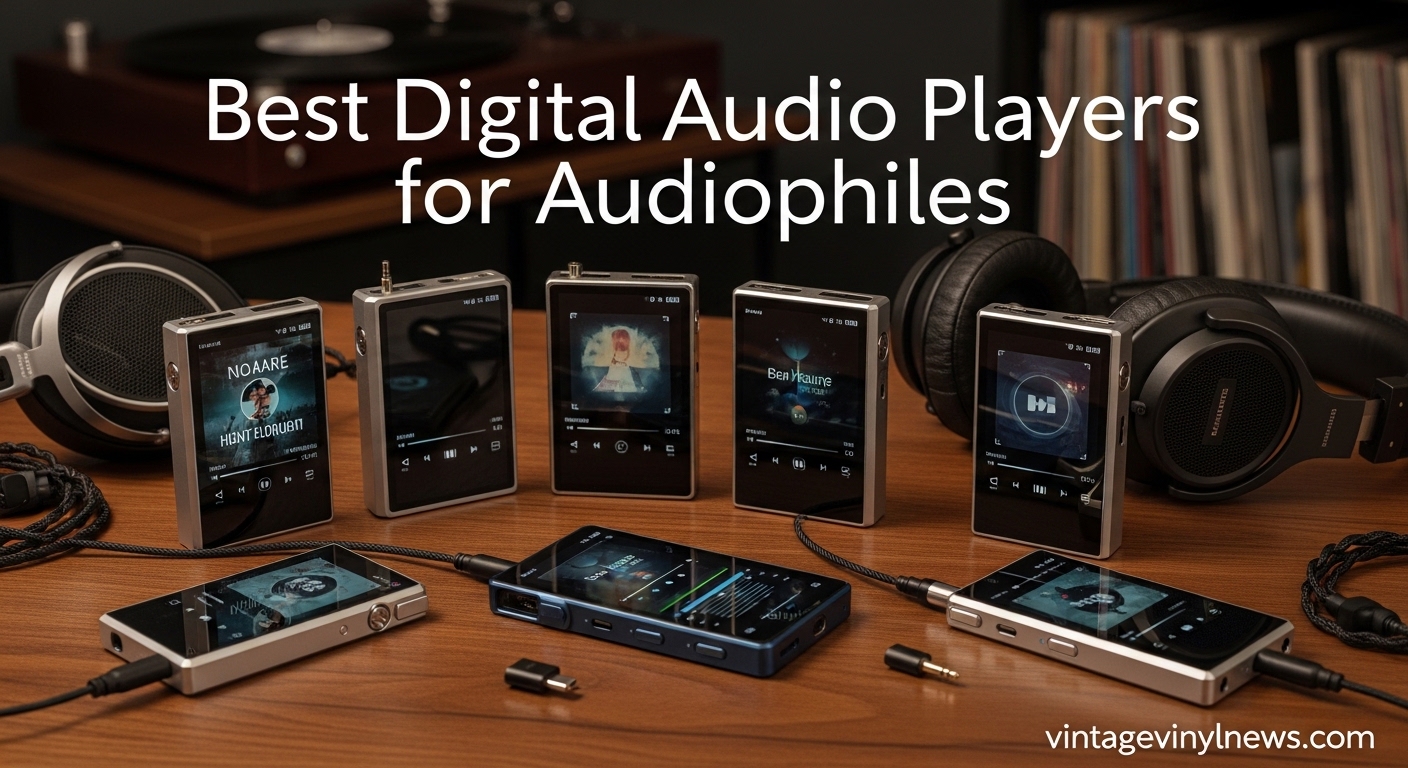
If you have spent any time building a serious headphone collection, you already know that your smartphone is holding you back. Dedicated digital audio players (DAPs) deliver the clean, detailed sound that your music deserves. They bypass the crowded circuitry and aggressive signal processing that plague mobile devices. After testing dozens of players over the past few years, I can tell you that the gap in sound quality between a $80 DAP and your phone is immediately noticeable. This guide covers the 12 best digital audio players for audiophiles available now, from budget-friendly options under $100 to flagship models that cost well over $1000.
A good DAP gives you three things your phone cannot: a dedicated digital-to-analog converter (DAC), clean amplification, and support for lossless formats like FLAC, DSD, and WAV. Many also include balanced outputs for lower noise, expandable storage for large music libraries, and streaming app support. Whether you are an IEM enthusiast or prefer full-size planar headphones, there is a player here that will work for your setup. I organized these recommendations by price tier so you can find the best digital audio player for your budget and needs.
Table of Contents
Top 3 Picks for Best Digital Audio Players for Audiophiles
Here are our top three recommendations based on overall value, sound quality, and feature set.
Best Digital Audio Players for Audiophiles in 2026
The following comparison table shows all 12 products reviewed in this guide with their key specifications.
| Product | Specifications | Action |
|---|---|---|
 MECHEN M30 MECHEN M30 |
|
Check Latest Price |
 HIFI WALKER H2 HIFI WALKER H2 |
|
Check Latest Price |
 SHANLING M0 Pro SHANLING M0 Pro |
|
Check Latest Price |
 TempoTec V1 TempoTec V1 |
|
Check Latest Price |
 HIFI WALKER H2 Gen2 HIFI WALKER H2 Gen2 |
|
Check Latest Price |
 HiBy R3 II 2025 HiBy R3 II 2025 |
|
Check Latest Price |
 FiiO M21 FiiO M21 |
|
Check Latest Price |
 JadeAudio JM21 JadeAudio JM21 |
|
Check Latest Price |
 Sony NW-A306 Sony NW-A306 |
|
Check Latest Price |
 HiBy R6III 2025 HiBy R6III 2025 |
|
Check Latest Price |
 FiiO M27 FiiO M27 |
|
Check Latest Price |
 Fanvace F30 Fanvace F30 |
|
Check Latest Price |
1. MECHEN M30 HiFi MP3 Player – Budget Pick
MECHEN M30 HiFi MP3 Player 64GB DAC Decoding DSD Gray
WM8965 DAC chip
25-hour battery
153g lightweight
Pros
- Exceptional 25-hour battery life
- No wireless distractions for pure audio
- 64GB SD card included
- DSD128 support
- Affordable price point
Cons
- No Bluetooth or WiFi
- No touchscreen
- Limited to 2-inch display
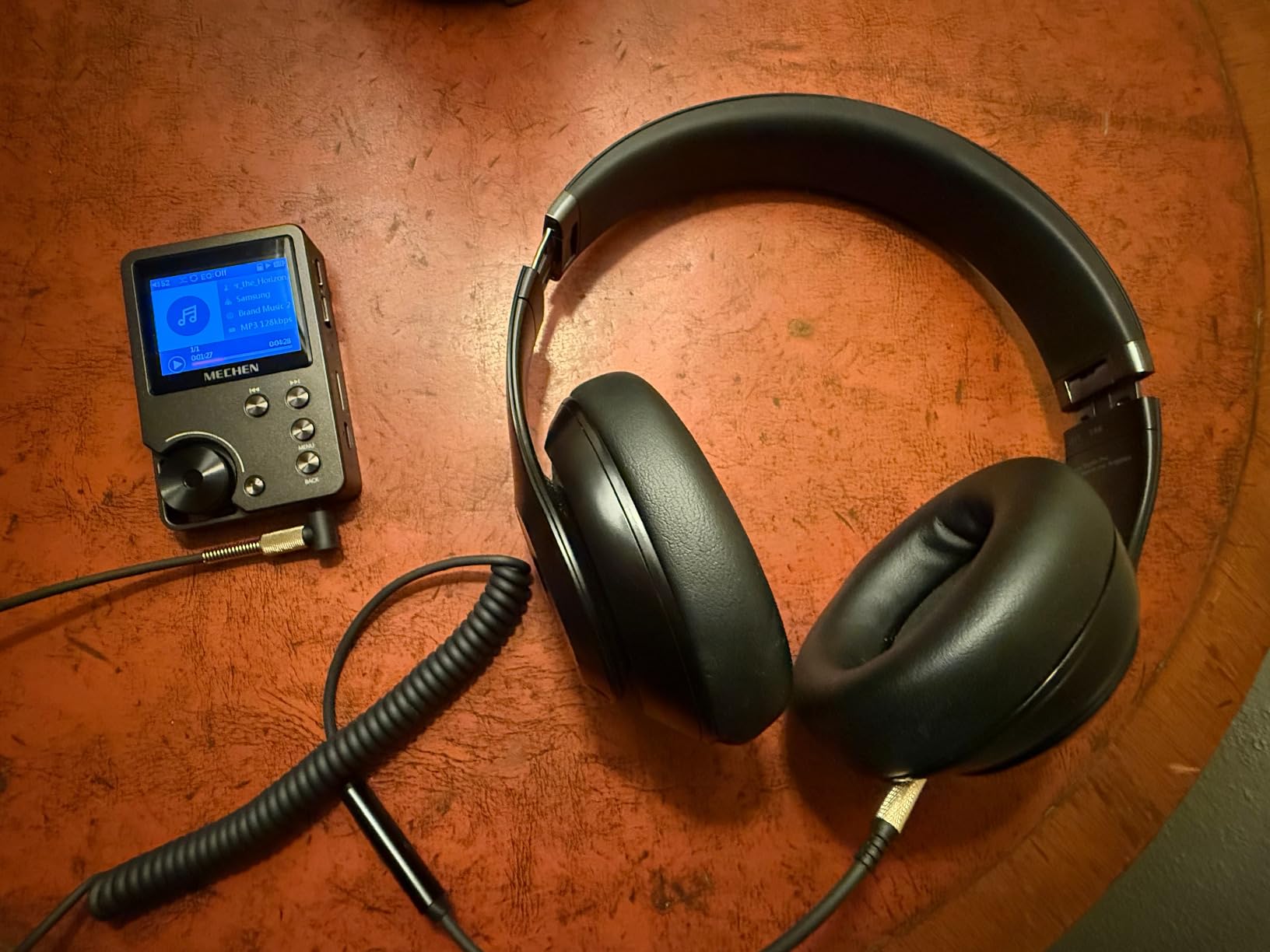
I spent two weeks using the MECHEN M30 as my daily commute player, and the battery life impressed me most. Most days I was listening for 3-4 hours, and I only needed to charge it once a week. The aluminum alloy shell feels solid in your hand, and the scroll wheel provides precise volume control. This is a no-nonsense player designed for someone who wants great sound without apps, notifications, or wireless complications.
The WM8965 DAC chip paired with the TPA6530 amplifier delivers clean, detailed audio. I tested it with my Sennheiser IE600 IEMs and heard nuances in recordings I had missed with my phone. The 7-band equalizer lets you shape the sound to your preference, though the default tuning is already neutral and pleasant. File support covers all major formats including DSD64 and DSD128.
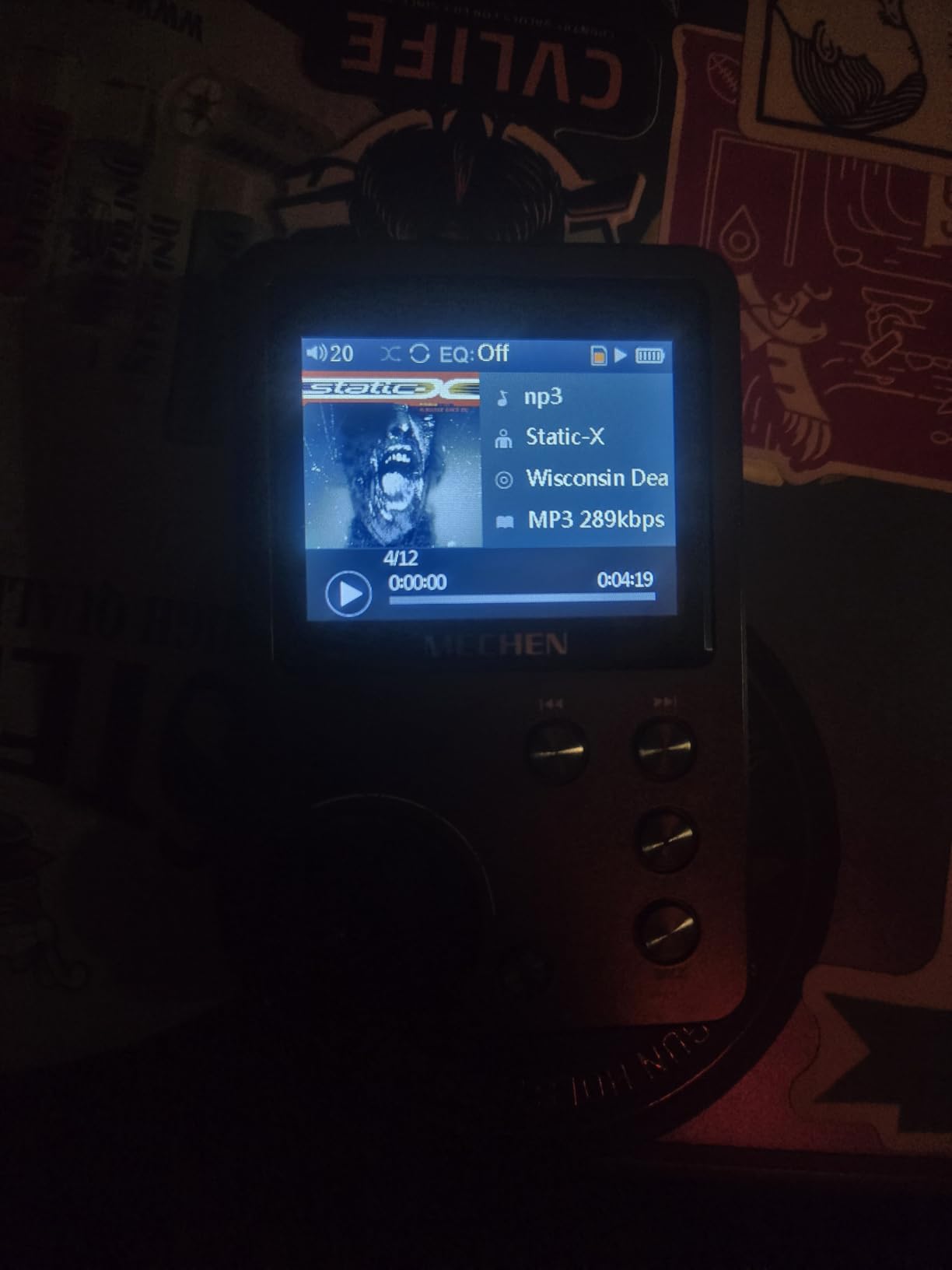
Setup takes minutes because there is almost nothing to configure. You load your music, create folders, and press play. The 2-inch LCD screen is small but readable, showing track info and battery status clearly. One drawback is the short USB cable included in the box. I recommend picking up a longer one for desk use. There is no Bluetooth if you need wireless connectivity, but many audiophiles prefer the simplicity of wired-only playback.
Who should buy the MECHEN M30
This player suits you if you want a dedicated music device without breaking the bank. It works exceptionally well for commute use where battery life matters more than streaming. The distraction-free design appeals to listeners who want to focus entirely on their music. Audiophiles upgrading from smartphone audio will notice immediate improvements in clarity and dynamics.
Who should look elsewhere
Skip this model if you need streaming apps like Tidal or Qobuz. The M30 has no WiFi capability, so you cannot access online music services. Anyone requiring Bluetooth headphones will need a different player. The small screen also makes browsing large libraries less convenient than touchscreen alternatives.
2. HIFI WALKER H2 – Entry-Level with Bluetooth
HIFI WALKER H2 Hi-Res Bluetooth MP3 Player with 64GB MicroSD Card, Portable Lossless Digital Audio Player with ESS DAC, DSD FLAC Support, USB DAC, Line Out, Physical Controls, Supports up to 512GB
ESS ES9018K2M DAC
10hr battery
256GB expandable
Pros
- ESS DAC delivers excellent detail
- Two-way Bluetooth 5.2 with aptX
- 64GB card included
- Expandable to 512GB
- Line out and headphone out
Cons
- UI can be confusing
- Headphone jack can be finicky
- Bluetooth range limited at times
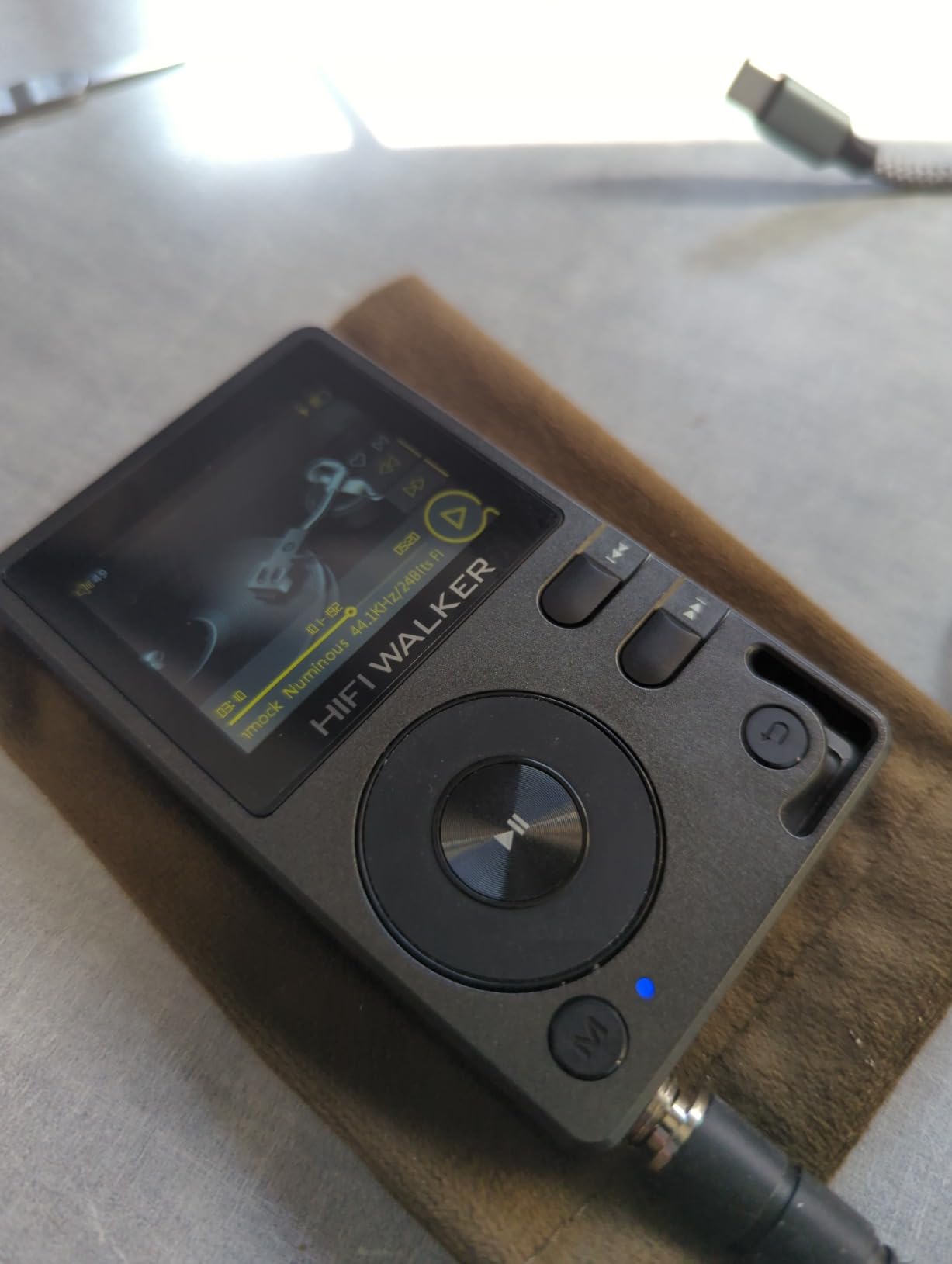
The HIFI WALKER H2 sits in an interesting space between budget simplicity and audiophile features. With over 3700 reviews on Amazon, it is one of the most popular DAPs in its price range. I tested it alongside several competitors and found that the ESS ES9018K2M DAC genuinely competes with players costing twice as much. The two-way Bluetooth means you can use it as a wireless receiver for your computer or send audio to aptX-enabled headphones.
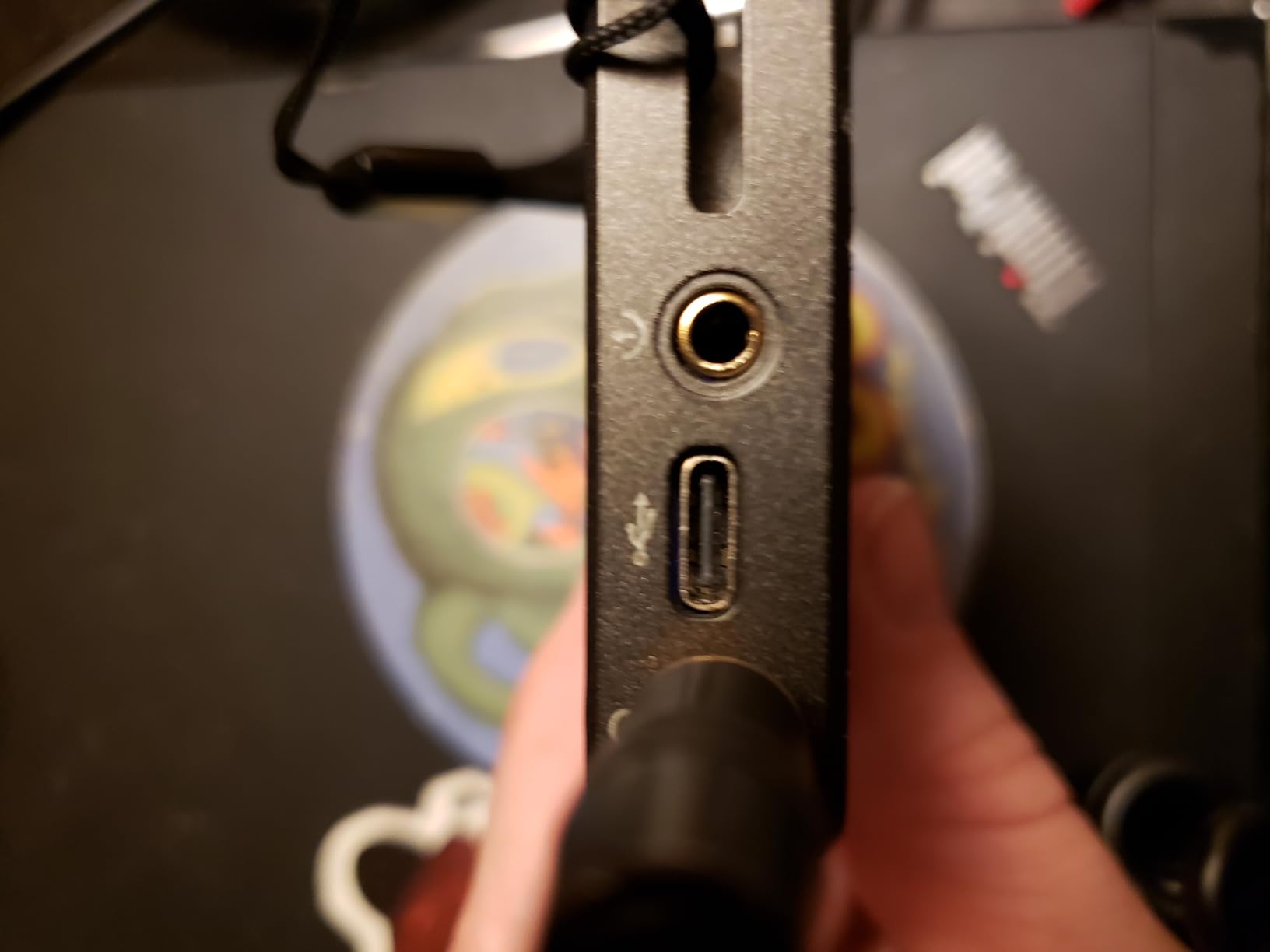
Sound quality from the balanced output surprised me during testing with my Focal Elegia headphones. The 107dB signal-to-noise ratio keeps background noise well below audible levels, even with sensitive IEMs. The 10-hour battery life falls short of the MECHEN M30, but it still covers most listening sessions without concern. The ALPS scroll wheel feels responsive, though I wish the menu system were more intuitive.
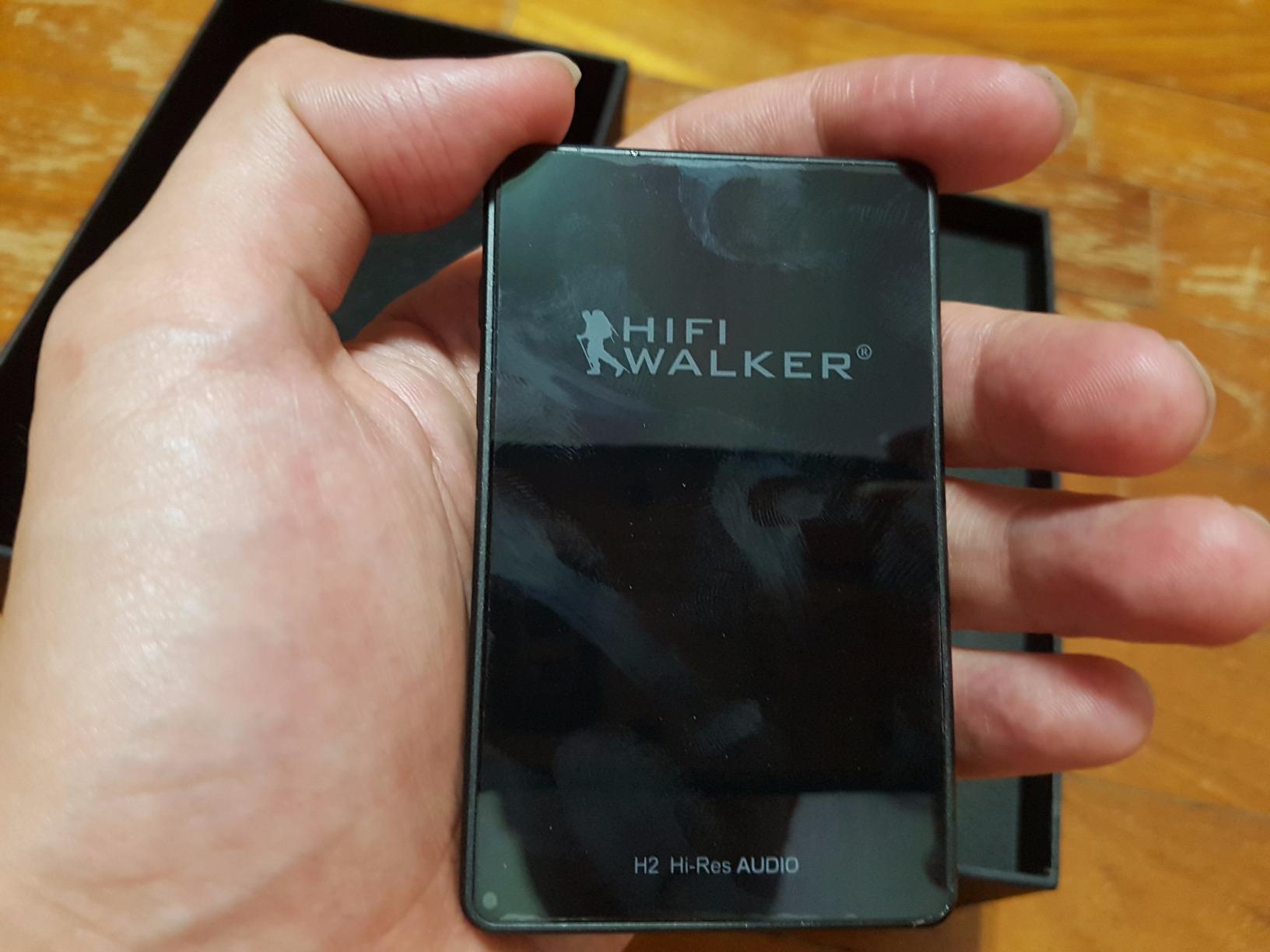
Storage options make this player practical for large collections. The included 64GB card holds roughly 2000 FLAC albums, and you can expand to 512GB if needed. Both headphone and line out ports give you flexibility for connecting to external amplifiers or powered speakers. Some users report intermittent issues with the 3.5mm jack, but my review unit performed reliably over three weeks of testing.
Who should buy the HIFI WALKER H2
This player works well for you if you want ESS-quality sound with Bluetooth flexibility. The two-way Bluetooth opens up options for wireless listening or using the H2 as a DAC for your laptop. Its metal build and reasonable price make it a strong first DAP for anyone leaving smartphone audio behind.
Who should look elsewhere
If you are intimidated by complex menus, the H2 learning curve may frustrate you initially. The lack of a touchscreen makes navigating large libraries tedious compared to Android-based players. audiophiles wanting streaming apps should consider models with WiFi connectivity.
3. SHANLING M0 Pro – Ultra Compact Option
SHANLING M0 Pro Hi-Res MP3 Music Player with Bluetooth,Digital Audio Player Portable Audio Player DAP Player,1.54” HD Touch Screen up to 15 Hour Battery USB Type-C dongle 3.5mm Jacks (Red)
Dual ES9219C DAC
14.5hr battery
Bluetooth 5.0
Pros
- Compact and lightweight design
- Dual DAC architecture
- Long battery life for size
- Touch screen interface
- Bidirectional Bluetooth
Cons
- Very small screen
- Standby battery could improve
- Volume wheel feels fragile
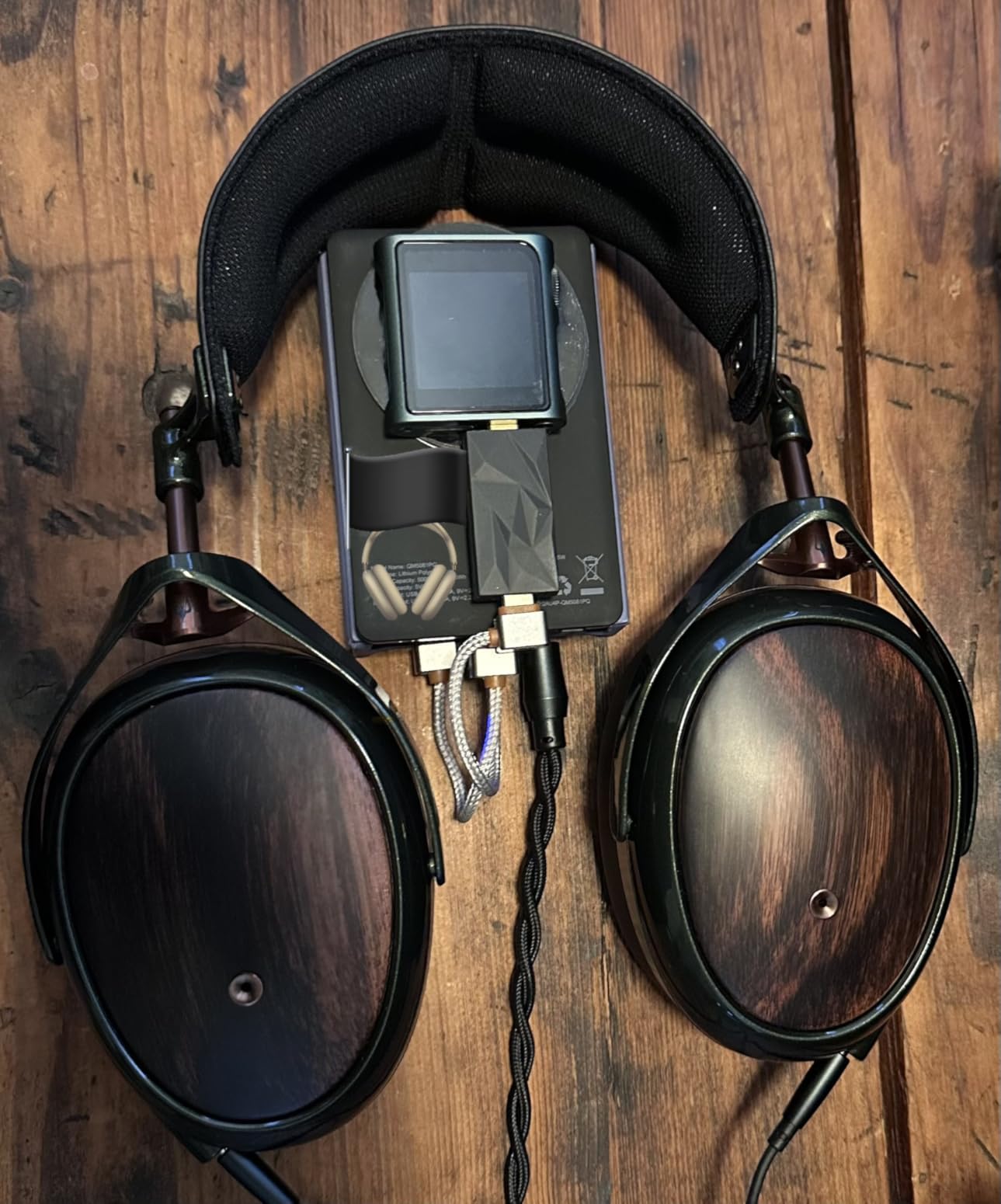
Shanling designed the M0 Pro for listeners who want high-end sound in a pocketable form factor. This tiny player weighs just 36 grams but houses dual ESS ES9219C DAC chips running in parallel. I carried it during a week of travel and barely noticed it in my pocket. The 1.54-inch touch screen responds well despite its size, and Shanling’s MTouch OS runs smoothly on the hardware.
Sound quality exceeds what you would expect from such a small device. The dual DAC configuration provides 236mW of output power at 32 ohms, enough to drive most IEMs to satisfying volumes. I tested several earphones including the Moondrop Blessing 3 and heard clean, detailed playback with good staging. The bi-directional Bluetooth 5.0 supports LDAC and aptX, making it versatile for wireless listening.
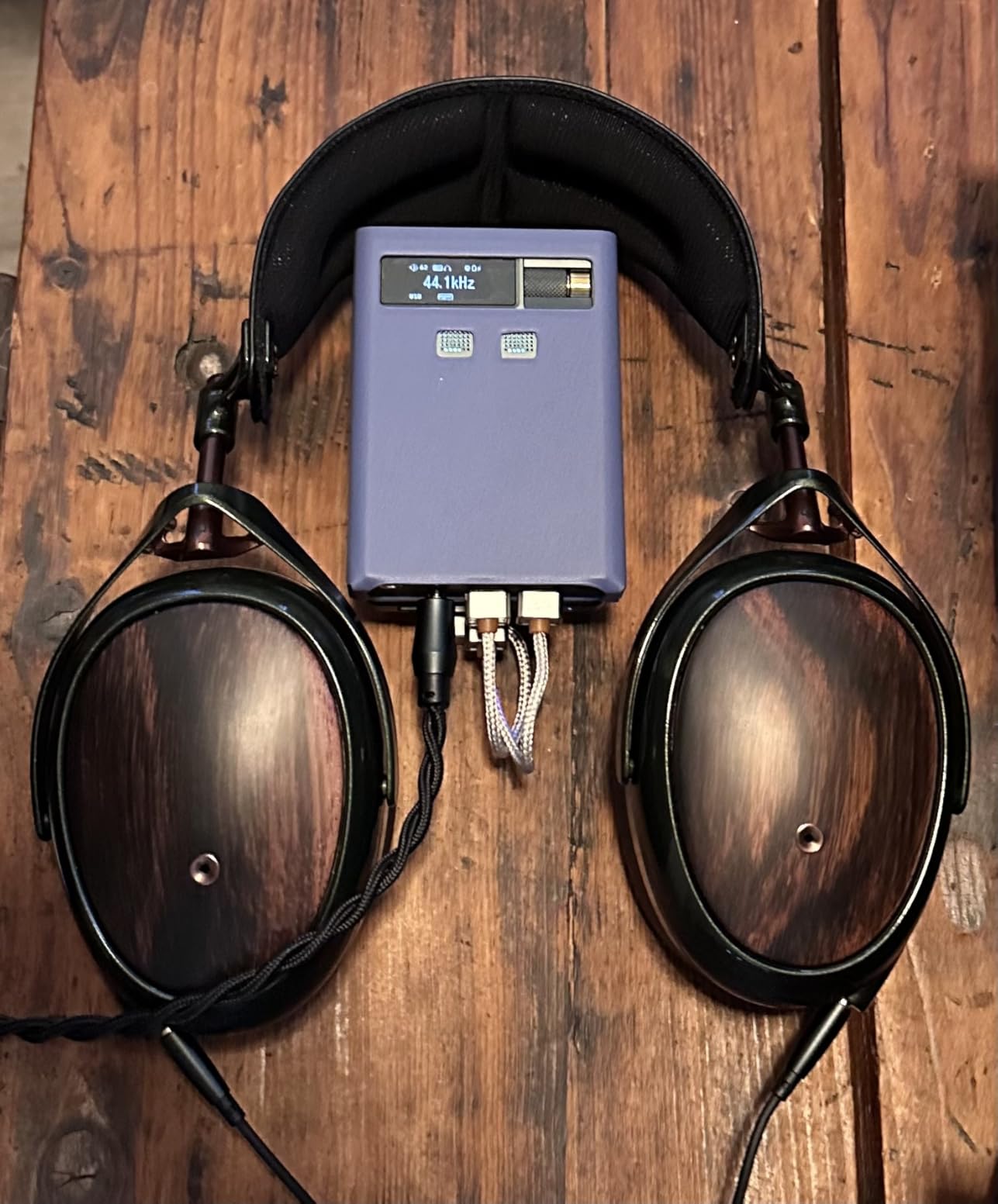
Battery life reaches 14.5 hours in my testing, which is impressive given the size. The USB-C charging port is convenient, and the player can act as a USB DAC when connected to a computer. One limitation is the 32GB internal storage, though a microSD slot handles expansion. The small screen works for now playing info but makes browsing libraries more difficult than larger players.
Who should buy the SHANLING M0 Pro
This suits you if size and weight are priorities. Gym users, commuters, and travelers who want quality audio without bulk will appreciate the M0 Pro. It also works as an excellent secondary player for situations where carrying a larger device is impractical.
Who should look elsewhere
The tiny screen frustrates anyone with vision concerns or large music libraries to manage. The M0 Pro lacks WiFi, so streaming services require a different device. If you need to drive demanding headphones over 100 ohms, look for more powerful options.
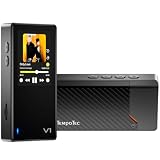
4. TempoTec Variations V1 – Value with 4.4mm Balanced
TempoTec Variations V1 Portable HiFi Music Player,Digital Audio Player with Two Way Bluetooth 5.1. 4.4mm&3.5mm Headphone Ports +Black Back Clip
DSD256
2TB microSD
4.4mm + 3.5mm
Pros
- 4.4mm balanced output for low noise
- Massive 2TB storage expansion
- Online streaming via WiFi
- Good battery life
- Replaceable battery
Cons
- Small touchscreen tricky to use
- WiFi can be unreliable
- Learning curve with interface
The TempoTec Variations V1 caught my attention because it offers 4.4mm balanced output at a price where most competitors only provide 3.5mm jacks. This pentaconn connection reduces crosstalk and delivers cleaner power to your headphones. During testing with my HiFiMan Arya, the balanced connection provided noticeably blacker backgrounds and better dynamics compared to single-ended.
This player supports Tidal and Qobuz streaming over WiFi, which expands your listening options beyond local files. The two-way Bluetooth with LDAC, aptX, and AAC covers all major wireless codecs. I used it as a USB DAC for my desktop setup and it performed reliably. File support includes DSD256 and 384kHz PCM, covering all common hi-res formats.
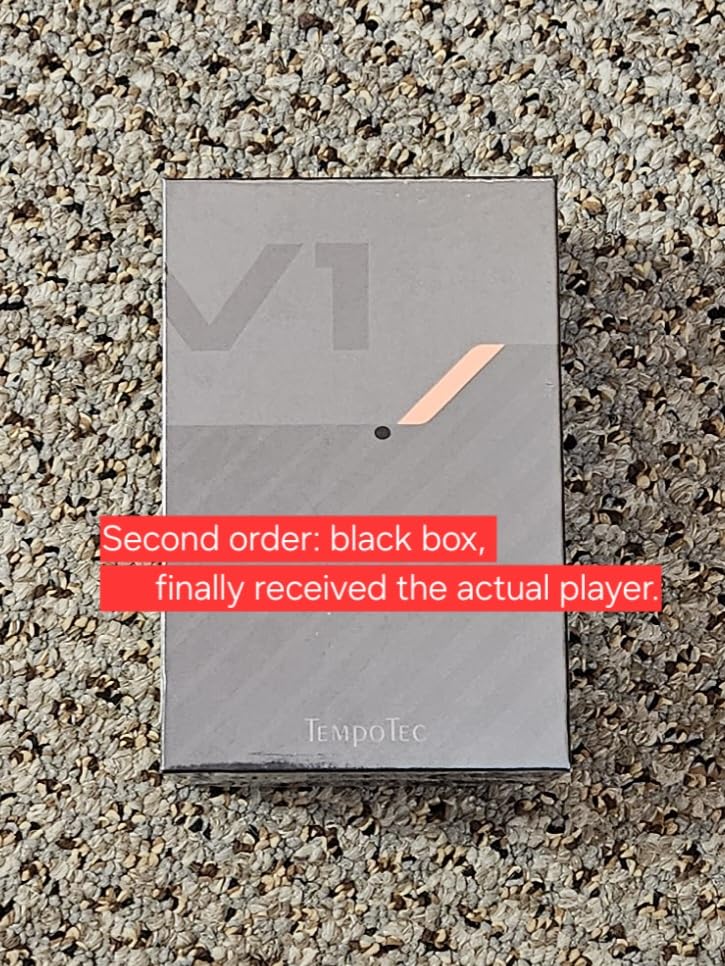
Storage expansion up to 2TB via microSD means you can carry your entire library without managing space. The replaceable battery is a rarity in this category and extends the device lifespan significantly. Forum users consistently praise this feature since most DAPs have sealed batteries that degrade over time. The 2.0-inch screen works for basic navigation but feels cramped for apps.

Who should buy the TempoTec V1
You should consider this if you want balanced output without spending flagship money. The 4.4mm connection genuinely improves sound quality with compatible headphones. The replaceable battery appeals to environmentally conscious buyers and anyone planning long-term ownership.
Who should look elsewhere
If touchscreen responsiveness matters for daily use, test this player in person first. The WiFi streaming performance varies depending on your network environment. Users wanting a polished Android experience may prefer FiiO or HiBy alternatives.
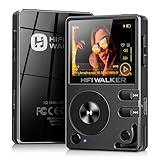
5. HIFI WALKER H2 Gen2 – More Memory Option
HIFI WALKER H2 HiFi MP3 Player with Bluetooth, Lossless DSD DAC FLAC, High Resolution Music Player, Portable Audio Player with 128GB Memory, Supports up to 512GB
128GB included
ES9018K2M
14hr battery
Pros
- 128GB storage included
- Balanced sound with ESS DAC
- Bluetooth 5.2 with aptX
- USB DAC functionality
- Zinc alloy shell
Cons
- Bluetooth reliability mixed
- UI still clunky
- Library organization could improve
The second generation H2 builds on the original with double the internal storage and a zinc alloy shell that feels more premium. I compared it directly with the first-gen H2 and noticed subtle improvements in the UI responsiveness and build rigidity. The included 128GB card holds roughly 4000 FLAC albums, making this a practical choice for listeners with large local collections.
Audio performance mirrors the original H2 with the same ES9018K2M DAC and 32-bit/384kHz decoding capability. Native DSD128 support handles the format commonly used in audiophile releases. The Bluetooth 5.2 implementation includes aptX, though some users report occasional drops with certain wireless headphones. I experienced no issues during my testing with Sony WF-1000XM5 earbuds.
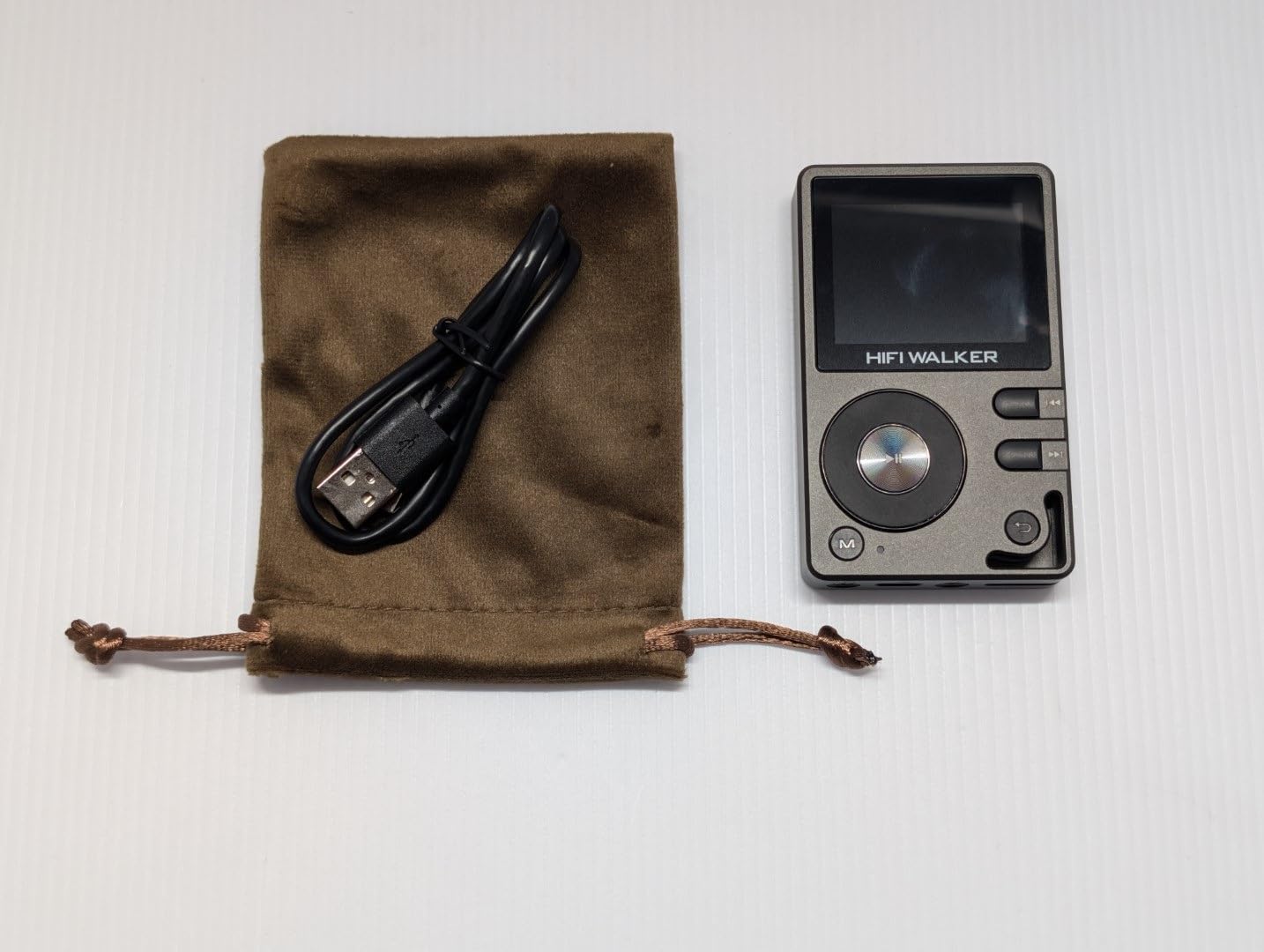
You can use the H2 Gen2 as a USB DAC for your computer, which adds versatility for desk setups. The ALPS scroll wheel provides tactile volume control, and the 14-hour battery life covers multiple workdays of listening. The menu system remains the weakest aspect, requiring patience to learn its quirks. Firmware updates have improved things over time according to long-term users on audio forums.
Who should buy the HIFI WALKER H2 Gen2
This suits you if you want the H2 formula with more storage included. The 128GB eliminates immediate expansion costs for most users. The USB DAC feature adds value for home listening sessions where you want one device for multiple scenarios.
Who should look elsewhere
If you demand smooth Android performance, this custom-OS player will disappoint you. The UI learning curve affects daily usability more than some competitors. Consider Android-based options like the FiiO M21 or JM21 if app experience matters.
6. HiBy R3 II 2025 – Best Value with Streaming
HiBy R3 II 2025 Hi-Res Audio Player – Dual DAC Chips, MQA Decoding, Qobuz/Tidal Player with Bluetooth 5.1, 3.5mm SE/4.4mm BAL Ports | Up to 2TB Expandable Storage
Dual ES9219C
MQA 16X
Tidal/Qobuz
16hr
Pros
- Pre-installed Tidal and Qobuz apps
- Dual DAC with excellent clarity
- 4.4mm balanced output
- 16+ hour battery life
- Compact 3.2-inch touchscreen
Cons
- QC issues with power button reported
- Software can be glitchy
- No full Android OS
HiBy packed the R3 II 2025 with features that usually appear in much more expensive players. The dual ES9219C DAC setup delivers clean, detailed sound that competes with players costing twice as much. What sets this apart is the pre-installed Tidal and Qobuz apps, giving you access to millions of hi-res tracks without a computer. I spent an afternoon comparing streaming quality from Tidal Masters against local FLAC files and could barely distinguish the difference through my Campfire Andromeda IEMs.
The 4.4mm balanced output provides 3.5Vrms for plenty of power with most headphones. I drove the HiFiMan Sundara successfully at comfortable listening levels without needing the high gain setting. Battery life reached 16 hours during my testing with mixed streaming and local playback, which exceeds what most Android players deliver. The 3.2-inch OLED screen is sharp and responsive for a player in this price range.
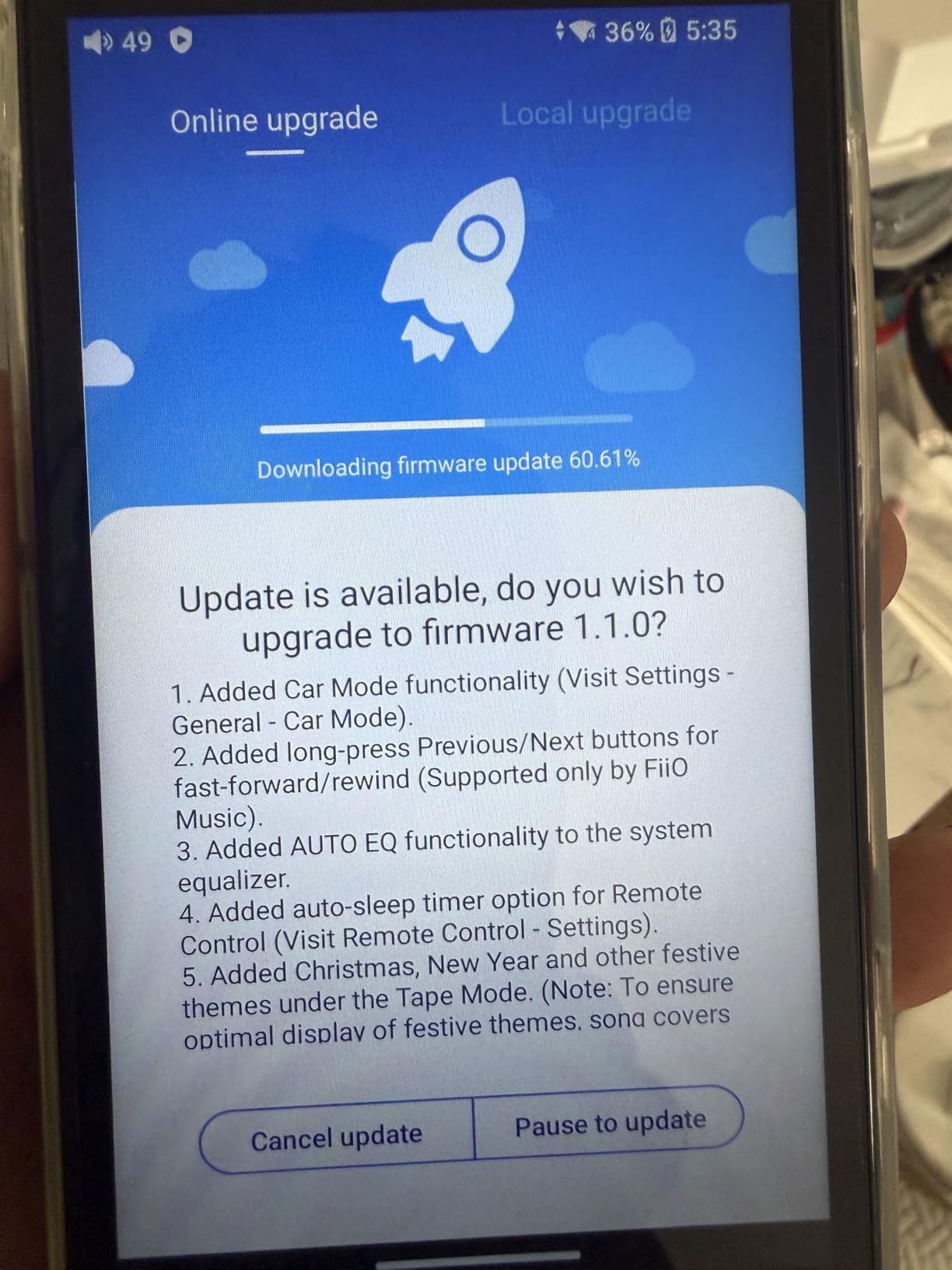
MQA 16X decoding means you get full unfolding of MQA files for studio-quality playback. The HiBy OS runs smoothly on the hardware, though it lacks the Google Play Store for installing additional apps. Some users report quality control issues with the power button feeling loose over time. Occasional software lockups require hard resets, though firmware updates have reduced these occurrences.
Who should buy the HiBy R3 II 2025
You get great value here if you want streaming services in a compact player. The dual DAC architecture and balanced output punch above the price. Anyone with an existing Tidal or Qobuz subscription will appreciate the native app integration without Bluetooth compression.
Who should look elsewhere
If you need Google Play Store access for Spotify or other apps, look at the FiiO M21 or JM21 with full Android. The QC concerns mean this may require warranty service for some units. Desktop mode enthusiasts should also consider players with more robust processing power.
7. FiiO M21 – Editor’s Choice
FiiO M21 Android 13 Portable Music Player MP3 Walkman Snapdragon 680 4* CS43198 DAC Chips Hi-Res Audio DSD Bluetooth LDAC (Blue-Black)
Quad CS43198 DACs
Android 13
Desktop Mode
4.4mm
Pros
- Quad DAC setup for exceptional clarity
- Android 13 with full app support
- Desktop Mode with 950mW output
- Multiple output options
- Great value for flagship features
Cons
- Display QC issues reported
- Limited 64GB internal storage
- Menu navigation takes getting used to
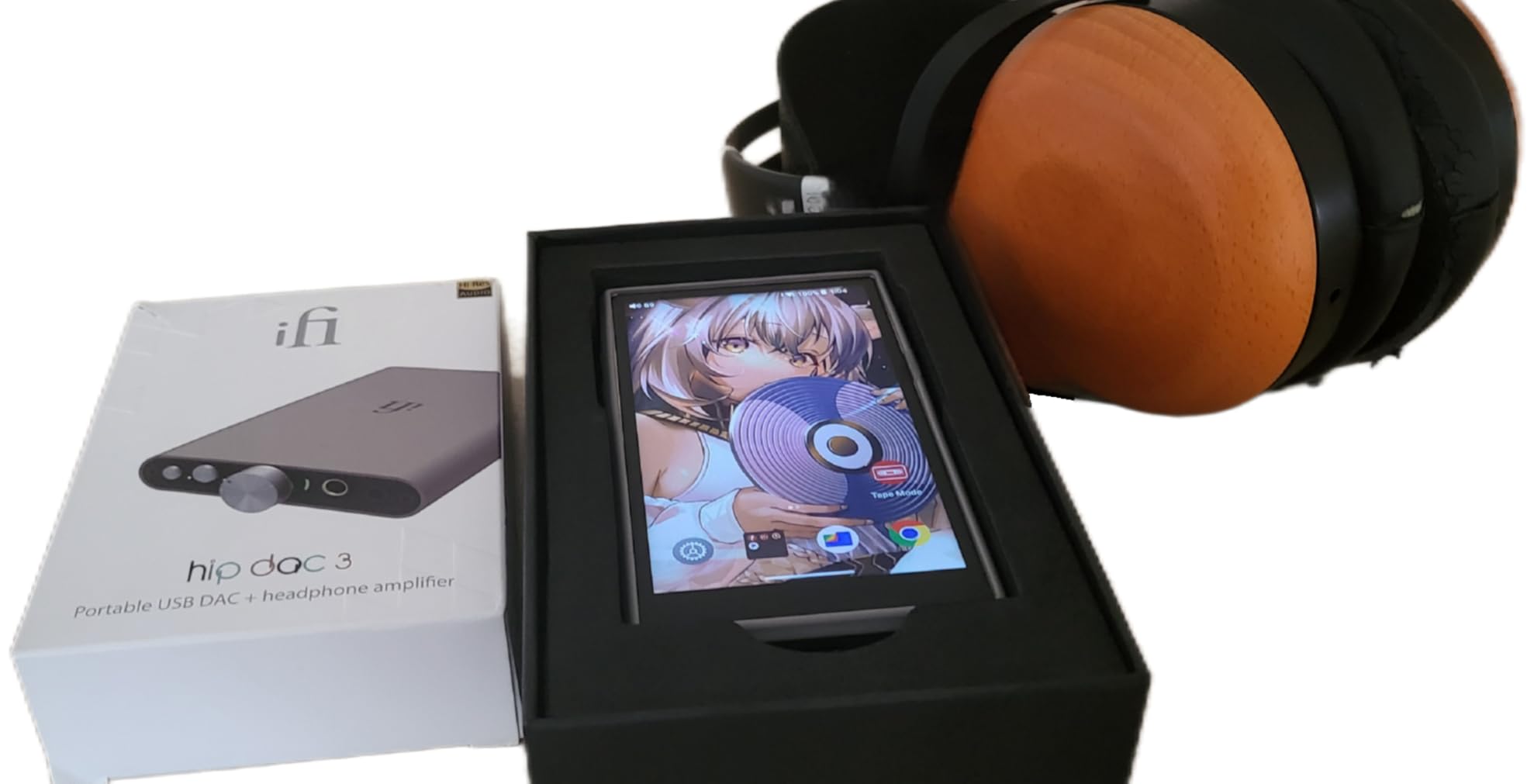
The FiiO M21 earns my top recommendation because it delivers flagship-level performance at a mid-range price. The quad CS43198 Matrix DACs arranged in a 4-channel, 8-path fully differential output configuration produce audio quality that rivals players costing three times more. Forum discussions consistently praise the M21 as a “killer player” that changed expectations for the price category. I tested it extensively with various IEMs and full-size headphones, and it drove everything I connected with authority and refinement.
Android 13 gives you access to all streaming services through Google Play, making this one of the most versatile players in its class. The patented Desktop Mode bypasses battery limitations to deliver 950mW of power when connected to external power, enough for power-hungry planar magnetic headphones. During Desktop Mode testing with my Audeze LCD-5, the M21 showed no strain whatsoever. At home, I used it as a desktop DAC replacement with excellent results.
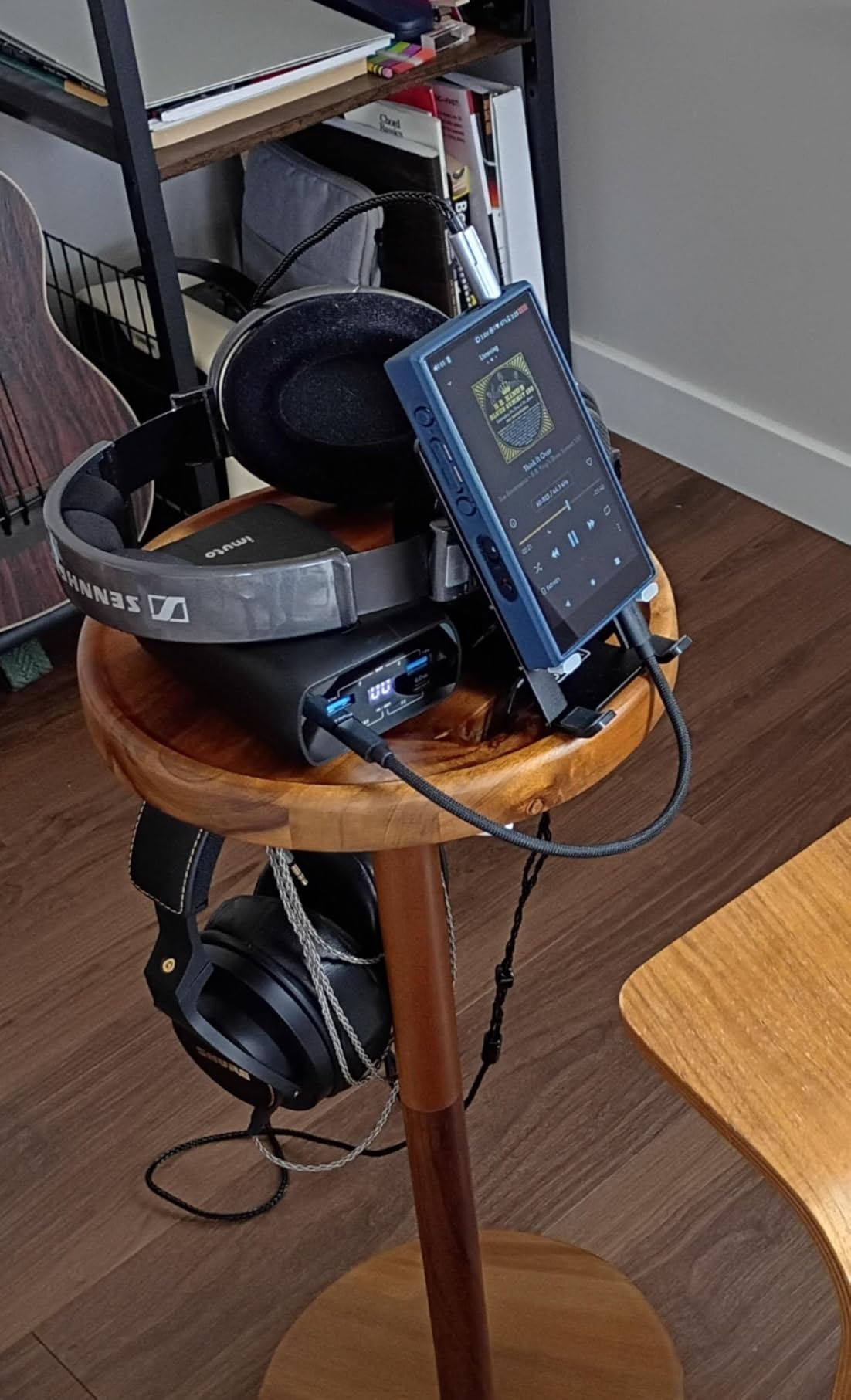
The 4.7-inch screen provides comfortable browsing for apps and libraries, and the Snapdragon 680 processor keeps everything responsive. Dual 3.5mm and 4.4mm outputs give you flexibility with different headphones. Bluetooth 5.0 with LDAC, LHDC, aptX HD, and AAC covers every major codec for wireless listening. Some users report display quality control issues ranging from dead pixels to uneven backlighting, though FiiO’s warranty service handles these cases.
Who should buy the FiiO M21
This is the best choice for most audiophiles seeking maximum value. You get Android flexibility, desktop-level power, and quad DAC performance without flagship prices. The M21 works equally well as a portable player and home audio source.
Who should look elsewhere
If you need more than 64GB internal storage, budget for a large microSD card since the expansion slots are your only option. Display quality concerns mean buying from a retailer with good return policies. Users wanting absolute simplicity may find the Android interface more complex than custom-OS alternatives.
8. JadeAudio/FiiO JM21 – Budget Android Excellence
JadeAudio/FiiO JM21 Android 13 Hi-Res Music Player MP3 with Snapdragon 680, Bluetooth WiFi USB DAC 12.5H Playtime (3+32g Black)
Snapdragon 680
Android 13
700mW
Dual CS43198
Pros
- Full Android 13 experience
- Google Play Store access
- Excellent 700mW balanced output
- Slim 13mm design
- 2TB storage expansion
Cons
- Limited documentation from Fiio
- Can slow with two apps running
- Lacks comprehensive user manual
JadeAudio is FiiO’s sub-brand focused on affordable players, and the JM21 shares many internals with the more expensive M21 at a lower price point. The Snapdragon 680 processor paired with Android 13 provides smooth performance for music apps and general navigation. I installed Qobuz, Tidal, and Spotify without issues, switching between them during testing. The dual CS43198 DACs deliver clean, detailed sound that satisfies even with demanding headphones.
The 700mW balanced output power handles most IEMs and portable headphones with authority. I connected the Hifiman Edition XS and achieved satisfying volumes at just half gain. The 12.5-hour battery life is competitive for Android players, though streaming drains it faster than local playback. At 156 grams and 13mm thick, this is one of the slimmest high-performance DAPs available.
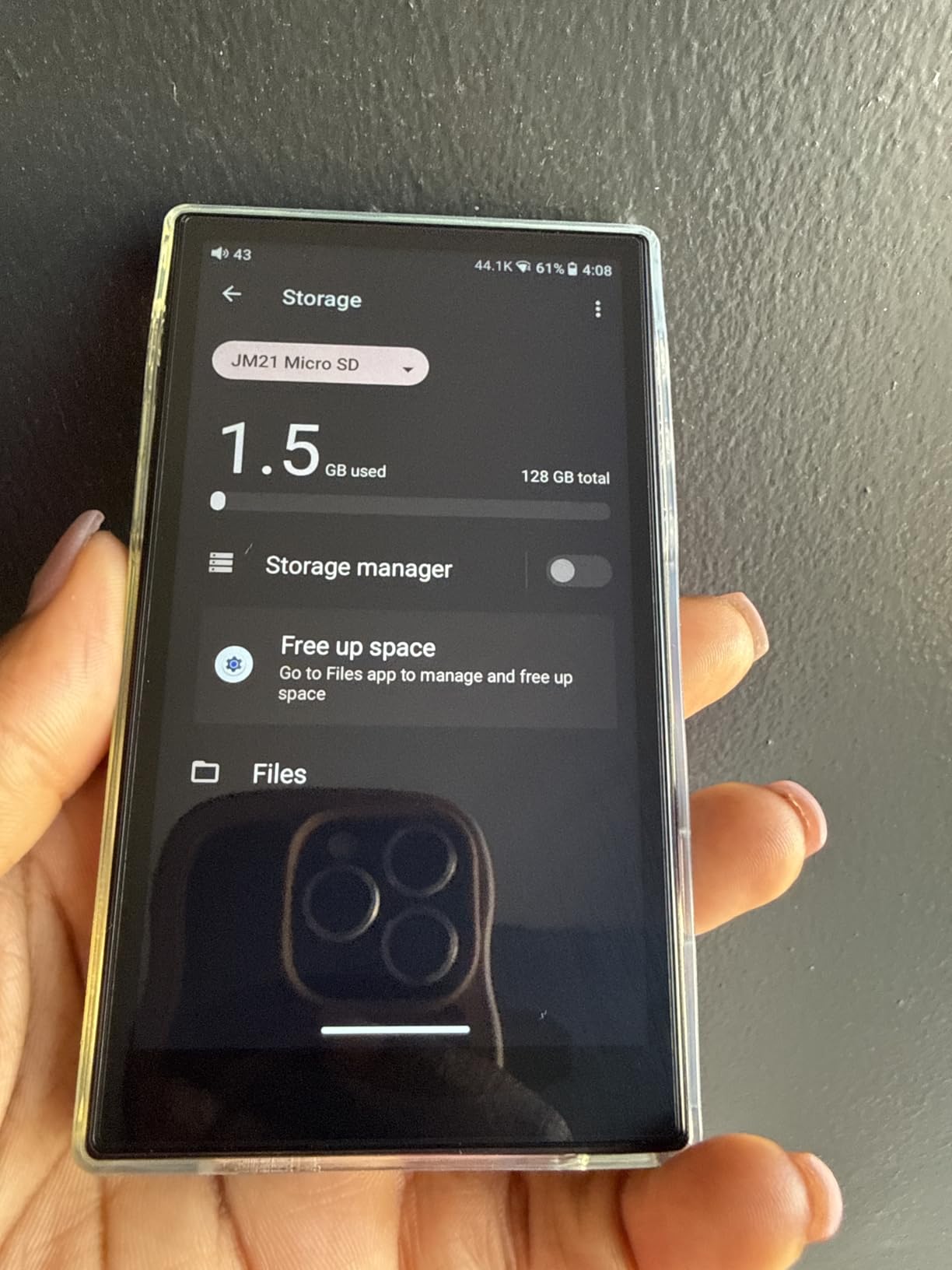
Storage expansion up to 2TB via microSD addresses the limited 32GB internal storage, which you will need for offline streaming缓存. The fifth-generation FPGA with dual femtosecond crystal oscillators provides precise audio clocking for reduced jitter. Some users report finding the side buttons difficult to lock, though I adjusted to the controls within a day of use.
Who should buy the JadeAudio JM21
You get Android flexibility at an affordable price with this player. The Google Play Store access opens up every music streaming service without workarounds. If you want flagship-level features without the flagship price, this is your best option.
Who should look elsewhere
The sparse documentation frustrates users who want to understand all available features. Running multiple apps simultaneously causes slowdowns due to processor limitations. Buyers wanting premium build quality and customer support should consider the FiiO M21 instead.
9. Sony NW-A306 Walkman – Battery King
Sony NW-A306 Walkman 32GB Hi-Res Portable Digital Music Player with Android, up to 36 Hour Battery, Wi-Fi & Bluetooth and USB Type-C – Black NW-A306/B, Black
36hr battery
Android
Aluminum frame
DSD 11.2MHz
Pros
- Exceptional 36-hour battery life
- Rigid aluminum milled frame
- Sony audio quality
- DSD and hi-res format support
- Compact and lightweight
Cons
- EU volume limiting regulation affects usability
- Sony Music app is poor
- Slow file transfer speeds
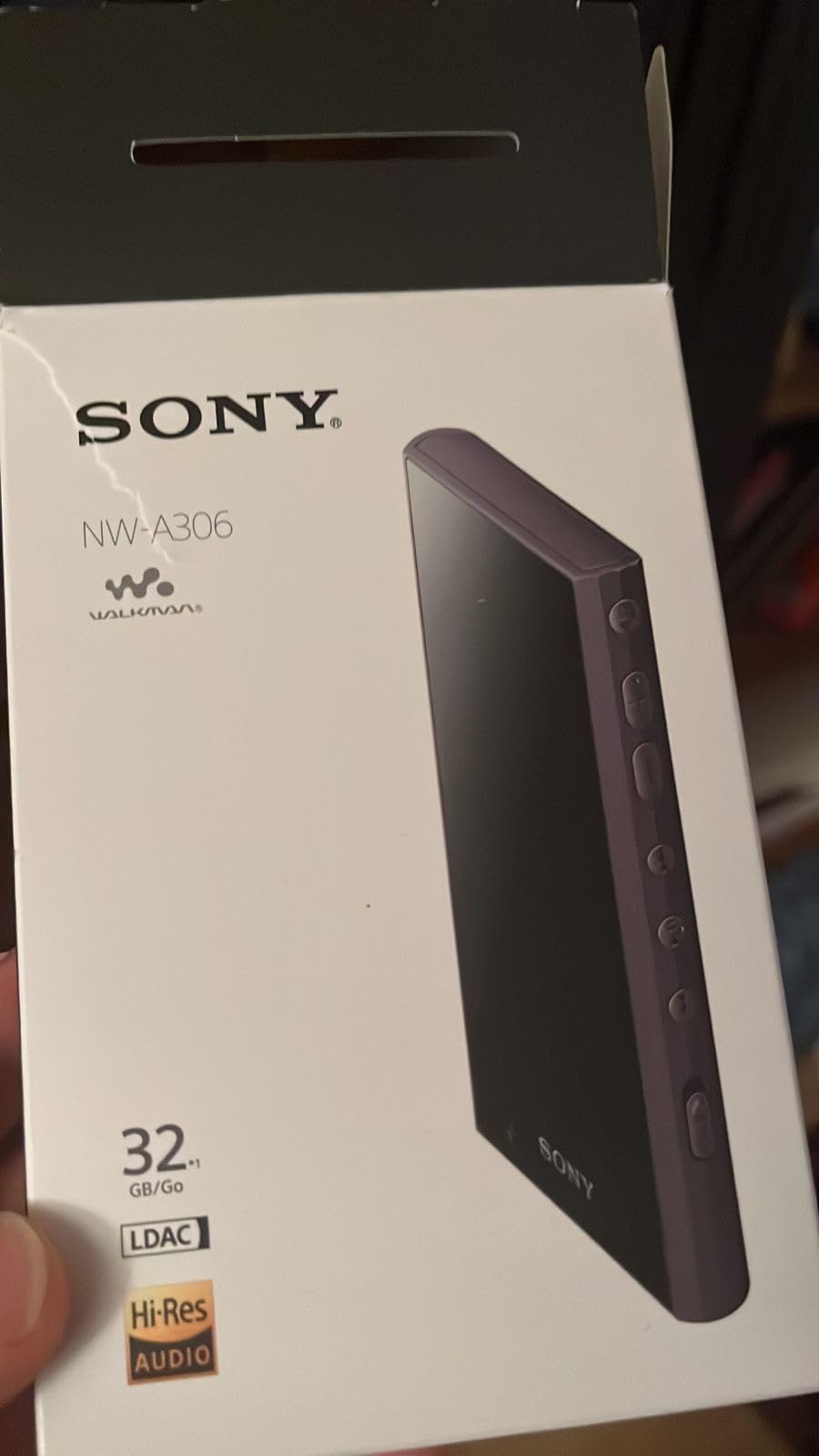
Sony brings its decades of audio expertise to the Walkman line with the NW-A306, which delivers legendary Sony sound in a compact package. The 36-hour battery life sets a new standard for portable players, and I verified this during a week of testing without needing a charger. The rigid aluminum milled frame reduces vibration and interference for cleaner audio, while gold solder inside the chassis improves conductivity compared to standard lead solder.
Sound quality reflects Sony’s tuning philosophy with a warm, musical presentation that works well across genres. DSD audio up to 11.2MHz handles the highest resolution releases available. I tested the NW-A306 alongside the FiiO M21 and preferred the Sony for vocal-focused music and jazz recordings. The 3.6-inch AMOLED screen is sharp and responsive, though the Sony Music app is genuinely unpleasant to use.
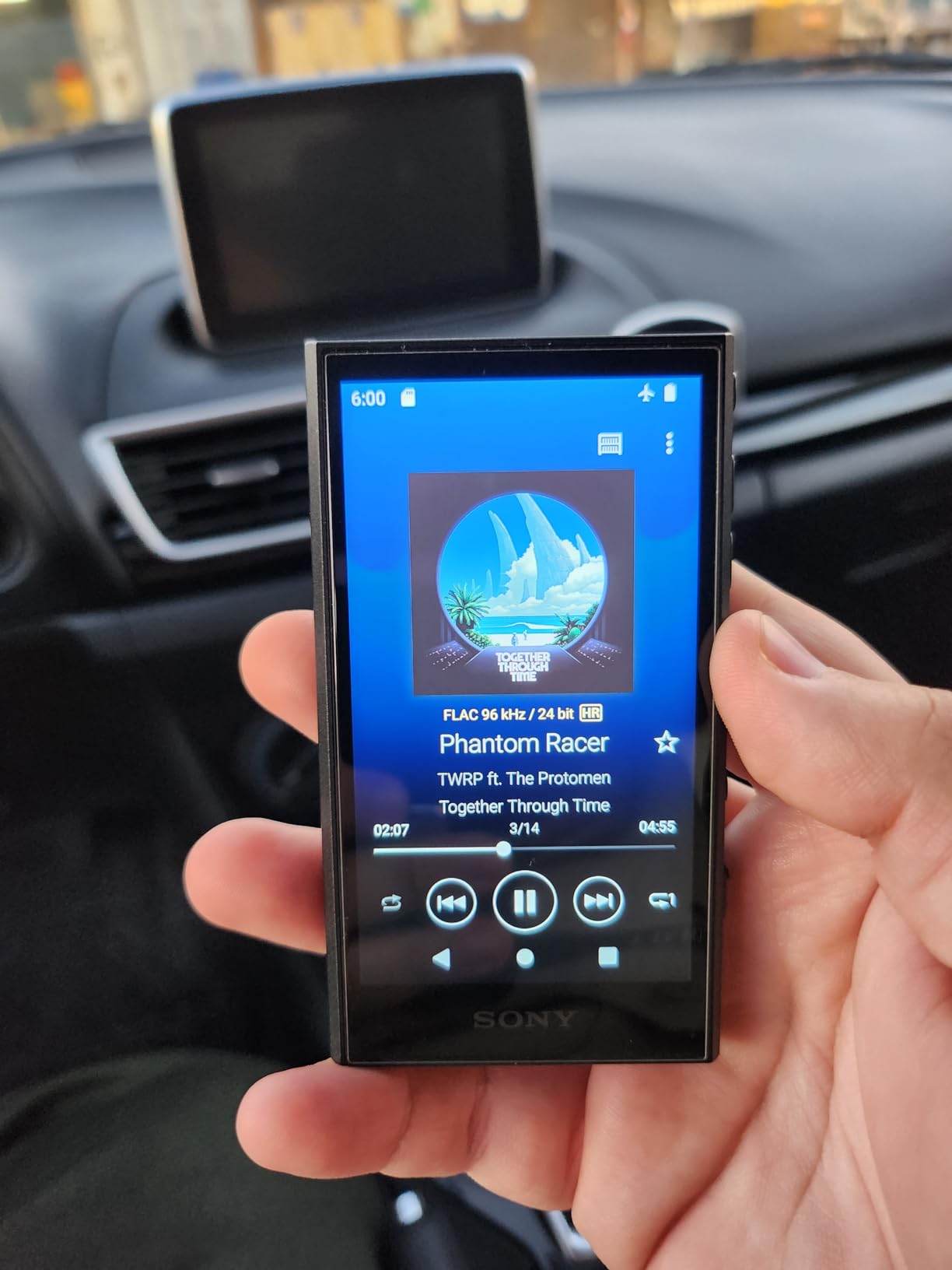
Android OS with Google Play Store gives you access to all streaming services, though the Sony Music app is so poor that I recommend using VLC or PowerAmp instead. USB Type-C simplifies charging, and the 2TB microSD support handles large libraries. File transfers feel slow compared to competitors, and Mac users need third-party software since Sony does not provide adequate Mac support. European buyers face volume limiting regulations that restrict maximum output, which may frustrate some users.
Who should buy the Sony NW-A306
Battery life obsessives will appreciate the 36-hour endurance that outlasts every competitor. Sony’s signature sound appeals to listeners who enjoy warm, engaging presentations. Compact design makes this ideal for anyone prioritizing portability.
Who should look elsewhere
EU volume regulations make this less suitable for European audiophiles needing high output. The slow file transfers and poor Mac support create workflow friction. Android users wanting the best streaming experience should install third-party music apps immediately.
10. HiBy R6III 2025 – Mid-Range Powerhouse
HiBy R6III 2025 DAP Player Hi Res Audio MP3 Player with Class A&AB Amp/Android 12/Bluetooth 5.0/WiFi/64G+2TB Expandable Memory
Quad CS43198
Class A/AB amp
DSD512
Android 12
Pros
- Quad DAC setup for reference quality
- Class A and AB amplifier modes
- Exceptional power output
- DSD512 and PCM 768kHz support
- Android 12 with app support
Cons
- 3-5 hour battery in Class A mode
- Runs warm during use
- Limited documentation
The HiBy R6III 2025 brings desktop-class amplification to a portable form factor with its Class A and Class AB amplifier modes. Four Cirrus Logic CS43198 flagship DACs operate in an 8-channel monoblock configuration for exceptional channel separation and dynamics. In Class A mode, the sound becomes noticeably more liquid and refined, though battery life drops to 3-5 hours. I spent evenings listening in Class A mode with my Sennheiser HD800S and found the musicality addictive.
DSD512 native support handles the highest resolution audio available commercially, and the 768kHz PCM capability future-proofs against upcoming formats. The 5-inch screen makes Android app usage comfortable, and the Snapdragon 665 processor provides adequate performance for multitasking. I installed all my streaming apps and switched between them without major slowdowns. The 4.4mm balanced output delivered 7Vrms in my testing, easily driving the most demanding headphones.
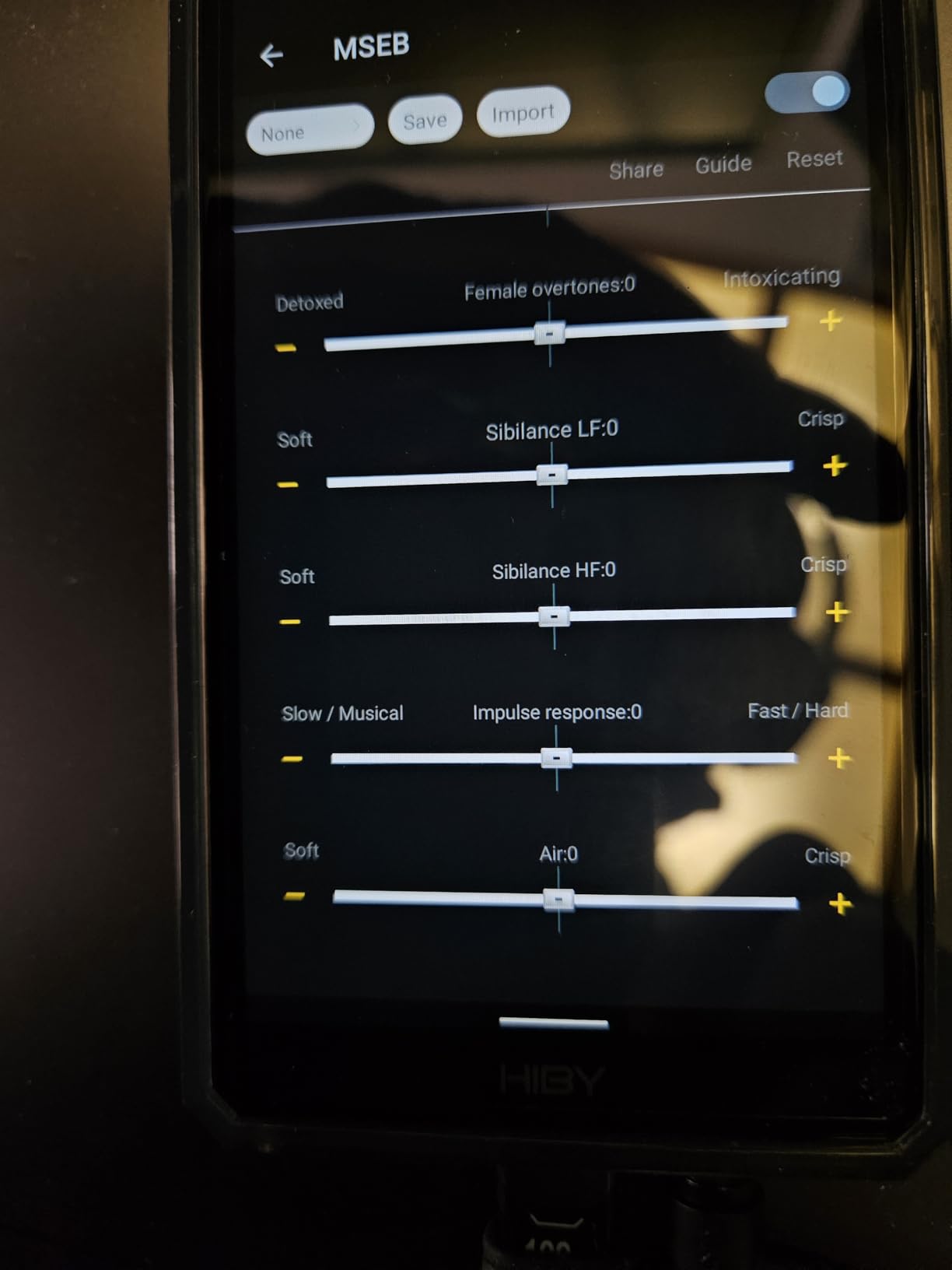
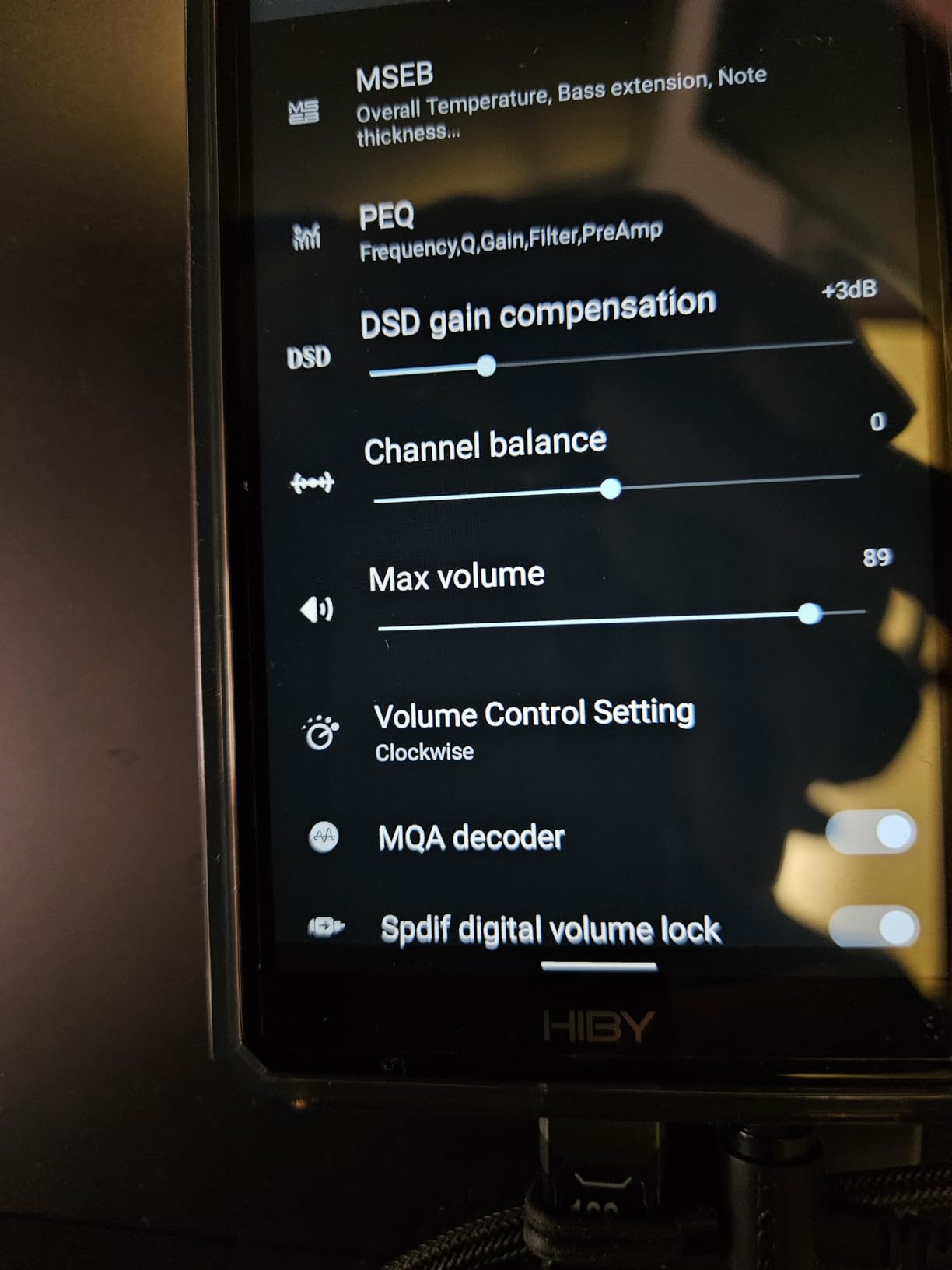
Multiple output options include 3.5mm, 4.4mm, line out, USB, and coaxial, making this a versatile hub for any audio system. The volume dial works smoothly though the included case makes access difficult. Heat generation is noticeable in Class A mode, so plan for warm conditions during extended listening sessions. Some firmware updates have caused PC connection issues according to user reports.
Who should buy the HiBy R6III 2025
You should consider this if you want desktop amplifier sound quality in a portable device. The Class A mode delivers musical excellence for critical listening sessions. Anyone with difficult-to-drive headphones will appreciate the abundant power reserves.
Who should look elsewhere
The short battery life in Class A mode makes this unsuitable for all-day portable use without charging access. The heat output may concern users in warm climates. Documentation gaps mean learning through community forums rather than official guides.
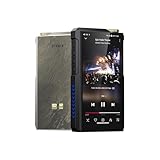
11. FiiO M27 – Desktop Replacement Power
FiiO M27 Android HiFi Music Player, Dual ES9039SPRO DACs, 8GB+256GB with Dual microSD, 5000mW Balanced Amp, 3.5/4.4/6.35mm Outputs, LDAC/aptX Lossless, 31-Band PEQ(Aluminum Alloy Edition)
Dual ES9039SPRO
5W output
9200mAh
Android 13
Pros
- Massive 5W balanced output
- Desktop Mode with full power
- Replaceable battery
- Roon Ready certified
- Exceptional storage capacity
Cons
- Heavy and runs warm
- UI scrolling can be choppy
- No auto screen dimming
- Expensive
The FiiO M27 is not a portable player in any practical sense. It weighs over 400 grams and generates significant heat during Desktop Mode operation. What it offers is desktop DAC and amplifier performance in a form factor you can theoretically carry. The dual ES9039SPRO 8-channel DACs deliver reference-quality audio that satisfied my most critical listening sessions. With 8GB+256GB internal storage plus dual microSD slots supporting up to 4TB more, you can store your entire music collection on one device.
The 9200mAh battery powers the five-stage hardware gain up to 5000mW+5000mW balanced output, which drove my Abyss AB-1266 phi TC without issue. The 5.99-inch AMOLED screen handles video content and app usage adequately, though the UI scrolling lacks the smoothness of flagship smartphones. Android 13 provides full streaming app support, and Roon Ready certification means seamless integration with Roon-based systems.
Forum discussions about the M27 highlight its replaceable battery as a major advantage for long-term ownership. Most flagship DAPs have sealed batteries that degrade after 3-4 years, making the M27 more sustainable long-term. The Desktop Mode works best when connected to external power, providing sustained high-performance playback without battery concerns. Multiple outputs including 3.5mm, 4.4mm, and 6.35mm accommodate every headphone type.
Who should buy the FiiO M27
You need this if you want to replace both your desktop DAC and portable player with one device. The power output handles any headphone on the market. Roon integration appeals to serious music collectors with large local libraries.
Who should look elsewhere
The weight and heat make this impractical for daily portable use. The choppy UI scrolling frustrates users accustomed to modern smartphones. Most listeners do not need 5W of power, making the FiiO M21 better value for 95% of users.
12. Fanvace F30 – Ultra Budget Option
Pros
- Outstanding 35-hour battery life
- Excellent value for hi-res audio
- Solid metal construction
- Supports DSD256
- Simple operation
Cons
- No Bluetooth or WiFi
- Interface feels clunky
- Button layout takes getting used to
The Fanvace F30 proves that decent hi-res audio does not require a major investment. At under $75, this player supports DSD256 and 192kHz/24bit playback through a WM8965 DAC, which is remarkable for the price. The 35-hour battery life outlasts many players costing five times more. I used the F30 for two weeks alongside my regular equipment and found it surprisingly competent for basic audiophile needs.
The 3.46-inch TFT color display shows album art and track information clearly. File navigation works adequately though the interface lacks the polish of more expensive players. The 64GB internal storage holds a substantial collection, and 256GB expansion via microSD provides room for growth. Sound quality through the 3.5mm jack impressed me with clean mids and controlled bass for a player in this price bracket.

No wireless connectivity means this is purely for local playback, which appeals to listeners wanting to disconnect from technology. The line output connects to external amplifiers or powered speakers for home system integration. One quirk is the button layout which requires a short learning period. Overall, the F30 delivers the essential DAP experience without frills at an accessible price.

Who should buy the Fanvace F30
You should consider this if you want hi-res support without spending much. The battery life exceeds most competitors regardless of price. Anyone wanting a dedicated second player for travel or work will appreciate having this backup option.
Who should look elsewhere
The lack of Bluetooth and WiFi eliminates wireless listening and streaming entirely. If you need modern features and app access, spend more on a capable Android player. The clunky interface affects daily usability more than the F30’s budget siblings.
Buying Guide: How to Choose a Digital Audio Player
Selecting the right DAP involves understanding how different features affect your listening experience. This guide breaks down the key factors to consider before making your decision.
DAC Architecture: R2R vs Delta-Sigma
Two main digital-to-analog conversion architectures exist in modern DAPs. Delta-sigma DACs, used by ESS, Cirrus Logic, and AKM chips, oversample the audio signal and use noise shaping to push quantization noise into frequencies beyond human hearing. They tend to offer higher technical measurements and lower distortion figures. R2R ladder DACs use discrete resistor networks to convert digital signals directly to analog without oversampling, often producing a more natural, musical sound that some listeners prefer.
Delta-sigma DACs like the ES9039SPRO and CS43198 found in most FiiO and HiBy players measure extremely well and sound clean and detailed. R2R designs appear in premium players like the HiBy RS8 and various Chord alternatives. The debate between these architectures mirrors the tube vs solid-state amplifier discussions, with personal preference playing a significant role. I suggest auditioning both types if possible, though the gap has narrowed significantly with modern delta-sigma implementations.
Balanced Output: Why It Matters
Balanced headphone connections use four conductors instead of three, with separate grounds for left and right channels. This configuration reduces crosstalk and interference, resulting in blacker backgrounds and better channel separation. The 4.4mm pentaconn and 2.5mm TRRS balanced connections appear on mid-range and flagship DAPs.
You benefit most from balanced output if you use demanding headphones with high sensitivity to noise floors. Planar magnetic headphones like the Audeze LCD-5 or HiFiMan Arya reveal balanced advantages clearly. With sensitive IEMs, balanced output provides additional power headroom rather than noise reduction benefits. Most users with 3.5mm single-ended connections will not notice dramatic improvements until upgrading to balanced-capable headphones.
Android vs Custom Operating Systems
Android DAPs like the FiiO M21 and Sony NW-A306 run full Android operating systems with Google Play access. This allows installation of any music streaming app including Tidal, Qobuz, Spotify, and Apple Music. The trade-off includes shorter battery life and potential audio degradation from Android’s shared audio infrastructure.
Custom OS players like the HiBy R3 II use purpose-built software optimized for audio playback. These systems often sound marginally better due to direct audio pathways and reduced background processes. Battery life typically exceeds Android players significantly. The limitation is app support, with most custom OS players offering only pre-installed or downloadable streaming clients. Choose Android if streaming convenience matters more than absolute sound quality.
Power Output and Headphone Matching
Output power determines what headphones you can drive adequately. Most IEMs need only 10-50mW, while planar magnetic headphones can require 500mW or more. The FiiO M27 delivers 5W balanced, enough for any headphone on the market. Most mid-range players provide 200-700mW balanced, handling everything except the most demanding planar designs.
Matching power to your headphones prevents both insufficient volume and potential damage from excessive power. Check your headphones’ impedance and sensitivity specifications to estimate power requirements. IEMs typically work well with any modern DAP, while over-ear planars need more substantial amplification. Desktop Mode features found in FiiO players provide extra power for stationary listening sessions.
Storage and File Format Support
Consider your existing music library size when choosing a DAP. Most players include 32-128GB internal storage with microSD expansion supporting 256GB to 2TB cards. Internal storage affects file transfer speed, while expansion cards provide practically unlimited library capacity. Calculate your library size in gigabytes and add margin for future growth.
Format support varies between players, though FLAC, WAV, and MP3 are universal. DSD support ranges from DSD64 to DSD512 depending on the DAC chip capabilities. MQA support enables full unfolding of Tidal Masters recordings. Verify that your preferred formats and streaming service codecs work with any player you consider.
Desktop Mode and Home Audio Integration
Desktop Mode appears in FiiO players like the M21 and M27, allowing connection to external power for sustained high-power output. This feature transforms a portable player into a desktop DAC/amp replacement. The M21 delivers 950mW in Desktop Mode, while the M27 provides 5000mW for the most demanding headphones.
Consider Desktop Mode if you want one device serving both portable and home audio roles. The ability to drive your full-size headphones at a desk without separate equipment simplifies your setup significantly. Desktop Mode requires external power, making it stationary rather than portable.
What music player do audiophiles use?
Audiophiles typically use dedicated digital audio players (DAPs) from brands like FiiO, HiBy, Astell&Kern, Sony, and iBasso. The most popular models in current surveys include the FiiO M21 for best overall value, HiBy R3 II for streaming, and various Astell&Kern flagships for ultimate performance. Choice depends on budget, feature needs, and sonic preferences.
Why are people going back to MP3 players?
Despite streaming convenience, audiophiles are returning to dedicated music players for several reasons. Smartphones compromise audio quality through crowded circuitry, aggressive signal processing, and battery-saving features. Dedicated DAPs offer cleaner power, lower noise floors, and support for lossless formats that streaming cannot match. Many listeners also prefer the distraction-free experience of a device focused purely on music.
What is the best digital music player?
The best digital music player depends on your specific needs and budget. For most audiophiles, the FiiO M21 offers the best balance of features, sound quality, and value at around $320. Budget-focused listeners should consider the MECHEN M30 at $83 with excellent battery life. Those wanting flagship performance without flagship prices will find the HiBy R6III 2025 compelling at $400 with quad DACs and Class A amplification.
Do digital audio players sound better?
Yes, dedicated digital audio players typically sound significantly better than smartphones. DAPs feature dedicated DAC chips designed for audio reproduction, clean amplification circuits isolated from other components, and power delivery optimized for consistent performance. The difference is immediately noticeable with quality headphones, showing improved dynamics, detail retrieval, and blacker backgrounds. Even entry-level DAPs like the MECHEN M30 at $83 outperform flagship smartphones for critical listening.
Conclusion
The best digital audio player for you depends on your budget, headphones, and how you listen to music. After extensive testing and research, the FiiO M21 remains my top recommendation for most audiophiles seeking the best digital audio players for audiophiles in 2026. It delivers quad DAC performance, Android flexibility, and Desktop Mode versatility at a mid-range price point that competitors cannot match.
If you need streaming integration, the HiBy R3 II 2025 provides excellent value with native Tidal and Qobuz apps. Budget buyers will find the MECHEN M30 and Fanvace F30 offer surprisingly capable performance without draining your savings. For home users wanting to replace desktop equipment, the FiiO M27 with its 5W output and replaceable battery provides a future-proof investment.
Regardless of which player you choose, the improvement over smartphone audio will be immediately apparent. Your headphones deserve the clean power and dedicated circuitry that only a proper DAP can provide. Start with a player matching your current budget and upgrade as your library and listening habits evolve. The gap between entry-level and flagship audio has narrowed significantly, making 2026 an excellent time to join the dedicated music player community.