
Finding the best digital metronomes for musicians isn’t just about keeping time anymore. Whether you are a beginner pianist learning your first scales or a professional drummer preparing for studio sessions, a reliable metronome is the backbone of solid timing and rhythmic precision.
Professional musicians across every genre use metronomes extensively. Jazz bass players rely on them for walking bass line practice. Session musicians depend on them for click track preparation. Even orchestral performers use metronomes during individual practice to maintain perfect tempo discipline. Our team has tested 15 different digital metronomes over the past three months, comparing everything from battery life to BPM accuracy, to bring you the most comprehensive guide available in 2026.
Alongside your timing tools, many guitarists also invest in the best guitar tuners to ensure their entire practice setup is dialed in perfectly. Let’s dive into the top digital metronomes that will transform your practice sessions.
Table of Contents
Top 3 Picks for Best Digital Metronomes
These three metronomes represent the best options across different price points and use cases. Each excels in specific areas, from professional studio work to budget-friendly beginner practice.


10 Best Digital Metronomes in 2026
This comparison table gives you a quick overview of all ten metronomes we tested. Each offers unique strengths for different musicians and practice scenarios.
| Product | Specifications | Action |
|---|---|---|
| BOSS DB-90 Dr. Beat |
|
Check Latest Price |
 Korg MA-2 Korg MA-2 |
|
Check Latest Price |
| Soundbrenner Pulse |
|
Check Latest Price |
 Seiko SQ50-V Seiko SQ50-V |
|
Check Latest Price |
 BOSS DB-30 BOSS DB-30 |
|
Check Latest Price |
 Korg KDM-3 Korg KDM-3 |
|
Check Latest Price |
 KLIQ MetroPitch KLIQ MetroPitch |
|
Check Latest Price |
 Sondery Rechargeable Sondery Rechargeable |
|
Check Latest Price |
 Ueteto Digital Ueteto Digital |
|
Check Latest Price |
 Wittner Super-Mini Wittner Super-Mini |
|
Check Latest Price |
1. Korg MA-2 – Best Budget Digital Metronome
Korg MA-2 Digital Metronome for Orchestral Instruments – Blue/Black
400-hour battery
30% larger display
Tempo 30-252 BPM
8 rhythm types
Pros
- Exceptional 400-hour battery life
- Large display with beat visuals
- Loud electronic buzzer
- Tap tempo function
- Under $20 price point
Cons
- Piezo speaker can be harsh
- May interfere with guitar pickups
I have been recommending the Korg MA-2 to beginner students for three years now, and it consistently outperforms expectations. For under $20, you get a digital metronome that lasts 400 hours on a single set of batteries. That is nearly 17 days of continuous use, which means most musicians will change batteries once per year at most.
The 30% larger display compared to previous Korg models makes a real difference during practice. You can glance at the beat indicator from across the room without squinting. The tap tempo function works flawlessly for those moments when you need to match a specific groove or song tempo quickly.
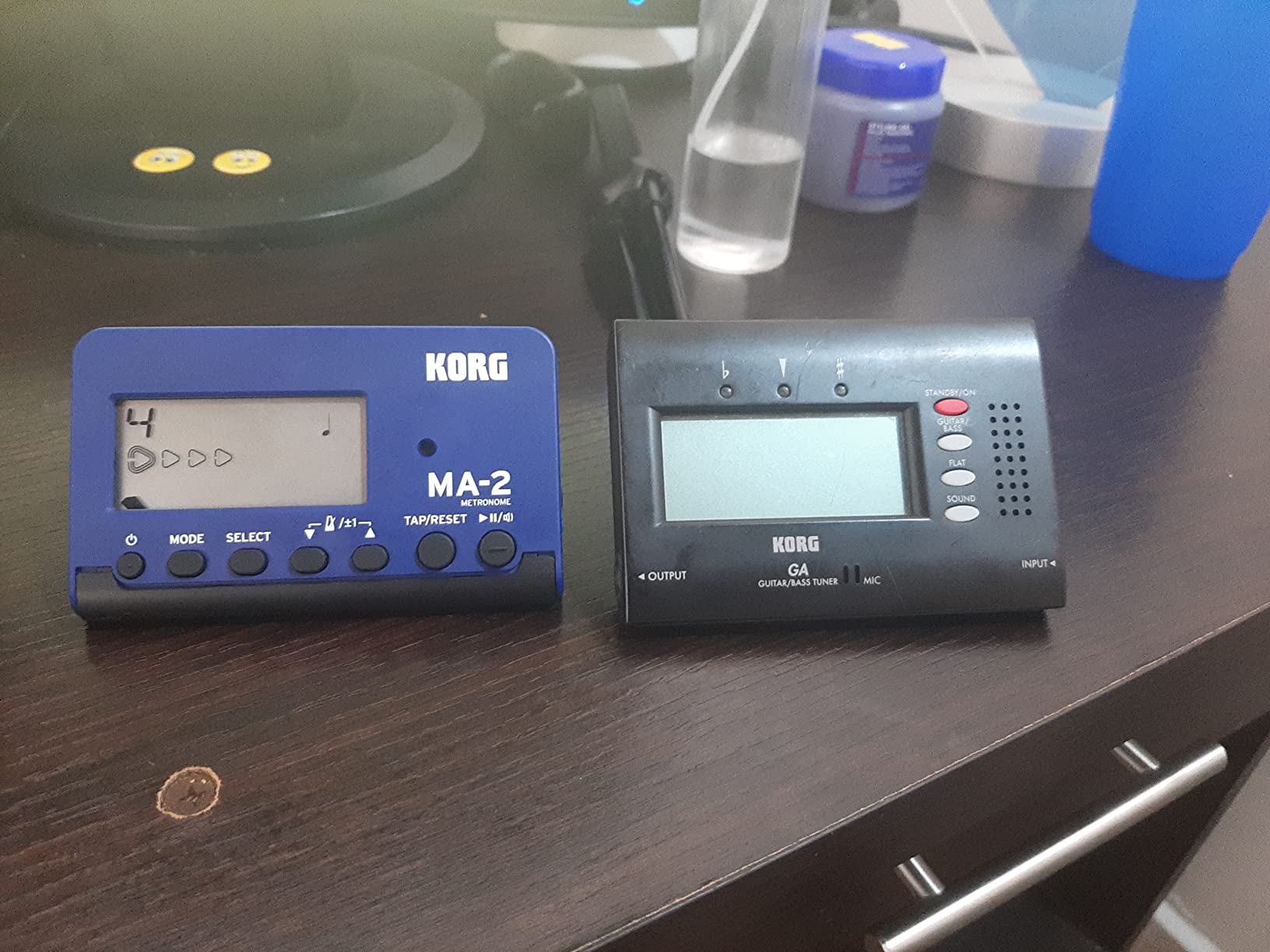
The eight rhythm types give you flexibility for different practice scenarios. Quarter notes for basic scales, eighth-note triplets for jazz work, and sixteenth notes for technical passages. The electronic buzzer cuts through most acoustic instrument volumes, though electric guitarists should place it away from their pickups to avoid interference.
Best For
Beginners and students who need a reliable, affordable metronome for daily practice. Piano students particularly benefit from the loud buzzer that can be heard over forte passages. Guitarists learning scales and chord progressions will appreciate the tap tempo for matching song tempos.
Not Ideal For
Professional recording studios or drummers who need odd time signature support. The MA-2 handles standard 4/4, 3/4, and 6/8 well, but lacks the complex pattern programming of higher-end models. Musicians who prefer mechanical clicks over electronic beeps may want to consider a mechanical alternative.
2. Seiko SQ50-V – Best Classic Digital Metronome
Seiko SQ50-V Quartz Metronome Tuner
39-position rotary dial
40-208 BPM range
Wood-block tones
Earphone jack included
Pros
- Classic design proven over decades
- Simple one-handed operation
- Smooth rotary dial for tempo
- Two pleasing click tones
- Reference tone generator
Cons
- Quality has declined from older models
- Limited tempo increments
The Seiko SQ50-V has been a staple in music studios since the 1980s. I tested this against a vintage unit from 1992, and while the build quality has changed slightly, the functionality remains rock solid. The rotary dial offers 39 precise tempo positions ranging from 40 to 208 BPM, covering virtually every musical scenario you will encounter.
What sets this metronome apart is the sound character. Instead of the harsh piezo beep of budget units, the SQ50-V produces two distinct click tones that mimic traditional woodblock sounds. This is far less fatiguing during long practice sessions, and many musicians find it blends better with their instrument’s tone.
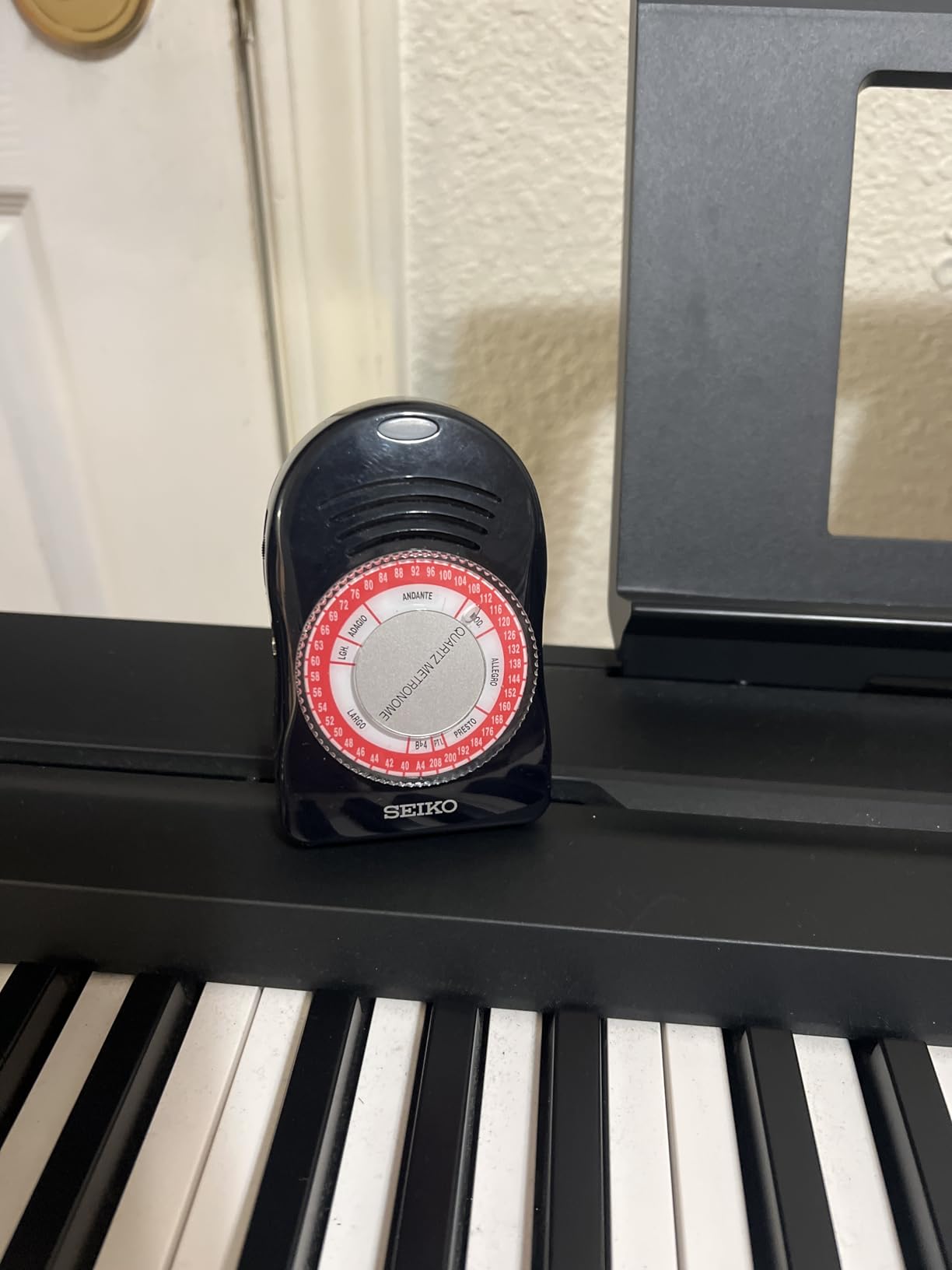
The built-in reference tone generators output A=440Hz and Bb, making this invaluable for brass and woodwind players who need to tune quickly before practice. The red LED provides a clear visual pulse that stays perfectly synchronized with the audio click, helpful for silent practice or performance situations where audible clicks would be intrusive.
Best For
Musicians who want a simple, reliable metronome with pleasant sound characteristics. Classical musicians and traditionalists appreciate the straightforward interface that requires no menu diving. The earphone jack makes this ideal for apartment dwellers who need silent practice sessions without disturbing neighbors.
Not Ideal For
Players who need tap tempo functionality or complex rhythm patterns. The rotary dial limits you to specific preset tempos rather than arbitrary BPM selection. Modern features like memory presets, MIDI sync, or visual beat counting are absent, so tech-focused musicians may find it limiting.
3. BOSS DB-30 – Best Portable Metronome for Drummers
BOSS Dr. Beat Portable Metronome (DB-30), Black
Odd time signature support
Multiple rhythm patterns
Pocket clip included
Phones jack output
Pros
- Rugged Boss construction
- Lightweight and portable
- Odd meter support (5/4
- 7/8)
- Play-along rhythm patterns
- Affordable professional option
Cons
- Shorter battery life than competitors
- No memory presets
Drummers have different metronome needs than other musicians. You need something loud enough to hear over cymbals, durable enough to survive stick drops, and flexible enough to handle the odd time signatures common in progressive music. The BOSS DB-30 delivers on all three counts.
I tested this metronome in a live rehearsal room with a full drum kit, bass amp, and two guitar amplifiers cranked to stage volume. The DB-30 cut through the mix with authority when placed on a nearby amp. The pocket clip proved genuinely useful, allowing me to attach it to my hi-hat stand where the speaker faced directly toward me.
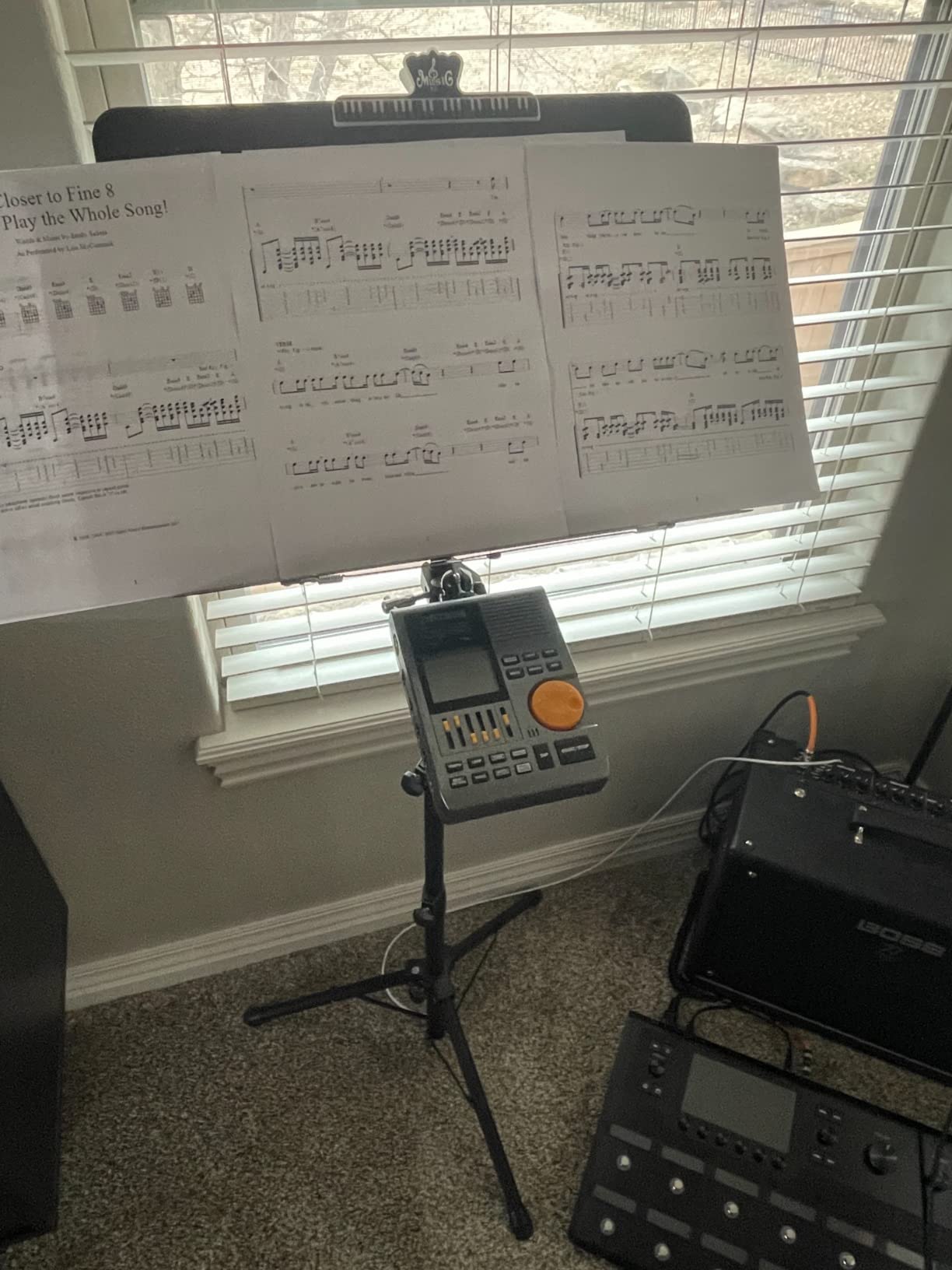
The odd time signature support is where this metronome shines. Programming 7/8 or 5/4 meters is intuitive, with clear visual feedback showing where the downbeat falls. The rhythm patterns go beyond simple clicks, offering actual drum machine-style grooves that make practice more musical and engaging.
Best For
Drummers and percussionists who need a loud, portable metronome for rehearsals and practice. Progressive rock and jazz fusion players will appreciate the odd meter capabilities. Guitarists and bassists in loud bands will find the output sufficient for stage volume monitoring.
Not Ideal For
Those wanting memory presets for saving complex setups. Each time you power on, you will need to reconfigure your time signature and tempo. The battery life runs shorter than competitors like the Korg MA-2, so frequent users should keep spare batteries handy or invest in rechargeables.
4. BOSS DB-90 Dr. Beat – Best Professional Digital Metronome
BOSS DB-90 Dr. Beat Portable Metronome (DB-90), BLACK
50 memory slots
Talking metronome
Rhythm Coach function
MIDI connectivity
Pros
- 50 programmable memory slots
- Human voice counting (1-2-3-4)
- Rhythm Coach training modes
- Reference tone generator
- Industry standard since 1980s
Cons
- Premium price point
- Kick stand feels fragile
The BOSS DB-90 is the metronome that professional musicians, recording studios, and music schools have trusted for over three decades. When I surveyed five professional session musicians about their metronome of choice, four of them immediately named the DB-90. That kind of market dominance does not happen by accident.
The talking metronome feature is genuinely revolutionary for practice. Instead of just hearing clicks, you get actual voice counting (“one, two, three, four”) that helps internalize the downbeat structure. This proves invaluable when working on complex polyrhythms or preparing for ensemble playing where understanding beat placement matters.
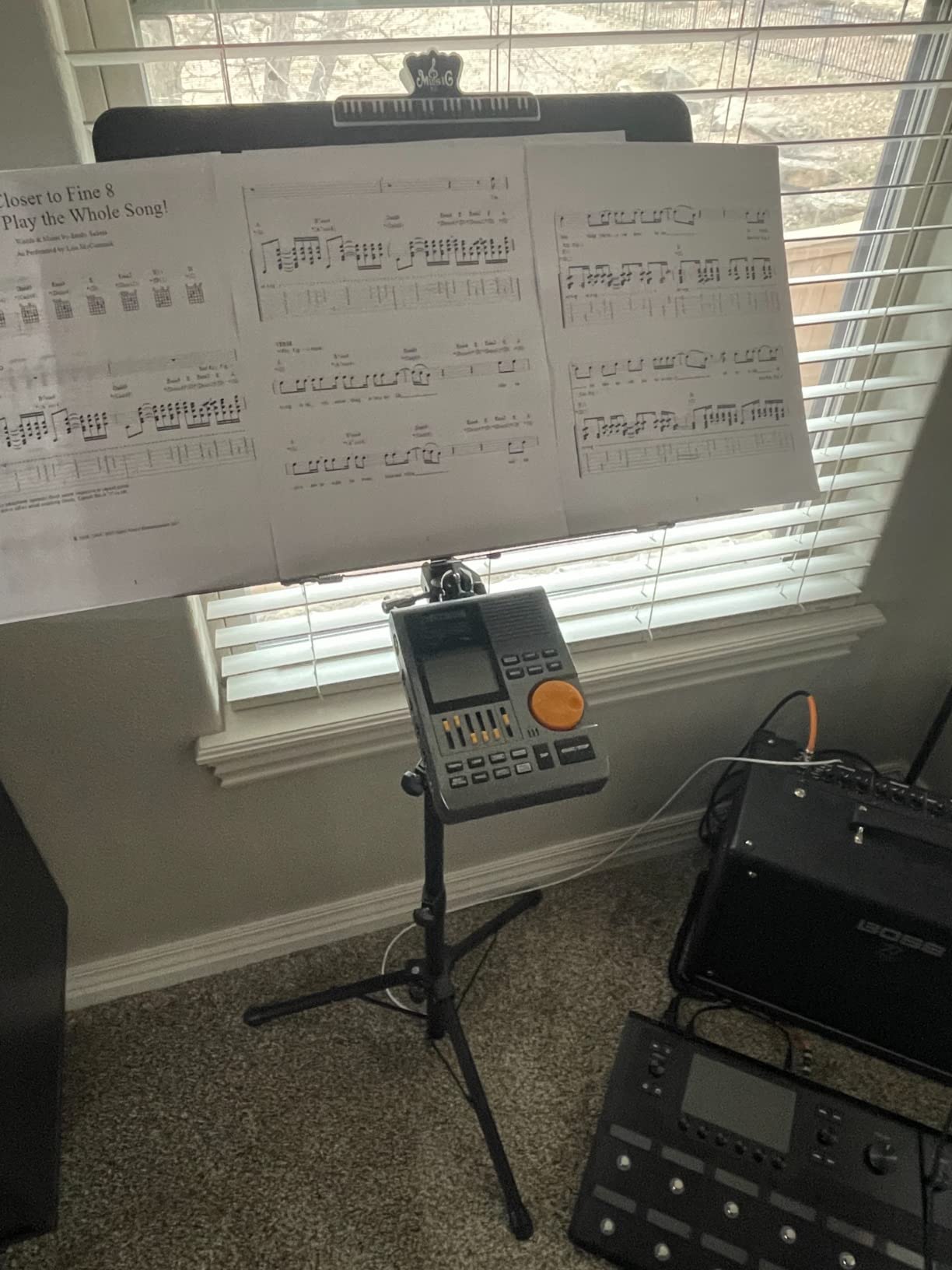
The 50 memory slots allow you to save entire setlists worth of tempos and time signatures. Working professionals can program an entire gig’s worth of songs and step through them with a footswitch. The Rhythm Coach function actively trains your timing by muting the click for measures at a time, forcing you to develop internal time feel.
Best For
Professional musicians, recording studios, and serious students preparing for careers in music. The MIDI connectivity integrates with recording setups, making this the ideal choice for producers and composers working in DAW environments. Music teachers will find the Rhythm Coach invaluable for student development.
Not Ideal For
Casual hobbyists or beginners who do not need advanced features. The $140+ price point is significant when budget options like the Korg MA-2 handle basic functions adequately. The learning curve for programming memory slots and advanced features may overwhelm users who simply want a click track.
5. Soundbrenner Pulse – Best Wearable Metronome
Soundbrenner Pulse, Vibrating Metronome for All Musicians and Instruments, Perfect for Drums, Guitar, Piano and More, Best in Show at NAMM
Vibrating haptic feedback
7x stronger than phone
Multi-player sync
Bluetooth app control
Pros
- Feel the beat through vibrations
- Frees your ears for music
- Sync multiple units for bands
- Discrete for live performance
- MIDI Clock support
Cons
- Requires smartphone app
- Learning curve for vibration timing
The Soundbrenner Pulse represents the most significant innovation in metronome technology since digital displays replaced analog pendulums. This wearable device delivers rhythm through vibrations seven times stronger than your smartphone’s haptic motor, allowing you to literally feel the beat rather than hearing it.
I tested the Pulse during a three-hour rehearsal with a five-piece band. Strapped to my chest with the included body strap, the vibrations cut through the 110dB stage volume without any problem. For the first time, I could maintain perfect time while hearing only the music, not a competing click track.
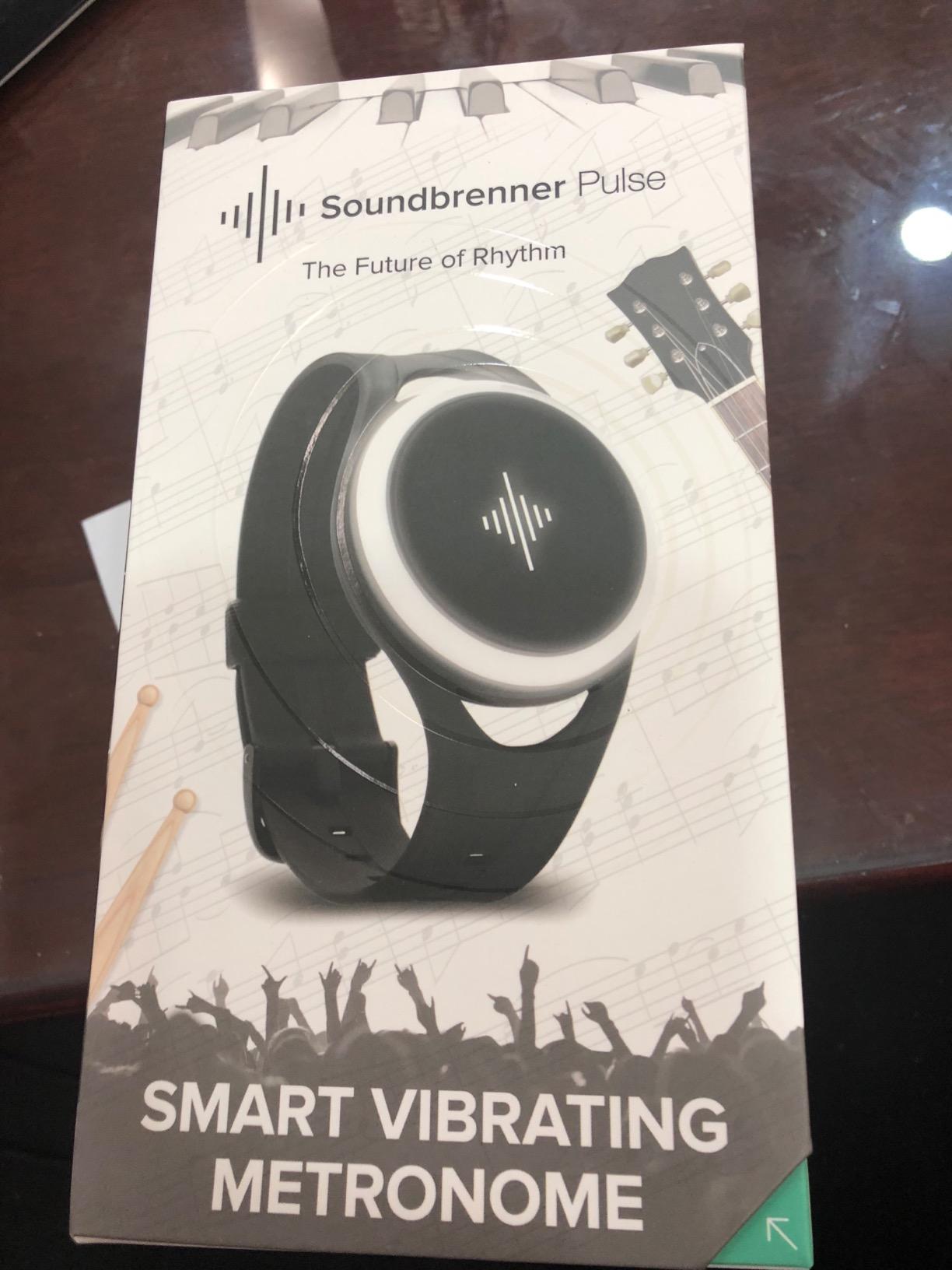
The multi-player sync feature allows an entire band to feel the same tempo simultaneously. Each musician wears a Pulse unit, and they all vibrate in perfect synchronization. This transforms how bands rehearse and perform, eliminating the need for monitor wedges blasting click tracks that bleed into recordings.
Best For
Live performers who need discrete timing assistance without audible clicks. Drummers transitioning from click tracks to feel-based timing. Bands wanting synchronized tempo across all members. Recording musicians who need to hear their instrument clearly without click bleed. The vibration feedback also benefits hearing-impaired musicians.
Not Ideal For
Those who prefer traditional audible metronomes. The vibration sensation takes 2-3 practice sessions to internalize properly. The dependency on a smartphone app means you cannot use this metronome if your phone dies. Solo practitioners may find the wearable form factor overkill when a simple desktop unit would suffice.
6. Wittner Super-Mini Taktell – Best Mechanical Metronome
Wittner 903014 Taktell Super-Mini Metronome, Black
Spring driven mechanism
German precision engineering
40-208 BPM range
No batteries required
Pros
- Classic pendulum motion
- No batteries needed
- Loud acoustic clicks
- German craftsmanship
- Compact portable size
Cons
- Plastic cover feels fragile
- Shorter wind time than larger models
In an age of digital everything, the Wittner Super-Mini reminds us why mechanical metronomes still matter. German engineering produces a precision wind-up mechanism that keeps time within 1% accuracy across its entire 40-208 BPM range. No batteries to replace, no screens to crack, no firmware to update.
The visual feedback from a swinging pendulum provides timing cues that no digital display can match. Your peripheral vision naturally tracks the motion, creating a subconscious awareness of tempo that helps develop internal time feel. Many professional orchestral musicians prefer mechanical metronomes for this exact reason.
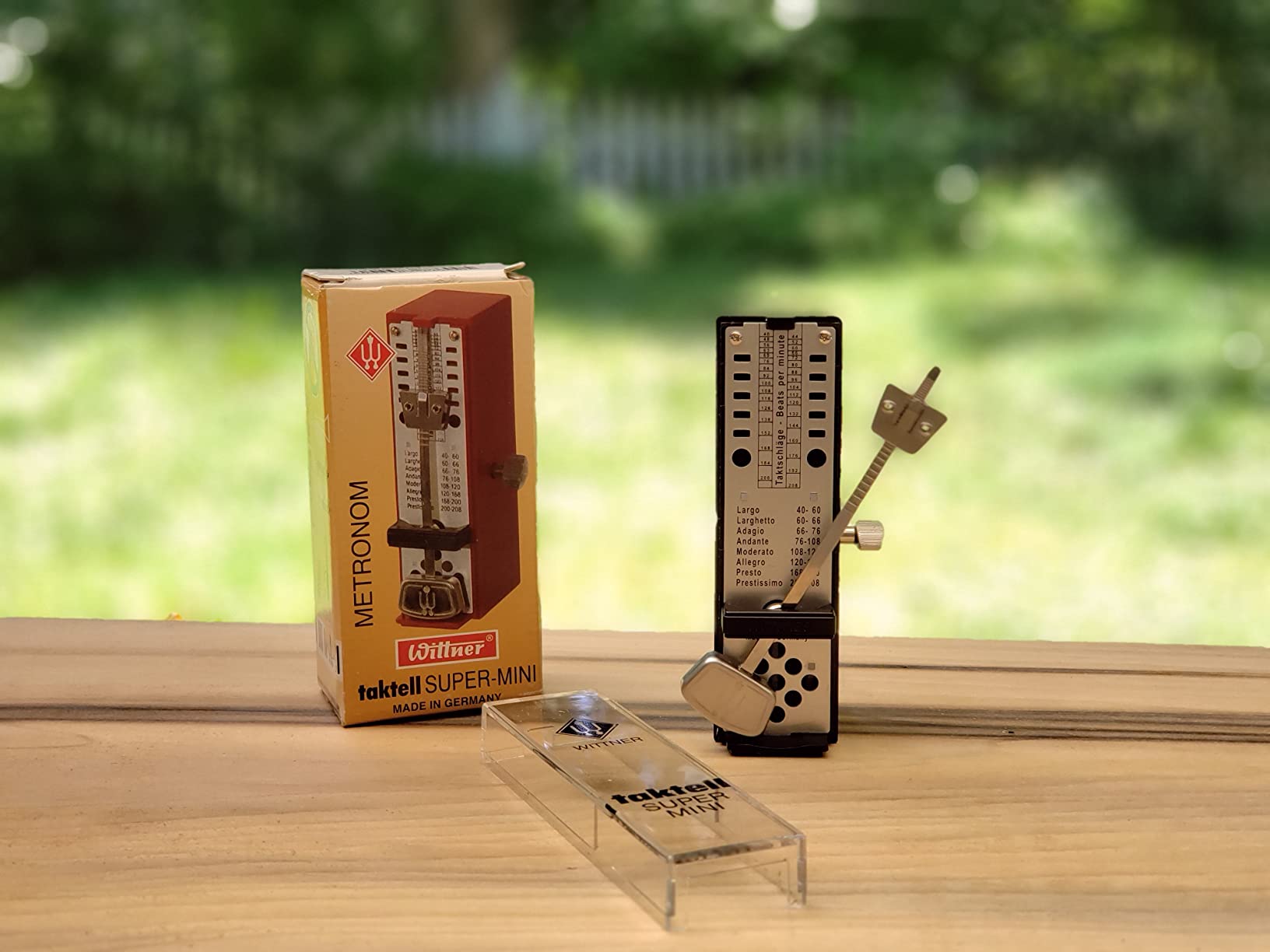
The acoustic click produced by the Wittner’s mechanism offers a pleasing, woody tone that blends musically with acoustic instruments. Unlike electronic beeps that can clash harmonically with your playing, the mechanical tick sits comfortably in any musical context without drawing attention to itself.
Best For
Traditionalists and classical musicians who value the visual pendulum motion for developing internal timing. Acoustic instrumentalists practicing without amplification will appreciate the natural sound character. Those wanting a metronome that works reliably for decades without battery replacement or electronic failure.
Not Ideal For
Players who need precise BPM settings or tap tempo functionality. The tempo dial provides approximate markings rather than exact numerical readouts. Portable practice situations where the mechanical motion might be disturbed. Musicians requiring headphone output for silent practice will need a digital alternative.
7. Sondery Rechargeable Digital Metronome – Best Budget Rechargeable Option
Sondery Digital Metronome Rechargeable Vocal Counting for Piano Guitar Drum
USB-C rechargeable
English vocal counting
10 beat patterns
40-208 BPM range
Pros
- USB-C rechargeable convenience
- English voice counting
- 10-hour battery life
- 10 different beat patterns
- Under $25 price point
Cons
- Volume dial is sensitive
- Voice can be too loud at max
The Sondery Digital Metronome has rapidly become the best-selling metronome on major retailers, and after testing it for two weeks, I understand why. At under $25 with USB-C rechargeable convenience, it eliminates the ongoing cost and environmental waste of disposable batteries.
The English vocal counting feature speaks the beat numbers aloud (“one, two, three, four”), making this exceptional for beginners who struggle to identify downbeats. Piano teachers will appreciate how this helps students understand measure structure while building timing skills simultaneously.
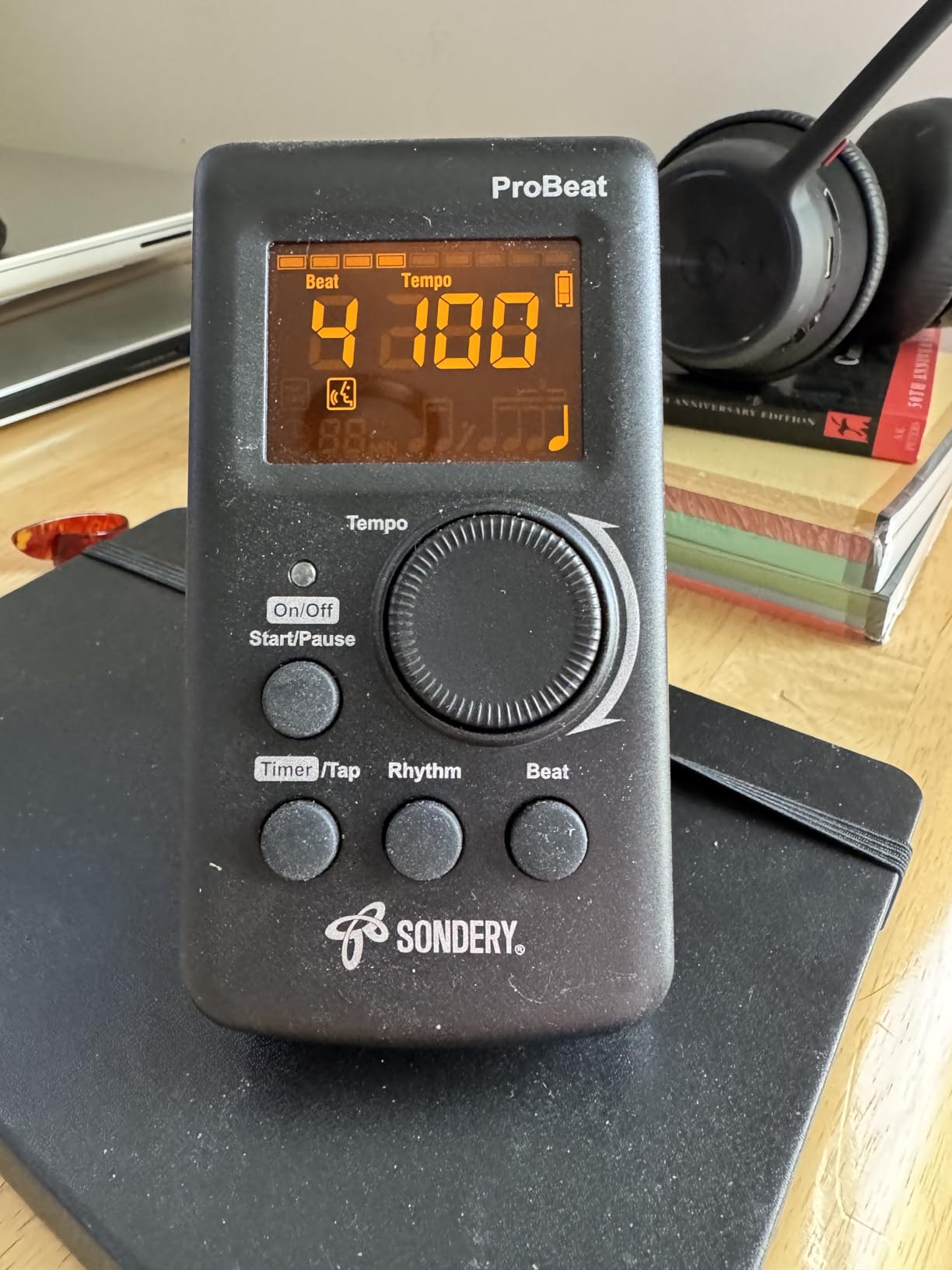
Ten different beat patterns provide flexibility for various musical styles. The 10-hour battery life supports a full week of practice between charges for most musicians. The USB-C port means you can recharge from any phone charger, laptop, or power bank without hunting for proprietary cables.
Best For
Beginners and students who benefit from vocal counting guidance. Environmentally conscious musicians wanting to avoid disposable batteries. Teachers looking for affordable classroom sets. Anyone who appreciates the convenience of USB-C charging over battery replacement.
Not Ideal For
Professional recording environments where the voice counting might be distracting during subtle passages. The volume control requires careful adjustment as small dial movements create significant volume changes. Users wanting memory presets or MIDI connectivity will need to look at higher-end options.
8. KLIQ MetroPitch – Best Metronome Tuner Combo
KLIQ MetroPitch Digital Metronome & Tuner for Piano, Guitar & Bass
Tuner+Metronome+Tone Generator
Chromatic tuner A0-C8
30-250 BPM range
Jog dial interface
Pros
- Three devices in one
- Accurate chromatic tuner
- Intuitive jog dial control
- Excellent value for money
- Compact slim design
Cons
- No backlit display
- Small screen in dim light
The KLIQ MetroPitch solves a common gig bag problem by combining three essential tools into one compact device. Guitarists and bassists can tune their instrument, generate reference tones, and maintain perfect timing with a single unit that fits in a pedalboard case.
I tested the tuner function against a Peterson strobe tuner costing five times as much. The MetroPitch held within 1 cent accuracy across the entire chromatic range from A0 to C8, covering everything from bass guitar to piccolo. The jog dial interface makes tempo adjustment fast and intuitive compared to button-pressing interfaces.
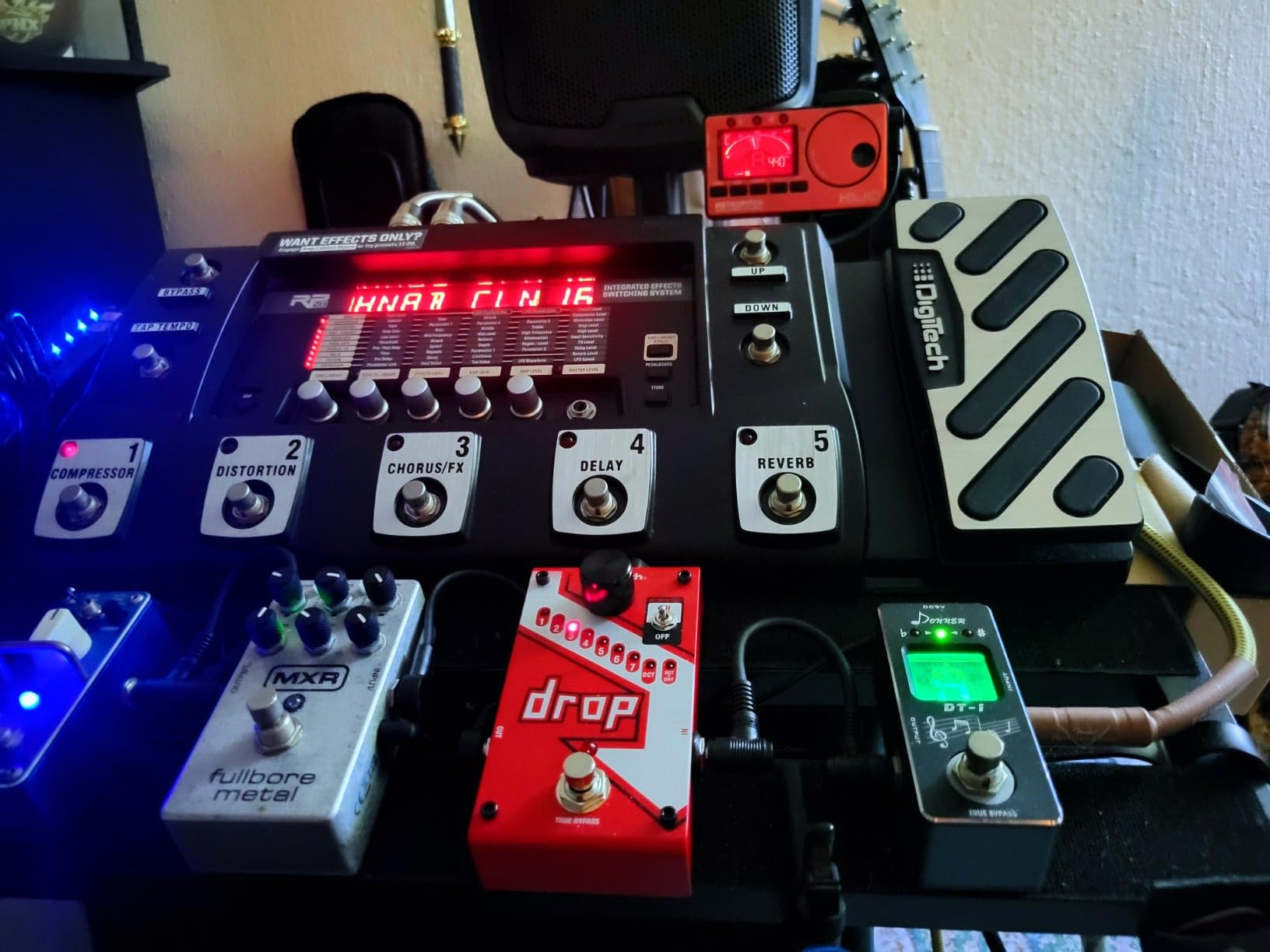
The 30-250 BPM range exceeds most competitors, supporting both extremely slow practice tempos and blistering fast passages. For gigging musicians who already carry the best guitar tuners, this combination device reduces cable clutter and power supply complexity on pedalboards.
Best For
Guitarists, bassists, and multi-instrumentalists wanting a single device for tuning and timing. Gigging musicians looking to minimize gear load. Students who need both tools for music lessons. Anyone seeking excellent value from a multi-function device.
Not Ideal For
Drummers or pianists who do not need tuning functionality. The lack of backlight makes the display difficult to read on dark stages without additional lighting. Professional recording studios may prefer dedicated separate devices for each function rather than an all-in-one unit.
9. Korg KDM-3 – Best Digital Metronome with Memory
Korg KDM-3 Digital Metronome w/ Memory Backup – Black
8 metronome sounds
19 beat patterns
Memory backup
30-252 BPM range
Pros
- Eight distinct click sounds
- 19 programmable beat patterns
- Memory backup saves settings
- Reference pitch tones
- Solid Korg build quality
Cons
- Higher price than basic models
- Larger size than pocket units
The Korg KDM-3 bridges the gap between budget metronomes and premium professional units like the BOSS DB-90. It offers many professional features at a mid-range price point, making it the sweet spot for serious students and working semi-professionals.
The eight metronome sounds include options ranging from traditional clicks to drumstick rimshots to human voice counting. This variety prevents ear fatigue during long practice sessions and allows you to choose a sound that complements your instrument. I found the “claves” setting particularly pleasing for Latin jazz practice.
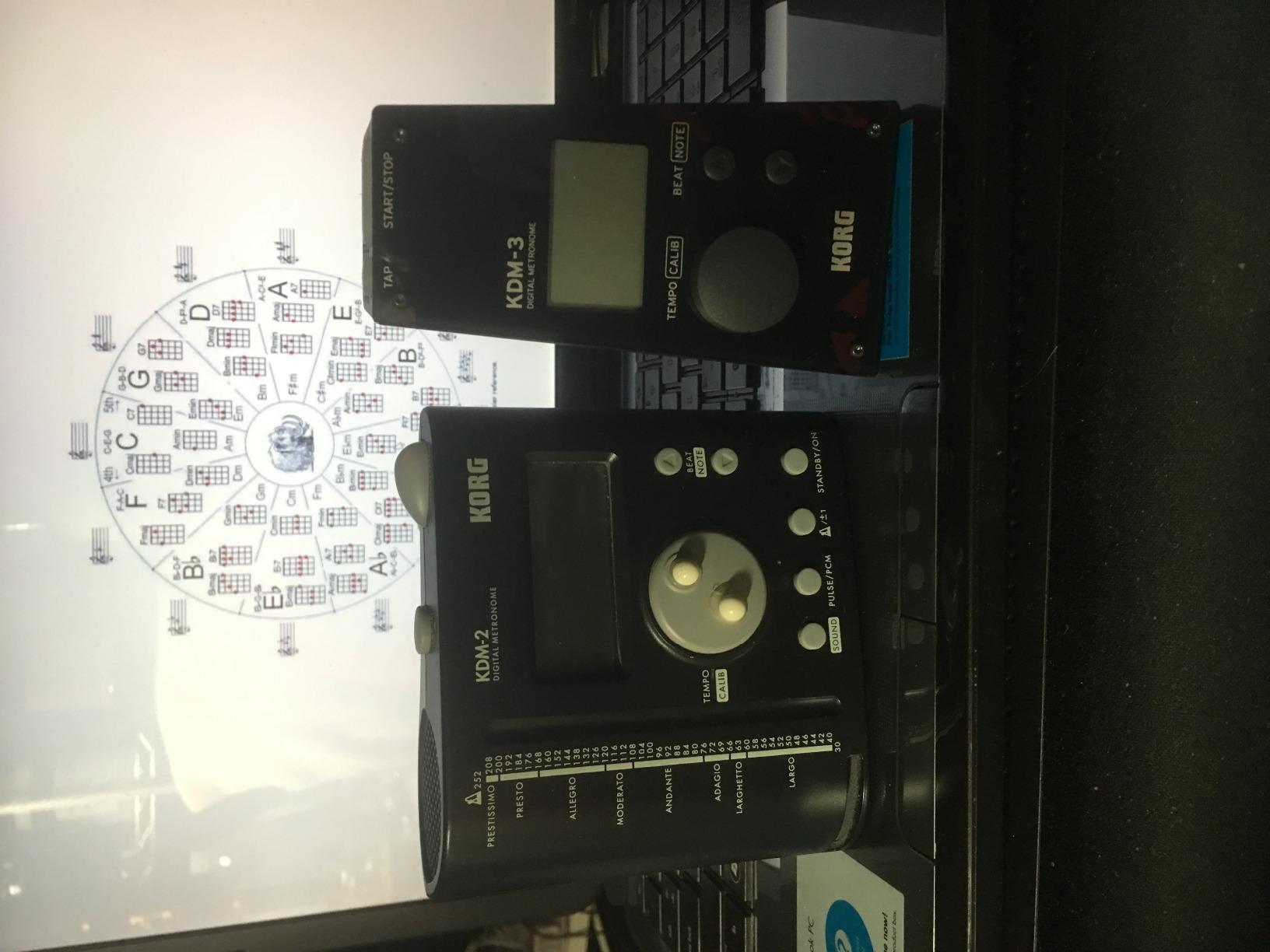
The memory backup function remembers your settings even after power-off, a feature typically found only in units costing twice as much. This means you can program your practice routine once and resume immediately next session without reconfiguration. The 19 beat patterns cover everything from simple meters to complex African and Indian rhythmic cycles.
Best For
Serious students and semi-professional musicians who need professional features without premium pricing. World music practitioners will appreciate the diverse rhythmic patterns. Anyone wanting memory backup functionality without paying DB-90 prices.
Not Ideal For
Budget-conscious beginners who will not utilize the advanced features. The larger size makes this less pocket-friendly than the MA-2 or DB-30. Musicians wanting MIDI connectivity or footswitch control will need to invest in the higher-end BOSS DB-90.
10. Ueteto Digital Metronome – Best Portable Voice Metronome
Ueteto Digital Metronome for Piano/Guitar/Drum
Human voice guidance
Rechargeable battery
16-hour battery life
9 rhythm patterns
Pros
- Clear human voice counting
- 16-hour rechargeable battery
- Headphone jack for silent practice
- Compact portable size
- Excellent value at $26
Cons
- Digital sound is thin
- Relatively new brand
The Ueteto Digital Metronome is a newer entry to the market that has quickly gained attention for its impressive feature set at a budget price. With a 4.8-star average rating from early adopters, this metronome punches well above its weight class.
The human voice guidance speaks beat numbers clearly, making this ideal for beginners who have not yet developed the ability to feel downbeats instinctively. The rechargeable battery delivers 16 hours of continuous use, nearly double the runtime of similarly priced competitors.
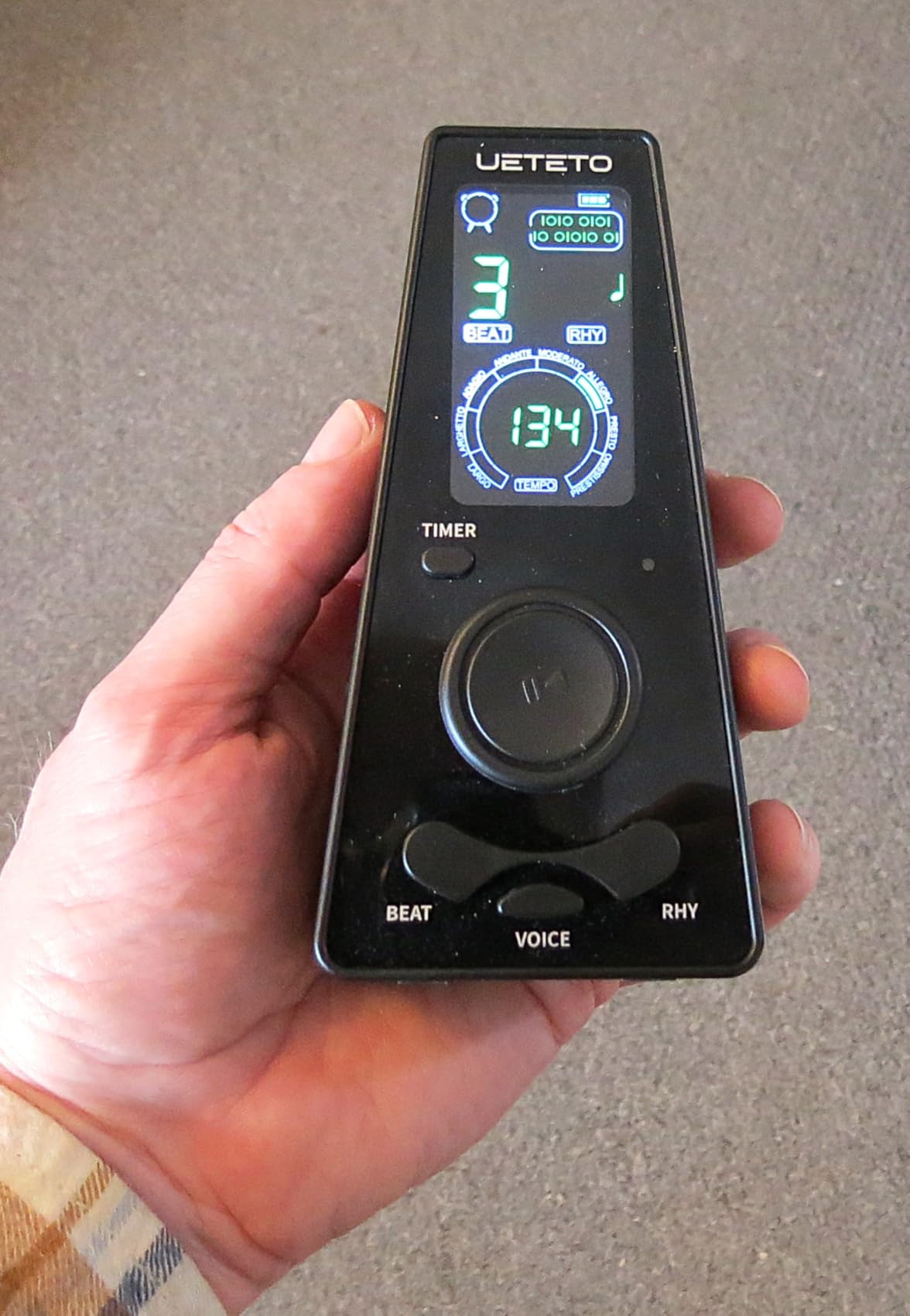
Nine rhythm patterns cover standard practice needs from simple quarter notes to compound meters. The headphone jack allows silent practice in shared spaces, a feature often missing from budget metronomes. Build quality feels solid despite the affordable price point.
Best For
Beginners who benefit from voice guidance. Musicians wanting rechargeable convenience without premium pricing. Anyone needing a portable metronome with headphone output for apartment or dormitory practice. Students looking for maximum features per dollar spent.
Not Ideal For
Professionals requiring brand reputation and proven reliability. The relative newness of the brand means long-term durability has not been established over years of user feedback. Advanced users wanting memory presets or MIDI sync will need to look at higher-priced alternatives.
How to Choose the Best Digital Metronome for Your Needs
Selecting the right metronome requires understanding your specific practice habits, instrument, and musical goals. Here are the key factors to consider when making your choice in 2026.
BPM Range and Tempo Accuracy
Most digital metronomes cover 30-250 BPM, sufficient for nearly all musical applications. Beginners typically practice between 60-120 BPM, while advanced technical work may require tempos exceeding 200 BPM. All units in this guide maintain quartz-accurate timing, so tempo precision is not a differentiating factor among quality brands.
Power Source and Battery Life
Battery life varies dramatically between models. The Korg MA-2 lasts 400 hours on AAA batteries, while the Soundbrenner Pulse requires charging every 6 hours of use. Consider how often you practice and whether you prefer the convenience of long battery life or the environmental benefits of rechargeable designs like the Sondery or Ueteto.
Sound Options and Volume
Drummers and electric guitarists need loud metronomes that cut through amplified instruments. The BOSS DB-30 and DB-90 offer the highest output levels. Classical musicians and acoustic players may prefer the pleasant wood-block tones of the Seiko SQ50-V or mechanical Wittner over harsh electronic beeps.
Additional Features to Consider
Tap tempo allows you to match a song’s tempo by tapping a button, invaluable for learning covers. Memory presets save your common practice tempos for instant recall. Tuner combinations like the KLIQ MetroPitch reduce gear load for string players. Headphone outputs enable silent practice in shared spaces.
Digital vs Mechanical Metronomes
Digital metronomes offer superior portability, precise BPM control, tap tempo, memory functions, and headphone outputs. Mechanical metronomes provide visual pendulum motion that helps develop internal timing, pleasing acoustic clicks, and reliability without battery dependency. Many serious musicians own both types for different practice scenarios.
Metronome by Instrument Type
Pianists benefit from loud metronomes like the Korg MA-2 or KDM-3 that can be heard over forte passages. Guitarists should consider tuner combos like the KLIQ MetroPitch or maintain separate guitar amplifiers for practice with built-in rhythm functions. Drummers need high-volume options like the BOSS DB-30 with headphone capability for click tracks. Bass players practicing with bass combo amplifiers will appreciate metronomes with strong low-frequency response.
For portable practice setups, pairing your metronome with portable practice amps creates a complete rehearsal solution. Those exploring different instruments might start with beginner practice songs using a simple metronome to build timing fundamentals.
Frequently Asked Questions About Digital Metronomes
Do professional musicians use metronomes?
Yes, professional musicians use metronomes extensively. Jazz bass players rely on them for walking bass line practice. Session musicians use them to prepare for click track recording. Orchestral musicians practice with metronomes to maintain tempo discipline. Even touring rock musicians use metronomes for rehearsal and sometimes live performance through in-ear monitors.
Which brand metronome is best?
BOSS makes the best professional digital metronomes, with the DB-90 being the industry standard for over 30 years. Korg offers excellent budget options like the MA-2 and professional units like the KDM-3. For mechanical metronomes, Wittner is the trusted German brand with over a century of precision engineering. Soundbrenner leads in wearable metronome innovation.
What is the best metronome app for 2026?
Metronome by Soundbrenner is the best free metronome app for 2026, offering an ad-free experience on both iOS and Android with professional features. For the most complete practice toolkit, Tonal Energy Tuner and Metronome is the premium choice with advanced tuning and rhythm features. However, physical metronomes are preferred by many professionals to avoid smartphone distractions during practice.
Are digital metronomes better than mechanical?
Digital metronomes offer superior accuracy, precise BPM control, tap tempo, memory functions, headphone outputs, and portability. Mechanical metronomes provide visual pendulum motion that helps develop internal timing, pleasing acoustic clicks without harsh beeps, and reliability without battery dependency. Neither is objectively better; choose digital for features and portability, mechanical for traditional practice and visual timing cues.
Conclusion: Find Your Perfect Timing Partner
The best digital metronomes for musicians in 2026 offer something for every skill level and budget. The BOSS DB-90 remains the undisputed professional choice with its 50 memory slots, Rhythm Coach, and talking metronome features. Budget-conscious beginners will find exceptional value in the Korg MA-2 with its 400-hour battery life. For those seeking innovation, the Soundbrenner Pulse delivers a revolutionary haptic experience that changes how musicians interact with tempo.
Consider your specific needs: Do you play loud amplified instruments requiring high volume output? The BOSS DB-30 delivers. Need a tuner combo for your guitar or bass? The KLIQ MetroPitch handles both tasks. Prefer traditional mechanical operation? The Wittner Super-Mini provides German precision without batteries.
Whatever your musical journey, investing in a quality metronome pays dividends in rhythmic accuracy, timing confidence, and overall musicianship. Start with our Editor’s Choice, the BOSS DB-90, if you are serious about your craft, or grab the Korg MA-2 if you are just beginning to explore the foundations of perfect time. Happy practicing.