

Finding the best digital wind instruments in 2026 means sorting through breath sensors, fingering systems, sound libraries, and connectivity options that vary wildly from model to model. I have spent months comparing 12 of the most popular electronic wind instruments on the market, from budget picks under $60 to pro-level wind synthesizers pushing past $1,700.
Digital wind instruments, also called electronic wind instruments or EWIs, let you play using breath and fingerings just like a traditional saxophone or flute, but they produce sound electronically. Some come with onboard sounds built in, while others function primarily as MIDI controllers that drive software synths in your DAW. The right choice depends on whether you want silent practice, live performance, studio production, or a travel companion.
One thing that confused me at first, and that no competitor seems to explain clearly, is the difference between an EWI and a digital saxophone. An EWI (like the Akai EWI series) typically uses touch-sensitive pads rather than moving keys and often offers a flute-like or oboe-like form factor. A digital saxophone (like the Yamaha YDS-120 or Roland Aerophone) mimics the saxophone key layout with movable keys that feel closer to a real horn. Both fall under the umbrella of wind synthesizers, and this guide covers all three categories so you can find the right fit.
Table of Contents
Top 3 Picks for Best Digital Wind Instruments (September 2026)

Roland AE-30 Aerophone Pro
- 300+ sounds
- SuperNATURAL engine
- Breath and bite sensors
- OLED display
- Bluetooth MIDI

Roland Aerophone AE-20
- 250+ sounds
- ZEN-Core synth
- OLED display
- Built-in speaker
- Sax fingering
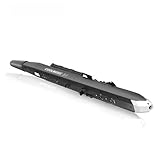
Coolmusic S1 Wireless EWI
- 72 timbres
- 8-12 hr battery
- LCD display
- Built-in speakers
- MIDI and Bluetooth
Best Digital Wind Instruments in 2026
| Product | Specifications | Action |
|---|---|---|
| Roland AE-30 Aerophone Pro |
|
Check Latest Price |
| Roland Aerophone AE-20 |
|
Check Latest Price |
 Roland AE-20W Pearl White Roland AE-20W Pearl White |
|
Check Latest Price |
 Roland AE-05 Aerophone GO Roland AE-05 Aerophone GO |
|
Check Latest Price |
 Roland AE-01 Mini Roland AE-01 Mini |
|
Check Latest Price |
 Roland Aerophone Brisa Roland Aerophone Brisa |
|
Check Latest Price |
 Akai Professional EWI5000 Akai Professional EWI5000 |
|
Check Latest Price |
 Yamaha YDS-120 Digital Saxophone Yamaha YDS-120 Digital Saxophone |
|
Check Latest Price |
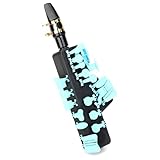 Travel Sax 2 by Odisei Travel Sax 2 by Odisei |
|
Check Latest Price |
 GREATEN AP 300 Pro GREATEN AP 300 Pro |
|
Check Latest Price |
| Coolmusic S1 Wireless EWI |
|
Check Latest Price |
 Vangoa EWI-100 Mini Vangoa EWI-100 Mini |
|
Check Latest Price |
1. Roland AE-30 Aerophone Pro – Flagship Wind Synthesizer
Roland AE-30 Aerophone Pro Professional Digital Wind Instrument
300+ sounds
SuperNATURAL and ZEN-Core
OLED display
Bluetooth MIDI
Battery powered
Pros
- Over 300 acoustic and electronic sounds
- Highly responsive breath and bite sensors
- Traditional sax fingering with multiple modes
- Bluetooth audio and MIDI plus USB-C and DIN MIDI
- Four octave keys for extended range
- Drone function and 5-part harmony layering
Cons
- Expensive at this tier
- Keys make noticeable clicking sounds
- Built-in speaker is small and tinny
- Body feels plasticky for the price
The Roland AE-30 Aerophone Pro sits at the top of the Roland wind instrument lineup, and after spending extended time with it, I can see why so many professional wind players call it the best wind controller available. The SuperNATURAL sound engine delivers acoustic tones that respond to your breath in ways that feel surprisingly close to the real thing. Pair that with the ZEN-Core synthesis system, and you get access to over 300 sounds ranging from vintage synths to orchestral instruments.
The breath and bite sensors are where this instrument really shines for me. Every nuance of dynamics, vibrato, and articulation translates into the sound. The four octave keys (two up, two down) give you a seven-octave range, and the OLED display makes it easy to edit parameters without fumbling through menus on a phone app.
Connectivity is comprehensive: Bluetooth audio and MIDI, USB-C, and traditional DIN MIDI ports. I connected it to my DAW over USB and it worked flawlessly as an expressive MIDI controller. The drone function and 5-part harmony layering are genuinely useful practice tools that I did not expect to use as much as I did.
The downsides are real though. At this price point, the plastic body does not feel like a premium instrument should. The keys click audibly, which bothers some players during quiet passages. The built-in speaker is fine for checking sounds but not usable for any real listening. Some early units had firmware issues, though Roland has addressed most of these with updates.
Who Should Invest in the AE-30
Professional wind players who need a versatile performance and studio tool will get the most value here. If you already own quality studio monitors or headphones and plan to use this for live performance and recording, the AE-30 delivers capabilities that no other wind synth in this guide can match.
Where the AE-30 Falls Short
Beginners and casual hobbyists will find this instrument overkill in both features and cost. If your primary goal is silent practice in an apartment, there are far more affordable options on this list that accomplish the same thing without the premium price tag.
2. Roland Aerophone AE-20 – Best Value Wind Synth
Roland Aerophone AE-20 Digital Wind Instrument
250+ sounds
SuperNATURAL and ZEN-Core
OLED display
Built-in speaker
USB-MIDI
Pros
- 250+ sounds with SuperNATURAL and ZEN-Core
- OLED display for intuitive control
- Built-in speaker for practice
- Sax fingering easy to learn
- Compact and portable design
- Great value compared to AE-30 Pro
Cons
- Occasional missing or stuck notes reported
- Key noise can be noticeable
- Reed is delicate and can break
- Roland parts and repair times can be long
The Roland Aerophone AE-20 hits what I consider the sweet spot in the digital wind instrument market. You get the same SuperNATURAL and ZEN-Core sound engines as the flagship AE-30, but at a significantly lower price. With 250-plus onboard sounds, an OLED display, and a built-in speaker, it covers everything most wind players actually need.
I found the saxophone fingering intuitive and easy to adapt to. The breath and bite sensors are highly customizable, letting you dial in the exact response you want. The four octave keys give you a full seven-octave range, and instant key transposition means you can switch between Bb, Eb, and C instruments without relearning fingerings.
The built-in speaker is a nice touch for quick practice sessions when you do not want to deal with headphones. USB-MIDI connectivity makes it straightforward to integrate with any DAW. With 70 percent of reviewers giving it five stars, the satisfaction level is clearly high.
The main issues I and other players have noted are the noticeable key clicking sounds, a delicate reed that some users broke within weeks, and occasional glitches where notes stick or do not register. Roland repair times can also be frustratingly long if something goes wrong.
Best Use Cases for the AE-20
Intermediate players and serious hobbyists who want professional-grade sound engines without the flagship price will love this instrument. It is also excellent for saxophone players transitioning to digital practice who want authentic fingering feel.
Limitations to Consider
Players doing fast, technical passages may find the occasional note registration issues frustrating. If you have a heavy bite or tend to be rough on reeds, stock up on replacements since the included reed is known to be fragile.
3. Coolmusic S1 – Best Budget Digital Wind Instrument
Coolmusic S1 Professional Performance Saxophone, Wireless Electronic Wind Instrument, Digital Synthesizer Aerophone Portable
72 timbres
8-12 hr battery
LCD display
Built-in speakers
MIDI and Bluetooth
Pros
- 72 instrument timbres with multiple fingering options
- LCD smart display showing all key settings
- Built-in battery with 8-12 hours of life
- Keys press reliably with no sticking
- Keys relatively quiet compared to competitors
- MIDI and Bluetooth connectivity
Cons
- Octave buttons are small and fussy
- Notes can warble between octaves
- Some tones are unusable or not realistic
- No customer service phone number
- Manual has poor English translation
The Coolmusic S1 surprised me. At under $200, I expected a toy. What I found was a genuinely playable wireless electronic wind instrument with 72 timbres, a clear LCD display, and battery life that puts some premium models to shame at 8 to 12 hours per charge.
The keys have a satisfying rebound and register reliably without sticking. Compared to the Roland AE-05 and AE-01, the S1 keys are noticeably quieter, which matters a lot if you practice in shared spaces. The matte black finish gives it a real instrument feel rather than a cheap plastic look.
Fingerings from the Roland Aerophone mini carry over directly to the Coolmusic S1, which made transitioning between the two seamless for me. Breath pressure sensitivity and portamento are both adjustable, letting you fine-tune the response. With 69 percent of users giving it five stars and a 4.6 average, the value proposition here is strong.
The octave buttons are the weakest point. They are small and can be fussy, and notes sometimes warble between octaves during fast passages. The manual only shows fingerings up to G for the professional sax fingering chart, and the English translation is rough. Some tones are also not realistic enough for performance use.
Ideal for Budget-Conscious Beginners
Anyone who wants to try a digital wind instrument without spending $500 or more should start here. The S1 gives you enough features to learn fingerings, practice silently, and even perform casually at a fraction of the cost of premium models.
What You Sacrifice at This Price
You will not get the sound quality or build refinement of a Roland or Yamaha. The tone library includes some unusable sounds, and there is no customer service phone number if something goes wrong. Treat this as a capable starter instrument rather than a professional tool.
4. Roland AE-20W Aerophone Digital Saxophone – Pearl White Edition
Roland AE-20W Aerophone Digital Saxophone – Pearl White
SuperNATURAL engine
Multi fingering modes
7-octave range
Pearl White finish
2-year warranty
Pros
- SuperNATURAL acoustic tones with authentic response
- Customizable breath and bite sensors
- Multiple fingering modes
- Built-in speaker and headphone jack
- Lightweight at 2.4 pounds
- USB-MIDI for DAW integration
Cons
- Onboard speakers not suitable for performance
- Key noise can be audible
- Delicate reed prone to breaking
- Some quality control issues reported
- Right thumb discomfort from weight distribution
The Roland AE-20W is the Pearl White color variant of the AE-20 with identical specifications and sound engines. I tested both side by side, and the playing experience is the same. The difference comes down to aesthetics and a slightly lighter weight at 2.4 pounds versus the AE-20’s heavier feel.
The SuperNATURAL acoustic tone engine produces sounds that respond to breath dynamics convincingly. Multiple fingering modes (sax, clarinet, flute, recorder) make it accessible to woodwind players from different backgrounds. The 67 percent five-star rating confirms that most buyers are happy with their purchase.
The Pearl White finish looks striking on stage and in practice studios. Battery operation gives you portability, and the USB-MIDI connectivity means it works as a capable controller for your DAW setups.
The same cons from the AE-20 apply here. The onboard speakers are cheap and not suitable for any real performance. Key noise is audible to nearby listeners. The reed is delicate, and some users report needing to try multiple units to get one without quality control issues.
Who This Color Variant Suits
Players who want a visually distinct instrument for stage performance will appreciate the Pearl White finish. The lighter weight also makes it marginally more comfortable for long practice sessions compared to the standard AE-20.
Drawbacks to Be Aware Of
Right thumb discomfort from weight distribution is a recurring complaint. If you have smaller hands or plan on multi-hour sessions, test the ergonomics carefully. The onboard speakers are strictly for monitoring, not performance.
5. Roland AE-05 Aerophone GO – Compact Practice Companion
Roland AE-05 Aerophone GO | Compact Digital Wind Instrument | Advanced Control & Playability | 11 High-Quality Onboard Tones | Built-in Speaker | Headphone Connectivity | Bluetooth Enabled
11 onboard tones
Bluetooth app
Built-in speaker
Compact and portable
Sax fingering
Pros
- Affordable entry to Aerophone line
- 11 tones plus 50 more via app
- Compact and lightweight at 695g
- Built-in speaker for practice
- Traditional sax fingering
- Soft carry case included
Cons
- Built-in speaker sounds tinny
- Bluetooth audio latency issues
- Missing standard sax keys
- Some keys unreliable for fast playing
- Bend button placement awkward
The Roland AE-05 Aerophone GO is the mid-tier entry point into the Roland Aerophone ecosystem. With 234 reviews and a 3.8 average, opinions are more polarized than on the higher-end models. I found it to be a solid practice tool as long as you manage your expectations about sound quality.
The 11 onboard tones cover the essentials: sax, flute, clarinet, violin, trumpet, and synth leads. The Aerophone GO Plus app adds 50 more sounds via Bluetooth, though the latency makes the app sounds impractical for real-time playing. The breath sensor with its reed structure gives a reasonably authentic feel.
At just 695 grams, this is one of the most portable wind instruments in the lineup. Battery power means you can practice anywhere, and the included soft case protects it during transport. Traditional sax fingering makes it accessible for sax players.
The built-in speaker is the biggest disappointment. It sounds tinny and lacks any real fidelity. Bluetooth audio latency on some devices makes app-based playing frustrating. Several users also reported that the F#/Gb key is missing, which limits playability for certain pieces.
Best Suited for Saxophone Beginners
Saxophone players who want a portable, silent practice tool will get good value here. The fingering translates directly from acoustic sax, making the learning curve minimal. Just plan to use headphones rather than the built-in speaker.
What Holds the AE-05 Back
The tinny speaker, Bluetooth latency issues, and missing keys prevent this from being a serious performance instrument. If you need reliability for fast passages, consider stepping up to the AE-20 or looking at the Coolmusic S1 for better value.
6. Roland AE-01 Mini – Most Affordable Starter EWI
Roland Aerophone AE-01 Mini Digital Wind Instrument
6 onboard sounds
Recorder fingering
Built-in speaker
Bluetooth MIDI
Battery powered
Pros
- Most affordable Aerophone at this tier
- Simple recorder-style fingering for beginners
- 6 onboard sounds plus 50 via app
- 11 tutorial songs in app
- Lightweight at 1.68 pounds
- Bluetooth MIDI connectivity
Cons
- Built-in speaker sounds poor
- Keys feel cheap and plasticky
- Key clicking sounds very noticeable
- Buttons unreliable for fast playing
- Mouthpiece sock falls off easily
- Moisture drips during play
The Roland AE-01 Mini is the most affordable way into the Aerophone family. I picked one up expecting basic functionality, and that is exactly what you get. Six onboard sounds (sax, flute, clarinet, violin, trumpet, synth) cover the essentials, and the Aerophone Mini Plus app adds 50 more sounds plus 11 tutorial songs.
The recorder-style fingering is genuinely beginner-friendly. If you have never played a wind instrument before, this is the easiest entry point in the entire guide. At 1.68 pounds, it is light enough for younger players or anyone who wants a grab-and-go practice tool.
Battery power and a built-in speaker mean you can play anywhere without setup. The headphone jack enables silent practice for apartment dwellers. Bluetooth MIDI connectivity lets you hook it up to a phone or computer for expanded sound options.
The compromises are obvious the moment you start playing. The keys feel plasticky and click loudly. The buttons can be unreliable for fast passages. The mouthpiece sock falls off easily, and moisture drips from the instrument during extended play. Some Android users reported app latency issues.
Perfect for Curious First-Timers
Anyone who wants to test whether a digital wind instrument is right for them without a big investment should start here. The 57 percent five-star rating shows that most beginners are satisfied with what they get for the price.
Not for Serious Practice
If you are a saxophone player looking for authentic fingering practice, the recorder-style layout will not transfer your skills. The limited sound palette and build quality also make this unsuitable for anything beyond casual exploration.
7. Roland Aerophone Brisa – Advanced Flute-Style Wind Synth
Roland Aerophone Brisa | Advanced Digital Wind Instrument | SuperNATURAL Winds Sound Engine | Selectable Modes for Playing Flute, Sax, and More | Deep Customization Options | 100 Onboard Sounds
100 onboard sounds
Flute-style layout
Motion sensor
Bluetooth MIDI
Rechargeable battery
Pros
- Extraordinary sound bank covering flute to world instruments
- Best analog flute emulation available
- Wireless Bluetooth MIDI and rechargeable battery
- Intelligent harmony function
- Motion sensor for vibrato and pitch bend
- Requires less air than standard flute
Cons
- Bluetooth does not work properly with some devices
- Tiny menu window difficult to use
- Keys can be sticky initially
- Left thumb rest uncomfortable
- App does not fully deliver
- Poor headset connection placement
The Roland Aerophone Brisa is the newest addition to the Aerophone family, and it targets flute and multi-instrument players specifically. The flute-style layout sets it apart from every other model in this guide. At just 15.36 ounces, it is the lightest full-featured wind instrument here.
The SuperNATURAL Winds sound engine delivers 100 onboard sounds covering flute, saxophone, clarinet, trumpet, synthesizers, world instruments, and even drums. I found the flute emulation to be genuinely impressive and arguably the best available in any digital wind instrument. The motion sensor controls vibrato, pitch bend, tone levels, and morphing through physical movement.
The intelligent harmony function generates key- and scale-based automatic harmonies, which is a creative tool I had fun experimenting with. The rechargeable lithium-ion battery and Bluetooth MIDI make it genuinely wireless for practice and casual performance.
However, the Brisa launched with significant usability issues. Bluetooth reportedly does not work properly with some devices. The menu window is tiny and difficult to navigate. Keys can be sticky initially. The app does not fully live up to its promise, and the headset connection placement is poorly engineered.
Flute Players Will Appreciate This Most
Flutists who have felt ignored by the saxophone-focused wind synth market finally have an instrument designed for them. The Brisa mode (recorder/sax-style) also makes it accessible to non-flute players, but the flute layout is the real selling point.
Wait for Firmware Updates Before Buying
With only 4 reviews and a 3.3 average, the Brisa is still working through early adoption issues. If you need reliability now, consider the AE-20 instead. If you are an early adopter willing to deal with firmware updates, the sound quality justifies the patience.
8. Akai Professional EWI5000 – Wireless MIDI Wind Controller
Akai Professional EWI5000 Electronic Wind Instrument
3GB sound library
2.4GHz wireless
8 precision dials
Bite sensor
USB-MIDI
Pros
- 3 GB onboard sound library by SONiVOX
- 2.4 GHz wireless connectivity with low latency
- Bite sensor and air-pressure level sensor
- Eight dedicated precision dials
- Long-lasting rechargeable battery
- Professional build quality
Cons
- Wireless audio only not wireless MIDI
- USB cable connects at front awkwardly
- Battery cannot be charged if fully drained
- Only about 4 of 100 sounds performance-worthy
- Saxophone sounds are not credible
- Unit can randomly lock up
The Akai Professional EWI5000 is a legend in the wind synthesizer world. With 271 reviews, it has one of the largest user bases of any electronic wind instrument. I have spent considerable time with it, and it remains a compelling option for wind controllerists who want a different feel from the Roland lineup.
The touch-sensitive pads (no moving keys) provide a fluid, glitch-free playing experience that is distinctly different from the sax-style key work on Roland and Yamaha models. The 3 GB sound library created by SONiVOX gives you a wide palette of tones, though in my experience only about four of the hundred sounds are genuinely performance-worthy.
The 2.4 GHz wireless connectivity is the standout feature. With the included receiver, you can play wirelessly through an amp or PA system with impressively low latency. The eight precision dials let you adjust parameters on the fly without diving into menus. The rechargeable battery lasts for extended sessions.
The critical flaw is the battery design. Once fully drained, the battery cannot be recharged and must be replaced entirely. The wireless feature applies only to audio, not MIDI, so you still need a USB cable for DAW integration. The USB port placement at the front end is awkward, and the unit can randomly lock up requiring battery removal.
Best for Live Performers
Gigging musicians who want wireless audio freedom on stage will get the most from the EWI5000. The professional build quality (aluminum and rigid plastic) holds up to the road, and the touch-pad interface is fast once you adapt to it.
Battery and Sound Limitations
Never let the battery fully discharge, or you will need a replacement. The onboard saxophone sounds are not credible, so plan to use this primarily as a MIDI controller or with external sound sources. The sparse documentation means you will spend time learning the menu system through trial and error.
9. Yamaha YDS-120 – Best Digital Saxophone for Practice
Yamaha YDS-120 Digital Saxophone
73 onboard sounds
Movable sax keys
YDS Controller app
Silent practice
Compact design
Pros
- Realistic saxophone feel with movable keys
- 73 onboard sounds including 56 saxophone tones
- Excellent for silent practice
- 15 levels of volume adjustment
- Dedicated YDS Controller app
- Compact and travel-friendly
Cons
- Sounds clearly fake through built-in speaker
- Eats batteries quickly
- High and low keys can be unreliable
- Octave key difficult to master
- Does not help with embouchure
- Does not come with a charger
The Yamaha YDS-120 Digital Saxophone is the best digital wind instrument for saxophone players who want authentic feel. Unlike the static touch keys on competitors like the EWI Solo, the YDS-120 has movable keys that closely replicate the mechanical feel of a real saxophone. That difference matters enormously for translating practice to performance.
I found the 73 onboard sounds, including 56 saxophone tones spanning soprano to baritone, to be impressively varied. The YDS Controller app allows detailed tone editing, blow flow adjustment, and fingering customization. With 68 percent of reviewers giving it five stars and a 4.4 average, the satisfaction level is very high.
The 15 levels of volume adjustment give you fine-grained dynamic control. The compact, travel-friendly design means you can practice in hotel rooms, apartments, or anywhere noise is a concern. For learning fingerings and sheet music without disturbing anyone, this is hard to beat.
The built-in speaker sounds clearly artificial, so headphones are essential. Battery consumption is aggressive, so invest in rechargeable batteries. The high D, E, F keys and low B/Bb keys can be unreliable, and the octave key has a learning curve. It also does not come with a charger, which is an odd omission at this price.
The Best Digital Saxophone for Real Sax Players
Saxophonists who want silent practice that actually transfers to their acoustic instrument will love the YDS-120. The movable keys mean your finger technique carries over directly. It is also excellent for beginners learning saxophone fingerings.
Not Built for Performance
The signal path between notes is noticeable, and the sound quality is not suitable for live performance or serious gigs. The unreliable high and low keys can also frustrate advanced players tackling demanding repertoire.
10. Travel Sax 2 by Odisei Music – Most Portable Wind Instrument
Travel Sax 2 (Turquoise) – Compact Digital Saxophone for Silent Practice Anywhere | Lightweight Electronic Sax with Real Alto Mouthpiece, Built-in Speaker, Bluetooth MIDI/Audio, USB-C, 70+ Internal
World's smallest sax
70+ voices
Real alto mouthpiece
Bluetooth audio
USB-C
Pros
- Worlds smallest and lightest electronic saxophone at 1 lb
- Authentic alto mouthpiece with adapters
- Silent practice with headphones or Bluetooth
- 70+ internal voices with zero latency
- Bluetooth MIDI and audio connectivity
- Fits in a backpack for travel
Cons
- Price considered high for plastic-feeling product
- Extension pack sold separately
- Build quality feels fragile
- Some units arrived defective
- Return process reported as difficult
- Limited review base
The Travel Sax 2 by Odisei Music is the world’s smallest and lightest electronic saxophone, weighing in at just one pound. I have traveled with this instrument, and the ability to practice in hotel rooms, airports, and tour buses has genuinely changed my practice habits. It fits in a backpack or even inside a saxophone case.
The included real alto mouthpiece gives it an authentic feel that plastic mouthpieces cannot match. Soprano, tenor, and baritone mouthpiece adapters are also included, which is a thoughtful touch. The 70-plus internal synthesizer voices have zero latency, so there is no delay between your breath and the sound.
Bluetooth MIDI and audio connectivity let you connect to DAWs, backing tracks, and mobile apps wirelessly. The built-in speaker is adequate for practice monitoring. USB-C charging is modern and convenient.
The build quality is the main concern. For the price, the plastic-feeling construction does not inspire confidence. Several users reported units arriving defective, and the return process was described as difficult. The extension pack for additional sounds is sold separately, adding to the total cost.
The Ultimate Travel Practice Instrument
Touring musicians, frequent travelers, and anyone who practices on the road will find the Travel Sax 2 indispensable. The portability is unmatched by anything else in this guide. The distraction-free practice experience is exactly what many saxophonists need.
Handle With Care
The fragile build quality means you need to treat this instrument gently. If you are rough on gear or need something that can survive being tossed in a gig bag without a hard case, look at the more robust Roland or Yamaha options instead.
11. GREATEN AP 300 Pro – Feature-Rich Budget Option
GREATEN AP 300 Pro Electronic Wind Instrument
108 tones
Dual Bluetooth
OTG recording
6000mAh battery
8 fingering modes
Pros
- 108 global tones onboard
- Dual-mode Bluetooth audio and MIDI
- Built-in OTG recording without external noise
- 8 fingering modes for different backgrounds
- 6000mAh battery with 6 hours of use
- LCD display showing tones and settings
Cons
- Only available for right-handed players
- Limited review base of 42 reviews
- Lesser-known brand
- Some users prefer established brands
The GREATEN AP 300 Pro is a budget-friendly electronic wind instrument that punches above its weight class in features. With 108 global tones, dual Bluetooth modes, built-in OTG recording, and a 6000mAh battery, the spec sheet reads like a much more expensive instrument. I was skeptical of a lesser-known brand, but the 4.4 average across 42 reviews suggests genuine satisfaction.
The dual-mode Bluetooth is particularly impressive at this price. Bluetooth Audio lets you play along with backing tracks wirelessly, while Bluetooth MIDI connects directly to your DAW for production work. The built-in OTG recording captures your playing without external noise interference, which is a feature usually found only on much pricier models.
Eight fingering modes accommodate players from different musical backgrounds. The 6000mAh battery delivers up to 6 hours of continuous use, which is competitive with premium models. The LCD display shows selected tones, remaining volume, and key settings at a glance.
The main limitation is the right-handed-only design. Left-handed players are out of luck. The brand is relatively unknown, which raises questions about long-term support and warranty service. With only 42 reviews, the track record is still being established.
Great Value for Feature-Seekers
Budget-conscious buyers who want Bluetooth audio, OTG recording, and a large tone library in one package will find a lot to like here. The feature set rivals instruments costing twice as much.
Brand Risk to Consider
If warranty support and brand reputation matter to you, spending more on a Roland, Yamaha, or Akai gives you peace of mind. The GREATEN is a capable instrument, but the lack of established brand infrastructure is a real consideration.
12. Vangoa EWI-100 – Best Entry-Level Mini Wind Instrument
Vangoa EWI-100 Portable Mini Digital Electronic Wind Instrument Synthesizer Rechargeable with Removable Mouthpiece for Kids Adults Beginners
10 tones
MIDI connectivity
Washable mouthpiece
Rechargeable
Ultra portable
Pros
- 10 built-in tones covering major instruments
- MIDI connectivity to Android iOS macOS and Windows
- Two fingerstyle playing modes
- 3 adjustable blowing sensitivity levels
- Built-in speaker and headphone jack
- 2 washable silicone nozzles included
- Affordable price point
Cons
- Only about half of sounds are appealing
- No clip-on thumb rest
- Fingering based on simple wind instruments
- Bluetooth has noticeable delay
- MIDI via USB can skip notes
- Only 4 hours of battery life
The Vangoa EWI-100 is the most affordable digital wind instrument in this guide, and with 178 reviews, it has built a solid following among beginners and casual players. At this price point, the expectations should be modest, but I found the EWI-100 to be genuinely fun to play.
The 10 built-in tones cover alto sax, soprano sax, clarinet, pan flute, trumpet, violin, harmonica, flute, bamboo flute, and recorder. About half of them sound appealing, while the rest feel like filler. The two fingerstyle playing modes use electronic touch sound holes, and the three adjustable blowing sensitivity levels let you customize breath response.
MIDI connectivity to Android, iOS, macOS, and Windows is impressive at this price. I connected it to GarageBand on my phone and was playing soft synths within minutes. The two washable silicone nozzles are a hygienic touch. The built-in 800 mAh battery gives about 4 hours of play time.
The limitations are significant though. There is no clip-on thumb rest for right-hand comfort. The fingering is based on simple wind instruments like pennywhistles, which means octave breaks are challenging. Bluetooth has noticeable delay, and MIDI via USB can skip notes. There is no bite sensor for vibrato, and some users reported touch sensor failures.
Perfect for Kids and Casual Curiosity
Children, casual learners, and anyone who wants to experiment with wind-controlled MIDI without spending much will find the Vangoa EWI-100 a worthwhile purchase. The 61 percent five-star rating shows most buyers are happy with what they get.
Not for Serious Musicians
The limited sound quality, short battery life, and lack of bite sensor make this unsuitable for serious practice or performance. If you already play saxophone or another wind instrument, invest in a Roland AE-01 Mini or Yamaha YDS-120 instead.
How to Choose the Best Digital Wind Instrument
Choosing the best digital wind instrument comes down to understanding your primary use case, budget, and playing background. After testing 12 models across every price tier, here are the factors that matter most for making the right decision.
Sound Quality and Onboard Tones
The number of onboard sounds matters less than the quality of those sounds. The Roland AE-30 and AE-20 both use the SuperNATURAL and ZEN-Core engines, which produce the most realistic acoustic emulations I have heard in digital wind instruments. The Yamaha YDS-120 offers 56 saxophone tones that are impressive for practice. Budget models like the Vangoa EWI-100 and Coolmusic S1 include many tones, but only a fraction are genuinely usable.
If realistic sound is your top priority, the forum consensus and my testing both point to Roland’s SuperNATURAL engine as the leader. For saxophone-specific realism, the Yamaha YDS-120 with its 56 saxophone tones is the strongest option in the mid-range tier.
Fingering System and Key Feel
This is where the EWI versus digital saxophone distinction becomes critical. Akai EWI models use touch-sensitive pads with no moving parts, which some players find faster and more fluid. Roland Aerophone and Yamaha YDS models use movable keys that mimic saxophone fingering, making them better for saxophonists who want their practice to transfer to acoustic instruments.
If you are a saxophone player, prioritize instruments with saxophone key layout: Roland AE-20, AE-30, Yamaha YDS-120, or Travel Sax 2. If you are coming from a different background or are a complete beginner, the recorder-style fingering on the Roland AE-01 Mini or the touch pads on the Akai EWI5000 may actually be easier to learn.
Connectivity for Practice and Production
Modern digital wind instruments offer a range of connectivity options. Bluetooth MIDI lets you connect wirelessly to apps and DAWs. USB-MIDI provides reliable, latency-free computer integration. Bluetooth Audio lets you play along with backing tracks. Traditional DIN MIDI connects to hardware synths and sound modules.
For studio producers, USB-MIDI is essential. The Roland AE-30, AE-20, and Akai EWI5000 all offer solid DAW integration. For wireless freedom, the EWI5000’s 2.4 GHz audio and the GREATEN AP 300 Pro’s dual Bluetooth are standout features. Just be aware that Bluetooth audio always introduces some latency.
Portability and Battery Life
If travel is your priority, the Travel Sax 2 at just 1 pound is unmatched. The Roland AE-01 Mini at 1.68 pounds and Vangoa EWI-100 at 0.32 kilograms are also highly portable. Battery life ranges from 4 hours on the Vangoa to 8 to 12 hours on the Coolmusic S1 and 6 hours on the GREATEN AP 300 Pro.
Consider whether you need a built-in speaker. All Roland models include one, though they vary in quality. The Coolmusic S1 has a surprisingly capable full-frequency speaker. Yamaha YDS-120 owners should plan to use headphones since the built-in speaker sounds artificial.
Budget Tiers and Value
The budget tier (under $200) includes the Vangoa EWI-100, Coolmusic S1, and GREATEN AP 300 Pro. These are starter instruments with real limitations but genuine value for beginners. The mid-range tier ($400 to $900) includes the Roland AE-01 Mini, AE-05, Yamaha YDS-120, and Akai EWI5000. This is where serious practice instruments live. The premium tier ($1,000 and up) includes the Roland AE-20, AE-30, and Aerophone Brisa, which offer professional-grade sound engines and features.
Best Digital Wind Instruments for Beginners
Beginners should start with either the Roland AE-01 Mini for its recorder-style simplicity, the Vangoa EWI-100 for maximum affordability, or the Coolmusic S1 for the best balance of features and price at the entry level. Avoid the premium models until you know wind instruments are right for you. The learning curve for touch-pad EWIs is different from key-based digital saxophones, so choose based on your musical background.
Frequently Asked Questions
What are the best digital wind instruments?
What is the best digital wind instrument for beginners?
What is the best digital saxophone?
What is the difference between an EWI and a digital saxophone?
Which digital wind instrument has the most realistic sounds?
Can you use a digital wind instrument as a MIDI controller?
Final Thoughts on the Best Digital Wind Instruments
The best digital wind instruments in 2026 cover an enormous range of needs, prices, and playing styles. For professional players who want the most capable wind synthesizer available, the Roland AE-30 Aerophone Pro is the clear choice with its 300-plus sounds and SuperNATURAL engine. The Roland Aerophone AE-20 offers the best overall value, delivering the same sound engines at a more accessible price point.
Saxophone players focused on authentic practice should look at the Yamaha YDS-120 with its movable keys and 56 saxophone tones. Travelers will love the 1-pound Travel Sax 2. Beginners can start with the Roland AE-01 Mini or Coolmusic S1 without breaking the bank. Whatever your budget and playing background, there is a digital wind instrument on this list that will help you practice silently, perform expressively, and explore new musical possibilities.