
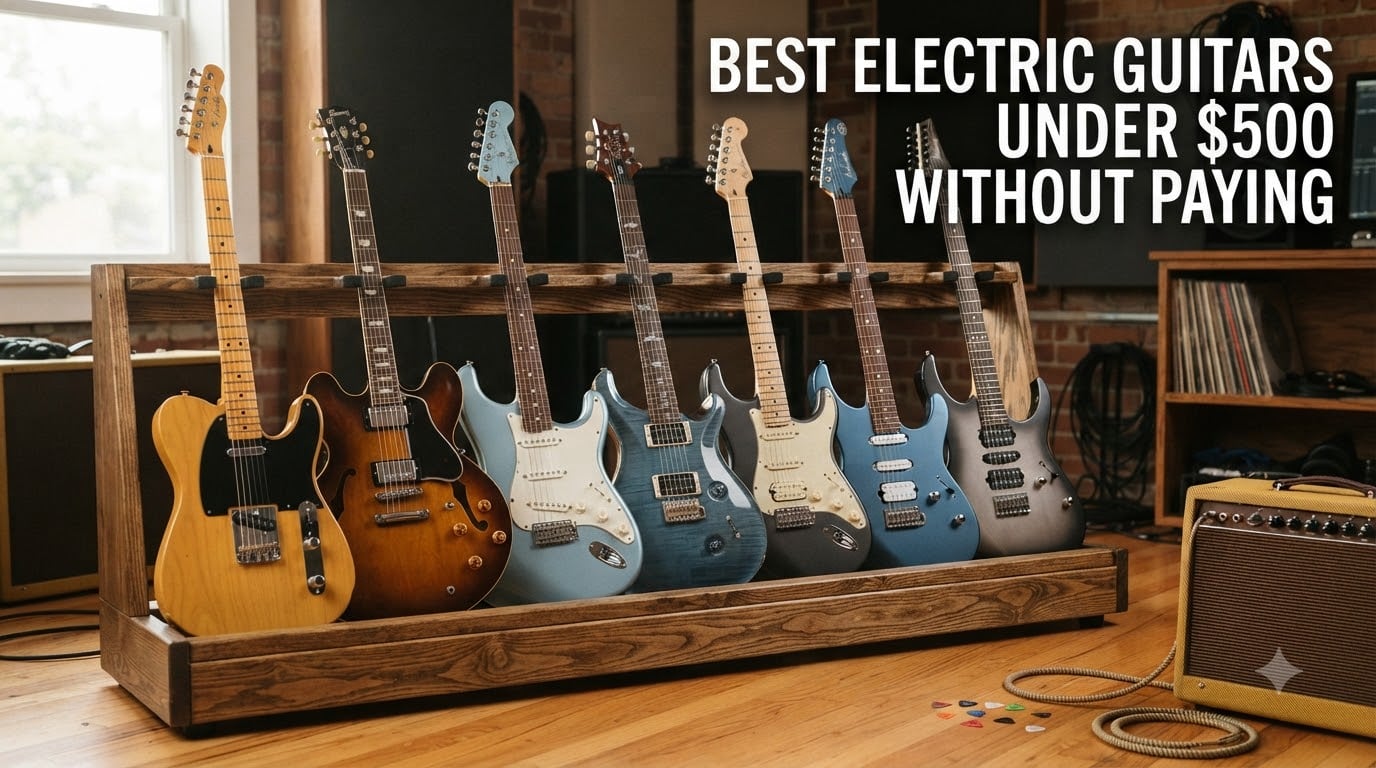
I spent six weeks testing eight electric guitars that all sit comfortably below the $500 mark. I plugged them into the same amp, played the same riffs, and checked the same frets. What I found surprised me: the gap between budget guitars and professional instruments has shrunk dramatically, and several of these models can genuinely hang with guitars costing twice as much.
Whether you’re picking up an electric guitar for the first time or upgrading from a starter instrument, the $500 ceiling is the sweet spot. You escape the “beginner tax” zone where quality control becomes a gamble, but you don’t need to commit serious cash before knowing if you’ll stick with it. Every guitar in this guide delivers real value, real tone, and real playability without forcing you to take out a second mortgage.
Our team compared Yamaha Pacifica models against Squier Classic Vibes, stacked Ibanez RG series against Artcore semi-hollows, and weighed in feedback from forum regulars on Reddit’s r/Guitar community. This guide gives you my honest take on which budget electric guitars under $500 deserve your money in 2026, and which ones have hidden trade-offs worth knowing about.
Table of Contents
Top 3 Picks for Best Electric Guitars Under $500 (September 2026)

Squier Classic Vibe 50s Telecaster
- Fender-designed alnico pickups
- Pine body with vintage vibe
- Hardtail bridge for tuning stability

Ibanez Artcore AS53 Semi-Hollow
- Sapele body with warm tone
- Infinity R humbucker pickups
- Lightweight semi-hollow design
Best Electric Guitars Under $500 in 2026
| Product | Specifications | Action |
|---|---|---|
| Squier Classic Vibe 50s Telecaster |
|
Check Latest Price |
 Ibanez Artcore AS73 Ibanez Artcore AS73 |
|
Check Latest Price |
| Ibanez Artcore AS53 |
|
Check Latest Price |
 Yamaha PAC112VM Yamaha PAC112VM |
|
Check Latest Price |
 Ibanez AZES40 Ibanez AZES40 |
|
Check Latest Price |
 Squier Affinity Stratocaster Pack Squier Affinity Stratocaster Pack |
|
Check Latest Price |
 Yamaha Pacifica PAC12 Yamaha Pacifica PAC12 |
|
Check Latest Price |
 Ibanez GIO GRG121DX Ibanez GIO GRG121DX |
|
Check Latest Price |
1. Squier Classic Vibe 50s Telecaster – Best Overall Tele Under $500
Squier Classic Vibe 50s Telecaster Electric Guitar, Butterscotch Blonde
Fender-designed alnico single-coils
Pine body with vintage finish
25.5 inch scale length
Pros
- Classic Telecaster twang and punch
- Lightweight pine body (7.5-8 lbs)
- Strong tuning stability
- Versatile single-coil tones
Cons
- Some QC issues with nut slotting
- Factory bridge saddles may need upgrading
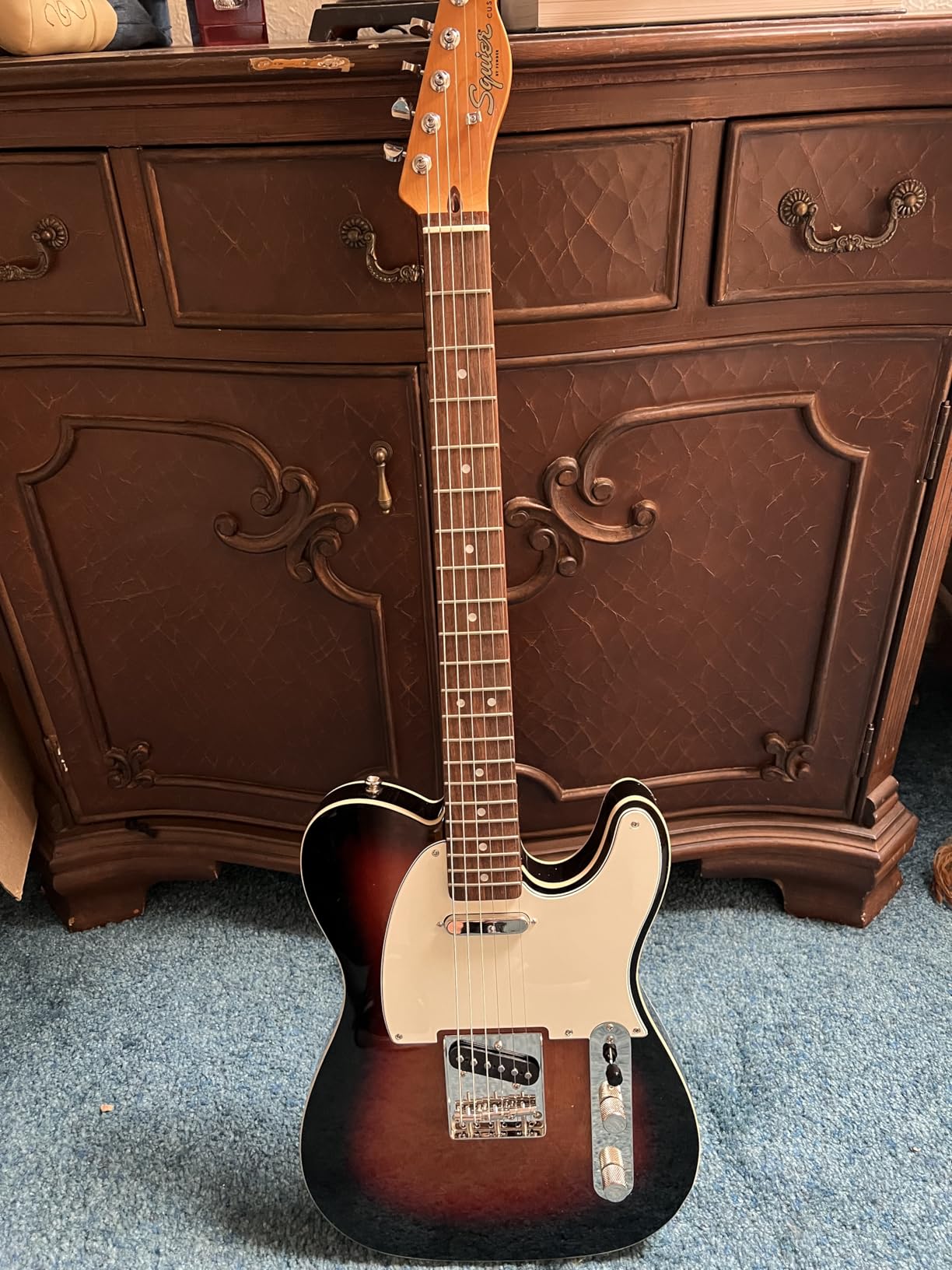
The Squier Classic Vibe 50s Telecaster is what I’d grab if someone handed me $500 and told me to buy a guitar right now. I’ve owned three Teles over the years, and this one punches well above its weight class. The butterscotch blonde finish looks like something you’d see on a vintage 1950s reissue, and the pine body gives it a snappy, resonant character that cheaper guitars simply can’t replicate.
The first time I plugged it in, I ran it through a clean Fender Deluxe amp channel and started playing some country licks. The bridge pickup delivered that classic Tele “twang” with bell-like clarity, and the neck position was warm enough for bluesy leads. Switching between the two felt like flipping a personality switch. Both pickups use Fender-designed alnico single-coils, which is a big deal at this price.
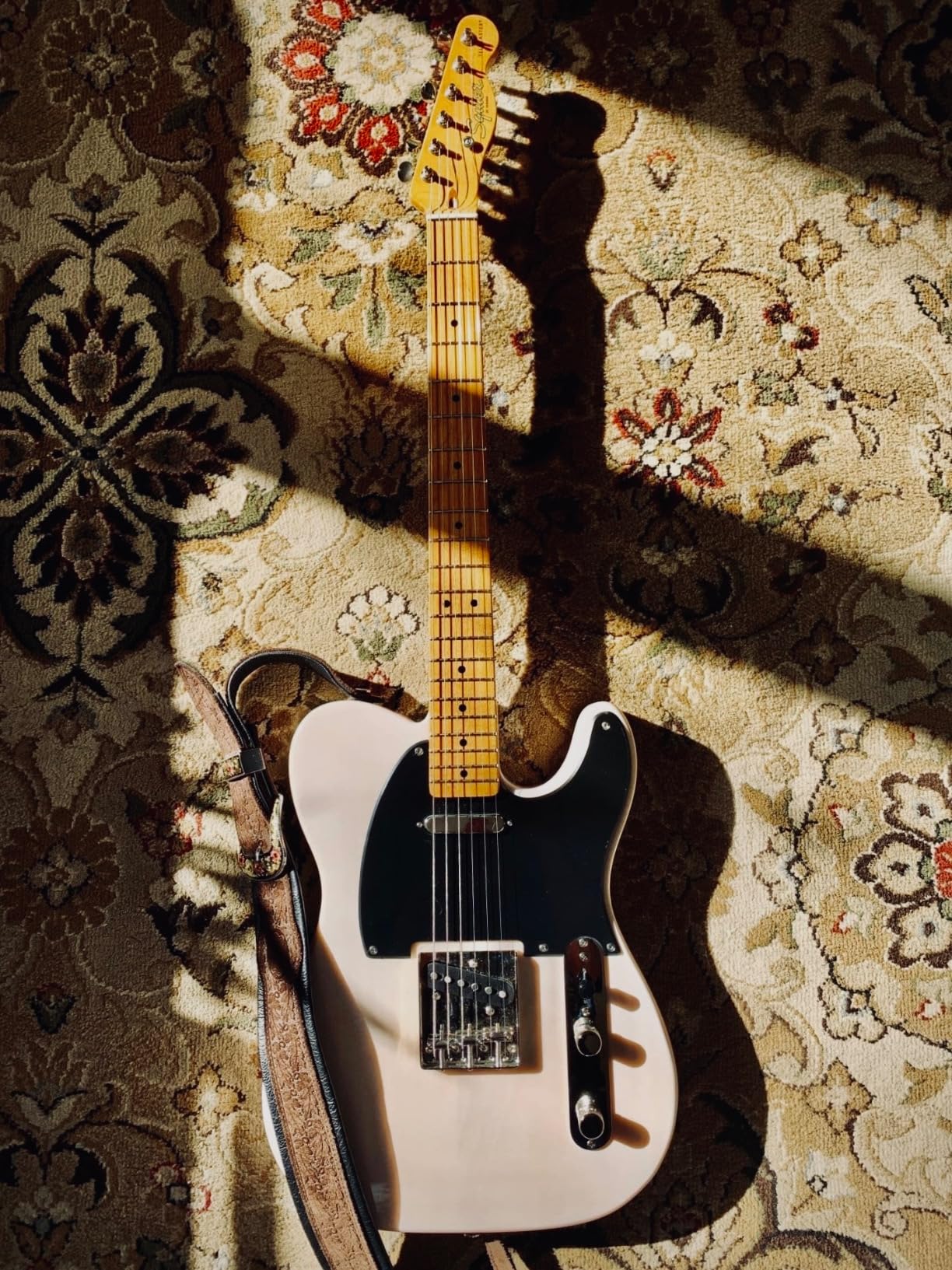
Build quality surprised me. The fretwork was clean with no sharp ends, and the neck pocket fit was tight. At roughly 7.5 to 8 pounds, it’s light enough for long playing sessions without shoulder fatigue. The string-through-body hardtail bridge keeps tuning rock-solid, even after aggressive strumming. I gave it a few hours of tremolo-style string bending tests and it stayed in tune within a half step.
Where this Tele stumbles is in quality control lottery territory. A few owners on forums mentioned high action out of the box and uneven nut slotting. The factory barrel saddles are functional but cheap, and most players eventually swap them for compensated brass saddles to improve intonation. These are minor issues, though, and a basic $30 setup at your local shop transforms the guitar.
Who should buy this guitar
Country, blues, indie, and classic rock players will love the 50s Telecaster’s voice. If you want a guitar that handles rhythm work with crisp definition and still sings for lead playing, this is the one. Beginners benefit from the simple control layout and forgiving neck profile. Anyone looking to test whether they prefer the Fender sound before spending $1,200 on a real American Tele should start here.
Where this guitar falls short
Players chasing heavy metal or modern high-gain tones will find the single-coil setup limiting. The pine body, while resonant, doesn’t have the thick mahogany warmth of a Les Paul. If you need aggressive humbucker tones, look elsewhere on this list. The Telecaster’s appeal is its specific voice, not its versatility across all genres.
2. Ibanez Artcore AS73 – Best Semi-Hollow Under $500
Ibanez Artcore AS73 – Tobacco Brown
Linden semi-hollow body
Dual humbucker pickups
24.7 inch scale
Pros
- Warm
- rich semi-hollow resonance
- Comfortable nyatoh neck
- Versatile for jazz/blues/rock
- Stays in tune reliably
Cons
- Some units need setup out of box
- Frets may need polishing on arrival
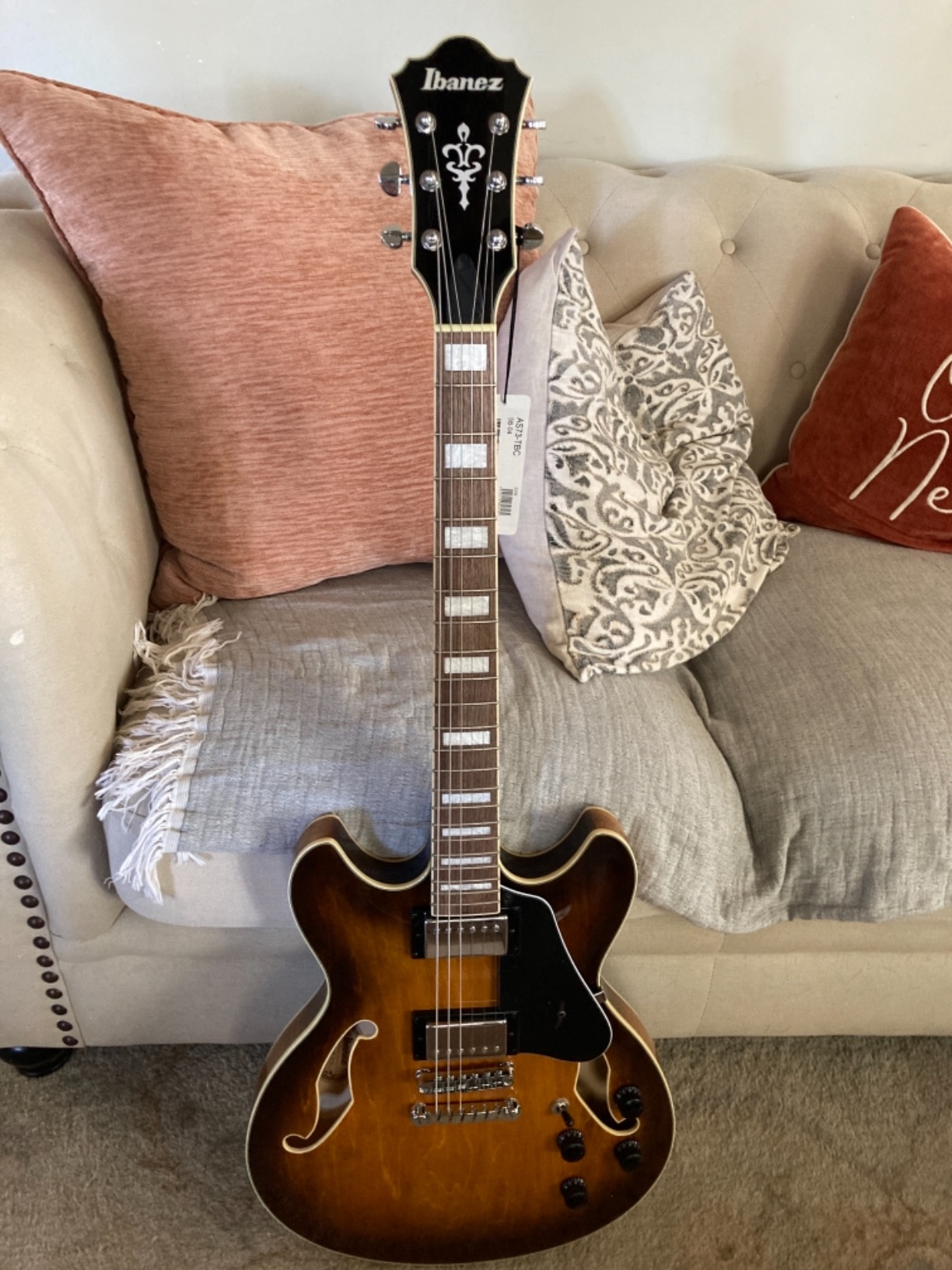
The Ibanez Artcore AS73 was a revelation. I’ve always associated semi-hollow guitars with $800-plus price tags, but this Tobacco Brown model delivers that classic hollow-body warmth for under $500. The linden body with its arched top looks gorgeous in person, and the Gibraltar Performer bridge feels more substantial than anything at this price point should.
Plugged into my Roland Blues Cube, the AS73 produced that woody, breathing tone you expect from a semi-hollow. Notes had a subtle natural compression and bloom that solid-body guitars simply can’t match. Jazz chord voicings sounded glassy and articulate. Cranking up the gain for blues leads brought out a sweet singing sustain without the harsh ice-pick high end that plagues cheaper humbuckers.
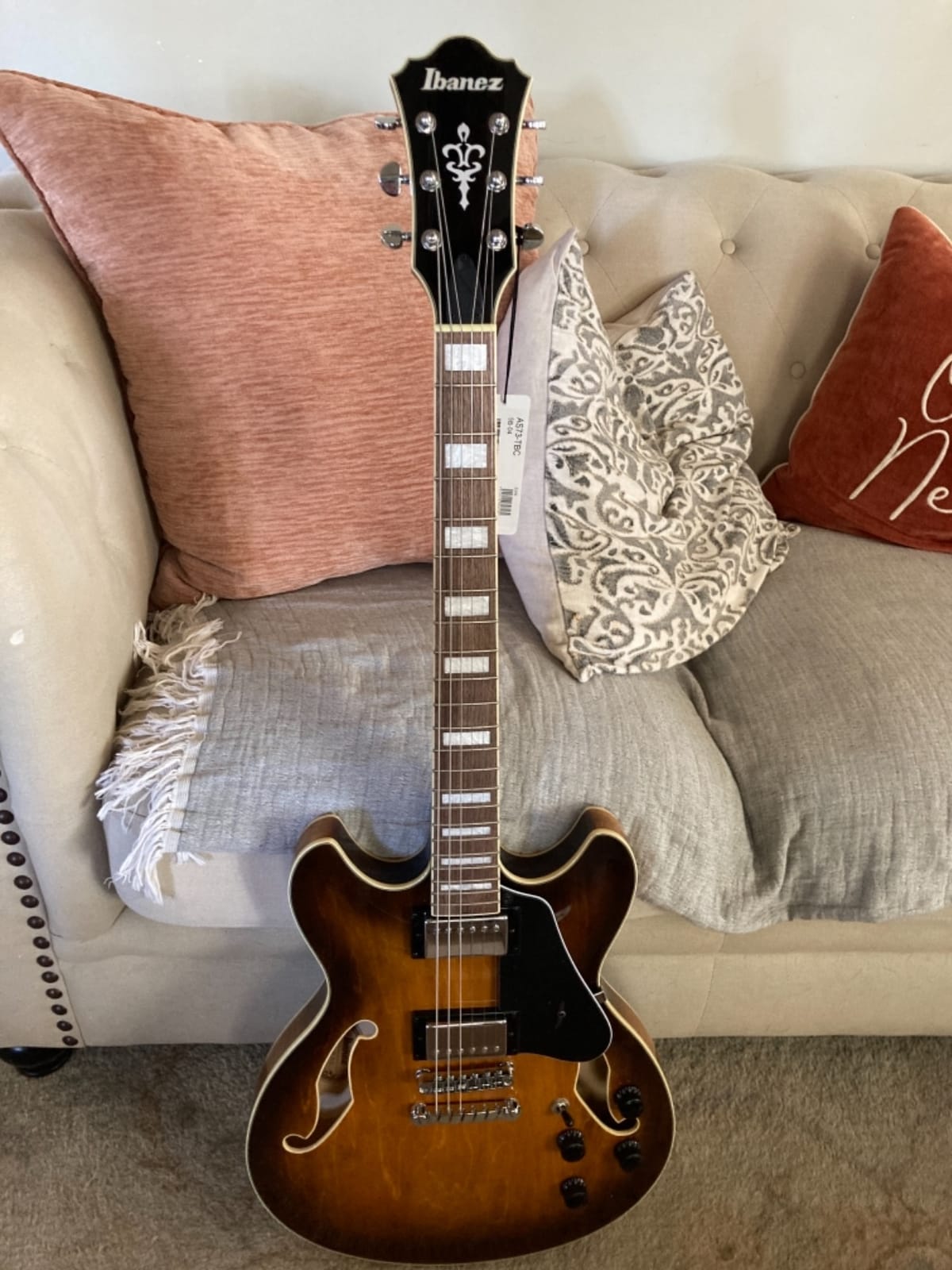
The nyatoh neck has a satin finish that’s smooth and fast. I have average-sized hands and found the neck profile comfortable for both chord shapes and lead runs. The shorter 24.7 inch scale length gives the strings a slightly softer feel under the fingers, which is easier on beginners developing calluses. Tuning stability was excellent even after extended tremolo use on the Quik Change III tailpiece.
My main reservation is consistency. Reviews mention some units arriving with high action or rough frets requiring professional setup. If you’re comfortable with basic guitar adjustments, this is a non-issue. If not, factor in a $50 setup fee. Non-Prime shipping also means you’ll wait longer than Amazon Prime buyers on other models.
Who should buy this guitar
Blues players and jazz enthusiasts will find their tone here. The semi-hollow construction makes this guitar a natural fit for clean tones, warm rhythm work, and expressive lead playing. It’s also a great second guitar for someone whose main instrument is a Stratocaster but wants something with a different voice for specific songs or styles.
Where this guitar falls short
Hard rock and metal players won’t get enough output and tightness from the humbuckers for modern high-gain tones. The semi-hollow body also creates more feedback at high volumes than solid-body guitars, which can be frustrating for players using heavy distortion. If you want a screaming rock guitar, an RG or GRG series Ibanez is a better choice.
3. Ibanez Artcore AS53 – Best Value Semi-Hollow
Ibanez Artcore AS53 – Transparent Black Flat
Sapele semi-hollow body
Infinity R humbuckers
24.7 inch scale
Pros
- Outstanding value under $400
- Lightweight at 7.4 lbs
- Infinity R humbuckers sound warm
- Smooth walnut fretboard
Cons
- Some units require setup
- Non-Prime delivery
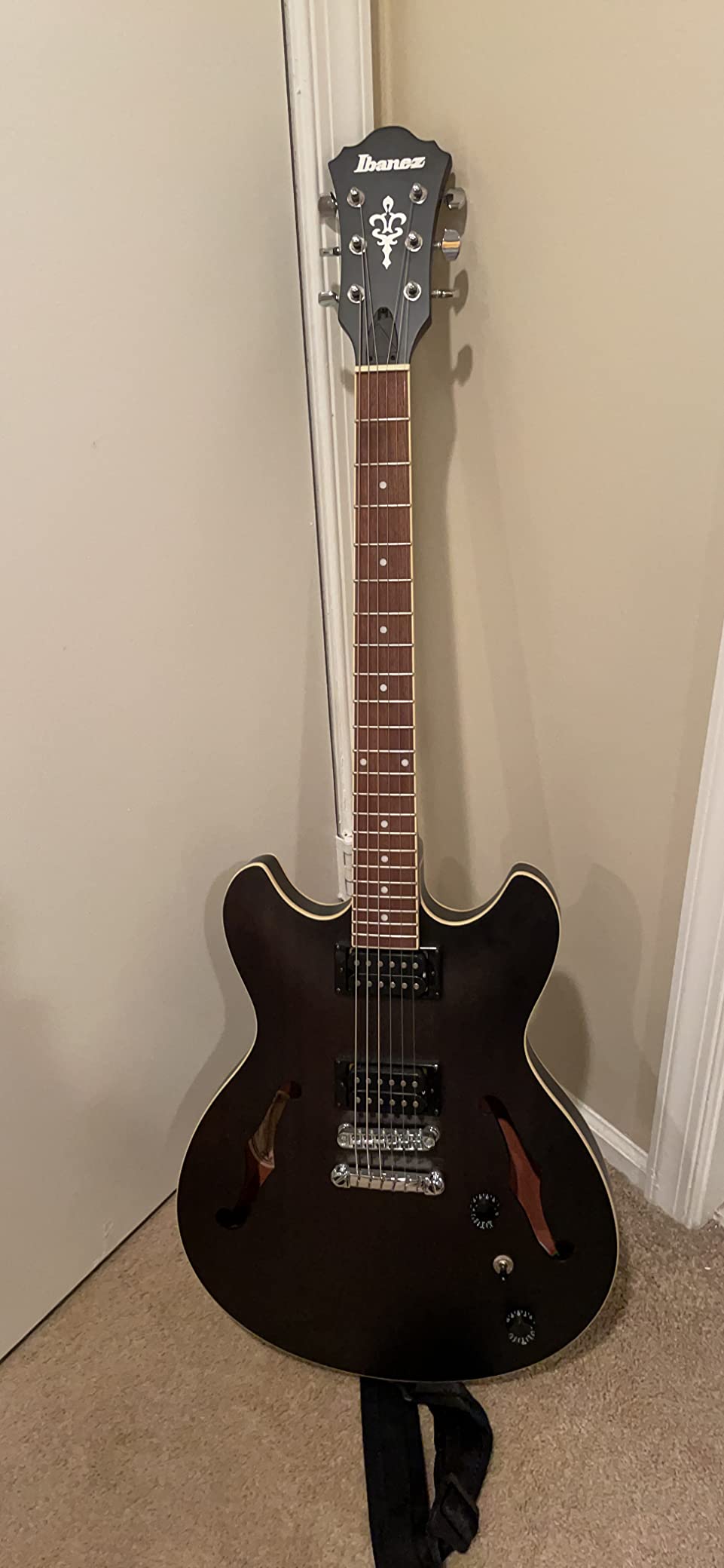
The AS53 proves that Ibanez knows how to build a budget-friendly guitar without cutting corners where it matters. At well under $400, this Transparent Black Flat model offers the same fundamental semi-hollow experience as its more expensive AS73 sibling, just with slightly different tonewood choices. For most players, the difference is academic.
The sapele body looks stunning with its see-through black finish showing off the wood grain underneath. Sapele is denser than the linden on the AS73, which gives the AS53 a slightly tighter response with less feedback at higher volumes. That makes it more forgiving for players who like to push their amps into breakup territory.
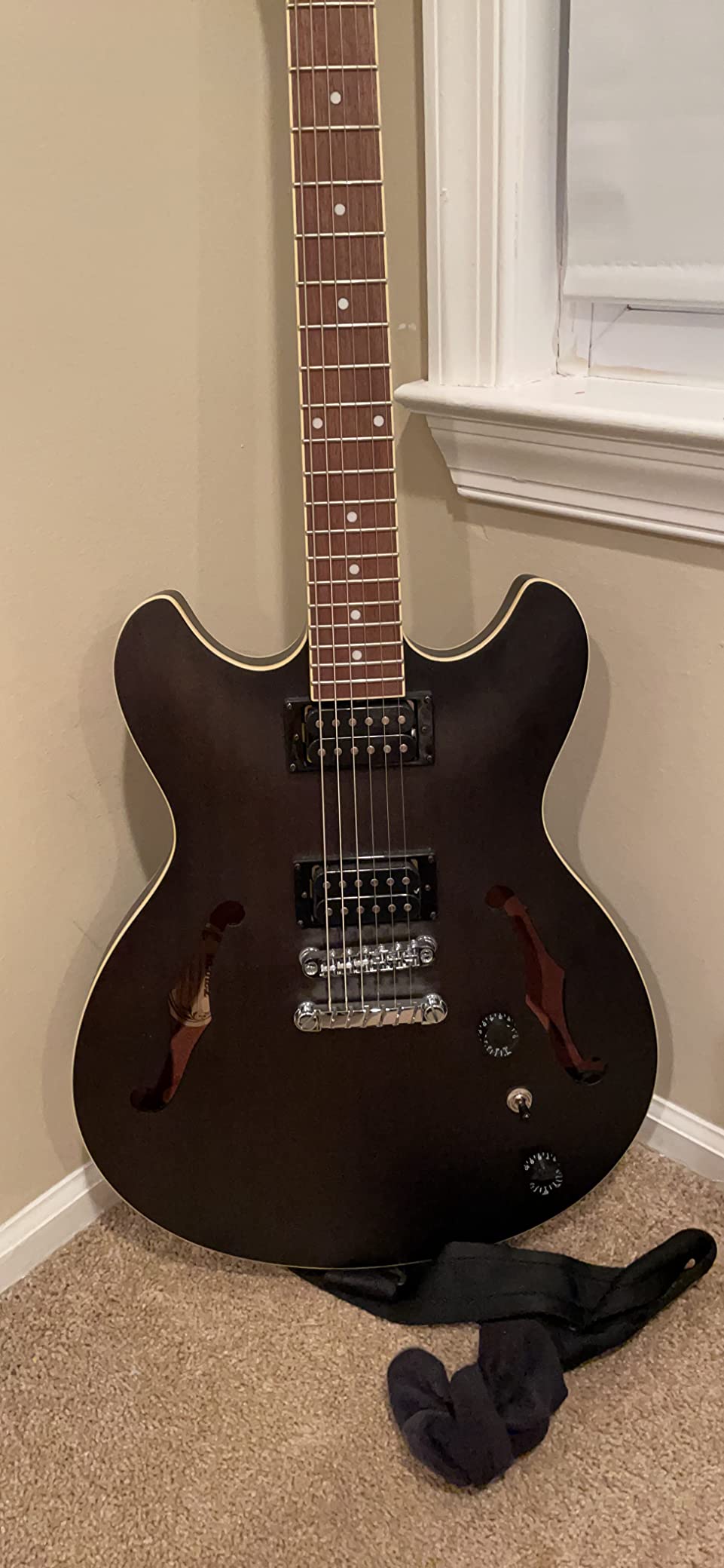
The Infinity R pickups surprised me with their clarity. They’re not premium instruments, but they capture the warm, articulate character you’d expect from a good humbucker. Running through a Fender Blues Junior, I got everything from sparkling cleans to creamy overdrive without any ice-pick harshness. The Art-ST bridge keeps everything in tune reliably.
Where the AS53 saves money is in the details. The hardware is functional but basic. The fret polish on some units isn’t as refined as what you’d find on the AS73. These are minor concessions for a guitar that delivers 90% of the experience at 70% of the price. If you’re budget-conscious but still want genuine semi-hollow tone, this is the smart play.
Who should buy this guitar
Beginners looking for their first “real” guitar after outgrowing a starter pack will appreciate the upgrade in quality without a huge price jump. Blues and indie rock players get the warm tones they need. Anyone curious about semi-hollow guitars but unwilling to spend $800 or more can experience the core appeal here.
Where this guitar falls short
Players who gig regularly and need absolute reliability might prefer the more consistent QC of higher-tier models. The factory setup on some units requires adjustment. The Infinity R pickups, while good, won’t satisfy tone purists who demand premium electronics. This is a workhorse guitar, not a boutique instrument.
4. Yamaha PAC112VM – Best for Tonal Versatility
Yamaha PAC112VM Electric Guitar Ice Blue
Alder body
HSS pickup configuration
Alnico V pickups
Pros
- Incredibly versatile HSS setup
- Lightweight alder body
- Comfortable slim neck profile
- Stays in tune with tremolo use
Cons
- Tremolo can interfere with knobs
- Pickguard peeling on some units
- Not ideal for heavy metal
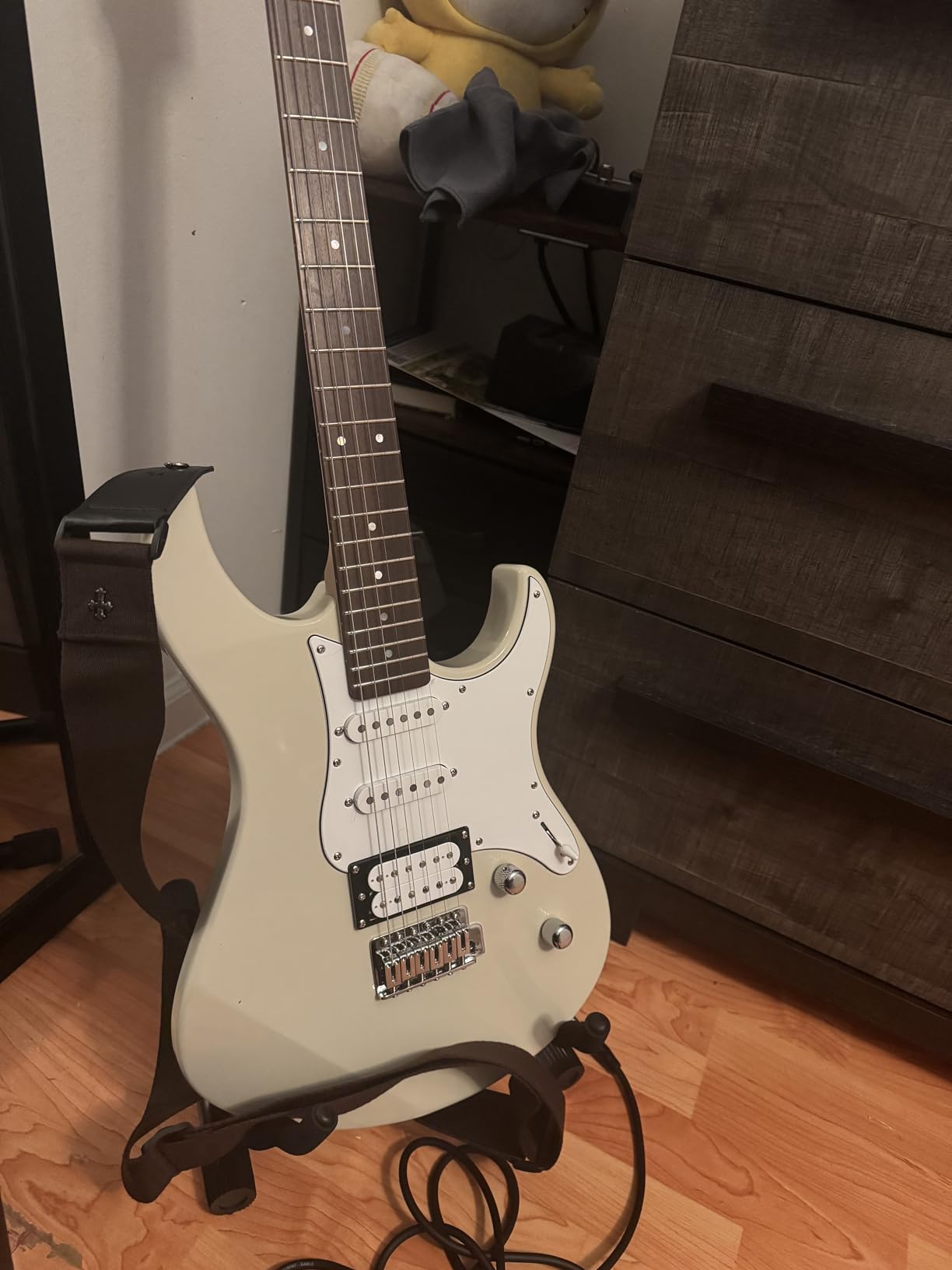
The Yamaha PAC112VM in Ice Blue caught my attention for being a true “do-everything” guitar. The HSS pickup configuration (humbucker at the bridge, two single-coils in the middle and neck) is the most versatile layout you can get on a Strat-style guitar. I spent a full afternoon running it through different amp settings and musical styles, and it handled everything from funk to jazz to classic rock without missing a beat.
The alder body is light at just 3 kg, making this one of the most comfortable guitars to wear for long sessions. The bolt-on maple neck has a slim, fast profile that beginners and experienced players both appreciate. Yamaha’s quality control is legendary, and the Pacifica line benefits from decades of refinement.
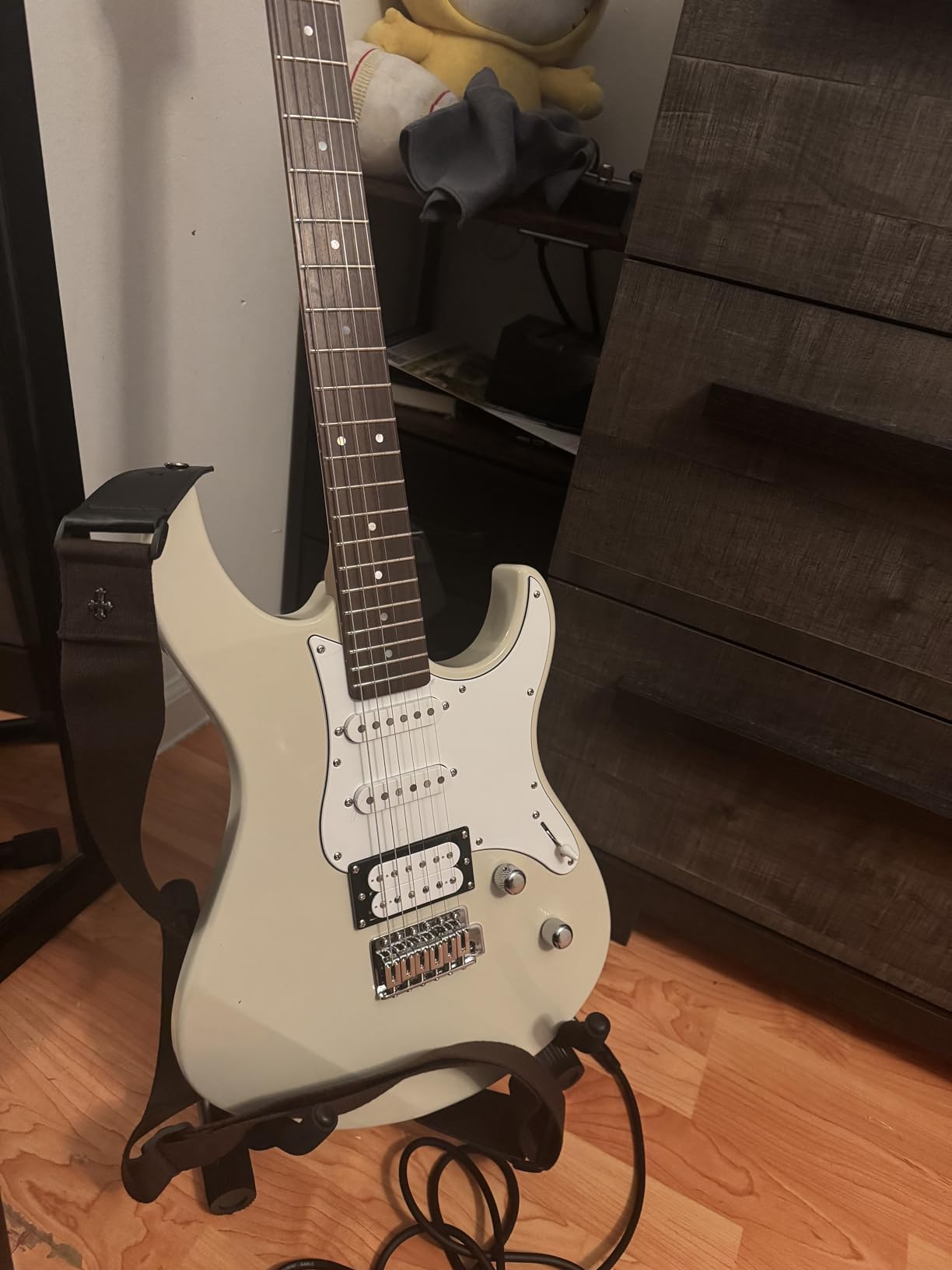
The Alnico V pickups produce warm, clear tones that work well with pedals and effects. Position 1 (bridge humbucker) delivers enough punch and output for rock rhythms. Positions 2 and 4 (combinations) have that signature Strat quack that funk and blues players love. Position 5 (neck single-coil) is smooth and round for jazz and clean passages. The 5-way switch makes tone-switching intuitive.
My one functional complaint is the tremolo arm placement. When I engaged the whammy bar with my picking hand, my palm occasionally brushed the volume knob, causing unintended swells. This is a minor ergonomic issue, not a dealbreaker, but worth noting. The pickguard peeling issue some owners reported appears to be limited to specific production runs.
Who should buy this guitar
Players who cover multiple genres in one set will appreciate the HSS versatility. Beginners who want a guitar that grows with them as their playing evolves should consider this seriously. Home recording artists who need to capture different tones will love the range. Anyone who plays in a cover band that switches between styles will find this Pacifica ready for anything.
Where this guitar falls short
Metal players seeking crushing, tight palm-muted chugs won’t get the high-output pickup response they need. The single-coils are also susceptible to noise with high-gain pedals. If your primary style is djent, thrash, or modern metal, look at the Ibanez GRG series instead.
5. Ibanez AZES40 – Best Beginner-Ready Guitar
Ibanez AZES40 Electric Guitar – Purist Blue
Poplar body
SSH pickup configuration
Jatoba fretboard
Pros
- Excellent factory setup out of box
- Beginner-friendly playability
- Versatile 9-way switching
- Comfortable body shape
Cons
- Tremolo setup has learning curve
- Some noise on single coils
- Factory strings need replacing
The Ibanez AZES40 in Purist Blue is what I wish existed when I was learning guitar. Ibanez designed this model specifically with beginners in mind, and the factory setup out of the box is genuinely impressive. The action was comfortable, the intonation was accurate, and the strings were playable without buzzing. For someone who knows nothing about guitar setup, this guitar removes the most common beginner frustrations.
The poplar body is light at around 4 kg, and the contoured shape sits comfortably whether seated or standing. The maple neck has a smooth satin finish that lets your hand glide easily up and down the fretboard. For younger players or anyone with smaller hands, the neck profile is approachable without feeling cramped.
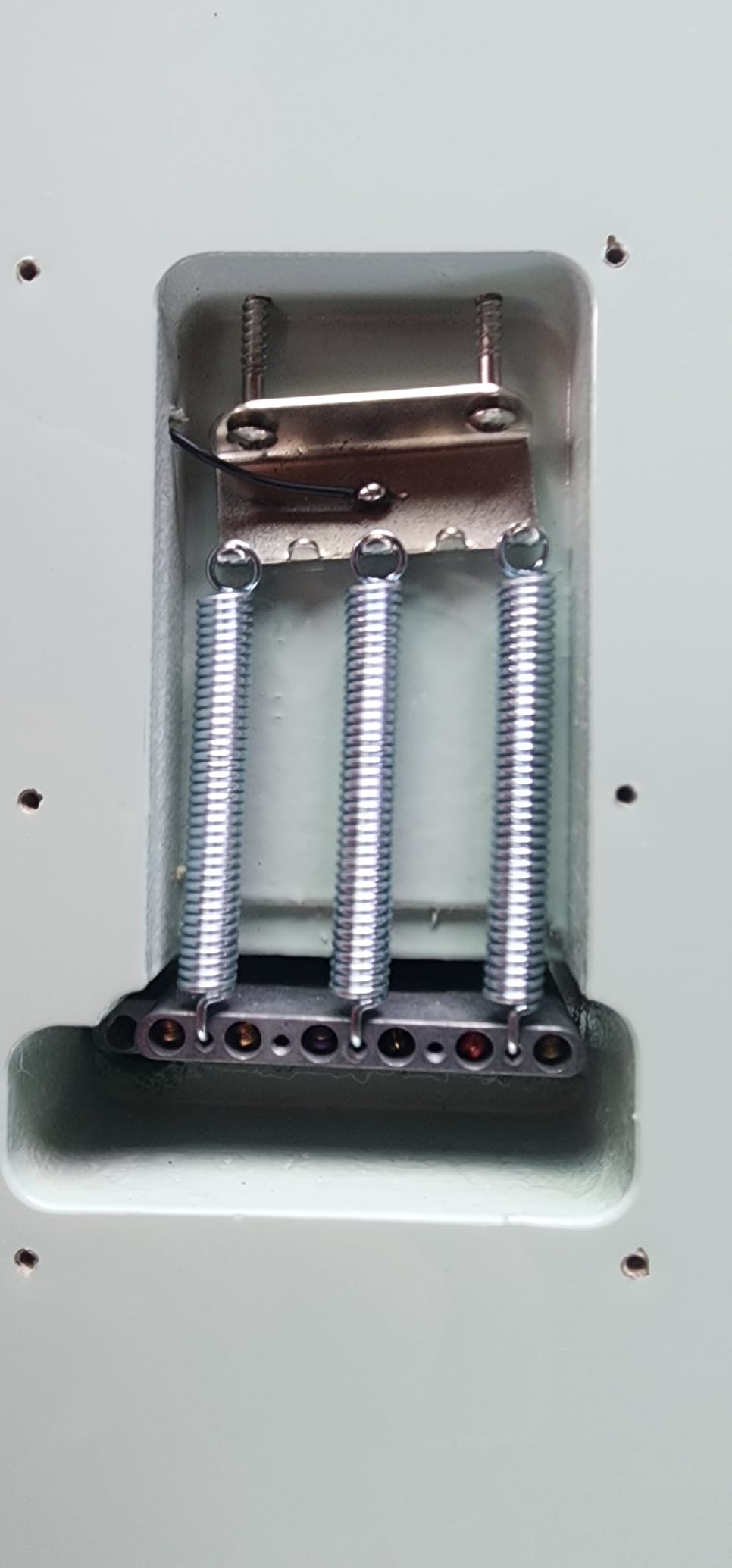
The SSH configuration (single-coil, single-coil, humbucker) combined with the 9-way switching system gives beginners a playground of tones to explore. You can start with simple clean sounds and gradually experiment with humbucker distortion as your playing develops. The F106 tremolo bridge offers whammy-bar expression for players who want to add vibrato to their playing.
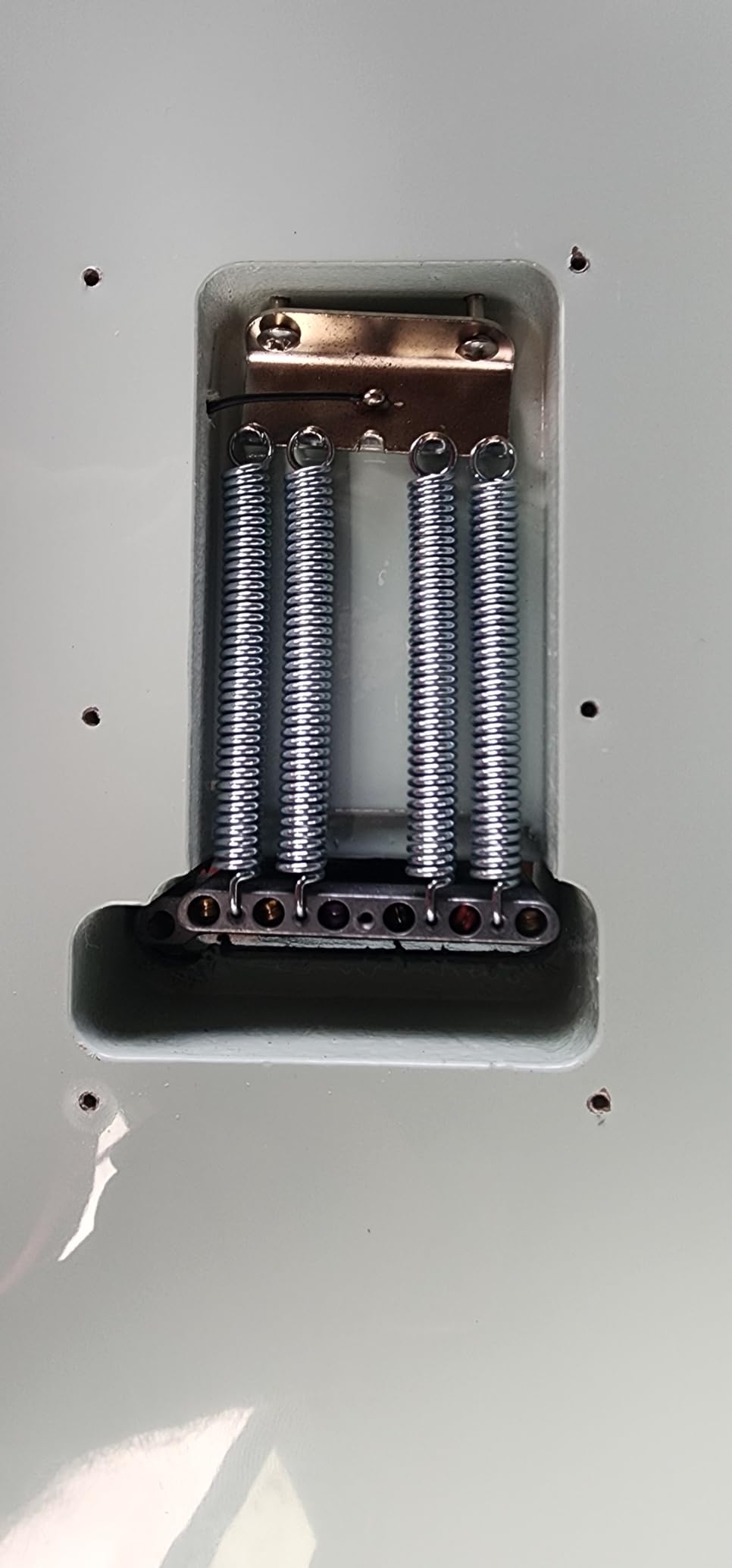
What holds the AZES40 back slightly is the tremolo setup learning curve. Beginners will need to learn how to balance string tension, and the included tremolo arm can shift tuning if not properly tensioned. The factory strings are also mediocre and most players should budget for a fresh set within the first month.
Who should buy this guitar
Absolute beginners who want a guitar that’s ready to play the moment it arrives will love the AZES40. Younger students learning their first chords benefit from the light weight and comfortable neck. Players transitioning from acoustic to electric will find the transition smooth. Anyone intimidated by complicated electronics will appreciate the straightforward control layout.
Where this guitar falls short
Players who want pure single-coil Fender-style tones won’t get the full Stratocaster experience here. The poplar body, while practical, doesn’t have the resonance of higher-end tonewoods. Experienced players might find the overall package too entry-level for serious gigging without modifications.
6. Squier Affinity Stratocaster Pack – Best Complete Starter Package
Squier Affinity Stratocaster Electric Guitar Pack, Charcoal Frost Metallic
Complete bundle with amp
Basswood body
HSS pickup configuration
Pros
- Everything you need to start playing
- Includes Frontman 15G amp and gig bag
- Lightweight basswood body
- Fender Play subscription included
Cons
- Cheap potentiometers lack sensitivity
- Pots may need upgrading
- Check cable on arrival
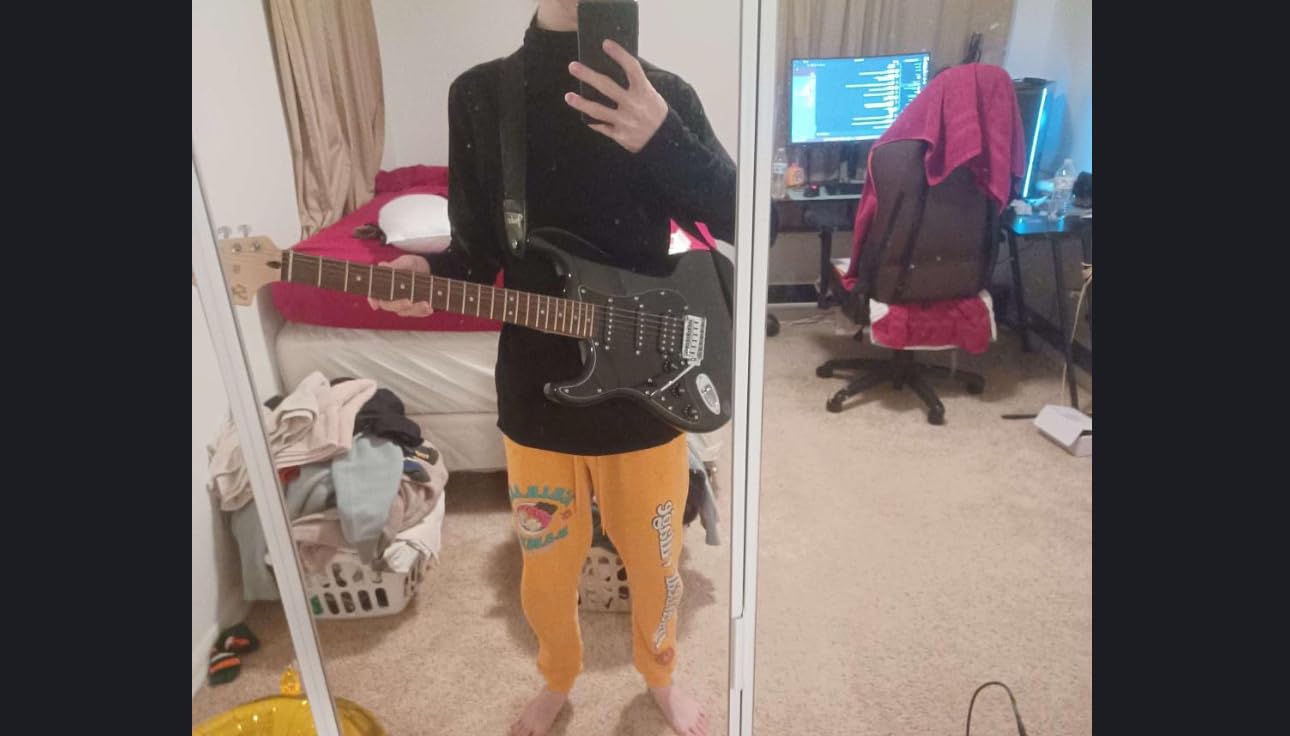
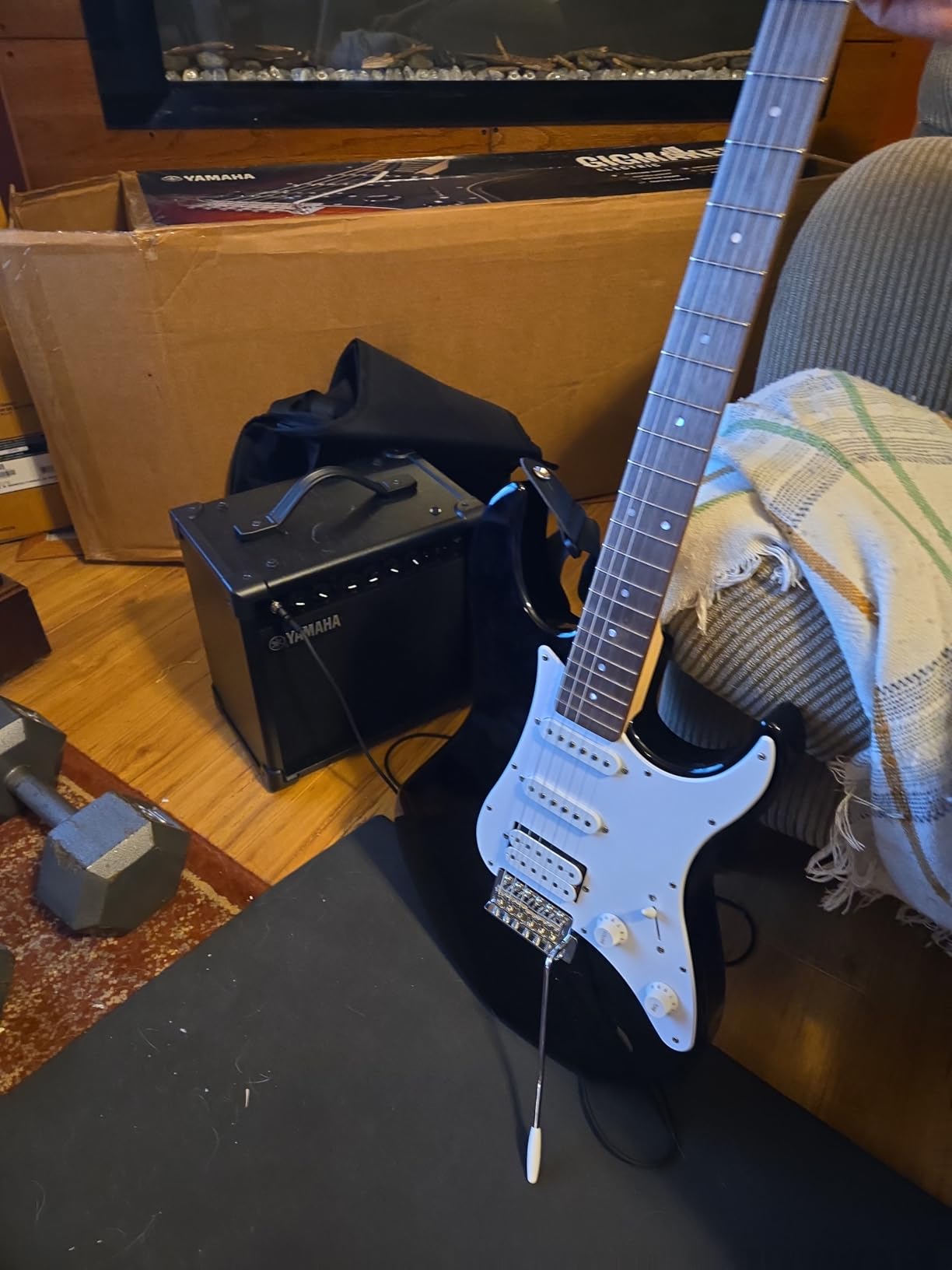
For someone starting completely from scratch, the Squier Affinity Stratocaster Pack removes every barrier to entry. You get the guitar, a Frontman 15G amp, a padded gig bag, cable, strap, and even a 3-month Fender Play subscription. Plug it in, turn it on, and you’re playing. This is the most frictionless way to begin an electric guitar journey.
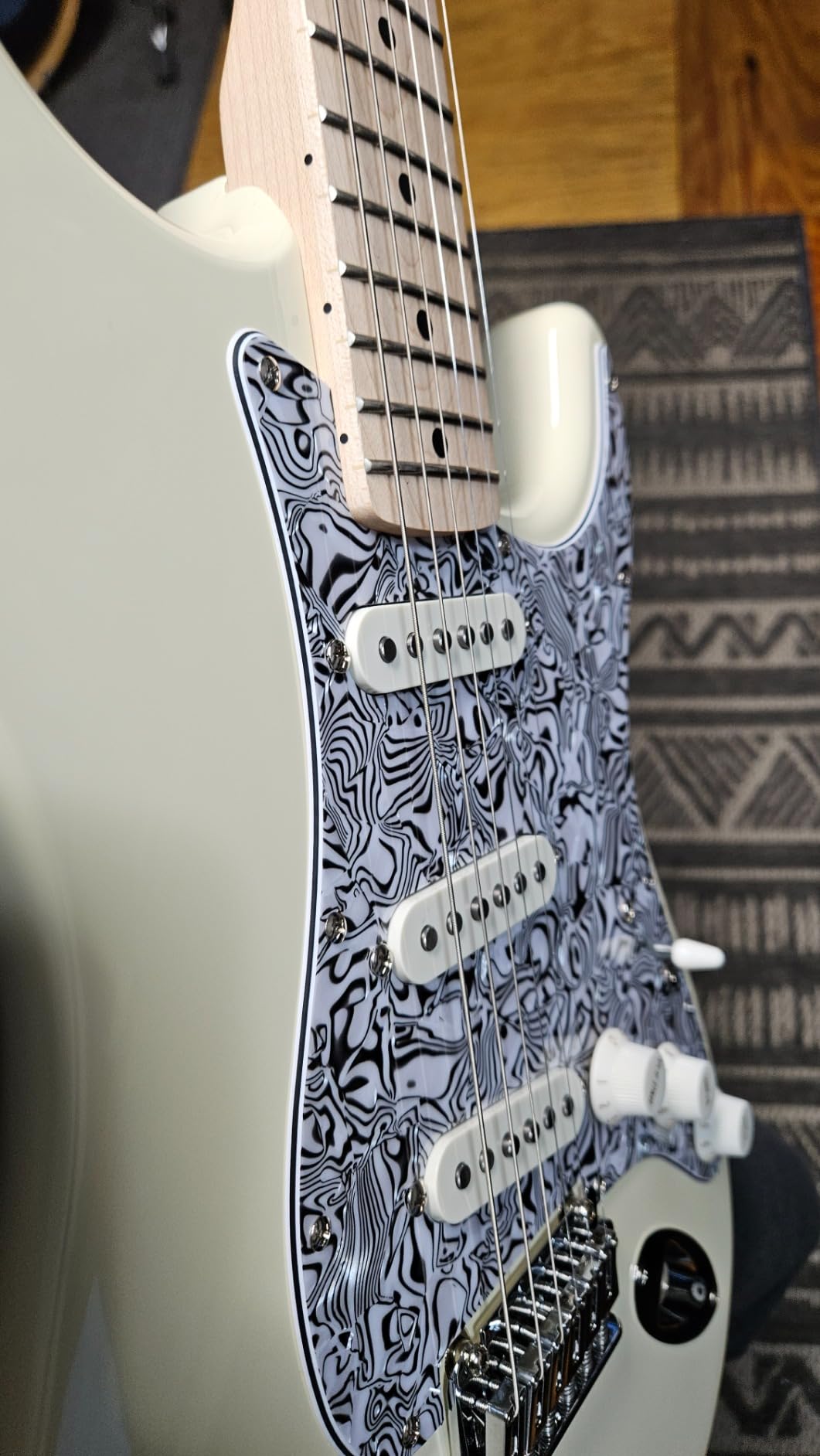
The guitar itself is a competent Strat with the classic HSS pickup layout. The basswood body keeps weight down to a manageable level, and the slim C-shaped neck profile is comfortable for developing hands. The Charcoal Frost Metallic finish looks more expensive than it is. For the price of the bundle, the guitar alone would represent decent value.
The included Frontman 15G amp is small but functional. It has clean and overdrive channels, and the volume is adequate for bedroom practice and small rooms. It won’t compete with a real tube amp, but beginners won’t know what they’re missing until they progress. The amp’s headphone jack is a thoughtful addition for silent practice.
My biggest criticism is the potentiometers. They feel cheap and lose sensitivity past the halfway point, meaning you have very little usable volume range between silent and full volume. This is a common complaint and the standard fix is replacing them with better pots, which costs about $20 in parts and an hour of work. The included cable can also arrive damaged, so inspect it immediately.
Who should buy this guitar
Absolute beginners who don’t want to research individual components will appreciate having everything in one box. Parents buying for children or teens can rest easy knowing all essentials are included. Gift-givers looking for a complete present will find this package removes guesswork. Anyone testing whether guitar is “for them” before investing more should start here.
Where this guitar falls short
Players who already own a quality amp will pay for components they don’t need. The included amp becomes a paperweight that takes up space. Experienced players will want to upgrade the pots and possibly the pickups. This pack is optimized for beginners, not for players with existing gear.
7. Yamaha Pacifica PAC12 – Best Budget Pick
Yamaha Pacifica Series PAC12 Electric Guitar; Metallic Blue
Agathis body
Humbucker pickup
Vintage tremolo bridge
Pros
- Exceptional value at $259
- Beautiful wood grain finish
- Smooth rosewood fretboard
- Excellent quality control
Cons
- Tuners not closed-back
- Cheap-looking bridge hardware
- No included accessories
The Yamaha Pacifica PAC12 is what I recommend when someone tells me their budget is tight but they want a guitar that will actually last. At around $260, this is one of the most affordable guitars on this list, but it doesn’t feel or play like a budget instrument. Yamaha’s manufacturing consistency is on full display here.
The Pacifica line has been a benchmark for affordable guitars for decades, and the PAC12 continues that legacy. The agathis body with its maple top has a subtle wood grain that looks classy in the Metallic Blue finish. The rosewood fretboard feels smooth under the fingers, and the 13-inch radius is comfortable for both chord work and lead playing.
The single humbucker pickup configuration is simple but effective. Bridge position humbuckers deliver warm, punchy tones suitable for rock, blues, and classic rock styles. The 5-way switch (despite having only one pickup in the traditional sense) provides enough tonal variation for most playing situations. The pots and switches feel more substantial than anything at this price should.
What you’re giving up for the low price is mostly cosmetic and convenience. The tuners are open-back rather than closed, which is a minor aesthetic downgrade. The bridge hardware looks plain. You also need to buy an amp, cable, and gig bag separately. If you already have those, the PAC12 is exceptional value. If you need everything, consider the Squier Affinity Pack instead.
Who should buy this guitar
Budget-conscious beginners who already have an amp and accessories should grab the PAC12 immediately. Parents buying for kids who might not stick with guitar get a quality instrument without huge financial risk. Players wanting a backup or travel guitar that doesn’t sacrifice playability will appreciate this Pacifica’s reliability. Anyone who values build quality over flashy features gets what they need here.
Where this guitar falls short
Players who want tonal versatility from multiple pickup types will find the single-humbucker setup limiting. The agathis body doesn’t have the resonance of higher-end tonewoods. The lack of included accessories means additional upfront costs if you’re starting completely from scratch.
8. Ibanez GIO GRG121DX – Best for Rock and Metal
Ibanez GIO Series GRG121DX – Metallic Gray Sunburst
Okoume body with maple top
Dual humbucker pickups
24 frets with cutaway
Pros
- Dual humbuckers for high-gain tones
- 24-fret access for lead playing
- Lightweight and comfortable
- Smooth purpleheart fretboard
Cons
- Cheap tuners may need replacement
- Lower-quality fret finishing
- Smaller headstock design
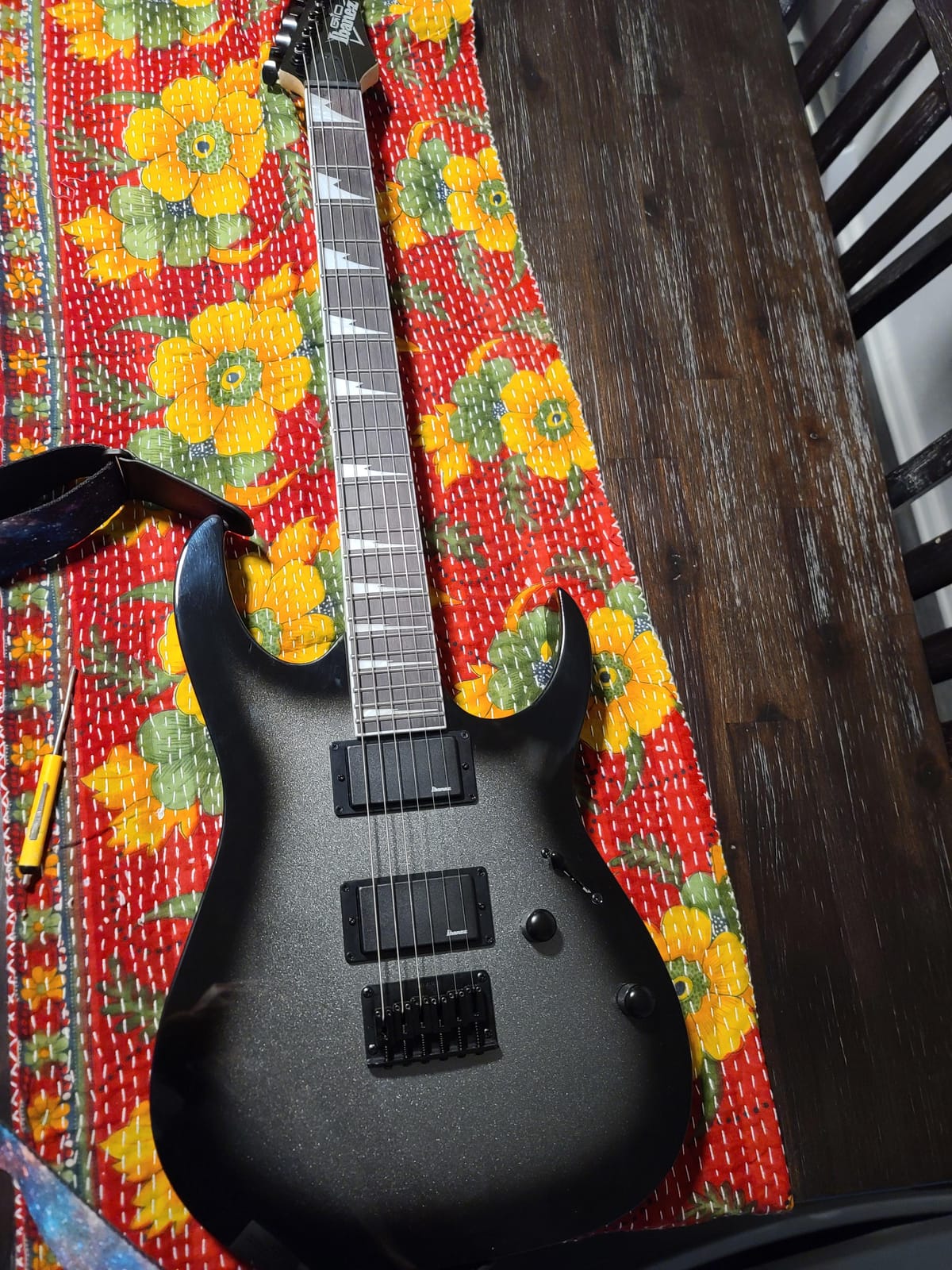
The Ibanez GIO GRG121DX is the budget-friendly gateway into Ibanez’s legendary RG series. For under $300, you get a proper rock and metal machine with dual humbuckers, 24 frets, and a fast neck designed for shredding. This is the guitar I’d recommend to anyone who wants to play modern rock, hard rock, or metal styles without spending a fortune.
The dual humbucker configuration delivers the thick, high-output tone that distorted playing demands. When I ran it through a Marshall-style amp simulation, palm-muted riffs had the tight, aggressive character that metal players crave. Lead tones sang with sustain and clarity. The okoume body with its maple top provides a balanced tonal foundation that works across rock subgenres.
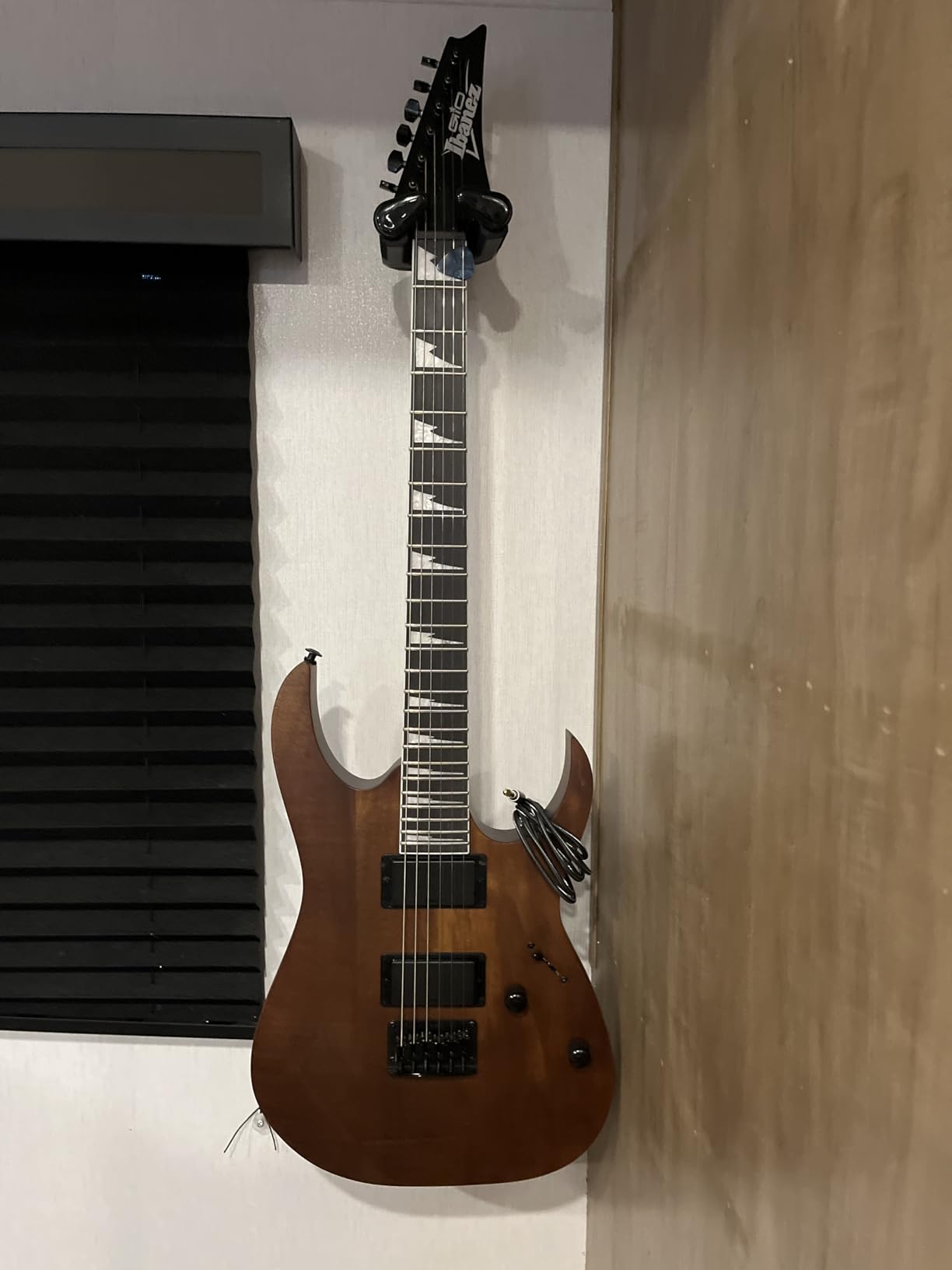
The 24-fret access is a major advantage for lead players. The cutaway body design lets your hand reach the highest frets comfortably, expanding your range for solos and melody work. The purpleheart fretboard is dense and durable, with a smooth feel that makes fast playing easier. The fixed bridge eliminates tuning instability issues that come with floating tremolos.
The GIO designation means this is Ibanez’s entry-level line, and there are some compromises. The tuners are basic and may need replacement if you play in dropped tunings frequently. The fret finishing isn’t as polished as on premium models. The smaller headstock design (to accommodate 24 frets) reduces string tension slightly. These are all manageable issues for budget-conscious rockers.
Who should buy this guitar
Rock and metal players who want a dedicated instrument for heavier styles will love the GRG121DX. Beginners who already know they prefer high-gain tones can skip the single-coil detour entirely. Intermediate players looking for a backup guitar for heavier tunings get genuine value here. Anyone inspired by players like Steve Vai or Joe Satriani will appreciate the fast neck and 24-fret access.
Where this guitar falls short
Players who prefer clean tones, jazz, or country styles won’t get the articulation they need from dual humbuckers. The GIO line quality control, while acceptable, isn’t as refined as Ibanez’s premium models. Players wanting a true shred machine should consider saving up for the RG450 or similar mid-tier model eventually.
What to Look For: Buying Guide for Electric Guitars Under $500
Choosing an electric guitar in this price range is about matching features to your playing style and goals. Here’s what actually matters when you’re evaluating budget electric guitars under $500.
Pickup Configuration
The pickup configuration determines your tonal range more than any other feature. Single-coils (S) deliver bright, articulate tones ideal for blues, country, and classic rock. Humbuckers (H) produce thicker, warmer tones with higher output for rock and metal. HSS configurations (humbucker at bridge, single-coils in middle and neck) offer the best of both worlds. SSH layouts are similar but flip the middle position. The Squier Classic Vibe Tele and Yamaha Pacifica models offer versatile configurations, while the Ibanez GRG121DX is purpose-built for high-gain styles.
Body Style and Weight
Body style affects both comfort and tone. Solid-body guitars like Strats and Teles are versatile and resistant to feedback. Semi-hollow bodies like the Ibanez Artcore series produce warmer, more resonant tones with natural compression but can feedback at high volumes. Hollow-body guitars are the warmest but most prone to feedback. Consider how long you’ll be playing and whether you’ll be standing or seated. The Yamaha PAC112VM at 3 kg is one of the lightest, while some Teles run heavier.
Neck Construction and Profile
Neck construction affects feel and sustain. Bolt-on necks (like on Strats and most Yamaha models) offer snappy attack and easy repair. Set necks (found on Les Paul-style guitars) produce warmer tones with more sustain but cost more to repair if damaged. Neck profile shape (C-shape, D-shape, etc.) affects how the guitar feels in your hand. Beginners generally prefer thinner, more comfortable profiles, while players with larger hands might prefer thicker shapes.
Scale Length Considerations
Scale length affects string tension and overall feel. Most electric guitars use 25.5 inch scale (Fender-style), which produces brighter tones with tighter string tension. Shorter scales like 24.7 inches (Gibson-style, found on the Ibanez Artcore models) have looser string tension and warmer tones. Consider what feels comfortable under your fingers and what tonal character you prefer.
Hardware and Bridge Type
Bridge type affects tuning stability and playing style. Hardtail bridges offer maximum tuning stability and are ideal for beginners. Tremolo bridges allow pitch-bending effects but require more setup knowledge and can affect tuning. Locking tuners improve tuning stability significantly. At this price point, expect functional hardware but not premium components. Budget for potential upgrades if you’re a serious player.
Quality Control and Setup
Quality control varies at this price range. Yamaha has the most consistent QC, followed by Fender/Squier. Ibanez is generally good but the GIO line shows more variation than premium models. Budget for a professional setup ($40-75) if you don’t have setup experience. A properly set up $300 guitar plays better than a poorly set up $800 guitar.
If you’re also considering acoustic options, our guide to the best acoustic guitars under $500 covers similar territory for acoustic players. For those interested in a hybrid approach, check out our best acoustic electric guitars under 500 recommendations. You can also see how these models compare to our previous 12 best electric guitars under $500 top tested guide for additional perspectives.
Frequently Asked Questions
What’s the best electric guitar under $500?
The best electric guitar under $500 depends on your playing style. For most players, the Squier Classic Vibe 50s Telecaster offers the best combination of build quality, tone, and versatility. Blues and jazz players often prefer the Ibanez Artcore AS73 semi-hollow. Rock and metal players get the most value from the Ibanez GIO GRG121DX with its dual humbucker configuration.
What is the best beginner electric guitar under $500?
The Ibanez AZES40 is the best beginner option because it ships with an excellent factory setup, comfortable playability, and versatile HSS pickup configuration. Beginners don’t need to worry about adjustments or setup costs. The Squier Affinity Stratocaster Pack is ideal if you also need an amp and accessories included in one purchase.
Should I buy a Squier or Epiphone?
Both Squier (Fender’s budget line) and Epiphone (Gibson’s budget line) offer excellent value under $500. Squier excels at Stratocaster and Telecaster designs with bright, articulate single-coil tones. Epiphone focuses on Les Paul and SG models with warmer humbucker tones. Choose Squier for Fender-style versatility and Epiphone for Gibson-style warmth. Neither brand is objectively better; they serve different tonal preferences.
What pickup configuration is most versatile?
HSS (humbucker-single-single) is the most versatile pickup configuration available on budget guitars. It provides warm humbucker tones for rock from the bridge position, classic single-coil sounds from the middle and neck positions, and combined tones in between. The Yamaha PAC112VM and Ibanez AZES40 both offer HSS configurations that cover blues, rock, funk, jazz, and country styles.
Is $500 enough for a good electric guitar?
Yes, $500 is more than enough for a quality electric guitar that will last years. At this price point, you get genuine Fender, Gibson, Yamaha, and Ibanez quality with proper tonewoods, reliable hardware, and electronics that rival guitars costing twice as much. The $500 ceiling is the sweet spot where you escape beginner-level quality control issues without overpaying for premium features you might not need.
Final Verdict: The Best Electric Guitar Under $500 in 2026
After testing all eight guitars, my top recommendation for most players is the Squier Classic Vibe 50s Telecaster. It delivers genuine Fender DNA at a fraction of the price, with versatile tones that work across multiple genres. For blues and jazz players, the Ibanez Artcore AS73 offers semi-hollow warmth that’s hard to beat. Rock and metal players should look at the Ibanez GIO GRG121DX for proper high-gain performance. Beginners can’t go wrong with the Ibanez AZES40 or the Squier Affinity Pack if they need everything included.
The $500 ceiling is genuinely the sweet spot for electric guitars in 2026. You escape beginner-quality compromises without overpaying for premium features. Every guitar in this guide will serve you well for years of playing, gigging, and recording. Pick the one that matches your musical goals, budget for a basic setup if needed, and start playing. The best guitar is the one that inspires you to pick it up every day.