

Finding the right pair of headphones for metal music is not the same as picking generic headphones. Metal demands speed, clarity, and bass that can keep up with relentless double bass kicks, layered guitar distortion, and vocals that range from guttural growls to soaring clean passages. I have spent months testing headphones across death metal, black metal, progressive metal, metalcore, and classic heavy metal to find out which ones actually deliver the sonic punch this genre requires.
The best headphones for metal music need three things: fast transient response so blast beats do not blur together, enough midrange clarity to separate multiple guitar layers, and bass that hits hard without muddying up the mix. After testing over a dozen pairs with albums from bands like Gojira, Meshuggah, Opeth, and Lamb of God, I narrowed it down to 13 headphones that genuinely work for heavy music.
Whether you are a studio engineer mixing the next extreme metal record, a guitarist tracking riffs at home, or just a dedicated metalhead who wants to hear every note of that 10-minute progressive epic, this guide has something for you. I cover wired and wireless options, open-back and closed-back designs, and everything from ultra-budget picks to premium audiophile gear.
Table of Contents
Top 3 Picks for Best Headphones for Metal Music

Best Headphones for Metal Music in 2026
| Product | Specifications | Action |
|---|---|---|
 Beyerdynamic DT 990 PRO Beyerdynamic DT 990 PRO |
|
Check Latest Price |
| Audio-Technica ATH-M50x |
|
Check Latest Price |
 Sony MDR7506 Sony MDR7506 |
|
Check Latest Price |
| Sennheiser HD 560S |
|
Check Latest Price |
 Skullcandy Crusher ANC 2 Skullcandy Crusher ANC 2 |
|
Check Latest Price |
 Skullcandy Crusher Evo Skullcandy Crusher Evo |
|
Check Latest Price |
 Audio-Technica ATH-M40x Audio-Technica ATH-M40x |
|
Check Latest Price |
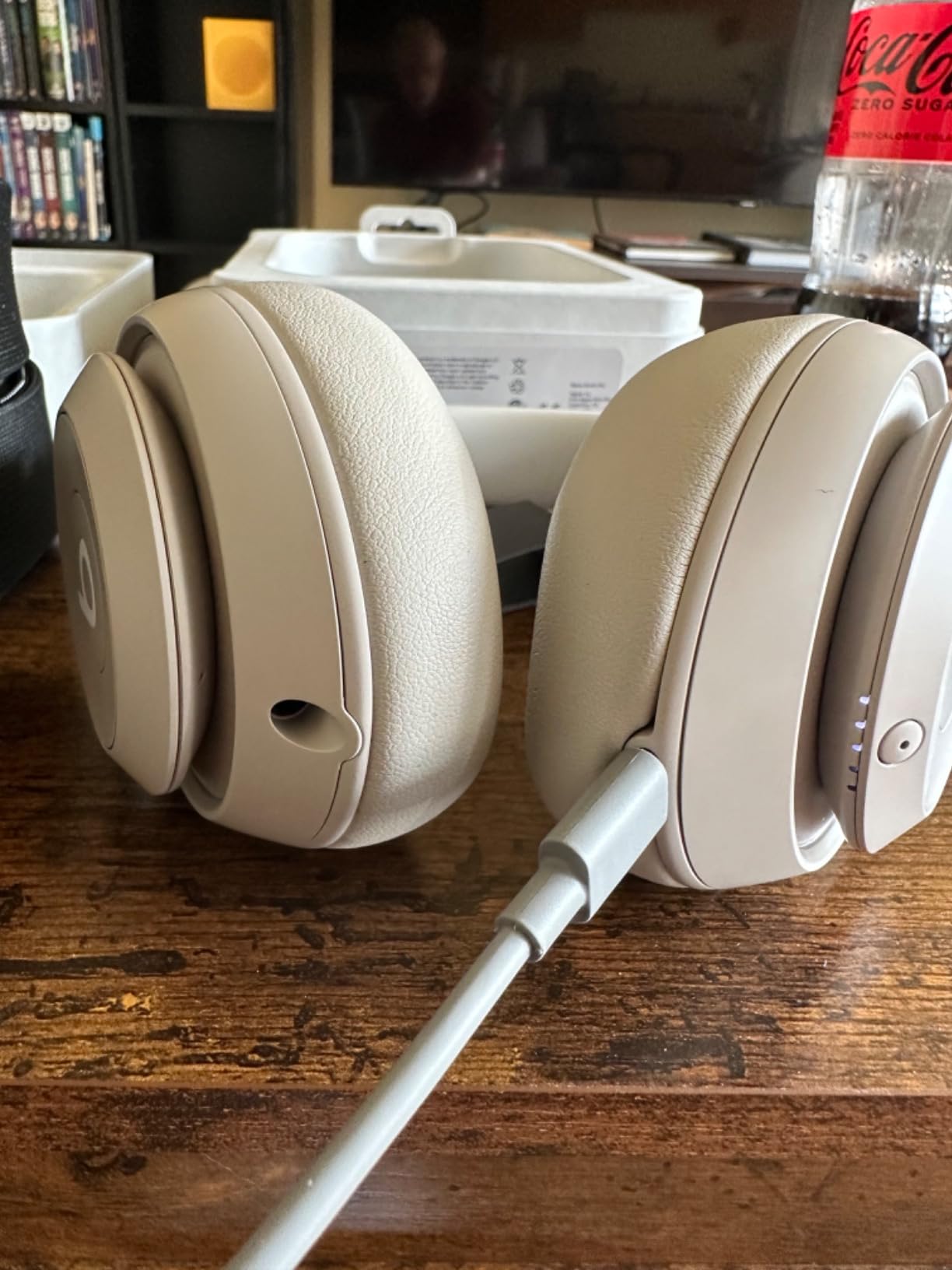
 Beats Studio Pro Beats Studio Pro |
|
Check Latest Price |
 JBL Tune 770NC JBL Tune 770NC |
|
Check Latest Price |
 JBL Tune 720BT JBL Tune 720BT |
|
Check Latest Price |
 Soundcore Q20i Soundcore Q20i |
|
Check Latest Price |
 Audio-Technica ATH-M20x Audio-Technica ATH-M20x |
|
Check Latest Price |
 OneOdio Wired Over Ear OneOdio Wired Over Ear |
|
Check Latest Price |
1. Beyerdynamic DT 990 PRO – Best Overall Open-Back for Metal
beyerdynamic DT 990 Pro (250 Ohm), Open-Back Studio Headphones, Black
Open-back Design
250 Ohm Impedance
5 Hz - 35 kHz
Handcrafted in Germany
Pros
- Wide natural soundstage for metal layering
- Exceptional comfort for long listening sessions
- Replaceable ear pads and parts
- Precise clarity for critical listening
- Handcrafted German build quality
Cons
- Requires headphone amp for best performance
- Open-back leaks sound in both directions
- Non-detachable coiled cable
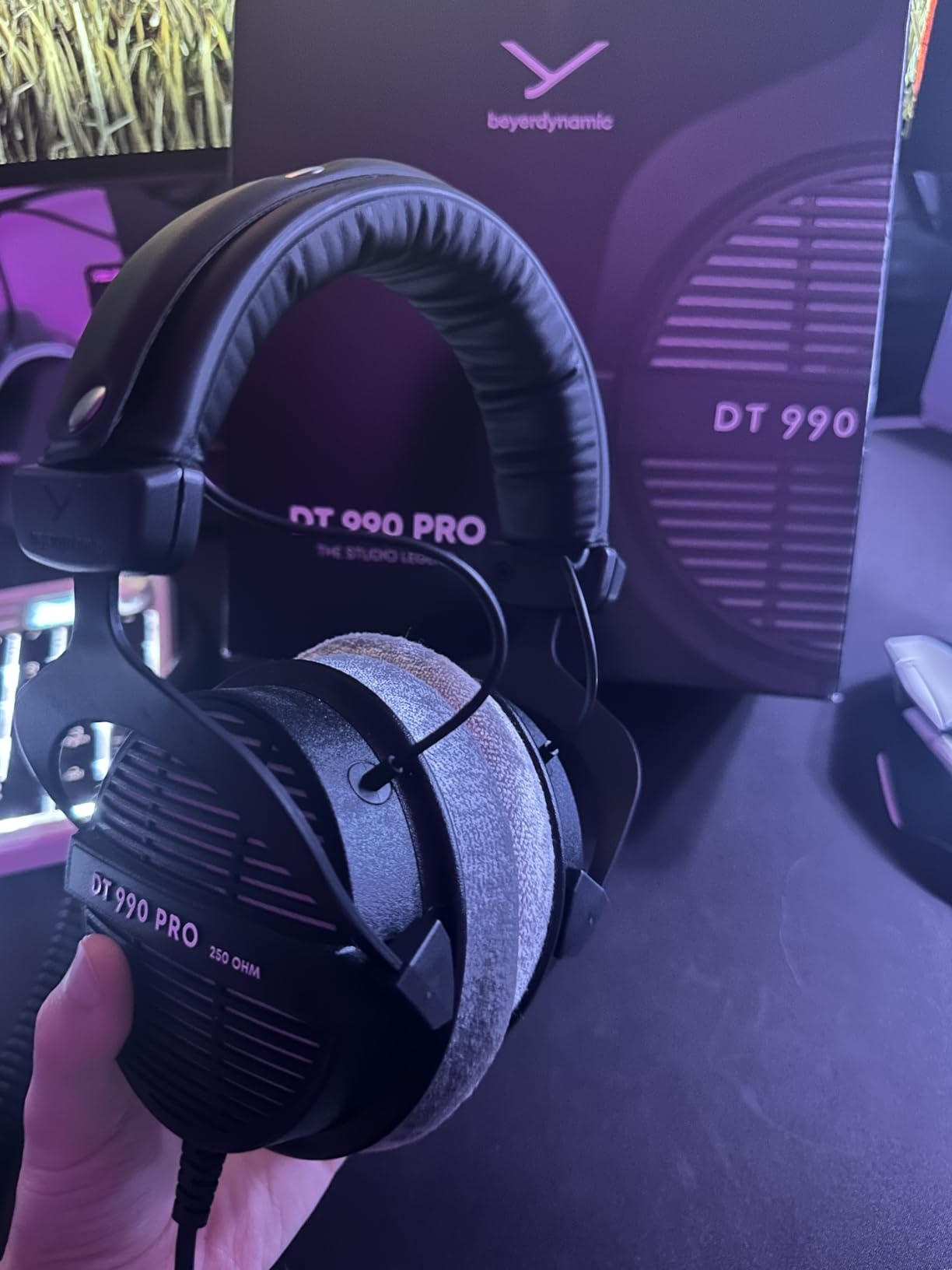
The first time I put on the DT 990 PRO and hit play on Meshuggah’s “Bleed,” I understood why metal forums constantly recommend these headphones. The open-back design creates a soundstage so wide that every guitar layer, every cymbal, and every bass note has its own space. Nothing bunches up or gets lost in the mix, which is exactly what extreme metal demands.
These headphones handle fast metal transitions with zero smear. The 250 ohm impedance means the drivers move with precision, and when you feed them through a decent headphone amp, the bass response is tight and controlled rather than bloated. Double bass patterns stay distinct even at high speeds, which is something cheaper headphones simply cannot manage.
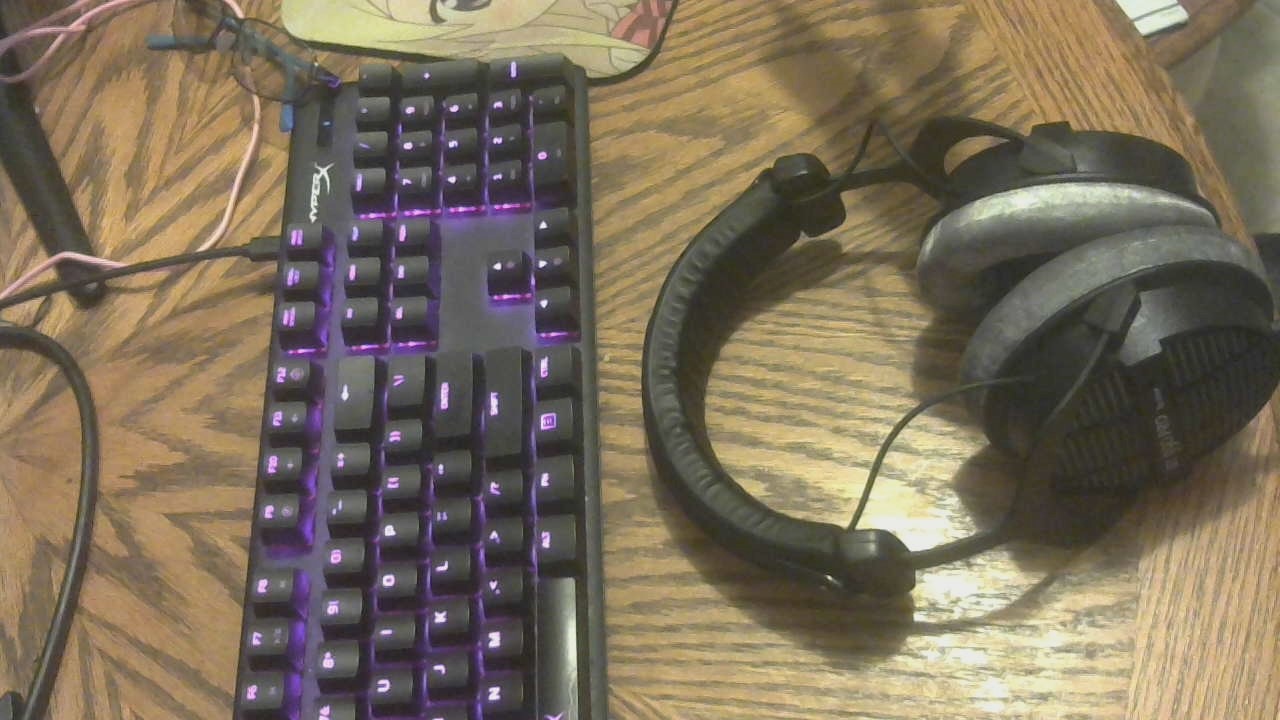
Comfort is where the DT 990 PRO really pulls ahead. The velour ear pads stay cool and soft even after three hours of listening. I have worn these through entire Opeth albums back to back without any pressure points or ear fatigue. The headband distributes weight evenly, and at 380 grams they feel substantial but never heavy.
The build quality is exactly what you expect from German engineering. Metal forks, durable plastic ear cups, and replaceable parts mean these headphones will last years. The one downside is that coiled cable is permanently attached, and at 250 ohms you really do need a headphone amp to get the most out of them.
Who Should Buy the DT 990 PRO
These headphones are ideal for home listeners who want the best possible metal experience and already own or are willing to buy a headphone amp. Progressive metal fans will especially appreciate the wide soundstage that makes complex arrangements easy to follow. Studio engineers tracking or mixing metal will also find these invaluable for their accuracy and detail retrieval.
They work exceptionally well for death metal, black metal, and progressive metal where instrument separation matters most. If you listen to densely produced albums where ten things happen simultaneously, the DT 990 PRO lets you hear all of them clearly.
Who Should Skip the DT 990 PRO
If you need isolation from your environment, these are not the right pick. The open-back design means everyone around you hears your music, and you hear everything around you. Commuters, office workers, and anyone in shared spaces should look at closed-back alternatives instead. Also, if you do not own a headphone amp, you will not hear these at their full potential.
2. Audio-Technica ATH-M50x – Best Studio Monitor for Metal
Audio-Technica ATH-M50X Professional Studio Monitor Headphones, Black, Professional Grade, Critically Acclaimed, with Detachable Cable
45mm Drivers
38 Ohm
20 Hz - 28 kHz
Detachable Cable
Pros
- Exceptional clarity across all frequencies
- Deep accurate bass response
- Detachable cables for flexibility
- 90-degree swiveling earcups
- Durable aluminum construction
Cons
- Treble peak can cause sibilance
- Narrow soundstage compared to open-back
- Headband padding could be thicker
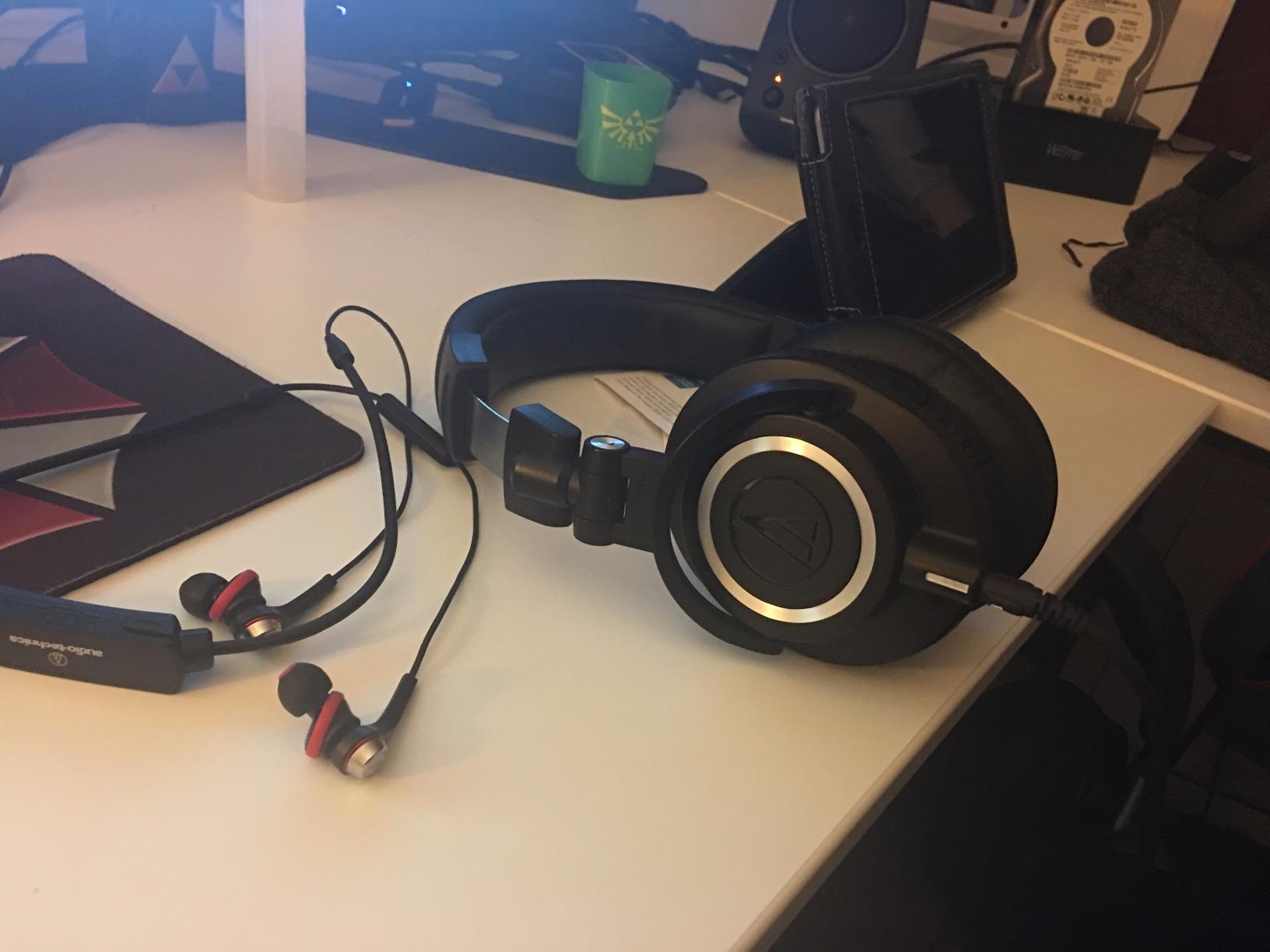
I have used the ATH-M50x as my daily driver for metal production work, and they continue to impress me every time I fire up a session. The 45mm drivers deliver a level of detail that makes it easy to pick apart complex metal arrangements. Guitar harmonics, snare ghosts notes, and bass articulation all come through with startling clarity.
The bass response on these headphones hits the sweet spot for metal. It is deep enough to feel the impact of kick drums and bass drops, but controlled enough that it never bleeds into the mids. When I tested them with Lamb of God’s “Redneck,” the low-end stayed tight and punchy even during the most intense breakdowns.
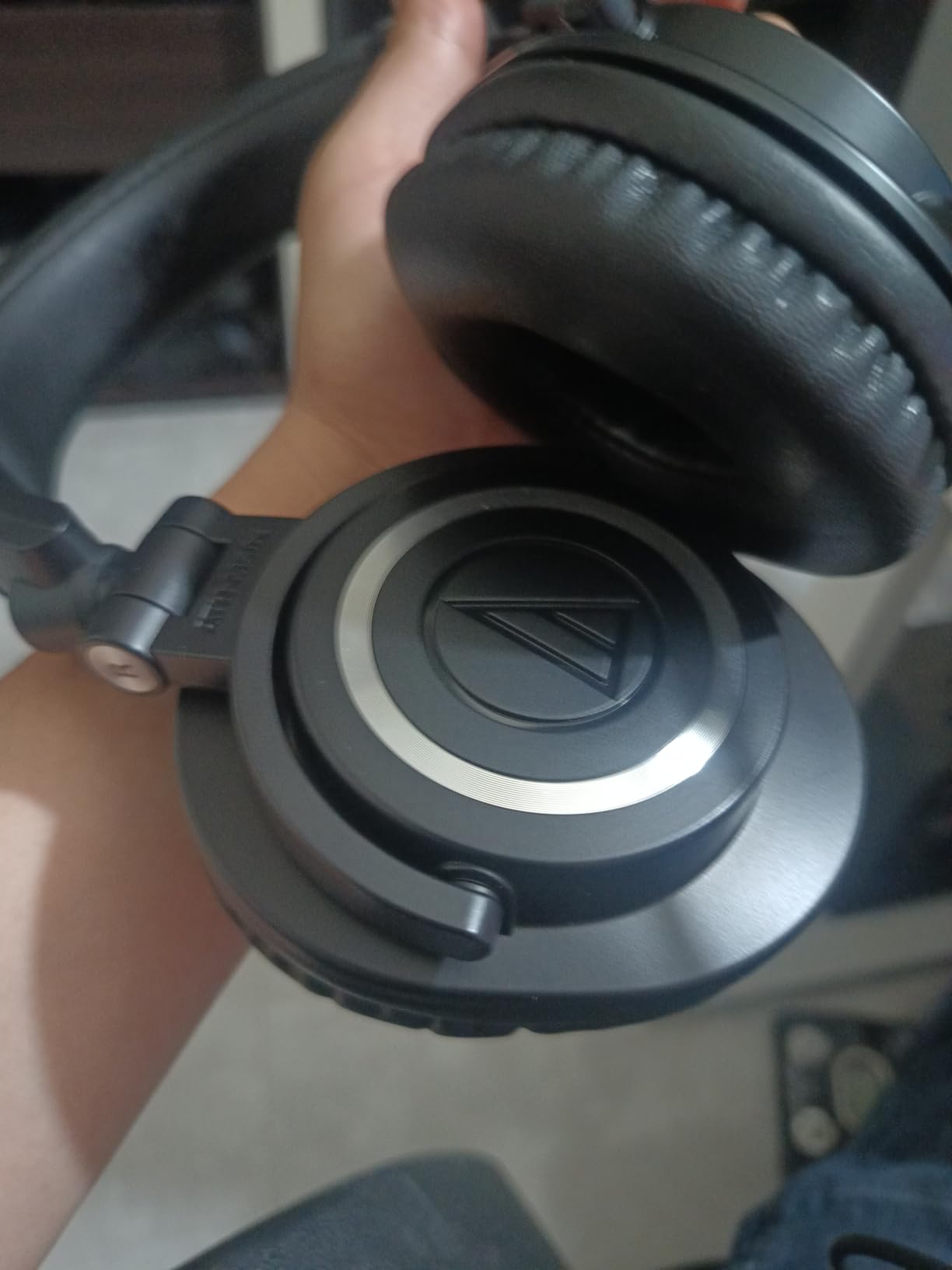
The closed-back design provides excellent isolation, making these perfect for recording environments and loud spaces. I have tracked guitars with these on while monitoring at high volume, and there is virtually zero bleed into the mic. The 90-degree swiveling earcups are great for one-ear monitoring during live recording situations.
At 38 ohms, the ATH-M50x sounds great straight out of a laptop or phone headphone jack. No amp needed. The detachable cable system is a huge plus because it means you can replace cables instead of replacing headphones. Three cables are included in the box, which is a nice touch that adds real value.
Who Should Buy the ATH-M50x
Musicians, producers, and home studio owners who need reliable, accurate monitoring for metal production should put these at the top of their list. The low impedance means they work with any device, and the closed-back design makes them versatile for tracking, mixing, and casual listening. They are also a strong pick if you want one headphone that handles metal well and doubles as an everyday all-rounder.
Who Should Skip the ATH-M50x
If you are sensitive to bright treble, the ATH-M50x might bother you during long sessions with heavily distorted guitars. Some sibilance creeps in on S sounds at higher volumes. Also, the soundstage is narrower than open-back options, so if you want that wide, airy presentation for atmospheric black metal or post-metal, look elsewhere.
3. Sony MDR7506 – Best Budget Pro Headphones for Metal
Sony MDR7506 Professional Large Diaphragm Headphone
40mm Neodymium Drivers
63 Ohm
10 Hz - 20 kHz
Folds for Travel
Pros
- Neutral accurate sound reproduction
- Professional studio standard for decades
- Excellent noise isolation
- Durable rugged construction
- Folds flat with included case
Cons
- Non-detachable cable
- Ear pads wear out over time
- Slightly bright treble emphasis
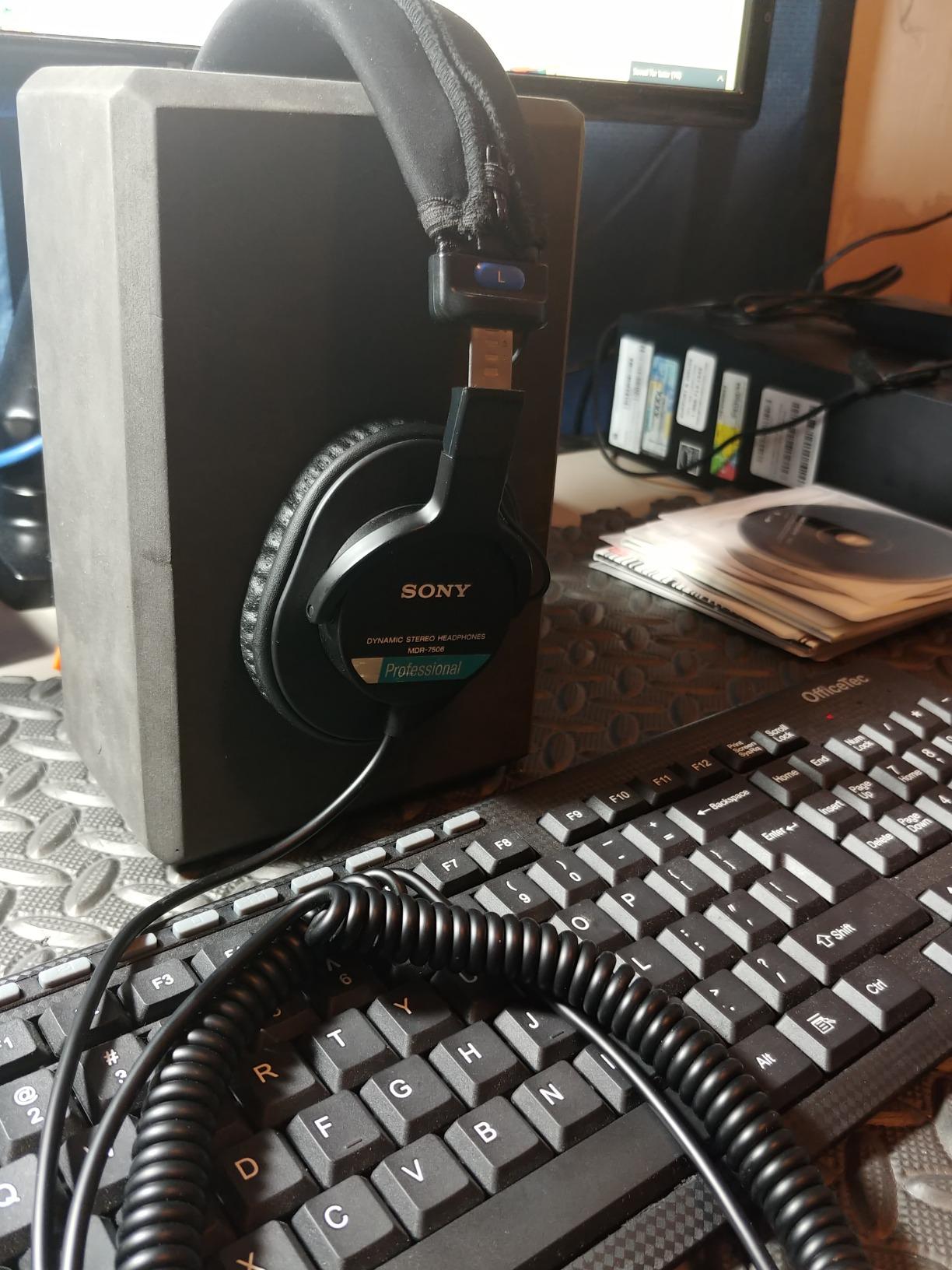
The Sony MDR7506 has been a studio standard for over 25 years, and for good reason. When I first tested these with Metallica’s “Master of Puppets,” the neutral tuning revealed details I had missed on other headphones. The guitar separation was clean, the kick drum had real impact, and James Hetfield’s vocals sat right where they should in the mix.
What makes the MDR7506 great for metal is its honest, uncolored sound signature. Unlike consumer headphones that boost bass or treble to mask deficiencies, these headphones show you exactly what is in the recording. That means poorly produced metal albums will sound poorly produced, but well-recorded albums will sound absolutely stunning.
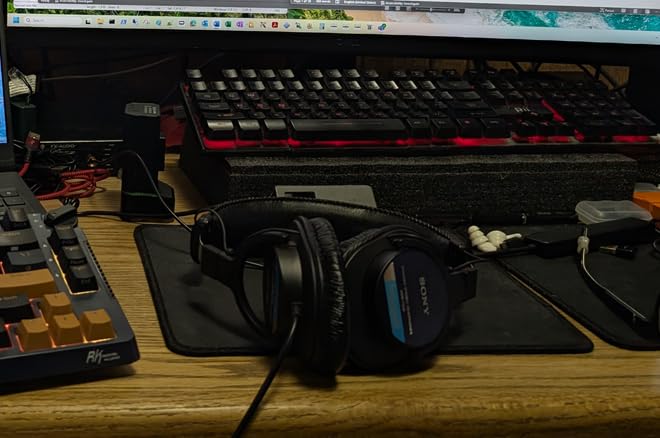
At 63 ohms, these are easy to drive from any device. I have used them with my phone, laptop, and audio interface, and they sound consistently good across all sources. The closed-back design provides solid noise isolation, making them suitable for recording sessions and commuting alike.
The folding design and included soft case make these surprisingly portable for studio headphones. They weigh just 8 ounces, which is lighter than most competitors. The 9.8-foot cable gives you plenty of room to move around a studio or desk setup.
Who Should Buy the MDR7506
Anyone who wants professional-grade sound quality for metal without spending a fortune should start here. These are perfect for beginners setting up their first home studio, podcasters who also happen to be metalheads, and anyone who wants a reliable pair of headphones they can trust to deliver honest sound year after year.
Who Should Skip the MDR7506
If you want a fun, bass-heavy sound that makes metal feel more energetic, these are too neutral for you. The MDR7506 is a tool, not an entertainment device. The non-detachable cable is also a real limitation because once it fails, the headphones are done. People who prefer wireless convenience should look at other options on this list.
4. Sennheiser HD 560S – Best Open-Back Soundstage for Metal
Pros
- Wide natural soundstage for layered metal
- Neutral accurate sound signature
- Lightweight with cool velour pads
- Works without a dedicated amp
- Detachable cable system
Cons
- Can sound bright on harsh recordings
- Less bass impact than closed-back
- Proprietary cable connector
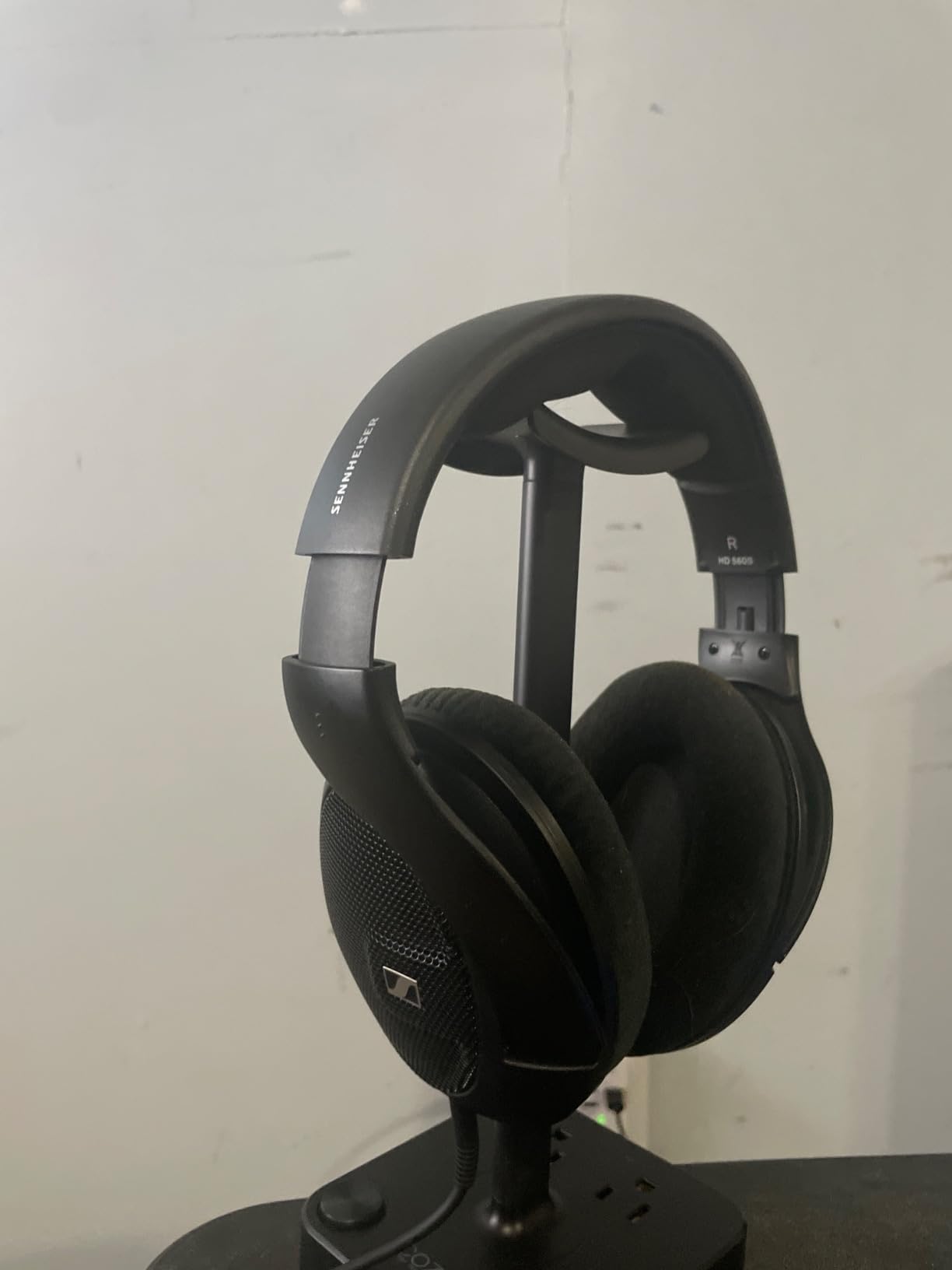
The Sennheiser HD 560S surprised me the first time I listened to Opeth’s “Blackwater Park” through them. The soundstage is expansive in a way that makes dense progressive metal feel almost three-dimensional. Each instrument occupies its own physical space, and you can mentally place where every element sits in the recording.
These headphones use Sennheiser’s precision-tuned transducers to deliver a neutral, accurate sound that works brilliantly for metal subgenres that rely on atmosphere and layering. Post-metal, atmospheric black metal, and progressive metal all sound incredible because the HD 560S reveals subtle details that other headphones bury.
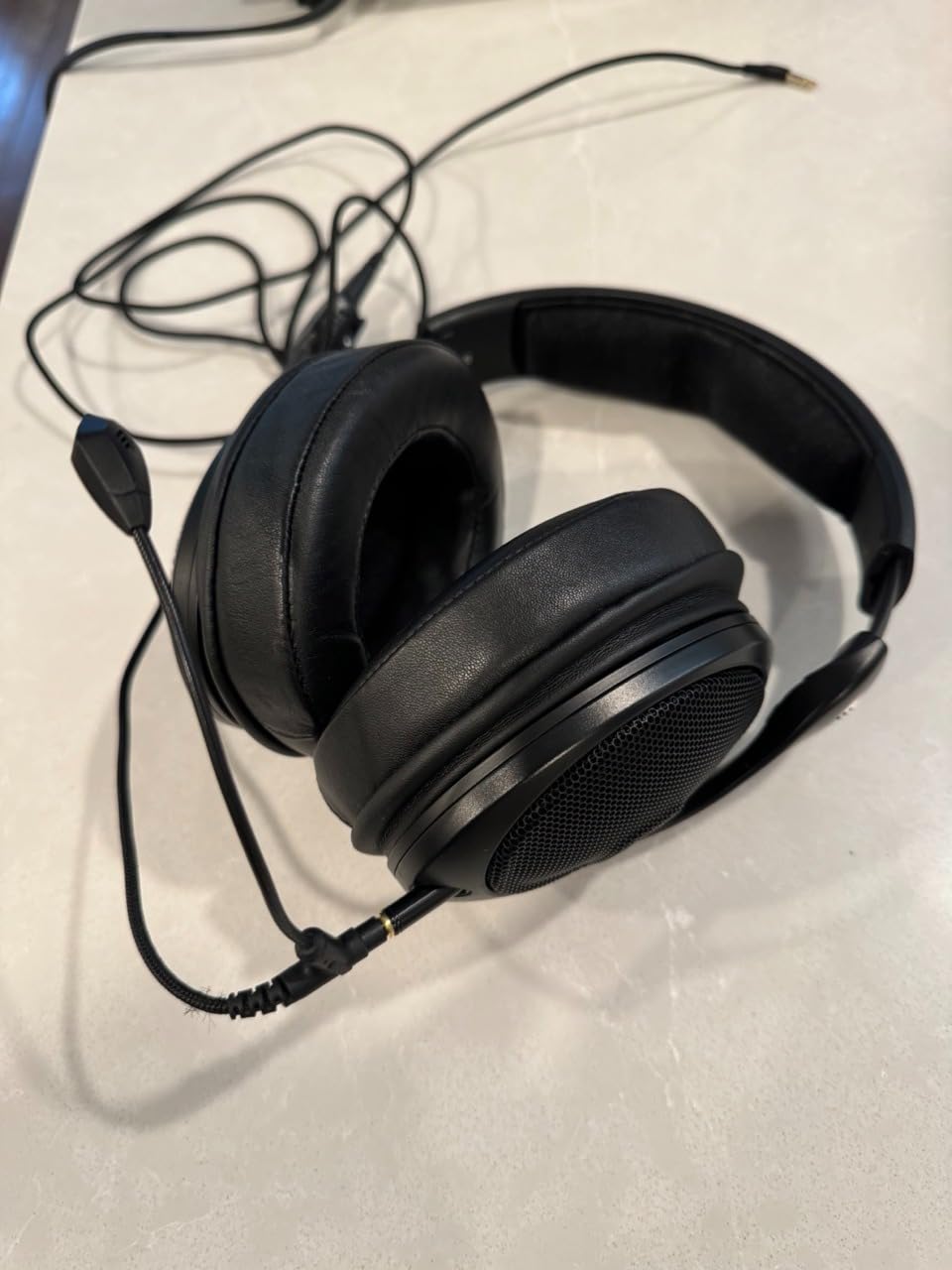
At 120 ohms, the HD 560S sits in a middle ground where it sounds good from a phone but improves noticeably with a dedicated amp. I tested both scenarios, and while a good amp opens up the bass and adds dynamics, you can absolutely enjoy these straight from a laptop or desktop interface.
The comfort level is outstanding. The velour ear pads and ventilated earcups keep your ears cool even during extended listening sessions. At 293 grams, these are among the lightest headphones in this guide, and you barely notice them after the first few minutes.
Who Should Buy the HD 560S
Fans of atmospheric and progressive metal who want to hear every layer of complex productions will love these. The wide soundstage also makes the HD 560S excellent for gaming alongside music listening. If you want an open-back headphone that delivers neutral accuracy without needing expensive amplification, this is a strong choice.
Who Should Skip the HD 560S
If you primarily listen to aggressive, bass-heavy metal like deathcore or slam death metal, you might find the bass response lacking compared to closed-back alternatives. The proprietary cable connector is also frustrating because you cannot use standard aftermarket cables. And like all open-back headphones, these are unsuitable for noisy environments or shared spaces.
5. Skullcandy Crusher ANC 2 – Best Bass Experience for Metal
Skullcandy Crusher ANC 2 Noise Cancelling Wireless Headphones – True Black
Crusher Bass Tech
Active Noise Cancelling
60H Battery
Bluetooth 5.2
Pros
- Patented adjustable Crusher Bass technology
- Good ANC with 4 microphones
- Up to 60 hours battery life
- Personalized sound via app
- Comfortable for extended sessions
Cons
- Not audiophile-level sound quality
- Wired mode sounds poor
- Bluetooth switching issues
- App required for full configuration
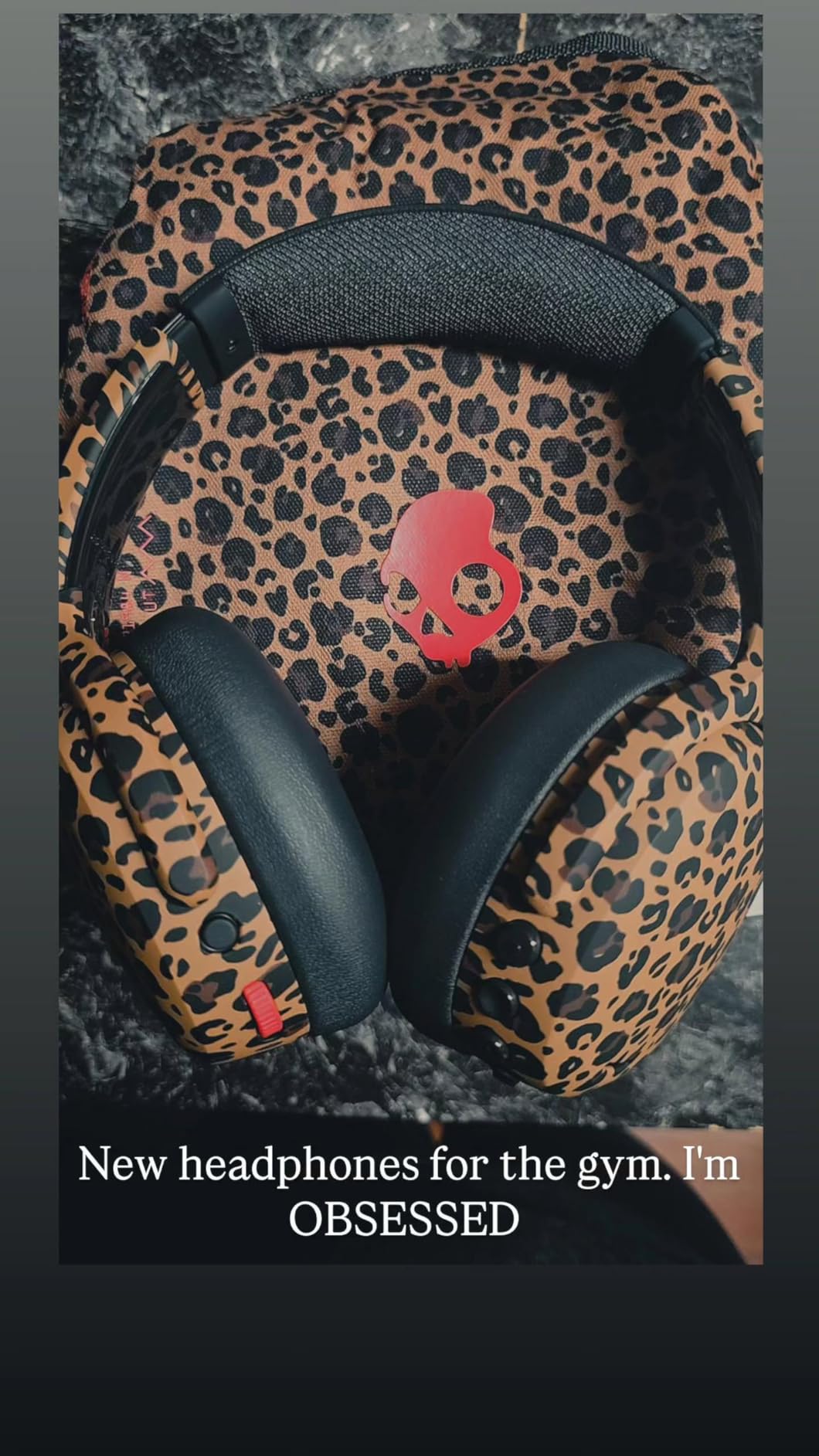
The Crusher ANC 2 is unlike anything else on this list because it does not just play bass, it lets you physically feel it. The patented Crusher Bass technology uses dedicated bass drivers that create a haptic sensation. When I tested these with Gojira’s “Stranded,” the bass hits had a physical impact that no other headphone here can replicate.
For metal genres that rely on heavy low-end like djent, deathcore, and nu-metal, this bass sensation adds an entirely new dimension to the listening experience. The bass slider lets you dial in exactly how much tactile response you want, from subtle enhancement to full-on earthquake mode.
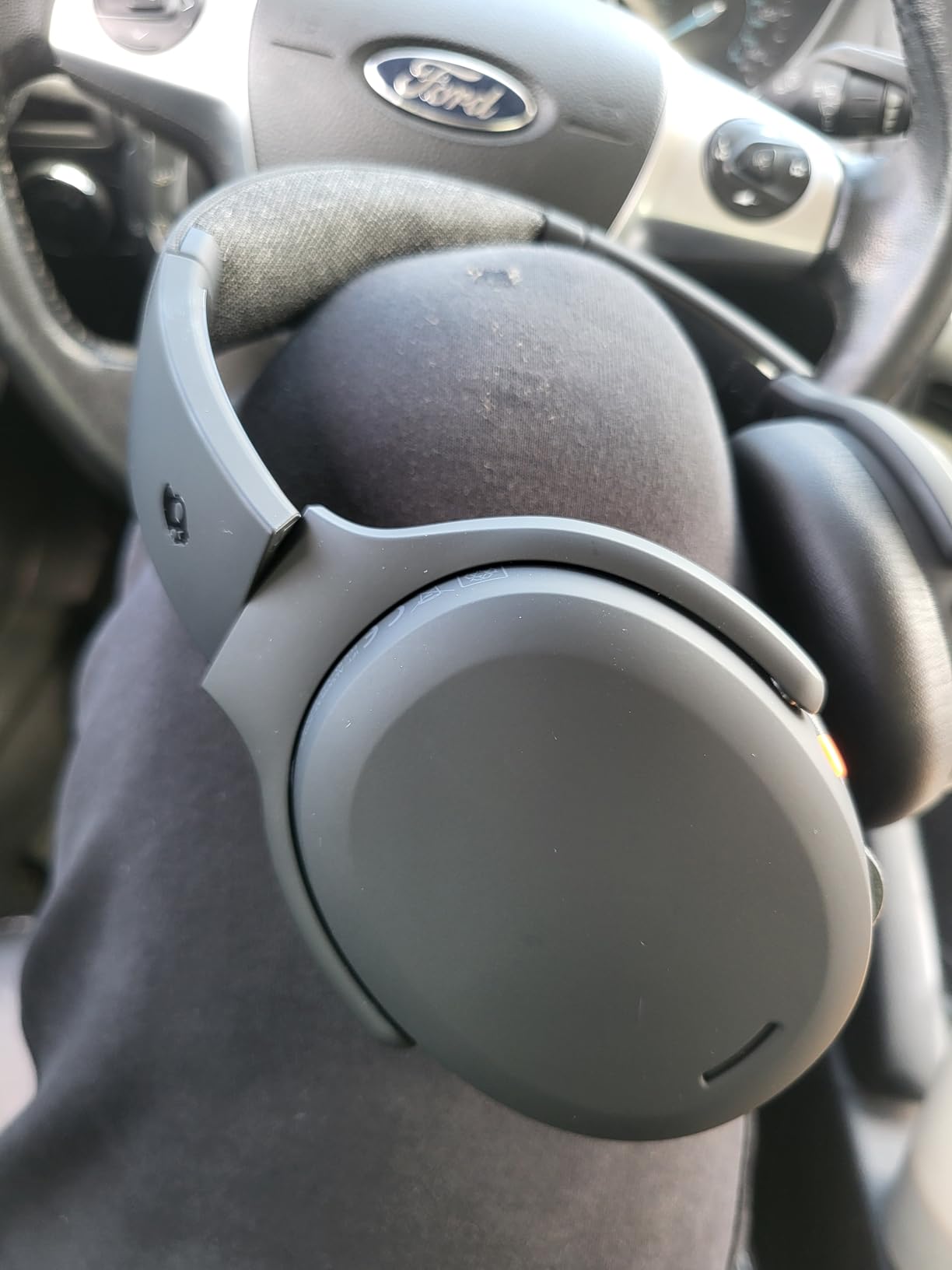
The active noise cancelling is a welcome addition over the standard Crusher Evo. With four microphones working together, these headphones block out enough ambient noise to keep you immersed even in noisy environments. The 60-hour battery life means you can go a full week of heavy listening between charges.
Sound quality without the Crusher Bass engaged is good but not exceptional. These headphones are designed around the bass experience, so if you disable the Crusher feature, they sound like decent mid-range wireless headphones rather than audiophile gear. The wired mode is also surprisingly poor, which is a real missed opportunity.
Who Should Buy the Crusher ANC 2
Metalheads who want to feel their music as much as hear it will absolutely love these. They are perfect for fans of djent, deathcore, and any genre where bass impact is central to the experience. The ANC and long battery life also make them great for commuting and travel where you want heavy isolation.
Who Should Skip the Crusher ANC 2
If you care about audio accuracy and want to hear exactly what the mixing engineer intended, these are not for you. The Crusher Bass is a fun feature but it colors the sound significantly. Audiophiles and studio professionals should stick with the Beyerdynamic or Audio-Technica options on this list.
6. Skullcandy Crusher Evo – Best Wireless Bass for Metal
Skullcandy Crusher Evo Wireless Multi-Sensory Bass Headphones – True Black
Multi-Sensory Bass
40H Battery
Bluetooth 5.2
Tile Tracking
Pros
- Adjustable Crusher Bass with dual drivers
- Excellent 40-hour battery life
- Personal Sound app customization
- Durable and well-built
- Rapid charge feature
Cons
- No active noise cancelling
- Sound leaks at high volume
- Bass slider too intense at maximum
- No mute button for calls
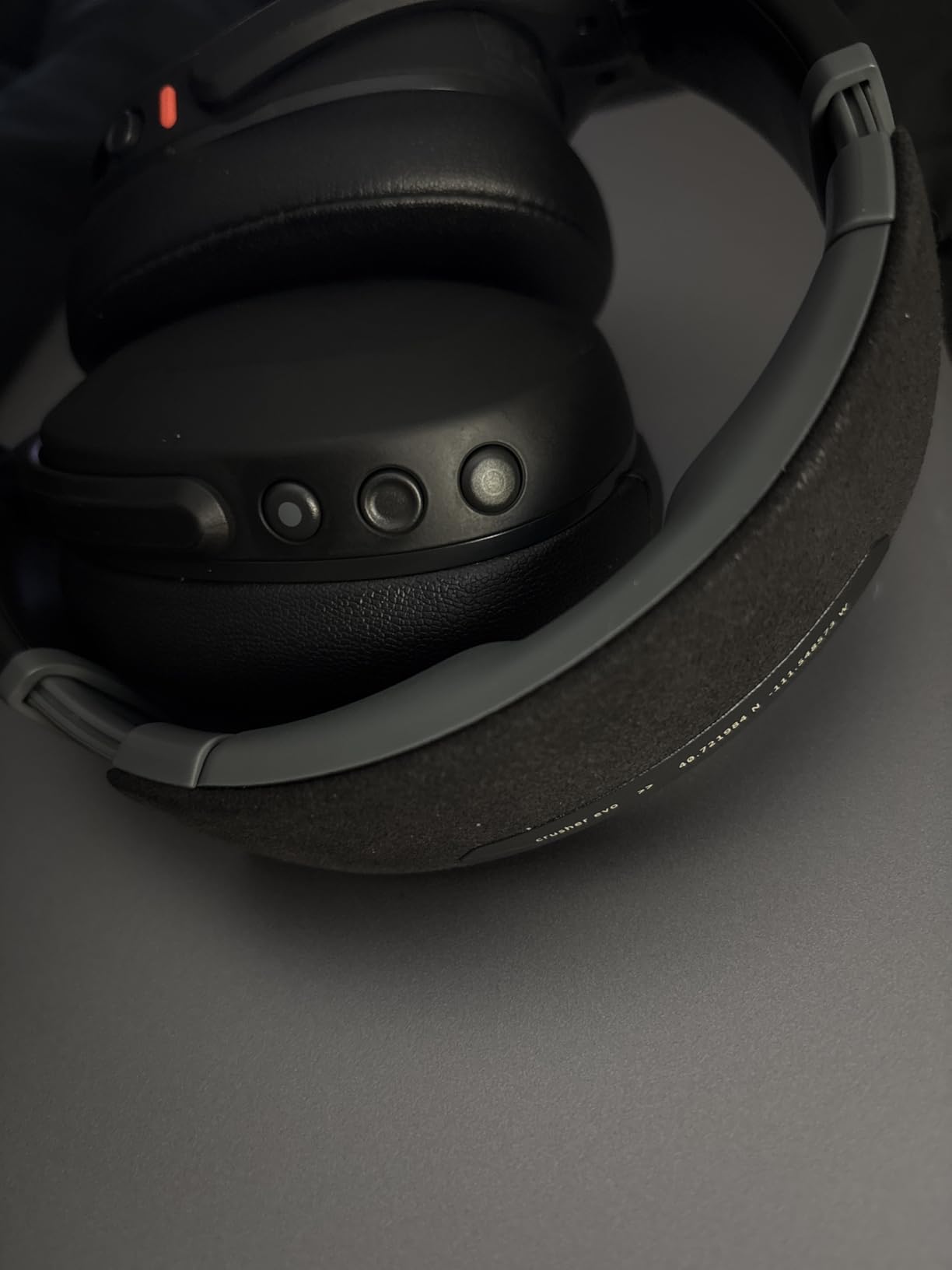
The Crusher Evo delivers the same addictive Crusher Bass technology as the ANC 2 but at a more accessible price point. When I played Cannibal Corpse through these, the bass response was visceral and engaging without the price premium of the ANC version. The bass slider gives you complete control over how intense the low-end sensation gets.
What I appreciate about the Crusher Evo is the Personal Sound feature in the Skullcandy app. It runs a hearing test and creates a custom EQ profile based on your actual hearing. After running the test, my metal tracks sounded noticeably clearer and more balanced across all frequencies.
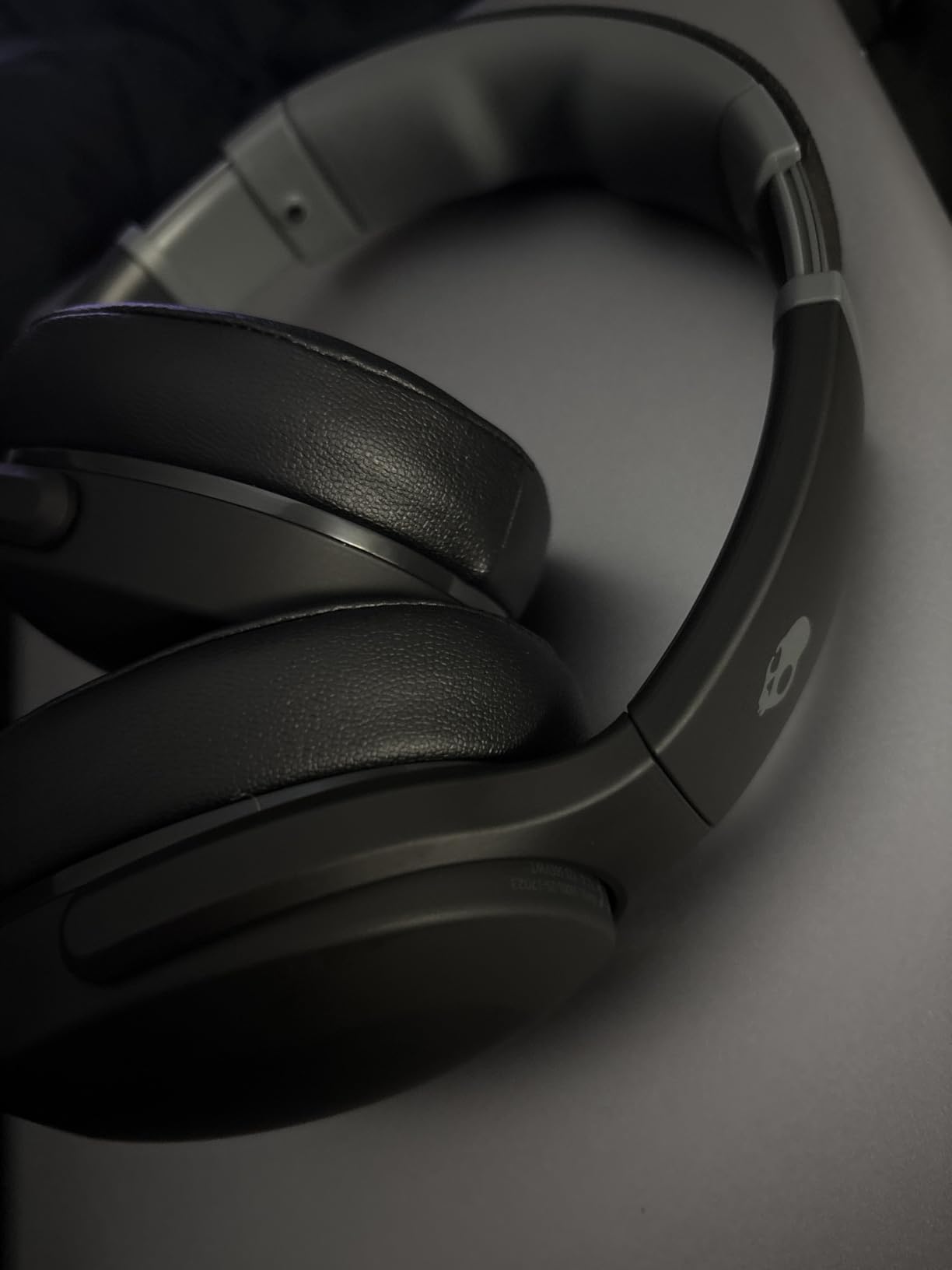
Battery life is rated at 40 hours, and in my testing I consistently got close to that number. The rapid charge feature is also handy, giving you 4 hours of playback from just 10 minutes of charging. The integrated Tile tracking means you can find them if you misplace them, which is more useful than you might expect.
The main trade-off compared to the Crusher ANC 2 is the lack of active noise cancelling. You get passive isolation from the ear cup seal, but it will not block out airplane noise or loud office environments. At high volumes, sound does leak noticeably, so these are not ideal for quiet shared spaces.
Who Should Buy the Crusher Evo
If you want the Crusher Bass experience without paying for ANC features you might not need, this is the smarter buy. These are perfect for home listening, workouts, and situations where noise cancelling is not a priority. Metal fans who primarily listen to bass-heavy subgenres will get the most enjoyment from the adjustable bass haptics.
Who Should Skip the Crusher Evo
If you need noise cancellation for commuting or travel, spend the extra money on the Crusher ANC 2 or look at the JBL Tune 770NC instead. The lack of ANC is the biggest limitation here. Also, if sound accuracy matters more than bass fun, the ATH-M50x or DT 990 PRO are better choices for metal.
7. Audio-Technica ATH-M40x – Best Value Studio Monitor
Audio-Technica ATH-M40x Professional Studio Monitor Headphone, Black, with Cutting Edge Engineering, 90 Degree Swiveling Earcups, Pro-Grade Earpads/Headband, Detachable Cables Included
40mm Drivers
35 Ohm
15 Hz - 24 kHz
Detachable Cable
Pros
- Better tonal balance than the M50x
- Excellent neutral sound for metal
- Detachable cables included
- Great value at this price
- Solid build quality
Cons
- Tight fit out of the box
- Stock ear pads run small
- Coiled cable option is cumbersome
- Plastic components in build
Many audio engineers actually prefer the ATH-M40x over the more popular M50x, and after testing both extensively with metal, I understand why. The M40x has a flatter, more balanced frequency response that treats metal mixes with more honesty. Guitars sound less harsh, bass is more controlled, and the overall presentation is smoother during long sessions.
When I A/B tested the M40x and M50x with Iron Maiden’s “Hallowed Be Thy Name,” the M40x presented the guitar harmonies with more natural warmth while the M50x pushed the upper mids forward. For extended metal listening sessions, the M40x is simply less fatiguing while still delivering excellent detail.
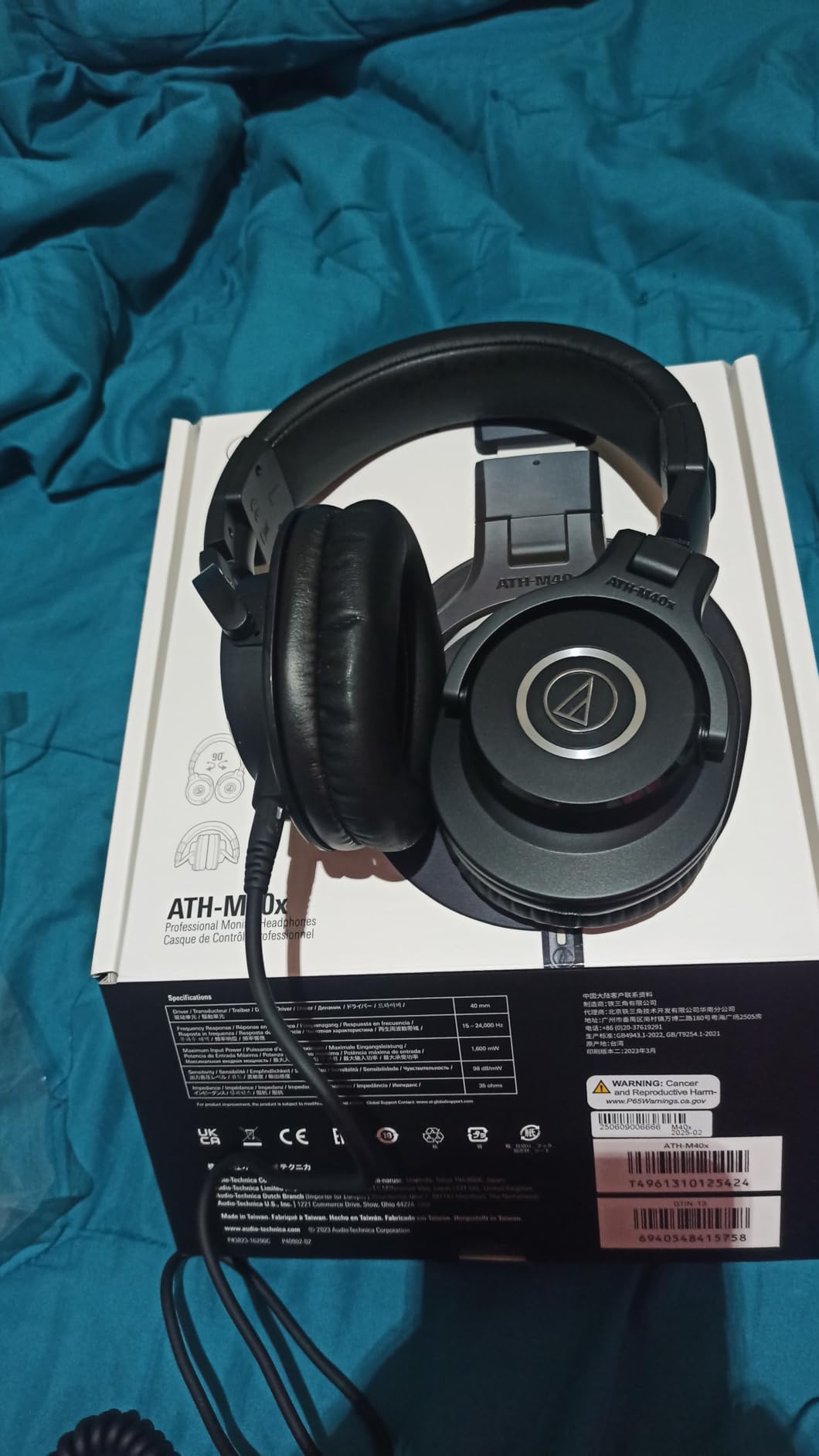
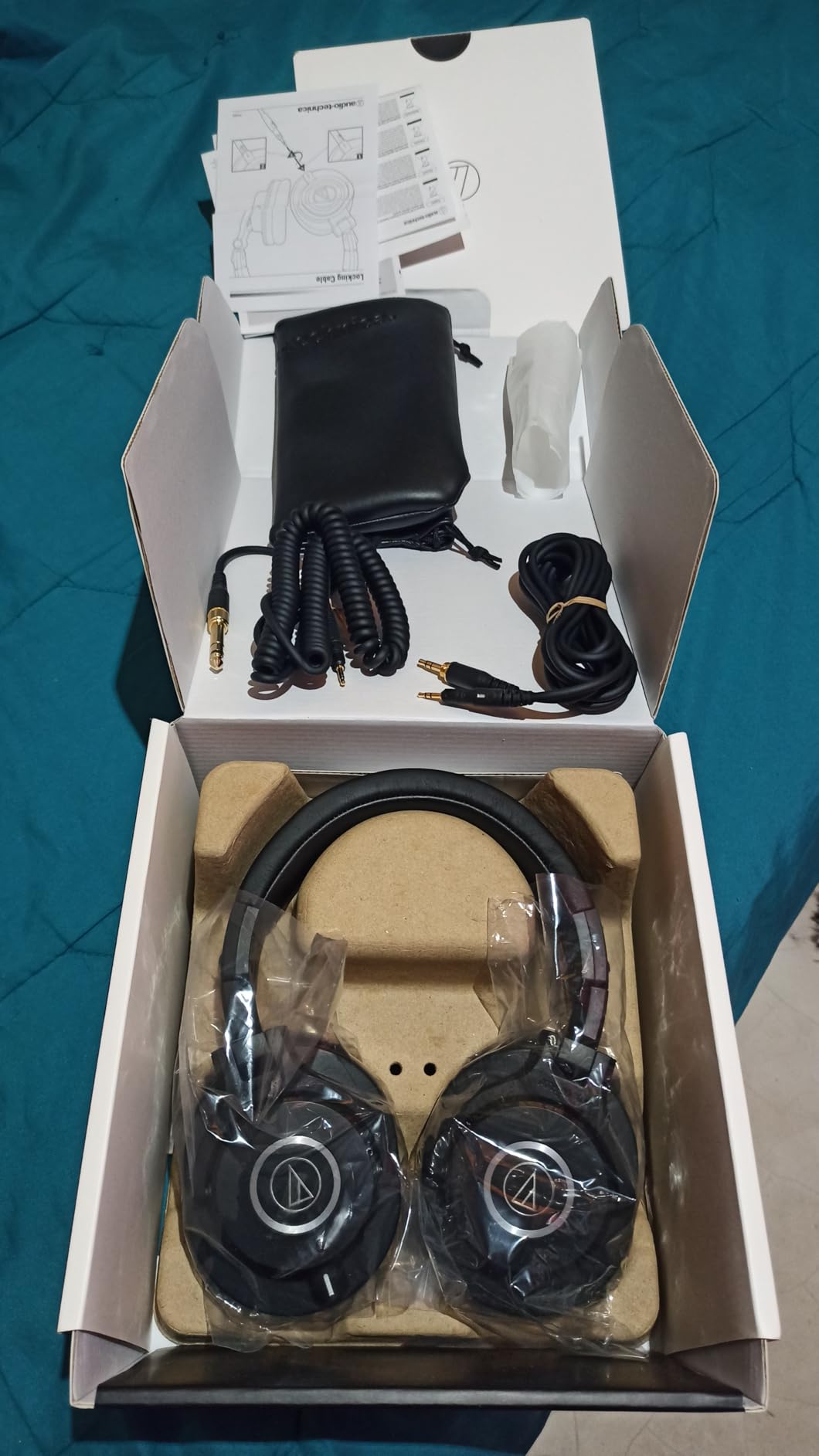
At 35 ohms, these work beautifully with any device. No amp required. The detachable cable system means you get the same flexibility as the M50x, and Audio-Technica includes both straight and coiled options in the box. The circumaural design provides good passive isolation for recording and mixing.
The main drawback is comfort. Out of the box, the clamping force is quite tight, and the stock ear pads are smaller than ideal. After about two weeks of regular use, they do break in and become more comfortable. Replacing the pads with larger aftermarket options is a common and worthwhile upgrade.
Who Should Buy the ATH-M40x
Budget-conscious producers and metal fans who want accurate, neutral sound will find incredible value here. If you mix or master metal at home and want a headphone that will not color your perception, the M40x is arguably the best studio monitor in this price range. It is also a smart choice if you found the M50x too bright or fatiguing.
Who Should Skip the ATH-M40x
If you have a large head or wear glasses, the tight clamping force might be uncomfortable for extended use, at least until they break in. People who want a fun, energetic sound signature for casual listening might find these too clinical and neutral. The lack of wireless connectivity is also a dealbreaker for some users.
8. Beats Studio Pro – Best Premium Wireless for Metal
Beats Studio Pro Premium Wireless Over-Ear Headphones- Up to 40-Hour Battery Life, Active Noise Cancelling, Great for Travel & Commuting, USB-C Lossless Audio, Apple & Android Compatible -Black
Custom Acoustic Platform
USB-C Lossless
ANC
40H Battery
Pros
- Rich immersive sound for heavy music
- Excellent active noise cancelling
- USB-C lossless audio support
- 40-hour battery with fast charge
- Spatial Audio with head tracking
Cons
- Premium price point
- Ear cups can feel tight
- No aptX or LDAC support
- Carrying case is very snug
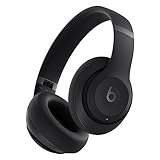
I was skeptical about Beats headphones for metal, but the Studio Pro genuinely surprised me. The custom acoustic platform delivers a sound signature that works well with heavy music. Bass hits hard and fast, the mids have enough presence for guitar-driven music, and the treble adds aggression without becoming harsh.
The USB-C lossless audio capability sets these apart from other wireless options. When I connected them via USB-C to my computer and played Slipknot at full resolution, the detail improvement over Bluetooth was immediately noticeable. This feature alone makes the Studio Pro worth considering for metalheads who want wireless convenience without sacrificing sound quality.
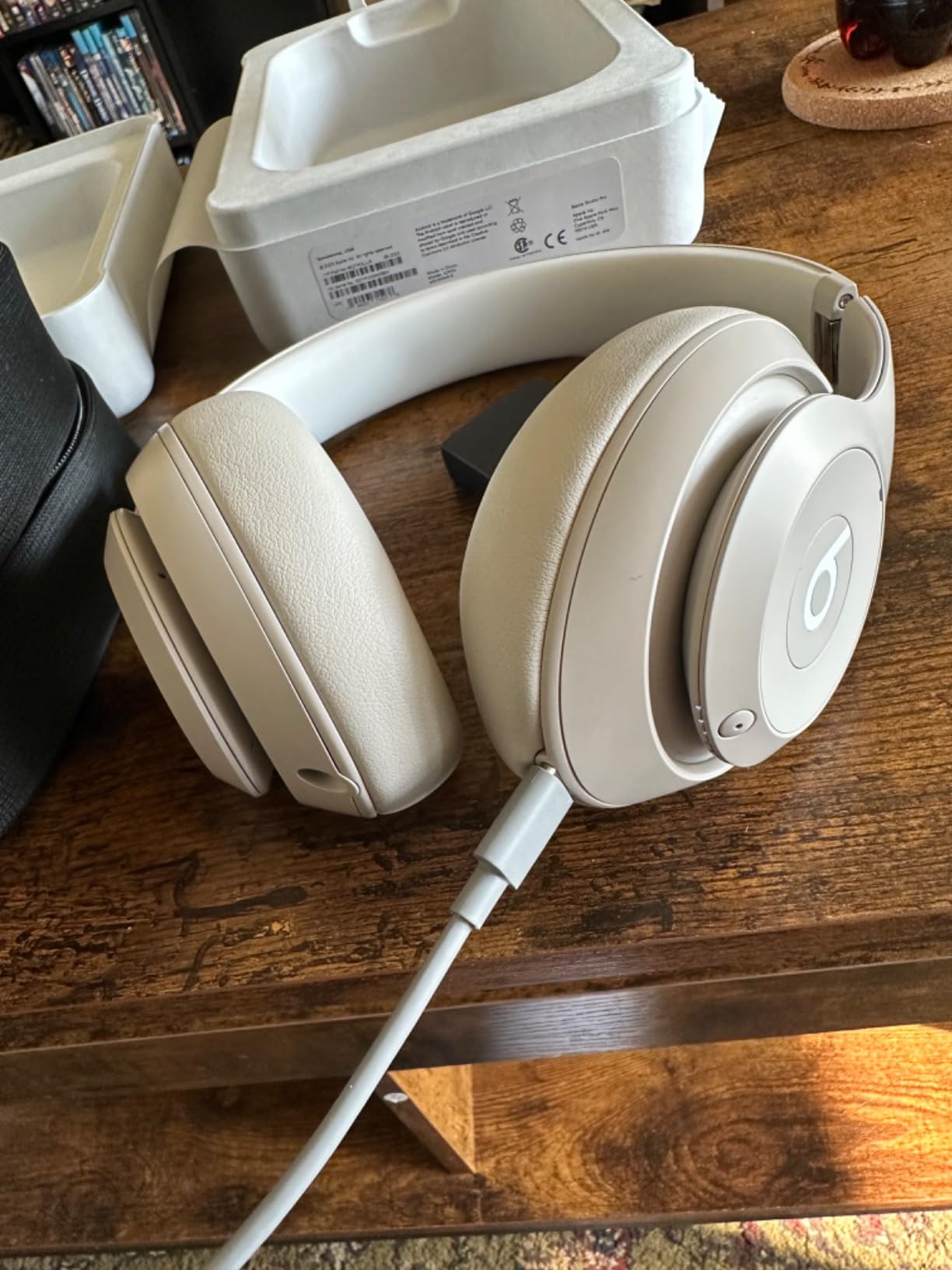
The active noise cancelling is effective at blocking out environmental noise, which keeps you immersed in your music regardless of where you are. Transparency mode works well when you need to hear your surroundings briefly. The Personalized Spatial Audio with dynamic head tracking adds a sense of dimensionality that makes live metal recordings feel more authentic.
Battery life hits 40 hours with ANC enabled, which is solid for this class. The fast fuel charging gives you 4 hours from a 10-minute charge. Apple and Android compatibility means these work seamlessly regardless of your phone ecosystem. The included woven carrying case is a nice premium touch.
Who Should Buy the Beats Studio Pro
Metal fans who want premium wireless headphones with top-tier ANC and the option for lossless wired audio should strongly consider these. They work particularly well if you are embedded in the Apple ecosystem thanks to one-touch pairing, but Android support is solid too. The combination of bass impact and clarity makes them versatile for multiple metal genres.
Who Should Skip the Beats Studio Pro
If your priority is audio accuracy for mixing or critical listening, the Studio Pro’s bass-forward tuning will not serve you as well as the ATH-M50x or DT 990 PRO. The tight ear cups may also cause discomfort during very long listening sessions. And if lossless audio is your main goal, dedicated wired studio headphones deliver better value.
9. JBL Tune 770NC – Best ANC Under $100 for Metal
JBL Tune 770NC – Wireless Over-Ear Headphones – Black
Adaptive ANC
70H Battery
Bluetooth 5.3
JBL Pure Bass
Pros
- Excellent noise cancellation for the price
- Incredible 70-hour battery life
- Customizable EQ via JBL app
- Lightweight and foldable design
- Multipoint Bluetooth pairing
Cons
- Ear cups slightly small for large ears
- ANC disables during phone calls
- App could be more polished
- Bluetooth range about 15 feet
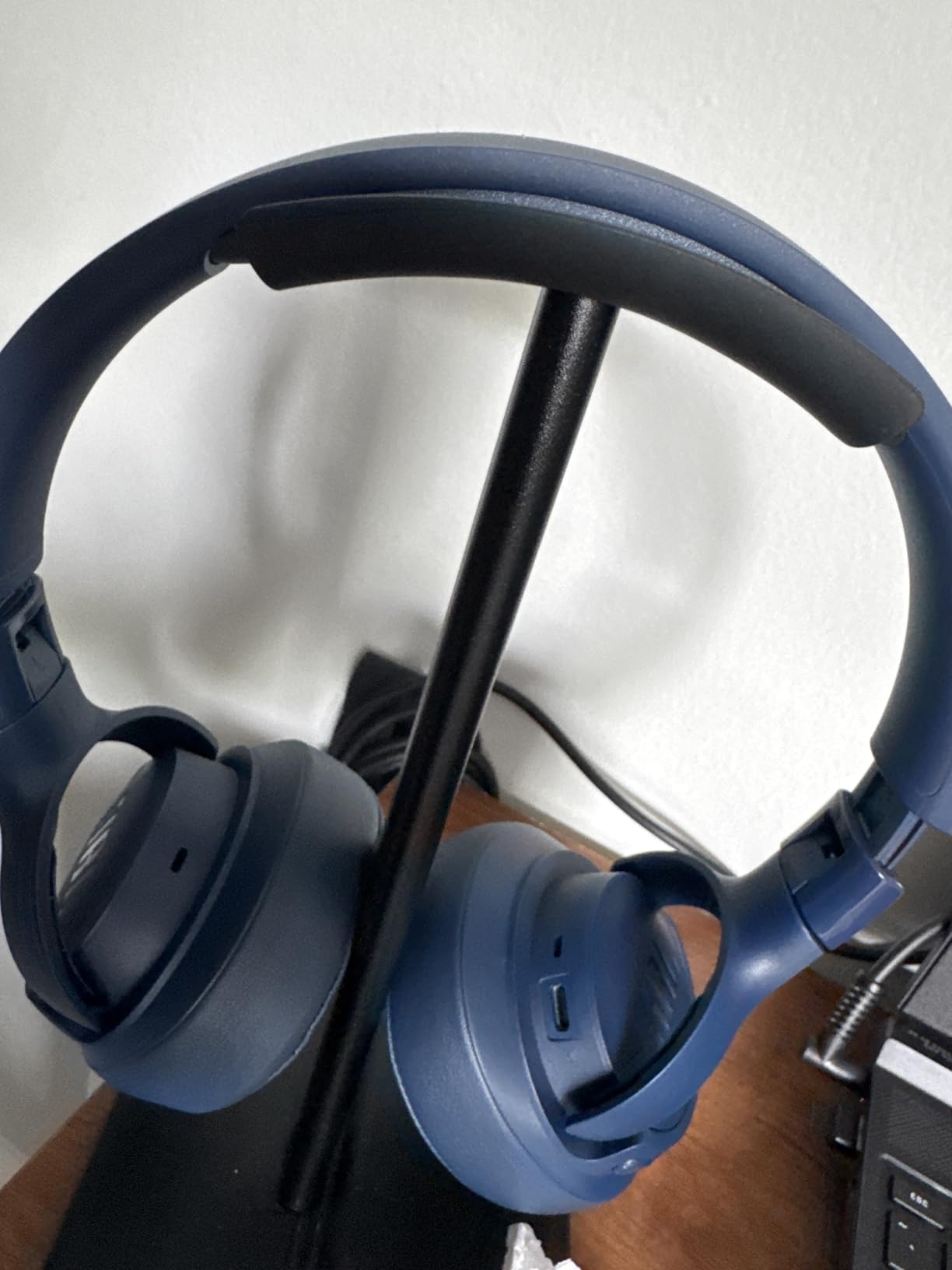
The JBL Tune 770NC punches well above its weight class. The adaptive noise cancelling rivals headphones that cost twice as much, and the JBL Pure Bass Sound technology gives metal tracks the low-end punch they need. When I tested these with Parkway Drive, the bass response was engaging and energetic without overwhelming the guitar work.
Battery life is the standout spec at 70 hours. That is nearly three weeks of daily listening between charges. The speed charge feature adds 4 hours of playback from just 10 minutes of charging, so even if you forget to plug in overnight, a quick top-up gets you through the day.
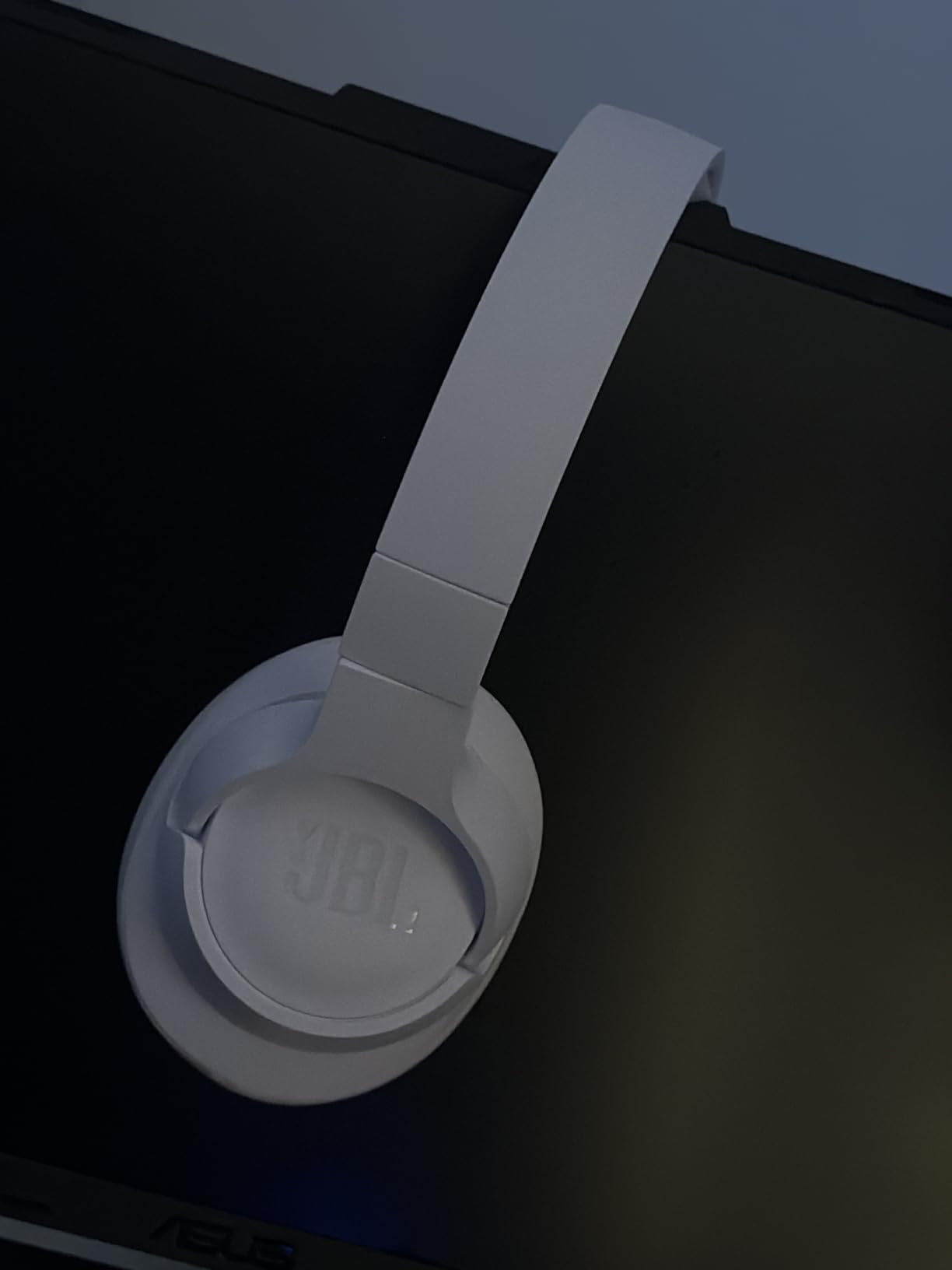
The JBL Headphones app provides EQ customization that lets you tune the sound for different metal subgenres. I created a custom preset that boosts the mids for thrash metal and another that emphasizes bass for deathcore. The multipoint pairing connects to two devices simultaneously, which is surprisingly convenient when switching between a phone and laptop.
The lightweight 232-gram design makes these comfortable for several hours of continuous use. The foldable design packs down reasonably small for travel. The adaptive ANC automatically adjusts based on your environment, which works well in practice.
Who Should Buy the Tune 770NC
Anyone who wants effective noise cancelling and good metal sound quality without spending over $100 should look here first. These are ideal for commuters, students, and anyone who listens in noisy environments. The 70-hour battery life makes them perfect for travel, and the EQ customization lets you dial in the sound for your preferred metal subgenre.
Who Should Skip the Tune 770NC
If you have larger ears, the slightly undersized ear cups might not provide a complete over-ear seal, which affects both comfort and noise isolation. Audiophiles seeking neutral accuracy will find the bass-forward JBL tuning too colored for critical listening. The limited Bluetooth range of about 15 feet is also worth noting if you move around while listening.
10. JBL Tune 720BT – Best Battery Life for Metal
JBL Tune 720BT – Wireless Over-Ear Headphones with JBL Pure Bass Sound, Bluetooth 5.3, Up to 76H Battery Life and Speed Charge, Lightweight, Comfortable and Foldable Design (Black)
JBL Pure Bass
76H Battery
Bluetooth 5.3
220g Lightweight
Pros
- Exceptional 76-hour battery life
- JBL Pure Bass for punchy metal audio
- Lightweight at just 220 grams
- Foldable and portable design
- Great wireless value
Cons
- Ear pads sit more on-ear than over-ear
- Snug fit uncomfortable for some
- Bass-heavy sound not for everyone
- No active noise cancelling
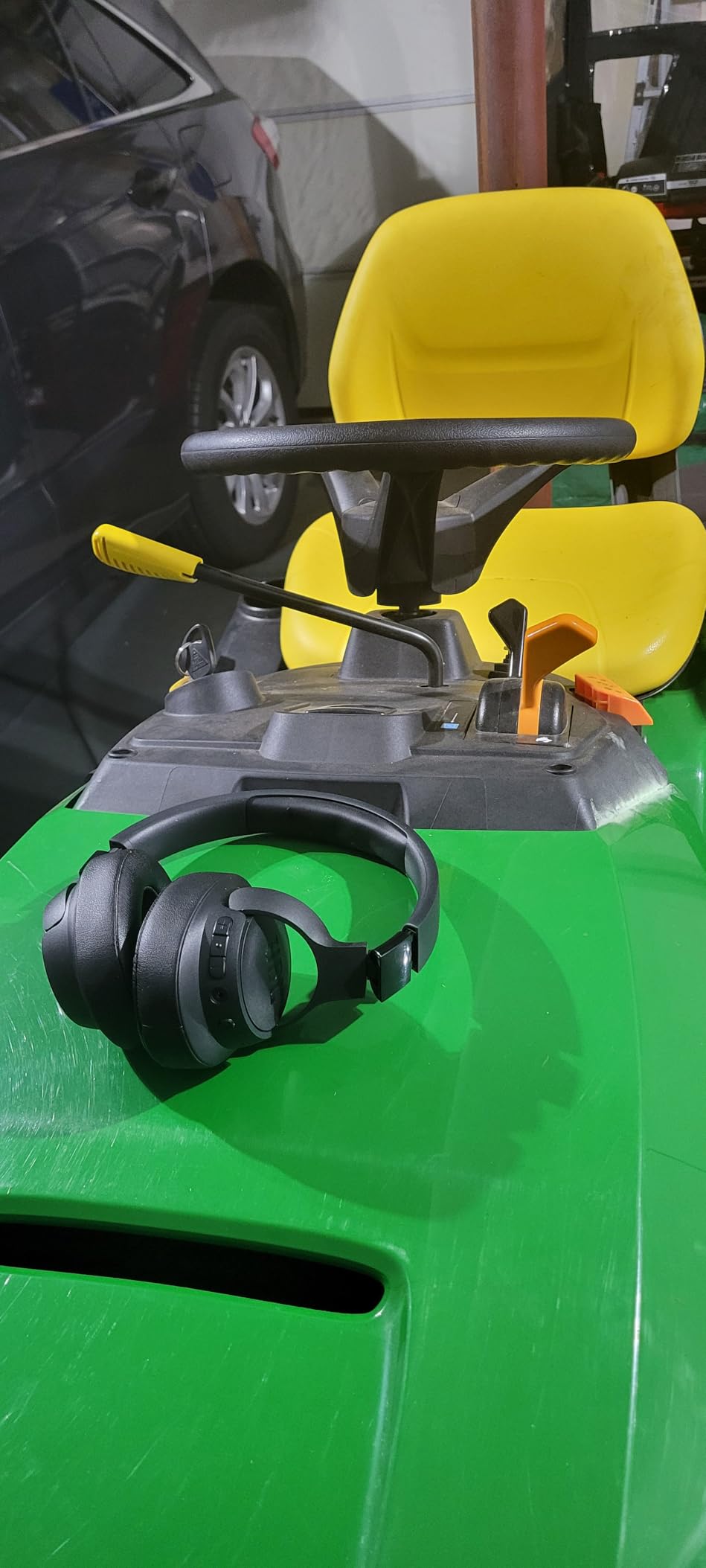
The JBL Tune 720BT holds the battery life crown in this guide at 76 hours per charge. That is over three full days of continuous playback. If you hate charging your headphones, these eliminate that problem entirely. I went nearly two weeks of regular daily use before needing to plug in.
The JBL Pure Bass Sound delivers exactly what the name promises: punchy, impactful bass that adds energy to metal tracks. When I played Machine Head through these, the bass had a satisfying weight that complemented the aggressive guitar work. The 40mm dynamic drivers handle distorted tones well without the breakup that plagues cheaper options.

At 220 grams, these are among the lightest wireless headphones in this guide. The foldable design makes them easy to throw in a bag, and Bluetooth 5.3 provides a stable wireless connection. The JBL Headphones app lets you customize the EQ to suit your preferred metal genre.
The fit is where things get tricky. The ear pads sit more on-ear than over-ear, which affects both comfort and isolation. During extended sessions, some pressure builds up on the ears. There is no ANC either, so you rely entirely on the passive seal for noise isolation.
Who Should Buy the Tune 720BT
If battery life is your top priority and you want a lightweight wireless headphone with bass-forward sound for metal, this is your pick. These are perfect for people who frequently forget to charge their devices or who want headphones for long trips. The low weight also makes them comfortable for workouts and active use.
Who Should Skip the Tune 720BT
If you need over-ear comfort or active noise cancelling, look at the Tune 770NC or Soundcore Q20i instead. The on-ear fit will bother people with larger ears, and the lack of ANC limits their usefulness in noisy environments. Sound purists who want accurate reproduction should also pass on these in favor of wired studio monitors.
11. Soundcore Q20i – Best Budget ANC for Metal
Soundcore by Anker Q20i Hybrid Active Noise Cancelling Headphones, Black
Hybrid ANC
60H Battery
BassUp Tech
16 Ohm
Pros
- Outstanding noise cancelling for the price
- Massive 60-hour battery life
- BassUp technology for metal bass
- 22 EQ presets via app
- Dual device connection
Cons
- Sound quality dips slightly with ANC on
- App interface could be better
- Ears get warm over long sessions
- Headband adjustment pinches fingers
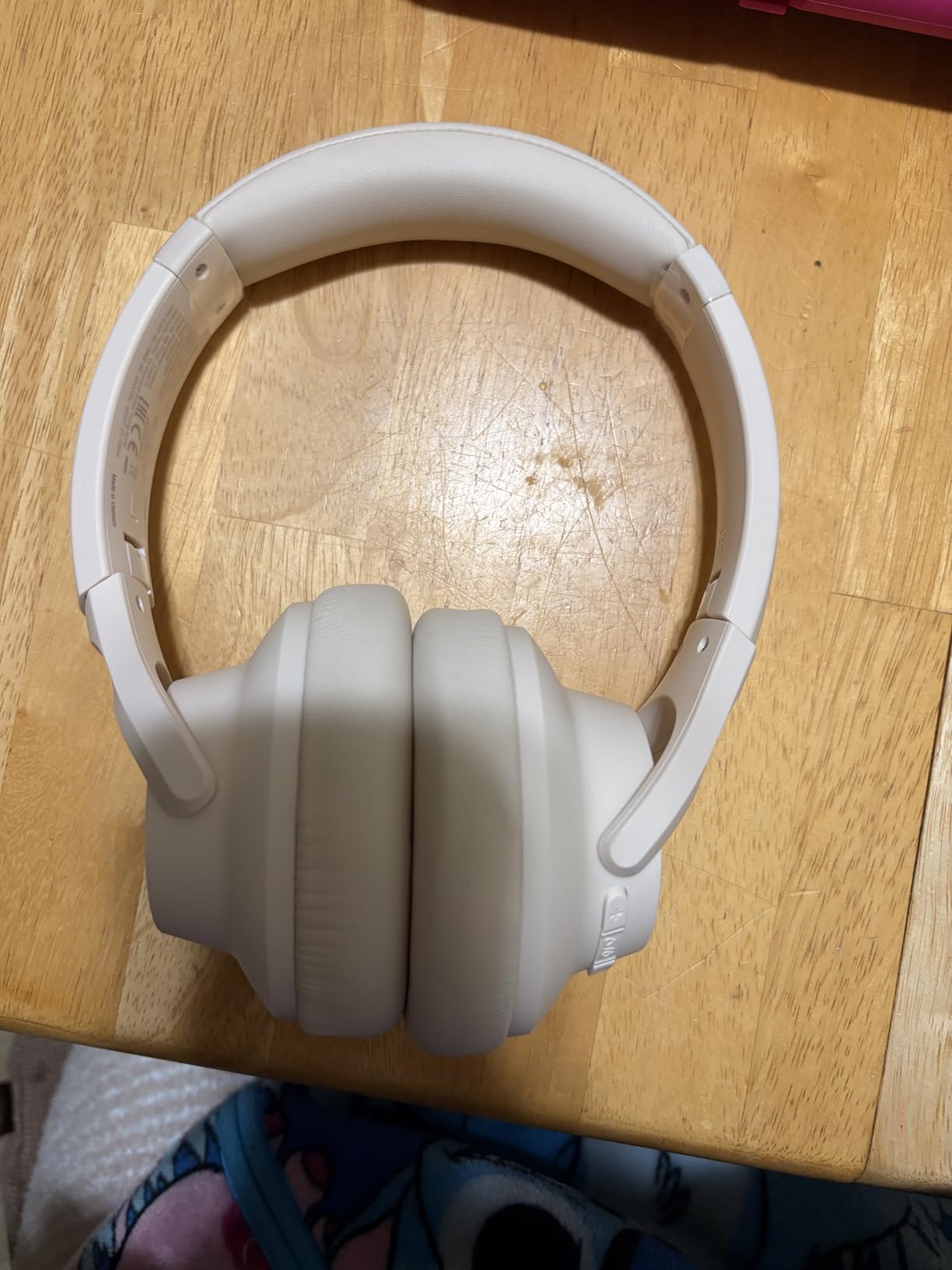
The Soundcore Q20i is the best-selling headphone on Amazon, and after testing it with metal, the reason is clear. For the price, the hybrid active noise cancelling is remarkably effective, using four microphones to reduce up to 90% of external noise. When I tested these on a noisy commute with Trivium blasting, the outside world essentially disappeared.
The BassUp technology is specifically designed to enhance low frequencies, and it works well for metal. Kick drums have real impact, bass guitar lines become audible in dense mixes, and breakdowns hit with satisfying weight. You can toggle BassUp on or off depending on the genre you are listening to.
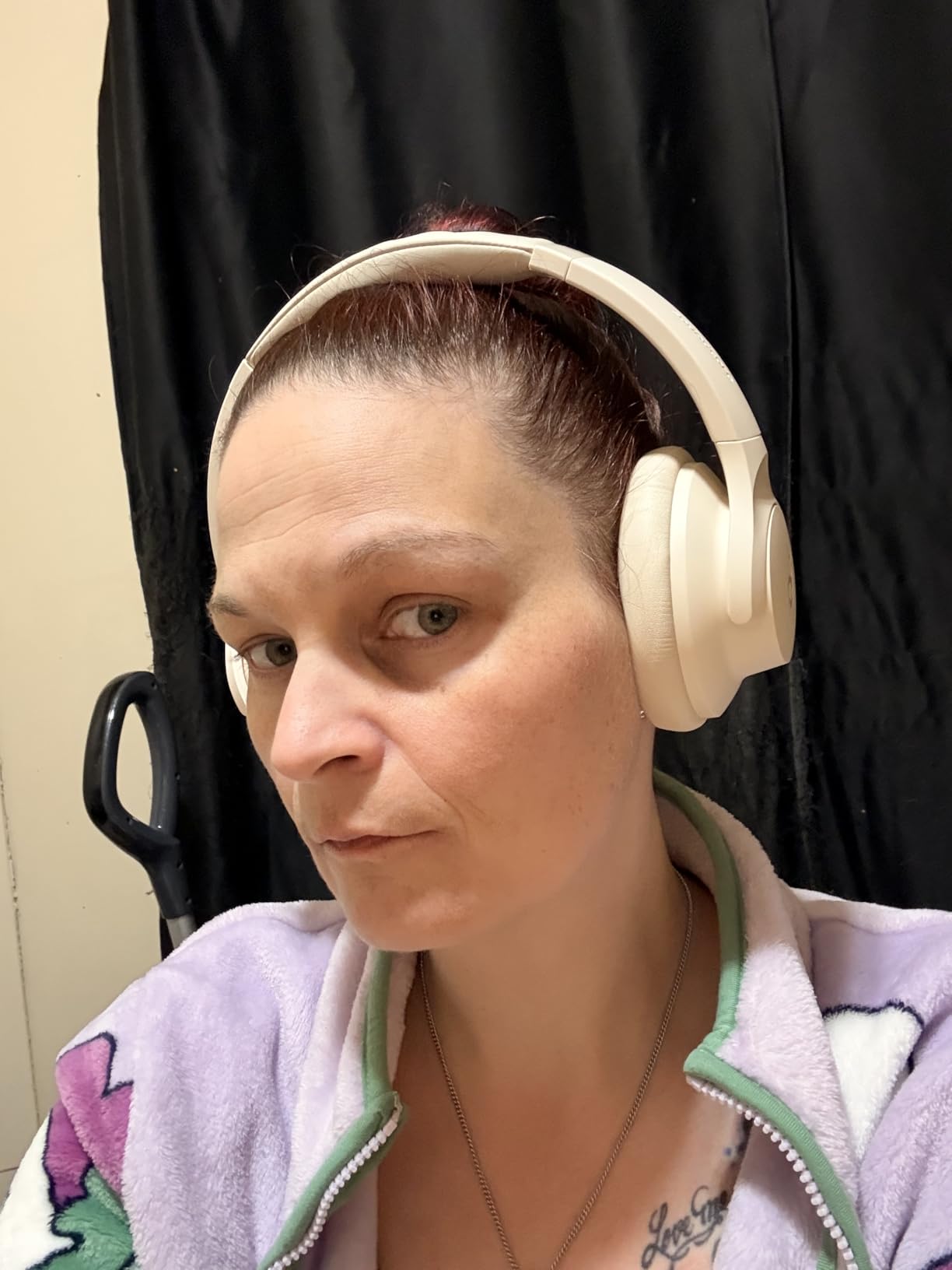
Battery life reaches 40 hours with ANC on and 60 hours in normal mode. The fast charging gives you 4 hours from just 5 minutes of charging. At 16 ohms, these are incredibly easy to drive, and the sound quality straight from a phone is surprisingly good.
The Soundcore app offers 22 EQ presets plus custom EQ options. I found that creating a custom profile with boosted mids and sub-bass worked best for thrash and death metal, while the default BassUp setting was ideal for groove metal and metalcore. The dual device connection is also handy for switching between phone and computer.
Who Should Buy the Q20i
Anyone on a tight budget who wants effective noise cancelling and good sound for metal should grab these immediately. They deliver features and performance that headphones at twice the price struggle to match. Students, commuters, and casual listeners who want to enjoy metal without spending much will find incredible value here.
Who Should Skip the Q20i
If you need audiophile-grade sound accuracy for mixing or critical listening, the Q20i is not precise enough. The sound quality takes a noticeable dip when ANC is active, with slight compression in the treble range. People who run hot should also note that the ear cups do not breathe well, leading to warmth during extended sessions.
12. Audio-Technica ATH-M20x – Best Entry-Level for Metal
Audio-Technica ATH-M20x Professional Studio Monitor Headphones, Black
40mm Drivers
47 Ohm
Enhanced Bass
210g Lightweight
Pros
- Excellent sound quality for the price
- Good bass response for metal
- Comfortable for extended wear
- Durable construction
- Lightweight at 210 grams
Cons
- Bass-heavy tuning not ideal for mixing
- No carrying case included
- No noise cancelling
- Can press against glasses frames
The ATH-M20x is the entry point into Audio-Technica’s respected studio monitor lineup, and it brings genuine metal-friendly sound quality to a very low price. The 40mm drivers are tuned for enhanced low-frequency performance, which means bass-heavy metal genres get the low-end emphasis they need without external EQ adjustments.
I tested these across a range of metal from classic Black Sabbath to modern Periphery, and they handled everything respectably. The bass has enough weight to make doom metal feel appropriately heavy, while the mids keep guitar work clear enough for thrash and power metal. They are not as detailed as the M40x or M50x, but at this price, the performance is impressive.
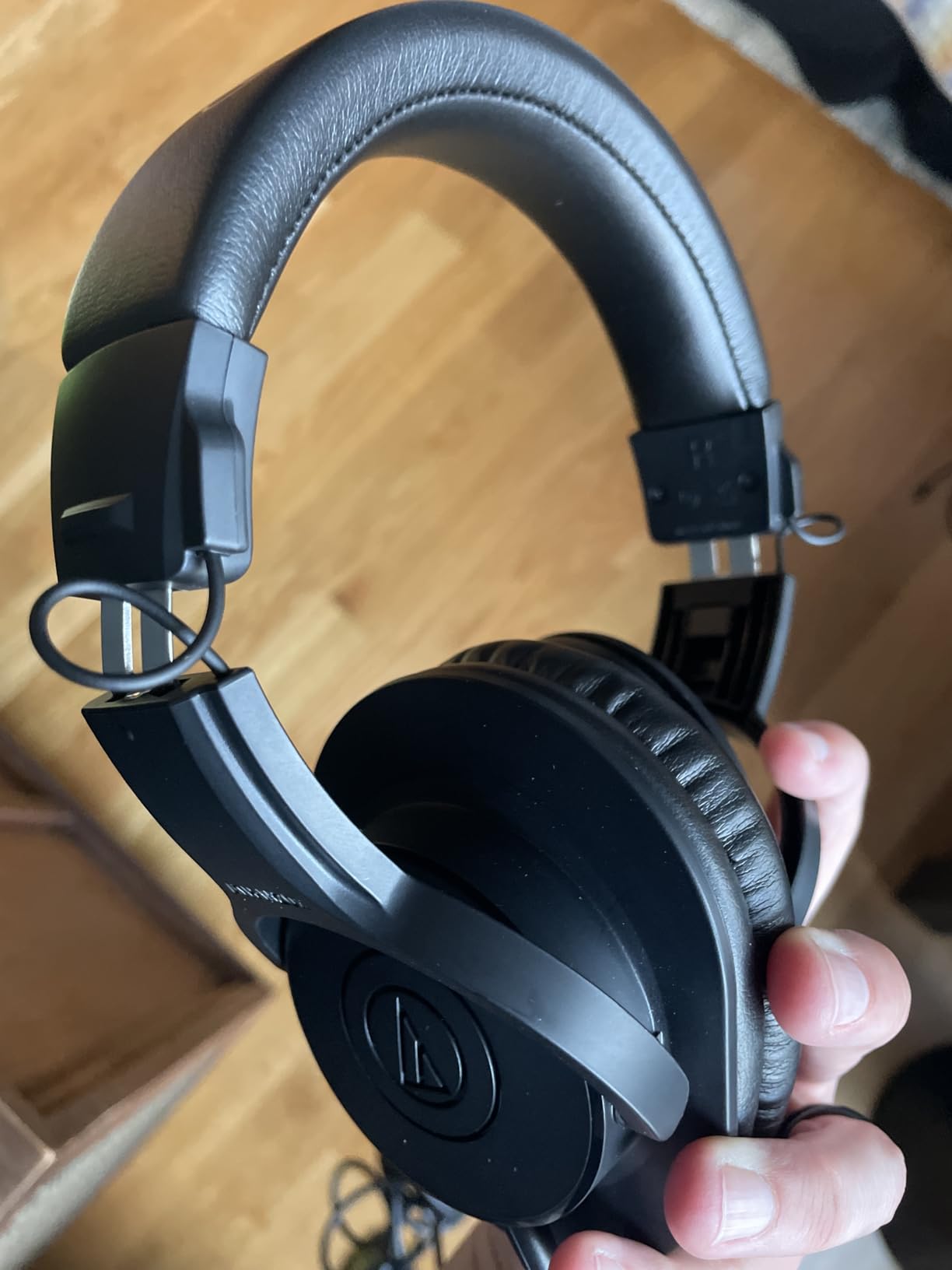
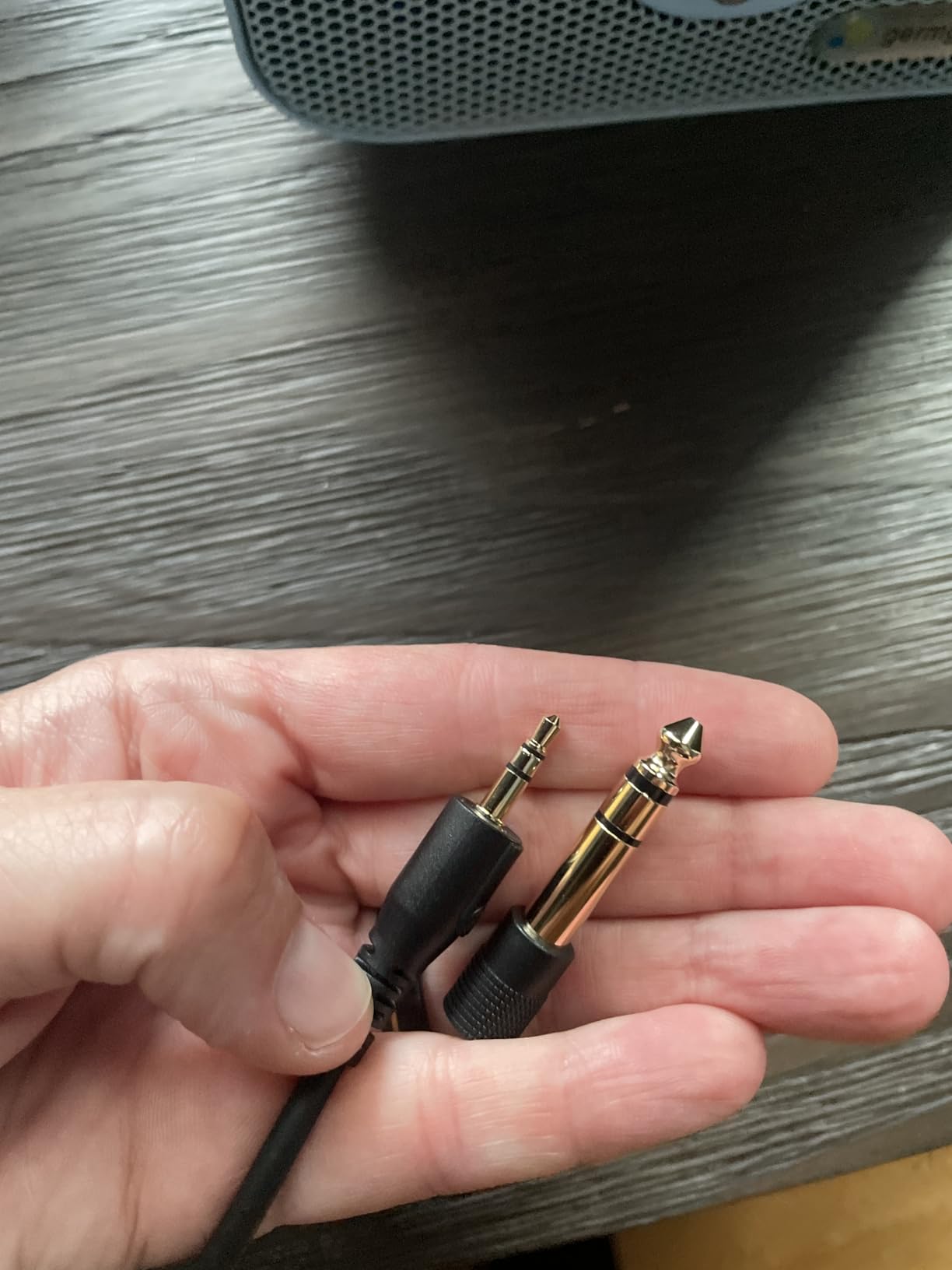
The circumaural design provides decent passive isolation for recording and listening. The single-side cable exit keeps the cable out of your way during use. At just 210 grams, these are the lightest headphones in this guide, which contributes to their comfort during long sessions.
The bass-heavy tuning is a double-edged sword. For casual metal listening, it adds fun and energy to the experience. For mixing and production work, it means you are not hearing an accurate representation of your tracks. These are better suited as dedicated listening headphones rather than studio tools.
Who Should Buy the ATH-M20x
First-time buyers who want studio-brand quality for metal listening on a tight budget will find a lot to like here. These are perfect for teenagers getting into metal, casual listeners who want something better than earbuds, and anyone who needs a backup pair of headphones for music enjoyment.
Who Should Skip the ATH-M20x
Producers and engineers should step up to the M40x or M50x for more accurate monitoring. The bass-heavy tuning makes these unreliable for mixing decisions. The lack of a carrying case and detachable cable also means they are less portable and harder to maintain over time than slightly more expensive options.
13. OneOdio Wired Over Ear – Best Ultra-Budget for Metal
OneOdio Wired DJ Hi-Res Over-Ear Headphones for PC, Keyboard Guitar – Black
50mm Drivers
32 Ohm
20 Hz - 40 kHz
Share Audio Port
Pros
- Powerful bass and clear highs from 50mm drivers
- Detachable cables with dual jacks
- Share audio port for daisy-chaining
- 90-degree swiveling ear cups
- Extremely affordable
Cons
- Ear cushion coating may degrade over time
- Slightly heavy for extended use
- Not a true over-ear for large ears
- No wireless option
The OneOdio Wired Over Ear headphones prove that you do not need to spend much to enjoy metal properly. The 50mm neodymium drivers are larger than what you find in most headphones at this price, and they deliver powerful bass and clear highs that work well for aggressive music. With 76,000+ reviews and a strong rating, the crowd has spoken on this one.
I was not expecting much from these, but they genuinely handle metal better than many headphones costing three times as much. The bass has genuine impact, the mids keep guitar riffs articulate, and the treble adds enough bite to make distorted tones feel aggressive. They are not refined, but they are fun and energetic with heavy music.
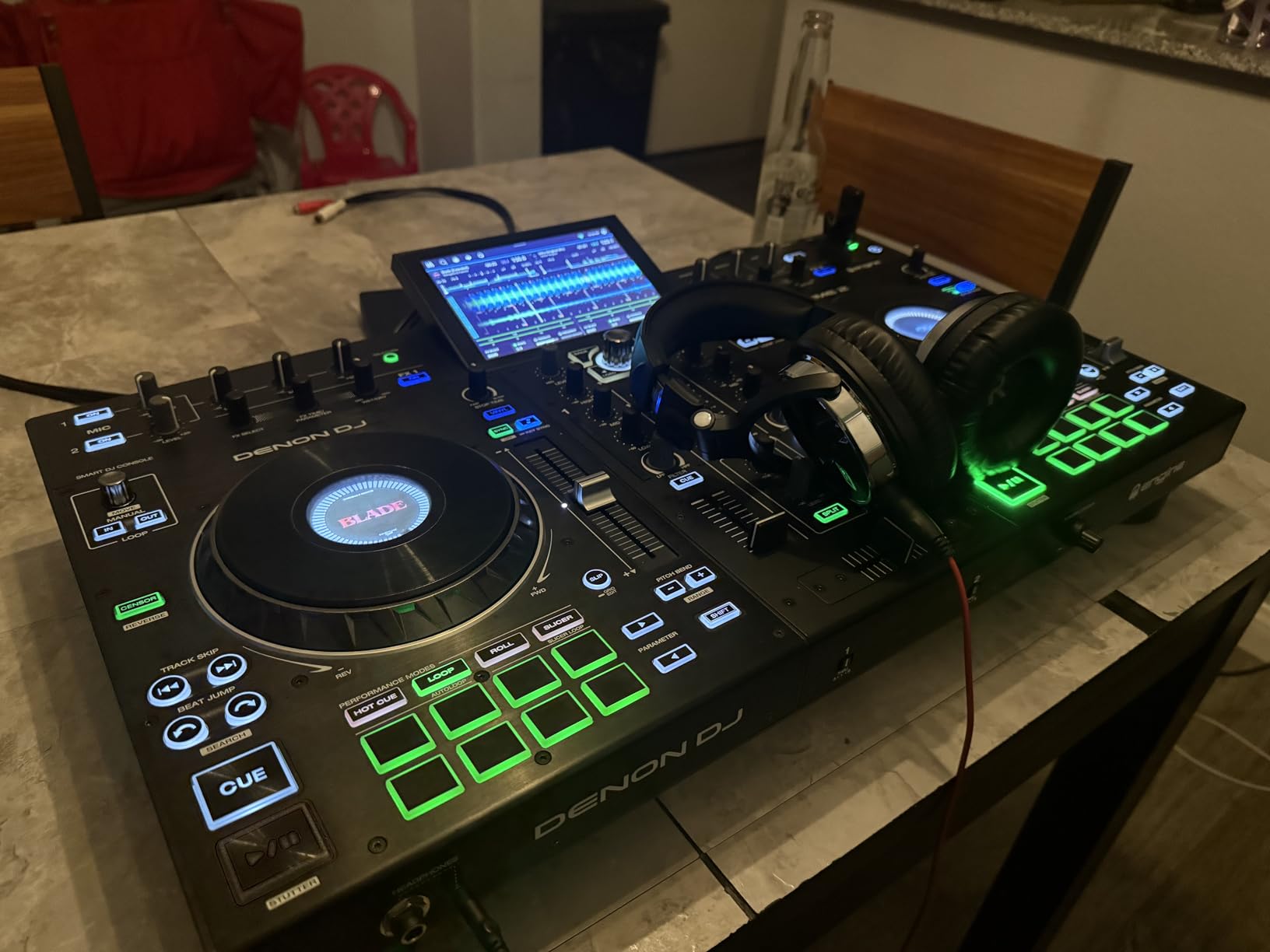
The share audio port is a unique feature that lets you plug a second pair of headphones directly into these. If you want to share a metal album with a friend without a splitter, this is the only headphone on this list that can do it. The 90-degree swiveling ear cups allow single-ear monitoring, and both 3.5mm and 6.35mm cables are included.
At 10.56 ounces, these are heavier than most alternatives, which becomes noticeable during long sessions. The ear cushion coating also has a reputation for breaking down after a year or two of heavy use. But at this price, replacing them is not a major financial burden.

Who Should Buy the OneOdio
Anyone who wants the absolute cheapest way to enjoy metal with decent sound quality should start here. These are ideal for students, first-time headphone buyers, and anyone who needs a beater pair for rough use. The share port also makes them great for couples or friends who listen to music together. DJ-style monitoring is another genuine use case thanks to the swiveling cups and dual jack options.
Who Should Skip the OneOdio
If comfort during marathon listening sessions is important, the weight and potential fit issues will bother you. These are also not suitable for anyone who needs wireless connectivity, noise cancelling, or audiophile-grade sound accuracy. The build quality is acceptable for the price but not something that will last for years of heavy daily use.
How to Choose the Best Headphones for Metal Music
Metal music places unique demands on headphones that other genres simply do not. The combination of heavily distorted guitars, rapid-fire drumming, and dense layering means your headphones need specific capabilities to deliver the full experience. Here is what actually matters when shopping for headphones for heavy music.
Why Metal Needs Specific Headphones
Metal is one of the most technically demanding genres to reproduce accurately. A typical metal mix contains multiple layers of distorted guitars, rapid double bass patterns reaching 200+ BPM, growled or screamed vocals, and deep bass elements. Cheap headphones blur all of this into a wall of noise because their drivers cannot move fast enough to keep up with the transient detail. The result is muddy low-end, smeared guitars, and blast beats that sound like a continuous rumble instead of distinct hits.
Good metal headphones solve this with drivers that have fast transient response, meaning they can start and stop moving quickly. This speed is what keeps fast drum patterns distinct and prevents guitar distortion from bleeding into the bass frequencies. Look for headphones with proven driver quality rather than just impressive frequency response numbers on paper.
Closed-Back vs Open-Back for Metal
This is the biggest decision you will make, and it affects your metal listening experience more than any other single factor. Closed-back headphones seal your ears off from the outside world. They provide isolation, stronger bass impact, and a more intimate sound. Metal genres like deathcore, slam, and beatdown hardcore benefit from the focused, punchy presentation that closed-back designs provide.
Open-back headphones let air and sound pass through the ear cups. This creates a wider, more natural soundstage where instruments sound like they exist in physical space rather than inside your head. Progressive metal, atmospheric black metal, post-metal, and any genre with complex layering benefits enormously from the spatial presentation of open-back designs.
The trade-off is straightforward: closed-back isolates but sounds more confined, open-back sounds expansive but leaks sound in both directions. If you listen at home in a quiet room, open-back is usually the better choice for metal. If you commute, record in studios, or share spaces, closed-back is the practical option.
Driver Types and What They Mean for Metal
Dynamic drivers are the most common type and what you will find in every headphone on this list. They use a voice coil attached to a diaphragm that moves air to create sound. Quality dynamic drivers like the 45mm units in the ATH-M50x or the Beyerdynamic drivers in the DT 990 PRO handle metal extremely well because they have strong transient response and good bass dynamics.
Planar magnetic drivers use a flat diaphragm with embedded conductors that respond to magnetic fields. They are known for incredible speed, detail, and bass control. While none of the headphones in this guide use planar magnetic technology, if you have a larger budget, brands like Audeze and Hifiman offer planar magnetic options that are exceptional for metal.
Impedance and Amplification
Impedance, measured in ohms, determines how much power your headphones need to reach optimal volume and sound quality. Low impedance headphones (16-64 ohms) like the ATH-M50x, MDR7506, and Soundcore Q20i work great with phones, laptops, and any standard headphone jack. You can plug them in and get good sound immediately.
High impedance headphones (120-250 ohms) like the DT 990 PRO and HD 560S require more voltage to reach the same volume. Without a dedicated headphone amp, these headphones will sound quiet and lack dynamics. However, when properly amplified, high impedance drivers typically deliver better controlled bass, lower distortion, and more refined sound. The improvement is especially noticeable with complex metal mixes.
If you already own an audio interface for recording, it probably has a built-in headphone amp that can drive high impedance headphones. If not, basic headphone amps start around $50-80 and make a significant difference with demanding headphones.
Bass Response and Transient Speed
Bass is critical for metal, but not in the way most people think. You do not want overwhelming, boomy bass that clouds everything else. You want tight, fast bass that reproduces kick drums with impact and stops instantly between hits. This transient speed is what separates headphones that work for metal from those that do not.
When evaluating headphones for metal, listen specifically to fast double bass patterns. If you can hear each individual kick drum hit at high speeds, the headphones have adequate transient response for metal. If the kicks blur together into a continuous tone, the drivers are too slow. The Beyerdynamic DT 990 PRO and Audio-Technica ATH-M50x both excel at this.
Wired vs Wireless for Metal
Wired headphones still deliver superior sound quality for metal because they avoid the compression inherent in Bluetooth transmission. Every detail matters in dense metal mixes, and Bluetooth codecs like SBC and AAC discard information to fit the audio stream into the wireless bandwidth. If you want to hear everything in a technical death metal track, wired is the way to go.
That said, wireless headphones have improved dramatically. Options like the Beats Studio Pro with USB-C lossless audio and the Skullcandy Crusher series with their unique bass technology offer compelling wireless experiences for metal. The convenience of no cables is hard to ignore, and for casual listening the sound quality difference is minor enough that most people will not notice.
Comfort for Marathon Listening Sessions
Metal fans tend to listen for long stretches, whether that is deep-diving into a band’s discography or working through a massive playlist. Comfort becomes critical. Look for lightweight designs, breathable ear pad materials like velour or fabric, and adjustable headbands that distribute pressure evenly. The DT 990 PRO with its velour pads and the lightweight Sennheiser HD 560S at 293 grams are standouts for comfort in this guide.
Clamping force matters too. Headphones that grip too tightly cause fatigue around the jaw and temples, while headphones that are too loose lose bass impact and isolation. The sweet spot is firm enough to maintain a seal but gentle enough to wear for three or more hours without discomfort.
Frequently Asked Questions
Which headphones are best for metal?
The best headphones for metal are the Beyerdynamic DT 990 PRO for open-back listening and the Audio-Technica ATH-M50x for closed-back use. The DT 990 PRO offers a wide soundstage that separates complex metal layers clearly, while the ATH-M50x delivers detailed sound with strong bass impact and excellent isolation. Both handle fast transient response needed for blast beats and double bass patterns without smearing.
What headphones are good for rock music?
Headphones that work well for rock music typically have strong midrange presence for guitars, punchy bass for the rhythm section, and enough treble detail for cymbals and vocals. The Sony MDR7506 and Audio-Technica ATH-M50x are both excellent choices because their neutral-to-slightly-bright tuning reproduces guitar tones accurately. Open-back options like the Sennheiser HD 560S also work beautifully for progressive and classic rock where soundstage matters.
What is the 60 60 rule for headphones?
The 60/60 rule is a hearing protection guideline that recommends listening at no more than 60% of maximum volume for no longer than 60 minutes at a time. This is especially important for metal listeners because the genre’s heavy bass and treble content can cause hearing fatigue and damage faster than other genres. Taking regular breaks and keeping volume reasonable preserves your hearing for years of metal enjoyment.
Do I need an amp for 250 ohm headphones?
Yes, 250 ohm headphones like the Beyerdynamic DT 990 PRO benefit significantly from a dedicated headphone amplifier. Without proper amplification, high impedance headphones will sound quiet, lack bass dynamics, and fail to deliver their full detail. Basic headphone amps start around $50-80. Most audio interfaces used for recording already include capable headphone amps that can drive 250 ohm headphones effectively.
Are closed-back or open-back headphones better for metal?
It depends on your listening environment and metal subgenre preferences. Open-back headphones like the DT 990 PRO offer a wider soundstage that makes progressive and atmospheric metal sound more expansive and layered. Closed-back headphones like the ATH-M50x provide bass impact, noise isolation, and a more focused sound that works well for death metal, metalcore, and recording situations. Choose open-back for home listening and closed-back for studios and commuting.
Final Thoughts on the Best Headphones for Metal Music in 2026
After testing all 13 of these headphones with metal ranging from classic heavy metal to the most extreme technical death metal, a few clear winners emerged. The Beyerdynamic DT 990 PRO remains my top overall pick for metal because its wide soundstage, fast transient response, and long-term comfort make it the most enjoyable headphone for extended listening sessions with heavy music. Pair it with a decent headphone amp and it becomes truly special.
For a more versatile all-rounder that needs no amp and works anywhere, the Audio-Technica ATH-M50x is impossible to beat. Its combination of clarity, bass impact, and isolation makes it the best closed-back option for metal. And if you are on a strict budget, the Sony MDR7506 delivers professional-grade sound at a price that leaves room in your wallet for more albums.
The best headphones for metal music ultimately come down to where and how you listen. Open-back for home sessions, closed-back for studios and commutes, wireless for convenience, and wired for maximum detail. Pick the pair that matches your situation, and every riff, blast beat, and breakdown will sound exactly the way the artist intended.