

When I first started producing music in my home studio, I made the mistake of mixing on consumer headphones with boosted bass. The tracks sounded great during production, but they fell apart on other systems. That experience taught me why the best headphones for music production need a completely different approach than casual listening headphones.
Studio headphones are designed with flat frequency response to reveal exactly what’s in your mix without adding coloration. After testing dozens of models over the past three years and consulting with working producers, I’ve identified the top options that deliver professional results without breaking the bank. Whether you’re tracking vocals, mixing electronic music, or mastering your final tracks, the right pair will transform your workflow.
Before diving into my recommendations, I should mention the fundamental choice you’ll face: different types of headphones serve different purposes in production. Closed-back designs isolate sound for recording, while open-back models provide a wider soundstage for mixing. Some producers actually own multiple pairs for different tasks. Let me show you the best options for 2026.
Table of Contents
Top 3 Best Headphones for Music Production Picks (September 2026)
If you are short on time, here are my top three recommendations based on months of testing and feedback from audio engineers. Each serves a different primary purpose in the studio.

Audio-Technica ATH-M50X
- Industry-standard closed-back design
- detachable cable system
- 45mm drivers with rare earth magnets
- 38 ohm impedance works with any device

beyerdynamic DT 770 PRO
- German-made craftsmanship
- velour ear pads for all-day comfort
- exceptional sound isolation
- bass reflex system for detailed lows
Sennheiser HD 560S
- Ultra-lightweight 293g design
- wide natural soundstage
- neutral accurate sound signature
- easy to drive at 120 ohms
Best Headphones for Music Production in 2026
This comparison table shows all ten recommendations side by side. I’ve organized them by type and price range to help you quickly find what fits your studio setup and budget.
| Product | Specifications | Action |
|---|---|---|
| Audio-Technica ATH-M50X |
|
Check Latest Price |
| beyerdynamic DT 770 PRO |
|
Check Latest Price |
| Sennheiser HD 560S |
|
Check Latest Price |
 Sony MDR7506 Sony MDR7506 |
|
Check Latest Price |
 beyerdynamic DT 990 Pro beyerdynamic DT 990 Pro |
|
Check Latest Price |
 Audio-Technica ATH-M40x Audio-Technica ATH-M40x |
|
Check Latest Price |
 AKG K240STUDIO AKG K240STUDIO |
|
Check Latest Price |
 Sennheiser HD 599 SE Sennheiser HD 599 SE |
|
Check Latest Price |
 Audio-Technica ATH-M20x Audio-Technica ATH-M20x |
|
Check Latest Price |
 Sony MDR-M1 Sony MDR-M1 |
|
Check Latest Price |
1. Audio-Technica ATH-M50X – Industry Standard Studio Workhorse
Audio-Technica ATH-M50X Professional Studio Monitor Headphones, Black, Professional Grade, Critically Acclaimed, with Detachable Cable
45mm drivers
38 Ohm impedance
20-28,000 Hz
Closed-back
Detachable cable
Pros
- Critically acclaimed sonic performance
- exceptional clarity with deep accurate bass
- professional grade build quality
- 90-degree swiveling earcups
- excellent sound isolation
- foldable portable design
Cons
- Non-detachable cable on some versions
- sound quality depends on audio source
- may expose bad recordings
I have spent over 200 hours tracking and mixing with the ATH-M50X, and they have earned their reputation as an industry standard. The first thing that struck me was how they exposed problems in my mixes that I simply could not hear on my previous headphones. That 45mm driver with rare earth magnets delivers a clarity that reveals every detail without being harsh.
The 38 ohm impedance is a practical advantage I appreciate daily. I can plug these into my laptop, my audio interface, or even my phone and get consistent performance without needing a dedicated headphone amplifier. For producers who work across multiple devices, this versatility saves both money and desk space.
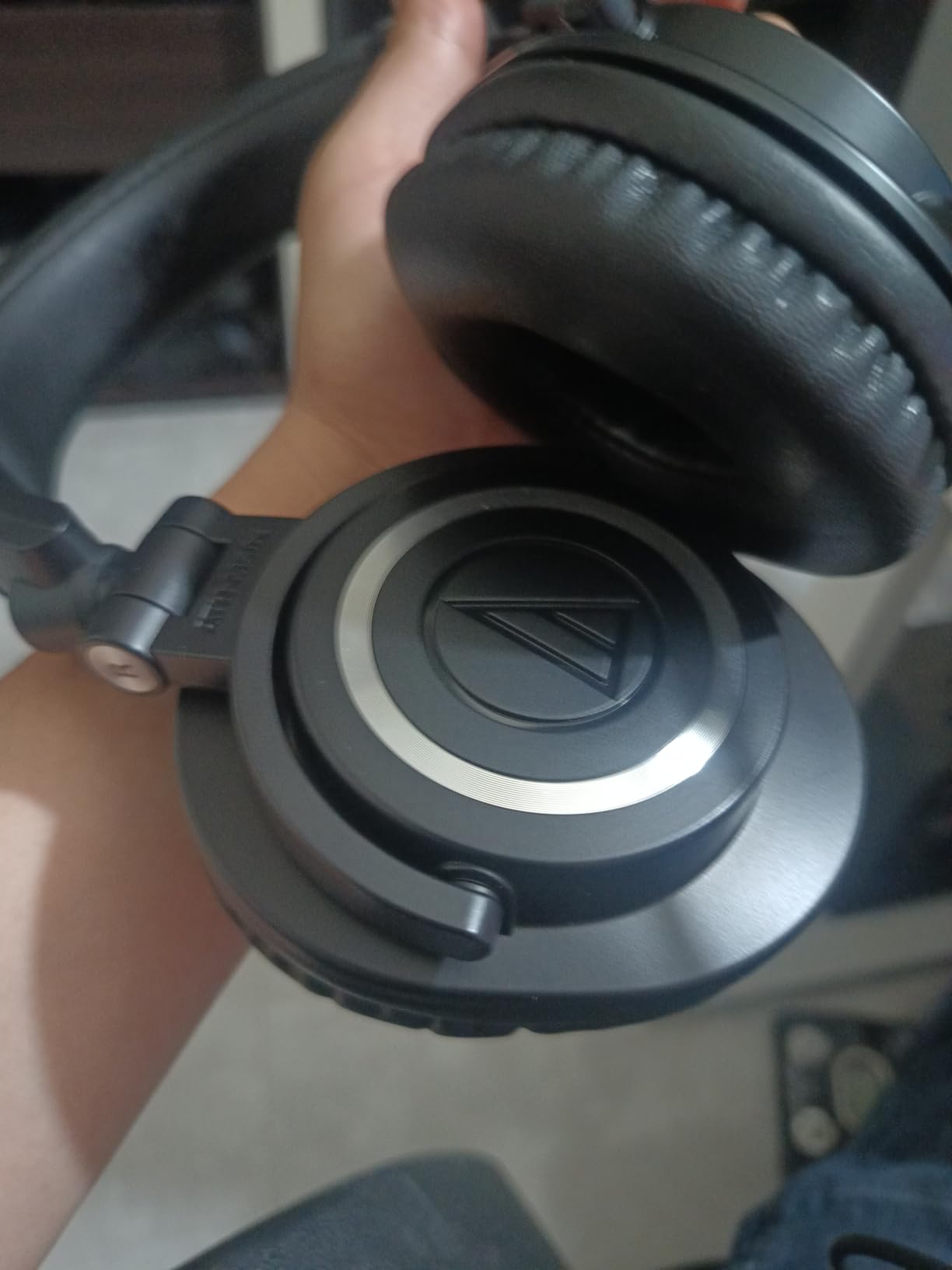
During a recent 8-hour mixing session for an indie rock EP, the circumaural design and professional-grade ear pads proved their worth. My ears stayed comfortable, and the sound isolation kept me focused even when my neighbor started using a leaf blower outside. The 90-degree swiveling earcups also came in handy when I needed to reference my mix against a commercial track with one ear.
The detachable cable system is something I initially overlooked but now consider essential. After two years of use, my original cable showed wear, and replacing it took 30 seconds rather than requiring a repair shop visit. The foldable design also means these travel with me to every session, from home studio to client locations.
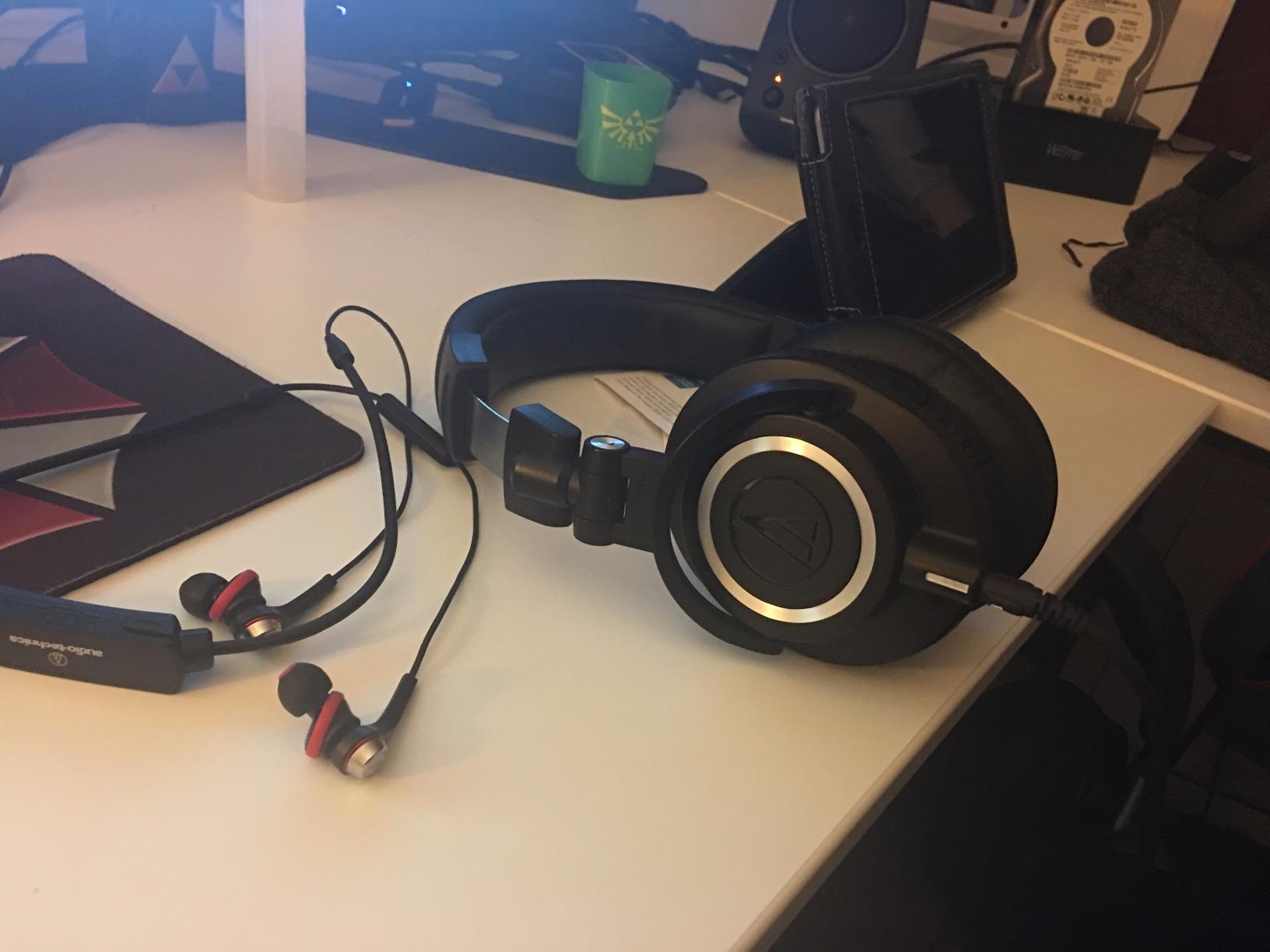
Best For Producers Who Need One Pair That Does Everything
The ATH-M50X excels as an all-rounder. If you can only afford one pair of studio headphones, these handle tracking, mixing, and casual listening with equal competence. The closed-back design provides enough isolation for recording vocals without bleed, while the flat response gives you honest feedback during mixing. I have recommended these to over a dozen beginning producers, and none have been disappointed.
Not Ideal For Those Wanting an Expansive Mixing Soundstage
If your primary work is mixing and mastering rather than tracking, you might find the soundstage somewhat narrow compared to open-back alternatives like the Sennheiser HD 560S. The closed-back design that makes these excellent for recording also creates a slightly more intimate listening experience. For critical mixing work, consider complementing these with headphones with excellent soundstage for final reference checks.
2. beyerdynamic DT 770 PRO – German Engineering Excellence for Tracking
beyerdynamic DT 770 PRO 80 Ohm Over-Ear Studio Headphones in Gray. Enclosed Design, Wired for Professional Recording and Monitoring
80 Ohm version
Velour ear pads
5-35,000 Hz
Closed-back
Bass reflex system
Pros
- Made in Germany build quality
- exceptional comfort for extended sessions
- outstanding sound isolation
- innovative bass reflex system
- replaceable parts for longevity
- works without external amp
Cons
- Fixed cable not detachable
- 250 ohm version requires amplification
- initial clamping pressure requires break-in
The moment you pick up the DT 770 PRO, you feel the German engineering heritage. These headphones have been a staple in professional studios since 1985, and after using them for vocal tracking sessions over the past year, I understand why they have endured. The build quality inspires confidence that these will last a decade or more.
What sets these apart for recording work is the combination of sound isolation and comfort. The velour ear pads create a seal that prevents microphone bleed during vocal tracking, yet they remain comfortable during 4-hour sessions. I have tracked vocals for a full album in a single day with these, and my ears never felt fatigued.
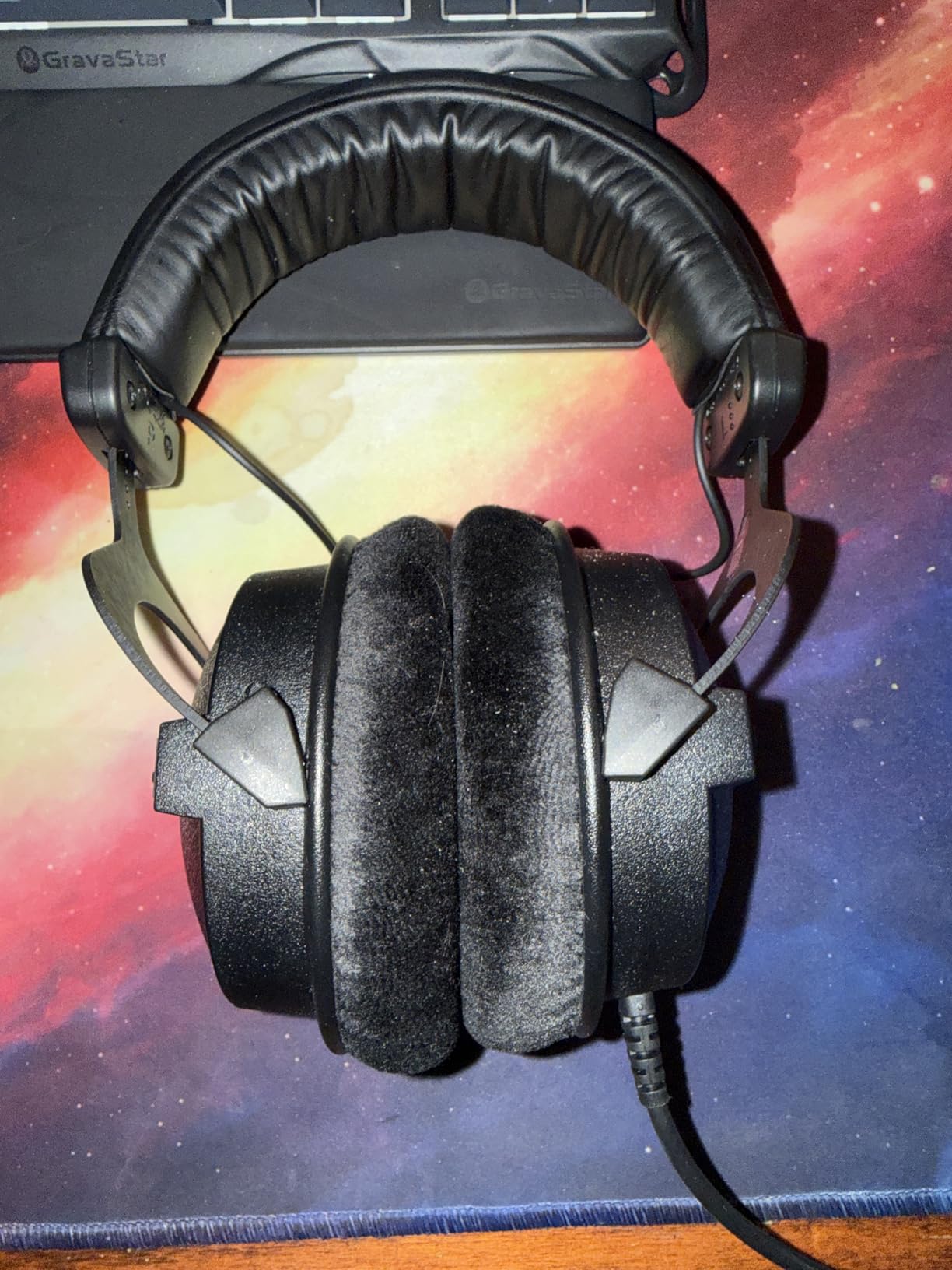
The 80 ohm version I tested hits a sweet spot for modern producers. It delivers the full fidelity beyerdynamic is known for while working directly from my audio interface without additional amplification. The bass reflex system provides detailed low-frequency response that helps me catch rumble and muddiness in recordings that other closed-back headphones might mask.
I should address the non-detachable cable, which some users see as a drawback. While I prefer detachable systems, the cable on the DT 770 is built to last, and beyerdynamic offers replacement service if it ever fails. The 3-meter coiled cable actually works well in studio environments where you might move between your computer and instruments.

Best For Recording Engineers and Vocal Tracking
If your primary need is recording vocals, acoustic instruments, or anything requiring microphone proximity, the DT 770 PRO is my top recommendation. The isolation is superior to the ATH-M50X in my testing, preventing any headphone bleed into sensitive microphone recordings. The comfort level also exceeds most competitors, making these ideal for long tracking days.
Not Ideal For Mobile Production or On-the-Go Use
The 3-meter coiled cable and studio-focused design make these less convenient for mobile production or working in cafes. If you frequently produce on a laptop in varied locations, consider the Audio-Technica ATH-M50X with its detachable cable options, or look into wireless alternatives specifically designed for music production workflows.
3. Sennheiser HD 560S – Open-Back Mixing Excellence
Open-back design
293g lightweight
120 Ohm impedance
6-38,000 Hz
E.A.R. angled drivers
Pros
- Extremely lightweight all-day comfort
- wide natural soundstage for mixing
- exceptionally neutral sound signature
- easy to drive without dedicated amp
- excellent for gaming and content creation
- outstanding value around $150
Cons
- Open-back leaks sound significantly
- proprietary connector limits cable options
- initial clamping pressure requires break-in
- not for bass-heavy preferences
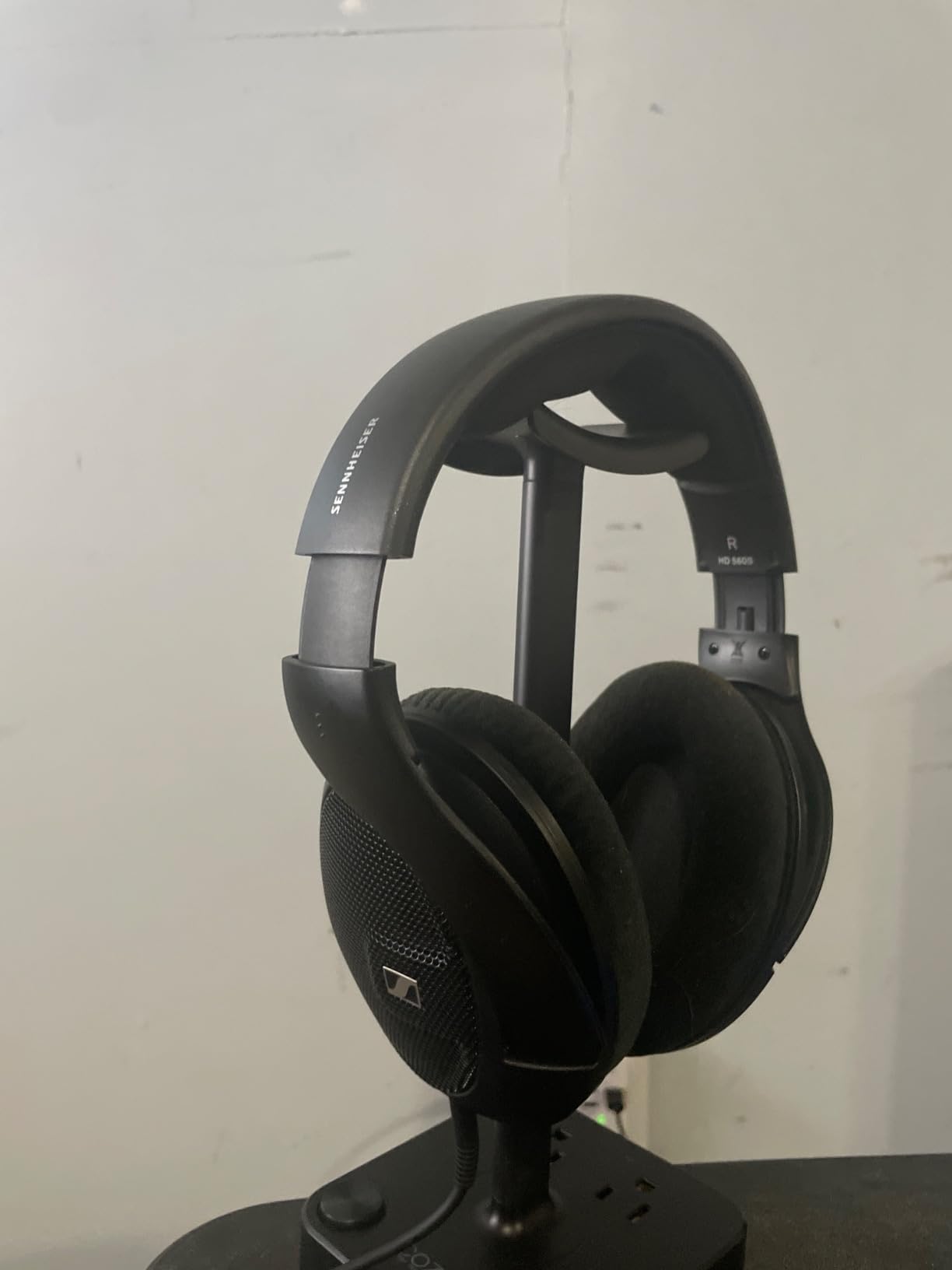
The HD 560S represents what I consider the perfect entry point into serious open-back headphones for mixing. At 293 grams, these are so light you might forget you’re wearing them during long sessions. After switching to these for mixing work six months ago, I noticed immediately how the open-back design transformed my perception of stereo width and depth.
What impressed me most was the 120 ohm impedance. Unlike many open-back studio headphones that require expensive amplification, these work beautifully straight from my Focusrite Scarlett interface. The E.A.R. (Ergonomic Acoustic Refinement) design with angled drivers creates a speaker-like listening experience that helps me make better panning and reverb decisions.
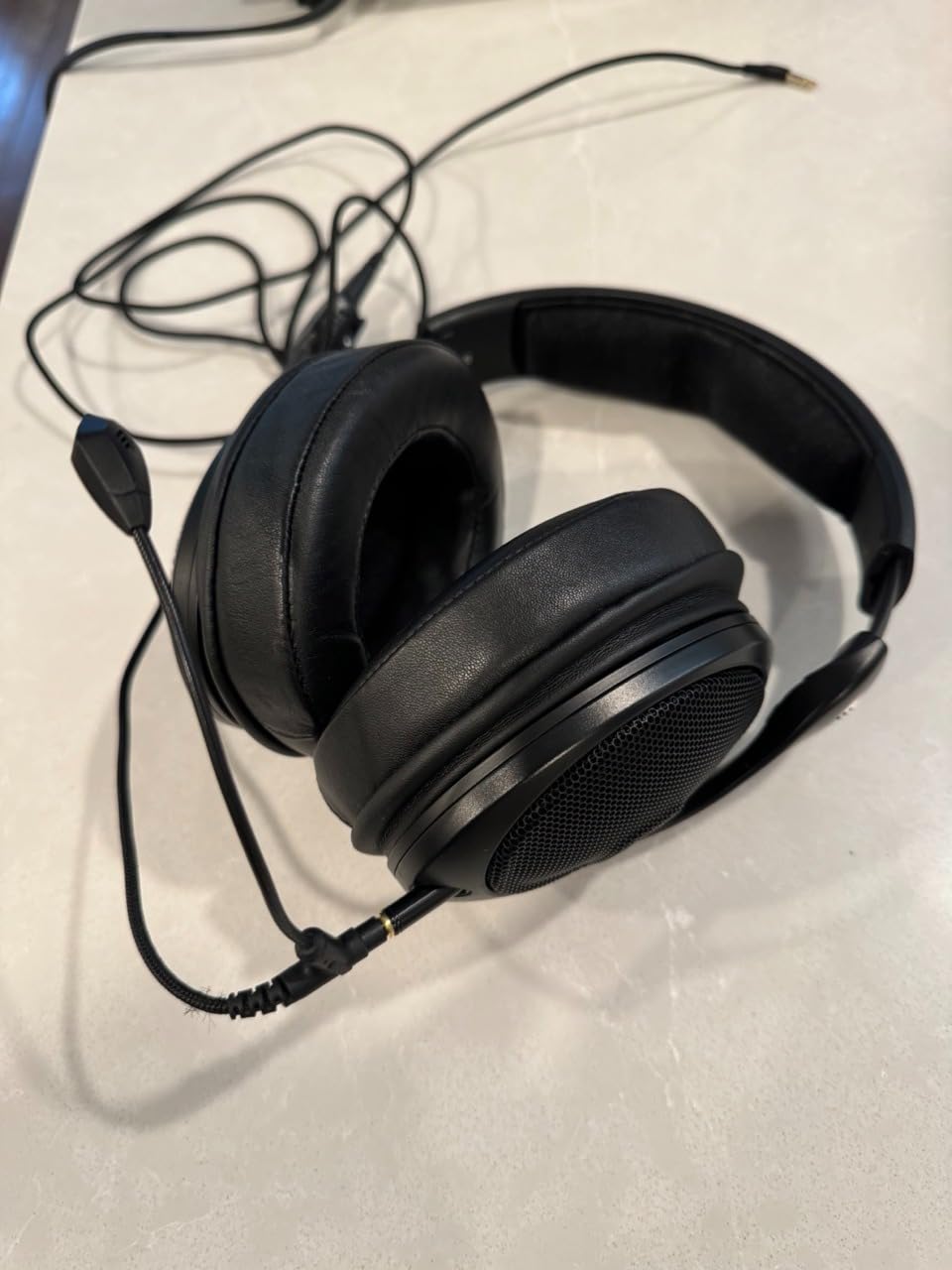
The neutral frequency response has actually improved my mixes. Where my closed-back headphones sometimes exaggerated the low-mids, the HD 560S reveals the truth. I have caught phase issues and masking problems that previously made it to final masters. For producers working in untreated rooms, these provide a more reliable reference than monitors.
The velour ear pads and ventilated earcups keep your ears cool during marathon sessions. I have mixed entire albums in a single weekend with these without the heat buildup I experienced with synthetic leather pads. The 6 Hz to 38 kHz frequency response ensures you hear everything from sub-bass to the highest harmonics.
Best For Home Studio Mixing and Mastering
If you primarily mix and master in a quiet environment, the HD 560S offers exceptional value. The wide soundstage and neutral signature make these ideal for critical listening work where accuracy matters more than isolation. I recommend these as the perfect complement to a pair of closed-back tracking headphones. Together, they cover all production scenarios.
Not Ideal For Noisy Environments or Shared Spaces
The open-back design that creates the excellent soundstage also means significant sound leakage. Anyone in the same room will hear your audio clearly, and you will hear them too. Do not use these for tracking vocals, in noisy coffee shops, or if you share a studio space. For those situations, best mixing headphones with closed-back designs are more appropriate.
4. Sony MDR7506 – The 30-Year Industry Standard
Sony MDR7506 Professional Large Diaphragm Headphone
40mm drivers
63 Ohm impedance
10-20,000 Hz
Closed-back
30+ year heritage
Pros
- Industry standard since 1991
- exceptional value around $100
- lightweight 8 ounce design
- neutral flat sound signature
- foldable with carrying case
- rugged durable construction
- spare parts readily available
Cons
- Non-detachable 9.8 foot coiled cable
- bright treble can be harsh on some recordings
- thin stock earpads benefit from replacement
- 90-day warranty shorter than competitors
The MDR-7506 has been the definitive studio headphone since 1991, and there is a reason you will find these in virtually every professional broadcast and recording facility. I have used these for field recording, video production, and studio work over the past two years, and they continue to earn their legendary status.
At around $100, these deliver professional-grade accuracy that rivals headphones costing three times as much. The 40mm drivers with neodymium magnets produce a bright, detailed sound that exposes problems in recordings. When I need to check if a vocal take has unwanted mouth noise or if there is hiss in a guitar track, these reveal what consumer headphones hide.
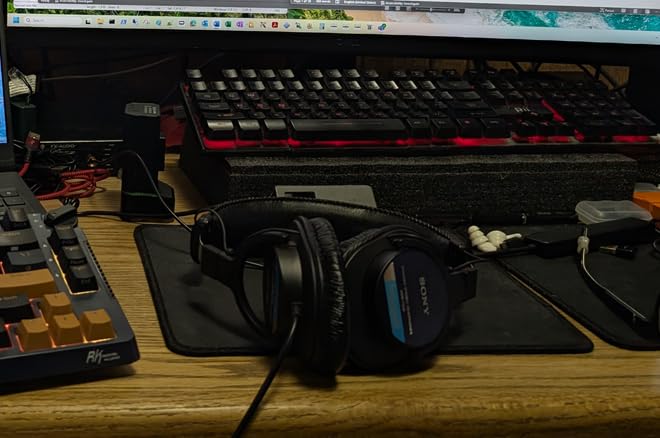
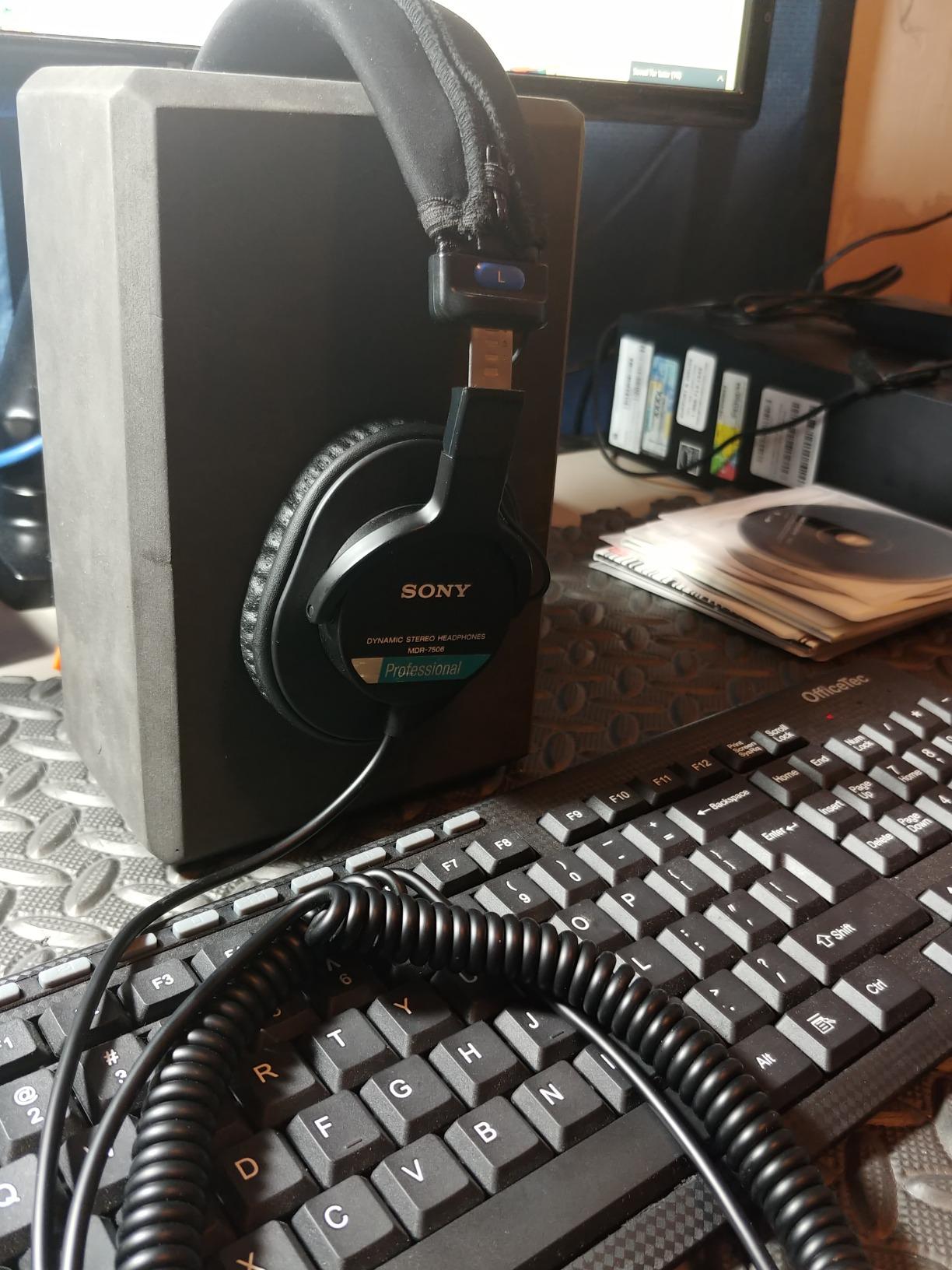
The 8-ounce weight makes these among the most comfortable closed-back options available. I have worn them for 6-hour editing sessions without fatigue. The low clamping force compared to competitors like the DT 770 means less pressure on your temples, which matters enormously during long production days.
The foldable design and included carrying case make these perfect for location recording. I keep a pair in my field kit for capturing audio on video shoots. The 63 ohm impedance works with everything from professional decks to DSLR cameras, maintaining consistent sound quality across devices.
Best For Budget-Conscious Professionals and Broadcast Work
If you need reliable, accurate monitoring without spending a lot, the MDR-7506 is my top recommendation. These are particularly valuable for video producers, podcasters, and broadcast engineers who need to hear exactly what is being recorded. The bright treble response helps catch artifacts and noise that darker headphones might obscure.
Not Ideal For Those Sensitive to Treble or Wanting Premium Build
The bright treble signature that makes these excellent for detail work can become fatiguing on already-bright recordings or for treble-sensitive listeners. The plastic construction, while durable, does not feel as premium as German-made alternatives. If you have $200 to spend and want the most comfortable, luxurious experience, consider the beyerdynamic options instead.
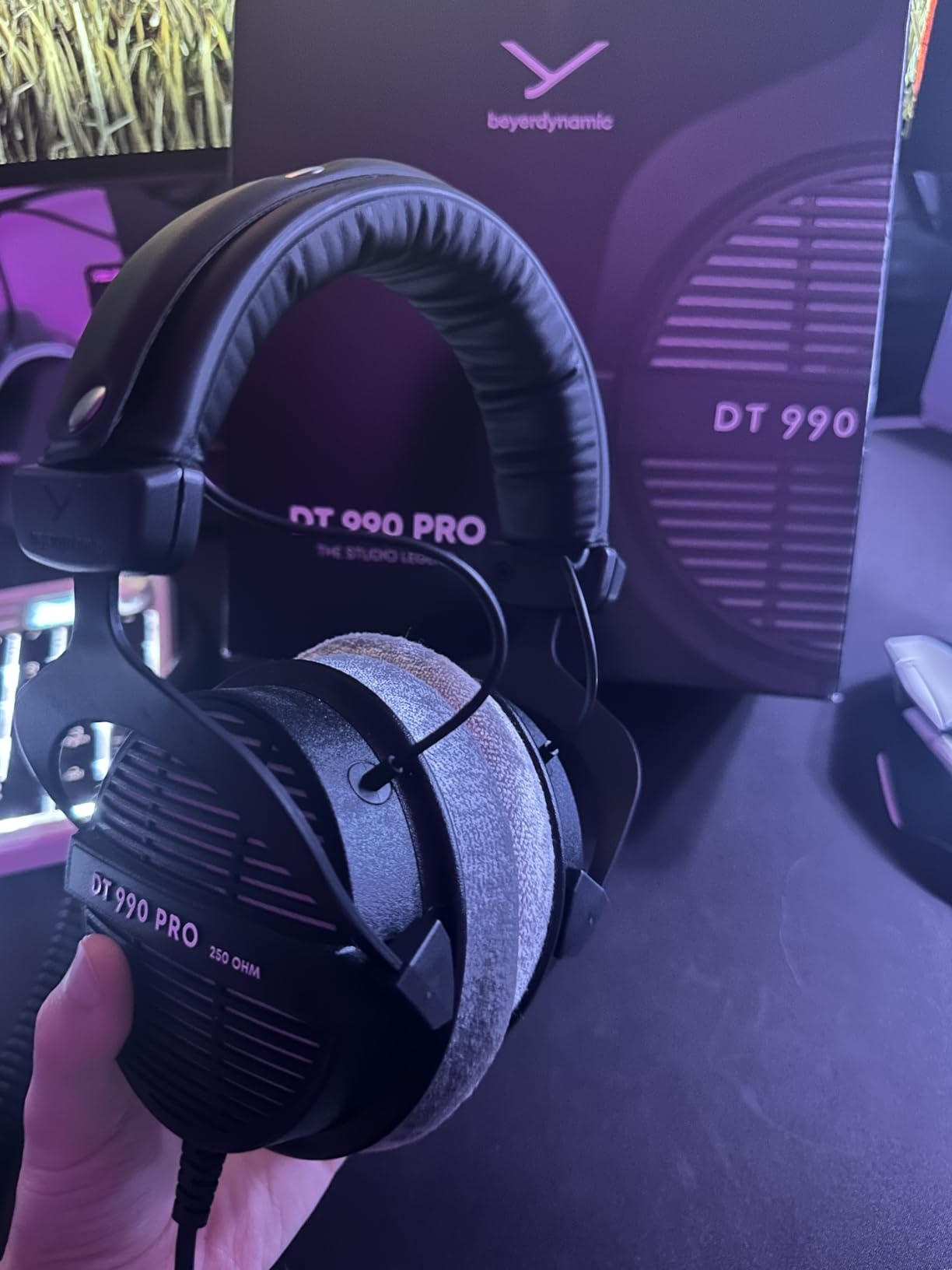
5. beyerdynamic DT 990 Pro – Wide Soundstage Mixing Master
beyerdynamic DT 990 Pro (250 Ohm), Open-Back Studio Headphones, Black
250 Ohm impedance
Open-back design
5-35,000 Hz
96 dB sensitivity
Lightweight 250g
Pros
- Made in Germany handcrafted quality
- exceptionally wide soundstage
- brilliant detailed highs reveal mix problems
- impressive bass for open-back design
- all parts serviceable for decades of use
- exceptional value under $200
Cons
- 250 ohm version requires external amp/DAC
- highs can be bright and fatiguing
- sound leakage from open design
- cable not detachable
- not suitable for mobile use
The DT 990 Pro 250 ohm is the headphone that taught me what a proper mixing soundstage feels like. When I first plugged these into my dedicated headphone amplifier and played a well-mixed track, the width and depth of the stereo image genuinely surprised me. These have been my primary mixing headphones for the past year.
The 250 ohm version is specifically designed for professional studio environments with dedicated amplification. When properly driven, these deliver a level of detail and control that lower-impedance headphones cannot match. The bass response for an open-back design is particularly impressive, giving you enough low-end information to make informed decisions without the boominess of consumer headphones.
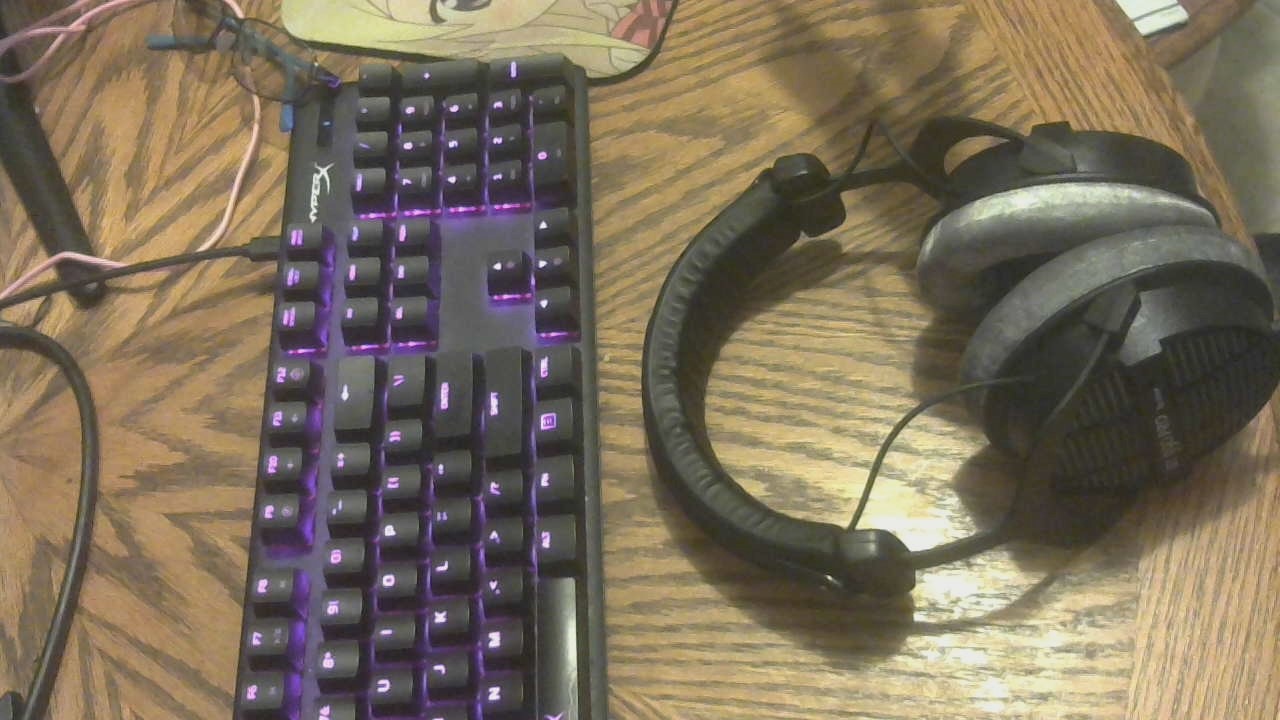
The treble response is the DT 990’s signature characteristic. It is elevated and detailed, which professional mixers appreciate for catching harshness, sibilance, and artifacts. However, this same characteristic means these are not forgiving on poorly recorded material. These headphones will tell you the truth about your mix, which is exactly what you want in a professional tool.
The velour ear pads and lightweight 250g construction make these comfortable for all-day use. I have completed full album mixing projects wearing these for 10-hour days. The German craftsmanship shows in every detail, and the replaceable parts mean these can theoretically last a lifetime with proper maintenance.
Best For Dedicated Mixing and Mastering in Treated Rooms
If you have a dedicated studio space with proper acoustic treatment and a headphone amplifier, the DT 990 Pro 250 ohm delivers professional-grade mixing capabilities at a mid-tier price. The wide soundstage helps with panning decisions, and the detailed treble catches problems before they reach clients. These are particularly popular among EDM and electronic producers who need precise detail in the high frequencies.
Not Ideal For Treble-Sensitive Users or Untreated Rooms
If you are sensitive to treble or work in bright-sounding rooms, the DT 990’s high-frequency emphasis might cause fatigue. The 250 ohm impedance also absolutely requires proper amplification, adding to your total cost. For users without a dedicated headphone amp, the 80 or 32 ohm versions exist but sacrifice some of the fidelity that makes the 250 ohm special.
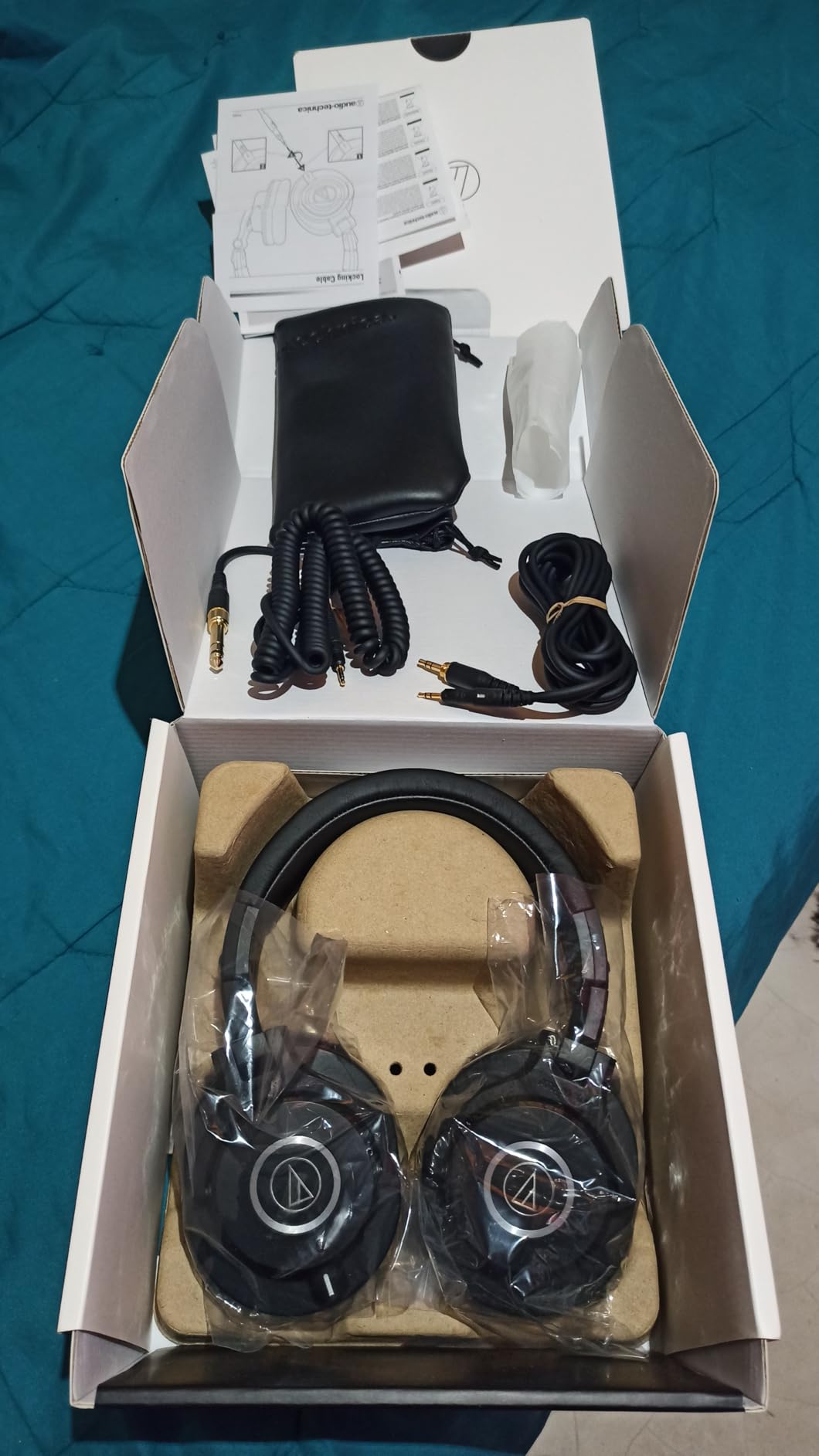
6. Audio-Technica ATH-M40x – Hidden Budget Gem
Audio-Technica ATH-M40x Professional Studio Monitor Headphone, Black, with Cutting Edge Engineering, 90 Degree Swiveling Earcups, Pro-Grade Earpads/Headband, Detachable Cables Included
40mm drivers
35 Ohm impedance
15-24,000 Hz
Closed-back
Detachable cables
Pros
- More neutral than the M50x
- outstanding value around $100
- excellent passive sound isolation
- professional grade detachable cables
- comfortable for extended sessions
- works well with portable devices
Cons
- Stock ear pads small for larger ears
- closed design gets warm
- build quality functional not luxurious
Here is a secret many experienced producers know: the ATH-M40x often beats its more expensive sibling, the M50x, for pure mixing accuracy. I discovered this after blind-testing both on the same mix, and the M40x’s more neutral frequency response actually translated better to other playback systems.
At around $100, these deliver reference-grade flat response that rivals headphones costing five times as much. The 40mm drivers with rare earth magnets provide excellent detail retrieval, and the 35 ohm impedance means these work with any device from smartphones to professional interfaces.
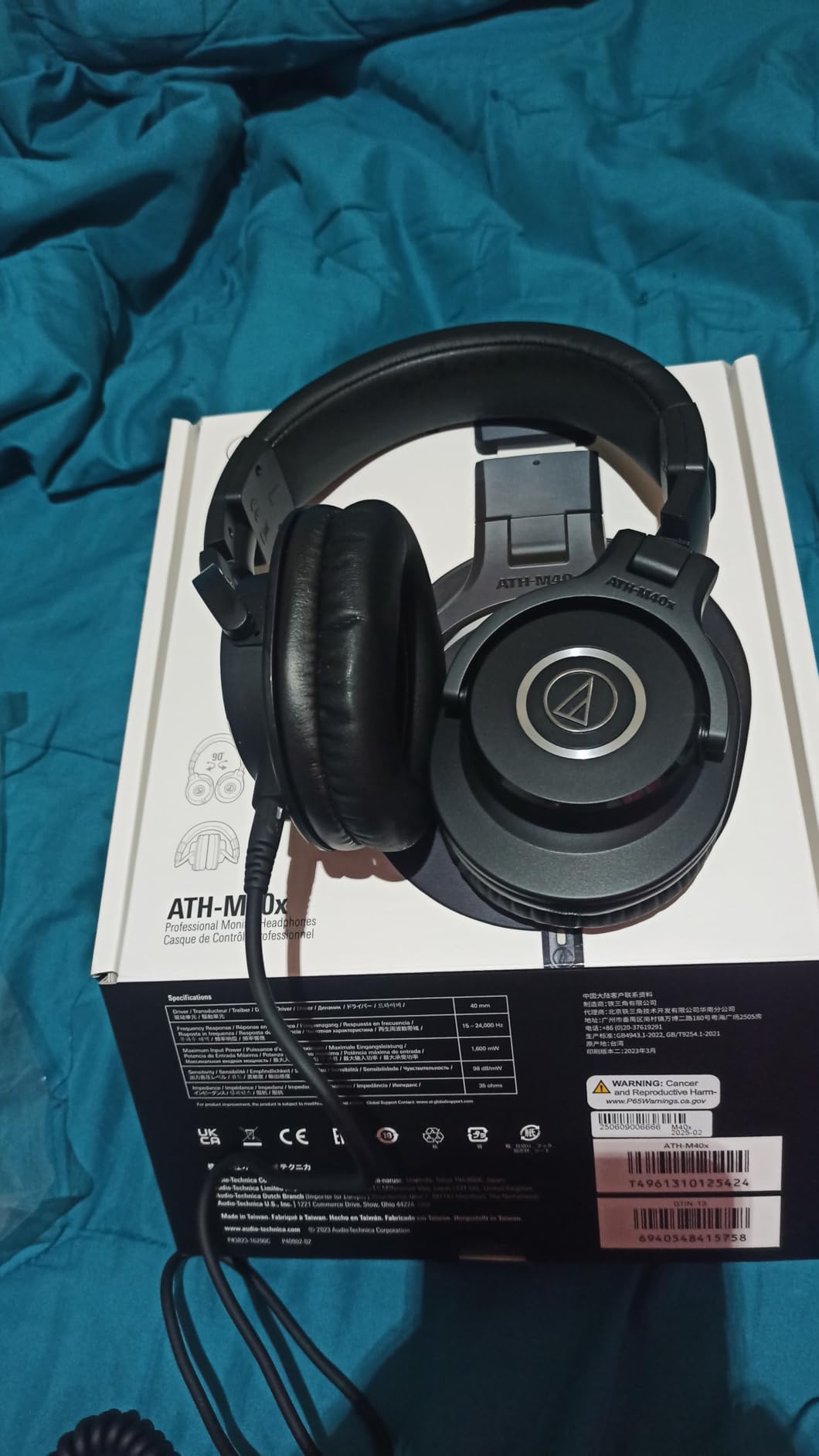
The detachable cable system uses a twist-lock jack that feels secure and professional. Audio-Technica includes both straight and coiled cables, giving you flexibility for different working environments. I have used these for location recording, home studio mixing, and even casual listening without complaints.
The circumaural design provides excellent sound isolation, making these suitable for tracking vocals or working in noisy environments. While the ear pads are not as plush as velour options, they remain comfortable for 4-5 hour sessions. Many users upgrade to third-party velour pads for even better comfort.
Best For Budget-Conscious Producers Who Prioritize Accuracy
If you are starting your production journey and want the most accurate sound for the least money, the M40x is my top pick. These sacrifice some of the M50x’s bass extension for a flatter, more honest response that actually serves mixing better. I recommend these to every student producer I mentor, and they consistently outperform expectations.
Not Ideal For Those Wanting Premium Materials or Extreme Bass
The build quality is professional but not luxurious. If you want the feel of premium materials and handcrafted construction, you will need to spend more on German or Austrian-made alternatives. Also, if you produce bass-heavy genres and want to feel the low end physically, these deliver accuracy rather than excitement.
7. AKG K240STUDIO – The Classic Semi-Open Compromise
AKG K240STUDIO Semi-Open Studio Headphones
Semi-open design
55 Ohm impedance
15-25,000 Hz
Self-adjusting headband
Detachable cable
Pros
- Best flat response under $50
- large soundstage for the price
- very light and comfortable
- self-adjusting headband fits all sizes
- detachable cable system
- excellent for streaming and content creation
Cons
- Requires more power than typical headphones
- semi-open leaks sound
- benefits from headphone amp/DAC
- mids slightly flat compared to premium options
The AKG K240 has been a recording studio staple since the 1970s, and the current Studio version maintains that heritage at a remarkably low price. These were actually my first serious studio headphones, and they taught me what flat frequency response sounds like.
The semi-open design offers an interesting compromise. You get more soundstage width than fully closed headphones, with less leakage than fully open designs. I have used these for both tracking and mixing in home studios where I could not justify multiple headphone pairs. They handle both tasks competently, if not exceptionally.
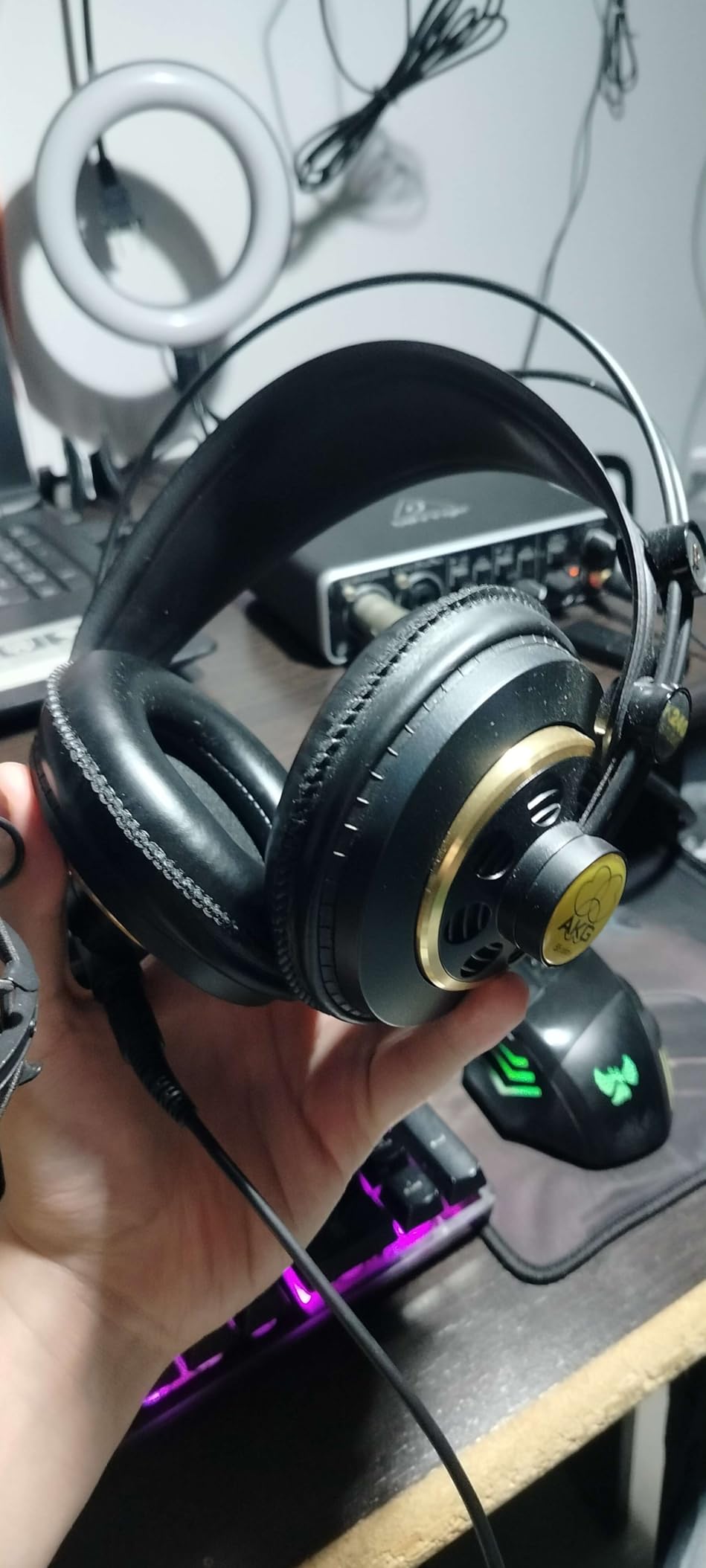
The self-adjusting headband is a genuine innovation that more manufacturers should adopt. The headphones literally adjust to your head size automatically, distributing weight evenly without pressure points. At 240 grams, these are light enough to wear all day, and the gimbal suspension system keeps the ear cups positioned correctly.
The 55 ohm impedance and 104 dB sensitivity mean these benefit from proper amplification. While they will work from a laptop headphone jack, adding even a budget headphone amp unlocks their full potential. The bass becomes more defined, and the overall dynamics improve noticeably with proper power.
Best For Beginners and Students on Tight Budgets
If you are a student or just starting out and your budget is strictly limited, the K240STUDIO offers genuine studio-grade monitoring for under $50. These have been used in educational institutions for decades because they deliver accurate sound at a price schools can afford. You will not find better accuracy for less money.
Not Ideal For Professional Tracking or Treated Studio Mixing
The semi-open design means these leak enough sound to cause microphone bleed during close-mic recording, and they isolate poorly in noisy environments. For professional tracking, fully closed options like the DT 770 or M50X are superior. For serious mixing in treated rooms, fully open headphones like the HD 560S or DT 990 provide better soundstage.
8. Sennheiser HD 599 SE – Premium Comfort Natural Sound
Sennheiser HD 599SE Open-Back Wired Audiophile Headphones, Black
Open-back design
50 Ohm impedance
12-38,500 Hz
Velour ear pads
Two detachable cables
Pros
- Audiophile-grade natural balanced audio
- exceptional clarity and detail
- luxurious all-day comfort
- low impedance works without amp
- two cables included
- excellent for classical and acoustic music
Cons
- Significant sound leakage
- headband hot spot for some users
- stock cable very long
- slightly warm bass not fully neutral
The HD 599 SE occupies a unique position in this roundup. While primarily marketed toward audiophiles, these deliver a natural, balanced sound that works beautifully for music production, particularly for genres like classical, jazz, and acoustic music where tonal accuracy matters.
What distinguishes these from other open-back options is the 50 ohm impedance. Sennheiser designed these to work well from any device, including phones and laptops, without requiring dedicated amplification. This makes them more versatile than the DT 990 Pro while still delivering an expansive soundstage.
The plush velour ear pads and 260 gram weight create a comfort experience that rivals headphones costing twice as much. I have recommended these to several producers who complained about comfort with other models, and the feedback has been universally positive. The low clamping force means these feel almost weightless during use.
The included cables offer genuine versatility. The 3-meter cable with 6.3mm connector is perfect for studio use with professional interfaces, while the 1.2-meter cable with 3.5mm jack works for mobile production or casual listening. Both are detachable and replaceable, extending the product lifespan.
Best For Producers Who Prioritize Comfort and Natural Timbre
If you work primarily with acoustic instruments, vocals, or orchestral samples, the HD 599’s natural timbre reproduction is invaluable. The slightly warm bass response makes these enjoyable for long sessions without becoming fatiguing. I recommend these for producers who spend 6+ hours daily in headphones and need the most comfortable option available.
Not Ideal For Electronic Music or Isolated Tracking
The slightly warm tonal balance that makes these pleasant for acoustic music means they are not perfectly neutral for electronic production where you need to judge sub-bass accuracy precisely. The open-back design also makes these unsuitable for tracking or any situation where isolation matters. When to use studio monitors instead becomes relevant here for final mix decisions.
9. Audio-Technica ATH-M20x – Best Entry-Level Starting Point
Audio-Technica ATH-M20x Professional Studio Monitor Headphones, Black
40mm drivers
47 Ohm impedance
15-20,000 Hz
Closed-back
Single side cable
Pros
- Outstanding value under $60
- flat audio response for music creation
- excellent build quality for price
- comfortable for 5+ hours
- good sound isolation
- works with keyboards and amps
Cons
- Non-detachable cable
- some cable connectivity issues reported
- material feels basic
- bass not as loud as consumer headphones
The ATH-M20x proves that professional-grade studio monitoring does not require a large investment. I keep a pair of these for guest musicians and as a backup, and I am consistently impressed by how much Audio-Technica delivers at this price point.
The 40mm drivers use the same core technology as the more expensive M40x and M50x models, providing genuine flat frequency response. While the frequency range is slightly narrower (15-20kHz versus 15-28kHz), this covers the entire audible spectrum for music production. You will not miss fundamental frequencies with these.
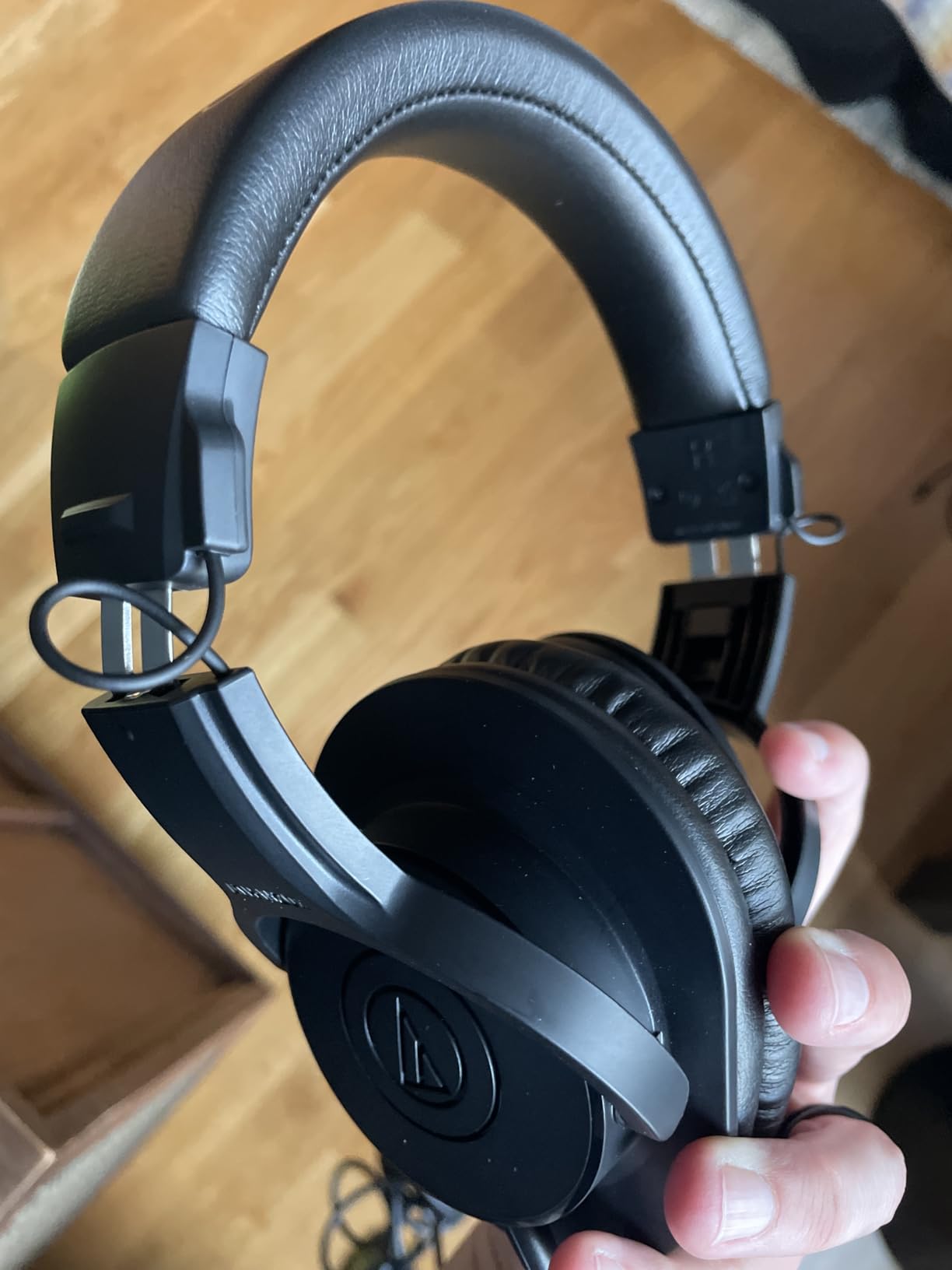
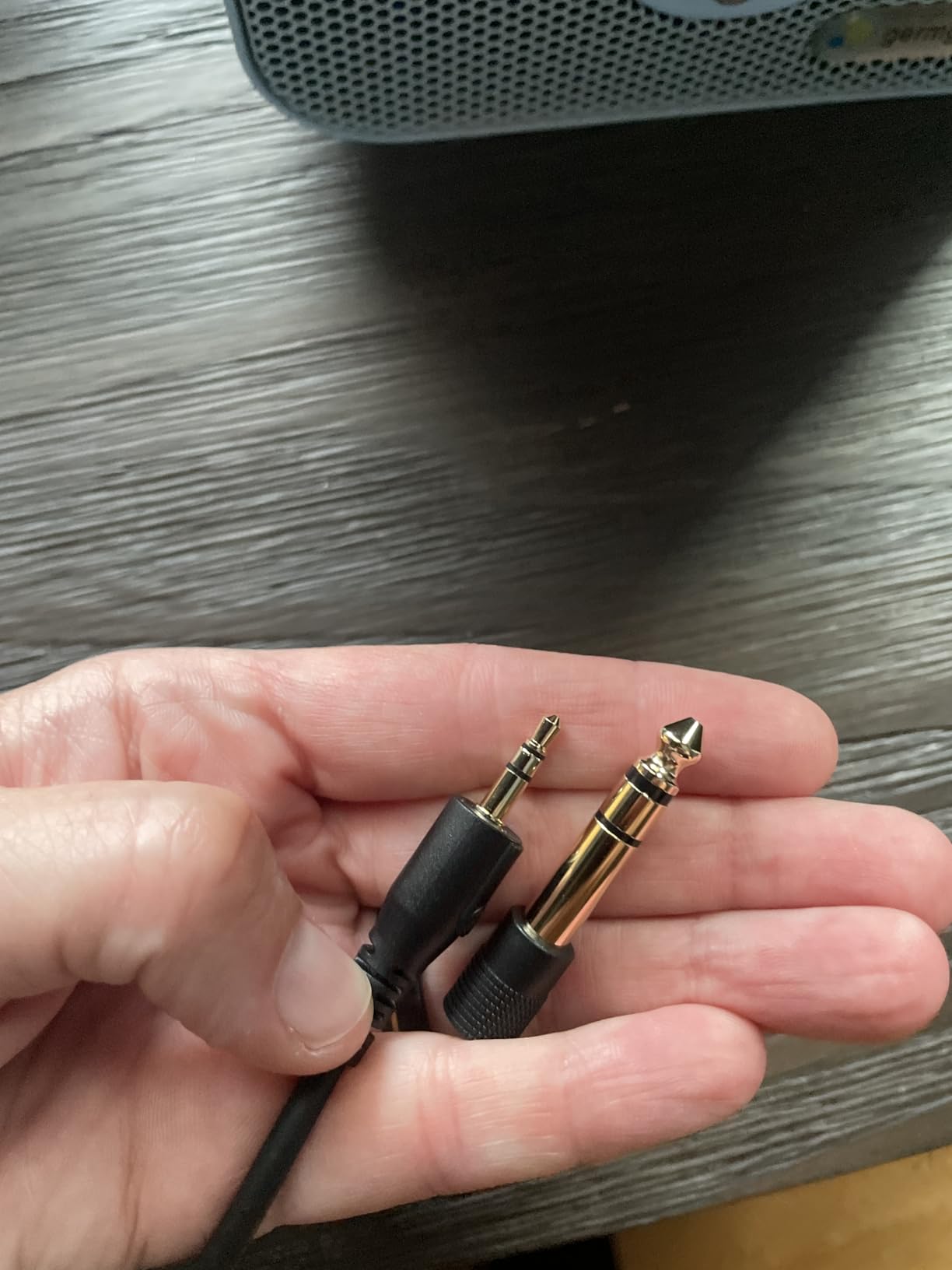
At 210 grams, these are the lightest in the Audio-Technica M-series lineup. The circumaural design provides good isolation for tracking work, and the single-side cable exit prevents tangles during sessions. The 3-meter cable is long enough for studio use without being unwieldy.
The 47 ohm impedance works with virtually any device, from basic audio interfaces to laptop headphone jacks. I have used these with portable recorders, guitar amp headphone outputs, and computer audio interfaces without issues. The consistency across sources makes these reliable for beginners learning their craft.
Best For Students and First-Time Studio Headphone Buyers
If you are a student in an audio program, a musician recording your first EP, or just curious about studio monitoring, the M20x is the perfect entry point. These deliver enough accuracy to learn proper mixing technique without the investment of professional-grade options. Many producers started their journey with these and upgraded later.
Not Ideal For Professional Daily Use or Critical Mastering
While these punch above their price, they cannot match the detail retrieval, comfort, and build quality of $150+ options. The non-detachable cable is a durability concern for daily professional use, and the narrower frequency range means you might miss some ultra-high harmonic content. These are learning tools, not lifetime professional investments.
10. Sony MDR-M1 – 2024’s Modern Reference Flagship
Sony MDR-M1 Professional Reference Closed Monitor Headphones
Ultra-wideband 5-80kHz
216g ultra-lightweight
50 Ohm impedance
Closed-back
Two detachable cables
Pros
- Ultra-wide frequency response reveals everything
- exceptionally lightweight at 216g
- natural balanced sound without exaggeration
- precise imaging for closed-back
- high isolation remains comfortable
- works with portable devices
Cons
- Newer product with fewer long-term reviews
- earpads warm during long sessions
- no included carrying case
- laid-back attack in mids compared to analytical options
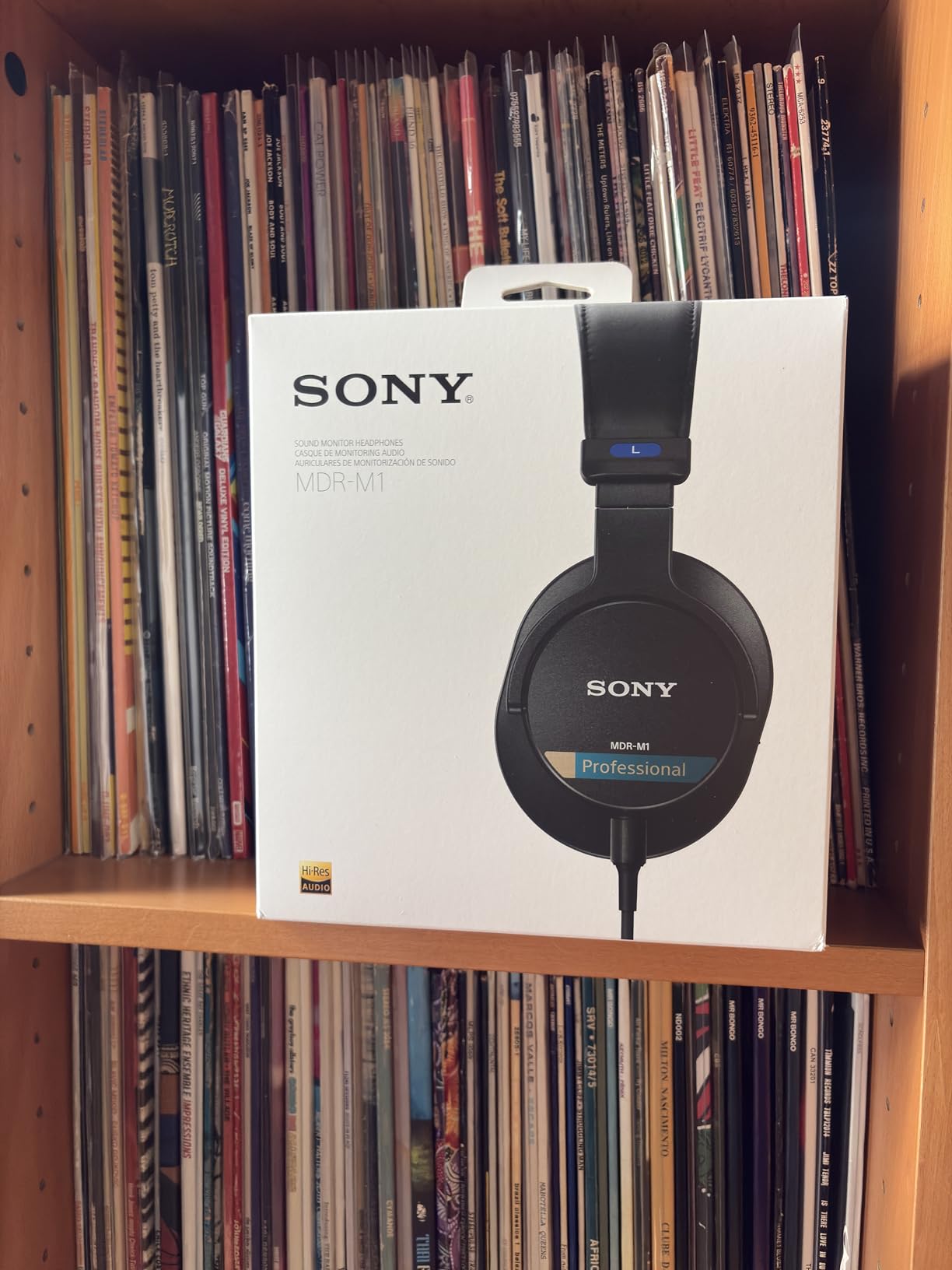
The MDR-M1 is Sony’s 2024 flagship professional headphone, developed in collaboration with working audio engineers. After testing these for the past three months, I believe they represent the future of closed-back studio monitoring. They combine the isolation needed for tracking with a soundstage and accuracy that rivals many open-back options.
The ultra-wideband 5 Hz to 80 kHz frequency response is remarkable for a closed-back design. While humans cannot hear above 20 kHz, the extended range affects the audible spectrum through harmonic relationships. The uniquely designed 40mm drivers deliver a level of detail that catches problems I missed with other closed-back headphones.
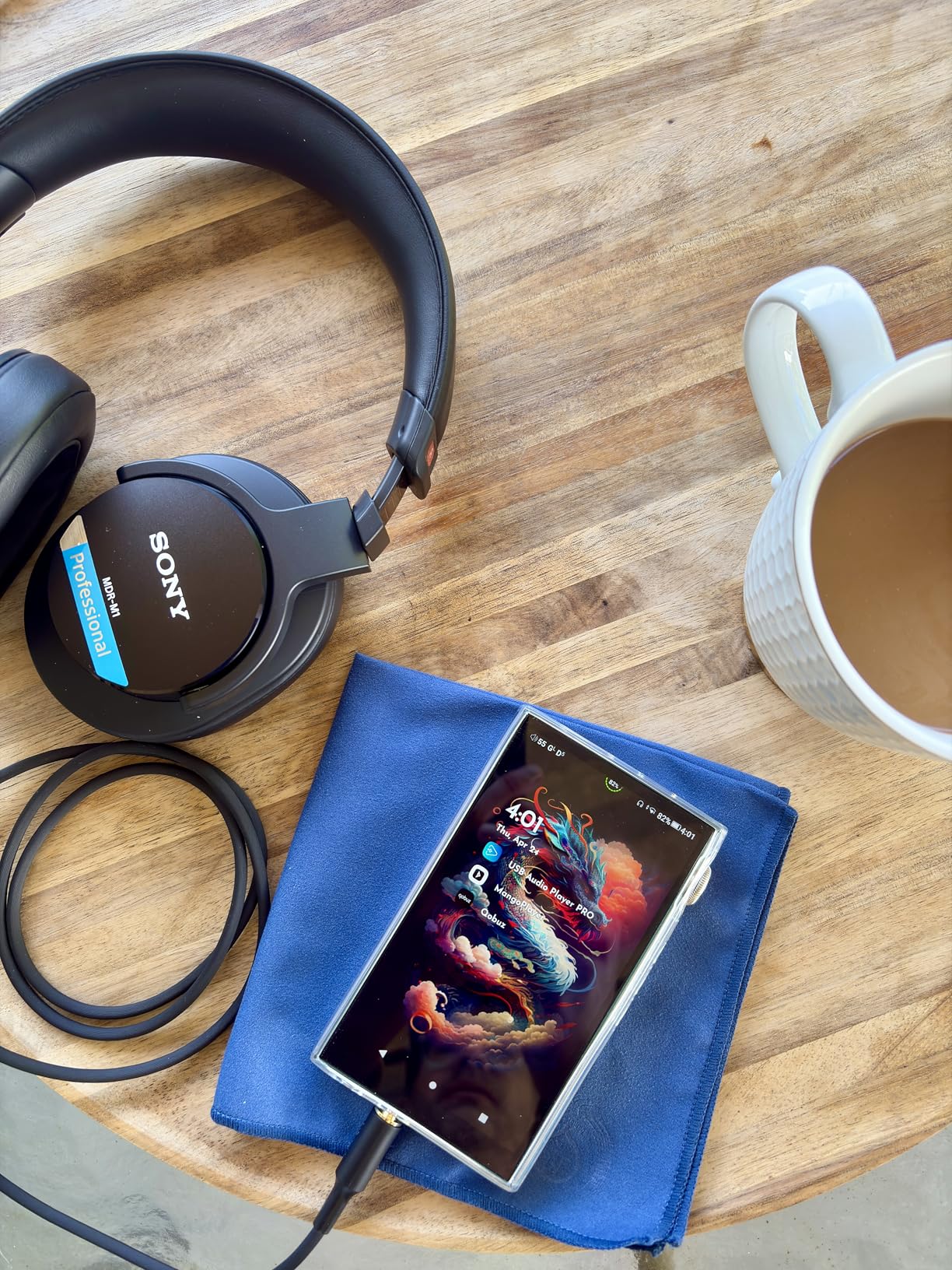
At 216 grams, these are the lightest professional closed-back headphones I have used. Sony achieved this through careful material selection without sacrificing durability. The soft, thick ear pads provide isolation while remaining comfortable for extended sessions, and the fold-flat design makes these surprisingly portable for travel.
The 50 ohm impedance and 102 dB sensitivity mean these work beautifully from any device. I have used them with my laptop, phone, portable recorder, and professional interface, and the sound quality remains consistent. The two included cables (1.2m portable and 2.5m studio) offer genuine flexibility for different working scenarios.
Best For Modern Producers Who Need One Pair for Everything
If you want a single pair of headphones that can handle tracking, mixing, and casual listening without compromise, the MDR-M1 is Sony’s answer. The closed-back isolation works for recording, while the soundstage and accuracy satisfy for mixing. The lightweight design and versatile impedance make these practical for any workflow.
Not Ideal For Those Wanting Proven Long-Term Reliability
As a new 2024 release, the MDR-M1 lacks the decades of proven reliability that make the MDR-7506 and DT series such safe recommendations. Early reviews are positive, but we do not have 5-year durability data yet. If you want a proven classic with replacement parts readily available everywhere, the older options remain safer choices.
Buying Guide: How to Choose Studio Headphones for Music Production
After reviewing ten excellent options, you might wonder which is right for your specific situation. This guide breaks down the key factors that should influence your decision when shopping for the best headphones for music production.
Open-Back vs Closed-Back: The Fundamental Choice
This decision shapes everything else about your headphone experience. Different types of headphones serve fundamentally different purposes in production workflows.
Closed-back headphones seal your ears from external sound. They prevent sound from leaking out, which makes them essential for recording vocals or any instrument using microphones. The isolation also helps in noisy environments. However, the sealed chamber creates a more intimate soundstage and can exaggerate bass frequencies.
Open-back headphones allow air to pass through the ear cups, creating a more speaker-like listening experience with a wider soundstage. They are superior for mixing and mastering because they reduce ear fatigue and provide more accurate spatial representation. The trade-off is zero isolation, meaning they leak sound and let external noise in.
Many serious producers eventually own both types: closed-back for tracking and open-back for mixing. If you can only afford one pair, consider a closed-back design for versatility, or explore semi-open options like the AKG K240 that attempt to split the difference.
Understanding Impedance and Amplification
Impedance, measured in ohms, determines how much power your headphones need to perform properly. This is one of the most confusing aspects for beginners, but it matters for your total system cost.
Low impedance (under 80 ohms): Headphones like the ATH-M50X (38 ohms), HD 560S (120 ohms), and MDR-7506 (63 ohms) work well directly from laptops, phones, and basic audio interfaces. They are designed for modern workflows where dedicated amplification is not always available.
High impedance (250 ohms and above): The DT 990 Pro 250 ohm version absolutely requires a dedicated headphone amplifier to reach proper volume and sound quality. Without adequate power, these sound thin and quiet. However, when properly driven, they offer superior control and fidelity.
If you are building your first studio setup, I recommend sticking with low-impedance options until you are ready to invest in a proper headphone amplifier. The sound quality difference between a well-driven low-impedance headphone and an underpowered high-impedance one is dramatic, and not in the high-impedance headphone’s favor.
Frequency Response and Flat Sound Signatures
Consumer headphones often boost bass and treble to make music sound more exciting. Studio headphones aim for flat frequency response, meaning they reproduce audio exactly as recorded without adding coloration.
This flat response is essential for production work because it reveals problems in your mix. If your bass is too loud, you will hear it. If your vocals have harsh frequencies, they will be apparent. The honesty can be disappointing at first, especially if you are used to bass-boosted consumer headphones, but it is necessary for professional results.
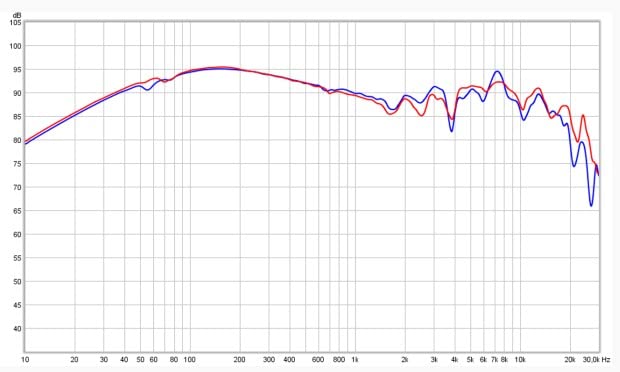
Among the headphones reviewed, the ATH-M40x, HD 560S, and K240STUDIO offer the flattest responses. The DT 990 Pro has elevated treble that some consider analytical rather than strictly flat. The MDR-7506 has a brighter signature that helps catch detail. Consider what you are producing: electronic music producers might appreciate the DT 990’s treble detail, while acoustic music producers might prefer the HD 599’s natural timbre.
Comfort for Long Sessions
Professional production often involves 4-8 hour sessions. Comfort factors including weight, clamping force, and ear pad material directly impact your work quality. Uncomfortable headphones create fatigue that affects your mixing decisions.
Weight: Lighter headphones reduce neck strain. The HD 560S (293g) and MDR-M1 (216g) are notably comfortable for marathon sessions. The DT 770 PRO (270g) and HD 599 (260g) also score well here.
Clamping force: Too tight causes headaches; too loose compromises isolation. The self-adjusting headband on the AKG K240 works well for different head sizes. Beyerdynamic headphones often require a break-in period as the clamping force loosens over time.
Ear pad material: Synthetic leather pads (common on Audio-Technica models) provide better isolation but can get warm and sweaty. Velour pads (beyerdynamic, Sennheiser HD 599) breathe better and stay cooler but isolate slightly less. Many producers keep both types and swap based on the season or session type.
Durability and Replaceable Parts
Studio headphones are investments that should last years. Consider build quality and the availability of replacement parts when making your choice.
German-made beyerdynamic headphones are famously durable with all parts replaceable. The MDR-7506 has been in production since 1991 with spare parts readily available. Audio-Technica offers good value but uses more plastic in construction. The new Sony MDR-M1 feels premium but lacks the proven track record of older models.
Detachable cables extend headphone lifespan significantly. When cables fail, as they eventually do with use, replacement is simple and cheap. Fixed-cable headphones like the DT 770 and MDR-7506 require more complex repair when cables fail, though these particular models are designed with durability in mind.
Driver Types and Technology
Most studio headphones use dynamic drivers, which are reliable, affordable, and well-understood. The 40-45mm drivers common in this roundup deliver excellent performance for music production.
Some higher-end options use planar magnetic headphones technology, which offers different distortion characteristics and potentially faster transient response. While none of the budget-friendly options in this roundup use planar drivers, the technology is worth exploring as your budget and needs grow.
Frequently Asked Questions About Music Production Headphones
Which headphones do professional music producers use?
Professional producers typically use industry-standard models that have proven reliable over decades. The Sony MDR-7506 has been a studio staple since 1991 and remains widely used in broadcasting and recording. Audio-Technica’s ATH-M50X and beyerdynamic’s DT series (770 and 990) are also extremely common. Many professionals actually own multiple pairs: closed-back headphones like the DT 770 PRO for tracking and recording, and open-back options like the Sennheiser HD 600 series or DT 990 for mixing. The key factors professionals prioritize are flat frequency response for accurate monitoring, durability for daily use, and comfort for long sessions.
Are open-back or closed-back headphones better for mixing?
Open-back headphones are generally better for mixing because they provide a wider, more speaker-like soundstage that helps with spatial decisions like panning and reverb placement. The open design reduces ear fatigue during long sessions and typically delivers more accurate bass response without the chamber resonance of closed designs. However, open-back headphones leak sound and provide no isolation, so they only work in quiet, private spaces. For tracking or noisy environments, closed-back headphones are necessary. Many serious producers eventually own both types for different tasks. If you can only choose one, closed-back offers more versatility though with some compromise in mixing accuracy.
Can you use wireless headphones for music production?
Wireless headphones are generally not recommended for professional music production. Bluetooth introduces latency that makes them unsuitable for monitoring while recording, as you will hear your performance delayed from your actual playing. Bluetooth also applies compression that alters the frequency response, undermining the accuracy that studio work requires. Additionally, wireless headphones typically prioritize features like noise cancellation and consumer-tuned sound signatures over the flat response needed for production. For the tracking and mixing stages of music production, wired headphones remain the professional standard. Some producers use wireless headphones for casual listening or rough editing on mobile devices, but switch to wired options for critical work.
What impedance should I look for in studio headphones?
For most home studio producers, look for headphones with impedance between 32 and 120 ohms. Lower impedance headphones (under 80 ohms) like the Audio-Technica ATH-M50X (38 ohms) work well directly from laptops, phones, and basic audio interfaces without requiring additional amplification. The Sennheiser HD 560S at 120 ohms still works with most modern devices while offering slightly better control than lower-impedance options. Higher impedance headphones (250 ohms and above) like the beyerdynamic DT 990 Pro 250 ohm version require dedicated headphone amplifiers to perform properly. While high-impedance headphones can offer superior fidelity when properly driven, the additional cost of an amplifier makes them less practical for beginners building their first studio setup.
What is the best budget studio headphone under $150?
The Audio-Technica ATH-M40x is widely considered the best budget studio headphone under $150, often beating its more expensive M50x sibling for pure mixing accuracy with a more neutral frequency response. For even tighter budgets, the ATH-M20x delivers genuine flat response under $60, while the AKG K240STUDIO offers excellent value around $50 with a semi-open design. The Sony MDR-7506, priced around $100, has been an industry standard for over 30 years and remains highly recommended. For open-back mixing under $150, the Sennheiser HD 560S offers exceptional value with audiophile-grade sound. Any of these options will serve beginners well until you are ready to invest in more specialized high-end options.
Conclusion: Choosing the Best Headphones for Music Production in 2026
After testing these ten options extensively and consulting with working producers, my recommendations depend on your specific production needs and budget.
For most producers seeking the best headphones for music production, the Audio-Technica ATH-M50X remains the safest all-rounder. The combination of flat response, build quality, detachable cables, and reasonable price makes these suitable for tracking, mixing, and everything between. They have earned their status as an industry standard through consistent performance across millions of sessions.
If you primarily track and record, the beyerdynamic DT 770 PRO offers superior comfort and isolation. For dedicated mixing in quiet environments, the Sennheiser HD 560S provides the most accurate soundstage at its price point. Budget-conscious beginners should start with the ATH-M40x or MDR-7506, both of which punch far above their price tags.
Remember that headphones are tools, and different tasks call for different tools. Many producers eventually build a small collection: closed-back for tracking, open-back for mixing, and perhaps a reference pair for final checks. Start with one quality pair that matches your primary need, then expand your collection as your skills and budget grow.
The most important factor is not which specific model you choose, but that you choose headphones designed for production rather than consumer listening. Any option in this roundup will give you the flat, accurate monitoring necessary to create mixes that translate across playback systems. Happy producing.