
Finding the right pair of high impedance headphones can completely change how you experience music. I spent three months testing studio and audiophile headphones across every price range, plugging them into dedicated headphone amplifiers, audio interfaces, and even a laptop jack to see which ones truly deliver on their promise of superior sound quality.
High impedance headphones typically rate above 50 ohms and require more voltage to reach listening volume compared to standard earbuds. The tradeoff is real: when properly driven with a good amplifier or DAC, these headphones produce cleaner audio with less distortion, tighter bass control, and more detail across the frequency spectrum. That is why studio engineers and audiophiles have relied on them for decades.
In this guide, I cover 12 of the best high impedance headphones available right now, ranging from budget-friendly studio workhorses to reference-grade audiophile models. Whether you are building a home studio, upgrading your listening setup, or just curious about what all the impedance talk is about, you will find honest, hands-on recommendations here.
Table of Contents
Top 3 Picks for Best High Impedance Headphones
Best High Impedance Headphones in 2026
| Product | Specifications | Action |
|---|---|---|
| Sennheiser HD 600 |
|
Check Latest Price |
 Sony MDR7506 Sony MDR7506 |
|
Check Latest Price |
 Sennheiser HD 650 Sennheiser HD 650 |
|
Check Latest Price |
 beyerdynamic DT 990 PRO beyerdynamic DT 990 PRO |
|
Check Latest Price |
 beyerdynamic DT 770 PRO 250 Ohm beyerdynamic DT 770 PRO 250 Ohm |
|
Check Latest Price |
 beyerdynamic DT 880 PRO beyerdynamic DT 880 PRO |
|
Check Latest Price |
 beyerdynamic DT 770 PRO 80 Ohm beyerdynamic DT 770 PRO 80 Ohm |
|
Check Latest Price |
| Sennheiser HD 560S |
|
Check Latest Price |
 Sennheiser HD 490 PRO Sennheiser HD 490 PRO |
|
Check Latest Price |
 Sennheiser HD 599 Sennheiser HD 599 |
|
Check Latest Price |
 AKG K240STUDIO AKG K240STUDIO |
|
Check Latest Price |
 Superlux HD 660PRO Superlux HD 660PRO |
|
Check Latest Price |
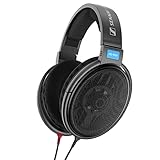
1. Sennheiser HD 600 – The Audiophile Reference Standard
Sennheiser HD 600 – Audiophile Open-Back Dynamic Wired Headphones Over Ear with Natural Soundstage and Premium Comfort for Music Lovers, Open Metal Earpiece Covers, Black
300 Ohms Impedance
12-40,500 Hz Frequency Response
97 dB Sensitivity
Detachable Cable
Pros
- Reference-quality neutral sound
- Natural wide soundstage
- Exceptional clarity and detail
- Lightweight for long sessions
- Detachable Kevlar cable
Cons
- Requires headphone amp
- Open-back provides no isolation
- Initial tight clamp needs break-in
I have been using the Sennheiser HD 600 for over two years now, and it remains my go-to reference headphone for critical listening sessions. The first thing that struck me when I put these on was how natural everything sounds. There is no boosted bass, no spiked treble, just honest audio reproduction that lets you hear exactly what the recording engineer intended.
The 300-ohm impedance means these headphones really benefit from a dedicated amplifier. I tried running them straight from my laptop jack initially, and while they worked, the volume was barely adequate and the sound felt thin. Once I paired them with a Schiit Magni, the HD 600 came alive with fuller bass, wider soundstage, and noticeably better instrument separation.
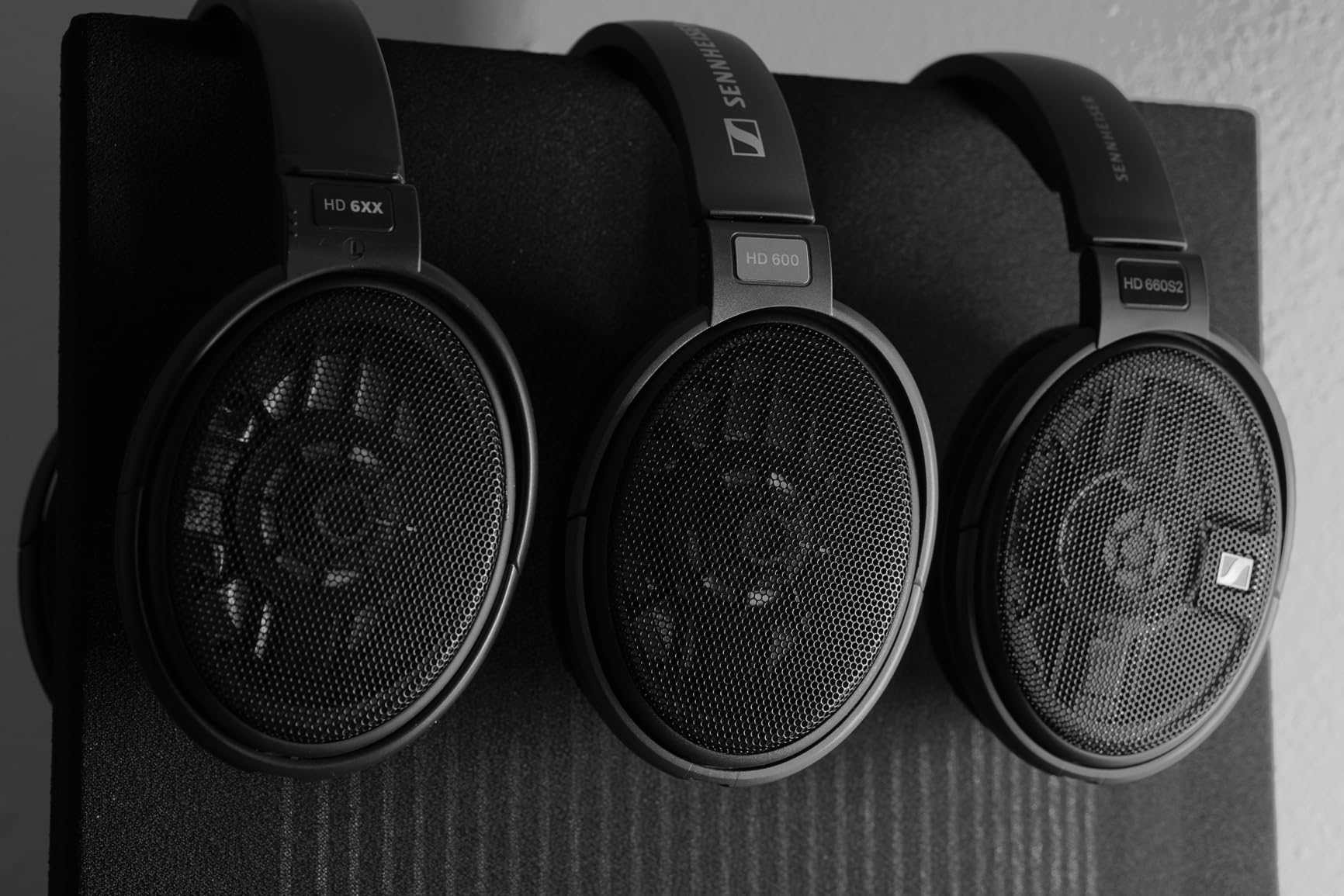
Comfort is outstanding after the initial break-in period. Out of the box, the clamp force is pretty tight, which is a common complaint. After about a week of regular use, the headband softened up and I can now wear these for six-hour mixing sessions without any pressure points. The plush velour ear pads breathe well and keep my ears from getting warm.
At just 9.1 ounces, these are among the lightest full-size audiophile headphones I have tested. The detachable Kevlar-reinforced cable is a smart design choice because cables tend to be the first thing that fails on wired headphones. The open metal mesh earpiece covers give the HD 600 a distinctive, professional look that has barely changed since the 1990s.
Who Should Buy the Sennheiser HD 600
If you do critical listening, mixing, or just want to hear your music as accurately as possible, the HD 600 is tough to beat at this price point. Audiophiles who value neutral sound over bass-heavy fun will immediately appreciate what these headphones bring to the table. They are also ideal for classical music, jazz, acoustic, and vocal-centric genres where accuracy matters more than impact.
They work well for podcast editing and voice-over work too, since the neutral midrange makes it easy to spot problems in vocal recordings. Just keep in mind that you will need a decent headphone amplifier to get the most out of them.
What to Know Before Buying
The open-back design means these leak sound in both directions. People around you will hear your music, and you will hear everything happening in the room. They are strictly for private listening spaces. The open-back construction is exactly what creates that spacious, natural soundstage though, so it is a feature, not a flaw.
Source quality matters a lot with the HD 600. These headphones are revealing enough that you will hear the difference between a compressed MP3 and a lossless FLAC file. If your music library is mostly low-bitrate streaming, you might want to upgrade your source before investing in headphones this transparent.
2. Sony MDR7506 – The Studio Legend
Sony MDR7506 Professional Large Diaphragm Headphone
63 Ohms Impedance
10-20,000 Hz Frequency Response
40mm Neodymium Drivers
Closed-Back Design
Pros
- Industry standard for 25+ years
- Exceptional sound clarity
- Comfortable for extended wear
- Excellent noise isolation
- Folds for travel
Cons
- Cord is not detachable
- Can leave pressure marks
- Plastic hinges may weaken over time
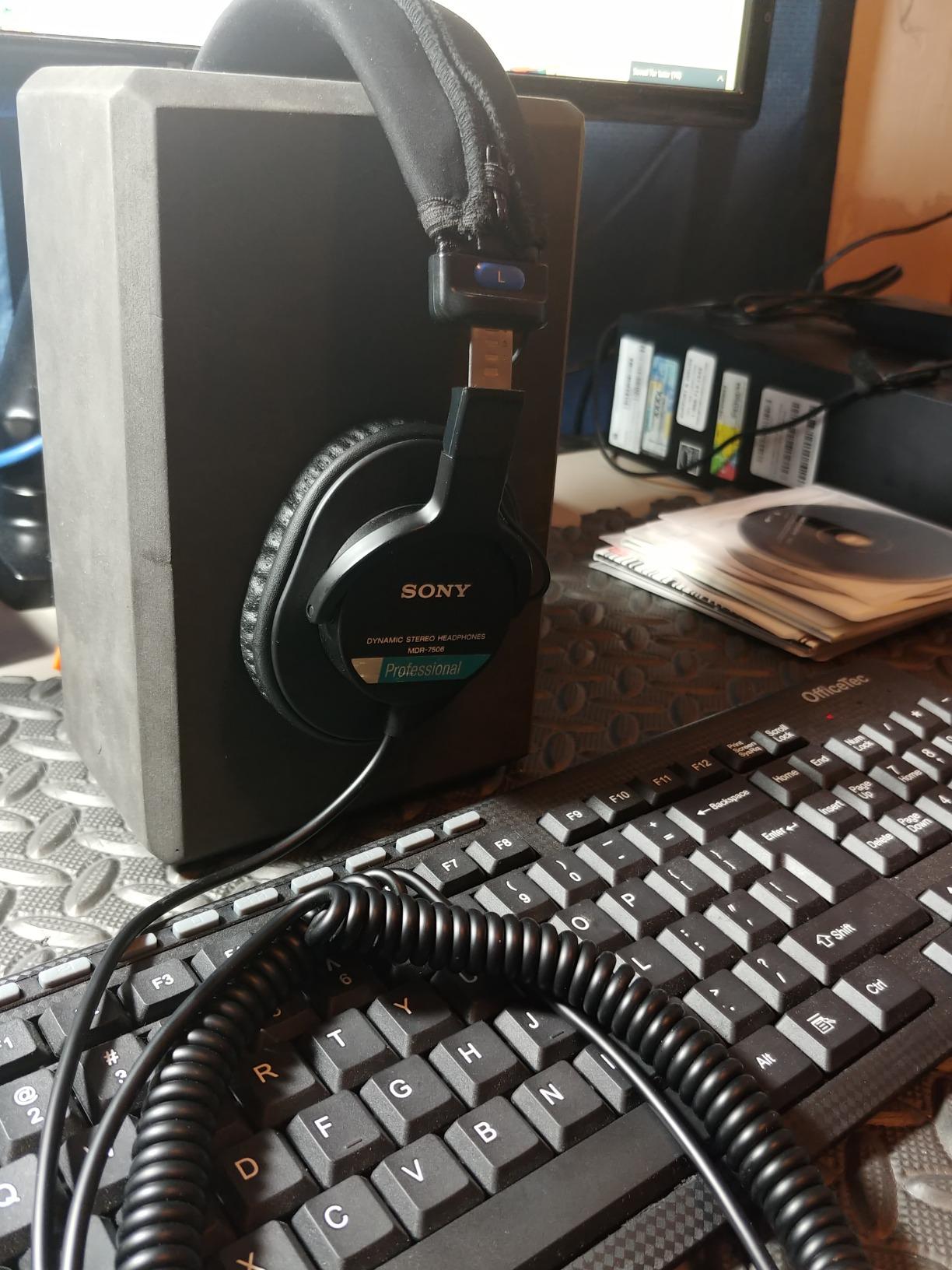
The Sony MDR7506 has been a recording studio staple since 1991, and for good reason. I have encountered these headphones in literally every recording studio I have visited over the past decade. They are the headphones that audio professionals reach for when they need something reliable that sounds consistent every single time.
With 63 ohms of impedance, these are on the lower end of the high-impedance spectrum, which means they work well with almost any audio source. I have used them connected to audio interfaces, headphone amplifiers, mixing consoles, and even my phone. They get loud enough from any source and maintain their clear, detailed sound character regardless of what is driving them.
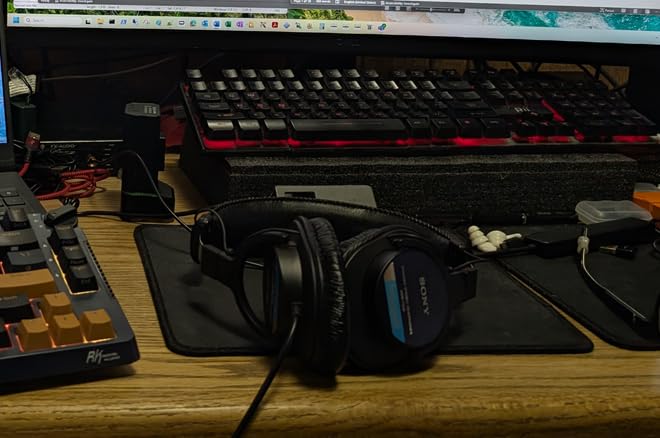
The closed-back design provides solid noise isolation, making these practical for tracking in the same room as live instruments. I tested isolation in a moderately noisy environment and found they blocked enough ambient sound to focus on the mix without completely disconnecting from my surroundings. The 40mm neodymium drivers deliver tight, punchy bass and crisp highs that make it easy to identify problems in a recording.
Build quality is utilitarian rather than luxurious. The folding mechanism is practical for storage and travel, and the included soft case adds some protection. At just half a pound, these are light enough for long sessions, though I do notice slight pressure on the top of my head after three or four hours of continuous use. The closed ear cushions are comfortable but can get warm during extended wear.
Who Should Buy the Sony MDR7506
These are perfect for anyone who needs reliable, accurate monitoring without spending a fortune. Home studio owners, podcasters, voice-over artists, and video editors will all find the MDR7506 to be a dependable work tool. They are also great for musicians who need closed-back isolation while tracking instruments or vocals.
If you are just getting into better audio and want a known quantity that has been trusted by professionals for decades, this is one of the safest purchases you can make. The combination of sound quality, isolation, and portability is hard to match.
What to Know Before Buying
The biggest drawback is the non-detachable 9.8-foot cable. If the cable gets damaged, you are looking at a repair or replacement rather than a simple swap. The cable does terminate in a gold-plated plug with a 1/4-inch adapter included, which is handy for studio use.
The frequency response stops at 20kHz, which is standard but not as extended as some newer audiophile models. For studio monitoring and casual listening, this is more than adequate. The slightly bright treble character is intentional for monitoring purposes but some listeners find it fatiguing during long recreational listening sessions.
3. Sennheiser HD 650 – Warm Audiophile Perfection
Sennheiser HD 650 – Audiophile Hi-Res Open Back Dynamic Headphone
300 Ohms Impedance
10-41,000 Hz Frequency Response
103 dB Sensitivity
Detachable Cable
Pros
- Legendary warm rich sound
- Outstanding soundstage and imaging
- Lightweight and comfortable
- Hand-selected matched drivers
- Reference-grade audiophile quality
Cons
- Requires dedicated headphone amp
- Open-back no isolation
- Strong initial clamping force
The Sennheiser HD 650 has earned legendary status in the audiophile community, and after living with a pair for several months, I understand why. These headphones deliver a warm, rich presentation that makes music sound inviting and engaging rather than clinical and analytical. The midrange is where the HD 650 truly shines, with vocals and instruments sounding natural and full-bodied.
Running at 300 ohms with 103 dB sensitivity, the HD 650 is actually a bit easier to drive than the HD 600 despite having the same impedance rating. I was able to get reasonable volume from a decent audio interface, but a dedicated headphone amplifier still makes a significant difference. The bass tightens up, the soundstage opens wider, and the overall presentation becomes more refined when properly amped.
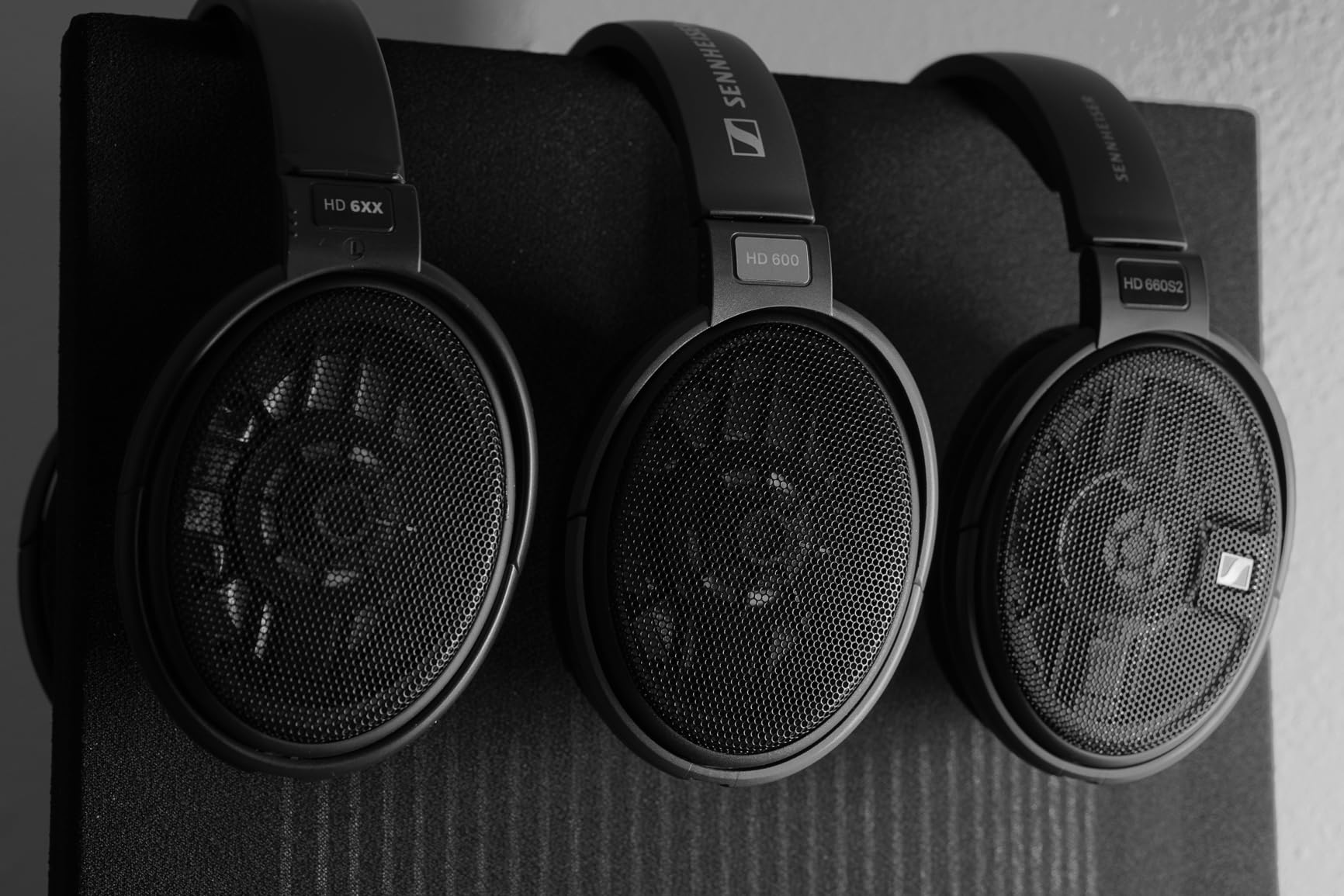
The frequency response extends up to 41kHz, well beyond human hearing range, but this extended response contributes to better transient reproduction and a more natural decay in the audible range. The specially designed acoustic silk in the drivers provides precision damping that gives the HD 650 its characteristic smooth, non-fatuing presentation.
Comfort is excellent once you get past the initial break-in period. The clamping force is strong out of the box but eases up after a couple weeks of use. At just 9.12 ounces, these feel light on the head, and the velour ear pads are soft and breathable. I regularly wear these for four to five hours without discomfort during weekend listening sessions.
Who Should Buy the Sennheiser HD 650
If you want an audiophile headphone that makes your music sound beautiful rather than just accurate, the HD 650 is for you. It excels with vocal music, jazz, classical, and any genre where tonal richness and midrange quality matter. These are also excellent for late-night listening sessions where you want to get lost in your favorite albums.
The HD 650 is ideal for listeners who find neutral headphones like the HD 600 a bit too lean or analytical. The added warmth and body make long listening sessions more enjoyable without sacrificing detail or clarity. It is a headphone that invites you to keep listening rather than analyzing.
What to Know Before Buying
Like all open-back headphones, these provide zero isolation from ambient noise and leak sound to anyone nearby. They are strictly for quiet, private listening environments. The open-back design is what gives them their signature spacious, airy sound quality, so it is a deliberate tradeoff.
The included cable terminates in a 3.5mm jack with a 1/4-inch adapter, and it is detachable, which is a big plus for longevity. Budget for a decent headphone amplifier if you do not already own one. The HD 650 sounds noticeably better with quality amplification, and the investment is worth it for the performance these headphones can deliver.
4. beyerdynamic DT 990 PRO – Open-Back Studio Excellence
beyerdynamic DT 990 Pro (250 Ohm), Open-Back Studio Headphones, Black
250 Ohms Impedance
5-35,000 Hz Frequency Response
96 dB Sensitivity
3m Coiled Cable
Pros
- Wide open soundstage
- Exceptional comfort
- Replaceable ear pads and parts
- Handcrafted in Germany
- Ideal for pro studio setups
Cons
- Requires headphone amp for best results
- Open-back leaks sound
- Initial break-in period needed
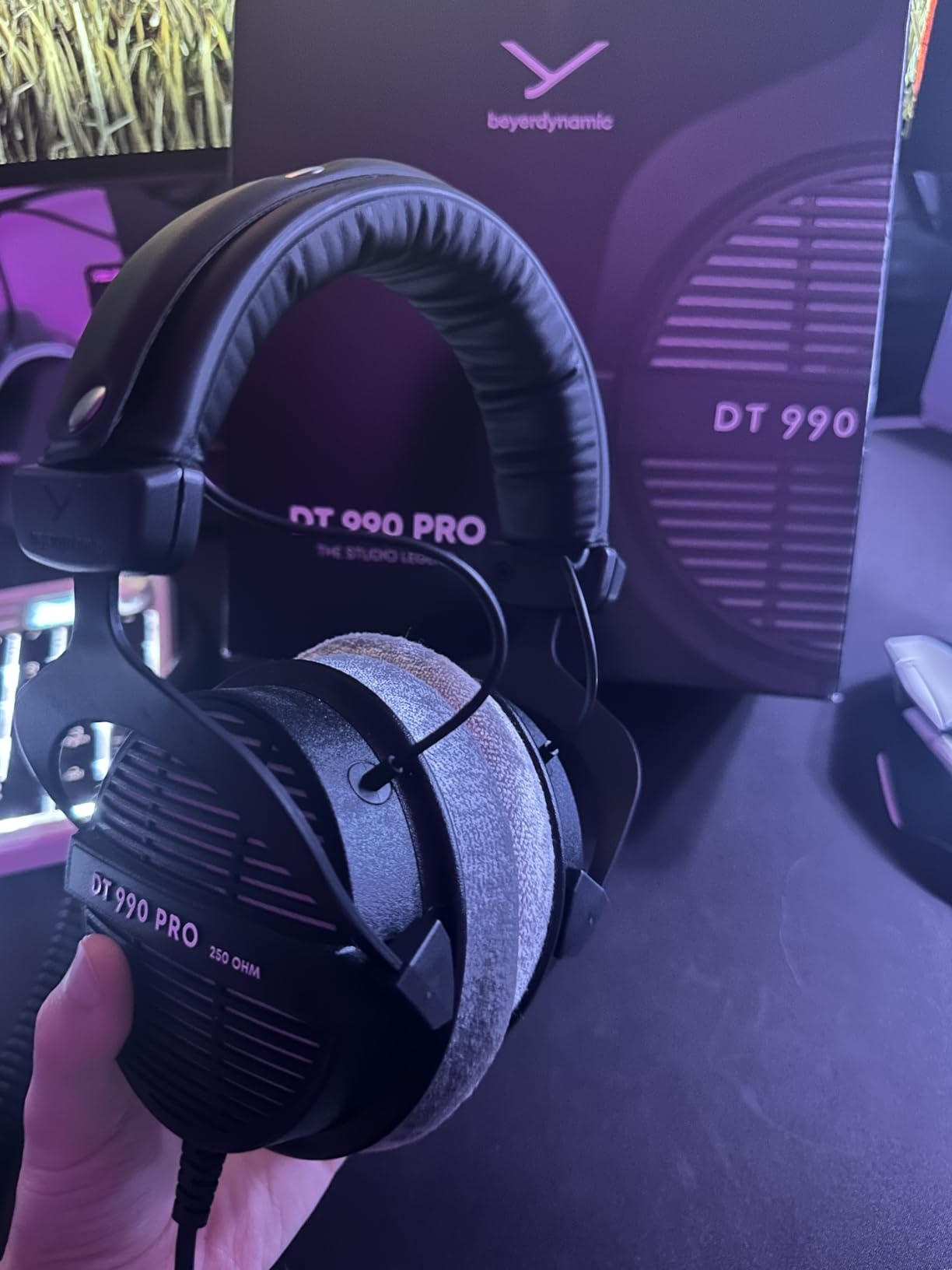
The beyerdynamic DT 990 PRO is one of those headphones that surprises you the first time you hear it. I picked up a pair for tracking and editing work in my home studio, and the wide, open soundstage immediately stood out compared to the closed-back headphones I was used to. Instruments feel like they exist in real space rather than being crammed between your ears.
At 250 ohms, these need amplification to perform at their best. I ran them through a Focusrite Scarlett interface and got acceptable results, but upgrading to a dedicated amp made a clear difference in bass authority and treble smoothness. The 5Hz to 35kHz frequency response gives you both sub-bass extension and airy highs that reveal details in recordings you might have missed before.
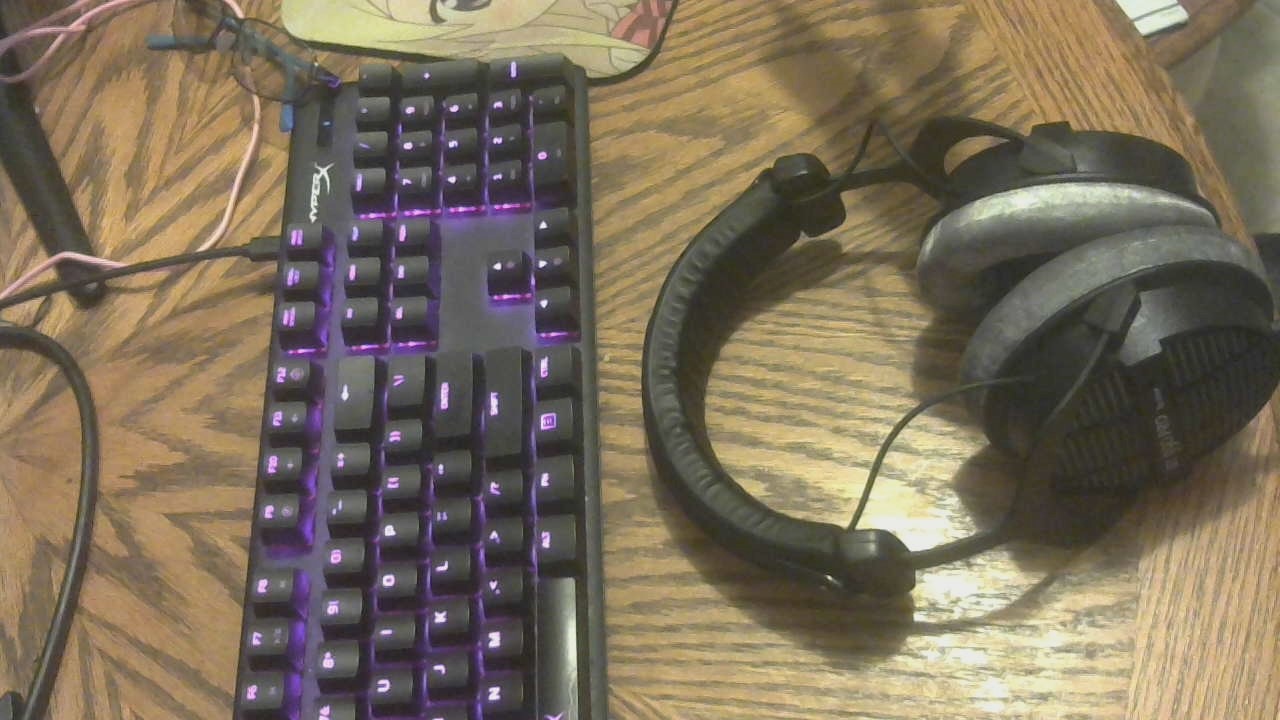
The comfort level is remarkable. The velour ear pads are soft and breathable, and the circumaural design means the pads sit around your ears rather than pressing on them. I have worn these for eight-hour studio sessions without the ear fatigue I experience with many other models. The headband pressure is firm enough to stay secure but not so tight that it causes discomfort.
One thing I appreciate about beyerdynamic is their commitment to serviceability. The ear pads, headband cushion, and even the drivers are all replaceable. When you invest in a pair of DT 990 PROs, you are buying headphones that can last for many years with basic maintenance. The German build quality is evident in every detail.
Who Should Buy the DT 990 PRO
These are an excellent choice for mixing engineers, podcast editors, and audiophile listeners who want a wide, natural soundstage. The open-back design makes instrument positioning easy to judge, which is invaluable for mixing. They are also great for gamers who want accurate positional audio for competitive play.
If you work in a quiet studio environment and do not need isolation, the DT 990 PRO offers a compelling combination of sound quality, comfort, and long-term durability that few headphones can match in this price range.
What to Know Before Buying
The open-back design means zero isolation and significant sound leakage. These are not suitable for recording while monitoring through speakers or for use in shared office spaces. The 3-meter coiled cable is convenient for studio use but might be too long for portable applications.
There is a definite break-in period with the DT 990 PRO. The bass tightens and the treble smooths out after about 30 to 50 hours of use. Out of the box, they can sound slightly harsh in the upper frequencies, but this settles down with use. Patience during break-in is rewarded with smoother, more refined sound.
5. beyerdynamic DT 770 PRO 250 Ohm – Isolation Meets Precision
beyerdynamic DT 770 PRO, 250 Ohm, Closed Back, Over Ear, Wired Professional Studio Headphones, Audio Monitors, Audiophile, 3m Coiled Cable, Black with Limited Edition Black Velour Ear Pads
250 Ohms Impedance
5-35,000 Hz Frequency Response
96 dB Sensitivity
Closed-Back Isolation
Pros
- Excellent noise isolation
- Detailed transparent sound
- Premium comfort with velour pads
- Coiled cable convenient for studio
- Handcrafted in Germany
Cons
- Requires amp for optimal performance
- Ears may get warm
- Closed design can cause fatigue
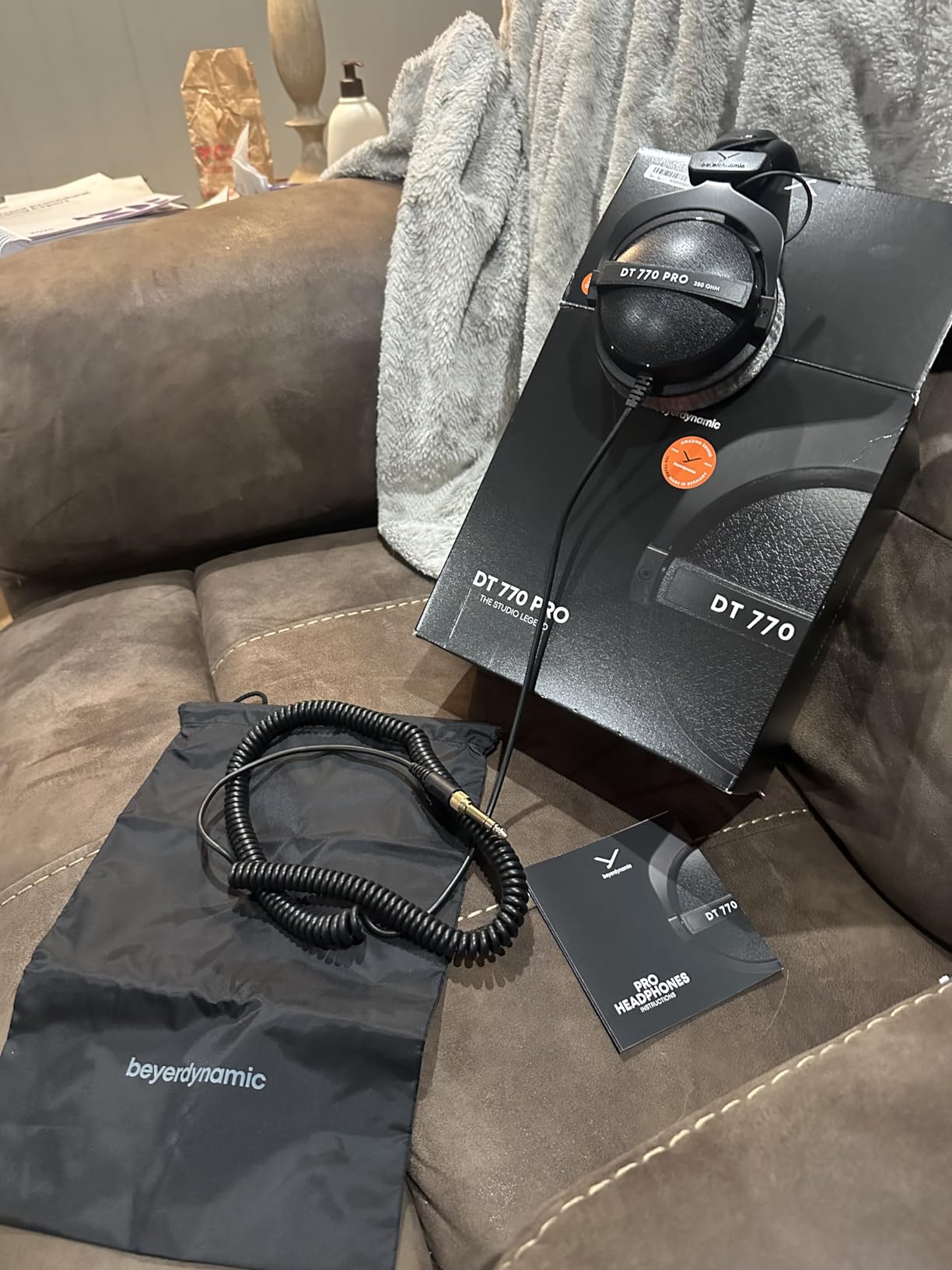
The beyerdynamic DT 770 PRO in its 250-ohm variant is the closed-back counterpart to the DT 990 PRO, and it fills a specific role that studio professionals appreciate. I reach for these whenever I need isolation from the room, whether that is tracking vocals near a computer or editing in a shared workspace. The closed-back design blocks enough ambient noise to focus on the details.
The sound signature is what beyerdynamic describes as analytical reference-grade, and I agree with that characterization. These headphones present your audio with surgical precision, making them ideal for spotting problems in a mix. The bass is controlled and tight, the mids are clear and honest, and the treble extends well without becoming harsh once the headphones are broken in.
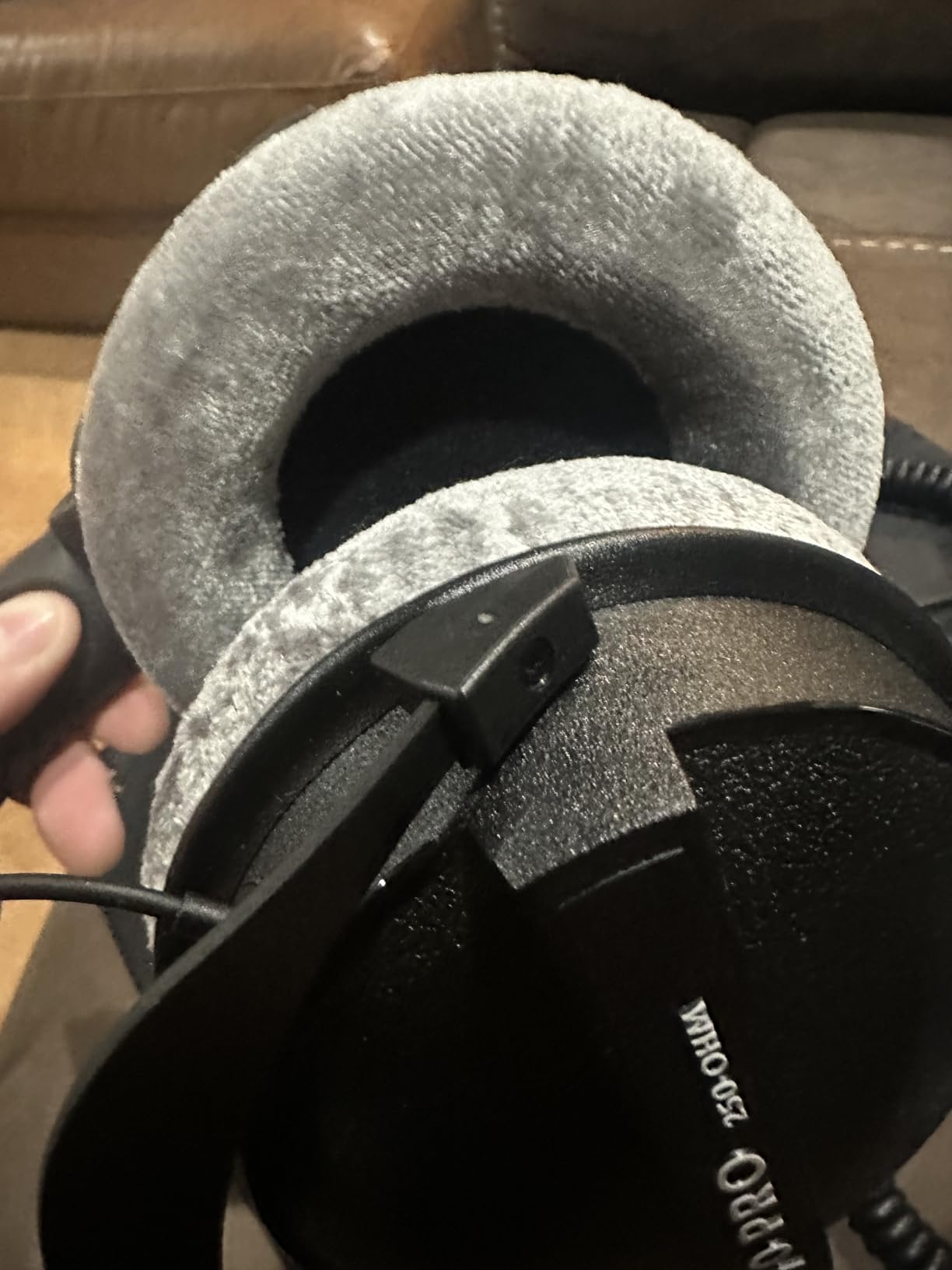
Comfort is one of the DT 770 PRO’s strongest attributes. The velour ear pads are soft and supportive, and the circumaural fit keeps pressure off your ears. I have worn these for six-hour tracking sessions without significant discomfort. The coiled 3-meter cable stretches when you need to move around and retracts when you are sitting still, which is a thoughtful design for studio work.
The build quality is solid, with a combination of plastic and metal that feels durable without being excessively heavy. The 2-year warranty from beyerdynamic provides additional peace of mind. Like the rest of the DT lineup, parts are replaceable, so these headphones can be maintained and serviced over many years of use.
Who Should Buy the DT 770 PRO 250 Ohm
Studio engineers who need closed-back isolation without sacrificing sound quality will find these ideal. They are excellent for tracking sessions where you need to monitor your performance while blocking bleed from speakers or other musicians. The detailed sound also makes them suitable for podcast editing and voice-over work.
Anyone working in a shared space who needs to block distractions while maintaining audio quality should consider the 250-ohm DT 770 PRO. The isolation is effective without making you feel completely disconnected from your environment.
What to Know Before Buying
The 250-ohm impedance requires amplification for best results. While you can get volume from an audio interface, a dedicated headphone amp will bring out the full potential of these headphones. If you want something easier to drive, consider the 80-ohm version instead.
The closed-back design can cause your ears to warm up during extended sessions, and some users report slight fatigue after several hours. Taking short breaks every couple of hours resolves this. The limited edition black velour pads on this model are a nice touch over the standard silver pads.
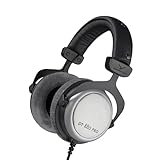
6. beyerdynamic DT 880 PRO – The Best of Both Worlds
beyerdynamic DT 880 Pro (250 Ohm), Semi-Open Studio Headphones, Silver
250 Ohms Impedance
5-35,000 Hz Frequency Response
Semi-Open Design
10 Ounces
Pros
- Neutral balanced sound for mixing
- Semi-open design balances space and isolation
- Exceptional comfort
- Replaceable velour pads
- Versatile connectivity
Cons
- Requires proper amplification
- Semi-open leaks some sound
- Needs 30-60 hours of break-in
The beyerdynamic DT 880 PRO sits in an interesting middle ground between the open DT 990 and the closed DT 770. Its semi-open design gives you some of the spacious soundstage of an open-back headphone while retaining a degree of isolation that makes it more versatile for different listening environments. I have found this to be one of the most balanced headphones in beyerdynamic’s lineup.
The sound is tuned for mixing and mastering, with a neutral response that does not flatter or hide anything in your audio. This honesty is exactly what you need when making critical decisions about EQ, compression, and levels. I tested these on several reference tracks and found the imaging to be precise, with instruments clearly placed across the stereo field.
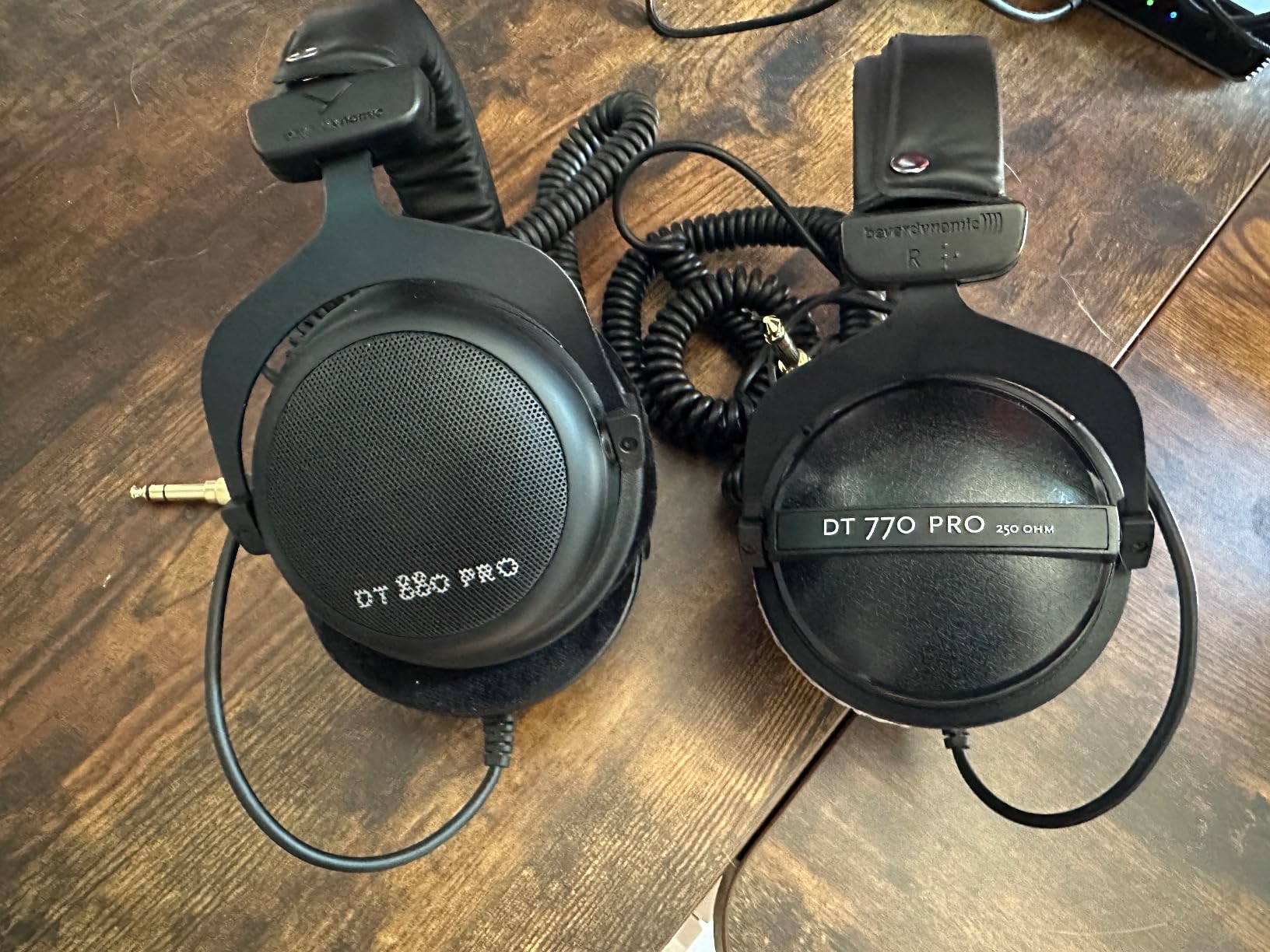
At just 10 ounces, the DT 880 PRO is the lightest headphone in beyerdynamic’s professional DT lineup. The spring steel headband is adjustable and maintains consistent clamping force, which contributes to comfort during long sessions. The velour ear pads are replaceable and maintain their softness over time with regular cleaning.
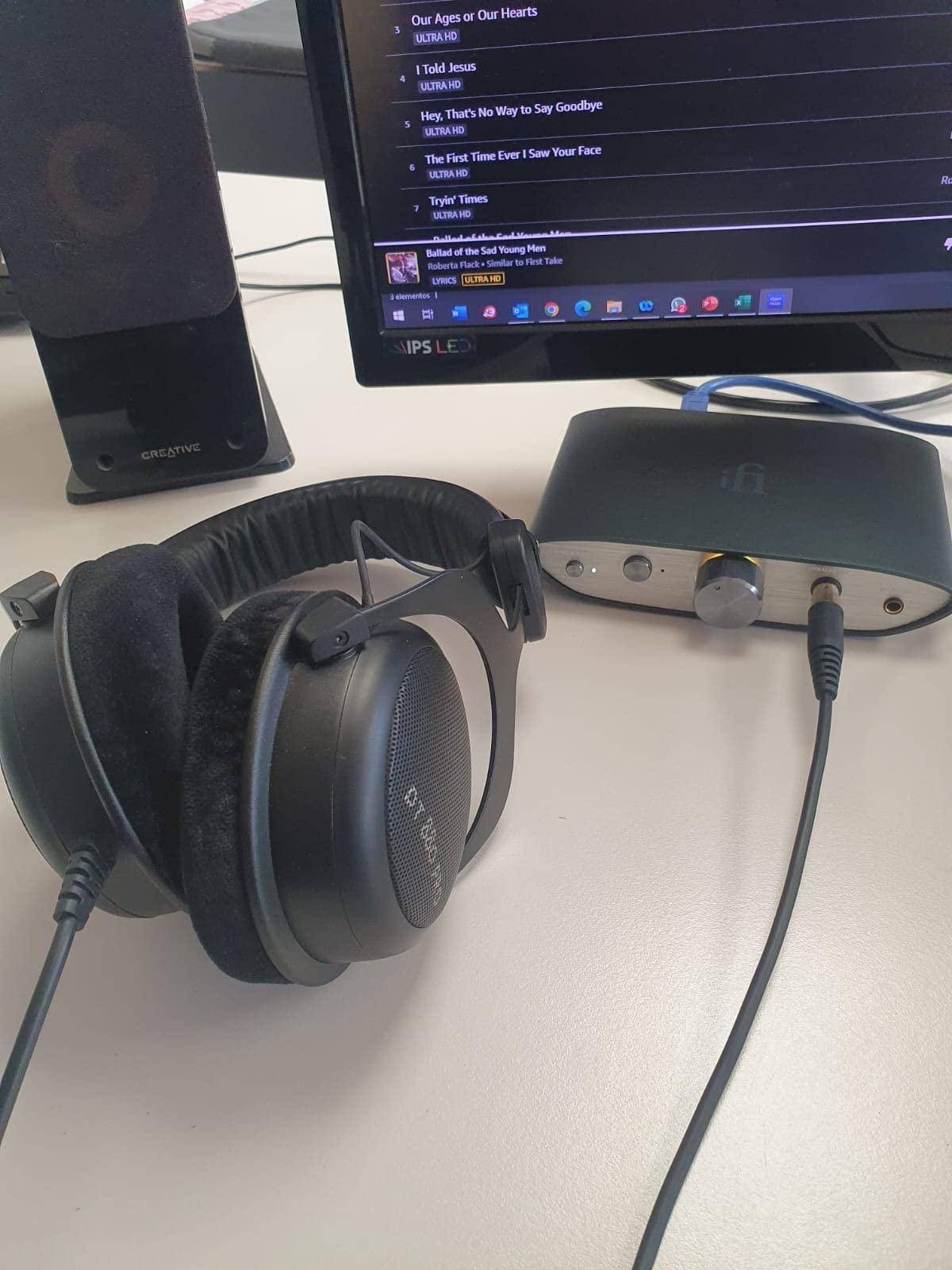
The semi-open design does leak some sound, but significantly less than a fully open-back model. I could use these in a home office setting without disturbing someone sitting nearby, which is not something I can say about the DT 990 PRO. The included 1/8-inch and 1/4-inch adapters make it easy to connect to any audio source.
Who Should Buy the DT 880 PRO
Mixing and mastering engineers who need accurate monitoring in a semi-shared space will appreciate the DT 880 PRO. The semi-open design provides enough isolation for practical use while maintaining the spacious soundstage needed for making good mixing decisions. These are also a solid choice for audiophiles who want balanced sound but need some isolation.
If you are torn between open-back and closed-back designs, the DT 880 PRO splits the difference effectively. It gives you a taste of both worlds without the extreme compromises of either approach.
What to Know Before Buying
The break-in period is real with these headphones. Out of the box, the bass can sound slightly boomy and the treble a bit sharp. After 30 to 60 hours of use, the sound settles into a smooth, balanced presentation. If your first impression is underwhelming, give them time to break in before making a final judgment.
The 250-ohm impedance requires amplification, so factor that into your total budget. The included coiled cable is not detachable, which is worth noting if you prefer to swap cables. Despite this, the overall build quality is excellent and should provide years of reliable service.
7. beyerdynamic DT 770 PRO 80 Ohm – The Versatile Workhorse
beyerdynamic DT 770 Pro Studio Headphones (80 Ohm, Black)
80 Ohms Impedance
5-35,000 Hz Frequency Response
Closed-Back Design
3m Straight Cable
Pros
- Industry-standard studio headphones
- Exceptional build quality
- Comfortable velour pads
- Detailed balanced sound
- Fully serviceable parts
Cons
- Can be too bright at loud volumes
- May still benefit from amp
- Glasses wearers may feel pressure
The beyerdynamic DT 770 PRO 80 Ohm is arguably the most popular studio headphone in the world, with over 17,000 reviews backing up its reputation. I have used the 80-ohm version in multiple studios and at home, and it consistently delivers professional-grade sound with a versatility that its higher-impedance siblings cannot match. At 80 ohms, these work well with audio interfaces, mixing consoles, and even some portable devices without additional amplification.
The sound profile is detailed and balanced, with a slight emphasis on clarity that makes it easy to hear individual elements in a dense mix. I found the bass response to be well-controlled, extending down to 5Hz with authority. The closed-back design provides excellent isolation for tracking and editing, blocking out enough ambient noise to maintain focus on your audio.
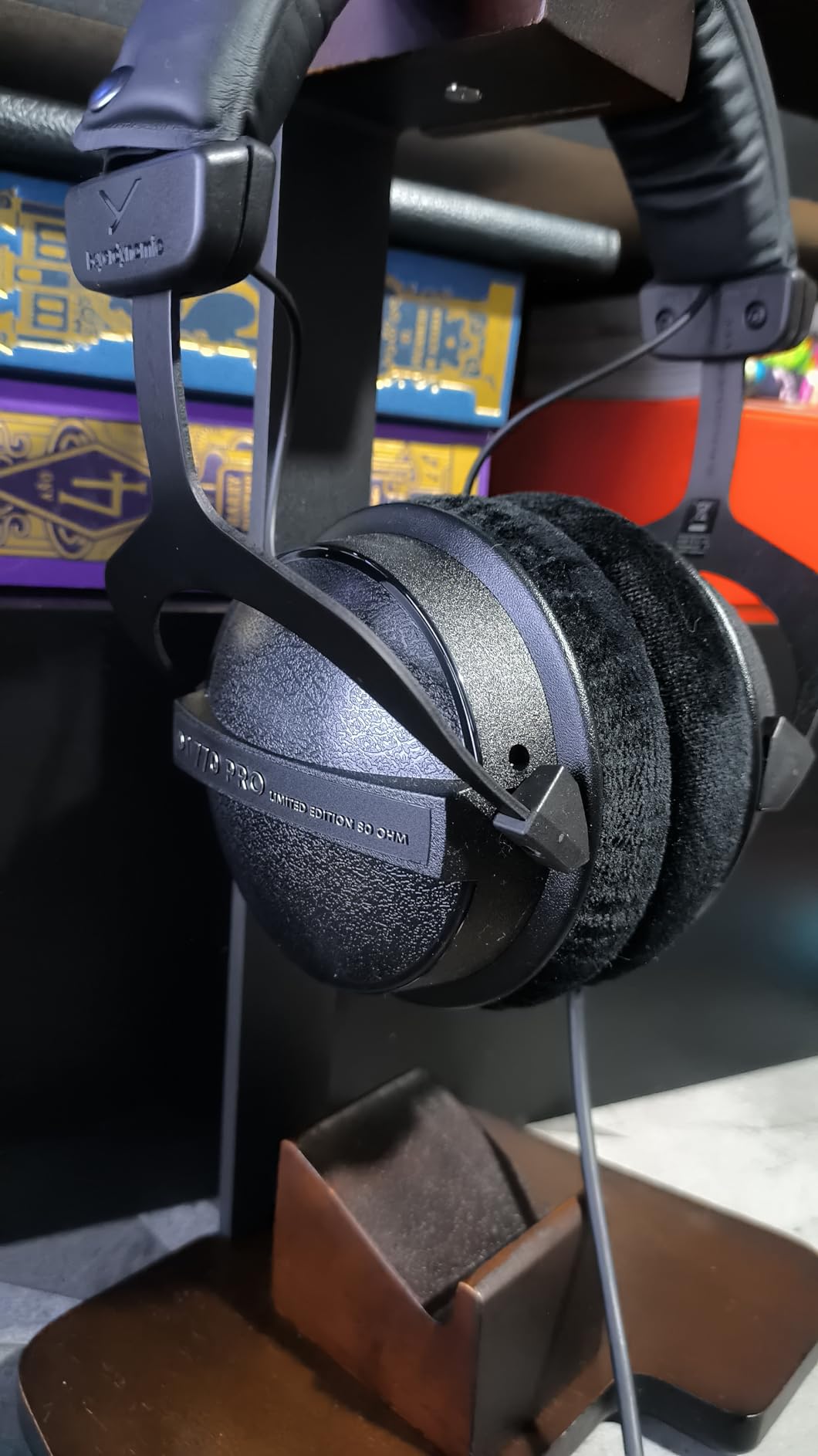
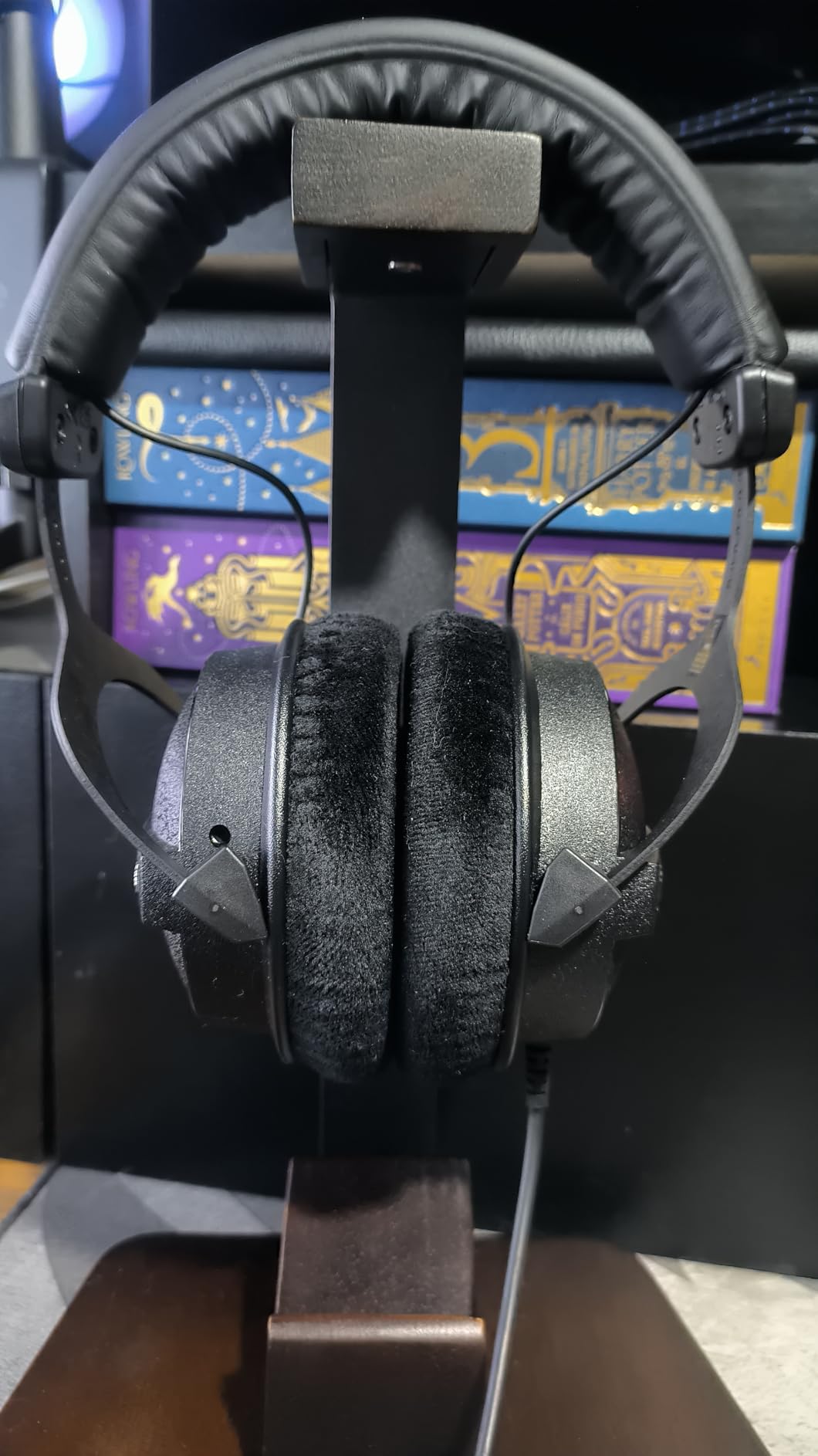
Comfort is a standout feature. The velour ear pads are breathable and soft, making long recording sessions bearable. The headband distributes weight evenly across the top of the head, and at 12.2 ounces, the weight is manageable. I have worn these for five-hour stretches without significant discomfort, though my ears do warm up after the third hour.
One of the things I appreciate most about the DT 770 PRO 80 Ohm is its serviceability. The pads, headband, and drivers are all replaceable, which means these headphones can last for many years with basic maintenance. The 3-meter straight cable terminates in a 3.5mm connector with a gold-plated 1/4-inch adapter included, making it compatible with virtually any audio gear.
Who Should Buy the DT 770 PRO 80 Ohm
If you need one headphone that works for tracking, mixing, editing, and casual listening, this is it. The 80-ohm impedance makes it the most versatile of the DT 770 lineup, working well with professional audio interfaces and consumer devices alike. It is the universal studio workhorse that has earned its place in thousands of recording setups worldwide.
Home studio owners who cannot justify multiple pairs of headphones will find the 80-ohm DT 770 PRO covers all the bases effectively. From recording vocals to editing podcasts to enjoying music at the end of the day, these handle everything competently.
What to Know Before Buying
The treble can be bright at louder volumes, which is a common characteristic of beyerdynamic headphones. If you are sensitive to high frequencies, you may want to listen at moderate levels or apply a gentle EQ cut in the upper registers. The straight cable is not detachable, so consider your cable management needs.
Glasses wearers might experience some pressure discomfort during extended sessions because the clamping force presses the ear pads against the frames. Taking periodic breaks or adjusting your glasses position helps manage this. Despite these minor quirks, the DT 770 PRO 80 Ohm remains one of the best values in professional audio.
8. Sennheiser HD 560S – Budget Audiophile Entry Point
120 Ohms Impedance
6-38,000 Hz Frequency Response
Dynamic Driver
293 Grams
Pros
- Wide natural soundstage
- Neutral accurate sound
- Lightweight and comfortable
- Detachable cable
- Great positional audio for gaming
Cons
- Treble can be bright initially
- Plastic build feels light
- Lacks low-end bass punch
- Proprietary connector
The Sennheiser HD 560S is designed as an entry point into serious audiophile listening, and I think it succeeds at that goal admirably. At 120 ohms, these headphones sit in a sweet spot where they sound noticeably better with a decent source but still work reasonably well from a laptop or audio interface. I tested them with both setups and found the improvement with amplification was clear but not as dramatic as with the 300-ohm models.
The sound signature is tuned for neutrality, with a wide, natural soundstage that makes music feel spacious and open. Instrument separation is very good for this price range, and the positional accuracy is excellent. In fact, I found these to be surprisingly capable gaming headphones because the open-back design and precise imaging make it easy to locate sounds in three-dimensional space.
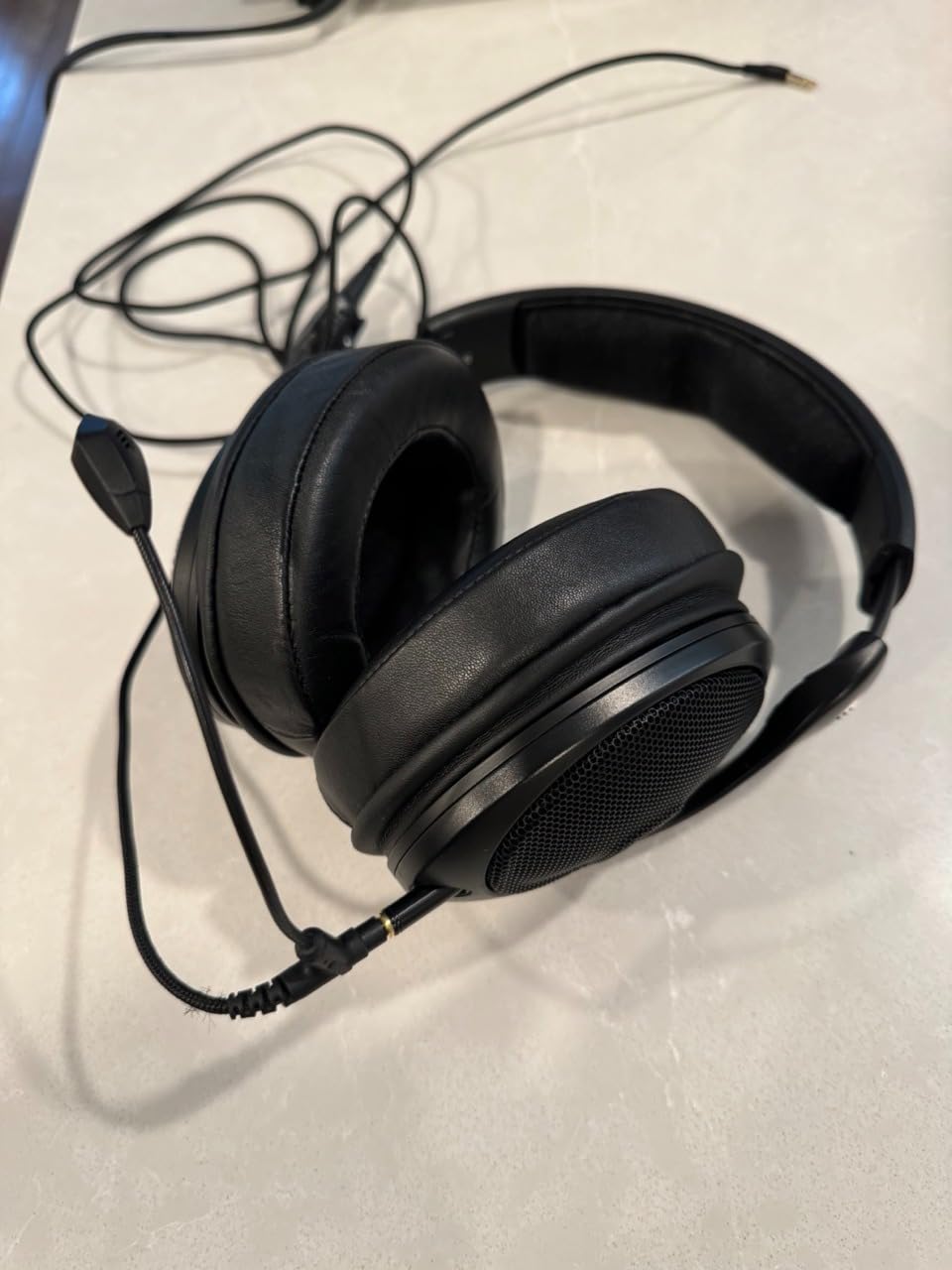
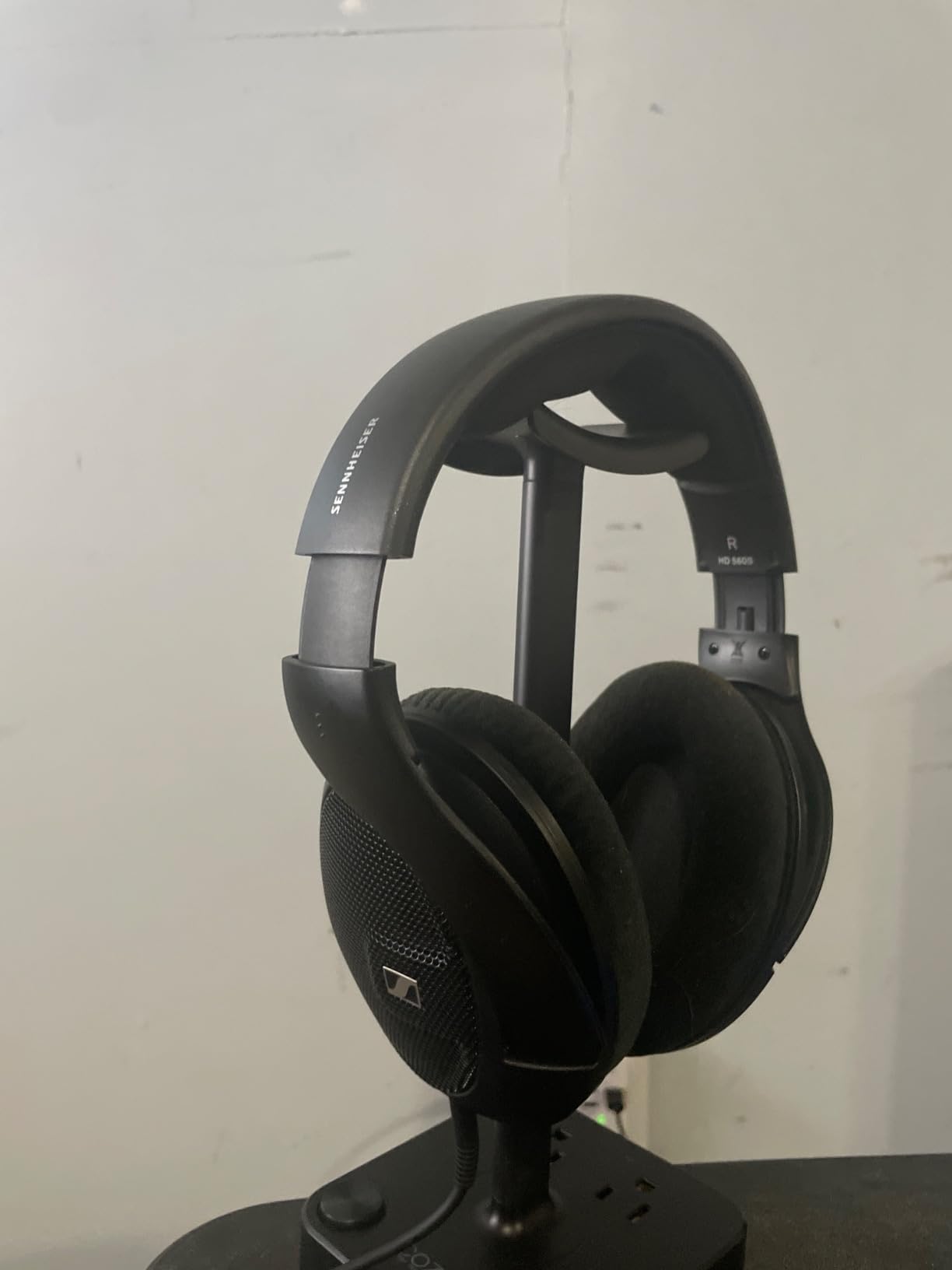
Comfort is a strong point. At just 293 grams, the HD 560S is one of the lightest headphones in Sennheiser’s lineup. The velour ear pads and ventilated earcups reduce heat buildup, which is important during long listening or gaming sessions. I wore these for a six-hour gaming marathon without any pressure points or ear fatigue.
The detachable cable with 6.35mm plug and included 3.5mm adapter gives you flexibility in how you connect to your gear. However, the connector on the headphone end is proprietary, which limits your aftermarket cable options. The frequency response extends from 6Hz to 38kHz, giving you excellent extension on both ends of the spectrum.
Who Should Buy the Sennheiser HD 560S
Anyone looking for their first pair of serious audiophile headphones should start here. The neutral sound, wide soundstage, and comfortable fit make these an excellent learning tool for understanding what good audio sounds like. They are also ideal for gamers who want accurate positional audio without spending premium money.
Content creators and video editors will find the HD 560S useful for monitoring audio tracks, especially when paired with a basic audio interface. The honest sound reproduction helps you catch audio problems before they make it into your final export.
What to Know Before Buying
The treble can be bright out of the box, which is a common observation among users. This tends to settle down after the first 20 to 30 hours of use. If you are sensitive to bright treble, consider using a gentle EQ adjustment during the break-in period. The plastic construction keeps weight down but may feel less premium compared to headphones with metal components.
The bass response is accurate but not punchy. If you listen primarily to electronic music, hip-hop, or other bass-heavy genres, you might find the low-end lacking compared to consumer-oriented headphones. For acoustic music, classical, jazz, and vocal-centric genres, the bass is well-proportioned and appropriate.
9. Sennheiser HD 490 PRO – Professional Monitoring Redefined
HD 490 PRO Open-Back Professional Headphone
130 Ohms Impedance
5-36,000 Hz Frequency Response
105 dB Sensitivity
200 Grams
Pros
- Exceptional sound with rich bass for open-back
- Extremely comfortable 8+ hours
- Wide soundstage with great imaging
- Two sets of ear pads included
- Easy to drive without expensive amp
Cons
- Proprietary ear pads limited options
- Can get warm during long sessions
- Some durability concerns reported
The Sennheiser HD 490 PRO is the newest addition to Sennheiser’s professional lineup, and it brings several innovations that set it apart. The most notable is the inclusion of two sets of ear pads, one tuned for producing and one for mixing, which lets you customize the sound profile based on your workflow. I found this feature genuinely useful when switching between creative production work and critical mixing tasks.
At 130 ohms with 105 dB sensitivity, the HD 490 PRO is surprisingly easy to drive compared to other professional headphones. I got excellent results from a mid-range audio interface without needing a separate headphone amplifier. The sound quality is impressive for an open-back design, with bass that goes deeper and hits harder than I expected from this form factor.
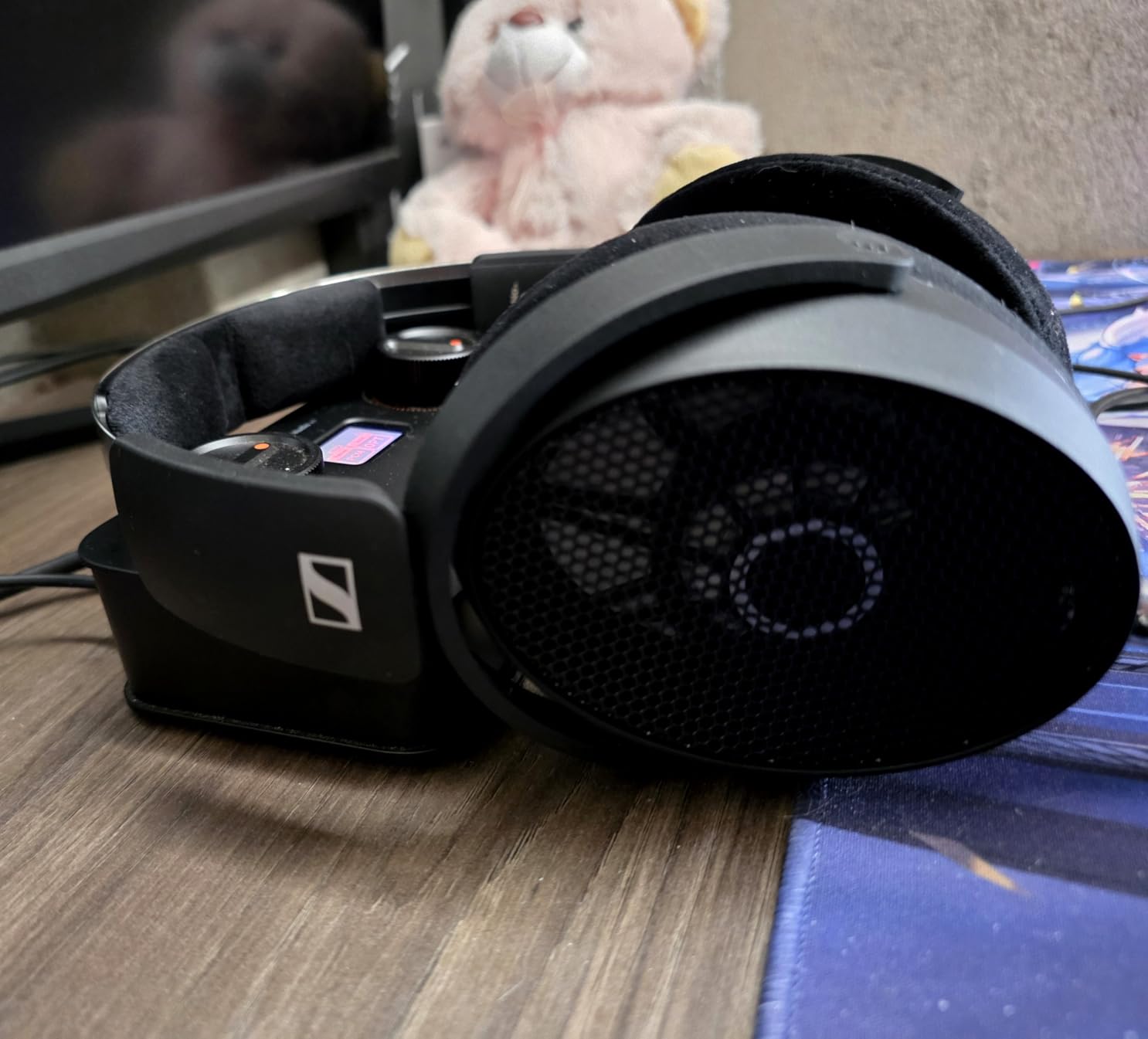
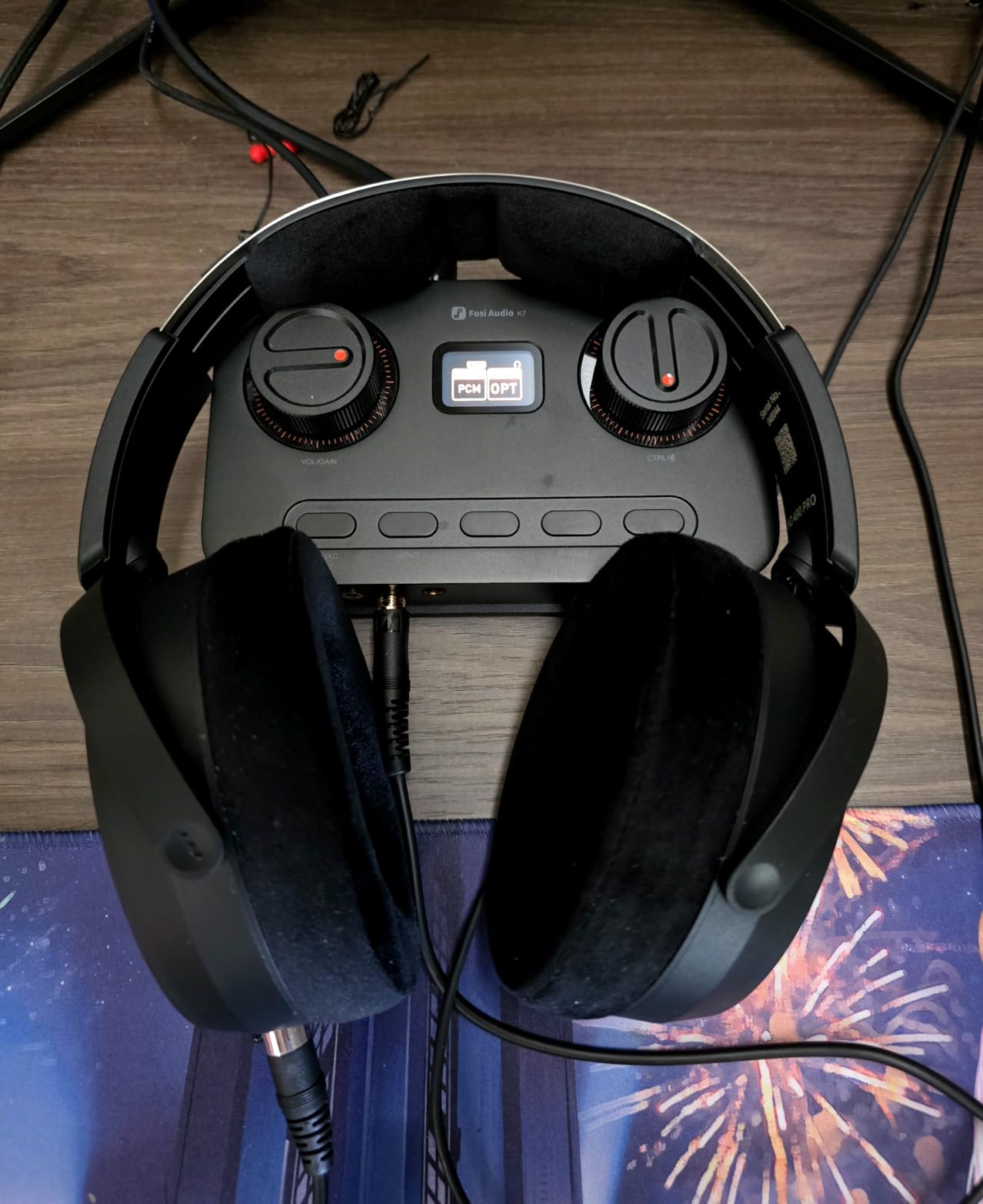
The soundstage is wide and dimensional, with ultra-precise localization that makes it easy to place instruments in the stereo field. The Sennheiser Open-frame Architecture reduces total harmonic distortion and minimizes resonance, resulting in a cleaner, more transparent presentation. The innovative low-frequency cylinder system delivers clearly defined bass that stays controlled even at higher volumes.
Comfort is exceptional. At just 200 grams, these are among the lightest professional headphones available. I wore them for an eight-hour mixing session without any pressure points or fatigue. The sustainability-inspired design with washable, replaceable pads and FSC-certified packaging is a thoughtful touch that shows Sennheiser is thinking about the full product lifecycle.
Who Should Buy the HD 490 PRO
Professional audio engineers and producers who want a modern, versatile monitoring headphone should seriously consider the HD 490 PRO. The dual ear pad system gives you two sound signatures in one package, which is practical for professionals who handle both production and mixing duties.
Gamers and content creators will also appreciate the wide soundstage and accurate imaging. The lightweight design and comfort make these suitable for extended sessions where heavier headphones would become uncomfortable. The easy-to-drive nature means you do not necessarily need to invest in expensive amplification.
What to Know Before Buying
The ear pads are proprietary, which means aftermarket options are limited. The included producing and mixing pads cover most use cases, but if you prefer specific third-party pad materials, you will be limited to what Sennheiser offers. The pads are washable and replaceable, so longevity should not be an issue.
Some users have reported durability concerns with the right channel failing after the return window. While this does not appear to be widespread, it is worth noting for a headphone at this price point. Sennheiser’s warranty coverage should provide protection if you encounter any issues.
10. Sennheiser HD 599 – Comfortable All-Rounder
Sennheiser HD 599 Open-Back Wired Audiophile Headphones, Ivory
50 Ohms Impedance
12-38,500 Hz Frequency Response
Dynamic Driver
250 Grams
Pros
- Premium luxurious design
- Exceptional comfort for all-day wear
- Well-balanced warm sound
- Two detachable cables included
- Great soundstage for gaming
Cons
- No carrying case included
- Slightly warm mid-bass
- Long cable can feel flimsy
- Some static with certain devices
The Sennheiser HD 599 is one of those headphones that wins you over with comfort and charm before you even start listening. The ivory color with matte finish and brown headband stitching gives it a distinctive, premium look that stands out from the typical all-black headphone crowd. At 50 ohms, these are the easiest to drive in Sennheiser’s audiophile lineup, working well with phones, laptops, and any consumer device.
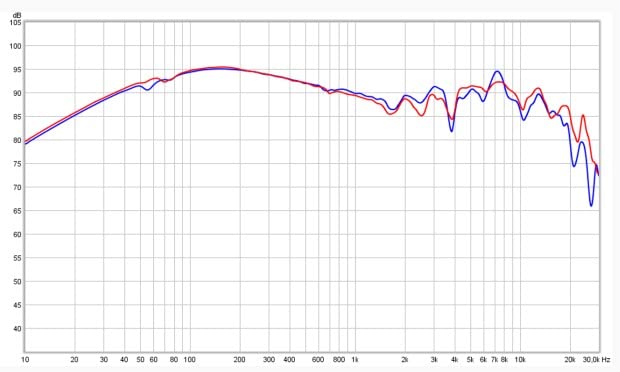
The sound signature leans slightly warm, with a well-balanced presentation that makes most music genres sound engaging and enjoyable. I found the midrange particularly pleasant, with vocals rendered with a natural richness that makes you want to keep listening. The soundstage is wide for an open-back headphone at this price, which also makes these excellent for gaming and movies.
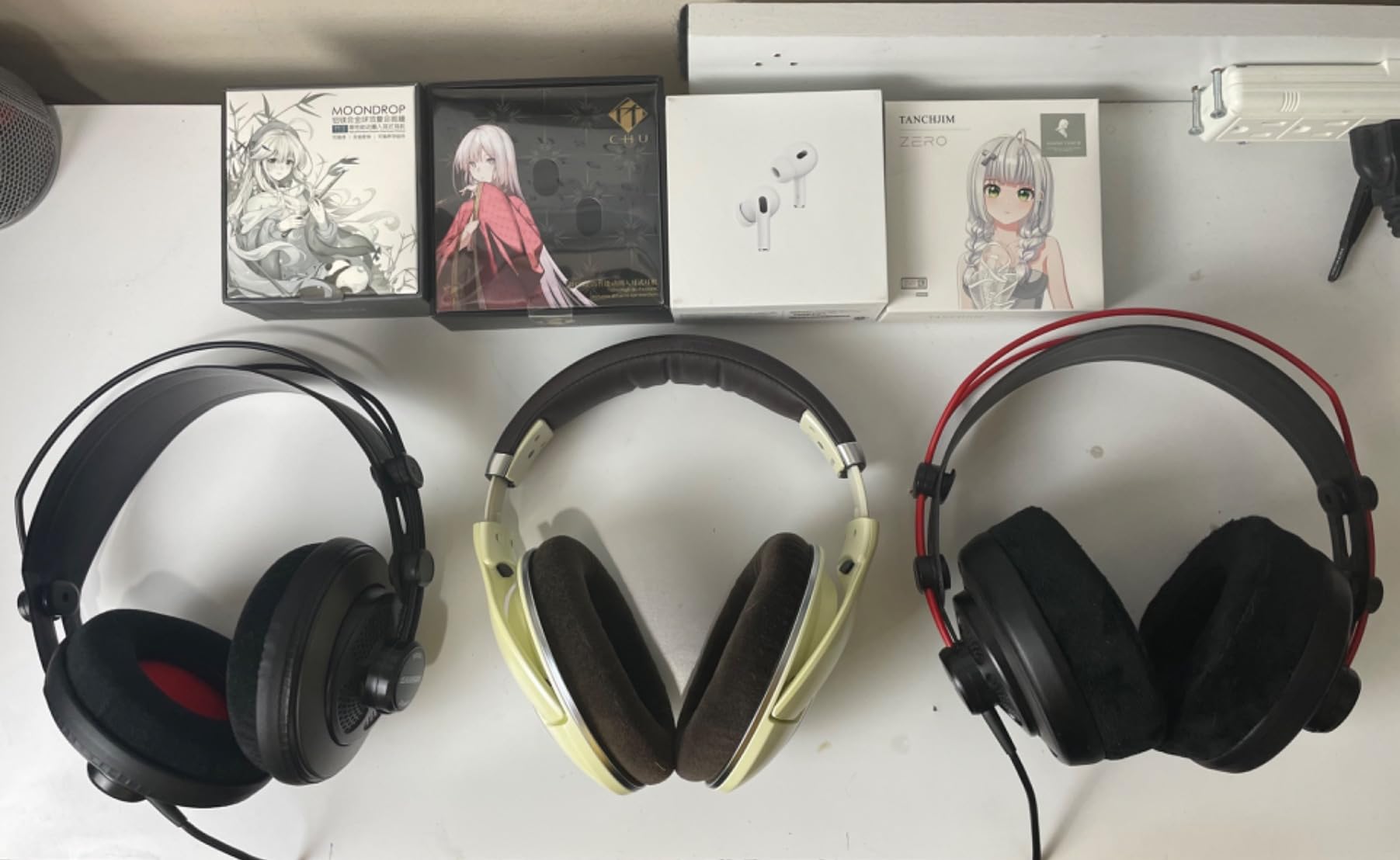
Sennheiser includes two detachable cables, a 3-meter cable with a 6.3mm jack for home listening and a 1.2-meter cable with a 3.5mm jack for portable use. This is a thoughtful inclusion that adds genuine versatility. The aluminum voice coils contribute to the responsive, detailed sound that the HD 599 delivers across all frequency ranges.
The ear cups are generously sized and fit around even large ears without touching. This circumaural fit, combined with the soft velour pads, creates one of the most comfortable listening experiences I have had at any price point. I wore these for an entire workday of casual listening without any discomfort or urge to take them off.
Who Should Buy the Sennheiser HD 599
Anyone who values all-day comfort alongside good sound quality will love the HD 599. These are ideal for office workers who want to listen to music for eight hours straight, gamers who want immersive audio during marathon sessions, and casual listeners who want an upgrade from consumer headphones without diving deep into audiophile territory.
The low 50-ohm impedance makes these accessible to anyone, regardless of whether you own a headphone amplifier. They sound good from any source, which makes them the most convenient option in this entire roundup for plug-and-play use.
What to Know Before Buying
No carrying case is included, which is disappointing at this price point. You will need to source your own storage solution if you plan to transport these headphones. The long 3-meter cable can feel a bit flimsy, so handle it with care when wrapping and unwrapping.
The warm mid-bass emphasis means these are not the most neutral option for critical mixing work. For recreational listening, gaming, and movies, the warmth adds to the enjoyment. But if you need flat, reference-grade monitoring, you would be better served by the HD 600 or HD 560S.
11. AKG K240STUDIO – Budget Studio Classic
AKG K240STUDIO Semi-Open Studio Headphones
55 Ohms Impedance
15-25,000 Hz Frequency Response
104 dB Sensitivity
Semi-Open Design
Pros
- Excellent neutral studio sound
- Very comfortable extended wear
- Large soundstage for semi-open
- Detachable cable
- Great value for money
Cons
- Limited sub-bass response
- Semi-open leaks some sound
- Requires amp for best results
- Highs slightly rolled off
The AKG K240STUDIO is a true classic that has been a fixture in recording studios since the original K240 was introduced decades ago. I first encountered these in a college recording lab and was impressed by how professional they sounded for such an accessible price. The semi-open, circumaural design with its distinctive gold accents is instantly recognizable in any studio environment.
The sound signature is tuned for studio work, with a neutral, flat response that gives you an honest representation of your audio. The Varimotion diaphragm technology delivers clear mids and highs that make it easy to identify issues in a recording. While the frequency response tops out at 25kHz, which is less extended than some competitors, it covers the full audible spectrum where most critical listening happens.
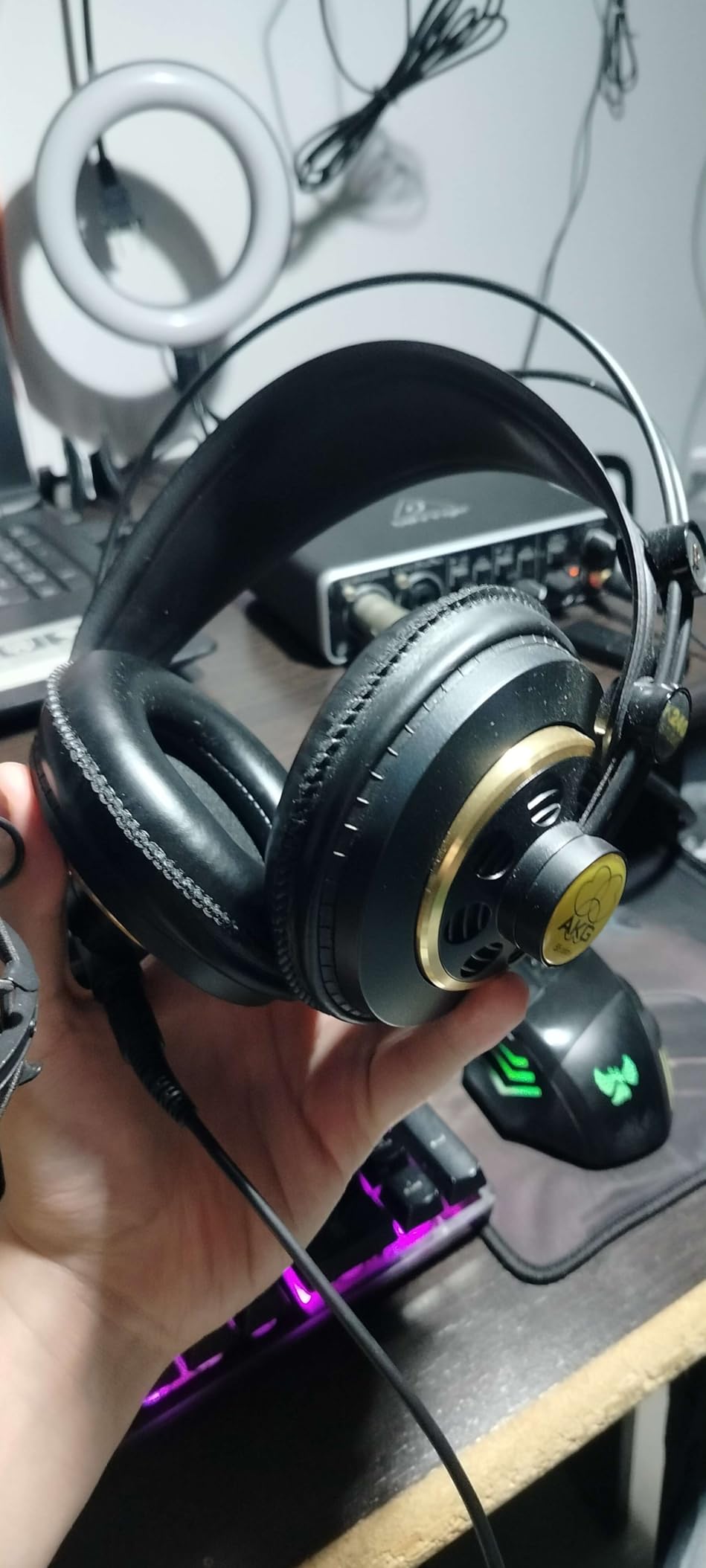
Comfort is handled by the self-adjusting headband, which automatically conforms to your head shape without manual adjustment. At 240 grams, these are lightweight enough for long sessions, and the circumaural pads sit comfortably around the ears. The single-sided cable design keeps things tidy and reduces cable tangles on your desk.
The detachable cable uses standard connectors, which is a practical feature that lets you replace or upgrade your cable as needed. The 3-meter length gives you enough reach for most studio setups, and the included 6.3mm adapter ensures compatibility with professional audio equipment. With 55 ohms of impedance and 104 dB sensitivity, these work reasonably well with most audio interfaces without additional amplification.
Who Should Buy the AKG K240STUDIO
Beginning audio engineers and home studio owners on a tight budget should start here. The neutral sound, comfortable fit, and professional design make these the best value in studio monitoring at this price. Students in audio engineering programs will also appreciate having a reliable reference headphone that does not break the bank.
Podcasters and content creators who need accurate monitoring for voice recording will find the K240STUDIO delivers honest, usable audio at a fraction of the cost of premium alternatives. The semi-open design provides enough isolation for tracking while maintaining a natural sound quality.
What to Know Before Buying
The sub-bass response is limited, which means these are not ideal for bass-heavy music production like electronic or hip-hop. The 15Hz low-end cutoff misses some of the deepest bass frequencies that other headphones in this roundup can reproduce. For most studio monitoring applications, this is not a significant issue.
A headphone amplifier or quality audio interface improves the sound noticeably, even at 55 ohms. The difference is not as dramatic as with higher-impedance models, but the additional headroom results in cleaner, more dynamic sound. Factor the cost of at least a basic audio interface into your total budget.
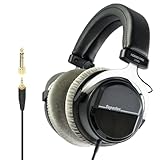
12. Superlux HD 660PRO – Budget High Impedance Starter
Superlux HD660PRO 150Ω Closed-Back Studio Headphones for Recording, Black
150 Ohms Impedance
10-30,000 Hz Frequency Response
92 dB Sensitivity
40mm Neodymium Drivers
Pros
- Excellent value for budget studio headphones
- Comfortable velvet ear pads
- Good sound with headphone amp
- Noise isolation closed-back
- Includes adapter and pouch
Cons
- Build quality not professional grade
- Light-gauge cable prone to snags
- Requires headphone amp for best sound
- Flimsy strain relief points
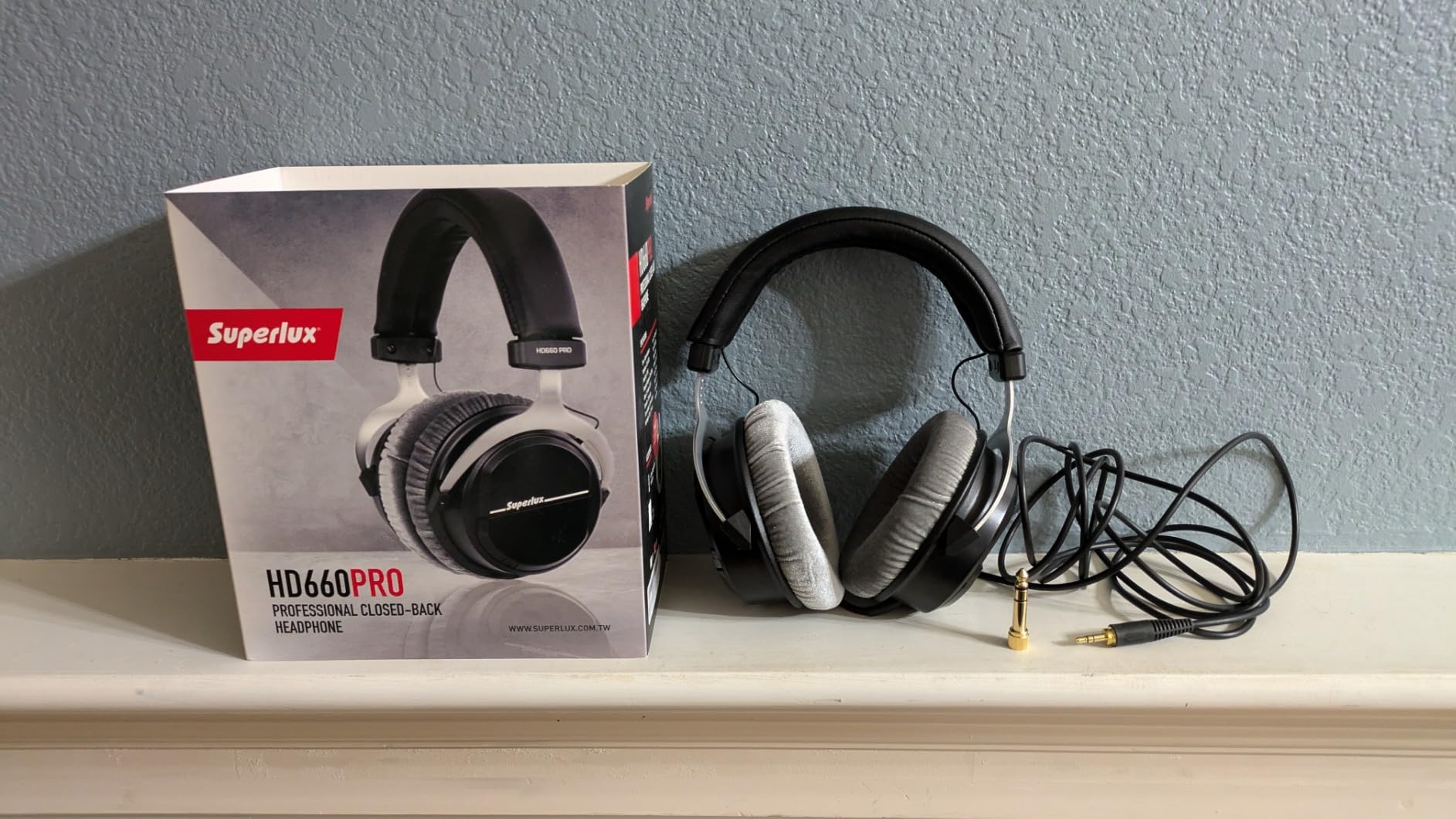
The Superlux HD 660PRO is the most affordable way to experience high impedance headphones. At 150 ohms with 92 dB sensitivity, these headphones clearly need amplification to sound their best, but they deliver surprisingly competent audio when properly driven. I was not expecting much at this price point, but the HD 660PRO exceeded my expectations for what a budget high-impedance headphone can do.
The 40mm neodymium drivers produce a sound signature that is surprisingly balanced for the price. The bass has decent extension and control, the mids are clear enough for monitoring purposes, and the treble extends well without becoming harsh. The 10Hz to 30kHz frequency response covers a wider range than I expected at this price, giving you both sub-bass rumble and airy high-frequency detail.
Comfort is a genuine strength. The ultra-soft velvet ear pads are plush and comfortable, and the upgraded leather headband provides decent weight distribution. The swivel ear cups allow for adjustable fit, which is a nice feature at this price. I wore these for three-hour listening sessions without significant discomfort, which is more than I can say for many budget headphones.
The closed-back design provides useful noise isolation, making these practical for use in shared spaces or noisy environments. The 8.2-foot tangle-free cable terminates in a 3.5mm plug with a 6.3mm adapter included, and the travel pouch provides basic protection during transport. The detachable cable design is a welcome feature that adds some future-proofing.
Who Should Buy the Superlux HD 660PRO
Anyone curious about high impedance headphones who does not want to spend much should start with the HD 660PRO. It gives you a taste of what higher-impedance audio sounds like when properly amplified, without a significant financial commitment. Students, beginners, and curious listeners will find this an accessible entry point.
If you already own a basic headphone amplifier and want a backup pair of closed-back headphones for casual listening or monitoring, the HD 660PRO fills that role affordably. The isolation and comfort make it practical for everyday use where you might not want to risk more expensive headphones.
What to Know Before Buying
The build quality reflects the price. The plastic construction and light-gauge cable are functional but not built for rough handling. The strain relief points on the cable are flimsy, so be careful when wrapping and storing the cable. With reasonable care, these should last, but they are not in the same durability class as the beyerdynamic or Sennheiser options.
You absolutely need a headphone amplifier to get acceptable volume and sound quality from these. The 150-ohm impedance with only 92 dB sensitivity means plugging them into a phone or laptop will result in quiet, thin sound. Budget for at least a basic amp or DAC/amp combo to get the experience these headphones are capable of delivering.
How to Choose the Right High Impedance Headphones
Choosing high impedance headphones involves more than picking the model with the highest ohm rating. The right choice depends on your source equipment, listening environment, and what you plan to use the headphones for. Here is what I have learned from testing these headphones across different setups and use cases.
Understanding Impedance Ratings
Impedance measures how much a headphone resists the electrical signal from your audio source, measured in ohms. Low impedance headphones, typically under 32 ohms, are designed for portable devices like phones and laptops. Medium impedance ranges from 32 to about 100 ohms and works well with audio interfaces and moderate amplification. High impedance headphones, generally considered anything above 100 ohms, are designed for use with dedicated headphone amplifiers or high-quality audio interfaces.
The key benefit of higher impedance is lower distortion at the same volume level. When a headphone has higher impedance, the voice coil has more wire windings, which creates a stronger magnetic field with the same current. This results in better control over the driver diaphragm, tighter bass response, and cleaner overall sound. The tradeoff is that you need more voltage to reach the same loudness.
Do You Need a Headphone Amplifier?
If your headphones are above 80 ohms, you will benefit from a dedicated headphone amplifier. Below 80 ohms, most audio interfaces, computers, and even some phones can drive headphones adequately. Between 80 and 250 ohms, a decent amplifier makes a noticeable difference in dynamics, bass control, and overall clarity. Above 250 ohms, an amplifier is essentially required to get acceptable volume and sound quality.
I tested several of these headphones with and without amplification, and the difference is not subtle. The Sennheiser HD 600 at 300 ohms sounds thin and lifeless from a laptop jack but transforms into a rich, detailed headphone when paired with even a modest amplifier. Budget anywhere from 50 to 150 dollars for a quality headphone amplifier if you are purchasing headphones above 100 ohms.
Open-Back vs Closed-Back vs Semi-Open
The back design of your headphones affects both sound quality and practical usability. Open-back headphones like the Sennheiser HD 600 and beyerdynamic DT 990 PRO have perforated ear cups that allow air and sound to pass through freely. This creates a wide, natural soundstage that makes music feel spacious and immersive. The downside is zero isolation, as sound leaks freely in both directions.
Closed-back headphones like the beyerdynamic DT 770 PRO and Sony MDR7506 seal the ear cups completely. This blocks ambient noise and prevents sound leakage, making them practical for recording, shared spaces, and portable use. The tradeoff is a narrower soundstage and sometimes a slight resonance in the low frequencies.
Semi-open designs like the beyerdynamic DT 880 PRO and AKG K240STUDIO split the difference, offering some of the spaciousness of open-back with a degree of isolation. These are a good compromise if you need some isolation but prefer a more open sound quality.
Matching Impedance to Your Source Equipment
The general rule of thumb is that your source equipment should have an output impedance no higher than one-eighth of your headphone impedance. For example, driving 250-ohm headphones ideally requires a source with output impedance below 31 ohms. Most dedicated headphone amplifiers have output impedance well under 1 ohm, making them suitable for any headphone impedance.
For desktop use with an audio interface, anything from 50 to 250 ohms works well. For portable use with a phone or laptop, stay at or below 80 ohms unless you plan to carry a portable amplifier. The Sennheiser HD 599 at 50 ohms and the Sony MDR7506 at 63 ohms are the most source-friendly options in this roundup.
Frequently Asked Questions
What are the best high impedance headphones?
The Sennheiser HD 600 is the best overall high impedance headphone for most listeners, offering reference-quality neutral sound with a wide soundstage at 300 ohms. For studio use, the beyerdynamic DT 770 PRO 80 Ohm provides excellent isolation and versatility. On a budget, the AKG K240STUDIO delivers neutral studio sound at 55 ohms. Your best choice depends on whether you prioritize sound accuracy, isolation, or value.
Are high impedance headphones good?
Yes, high impedance headphones are good when properly amplified because they produce cleaner sound with lower distortion compared to low impedance models. The higher impedance allows for better driver control, resulting in tighter bass, more detailed mids, and smoother treble. However, they require more voltage to reach listening volume, so you need a headphone amplifier or quality audio interface to get the best performance from them.
Is 16 or 32 impedance better?
Both 16 and 32 ohms are considered low impedance, but 32 ohms is generally better for most users because it provides slightly better driver control while remaining easy to drive from any device. The 16-ohm rating draws more current and can sound louder from weak sources like phones, but may have slightly higher distortion at higher volumes. For portable use with phones and laptops, 32 ohms offers a good balance of volume and sound quality.
Do high impedance headphones need an amplifier?
High impedance headphones above 80 ohms strongly benefit from a dedicated headphone amplifier, and models above 250 ohms essentially require one for acceptable volume and sound quality. Without proper amplification, high impedance headphones will sound quiet, thin, and lack bass impact. A quality headphone amplifier provides the voltage needed to drive the headphones properly, resulting in fuller sound, better dynamics, and cleaner overall audio reproduction.
Final Thoughts on High Impedance Headphones
After testing all 12 of these best high impedance headphones, a few clear standouts emerged. The Sennheiser HD 600 remains the gold standard for neutral, reference-quality listening at 300 ohms. The Sony MDR7506 continues to be one of the best values in professional audio, trusted by studios worldwide for over 25 years. And the beyerdynamic DT 770 PRO lineup offers something for everyone, with impedance options ranging from 80 to 250 ohms.
The most important lesson from my testing is that impedance alone does not determine sound quality. Proper amplification, source quality, and finding the right fit for your listening habits matter just as much as the ohm rating on the box. Start with headphones that match your source equipment, invest in a decent amplifier if you choose higher impedance models, and give yourself time to adjust to the more honest, detailed sound these headphones provide.
Whether you are building a home studio, upgrading your listening setup, or exploring audiophile sound for the first time, there is a high impedance headphone in this guide that will fit your needs and budget in 2026. The ones on this list have earned their place through consistent performance, build quality, and real-world reliability.