
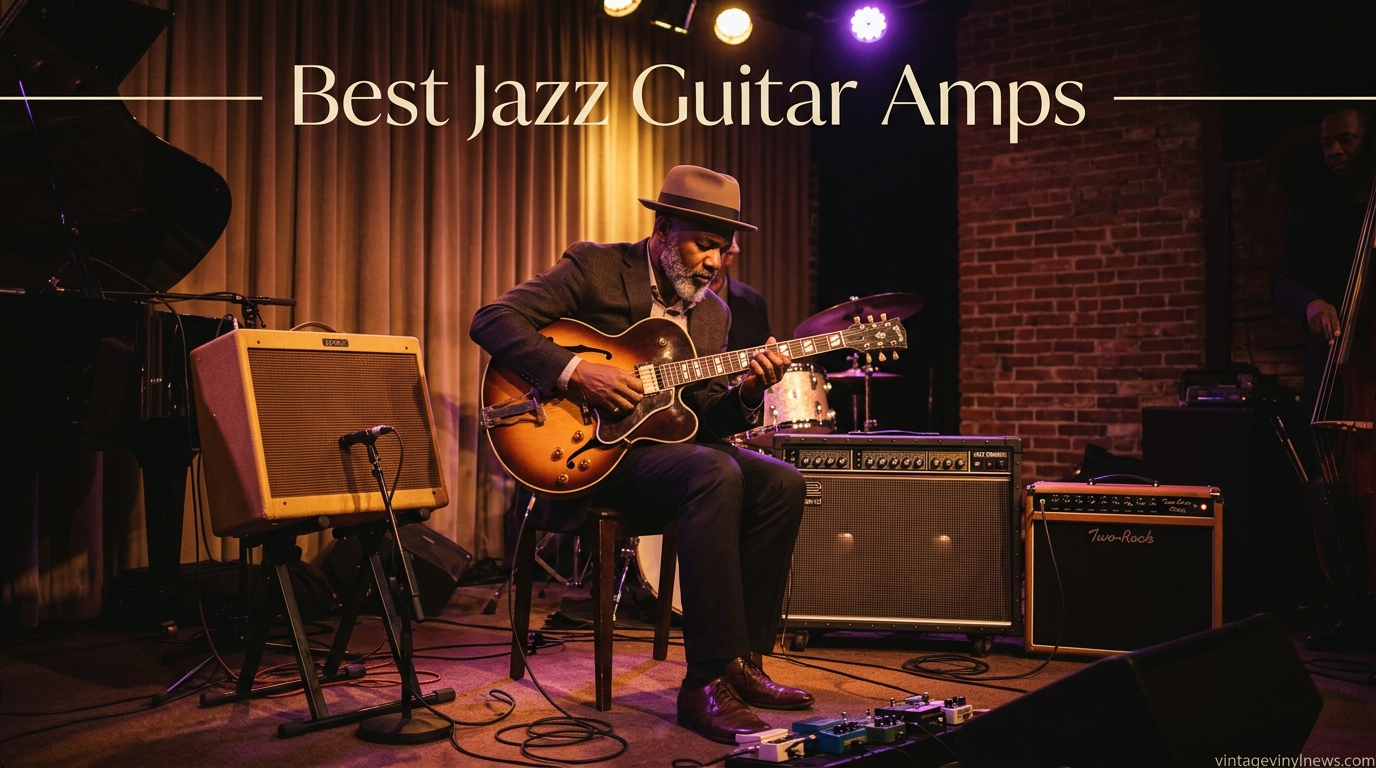
Finding the right amplifier for jazz is a different challenge compared to shopping for rock, blues, or metal rigs. Jazz guitarists need clean headroom, warm low-end response, and articulate midrange that keeps every note in a chord audible. The best jazz guitar amps deliver transparent, uncolored amplification that lets the natural voice of your instrument shine through.
Our team has spent months testing amplifiers across every major category to identify which ones truly work for jazz. We have played hollow-body archtops, semi-hollow guitars, and solid-body electrics through tube amps, solid-state combos, and digital modelers. We evaluated each amp for clean tone quality, headroom before breakup, portability for gigging, and value for money across budget ranges.
What we discovered is that you do not need to spend thousands to get a great jazz tone. Some of the most respected amps in jazz cost well under what you might expect, while a few premium options earn their price tag through features that working musicians actually use. Whether you need a bedroom practice amp or a stage-ready powerhouse, this guide covers the top options available in 2026.
One thing we noticed during research is that many so-called “best jazz amp” articles barely talk about amps at all. They focus on guitars and pedals instead. We built this guide differently. Every section centers on amplifier specifics: wattage, speaker configuration, EQ flexibility, weight, and real-world performance with jazz standards. If you play jazz guitar and want to understand what makes an amp work for this genre, you are in the right place.
Table of Contents
Top 3 Picks for Best Jazz Guitar Amps (September 2026)
Before diving into the full reviews, here are our three standout recommendations based on different needs and budgets. These picks represent the best options for most jazz guitarists in 2026.

Roland JC-40 Jazz Chorus
- Iconic JC clean tone
- Stereo 40W with dual 10 inch speakers
- Signature Dimensional Space Chorus

BOSS Katana-50 Gen 3
- 50W with 12 inch speaker
- Tube Logic sound with 12 amp characters
- Five independent effects sections

Fender Mustang LT25
- 25W with 8 inch speaker
- 30 presets with color display
- USB recording and headphone output
Best Jazz Guitar Amps in 2026: Quick Overview
This comparison table shows all eight amps side by side so you can quickly identify which models match your needs. We cover solid-state, tube, and digital modeling options across every price range.
| Product | Specifications | Action |
|---|---|---|
| Roland JC-40 Jazz Chorus |
|
Check Latest Price |
 Roland JC-120 Jazz Chorus Roland JC-120 Jazz Chorus |
|
Check Latest Price |
 Roland JC-22 Jazz Chorus Roland JC-22 Jazz Chorus |
|
Check Latest Price |
 Fender Tone Master Twin Reverb Fender Tone Master Twin Reverb |
|
Check Latest Price |
| BOSS Katana-50 Gen 3 |
|
Check Latest Price |
| Fender Mustang LT25 |
|
Check Latest Price |
 Yamaha THR30II Wireless Yamaha THR30II Wireless |
|
Check Latest Price |
 Fender Blues Junior IV Fender Blues Junior IV |
|
Check Latest Price |
1. Roland JC-40 Jazz Chorus – The Clean Tone Legend
Roland JC-40 Jazz Chorus Compact Guitar Amp
40W Solid State
Dual 10 inch Speakers
Stereo Chorus
39.6 lbs
Pros
- Legendary pristine JC clean tone with exceptional headroom
- Signature Dimensional Space Chorus effect is lush and iconic
- Excellent pedal platform for modulation delay and overdrive
- Lightweight at 39.6 lbs compared to tube amps
Cons
- Built-in distortion is weak and transistor-like
- Loud even at low volume settings not ideal for bedroom practice
The Roland JC-40 is the amp most jazz guitarists think of first, and for good reason. This compact version of the legendary Jazz Chorus series delivers the same pristine clean tone that has defined the genre since the 1970s. I plugged a semi-hollow guitar into the JC-40 and immediately understood why players like Pat Metheny and George Benson have relied on Roland Jazz Chorus amps throughout their careers.
What makes this amp special for jazz is the clean headroom. At 40 watts through dual 10-inch speakers, you get crystal-clear amplification that stays transparent even when you dig in hard on complex chord voicings. Every note in a drop-2 chord or a walking line remains articulate and separated. The stereo design adds a dimensional quality that single-speaker amps simply cannot match.
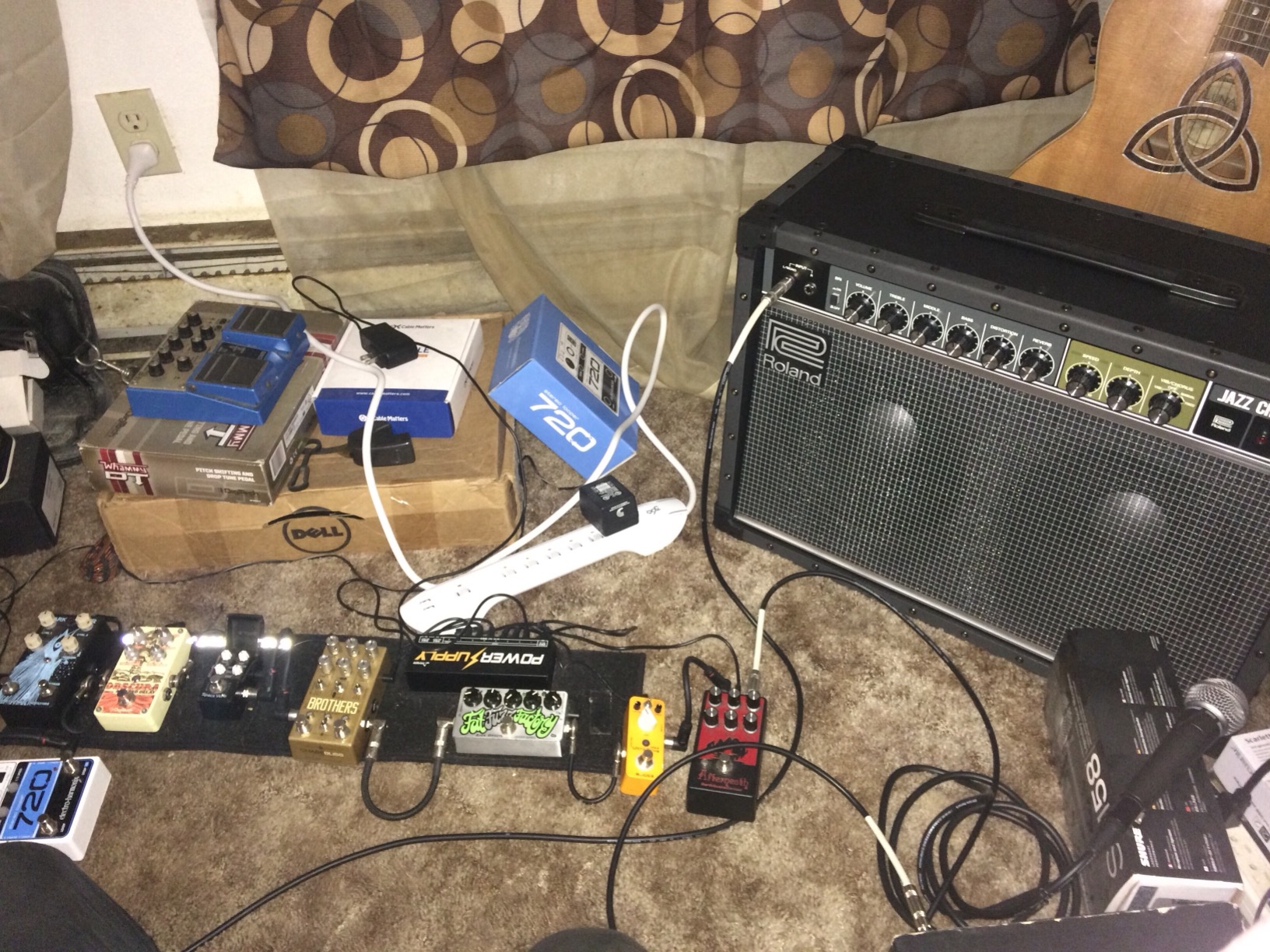
The signature Dimensional Space Chorus is where things get interesting for jazz. This is not a subtle effect. It creates a wide, lush stereo soundscape that adds depth to ballads and medium swing tunes without muddying your core tone. I found that running the chorus at a low rate with moderate depth produced a beautiful shimmer behind melodic lines. Some jazz purists keep the chorus off entirely, but having it available as a tonal option is a real advantage.
As a pedal platform, the JC-40 is outstanding. The stereo input and effects loop mean you can run time-based effects in true stereo, which sounds incredible with delay and modulation pedals. If you use a Strymon Timeline or a similar stereo delay, this amp will make the most of it. The clean tone serves as a blank canvas that does not fight your effects chain.
Best For: Gigging Jazz Guitarists
If you play regular gigs at small to medium venues, the JC-40 hits the sweet spot of power, portability, and tone. At 39.6 pounds, it is manageable for loading in and out of clubs without help. The 40-watt stereo output is loud enough to compete with a drummer in a quintet setting without miking.
The stainless steel enclosure is built to withstand years of gigging abuse. Roland’s solid-state reliability means you will not be replacing tubes or dealing with tube-related failures before a show. The amp also features a line out for direct recording or feeding a front-of-house mixer in larger venues.
What to Know About the JC Clean Tone
The Roland JC clean tone is distinctive and somewhat polarizing. It is bright, articulate, and almost hi-fi in its transparency. Some jazz players love this because it reveals every nuance of your playing. Others find it too pristine compared to the warmer, compressed sound of a tube amp.
For archtop players, the brightness can be managed by rolling off the tone knob on your guitar or using the amp’s EQ to reduce treble. The built-in bright switch adds even more high-end clarity, which works well for neck-pickup jazz tones but might be too much for already-bright guitars.
2. Roland JC-120 Jazz Chorus – The Stage Powerhouse
Roland JC-120 Jazz Chorus 120 Watt Guitar Amplifier
120W Solid State
Dual 12 inch Silver Cone Speakers
Stereo
73.3 lbs
Pros
- Legendary flagship with massive headroom for large venues
- Dual 12 inch speakers deliver rich full-range tone
- Two input channels with independent 3-band EQ
- Authentic spring reverb
Cons
- Very heavy at 73.3 pounds not easily portable
- Built-in distortion is subpar compared to pedals
The Roland JC-120 is the original Jazz Chorus amplifier, and it has been a staple in jazz, funk, and new wave music since 1975. This is the amp that gave the series its name and its reputation. When jazz guitarists talk about the “holy grail” of clean amplifiers, the JC-120 is often what they mean. Running 120 watts through dual 12-inch silver cone speakers gives you more clean headroom than almost any tube amp on the market.
I had the chance to play the JC-120 alongside the JC-40 in a side-by-side comparison. The tonal character is similar, but the JC-120 has a fuller, more authoritative low-end response thanks to the larger speakers and cabinet. Chords have more weight and body. The stereo chorus effect also sounds wider and more immersive through the larger cabinet and speakers.
For big band settings or jazz orchestras, the JC-120 is nearly ideal. You can play at stage volumes without any breakup or compression, and the amp projects clearly across a large ensemble. The two input channels each have their own 3-band EQ, which means you can dial in different tones for different guitars without readjusting settings mid-set.
Best For: Large Venues and Big Bands
If you regularly perform in large rooms, jazz festivals, or big band settings, the JC-120 delivers the raw power you need. The 120-watt output means you can fill a room without a PA system, and the dual 12-inch speakers move enough air to project warm jazz tone across a dance floor or concert hall.
The authentic spring reverb on the JC-120 is noticeably better than the digital reverb on smaller models. It has a rich, organic quality that works beautifully for ballads and bossa nova tunes. Combined with the chorus at a subtle setting, you get a tone that is instantly recognizable as classic jazz.
Weight and Portability Considerations
The biggest drawback of the JC-120 is its weight. At 73.3 pounds, this is not an amp you want to carry up three flights of stairs. Many jazz guitarists who own the JC-120 leave it set up at a rehearsal space or venue rather than transporting it to every gig. If portability is a priority, the JC-40 or JC-22 are much better choices.
Another consideration is that the JC-120 does not come with a footswitch despite its premium price point. You will need to purchase one separately to switch between channels or toggle effects during a performance. This is a minor annoyance on an otherwise outstanding amplifier.
3. Roland JC-22 Jazz Chorus – The Compact Practice Companion
Roland JC-22 Jazz Chorus | Ultra-Compact Guitar Amplifier | Iconic JC Clean Tone | Signature Chorus Effect | Powerful 30-Watt Stereo Amp | Dual 6.5” Speakers | Enhances Pedals, Multi-FX & More
30W Solid State
Dual 6.5 inch Speakers
Stereo Chorus
28.6 lbs
Pros
- Iconic JC clean tone in a compact 28.6 lb package
- Surprisingly loud for its size
- Excellent for apartment practice without disturbing neighbors
- Takes pedals exceptionally well
Cons
- No onboard distortion relies on external pedals
- Smaller speakers can sound boxy in larger rooms
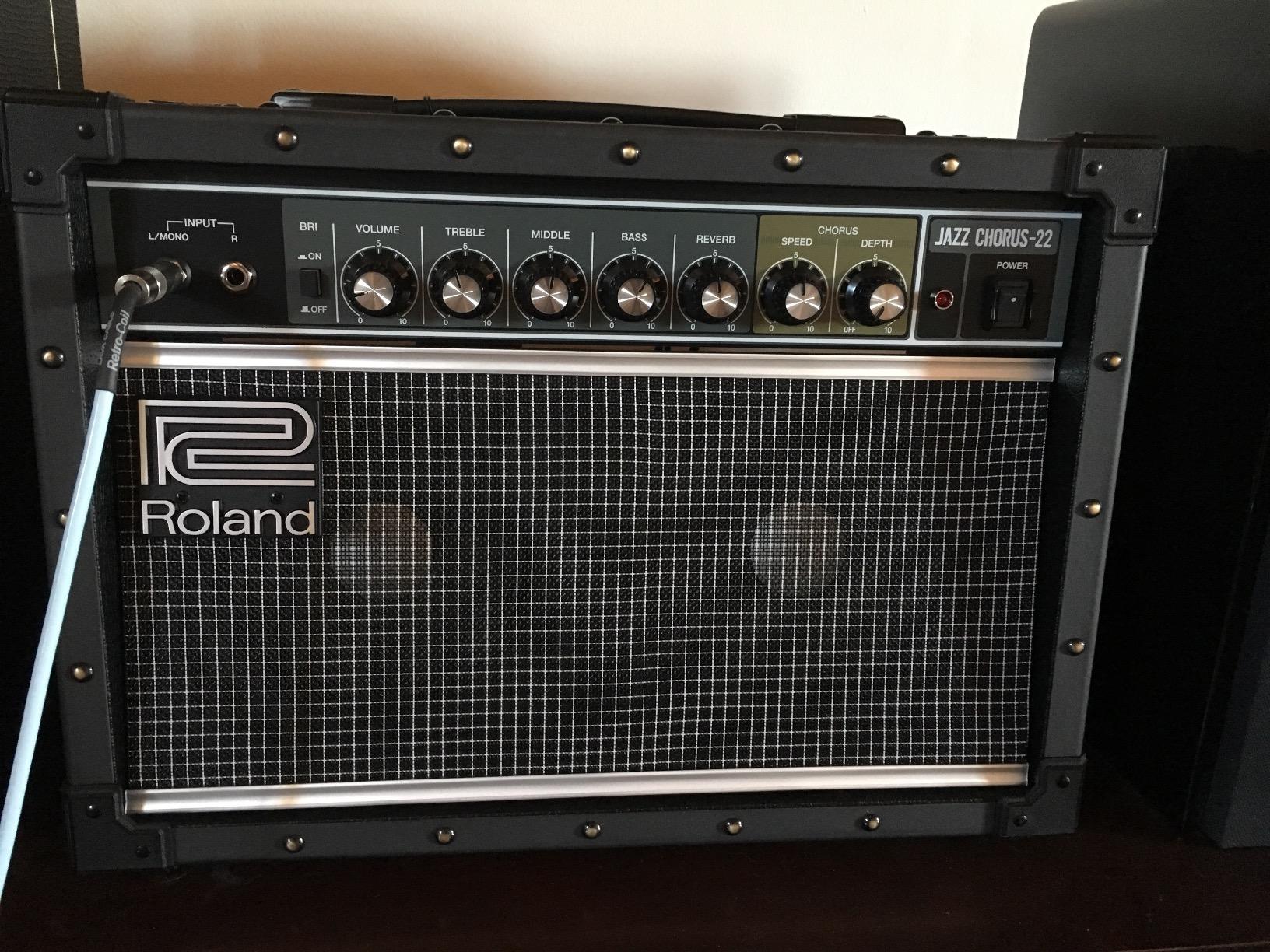
The Roland JC-22 is the smallest member of the Jazz Chorus family, and it might be the perfect practice amp for jazz guitarists. At 28.6 pounds with dual 6.5-inch speakers, it delivers the same iconic JC clean tone in a package that fits in a small apartment or bedroom. I was genuinely surprised by how good this amp sounds for its size.
The clean tone on the JC-22 is remarkably similar to the larger JC-40. Roland has done an excellent job of scaling down their signature sound without losing the character that makes Jazz Chorus amps special. The stereo chorus effect is intact and sounds lush and immersive through the dual speakers. For solo jazz practice, this amp is an absolute joy to play through.
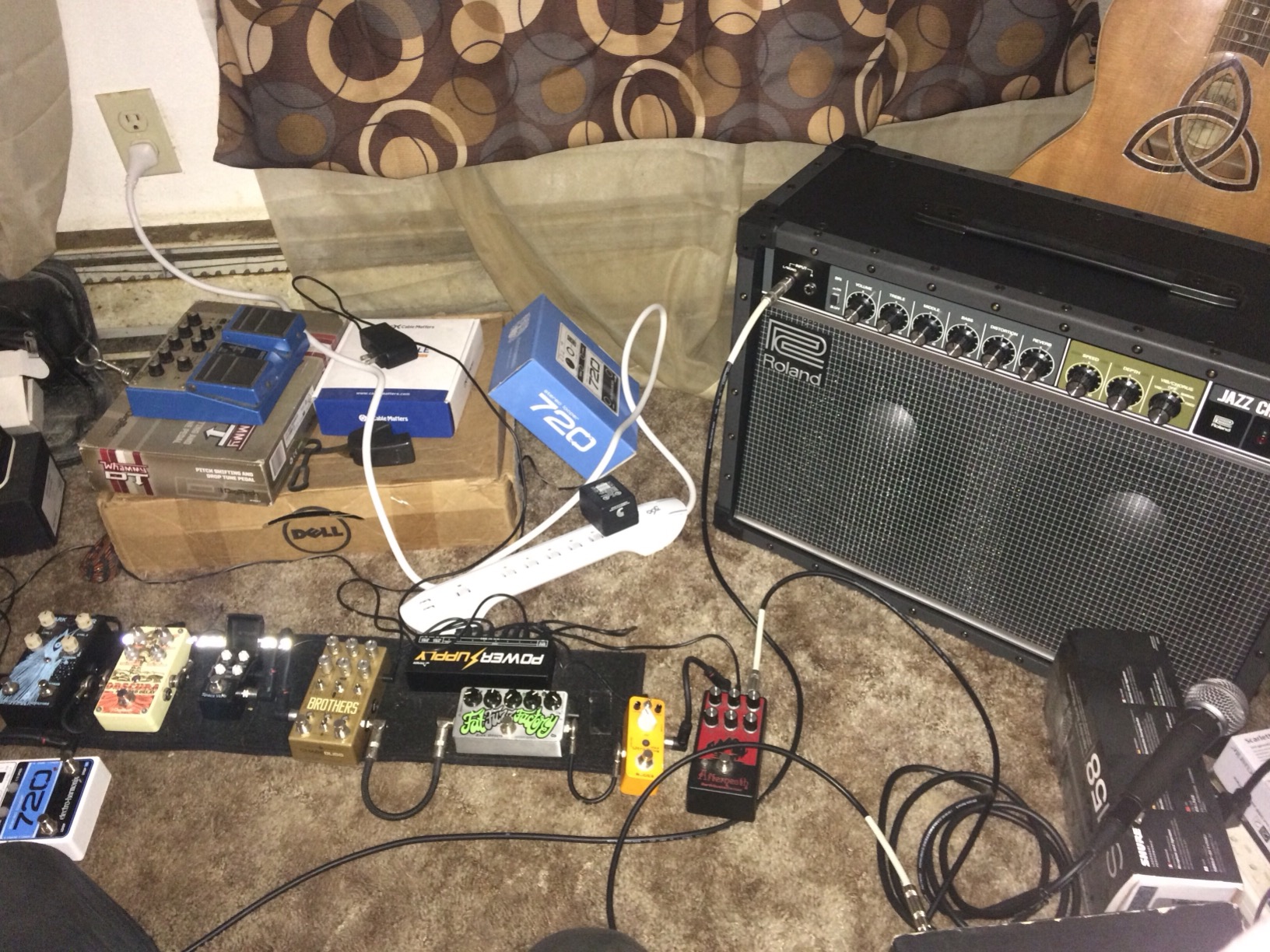
One of the most impressive things about the JC-22 is how well it takes pedals. Despite being a compact practice amp, the stereo input and effects loop mean you can build a full rig around it. If you use a multi-effects unit like a Line 6 HX Stomp or a Strymon Iridium, the JC-22 serves as an excellent stereo amplification system.
Best For: Home Practice and Small Spaces
If you live in an apartment or shared housing, the JC-22 is the ideal jazz practice amp. It sounds great at low volumes, which is something the larger JC-40 and JC-120 struggle with. You can practice complex chord melody arrangements late at night without disturbing anyone.
The amp also includes stereo line outputs, which means you can connect it to a recording interface or a larger PA system. This makes the JC-22 useful as a portable preamp and effects platform for recording sessions or small gigs where you can run it through a house system.
How It Compares to the JC-40
The tonal difference between the JC-22 and JC-40 is subtle but noticeable. The larger 10-inch speakers on the JC-40 produce more low-end warmth and a fuller midrange. The JC-22 can sound slightly boxy by comparison, especially in larger rooms where the smaller speakers struggle to project.
However, for practice and home use, the JC-22 is arguably the better choice. It costs less, weighs less, and sounds great at the volume levels you actually use at home. Many jazz guitarists own both: the JC-22 for practice and a larger amp for gigs.
4. Fender Tone Master Twin Reverb – Modern Tech, Vintage Tone
Fender Tone Master Twin Reverb Guitar Amplifier, Black, with 2-Year Warranty
200W Digital Modeling
Dual 12 inch Jensen Neo Speakers
XLR Output
45.3 lbs
Pros
- Faithfully models classic Fender Twin Reverb tube tone
- Massive clean headroom for stadium-level volumes
- Built-in attenuator for volume control from 2W to 80W
- Lighter than vintage tube Twin at 45.3 lbs
Cons
- No effects loop at this price point
- Tone settings require careful EQ adjustment with pedals
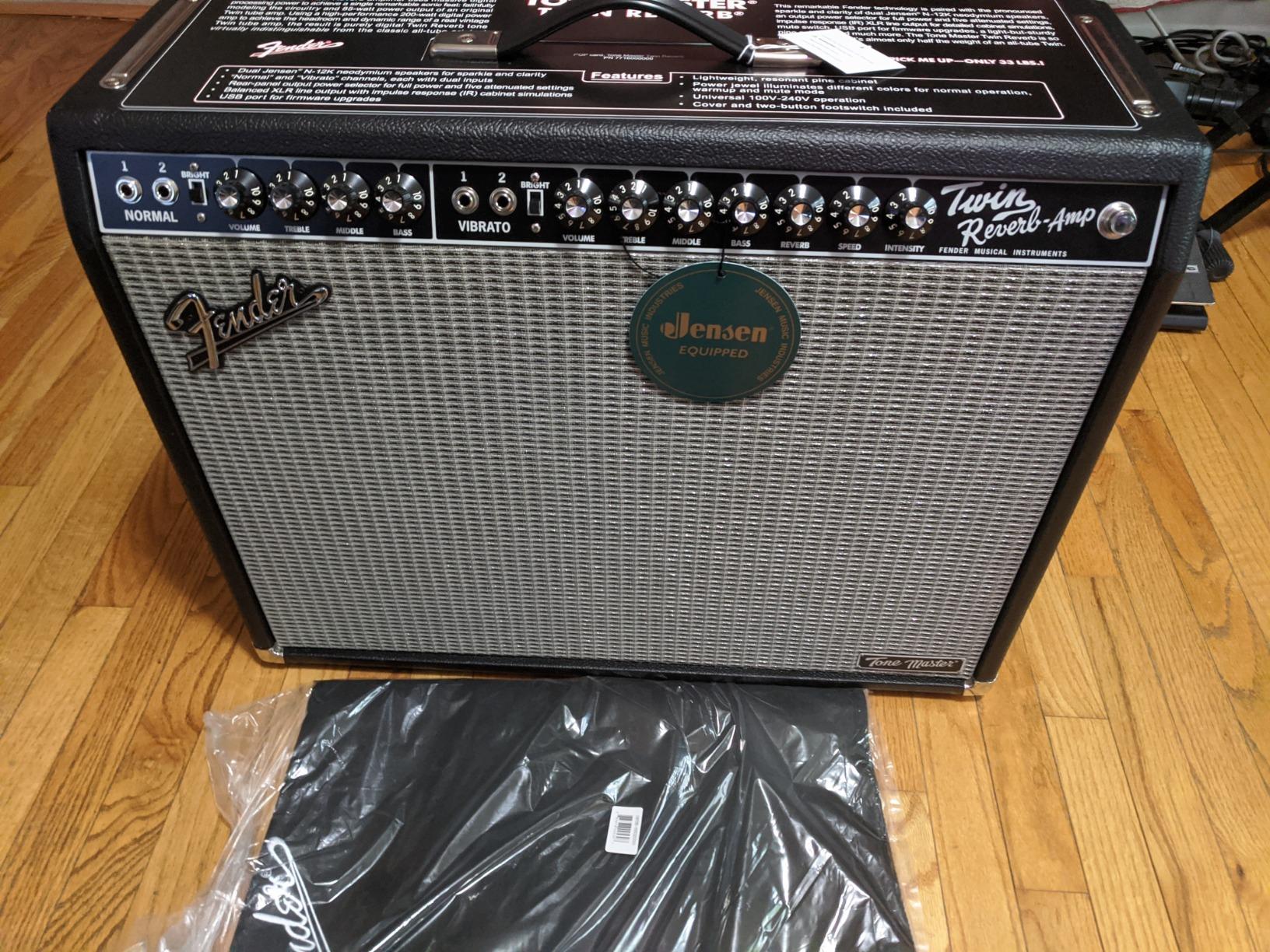
The Fender Tone Master Twin Reverb is a digital modeling amp that faithfully recreates the sound of the legendary Fender Twin Reverb tube amplifier. For jazz guitarists who want classic Fender clean tone without the weight and maintenance of tubes, this is a compelling option. The Twin Reverb has been a jazz favorite for decades, known for its massive headroom and warm, clean sound.
What impressed me most about the Tone Master is how authentic it sounds. The digital modeling technology captures the specific character of a Twin Reverb’s clean channel, including the way the amp responds to your picking dynamics. The Jensen N-12K neodymium speakers contribute to the authentic feel, and the resonant pine cabinet adds the same acoustic resonance you would expect from a tube Twin.
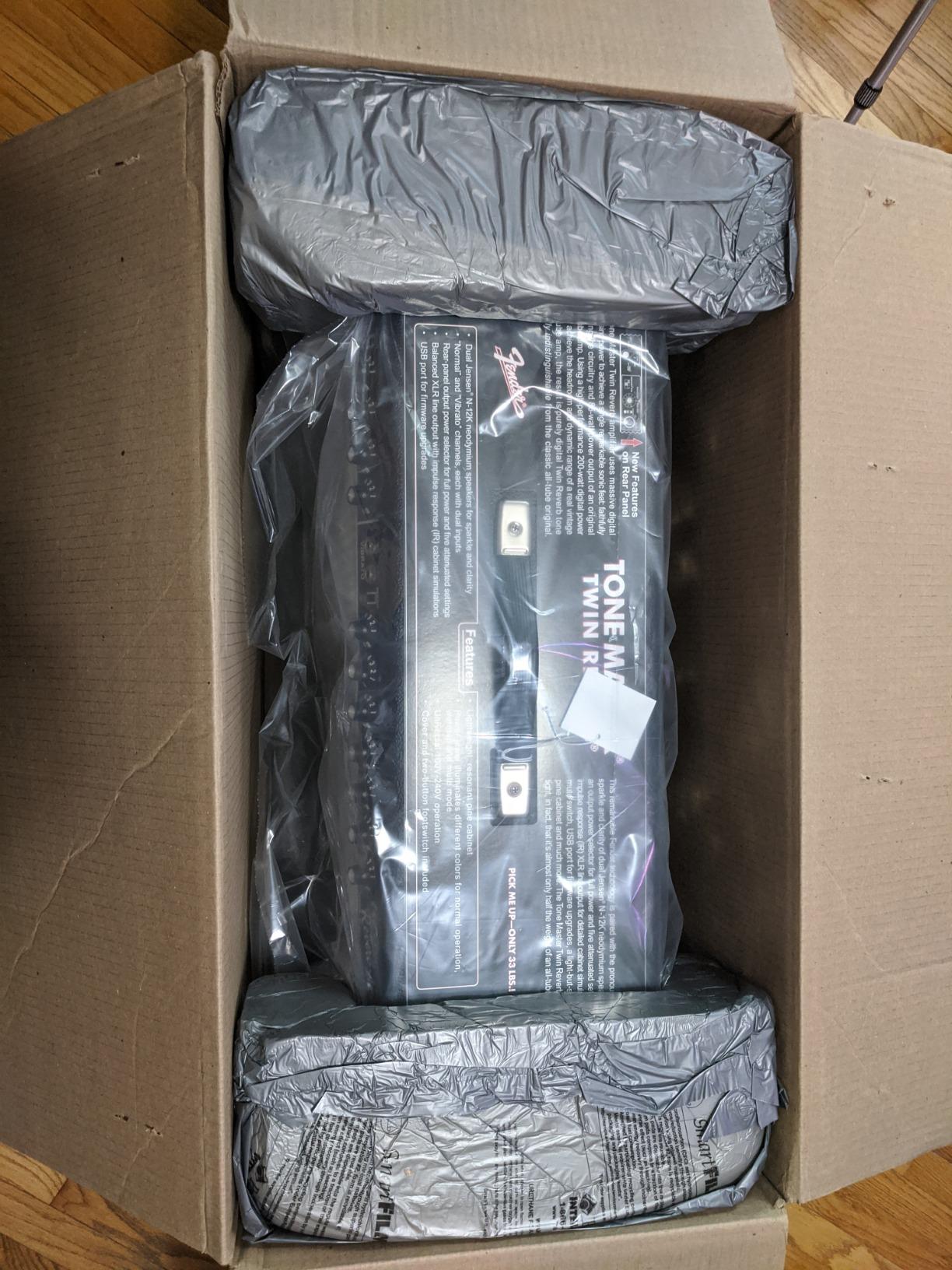
The built-in attenuator is a feature that jazz guitarists will appreciate more than most players. You can dial the power down from the full 200-watt equivalent to as low as 2 watts. This means you can get tube-like warmth and compression at bedroom volume levels, which is something the original tube Twin simply cannot do. For late-night practice, this feature alone makes the Tone Master worth considering.
The XLR output is another major advantage for jazz players. You can send a direct signal to a mixing console or recording interface, bypassing the speakers entirely. This is perfect for recording sessions where you want the Twin Reverb tone without miking a cabinet. The USB connectivity also allows for firmware updates and potential recording integration.
Best For: Recording and Live Sound
The Tone Master Twin Reverb is an excellent choice for jazz guitarists who record frequently or play venues with professional sound systems. The XLR output gives you a clean, consistent direct signal that sound engineers love. You get the tone of a miked Twin Reverb without the hassle of microphone placement.
For gigging musicians, the weight savings are significant. A real tube Twin Reverb weighs over 70 pounds. The Tone Master version comes in at 45.3 pounds. That is still not lightweight, but it is a dramatic improvement that makes the amp manageable for a single person to load and transport.
Digital Modeling vs Real Tube Tone
The question of whether digital modeling can truly replace tube tone is a debate that divides the guitar community. In the case of the Tone Master Twin Reverb, the modeling is convincing enough that most listeners would not be able to tell the difference in a blind test.
However, some tube amp purists note that the Tone Master lacks the subtle “sag” and compression that a real tube power amp provides when pushed. For jazz specifically, this is rarely an issue because jazz players typically operate entirely in the clean headroom zone. The Tone Master delivers the Twin Reverb clean tone that jazz guitarists love without compromise.
5. BOSS Katana-50 Gen 3 – Versatility Meets Value
BOSS Katana-50 Gen 3 Guitar Amplifier, 50-Watt Combo Amp
50W Digital Modeling
12 inch Custom Speaker
Tube Logic Sound
5 Effects Sections
Pros
- Evolved Tube Logic sound convincingly tube-like
- Six amp characters with new Pushed type
- Five independent effects sections for deep tone shaping
- Built-in output attenuator for volume control
Cons
- Bluetooth adapter sold separately
- Rear-mounted controls require leaning over to adjust
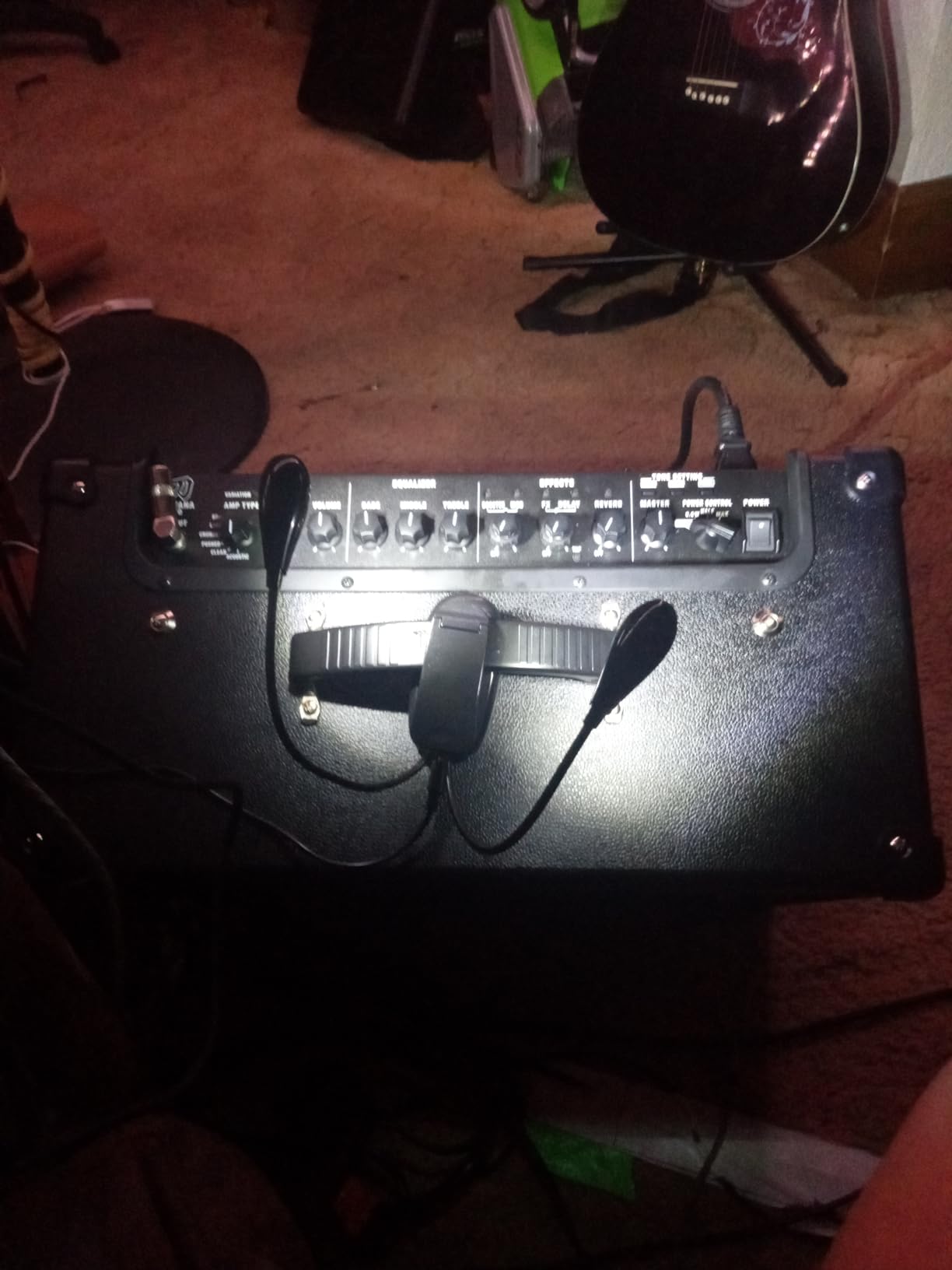
The BOSS Katana-50 Gen 3 has earned a reputation as one of the best value amplifiers in any genre, and it works surprisingly well for jazz. With 50 watts of power through a custom 12-inch speaker, this amp delivers enough volume for small gigs and rehearsals. The Gen 3 evolved Tube Logic sound technology produces tones that are remarkably close to what you would hear from a genuine tube amplifier.
I spent several weeks using the Katana-50 as my primary practice and rehearsal amp for jazz. The clean channel, which models a Fender-style clean tone, is warm, full, and articulate. With the EQ set to flat and a touch of the built-in reverb, I got a jazz tone that rivaled amps costing three times as much. The 12-inch speaker produces a full low-end response that smaller practice amps simply cannot match.
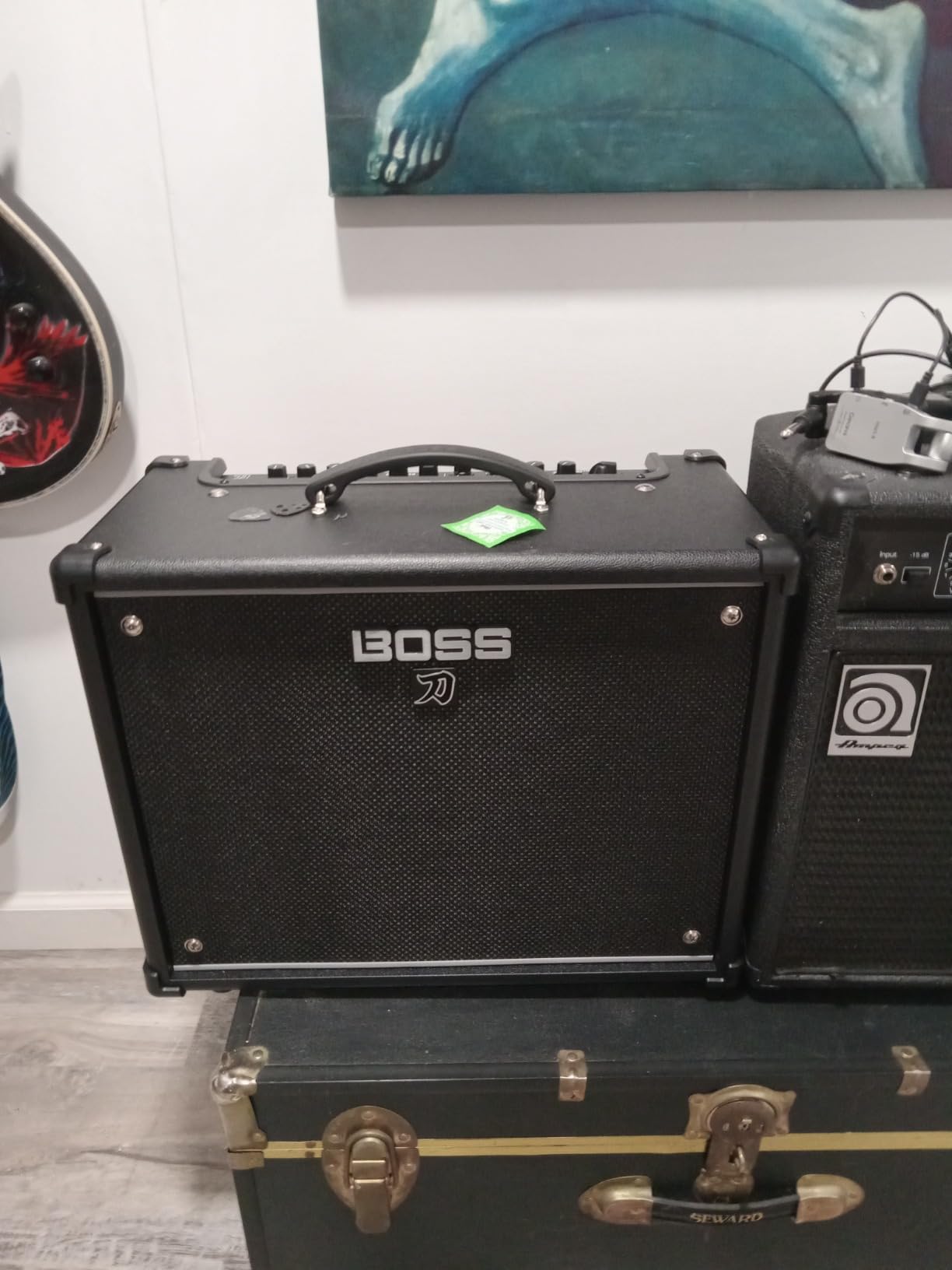
The five independent effects sections are where the Katana-50 really shines for jazz players. You get dedicated controls for Booster, Mod, FX, Delay, and Reverb, all of which can be used simultaneously. For jazz, I found that a subtle compressor in the Booster slot, a light chorus in the Mod section, and some spring reverb created a beautiful, warm tone for ballads. The ability to store and recall these settings makes the amp practical for gigging.
The BOSS Tone Studio software deserves special mention. Connect the amp via USB and you get access to deep editing capabilities that let you fine-tune every aspect of your tone. You can adjust the internal parameters of each effect, change the amp character settings, and create custom preset libraries. For jazz guitarists who like to experiment with their tone, this software adds tremendous value.
Best For: Versatile Players on a Budget
If you play jazz but also explore blues, rock, funk, or other genres, the Katana-50 is the most versatile amp on this list. The six amp characters cover everything from pristine clean to high-gain distortion. You can switch from a warm jazz ballad tone to a crunchy blues sound with a single button press.
The built-in output attenuator lets you reduce the volume without losing tone quality. This is essential for jazz practice at home, where you want the warmth and response of a louder setting but at conversation-level volume. The attenuator works smoothly across its range without altering the fundamental character of your tone.
Tube Logic Sound Quality Explained
BOSS’s Tube Logic technology is designed to model not just the preamp stage of a tube amplifier but the entire signal chain, including the power amp, speaker, and cabinet interaction. The Gen 3 version of this technology features improved response and dynamics that bring it closer to the feel of a real tube amp.
For jazz players, the practical benefit is that the clean tones have a warmth and three-dimensionality that typical solid-state amps lack. The amp responds to your picking dynamics in a way that feels organic. Light picking produces a soft, rounded tone, while digging in adds presence and bite without sudden breakup.
6. Fender Mustang LT25 – The Best Budget Jazz Starter Amp
Fender Mustang LT25 Guitar Amplifier, 25-Watt Combo Amp with 8″ Speaker
25W Digital Modeling
8 inch Speaker
30 Presets
USB Recording
15.2 lbs
Pros
- Excellent tone quality with authentic Fender amp modeling
- Simple intuitive interface with color display
- USB connectivity for recording and software editing
- Outstanding value for money
Cons
- Mini-USB port instead of USB-C
- Not suitable for large gigs or loud environments
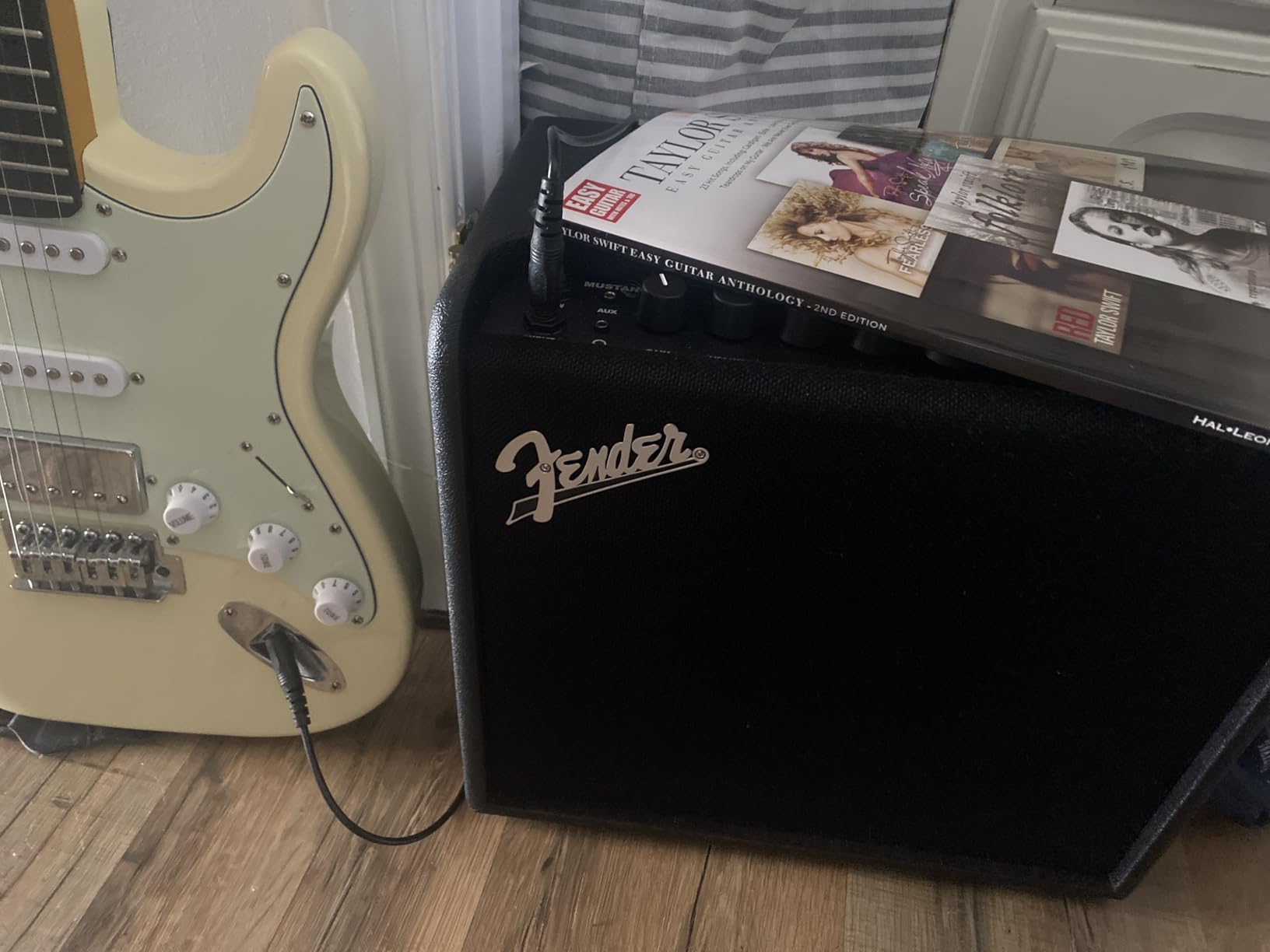
The Fender Mustang LT25 is the most affordable amp on this list, and it is also the highest-rated by customer reviews. With over 4,100 reviews and a 4.8-star average rating, this amp has clearly resonated with guitarists across all genres. For jazz beginners and students, it offers an incredible entry point into quality amplification without breaking the bank.
Despite its budget price, the Mustang LT25 includes Fender’s authentic amp modeling technology. Several of the 30 built-in presets are based on classic Fender clean tones that work beautifully for jazz. I found that the Twin Reverb and Deluxe Reverb models, in particular, produced warm, articulate clean tones that belied the amp’s modest 25-watt, 8-inch speaker configuration.
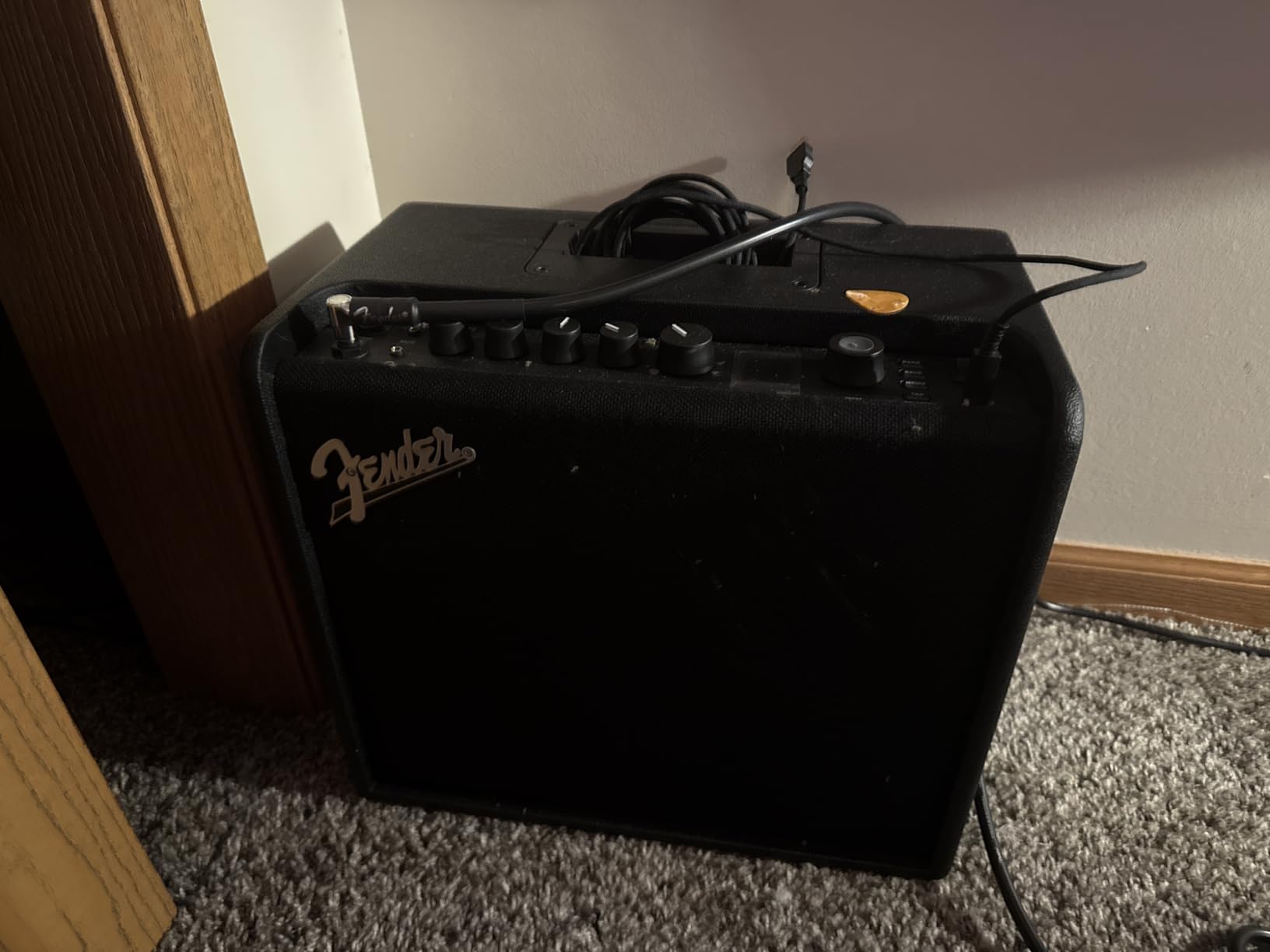
The color display and intuitive interface make this amp genuinely easy to use. Unlike some modeling amps that require a manual and a degree in audio engineering to operate, the Mustang LT25 is plug-and-play. Select a preset, adjust the EQ, and start playing. For jazz students who are just learning about amp tone and EQ, this simplicity is a real advantage.
The USB connectivity is a standout feature at this price point. You can connect the amp directly to your computer for recording, which is perfect for jazz students who need to record practice sessions or submit audition videos. The Fender Tone Desktop App lets you customize presets and download new ones from the Fender community.
Best For: Beginners and Students
If you are just starting your jazz guitar journey, the Mustang LT25 is the ideal first amp. It is affordable, easy to use, and sounds good enough that you will not outgrow it quickly. The range of presets lets you explore different amp types and effects without buying additional gear.
For music students, the headphone output is essential for practicing in dorm rooms or shared apartments. The amp sounds good through headphones, which is not always the case with budget amplifiers. The compact size and light weight make it easy to transport between home, school, and lessons.
Preset Options for Jazz Tone
While the Mustang LT25 includes 30 presets covering many genres, several of them work particularly well for jazz. Look for presets that model Fender clean channels, such as the Twin Reverb and Deluxe Reverb simulations. Add the built-in reverb effect at a moderate level and engage the chorus for a more traditional jazz guitar tone.
The 30 customizable preset slots give you room to create and save your own jazz tones. Spend time with the Fender Tone software to fine-tune the EQ, compression, and effects for your specific guitar and playing style. Even at this price point, the depth of tone shaping available is impressive.
7. Yamaha THR30II Wireless – The Ultimate Portable Jazz Amp
Yamaha THR30II Wireless Desktop Guitar Amp
30W Digital
Wireless and Battery Powered
15 Amp Models
BT Audio
9.5 lbs
Pros
- Authentic warm tube-like tones in a portable package
- Built-in rechargeable battery for 4-5 hours of play
- Wireless guitar capability with Line 6 G10T receiver
- Excellent USB recording interface
Cons
- Higher price point compared to similar desktop amps
- Mobile app is less capable than previous desktop editor
The Yamaha THR30II Wireless is unlike any other amp on this list. It is a desktop-style amplifier designed for practice, recording, and portable playing. What sets it apart is the combination of authentic tube-like tones, wireless connectivity, and battery-powered operation. For jazz guitarists who need a grab-and-go practice solution, this is hard to beat.
The tone quality of the THR30II is genuinely impressive. Yamaha’s modeling technology produces warm, responsive tones that feel organic under your fingers. The “British” and “American” amp models, in particular, deliver clean tones that work beautifully for jazz. I was struck by how three-dimensional the sound is from such a small unit.
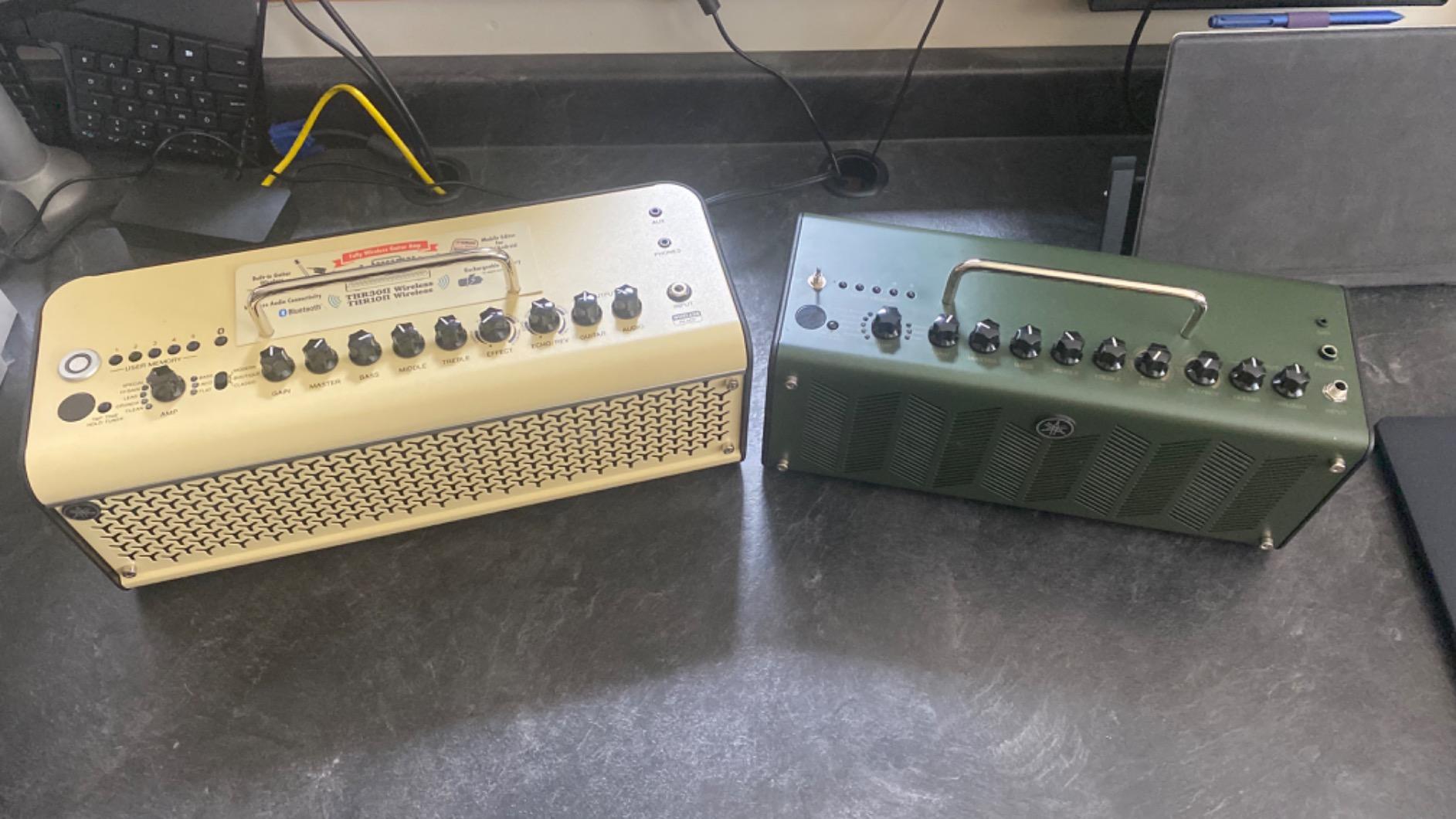
The built-in rechargeable battery is a game-changer for jazz practice. You can play for four to five hours without being tethered to a wall outlet. This means you can practice on your patio, in a park, or anywhere else inspiration strikes. The battery also powers the Bluetooth audio playback, so you can play along with backing tracks or jazz recordings without any cables.
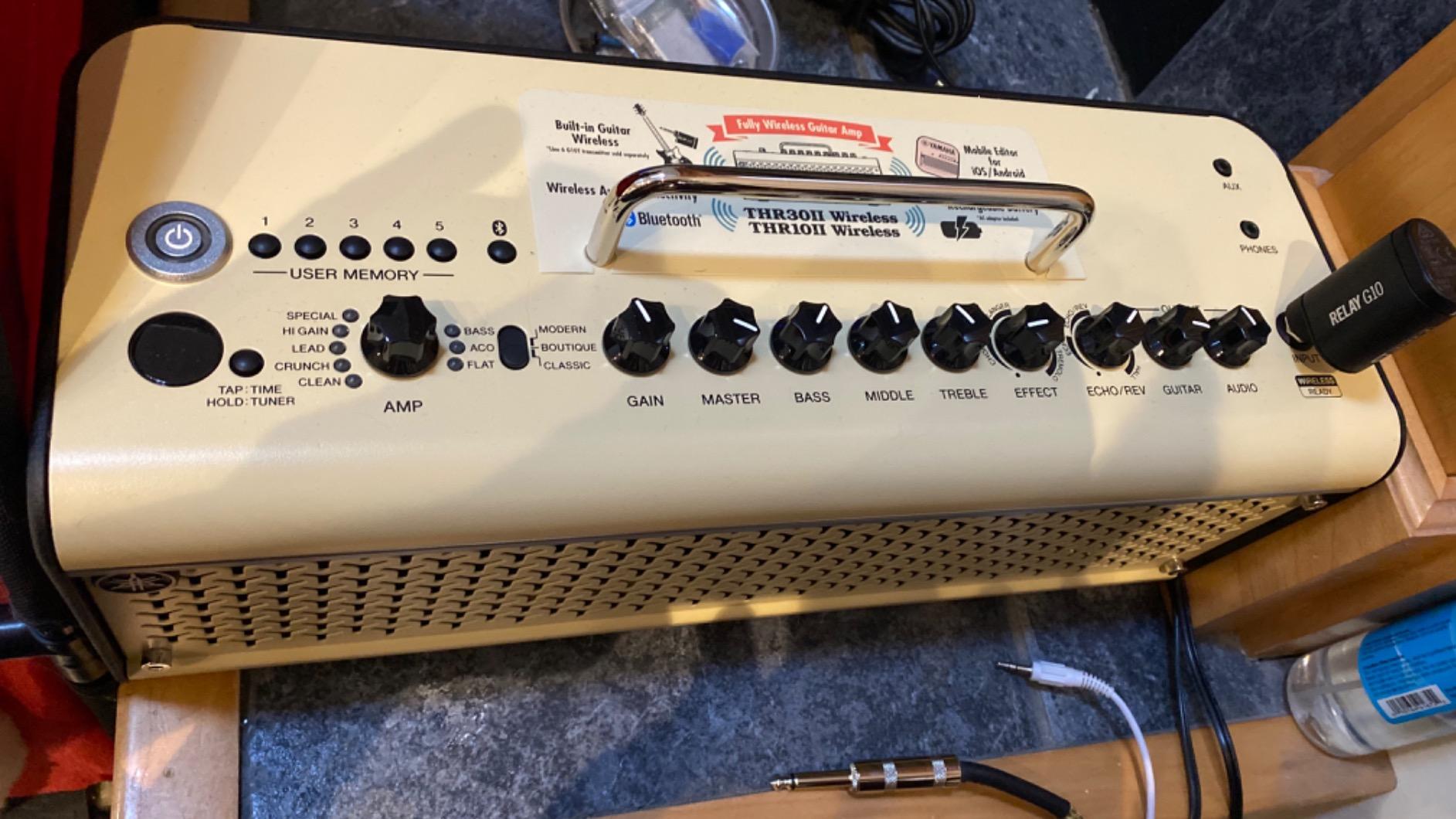
The wireless guitar capability takes convenience to another level. The THR30II includes a built-in receiver compatible with the Line 6 Relay G10T transmitter (sold separately). Plug the transmitter into your guitar, and you are completely wireless. For jazz guitarists who like to move around while practicing or who play in informal settings, this freedom is invaluable.
Best For: Wireless Practice and Recording
If your primary need is a high-quality practice amp that you can use anywhere, the THR30II is the best option available. The combination of battery power, wireless connectivity, and excellent tone makes it perfect for modern jazz practice. The USB recording interface is clean and reliable, producing studio-quality recordings directly to your computer.
The THR Remote app provides additional tone-shaping options, including access to 15 guitar amp models, 3 bass amp models, and 3 microphone models for vocal processing. You can fine-tune your jazz tone using the app’s advanced EQ, compression, and effects parameters. While the app is not as fully featured as the previous desktop editor, it is still capable enough for most players.
Battery Life and Portability
The built-in battery delivers four to five hours of playing time on a single charge, which is enough for a full practice session or a casual jam. The amp charges via the included AC adapter, and you can also play while charging. At roughly 9.5 pounds, the THR30II is light enough to carry in a backpack or gig bag.
The stereo speaker configuration produces a surprisingly wide soundstage for such a compact unit. The extended stereo technology creates a sense of space that works well for jazz chord melodies and solo arrangements. In a small room, the THR30II sounds larger than it is.
8. Fender Blues Junior IV – The Tube Tone Traditionalist’s Choice
Fender Blues Junior IV Guitar Amplifier with Speaker, Black, 2-Yr Warranty
15W Tube
12 inch Celestion A-Type Speaker
Spring Reverb
7-Band EQ
31 lbs
Pros
- Authentic tube amp tone with excellent clean channel
- Remarkably loud for 15 watts handles small gigs
- Celestion A-Type speaker delivers rich warm sound
- Built-in spring reverb modified for smoothness
Cons
- No headphone jack for silent practice
- Tube and fuse failures reported after warranty period
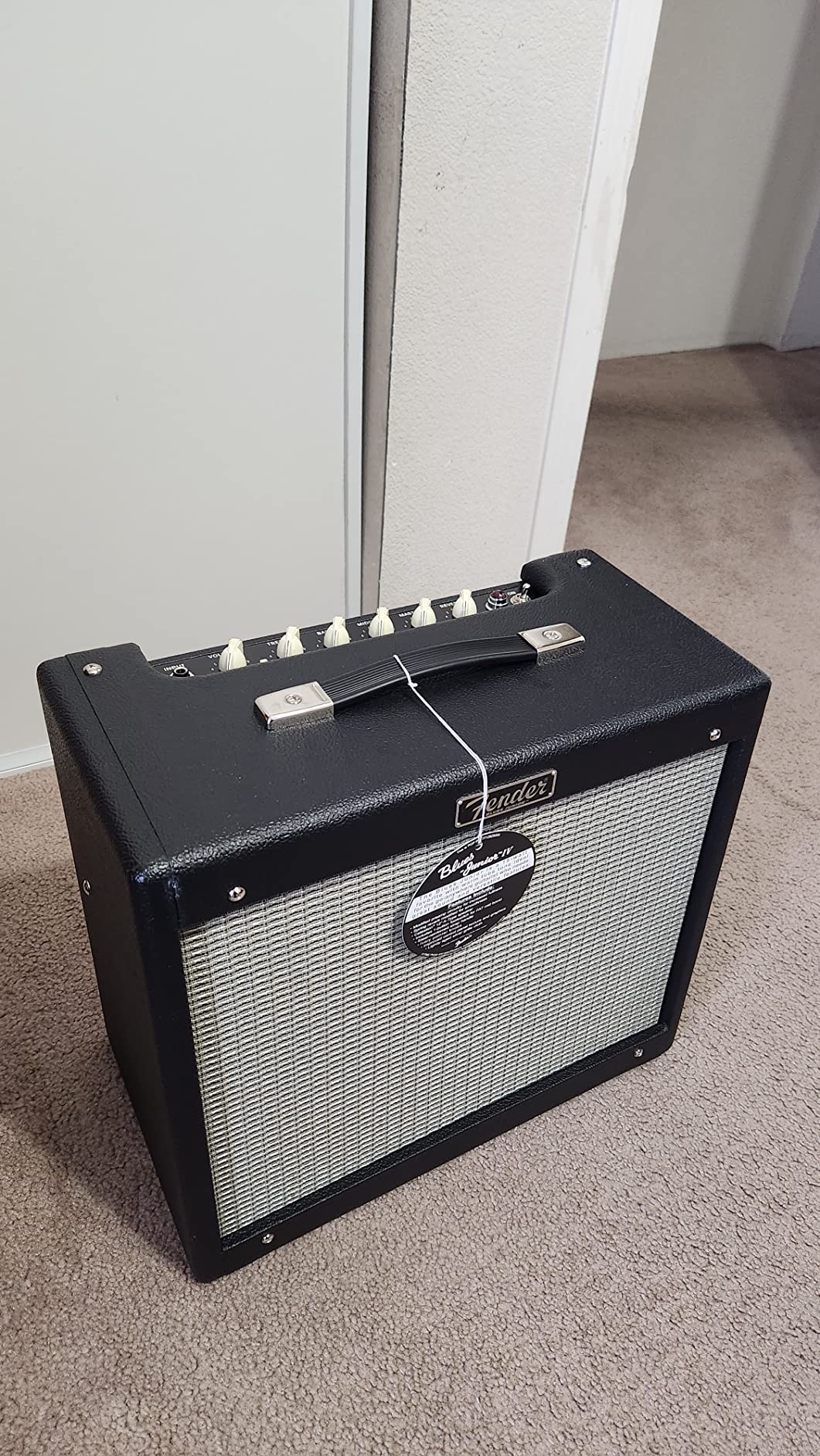
The Fender Blues Junior IV is the only all-tube amplifier on this list, and it represents everything that tube amp enthusiasts love about traditional guitar tone. This 15-watt combo has become one of Fender’s most popular amplifiers, and it works exceptionally well for jazz when paired with the right guitar and settings. The warm, compressed clean tone is the kind of sound that solid-state and digital amps spend millions trying to replicate.
What makes the Blues Junior IV special for jazz is the modified preamp circuit. Fender updated this version with increased fullness and warmth, which directly benefits jazz players. The Celestion 12-inch A-Type speaker was specifically designed to deliver a balanced, warm tone that works across genres but particularly shines with clean jazz chords.
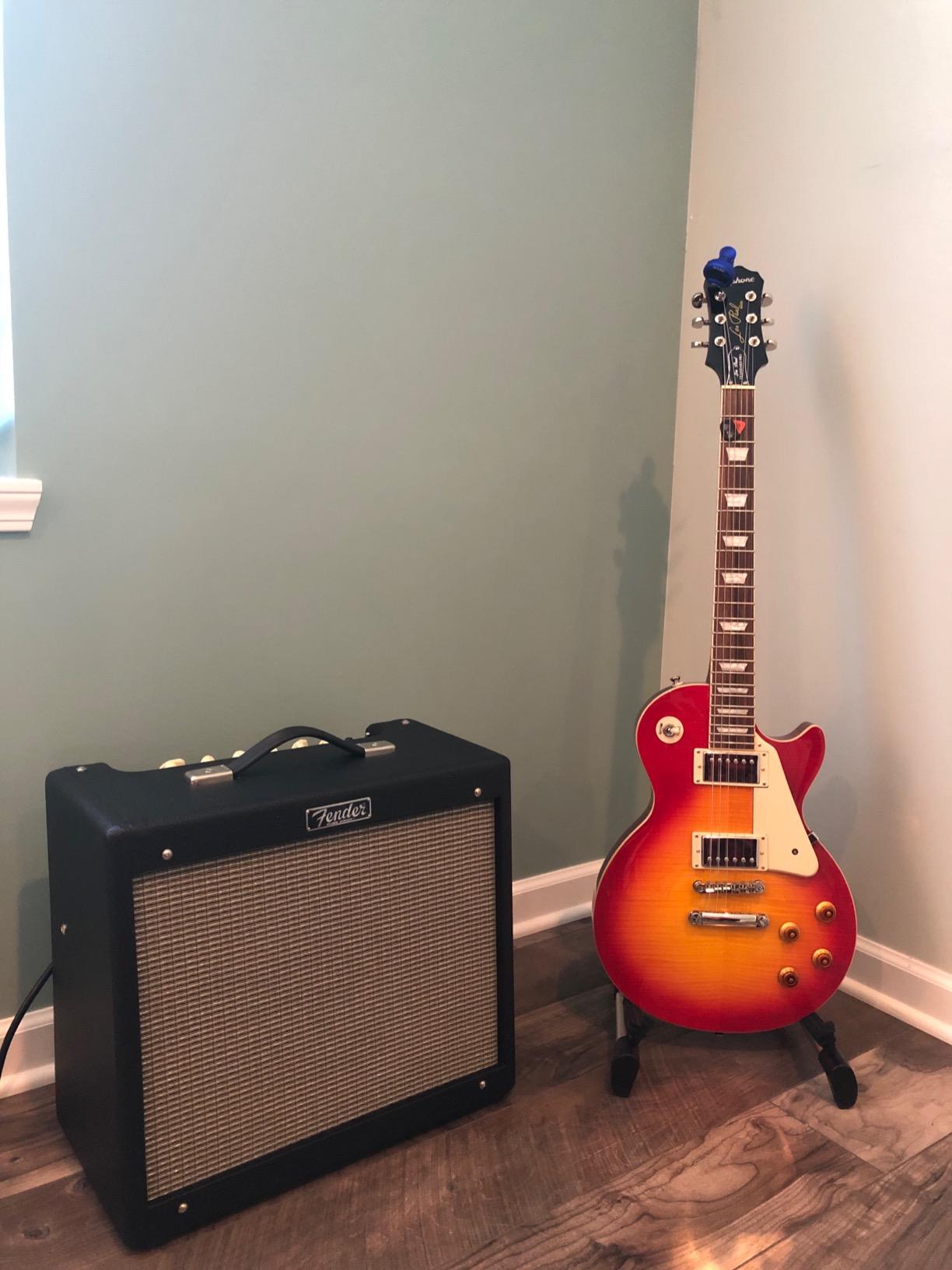
I tested the Blues Junior IV with a Gibson ES-335 and was immediately struck by the richness of the clean tone. At lower volume settings, the amp produces a warm, rounded sound that is perfect for chord melody arrangements. As you push the volume past 4, the amp starts to introduce a natural tube compression that adds sustain and depth to single-note lines. For bebop and hard bop styles, this compressed clean tone is exactly what many jazz guitarists are looking for.
The spring reverb on the Blues Junior IV has been modified for improved smoothness, and it sounds excellent for jazz. A moderate reverb setting adds a sense of space to your tone without overwhelming the natural sound of your guitar. Combined with the neck pickup on a semi-hollow or hollow-body electric, this creates the quintessential warm jazz tone.
Best For: Tube Tone Purists
If you believe that nothing replaces the sound and feel of a genuine tube amplifier, the Blues Junior IV is your best option in this price range. The tube circuitry produces harmonic overtones and dynamic response that digital modeling, however advanced, still cannot fully replicate. For traditional jazz tones in the style of Wes Montgomery or Joe Pass, this amp delivers the goods.
The 15-watt output is surprisingly powerful. Fender tube amps are known for being louder than their solid-state counterparts at the same wattage rating, and the Blues Junior IV is no exception. It can keep up with a drummer in a small club setting, though you may need to mic it for larger venues. At 31 pounds, it is also one of the more portable tube amps available.
Speaker and EQ Tuning for Jazz
The 7-band EQ on the Blues Junior IV provides more tonal control than the traditional 3-band EQ found on many tube amps. This is particularly useful for jazz, where precise control over the midrange frequencies is essential. I found that boosting the lower midrange slightly while cutting the highest frequencies produced a warm, dark jazz tone that worked beautifully with humbucker pickups.
The Celestion A-Type speaker is a key component of this amp’s jazz-friendly tone. Unlike the brighter speakers found in some Fender amps, the A-Type is voiced for warmth and balance. It handles complex jazz chords without harshness and reproduces the low-end warmth that jazz guitarists need. If you ever decide to upgrade, a Cannabis Rex speaker is a popular replacement among jazz players for even more warmth.
Jazz Guitar Amp Buying Guide: What to Look For in 2026
Choosing the right jazz guitar amplifier requires understanding what makes this genre different from rock, blues, or metal. Jazz demands clarity, warmth, and clean headroom above all else. Here is what to consider when shopping for a jazz amp.
Clean Headroom Is King
Clean headroom refers to how loud an amp can get before the signal starts to break up or distort. Jazz guitarists need high clean headroom because the genre relies on clean, undistorted tone. When you play complex extended chords like major 7ths, minor 11ths, or altered dominants, distortion turns those beautiful voicings into mud.
Solid-state amps like the Roland JC series excel at clean headroom. They can play at high volumes with zero breakup, which is why so many jazz guitarists prefer them. Tube amps, on the other hand, naturally compress and break up as they get louder. If you choose a tube amp for jazz, make sure it has enough wattage (at least 15 watts for practice, 40+ for gigs) to stay clean at your playing volume.
Tube vs Solid-State vs Modeling for Jazz
The debate between tube, solid-state, and modeling amplifiers is especially relevant for jazz guitarists. Each technology has strengths and weaknesses for this genre.
Tube amps produce warm, organic tones with natural compression and harmonic richness. They respond dynamically to your playing, which many jazz guitarists find inspiring. However, they are heavier, more expensive to maintain, and can be unreliable for gigging. The Fender Blues Junior IV is the best tube option for jazz in a reasonable price range.
Solid-state amps deliver pristine clean tone with massive headroom and zero maintenance requirements. They are lighter, more reliable, and often less expensive than tube amps. The Roland Jazz Chorus series is the gold standard for solid-state jazz amplification. Many jazz players actually prefer solid-state because the clean tone is more transparent and consistent.
Digital modeling amps use software algorithms to simulate the sound of various tube and solid-state amplifiers. They offer incredible versatility, built-in effects, and recording connectivity. The quality of modeling has improved dramatically in recent years, with amps like the Fender Tone Master Twin Reverb and BOSS Katana-50 producing tones that rival their tube counterparts. For jazz players who want multiple tones in one package, modeling is the way to go.
Wattage and Power Requirements
Choosing the right wattage depends on where you plan to play. For home practice, 15 to 30 watts is plenty. For small club gigs and rehearsals, look for 40 to 50 watts. For large venues and big bands, you need 100 watts or more.
Keep in mind that tube watts are louder than solid-state watts. A 15-watt tube amp like the Blues Junior IV can compete with a 40-watt solid-state amp in terms of perceived volume. This is because tube amps produce more harmonic content that the human ear perceives as louder and fuller.
If you plan to use your amp for both practice and gigs, consider an amp with a built-in attenuator or power scaling. This feature lets you reduce the output power for quieter practice while maintaining the amp’s core tone character. The Fender Tone Master Twin Reverb and BOSS Katana-50 both include this feature.
Portability and Weight for Gigging
Weight is a practical concern that many jazz guitarists underestimate until they are hauling a heavy amp to gigs three nights a week. The Roland JC-120 weighs 73.3 pounds, which is a serious commitment for a gigging musician. The JC-40 at 39.6 pounds is much more manageable, and the JC-22 at 28.6 pounds is genuinely portable.
For working jazz musicians, the trade-off between power and weight is a constant tension. Many players have moved to lighter solid-state or modeling amps specifically to save their backs. The Yamaha THR30II Wireless at under 10 pounds represents the extreme end of portability, while still delivering usable jazz tone.
If you gig regularly, also consider the durability and transportability of the amp. Look for robust enclosures, recessed handles, and protective corner caps. Roland Jazz Chorus amps are known for their road-ready stainless steel construction, while modeling amps tend to have lighter but less rugged wooden cabinets.
Amp Settings Guide for Jazz Tone
Getting a great jazz tone is as much about settings as it is about the amp itself. Here are the starting point settings that we recommend for jazz guitar:
EQ Settings: Set bass to 5-6, midrange to 6-7, and treble to 4-5. Jazz tone favors a strong midrange presence with controlled highs. The midrange is where the warmth and body of your guitar’s voice lives. Boosting it slightly helps your tone cut through a mix without sounding harsh.
Reverb: A moderate reverb setting (2-4 on a 10-point scale) adds a sense of space that complements jazz phrasing. Spring reverb works particularly well for traditional jazz tones, while plate or hall reverb settings suit more modern styles.
Guitar Volume: Roll your guitar’s volume knob back to 7 or 8 for a warmer, more compressed clean tone. This is a technique used by jazz legends like Kenny Burrell and Grant Green. It produces a smoother, rounder sound that is instantly recognizable as classic jazz guitar tone.
Pickup Selection: The neck pickup is the traditional choice for jazz. It produces a warmer, rounder tone with less treble harshness. The neck pickup combined with rolled-off volume creates the dark, smoky tone that most people associate with jazz guitar.
Frequently Asked Questions
What is the holy grail of guitar amps?
For jazz guitarists, the holy grail of amps is the Roland Jazz Chorus series, particularly the JC-120 and JC-40. These amps deliver pristine clean tone, massive headroom, and the iconic Dimensional Space Chorus effect that has defined jazz guitar tone since the 1970s. Other amps considered holy grail status include the Fender Twin Reverb for classic American clean tone and the Polytone Mini-Brute for vintage jazz warmth.
Why do jazz guitarists use solid state amps?
Jazz guitarists prefer solid-state amps for three main reasons. First, solid-state amps provide pristine clean headroom with zero unwanted distortion, even at high volumes. Second, they are significantly lighter and more portable than tube amps, which is essential for gigging musicians. Third, solid-state amps are more reliable and require virtually no maintenance compared to tube amps, which need regular tube replacements and bias adjustments.
How to get a jazzy guitar tone?
To get a jazzy guitar tone, start with a clean amp setting with plenty of headroom. Roll your guitar volume back to 7 or 8 for a warm, compressed clean sound. Set the EQ with moderate bass (5-6), boosted mids (6-7), and controlled treble (4-5). Add a touch of reverb for space. Use the neck pickup on your guitar for a rounder, warmer tone. If you want the classic Roland Jazz Chorus sound, engage a subtle stereo chorus effect.
What amp does Joe Bonamassa use?
Joe Bonamassa uses a wide variety of amplifiers including Fender Deluxe Reverbs, Marshall Plexi heads, and custom amplifiers. For warmer, cleaner tones similar to jazz, he favors vintage Fender tube amps like tweed-era Deluxe and Twin Reverb models. While Bonamassa is primarily a blues-rock guitarist, his clean tones demonstrate why Fender tube amps are also popular among jazz players seeking warm, articulate amplification.
Is the Roland JC-40 good for jazz?
Yes, the Roland JC-40 is excellent for jazz. It delivers the iconic Jazz Chorus clean tone with pristine clarity and excellent headroom. The stereo 40-watt output through dual 10-inch speakers provides full-range sound that works beautifully with hollow-body and semi-hollow jazz guitars. The signature Dimensional Space Chorus effect adds depth without muddying your core tone. At 39.6 pounds, it is also portable enough for gigging.
What wattage amp do I need for jazz gigs?
For small club gigs and rehearsals, 40 to 50 watts is typically sufficient. For medium venues, look for 50 to 100 watts. For large venues and big band settings, you need 100 watts or more. If you are playing with a loud drummer, solid-state amps generally need more wattage than tube amps to stay clean. A 15-watt tube amp like the Fender Blues Junior IV can handle small gigs, while a 40-watt solid-state amp like the Roland JC-40 is the sweet spot for most jazz gigging situations.
Final Thoughts on the Best Jazz Guitar Amps
After testing all eight of these amplifiers extensively with jazz repertoire, our top recommendation for most players is the Roland JC-40 Jazz Chorus. It delivers the iconic clean tone that has defined jazz guitar for decades, with enough power for gigging and a weight that is manageable for transport. The stereo chorus effect is unmatched, and the pedal platform capability makes it a versatile foundation for any jazz rig.
For players on a budget, the BOSS Katana-50 Gen 3 offers incredible value with convincing tube-like tones and a comprehensive effects system. If you are a beginner or student, the Fender Mustang LT25 provides an affordable entry point with enough quality to last through your early years of jazz study. And for tube tone purists, the Fender Blues Junior IV delivers the warm, organic sound that only a real tube amplifier can produce.
The best jazz guitar amps in 2026 span a wide range of prices and technologies, but they all share one thing in common: they prioritize clean, warm, articulate tone above all else. Whether you choose solid-state, tube, or digital modeling, the right amp will inspire you to practice longer, play more expressively, and develop your unique voice as a jazz guitarist.