
If you have ever lugged an 88-key stage piano across a parking lot in the rain, you already know why finding one of the best keyboard gig bags matters. Your keyboard is an investment, often costing hundreds or even thousands of dollars, and tossing it into the back of a car without proper protection is a gamble no gigging musician should take. I learned this the hard way years ago when a scratched key and a busted sustain pedal jack cost me an entire weekend of gigs.
Whether you play a full-size 88-key stage piano, a compact 61-key synthesizer, or something in between, the right keyboard gig bag makes the difference between showing up ready to perform and showing up with broken gear. Our team spent weeks comparing padded keyboard bags across every size category, testing how they handle real gigging conditions, from tight car trunks to long walks through venue loading docks.
This guide covers the best keyboard gig bags you can buy in 2026, spanning budget-friendly options for hobbyists all the way to premium cases designed for serious touring musicians. We looked at padding thickness, carrying comfort, storage capacity, weather resistance, and long-term durability so you can pick the right bag for your specific keyboard and playing situation.
Table of Contents
Top 3 Keyboard Gig Bags for 2026
SNIGJAT 88 Key Keyboard Case
- 600D Waterproof Fabric
- 3 Exterior Pockets
- Backpack Straps
- Interior Security Belts

Ruibo 61 Key Keyboard Gig Bag
- 600D Oxford Cloth
- 10mm Cotton Padding
- Adjustable Shoulder Straps
- 2 Exterior Pockets

Gator Cases GKB-88 Padded Gig Bag
- Heavy-Duty Nylon
- Riveted Handles
- Zippered Accessory Pocket
- 2-Year Warranty
Best Keyboard Gig Bags in 2026
1. SNIGJAT 88 Key Keyboard Gig Bag – Best Overall for 88-Key Keyboards
SNIGJAT 88 Key Keyboard Case Soft with Padded Shoulder Straps, All Black
88-Key (53.5 x 13.8 x 6.8 in)
600D Waterproof Polyester
3 Exterior Pockets
Interior Security Belts
Pros
- Strong padding and reinforced stitching
- Multiple carrying options (backpack or handbag)
- Three large exterior pockets
- Waterproof and scratch-resistant
Cons
- Soft case not suitable for airline travel
- Zippers can catch on corners
I have used the SNIGJAT 88-key case for transporting my Yamaha P-45 to weekly rehearsals, and it has held up impressively well over several months of regular use. The 600D waterproof polyester exterior has survived light rain without any moisture reaching the keyboard inside, which is exactly the kind of protection gigging musicians need when loading in and out of venues in unpredictable weather.
What sets this bag apart is the versatility of carrying options. You can use the padded handles for short distances, or switch to the adjustable backpack straps when you need your hands free to carry a stand and pedal board. The straps include a fixing tie that keeps them gathered when not in use, so they do not drag on the ground.
Inside, two adjustable security belts hold the keyboard firmly in place, preventing it from sliding around during transport. The three exterior zippered pockets are generous enough for a collapsible music stand, sustain pedal, cables, and even a slim laptop. Over 2,200 reviewers have given this bag a 4.6-star rating, and the consensus is clear: for everyday gigging, this is the 88-key keyboard case to beat.
Who Should Buy This Bag
This SNIGJAT case is the right pick for gigging keyboardists who play full-size 88-key instruments and need reliable, everyday protection without spending premium money. It works well for musicians who drive to local gigs, rehearsals, and studio sessions where the bag stays in the car or on your back for short walks.
If you play weekly and want a bag that balances protection, storage, and carrying comfort, this one checks all the boxes. It is also a solid choice for students transporting a keyboard between home and school or church.
Who Should Look Elsewhere
Musicians who fly with their keyboards should consider a hard case instead. This is a soft gig bag, and while the padding is decent, it will not protect against the rough handling that happens in cargo holds. Also, if your keyboard is particularly heavy (over 40 pounds), you might prefer a wheeled option like the ORKELS rolling case covered later in this list.
2. Ruibo 61 Key Keyboard Gig Bag – Best Budget Pick for 61-Key Keyboards
Ruibo 61 Key Keyboard Gig Bag Case,Portable Durable Keyboard Piano Waterproof 600D Oxford Cloth with 10mm Cotton Padded Case Gig Bag 40″x16″x6″ / Black+Red
61-Key (40 x 16 x 6 in)
600D Oxford Cloth
10mm Cotton Padding
2 Exterior Pockets
Pros
- Great value for hobbyists and beginners
- Sturdy construction for light use
- Comfortable adjustable straps
- Zippers slide smoothly
Cons
- Minimal side padding
- Not protective against heavy impacts
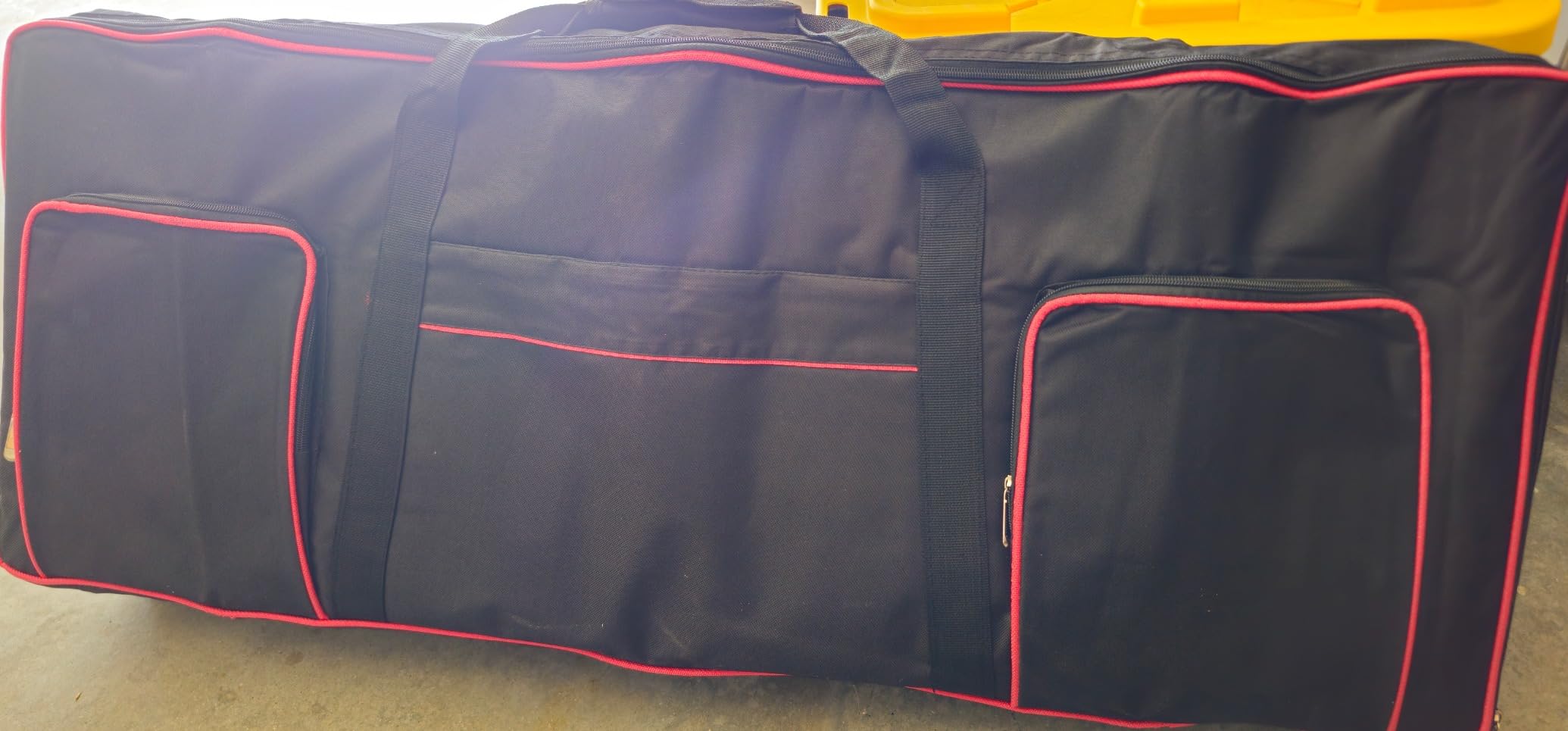
The Ruibo 61-key gig bag is one of those products that surprises you with how much quality you get for the money. I picked one up for my Casio CTK-3500, and the 600D thickened Oxford cloth feels surprisingly tough for a bag at this price point. The 10mm cotton padding on the bottom and sides provides enough cushion for car rides and short walks to practice spaces.
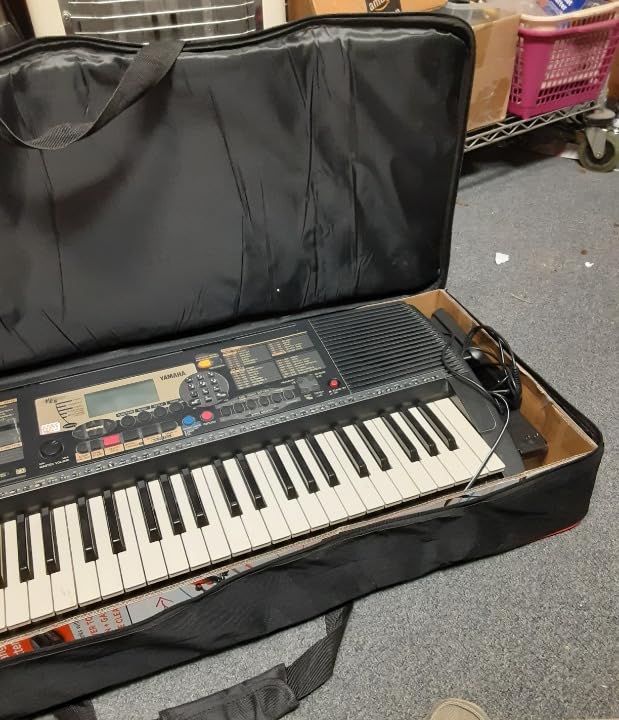
The two exterior pockets are a nice touch. I can fit a power adapter and a small sustain pedal in the front pocket, with room left over for a cable or two. The adjustable shoulder straps are comfortable enough for walks up to about 15 minutes, though they lack the padding you find on more expensive bags.
Over 2,100 customers have reviewed this bag, and it holds a solid 4.4-star rating. Many reviewers mention using it for years without issues, which speaks to the build quality. The zippers slide smoothly and have held up well through dozens of uses in my experience.
Who Should Buy This Bag
The Ruibo is an excellent choice for beginners and hobbyists who play a 61-key keyboard and need basic transport protection. If you are a student heading to lessons, a church musician carrying a keyboard from your car to the stage, or someone who gigs occasionally at local venues, this bag provides more than enough protection for light to moderate use.
It is also ideal if you are on a tight budget and just need something that works reliably without fancy features. The straightforward design and solid materials make it a practical pick.
Who Should Look Elsewhere
If you gig multiple times per week or transport your keyboard through crowded public transit, the minimal side padding might not be enough. Some users report the padding feels thin on the sides, which means a hard bump against a doorframe or wall could potentially reach the keyboard. For frequent gigging, consider upgrading to a bag with thicker foam padding.
3. SNIGJAT 76 Key Keyboard Case – Best Value for 76-Key Keyboards

SNIGJAT 76 Key Keyboard Case Soft with Adjustable Padded Shoulder Straps
76-Key (48.4 x 18 x 6.1 in)
600D Waterproof Polyester
0.32in Sponge Padding
3 Exterior Pockets
Pros
- Fits 76-key keyboards perfectly
- Interior Velcro straps hold keyboard secure
- Multiple carrying options
- Excellent zippers and stitching
Cons
- Some excess space for smaller keyboards
- Delicate zippers need careful handling
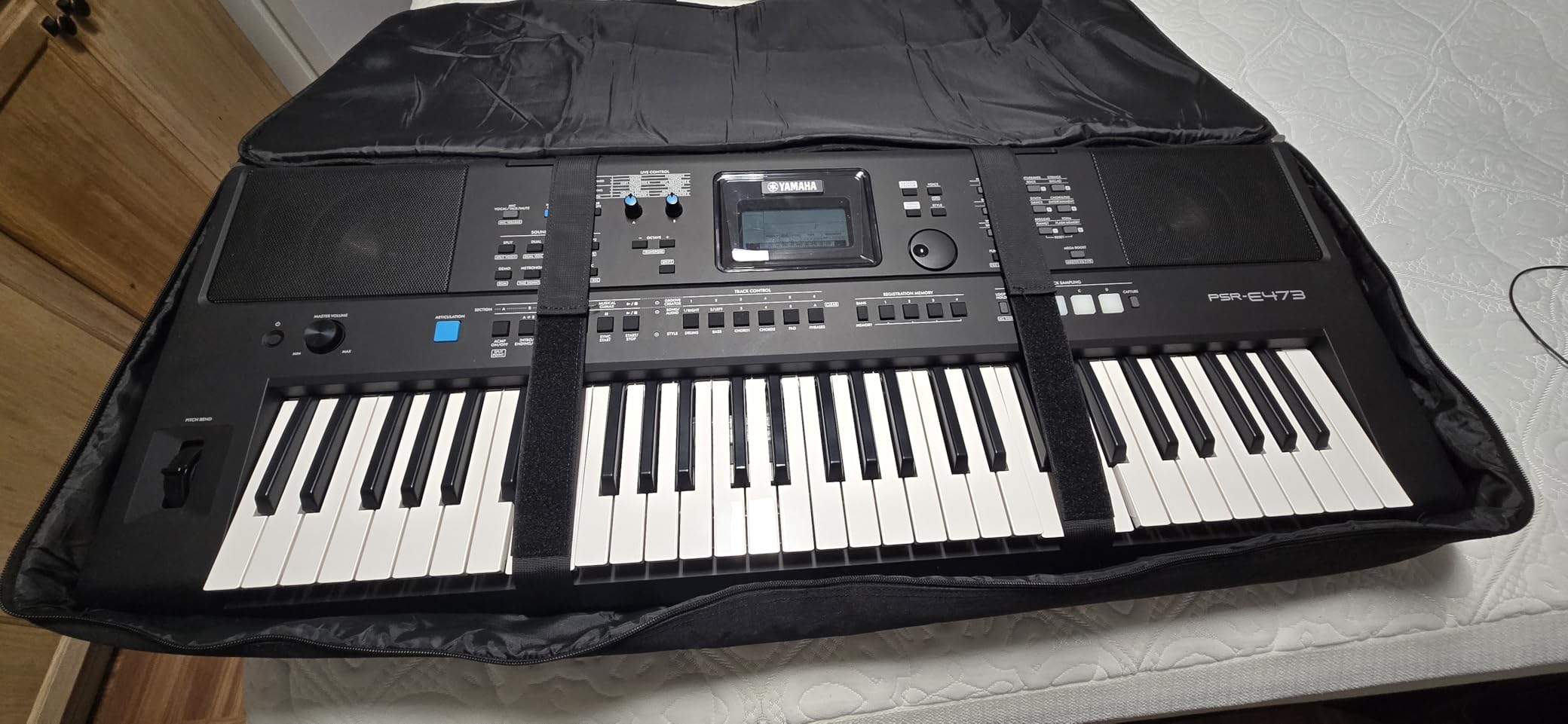
Finding a well-fitting 76-key keyboard case can be surprisingly difficult, but SNIGJAT nails it with this model. The interior dimensions of 48.4 x 18 x 6.1 inches accommodate most popular 76-key keyboards with a snug but not tight fit. I tested it with a Yamaha PSR-EW425 and the keyboard sat securely without any wobble.
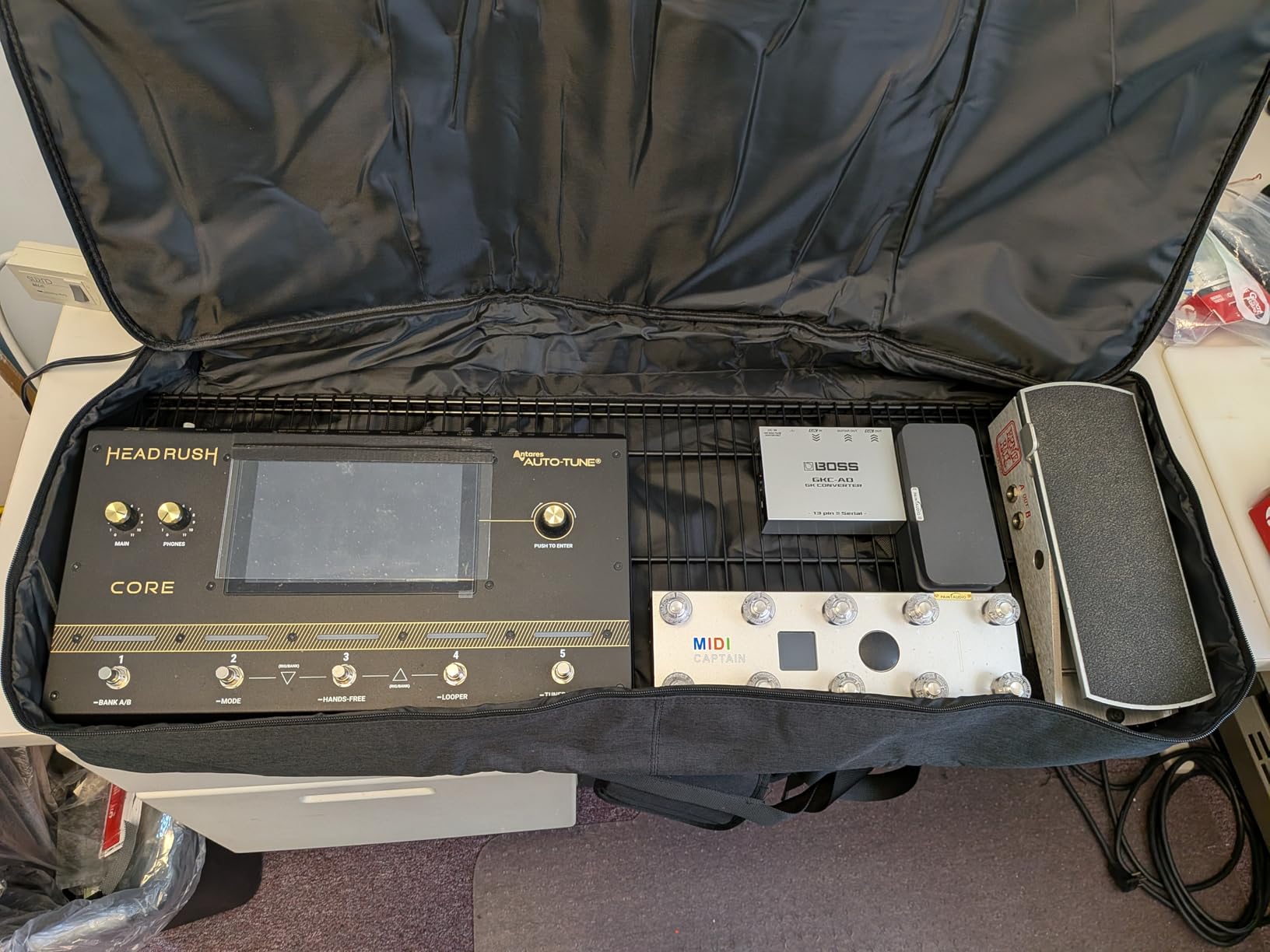
The 0.32-inch thickened sponge padding is a noticeable step up from thinner budget bags. Combined with the PVC waterproof lining and 210D polyester soft interior, your keyboard gets layered protection from impacts, moisture, and scratches. Two interior adjustable security belts keep everything locked in place during transport.
The three exterior zippered pockets provide ample storage for accessories. I fit a collapsible music stand, sustain pedal, power supply, and a folder of sheet music in the pockets without any cramming. The bag converts between backpack and handbag carrying modes, which is handy when you are navigating stairs or narrow hallways.
Who Should Buy This Bag
If you play a 76-key keyboard and want a well-fitting, protective gig bag that does not cost a fortune, this SNIGJAT model is your best bet. It suits gigging musicians, worship team players, and students who need to transport their keyboard regularly. The waterproof material makes it especially good for outdoor gigs or rainy climates.
Who Should Look Elsewhere
Some users with smaller 76-key models report a bit of excess space inside. If your keyboard is on the compact side for a 76-key instrument, check the interior dimensions carefully against your keyboard before buying. Also, while the zippers work well, they require more care than heavy-duty zippers on premium bags.
4. Yamaha YBA881 88-Key Artiste Series – Best Trusted Brand for 88-Key

Yamaha YBA881 88-Key Artiste Series Nylon Keyboard Bag
88-Key Nylon Construction
Self-Repairing Zippers
Shoulder Strap Included
Pleated Front Pocket
Pros
- Excellent quality and well-made
- Lightweight yet protective
- Fits Yamaha keyboards perfectly
- Double zippers for easy access
Cons
- Limited padding for heavy-duty protection
- Handles may drag for shorter users
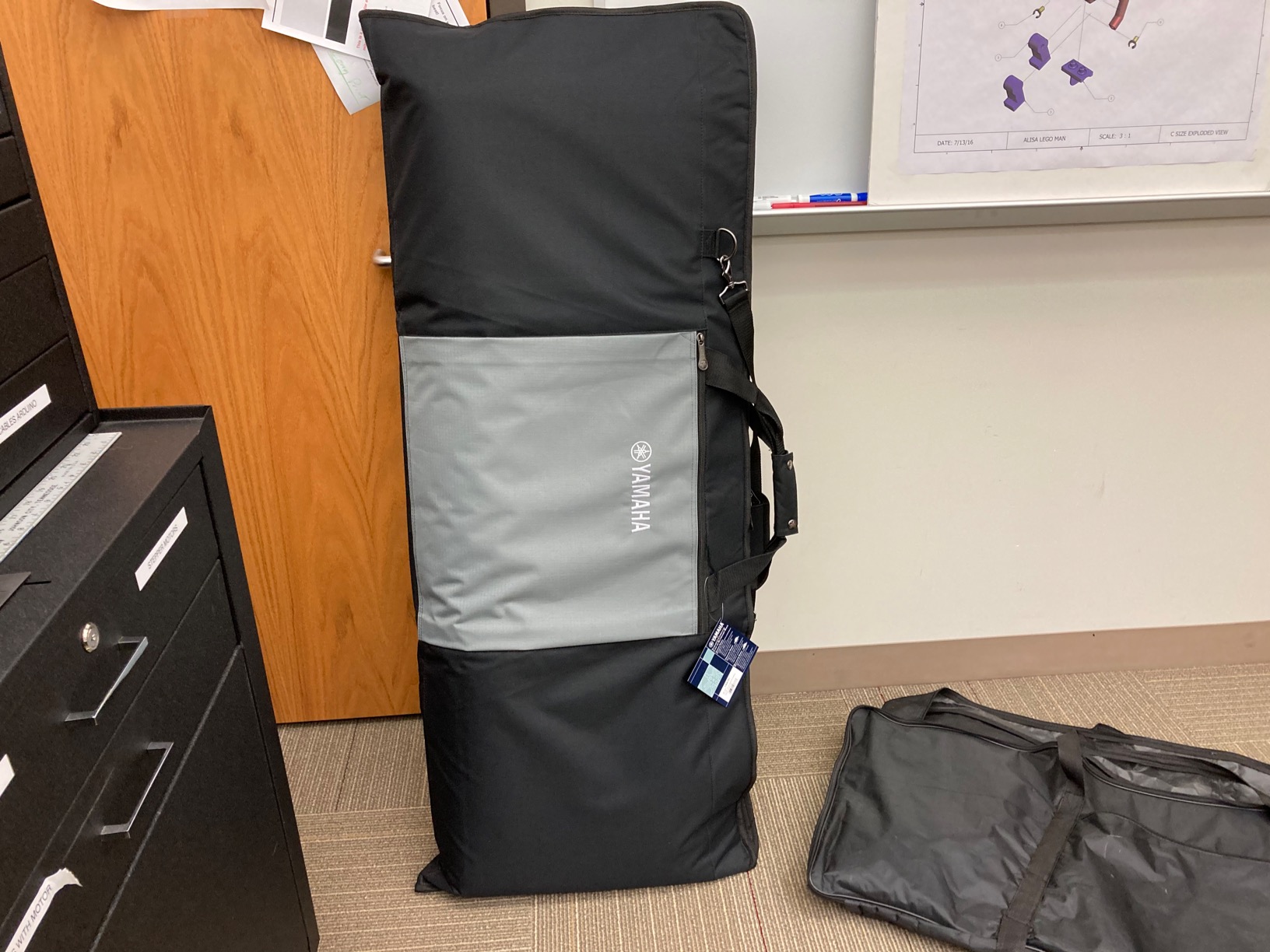
There is something reassuring about using a bag made by the same company that built your keyboard. The Yamaha YBA881 Artiste Series bag was designed specifically for Yamaha 88-note keyboards, and that attention to fit shows. My Yamaha P-125 slides in perfectly with just enough room for the music rest but no wasted space that lets the keyboard shift around.
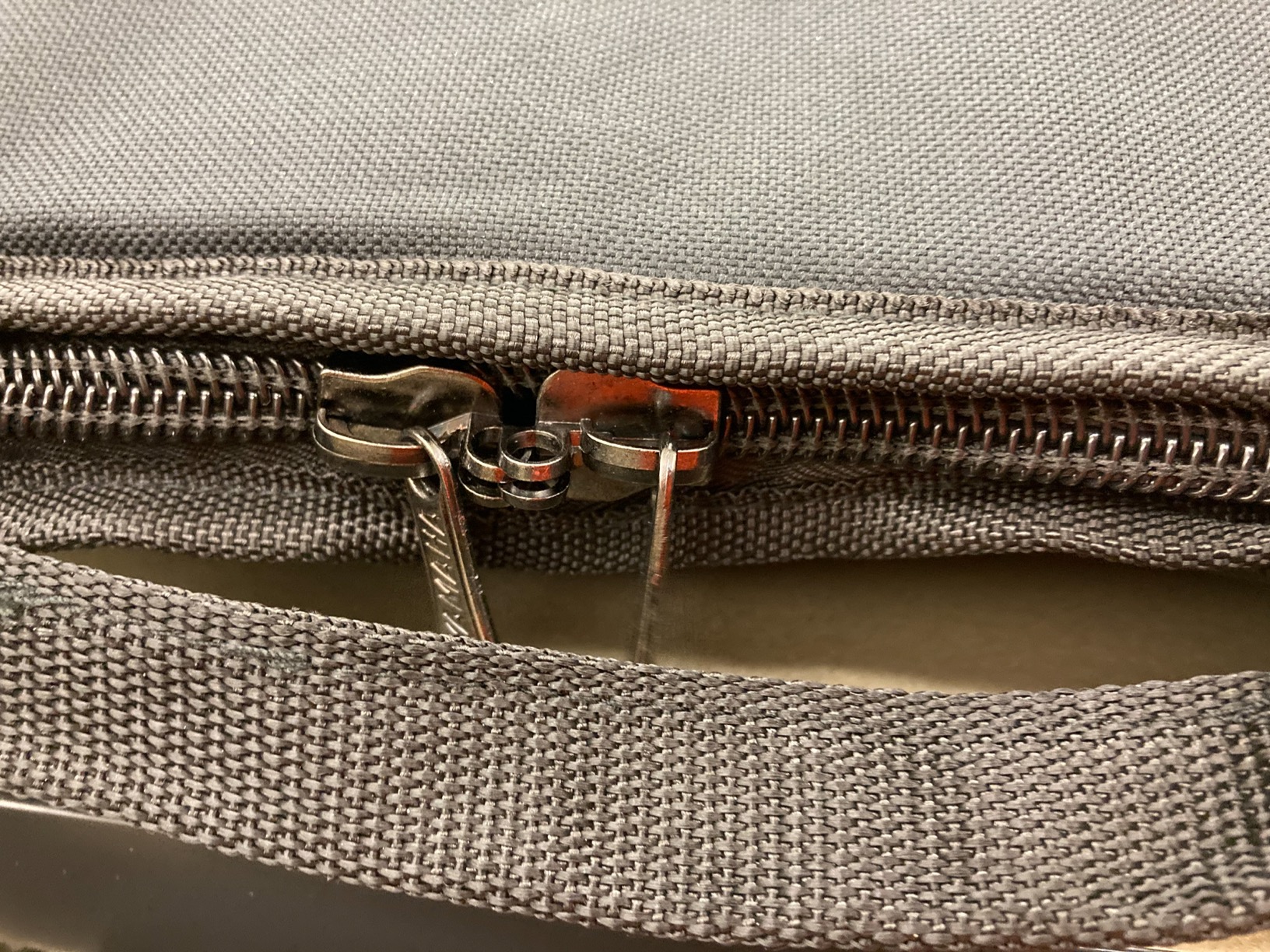
The nylon construction is lightweight, which matters when you are already carrying a 25-pound keyboard. At just 3.9 pounds for the bag itself, it adds minimal bulk. The self-repairing zippers are a smart feature that Yamaha includes, and they glide smoothly even after months of regular use. The double-zipper design means you can open the bag from either side.
One feature I appreciate is the pleated front pocket that expands to hold accessories. It easily fits a power adapter, sustain pedal, and a set of cables. The included shoulder strap is comfortable enough for shorter walks, and the top handle is well-padded. Yamaha backs this bag with a 1-year manufacturer warranty.
Who Should Buy This Bag
This is the ideal bag for Yamaha keyboard owners who want guaranteed fit and quality from a trusted brand. It works well for local gigging, rehearsals, and studio sessions where the keyboard travels by car. If you value lightweight construction and reliable zippers, the YBA881 delivers.
Who Should Look Elsewhere
The padding on this bag is adequate but not generous. If you play a heavy stage piano or transport your keyboard through rough conditions, you may want something with thicker padding. Also, shorter users report that the handles can drag on the ground when carrying by the side handles, so check the dimensions against your height.
5. ORKELS 88-Key Rolling Keyboard Case – Best Wheeled Option for 88-Key

ORKELS 88-Key Keyboard Case with Wheels, 10mm Thick Padded Gig Bag with Adjustable Shoulder Straps & 4 Pockets, Rolling Carrying Bag for Digital Piano, Synthesizer & Electronic Keyboard
88-Key (56 x 18.1 x 6.3 in)
900D Oxford Cloth
10mm Foam Padding
Built-in Wheels
4 Pockets
Pros
- Wheels roll smoothly for easy transport
- Strong and durable 900D construction
- Multiple carrying options
- Roomy pockets for accessories
Cons
- Back panel not reinforced
- May feel long and unwieldy
- Not ideal for weighted keyboards long-term
If you have ever carried an 88-key keyboard on your back for more than a few blocks, you understand why wheels matter. The ORKELS rolling keyboard case solves the heavy-transport problem with two built-in inline skate wheels that roll smoothly across pavement, carpet, and even slightly uneven surfaces. I tested it with a Roland FP-30X, and the difference between wheeling and carrying is night and day.
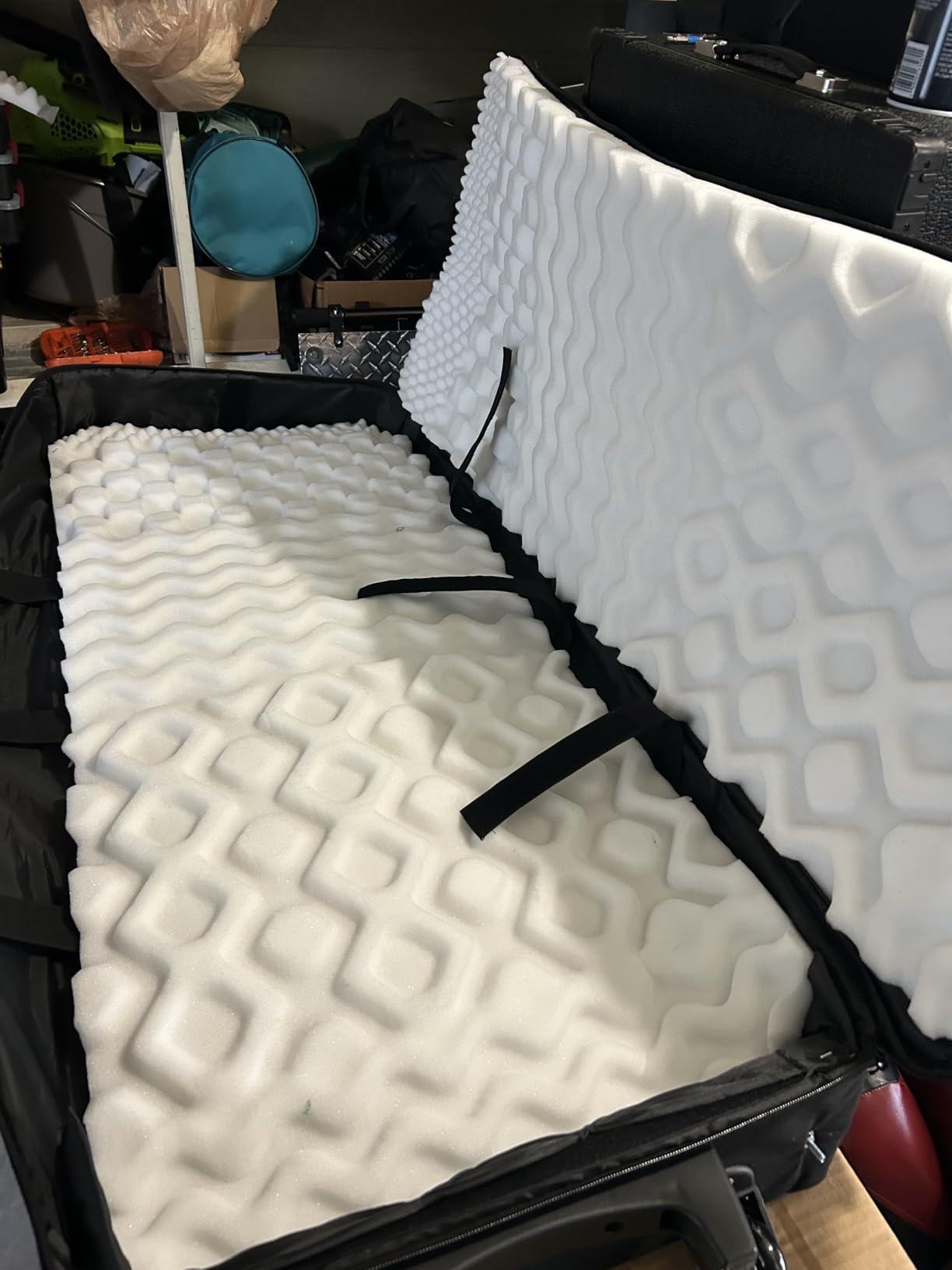
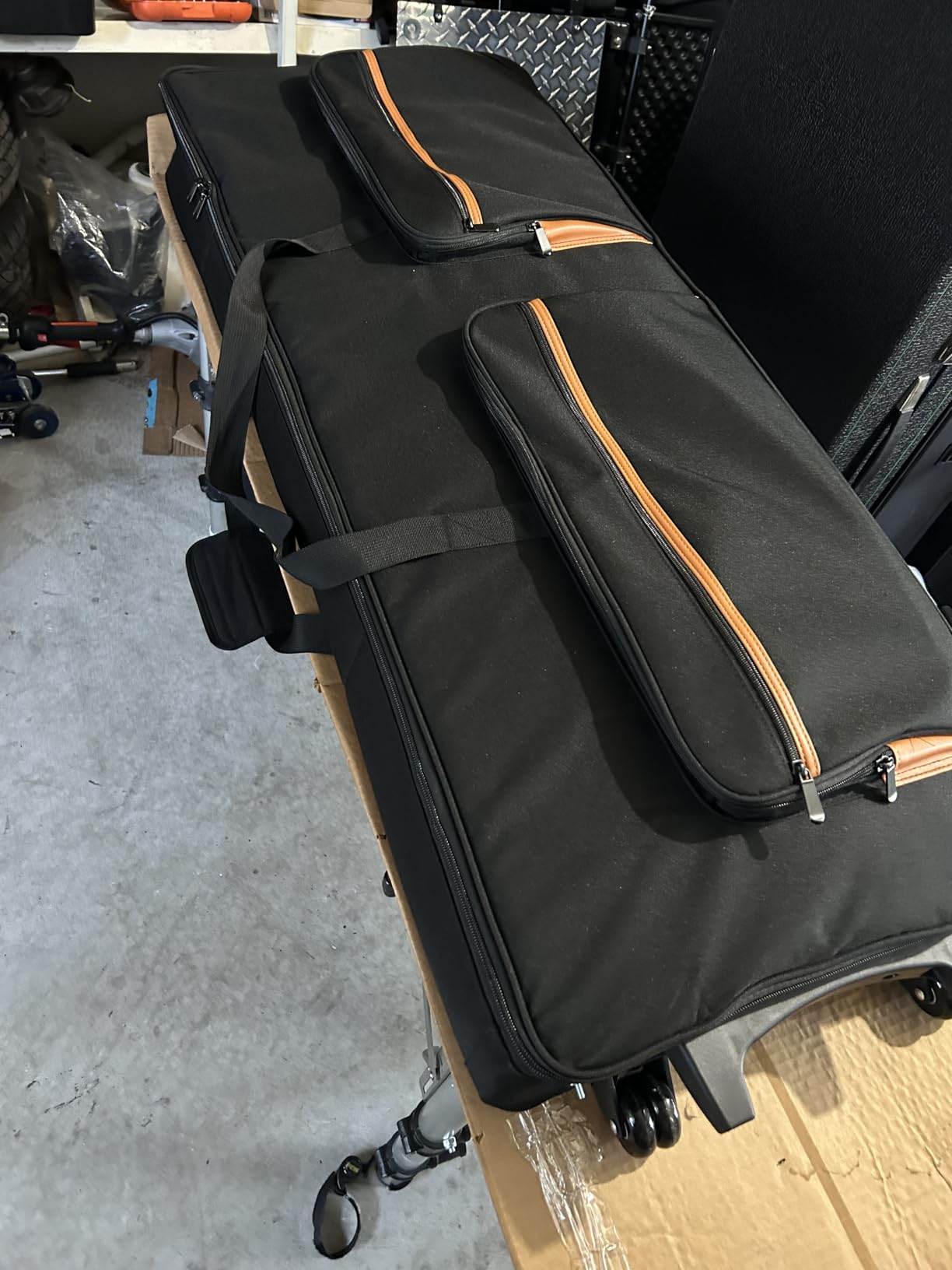
The 900D Oxford cloth construction is a step up in durability from the 600D fabric used on most budget bags. It feels thick and resistant to tearing. The 10mm foam padding provides good cushion for everyday transport, and the three internal adjustable straps keep the keyboard from shifting inside. Four zippered exterior pockets give you plenty of room for pedals, cables, sheet music, and a laptop.
One detail I like is the multiple carrying options. You can wheel it, carry it by the handles, or use the backpack straps. The straps are padded and reasonably comfortable, though for an 88-key bag I found myself reaching for the wheels more often than not.
Who Should Buy This Bag
Musicians with heavy 88-key keyboards who want to save their back will love this rolling case. It is perfect for gigging keyboardists who regularly transport their instrument through parking lots, long hallways, and loading docks. If your keyboard weighs more than 30 pounds, the wheels make this the practical choice.
Who Should Look Elsewhere
The back panel lacks reinforcement, which means the bag can feel flimsy when upright. If you need a case that stands on its own or provides rigid protection, a hard case would be better. Some users also question whether the bag provides enough long-term support for very heavy weighted keyboards.
6. AKOZLIN Rolling 61 Key Keyboard Gig Bag – Best Rolling Bag for 61-Key

AKOZLIN Rolling 61 Key Keyboard Case, Piano Gig Bag with Wheels and Adjustable Straps for 61 Keyboard and Accessaries
61-Key (40.6 x 16.5 x 5.5 in)
Heavy-Duty Nylon
21/64in Foam Padding
2 Wheels
3 Pockets
Pros
- Good quality for the price
- Nice padding without excess weight
- Functional wheels
- Fits well
Cons
- A bit flimsy overall
- Won't stand upright
- Limited structural support
The AKOZLIN rolling 61-key gig bag brings the convenience of wheels to the 61-key keyboard category, which is something you do not see often. I tried it with a Yamaha PSR-E373 and the fit was solid. The interior dimensions of 40.6 x 16.5 x 5.5 inches accommodate most 61-key keyboards without too much extra room.
The 21/64-inch thick foam padding is decent for everyday transport. The heavy-duty weather-resistant nylon exterior has handled light rain in my testing without any issues. Two firm carrying handles and two adjustable padded backpack straps give you flexibility in how you carry, and the two wheels roll well on flat surfaces.
Three large exterior accessory pockets provide good storage space. There is also a transparent label pocket on the back where you can slide in an identification card, which is a thoughtful touch for gigging musicians who share stages with other acts. Inside, two magic tapes prevent the keyboard from shaking during transport.
Who Should Buy This Bag
If you play a 61-key keyboard and want the convenience of wheels without spending a lot, the AKOZLIN is a practical choice. It suits casual gigging musicians, students, and worship team players who want an easier way to transport their keyboard across parking lots and through building hallways.
Who Should Look Elsewhere
This bag must be laid flat to load the keyboard, which can be inconvenient in tight spaces. Some users report that it feels flimsy and does not stand upright on its own. If you need something that can handle frequent heavy use or rough handling, consider a more robust option with better structural support.
7. Gator Cases GKB-88 – Best Premium Heavy-Duty Choice
Gator Cases GKB Series 88-Note Padded Keyboard Gig Bag, (GKB-88)
88-Key (58 x 18 x 7 in interior)
Heavy-Duty Nylon
Riveted Carry Handles
Zippered Accessory Pocket
2-Year Warranty
Pros
- Extremely durable materials and construction
- Comfortable reinforced handles even with heavy loads
- Heavy-duty zippers that last
- Quality stitching throughout
Cons
- Reduced padding to fit larger keyboards
- No shoulder strap included
- Bulky when not in use
Gator Cases has been a trusted name in musical instrument protection for years, and the GKB-88 shows exactly why. This is the bag I reach for when I need to transport my heaviest stage piano and cannot afford any risk of damage. The heavy-duty rugged nylon construction feels like it could survive a war zone, and the reinforced riveted carry handles stay comfortable even when you are carrying a 50-pound keyboard.
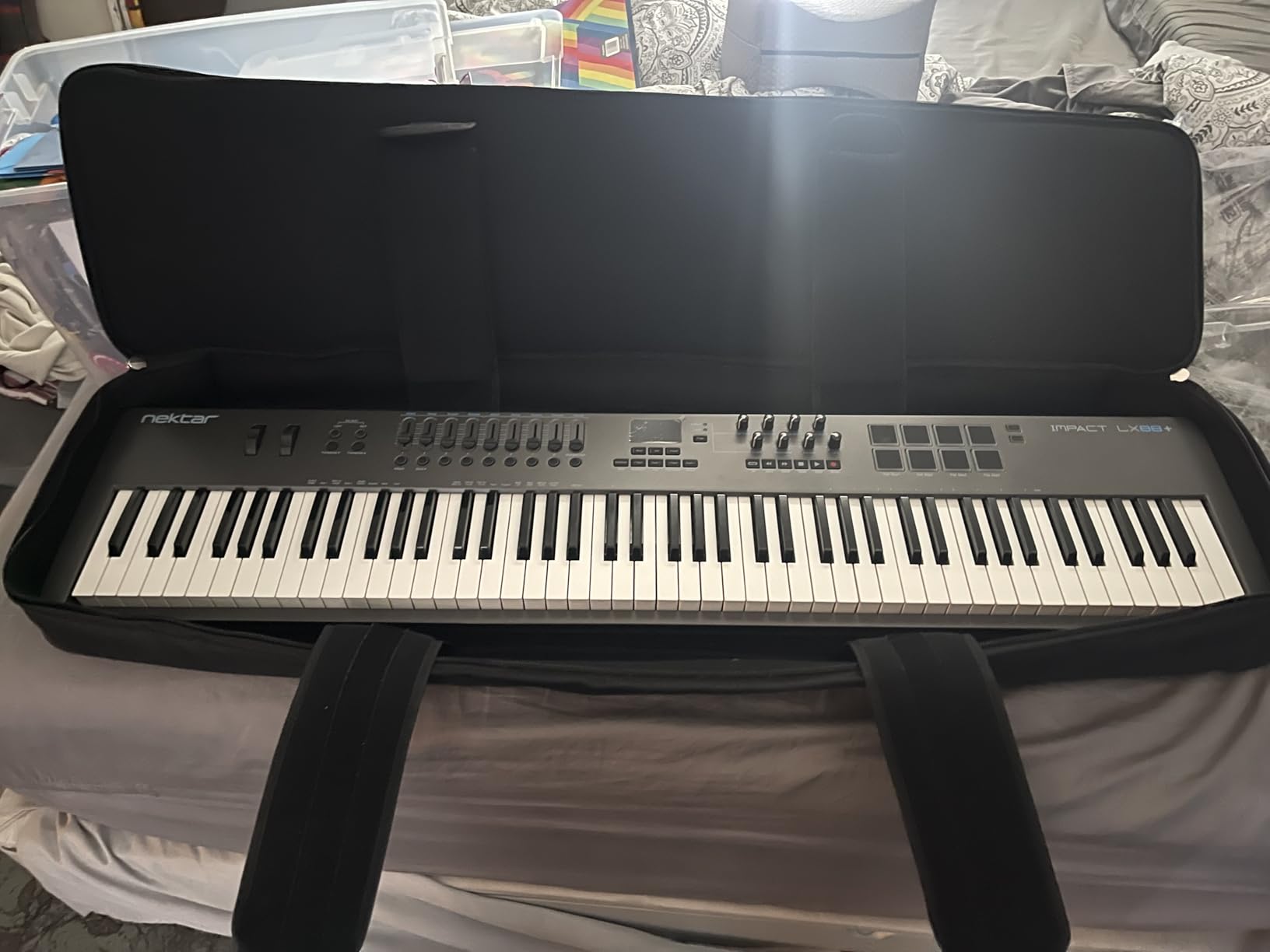
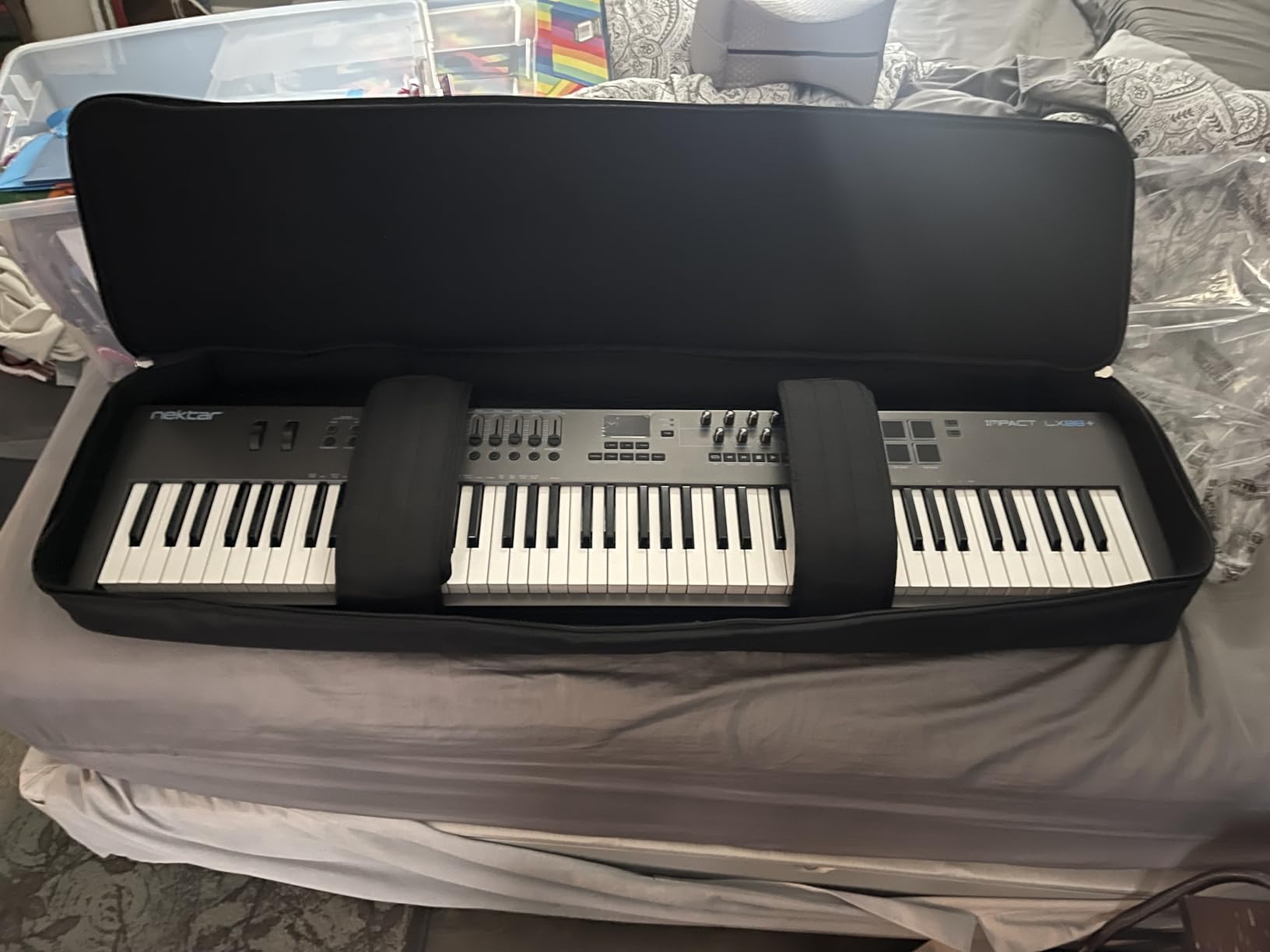
The interior dimensions of 58 x 18 x 7 inches accommodate even the largest 88-key keyboards, including bulky models like the Korg Triton Extreme 88 that do not fit in many other bags. The generous side netted pocket holds cables, pedals, and accessories securely. The zippers are genuinely heavy-duty, not the delicate zippers you find on budget bags that break after a few months.
With over 2,000 reviews and a 4.6-star rating, the community consensus backs up what I experienced firsthand. Gator bags are consistently praised on Reddit forums and musician communities for their durability in real-world gigging conditions. The 2-year warranty adds peace of mind that you are buying a product built to last.
Who Should Buy This Bag
If you have a large or heavy 88-key keyboard and need a gig bag that will last for years of regular gigging, the Gator GKB-88 is worth every penny. It is the choice for serious musicians who play multiple gigs per week and need a bag that can keep up with a demanding schedule.
Who Should Look Elsewhere
The GKB-88 does not include a shoulder strap, which makes sense given that an 88-key keyboard with a bag this size would be impractical to carry on your shoulder anyway. If you need backpack straps or wheels for easier transport, look at the SNIGJAT or ORKELS rolling options instead. The padding is also reduced to accommodate larger keyboards, so if you have a slim model, you might find it shifts around inside.
8. Roland CB-B88V2 Versatile Carrying Bag – Best for Premium Keyboard Protection

Roland Versatile Carrying Bag for Portable 88-Note Keyboard (CB-B88V2)
88-Key (56.69 x 14.96 x 5.91 in)
Fleece Interior
Moveable Padded Insert
Large Front Pocket
Pros
- Exceptional build quality with attention to detail
- Thick padding and soft fleece interior
- Moveable insert for custom keyboard fit
- Beautiful triple-stitching and trim
Cons
- No shoulder strap included
- No wheels
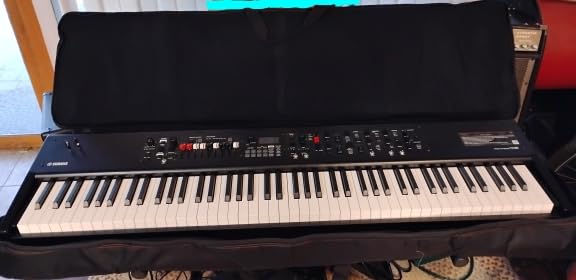
The Roland CB-B88V2 is the most expensive bag in this lineup, and after using it, I can tell you exactly where that money goes. The thick padding combined with a soft fleece interior feels like wrapping your keyboard in a protective blanket. This is the bag you buy when your keyboard costs more than your monthly rent and you cannot afford even a scratch on it.
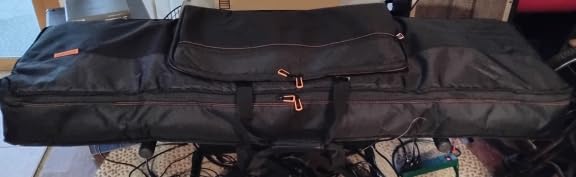
One standout feature is the moveable padded insert that lets you customize the interior to fit different keyboard lengths. Whether you play a Yamaha YC88, a Roland FP90X, or another 88-key model, you can adjust the padding to eliminate excess movement. The orange contrast triple-stitching and trim details give it a distinctive look that stands out from the sea of all-black gig bags.
With a perfect 4.9-star rating from verified buyers, every single review praises the build quality. The large front pocket holds accessories, and the durable exterior materials have a premium feel. This bag was clearly designed by people who actually gig with keyboards and understand what matters.
Who Should Buy This Bag
If you own a premium 88-key keyboard like a Roland RD-2000, Yamaha YC88, or Nord Stage and want the best protection money can buy in a soft case format, the Roland CB-B88V2 is the answer. It is designed for discerning musicians who prioritize instrument safety above all else.
Who Should Look Elsewhere
The lack of a shoulder strap and wheels means you are carrying this by the handles only, which can be tiring with a heavy keyboard over long distances. If you regularly walk long distances to gigs, a wheeled or backpack-style option would be more practical. The narrow interior width (14.96 inches) also means some wider keyboards will not fit.
9. CAHAYA 88 Key Keyboard Case – Best Thick Padding on a Budget

CAHAYA 88 Key Keyboard Case Electric Keyboard Piano Gig Bag 0.5inch Thick Padded Case with Side Handles and Adjustable Shoulder Straps CY0327
88-Key (55 x 16.9 x 5.5 in)
600D Oxford Fabric
12mm Thick Foam Padding
2 Pockets
2-Year Warranty
Pros
- Solid build quality for the price
- Extra-thick 12mm foam padding
- Huge side pocket for music books
- Sturdy zippers
Cons
- Shoulder straps lack padding and support
- Better for occasional use than weekly gigs
The CAHAYA 88-key case stands out in the budget category thanks to its 12mm thick foam padding, which is thicker than the 10mm padding found on most competitors at this price point. I tested it with a Yamaha P-71 and the keyboard fit well within the 55 x 16.9 x 5.5 inch interior. The 600D Oxford fabric is water-resistant and has a sturdy feel.
The two exterior storage pockets are a highlight. The main side pocket is large enough to hold music books, a collapsible stand, and pedals all at once. Two interior adjustable security belts keep the keyboard from shifting during transport. The zippers are sturdy and operate smoothly, which is not always the case with budget bags.
With 350 reviews and a 4.3-star rating, the CAHAYA has proven itself as a reliable mid-range option. The 2-year manufacturer warranty adds confidence that the company stands behind the product. Bright orange accent lines give it a distinctive look that is easy to spot in a pile of gear.
Who Should Buy This Bag
Students and casual players who want extra-thick padding without paying premium prices will appreciate the CAHAYA. If you transport your 88-key keyboard occasionally for lessons, church services, or home recordings, this bag provides excellent cushioning and storage at a reasonable cost.
Who Should Look Elsewhere
The shoulder straps are unpadded and ride too low for comfortable long-distance carrying, according to multiple reviewers. If you walk more than a few minutes with your keyboard on your back, the straps could become uncomfortable. This bag is also better suited for occasional use rather than weekly gigging schedules.
10. ORKELS 73/76 Key Rolling Keyboard Case – Best Rolling Option for 76-Key
ORKELS 73/76 Key Keyboard Case with Wheels & Adjustable Shoulder Straps– Padded Rolling 76 Key Gig Bag with 4 Accessory Pockets, for Digital Piano, Synthesizer & Keyboard
76-Key (48.2 x 19.1 x 6.5 in)
900D Oxford Cloth
Smooth-Rolling Wheels
4 Zippered Pockets
3 Internal Straps
Pros
- Perfect fit for 73 and 76-key keyboards
- Smooth-rolling wheels
- Strategically placed handles for versatile carrying
- Roomy accessory pockets
Cons
- Back panel not reinforced
- Material feels thin
- Questionable long-term durability
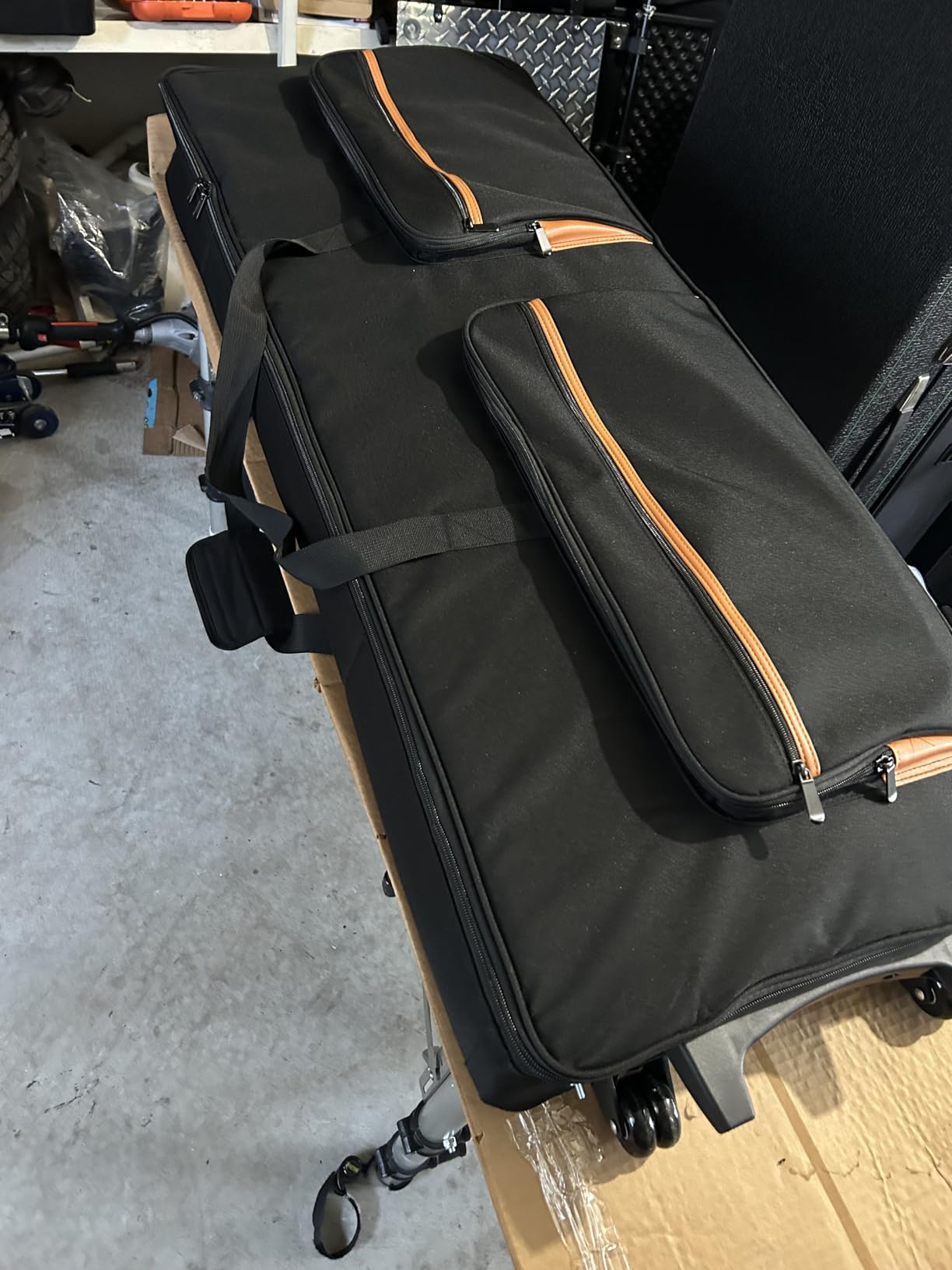
The ORKELS 73/76-key rolling case fills a gap in the market that few other bags address: a wheeled transport option specifically sized for 73 and 76-key keyboards. If you play a Yamaha PSR-EW series or a Korg SV-2 73, this bag fits your instrument with dimensions of 48.2 x 19.1 x 6.5 inches. I tested it with a Nord Electro 73 and the fit was spot on.
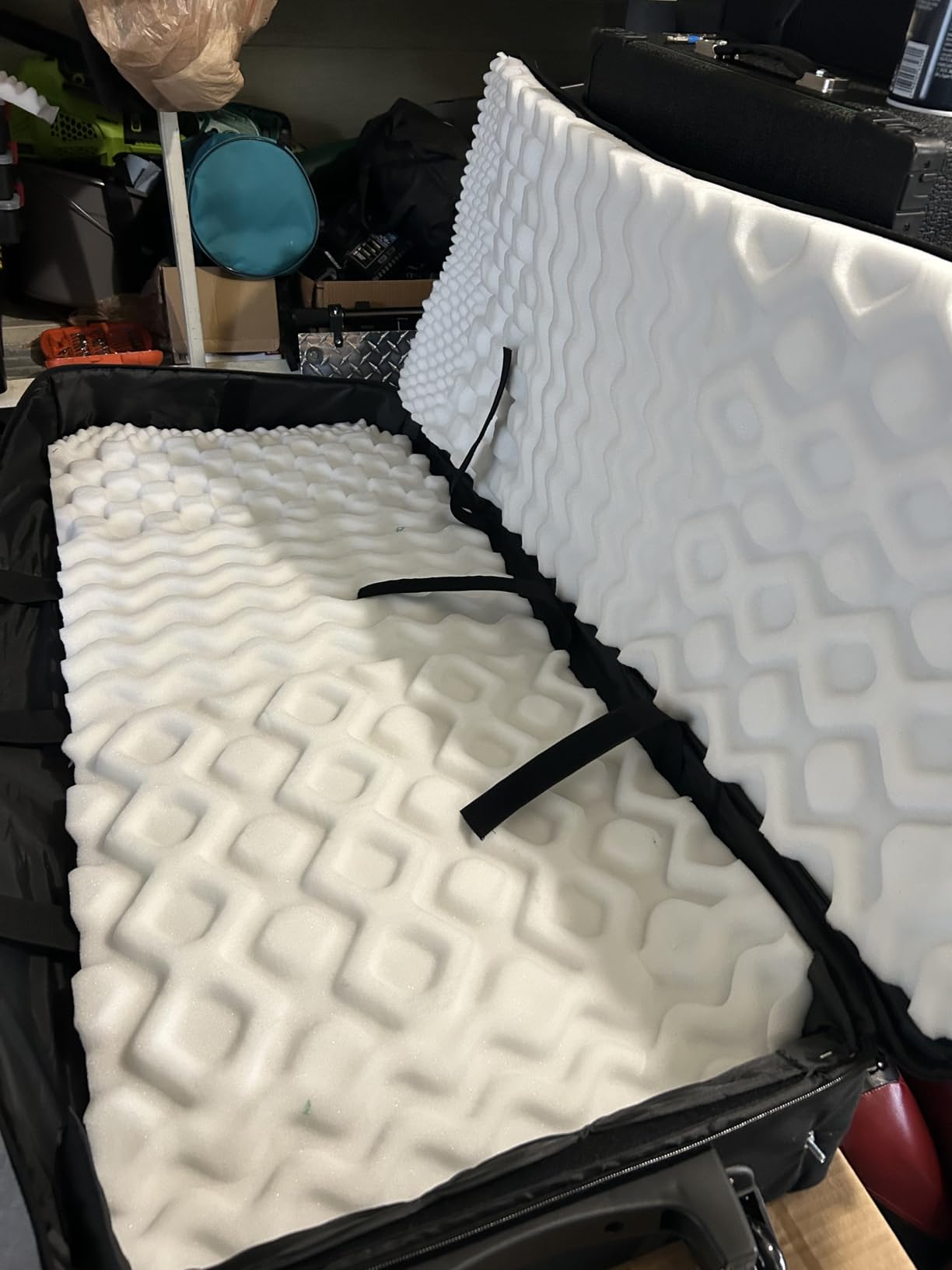
The 900D Oxford cloth is waterproof and dustproof, and the thick foam padding provides adequate cushion for local transport. Three internal adjustable straps keep the keyboard secure, and four zippered pockets offer plenty of storage for pedals, cables, power supplies, and sheet music. The wheels roll smoothly on flat surfaces, and you can carry the bag vertically or horizontally using the strategically placed handles.
What makes this bag versatile is the combination of wheels, handles, and backpack straps. You can roll it through a parking lot, carry it up stairs, or wear it on your back when navigating a crowded venue. The 50+ units bought per month according to its sales data tells me that other musicians are finding this combination just as practical.
Who Should Buy This Bag
If you play a 73 or 76-key keyboard and want the convenience of wheels with the flexibility of backpack straps, this ORKELS case is your best option. It suits gigging musicians who need to transport their keyboard through various environments and want a single bag that handles all scenarios.
Who Should Look Elsewhere
The back panel lacks reinforcement, which some users say makes the bag feel long and flimsy when carried vertically. If you are a touring musician who needs a case that can handle the rigors of professional travel, you might want to invest in a hard case or a more heavily constructed soft case. This bag is better suited for occasional to moderate use rather than daily professional touring.
How to Choose the Right Keyboard Gig Bag
Selecting the right keyboard gig bag comes down to matching the bag to your specific keyboard, your playing schedule, and how you typically get to your gigs. Here is what our team considers the most important factors when making a recommendation.
Keyboard Size Compatibility
The single most important factor is getting the right size. A bag that is too small will not zip closed, and a bag that is too large lets your keyboard slide around inside, defeating the purpose of padding. Measure your keyboard length, width, and height, then compare those numbers to the interior dimensions listed for each bag. Pay special attention to the width, as some 88-key keyboards are wider than standard bags accommodate. Bags like the Gator GKB-88 with its 18-inch interior width handle bulkier keyboards, while the Roland CB-B88V2 at 14.96 inches is designed for slimmer models.
Padding and Protection Level
Padding thickness ranges from about 8mm on budget bags to 12mm or more on premium options. The sweet spot for most gigging musicians is 10mm to 12mm of foam padding, which provides enough cushion for car transport and short walks. If you are carrying a particularly expensive or heavy keyboard, look for bags with thickened sponge padding and interior security straps that hold the keyboard in place. The Roland CB-B88V2 goes a step further with a soft fleece interior that prevents scratches on your keyboard surface.
Carrying Options: Straps, Handles, and Wheels
Think about how you get to your gigs. If you drive and park close to the venue, handles and a shoulder strap are sufficient. If you walk through parking lots, up stairs, or across campus, backpack straps distribute the weight more evenly across your body. For heavy keyboards over 30 pounds, wheels are a back-saver. The ORKELS rolling cases let you switch between wheeling, carrying, and backpack modes depending on the situation, which gives you maximum flexibility.
Material and Weather Resistance
Most quality keyboard gig bags use 600D or 900D polyester or Oxford cloth. The higher the denier number, the more durable and resistant to tearing the fabric will be. Look for waterproof or water-resistant coatings if you gig outdoors or live in a rainy climate. All of the bags in this guide offer at least basic water resistance, with 600D polyester being the standard and 900D Oxford cloth providing an extra layer of toughness.
Storage Pockets and Accessories
For gigging musicians, pockets matter. You need space for a sustain pedal, power adapter, cables, music stand, and possibly a laptop or tablet. Bags with three or more exterior pockets like the SNIGJAT models and the ORKELS cases give you dedicated compartments for different accessories, keeping everything organized and easy to find. If you only carry a power cable and pedal, a single pocket bag like the Yamaha YBA881 might be all you need.
Budget vs Premium: What You Actually Get
Budget keyboard gig bags under $50 provide basic protection with adequate padding and functional zippers. They work well for occasional transport and light gigging schedules. Mid-range bags between $50 and $100 typically offer better materials, thicker padding, and more carrying options. Premium bags above $100 from brands like Gator and Roland deliver superior construction, reinforced stitching, and warranties that reflect their expected longevity. For most gigging musicians, the mid-range sweet spot provides the best balance of protection, features, and value.
Frequently Asked Questions
Are gig bags padded?
Yes, keyboard gig bags are padded with foam ranging from 8mm to 12mm thick. Most quality gig bags use foam padding sandwiched between a durable exterior fabric and a soft interior lining. Budget bags typically have 10mm padding, while premium options like the Roland CB-B88V2 include thick foam plus a soft fleece interior for maximum protection.
Are keyboard dust covers worth it?
Yes, keyboard dust covers are worth it if you store your keyboard at home or in a studio between uses. Dust can accumulate in key mechanisms and electronic components over time, potentially causing keys to stick or connections to degrade. A dust cover is a small investment that extends the life of your keyboard when it is not being transported.
Do I need a case for my keyboard?
Yes, if you transport your keyboard anywhere, you need a case or gig bag. Even a padded keyboard bag provides essential protection against scratches, bumps, and moisture during transport. If you only play at home and never move your keyboard, a basic dust cover may be sufficient. For gigging musicians, a well-padded gig bag is a non-negotiable investment in protecting your instrument.
What material is best for keyboard covers?
600D to 900D polyester or Oxford cloth is the best material for keyboard gig bags. These fabrics offer excellent tear resistance, water resistance, and durability. For interior lining, soft fleece or padded nylon prevents scratches on your keyboard surface. Avoid thin nylon or canvas without waterproof coatings, as they provide minimal protection against moisture and wear.
How to transport a mechanical keyboard?
For mechanical keyboards (musical instruments, not computer keyboards), use a padded gig bag that matches your keyboard size. Place the keyboard inside with the keys facing up, secure it with interior straps if available, and use backpack straps or wheels for heavy models. Always transport the bag horizontally to prevent stress on the keybed, and avoid stacking heavy items on top of the bag during transport.
Final Thoughts on the Best Keyboard Gig Bags
Finding the best keyboard gig bags comes down to matching your keyboard size, your budget, and how often you actually gig. For most 88-key players, the SNIGJAT 88-key case delivers the best combination of protection, storage, and carrying comfort at a reasonable cost. If you play a 61-key keyboard and want solid value, the Ruibo gig bag is hard to beat. And if you need premium durability for years of heavy gigging, the Gator GKB-88 is built to handle whatever you throw at it.
For musicians with heavy keyboards, the ORKELS rolling cases are a practical solution that saves your back without sacrificing too much protection. And for those with premium instruments who want the absolute best soft-case protection, the Roland CB-B88V2 with its fleece interior and custom-fit padding is worth the investment.
Whatever bag you choose, make sure the interior dimensions match your keyboard, the padding is thick enough for your transport conditions, and the carrying options fit how you actually get to your gigs. Your keyboard is the tool of your trade, and the right gig bag keeps it protected and ready to play for years to come.