
Finding the right pair of headphones for mastering is one of the most important decisions you will make as an audio engineer or producer. I have spent years testing studio headphones in my own workflow, running sessions that stretch well past midnight, and I know firsthand how much the wrong pair can cost you in wasted time and flawed mixes. The best mastering headphones give you a flat, honest representation of your audio so your final product translates well across every playback system.
Not all studio headphones are built for mastering. Some are designed for tracking, others for casual listening, and a few are tuned with boosted bass or hyped highs that trick your ears into thinking a mix sounds better than it actually does. What you need for mastering is a neutral frequency response, solid stereo imaging, and enough comfort to wear them for hours without fatigue.
Our team evaluated 10 of the most respected reference headphones on the market for this guide. We looked at frequency response accuracy, impedance requirements, build quality, long-session comfort, and real-world performance during actual mixing and mastering sessions. Whether you are building a home studio or upgrading a professional facility, this list covers options from entry-level to high-end professional grade.
Table of Contents
Top 3 Picks for Best Mastering Headphones
Best Mastering Headphones in 2026
| Product | Specifications | Action |
|---|---|---|
 beyerdynamic DT 1990 PRO MKII beyerdynamic DT 1990 PRO MKII |
|
Check Latest Price |
 Sennheiser HD 490 PRO Sennheiser HD 490 PRO |
|
Check Latest Price |
| Sony MDR-MV1 |
|
Check Latest Price |
 Audio-Technica ATH-R70x Audio-Technica ATH-R70x |
|
Check Latest Price |
 AKG K712 PRO AKG K712 PRO |
|
Check Latest Price |
 beyerdynamic DT 880 PRO beyerdynamic DT 880 PRO |
|
Check Latest Price |
 Sony MDR-M1 Sony MDR-M1 |
|
Check Latest Price |
 beyerdynamic DT 990 PRO beyerdynamic DT 990 PRO |
|
Check Latest Price |
 Audio-Technica ATH-M40x Audio-Technica ATH-M40x |
|
Check Latest Price |
 AKG K240STUDIO AKG K240STUDIO |
|
Check Latest Price |
1. beyerdynamic DT 1990 PRO MKII – Premium Open-Back Reference Monitor
beyerdynamic DT 1990 Pro MKII (30 Ohm), Open-Back Studio Headphones
TESLA.45 Drivers
30 Ohm Impedance
20Hz-20kHz
Open-Back
454g
Detachable Mini-XLR
Pros
- Exceptional detail retrieval with TESLA.45 drivers
- Two interchangeable velour ear pad sets included
- Includes both 3m straight and 5m coiled cables
- Premium hard case for transport
- Handcrafted in Germany
Cons
- Heaviest option at 454 grams
- Premium price point
- Plastic slider plates may be durability concern
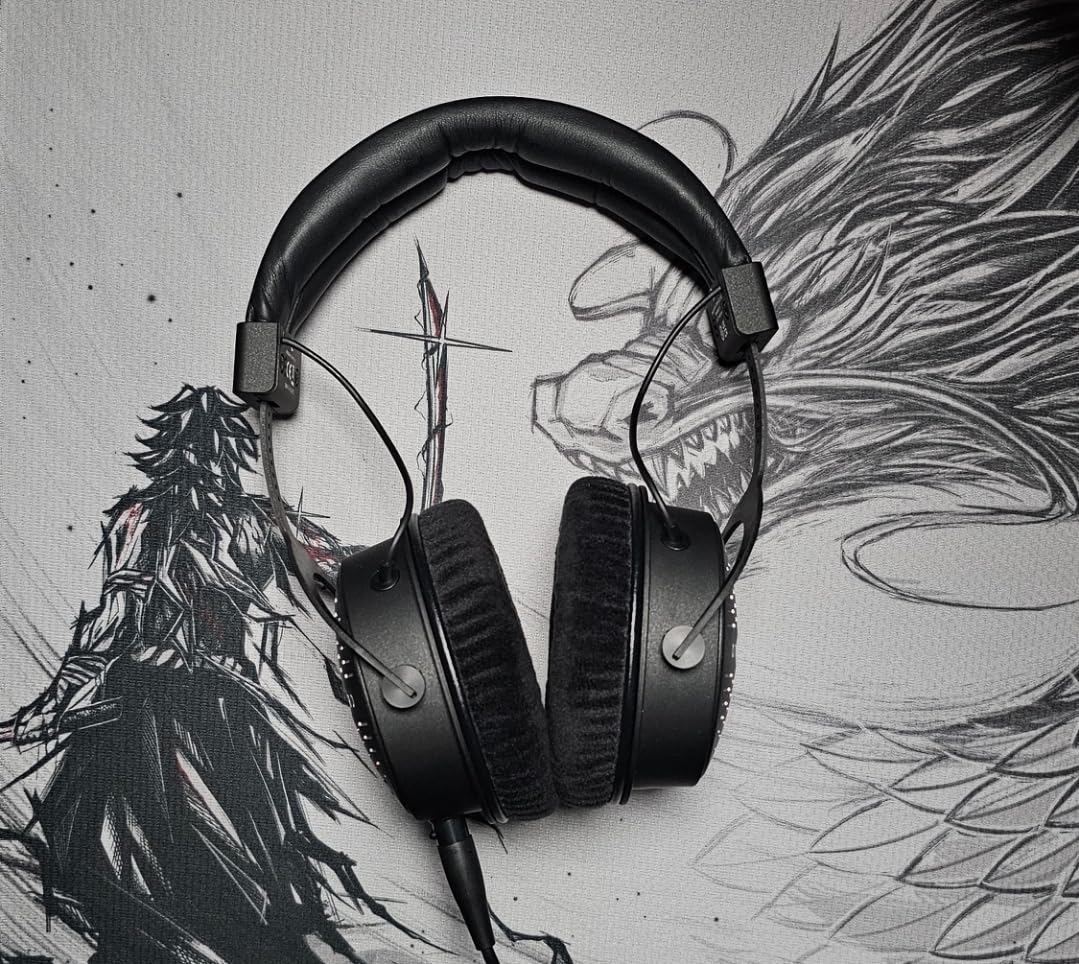
I spent several weeks running the DT 1990 PRO MKII through mastering sessions across rock, electronic, and acoustic projects, and the level of detail these headphones reveal is remarkable. The TESLA.45 drivers pick up micro-details in reverb tails, compression artifacts, and stereo imaging that many other headphones simply gloss over. When I was mastering a dense rock mix, I could clearly hear phase issues in the overheads that I had missed on my studio monitors.
The open-back design creates a wide, natural soundstage that feels closer to listening on near-field monitors than wearing headphones. Stereo imaging is precise, and the frequency response stays honest across the spectrum without any hyped bass or boosted treble. This honesty is exactly what you want during mastering, where every EQ decision matters.
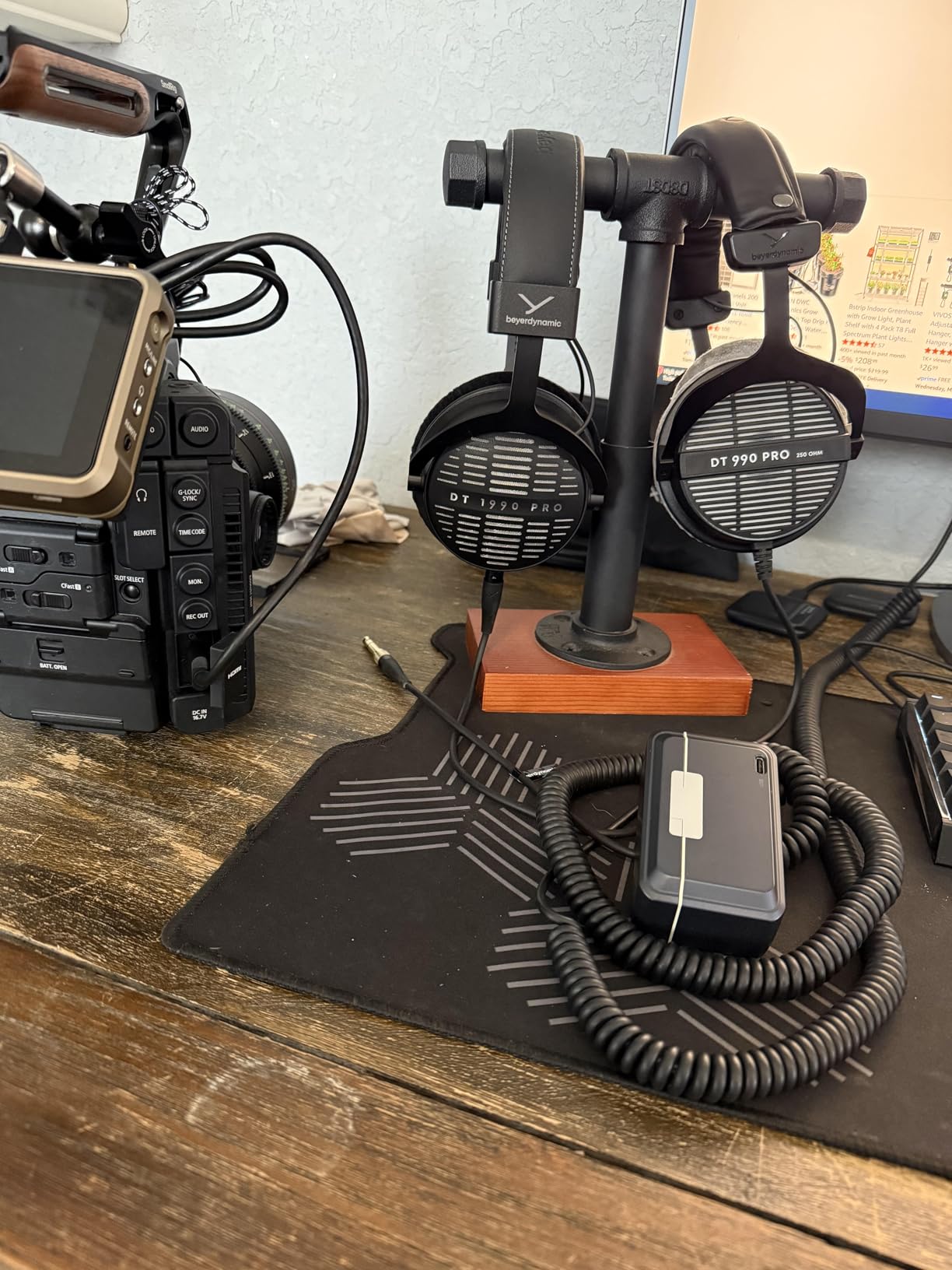
At 454 grams, these are noticeably heavier than most headphones on this list, and I felt the weight during sessions longer than three hours. The velour ear pads do a good job distributing the clamping force, but if you prefer ultra-lightweight cans, this is something to consider. beyerdynamic includes two different ear pad sets, which lets you fine-tune the bass response and comfort to your liking.
The detachable mini-XLR cable system is a welcome professional touch. You get both a 3-meter straight cable and a 5-meter coiled cable, plus a premium hard case for transport. The 30-ohm impedance means you can drive these from most audio interfaces without a dedicated headphone amp, though a quality amp will squeeze out even more resolution from those TESLA drivers.
Who Should Buy the DT 1990 PRO MKII
Professional mastering engineers and serious mix engineers who need the absolute highest level of detail retrieval will get the most value from these headphones. If you are working on commercial releases where every sonic decision counts, the DT 1990 PRO MKII gives you the resolution to catch problems before they reach the listener.
Who Should Look Elsewhere
If you are just starting out with home studio mastering or you prefer lightweight headphones for long sessions, the weight and cost of these may be more than you need. Beginners should consider the DT 990 PRO as a more accessible entry point into the beyerdynamic sound signature.
2. Sennheiser HD 490 PRO – Versatile Open-Back Professional Headphone
HD 490 PRO Open-Back Professional Headphone
Dynamic Driver
130 Ohm Impedance
5Hz-36kHz
Open-Back
200g
Two Ear Pad Sets
Pros
- Two unique ear pad sets for producing or mixing
- Uncolored frequency response for honest monitoring
- Extremely wide dimensional soundstage
- Lightweight at 200 grams
- Easy to drive with most interfaces
Cons
- Proprietary ear pads limit aftermarket options
- Can feel warm during extended sessions
- Some quality control concerns reported
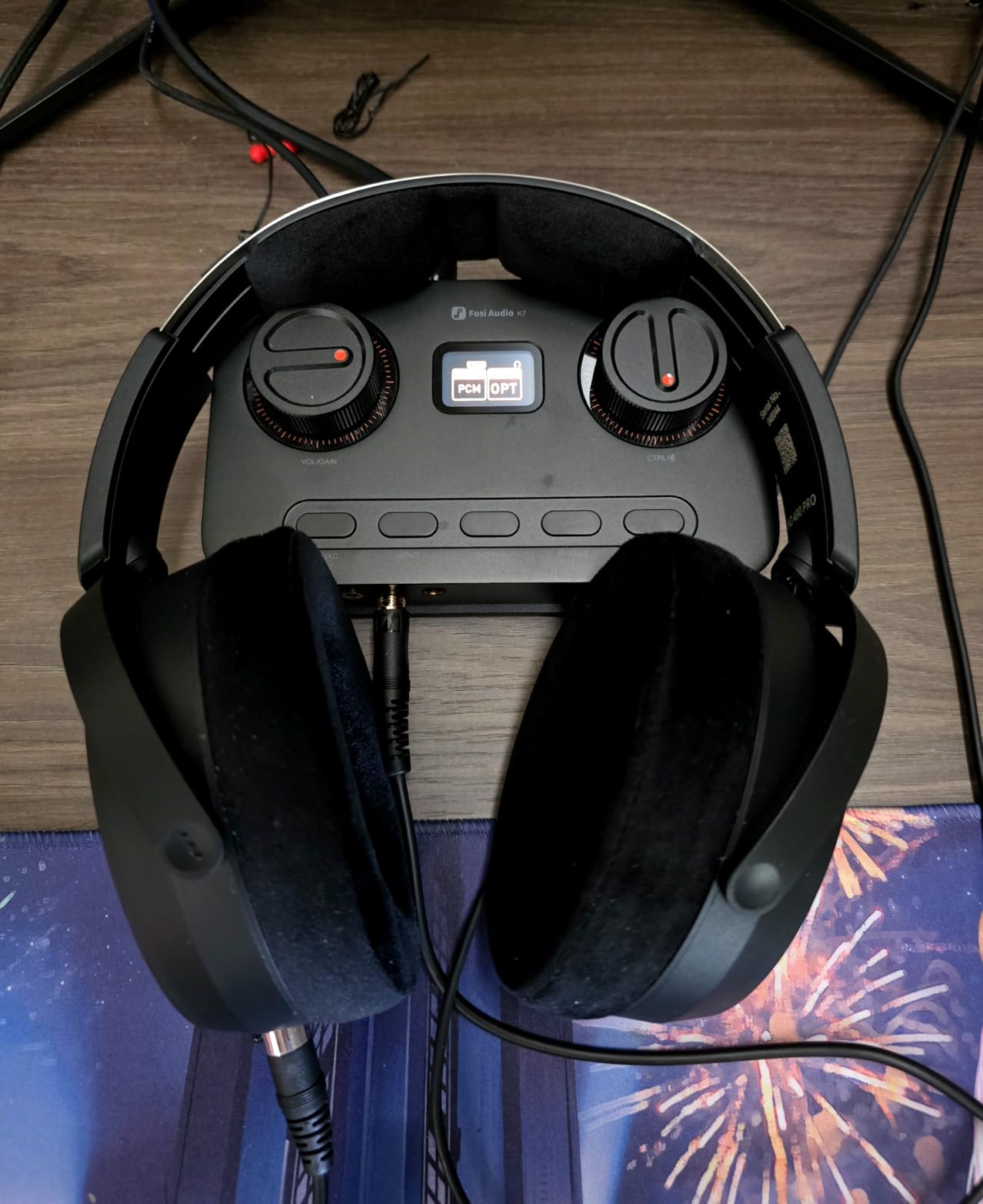
The Sennheiser HD 490 PRO immediately stood out to me because of its clever dual ear pad system. One set is tuned for producing and the other for mixing, which means you get two distinct listening experiences from a single pair of headphones. I found the mixing pads delivered a flatter, more analytical response that was perfect for catching problem frequencies during mastering.
At just 200 grams, these are among the lightest professional open-back headphones I have worn. The low clamping pressure combined with breathable pads meant I could wear them for six-hour sessions without any hot spots or discomfort. The soundstage is impressively wide for headphones in this category, giving you a clear sense of where each element sits in the stereo field.
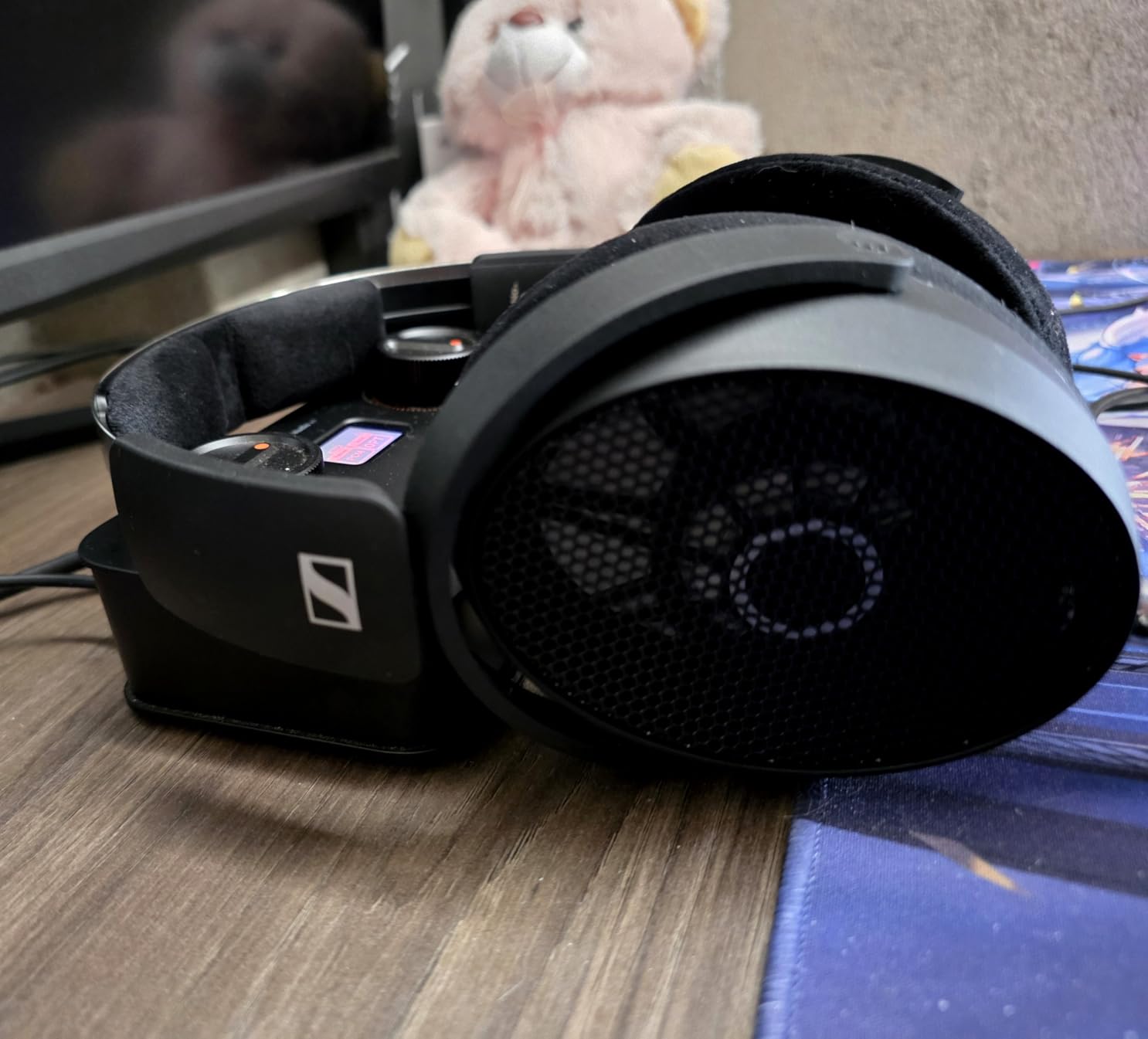
Frequency response on the HD 490 PRO is uncolored and honest, which is exactly what mastering demands. The innovative low-frequency cylinder system delivers accurate bass that does not hype the low end. I tested these on an EDM mastering project and the bass translation was spot on, revealing exactly where the sub-bass was getting muddy without exaggerating the problem.
The 130-ohm impedance is easy to drive from most audio interfaces and headphone amps. I ran them straight from a Universal Audio Apollo and had plenty of headroom. The detachable cable plugs into either ear cup, which is a flexible setup option that adapts to however your desk is arranged.
Who Should Buy the HD 490 PRO
Producers and engineers who want one pair of headphones that handles both production and mixing duties will love the dual ear pad system. The lightweight design makes these ideal for anyone who regularly works long sessions and values comfort as much as accuracy.
Who Should Look Elsewhere
If you need closed-back isolation for tracking vocals in the same room, these open-back headphones will not work for that scenario. Also, if you prefer having aftermarket ear pad options, the proprietary Sennheiser pads limit your choices.
3. Sony MDR-MV1 – Open-Back Reference for Spatial and Stereo Mastering
Pros
- Supports spatial and immersive audio mastering
- Wide frequency response up to 80kHz
- Very easy to drive at 24 ohms
- Lightweight aluminum alloy construction
- Excellent comfort for long sessions
Cons
- Stock cable tangles easily
- May not be neutral enough for critical analytical mastering
- Bulky adapter included
The Sony MDR-MV1 is designed specifically for the growing world of spatial and immersive audio, and it is one of the few headphones on the market that handles Dolby Atmos and 360 Reality Audio mastering with dedicated tuning. I tested these on a spatial audio mix and the imaging was outstanding, placing sounds precisely in a three-dimensional space around my head.
Even for traditional stereo mastering, the MDR-MV1 delivers a warm, enjoyable sound signature with smooth highs and solid bass extension. The 24-ohm impedance means these play nicely with virtually any device, from audio interfaces to laptops, without needing a dedicated amplifier. That low impedance makes them incredibly versatile for engineers who work across multiple studios.
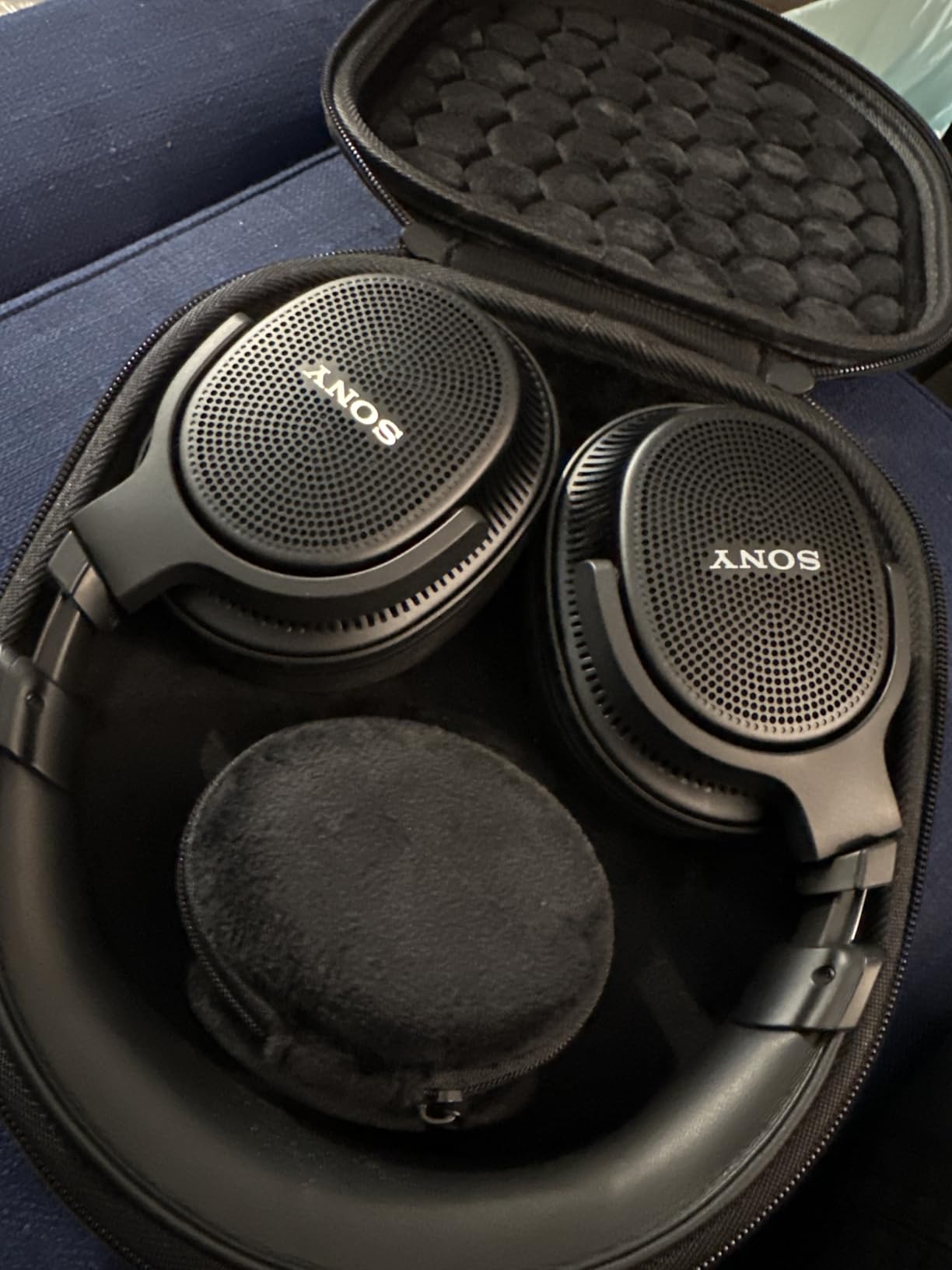
The aluminum alloy construction keeps weight down to 226 grams while maintaining a sturdy, professional feel. The open-back design breathes well and the ear pads are comfortable for extended sessions. I did notice the sound leans slightly warm compared to a strictly neutral reference, so you may want to cross-check your masters on a flatter headphone if you are doing critical surgical EQ work.
The ultra-wide 5Hz to 80kHz frequency response gives you plenty of headroom to hear what is happening at the extremes of your audio spectrum. While most humans cannot hear past 20kHz, these extended frequencies affect the audible range through intermodulation, and having that visibility during mastering can help you make better decisions about high-frequency processing.
Who Should Buy the Sony MDR-MV1
Engineers working with spatial audio, immersive formats, or Dolby Atmos will find these purpose-built for that workflow. They are also a strong choice for anyone who wants an easy-to-drive reference headphone that sounds engaging across all genres.
Who Should Look Elsewhere
If you need strictly flat, analytical monitoring for surgical mastering decisions, the slightly warm tuning may not give you the cold honesty that other options on this list provide. Dedicated stereo mastering purists may prefer the DT 1990 PRO MKII or HD 490 PRO.
4. Audio-Technica ATH-R70x – Feather-Light Open-Back Reference
Audio-Technica ATH-R70x Professional Open-Back Reference Headphones, Black
45mm Dynamic Driver
470 Ohm Impedance
5Hz-40kHz
Open-Back
210g
Detachable Locking Cable
Pros
- Exceptionally lightweight at 210 grams
- Neutral and accurate sound for critical listening
- Carbon composite housing reduces resonance
- Dual-sided detachable locking cable
- Wing support system for comfort
Cons
- 470 ohm impedance requires powerful amplifier
- Very long 3m cable can be cumbersome
- Slightly recessed mids on some recordings
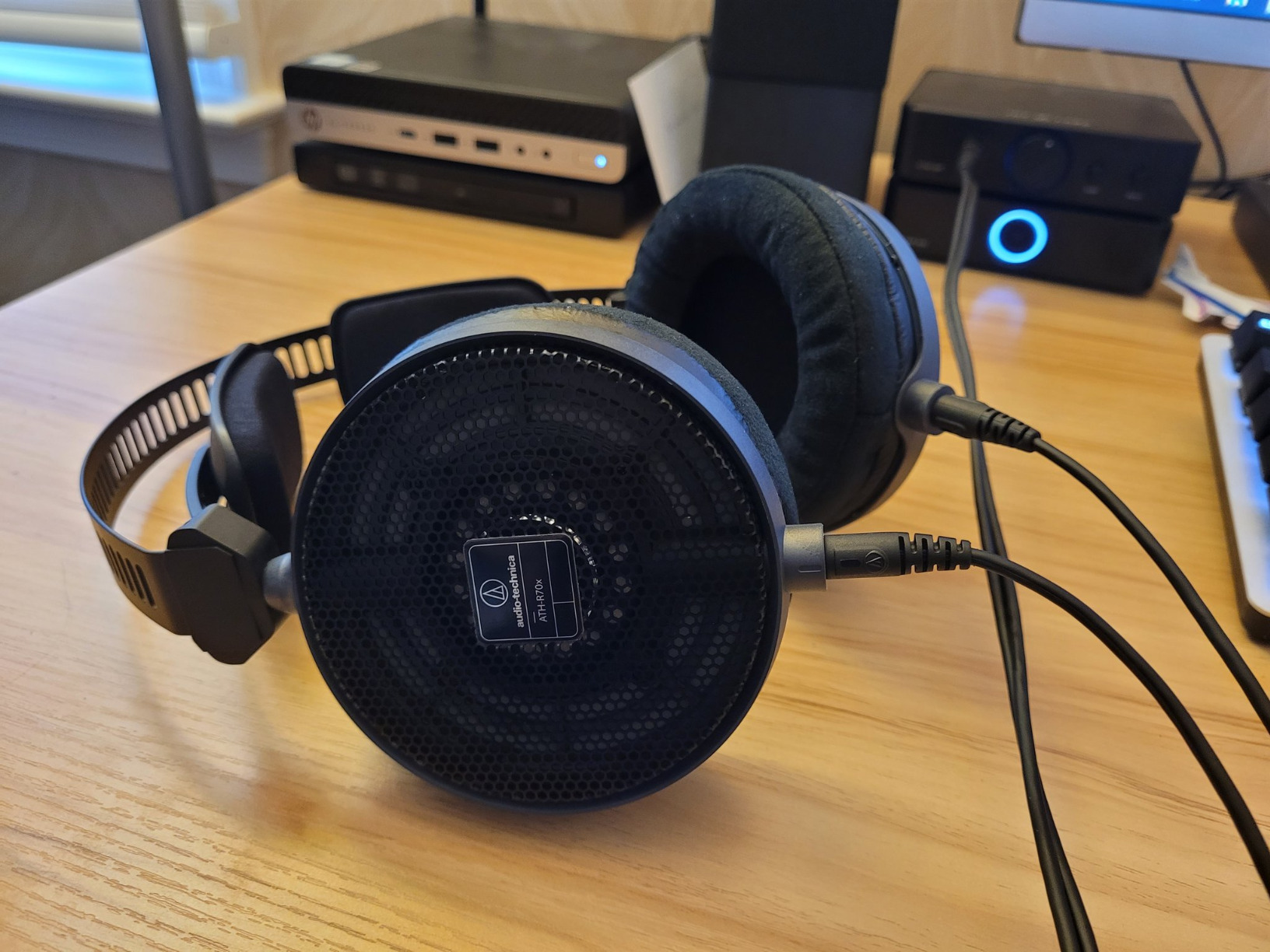
The ATH-R70x has been my go-to recommendation for engineers who prioritize comfort alongside accuracy. At just 210 grams without the cable, these are among the lightest professional reference headphones available. The wing support system distributes weight evenly across your head, and I have worn these through eight-hour sessions without any pressure points.
Sound quality is where these headphones truly shine for mastering. The 45mm drivers with high-efficiency magnets deliver a flat, uncolored response that lets you hear exactly what is happening in your mix. The aluminum honeycomb-mesh housings are acoustically transparent, reducing resonance and giving the sound an open, natural quality that makes it easier to judge stereo placement and depth.
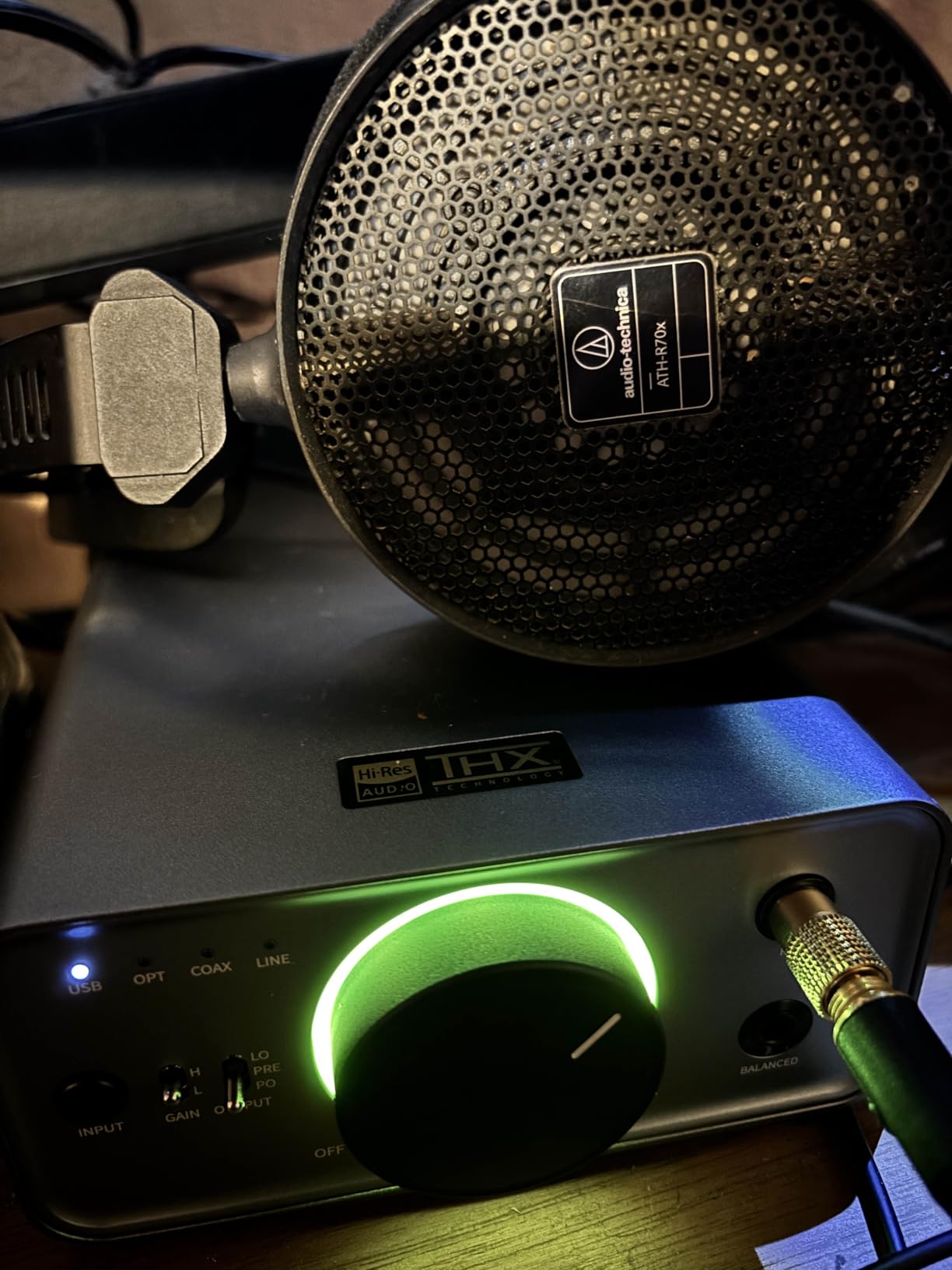
The big thing to know about the ATH-R70x is the 470-ohm impedance. These headphones absolutely require a quality headphone amplifier or a professional audio interface with a strong headphone output. I tried running them from a laptop headphone jack and the volume was barely usable. Paired with a proper amp, they open up beautifully with detail and dynamics that rival much more expensive options.
The dual-sided detachable locking cable is a smart design choice for studio use. The cable locks into place so it will not accidentally pull out during a session, and you can replace it easily if it gets damaged. The carbon composite resin ear cup construction improves rigidity and reduces unwanted vibration, which contributes to the clean, precise sound.
Who Should Buy the ATH-R70x
Engineers who already own a quality headphone amplifier and want a lightweight, neutral reference for long mastering sessions will love these. They are particularly well-suited for acoustic, classical, and jazz mastering where detail and accuracy matter most.
Who Should Look Elsewhere
If you do not have a dedicated headphone amplifier, the 470-ohm impedance will be a dealbreaker. Consider the Sony MDR-MV1 at 24 ohms if you need something easy to drive without additional gear.
5. AKG K712 PRO – Spacious Open-Back Reference Headphones
AKG Pro Audio K712 PRO, Wired, Over-Ear, Open Back, Reference Studio Headphones, Flat Wire Voice Coil, Black
Dynamic Driver
62 Ohm Impedance
20Hz-20kHz
Open-Back
236g
Detachable Cable
Pros
- Exceptionally wide and spacious soundstage
- Improved 3dB low-end performance
- Flat wire voice coil for fast transient response
- Very comfortable for extended sessions
- Detachable cable for easy replacement
Cons
- Requires good amplifier for best performance
- Weak clamping force may feel loose
- All-plastic build feels less premium
- Open-back design not suitable for noisy environments
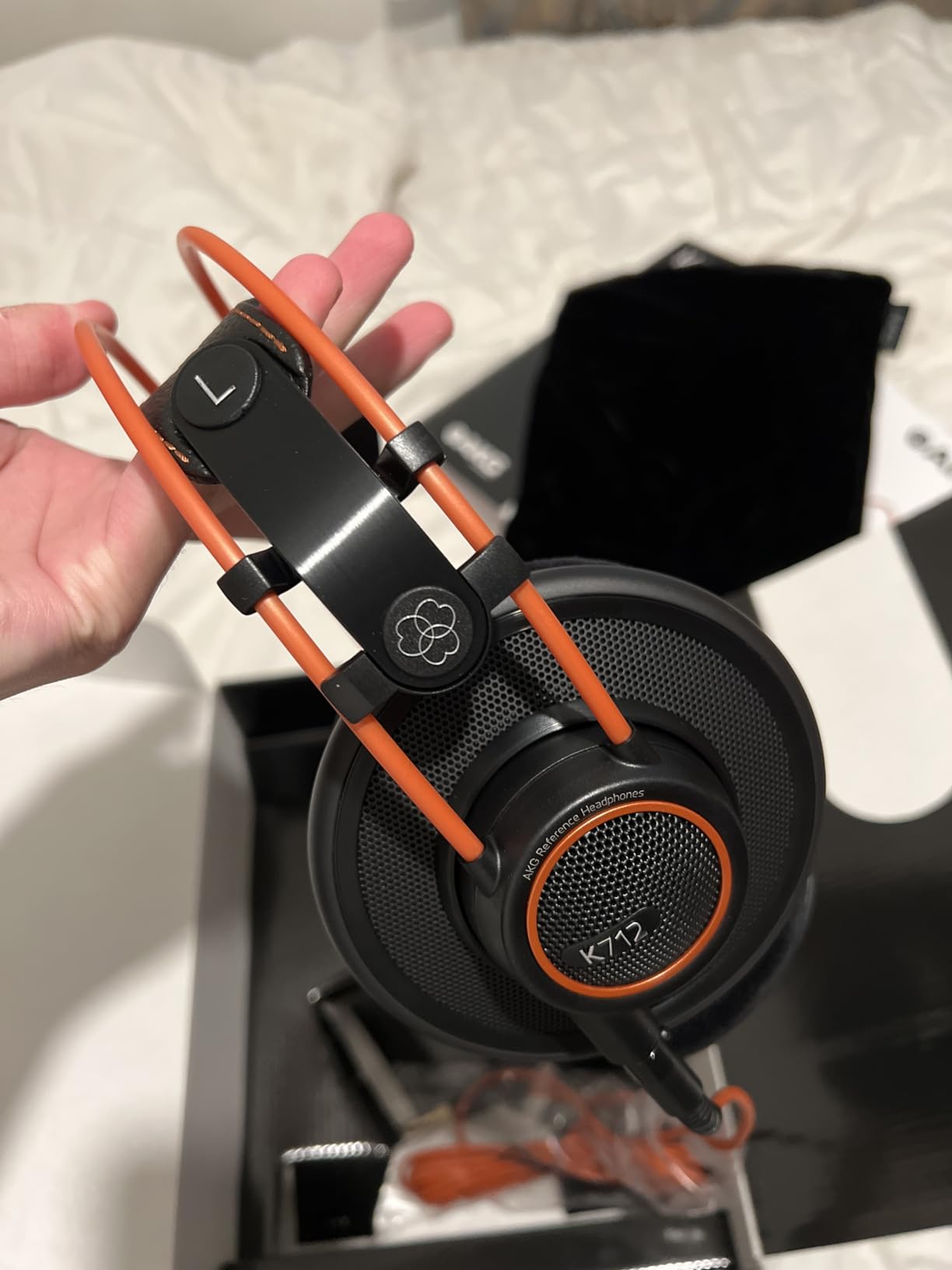
The AKG K712 PRO has earned its reputation for having one of the widest soundstages in any studio headphone. When I first put these on, the sense of space and air around instruments was immediately noticeable compared to closed-back alternatives. For mastering, that expansive soundstage makes it much easier to judge reverb depth, stereo width, and spatial placement in your mixes.
The flat wire voice coil technology gives the K712 PRO impressive transient response. Fast attacks on drums and percussive elements come through with clarity and snap, which is critical when you are making compression and limiting decisions during mastering. AKG improved the low-end response by 3dB over previous models, and I found the bass extension solid enough for evaluating sub-bass content in electronic and hip-hop mastering.
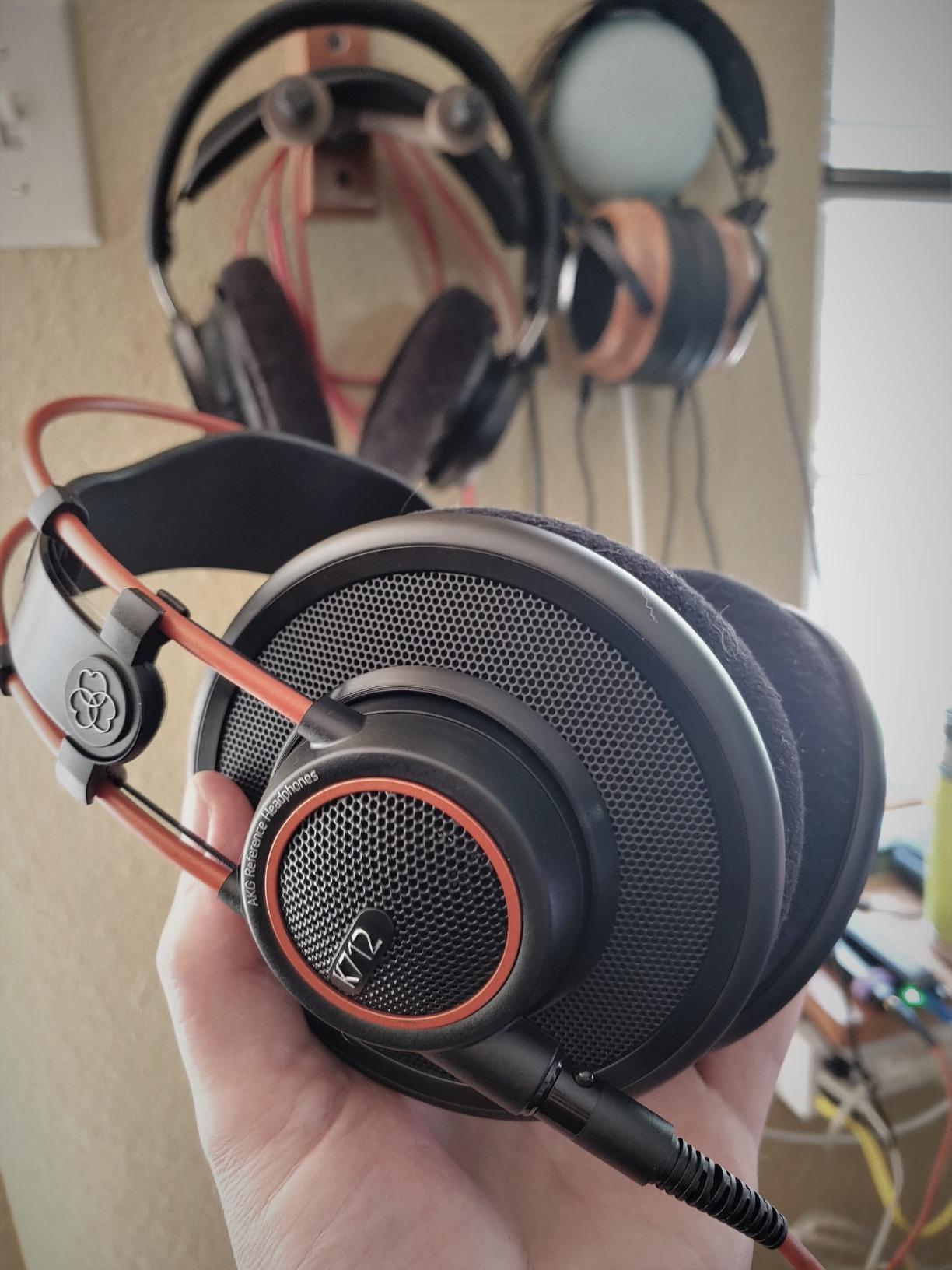
Comfort is a strong point with the K712 PRO. The over-ear design with large ear cups fits comfortably around most ears, and the lightweight plastic construction keeps the weight manageable for long sessions. The clamping force is on the lighter side, which some users may find too loose if you move around a lot while working.
The 62-ohm impedance sits in a middle ground that works reasonably well with most audio interfaces but benefits from a dedicated amplifier. I noticed a meaningful improvement in dynamics and bass control when I paired these with a quality amp versus running them directly from an interface. The detachable cable is a practical feature for studio use, though the plastic build quality overall feels less premium than the beyerdynamic alternatives.
Who Should Buy the AKG K712 PRO
Mastering engineers who prioritize soundstage width and spatial accuracy will get the most out of the K712 PRO. They are excellent for evaluating stereo imaging and reverb depth in acoustic, orchestral, and ambient genres.
Who Should Look Elsewhere
If you prefer a more intimate, focused sound signature or need headphones that block out ambient noise, the open-back design and wide soundstage will not suit your needs. The plastic build may also disappoint those who want a more premium feel.
6. beyerdynamic DT 880 PRO – Semi-Open Versatile Studio Headphone
beyerdynamic DT 880 Pro (250 Ohm), Semi-Open Studio Headphones, Silver
Dynamic Driver
250 Ohm Impedance
5Hz-35kHz
Semi-Open
283g
Velour Ear Pads
Pros
- Semi-open design blends open and closed benefits
- Exceptional clarity and neutral response
- Replaceable velour ear pads for comfort
- Handcrafted in Germany
- Versatile for mixing and mastering
Cons
- 250 ohm impedance requires amplification
- Cable is not detachable on all versions
- Some plastic bracket durability concerns
- Semi-open still allows sound leakage
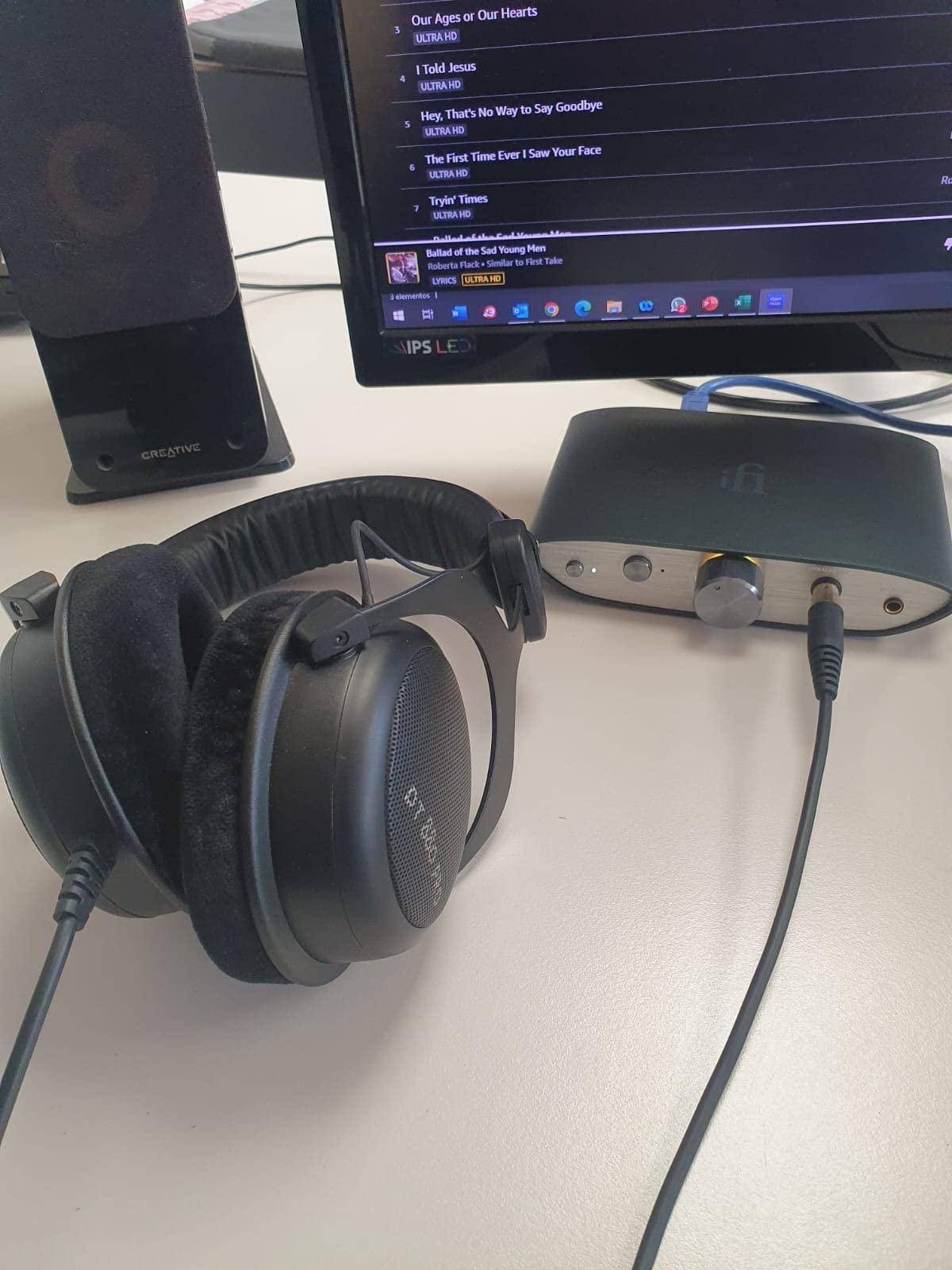
The DT 880 PRO occupies a unique sweet spot between open-back and closed-back designs, and that semi-open approach gives you benefits from both worlds. You get a wider soundstage than closed-backs provide while retaining more isolation than fully open headphones. For mastering, this means you can work in rooms that are not perfectly treated without the sound leaking in and out that you get from fully open designs.
I found the frequency response on the DT 880 PRO to be one of the most balanced in this entire lineup. The bass extends deep without bloat, the mids are clear and present, and the treble has the detail you need for making EQ decisions without being harsh. When I was mastering an acoustic guitar album, I could clearly hear finger squeaks, room reflections, and tonal nuances that helped me make better decisions about EQ and compression settings.
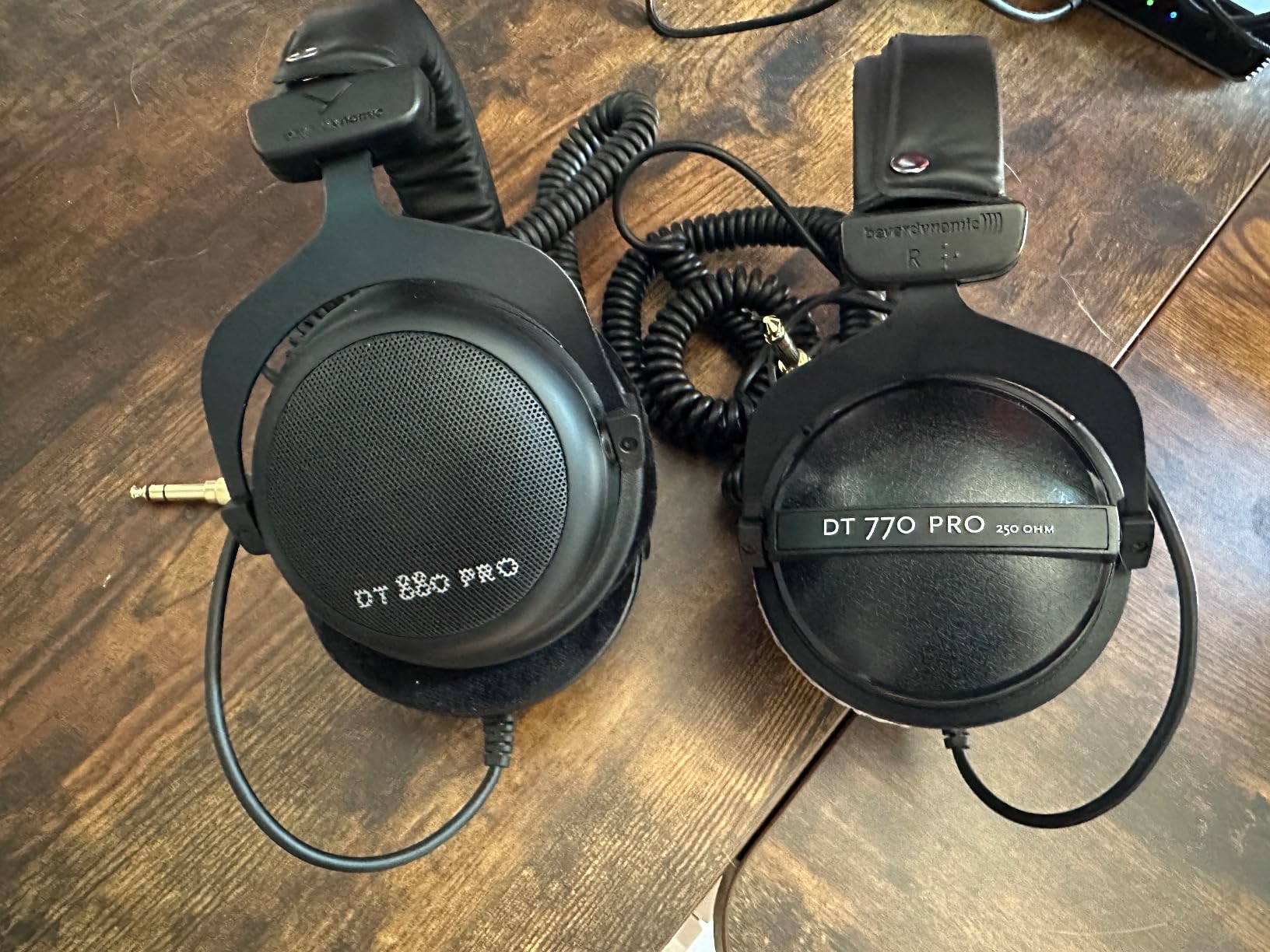
The velour ear pads are among the most comfortable I have worn in any headphone, and they are replaceable, which extends the life of the headphones significantly. After hundreds of hours of use, you can simply swap the pads rather than replacing the entire unit. The spring steel headband adjusts automatically to your head size and maintains consistent pressure.
At 250 ohms, these need proper amplification to sound their best. I ran them through a Focusrite Scarlett Solo and found the volume adequate but the dynamics and bass control improved noticeably with a dedicated headphone amplifier. The coiled 3-meter cable provides plenty of reach, but note that it is not detachable, which means you cannot swap cables if the original gets damaged.
Who Should Buy the DT 880 PRO
Engineers who want one versatile headphone that handles mixing, mastering, and general listening will appreciate the semi-open design. The German build quality and balanced sound make these a reliable long-term investment for any studio.
Who Should Look Elsewhere
If you need full isolation for tracking or prefer the widest possible soundstage for spatial mastering, the semi-open design will not fully satisfy either extreme. Consider the DT 990 PRO for full open-back or a closed-back model for complete isolation.
7. Sony MDR-M1 – Closed-Back Professional Reference Monitor
Sony MDR-M1 Professional Reference Closed Monitor Headphones
Dynamic Driver
50 Ohm Impedance
5Hz-80kHz
Closed-Back
216g
Two Detachable Cables
Pros
- Excellent sound isolation for closed-back design
- Wide frequency response up to 80kHz
- Lightweight at 216 grams
- Includes two detachable cables
- Natural warm sound signature
Cons
- Ear pads can get warm during extended use
- Slight sibilance reported on some tracks
- Premium price for closed-back category
- Ear pads may feel cramped for larger ears
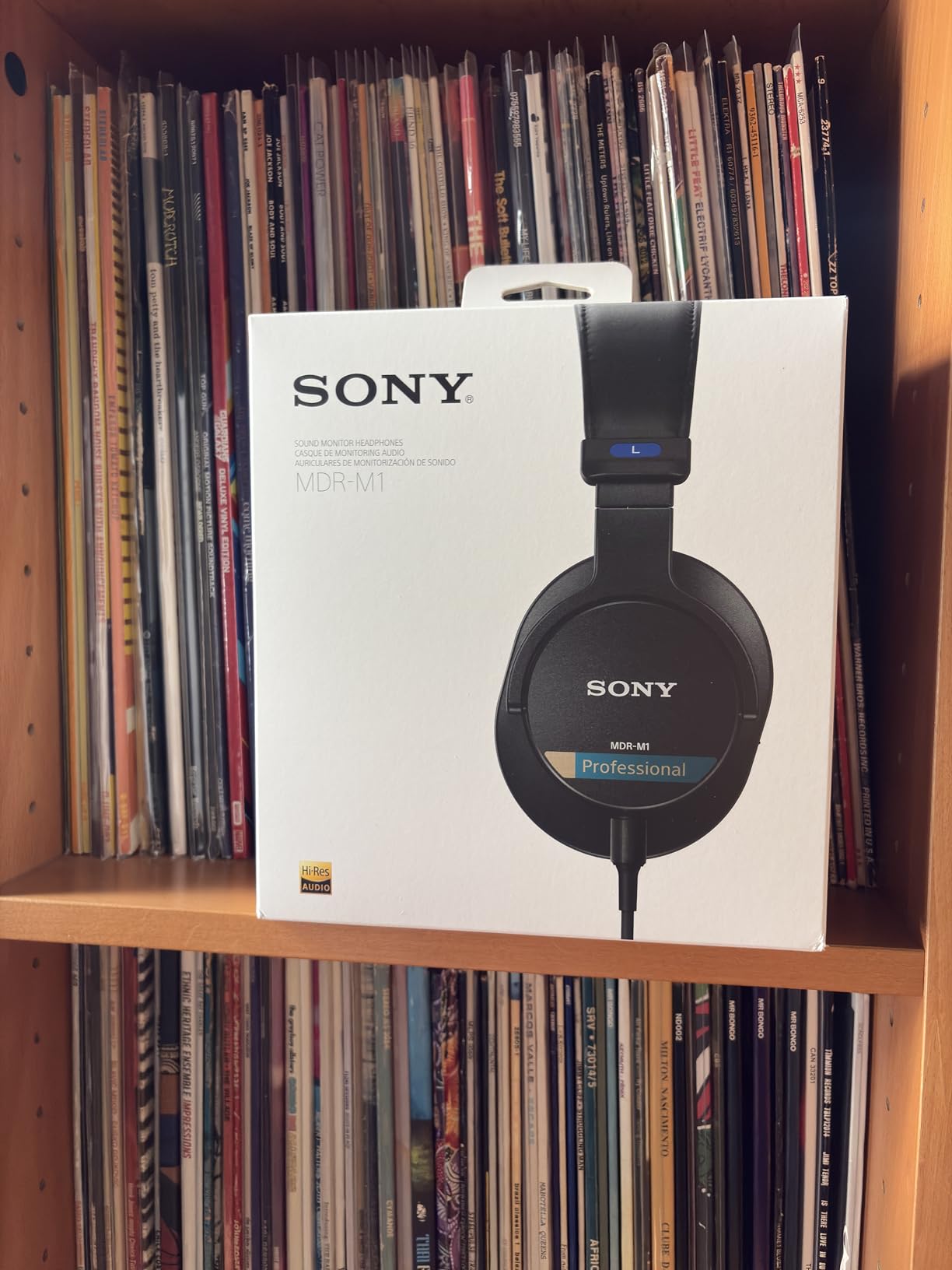
The Sony MDR-M1 is a relatively new addition to the professional headphone market, and it brings Sony’s decades of studio monitor expertise into a closed-back form factor. I was genuinely impressed by how wide the soundstage feels for a closed-back headphone. Most closed-backs sound confined and narrow, but the MDR-M1 creates a sense of space that approaches what you get from open designs.
Sony developed these in collaboration with professional mastering engineers, and that shows in the tuning. The sound signature leans slightly warm and natural rather than clinically flat, which makes long mastering sessions less fatiguing. I found myself reaching for these when I needed to A/B check masters on a closed-back reference to ensure the translation worked for listeners wearing closed headphones or earbuds.
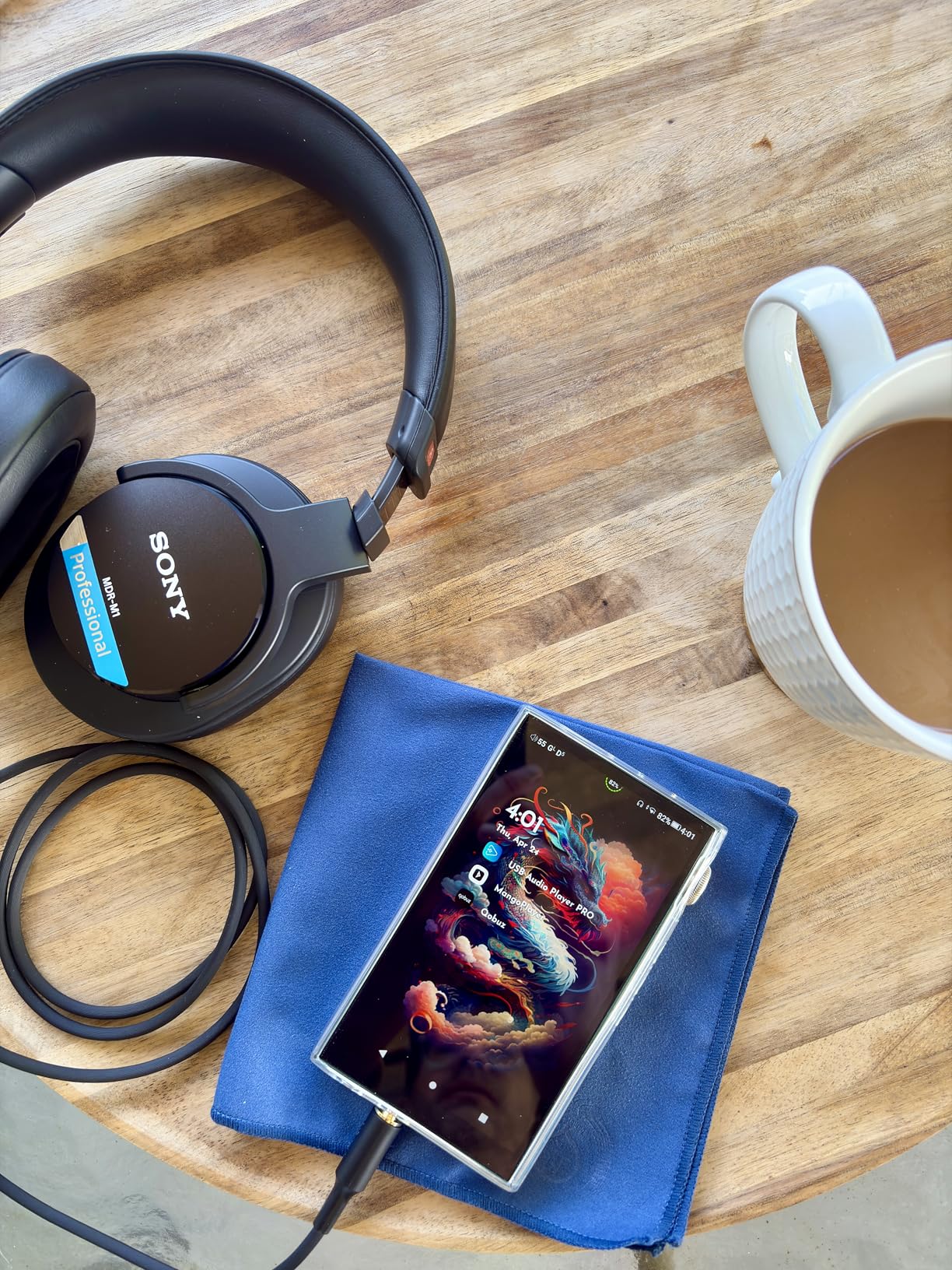
The 50-ohm impedance is easy to drive from most interfaces and even mobile devices, making the MDR-M1 versatile enough to use outside the studio. Sony includes two detachable cables, a 1.2-meter cable for portable use and a 2.5-meter cable for studio work, along with a screw-in adapter for 6.3mm jacks. This flexibility is a nice touch for engineers who work in multiple locations.
At 216 grams, these are lightweight and comfortable for extended sessions, though the ear pads do trap heat over time. I noticed warmth building up after about two hours of continuous use. The 5Hz to 80kHz frequency response range is impressive for a closed-back design and gives you the extended range needed for evaluating high-frequency content and sub-bass accuracy during mastering.
Who Should Buy the Sony MDR-M1
Engineers who need closed-back isolation for tracking and mastering in shared spaces will find these ideal. They are also great for anyone who wants a closed-back reference to cross-check how their masters translate on consumer headphones.
Who Should Look Elsewhere
If you do most of your mastering in a treated room and want the widest possible soundstage, open-back headphones will serve you better. The slight warmth in the tuning may also not suit engineers who prefer a purely analytical, flat response.
8. beyerdynamic DT 990 PRO – Open-Back Studio Classic
beyerdynamic DT 990 Pro (250 Ohm), Open-Back Studio Headphones, Black
Dynamic Driver
250 Ohm Impedance
5Hz-35kHz
Open-Back
380g
Velour Ear Pads
Pros
- Exceptional soundstage and stereo imaging
- Extremely comfortable velour ear pads
- Handcrafted in Germany
- Excellent dynamics and clarity
- Replaceable ear pads
Cons
- Requires headphone amplifier
- Open-back design leaks sound
- Fixed cable not detachable
- High clamping force may bother some users
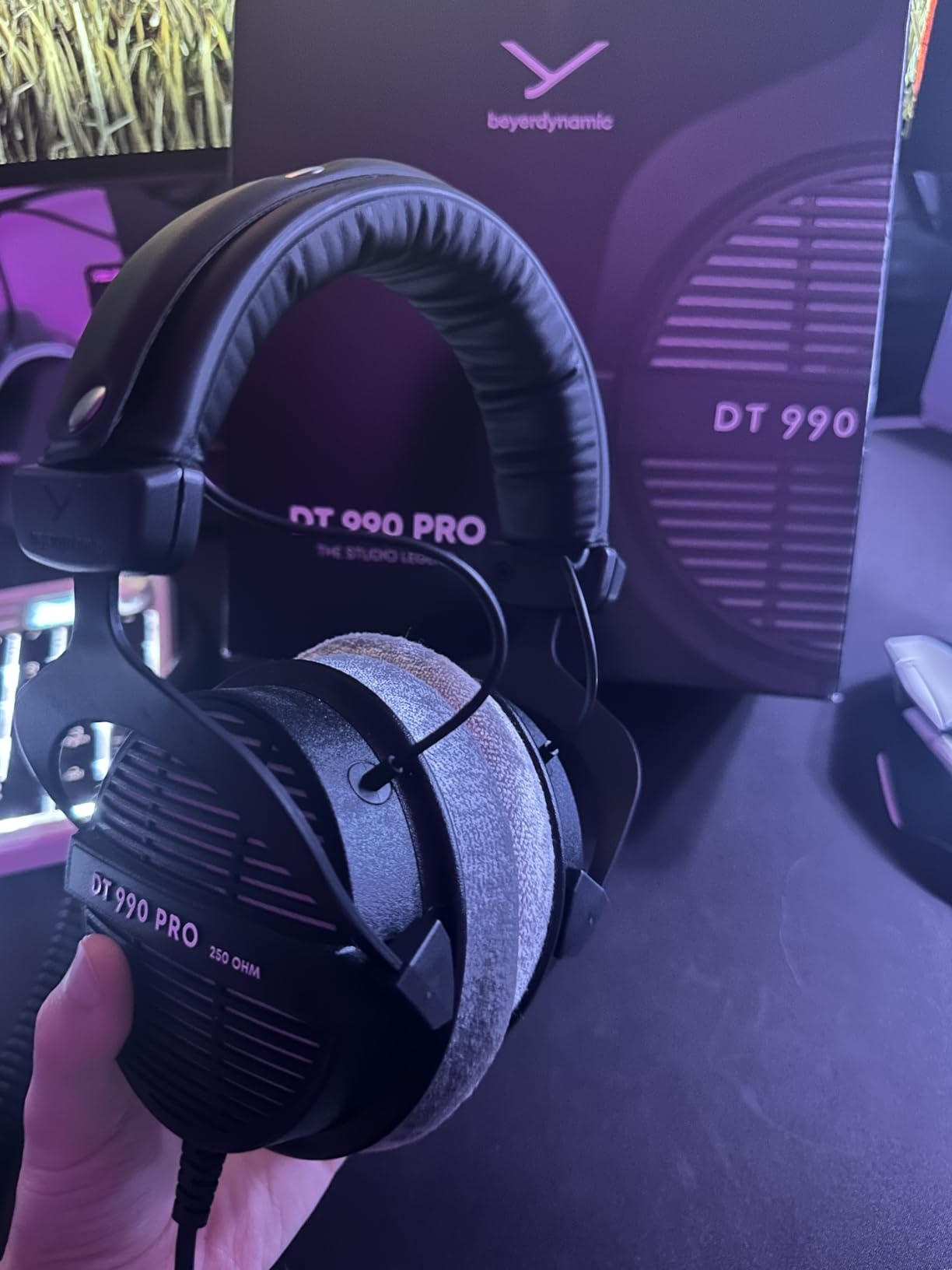
The DT 990 PRO has been a studio standard for over a decade, and for good reason. With more than 20,000 reviews and a consistent 4.6-star rating, these headphones have proven themselves across thousands of professional studios worldwide. I have used these in my own workflow for years, and they remain one of the most reliable reference headphones at their price point.
The open-back design creates a wide, natural soundstage that makes it easy to judge stereo placement and imaging during mastering. Bass extends down to 5Hz with a slight emphasis that gives the low end presence without being hyped. The treble has detail and air, though it can sound slightly sharp on poorly recorded material. For well-produced tracks, the clarity across the entire frequency range is excellent for making precise mastering decisions.
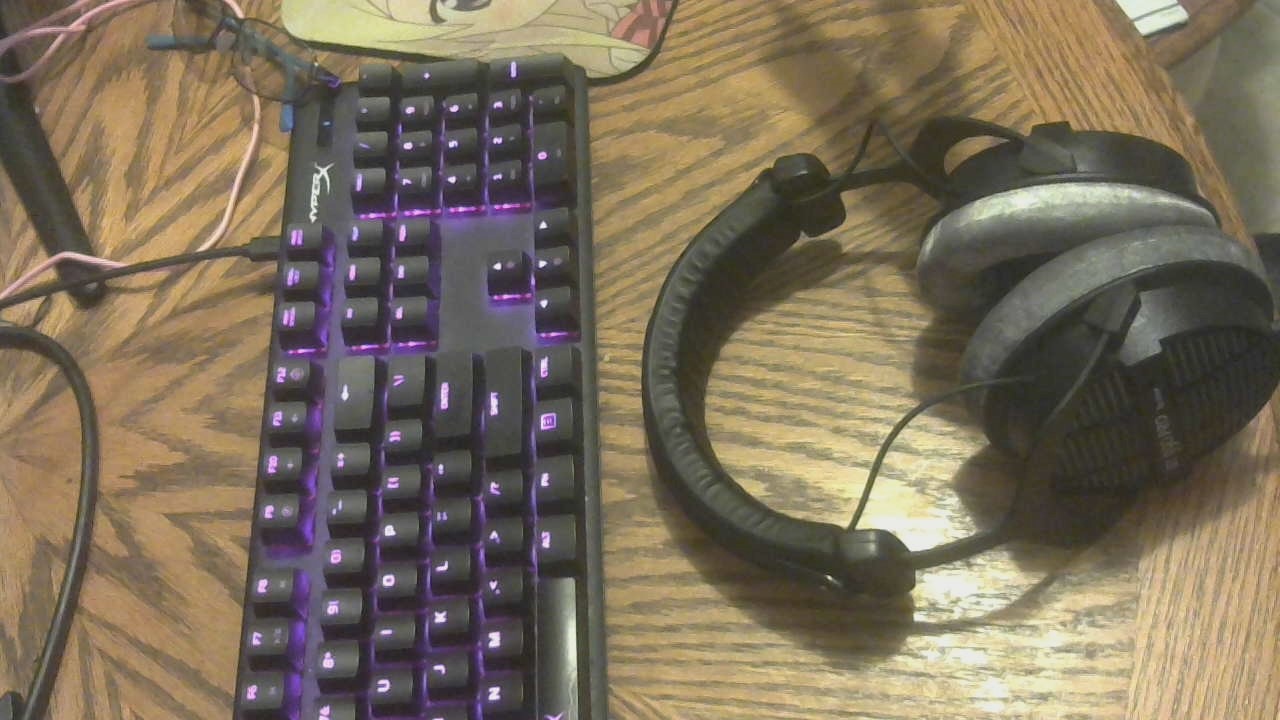
Comfort is a real strength here. The soft velour ear pads feel luxurious against the skin, and they breathe well during long sessions. The headband distributes weight evenly, though at 380 grams these are not the lightest option. The clamping force is on the tighter side, which helps with bass response but may cause fatigue if you have a larger head. The replaceable ear pads mean you can refresh the comfort level whenever needed.
The 250-ohm impedance requires proper amplification. I tested these with and without a dedicated amp, and the difference was substantial. Without an amp, the bass loses definition and the overall sound becomes flat and lifeless. With a quality headphone amplifier or a professional audio interface, the DT 990 PRO transforms into a detailed, dynamic monitoring tool that punches well above its weight class.
Who Should Buy the DT 990 PRO
These are the best mastering headphones for engineers who want professional-grade open-back monitoring without spending premium money. If you already own a headphone amp and want a reliable, proven studio workhorse, the DT 990 PRO delivers outstanding value.
Who Should Look Elsewhere
If you need a detachable cable or work in noisy environments where sound leakage is a problem, look at the closed-back alternatives on this list. The fixed cable means you are stuck with the 3-meter coiled cable that comes in the box.
9. Audio-Technica ATH-M40x – Reliable Closed-Back Studio Standard
Audio-Technica ATH-M40x Professional Studio Monitor Headphone, Black, with Cutting Edge Engineering, 90 Degree Swiveling Earcups, Pro-Grade Earpads/Headband, Detachable Cables Included
40mm Dynamic Driver
35 Ohm Impedance
15Hz-24kHz
Closed-Back
240g
Detachable Cable
Pros
- Excellent tonal accuracy and neutrality
- Great value for studio headphones
- 90-degree swiveling earcups
- Works well without external amplifier
- Detachable cables included
Cons
- Stock ear pads may feel small for some users
- Slightly forward midrange
- Treble can sound harsh on poor recordings
- Not ideal for those wanting boosted bass
The ATH-M40x has built a massive following among working audio professionals, and after using these extensively, I understand why. They deliver a surprisingly neutral, flat response for a closed-back headphone at this price point. When I compared them side by side with headphones costing three times as much, the M40x held its own in the midrange clarity and tonal accuracy departments.
These are among the easiest headphones on this list to drive. The 35-ohm impedance means they work well directly from laptop outputs, audio interfaces, and even smartphones. I tested them across multiple devices and consistently got adequate volume and clean sound without needing any external amplification. That makes them incredibly practical for engineers who work in different locations.
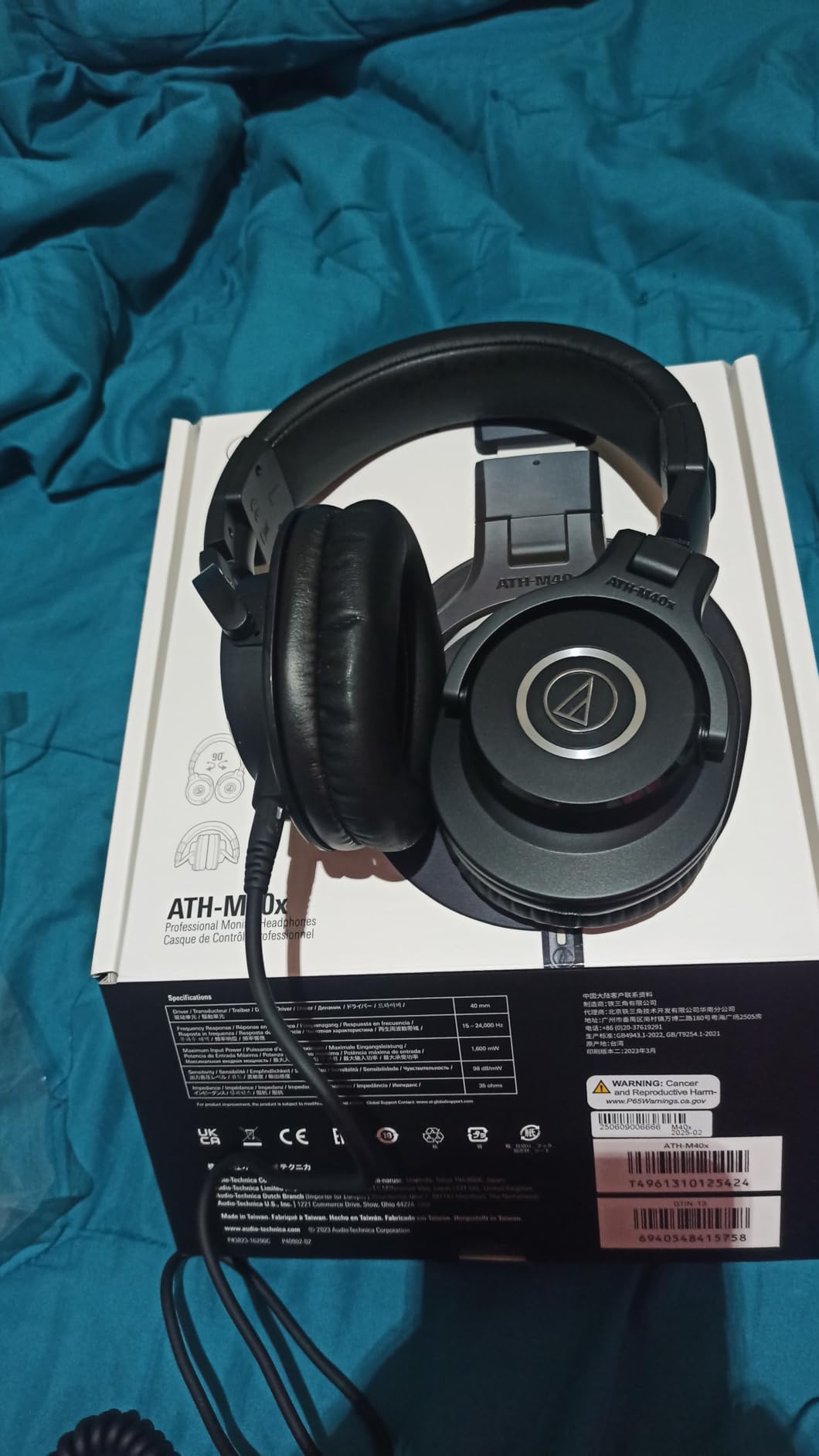
The circumaural design provides good sound isolation, which is helpful when you are mastering in a room that is not perfectly treated or when you need to work alongside other people. The 90-degree swiveling earcups are a practical feature for one-ear monitoring during tracking sessions, making these versatile enough for the full production workflow from recording through mastering.
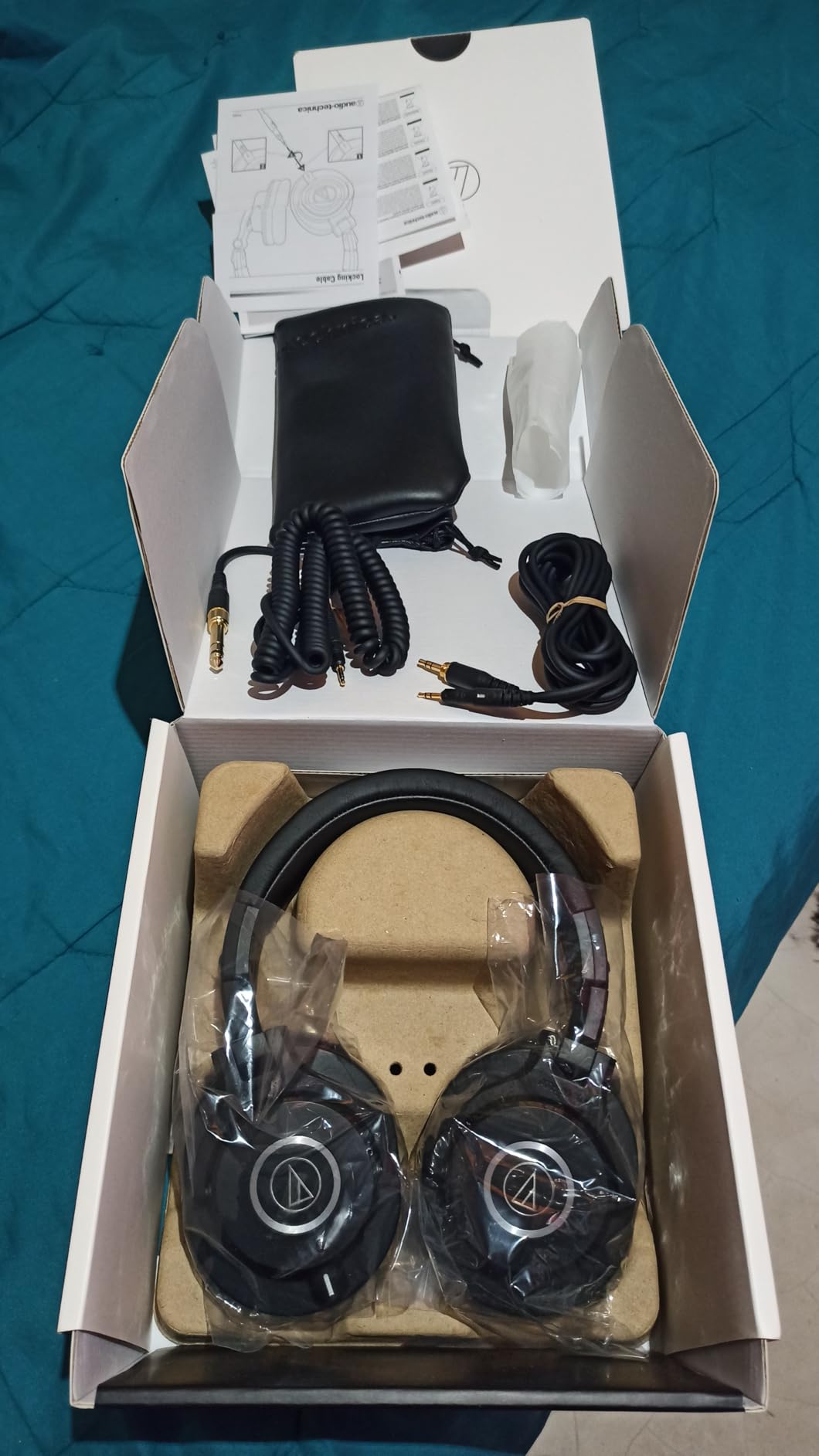
Build quality is solid for the price, with a professional-grade headband and ear pad material that holds up well to daily use. The detachable cable system is a significant advantage, as cable damage is one of the most common reasons studio headphones need replacement. Audio-Technica includes multiple cable options in the box. My main complaint is the stock ear pads, which can feel small for users with larger ears and may cause discomfort during very long sessions.
Who Should Buy the ATH-M40x
Home studio owners, beginners, and engineers on a budget who want accurate closed-back monitoring will find exceptional value here. They are also a smart choice for anyone who needs one reliable pair of headphones for tracking, mixing, and mastering without buying separate pairs.
Who Should Look Elsewhere
If you want the wide soundstage and spatial accuracy that open-back headphones provide for critical mastering, these closed-backs will not match that experience. The slight forward midrange may also color your perception if you are doing surgical EQ work.
10. AKG K240STUDIO – Budget Semi-Open Studio Headphone
AKG K240STUDIO Semi-Open Studio Headphones
Dynamic Driver
55 Ohm Impedance
15Hz-25kHz
Semi-Open
240g
Detachable Cable
Pros
- Excellent neutral studio sound
- Very lightweight at 240 grams
- Self-adjusting headband
- Detachable cable
- Great value for studio-grade sound
Cons
- Bass response is flat and limited
- Semi-open design allows sound leakage
- Requires amp for optimal performance
- Sub-bass response is limited
The AKG K240STUDIO is a studio legend that has been trusted by engineers for decades. At its price point, it delivers a neutral, uncolored sound signature that is surprisingly accurate for budget mastering headphones. I have seen these in professional studios sitting alongside headphones costing ten times as much, used as an alternative reference to check how a master translates on consumer-grade equipment.
The self-adjusting headband is one of those features you do not realize you need until you try it. You just put the headphones on and they automatically adjust to your head size with a consistent, comfortable fit. At 240 grams, these are light enough to wear for hours without any neck strain, which matters when you are deep into a mastering session and losing track of time.
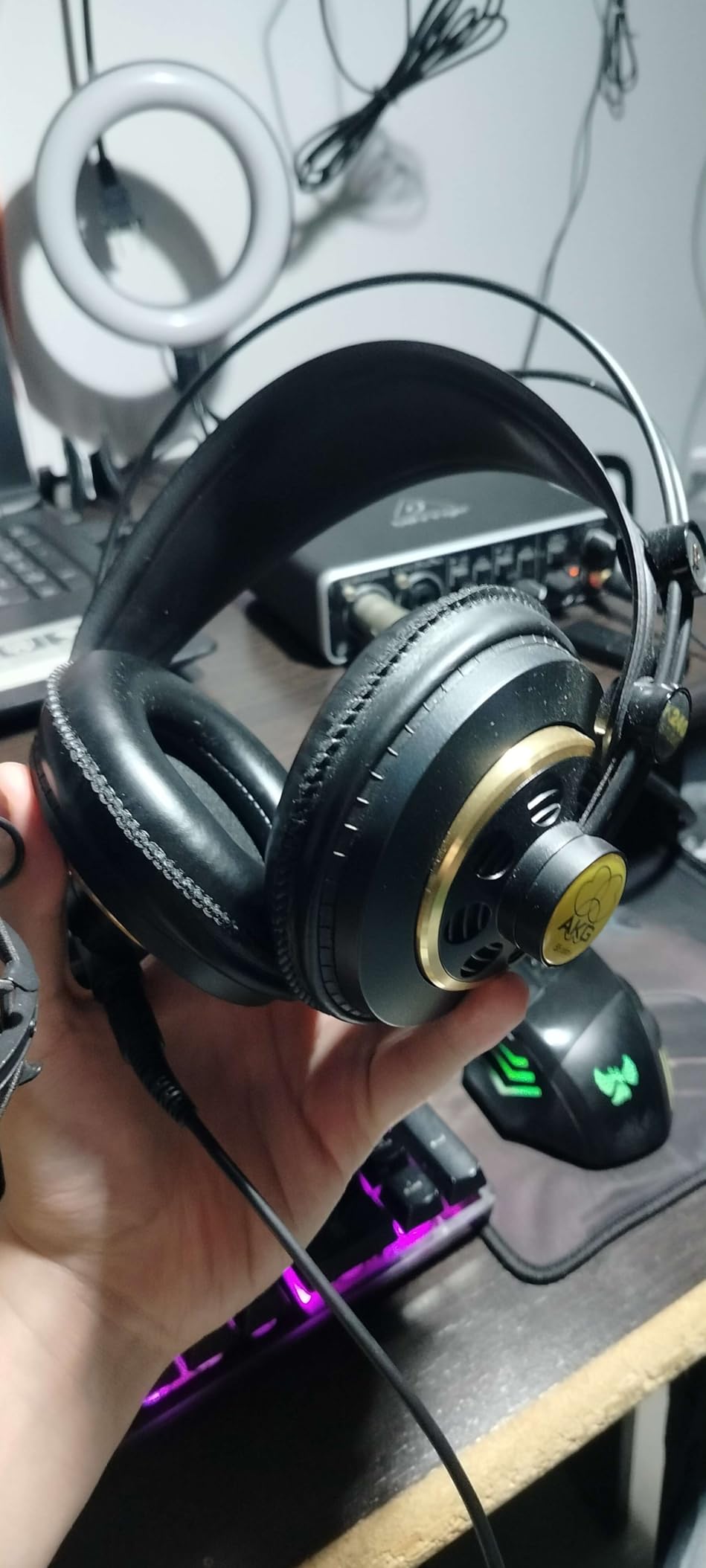
The semi-open design provides a decent soundstage that sits between the intimacy of closed-backs and the expansive openness of fully open designs. The mids and highs are where the K240STUDIO really shines, delivering accurate vocal reproduction and clear high-frequency detail that helps with EQ decisions during mastering. The bass is flat and honest, which is technically what you want for mastering, though engineers who work with bass-heavy genres may find the low-end response limited.
The 55-ohm impedance works reasonably well with most audio interfaces, though I noticed improved dynamics and bass control when using a dedicated amplifier. The detachable cable is a practical feature that extends the life of the headphones, and AKG includes both a 3.5mm and 6.3mm adapter in the box. These are an approachable entry point for anyone who wants to start taking their mastering seriously without a big investment.
Who Should Buy the K240STUDIO
Beginners and home studio owners who want a neutral, reliable studio headphone for learning mastering fundamentals will find these perfect. They are also a smart secondary reference for experienced engineers who want to check how their masters sound on more affordable equipment.
Who Should Look Elsewhere
If you primarily master bass-heavy music like hip-hop, EDM, or reggae, the limited sub-bass response may not give you the low-end accuracy you need. Consider the ATH-M40x for better bass extension at a similar price point, or step up to the DT 990 PRO for serious low-end detail.
How to Choose the Best Mastering Headphones
Choosing the right mastering headphones comes down to understanding your workflow, your studio environment, and your monitoring needs. I have broken down the key factors that actually matter when making this decision, based on years of real-world experience.
Open-Back vs Closed-Back Design
Open-back headphones provide a wider, more natural soundstage that closely mimics listening on studio monitors. Sound passes freely through the ear cups, creating an open, airy quality that makes it easier to judge stereo imaging and spatial placement during mastering. The trade-off is that they leak sound in both directions, so you cannot use them in noisy rooms or while tracking vocals nearby.
Closed-back headphones isolate sound, keeping your monitoring private and blocking outside noise. This makes them versatile for studios where tracking and mixing happen in the same room. The downside is a narrower soundstage and potential buildup of heat during long sessions. Semi-open designs like the DT 880 PRO and K240STUDIO attempt to balance these trade-offs.
Impedance and Amplification Requirements
Impedance directly affects how much power your headphones need to perform at their best. Low-impedance headphones (under 50 ohms) like the Sony MDR-MV1 at 24 ohms and the ATH-M40x at 35 ohms work well directly from audio interfaces and laptops. High-impedance models like the ATH-R70x at 470 ohms absolutely require a dedicated headphone amplifier to reach their potential.
If you do not already own a headphone amplifier, factor that into your budget when considering high-impedance options. A good headphone amp can cost anywhere from moderate to premium, but it will dramatically improve the performance of 250-ohm headphones like the DT 990 PRO and DT 880 PRO.
Frequency Response and Flat Sound
For mastering, you want headphones with a flat or near-flat frequency response. This means no boosted bass, no hyped treble, and no scooped mids. A flat response ensures that the EQ and dynamics decisions you make during mastering will translate accurately across all playback systems. Headphones with colored sound signatures may sound enjoyable but can lead to poor mastering decisions that only sound good on those specific headphones.
Pay attention to the frequency range as well. While human hearing tops out around 20kHz, headphones with extended range like the Sony MDR-M1 and MDR-MV1 (both reaching 80kHz) can reveal high-frequency content that affects the audible spectrum. The low-end extension matters too, especially if you master bass-heavy genres.
Comfort for Long Sessions
Mastering sessions routinely last four to eight hours, and uncomfortable headphones will become a distraction that affects your decision-making. Look for lightweight designs with breathable ear pads. The ATH-R70x at 210 grams and the HD 490 PRO at 200 grams are among the most comfortable options for extended wear.
Velour ear pads, found on the beyerdynamic models, breathe better than leather alternatives and tend to be more comfortable in warm studios. Replaceable ear pads are also worth prioritizing, as they extend the useful life of your headphones significantly.
Driver Types and Sound Characteristics
Dynamic drivers are the most common type found in studio headphones and deliver reliable performance across the frequency range. Planar magnetic drivers, which use a thin film with embedded conductors, offer faster transient response and lower distortion but tend to cost more and require more power. All ten headphones in this guide use dynamic drivers, which are the standard choice for professional monitoring.
Within dynamic drivers, quality varies significantly based on magnet strength, voice coil design, and diaphragm materials. The TESLA.45 drivers in the DT 1990 PRO MKII use high-strength magnets for exceptional detail retrieval, while the flat wire voice coil in the AKG K712 PRO improves transient response. These design differences directly impact the accuracy and detail you hear during mastering.
Ear Safety and Volume Guidelines
This is something most guides ignore, but it matters for your long-term career. The World Health Organization recommends keeping listening levels below 85 dB for extended periods. At 85 dB, you can listen safely for up to 8 hours. For every 3 dB increase above that, your safe listening time is cut in half.
During mastering, I recommend working at moderate levels and only turning up briefly to check specific details. Your ears fatigue quickly at high volumes, which leads to poor decisions and potential hearing damage. A good practice is to take a 10-minute break every hour and listen at conversation-level volume for at least part of each session.
Frequently Asked Questions
Can you mix and master music with headphones?
Yes, you can absolutely mix and master music with headphones. Many professional engineers use headphones as their primary or secondary monitoring source. The key is using reference headphones with a flat frequency response and learning how your specific headphones translate to other playback systems. Cross-referencing your work on multiple systems, including studio monitors and consumer headphones, ensures your master translates well everywhere. Many top mastering engineers use headphones alongside monitors for a complete monitoring workflow.
Do I need an amplifier or DAC for my mastering headphones?
It depends on the impedance of your headphones. Low-impedance models (under 50 ohms) like the Sony MDR-MV1 at 24 ohms or the Audio-Technica ATH-M40x at 35 ohms work well directly from most audio interfaces. High-impedance headphones (250 ohms and above) like the beyerdynamic DT 990 PRO or the Audio-Technica ATH-R70x at 470 ohms absolutely require a dedicated headphone amplifier to deliver adequate volume, dynamics, and bass control. A quality amplifier will improve the performance of any headphone, but it is essential for high-impedance models.
What is the difference between open-back and closed-back headphones for mastering?
Open-back headphones have perforated ear cups that allow sound to pass through freely, creating a wider, more natural soundstage that closely resembles listening on speakers. This makes them ideal for mastering where stereo imaging and spatial accuracy matter. Closed-back headphones seal the ear cups to isolate sound, keeping your monitoring private and blocking outside noise. They work better in shared spaces but have a narrower, more confined soundstage. Most mastering engineers prefer open-back headphones for their accuracy and natural presentation.
Are planar magnetic headphones better for mixing and mastering?
Planar magnetic headphones offer faster transient response and lower distortion compared to most dynamic drivers, which can be advantageous for critical listening during mastering. However, they tend to be more expensive, heavier, and require more amplification. Dynamic driver headphones like the beyerdynamic DT 1990 PRO MKII with TESLA.45 technology can deliver comparable detail and accuracy at similar price points. The best headphone for mastering is the one with the flattest frequency response that you know well, regardless of driver type.
How loud should I monitor when mastering with headphones?
You should keep your monitoring level at or below 85 dB for the majority of your mastering session. At 85 dB, safe listening time is approximately 8 hours. For every 3 dB increase, your safe exposure time is cut in half. A practical approach is to work at a moderate conversation-level volume (around 70-75 dB) for most of your session, then briefly turn up to check specific details. Taking 10-minute breaks every hour helps prevent ear fatigue and protects your hearing over the long term.
Final Thoughts on the Best Mastering Headphones
Finding the best mastering headphones comes down to matching your budget, your studio environment, and your monitoring preferences with the right tool. The beyerdynamic DT 1990 PRO MKII stands out as our top pick for its exceptional TESLA.45 driver detail and professional build quality. The Sennheiser HD 490 PRO earns its place with the innovative dual ear pad system and lightweight comfort. And the Audio-Technica ATH-M40x proves that you do not need to spend a fortune to get accurate, reliable studio monitoring.
Whatever you choose, take the time to learn how your headphones sound across different genres and playback systems. The best mastering headphone is ultimately the one you know intimately, the one whose strengths and weaknesses you understand so well that every EQ move and compression decision translates perfectly to the real world. Your ears are your most important tool, and the right headphones help you trust what they are telling you.