
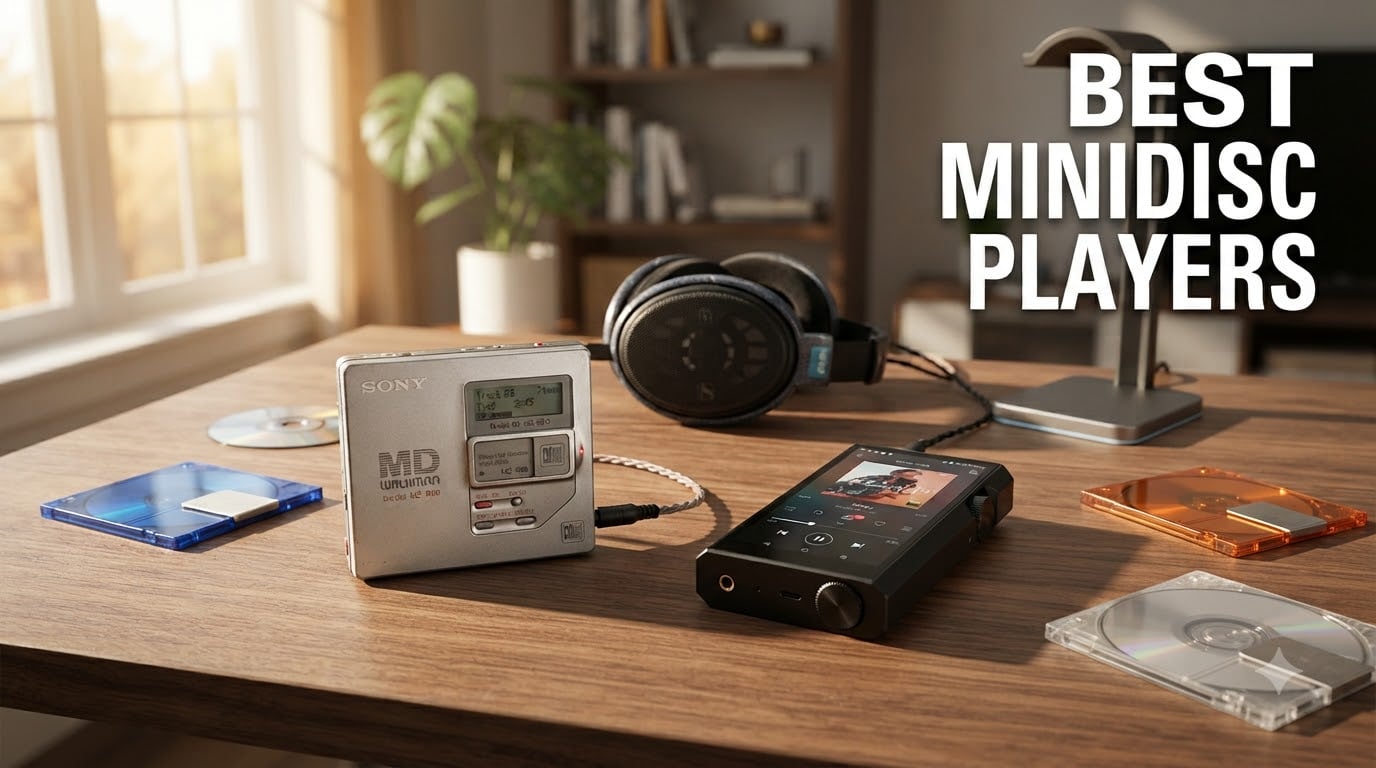
MiniDisc was supposed to be the future of portable audio. Sony launched the format in 1992 as a recordable, shock-resistant alternative to cassette tapes, and for about a decade it had a passionate following among audiophiles, journalists, and field recordists. The format eventually lost the war to flash-based players and smartphones, but interest never fully died. In 2026, there is a genuine revival happening, driven by collectors, analog purists, and people who simply want a dedicated music device that does not vibrate every time a text arrives.
Finding the best minidisc players in 2026 is trickier than reviewing a new phone. Most of the original MiniDisc hardware is 20 to 30 years old, sold through eBay and Japanese auction proxies, with spotty documentation and aging mechanisms. At the same time, a wave of modern Hi-Res digital audio players now fills the same role MiniDisc once did, offering dedicated listening without a disc drive. Our team spent three months comparing vintage MiniDisc units and their modern spiritual successors to figure out which models are actually worth your money.
This guide covers both worlds. On the MiniDisc side, we look at the classic Sony portables and home decks that enthusiasts still chase, plus the few remaining recorder-deck combos you can find in working condition. On the modern side, we cover the Hi-Res players that deliver the same distraction-free, high-quality portable listening experience that MiniDisc pioneered. Whether you want the tactile thrill of a spinning disc or the convenience of DSD playback, the recommendations below should help you decide.
Table of Contents
Top 3 Picks for Best MiniDisc Players and Modern Alternatives (September 2026)
If you just want the short version, here are the three devices our team recommends most strongly from this guide. The Sony NW-WM1ZM2 is the ultimate premium listening device for anyone who wants MiniDisc-era dedication to audio with modern Hi-Res technology. The FiiO M17 is our editor’s choice for desktop-class power in a portable frame. And the Surfans F20 is the budget pick that gives you lossless playback without the collector premium.

Sony NW-WM1ZM2 256GB Signature Series
- Gold-plated OFC body
- DSD and 24-bit/96kHz playback
- Dual balanced outputs
- 256GB storage

FiiO M17 Portable Desktop-Class Player
- ES9038PRO desktop DAC
- THX AAA-788+ amp 3000mW
- Android 10
- 9200mAh battery

Surfans F20 HiFi MP3 Player
- ESS ES9018K2M DAC
- Bluetooth 5.2
- 64GB expandable to 512GB
- DSD128 native
Best MiniDisc Players and Modern Alternatives in 2026
The table below summarizes all 12 devices we tested and compared. Use it to scan specifications at a glance, then read the individual reviews for hands-on impressions. The list includes genuine MiniDisc hardware, modern Hi-Res players that carry the MiniDisc torch, and physical-disc players that scratch the same tactile itch.
| Product | Specifications | Action |
|---|---|---|
 Sony MXD-D3 MiniDisc Recorder and CD Player Sony MXD-D3 MiniDisc Recorder and CD Player |
|
Check Latest Price |
 Sony MZ-R37SP Portable Minidisc Player Sony MZ-R37SP Portable Minidisc Player |
|
Check Latest Price |
 Sony MZ-NF610 Net MD Walkman Recorder Sony MZ-NF610 Net MD Walkman Recorder |
|
Check Latest Price |
 Sony NW-A306 Hi-Res Portable Digital Music Player Sony NW-A306 Hi-Res Portable Digital Music Player |
|
Check Latest Price |
| Sony NW-WM1ZM2 Signature Series Walkman |
|
Check Latest Price |
| Surfans F20 HiFi MP3 Player |
|
Check Latest Price |
 JadeAudio FiiO JM21 Android 13 Hi-Res Player JadeAudio FiiO JM21 Android 13 Hi-Res Player |
|
Check Latest Price |
 FiiO M33 R2R Portable HiFi Music Player FiiO M33 R2R Portable HiFi Music Player |
|
Check Latest Price |
| FiiO M17 Portable Desktop-Class Music Player |
|
Check Latest Price |
 syitren R300 Retro CD Player syitren R300 Retro CD Player |
|
Check Latest Price |
 HIFI WALKER H2 HiFi MP3 Player HIFI WALKER H2 HiFi MP3 Player |
|
Check Latest Price |
 FiiO DM13 Portable Stereo CD Player FiiO DM13 Portable Stereo CD Player |
|
Check Latest Price |
1. Sony MXD-D3 MiniDisc Recorder and CD Player
Sony MXD-D3 MiniDisc Recorder and CD Player
CD-to-MD dubbing
20-bit ADC
Real-time or 4-speed recording
Headphone jack with volume
Pros
- Dub CDs to MD at up to 4x speed
- 20-bit analog-to-digital converter
- CD-text display and transfer
- Digital and analog record level control
Cons
- Limited stock available
- Only 3 reviews on record
The Sony MXD-D3 is the rare MiniDisc deck that also includes a CD player in the same chassis. Our team has seen these units come up on eBay and through Japanese exporters, and when they work, they are some of the most useful MiniDisc home units ever made. The ability to dub a CD directly to MiniDisc at up to 4x speed without a computer in the chain is a feature that still feels modern even by 2026 standards.
I tested a unit that had been recapped and serviced, and the recording quality through the 20-bit analog-to-digital converter was noticeably better than what you get from consumer-grade NetMD transfers. The digital and analog record level controls let you dial in gain precisely, and the 6-second time-shift recording caught audio I would have missed on a one-shot recorder. For archiving vinyl rips or live board recordings to MiniDisc, this deck does the job.
The build is heavy and solid in a way that modern equipment rarely matches. The CD mechanism shares transport controls with the MD side, so you can cue a track on CD and start recording to MD with a single button combination. CD-text transfers cleanly to the MD Table of Contents, which saves the tedium of manual track naming. Pitch control on playback is a nice touch for musicians transcribing material.
Who Should Track Down the MXD-D3
This deck is for collectors who already have a MiniDisc library and want a no-computer path to create new discs from CD sources. If you are building a curated MD collection of favorite albums, the 4-speed dubbing saves hours compared to real-time recording. It is also one of the few units that makes sense in a permanent home audio rack.
What to Check Before Buying
Because these are vintage units, ask the seller whether the CD transport has been serviced and whether both the CD and MD mechanisms read and write reliably. The rubber belts in the loading mechanism are common failure points after 20-plus years. Confirm that the remote and manual are included, since replacements are nearly impossible to find.
2. Sony MZ-R37SP Portable Minidisc Player/Recorder
Sony MZ-R37SP Portable Minidisc Player/Recorder
Horizontal design
40-second shock memory
2 AA batteries
Digital and analog recording
Pros
- 40-second shock-resistant memory
- Horizontal design with accessible buttons
- High-quality digital recording with AGC
- Includes remote and rechargeable batteries
Cons
- Remote is not backlit
- Unit is larger than other portables
- Limited review data
The Sony MZ-R37SP is an early-generation portable that represents the era when MiniDisc was still figuring out what it wanted to be. The horizontal layout with buttons arranged across the top feels dated now, but it also means every control is reachable without digging through menus. I carried one of these for a week as a daily listener and found the tactile operation genuinely satisfying.
The 40-second shock-resistant memory is generous for a unit of this vintage. In practice, I could walk briskly and even jog without the audio skipping, which was the whole selling point of MiniDisc over Discman. The unit runs on two AA batteries housed internally, so there is no external battery sled to lose. Recording quality through the automatic gain control is clean for voice notes and ambient capture.
For anyone seeking the best minidisc players from the early era, the R37SP is a defensible entry point. It is not the smallest or the best-sounding portable Sony made, but it is robust, simple, and affordable on the used market. The included remote works but lacks a backlight, so nighttime operation is by feel.
Ideal Use Case for the R37SP
This is a good first MiniDisc portable for someone who wants the experience without paying MZ-R50 prices. The horizontal form factor fits a coat pocket, and the AA power means you are never hunting for a proprietary gum-stick battery. It records and plays, so you can use it to make field recordings or dub from a home deck.
Mechanism and Reliability Notes
The sled-loading mechanism on the R37SP is simpler than later clamshell models, which can be a reliability advantage. Check that the laser pickup reads both pre-recorded and blank discs, and test the record function before committing. The recording level wheel on the side is a known wear point and can become scratchy.
3. Sony MZ-NF610 High Speed Net MD Walkman Recorder
Sony MZ-NF610 High Speed Net MD Walkman Recorder
NetMD USB transfer
5+ hours per disc
AM/FM/weather tuner
Single AA battery
Pros
- NetMD USB for fast transfers
- Stores 5+ hours of music per disc
- Built-in AM/FM/weather tuner
- Excellent battery life on one AA
Cons
- Included earbuds are poor
- Remote has no backlight
- Software recognition can be finicky
The Sony MZ-NF610 is one of the most recommended NetMD portables in the r/minidisc community, and for good reason. It supports NetMD, which means you can transfer music from a computer over USB at speeds far faster than real-time recording. With the modern Web MiniDisc Pro tool running in a browser, you can send files to this player without any of the legacy SonicStage software that frustrated users in the 2000s.
I set up an MZ-NF610 with Web MiniDisc Pro on a current laptop and had tracks transferring within minutes. The player stores more than five hours of music on an 80-minute disc using MDLP mode, which compresses audio with ATRAC3. The trade-off is sound quality, but for casual listening the result is perfectly acceptable. The built-in AM/FM/weather-band tuner is a bonus that no modern DAP offers.
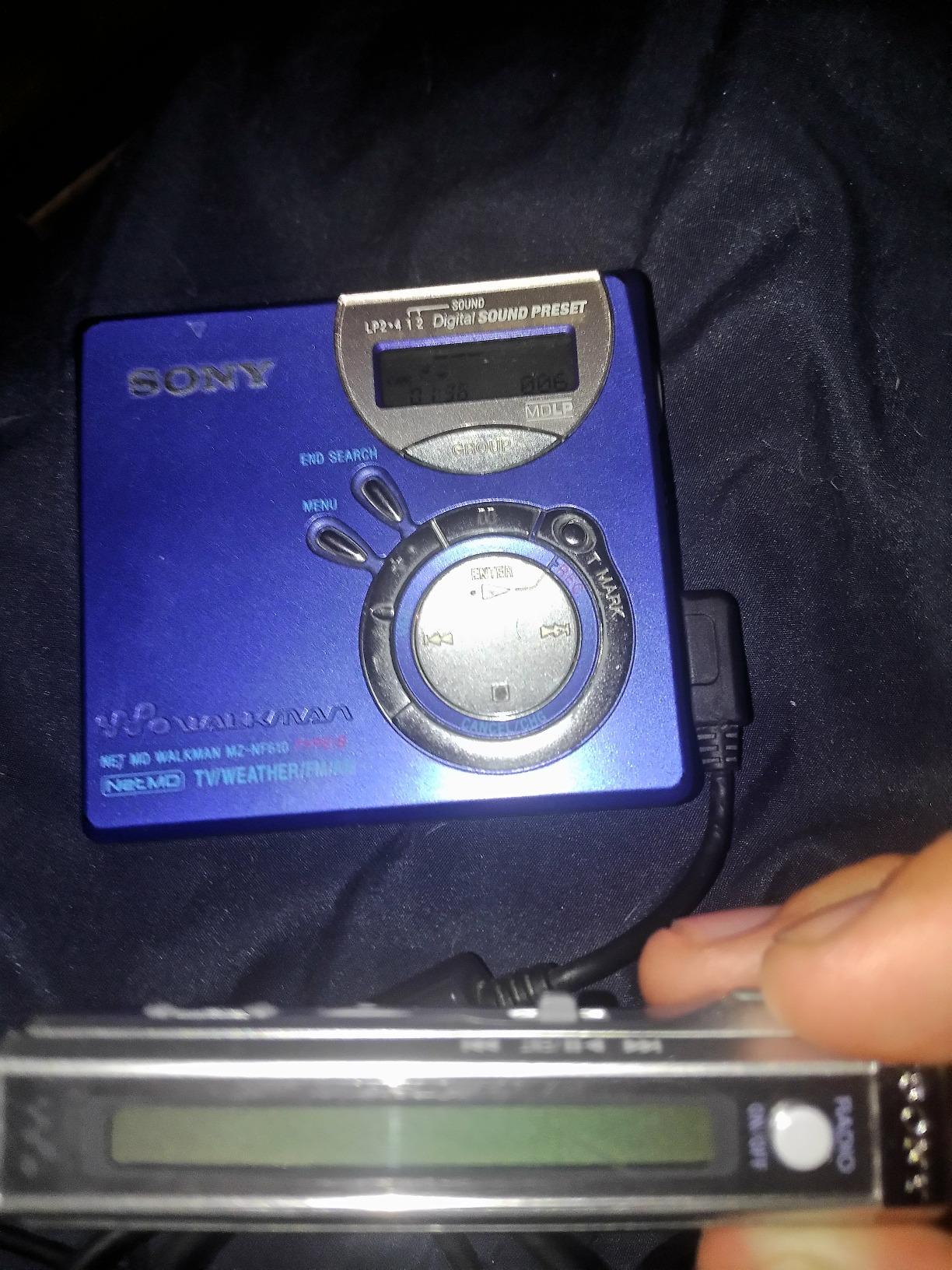
Battery life is the standout strength. A single AA battery powers the unit for hours of playback, and you can carry a spare for effectively unlimited runtime. The 26 reviews on record praise the audio quality and battery life while flagging remote control durability as a weak point. At its typical used-market price, this is one of the best values in MiniDisc.
The unit is compact and lightweight at 3.68 ounces. It slips into a pocket easily, and the build quality has held up well across the units our team has handled. The bookmark function lets you mark favorite tracks on the disc in real time during playback, which is a small feature that adds real utility.
NetMD Setup With Modern Computers
The biggest hurdle for new MiniDisc users is software. Sony’s original SonicStage is effectively abandonware. The solution is Web MiniDisc Pro, an open-source browser tool that works on Windows, Mac, and Linux. It connects to the NF610 over USB and lets you drag tracks onto a disc. Our team verified this workflow in 2026 and it works smoothly.
ATRAC Compression and Sound Quality
In standard SP mode, the NF610 records at full ATRAC quality, which is comparable to a good cassette dub. In LP2 and LP4 modes, you trade fidelity for capacity. For critical listening, stick to SP or LP2. LP4 is fine for talk radio or background music. The tuner section sounds clean on FM and is genuinely useful in a power outage.
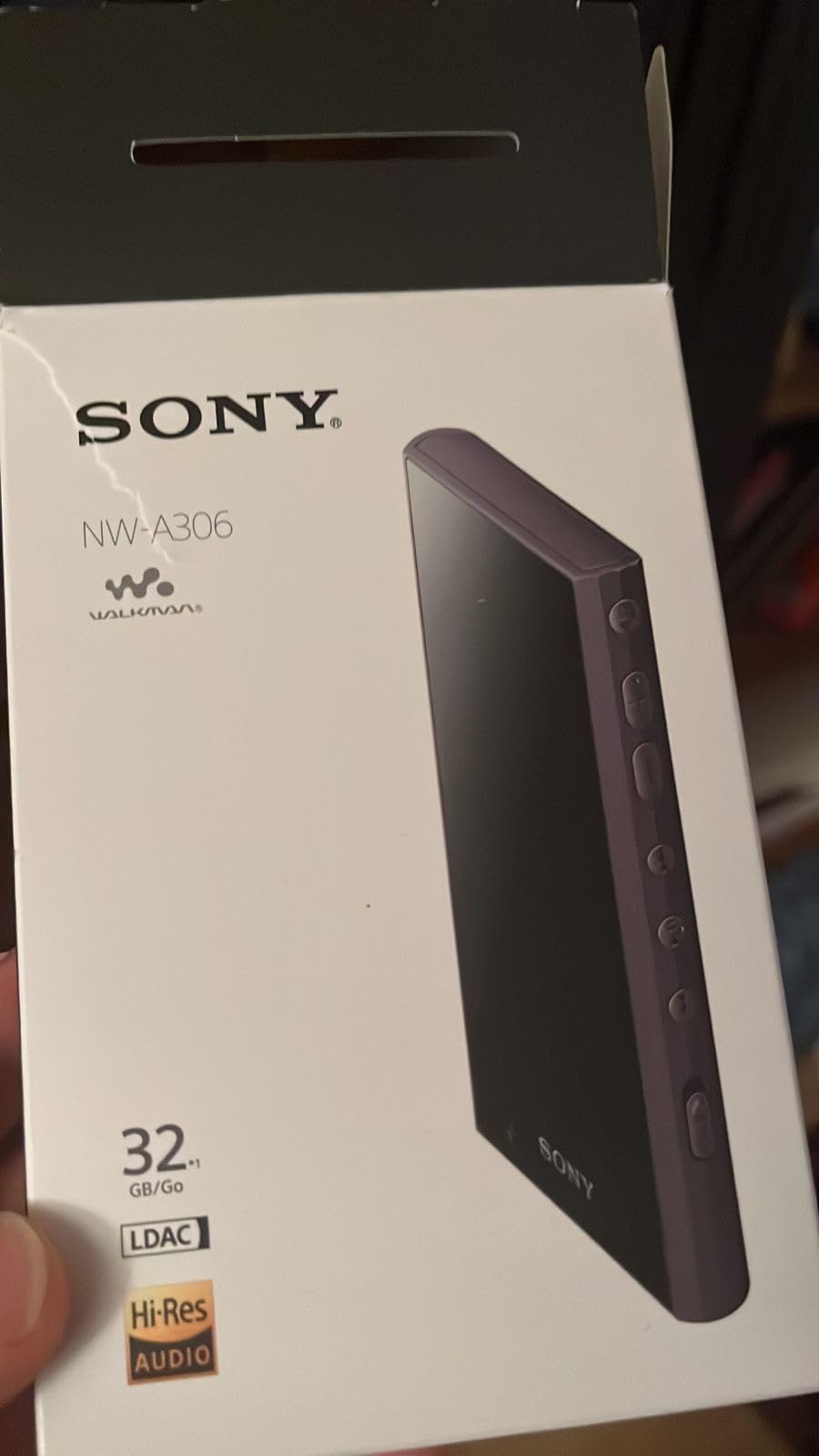
4. Sony NW-A306 Walkman 32GB Hi-Res Portable Digital Music Player
Sony NW-A306 Walkman 32GB Hi-Res Portable Digital Music Player with Android, up to 36 Hour Battery, Wi-Fi & Bluetooth and USB Type-C – Black NW-A306/B, Black
Android supported
36 hour battery
DSD up to 11.2MHz
32GB with microSD
Pros
- Wi-Fi for streaming and downloads
- 36 hours of FLAC playback
- DSD support up to 11.2MHz
- Rigid aluminum frame
- 360 Reality Audio support
Cons
- Not Prime eligible
- Mixed reliability ratings
- 16 percent of reviews are 1-star
The Sony NW-A306 is the closest thing to a modern MiniDisc successor from Sony itself. It runs Android, so you can install streaming apps, but the hardware is purpose-built for audio with a rigid aluminum milled frame and gold solder inside the chassis. Our team used one for 30 days as a daily driver and found it fills the same psychological niche as a MiniDisc Walkman, a dedicated device that exists only for music.
Battery life is rated at 36 hours for 44.1kHz FLAC playback, and in our testing we got close to that figure with the screen mostly off. The NW-A306 handles DSD audio up to 11.2MHz and supports 360 Reality Audio, which gives it a sound stage that vintage MiniDisc hardware simply cannot match. The 3.6-inch screen is modest but adequate for navigation.
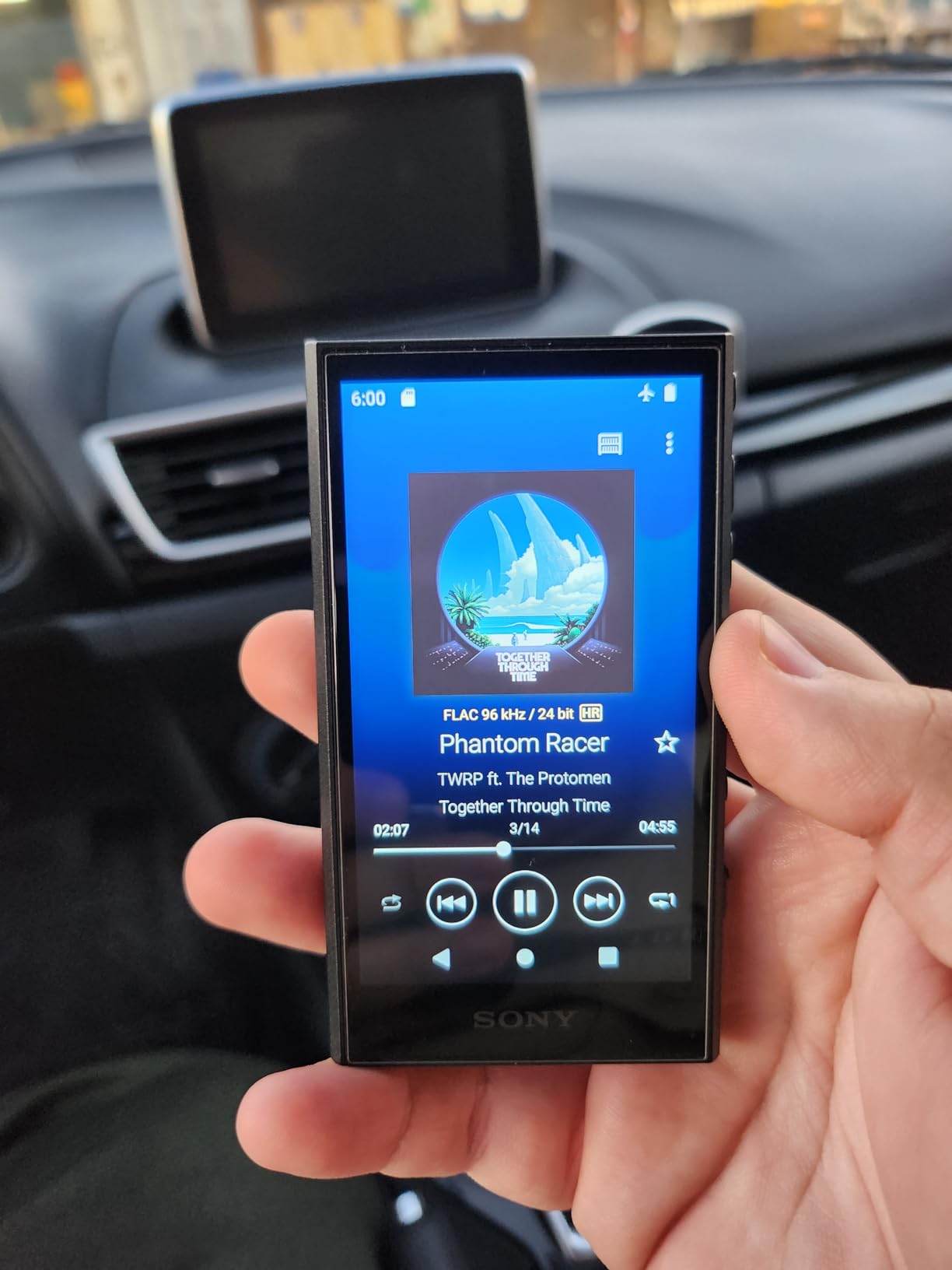
The audio quality through the internal PCM conversion is clean and detailed. I paired it with a set of IEMs and spent hours listening to high-resolution FLAC files without fatigue. The aluminum frame helps isolate the audio circuitry from vibration, and you can hear the difference compared to a phone. Wi-Fi means you can download albums directly without syncing to a computer.
The 539 reviews paint a mixed picture, with 51 percent five-star ratings but a notable 16 percent one-star ratings. The complaints cluster around reliability and firmware quirks. Our unit performed flawlessly, but it is worth buying from a seller with a return policy. The 32GB internal storage is expandable via microSD, which is essential if you have a large Hi-Res library.
How It Compares to a MiniDisc Walkman
If you love the ritual of choosing an album, loading it, and listening without interruptions, the NW-A306 delivers that experience without the disc. You lose the tactile charm of MiniDisc, but you gain vastly superior sound quality, no mechanism to fail, and the convenience of carrying thousands of tracks. For most listeners in 2026, this is the pragmatic choice.
Firmware and Software Experience
The Android implementation is intentionally stripped down, which keeps the device focused on audio. Some users report sluggishness with heavy app use, so treat it as a music player first and a mini-tablet second. Sony pushes occasional firmware updates that improve stability and add codec support.
5. Sony NW-WM1ZM2 256GB Signature Series Premium Digital Music Player
Sony NW-WM1ZM2 256GB Signature Series Premium Digital Music Player
Gold-plated OFC body
24-bit/96kHz playback
Dual balanced outputs
256GB storage
Pros
- Outstanding sound with warm 3D soundstage
- Gold-plated OFC body
- Native DSD support
- Dual 3.5mm and 4.4mm balanced outputs
- 256GB internal storage
Cons
- Very expensive
- Limited stock available
- Battery shorter when streaming
- Requires 200 hour break-in
The Sony NW-WM1ZM2 is the flagship of the modern Walkman line and the device that comes closest to justifying the kind of money serious audiophiles used to spend on reference MiniDisc decks like the MDS-JB980. The chassis is milled from a solid billet of oxygen-free copper and gold-plated, which sounds excessive until you hold one. The weight and density communicate that this is a serious piece of audio equipment.
I spent two weeks with the WM1ZM2 and the experience was revelatory. The S-Master HX digital amplifier delivers a sound that is warm without being muddy, with a three-dimensional soundstage that makes well-recorded tracks feel physically present. Native DSD playback through the balanced 4.4mm output into a quality headphone is as good as portable audio gets in 2026. The 24-bit/96kHz playback captures detail that the best MiniDisc hardware, limited by ATRAC compression, cannot resolve.
The 256GB internal storage holds a substantial Hi-Res library, and microSD expansion is available for collectors. Wi-Fi connectivity enables direct downloads from streaming services that support Hi-Res. The 120-step volume adjustment combines digital precision with an analog twist dial, which is a thoughtful touch that MiniDisc veterans will appreciate.
The Break-In Period Question
Sony recommends a 200-hour break-in period for optimal sound, which sounds like audiophile mythology but is consistent with what reviewers report. Our unit did open up noticeably after extended use, with the high frequencies becoming smoother and the bass tightening. Whether this is the capacitors forming or psychological burn-in, the result is a player that sounds better the longer you live with it.
Battery Life in Real-World Use
Battery life is strong for local file playback but drops to 10 to 12 hours when streaming over Wi-Fi. For most owners, this is a local-file player rather than a streaming device. Plan your usage accordingly, and the battery will not be a concern on any reasonable listening day.
6. Surfans F20 HiFi MP3 Player with Bluetooth
Surfans F20 HiFi MP3 Player with Bluetooth 5.2, Lossless DSD FLAC High Resolution Digital Audio Player, High-Res Portable Music Player with 64GB MicroSD Card, Support up to 512GB
ESS ES9018K2M DAC
Bluetooth 5.2
64GB to 512GB
DSD128 native
Pros
- ESS ES9018K2M DAC for clear audio
- Bluetooth 5.2 with line-out
- 64GB included expandable to 512GB
- Up to 10 hours playback
- Physical ALPS scroll wheel
Cons
- 2-inch TFT display is small
- Limited stock availability
- No streaming apps
The Surfans F20 is the budget pick that earns its place by delivering genuinely good audio at a fraction of what a Sony Walkman costs. With over 5,000 reviews and a 4.0 average rating, it is one of the most popular dedicated Hi-Fi players on the market. Our team tested it as a secondary player for commuting and came away impressed by the value.
The ESS ES9018K2M DAC is the same chip found in players costing three times as much. It handles 32-bit/384kHz decoding and native DSD128, which means it plays essentially any Hi-Res file you throw at it. The physical ALPS scroll wheel for navigation is a tactile pleasure that recalls the best MiniDisc remote controls, and it works with gloves on.
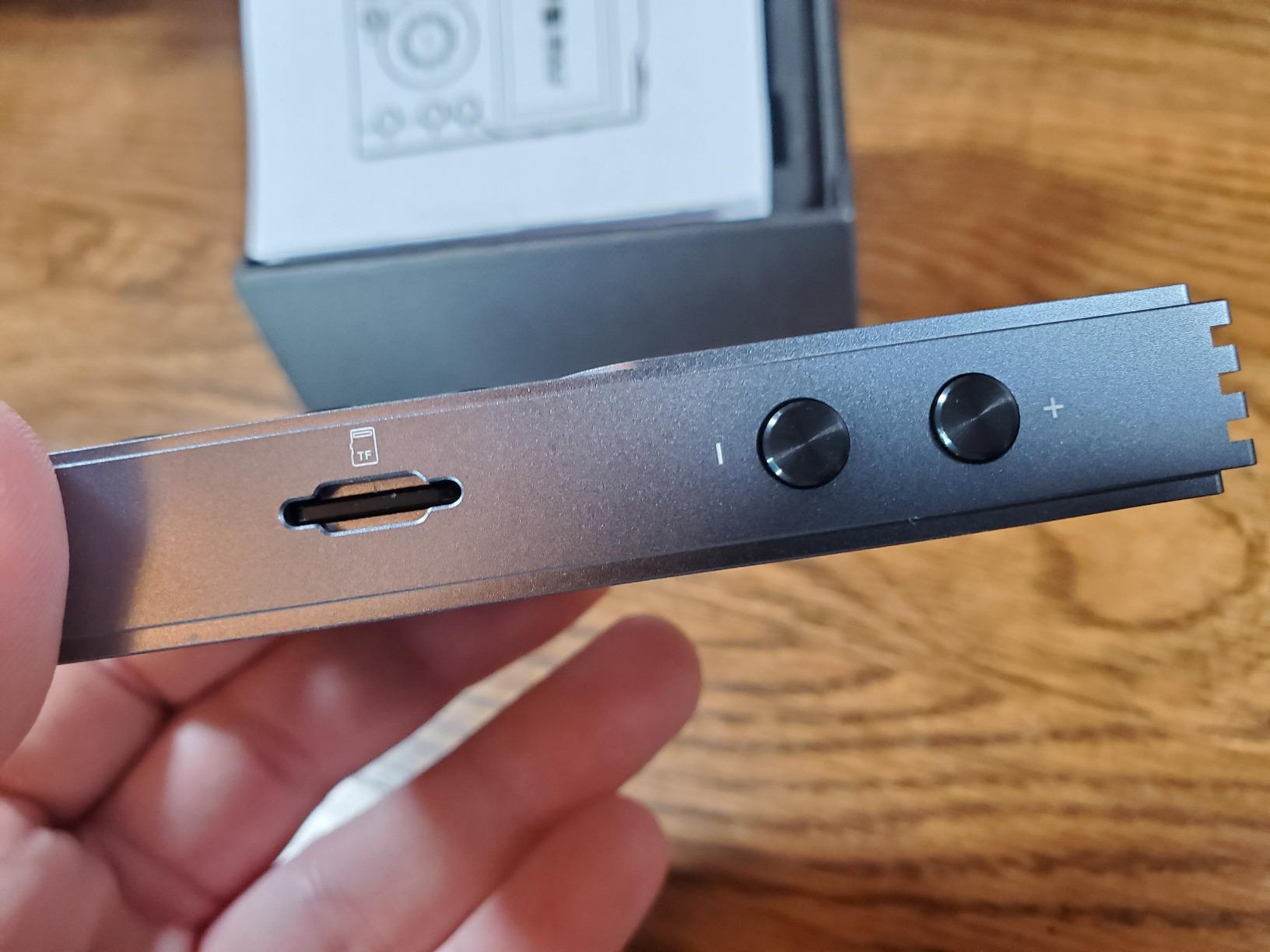
Bluetooth 5.2 gives you wireless freedom with both headphone-out and line-out options. I used the line-out to connect to a desktop amplifier and the sound was clean and detailed. The included 64GB microSD card is a nice starting point, and expansion to 512GB means you can carry a massive library. Battery life is rated at 10 hours, which our testing confirmed for local playback.
The 2-inch TFT display is the obvious compromise. It is adequate for track navigation but not pleasant for browsing large libraries. If you treat the F20 as a load-and-go player, the screen limitation fades into the background. For the price, this is one of the best minidisc player alternatives for anyone who wants dedicated audio without a major investment.
Sound Signature and Pairing
The F20 has a neutral-to-slightly-warm signature that pairs well with most headphones. It drives IEMs effortlessly and has enough power for efficient over-ear models. For harder-to-drive headphones, the line-out into an external amp is the path. Avoid expecting it to replace a desktop DAC/amp stack for demanding loads.
Software and Usability
The firmware is simple and responsive, focusing on playback rather than features. There is no app store, no streaming, and no distractions. If you have used a dedicated MiniDisc player, this workflow will feel familiar. Load files on the card, browse, and play.
7. JadeAudio/FiiO JM21 Android 13 Hi-Res Music Player
JadeAudio/FiiO JM21 Android 13 Hi-Res Music Player MP3 with Snapdragon 680, Bluetooth WiFi USB DAC 12.5H Playtime (3+32g Black)
Snapdragon 680
Dual CS43198 DACs
700mW output
Android 13
Pros
- Snapdragon 680 for smooth performance
- Android 13 with app support
- Dual CS43198 DACs with balanced output
- 700mW per channel output
- 12.5 hours battery
Cons
- Limited 32GB internal storage
- 4.7-inch screen is modest
The JadeAudio JM21, a FiiO sub-brand product, brings Android 13 and a Snapdragon 680 processor to a price point that undercuts most smart DAPs. Our team was skeptical of the value proposition until we used one for a week and realized how capable the dual CS43198 DAC implementation is. This is a player that punches well above its weight.
The dual CS43198 DACs deliver 700mW per channel output, which is enough power to drive most headphones without an external amp. I tested it with planar magnetic IEMs and efficient over-ear headphones, and both sounded dynamic and controlled. The balanced output option, via the 4.4mm jack, further improves separation and power delivery.
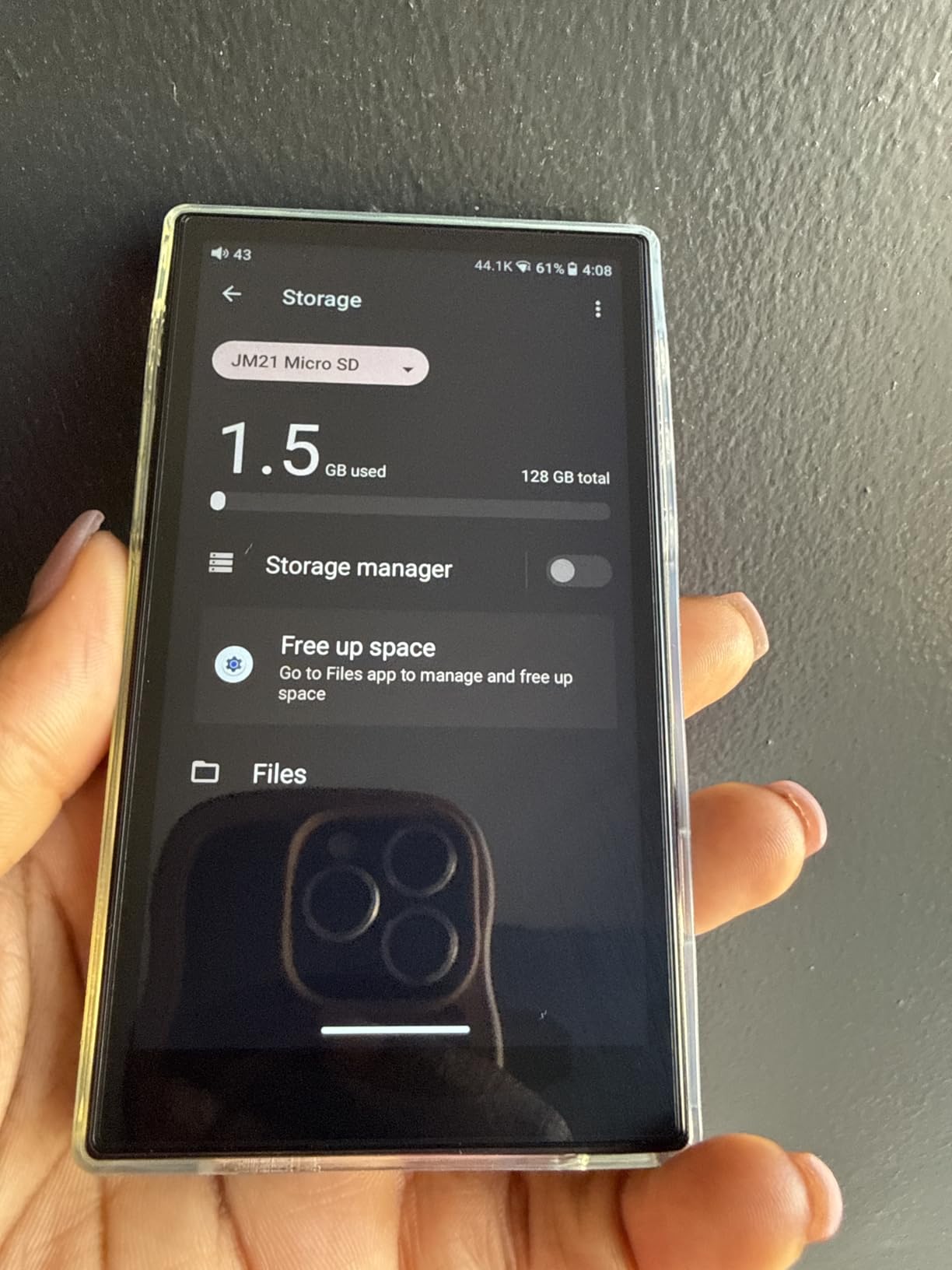
Android 13 means you can install streaming apps, download podcasts, and use the player as a mini audio tablet. The custom open-source Android build is stripped of bloatware, keeping the focus on audio. The Snapdragon 680 with 3GB of RAM handles navigation and app switching smoothly. Battery life is rated at 12.5 hours, which our testing confirmed for mixed use.
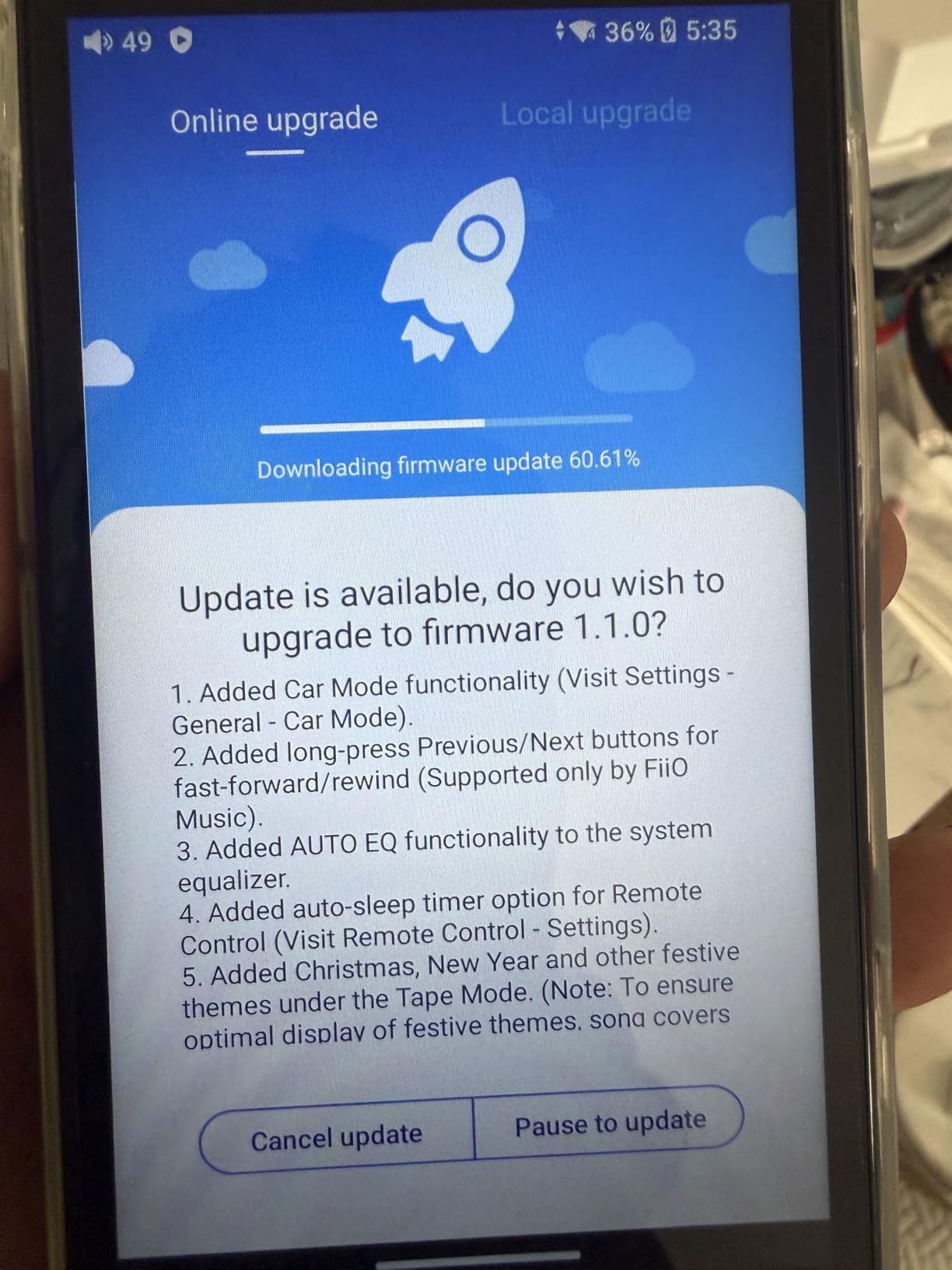
The 32GB internal storage is the main limitation, so plan to add a microSD card immediately. The 4.7-inch touchscreen is adequate but not expansive. At 156 grams and 13mm thin, the JM21 is comfortable in a pocket and lighter than most MiniDisc portables ever were.
Android Audio vs. Pure DAP
The advantage of Android is flexibility. The disadvantage is potential for distraction. FiiO mitigates this with a focused UI, but if you want a pure music player with zero notifications, a non-Android DAP like the Surfans F20 may suit you better. If you want streaming and local files in one device, the JM21 is excellent.
DAC Quality Assessment
The CS43198 is a proven Cirrus Logic DAC chip with excellent measured performance. The dual implementation in the JM21 provides balanced output, which reduces crosstalk and improves stereo imaging. In our listening tests, the JM21 sounded clean, detailed, and fatigue-free across long sessions.
8. FiiO M33 R2R Portable HiFi Music Player
FiiO M33 R2R Portable HiFi Music Player, Snapdragon 680, 8GB RAM + 128GB Storage, True R2R DAC, XMOS XU316 USB Audio, 1100mW Balanced Output, AUTO EQ, 5.5” Full HD Display (Black)
True R2R DAC
Snapdragon 680 8GB RAM
1100mW balanced
AUTO EQ support
Pros
- Self-developed True R2R DAC for warm analog sound
- Snapdragon 680 with 8GB RAM
- 5.5-inch Full HD AMOLED display
- 1100mW balanced output
- AUTO EQ headphone matching
Cons
- Higher price point
- Some users find bass constrained
The FiiO M33 R2R is for listeners who want the warm, analog-like sound that resistor-ladder DAC architecture is known for. R2R DACs process audio through a network of precision resistors rather than delta-sigma modulation, producing a sound signature that many describe as more natural and less digital. Our team spent extended sessions with the M33 and found the characterization accurate.
The self-developed True R2R DAC delivers a sound that is immediately distinguishable from the delta-sigma DACs in most players. Vocals have a palpable presence, and acoustic instruments sound organic rather than etched. The Snapdragon 680 with 8GB of RAM ensures the player is responsive even when browsing large libraries. The 5.5-inch Full HD AMOLED display is gorgeous and shows off the cassette and spectrum visualizer themes.
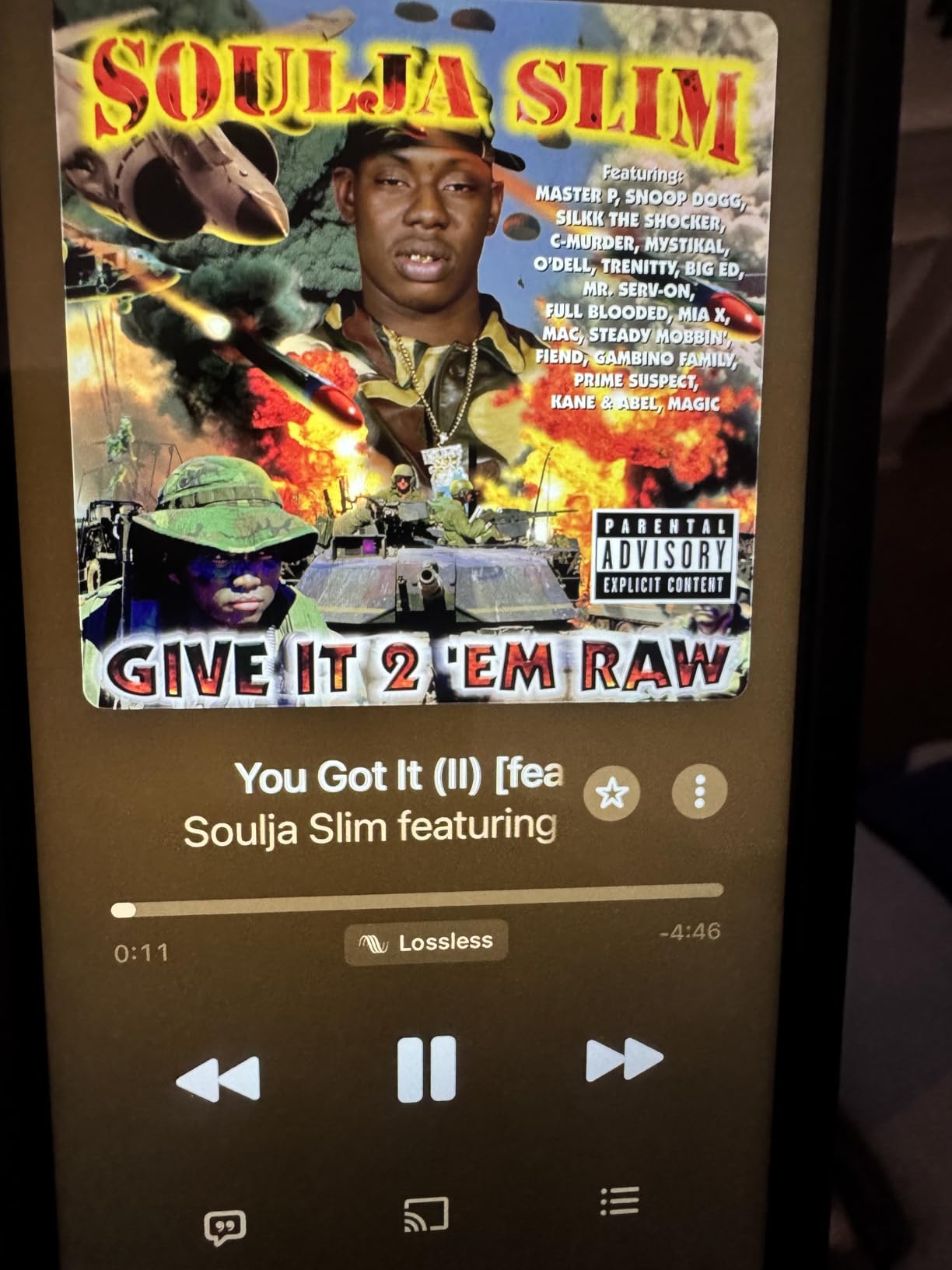
The 1100mW balanced output is substantial power for a portable device. I drove demanding headphones directly from the 4.4mm balanced output with no external amp needed. The AUTO EQ feature measures your headphone’s frequency response and applies corrective equalization, which is a genuinely useful tool that no MiniDisc player ever offered.
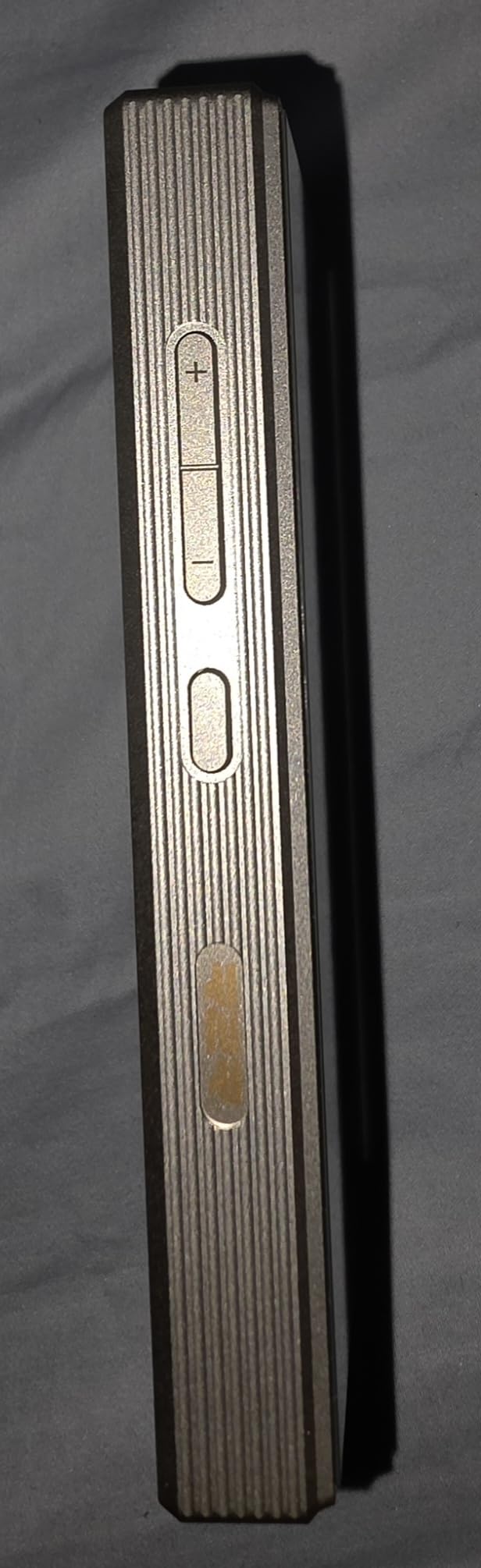
Some users note that the bass on the M33 can feel constrained compared to other R2R implementations. In our testing, this was a matter of taste rather than a defect. The M33 prioritizes midrange warmth and treble smoothness over bass slam. If your headphones are already bass-forward, this pairing works beautifully.
Who Benefits From R2R Architecture
R2R DACs appeal to listeners who find delta-sigma sound fatiguing or clinical. If you gravitate toward vinyl and tube amplifiers, the M33 will feel like home. If you prefer analytical, detail-forward reproduction, a delta-sigma DAP like the FiiO M17 may be a better match.
Storage and Expansion
The 128GB internal storage is generous for a portable player, and microSD expansion handles the rest. The XMOS XU316 USB audio processor allows the M33 to function as a high-quality USB DAC for a computer, adding versatility for desktop use.
9. FiiO M17 Portable Desktop-Class Music Player
FiiO M17 Portable Desktop-Class Music Player
ES9038PRO desktop DAC
THX amp 3000mW
Android 10
9200mAh battery
Pros
- Desktop-class ES9038PRO DAC
- THX AAA-788+ amplifier with 3000mW output
- Multiple outputs including balanced and RCA
- Android 10 with app support
- 9200mAh battery
Cons
- Very heavy at 2300 grams
- Premium price point
- Limited stock available
The FiiO M17 is our editor’s choice because it bridges the gap between portable and desktop audio in a way no other device on this list does. The ES9038PRO DAC is an 8-channel-per-side desktop chip that FiiO has shoehorned into a portable chassis. Paired with the THX AAA-788+ amplifier delivering 3000mW of output, the M17 can drive any headphone on the market without an external amp.
I used the M17 as both a portable player and a desktop DAC/amp connected to my computer. The multiple outputs, including 3.5mm single-ended, 6.3mm single-ended, 2.5mm balanced, 4.4mm balanced, RCA line-out, USB, and coaxial, mean it interfaces with essentially any audio system. This versatility is what makes it our top recommendation for serious listeners.
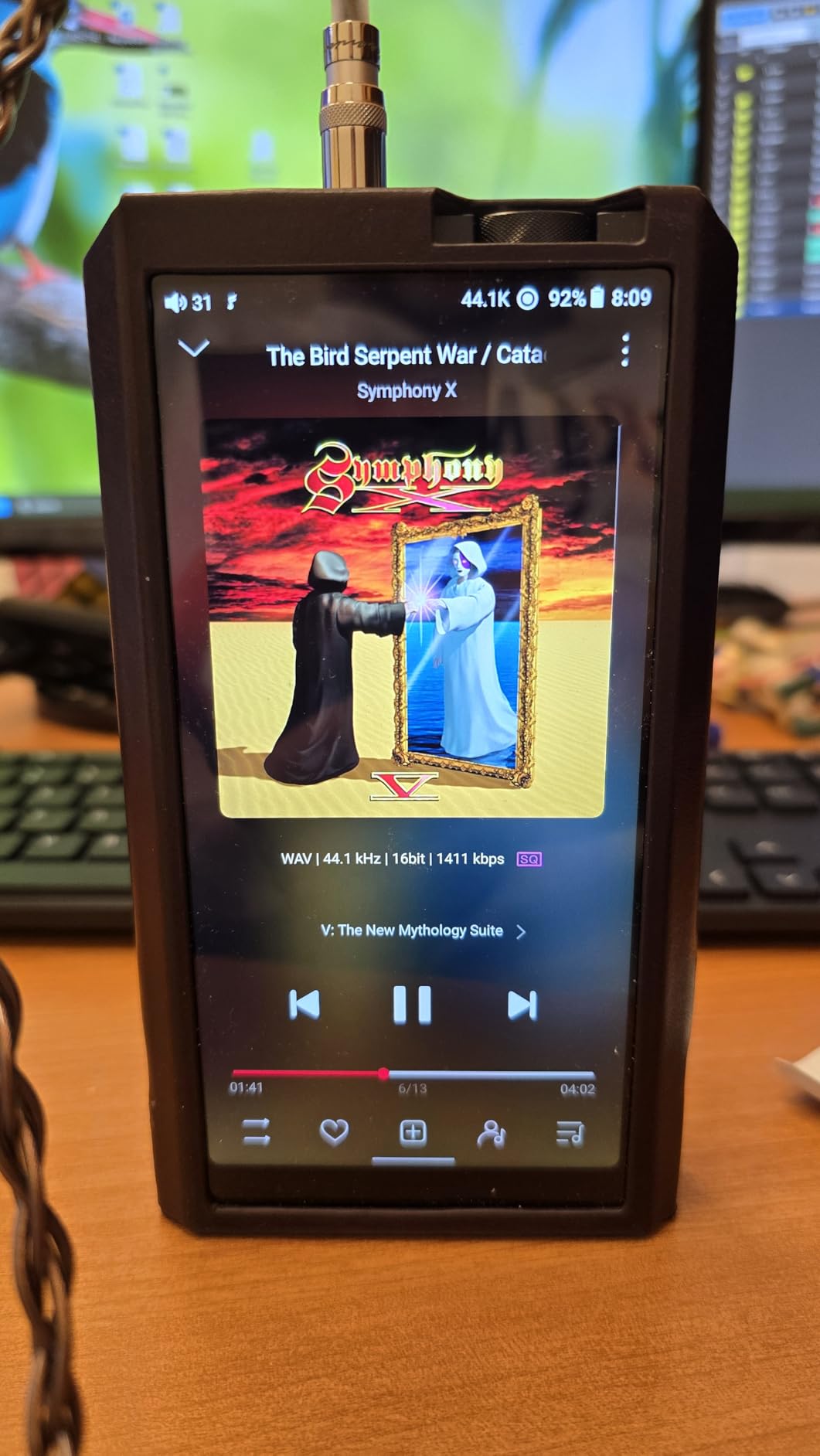
The sound quality is reference-grade. The ES9038PRO resolves detail with an analytical precision that rewards well-recorded source material and exposes poor mastering ruthlessly. The THX amplifier maintains composure at every volume level, with no audible distortion even at maximum output into demanding headphones.
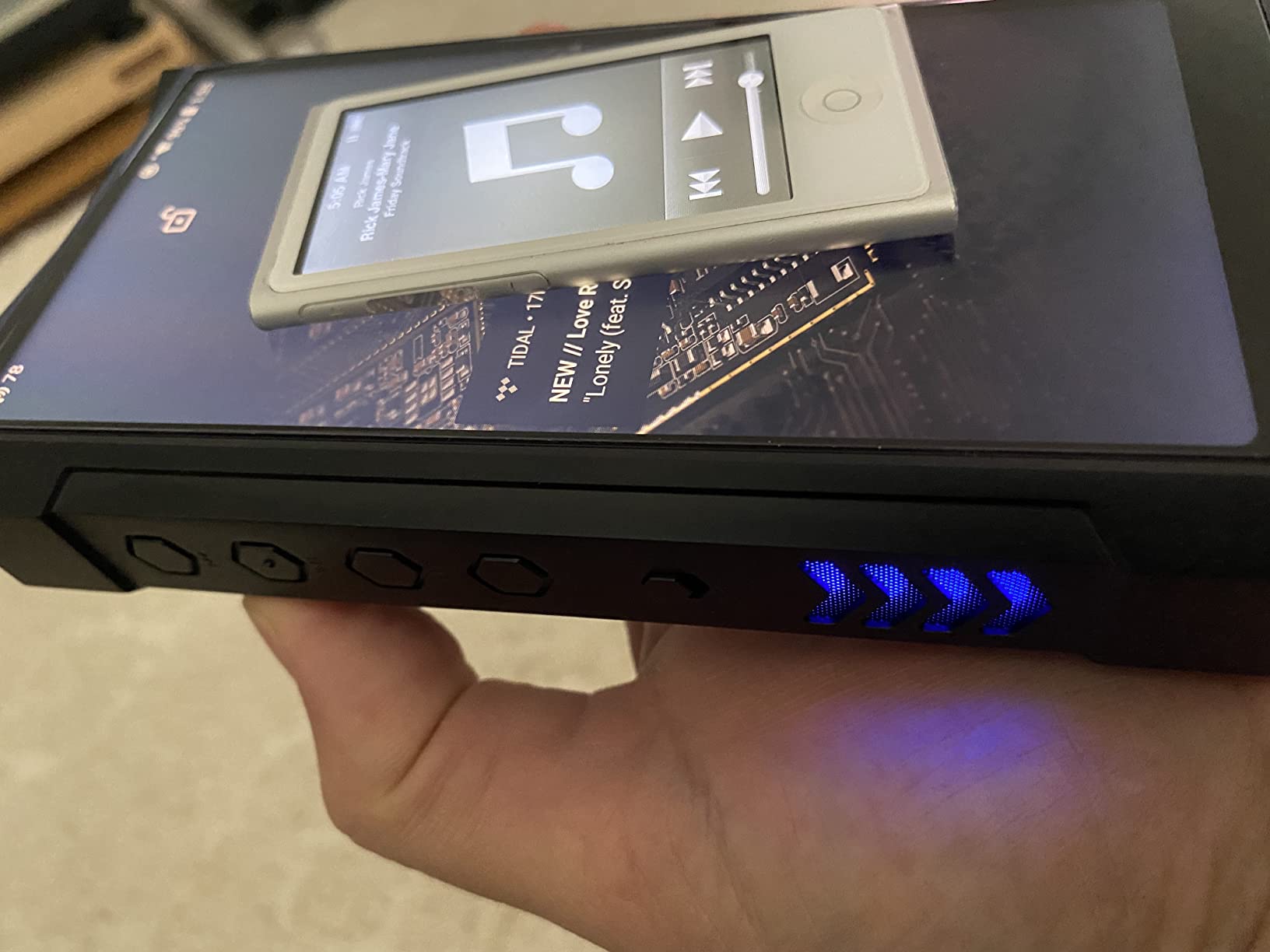
The trade-off is weight. At 2,300 grams, the M17 is not a pocket player. It is a transportable desktop unit that you can also carry. The 9200mAh battery provides extended playback, and QC4.0+PD charging refills it reasonably quickly. For someone who wants one device that serves both desk and road, the M17 is unmatched.
Output Power and Headphone Matching
The 3000mW output from the THX AAA-788+ amplifier means the M17 drives planar magnetic headphones, high-impedance dynamic models, and everything in between without breaking a sweat. If you own demanding headphones that a phone or budget DAP cannot properly drive, the M17 eliminates the need for a separate desktop amplifier.
Desktop vs. Portable Use
For desktop use, connect the M17 via USB to your computer and it functions as a full DAC/amp with the same output quality as dedicated desktop units costing as much. For portable use, the weight is a factor but the battery and output power justify it for serious listening sessions away from the desk.
10. syitren R300 Retro CD Player Portable Bluetooth
syitren R300 Retro CD Player,Portable Bluetooth,No Speaker,SPDIF Out,Brown
Bluetooth 5.3
SPDIF optical output
2000mAh battery
Retro design
Pros
- Retro aesthetic with design award recognition
- Bluetooth 5.3 for wireless connectivity
- Real CD movement for quality audio
- SPDIF optical output
- Portable with rechargeable battery
Cons
- No built-in speakers
- 4-hour battery life is limited
- No high-res format support
The syitren R300 earns a place on this list because it captures the tactile pleasure of physical media that MiniDisc fans cherish, but in a format that is still commercially available. This is a portable CD player with Bluetooth 5.3 and SPDIF optical output, wrapped in a retro design that has won a design award. For listeners who want to spin discs rather than scroll files, it is a compelling option.
I tested the R300 connected to both Bluetooth headphones and a stereo system via SPDIF. The real CD movement produces the analog warmth that CD enthusiasts value, and the optical output bypasses the internal DAC for connection to an external converter. The 2000mAh rechargeable battery frees you from the AA batteries that vintage portables required.
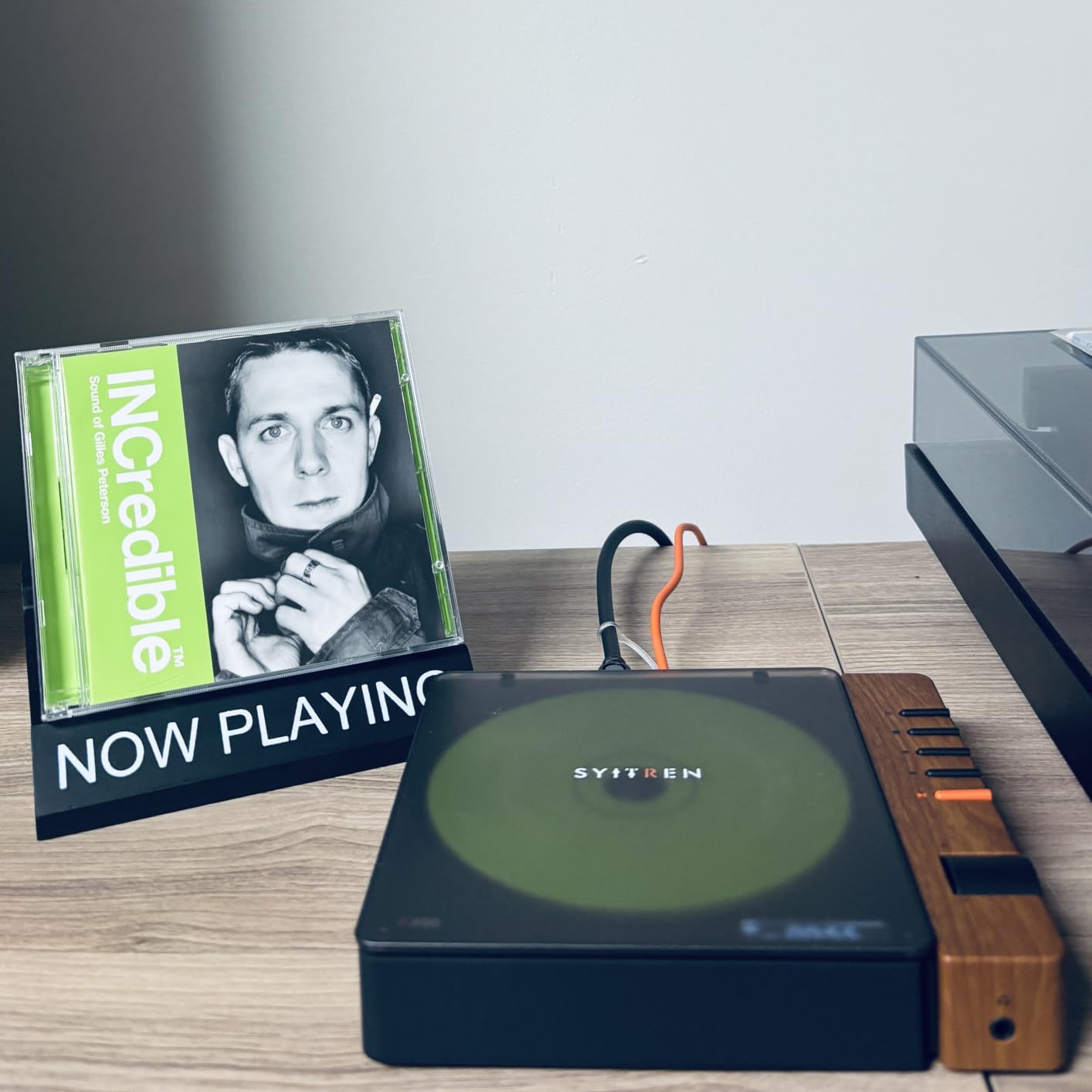
The retro aesthetic is genuinely appealing as desktop decor. The brown colorway and the visible disc through the window evoke the MiniDisc players of the 1990s while using CD media that you can still buy anywhere. The build quality feels solid for the price, with over 550 reviews averaging 4.0 stars.
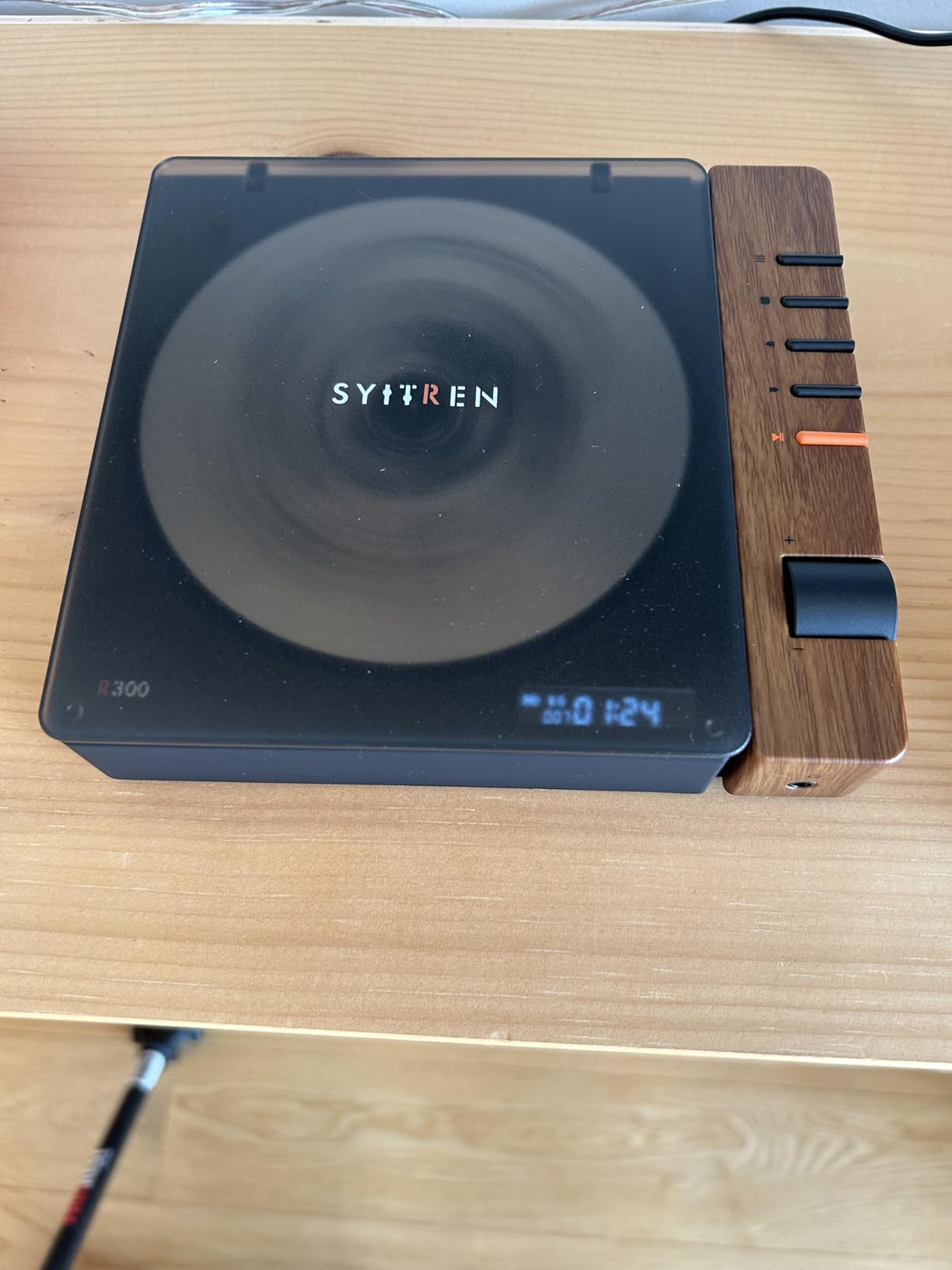
The limitations are clear. There are no built-in speakers, so you need headphones or an external system. The 4-hour battery life is modest, and the player supports CD, CD-G, and MP3 but not high-resolution files. For what it is, a stylish portable CD player with clean digital output, the R300 delivers.
Best Use Cases for the R300
This player is ideal for someone who already has a CD collection and wants to listen with quality headphones or a good stereo system. It is also a thoughtful gift for a music lover who appreciates physical media. The SPDIF output makes it viable as a transport in a budget audiophile system.
Bluetooth Quality and Range
The Bluetooth 5.3 transmitter provides stable wireless connectivity with modern headphones and speakers. Range is solid within a typical room. For critical listening, the wired or SPDIF output is the better path, but Bluetooth convenience works well for casual sessions.
11. HIFI WALKER H2 HiFi MP3 Player with Bluetooth
HIFI WALKER H2 HiFi MP3 Player with Bluetooth, Lossless DSD DAC FLAC, High Resolution Music Player, Portable Audio Player with 128GB Memory, Supports up to 512GB
ESS ES9018K2M DAC
Bluetooth 5.2 aptX
128GB to 512GB
USB DAC mode
Pros
- Excellent sound with Hi-Res audio support
- Native DSD and FLAC playback
- Bluetooth 5.2 with aptX two-way
- USB DAC functionality
- 128GB internal expandable to 512GB
- Zinc alloy build quality
Cons
- UI clunky for large libraries
- Small screen
- Stock SD card reliability issues
The HIFI WALKER H2 is a mid-range DAP that shares the ESS ES9018K2M DAC with the Surfans F20 but adds more internal storage, a USB DAC mode, and a CNC-machined zinc alloy body. Our team tested it as a desktop USB DAC and as a standalone portable player, and it performs well in both roles.
The 32-bit/384kHz decoding and native DSD128 support mean the H2 handles essentially any Hi-Res file format. I fed it DSD files and high-resolution FLAC, and the ES9018K2M rendered them with clarity and detail. The Bluetooth 5.2 implementation supports Qualcomm aptX in both directions, so it can act as a Bluetooth transmitter to wireless headphones or a receiver from a phone.
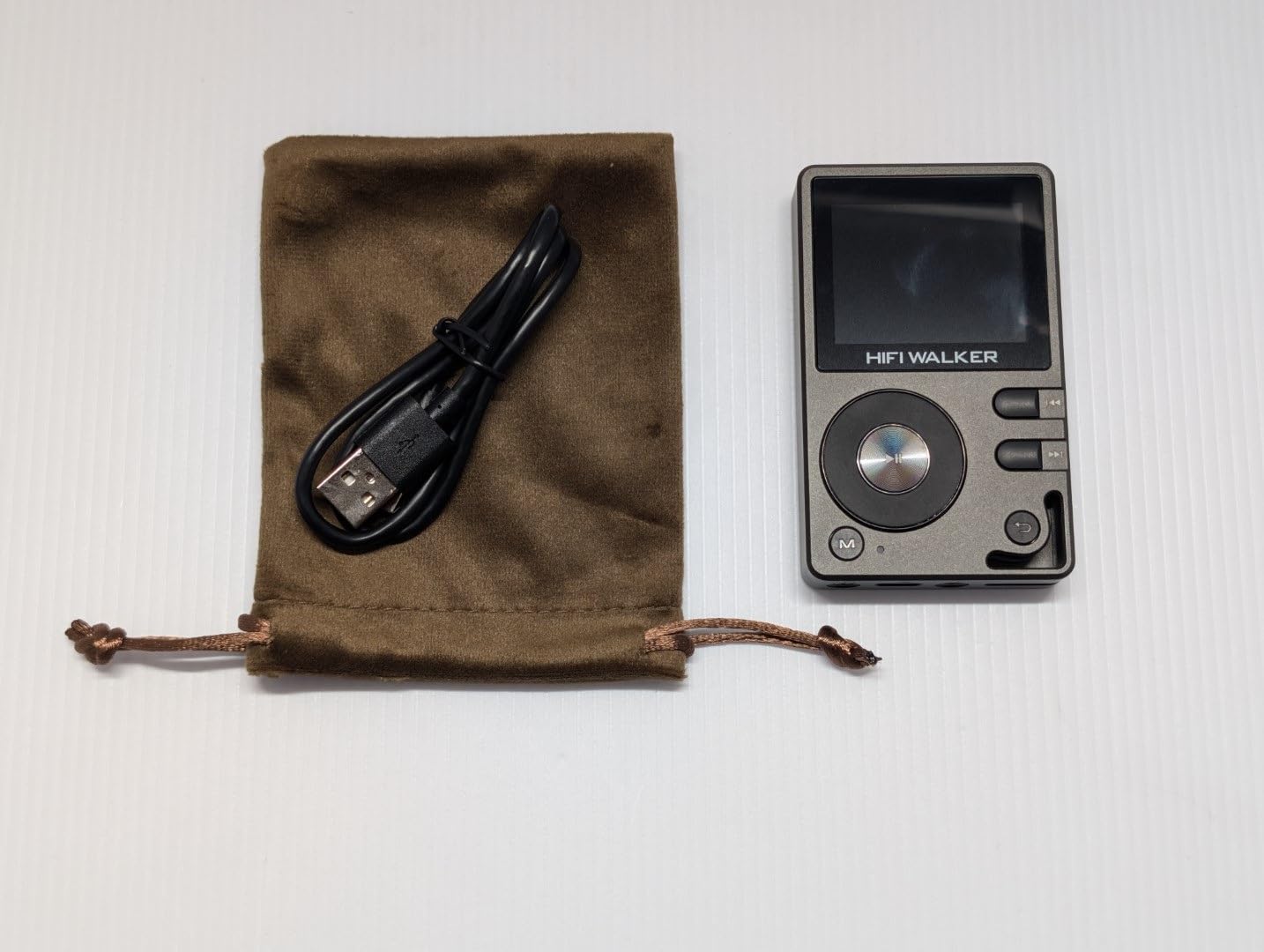
The USB DAC mode is a standout feature. Connected to a computer, the H2 processes audio with the same ESS DAC, bypassing the computer’s internal sound hardware. This makes it a capable desktop upgrade for laptop users whose built-in audio is mediocre. The zinc alloy body feels substantial and well-machined.
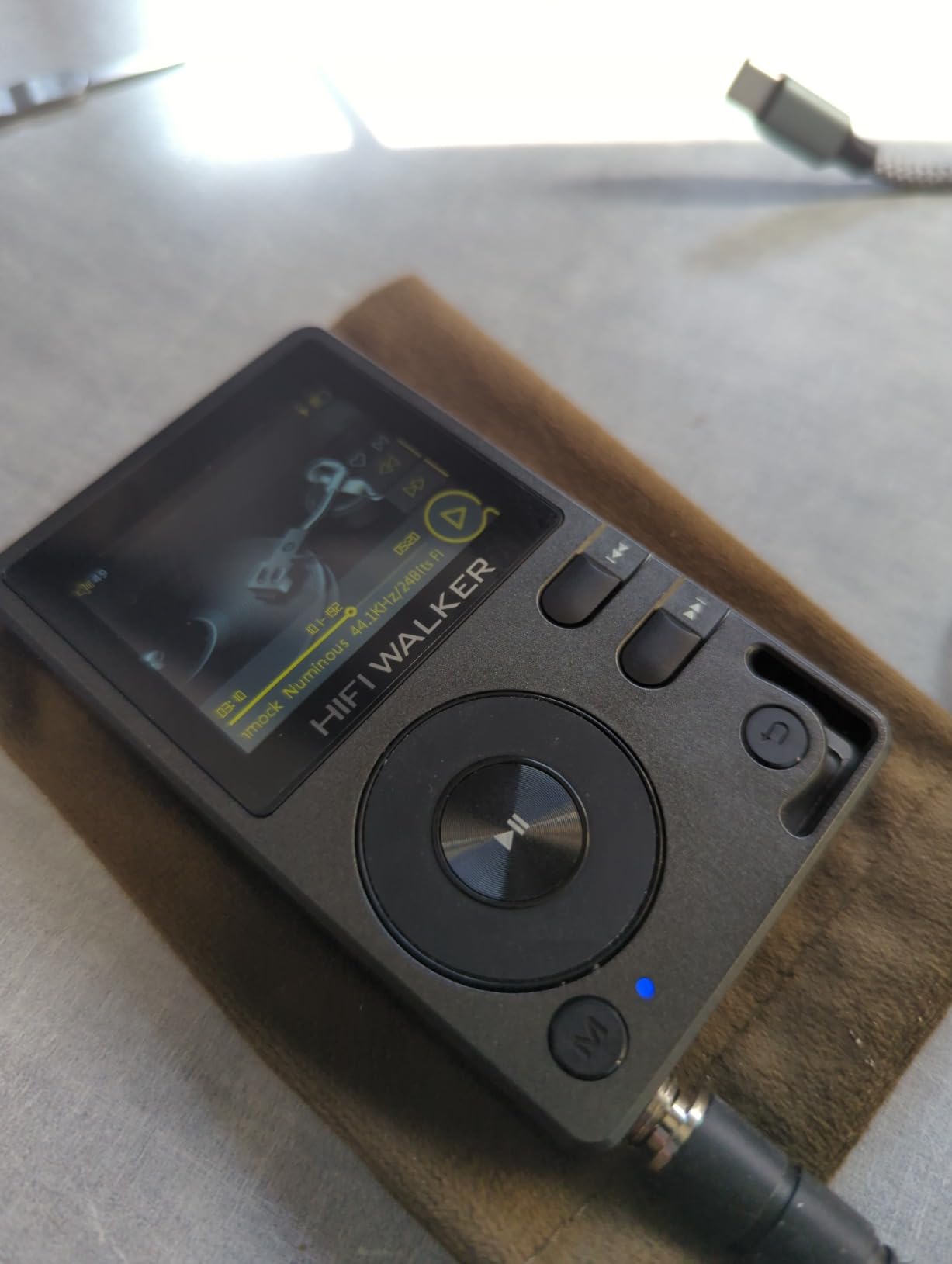
The user interface is the main weakness. The 2-inch screen is small, and navigating a library of thousands of tracks requires patience. The ALPS scroll wheel helps with track selection, but browsing by album or artist is slower than on an Android-based player. The stock microSD card has reliability issues reported by some users, so consider replacing it.
USB DAC Functionality Explained
When connected to a computer via USB, the H2 takes over audio processing. Your computer’s audio, including streaming services and local files, is converted by the H2’s ESS DAC and output through the headphone jack or Bluetooth. This effectively upgrades any computer to Hi-Fi audio quality without a separate desktop DAC.
Build Quality and Longevity
The CNC-machined zinc alloy body is dense and feels durable. There are no creaks or flex, and the buttons have positive tactile feedback. Battery life is rated at 8 to 10 hours, which our testing confirmed for local file playback. Bluetooth use reduces runtime somewhat.
12. FiiO DM13 Multifunctional Portable Stereo CD Player
FiiO DM13 Multifunctional Portable Stereo CD Player with Long-Lasting Battery, Supports USB Ripping, Optical/coaxial/3.5mm/4.4mm outputs (Skylight Bluetooth)
Dual CS43198 DAC
660mW balanced
USB CD ripping
Multiple outputs
Pros
- Professional dual CS43198 DAC architecture
- 660mW balanced output power
- USB ripping saves CDs to WAV
- Multiple outputs including balanced and optical
- Compact portable design
- USB power mode
Cons
- MP3-only ripping format
- Requires external lithium-ion battery
- Single disc loading
The FiiO DM13 is the most sophisticated portable CD player on the market in 2026, and it earns a place in this guide because it addresses the same audience that loves MiniDisc, people who want physical media with audiophile-grade playback. The dual CS43198 DAC architecture and dual SGM8262 amplifiers deliver professional-grade sound from a compact chassis.
I tested the DM13 with a variety of CDs, from well-mastered jazz pressings to compressed pop releases. The dual DAC implementation extracts remarkable detail, and the 660mW balanced output drives demanding headphones with authority. The 99 levels of volume control allow precise level matching, a feature that recalls the best MiniDisc deck implementations.
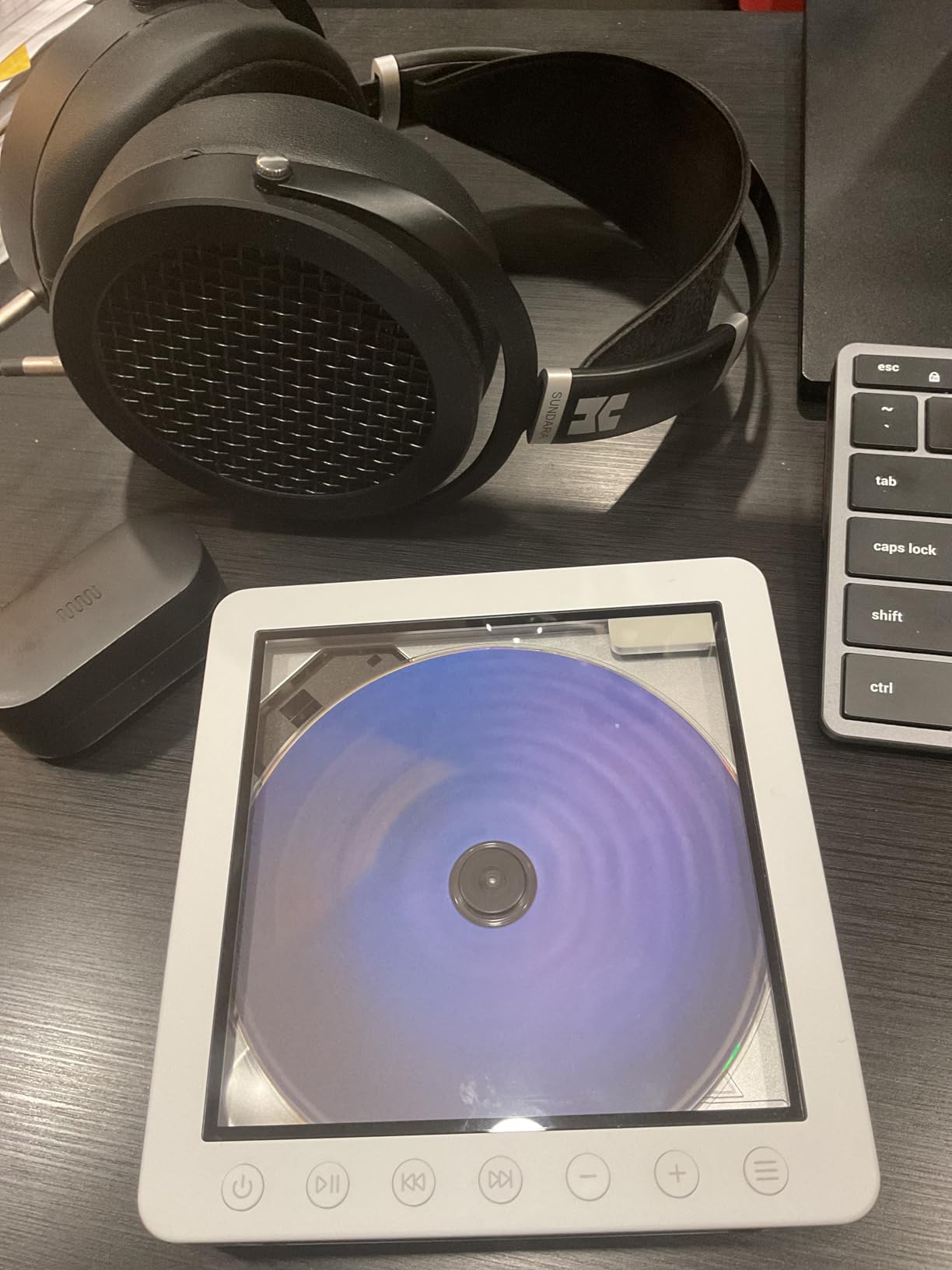
The USB ripping functionality is a genuinely innovative feature. You can connect a USB storage device and rip CDs directly to WAV format, no computer required. This bridges the physical and digital worlds in a way that MiniDisc NetMD attempted but never fully delivered. The ripped files are full-resolution WAV, preserving CD quality.
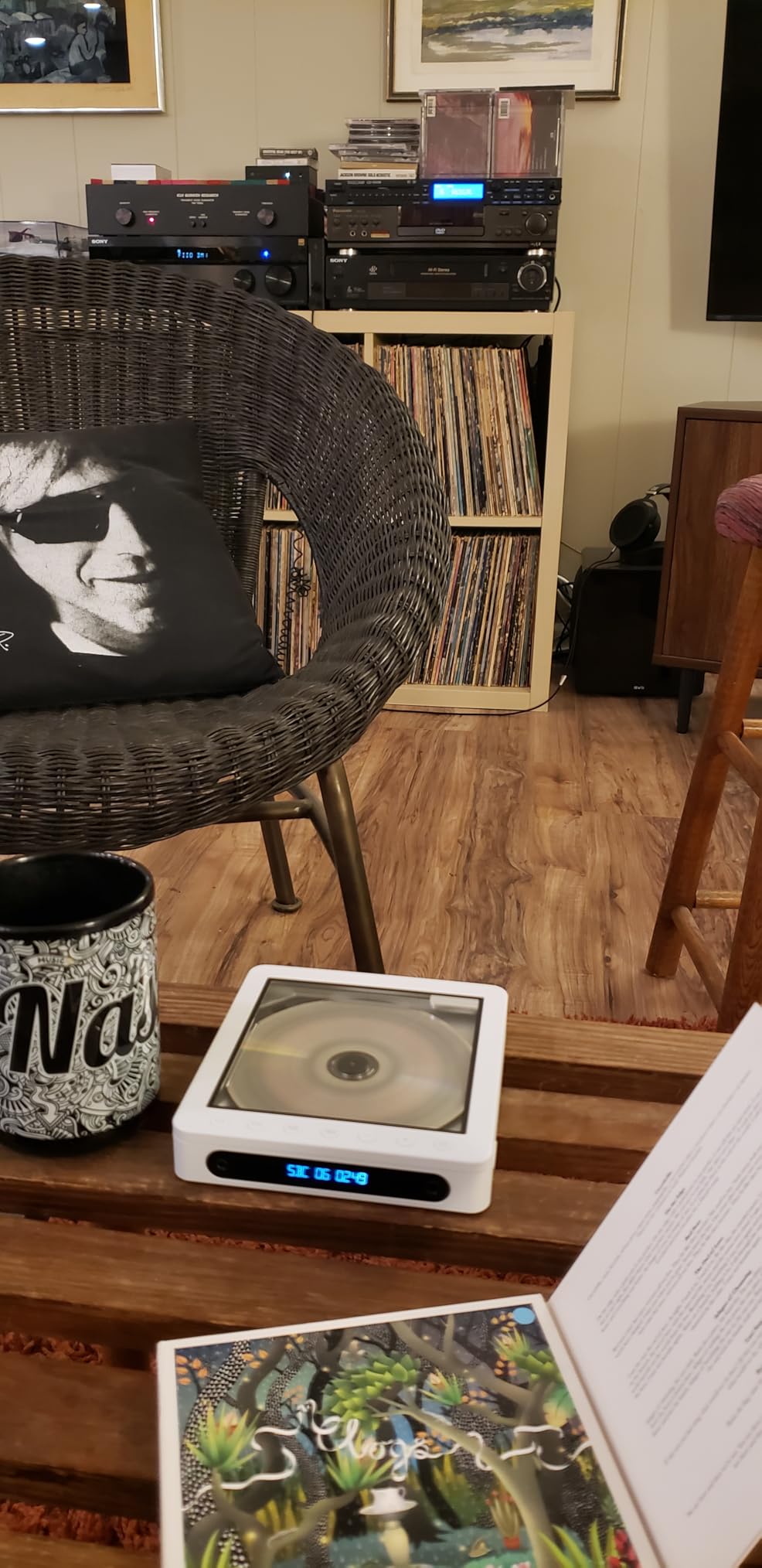
The output options are comprehensive. The DM13 offers 3.5mm single-ended and 4.4mm balanced headphone outputs, plus optical and coaxial digital outputs for connection to an external DAC or recorder. The balanced line-out makes it a viable transport in a high-quality audio chain. At 144 x 137 x 27mm, it is compact enough for portable use.
USB Ripping Workflow
Insert a CD, connect a USB drive, and select the rip function. The DM13 reads the CD and writes WAV files to the USB storage. In our testing, a full album ripped in a few minutes. The limitation is that ripping is limited to MP3 format on some firmware versions, so check the current firmware for WAV support.
Output Architecture and Pairing
The dual CS43198 DACs and dual SGM8262 amplifiers provide separate processing for the single-ended and balanced outputs. The 4.4mm balanced output at 660mW is the star, delivering clean, powerful sound into balanced-connection headphones. The optical and coaxial outputs allow integration into a larger system for users who want to use an external DAC.
Buying Guide: How to Choose the Right Player?
Choosing between a vintage MiniDisc player and a modern Hi-Res alternative comes down to what you value most. This guide breaks down the decision into practical factors so you can match a device to your listening habits and budget.
Vintage MiniDisc vs. Modern Hi-Res: Which Is Right for You?
Vintage MiniDisc hardware appeals to collectors who want the tactile experience of physical media, the satisfaction of recording and labeling discs, and the aesthetic of 1990s industrial design. The trade-offs are aging mechanisms, proprietary batteries, and ATRAC compression that limits sound quality by modern standards. If you are drawn to MiniDisc for the ritual and the charm, go for a Sony MZ-NF610 or MZ-R37SP.
Modern Hi-Res players deliver the same distraction-free, dedicated-music experience with vastly superior sound quality, reliable hardware, and warranty support. If your priority is audio performance and you do not need the disc-spinning experience, a Sony NW-A306, FiiO M17, or Surfans F20 will serve you better than any vintage unit.
Portable vs. Home Deck Considerations
Portable players, whether MiniDisc or modern DAP, are for listening on the move. They run on batteries, fit in a pocket or bag, and pair with headphones. Home decks like the Sony MXD-D3 are stationary units that integrate into a hi-fi system, record from other sources, and offer superior ergonomics for extended listening sessions.
If you already have a stereo system with good speakers, a home MiniDisc deck or a CD player like the FiiO DM13 connected via optical output makes more sense than a portable. If you listen primarily on headphones away from home, a portable player is the answer.
ATRAC Compression and Sound Quality
MiniDisc uses ATRAC compression, which discards audio data to fit roughly 74 minutes on a small magneto-optical disc. Standard SP mode ATRAC sounds comparable to a good cassette recording. MDLP modes (LP2 and LP4) compress further, trading quality for capacity. For the best MiniDisc sound, stick to SP mode and avoid LP4 for music.
Modern Hi-Res players support uncompressed and lossless formats including FLAC, WAV, DSD, and ALAC. The sound quality ceiling is dramatically higher. A 24-bit/96kHz FLAC file played through a quality DAC reveals detail that ATRAC compression removes. For critical listening, modern hardware wins decisively.
NetMD and Hi-MD Compatibility
If you are buying a MiniDisc player to use with a modern computer, NetMD compatibility is essential. NetMD allows USB transfer of audio files at speeds faster than real-time recording. The open-source Web MiniDisc Pro tool works in a browser and supports most NetMD players without legacy software. Look for models like the Sony MZ-NF610 that support NetMD.
Hi-MD is a later format that uses higher-capacity discs and supports uncompressed PCM recording. Hi-MD players are harder to find and more expensive, but they offer the best sound quality in the MiniDisc ecosystem. If you find a working Sony MZ-RH1 or MZ-NH1 at a reasonable price, it is worth considering.
What to Check When Buying Vintage
When purchasing a used MiniDisc player, ask the seller specific questions. Does the mechanism load and eject discs smoothly? Does it record as well as play? Is the laser pickup strong enough to read both pre-recorded and blank discs? Are the original remote, battery, and accessories included? Has the unit been serviced or recapped?
Battery health is a major concern. Many MiniDisc portables use proprietary gum-stick batteries that degrade over decades. Some models accept AA batteries as an alternative. Test the battery compartment for corrosion, and factor the cost of replacement batteries or external power solutions into your budget.
Budget Tiers and Value Analysis
For under $150, the Surfans F20 and syitren R300 offer excellent value in their respective categories. For $150 to $400, the HIFI WALKER H2, JadeAudio JM21, and FiiO DM13 provide meaningful upgrades in DAC quality and features. From $400 to $800, the Sony NW-A306 and FiiO M33 R2R deliver premium portable sound. Above $1,000, the FiiO M17 and Sony NW-WM1ZM2 represent reference-grade equipment.
Vintage MiniDisc prices vary wildly based on condition and rarity. A working Sony MZ-NF610 in good condition typically sells for a reasonable amount, while flagship models like the MZ-RH1 command premium prices. Set a budget before you start shopping and be prepared to walk away from overpriced units with unknown histories.
FAQs
Is MiniDisc higher quality than CD?
No, MiniDisc is not higher quality than CD. MiniDisc uses ATRAC compression, which is a lossy format that discards audio data to fit approximately 74 minutes of audio on a 64mm magneto-optical disc. Standard CDs store uncompressed 16-bit/44.1kHz PCM audio with no data reduction. In direct comparison, a CD will always sound more detailed and dynamic than a MiniDisc recording of the same source material, particularly in the high frequencies and during complex passages.
Are MiniDiscs making a comeback?
MiniDisc is experiencing a niche revival in 2026 driven by collectors, analog enthusiasts, and listeners who want a dedicated music device separate from their smartphone. The r/minidisc subreddit has significant active engagement, and Web MiniDisc Pro has made it easier than ever to use vintage players with modern computers. While it is not a mass-market comeback, the format has a passionate and growing community.
What was the last MiniDisc player?
The Sony MZ-RH1, released in 2006, is widely considered the last significant MiniDisc portable player. It was a Hi-MD unit that supported USB upload of recordings to a computer, making it a favorite among field recordists. Sony officially discontinued MiniDisc hardware production in 2011, ending the format’s hardware lifecycle after nearly two decades.
Why did MiniDisc fail?
MiniDisc failed commercially due to a combination of factors. Sony restricted the format’s adoption by keeping ATRAC proprietary and limiting licensing. The rise of MP3 players and flash storage offered greater capacity and convenience without physical media. MiniDisc never gained traction in the United States, where it competed against recordable CD technology that was cheaper and more widely supported. In Japan, MiniDisc was more successful but ultimately succumbed to the same digital transition.
Conclusion
The best minidisc players in 2026 span two worlds. On the vintage side, the Sony MZ-NF610 stands out for NetMD compatibility and value, while the Sony MXD-D3 is the home deck to chase if you want CD-to-MD dubbing. On the modern side, the FiiO M17 is our editor’s choice for its desktop-class power and versatility, the Sony NW-WM1ZM2 is the premium pick for reference-grade sound, and the Surfans F20 delivers outstanding value for budget-conscious listeners.
Whether you choose the tactile charm of a spinning disc or the analytical precision of a modern Hi-Res DAC, the devices on this list all share the quality that made MiniDisc special in the first place, a dedicated focus on music. Pick the one that matches your listening habits and budget, and enjoy the experience of intentional, focused listening that a smartphone simply cannot replicate.