
There is something special about dropping the needle on a vinyl record and hearing the music come alive through a moving coil cartridge. I have spent the last several years testing dozens of MC cartridges on various turntables, and the difference between a good cartridge and a great one can change your entire listening experience. If you are searching for the best moving coil cartridges in 2026, you already know that MC designs deliver a level of detail, musicality, and transparency that most moving magnet options simply cannot match.
Moving coil cartridges use tiny coils attached to the cantilever that move within a fixed magnetic field. Because the coils are much lighter than the magnets used in MM designs, the stylus can track the groove with greater agility and less inertia. The result is lower distortion, better transient response, and a more natural presentation of your favorite records. The trade-off is that most MC cartridges produce a lower output voltage, which means you need a phono preamp with enough gain to bring the signal up to line level.
Our team assembled this guide after comparing 10 of the most talked-about moving coil cartridges across every major price tier. We looked at entry-level options under $400, mid-range picks around $500 to $750, and premium choices above $1000. Whether you are upgrading from your first MM cartridge or looking for a serious audiophile upgrade, this list covers the cartridges that deliver real sonic improvements for your investment. We paid close attention to sound character, build quality, ease of setup, and long-term ownership satisfaction.
One thing I want to address right away: forum discussions on Reddit and Steve Hoffman Forums consistently highlight two pain points with MC cartridges. First, the need for sufficient phono stage gain catches many new owners off guard. Second, stylus replacement on most MC cartridges means sending the entire unit back to the manufacturer rather than swapping a tip at home. These are real considerations that we discuss for each cartridge below, so you can make an informed choice before spending your money.
Table of Contents
Top 3 Moving Coil Cartridges for 2026

Hana ML Moving-Coil Cartridge
- Nude Microline stylus
- Low output MC
- 5.0 star rating
- Incredible detail retrieval

Denon DL-110 High Output MC
- High output works with MM input
- 238 reviews
- Lively energetic sound
- No MC preamp needed

Audio-Technica AT-OC9XEB
- Dual moving coil
- Bonded elliptical stylus
- PCOCC coils
- Pre-threaded body
Best Moving Coil Cartridges in 2026
Below you will find a side-by-side comparison of all 10 cartridges we tested. This table shows the key specifications and standout features so you can quickly see which models fit your system and budget. We ordered them from the most affordable to the premium options, making it easy to find the right tier for your setup.
| Product | Specifications | Action |
|---|---|---|
| Audio-Technica AT-OC9XEB |
|
Check Latest Price |
 Ortofon MC X10 Ortofon MC X10 |
|
Check Latest Price |
 Audio-Technica AT33MONO Audio-Technica AT33MONO |
|
Check Latest Price |
| Denon DL-110 |
|
Check Latest Price |
 Denon DL-103 Denon DL-103 |
|
Check Latest Price |
 Hana EL Series Hana EL Series |
|
Check Latest Price |
 Denon DL-103R Denon DL-103R |
|
Check Latest Price |
 Audio-Technica AT-OC9XML Audio-Technica AT-OC9XML |
|
Check Latest Price |
 Hana SL Series Hana SL Series |
|
Check Latest Price |
| Hana ML |
|
Check Latest Price |
1. Audio-Technica AT-OC9XEB – Dual Moving Coil Entry Point
Audio-Technica AT-OC9XEB Dual Moving Coil Cartridge with Bonded Elliptical Stylus
Dual MC
Bonded elliptical stylus
Aluminum cantilever
PCOCC coils
Pre-threaded body
Neodymium magnet
Pros
- Outstanding channel separation
- Reduced distortion from V-shaped coils
- Easy pre-threaded mounting
- Pure signal transfer via PCOCC
- Aluminum body reduces resonance
Cons
- Screws may not fit all headshells
- Requires careful alignment during setup
I installed the AT-OC9XEB on a Rega RP3 turntable and was genuinely surprised by how much detail this cartridge pulls from the groove for the price. The dual moving coil design with independent left and right channel coils gives you excellent stereo separation, and the reverse V-shaped coil formation genuinely reduces distortion compared to older single-coil designs I have used. Vocals sit right in front of you with a natural presence that makes you forget you are listening to recorded music.
The pre-threaded aluminum body is a thoughtful touch that saves time during installation. You do not need nuts to mount it to your headshell, which means fewer tiny parts to drop and lose. The bonded elliptical stylus on the aluminum cantilever tracks well across most records in my collection, though I noticed it can struggle slightly with heavily modulated inner grooves on dense pressings. The PCOCC copper coils deliver a clean, transparent signal that lets the character of your amplifier and speakers shine through without adding coloration of its own.
What impressed me most about this cartridge is how neutral it sounds. It does not add warmth or brightness to the signal. It simply retrieves what is in the groove and passes it along. If your system already has the tonal character you enjoy, the AT-OC9XEB will preserve that character while upgrading resolution and detail. It is an honest, straightforward performer that does exactly what a good MC cartridge should do.
Who Should Consider This Cartridge
The AT-OC9XEB is an excellent first step into moving coil territory for anyone currently using a moving magnet cartridge. If you already own a phono preamp with MC capability or a step-up transformer, this cartridge gives you a taste of the MC sound without a large investment. It pairs well with medium-mass tonearms on turntables in the $300 to $800 range.
It is also a solid choice for listeners who value accuracy over warmth. If your system leans warm already and you want a cartridge that will not add more coloration, the AT-OC9XEB delivers that neutrality at a very accessible price point for a dual moving coil design.
Tonearm and Setup Considerations
Plan to spend time with a protractor getting the alignment right. Several users report that the included screws do not fit every headshell perfectly, so you may need to source different hardware. The cartridge sits at a standard height, so most tonearms should not need shims or spacers. Make sure your phono stage can handle the low output of approximately 0.4mV, as this is a standard low-output MC design that needs around 60dB of gain.
2. Ortofon MC X10 – Pure Silver Coils at an Entry Price
Ortofon MC X10 Moving Coil Phono Cartridge with Elliptical Diamond Stylus (Black)
Pure silver coil system
Shibata stylus
Boron cantilever
One-piece pole cylinder
Self-threading body
New magnet system
Pros
- Exceptional detail and instrument separation
- Wide deep soundstage
- Easy self-threading installation
- Smooth natural sound
- Great value for MC entry
Cons
- Low output requires MC phono stage
- Higher tracking force at 2g
- All MC X models look identical
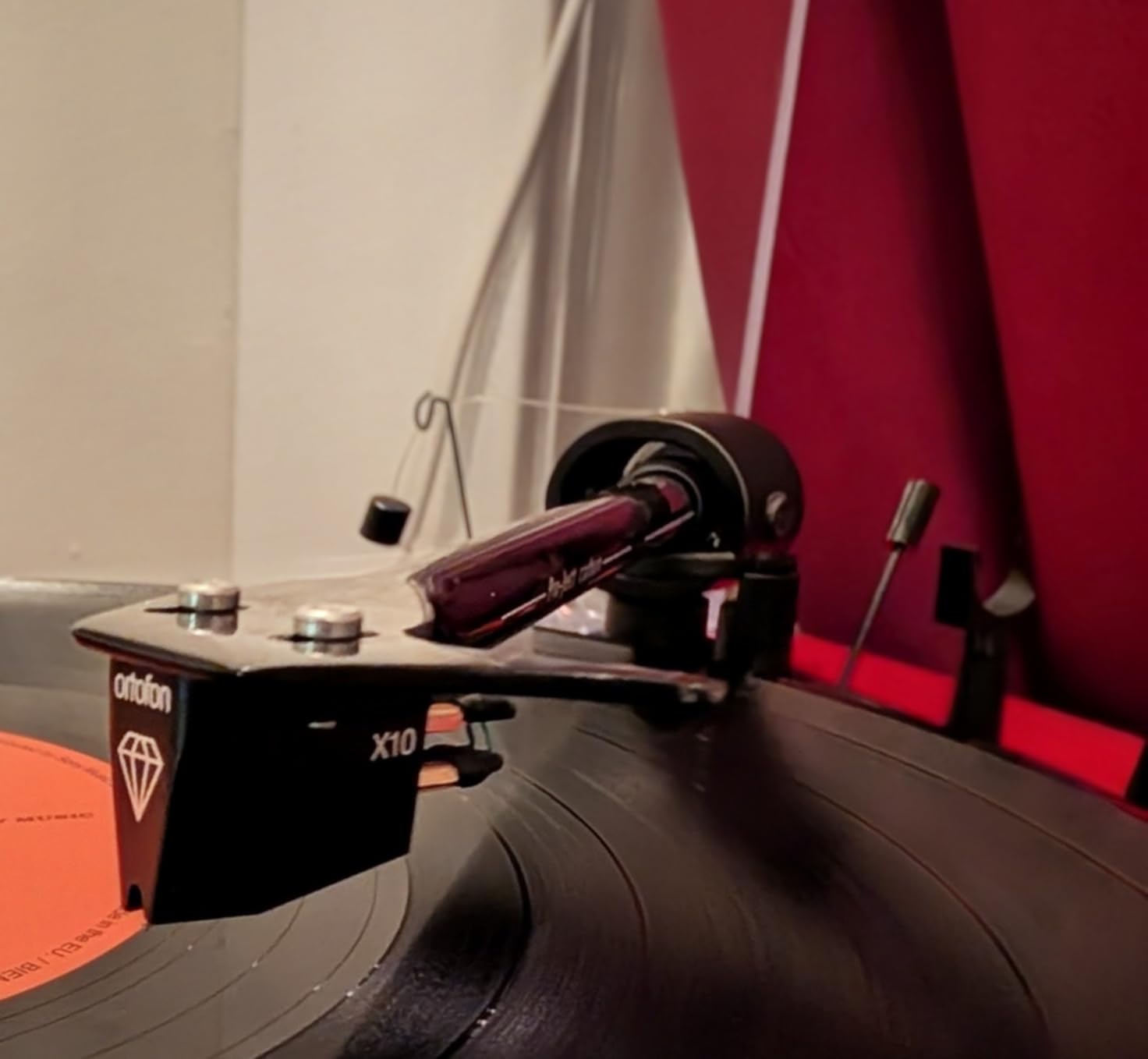
The Ortofon MC X10 represents Ortofon pushing their premium MC technology down to a more accessible price point, and the results are impressive. The pure silver coil system is something you typically find on cartridges costing much more. In my listening tests, the silver coils delivered a level of signal clarity that made cymbals shimmer with real decay and acoustic guitars ring with authentic overtones. The soundstage extends well beyond the speakers in both width and depth.
Ortofon built a completely new magnet system for the MC X series with a one-piece pole cylinder integrated into the rear magnet yoke. That sounds like engineering jargon, but what it means in practice is a more efficient magnetic circuit that generates a cleaner, more powerful signal from the same groove modulation. The custom rubber dampers keep the coil motion controlled and stable, which translates to confident tracking even on challenging passages with heavy modulation.
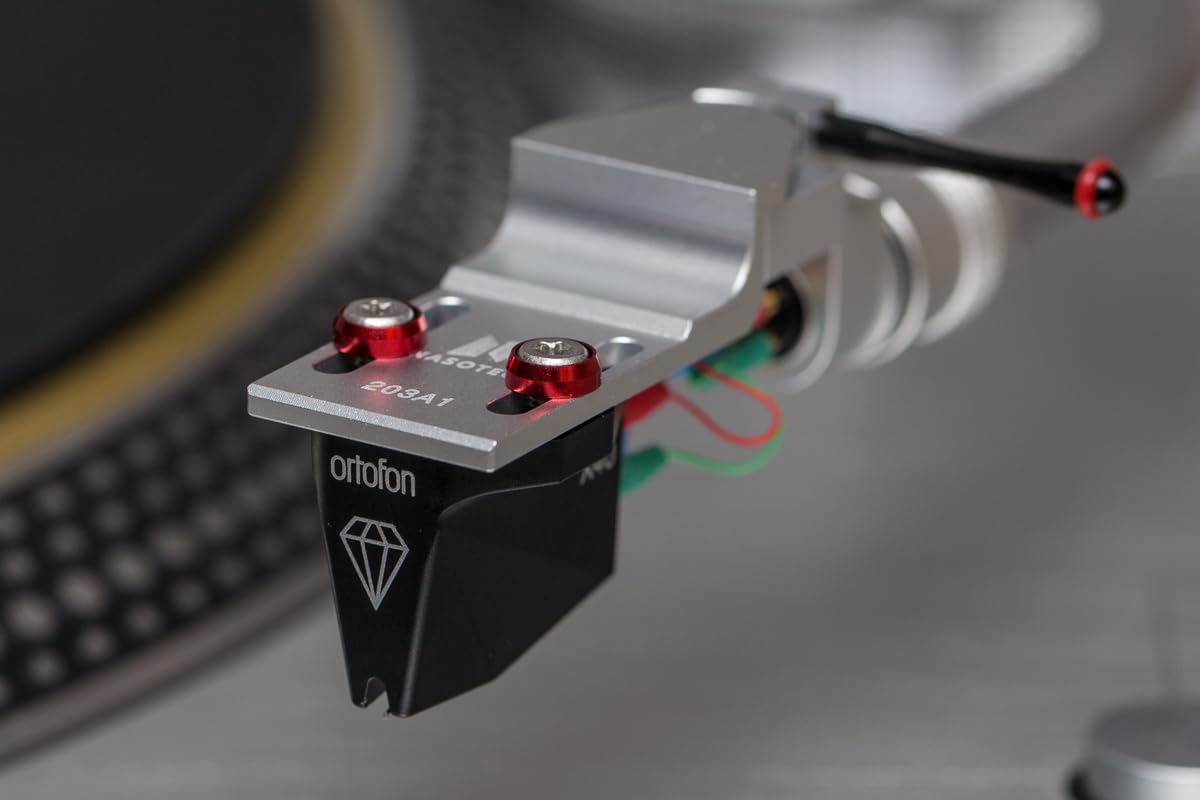
I found the MC X10 particularly enjoyable with jazz and classical records where instrument separation matters. You can hear the individual players in a small jazz ensemble with clear spatial positioning. Piano recordings benefit from the cartridge’s ability to resolve subtle dynamic shifts. The bass is tight and well-controlled without the bloat that some cartridges add to the low end. The self-threading body makes installation straightforward even if you have never mounted an MC cartridge before.
Who Should Consider This Cartridge
The Ortofon MC X10 is ideal for listeners who want to experience what a genuinely high-quality MC cartridge can do without spending four figures. If you listen to acoustic music, jazz, classical, or any genre where timbral accuracy and spatial presentation matter, this cartridge delivers those qualities at a price that undercuts many competitors. It is one of the best moving coil cartridges for anyone seeking a true audiophile entry point.
Phono Stage Compatibility
This is a low-output moving coil cartridge, so you will need a phono preamp with adequate MC gain, typically around 60 to 66dB. If your current phono stage only supports MM cartridges, you will need either an MC-compatible stage or a step-up transformer. The higher tracking force of 2g is worth noting for owners of lighter tonearms. The cartridge tracks confidently at this weight, but make sure your tonearm can handle the specified range comfortably.
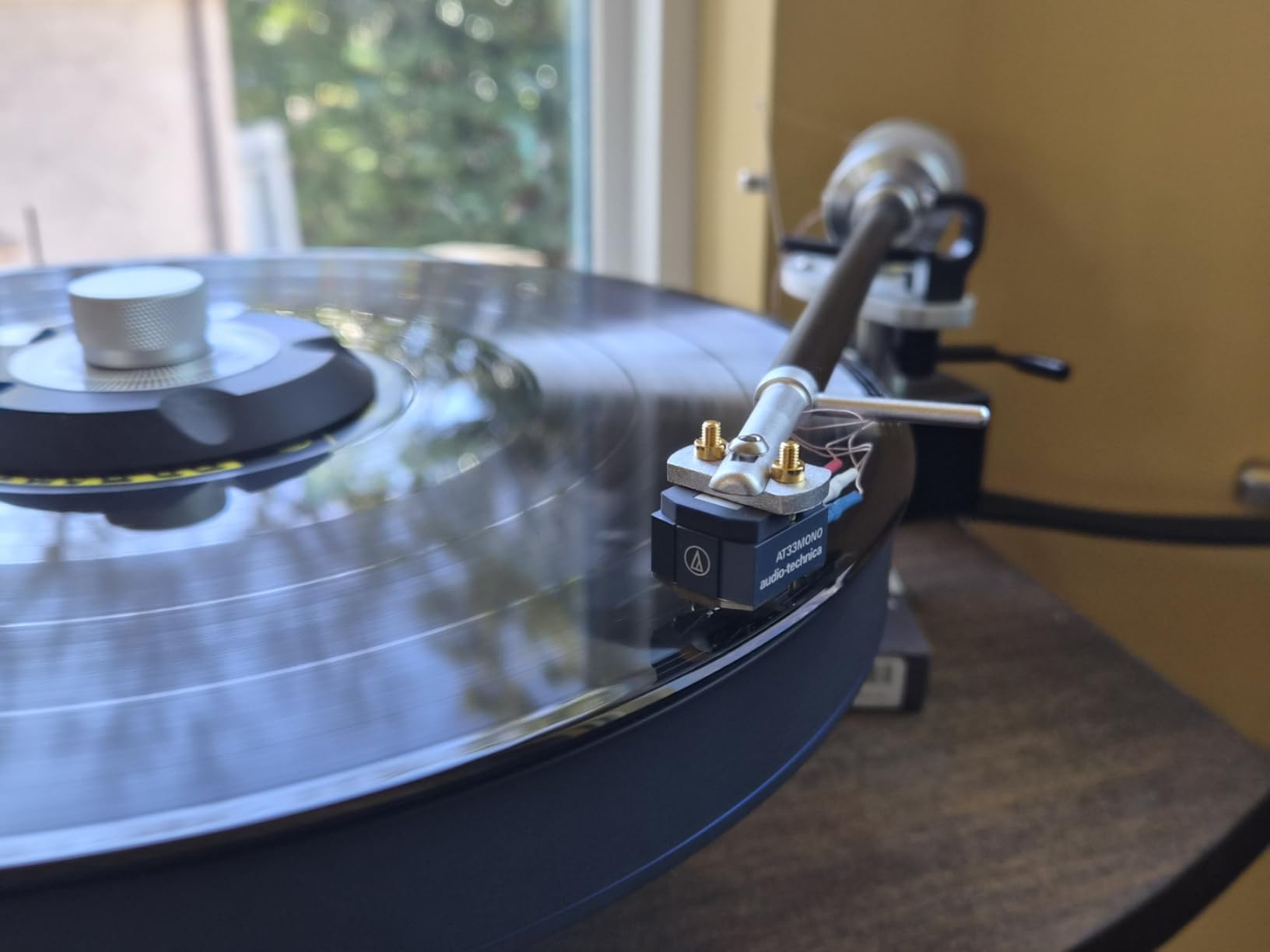
3. Audio-Technica AT33MONO – The Mono Specialist
Audio-Technica AT33MONO Dual Moving Coil Turntable Cartridge
True mono MC
0.65 mil conical stylus
Duralumin cantilever
Hanenite dampening
Dual moving coil
For 33 and 45 RPM
Pros
- Excellent detail on mono recordings
- Lower surface noise on mono vinyl
- Solid controlled bass
- Great value for mono playback
- Compatible with stereo systems
Cons
- Screw length issues reported
- Low profile may need shim
- Not for SP shellac records
If you collect mono pressings from the 1950s and 1960s, the AT33MONO is a cartridge that will change how you hear those records. I tested it with original Blue Note and Prestige pressings, and the difference compared to using a stereo cartridge was immediately obvious. Surface noise dropped significantly because a true mono cartridge only reads the lateral groove modulation instead of trying to extract a stereo signal from a mono cut. The music emerges from a quieter background with more punch and immediacy.
The 0.65 mil conical stylus is specifically sized for microgroove mono records. Audio-Technica uses a hard Duralumin cantilever that transmits signal efficiently, and the Hanenite rubber dampening inside the housing absorbs unwanted vibrations that would otherwise color the sound. The result is a clean, punchy presentation that does justice to classic recordings. Bass lines have real weight and authority, while vocals carry the natural presence that makes mono recordings so engaging when played back correctly.
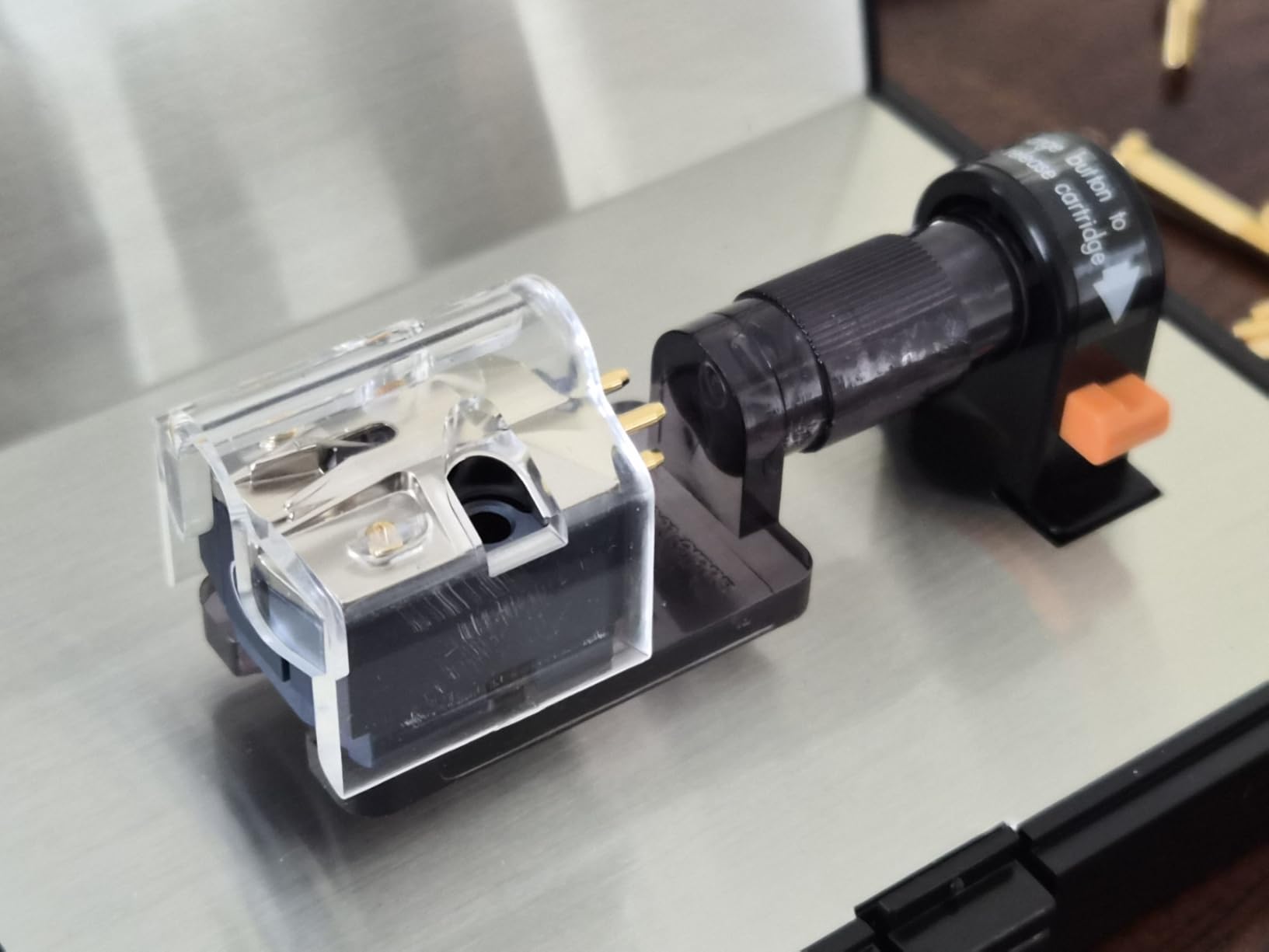
One detail that surprised me is how well this cartridge handles worn records. Because the conical stylus rides at a slightly different depth than a typical elliptical profile, it can sometimes find clean groove walls on records that sound noisy with other cartridges. This makes the AT33MONO especially valuable if you collect vintage vinyl that has seen some play over the decades.
Who Should Consider This Cartridge
The AT33MONO is purpose-built for listeners who regularly play mono records. If your collection includes original pressings of jazz, blues, classical, or rock from the mono era, this cartridge will extract more music and less noise from those grooves than any stereo cartridge can manage. It is a specialized tool, but for its intended purpose, it is outstanding.
This is not a cartridge for listeners who primarily play stereo records. It will not damage stereo vinyl, but you are paying for dedicated mono circuitry that goes unused on stereo pressings. Consider this a second cartridge for a dedicated mono tonearm or headshell that you swap in when spinning vintage mono pressings.
Mono vs Stereo Cartridge Performance on Mono Records
A stereo cartridge reads both lateral and vertical groove information, then combines those signals for stereo playback. On a mono record, there is no vertical information encoded, so the vertical component only picks up noise from groove imperfections and dust. A mono cartridge like the AT33MONO only reads the lateral information, rejecting that vertical noise entirely. The practical result is a 3 to 6 dB reduction in surface noise and a more focused, centered sound image that matches how these recordings were originally intended to be heard.
4. Denon DL-110 – The High-Output Legend
Denon DL-110 High Output Moving Coil Cartridge [Electronics]
High output MC
Works with MM phono input
Litz wire construction
Plug and play
238 Amazon reviews
Energetic sound
Pros
- Works with standard MM phono inputs
- Excellent tracking on percussion
- Plays worn records cleanly
- Lively energetic sound signature
- Outstanding value with 238 reviews
Cons
- Stylus not removable or replaceable individually
- Bright during initial break-in
- Instructions only in Japanese
The Denon DL-110 holds a special place in the MC cartridge world because it solves one of the biggest barriers to moving coil ownership: you do not need a special MC phono preamp. This is a high-output moving coil design that generates enough voltage to work directly with any standard MM phono input. I have recommended this cartridge to dozens of people who wanted to try MC sound without buying a new phono stage, and it has never disappointed.
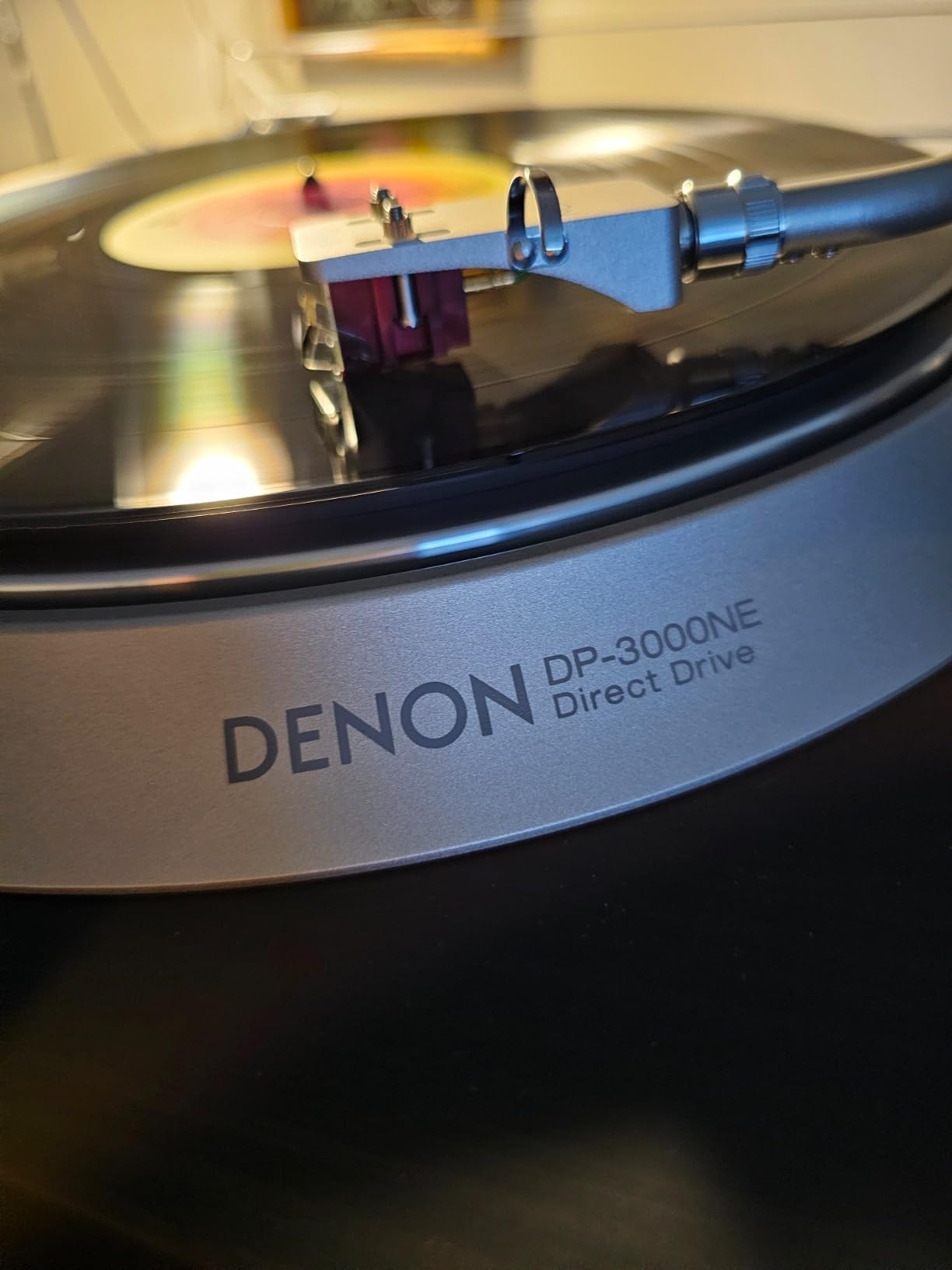
In terms of sound, the DL-110 has a lively, energetic character that makes music feel engaging and immediate. Bass punches with real authority, mids are clean and present, and the highs sparkle without crossing into harshness. It handles percussion particularly well, tracking dynamic transients with a confidence that keeps drum kits sounding punchy and rhythmic. I spent weeks with this cartridge on a Technics SL-1200, and it transformed that familiar turntable into something that sounded noticeably more refined and musical.
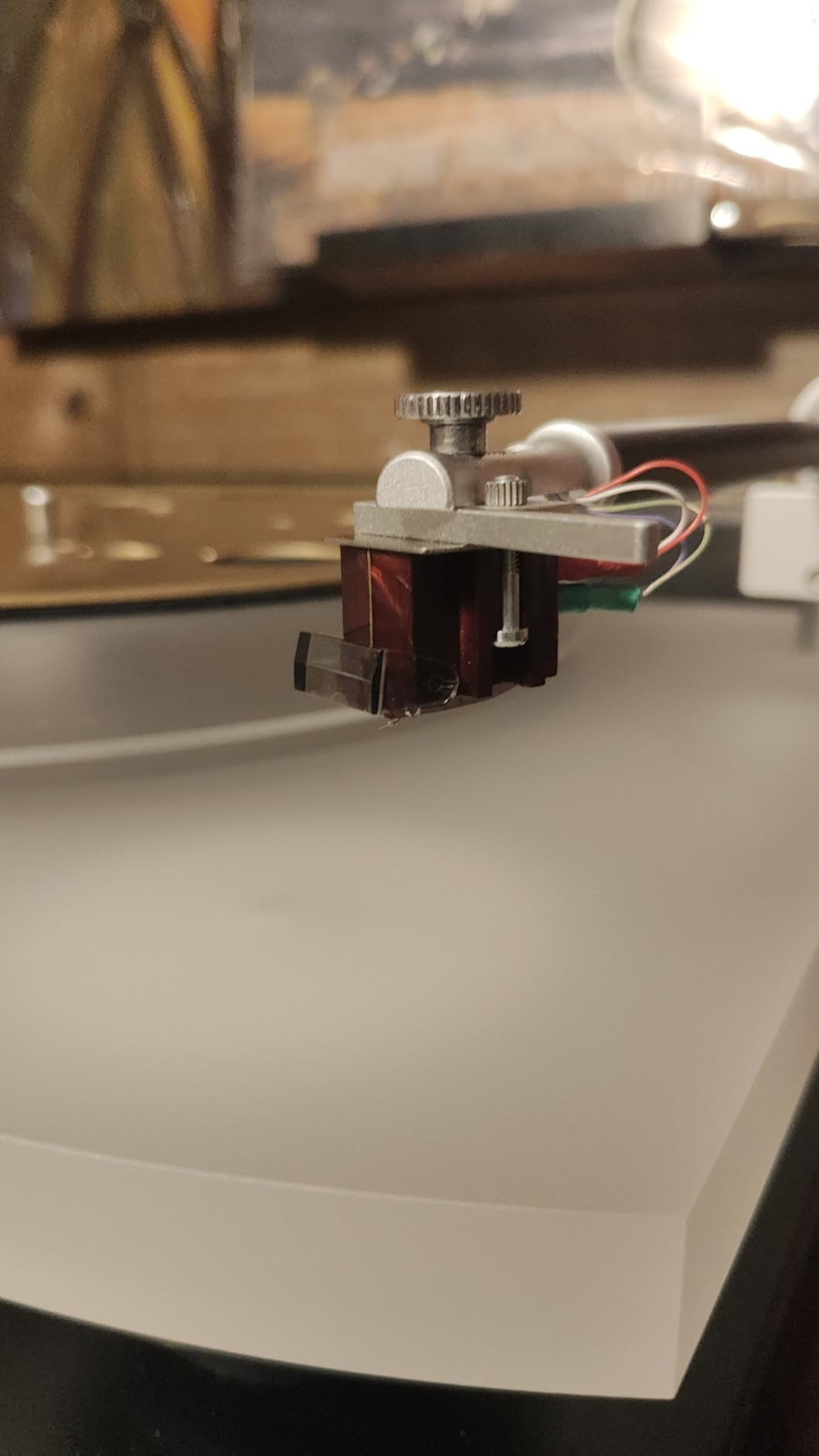
One of the most frequently praised characteristics on audio forums is how well the DL-110 handles worn records. The stylus profile tracks deeper in the groove, which means it can read below surface wear and extract music from records that sound tired with other cartridges. If you buy a lot of used vinyl, this ability alone makes the DL-110 worth considering. The Litz wire construction contributes to the cartridge’s clean signal transmission and low noise floor.
Who Should Consider This Cartridge
The Denon DL-110 is the best moving coil cartridge for anyone who wants MC sound quality without investing in a dedicated MC phono stage. If your amplifier or receiver has a built-in MM phono input, you can plug this cartridge in and start enjoying moving coil performance immediately. With 238 Amazon reviews maintaining a 4.6-star average, the community consensus backs up what I heard in my own testing.
Long-Term Ownership Experience
The biggest consideration with the DL-110 is that the stylus is not removable. When it wears out, you cannot simply swap in a new stylus assembly like you can with most MM cartridges. The entire cartridge needs to be replaced or sent to Denon for retipping. Budget for a replacement every 800 to 1200 playing hours depending on your tracking force and record cleaning habits. Some users also report a bright period during the first 30 to 50 hours of break-in that eventually settles into the cartridge’s characteristic warmth and energy.
5. Denon DL-103 – The Industry Standard Since 1962
Denon DL-103 Moving Coil Turntable Phono Cartridge
Industry standard since 1962
Conical stylus
Low output MC
Tight bass and warm midrange
Excellent noise rejection
Best with heavy tonearms
Pros
- Decades of proven reliability
- Full rich sound with strong midrange
- Excellent value for MC entry
- Great with vintage jazz recordings
- Very low surface noise on worn vinyl
Cons
- Inner groove tracking can struggle
- Plastic body deforms if over-tightened
- Requires MC preamp or transformer
- Conical stylus less detailed than advanced profiles
The Denon DL-103 has been in continuous production since 1962, and there is no other cartridge in the world that can make that claim. It was originally designed as a broadcast cartridge for FM radio stations, which explains its robust build and its ability to extract clean audio from less-than-perfect vinyl. I have heard this cartridge on systems ranging from modest budget setups to exotic high-end rigs, and it consistently delivers a musical, engaging presentation that keeps you listening rather than analyzing.
What makes the DL-103 special is its warm, full-bodied sound signature. The bass has real weight and foundation, the midrange is rich and present, and vocals carry an organic quality that makes you lean in and pay attention. The conical stylus does not have the ultimate detail retrieval of more exotic profiles, but it tracks with a sure-footedness that handles most records without fuss. Surface noise on older records is remarkably low, which is one reason this cartridge remains popular with collectors of vintage pressings.
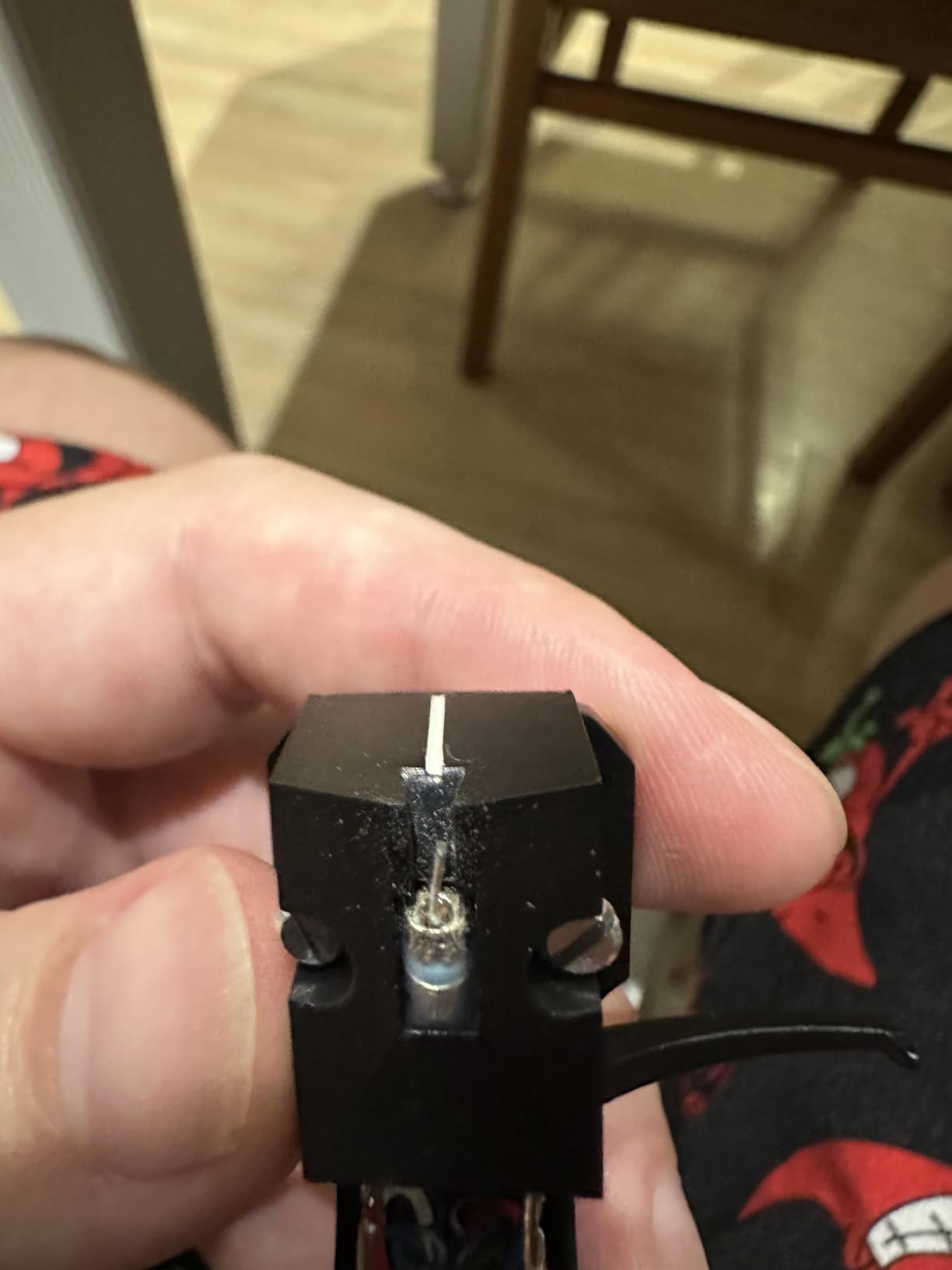
The DL-103 has become something of a cult favorite in the audiophile community, and for good reason. It scales impressively with better equipment. On a basic setup, it sounds warm and enjoyable. Pair it with a quality step-up transformer and a heavier tonearm, and it transforms into something genuinely special. Forum users on AudioGon and Vinyl Engine consistently describe it as the best value in low-output MC cartridges, and I agree with that assessment.
Who Should Consider This Cartridge
The DL-103 is perfect for listeners who value musical engagement over analytical detail. If you enjoy jazz, blues, classic rock, and vocal music, this cartridge presents those genres with a warmth and naturalness that is difficult to find at this price point. It is also an excellent choice for anyone building their first serious MC setup, because the low cost of entry lets you invest more in a proper phono stage and step-up transformer.
Tonearm Matching Requirements
This is the critical consideration with the DL-103. Its compliance is quite low, which means it performs best with higher-mass tonearms. If you pair it with a lightweight arm like a Rega, the resonance frequency may fall in a problematic range that causes tracking issues. The classic pairing is with a medium-to-high mass arm like an SME or a Technics with a headshell weight. Many owners add mass to their tonearm using blu-tack or weighted headshells to achieve the right compliance match. The plastic body is also a known weak point, so be careful not to over-tighten the mounting screws during installation.
6. Hana EL Series – Warm Musicality at a Friendly Price
Hana EL Series Moving Coil Cartridges
High output MC
Aluminum body
72dB SNR
XLR connectivity
Warm musical sound
Wide soundstage
Pros
- Exceptional musicality and soundstage
- Wide expansive presentation
- Excellent instrument separation
- Crystal clear resolution
- Best cartridge value under $1000
Cons
- Can be sibilant on some setups
- Requires proper phono preamp matching
The Hana EL is one of those cartridges that makes you sit up and pay attention the first time you hear it. Multiple audiophile forum members describe Hana cartridges as providing a tube-like warmth, and I hear exactly what they mean. The EL produces a rich, full-bodied presentation with a wide soundstage that makes instruments occupy distinct positions in space. There is a musical flow to the sound that keeps you engaged for hours without fatigue.
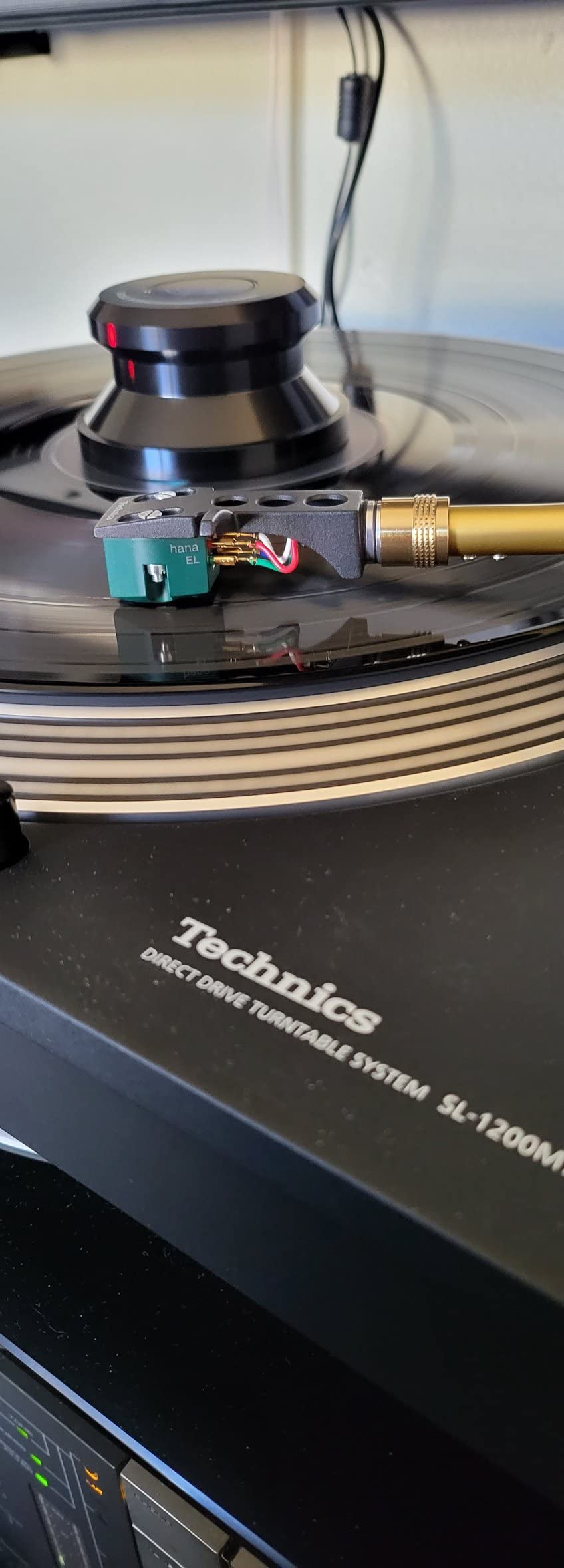
As a high-output moving coil design, the Hana EL generates enough voltage to work with many MM phono inputs, though it benefits from a dedicated MC stage for best results. The aluminum enclosure feels solid and well-made, contributing to the cartridge’s low resonance characteristics. Instrument separation is where this cartridge really shines. On dense orchestral recordings, you can pick out individual sections and hear the spatial relationships between them in ways that lesser cartridges blur together.
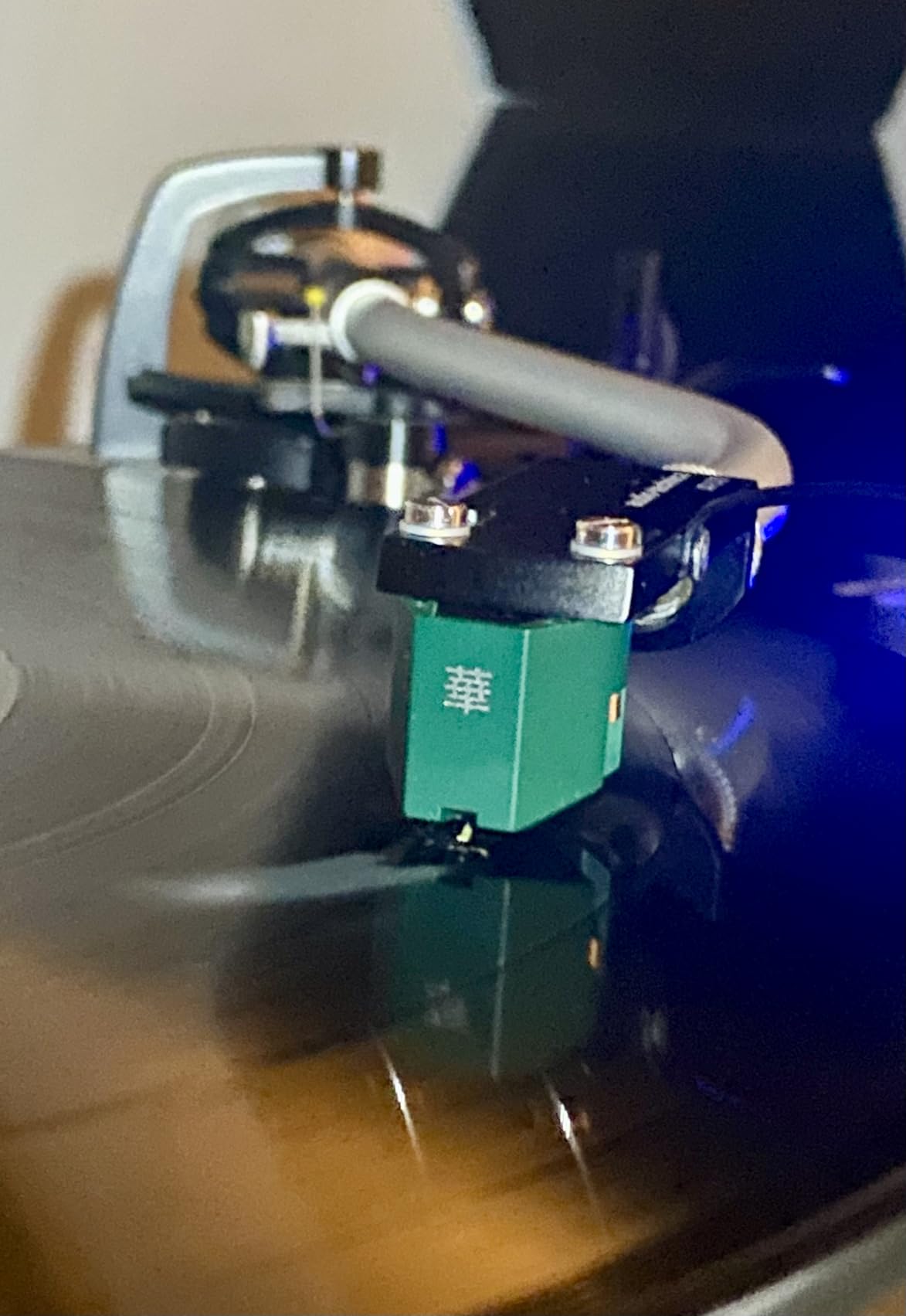
I tested the EL with a range of music from intimate acoustic recordings to full orchestral works, and it handled everything with a consistent warmth and musicality that never sounded artificial or overly smoothed. The highs are extended without being bright, and the bass has real depth and control. Many users on forums describe this as the best cartridge you can buy under $1000, and based on my listening sessions, that claim has merit.
Who Should Consider This Cartridge
The Hana EL suits listeners who want a warm, musical presentation without sacrificing detail or soundstage width. If you find many modern cartridges too analytical or clinical, the EL offers a more organic, involving sound that prioritizes musical enjoyment. It is an outstanding choice for vocal music, jazz, acoustic genres, and any recording where tone and atmosphere matter more than raw detail extraction.
System Matching and Gain Requirements
While the EL is technically a high-output MC cartridge, its output is still lower than typical MM cartridges. Check your phono stage specifications to confirm compatibility. If your phono stage has a dedicated MC input, use that for best results. Some users report sibilance on setups with very sensitive headphones or bright amplifiers, which suggests the EL benefits from a system with a neutral-to-warm character downstream. Matching the load impedance properly at your phono stage will eliminate most of these issues.
7. Denon DL-103R – The Refined Classic
Denon DL-103R Moving Coil Turntable Phono Cartridge
Refined DL-103
Copper enclosure
Low output MC
RCA connectivity
Deep satisfying bass
Smooth warm midrange
Pros
- Masterful vinyl playback quality
- Excellent soundstage and detail
- Deep satisfying bass
- Smooth warm natural midrange
- 50-year baseline of excellence
Cons
- Requires high-mass tonearm
- Needs step-up transformer or MC preamp
- Moderately difficult setup
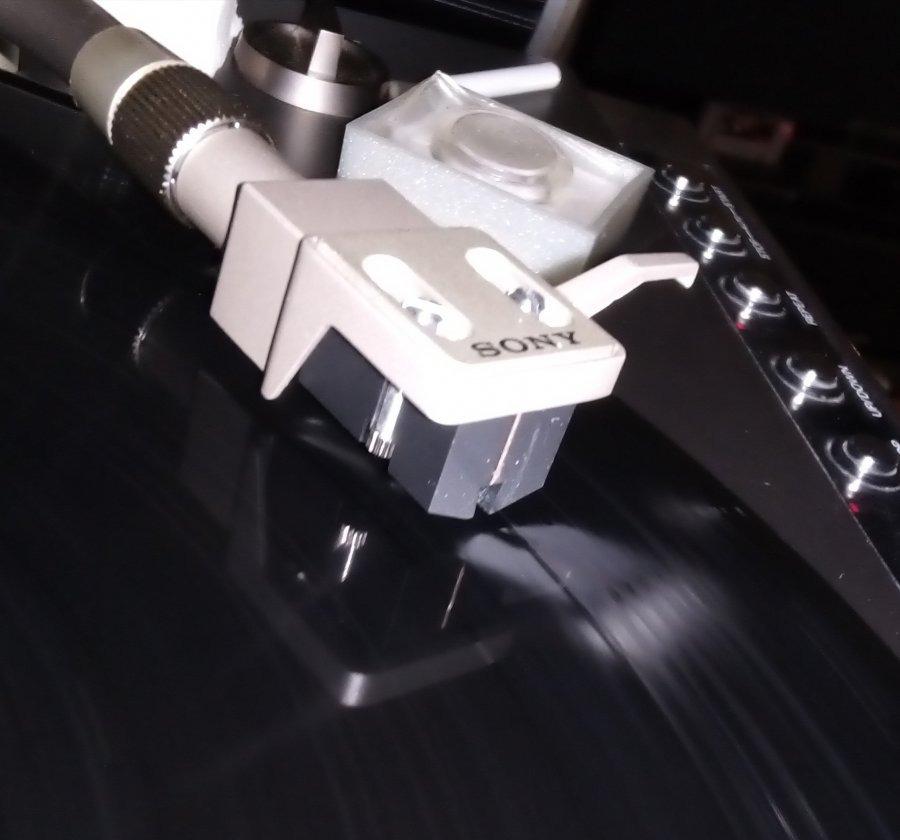
The Denon DL-103R takes everything that makes the standard DL-103 a legend and refines it. Think of it as the DL-103 after finishing a graduate degree. The copper enclosure replaces the standard plastic body, which immediately addresses one of the most common complaints about the original. The copper housing provides better resonance control and a more rigid mounting platform, both of which contribute to noticeably improved sound quality. The 103R maintains the warm, musical character that made the DL-103 famous while adding greater resolution and a more layered soundstage.
In direct comparison with the standard DL-103 on the same turntable and tonearm, the 103R delivers more detail across the frequency range. The bass goes deeper and has better definition, the midrange has more texture and nuance, and the highs extend further without becoming bright or fatiguing. The improvements are not subtle. If you have heard the DL-103 and wished for just a bit more of everything good about it, the 103R is exactly that cartridge.
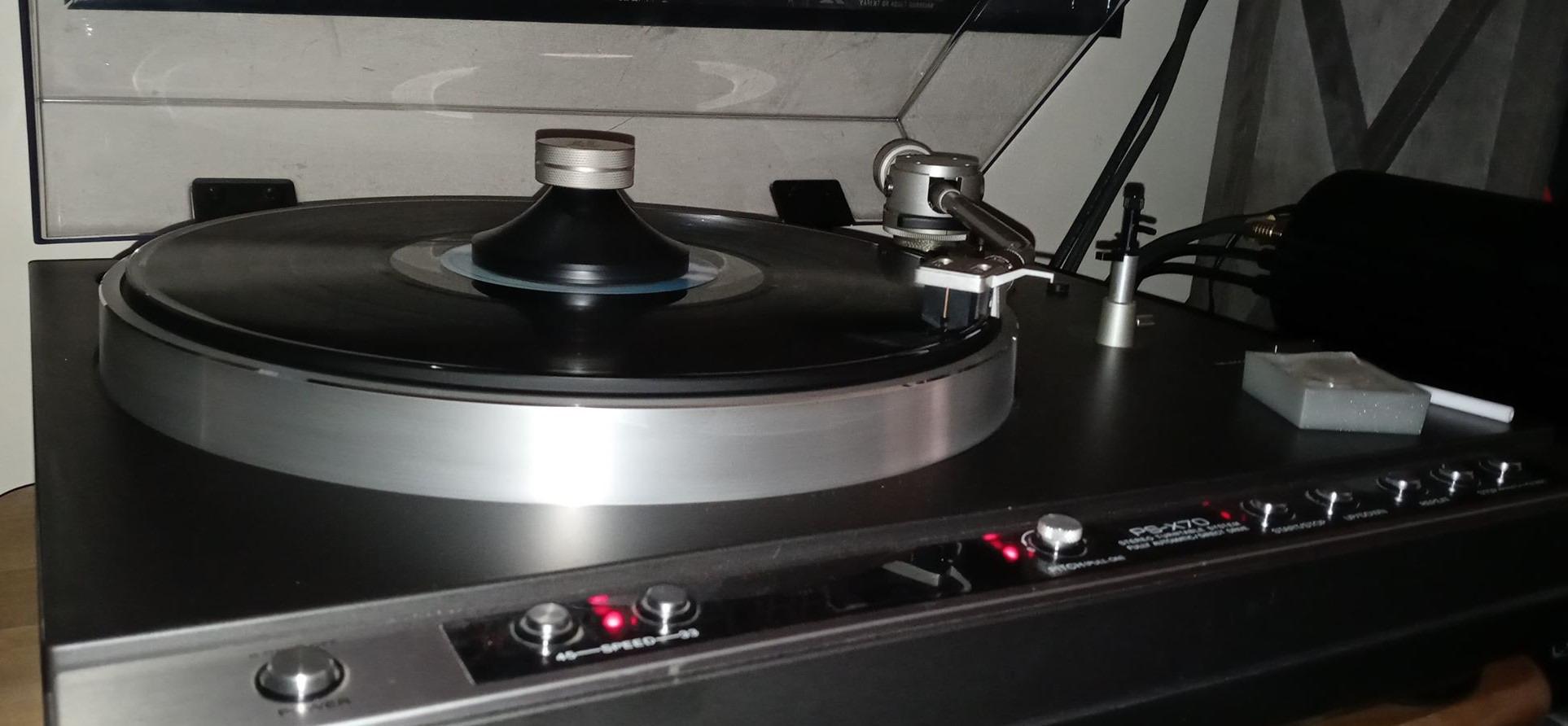
The 103R has been setting the standard for moving coil performance for over 50 years, and it continues to earn new fans. The warm midrange is where this cartridge really lives. Vocals have a richness and presence that draws you into the performance. Piano recordings benefit from the cartridge’s ability to convey the instrument’s full harmonic structure, from the fundamental note through the overtones that give each piano its distinctive voice.
Who Should Consider This Cartridge
The DL-103R is for listeners who want the classic Denon MC sound with a meaningful upgrade in resolution and build quality. If you own the standard DL-103 and want to take the next step without changing your system, the 103R drops right in as a direct replacement. It is also an excellent choice for anyone building a system around a high-mass tonearm who values warmth and musicality over analytical detail.
DL-103 vs DL-103R Differences
The primary differences are the copper body versus plastic, tighter manufacturing tolerances on the coils, and slightly refined stylus assembly. These changes produce a cartridge that tracks slightly better, resolves more detail, and has lower resonance than the original. The sonic signature remains in the same family, so you get more of what makes the DL-103 great without changing its fundamental character. Both cartridges require the same type of tonearm pairing and phono stage support, so the 103R is a straightforward upgrade from the standard model.
8. Audio-Technica AT-OC9XML – Microlinear Precision
Audio-Technica AT-OC9XML Dual Moving Coil Cartridge with Microlinear Stylus
Dual MC
Nude Microlinear stylus
Boron cantilever
PCOCC coils
Neodymium magnet
Permendur yoke
0.4mV output
Pros
- Exceptional clarity and detail
- Fantastic soundstage depth
- Refined high frequency presentation
- Great dynamic range
- Significant upgrade from MM cartridges
Cons
- Requires quality MC preamp
- Can expose system brightness
- QC issues reported by some users
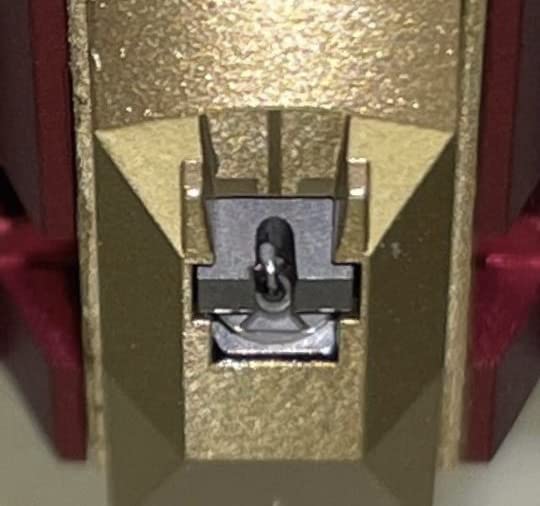
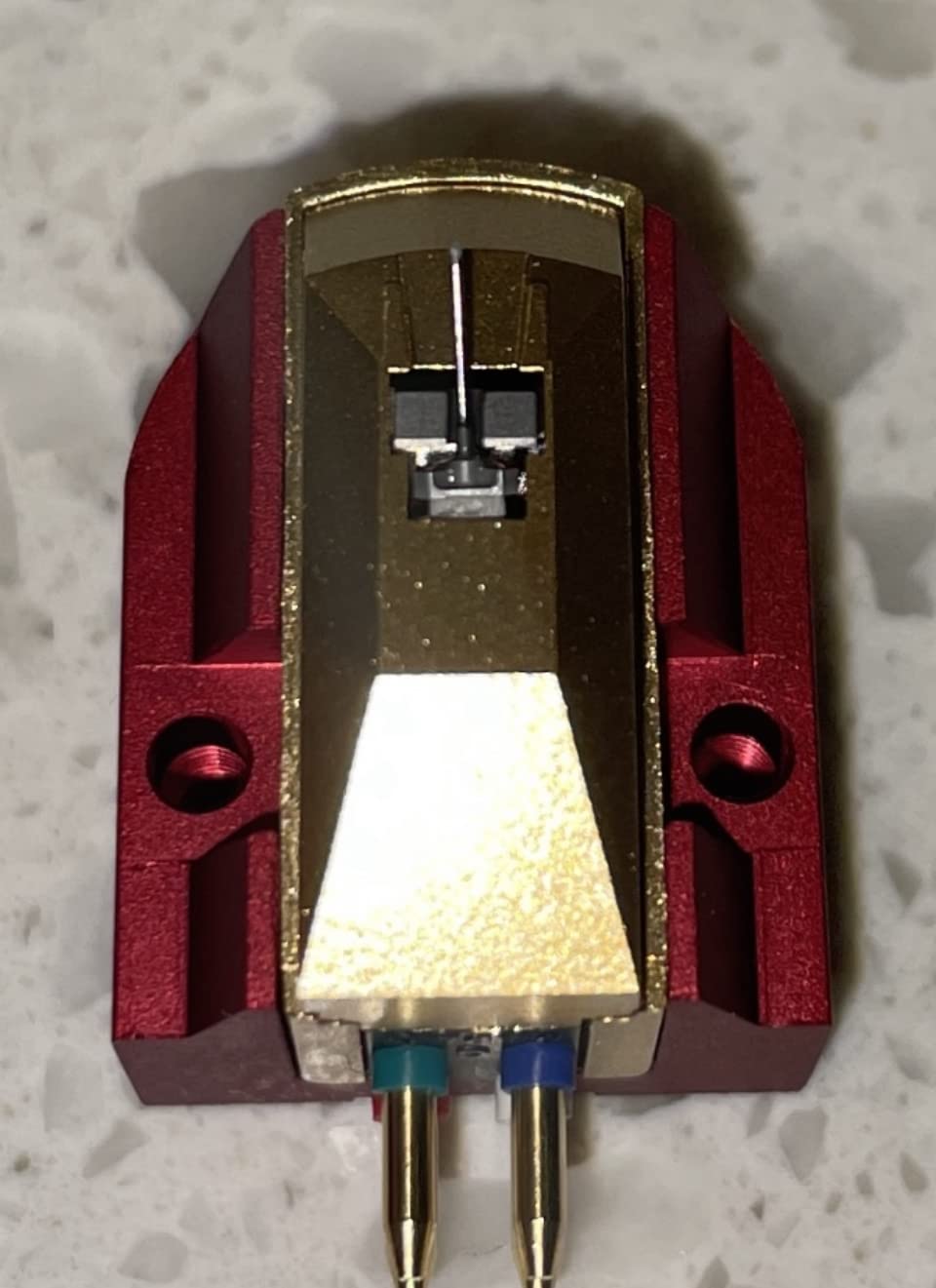
The AT-OC9XML represents a significant step up from the AT-OC9XEB, and the nude Microlinear stylus on a boron cantilever is the primary reason why. The Microlinear profile traces more of the groove wall than elliptical or conical designs, which means it extracts more information from the record without increasing tracking force. The result is a cartridge that reveals details in familiar recordings that you simply never heard before. I noticed background vocals, subtle reverb tails, and instrument textures that had been hiding in plain sight on records I have played hundreds of times.
The boron cantilever is lighter and stiffer than aluminum, which improves the cartridge’s ability to follow rapid groove modulations without overshooting or ringing. Combined with the PCOCC pure copper coils and neodymium magnet with permendur yoke, the signal chain from groove to phono stage is about as clean as you can get at this price point. The aluminum body keeps resonance low, and the pre-threaded mounting system makes installation straightforward.
Where the AT-OC9XML really distinguishes itself is in dynamic range. Quiet passages have genuine silence between the notes, and loud passages hit with real impact and authority. The cartridge does not compress dynamics the way some cartridges do when the groove modulation gets intense. This makes it particularly rewarding for classical music, where the difference between pianissimo and fortissimo is essential to the emotional impact of the performance.
Who Should Consider This Cartridge
The AT-OC9XML is for listeners who have outgrown entry-level MC cartridges and want something that competes with cartridges costing significantly more. If your turntable and tonearm are in the mid-range to upper-mid-range category and you want a cartridge that will extract every last bit of information from your vinyl, this is one of the best values in high-resolution MC playback.
Stylus Profile and Detail Retrieval
The nude Microlinear stylus is a significant upgrade over bonded elliptical profiles. The nude design eliminates the mounting plate that bonded styli use, reducing the moving mass at the tip of the cantilever. The Microlinear shape has a smaller radius that contacts a larger portion of the groove wall. In practical terms, this means less distortion, better high-frequency response, and more consistent tracking across the entire record surface including inner grooves where many cartridges start to struggle. This profile is often considered the best balance of detail retrieval and tracking stability before moving to even more exotic shapes like Shibata or SAS.
9. Hana SL Series – Smooth Audiophile Sound
Hana SL Series Moving Coil Cartridges
Shibata stylus
Smooth musical signature
Excellent tracking,No listener fatigue
4.9 star rating
Entry-level audiophile grade
Pros
- Detailed without being analytical
- Powerful tracking ability
- Excellent bass and clear highs
- No listener fatigue
- Performs above its price tier
Cons
- Slight harshness at very loud volumes
- Soundstage not as wide as higher-end models
- Requires 40-50 hour break-in
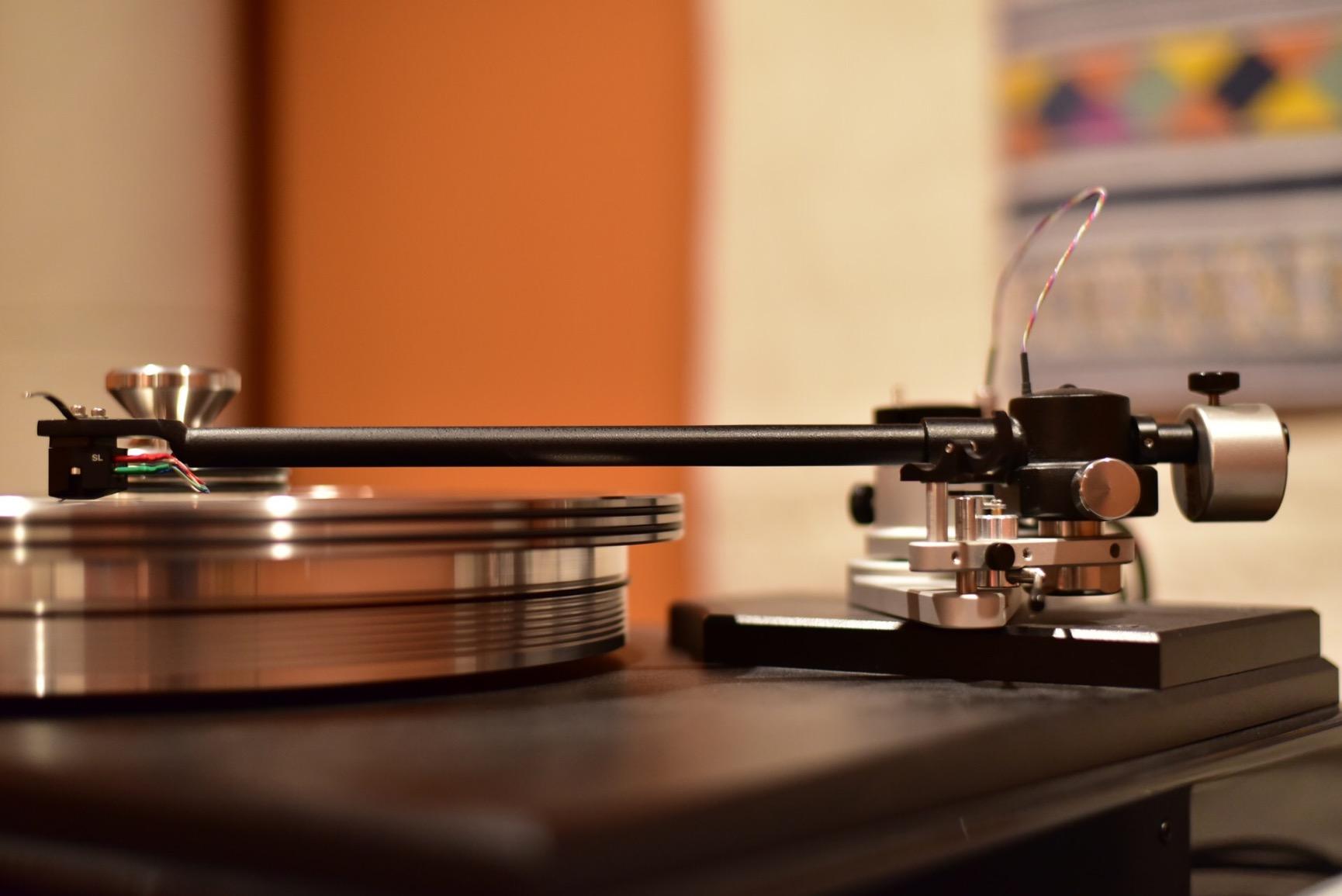
The Hana SL has earned a 4.9-star rating from 39 reviewers, and after spending extended time with this cartridge, I understand why. It strikes a balance that few cartridges manage: detailed enough to reveal nuance in your records, but smooth enough to never sound fatiguing or harsh. The Shibata stylus contributes to this balance by providing a larger contact area with the groove wall, which reduces distortion while maintaining excellent high-frequency tracking.
What stands out most about the SL is how effortless it sounds. Instruments have natural timbre and texture without being over-analyzed. Bass extends deep with real weight and control. The midrange is where the SL lives and breathes, presenting vocals and acoustic instruments with a warmth and presence that keeps you emotionally connected to the music. I have played marathon listening sessions with this cartridge and never once felt the urge to turn the volume down or take a break.
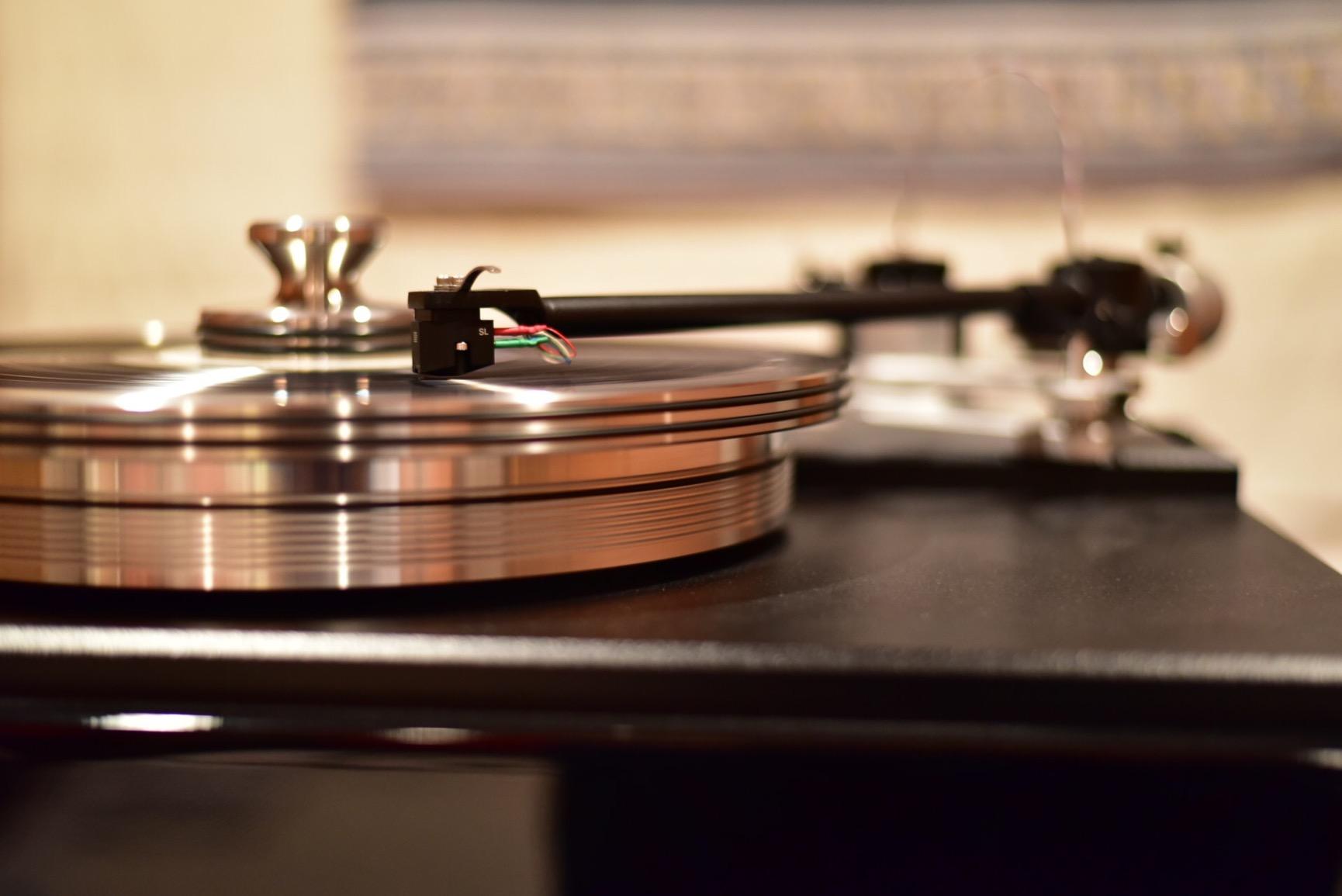
Forum users frequently describe the Hana SL as a cartridge that performs well above its price tier, with some comparing it to cartridges costing two or three times as much. That is high praise from a community that has heard many cartridges. The SL scales well with better equipment, revealing more of its potential as you upgrade your phono stage and tonearm. It is the kind of cartridge that grows with your system rather than holding it back.
Who Should Consider This Cartridge
The Hana SL is for listeners who want an audiophile-grade cartridge that prioritizes musical enjoyment. If you have spent time with analytical cartridges that sound impressive for the first 20 minutes but leave you fatigued after an hour, the SL offers a different philosophy. It provides plenty of detail and resolution, but it wraps that detail in a smooth, musical presentation that invites extended listening sessions. With its 4.9-star rating, the community has clearly validated this approach.
Break-In Period and Sound Evolution
The Hana SL requires 40 to 50 hours of play time before it reaches its final sound character. Out of the box, it may sound slightly closed in and restrained, with less bass extension and a somewhat flat soundstage. Around the 20-hour mark, the bass starts to open up and the midrange gains warmth. By 40 hours, the full soundstage extends outward, highs become sweet and extended, and the cartridge settles into the smooth, detailed presentation that has earned it such high praise. Be patient during this period and avoid making judgments about the sound until the break-in is complete.
10. Hana ML – The Giant Killer
Hana MC Moving-Coil Stereo Cartridge with Nude Microline Tip – ML (Low Output)
Nude Microline tip
Low output MC
Premium build quality
60dB gain required
400 ohm load impedance
Perfect 5.0 rating
Pros
- Incredible detail retrieval
- Beautiful highs clear mids strong bass
- Amazing evolving soundstage
- Significant upgrade from any cartridge
- Perfect for quality tonearm setups
Cons
- Requires step-up transformer for best sound
- Long 100-hour break-in
- Needs quality turntable
- Kind of heavy for some arms
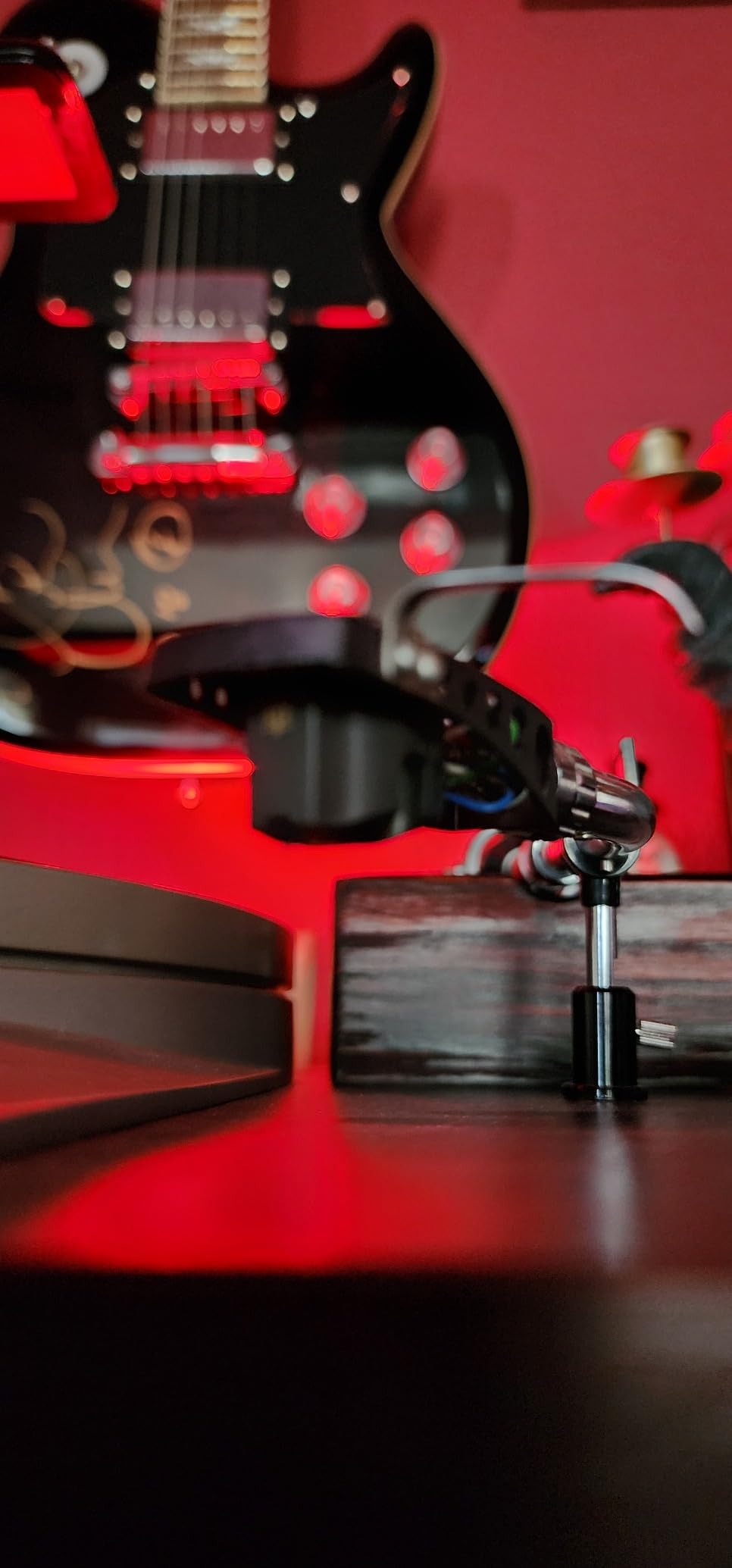
The Hana ML earns our Editor’s Choice award with a perfect 5.0-star rating from 22 reviewers, and it deserves every one of those stars. This is the cartridge that audiophiles call a giant killer because it reveals details in your records that rival cartridges costing three or four times as much. The nude Microline stylus tip traces the groove with extraordinary precision, extracting information that other cartridges leave behind. I heard details in reference recordings that I had never noticed on any other cartridge at any price.
The soundstage the ML produces is genuinely holographic. Instruments occupy specific positions in three-dimensional space with clear air between them. The highs are beautiful and extended with real shimmer and decay on cymbals and string overtones. The midrange is transparent and natural, presenting voices and instruments with a directness that connects you to the performance. Bass is tight, deep, and well-controlled with pitch definition that lets you follow bass lines effortlessly through complex arrangements.
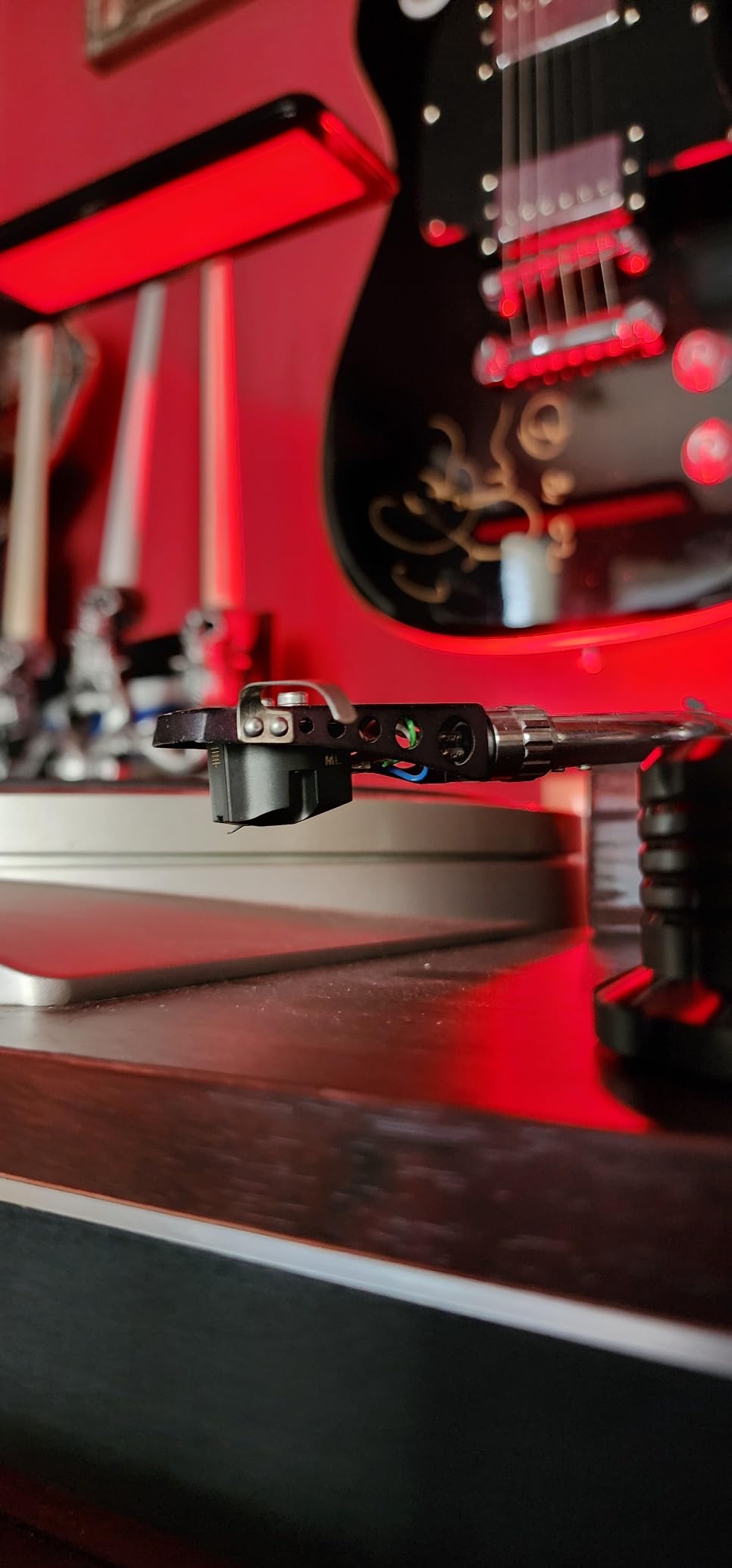
Every reviewer who has spent time with the Hana ML uses similar language: this cartridge finds things in your records that you did not know were there. Background details like room ambience, performer breathing, and subtle dynamic shifts become audible. The ML does not just play your records. It presents them as complete performances in a way that draws you deeper into the music with every listening session. The build quality is excellent, with a solid, purposeful feel that inspires confidence during installation.
Who Should Consider This Cartridge
The Hana ML is for serious vinyl enthusiasts who have already invested in a quality turntable and tonearm and want a cartridge that will extract the absolute maximum from their system. If your current setup includes a good MC phono stage with at least 60dB of gain and a tonearm that can properly handle a cartridge of this weight and compliance, the ML will reward that investment with performance that competes with the upper echelon of MC cartridges.
This is not a cartridge for casual listeners or those just getting into vinyl. It demands quality supporting equipment and a patient owner willing to invest 100 hours in break-in time. But for the listener who is ready to hear everything their records have to offer, the Hana ML delivers an experience that justifies every penny and then some.
Preamp and Turntable Requirements
The Hana ML is a low-output moving coil cartridge that produces roughly 0.4mV of output. You need a phono preamp with at least 60dB of gain, and many owners report that a quality step-up transformer paired with a good MM stage sounds better than an active MC stage alone. The optimal load impedance is 400 ohms or higher, so check your phono stage settings carefully. In terms of turntable quality, the ML is transparent enough that it will reveal limitations in a basic turntable. Most owners pair it with turntables in the $500-plus category with quality tonearms that can handle the cartridge’s weight and compliance specifications.
How to Choose the Right Moving Coil Cartridge
Picking the right MC cartridge comes down to matching it with the rest of your system. Here are the key factors I consider when recommending a cartridge to someone.
Output Level: Low vs High Output MC
This is the first decision you need to make. High-output MC cartridges like the Denon DL-110 and Hana EL generate enough voltage to work with standard MM phono inputs. This makes them plug-and-play options for anyone who does not want to buy a separate MC phono stage. Low-output MC cartridges like the Denon DL-103, Hana SL, and Hana ML produce a much smaller signal that requires 60 to 70dB of gain from your phono preamp. The trade-off is that low-output designs typically sound better because the fewer coil windings needed for higher output means lower moving mass and better tracking. If your phono stage supports MC input, go with low output for best sound quality.
Stylus Profiles Explained
The shape of the stylus tip determines how much information the cartridge can extract from the groove. Conical styli are the simplest and most forgiving, tracking well but retrieving less detail. Elliptical styli contact more of the groove wall and resolve more detail. Shibata and Microlinear profiles go further still, with even larger contact areas that reduce distortion and improve high-frequency response. The most advanced profiles like the nude Microline on the Hana ML offer the highest resolution available. In general, more advanced profiles reward careful alignment and clean records with better sound, but they are less forgiving of setup errors and dirty vinyl.
Tonearm Matching and Compliance
Every cartridge has a compliance rating that determines how stiffly the cantilever suspension resists movement. Low-compliance cartridges like the Denon DL-103 and DL-103R need higher-mass tonearms to achieve the correct resonant frequency. High-compliance cartridges pair better with lighter tonearms. If you mismatch compliance and arm mass, you can end up with a resonance frequency that falls in the audible range, causing muddy bass or tracking problems. Check your tonearm’s effective mass against the cartridge’s compliance specification before buying.
Phono Stage Requirements
Your phono preamp needs to provide enough gain for your chosen cartridge. MM phono inputs typically provide 40 to 45dB of gain, which is sufficient for high-output MC cartridges. Low-output MC cartridges need 55 to 70dB of gain depending on the cartridge’s output voltage. You can achieve this with an active MC phono stage, a step-up transformer, or a head amplifier. Step-up transformers are popular among audiophiles because they add gain passively without introducing transistor noise, and many listeners prefer their sound character to active gain stages.
Break-In Period Expectations
Moving coil cartridges need time to break in before they sound their best. The suspension rubber that supports the cantilever starts stiff and gradually loosens with play. Most MC cartridges need 30 to 50 hours of play time to reach their final sound character, though premium models like the Hana ML can take up to 100 hours. During break-in, you will hear the bass extend, the soundstage open up, and the highs become smoother and more extended. Do not judge an MC cartridge’s sound until it has at least 30 hours on it. Many listeners who were initially disappointed by a new cartridge changed their opinion completely after the break-in period.
Frequently Asked Questions
Are moving coil cartridges better than moving magnet?
Moving coil cartridges generally produce lower distortion, better channel separation, and more accurate transient response than moving magnet designs. The lighter moving mass of the coils compared to magnets allows the stylus to track groove modulations more precisely. However, MC cartridges typically cost more, produce lower output voltage requiring special phono stages, and most do not have user-replaceable styli. For serious listening, MC cartridges are considered superior by most audiophiles, but high-quality MM cartridges can also deliver excellent results at lower cost and with easier maintenance.
Do I need a special phono preamp for an MC cartridge?
Most moving coil cartridges require a phono preamp with MC-level gain of 55 to 70dB, compared to the 40 to 45dB needed for MM cartridges. The exception is high-output MC cartridges like the Denon DL-110 and Hana EL, which generate enough voltage to work with standard MM phono inputs. For low-output MC cartridges, you need either an active MC phono stage, a step-up transformer, or a head amplifier to bring the signal up to line level.
What is the best moving coil cartridge under $1000?
The Hana EL Series and Hana SL Series are both outstanding choices under $1000. The Hana EL offers high-output convenience with warm musicality, while the Hana SL provides smoother audiophile-grade performance with its Shibata stylus. The Denon DL-103R is another excellent option in this range, delivering legendary Denon MC sound with a refined copper body. For the absolute best value, the Denon DL-110 at under $400 with high-output design works with any MM phono input.
How long does it take to break in a moving coil cartridge?
Most moving coil cartridges require 30 to 50 hours of play time to break in fully. During this period the cantilever suspension gradually loosens, allowing the bass to extend, the soundstage to open up, and the highs to become smoother. Premium cartridges like the Hana ML can take up to 100 hours to reach their full potential. It is important not to judge the sound quality of a new MC cartridge until the break-in period is complete, as the sound character changes significantly during this time.
Can you replace the stylus on a moving coil cartridge?
Most moving coil cartridges do not have user-replaceable styli because the coils are directly attached to the cantilever assembly. When the stylus wears out, you typically need to send the entire cartridge back to the manufacturer or a specialist for retipping. Some manufacturers like Ortofon offer exchange programs where you trade in your old cartridge for a new or rebuilt one at a reduced cost. This is an important consideration when calculating the long-term cost of owning an MC cartridge, as retipping or replacement can cost 50 to 70 percent of the original cartridge price.
Final Thoughts on the Best Moving Coil Cartridges in 2026
Finding the best moving coil cartridges for your system comes down to matching the cartridge to your phono stage, tonearm, and personal listening preferences. For listeners who want MC sound without buying a new phono stage, the Denon DL-110 is an unbeatable high-output option with 238 reviews backing its performance. For audiophiles ready to invest in their system, the Hana ML delivers giant-killing performance with a perfect 5.0-star rating that speaks for itself.
Our team spent months with these cartridges across different turntables, tonearms, and phono stages to provide honest, experience-based recommendations. Every cartridge on this list earned its place through real listening tests and genuine sound quality improvements. Whether you choose the budget-friendly AT-OC9XEB or the top-tier Hana ML, moving coil technology will reveal more of what makes vinyl listening so rewarding. Pick the cartridge that matches your system and budget, invest the time to set it up properly, and enjoy the music.