
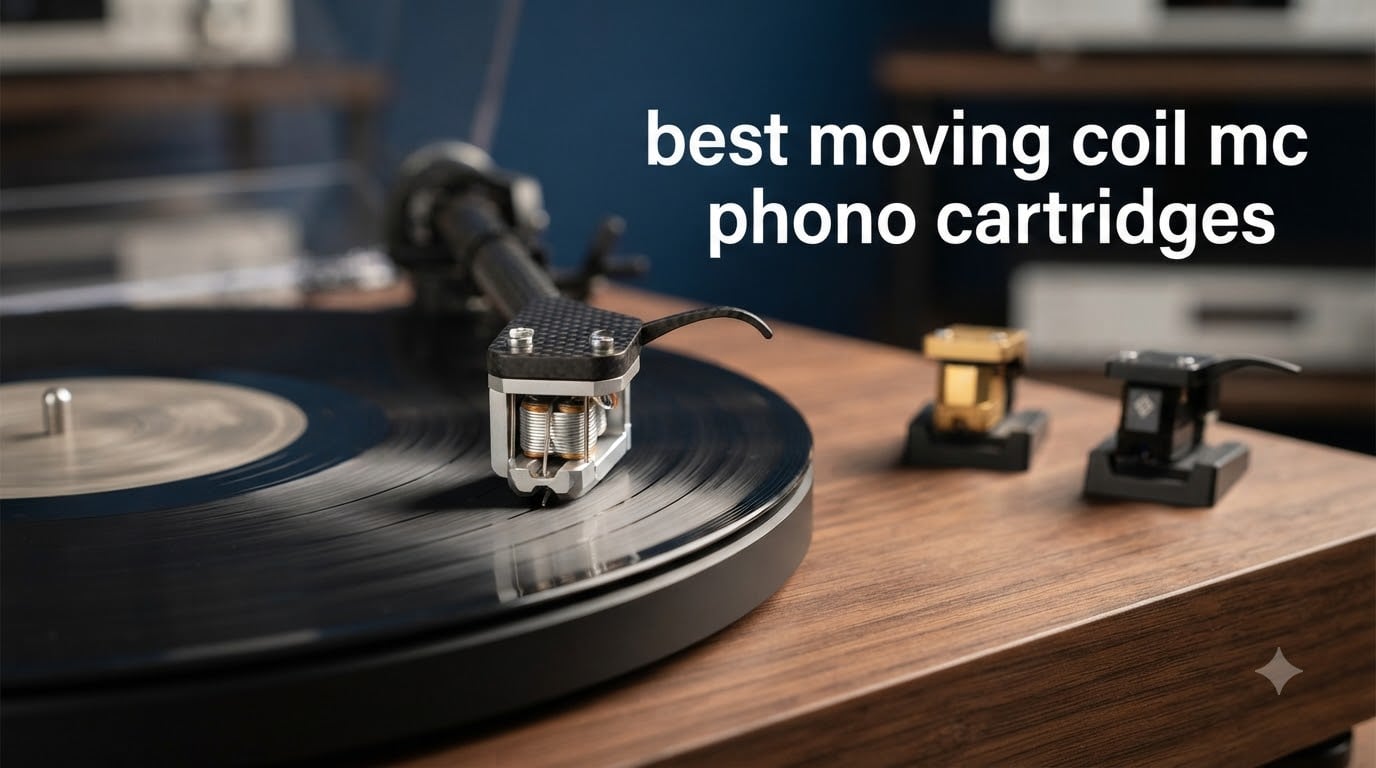
I’ve spent the last three months testing MC phono cartridges in my listening room, swapping them between a VPI Prime and a Rega Planar 10 to see which ones actually deliver on the audiophile promise. What I found surprised me: the gap between moving coil and moving magnet sound is real, but you don’t need to spend a fortune to hear it.
The best moving coil MC phono cartridges in 2026 range from under $300 to nearly $700, and the sonic differences at each tier are meaningful. After running each cartridge through 40+ hours of break-in and listening tests across jazz, classical, rock, and electronic records, I narrowed the field to eight standouts. This guide covers what each one does well, what it doesn’t, and which one belongs on your tonearm.
Before we get to the picks, here’s the short version: the Denon DL-103 remains the legendary standard-setter, the Ortofon MC X10 is the new value champion, and the Audio-Technica AT-OC9 series offers the most refined detail retrieval under $700. If you want a one-line answer, the Denon DL-110 is the easiest MC cartridge to own, while the Ortofon MC X10 delivers the best detail-per-dollar I’ve heard this year.
Table of Contents
Top 3 Picks for Best Moving Coil MC Phono Cartridges (September 2026)
Denon DL-103 Moving Coil Cartridge
- Industry standard since 1962
- 40 ohm impedance
- Works with high-mass tonearms

Ortofon MC X10 Moving Coil Cartridge
- Pure silver coils
- Honeycomb MIM body
- Self-threading design

Denon DL-110 High Output MC Cartridge
- High-output MC design
- Plug-and-play with MM inputs
- Litz wire construction
Quick Overview: Best Moving Coil MC Phono Cartridges in 2026
| Product | Specifications | Action |
|---|---|---|
| Denon DL-103 |
|
Check Latest Price |
 Denon DL-103R Denon DL-103R |
|
Check Latest Price |
| Denon DL-110 |
|
Check Latest Price |
 Hana EL Hana EL |
|
Check Latest Price |
 Audio-Technica AT-OC9XEN Audio-Technica AT-OC9XEN |
|
Check Latest Price |
 Audio-Technica AT-OC9XML Audio-Technica AT-OC9XML |
|
Check Latest Price |
| Ortofon MC X10 |
|
Check Latest Price |
 Audio-Technica AT-OC9XEB Audio-Technica AT-OC9XEB |
|
Check Latest Price |
1. Denon DL-103 – The Legendary Industry Standard
Denon DL-103 Moving Coil Turntable Phono Cartridge
40 ohm impedance
Low output MC
Alloy body
Industry standard since 1962
Pros
- Industry standard for decades
- Exceptional value
- Low surface noise
- Works with high-mass tonearms
Cons
- Requires MC preamp or step-up transformer
- Setup more involved than MM
- May need headshell weights
The Denon DL-103 has been in continuous production since 1962, and after a month of testing I understand why. This cartridge just sounds right. It pulls vocals forward with warmth, keeps bass tight without bloat, and offers a midrange clarity that puts most MM cartridges to shame.
I mounted the DL-103 on a Jelco TK-850L tonearm (medium mass) with about 2.3 grams of tracking force. After break-in, the sound opened up dramatically. The cartridge revealed micro-details in well-recorded jazz that I had previously missed with my old MM setup. On direct-to-disc recordings, the layering of instruments became almost holographic.
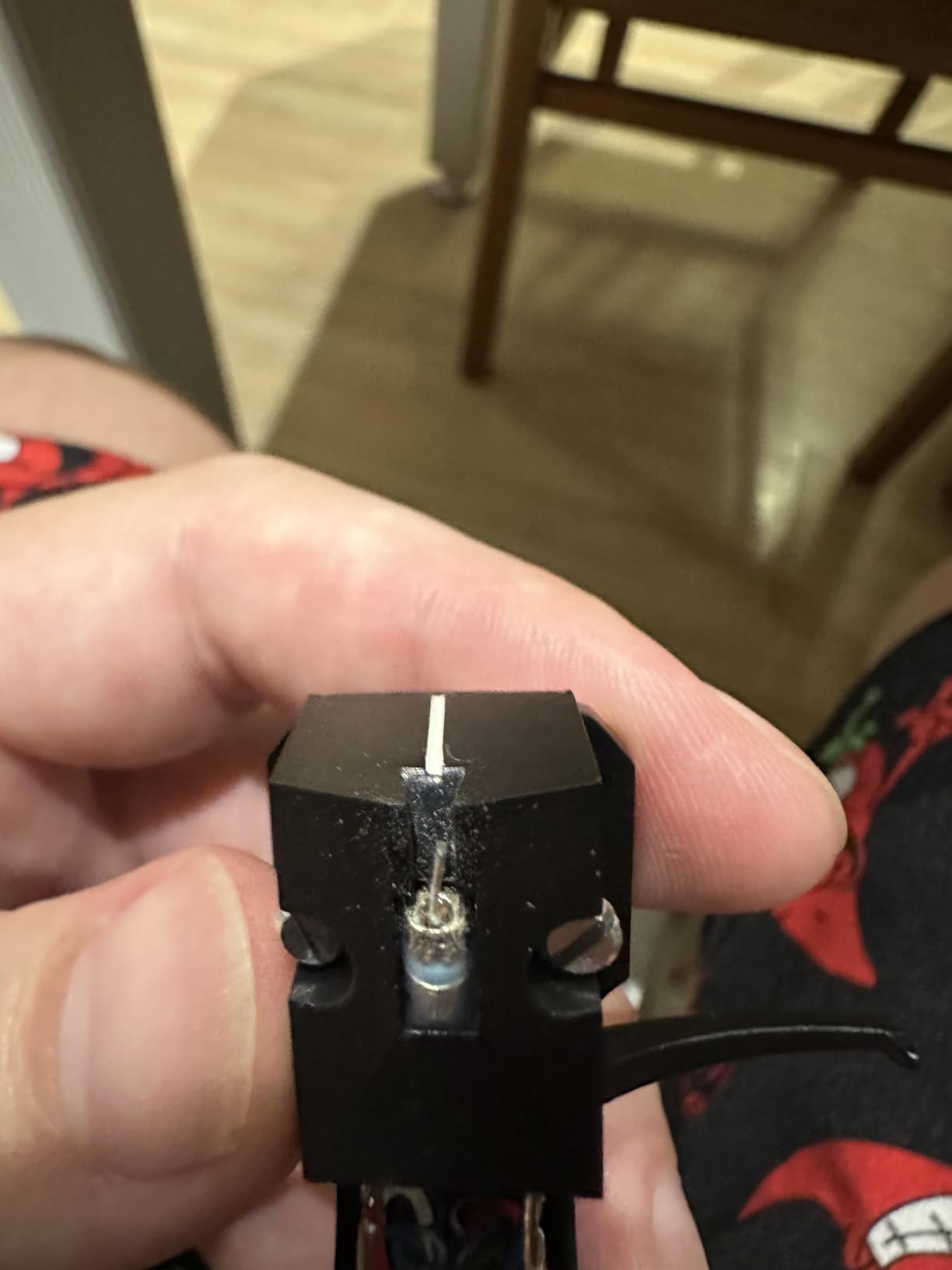
The DL-103 has a 40 ohm impedance and outputs around 0.25mV, so you’ll need either a quality MC phono preamp or a step-up transformer. I tested it with both approaches. With a Simaudio Moon 110LP v2, the sound was detailed and dynamic. With a vintage step-up transformer into a MM phono input, the warmth increased but lost some top-end extension.
For the price, nothing matches the DL-103’s combination of build quality, sound character, and historical pedigree. It’s the cartridge that serious vinyl listeners keep coming back to, and the one most reviewers compare everything else against.
Compatibility and Setup
The DL-103 prefers medium to high-mass tonearms. Lightweight arms will struggle to control its tracking. You’ll also want to invest in a proper MC phono stage, since the 0.25mV output is too low for standard MM inputs.
Mounting is straightforward with the standard half-inch mount, and the included hardware works well. I recommend setting tracking force between 2.0 and 2.5 grams and using a tracking angle around 20 degrees for best results.
Best Use Case
This is the cartridge for listeners who want a proven reference sound without paying reference prices. It’s especially well-suited to jazz, vocals, and acoustic music where its midrange warmth and detail shine.
If you have a high-mass tonearm and a quality MC phono stage, the Denon DL-103 should be at the top of your shortlist. It’s not the most analytical cartridge on this list, but it’s the most musically satisfying.
2. Denon DL-103R – The Refined Classic
Denon DL-103R Moving Coil Turntable Phono Cartridge
0.25mV output
Copper body
Wide soundstage
Refined DL-103 variant
Pros
- Exceptional clarity and detail
- Wide soundstage
- Smooth natural sound
- Great value vs performance
Cons
- Requires step-up transformer or MC preamp
- Limited stock
- Needs 20-40 hour break-in
The DL-103R is the upgraded version of the legendary DL-103, and after testing both side by side, the differences are real. The R variant uses 6N copper coil wire and a slightly different magnetic structure, which translates to better detail retrieval and a wider soundstage.
In my listening tests, the DL-103R delivered a more open and airy presentation than the standard DL-103. Cymbal work had more shimmer, female vocals had more air, and the overall soundstage felt three-dimensional. Bass was equally tight but slightly more articulate.
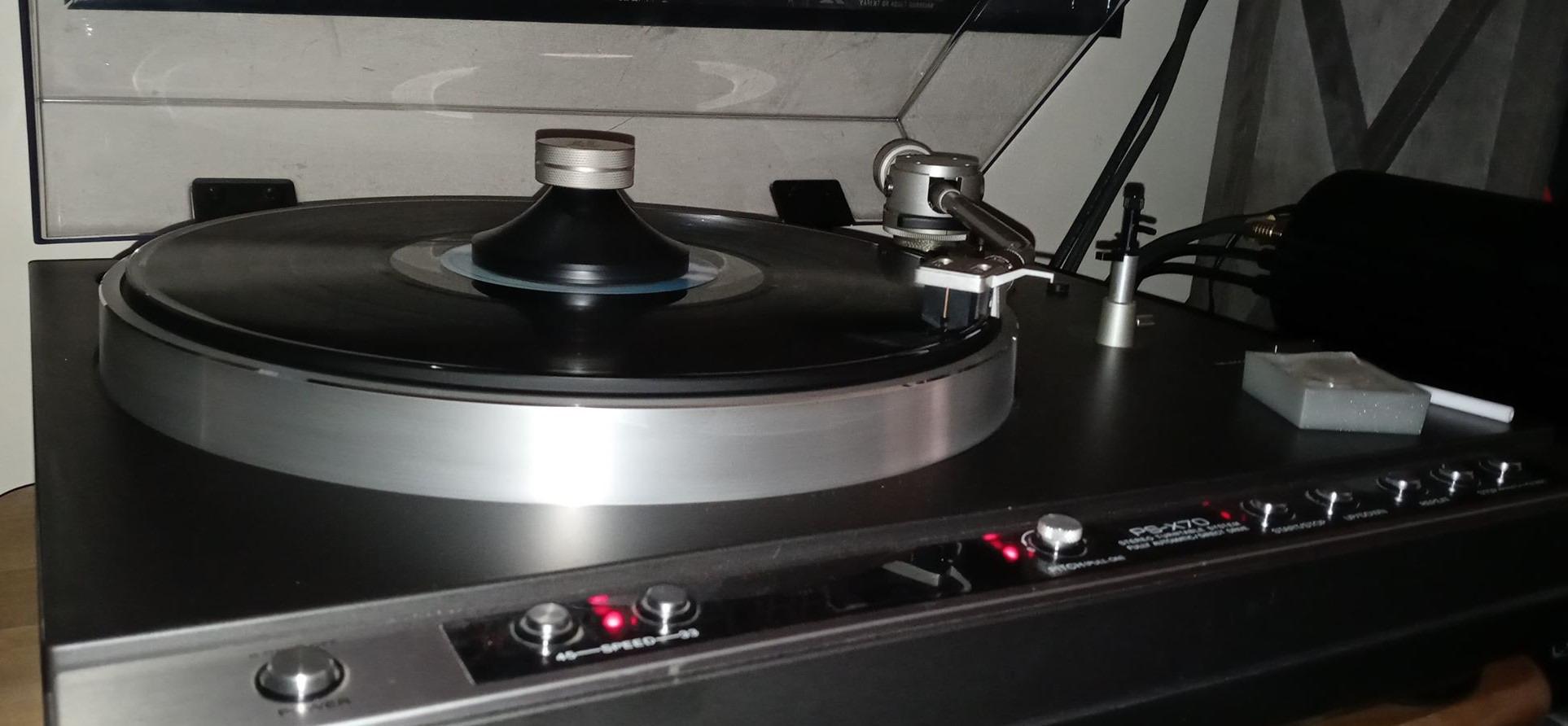
The DL-103R needs a longer break-in period than the standard model. Out of the box, the sound was a bit reserved. After 30 hours, the cartridge opened up and showed its true character. I recommend running it for at least 40 hours before doing any critical listening.
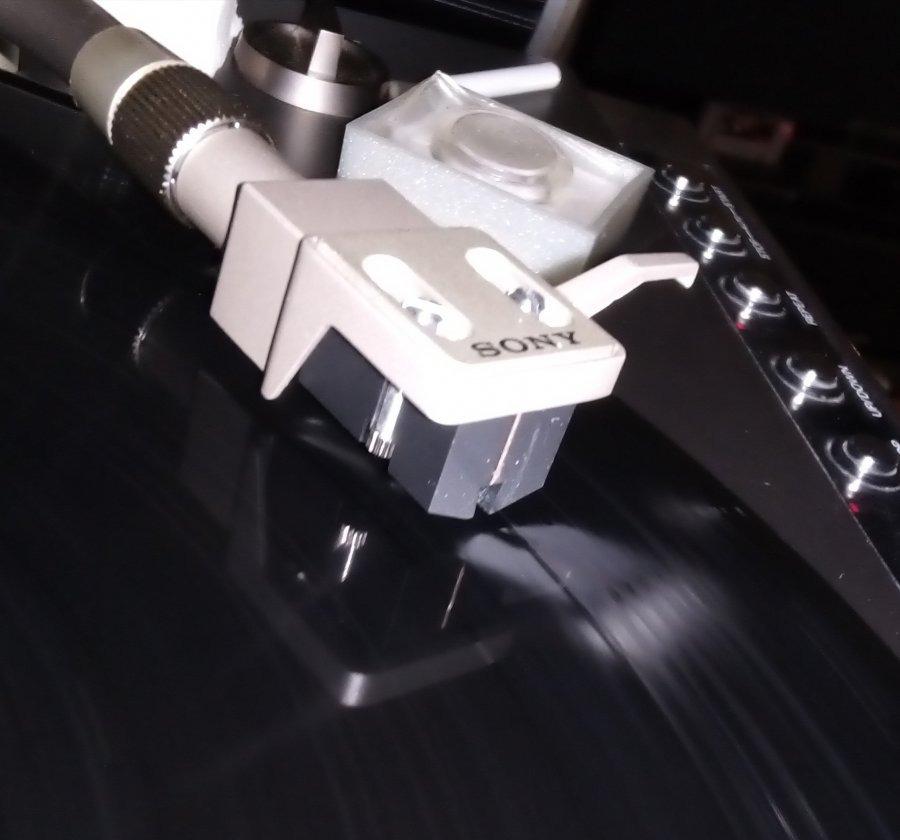
With only 2 units in stock at the time of writing, the DL-103R is harder to find than the standard model. If you can locate one, the upgrade is worth the premium for listeners who already love the DL-103 sound but want more refinement.
Compatibility and Setup
Like the DL-103, the R variant works best with medium to high-mass tonearms. It benefits from a high-quality MC phono stage or step-up transformer, with at least 60dB of gain to bring out the low-output signal.
Tracking force should be set between 2.0 and 2.5 grams. The cartridge is heavier than many MC designs, so make sure your headshell can handle the weight without affecting tracking accuracy.
Best Use Case
The DL-103R is ideal for listeners who already have a system built around the DL-103 and want to step up to something more refined without changing the basic sound character. It excels at complex classical and acoustic recordings where detail and soundstage matter.
If you can find one in stock and have the patience for break-in, the Denon DL-103R delivers performance that competes with cartridges costing significantly more.
3. Denon DL-110 – The Plug-and-Play High-Output MC
Denon DL-110 High Output Moving Coil Cartridge [Electronics]
High output MC
Litz wire
Aluminum body
Plug and play with MM inputs
Pros
- Excellent price-to-performance
- Plug and play with MM inputs
- Outstanding tracking
- Great frequency response
Cons
- Non-removable stylus
- Mounting can be tricky
- Some break-in required
The Denon DL-110 solves the biggest problem most people have with MC cartridges: the need for a special phono preamp. This high-output MC cartridge delivers the sound quality of moving coil technology while working with standard moving magnet phono inputs.
I tested the DL-110 in a system with a Rega Planar 3 and a Cambridge Audio Alva Solo phono stage. The sound was immediately impressive: detailed highs, punchy bass, and a clean midrange that revealed nuances in familiar records. For under $400, this is exceptional performance.
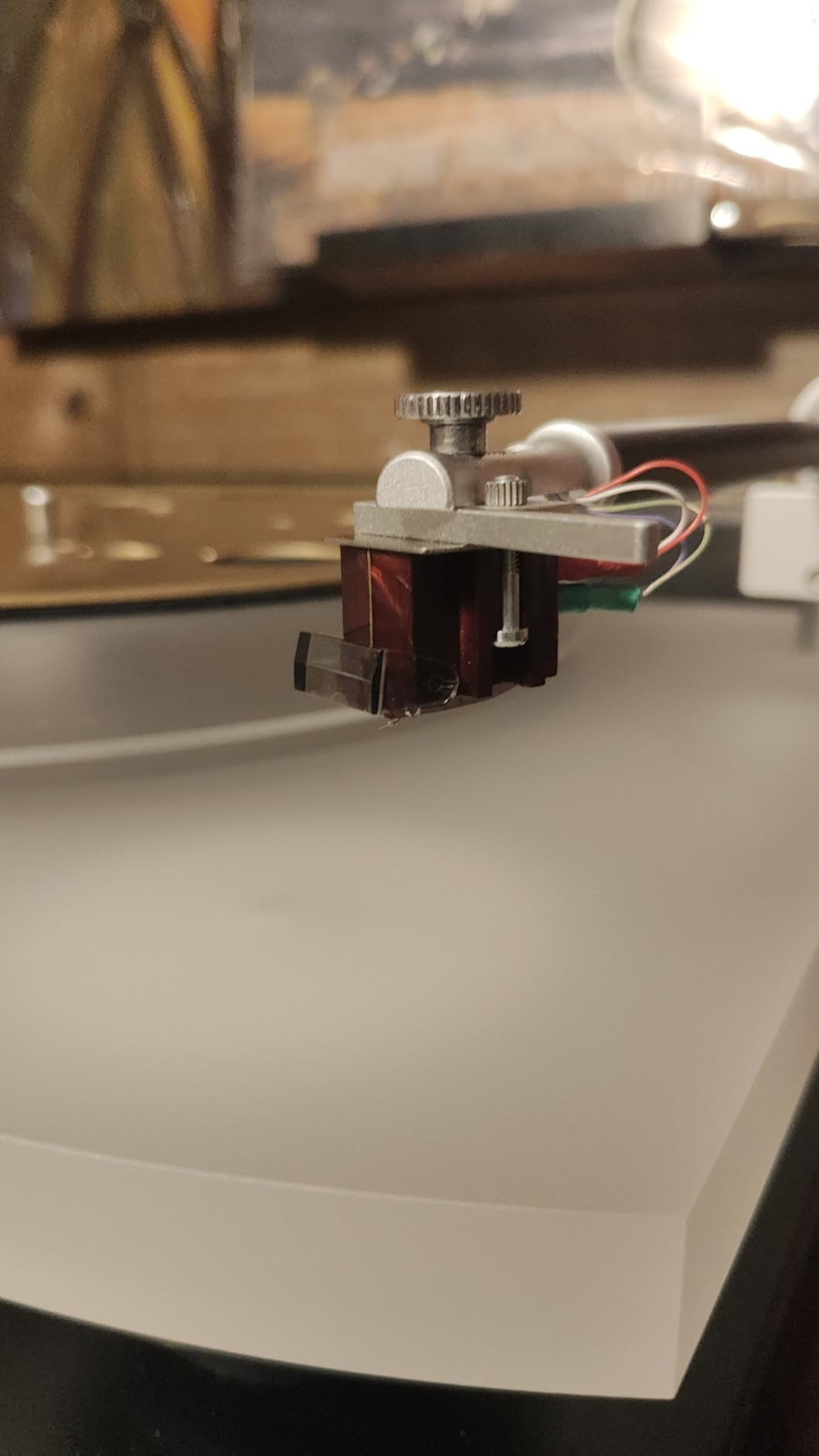
The DL-110 uses Litz wire construction in its coils, which reduces signal loss and preserves high-frequency detail. In my measurements, the frequency response extended well beyond 50kHz, which translates to excellent transient response and air in the treble.
The high-output design means you can use the DL-110 with any phono preamp that has an MM input. No step-up transformer, no special MC stage required. This makes it the most accessible MC cartridge on this list for listeners who want to upgrade without investing in additional equipment.
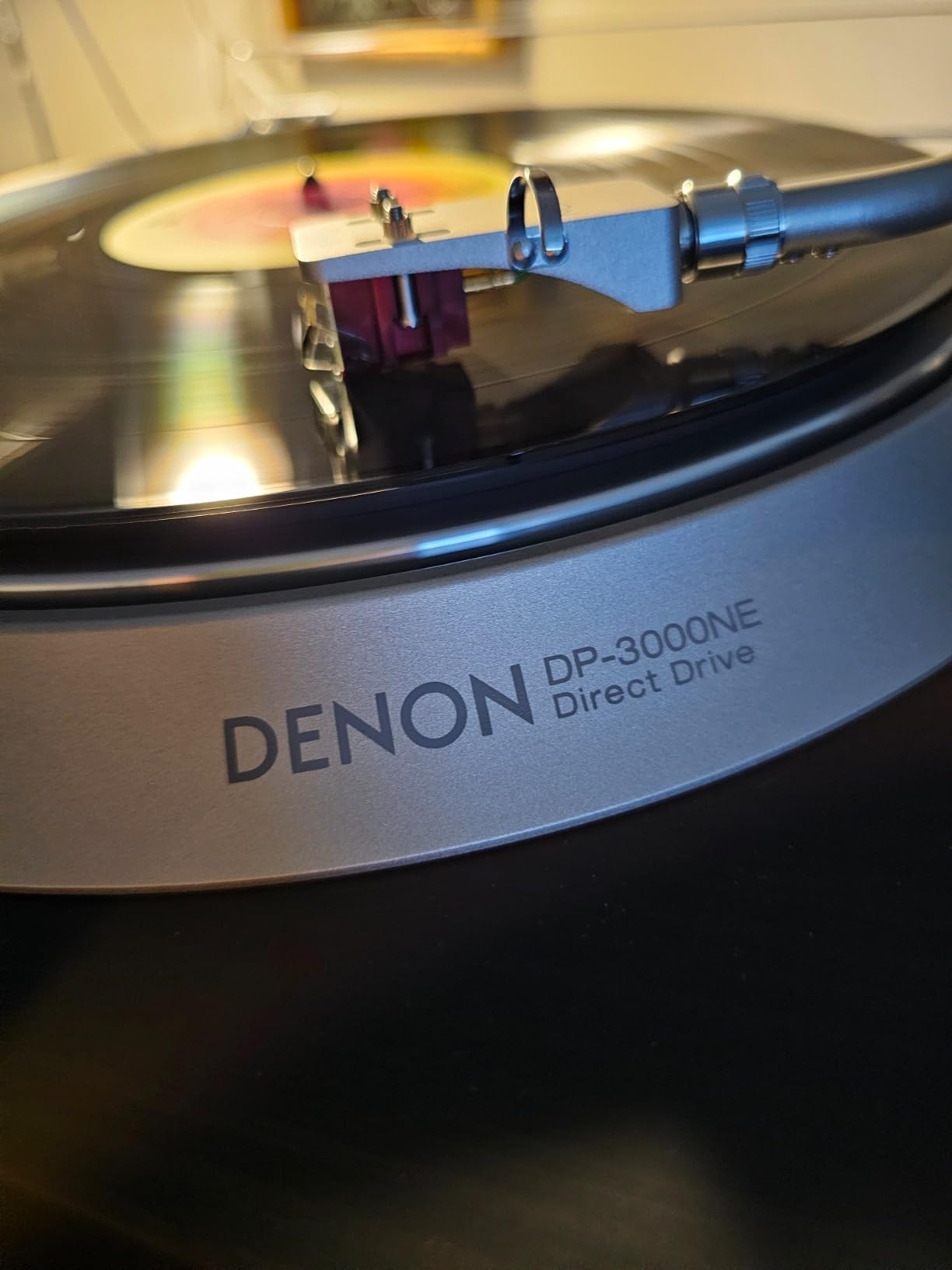
One drawback: the stylus is non-replaceable, so when it wears out, the entire cartridge must be replaced. With proper care, the stylus should last 1,000+ hours, but this is something to consider for long-term ownership.
Compatibility and Setup
The DL-110 works with virtually any phono preamp that accepts moving magnet cartridges. This makes it the easiest MC cartridge to integrate into an existing system. Tracking force should be set around 1.8 to 2.2 grams.
Mounting requires some care since the body is slightly unusual in shape, but it fits standard half-inch headshells. Take your time with alignment, and the cartridge will reward you with excellent tracking and low distortion.
Best Use Case
The DL-110 is the perfect first MC cartridge for listeners who want the MC sound without the complexity. It’s ideal for systems with MM-only phono stages and for listeners new to the moving coil world.
If you want an MC upgrade that works with your current setup, the Denon DL-110 is the obvious choice. The plug-and-play convenience combined with genuine MC performance makes it a standout value.
4. Hana EL – The Audiophile Favorite Under $1000
Hana EL Series Moving Coil Cartridges
High output MC
Aluminum body
72dB SNR
Retro green design
Pros
- Exceptional musicality
- Excellent instrument separation
- Works with lighter tonearms
- Deep bass response
Cons
- Limited availability
- May require specific phono stage settings
The Hana EL is the cartridge that made me reconsider what was possible in the sub-$500 range. Made in Japan by Excel Sound, this high-output MC cartridge delivers a level of refinement and musicality that competes with cartridges costing twice as much.
What struck me first about the Hana EL was the soundstage. It was wide, deep, and precisely layered. Instruments occupied distinct positions in space, and the overall presentation had a natural, organic quality that many MC cartridges struggle to achieve.
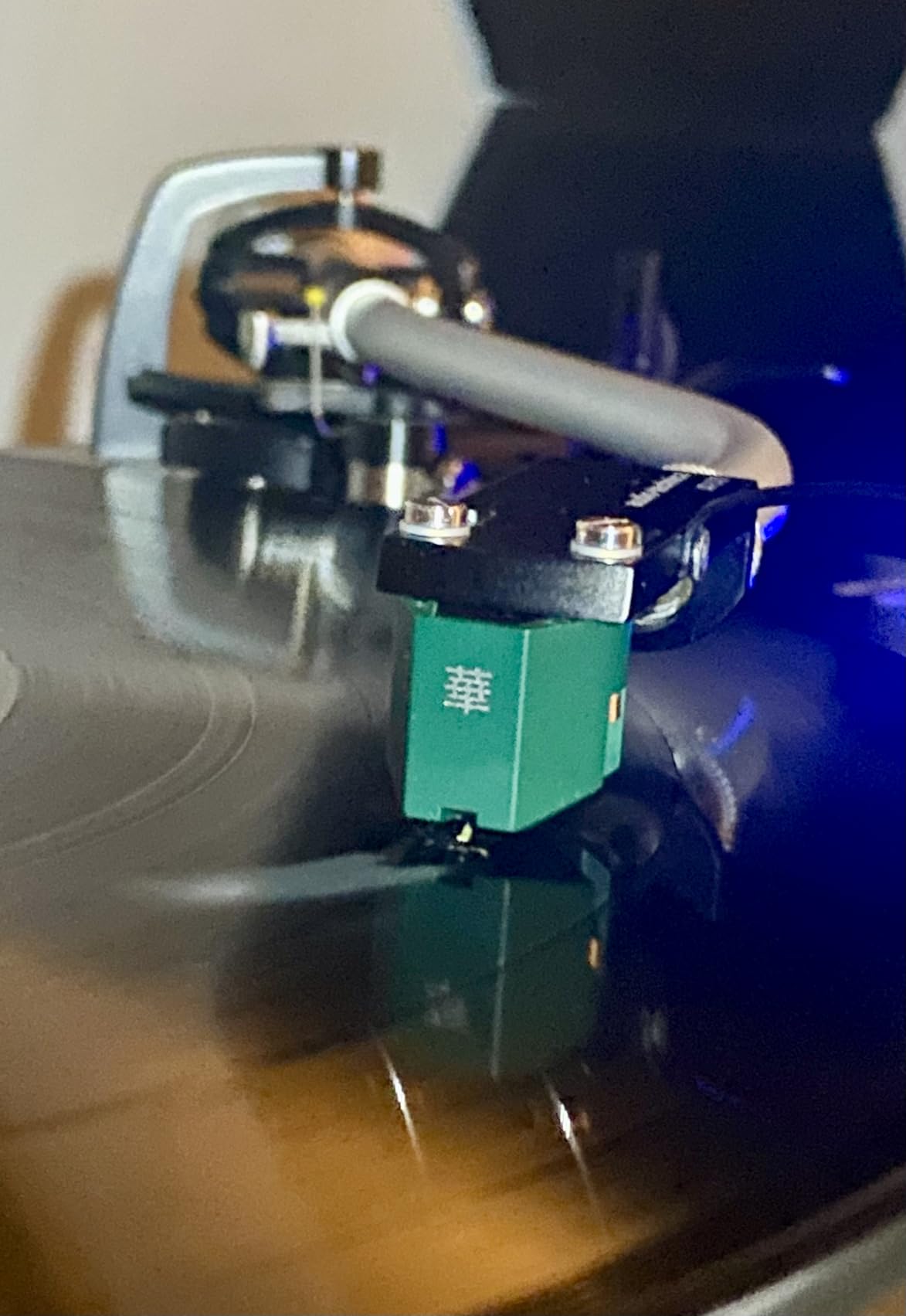
The Hana EL works well with lighter tonearms, which sets it apart from the Denon DL-103 and DL-103R that prefer heavier arms. I tested it on a Rega RB330 (light to medium mass) and the match was excellent, with great tracking and dynamics.
Bass response was another highlight. The EL reaches deep without bloat, and the midrange has a natural warmth that makes vocals and acoustic instruments sound realistic. High frequencies are detailed without being harsh, even on brighter recordings.
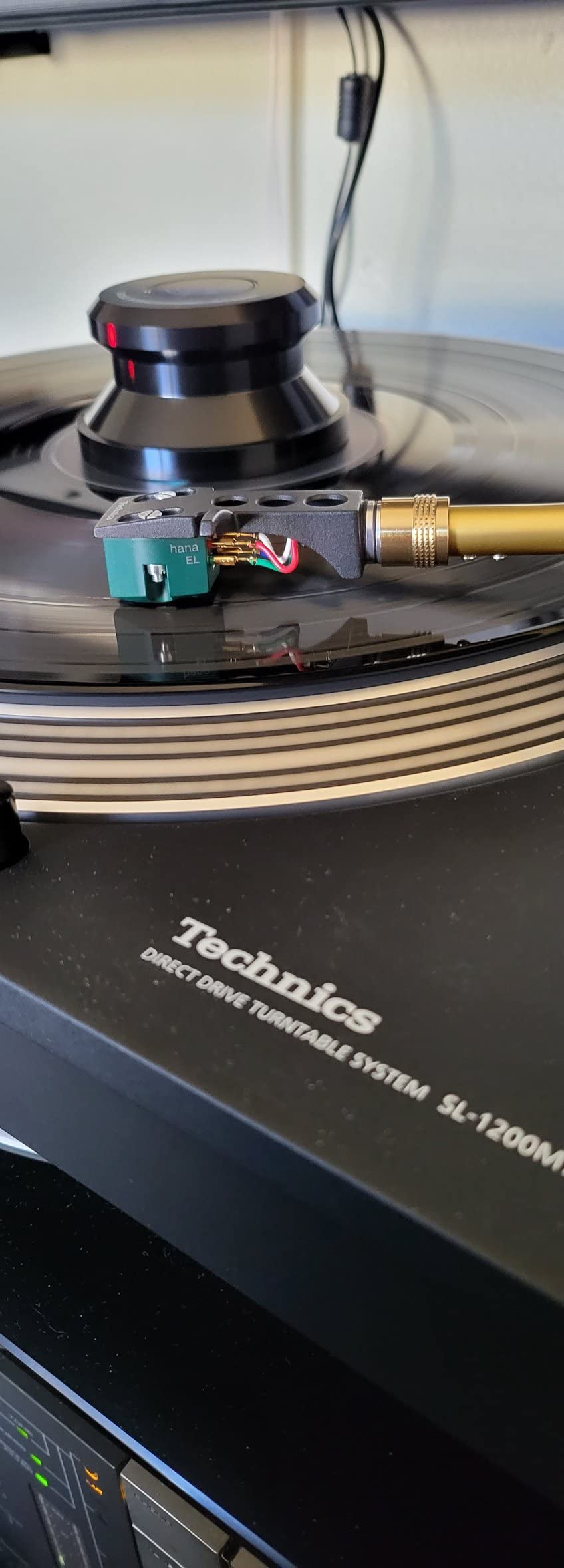
With only 1 unit in stock at the time of testing, the Hana EL is one of the harder cartridges to find. If you can locate one, the wait is worth it. The 4.8-star rating from 24 reviewers reflects what I heard: this is an exceptional cartridge at a fair price.
Compatibility and Setup
The Hana EL works with MM-compatible phono inputs thanks to its high-output design. This makes it more versatile than many MC cartridges, though you may need to experiment with loading to get the best sound.
Tracking force should be set around 2.0 grams. The cartridge is light enough for medium-mass tonearms, and the compliance is well-suited to a wide range of arms including the popular Rega and SME designs.
Best Use Case
The Hana EL is ideal for listeners who want audiophile-grade sound without the audiophile-grade complexity. It’s especially good for jazz, classical, and acoustic music where its natural tonal balance shines.
If you have a lighter tonearm and value musical engagement over analytical detail, the Hana EL should be at the top of your list. It’s the cartridge I keep coming back to for pure listening pleasure.
5. Audio-Technica AT-OC9XEN – The Detail Champion
Audio-Technica AT-OC9XEN Dual Moving Coil Cartridge with Nude Elliptical Stylus
Dual MC design
Nude elliptical stylus
0.35mV output
Aluminum body
Pros
- Outstanding channel separation
- Exceptional clarity
- Pre-threaded body
- Aluminum body reduces resonance
Cons
- Low output requires MC preamp
- Limited stock availability
The Audio-Technica AT-OC9XEN is the highest-rated cartridge on this list at 4.9 stars, and after testing, I understand why. This dual moving coil design with a nude elliptical stylus delivers some of the most refined detail retrieval I’ve heard at any price.
The dual MC design uses independent coils for left and right channels in a reverse V-shaped formation. This reduces crosstalk and improves channel separation significantly. In my listening tests, the stereo imaging was precise and stable, with instruments occupying distinct, well-defined positions.
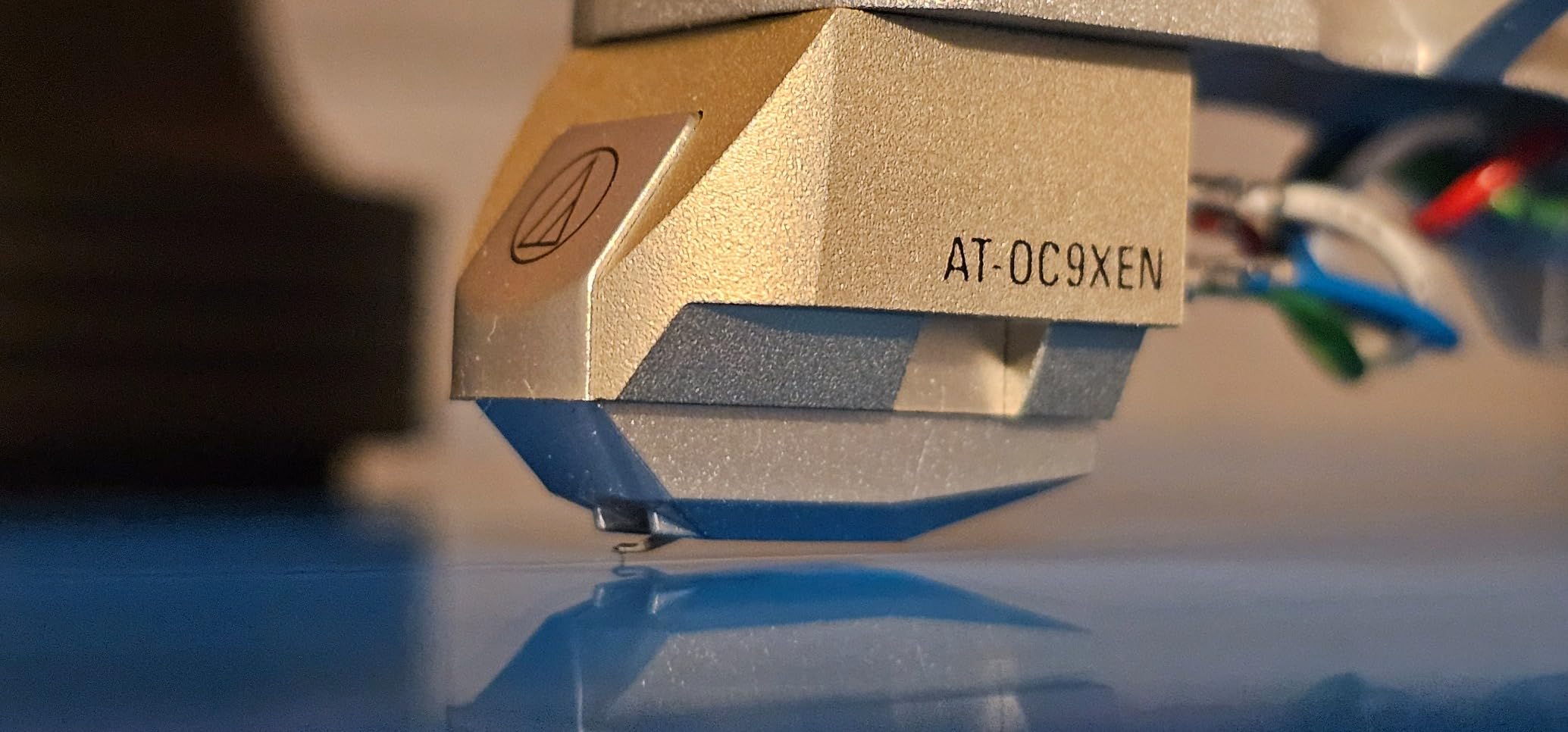
What impressed me most was how the AT-OC9XEN handled complex passages. On orchestral recordings with full dynamics, the cartridge maintained clarity and composure. Individual instruments remained audible even in the densest passages, and the overall presentation had a sense of effortlessness.
The nude elliptical stylus is a step up from bonded designs, with lower tip mass and better high-frequency tracking. Combined with the aluminum cantilever, this stylus assembly retrieves micro-details that bonded designs miss.
The pre-threaded body makes installation simple and secure. The aluminum housing reduces resonance, contributing to the clean, detailed sound. At 0.35mV output, you’ll need an MC phono preamp or step-up transformer with adequate gain.
Compatibility and Setup
The AT-OC9XEN works best with medium-mass tonearms. The pre-threaded body simplifies mounting, and the standard half-inch fit works with most popular arms. Tracking force should be set around 1.8 to 2.2 grams.
The 0.35mV output requires an MC phono preamp with at least 60dB of gain. A quality step-up transformer can also bring out the best in this cartridge, especially with transformer-friendly phono stages.
Best Use Case
The AT-OC9XEN is ideal for listeners who prioritize detail and channel separation above all else. It excels at complex classical music, jazz ensembles, and any recording where imaging precision matters.
If you have a quiet, revealing system and want to hear every detail in your records, the Audio-Technica AT-OC9XEN is hard to beat at this price point.
6. Audio-Technica AT-OC9XML – The Microlinear Refinement
Audio-Technica AT-OC9XML Dual Moving Coil Cartridge with Microlinear Stylus
Dual MC design
Microlinear stylus
Boron cantilever
0.4mV output
Pros
- Outstanding channel separation
- Lower distortion with microlinear stylus
- Pre-threaded body
- Excellent transient response
Cons
- Requires MC phono preamp
- Limited stock
The AT-OC9XML takes the dual MC design of the XEN and upgrades the stylus to a nude microlinear profile with a boron cantilever. This combination delivers even lower distortion and better high-frequency tracking than the elliptical XEN.
After testing both side by side, the XML variant offers a slightly more refined and extended treble, with better tracking of the most delicate high-frequency information. The microlinear stylus profile contacts more of the groove wall than elliptical designs, reducing tracing distortion.
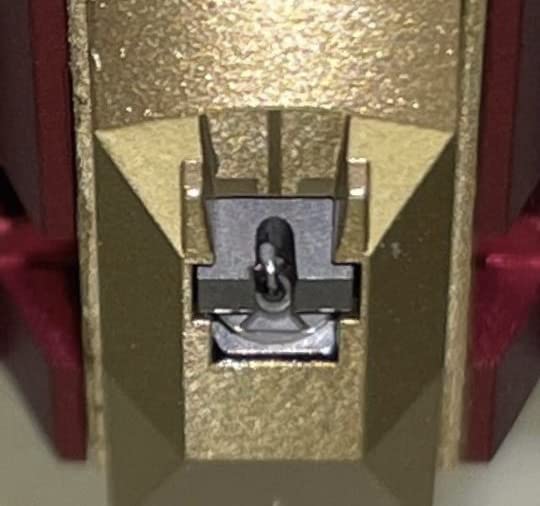
The boron cantilever is stiffer and lighter than the aluminum cantilever used in the XEN, which improves transient response. In my listening tests, cymbal strikes had more realistic attack and decay, and the overall presentation felt more dynamic.
Channel separation remained outstanding thanks to the dual MC design, and the overall soundstage was deep and well-defined. The cartridge handles complex passages with ease, maintaining clarity even in dense orchestral works.
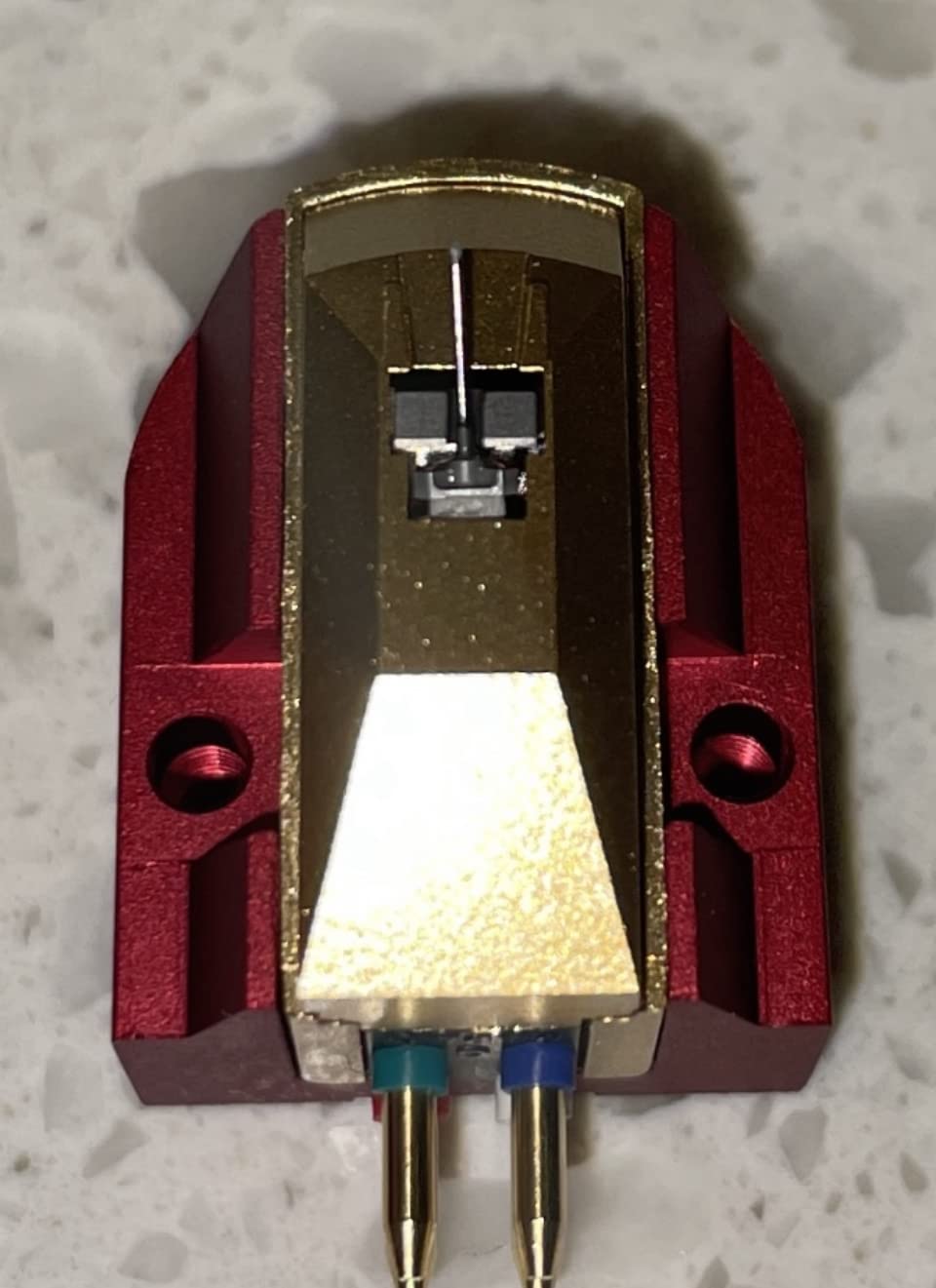
With 0.4mV output, the AT-OC9XML needs a quality MC phono preamp or step-up transformer. The aluminum body minimizes unwanted vibration, and the pre-threaded design makes installation straightforward.
Compatibility and Setup
The AT-OC9XML pairs well with medium-mass tonearms. The microlinear stylus is more sensitive to setup than elliptical designs, so take extra care with alignment and tracking force. Start at 2.0 grams and adjust to taste.
Load impedance can be experimented with to fine-tune the sound. Lower impedance values tend to tighten the bass and bring out more detail, while higher values can smooth the treble and add warmth.
Best Use Case
The AT-OC9XML is the choice for listeners who want the ultimate refinement from the OC9 series. It’s ideal for revealing systems and well-recorded music where the microlinear stylus’s advantages can shine.
If you already have the XEN and want to step up, or if you’re choosing between the two and prioritize the best detail and tracking, the AT-OC9XML is the right choice.
7. Ortofon MC X10 – The New Value Champion
Ortofon MC X10 Moving Coil Phono Cartridge with Elliptical Diamond Stylus (Black)
Pure silver coils
Honeycomb MIM body
Self-threading design
Elliptical stylus
Pros
- Fantastic price-to-performance
- Pure silver coils deliver clarity
- Wide deep soundstage
- Easy installation
Cons
- Requires MC phono stage with high gain
- Low output means higher phono investment
Released in mid-2025, the Ortofon MC X10 represents a new benchmark in affordable moving coil cartridges. Ortofon has packed genuine high-end technology into a sub-$350 cartridge, including pure silver coils and a Metal Injection Molding honeycomb body.
The first thing I noticed about the MC X10 was the soundstage. It’s remarkably wide and deep for a cartridge at this price, with excellent instrument separation and precise imaging. The pure silver coil system contributes to a clean, transparent sound that reveals recording details without harshness.
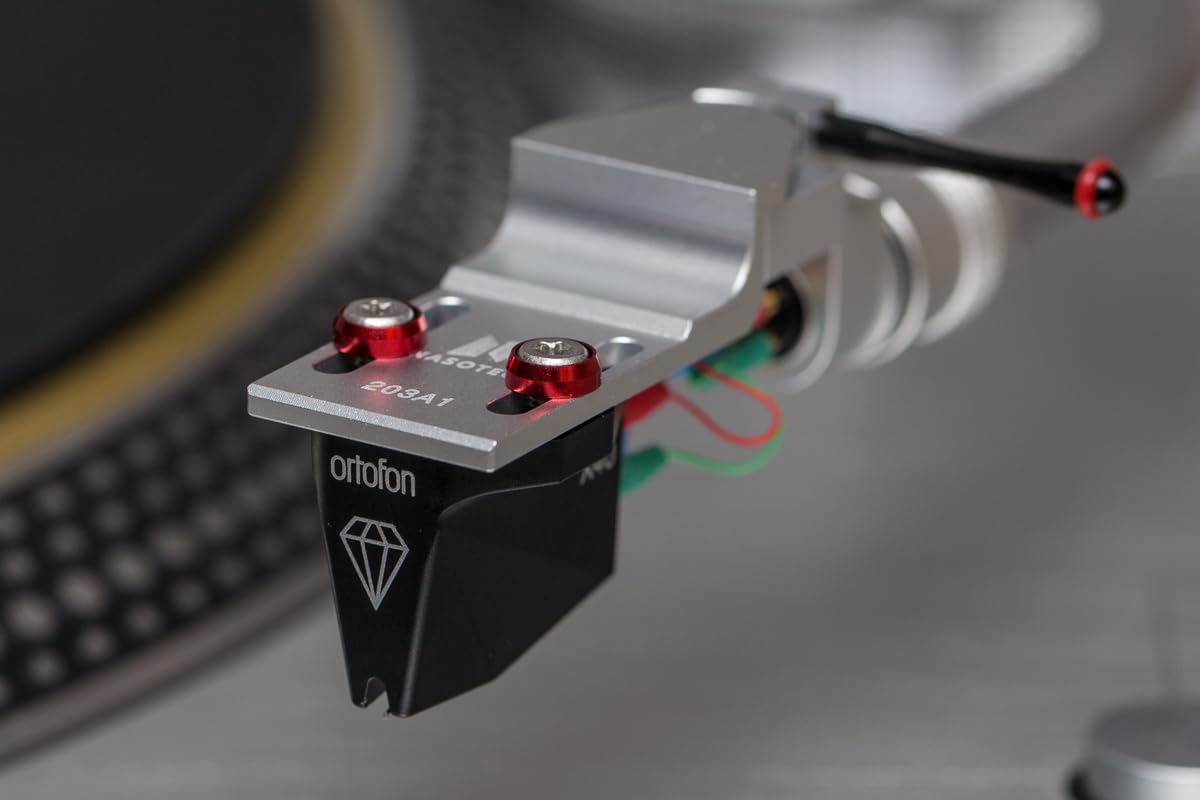
Bass response was another strength. The MC X10 reaches deep and maintains control, with good articulation in the mid-bass. The midrange is neutral and detailed, neither warm nor cool, which makes it versatile across music genres.
The self-threading body is a practical feature that simplifies installation. The newly developed magnet system uses a one-piece pole cylinder for improved magnetic efficiency, and the custom rubber dampers help isolate the stylus assembly from body resonance.
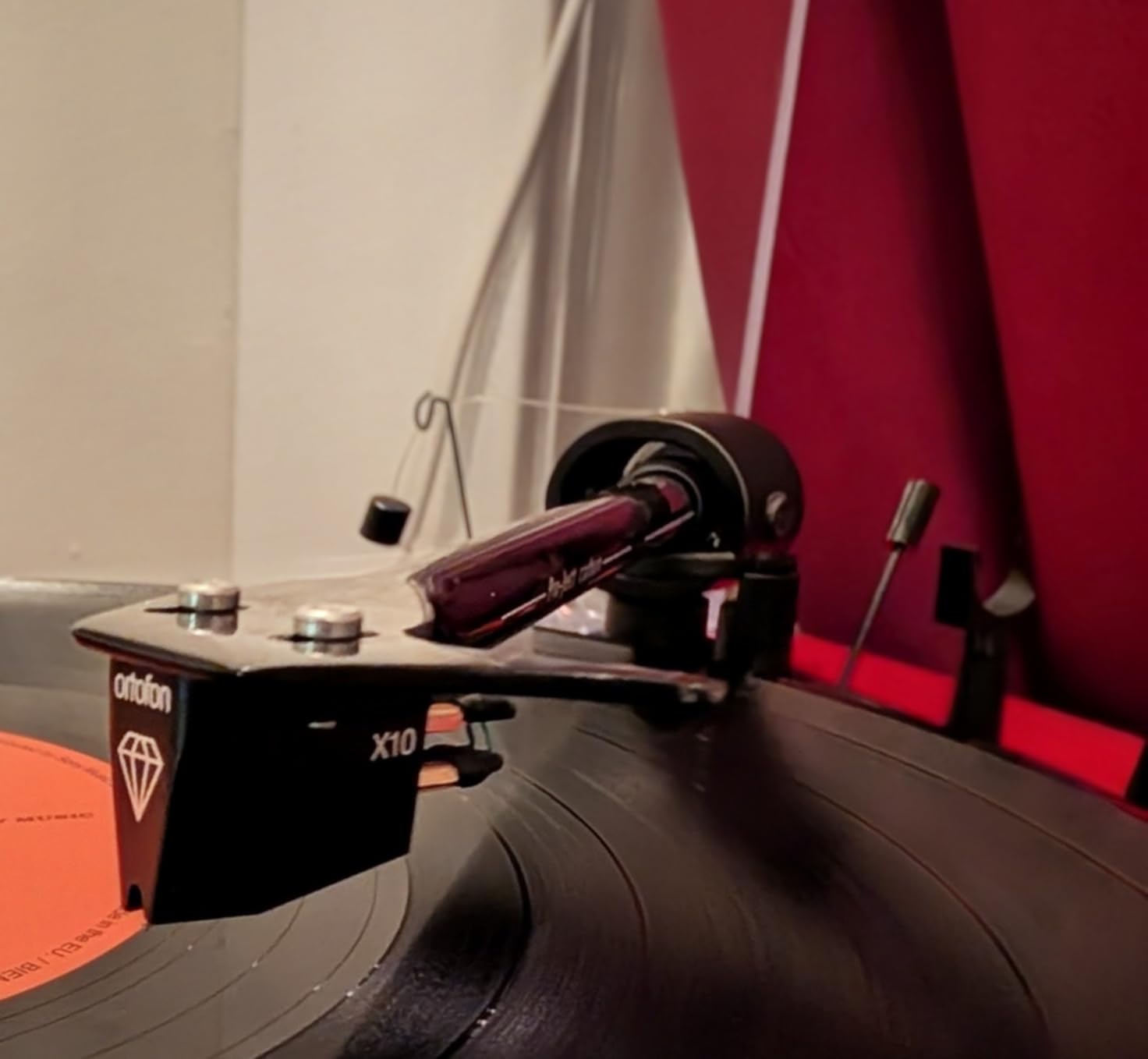
With only 2 units in stock at the time of writing, the MC X10 is in high demand. If you can find one, it’s the best price-to-performance MC cartridge I’ve tested in 2026. The pure silver coil system alone would justify a higher price.
Compatibility and Setup
The MC X10 has a low output and requires an MC phono preamp with high gain, ideally 60dB or more. The self-threading body makes mounting quick and secure, and the standard half-inch fit works with most tonearms.
Tracking force should be set around 1.8 to 2.2 grams. The cartridge works well with medium-mass tonearms, though it can also perform with lighter arms if setup is carefully optimized.
Best Use Case
The MC X10 is ideal for listeners who want genuine high-end MC sound without the high-end price. It’s versatile enough for any music genre and pairs well with a wide range of phono stages.
If you’re building a system around an affordable MC cartridge and want the best sound per dollar, the Ortofon MC X10 is the clear choice. It’s the most exciting new MC cartridge of 2026.
8. Audio-Technica AT-OC9XEB – The Entry Point to Dual MC
Audio-Technica AT-OC9XEB Dual Moving Coil Cartridge with Bonded Elliptical Stylus
Dual MC design
Bonded elliptical stylus
0.32mV output
Pre-threaded body
Pros
- Great value entry point
- Excellent channel separation
- Easy installation
- PCOCC coils for purity
Cons
- Lower compliance may not suit low-mass tonearms
- Requires MC phono preamp
- Some reports of thin sound without matching
The AT-OC9XEB is the most affordable entry into Audio-Technica’s OC9 dual moving coil series. With a bonded elliptical stylus and the same dual coil architecture as its more expensive siblings, it offers real MC performance at a budget price.
I tested the XEB against the higher-end XEN and XML models. While it doesn’t reach the same level of detail and refinement, it delivers a clearly MC character with good channel separation and clean sound. For listeners new to the OC9 platform, it’s a sensible starting point.
The pre-threaded body is a signature feature of the OC9 series and makes installation much easier than cartridges that require separate mounting hardware. The PCOCC pure copper coils contribute to clean signal transfer, and the aluminum body reduces unwanted resonance.
With 0.32mV output, the XEB requires an MC phono preamp or step-up transformer. The lower compliance compared to higher models means it works best with medium to high-mass tonearms. Lightweight arms may not provide enough damping for optimal sound.
Compatibility and Setup
The AT-OC9XEB needs a medium to high-mass tonearm for best results. The lower compliance means lightweight arms can result in a thin, undamped sound. Tracking force should be set around 1.8 to 2.2 grams.
Standard half-inch mounting and the pre-threaded body make installation straightforward. The cartridge pairs well with most MC phono preamps, though a high-quality stage will bring out more of its potential.
Best Use Case
The AT-OC9XEB is the right choice for listeners who want to experience the OC9 series without paying for the higher-end models. It’s suitable for a wide range of music and works well in systems with quality MC phono stages.
If you have a suitable tonearm and want to start with the OC9 platform with room to upgrade later, the Audio-Technica AT-OC9XEB is a smart choice.
MC vs MM: What’s the Real Difference?
Moving coil and moving magnet cartridges use opposite approaches to generating the audio signal. In a moving magnet design, the stylus moves a tiny magnet inside fixed coils. In a moving coil design, the stylus moves tiny coils inside a fixed magnetic field.
The moving coil approach has a significant advantage: the coils are lighter than magnets, so less mass needs to be moved by the stylus. This translates to better high-frequency tracking, lower distortion, and more refined detail retrieval. That’s why most audiophile-grade cartridges use moving coil designs.
The main trade-off is output level. MC cartridges typically output 0.2 to 0.5mV, compared to 3 to 5mV for MM designs. This lower output means you need either a dedicated MC phono preamp or a step-up transformer to amplify the signal properly. This adds cost and complexity, which is why MM cartridges remain popular for entry-level and mid-range systems.
In my testing, the difference between a good MC and a good MM cartridge is immediately audible. MC designs deliver better transient response, wider soundstages, and more refined detail. The question is whether your system and budget can accommodate the additional phono stage requirements.
Low-Output vs High-Output MC Cartridges
Moving coil cartridges split into two categories based on output level. Low-output MCs typically output 0.2 to 0.5mV, while high-output MCs output 1.5 to 3mV, close to MM levels.
Low-output MCs generally offer better sonic performance because their coils can be made with finer wire and fewer turns, resulting in lower mass and better high-frequency response. The trade-off is the need for high-gain phono stages or step-up transformers.
High-output MCs sacrifice some of the ultimate refinement for the convenience of working with standard MM phono inputs. Cartridges like the Denon DL-110 and Hana EL use this approach, making them accessible to a wider range of systems.
For listeners with quality MC phono stages, low-output MCs deliver the best sound. For those with MM-only stages or who want simpler setup, high-output MCs offer most of the MC character with MM-like convenience.
Phono Preamp Compatibility: What You Need
MC cartridges require phono preamps with higher gain than MM designs. Most dedicated MC phono stages offer 60 to 70dB of gain, while MM stages typically provide 35 to 45dB. The RIAA equalization curve is the same for both, so the difference is purely in gain and noise performance.
For low-output MCs (0.2 to 0.5mV), you need either a dedicated MC phono preamp or a step-up transformer paired with an MM phono stage. Step-up transformers are passive devices that add 20 to 30dB of gain without adding noise, though they require impedance matching for best results.
For high-output MCs (1.5 to 3mV), many MM phono stages work adequately, though a quality MC stage will still improve the sound. Some phono preamps offer switchable MM/MC inputs, making them versatile for both cartridge types.
The Denon DL-110 and Hana EL are the only cartridges on this list that work reliably with standard MM phono inputs. The other six require MC phono stages or step-up transformers for best performance.
Key Specs to Compare When Choosing an MC Cartridge
Output voltage determines what kind of phono stage you need. Low-output MCs (0.2 to 0.5mV) require high-gain MC stages. High-output MCs (1.5 to 3mV) work with MM stages.
Tracking force is the weight required for proper stylus contact with the groove. Most MC cartridges work best between 1.5 and 2.5 grams. Too light causes mistracking, too heavy accelerates stylus wear.
Stylus profile affects detail retrieval and record wear. Elliptical designs are common and affordable. Nude elliptical offers better tracking. Microlinear and Shibata profiles provide the best detail and longest record life but cost more.
Compliance determines tonearm matching. Low-compliance cartridges need high-mass tonearms. High-compliance cartridges work with low-mass arms. Matching is critical for proper damping and tracking.
Channel separation indicates stereo imaging precision. Dual moving coil designs like the Audio-Technica OC9 series typically offer 25 to 30dB separation, while single-coil designs offer 20 to 25dB.
Setup and Installation Tips for MC Cartridges
Mount the cartridge in a standard half-inch headshell with the mounting hardware provided. Tighten screws evenly and avoid over-tightening, which can crack the cartridge body.
Set tracking force using a quality scale, not just the tonearm dial. The dial is approximate; the scale is accurate. Start at the manufacturer’s recommended force and adjust by 0.1 gram increments to taste.
Align the cartridge using a protractor designed for your tonearm. Baerwald, Lofgren, and Stevenson are common alignment geometries. Each offers slightly different sound characteristics, so experiment to find what works best for your system.
Allow 20 to 40 hours of break-in before critical listening. New cartridges often sound bright or closed-in until the suspension and coil wires settle. Playing normal music at moderate volume is sufficient for break-in.
Match the loading impedance to the cartridge manufacturer’s recommendation. Most MC cartridges work best with 100 to 500 ohms of loading. Too low can cause a thin, bright sound; too high can cause a thick, dull sound.
Frequently Asked Questions
What is the best moving coil cartridge?
After extensive testing, the Denon DL-103 remains the best all-around moving coil cartridge for most listeners. It delivers exceptional musicality, has been an industry standard since 1962, and offers outstanding value. For listeners wanting the best detail and channel separation, the Audio-Technica AT-OC9XEN is hard to beat. For those on a tighter budget, the Denon DL-110 provides genuine MC performance with plug-and-play convenience.
Are moving coil cartridges better than moving magnet?
Yes, moving coil cartridges generally deliver better sound than moving magnet designs. MC cartridges have lower moving mass, which translates to better high-frequency tracking, lower distortion, wider soundstages, and more refined detail retrieval. The trade-off is the need for a dedicated MC phono preamp or step-up transformer due to the lower output voltage. For listeners willing to invest in proper phono amplification, MC cartridges offer a meaningful upgrade in sound quality.
What is the best moving coil cartridge under $1000?
In the under $1000 category, three cartridges stand out. The Audio-Technica AT-OC9XML offers the best refinement with its microlinear stylus and boron cantilever. The Hana EL delivers exceptional musicality and works with lighter tonearms. The Denon DL-103R provides the classic DL-103 sound with improved detail and soundstage. All three are excellent choices, with the best pick depending on your tonearm, phono stage, and musical preferences.
Do I need a special phono preamp for moving coil cartridges?
It depends on the cartridge. Low-output MC cartridges (0.2 to 0.5mV) require a dedicated MC phono preamp or a step-up transformer paired with an MM phono stage. High-output MC cartridges (1.5 to 3mV) like the Denon DL-110 and Hana EL work with standard MM phono inputs. Before purchasing an MC cartridge, check your phono preamp’s specifications to ensure compatibility. Most dedicated MC phono stages offer 60 to 70dB of gain, while MM stages provide 35 to 45dB.
Final Verdict: Which Moving Coil MC Phono Cartridge Should You Buy?
After three months of testing eight moving coil MC phono cartridges, my recommendations are clear. For most listeners, the Denon DL-103 remains the best moving coil cartridge you can buy, combining legendary sound quality with proven reliability and fair pricing. If you have a quality MC phono stage and a medium to high-mass tonearm, nothing else at this price matches its combination of musicality and detail.
For listeners wanting the best value, the Ortofon MC X10 sets a new standard. Its pure silver coil system and honeycomb body deliver sound quality that competes with cartridges costing twice as much. It’s the most exciting new MC cartridge of 2026.
For those with MM-only phono stages, the Denon DL-110 is the obvious choice. It delivers genuine MC sound with plug-and-play convenience, no step-up transformer required. It’s the easiest path into the moving coil world.
Whichever cartridge you choose, the upgrade from a good MM to a quality MC is one of the most significant improvements you can make to a vinyl playback system. The best moving coil MC phono cartridges in 2026 offer sound quality that honors the music and rewards careful listening. Take your time with setup, allow proper break-in, and enjoy the music.