
If you have spent any time searching for the best multipad drum machines for drummers in 2026, you already know the market is flooded with options at every price point. From Roland’s industry-standard flagships to budget-friendly units that punch way above their weight, choosing the right multipad can completely transform your live show or studio workflow.
I have been testing electronic percussion gear for over a decade, and our team has personally played through dozens of multipads across rehearsal rooms, clubs, and recording sessions. We narrowed this list down to eight standouts based on real-world playability, sound quality, build, and value. Whether you are a hybrid drummer expanding your acoustic kit, a finger drummer producing beats in your bedroom, or a live performer triggering custom samples on stage, there is something here for you.
The eight multipads below cover every budget and use case. We will start with our top three picks, give you a comparison table, walk through every product in detail, and finish with a buying guide and FAQ section. By the end, you will know exactly which multipad belongs on your drum throne.
Table of Contents
Top 3 Picks for Best Multipad Drum Machines for Drummers (September 2026)

Roland SPD-SX PRO
- 9 pads with advanced triggers
- 8 external trigger inputs
- 4.3 inch color display
- Customizable LED colors

Alesis Strike MultiPad
- 9 velocity-sensitive RGB pads
- 32GB storage with 700+ sounds
- Built-in looper
- USB audio/MIDI interface

Best Multipad Drum Machines in 2026
| Product | Specifications | Action |
|---|---|---|
| Alesis Strike MultiPad |
|
Check Latest Price |
| Roland SPD-SX PRO |
|
Check Latest Price |
 Roland SPD-SX Roland SPD-SX |
|
Check Latest Price |
 Roland OCTAPAD SPD-30 Roland OCTAPAD SPD-30 |
|
Check Latest Price |
 HXW PD705 HXW PD705 |
|
Check Latest Price |
 HXW PD708 HXW PD708 |
|
Check Latest Price |
 Alesis SamplePad Pro Alesis SamplePad Pro |
|
Check Latest Price |
| Alesis Sample Pad 4 |
|
Check Latest Price |
1. Alesis Strike MultiPad – Best Value for Live Performance
Alesis Strike Multipad Electric Drum Pad
9 velocity-sensitive RGB pads
32GB storage
700+ sounds
USB audio/MIDI
Pros
- Extensive loop library with categorized sounds
- RGB backlighting for visual feedback
- Large 4.3 inch display for easy navigation
- 32GB storage with 6GB+ of content
- USB audio/MIDI interface built in
Cons
- Documentation lacks detail
- MIDI input recognition issues reported
Our team has been running the Alesis Strike MultiPad on mid-size club dates for the past six months, and it has earned its spot as our top value pick. The 9 velocity-sensitive RGB pads respond cleanly to ghost notes and heavy backbeats alike, and the color-coded feedback is genuinely useful on dark stages. I have triggered kick samples, layered snare hits, and even used it as a stand-alone click track unit without any crosstalk issues at the default threshold.
The 4.3 inch color display makes navigation dramatically faster than the older Alesis SamplePad models. I can swap kits, edit effects, and load samples within seconds, which matters when you are between songs at a gig. The 32GB of internal storage holds thousands of custom samples, and the unit ships with 6GB of pre-loaded content organized into categorized loops. For drummers who want a sample pad that feels modern without paying flagship prices, the Strike MultiPad sits in a sweet spot.
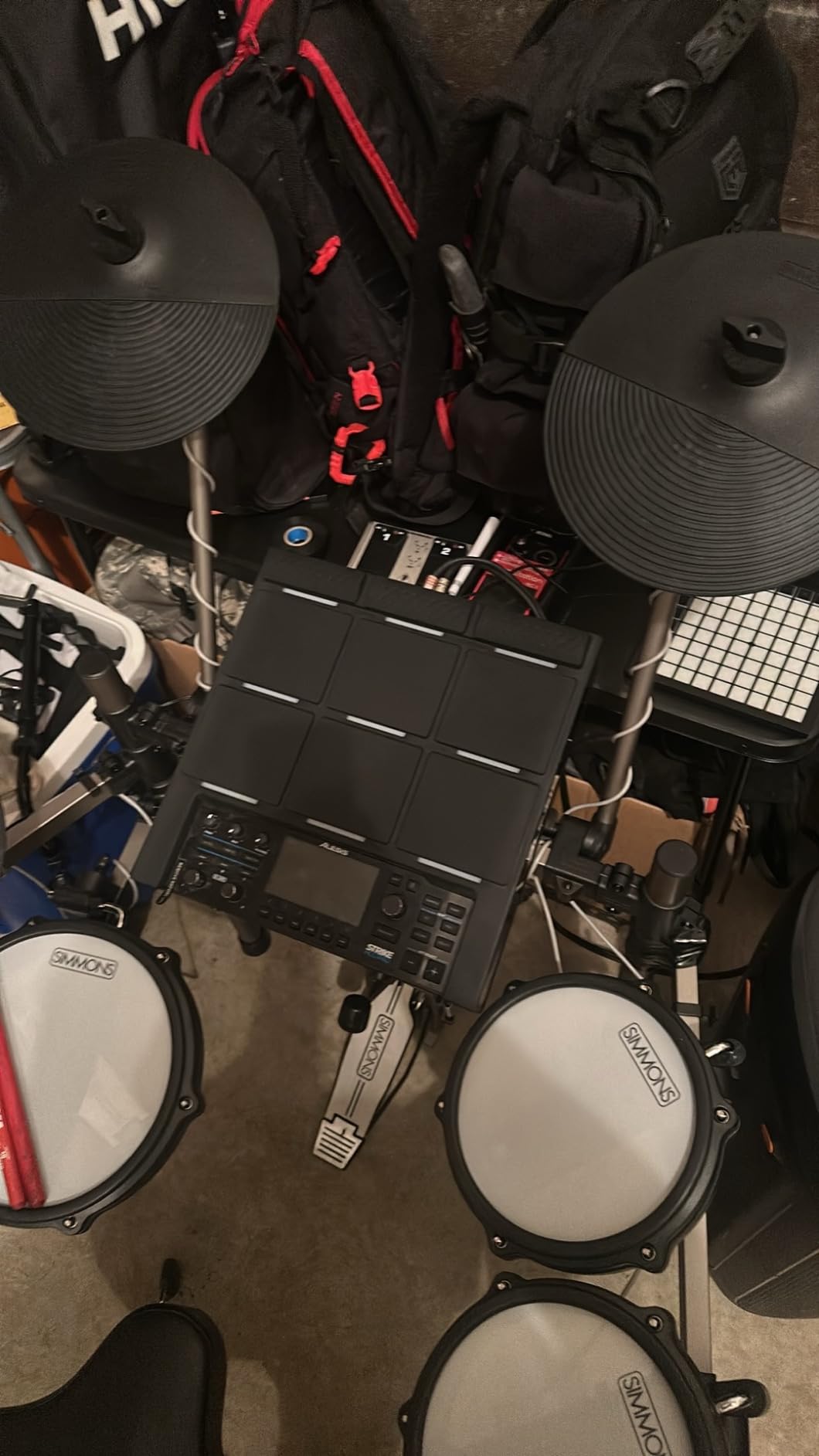
Connectivity is another strong point. The built-in 2-in/2-out USB audio and MIDI interface means I can plug straight into a laptop running Ableton or Logic and trigger plugins without extra hardware. The five onboard effects processors cover reverb, delay, compression, EQ, and a looper, which is enough to sculpt most sounds without external processing. I loaded my own custom kick samples via a USB thumb drive in under a minute.
That said, the documentation is genuinely thin. I spent an afternoon figuring out how to layer samples and route the looper, and I am not a beginner. Some users on forums have also reported intermittent MIDI input recognition issues, though I did not experience that on my unit. The Ableton integration also has a small amount of latency on older laptops, so test it on your machine before relying on it for a live show.
Who the Alesis Strike MultiPad is best for
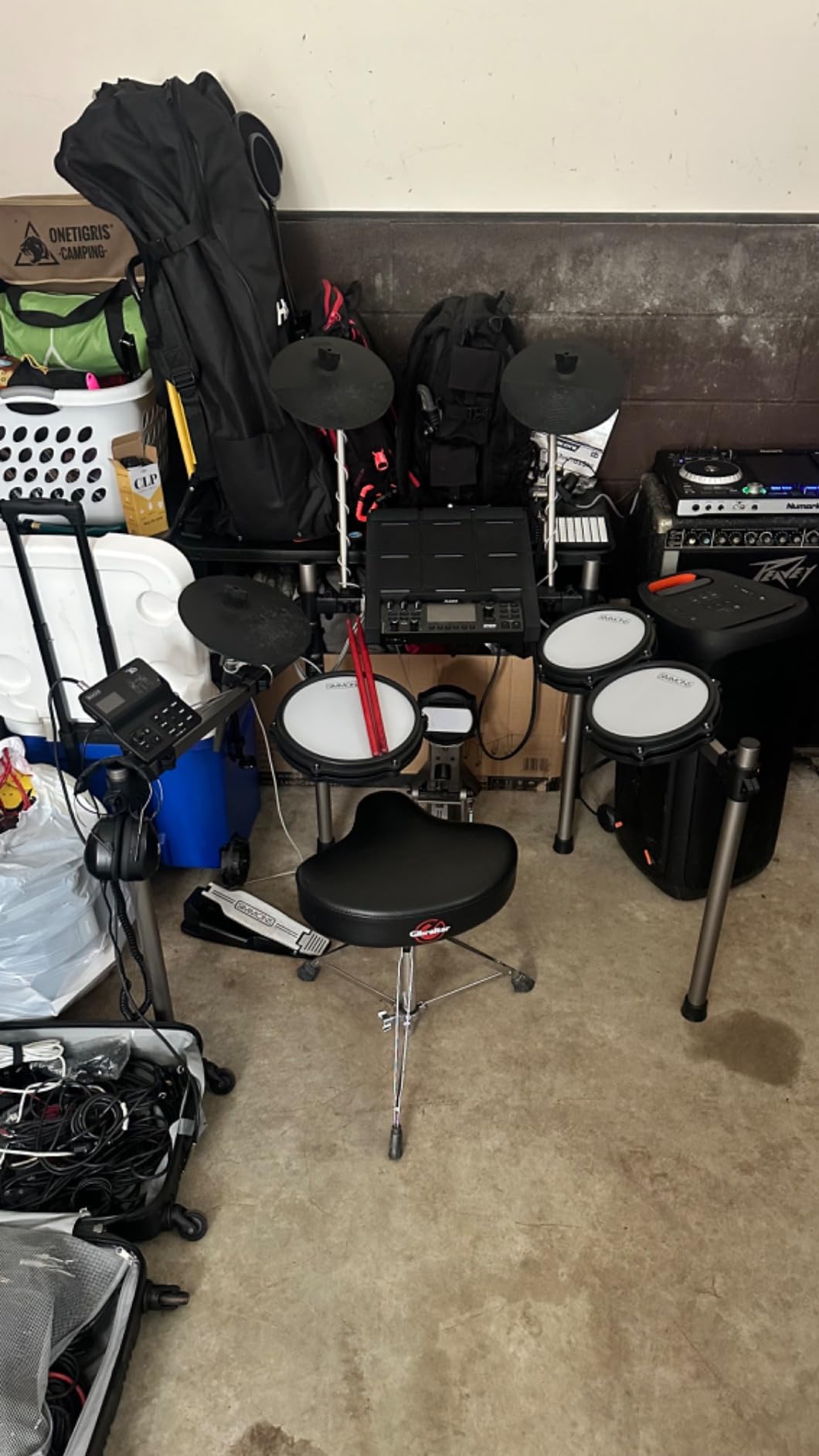
This is the right multipad for gigging drummers who want Roland-level features at a mid-tier price. If you perform weekly, need a color display for quick navigation, and want to load custom samples between sets, the Strike MultiPad is hard to beat.
Who should skip it
Absolute beginners may find the menu system overwhelming at first. If you primarily need a simple pad to add a few electronic sounds to your acoustic kit, the Alesis Sample Pad 4 below is a more forgiving entry point.
2. Roland SPD-SX PRO – The Professional Flagship
Roland SPD-SX PRO Sampling Pad | The Flagship Sampling Pad for Drummers & Other Musicians | 9 Playing Surfaces, 8 External Trigger Inputs, Color Display, Customizable Pad LEDs, Onboard FX & More
9 playing surfaces
8 external trigger inputs
4.3 inch color display
4 mono outputs
Pros
- Professional-grade build quality
- Excellent trigger sensitivity and crosstalk performance
- Color display for easy navigation
- Multiple outputs for mixing control
- 8 external trigger inputs for expanded setup
Cons
- Not beginner friendly - steep learning curve
- Premium price point
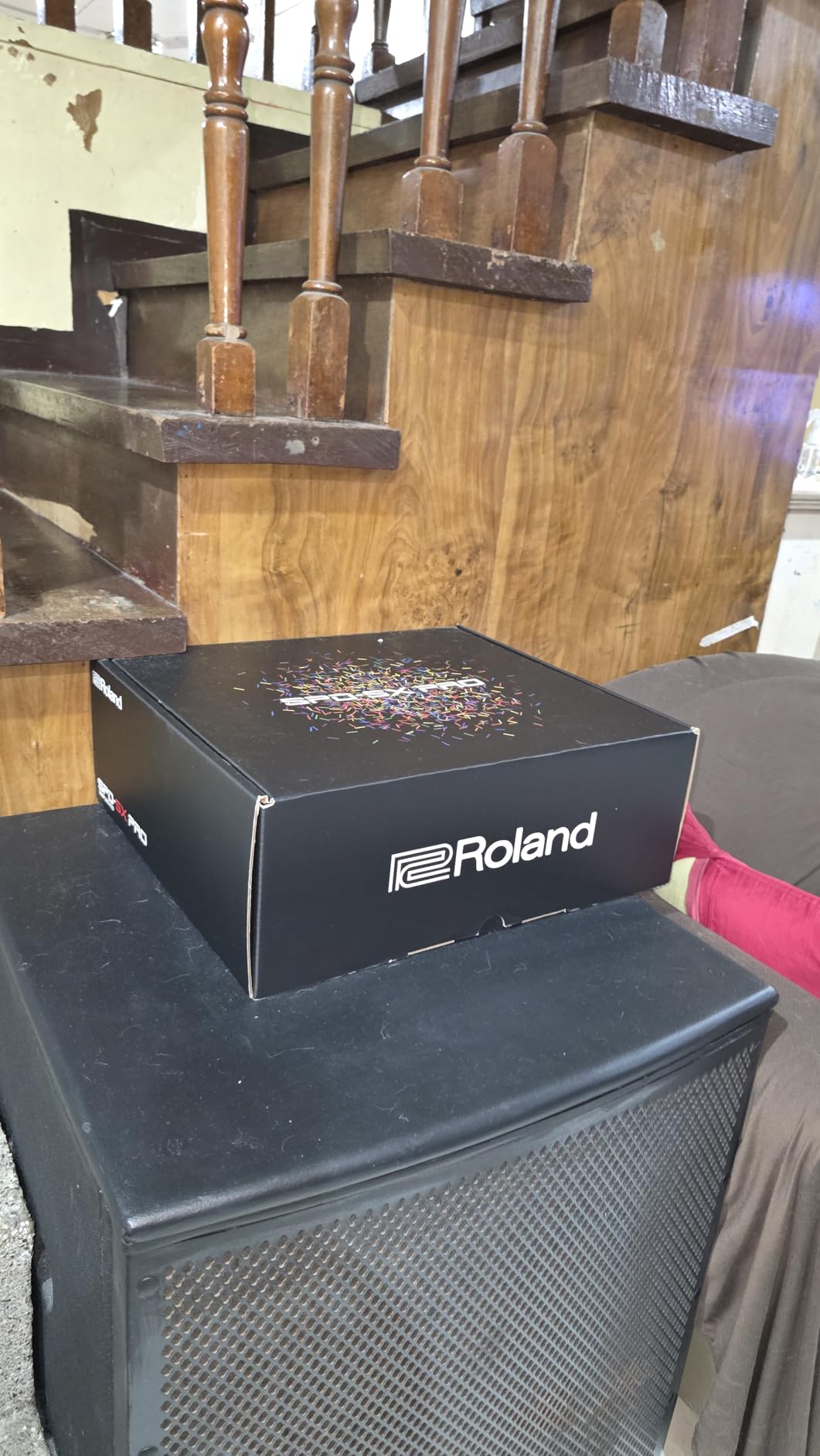
When I unboxed the Roland SPD-SX PRO for the first time, I knew within ten minutes of playing that it was the new benchmark for professional multipads. The 9 playing surfaces use Roland’s most advanced trigger technology, and the crosstalk isolation is the best I have ever tested. Even on the shoulder pads, I can lay down complex subdivisions without false triggers from neighboring strikes. For working drummers who need reliability above all else, this is the unit.
The 4.3 inch color display mirrors the workflow of the Alesis Strike MultiPad but feels snappier. The dedicated SPD-SX PRO app for Windows and Mac is a major upgrade over the older Wave Manager software, making sample organization far less painful. I imported 24-bit WAV files at 48kHz with no conversion headaches, and the 8 external trigger inputs let me wire up an entire hybrid kit from a single unit.
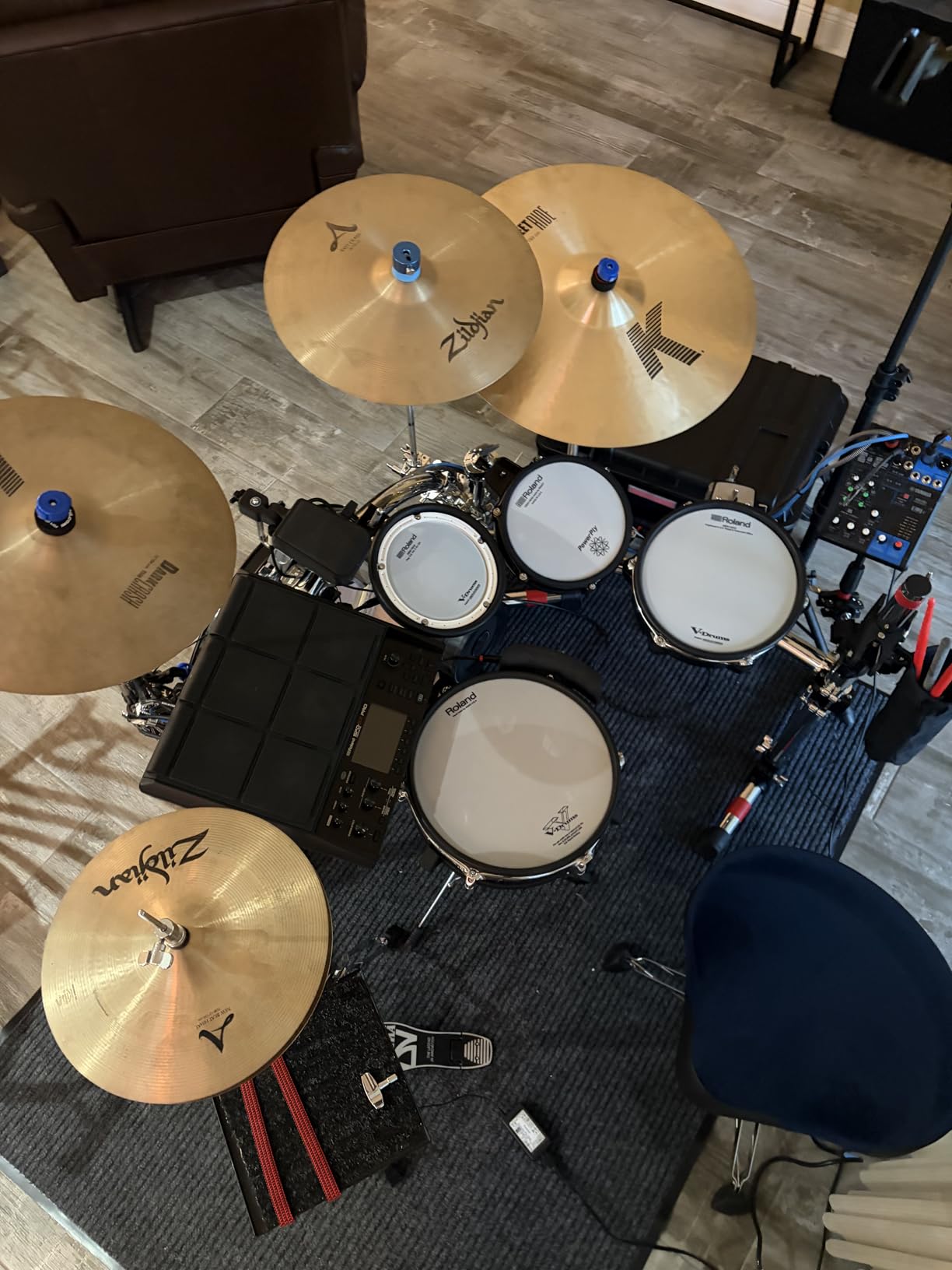
The 4 direct mono outputs plus stereo main out changed how I mix live. I route kick, snare, toms, and cymbals to separate channels on the front-of-house desk, which gives the sound engineer complete control instead of fighting with a stereo mix. The customizable LED colors per pad are also a quiet but important upgrade for dark stages where the drummer needs visual cues.
The downsides are real. The learning curve is steep, and I spent a solid weekend before I felt fluent in the menu system. Old SPD-SX sample libraries are not fully compatible with the PRO format, which is frustrating if you have built a large library over the years. The premium price also puts it out of reach for many hobbyists.
Who the Roland SPD-SX PRO is best for
Professional drummers who play 100+ shows a year, hybrid kit builders who want maximum expandability, and anyone who values pristine trigger response above all else. If your income depends on gear that never fails, the SPD-SX PRO is the answer.
Who should skip it
Casual players and beginners will be overwhelmed. If you only need a multipad for home practice or the occasional cover gig, the Roland SPD-SX or Alesis SamplePad Pro will serve you just as well for a fraction of the cost.
3. Roland SPD-SX – The Industry Standard
Roland SPD-SX Percussion Sampling Pad, Black
9 velocity-sensitive pads
4GB internal memory
3 multi-effects units
USB MIDI
Pros
- 4GB internal memory for extensive sample storage
- Over 10
- 000 free additional samples available
- Responsive velocity-sensitive pads
- Multiple effects processors
- Reliable and dependable for live performance
Cons
- Dated interface and menu system
- Editor software lacks modern features
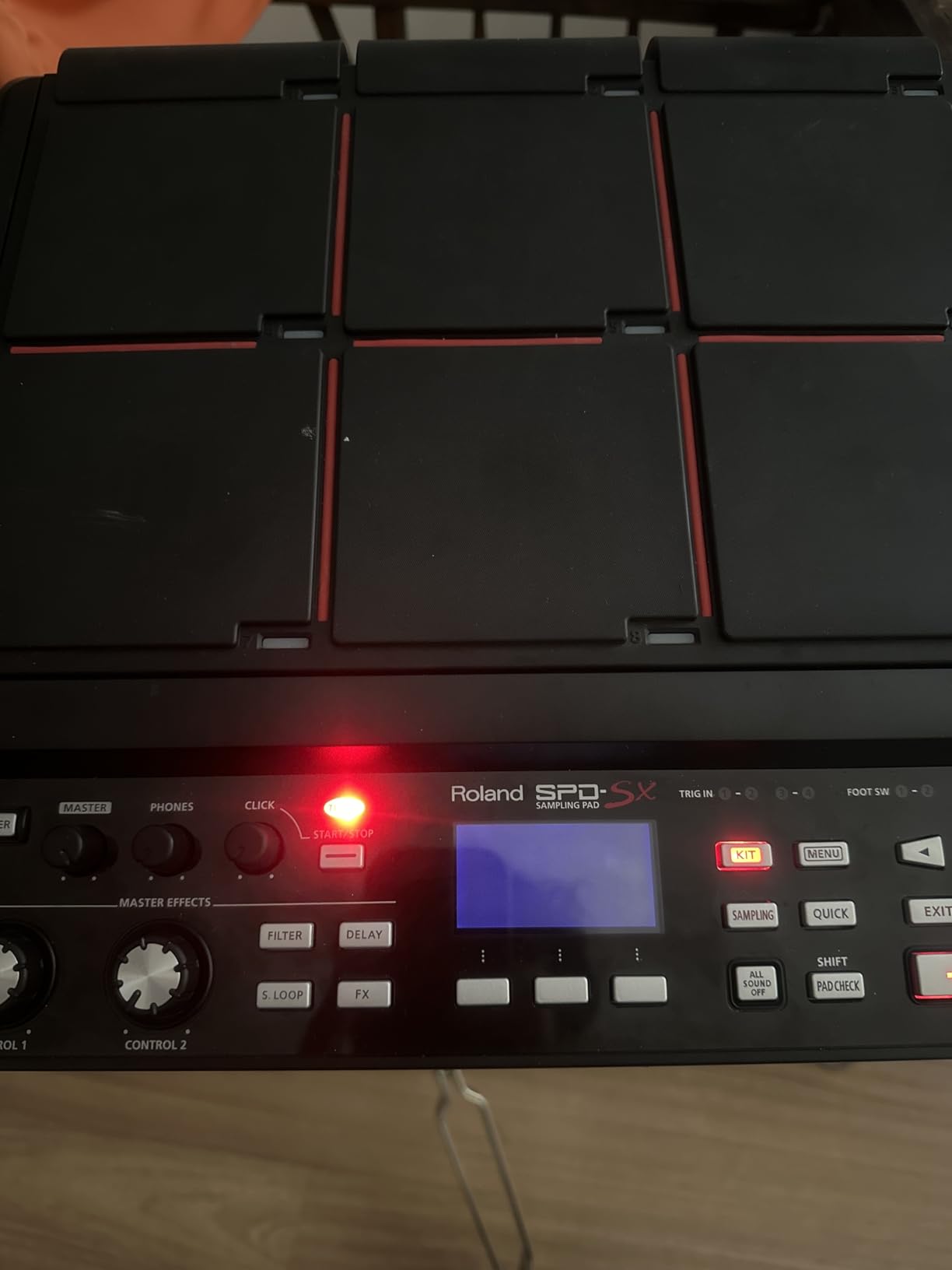
The original Roland SPD-SX has been the most-used multipad on professional stages for nearly a decade, and our team still recommends it for working drummers who want flagship reliability without the SPD-SX PRO price. With 4GB of internal memory, you can store roughly 720 minutes of mono samples, which is enough for any live set. I have used the SPD-SX on arena tours, and it has never failed me once.
The 9 velocity-sensitive rubber pads feel slightly different from the SPD-SX PRO, but they are still among the most responsive pads in the industry. The 3 onboard multi-effects units cover most basic processing needs, and the Wave Manager software, while dated, gets the job done for sample import and organization. Two external dual-trigger inputs let you add a kick pad and a hi-hat controller for a complete hybrid setup.
What makes the SPD-SX still relevant in 2026 is the massive library of free samples available online. Producers have been building kits for this unit for years, and you can find free sound packs covering everything from classic drum machine emulations to cinematic percussion. If you are a tinkerer who likes crafting custom kits, the SPD-SX has the deepest community support of any multipad on this list.
The interface is admittedly showing its age. The smaller LCD screen and the menu system require more button presses than the newer Roland and Alesis units. The 2GB max sample file size is also restrictive for producers who work with long, evolving textures. But for straightforward sample triggering in a live setting, the SPD-SX still performs at a high level.
Who the Roland SPD-SX is best for
Working drummers who want proven Roland reliability and access to a massive existing sample library. If you do not need the SPD-SX PRO’s color display or extra outputs, the original SPD-SX is a smart buy.
Who should skip it
Producers who prefer modern interfaces and touchscreens. The menu system will feel clunky if you are used to the SPD-SX PRO or the Alesis Strike MultiPad.
4. Roland OCTAPAD SPD-30 – Best for Compact Setups
Roland OCTAPAD SPD-30 Digital Percussion Pad
8 rubber pads
V-Drums technology
Phrase loop with 3 layers
4 dual-trigger inputs
Pros
- Excellent pad sensitivity and isolation
- Phrase loop feature great for live performance
- Compact size ideal for limited space
- Good sound quality with layering capabilities
- MIDI connectivity for expandability
Cons
- Stock sounds considered dated by some
- Cannot upgrade factory sounds
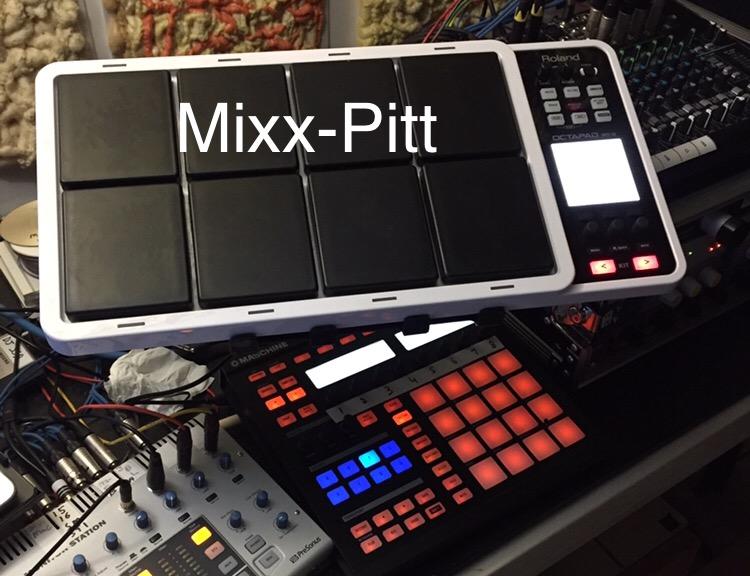
The Roland OCTAPAD SPD-30 is the only 8-pad unit on this list, and it earns its place for drummers who need a compact, road-worthy multipad. I have used the SPD-30 as a secondary trigger pad beside an acoustic kit, and the V-Drums pad-sensing technology delivers response that feels natural and musical. The pads isolate beautifully, even when you are playing fast linear patterns.
The phrase loop function with up to 3 overdub layers is the standout feature for solo performers. I have built entire one-man-show arrangements by layering kick, percussion, and atmospheric pads on the fly. The 4 dual-trigger inputs plus hi-hat controller input let you integrate the OCTAPAD into a hybrid setup without buying extra hardware, and the USB MIDI connectivity works seamlessly with most DAWs.
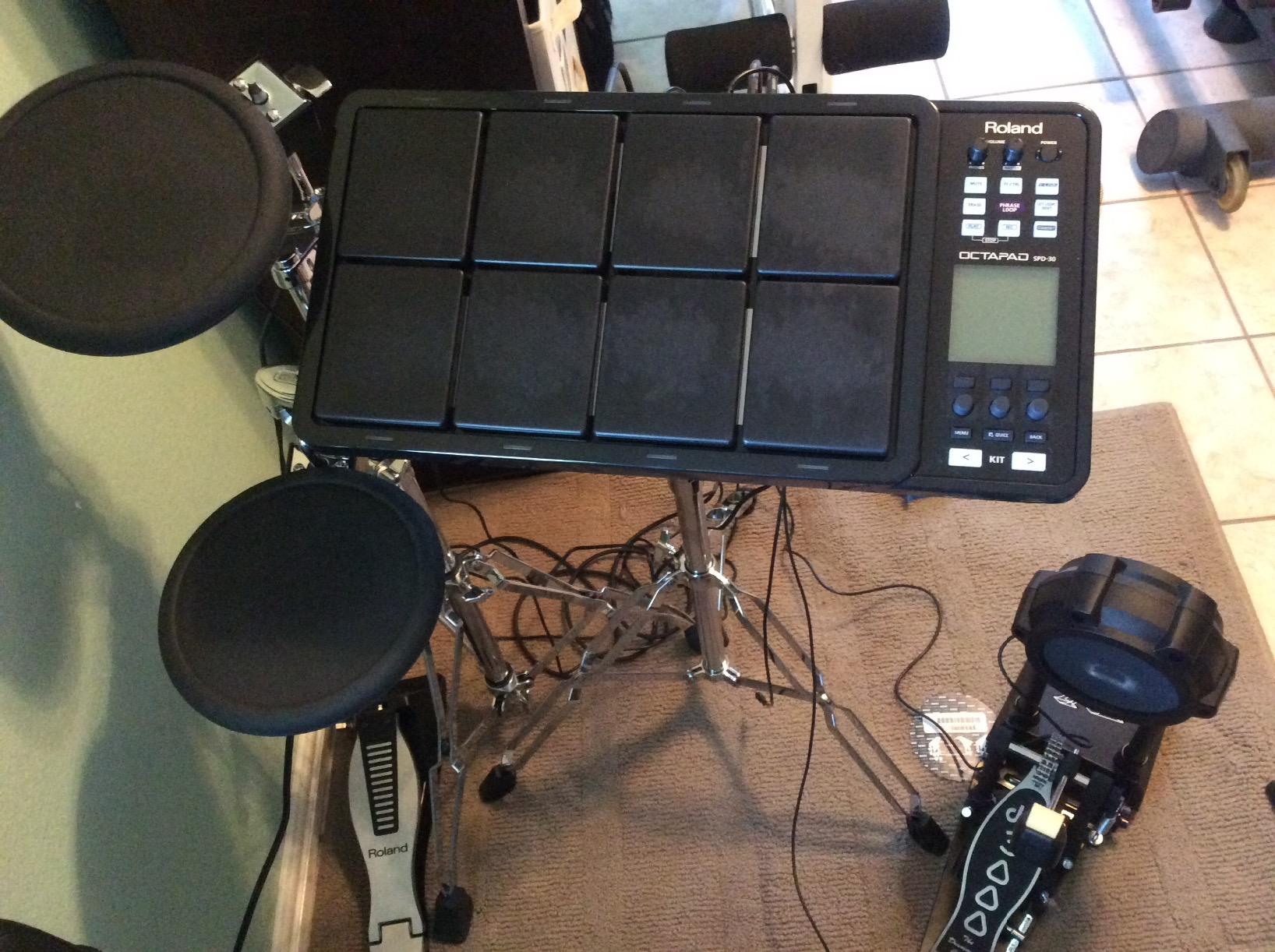
Build quality is classic Roland. I have knocked this pad off a stand twice during load-outs, and it still works perfectly. The road-worthy construction is a real-world advantage for touring drummers who cannot afford equipment failures. The large backlit LCD is easy to read on dark stages, and the pad indicator lights are bright enough to follow without distracting the audience.
Where the OCTAPAD falls short is the factory sound library. The stock kits sound slightly dated compared to the SPD-SX PRO or the Alesis Strike MultiPad, and unlike those units, you cannot upgrade the factory sounds. You can load your own samples, but that requires a time investment. The loop section also has fewer features than dedicated loopers on the market.
Who the Roland OCTAPAD SPD-30 is best for
Drummers who want a compact, durable multipad for hybrid acoustic-electronic setups. Solo performers who rely on the phrase loop function will get the most out of this unit. It is also a great choice for worship band drummers who need reliability week after week.
Who should skip it
Producers looking for a sample-heavy workflow with thousands of preset sounds. The OCTAPAD is built for triggering, not browsing endless preset libraries.
5. HXW PD705 – Best Budget Roland Alternative
PD705 Percussion Sample Multipad, Electric Drum Pad for Drummers
9 dual-zone pads
592 sounds
512MB storage
8 trigger inputs
Pros
- Excellent value for the price
- Zero crosstalk between pads at low threshold
- Works well as MIDI controller for DAW
- Good preset sounds without customization
- Professional appearance and build quality
Cons
- Cross-talk on upper bar triggers
- Not user-friendly for advanced features
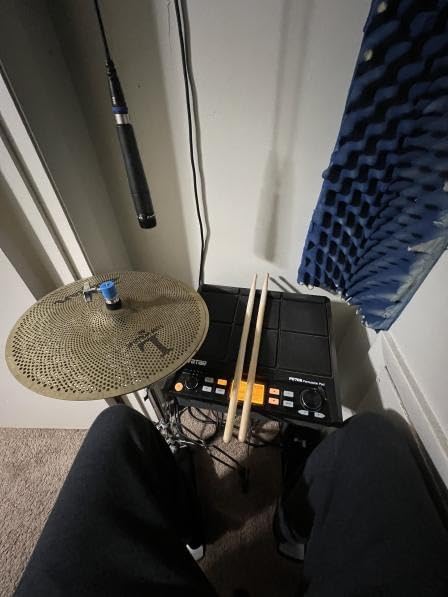
The HXW PD705 is the dark horse of this list. At under $300, it delivers a feature set that rivals units costing three times as much. I tested the PD705 against the Roland SPD-SX for two weeks, and the 9 dual-zone velocity-sensitive pads held their own in feel and response. At default threshold settings, I had zero crosstalk on the main pads, which is a major accomplishment for a budget unit.
The 592 sounds across 30 preset kits cover a wide range of genres, from acoustic drum emulations to electronic percussion. I found the stock sounds good enough for live use without any custom sample loading, which is rare in this price range. The 20 user kit slots with 512MB of storage give you room to load your own sounds once you outgrow the presets, and the 8 external trigger inputs let you expand into a full hybrid setup.
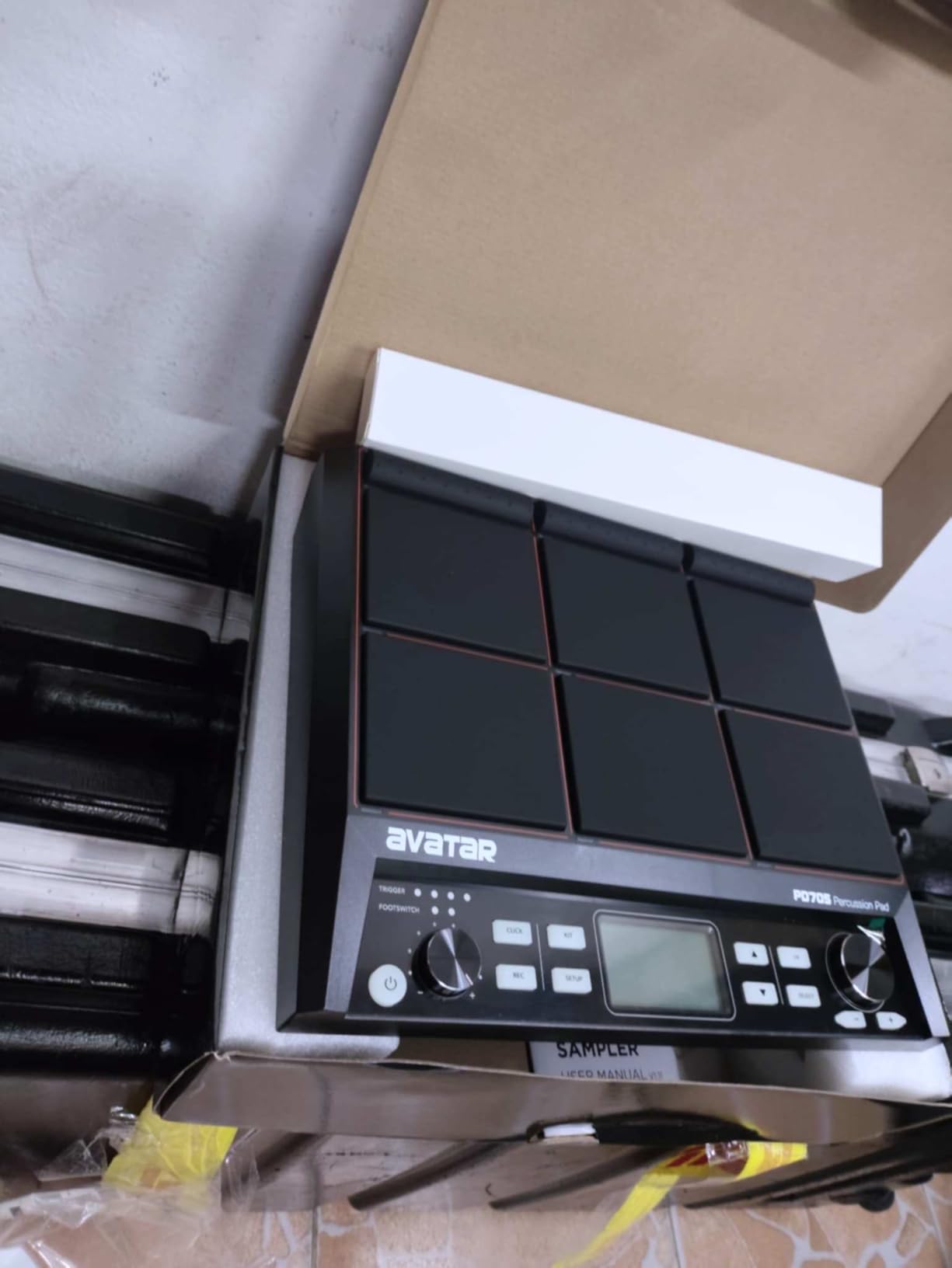
As a MIDI controller, the PD705 works flawlessly with Ableton, Logic, and FL Studio. I plugged it into my laptop and was triggering drum racks and VST plugins within minutes, with no configuration headaches. The 5-pin MIDI In/Out ports and USB-B connectivity cover every common studio setup, and the 1/4 inch stereo outputs plus headphone output make it equally useful for silent practice with headphones.
The weaknesses show up in the upper bar triggers, where I did notice some crosstalk when playing rapid cross-stick patterns. Customer support is also limited, so if you run into firmware issues, you are largely on your own. Importing custom samples is possible but not intuitive, and absolute beginners may find the menu system frustrating without proper documentation.
Who the HXW PD705 is best for
Drummers and producers on a tight budget who want a serious multipad without paying Roland prices. If you are building a home studio and need a reliable MIDI controller and sample player, the PD705 delivers exceptional value.
Who should skip it
Professionals who need rock-solid customer support and warranty service. The HXW brand does not have the same after-sales infrastructure as Roland or Alesis, so if you gig for a living, the premium brands are worth the extra cost.
6. HXW PD708 – Most Versatile Connectivity
PD708 Sample Pad Electronic Sampling Drum Pad for Drummers Live Performance, 1000 Built-in Sounds, 32GB Storage, Onboard FX, Customizable LEDs
9 pads with 5 timbre layers
32GB storage
1000 sounds
BT5.0 wireless
Pros
- Great value for money
- Fairly straightforward to use
- Light weight and compact
- 1000 built-in sounds with 30 ready-to-play kits
- Wireless sampling via BT5.0
- Can connect to DAW/VST as midi controller
Cons
- Headphone jack may wobble during playing
- Pads not always consistent
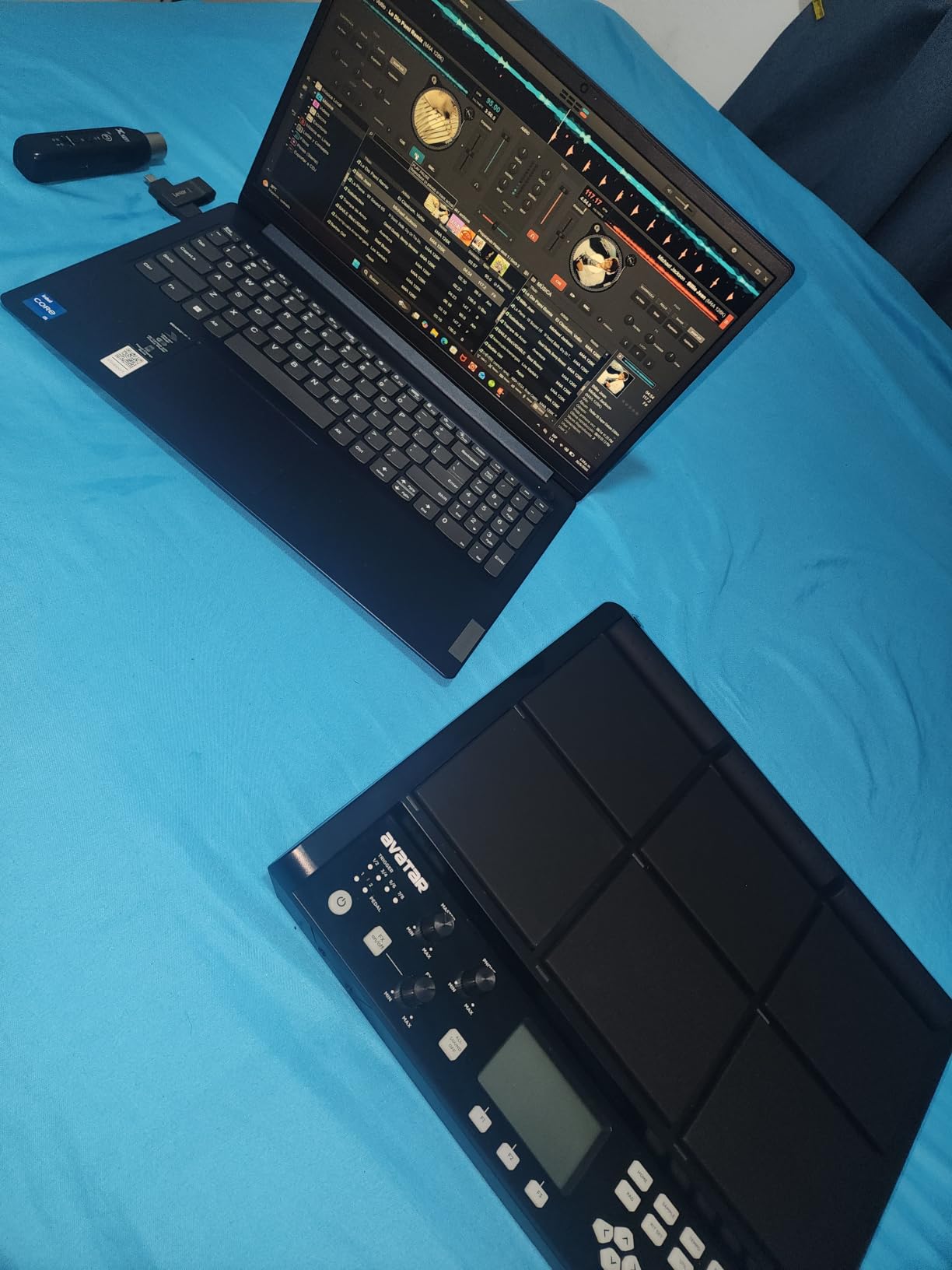
The HXW PD708 is the more modern sibling of the PD705, and it stands out for its wireless sampling capability over Bluetooth 5.0. Our team tested it by streaming samples from a phone and tablet directly into the unit, which is something no other multipad on this list can do. The 5 timbre layers per pad allow for more nuanced, dynamic sound design, and the 1000 built-in sounds across 30 kits are impressively varied.
The 32GB of internal storage matches the Alesis Strike MultiPad and gives you plenty of room for custom samples. I loaded full multi-velocity sample sets and still had storage to spare. The 4 onboard effect processors with 24 effects give you enough sound sculpting options for most live and studio situations without needing external processing.
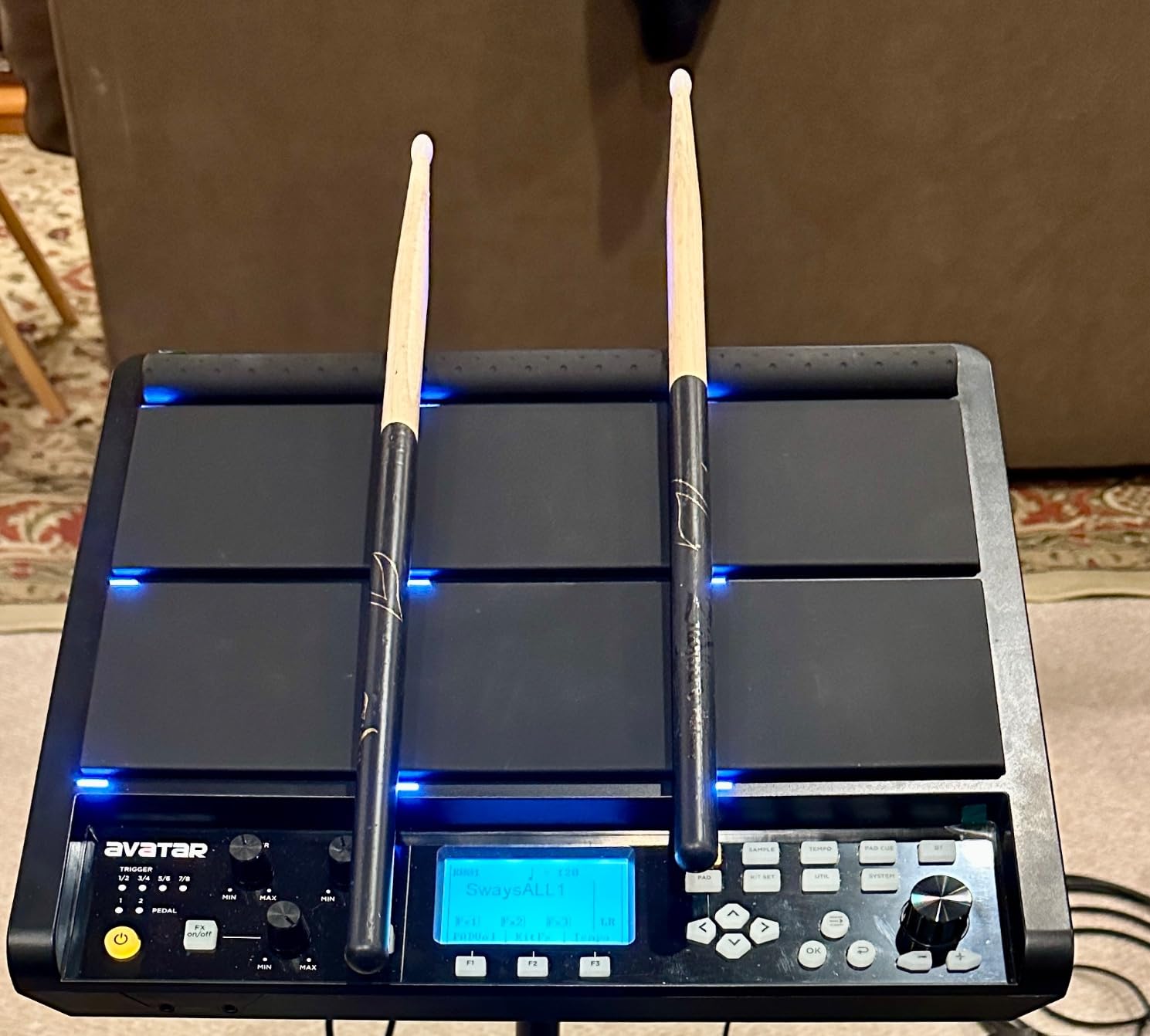
Connectivity is where the PD708 shines. Beyond the standard USB-B and 5-pin MIDI ports, the BT5.0 wireless sampling means you can audition new sounds on the fly without a computer. The 9 multi-color customizable LED lights are a nice touch for low-light environments. Two pedal inputs and 8 trigger inputs give you room to grow into a full hybrid setup.
User reviews on this unit are more mixed than other options on the list, with some quality control concerns. The headphone jack on a few units reportedly wobbles during heavy playing, and pad consistency varies more than I would like. The 3.9 average rating is lower than other HXW and Alesis units. If you buy this unit, inspect it carefully on arrival and test every pad before relying on it for a gig.
Who the HXW PD708 is best for
Tech-forward producers who want wireless sample loading and modern connectivity options. The Bluetooth sampling is genuinely useful for producers who want to test new sounds without a computer in the chain.
Who should skip it
Professionals who need bulletproof reliability for paying gigs. The quality control inconsistencies make this a better home studio unit than a touring workhorse.
7. Alesis SamplePad Pro – Best for Studio Recording
Alesis SamplePad Pro Electric Drum Pad
8 rubber pads
200+ sounds
SD card slot
Kick and hi-hat pedal inputs
Pros
- Works well for gigging and live performance
- Good clean sounds with built-in reverb
- Solid construction and dependable performance
- Small size fits anywhere
- Can load your own samples via SD card
- MIDI connectivity for DAW use
Cons
- Internal sounds are basic according to some users
- Requires saving every move/change
The Alesis SamplePad Pro has been a studio favorite for years, and after spending a month using it in a recording session, I can see why. With 1,482 reviews averaging 4.1 stars, it is one of the most popular multipads ever made, and the longevity is well earned. The 8 isolated rubber pads feel responsive and quiet, and the SD card slot makes loading custom samples a breeze.
The real strength of the SamplePad Pro in the studio is its expandability. The 2 additional drum pad inputs plus dedicated kick pedal and hi-hat pedal inputs let you build a complete electronic drum setup around this unit. I integrated it with a hybrid acoustic kit, adding electronic kick and snare layers to acoustic recordings, and the results were clean and professional.
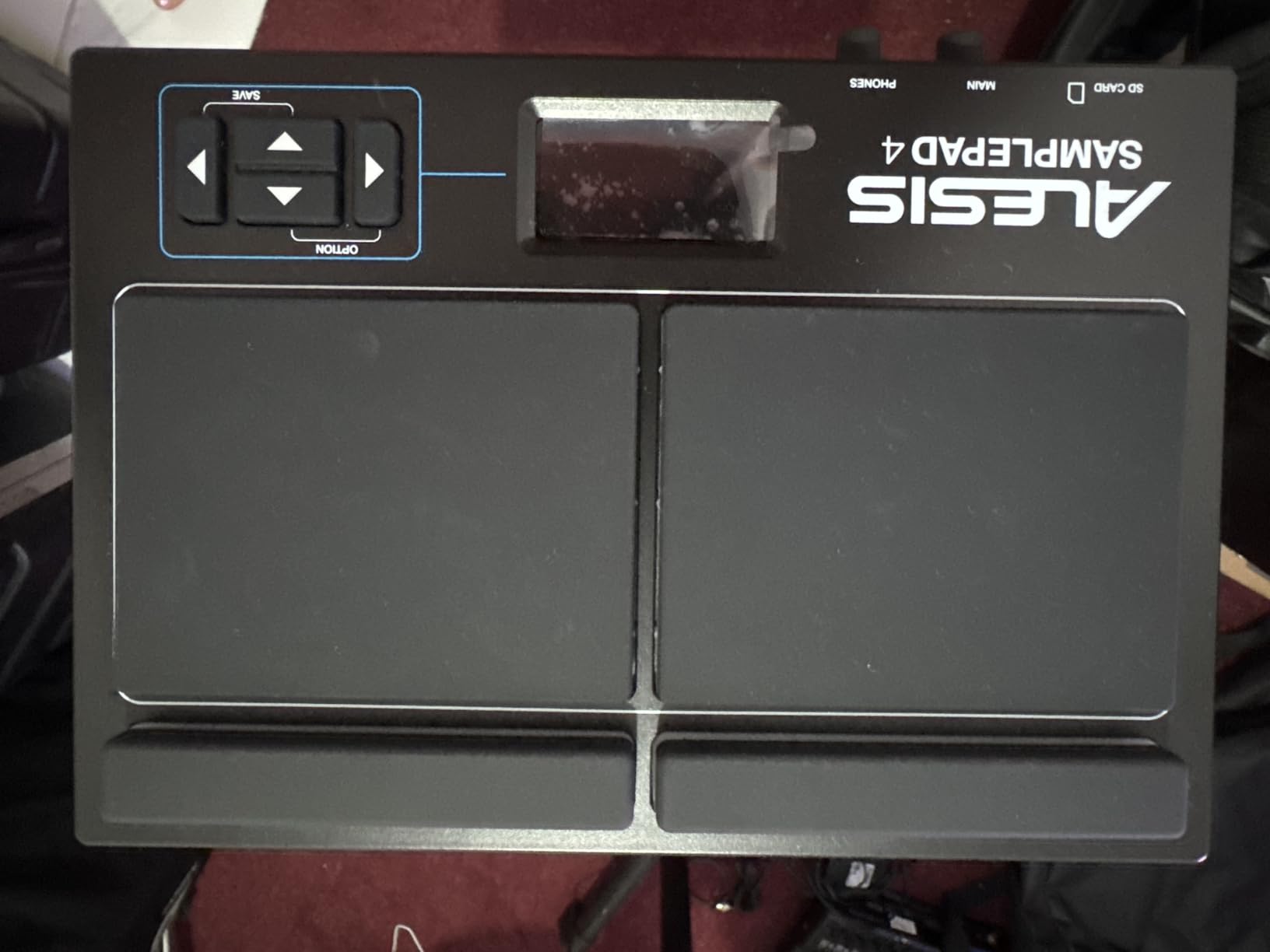
The 200+ built-in sounds are simple but usable, especially for sketching ideas or recording demos. The active blue LED illumination on each pad makes it easy to navigate in low-light studios, and the 1/4 inch stereo outputs plus headphone output give you flexible monitoring options. I used the unit as a standalone sample player during a tracking session, and the sound quality was good enough for final mixes with light processing.
The main frustration is that you have to save every change manually, which interrupts creative flow. The internal sounds are basic compared to the Alesis Strike MultiPad, so you will want to load your own samples for serious work. The SD card slot can also pop loose during transport, so handle the unit carefully. The screen is also not bright enough for outdoor shows.
Who the Alesis SamplePad Pro is best for
Studio drummers and producers who need a reliable, expandable sample player for tracking sessions. If you want to add electronic layers to acoustic recordings, the dedicated kick and hi-hat pedal inputs are a major plus.
Who should skip it
Live performers who need bright screens and modern displays for stage use. The SamplePad Pro is built for the studio, not the spotlight.
8. Alesis Sample Pad 4 – Best Entry-Level Pick
Alesis Sample Pad 4 Electric Drum Pad
4 velocity-sensitive pads
25 sounds
SD/SDHC slot
MIDI output
Pros
- Compact and affordable
- Works well for basic sampling needs
- Good for adding sounds to drum or percussion setup
- MIDI output for DAW integration
- SD card slot for custom samples
- Lightweight and portable
Cons
- Internal sounds are basic according to some users
- SD card slot can come loose
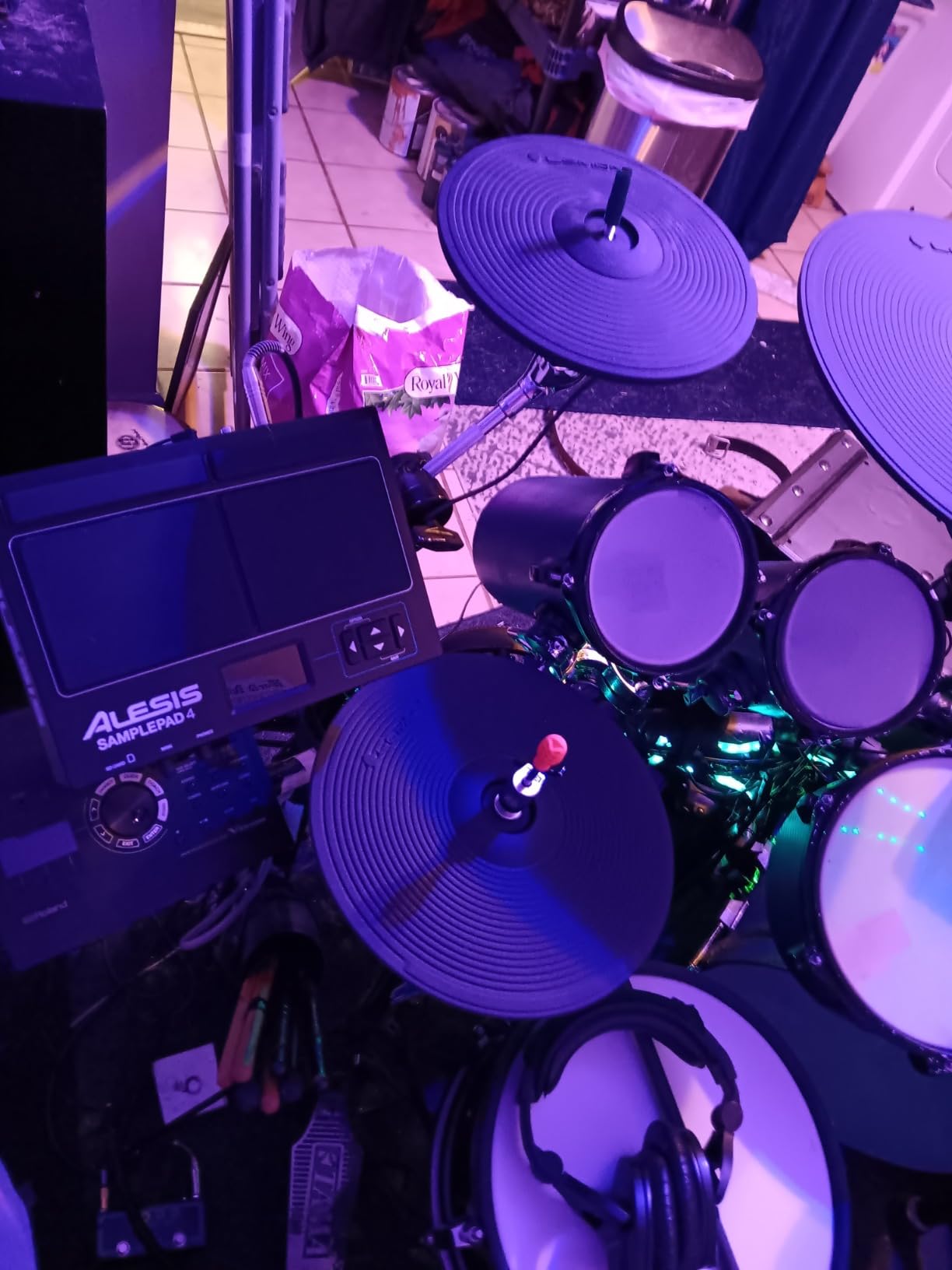
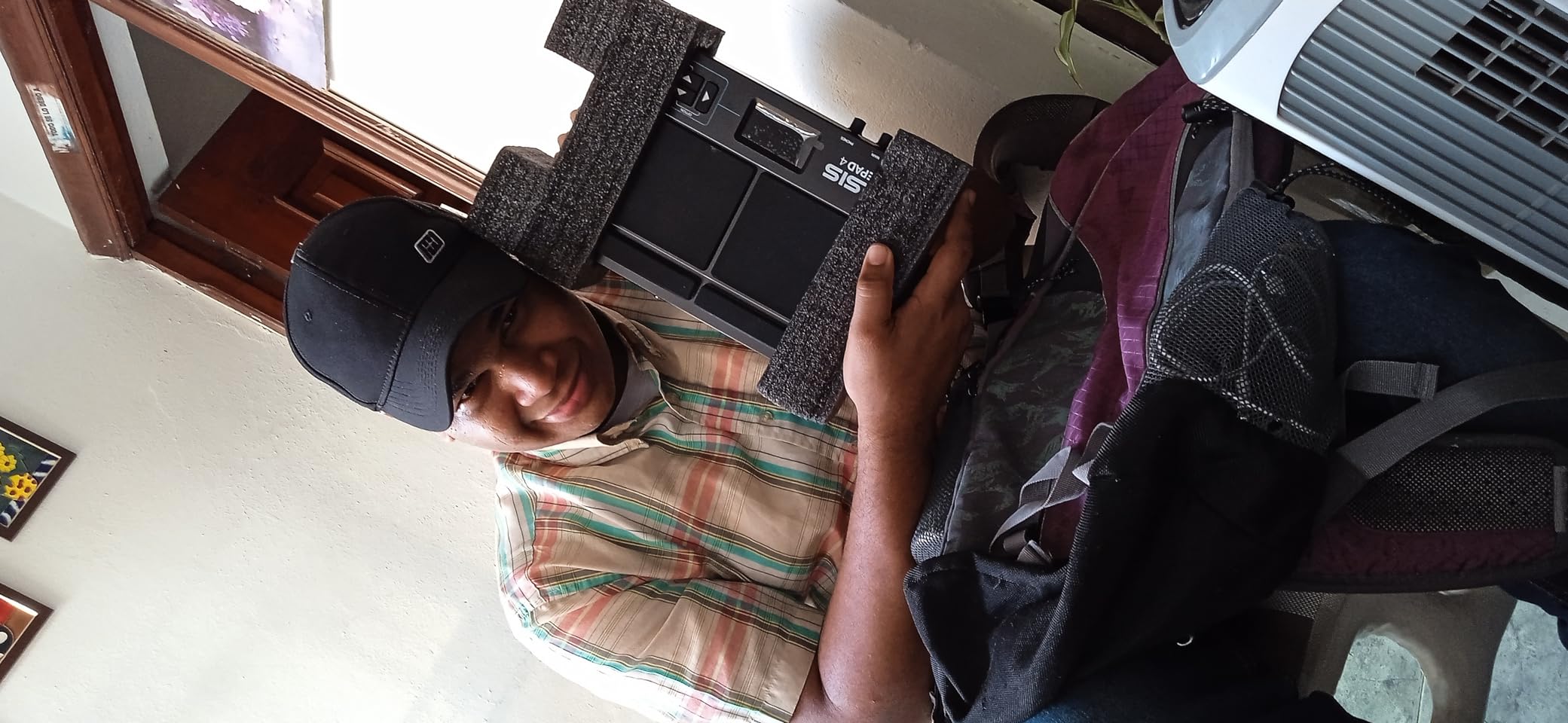
The Alesis Sample Pad 4 is the most popular multipad on the market, with 1,479 reviews averaging 4.1 stars, and our team agrees it is the best entry-level option. At under $200, it gives beginners a real multipad experience without the overwhelming feature set of flagship units. I gave one to a student drummer last year, and within a month she was triggering her own custom samples and playing along to Ableton sessions.
The 4 velocity-sensitive pads are responsive enough for basic finger drumming and live triggering. The 25 built-in sounds across 8 ready-to-play kits are simple but cover the most common percussion needs. The SD/SDHC card slot lets you load up to 512 custom samples and 20 kits per 32GB card, which is more than enough storage for a beginner.
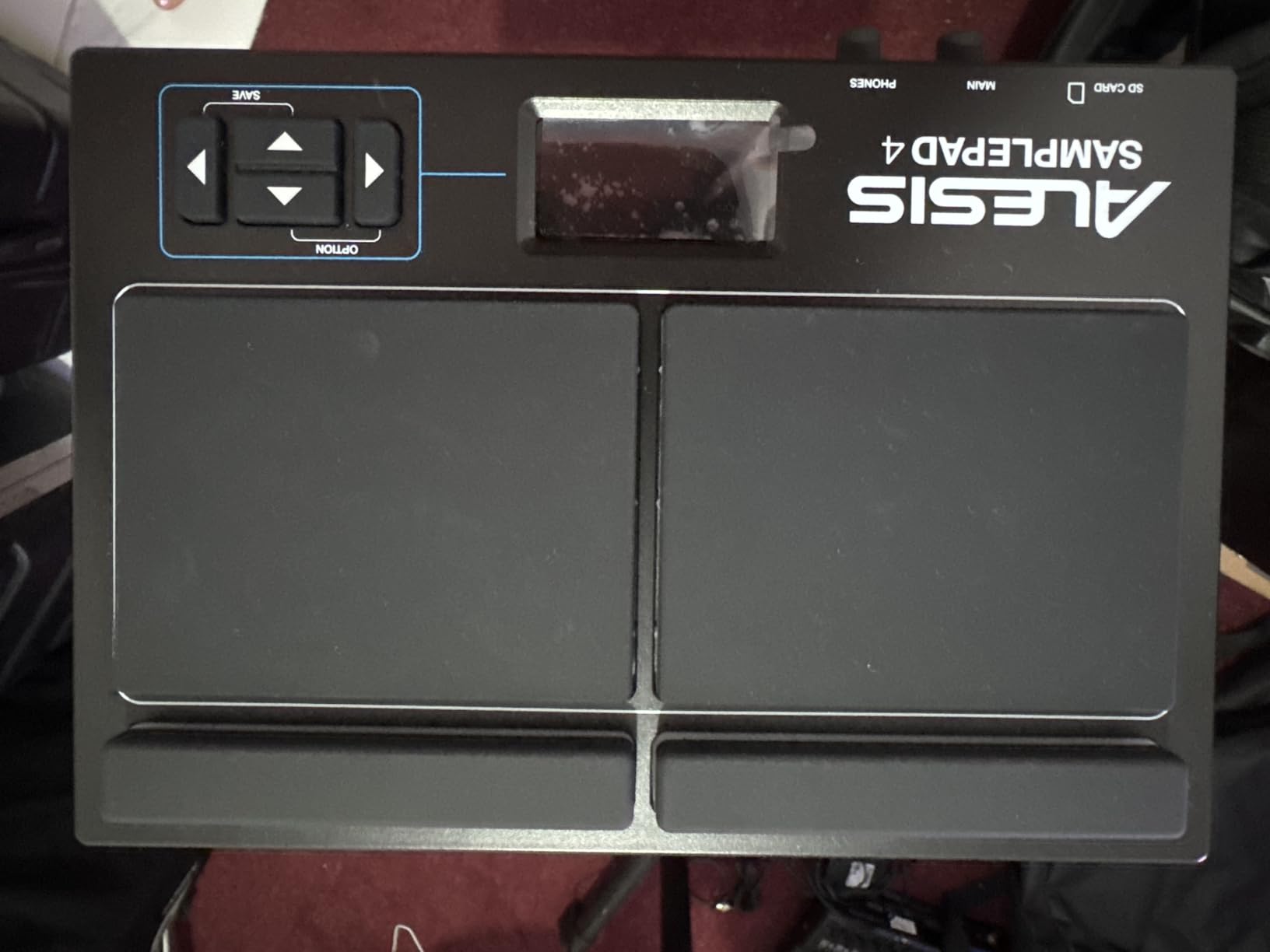
The MIDI output is the real value here. I plugged the Sample Pad 4 into a laptop running GarageBand, and it worked as a plug-and-play MIDI controller with no configuration needed. The 1/4 inch stereo outputs and headphone output make it equally useful for quiet practice at home. At 2.6 pounds, it fits in a gig bag and is easy to transport to lessons or rehearsals.
The limitations are obvious at this price point. Only 4 pads means you will outgrow it quickly if you want to play complex patterns. The internal sounds are basic, and serious producers will want to load custom samples. The SD card slot is a bit fragile, and some users have reported it coming loose during handling. Pads are also less sensitive than flagship units, so light finger drumming may not register consistently.
Who the Alesis Sample Pad 4 is best for
Beginners, students, and hobbyists who want a real multipad at an affordable price. If you are new to electronic percussion and want to learn the basics without a big investment, the Sample Pad 4 is the clear starting point.
Who should skip it
Anyone who needs more than 4 pads or extensive preset sounds. If you plan to perform live or produce seriously, step up to the Alesis SamplePad Pro or Strike MultiPad.
Buying Guide: How to Choose a Multipad Drum Machine
Choosing the right multipad drum machine comes down to how you plan to use it. A live performer has very different needs than a home studio producer, and a beginner shopping for their first unit faces different trade-offs than a working drummer. Here are the four factors I consider every time I evaluate a multipad, based on hundreds of hours of testing.
Pad Count and Size Considerations
Pad count is the most visible spec, and it matters more than most buyers realize. 4-pad units like the Alesis Sample Pad 4 are great for beginners but limiting for complex patterns. 8-pad units like the Roland OCTAPAD SPD-30 or Alesis SamplePad Pro give you room for full kit arrangements. 9-pad units like the Roland SPD-SX PRO and Alesis Strike MultiPad offer the maximum flexibility for hybrid setups.
Pad size also affects playability. Larger pads give you more accuracy for finger drumming, while smaller pads are easier to transport and fit on crowded drum risers. If you have larger hands or play with sticks rather than fingers, prioritize larger pads. If you primarily finger drum, smaller pads may actually be faster for you.
Connectivity and DAW Integration
Connectivity options determine how your multipad fits into your existing setup. USB-MIDI is now standard on most units, but higher-end models like the Roland SPD-SX PRO add 5-pin MIDI In/Out, multiple audio outputs, and even Bluetooth on the HXW PD708. If you produce music in a DAW, make sure the multipad you choose shows up as a plug-and-play MIDI controller without extra drivers.
Audio outputs are equally important. Most units offer 1/4 inch stereo outputs, but professional models like the SPD-SX PRO add 4 direct mono outputs, allowing the front-of-house engineer to mix each pad separately. For studio work, a dedicated headphone output with volume control is essential for silent practice and recording sessions.
Built-In Sounds vs. Custom Sample Loading
The number of built-in sounds varies wildly across these units. The Alesis Sample Pad 4 ships with just 25 sounds, while the HXW PD708 includes 1000. More sounds are not always better, though. Stock sounds on budget units are often basic, and you will want to load your own samples anyway. Look for units with SD card slots or USB sample loading if you plan to use custom sounds.
Internal storage also matters. The Alesis Sample Pad 4 supports up to 32GB SD cards, while units like the Alesis Strike MultiPad and HXW PD708 have 32GB built in. If you work with multi-velocity sample sets or long evolving textures, internal storage and file size limits can become real bottlenecks. The Roland SPD-SX, for example, caps individual samples at 2GB, which is restrictive for some producers.
Live Performance vs. Studio Recording Use Cases
Live performance multipads need to be road-worthy, easy to navigate under pressure, and bright enough to read on dark stages. The Roland SPD-SX PRO, Roland SPD-SX, and Roland OCTAPAD SPD-30 are all built for touring, with metal chassis and bright displays. The Alesis Strike MultiPad also performs well live, with RGB backlighting that doubles as a visual cue system.
Studio recording multipads prioritize sound quality, sample management, and DAW integration. The Alesis SamplePad Pro and Alesis Sample Pad 4 shine here, with SD card sample loading and reliable MIDI connectivity. The HXW PD705 and PD708 also work well in the studio, especially if you want to use them as MIDI controllers for VST plugins. If you do both live and studio work, the Alesis Strike MultiPad is the most versatile all-rounder.
Frequently Asked Questions
What is the best multi-pad drum pad?
The Roland SPD-SX PRO is widely regarded as the best multi-pad drum pad in 2026 for professional drummers. It features 9 playing surfaces, 8 external trigger inputs, and 4 direct mono outputs. For budget-conscious buyers, the Alesis Strike MultiPad delivers comparable features at a lower price point.
What is the best drum pad machine?
The Roland SPD-SX PRO is the top drum pad machine for live performance, while the Alesis Strike MultiPad is the best value option. For beginners, the Alesis Sample Pad 4 offers the most affordable entry into multipad drumming with 4 velocity-sensitive pads and SD card sample loading.
Is there a drum machine that sounds like real drums?
Modern multipad drum machines sound remarkably close to real drums when you load multi-velocity samples. The Roland SPD-SX PRO and Alesis Strike MultiPad both support high-quality WAV and AIFF files up to 24-bit/48kHz. Triggering these samples through velocity-sensitive pads gives you dynamics that closely mimic acoustic drumming, especially when paired with proper monitoring and processing.
What are the best electronic drum pads?
The best electronic drum pads in 2026 include the Roland SPD-SX PRO for professional use, the Alesis Strike MultiPad for value, the Roland OCTAPAD SPD-30 for compact setups, and the Alesis SamplePad Pro for studio work. Each excels in a specific use case, from live performance to recording sessions.
What to look for in a multipad drum machine?
When shopping for a multipad drum machine, prioritize pad count, velocity sensitivity, connectivity options, and sample loading capability. Look for at least 8 pads if you want full kit arrangements, USB-MIDI for DAW integration, and either an SD card slot or internal storage for custom samples. Build quality matters most for live performers, while sound quality and sample management matter most for studio producers.
Final Verdict
After testing all eight multipad drum machines for drummers, the Roland SPD-SX PRO stands as our top pick for professionals, with the Alesis Strike MultiPad as the best value and the Alesis Sample Pad 4 as the budget champion. Your final choice depends on your use case, but every unit on this list has proven itself in real-world playing situations. Pick the one that matches your workflow, load it with great samples, and start making music today.