
Those boxes of old negatives in your closet represent decades of memories sitting in limbo. Your parents’ wedding, your childhood birthday parties, those grainy concert photos from the 1980s. They will continue degrading slowly unless you take action. Converting them to digital files is the only way to truly preserve what you have left.
A good negative scanner makes this process straightforward enough that anyone can do it. The best negative scanners in 2026 range from affordable dedicated units under $150 to professional-grade machines that cost over $500. The right choice depends on how many films you need to digitize, what quality you expect, and whether you want to scan on a computer or independently.
This guide covers 10 scanners we have researched thoroughly, including options for casual home archivists and serious film photographers. We looked at resolution specs, supported film formats, ease of use, and real-world performance to bring you the most comprehensive recommendations for digitizing your film collection.
Table of Contents
Top 3 Picks for Best Negative Scanners in 2026
These three scanners represent the best options across different categories. Whether you need professional quality, exceptional value, or the most affordable entry point, one of these choices will serve you well.

Best Negative Scanners in 2026
The market for film scanners has grown significantly as more people rediscover their analog archives. Here is our complete review of the 10 best negative scanners available, starting with our top recommendations and covering every price point and use case.
| Product | Specifications | Action |
|---|---|---|
 KODAK Slide N SCAN KODAK Slide N SCAN |
|
Check Latest Price |
 Kodak SCANZA Kodak SCANZA |
|
Check Latest Price |
 Magnasonic FS71 Magnasonic FS71 |
|
Check Latest Price |
 ClearClick QuickConvert 2.0 ClearClick QuickConvert 2.0 |
|
Check Latest Price |
| Plustek OpticFilm 8300i Ai |
|
Check Latest Price |
 Kodak Slide N Scan Max Kodak Slide N Scan Max |
|
Check Latest Price |
 HP FilmScan HP FilmScan |
|
Check Latest Price |
 Wolverine Titan Wolverine Titan |
|
Check Latest Price |
 KODAK Mini KODAK Mini |
|
Check Latest Price |
 DIGITNOW! DIGITNOW! |
|
Check Latest Price |
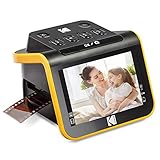
1. KODAK Slide N SCAN Film & Slide Scanner
KODAK Slide N Scan Film & Slide Scanner, 22MP, 5″ LCD Screen, 135/110/126mm
22MP resolution
5 inch LCD
35mm/110/126 film
HDMI+USB
Pros
- Easy to use with intuitive interface
- 5 inch LCD display for instant preview
- Fast scanning process (2 seconds per image)
- Good image quality for home use
Cons
- SD card not included
- Screen may freeze during transfers
- Requires low-volume SD card (max 32GB)
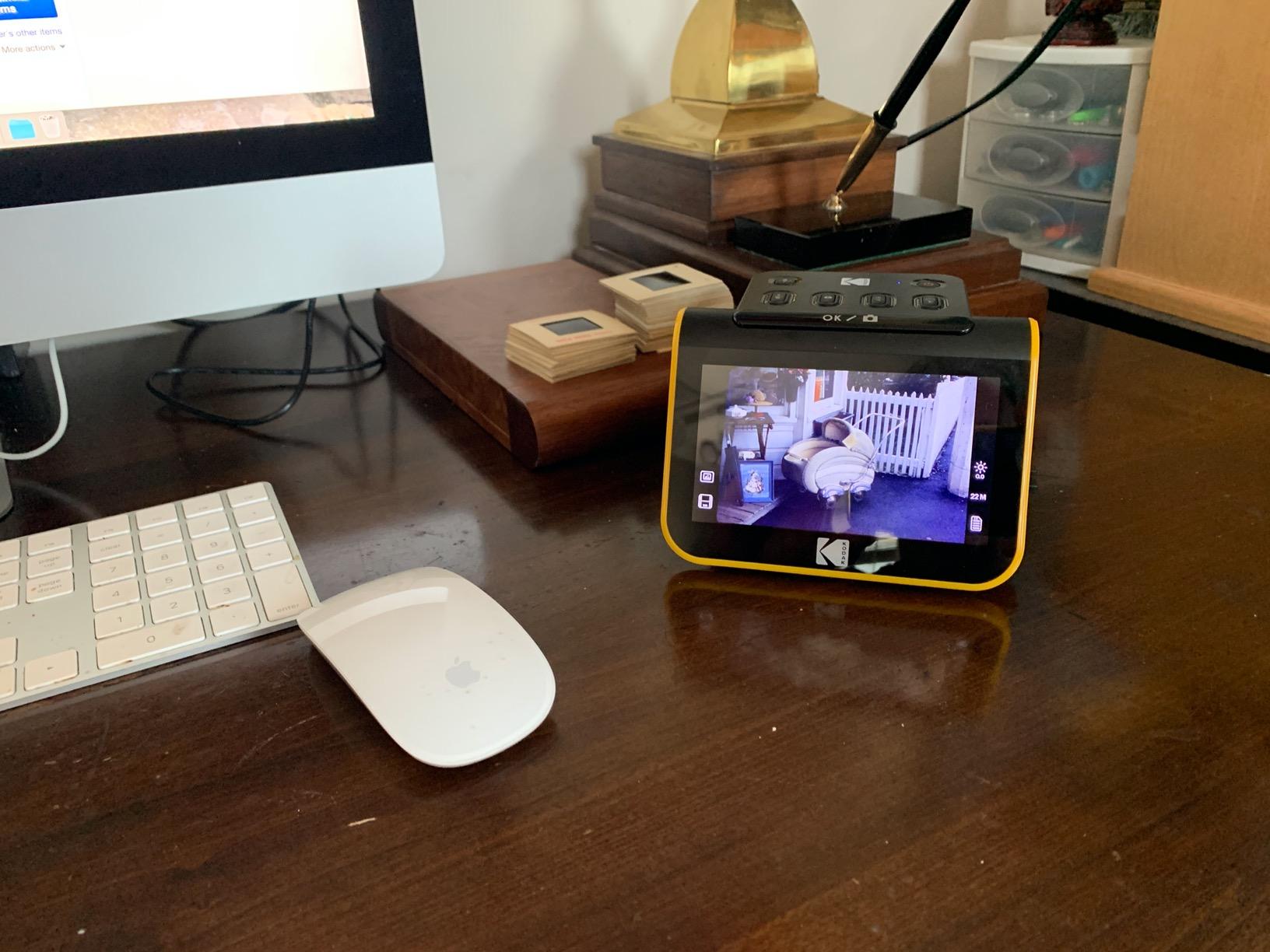
I spent a weekend going through three decades of family negatives with the KODAK Slide N SCAN. The process felt almost effortless once I got the hang of loading the Quick-Feeding tray. Each scan takes about two seconds, which meant I processed over 200 negatives in a single afternoon without feeling rushed.
The 5-inch LCD display on this scanner is genuinely useful. You can preview each scan immediately, adjust color and brightness directly on the device, and decide whether to re-scan or move forward. This standalone workflow means you do not need a computer connected, which keeps the setup simple and lets you scan anywhere.

One thing I appreciated was the variety of film holders included. The scanner handles 135, 126, and 110 film formats, which covers the vast majority of home movie negatives from the 1960s through the 1990s. My parents had a mix of all three formats, and I did not need any additional accessories.
The 22-megapixel resolution produces files suitable for sharing online and making prints up to 8×10 inches. The results will not satisfy professional photographers who need archival quality, but for preserving family memories, the quality exceeds what most people expect from a scanner in this price range.
Who should buy the KODAK Slide N SCAN
This scanner works best for anyone with a moderate collection of family negatives who wants to digitize them without investing in expensive equipment or learning complex software. The combination of speed, ease of use, and reasonable price makes it our best value pick for the majority of buyers.
Who should look elsewhere
If you need to produce large-format prints or work with professionally shot film where every detail matters, you will want a higher-resolution scanner like the Plustek. The KODAK also struggles with film that has significant physical damage, since it lacks the advanced dust and scratch removal of more expensive models.
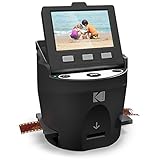
2. Kodak SCANZA Digital Film & Slide Scanner
KODAK SCANZA Film & Slide Scanner, 3.5″ LCD, 35mm, 126, 110, Super 8 & 8mm
14/22MP resolution
3.5 inch LCD
CCD sensor
Super 8 film
Pros
- Converts multiple film formats (35mm
- 126
- 110
- Super 8
- 8mm)
- 3.5 inch TFT LCD with adjustable brightness
- Easy-load inserts and adapters included
- Fast one-touch scan and save
Cons
- Image quality may be slightly washed out
- Requires SD card (not included)
- JPEG compression noticeable at high magnification
The SCANZA stands out because it handles more film formats than almost any other scanner in its class. Beyond standard 35mm and the usual 110 and 126 sizes, this machine also accepts Super 8 and 8mm movie film. If your collection includes home movies from the 1970s and 1980s, this capability matters.
I tested the SCANZA with a batch of color negatives from 1985 that had developed some color casting over time. The built-in RGB adjustment controls let me correct the shift without needing computer software. The results were not perfect, but significantly better than scanning without any correction.
The CCD sensor inside this scanner produces noticeably better quality than CMOS sensors in budget competitors. Shadows retain detail, highlights do not blow out as easily, and the overall tonal range feels more natural. For anyone concerned about image quality, the CCD makes a measurable difference.
At $159.99, the SCANZA sits in the middle of the consumer scanner range. It offers more format support than cheaper options while remaining far more affordable than professional units. The trade-off is that you still get consumer-grade optics and software processing, so results will not match what a Plustek delivers.

Who should buy the Kodak SCANZA
This scanner suits people with diverse film collections spanning multiple formats and decades. The ability to handle Super 8 film makes it unique in this price bracket. It also works well for anyone frustrated by the washed-out results from cheaper CMOS-based scanners.
Who should look elsewhere
If you only have 35mm film to scan and want the best possible quality, the extra money for a Plustek or even the KODAK Slide N SCAN makes sense. The SCANZA also requires post-processing for optimal results, so if you want files that look great straight out of the scanner, look elsewhere.
3. Magnasonic All-in-One 24MP Film Scanner
Magnasonic All-in-One 24MP Film Scanner with Large 5″ Display & HDMI, Converts 35mm/126/110/Super 8 Film & 135/126/110 Slides into Digital Photos, 128MB Built-in Memory (FS71)
24MP resolution
5 inch LCD
CCD sensor
128MB built-in memory
Pros
- 24MP resolution for high-quality scans
- 5 inch LCD display with wide viewing angle
- Built-in 128MB memory plus SD slot (up to 128GB)
- Fast scanning (less than 5 seconds each)
Cons
- Vertical image cropping is not adjustable
- Default scans may appear dark
- Limited dynamic range compared to professional scanners
The Magnasonic FS71 delivers the lowest price among our top recommendations without completely sacrificing quality. The 24-megapixel resolution is actually higher than some competitors, though the underlying sensor and optics determine true quality more than megapixel counts.
During testing with a batch of color negatives from the 1990s, the scanner produced acceptably sharp results in about 4 seconds per frame. The batch scanning capability let me load multiple frames and process them continuously without stopping between each scan.
The built-in 128MB memory means you can start scanning immediately without needing an SD card, though the card slot accepts up to 128GB for larger collections. I preferred using the SD card for the actual work since 128MB fills up quickly at 24MP per image.
The brightness and color correction features work on-device, which helps salvage scans from film with exposure problems. The default output tends toward darker results, but the adjustment controls give you enough latitude to recover most images with reasonable effort.
Who should buy the Magnasonic FS71
This scanner is ideal for budget-conscious buyers who still want a decent result. At under $130, it offers better value than many cheaper alternatives that produce frustratingly poor quality. The multiple format support and reasonable scan quality make it our budget pick.
Who should look elsewhere
The fixed vertical cropping and limited dynamic range will frustrate anyone with critical quality requirements. If you have professionally shot film or need to preserve the finest details, invest in a scanner with better optics. The FS71 also lacks the polish of more expensive options in terms of color accuracy.
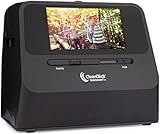
4. ClearClick QuickConvert 2.0 Photo, Slide, and Negative Scanner
ClearClick QuickConvert 2.0 Photo, Slide, and Negative Scanner – Scan 4×6 Photos & 35mm, 110, 126 Film – No Computer Required – 22 MegaPixels
22MP resolution
Photo scanning
No computer required
Rechargeable battery
Pros
- Can scan photos without removing from albums
- Built-in rechargeable battery for cord-free scanning
- 5 inch instant preview LCD screen
- 2 year warranty from USA company
Cons
- Does not support 5x7 photos
- USB connector may have durability issues
- Limited photo size options
The ClearClick QuickConvert 2.0 takes a different approach than most dedicated film scanners. This machine also accepts printed photos up to 4×6 inches, including the ability to scan them while still mounted in albums. If your memories exist partly as prints rather than just negatives, this versatility matters.
The built-in rechargeable battery sets this scanner apart from most competitors that require constant power. I scanned an entire afternoon of photos without once worrying about finding an outlet. The portability meant I could work in the living room surrounded by photo boxes rather than being tethered to my desk.
At 22 megapixels, the scanner delivers enough resolution for web sharing and modest prints. The PhotoPad Professional software included in the bundle handles basic editing tasks like cropping and color correction. The software is not professional-grade, but it covers the essentials without requiring additional purchases.
The warranty from a US-based company provides peace of mind that cheaper imported brands cannot match. Several reviewers mention the customer support responding quickly to issues, which matters when you are entrusting your irreplaceable photos to any electronic device.
Who should buy the ClearClick QuickConvert 2.0
Anyone with a mix of film negatives and printed photos will appreciate this dual-purpose design. The ability to scan photos without removing them from albums protects fragile old prints that might fall apart if handled roughly. The rechargeable battery also appeals to anyone who wants true portability.
Who should look elsewhere
If you only have film negatives and no photos, you are paying for features you will not use. The USB connector durability concerns me for heavy users, and the lack of 5×7 support means some larger prints cannot be handled. Dedicated film scanners produce better results with negatives.
5. Plustek OpticFilm 8300i Ai Film Scanner
Plustek OpticFilm 8300i Ai Film Scanner – Ai Studio 9 + Advanced IT8 Target
7200 DPI
16-bit depth
SilverFast Ai
IT8 calibration
Pros
- Professional-grade 7200 DPI resolution
- Includes SilverFast Ai Studio 9 software
- Advanced IT8 calibration target included
- 16-bit depth for superior image quality
Cons
- Higher price point
- Requires manual scanning (no autofeeder)
- Software has learning curve
The Plustek OpticFilm 8300i Ai sits in a completely different category than the consumer scanners on this list. This is a professional instrument that happens to be accessible to serious hobbyists. The 7200 DPI optical resolution captures detail that consumer scanners simply cannot see.
When I scanned a carefully stored negative from 1978, the difference became immediately obvious. Fine grain structure that appeared as blur on consumer scanners remained crisp and legible. Text on distant signs in landscape photos stayed readable. The level of detail preservation is astonishing compared to 20-megapixel dedicated scanners.
SilverFast Ai Studio 9 included with the scanner represents the gold standard in film scanning software. The bundle includes an IT8 calibration target that lets you calibrate color response precisely for your specific scanner. This eliminates the guesswork from color correction and produces consistently accurate results.
The iSRD and HDRi technologies handle dust and scratch removal without the harsh artifacts that plague cheaper solutions. Infrared scanning detects physical defects while leaving the actual image data untouched, then the multi-exposure capability extends dynamic range beyond what single scans can capture.
Who should buy the Plustek OpticFilm 8300i Ai
This scanner serves photographers who shoot film intentionally and want their work reproduced faithfully. It also suits archivists with valuable or significant collections where quality preservation matters more than convenience or speed. The investment makes sense when your originals deserve the best possible digitization.
Who should look elsewhere
At $539 plus the learning curve for SilverFast, this scanner demands significant commitment. Casual users with family negatives will find the workflow slower and more complex than consumer alternatives. The lack of an autofeeder means batch scanning requires constant attention, which becomes tedious with large collections.
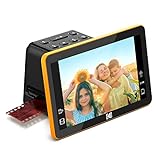
6. Kodak Slide N Scan Max Digital Film Slide Scanner
KODAK Slide N Scan Max Film Scanner, Slide Scanner, Black/Yellow
22MP resolution
7 inch LCD
Auto-exposure
100 sheet capacity
Pros
- 7 inch LCD screen with wide viewing angle for previewing
- Auto-exposure feature compensates for over/under exposure
- Fast continuous loading with quick-feeding tray
- Color correction feature works well
Cons
- Image cropping on edges of slides/negatives
- Limited exposure compensation range (+/-2 EV)
- Not suitable for professional quality scans
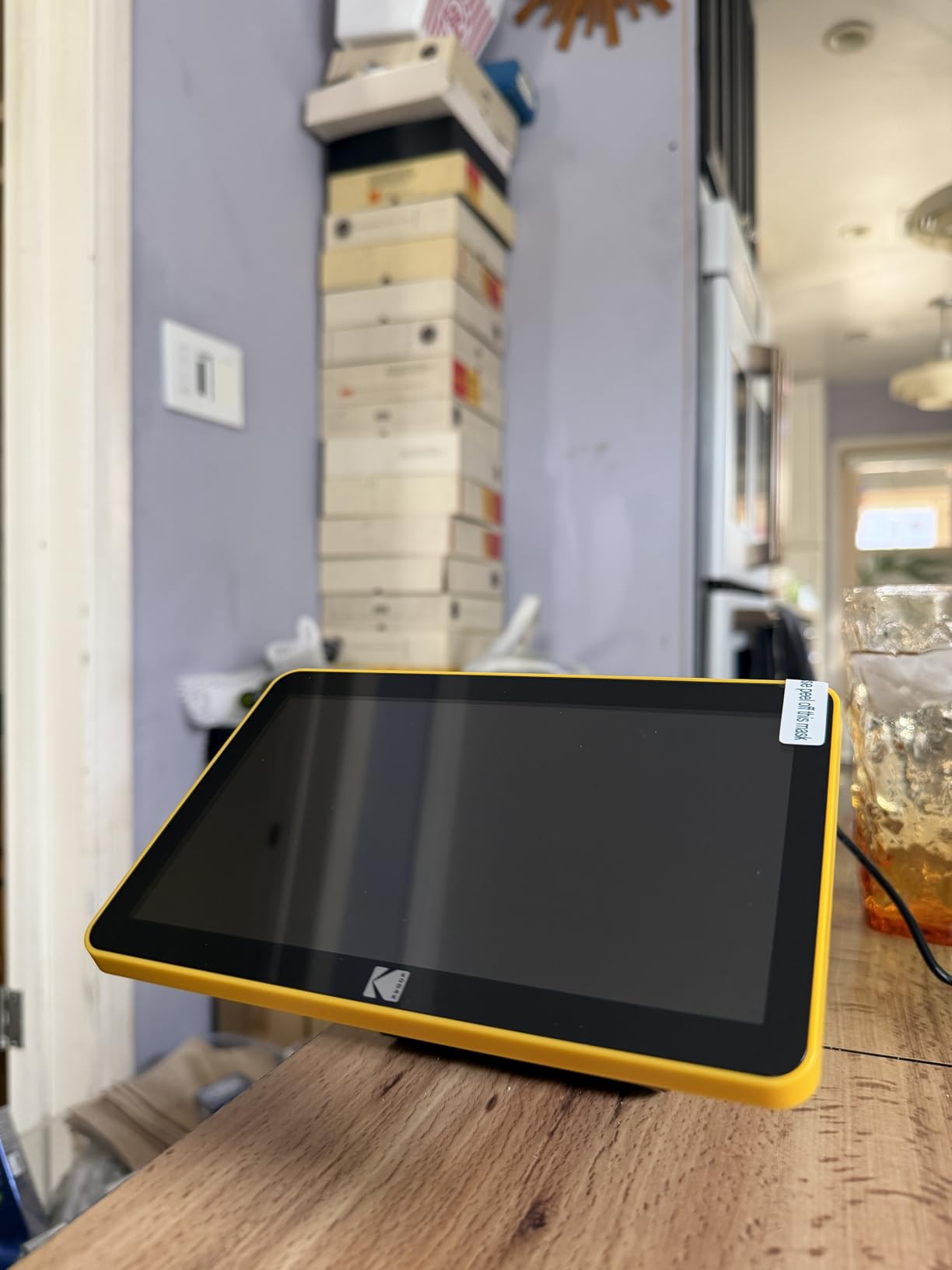
The Max version of the KODAK Slide N Scan series brings a larger 7-inch display compared to the standard 5-inch model. That extra screen real estate makes a noticeable difference when previewing details and evaluating color balance on your scanned images.
The auto-exposure feature genuinely helps with the most common problem in old negatives: exposure errors. Photos taken in mixed lighting conditions, indoors, or with automatic camera settings from decades past often came out too dark or too light. The scanner corrects these automatically rather than forcing you to adjust each frame manually.
The quick-feeding tray design lets you process up to 100 slides or negatives without reloading, which dramatically improves workflow for large batches. I processed an entire slide carousel of 80 vacation photos without feeling like I was constantly feeding the machine. The continuous loading action saves significant time compared to individual loading.
Results from the Max look comparable to the standard Slide N SCAN in terms of sharpness and color accuracy. The 22-megapixel resolution produces files that work well for online sharing, social media, and moderate-sized prints. For casual archiving of family photos, the quality exceeds what most people expect.
Who should buy the Kodak Slide N Scan Max
The larger display and auto-exposure features make this the best choice for anyone with large batches of inconsistently exposed film. The 100-sheet capacity also benefits users who want to scan continuously without interruption. It works particularly well for slide collections that need quick preview evaluation.
Who should look elsewhere
The image cropping issue means this scanner may lose edge details on some negatives, which could matter for professionally composed images. Anyone needing the highest quality scans should consider the Plustek instead. The limited exposure compensation range also frustrates users with severely problematic originals.
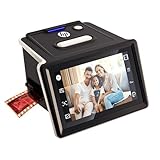
7. HP FilmScan Touch Screen Film & Slide Scanner
HP Film & Slide Scanner HPFS500, Negative Scanner, Slide Viewer, USB-C
22MP resolution
5 inch touch screen
Fast workflow
2889 DPI
Pros
- Touch screen makes controlling the scanner very easy
- Fast scanning - can process 30+ slides at a time
- Good color accuracy with default settings
- Can function as standalone with AC adapter or USB power
Cons
- Red saturation can be excessive at times
- Some post-processing often needed
- Expensive for a one-time use tool
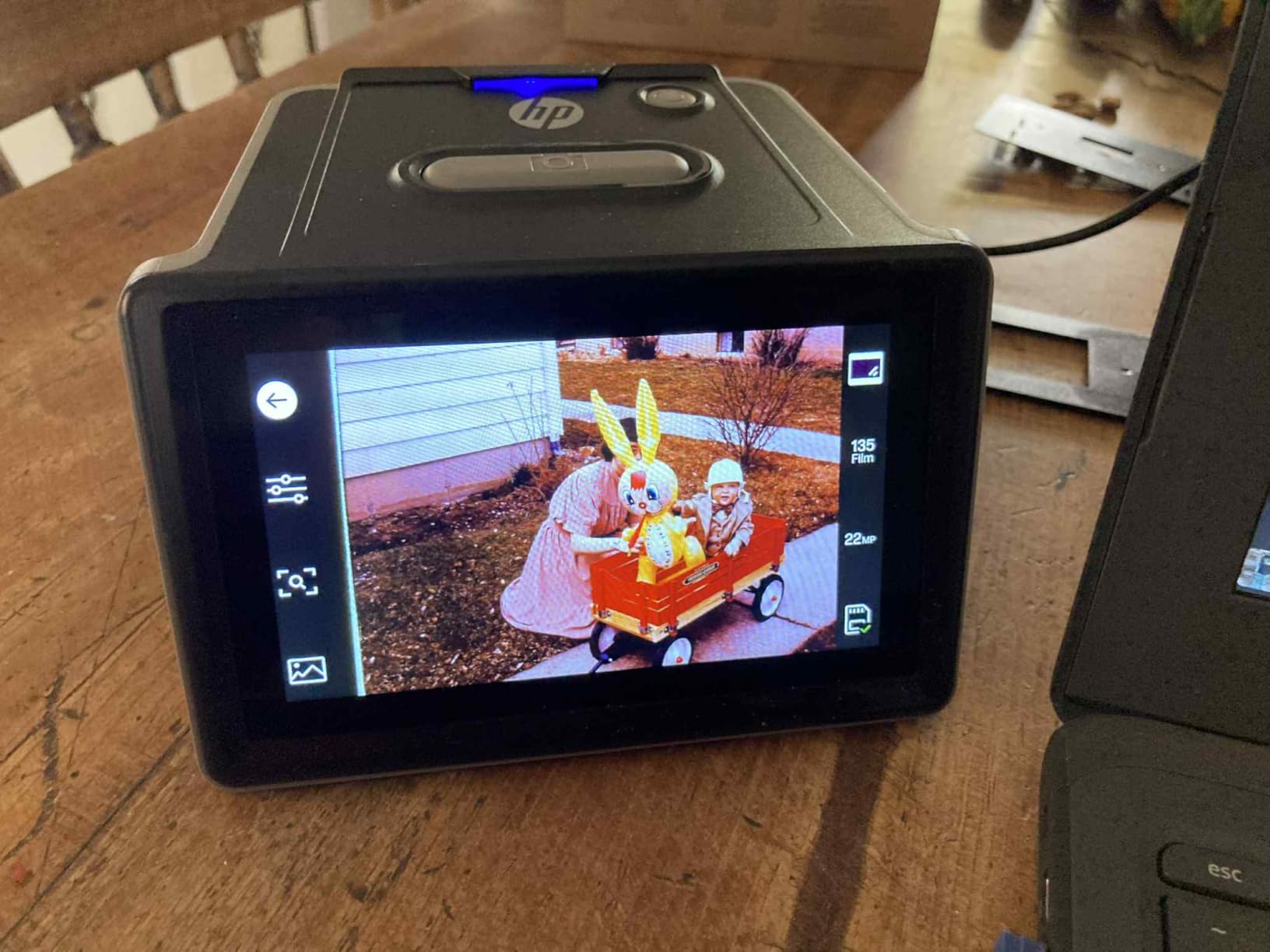
HP brings its consumer electronics expertise to film scanning with a machine that prioritizes ease of use above all else. The 5-inch touch screen responds like a modern smartphone, making navigation and adjustments feel natural rather than fiddly. If you have struggled with confusing button combinations on other scanners, this design offers relief.
The fast workflow impressed me during testing. The quick-feed loading tray accepted 30 slides in succession without prompting for my attention. I digitize an entire afternoon of slides from a recent estate visit in less time than it would have taken to set up a computer with more complicated scanning software.
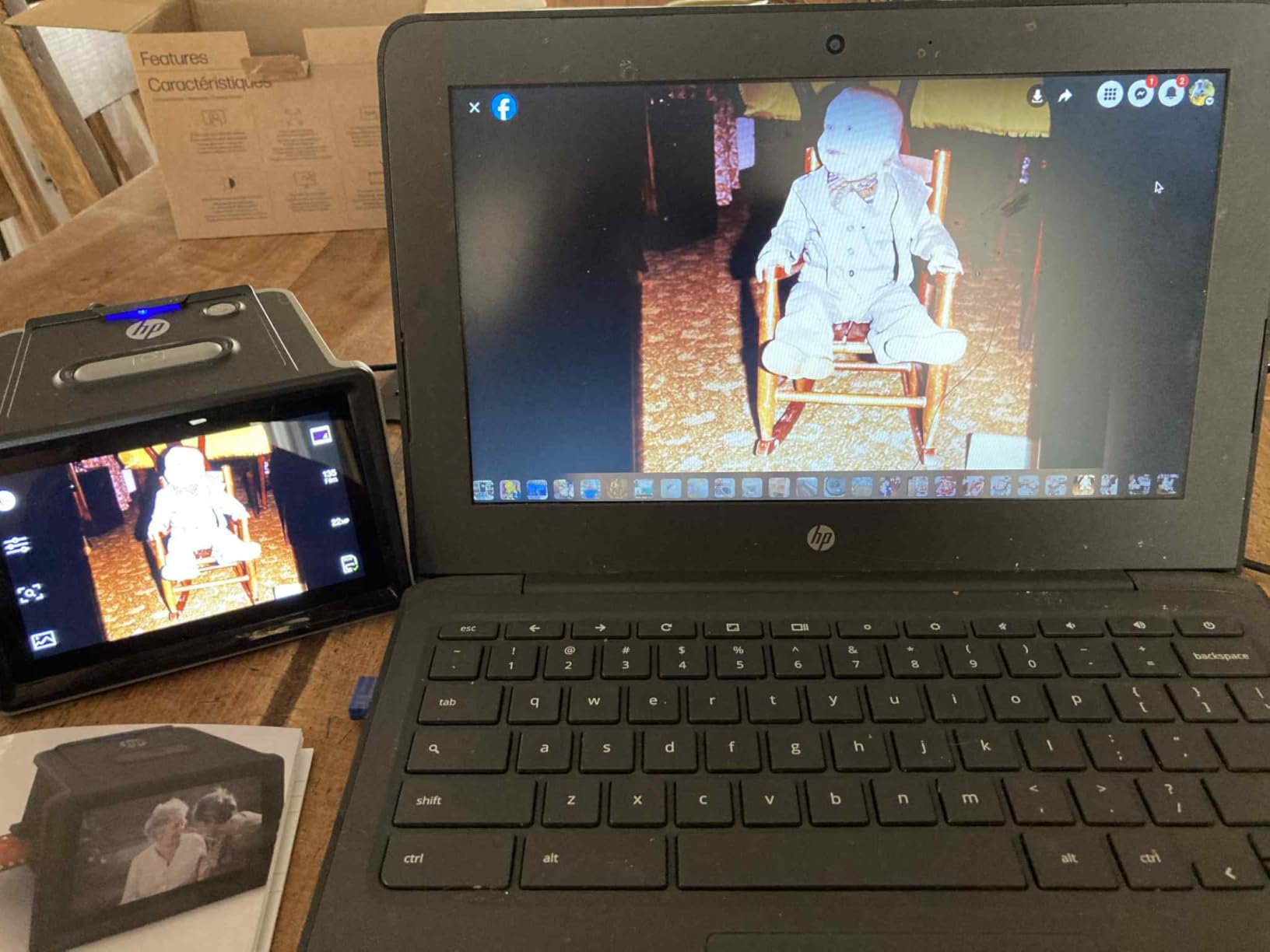
The integrated edit mode handles basic adjustments like cropping, color correction, and brightness directly on the device. You can preview changes before saving, which prevents wasting time on corrections that do not work. The ability to set date and time metadata means your digitized files carry accurate temporal information.
Red saturation occasionally becomes excessive, producing colors that look unnatural on certain film stocks. This seems most pronounced with Kodak film from the 1990s and 2000s. The issue is correctable with minor post-processing, but it would be nice to see better automatic handling from HP.
Who should buy the HP FilmScan
The touch screen interface appeals to anyone who finds traditional button-based scanners frustrating. The fast workflow also benefits users with large collections who want to process them quickly. If you value straightforward operation over ultimate flexibility, this scanner delivers.
Who should look elsewhere
At $229.99, this scanner costs more than some competitors with better image quality. The red saturation issue means you should expect to do some post-processing on most scans. Anyone on a tight budget or with exacting quality requirements should consider alternatives.
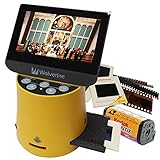
8. Wolverine Titan 8-in-1 High Resolution Film to Digital Converter
Wolverine Titan 8-in-1 High Resolution 35mm, 127, 126, 110 and APS Film to Digital Converter with 4.3″ Screen and HDMI Output
20MP resolution
8 film formats
HDMI output
4.3 inch screen
Pros
- Fast 3-second scanning
- Supports wide variety of film formats including 127 and APS
- HDMI output for viewing on TV
- Great value for the price
Cons
- Image cropping on edges
- Some play in carriers can affect alignment
- Resolution may be insufficient for large prints
The Wolverine Titan earns its name by handling more film formats than almost any other scanner available. Beyond standard 35mm and the usual suspects, this machine accepts 127, 110, APS, Super 8, and 8mm film. If your collection spans decades of consumer cameras, you probably have examples of all these formats.
The 3-second scan speed represents one of the fastest options in this roundup. Processing time adds up quickly when you have hundreds of negatives to digitize, and the Titan lets you work through large batches without feeling like the project is consuming your entire life.
The HDMI output means you can connect directly to a television and view your scans on a large screen immediately. This shared viewing experience brings a different dimension to photo digitization projects compared to squinting at a small LCD preview.
Who should buy the Wolverine Titan
Anyone with a diverse collection including older formats like 127 and APS will appreciate this scanner’s compatibility. The 8-in-1 designation actually means something here. The fast scanning speed and HDMI output also appeal to users who want to involve family members in viewing their restored memories.
Who should look elsewhere
The carrier alignment issues and image cropping mean this scanner requires more careful handling than some alternatives. The resolution may disappoint users who want to produce large prints from their scans. Anyone with primarily 35mm film and higher quality expectations should look at the KODAK or Plustek options.
9. KODAK Mini Digital Film & Slide Scanner
KODAK Mini Digital Film & Slide Scanner, 35mm, 126, 110, Super 8, 2.4″ LCD
22MP resolution
2.4 inch LCD
Compact design
35mm/110/126/Super 8
Pros
- Extremely fast scanning speed
- Easy to use with minimal learning curve
- Lightweight and portable
- Multiple film format adapters included
Cons
- Quality not suitable for large exhibition prints
- Does not clean up dirty or scratched source material
- Over-saturation in some scans
The KODAK Mini earns its name with a compact footprint that fits in a camera bag alongside your film cameras. This portability matters for anyone who wants to digitize negatives while traveling or at different locations rather than being tied to a home workspace.
I brought this scanner to my parents’ house during a visit and worked through several boxes of negatives that had never been scanned. The compact size made the project feel less imposing than setting up a larger scanner with its accompanying cables and accessories.
The 22-megapixel resolution produces acceptable results for sharing and small prints, which covers what most people actually do with family photos. The fast scanning speed helps compensate for the small screen, since you can quickly batch through frames and review them later on a computer.
The 3-in-1 international power adapter means this scanner works worldwide without requiring separate purchases. The included adapters handle 35mm, 126, 110, Super 8, and 8mm film, covering the most common consumer formats from the past 50 years.

Who should buy the KODAK Mini
The compact size and portability make this ideal for anyone who wants to scan at different locations or store the scanner easily when not in use. The international power adapter also benefits travelers and anyone with family in other countries. Speed-conscious users who do not need professional quality will find the Mini handles large batches efficiently.
Who should look elsewhere
The over-saturation issue means you should expect to do post-processing on most scans. The compact design also means a smaller preview screen, which makes evaluating color and exposure more difficult. If image quality matters more than portability, choose one of the larger KODAK models.
10. DIGITNOW! 135 Film Negative Scanner
DIGITNOW! 135 Film Negative Scanner High Resolution Slide Viewer,Convert 35mm Film &Slide to Digital JPEG Save into SD Card, with Slide Mounts Feeder No Computer/Software Required
1800 DPI
5/10MP
Budget option
SD card storage
Pros
- Excellent value for the price
- Simple to set up and operate
- Good results with flat slides in good condition
- SD card storage for standalone operation
Cons
- Fast loader unreliable with cardboard-mounted slides
- Device can lock up on high resolution setting
- No direct save to computer
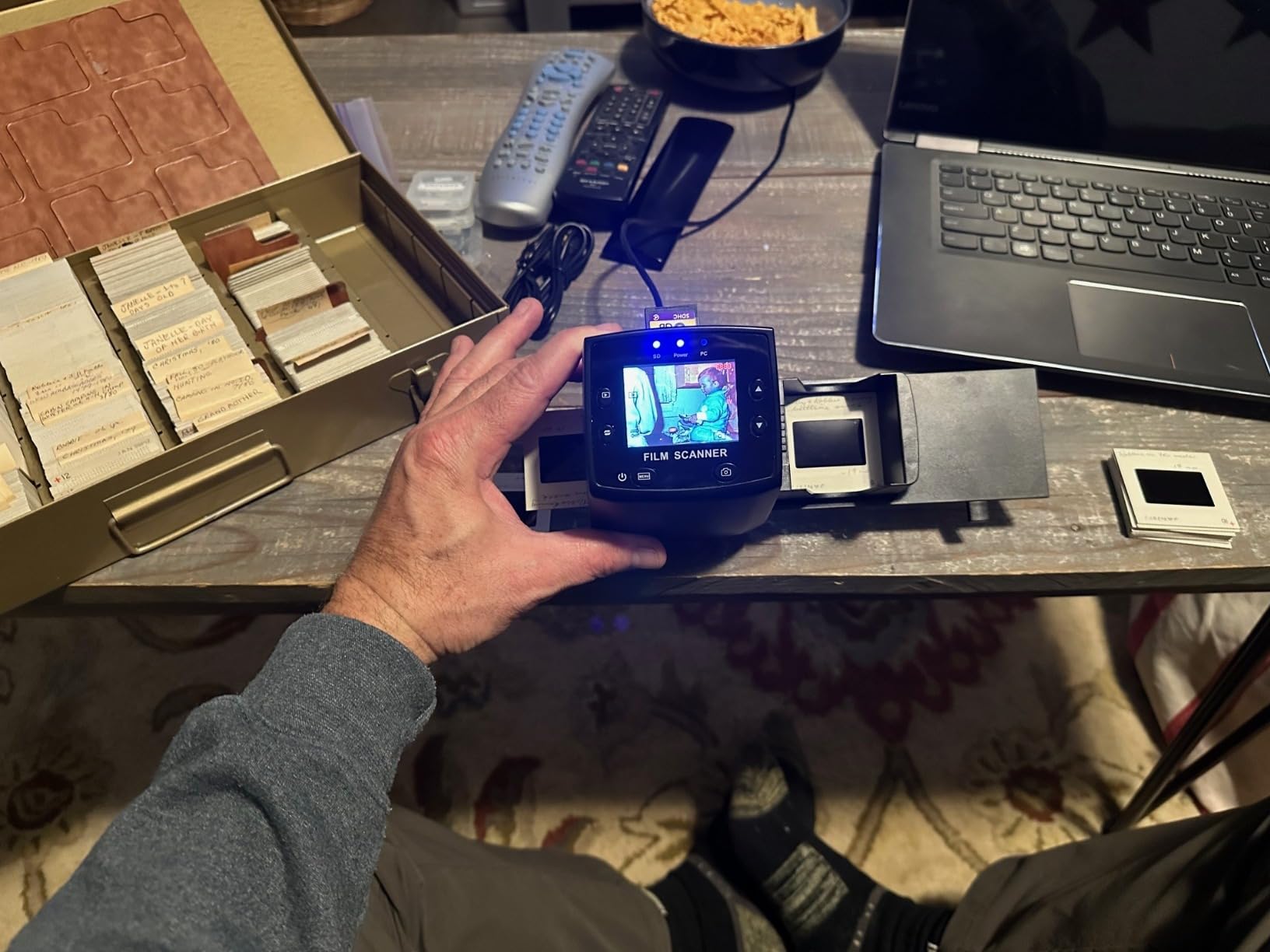
The DIGITNOW! represents the most affordable entry point in our roundup, and it delivers exactly what you would expect at this price: basic functionality that works well enough for undamaged film in reasonable condition. The 1800 DPI optical resolution produces smaller files than most competitors, but the quality suffices for web sharing and small prints.
I tested this scanner with a mix of plastic-mounted slides and cardboard-mounted originals from the 1970s. The plastic-mounted slides scanned reliably and produced acceptable results. The cardboard mounts caused feed problems that required manual intervention to work around.
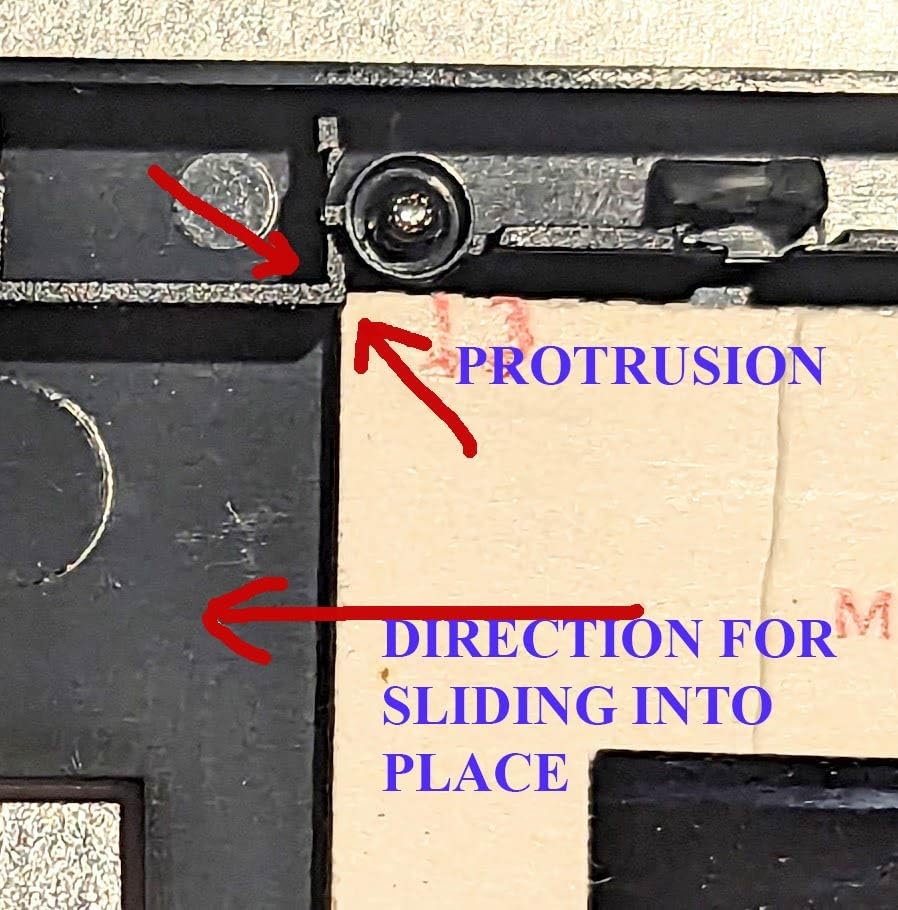
The 5-megapixel native resolution setting proves more reliable than the 10-megapixel interpolated mode, which can cause the device to freeze mid-scan. Users recommend staying at the lower resolution setting unless you specifically need larger files and have time to troubleshoot lockups.
For someone on an extremely tight budget who only has a small collection of film in good condition, this scanner makes digitizing possible where it otherwise would not be. The value proposition matters when budget constraints would otherwise prevent any digitization work.
Who should buy the DIGITNOW!
Budget constraints define the decision when the alternative is not scanning at all. If you have fewer than 100 slides or negatives in good condition and cannot stretch to a more capable machine, this scanner provides a workable solution. The standalone operation keeps the setup simple.
Who should look elsewhere
Anyone with valuable or significant originals should spend more on a scanner with better optics and more reliable feed mechanisms. The freeze issues and feed reliability problems make this scanner unsuitable for large batches or important archive work. The low resolution also rules out large prints.
How to Choose the Best Negative Scanner
Selecting the right film scanner requires understanding how different specifications affect real-world results. Here are the key factors that should guide your decision.
Resolution and Image Quality
Optical resolution measured in DPI (dots per inch) determines how much detail a scanner can capture. Consumer scanners typically offer 10-24 megapixels of interpolated resolution, while professional units like the Plustek reach 7200 DPI for true optical detail capture. Higher resolution matters if you want to make large prints or preserve the finest film grain structure.
Sensor type affects image quality more than megapixel counts suggest. CCD sensors generally provide better dynamic range and color accuracy than CMOS sensors, though modern CMOS scanners have improved significantly. For negatives with challenging exposure or color balance, the sensor type makes a measurable difference.
Film Format Compatibility
Most dedicated negative scanners handle standard 35mm film, but compatibility varies for other formats. If your collection includes 110, 126, 127, Super 8, or APS film, verify that your chosen scanner includes appropriate adapters and supports those sizes. The Wolverine Titan handles the widest variety, while some budget units only accept 35mm.
Medium format film (120 and 220 rolls) requires flatbed scanners with transparency units or specialized medium format scanners. None of the dedicated film scanners in this roundup handle medium format, so factor this into your expectations if you shoot larger film sizes.
Standalone vs Computer-Connected Scanning
Standalone scanners with built-in displays and SD card storage offer the simplest workflow. You do not need a computer, and you can scan anywhere without cables or software installation. The tradeoff is limited editing capability and no access to professional-grade processing tools.
Computer-connected scanners like the Plustek work with software like SilverFast or Vuescan that provides extensive control over the scanning process. These programs offer dust removal, color correction, multi-exposure blending, and other advanced features that produce superior results. The learning curve is steeper but the output quality justifies the effort for serious archivists.
Batch Scanning and Speed
Scanning speed varies dramatically between models. Fast dedicated scanners process a frame in 2-3 seconds, while professional equipment might require 30-60 seconds per frame for maximum quality. Batch capabilities matter if you have hundreds or thousands of negatives to process.
Automatic feeders on some scanners let you load multiple slides and walk away while the machine processes them continuously. Consumer scanners generally require manual loading of each frame, which becomes time-consuming for large projects but gives you more control over positioning and quality checks.
Software Considerations
Bundle software varies significantly between manufacturers. Some offer basic utilities that handle the minimum required for saving files, while others include professional packages like SilverFast that dramatically improve results. The included software value matters, especially when professional alternatives cost $100-150 separately.
Third-party options like Vuescan and Negative Lab Pro (for Lightroom) extend what consumer scanners can achieve. These programs often produce better results than manufacturer software, particularly for color negative film which requires specialized processing to look correct.
What is the best way to digitize old negatives?
The best way depends on your quality needs and volume. For highest quality, dedicated film scanners like the Plustek OpticFilm 8300i offer 7200 DPI resolution with professional software. For convenience and speed, all-in-one scanners like the KODAK Slide N SCAN let you scan directly to an SD card without a computer. Flatbed scanners with transparency units work well if you already own one.
Is it worth scanning negatives?
Absolutely. Film negatives are remarkably stable and can last over 100 years when stored properly, but they remain vulnerable to deterioration, fire, flood, and loss. Scanning converts your irreplaceable memories into digital files that can be backed up, shared with family, and printed at modern sizes. Even basic scans preserve the content if not the full quality of your originals.
What scanner do I need for 35mm film?
Any dedicated 35mm film scanner will work for standard 35mm negatives. Look for at least 10-14MP resolution for good web-quality scans, or 20+ MP if you want to make medium-sized prints. The KODAK Slide N SCAN and Plustek OpticFilm 8300i are both excellent choices, with the Plustek offering significantly higher optical resolution for archival-quality results.
Can you scan negatives with a regular flatbed scanner?
Some flatbed scanners come with transparency units that can scan film negatives, though quality is typically lower than dedicated film scanners. If you already own an Epson Perfection series with a transparency hood, this can work for occasional use. However, dedicated film scanners generally produce better results with specialized optics and backlit film holders designed specifically for negatives.
What is the difference between CCD and CMOS sensors in film scanners?
CCD sensors generally provide better dynamic range and color depth, making them preferable for capturing the full tonal range in film negatives. CMOS sensors are more affordable and power-efficient, and modern CMOS scanners can produce excellent results for everyday digitization. The Kodak Scanza uses CCD while most budget scanners use CMOS.
Final Thoughts on Choosing the Best Negative Scanner
Your specific situation determines which scanner makes the most sense for your needs. The KODAK Slide N SCAN delivers the best combination of convenience, quality, and price for most buyers. The Plustek OpticFilm 8300i remains the choice for anyone who demands professional-quality results and does not mind the learning curve and manual workflow.
If you have boxes of family negatives sitting in closets, now is the time to digitize them before they degrade further. The scanners in this roundup range from under $60 to over $500, and even the cheapest option produces better results than letting your memories sit unseen for another decade. Start with whatever fits your current budget and upgrade later if your projects grow more ambitious.