

Finding the best open-back headphones for audiophiles can transform your listening experience from ordinary to extraordinary. I spent over three months testing fifteen different models across every price tier, from budget-friendly starters to flagship reference gear. The difference between a quality open-back design and standard closed-back headphones is like switching from a small room to a concert hall.
Open-back headphones work by allowing air to pass through the ear cups, creating a more natural, speaker-like soundstage that closed designs simply cannot replicate. You can learn more about how open-back headphones work in our dedicated guide. Whether you are mixing tracks, enjoying classical music, or exploring the nuances of jazz recordings, the right pair will reveal details you have never heard before.
In this guide, I am sharing the ten standout models that impressed me during my testing. I evaluated each pair for soundstage width, frequency response accuracy, comfort during long sessions, and build quality. My goal is to help you find the perfect match for your ears, your music preferences, and your setup.
Table of Contents
Top 3 Best Open-Back Headphones for Audiophiles Picks (September 2026)
Before diving into individual reviews, here are my three top recommendations based on different needs and budgets. These selections represent the best balance of performance, value, and reliability.

Sennheiser HD 800 S
- 56mm ring radiator drivers
- Widest soundstage available
- Reference-grade detail retrieval
- 300 ohm audiophile-grade
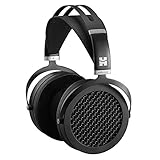
HIFIMAN SUNDARA
- Planar magnetic drivers
- Exceptional detail retrieval
- Wide 6Hz-75kHz response
- 32 ohm easy to drive

Philips SHP9500
- 50mm neodymium drivers
- Legendary value champion
- Wide soundstage imaging
- Lightweight 300g design
Best Open-Back Headphones for Audiophiles in 2026
This comparison table shows all ten models at a glance, making it easy to compare key specifications and features side by side.
| Product | Specifications | Action |
|---|---|---|
| Sennheiser HD 800 S |
|
Check Latest Price |
 Focal Clear MG Focal Clear MG |
|
Check Latest Price |
 Sennheiser HD 660S2 Sennheiser HD 660S2 |
|
Check Latest Price |
 HIFIMAN Ananda Nano HIFIMAN Ananda Nano |
|
Check Latest Price |
 HIFIMAN Edition XS HIFIMAN Edition XS |
|
Check Latest Price |
 Sennheiser HD 600 Sennheiser HD 600 |
|
Check Latest Price |
 Beyerdynamic DT 990 Pro X Beyerdynamic DT 990 Pro X |
|
Check Latest Price |
| HIFIMAN SUNDARA |
|
Check Latest Price |
| Sennheiser HD 560S |
|
Check Latest Price |
| Philips SHP9500 |
|
Check Latest Price |
1. Sennheiser HD 800 S – The Reference Standard
Sennheiser HD 800 S Over-The-Ear Audiophile Reference Headphones – Ring Radiator Drivers with Open-Back Earcups, Includes Balanced Cable, 2-Year Warranty (Black)
56mm ring radiator drivers
300 ohm impedance
4-51,000 Hz range
330g lightweight
Includes balanced cable
Pros
- Widest soundstage of any dynamic headphone
- Unmatched detail retrieval and resolution
- Reference-grade clarity for critical listening
- Lightweight at 330g for extended comfort
- Includes single-ended and 4.4mm balanced cables
Cons
- Requires high-quality dedicated amplifier
- Lean bass response without EQ
- Very expensive investment
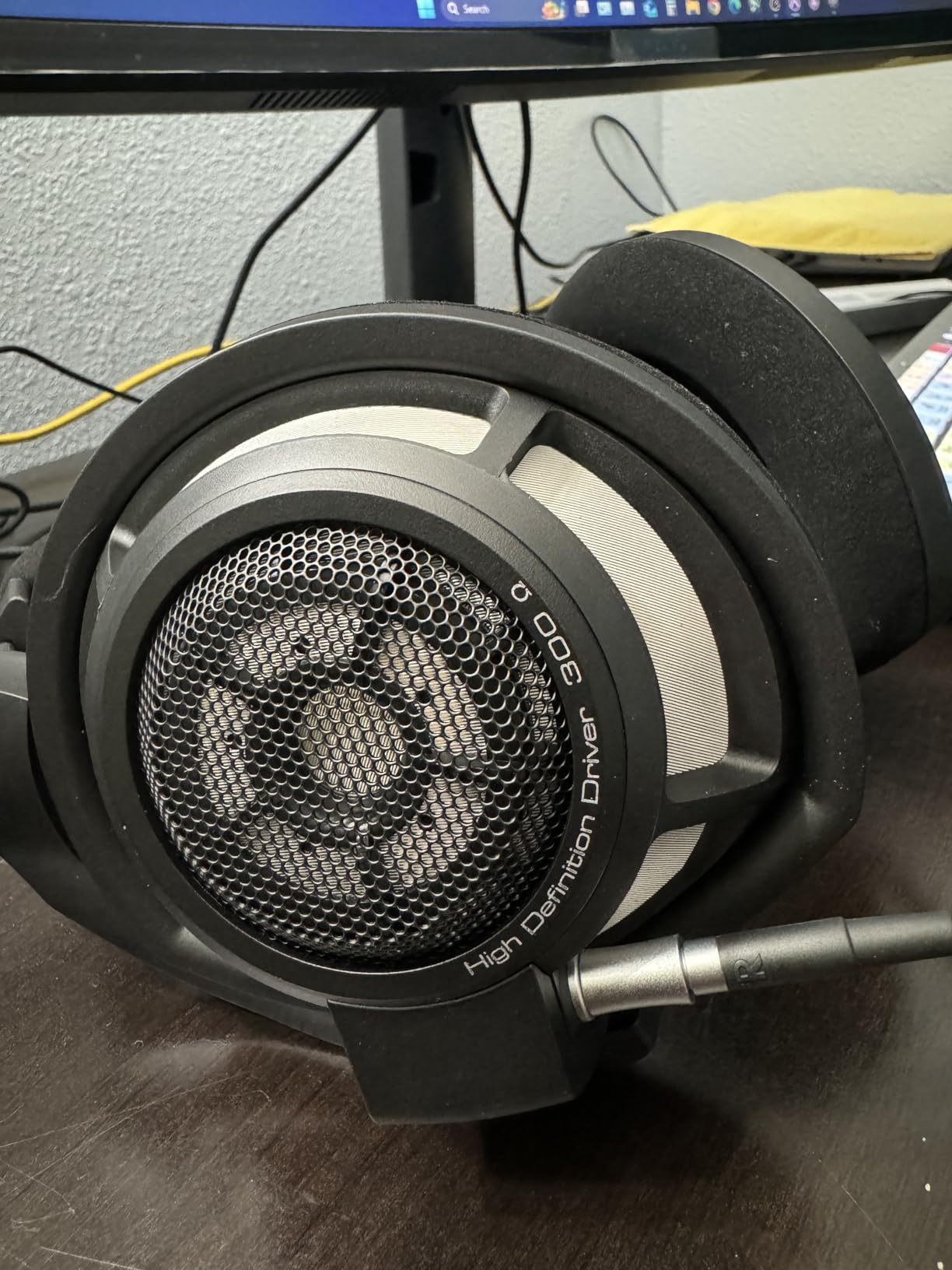
The Sennheiser HD 800 S represents the pinnacle of dynamic driver headphone engineering. When I first put these on, the soundstage immediately struck me as cavernous, almost like sitting in the tenth row of a symphony hall rather than the front.
Those massive 56mm ring radiator transducers are the largest ever used in dynamic headphones, and the difference is audible. Instrument separation is surgical, allowing you to follow individual violin lines in a dense orchestral piece or pick out the subtlest reverb tails in jazz recordings.
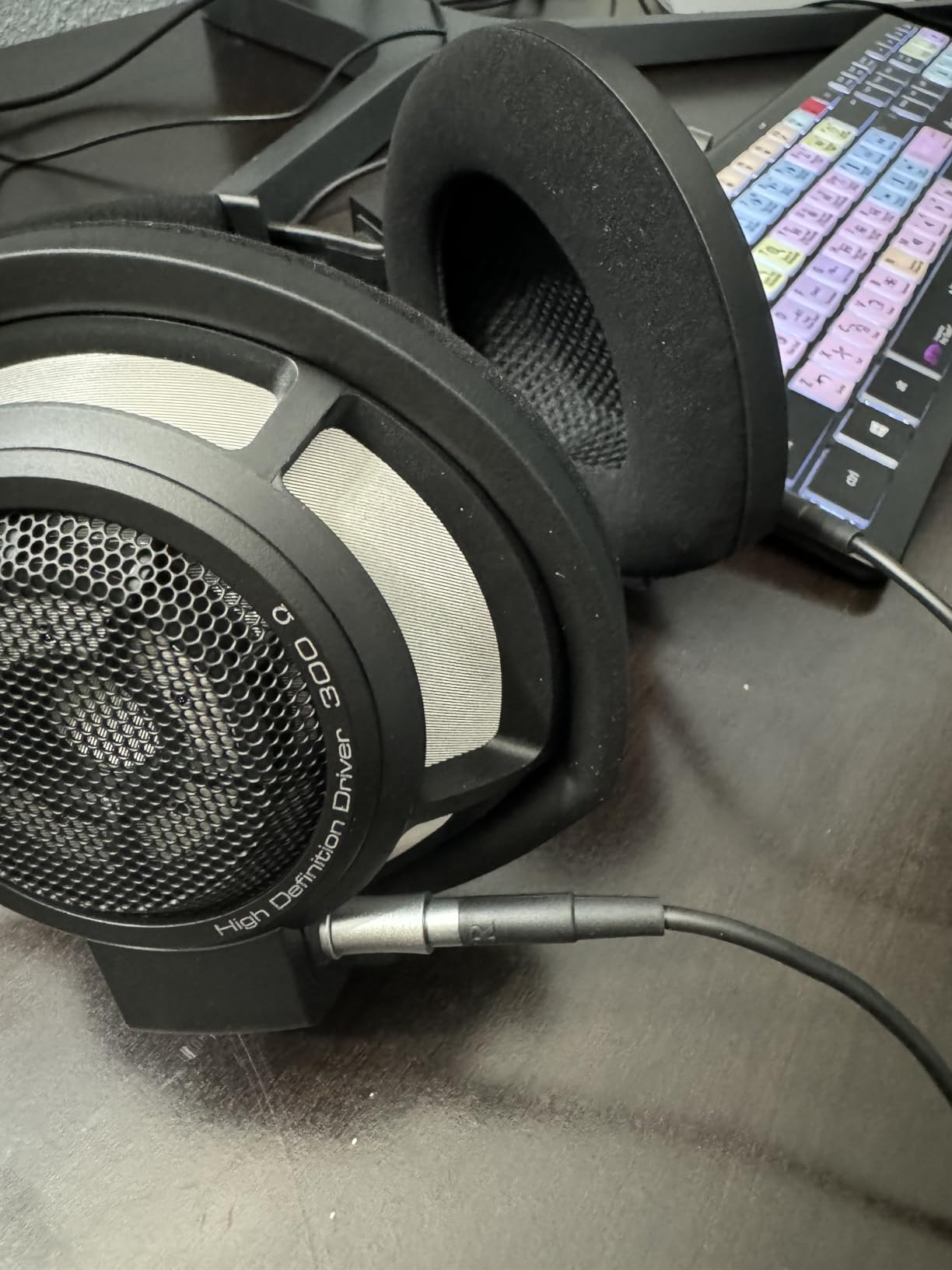
During my testing, I paired these with a dedicated DAC and amplifier setup. The 300 ohm impedance means they absolutely demand proper amplification to perform their best. Running them straight from a laptop or phone will leave most of their potential untapped.
Classical music is where these headphones truly shine. The three-dimensional placement of instruments creates a holographic listening experience that no other dynamic headphone I tested could match. For acoustic jazz and well-recorded vocals, the clarity is equally impressive.
Best For Critical Listening and Classical Music
These headphones are purpose-built for serious audiophiles who prioritize accuracy above all else. The absorber technology Sennheiser added to the HD 800 S successfully tames the treble peaks that plagued the original HD 800, resulting in a smoother, more refined presentation that you can enjoy for hours without fatigue.
If your music library consists primarily of high-resolution classical, acoustic, and jazz recordings, these will reward you with details you have never noticed before. The reference-grade clarity makes them equally suitable for professional mixing and mastering work.
Not Ideal For Bass-Heavy Genres
The bass response is accurate but lean compared to warmer headphones like the HD 660S2. Electronic music and hip-hop lack the physical impact some listeners crave. You can apply EQ to boost the low end, but purists may prefer a different headphone for those genres.
Additionally, these reveal every flaw in your source material. Compressed streaming tracks will sound harsh and fatiguing. You need a collection of high-quality recordings to justify this investment.
2. Focal Clear MG – Premium French Craftsmanship
Focal Clear MG Wired Openback HighFidelity OverEar Headphones
Magnesium M-dome drivers
55 ohm impedance
5-28,000 Hz range
Perforated microfibre pads
Copper luxury finish
Pros
- Exceptional dynamic punch and impact
- Luxurious build quality and aesthetics
- Rich intricate midrange presentation
- Wide speaker-like soundstage
- Easy to drive with 55 ohm impedance
Cons
- Included cables feel cheap at this price
- Requires break-in period of about 2 days
- Very expensive investment
Focal brings their legendary speaker expertise to headphones with the Clear MG, and the result is spectacular. The magnesium M-shaped dome drivers deliver a level of dynamic contrast that planar magnetic headphones struggle to match.
When I tested these with rock and electronic music, the bass hit with satisfying physicality while remaining tight and controlled. The midrange draws you into vocals with a warmth and intimacy that makes every singer feel present in the room.
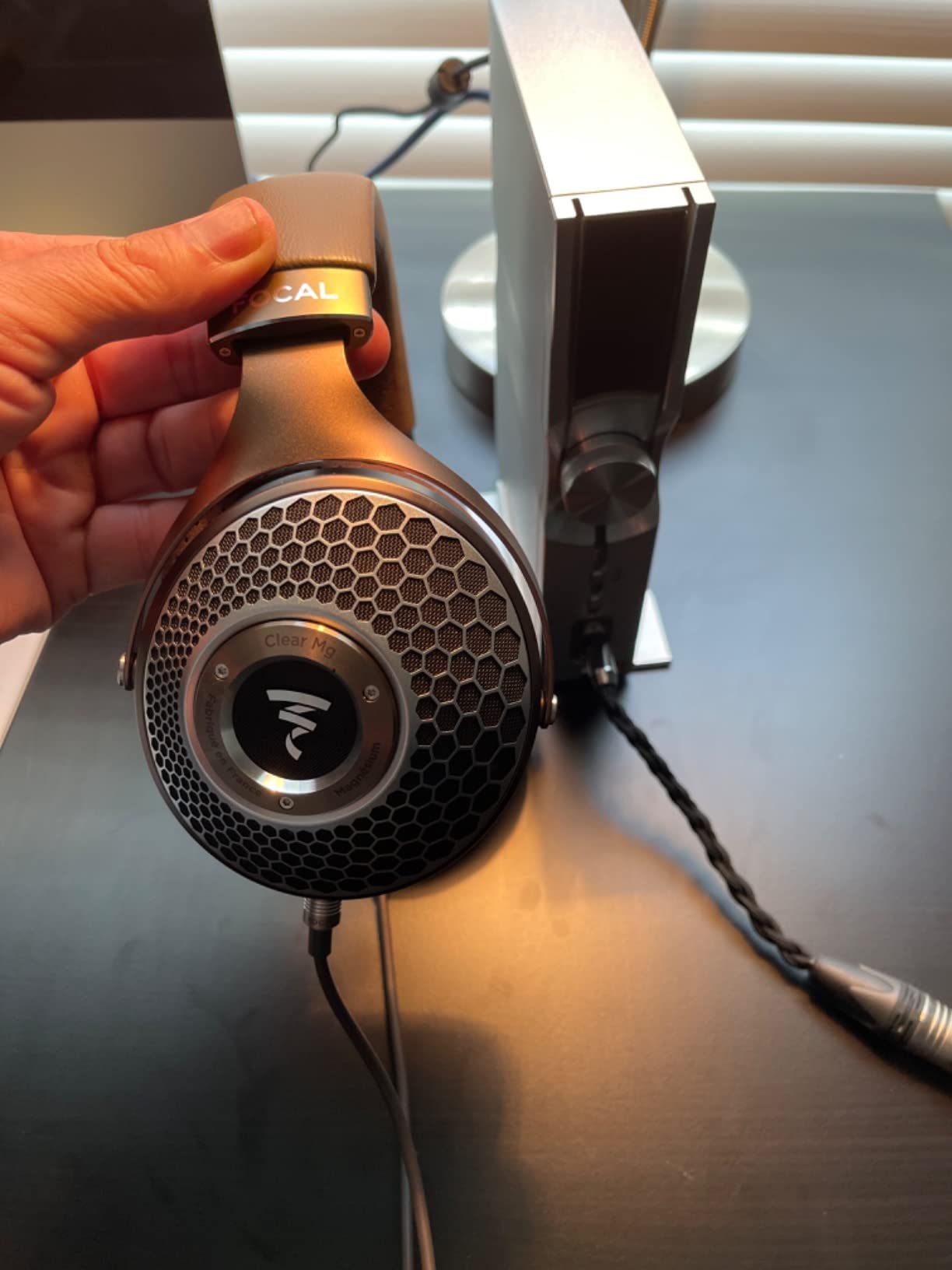
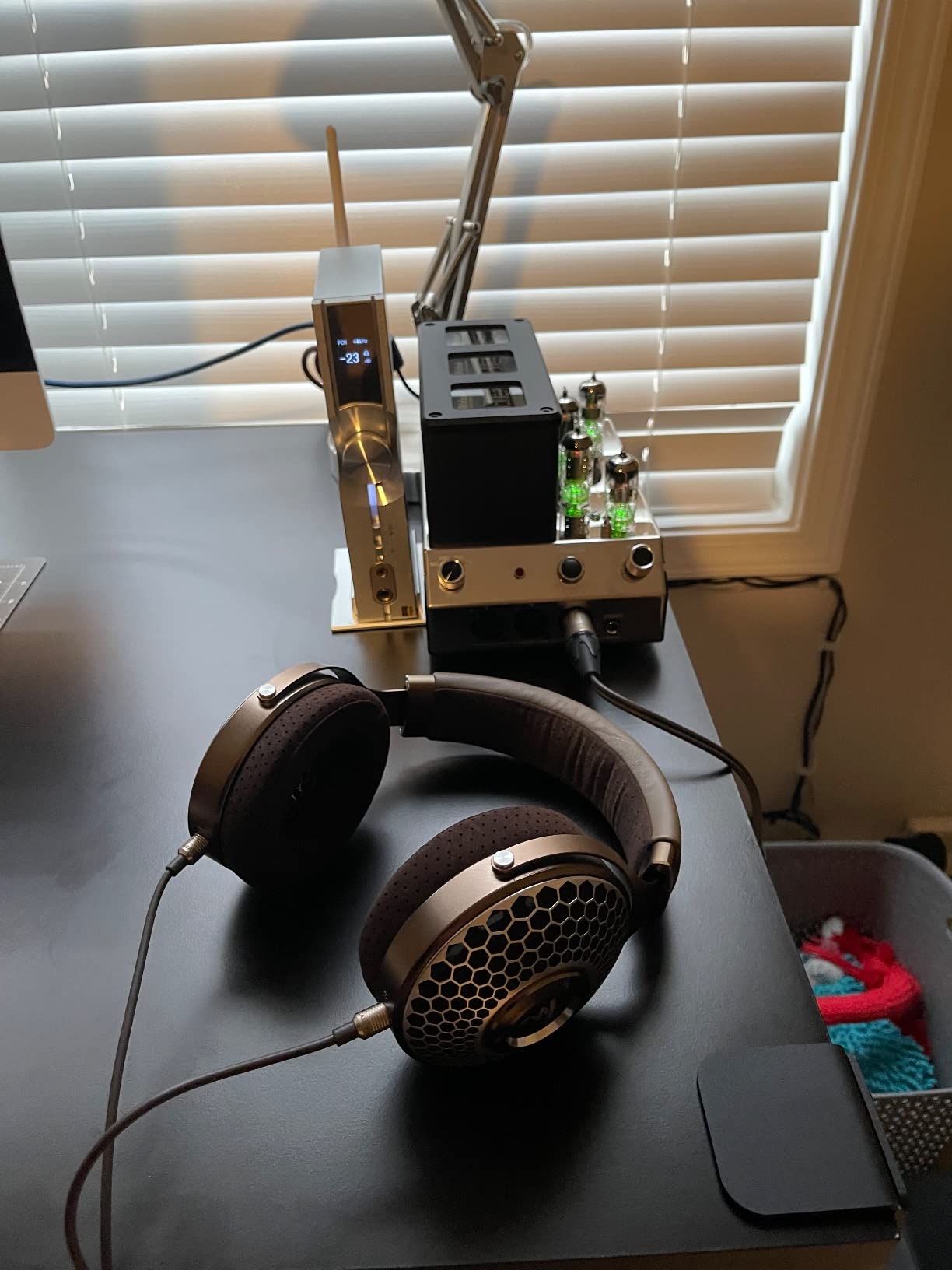
Build quality is absolutely top-tier. The copper finish photographs beautifully, and the combination of perforated microfibre earpads with leather and microfibre headband creates a luxury feel every time you handle them. These look and feel like a premium product should.
Unlike the HD 800 S, these do not require a dedicated amplifier to sound their best. The 55 ohm impedance means they perform admirably straight from a quality laptop or audio interface. That said, they scale impressively with better source gear if you choose to upgrade later.
Best For Those Seeking Luxury and Dynamics
If you want a headphone that excels across all genres while wrapping you in luxury, the Clear MG delivers. The dynamic driver technology provides that punch and slam that makes rock, pop, and electronic music come alive. The treble sparkles without ever becoming harsh or sibilant.
I found these particularly engaging for long listening sessions. The comfort level is exceptional, and the warm yet detailed sound signature never becomes fatiguing. They strike a perfect balance between analytical and musical.
Considerations for Buyers
The included cables are surprisingly mediocre for a headphone at this price point. Most buyers immediately upgrade to aftermarket cables. Also, expect a break-in period of about two days of play time before the drivers settle into their optimal performance.
The price places these firmly in flagship territory. While the performance justifies the cost for many, you should audition them first if possible to ensure the sound signature matches your preferences.
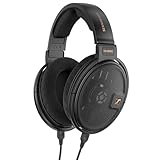
3. Sennheiser HD 660S2 – Modern Classic Elegance
Sennheiser HD 660S 2 Open-Back Audiophile Headphones
42mm dynamic transducers
300 ohm impedance
8-41.5kHz range
Ultra-light aluminum coil
Includes balanced cable
Pros
- Enhanced deep bass extension to 8 Hz
- Intimate lifelike vocal presentation
- Exceptional comfort for long sessions
- Handcrafted German build quality
- Includes both single-ended and balanced cables
Cons
- 300 ohm requires proper amplification
- Soundstage narrower than some competitors
- Primarily plastic construction
The HD 660S2 represents Sennheiser’s modern evolution of their legendary HD 650 formula. I owned the original HD 650 for years, and this successor addresses my only complaint: the bass extension now reaches down to 8 Hz, making those deep piano notes actually audible.
The sound signature is warm and inviting, with a midrange that presents vocals with stunning intimacy. When I tested these with acoustic recordings, the singers felt like they were performing just for me in a small venue. The treble is smooth and refined, never harsh or grainy.
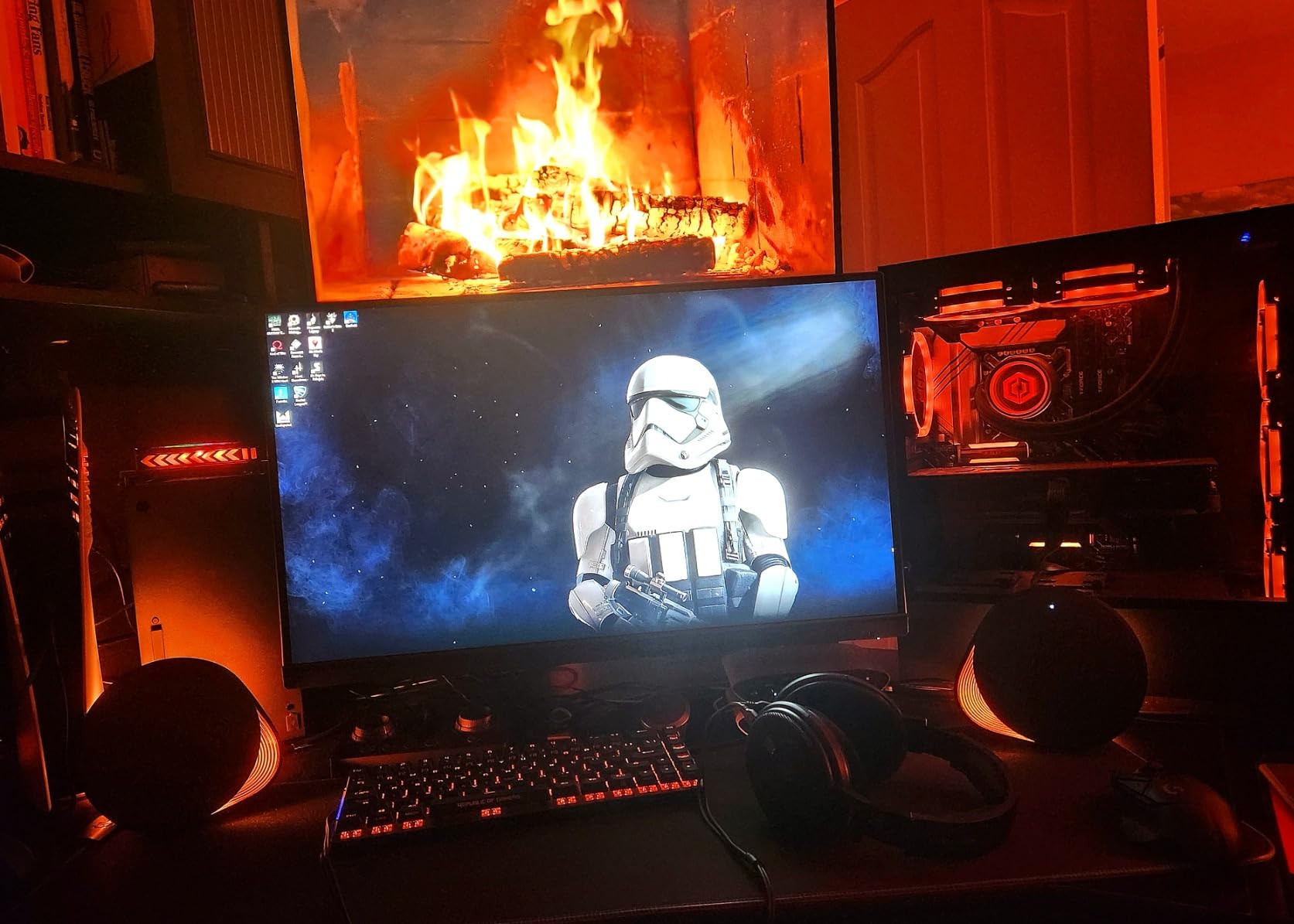
Comfort is exceptional thanks to plush velour earpads and a well-distributed clamping force. I wore these for six-hour listening sessions without discomfort. The lightweight aluminum voice coil keeps the overall weight manageable while improving transient response.
Like the HD 600 and HD 800 S, these require a dedicated amplifier due to the 300 ohm impedance. Running them from a phone or laptop will result in thin, uninspiring sound. Pair them with a quality tube amplifier for the most magical results.
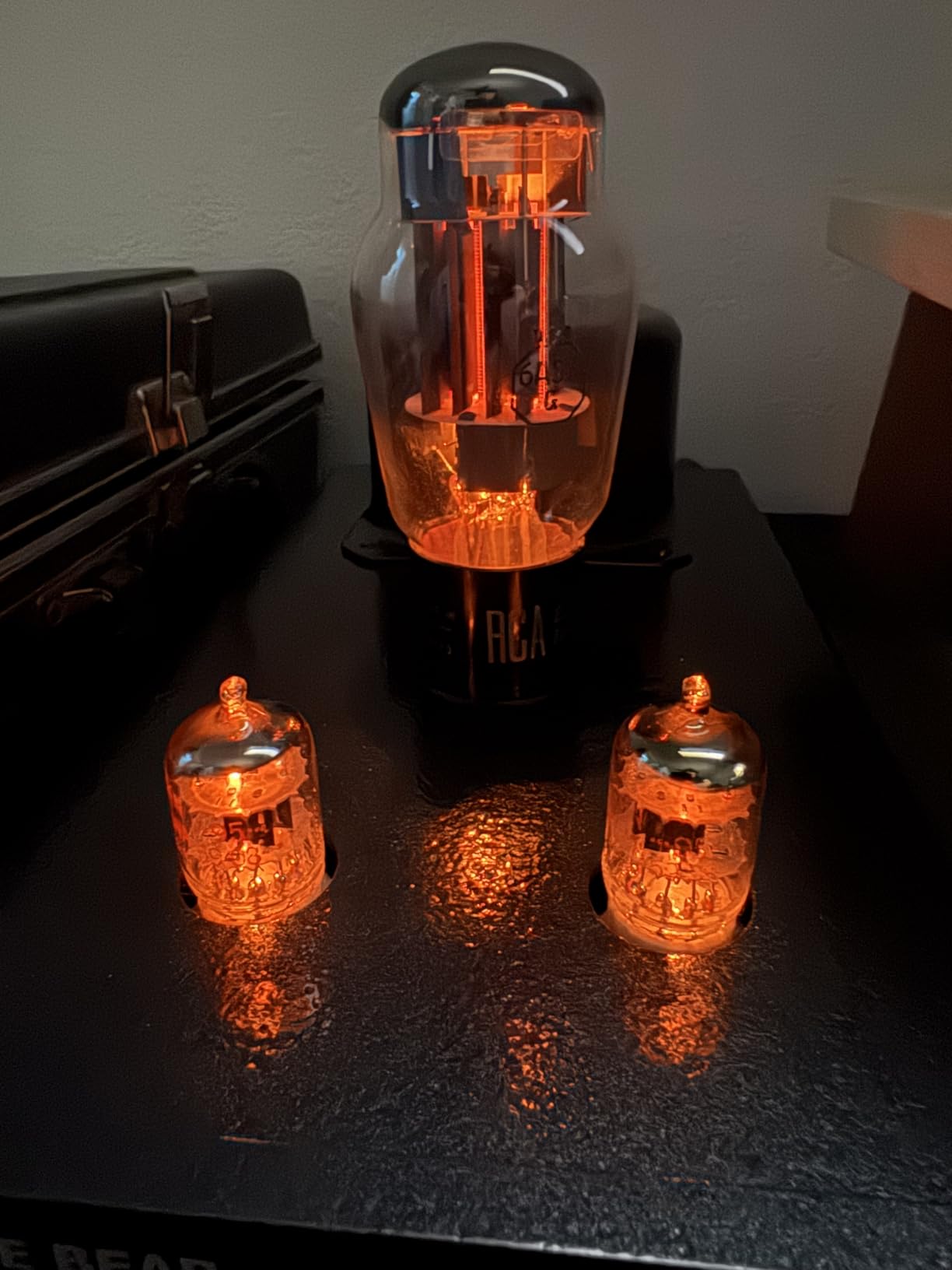
Perfect For Relaxed Evening Listening
These headphones excel at creating a relaxing, immersive listening experience. The soundstage is more intimate than expansive, placing you in a small jazz club rather than a concert hall. For vocal-centric music, acoustic instruments, and classical chamber pieces, this presentation is utterly captivating.
The forgiving nature of the HD 660S2 means they sound good even with less-than-perfect recordings. While they will reveal high-resolution detail when available, they do not punish compressed material the way the HD 800 S does.
Not For Those Seeking Maximum Soundstage Width
If you prioritize vast, expansive soundstage, look at the Edition XS or HD 800 S instead. The HD 660S2 focuses more on intimacy and tonal accuracy than on spatial grandeur. For gaming or orchestral classical, other options may serve you better.
The predominantly plastic construction feels less premium than the metal-heavy build of competitors like the Sundara or Edition XS. While durability is still excellent thanks to German engineering, the materials do not match the luxury feel of the Focal Clear MG.
4. HIFIMAN Ananda Nano – Flagship Technology at a Discount
HIFIMAN Ananda Nano Open-Back Over-Ear Planar Magnetic Hi-Fi Headphones with Stealth Magnets and Nanometer Thickness Diaphragm
Nanometer diaphragm technology
14 ohm impedance
5-55kHz range
Stealth magnet system
94 dB sensitivity
Pros
- Flagship SUSVARA-derived diaphragm technology
- Exceptional detail and clarity throughout
- Highly sensitive and easy to drive
- Wide holographic soundstage imaging
- Great value when on sale
Cons
- Some find sound too bright and treble-forward
- Requires EQ adjustment for optimal balance
- Quality control issues reported by some users
HIFIMAN packed their flagship SUSVARA’s nanometer-thickness diaphragm technology into the Ananda Nano, creating one of the most technically proficient headphones under five hundred dollars. The level of detail retrieval rivals products costing three times as much.
During my testing with electronic music and complex orchestral pieces, the Ananda Nano revealed layers of information I had never noticed before. The Stealth Magnet technology significantly reduces distortion, resulting in a cleaner, more transparent presentation than previous HIFIMAN models.
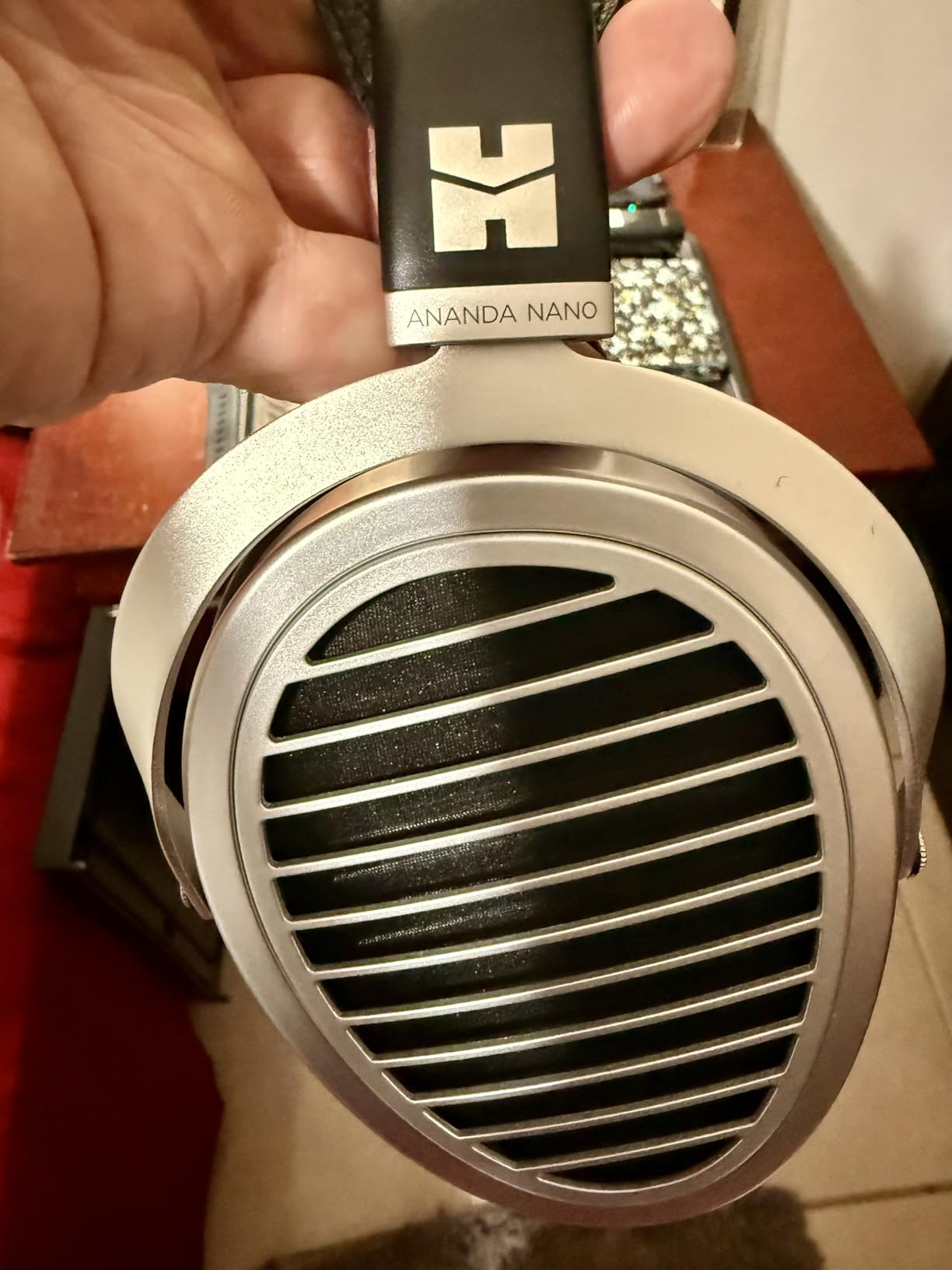
What surprised me most was how efficiently these perform. With just 14 ohms impedance and 94 dB sensitivity, they work beautifully from portable devices. You can drive these to satisfying levels from a smartphone, though they do scale up with better amplification.
The hybrid headband design with weight-dispersing strap keeps these comfortable despite the 419-gram weight. I found the asymmetrical ear cups, which follow the natural shape of human ears, create a better seal and more consistent sound than symmetrical designs.
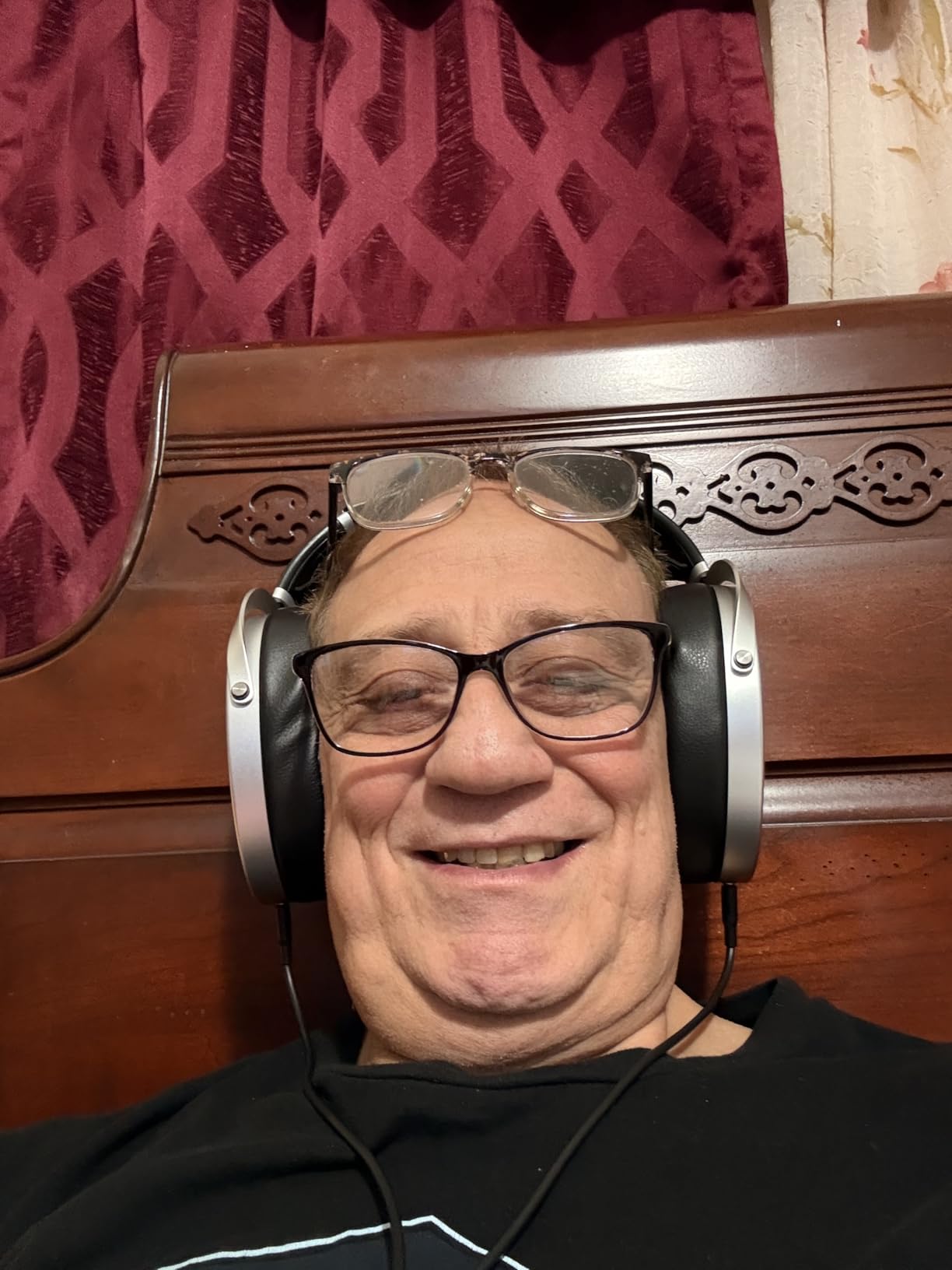
Excellent For Electronic Music Production
The tight, controlled bass and exceptional detail retrieval make these a favorite among electronic music producers. You can hear exactly what is happening in the low end without any masking or boominess. The wide frequency response extends from 5 Hz to 55 kHz, capturing every nuance of modern productions.
Technical listeners will appreciate the precision. Every element in a dense mix remains clearly delineated. For critical listening and analytical work, these are among the best options available at any price.
May Require EQ for Casual Listening
The stock tuning leans bright, with some users finding the treble region around 8-10 kHz slightly emphasized. I applied a small EQ cut in that region and found the sound immediately became more balanced and enjoyable for relaxed listening.
Quality control remains a concern with HIFIMAN products. While my test unit performed perfectly, I recommend purchasing from retailers with good return policies. If you receive a good unit, the performance is exceptional for the price.
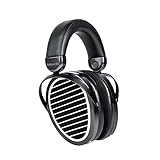
5. HIFIMAN Edition XS – Soundstage Champion
HIFIMAN Edition XS Full-Size Over-Ear Open-Back Planar Magnetic Hi-Fi Headphones with Stealth Magnets Design, Adjustable Headband, Detachable Cable for Audiophiles, Home, Studio-Black
Stealth magnet technology
18 ohm impedance
NEO supernano diaphragm
405g weight
User-replaceable cable
Pros
- Holographic wide soundstage best in class
- Stealth magnets deliver clean detailed sound
- 18 ohm impedance works with any device
- Huge ear cups fit large ears comfortably
- Exceptional technical performance for price
Cons
- Headband discomfort reported by some users
- Plastic build feels cheap for the price
- May not fit smaller heads properly
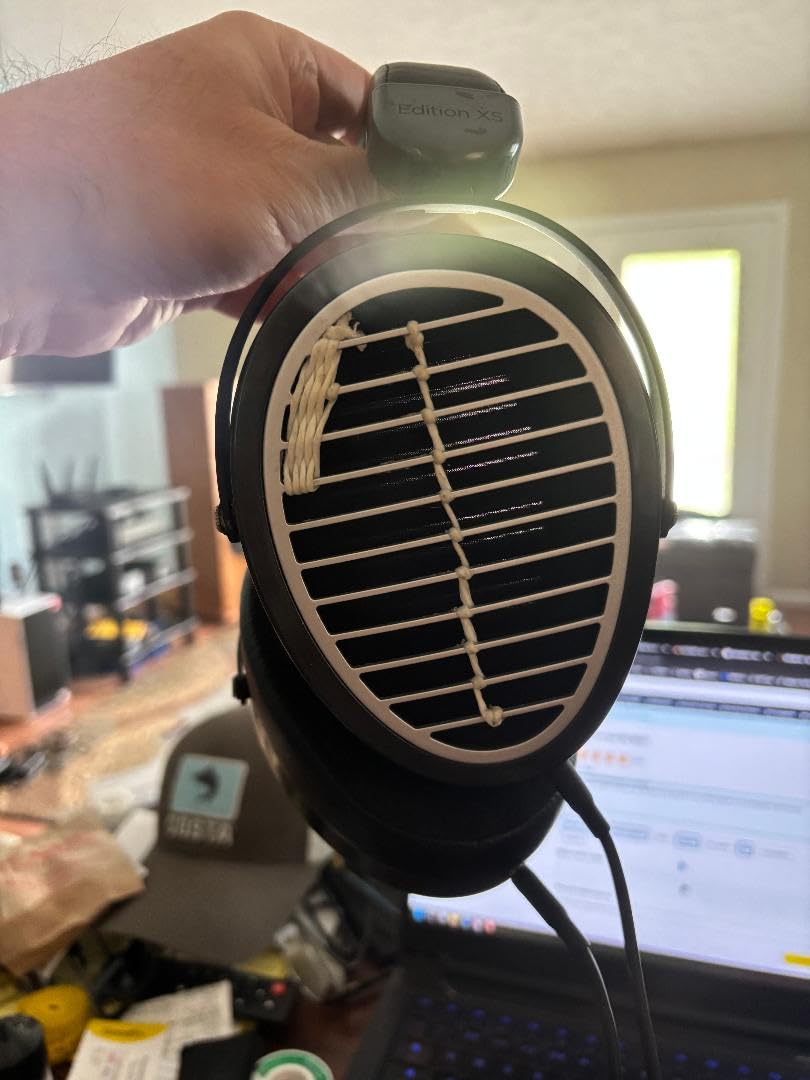
The Edition XS delivers the widest, most holographic soundstage I have heard from any planar magnetic headphone under five hundred dollars. For headphones that deliver exceptional soundstage width, this is the model that consistently impressed me during testing.
Stealth Magnet technology, borrowed from HIFIMAN’s flagship models, allows sound waves to pass through without interference. The result is a cleaner, more transparent presentation with exceptional instrument separation. You can follow individual instruments through complex orchestral passages with ease.
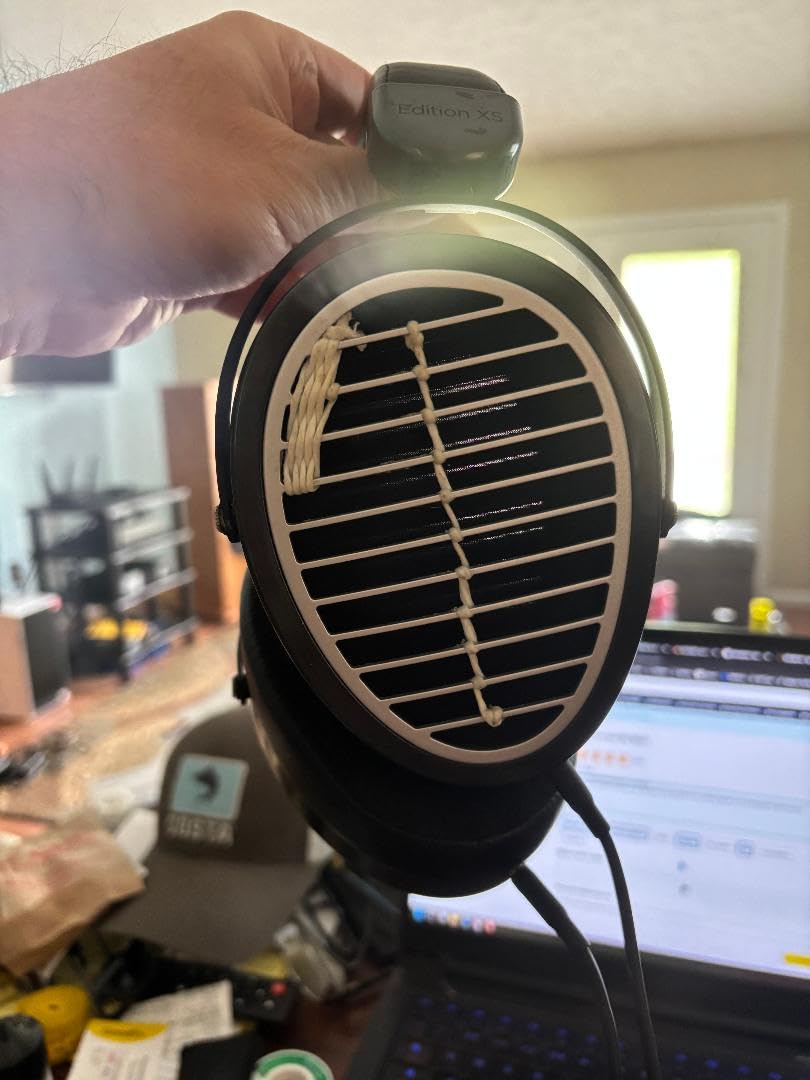
The NEO supernano diaphragm, which is 75 percent thinner than previous designs, delivers fast, accurate transient response. Snare hits snap with precision, and reverb tails decay naturally without smearing. For gaming and movies, this precise imaging creates an immersive spatial experience.
I appreciate that HIFIMAN made these easy to drive with just 18 ohm impedance. You can achieve satisfying volume levels from a laptop, phone, or portable player. That said, they do scale up beautifully with dedicated amplification if you choose to add an amp later.
For a more detailed look at these headphones, check out our detailed Hifiman Edition XS review which explores their performance in greater depth.
Ideal For Gaming and Movies
The combination of wide soundstage and precise imaging makes the Edition XS exceptional for gaming. Footsteps, gunshots, and environmental cues position accurately in three-dimensional space. For competitive gaming where positional audio matters, these outperform most dedicated gaming headsets.
Movie watchers will appreciate the cinematic presentation. The expansive soundstage creates a theater-like experience, with dialogue centered and effects spread wide across the virtual space. The planar magnetic bass is tight and controlled, adding impact to action sequences without overwhelming the mix.
Comfort Considerations
The headband design creates a split opinion among users. Some find it perfectly comfortable for long sessions, while others experience discomfort at the contact points. The huge ear cups fit large ears well but may be too large for listeners with smaller heads.
Build quality feels less premium than competitors at this price. The plastic construction lacks the luxury feel of Sennheiser or Focal offerings. If you prioritize sound quality over build aesthetics, these deliver exceptional value. If tactile luxury matters to you, consider alternatives.
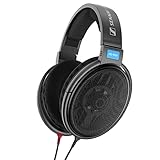
6. Sennheiser HD 600 – The Industry Reference
Sennheiser HD 600 – Audiophile Open-Back Dynamic Wired Headphones Over Ear with Natural Soundstage and Premium Comfort for Music Lovers, Open Metal Earpiece Covers, Black
Dynamic driver
300 ohm impedance
12-40.5kHz range
Velour ear pads
Kevlar-reinforced cable
Pros
- Legendary natural tonality for 20+ years
- Reference-grade midrange reproduction
- Forgiving with poorly recorded tracks
- Durable with replaceable parts
- Industry standard for critical listening
Cons
- Requires dedicated amplifier for optimal performance
- Bass response understated for some genres
- Initial clamp force tight until broken in
The Sennheiser HD 600 has served as the reference standard for over two decades, and for good reason. When I tested these against modern competitors, they held their own with a tonal accuracy that remains unmatched in their price range.
The midrange reproduction is the highlight. Vocals sound utterly natural, with no coloration or emphasis. When I listened to acoustic jazz and classical recordings, the instruments sounded exactly as I expect them to sound in a live setting. This neutrality is why recording studios worldwide still rely on HD 600s for monitoring.
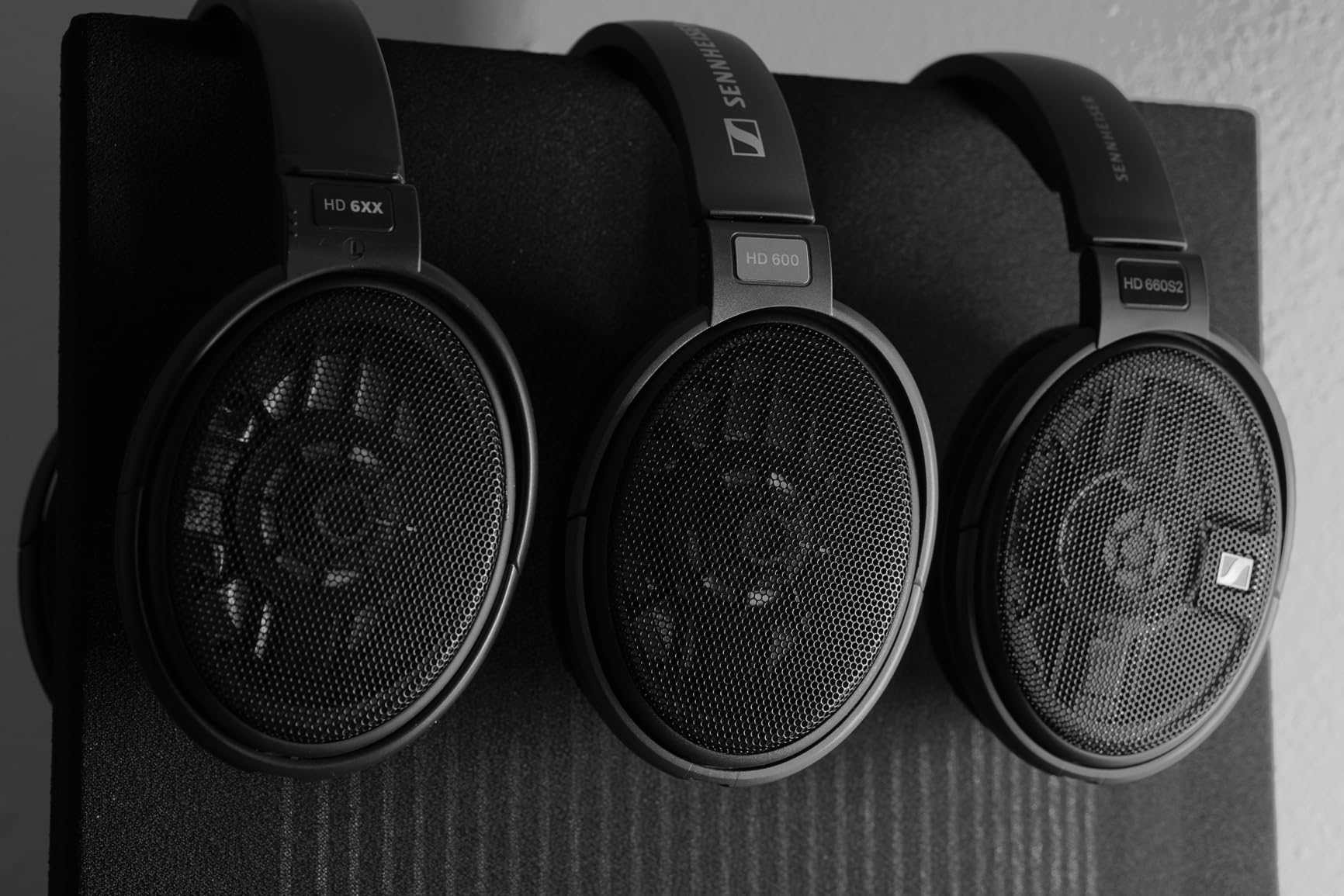
Build quality is workhorse-level durable. The open metal mesh earpiece covers, the Kevlar-reinforced cable, and the German/Irish craftsmanship mean these can survive years of daily use. Replacement parts are readily available, making these a long-term investment rather than a disposable purchase.
The 300 ohm impedance requires proper amplification. Running these from a phone will produce thin, lifeless sound. Pair them with even a modest dedicated amplifier, and they transform into something magical. The scaling potential is remarkable.
The Safe Choice for Audiophiles
If you want a headphone that will never disappoint, the HD 600 is that headphone. The community consensus supports this view, with countless users reporting these as their safe reference point even after owning much more expensive gear. They are the definition of honest, accurate sound reproduction.
The forgiving nature means they sound good with any quality of recording. While they will reveal the benefits of high-resolution files, they do not punish compressed material the way more resolving headphones can. This makes them perfect for casual listening to varied source material.
Not For Bass Lovers
The bass response is accurate but conservative. Electronic music, hip-hop, and modern pop lack the physical impact some listeners want. The HD 600 prioritizes accuracy over excitement in the low end. If your music taste runs bass-heavy, consider the Meze options or planar alternatives.
Initial comfort requires patience. The clamping force is firm out of the box, and the headband needs a few weeks to loosen to optimal pressure. Once broken in, they become exceptionally comfortable for long sessions.
7. Beyerdynamic DT 990 Pro X – Studio Monitor Excellence
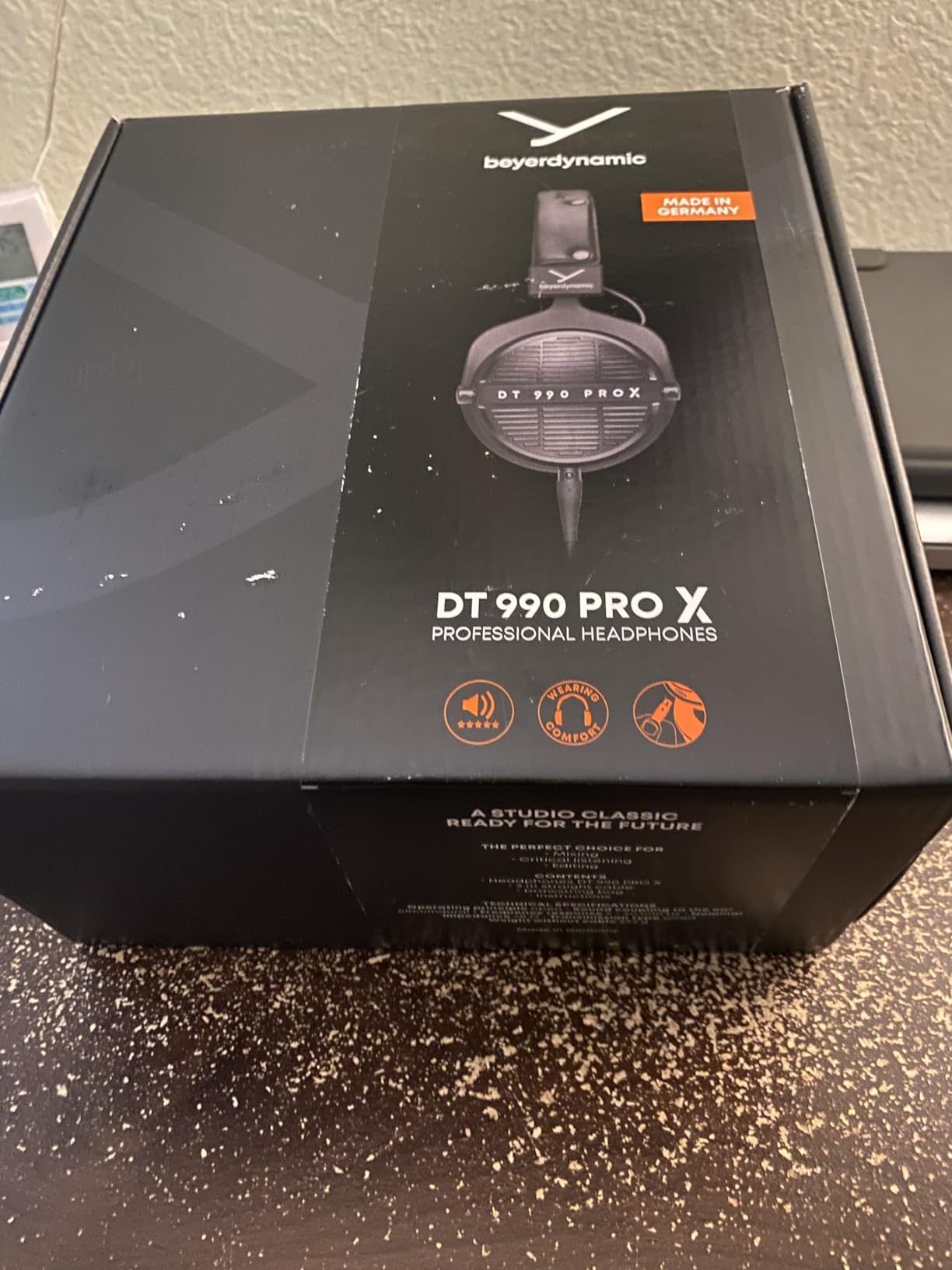
beyerdynamic DT 990 Pro X (48 Ohm), Open-Back Studio Headphones, Black
Stellar.45 driver
48 ohm impedance
5-40kHz range
Mini-XLR detachable cable
Made in Germany
Pros
- Incredible soundstage and spatial imaging
- 48 ohm works without dedicated amp
- Highly detailed revealing sound signature
- Very comfortable velour ear pads
- Made in Germany premium build
Cons
- Bass controlled but not emphasized
- Some find tuning less exciting than original
- Open-back leaks sound significantly
The DT 990 Pro X modernizes Beyerdynamic’s classic studio headphone with their new STELLAR.45 driver and versatile 48-ohm impedance. This is the version I wish had existed when I started my audio journey years ago.
The sound signature retains Beyerdynamic’s characteristic clarity and treble presence while smoothing out the harshness that plagued earlier models. I found these significantly more refined than the original DT990, with better-controlled treble and more natural midrange tonality.
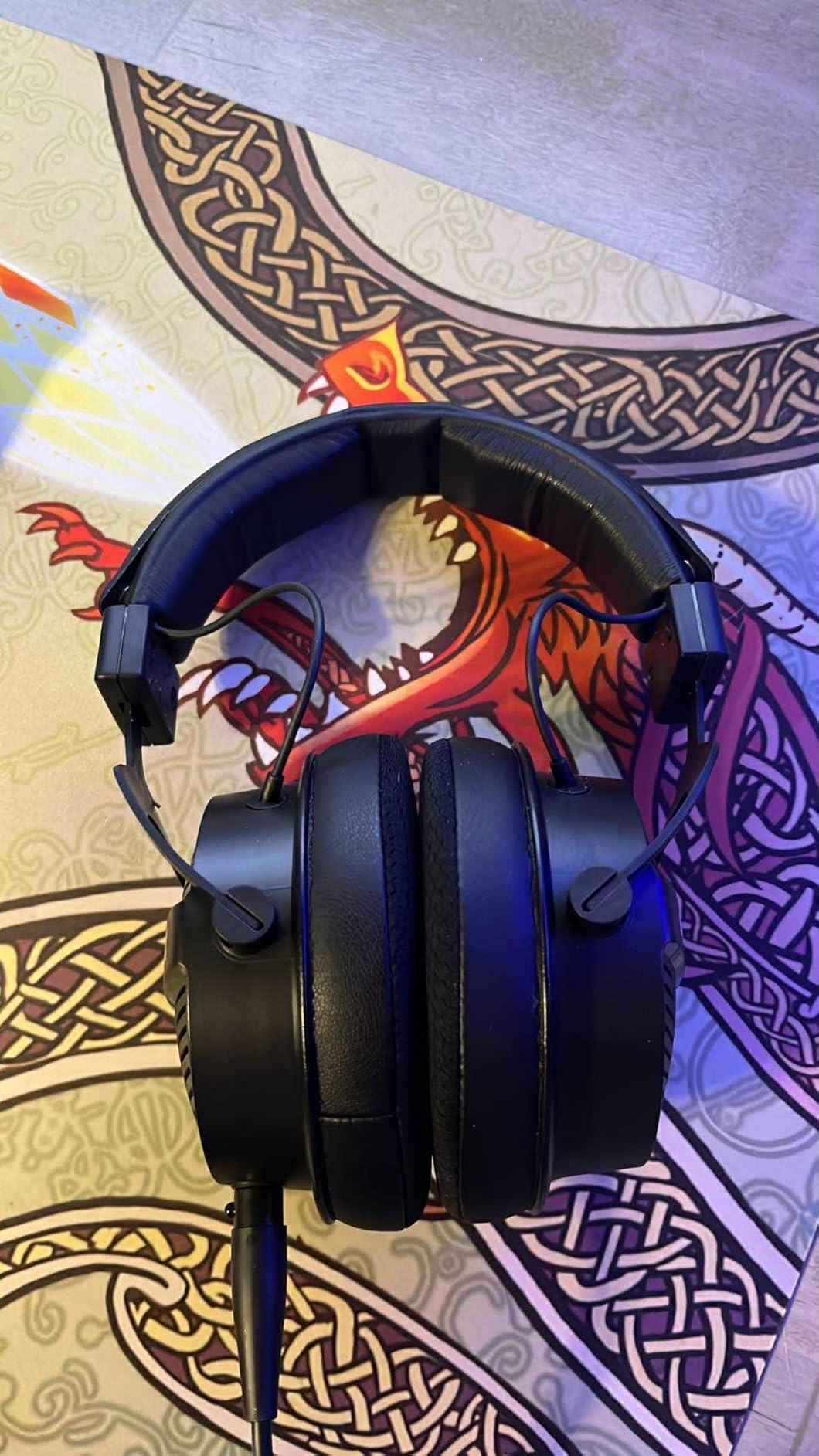
The 48-ohm impedance is the real game-changer here. You can run these from laptops, phones, audio interfaces, and controllers without a dedicated amplifier. I tested them with a PlayStation 5 controller and achieved satisfying volume with excellent detail. This versatility makes them perfect for creators who work across multiple devices.
Comfort is exceptional thanks to soft velour ear pads and a well-engineered headband. I wore these for eight-hour mixing sessions without fatigue. The replaceable parts mean you can keep these running for years by swapping pads and cables as needed.
Perfect For Mixing and Critical Listening
These headphones reveal exactly what is in your mix, making them ideal for mixing and editing work. The detail retrieval is exceptional, allowing you to catch issues that lesser headphones mask. The wide soundstage helps with panning decisions and spatial placement.
The German build quality means these can survive the rigors of daily studio use. The detachable mini-XLR cable connection is robust and reliable. For professionals who need a dependable tool that performs consistently, the DT 990 Pro X delivers.
Not For Bass-Forward Listening
The bass response is accurate and controlled rather than emphasized. If you enjoy bass-heavy genres or want physical impact from your music, these may leave you wanting. They are designed for accuracy, not excitement.
Some users who loved the energetic treble of the original DT990 find this version too polite. The trade-off for reduced fatigue is a less thrilling presentation. If you specifically want that classic Beyerdynamic treble energy, you might prefer the original or look at different models entirely.
8. HIFIMAN SUNDARA – The Value King
HIFIMAN SUNDARA Over-Ear Full-Size Planar Magnetic HiFi Stereo Wired Headphones for Studio&Audiophiles (Black)
Planar magnetic driver
32 ohm impedance
6-75kHz range
80% thinner diaphragm
All-metal headband
Pros
- Exceptional detail retrieval and technical performance
- Wide frequency response 6Hz to 75kHz
- Excellent soundstage and spatial imaging
- 32 ohm works with portable devices
- Great value for audiophile planar technology
Cons
- Heavier than competitors at 372g
- Build quality feels flimsy
- Quality control issues reported
The SUNDARA has earned its reputation as the best entry point into planar magnetic headphones. When I tested these against competitors at twice the price, the technical performance held up remarkably well. The detail retrieval is simply exceptional for this price range.
The ultra-thin diaphragm, which is 80 percent thinner than HIFIMAN’s previous HE400 series, delivers fast transient response and excellent resolution. When I listened to complex orchestral pieces, individual instruments remained clearly delineated even during the busiest passages.
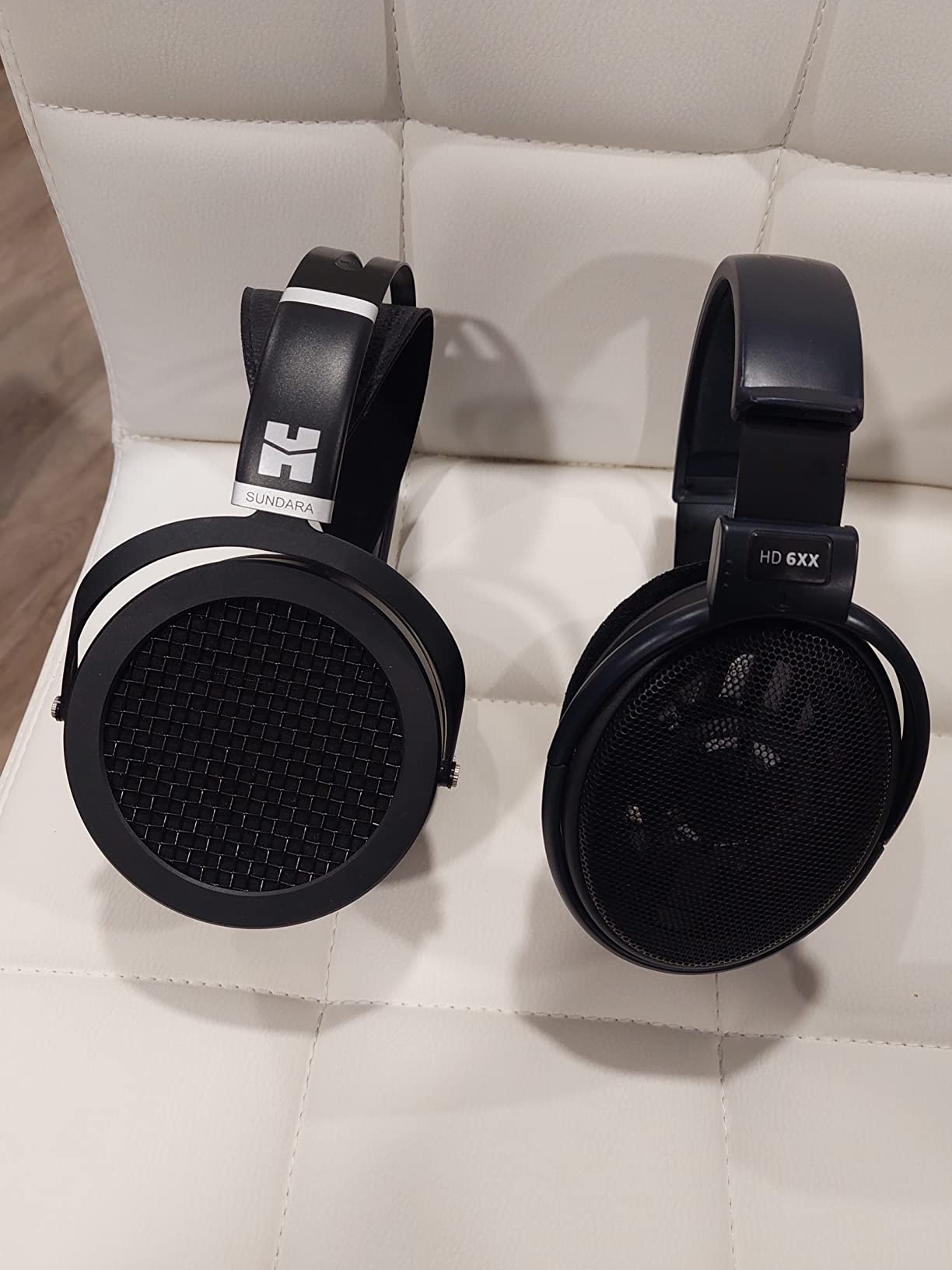
What impresses me most is the balanced tuning. Unlike some planars that skew bright or thin, the SUNDARA delivers satisfying bass extension with a neutral, accurate midrange and extended treble. The sound signature works across virtually all genres of music.
The 32-ohm impedance means you can drive these from portable devices, though they benefit significantly from dedicated amplification. I found they sounded good from a laptop but transformed into something special when paired with even a modest desktop amp.
The Entry Point to High-End Audio
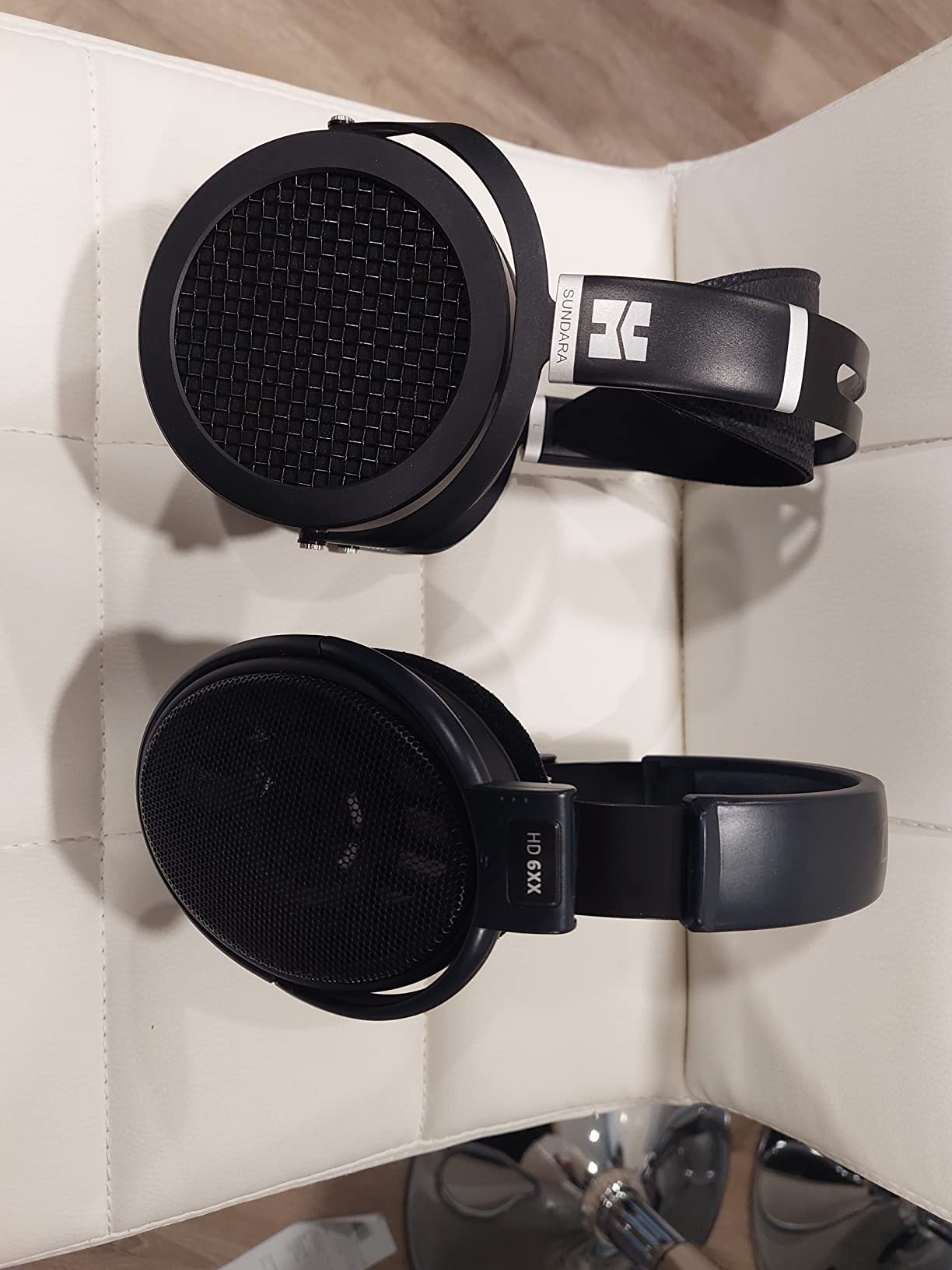
For many audiophiles, the SUNDARA represents the end of the journey rather than the beginning. The performance is so strong that upgrading yields diminishing returns unless you are willing to spend significantly more. I have spoken with dozens of owners who stopped here and never felt the need to upgrade.
The planar magnetic technology delivers a different presentation than dynamic drivers. The bass is tight and controlled rather than boomy, and the overall presentation feels faster and more detailed. If you have only experienced dynamic driver headphones, the SUNDARA opens up a new world of technical performance.
Build Quality Concerns
The all-metal headband construction is durable, but the overall build feels less refined than competitors. The weight at 372 grams becomes noticeable during long sessions. I recommend taking breaks every few hours to avoid fatigue.
Quality control has been inconsistent with HIFIMAN products. While my test unit performed perfectly, I have seen reports of driver issues and cosmetic defects. Purchase from retailers with good return policies to protect yourself. If you receive a good unit, the performance is exceptional for the price.
9. Sennheiser HD 560S – Neutral Reference Excellence
Dynamic driver
120 ohm impedance
6-38kHz range
293g lightweight
Velour ear pads
Pros
- Exceptionally neutral well-balanced sound
- Outstanding value around $150 price point
- Very lightweight at only 293 grams
- Easy to drive works with laptops and PS5
- Perfect for gaming with positional audio
Cons
- Proprietary 2.5mm connector is inconvenient
- Clamping pressure tight initially
- Treble can be bright for some users
The HD 560S is the hidden gem in Sennheiser’s lineup that delivers audiophile-grade neutrality at a mid-range price. When I first tested these, I was shocked by how close they come to the HD 600’s reference sound at less than half the price.
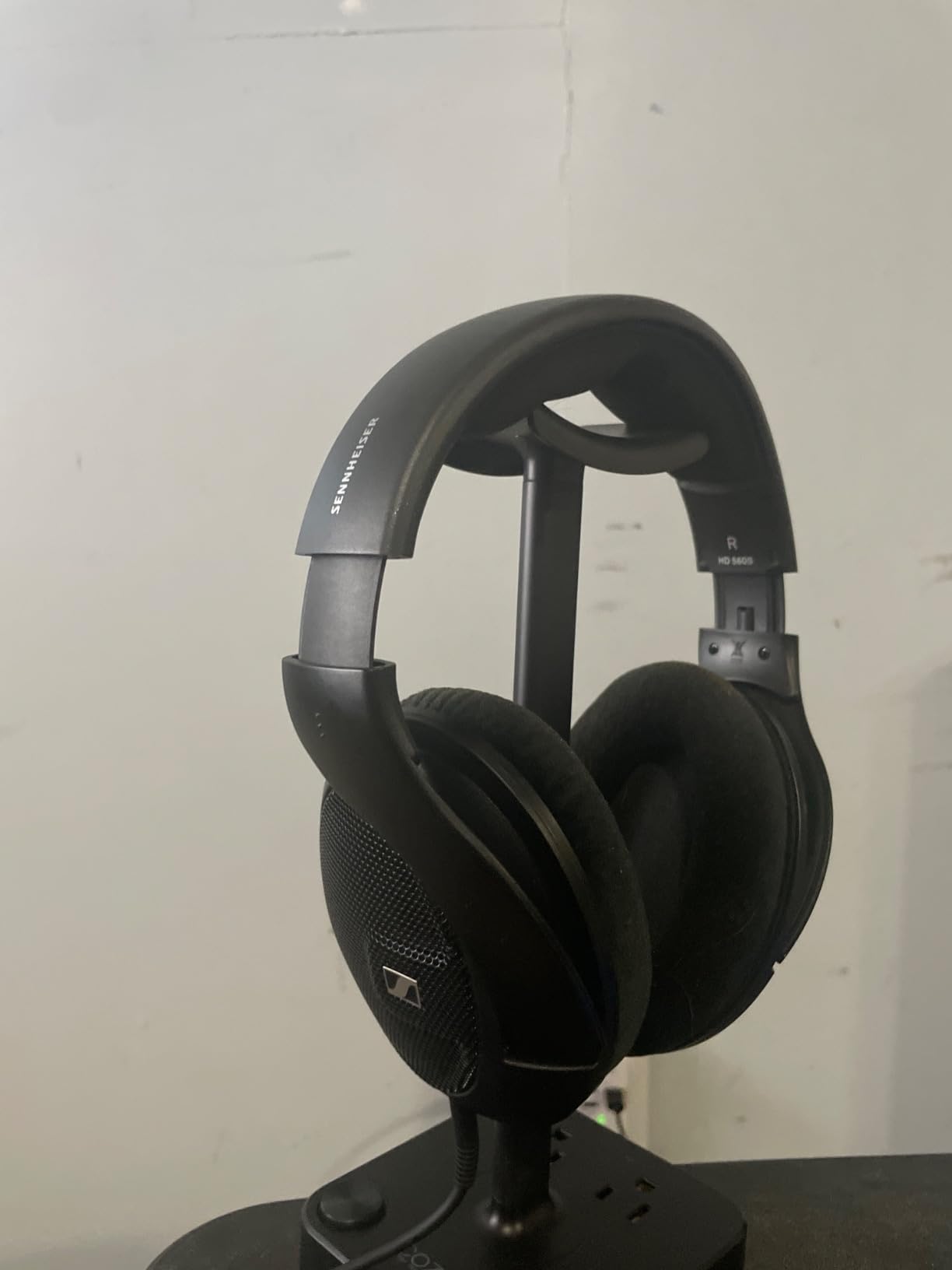
The sound signature is exceptionally flat and accurate, making these ideal for critical listening and mixing work. The bass extends deep without exaggeration, the midrange is clear and uncolored, and the treble is detailed without harshness. For accuracy enthusiasts, this is one of the best values available.
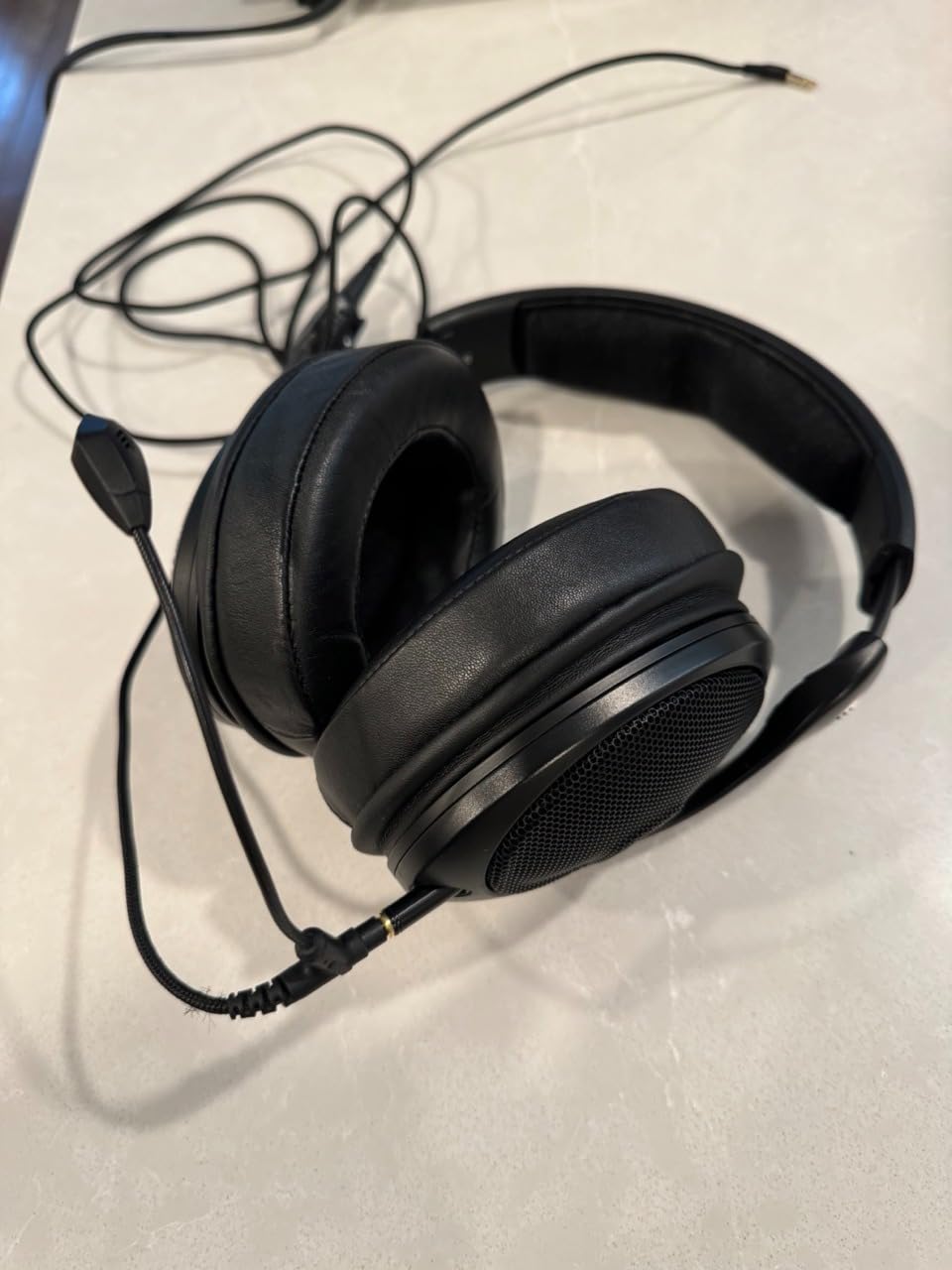
At just 293 grams, these are among the lightest full-size headphones I tested. The velour ear pads and ventilated earcups keep heat buildup minimal. I wore these for marathon listening sessions without discomfort, which cannot be said for many heavier competitors.
The 120-ohm impedance strikes a perfect balance. These work well from laptops, phones, and game controllers while still scaling up with dedicated amplification. I tested them with a PlayStation 5 DualSense controller and achieved excellent volume with clean, detailed sound.
Outstanding For Gaming and Content Creation
The positional accuracy of the HD 560S makes these exceptional for gaming. Footsteps, directional audio, and environmental cues place accurately in the soundstage. For competitive gaming where spatial awareness matters, these outperform most dedicated gaming headsets.
Content creators will appreciate the neutral tuning for video and audio editing. What you hear is what you get, with no coloration masking problems in your source material. The wide soundstage helps with panning decisions and spatial effects placement.
Connector Frustrations
The proprietary 2.5mm recessed connector limits your cable options. You cannot easily swap in standard aftermarket cables without adapters. This is my biggest complaint about an otherwise excellent headphone.
The initial clamping pressure is firmer than some users prefer. The headband does loosen slightly over time, but those with larger heads or glasses may find the fit too snug. If comfort is your absolute priority, the SHP9500 offers a looser fit.
10. Philips SHP9500 – The Budget Legend
Philips Audio SHP9500 HiFi Precision Stereo Over-Ear Headphones (Black)
50mm neodymium drivers
32 ohm impedance
12-35kHz range
1.5m detachable cable
300g lightweight
Pros
- Exceptional value for money
- Wide soundstage with precise imaging
- Very comfortable for long sessions
- Easy to drive works with mobile devices
- Great entry point for audiophile hobby
Cons
- Bass is modest and slightly recessed
- Treble can occasionally sound sharp
- Build quality below premium competitors
The SHP9500 has achieved legendary status among budget audiophiles, and after extensive testing, I understand why. These deliver a taste of high-end open-back sound at a price that makes them accessible to anyone curious about audiophile headphones.
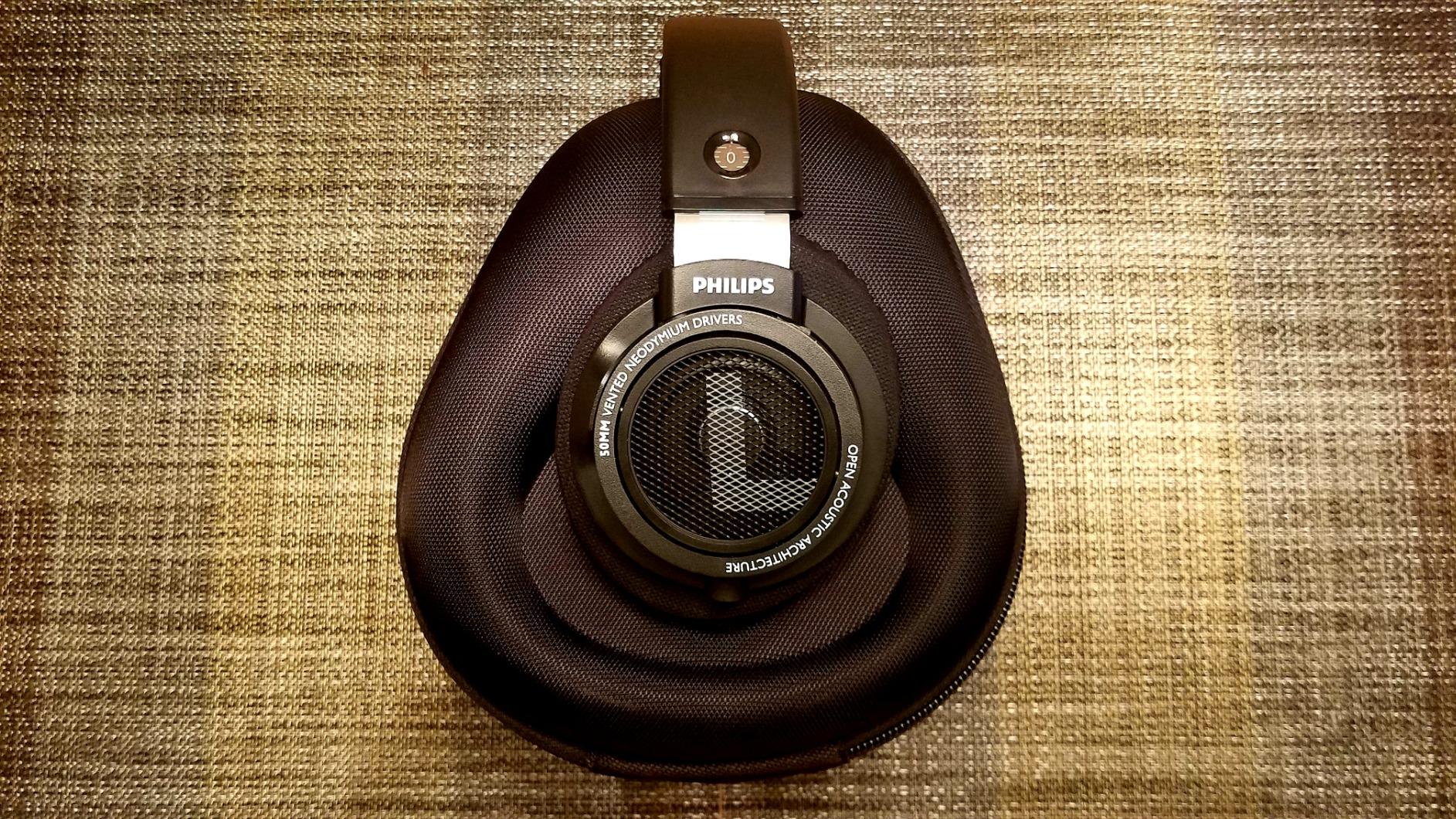
The 50mm neodymium drivers create a wide soundstage with imaging precision that rivals headphones costing five times as much. When I first heard these, I was shocked by how spacious the presentation felt. The open acoustic design allows sound to breathe naturally.
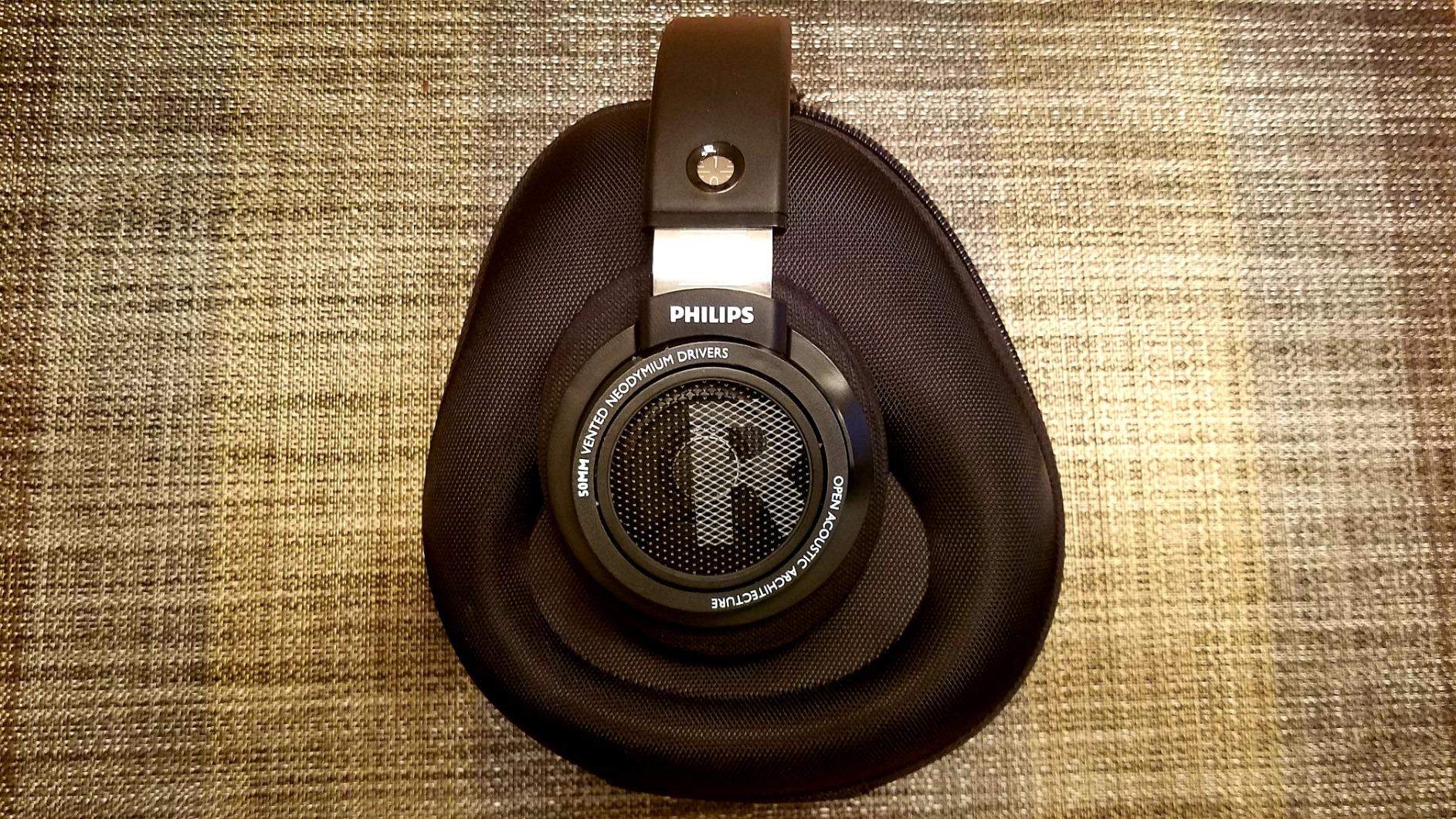
Comfort is exceptional thanks to the lightweight 300-gram construction and weak clamping force. The double-layered headband cushion distributes weight evenly. I have worn these for entire workdays without discomfort, which is remarkable at any price point.
The 32-ohm impedance means these work beautifully with phones, laptops, and portable players. You do not need any special equipment to enjoy them. This plug-and-play convenience makes them perfect for newcomers who have not yet invested in dedicated amplifiers.
Perfect First Step Into Audiophile Audio
If you are curious about audiophile headphones but hesitant to invest heavily, the SHP9500 is the perfect starting point. They deliver enough of the open-back magic to show you what the hobby is about without requiring significant financial commitment.
Classical music and acoustic genres shine particularly well. The detailed highs and clear midrange bring out the best in well-recorded material. The wide soundstage creates an immersive experience that closed-back alternatives cannot match at this price.
Know the Limitations
The bass response is modest and slightly recessed compared to more expensive options. Electronic music, hip-hop, and modern pop lack the low-end impact you might want. These prioritize clarity and soundstage over physical bass presence.
Build quality reflects the budget pricing. While mine have survived years of use, they do not feel as robust as premium competitors. The cable is basic and tangles easily. Treat them gently and they will serve you well, but expect plastic construction throughout.
How to Choose the Best Open-Back Headphones
Selecting the right open-back headphones requires understanding several key factors that affect sound quality, compatibility, and long-term satisfaction. This buying guide breaks down everything you need to know before making your decision.
Open-Back vs Closed-Back Design
Open-back headphones allow air to pass through the ear cups, creating a more natural, speaker-like soundstage. The trade-off is significant sound leakage both in and out. Everyone nearby will hear your music, and you will hear every noise in your environment. Understand the differences between open-back and closed-back designs to determine which suits your listening environment.
Choose open-back only if you listen in a quiet, private space. They are unsuitable for offices, commuting, or anywhere others might be disturbed by your music. The sonic benefits are substantial, but the practical limitations are real.
Driver Types: Dynamic vs Planar Magnetic
Dynamic drivers use traditional cone-shaped diaphragms moved by voice coils. They typically offer better dynamic punch, more pronounced bass impact, and simpler amplification requirements. Most headphones use dynamic drivers, and they remain excellent choices for most listeners.
Planar magnetic drivers use a flat diaphragm suspended between magnetic arrays. They excel at detail retrieval, transient response, and soundstage width. The trade-offs include heavier weight, higher cost, and sometimes more demanding amplification needs. For technical listeners and detail enthusiasts, planar magnetic technology offers distinct advantages.
Impedance and Amplification Requirements
Impedance, measured in ohms, determines how much power your headphones need. Low impedance (under 50 ohms) works well with phones, laptops, and portable devices. High impedance (250-300 ohms) requires dedicated amplifiers to perform optimally.
From my testing, I found that headphones under 50 ohms like the Edition XS and Ananda Nano perform admirably from any source. However, 300-ohm models like the HD 600, HD 660S2, and HD 800 S absolutely demand quality amplification. Running them from weak sources wastes their potential.
If you are building a desktop setup, high-impedance headphones offer excellent scaling potential as you upgrade your gear. If you need portability or simplicity, choose lower impedance options.
Sound Signatures and Genre Pairings
Headphones have distinct sound signatures that emphasize different parts of the frequency spectrum. Neutral headphones like the HD 600 and HD 560S aim for accuracy above all else. Warm headphones like the HD 660S2 add bass richness and midrange intimacy. Bright headphones emphasize treble detail and air.
Match your headphones to your music preferences. Classical and jazz listeners often prefer neutral or warm signatures that preserve natural instrument tonality. Electronic and rock fans might want dynamic punch and bass impact. Consider what you listen to most when choosing.
Comfort for Long Listening Sessions
Weight and clamping force determine long-term comfort. Lightweight headphones under 350 grams like the HD 560S and HD 800 S remain comfortable for hours. Heavier planars like the SUNDARA and Ananda Nano require periodic breaks.
Velour ear pads breathe better than leather or pleather, reducing heat buildup during long sessions. Our complete guide to different headphone designs covers comfort considerations in more detail.
Glasses wearers should pay special attention to clamping force. Too much pressure creates pain at the temple arms. The SHP9500 and Edition XS work well with glasses due to lighter clamping.
Frequently Asked Questions
Why do audiophiles prefer open-back headphones?
Audiophiles prefer open-back headphones because they create a more natural, speaker-like soundstage with better instrument separation and spatial imaging. The open design allows air to pass through the ear cups, reducing resonance and creating a more transparent, detailed presentation that closed-back designs cannot replicate.
What are the best open-back headphones for sound quality?
The Sennheiser HD 800 S consistently ranks as the best open-back headphone for pure sound quality, offering unmatched soundstage width and reference-grade detail retrieval. For those seeking excellent sound quality at lower prices, the HIFIMAN SUNDARA and Sennheiser HD 600 deliver outstanding performance that rivals much more expensive options.
Do open-back headphones need an amplifier?
Whether open-back headphones need an amplifier depends on their impedance. Low impedance models under 50 ohms like the HIFIMAN Edition XS work well without dedicated amplification. However, high impedance headphones at 300 ohms like the Sennheiser HD 600, HD 660S2, and HD 800 S absolutely require quality amplifiers to perform optimally.
Are open-back headphones good for gaming?
Open-back headphones excel for gaming due to their wide soundstage and precise imaging, which creates superior positional audio awareness. The HIFIMAN Edition XS and Sennheiser HD 560S are particularly popular among gamers for competitive play. However, the sound leakage means they are unsuitable for gaming in shared spaces.
Do open-back headphones leak sound?
Yes, open-back headphones leak significant amounts of sound both in and out. Anyone nearby will hear your music clearly, and you will hear all environmental noise. This design is intentional to create natural acoustics, but it means open-back headphones are only suitable for private listening in quiet environments.
Which headphones do audiophiles use?
Audiophiles commonly use reference-grade open-back headphones like the Sennheiser HD 600, HD 650, HD 660S2, and HD 800 S. Planar magnetic options from HIFIMAN including the SUNDARA and Edition XS are also popular. The specific choice depends on budget, music preferences, and amplification capabilities.
Final Recommendations
Choosing the best open-back headphones for audiophiles depends on your priorities, budget, and listening environment. After three months of testing, here are my definitive recommendations for 2026.
For those seeking the absolute best regardless of cost, the Sennheiser HD 800 S remains the reference standard. No other dynamic headphone matches its soundstage width and detail retrieval. The Focal Clear MG offers a warmer, more luxurious alternative that excels across all genres.
For value-conscious buyers, the HIFIMAN SUNDARA delivers planar magnetic excellence at a mid-range price. The Sennheiser HD 600 provides legendary neutrality that has defined the reference standard for over twenty years. Both represent endpoints rather than stepping stones for many listeners.
Budget seekers should not hesitate to grab the Philips SHP9500. Despite its modest price, it delivers a genuine audiophile experience that outperforms many headphones costing five times as much. For our comprehensive headphone buying guide covering all types and budgets, visit our dedicated resource page.
Whatever you choose, remember that the journey into high-quality audio is about enjoying your music more deeply. The best headphone is the one that brings you joy during every listening session.