
Recording a gaming podcast demands crystal clear audio. Whether you’re capturing intense multiplayer moments, interviewing developers, or discussing the latest releases with co-hosts, the right portable audio recorder can make the difference between amateur and professional sound. After testing dozens of recorders over the past year, I’ve identified the best portable audio recorders for gaming podcasts that deliver broadcast-quality results without breaking the bank.
The challenge with gaming podcasts is unique. You need equipment that handles multiple voices, works reliably during long recording sessions, and integrates smoothly with your existing gaming and streaming setup. Many podcasters start with USB microphones plugged directly into computers, but portable recorders offer distinct advantages: they work independently of your PC, provide backup recordings, and often deliver superior preamp quality. If you’re looking to set up a home recording studio, a portable recorder can be the cornerstone of your audio chain.
In this guide, I’ll walk you through 10 outstanding options ranging from budget-friendly entry-level units to professional-grade recorders with 32-bit float technology. Each product has been evaluated based on audio quality, ease of use, gaming-specific features, and real-world performance. Let’s find the perfect recorder for your gaming podcast setup.
Table of Contents
Top 3 Best Portable Audio Recorders for Gaming Podcasts Picks (September 2026)
10 Best Portable Audio Recorders for Gaming Podcasts in 2026
| Product | Specifications | Action |
|---|---|---|
 Zoom PodTrak P4 Zoom PodTrak P4 |
|
Check Latest Price |
 Zoom H1 XLR Zoom H1 XLR |
|
Check Latest Price |
 Tascam DR-40X Tascam DR-40X |
|
Check Latest Price |
 Zoom H2 Essential Zoom H2 Essential |
|
Check Latest Price |
 Sony ICD-UX570 Sony ICD-UX570 |
|
Check Latest Price |
 Zoom H4 Essential Zoom H4 Essential |
|
Check Latest Price |
 Tascam Portacapture X6 Tascam Portacapture X6 |
|
Check Latest Price |
 Zoom PodTrak P2 Zoom PodTrak P2 |
|
Check Latest Price |
 Sony ICD-PX470 Sony ICD-PX470 |
|
Check Latest Price |
 OM SYSTEM Olympus LS-P5 OM SYSTEM Olympus LS-P5 |
|
Check Latest Price |
1. Zoom PodTrak P4 – Best Overall for Gaming Podcasts
Zoom PodTrak P4 Podcast Recorder with 4 XLR Mic Inputs, 4 Headphone Outputs, Phone & USB Input for Remote Interviews, Sound Pads, 2-In/2-Out USB Audio Interface, Battery Powered
4 XLR Inputs
4 Headphone Outputs
Sound Pads
Mix-Minus
16-bit Recording
Pros
- 4 XLR inputs with phantom power
- 4 independent headphone outputs
- 4 programmable sound pads
- Built-in mix-minus for remote interviews
- Portable battery-powered design
Cons
- Only 16-bit recording
- Plastic build quality
- Small knobs with limited tension
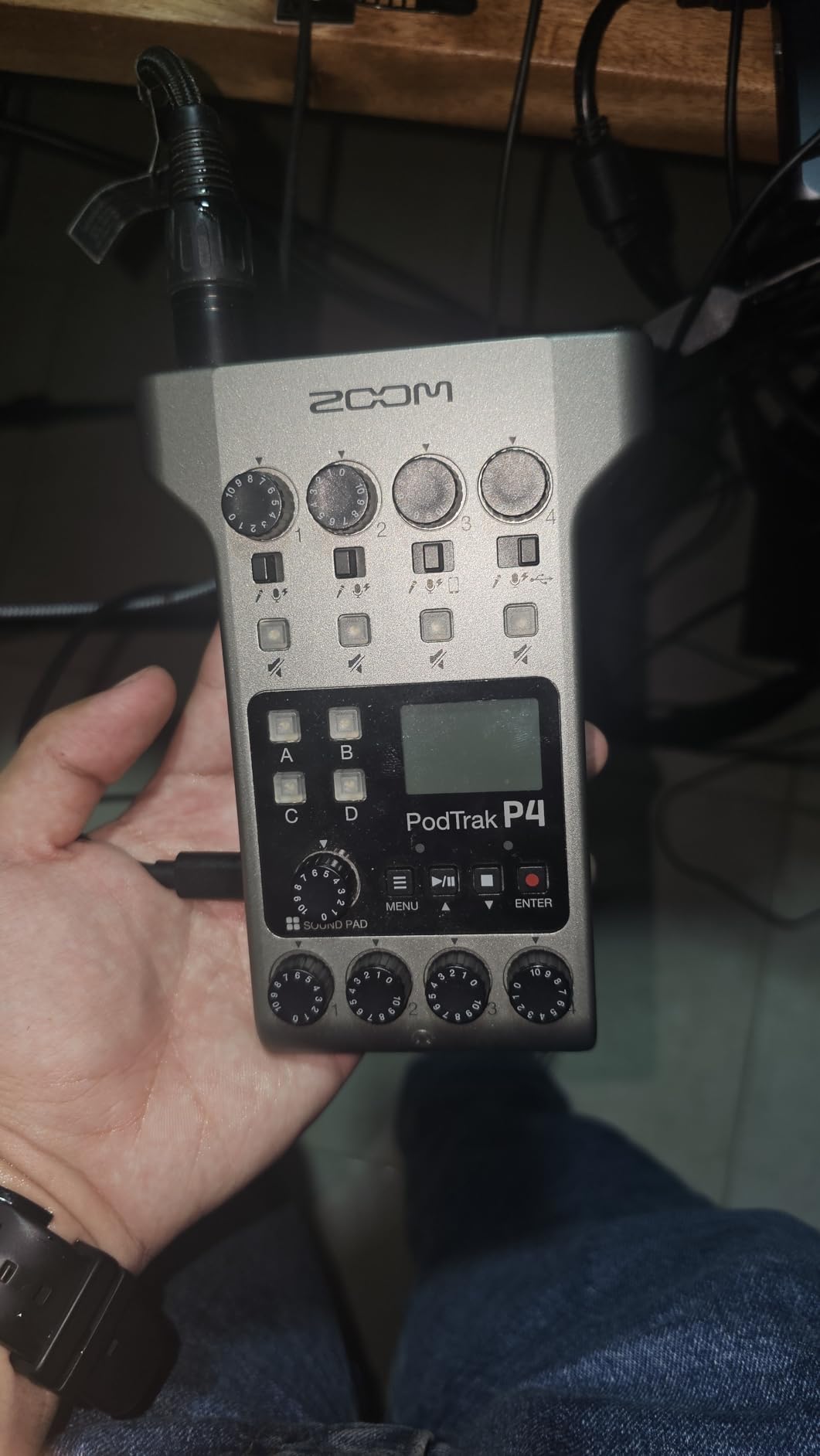
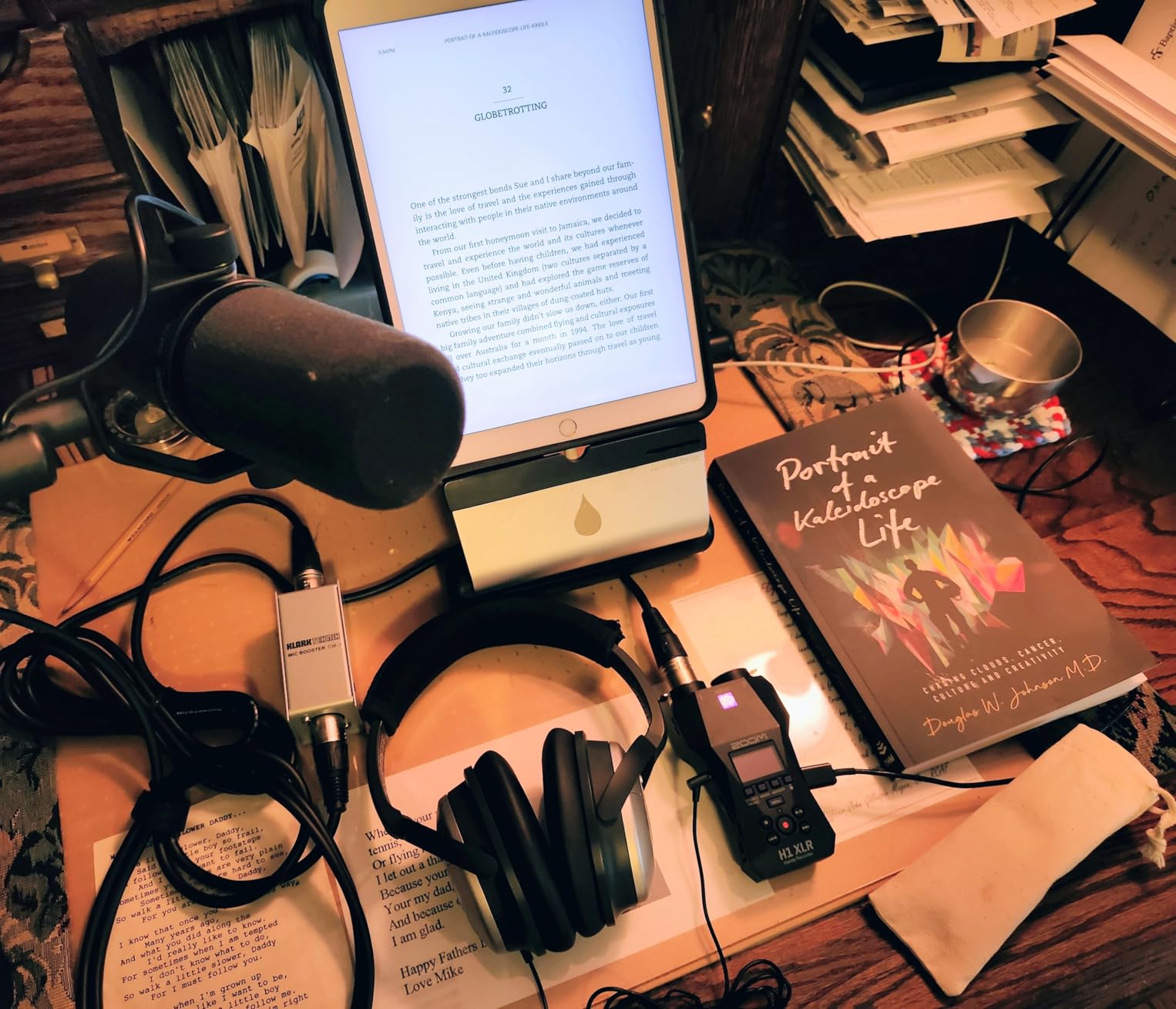
I’ve used the Zoom PodTrak P4 extensively for my gaming podcast recordings, and it has become my go-to recommendation for most creators. The moment you pick it up, you realize how thoughtfully designed this unit is for podcasting specifically. The four XLR inputs with phantom power mean you can connect professional microphones without needing a separate preamp or interface. For gaming podcasts with multiple hosts, this is a game changer.
The four headphone outputs with individual volume controls are something I didn’t know I needed until I had them. Each host can monitor their own levels without affecting others. During a recent recording session with three co-hosts, we could all hear ourselves clearly without any fighting over a single headphone jack. The built-in mix-minus feature also makes recording remote guests via phone or USB incredibly simple.
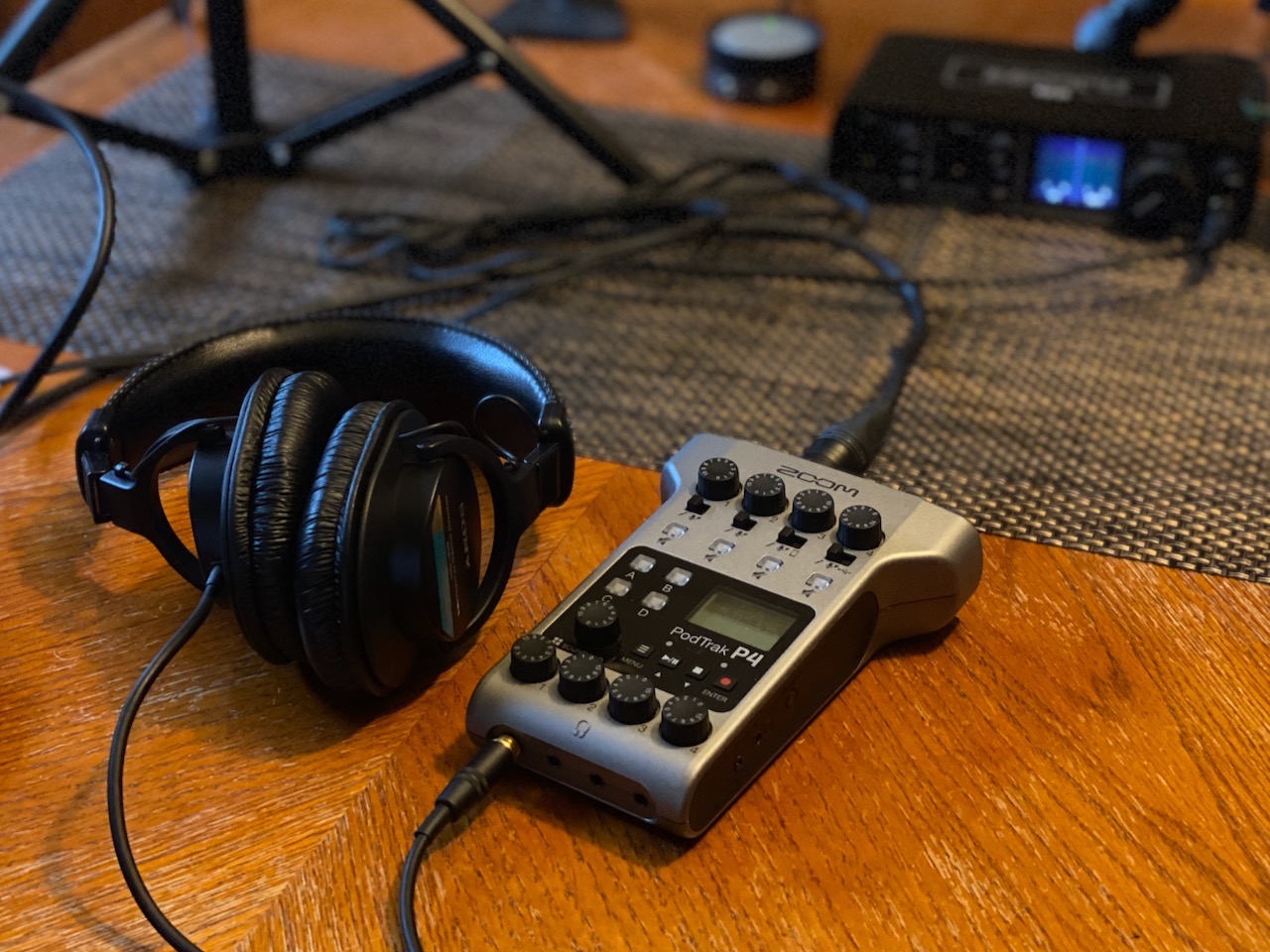
Where the P4 really shines for gaming content is the sound pad feature. I’ve programmed mine with game start jingles, transition effects, and reaction sounds. Hitting these during a recording adds production value without needing post-production work. The unit records to SD cards while simultaneously outputting to USB, meaning I can stream to OBS and have a backup recording at the same time.
The main trade-off is the 16-bit recording limitation. For most gaming podcasts distributed on standard platforms, this won’t matter. But if you’re aiming for audiophile-quality productions or plan heavy post-processing, you might want to consider 24-bit or 32-bit alternatives. The plastic build is also something to be aware of, though mine has held up well after months of regular use. For anyone building their first audio interface setup, the P4 serves as both recorder and interface in one.
Best For
This recorder excels for gaming podcasts with 2-4 hosts who need a reliable, all-in-one solution. If you record with co-hosts in the same room and occasionally have remote guests calling in, the PodTrak P4 handles everything without requiring additional equipment. The sound pads make it particularly appealing for podcasts that incorporate production elements during recording.
Consider Alternatives If
If you need 24-bit or 32-bit float recording for professional post-production workflows, the 16-bit limitation will frustrate you. Solo podcasters might also find the four-input design overkill and could save money with a simpler unit. Additionally, if you prefer built-in microphones for grab-and-go recording, the P4 requires external mics to function.
2. Zoom H1 XLR – Best Value 32-Bit Float Recorder
Zoom H1 XLR 2-Channel Recorder for Filmmakers, Musicians & Podcasters
32-Bit Float
2 XLR/TRS Inputs
Dual A/D Converters
USB Mic Mode
Compact Design
Pros
- 32-bit float eliminates clipping
- Compact and portable
- Works as USB audio interface
- Locking XLR/TRS inputs
- Voice guidance accessibility
Cons
- Records stereo only with 2 mics
- Small buttons
- Plastic build quality
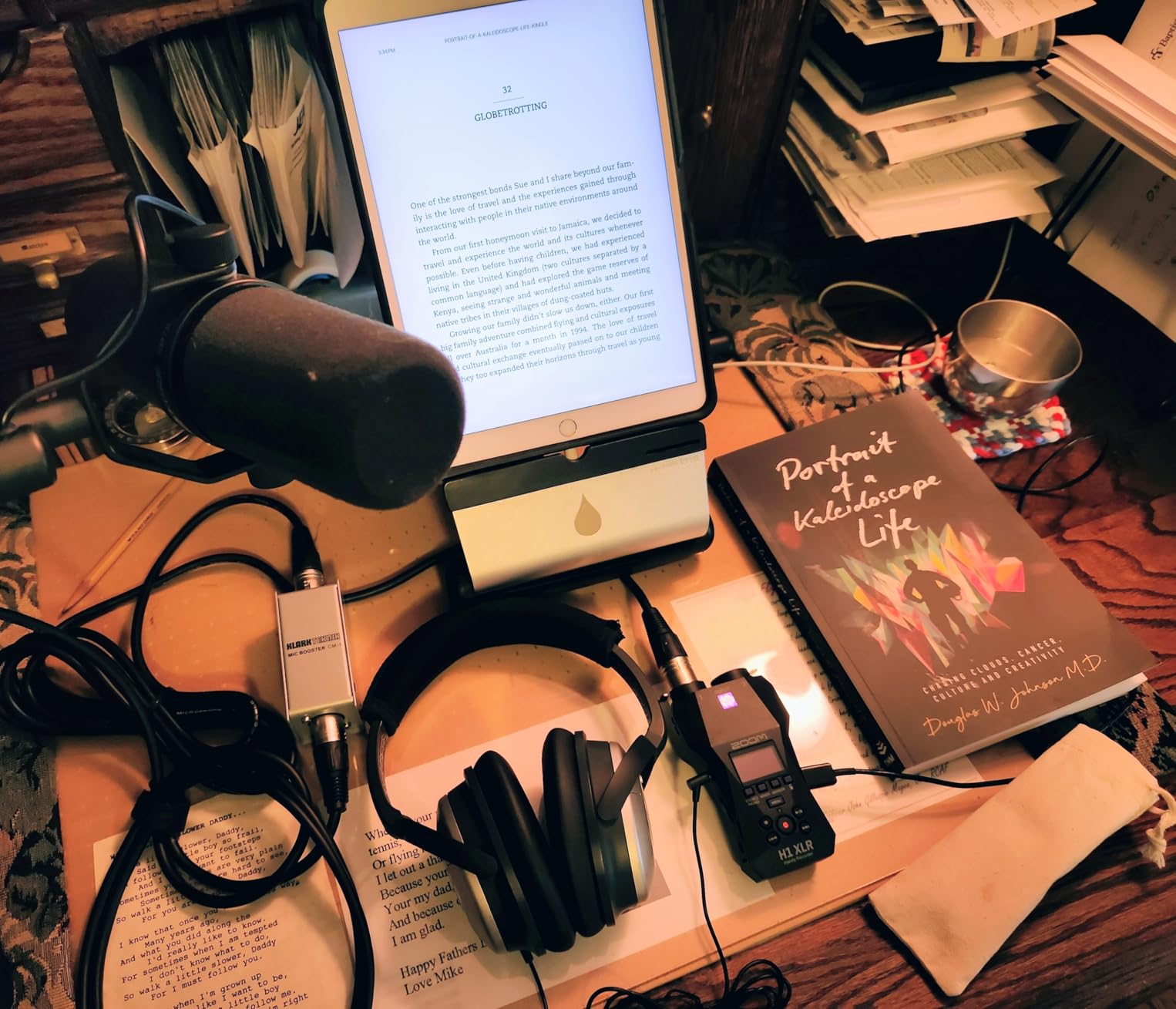
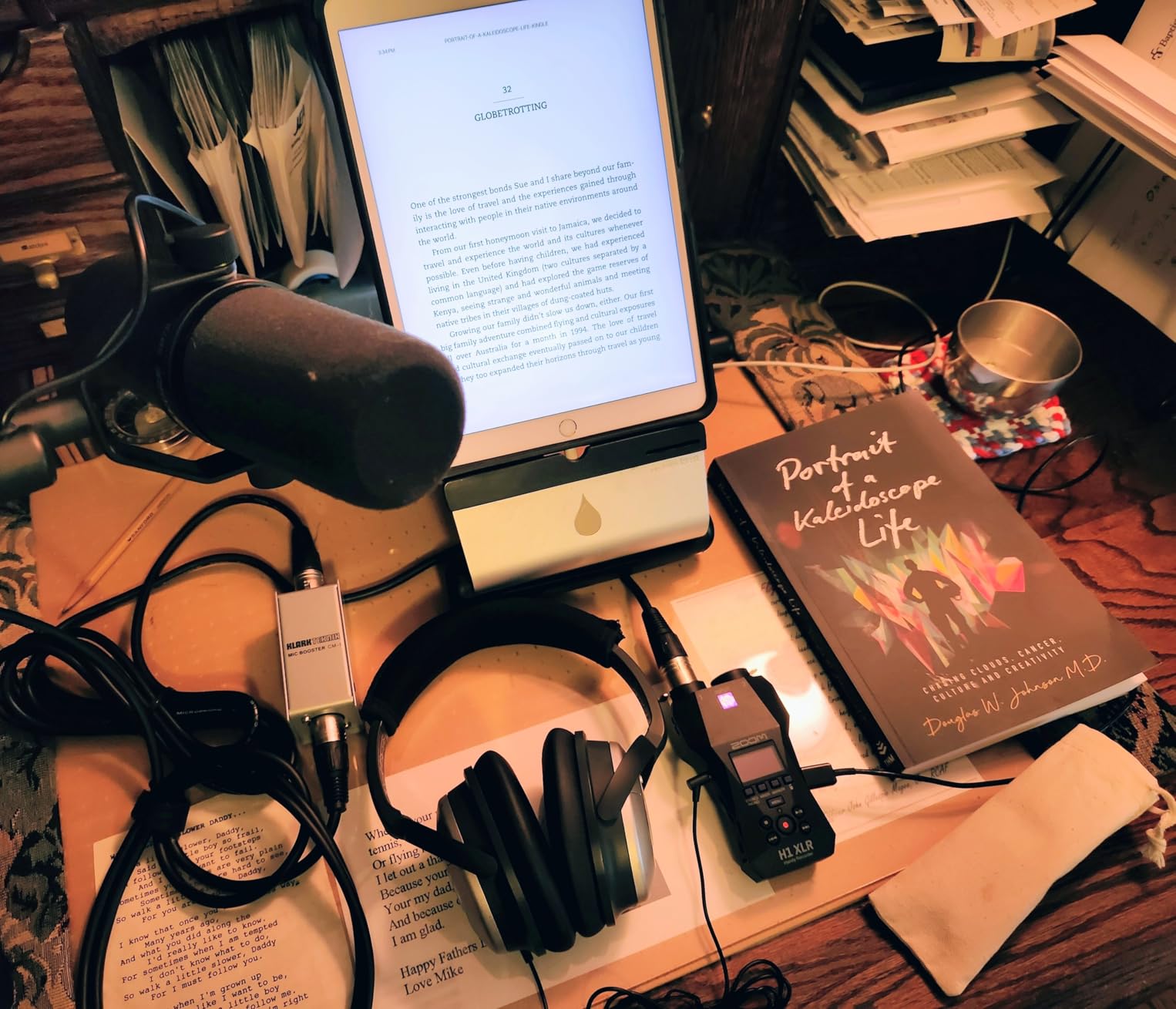
The Zoom H1 XLR brings 32-bit float recording to an incredibly accessible price point. I was skeptical that such an affordable unit could deliver professional-quality audio, but after recording several gaming podcast episodes with it, I’m convinced. The dual A/D converters mean you never have to worry about setting gain levels correctly. Whether your co-host whispers or shouts during an exciting gaming moment, the recording stays clean.
What makes 32-bit float so valuable for gaming podcasts? Traditional recorders require careful gain staging. Set it too low and quiet moments get lost in noise. Set it too high and loud reactions clip and distort. With 32-bit float, the H1 XLR captures such a wide dynamic range that you can adjust levels freely in post-production without quality loss. For gaming podcasts where energy levels fluctuate dramatically, this is incredibly liberating.
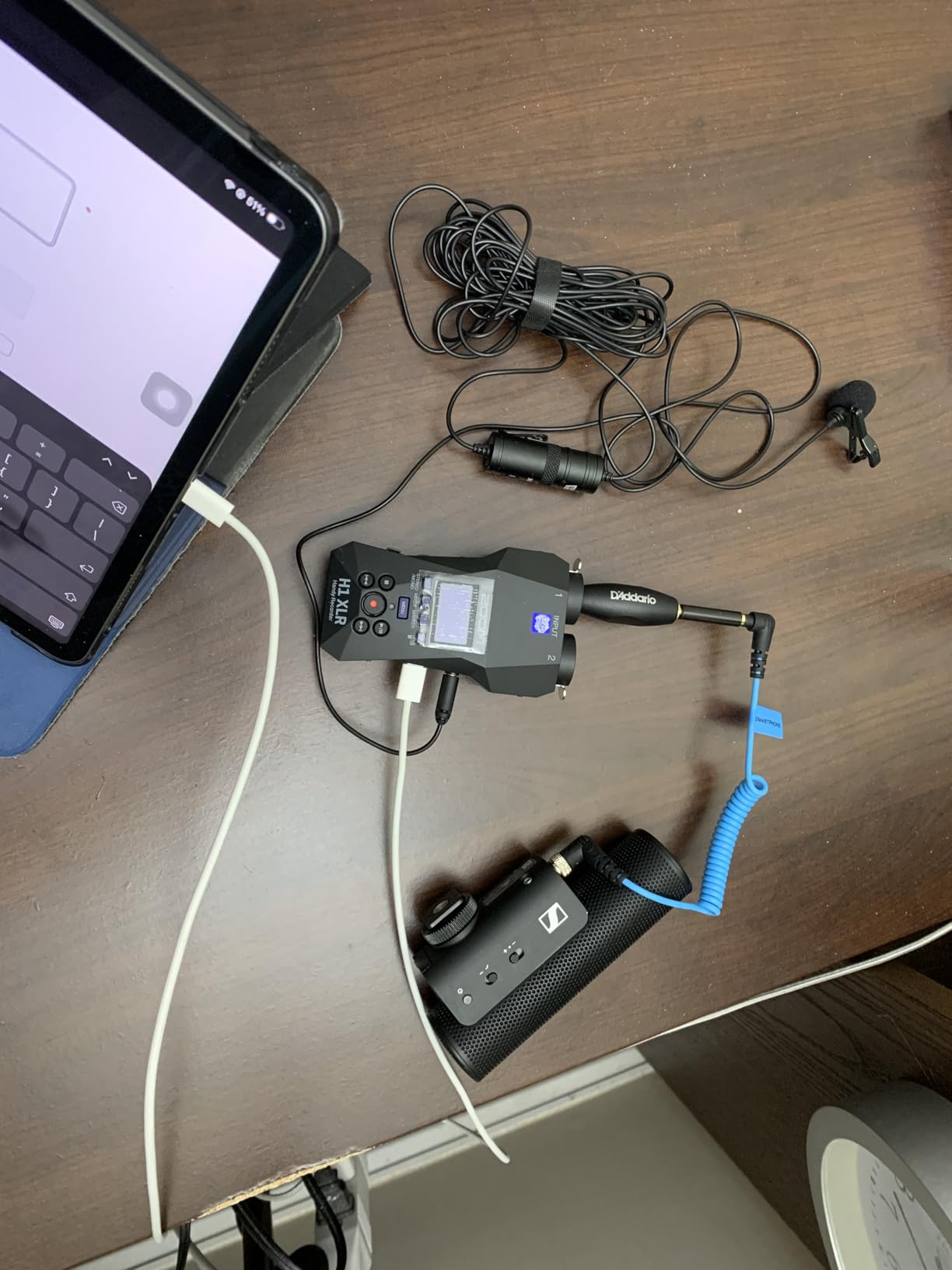
The compact size surprised me. At just 6.4 ounces, it’s smaller than my phone yet delivers recording quality that rivals units twice its price. I’ve used it for on-location gaming event coverage where portability mattered. The locking XLR/TRS combo inputs feel secure, and I appreciate being able to switch between professional XLR microphones and consumer TRS devices without adapters.
There are limitations to understand. When using two microphones simultaneously, the H1 XLR records them as a stereo pair rather than separate mono tracks. This matters if you need independent control over each voice in post-production. The small buttons also require some getting used to, especially if you have larger hands. For detailed post-production work, pairing this with free audio editing software completes the workflow.
Best For
Solo gaming podcasters or duos who want professional 32-bit float recording without professional pricing. If you’re tired of constantly adjusting gain levels during recording or have lost good takes to clipping, the H1 XLR solves these problems elegantly. It’s also ideal for podcasters who need a compact recorder for gaming events, conventions, or mobile recording.
Consider Alternatives If
If you need separate track recording for each microphone, the stereo-only limitation will complicate your post-production workflow. Podcasters with three or more regular hosts will also find the two-input design restrictive. Those wanting built-in microphones for impromptu recording should look at the H2 Essential or H4 Essential instead.
3. Tascam DR-40X – Best Versatile Field Recorder
TASCAM DR-40X 4-Track Portable Handheld Field Recorder — 2 XLR/TRS Inputs, USB Audio Interface, Dual Adjustable Microphones for Stereo Recording of Music, Audio for Video and Podcasting
Built-in Stereo Mics
XLR/TRS Inputs
4-Channel Recording
USB Interface
Adjustable Mics
Pros
- Excellent built-in stereo microphones
- Dual XLR/TRS inputs with phantom power
- 4-channel recording capability
- Functions as USB audio interface
- Good battery life
Cons
- Power management issues on some units
- Cannot use lithium batteries
- Max 48kHz as USB interface
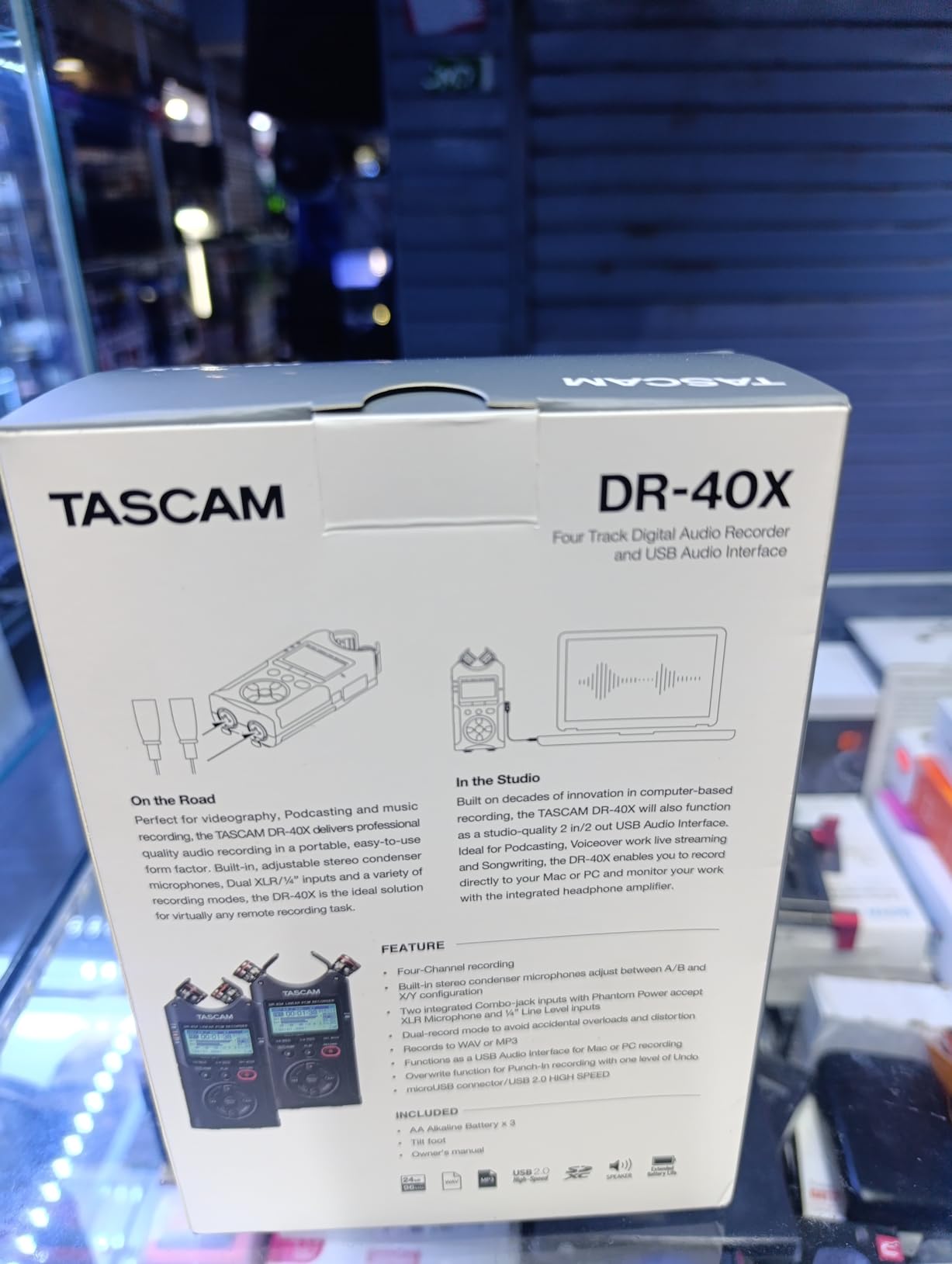
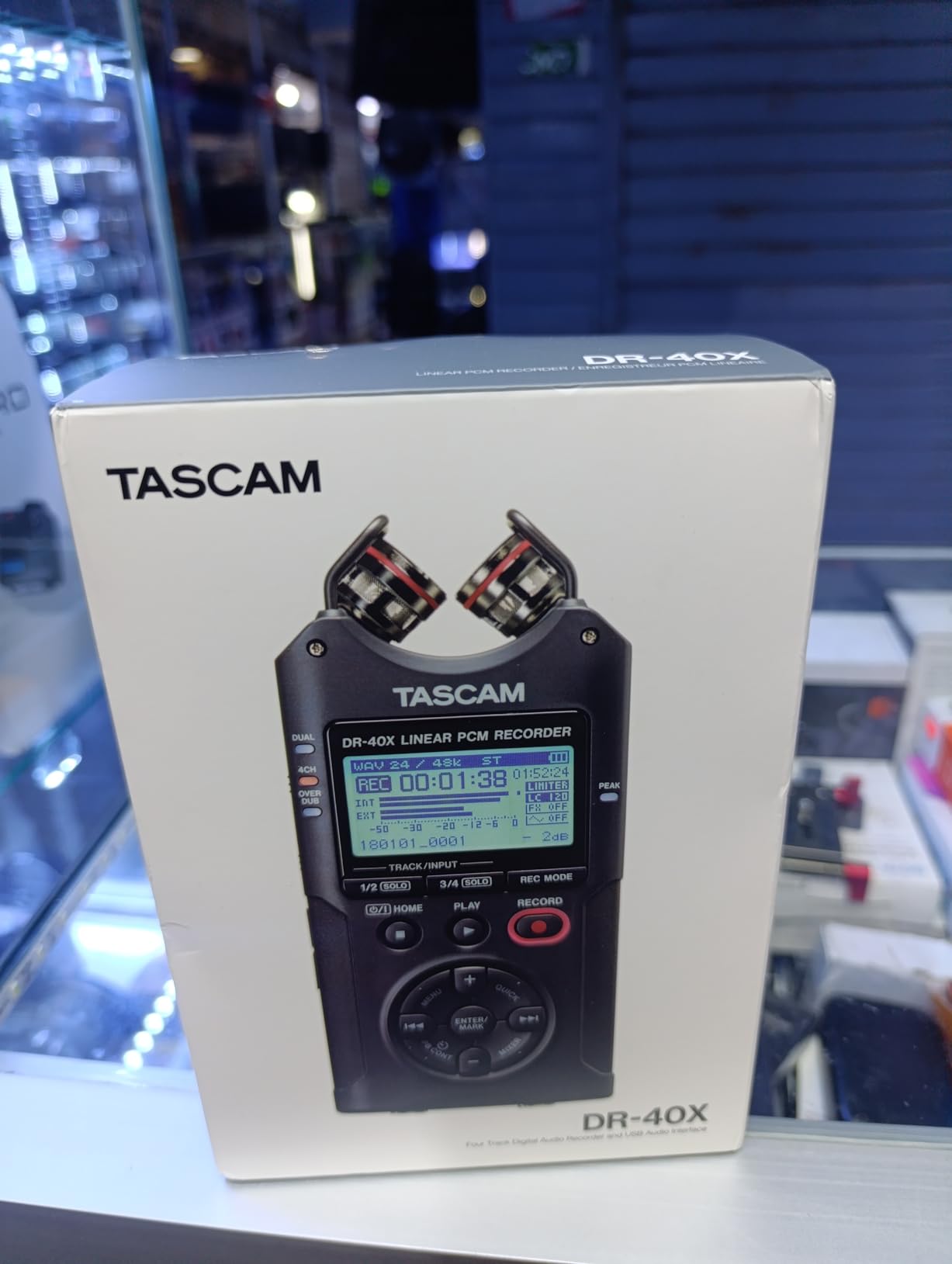
The Tascam DR-40X has been a staple in my recording kit for years, and for good reason. The built-in stereo condenser microphones can be adjusted between A-B and X-Y configurations, giving you flexibility depending on your recording environment. For gaming podcasts where I sometimes want to capture room ambience along with voice, the built-in mics deliver surprisingly natural sound.
What sets the DR-40X apart is its 4-channel recording capability. You can record from the built-in microphones and external XLR inputs simultaneously. I’ve used this feature to capture game room reactions on the built-in mics while recording clean voice on external microphones. The four tracks give you tremendous flexibility in post-production. You could also use dual recording mode to capture a safety track at lower levels, ensuring you never lose a take to clipping.
The USB audio interface functionality means the DR-40X pulls double duty. I’ve connected it to my computer for live streaming while simultaneously recording to the SD card as a backup. The 2-in/2-out configuration works well for most gaming podcast setups. The build quality feels substantial, and the interface is intuitive enough that I figured out most features without consulting the manual.
Some users report power management issues, though I haven’t experienced this personally. The bigger limitation is that you cannot use lithium batteries, which means shorter recording sessions compared to some alternatives. When used as a USB interface, the sample rate tops out at 48kHz, which is fine for podcast distribution but limits you if you’re doing high-resolution music work. For podcasters wanting what is an audio interface functionality built in, the DR-40X delivers.
Best For
Gaming podcasters who want maximum flexibility in a single unit. The combination of built-in mics and XLR inputs makes it perfect for creators who sometimes record with external mics and sometimes don’t. If you value having backup recording options and the ability to capture multiple perspectives simultaneously, the 4-channel mode is incredibly useful.
Consider Alternatives If
If you exclusively use external microphones and never need built-in mics, you’re paying for features you won’t use. Those wanting 32-bit float recording should look at the Zoom H1 XLR or H4 Essential instead. Podcasters who need more than two XLR inputs should consider the Zoom PodTrak P4 for its four-input design.
4. Zoom H2 Essential – Best for Surround Sound Recording
Zoom H2 Essential Handheld Recorder for Musicians, Podcasters & Filmmakers
3 Built-in Mics
32-Bit Float
Surround Sound
USB Mic Mode
MicroSD Recording
Pros
- 32-bit float eliminates gain adjustment
- Versatile 3-mic array
- Can record surround sound
- Excellent for ASMR and field recording
- No clipping with loud sources
Cons
- Bluetooth app iOS only
- Short battery life
- Battery drains quickly
The Zoom H2 Essential takes a different approach with its three-microphone array. You can select between 90-degree stereo, 120-degree stereo, and mono pickup patterns, plus record from front, rear, or both for surround sound capture. For gaming podcasts that want to create immersive audio experiences, this versatility opens creative possibilities most recorders can’t match.
Like the H1 XLR, the H2 Essential features 32-bit float recording. I tested this by intentionally recording without setting any gain levels. Quiet whispers and loud exclamations during gaming commentary were both captured cleanly. The ability to adjust levels in post-production without quality loss is genuinely transformative for dynamic gaming content.
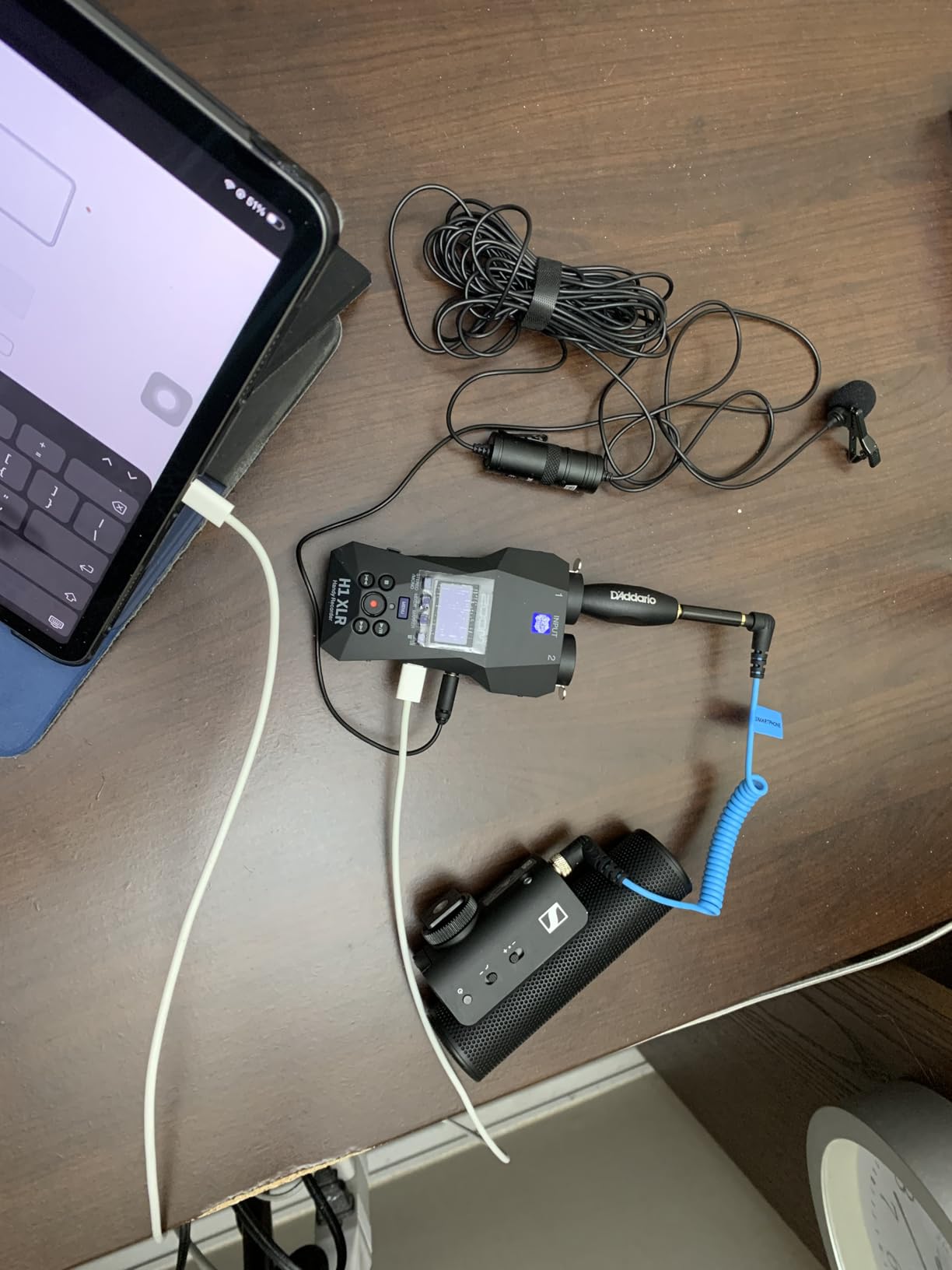
The USB microphone mode is surprisingly useful. When connected to my computer, the H2 Essential appears as a 32-bit USB microphone. I’ve used it for gaming streams where I wanted the quality of a dedicated recorder but the convenience of USB connectivity. The surround sound capability also makes it excellent for capturing gaming event atmospheres or creating spatial audio content.
Battery life is the main weakness. With standard AA batteries, I get significantly less recording time than with other units. Using USB power or high-capacity rechargeables helps, but it’s something to plan for. The Bluetooth control app is also limited to iOS, which will frustrate Android users. For recording best dynamic microphones externally, you’ll need a different unit as the H2 Essential relies on its built-in mics.
Best For
Podcasters who want built-in microphones with 32-bit float recording and creative recording options. If you produce gaming content that benefits from spatial audio or want to capture room ambience alongside voice, the H2 Essential’s surround sound capabilities are unique. It’s also excellent for ASMR content creators who need ultra-quiet preamps.
Consider Alternatives If
If you need XLR inputs for external microphones, this unit won’t work for you. Android users will find the lack of Bluetooth app support frustrating. Those who record for extended periods without access to USB power should consider units with better battery efficiency.
5. Sony ICD-UX570 – Best Ultra-Portable Recorder
Sony ICD-UX570 Digital Voice Recorder, ICDUX570BLK, usb
Built-in USB
Voice Recording
Fast Charging
Expandable Storage
Ultra Portable
Pros
- Very compact and pocketable
- Excellent voice recording quality
- Built-in USB for file transfer
- Expandable storage with microSD
- Fast charging capability
Cons
- USB-A instead of USB-C
- No wireless connectivity
- Internal battery not replaceable
- MP3 format only
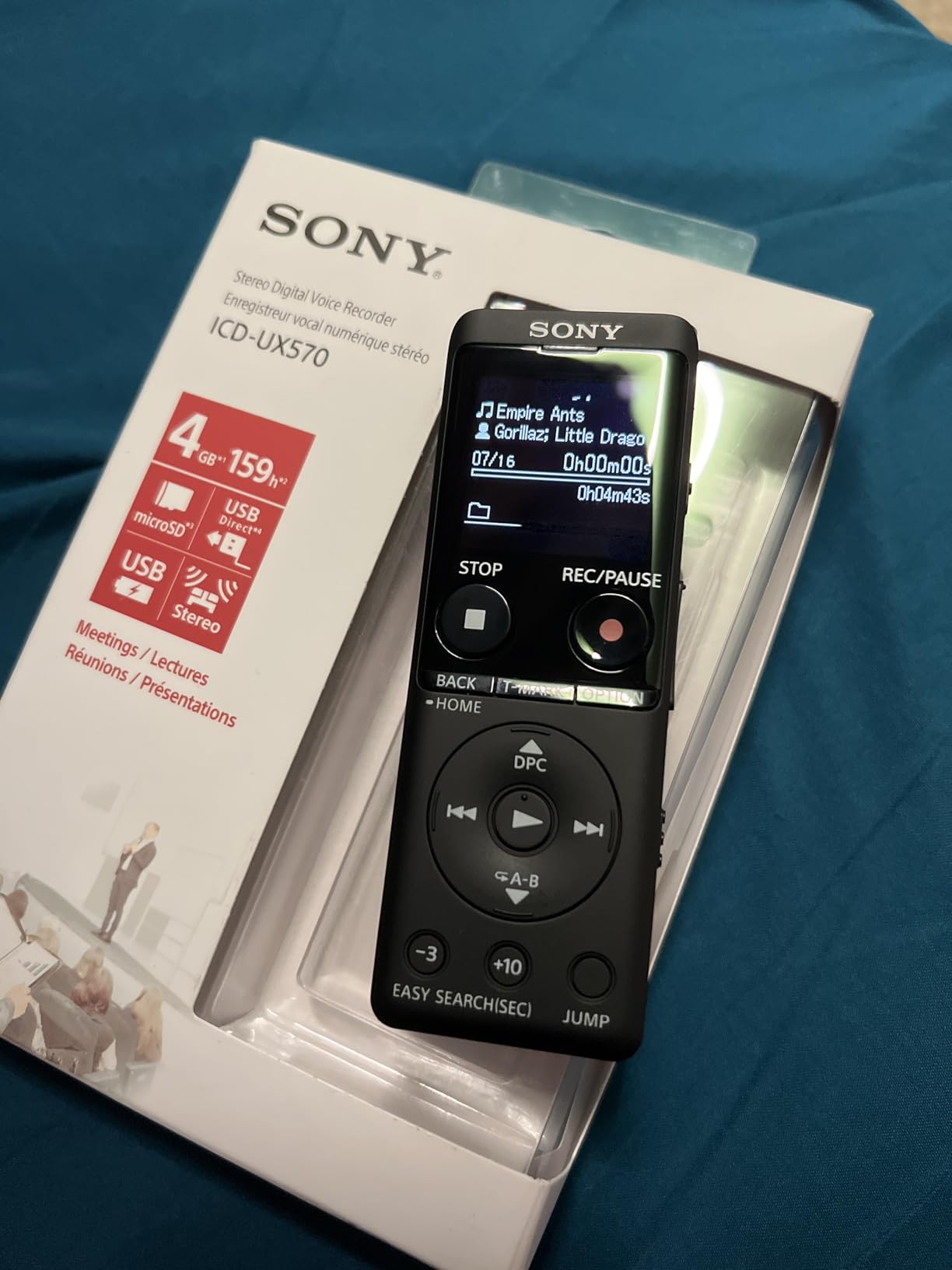
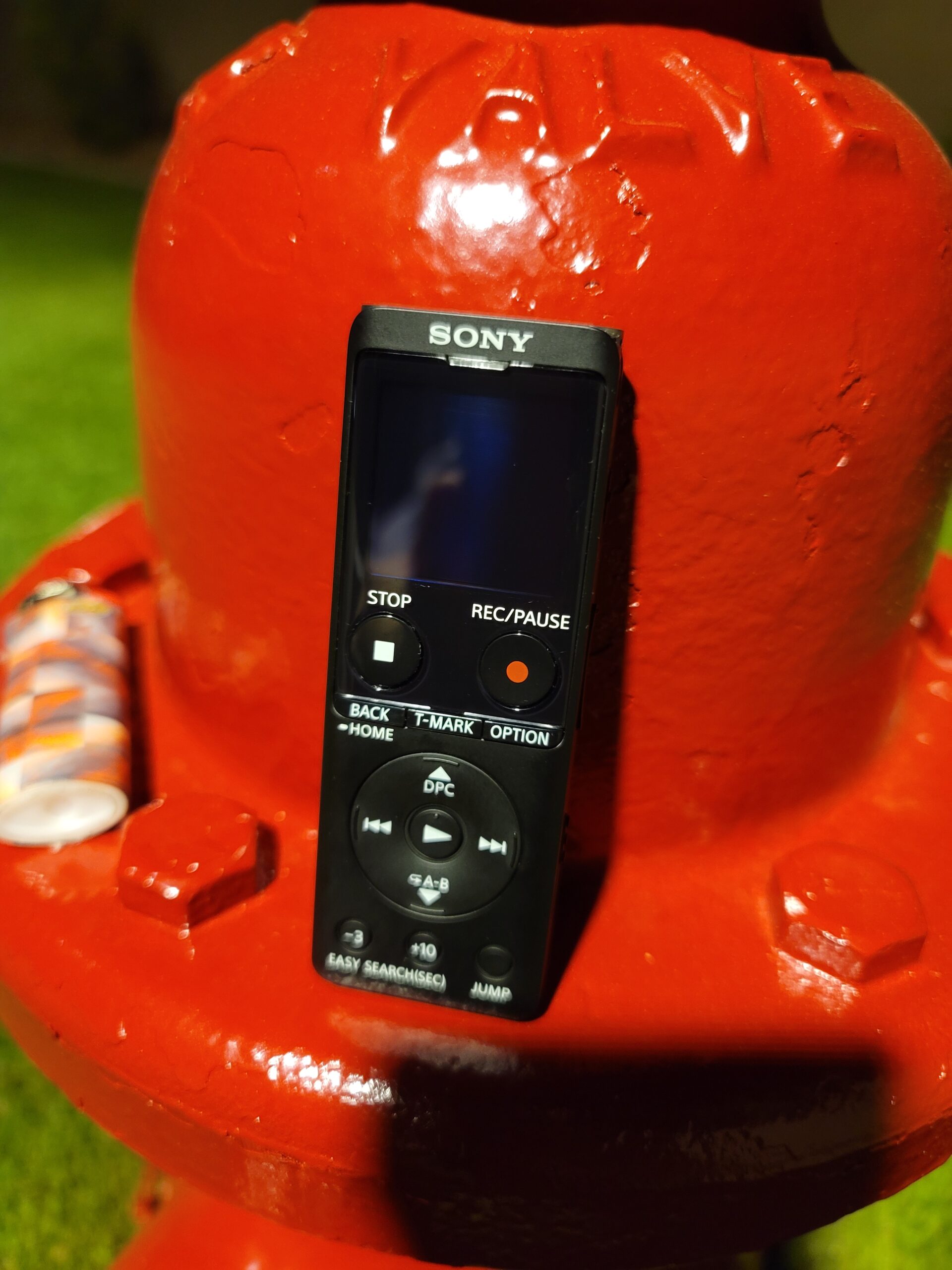
Sometimes the best recorder is the one you actually have with you. The Sony ICD-UX570 weighs just 1.76 ounces and slips into any pocket. I’ve carried it to gaming conventions, esports events, and casual recording sessions where bulkier equipment would have stayed home. The built-in USB connector means no cables needed for file transfer.
The recording quality for voice is excellent. Sony has optimized the ICD-UX570 specifically for speech, and it shows. The three recording modes (wide/stereo, narrow/focus, and normal) let you adapt to different environments. For gaming podcast interviews in noisy convention halls, the narrow focus mode effectively isolates voices from background noise.
Fast charging has saved me multiple times. Three minutes of charging provides an hour of recording time. I’ve plugged it into my laptop’s USB port during a lunch break and had enough power for an afternoon of interviews. The expandable storage via microSD means you’re never limited by the internal memory, though the base capacity handles hours of voice recording.
This is fundamentally a voice recorder rather than a professional field recorder. The MP3-only format and lack of 32-bit float or high-resolution recording limit its use for audiophile applications. The USB-A connector feels dated in 2026, requiring adapters for newer laptops. There’s no Bluetooth or WiFi for wireless file transfer either. But for quick, reliable voice capture, the ICD-UX570 excels.
Best For
Gaming podcasters who need a grab-and-go recorder for interviews, event coverage, or backup recording. If you value portability above all else and primarily record voice content, the ICD-UX570 delivers excellent results in an incredibly compact package. The fast charging is perfect for busy convention schedules.
Consider Alternatives If
If you need professional audio formats like WAV or FLAC, the MP3-only limitation rules this out. Podcasters who want XLR inputs for external microphones should look elsewhere. Those requiring 32-bit float or high-resolution recording for post-production flexibility will need a more capable unit.
6. Zoom H4 Essential – Best Feature-Rich Mid-Range Recorder
Zoom H4 Essential Handheld Recorder for Musicians, Podcasters & Filmmakers
32-Bit Float
Stereo Mics
4-Track Recording
2 XLR Inputs
USB Interface
Pros
- 32-bit float eliminates clipping
- Works with XLR mics and built-in stereo mics
- Can record to SD and USB simultaneously
- Good battery life
- Accessibility features
Cons
- Plastic build cheaper than H4n
- No overdub recording
- Buttons feel mushy
- Some stability issues
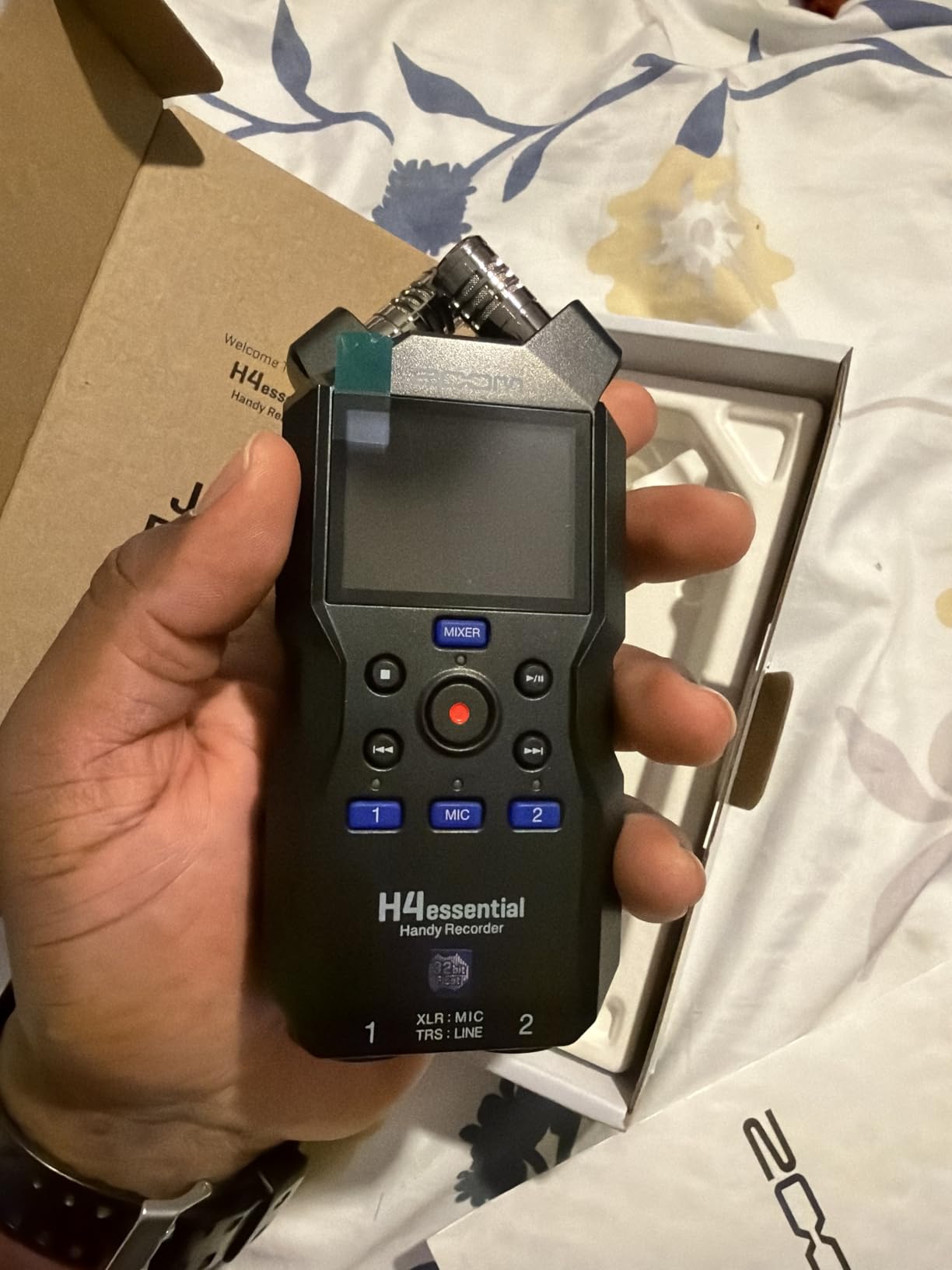
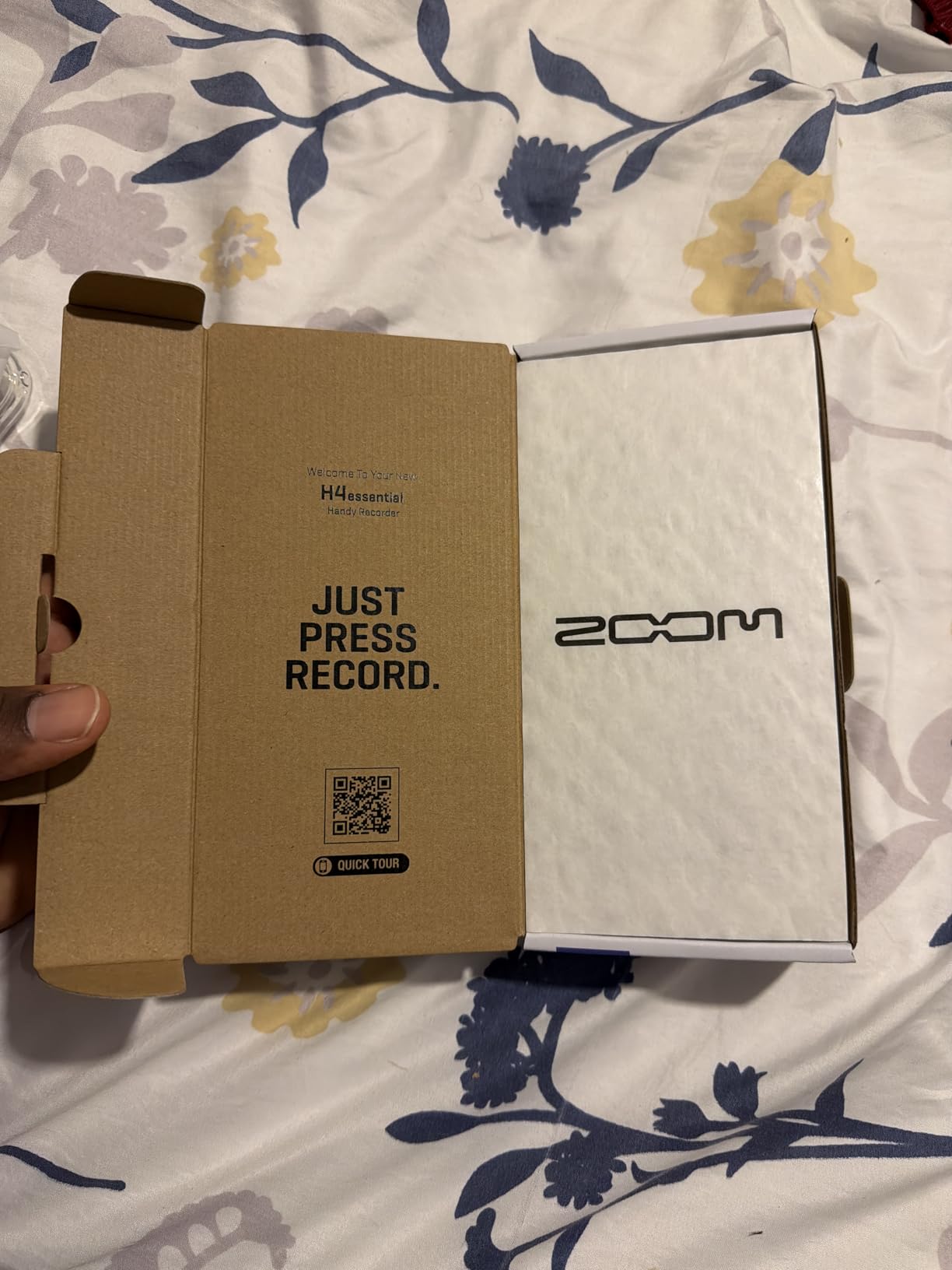
The Zoom H4 Essential sits in the sweet spot between entry-level and professional recorders. With four tracks of 32-bit float recording, built-in stereo microphones, and two XLR/TRS combo inputs, it covers nearly every gaming podcast scenario. I’ve used it as my primary recorder for multi-host gaming discussions where I wanted both the flexibility of external mics and the convenience of built-in backup recording.
The X/Y stereo microphones capture up to 130 dB SPL, which means they can handle loud gaming environments without distortion. I tested this during an esports event where crowd noise was significant. The built-in mics captured the atmosphere while my external microphones recorded clean voice tracks. Having both options in one unit is genuinely useful.
The 32-bit float recording provides the same peace of mind as the H1 XLR and H2 Essential. I stopped worrying about gain levels entirely. Whether a guest speaks softly during a thoughtful discussion or shouts during an exciting game moment, the H4 Essential captures it all cleanly. The ability to record to SD card while simultaneously streaming via USB is perfect for gaming podcasts that also broadcast live.
Some features from the older H4n are missing, most notably overdub recording. If you used that feature for layered production, you’ll miss it here. The build quality is also more plastic-heavy than the classic H4n, though this hasn’t affected reliability in my experience. Some users report occasional stability issues, so keeping firmware updated is important.
Best For
Gaming podcasters who want a versatile recorder that handles both built-in and external microphone recording. If you record in varying environments and sometimes want the convenience of built-in mics and sometimes need XLR inputs for professional microphones, the H4 Essential does both well. The 32-bit float recording makes it ideal for dynamic content.
Consider Alternatives If
If you need more than two XLR inputs, the PodTrak P4 offers four. Those on tighter budgets can get 32-bit float recording from the less expensive H1 XLR. Podcasters who relied on the H4n’s overdub feature will need to look elsewhere or adapt their workflow.
7. Tascam Portacapture X6 – Best Premium Touchscreen Recorder
TASCAM Portacapture X6 32-bit Float Portable Audio Recorder, Field Recorder for Video, Music, Podcast, Voice, Podcasting
Touchscreen Interface
32-Bit Float
6-Track Recording
Recording Presets
2 XLR Inputs
Pros
- Large 2.4 inch touchscreen
- 32-bit float recording
- Multiple recording presets
- Can run from USB-C power bank
- Excellent audio quality
Cons
- Plastic build quality
- Bluetooth adapter sold separately
- UI has learning curve
- Non-removable built-in mics
The Tascam Portacapture X6 represents the premium end of portable recording. The 2.4-inch touchscreen interface feels like using a smartphone, making navigation intuitive for anyone familiar with modern devices. For gaming podcasters who appreciate visual feedback and touch controls over physical buttons, the X6 offers a modern experience.
Six-track recording provides serious flexibility. You can record four individual tracks plus a stereo mix simultaneously. For gaming podcasts with multiple hosts and guests, this means everyone gets their own track for post-production control. The 32-bit float recording ensures each track maintains professional quality regardless of gain settings during the session.
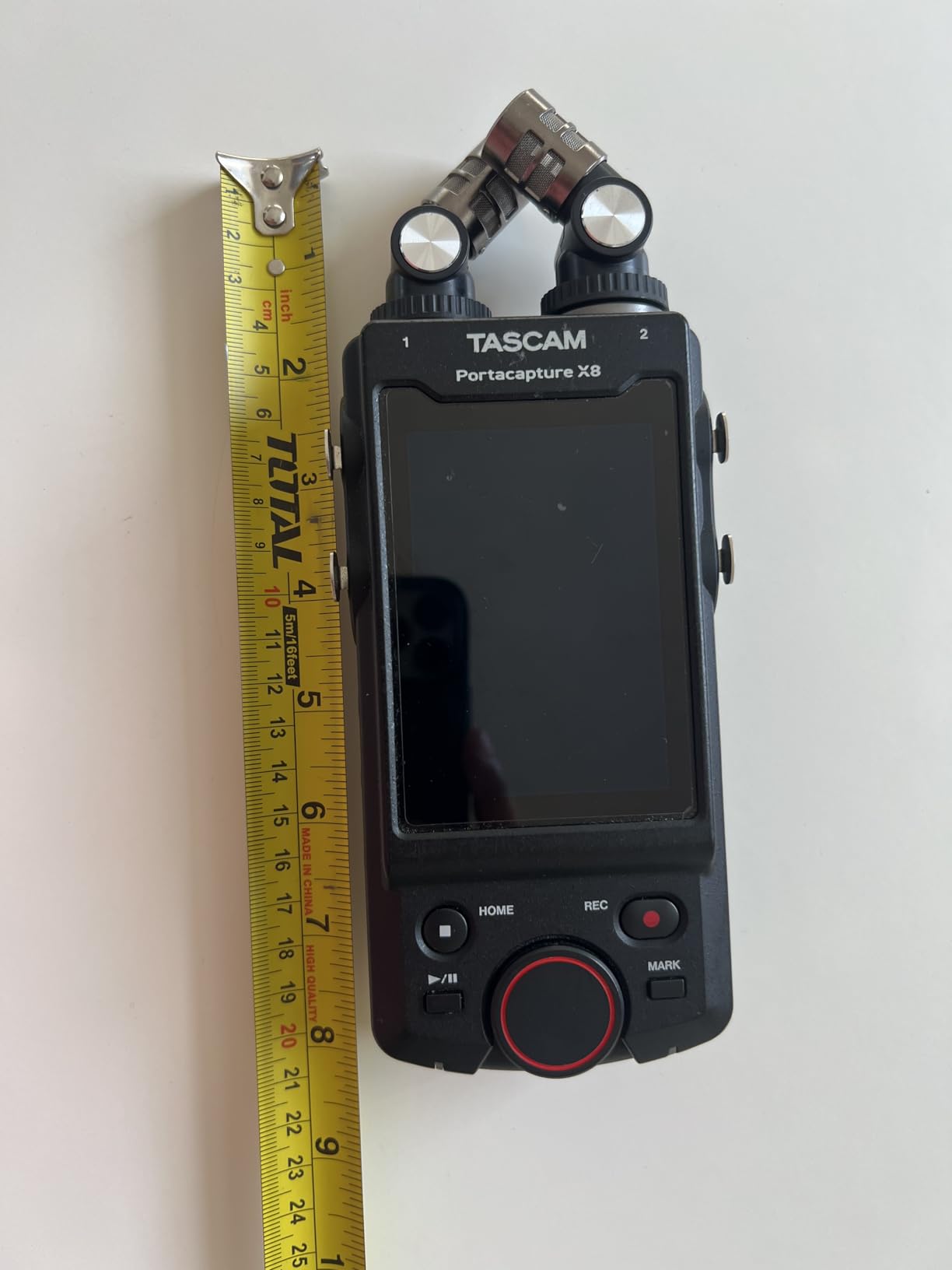
The recording presets are genuinely useful. Select “podcast” mode and the X6 configures itself optimally for voice recording. Switch to “music” for capturing game soundtracks or “field recording” for convention coverage. These presets reduce the learning curve significantly for users who don’t want to dive deep into audio engineering.
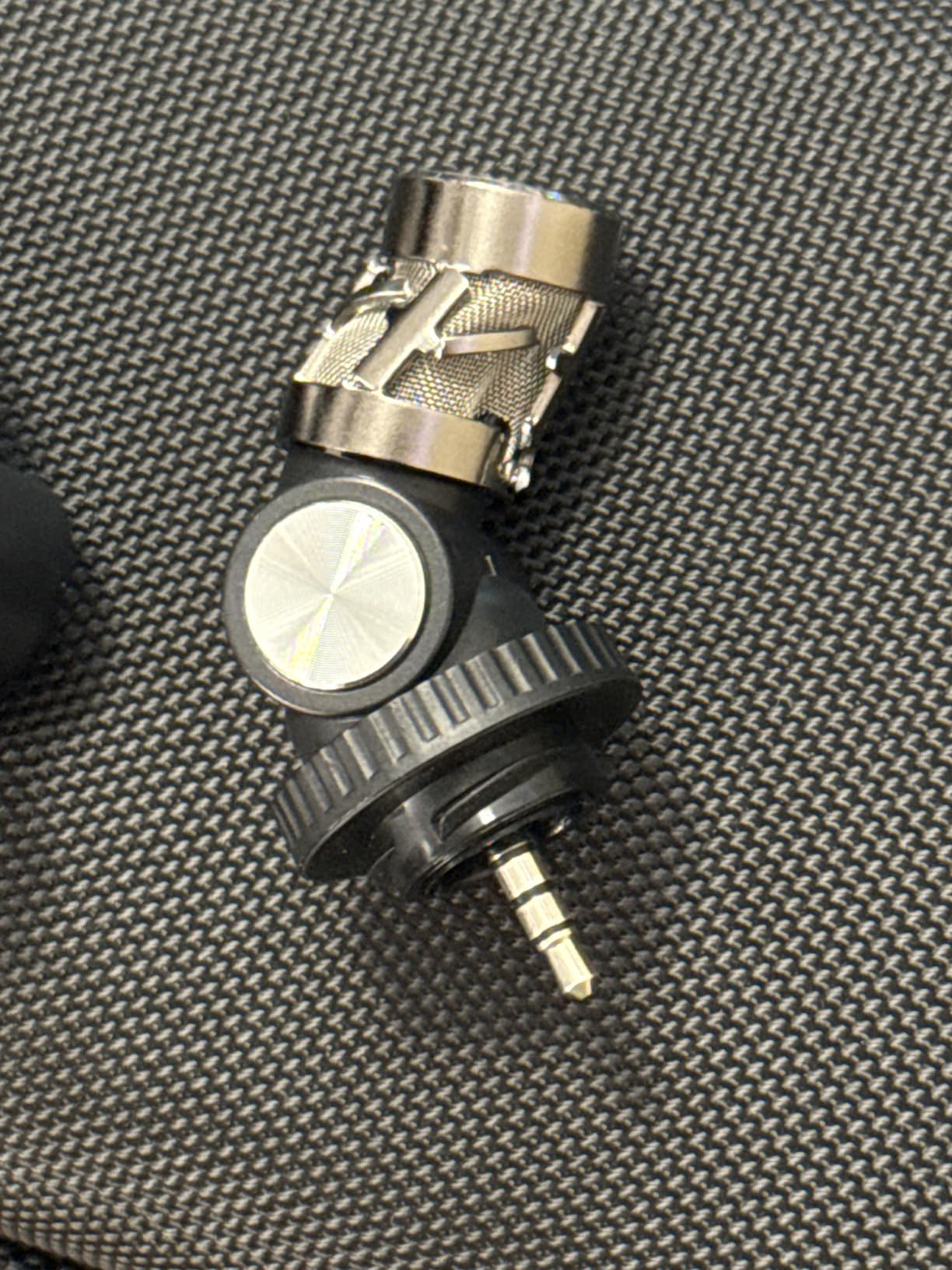
The ability to run from a USB-C power bank extends recording time dramatically. I’ve recorded full-day gaming events without worrying about battery replacement. The main downsides are the plastic build quality, which feels less premium than the price suggests, and the Bluetooth adapter being sold separately. The built-in microphones are also non-removable, unlike some higher-end field recorders.
Best For
Serious gaming podcasters who want professional features and don’t mind paying for them. If you record complex multi-track sessions and appreciate touchscreen convenience, the X6 delivers. The recording presets make it accessible for users who want quality results without becoming audio engineers.
Consider Alternatives If
If you’re on a budget, the Zoom H4 Essential offers similar core features at a lower price. Those who prefer physical buttons over touchscreens might find the interface frustrating. Podcasters who need Bluetooth control should factor in the additional adapter cost.
8. Zoom PodTrak P2 – Best Budget Podcast Recorder
Zoom PodTrak P2 Podcast Recorder with 2 USB Mic Inputs & AI Noise Reduction
AI Noise Reduction
2 USB Mic Inputs
24-bit/48kHz
Remote Guest Recording
Battery/USB Powered
Pros
- Very affordable entry-level recorder
- Supports 2 USB mics simultaneously
- AI noise reduction works well
- Compact and portable
- Simple to use
Cons
- Limited USB mic compatibility
- Plastic build quality
- No printed manual
- Bluetooth adapter not included
The Zoom PodTrak P2 makes podcast recording accessible at an incredibly low price point. If you’ve been recording directly into your computer and want to upgrade to dedicated hardware without significant investment, this is your entry ticket. I tested it with USB microphones I already owned and was impressed by how straightforward the setup process was.
Recording two USB microphones simultaneously is the P2’s main selling point. For gaming podcast duos who already own USB mics, this eliminates the need to buy XLR microphones and an interface. The unit handles the mixing and recording internally, producing a clean stereo file. The AI noise reduction genuinely helps reduce keyboard clicks and mouse sounds that plague gaming recordings.
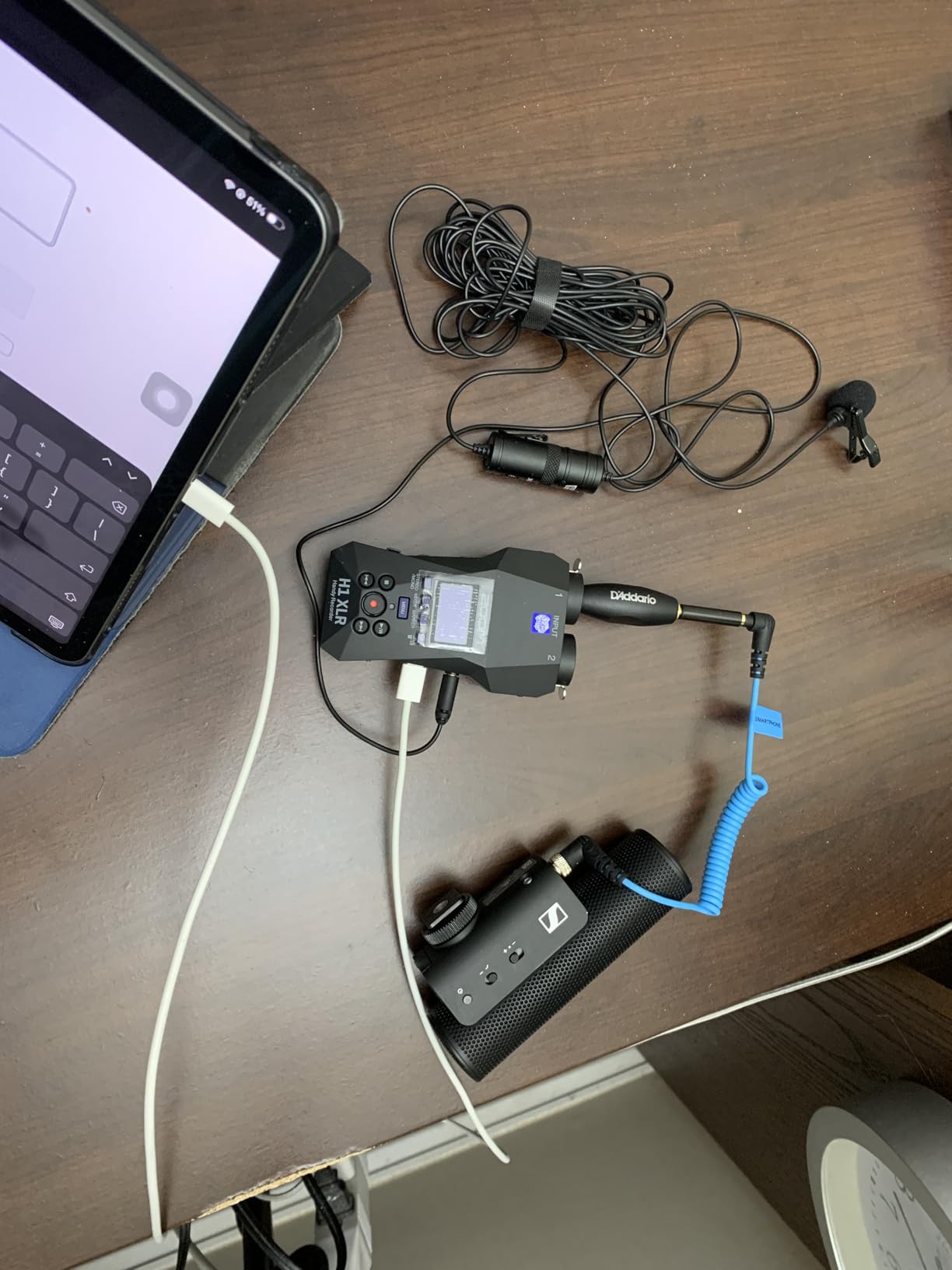
The mix-minus support for remote guests is carried over from the more expensive P4. Connect your smartphone or computer, and the P2 handles the audio routing automatically. Your remote guest can hear you clearly without echo, and you capture both sides of the conversation cleanly. For gaming podcasts that frequently interview remote developers or players, this feature alone justifies the purchase.
The main limitation is USB microphone compatibility. Not all USB mics work with the P2, so checking Zoom’s compatibility list before purchasing is essential. The 24-bit/48kHz recording quality is fine for podcast distribution but doesn’t match the 32-bit float capabilities of more expensive units. The plastic build reflects the budget price, though it hasn’t caused any reliability issues in my testing.
Best For
Budget-conscious gaming podcasters who already own USB microphones. If you’re a duo looking to upgrade from computer recording to dedicated hardware without buying all new equipment, the P2 is ideal. The AI noise reduction is particularly valuable for gaming setups where keyboard and mouse sounds are problematic.
Consider Alternatives If
If you already own or plan to buy XLR microphones, the PodTrak P4 offers four inputs at a still-reasonable price. Those wanting 32-bit float recording should consider the Zoom H1 XLR. Podcasters with more than two hosts will need the additional inputs of the P4.
9. Sony ICD-PX470 – Best Entry-Level Budget Recorder
Sony ICD-PX470 Stereo Digital Voice Recorder with Built-in USB Voice Recorder, Black
55 Hour Battery
microSD Slot
Built-in USB
Voice Recording
Affordable
Pros
- Very affordable
- Built-in USB for easy transfer
- microSD card expansion
- Excellent 55 hour battery life
- Adjustable mic sensitivity
Cons
- Drains batteries when off
- Weak built-in speaker
- No display backlight
- No rechargeable battery option
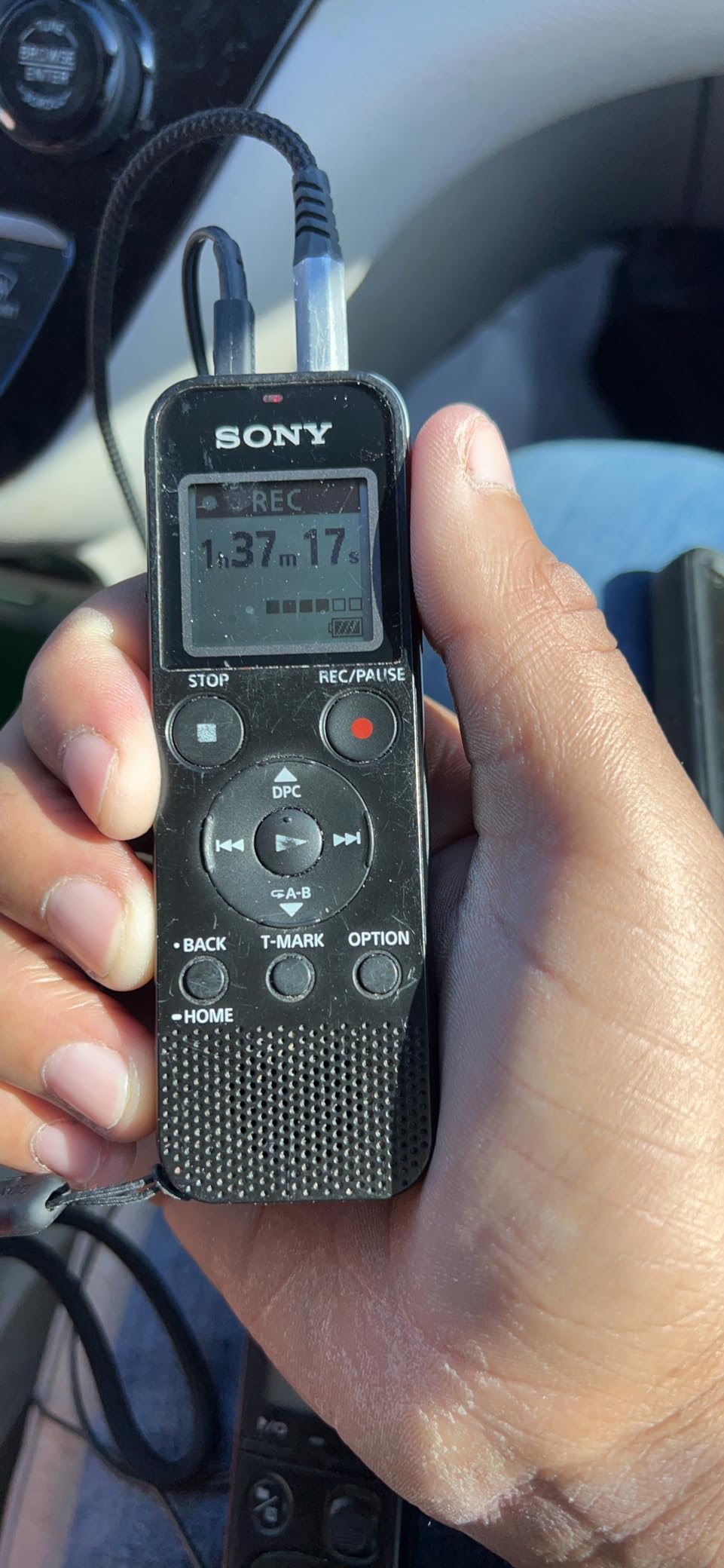
The Sony ICD-PX470 proves that quality podcast recording doesn’t require a big budget. At under $100, this voice recorder delivers surprisingly capable performance for gaming podcasters just starting out. The 55-hour battery life means you can record entire gaming events without worrying about power.
What impressed me most was the recording quality relative to price. Sony’s audio processing effectively reduces background noise while keeping voices clear. The adjustable microphone sensitivity lets you optimize for different recording environments. For casual gaming podcasts recorded in quiet rooms, the results are more than adequate for distribution on major platforms.
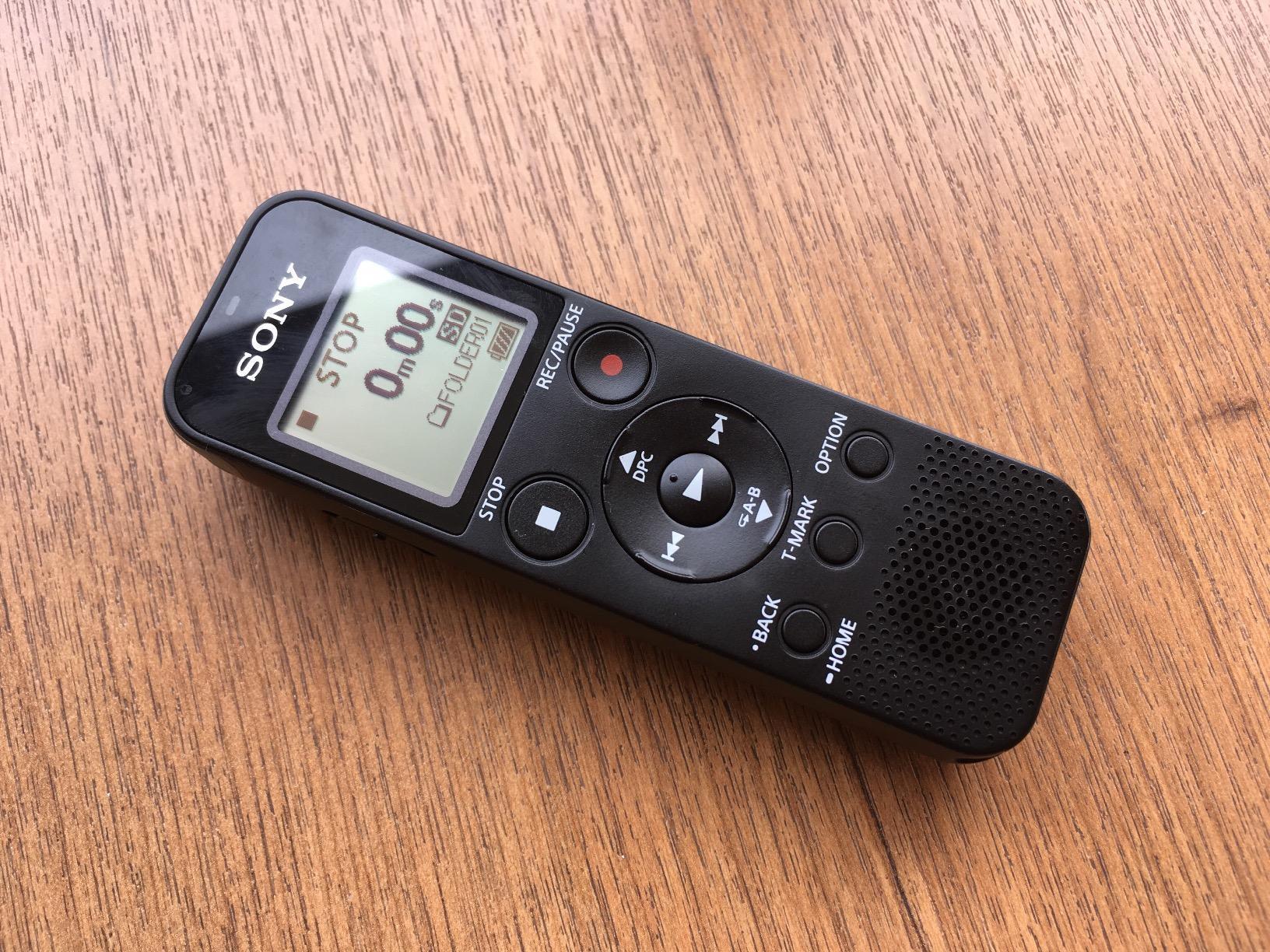
The built-in USB connection simplifies file transfer enormously. Slide out the connector, plug into your computer, and drag files off like any USB drive. No cables to lose, no proprietary software required. The microSD card slot means you can expand storage significantly beyond the internal memory, useful for long recording sessions or archival purposes.
This is undeniably an entry-level device. There’s no XLR support, no 32-bit float, and no professional-grade preamps. The display lacks a backlight, making it hard to use in dark gaming setups. Perhaps most annoying, the unit drains batteries even when powered off, so removing batteries between sessions is necessary. But for the price, these compromises are reasonable.
Best For
Beginner gaming podcasters who want to try dedicated recording hardware without significant investment. If you’re unsure whether podcasting is for you and want to experiment before committing to professional equipment, the ICD-PX470 lets you start recording immediately. The long battery life also makes it suitable for all-day gaming events.
Consider Alternatives If
If you’re committed to podcasting and can afford more, the Zoom PodTrak P2 or H1 XLR offer significantly better features. Those needing XLR inputs for professional microphones should look at the Tascam DR-40X or Zoom H4 Essential. Anyone wanting 32-bit float recording will need to spend more for that capability.
10. OM SYSTEM Olympus LS-P5 – Best High-Resolution Recorder
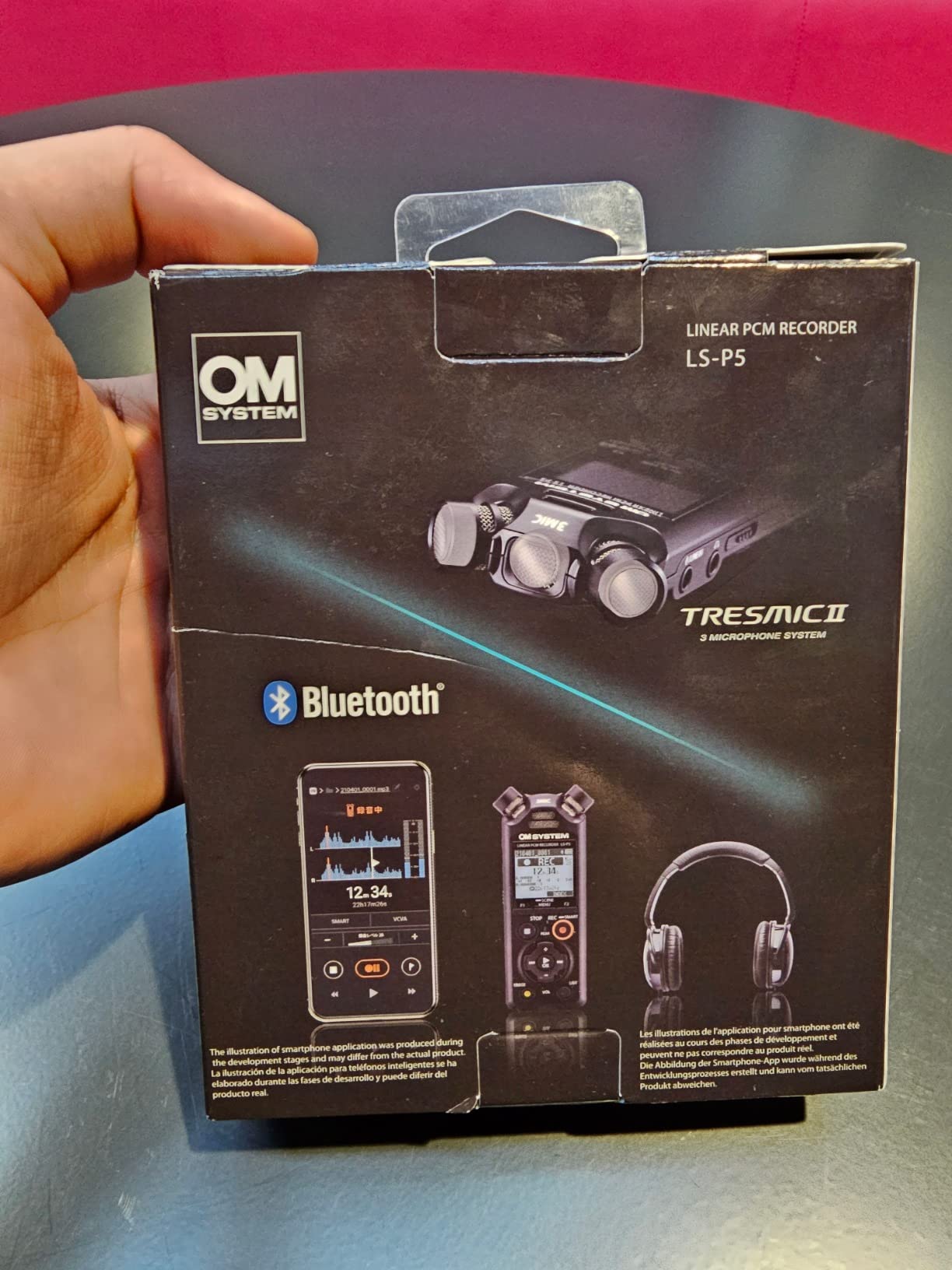
OM SYSTEM Olympus LS-P5 PCM Recorder with tresmic 3-Microphone, Bluetooth, Composite USB Microphone Mode, High Resolution Sound, Low-Cut Filter, 16GB Built-in Memory.
96kHz/24-bit Recording
3-Mic Tresmic System
Bluetooth
16GB Built-in Memory
USB Composite Mode
Pros
- Excellent 96kHz/24-bit sound quality
- 3-mic tresmic system for immersive audio
- Bluetooth for wireless monitoring
- 16GB built-in memory
- Compact and lightweight
Cons
- Cannot listen to high-quality audio via Bluetooth
- Micro-USB instead of USB-C
- No voice guidance
- Low playback volume on speaker
The OM SYSTEM Olympus LS-P5 targets audiophiles who demand high-resolution recording. With 96kHz/24-bit capability, it captures detail that standard podcast recorders miss. For gaming podcasts that care about pristine audio quality, perhaps for music integration or high-fidelity distribution, the LS-P5 delivers professional results in a pocket-sized package.
The tresmic three-microphone system creates genuinely immersive recordings. Two directional mics capture stereo information while a third omnidirectional mic adds depth. For gaming podcasts recorded in interesting acoustic spaces or those wanting to capture room ambience, this system produces recordings with spatial quality that standard stereo mics can’t match.
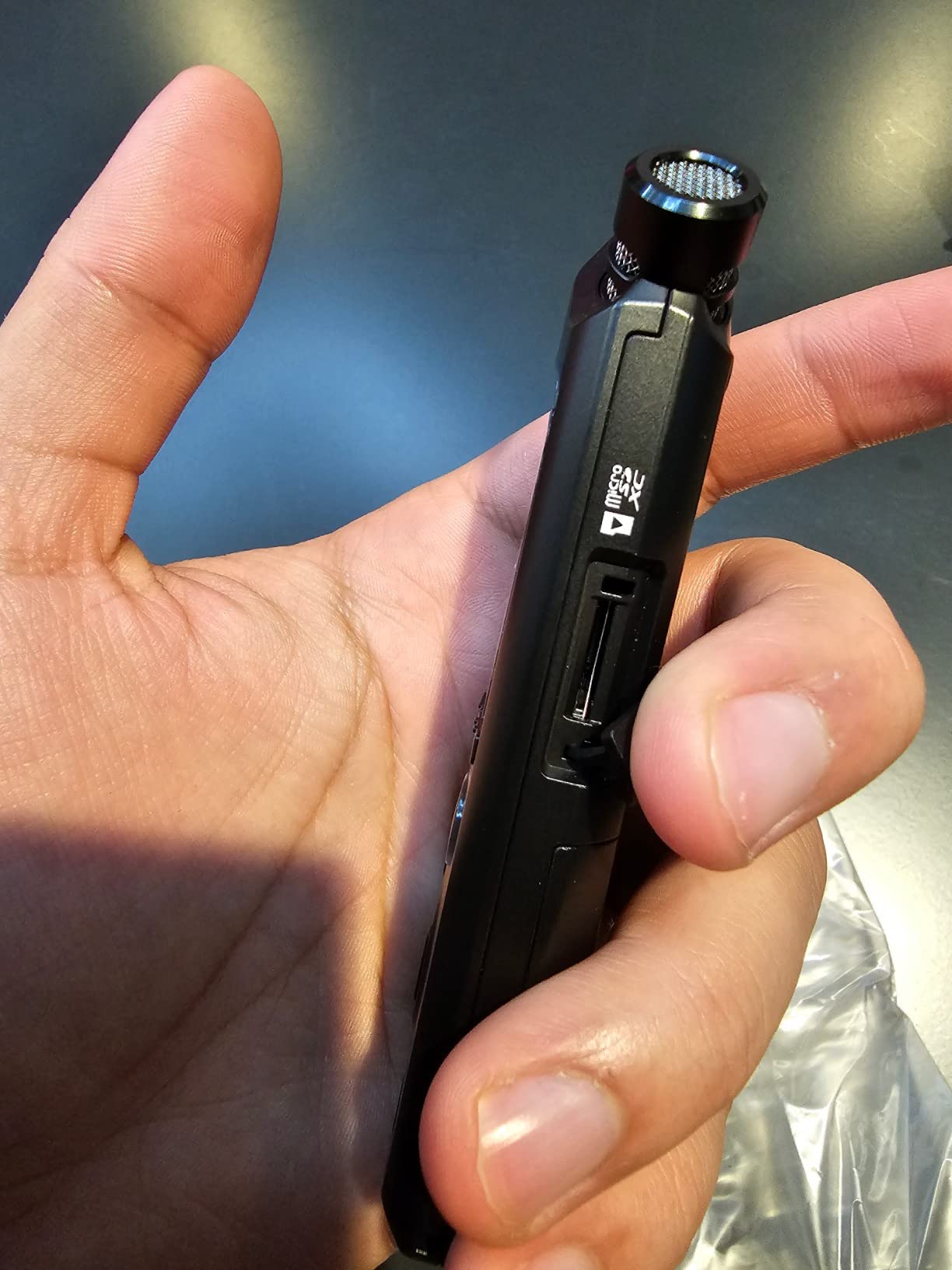
Bluetooth connectivity enables wireless headphone monitoring, which is useful during recording sessions where cables would be restrictive. The 16GB of built-in memory plus microSD expansion means storage is rarely a concern. The USB composite mode lets the LS-P5 function as a high-quality USB microphone when connected to a computer.
The main frustration is that Bluetooth doesn’t support high-quality audio playback. You can monitor recordings wirelessly, but not at the quality the device is capable of capturing. The micro-USB port feels dated in 2026 when USB-C has become standard. Voice guidance, present on previous Olympus models, has been removed. These aren’t dealbreakers, but they’re notable omissions at this price point.
Best For
Gaming podcasters who prioritize audio fidelity above all else. If you produce content where sound quality is a key differentiator, or if you integrate music and game audio that benefits from high-resolution capture, the LS-P5 delivers. The compact size makes it practical for mobile recording without sacrificing quality.
Consider Alternatives If
If you need XLR inputs for external microphones, look at the Zoom H4 Essential or Tascam DR-40X instead. Those wanting 32-bit float recording should consider the Zoom H1 XLR or H2 Essential. Budget-conscious buyers can get capable recording from less expensive Sony models.
Buying Guide: Choosing the Best Portable Audio Recorder for Gaming Podcasts
Selecting the right portable audio recorder depends on your specific gaming podcast needs. Here are the key factors I consider when recommending recorders to fellow gaming content creators.
32-Bit Float Recording Explained
32-bit float recording has transformed how I approach podcast production. Traditional 16-bit and 24-bit recording requires careful gain staging. Set levels too low and you introduce noise when boosting in post-production. Set them too high and you get irreversible clipping and distortion. 32-bit float captures such an enormous dynamic range that gain adjustment becomes unnecessary during recording.
For gaming podcasts, where energy levels fluctuate between quiet analytical moments and excited reactions, this technology is genuinely liberating. You can normalize levels in post-production without quality loss. The Zoom H1 XLR, H2 Essential, H4 Essential, and Tascam Portacapture X6 all offer 32-bit float recording at various price points.
XLR vs Built-in Microphones
XLR inputs allow you to connect professional external microphones, which generally deliver superior voice quality compared to built-in mics. For gaming podcasts, I typically recommend dynamic microphones via XLR for their rejection of background noise. The Zoom PodTrak P4 offers four XLR inputs, while the Tascam DR-40X and Zoom H4 Essential offer two each.
Built-in microphones offer convenience for mobile recording or backup capture. The Zoom H2 Essential and Tascam DR-40X include high-quality built-in mics that work well when external mics aren’t practical. Some recorders let you use both simultaneously for multi-track flexibility.
Multi-Track Recording for Gaming Podcasts
Multi-track recording captures each voice on a separate track, giving you independent control during editing. For gaming podcasts with multiple hosts, this capability is invaluable. The Zoom PodTrak P4 records four separate tracks, while the Tascam Portacapture X6 handles six tracks. The Tascam DR-40X and Zoom H4 Essential offer four-track recording combining built-in and external sources.
Single-track stereo recording is simpler but limits post-production flexibility. If you have consistent recording levels and minimal editing needs, stereo recording works fine. For professional productions with complex editing requirements, multi-track is worth the investment.
Battery Life and Portability
Gaming podcasts often involve extended recording sessions. The Sony ICD-PX470 offers an impressive 55 hours of battery life, while most Zoom and Tascam units provide 10-20 hours on standard batteries. Units that accept USB power banks, like the Tascam Portacapture X6, offer unlimited recording time with external power.
Portability matters for gaming podcasters who record at events, conventions, or multiple locations. The Sony ICD-UX570 weighs just 1.76 ounces and fits in any pocket. Consider how and where you’ll record when evaluating size and weight.
Integration with Streaming Setups
Many gaming podcasters also stream live. Recorders with USB audio interface functionality can serve dual purposes. The Tascam DR-40X, Zoom H4 Essential, and others function as USB interfaces when connected to computers, allowing simultaneous recording to SD card and streaming to software like OBS.
The Zoom PodTrak P4 can record to SD while outputting to USB, providing a backup recording during live streams. This redundancy has saved my recordings multiple times when streaming software crashed but the dedicated recorder kept running.
Frequently Asked Questions
How to record high quality audio for podcast?
To record high quality podcast audio, use a dedicated recorder or interface with good preamps, position microphones 4-8 inches from your mouth, record in a quiet space with soft furnishings to reduce echo, and use pop filters to minimize plosives. Record in WAV format at 24-bit or higher for maximum quality, and always monitor your audio through headphones during recording.
What is the best portable audio recorder?
The best portable audio recorder depends on your needs. For gaming podcasts with multiple hosts, the Zoom PodTrak P4 offers four XLR inputs and excellent podcast-specific features. For budget-conscious creators wanting professional quality, the Zoom H1 XLR delivers 32-bit float recording at an accessible price. The Tascam DR-40X remains a versatile all-rounder with built-in mics and XLR inputs.
What is 32-bit float recording?
32-bit float recording captures audio with such wide dynamic range that gain adjustment during recording becomes unnecessary. Unlike traditional 16-bit or 24-bit recording where incorrect gain settings cause clipping or noise, 32-bit float files can be normalized in post-production without quality loss. This technology is particularly valuable for gaming podcasts where volume levels fluctuate between quiet moments and excited reactions.
What is the difference between a voice recorder and an audio recorder?
Voice recorders are optimized for speech capture with automatic level control and compressed formats like MP3, prioritizing convenience and file size. Audio recorders offer manual controls, higher-quality preamps, multiple inputs for external microphones, and uncompressed formats like WAV. For professional gaming podcasts, audio recorders provide the quality and flexibility that voice recorders cannot match.
Conclusion
Finding the best portable audio recorder for gaming podcasts comes down to matching features to your specific workflow. For most gaming podcasters, the Zoom PodTrak P4 offers the ideal combination of four XLR inputs, headphone outputs for all hosts, and podcast-specific features like sound pads and mix-minus. Those wanting 32-bit float recording at an accessible price should consider the Zoom H1 XLR or H4 Essential.
Consider how many hosts you typically record, whether you need built-in microphones for mobile work, and your budget for both the recorder and any external microphones you’ll need. The investment in quality recording equipment pays dividends in listener retention and professional credibility. Your gaming podcast deserves audio quality that matches your content’s passion.