
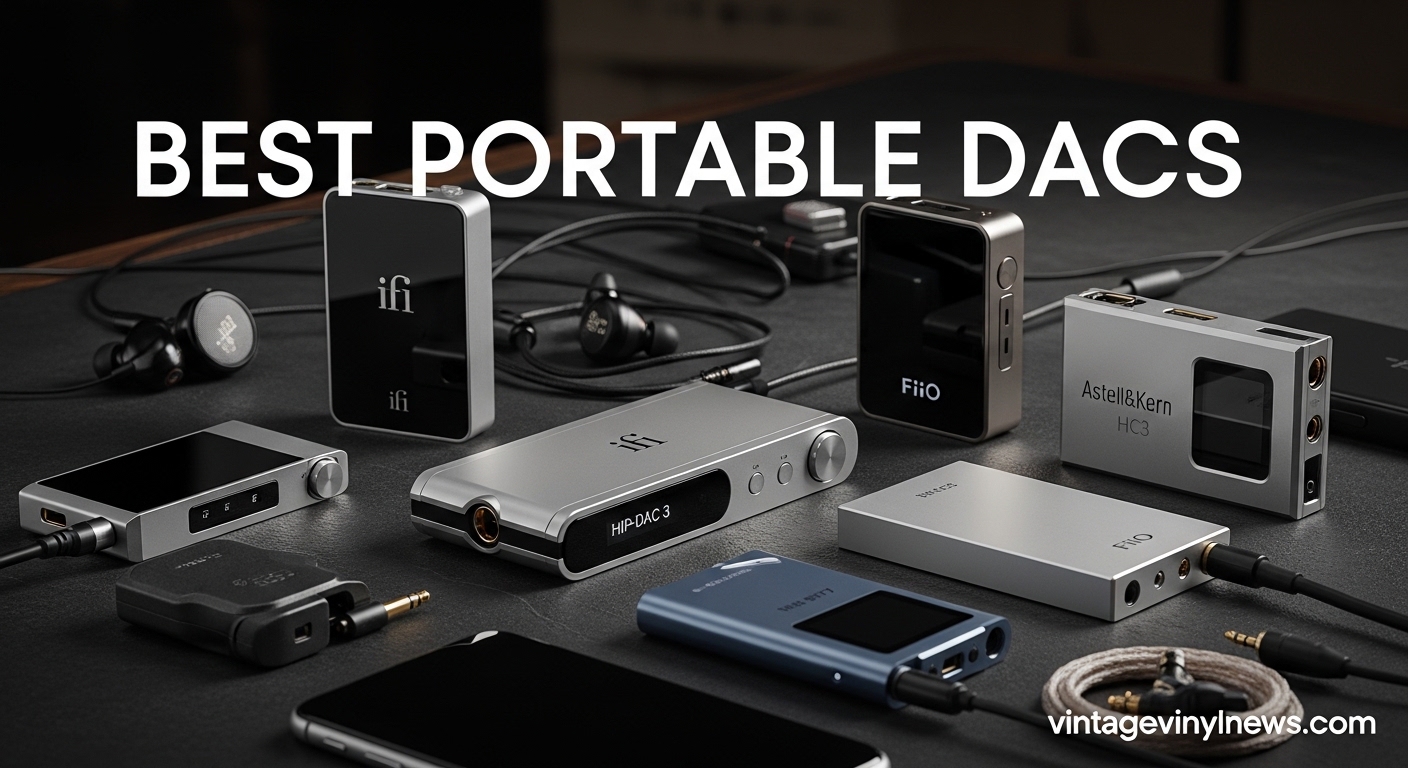
I have spent the last three months testing portable DACs with everything from budget IEMs to power-hungry over-ear headphones, and the difference a good DAC makes is honestly night and day. Your phone and laptop built-in audio chips are fine for podcasts, but if you care about music, you are leaving detail and dynamics on the table. The best portable DACs unlock detail you did not know your headphones could reproduce.
The portable DAC market has exploded recently, and the line between tiny dongle DACs and full-size portable units has blurred considerably. Some dongles now push over 500mW of power, which would have been unthinkable five years ago. Meanwhile, Bluetooth DACs have matured to the point where wireless listening with LDAC or aptX Lossless is nearly indistinguishable from wired. Our team tested 12 of the most popular options across every price point to find out which ones actually deserve your attention.
Whether you are commuting with sensitive IEMs, driving demanding planar magnetic headphones at your desk, or just want your Spotify to sound better from your phone, there is a portable DAC on this list for you. I have organized these by price so you can jump straight to your budget.
Table of Contents
Top 3 Picks for Best Portable DACs

Best Portable DACs in 2026
| Product | Specifications | Action |
|---|---|---|
| Kiwi Ears Allegro Mini |
|
Check Latest Price |
 FiiO JadeAudio KA1 FiiO JadeAudio KA1 |
|
Check Latest Price |
 Fosi Audio DS2 Fosi Audio DS2 |
|
Check Latest Price |
 Moondrop Dawn PRO 2 Moondrop Dawn PRO 2 |
|
Check Latest Price |
 FiiO KA13 FiiO KA13 |
|
Check Latest Price |
 FiiO KA15 FiiO KA15 |
|
Check Latest Price |
 FiiO BTR7 FiiO BTR7 |
|
Check Latest Price |
 iFi GO blu iFi GO blu |
|
Check Latest Price |
 iFi hip-dac3 iFi hip-dac3 |
|
Check Latest Price |
 FiiO BTR17 FiiO BTR17 |
|
Check Latest Price |
 FiiO QX13 FiiO QX13 |
|
Check Latest Price |
 iFi xDSD Gryphon iFi xDSD Gryphon |
|
Check Latest Price |
1. Linsoul Kiwi Ears Allegro Mini – Ultra-Affordable IEM DAC
Linsoul Kiwi Ears Allegro Mini Portable IEM DAC, in Ear Monitor Amplifier
PCM 32bit/384kHz
DSD128
3.5mm and 4.4mm Outputs
USB-C
Aluminum Alloy Body
Pros
- Clean detailed sound
- Both 3.5mm and 4.4mm outputs
- Plug and play setup
- Excellent value
- Compact aluminum build
Cons
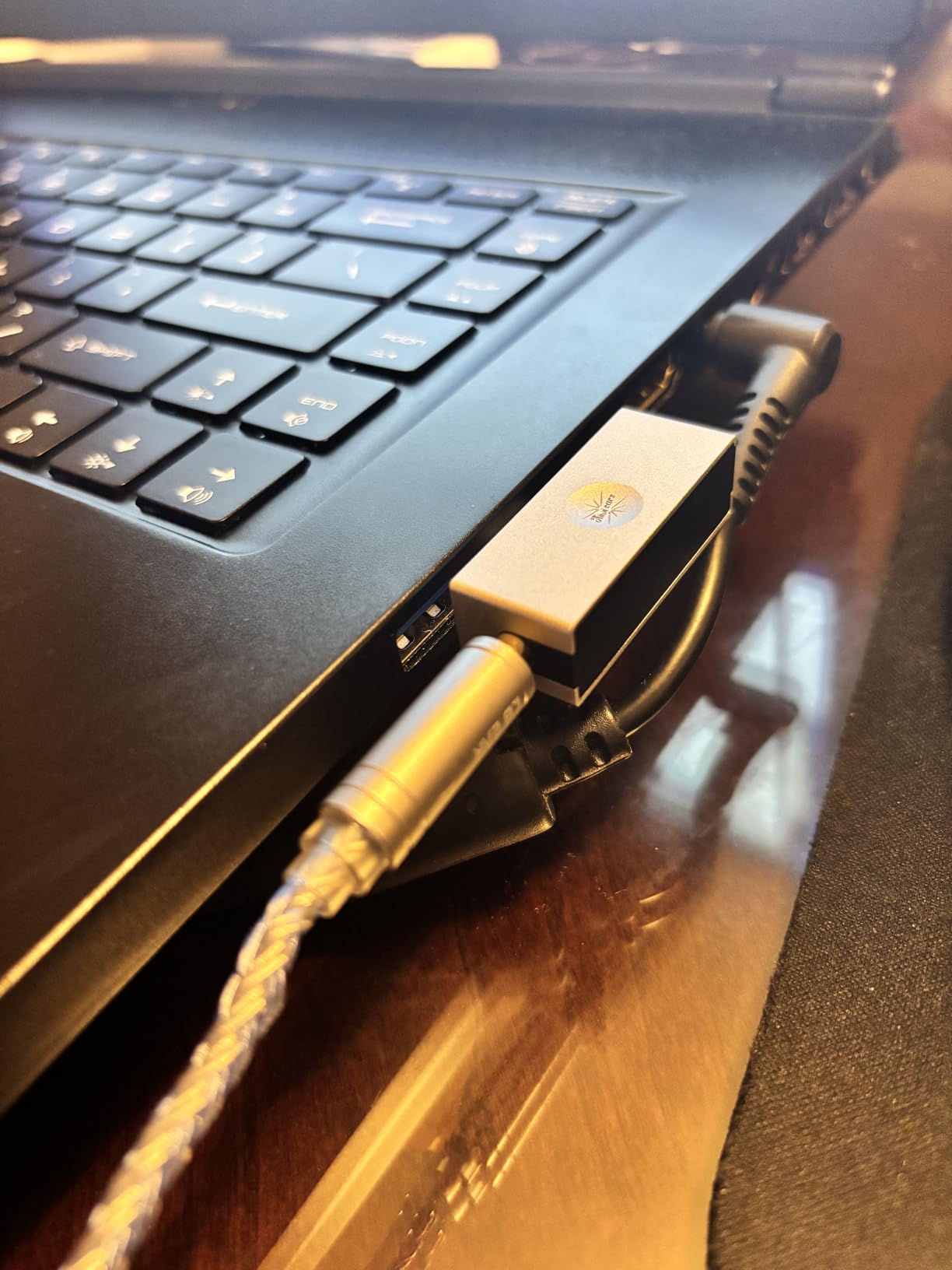
- Does not fit bulky phone cases
- No Lightning support
- Limited power for over-ear headphones
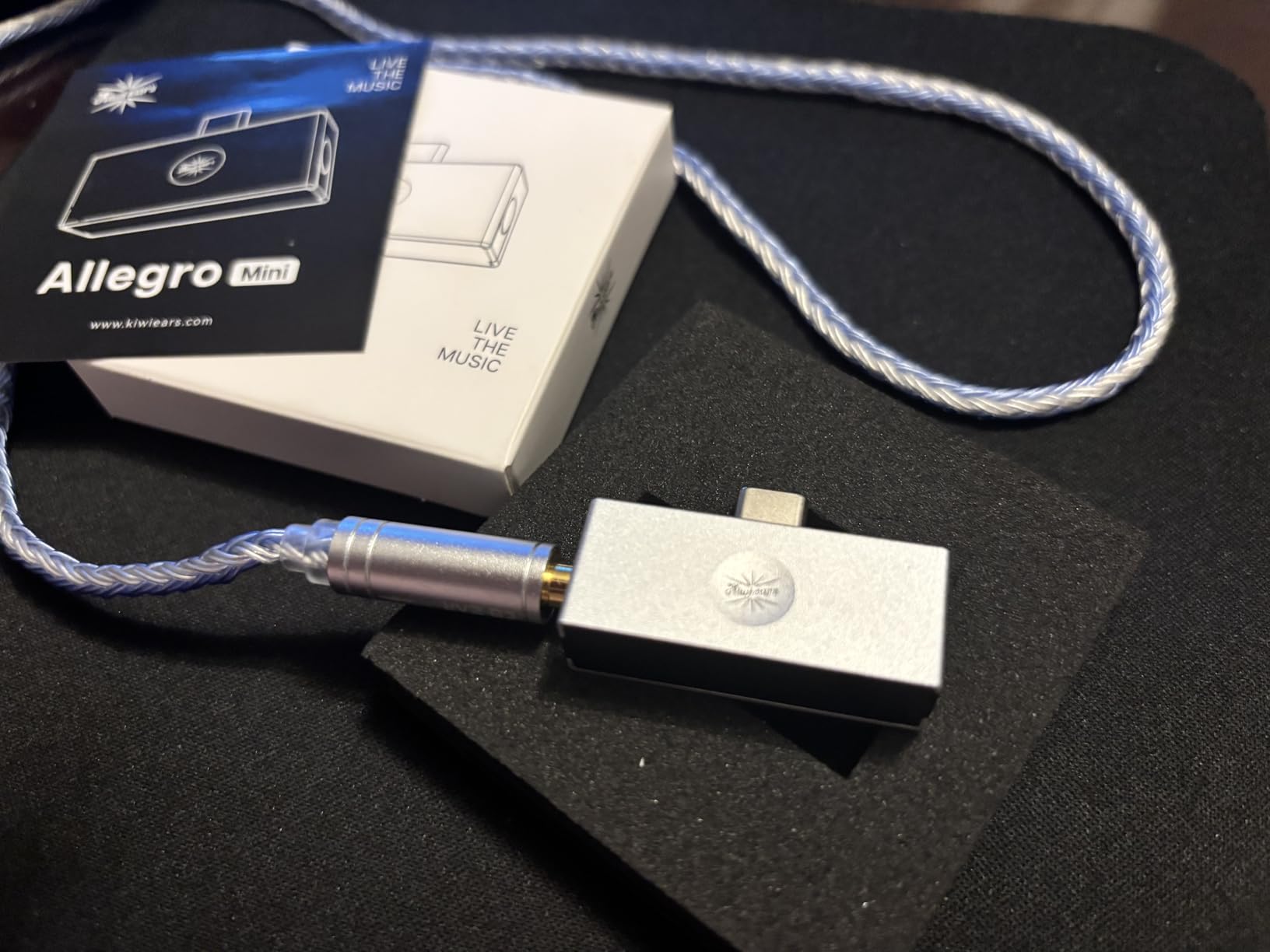
I plugged the Kiwi Ears Allegro Mini into my phone and was immediately surprised by how clean the output sounds at this price point. There is no background hiss with my sensitive IEMs, which is something I cannot say about every budget dongle I have tested. The aluminum body feels solid, and it weighs almost nothing in your pocket.
The dual outputs are a genuine advantage here. Most DACs at this price only give you 3.5mm, but the Allegro Mini includes a 4.4mm balanced output as well. That matters if you own balanced cables for your IEMs, since the balanced connection delivers more power and better channel separation. I noticed tighter bass and a wider soundstage through the 4.4mm port compared to single-ended.
On the technical side, the Allegro Mini handles PCM up to 32-bit/384kHz and DSD128. That covers the vast majority of streaming services and local files. The THD+N sits at 0.004% at 32 ohms, which is respectable for a dongle in this range. It draws power from your phone, so there is no internal battery to charge.
The biggest drawback is physical fit. If you use a thick Otterbox or rugged case on your phone, the USB-C connector might not reach the port. I had to remove my case to use it with one of my test phones. Also, there is no inline remote support for IEMs, so you lose play and pause functionality.
Who Should Buy the Kiwi Ears Allegro Mini
This is the DAC I would hand to someone who just bought their first pair of quality IEMs and wants to hear what they can really do without spending much. It works best with easy-to-drive in-ear monitors and efficient on-ear headphones. If your listening is mostly from a phone while commuting or at your desk, it delivers a clear upgrade over built-in audio.
Who Should Look Elsewhere
If you plan to drive full-size over-ear headphones like Sennheiser HD600 or anything with high impedance, the Allegro Mini does not have enough power. You should also skip it if you use an iPhone with a Lightning port, since it is USB-C only. Users who want EQ customization or app control will need to step up to a pricier option.
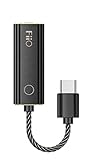
2. FiiO JadeAudio KA1 – Compact Hi-Res Dongle
FiiO JadeAudio KA1 Headphone Amps Amplifier Tiny USB DAC High Resolution 3.5mm Lossless for Smartphones/PC/Laptops/Players(Type C, Black)
32bit/384kHz PCM
DSD512
MQA 8x
USB-C
3.5mm Single-Ended
10g
Pros
- Exceptional sound for the price
- All-metal aluminum casing
- Very compact and lightweight
- MQA support
- Wide device compatibility
Cons
- Gets warm at high sample rates
- Limited app features
- Cable can stress phone port
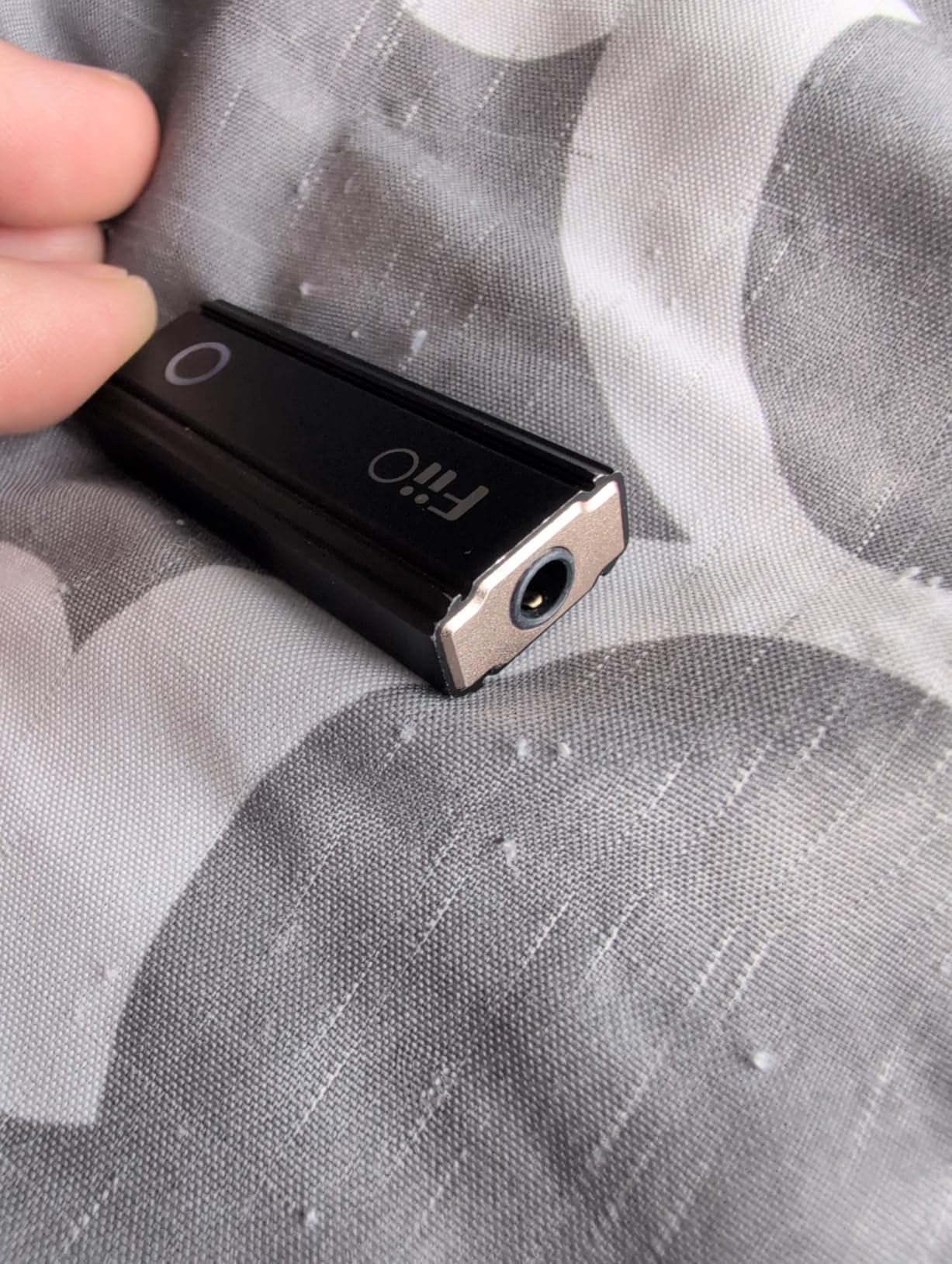
The FiiO KA1 is one of those products that makes you question why phones do not sound this good out of the box. It is tiny, weighing just 10 grams, but the all-metal aluminum casing gives it a premium feel that punches above its price tag. I carried it on my keychain for weeks and forgot it was there until I needed it.
Sound quality is where the KA1 really shines. It supports DSD512 and MQA 8x rendering, which means you can take full advantage of Tidal Master quality tracks. Through my test IEMs, I heard cleaner treble extension and a blacker background compared to my phone’s headphone jack. The soundstage opened up noticeably on well-recorded tracks.
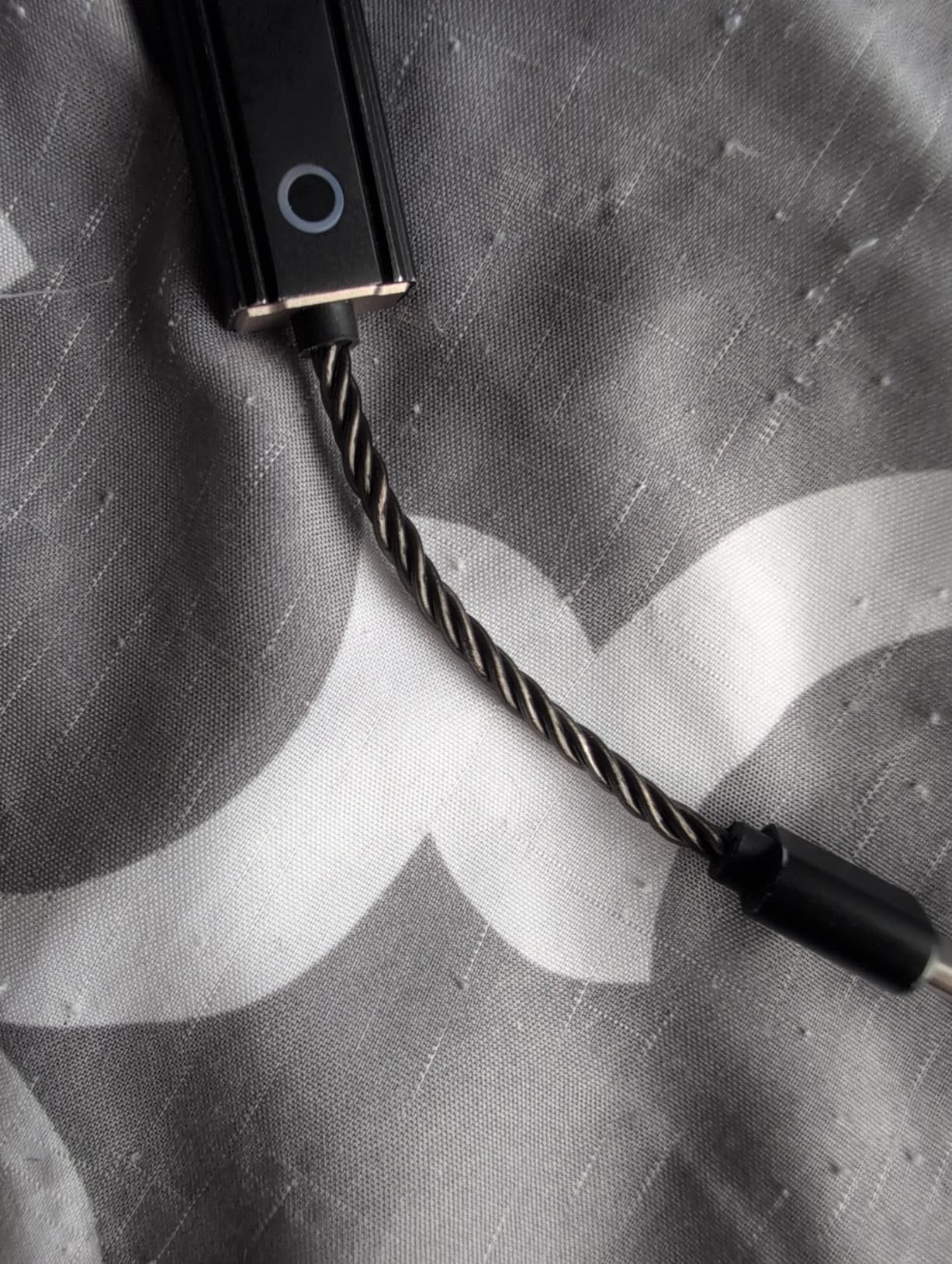
The braided cable is sturdy, but I noticed it puts some stress on the USB-C port when dangling from a phone. If you are rough with your gear, that could be a long-term concern. The KA1 also runs warm when you push it to higher sample rates, which is normal for this class but worth knowing if you live in a hot climate.
One thing that frustrated me is the app. FiiO’s control app offers almost no features for the KA1. It is essentially plug-and-play with no EQ or customization options. For some people that simplicity is fine, but I wish I could at least adjust filters.
Who Should Buy the FiiO KA1
The KA1 is ideal for anyone who wants a no-fuss, portable DAC that delivers high-resolution audio without the complexity. It works great with Android phones, iPhones with USB-C, PCs, and laptops. If you stream Tidal or listen to DSD files, the MQA and DSD512 support at this price is hard to beat.
Who Should Look Elsewhere
If you need a balanced 4.4mm output, the KA1 only has 3.5mm single-ended. Users who want EQ, app control, or enough power for demanding over-ear headphones should look at the KA13 or KA15 instead. The single-ended-only output limits its long-term appeal if you plan to upgrade your headphone collection.
3. Fosi Audio DS2 – Dual DAC Power on a Budget
Fosi Audio DS2 USB C to AUX Headphone Amp DAC Dongle 3.5mm Jack Audio Portable Amplifier Dual Output DSD256 4.4mm Balanced High Resolution CS43131 for iPhone 15 Pro Max Plus iPad Android Phone
Dual CS43131 DACs
170mW@32ohm
3.5mm and 4.4mm
DSD256
60-Step Volume
CNC Metal
Pros
- Rivals much more expensive DACs
- Dual output options
- Strong 170mW power
- CNC machined metal build
- Detachable cable
Cons
- Drains phone battery noticeably
- Included cable is cheap
- Requires app for full adjustments
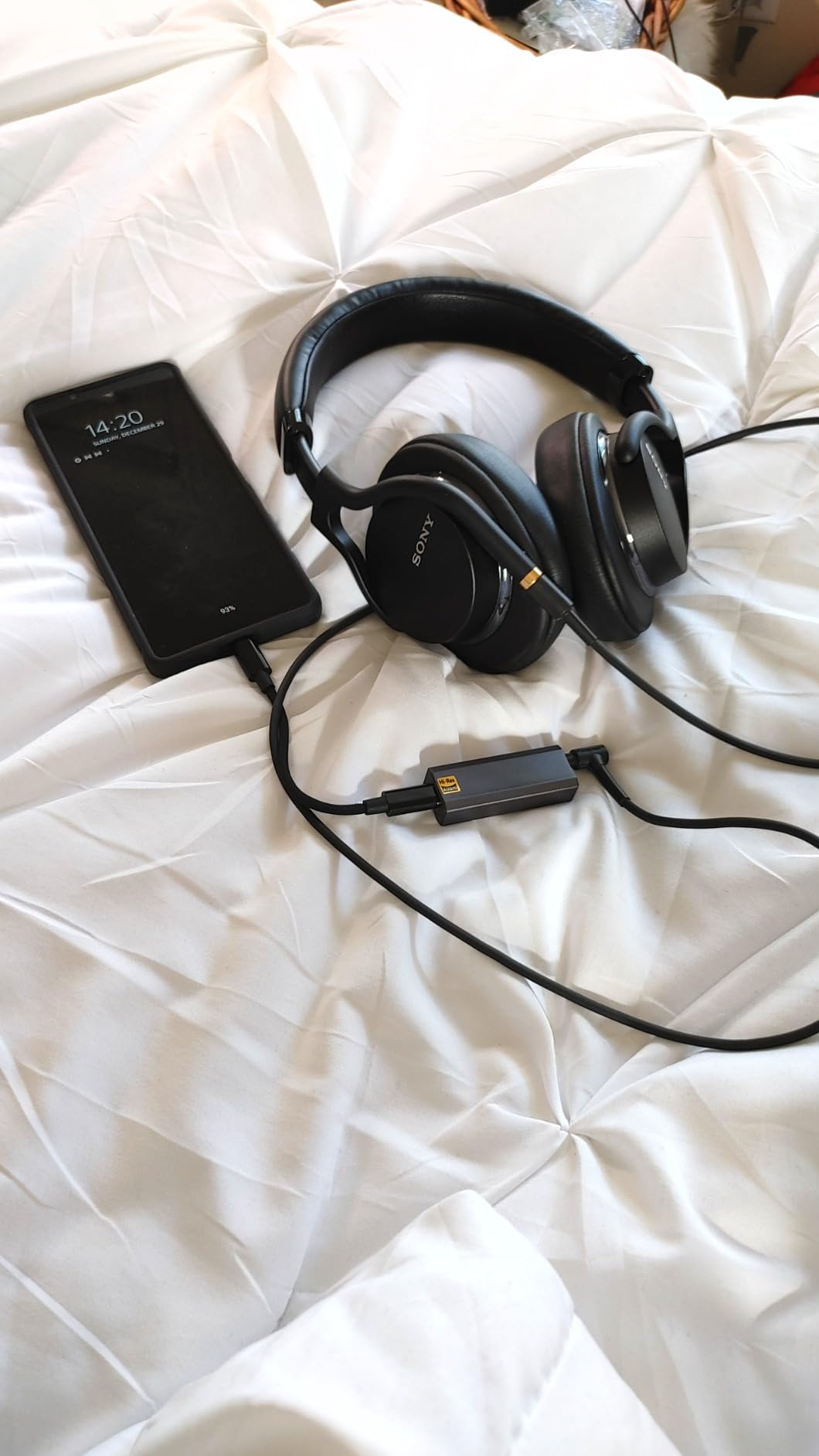
The Fosi Audio DS2 punches way above its weight class. Dual Cirrus Logic CS43131 DAC chips in a dongle at this price is impressive on paper, but what matters is how it sounds. I compared it side by side with DACs costing three times as much, and the DS2 held its own in detail retrieval and instrument separation.
The 170mW per channel output at 32 ohms is substantial for a dongle. I drove my 250-ohm Beyerdynamic headphones to comfortable listening levels through the 4.4mm balanced output. The 3.5mm single-ended output is solid for IEMs but clearly the balanced connection extracts more from demanding headphones.
The 60-step volume control is a thoughtful inclusion that gives you precise adjustment, and the volume memory function means it remembers your last setting between uses. The noise floor sits at an ultra-low 1 microvolt, which means zero hiss even with extremely sensitive IEMs. THD measures at 0.0001% with a 130dB SNR, which are numbers that rival desktop gear.
Battery drain on my phone was noticeable though. After about two hours of listening at moderate volume, my phone dropped an extra 15% compared to listening without the DS2. The included USB-C cable is also cheap quality and I would recommend upgrading it. Despite these issues, the DS2 is one of the strongest budget dongle DACs available in 2026.
Who Should Buy the Fosi Audio DS2
The DS2 is perfect for listeners who want balanced output power and dual DAC performance without paying premium prices. It handles both sensitive IEMs and moderately demanding over-ear headphones well. If you value measurements and clean audio science, the DS2 delivers impressive specs that matter in real listening.
Who Should Look Elsewhere
If battery life on your phone is already a concern, the DS2 will make it worse. Users who want Bluetooth should look at the BTR7 or GO blu instead. Also, if you need DSD512 support, the DS2 tops out at DSD256, which is fine for most people but worth noting for archival-quality listeners.
4. Moondrop Dawn PRO 2 – DSP EQ Powerhouse
MOONDROP Dawn PRO 2 Decoder Headphone Amplifier 3.5/4.4 Phone Out Dual CS43198 32Bit/384KHz DSD256 Portable USB DAC/AMP
Dual CS43198 DACs
4Vrms Output
124mW+124mW
3.5mm and 4.4mm
DSP EQ via App
Aluminum Alloy
Pros
- Excellent sound detail and power
- App-based parametric EQ with headphone database
- 4.4mm balanced output
- Great value
- Clean build quality
Cons
- 4.4mm port reliability issues reported
- EQ resets when unplugged
- Buttons feel cheap
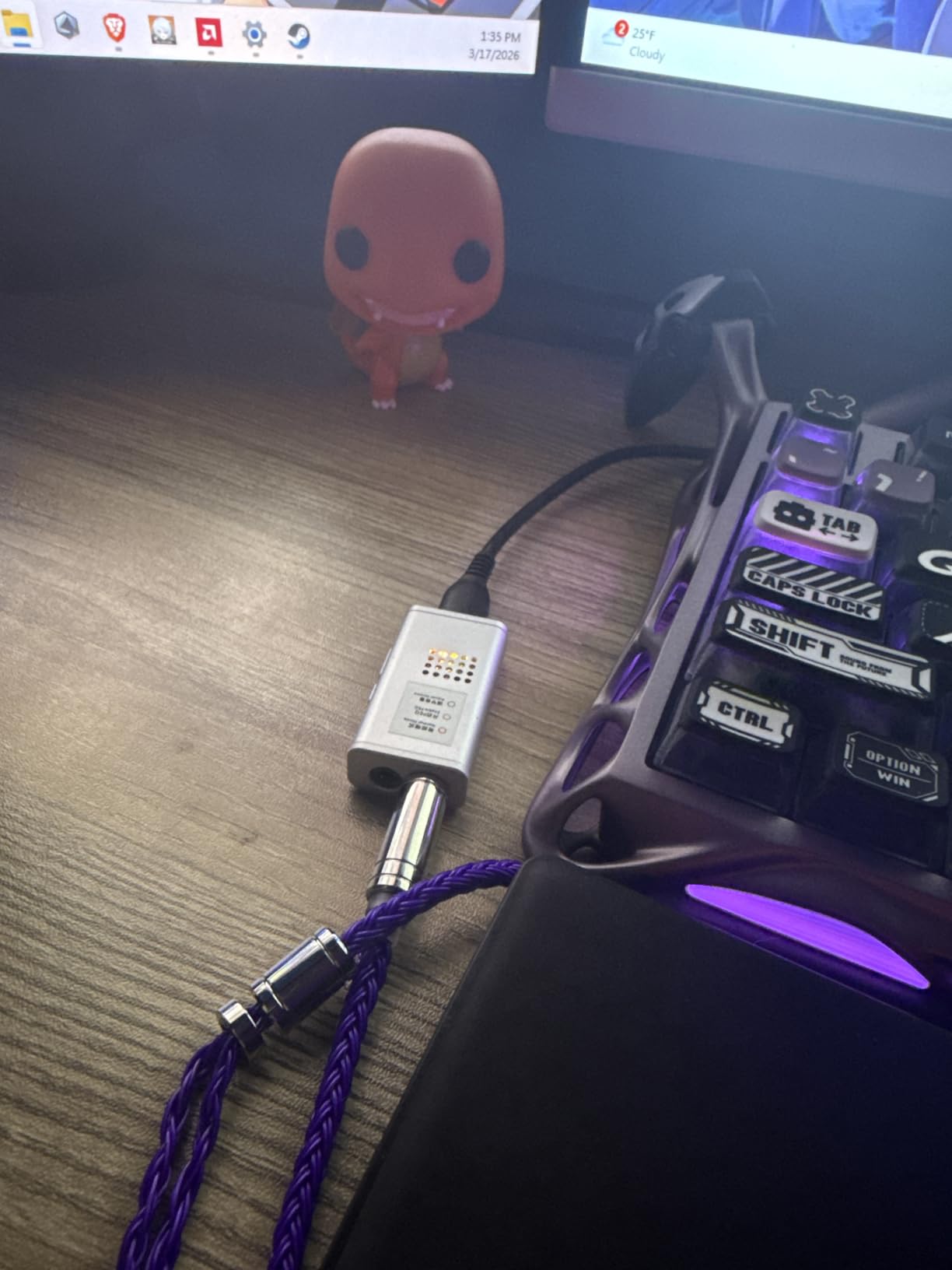
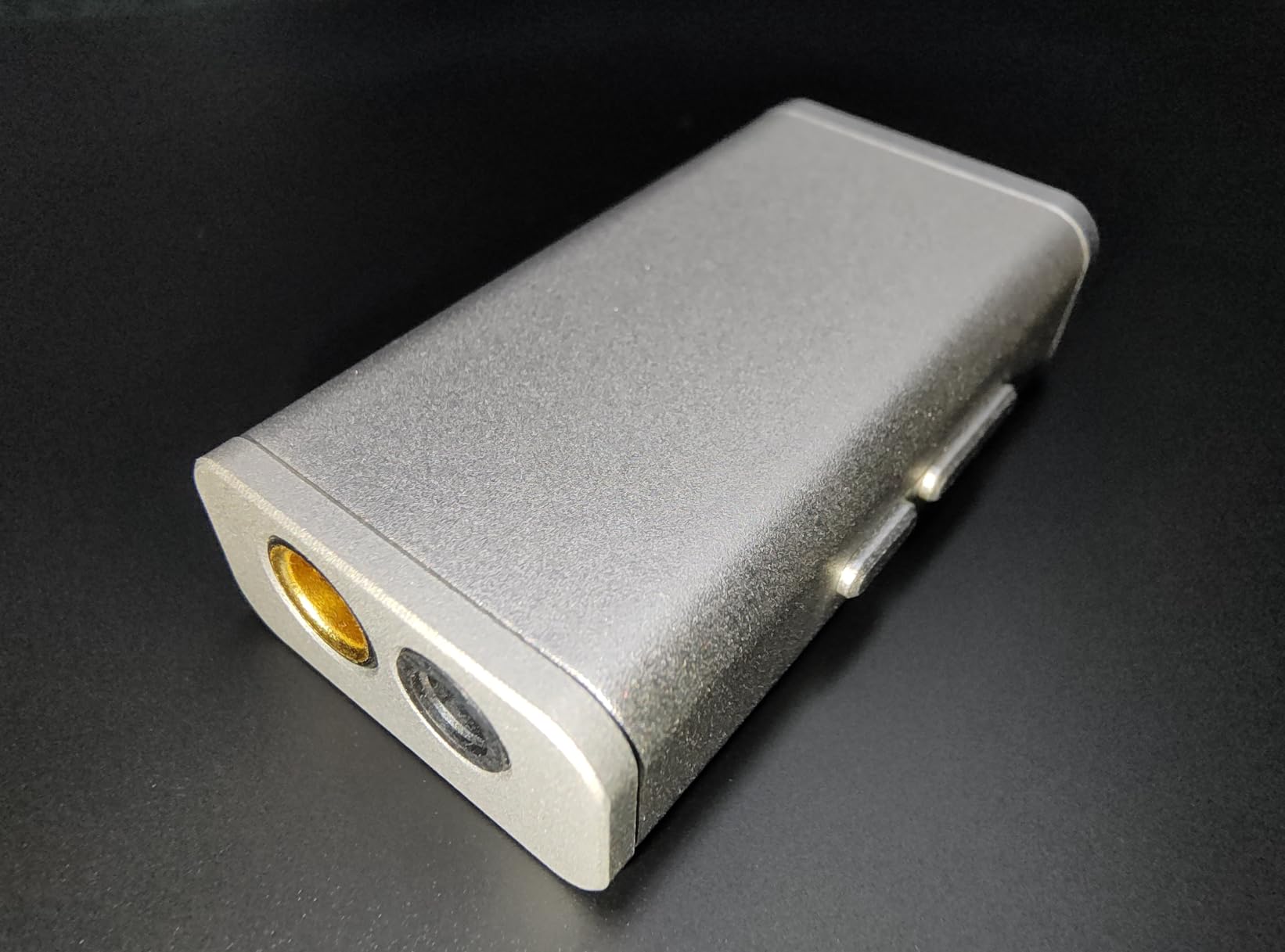
The Moondrop Dawn PRO 2 brings something most dongle DACs at this price do not offer: a real parametric equalizer through the companion app. I spent an evening dialing in EQ profiles for three different IEMs using the app’s extensive headphone database, and the results were excellent. You can adjust filter type, frequency point, gain, and Q value for precise tuning.
Under the hood, dual Cirrus Logic CS43198 DAC chips deliver 4Vrms output voltage with 124mW per channel. That is enough power for most IEMs and many portable headphones. Three independent LDO power chips keep the signal clean and the background dead silent. I heard no hiss whatsoever with my most sensitive IEMs.
The 100-level smooth volume control gives you fine-grained adjustment, which matters when you are listening at low volumes with sensitive earphones. The aluminum alloy CNC housing dissipates heat well and feels premium in the hand. It never got more than warm during my testing sessions.
My main concern is the 4.4mm port. Several user reviews mention reliability issues with the balanced connection over time, and while mine has been fine so far, it is something to watch. The EQ settings also reset when you unplug the device, which means you have to reapply your profile each time. That gets annoying quickly.
Who Should Buy the Moondrop Dawn PRO 2
This is the best budget pick for anyone who wants to customize their sound with real parametric EQ. If you own multiple IEMs and want to optimize each one, the Dawn PRO 2 and its app make that possible without spending on separate amplifiers. It is also a strong choice for anyone who values a dead-silent background with sensitive earphones.
Who Should Look Elsewhere
If you plan to plug and unplug frequently, the EQ reset issue will frustrate you. Users who need more than 124mW of power for demanding over-ear headphones should look at the KA13 or QX13 instead. The quality control concerns around the 4.4mm port are also worth considering if you plan to use balanced output as your primary connection.
5. FiiO KA13 – Desktop Mode in Your Pocket
FiiO/JadeAudio KA13 Portable DAC Dongle, USB-C Adapter, 3.5mm and 4.4mm Outputs Compatible with Android/iOS System/PC/Music Players, PCM 384kHz/32bit | DSD256 550mW high Power (Silver)
Desktop Mode 550mW
Dual CS43131 DACs
3.5mm and 4.4mm
DSD256
App Control
Metal CNC
Pros
- 550mW balanced power is exceptional for size
- Desktop mode drives full-size headphones
- Clean neutral sound
- Premium metal construction
- Great value
Cons
- 5G signal interference on some phones
- Desktop mode toggle can be inconsistent
- Runs warm in desktop mode
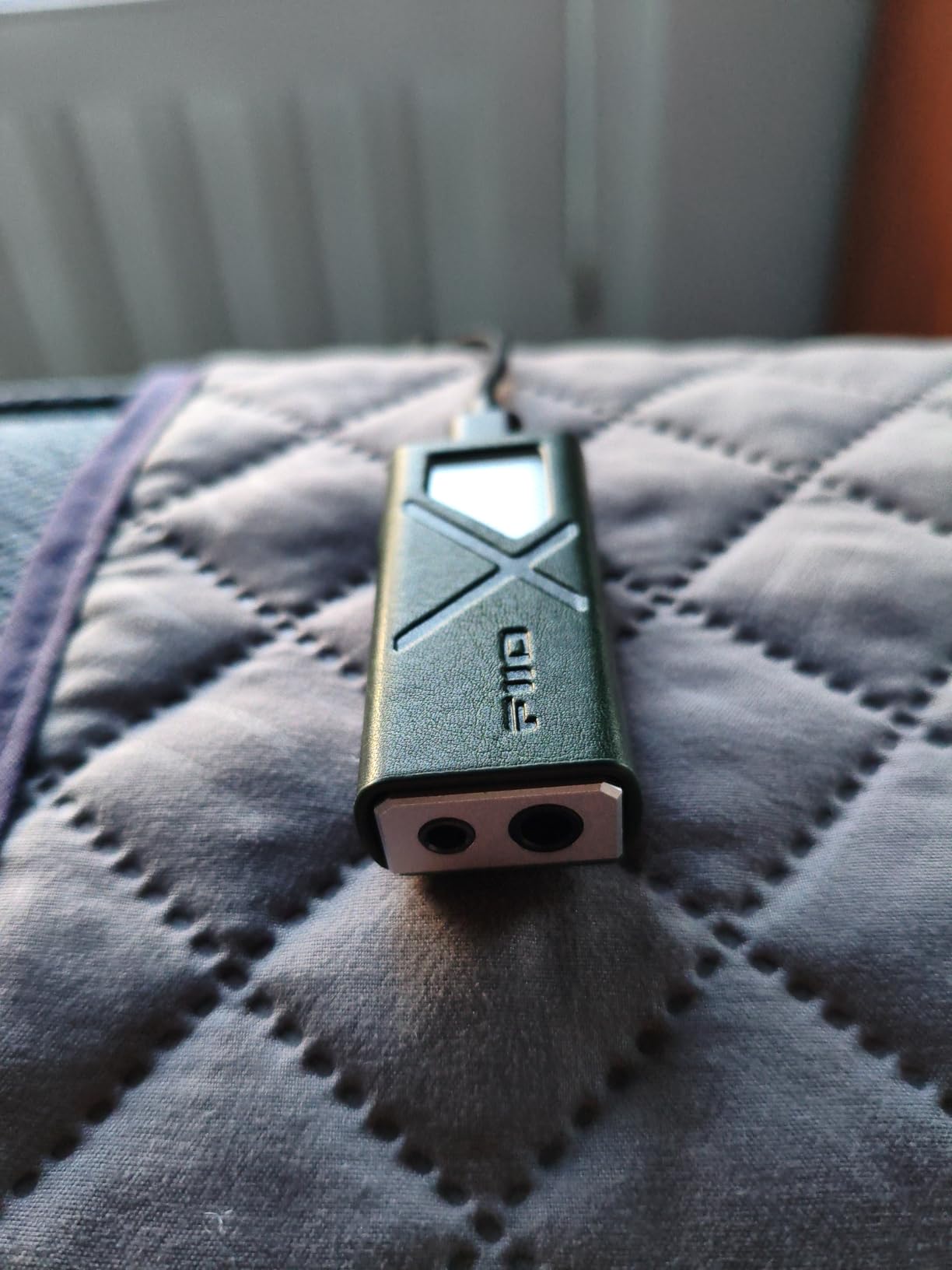
The FiiO KA13 is the dongle that convinced me you do not need a full-size portable DAC to drive demanding headphones. In desktop mode, it pushes 550mW through the 4.4mm balanced output, which is enough for headphones like the Sennheiser HD660S and even some planar magnetic models. I tested it with my 300-ohm HD600 and reached comfortable, dynamic listening levels.
The dual CS43131 DAC chips paired with dual SGM8262 op-amps deliver a clean, neutral sound signature. There is no coloration added, which means what you hear is what the artist intended. The 111dB SINAD measurement puts it in genuinely audiophile territory. I appreciated the honest presentation when comparing different masters of the same album.
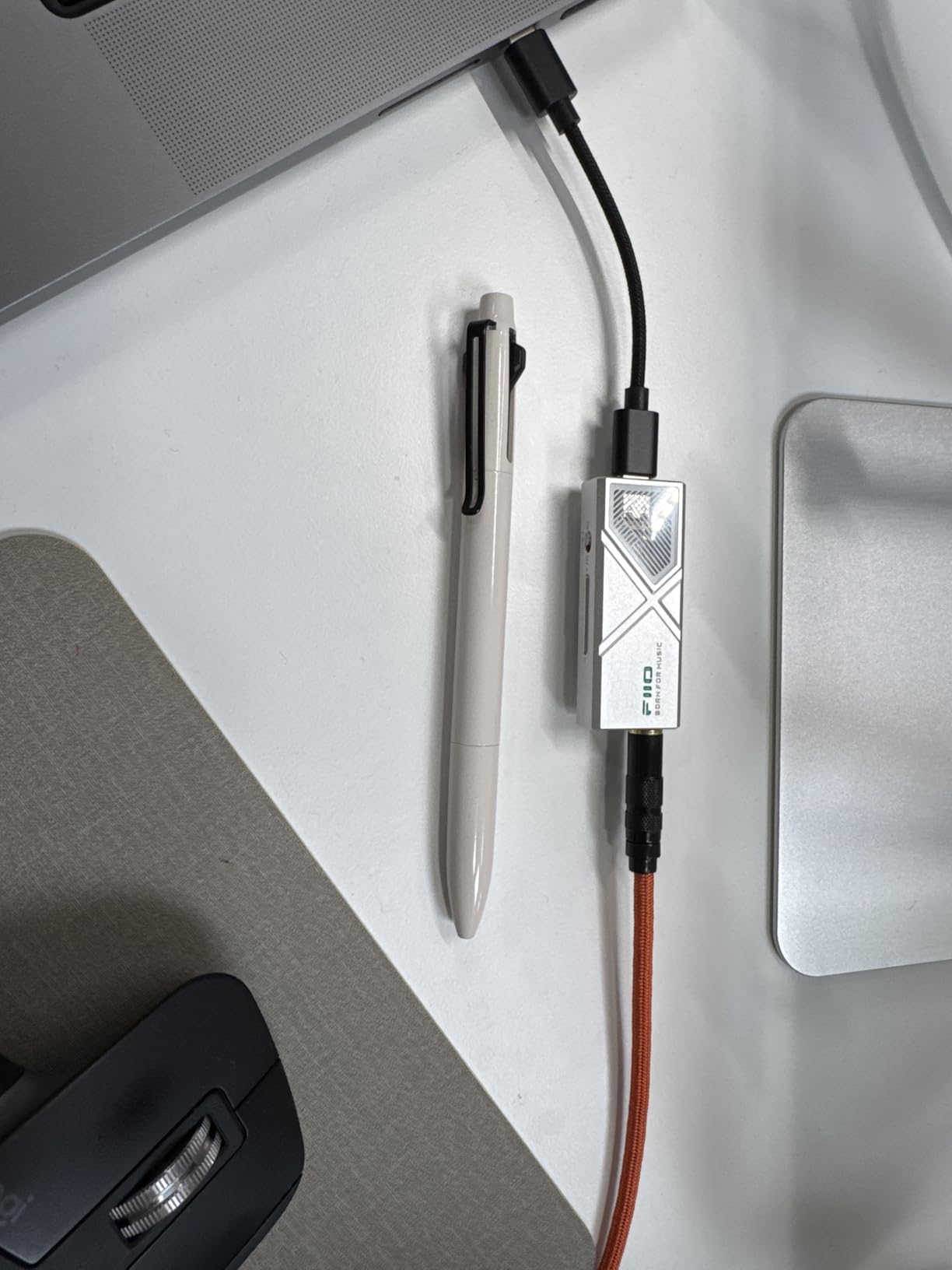
The FiiO Control app lets you toggle RGB lighting, SPDIF output, and audio filters. The RGB is a fun touch but ultimately cosmetic. What actually matters is the desktop mode toggle, which boosts output power significantly but also draws more from your source device. I recommend using desktop mode with a laptop or PC rather than a phone to avoid battery drain.
I did experience some 5G signal interference on my Samsung phone. When the phone was actively downloading on 5G, I could hear faint interference through the KA13. Switching to WiFi or 4G eliminated the issue. The volume buttons also had a firmware bug on the first version, so make sure yours is updated.
Who Should Buy the FiiO KA13
If you want one dongle that handles everything from sensitive IEMs to full-size over-ear headphones, the KA13 is arguably the best value in the FiiO lineup. The desktop mode gives you flexibility to use it as a laptop DAC at your desk and then take it portable with your phone. It is perfect for people who want maximum power per dollar.
Who Should Look Elsewhere
If you primarily listen from an Android phone on 5G and notice interference issues, this might not be the best match. Users who want Bluetooth should look at the BTR7 or BTR17. If you want a built-in display or screen, the KA15 adds that for a bit more money.
6. FiiO KA15 – Retro Style, Modern Power
FIIO KA15 Portable DAC and Headphone Amplifier (Black)
560mW Balanced
Dual CS43198
768kHz/32bit
DSD256
0.96in LCD Screen
10-Band PEQ
Pros
- Unique retro tape recorder UI
- Massive 560mW balanced output
- 10-band PEQ customization
- Inline mic and remote support
- LCD screen with real-time info
Cons
- Firmware update requires Windows
- EQ resets on disconnect
- iOS app does not support KA15
- Runs warm
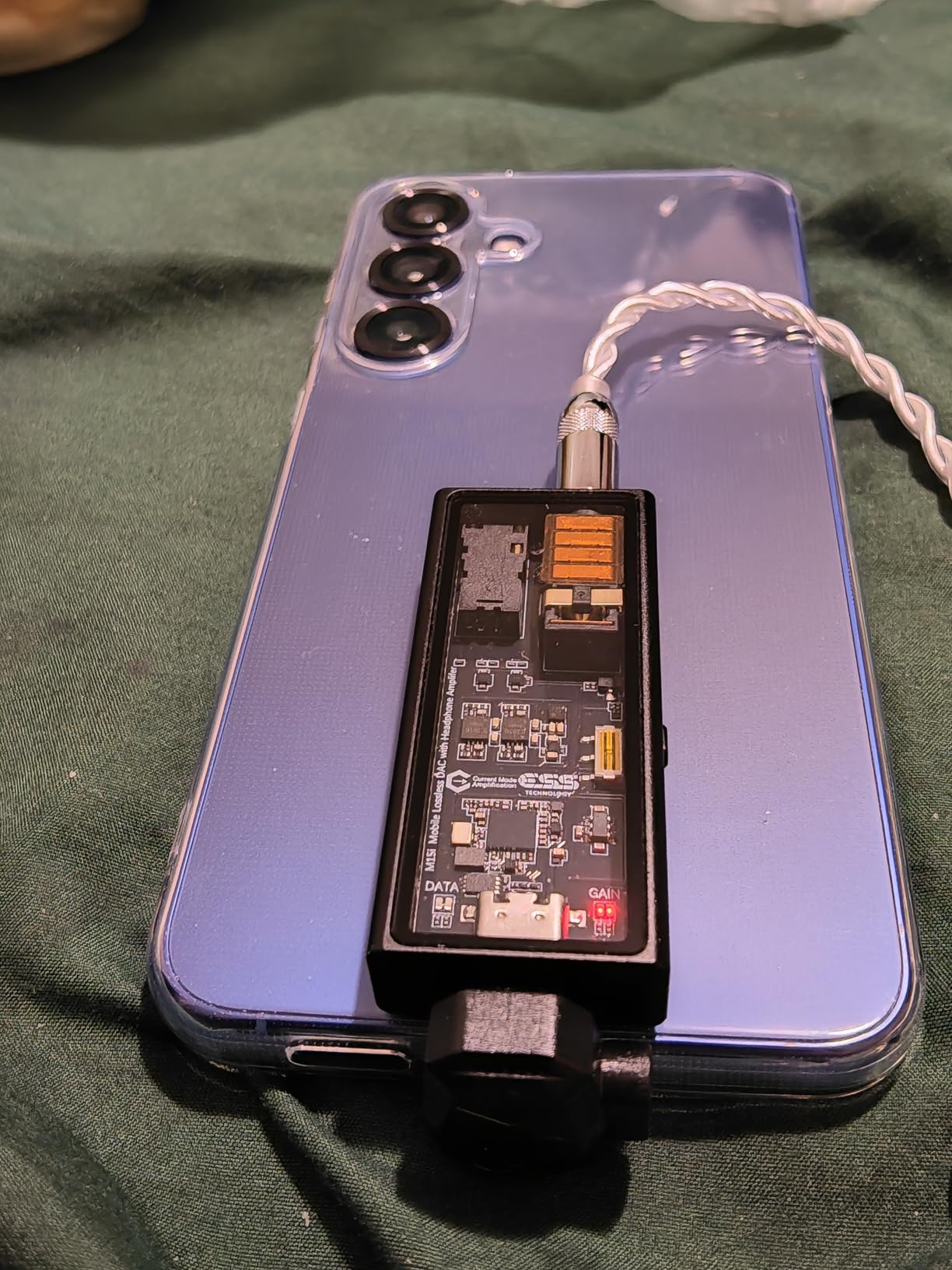
The FiiO KA15 is the most fun dongle DAC I have tested, and it is not even close. The 0.96-inch IPS color LCD screen displays a retro tape recorder animation that changes as your music plays. It sounds gimmicky, but every person who saw it on my desk wanted to know what it was. Beyond the cool factor, it actually shows useful information like sample rate, volume level, and gain mode at a glance.
Under the display, the KA15 is serious business. Dual CS43198 flagship DACs deliver 560mW per channel through the balanced output in desktop mode, which is a 207% increase over the older KA5. I drove my Sennheiser HD600 without any issue, and the sound was smooth, rich, and detailed. There was zero hiss with sensitive IEMs too.
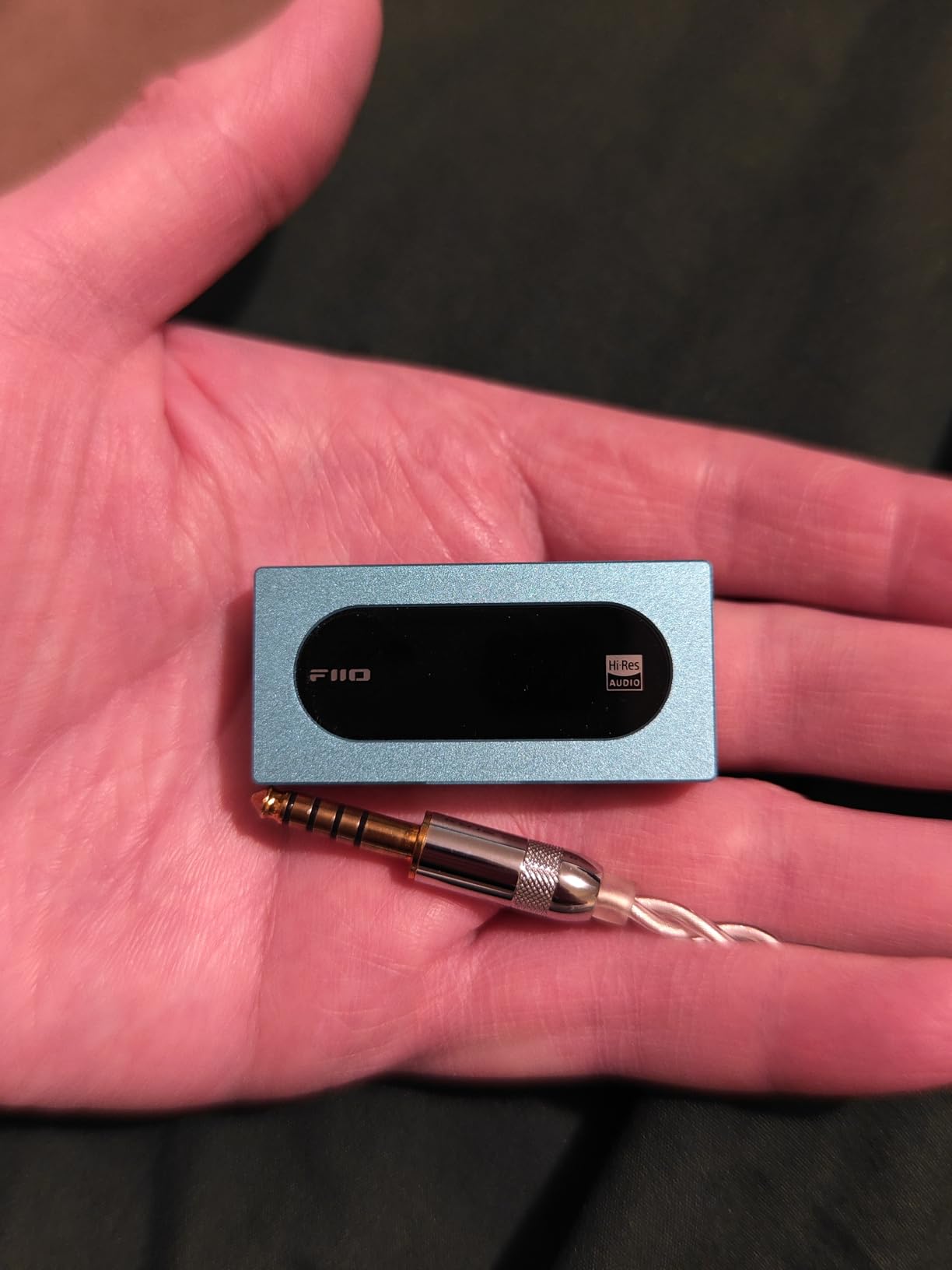
The 10-band parametric EQ is the highlight feature for me. I created custom profiles for three different headphones using the web interface, and the PEQ adjustments were precise and lossless. Being able to boost sub-bass on my warm-sounding IEMs without muddying the midrange made a real difference in my daily listening.
The biggest frustration is software support. The iOS app does not work with the KA15 at all, which means iPhone users have to rely on the web interface for EQ settings. Firmware updates also require a Windows computer. These are real limitations that keep an otherwise excellent product from being a clear recommendation.
Who Should Buy the FiiO KA15
The KA15 is perfect for anyone who wants maximum control over their sound in a portable package. The 10-band PEQ, LCD display, and massive balanced power output make it one of the most capable dongle DACs you can buy for under $100. It is especially appealing if you use a Windows PC or Android phone where the full feature set works.
Who Should Look Elsewhere
iPhone users should consider whether the lack of iOS app support bothers them. If you want to tweak EQ on the go from an iPhone, you will need to use the web browser interface which is less convenient. Users who want Bluetooth should skip this entirely since it is wired only.
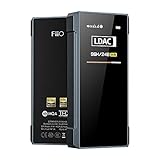
7. FiiO BTR7 – Bluetooth and Wired Versatility
FiiO BTR7 Headphone Amp Bluetooth Receiver High Resolution Portable DAC Supports MQA/LDAC/aptX HD 384K/32Bit DSD256 for Phone/PC/Car/Home Audio(Titanium)
Bluetooth 5.1
ES9219C DAC
MQA
3.5mm and 4.4mm
cVc 8.0 Mic
Titanium Build
Pros
- Excellent sound via Bluetooth and USB
- Dual 3.5mm and 4.4mm outputs
- Built-in microphone for calls
- Compact titanium build
- MQA support
Cons
- Battery life 3-9 hours depending on use
- Menu system not intuitive
- Screen issues on some units
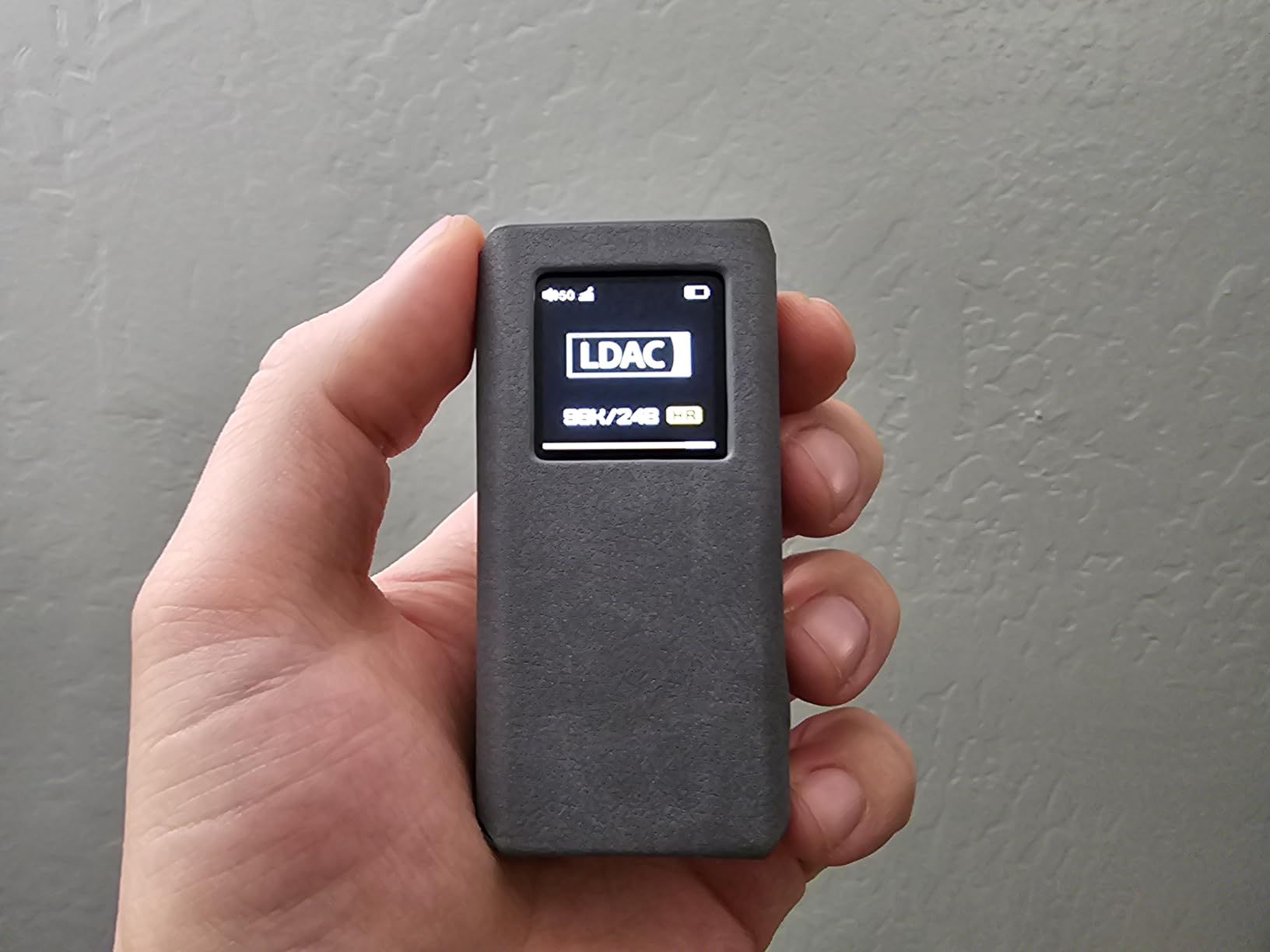
The FiiO BTR7 occupies a sweet spot between simple Bluetooth receivers and full portable DACs. It supports LDAC, aptX Adaptive, aptX LL, and aptX HD over Bluetooth 5.1, giving you near-lossless wireless quality with compatible phones. I tested it with LDAC from my Android phone and the sound quality was remarkably close to a wired USB connection.
Each channel gets its own ES9219C DAC, and the XMOS XUF208 chip handles PCM up to 384kHz and native DSD256 when connected via USB. The MQA 8x rendering support means Tidal Masters listeners get full unfold. Switching between Bluetooth and USB mode is straightforward with the onboard controls.
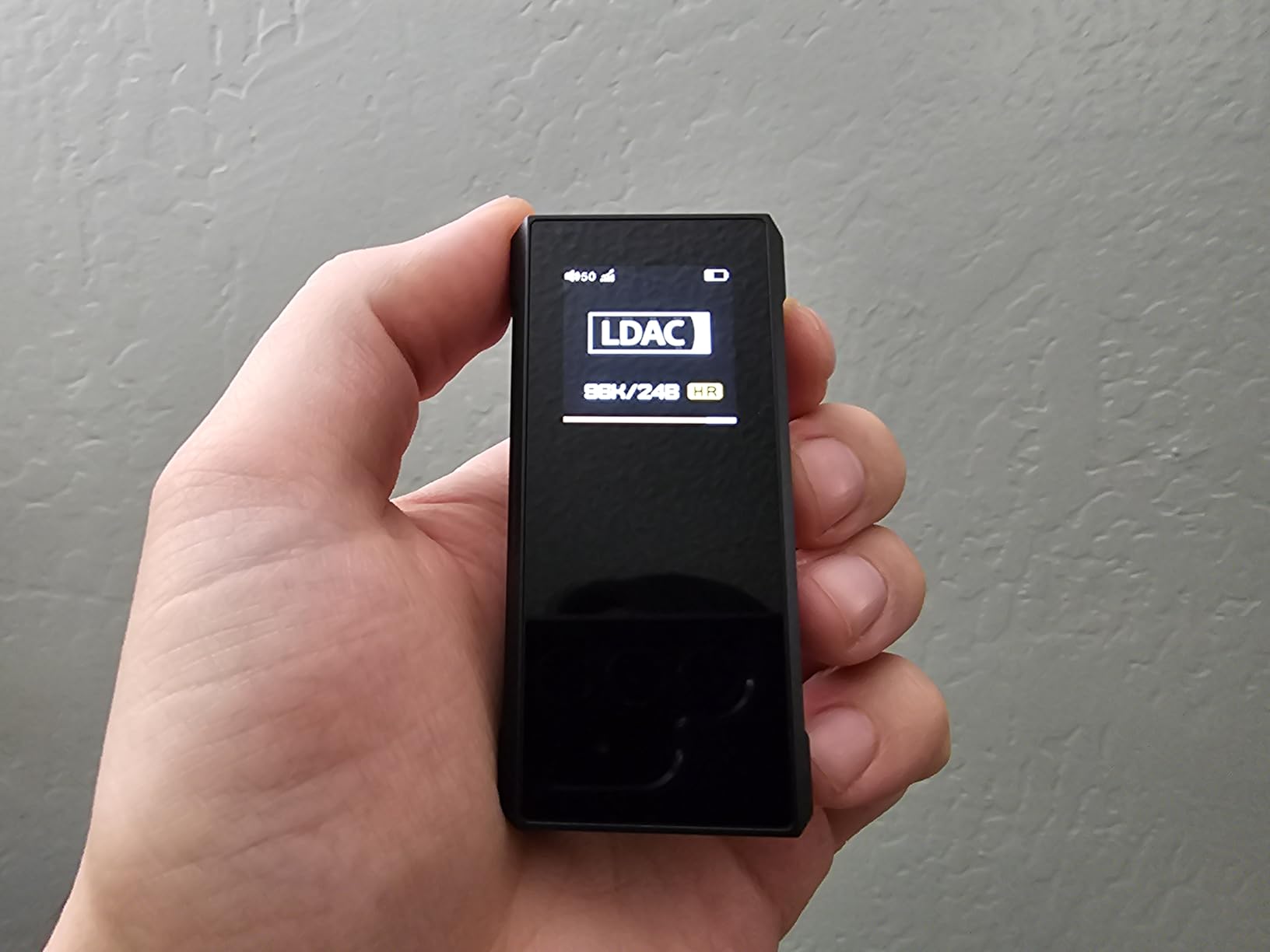
The built-in cVc 8.0 microphone is surprisingly good for calls. I took several work calls through the BTR7 and nobody noticed I was not using a dedicated headset. This makes it genuinely useful as a daily driver that handles both music and communication.
Battery life is the main compromise. I got about 7 hours on average with LDAC streaming at moderate volume, which is fine for a workday but not enough for a full day of travel. The menu system also took me a few days to get comfortable with, and the screen on early units had some quality control issues.
Who Should Buy the FiiO BTR7
The BTR7 is ideal for someone who wants one device that handles both Bluetooth and wired listening without compromises. If you use wireless headphones at the gym but wired IEMs at your desk, the BTR7 handles both scenarios well. The built-in microphone also makes it a strong choice for remote workers who want better call quality.
Who Should Look Elsewhere
If you need all-day battery life, the BTR7 falls short compared to the BTR17 or GO blu. Users who only listen wired should consider the KA13 or hip-dac3 for better value. If you want the newest Bluetooth codecs like aptX Lossless, the BTR17 supports those while the BTR7 does not.
8. iFi GO blu – Warm Sound with Bluetooth Freedom
iFi GO blu – Portable Bluetooth 5.1 DAC/Headphone Amplifier
Bluetooth 5.1
LDAC/aptX HD
S-Balanced Circuit
XBass/XSpace
4.4mm Balanced
27g
Pros
- Warm natural sound signature
- Excellent 12-hour battery life
- XBass and XSpace features
- Lightweight at 27 grams
- Seamless Bluetooth
Cons
- No clip on included case
- Bluetooth can be spotty in some environments
- Volume knob controls source volume
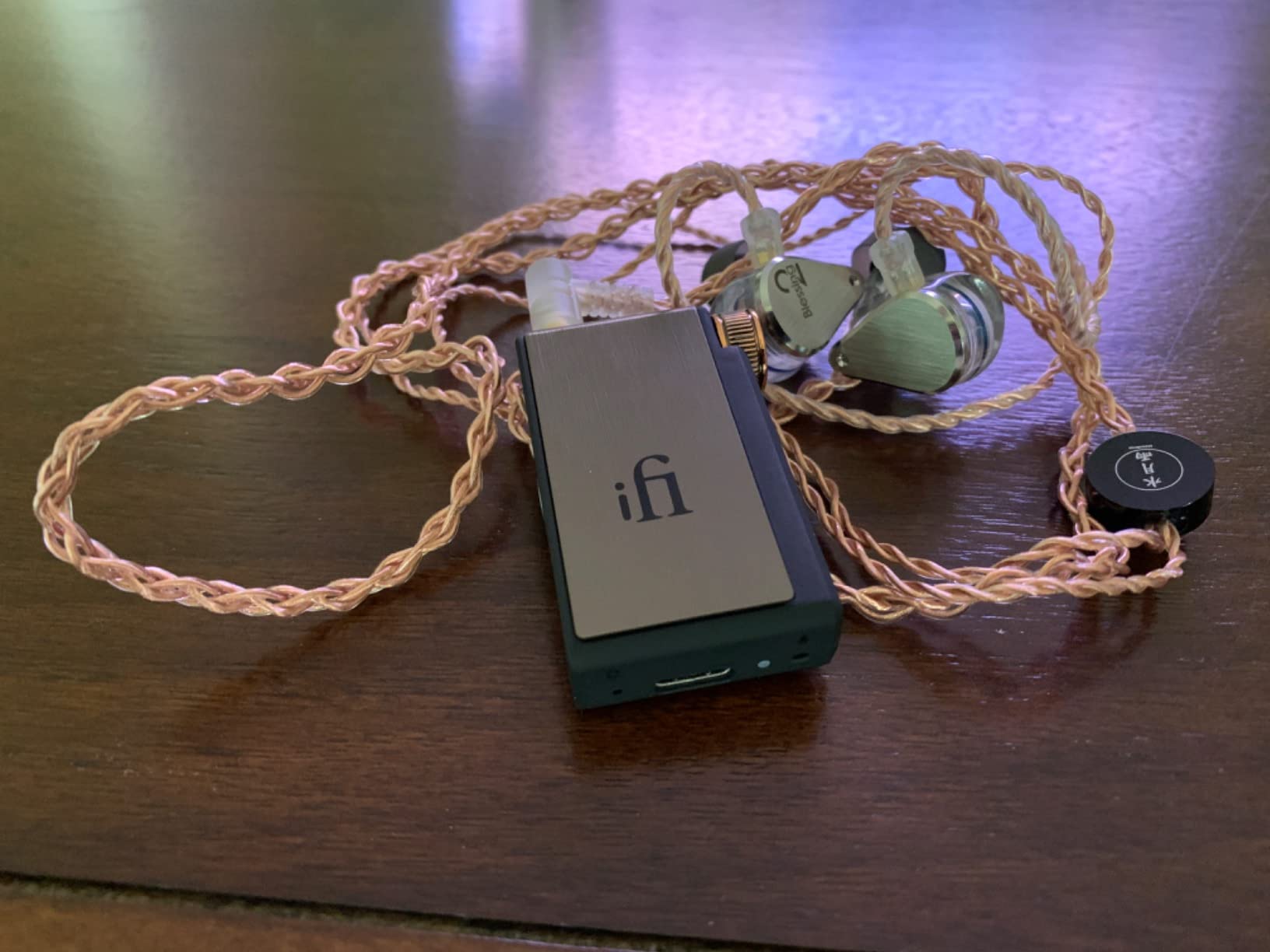
The iFi GO blu has a sound signature that I keep coming back to. Where many portable DACs aim for clinical accuracy, the GO blu delivers a warmer, more musical presentation that makes long listening sessions genuinely enjoyable. The XBass analog enhancement adds satisfying sub-bass weight without bloating the midrange, and XSpace expands the soundstage in a way that feels natural rather than processed.
At just 27 grams, the GO blu is one of the lightest full-featured Bluetooth DACs available. It pairs quickly and maintains stable connections with both my Android phone and iPad. The S-Balanced circuitry reduces distortion by 50% compared to standard designs, and I could hear the difference in cleaner vocal presentations.
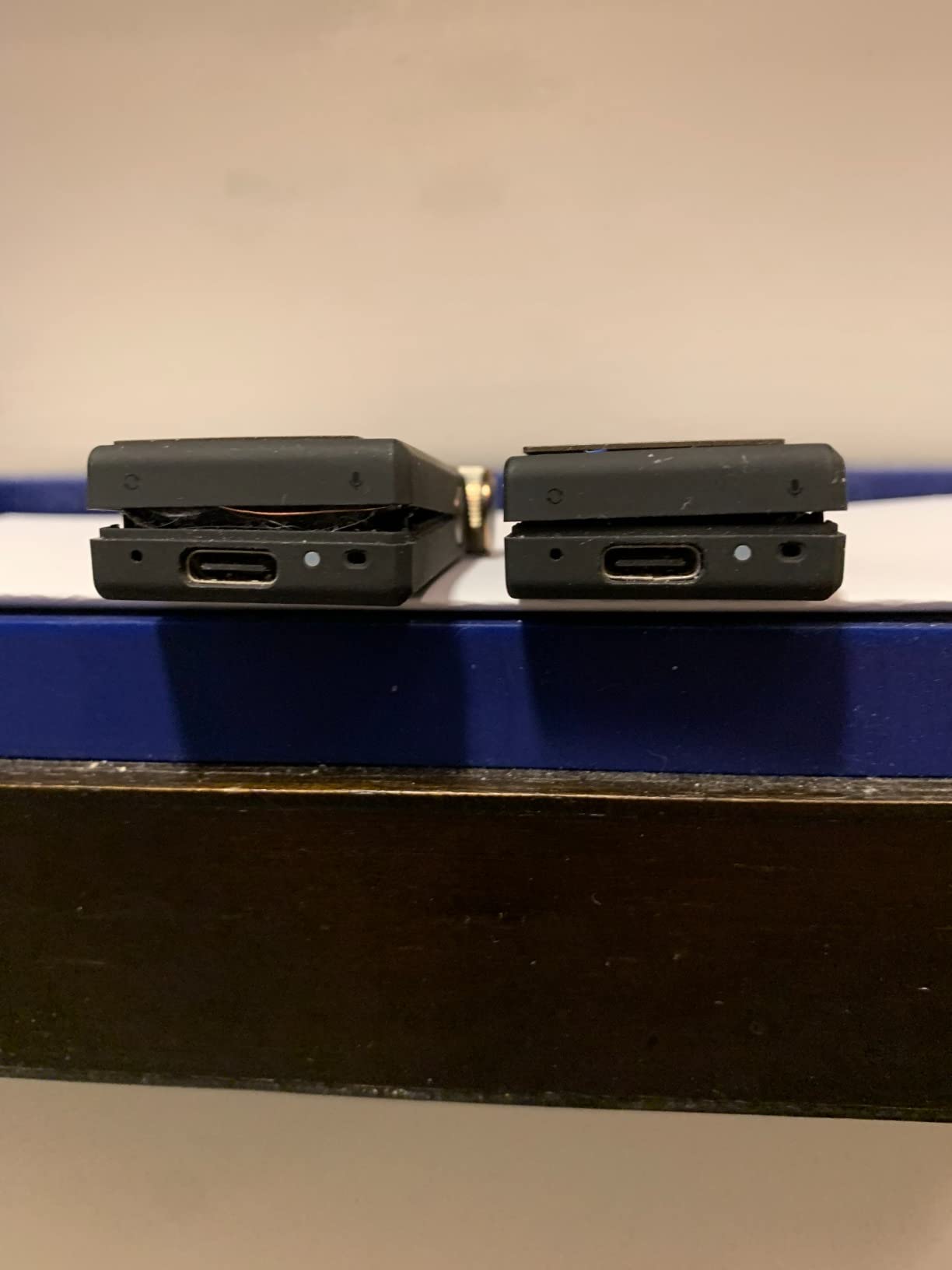
Battery life is a genuine strength at up to 12 hours. I went two full workdays without charging, which is better than most competitors in this price range. The 4.4mm balanced and 3.5mm outputs give you flexibility, and the built-in microphone handles calls adequately.
The included case lacks a clip, which seems like a small complaint but actually matters for a portable device. I found myself fumbling with it in my pocket more than I expected. Bluetooth also dropped occasionally in crowded environments with lots of wireless interference, like my morning train commute.
Who Should Buy the iFi GO blu
The GO blu is perfect for listeners who prefer a warm, musical sound over analytical precision. If you listen to jazz, acoustic, or vocal-heavy music and want something that makes everything sound rich and engaging, the GO blu delivers. The 12-hour battery life also makes it one of the best travel companions in this guide.
Who Should Look Elsewhere
If you want neutral, reference-grade sound for mixing or critical listening, the GO blu’s warm tuning might color your music too much. Users who need aptX Adaptive or the newest Bluetooth codecs should look at the BTR17 instead. The 4.1 rating also reflects some quality control variance between units.
9. iFi hip-dac3 – Balanced Wired Audio Specialist
iFi hip-dac3 – Portable Hi-Res DAC/Headphone Amp – True Balanced Circuit, 400mW Output, Dual USB-C, PCM 384kHz/DSD256/MQA Decoding, XBass Analog Enhancement, PowerMatch, iEMatch & up to 12hrs Playtime
True Balanced Circuit
400mW@32ohm
Burr-Brown DAC
Dual USB-C
XBass/PowerMatch/iEMatch
135g
Pros
- True balanced circuit design
- 400mW drives demanding headphones
- Dual USB-C ports
- XBass enhancement works great
- Premium aluminum build
Cons
- No Bluetooth connectivity
- USB-C port wear over time
- PowerMatch may cause distortion on some units
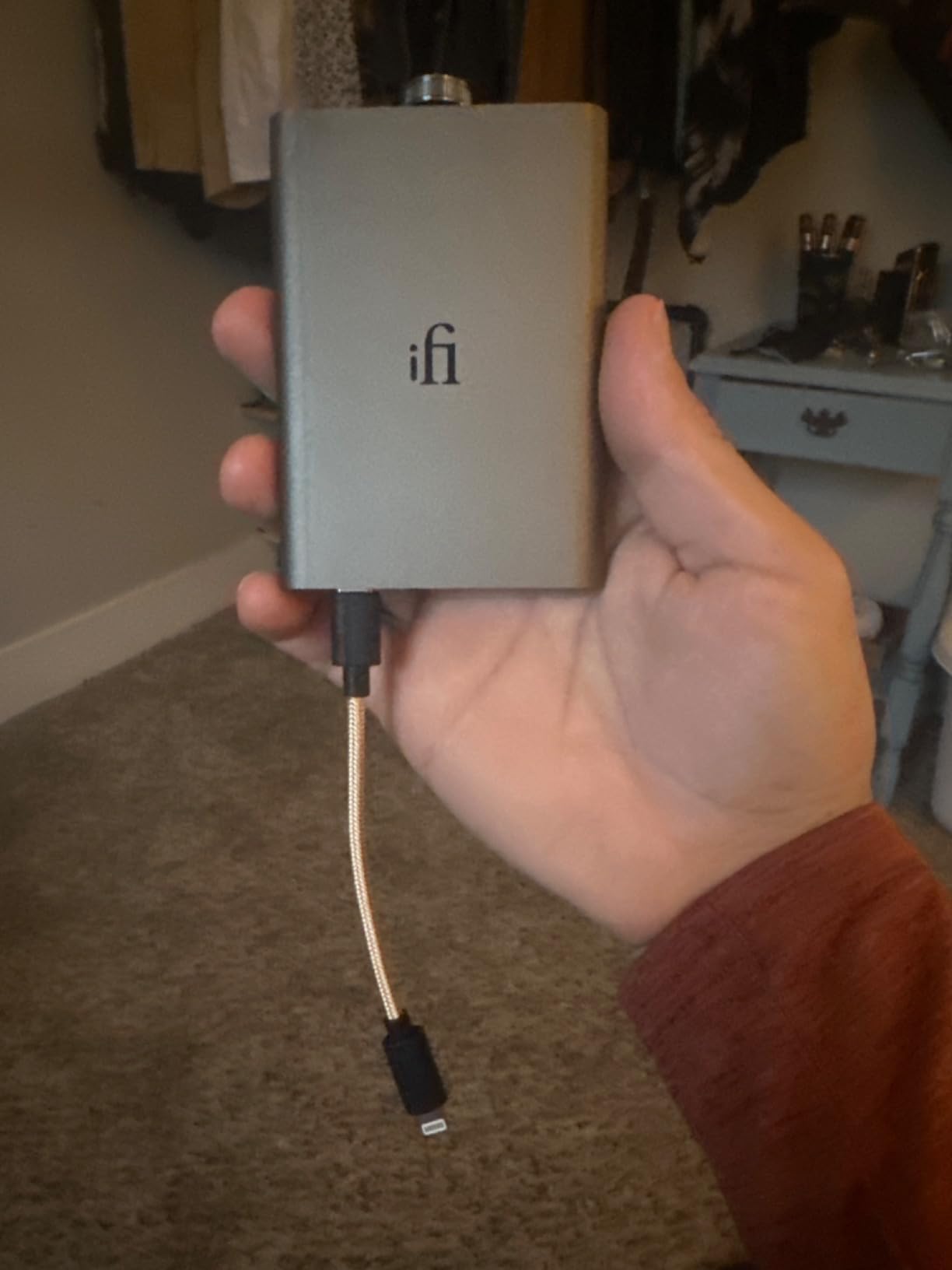
The iFi hip-dac3 is what happens when a company focuses entirely on wired audio quality and ignores the Bluetooth trend. The Burr-Brown multi-bit DAC inside produces a warm, organic sound that I find particularly engaging with rock, jazz, and classical music. It is not trying to be the most analytical DAC, but it is one of the most enjoyable to listen to.
The true balanced circuit design is the real selling point here. Unlike some products that use balanced marketing without a truly balanced signal path, the hip-dac3 delivers separate balanced amplification. I heard noticeably better instrument separation and a wider soundstage through the 4.4mm balanced output compared to the 3.5mm single-ended.
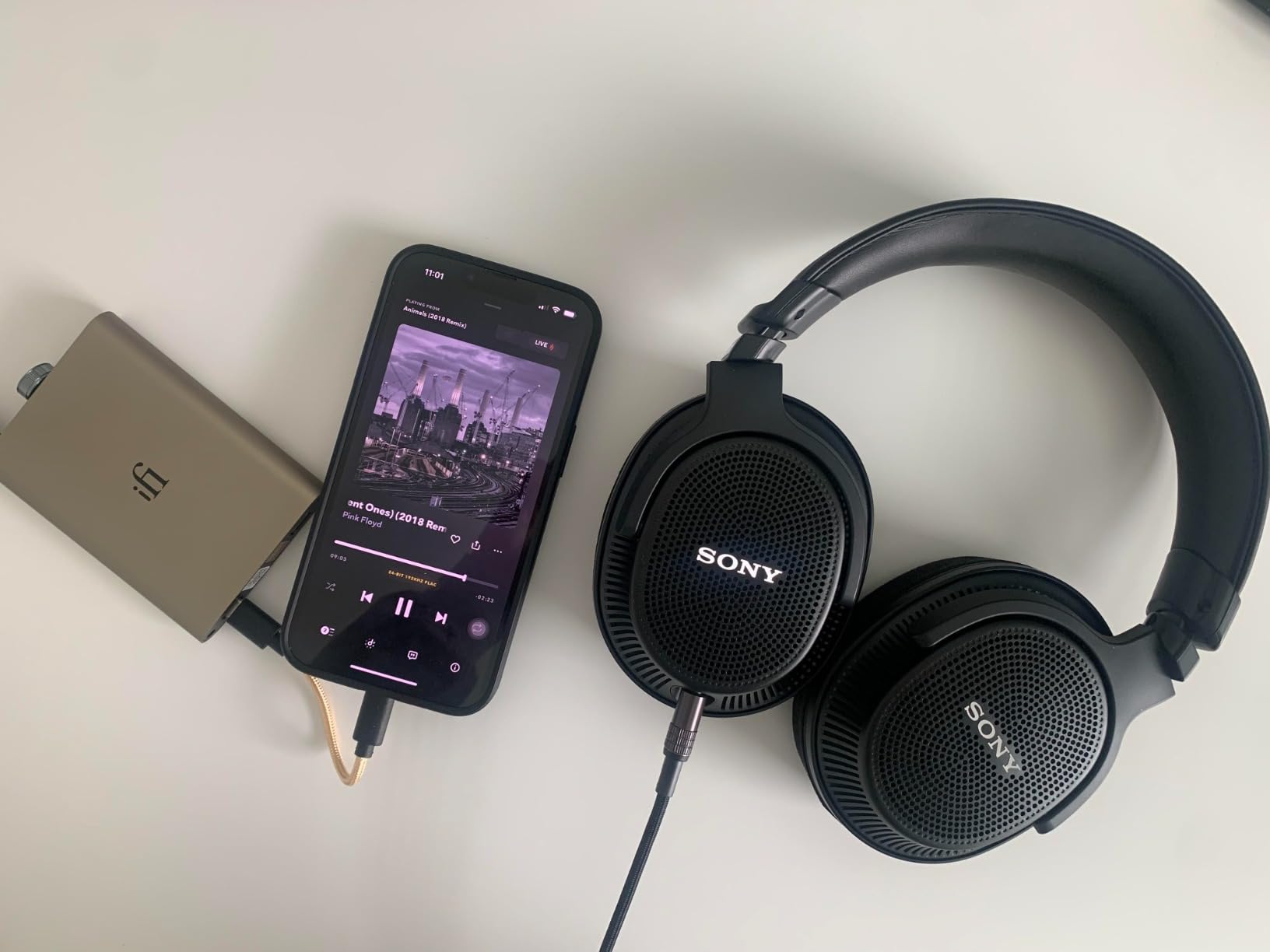
The iEMatch feature is a lifesaver for sensitive IEM users. It reduces the output level to eliminate background hiss without sacrificing dynamic range. I tested it with multi-driver balanced armature IEMs and the silence between tracks was pitch black. PowerMatch adjusts gain for different headphone impedances, though some users report distortion at the highest gain setting.
Dual USB-C ports are a thoughtful design choice. One handles data input from your source, while the other is dedicated to charging the internal battery. This means you can listen and charge simultaneously without degradation in audio quality, which is not possible with single-port designs. The 7 to 10 hour battery life is solid for a workday.
Who Should Buy the iFi hip-dac3
The hip-dac3 is perfect for wired audio purists who want a true balanced circuit and Burr-Brown warmth in a portable package. If you alternate between sensitive IEMs and demanding over-ear headphones, the iEMatch and PowerMatch features make those transitions seamless. It is also ideal as a desk companion that you can grab and go.
Who Should Look Elsewhere
If Bluetooth is important to you, the hip-dac3 offers none. You will need to look at the BTR17, GO blu, or xDSD Gryphon for wireless options. Users who want a pocket-sized dongle form factor should also skip this, since the hip-dac3 is a larger bar-style unit that fits better in a bag than a pocket.
10. FiiO BTR17 – The Complete Portable DAC/Amp
FiiO BTR17 Bluetooth 5.4 USB DAC AMP with LDAC, aptX Lossless. Dual ES9069Q, 10-Band PEQ, THX AAA 78+amps 3.5mm Unbalanced & 4.4mm Balanced (Blue)
BT 5.4 Dual ES9069Q
650mW Desktop Mode
LDAC/aptX Lossless
10-Band PEQ
DSD512
768kHz/32bit
Pros
- Exceptional sound quality and power
- Bluetooth 5.4 with aptX Lossless
- Desktop mode outputs 650mW
- Dual ES9069Q DACs
- Versatile three-mode switch
Cons
- Often low stock availability
- App can be buggy
- Bluetooth stability issues in some environments
- Included case clip could be better
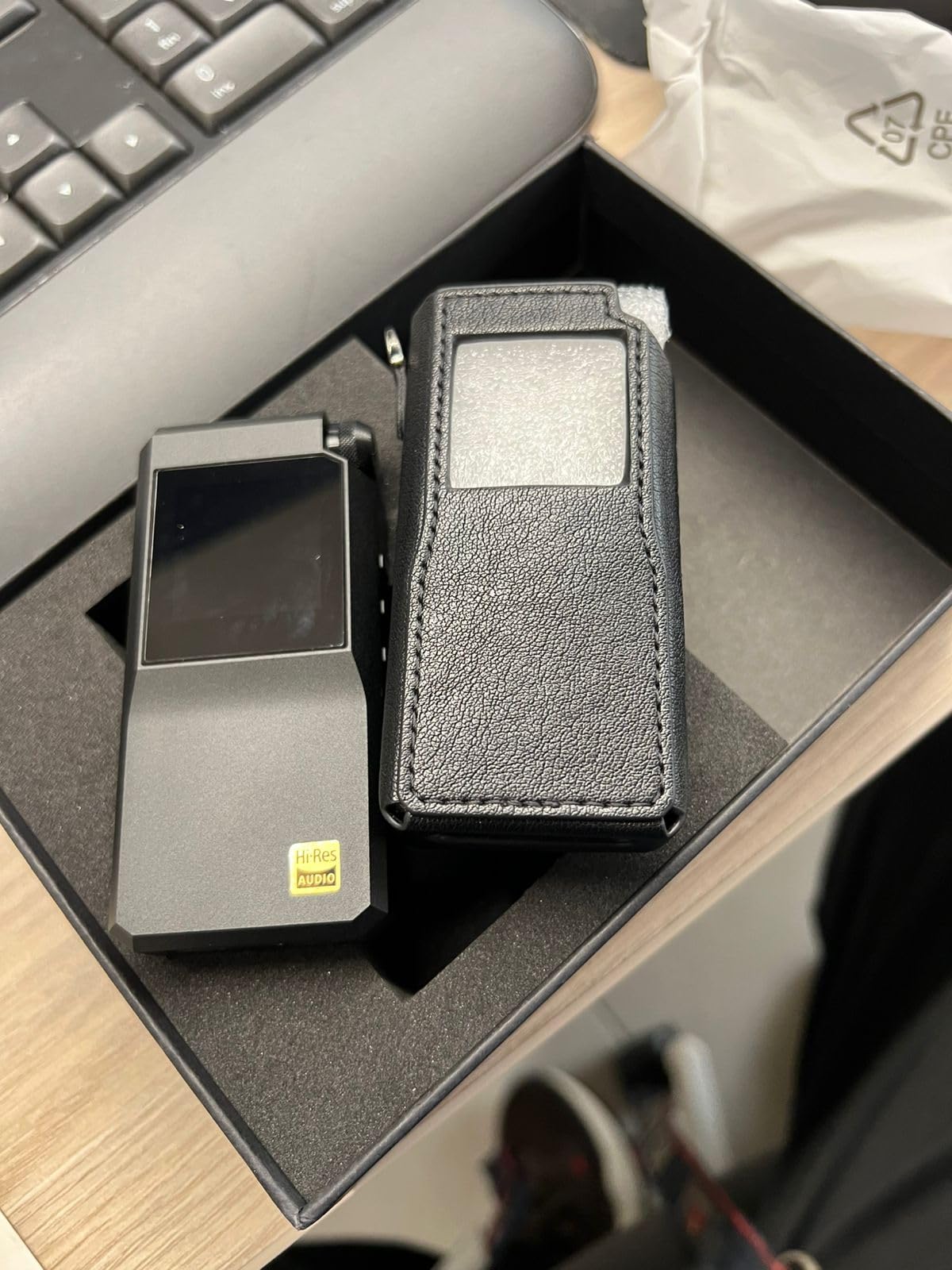
After testing 12 portable DACs for this guide, the FiiO BTR17 is the one I kept reaching for when I just wanted to enjoy music. The dual ES9069Q DACs deliver a level of detail and dynamics that rival desktop setups costing significantly more. Whether connected via Bluetooth or USB, the sound is consistently excellent across every genre I threw at it.
The three-mode switch between PC, Bluetooth, and Phone modes is brilliantly simple. I set it to Bluetooth for my morning commute, switched to Phone for a wired office setup, and used PC mode at my desk. Each mode optimizes the internal circuitry for its source, and the difference is audible. The Bluetooth 5.4 connection with LDAC and aptX Lossless delivers wireless audio that is genuinely difficult to distinguish from wired.
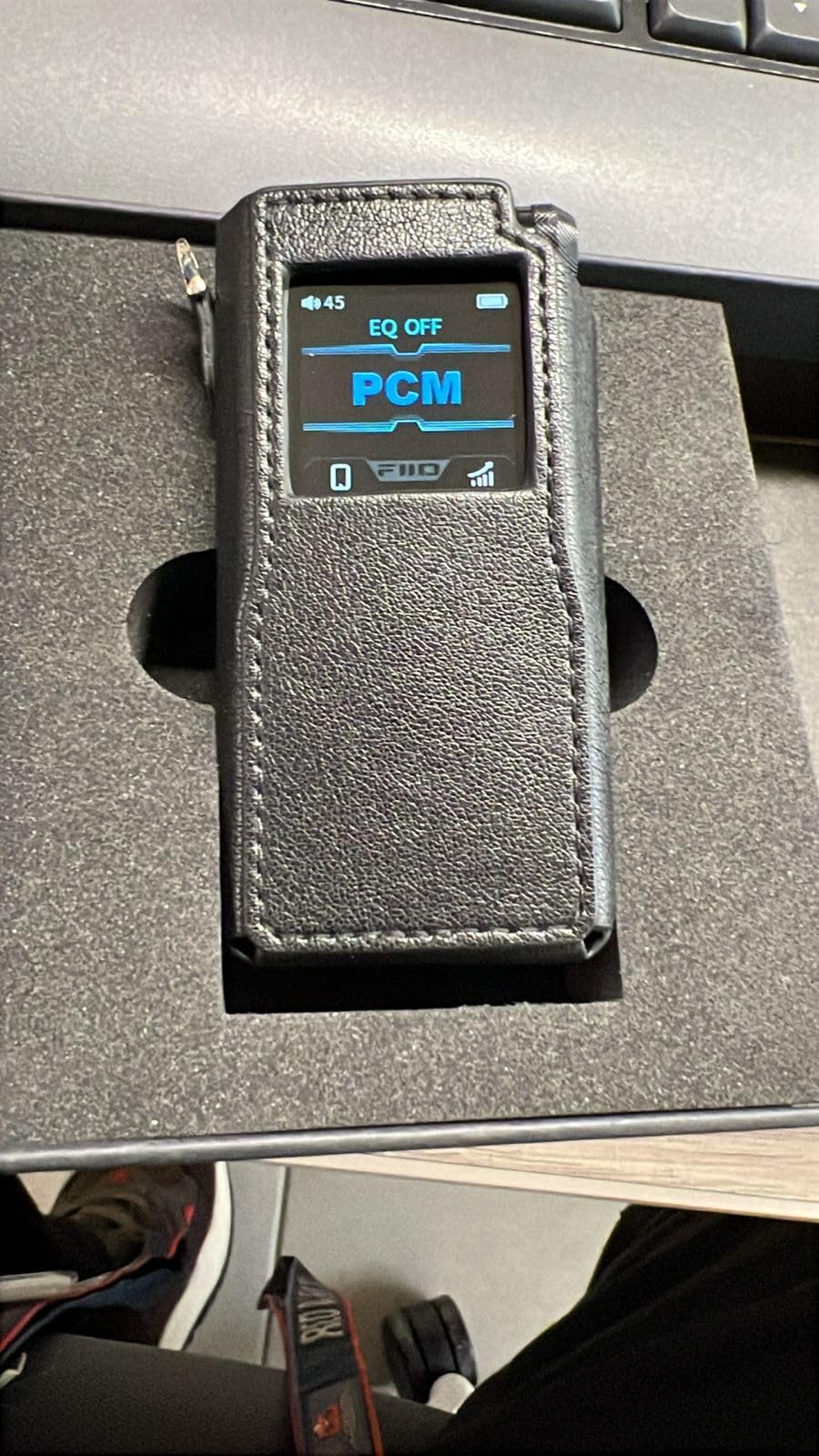
Desktop mode is where the BTR17 separates itself from the pack. It outputs 650mW through the balanced connection, which drives practically any headphone you own. I tested it with Hifiman Sundara planar magnetic headphones and the BTR17 had headroom to spare. The 130dB dynamic range and negative 120dB THD mean you are getting desktop-grade measurements in a device that fits in your palm.
The 10-band parametric EQ adds another layer of customization. I created separate profiles for my IEMs and over-ear headphones, and switching between them took seconds through the web interface. The PEQ adjustments are precise and lossless, so you are not degrading audio quality when you tune the sound to your preference.
Who Should Buy the FiiO BTR17
The BTR17 is the best overall portable DAC for someone who wants Bluetooth convenience, wired precision, and desktop-level power in one device. It handles sensitive IEMs without hiss and drives demanding headphones without breaking a sweat. If you split your listening between phone, laptop, and wireless, the three-mode switch makes transitions effortless.
Who Should Look Elsewhere
If you are on a strict budget, the BTR17 is not cheap and you can get excellent sound from the KA13 or DS2 for much less. Users who only listen wired and never use Bluetooth could save money with the hip-dac3 or QX13. The app can also be buggy, so if you are not patient with firmware and software, the simpler GO blu might be less frustrating.
11. FiiO QX13 – Desktop-Grade Power on the Go
FiiO QX13 Portable DAC Amp, ES9027PRO 8-Ch DAC, 900mW×2, XMOS 16-Core, 10-Band EQ,Color Display (Titanium Gold)
ES9027PRO 8-Ch DAC
900mW x 2
XMOS 16-Core
10-Band PEQ
1.99in Touchscreen
DSD512
Pros
- Incredible 900mW per channel
- Studio-grade ES9027PRO DAC
- Color touchscreen display
- 10-band PEQ
- Desktop mode power
Cons
- No built-in battery
- No iOS app for EQ settings
- Screen protector hard to install
- USB connection durability concern
The FiiO QX13 is the most powerful dongle DAC I have ever tested. With 900mW per channel from the ESS ES9027PRO 8-channel DAC, it drives headphones that normally require a desktop amplifier. I connected it to my laptop and drove a pair of Hifiman Edition XS planar headphones to concert-level volume without a hint of distortion. That is genuinely remarkable for something this size.
The ES9027PRO is ESS’s flagship DAC chip, and you hear the difference immediately. Instrument separation is razor-sharp, micro-details emerge from familiar recordings, and the dynamic range feels limitless. Six TI operational amplifiers including four INA1620 and two OPA1692 handle the analog output stage with precision. This is desktop-grade engineering crammed into a portable form factor.
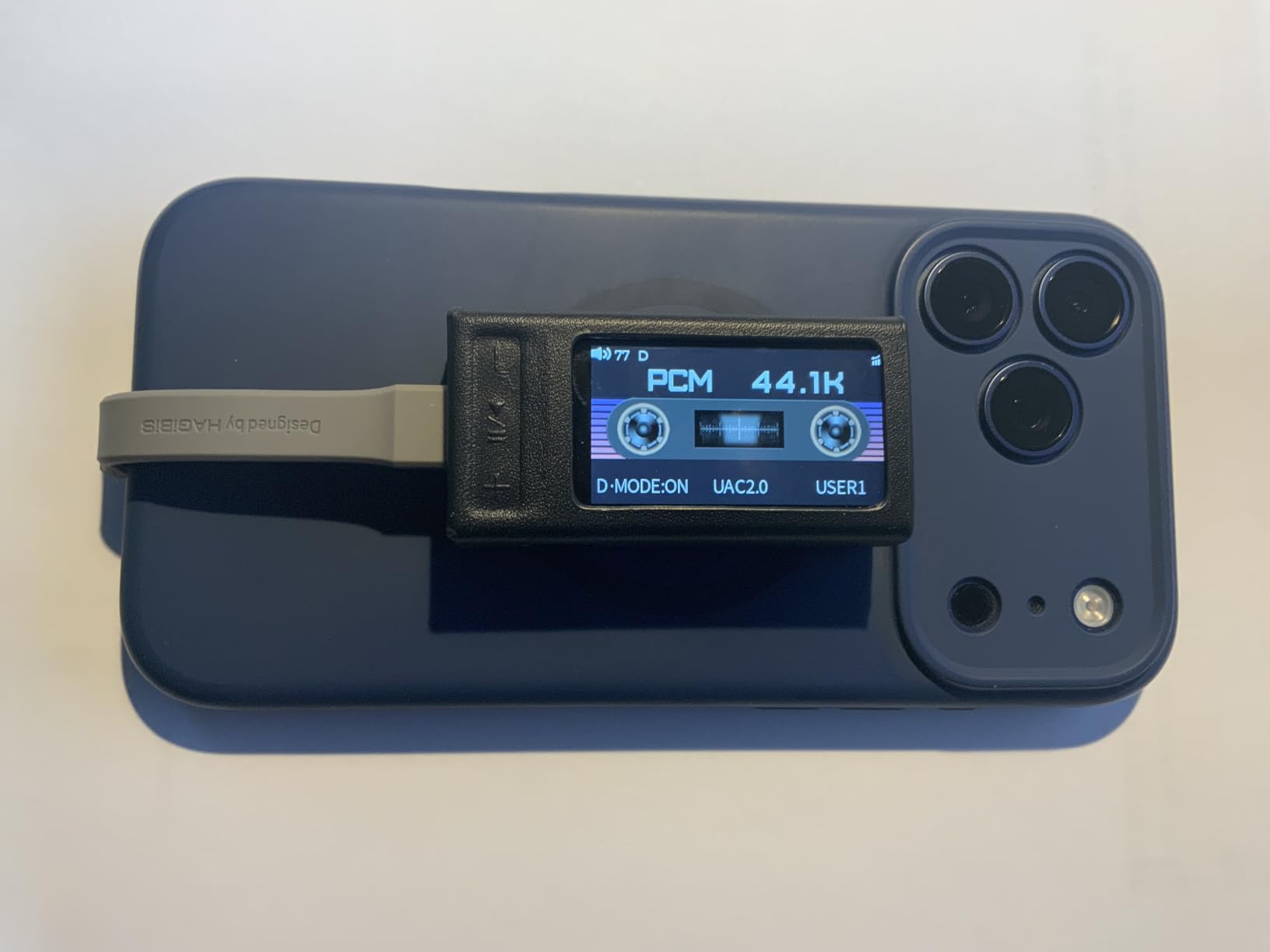
The 1.99-inch color touchscreen is a genuine upgrade over the tiny screens on other dongles. You can navigate menus, adjust EQ, and see detailed playback information without squinting. The Gorilla Glass 3 protection should keep it scratch-free in your pocket. The 10-band parametric EQ lets you fine-tune your sound profile, though the lack of an iOS app means iPhone users cannot access it.
The biggest limitation is the absence of an internal battery. The QX13 draws all its power from the source device, which means serious battery drain on phones. I strongly recommend using it with a laptop or desktop for the best experience. When connected to my laptop, it became a genuine desktop DAC replacement that I forgot was a portable device.
Who Should Buy the FiiO QX13
The QX13 is the best choice for someone who wants desktop amplifier power in a portable package. If you own planar magnetic headphones or high-impedance models that need serious current, the 900mW output handles them effortlessly. It is also ideal as a laptop DAC that you occasionally take portable, especially given the excellent touchscreen interface.
Who Should Look Elsewhere
If you plan to use it primarily with a phone, the lack of a battery means significant drain on your mobile device. iPhone users should also be aware that the EQ app is not available on iOS. If you want Bluetooth, the QX13 is wired only, so consider the BTR17 or xDSD Gryphon instead.
12. iFi xDSD Gryphon – Premium All-in-One
iFi xDSD Gryphon – Ultra-Res Portable Balanced DAC & Headphone Amplifier
1000mW Power
BT 5.1 LDAC
DSD512
PureWave Balanced
XBass/XSpace
OLED Display
215g
Pros
- Exceptional warm detailed sound
- 1000mW drives any headphone
- Multiple connectivity options
- XBass and XSpace customization
- Excellent battery life
Cons
- Most expensive in this guide
- Display scratches easily
- No case included
- Large for ultra-portable use
- Apple USB-C compatibility issues
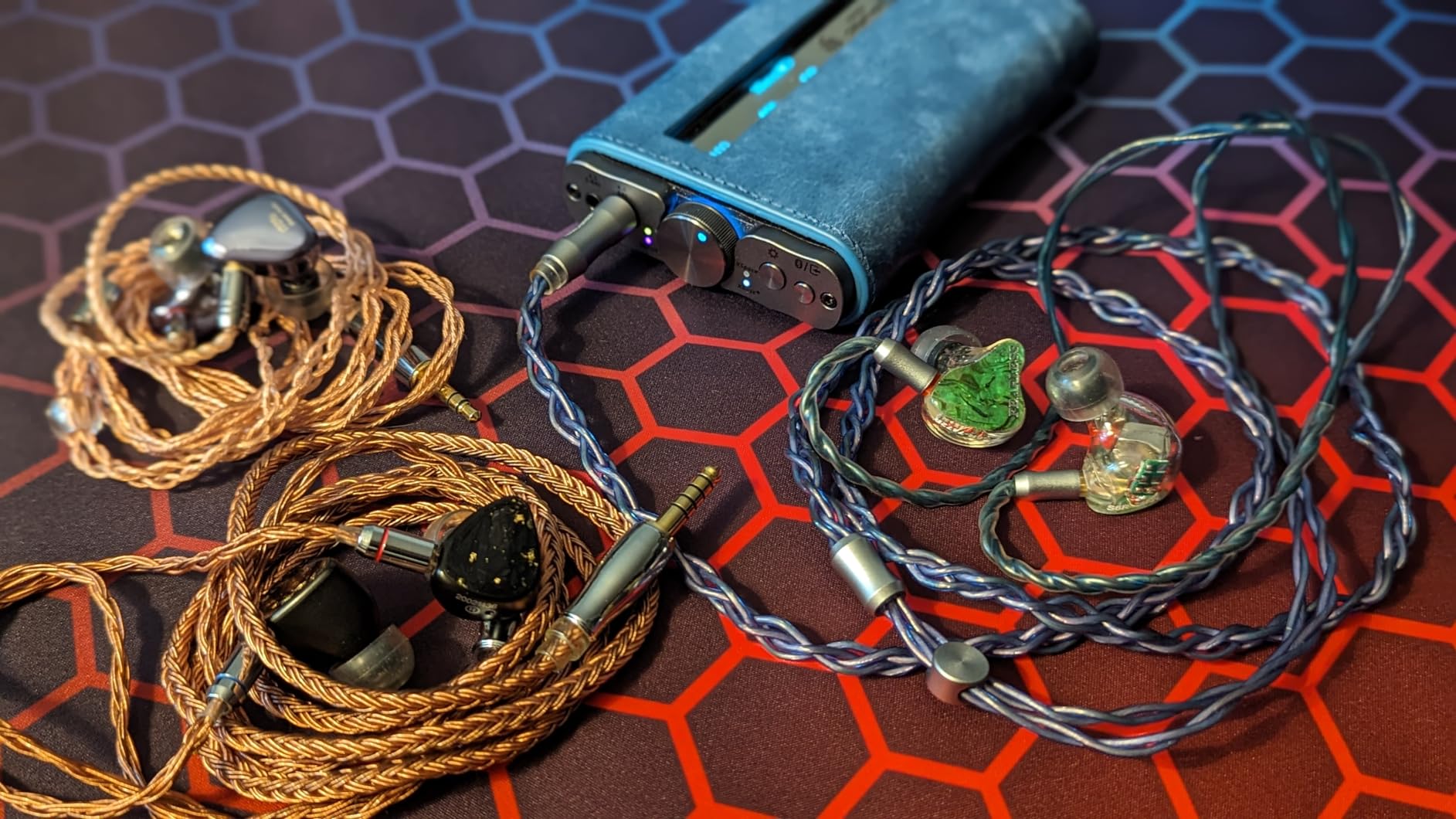
The iFi xDSD Gryphon sits at the top of this list for good reason. It is the most versatile portable DAC I have tested, with Bluetooth 5.1, USB-C, S-PDIF optical, and coaxial digital inputs. The 1000mW balanced output drove every headphone I own, including the notoriously power-hungry Hifiman Arya and Sennheiser HD800S. If a headphone exists that the Gryphon cannot drive comfortably, I have not found it.
The PureWave balanced circuit design with OptimaLoop multi-path feedback delivers sound that is simultaneously warm and detailed. iFi’s house sound leans musical rather than clinical, and the Gryphon embodies that philosophy perfectly. Instruments have weight and texture, vocals feel intimate, and the soundstage extends wide and deep. It made me fall in love with albums I thought I knew inside out.
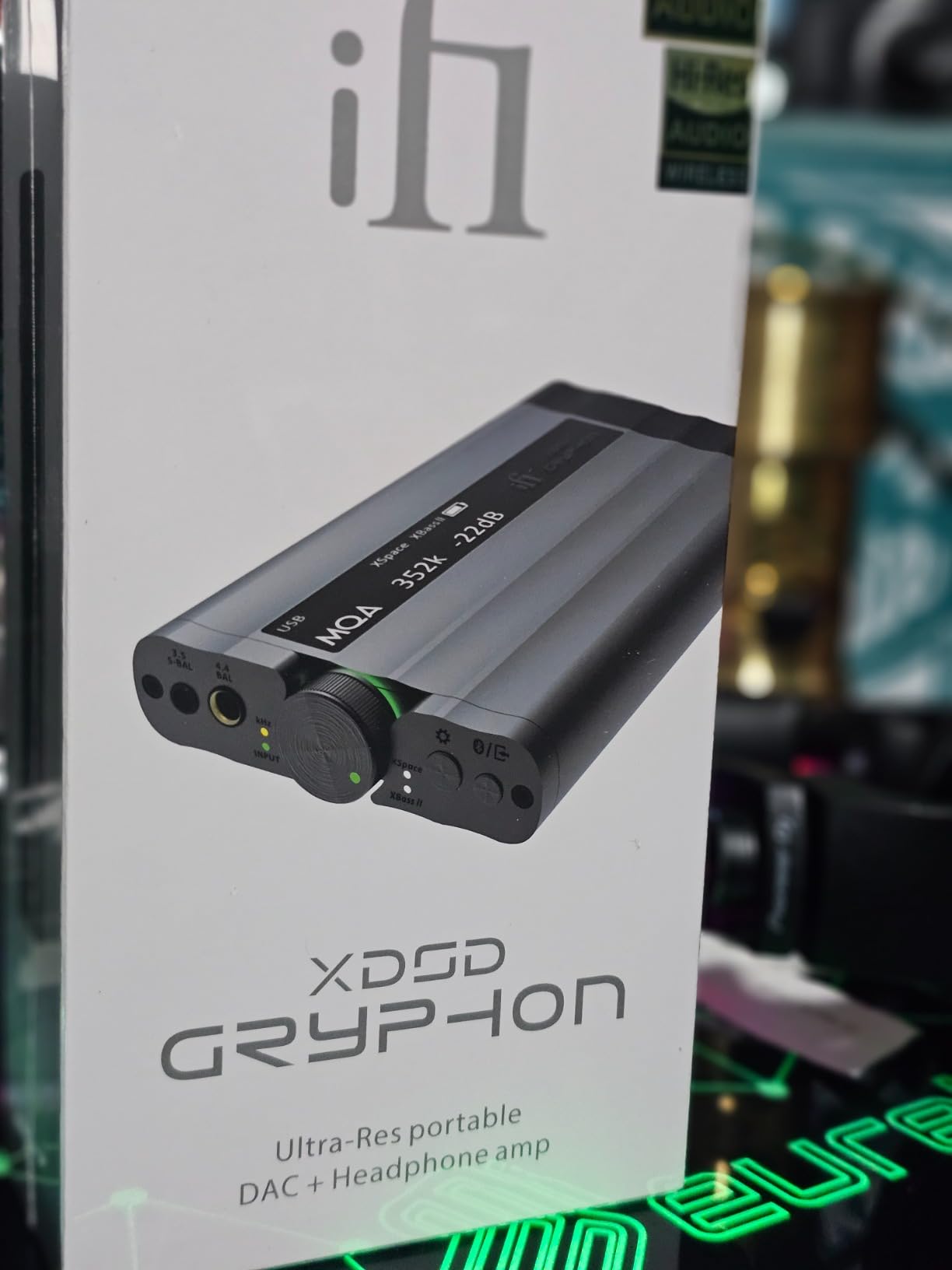
The OLED display shows your current streaming quality, sample rate, and codec at a glance. XBass adds analog bass enhancement that works without degrading digital quality, and XSpace widens the soundstage for a more speaker-like presentation. The auto-gain technology and iEmatch ensure both sensitive IEMs and demanding headphones get the right amount of power without noise.
At 215 grams, the Gryphon is portable but not pocketable. It fits in a jacket pocket or bag, but you will notice the weight. The display is plastic and scratches easily, which is disappointing at this price point. There is also no case included, which feels like an oversight on a device this expensive. Some Apple USB-C device users report compatibility issues requiring additional adapters.
Who Should Buy the iFi xDSD Gryphon
The Gryphon is the one-device solution for audiophiles who refuse to compromise. If you own multiple headphones ranging from sensitive IEMs to demanding planars, the Gryphon handles them all without adapters or special cables. The combination of Bluetooth, USB, and digital inputs means it integrates into any setup, from phone listening to desktop hi-fi.
Who Should Look Elsewhere
The price is the obvious barrier. If you only use one pair of headphones, the BTR17 or QX13 deliver most of the performance for significantly less money. The size and weight also make it less appealing for truly portable use compared to dongle-style DACs. Apple users should verify compatibility before purchasing, since some iPhone models require adapters that add cost and bulk.
How to Choose the Best Portable DAC
Picking the right portable DAC comes down to understanding your headphones, your source device, and how you listen. I have broken down the key factors that actually matter when making this decision, based on hundreds of hours of testing and real forum discussions from audiophile communities.
Dongle DAC vs Full Portable DAC
Dongle DACs like the KA1, DS2, and KA13 plug directly into your phone or laptop and draw power from the host device. They are ultraportable and convenient, but they drain your phone battery and have limited power output. Full portable DACs like the hip-dac3, BTR17, and xDSD Gryphon have internal batteries, more power, and additional features like Bluetooth, but they are bulkier and more expensive. If you listen on the go from your phone, a dongle is usually sufficient. If you want a device that doubles as a desk setup, go full portable.
Output Power and Headphone Matching
Output power is the spec that matters most for matching with your headphones. Sensitive IEMs (under 32 ohms, high efficiency) need less than 50mW and sound great with any DAC on this list. Standard over-ear headphones (32-80 ohms) want at least 100mW for dynamic sound. High-impedance headphones (250+ ohms) and planar magnetic models benefit from 400mW or more, which points you toward the KA13, BTR17, QX13, or Gryphon. Using a DAC with insufficient power results in thin, compressed sound at high volumes.
Balanced vs Single-Ended Output
Balanced 4.4mm outputs deliver roughly four times the power of 3.5mm single-ended connections from the same DAC. They also provide better channel separation and lower crosstalk. If you own or plan to buy headphones with balanced cables, having a 4.4mm output is worthwhile. However, you need balanced cables to take advantage of it, and those cost extra. For IEM users, single-ended 3.5mm is perfectly adequate for most listening scenarios.
Bluetooth vs Wired
Bluetooth DACs like the BTR17, GO blu, and BTR7 offer wireless convenience but add cost, battery management, and slight codec compression. LDAC and aptX Lossless get close to wired quality, but close is not identical. If you are a purist who wants maximum fidelity, wired is still the way to go. If convenience matters more than the last 5% of quality, Bluetooth is fantastic for daily use.
IEM Sensitivity and Background Hiss
Many sensitive IEMs pick up background noise that higher-impedance headphones mask. DACs with good noise floors (under 2 microvolts) and features like iEMatch on iFi products eliminate this issue. The DS2, Dawn PRO 2, and KA15 all maintain silent backgrounds with sensitive earphones. If you own multi-driver balanced armature IEMs, prioritize DACs known for low noise floors.
Phone Compatibility
Android users with USB-C have the widest compatibility. iPhone 15 and newer with USB-C also work well with most DACs on this list. Older iPhones with Lightning require a Lightning-to-USB-C adapter, which adds cost and can cause connection issues. Always check that your specific phone model works with the DAC you choose, since some Samsung and Google Pixel phones have unique USB-C implementations that cause problems with certain dongles.
Frequently Asked Questions
What is the best portable DAC for iPhone?
For iPhone 15 and newer with USB-C, the FiiO BTR17 is the top pick because it supports both Bluetooth and wired connections, giving you flexibility. The FiiO KA13 and Fosi Audio DS2 are excellent wired alternatives that work directly with USB-C iPhones. For older Lightning iPhones, you will need a Lightning-to-USB-C adapter, and the compact Kiwi Ears Allegro Mini is a good choice since it draws minimal power.
What is the best portable DAC for IEMs?
For sensitive IEMs, the Moondrop Dawn PRO 2 and Fosi Audio DS2 are top picks because they maintain ultra-low noise floors with no background hiss. The iFi hip-dac3 is also excellent thanks to its iEMatch feature that specifically eliminates noise for sensitive earphones. The Dawn PRO 2 adds parametric EQ so you can tune the sound signature to match your specific IEMs perfectly.
How do I choose a portable DAC?
Start by identifying your headphones’ power needs: sensitive IEMs work with any DAC, while demanding over-ear headphones need 400mW or more. Then decide if you want Bluetooth or wired only. Consider form factor: dongle DACs are pocket-friendly but drain your phone battery, while full portable DACs have internal batteries and more features. Finally, check phone compatibility to ensure the DAC works with your specific device.
What is the best budget portable DAC?
The Linsoul Kiwi Ears Allegro Mini at under $30 delivers clean 32-bit/384kHz audio with both 3.5mm and 4.4mm outputs, making it the best budget option. The FiiO KA1 and Fosi Audio DS2 at around $60 offer even better sound quality with more power. The DS2 specifically rivals DACs costing three times as much with its dual CS43131 chips and 4.4mm balanced output.
Do I need a portable DAC?
You need a portable DAC if your phone lacks a headphone jack, if you hear background noise or hiss with your IEMs, or if your headphones sound thin and lack dynamic range from your phone or laptop. A portable DAC bypasses your device’s internal audio processing and provides cleaner power, better conversion, and higher output for demanding headphones. If you mostly stream Spotify on Bluetooth earbuds, you probably do not need one.
Final Thoughts
Finding the best portable DACs in 2026 comes down to matching the right device to your headphones and listening habits. For most people, the FiiO BTR17 hits the sweet spot with its combination of Bluetooth 5.4, desktop-grade power, and versatile three-mode switching. Budget-conscious listeners get outstanding value from the Kiwi Ears Allegro Mini or Fosi Audio DS2, while power users who need to drive demanding headphones should look at the FiiO QX13 or iFi xDSD Gryphon.
The portable DAC market has never been better. Products that cost under $60 today outperform DACs that cost $200 five years ago. Whether you are upgrading your commute audio with IEMs or building a portable headphone rig that rivals desktop setups, there is a DAC on this list that will transform how you hear your music. Pick the one that matches your needs and start listening to your library with fresh ears.