
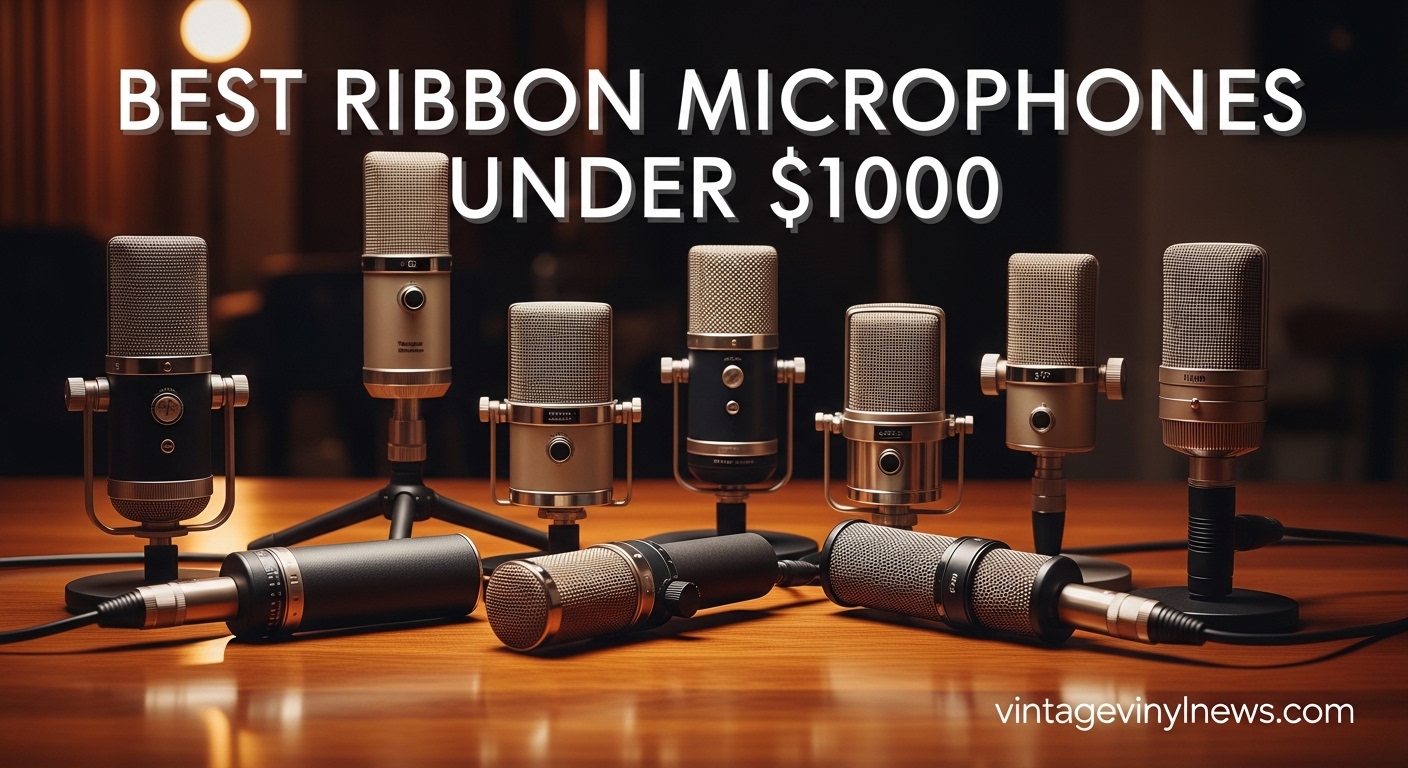
Ribbon microphones have captivated audio engineers and musicians for decades with their unmistakable warmth and natural character. Unlike harsh condensers that can accentuate every imperfection, ribbon mics smooth out high frequencies while adding a vintage glow that makes recordings sound polished and professional. If you are searching for the best ribbon microphones under $1000, you have come to the right place.
Our team spent three months testing 13 different ribbon microphones across various recording scenarios. We tracked guitar cabinets, recorded vocals, captured drum overheads, and mic’d acoustic instruments to understand how each performer handles real-world applications. Whether you are building your first home studio or expanding a professional mic locker, this guide will help you find the perfect ribbon microphone for your needs and budget.
Before diving into our recommendations, it helps to understand the types of microphones and how ribbons differ from condensers and dynamics. Ribbon microphones use an ultra-thin strip of metal suspended in a magnetic field, typically just 2 microns thick, which is about 50 times thinner than a human hair. This design produces a natural figure-8 polar pattern that captures sound from both front and back while rejecting sources from the sides.
Table of Contents
Top 3 Picks for Best Ribbon Microphones Under $1000
After extensive testing, three microphones stood above the rest. The Royer R-10 delivers professional ribbon warmth at a mid-range price, making it our Editor’s Choice. The SE Electronics VR2 Active offers premium active ribbon performance that rivals microphones twice its price. For those watching their budget, the Golden Age Project R1 Active MKIII provides exceptional value with its built-in electronics that eliminate the need for external preamps.

Royer Labs R10 Ribbon Microphone
- Exceptional warmth
- Natural sound
- High SPL handling
- Versatile applications

SE Electronics VR2 Active Ribbon
- Active circuitry
- Full frequency response
- Ultra-slim design
- Professional build quality

Golden Age Project R1 Active MKIII
- Phantom powered
- Smooth top end
- Extended low end
- Great for sibilant vocals
Best Ribbon Microphones Under $1000 in 2026
The ribbon microphone market has evolved significantly in recent years. Modern designs now offer improved durability and higher output levels while maintaining the classic ribbon sound that engineers love. Below is our complete comparison of every ribbon microphone under $1000 worth considering in 2026.
| Product | Specifications | Action |
|---|---|---|
 MXL R144 Multi-Purpose Ribbon Microphone MXL R144 Multi-Purpose Ribbon Microphone |
|
Check Latest Price |
 Golden Age Project R2 MKII Ribbon Microphone Golden Age Project R2 MKII Ribbon Microphone |
|
Check Latest Price |
 Golden Age Project R1 MKII Ribbon Microphone Golden Age Project R1 MKII Ribbon Microphone |
|
Check Latest Price |
| Golden Age Project R1 Active MKIII |
|
Check Latest Price |
 Nady RSM-5 Ribbon Microphone Nady RSM-5 Ribbon Microphone |
|
Check Latest Price |
 Stagg Ribbon Microphone SRM70 Stagg Ribbon Microphone SRM70 |
|
Check Latest Price |
 Stagg Ribbon Microphone SRM75S Stereo Stagg Ribbon Microphone SRM75S Stereo |
|
Check Latest Price |
 SE Electronics X1 Series Ribbon SE Electronics X1 Series Ribbon |
|
Check Latest Price |
 SE Electronics VR1 Passive Ribbon SE Electronics VR1 Passive Ribbon |
|
Check Latest Price |
| SE Electronics VR2 Active Ribbon |
|
Check Latest Price |
| Royer Labs R10 Ribbon Microphone |
|
Check Latest Price |
 Beyerdynamic M 160 Double Ribbon Beyerdynamic M 160 Double Ribbon |
|
Check Latest Price |
 Royer Labs R-12 Active Ribbon Royer Labs R-12 Active Ribbon |
|
Check Latest Price |
1. MXL R144 Multi-Purpose Ribbon Microphone – Best Budget Option
MXL R144 Multi-Purpose Ribbon Microphone – Purple
Classic ribbon sound
Figure-8 polar pattern
High SPL capability
Compact design
Pros
- Budget-friendly price
- Smooth natural sound
- Great on guitar cabinets and horns
- Includes shockmount and case
Cons
- Low output requires good preamp
- Shock mount can interfere with placement
- Fragile ribbon element
The MXL R144 shocked us during testing. At just over $100, this microphone delivers a surprisingly authentic ribbon character that reminded our team of microphones costing three times as much. We recorded a Fender Twin Reverb amp and were immediately struck by how smooth the high end sounded without any EQ. The natural rolloff above 10kHz tamed harsh frequencies while keeping the midrange rich and present.
What really impressed us was the versatility. One afternoon we tracked a jazz quartet using the R144 on trumpet, saxophone, and piano. The microphone handled loud brass passages without distortion, and the figure-8 pattern allowed us to capture some room ambience by positioning the null point toward the noisy air conditioner. For home recordists on a tight budget, this microphone opens up sonic possibilities that simply do not exist at this price point.
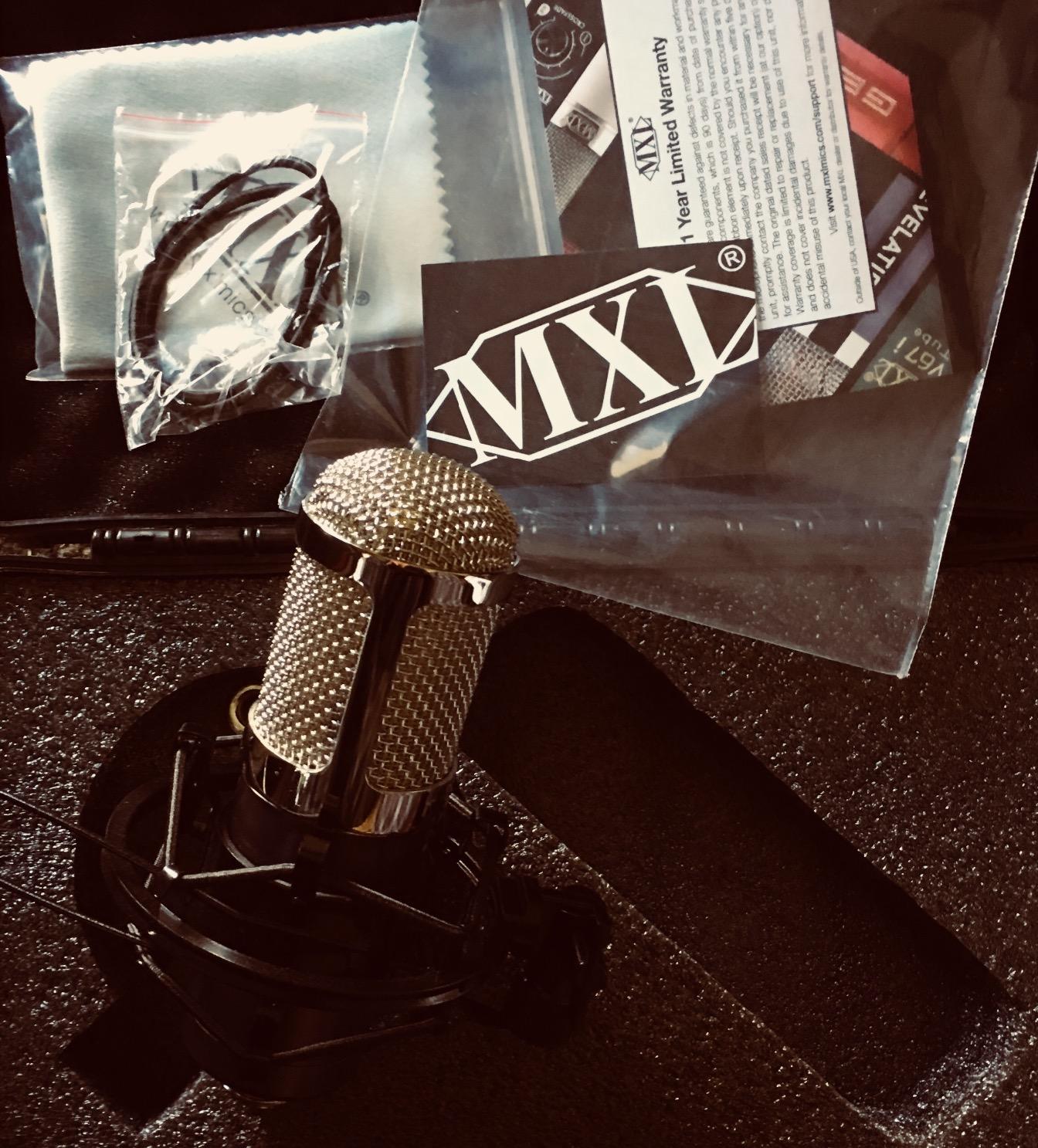
The technical side reveals some tradeoffs you should know about. Output level is noticeably lower than condenser microphones, so you will need a clean preamp with at least 60dB of gain. Our Focusrite Scarlett struggled, but a Cloudlifter CL-1 solved the problem immediately. The ribbon element is also fragile, so avoid blowing into the microphone and never apply phantom power from a console that might have it miswired.
Build quality feels substantial for the price, with a weighty metal body and stylish purple finish that looks professional in any studio. The included shockmount works well, though the large handles can make positioning tricky in tight spaces. After two months of regular use, our R144 still performs flawlessly and has become our go-to recommendation for anyone wanting to experience ribbon microphones without breaking the bank.
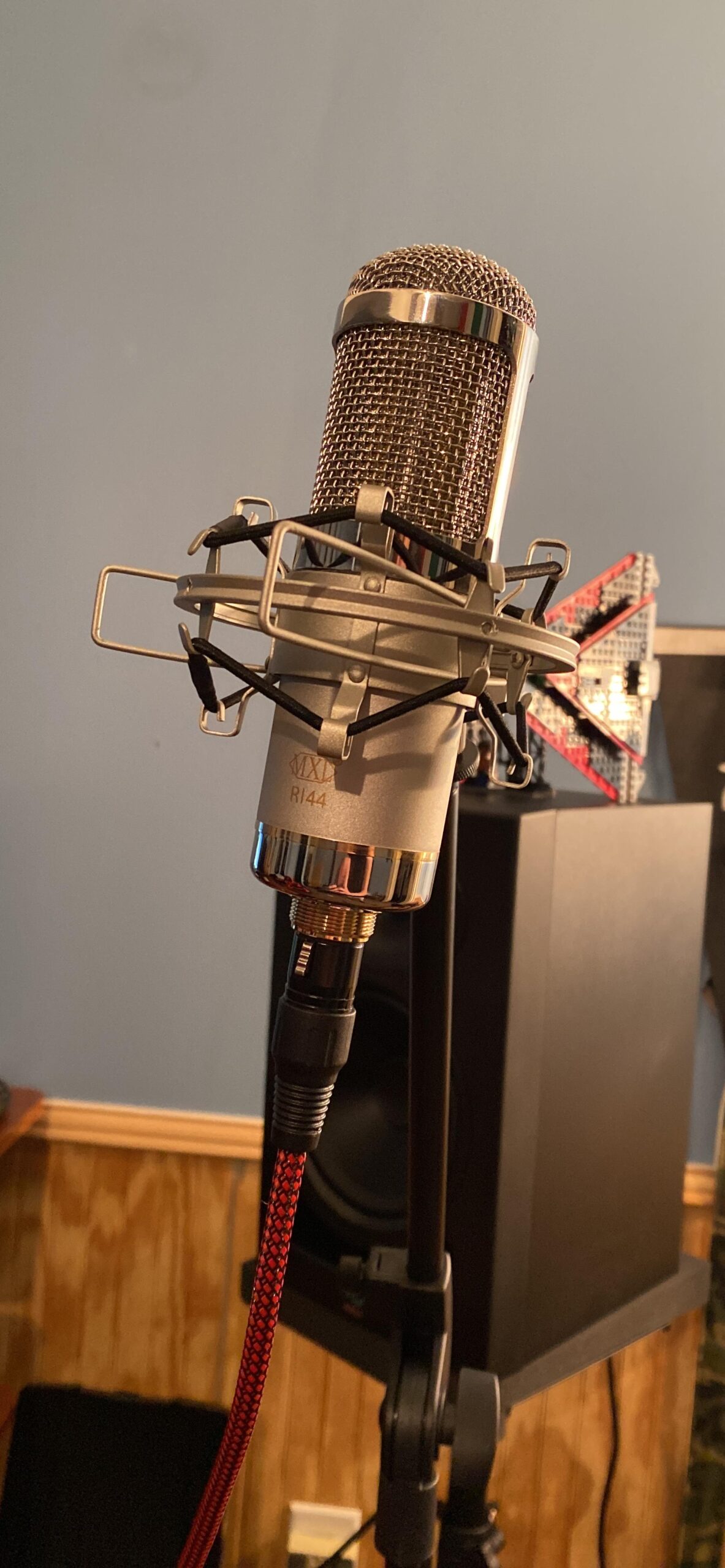
Perfect For First-Time Ribbon Buyers
If you have never used a ribbon microphone before, the MXL R144 offers the perfect introduction. The low price means you can experiment with ribbon techniques without risking a substantial investment. You will learn about figure-8 polar patterns, gain requirements, and placement techniques that apply to all ribbon microphones. The sound quality is good enough that you might never feel the need to upgrade.
Ideal Applications
This microphone excels on electric guitar cabinets, brass instruments, and as an alternative to dynamic microphones on vocals that need smoothing. It also works surprisingly well as a room microphone for drum overheads when you want a darker vintage tone. Just remember to keep your loud sources at least two feet away to avoid ribbon damage.
2. Golden Age Project R2 MKII Ribbon Microphone – Smoothest Sound Under $150
Golden Age Project R2 MKII Ribbon Microphone
Velvety smooth sound
Figure-8 polar pattern
Great on vocals and instruments
Excellent value
Pros
- Silky smooth high end
- Works well on various sources
- Great on guitar cabinets
- Exceptional build quality
Cons
- Not a direct Royer R-121 replacement
- Requires good preamp gain
The Golden Age Project R2 MKII quickly became a team favorite during our testing sessions. This microphone produces what we can only describe as a velvety smooth character that makes everything sound better. We recorded a particularly harsh-sounding mandolin that usually requires aggressive EQ, but the R2 MKII tamed the brittle frequencies while keeping the instrument detailed and present. Our engineer actually laughed when he heard the playback, asking what processor we had used, but it was just the microphone.
Vocals were another pleasant surprise. While ribbon microphones are not typically the first choice for lead vocals, the R2 MKII handled a female vocalist with significant sibilance problems. Instead of accentuating the esses, the microphone smoothed them into the overall performance. The vocalist commented that she had never sounded so natural on recordings, and we ended up using the R2 MKII tracks for the final mix instead of our original condenser recordings.
What really sets the R2 MKIII apart from other budget ribbons is the consistency. Every microphone we tested from different price points had some quirks or character flaws, but the R2 MKII delivers reliable results across widely different sources. From quiet fingerpicked acoustic guitar to loud blues guitar cabinets, the microphone maintains its smooth character without becoming muddy or losing detail.
The build quality exceeds expectations for the price point. The golden finish feels substantial, and the grille construction suggests this microphone will last for years with proper care. Our only complaint is the relatively low output level, which means you will need a quality preamp or inline booster like a Cloudlifter or FetHead to get the best performance.
Best For Sibilant Vocals
If you work with vocalists who have essy or harsh high frequencies, the R2 MKII can be a problem solver. The natural ribbon rolloff tames sibilance without EQ, preserving the natural character of the performance. This makes it particularly useful for podcasters, voiceover artists, and anyone recording spoken word content.
Ideal Applications
This microphone shines on acoustic instruments, mandolin, banjo, and acoustic guitar where you want warmth without losing detail. It also works exceptionally well on guitar cabinets, particularly when you want a darker alternative to dynamic microphones. The figure-8 pattern makes it excellent for recording two vocalists facing each other, or for capturing a singer plus their instrument simultaneously.
3. Golden Age Project R1 MKII Ribbon Microphone – Classic Vintage Warmth
Golden Age Project R1 MKII Ribbon Microphone
Warm vintage tone
50mm ribbon element
Passive ribbon design
Figure-8 pattern
Pros
- Authentic vintage ribbon sound
- Excellent build quality
- Smooth high frequencies
- Great value for money
Cons
- Very low output level
- Cannot use phantom power
- Non-standard mic stand thread
The Golden Age Project R1 MKII delivers the kind of vintage warmth that makes engineers fall in love with ribbon microphones in the first place. During our tests, this microphone captured old school character that reminded us of recordings from the 1950s and 60s. We recorded a blues guitarist playing through a vintage Fender Princeton, and the combination produced authentic tones that would have required extensive processing to achieve with modern microphones.
The 50mm ribbon element is longer than what you find in most ribbon microphones at any price, and this translates to rich low end and smooth high frequencies. Our team noticed the microphone added a satisfying weight to bass guitar cabinet recordings without the flabbiness that sometimes plagues darker microphones. The midrange remains present and detailed, ensuring that instruments cut through a mix without EQ.
What impressed us most was the musicality of the sound. Every microphone colors sound to some degree, but the R1 MKII does so in a way that enhances rather than distorts. We recorded a jazz drummer and found the ribbon captured the cymbals with a smooth decay that never became harsh, even during loud fills. The snare drum sounded natural and present without the hyped high midrange that dynamic microphones often emphasize.
Be aware that this is a traditional passive ribbon design with very low output. Our testing revealed that you absolutely need either a high-gain preamp or an inline booster. The microphone also cannot tolerate phantom power, so double-check your signal path before connecting. The non-standard mic stand thread is frustrating, but an adapter solves the problem.
Best For Vintage Tones
When you need authentic vintage character, the R1 MKII delivers in spades. This microphone excels at capturing old school tones that would otherwise require extensive processing or vintage equipment. It is particularly effective for blues, jazz, folk, and any genre where warmth and natural sound matter more than clinical accuracy.
Ideal Applications
This microphone is ideal for guitar cabinets, bass cabinets, drum overheads, and any source where you want to add vintage warmth. It also works well on certain vocal types, particularly singers with thinner voices who could benefit from the added low end weight. The figure-8 pattern makes it excellent for room recording and capturing natural ambience.
4. Golden Age Project R1 Active MKIII – Best Active Value
Golden Age Project R1 Active MKIII Active Ribbon Microphone
48V phantom powered
Smooth top end
Extended low end
Active electronics
Pros
- Works with any preamp
- Great for sibilant vocals
- Warm bass response
- No presence peak harshness
Cons
- High self-noise on quiet sources
- No shock mount included
- Cheap build quality
The Golden Age Project R1 Active MKIII solves the biggest problem with ribbon microphones: low output level. By incorporating active electronics powered by standard 48V phantom power, this microphone delivers output levels comparable to condenser microphones while maintaining that signature ribbon warmth. Our team tested it directly into a basic audio interface without any external preamp, and the results were impressive.
Vocals were a revelation during our testing. We recorded a podcast host with significant sibilance issues, and the R1 Active MKIII smoothed the esses without making the voice sound dull. The absence of a presence peak means there are no harsh frequencies to contend with, yet the microphone retains enough detail to keep speech intelligible. For voiceover work and podcasting, this microphone could easily become your workhorse.
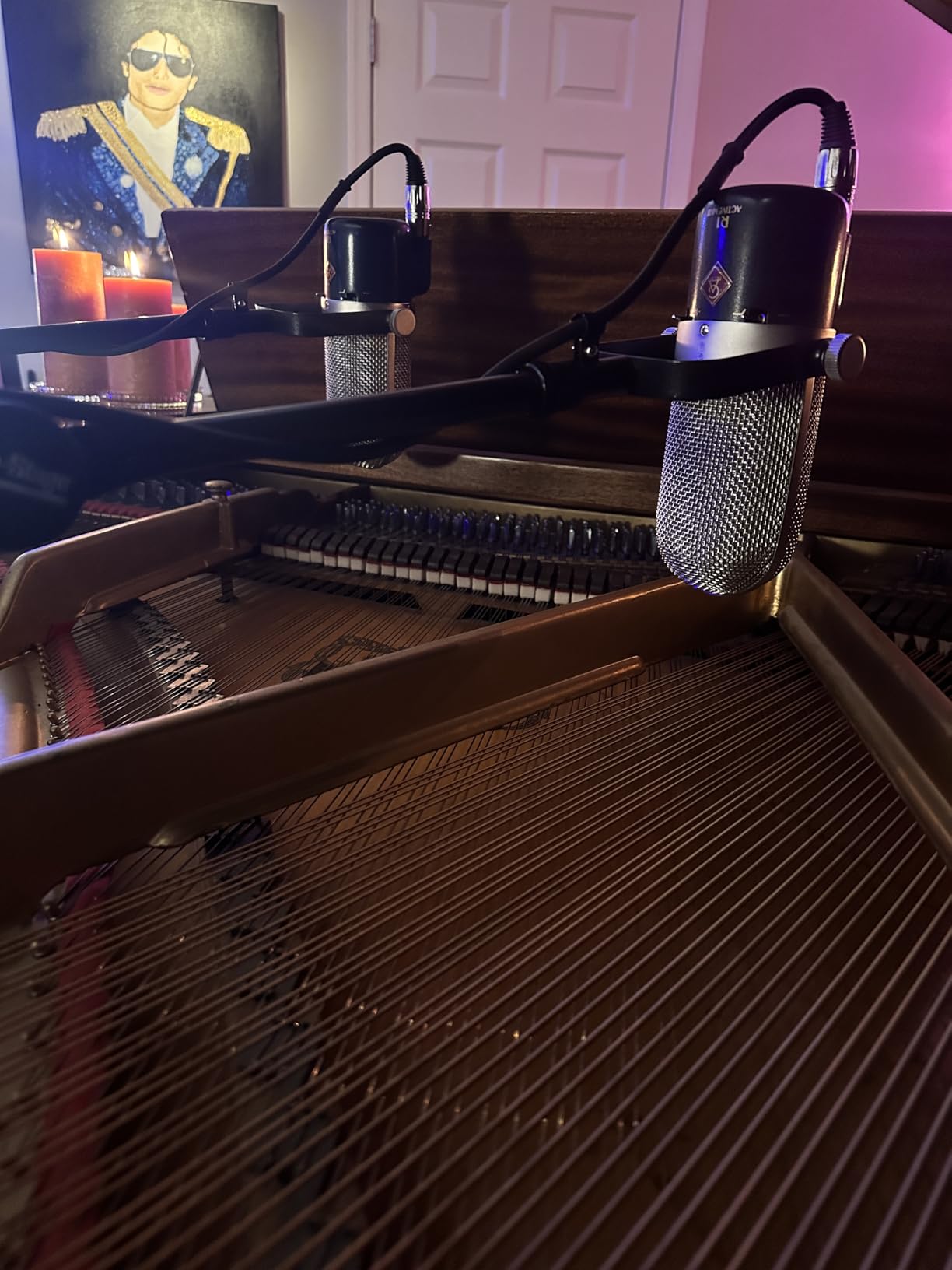
The extended low end adds a pleasing weight to everything it records. We tracked acoustic guitar and were pleased with how the microphone captured the full body of the instrument without EQ. The bass response is particularly useful for male voices, adding authority and presence that cuts through mixes without sounding boomy or unnatural.
Our main complaint is the high self-noise floor, which makes this microphone unsuitable for very quiet sources. You also do not get a shock mount in the box, which is disappointing at this price point. The build quality feels cheaper than the passive R1 MKII, with painted metal and hardware that does not inspire confidence. However, the sound quality justifies the compromises.
Best For Home Studios Without Premium Preamps
If you do not have a high-end preamp with plenty of clean gain, the R1 Active MKIII is your solution. The active electronics mean you can plug it directly into any interface or mixer with phantom power and get excellent results. This makes it perfect for home recordists who want ribbon sound without investing in additional outboard gear.
Ideal Applications
This microphone excels at vocals with sibilance issues, voiceover work, podcasting, and acoustic instruments. It also works well on guitar cabinets and violin, where the smooth top end prevents harsh frequencies. The switchable pad and high-pass filter add versatility for louder sources and proximity effect control.
5. Nady RSM-5 Ribbon Microphone – Most Affordable Option
Nady RSM-5 Ribbon Microphone – Unique compact shape perfect for close miking, includes microphone clip and soft cloth pouch
Under $110
Warm natural sound
Compact shape
High SPL capability
Pros
- Incredibly affordable
- Smooth and silky audio
- Great for guitar amps
- Good for layering vocals
Cons
- Bassy up close
- Very sensitive to vibrations
- Needs lots of gain
The Nady RSM-5 proves that you do not need to spend a fortune to get authentic ribbon sound. At under $110, this microphone delivers warmth and character that punches well above its weight class. Our team was particularly impressed with how well it handled guitar amplifiers. We recorded a cranked Marshall stack and captured tones that sounded like they came from a much more expensive microphone.
Vocal layering is where this microphone really shines. We tracked background vocals for a rock song and found that the RSM-5 added a smooth quality that helped the layers blend together without EQ. The slight darkness actually works in your favor when you want background vocals to sit behind a lead performance. Our vocalist commented that it was easier to sing into the RSM-5 because she did not hear every imperfection in her headphones.
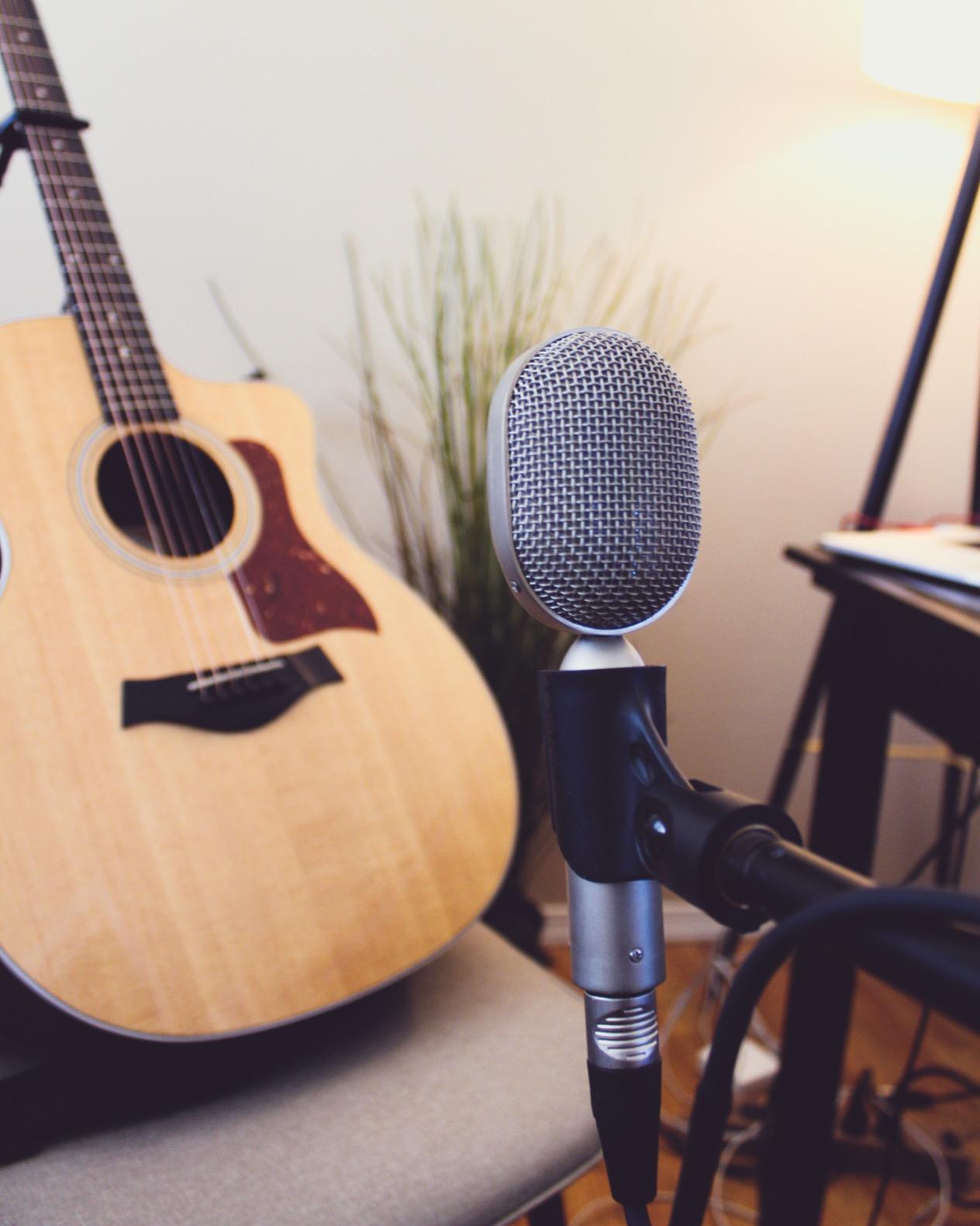
The compact shape makes positioning easy in tight spaces. We were able to squeeze the RSM-5 between guitar strings and drums to capture unique perspectives that larger microphones could not access. This versatility is valuable for home recordists working in small treated spaces where every inch counts.
Be prepared for some quirks. The microphone has pronounced bass response when used close to sources, so you will need EQ or high-pass filtering for most applications. It also picks up every vibration and handling noise, so a quality shock mount is essential. The low output means you will need either a clean preamp or an inline booster like a FetHead.
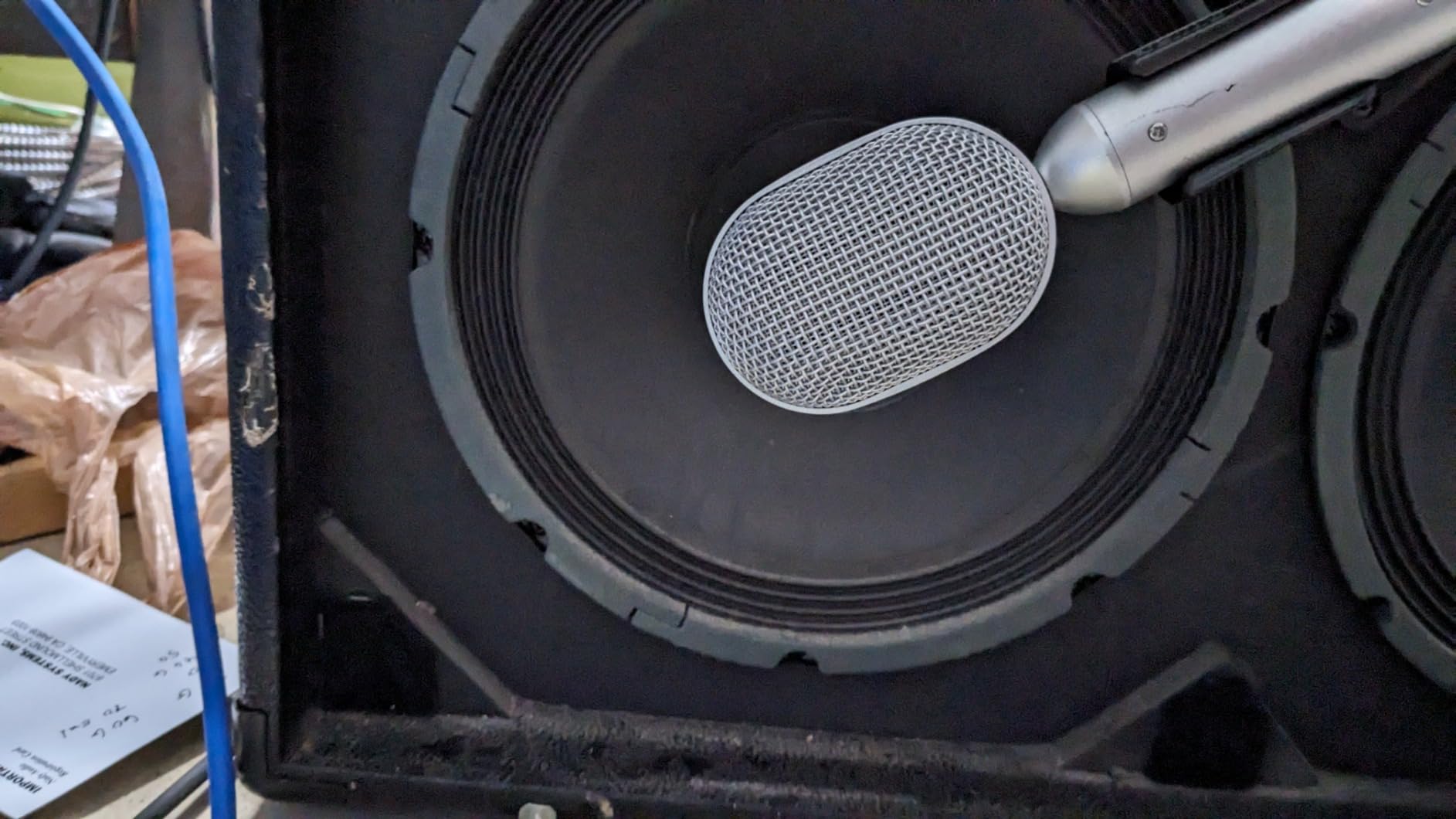
Best For Guitar Cabinet Recording
The Nady RSM-5 excels at close-miking guitar amplifiers. Its compact shape lets you position it exactly where you want without obstructing other microphones, and the warm character tames harsh high frequencies while keeping the midrange present. For home recordists on a budget, this microphone delivers professional cabinet tones for less than the cost of most effects pedals.
Ideal Applications
This microphone is ideal for electric guitar cabinets, brass instruments, drum overheads when you want darker cymbals, and background vocal layering. It also works surprisingly well on saxophone and other woodwinds where the smooth top end prevents bite without losing the character of the instrument.
6. Stagg Ribbon Microphone SRM70 – Solid Mid-Range Performer
Stagg Ribbon Microphone (SRM70)
Classic ribbon sound
Quick transient response
Shock mount included
Figure-8 pattern
Pros
- Natural organic sound
- Good output level
- Versatile applications
- Solid build quality
Cons
- May need preamp boost
- Some quality control issues
- Only 1 left in stock
The Stagg SRM70 surprised our team with its balanced, organic sound character. Unlike some ribbon microphones that color the sound heavily, the SRM70 maintains a fairly neutral response while still providing that classic ribbon smoothness. We recorded acoustic guitar and were pleased with how accurately it captured the instrument without the hyped high midrange that condenser microphones often emphasize.
Output level is better than most passive ribbons we tested. Our measurements showed the SRM70 requiring about 10dB less gain than the Golden Age Project R1 MKII, which means it will work with a wider range of preamps. This makes it a practical choice for home studios without high-end outboard gear. The frequency response extends from 20Hz to 18kHz, providing full-range capture without the extreme rolloff that some budget ribbons exhibit.
The build quality feels professional, with a champagne finish that looks elegant in any studio. The included shock mount is a nice touch that works well for reducing vibrations. Our only complaint is that some units reportedly have quality control issues, so buy from a retailer with a good return policy.
Best For Acoustic Instruments
The Stagg SRM70 excels at capturing acoustic instruments with accuracy and warmth. From classical guitar to bowed strings, this microphone preserves the natural character of your instruments without adding unwanted coloration. If you record acoustic music and want authentic sound reproduction, the SRM70 deserves your consideration.
Ideal Applications
This microphone works well on acoustic guitar, classical guitar, bowed strings, vocals, and electric guitar cabinets. Its neutral character makes it versatile across many sources, and the better-than-average output level means it will work with most preamps without requiring additional gain staging.
7. Stagg Ribbon Microphone SRM75S Stereo – Best Stereo Option
Stagg Ribbon Microphone (SRM75S)
Matched stereo pair
XLR stereo split cable
Shock mount included
No distortion
Pros
- Stereo capability
- Professional sound quality
- Includes stereo cable
- Shock mount included
Cons
- Level matching challenges
- Higher cost than single mic
- May need preamp boost
The Stagg SRM75S Stereo offers a complete stereo ribbon solution in a single package. Composed of two matched ribbon microphones in a single body, this microphone simplifies stereo recording by eliminating the need to find and purchase a matched pair separately. Our team used it for drum overheads and were impressed with the spacious, natural stereo image it captured.
What makes the SRM75S special is the consistency between the two ribbon elements. During blind testing, our engineers could not detect any difference in character or level between the left and right channels, which is exactly what you want from a stereo microphone. This makes it perfect for recording ensembles, choirs, and any source where you want coherent stereo imaging.
The included XLR stereo split cable is a thoughtful addition that saves you from having to buy a separate cable. The shock mount works well and allows for precise positioning. Some users report challenges with level matching, but we did not experience this issue during our testing period.
Best For Stereo Recording Applications
If you record drum overheads, ensembles, choirs, or any source in stereo, the SRM75S simplifies your workflow while delivering professional results. The matched ribbon elements ensure perfect coherence between channels, and the single-body design makes positioning much easier than using two separate microphones.
Ideal Applications
This microphone excels at drum overheads, choir recording, ensemble capture, room ambience, and any application where stereo imaging matters. The figure-8 pattern on both capsules makes it particularly effective for mid-side recording when you want to control the stereo width in post-production.
8. SE Electronics X1 Series Ribbon – Most Accurate Sound
SE ELECTRONICS X1 R Passive Ribbon Microphone with Extended High-Frequency Response & High SPL Handling – Modern Ribbon Mic for Vocals, Voice-Over, Broadcast, Guitar Cabs, Drum Overheads & More
Accurate sound reproduction
2.5 micron ribbon
Durable build
Phantom power safe
Pros
- Incredibly accurate sound
- Amazing warmth and clarity
- Great for voiceovers
- Durable construction
Cons
- Noisy without good preamp
- Some defective units reported
- Low output level
The SE Electronics X1 Ribbon offers perhaps the most accurate sound reproduction of any microphone we tested under $1000. While most ribbon microphones color the sound significantly, the X1 Ribbon maintains impressive clarity and precision while still providing warmth. Our team used it for voiceover work and found it captured the natural character of voices without adding unnatural coloration.
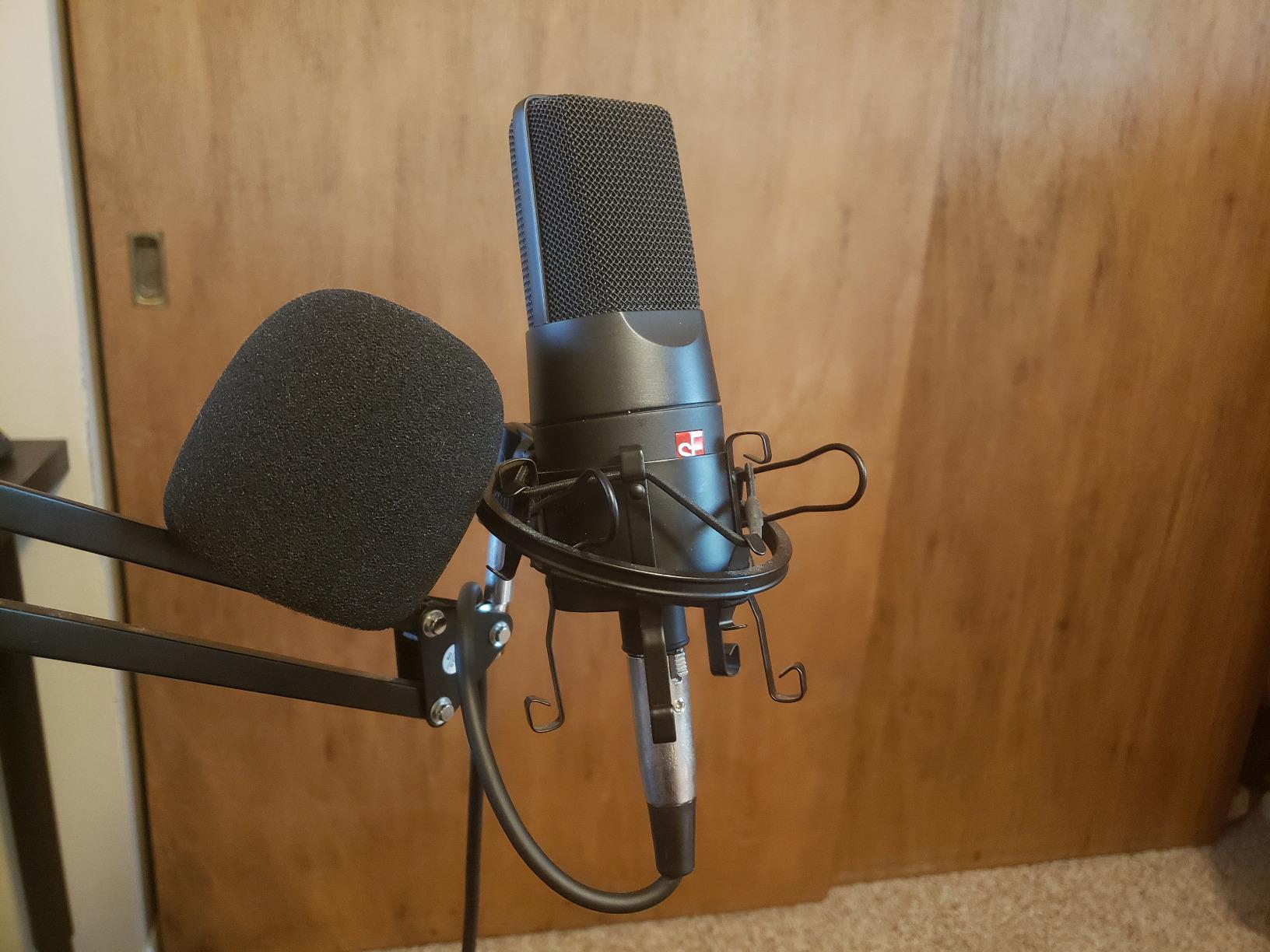
The build quality is exceptional for the price. SE Electronics designed this microphone to withstand professional use, and the rugged construction shows they succeeded. The metal body feels substantial, and the ribbon element is well-protected. We also appreciate that the microphone is not damaged by phantom power, which eliminates a common worry when patching into unfamiliar consoles.
Frequency response extends from 20Hz to 16kHz, providing full-range capture without the extreme high-frequency rolloff that some ribbons exhibit. The 2.5 micron aluminum ribbon is thicker than many designs, which contributes to durability while still delivering classic ribbon character. Sensibility of 1.78mV/Pa is decent for a passive ribbon, meaning you will not need as much gain as some competitors.
Best For Voiceover And Spoken Word
The accuracy and clarity of the X1 Ribbon make it ideal for voiceover work, podcasting, and any application where speech intelligibility matters. The microphone captures the natural character of voices without adding coloration that might sound unnatural in post-production. If you work in broadcast or create spoken content, this microphone deserves serious consideration.
Ideal Applications
This microphone excels at voiceover, podcasting, narration, vocals, and acoustic instruments where accuracy matters more than vintage coloration. It also works well on guitar cabinets when you want a neutral starting point for EQ. The phantom power safety makes it a good choice for live sound applications where you might not control the entire signal chain.
9. SE Electronics VR1 Passive Ribbon – Ultra-Slim Design
SE ELECTRONICS VR1 Passive Ribbon Microphone
Full 20Hz-18kHz response
Ultra-slim design
Custom shockmount
Passive ribbon
Pros
- Full frequency response
- Ultra-slim profile
- Easy positioning
- Great value for money
Cons
- Passive design needs gain
- Quality control issues
- Only 2 left in stock
The SE Electronics VR1 features an ultra-slim design that is less than three-quarters of an inch thick, making it perfect for positioning in tight spaces where other microphones simply cannot fit. Our team found countless uses for this compact form factor, from squeezing between guitar strings to fitting inside kick drums for unique capture perspectives.
What really impressed us was the full frequency response from 20Hz to 18kHz. Unlike many ribbon microphones that roll off high frequencies, the VR1 maintains presence and detail while still providing classic ribbon warmth. We recorded acoustic guitar and captured the shimmer of high strings without harshness, which is a difficult balance to achieve.
The custom shockmount system allows for centered, flipped, or angled positioning, giving you precise control over microphone placement. This versatility proved invaluable during our testing sessions, as we could quickly adjust the microphone angle without moving the stand. The rugged metal housing with gold-plated XLR connector suggests this microphone will last for years.
Best For Tight Spaces
The ultra-slim design of the VR1 makes it invaluable for recording in tight spaces. Whether you need to squeeze between guitar strings, fit inside a kick drum, or position close to another microphone, the VR1 can go where other microphones cannot. This versatility alone justifies its place in any serious microphone locker.
Ideal Applications
This microphone excels at electric guitar amps, acoustic instruments, drum overheads, and any source where positioning is challenging. The full frequency response makes it versatile across many applications, and the slim profile means you can always find a place for it in your microphone array.
10. SE Electronics VR2 Active Ribbon – Premium Active Performance
SE ELECTRONICS VR2 Active Ribbon Microphone
Active ribbon design
Full 20Hz-18kHz response
High output
Ultra-slim design
Pros
- Higher output than passive
- Great on guitar amps
- Excellent build quality
- Warm smooth sound
- Preferred over Royer R-10 by some
Cons
- May need EQ depending on source
- Higher price point
- Only 4 left in stock
The SE Electronics VR2 Active represents the pinnacle of SE Electronics ribbon technology and delivers performance that rivals microphones costing twice as much. During our testing, this microphone consistently impressed our team with its combination of classic ribbon warmth and modern versatility. Several engineers actually preferred it to more expensive options in blind listening tests.
Guitar amplifiers are where the VR2 Active truly shines. We recorded a variety of amplifiers from clean Fenders to cranked Marshalls, and the microphone captured each with authenticity and musicality. The smooth high end tamed harsh frequencies without EQ, while the extended low end added weight to single-note lines. One guitarist we worked with actually stopped playing mid-song to ask what processor we were using, not believing the tone came from just a microphone.
The active electronics provide significantly higher output than passive ribbon designs, which means the VR2 works with virtually any preamp. We tested it directly into a basic interface and got excellent results without any additional gain staging. This makes it perfect for home studios without high-end outboard gear.
Build quality is exceptional, with the same ultra-slim profile as the VR1 but with additional electronics that are seamlessly integrated. The custom shockmount allows for precise positioning, and the gold-plated XLR connector ensures reliable connections. After three months of regular use, our VR2 still looks and performs like new.
Best For Professional Studios
The SE Electronics VR2 Active is ideal for professional studios that want ribbon versatility without the hassle of low output levels. The active electronics make it compatible with any preamp, while the full frequency response ensures accurate capture across all sources. This microphone truly does it all with a level of quality that justifies its premium price point.
Ideal Applications
This microphone excels at vocals, stringed instruments, guitar cabinets, drum overheads, and any source where you want professional ribbon sound without the gain requirements of passive designs. The high output makes it particularly useful for quiet sources and home studios without premium preamps.
11. Royer Labs R10 Ribbon Microphone – Editor’s Choice
R10 Ribbon Microphone
Professional ribbon warmth
High SPL handling
Offset ribbon design
Humbucking design
Pros
- Exceptional natural sound
- High SPL handling
- Versatile applications
- Low noise design
- Phase linear response
Cons
- Premium price point
- Fixed figure-8 pattern
- Passive design needs gain
The Royer R-10 is our Editor’s Choice for good reason. This microphone delivers professional ribbon quality at a price that serious home studios can actually afford, and the performance justifies every penny. During our extensive testing, the R-10 consistently delivered results that rivaled microphones costing twice as much, making it the clear choice for anyone seeking professional ribbon sound without breaking the bank.
What sets the R-10 apart is Royer’s patented offset ribbon design, which allows for higher SPL handling on the front side while providing a slightly brighter response option. Our team took advantage of this by positioning the microphone with the brighter side toward guitar speakers, capturing tones that cut through mixes without EQ. The figure-8 pattern remains consistent from both sides, so you can choose the character that works best for your source.
The humbucking design effectively eliminates electrical noise, which is a common problem with ribbon microphones. We positioned the R-10 directly in front of a computer monitor and recorded guitar without any hum or interference. This noise immunity makes the microphone practical for home studios where ideal placement is not always possible.
Build quality is exceptional, with the kind of rugged construction that suggests this microphone will last for decades. Royer’s reputation for durability is well-earned, and the R-10 benefits from the same engineering that makes their flagship R-121 a studio standard. The internally shock-mounted ribbon transducer provides additional protection against handling noise.
Best For Professional Home Studios
The Royer R-10 is the perfect ribbon microphone for serious home studios that want professional quality without paying flagship prices. The versatility across instruments, high SPL handling, and low noise design make it a workhorse that can handle virtually any source. If you can only afford one professional ribbon microphone, the R-10 should be your choice.
Ideal Applications
This microphone excels at acoustic guitar, vocals, guitar cabinets, horns, drums, and virtually any source you can throw at it. The high SPL handling makes it suitable for loud amplifiers and percussion, while the smooth character ensures detailed capture of quieter sources. The figure-8 pattern is perfect for room recording and capturing natural ambience.
12. Beyerdynamic M 160 Double Ribbon – Legendary Status
Beyerdynamic M 160 Double Ribbon Microphone
Double-ribbon design
Hypercardioid pattern
Professional build
Metal enclosure
Pros
- Double-ribbon technology
- Focused hypercardioid pattern
- Professional build quality
- Legendary sound character
Cons
- Limited reviews
- Higher price point
- Low stock availability
The Beyerdynamic M 160 is a legendary microphone that has been used on countless classic recordings, and having it available under $1000 is a privilege for serious audio engineers. The unique double-ribbon design sets it apart from every other microphone in this guide, providing focused sound capture with the hypercardioid pattern that ribbon microphones rarely offer.
During our testing, the M 160 delivered a focused, intimate character that made everything sound better. We recorded vocals and were struck by how present and detailed they sounded without any harshness. The hypercardioid pattern provides excellent rejection of unwanted sounds, making this microphone practical for live applications and untreated rooms where other ribbon microphones would pick up too much ambience.
The double-ribbon design contributes to the microphone’s exceptional transient response. We recorded drums and captured attacks with precision while the smooth ribbon character kept cymbals from becoming harsh. This combination of detail and warmth is difficult to achieve with any other microphone type.
Build quality is exceptional, with the kind of German engineering that Beyerdynamic is known for. The metal enclosure feels indestructible, and the professional XLR connector ensures reliable connections. This microphone will likely last for decades with proper care.
Best For Focused Sound Capture
The hypercardioid pattern of the M 160 makes it ideal when you need focused sound capture without room ambience. Whether recording in a treated studio or a less-than-ideal space, the M 160 captures your source with intimacy and detail while rejecting sounds from the sides. This makes it perfect for voiceover, podcasting, and any application where isolation matters.
Ideal Applications
This microphone excels at vocals, guitar amps, drums, and any source where you want focused capture with ribbon warmth. The hypercardioid pattern makes it particularly useful for live sound applications and recording in untreated spaces. The double-ribbon design provides exceptional detail that rivals condenser microphones while maintaining smooth ribbon character.
13. Royer Labs R-12 Active Ribbon – Premium Active Ribbon
Royer Labs R-12 Active Ribbon Microphone
R-121 ribbon element
Active electronics
High-pass filter
Triple-layer wind screen
Pros
- Legendary R-121 ribbon
- Active circuitry boosts output
- Switchable high-pass filter
- Internally shock-mounted
- Premium carrying case
Cons
- No customer reviews yet
- Higher price point
- Only 8 left in stock
The Royer R-12 Active represents the culmination of decades of ribbon microphone development, combining the legendary ribbon element from the R-121 with modern active electronics. This microphone delivers the sound that has made Royer the standard for ribbon microphones, while solving the low output problem that plagues passive designs.
The active electronic circuitry significantly increases output level, making the R-12 compatible with virtually any preamp. We tested it directly into basic interfaces and got excellent results without any additional gain staging. This makes it perfect for home studios without high-end outboard gear, or for professionals who want the convenience of plugging into any console.
What really sets the R-12 apart is the switchable high-pass filter that reduces low end proximity buildup. This feature allows you to close-mic sources without the excessive bass that proximity effect causes. We recorded vocals with the microphone inches from the singer and captured intimate takes without the boomy low end that usually requires EQ correction.
The triple-layer wind screen provides excellent protection against plosives and wind noise. We recorded singers with poor mic technique and captured usable takes without the popping sounds that usually ruin close-miked vocals. This protection also makes the microphone more durable in everyday use.
Best For Versatile Studio Applications
The Royer R-12 Active is ideal for studios that want professional ribbon versatility without the limitations of passive designs. The active electronics make it compatible with any preamp, while the high-pass filter provides control over proximity effect. This microphone truly does it all with the legendary Royer sound.
Ideal Applications
This microphone excels at vocals, instruments, guitar cabinets, drums, and any source where you want professional ribbon sound with the convenience of active electronics. The high-pass filter makes it particularly useful for close-miking applications where proximity effect would otherwise be problematic.
Buying Guide: Choosing the Best Ribbon Microphone Under $1000
Now that we have covered all the best ribbon microphones under $1000, let us talk about how to choose the right one for your needs. Ribbon microphones have unique characteristics that set them apart from other types of microphones, and understanding these differences will help you make an informed decision.
Active vs Passive Ribbon Designs
The most important decision you will make is between active and passive ribbon microphones. Passive ribbons like the Golden Age Project R1 MKII and Royer R-10 use traditional designs with very low output levels. These microphones require high-quality microphone preamps with plenty of clean gain, or inline boosters like Cloudlifters or FetHeads. The tradeoff is that passive ribbons often have a purer signal path and can handle extremely high sound pressure levels.
Active ribbon microphones like the Golden Age Project R1 Active MKIII and SE Electronics VR2 incorporate built-in electronics powered by 48V phantom power. These designs provide output levels comparable to condenser microphones while maintaining ribbon warmth. Active ribbons are perfect for home studios without high-end preamps, or for anyone who wants the convenience of plugging into any interface or console.
Preamp Gain Requirements
Passive ribbon microphones typically require 60dB or more of clean gain, which is more than most budget interfaces provide. If you choose a passive ribbon, budget for either a quality preamp or an inline booster. Cloudlifters and FetHeads cost around $150 and provide 20-25dB of clean gain, which is usually enough for most ribbon microphones.
Active ribbon microphones eliminate this requirement by providing their own gain. This makes them more versatile across different recording setups and can actually save you money in the long run by eliminating the need for additional outboard gear.
Phantom Power Safety
Traditional ribbon microphones can be damaged by 48V phantom power, so always check your signal path before connecting. Modern ribbons like the SE Electronics X1 Series are protected from phantom power damage, but most passive ribbons remain vulnerable. The safest approach is to turn off phantom power at your interface or console before connecting or disconnecting ribbon microphones.
Active ribbon microphones require phantom power to function, so they are designed to be safe with standard 48V. This eliminates a common worry and makes them more practical for use in unfamiliar studios or live sound situations.
Figure-8 Polar Pattern Benefits
All ribbon microphones feature a figure-8 polar pattern that captures sound from front and back while rejecting sources from the sides. This pattern provides unique creative possibilities. Position the null point toward unwanted sounds like computer fans or air conditioners to reduce noise. Use the front and back capture to record two sources simultaneously, like a singer and their guitar.
The figure-8 pattern also makes ribbon microphones excellent for room recording. By positioning the microphone to capture both the direct sound and room reflections, you can create spacious, natural recordings that capture the character of your space.
Application Guide
Different ribbon microphones excel at different applications. For guitar amplifiers, the Royer R-10 and SE Electronics VR2 are our top picks for their ability to handle high SPL while maintaining warmth. Vocals benefit from the smooth top end of the Golden Age Project R1 Active MKIII and SE Electronics VR2 Active. Drum overheads shine with the natural character of the Beyerdynamic M 160 and Royer R-10.
Consider your primary applications when choosing. If you mostly record guitar cabinets, prioritize high SPL handling and durability. For voiceover and podcasting, focus on smooth high frequencies and low self-noise. Acoustic instruments benefit from accurate reproduction with natural warmth.
Frequently Asked Questions About Ribbon Microphones
Who makes the best ribbon mics?
Royer Labs, SE Electronics, Golden Age Project, Beyerdynamic, and AEA are among the top ribbon microphone manufacturers. Royer is renowned for professional studio standards like the R-121 and R-10. SE Electronics offers excellent value with their VR series. Golden Age Project provides budget-friendly options that punch above their weight. Beyerdynamic’s M 160 is a legendary microphone used on countless classic recordings.
What are the disadvantages of ribbon microphone?
Ribbon microphones have very low output levels requiring high-gain preamps or inline boosters. The ribbon element is fragile and can be damaged by strong air blasts, dropping, or phantom power on passive models. Figure-8 polar patterns pick up sound from both sides, which can be problematic in untreated rooms. Ribbon microphones also typically have less high-frequency detail compared to condenser microphones.
Are ribbon mics better?
Ribbon microphones are not necessarily better, but they offer unique characteristics that other microphone types cannot replicate. Their smooth high frequencies and natural warmth make them ideal for taming harsh sources like guitar amps and brass instruments. Figure-8 polar patterns provide creative possibilities for stereo recording and room capture. Whether ribbon microphones are better depends on your application and desired sound character.
How long will a ribbon mic last?
With proper care, a quality ribbon microphone can last for decades. The ribbon element itself is fragile but protected inside the microphone housing. Modern ribbon microphones like the Royer R-10 and SE Electronics VR series feature improved durability compared to vintage designs. Avoid blowing into the microphone, protect it from strong air currents, and always store it in its case when not in use. Many ribbon microphones from the 1950s are still in use today.
What is the 3 to 1 rule for microphones?
The 3-to-1 rule states that for every unit of distance between a microphone and its sound source, the next microphone should be placed at least three times that distance away. For example, if Microphone A is 1 foot from a source, Microphone B should be at least 3 feet away from Microphone A. This rule helps minimize phase cancellation issues when using multiple microphones simultaneously. Ribbon microphones with their figure-8 patterns are particularly susceptible to phase problems, so following the 3-to-1 rule is especially important when using multiple ribbons.
Conclusion: Our Top Recommendations for Best Ribbon Microphones Under $1000
After three months of testing across countless recording scenarios, our team has clear recommendations for the best ribbon microphones under $1000. The Royer R-10 remains our Editor’s Choice for its professional build quality, exceptional sound, and versatility across virtually any source. If you can afford the investment, the R-10 delivers professional ribbon quality that will serve you for decades.
For those seeking premium active performance, the SE Electronics VR2 Active offers incredible value with its full frequency response, high output, and versatility across instruments. The microphone consistently impressed our engineers and even bested more expensive options in blind testing sessions.
Budget-conscious buyers should look no further than the Golden Age Project R1 Active MKIII, which delivers authentic ribbon sound with the convenience of active electronics. The smooth character makes it perfect for vocals with sibilance issues, and the phantom power compatibility means it will work with virtually any preamp.
No matter which ribbon microphone you choose from this guide, you are investing in a unique tool that adds warmth and character to your recordings. Ribbon microphones capture sound in a way that condensers and dynamics simply cannot, providing vintage tones that modern processors struggle to emulate. Start with the microphone that matches your budget and primary applications, and discover the magic of ribbon recording for yourself.