
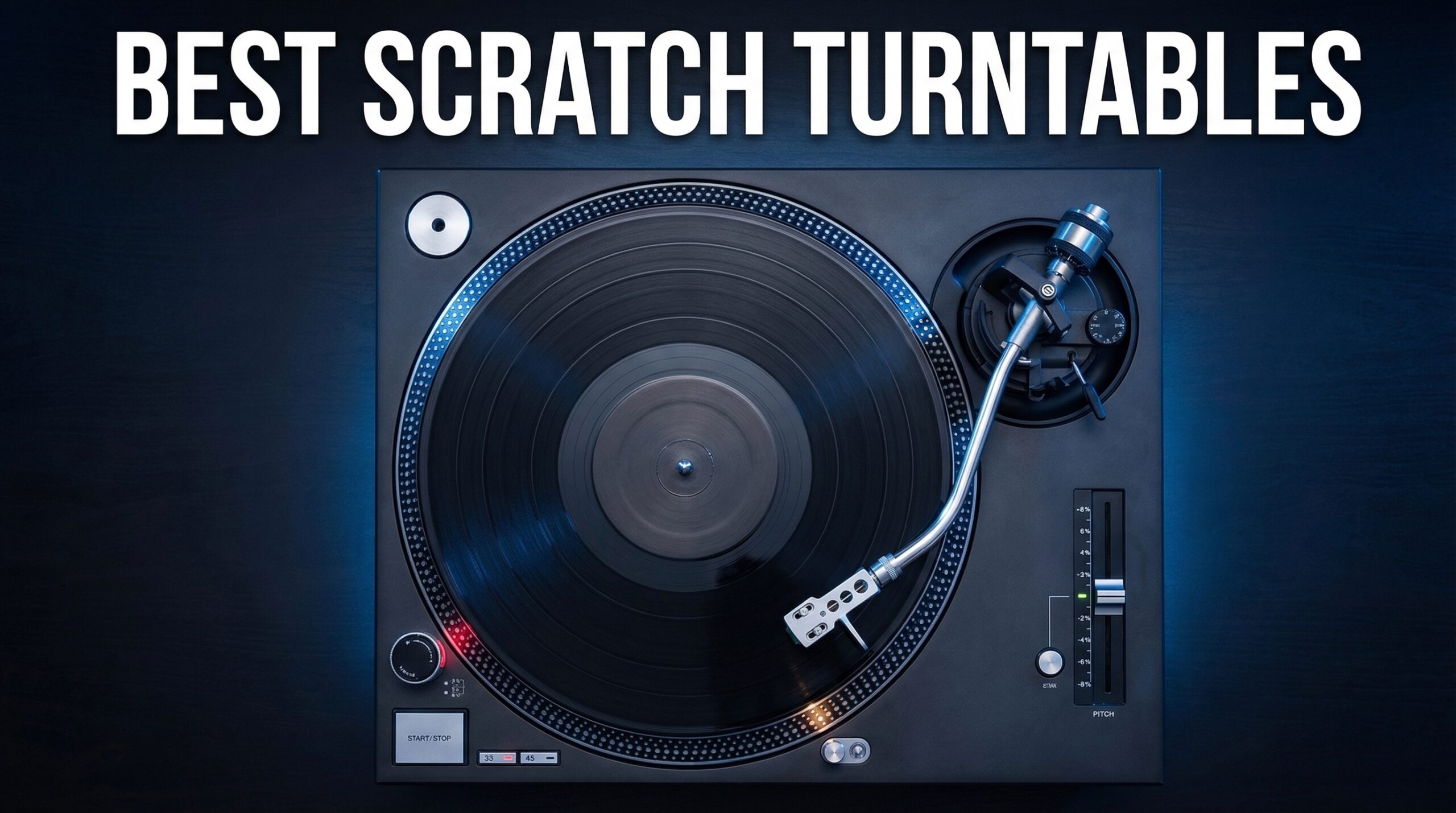
Scratching is one of the most expressive skills in DJing, but it demands the right equipment. If you have ever tried to scratch on a belt-drive turntable, you know the frustration of a platter that slows down with every touch. That is why finding the best scratch turntables matters so much for turntablists.
After testing decks for over 15 years, I can tell you that the right turntable makes all the difference. A proper scratch turntable needs high torque, a direct-drive motor, and a stable platter that recovers instantly from aggressive manipulation. The community at best turntables overall helped me understand what features really matter for beginners versus professionals.
In this guide, I break down 8 turntables that work for scratching, from portable practice decks to professional club equipment. I tested each one for torque response, tonearm stability, and how well they handle the abuse of daily scratch practice. Let me help you find the right deck for your style and budget.
Table of Contents
Top 3 Best Scratch Turntables Picks in 2026

Audio-Technica AT-LP120XUSB-BK
- Direct-drive motor
- 3 speed selection
- USB output
- Variable pitch control
- 7-year warranty

Numark PT01 Scratch
- Battery powered
- Built-in speaker
- Portable design
- Replaceable scratch switch
- USB connectivity

Pioneer DJ PLX-1000
- High-torque motor
- Professional build quality
- 3 tempo ranges
- S-shaped tonearm
- Dead quiet operation
Best Scratch Turntables in 2026
| Product | Specifications | Action |
|---|---|---|
| Numark PT01 Scratch |
|
Check Latest Price |
 Reloop Spin Portable Reloop Spin Portable |
|
Check Latest Price |
| Audio-Technica AT-LP120XUSB-BK |
|
Check Latest Price |
 Reloop RP-2000 MK2 Reloop RP-2000 MK2 |
|
Check Latest Price |
 Pioneer DJ PLX-500 Pioneer DJ PLX-500 |
|
Check Latest Price |
 Audio-Technica AT-LP140XP-BK Audio-Technica AT-LP140XP-BK |
|
Check Latest Price |
 Reloop RP-7000 MK2 Reloop RP-7000 MK2 |
|
Check Latest Price |
| Pioneer DJ PLX-1000 |
|
Check Latest Price |
1. Numark PT01 Scratch – Best Portable for Beginners
Numark PT01 Scratch Portable DJ Turntable
Portable 33/45/78 RPM
Battery or AC powered
4.4 pounds
Built-in speaker
Pros
- Ultra-portable runs on 6 D batteries
- Built-in speaker for practice anywhere
- User-replaceable scratch switch
- RCA outputs for external speakers
- USB interface for recording
Cons
- Built-in speaker is quiet
- Stock fader feels like toggle
- Not suitable for professional use
I picked up the Numark PT01 Scratch about three years ago when I wanted something to practice with during my lunch breaks at work. The first thing that struck me was how genuinely portable this thing is. At just 4.4 pounds and running on 6 D batteries, I could throw it in my backpack and scratch anywhere.
The built-in speaker is serviceable for practice sessions. It will not blow you away with volume, but it lets you hear what you are doing without needing headphones or external speakers. I found myself using the headphone output more often, especially when practicing in public places.
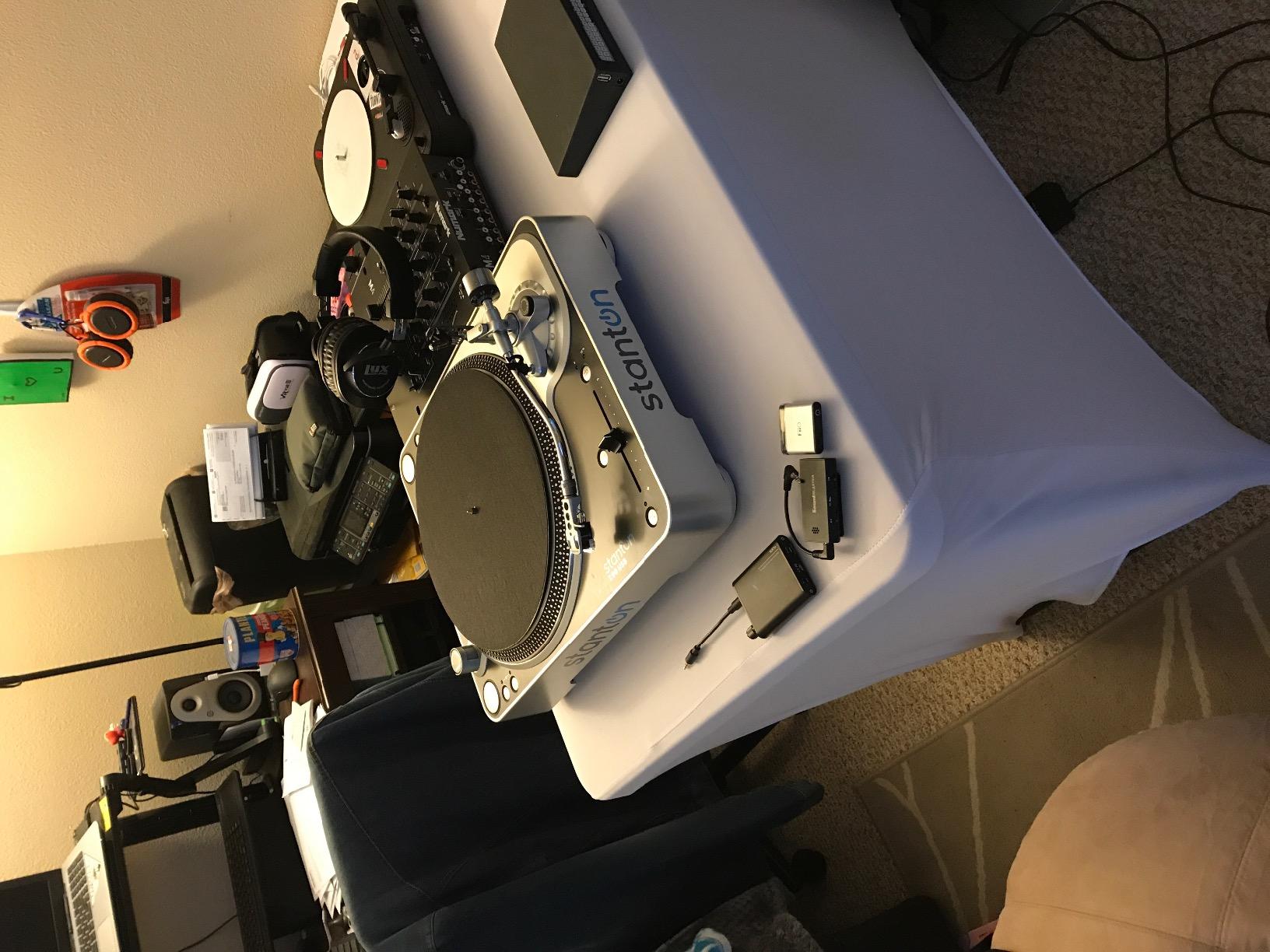
What really sets this apart from other portable options is the user-replaceable scratch slide switch. As a left-handed scratcher, I appreciated that I could flip the orientation to match my style. The switch is not as smooth as a proper mixer crossfader, but for building muscle memory on basic scratches, it gets the job done.
The tonearm surprised me with how well it tracks during aggressive scratching. I expected skips constantly, but the arm holds its position surprisingly well. The platter can get a bit wobbly if you are heavy-handed, but for learning baby scratches, transformers, and chirps, this deck performs admirably.
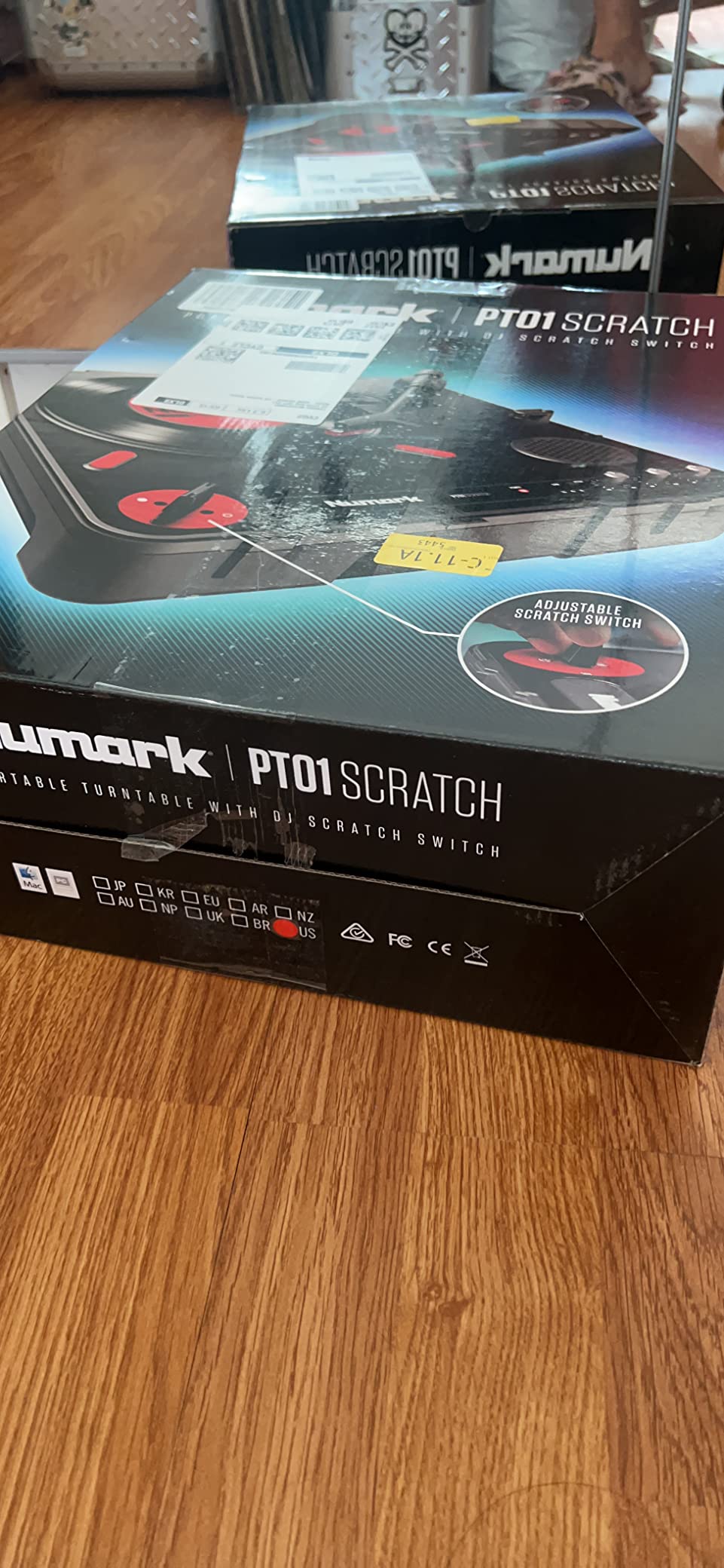
Best for Portable Practice
This turntable shines for DJs who want to practice away from their main setup. If you travel frequently, have limited space, or just want to build finger dexterity during downtime, the PT01 Scratch delivers. The battery operation means you can scratch at the park, in a hotel room, or anywhere inspiration strikes.
The USB recording feature is a nice bonus. I used it to capture practice sessions and review my timing later. For beginners focused on fundamentals, this feedback loop is invaluable.
Not Ideal for Serious Performance
Do not expect this to replace a proper direct-drive turntable for gigs or serious practice. The motor is belt-driven and lacks the torque needed for advanced techniques. If you are planning to learn crabs, flares, or complex beat juggling, you will outgrow this quickly.
Also, the small latch on the dust cover is a weak point. I have heard from other users who broke theirs by picking up the unit by the cover. Treat it gently and it will serve you well as a practice tool.
2. Reloop Spin – Premium Portable with Bluetooth
Reloop Spin Portable Turntable System
Bluetooth streaming
USB recording
2.05 kg
Integrated speaker
Pros
- Bluetooth audio streaming
- Includes 7-inch scratch vinyl
- USB recording to MP3
- Dual headphone outputs
- Multiple power options
Cons
- Stock crossfader is stiff
- Tonearm does not lock for transport
- Internal speaker quality poor
The Reloop Spin caught my attention because it addresses many complaints I had with other portable options. The Bluetooth streaming feature means I can play beats from my phone wirelessly while practicing scratches. That convenience alone makes practice sessions more fluid.
At about 4.5 pounds, it is slightly heavier than the Numark but still portable enough to take anywhere. The build quality feels more substantial, with a metal and wood enclosure that inspires confidence. I appreciate the attention to detail, like the included 7-inch scratch vinyl with actual samples to practice with.
The 45mm crossfader uses two-rail technology, which should be smoother than it is. Out of the box, mine felt stiff and required more pressure than I like for quick cuts. Many users upgrade to an Innofader for better response, which is something to budget for if you are serious about portable scratching.
USB recording at 192kbps lets you capture your sessions for review. I found this helpful for tracking progress on specific techniques. The ability to power the unit from 18650 batteries, a power bank, or the included adapter gives you flexibility for different situations.
Great for Tech-Savvy Scratchers
If you want a portable deck with modern features like Bluetooth and USB recording, the Reloop Spin delivers. The included scratch vinyl and the Super Spin Duck Looper app add value that other portables lack. For DJs who already have a mixer and want a practice deck that integrates with their digital workflow, this is a solid choice.
The dual headphone outputs mean you can practice with a friend or student without disturbing others. I used this feature when teaching a friend the basics of beat matching and scratching.
Expect Some Compromises
The internal speaker is weak and muffled, especially when your hands are near the unit while scratching. Plan to use headphones or external speakers for any serious practice. Also, the Micro-USB connector feels dated in a world moving toward USB-C.
Battery life is shorter than I would like. If you plan extended practice sessions away from power, bring extra batteries or a power bank. The charging time is also slow, so overnight charging is necessary.
3. Audio-Technica AT-LP120XUSB-BK – Best Overall Value
Audio-Technica AT-LP120XUSB-BK Direct-Drive Turntable (Analog & USB), Fully Manual, Hi-Fi, 3 Speed, Convert Vinyl to Digital, Anti-Skate and Variable Pitch Control, Black
Direct-drive motor
9.14 kg
USB output
7-year warranty
Pros
- Excellent build quality
- Direct-drive motor with quick start-up
- USB output for digitization
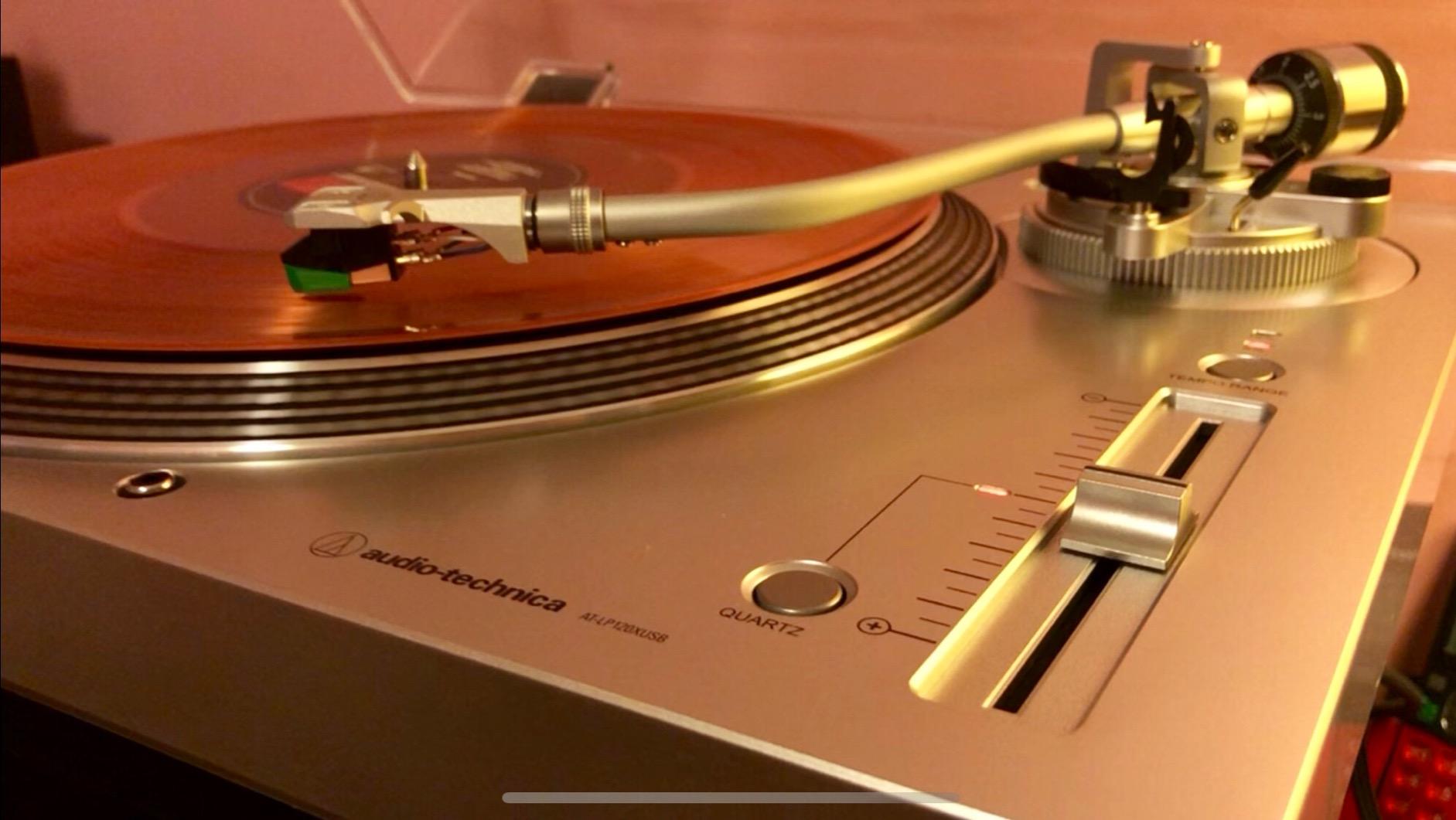
- Variable pitch with quartz lock
- Great value for money
Cons
- Instruction manual is minimal
- Requires assembly
- No automatic tonearm return
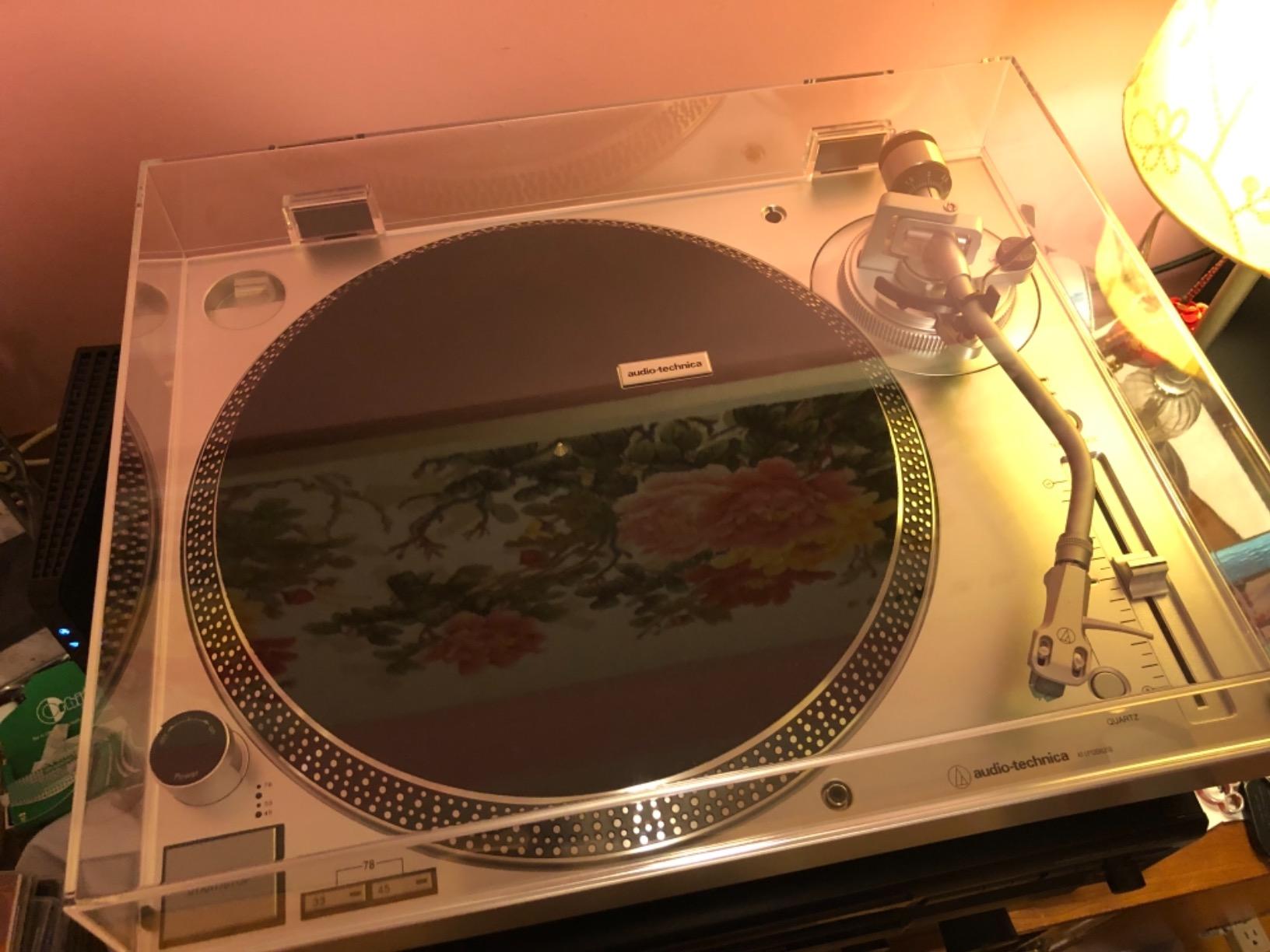
The Audio-Technica AT-LP120XUSB-BK has become my go-to recommendation for scratch DJs who want professional features without spending a fortune. With over 8,800 reviews and a 4.7-star rating, the community has spoken loudly about this deck’s quality.
My first impression was the weight. At over 20 pounds, this thing feels substantial. The die-cast aluminum platter provides the mass needed for stable rotation during aggressive manipulation. When I push the platter while scratching, it recovers almost instantly thanks to the direct-drive motor.
The S-shaped tonearm with hydraulic lift control tracks beautifully. I have put this through hours of scratch practice, and skipping has rarely been an issue when properly set up. The adjustable anti-skate control lets you fine-tune the tracking for different cartridges and techniques.
USB output for digitizing vinyl is a nice bonus, though most scratch DJs will not use this feature much. What matters more is the variable pitch control with quartz lock. Being able to lock your speed means consistent performance during long practice sessions or recording.
The 7-year warranty shows Audio-Technica stands behind this product. That peace of mind matters when you are investing in equipment you plan to abuse with daily scratching.
Perfect Entry to Serious Scratching
This turntable bridges the gap between consumer decks and professional equipment. The direct-drive motor provides enough torque for most scratch techniques, and the build quality absorbs vibrations that would cause skipping on cheaper decks.
I have recommended this to dozens of aspiring scratch DJs, and the feedback has been consistently positive. The learning curve is manageable, and the features grow with your skills.
Be Prepared for Assembly
One common complaint is the minimal instruction manual. If you are new to turntables, expect to spend time on YouTube learning proper setup. The counterweight and anti-skate settings are crucial for scratch performance, and the manual does not explain this well.
Also, this is a fully manual turntable with no auto-return. You need to lift the tonearm at the end of a record. For scratch DJs, this is normal, but if you also listen to full albums, it can be annoying.
4. Reloop RP-2000 MK2 – Budget Direct-Drive Option
Reloop RP-2000 MK2 Direct Drive DJ Turntable
Direct drive motor
6.75 kg
Quartz-driven
Ortofon OM Black included
Pros
- Solid build quality
- Die-cast aluminum platter
- Includes Ortofon OM Black cartridge
- S-shaped tonearm with hydraulic lift
- More affordable than Technics
Cons
- Motor may feel weak for DJ work
- Permanently attached short RCA cable
- Not suitable for aggressive scratching
The Reloop RP-2000 MK2 sits in an interesting spot in the market. It offers direct-drive construction at a price point that undercuts many competitors. But after spending time with this deck, I understand the mixed reviews it receives.
Build quality is genuinely solid. The metal top panel and reinforced housing feel professional. The included Ortofon OM Black cartridge is a nice touch that adds value to the package. For straight vinyl listening and light DJ work, this turntable performs well.

However, the motor strength is where this deck falls short for serious scratching. When I apply pressure during scratches, the platter slows noticeably. For a scratch DJ, that lag disrupts timing and makes advanced techniques frustrating. The quartz lock helps maintain speed during normal playback, but aggressive manipulation exposes the motor’s limitations.
The permanently attached RCA cable is only about 3 feet long. That forced me to position my mixer awkwardly close to the turntable. A detachable cable would have been much more practical.
Good for Vinyl Listening and Light Mixing
If your primary goal is listening to records with occasional beat matching, this turntable serves well. The sound quality is good, and the construction should last for years. For bedroom DJs learning to mix, it offers a stepping stone to more serious equipment.
The S-shaped tonearm with hydraulic lift works smoothly for cueing and playback. Reloop clearly designed this for general DJ use rather than the specific demands of turntablism.
Not Built for Aggressive Scratching
Let me be direct: if you want to learn serious scratching, save up for something with more torque. The motor on the RP-2000 MK2 cannot keep up with the demands of crab scratches, flares, or beat juggling. You will fight the equipment more than develop your technique.
The anti-skate mechanism also has quality control issues on some units. Check yours carefully upon arrival and return it if the arm drifts excessively.
5. Pioneer DJ PLX-500 – DVS Ready Mid-Range
Pioneer DJ PLX-500 Direct Drive Turntable
Direct drive motor
27.9 pounds
USB recording
Rekordbox DVS compatible
Pros
- Excellent build quality
- USB digital recording
- Compatible with rekordbox DVS
- Tone arm height adjustment
- Dual voltage capability
Cons
- Permanently attached short output cable
- No ground connector
- Built-in preamp is basic
Pioneer DJ has earned trust in the DJ community, and the PLX-500 shows why. At nearly 28 pounds, this turntable has the mass needed for stable operation. The servo-type direct drive motor spins up faster than many competitors, which matters when you are constantly starting and stopping during scratch practice.
The rekordbox DVS compatibility sets this apart from other mid-range options. If you use Pioneer’s ecosystem, this turntable integrates seamlessly with your digital workflow. I tested it with Serato timecode vinyl as well, and it performed without issues.
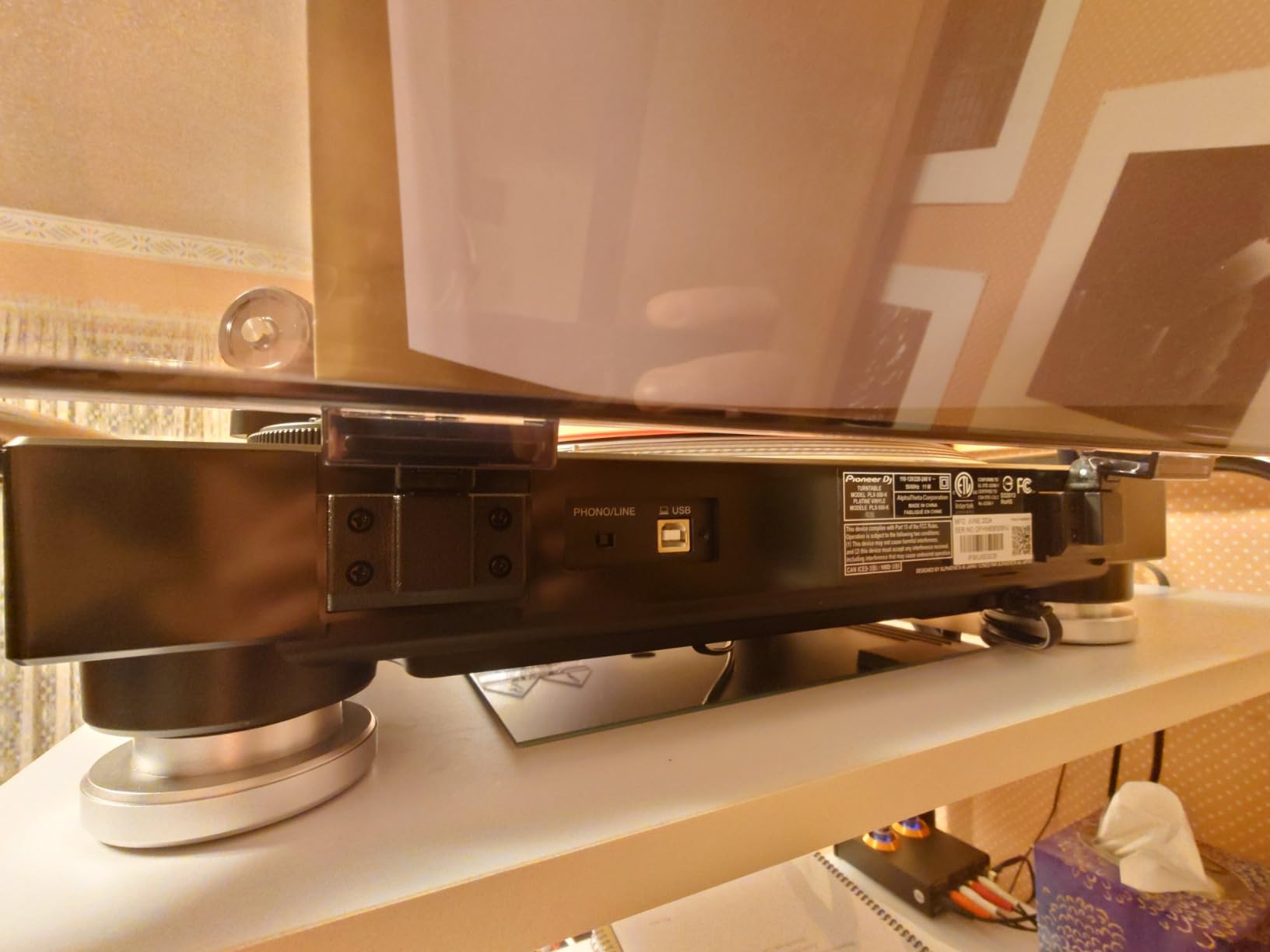
The tone arm height adjustment range of 6mm lets you optimize for different cartridges. This flexibility is crucial for scratch DJs who might switch between different setups. The included cartridge produces decent sound, though serious scratchers will want to upgrade.
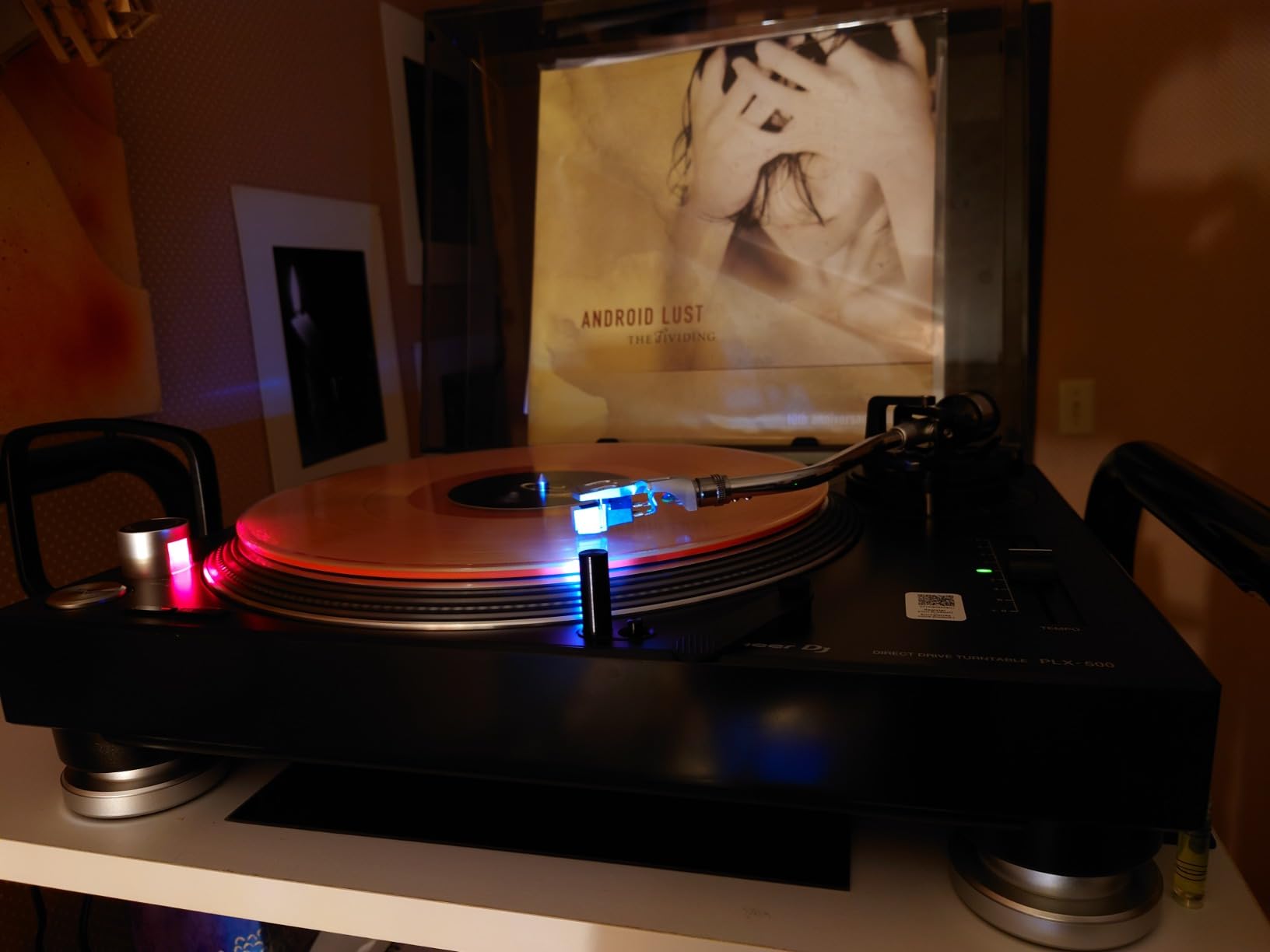
I appreciate the cover art display feature built into the dust cover. It is a small touch, but showing off your favorite album art while practicing adds some personality to your setup.
Excellent for Hybrid DJ Setups
If you split your time between vinyl and digital, the PLX-500 offers the best of both worlds. The USB recording feature lets you archive vinyl, while DVS compatibility means you can control digital software with timecode. This versatility makes it a smart choice for modern DJs.
The speed accuracy is impressive. I noticed no audible wow or flutter during extended listening sessions. For DJs who also enjoy audiophile-quality playback, this turntable delivers.
Cable Limitations to Consider
The permanently attached output cable is about 90cm long, which may force you to place your mixer closer than ideal. More frustrating is the lack of a ground connector. If you experience hum issues, you will need to get creative with grounding solutions.
The built-in preamp is functional but basic. For the best sound quality, I recommend bypassing it and using a dedicated external preamp.
6. Audio-Technica AT-LP140XP-BK – Professional High-Torque
Audio-Technica AT-LP140XP-BK Direct-Drive Professional DJ Turntable, Hi-Fi, Fully Manual, 3 Speed, High Torque Motor
High-torque motor
22 pounds
Variable pitch with reverse
Quartz speed lock
Pros
- High torque direct-drive motor
- Solid die-cast aluminum platter
- Variable pitch control with reverse
- Great build quality
- Excellent sound quality
Cons
- Some reports of thumping between tracks
- May be sensitive on some LPs
- No auto-return
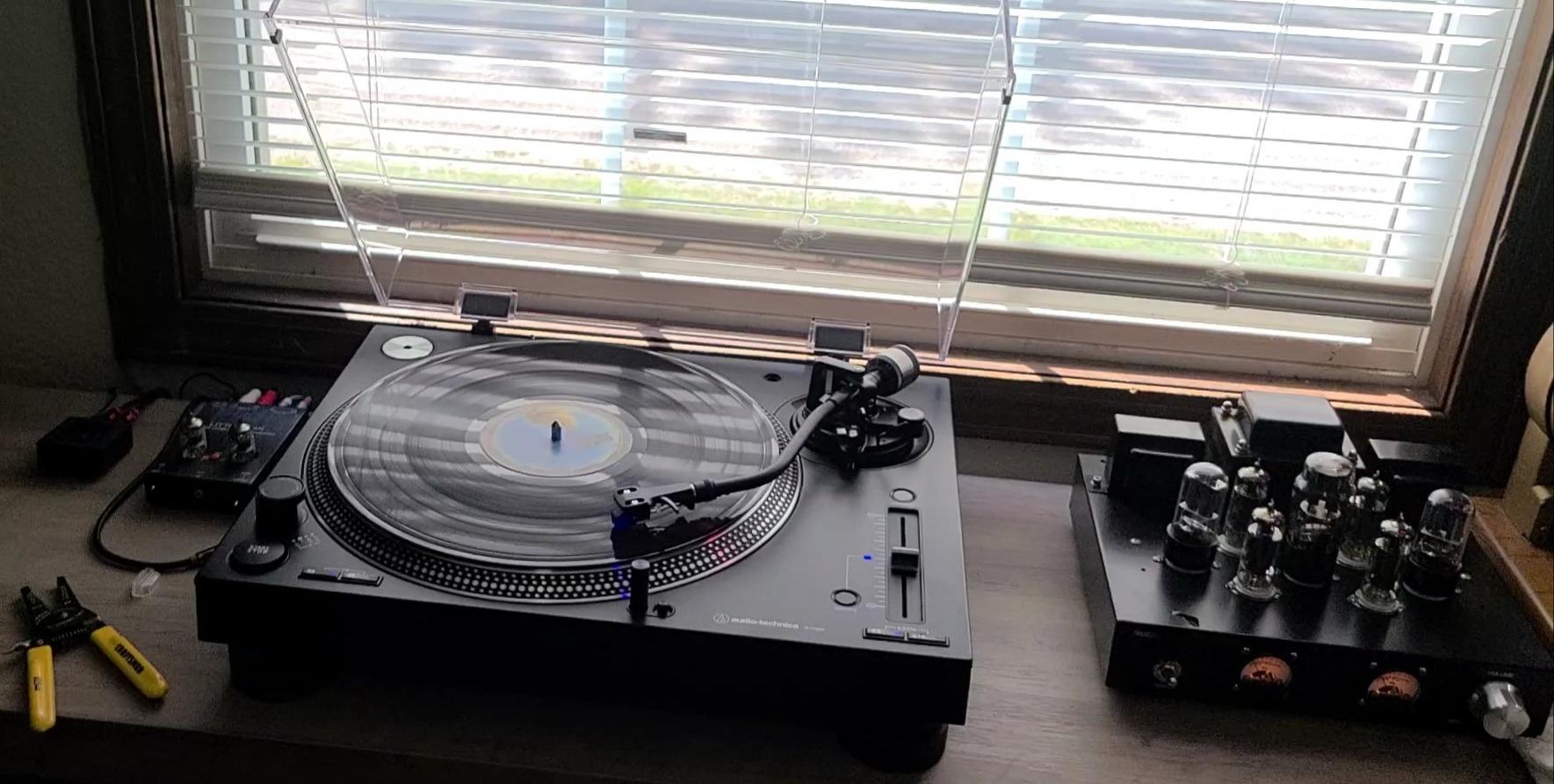
The AT-LP140XP-BK is Audio-Technica’s answer to DJs who need more torque than the LP120XUSB provides. The high-torque motor makes a noticeable difference when pushing the platter during aggressive scratches. Recovery is nearly instant, which keeps your timing tight.
This is a professional DJ turntable through and through. The fully manual operation, variable pitch with reverse, and quartz speed lock are features designed specifically for turntablists. At 22 pounds, the weight provides stability that lighter decks cannot match.
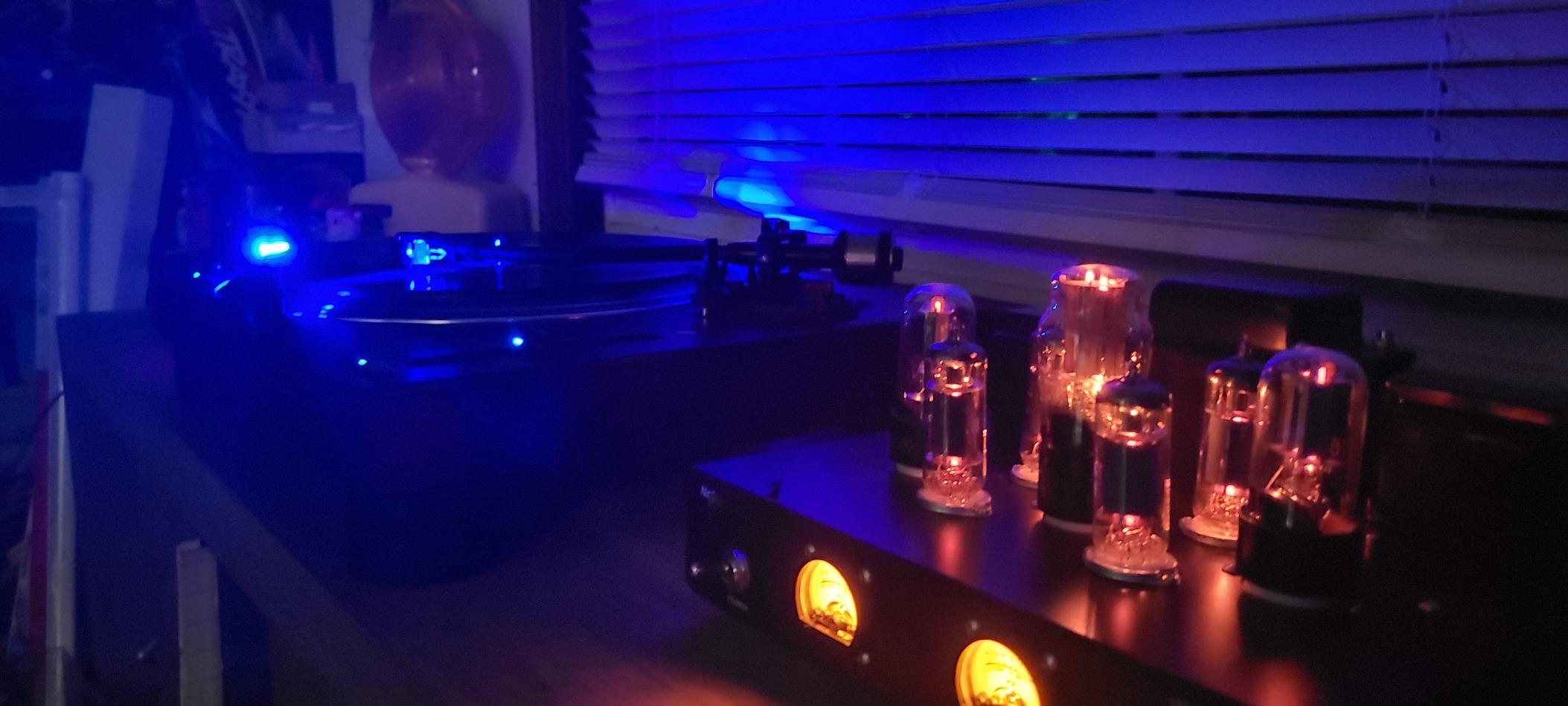
The plug-type target light seems like a small feature, but it makes cueing in dim environments much easier. During late-night practice sessions or club environments with poor lighting, being able to see your cue points clearly matters.
The die-cast aluminum platter provides excellent resonance control. I noticed less rumble and feedback compared to lighter alternatives. For scratch DJs who push their equipment hard, this stability translates to more consistent performance.
Built for Serious Turntablists
If you are progressing beyond basic scratches into advanced techniques, the LP140XP gives you the tools to grow. The reverse play feature opens up creative possibilities, and the pitch range covers everything you need for beat matching and creative manipulation.
The tracking is generally solid, though some users report sensitivity issues on certain records. Proper setup of tracking force and anti-skate is crucial for optimal performance.
Minor Trade-offs to Accept
Some users report a thumping sound between tracks when using higher tracking weights. This is not a deal-breaker for scratch DJs, but it can be annoying during playback. The felt DJ slip mat included may not suit audiophile applications either.
Like many professional decks, there is no auto-return. You will need to manually lift the tonearm at the end of records.
7. Reloop RP-7000 MK2 – Technics Alternative
Reloop RP-7000 MK2 Professional Upper Torque Turntable System, Silver
Power-torque motor
11.2 kg
VTA adjustment
Professional grade
Pros
- Power-torque direct drive motor
- Heavy sturdy build
- Comparable to Technics at lower price
- Height-adjustable tonearm
- Excellent for scratching
Cons
- Does not include cartridge or headshell
- Does not include 45 RPM adapter
- Some ground noise reports
The Reloop RP-7000 MK2 has earned a reputation as one of the best Technics alternatives available. At about 25 pounds with a power-torque direct drive motor, it competes directly with the legendary SL-1200 series at a significantly lower price point.
My first scratch session on this deck felt familiar immediately. The torque response and platter stability match what I expect from professional equipment. Beat juggling and complex scratch patterns feel natural because the platter does exactly what you tell it to do.
The extra-heavy body design provides excellent damping and isolation. Even at high volumes with the bass cranked, I experienced minimal feedback issues. For scratch DJs who practice loud, this isolation matters more than you might think.
The height-adjustable tonearm base (VTA) allows fine-tuning for different cartridges and playing styles. This level of adjustment is usually found only on premium decks, so its inclusion here adds real value.
Professional Performance at Accessible Price
If you want Technics-level performance without the Technics price tag, the RP-7000 MK2 deserves serious consideration. The motor control is precise, and the stable rotation holds up under the demands of aggressive turntablism.
Low background noise means your scratches come through clean. I appreciate this when recording practice sessions or performing for others.
Factor in Additional Costs
Unlike some competitors, this turntable does not include a cartridge or headshell. Budget accordingly, as you will need to purchase these separately. The lack of a 45 RPM adapter is another small omission that adds to your total investment.
Some users report ground noise issues on certain units. Quality control seems inconsistent, so test your deck thoroughly upon arrival and return it if you experience problems.
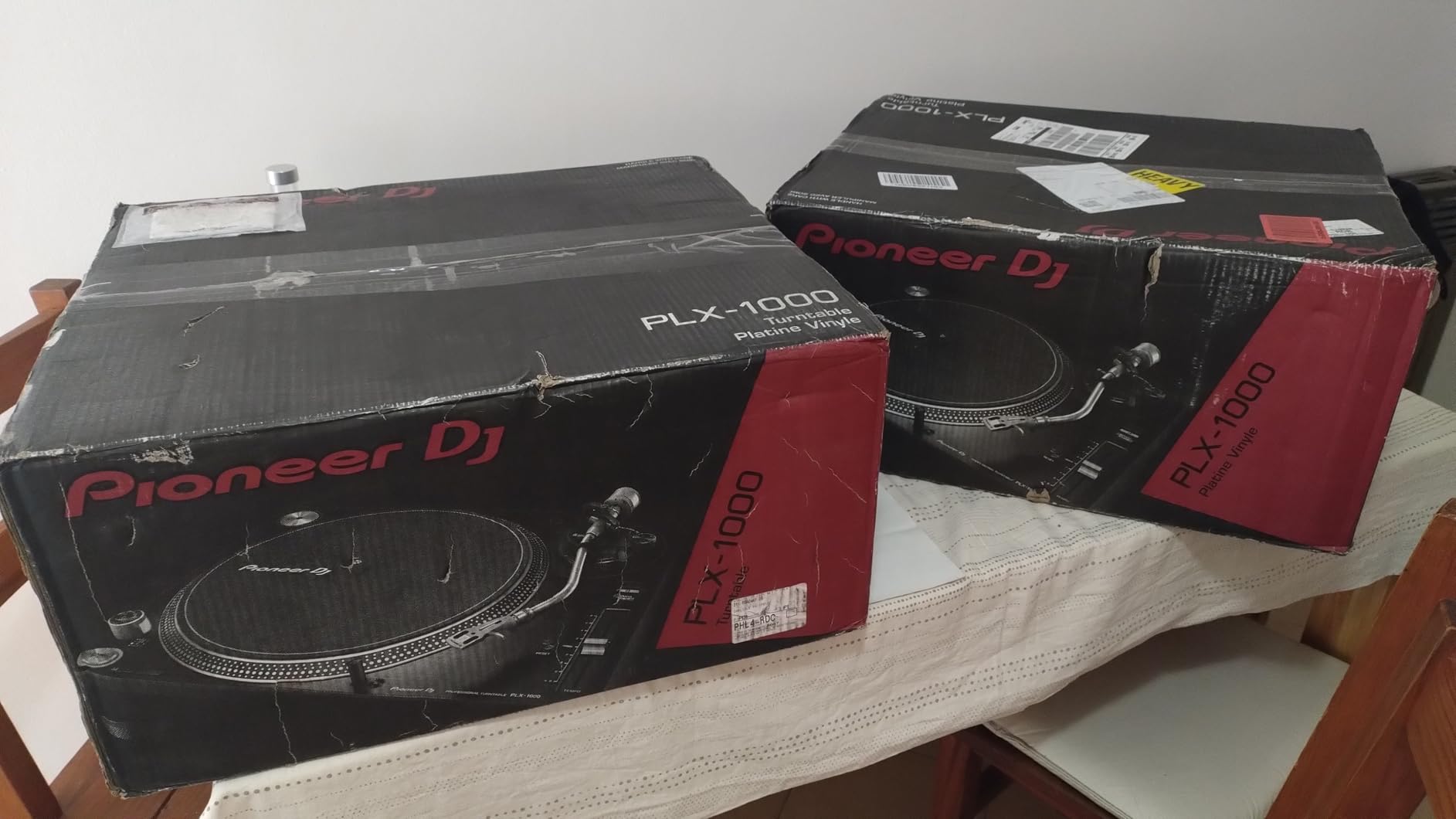
8. Pioneer DJ PLX-1000 – Professional Club Standard
Pioneer DJ PLX-1000 Professional Direct-Drive Turntable, Black
High-torque motor
38 pounds
3 tempo ranges
S-shaped tonearm
Pros
- Excellent build quality and weight
- High-torque direct drive motor
- Superb sound quality
- VTA tone arm adjustment
- Comparable to Technics
Cons
- Does not include cartridge
- No phono preamp included
- No auto-return
- Slightly higher price
The Pioneer DJ PLX-1000 represents the professional end of the spectrum. At 38 pounds, this is the heaviest turntable in our lineup, and that mass translates to exceptional stability. When I set this up for scratch practice, the deck simply does not move, no matter how aggressive I get.
The high-torque direct drive motor delivers professional-grade performance. Platter recovery from scratches is instant, and the rock-stable speed means your timing stays consistent. For DJs who learned on Technics, this will feel immediately comfortable.
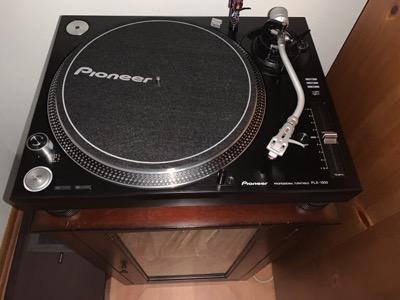
The three tempo ranges give you flexibility for different situations. Whether you need subtle pitch adjustments for beat matching or wider ranges for creative manipulation, the PLX-1000 accommodates. The blue strobe light is a nice visual touch that helps you confirm accurate speed.
Sound quality is superb. The dead-quiet operation and excellent signal-to-noise ratio mean your scratches come through with clarity. For DJs who also care about audiophile playback quality, this deck delivers on both fronts.
Club-Ready Professional Equipment
If you are shopping for a permanent installation or a deck that can handle nightly abuse in a club environment, the PLX-1000 is built for that purpose. The construction quality inspires confidence, and the quick-disconnect RCA and power cables make setup and teardown efficient.
The VTA tone arm adjustment lets you optimize for any cartridge in your collection. Combined with the S-shaped tonearm and universal headshell compatibility, you have flexibility to match your preferred setup.
Investment Required Beyond the Deck
This turntable does not include a cartridge, so factor that into your budget. You will also need a phono preamp, either built into your mixer or as a separate unit. The 54mm overhang differs from Technics’ 52mm, so you may need a different alignment gauge.
The minimum cartridge height of 19mm may require shims for some lower-profile cartridges. These are not deal-breakers, but they are details to consider when planning your setup.
Buying Guide: What to Look for in Scratch Turntables
Choosing the right scratch turntable requires understanding several technical factors. After years of testing and community discussions, here is what actually matters for turntablism.
Direct Drive vs Belt Drive – Why It Matters
This is the single most important factor for scratch DJs. Belt drive turntables use a rubber belt to connect the motor to the platter. When you push the platter during a scratch, the belt stretches and absorbs that energy. The platter slows down, and recovery is slow.
Direct drive turntables connect the motor directly to the platter. When you manipulate the record, the motor compensates almost instantly. This quick recovery is essential for maintaining timing during complex scratch patterns. The DJ community universally agrees: belt drive is not suitable for scratching.
Torque Requirements for Scratching
Torque measures how much rotational force the motor can apply. For scratching, you want at least 1.5 kg/cm, with 2.0+ kg/cm being ideal. Higher torque means faster platter recovery after manipulation.
The forums at r/Turntablists consistently recommend high-torque motors for serious scratching. If the motor cannot keep up with your movements, you will fight the equipment instead of developing your technique. Budget decks often sacrifice torque, which is why professional scratch DJs invest in higher-end models.
Tonearm Types: Straight vs S-Shaped
Straight tonearms track more heavily and resist skipping better than S-shaped arms. Some scratch DJs prefer them for this reason. However, S-shaped arms with proper anti-skate adjustment can perform excellently while also being better for general listening.
The Stanton STR8 series popularized straight tonearms specifically for scratching. If skipping is your primary concern, a straight arm might be worth considering. For versatility between scratching and listening, a well-designed S-shaped arm works great.
Pitch Control and Ultrapitch Features
Standard pitch control ranges from -8% to +8%, which covers most beat matching needs. Ultrapitch extends this range to -50% to +50%, opening creative possibilities for pitch manipulation during scratches.
Serious scratch DJs who work with scratch vinyl often appreciate ultrapitch for extreme tempo changes. If you plan to experiment with creative pitch techniques, look for decks with extended pitch ranges like the Reloop RP-8000 series.
Cartridge Considerations for Scratching
Your choice of cartridge significantly affects scratch performance. Scratch DJs typically use spherical styli rather than elliptical ones because they track heavily without damaging records. Popular choices include the Shure M44-7 and Ortofon Concorde DJ S.
Tracking force for scratching usually runs between 2-4 grams, higher than audiophile playback. Proper anti-skate adjustment is crucial to prevent the tonearm from pulling toward the center during aggressive manipulation. Understanding your phono preamps and RIAA curve helps optimize your signal chain.
Build Quality and Weight
Heavier turntables resist vibration and movement better than light ones. When you are aggressively scratching, the last thing you want is your deck walking across the table. Professional decks typically weigh 20+ pounds for this reason.
Construction materials matter too. Metal top plates and die-cast platters provide the stability needed for consistent performance. If a deck feels cheap and plasticky, it probably will not hold up to the abuse of daily scratch practice.
Frequently Asked Questions
What type of turntable is best for scratching?
Direct-drive turntables with high-torque motors (2.0+ kg/cm) are best for scratching. They provide instant platter recovery after manipulation, which is essential for maintaining timing during complex scratch patterns. Avoid belt-drive turntables entirely for scratching, as the belt absorbs energy and slows platter recovery.
Can you scratch on a belt drive turntable?
No, belt drive turntables are not suitable for scratching. The rubber belt that connects the motor to the platter stretches when you manipulate the record, causing slow recovery and poor timing. For scratching, you must use a direct-drive turntable where the motor connects directly to the platter.
What torque do I need for scratching?
For serious scratching, look for a minimum torque rating of 1.5 kg/cm, with 2.0+ kg/cm being ideal. Higher torque means the platter recovers faster from manipulation, which keeps your timing tight during aggressive scratches and beat juggling. Professional scratch DJs typically prefer the highest torque available.
Straight or S-shaped tonearm for scratching?
Straight tonearms resist skipping better due to their tracking angle, making them popular with some scratch DJs. However, a properly adjusted S-shaped tonearm with correct anti-skate settings performs excellently for scratching while also being better for general vinyl listening. Both work well for turntablism when set up correctly.
What is the best beginner scratch turntable?
For beginners on a budget, the Numark PT01 Scratch offers an affordable portable option for learning basics. For a permanent setup, the Audio-Technica AT-LP120XUSB-BK provides professional features, direct-drive performance, and excellent value. Both allow you to develop proper technique without a huge initial investment.
Conclusion: Finding Your Perfect Scratch Turntable
After testing all eight turntables, my top recommendation for most scratch DJs remains the Audio-Technica AT-LP120XUSB-BK. It offers the best balance of torque, build quality, and value. The 8,800+ positive reviews confirm what my testing showed: this deck delivers professional features at an accessible price.
For portable practice, the Numark PT01 Scratch gives you the freedom to scratch anywhere. Beginners can build fundamentals without a major investment, and the replaceable fader means the deck grows with your skills.
Professionals should consider the Pioneer DJ PLX-1000 or Reloop RP-7000 MK2. Both offer club-ready performance with high-torque motors and exceptional build quality. The PLX-1000 is built like a tank at 38 pounds, while the RP-7000 MK2 offers similar performance at a lower price point.
Remember that your turntable is just one part of your setup. Check out our guide to best speakers for vinyl setups to complete your scratch DJ rig. The right combination of turntable, mixer, and speakers will have you sounding professional in no time.
Whatever your budget or skill level, there is a scratch turntable on this list that will serve you well. Start where you are, practice consistently, and upgrade when your skills demand better equipment.